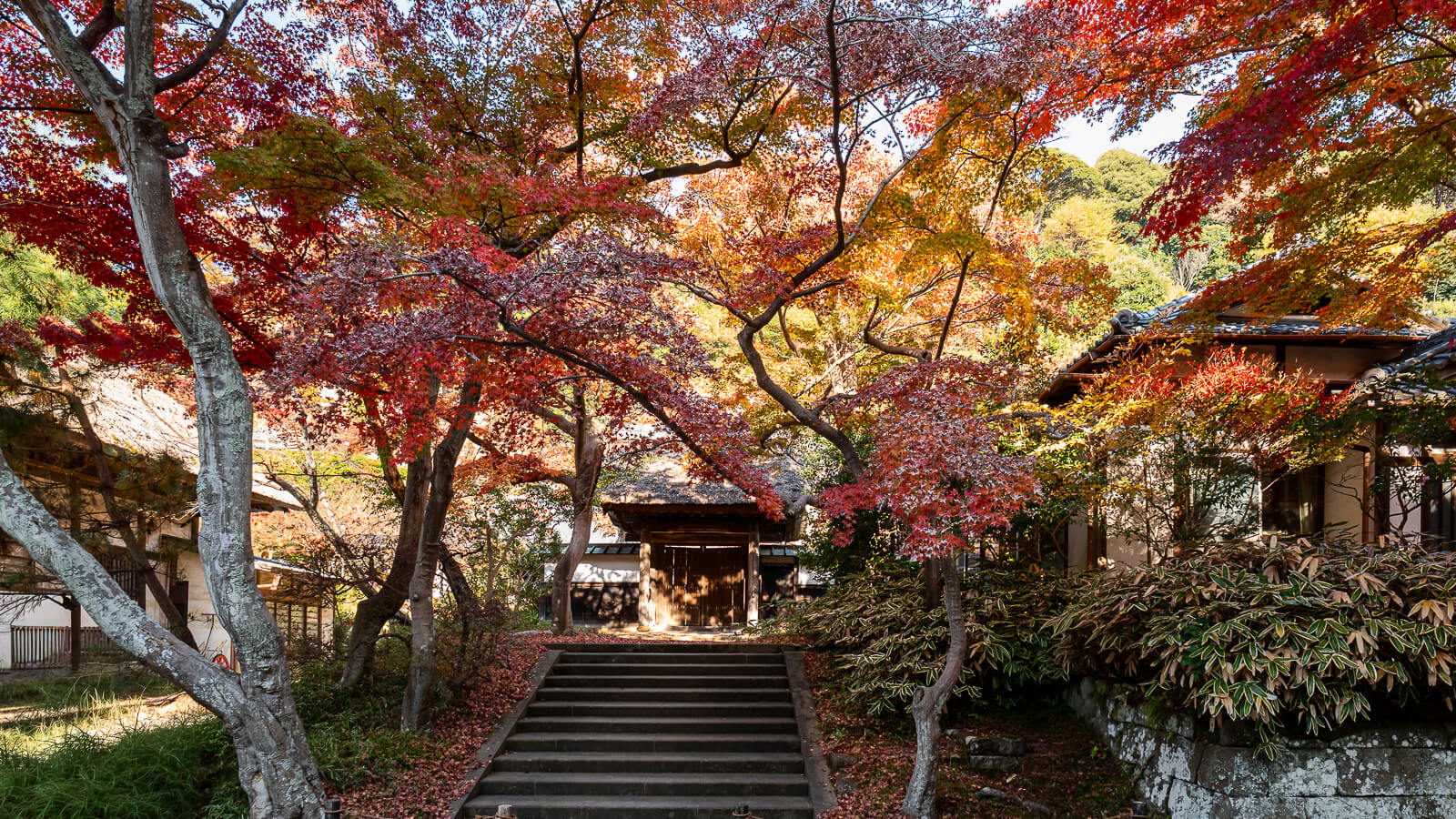
Start in Kita-Kamakura for the strongest autumn visit
Autumn brings red maples, golden ginkgo and rich green bamboo to Kamakura’s temple gardens and wooded valleys in Kanagawa Prefecture. For the strongest overall experience, start in Kita-Kamakura and make Engaku-ji the anchor of the day. The northern temple district offers a particularly rewarding combination of seasonal color, historic buildings and beautiful garden views, with Meigetsu-in and Jōchi-ji adding distinctive autumn scenes nearby.
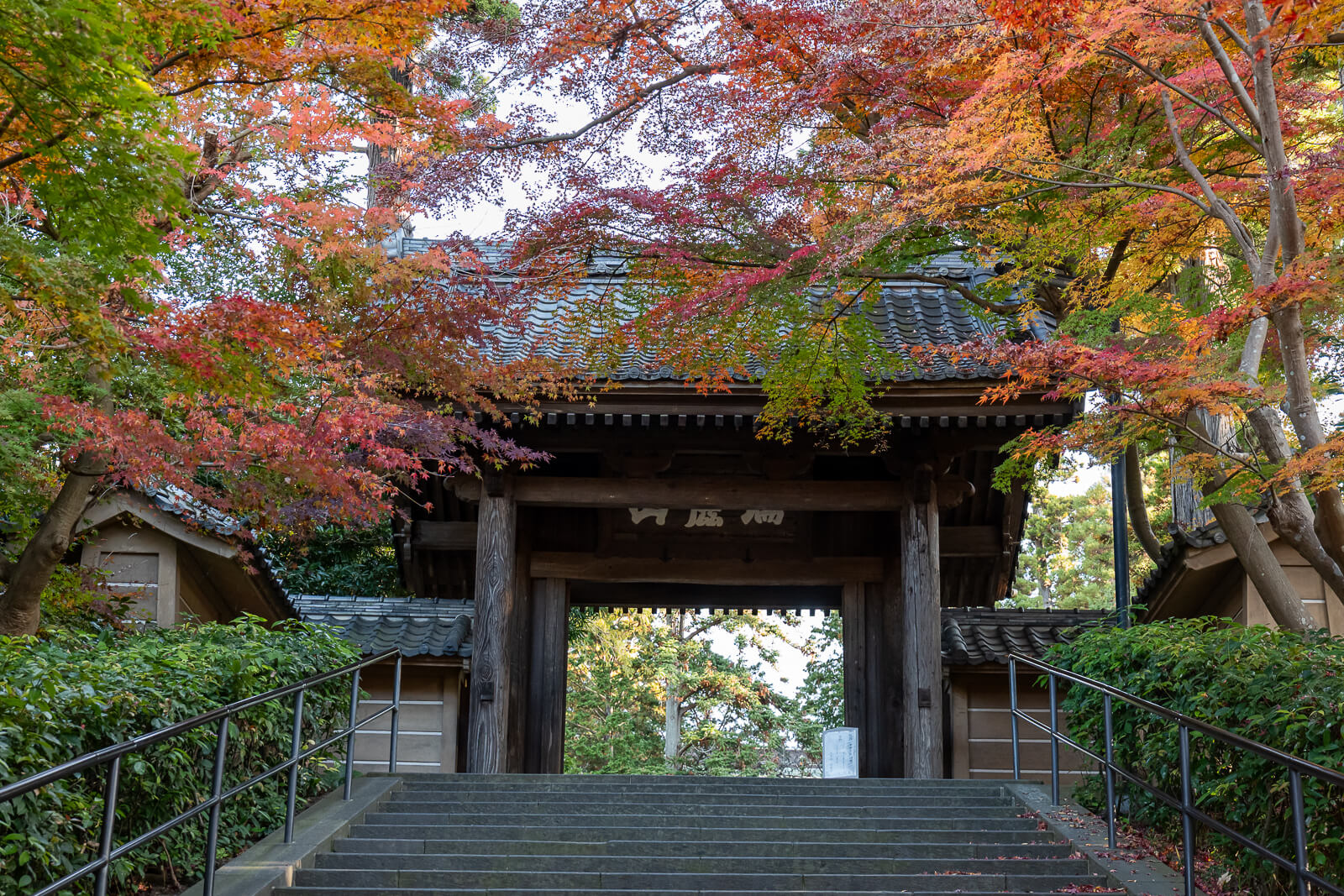
Hase is a good alternative when you want autumn gardens alongside the Great Buddha and coastal views. Central Kamakura works well when the shrine, food and shopping matter as much as the foliage.
A half day works well for a focused temple-and-garden visit. A full day opens up the north-to-south route from Kita-Kamakura through Kenchō-ji and central Kamakura, finishing with Komachi-dōri and Kamakura Station. Hase offers a different autumn day, pairing layered gardens and coastal views with the Great Buddha.
Choose the area before choosing every temple
Kamakura’s autumn attractions fall into three useful groups. Kita-Kamakura contains Engaku-ji, Meigetsu-in, Jōchi-ji, Tōkei-ji and Kenchō-ji. Central Kamakura centers on Tsurugaoka Hachimangū and the streets connecting it with Kamakura Station. Hase, on the western side of the city, brings Hase-dera and Kōtoku-in together.
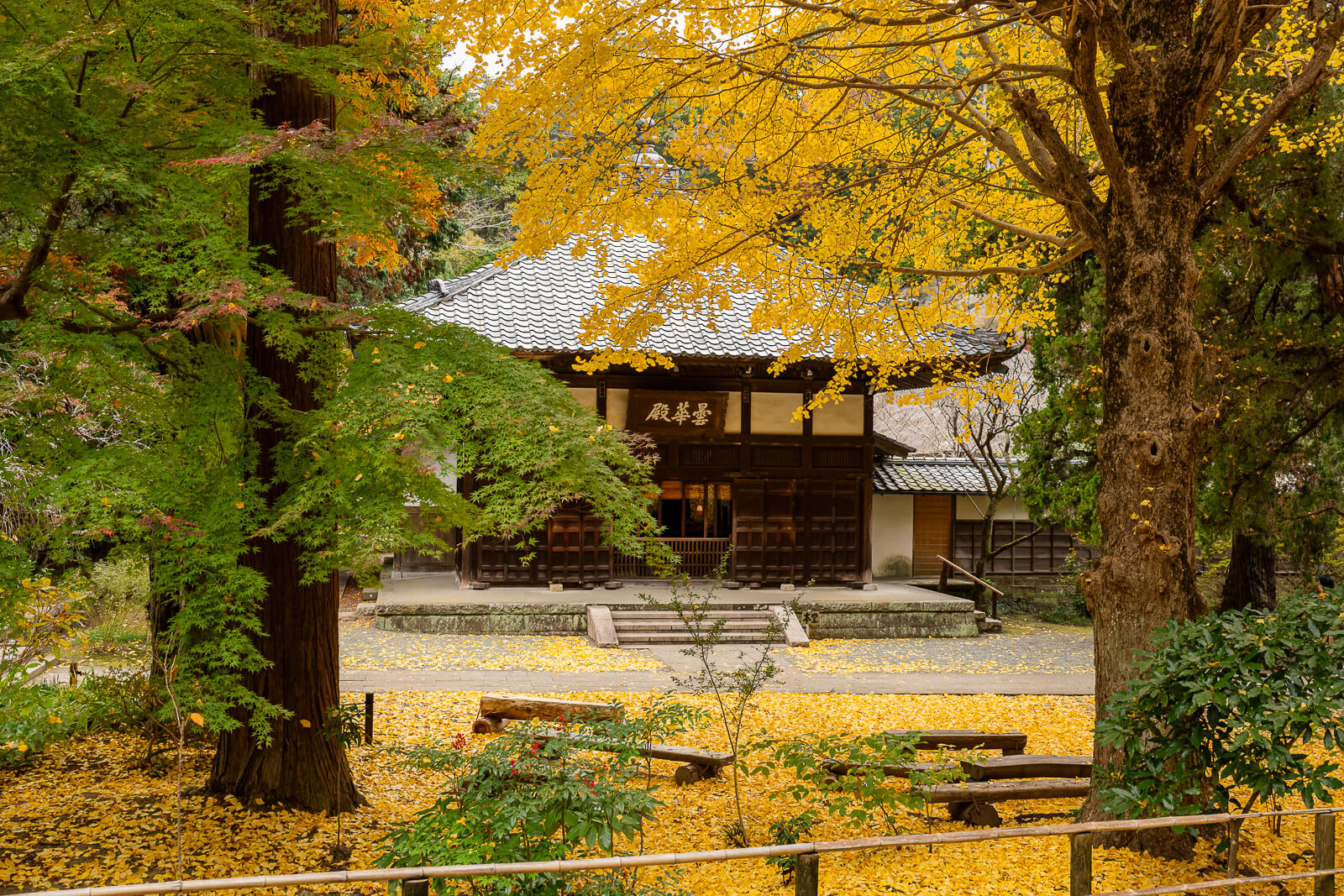
The northern temples form a natural walking route into central Kamakura. Beginning beside Kita-Kamakura Station, the day moves through temple valleys and gardens before continuing from Kenchō-ji toward Tsurugaoka Hachimangū, the shrine approaches and Komachi-dōri. Hase lies farther west and brings its own garden-and-landmark pairing to the choice.
Kita-Kamakura is the strongest overall area for autumn scenery because of the variety within it. Engaku-ji offers a larger temple landscape; Meigetsu-in brings concentrated garden views and the contrast between maples and bamboo; Jōchi-ji adds a particularly rewarding ginkgo and maple stop. You can build a satisfying autumn visit around that combination without changing districts.
AUTUMN IN KAMAKURA
Choose the autumn area that fits your day
Choose one area for a half day, or follow Kita-Kamakura into central Kamakura for a full day.
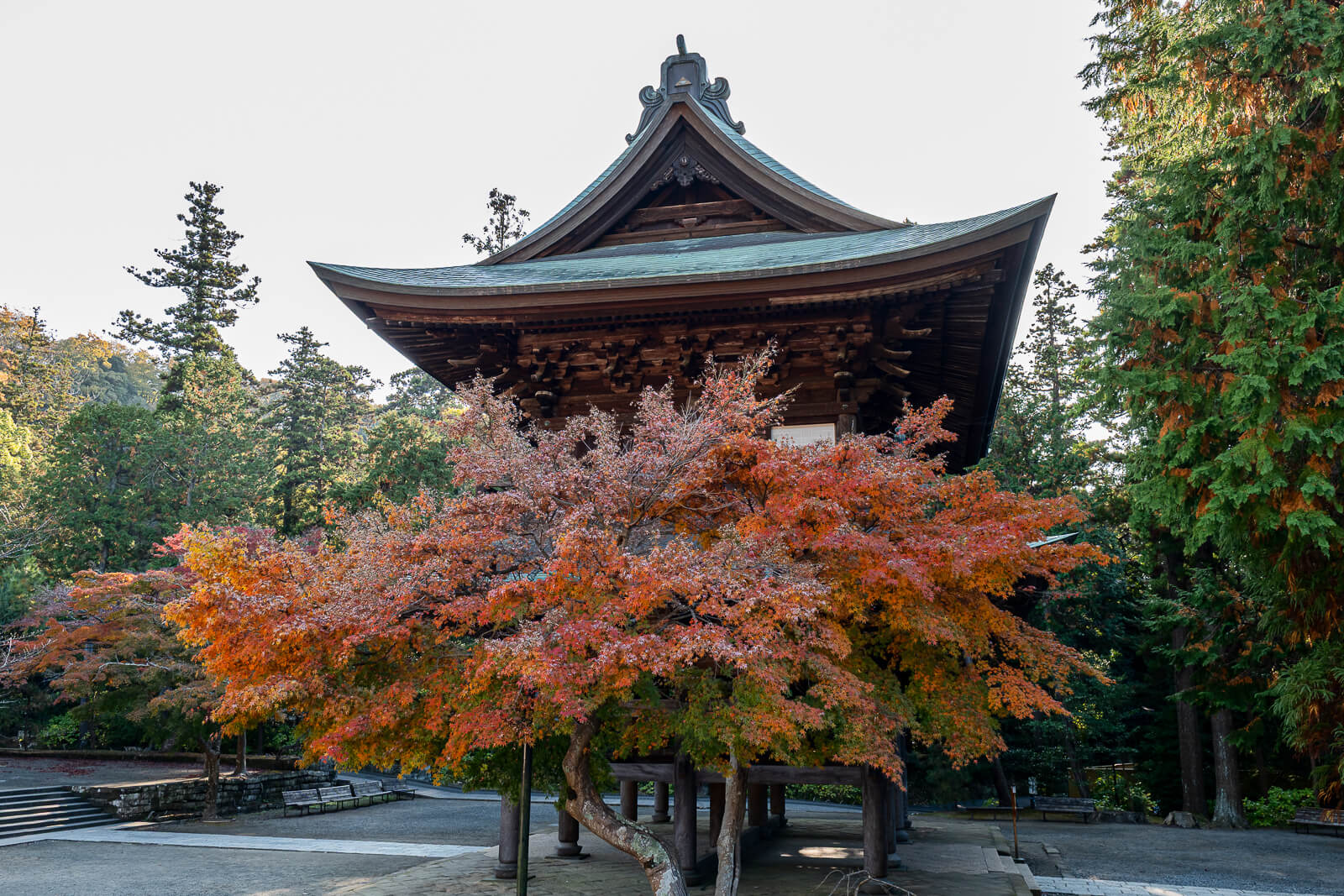
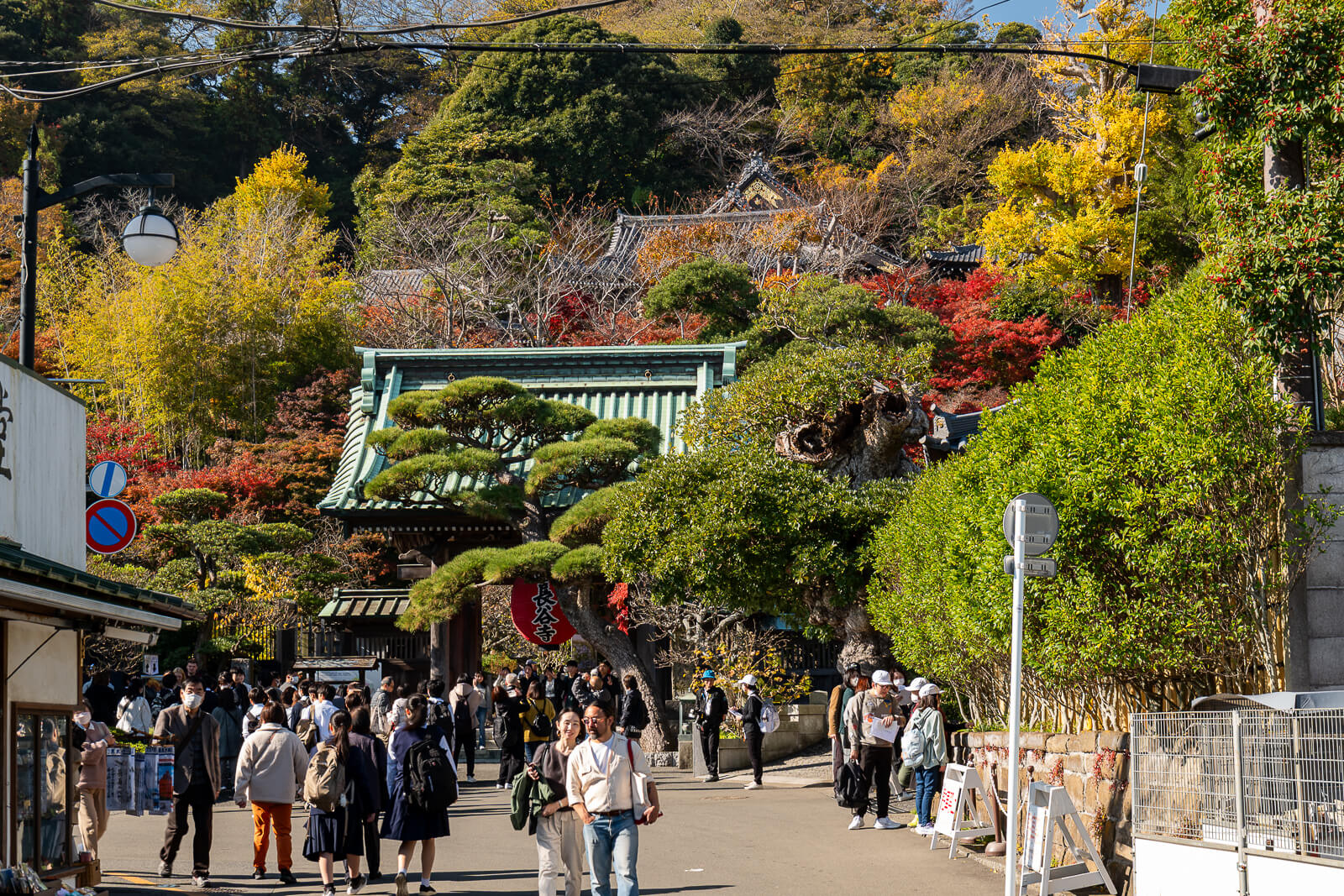
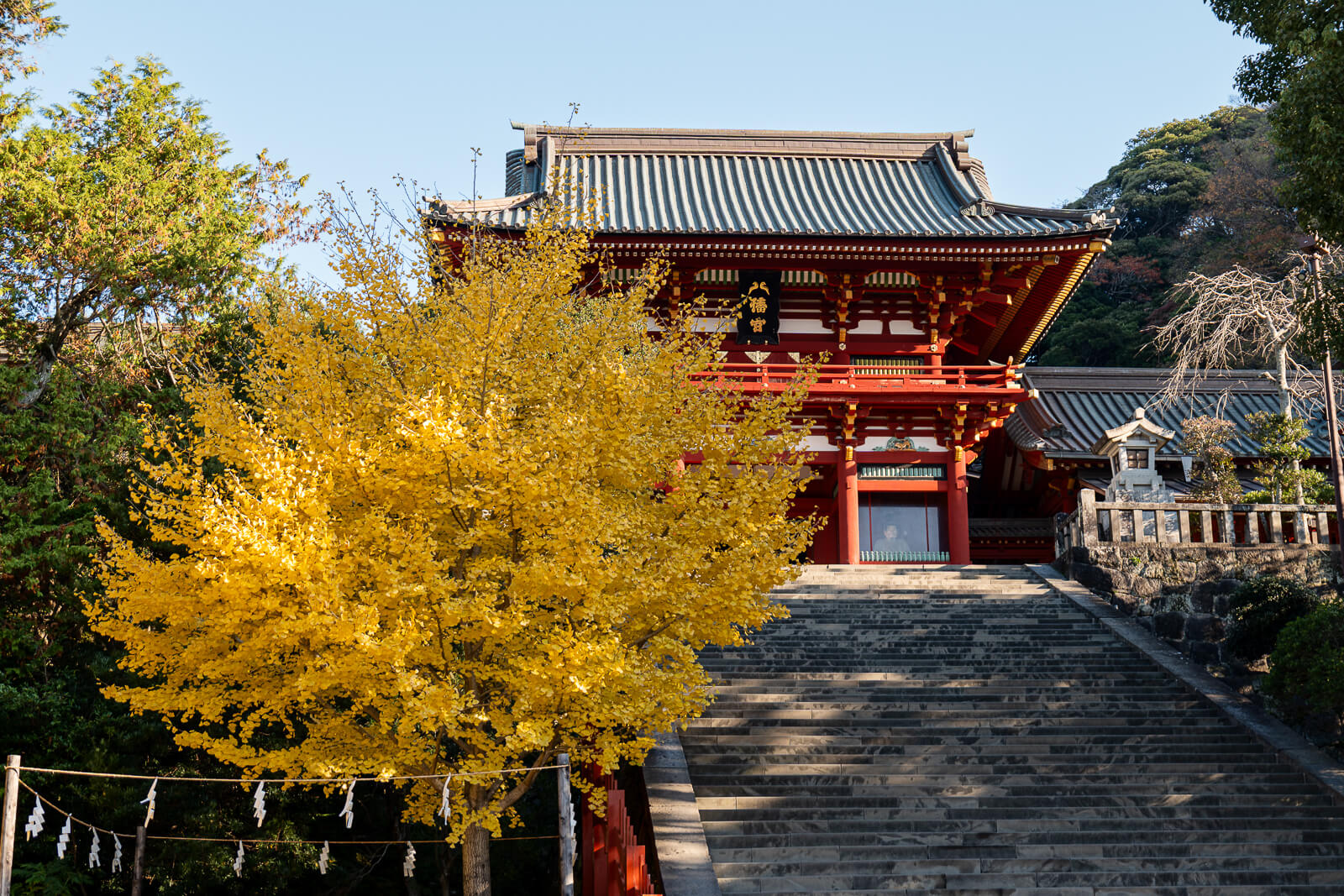
Engaku-ji is the strongest overall autumn choice
Engaku-ji brings together the qualities that make autumn in Kamakura so appealing: colorful wooded slopes, historic gates, temple halls and paths that reveal more of the valley as the visit unfolds. It deserves priority in an autumn-focused day, with enough variety to reward a leisurely walk through the grounds.
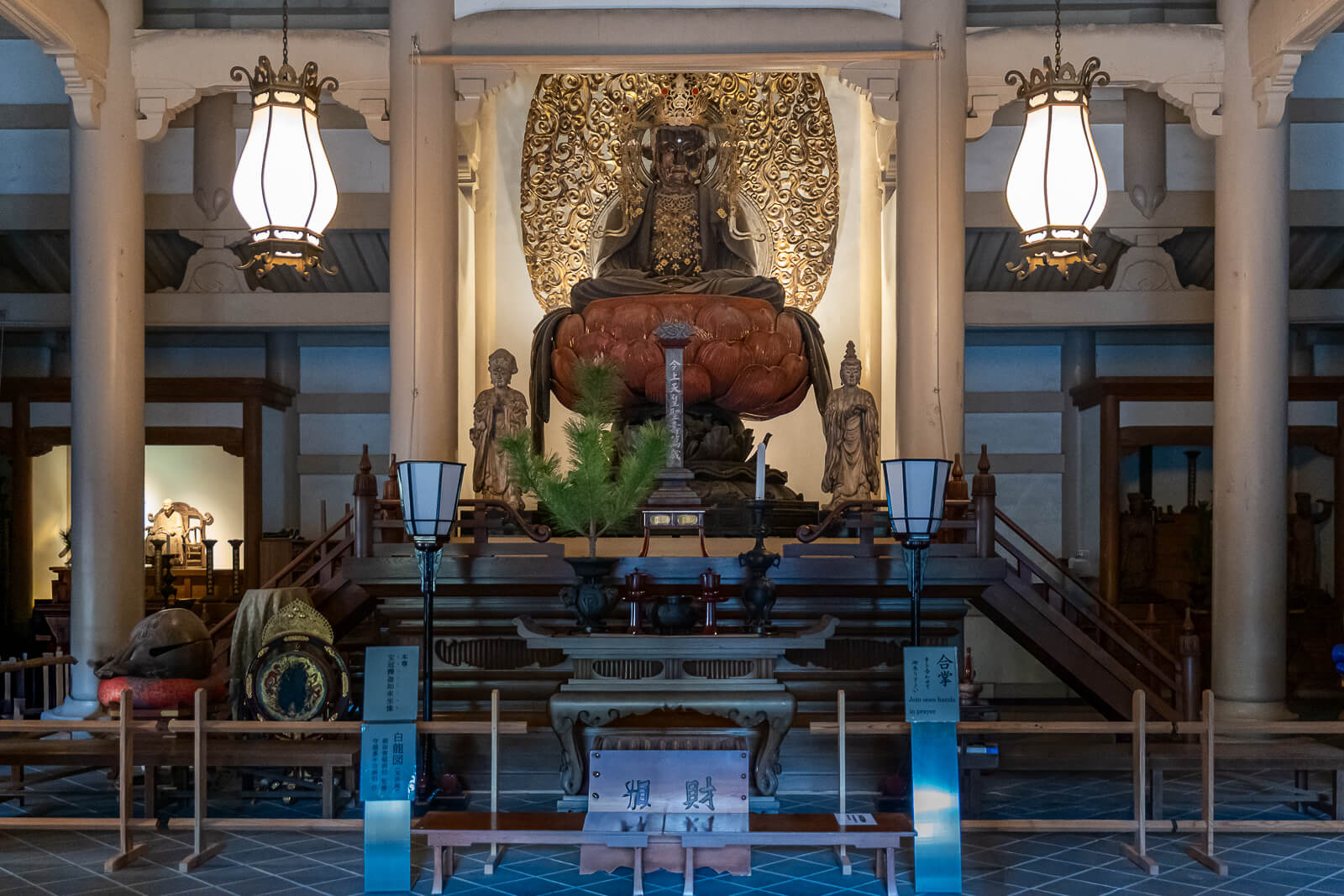
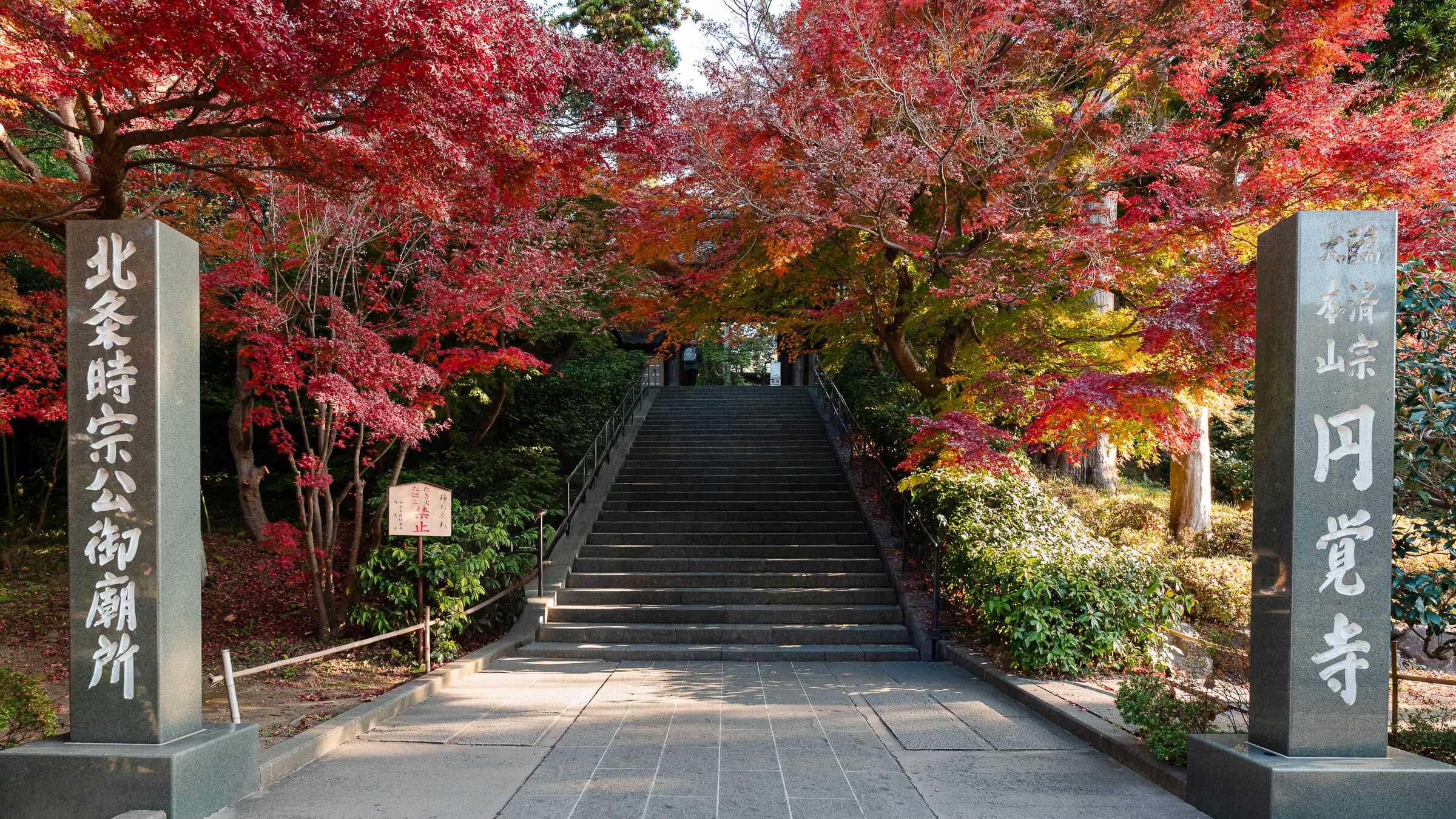
The autumn appeal begins around the entrance and continues deeper into the valley. Maple color surrounds the buildings and spreads along the wooded slopes, while darker evergreen trees give the reds and oranges crisp definition. Gates, rooftops and hillside paths become part of the seasonal composition, so the beauty develops throughout the walk.
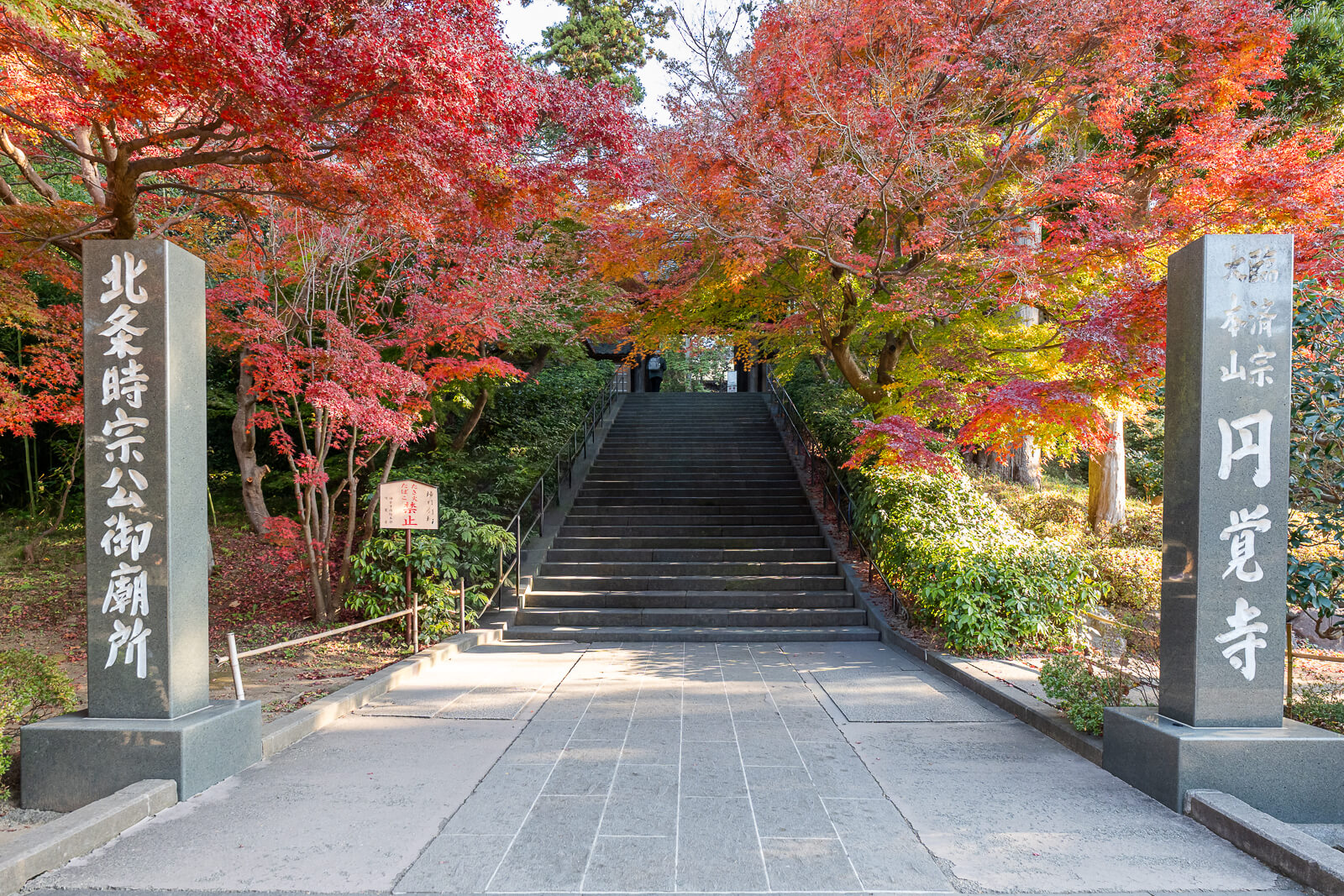
That combination makes Engaku-ji the strongest overall choice for an autumn-focused visit. The temple itself provides a substantial experience, and the seasonal color gives each part of the grounds another reason to linger. A generous visit leaves time for broad valley views, closer maple scenes and the quieter details around the smaller temple spaces.
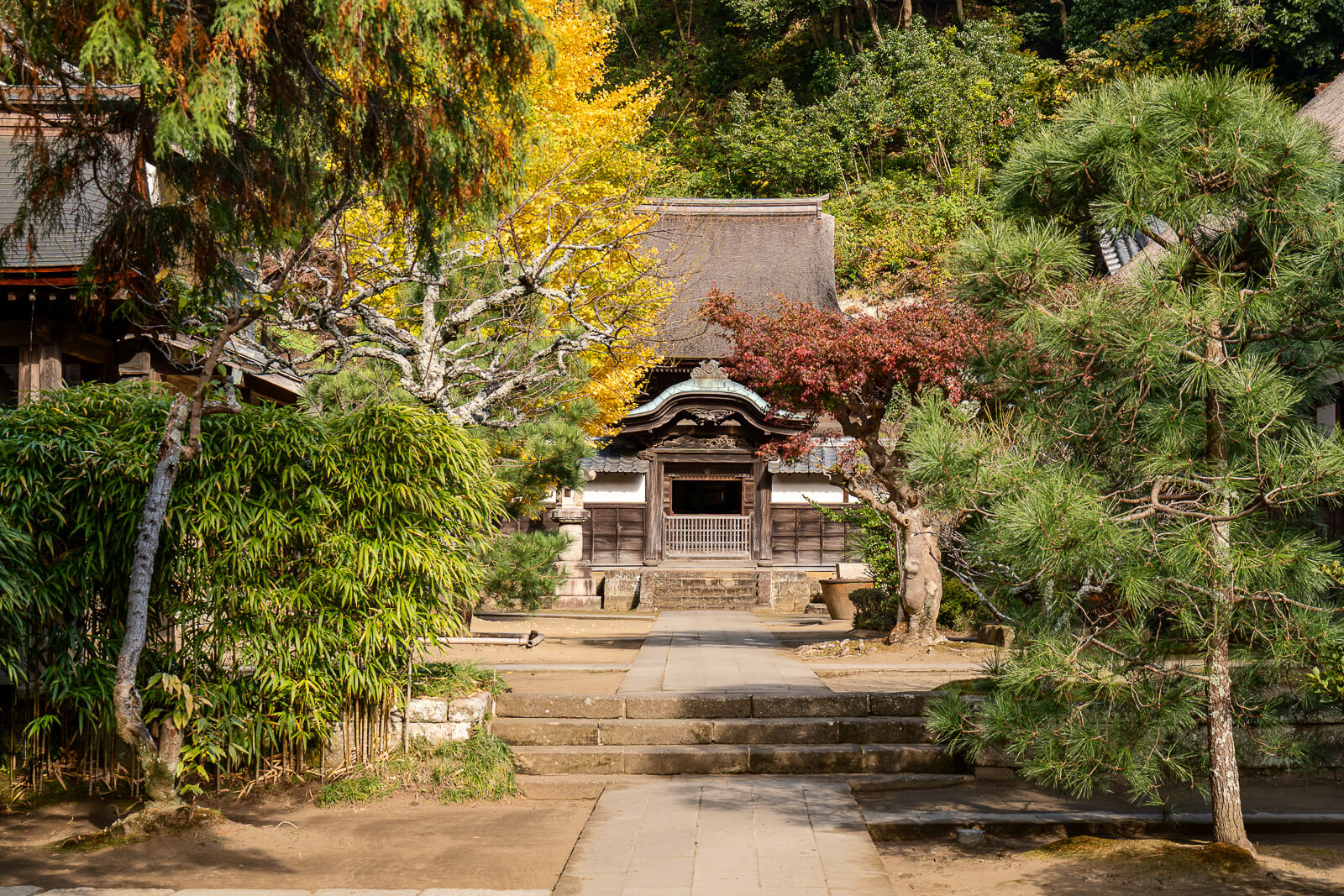
The entrance is immediately beside Kita-Kamakura Station, making it a straightforward and inviting start to the day. The main route follows the temple valley, while the hillside paths add higher perspectives for visitors who enjoy exploring further. Both contribute to the sense of a temple landscape shaped by its wooded setting.
Engaku-ji also sets up the rest of a Kita-Kamakura autumn visit beautifully. Its larger scale gives context to the more concentrated garden scenes at Meigetsu-in and the ginkgo-rich grounds at Jōchi-ji. Together, they offer variety in color, atmosphere and the way each temple relates to the surrounding landscape.
The Engaku-ji guide explains the valley layout, hillside paths and the temple’s wider place within Kita-Kamakura.
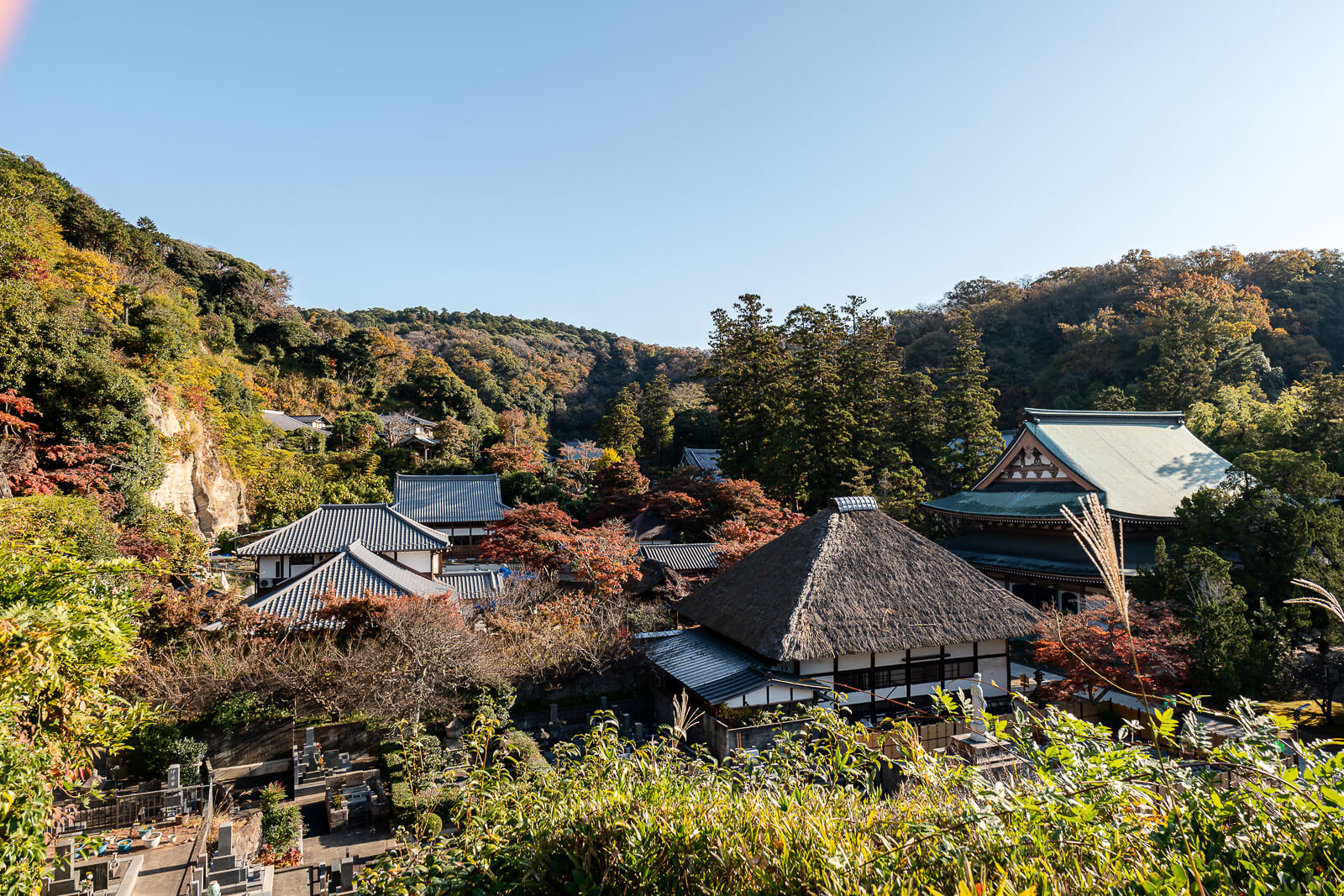
Meigetsu-in adds distinctive garden and bamboo views
Meigetsu-in is best known for its blue hydrangeas, while its bamboo backdrop and rear garden give autumn visits a particularly distinctive appeal. Those features give it a different character from Engaku-ji.
The contrast between maple color and upright bamboo is a strong reason to include it in an autumn visit. The grounds are more contained, and individual garden scenes can become the focus of the visit. It is a useful pairing when you want the variety of a larger temple landscape followed by closer attention to gardens and seasonal detail.
The rear garden opens for the main autumn foliage season, with a separate admission charge, and is one of Meigetsu-in’s most rewarding seasonal features. The circular window frames a beautiful garden view, while entering the rear garden extends the experience beyond that familiar scene into the autumn landscape behind the main hall.
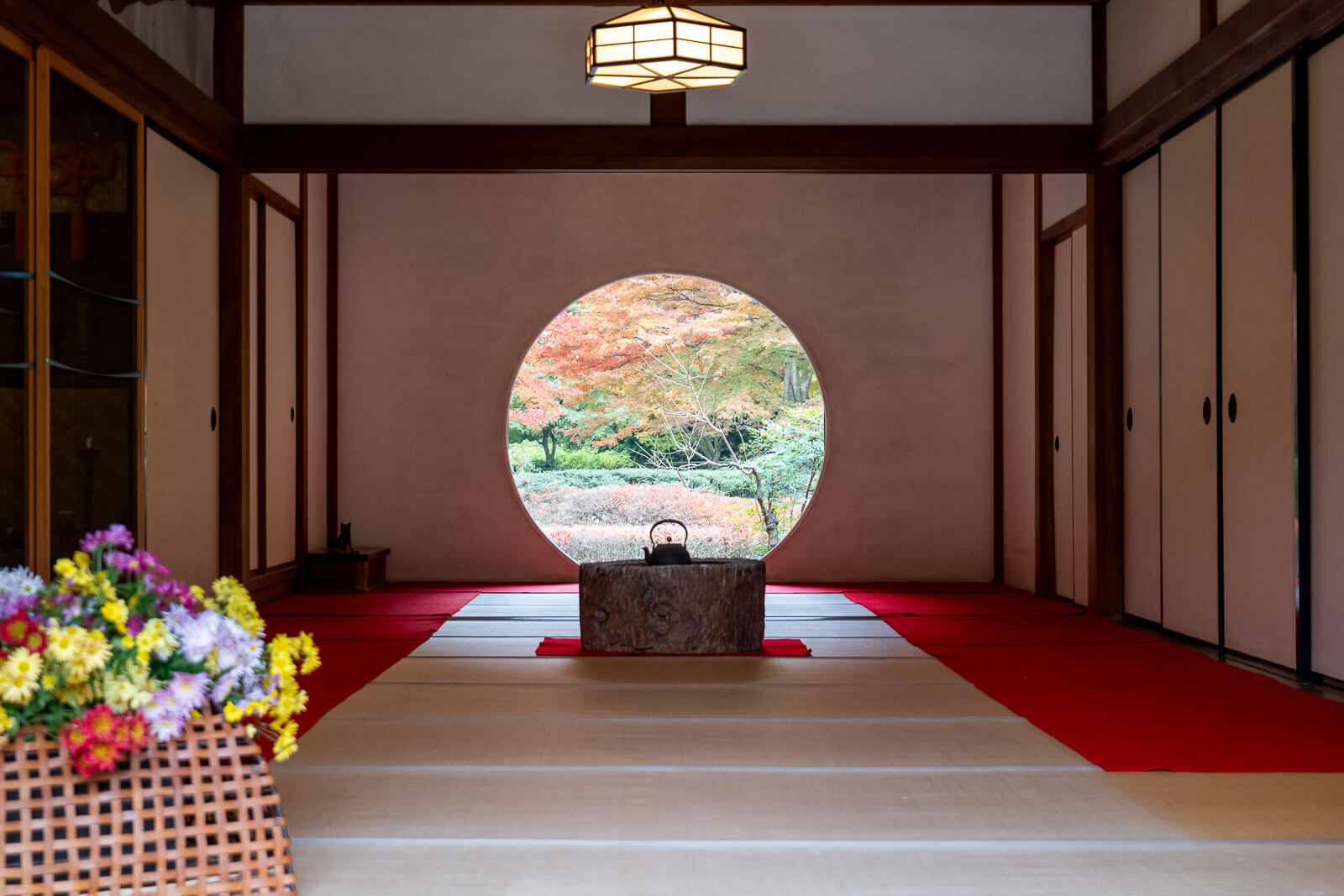
The garden and bamboo scenes complement each other particularly well. Maples bring warmth and color around the temple buildings and garden spaces, while the upright green bamboo provides a strong visual contrast. This is a different pleasure from the larger valley setting at Engaku-ji: more concentrated, garden-focused and full of seasonal details.
Pair Meigetsu-in with Engaku-ji when gardens and photographs are major priorities. The combination gives you the breadth of Engaku-ji’s temple valley and the more intimate autumn views around Meigetsu-in’s bamboo, window and rear garden.
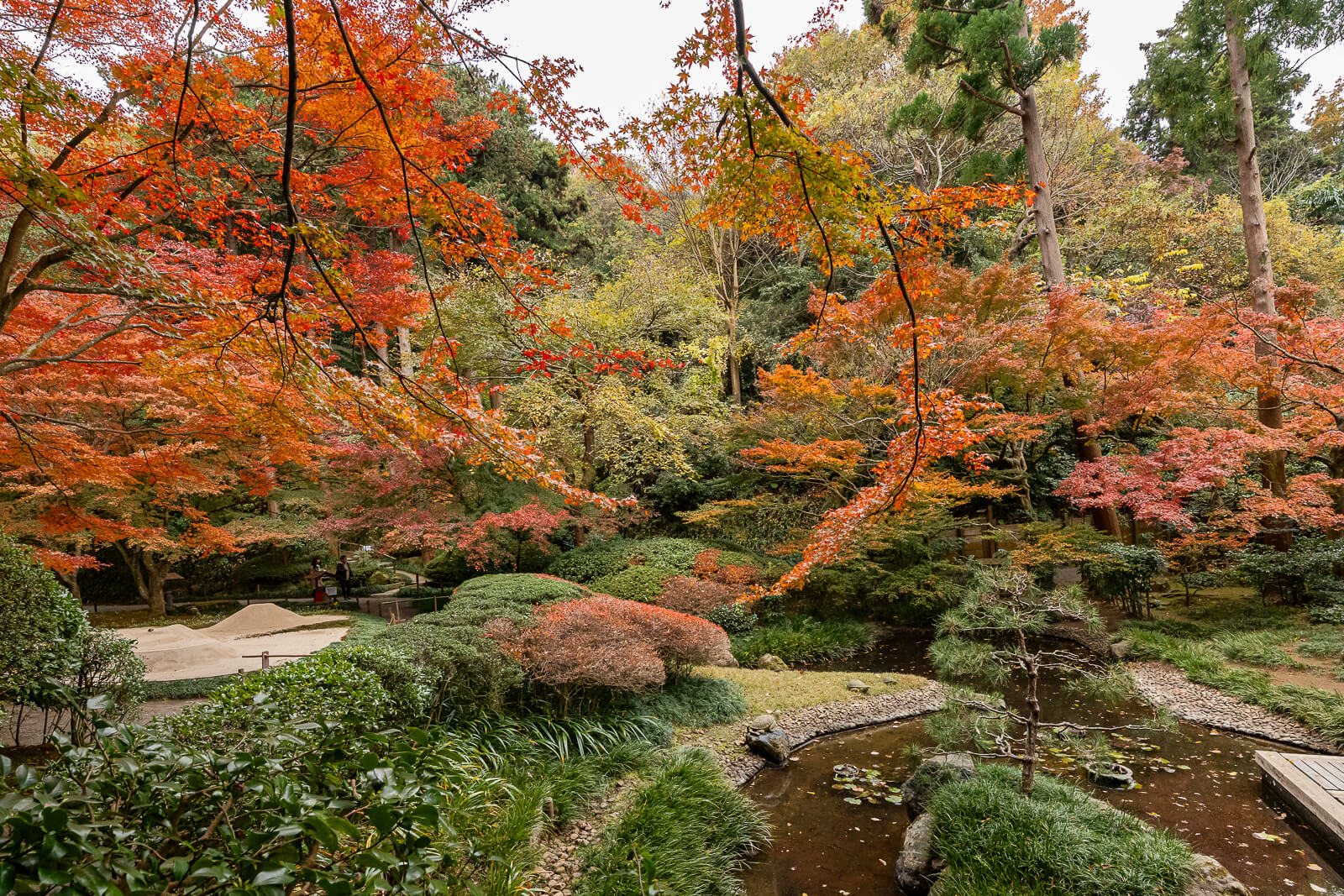
Jōchi-ji deserves more autumn attention
Jōchi-ji is an excellent autumn stop that can be easy to underestimate beside Kita-Kamakura’s better-known temples. Its approach is attractive before you reach the main grounds, and the seasonal interest continues around the hall and behind it.
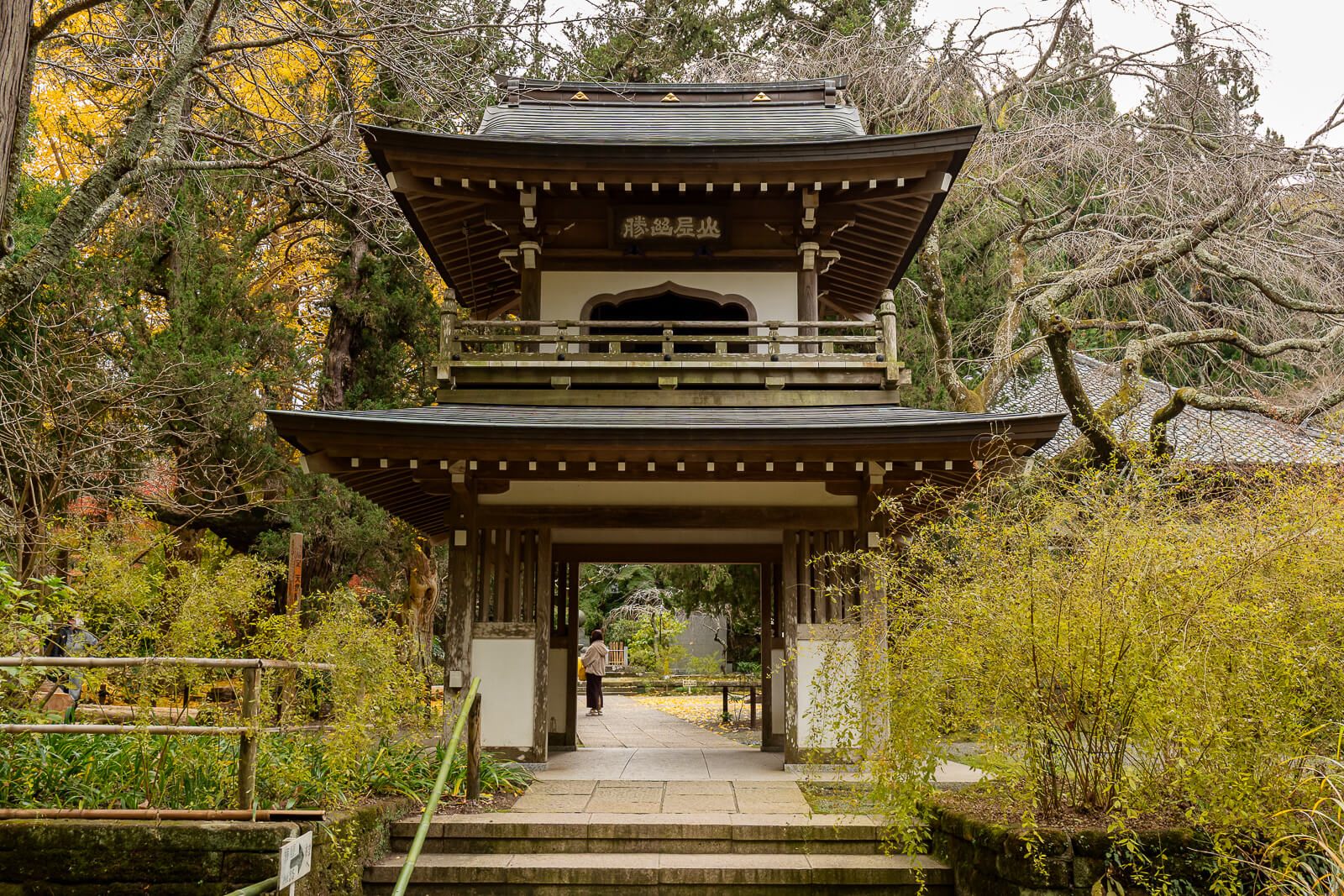
The large ginkgo near the main hall is a particular highlight. Yellow leaves change the appearance of the courtyard, while the maples behind the hall give you another reason to continue through the grounds. The roadside approach, ginkgo and rear maples make a useful sequence to look for rather than treating the temple as a single gate photograph.
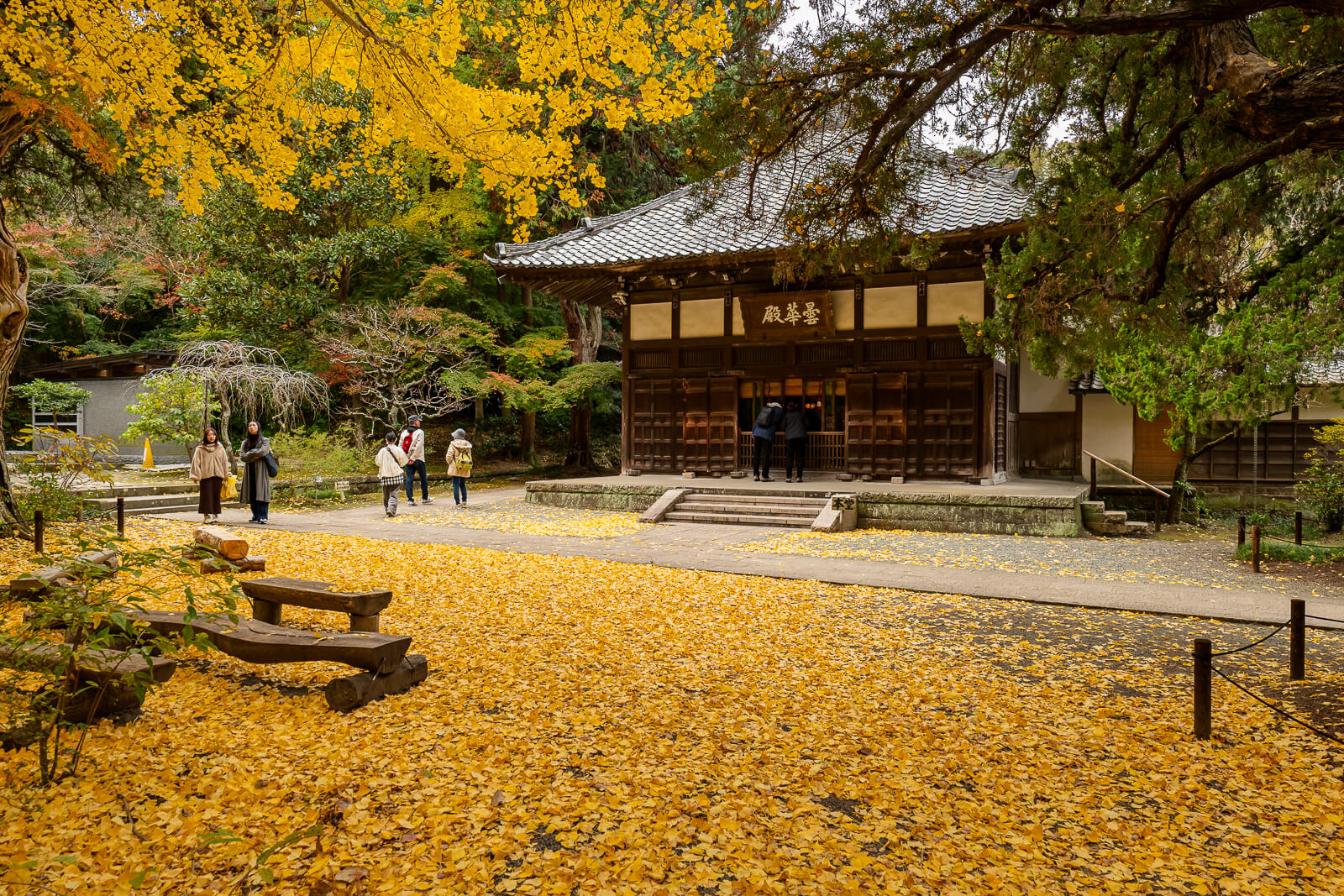
Jōchi-ji also offers a smaller-scale visit than the larger temple complexes. The approach, stone steps, bamboo, wooded corners and Hotei statue give it enough variety to reward a proper stop without requiring the same commitment as a larger site.
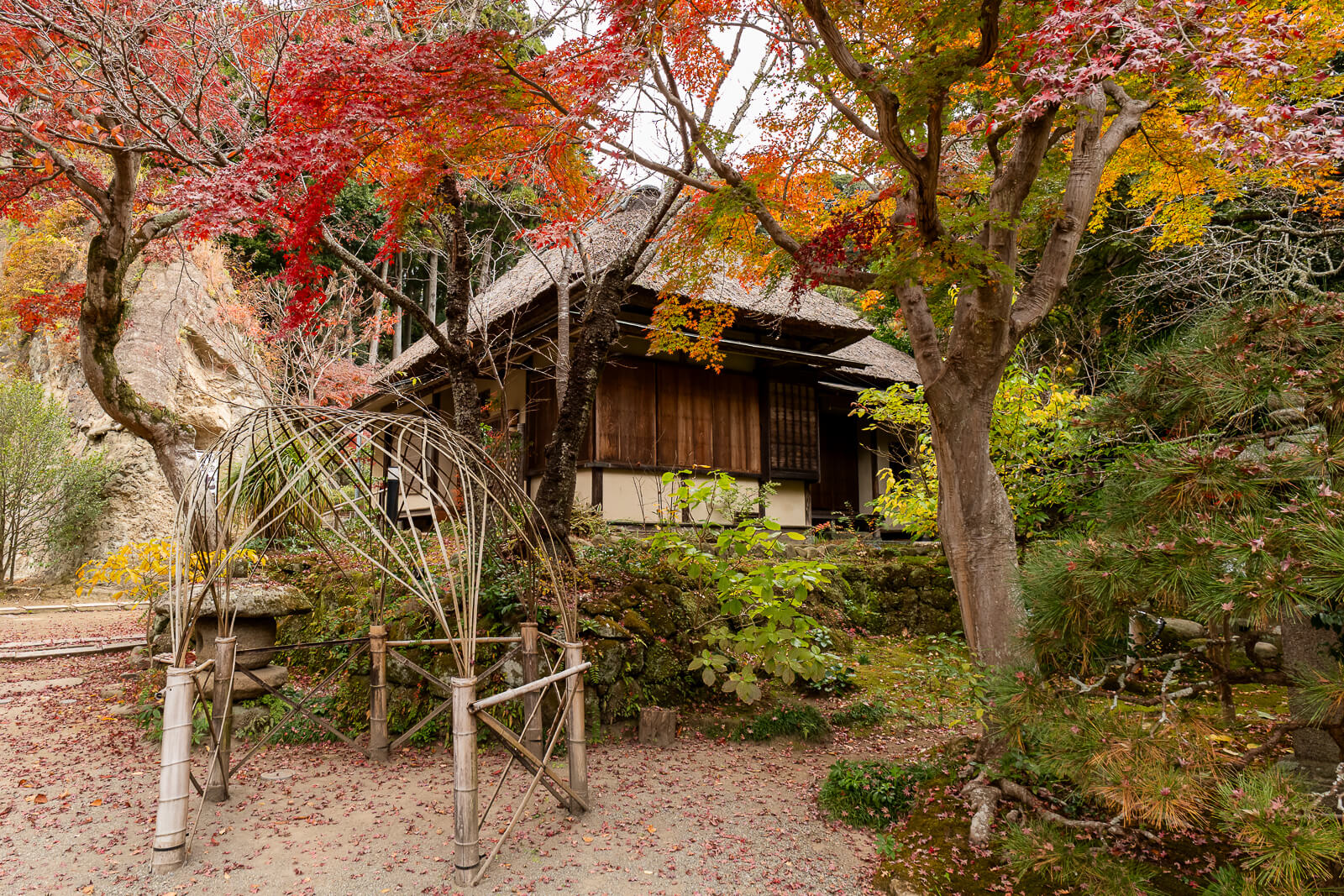
Jōchi-ji is a strong addition to an autumn-focused Kita-Kamakura visit. It brings a different color and scale to an Engaku-ji day, particularly if you enjoy ginkgo as much as red maples.
It is still worth allowing time to enter and follow the grounds. Its appeal becomes clearer once you move beyond the approach.
An overnight stay gives the autumn visit more room to unfold, with another morning for Hase-dera, the Great Buddha and the coast.
WHERE TO STAY
Hase or central Kamakura: choose your hotel area
Choose Hase for the gardens, Great Buddha and coast, or central Kamakura for station convenience, dining and the finish of the northern temple walk.
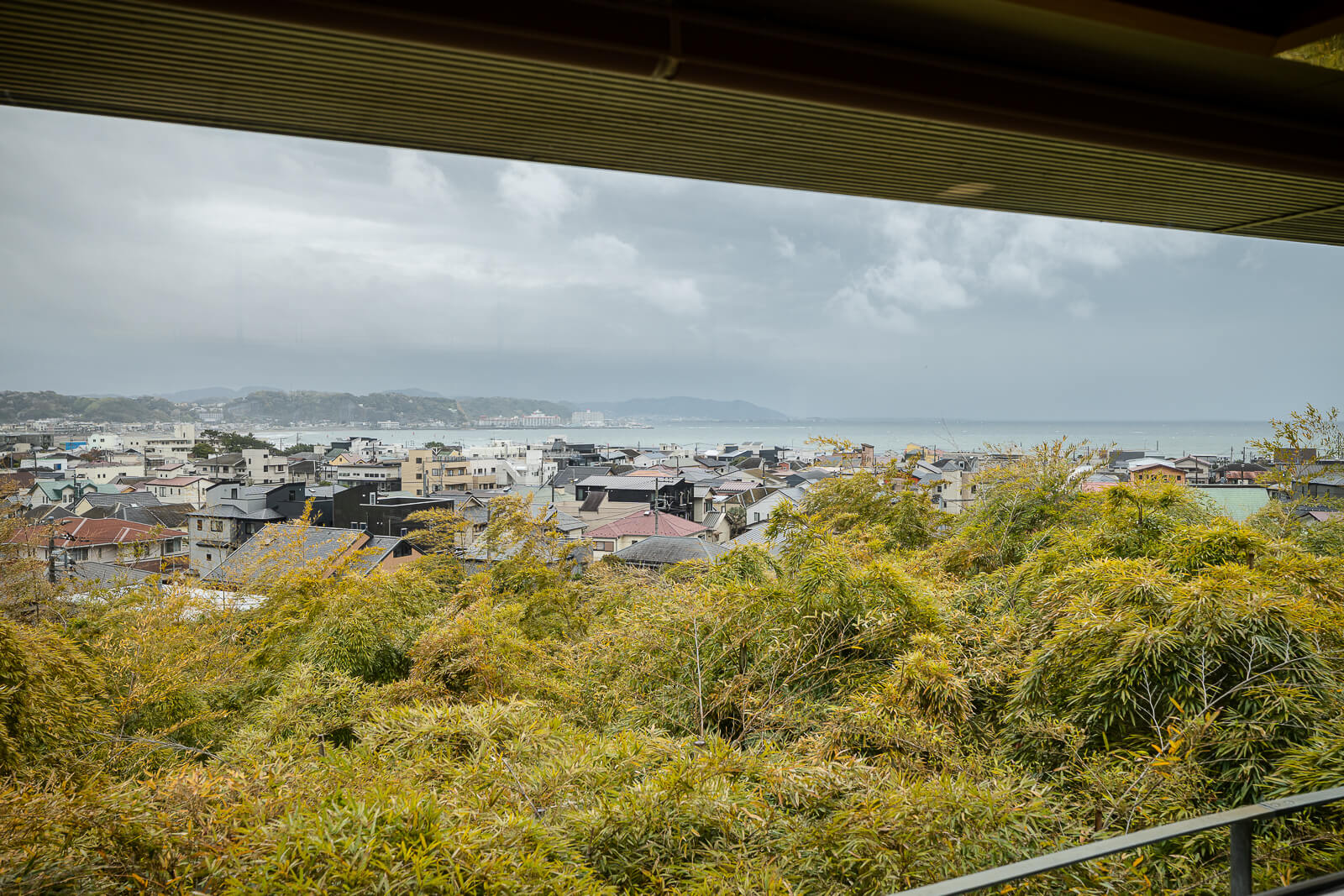
GARDENS, GREAT BUDDHA AND COAST
Stay in the Hase area
Choose a hotel near Hase Station to keep Hase-dera, the Great Buddha and the coastal side of Kamakura close to the start and finish of your day. Getting to the main JR station or beginning the Kita-Kamakura temple walk adds a rail connection from this western base.
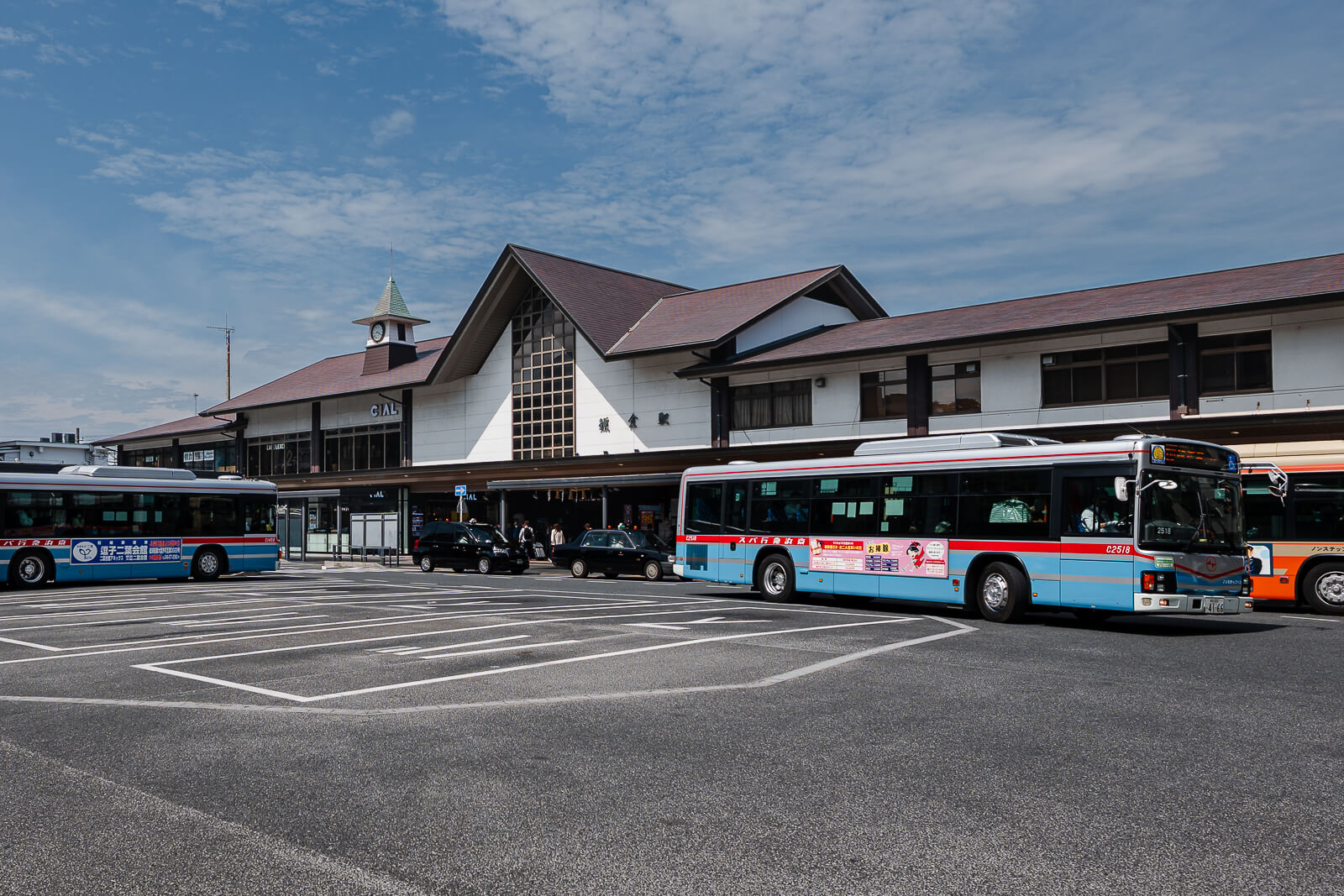
STATION, DINING AND THE TEMPLE-WALK FINISH
Stay in central Kamakura
Choose a hotel around Kamakura Station for convenient arrivals, dining and an easy finish after the Kita-Kamakura-to-central-Kamakura itinerary. Hase-dera, the Great Buddha and the coast become a separate outing, with the Enoden connecting Kamakura Station to Hase.
Tōkei-ji works well as a short atmospheric addition
Tōkei-ji is a worthwhile quick stop within the Kita-Kamakura group. Its atmosphere and convenient location make it a natural addition when you have some flexibility between larger temple visits.
Its wooded atmosphere offers a pleasing pause between the larger temple visits. The connection with Kamakura’s history and the setting within Kita-Kamakura give a short visit more character than its size might suggest. It fits naturally alongside the stronger garden and foliage stops nearby.
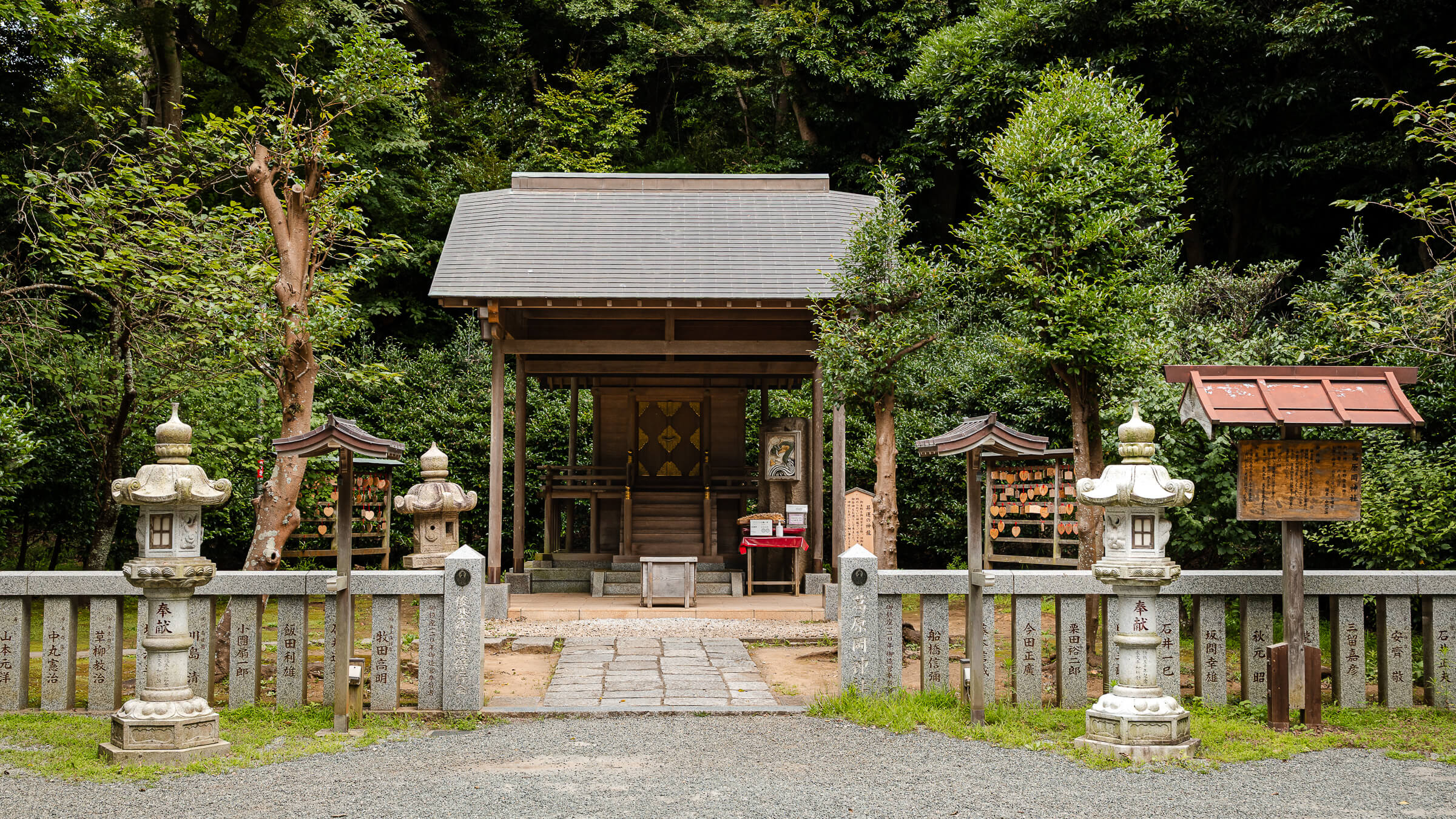
Photography by general visitors is prohibited inside Tōkei-ji’s grounds, including photography with smartphones. Enjoy it as a place to pause and take in the temple atmosphere, with Engaku-ji, Meigetsu-in and Jōchi-ji providing the main autumn photography stops along the route.
Tōkei-ji works particularly well as a smaller addition to the day, bringing another temple setting into the northern corridor. Its appeal lies in the combination of atmosphere, history and a convenient position within a walk that already offers plenty of autumn color.
Kenchō-ji belongs in the wider choice
Kenchō-ji is an important part of Kita-Kamakura and deserves consideration in an autumn plan. Its substantial temple precinct, gardens and route toward Hansōbō offer a different visit from the smaller nearby stops.
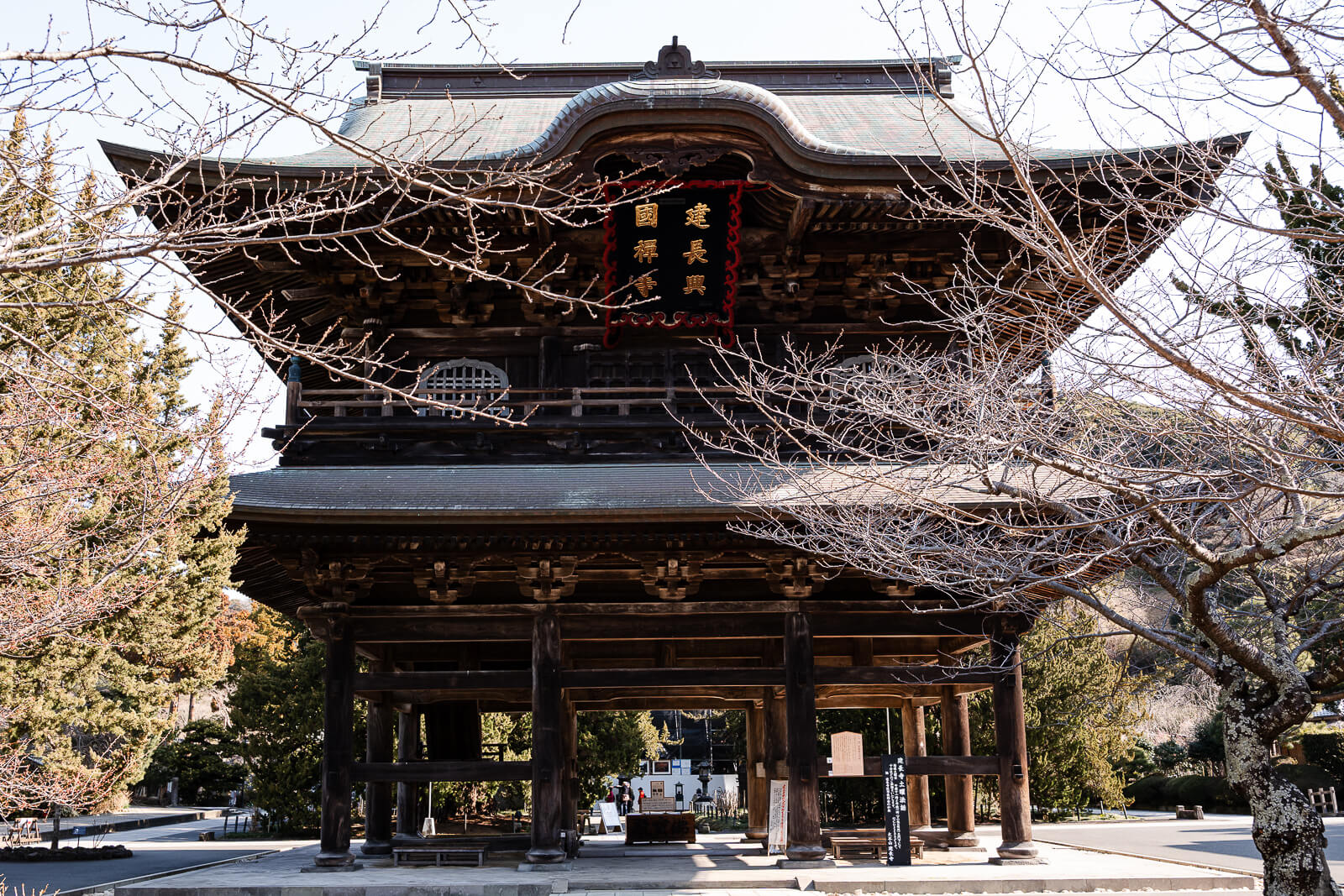
Autumn foliage provides an additional reason to explore Kenchō-ji’s larger precinct. Its architecture, gardens and connection toward the hills make it particularly relevant to visitors who want a substantial temple visit alongside seasonal scenery.
The main temple buildings and gardens form a substantial visit in their own right. Continuing toward Hansōbō adds the wooded hillside, steps and a higher perspective over the temple landscape. For visitors who enjoy a longer walk, the Ten-en Hiking Course extends the experience into Kamakura’s hills.
Kenchō-ji also forms the natural final major temple stop on the route through Kita-Kamakura. From here, the walk continues downhill toward Tsurugaoka Hachimangū, linking the northern temple district with the shrine grounds and streets of central Kamakura. That progression gives the full-day itinerary a satisfying change of scenery.
Choose Hase for layered gardens and the Great Buddha
Hase is a strong choice when autumn foliage is one part of a broader first visit to Kamakura. Its main pairing brings together two quite different experiences: the garden and hillside progression of Hase-dera, and the concentrated landmark visit at Kōtoku-in.
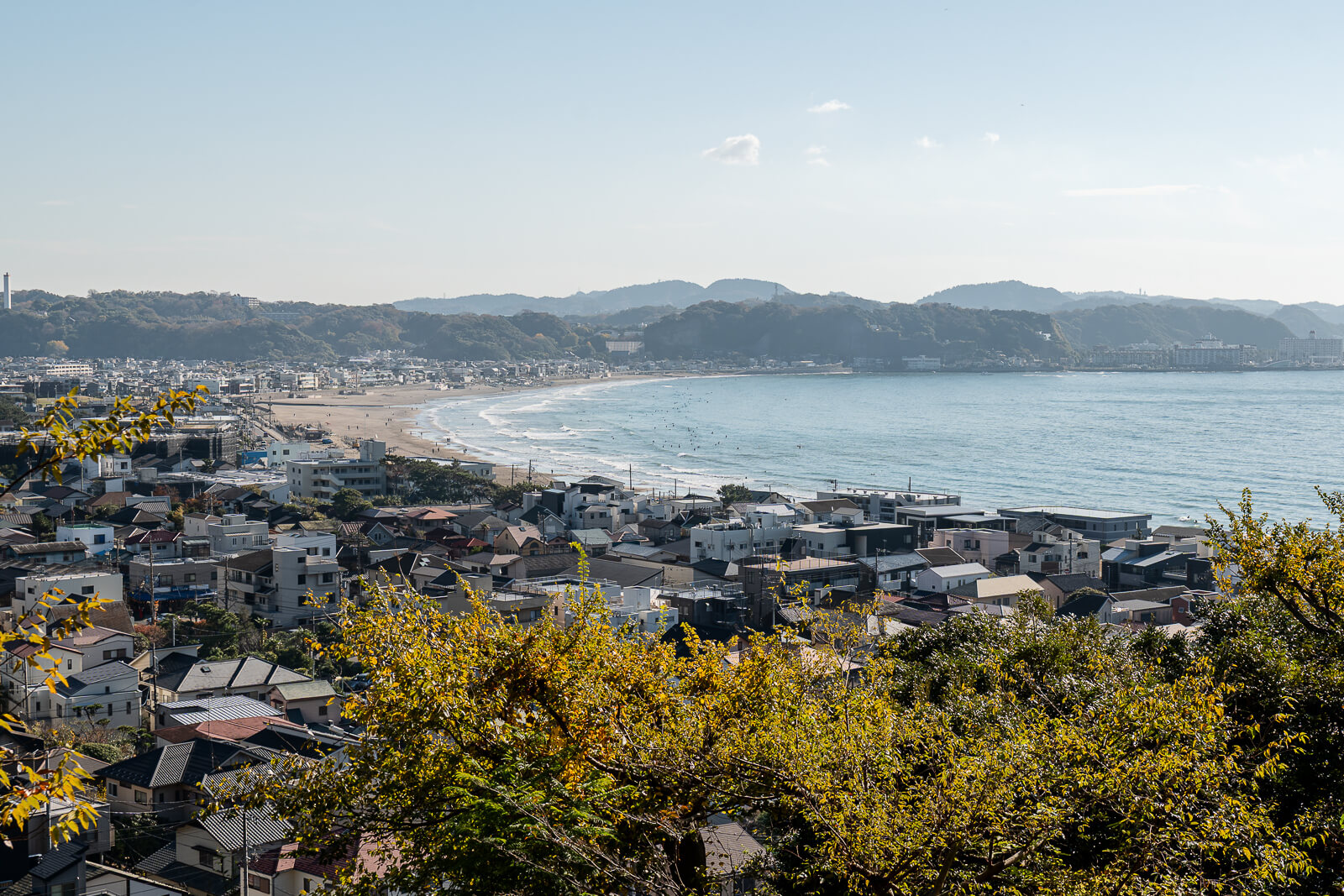
Hase-dera offers several levels of autumn interest
Hase-dera is especially rewarding when you enjoy the way a visit changes as you move through it. The lower garden and pond, second tier, main hall area and higher viewpoints each contribute something different.
The lower grounds deserve attention before you begin climbing. Autumn color around the garden and pond gives this part of the temple its own reason to pause. As you move upward, the buildings and garden spaces change the setting again, before the higher areas open toward the coast.
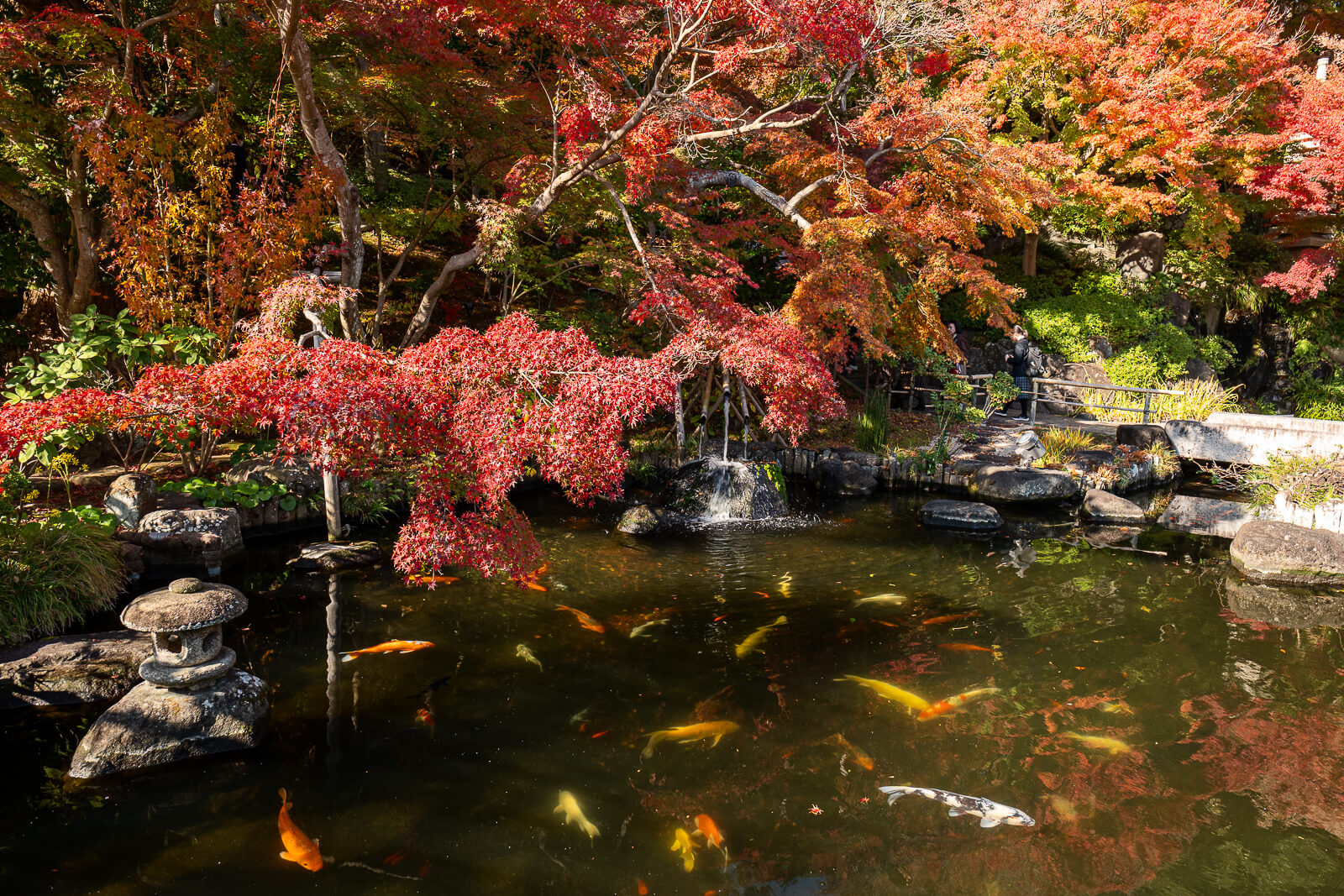
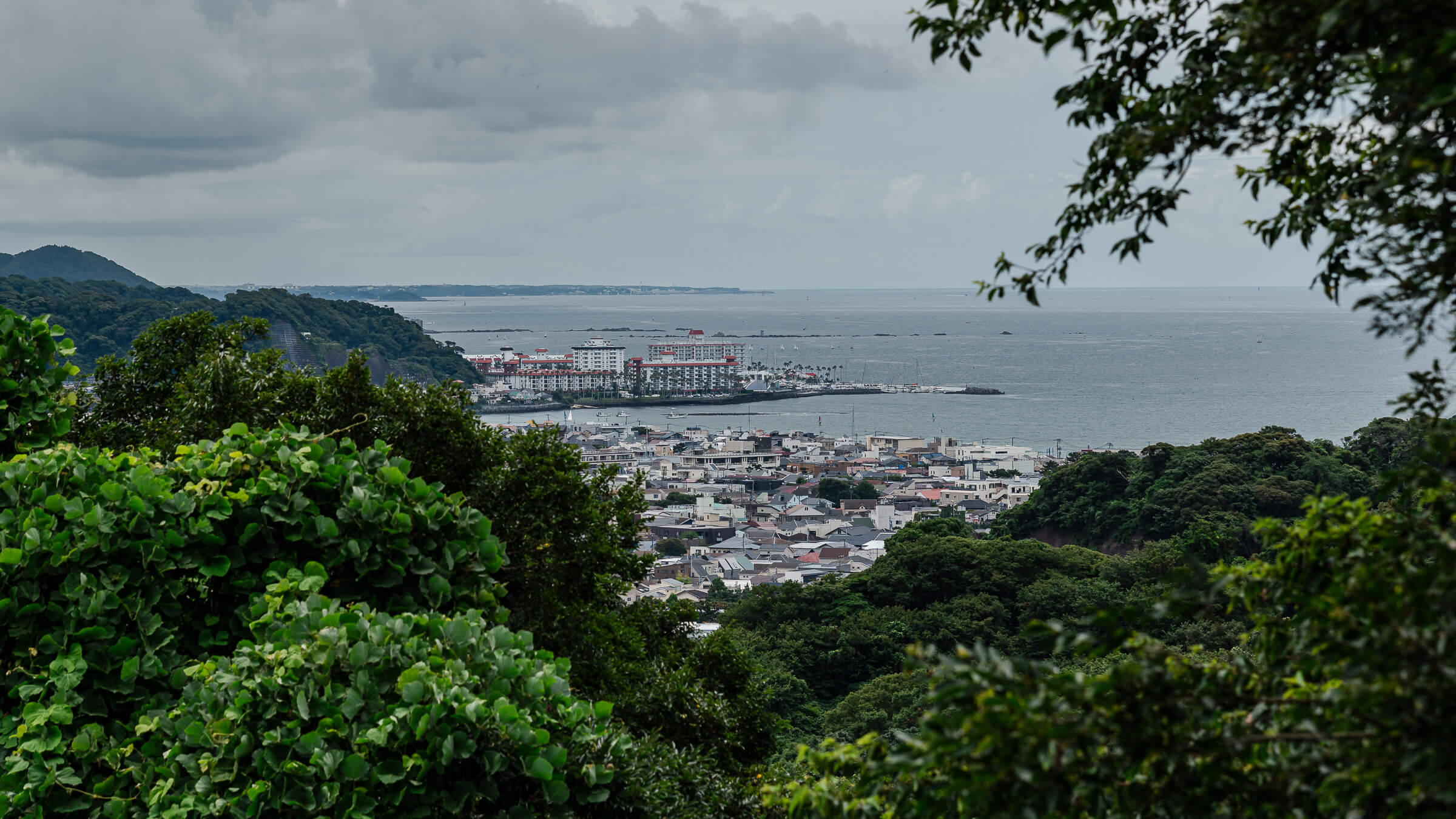
That range is Hase-dera’s advantage in this comparison. You can combine close garden views, temple architecture and a broader outlook within the same visit. Clear weather makes the elevated views more appealing, but the gardens remain a separate reason to come.
The grounds rise in stages, so the climb is part of Hase-dera’s character. The lower gardens offer close seasonal views around the pond, the next levels bring the main temple buildings into the visit, and the higher viewpoints broaden the scene toward the coast. Allow time to enjoy each level along the way.
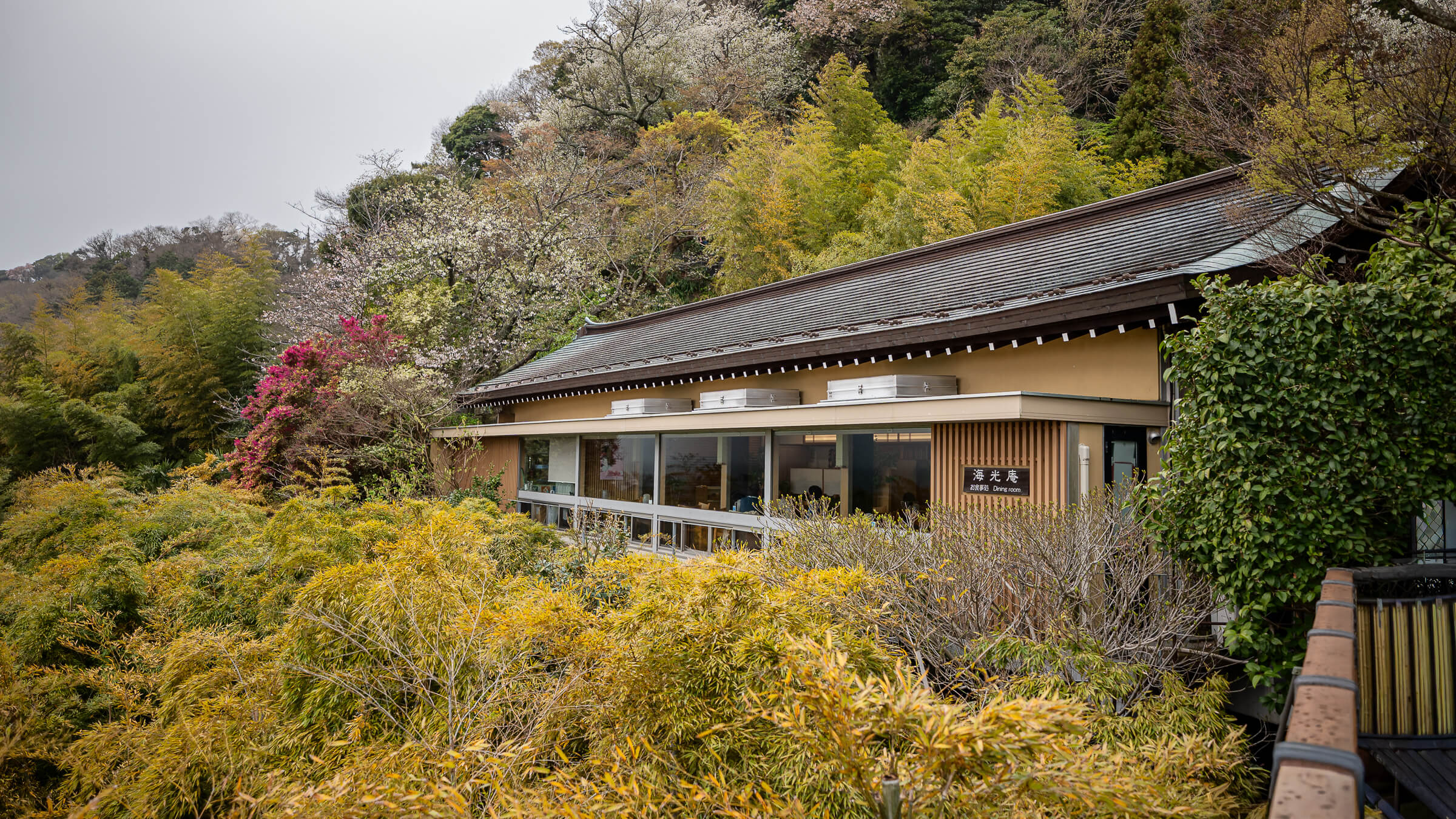
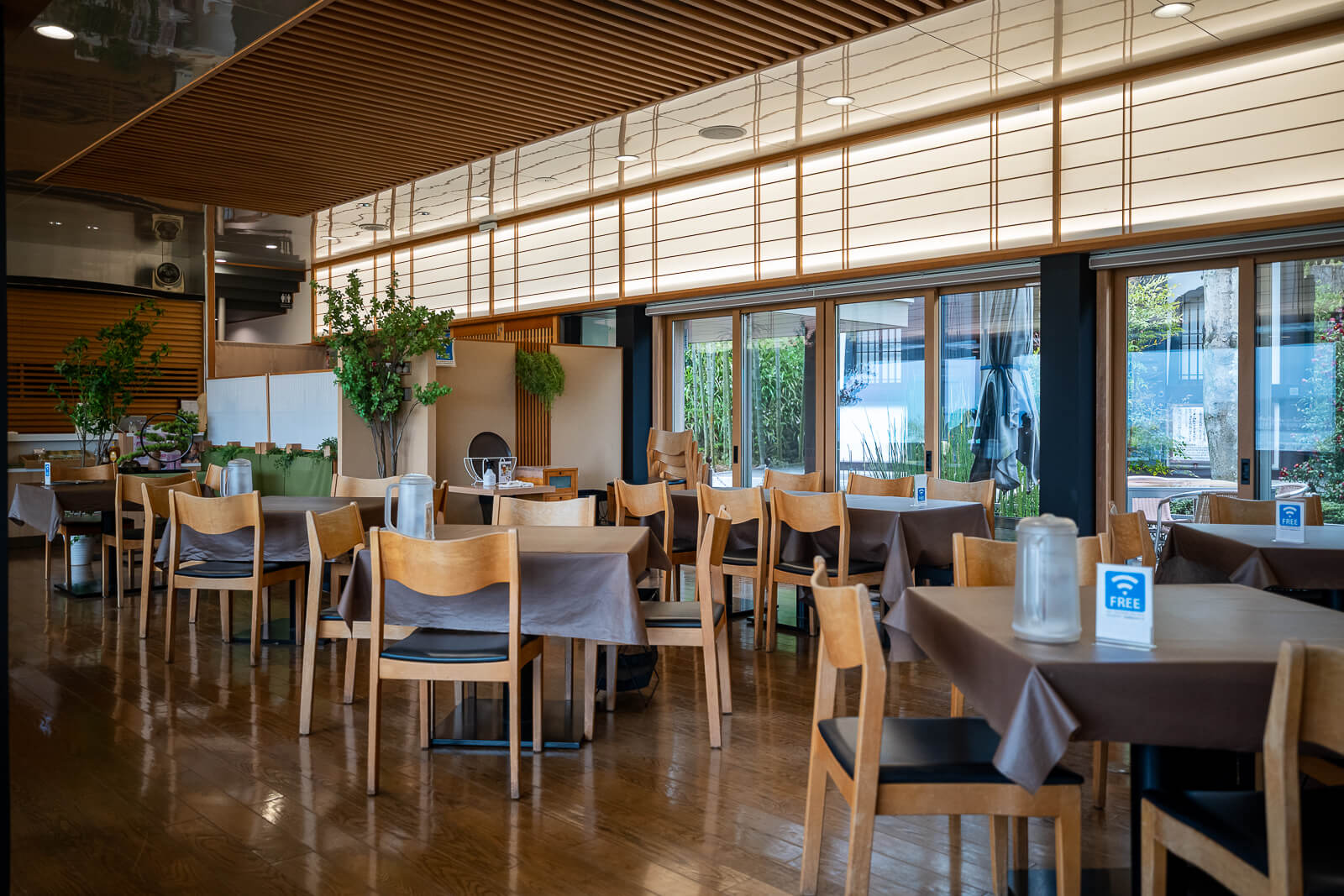
Leave time for Kaikōan, Hase-dera’s hillside café and restaurant, where a drink, sweet or meal comes with views toward Yuigahama and Sagami Bay. It gives the garden-and-temple visit a relaxed pause, and makes Hase-dera especially appealing when coastal scenery and time to linger are part of the day.
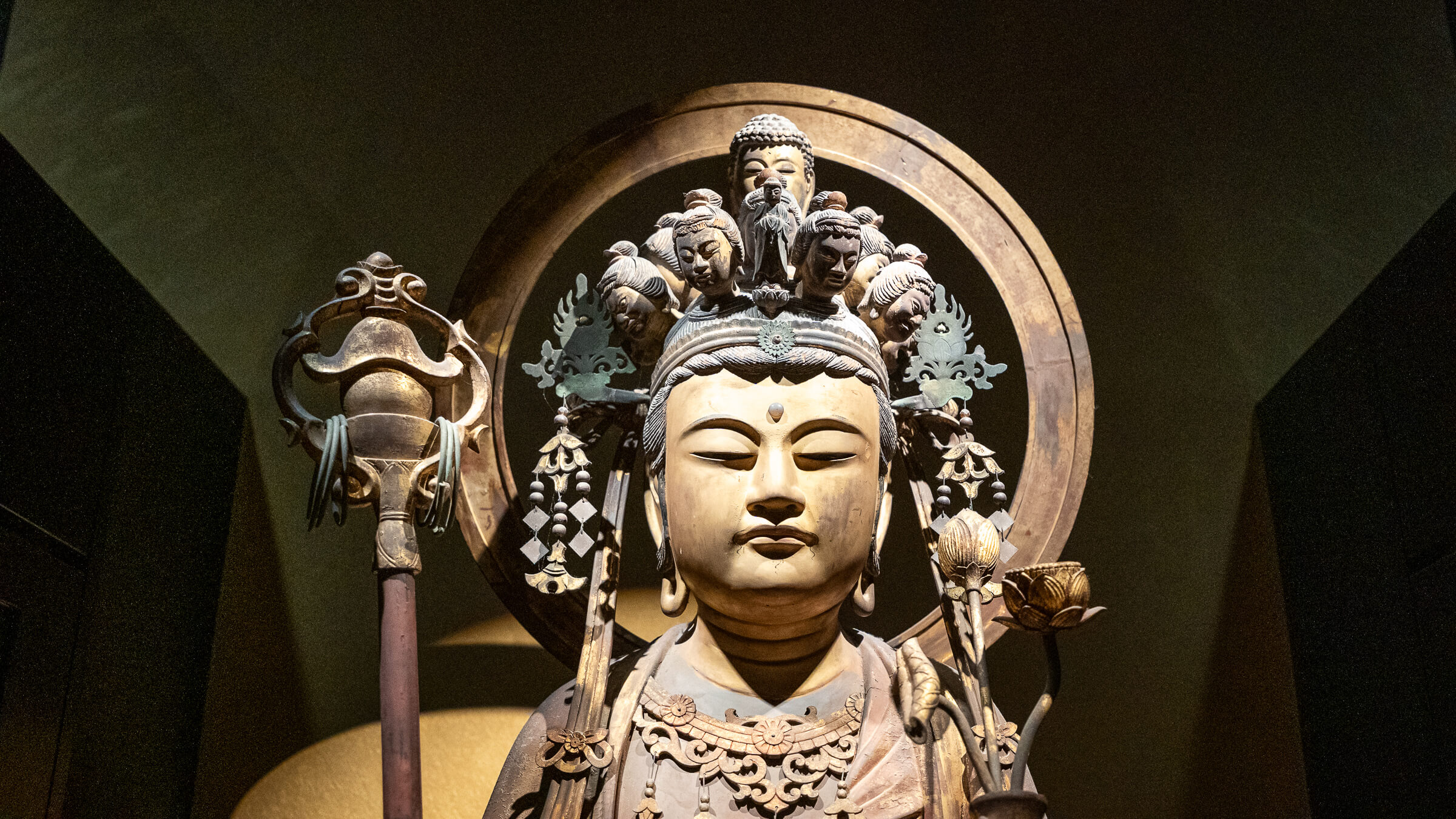
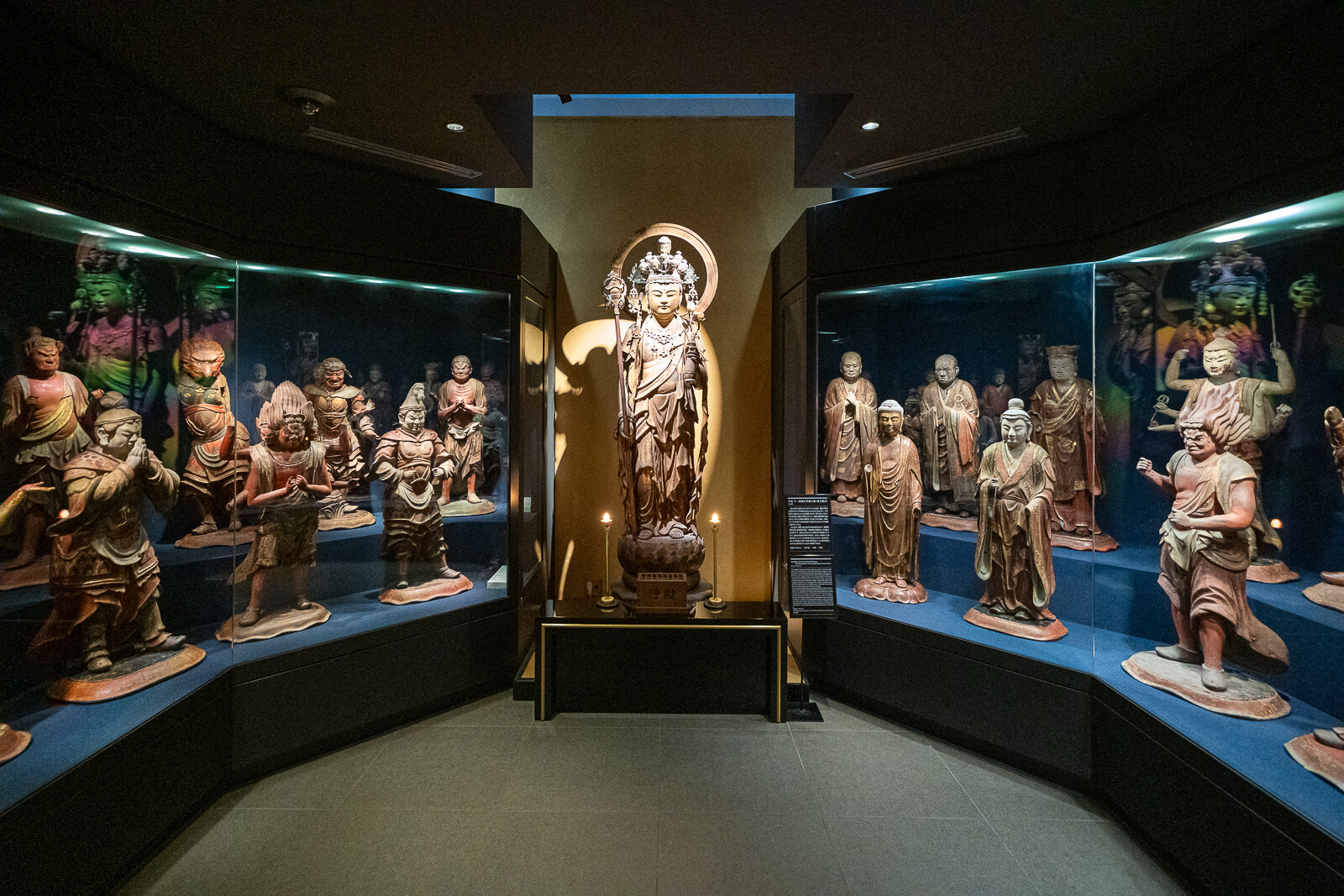
The Kannon Museum adds another dimension, introducing Kannon imagery and Hase-dera’s Buddhist art and temple treasures. Include it when the meaning behind the temple’s Kannon worship interests you as much as the autumn gardens. Together, the gardens, museum and hillside café give Hase-dera enough variety to be the main focus of a half day in Hase.
Choose Hase-dera over adding another Kita-Kamakura temple when that mix of gardens, coastal views, a hillside café and museum appeals most, particularly if the Great Buddha is already a priority.
Kōtoku-in combines the landmark with autumn color
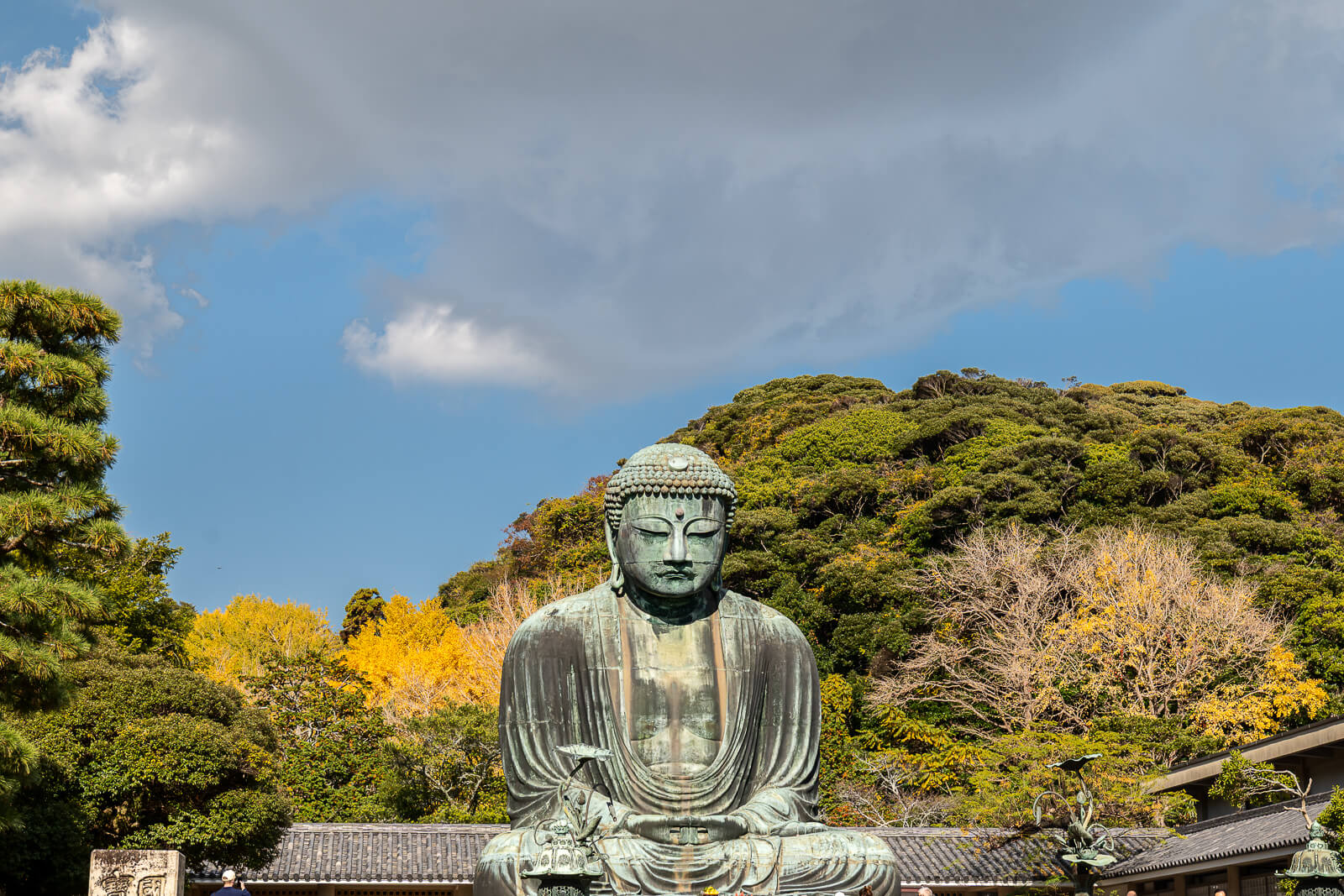
At Kōtoku-in, the Great Buddha remains the center of the experience. Ginkgo trees and the garden areas give the familiar landmark an additional autumn setting, especially when a clear day brings blue sky behind the statue and yellow foliage.
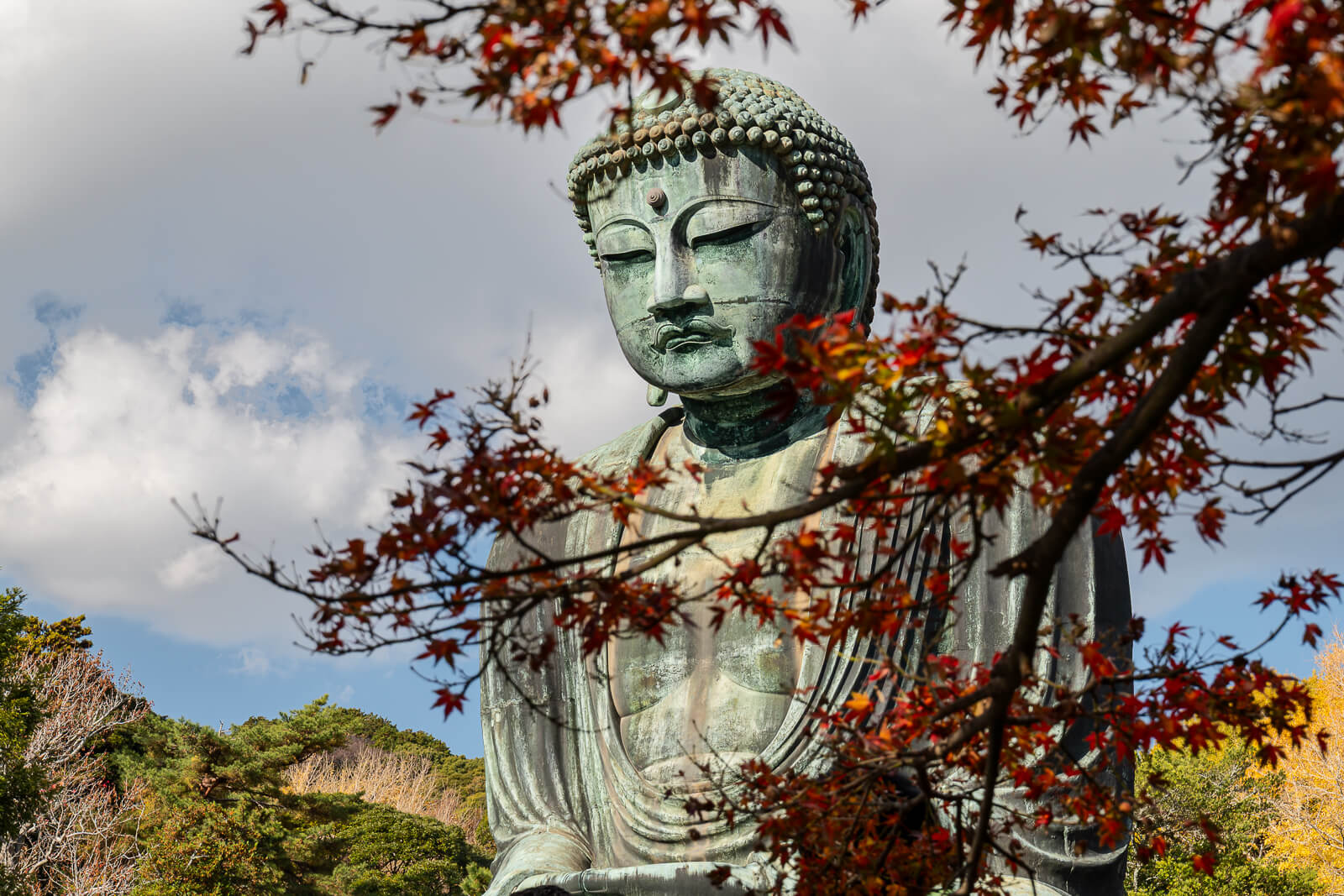
It is a more concentrated visit than Engaku-ji or Hase-dera. You can spend time around the Buddha, explore the nearby garden areas and appreciate the seasonal setting without following a long sequence of temple buildings.
For a first visit to Kamakura, the Hase pairing brings together two memorable experiences within the same area. Hase-dera supplies the varied garden and hillside visit, while Kōtoku-in provides the iconic centerpiece surrounded by seasonal color. Autumn gives the familiar Great Buddha view another reason to stay and enjoy the grounds.
If the fullest autumn temple experience is the priority, start with Engaku-ji. If you want autumn scenery and Kamakura’s most recognizable landmark together, the Hase pairing is compelling.
Central Kamakura offers autumn scenery within a broader city visit
Tsurugaoka Hachimangū is the strongest central Kamakura autumn stop in this group. The pond areas and the large ginkgo near the approach to the main hall give the shrine more seasonal interest than a quick walk directly to the main buildings reveals.
Make time for the sides of the shrine grounds as well as the main approach. The ponds are part of the autumn experience, and the ginkgo gives you a different seasonal focus from the red maple scenes elsewhere in Kamakura.
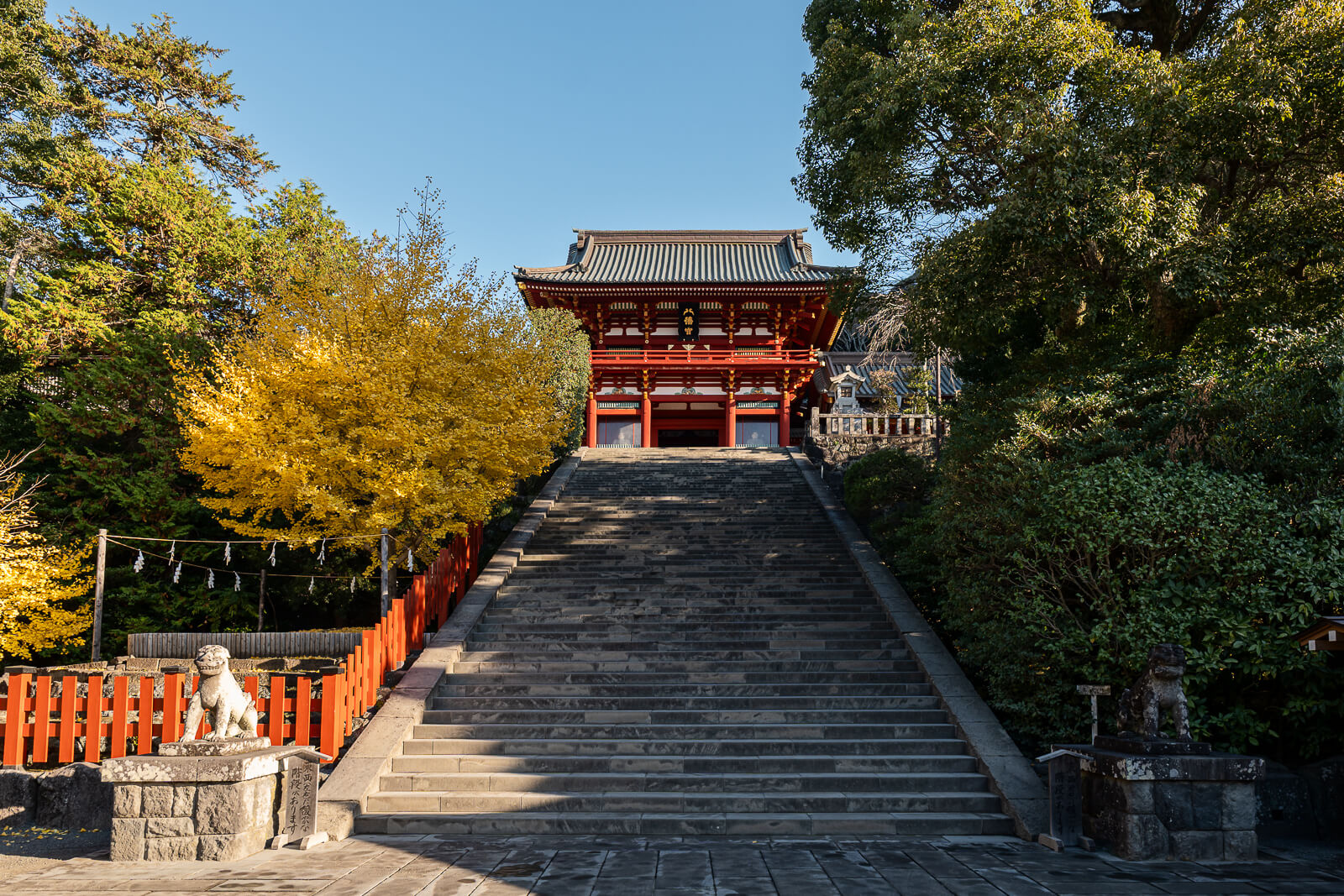
The central area is particularly useful when your group wants several things from the day. You can combine the shrine with food and shops along Komachi-dōri and the formal Dankazura approach. Dankazura’s defining seasonal attraction is its spring cherry blossoms; in an autumn plan, its main role is the connection through the city toward the shrine.
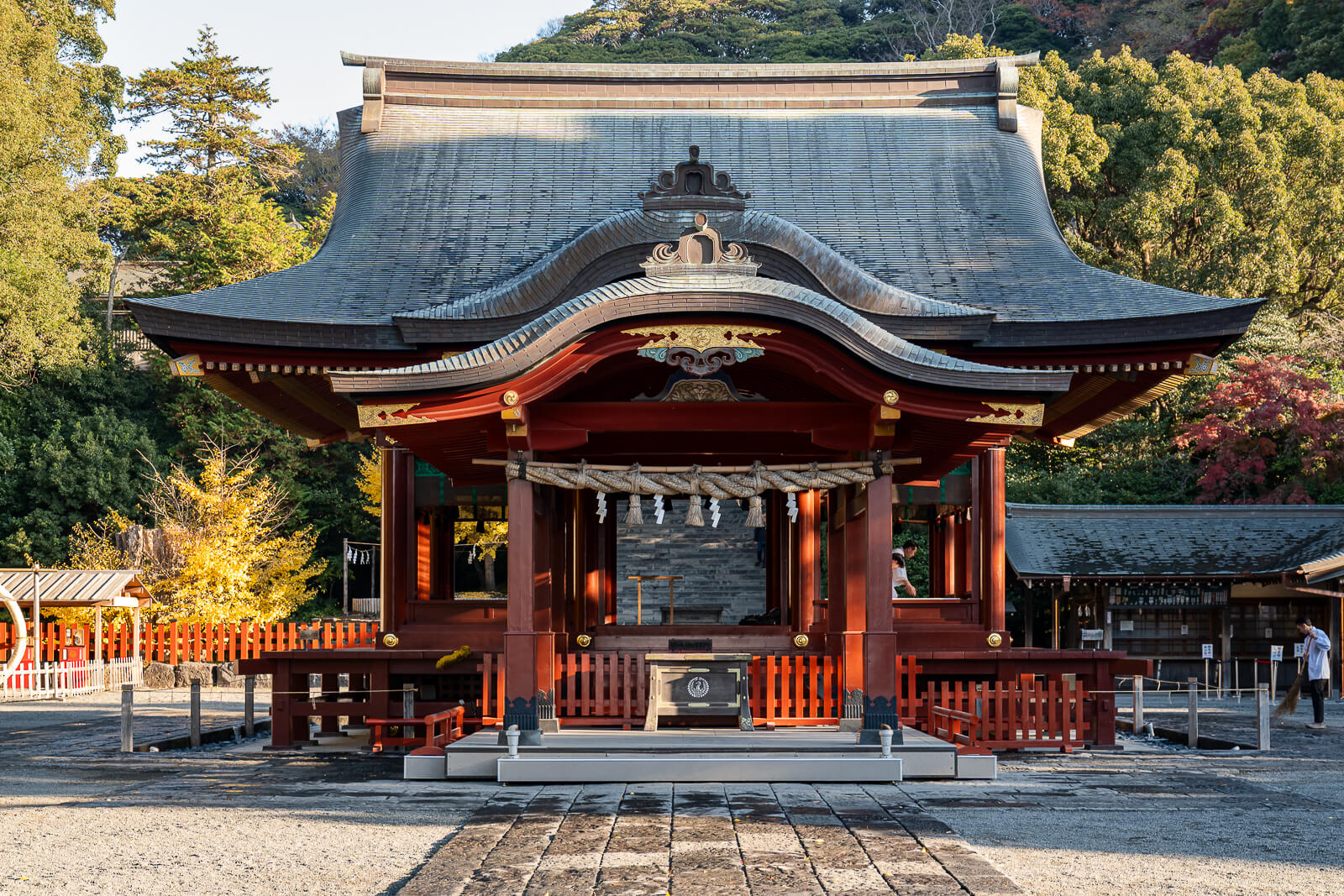
Central Kamakura is also the natural continuation of the northern temple route. After Kenchō-ji, Tsurugaoka Hachimangū brings ponds, ginkgo and the grand shrine setting into the day. Dankazura and Komachi-dōri then lead toward food, shopping and the finish at Kamakura Station, giving the autumn walk an enjoyable city-center ending.
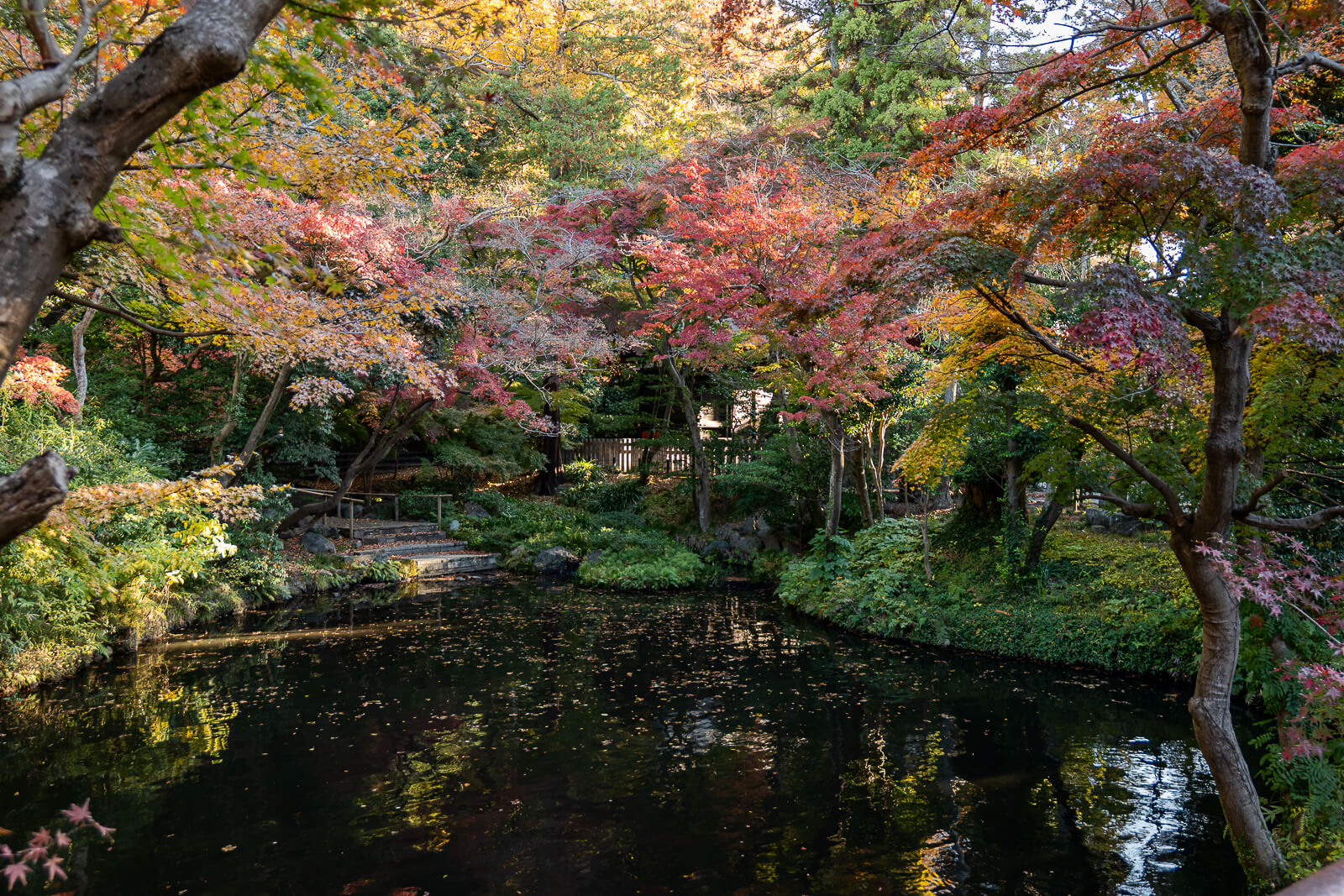
Late November and early December bring the richest color
Plan an autumn foliage visit to Kamakura for late November through early December, the usual main season for the city’s red maples and golden ginkgo. Some maple displays continue into mid-December, extending the autumn appeal of temple gardens and wooded slopes.
The beauty comes from the mix of colors and settings. Ginkgo brings bright yellow around halls and courtyards, maples add reds and oranges to the temple slopes, and bamboo and evergreen trees keep a rich green backdrop. Engaku-ji, Meigetsu-in and Jōchi-ji show that variety especially well, while Hase-dera and Kōtoku-in combine autumn color with gardens, coastal views and the Great Buddha.
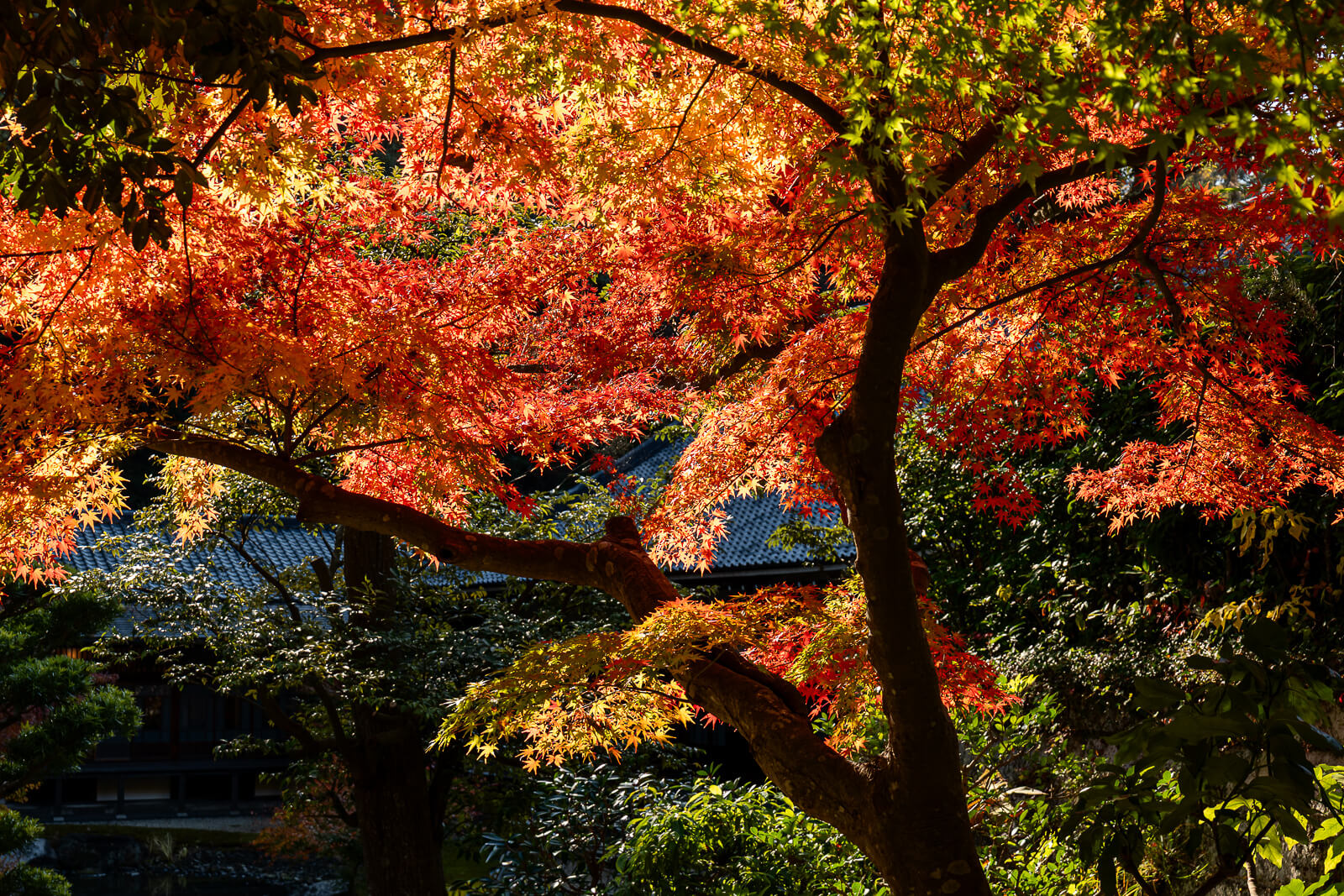
Use current foliage forecasts and official visitor information to fine-tune your travel dates and the final practical details before the visit.
Build a rewarding half day or full day
A half day gives you a focused introduction to one area; a full day brings the northern temple district and central Kamakura together. Choose the shape of the day around the autumn scenes and places that appeal most, with time for photography, garden walks and a meal along the route.
A short visit: choose one main experience
Choose Engaku-ji for the strongest overall autumn temple experience in this comparison. Choose Hase-dera if gardens and elevated views appeal most. Choose the Hase area around Kōtoku-in if the Great Buddha is the landmark you most want to see.
Central Kamakura offers a different short visit, combining Tsurugaoka Hachimangū’s ponds and ginkgo with food and shopping around the shrine approaches. Each area has enough identity to create a satisfying outing of its own.
A half day: stay with a focused area
In Kita-Kamakura, build around Engaku-ji and one or two additions chosen for your interests. Meigetsu-in brings garden and bamboo views; Jōchi-ji adds golden ginkgo and a smaller wooded temple setting. Tōkei-ji makes a convenient short stop within the same temple corridor.
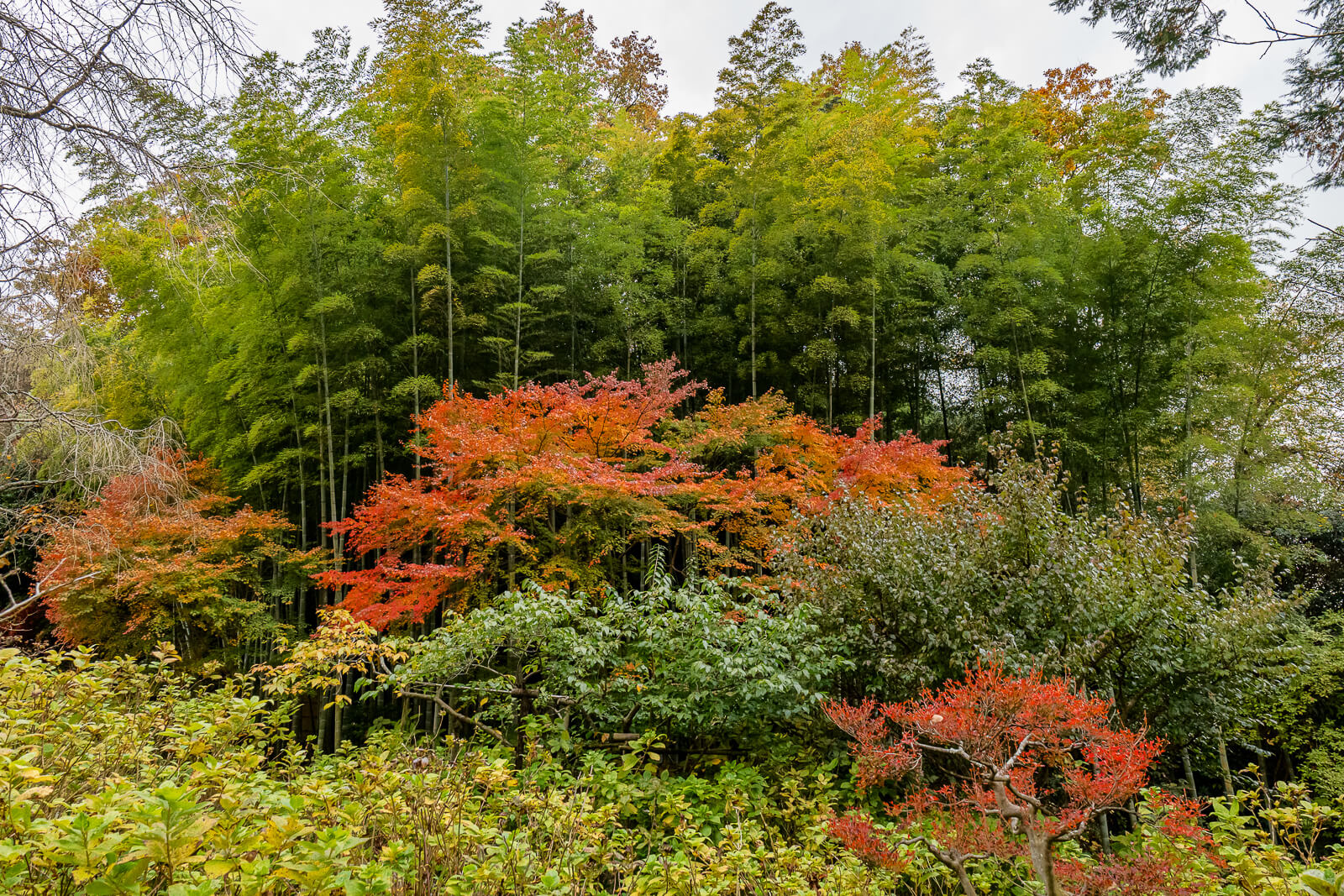
In Hase, Hase-dera and Kōtoku-in form a natural pairing. The gardens and terraces at Hase-dera complement the open-air Great Buddha setting, and the neighborhood between them adds cafés and small shops to the visit. The nearby coast offers another way to extend time in the area.
Choose a half day for a smaller selection of temple gardens and a relaxed pace. Choose the full-day north-to-south itinerary when the wider Kita-Kamakura group and central Kamakura are both part of the experience you want.
A full day: Kita-Kamakura to Kamakura Station
The Kita-Kamakura one-day itinerary follows a complete north-to-south route. Begin at Kita-Kamakura Station, visit the northern temples, continue onward to Kenchō-ji, then walk down into central Kamakura. Tsurugaoka Hachimangū and the shrine approaches lead into the final food-and-shopping stretch along Komachi-dōri, finishing at Kamakura Station.
This route makes an excellent autumn day because the scenery changes as it progresses: Engaku-ji’s temple valley, the gardens and bamboo around Meigetsu-in, Jōchi-ji’s ginkgo, Kenchō-ji’s larger precinct, and the ponds and shrine setting at Tsurugaoka Hachimangū. Komachi-dōri provides an enjoyable final change of pace before the main station.
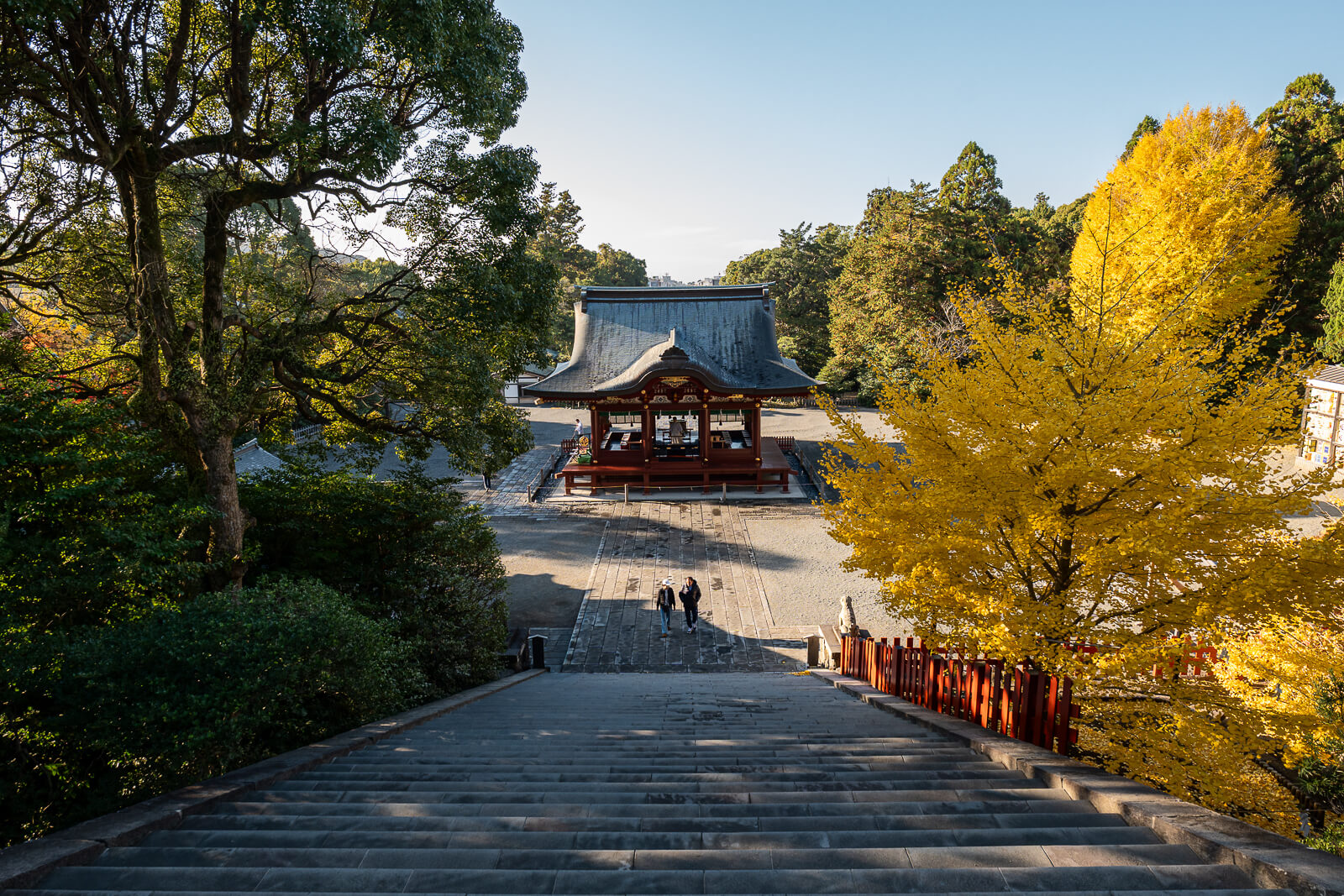
Hase-dera and Kōtoku-in belong to a separate western-area route, or a second day that adds gardens, the Great Buddha and time near the coast. For visitors who want a forest walk toward Hase, the Daibutsu Hiking Course offers a different experience through the hills, with dirt paths, roots and short climbs.
Choose the Ten-en Hiking Course for autumn woodland and hillside views
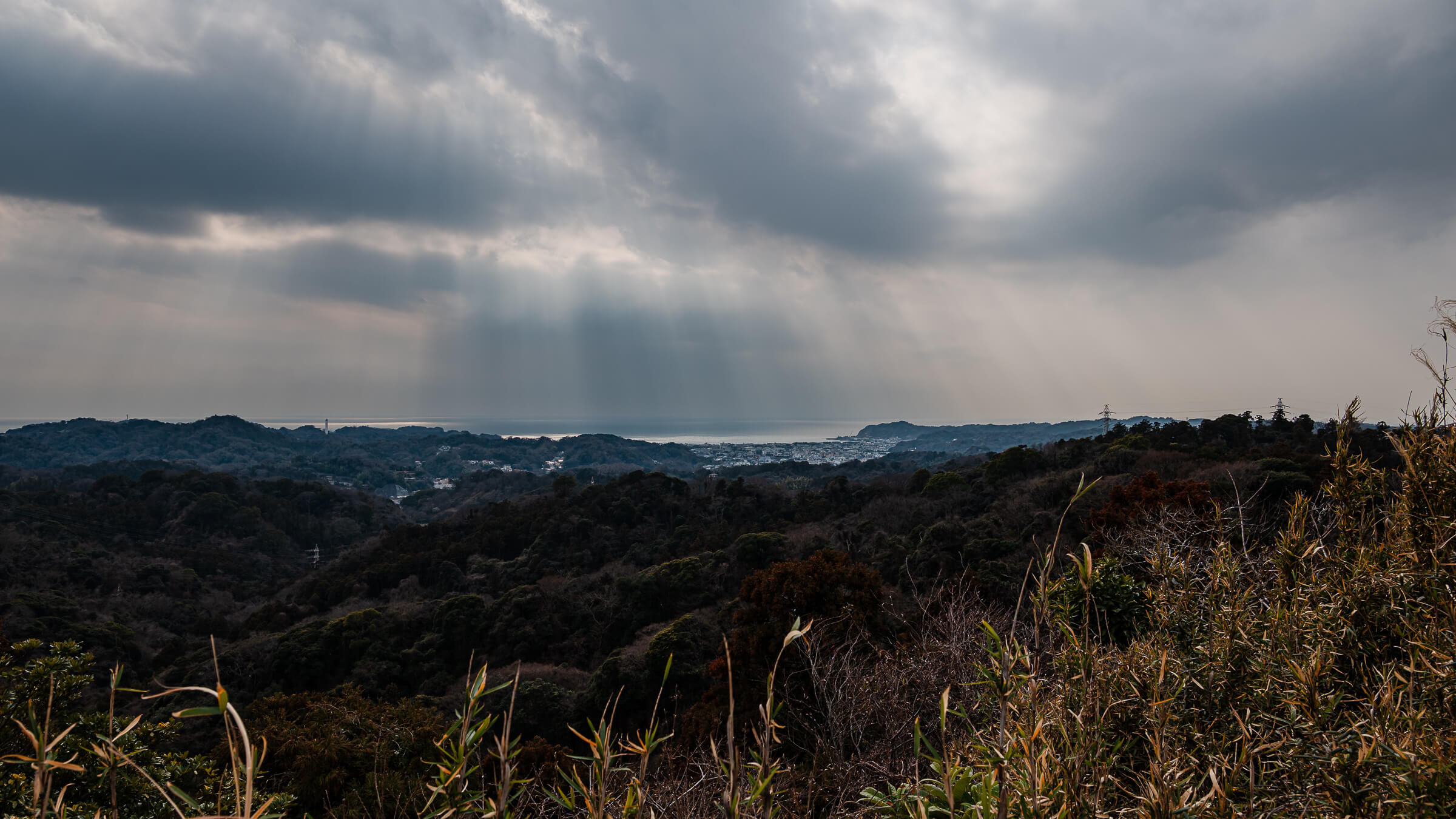
The Ten-en Hiking Course gives autumn in Kamakura another dimension: a walk through the wooded hills above the temples, with higher views over the city and Sagami Bay. From Kenchō-ji, climb through Hansōbō and Shōjōken Observatory, then follow the Kamakura Alps ridge past Mt. Ōhira and the Ten-en summit area toward the Zuisen-ji trail entrance.
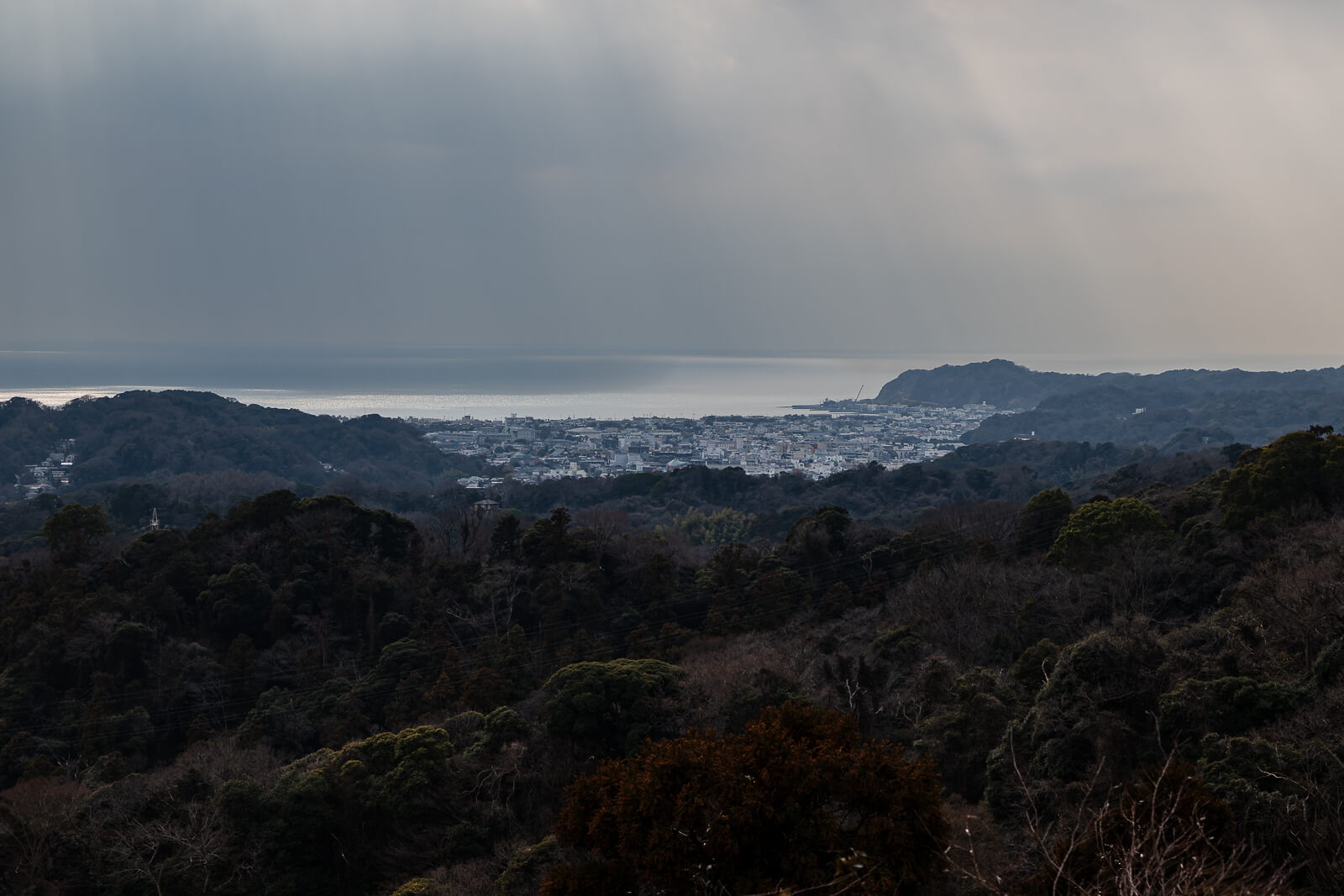
Autumn color around the Hansōbō approach adds to the temple setting, while the ridge brings forest paths, mossy rocks and openings toward the landscape below. Choose this route when the pleasure of walking through the hills matters as much as visiting individual gardens. The temple-and-city itinerary remains the stronger choice when Engaku-ji, Meigetsu-in, Jōchi-ji and time along Komachi-dōri are the main priorities.
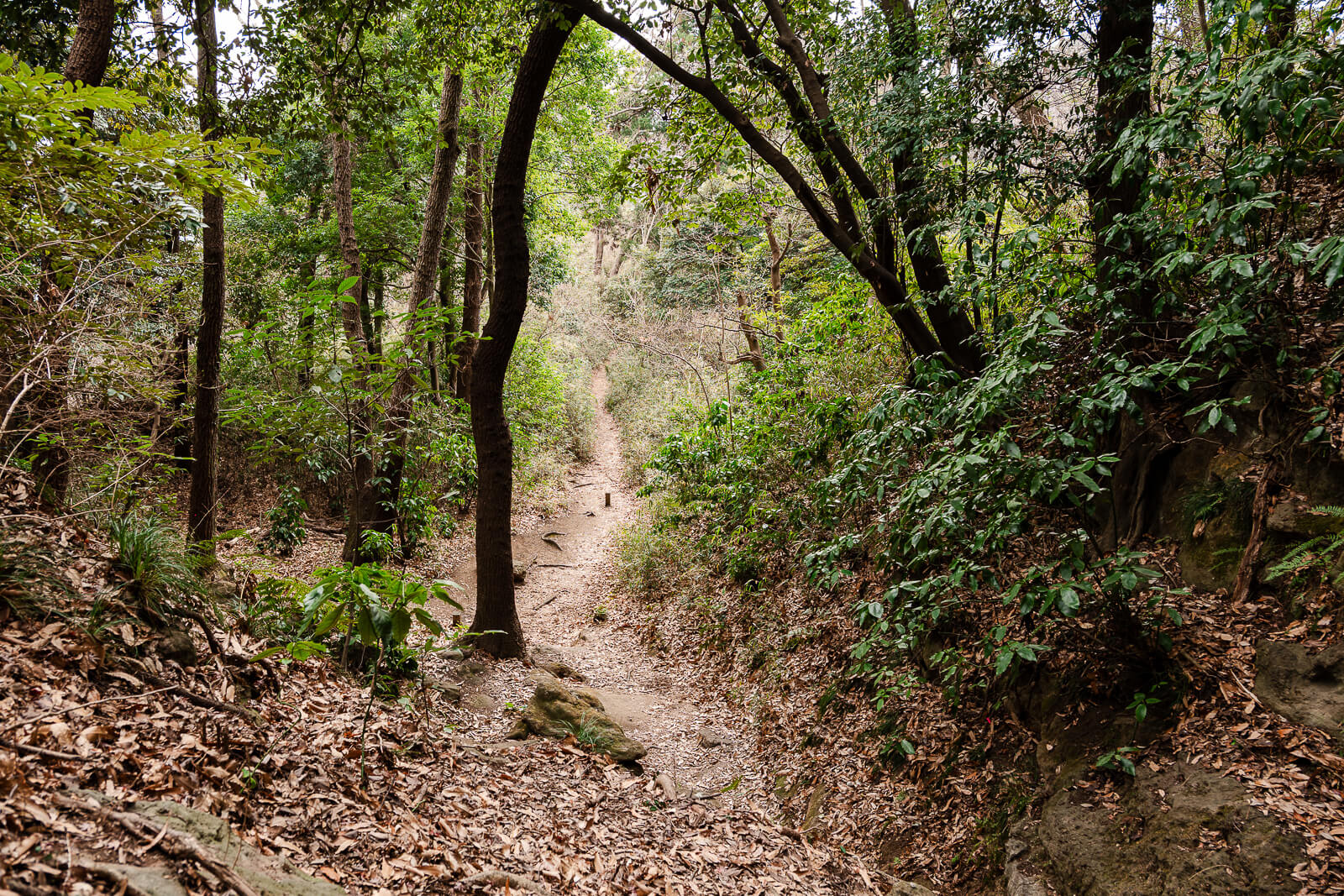
Allow about two and a half hours for the hiking course itself, with additional time for Kenchō-ji, viewpoints and a separate Zuisen-ji visit. The initial stair climb and uneven natural paths make this the more active choice. Build the day around Kenchō-ji and the hike, or give Ten-en its own day during an overnight stay in Kamakura.
Enjoy the walking and photography
The areas differ in where you spend your energy. Kita-Kamakura involves walking between separate temples, with steps and optional climbs within some grounds. Hase-dera concentrates more of its climbing inside one attraction. Kōtoku-in offers a shorter, more contained landmark visit, while central Kamakura lets you organize the day around the station, streets and shrine.
For a gentler visit, focus on Kōtoku-in’s main grounds, central Kamakura’s streets and the lower parts of the temple precincts. The hillside paths at Engaku-ji, the route toward Hansōbō and Hase-dera’s upper terraces add more climbing for visitors who enjoy higher perspectives. Comfortable shoes make the temple walks and the full-day route more enjoyable.
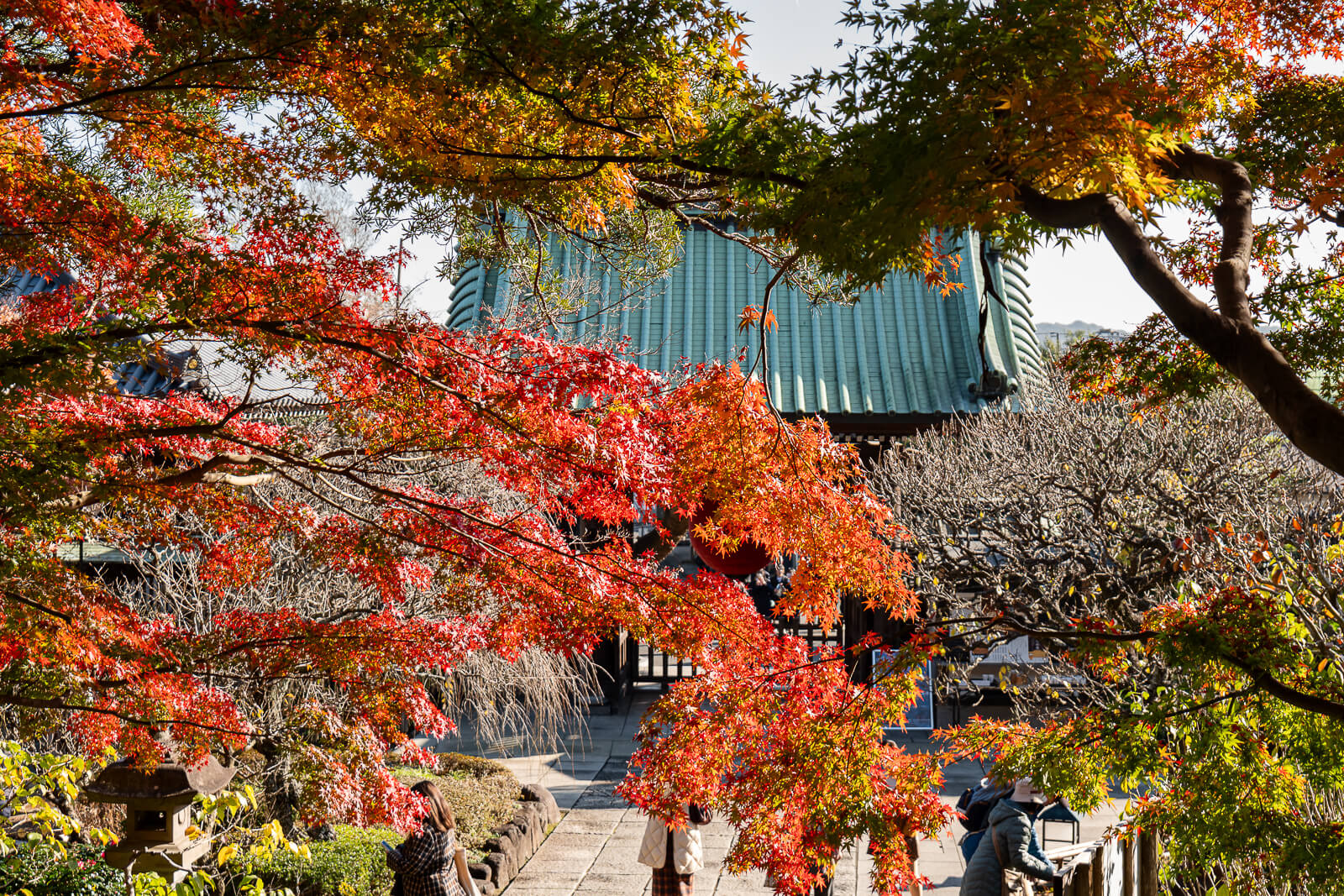
Clear skies give Hase-dera’s coastal outlook more breadth and make the blue-sky, golden-ginkgo setting around the Great Buddha particularly striking. In Kita-Kamakura, the pleasure is closer to the paths: red maples beside temple buildings, yellow leaves around the halls, and bamboo providing a vivid green contrast.
Photographs work best when they follow the experience: an approach, a wider temple or garden view, and then the foliage details that make each place distinctive. Take time to enjoy the gardens between photographs as well. Engaku-ji prohibits tripods and monopods; handheld photography suits a walk through the grounds.
Spend on the visits you actually want
Temple admission is part of planning a day through these gardens and precincts. Meigetsu-in’s autumn rear-garden visit has a separate admission charge, giving access to one of its most rewarding seasonal spaces. A broader temple day includes more individual admissions, while central Kamakura combines the shrine setting with its streets, shops and food stops.
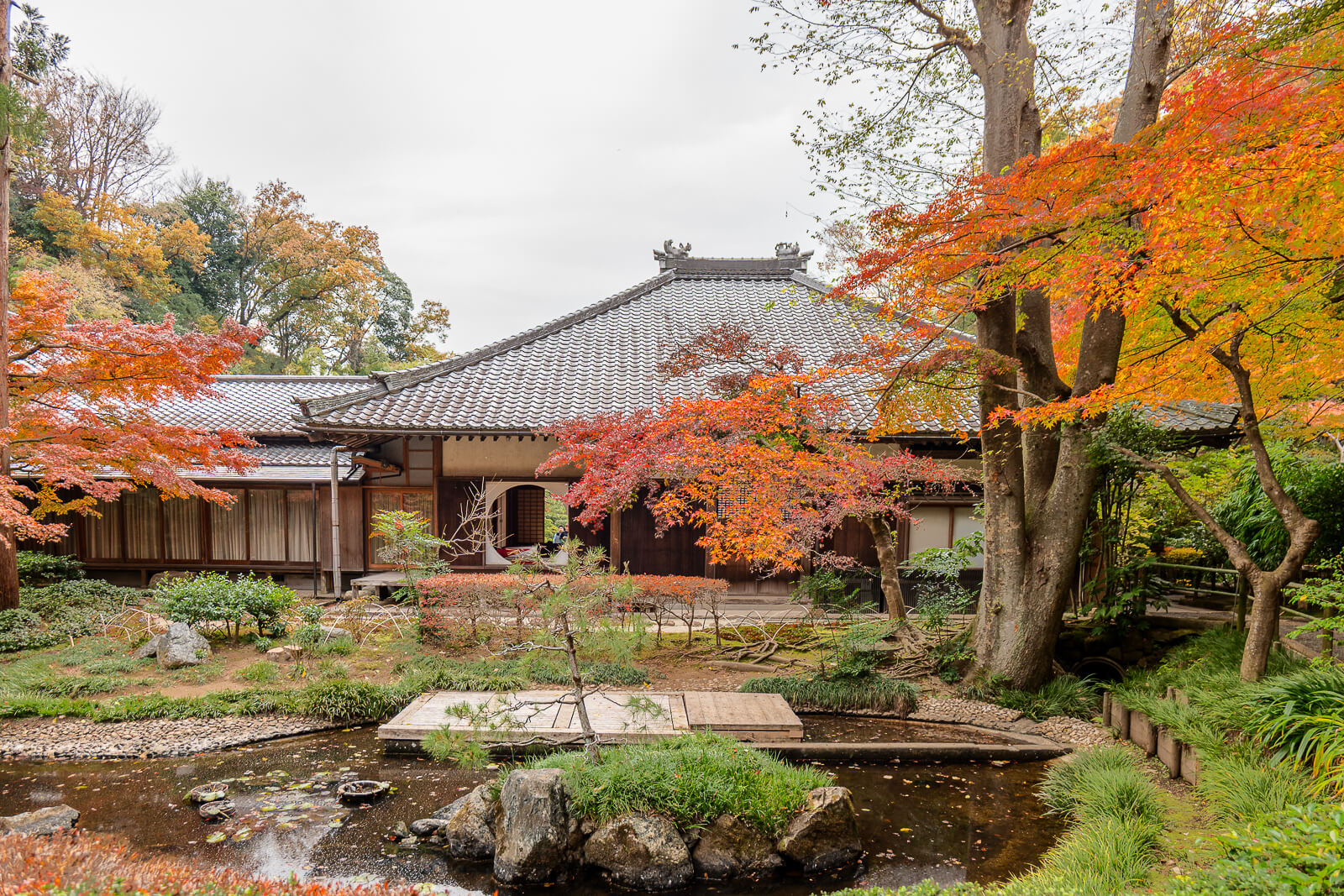
The useful question is what each additional admission brings to your day. Meigetsu-in adds garden and bamboo views; Jōchi-ji adds a smaller ginkgo-rich temple visit; Hase-dera adds a different garden layout and coastal outlook. Choose the additions that give you something you want to experience.
Starting at Kita-Kamakura keeps the northern temples on one walking route, with the full-day itinerary ending at Kamakura Station. Hase has its own Enoden station connection and works well for the Hase-dera and Great Buddha pairing. Choose transport tickets to match that route; a sightseeing pass is most useful for a day with the journeys it covers.
A tour is most useful when it solves an actual need, such as guidance, a fixed broader route or reduced planning effort. If you mainly want time to photograph autumn gardens at your own pace, a focused independent visit may fit better.
Stay in Hase or central Kamakura
An overnight stay gives the autumn visit more room to unfold. A full day can follow the northern temples into central Kamakura, with another morning for Hase-dera, the Great Buddha and the coast. Choose the hotel area around the part of Kamakura you want closest at the beginning and end of each day.
Stay in the Hase area when Hase-dera’s gardens, the Great Buddha and time near the coast are the main appeal. A hotel near Hase Station puts that western pairing close at hand, with the Enoden connecting the area to Kamakura Station. This is especially appealing for an overnight visit that gives the gardens and coastal setting a morning of their own.
Stay in central Kamakura, around Kamakura Station and the Komachi-dōri area, when convenient arrivals, dining and the north-to-south autumn walk matter most. The Kita-Kamakura itinerary finishes here, so the day can flow from the temples into a meal and your hotel. Hase remains a separate Enoden outing from this base.
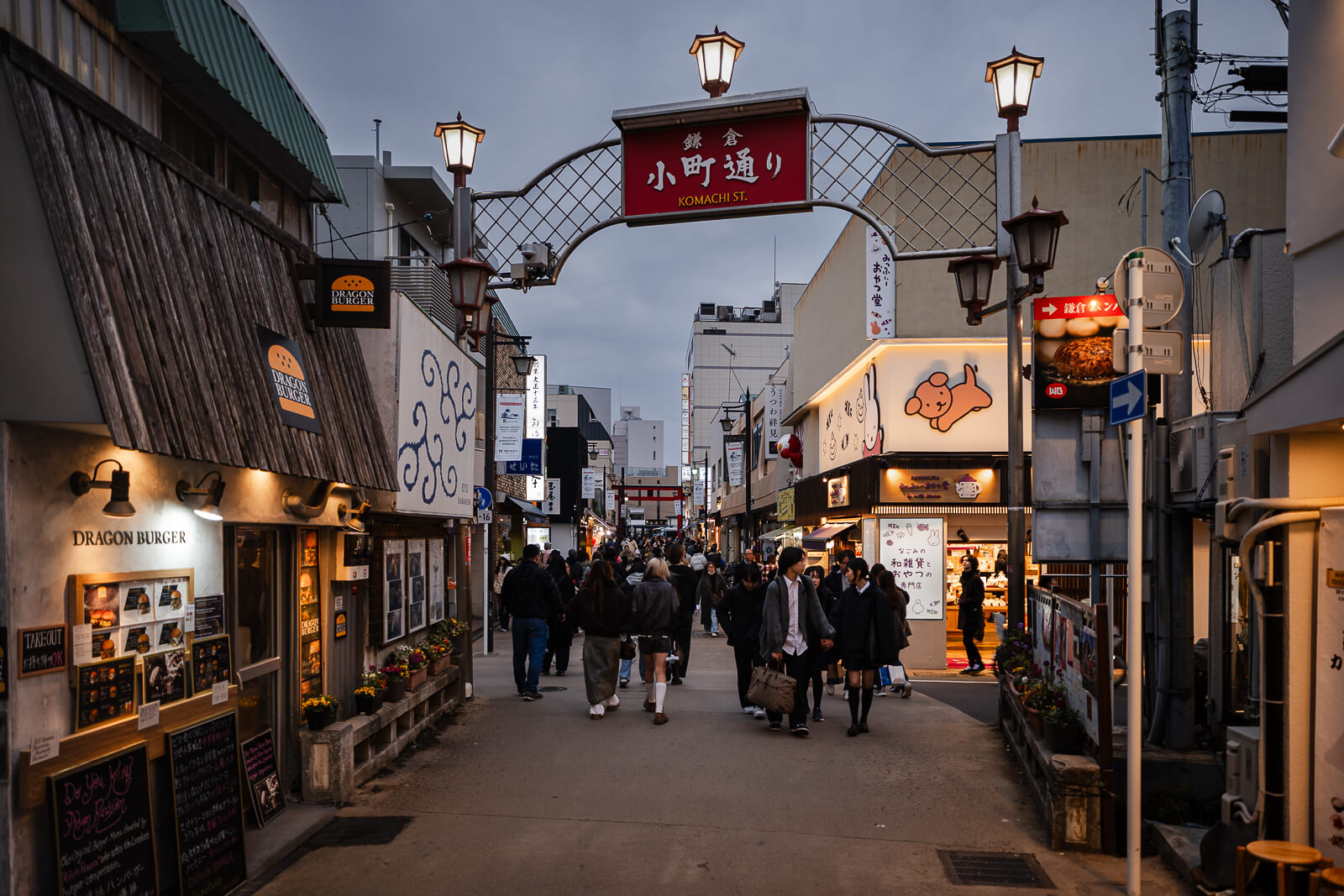
For a stay built around the northern temple walk, central Kamakura is the stronger default. For a stay built around Hase-dera, the Great Buddha and the coast, choose Hase. Both work well for a two-day visit that combines the northern temples with the western gardens and landmarks.
Which autumn area fits your Kamakura visit
For autumn scenery, choose Kita-Kamakura and give Engaku-ji a generous visit. Meigetsu-in and Jōchi-ji add distinctive garden, bamboo and ginkgo scenes, while the full-day route continues through Kenchō-ji into the shrine grounds and streets of central Kamakura.
Choose Hase when the Great Buddha and Hase-dera’s layered gardens and viewpoints matter as much as the foliage. Choose central Kamakura when the shrine, food and street life are central to the outing.
Whichever area you choose, give its main attraction enough time to become a visit you enjoy. Leave room to pause, explore the gardens and follow the seasonal details that catch your attention.
Getting There
ARRIVE AT THE RIGHT STATION
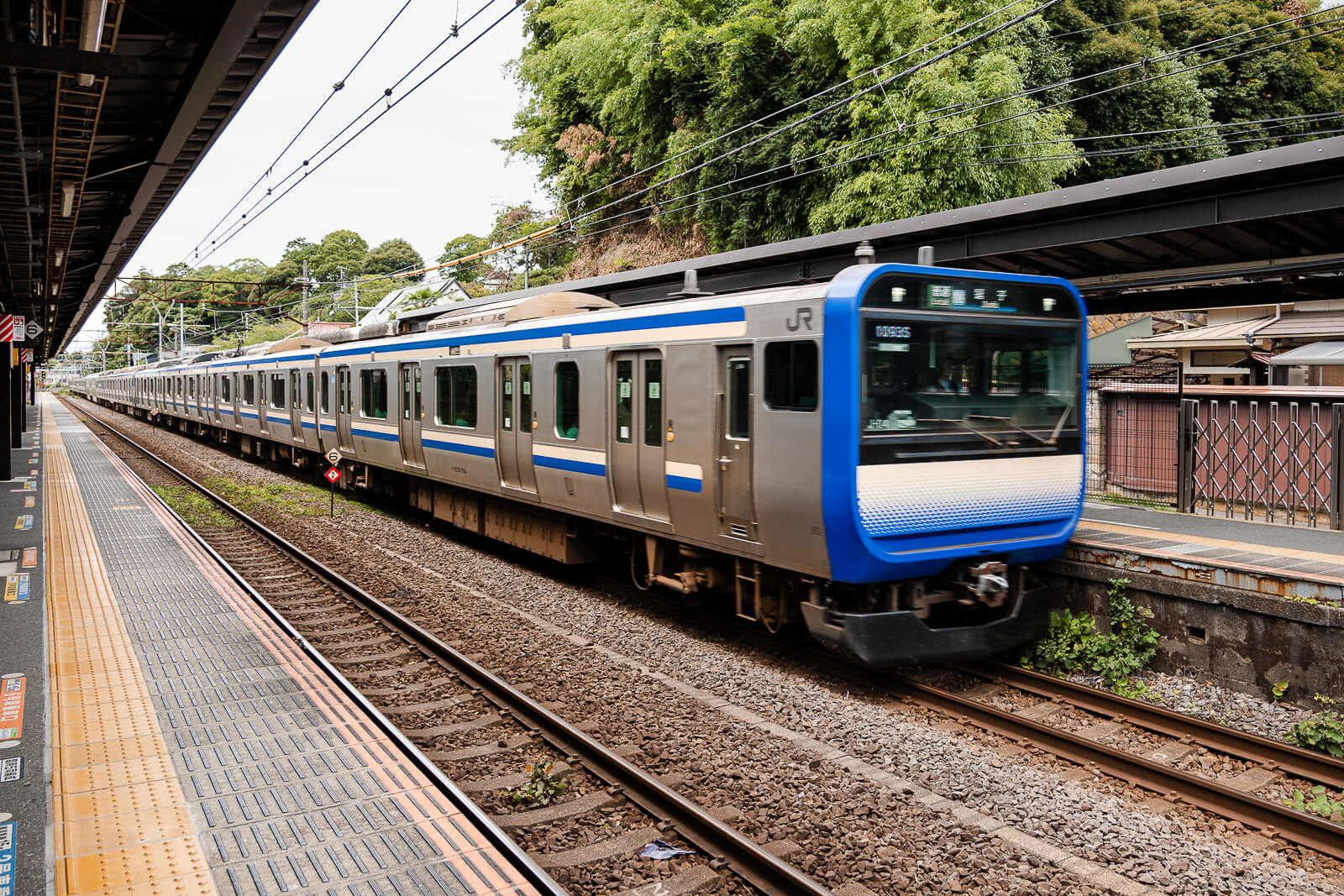
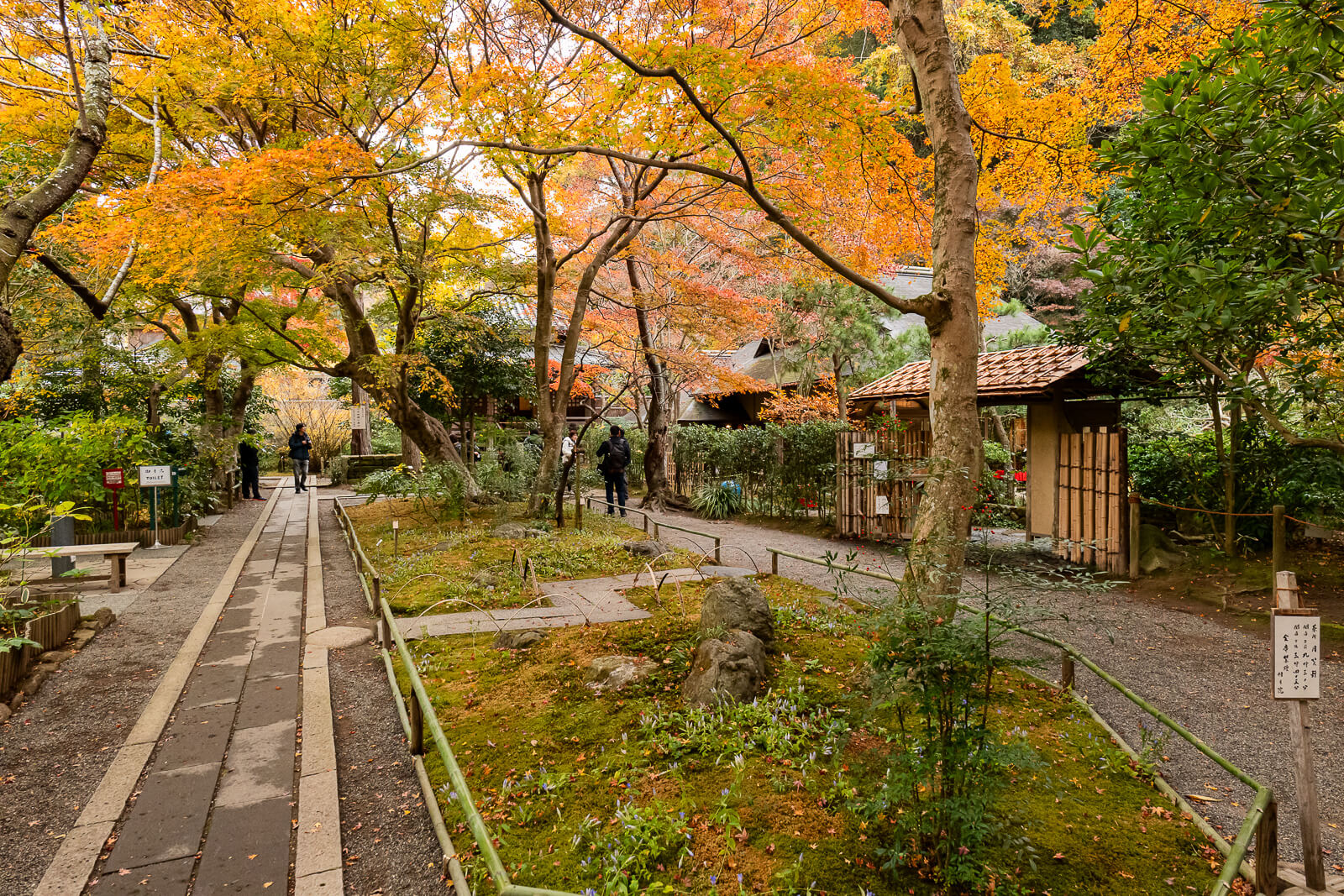
Start at Kita-Kamakura Station for the northern temple walk, or Kamakura Station for central Kamakura. For Hase-dera and the Great Buddha, take the Enoden from Kamakura to Hase Station and continue on foot.
- Kita-Kamakura temple walk
Arrive at Kita-Kamakura Station → northern temples → Kenchō-ji → central Kamakura → Komachi-dōri → Kamakura Station.
Engaku-ji is beside Kita-Kamakura Station; the other northern temples follow along the walking route. · This is the complete north-to-south day, finishing at the main station.
- Central Kamakura arrival
Arrive at Kamakura Station → walk through central Kamakura toward Tsurugaoka Hachimangū.
Komachi-dōri and the shrine approaches connect the station area with the shrine grounds. · Choose this arrival for a city-centered shrine, food and shopping visit.
- Hase gardens and Buddha
Kamakura Station → Enoden to Hase Station → walk to Hase-dera and Kōtoku-in.
Hase-dera is about a five-minute walk from Hase Station; the Great Buddha is about ten minutes from the station. · Hase Station serves Hase-dera; this western pairing forms its own half day or second-day visit.
Hours & Fees
KAMAKURA VISITOR INFORMATION
Plan the temple and garden visits during the day, with time for food and shopping along the way. The individual attraction guides provide the detailed visitor information for each stop.
- Hours
- Opening and last-entry times are set by each temple, shrine or garden. Build the autumn route around daytime visits, then enjoy the streets and dining in central Kamakura.
- Admission
-
Admission is charged separately at paid attractions. Meigetsu-in’s autumn rear garden has an additional admission fee; rail fares, meals and optional activities are separate.
Plan Your Visit
Bring the autumn day together with a well-placed stay, a guided outing and practical options for the wider Japan trip. These six choices connect Kamakura’s temples with the coast and the journey beyond.
Choose Hase or Central Kamakura
Stay near Hase-dera and the coast, or base yourself in central Kamakura for JR connections, evening dining and easy access to the northern temples.
Compare Kamakura Stays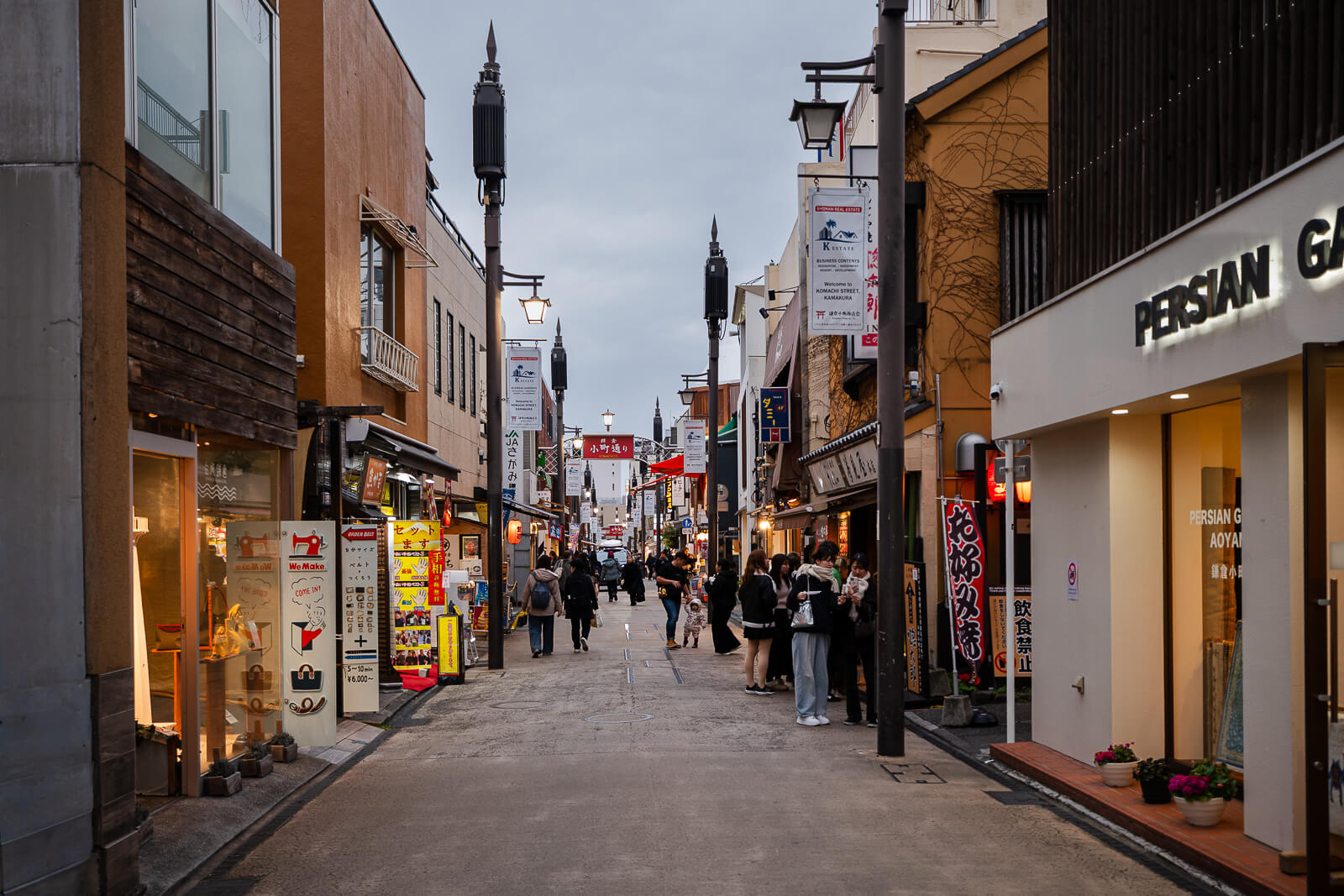
Compare Rental Cars in Tokyo
Extend the autumn journey beyond Kamakura with a rental car for the wider region. Tokyo pickup options fit a longer trip, while trains connect Kamakura’s temple districts.
Compare Tokyo Car Rentals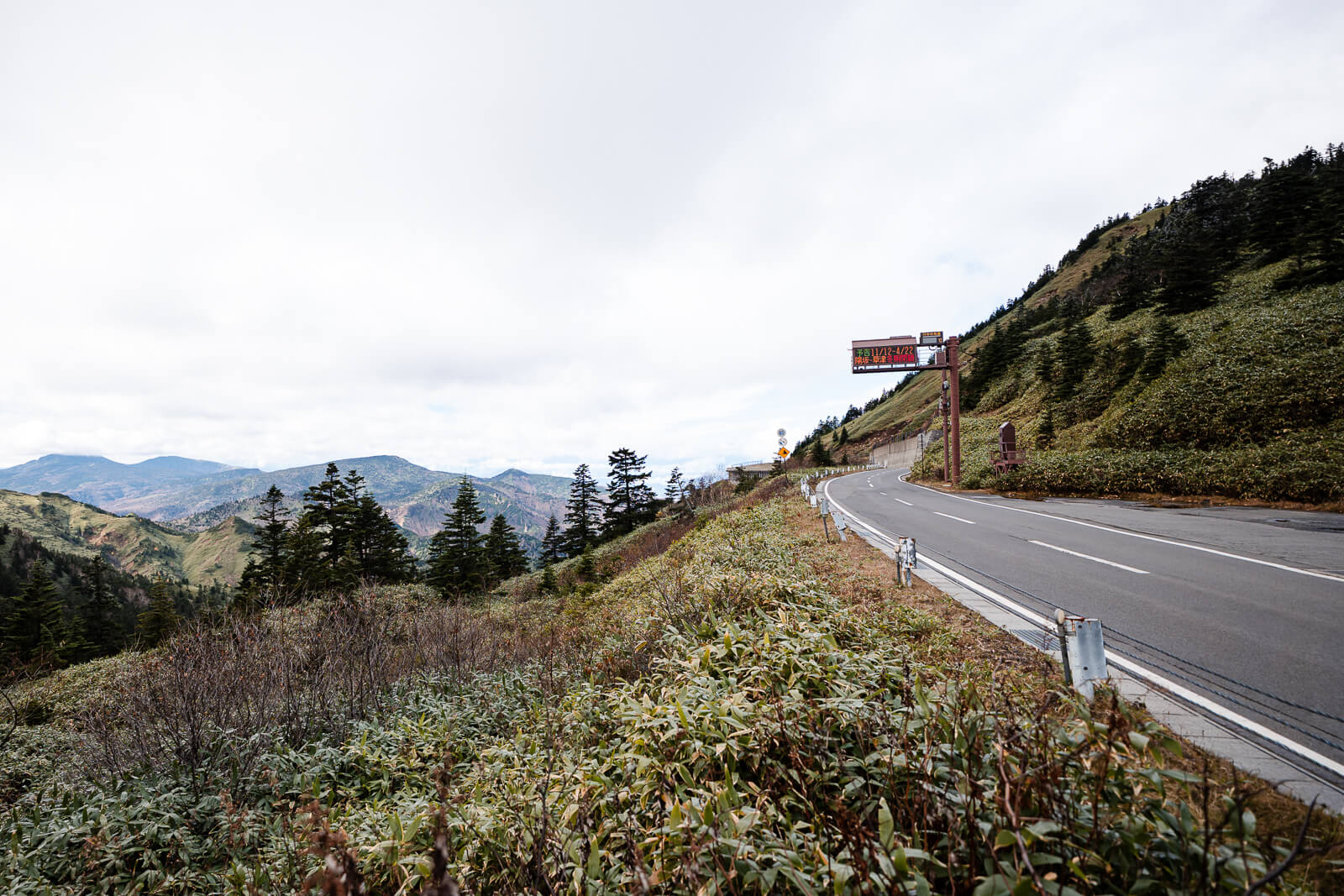
Find a Guided Kamakura Day
Explore Kamakura tours that bring together temples, local history and coastal scenery. Choose a route with the places and pace that suit your autumn day.
Explore Kamakura Tours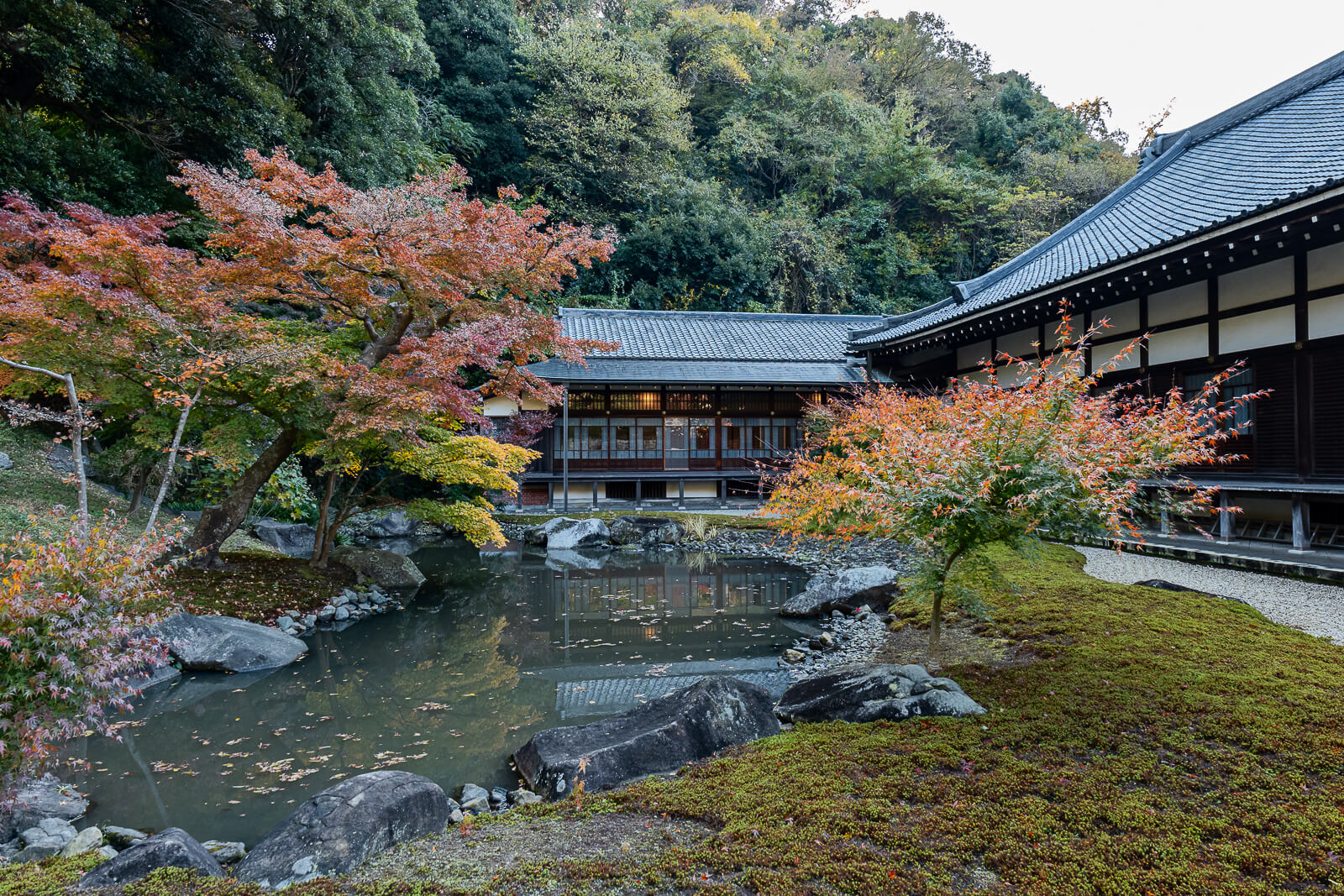
Explore Enoshima Aquarium Tickets
Give a longer Shonan-coast stay another highlight with Enoshima Aquarium, where marine exhibits and the oceanfront setting complement Kamakura’s temple gardens.
View Aquarium Tickets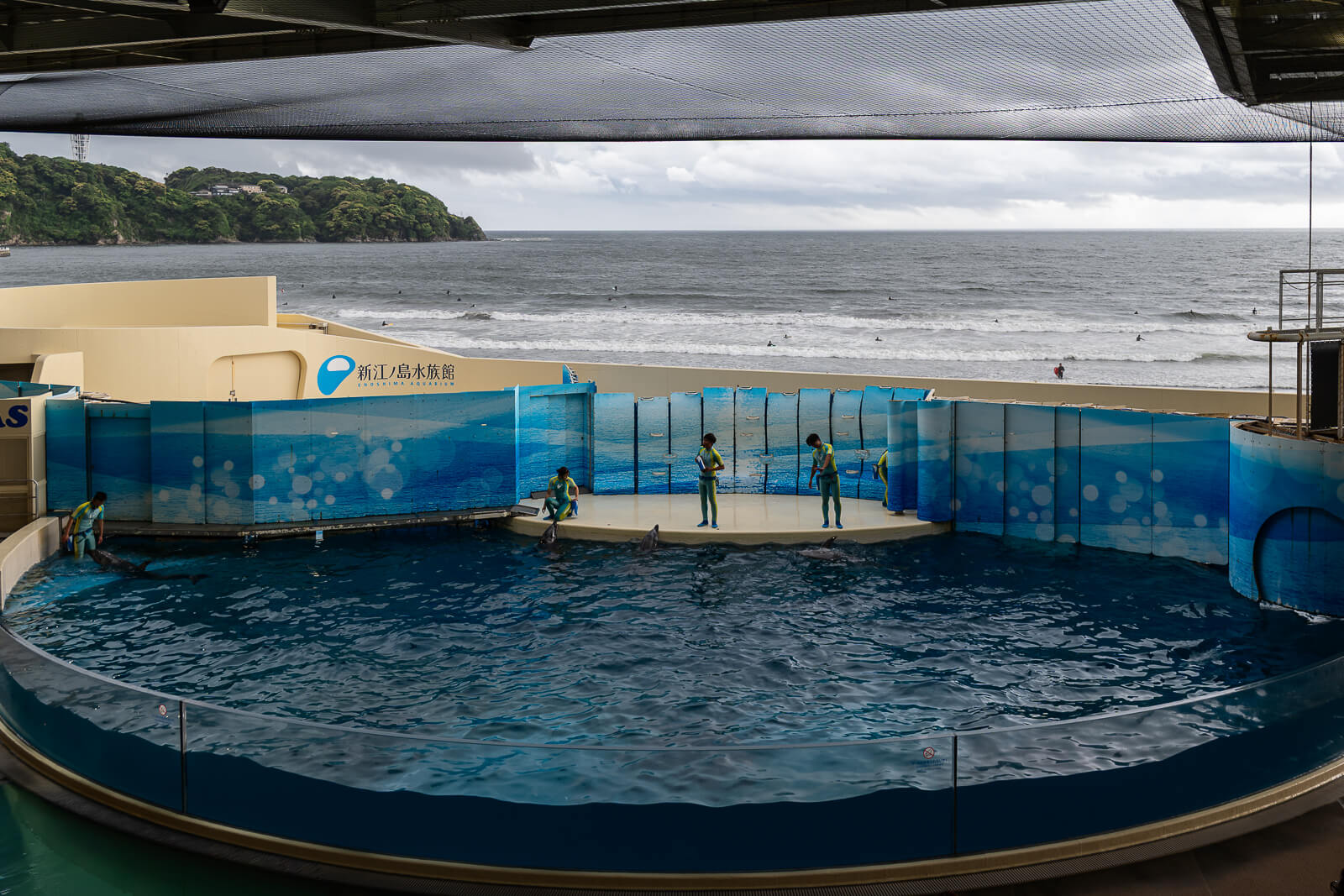
Keep Kamakura Within Easy Reach
Compare Japan eSIM plans for maps, train information and translation as you move between the northern temples, central Kamakura and Hase.
Compare Japan eSIMs
Plan a Shonan Rail Outing
Take JR to Ōfuna for a coastal extension on the suspended Shonan Monorail to Enoshima. The linked ticket covers the monorail; JR and Enoden fares are separate.
View Monorail Tickets