Hakone (箱根)
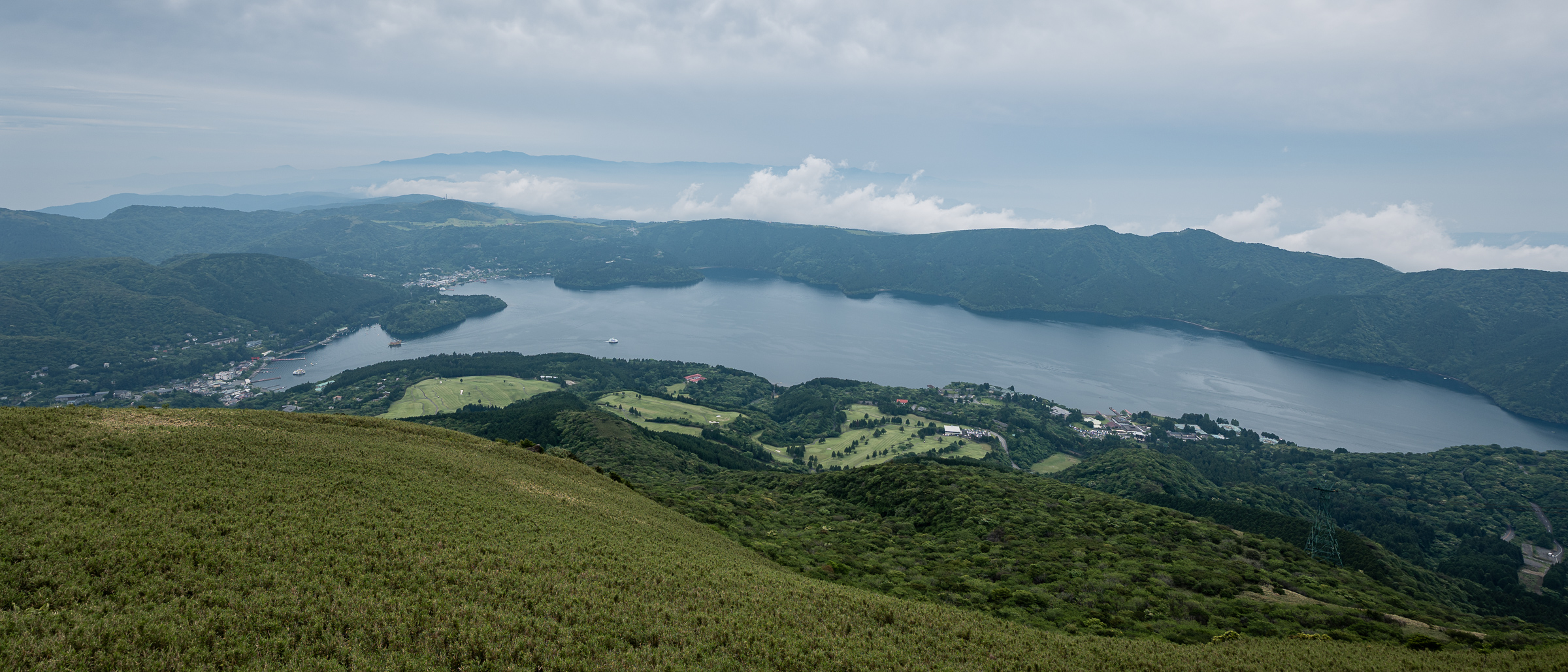
Hakone is a mountainous region in western Kanagawa Prefecture, positioned between the coastal city of Odawara and the hot spring town of Atami along the corridor connecting Tokyo with the Mount Fuji region. The area sits within the Fuji-Hakone-Izu National Park and occupies a volcanic basin formed by ancient eruptions. Today the landscape is defined by forested ridgelines, geothermal valleys, and Lake Ashi at the center of the caldera.
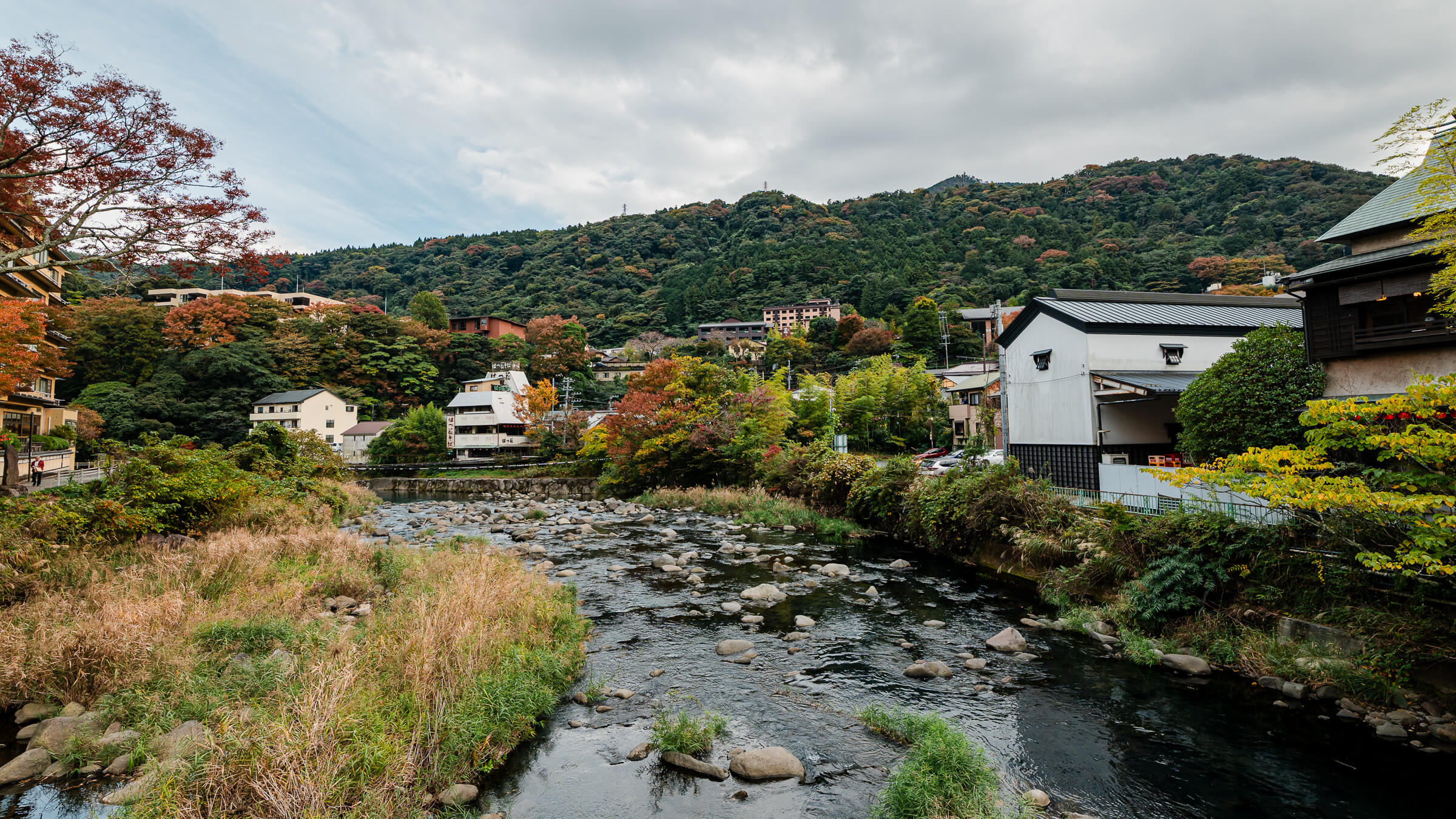
The terrain rises quickly west of Odawara, where coastal rail lines give way to mountain transport routes leading into the Hakone basin. From this transition point, the region spreads across several small towns that form the wider Hakone area, including Hakone-Yumoto, Tonosawa, Miyanoshita, Gora, Sengokuhara, Motohakone, and the Lake Ashi shoreline settlements.
Each of these towns developed around hot springs, mountain access points, or transport junctions that connect different parts of the basin. Hakone-Yumoto serves as the primary rail gateway into the mountains. Miyanoshita and Gora sit higher in the basin along the mountain railway route, while Sengokuhara spreads across a broader highland plateau near the northern side of the caldera. Motohakone and the lakeshore communities sit along the southern edge of Lake Ashi.
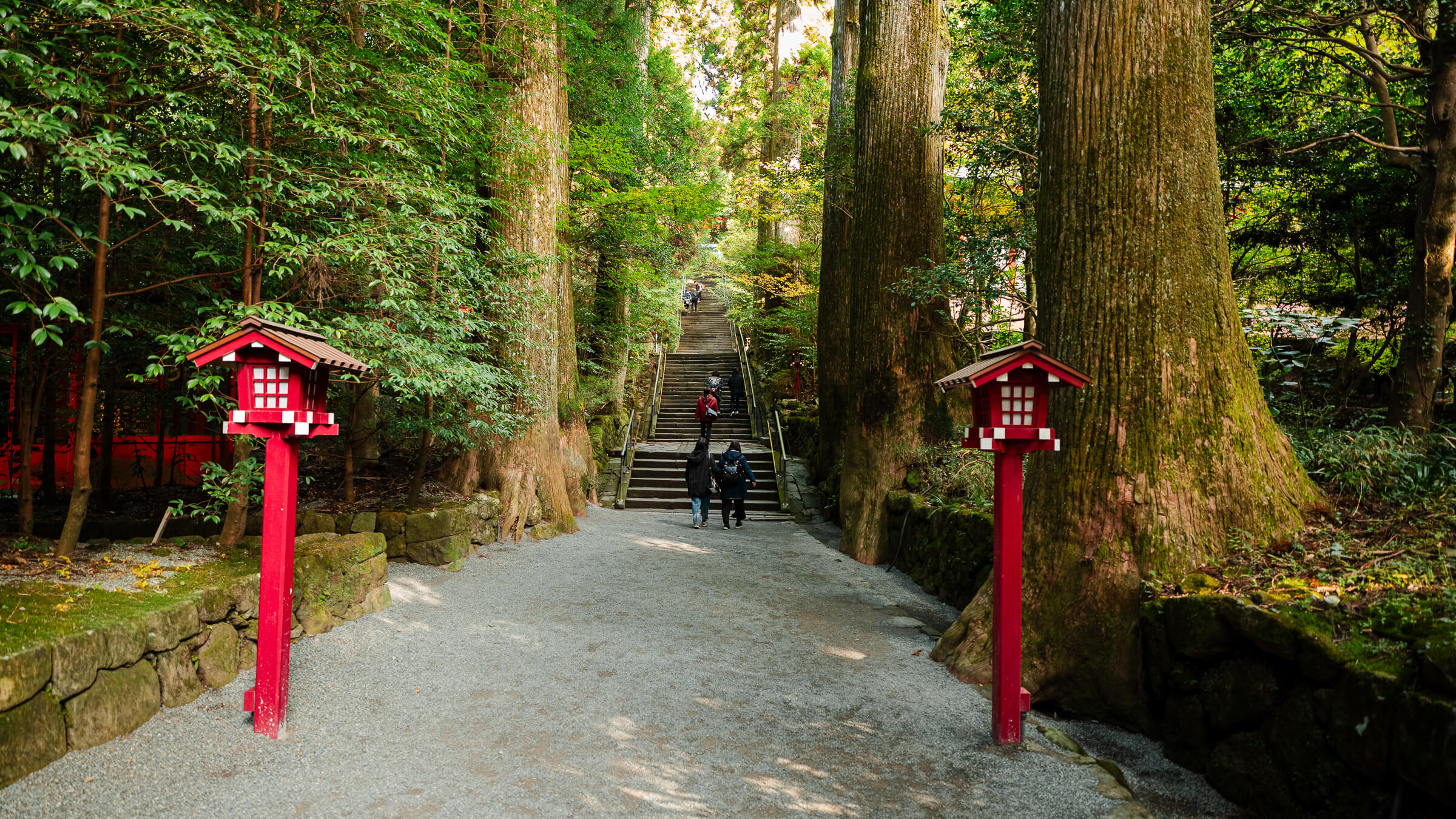
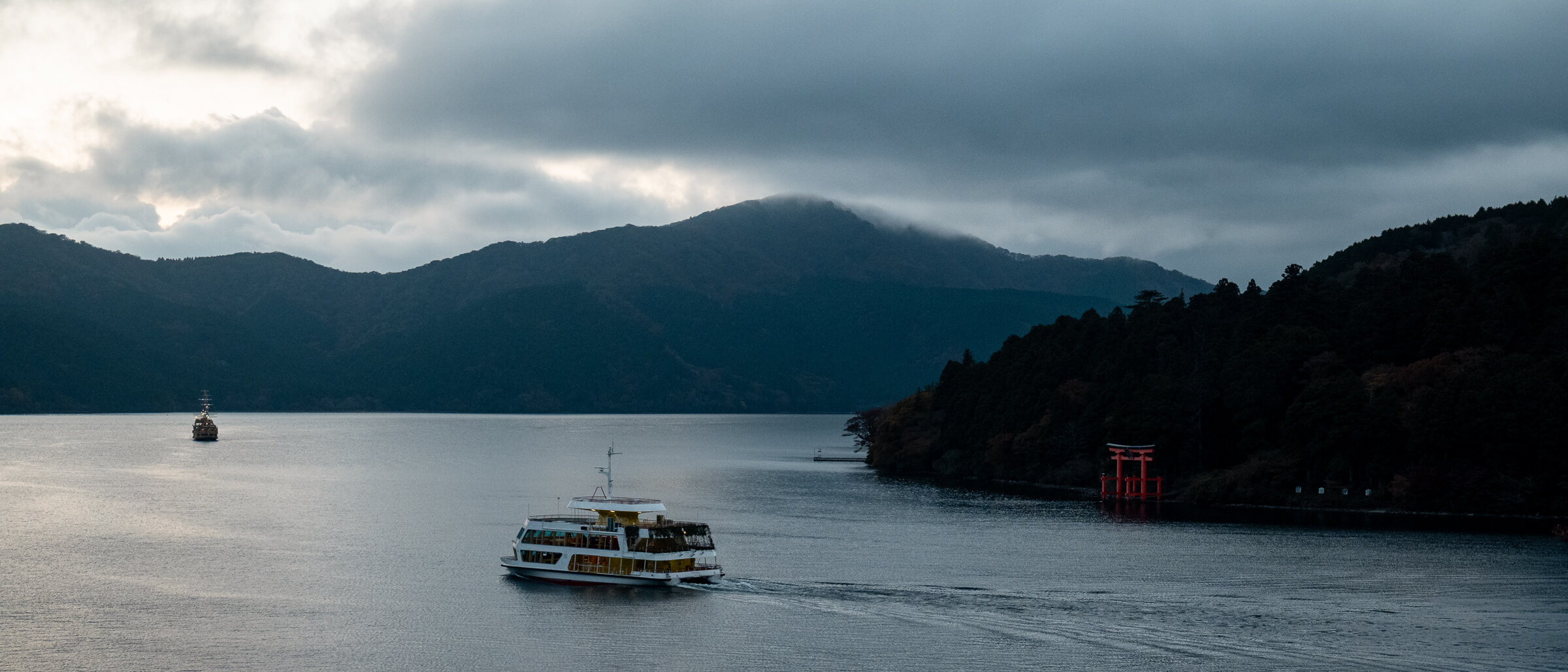
Several major landmarks structure movement across Hakone. Lake Ashi occupies the center of the region, surrounded by forested mountains and lakeside viewpoints. The Hakone Ropeway crosses the volcanic highlands above Owakudani, where geothermal steam vents mark the active volcanic zone. Along the lake’s edge stands Hakone Shrine, positioned within a cedar forest near the water.
Hakone also contains cultural sites such as the Hakone Open-Air Museum, located near the Gora area along the mountain railway route. Surrounding peaks form the rim of the caldera, including Mount Komagatake and Mount Kamiyama, which rise above the lake and geothermal valley.
Although Hakone functions as a contained mountain basin, nearby areas extend the landscape further. Odawara marks the eastern gateway where coastal rail routes meet the mountain transport network. To the north in the Ashigara hills stands Daiyuzan Saijoji Temple, located in a forested valley outside the Hakone basin but within the broader western Kanagawa mountain system.
Hakone sits at the eastern edge of the volcanic terrain that continues toward the Izu Peninsula and the Mount Fuji region. Its caldera basin, mountain towns, and interconnected transport routes make it one of the most geographically distinctive areas within Kanagawa Prefecture.
A Quiet Garden Walk Beyond Hakone-Yumoto Station Tenseien Garden is a compact garden in Hakone-Yumoto with Hien Falls, Tamadare Falls and a small hillside shrine. You can visit the grounds…
Visiting Hakone Shrine Beside Lake Ashi Hakone Shrine is a Shinto shrine in Motohakone, known for Heiwa no Torii, the red gate beside Lake Ashi. Its free grounds extend from…
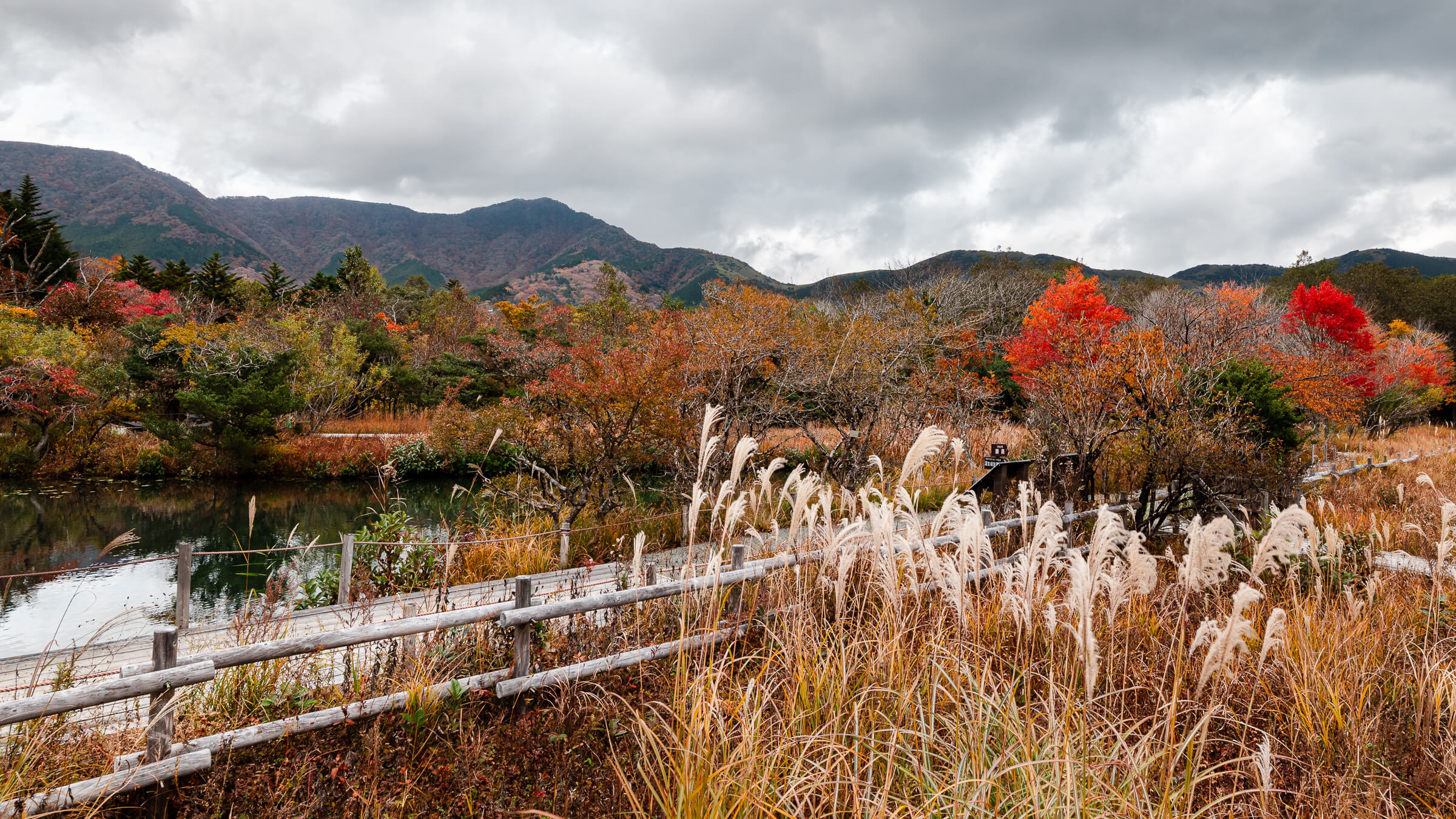
Exploring Hakone’s Wetland Landscape Hakone Botanical Garden of Wetlands is an outdoor botanical garden in Sengokuhara, Hakone, in western Kanagawa Prefecture, built around wetland plants and the environments that support…
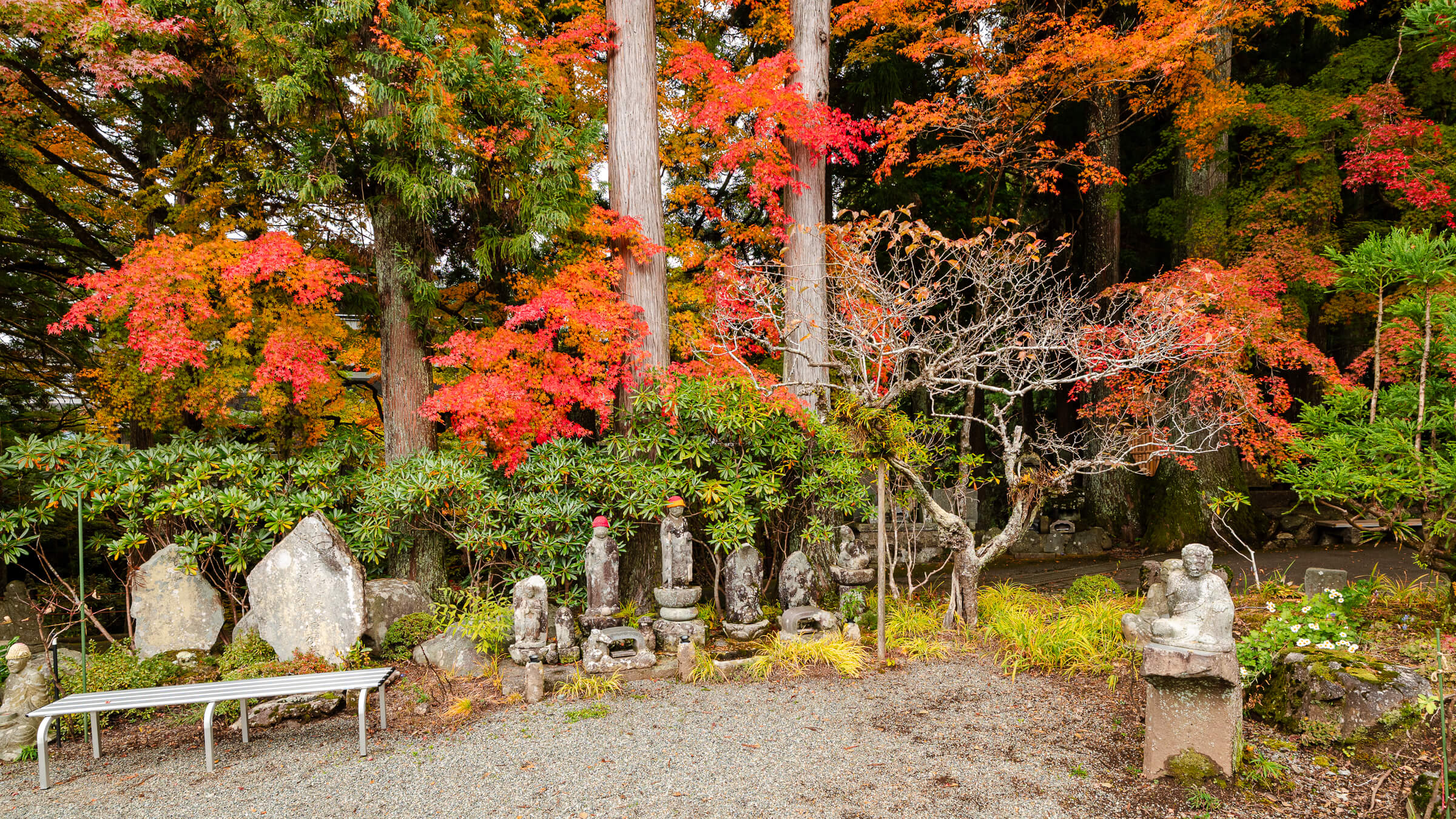
A One-Hour Temple Stop in Sengokuhara Choanji Temple, also written Chōan-ji and known in Japanese as 長安寺, is a Sōtō Zen temple in Sengokuhara, northern Hakone in Kanagawa Prefecture. The…
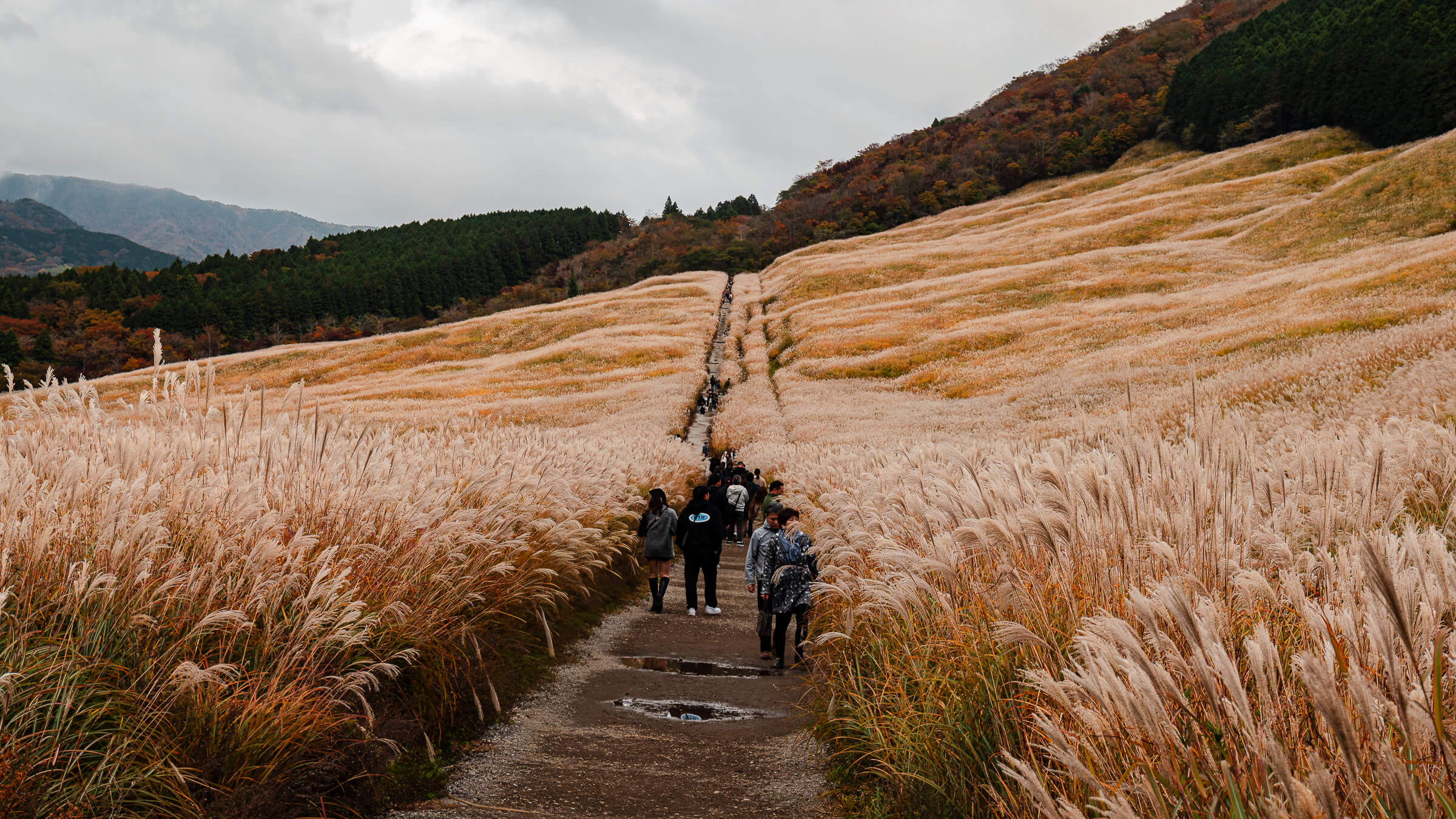
A Short Walk Through Hakone’s Open Grassland The Sengokuhara Pampas Grass Fields—also known as the Sengokuhara Susuki Grass Fields—spread across the lower slope of Mount Daigatake in northern Hakone, western…
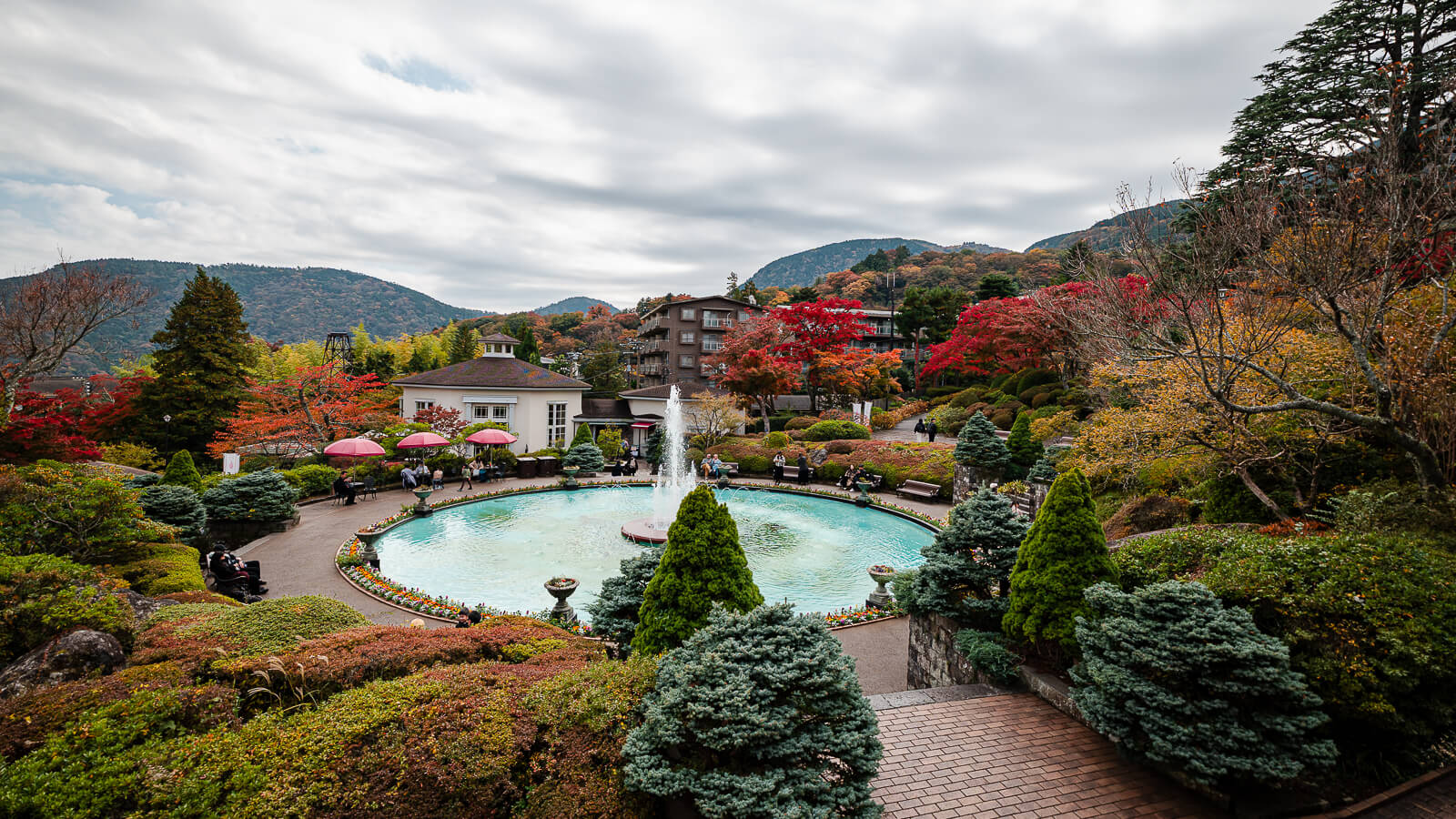
A Garden Stop That Works Best From the Upper Gate Hakone Gora Park is a terraced Western-style garden in central Hakone, western Kanagawa Prefecture. The fountain, rose beds, greenhouses, cafés,…
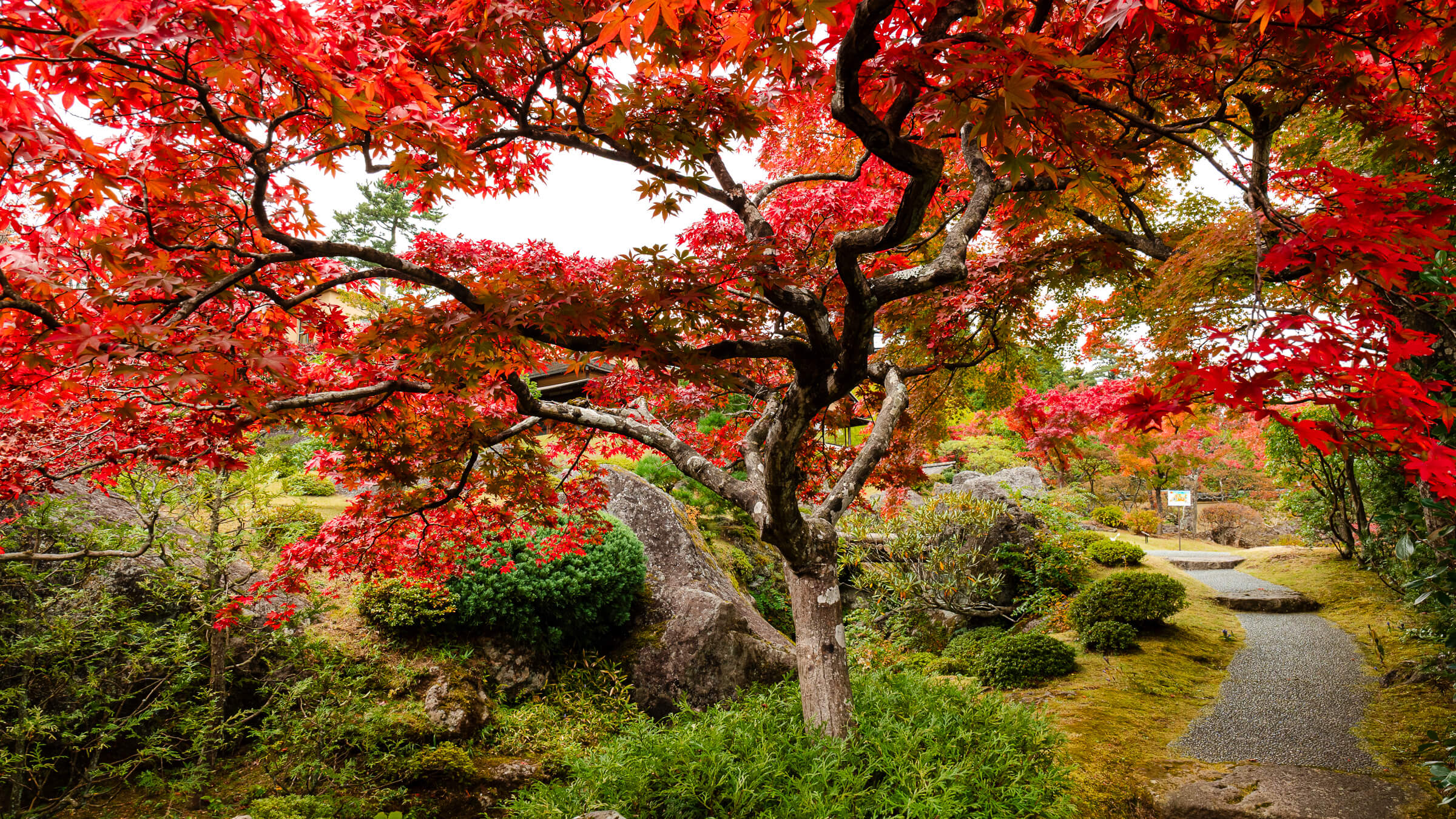
Shinsenkyo Garden is a strong choice for travelers who want autumn maples at walking-path scale, with green moss, stonework, and traditional architecture in the same view. It surrounds the Hakone…
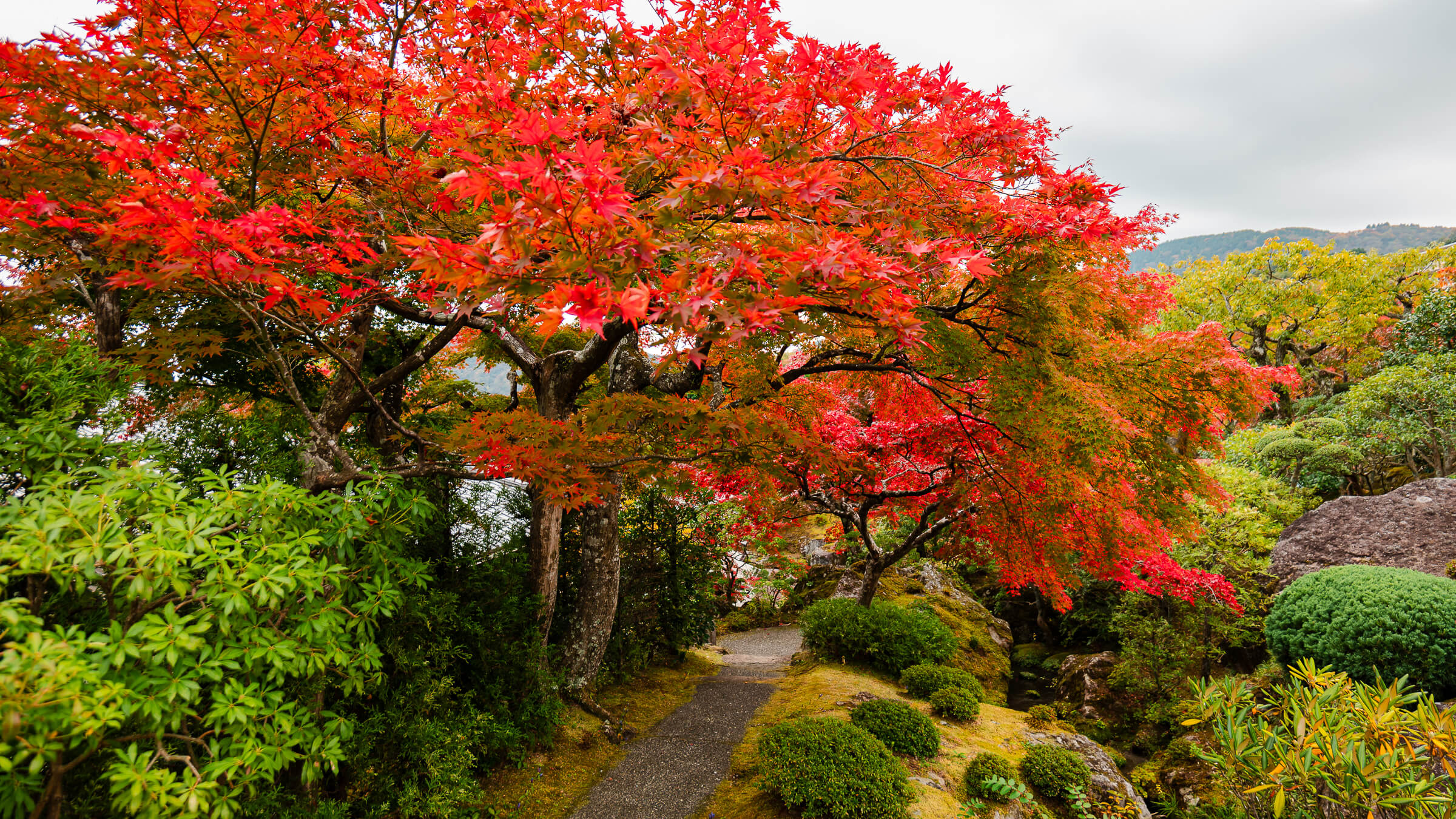
Hakone, in western Kanagawa southwest of Tokyo, usually shows autumn foliage from late October through late November, with some lower areas continuing into early December. The mountain route around Owakudani…
What this museum is Narukawa Art Museum sits on the hillside above Moto-Hakone, overlooking Lake Ashi. It is a private museum devoted to modern nihonga—Japanese-style painting—set in a position where…
What this place is and why people come Hakone Komagatake Ropeway is a short cable car ride that lifts visitors from the shore of Lake Ashi to the summit of…