Walk From Kita-Kamakura Into Central Kamakura
A one-day itinerary through Kita-Kamakura can be completed almost entirely on foot, beginning at Kita-Kamakura Station and finishing at Kamakura Station. This route crosses the northern temple district of Kamakura in Kanagawa Prefecture, linking Engaku-ji, Tōkei-ji, Jōchi-ji, Meigetsu-in, and Kenchō-ji before continuing downhill toward Tsurugaoka Hachimangū, Dankazura, and Komachi-dori.
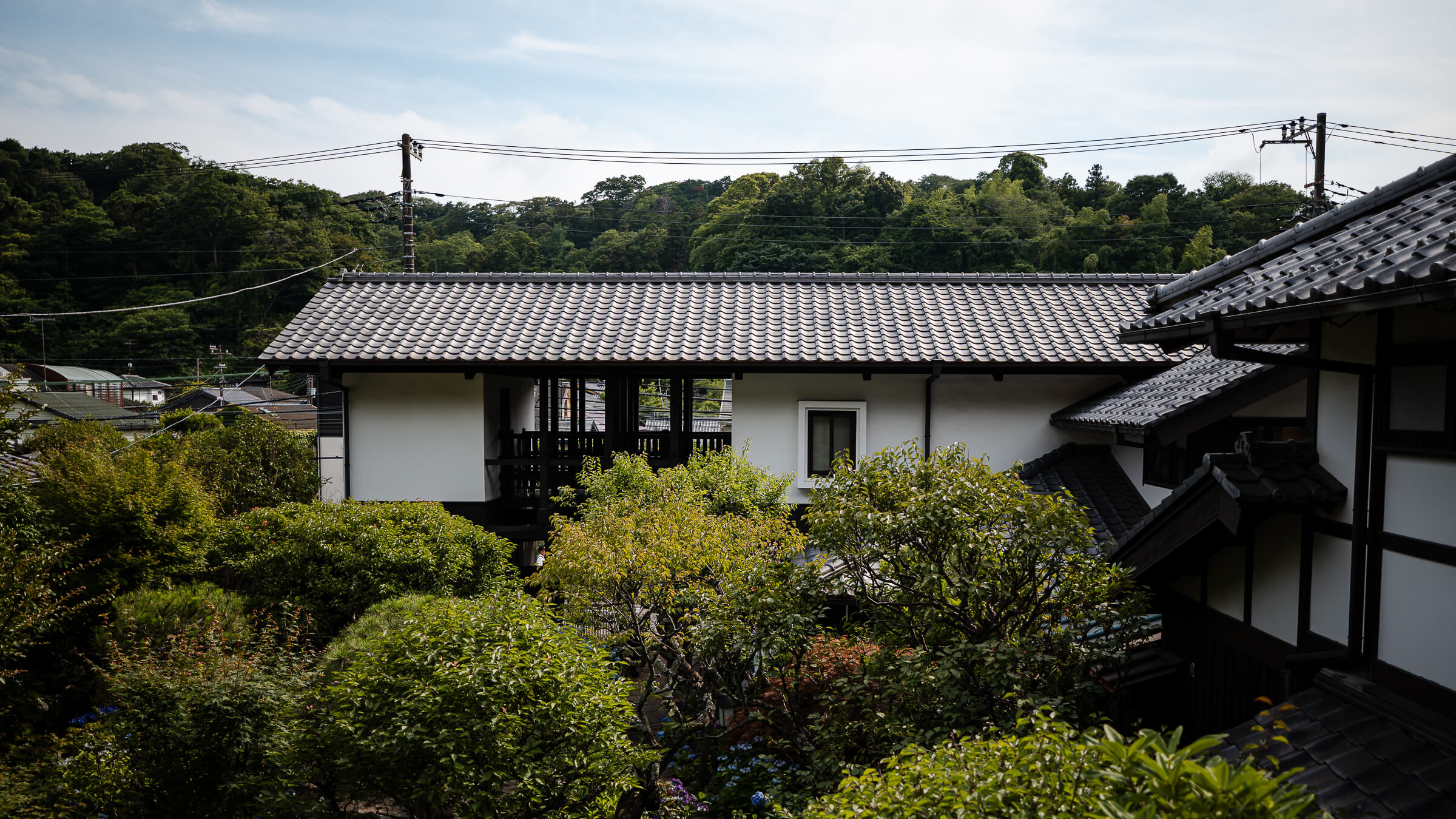
The route works particularly well as a one-day plan because the major stops follow the same north-to-south corridor without requiring a car, bus transfers, or significant backtracking. Most of the walking between attractions is level or follows gradual slopes, and the temples create natural breaks throughout the day. A café or light lunch stop around the middle of the route separates the quieter temple-focused portion of Kita-Kamakura from the busier streets of central Kamakura.
Starting in Kita-Kamakura also places several of Kamakura’s most important Zen temples early in the day, before the route opens into the city around Tsurugaoka Hachimangū. From the shrine, Dankazura and Komachi-dori provide a direct continuation toward Kamakura Station, where the core itinerary ends. Hase-dera and Kōtoku-in sit farther west and fit more naturally into another Kamakura route or an additional day.
Route Pace and Walking Conditions
This is a full-day walking itinerary, but the route between Kita-Kamakura and central Kamakura is mostly flat. Short slopes, stone paths, gravel, and steps appear within the temple grounds, while the section after Kenchō-ji follows a gradual downhill direction toward Tsurugaoka Hachimangū and the city center. Comfortable walking shoes and water are useful, particularly during warmer and more humid months.
Hydrangea season, autumn foliage, weekends, and public holidays can add waiting time, especially at Meigetsu-in. Outside peak periods, the same route leaves more flexibility for exploring Kenchō-ji, spending additional time at Tsurugaoka Hachimangū, or stopping along Komachi-dori.
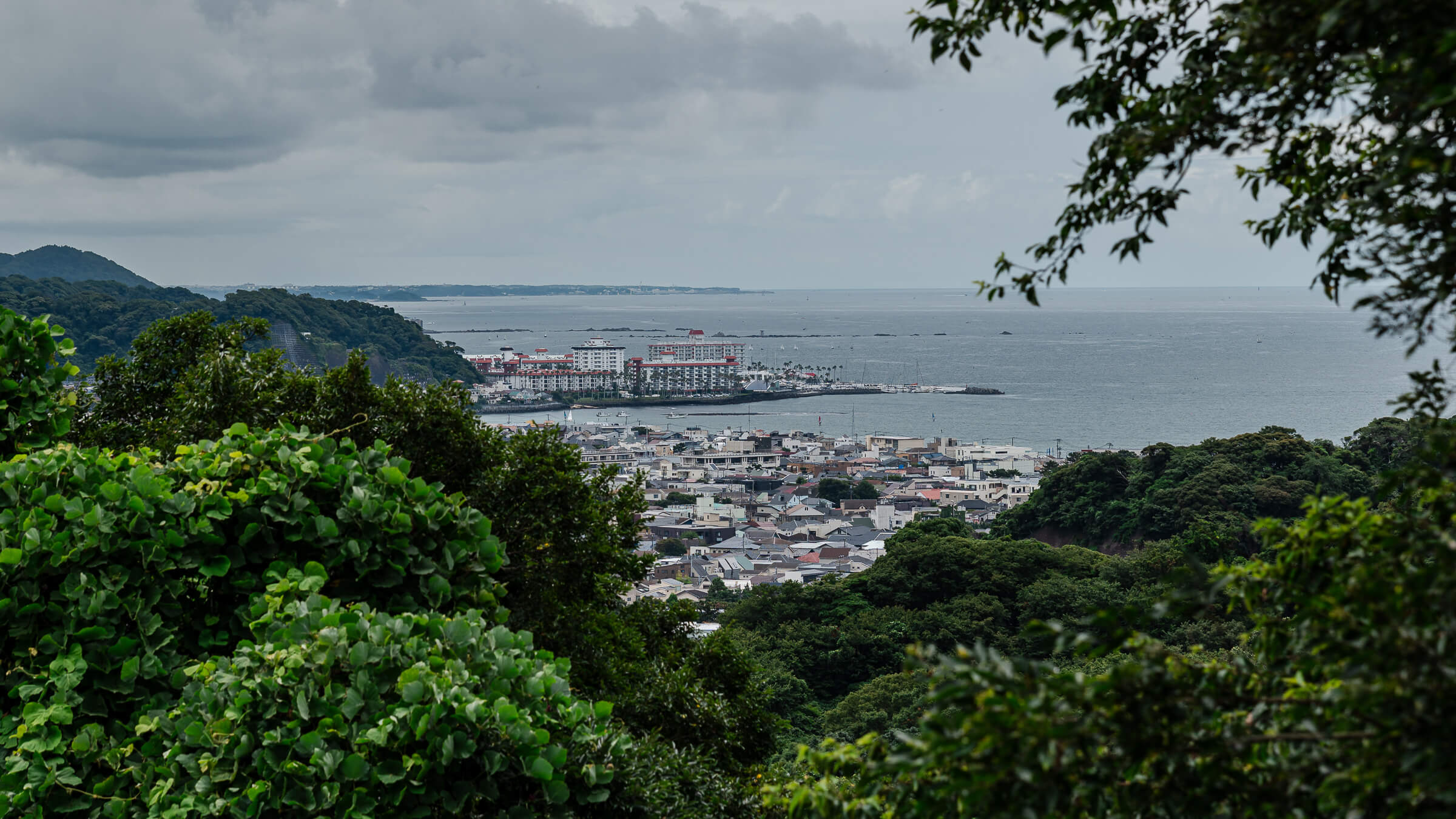
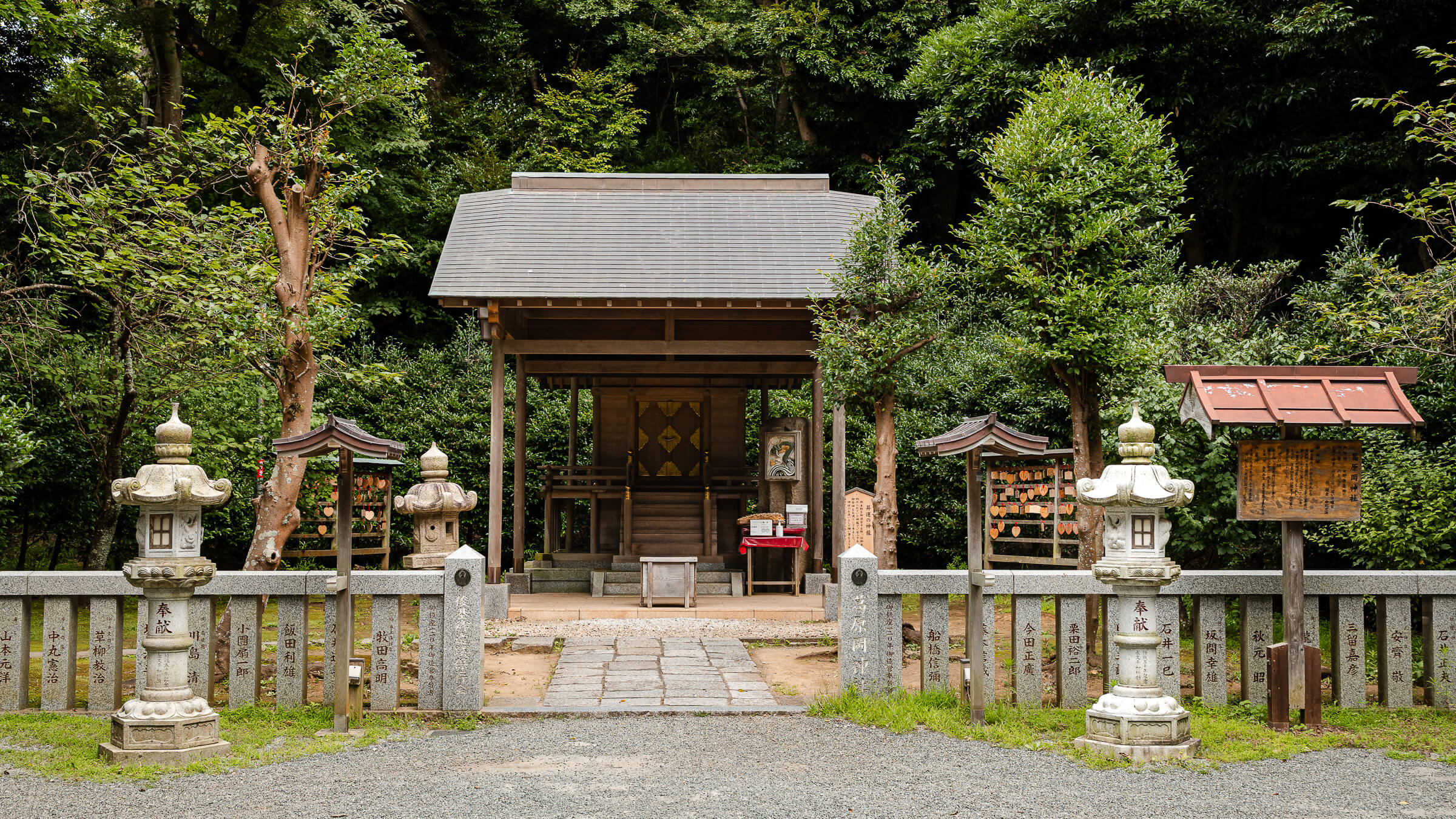
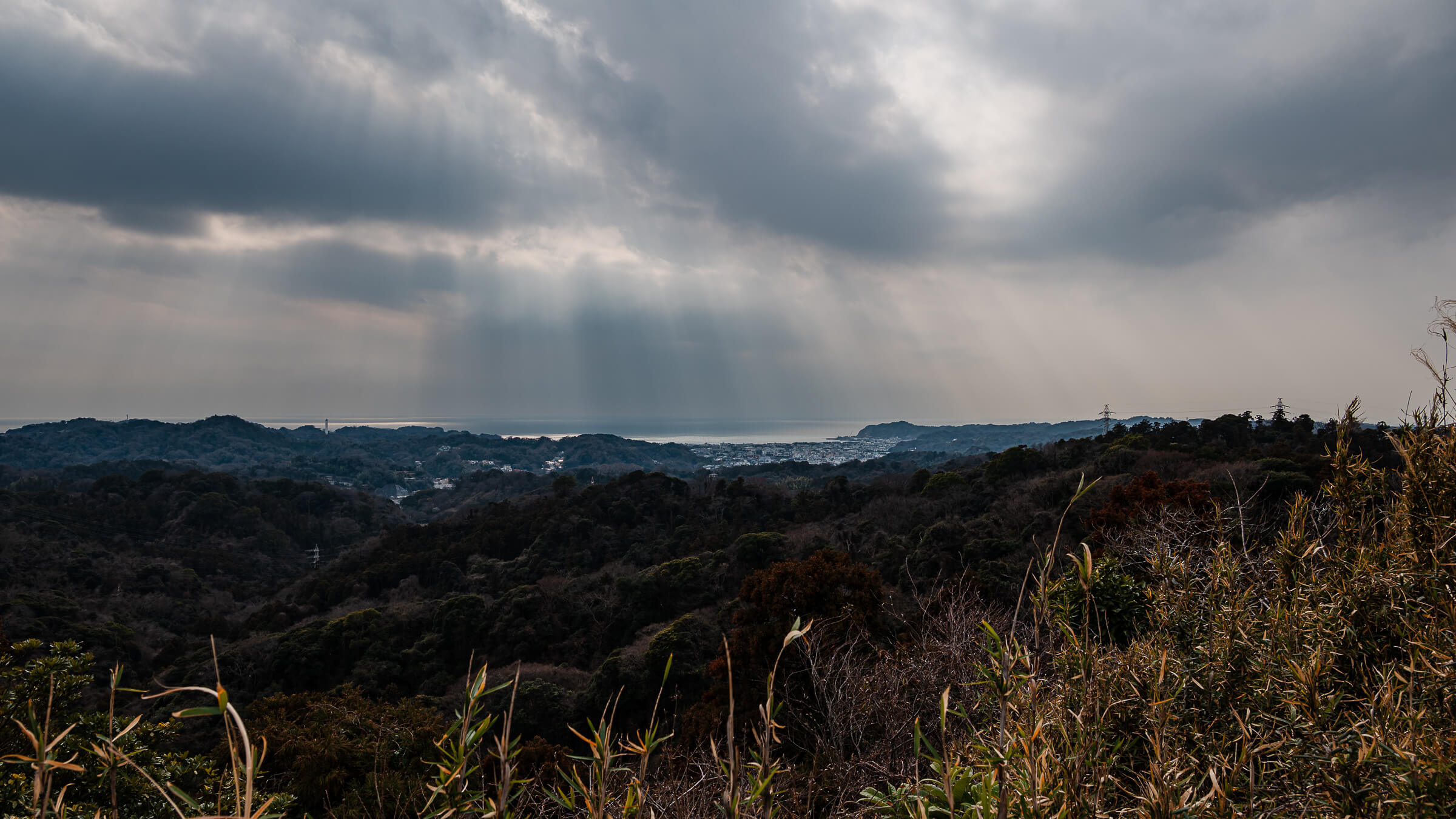
Hansōbō Shrine sits farther into the hills beyond Kenchō-ji’s main temple grounds. The route reaches an observation deck with broad views across Kamakura, followed by another steeper stairway that takes about five minutes to reach the upper ridge and the beginning of the Ten-en Hiking Course. The observation deck already provides a strong viewpoint, while the final stairs offer a higher perspective for those who continue.
Start at Kita-Kamakura Station
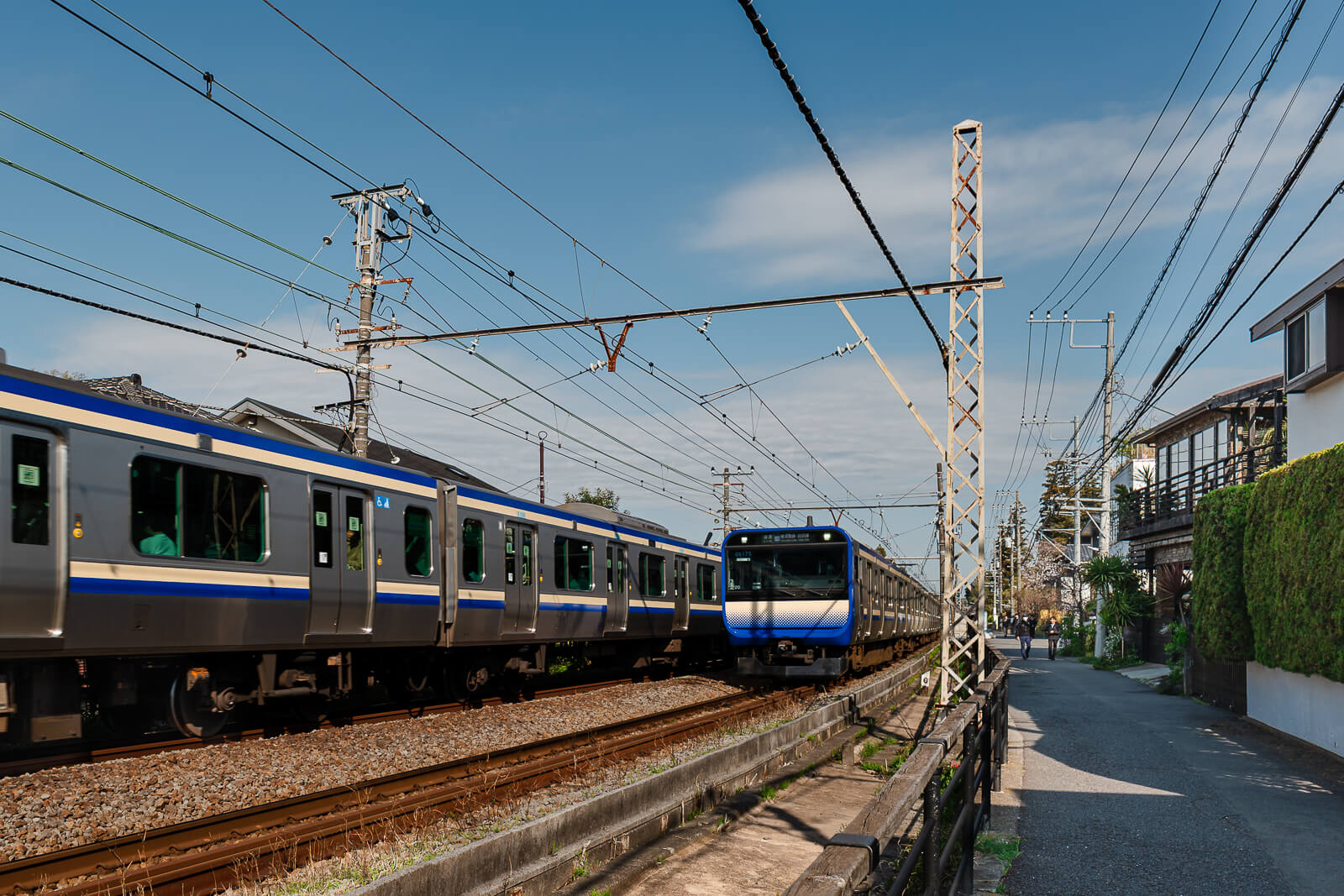
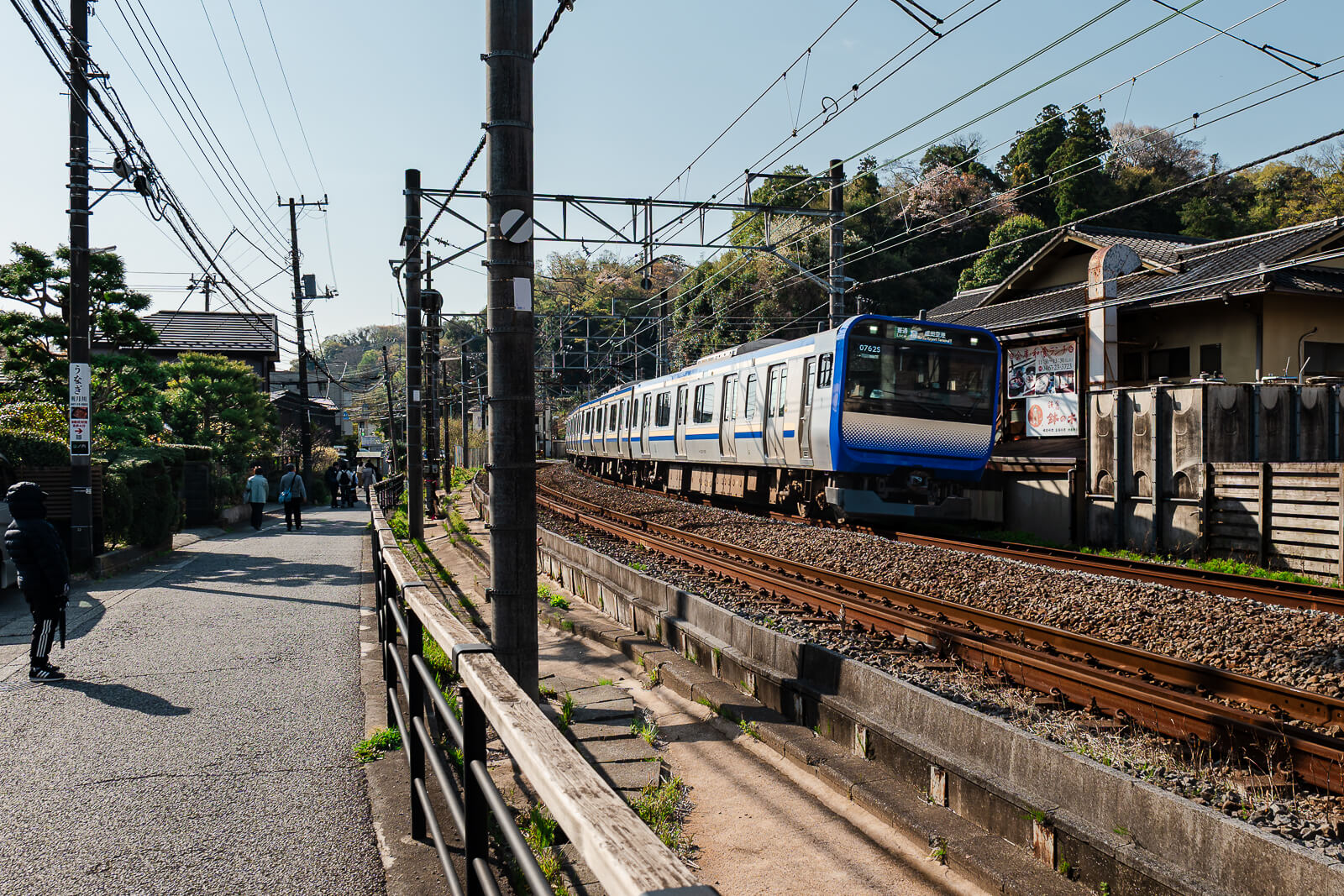
Kita-Kamakura Station places travelers within a few minutes of Engaku-ji and provides the most practical starting point for the northern temple district. Most visitors arriving from Tokyo can reach the station in about one hour on the JR Yokosuka Line. Beginning here allows the temple visits to start before central Kamakura becomes busier later in the day.
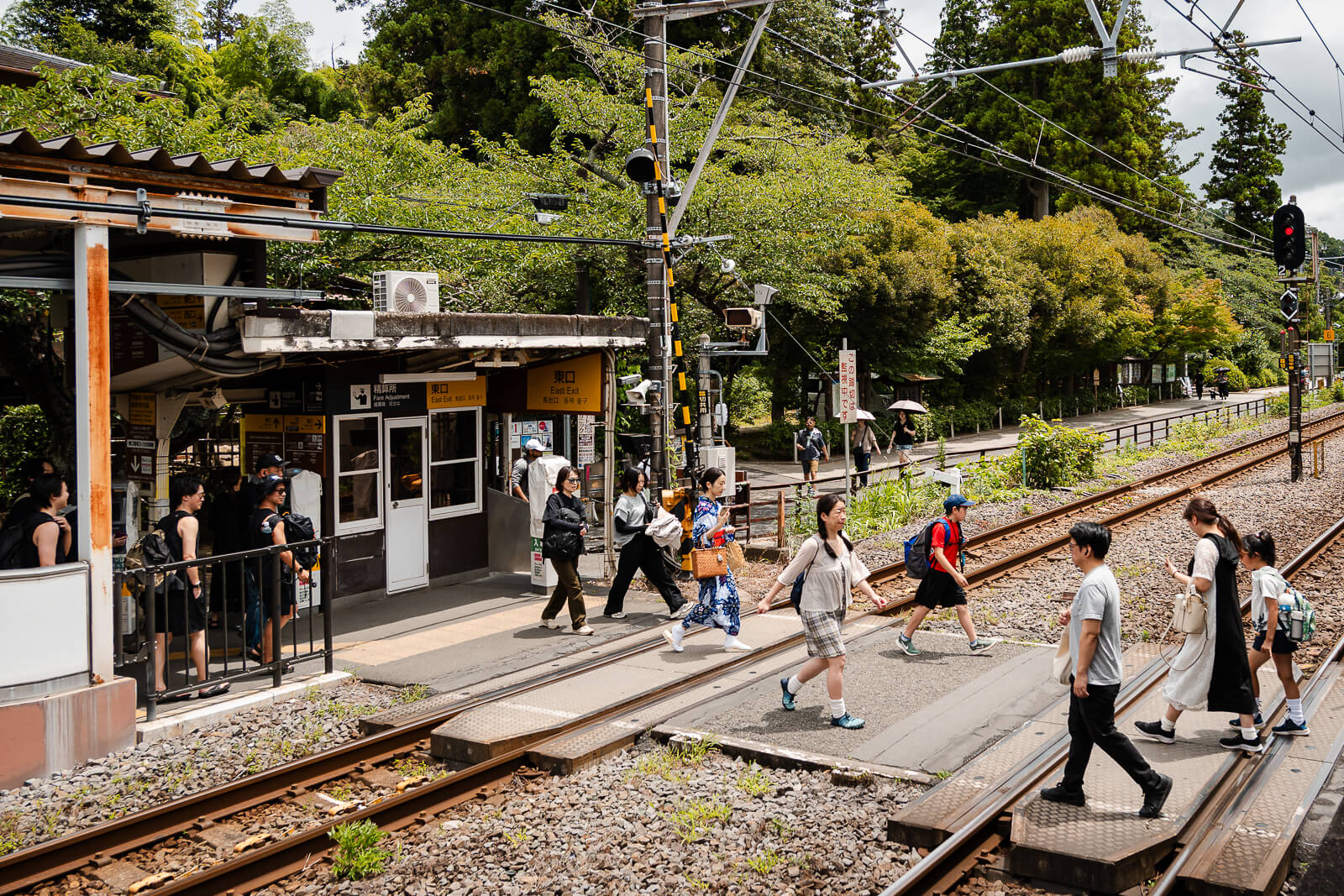
Convenience stores, cafés, vending machines, and public restrooms are available around the station. Drinks, snacks, and other basic supplies are best collected before entering the temple route, where choices become less consistent between stops. Travelers planning a longer visit at Engaku-ji may also find the station area more convenient for an early meal or coffee.
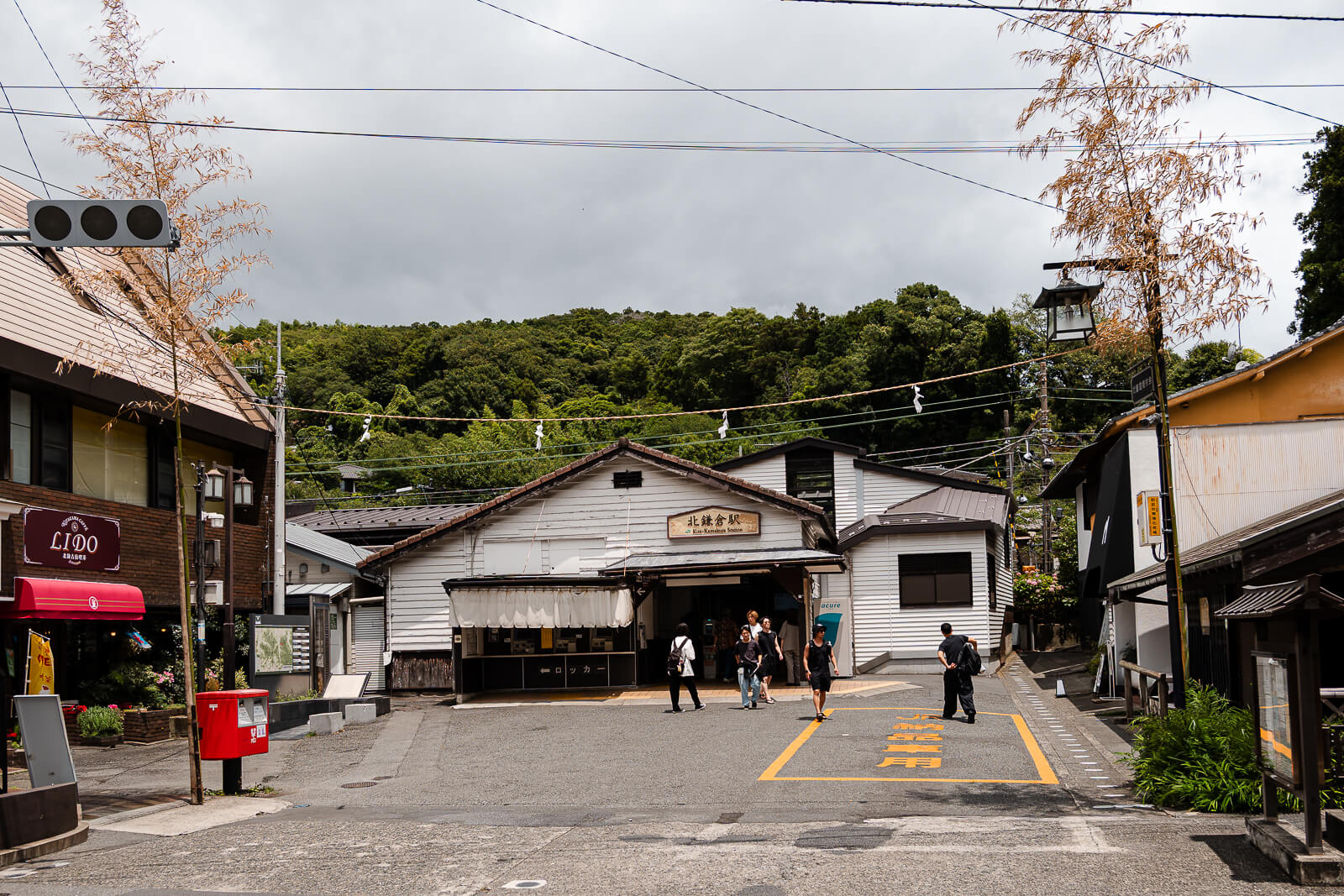
An arrival around 9:00 a.m. leaves enough time for the complete itinerary, including lunch and the afternoon temple visits. During Meigetsu-in’s hydrangea season, autumn foliage, weekends, and public holidays, arriving closer to opening time reduces the risk of delays later in the route. A late start should be managed by shortening individual temple visits while protecting enough time for Meigetsu-in and Kenchō-ji.
Engaku-ji
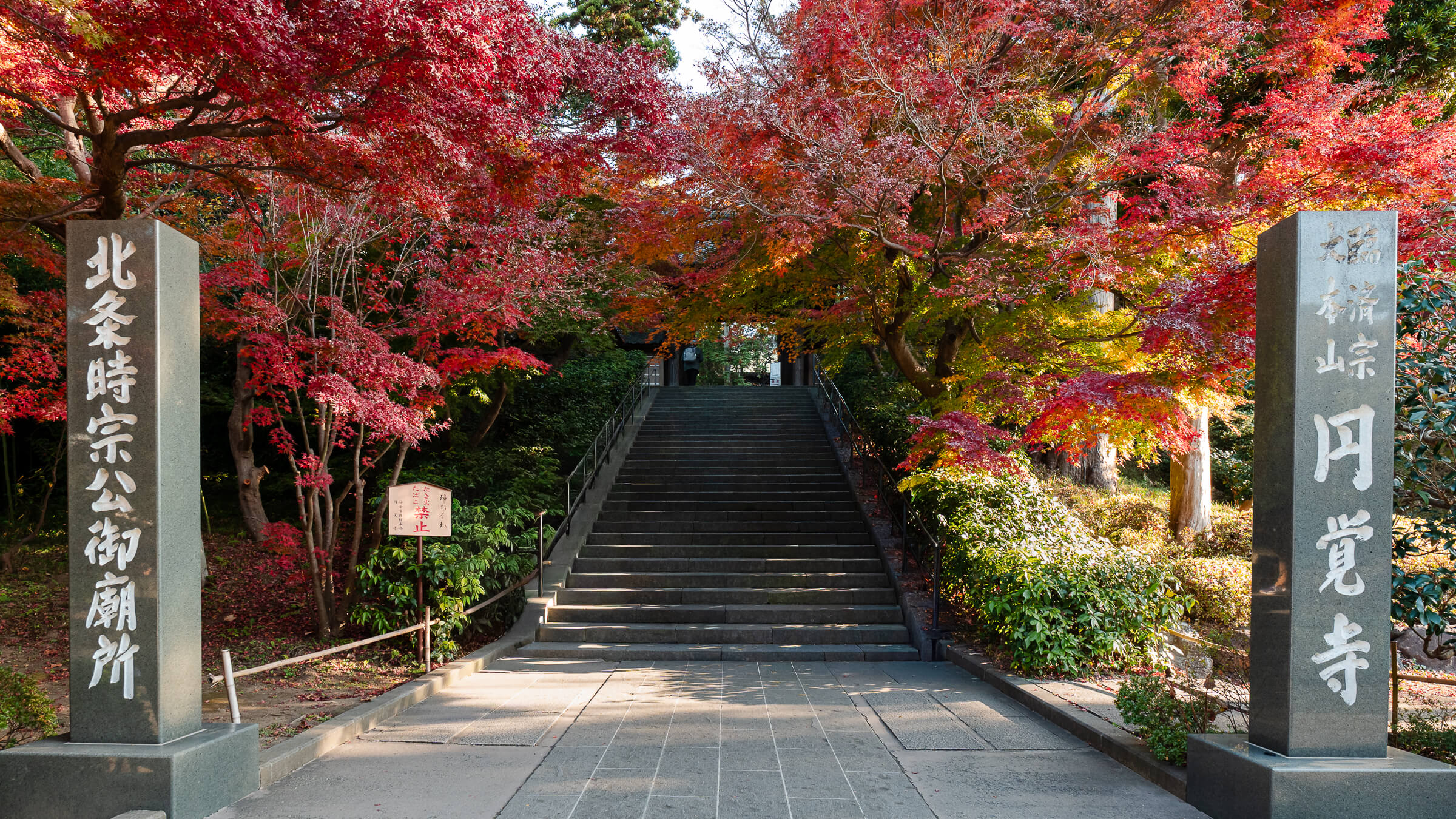
Founded in 1282, Engaku-ji is one of Kamakura’s Five Great Zen Temples and provides a strong introduction to the religious history of Kita-Kamakura. Its large precinct includes monumental gates, historic halls, sub-temples, garden areas, and wooded slopes that reveal the scale of the former Zen complex. The grounds are considerably larger than those of the next several stops, making this the most substantial visit of the morning.
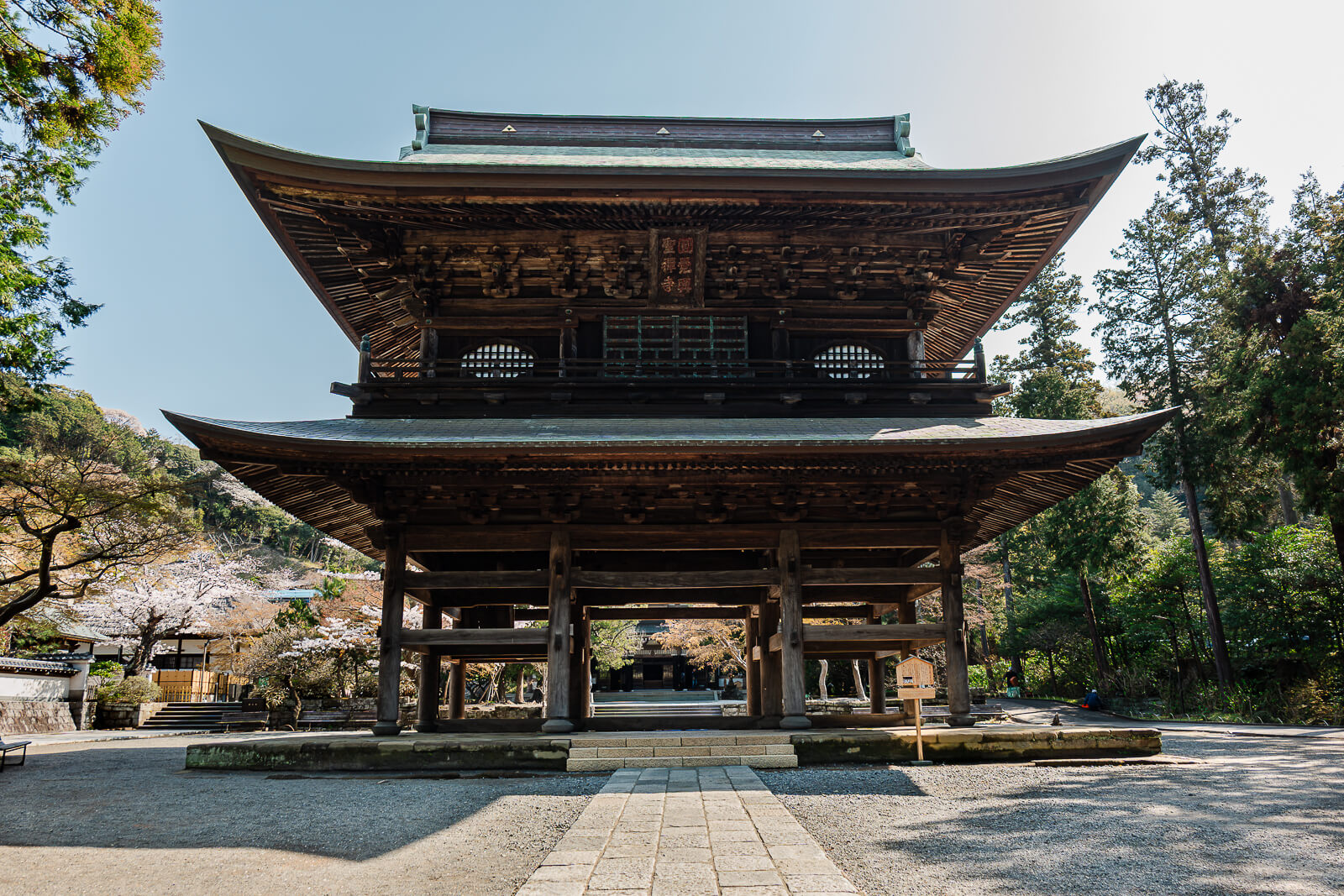
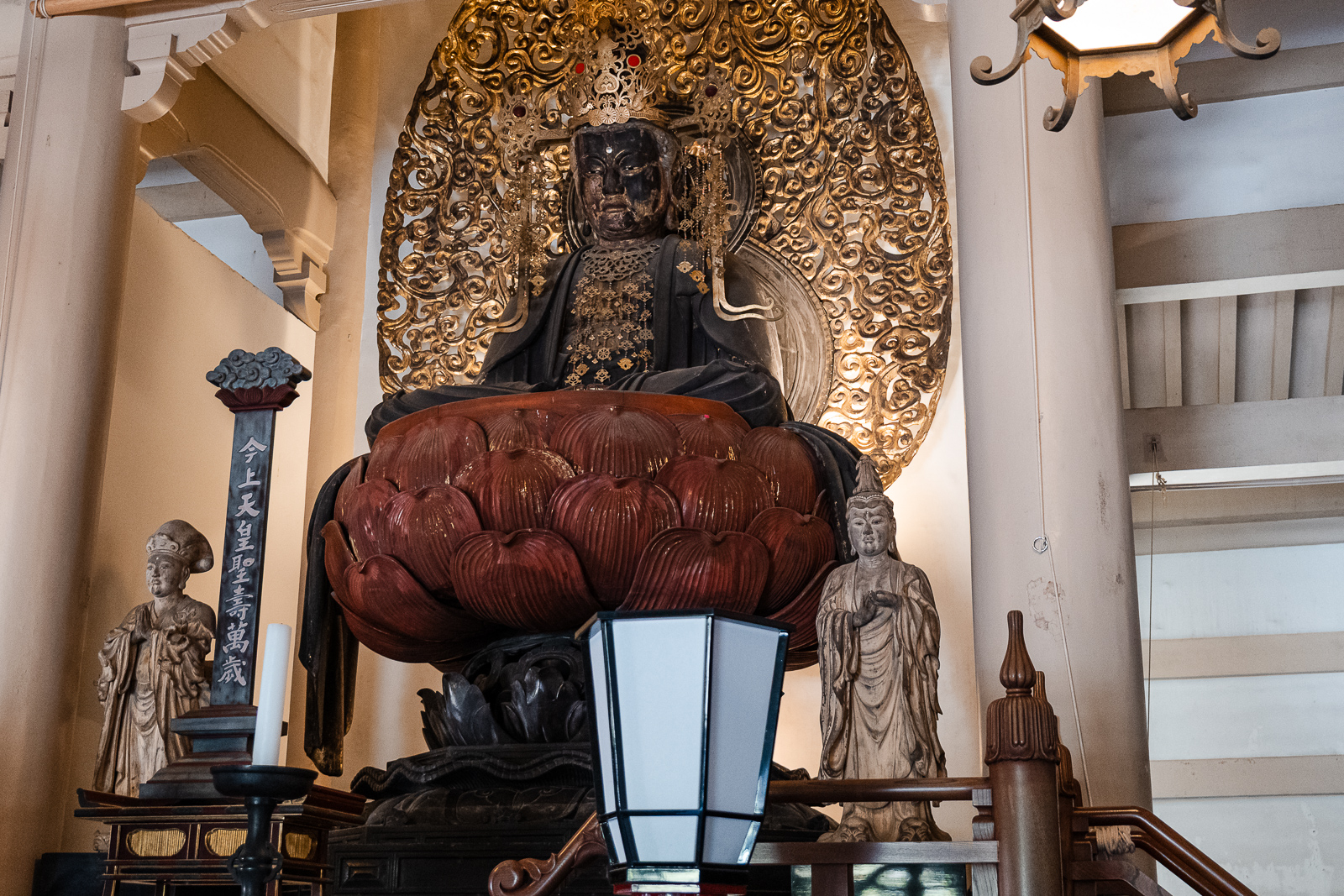
A focused visit can cover the main precinct in about 45 to 60 minutes, while travelers interested in seasonal gardens, architecture, or sub-temples may need longer. Keeping the visit within that range helps preserve enough time for Tōkei-ji, Jōchi-ji, and the afternoon stops. From Engaku-ji, the route continues south toward the smaller temple precincts that define the center of Kita-Kamakura.
Continue Through Tōkei-ji and Jōchi-ji
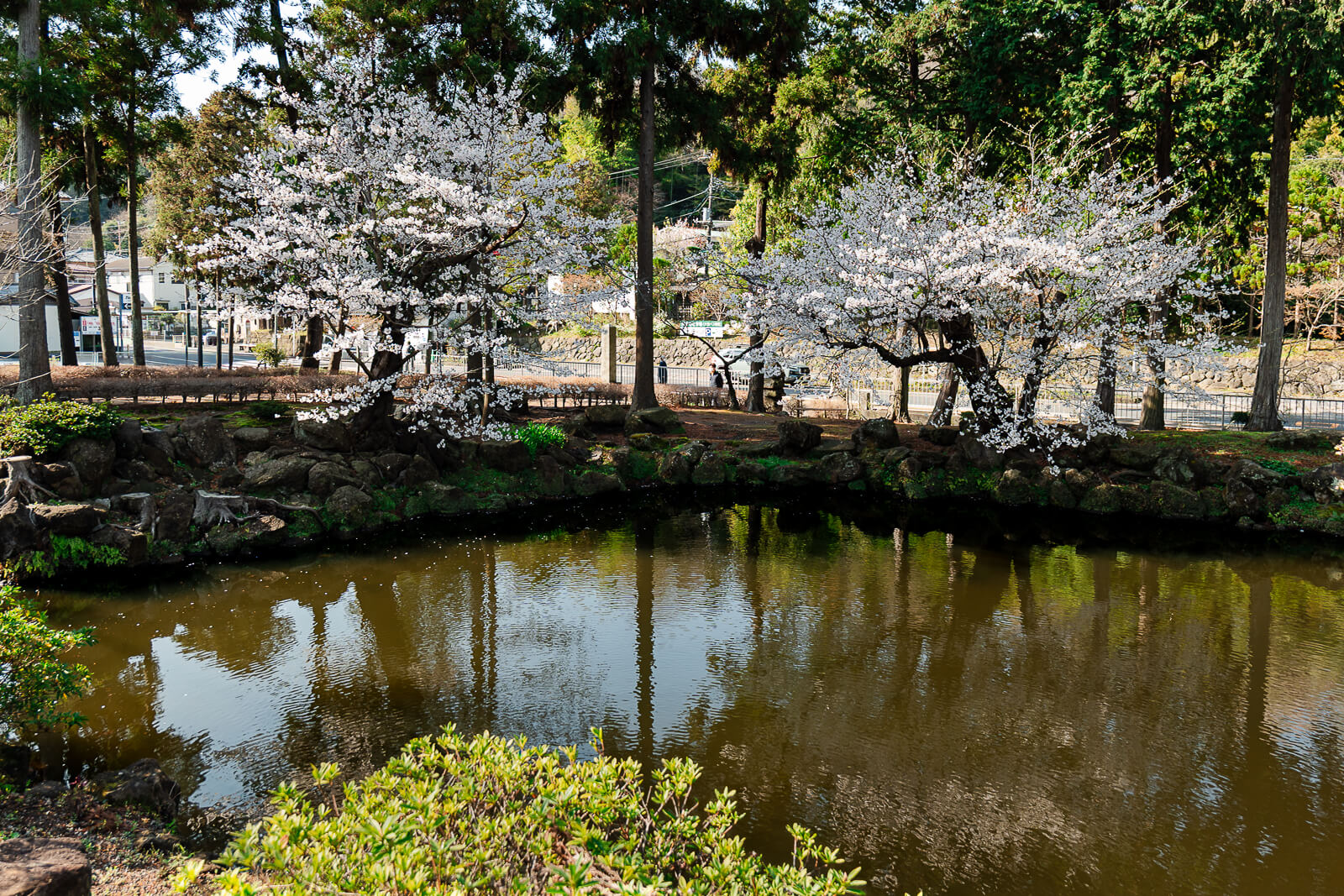
A short walk south from Engaku-ji leads to Tōkei-ji, a temple whose history differs from the surrounding Zen monasteries. Founded in 1285, it became widely known as the “Divorce Temple” because it provided women with a path to end marriages during the Kamakura and Edo periods. Its compact grounds, seasonal plantings, and connection to Japanese social history make it one of the route’s most distinctive stops.
The precinct also includes a historic cemetery associated with Japanese scholars, writers, and cultural figures. Photography is prohibited throughout the temple grounds, so the visit should be approached as an opportunity to observe the setting without relying on photographs. Most travelers can complete the stop in approximately 20 to 40 minutes before continuing south.
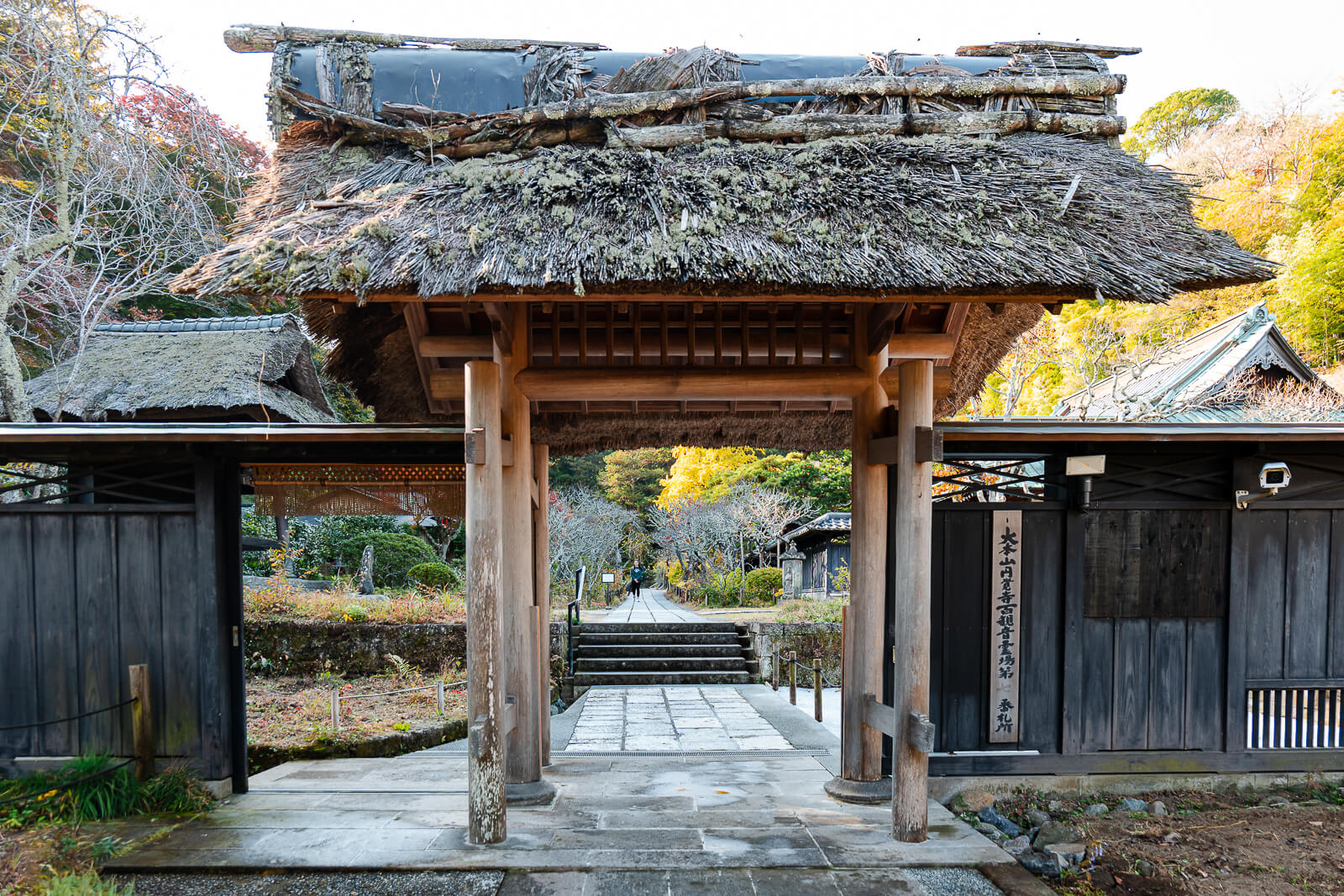
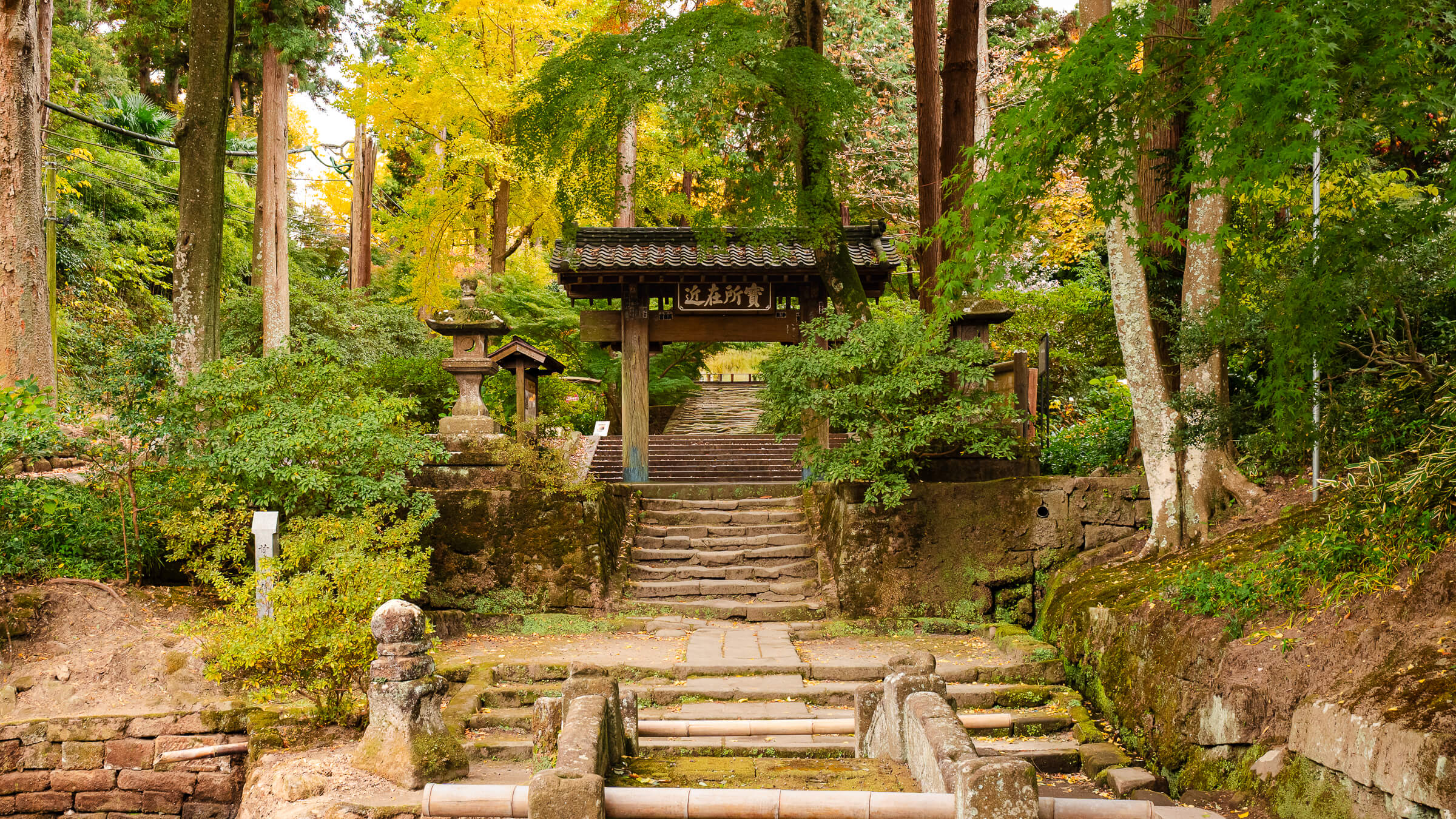
A few minutes farther along the route, Jōchi-ji presents a smaller and more enclosed temple setting. Its bell-tower gate leads into stone paths, mature trees, moss-covered slopes, and traditional buildings arranged around a compact precinct. The difference in scale from Engaku-ji makes Jōchi-ji easier to explore without requiring another long visit.
Jōchi-ji is also home to the Hotei statue, one of the Kamakura Enoshima Seven Lucky Gods, which visitors often touch for good fortune. Approximately 30 to 45 minutes is generally enough to explore the grounds and complete the short loop through the temple. From here, the route continues toward the café stop and Meigetsu-in, where the focus shifts from Zen temple precincts toward seasonal gardens and the residential side of Kita-Kamakura.
Take a Midday Break at Verve Coffee Roasters
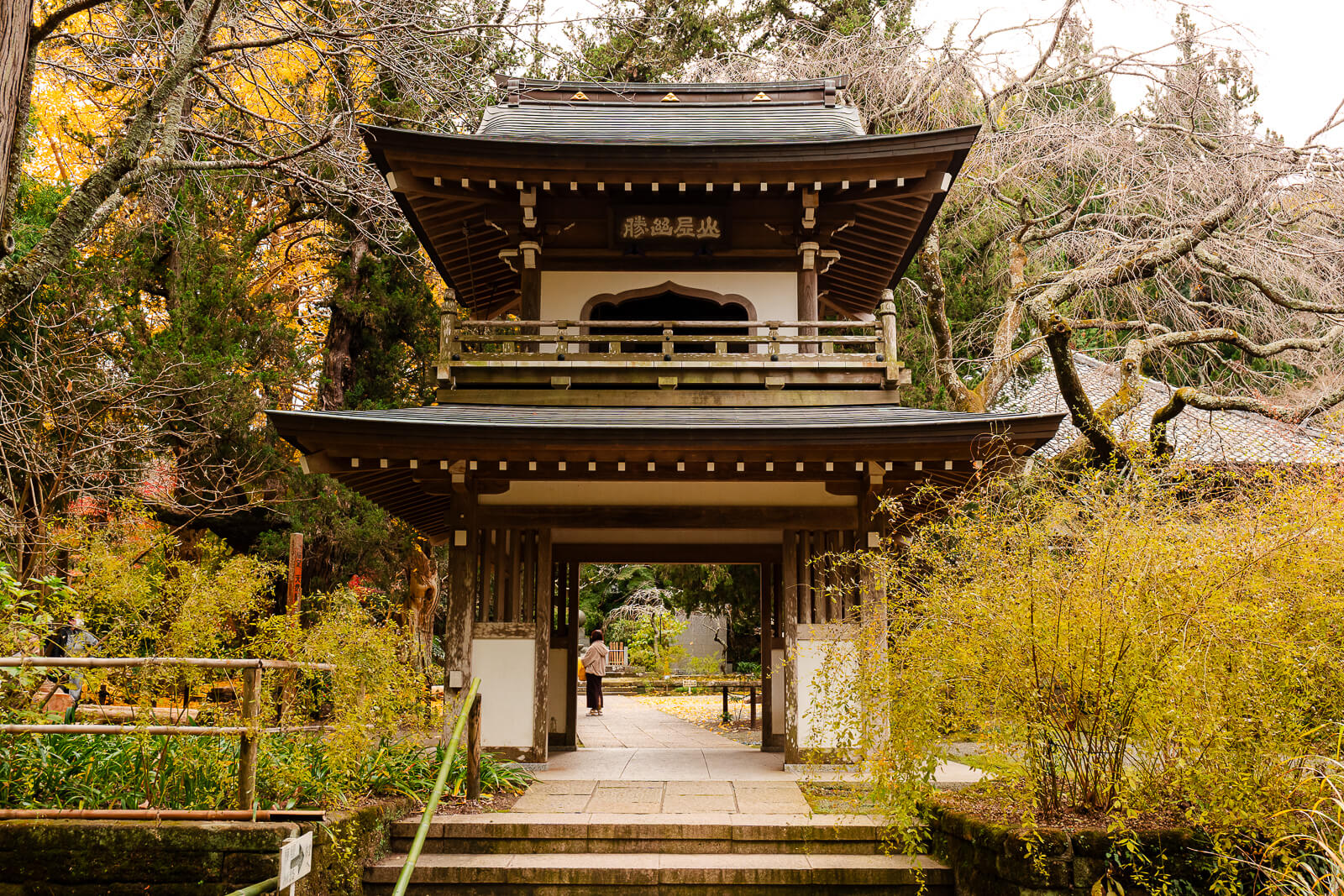
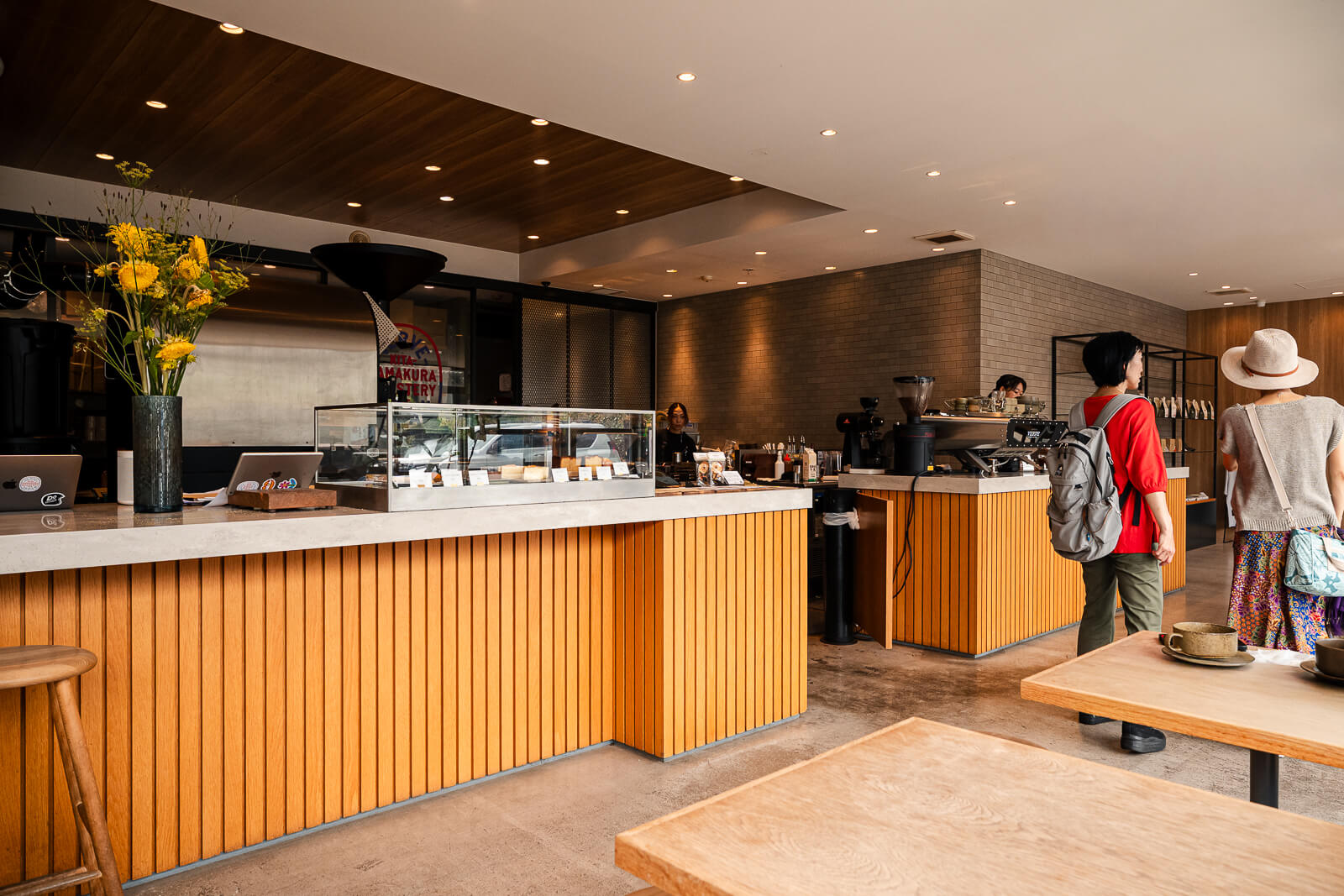
After visiting Jōchi-ji, Verve Coffee Roasters provides a convenient break before the route continues toward the afternoon temples. The café serves specialty coffee, pastries, and light meals within a short walk of the temple. A stop here also creates a useful dividing point between the morning temple visits and the longer afternoon route.
Travelers needing a more substantial lunch can use the cafés and restaurants around Kita-Kamakura Station before continuing toward Meigetsu-in. The break should remain flexible during weekends and peak seasons, when waits may reduce the time available for later temple visits. Meigetsu-in and Kenchō-ji should take priority over an extended café stop because their operating hours are more restrictive.
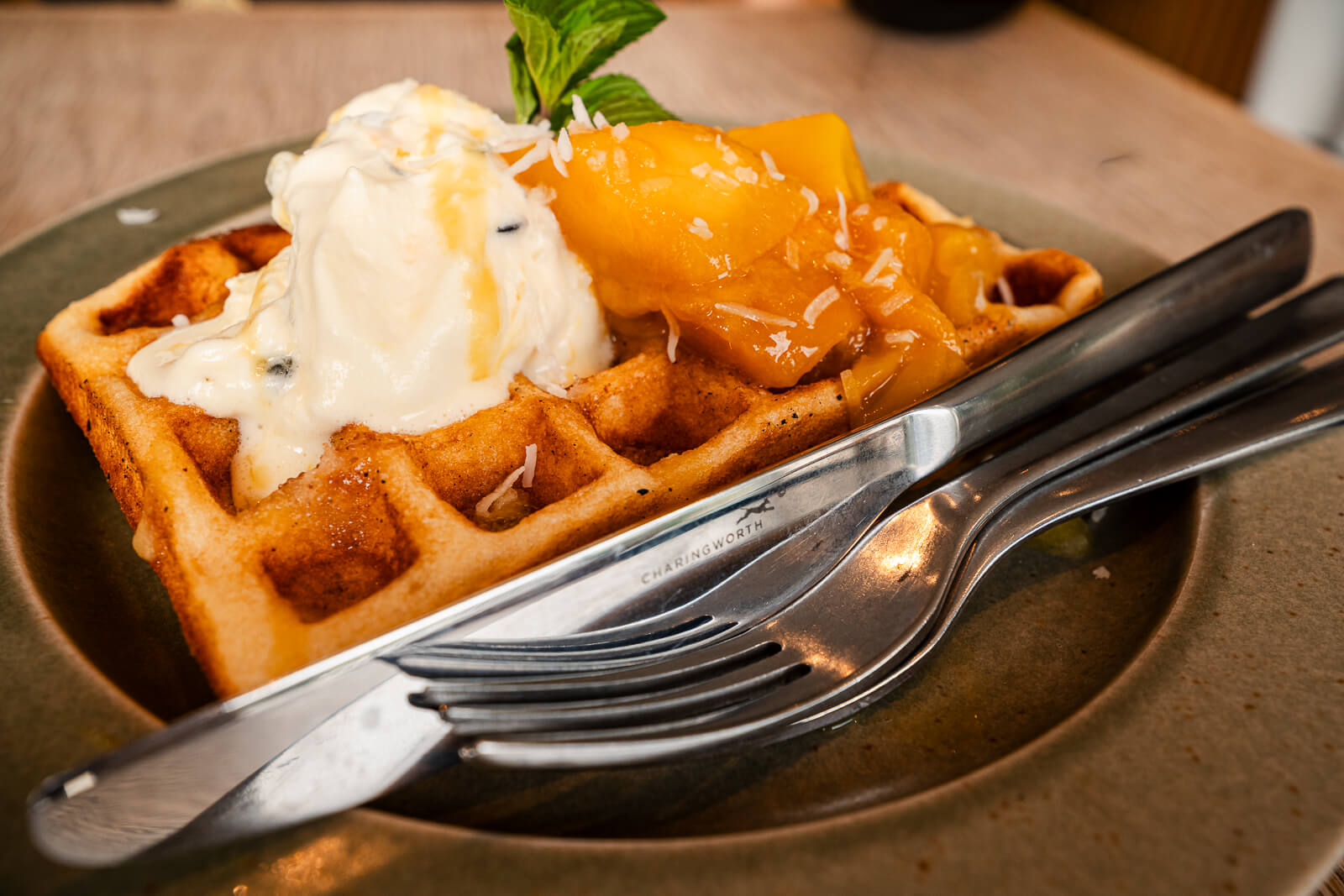

Approximately 30 to 45 minutes is generally enough for coffee, a light meal, and a short rest. A full lunch may require closer to an hour, particularly when the café is busy. From here, the route continues through Meigetsu-in and Kenchō-ji before entering central Kamakura near Tsurugaoka Hachimangū and Komachi-dori.
Use maps, confirm route details, and revisit Japan Unfolded guides while moving between Kita-Kamakura and central Kamakura.
Check eSIM Options
Japan Unfolded may earn a commission from qualifying bookings made through links on this page, at no additional cost to you.
Explore Meigetsu-in
After the midday break, the route continues to Meigetsu-in, a temple closely associated with the hydrangeas that cover its approaches each June. Historic buildings, garden paths, and seasonal plantings give the precinct a distinct character beyond its best-known flowering period. Visit times can increase substantially during hydrangea season because of crowding and queues.
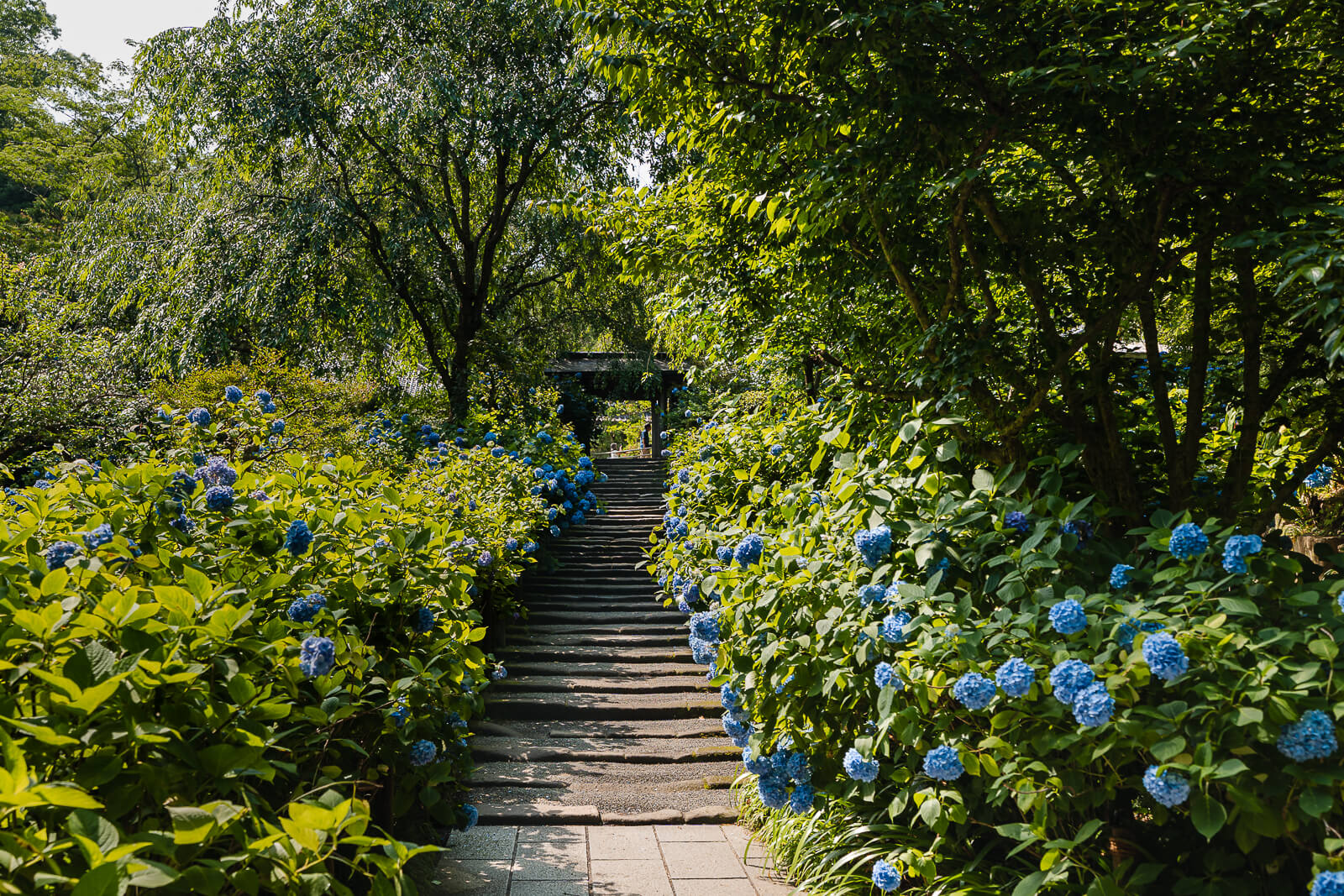
The temple’s origins date to the twelfth century, while the present precinct developed through the Zen institutions established during the Kamakura period. Wooded approaches and compact garden spaces separate the grounds from the larger temple complexes visited earlier in the day. The smaller scale also makes seasonal details and architectural features easier to examine at close range.
The circular Window of Enlightenment is one of the temple’s defining features, framing the inner garden through a carefully positioned opening. When the rear garden is open, an additional admission fee provides access to seasonal irises, autumn foliage, and areas not included in the standard route. Opening periods and access conditions can vary, so the rear garden should be treated as a seasonal addition rather than a guaranteed part of the visit.
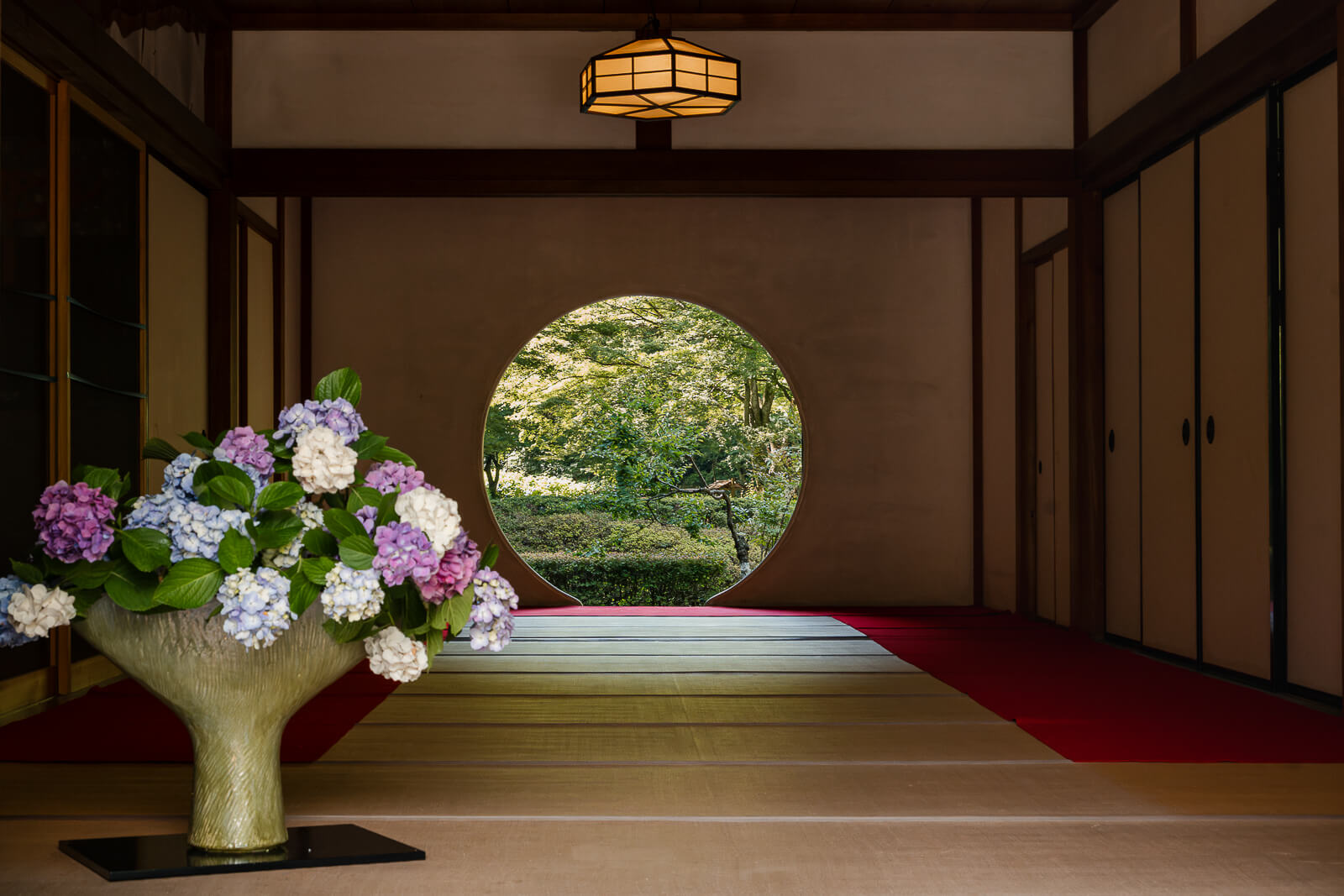
Approximately 45 to 60 minutes is generally sufficient for the main precinct, although peak hydrangea and autumn periods may require longer. Enough afternoon time should remain for Kenchō-ji because it is the largest remaining temple stop and closes earlier than the central Kamakura attractions. From Meigetsu-in, the itinerary continues south toward Kenchō-ji and the final transition out of Kita-Kamakura.
Visit Kenchō-ji
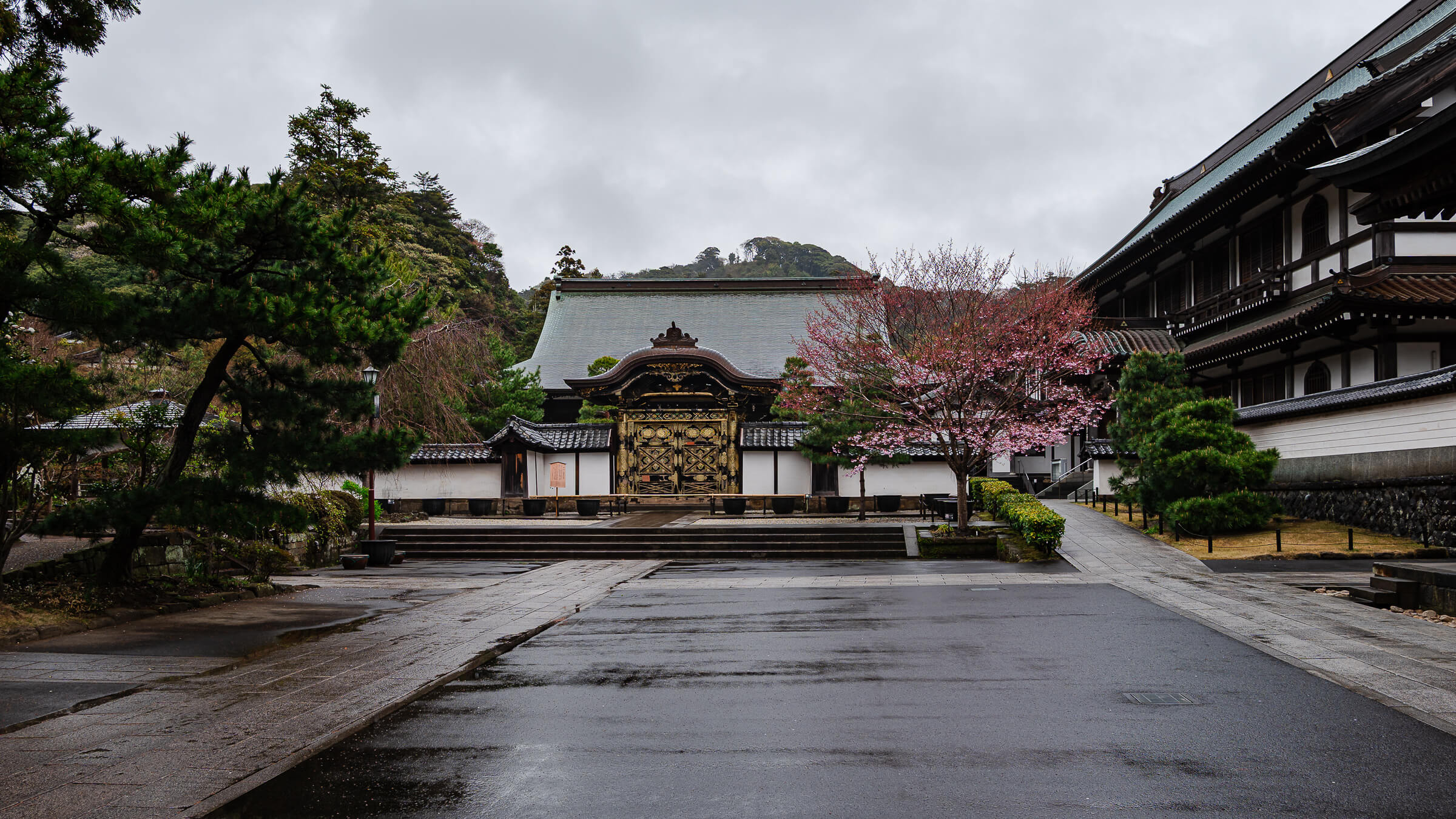
Continuing south from Meigetsu-in, the route reaches Kenchō-ji, Kamakura’s oldest Zen training temple and the first of the city’s Five Great Zen Temples. Founded in 1253 under the patronage of Hōjō Tokiyori, the temple played a central role in the development of Zen Buddhism in Japan. Its scale makes it the largest remaining temple stop on the itinerary.
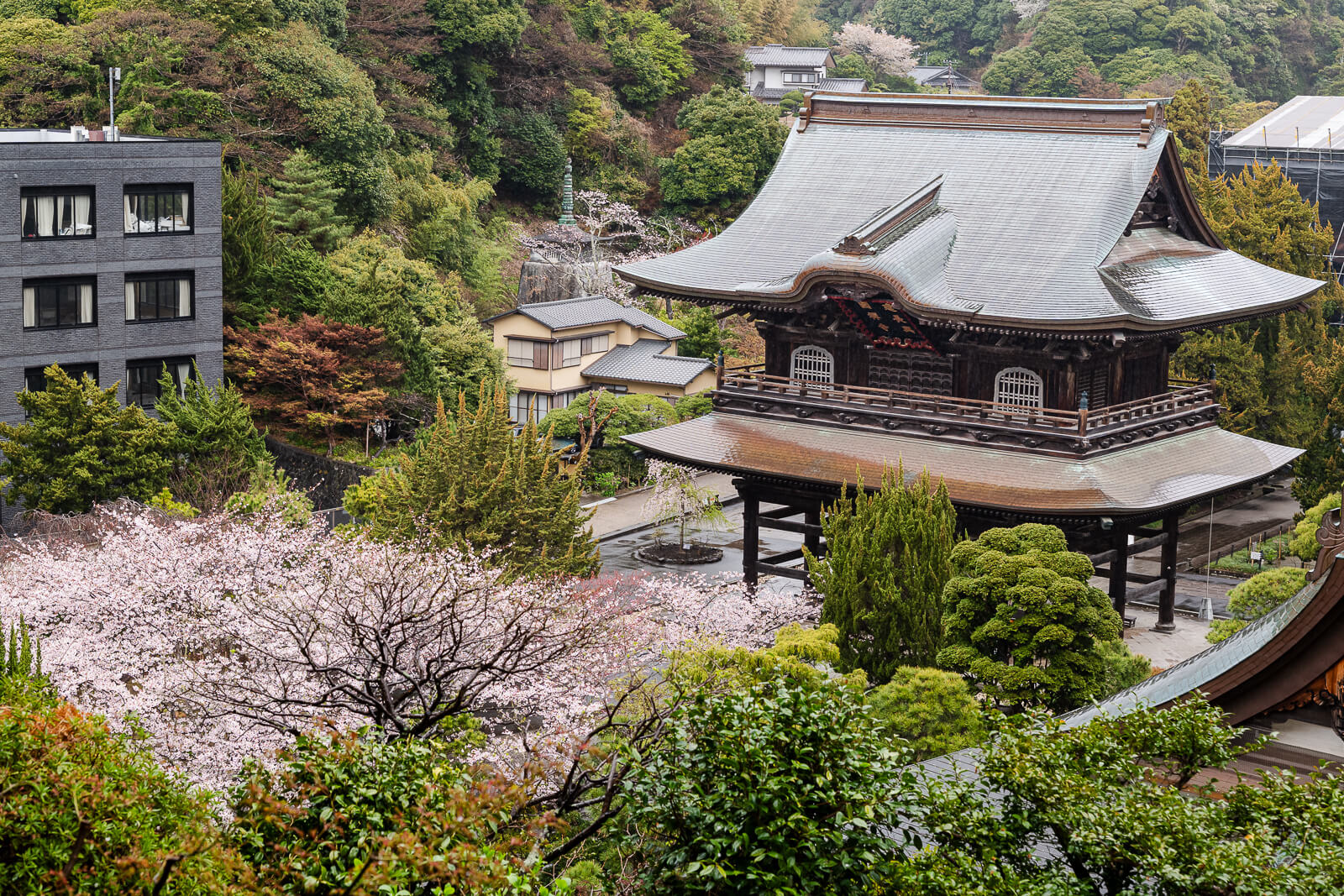
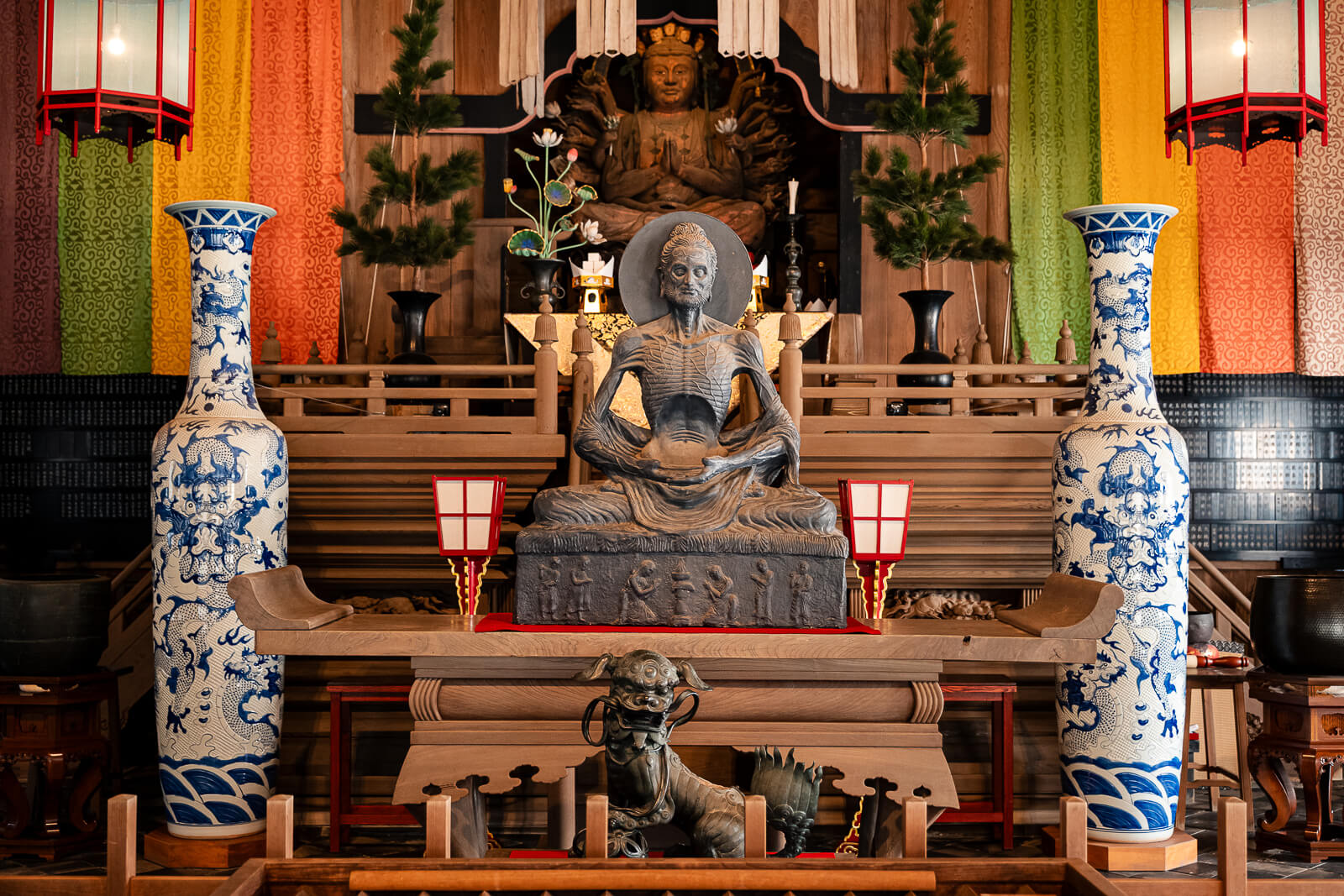
The main precinct includes the Sanmon Gate, Buddha Hall, Dharma Hall, temple gardens, and several smaller buildings extending beyond the central approach. A focused visit can cover the principal structures without exploring every side path. Travelers with more time can continue farther into the grounds before deciding whether to add the upper shrine route.
Beyond the main precinct, the path climbs toward Hansōbō Shrine and an elevated viewpoint overlooking Kamakura and Sagami Bay. Mount Fuji may also be visible on exceptionally clear days. This extension requires a sustained stair climb and should be included only when time, weather, and energy remain favorable.
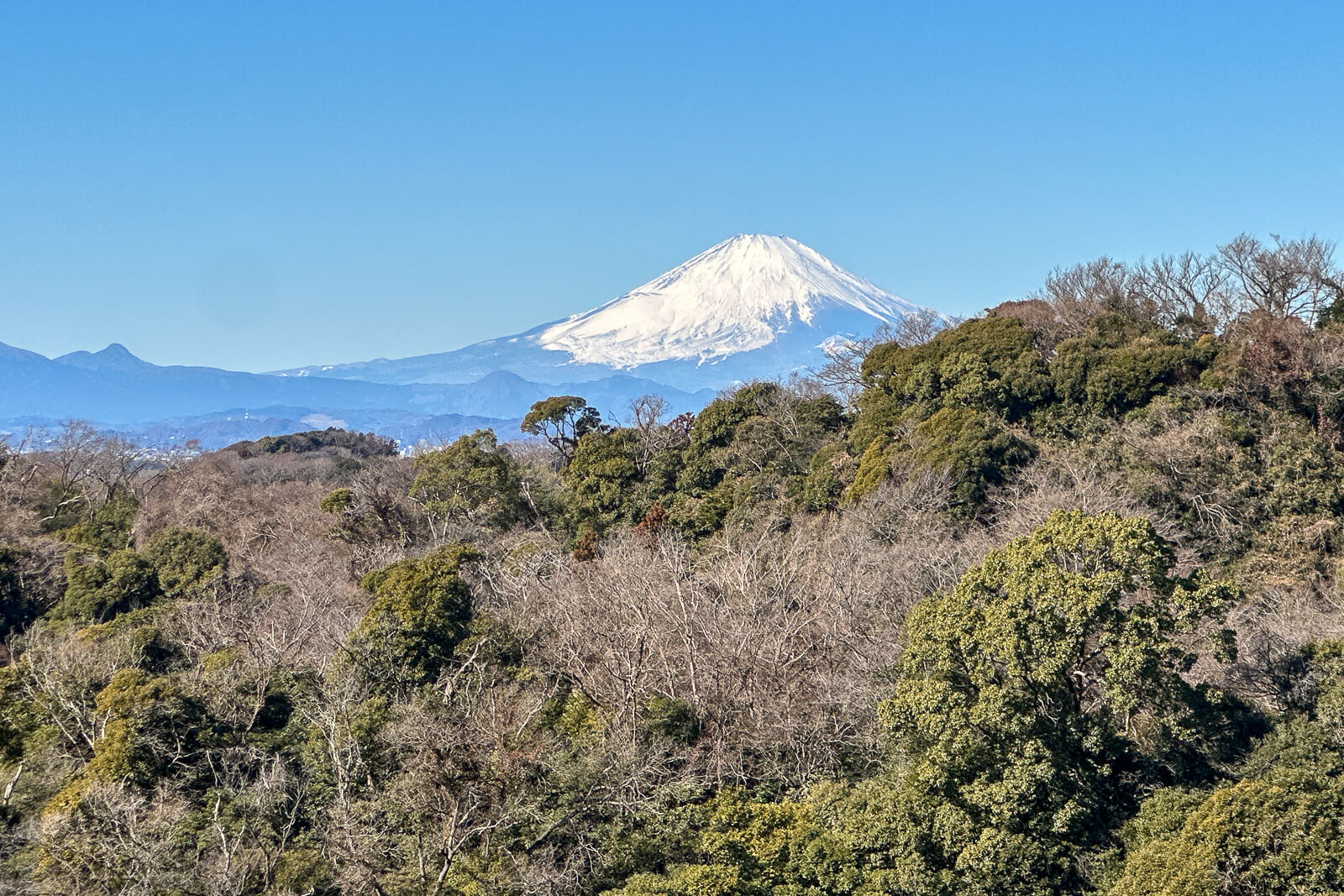
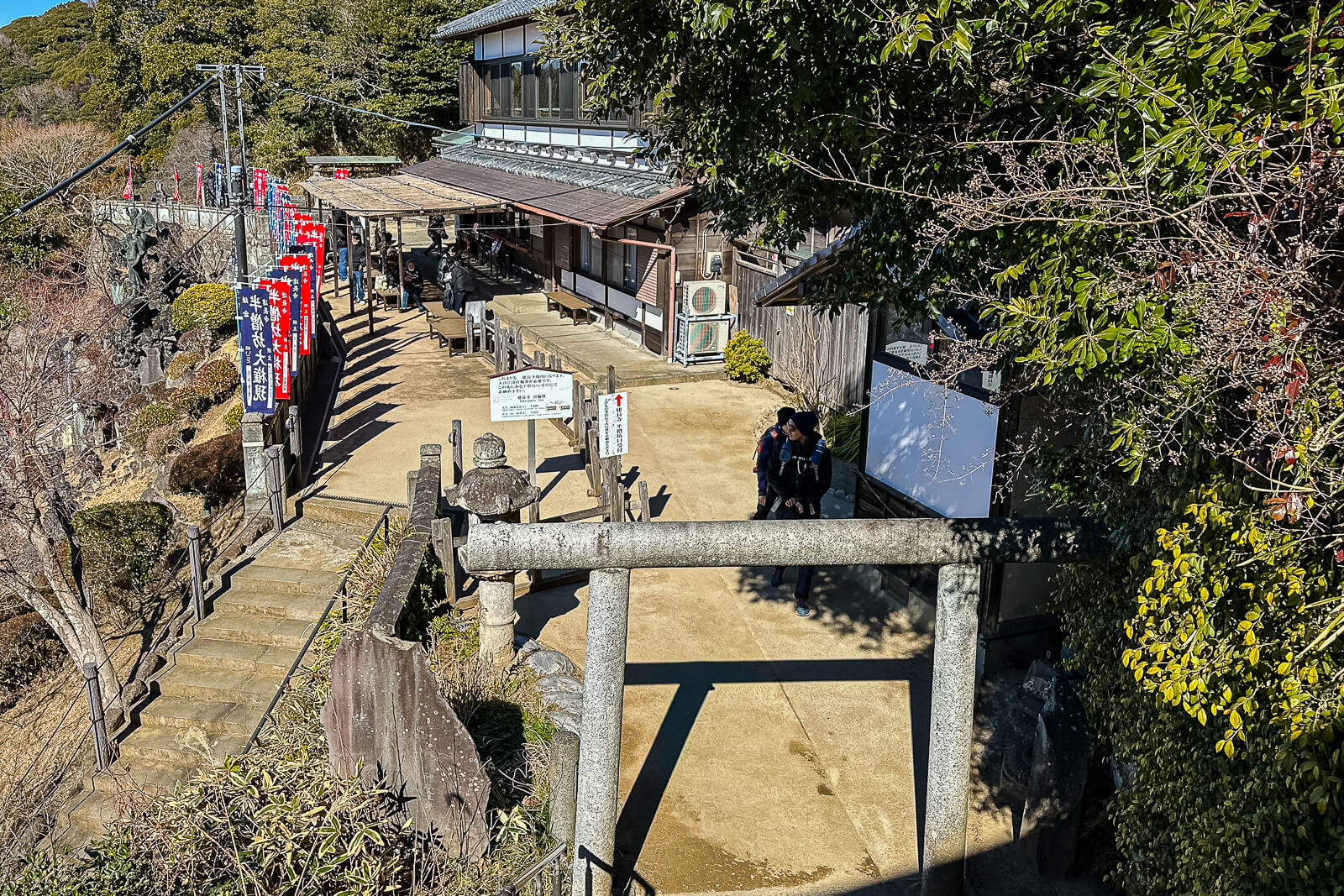
Allow approximately 60 to 90 minutes for Kenchō-ji, using the upper end of that range when including Hansōbō Shrine and the viewpoint. Protecting this time is important because the temple closes earlier than the central Kamakura attractions that follow. From here, the route continues toward Tsurugaoka Hachimangū, where the itinerary enters the former political and ceremonial center of Kamakura.
Walk Into Central Kamakura
Leaving Kenchō-ji, the route continues south along the main road toward Tsurugaoka Hachimangū. Shops, cafés, and residential streets gradually replace the wooded temple grounds as the route approaches the city center. This 15- to 20-minute segment provides the clearest transition between Kita-Kamakura and central Kamakura.
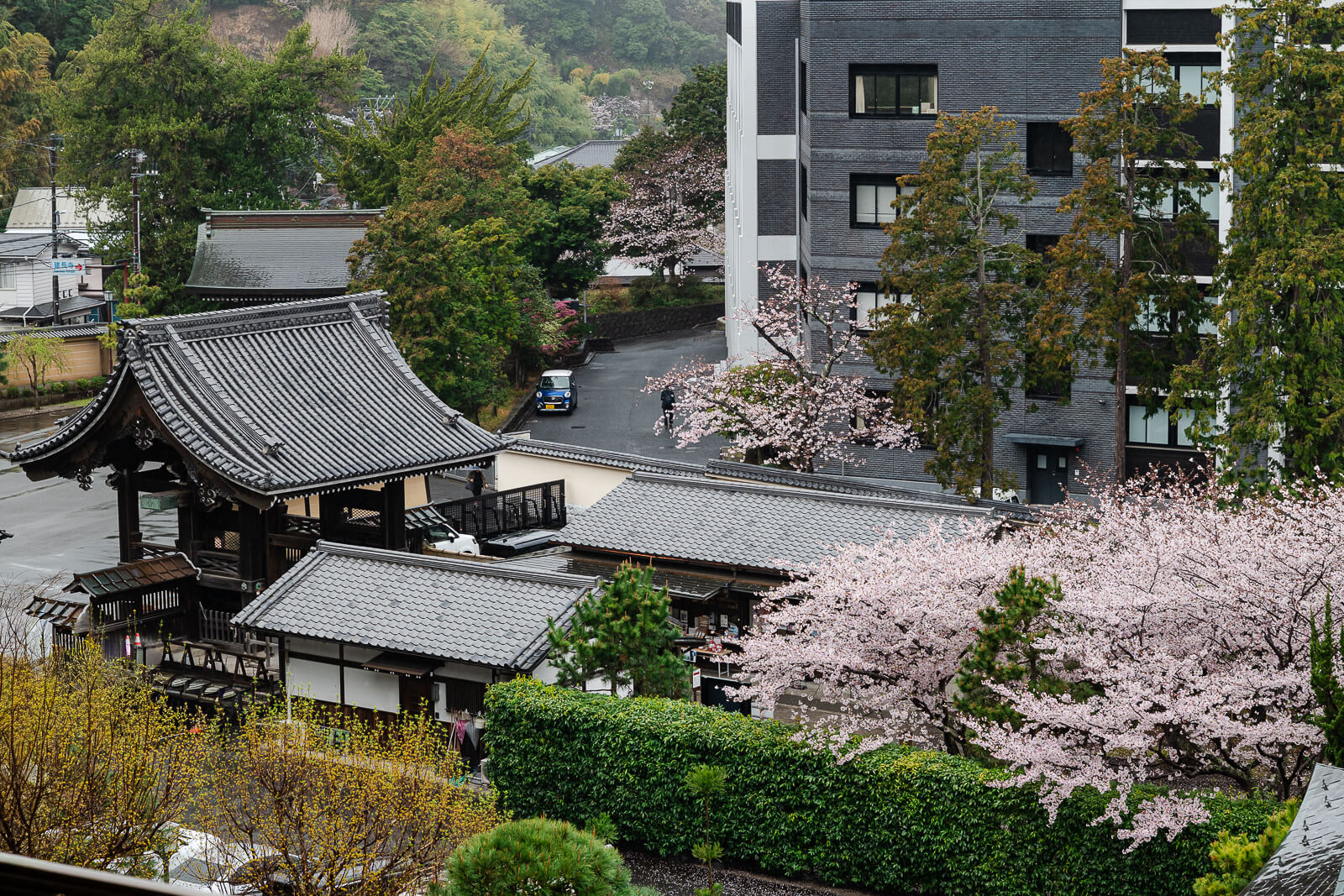
The walk is straightforward, although sidewalks narrow in places and traffic becomes heavier near the shrine district. The route follows the corridor connecting the northern temple area with the former political and ceremonial center of the Kamakura shogunate. Additional time may be useful on busy weekends when pedestrian movement slows near the shrine entrance.
Tsurugaoka Hachimangū is the next major stop before the itinerary shifts toward shopping and dining. After exploring the shrine grounds, the route continues along Dankazura and through Komachi-dori. Kamakura Station then provides the finishing point for the core itinerary.
Explore Tsurugaoka Hachimangū
Tsurugaoka Hachimangū is Kamakura’s principal Shinto shrine and the final major historic stop on this route. Closely associated with Minamoto no Yoritomo and the rise of the Kamakura shogunate, the shrine became an important ceremonial center of samurai government. Its scale and historical role create a clear transition from the Zen temple district into central Kamakura.
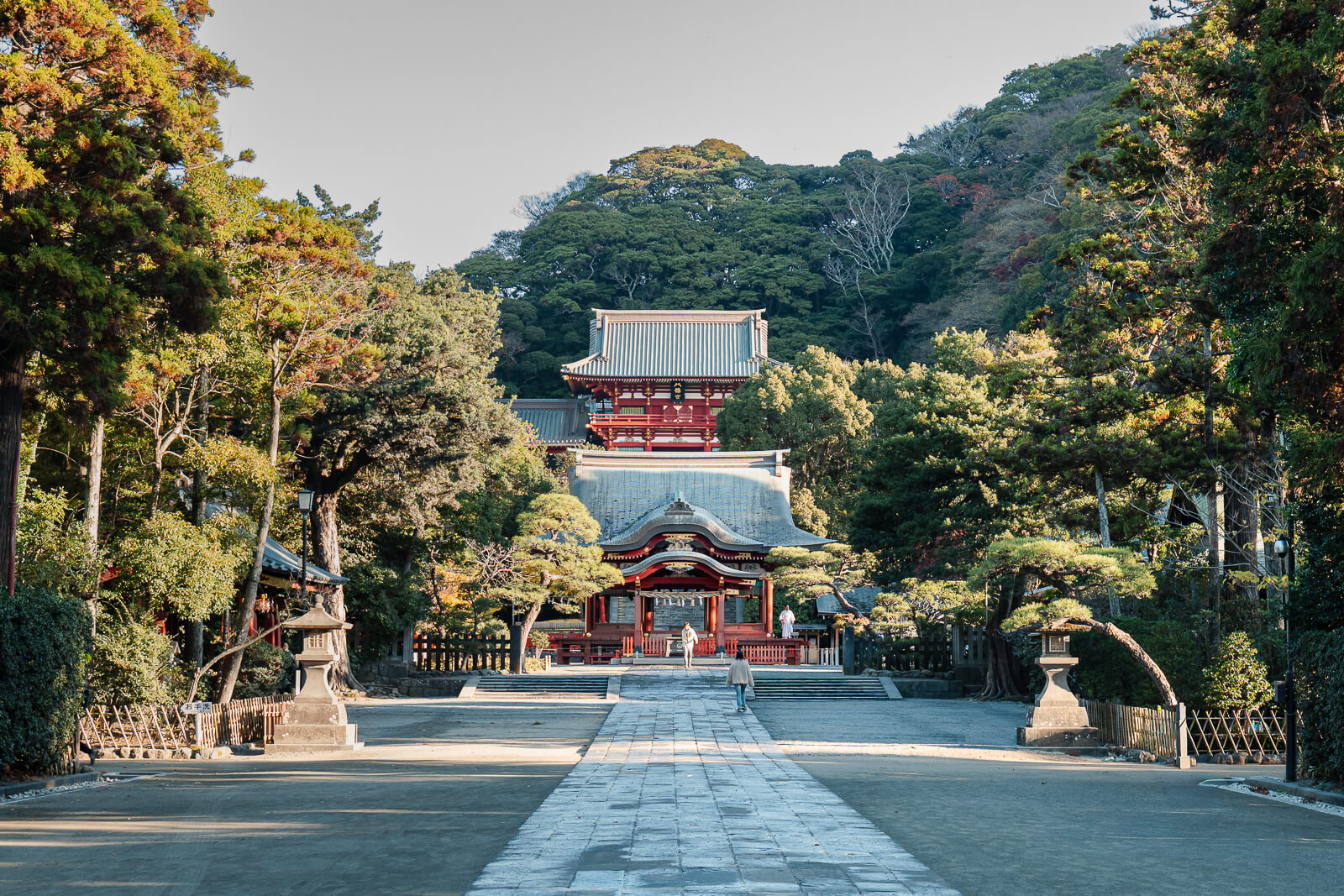
The main approach crosses the broad precincts toward the upper shrine buildings. Along the way, the route passes ponds, secondary shrines, seasonal garden areas, and the grand staircase leading to the main worship hall. Much of the precinct remains accessible later than the temples visited earlier in the day, making it well suited to the final afternoon portion of the itinerary.
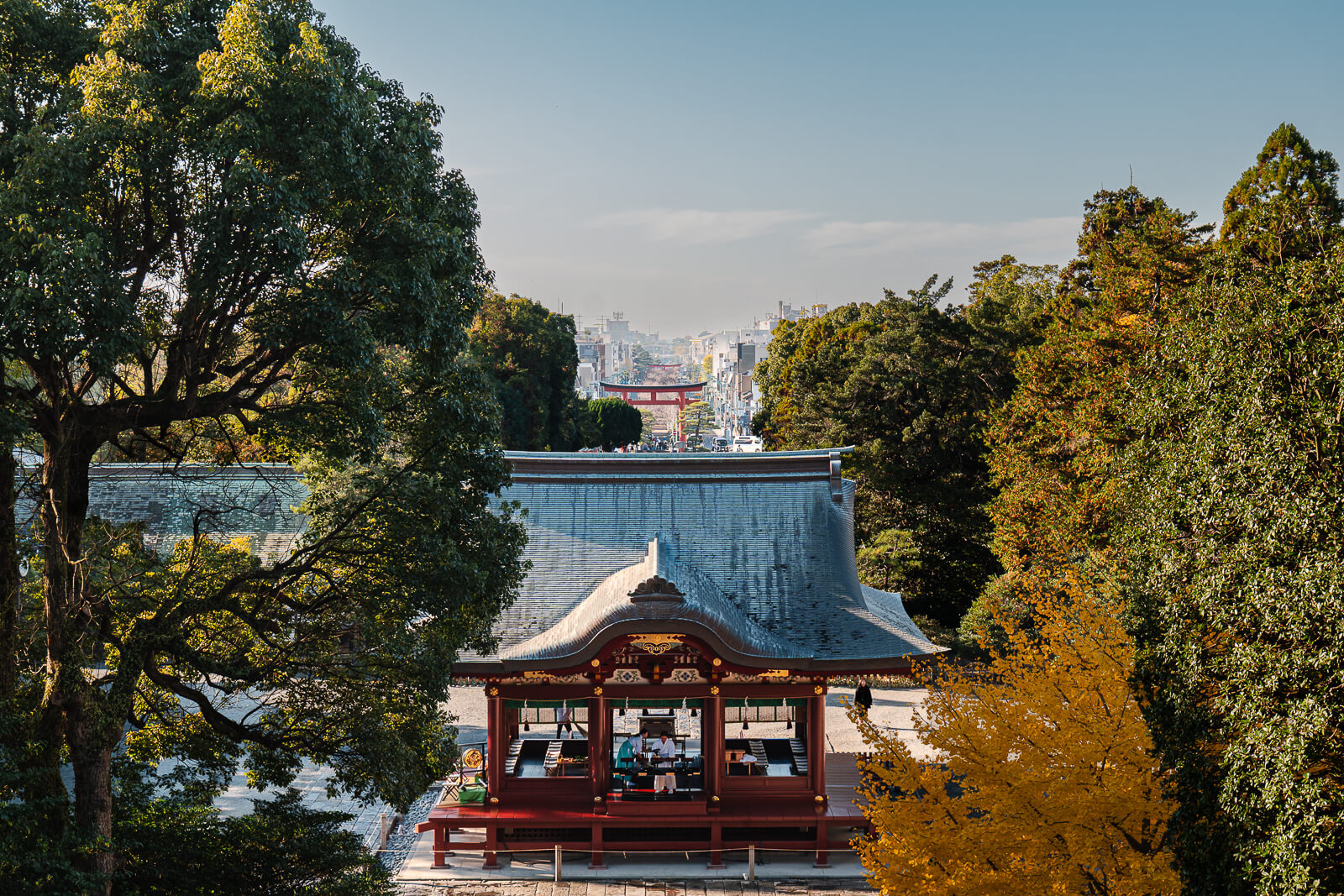
Allow approximately 45 to 60 minutes to explore the grounds, with additional time during festivals, seasonal events, and busy weekends. From the shrine, the route continues south along Dankazura before turning toward Komachi-dori. Shopping, food, and local specialties then provide the final transition toward Kamakura Station.
Walk the Dankazura
Leaving Tsurugaoka Hachimangū, the route continues south along Dankazura, the raised pedestrian approach running through the center of Wakamiya Ōji. Established under Minamoto no Yoritomo during the Kamakura period, the avenue formed part of the ceremonial route to the shrine. Its elevated position and linear design remain among the clearest surviving elements of central Kamakura’s historic layout.
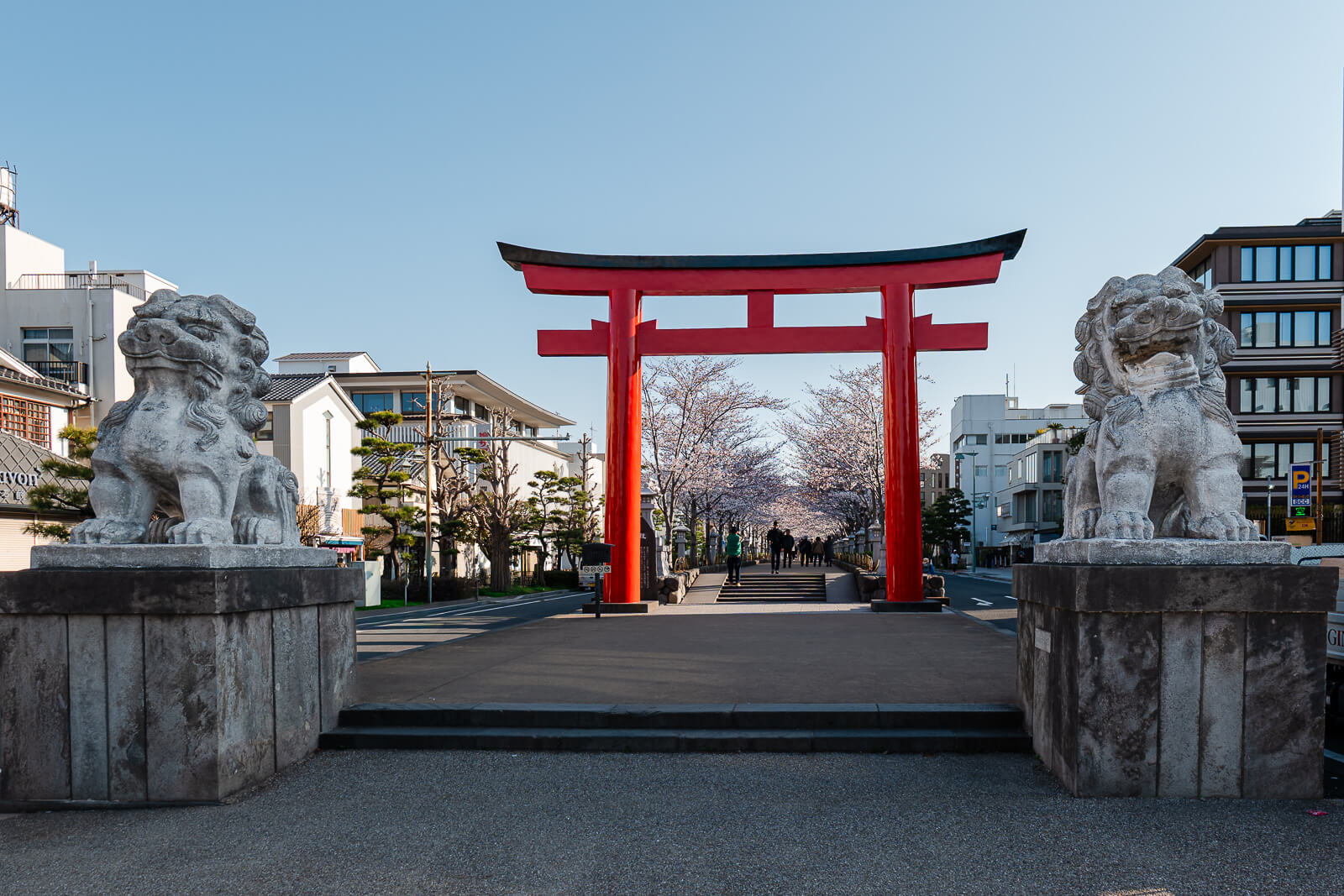
Cherry trees line the promenade and create one of the city’s principal spring displays. Outside blossom season, the route still provides a direct and visually distinct connection between the shrine precinct and the commercial center. Looking back along the avenue also preserves a final view toward Tsurugaoka Hachimangū before the itinerary moves into the shopping district.
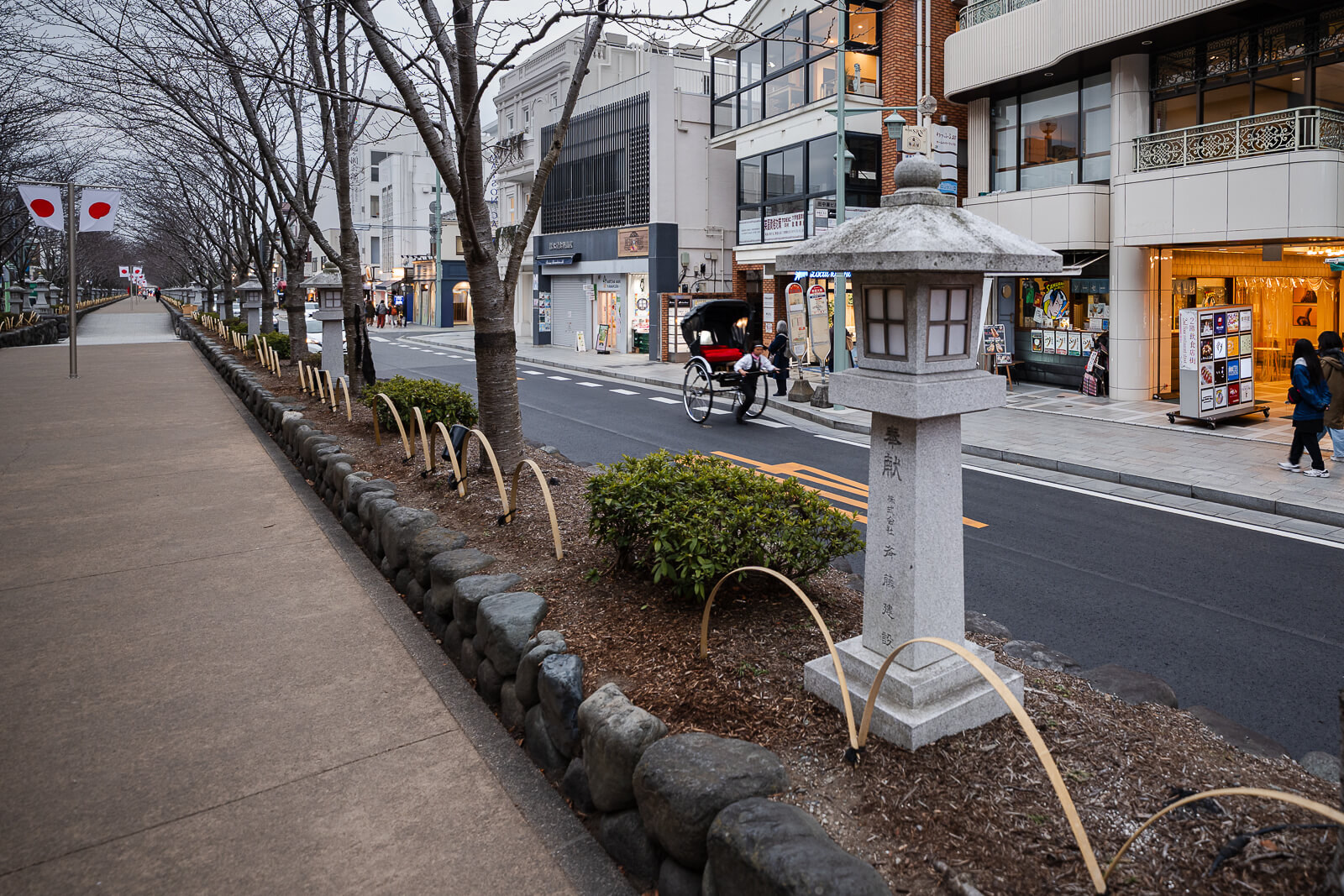
The walk takes approximately 10 minutes before reaching the area near Komachi-dori. Restaurants, cafés, souvenir shops, and traditional snack vendors become more concentrated as the route approaches Kamakura Station. This section marks the final transition from historic sightseeing into the food, shopping, and evening portion of the day.
Explore Komachi-dori
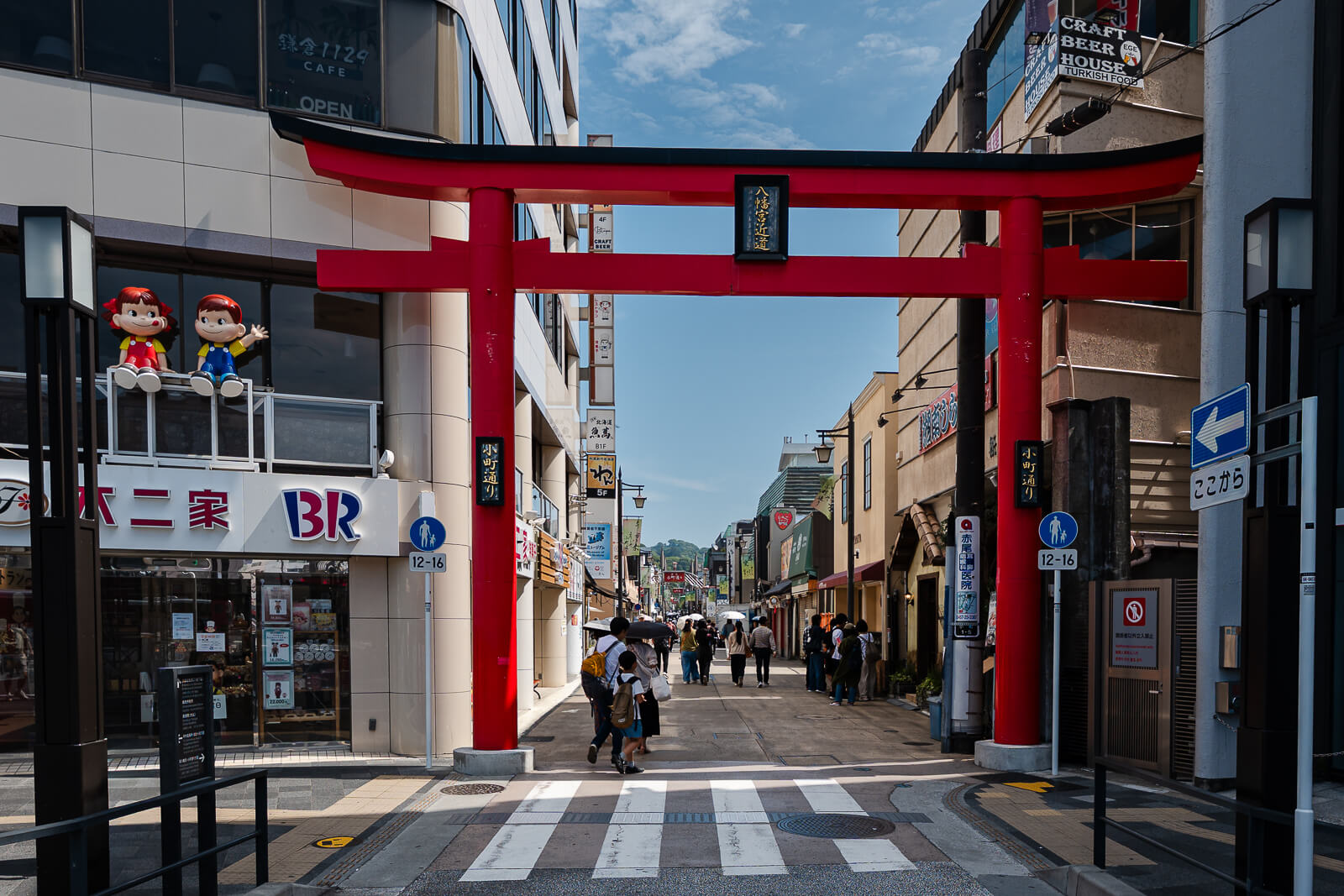
Komachi-dori provides the final food and shopping stop before the route reaches Kamakura Station. Running parallel to Wakamiya Ōji, the pedestrian street is lined with restaurants, cafés, traditional sweet shops, souvenir stores, and small retailers. Its commercial character creates a clear contrast with the temple and shrine visits earlier in the day.
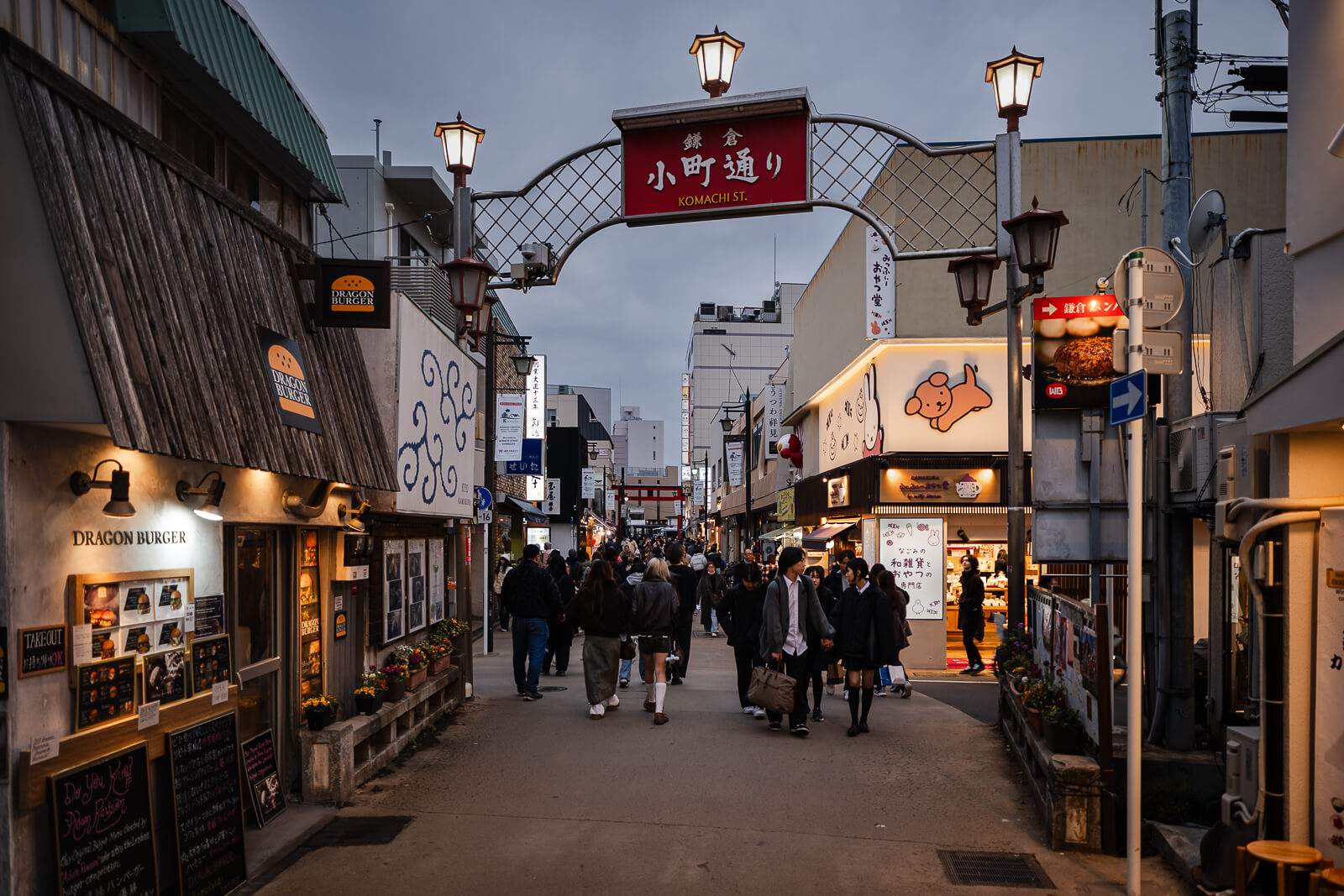
Travelers can use this section for an early dinner, coffee, local snacks, or souvenir shopping without following a fixed sequence. The street becomes especially busy on weekends, public holidays, and during seasonal travel periods. Those who prefer more space can continue toward the station or use the surrounding side streets for additional dining choices.
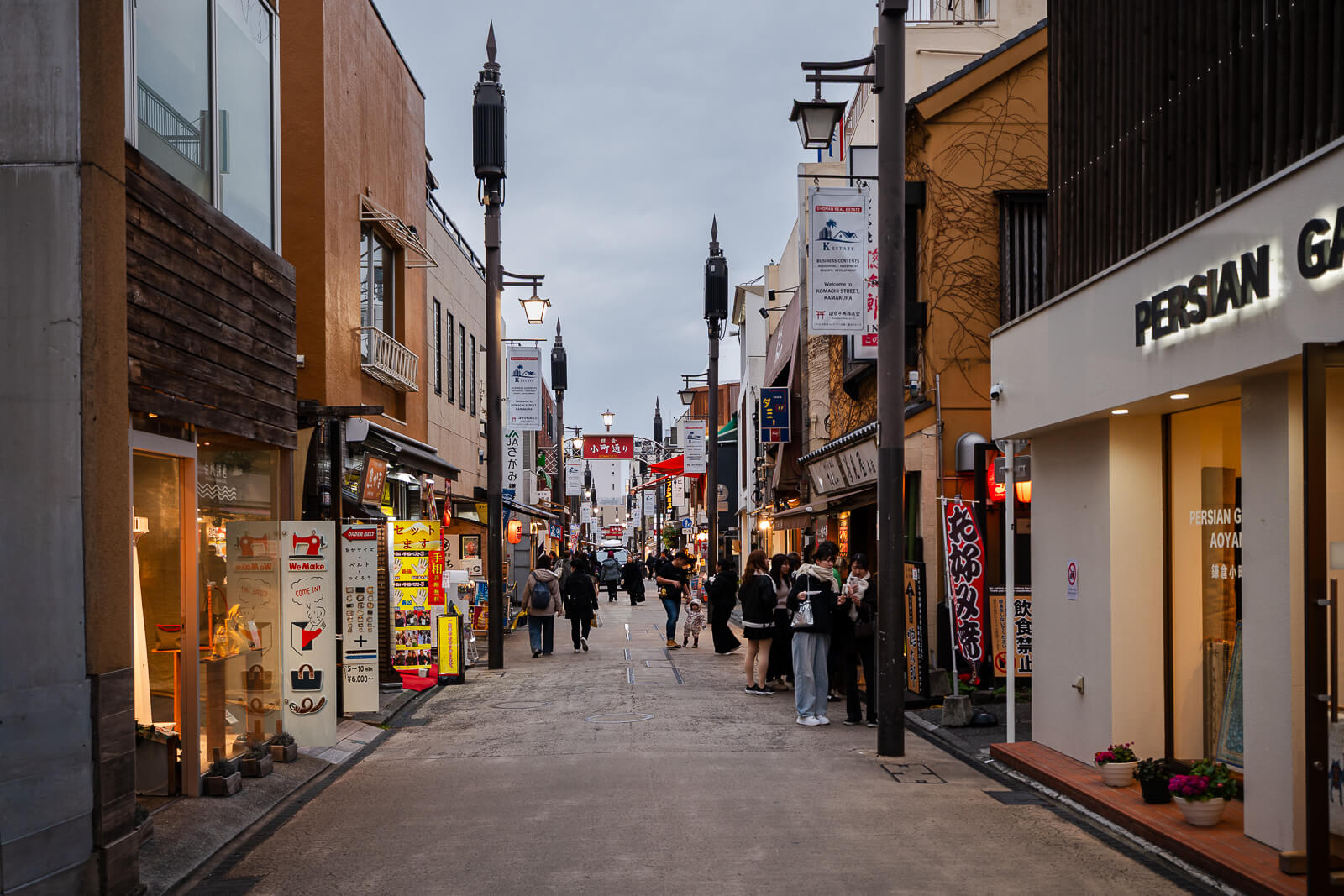
Allow approximately 30 to 60 minutes, depending on whether the stop includes a meal or extended shopping. The southern end of the street is only a short walk from Kamakura Station, where the core itinerary finishes. Reaching the station completes the route from Kita-Kamakura’s Zen temple district through the historic and commercial center of Kamakura.
End the Day or Continue Exploring
Reaching Kamakura Station marks the end of the core itinerary and completes a substantial full day of temple visits, walking, and central Kamakura sightseeing. From the station, travelers can return toward Tokyo on the JR Yokosuka Line or continue to another part of Kamakura. The route should be treated as complete at this point rather than as an unfinished day.
Hase-dera and Kōtoku-in should not be planned as standard additions to this itinerary. Reaching both may be possible only after an early start, shortened temple visits, a limited lunch break, and skipping the Hansōbō climb at Kenchō-ji. Even under those conditions, closing times, crowds, and travel between central Kamakura and Hase can make the extension uncertain.
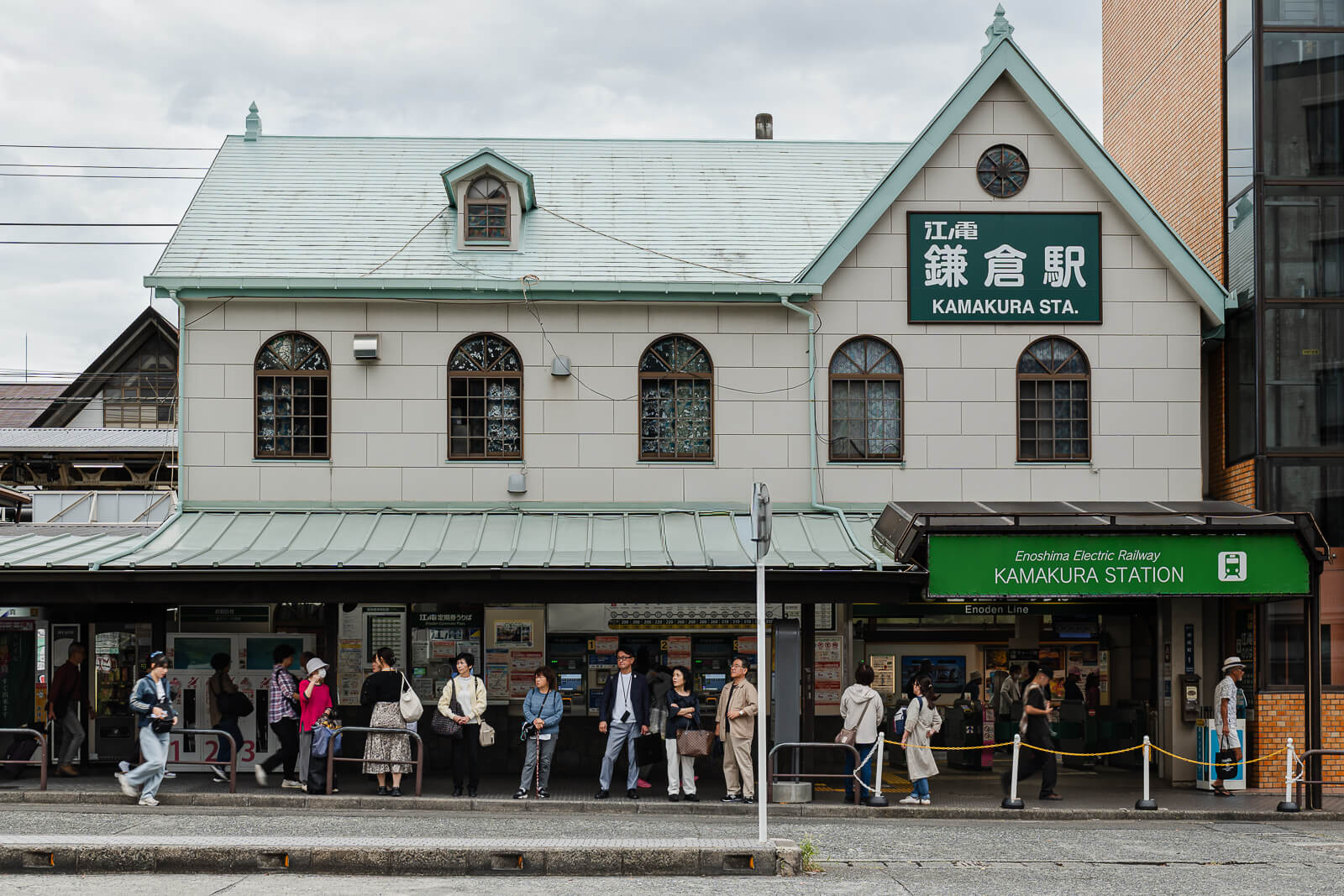
An overnight stay provides a more practical way to continue exploring without reducing the time available for Kita-Kamakura. The following morning can be used for Hase-dera, Kōtoku-in, Yuigahama Beach, or a separate trip toward Enoshima. Staying in central Kamakura also allows more time for dinner and an evening walk after the main sightseeing period ends.
Day-trippers can finish at Kamakura Station knowing that the route has already covered the district’s principal temples, shrine precincts, historic avenues, and shopping streets. Overnight travelers gain a logical starting point for a second day without repeating the northern route. In either case, the itinerary remains focused on a realistic full-day experience instead of encouraging an overloaded schedule.
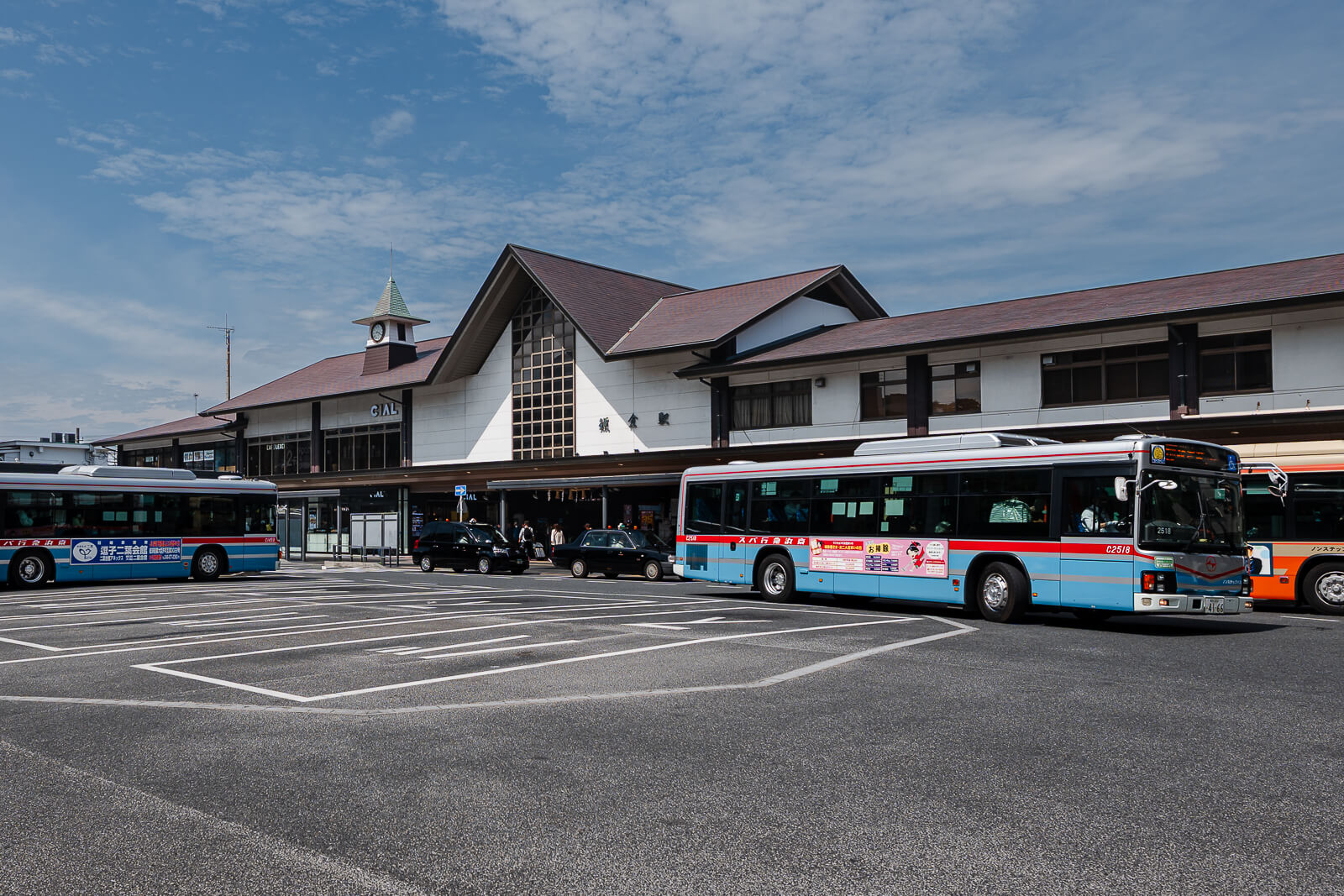
Access & Arrival
Getting There
JR Yokosuka Line trains provide direct access from Tokyo and Yokohama to Kita-Kamakura Station. The point-to-point route then continues on foot through the temple district and central Kamakura before ending at Kamakura Station.
Plan Your Kamakura Visit
Use these resources to arrange a Kamakura stay, compare rail options, explore guided experiences, and remain connected while traveling.
Find a Base Near Kamakura Station
Staying near Kamakura Station simplifies evening dining and creates an easier start for Hase or Enoshima the following morning.
Check Kamakura Hotels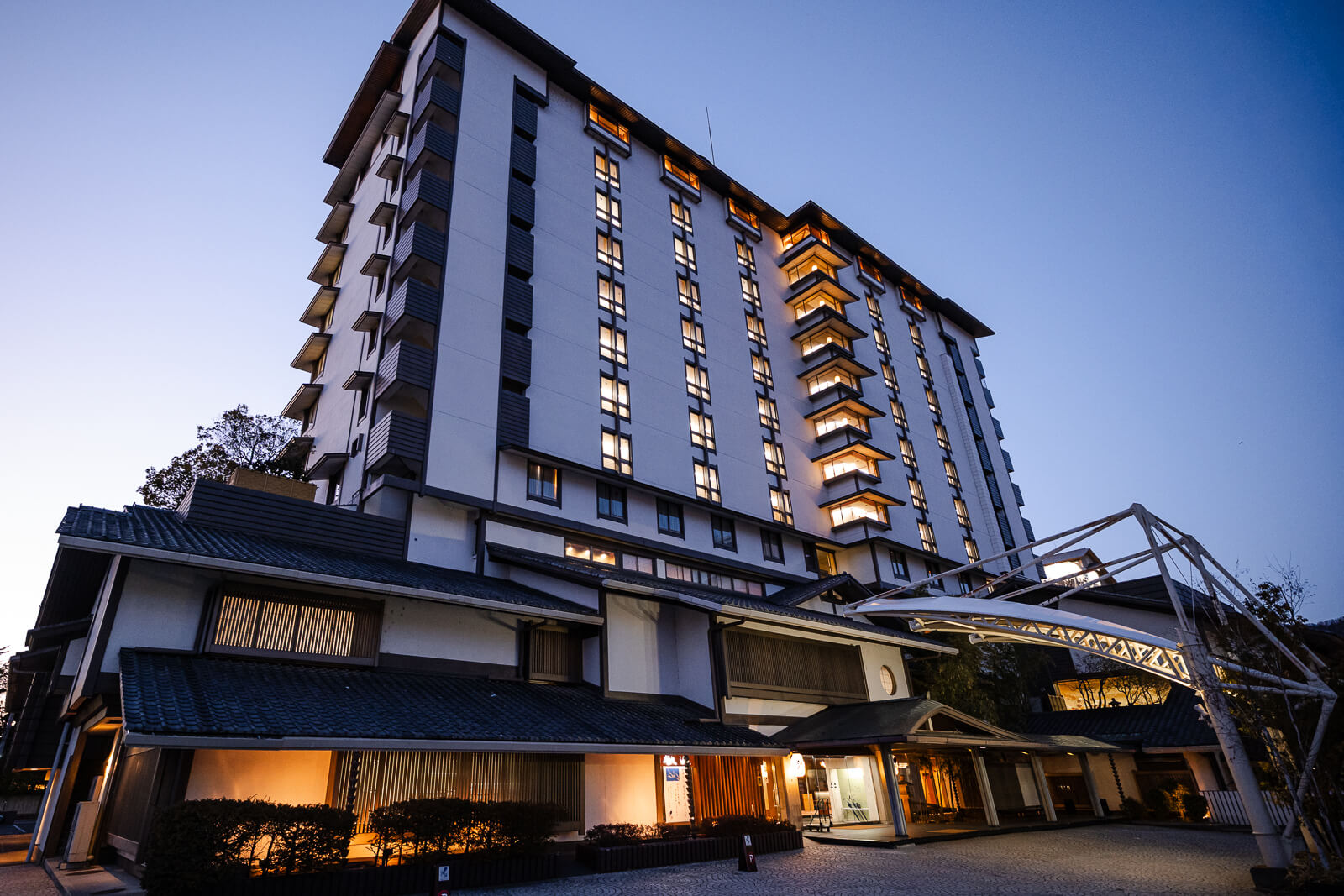
Compare Rail Options to Kamakura
Check rail options for reaching Kita-Kamakura, returning from Kamakura Station, or continuing toward Yokohama and Tokyo after the route.
Check Rail Options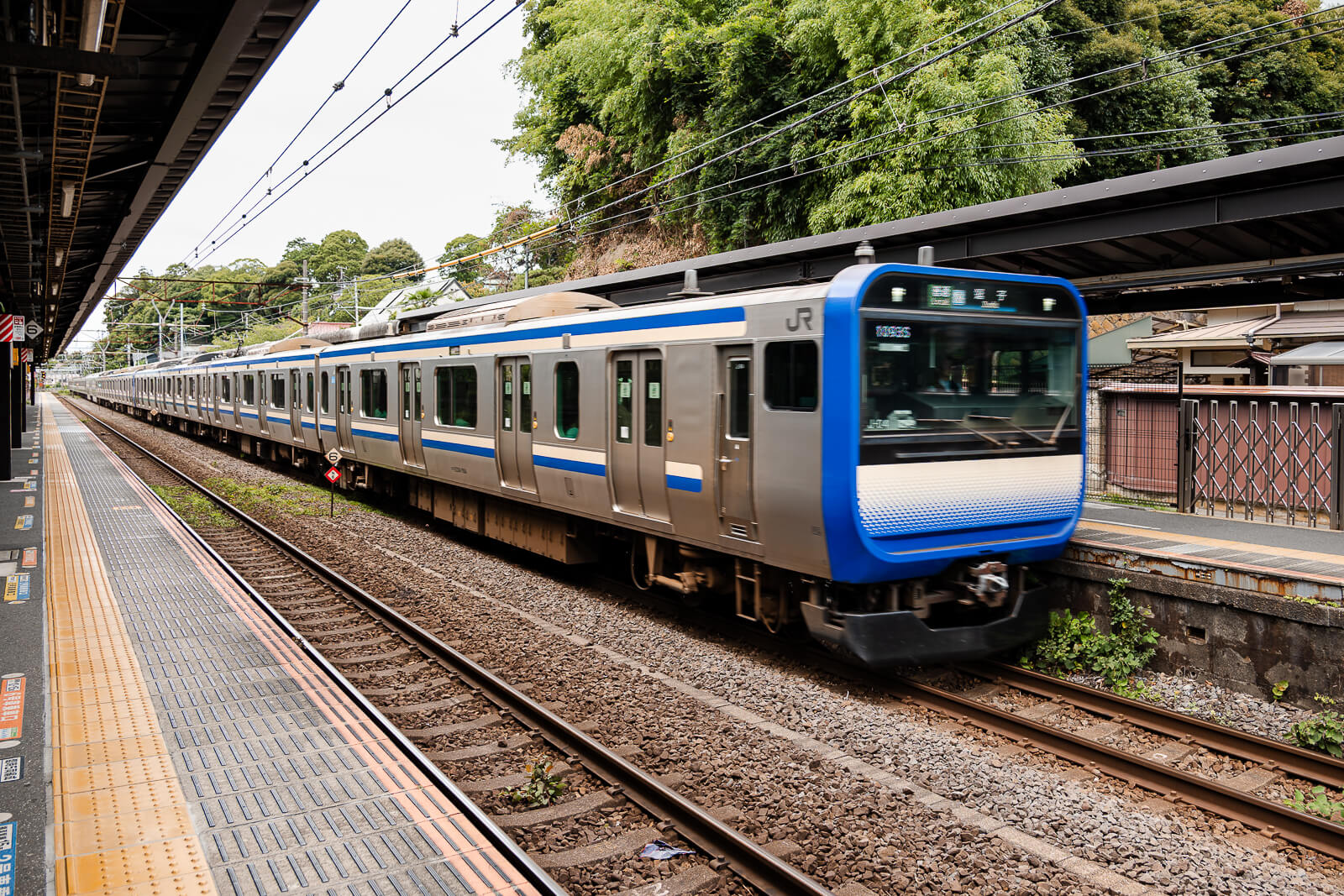
Explore Kamakura With a Local Guide
A guided experience can add historical context, simplify temple sequencing, and help visitors understand Kamakura beyond individual landmarks.
Compare Kamakura Tours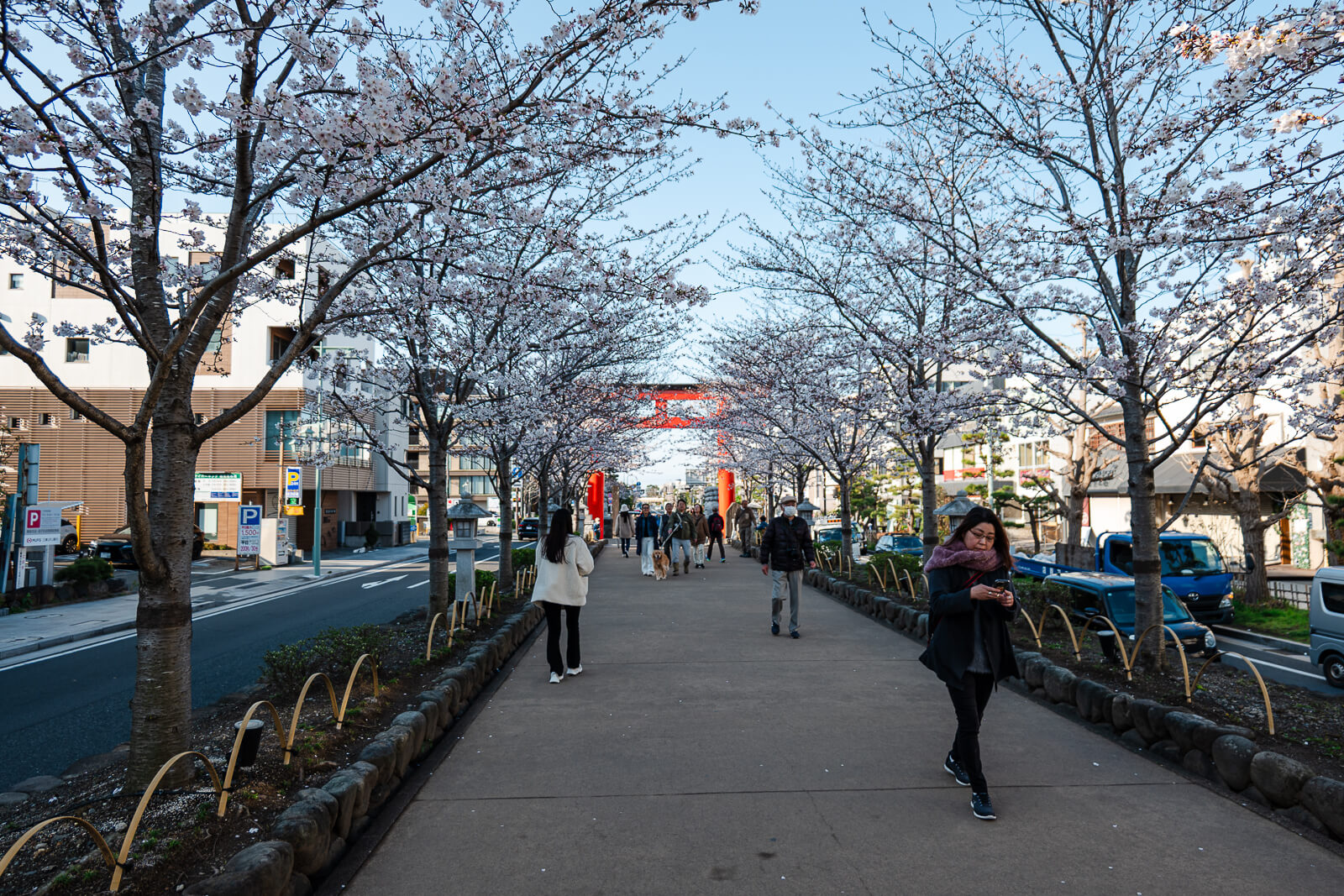
Keep Maps and Guides Available
Mobile data keeps maps, train information, attraction details, and Japan Unfolded guidance available throughout the wider Kamakura visit.
Check eSIM Options