Kyu-Furukawa Gardens in Autumn: Mansion, Roses, and Maples
Kyu-Furukawa Gardens is a compact Tokyo garden worth choosing for its unusual mix of a Western-style mansion, roses, and a lower Japanese garden with a pond. Allow about an hour for the outdoor grounds; an interior visit, if available, needs separate time and admission planning. In late November, roses can overlap with autumn foliage, but the exact flowering and leaf color vary by year.
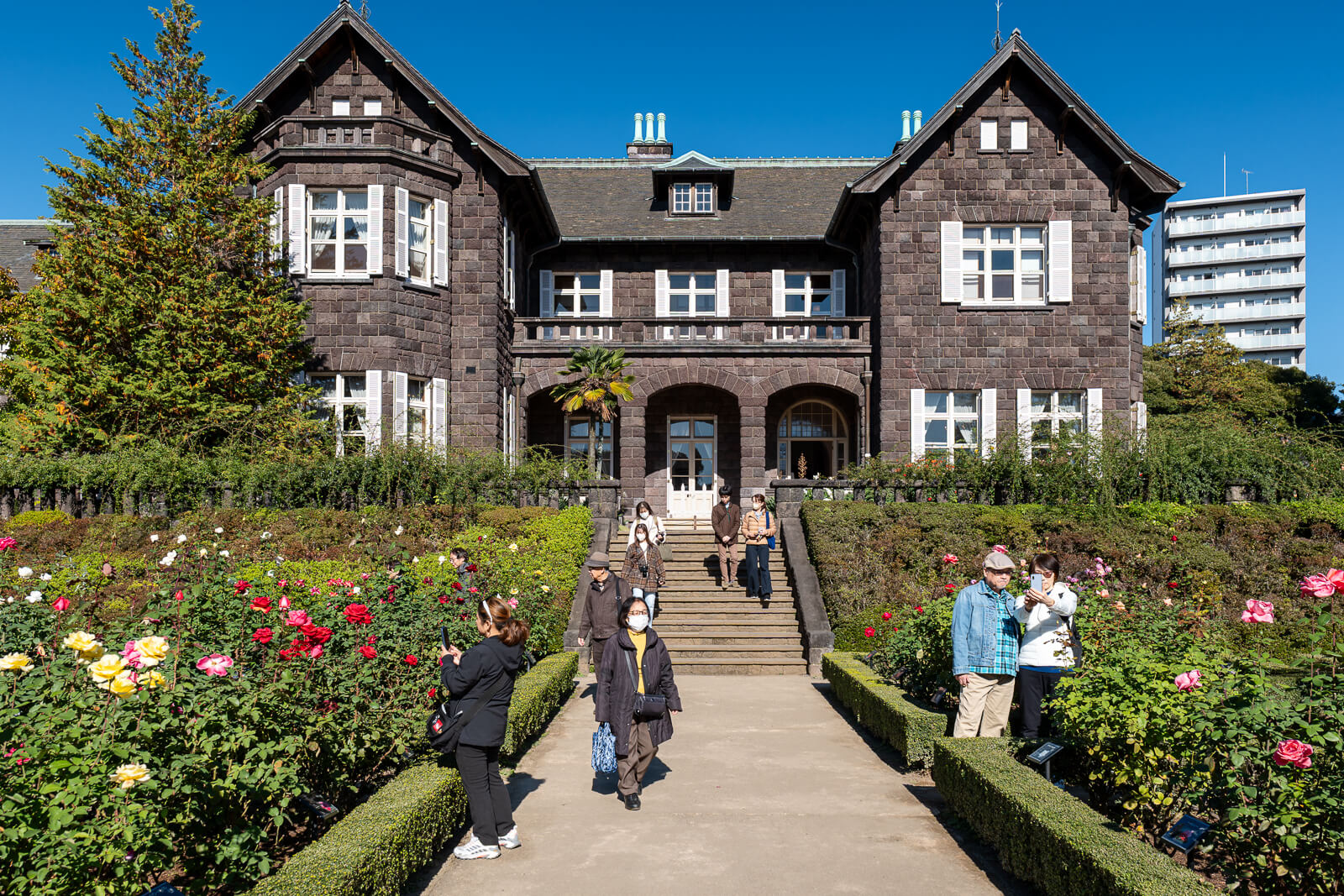
The route moves from an open lawn and tiered rose beds down to a quieter pond, with manageable stairs between the levels. The mansion exterior and flowers make strong compositions above, while a stone lantern, maples, and water reward a slower circuit below. Choose Kyu-Furukawa for this variety within a short visit, especially if architecture interests you as much as autumn leaves.
What to See Around the Mansion and Rose Garden
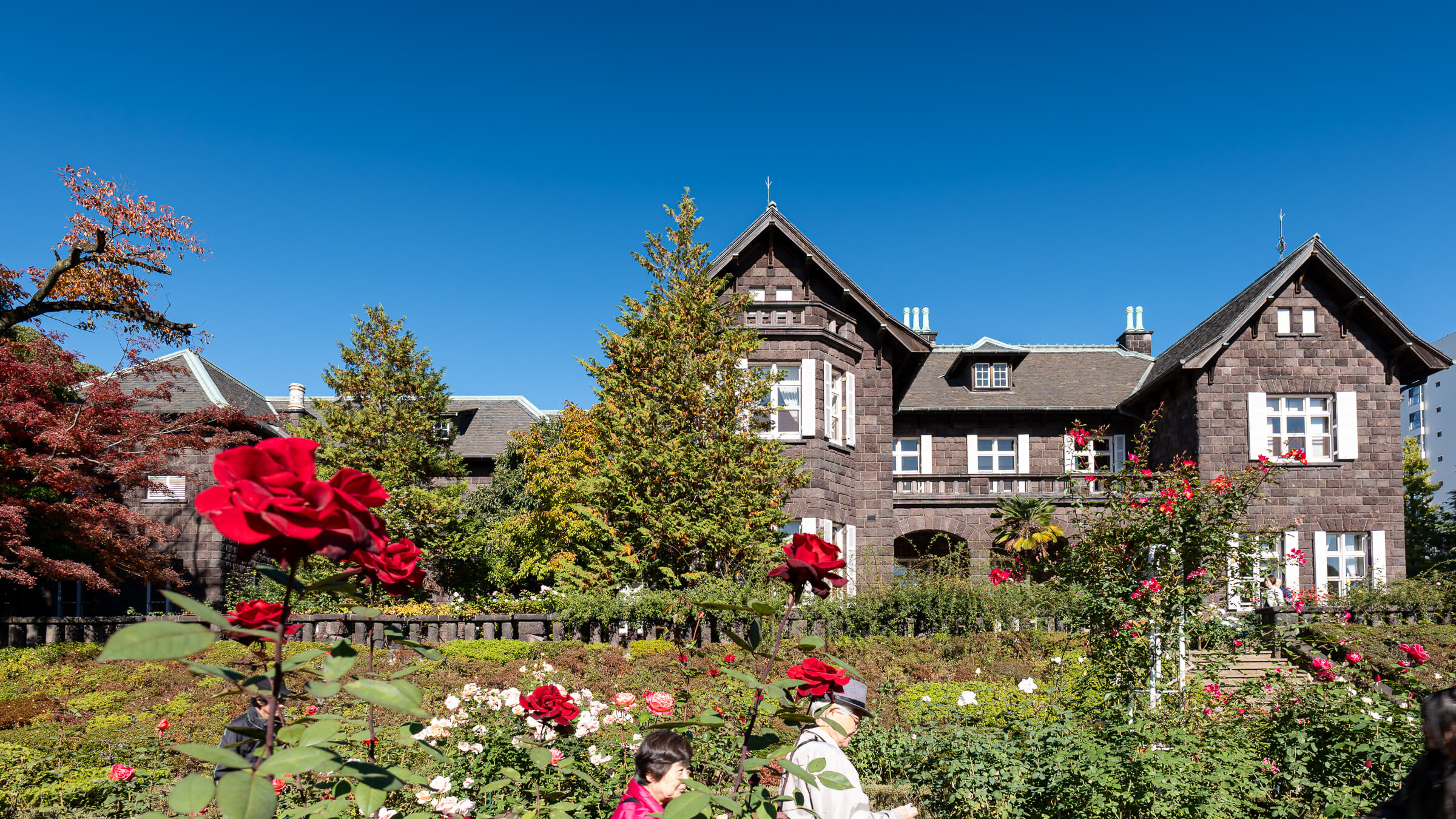
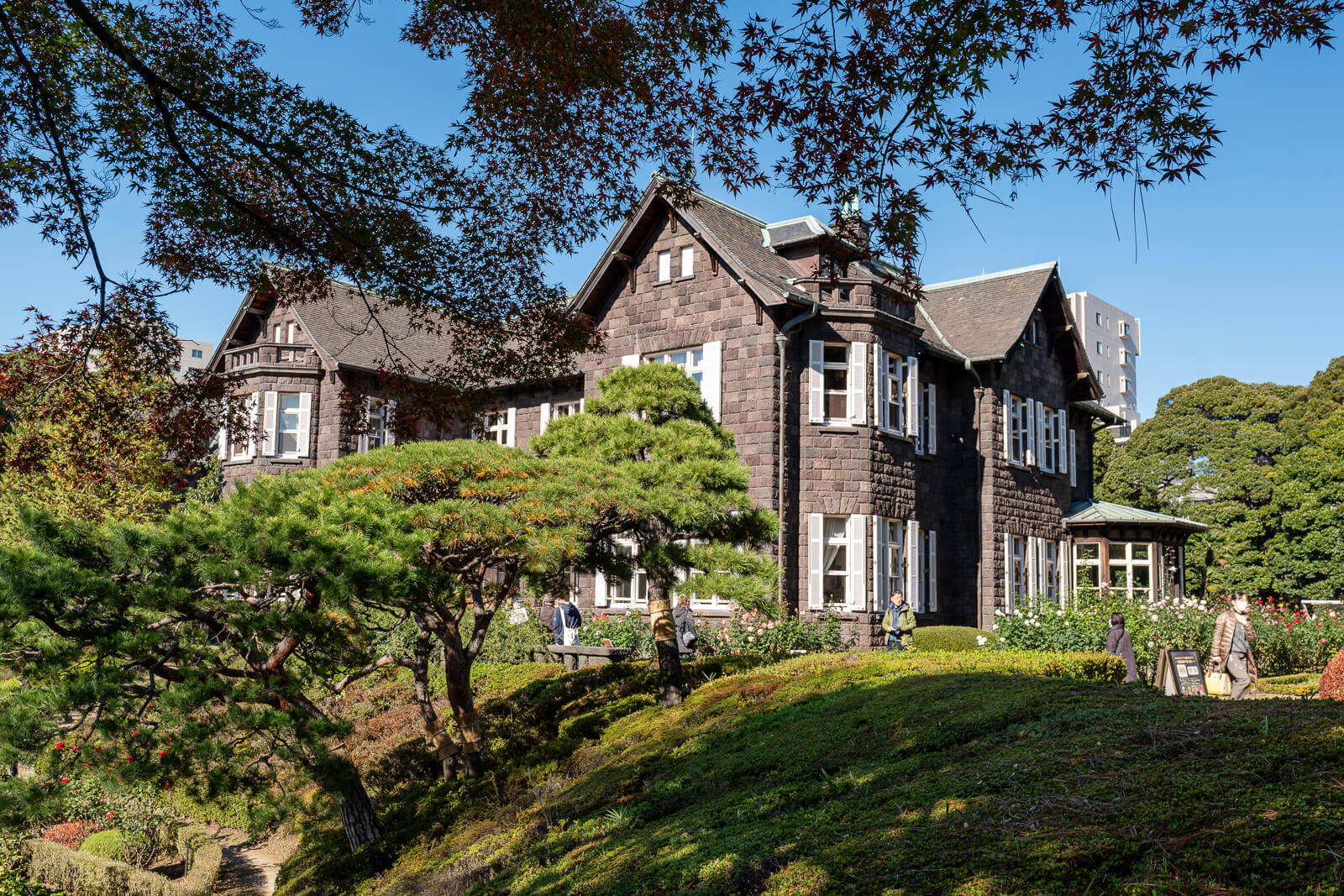
The mansion and open lawn were immediately visible on entering, with rose bushes already giving the upper grounds color. The mansion remains the visual anchor and can be appreciated from across the lawn without entering the building. From this open starting point, the two garden styles become easier to understand as the route descends. After looking around the upper grounds, the walk continued around the mansion to the main rose garden. That movement from an active lawn toward the lower garden is part of what makes this compact place feel varied.
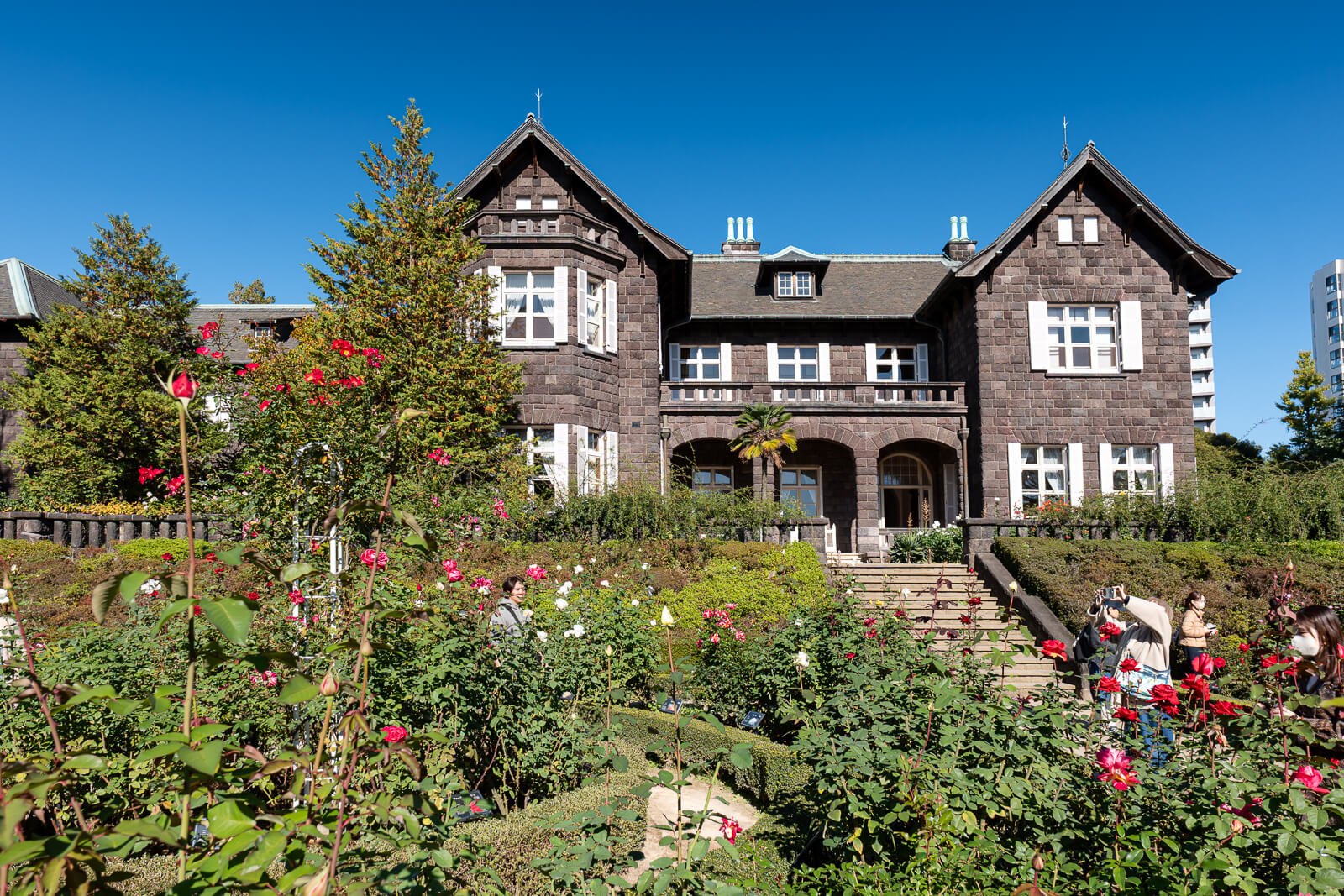
The mansion and Western garden were designed by Josiah Conder, while the Japanese garden was created by Ogawa Jihei. The site’s changes in elevation allow those different designs to occupy connected but distinct spaces. Looking from the upper grounds toward the lower garden helps explain why the visit feels like a sequence of scenes.
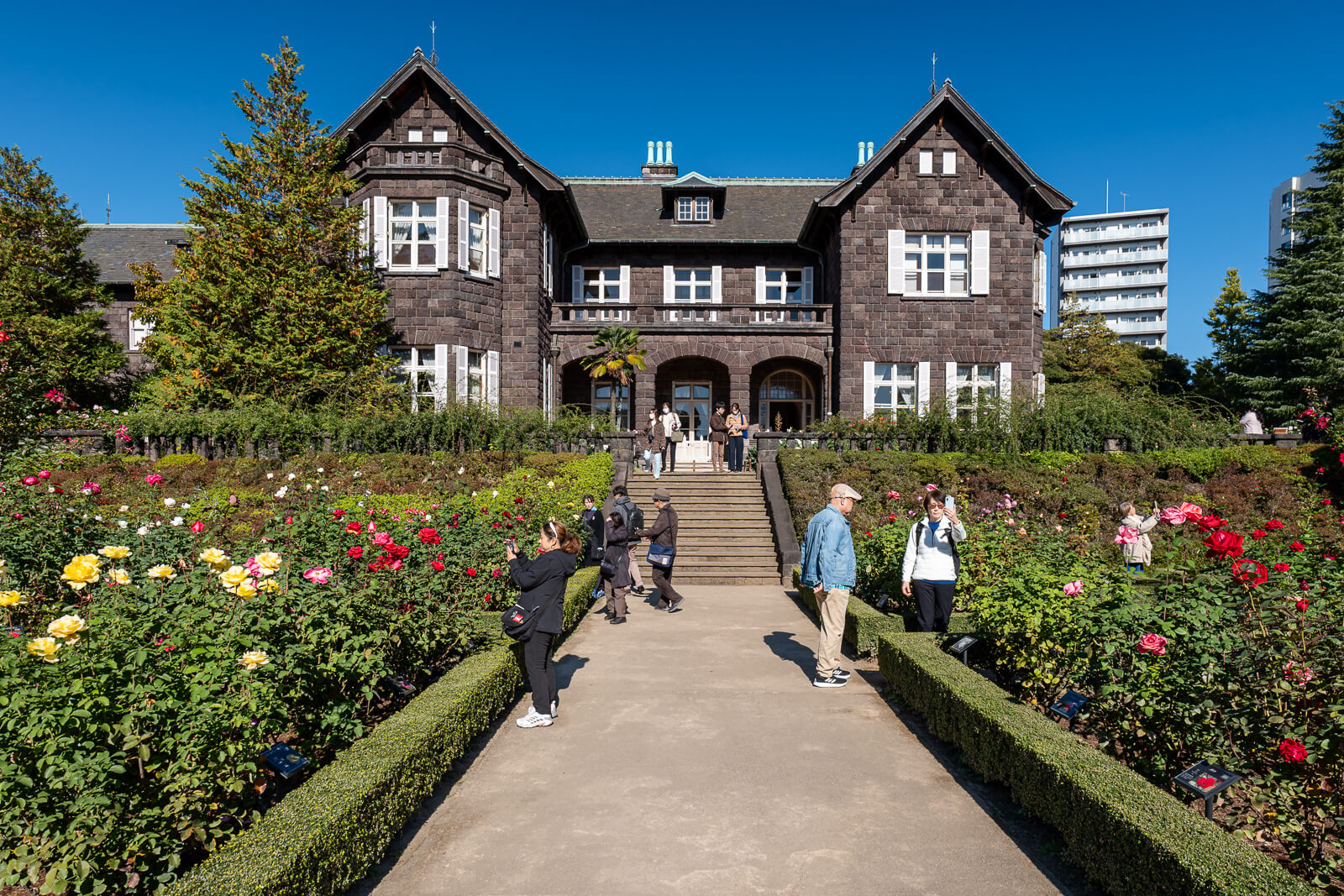
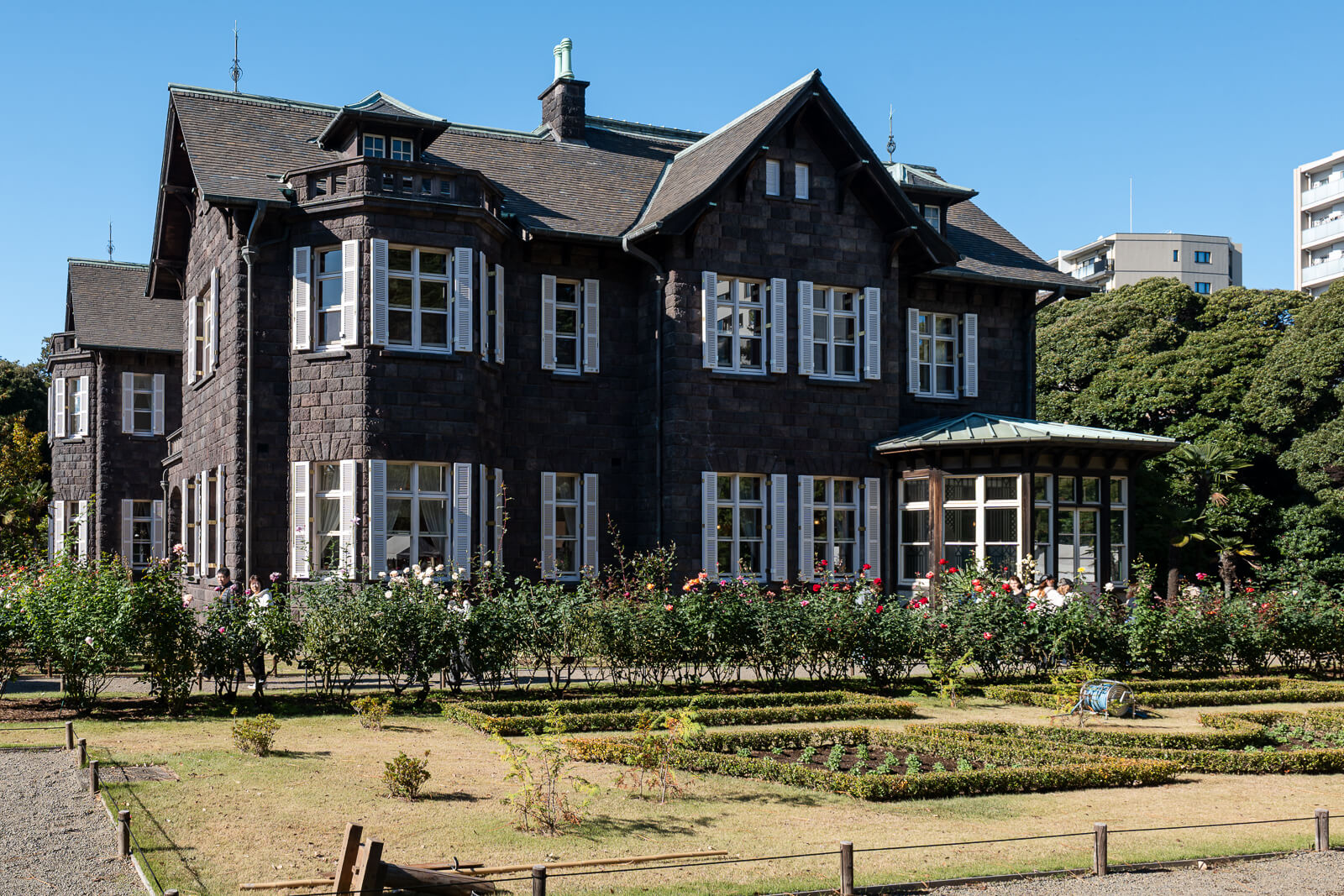
Roses were still blooming during the late-November visit, with the main beds arranged on descending levels between the mansion area and the lower garden. The mansion and flowers could fit within the same photograph, and stepping farther down opened a broader view of them together. That relationship made the roses more than a separate flower stop: they visually connected the upper architecture to the Japanese garden below. Their overlap with autumn foliage was a pleasure of this visit, although flowering and leaf color will vary with the season and year.
What the Lower Japanese Garden Is Like
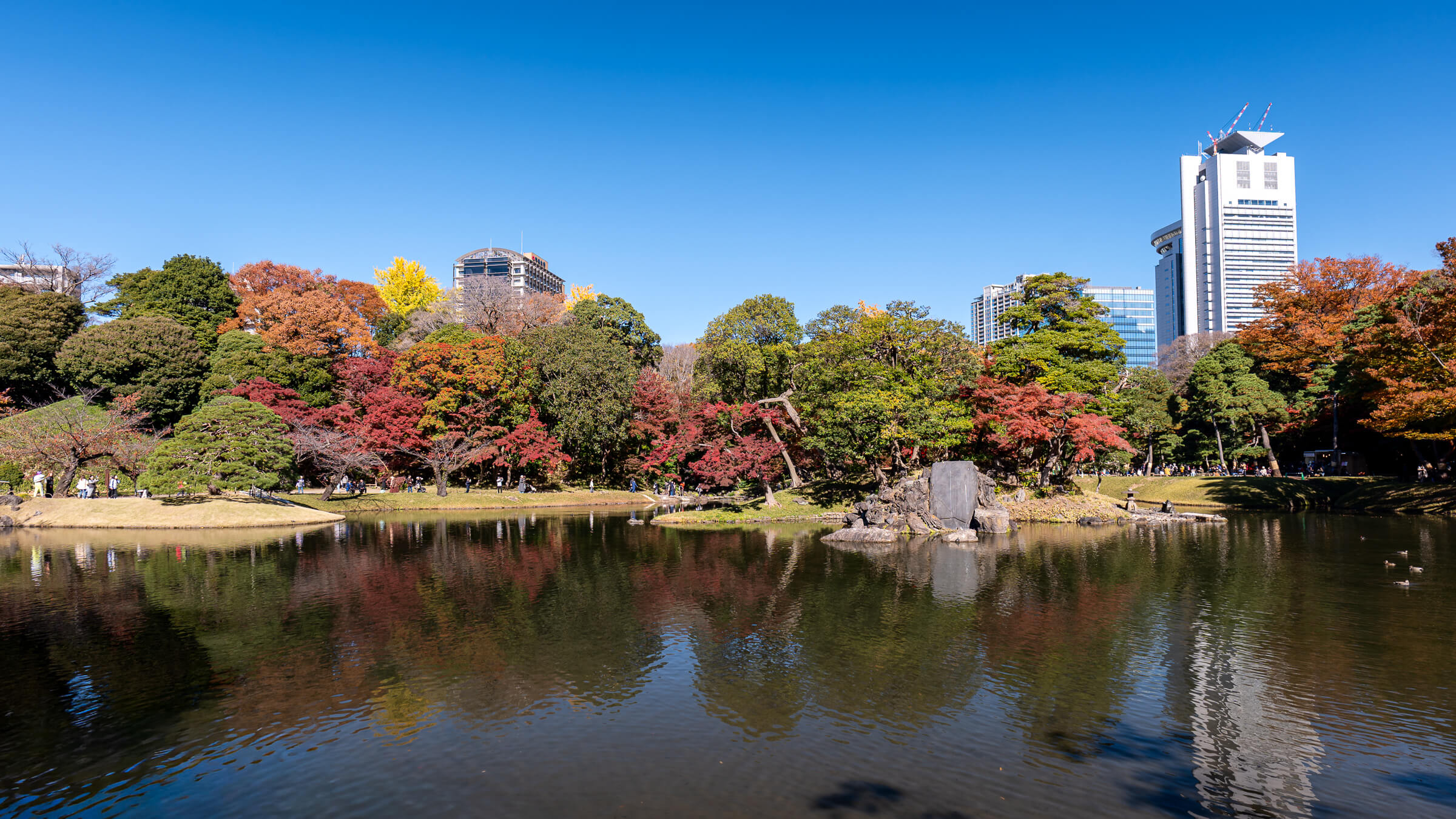
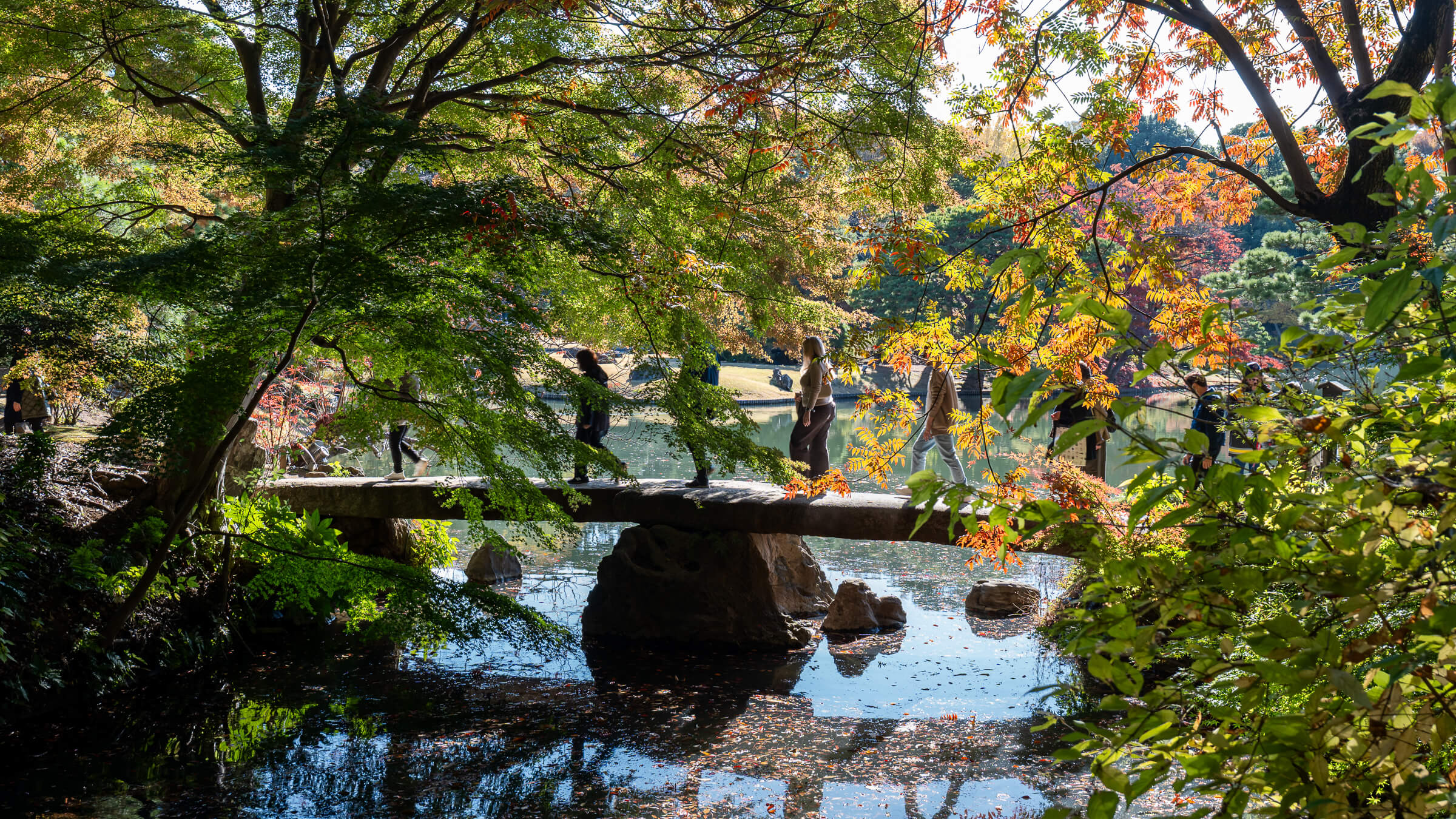
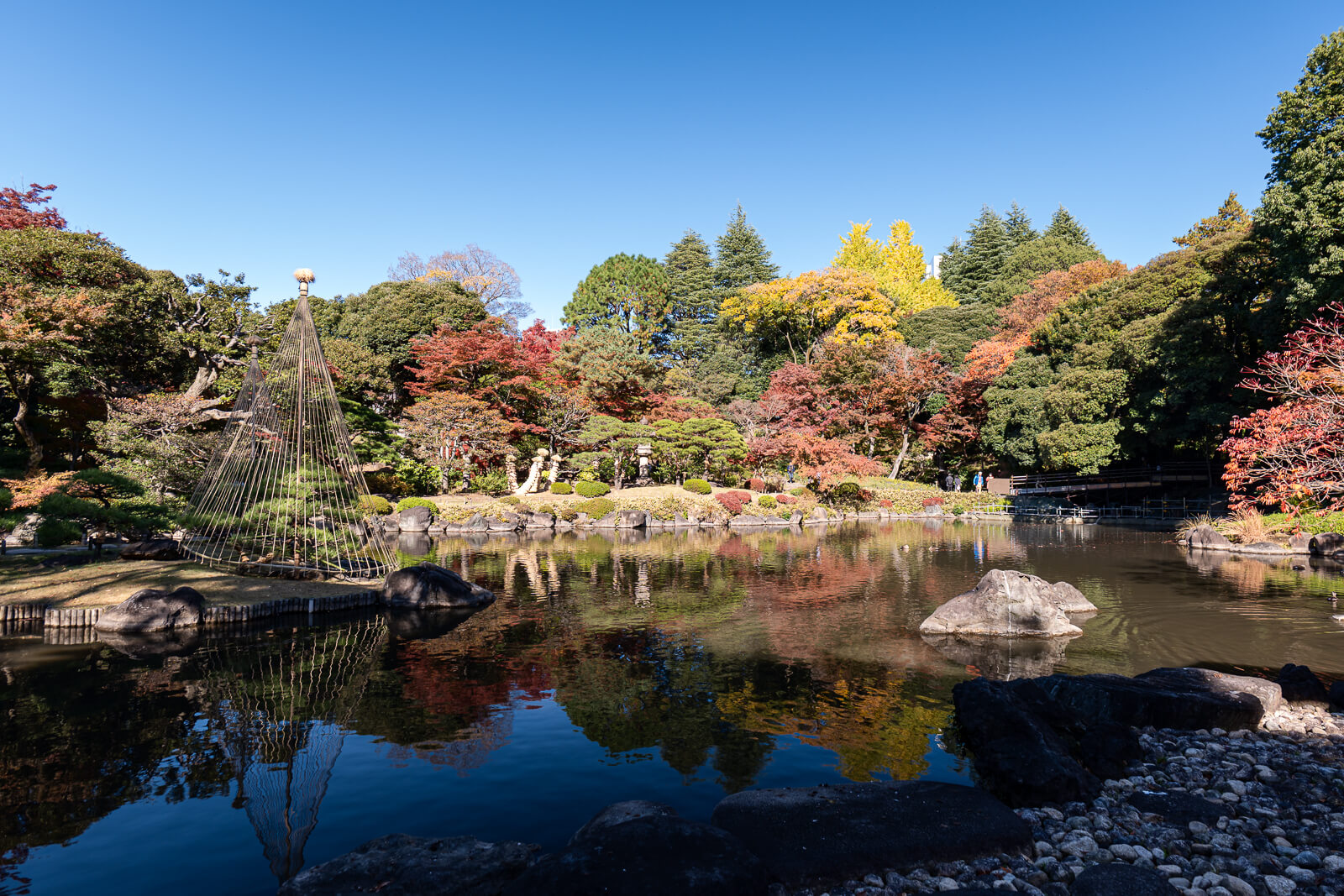
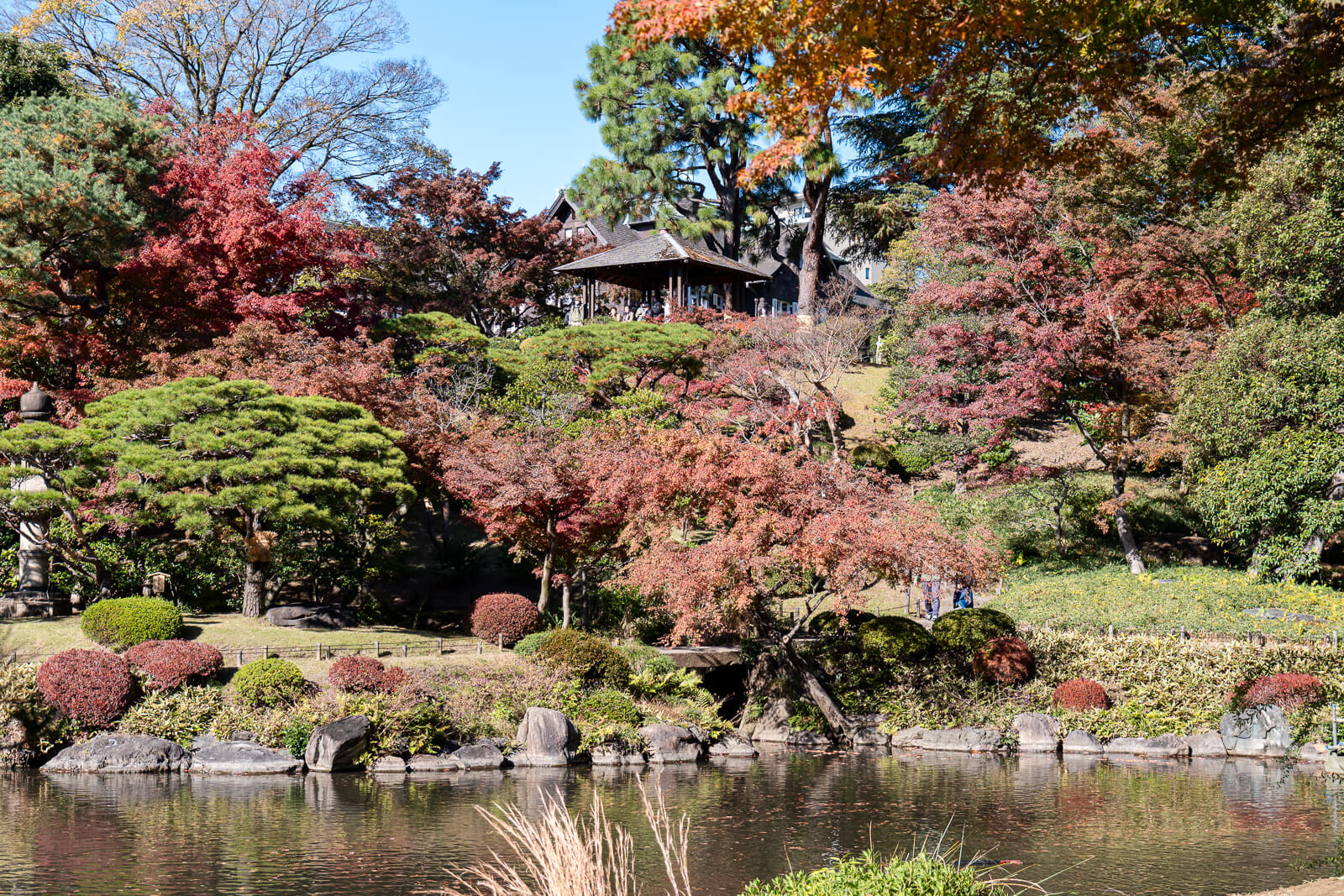
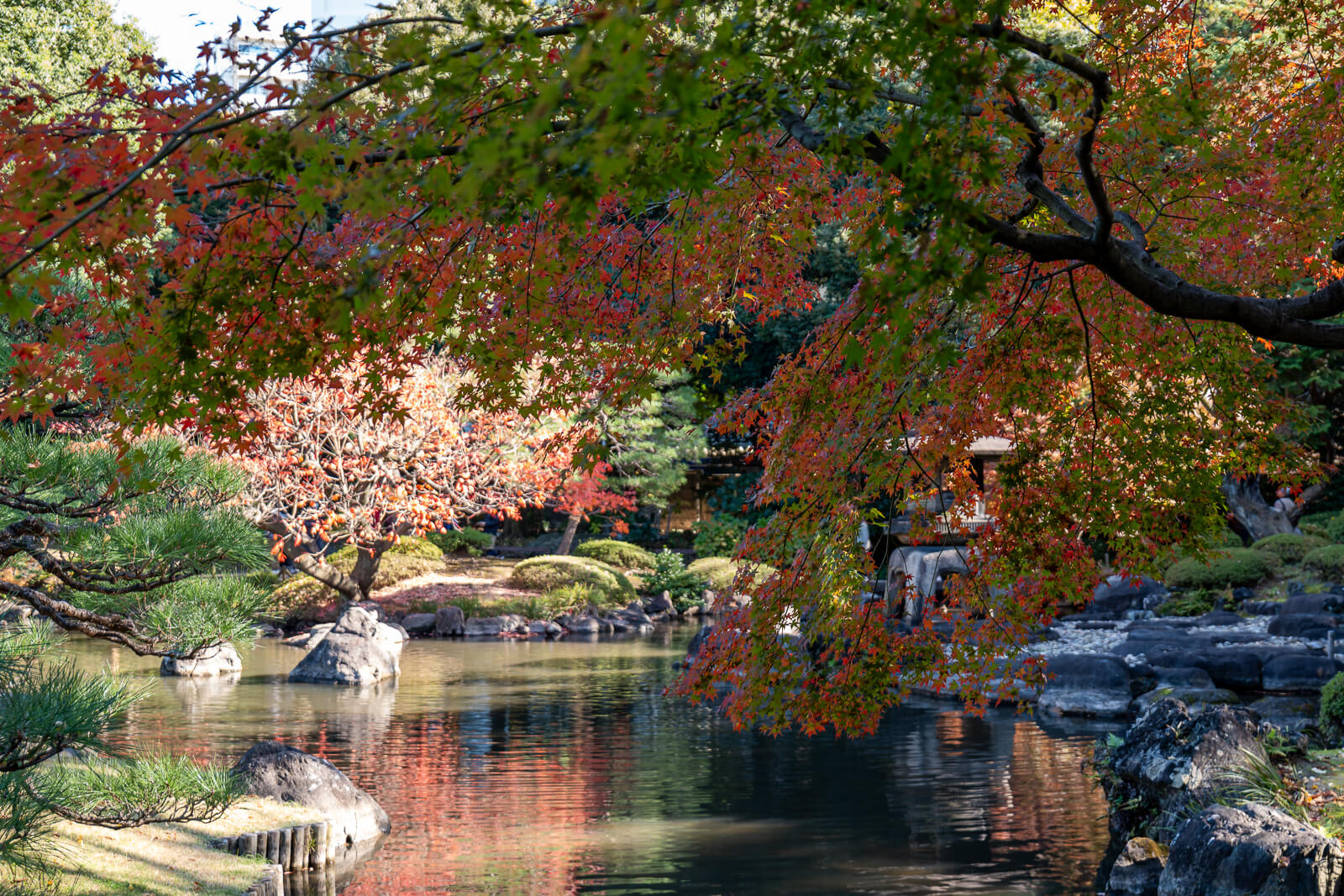
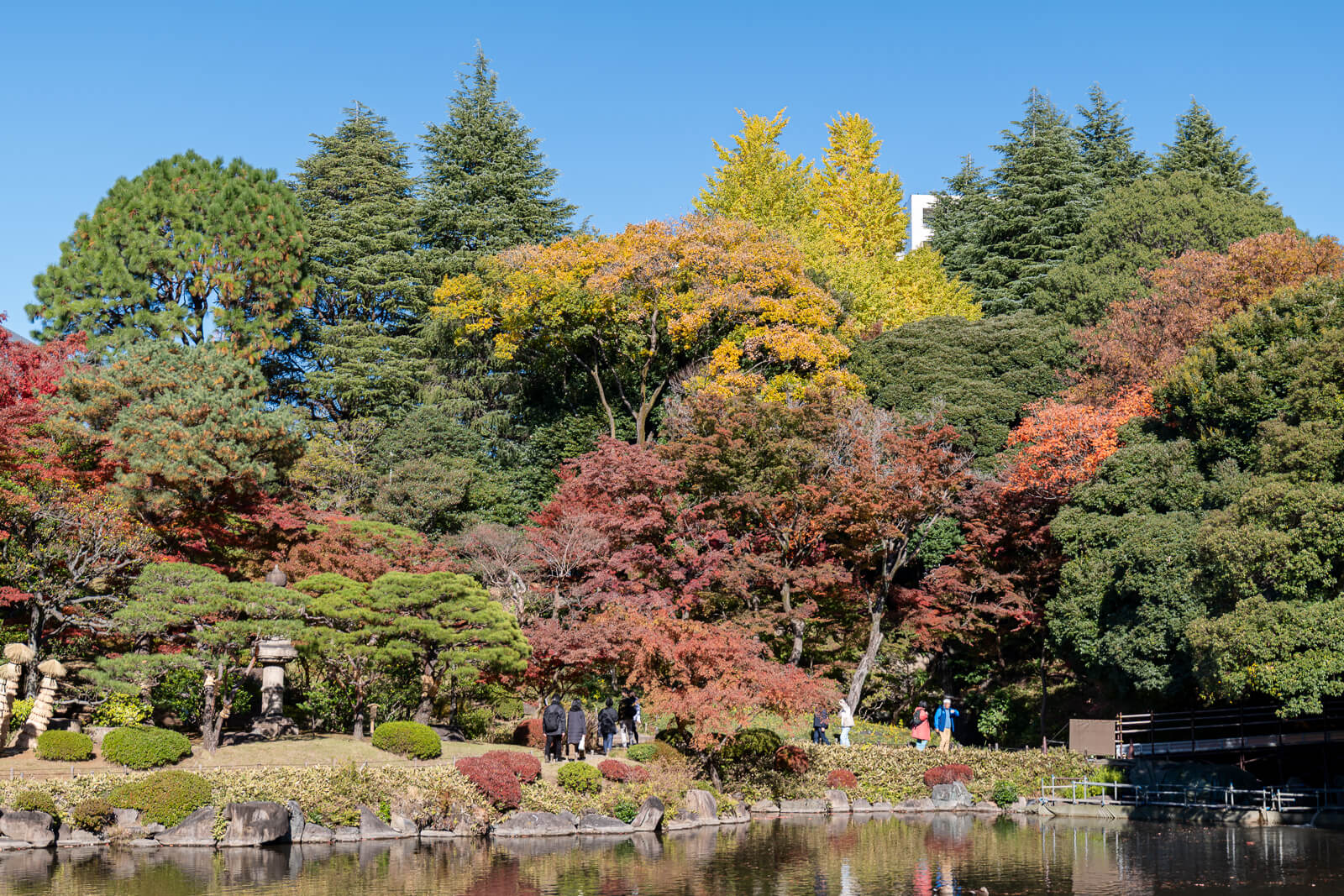
As the path descended past the roses, the pond became the anchor of the Japanese garden. The mansion and flowers had supplied the first set of views, but water, trees, and smaller compositions now held attention. Maples added autumn color among green foliage, while different points around the pond kept changing the balance of water and garden. The lower area felt intimate without feeling like an afterthought: it gave the visit another complete setting within the same grounds.
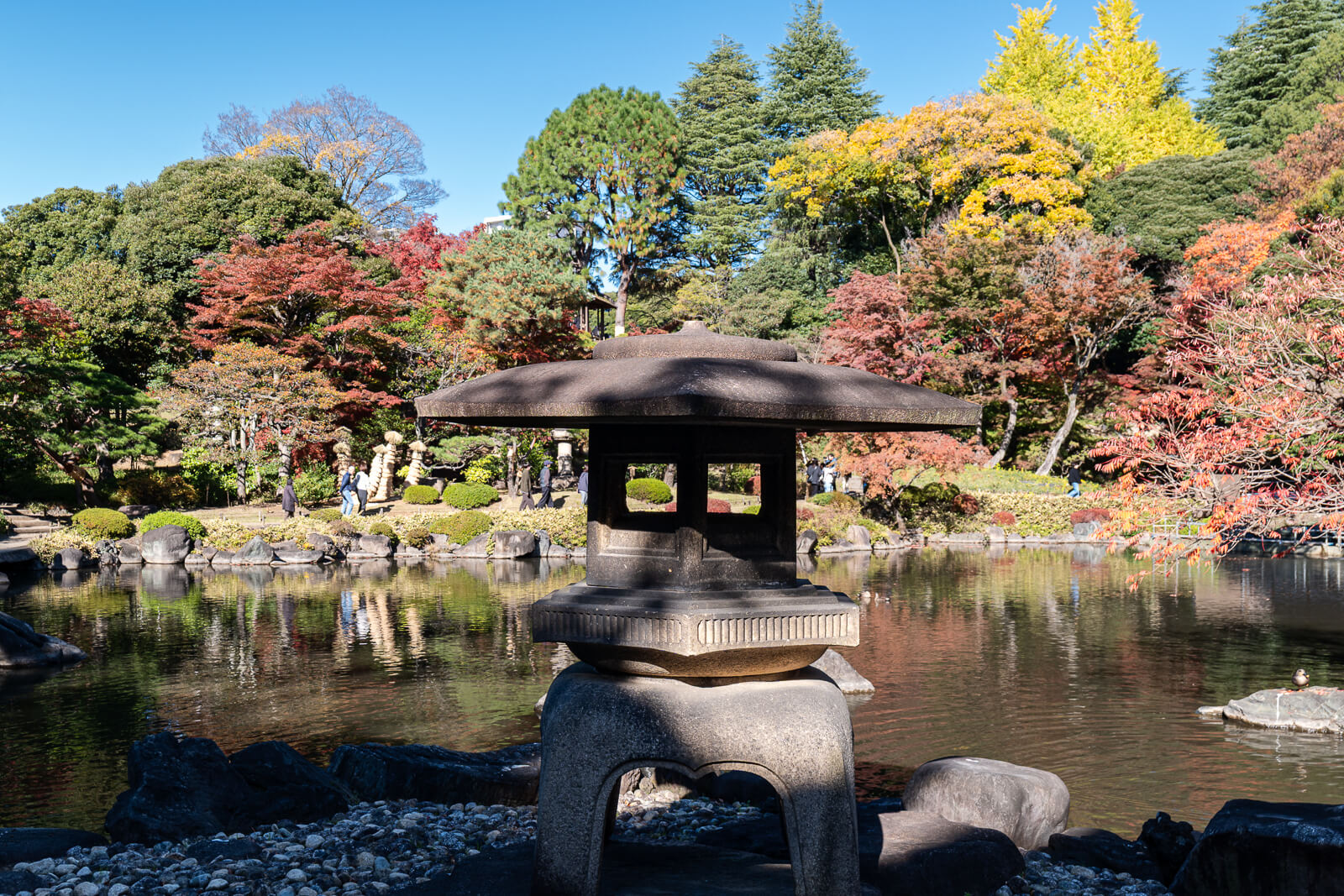
Ducks in the pond added movement and gave the visit something to watch between photographs. A tea house was also visible and helped shape the traditional garden setting. The teahouse is part of the lower garden scene; check current arrangements separately if tea service is important to your plans.
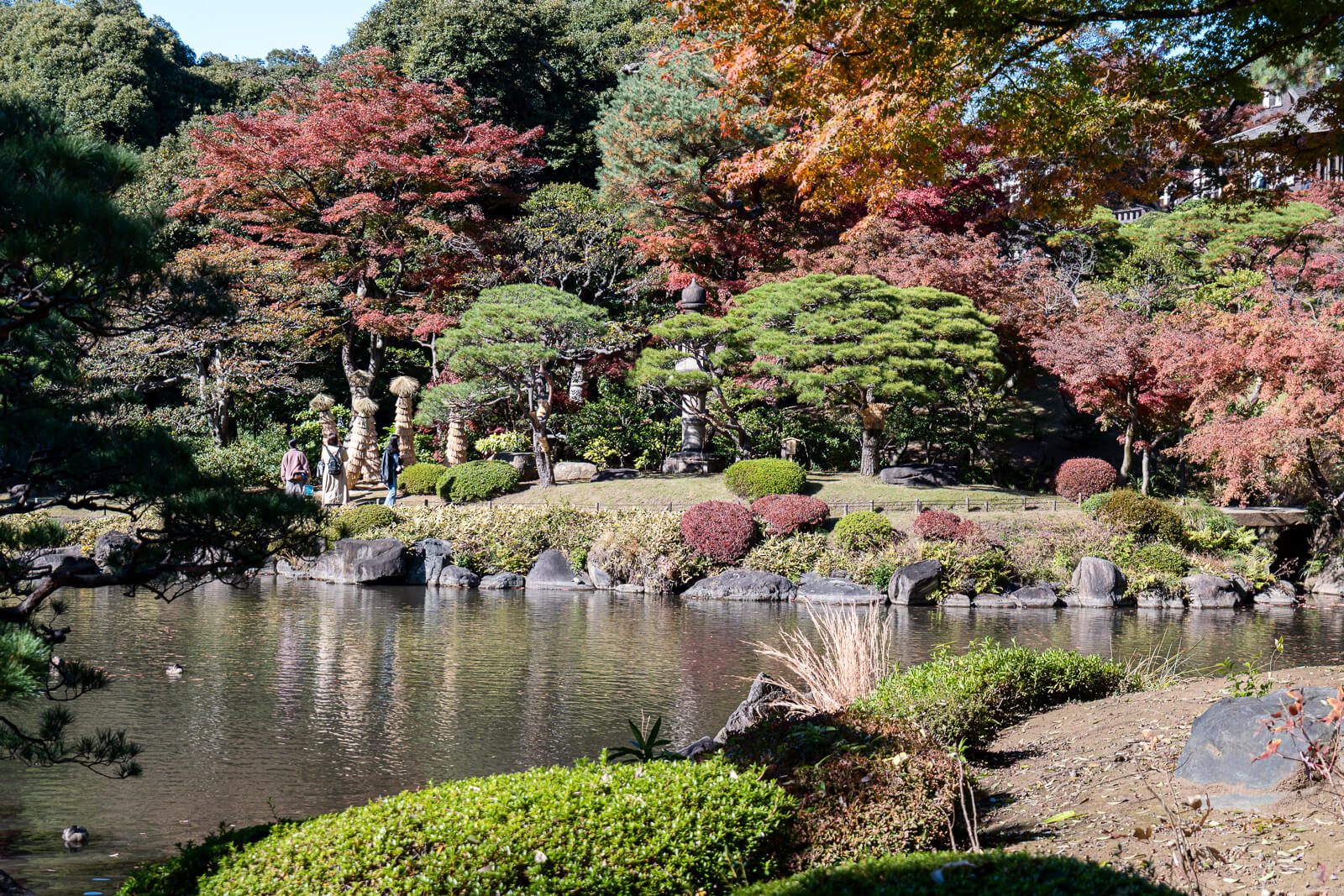
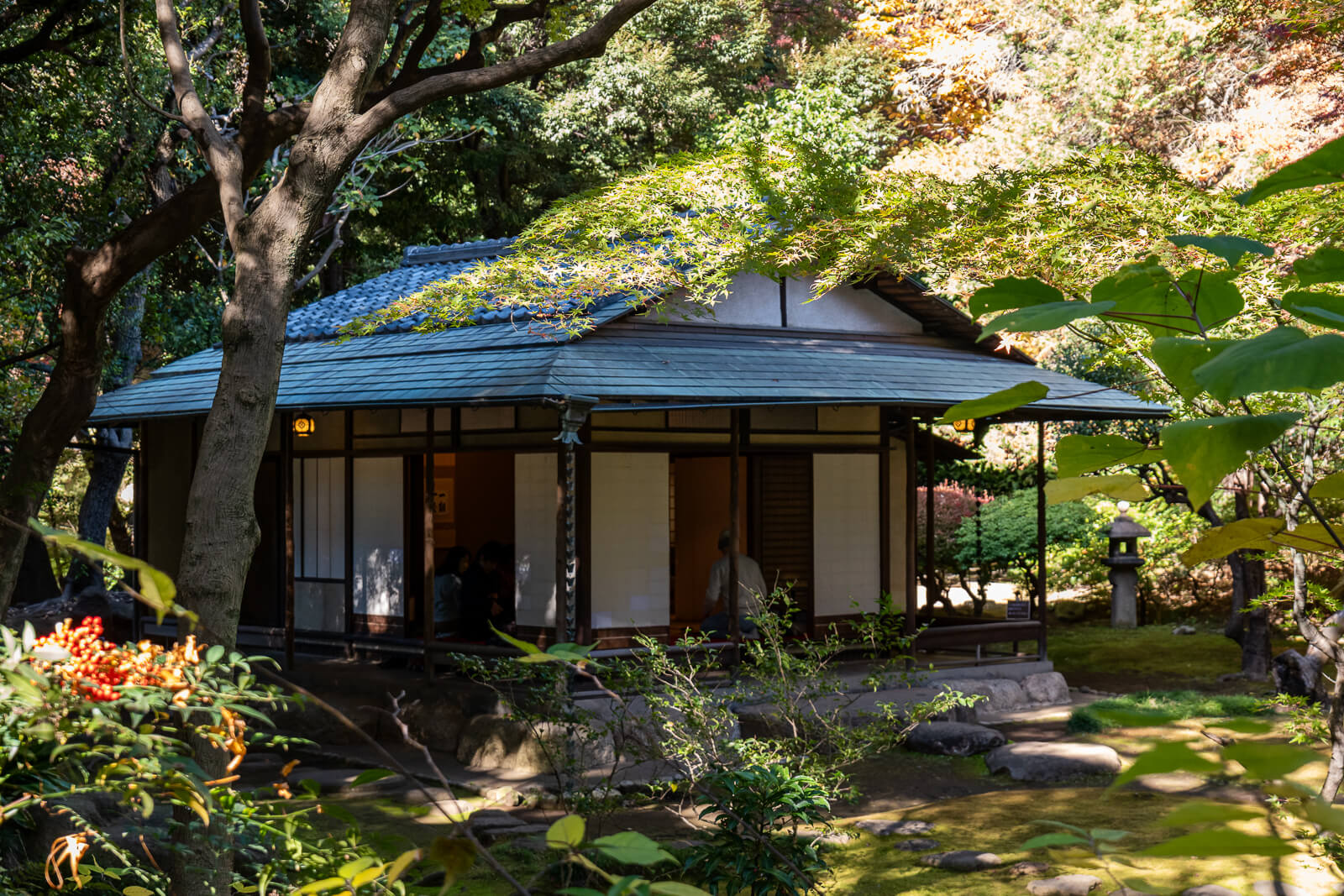
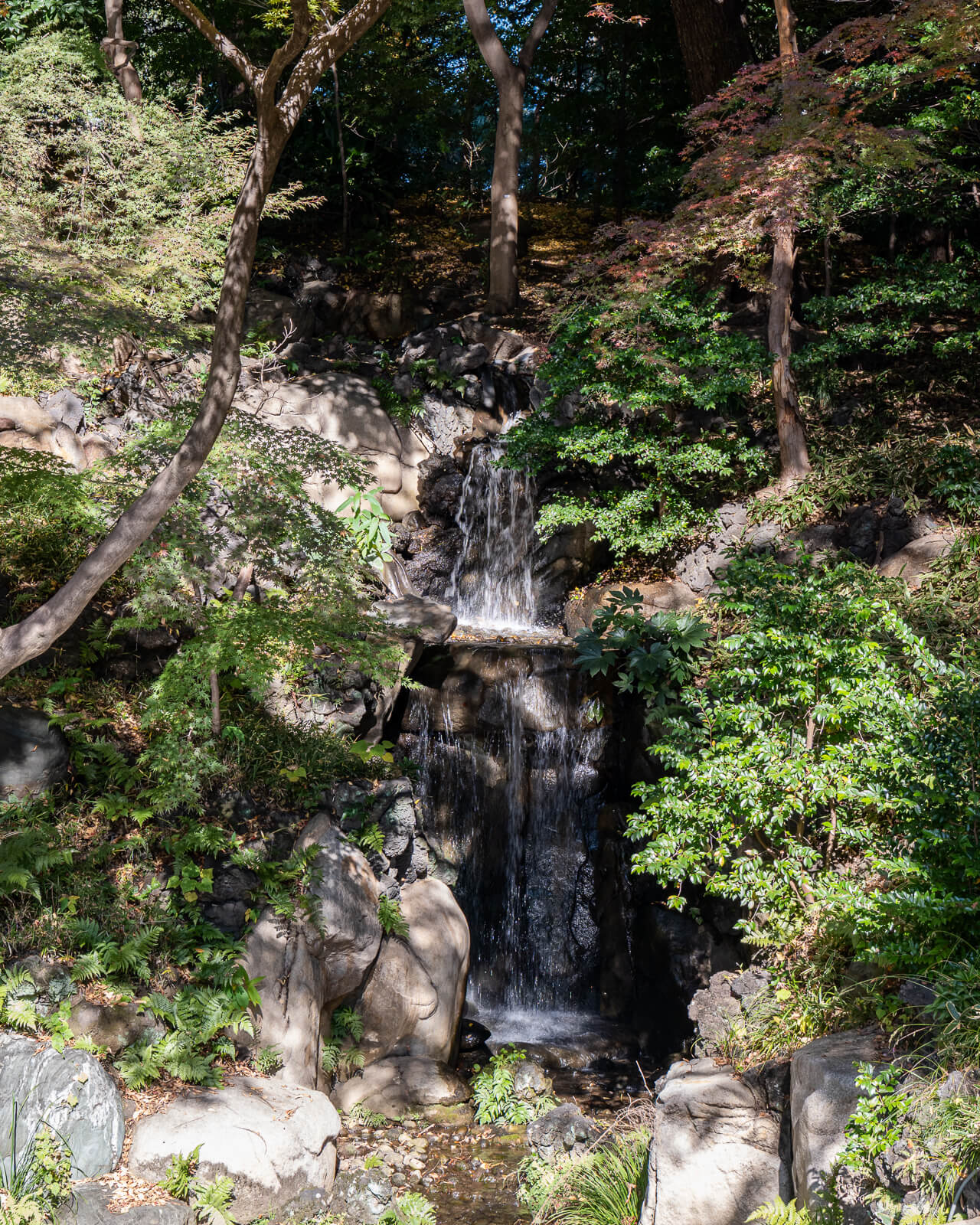
The edges of the pond offered several worthwhile angles rather than one prescribed viewpoint. In one composition, a stone lantern stood in the foreground, the pond occupied the middle, and the garden extended beyond it. Moving along the edge changed which trees framed the water and how much of the far shore appeared. That is a useful reason to take a little time in the lower garden even if the overall visit lasts only an hour. The ducks added movement to a scene that otherwise invited a quiet pause.
How Long to Spend at Kyu-Furukawa Gardens
The smaller grounds make Kyu-Furukawa easy to experience in about an hour, with little distance between its contrasting scenes. Travelers seeking a long garden circuit or a grand pond panorama may find the outdoor visit short. The compact scale is also its strength: the mansion, roses, and Japanese garden can each receive attention without making the outing feel hurried.
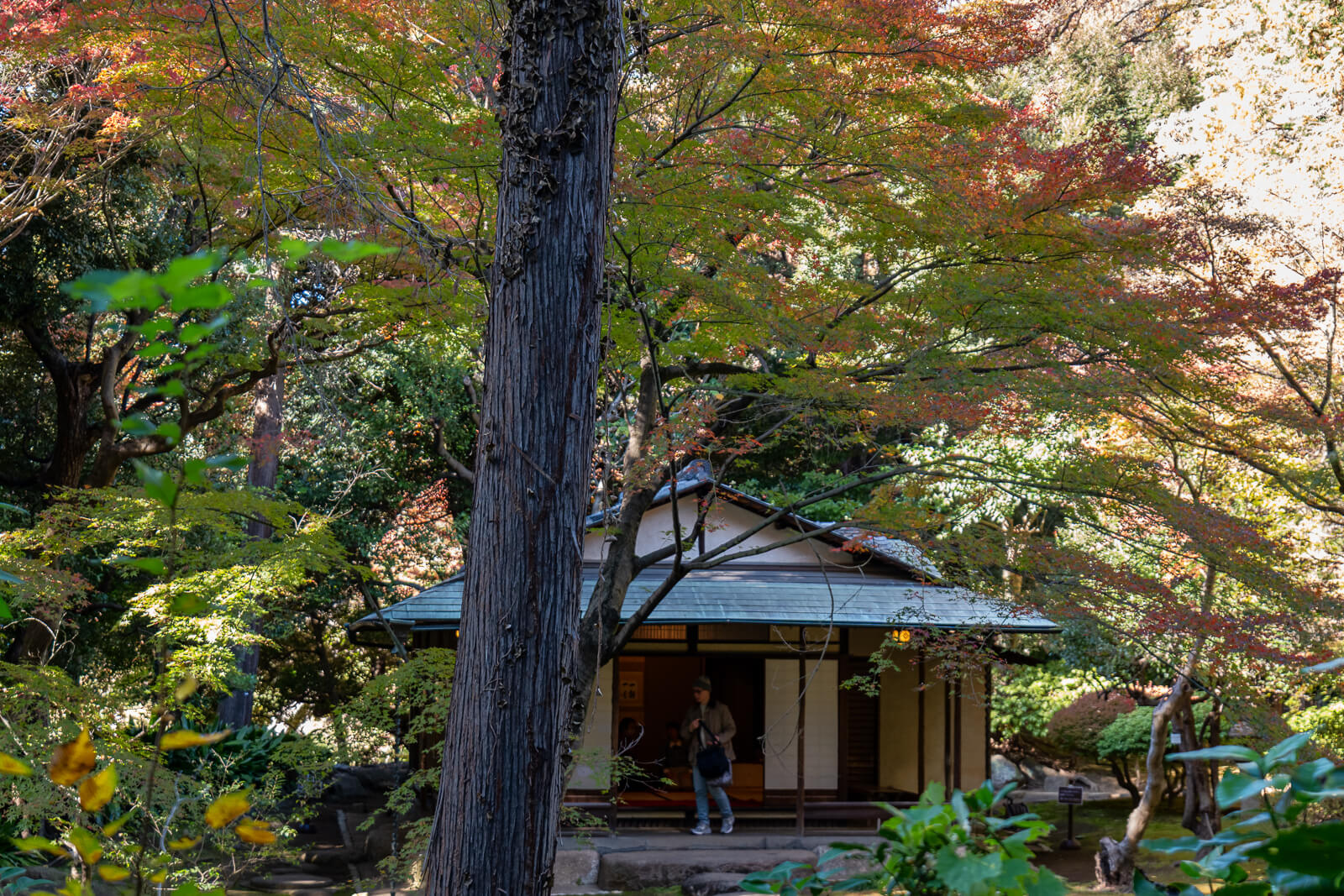
The outdoor walk was satisfying enough to make a second visit appealing. The mansion interior was not part of the observed outdoor circuit, but it gives architecture enthusiasts a reason to allow more time or return. An hour outside was enough to enjoy the building’s setting, the roses, and the lower pond at a comfortable pace. Anyone planning to go inside should allow separate time and check the mansion’s current admission arrangements rather than folding it into the grounds-only estimate.
For photography, the attraction is the range of subjects within a short walk. The mansion can be framed with roses from the terraces, while the pond below offers lanterns, water, ducks, and autumn foliage in a more traditional setting. Wide views on both levels show the contrast that makes this garden distinctive, alongside closer studies of the flowers or leaves.
Stairs, Crowds, and Walking Conditions
Kyu-Furukawa had a noticeable but dispersed crowd on a clear late-November day. A singing performance gathered an audience seated on the upper lawn, while other visitors moved among the mansion and roses. The activity above did not intrude on the experience around the lower pond, so the two levels could still be enjoyed at different paces. The performance was a particular event rather than a standard part of a garden visit.
Stairs linked the upper grounds with the Japanese garden below. The descent was manageable at an unhurried pace, and the outdoor circuit did not call for a strenuous walk. For anyone who needs a step-free route, however, that personal impression is not enough: the garden’s slopes and stairs make its official accessible-route information important.
Approximately an hour was plenty for the outdoor visit. Extra time becomes useful for a longer pause by the pond, a slower photography session, or a separately planned interior visit. Add travel and queuing to that estimate rather than treating an hour as the whole excursion from your hotel.
When Roses and Autumn Leaves Overlap
On a clear day in late November, blooming roses and autumn foliage appeared in the same outdoor circuit. Green leaves remained part of the scene, adding contrast around the pond. The overlap made the garden especially rewarding, although the timing of roses and maple color varies from year to year.
The relationship between the house and the two garden styles is also a reason to visit outside autumn. Seasonal conditions change the emphasis, while the sequence from the upper grounds to the lower garden remains the organizing feature. Check current flowering reports and garden notices if a specific display is essential to your plans.
Planning a Day Around Kyu-Furukawa Gardens
Kyu-Furukawa works as a focused garden stop even when you do not add another attraction. The upper lawn and mansion exterior establish the architectural setting, the rose terraces provide a change in scale and color, and the lower pond invites a slower circuit. Approximately an hour is enough for the outdoor grounds at a comfortable pace. A longer stay makes sense when you want more time for photographs or to sit by the water.
The stairs between the levels are manageable for many visitors, but they still matter when planning a route with mobility needs. An interior visit to the mansion is a separate decision and should have its own time and current admission details, because the outdoor hour does not include it. If a particular rose display or autumn color is central to the day, check current garden notices before fixing your schedule. The landscape remains rewarding when flowering and leaf color do not overlap exactly.
Rikugien gardens can be considered as another garden stop around Komagome, and Koishikawa Korakuen near Tokyo Dome City offers a different neighborhood outing. If adding Rikugien, allow for the street walk and check the current combined admission option in Hours and Fees; Kyu-Furukawa is still a complete visit on its own. For a side-by-side choice among the three, see Best Tokyo Gardens in Autumn.
Getting There
Access and Arrival
Kyu-Furukawa Gardens is about seven minutes on foot from JR Kaminakazato or Tokyo Metro Nishigahara. JR Komagome also works when pairing the visit with Rikugien.
- Via Kaminakazato
JR Keihin-Tohoku Line → Kaminakazato → garden entrance
About 7 minutes on foot · Walk to the garden entrance at 1-27-39 Nishigahara. · Choose this approach when it avoids an extra train change.
- Via Nishigahara
Tokyo Metro Namboku Line → Nishigahara → garden entrance
About 7 minutes on foot · Follow the mapped street route to the public garden entrance. · JR Komagome is another option, about 12 minutes away on foot.
Arriving by Car: The garden has no visitor parking. Arrange nearby paid parking separately if already driving; public transport avoids adding parking costs to a short garden visit.
Hours and Fees
Visitor Information
Kyu-Furukawa Gardens in Kita, Tokyo normally opens from 9:00 AM to 5:00 PM, with last entry at 4:30 PM. Standard adult garden admission is ¥150. Mansion admission and opening arrangements are separate.
- Hours
- Garden: 9:00 AM–5:00 PM Last entry: 4:30 PM Regular closure: December 29–January 1
- Admission
-
Adults: ¥150 Age 65 and over: ¥70 Free: elementary-school children and younger; junior-high-school students living or studying in Tokyo Combined Rikugien–Kyu-Furukawa garden ticket: adults ¥400; age 65+ ¥200 Mansion admission is separate.
Plan Your Visit
Choose accommodation and travel essentials that fit your wider Tokyo plans. Check the details for your dates before booking.
Keep Kyu-Furukawa and Rikugien Within Reach
Planning to visit both gardens? Compare Tokyo stays with convenient access to Komagome, then weigh room prices and station walks against the rest of your itinerary.
Compare Tokyo Stays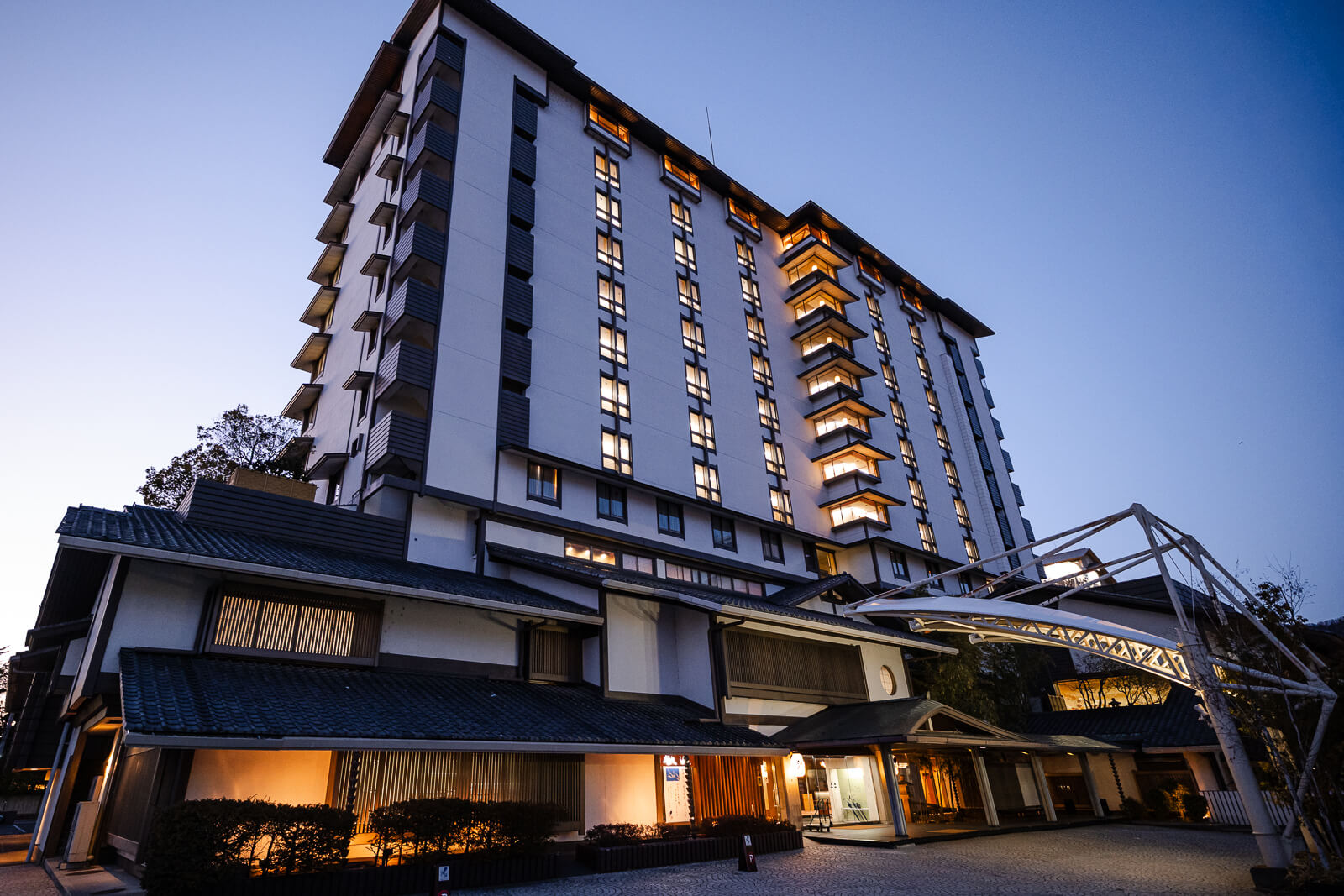
Keep Your Route Handy Around Tokyo
Use maps to follow the station approach or continue toward Rikugien. Compare Japan eSIM data and validity, and check phone compatibility before choosing a plan.
Compare Japan eSIM Plans
Reader note: Japan Unfolded may earn a commission from some links at no extra cost to you.