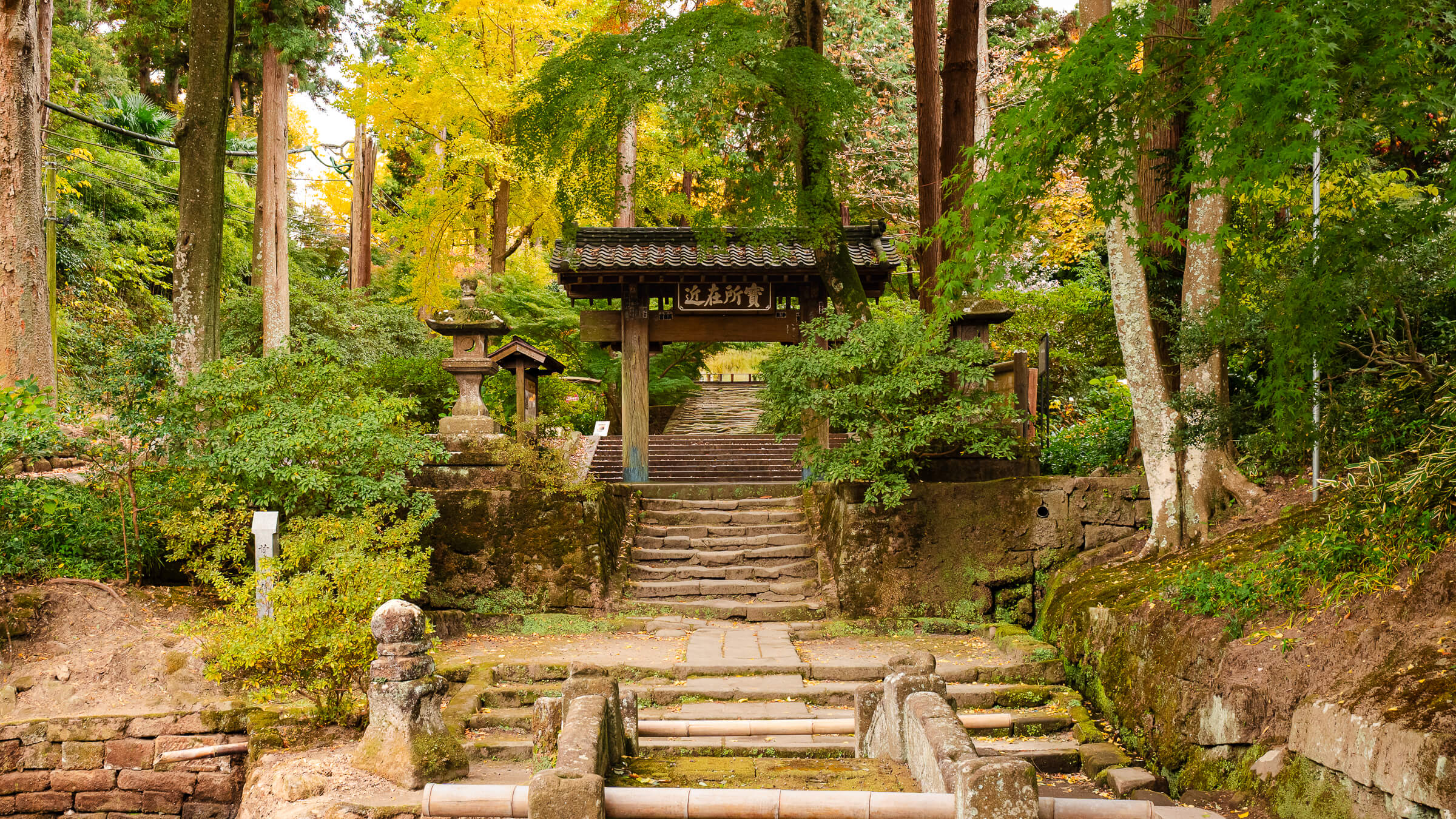
Why Visit Jōchi-ji Temple
Jōchi-ji Temple is a Zen temple in Kita-Kamakura, located a short walk from Kita-Kamakura Station. It sits within the same temple corridor as Engaku-ji and Tōkei-ji, making it an easy addition to a walking route through the northern side of Kamakura.
Ranked fourth among the Kamakura Gozan and designated as Temple #31 on the Kamakura 33 Kannon Pilgrimage, Jōchi-ji combines Zen history, pilgrimage significance, and a setting shaped by the surrounding hills. The grounds are smaller than some of Kamakura’s larger temple complexes, including nearby Kenchō-ji, but the visit feels more enclosed because the temple is pressed directly into the valley landscape. That setting is one of the main reasons Jōchi-ji stands out in Kita-Kamakura.
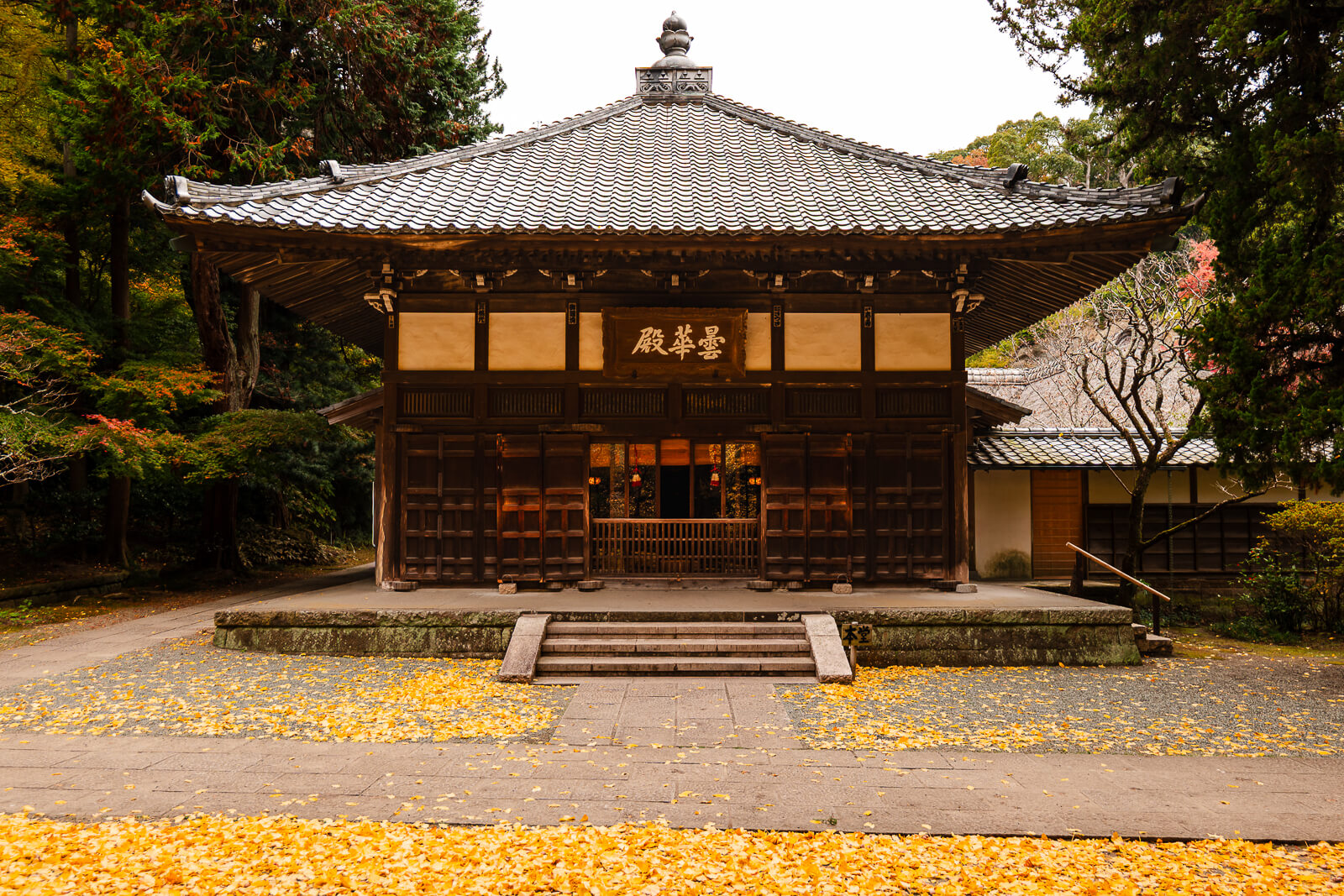
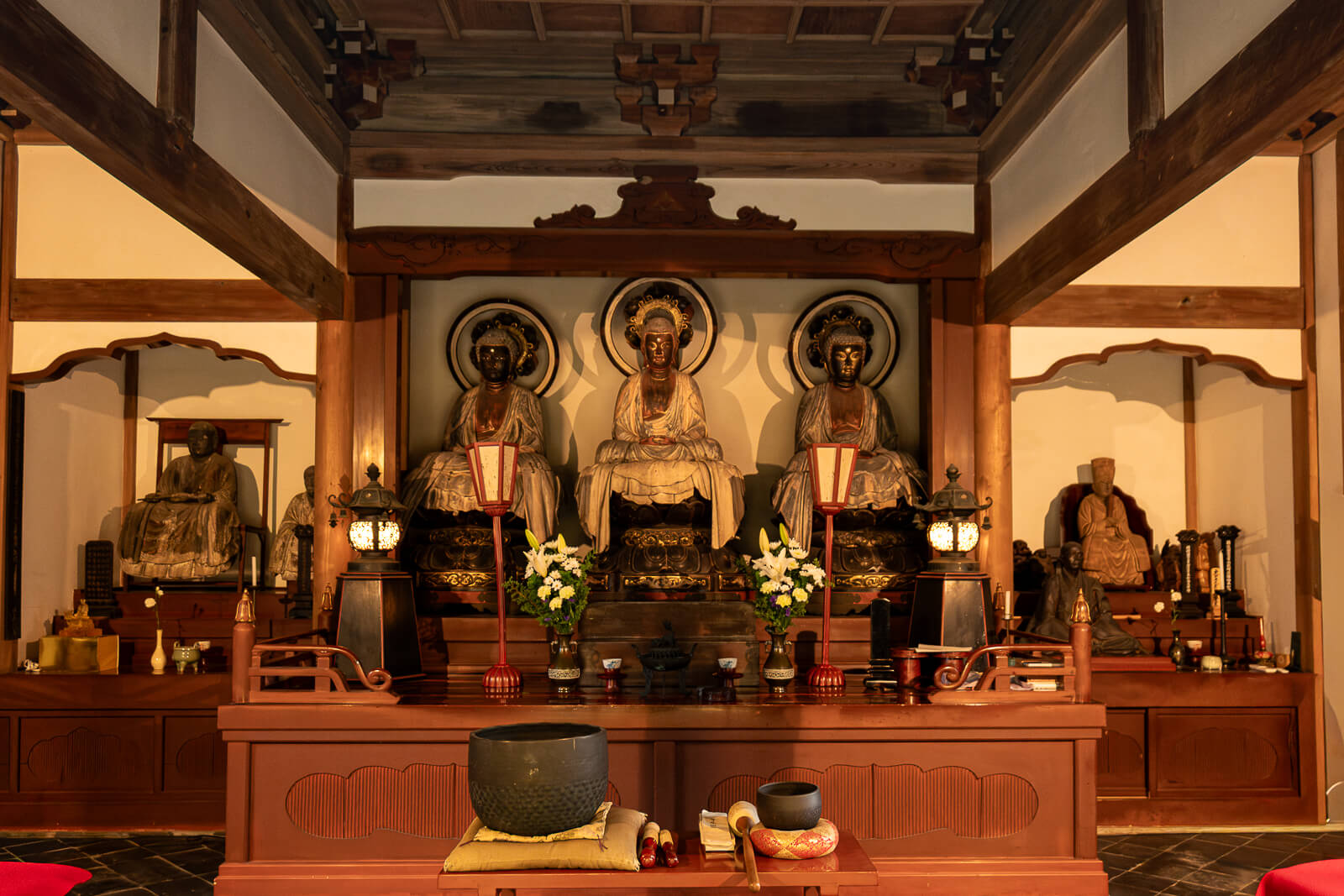
Most visitors can experience the temple in about 30 to 45 minutes, depending on how much time they spend around the upper paths, bamboo sections, Hotei, seasonal trees, and goshuin area. The visit does not require a major time commitment, but it does involve stone steps, uneven paths, and gentle slopes through the grounds. Meigetsu-in is also nearby, giving travelers another natural temple connection without requiring a major change in direction.
The Walk Up From the Main Road
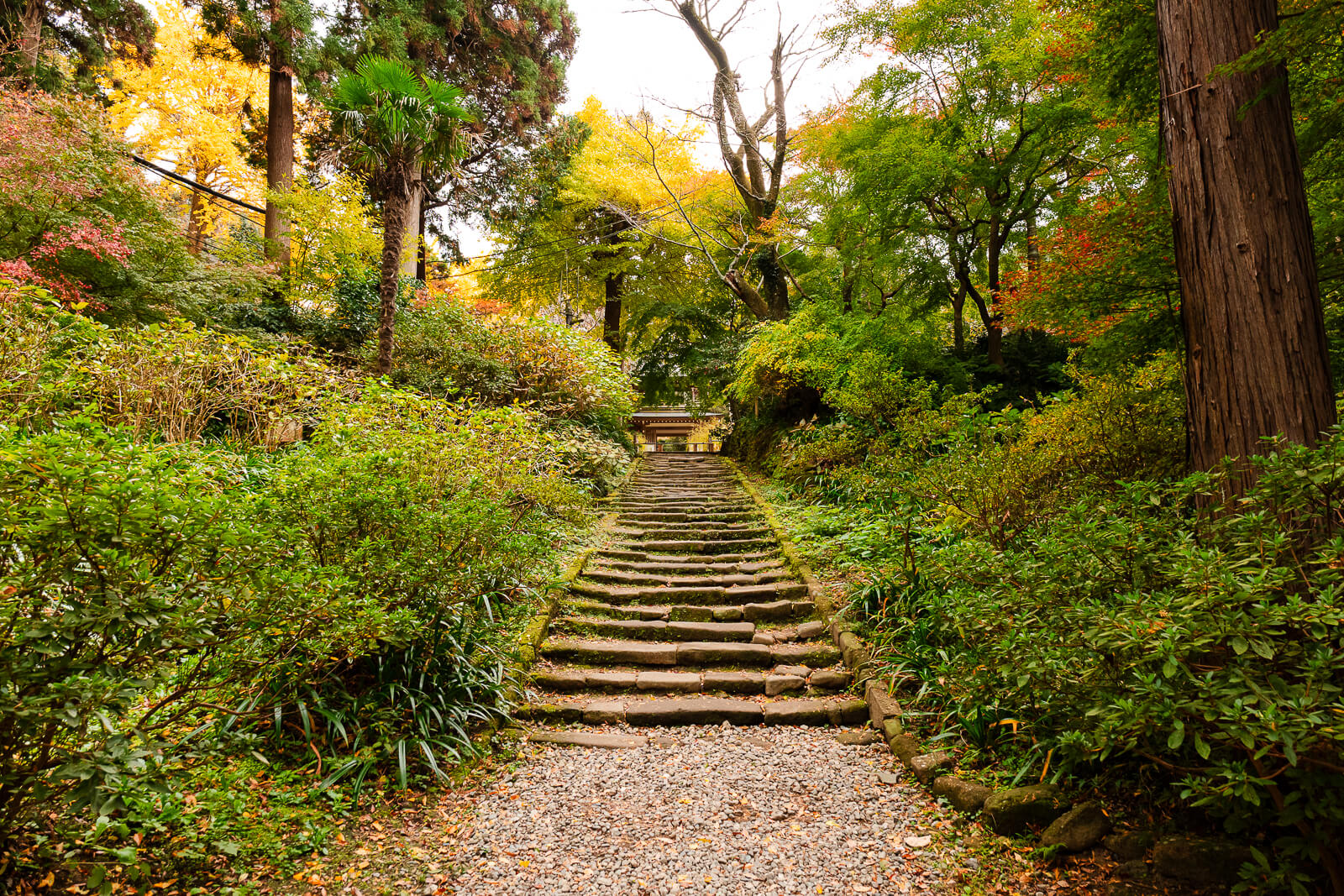
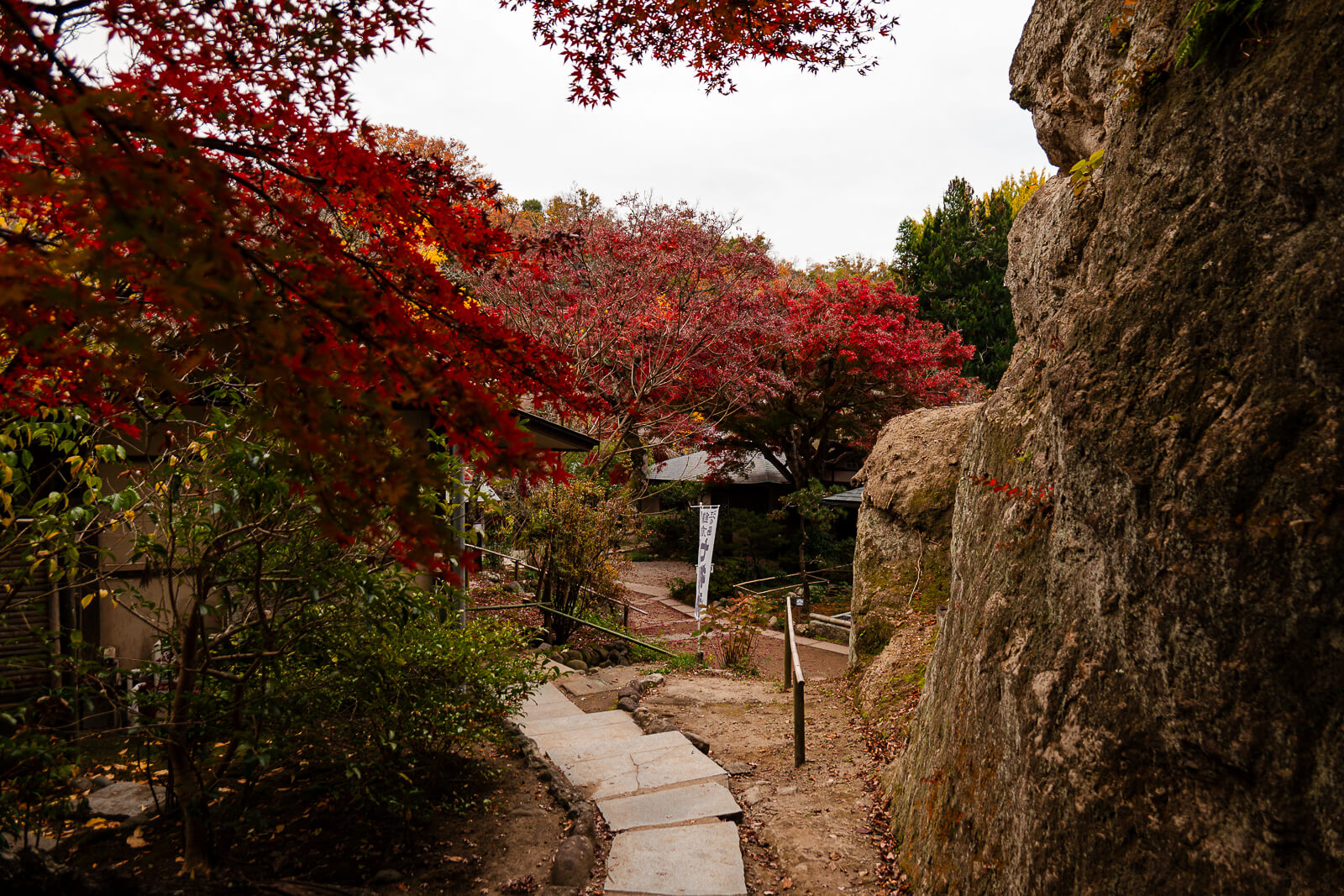
One of the strongest parts of the Jōchi-ji visit begins before the paid entrance. From the main road, an older set of stone steps rises toward a wooded area and immediately separates the approach from the traffic below. The stairs create a clear transition from the station-side road into the valley setting around the temple.
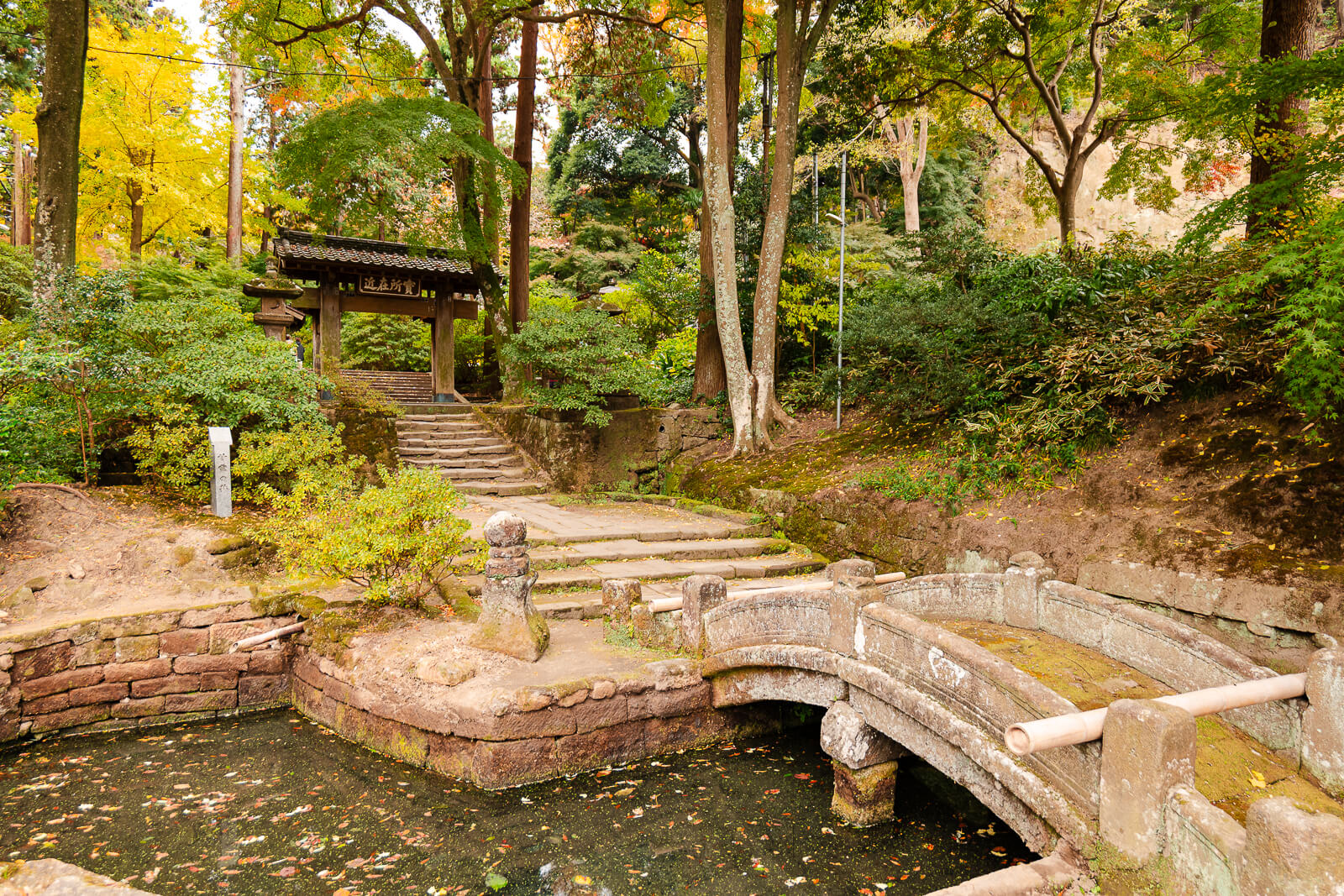
There is often a small food truck near this lower approach, giving visitors an easy place to stop for coffee or a light snack before or after the temple visit. This makes the entrance area feel more like a neighborhood threshold than a formal tourist gateway. It also gives the temple a practical advantage for travelers moving through several Kita-Kamakura stops in one outing.
The temple can feel like it has two entry points because of the way the lower approach and formal paid entrance work together. The first stage brings visitors up from the road into the wooded approach, while the second stage begins after paying admission and entering the temple grounds. That two-part arrival is one of the details that makes Jōchi-ji more memorable than its size might suggest.
Gates, Stone Steps, and the Temple Grounds
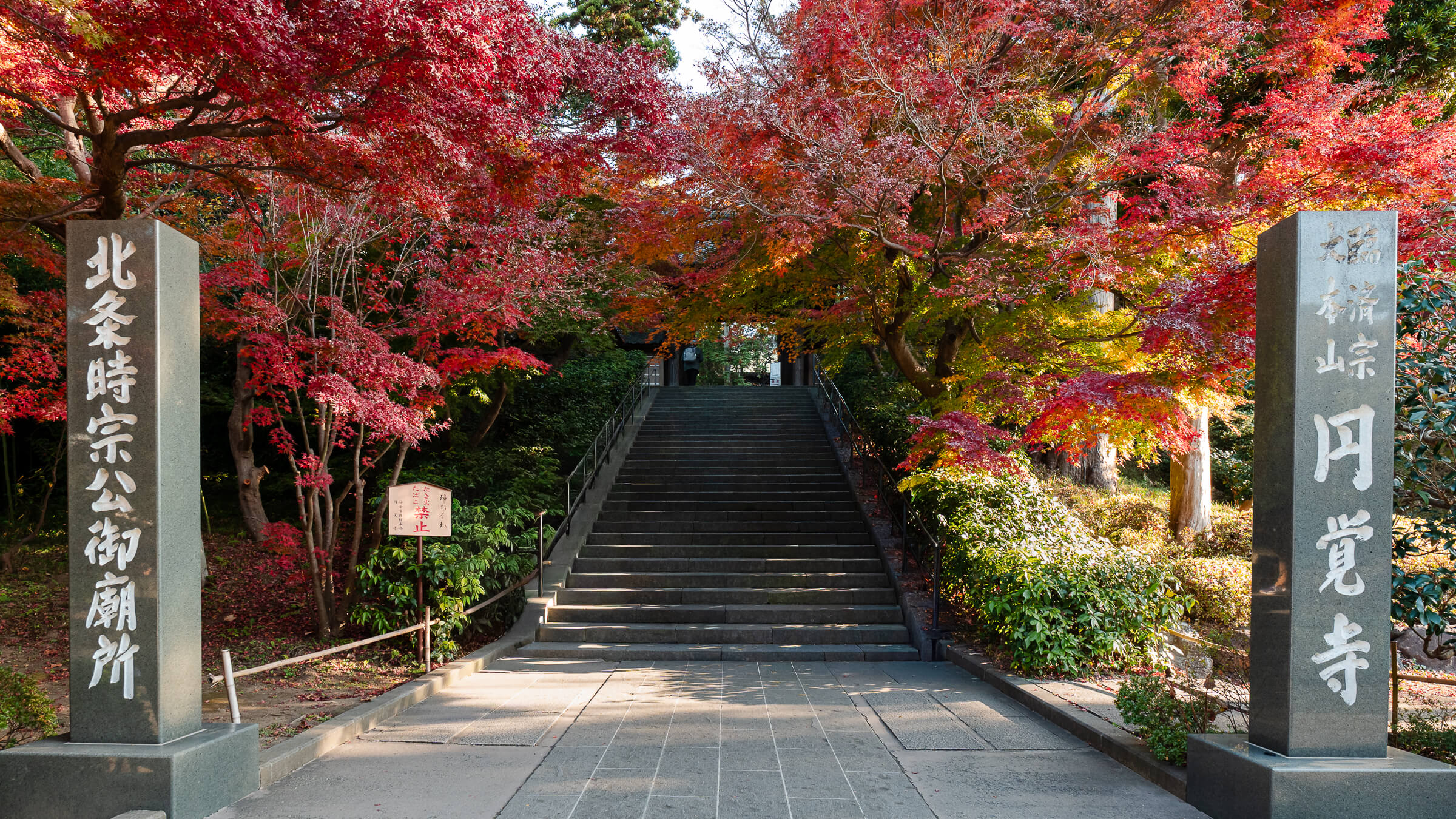
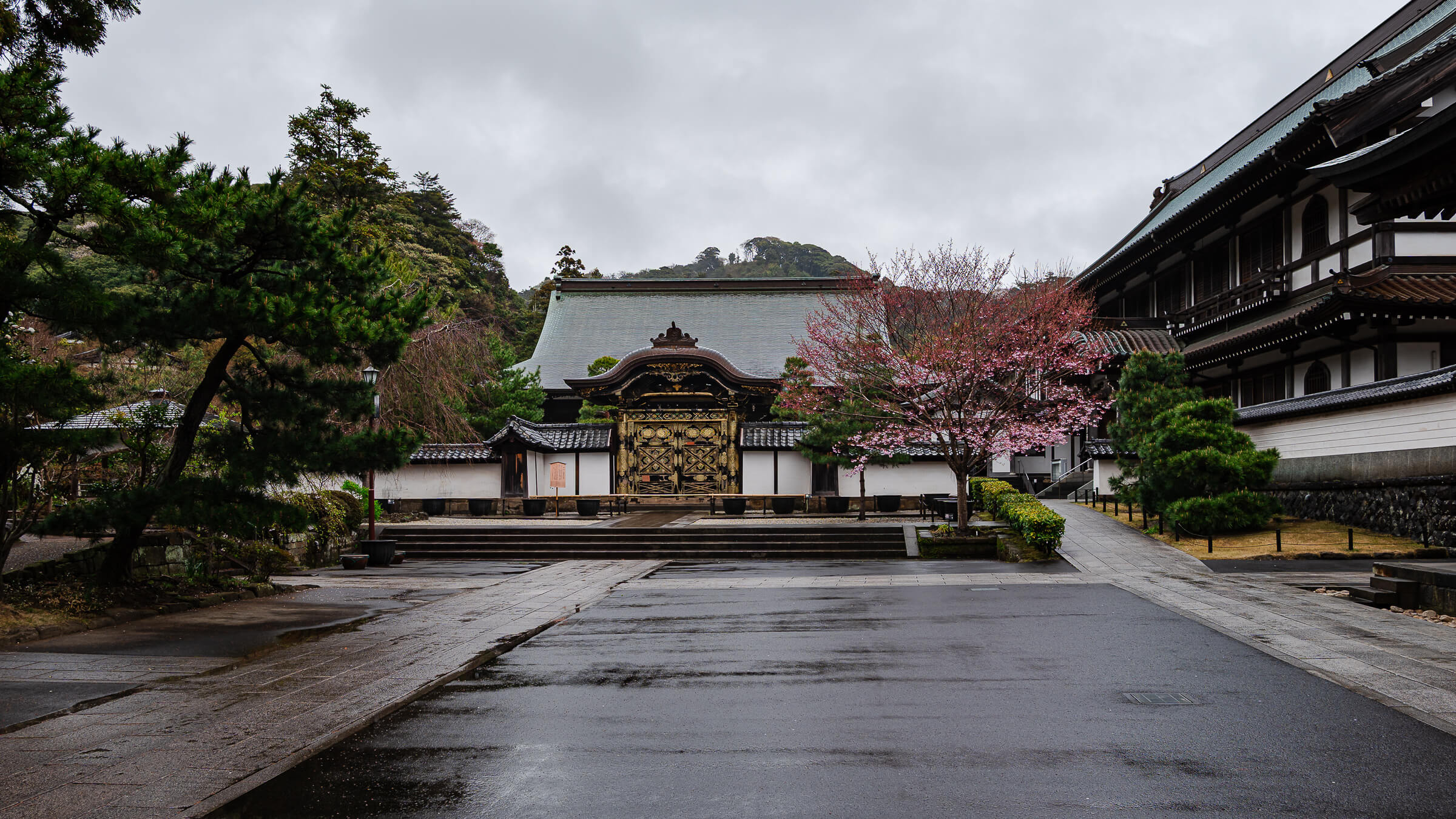
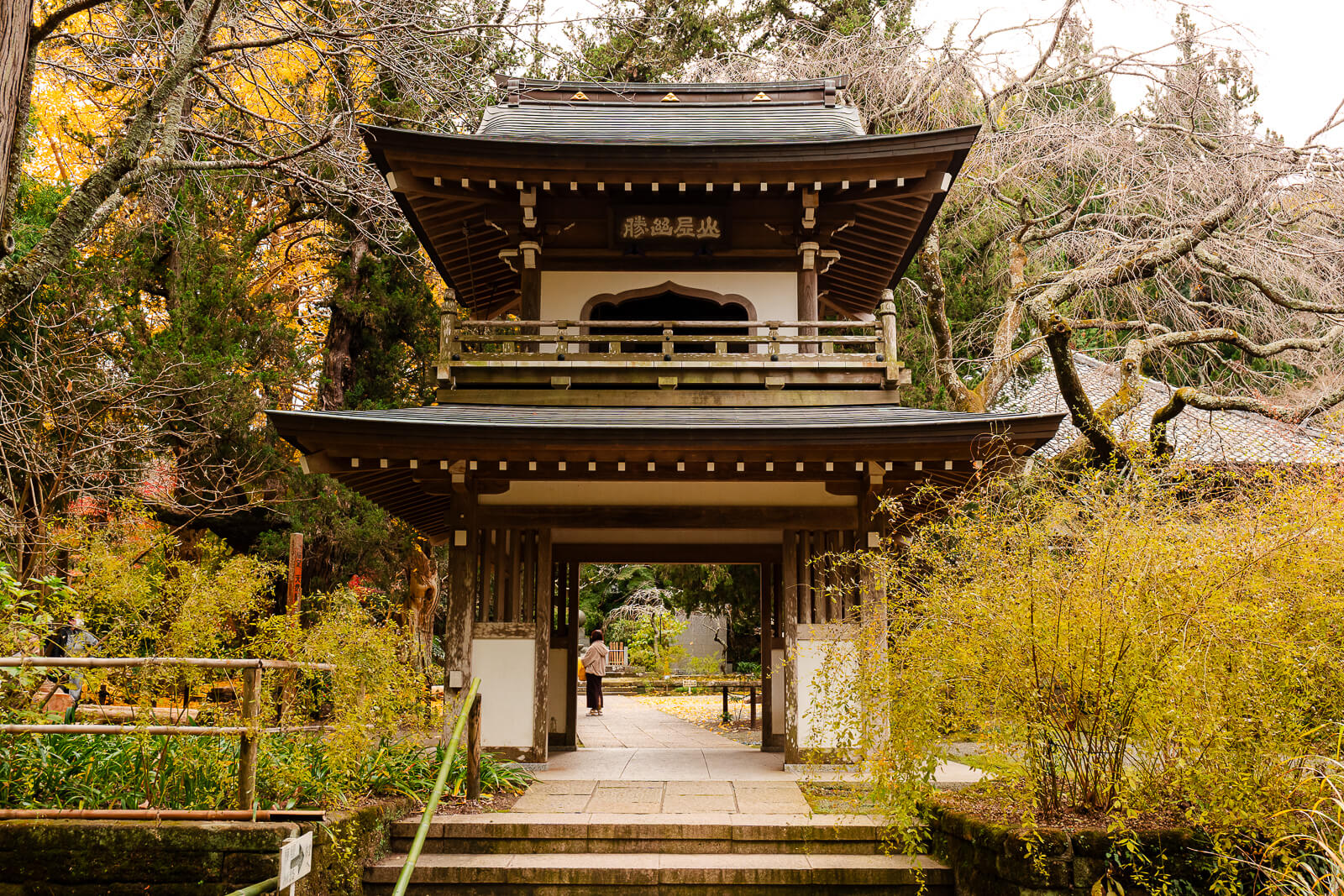
The bell tower gate is one of Jōchi-ji’s most recognizable features. The gate stands above the stone approach, framed by trees and the surrounding slope rather than by a large open courtyard. This makes the entrance feel closely tied to the hillside instead of separated from it.
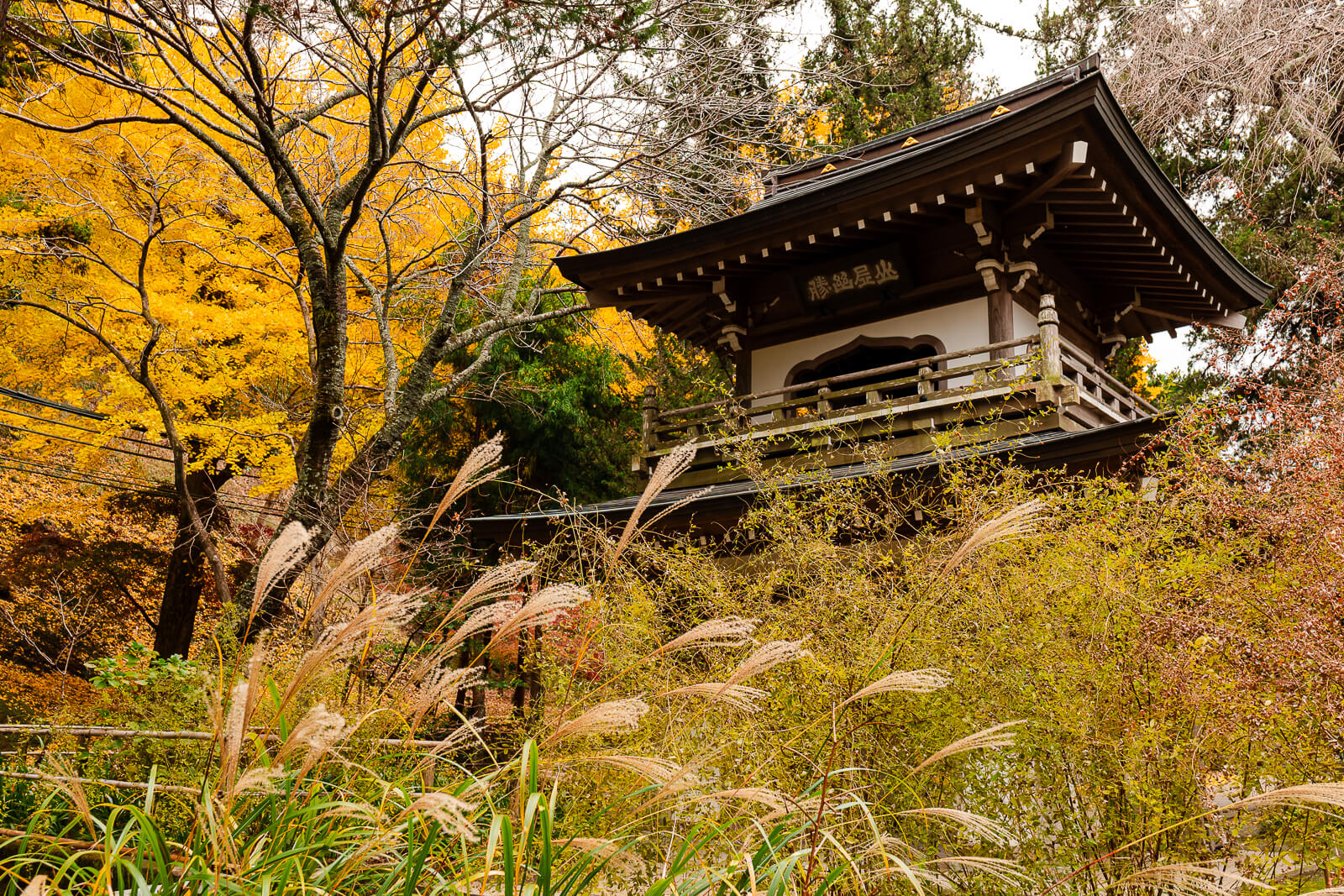
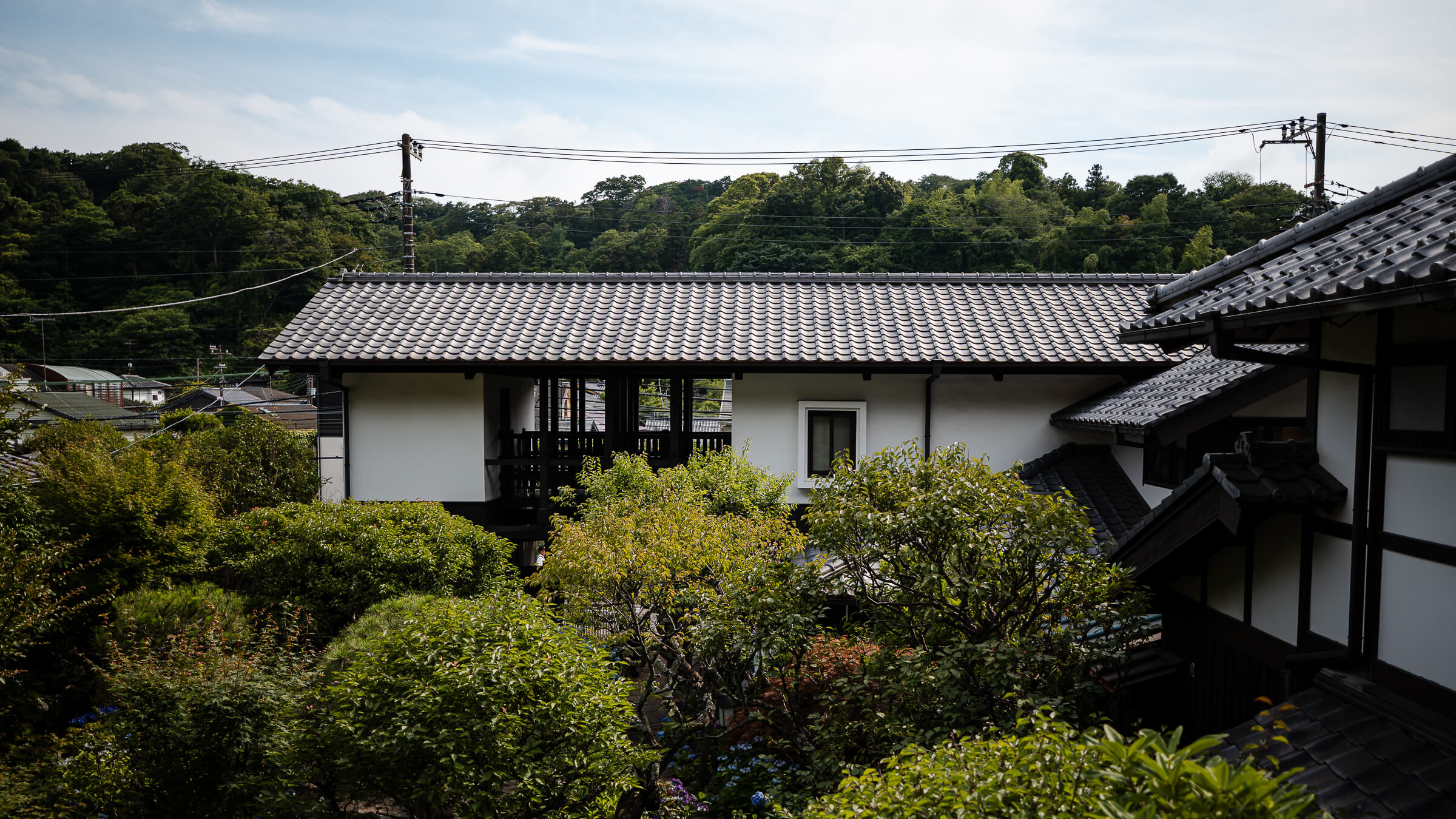
After passing the entrance and paying the admission fee, the visit continues through a loop-like route around the temple grounds. The paths move past halls, garden edges, bamboo sections, old stonework, and wooded corners without forcing visitors toward one single focal point. The result is a visit built around gradual movement through the perimeter of the grounds.
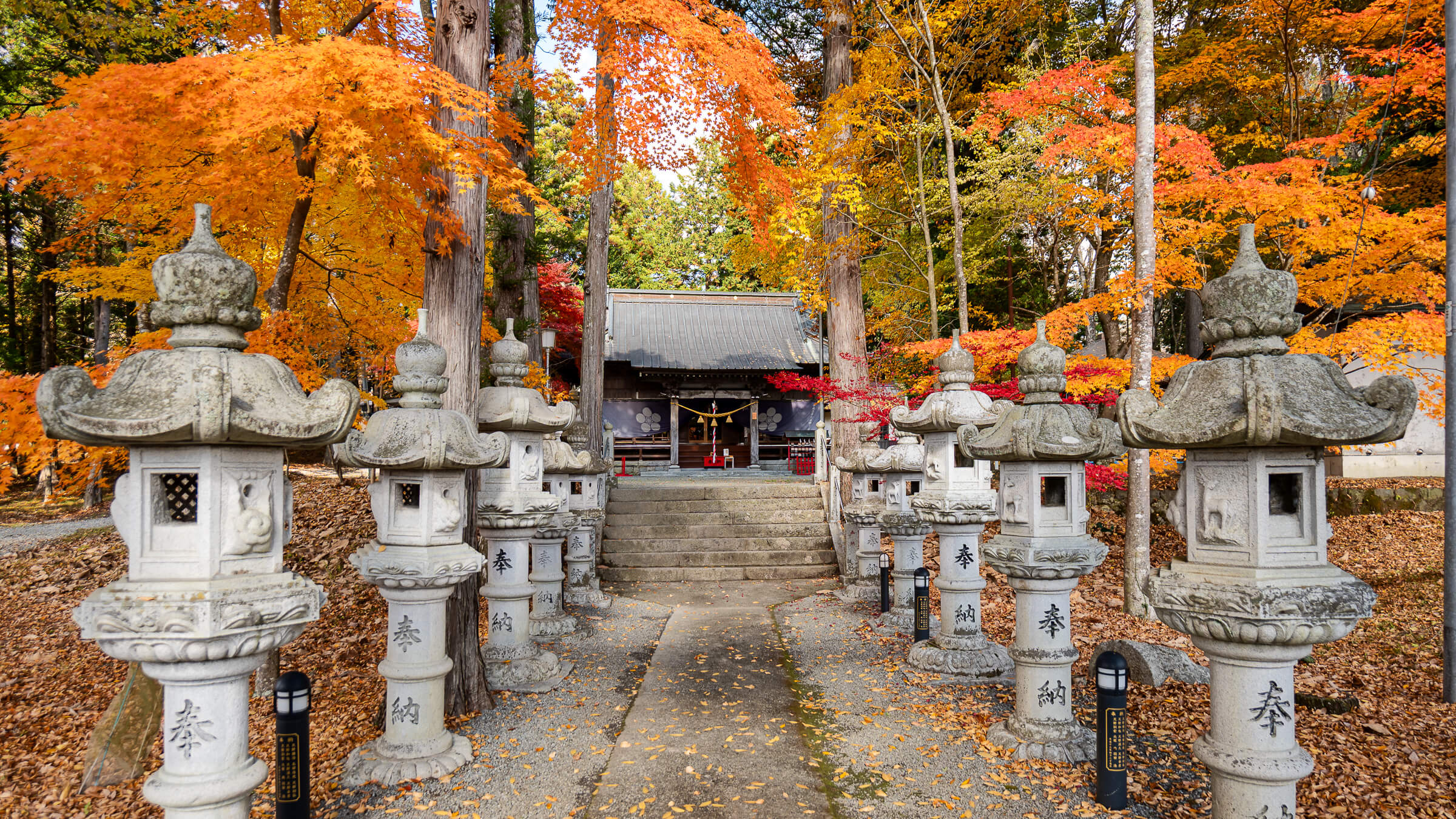
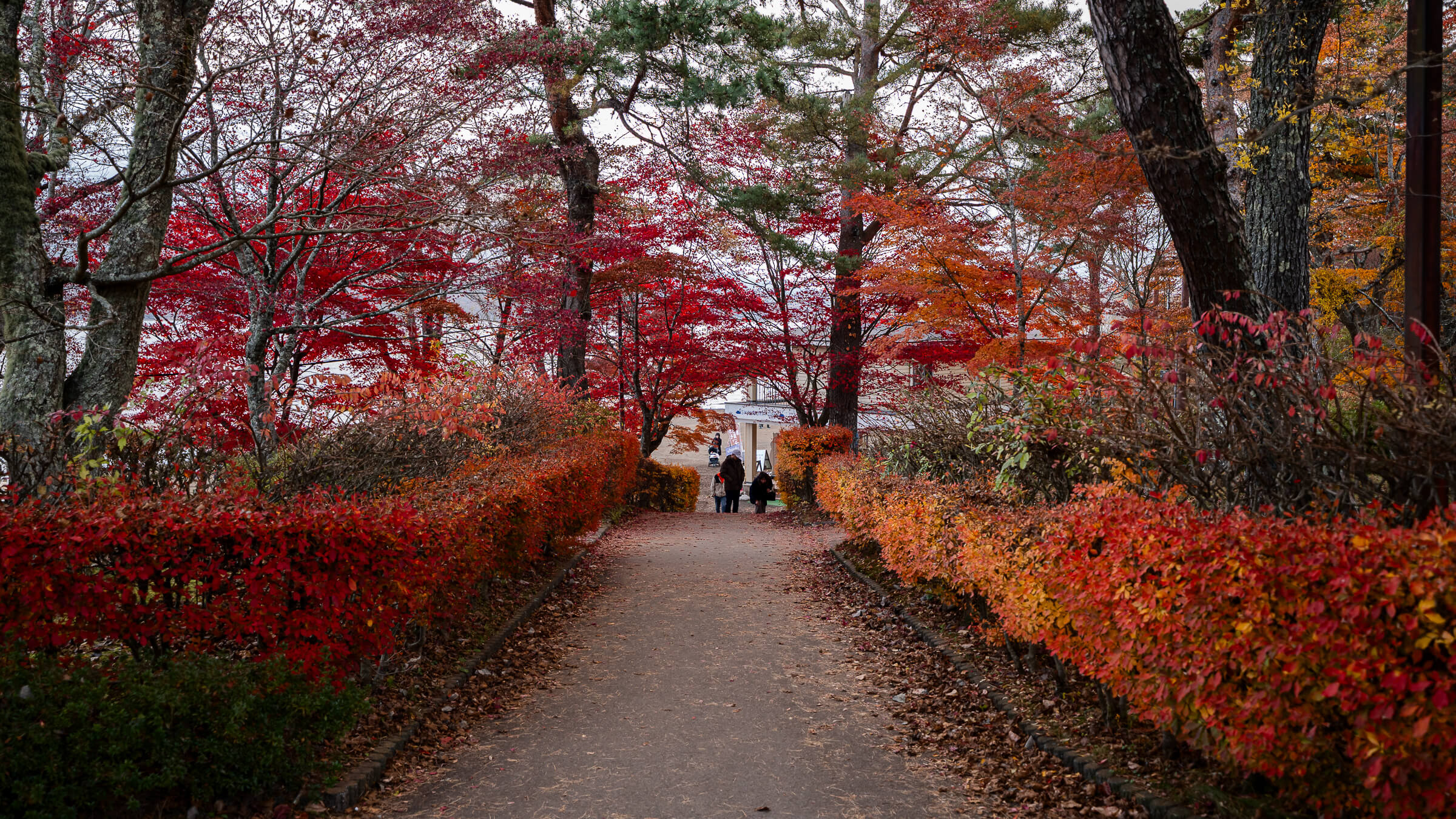
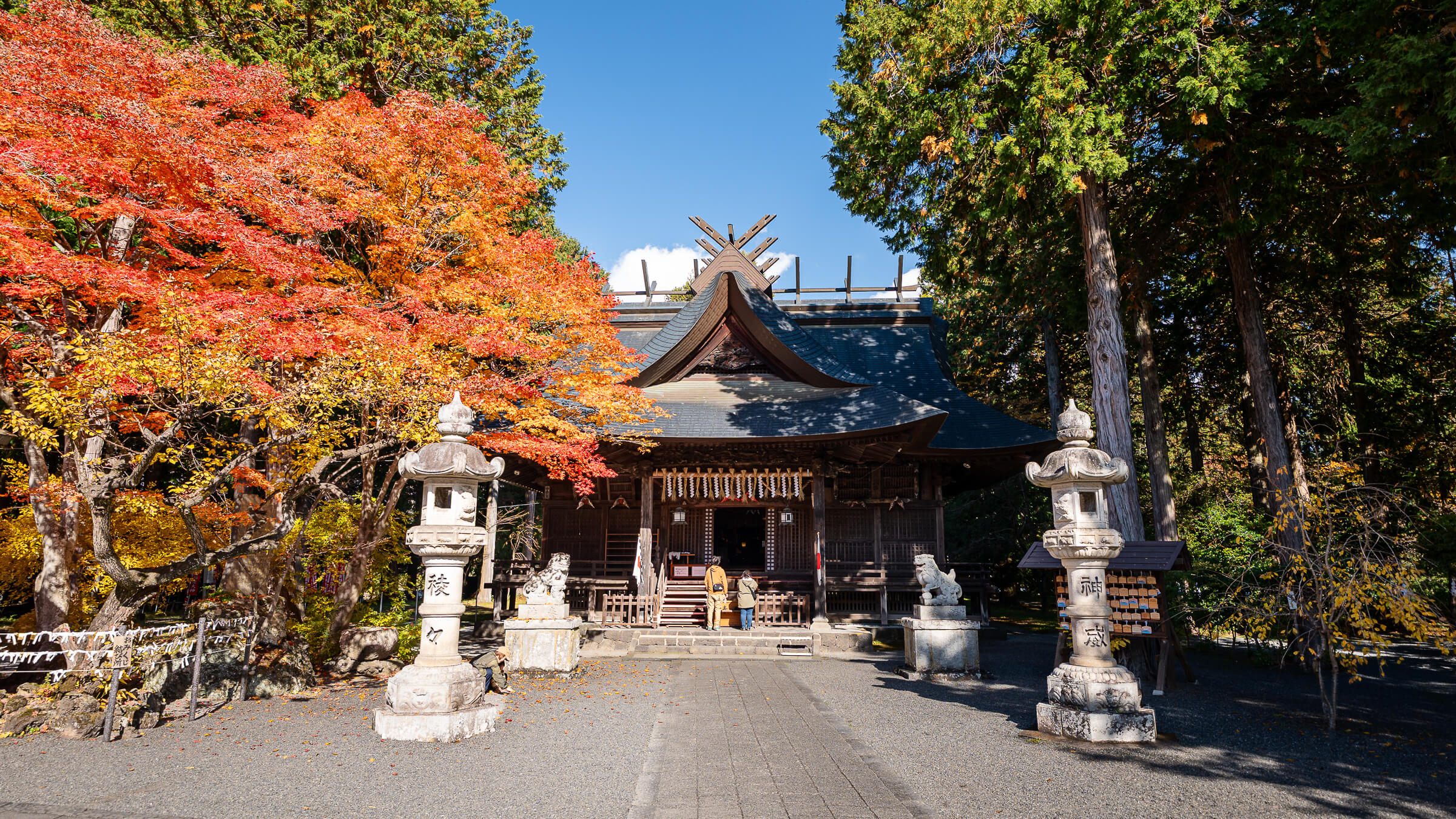
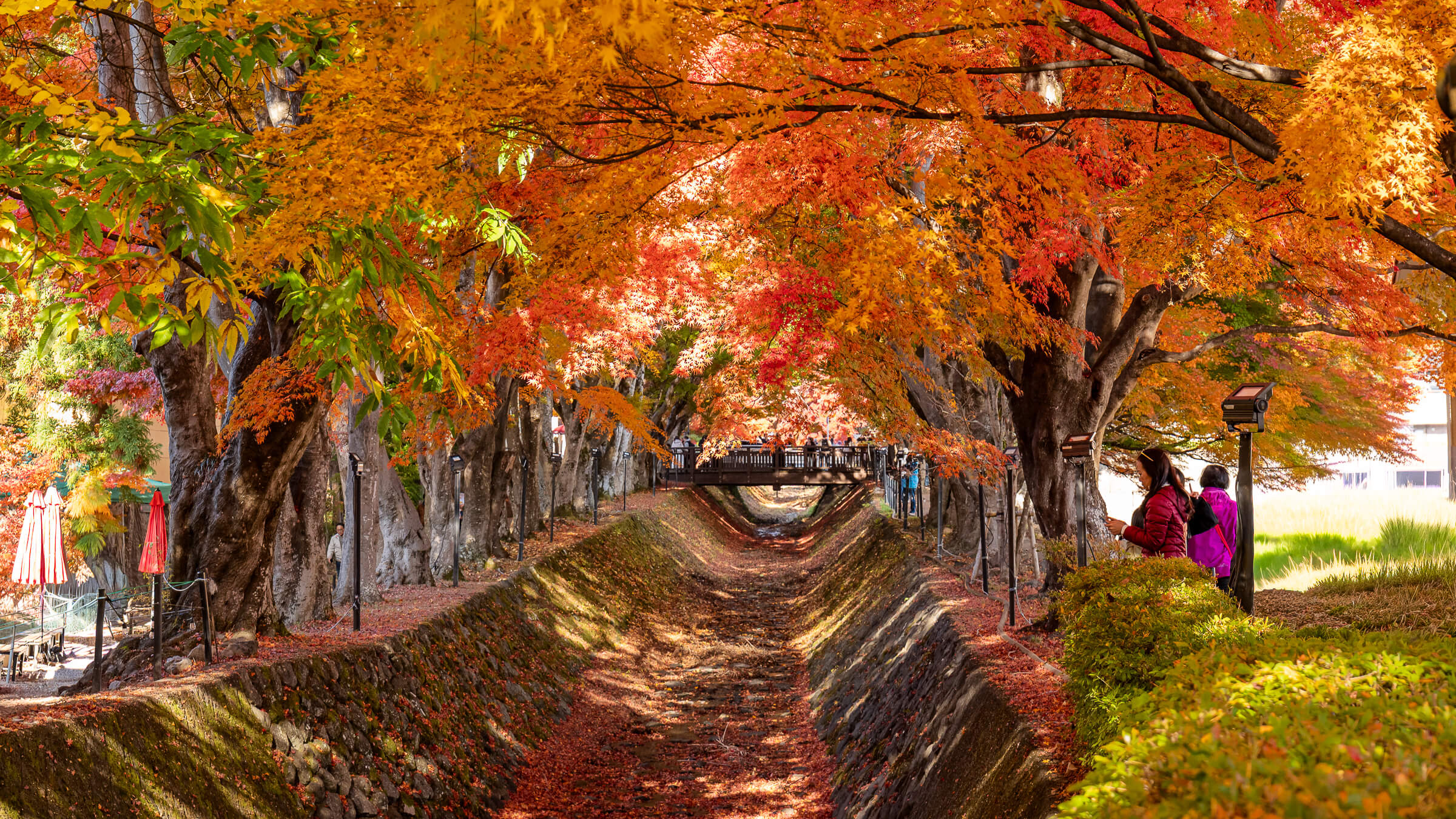
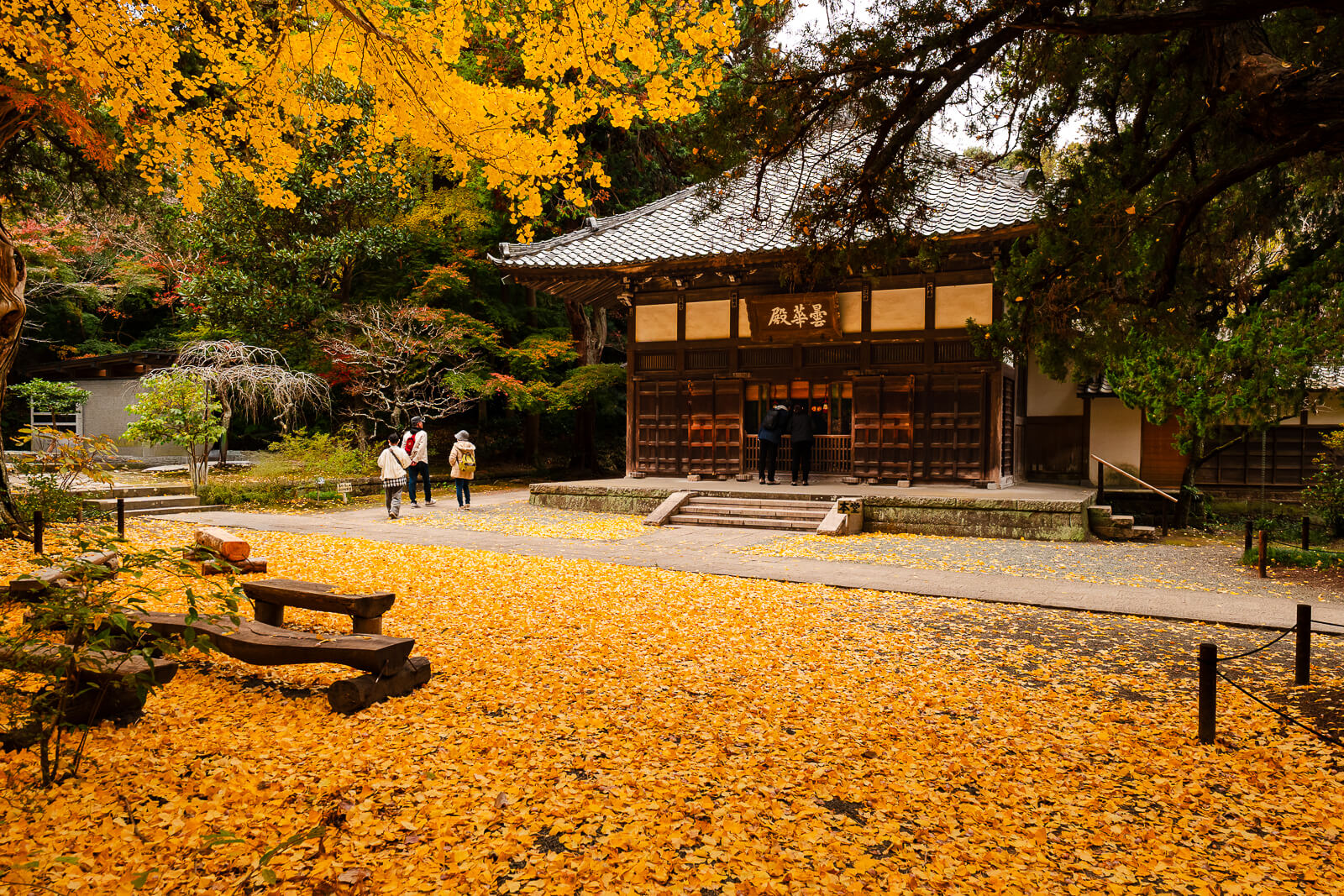
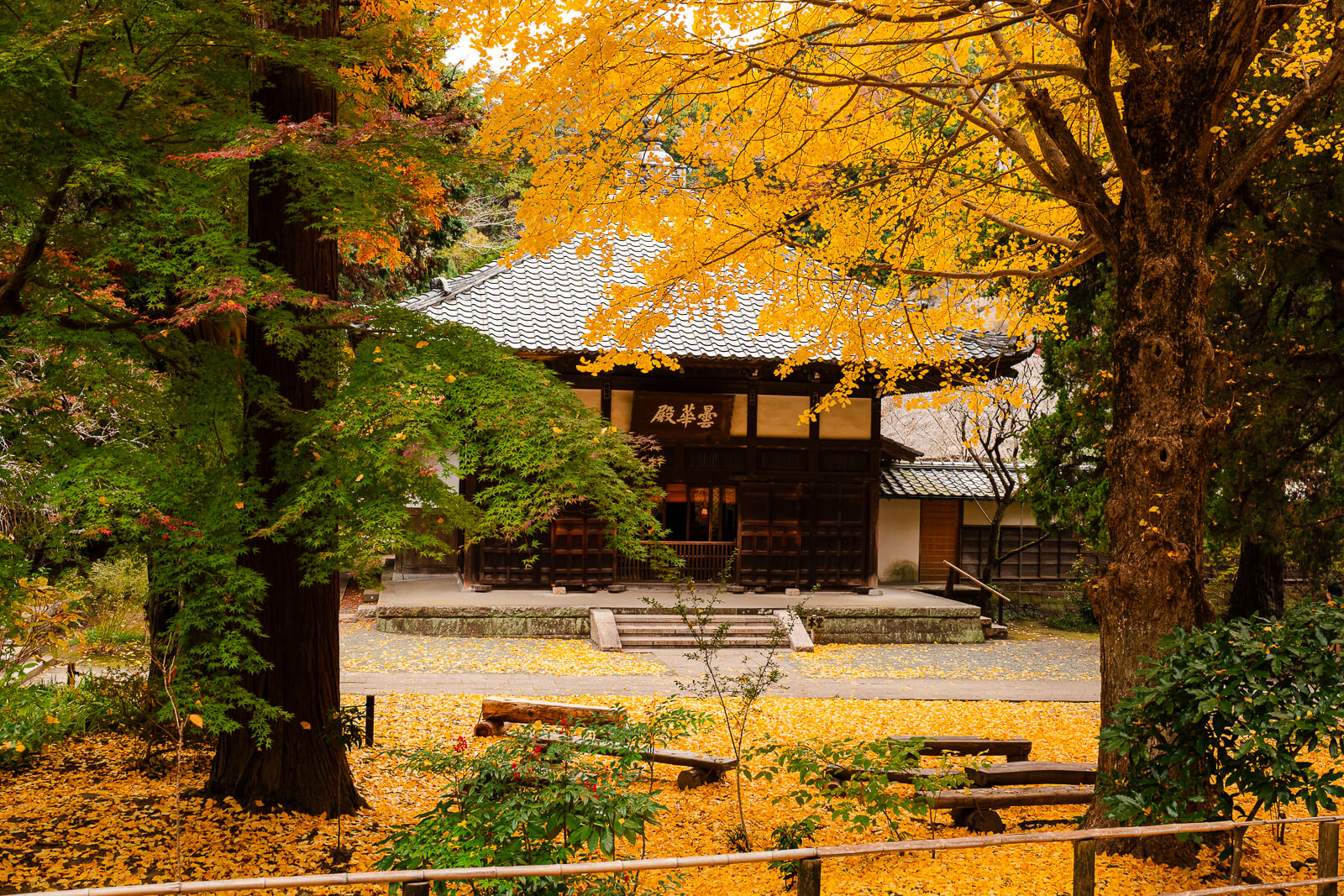
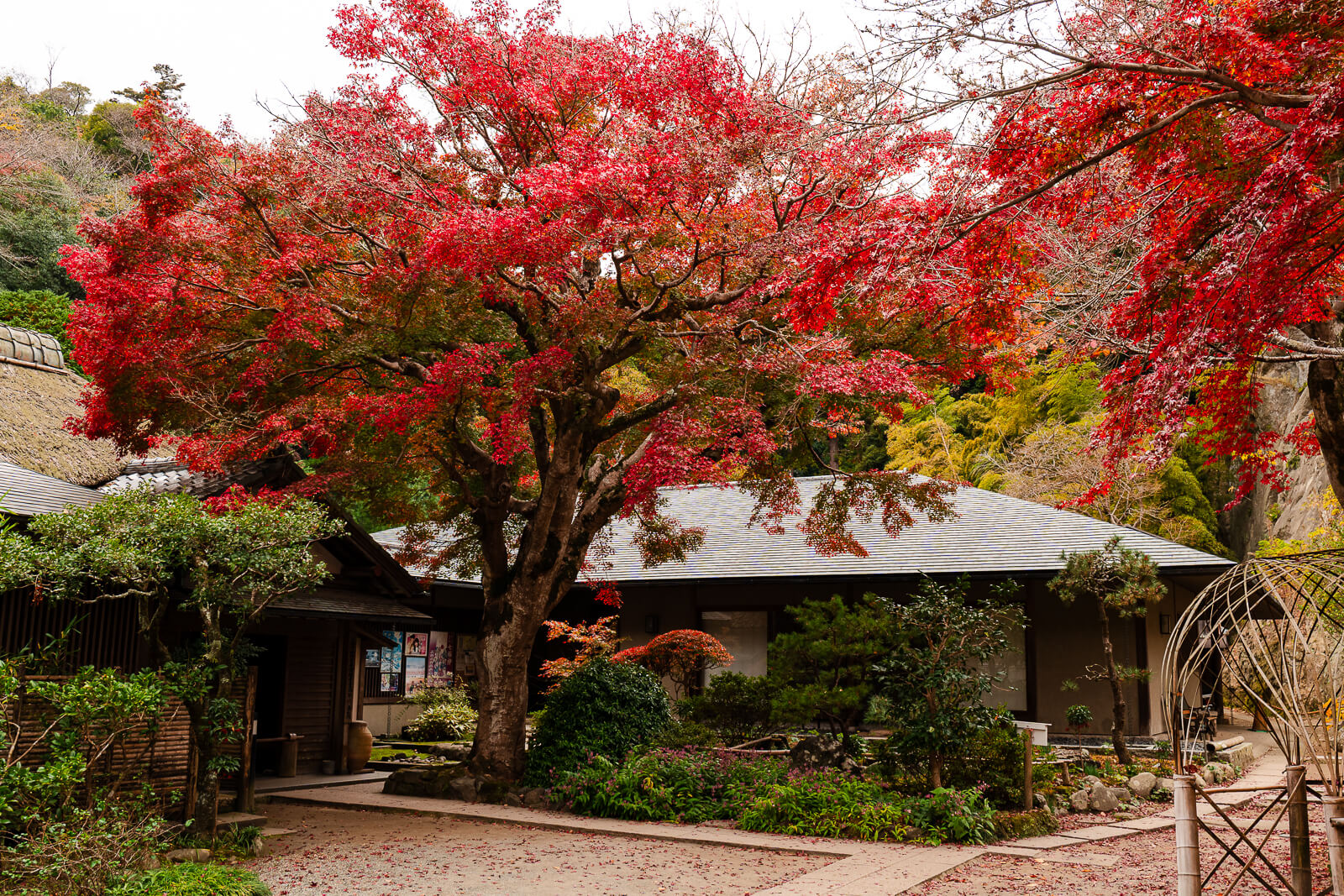
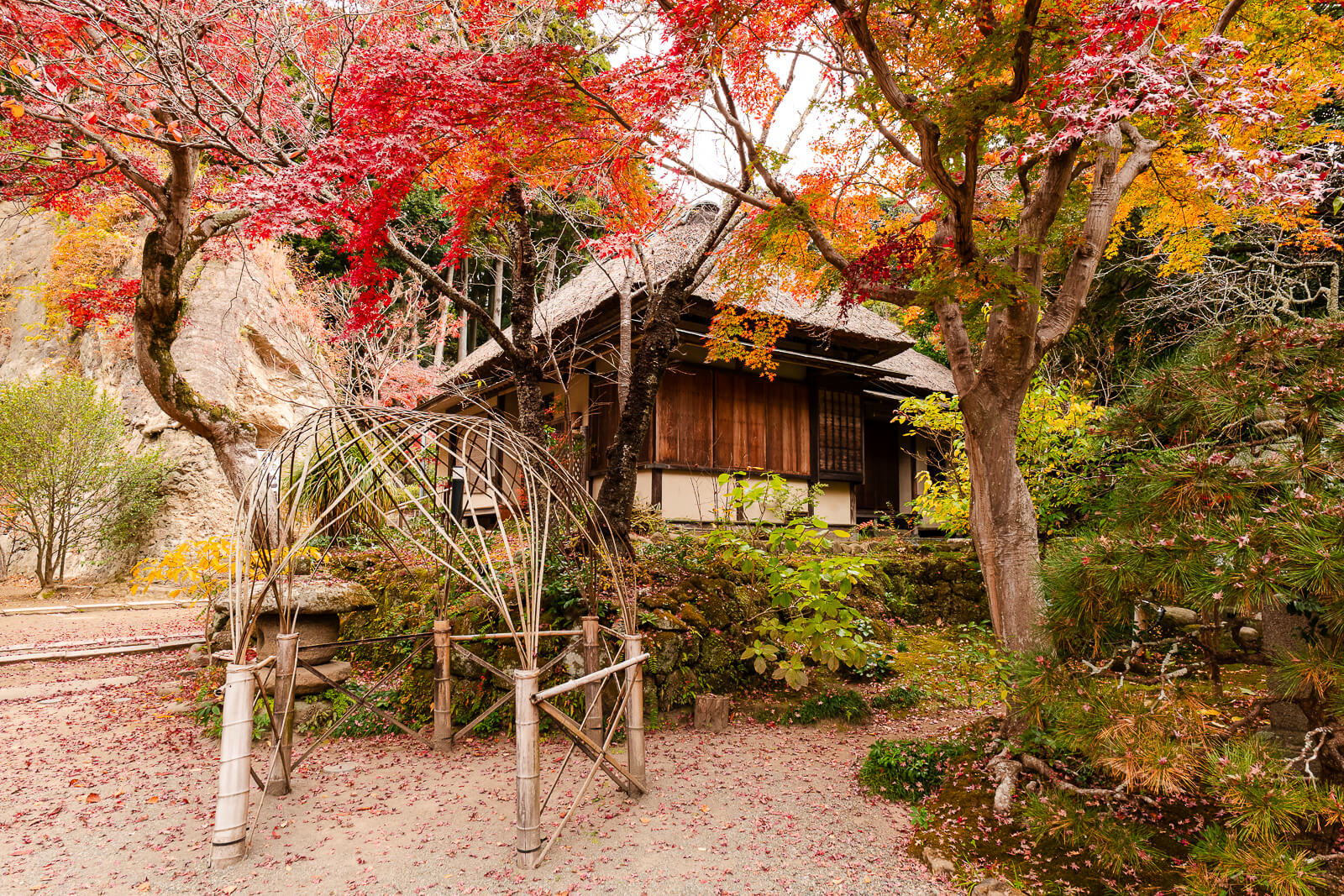
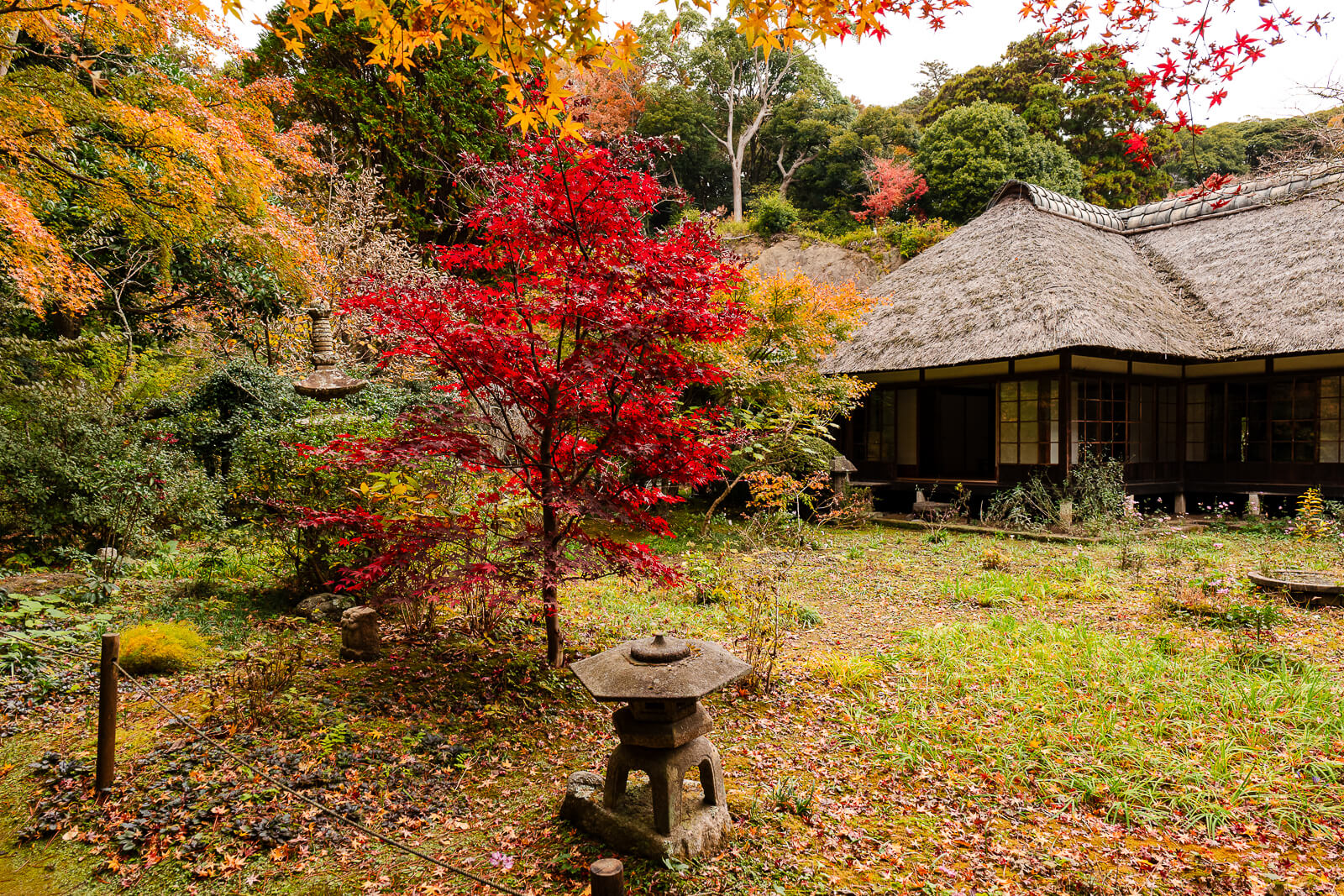
The grounds are especially attractive in late autumn, when ginkgo leaves collect around the temple buildings and the trees add bright color to the valley floor. Bamboo also gives parts of the site a strong vertical texture, especially where the paths narrow near wooded sections. Seasonal details such as persimmons, fallen leaves, and moss-covered stonework often become part of the experience rather than background decoration.
Hotei and the Seven Lucky Gods
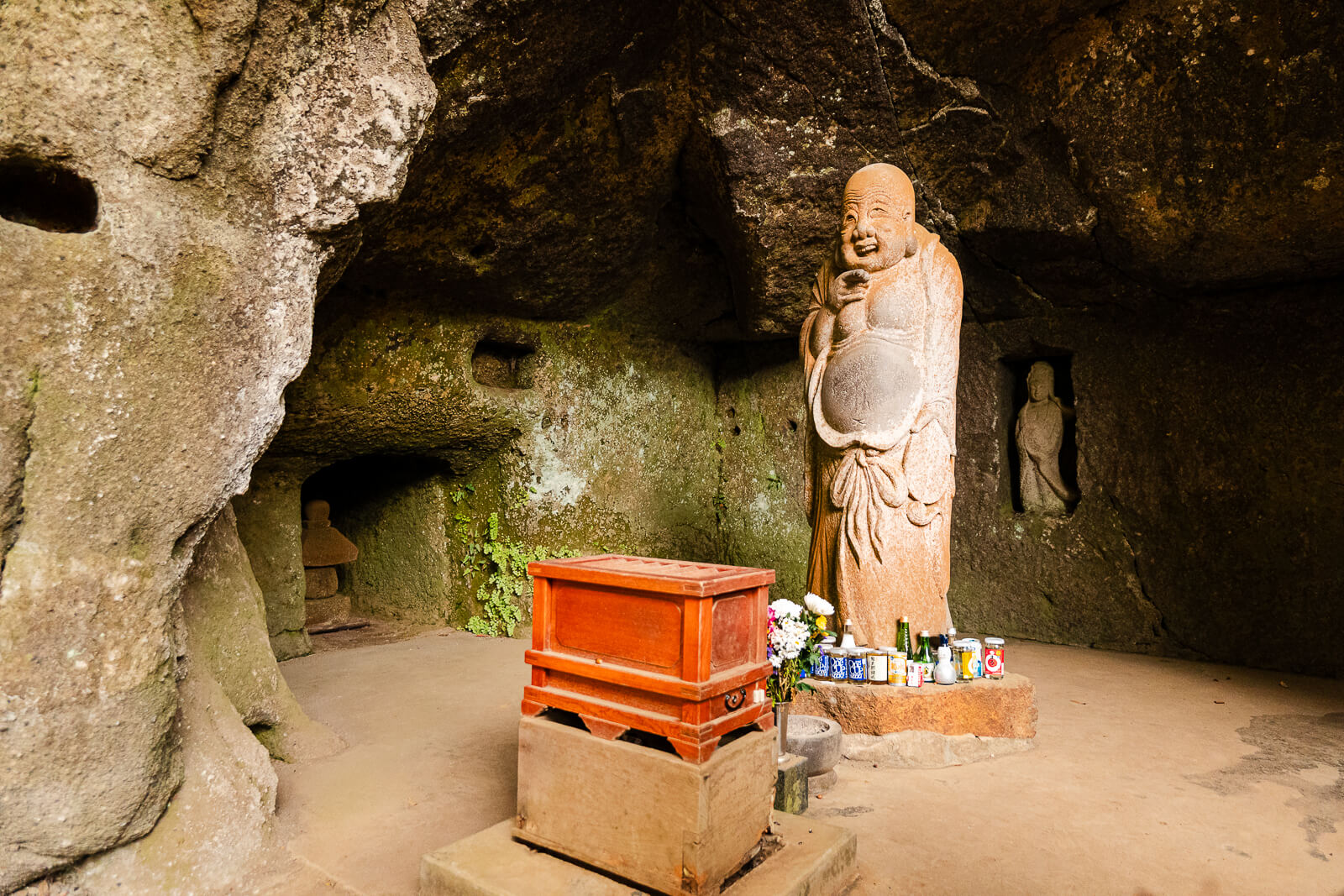
One of the best-known stops inside Jōchi-ji is the statue of Hotei, the laughing figure associated with happiness, abundance, and good fortune. The statue is part of the Kamakura-Enoshima Seven Lucky Gods pilgrimage, which connects several religious sites across Kamakura and Enoshima. It adds a more approachable folk-belief layer to a temple otherwise rooted in Zen history.
The Hotei area gives visitors a different kind of pause within the grounds. Instead of a large formal hall or dramatic viewpoint, this part of the temple is smaller, more direct, and often remembered because of the figure itself. It also helps explain why Jōchi-ji appears on more than one local religious route.
For visitors following pilgrimage routes, this makes Jōchi-ji useful beyond a general temple visit. The site connects Zen temple history, local Seven Lucky Gods worship, and the Kamakura 33 Kannon Pilgrimage in one compact stop. That layered role gives the temple more depth than a quick map glance suggests.
Jōchi-ji Temple on the Kamakura 33 Kannon Pilgrimage
Jōchi-ji is Temple #31 on the Kamakura 33 Kannon Pilgrimage. This makes it a natural continuation after Meigetsu-in, which is Temple #30 and sits nearby in the Kita-Kamakura area. For visitors collecting goshuin, the two temples form one of the easiest pilgrimage pairings in this part of Kamakura.
The goshuin can typically be received near the end of the visit through the temple grounds. This works well with the natural route because visitors can move through the perimeter paths first, then finish near the temple office or reception area. The pilgrimage stop does not require a separate detour from the main temple experience.
Jōchi-ji’s pilgrimage value comes from its location as much as from the temple itself. Kita-Kamakura contains several major temples and hillside routes within a relatively compact area, so pilgrimage walkers can connect religious sites without repeatedly returning to station areas. For readers following the Kamakura 33 Kannon route, Jōchi-ji helps bridge the Meigetsu-in area with the deeper temple and trail network to the south.
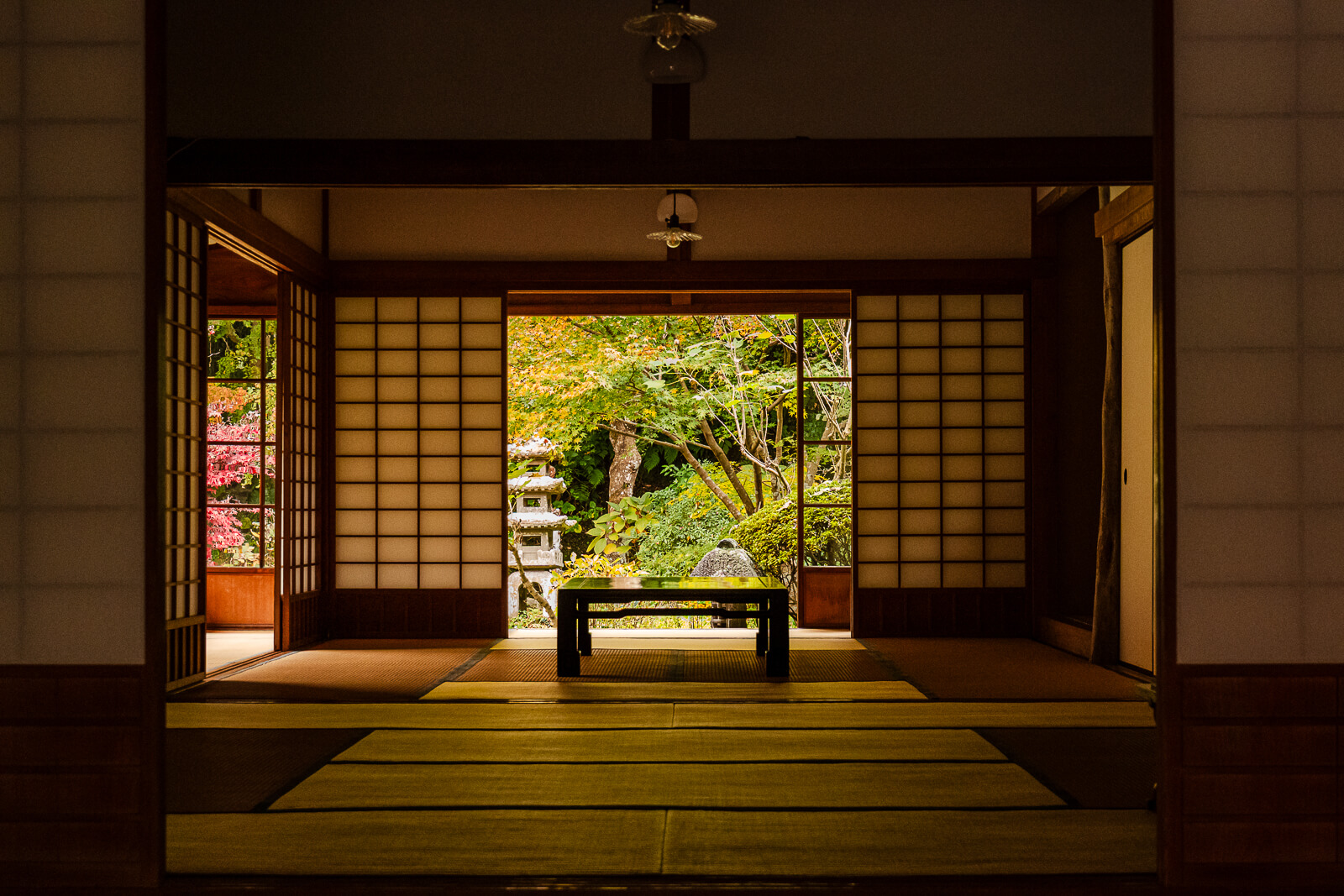
Hillside Caves and Kamakura’s Medieval Landscape
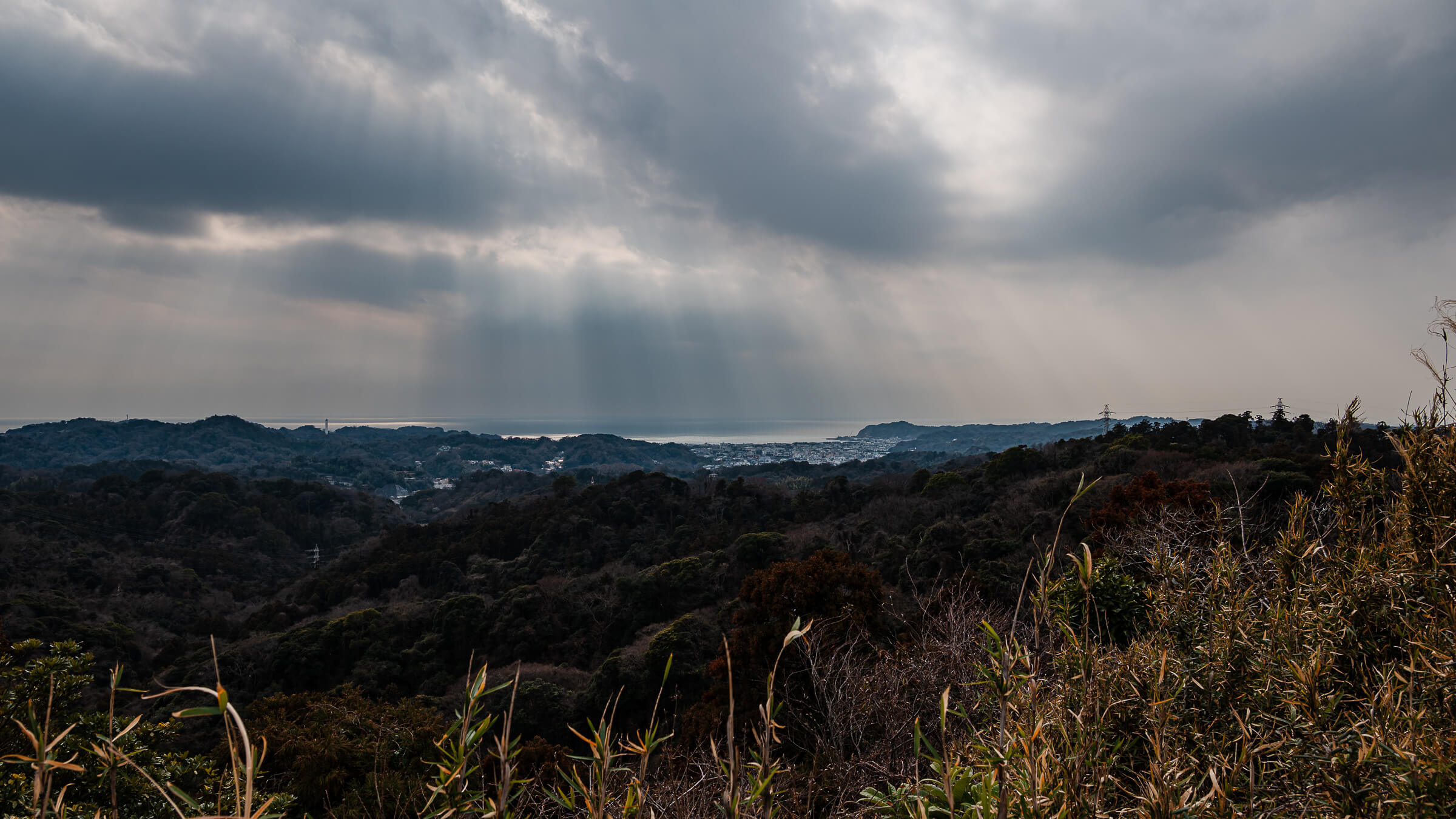
The hills around Jōchi-ji contain traces of Kamakura’s older carved landscape, including cave-like spaces and hillside chambers associated with the city’s medieval religious and funerary culture. These types of carved chambers, often called yagura, are found throughout Kamakura’s soft rock hills. They help show how the city’s religious sites extended into the slopes around temples and trails.
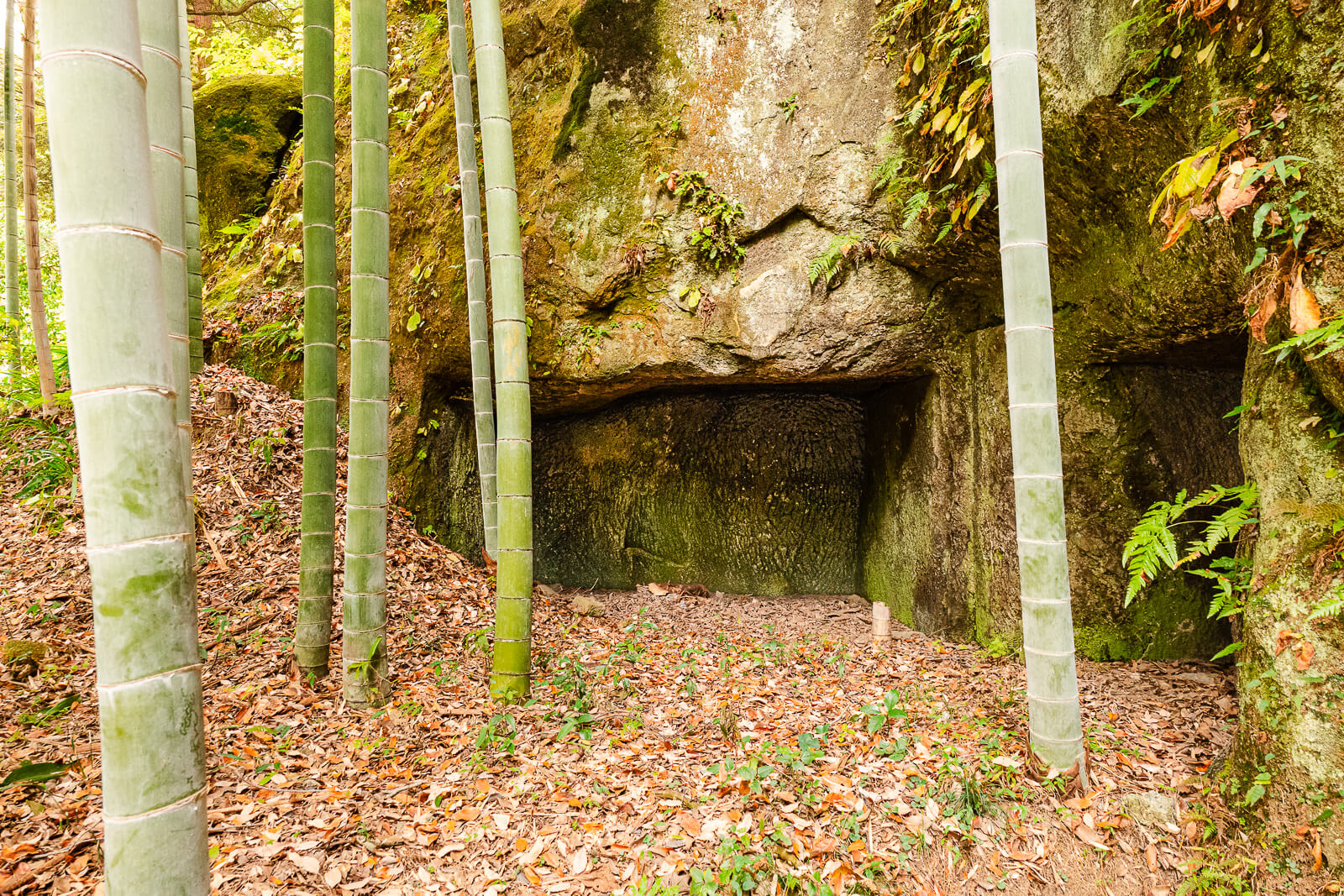
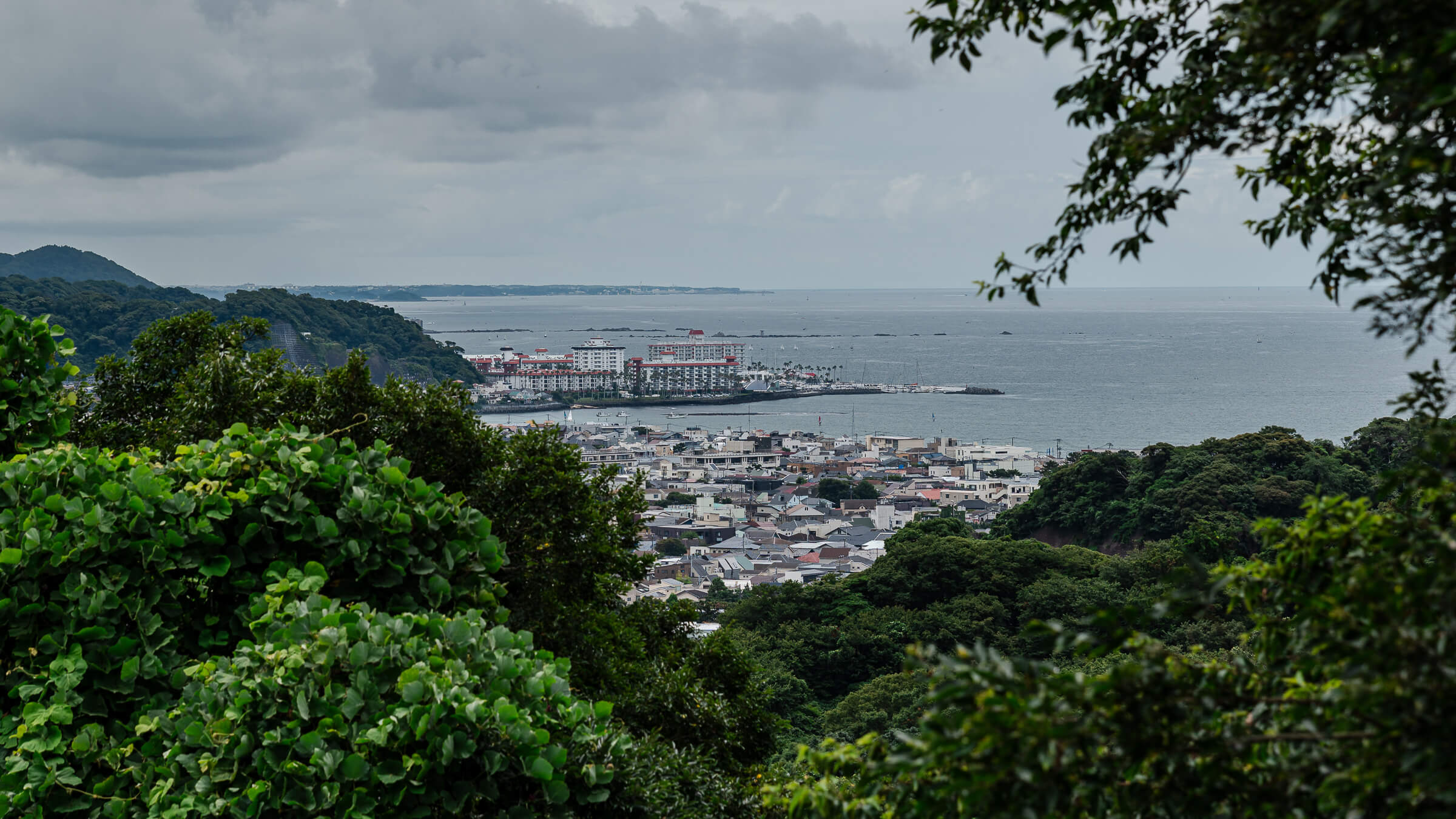
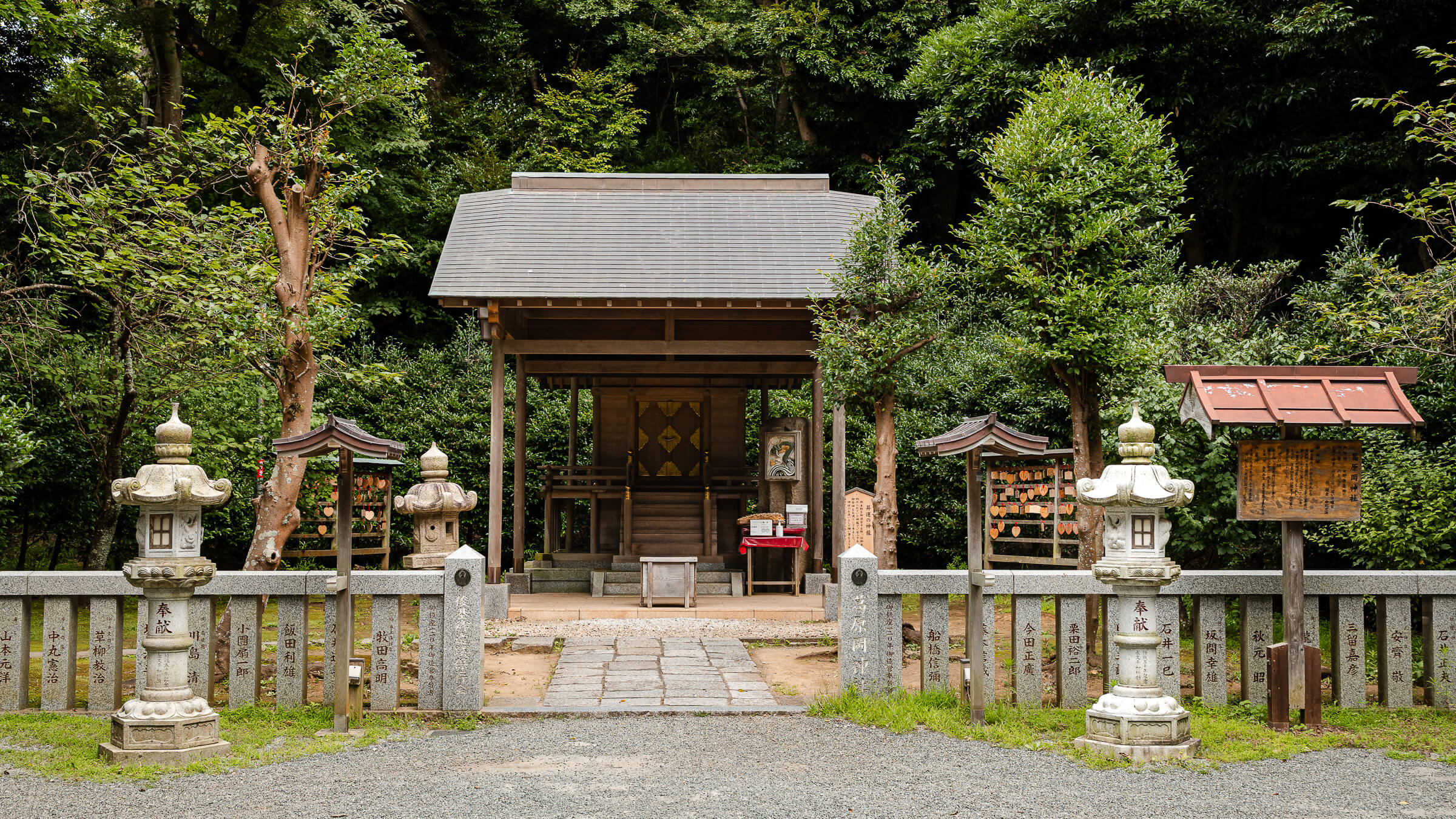
This matters because Jōchi-ji is not experienced only through its halls and gates. The surrounding hillside is part of the setting, and the temple’s boundaries feel closely connected to the wider terrain leading toward Genjiyama Park, Kuzuharaoka Shrine, and the Daibutsu Hiking Course. The caves and wooded edges give visitors a clearer sense of Kamakura as a city shaped by ridges, valleys, and carved slopes.
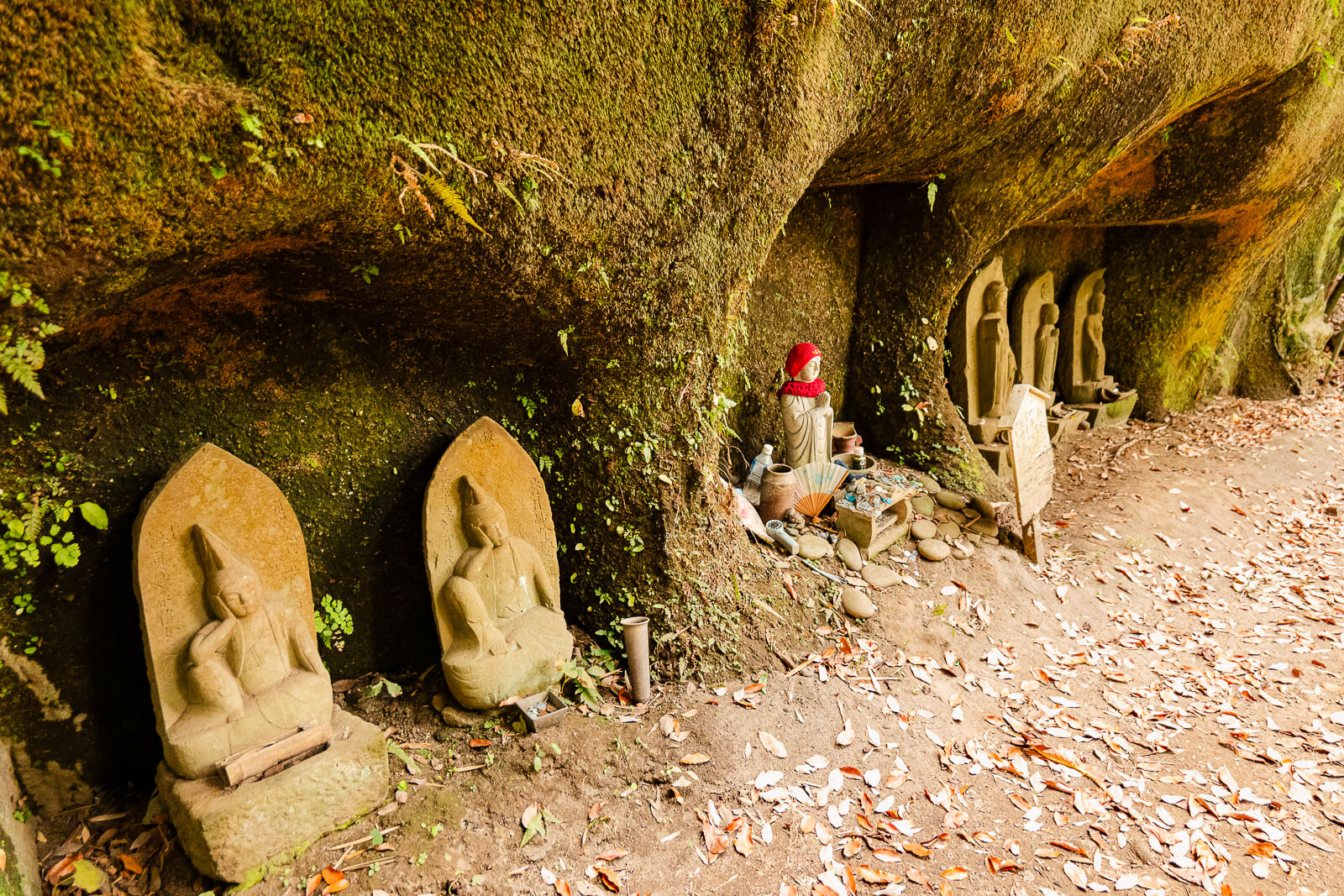
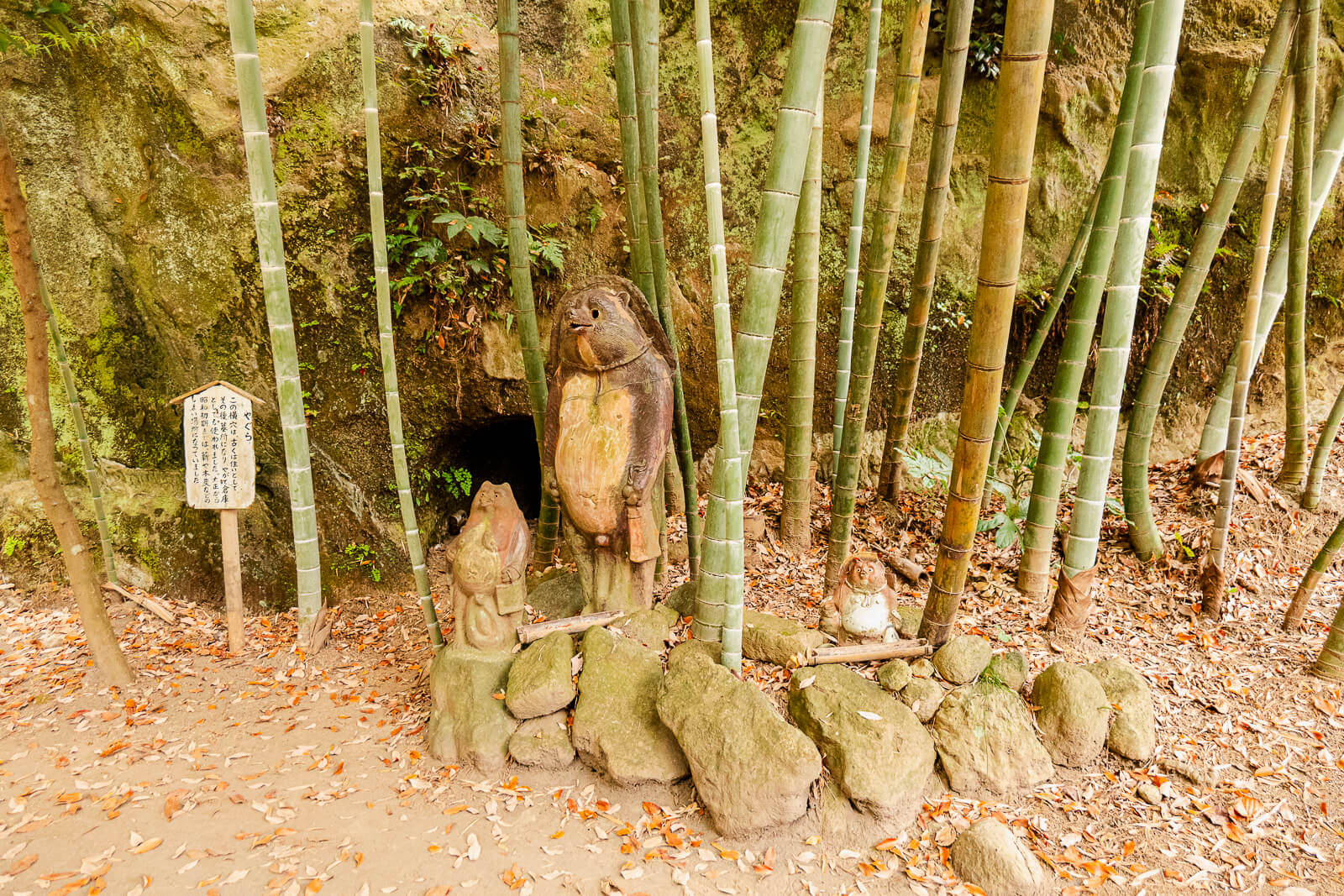
These features should not be treated as separate headline attractions, but they add important context to the visit. They also explain why the area around Jōchi-ji feels different from flatter temple districts elsewhere in Japan. The temple sits within a landscape where history, burial practices, pilgrimage routes, and movement through the hills are physically connected.
How Much Time You Need
Most visitors should allow about 30 to 45 minutes for Jōchi-ji. This gives enough time to enter from the main road, climb the stone approach, pass through the gate, follow the grounds, see Hotei, and receive a goshuin if collecting one. Visitors who stop for coffee near the lower approach or spend extra time photographing the ginkgo, bamboo, or cave areas may want a little more flexibility.
The temple works especially well as part of a half-day Kita-Kamakura route because it does not require the same time commitment as Engaku-ji or Kenchō-ji. It can be visited between larger temples, paired with Meigetsu-in, or used as a transition point before continuing toward the hiking routes. The relatively compact grounds make it useful for travelers who want a meaningful stop without turning the day into a full temple complex visit.
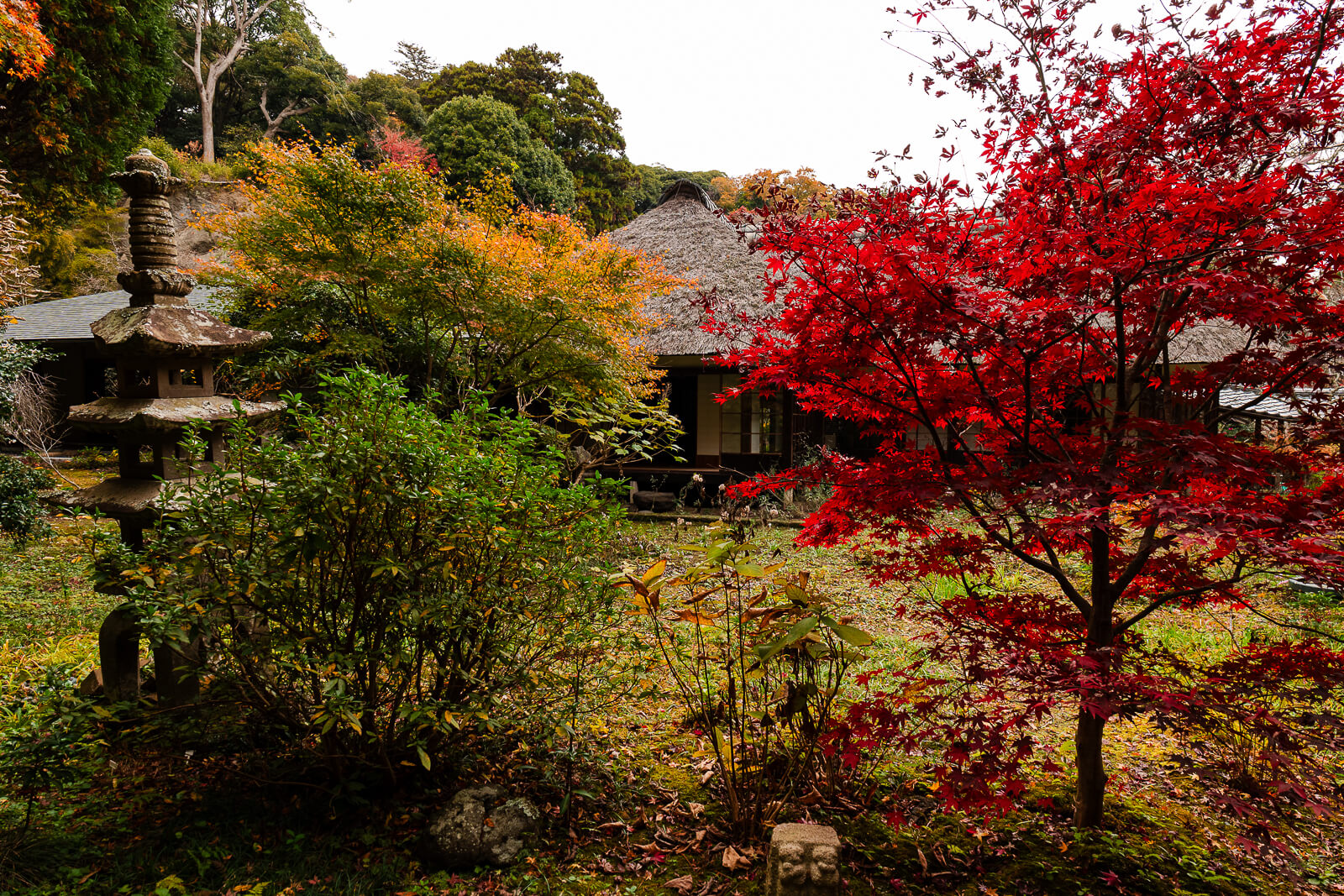
The main effort comes from the stairs, uneven paths, and hillside terrain rather than distance. Comfortable walking shoes are useful, especially if the visit continues onto the Daibutsu Hiking Course or farther through Kita-Kamakura. In wet weather, the stone surfaces and wooded paths may require more attention.
How Jōchi-ji Temple Fits Into Kita-Kamakura
Jōchi-ji fits naturally into the temple corridor south of Kita-Kamakura Station. Visitors arriving by train can combine it with Engaku-ji and Tōkei-ji before continuing deeper into Kita-Kamakura. Meigetsu-in and Kenchō-ji extend the route farther through the district, while the Kita-Kamakura Old Private House Museum provides a different perspective from the area’s temple-focused stops.
Travelers planning to spend most of the day in this part of Kamakura can use the Kita-Kamakura itinerary to see how these temples and nearby stops connect as a complete walking route. From Kenchō-ji, the Ten-en Hiking Course also provides a transition from the temple corridor into the wooded ridges above the city.
Jōchi-ji creates another important route connection. Near the temple, the Daibutsu Hiking Course begins its crossing toward western Kamakura, passing through the hills before descending toward the Great Buddha and Hase area. This makes it possible to use Jōchi-ji as the point where a Kita-Kamakura temple walk transitions into a longer hiking route rather than continuing south by road.
Travelers staying on the main corridor can instead continue toward central Kamakura and the area around Tsurugaoka Hachimangū. Jōchi-ji therefore works as more than an isolated temple stop: it sits near the point where several practical routes through Kamakura begin to separate.
Getting There
Jōchi-ji Temple is located in Kita-Kamakura, part of Kamakura City in Kanagawa Prefecture, approximately 50 km south of central Tokyo. The temple is about 8 to 10 minutes on foot from Kita-Kamakura Station on the JR Yokosuka Line, which is one stop north of Kamakura Station.
From Tokyo Station, the journey typically takes around 55 to 70 minutes depending on the route and connections used. Visitors traveling from Yokohama can generally reach Kita-Kamakura in about 20 to 30 minutes, making the temple an easy day-trip destination from both cities.
The route from Kita-Kamakura Station follows the main road before climbing a short stone approach into the temple grounds.
Hours and Fees
Open daily from 9:00 AM to 4:30 PM.
Adults: ¥300
Children under 16: ¥100
Groups of more than 30 adults: ¥150 per person
The temple may close because of severe weather or other circumstances. Check the latest notices on the official website before visiting, especially when poor weather is forecast.
Confirm current visitor information with the official source above before your trip.
Plan Your Visit Around Kita-Kamakura
Jōchi-ji is simple to reach, but the larger planning decision is how it fits into the <a href="https://japanunfolded.com/kita-kamakura/" data-wpil-monitor-id="23">temple corridor or a hiking route beyond Kita-Kamakura</a>.
A Better Base for Kamakura Routes
A Kamakura base avoids repeating the 55–70-minute Tokyo journey when combining Jōchi-ji with temples and hiking routes.
Compare Kamakura Hotels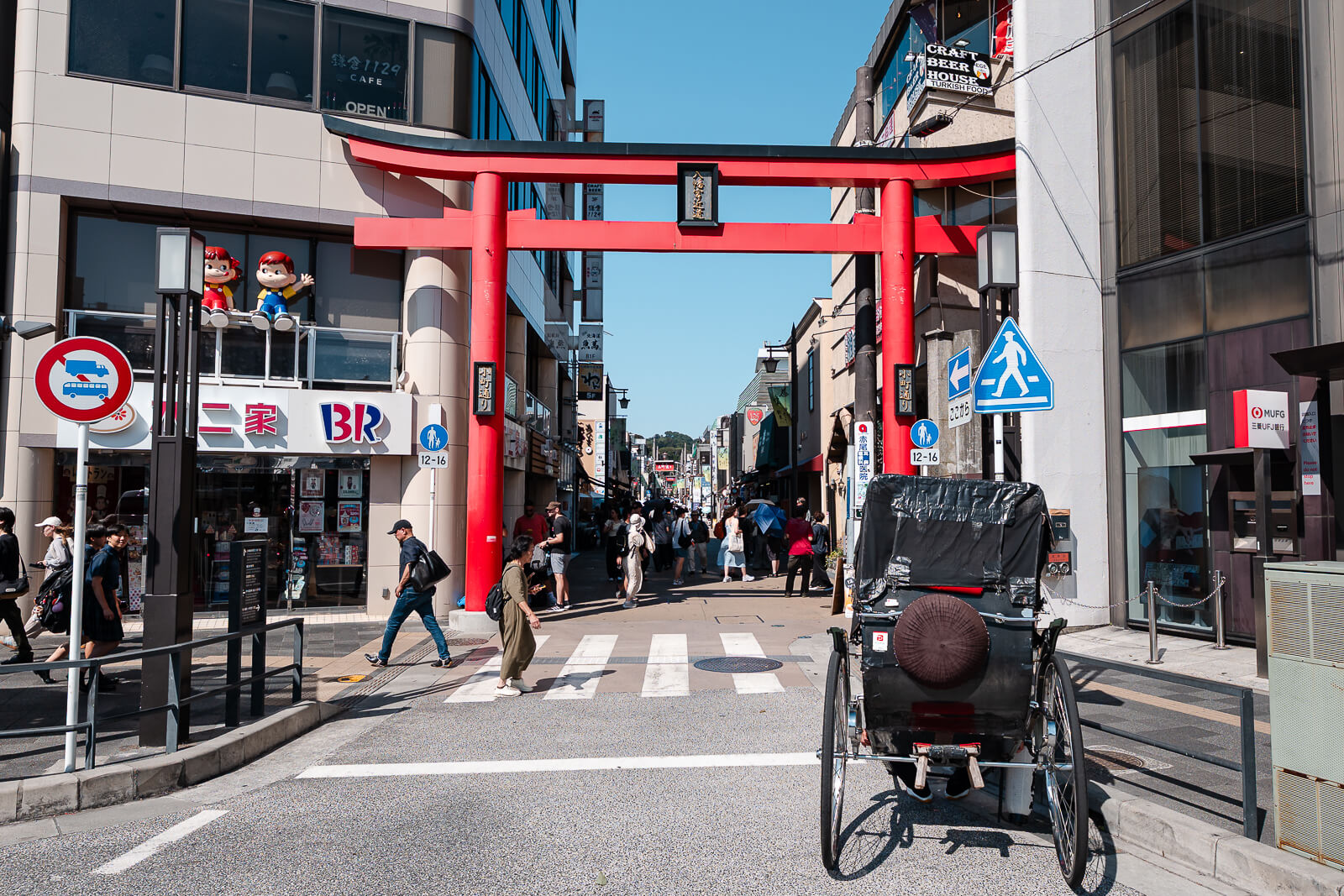
Reach Kita-Kamakura by Rail
Rail options clarify the 55–70-minute trip from Tokyo and place Jōchi-ji within a walkable Kita-Kamakura temple route.
Check Rail Options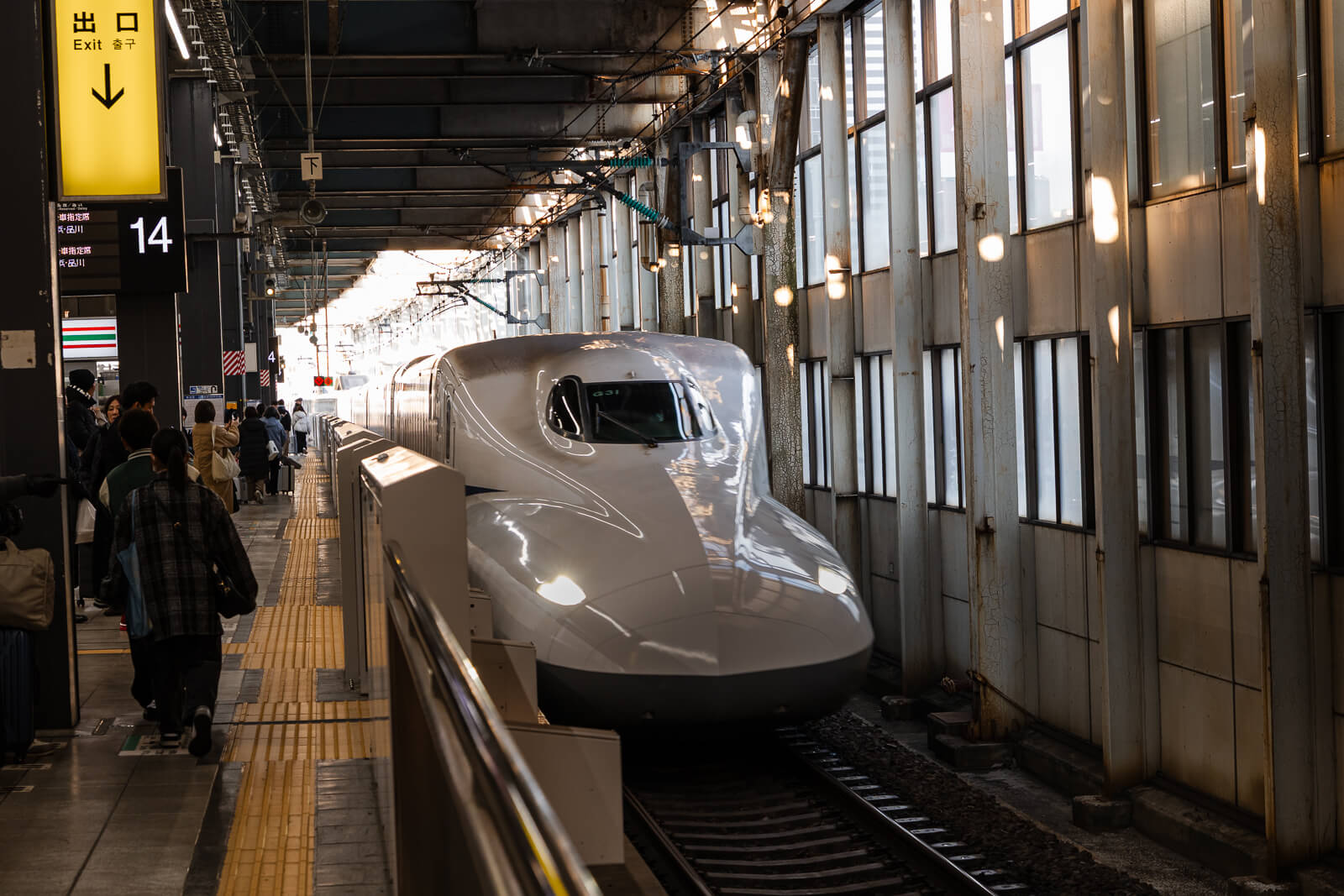
Connect More of Kamakura
A guided Kamakura route connects the temple corridor with wider city highlights without requiring travelers to assemble several separate stops.
Explore Kamakura Tours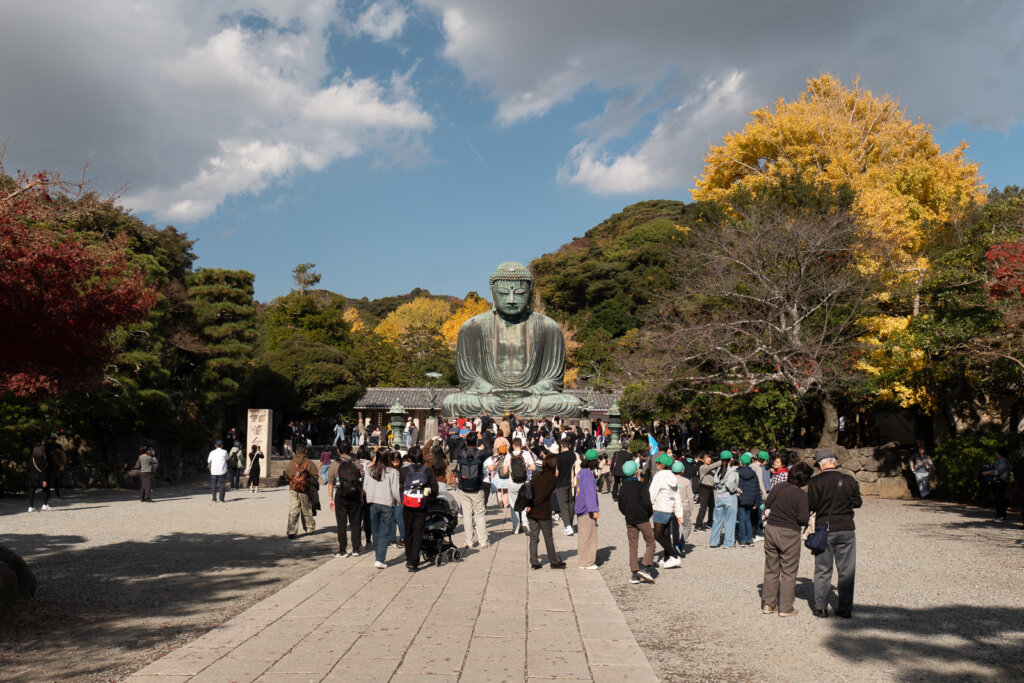
Keep the Route Map Available
Mobile data keeps maps available when the temple walk branches toward Kenchō-ji, Ten-en, or the Daibutsu Hiking Course.
Check Japan eSIMs
Reader note: Japan Unfolded may earn a commission from some links at no extra cost to you.