Jellyfish, Marine Life and a Mainland Coastal Stop
Enoshima Aquarium is a mainland attraction at Katase Kaigan, with a route through marine exhibits that can be enjoyed at a relaxed pace. Jellyfish are a particular reason to linger, while the wider collection connects the visit with Sagami Bay and the Pacific Ocean outside. It makes a worthwhile coastal stop in its own right, as well as a welcome break from summer heat or rain.
An hour or more can provide an enjoyable browse, but the visit grows when a display holds attention or a scheduled activity becomes part of the plan. Give it its own place in the day rather than assuming it will fit into the time left after every island attraction. The difference is especially noticeable when combining the aquarium with Enoshima’s far-side coast and caves, which already require a substantial walk.
The Aquarium’s Mainland Location and an Enoshima Island Day
Despite the name, the aquarium is not on Enoshima Island. It stands on the mainland coast, so visiting both means allowing for the walk to the island bridge and the island exploration beyond it. That separation is useful to understand before treating the aquarium as another stop on the island’s summit-to-caves route.
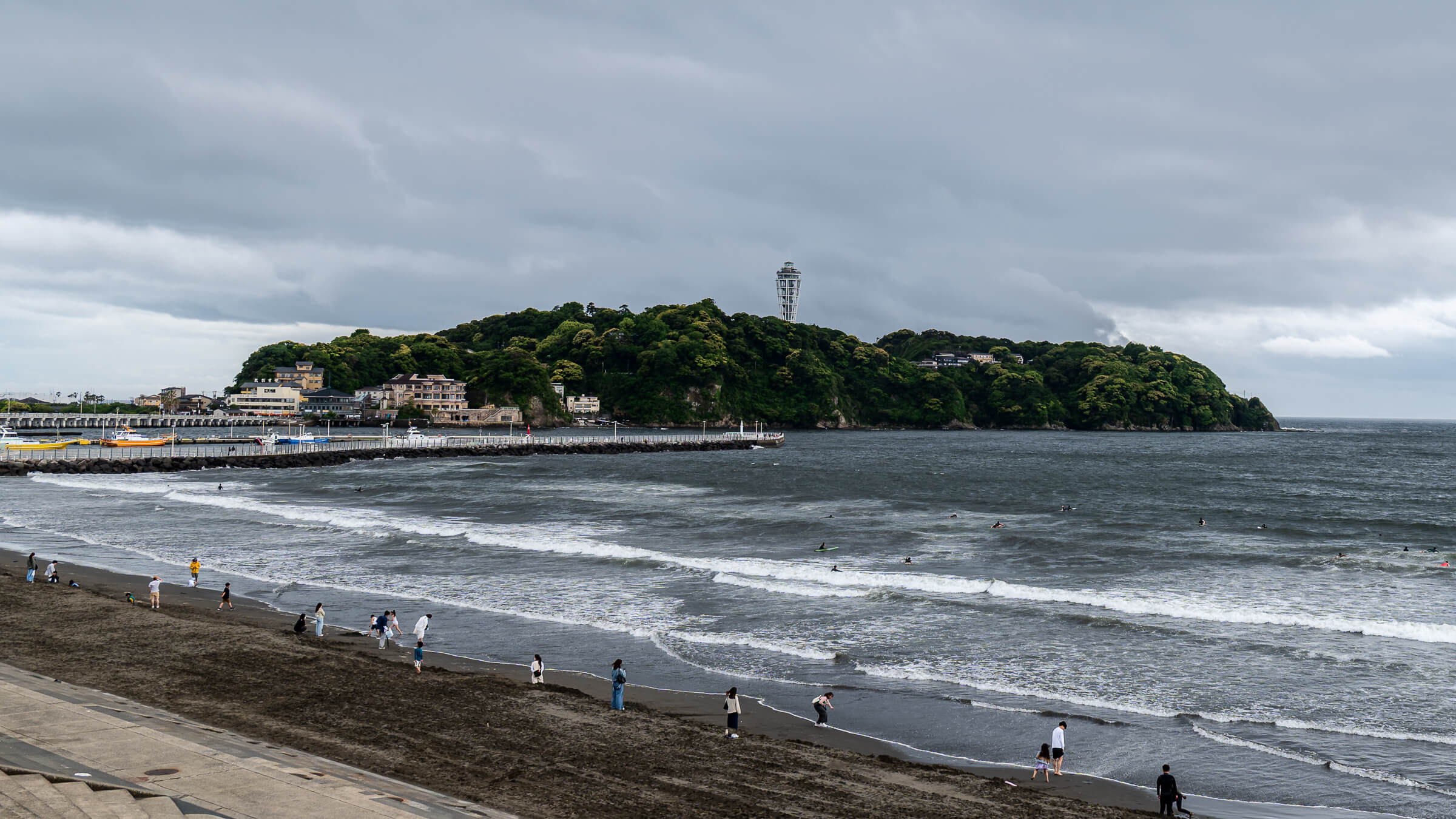
It can work before or after the island, depending on the weather and the day’s priorities. On a hot day, a period in the aquarium can provide a welcome change from the outdoor ascent; in rain, the main indoor galleries can become the focus of the outing. Some facilities, including the dolphin-show setting, are different from the enclosed galleries, so a wet-weather visit should be planned around the parts you actually want to use.
The closing time still matters when choosing the sequence. Entry normally ends before the building closes, and a later arrival leaves less room for unhurried exhibits and scheduled presentations. Protect the aquarium’s useful visiting window if the jellyfish or marine life are a major reason for coming to the coast.
Sagami Bay, the Pacific and Deep-Sea Exhibits
The aquarium’s geographical focus gives it more character than a collection of familiar aquarium animals alone. The Sagami Bay Zone introduces the nearby sea, while the Pacific Ocean exhibits place that local environment in a wider marine setting. That connection is worth noticing during an outing already spent looking across the bay from Enoshima.
Deep Sea Part I presents research linked with JAMSTEC, while Deep Sea Part II includes the Shinkai 2000 submersible. These areas introduce the study of the sea as well as animals on display. They provide a useful change of subject for visitors who enjoy the question of how people observe and understand environments far below the surface.
Other exhibit areas include penguins and seals, sea turtles and otters. Choose the displays that hold your interest rather than spending exactly the same time at each one. The route gives the visit a workable sequence, but a map and the day’s program at the start are still helpful when there is something specific you want to see.
Jellyfish Fantasy Hall and Jellyfish Science
The Jellyfish Fantasy Hall is the clearest reason to slow the pace. Its semi-domed setting contains tanks around the walls and a spherical tank at the centre, with lighting that emphasizes the animals’ movement. Watching for a while gives a different experience from passing a tank, taking a photograph and continuing immediately.
The aquarium draws on a long history of jellyfish breeding and exhibition. That background helps explain why the subject receives more attention here than a single decorative tank. Different species and display arrangements provide reasons to compare shape and movement, while the animals actually on view can change.
Jellyfish Science adds another angle by explaining their biology and life cycles. The contrast is useful: the Fantasy Hall emphasizes the experience of watching, while the science displays help explain what is being observed. For someone especially interested in jellyfish, protecting time for both is more rewarding than treating the hall as the only relevant stop.
The jellyfish can become the main reason to linger during an otherwise brisk gallery visit. Watching their movement gives this part of the route a slower pace than moving continuously between exhibits. Leave enough time to enjoy that pause before continuing to the next display or a scheduled activity.
Shows and Activities: Check the Schedule Before Exploring
Look at the day’s program before settling into a slow browse. A presentation has a fixed place in the schedule, while most gallery viewing can be moved around it. Checking at the start makes it possible to linger at the jellyfish without discovering afterwards that the one activity you wanted has already finished.
The dolphin-show stadium is one example of a separate scheduled experience. Its coastal setting differs from an enclosed aquarium gallery and can add another reason to extend the visit. Check the actual program and any participation conditions on the day rather than relying on a show time from an older account.
Activities can also change the length and cost of a visit. A reserved or paid participation program is a different commitment from watching a display, and moving to the correct place or waiting adds time. For a combined island day, choose the program that matters most instead of assuming every activity belongs in the same outing.
Aquarium Tickets, Last Admission and Photography
Check the current opening and last-admission times before choosing the aquarium as a late-afternoon stop. The usual last-entry allowance is one hour before closing, which is a limit for entry rather than a suggested length for every visit. Someone who wants the jellyfish, a broad gallery browse and a presentation should allow more room than a rushed final hour.
The Hours and Fees section below includes the current admission information and the combined Enoshima pass option. Compare a package with the attractions you actually plan to use; an aquarium-focused visit and a day also using the Sea Candle and Iwaya are different purchases. Railway travel to Enoshima should not be assumed to be included simply because several local attractions are combined.
For photographs, follow the restrictions displayed at the exhibits, including any no-flash instructions. Personal-enjoyment photography and professional or commercial use have different conditions under the aquarium’s published rules. Check the appropriate permission for the intended use rather than treating entry as unrestricted photography authorization.
How Much Time to Give Enoshima Aquarium
An hour or more suits a relaxed introductory look when the visit is mainly a browse. More time is useful for anyone drawn to the jellyfish, interested in the deep-sea displays or planning around a program. The best allowance follows those interests rather than a requirement to pause equally at every exhibit.
As part of a full coastal day, the aquarium adds marine life and a change of pace to the island’s shrines, gardens and rocky shore. In a shorter window, it may deserve to be the principal attraction with a smaller island visit afterwards. For a wider trip along the coast, explore the Kamakura guides and other Kanagawa destinations.
It is especially valuable when the day would benefit from some time away from heat or rain, but good weather is just as suitable for the visit. Give the aquarium a clear purpose in the plan, whether that is jellyfish, marine research, a particular program or an unhurried indoor break. That makes it an addition chosen for its own appeal rather than simply somewhere to go when the weather changes.
Getting There
Compare the three railway approaches before the waterfront walk to the aquarium in the guide to getting to Enoshima.
Access and Arrival
Approach from the mainland stations and include the walk between the aquarium and the island bridge when combining both visits.
- From Katase-Enoshima Station
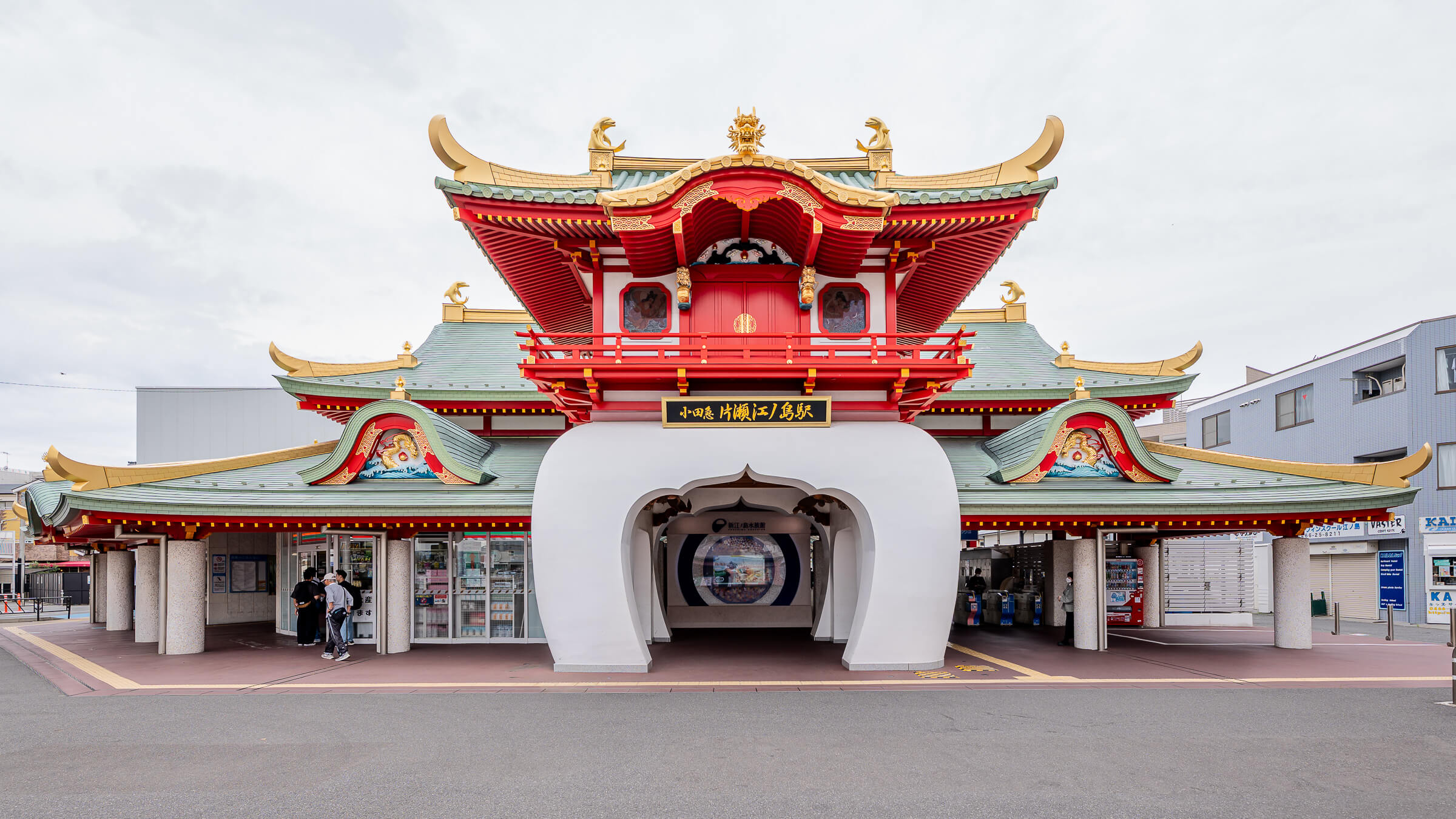
Katase-Enoshima → mainland waterfront → Enoshima Aquarium
About 3 minutes on foot · The aquarium is on the mainland coast, before crossing to the island.
Hours and Fees
Visitor information
The aquarium is a separate mainland attraction with its own calendar and admission.
- Hours
- 4–30 November 2026: 09:00–17:00, last admission 16:00. 1–25 December: 10:00–17:00, last admission 16:00. Holiday hours vary; see the official calendar for your date. Planned maintenance closure: 18–24 January 2027.
- Admission
-
Adults ¥2,800; high-school students ¥1,800; elementary and junior-high students ¥1,300; children aged 3 and above ¥900. Show student identification for the high-school rate. Paid participation activities are separate.
Optional combined admission
Enoshima Island All-Access Pass
Optional for a wider island-and-aquarium day. Includes Escar, Sea Candle, Iwaya and the aquarium. Choose + Night for event-evening garden entry. Rail, Bentenmaru and Hoanden are separate; check date and package conditions.
Compare Enoshima All-Access Passes
Plan Your Visit
Choose the stay, transport and experiences that fit the wider coastal trip.
Compare Fujisawa and Enoshima Stays
Stay near the Shonan coast for more time on Enoshima and in Kamakura. Compare Fujisawa locations, station connections and cancellation options.
Compare Fujisawa Stays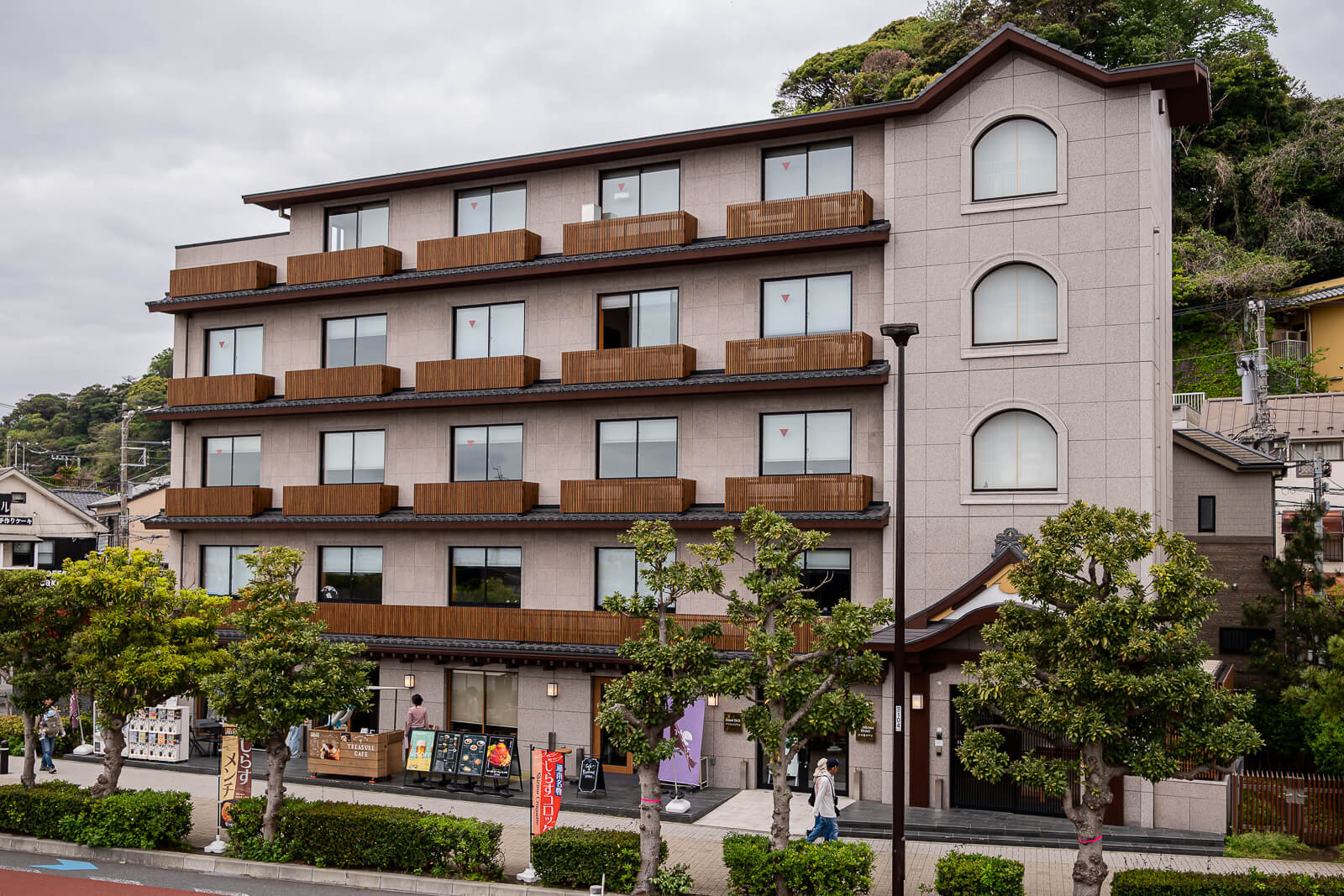
Compare Tokyo Car Rental Options
Rail and walking suit Enoshima itself. Consider a rental car when the wider trip includes places beyond the local railway corridor.
Compare Tokyo Car Rentals
Browse Guided Kamakura Day Trips
Explore Kamakura with a guide and compare routes, included stops and free time. Choose an itinerary that explicitly includes Enoshima if you want both destinations.
Browse Kamakura Tours
Explore Enoshima Aquarium Tickets
Add jellyfish galleries and Sagami Bay marine life to your coastal day. View aquarium admission options for your travel date.
View Aquarium Tickets Compare Japan Data Plans
Check phone compatibility, coverage and data allowance for navigation, translation and railway updates while travelling along the coast.
Compare Japan eSIMs
Ride the Shonan Monorail
Arrive through Ofuna on the suspended monorail. Compare ticket options and validity for this route; other railway lines require separate tickets.
View Monorail Tickets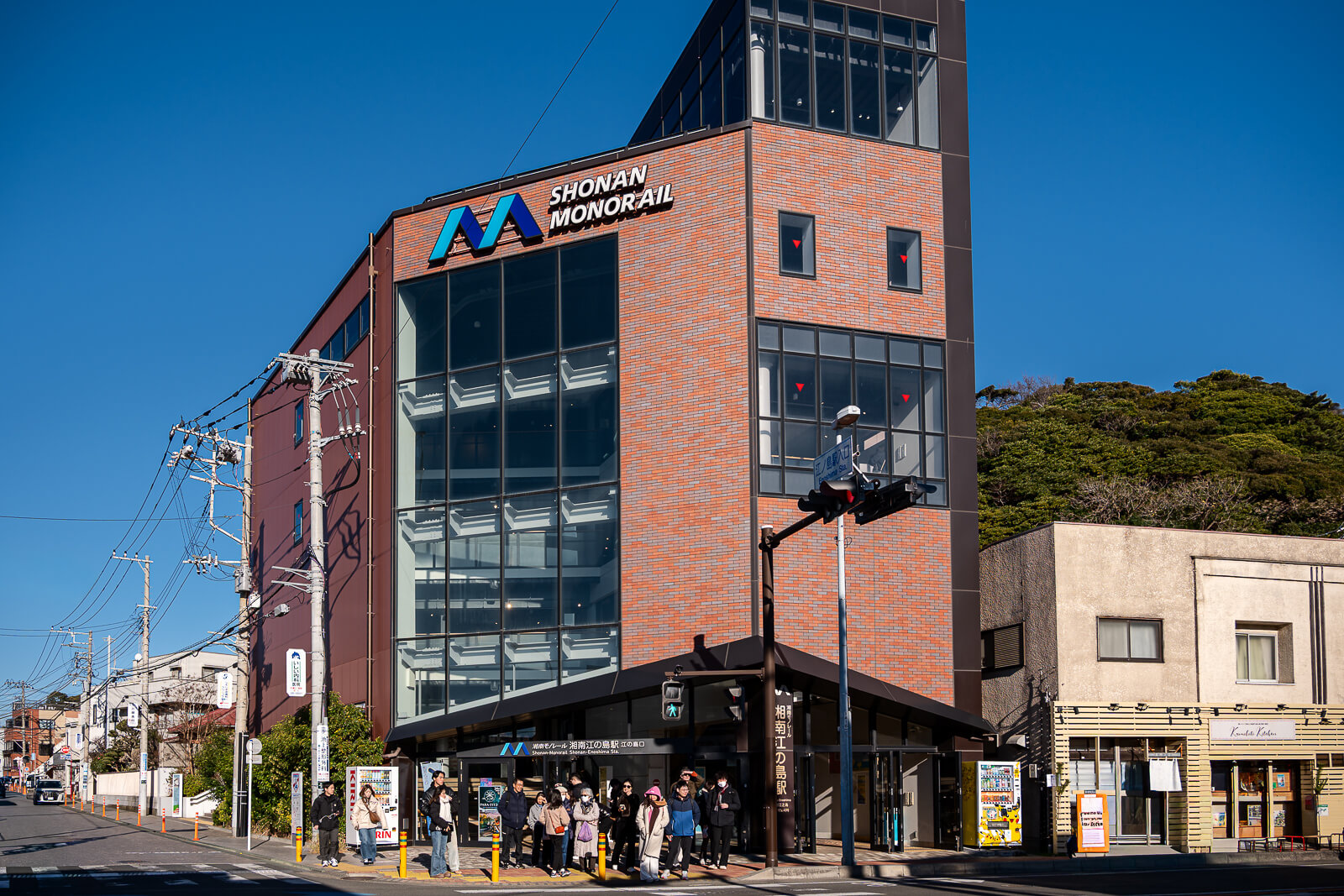
Japan Unfolded may earn a commission through links in this guide, at no additional cost to you.