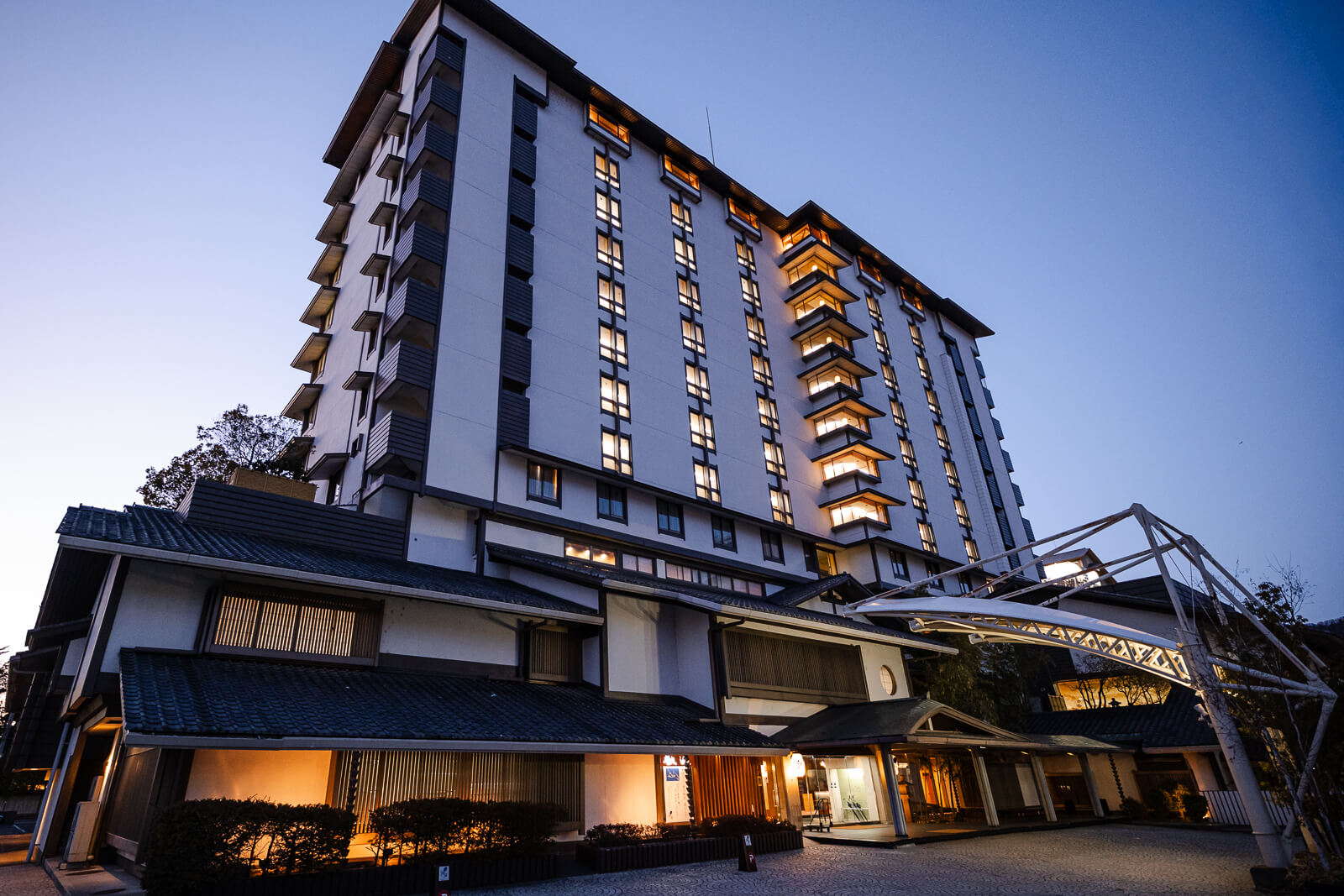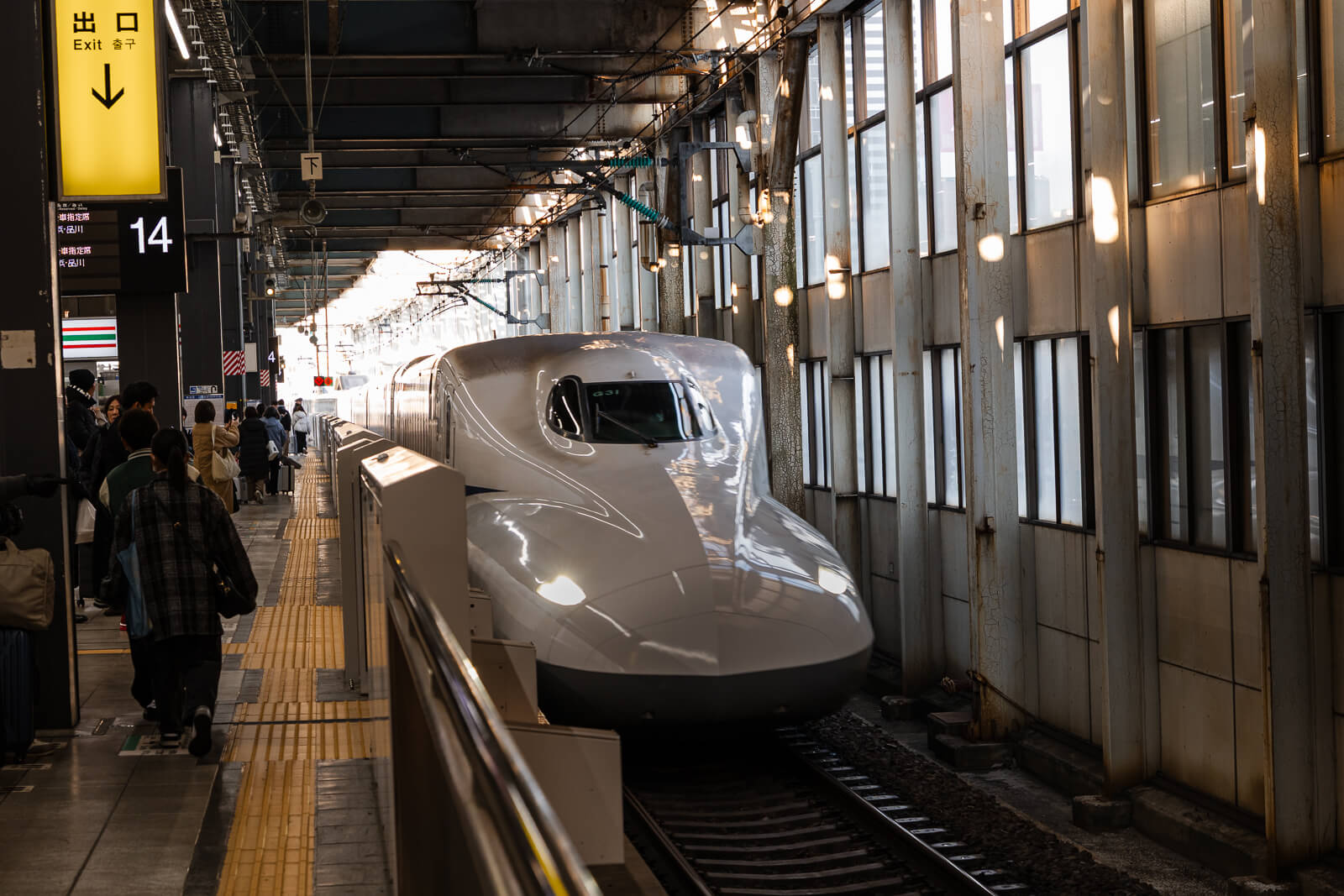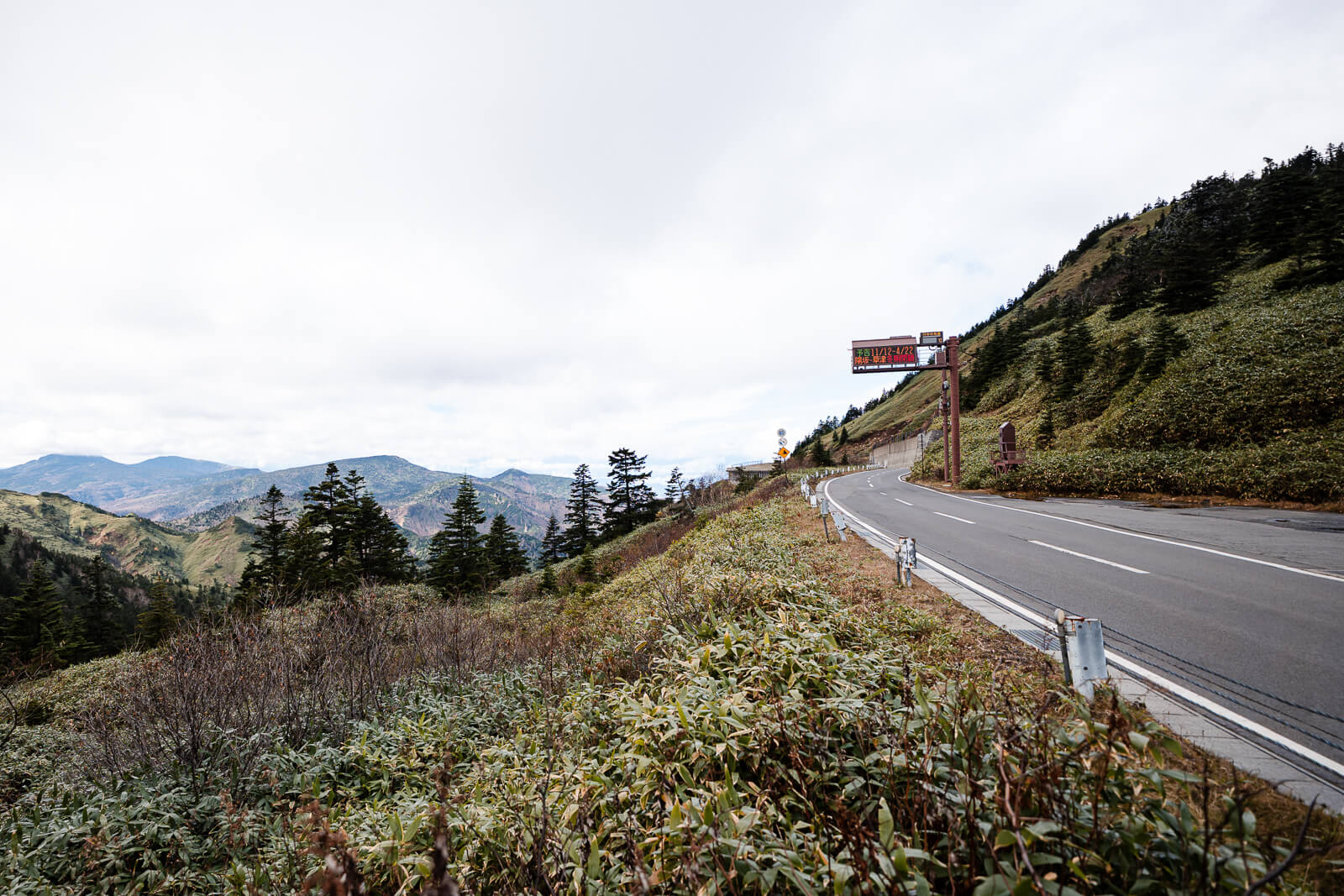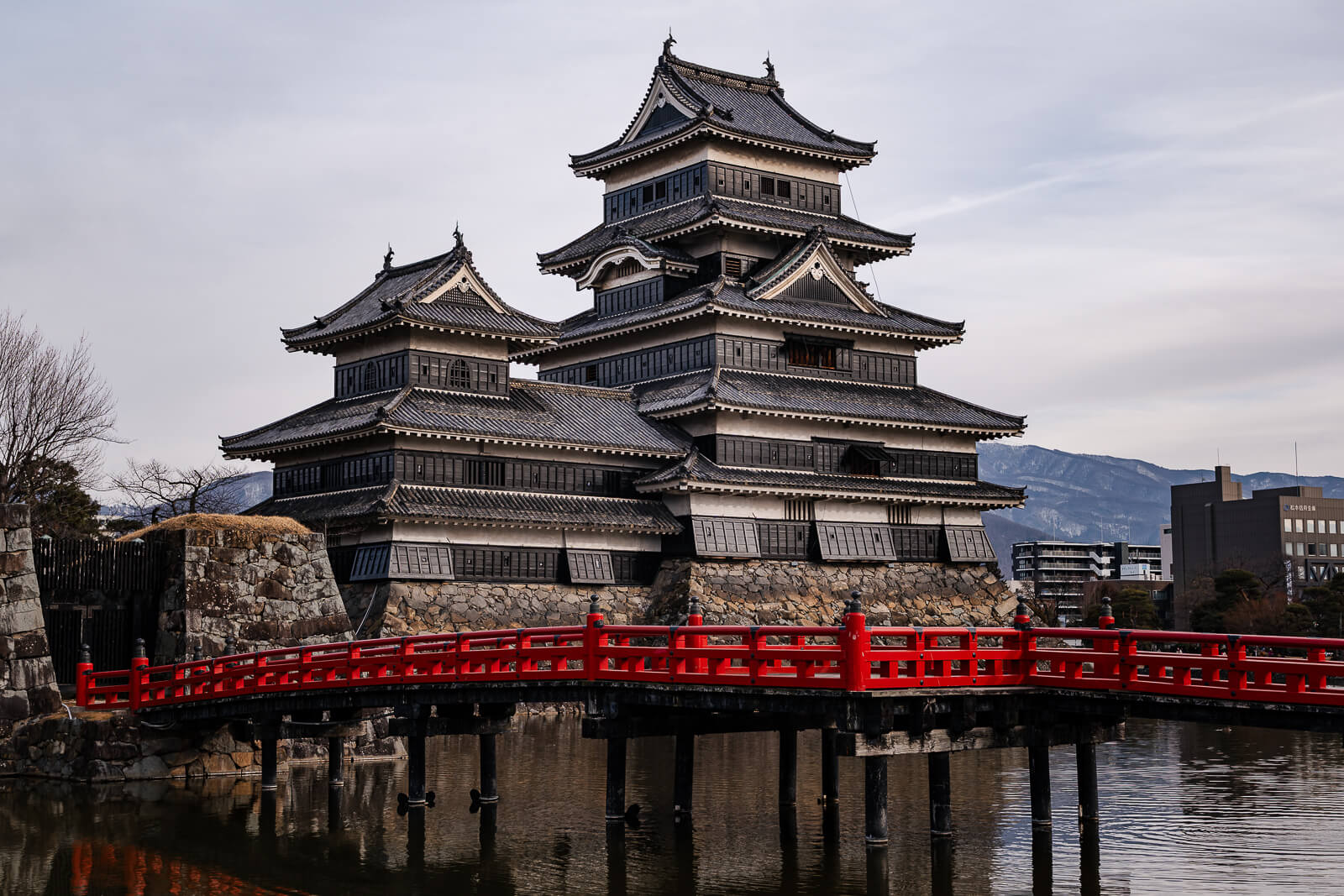

This Suwa Area Guide brings together Lake Suwa’s waterfront, Kamisuwa Onsen, Takashima Castle, museums and mountain views with the four shrines of Suwa Taisha and the forests and waterfalls of the Tateshina Highlands. Kamisuwa is the best base for the lakefront, Shimosuwa for the Lower Shrines and historic streets, and Chino for the Upper Shrines, Mishaka-ike Pond, Yokoya Gorge and Tateshina. Travelers can combine shrine culture, onsen, lakeside sightseeing and mountain scenery within one central Nagano itinerary.
Allow one day for Lake Suwa or Suwa Taisha, two days to combine the lake and all four shrines, and three days to add Chino and Tateshina.
Plan Your Suwa and Chino Trip
Lake Suwa and Suwa Taisha are the two main planning anchors for this region. Lake-focused trips concentrate on Kamisuwa, Shimosuwa, onsen, museums, parks, and viewpoints; shrine-focused trips divide between the Upper Shrines near Chino and the Lower Shrines in Shimosuwa.
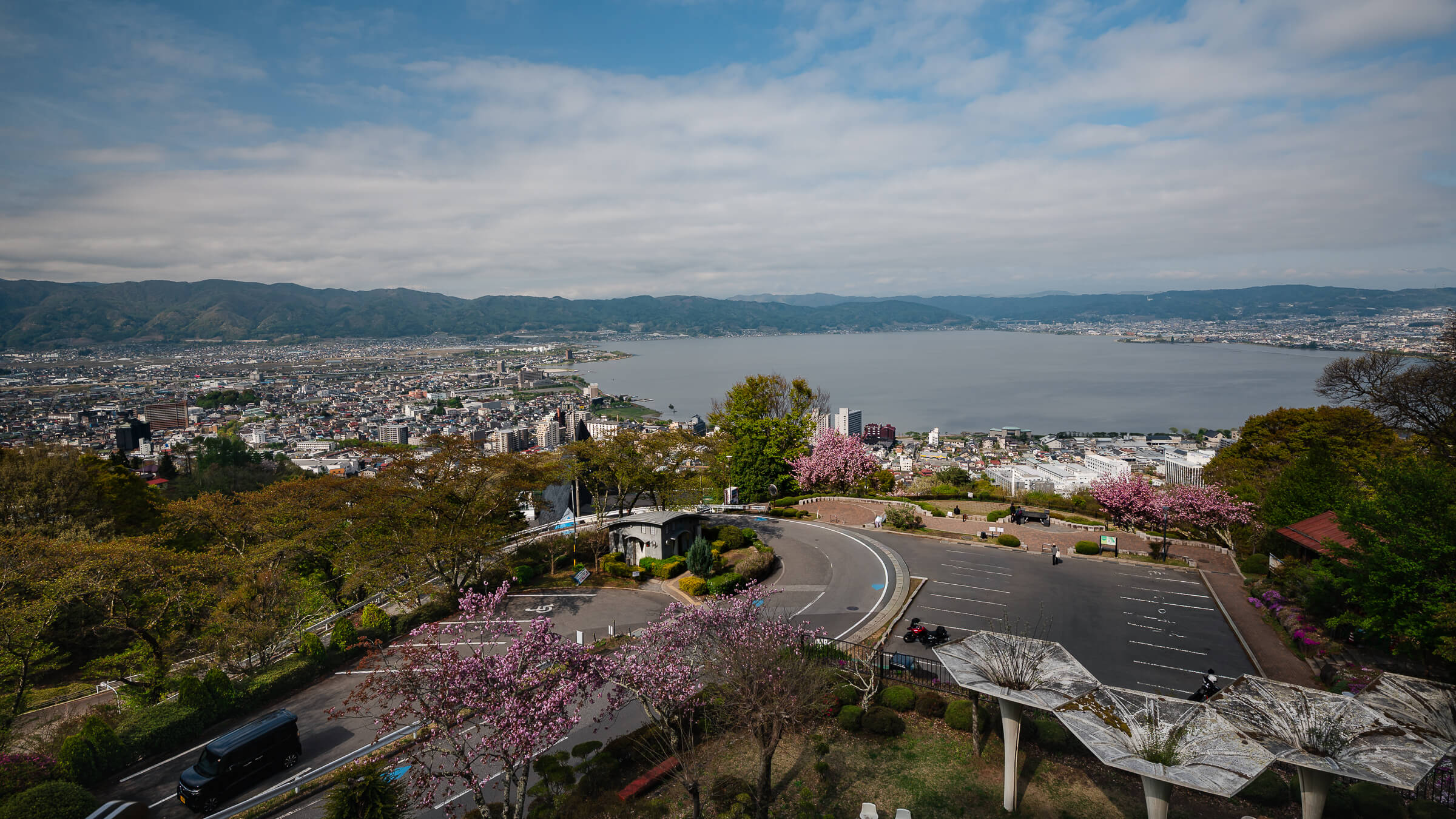
Lake Suwa Guide: What to See, Where to Stay, and How Much Time You Need
Lake Suwa combines lakeside parks, onsen, museums, and elevated viewpoints around the Suwa Basin. Kamisuwa is the most convenient base, while a full day or overnight stay allows time to explore beyond the waterfront.
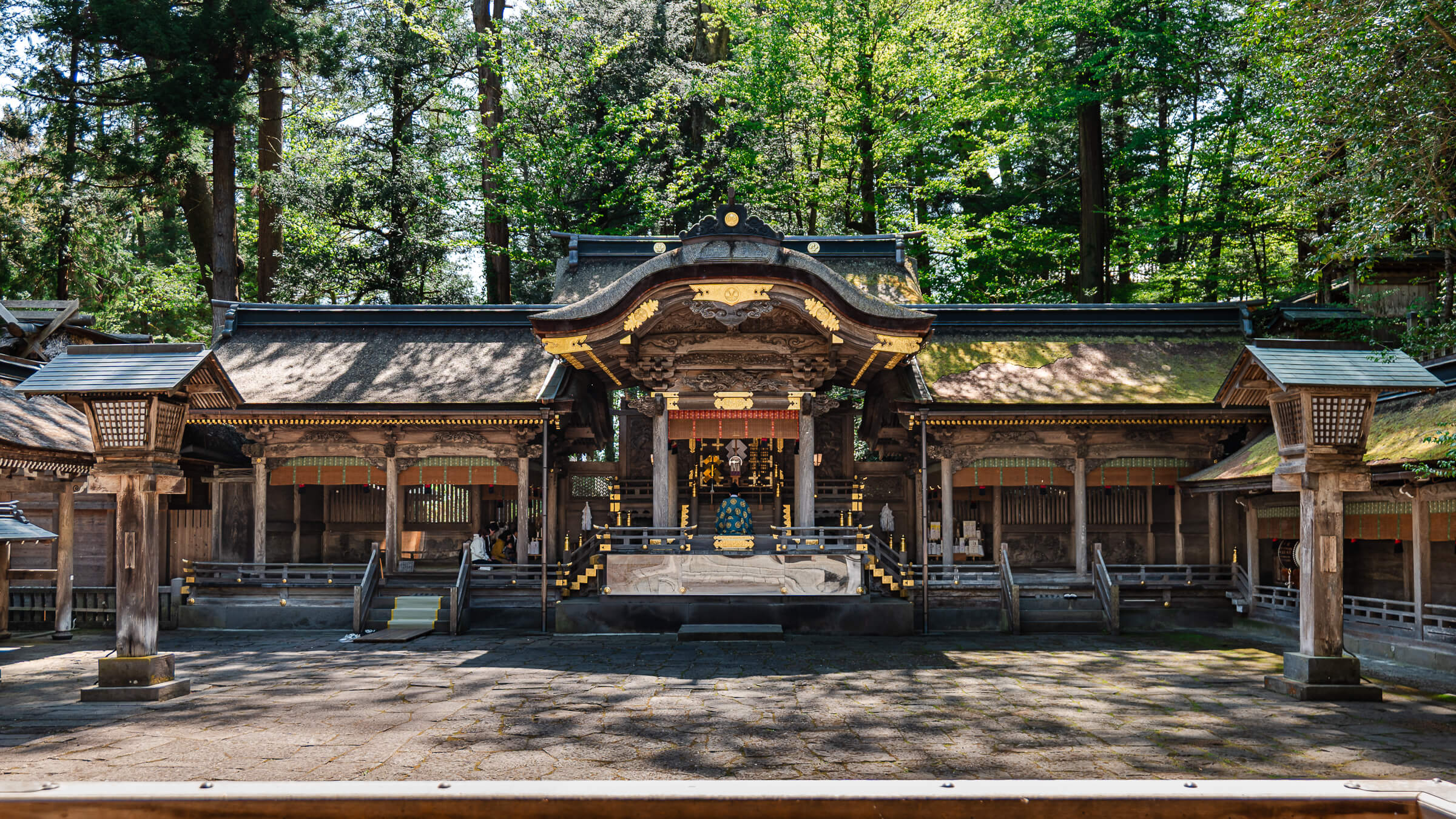
Suwa Taisha Shrine Guide: Which of the Four Shrines Should You Visit
Suwa Taisha is a four-shrine system divided between the Upper Shrines near Chino and the Lower Shrines in Shimosuwa. Honmiya is the strongest single choice, two shrines suit a half-day, and the complete circuit works best with a full day.
Explore Lake Suwa and Kamisuwa
Kamisuwa is the easiest lakeside base for combining history, hot-spring culture, museums, flat waterfront walking, and views across the Suwa Basin. Most stops are close to the station or shoreline; Tateishi Park is the main uphill exception and works best by car.
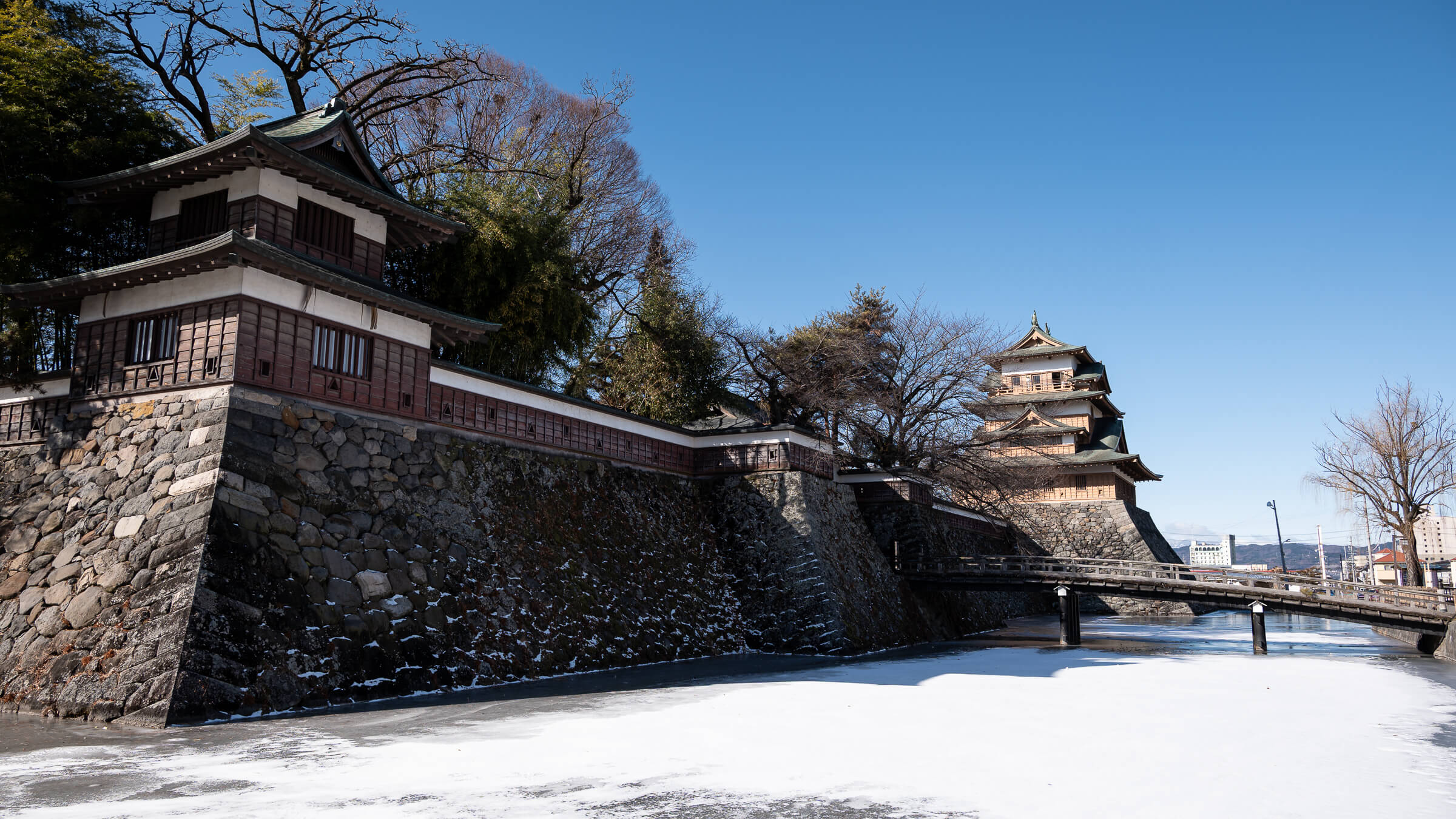
Takashima Castle — A Castle Rising Above Lake Suwa
Takashima Castle is a compact historic stop near the Kamisuwa waterfront, with flat moat paths, a reconstructed keep, and views across the Suwa Basin.
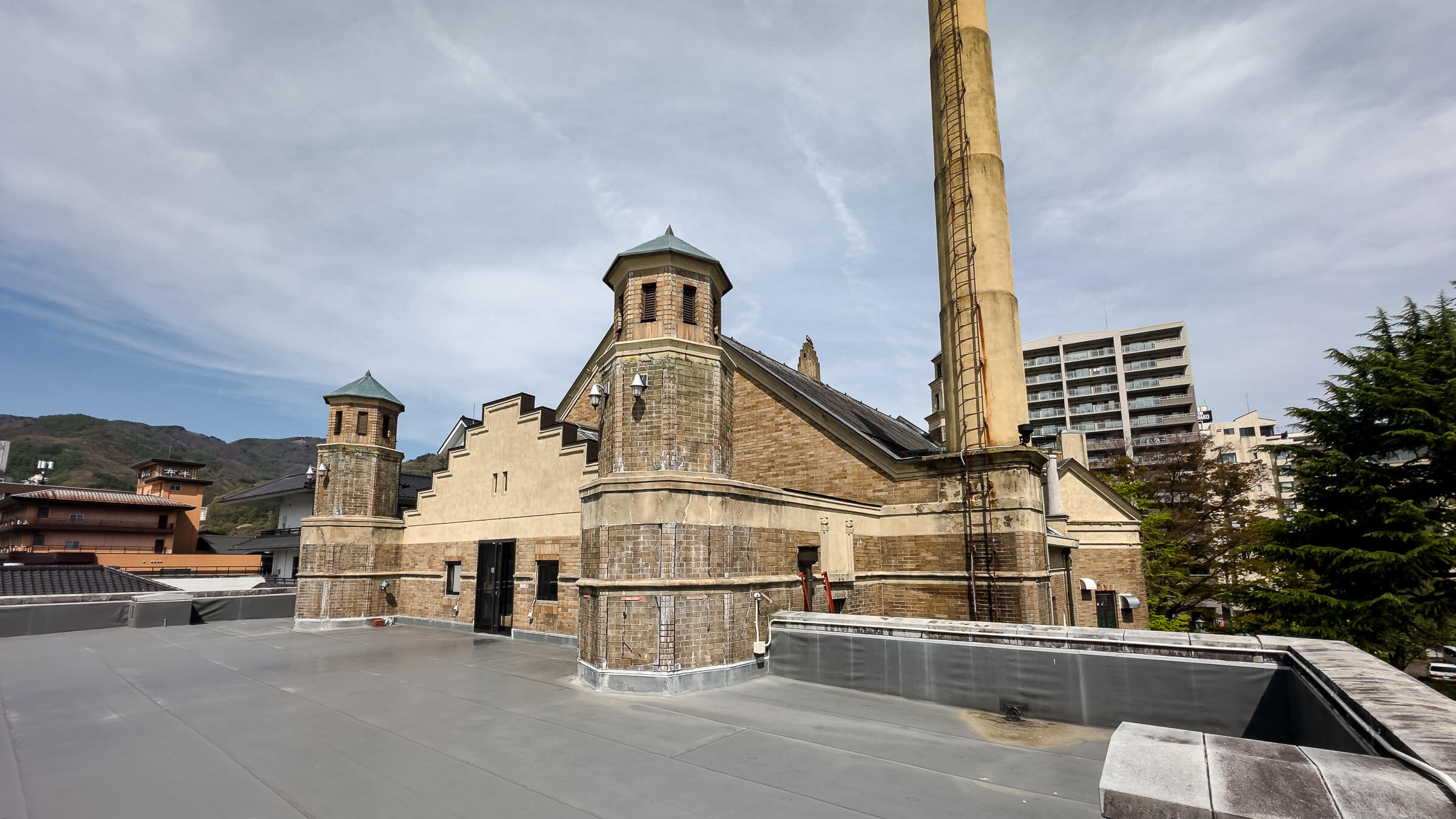
Katakurakan — The Deep Stone Bath Beside Lake Suwa
Katakurakan is a 1928 public bathhouse near Kamisuwa Station, known for its deep Sennin-buro stone bath.
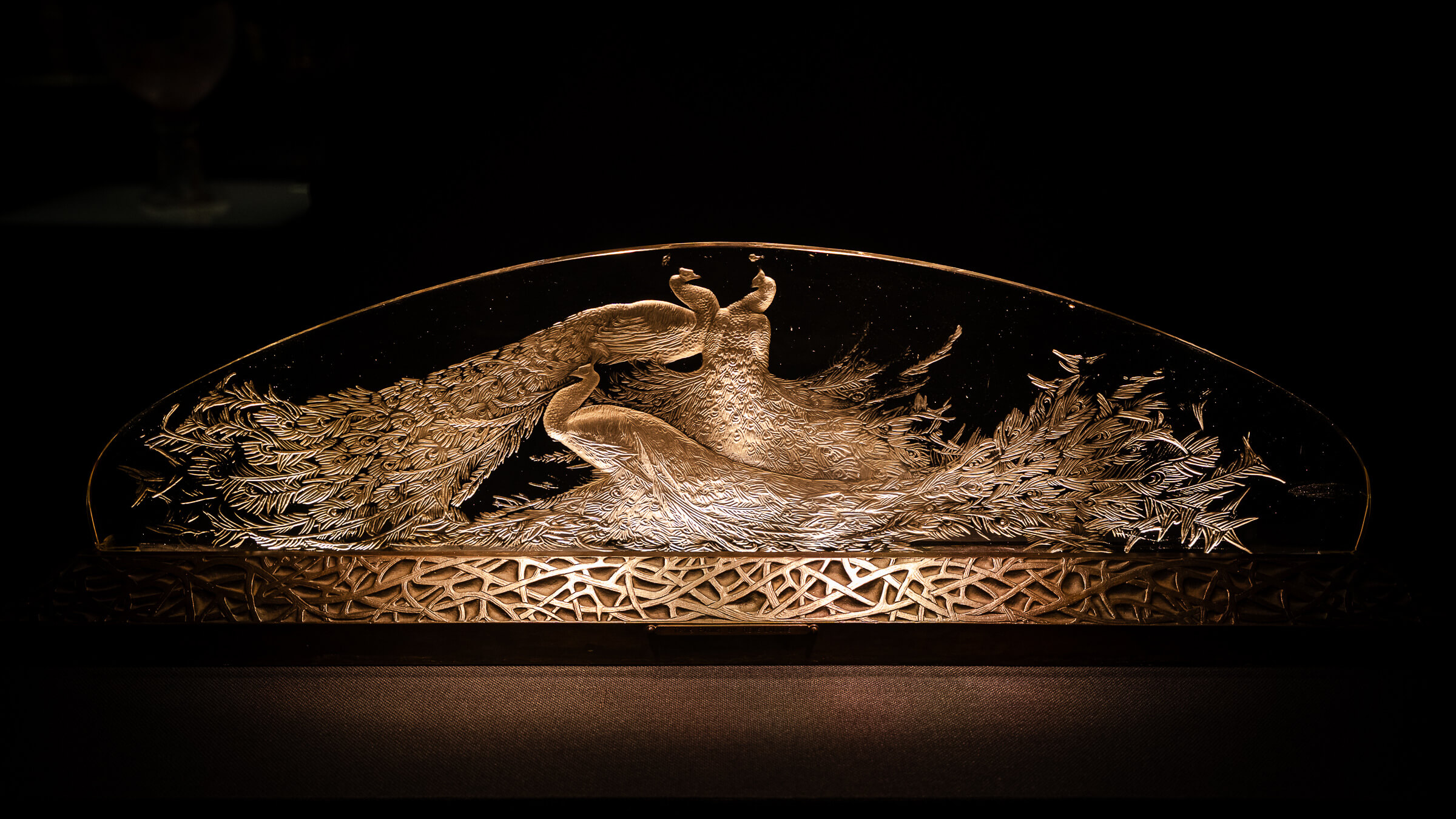
Kitazawa Museum of Art — Glass Galleries Along Lake Suwa’s Urban Shoreline
Kitazawa Museum of Art presents Émile Gallé and Art Nouveau glass beside the Kamisuwa waterfront.
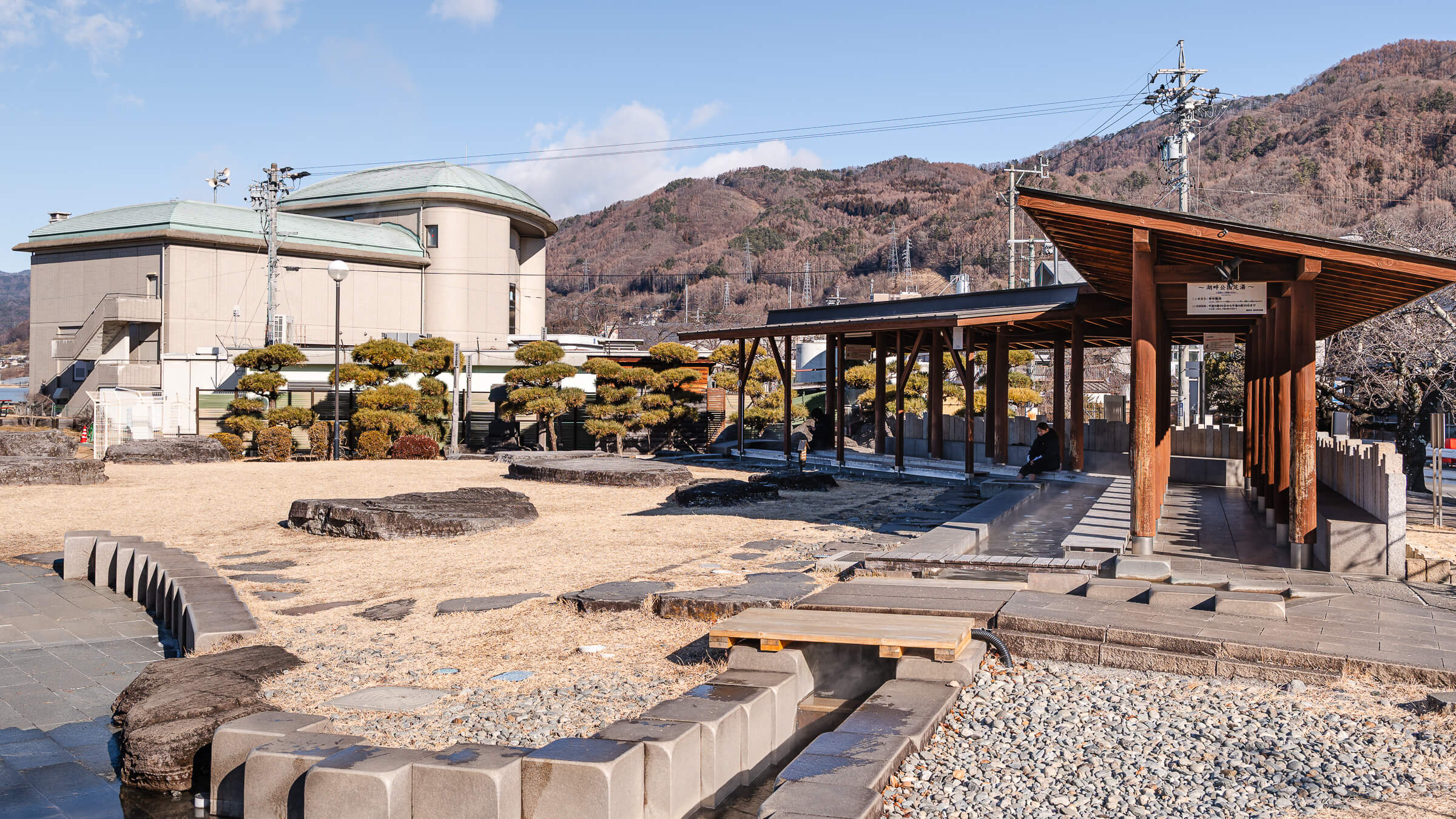
Lake Suwa Geyser Center and Lakeside Footbath — Steam, Hot Springs, and the Kamisuwa Shore
The Lake Suwa Geyser Center and free lakeside footbath sit on the Kamisuwa promenade.
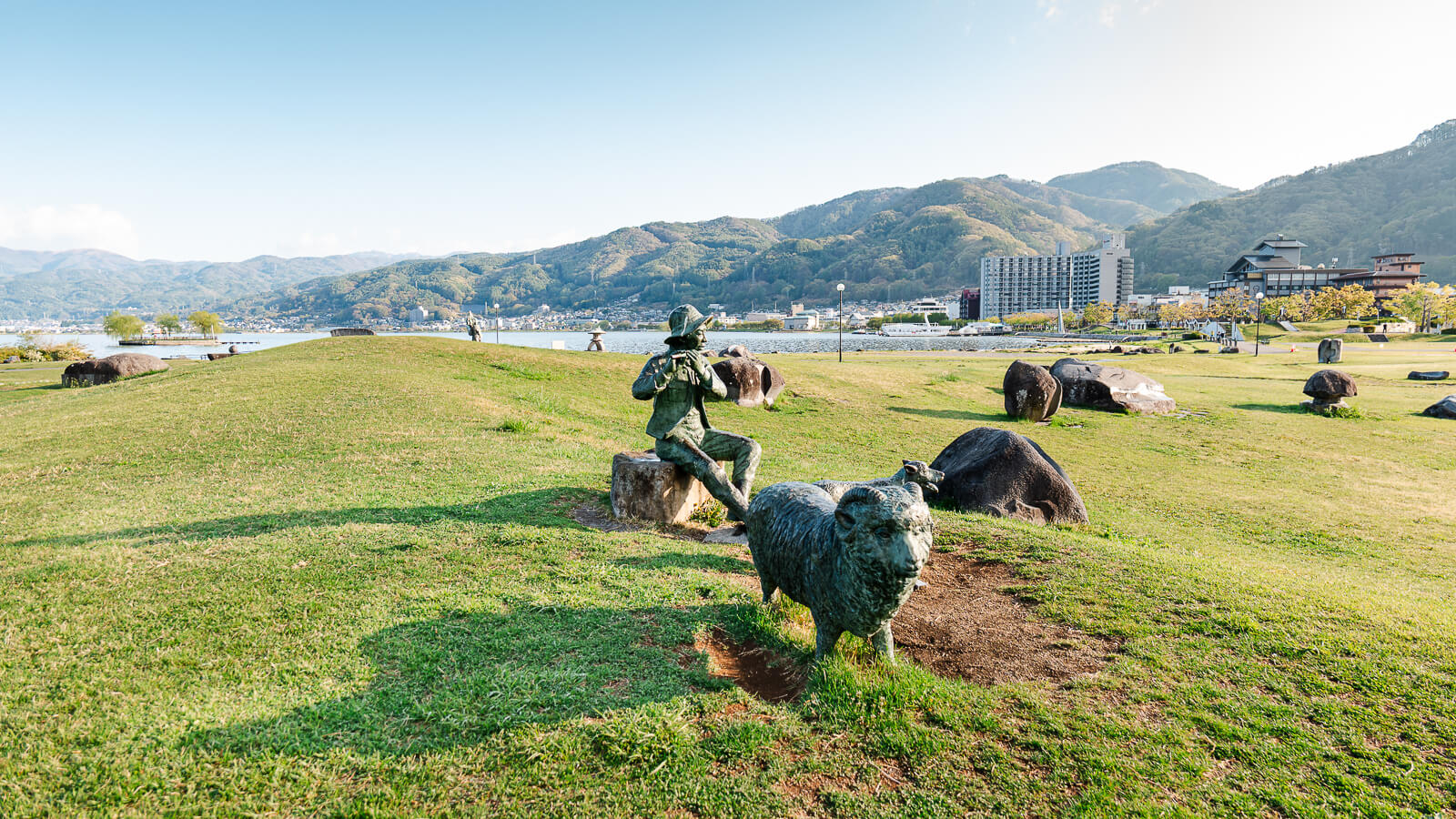
Sekicho Park and Suwa Lakeside Park — An Easy Walk Along Lake Suwa
Sekicho Park and Suwa Lakeside Park form a flat, uninterrupted shoreline walk near Kamisuwa.
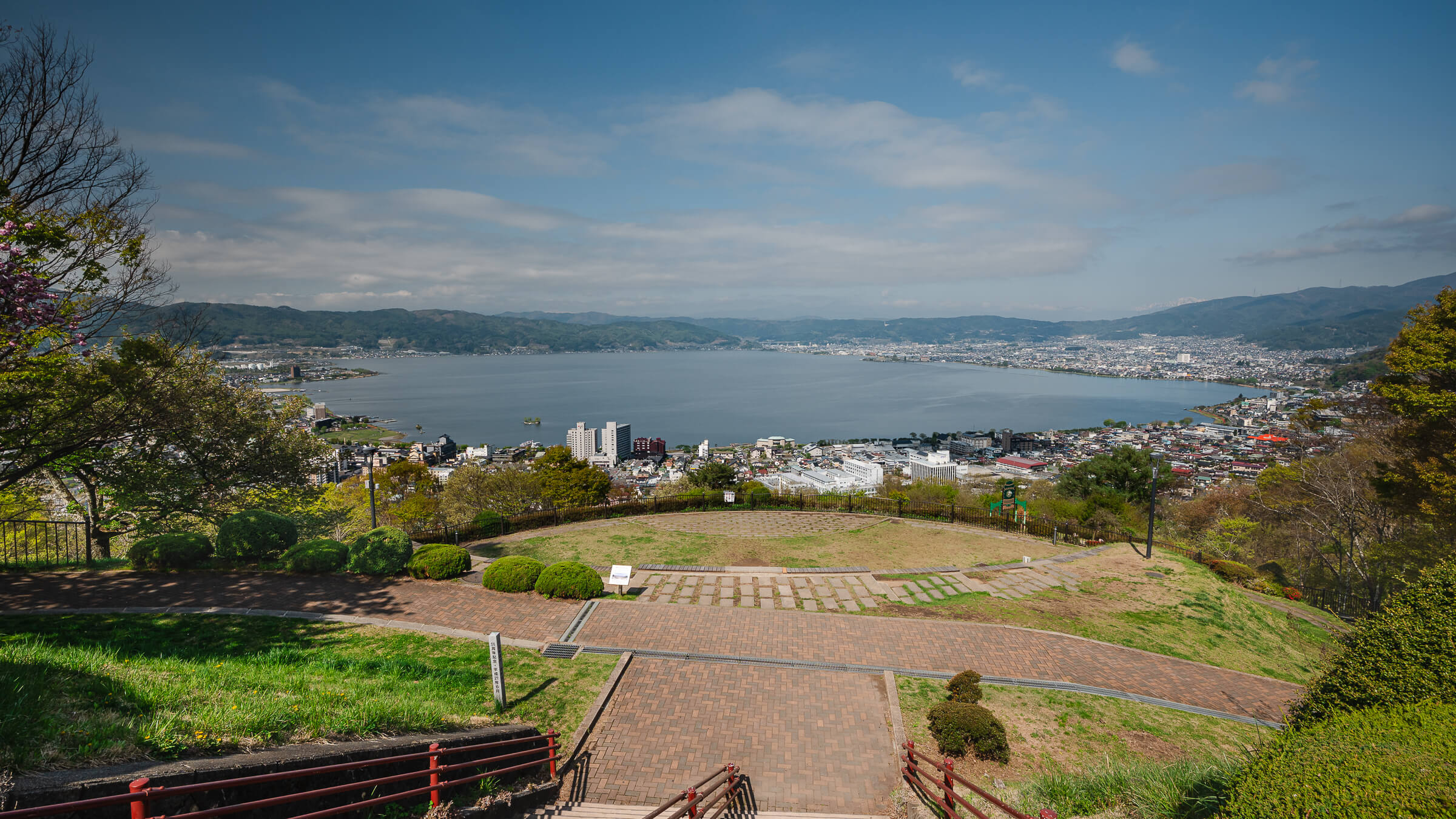
Tateishi Park — The Overlook That Changes How Lake Suwa Looks
Tateishi Park overlooks the full Lake Suwa basin from the hills above Suwa City.
Explore Suwa Taisha and Shimosuwa
Suwa Taisha is spread across four separate shrines, not one complex. Honmiya and Maemiya form the Upper Shrine pair near Suwa and Chino; Akimiya and Harumiya form the Lower Shrine pair in Shimosuwa, where festival, temple, and riverside sites can be linked on foot.
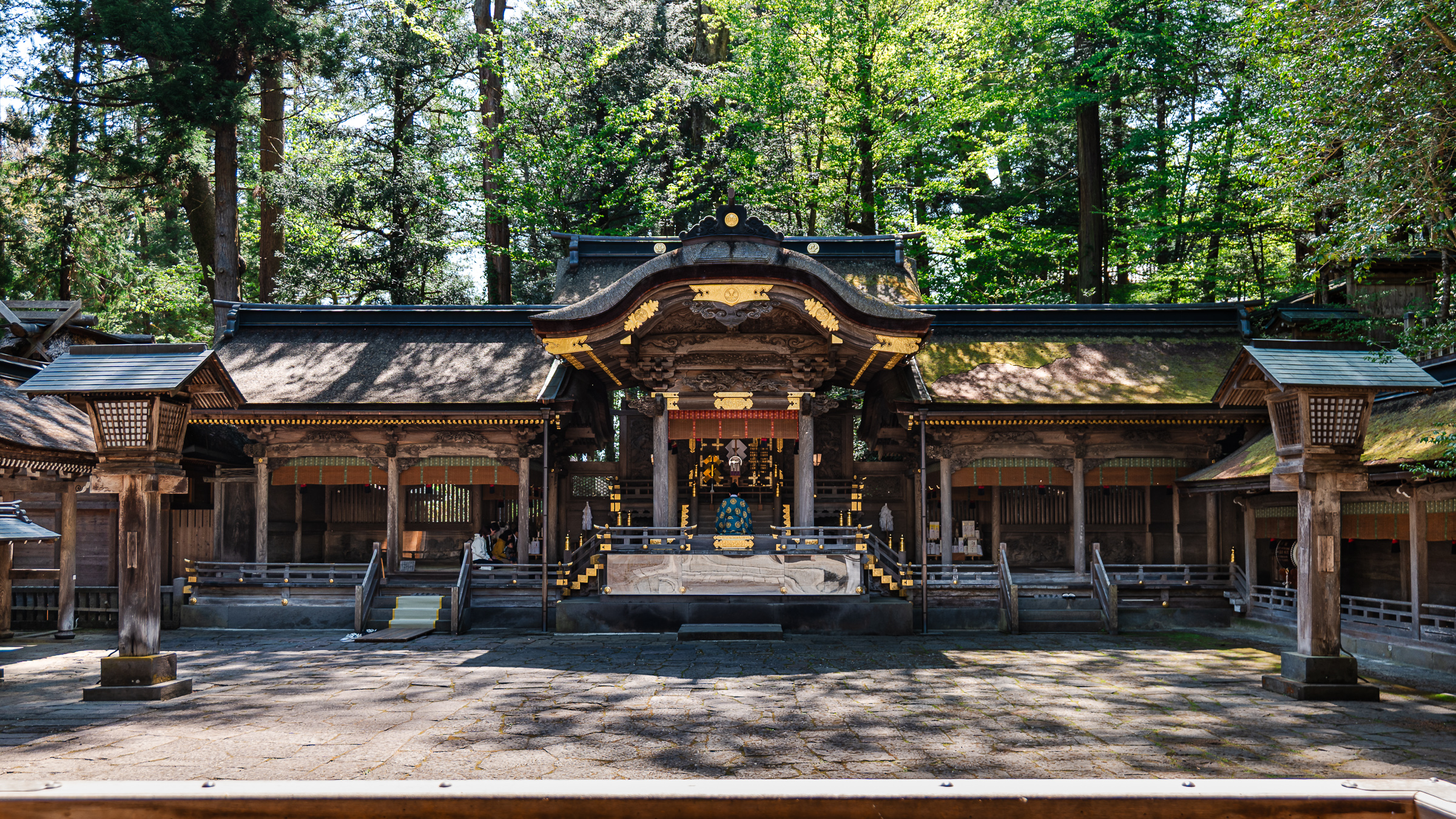
Suwa Taisha Kamisha Honmiya — A Shrine That Faces the Mountain
Kamisha Honmiya is the largest and most architecturally prominent of the four Suwa Taisha shrines.
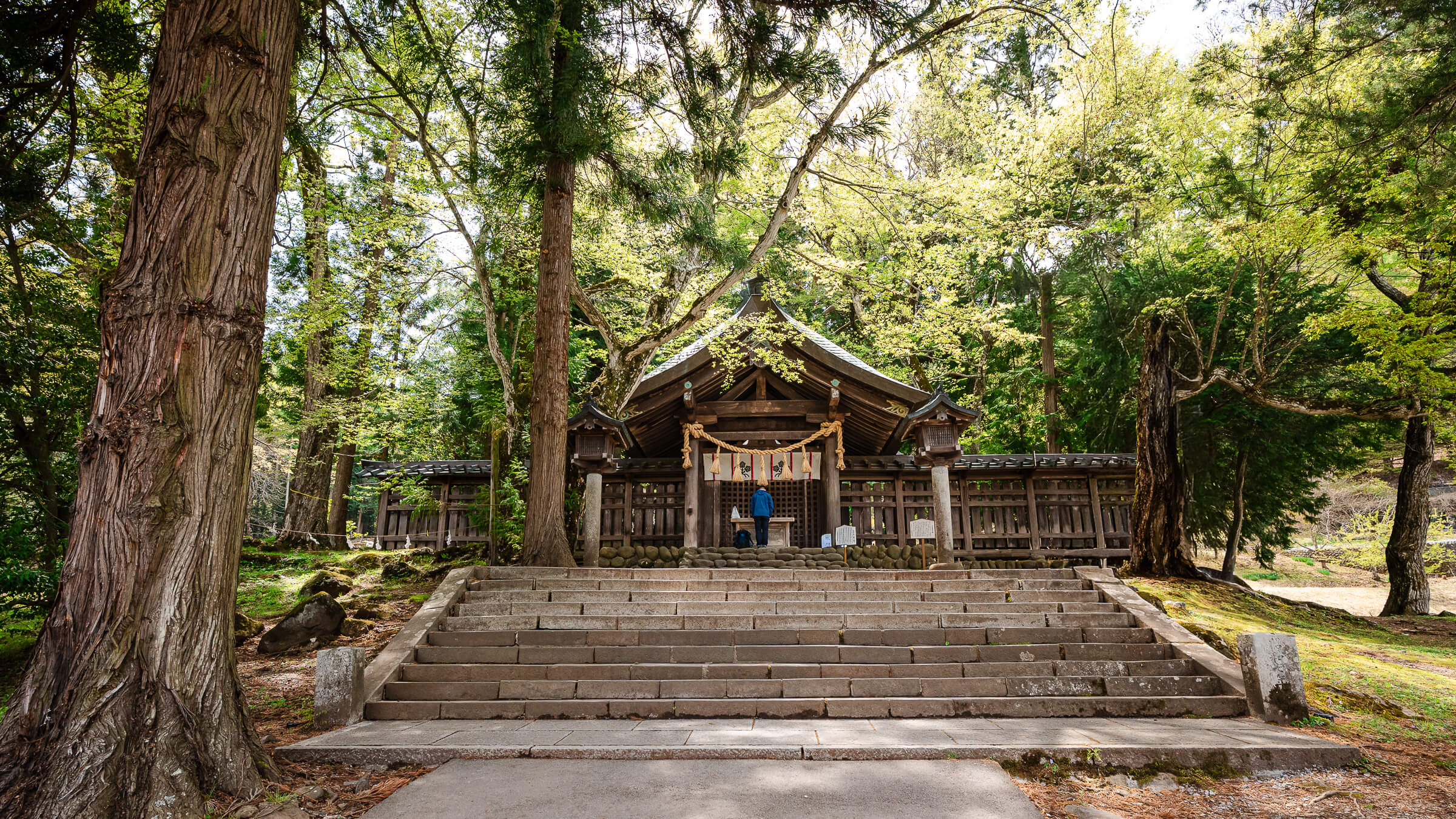
Suwa Taisha Kamisha Maemiya
Kamisha Maemiya is the quietest and most landscape-oriented Suwa Taisha stop, unfolding through wooded slopes, stone paths, and elevated grounds.
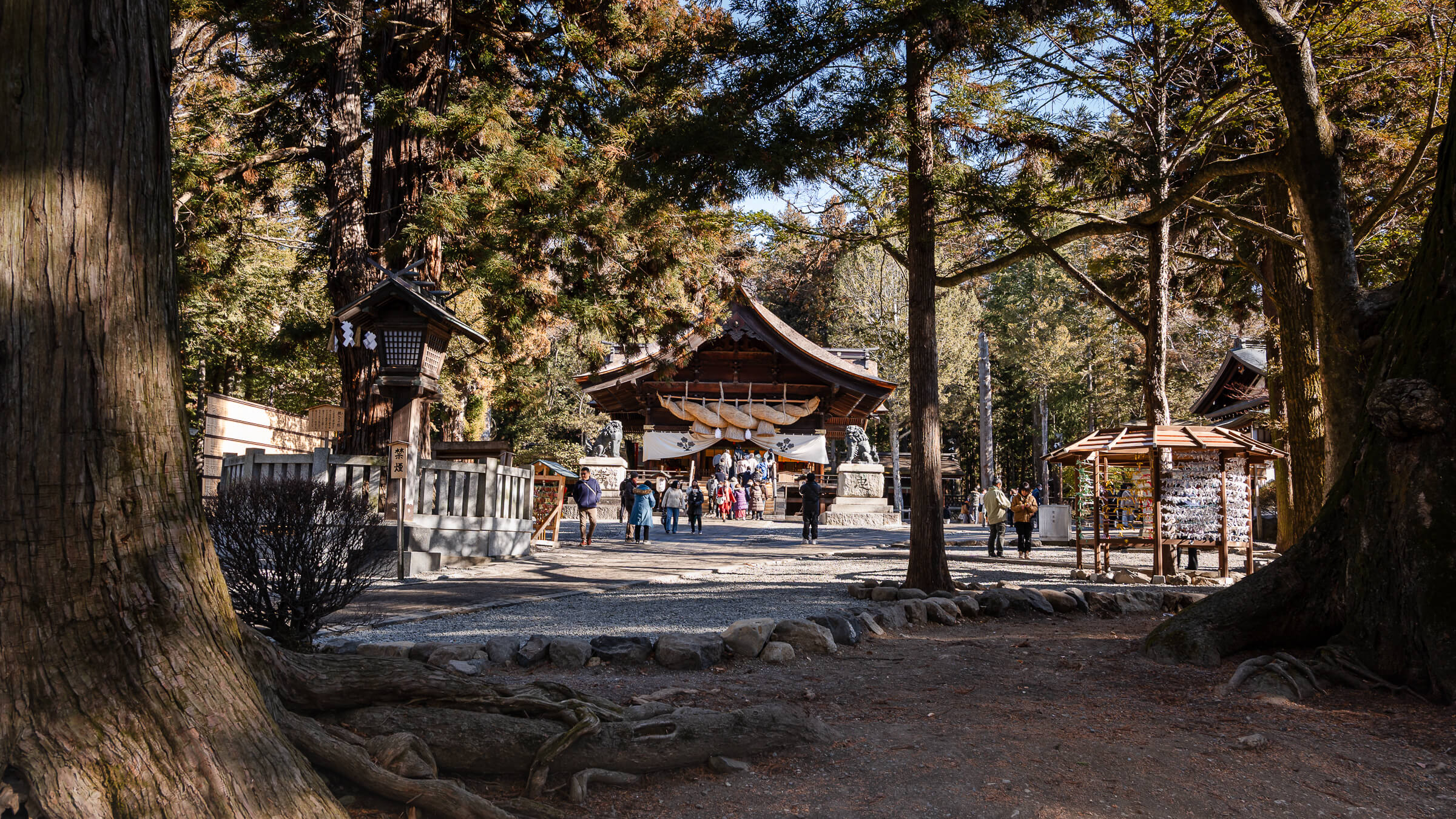
Suwa Taisha Shimosha Akimiya
Shimosha Akimiya is a compact, town-connected shrine near Shimosuwa Station, centered on its large Kaguraden and massive sacred rope.
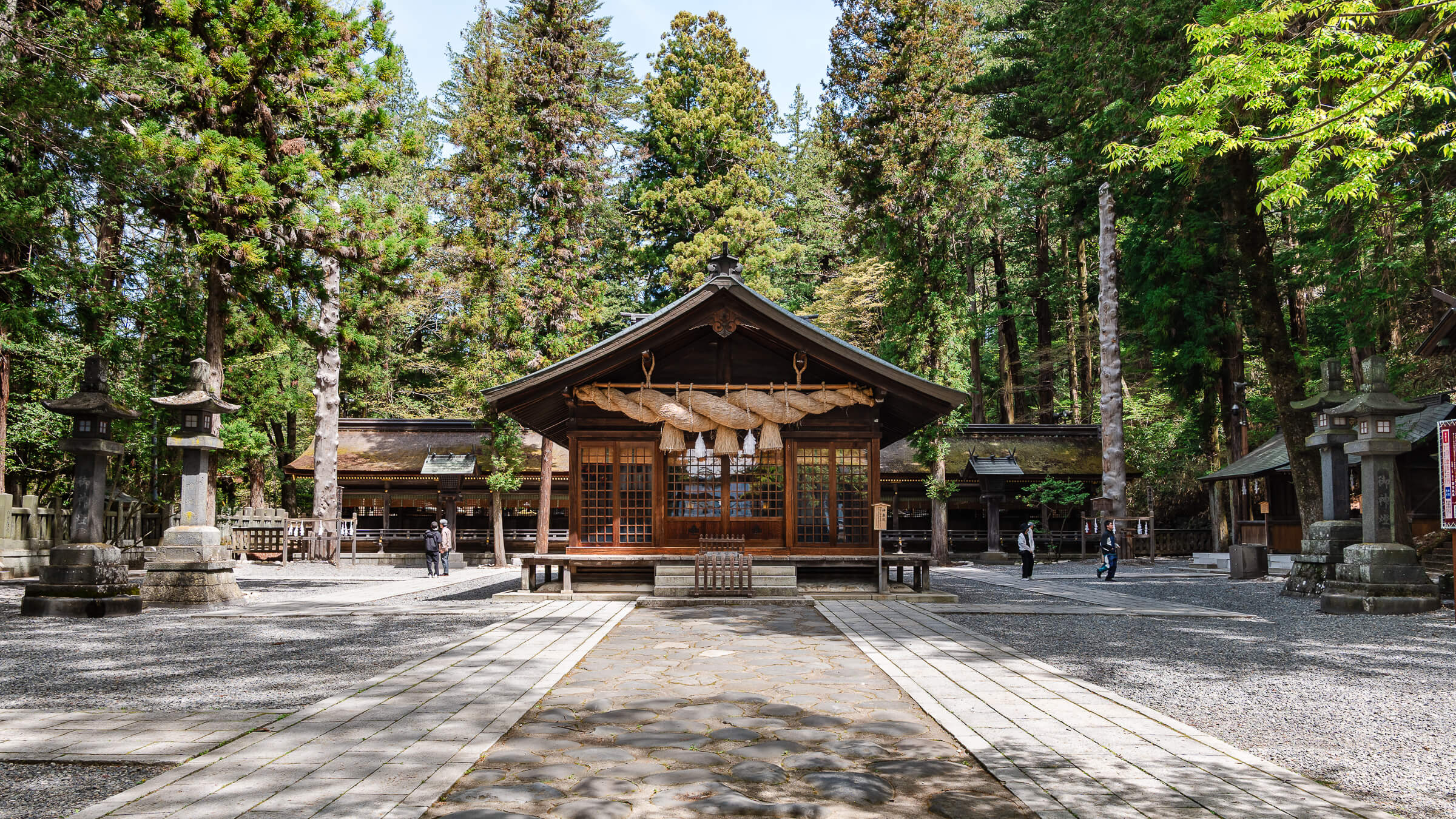
Suwa Taisha Shimosha Harumiya
Shimosha Harumiya offers a quieter cedar-covered setting beside the river, with mostly flat walking. It is the natural anchor for Manji Stone Buddha, Onbashira-kan Yoisa, and Jiunji.
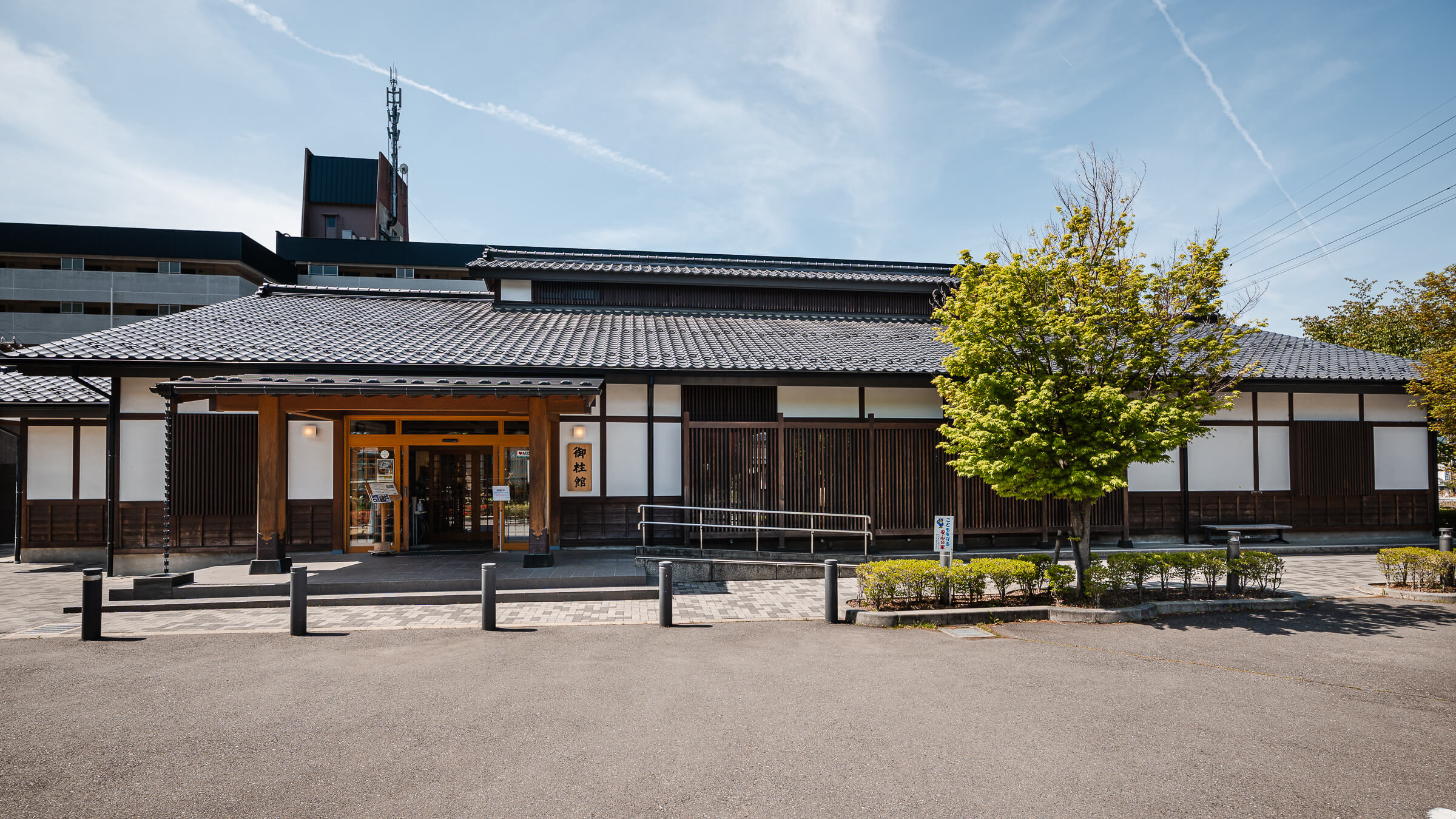
Onbashira-kan Yoisa
Onbashira-kan Yoisa sits beside Harumiya and explains how Suwa’s giant sacred pillars are selected, moved, and raised during the six-year festival cycle.
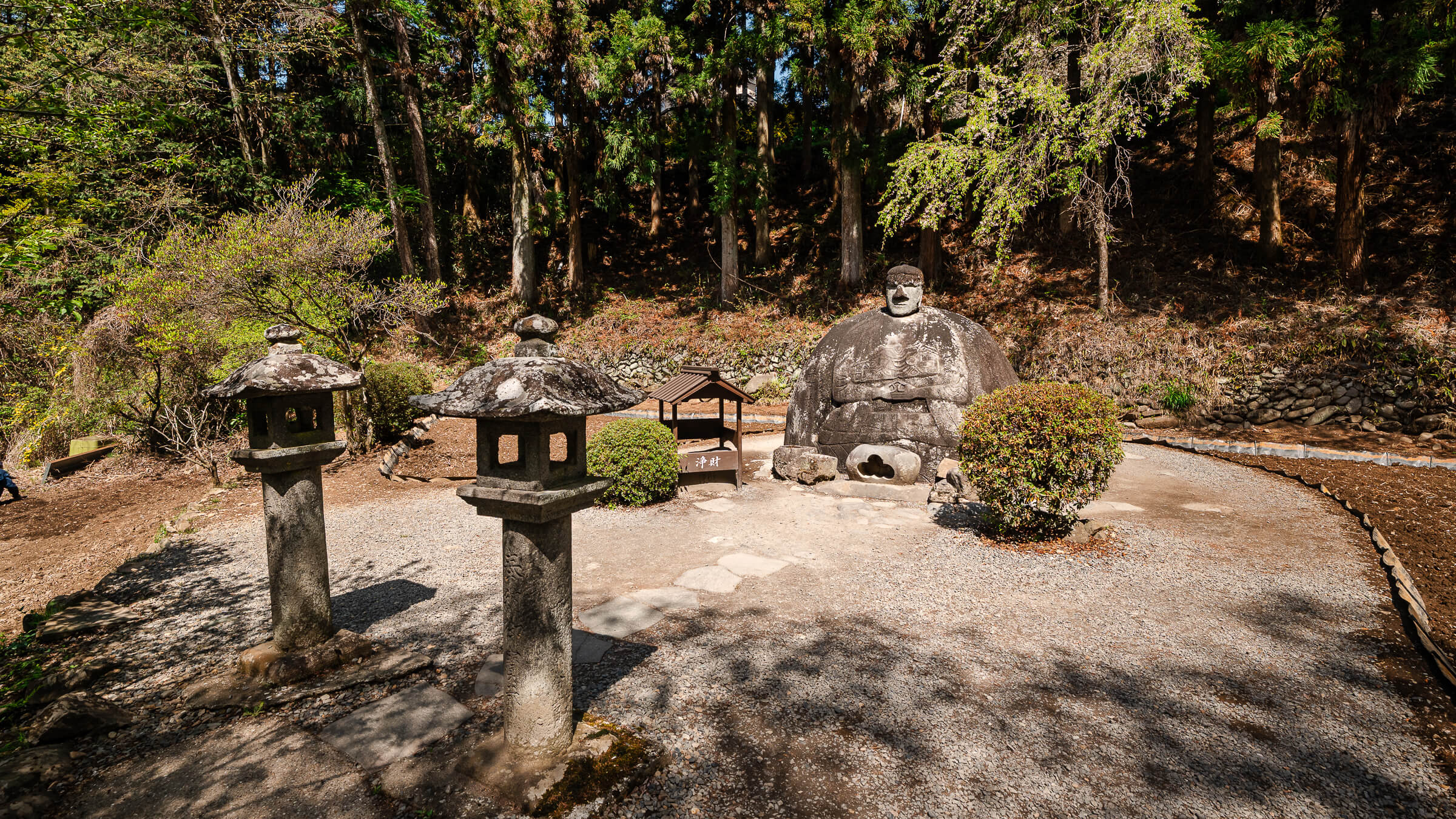
Manji Stone Buddha — The Odd Riverside Buddha Beside Suwa Taisha Harumiya
Manji Stone Buddha is a distinctive 1660 stone figure reached by a short riverside path from Harumiya.
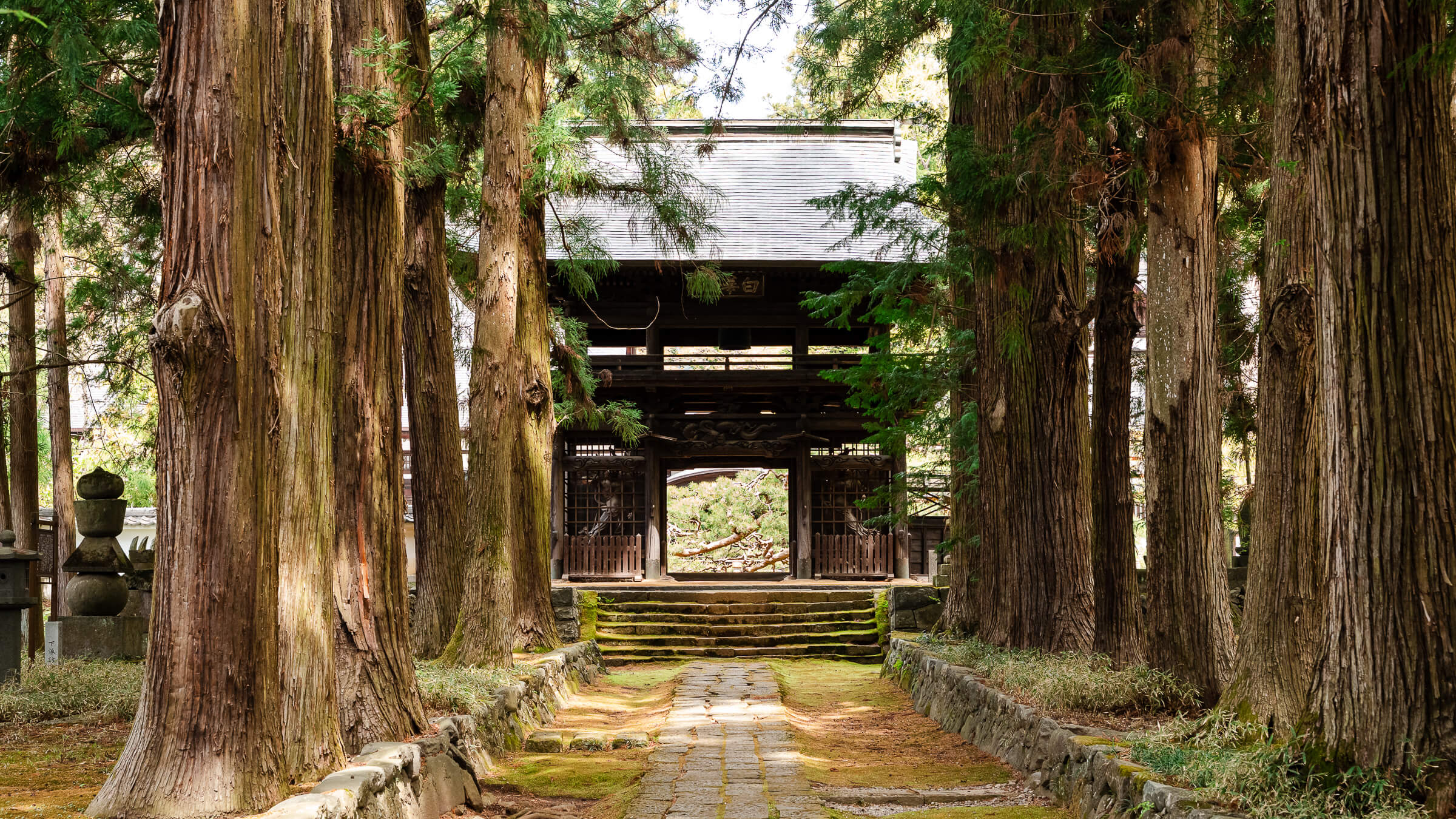
Jiunji Temple — A Zen Temple Stop Between Harumiya and Akimiya
Jiunji is a Rinzai Zen temple about eight minutes on foot from Harumiya, with a cedar approach, garden areas, and links to Kamakura’s Kenchō-ji tradition.
Explore Chino and the Tateshina Highlands
East of the Lake Suwa basin, Chino rises into the Tateshina and Yatsugatake highlands. These nature stops are dispersed and conditions matter: a car gives the best route control, while wet surfaces, seasonal ice, wind, and limited bus timing can change the day.
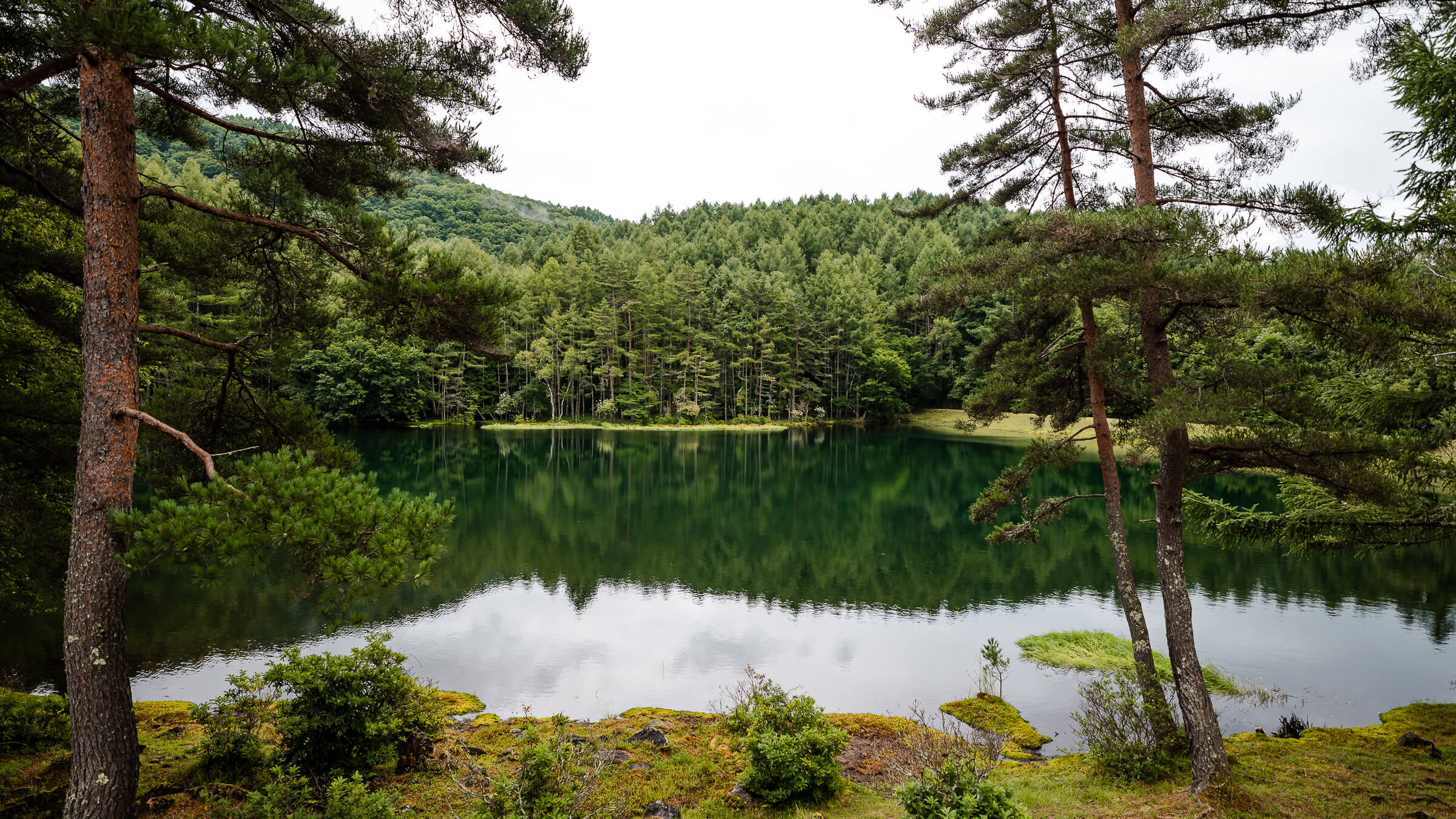
Mishaka-ike Pond — Forest Reflections in the Tateshina Highlands Above Lake Suwa
Mishaka-ike is a small forest pond known for still-water reflections and its connection to painter Kaii Higashiyama.
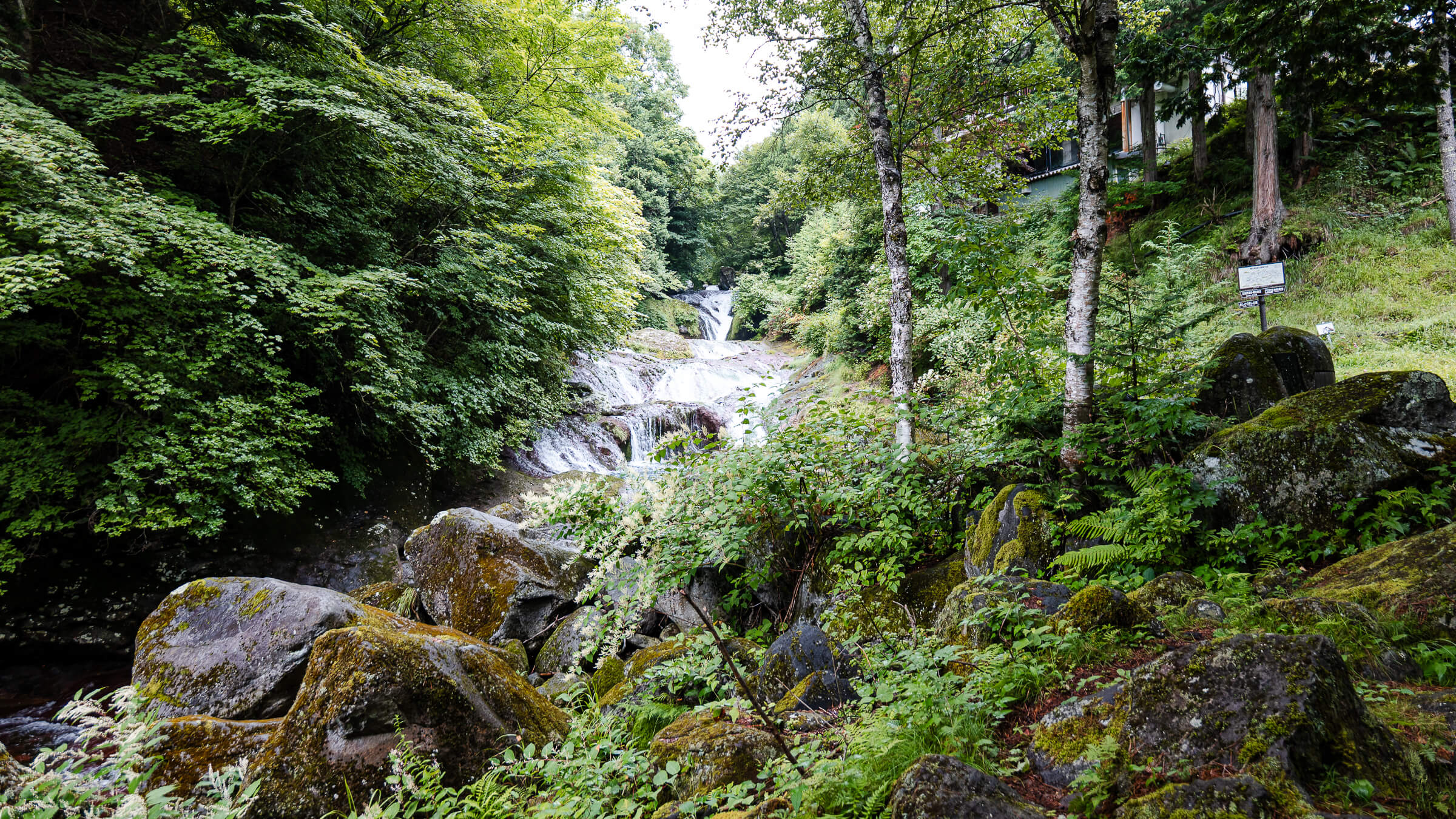
Oshidori Kakushi Falls — A Forest Waterfall Below Mishaka-ike in the Tateshina Highlands
Oshidori Kakushi Falls drops through three moss-covered tiers near Mishaka-ike, with clear water, reddish rock and dense Oku-Tateshina forest.
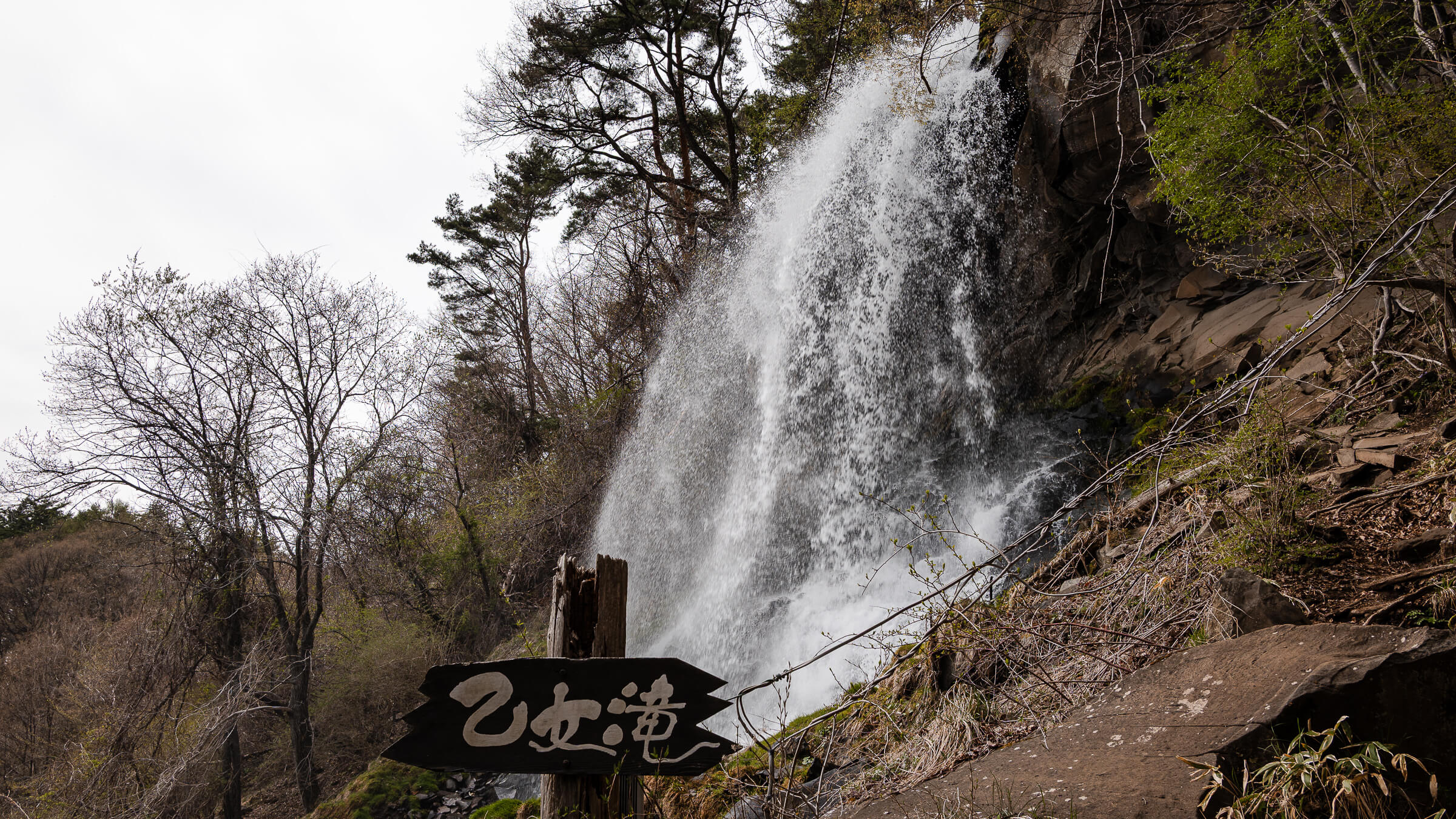
Otome Falls in Chino — Where Yokoya Gorge Begins With Moving Water
Otome Falls sits near the entrance to Yokoya Gorge and brings visitors close to spray and moving water.