Tōkei-ji Temple brings together one of Kamakura’s most compelling histories and a garden that changes with the seasons. Founded as a nunnery in 1285, it became a refuge for women seeking to leave their marriages and remained associated with that role for centuries. Today, flower-lined paths, Buddhist treasures and the wooded hillside give that history a setting that rewards an unhurried visit.
A few minutes from Kita-Kamakura Station, the temple fits easily into a day among the northern district’s Zen temples. Its appeal is strongest for visitors drawn to social history, smaller gardens and the people behind Kamakura’s monuments. Allow around 45–60 minutes as a planning guide, with more time for the treasure museum or a particular seasonal display.
The Story Behind Kamakura’s Divorce Temple
Kakuzan Shidō-ni, the widow of Hōjō Tokimune, founded Tōkei-ji with the support of Hōjō Sadatoki. The temple developed into an influential nunnery with connections to the ruling families of medieval Japan. Its religious life became inseparable from a wider role in offering women a route out of difficult marriages.
Names such as Kakekomi-dera, a temple of refuge, and Enkiri-dera, a temple for severing ties, reflect that reputation. Women could seek protection here, and the temple’s institutional authority helped make separation possible within the social arrangements of the time. That history gives Tōkei-ji a different emphasis from the great ceremonial halls and warrior memorials elsewhere in Kamakura.
Successive abbesses strengthened the temple’s standing through connections reaching beyond the city. Yōdo-ni, a daughter of Emperor Go-Daigo, served as its fifth abbess, while Tenshū-ni, the daughter of Toyotomi Hideyori and adopted daughter of Senhime, became its twentieth. These lives connect the small temple to some of the major political families in Japanese history.
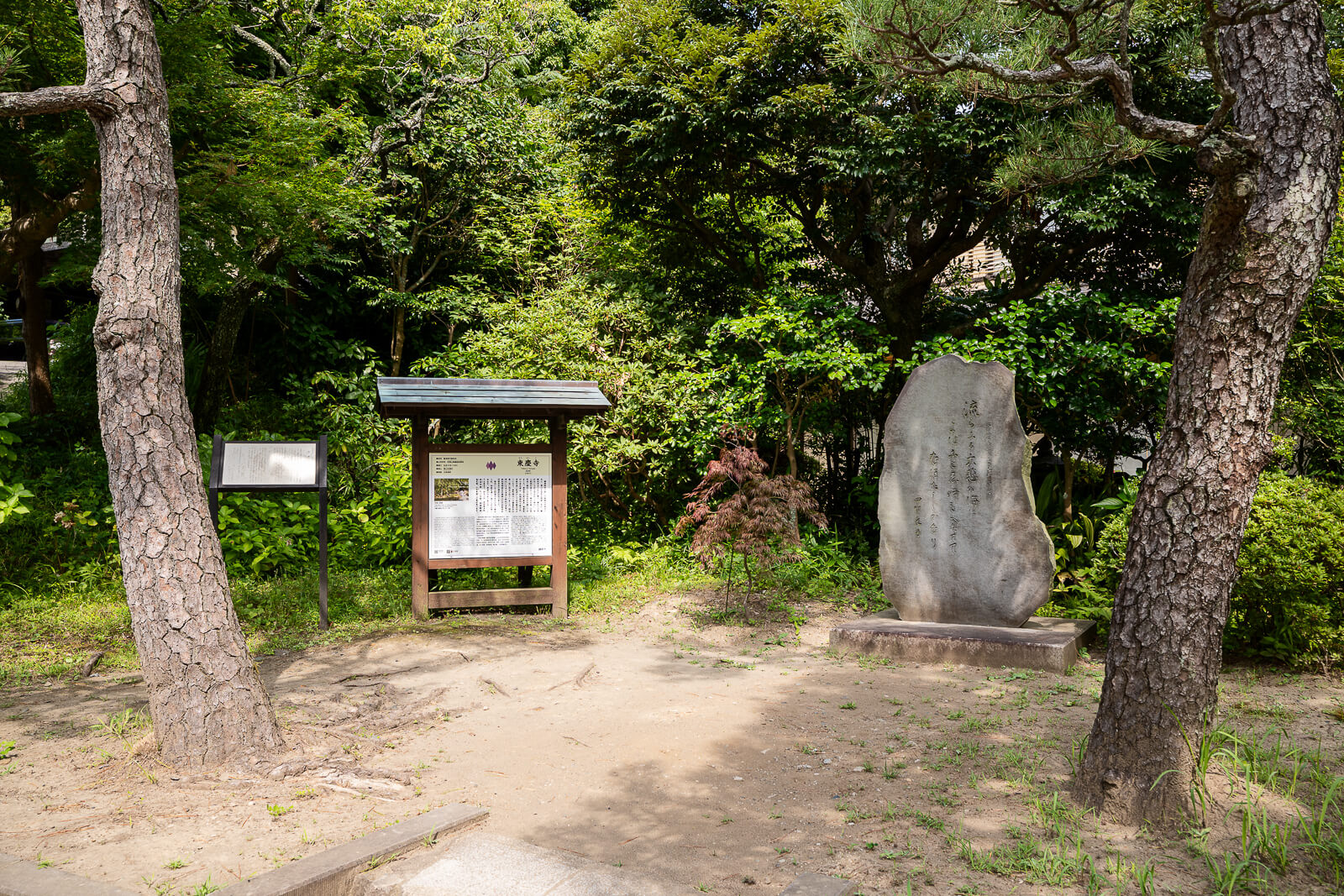
From Nunnery to a Center of Modern Zen
The temple’s authority in divorce matters ended in 1871, and its long history as a nunnery came to a close in 1902. Those changes form a turning point in the story rather than the end of Tōkei-ji’s importance. Its later identity grew around the renewal of Zen practice, scholarship and the preservation of its cultural inheritance.
Shaku Sōen entered the temple in 1905 and played a central part in its revival. His student Daisetz Teitarō Suzuki, widely known as D. T. Suzuki, later established the Matsugaoka Library on the hillside behind the temple in 1941. Their association brings twentieth-century Zen thought into a visit otherwise rooted in the medieval convent.
Walking the Grounds
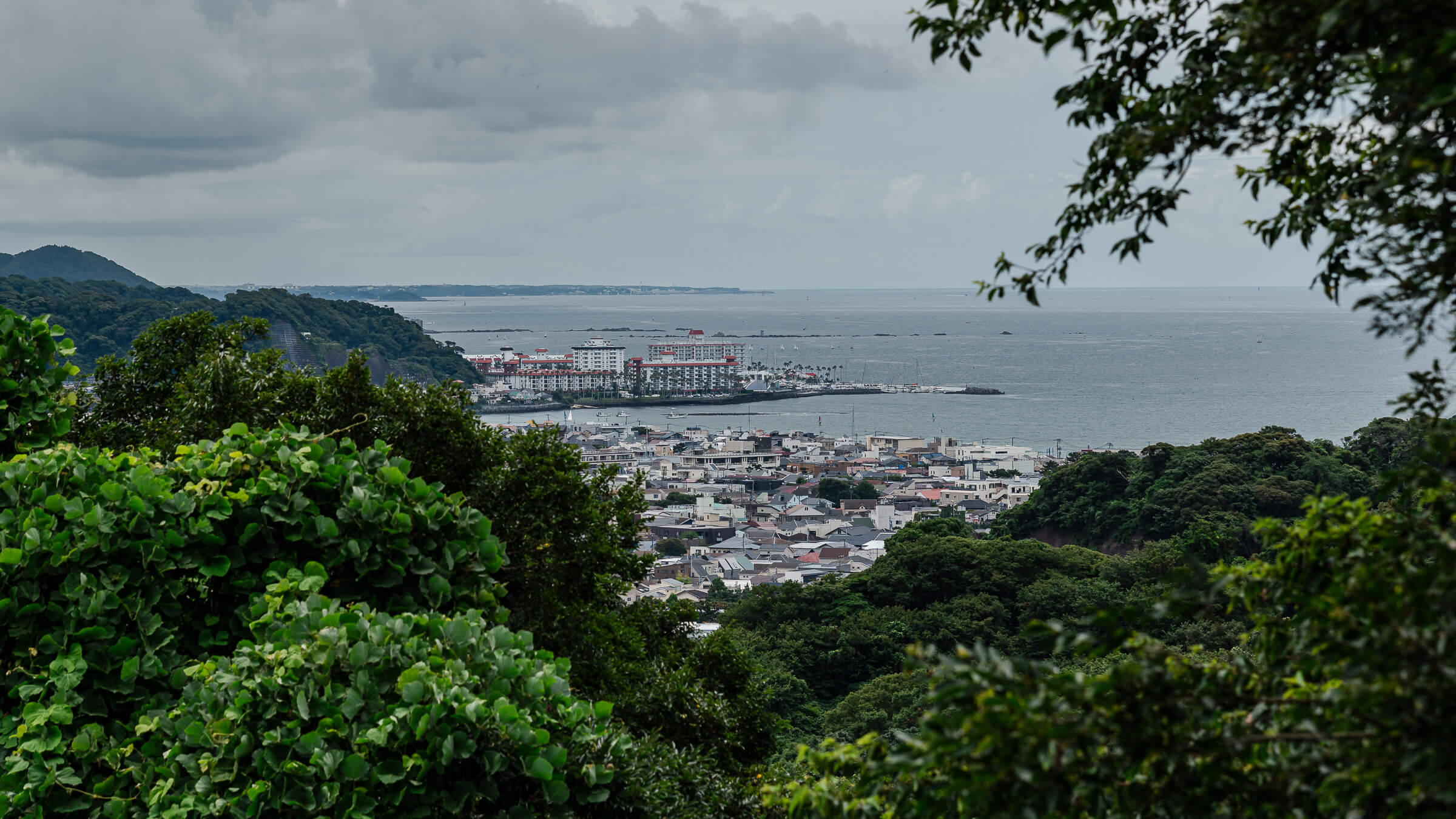
The garden paths lead between temple buildings, planting beds and the wooded ground at the back of the property. The scale is intimate enough to notice small flowers and the changing textures of stone, leaves and timber. It is a place to slow the pace between the larger grounds of nearby Engaku-ji and the longer walk toward Kenchō-ji.
The Main Hall and Bell Tower
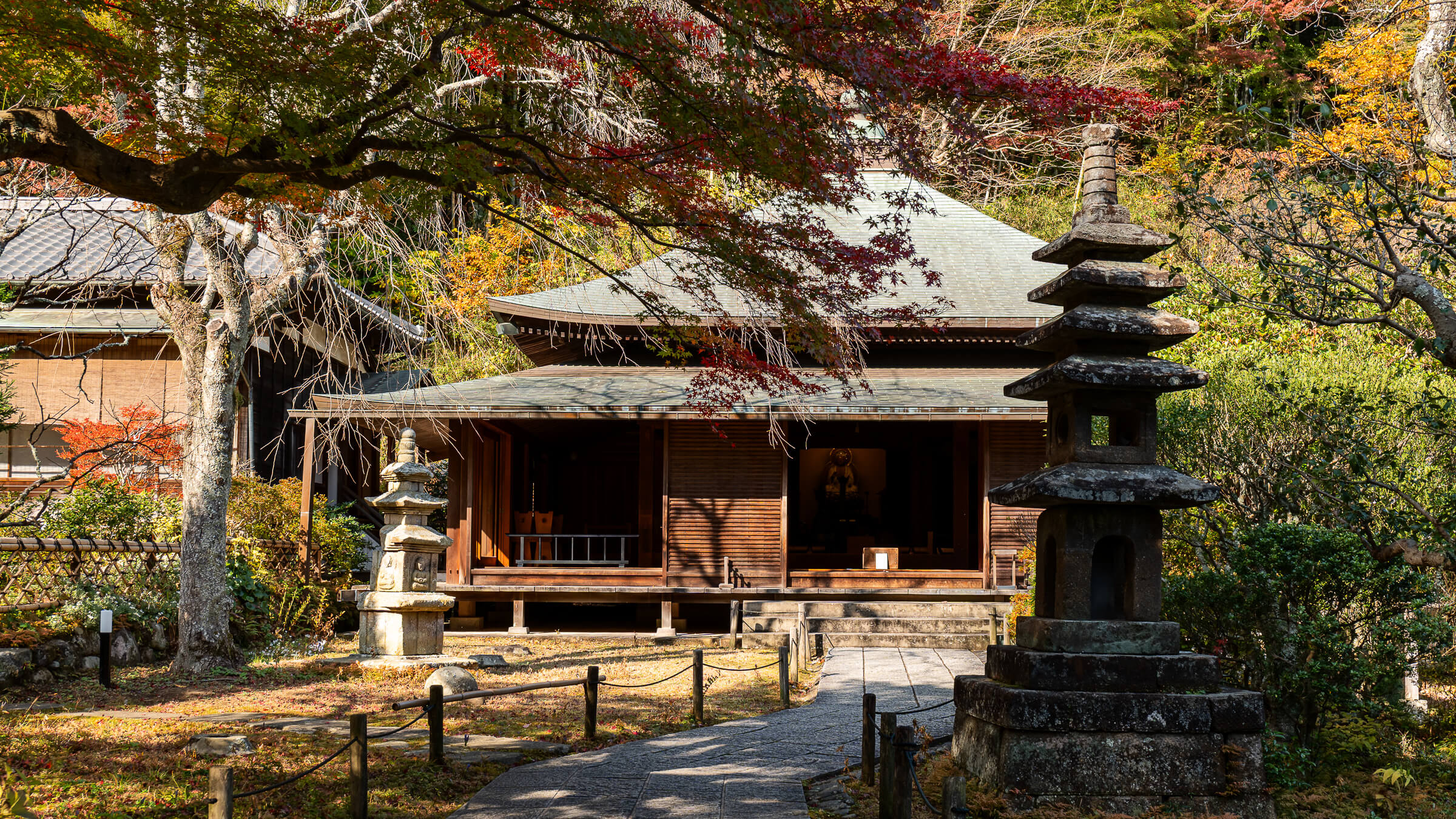
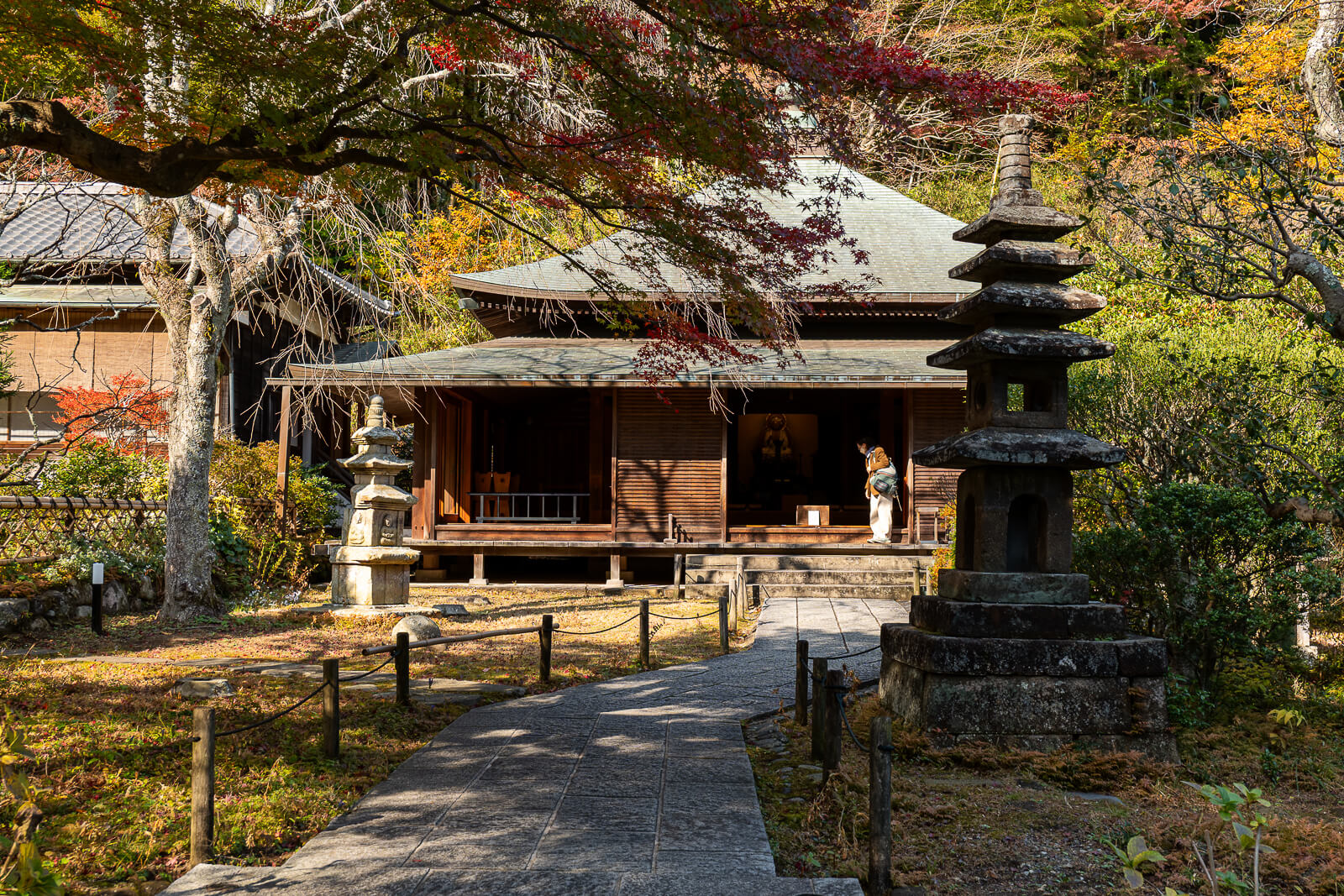
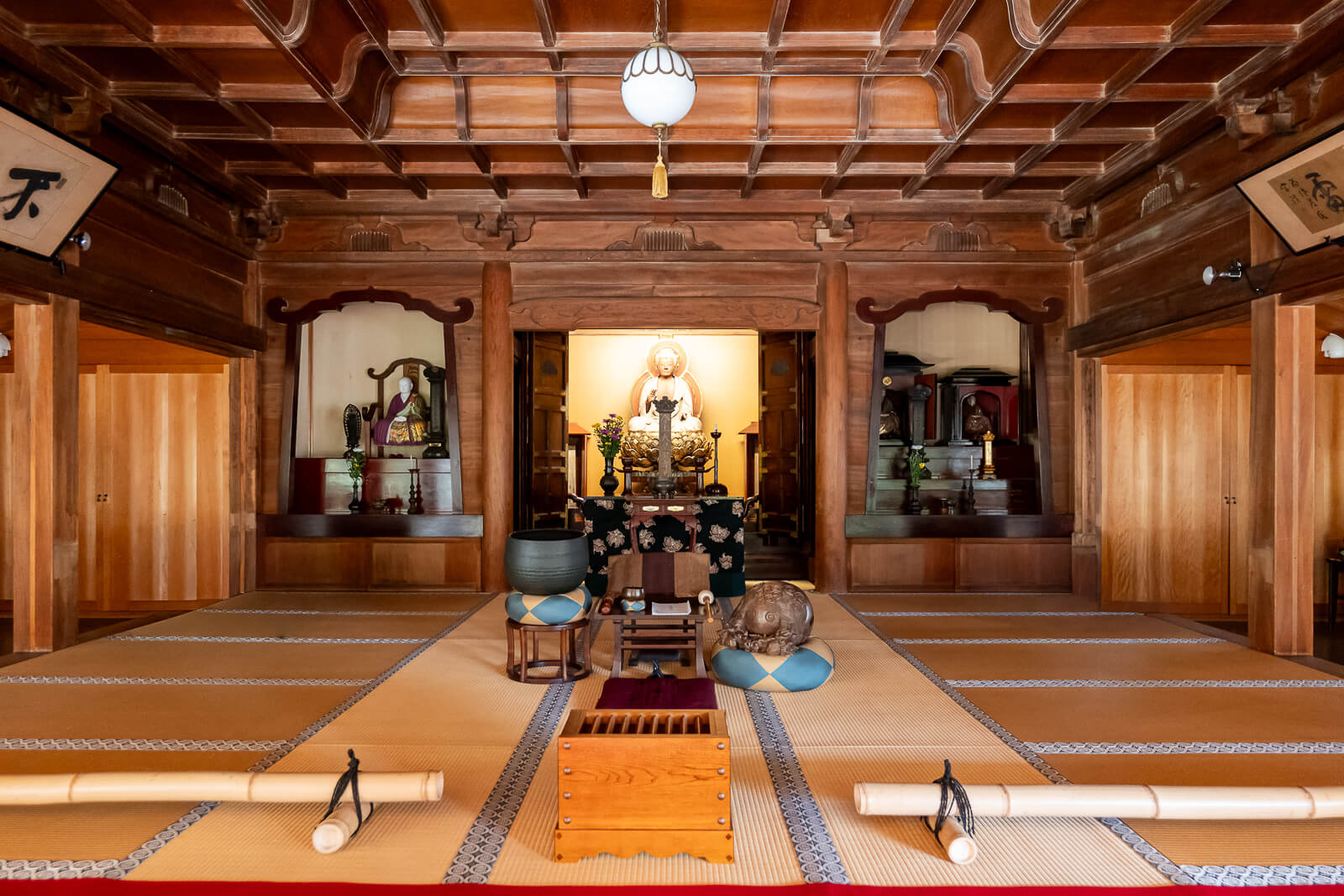
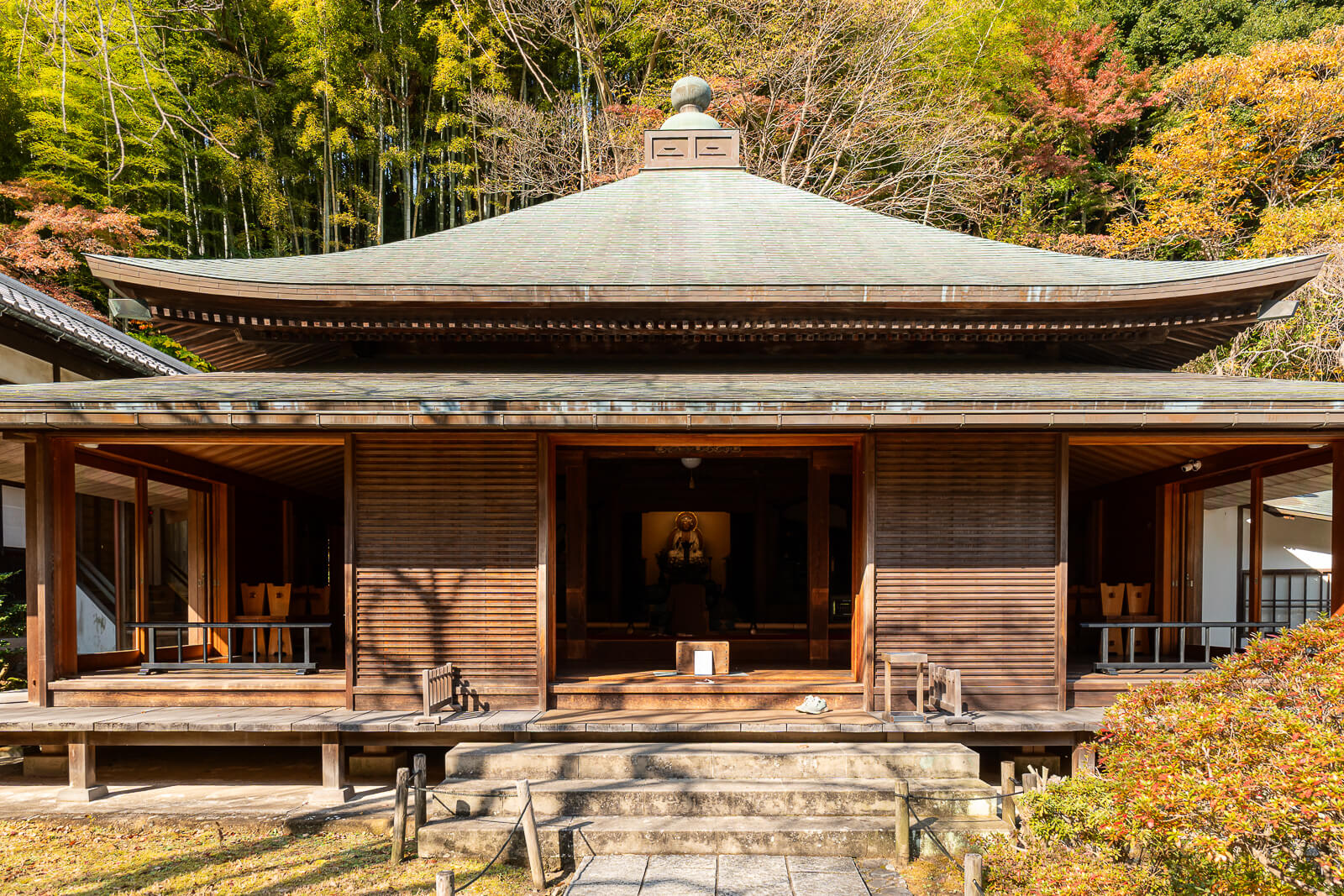
The Main Hall was rebuilt in 1935 after the Great Kantō Earthquake destroyed much of the temple in 1923. It enshrines Shaka Buddha and remains the religious center of the grounds. Beginning the visit here gives the garden walk a natural focus and follows the temple’s request that visitors pay their respects to its principal image.
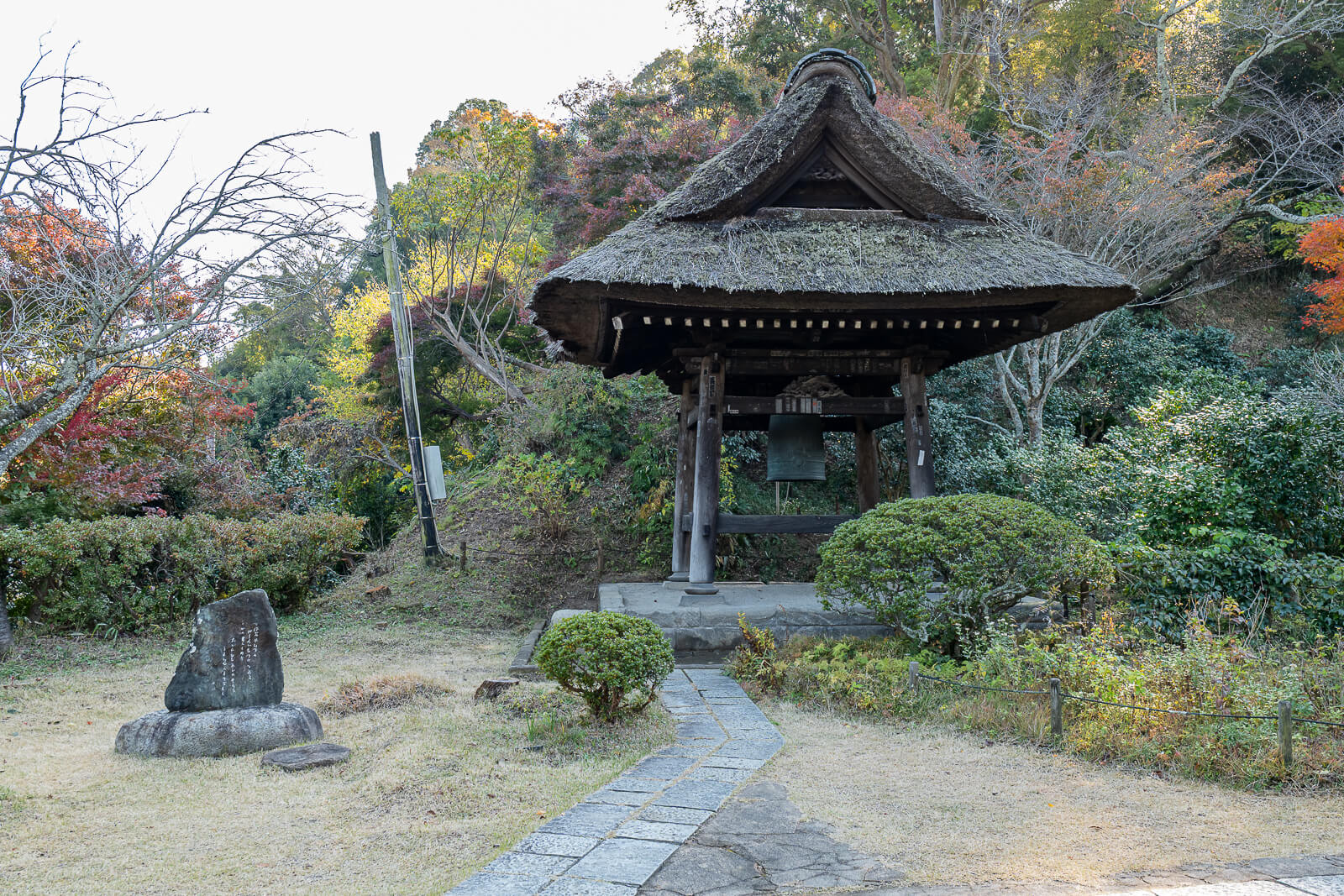
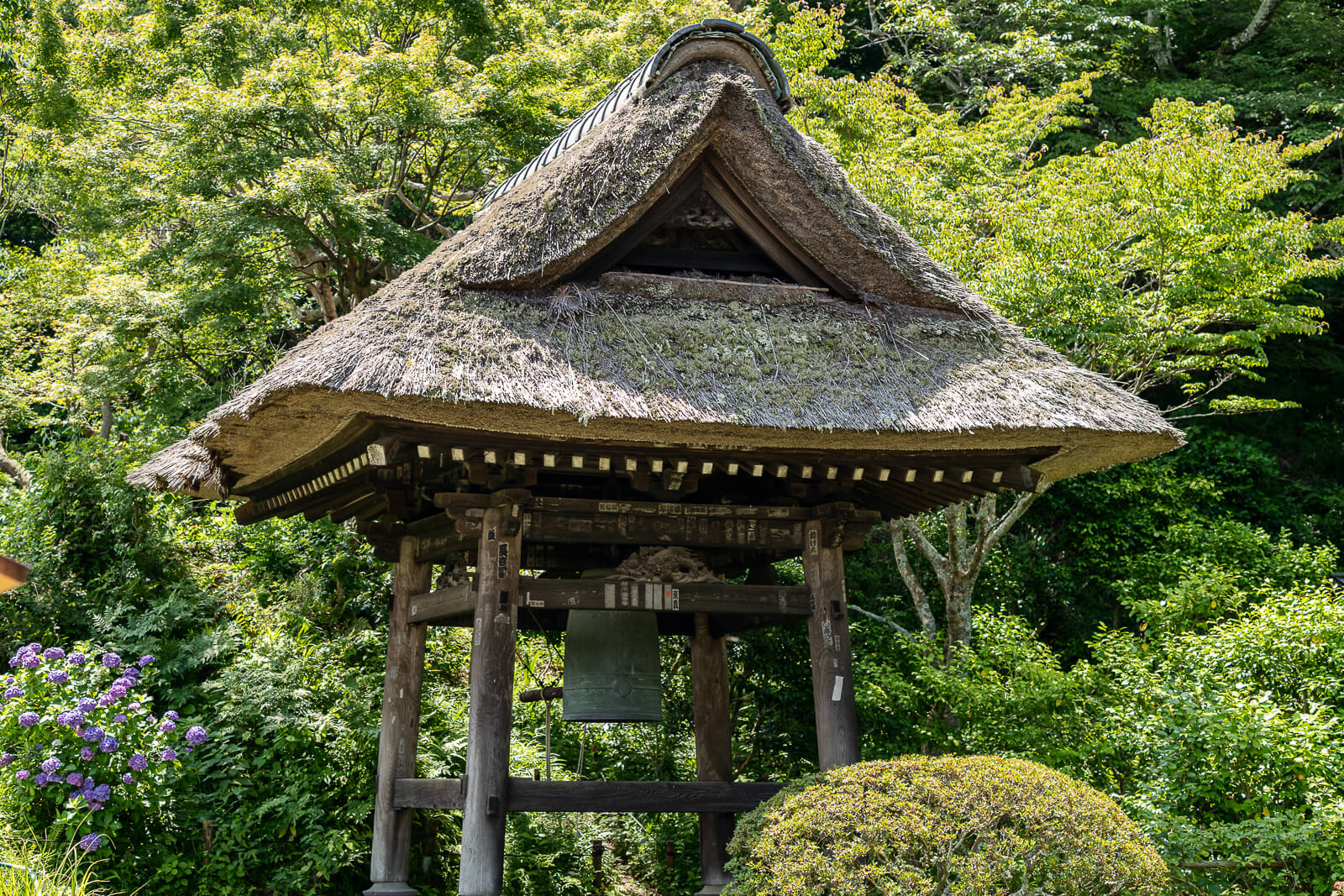
The bell tower contains a bronze bell cast in 1350, now designated a cultural property of Kanagawa Prefecture. This bell came from Fudaraku-ji; Tōkei-ji’s own earlier bell, cast in 1332, is now at Honritsu-ji in Nirayama. That distinction adds a useful detail to the story of objects moving between temples across the centuries.
The Matsuoka Hōzō Treasure Museum
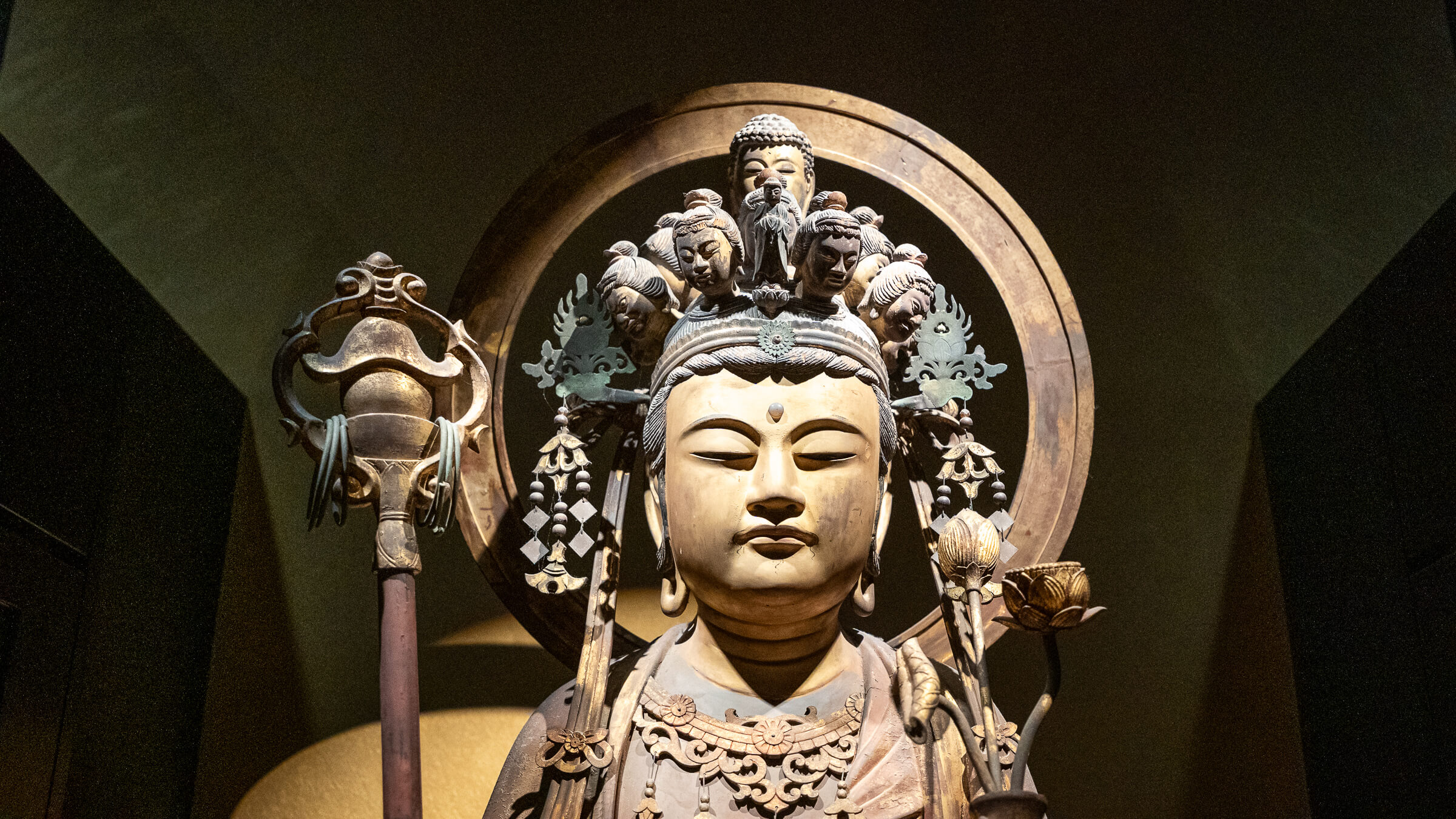
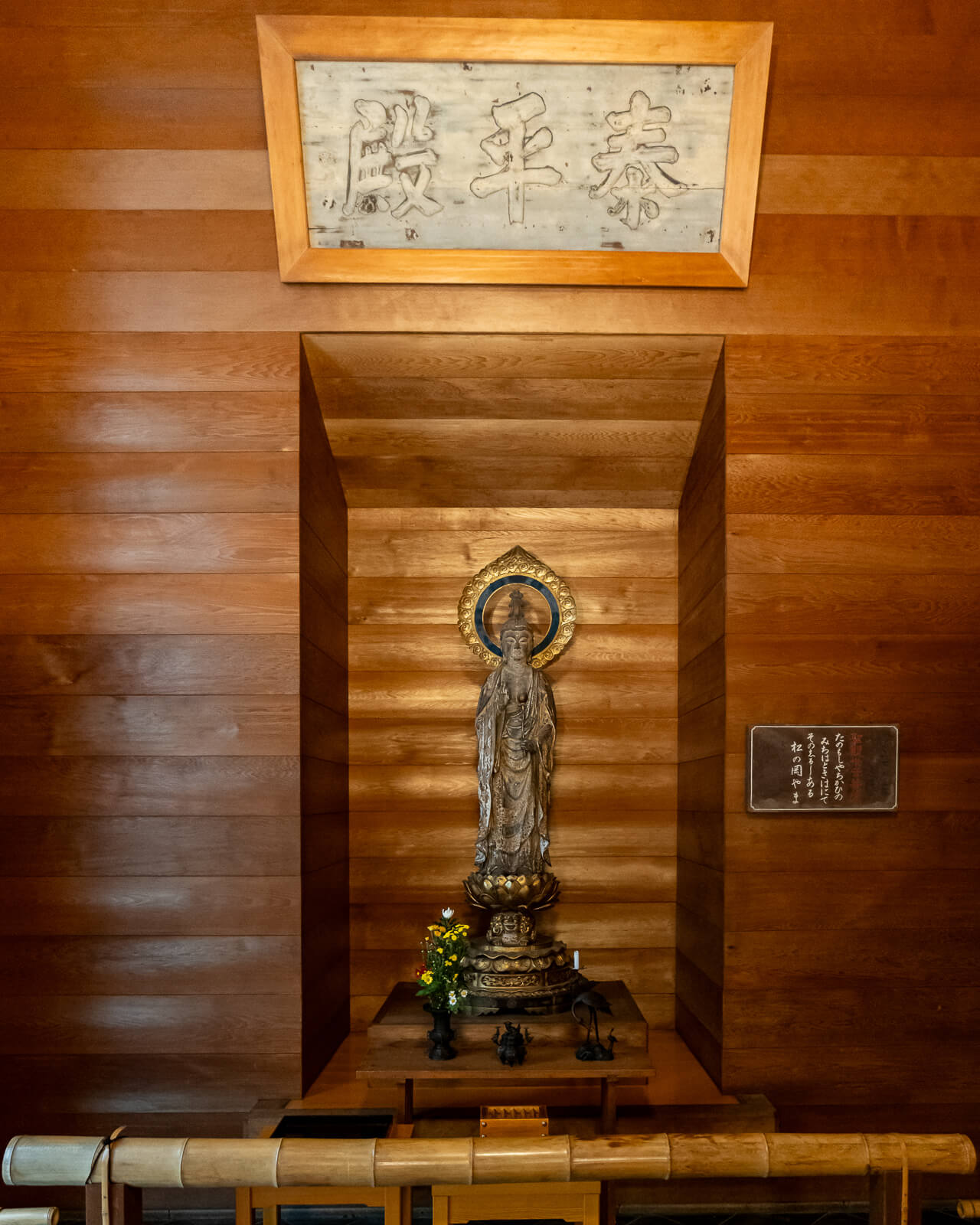
The Matsuoka Hōzō adds material evidence to the temple’s history through its collection of Buddhist art, lacquerware and historical documents. These objects help connect the names of abbesses and patrons to the religious and cultural life they sustained. For a visit centered on Tōkei-ji’s refuge history, the museum is a worthwhile part of the stop, with the works on display depending on the exhibition.
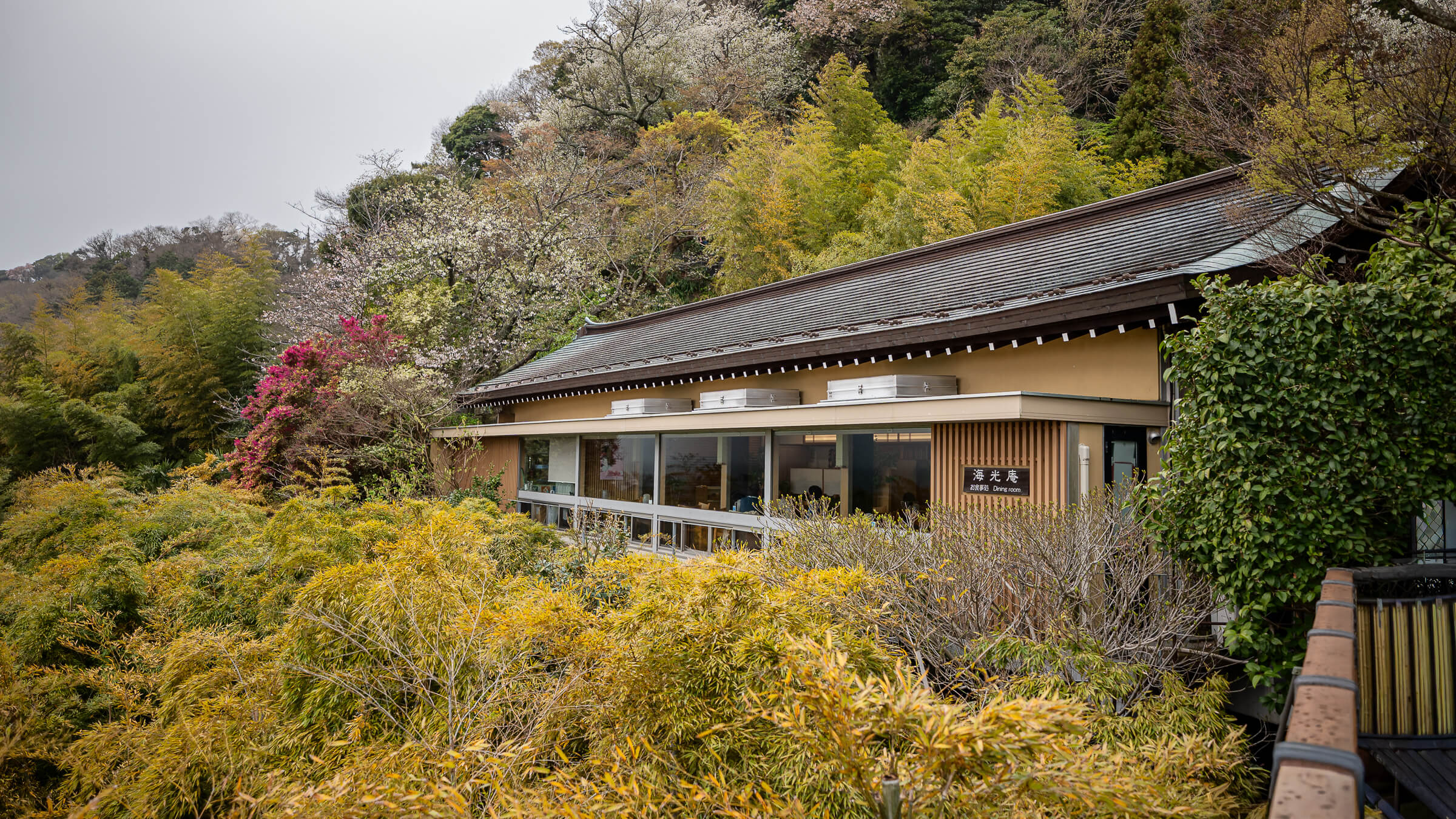
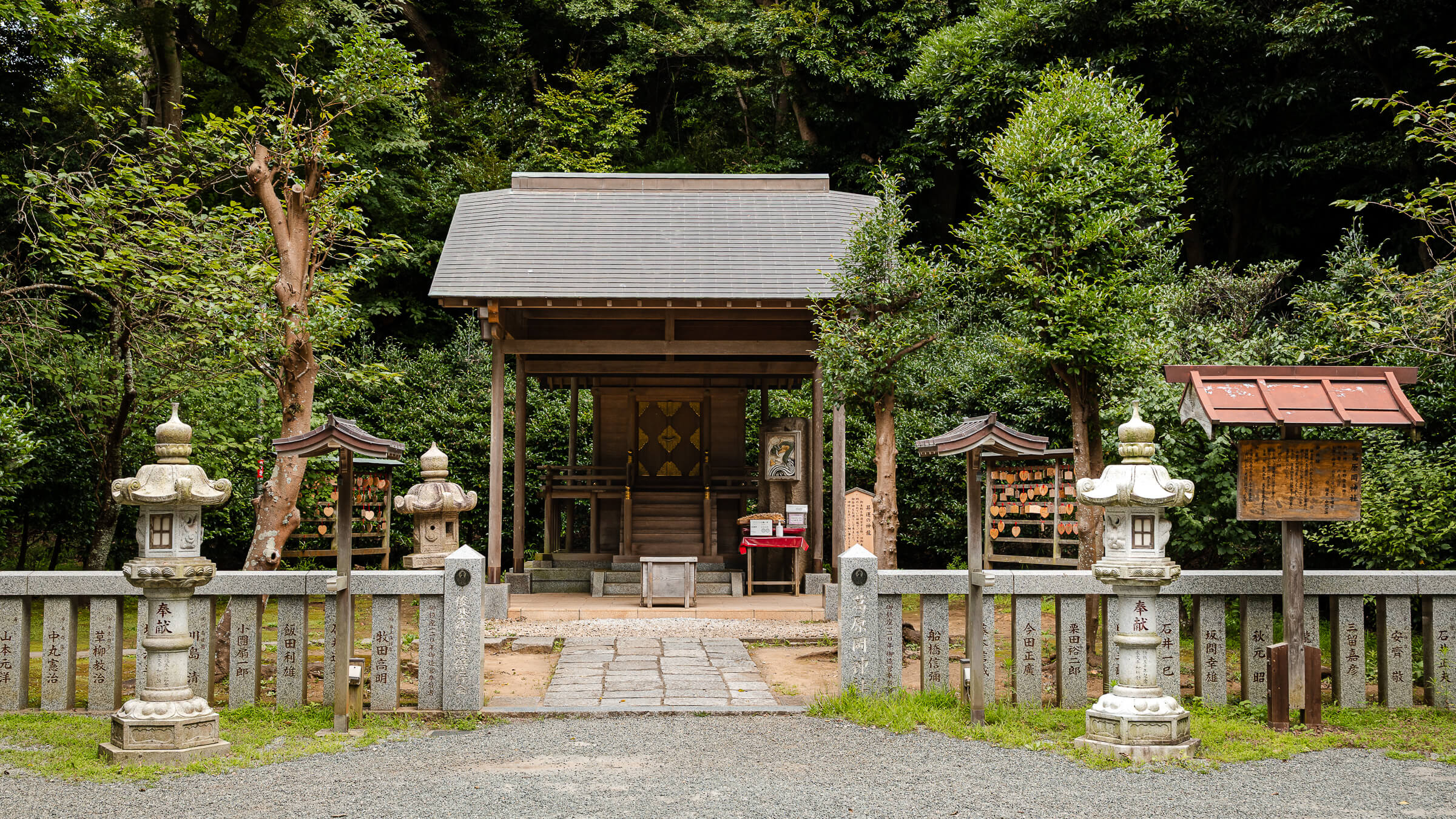
Other buildings include Suigetsu-dō, associated with the temple’s Suigetsu Kannon, and tea-related spaces within the grounds. Their presence reflects a broader religious and cultural life beyond the main path. A garden visit does not include general entry into every building, so the walk itself remains the foundation of the ordinary visit.
Autumn Color and the Flower Garden
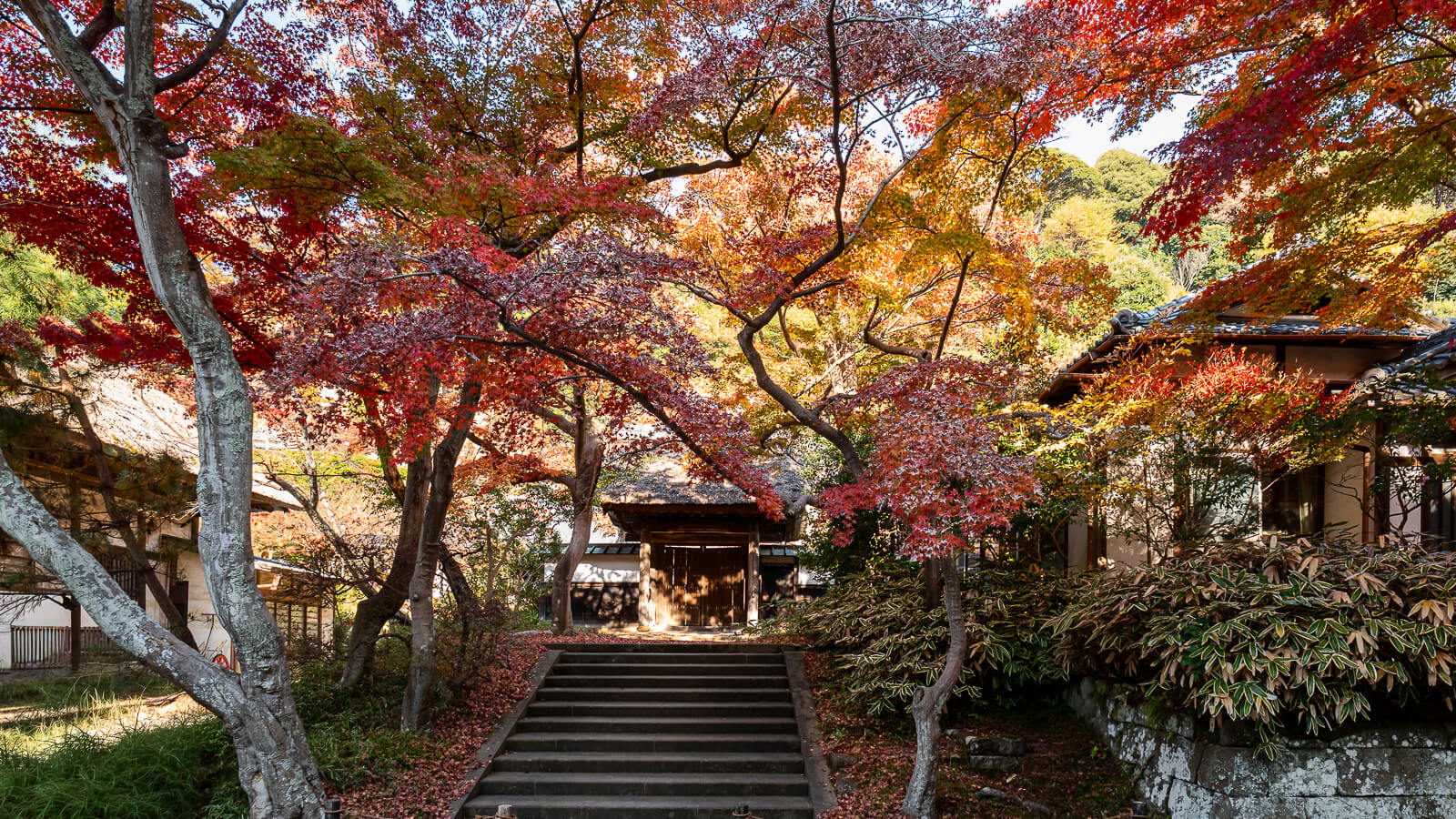
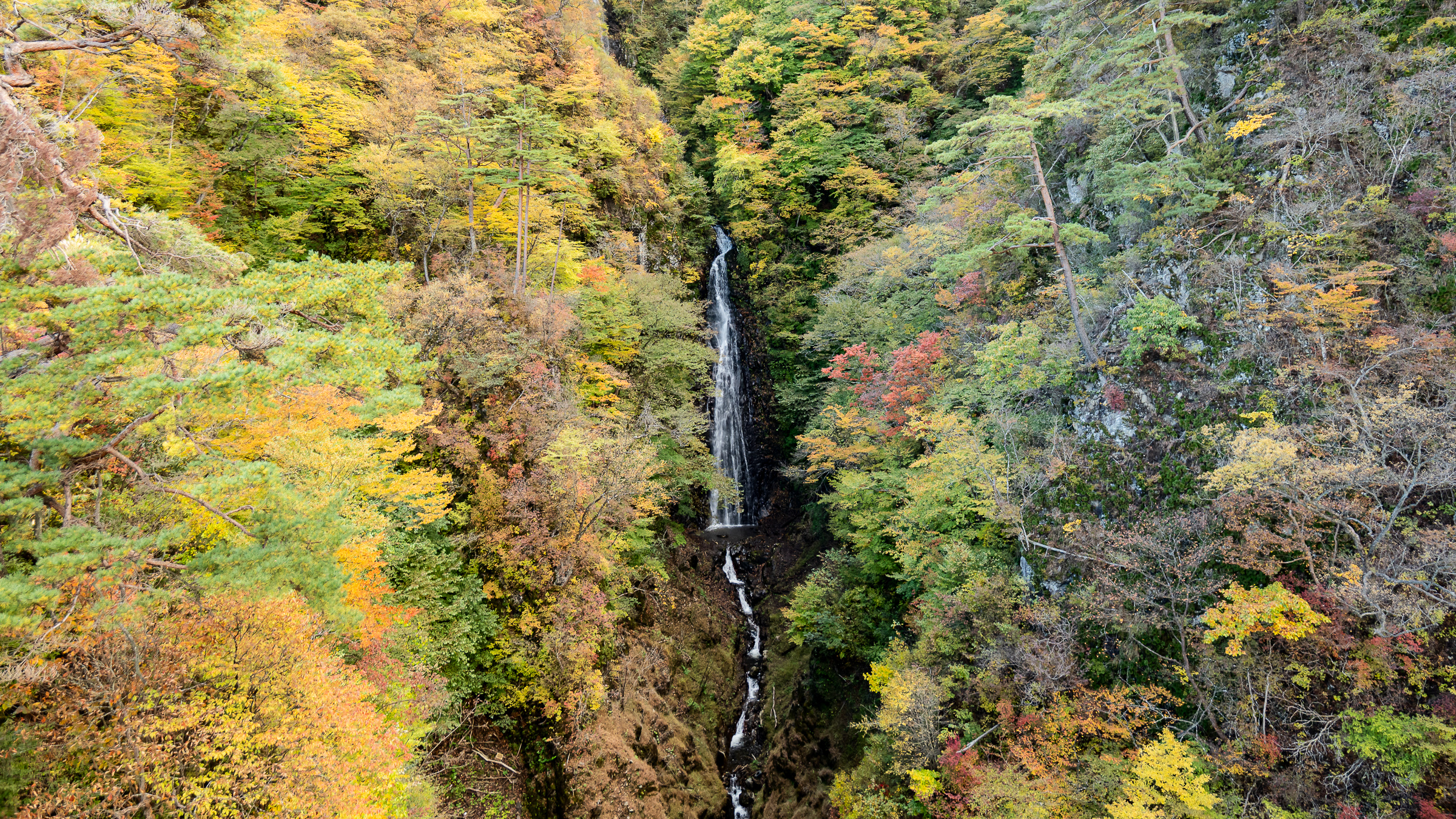
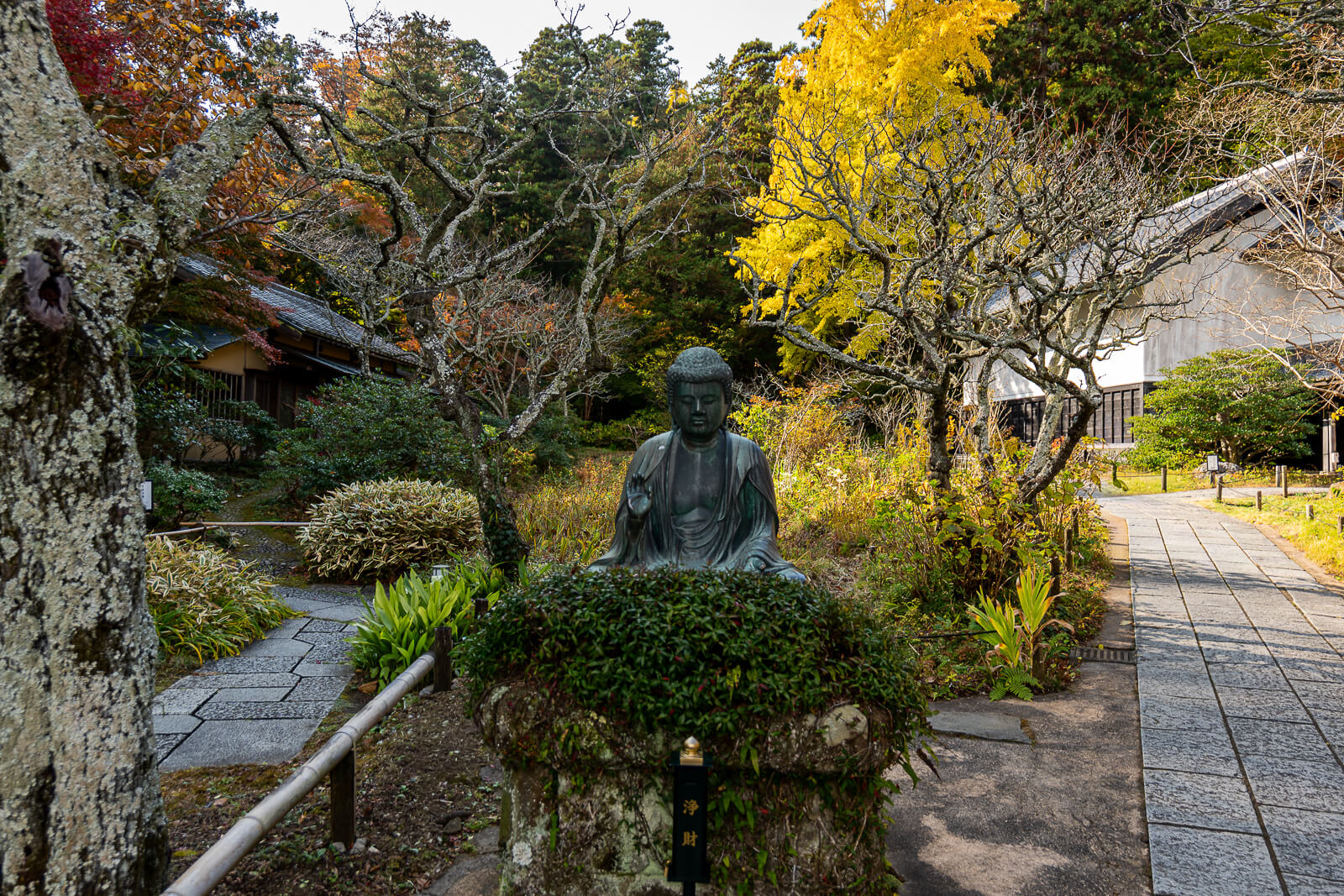
Autumn brings warm color to the trees around the approach and wooded grounds. Yellow leaves brighten the entrance, while changing foliage lends depth to the smaller garden spaces and temple buildings. Late November into early December is a useful general window for an autumn visit to Kamakura, with the local tourism association’s foliage reports providing a seasonal guide. For a fuller seasonal day, the Kamakura autumn guide sets Tōkei-ji alongside the larger autumn garden visits at Engaku-ji, Meigetsu-in and Jōchi-ji.
Tōkei-ji suits a day that combines autumn scenery with an interest in the places behind it. The refuge story gives the visit its substance, and the garden adds the pleasure of being outdoors among the season’s colors. Pair it with Engaku-ji or Meigetsu-in for a fuller day of Kita-Kamakura gardens.
The temple’s reputation for flowers developed through the cultivation of the grounds after World War II. Spring flowers and fresh leaves bring a lighter character, followed by hydrangeas around the early-summer rainy season. These changes make Tōkei-ji an evergreen cultural stop with a seasonal garden, rather than a destination dependent on a single flowering week.
The Cemetery and the People Connected to Tōkei-ji
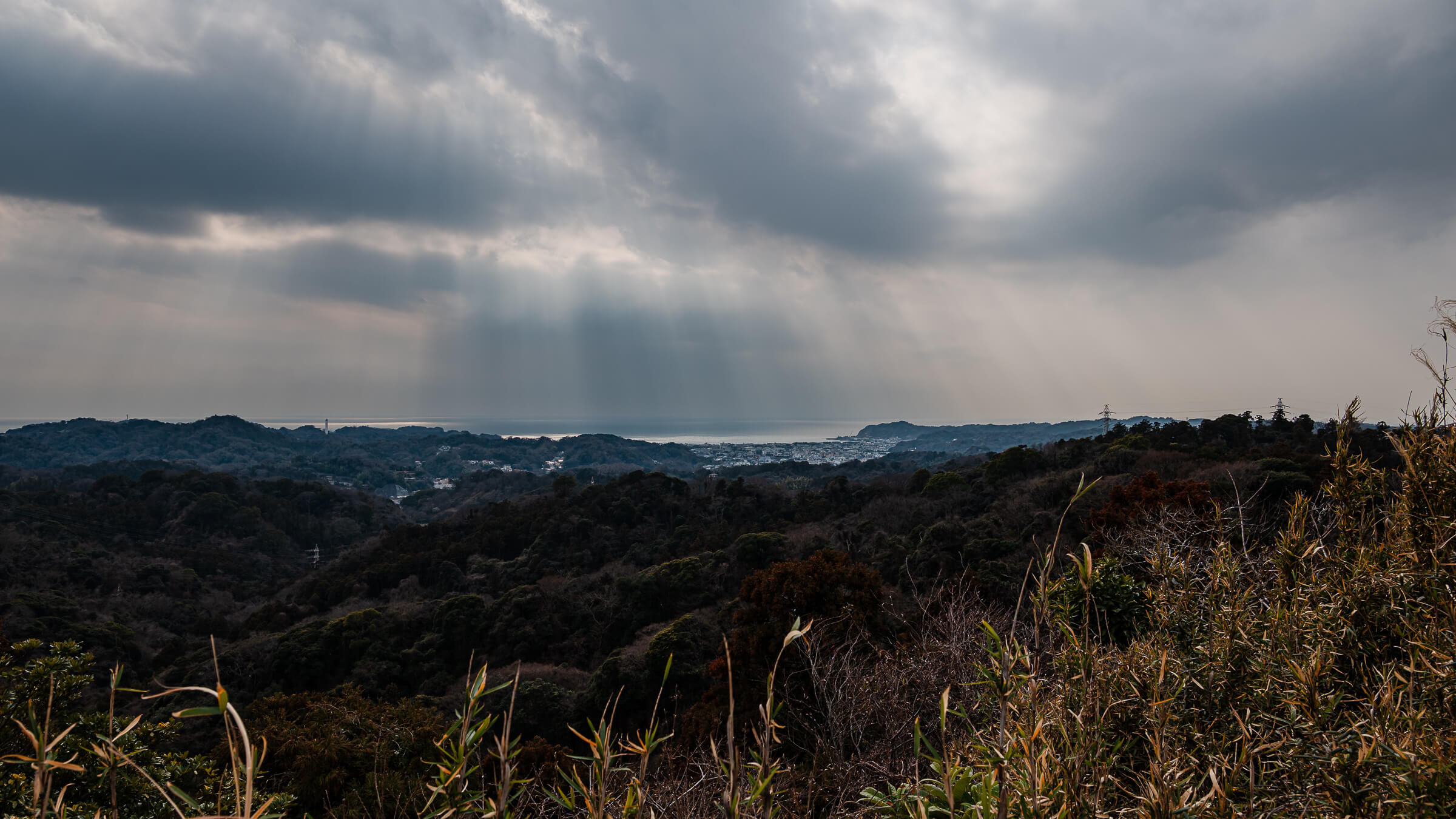
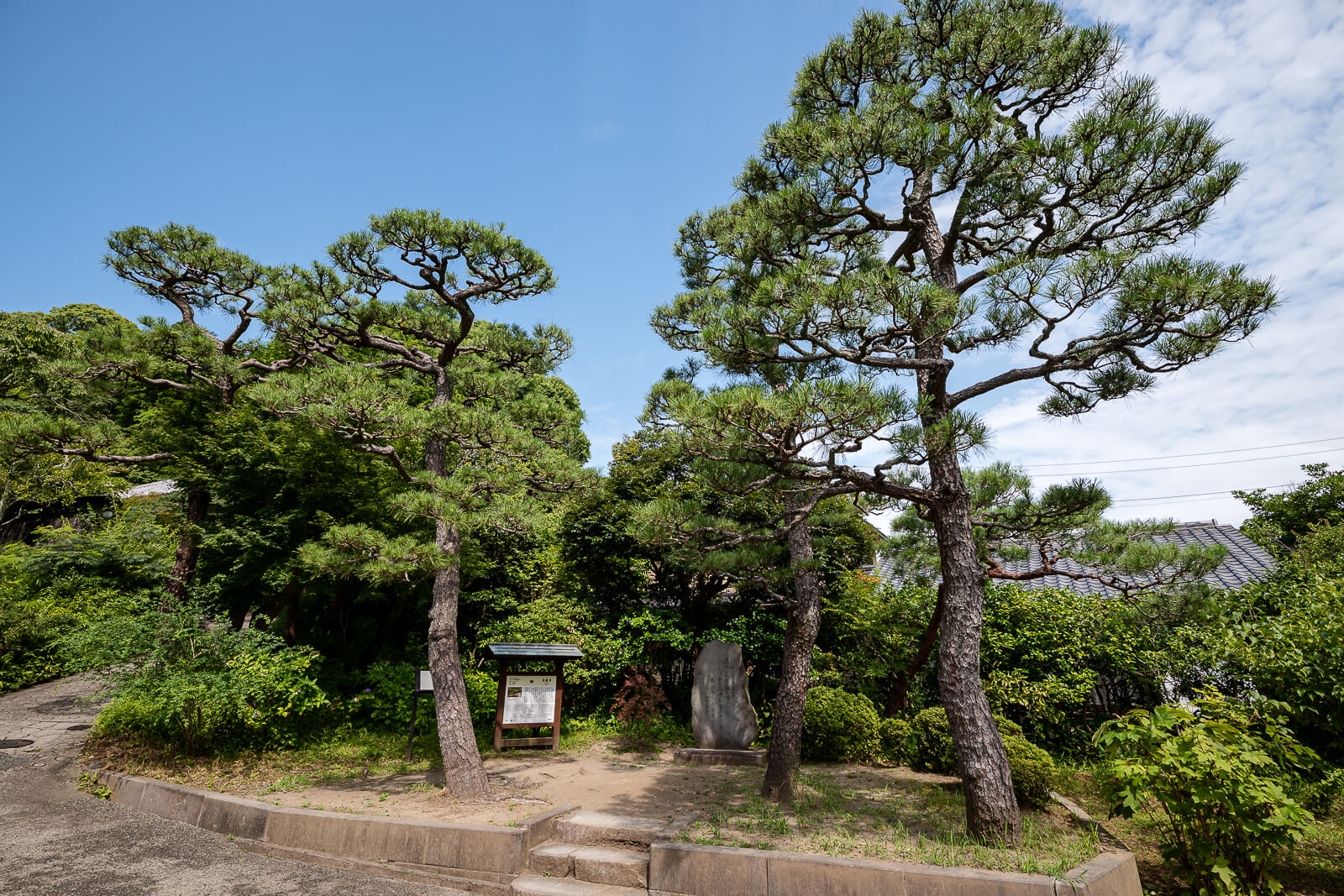
Beyond the main garden, the cemetery extends into the wooded hillside. The graves and memorials connect the temple to generations of religious figures, scholars and people involved in Japan’s modern cultural life. For visitors interested in Shaku Sōen and Zen scholarship, this part of the grounds adds a human dimension to the temple’s later history.
This remains a working cemetery, and its interest lies in remembrance and the lives represented there. A short, respectful walk can be part of a deeper historical visit without becoming a separate sightseeing circuit. The trees and stone monuments also bring the garden walk to a quieter close before returning toward the entrance.
Goshuin and Visiting Etiquette
Printed goshuin sheets are available through Tōkei-ji’s treasure museum for ¥500. The museum is closed on the first and third Tuesdays of each month, when these sheets are unavailable. Visitors planning to collect a goshuin should account for these closures.
Photography is strictly prohibited throughout Tōkei-ji Temple’s grounds, including photography with smartphones. All photographs appearing in this guide are published with the temple’s express permission. This authorization is specific to Japan Unfolded and does not change the photography restrictions for visitors.
Combining Tōkei-ji With a Kita-Kamakura Day
A northern Kamakura walk can begin with Engaku-ji near the station, add Tōkei-ji and Jōchi-ji, then continue toward Meigetsu-in and Kenchō-ji. Choose the smaller stops according to the time available instead of trying to give every temple equal space. From Kenchō-ji, the onward walk leads toward Tsurugaoka Hachimangū, Komachi-dōri and Kamakura Station.
Hiking changes the shape of that day and deserves its own time allowance. The Daibutsu Hiking Course is associated with the Jōchi-ji side of Kita-Kamakura, while the Ten-en course can be reached through Kenchō-ji’s upper grounds. For the direct cultural route, stay with the temple-to-town walk and finish near the main station.
Staying near central Kamakura makes the station, restaurants and northern temple district convenient for a second morning of sightseeing. Hase offers a different emphasis, with Hase-dera, the Great Buddha and the coast closer at hand. That choice matters more than staying immediately beside Tōkei-ji, which is straightforward to reach on the train or as part of the wider walk.
Getting There
ARRIVE IN KITA-KAMAKURA
Tōkei-ji is about a four-minute walk from JR Kita-Kamakura Station. Its position near the station makes it an easy stop on a walking day through the northern temple district.
- JR Kita-Kamakura Station
JR Kita-Kamakura Station → main road → Tōkei-ji entrance
About 4 minutes on foot · Leave the main road for the temple’s short approach. · Continue on foot toward Jōchi-ji and the rest of Kita-Kamakura.
Hours & Fees
Visitor information
Tōkei-ji welcomes visitors from 9:00 to 16:00 and does not charge an admission fee. The temple asks visitors to worship at the main image and make an offering.
- Hours
- Temple visits: 9:00–16:00. Treasure museum/shop: closed on the first and third Tuesdays.
- Admission
-
No admission charge for the temple grounds. An offering is requested when paying respects.
Plan Your Kamakura Visit
Pair the northern temple walk with more of Kamakura and the coast. These travel options support the wider stay; Tōkei-ji itself has no admission charge.
Leave Time for a Slower Kamakura Stay
Central Kamakura offers convenient rail access for a quiet Kita-Kamakura morning and dining after the temple walk.
Compare Kamakura Hotels
Compare Rental Cars in Tokyo
Explore Tokyo pickup options for a longer regional journey; trains and walking work well for a Kamakura temple or shrine day.
Compare Tokyo Car Rentals
Find a Guided Kamakura Day
Browse guided Kamakura outings and compare their stops, meeting points and language before choosing a route that suits the day.
Explore Kamakura Tours
Explore Enoshima Aquarium Tickets
Add Enoshima Aquarium to a longer Shonan-coast stay, with its own admission ticket and time set aside beyond the temple walk.
View Aquarium Tickets
Keep Kamakura Within Easy Reach
Compare Japan eSIM plans for maps, train information and translation while moving between temple districts; check the phone’s compatibility before purchasing.
Compare Japan eSIMs
Add the Shonan Monorail
Explore the Ōfuna–Enoshima monorail for a coastal extension; this separate ticket does not cover JR travel to Kita-Kamakura or Enoden trains.
View Monorail Tickets