Historic Shrines, Highland Roads & Mountain Views
Lake Suwa —
How the Suwa Area Is Experienced
Suwa sits in central Nagano around Lake Suwa, where lakeside towns, historic shrines, onsen districts, museums, and mountain roads meet in a compact but varied region. The area is often approached through Kamisuwa, Shimosuwa, Suwa City, or Chino, depending on whether the trip is focused on the lake, Suwa Taisha, local history, or the highlands rising toward Tateshina and Yatsugatake.
The lake forms the visual center of the area, but it is not the only reason to visit. Takashima Castle, Katakurakan, the Kitazawa Museum of Art, lakeside parks, and the Lake Suwa Geyser Center create an accessible urban shoreline, while the four major Suwa Taisha shrines spread the trip across Suwa, Shimosuwa, and Chino.
Beyond the basin, Chino opens the route toward Mishaka-ike Pond, Yokoya Gorge, Otome Falls, Oshidori Kakushi Falls, and the higher landscapes around Tateshina. That combination makes the Suwa Area useful for travelers who want a lake-based stay, a shrine-focused route, or a broader Nagano drive that connects water, towns, forests, and mountain viewpoints.
Start Around Lake Suwa
Lake Suwa gives the region its clearest point of orientation. The shoreline connects Kamisuwa, Suwa City, lakeside parks, footbaths, museums, castle views, and ryokan stays, making it the easiest place to begin planning a visit.
Start with the lake to understand where to stay, what to see first, and how the shoreline connects Suwa’s towns, shrines, and mountain views.
Explore the Lakeside Core
The easiest way into the Suwa Area is to stay close to the lake first. Takashima Castle gives the shoreline a clear historical landmark, while Sekicho Park opens the lakefront into walking paths, open views, and an easy sense of how the town sits beside the water. Nearby, the Lake Suwa Geyser Center, Katakurakan, and the Kitazawa Museum of Art add footbaths, historic bathhouse architecture, and indoor cultural stops without pulling the route far away from the lakeside core.
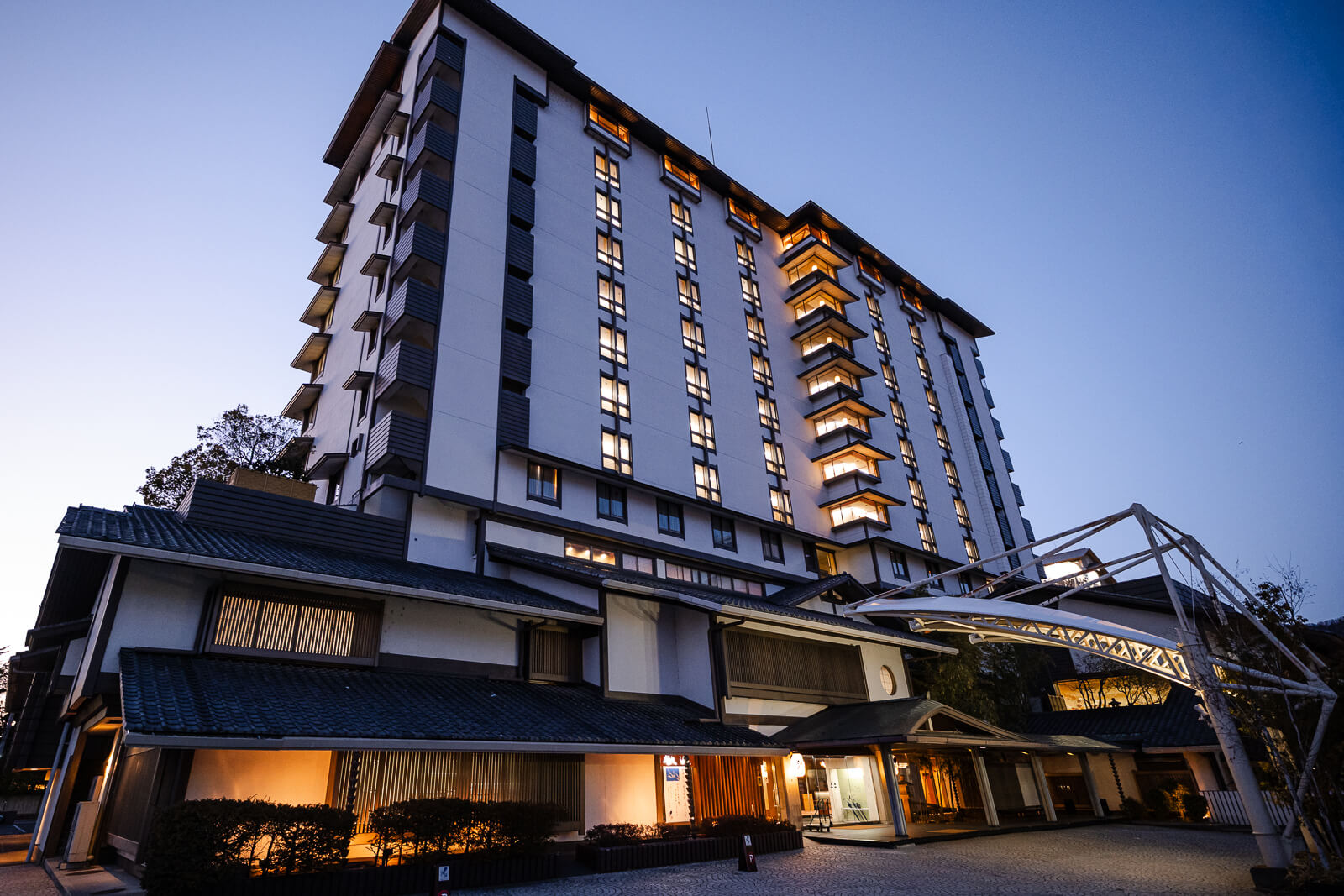
This is also the center of gravity for overnight stays around Lake Suwa. Kamisuwa keeps the lake, rail access, onsen hotels, museums, and evening walks close together, making it the most practical base before branching outward toward Suwa Taisha, Shimosuwa, or the Chino highlands.
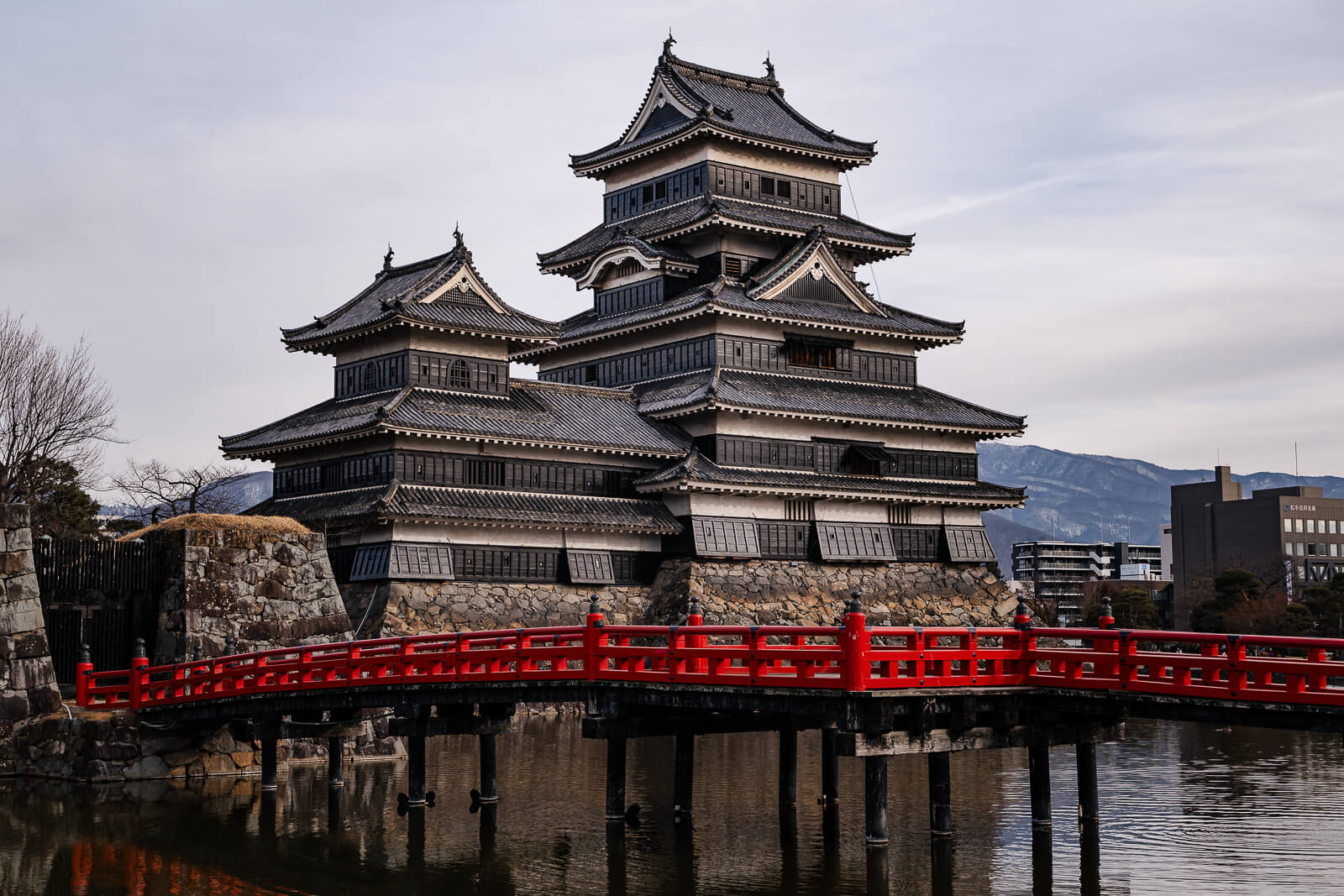
Visit the lakeside castle grounds for history, seasonal views, and one of the clearest urban landmarks in Suwa.
Stop along the Kamisuwa shoreline for lake views, footbaths, and an easy break near the water.
Walk the lakeside park area for open views, public art, shoreline paths, and an easy introduction to Lake Suwa.
See Suwa’s historic bathhouse architecture and the deep stone bath that connects the area’s onsen identity to the lakeshore.
Add an indoor lakeside stop focused on glass art, decorative works, and Suwa’s museum layer.
Use Kamisuwa as a practical base for lakeside walks, onsen stays, shrine routes, and easy access toward Chino or Shimosuwa.
Follow the Suwa Taisha Shrine Route
Suwa Taisha is the cultural spine of the region, with its major shrine sites spread across Suwa, Shimosuwa, and Chino instead of concentrated in one place. Honmiya and Maemiya connect the route to the upper shrine side near the mountains, while Akimiya and Harumiya shift the route toward Shimosuwa, cedar-lined grounds, riverside paths, and a more historic town setting.
The route also explains why Suwa feels different from a simple lakeside destination. Onbashira traditions, sacred pillars, old shrine precincts, and nearby stops like the Manji Stone Buddha give the area a deeper cultural layer before the trip continues toward the Chino highlands or returns to the lake.
Visit one of Suwa Taisha’s most important shrine sites, set below the mountains with large sacred pillars and deep regional significance.
Follow the shrine route toward Chino, where Maemiya connects Suwa Taisha history with an open, mountain-edge setting.
Explore a major Shimosuwa shrine site known for its large sacred trees, impressive grounds, and strong connection to the lower shrine route.
Continue the Shimosuwa route with a riverside shrine setting, cedar-lined paths, and nearby access to the Manji Stone Buddha.
Learn how Suwa’s famous Onbashira festival shapes the region’s shrine culture, timber traditions, and local identity.
Add a short riverside stop near Harumiya to see one of Shimosuwa’s most distinctive Buddhist landmarks.
Add Jiunji Temple near Harumiya before continuing the Shimosuwa walk toward Akimiya.
Head Toward Chino and the Highlands
Chino changes the Suwa Area from a lakeside route into a highland one. Once the trip moves away from Kamisuwa and the shoreline, the landscape shifts toward forest roads, reflective ponds, waterfalls, and the foothills leading toward Tateshina and Yatsugatake.
This side of the region works best when the lake is used as a base and Chino becomes the gateway into the mountains. Mishaka-ike Pond gives the route its still-water scenery, while Yokoya Gorge, Otome Falls, and Oshidori Kakushi Falls add movement, forest depth, and a stronger reason to consider driving beyond the Lake Suwa shoreline.
Start the highland side with forest reflections, still water, and one of the most recognizable scenic stops above Lake Suwa.
Follow the forest route below Mishaka-ike Pond to a waterfall shaped by rocks, moss, and moving water.
Visit Yokoya Gorge for a powerful waterfall stop that adds sound, movement, and forest depth to the Chino side of the route.
Decide Whether the Highlands Need a Car
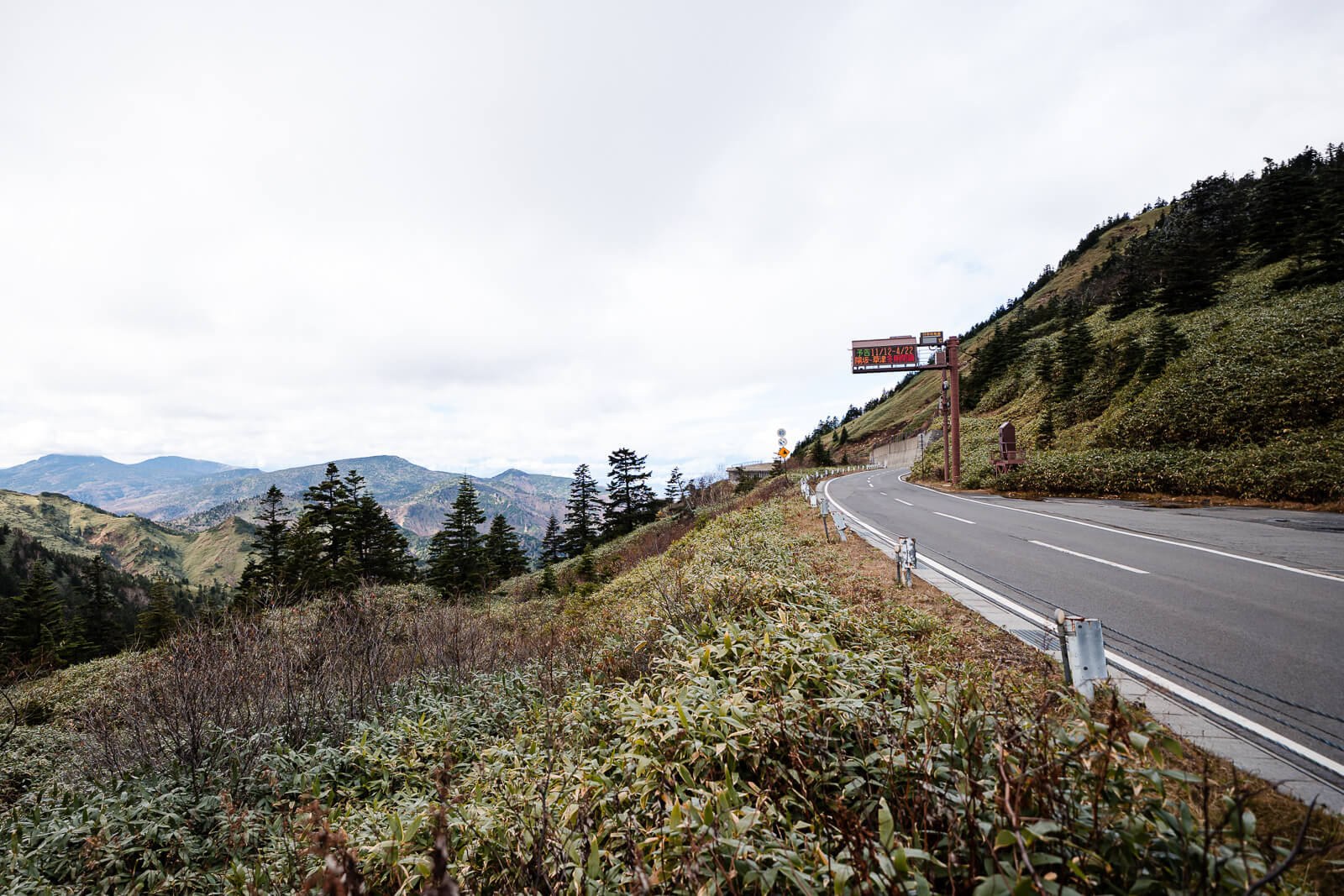
The highland side of Suwa is much easier by car, especially for waterfalls, forest roads, and routes beyond the lakeshore.
See the Suwa Area from Above
Tateishi Park where the Suwa Area becomes easiest to understand at a glance. From above, Lake Suwa, Suwa City, Shimosuwa, Chino, and the surrounding mountains come together in one view, making the overlook useful both as a scenic stop and as a planning reference.
It works especially well near the beginning of a trip, when the basin is still hard to picture from ground level. Later in the day, the same view helps connect the shoreline, shrine areas, and highland routes into one larger landscape.
Use this overlook to see how Lake Suwa, Suwa City, Shimosuwa, Chino, and the surrounding mountains fit into one basin.