Where Odawara Castle Sits and Why People Stop Here
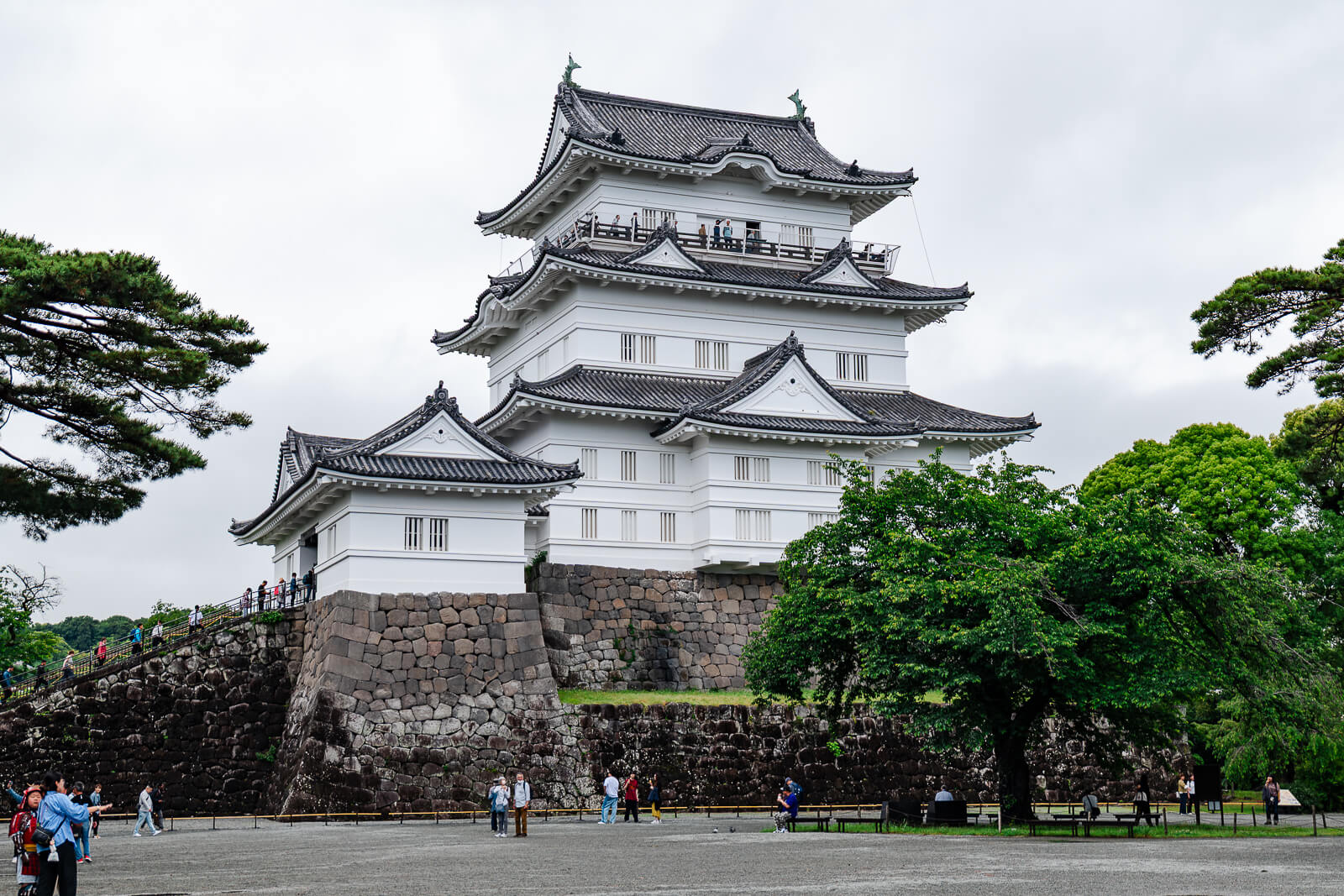
Odawara Castle stands just north of Odawara Station in central Odawara, within Kanagawa Prefecture, positioned along the main route connecting Tokyo with Hakone, Atami and the western coastline. The grounds extend into Odawara Castle Park, where the reconstructed keep, surrounding open space, and lower areas form a broader complex that connects naturally with nearby attractions.
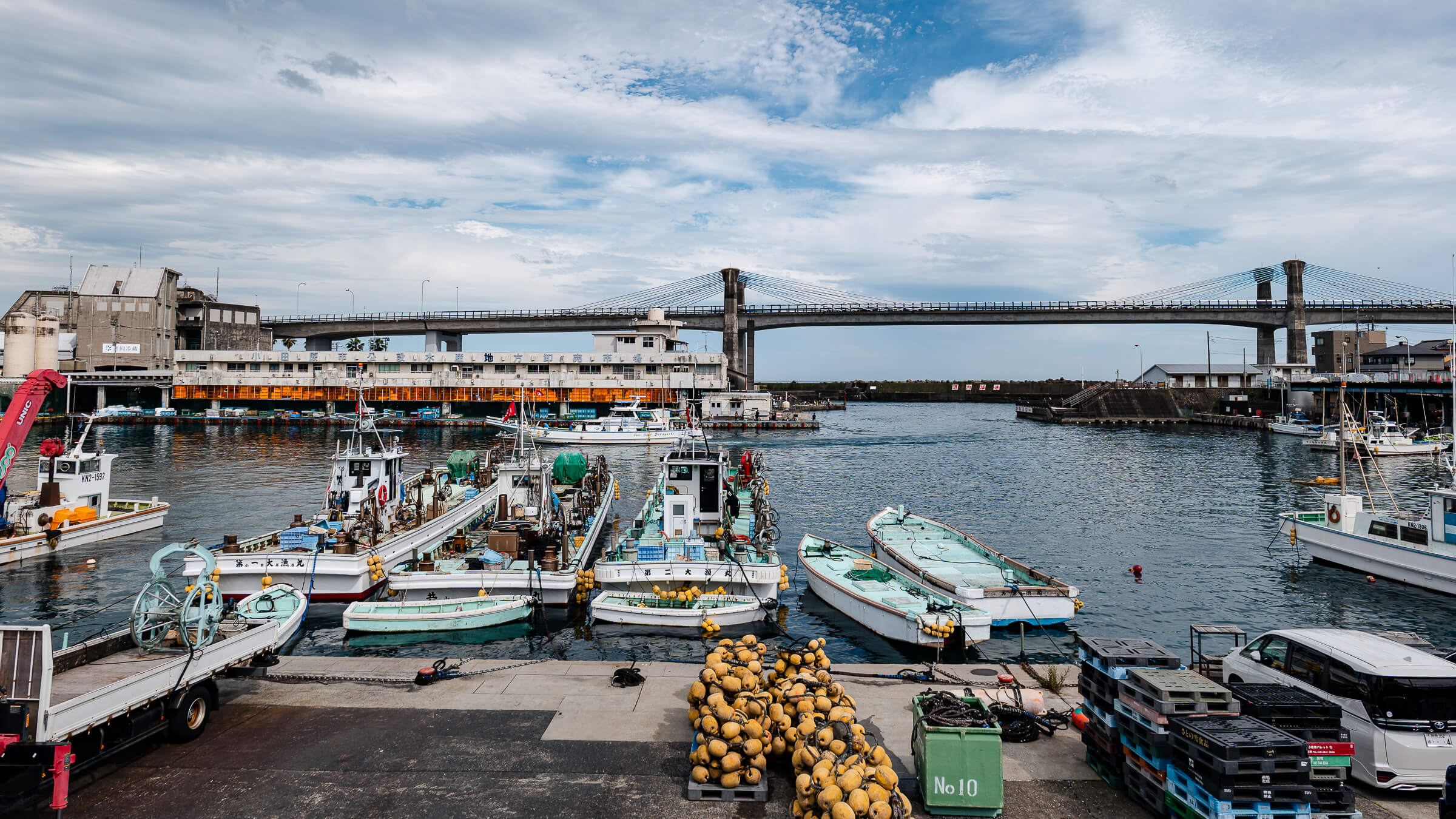
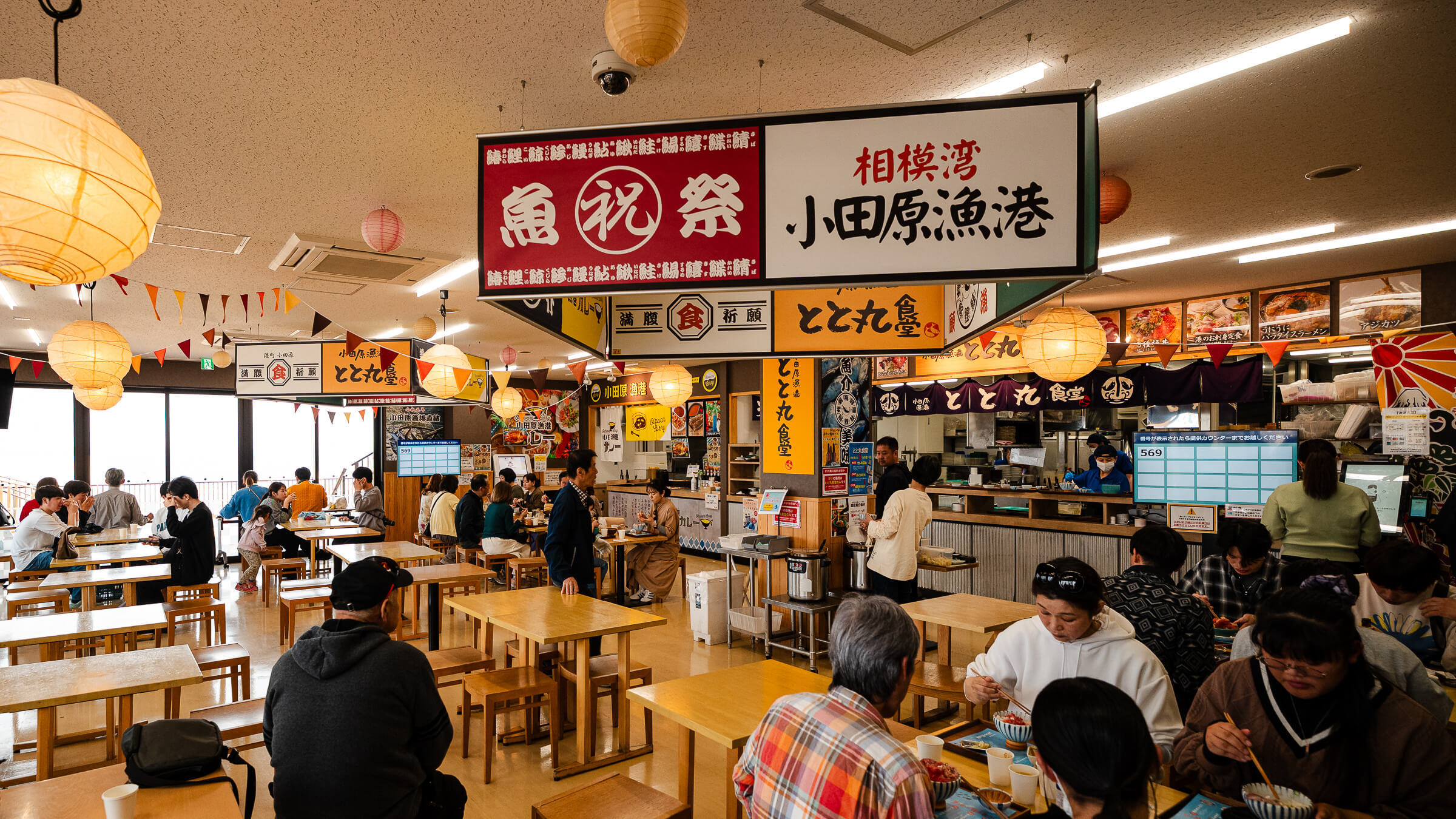
Within this same area, the experience often overlaps with the Odawara Ninja Museum and the Odawara Samurai Museum, both located near the main grounds and frequently included within the same visit. Moving toward the coast, the city shifts quickly into the working waterfront around Odawara Fishing Harbor and nearby stops such as TOTOCO Odawara, where the atmosphere changes from castle grounds to seafood markets and casual dining.
People come here for a castle experience that is easy to reach and quick to understand. For many travelers, this works best as a flexible stop within a larger Odawara or Hakone day rather than a place that needs to anchor the entire itinerary. At the same time, the broader grounds, museum spaces, and surrounding cluster can comfortably extend the visit into a longer half-day if time allows.
Most visitors spend between one and two hours here. If the keep interior, museums, shrine, and perimeter grounds are all included, the visit can extend closer to three hours without feeling repetitive.
Why This Castle Was Built Here at All
Odawara sits within a narrow corridor where movement between eastern Japan and the western regions compresses between mountains and sea. This geography made the area strategically important long before modern rail lines followed the same route.
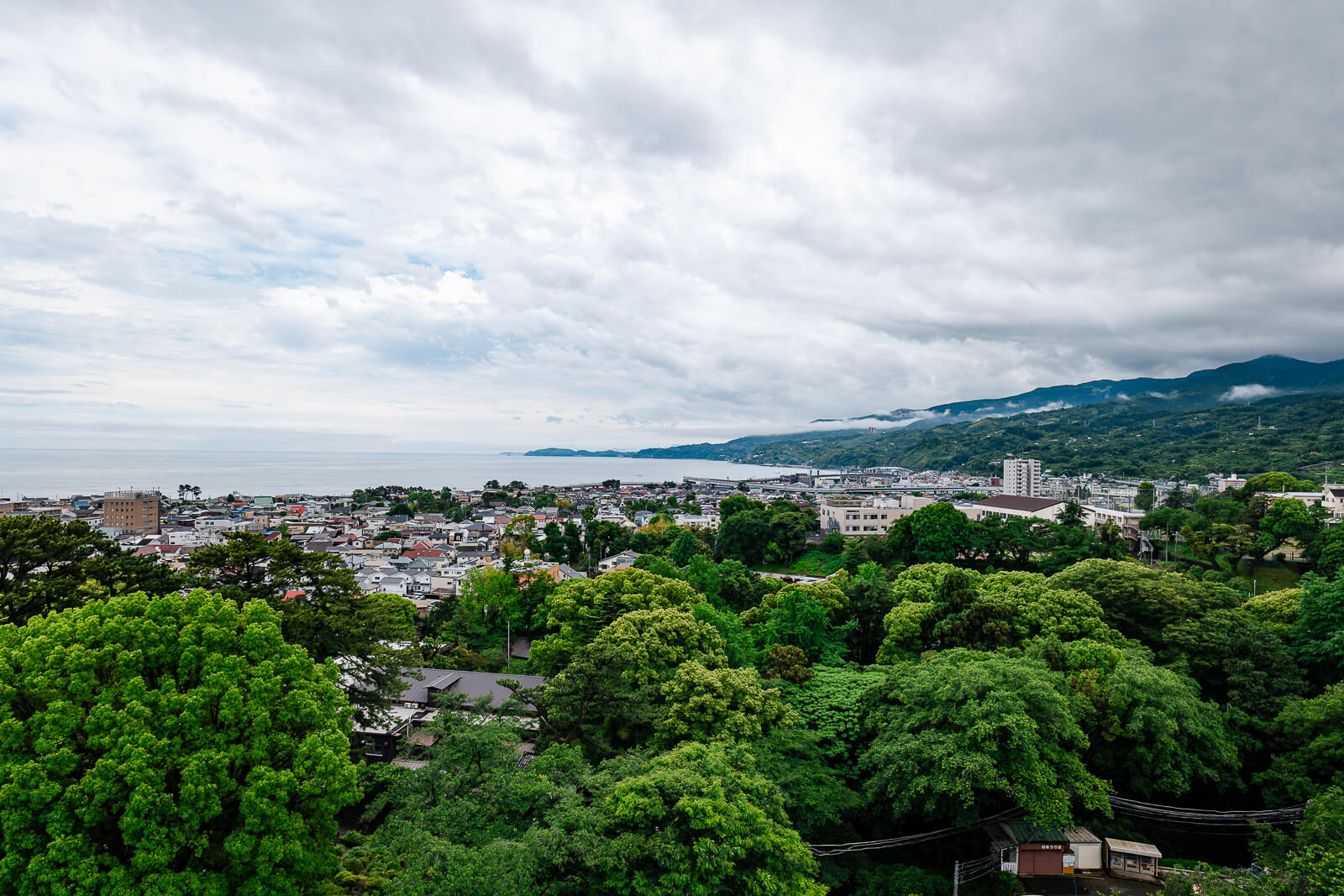
During the Sengoku period, the Hōjō clan established their base here, building a defensive system that extended beyond the central keep into a layered network of outer structures. The castle was designed to shape movement across space, using distance, water, and controlled entry points to define how the site was approached and defended.
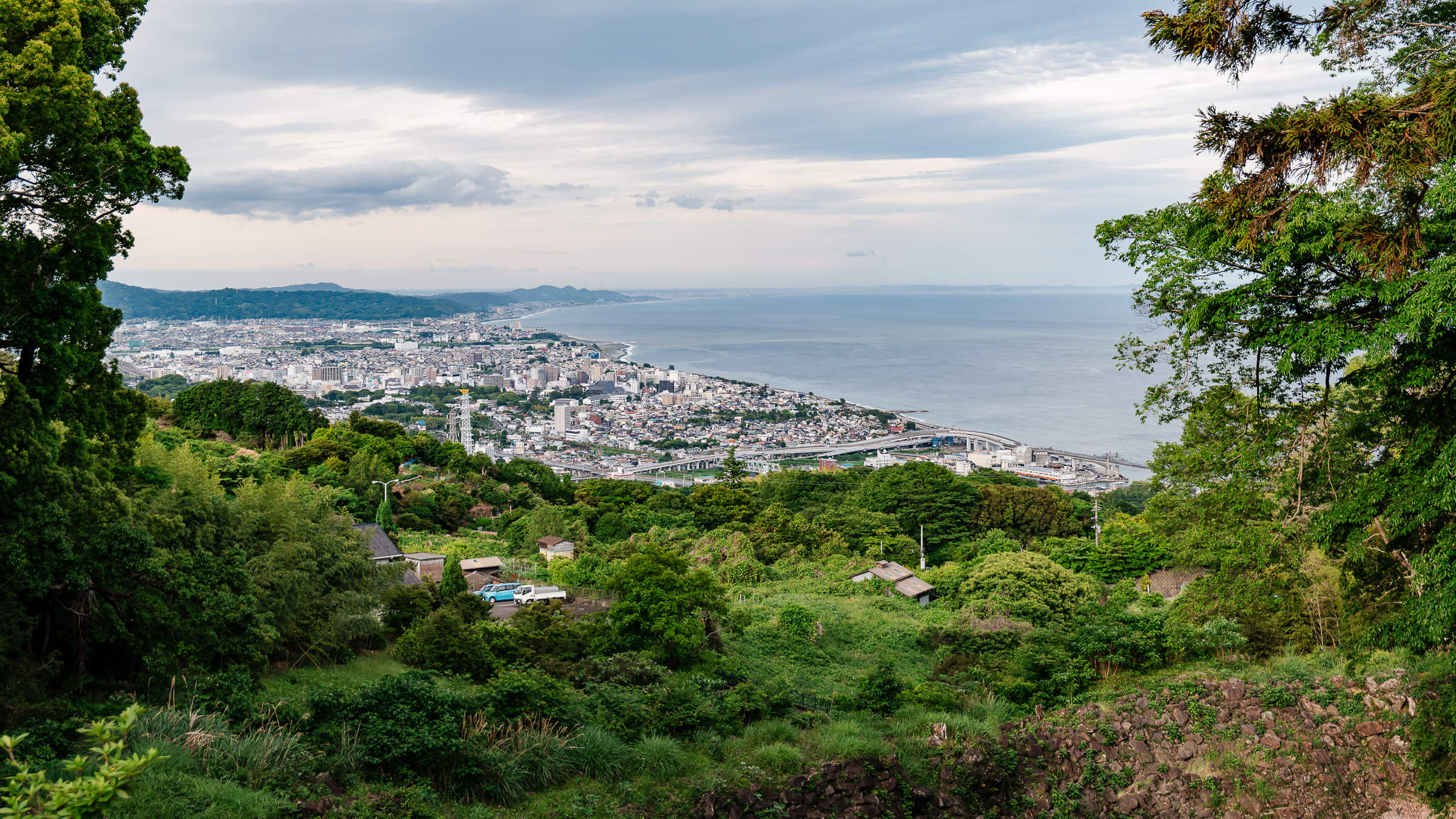
That logic becomes easier to understand when compared with the elevated position of Ishigakiyama Castle, built later as a strategic overlook of Odawara itself. From that vantage point, the relationship between elevation, visibility, and territorial control becomes clearer and reinforces the structure of the castle below.
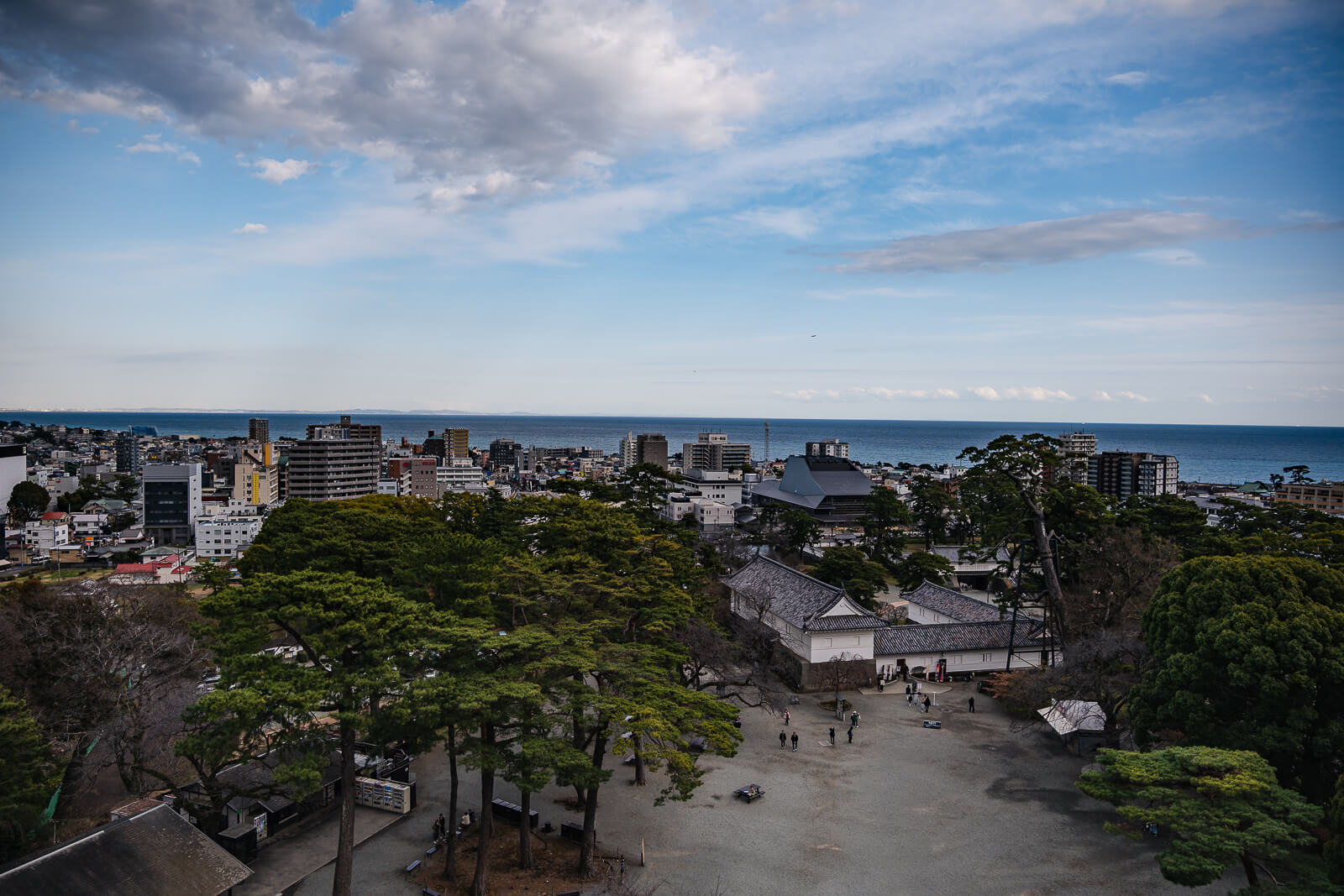
In 1590, Toyotomi Hideyoshi surrounded Odawara during a campaign that ended Hōjō rule and marked a turning point in the unification of Japan. That historical consequence still shapes how the site is understood today, even though the current structures are reconstructed.
Walking in from the Station — A Natural Approach
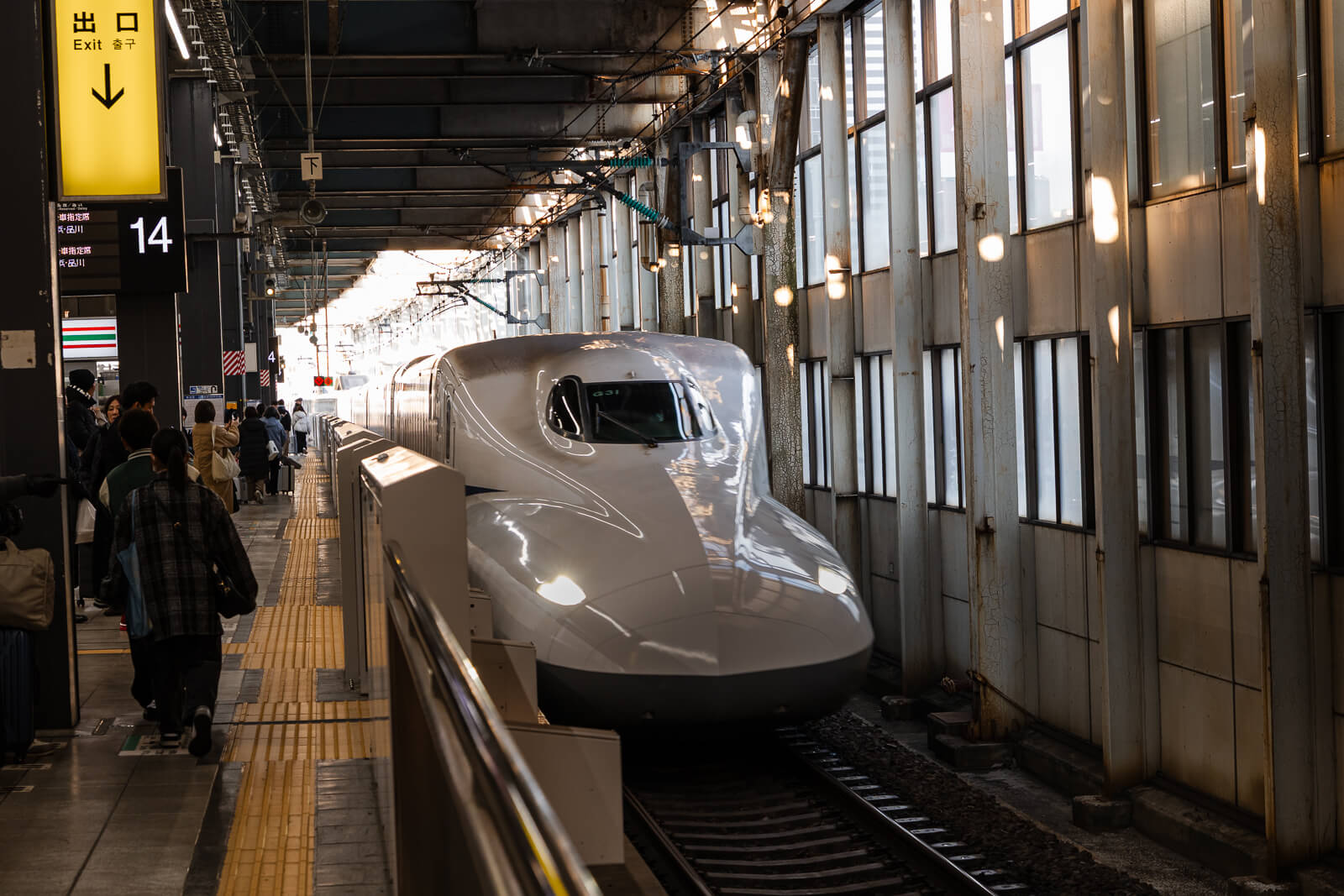
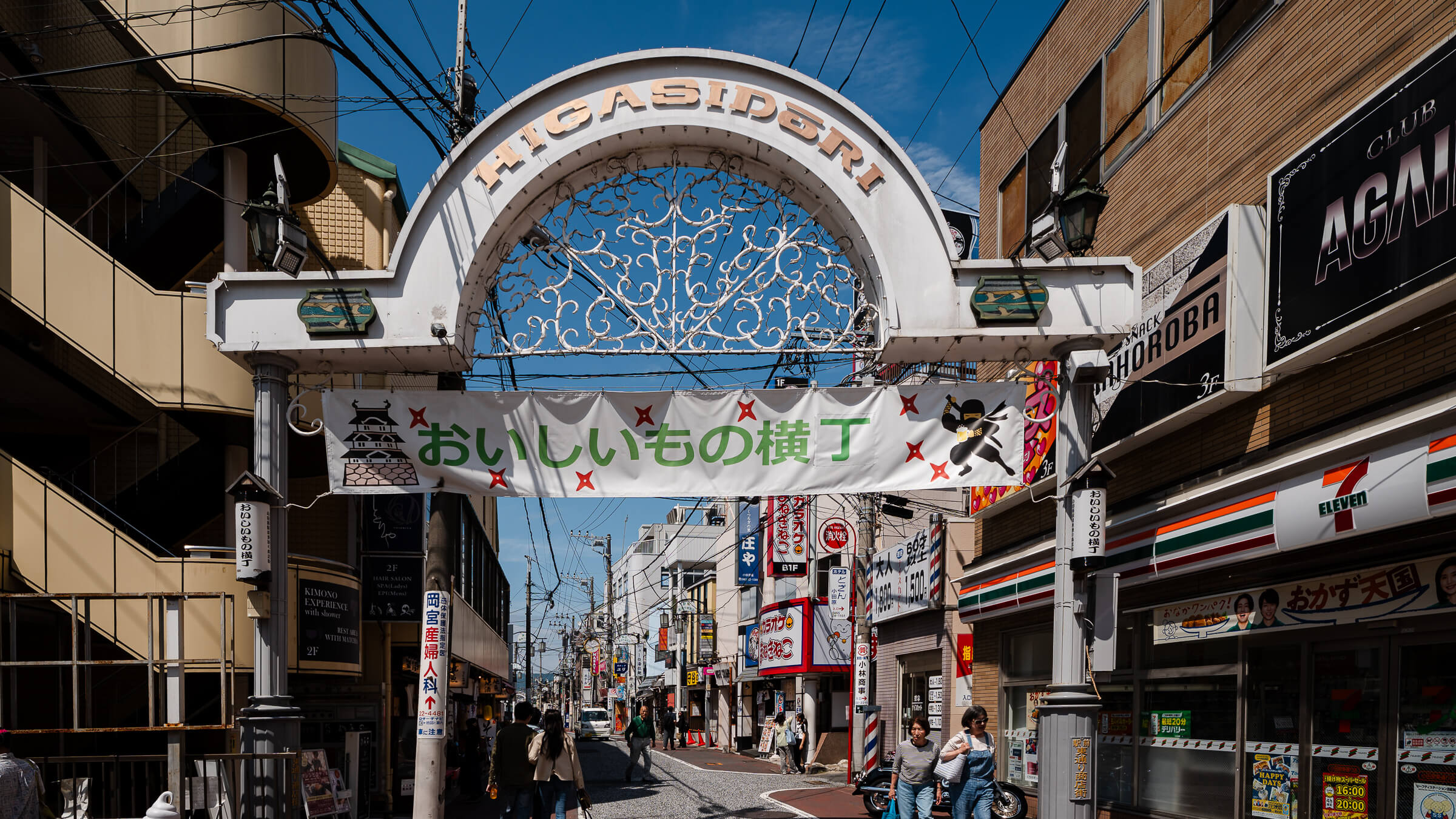
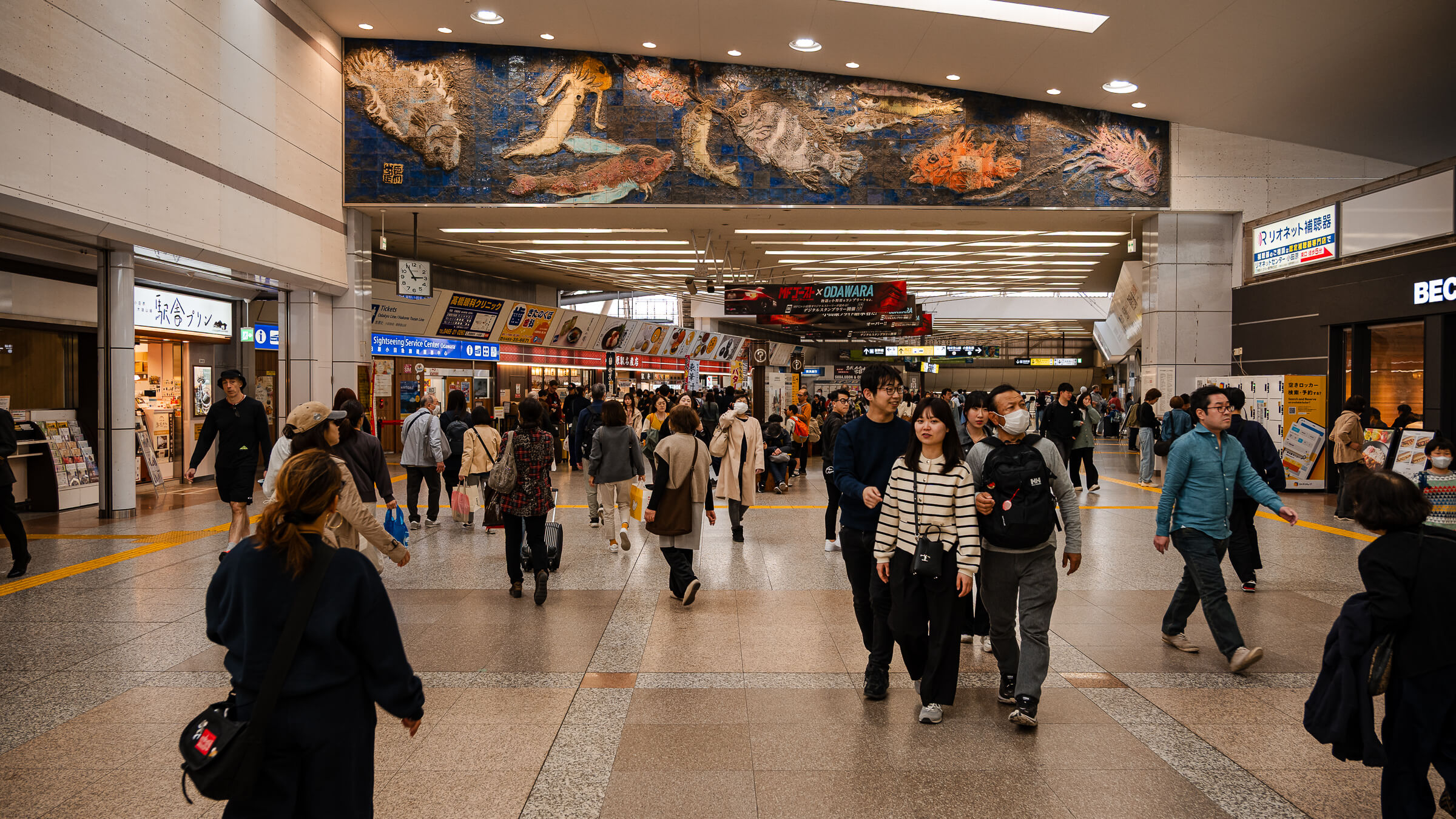
Most visitors arrive through Odawara Station, where signage and foot traffic naturally guide movement toward the East Exit. From there, the route toward the castle aligns with the main pedestrian flow, passing through the surrounding streets before opening into the castle grounds.
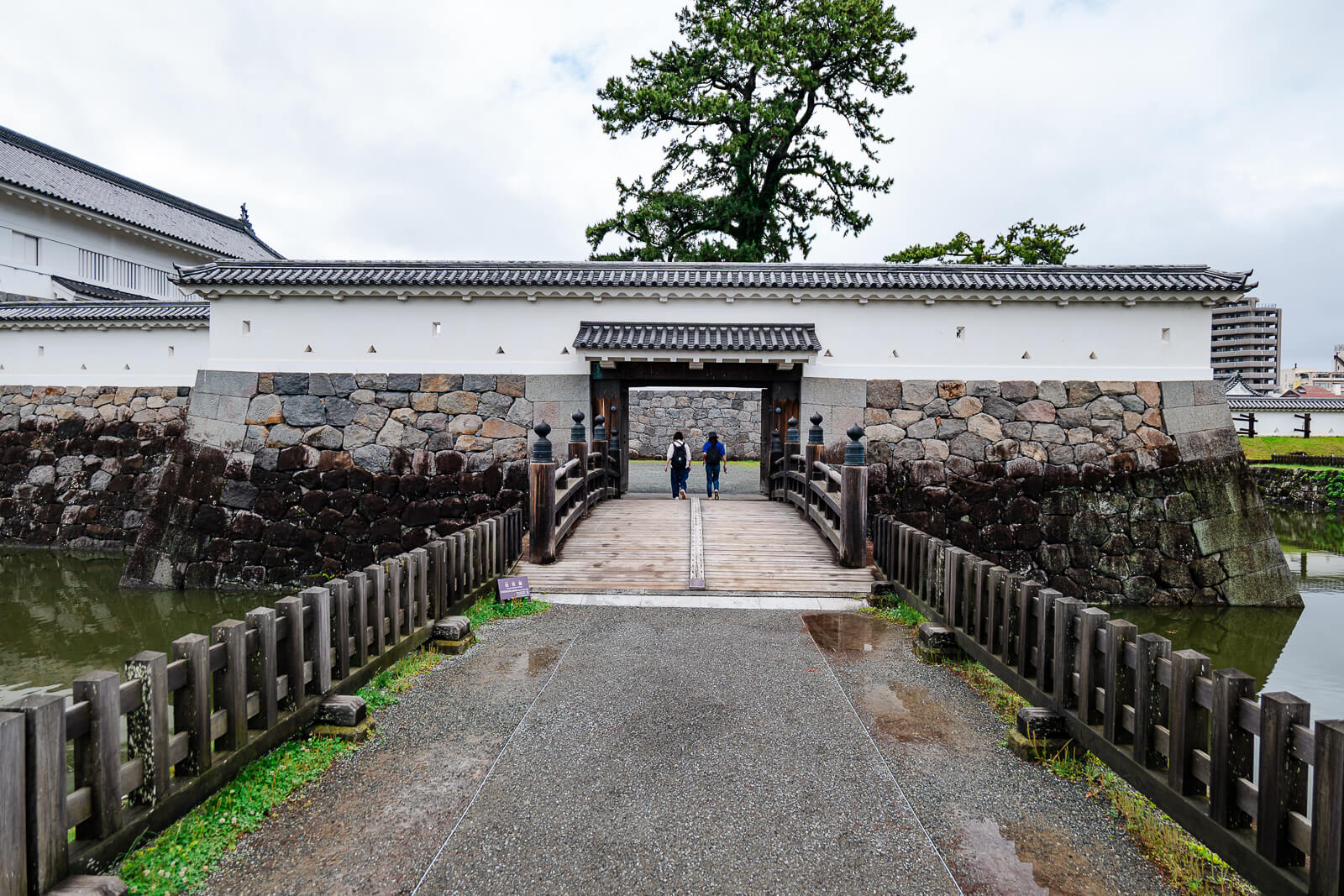
Along the way, directional signs continue to point toward the main entrance, making the approach easy to follow without needing to plan the route in advance. The castle begins to appear gradually as the space opens, with the outer grounds coming into view before the central keep.
Even on a first visit, the approach rarely feels uncertain. The combination of station flow, signage, and the physical layout of the area makes the castle easy to reach and naturally integrated into the surrounding part of the city.
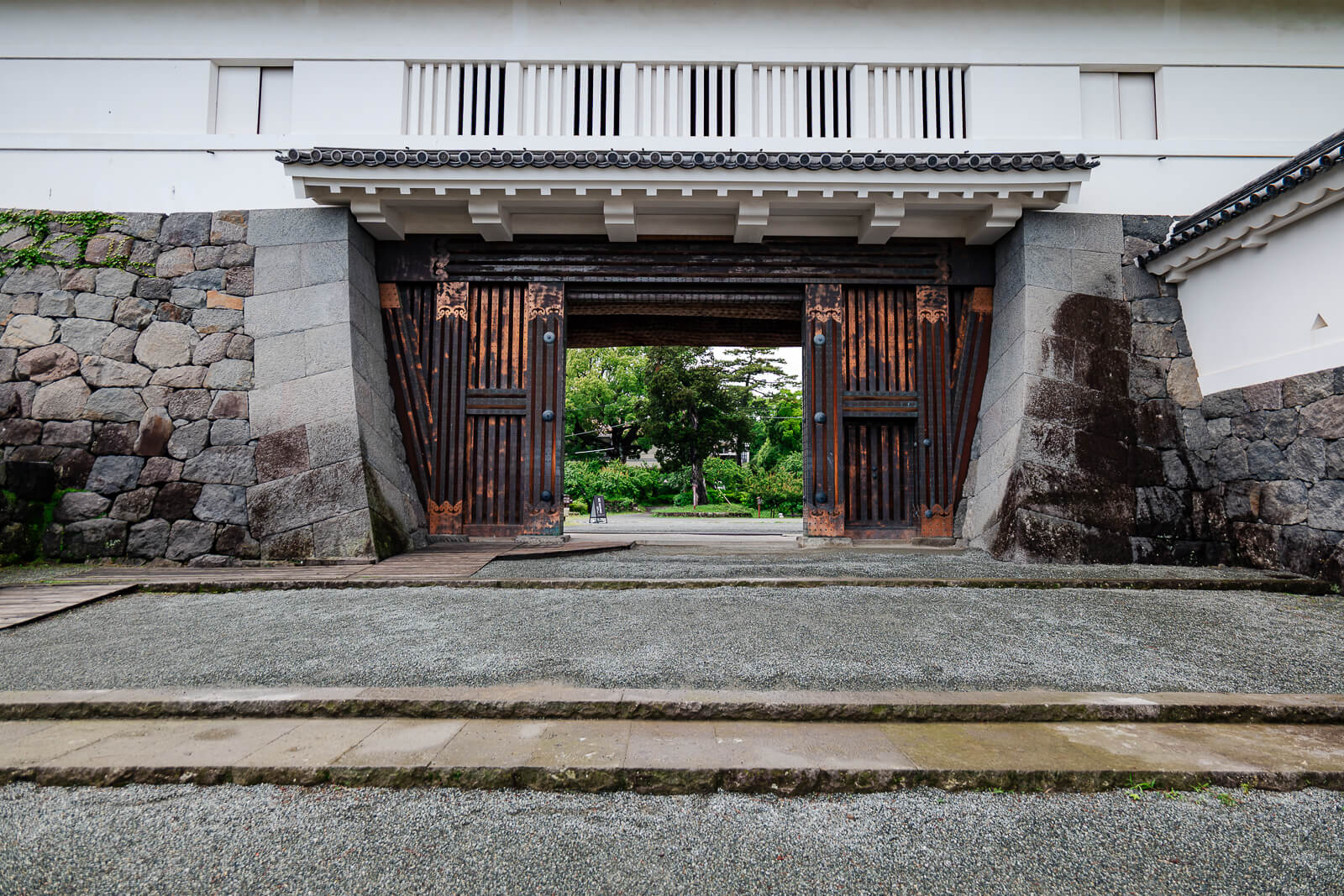
Inside the Keep and the Castle Museum
Inside the keep, the experience shifts from open space to vertical progression. The museum floors provide historical context for the castle, the Hōjō clan, and the role Odawara played in the Sengoku period.
Displays include armor, weapons, models, and historical materials that help explain how the site functioned as a regional stronghold rather than simply a scenic landmark. These exhibits change how the surrounding grounds are understood once back outside, adding context to what might otherwise feel like a simple park setting.
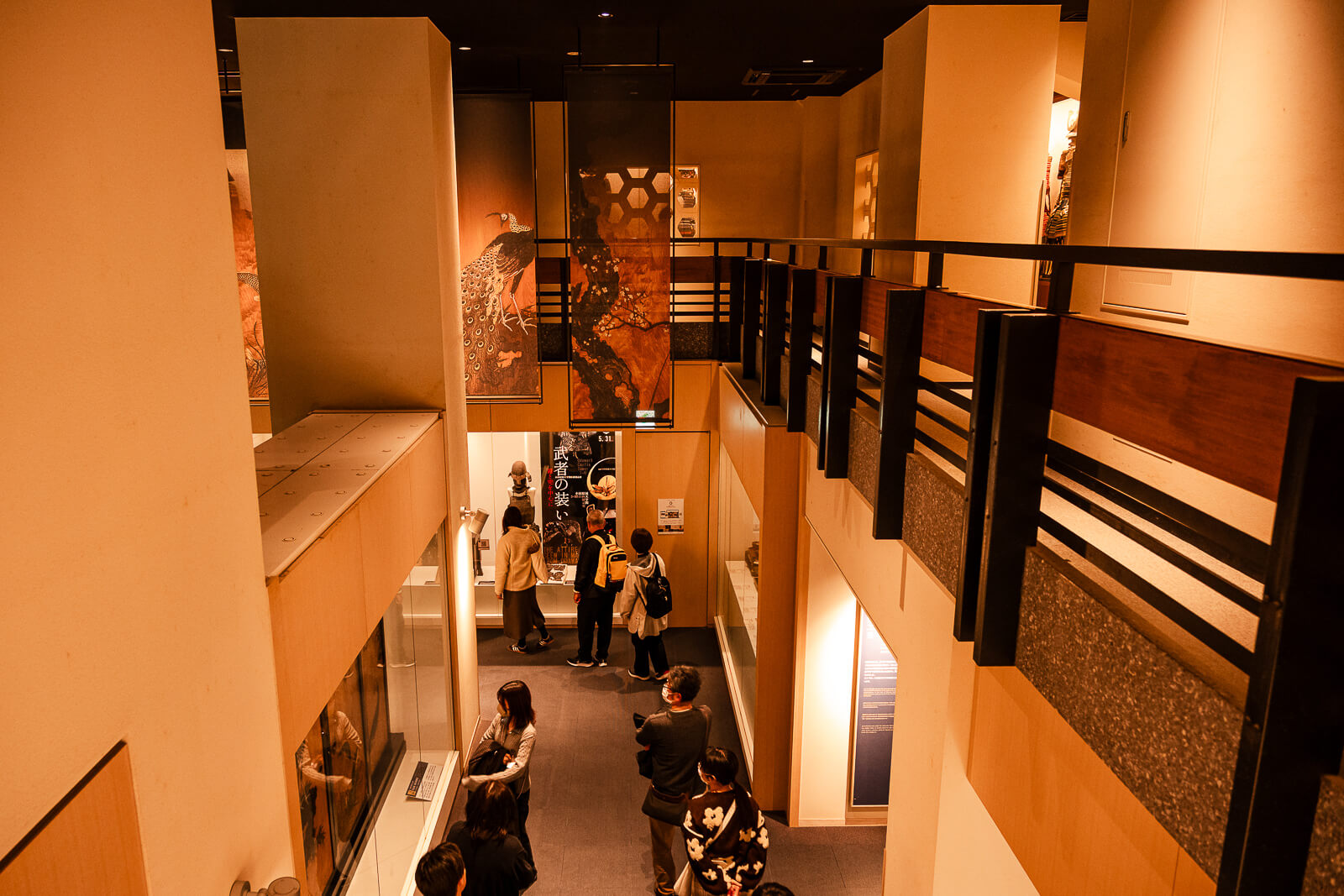
The upper levels lead to a viewing platform where the city, coastline, and surrounding terrain come into view. From this height, the castle’s relationship to the wider corridor becomes clearer, helping connect the site to nearby locations such as Enoura Observatory, which sits along the same coastal stretch further west.
This section also acts as a natural bridge to the more focused experiences of the Odawara Samurai Museum and Odawara Ninja Museum, both of which expand on the military and cultural layers introduced within the keep.
The Ninja and Samurai Museum Cluster
One of the strongest reasons this castle works well as more than a short stop is the museum cluster immediately surrounding it. These spaces extend the experience beyond architecture and into the lived realities of the period.
The Odawara Ninja Museum introduces espionage, intelligence, and unconventional warfare, adding a layer that is not immediately visible in the castle itself. The exhibits often lean more interactive, which shifts the pacing of the visit and broadens its appeal.
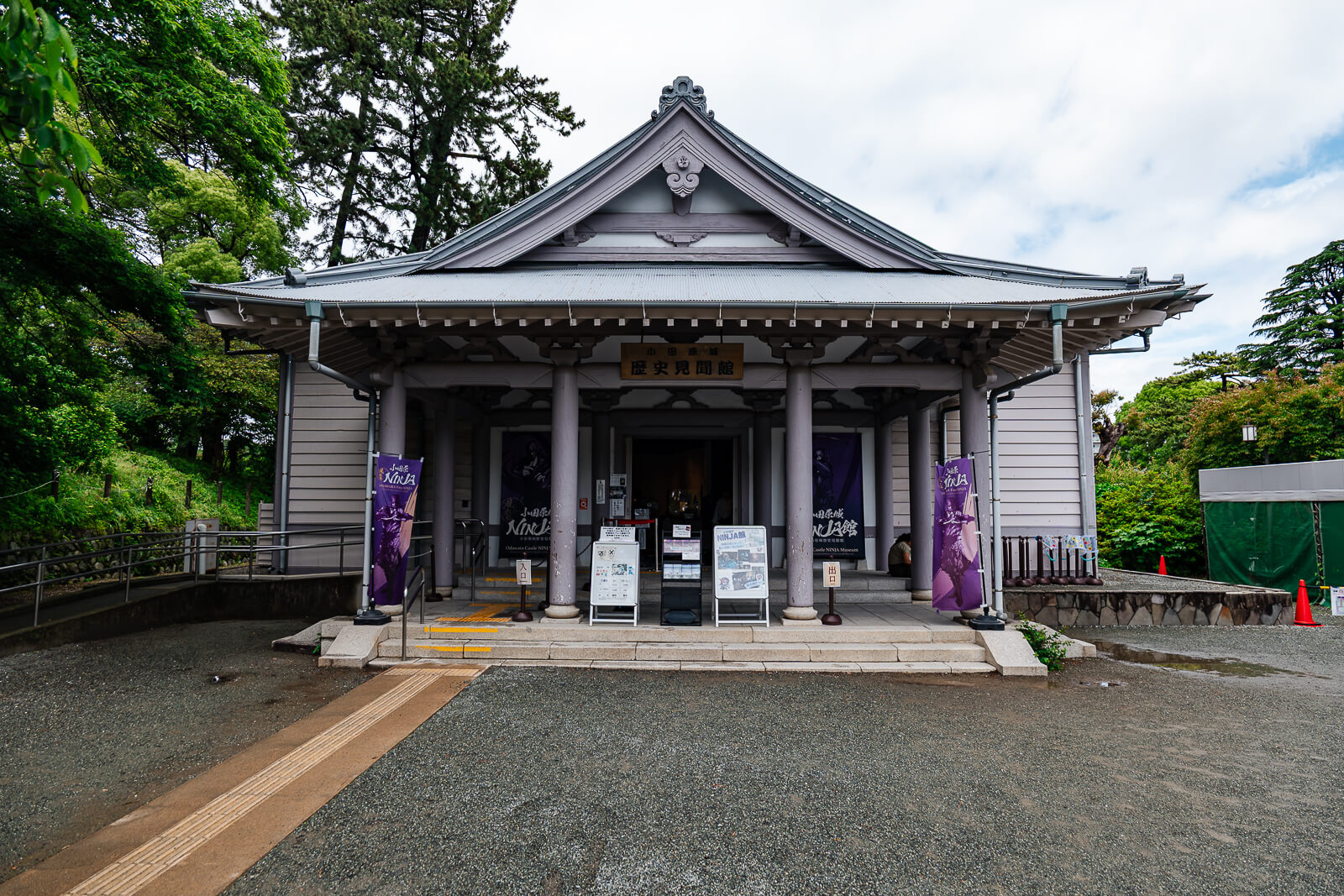
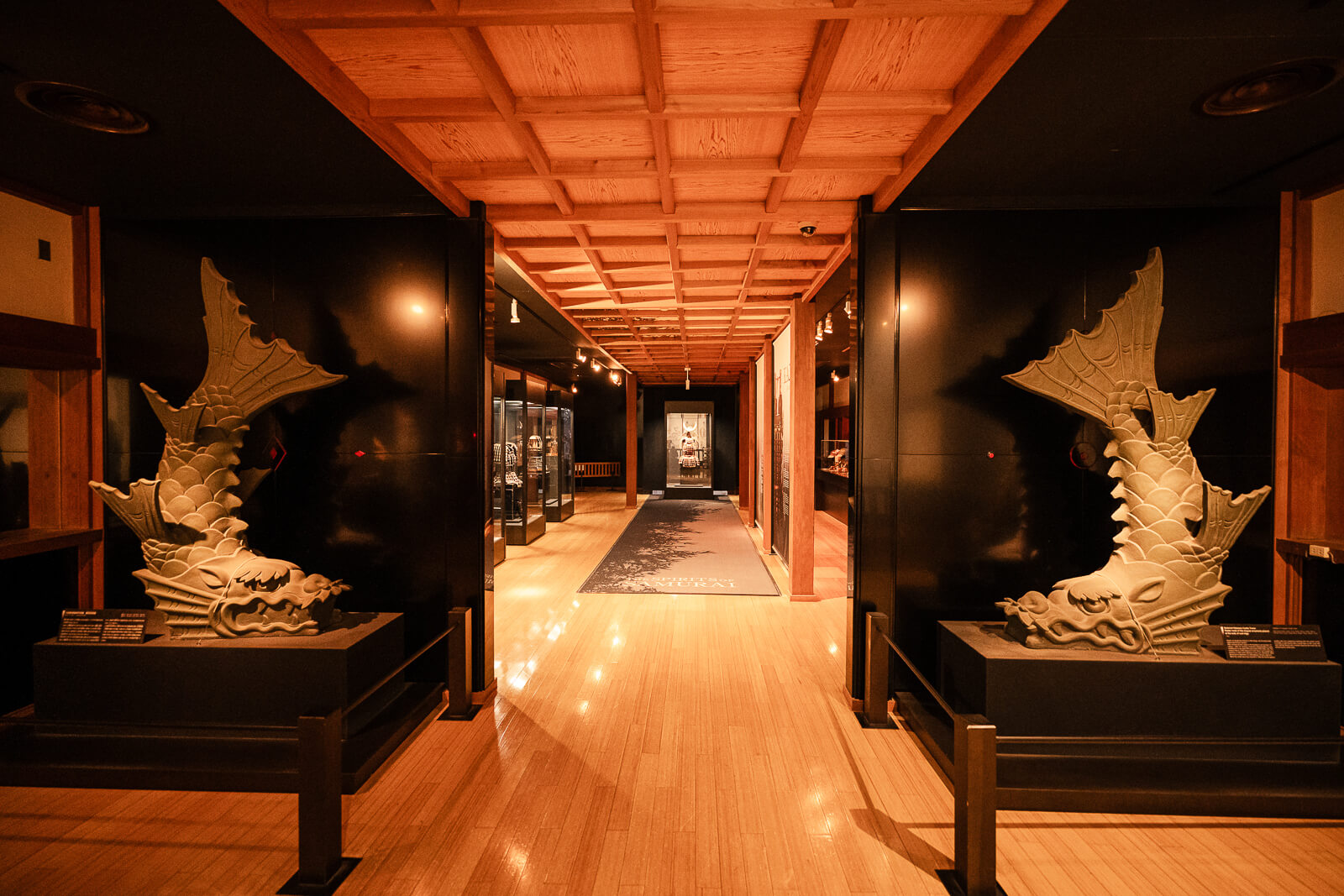
Nearby, the Odawara Samurai Museum presents armor, weapons, and historical interpretation that complement the castle’s own exhibits. Together, these museums deepen the historical narrative and help connect the physical site with the people and systems that once operated within it.
A Lower Area That Often Falls Outside the Visit
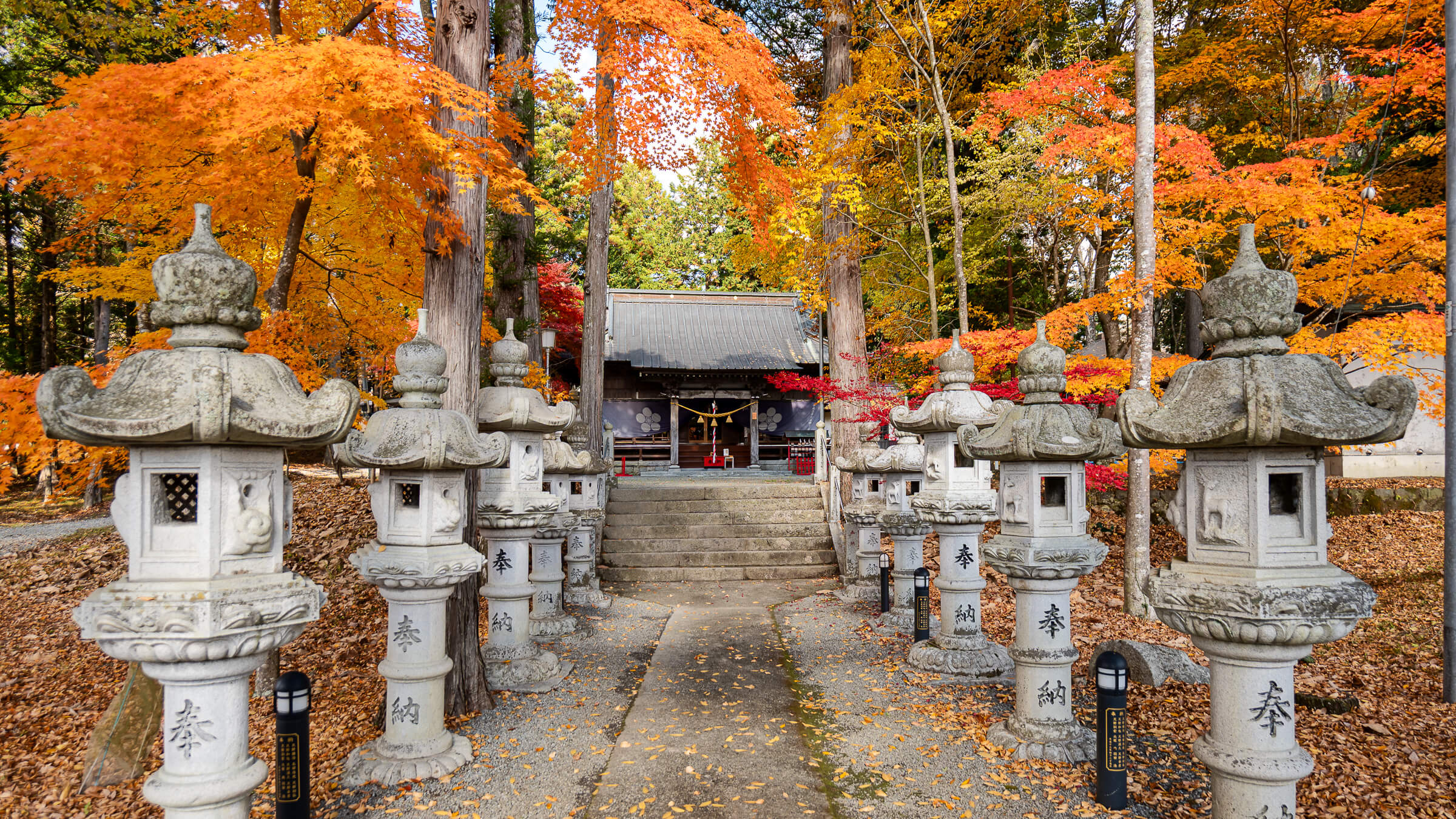
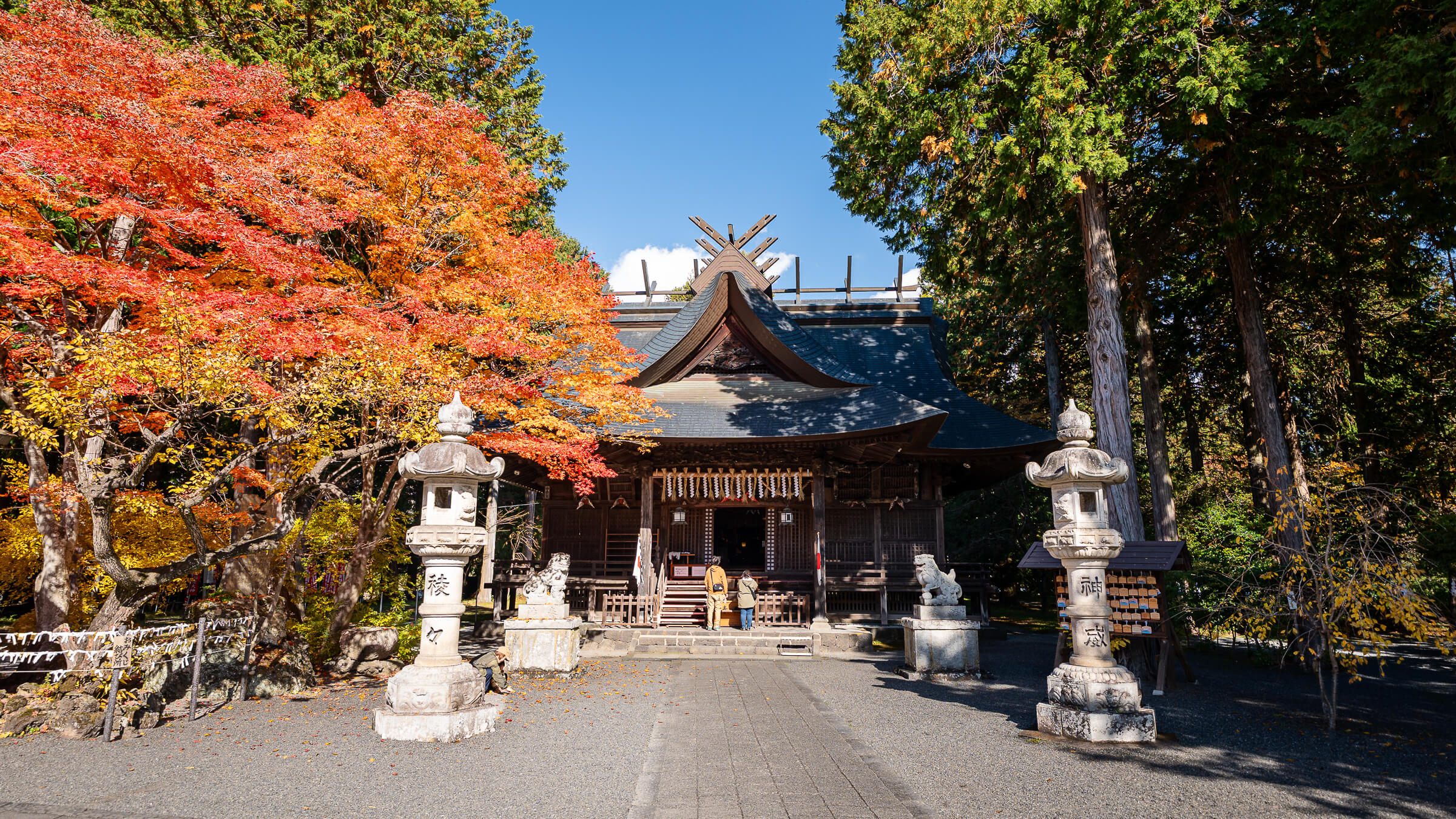
Below the main grounds sits Hotoku Ninomiya Shrine, a Shinto shrine that is easy to miss when entering from the upper areas of the castle grounds. The path leading downward does not immediately draw attention, and without prior awareness, many visitors never reach this part of the complex.
This is not simply a secondary feature. It introduces a different layer of Odawara’s identity, one that reflects civic life and ethical philosophy rather than military power. The shrine is dedicated to Ninomiya Sontoku, a figure associated with agricultural reform, economic ethics, and rural development.
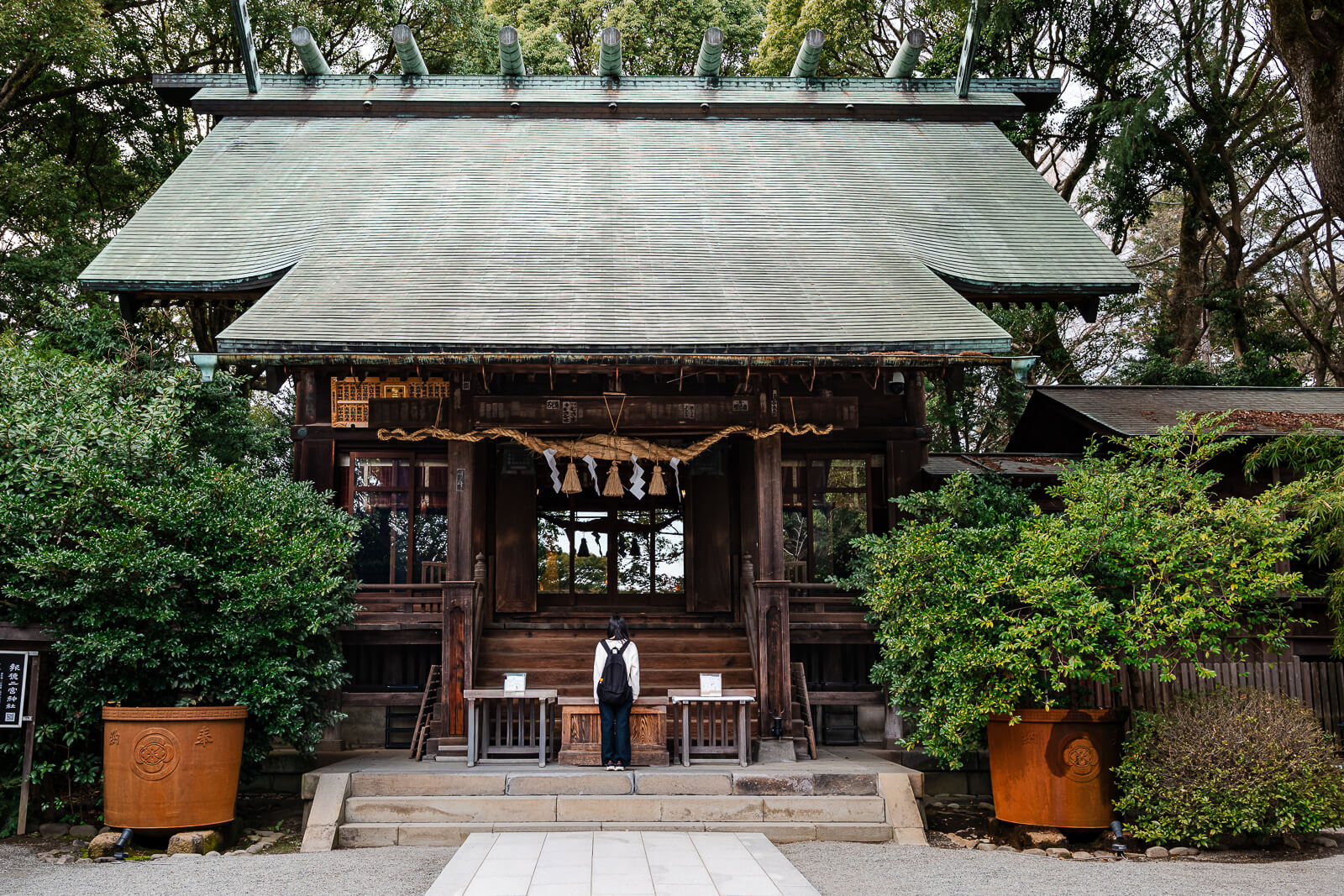
That contrast changes how the site reads once you move beyond the central grounds. The visit shifts from military history into a broader understanding of how the region functioned beyond conflict.
Following the Moat and Seeing the Castle as a System
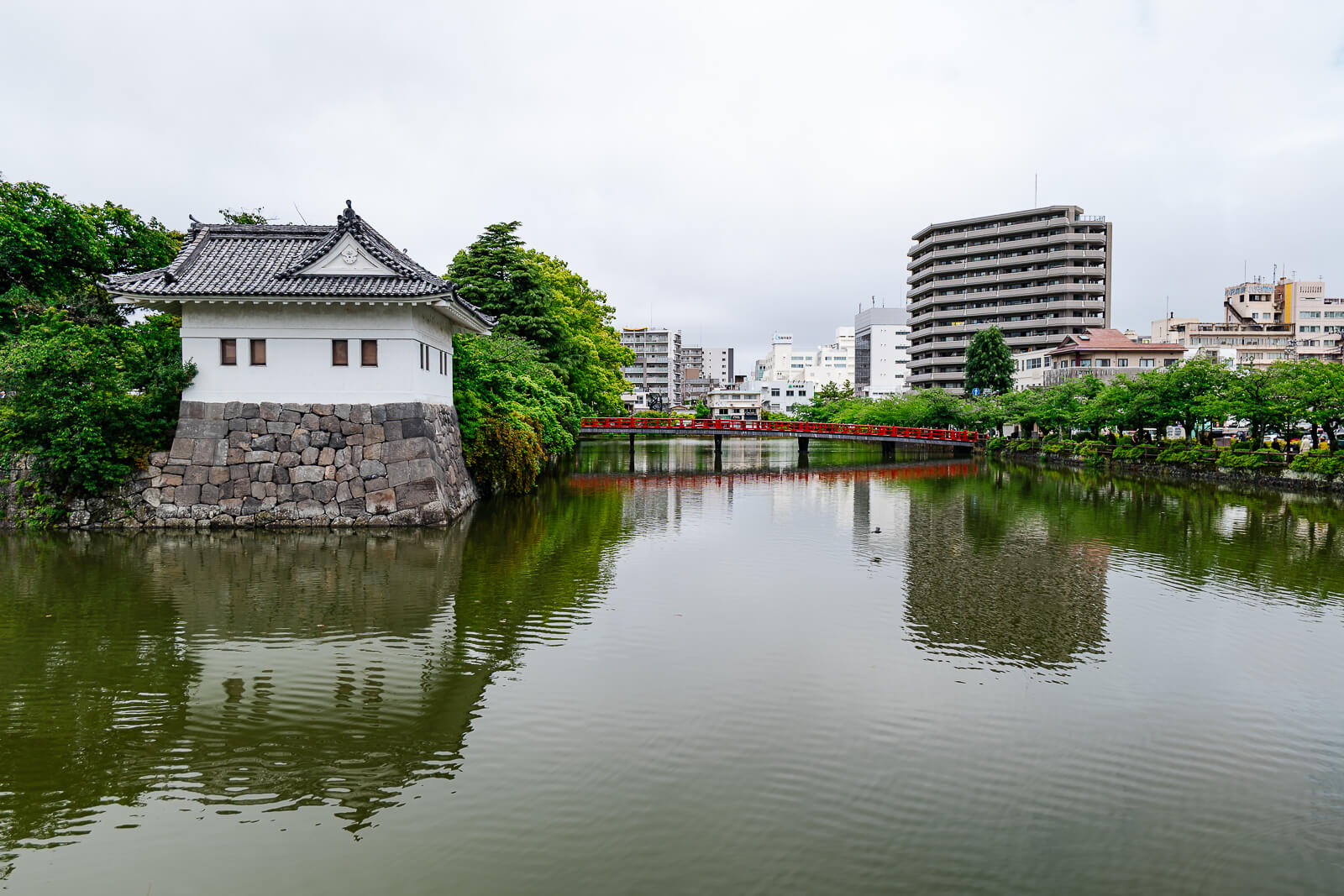
Beyond the shrine, the path extends toward the Minamihori moat and the outer perimeter of Odawara Castle Park. The space opens further, and the distance between areas becomes more noticeable.
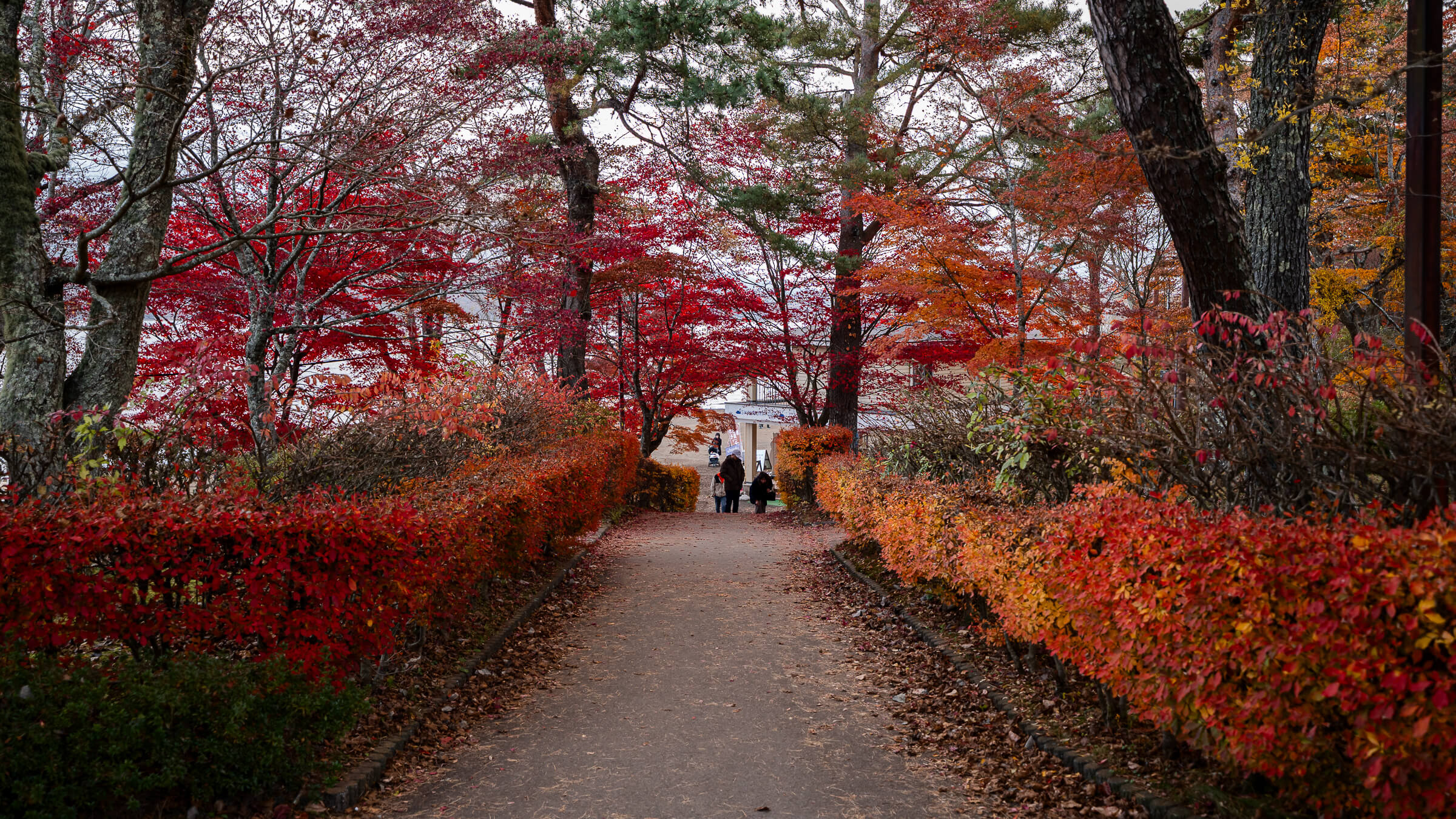
This portion of the grounds shifts attention away from the keep. Tree-lined paths, open stretches, and features such as the wisteria trellis create a slower, more distributed experience. The castle begins to read as a system built across space rather than a single central point.
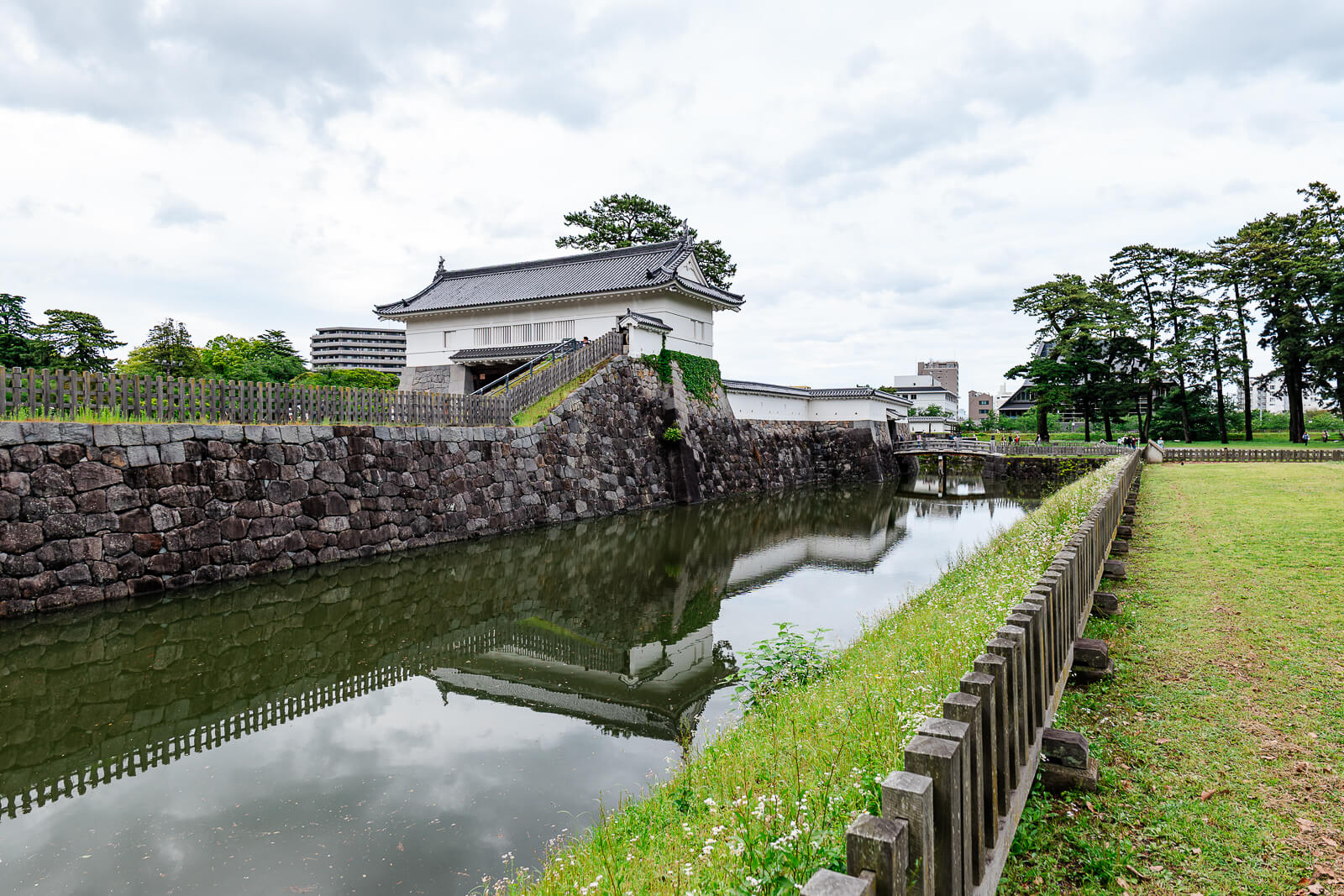
Movement here is less concentrated, and the number of visitors typically decreases. That change in density allows the defensive layout to become more visible, making the relationship between inner and outer areas easier to understand.
Extending the visit in this direction often brings the total time closer to two to three hours. Without it, the castle reads as a single landmark. With it, the broader structure becomes clear.
When the Castle Shifts — Cherry Blossom Season
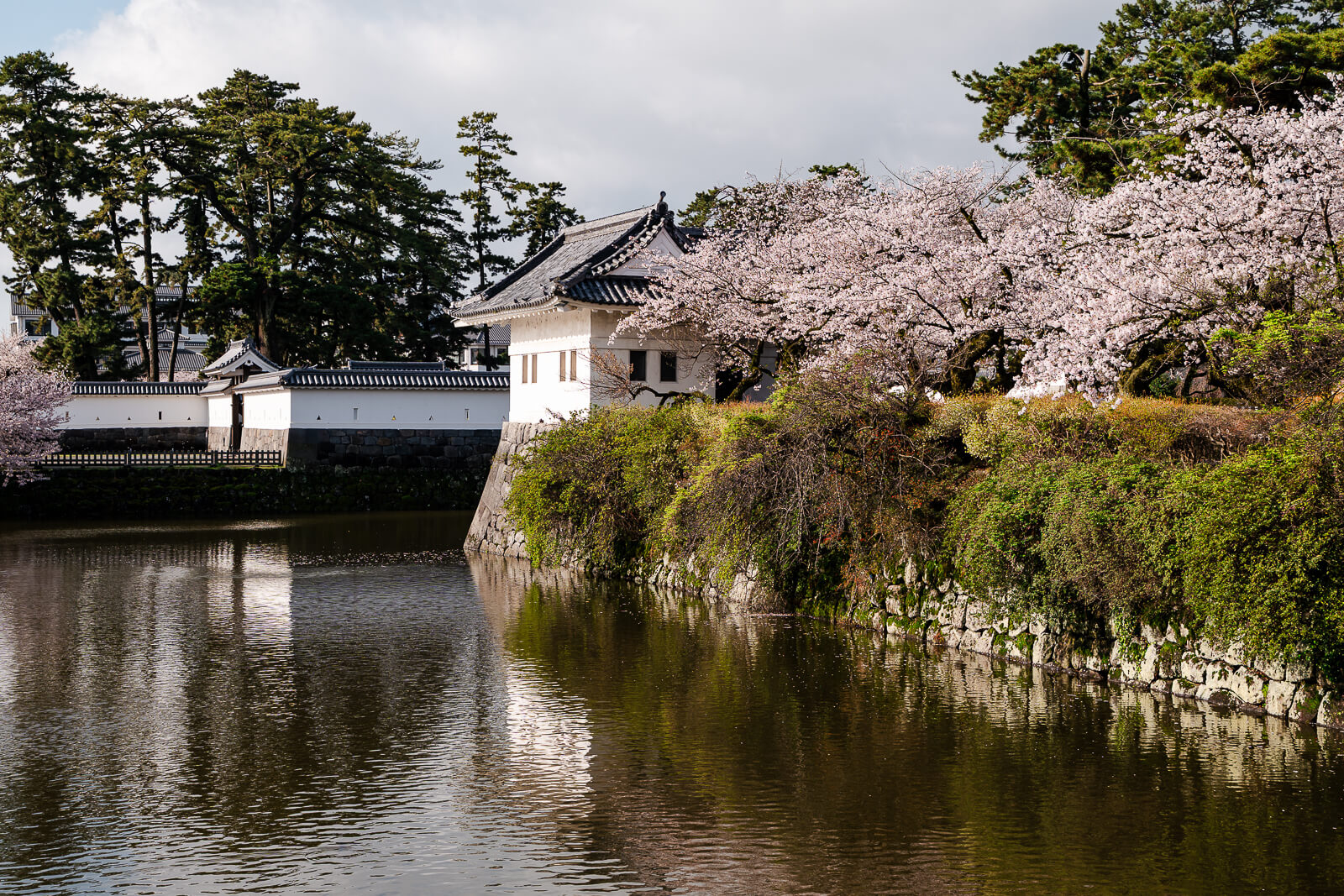
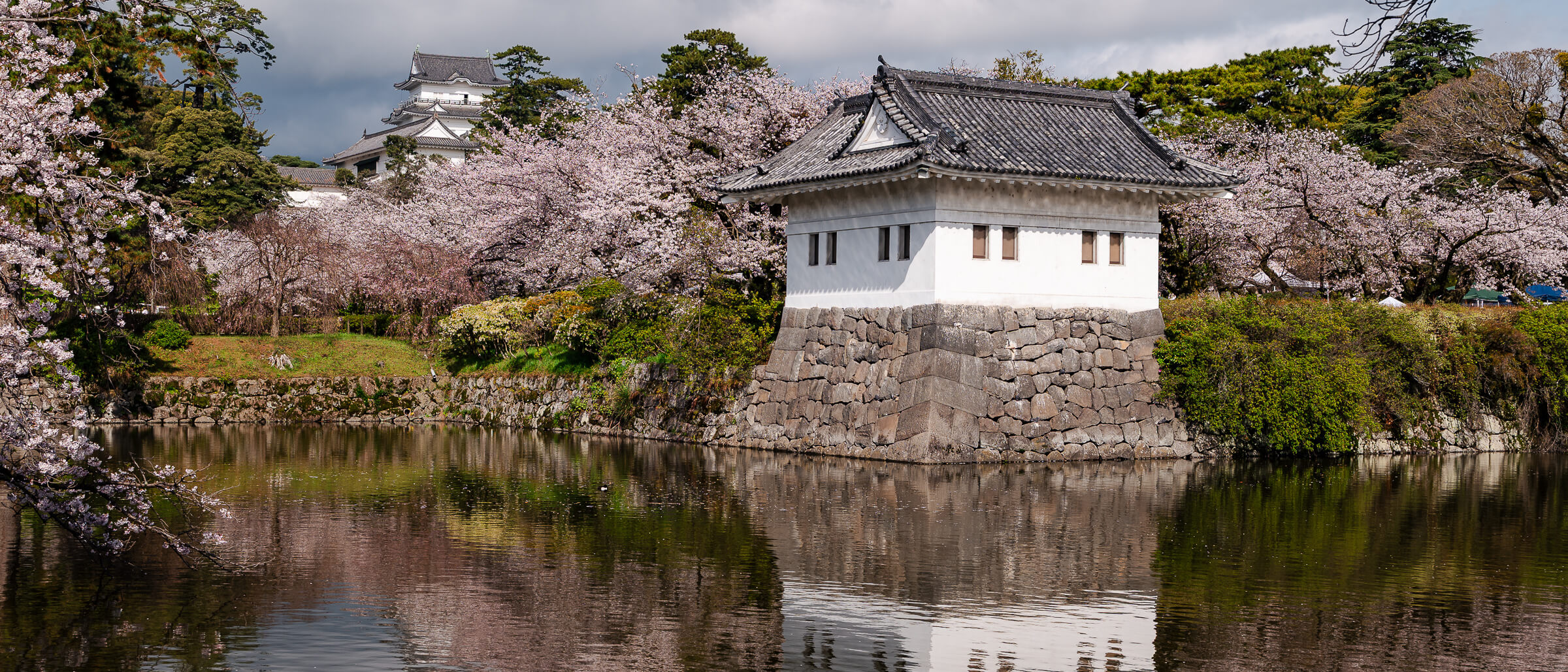
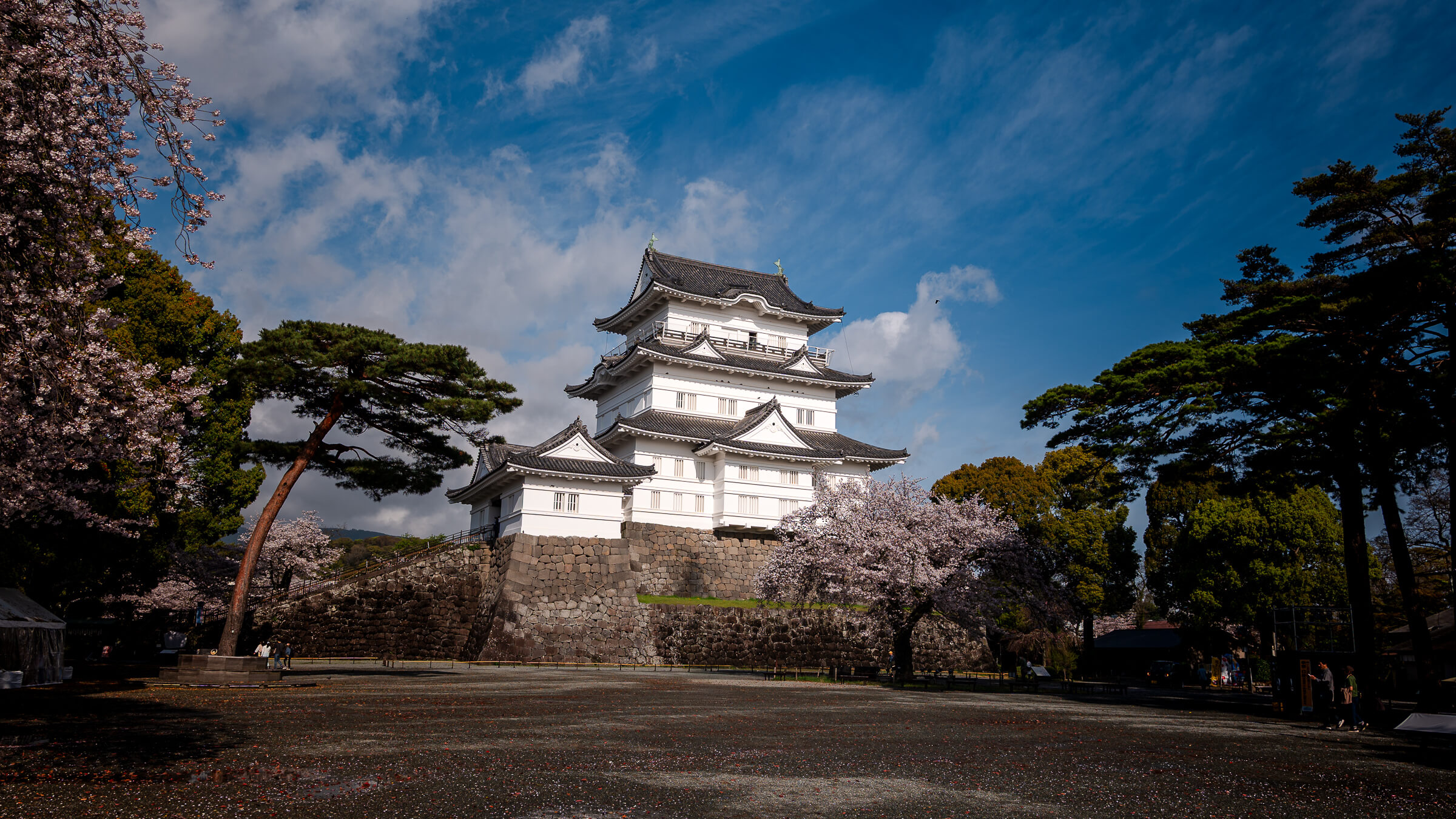
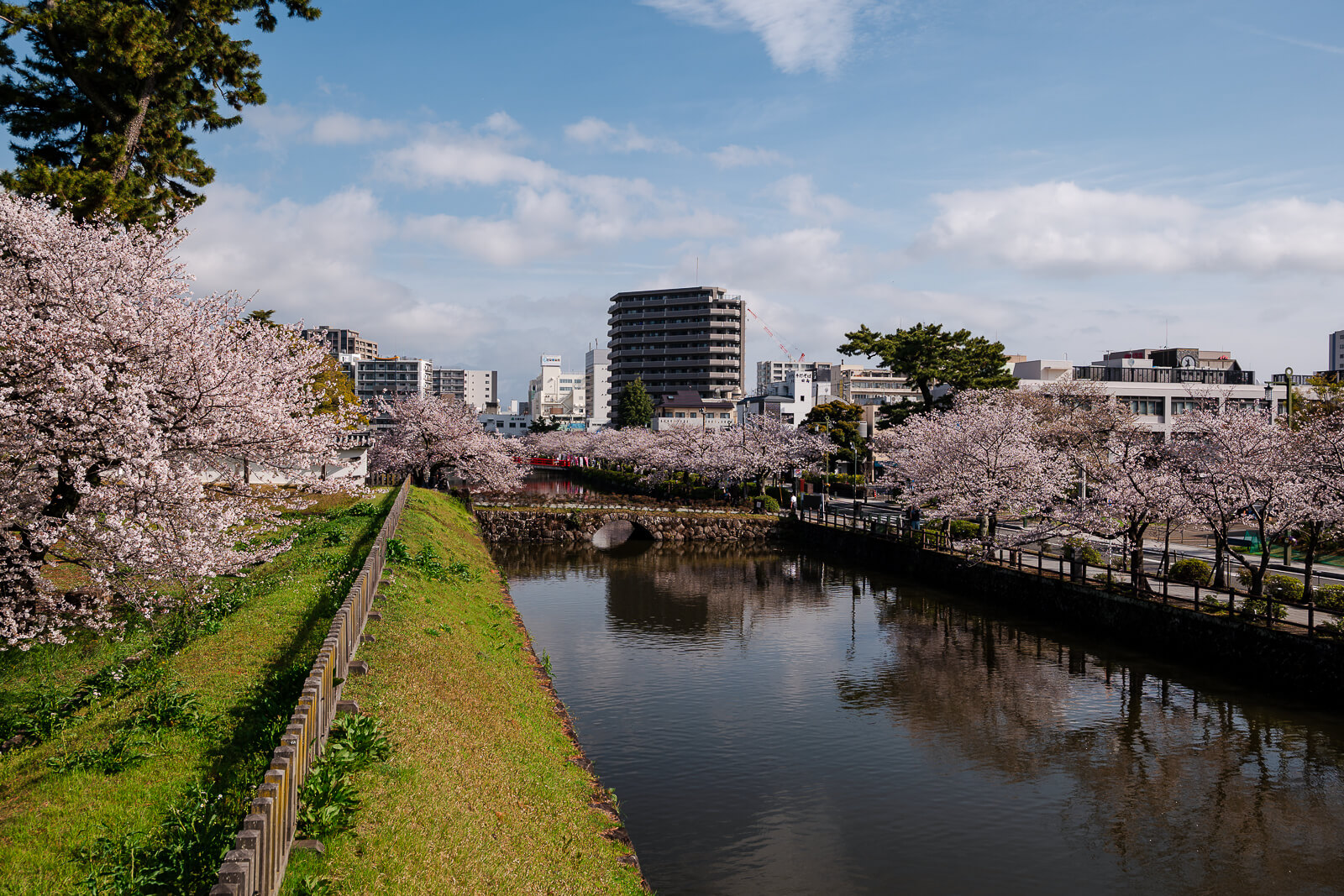
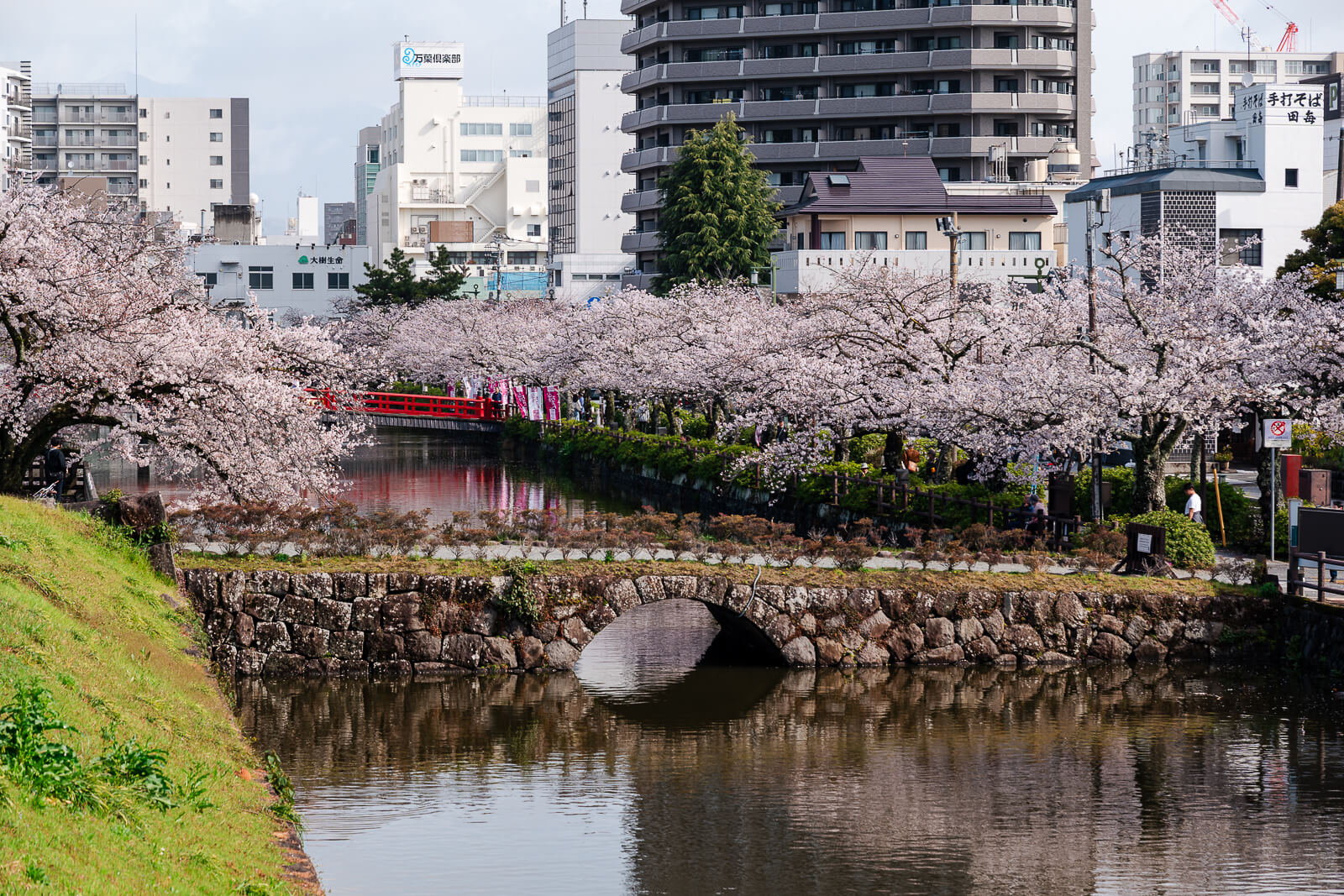
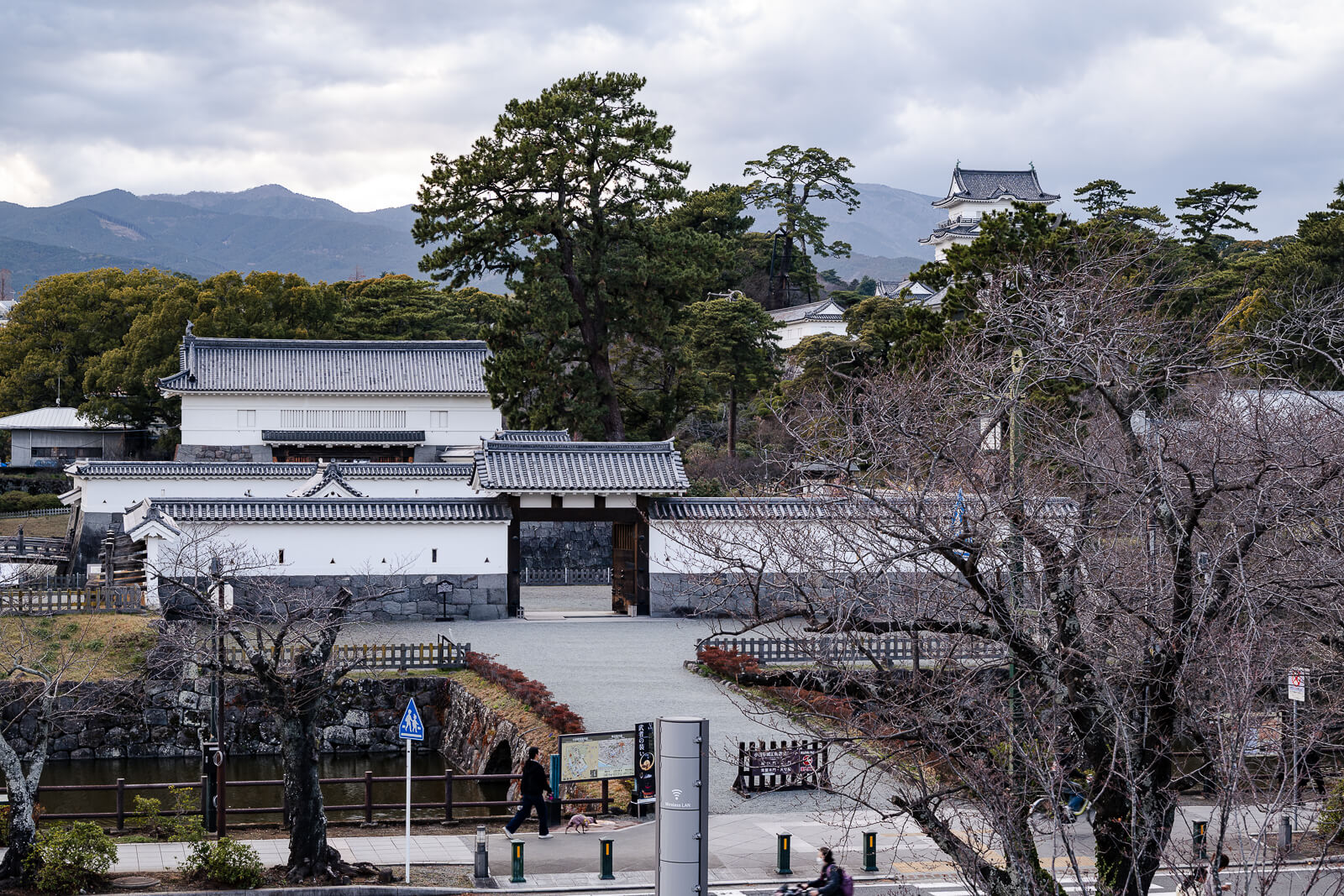
During cherry blossom season, Odawara Castle changes from a structured historical site into a place where movement slows and spreads outward across the grounds. The transformation is most visible around the moat and open areas of Odawara Castle Park, where rows of sakura begin to frame the keep and reflect across the water.
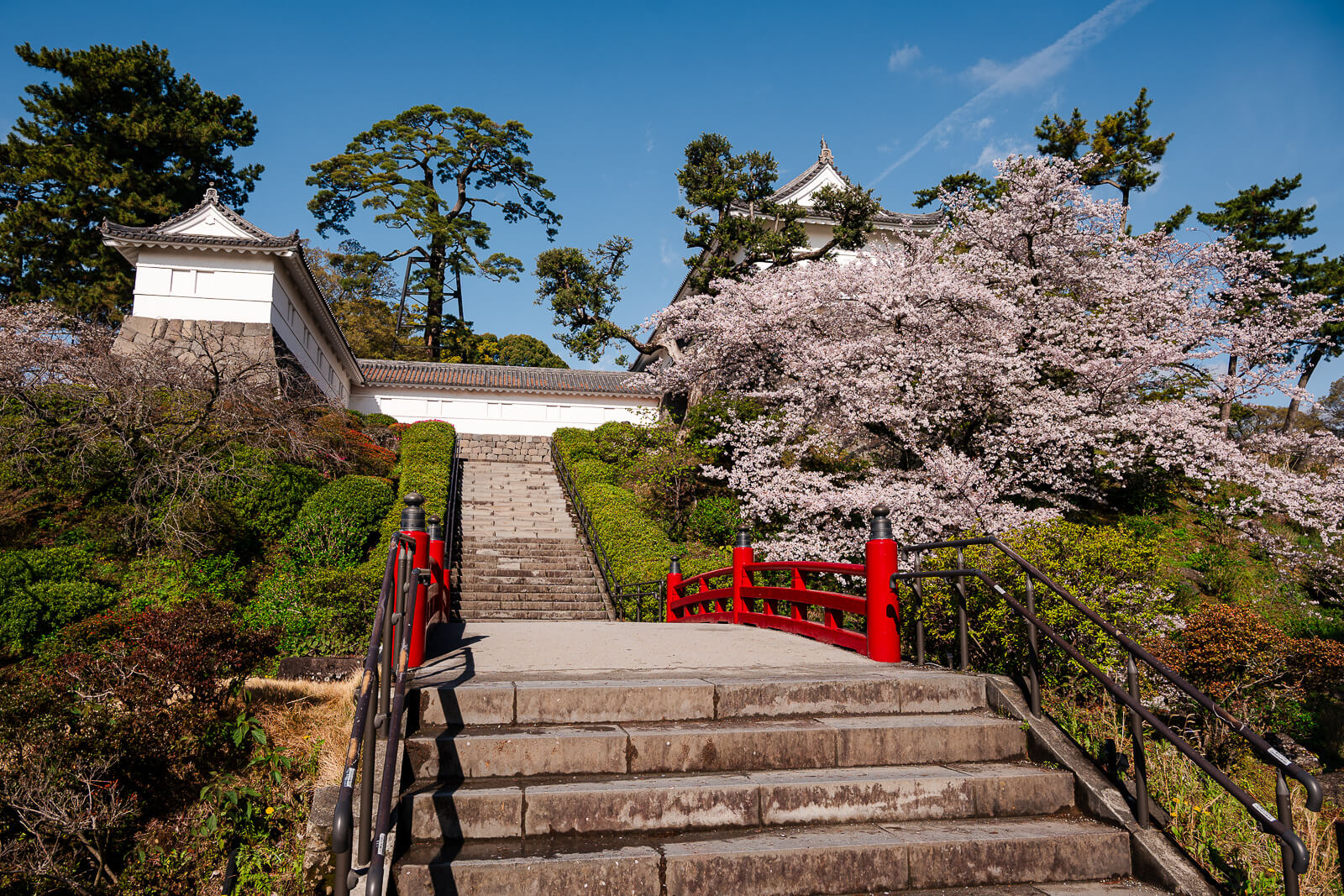
This is one of the few periods when the outer areas become as important as the central courtyard. Visitors tend to gather along the moat, bridges, and tree-lined paths, creating a more distributed flow rather than concentrating around the keep itself. The result is a longer, less direct visit, where the time spent moving through the grounds often exceeds the time spent inside the castle.
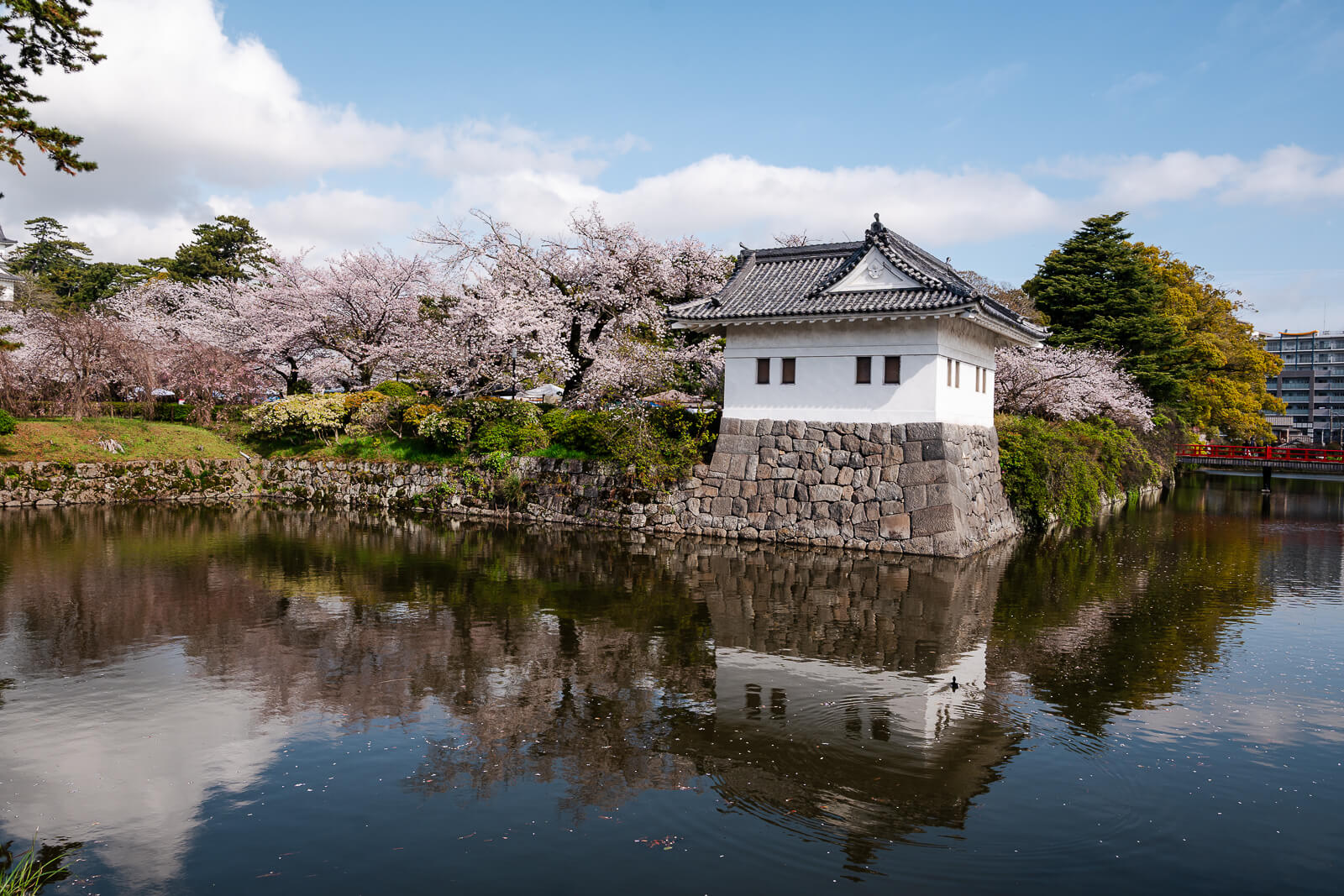
The visual structure of the site also shifts. The stone base of the keep, the waterline of the moat, and the surrounding trees begin to read as a single composition rather than separate elements. From certain angles, the castle appears partially enclosed by blossoms, while in others it opens outward toward the city, creating multiple viewing points that do not exist in the same way during other times of the year.
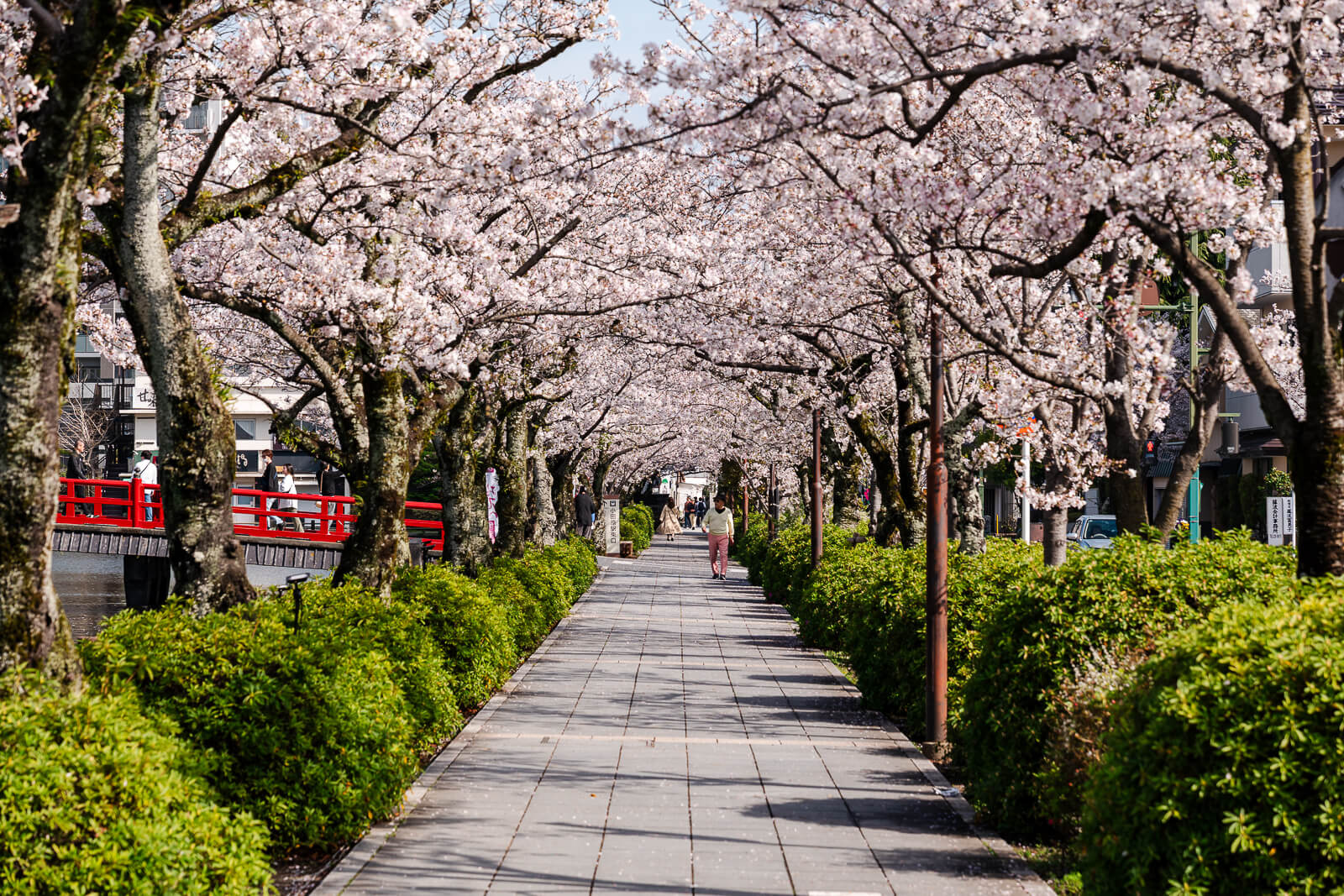
Crowd density increases during peak bloom, particularly in the late morning and early afternoon. Even so, the size of the grounds allows space to spread out, especially along the perimeter paths and moat edges. Most visits during this period extend closer to two or three hours, not because the site changes in size, but because the way people move through it changes.
Outside of sakura season, the castle returns to a more direct, faster-paced experience centered on the keep and museum. During bloom, it becomes a broader landscape where the castle is only one part of what visitors are moving through.
How Odawara Controlled the Hakone Route
At its height under the Hōjō clan, Odawara functioned as the center of a wider regional system that extended into Hakone and the surrounding mountain corridor.
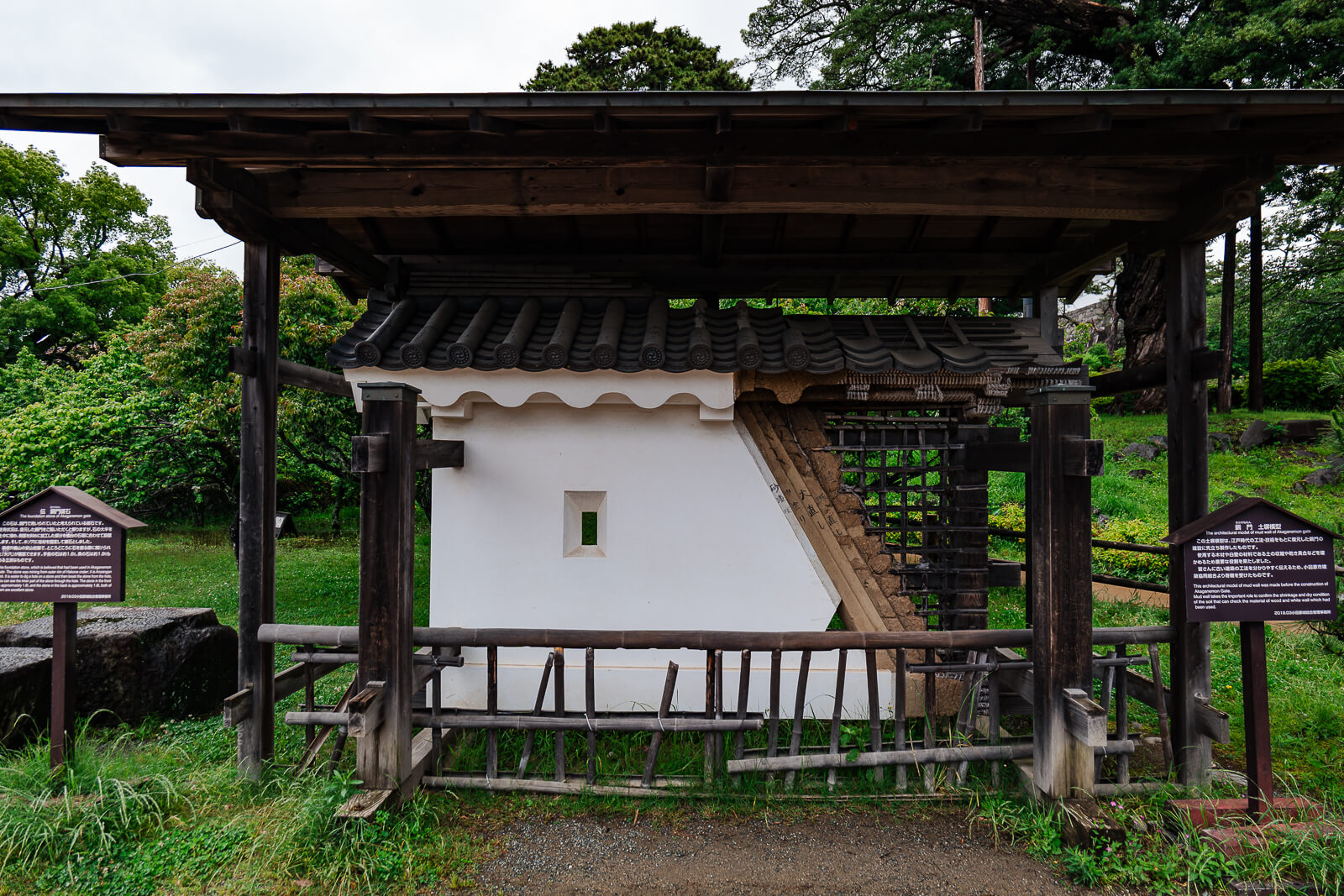
Movement west from the coastal plain naturally narrowed toward the passes leading through Hakone, making control of Odawara inseparable from control of the routes beyond it. The same corridor that modern travelers follow today once held strategic military and political importance.
That connection remains visible in Hakone itself, particularly around Hakone Shrine and the Hakone Shrine Treasure Hall, where artifacts and historical materials reinforce the reach of Hōjō influence across the region.
Standing within Odawara Castle, this broader context changes how the site is understood. It reads less as a single destination and more as the administrative and defensive center of a much larger territory.
How This Fits Into a Day Around Odawara
From Odawara Station, the castle sits as the most immediate landmark, with the grounds expanding into Odawara Castle Park before the city begins to open outward in multiple directions.
Moving inland leads toward the elevated remains of Ishigakiyama Castle, while heading toward the coast brings Odawara Fishing Harbor and TOTOCO Odawara into view. Farther west, Enoura Observatory introduces a more contemporary coastal experience shaped by architecture and landscape.
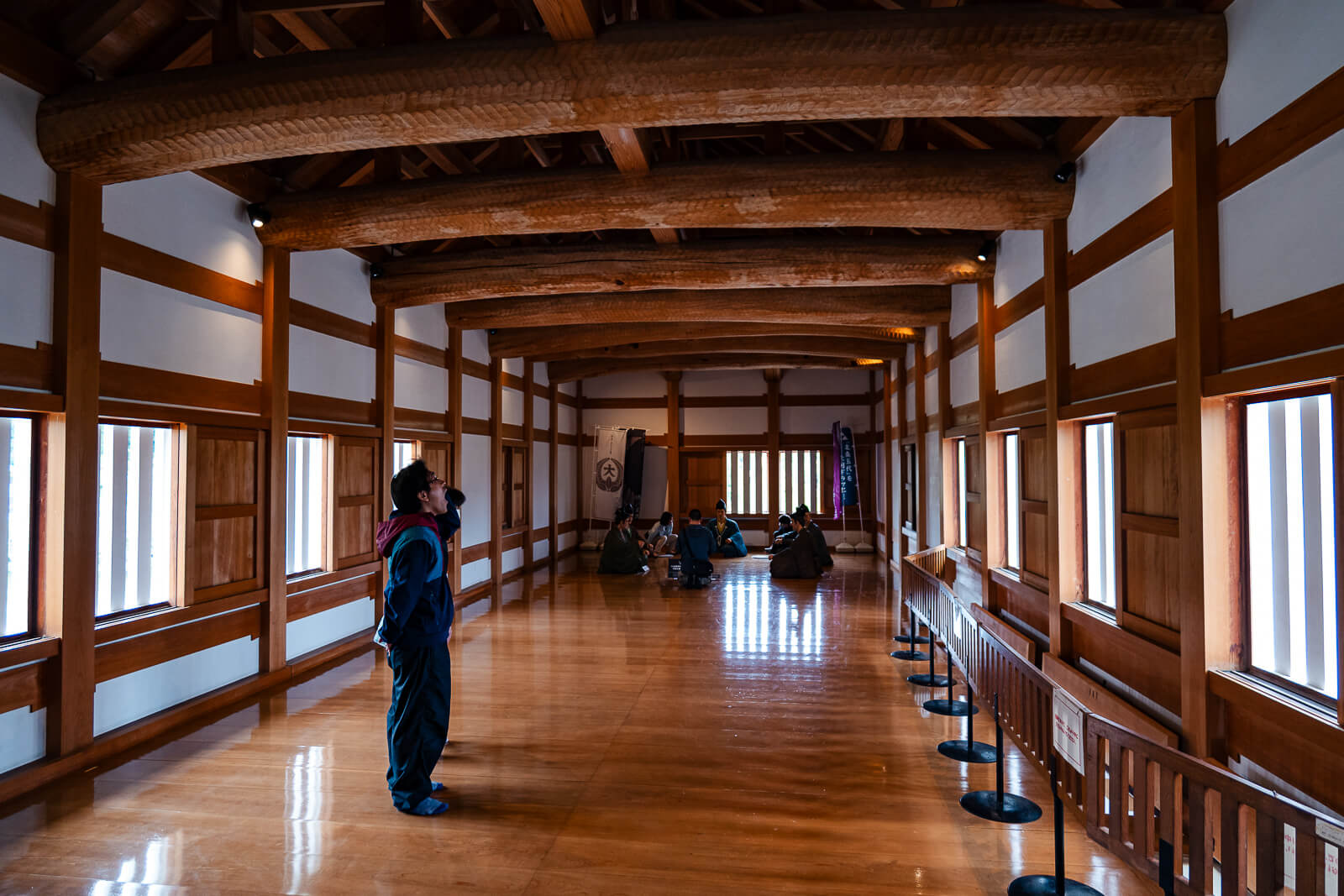
Within the castle grounds, the museums and shrine create a much richer cluster than the keep alone suggests, allowing the visit to expand naturally depending on time and interest.
Getting There
Odawara Castle is about a ten-minute walk from Odawara Station, making rail access the most reliable option. From Tokyo, the travel time remains manageable for a day trip or as part of a route toward Hakone or Atami.
Access is straightforward, with station flow, signage, and the surrounding street layout naturally guiding visitors toward the castle without requiring detailed planning.
Hours & Fees
Castle keep hours:
9:00–17:00
Last admission:
16:30
Admission:
Adults: ¥510
Children: ¥200