Seeing Odawara From Above Changes How the City Reads
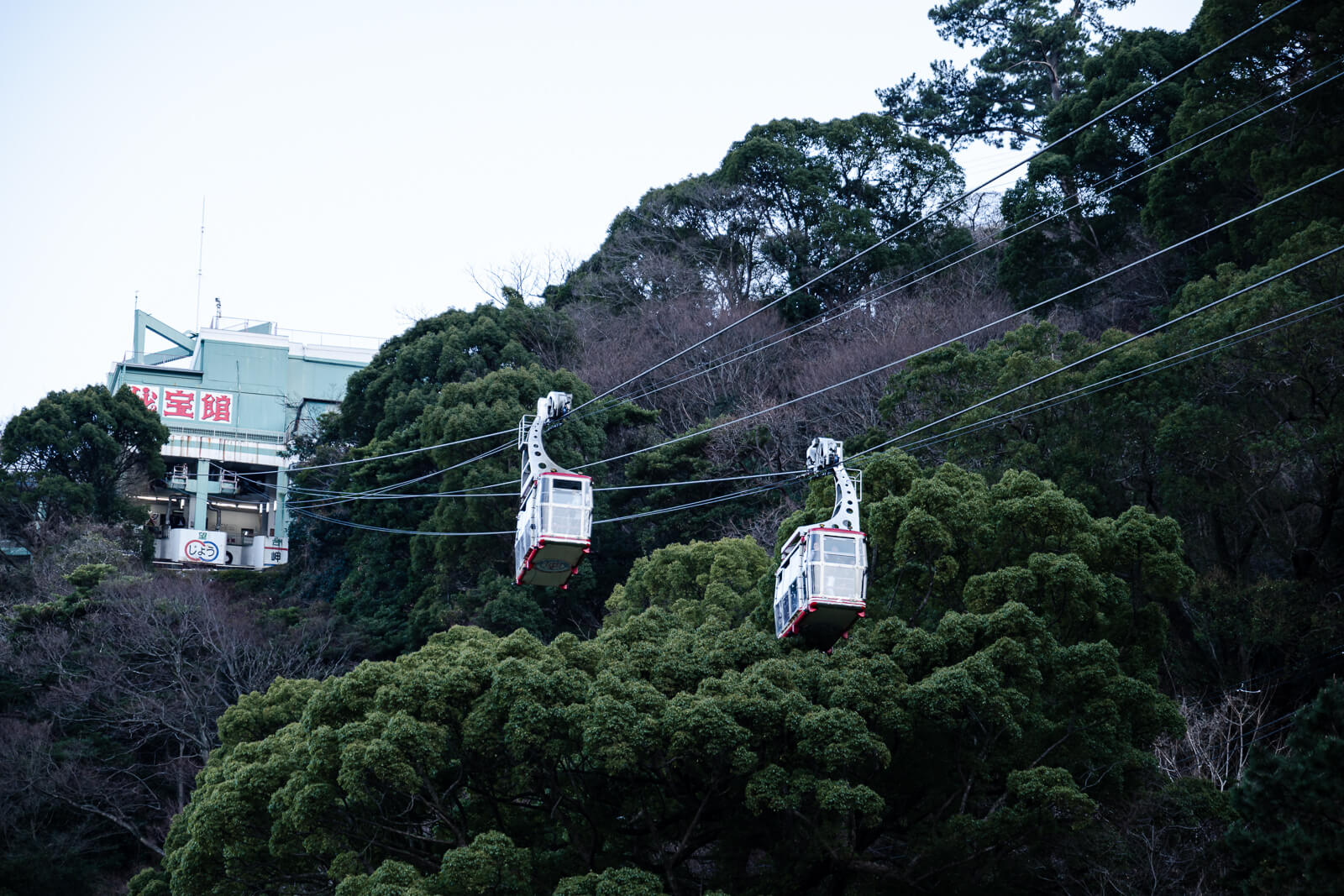
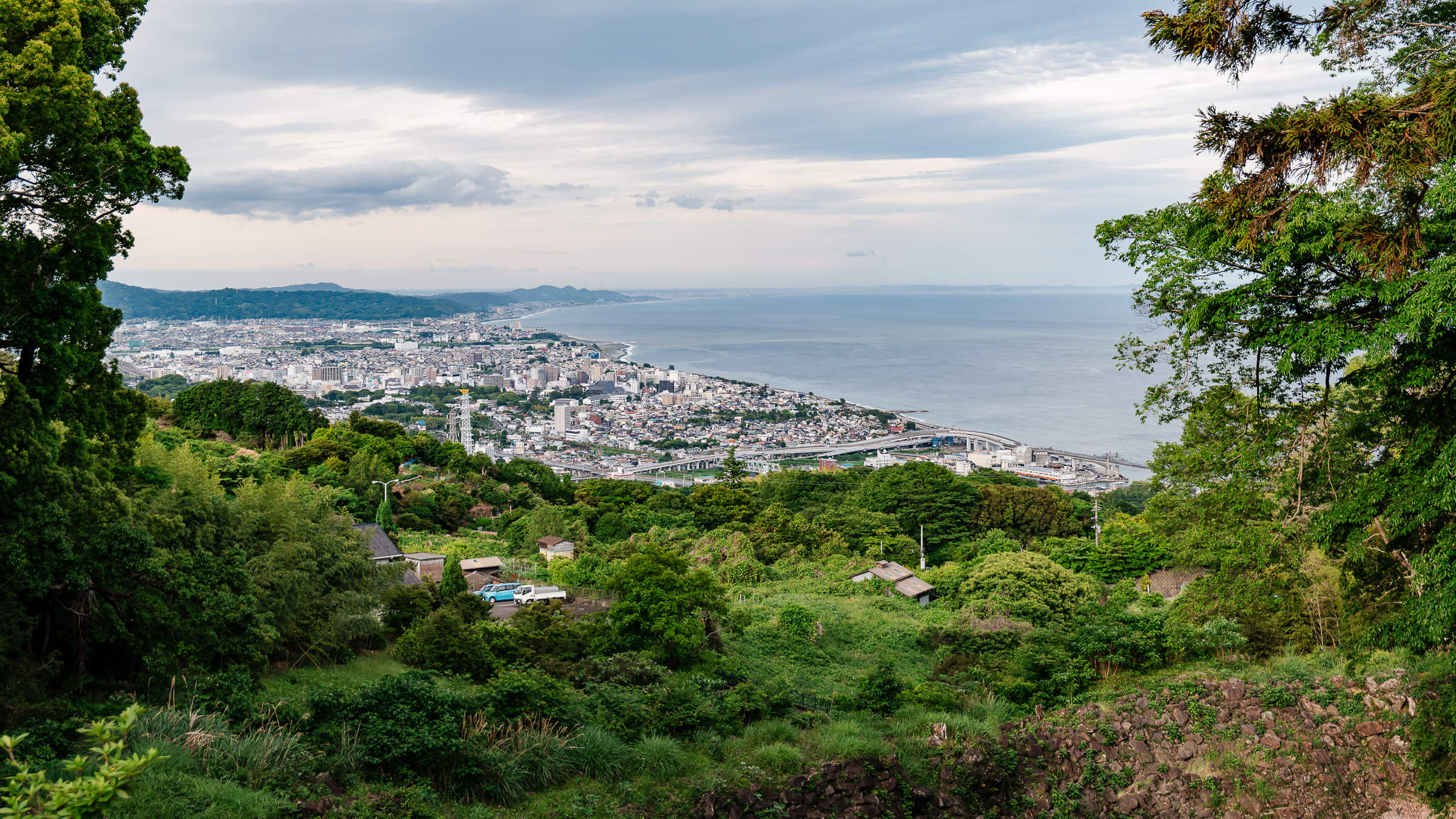
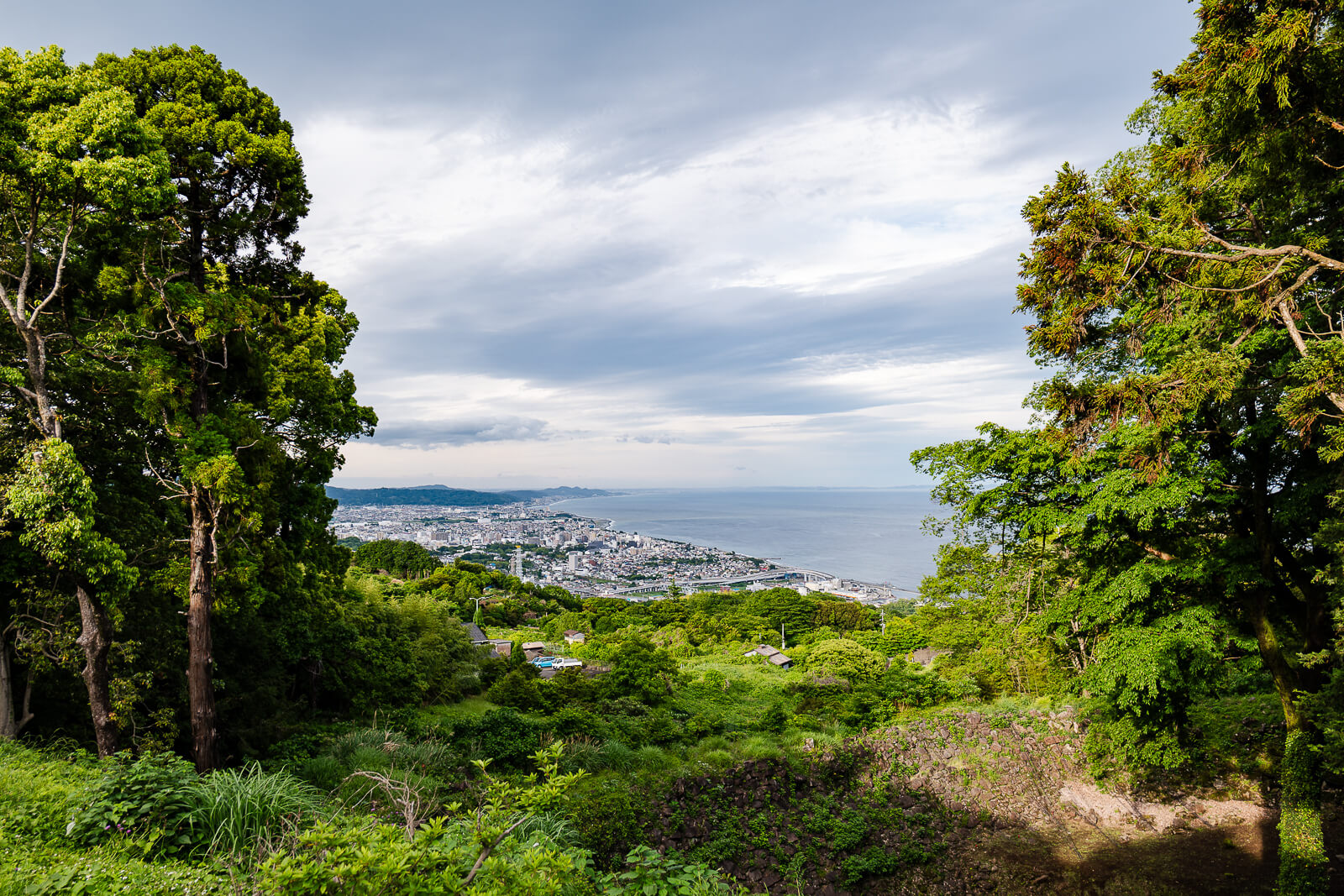
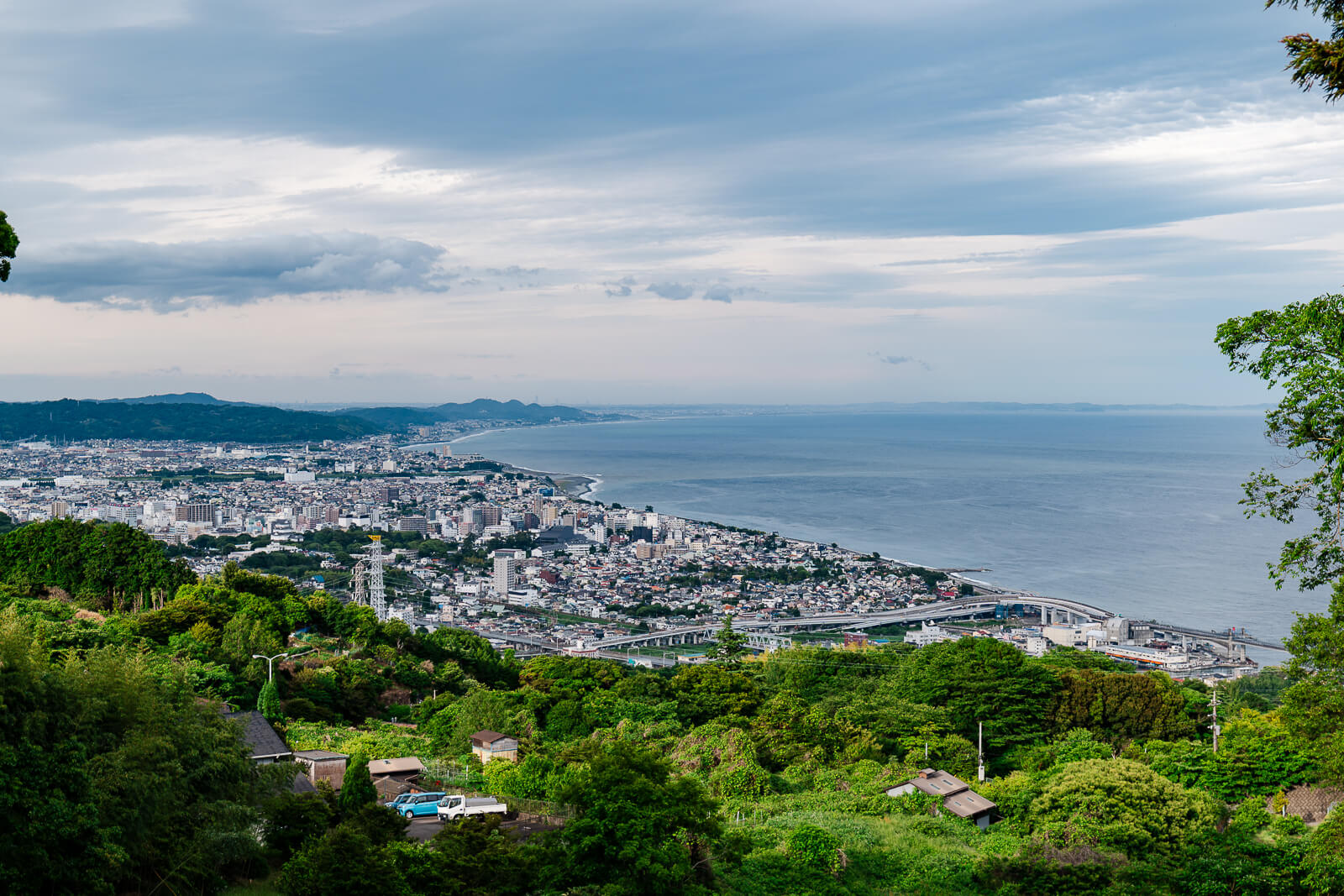
Ishigakiyama Castle Ruins sit on a wooded ridge above Odawara, just inland from the coastal plain and west of Odawara Castle. From ground level, the city feels spread between the station, the castle, and the waterfront, but from this height, those pieces connect into a single layout. The view pulls together the station area, the castle grounds, and the coastline leading toward the fishing harbor.
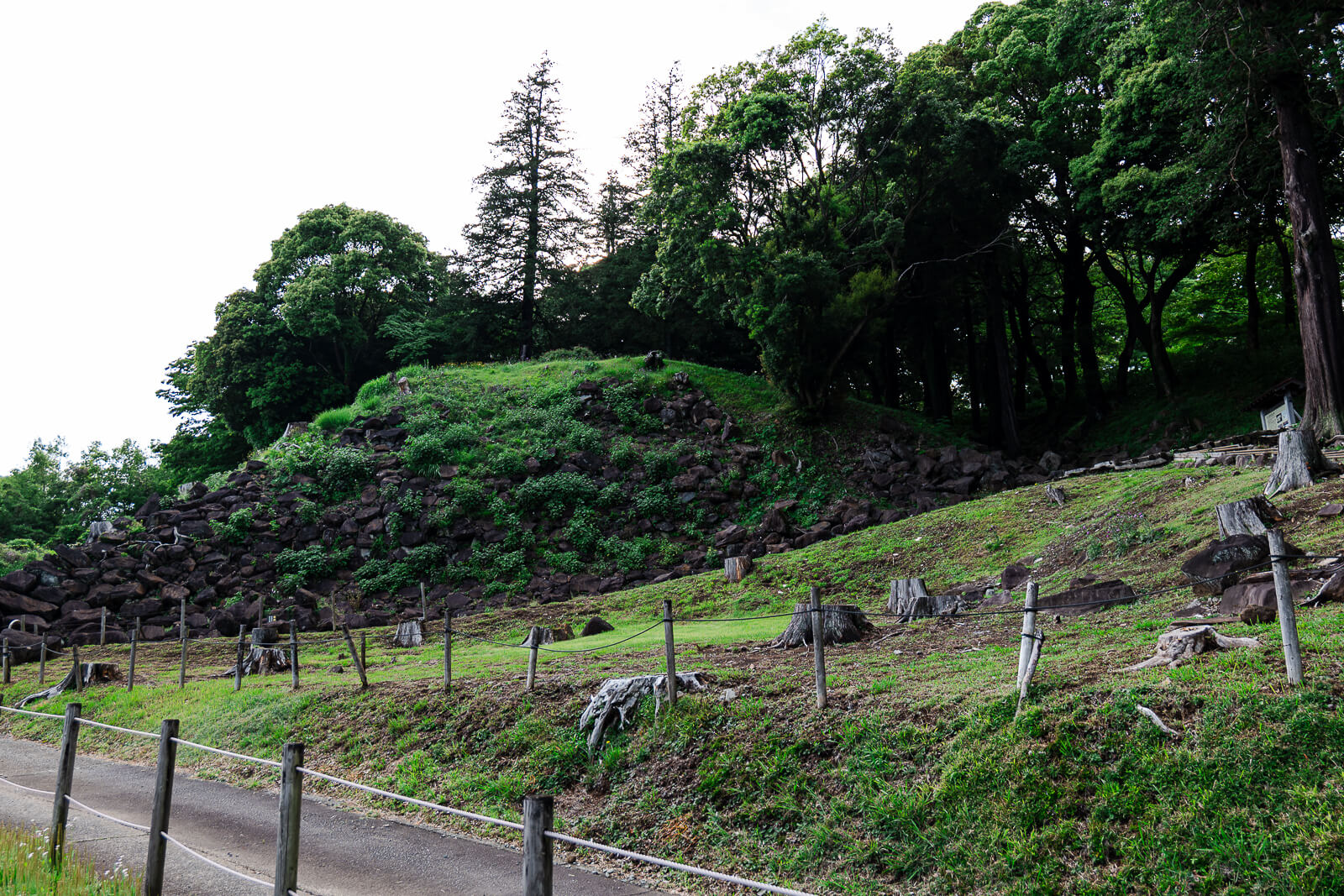
Most visits take around 30 to 45 minutes, making this a short stop that adds context rather than filling a full block of the day. Effort remains low to moderate depending on how the ridge is reached, and access is straightforward whether arriving by car, taxi, or on foot. What defines the visit is not the ruins themselves, but how clearly the position explains everything below.
Why This Ridge Mattered Before the Castle Was Built
The importance of this location begins with how Odawara functioned as part of a wider system rather than as a single fortified site. The Later Hōjō clan controlled movement across the region through routes that extended beyond Odawara Castle and into surrounding terrain. The castle acted as the center, but its strength depended on controlling access through the landscape.
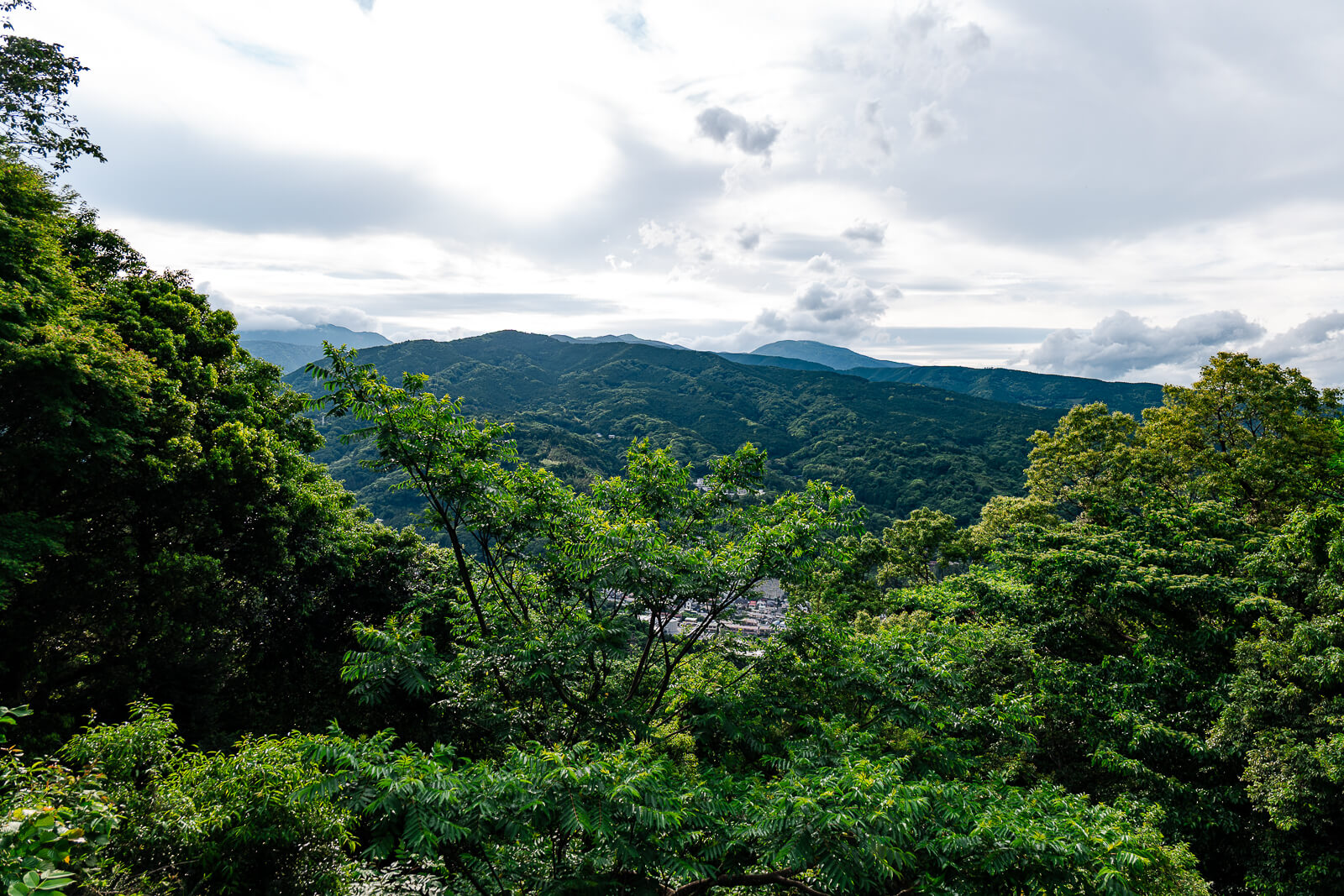
To the west, Hakone formed a natural barrier where mountain passes narrowed movement into predictable corridors. These routes determined how armies advanced and how supplies and communication moved between regions. Alongside coastal access along Sagami Bay and inland routes toward present-day Tokyo, the Hōjō controlled a network that made Odawara difficult to isolate.
When the System Around Odawara Began to Break
The turning point came in 1590, when Toyotomi Hideyoshi advanced during the Siege of Odawara (1590) and targeted the surrounding structure rather than the castle itself. Instead of attacking directly, the strategy focused on removing the conditions that allowed Odawara to function. This shifted the conflict from confrontation to containment.
Hakone and nearby positions were taken early, opening movement through the mountains and removing one of the Hōjō’s most effective advantages. Coastal and inland routes followed, gradually cutting off supply and communication. By the time attention returned to Odawara, the city remained intact, but no longer functioned as part of a connected defensive network.
When a Castle Appeared Above the City All at Once
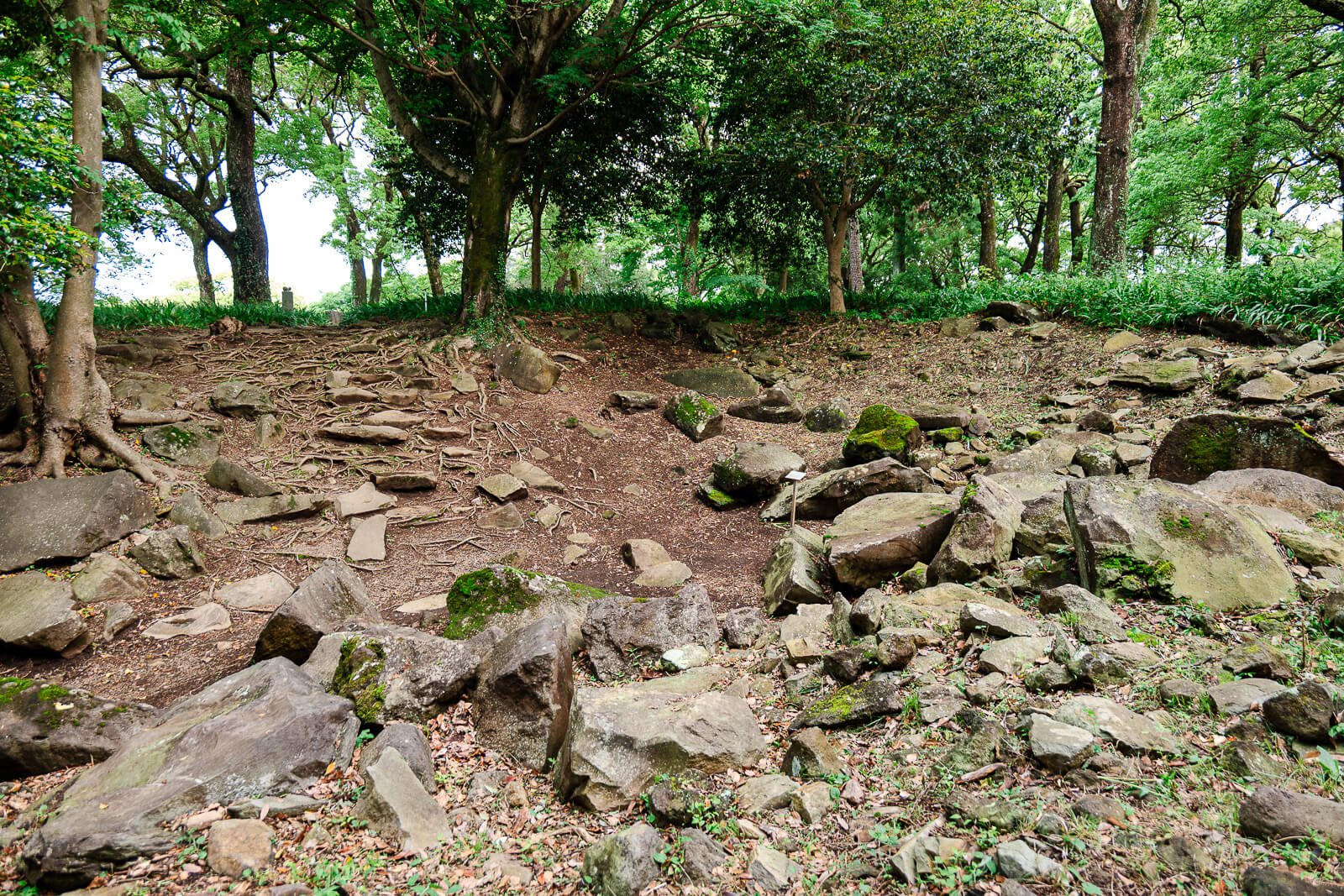
With the surrounding region secured, Ishigakiyama was constructed on this ridge overlooking Odawara. The work remained hidden within the forest, allowing a complete castle to be assembled without revealing its progress. The reveal itself became part of the strategy.
When the trees were cleared, the structure appeared fully formed above the city. From below, it did not look like something being built, but something already established. The placement alone made the situation clear, showing that control of the region had already been secured.
Walking the Ridge and What Remains Today
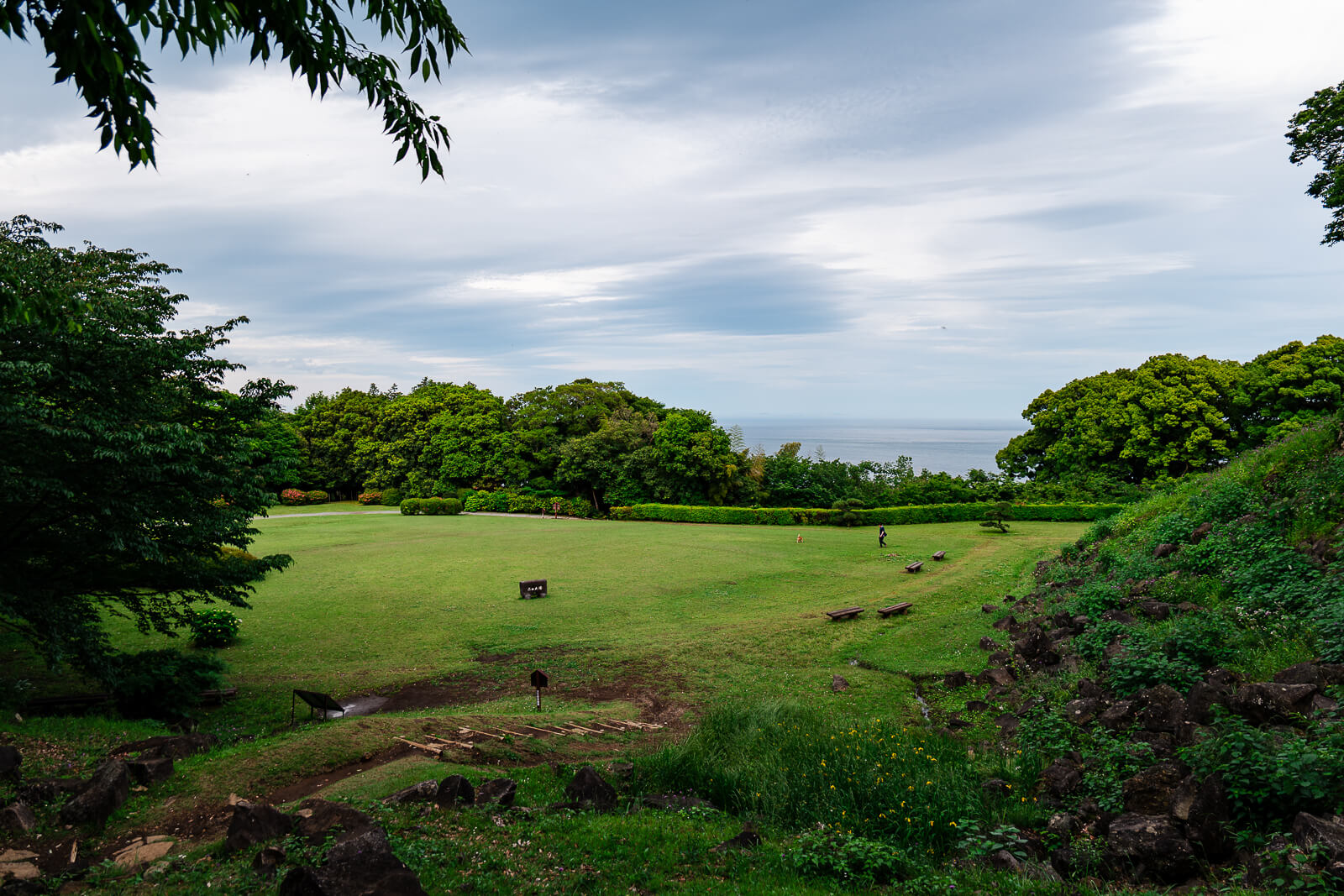
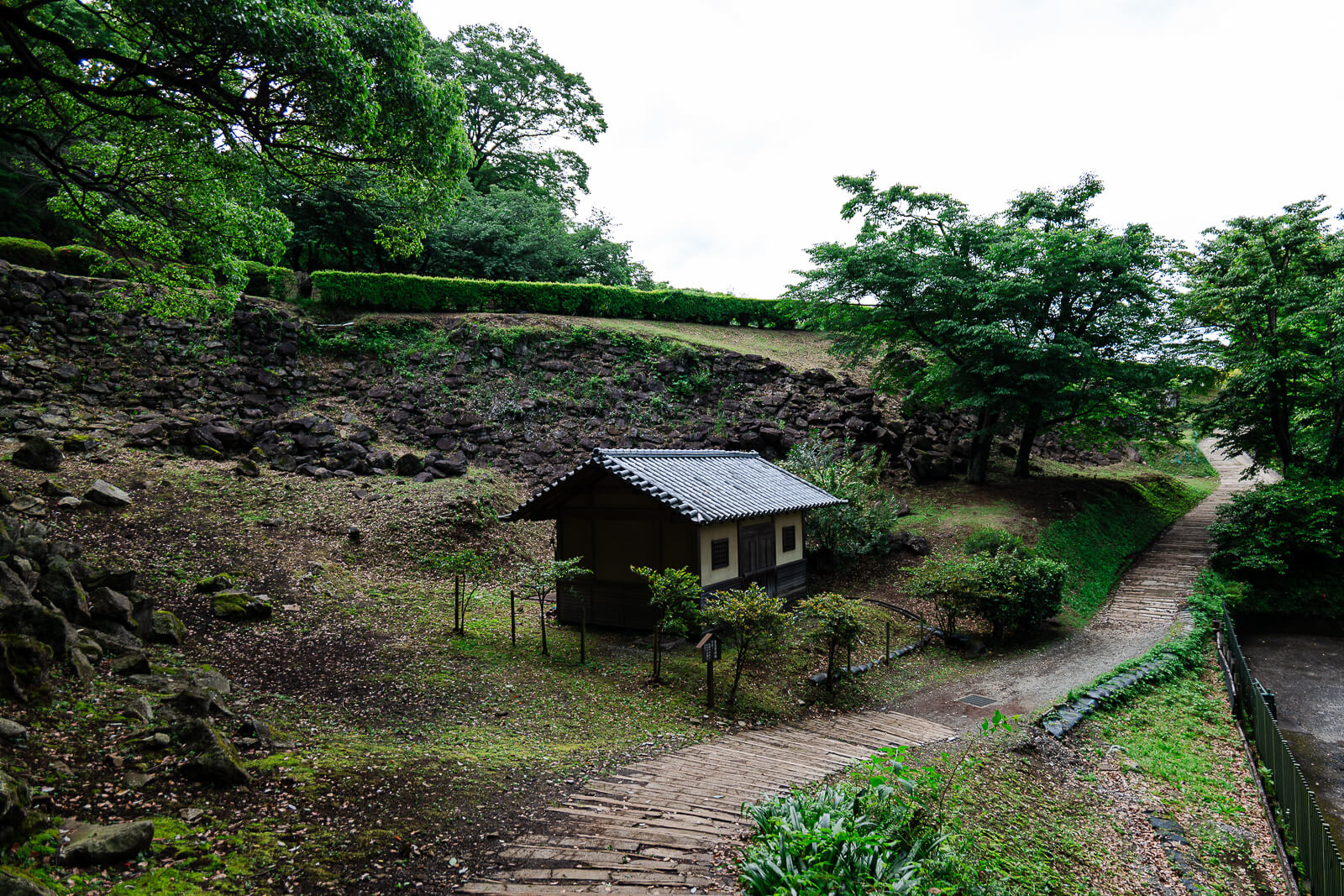
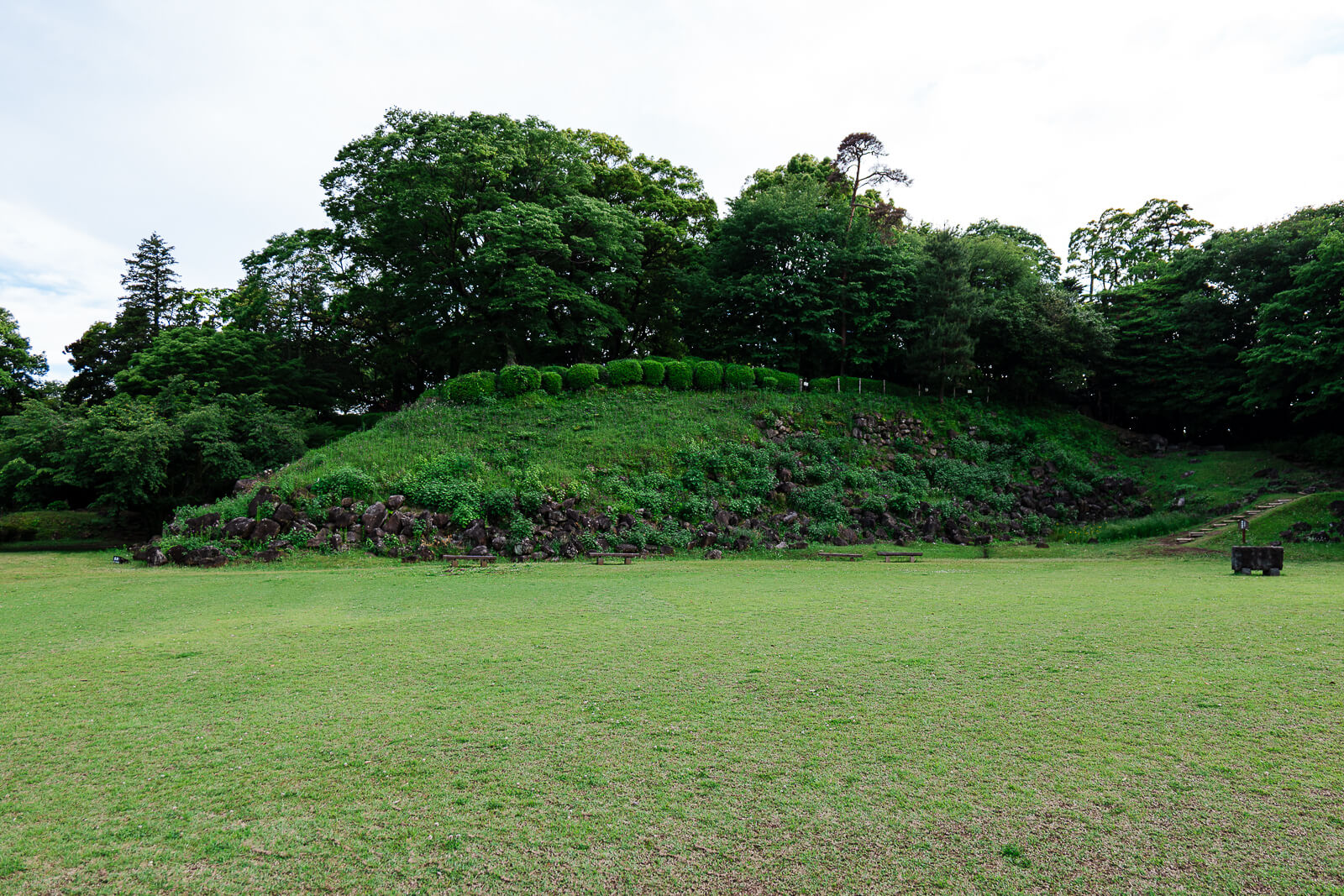
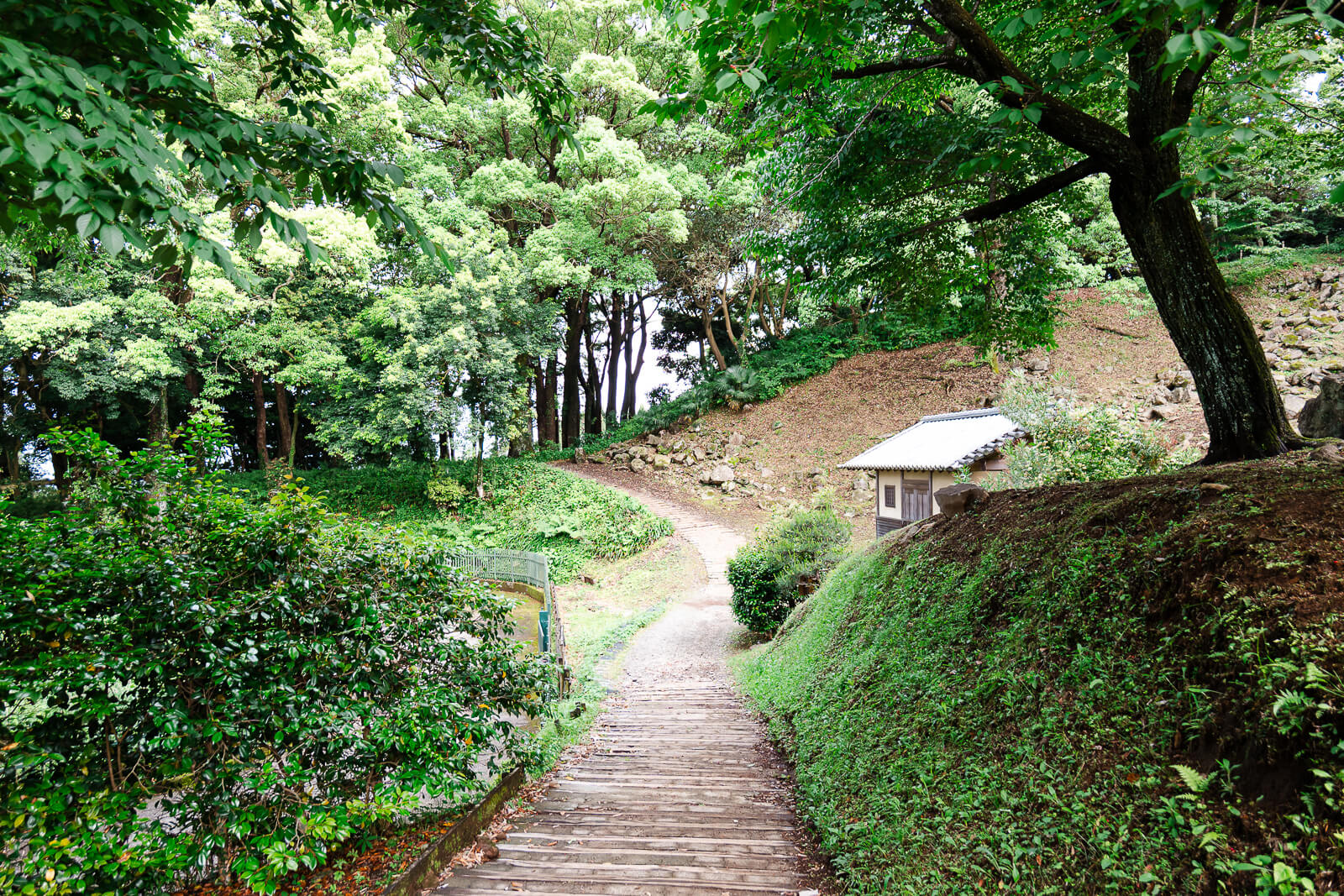
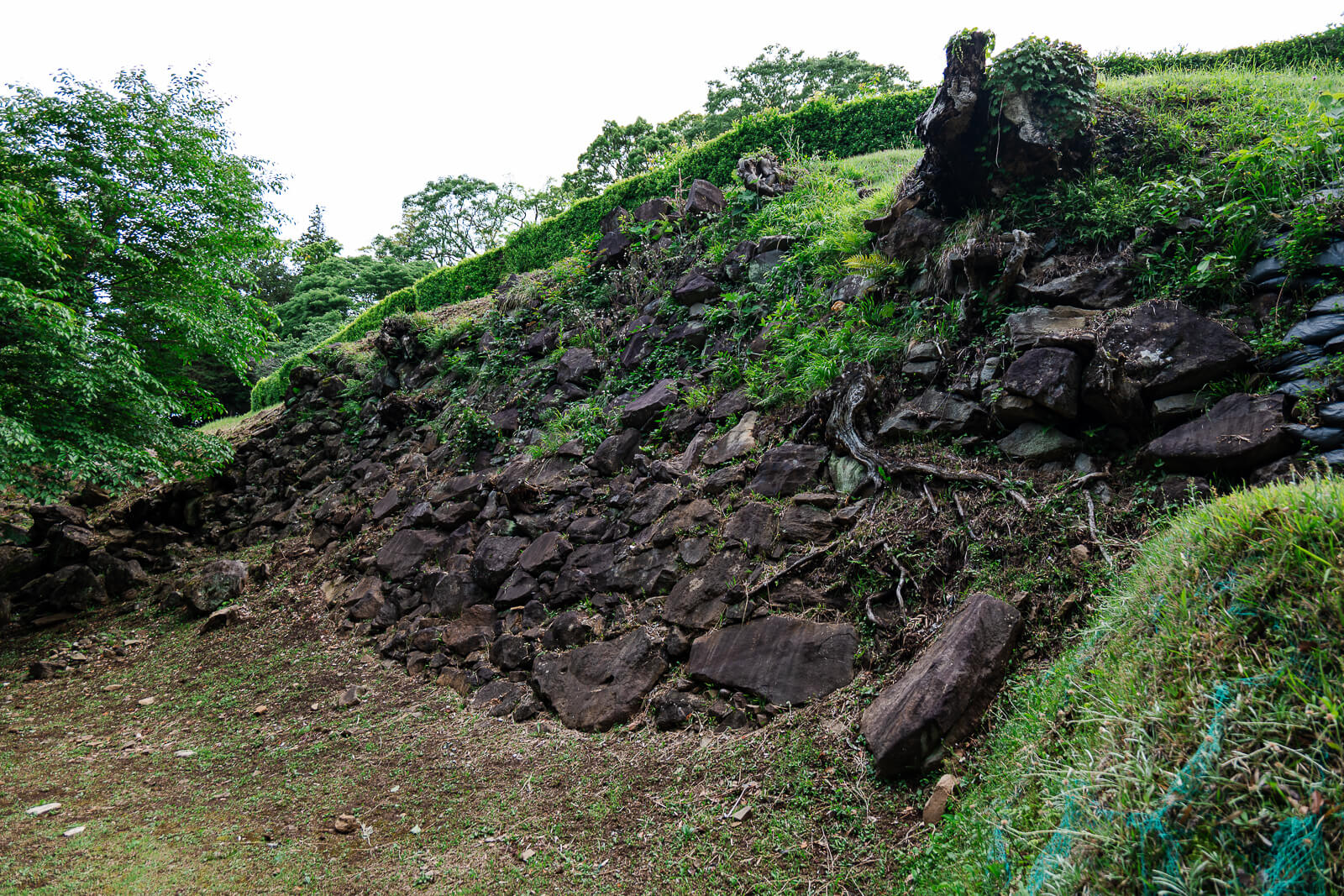
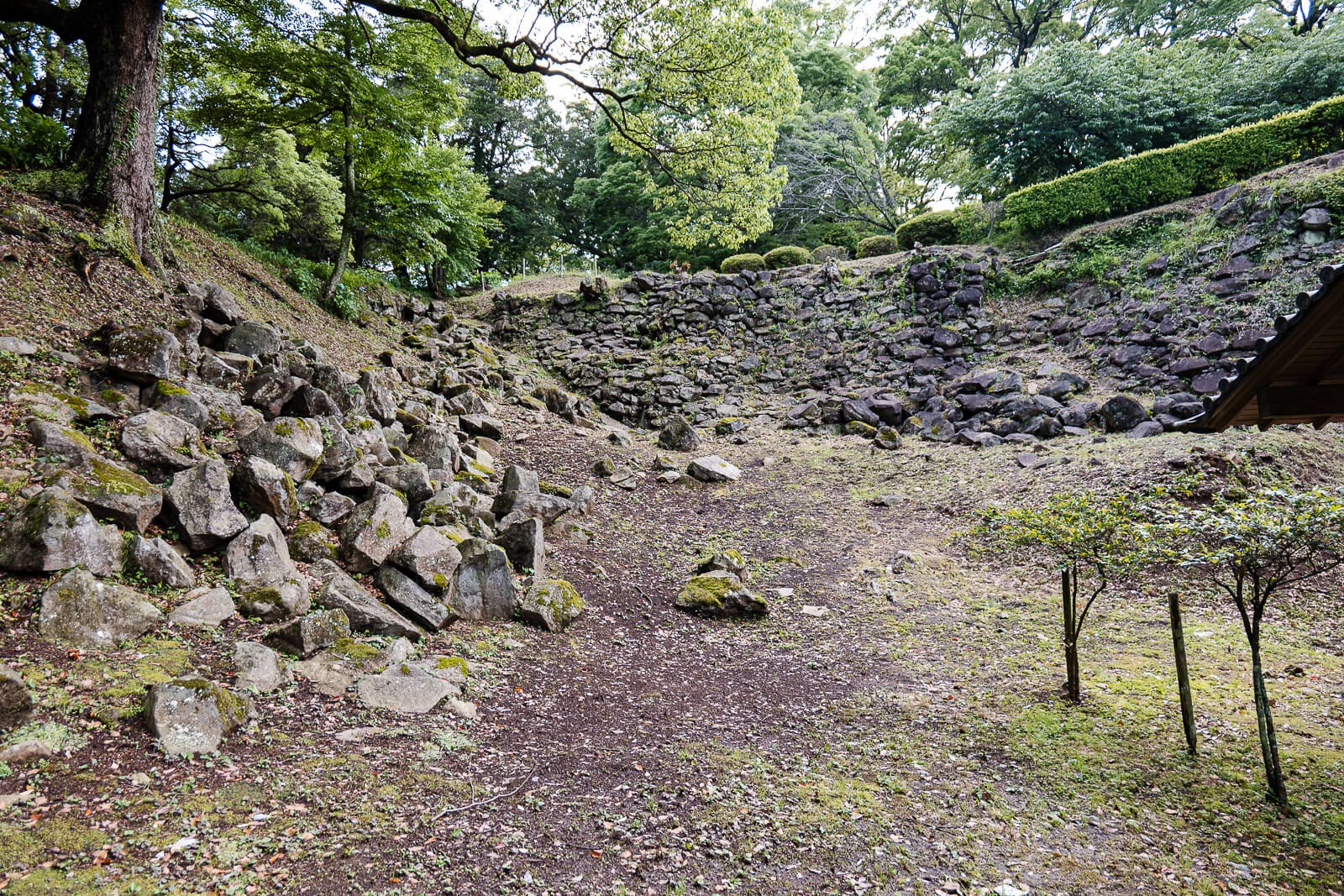
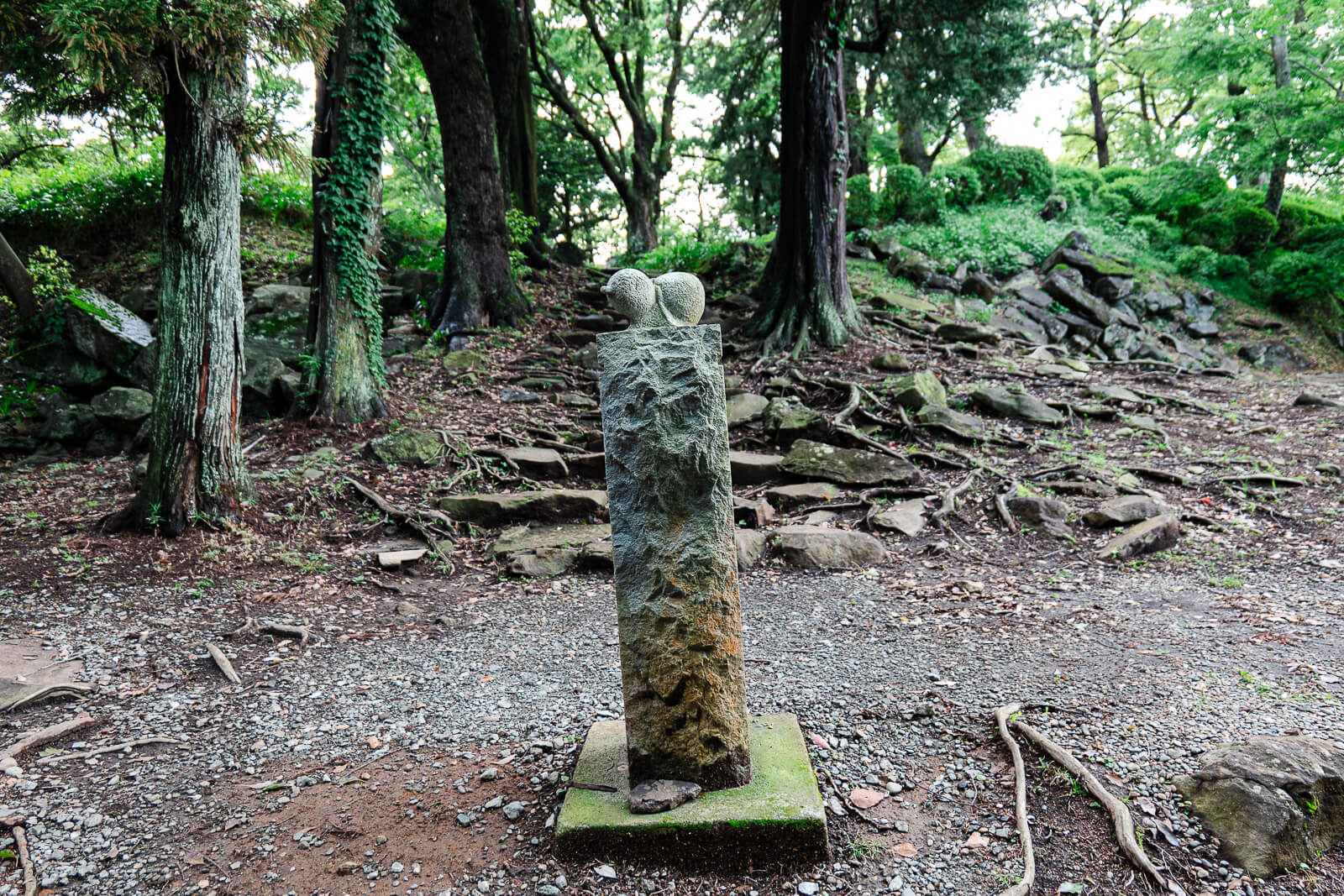
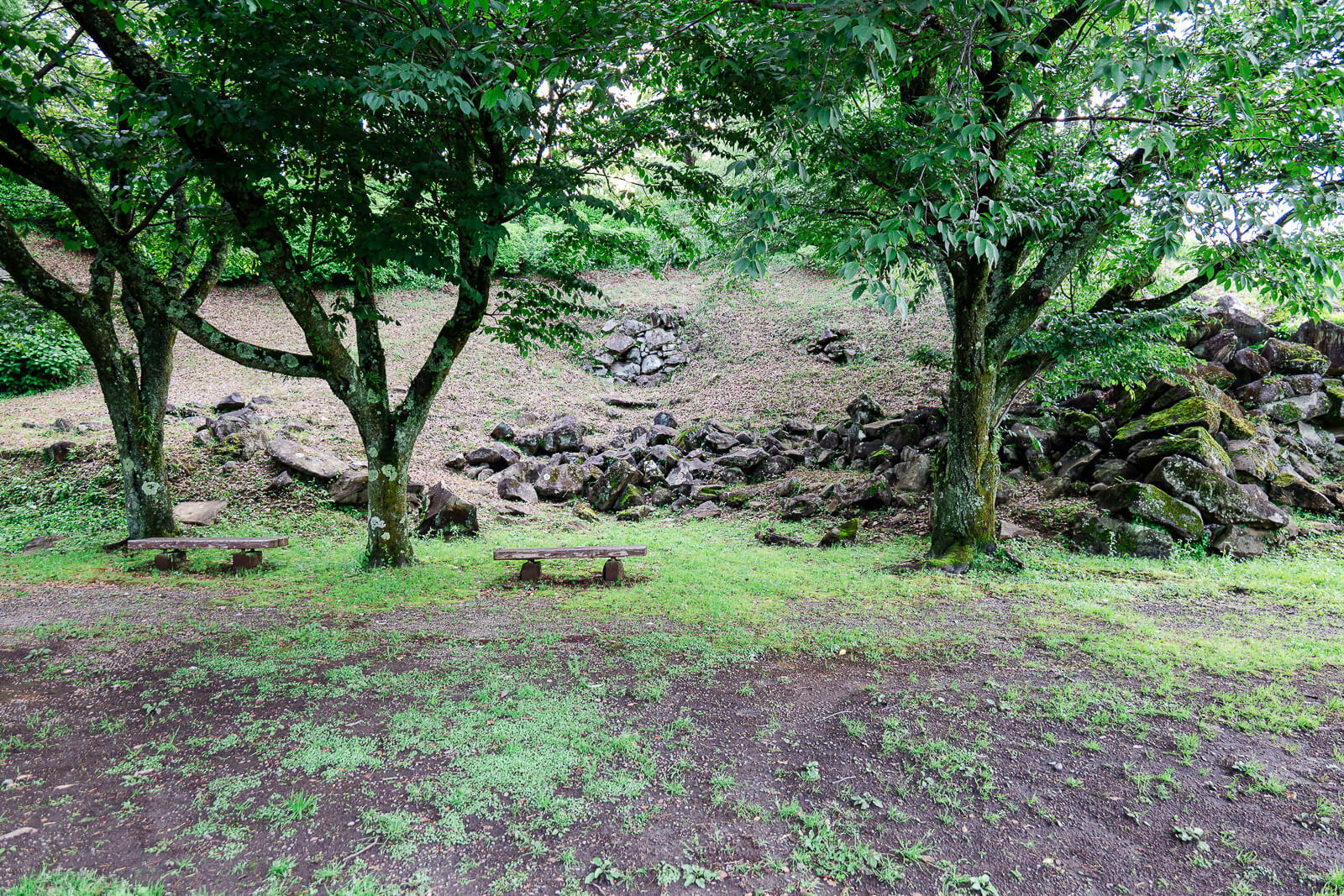
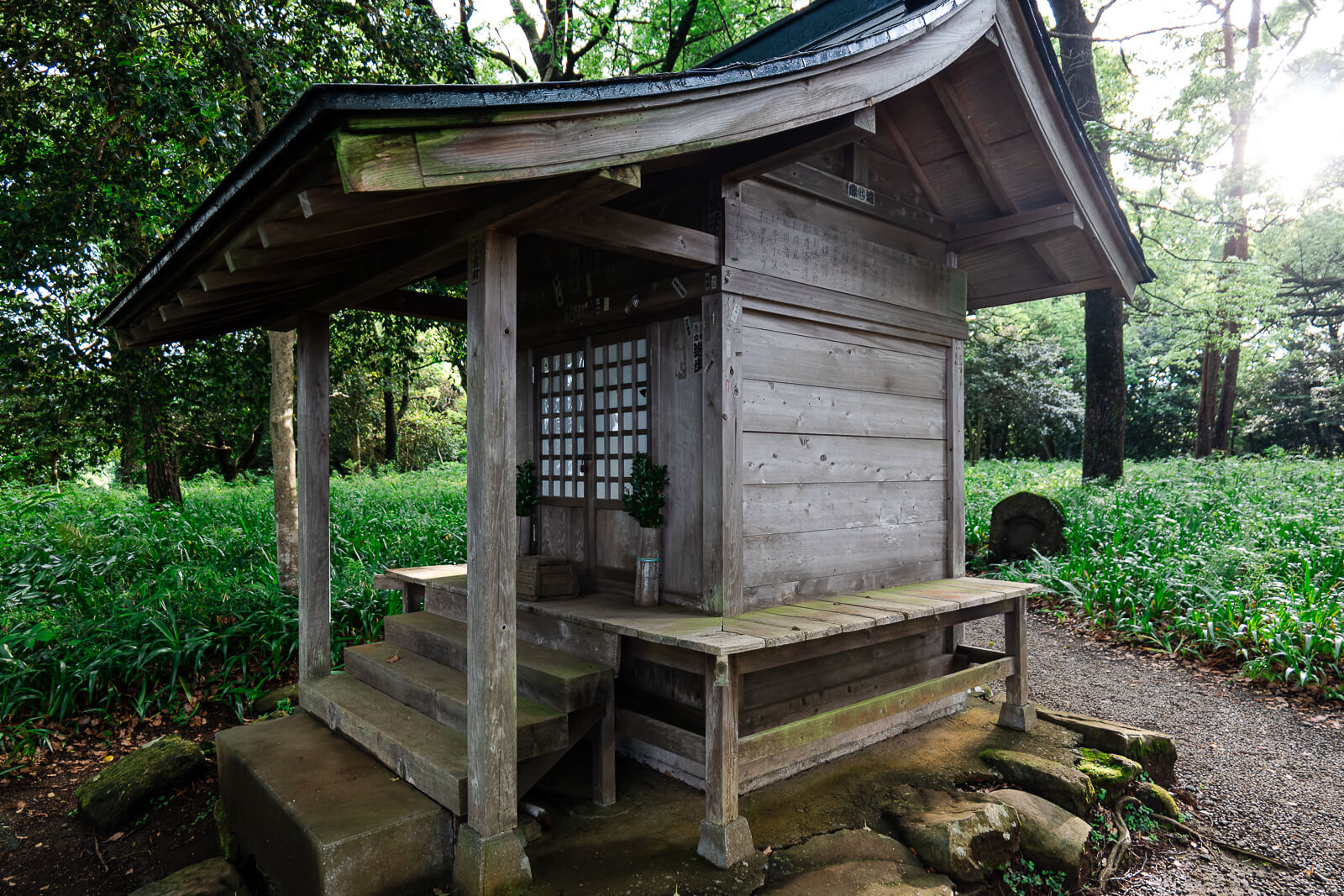
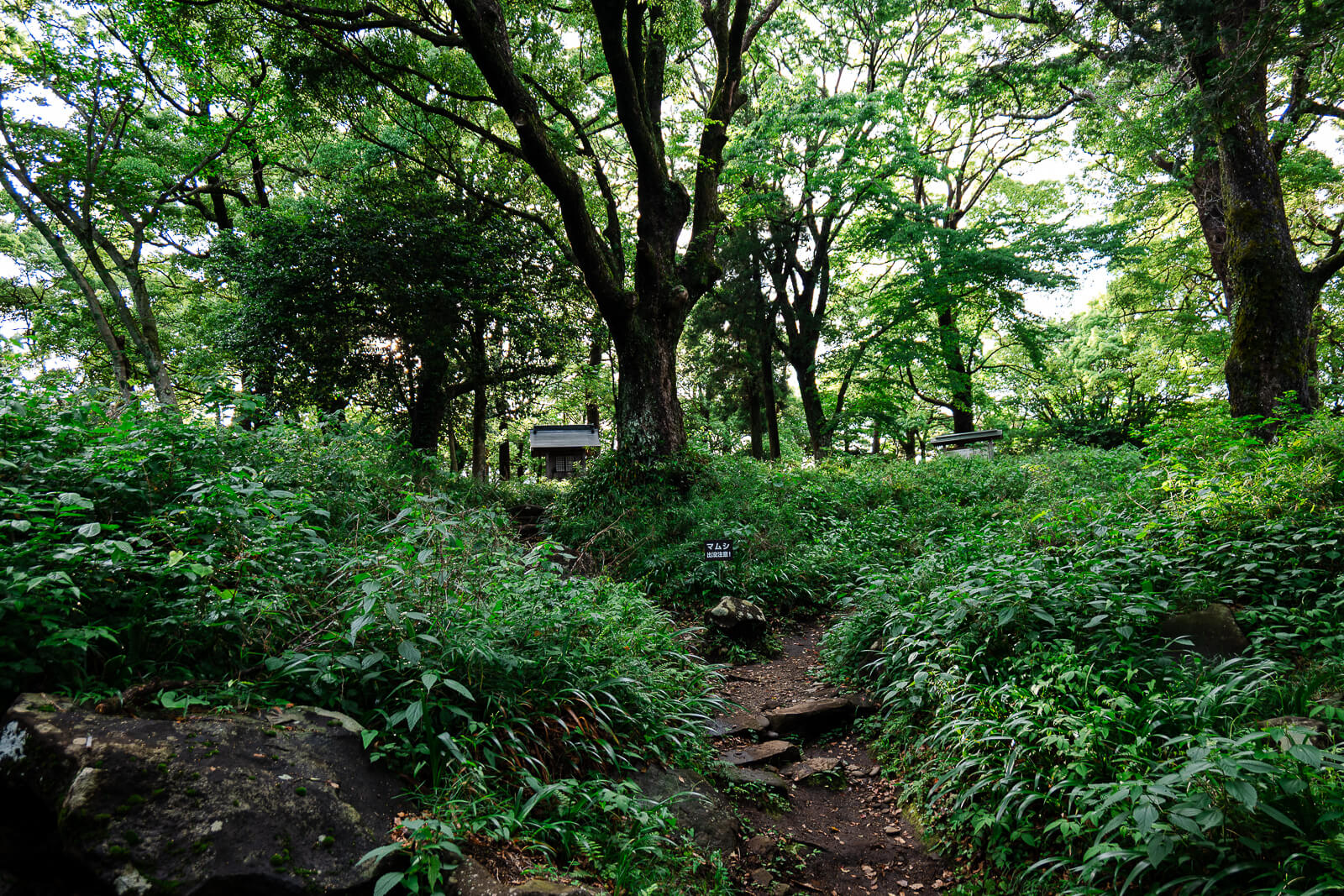
The site follows the natural shape of the ridge, with paths moving gradually upward through wooded ground and scattered remains. Sections of stone wall and leveled platforms appear along the way, marking where structures once stood without reconstruction. The experience is defined by these fragments and how they sit within the terrain.
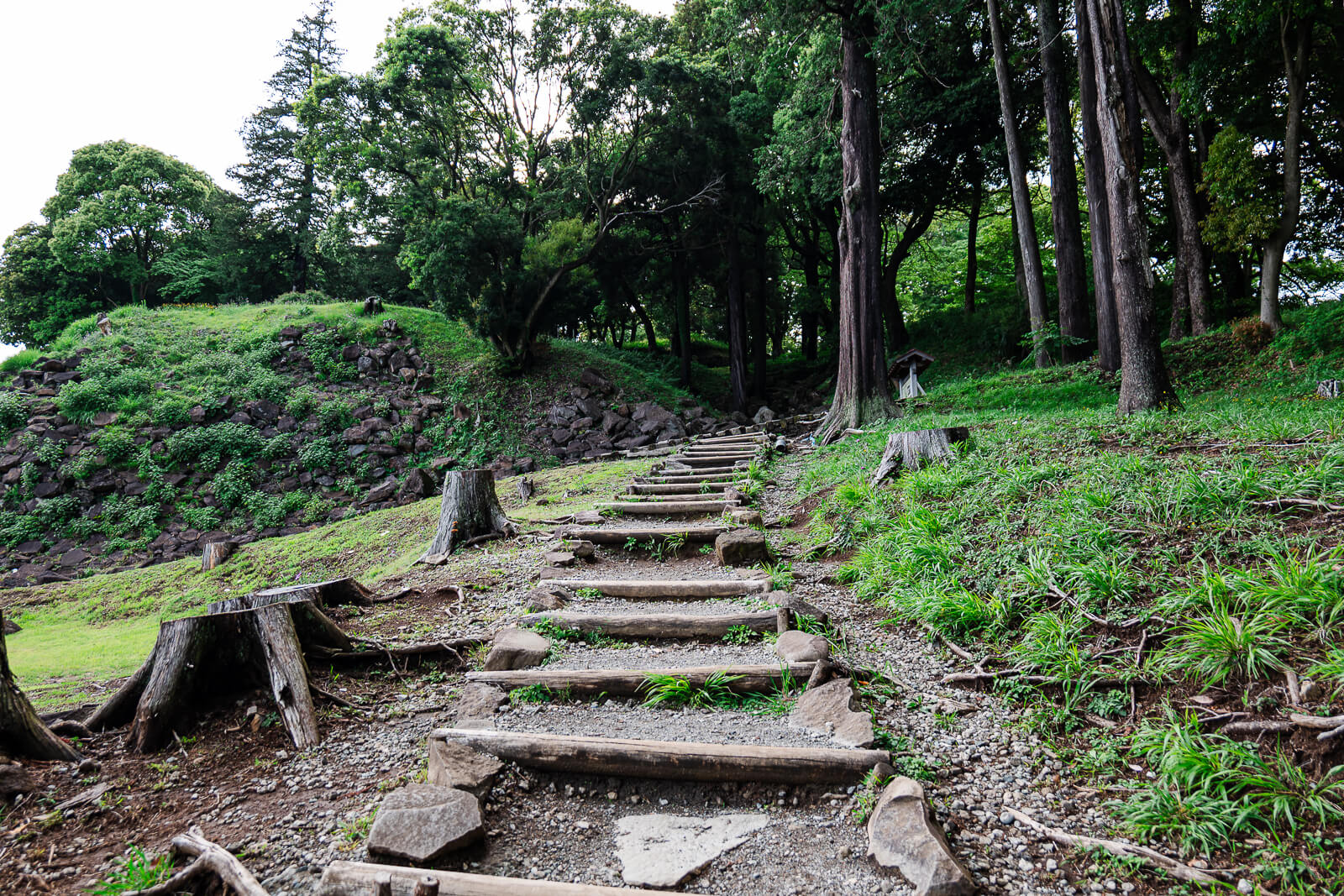
As elevation increases, the ridge begins to open and the spacing between features becomes more apparent. Without a central structure, the layout is understood through movement rather than a focal point. The progression leads naturally toward the upper area where the view opens.
Standing Here Makes the Outcome Obvious
At the highest point, the full layout of Odawara becomes visible, including the castle grounds, the station area, and the coastline leading toward the harbor. The distance between these areas compresses from this height, making their relationship easier to understand. What feels separate at ground level becomes connected.
From this vantage, Odawara Castle appears not as an isolated stronghold, but as part of a fully exposed landscape. The elevation explains how visibility and positioning worked together to remove uncertainty about the outcome. The view itself becomes the explanation.
Why This Site Represents the End, Not the Fight
Ishigakiyama marks the point where the outcome became visible rather than contested. By the time the castle appeared on this ridge, the surrounding region had already been secured and the conditions supporting resistance had been removed. What remained was not a question of strength, but of inevitability.
The fall of Odawara marked the final consolidation of power under Hideyoshi, closing the last major resistance in eastern Japan. With no remaining access through Hakone or surrounding routes, the city could no longer function as a defensive center. This ridge marks the transition from control of movement to control of outcome.
How This Fits Into a Real Day in Odawara
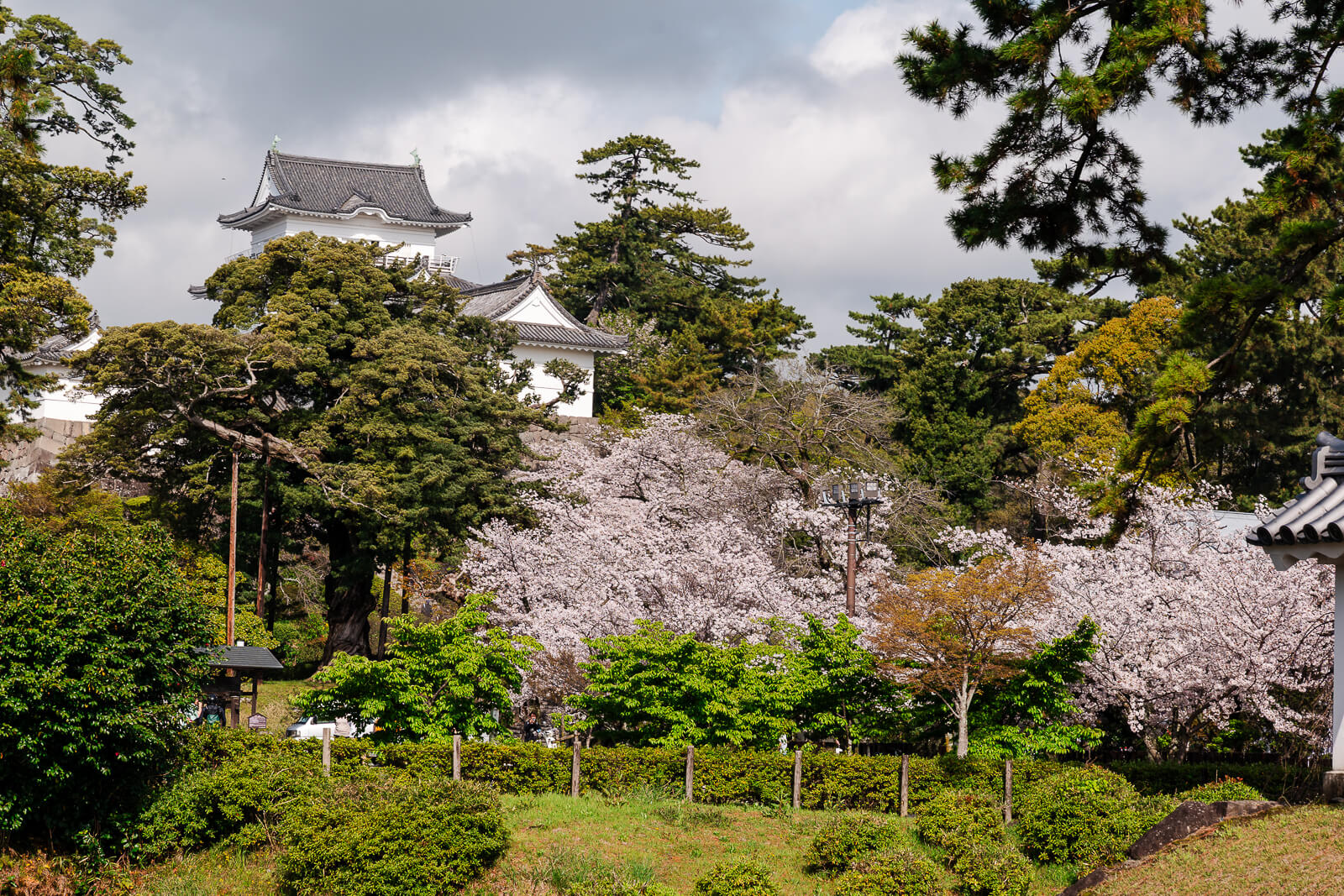
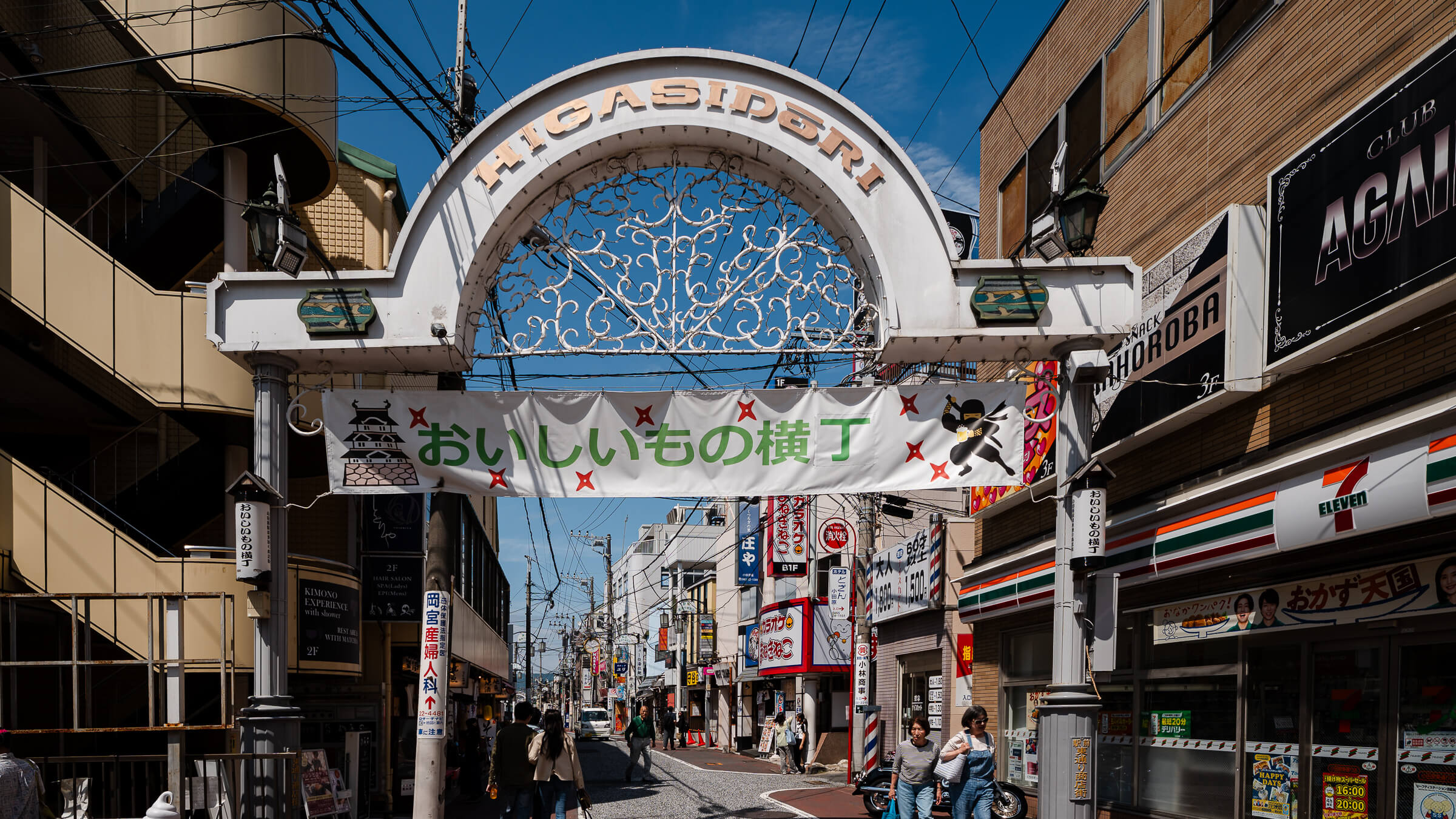
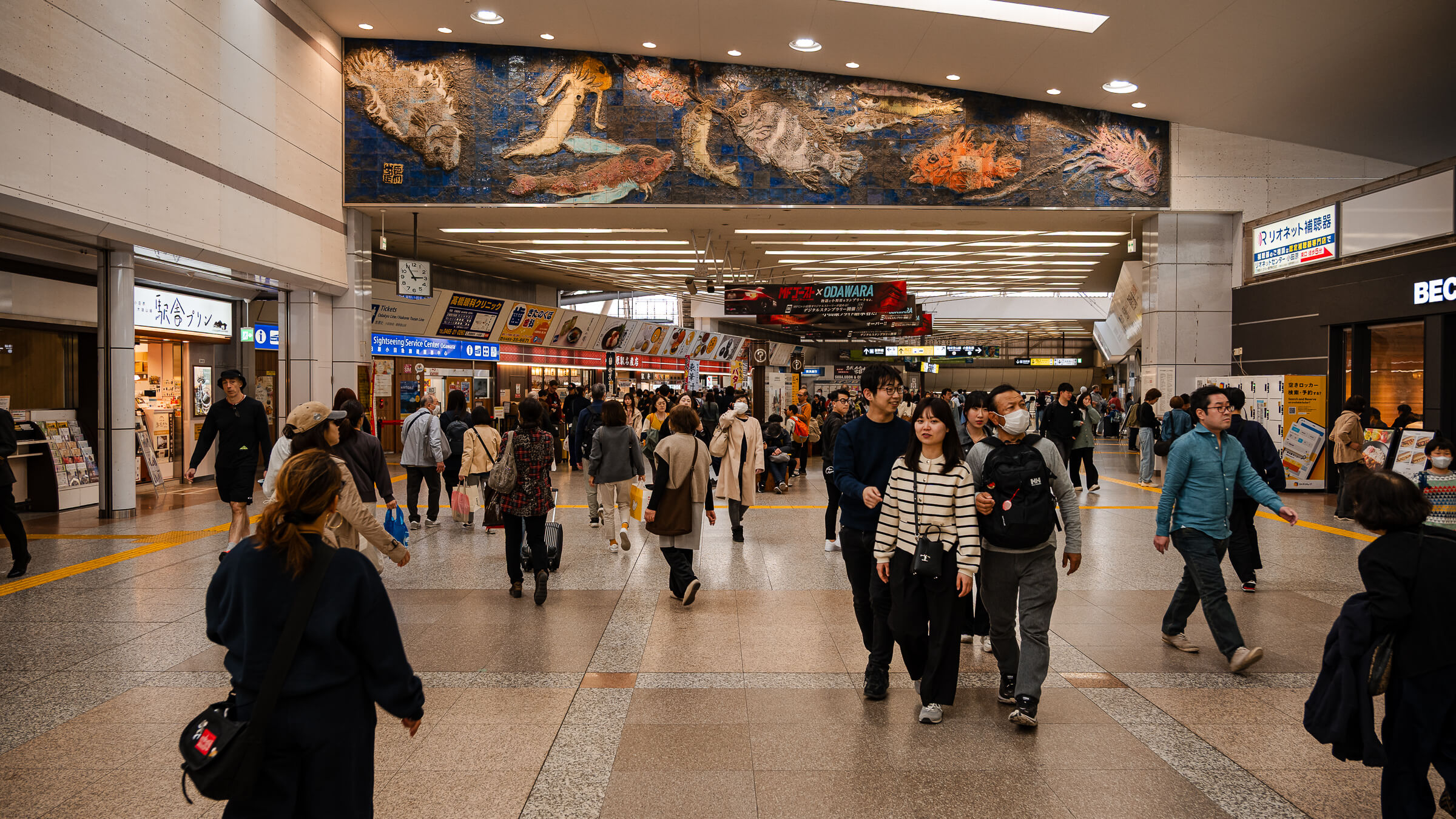
Ishigakiyama sits just outside the main flow of Odawara, but connects directly to how the city is experienced. Time often begins around Odawara Station, where the surrounding shopping streets form the entry point before movement shifts toward Odawara Castle and its grounds. The approach builds gradually as the space opens.
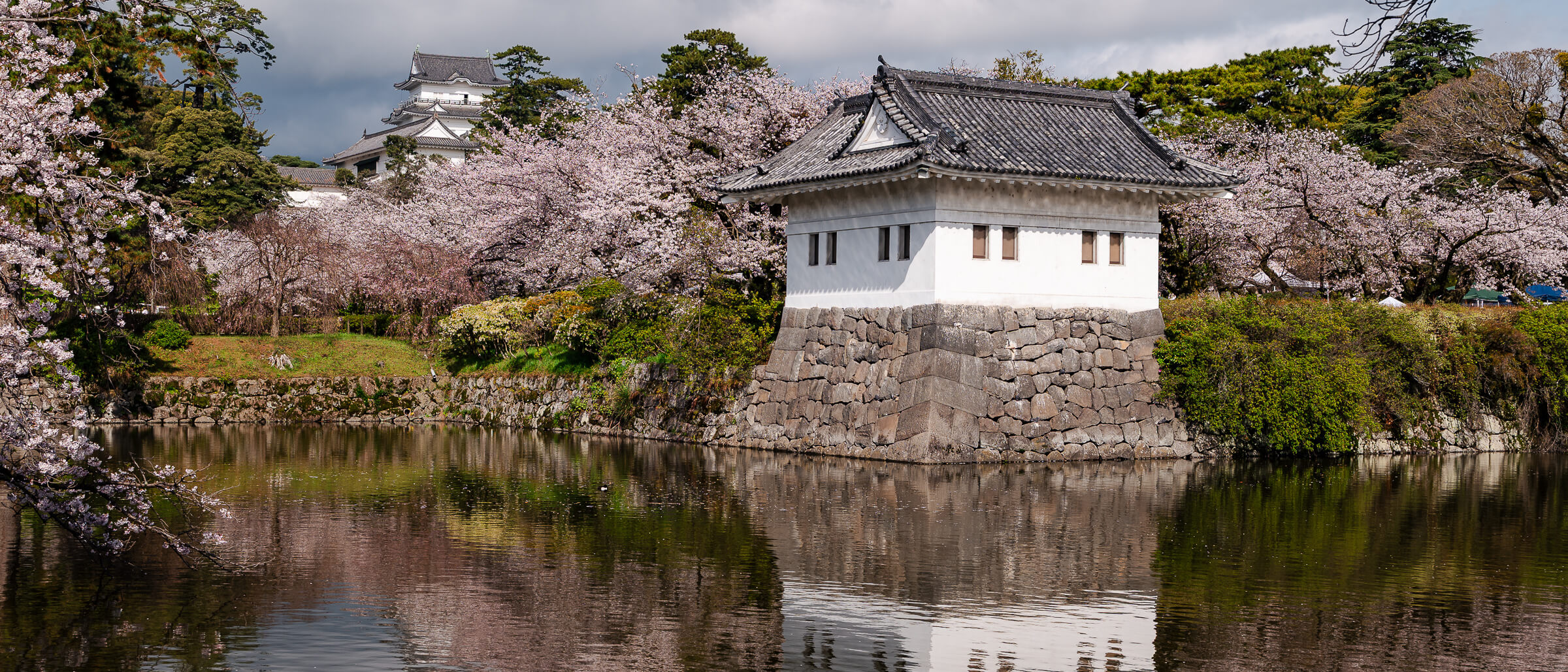
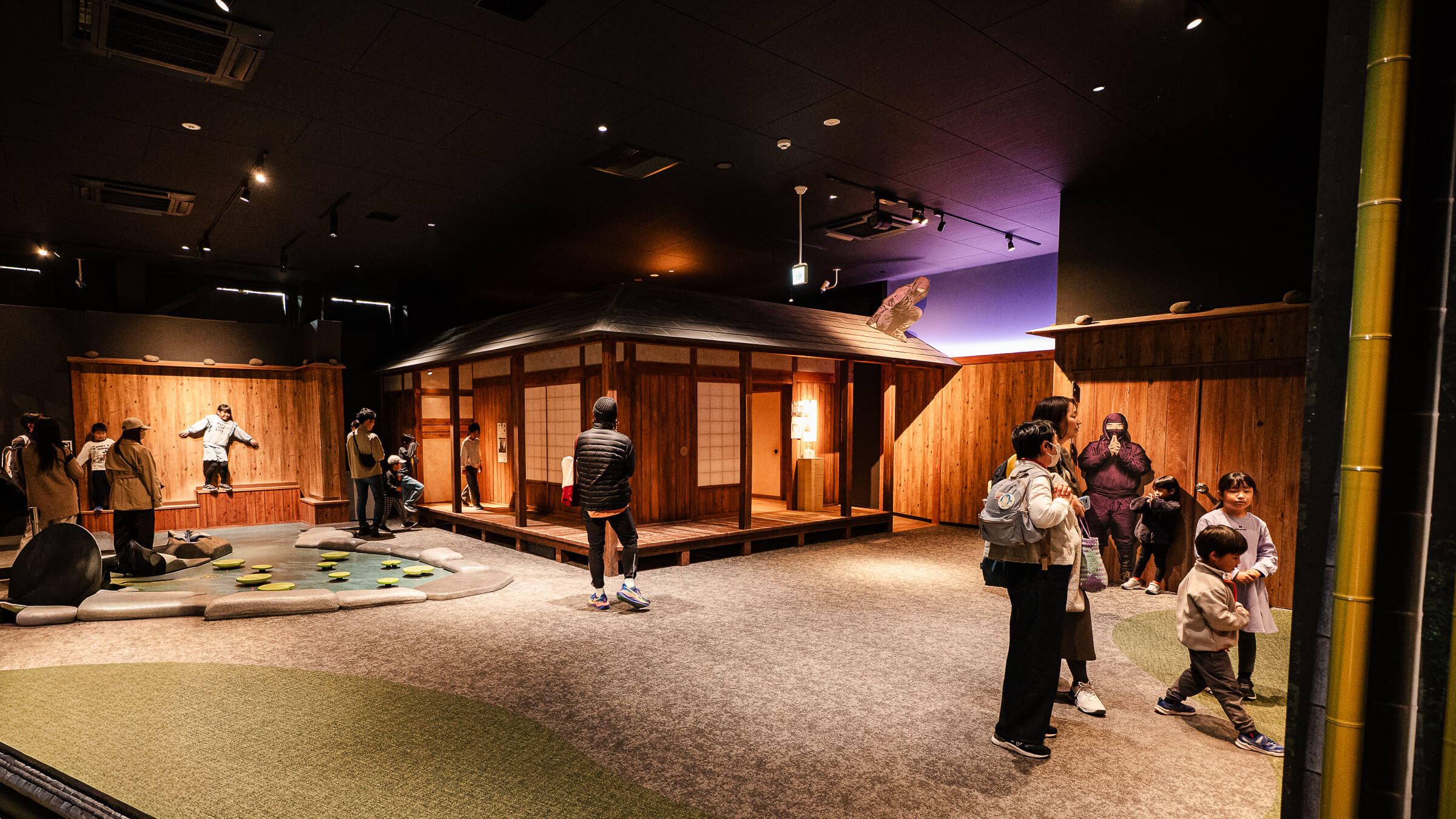
Within those grounds, smaller stops appear naturally along the route. The Odawara Samurai Museum and Odawara Ninja Museum sit near the main approach, while Hotoku Ninomiya Shrine lies just beyond the castle structures, creating a quieter transition point before movement continues outward. These shifts happen as part of walking the area rather than as separate stops.
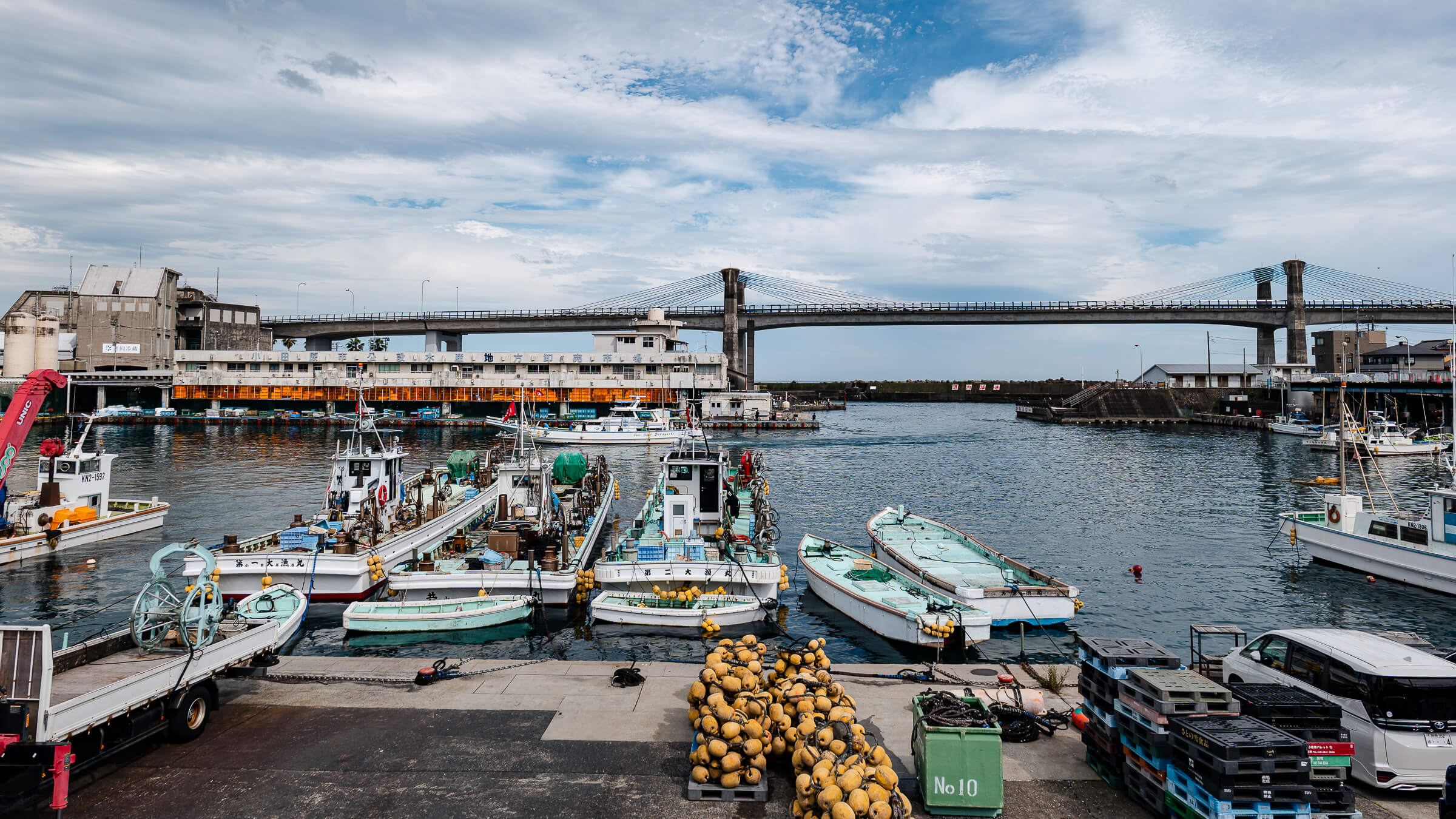
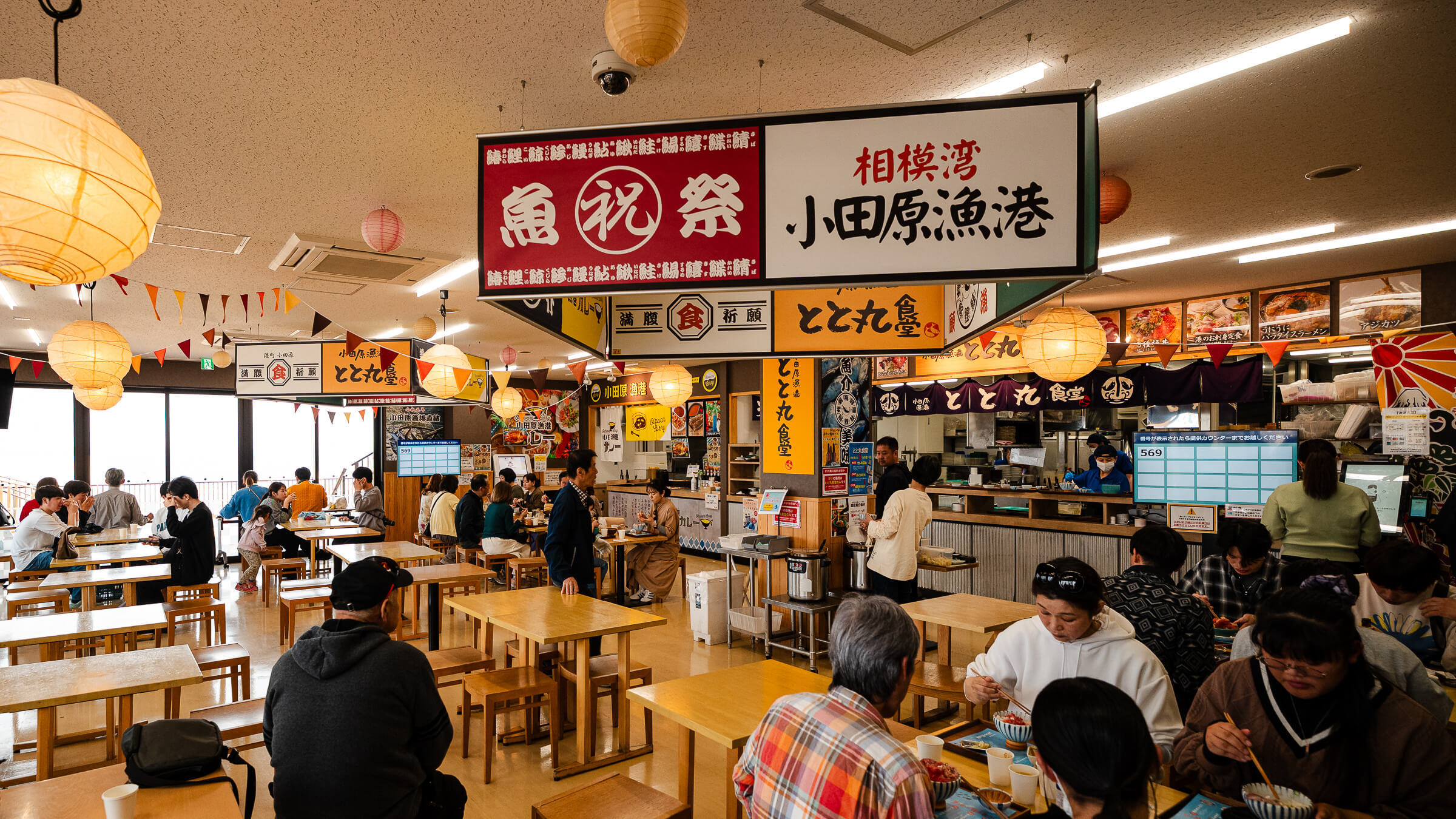
From the castle, movement often continues toward the coastline and fishing harbor, where the atmosphere changes from structured grounds to a working waterfront. Ishigakiyama sits above this entire sequence, functioning less as another destination and more as a way to understand how these areas connect. It works best after time spent below, when the layout is already familiar.
Getting There
Reaching Ishigakiyama is straightforward, with several ways to approach depending on how you want the visit to feel. A road leads close to the entrance, where a small parking area allows for a short uphill walk into the site. This is the most efficient option, especially if continuing toward Hakone afterward, where driving naturally connects the two areas.
From Odawara Station, a taxi provides a direct route in about 15 to 20 minutes without transfers or route decisions. This keeps the visit simple and aligned with the relatively short time spent at the site. It also works well if you are moving between the station, castle area, and surrounding neighborhoods.
Approaching on foot from the Hayakawa side is also possible and changes the experience into a more gradual ascent through the hillside. The climb takes effort and time, but it is manageable for those comfortable with uphill walking and offers a different sense of how the ridge sits above the city. This option works best when built into a longer route rather than treated as a quick stop.
Hours and Fees
The site is open daily as a public park, with access generally following daylight hours depending on the season. There are no gates or controlled entry points, allowing movement through the grounds without restriction. This open format reflects the current state of the site, where the landscape defines the experience.
Admission is free, and there are no tickets or reservations required. It is still worth confirming local conditions if visiting at a specific time.