A Small Museum Above the Courtyard
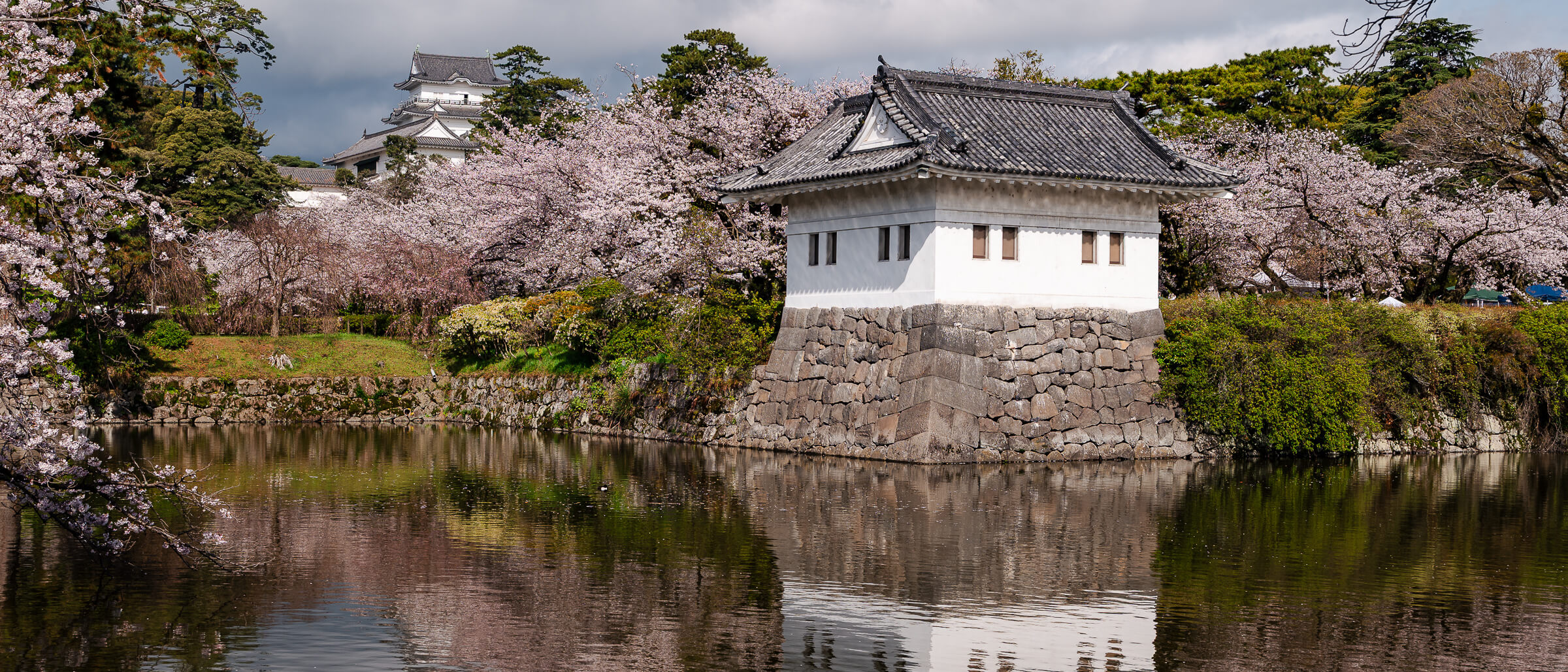
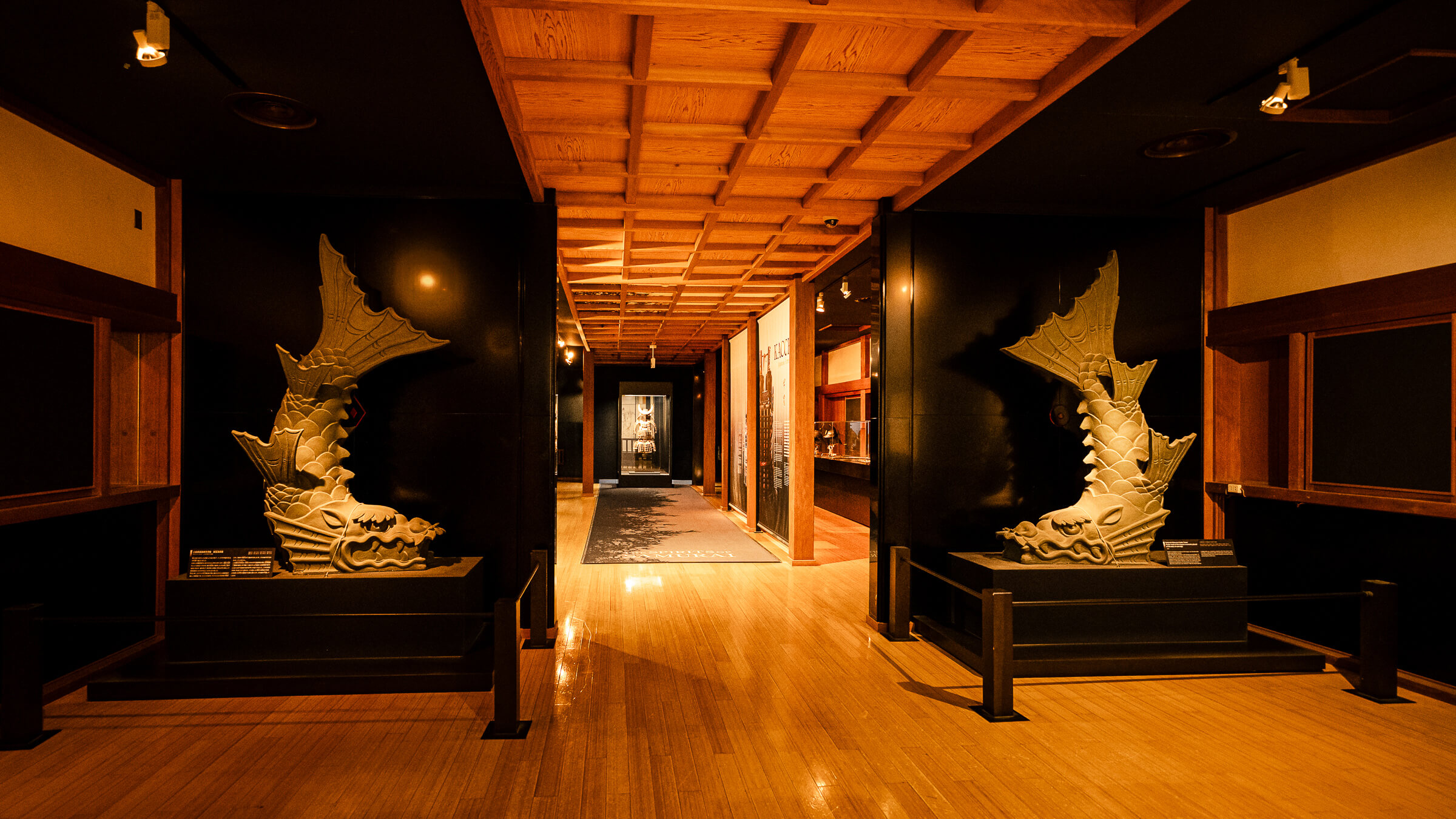
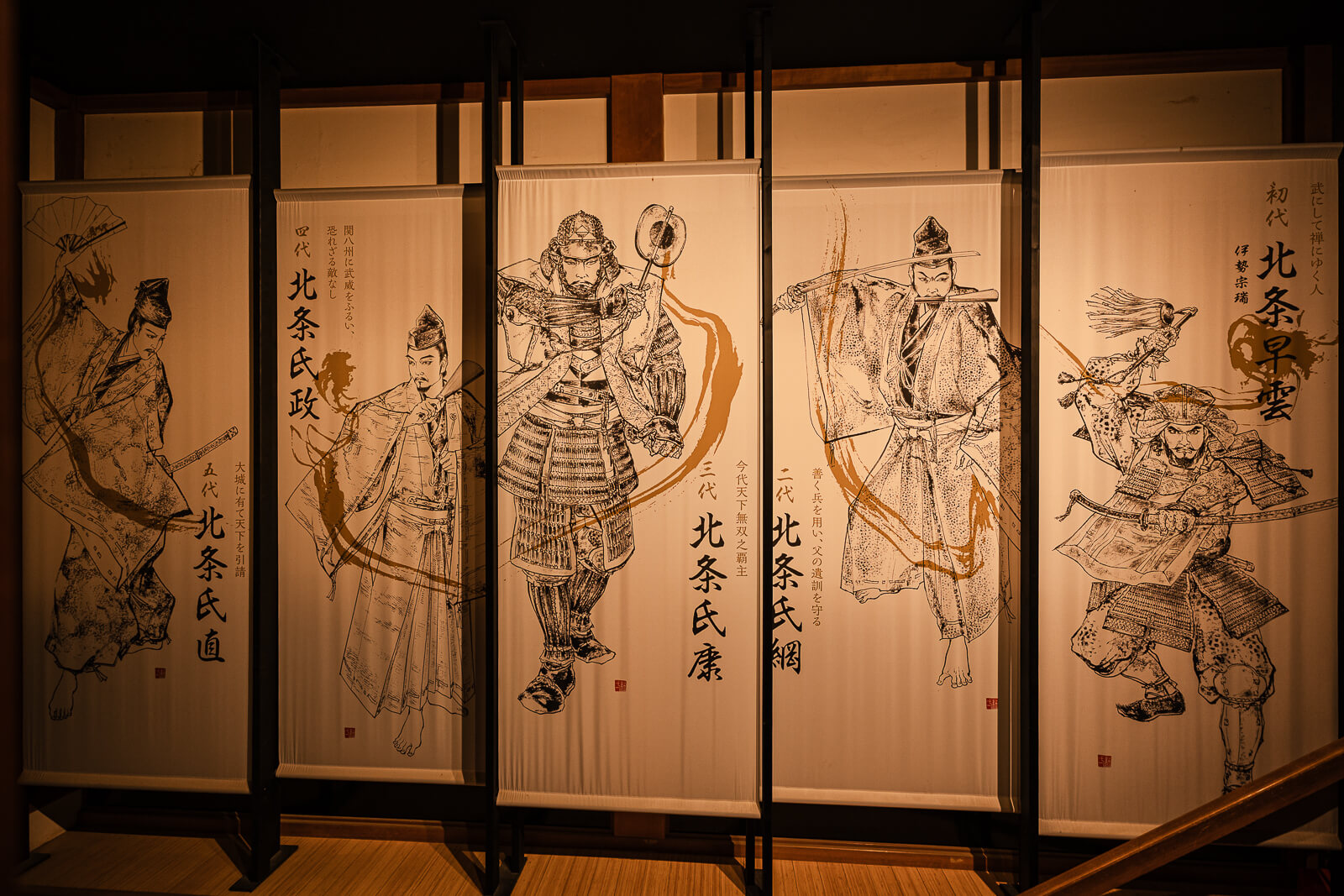
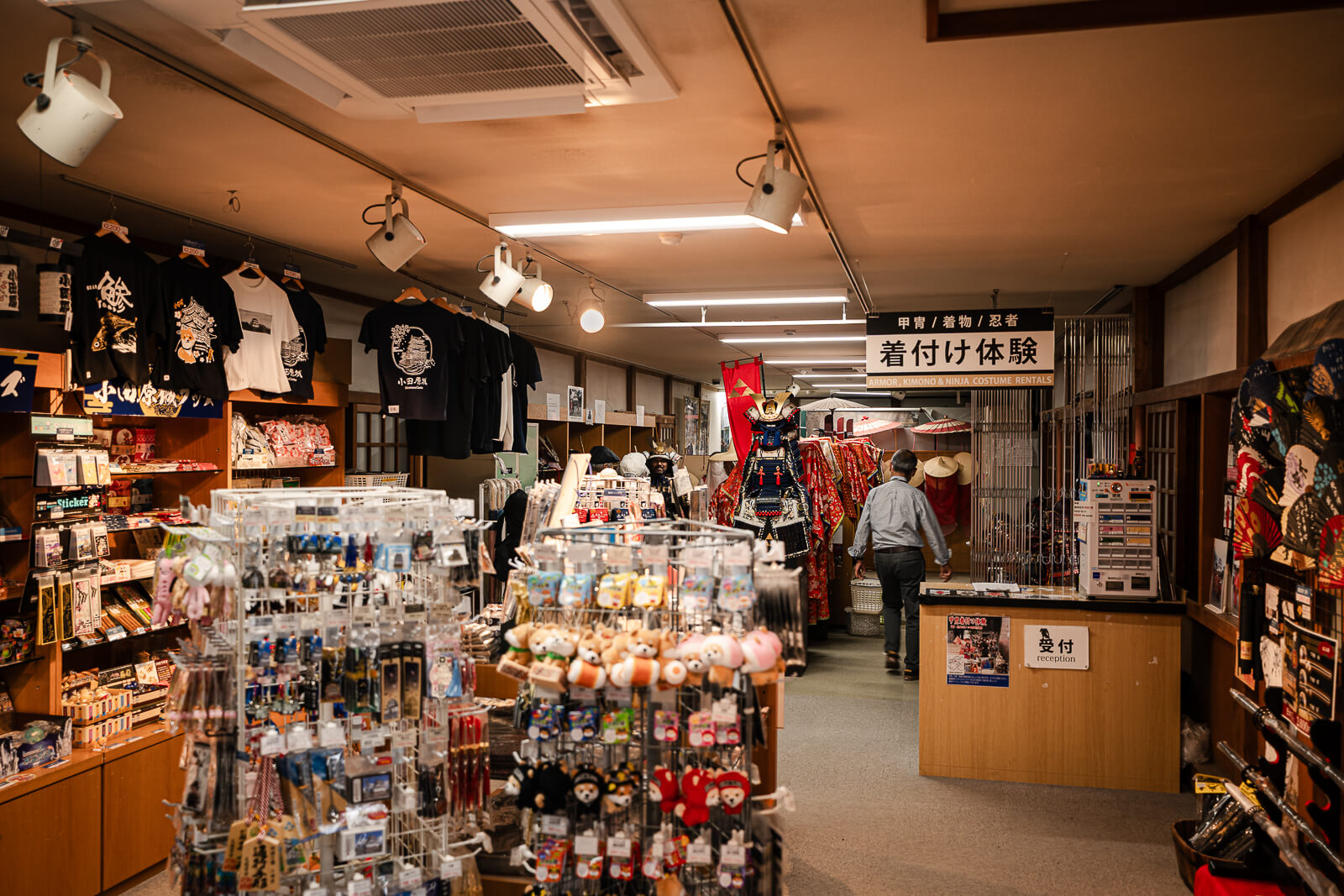
The Samurai Museum sits within the grounds of Odawara Castle in Odawara, a coastal city in Kanagawa Prefecture within the Kanto region, positioned along the main travel corridor between Tokyo, Hakone, and Atami. Set above the souvenir shop just off the main courtyard, the museum presents armor and weapons from Japan’s feudal period within a compact second-floor gallery that many visitors pass without noticing.
The visit is brief and contained, typically taking 10 to 20 minutes, and fits naturally into the movement through the courtyard rather than requiring separate planning. Most visitors encounter it on the way toward the main keep, using it as a short, focused stop rather than a standalone destination.
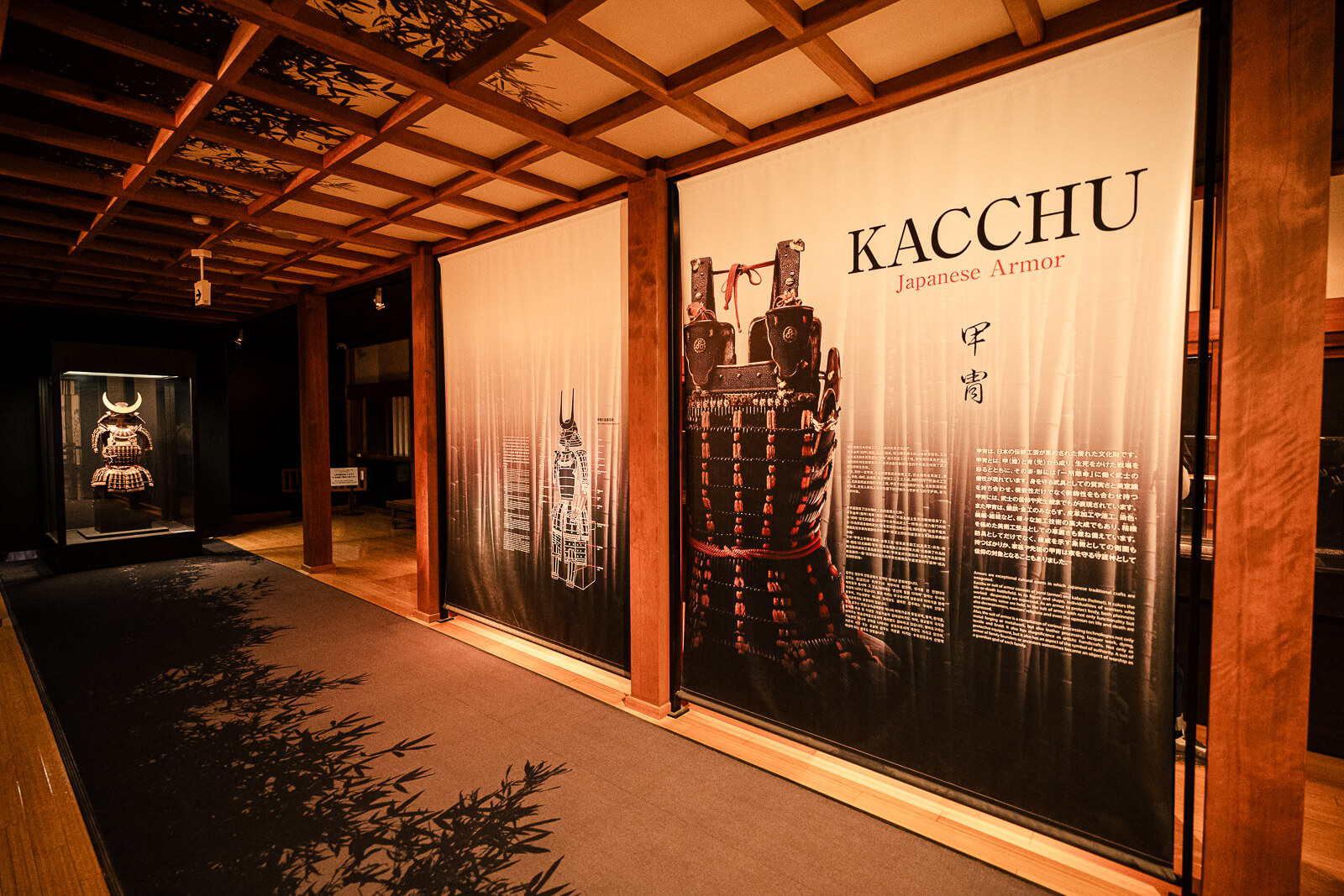
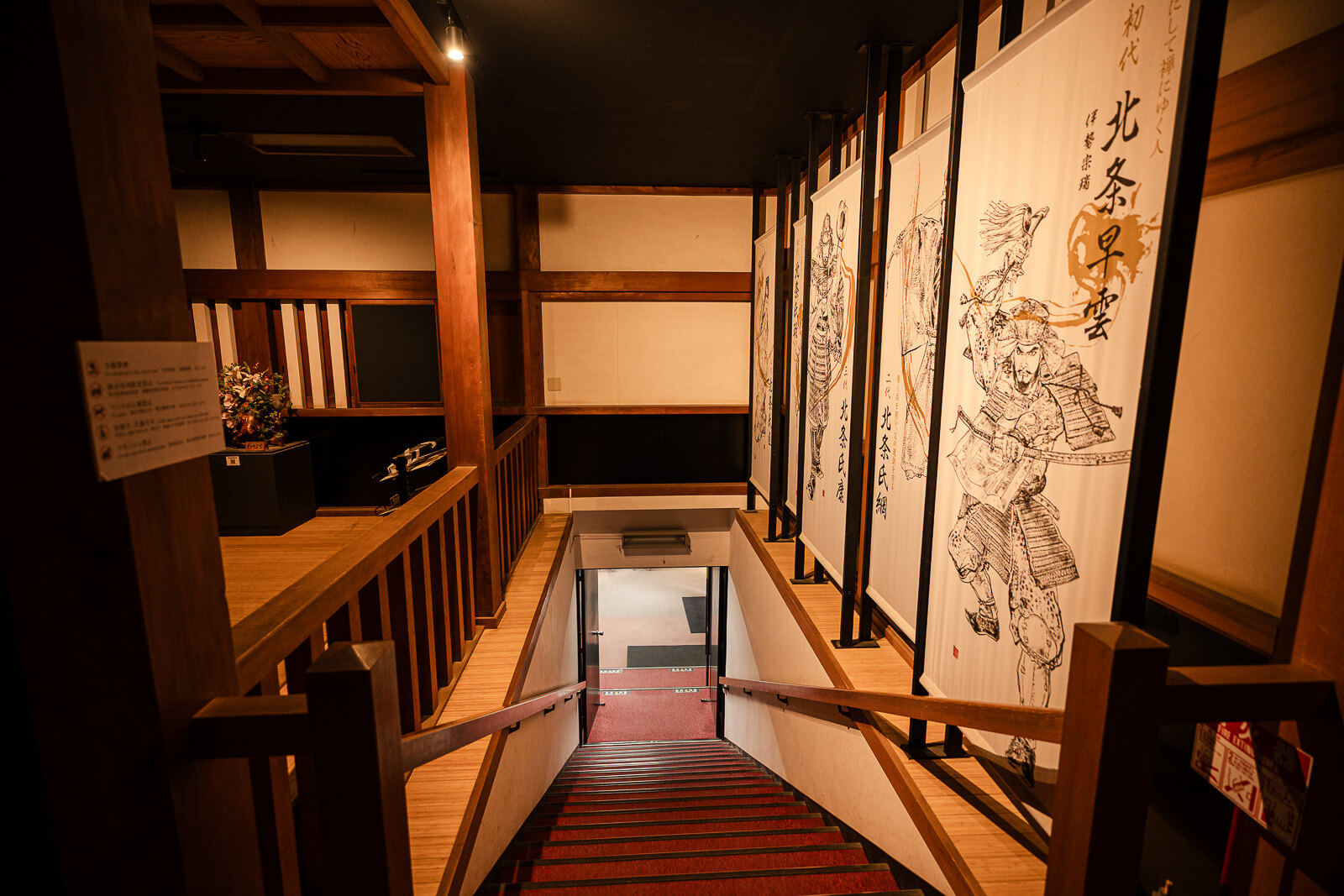
Access is straightforward, with the museum positioned along the main route through the castle grounds, and the effort required is minimal aside from a short staircase to the second floor.
Why Odawara Became a Control Point
Odawara developed around a narrow coastal corridor that controlled movement between eastern and western Japan, where trade routes and military access converged. Holding this position meant controlling entry into the Kanto region, which is why the Late Hōjō clan established their base here during the Sengoku period.
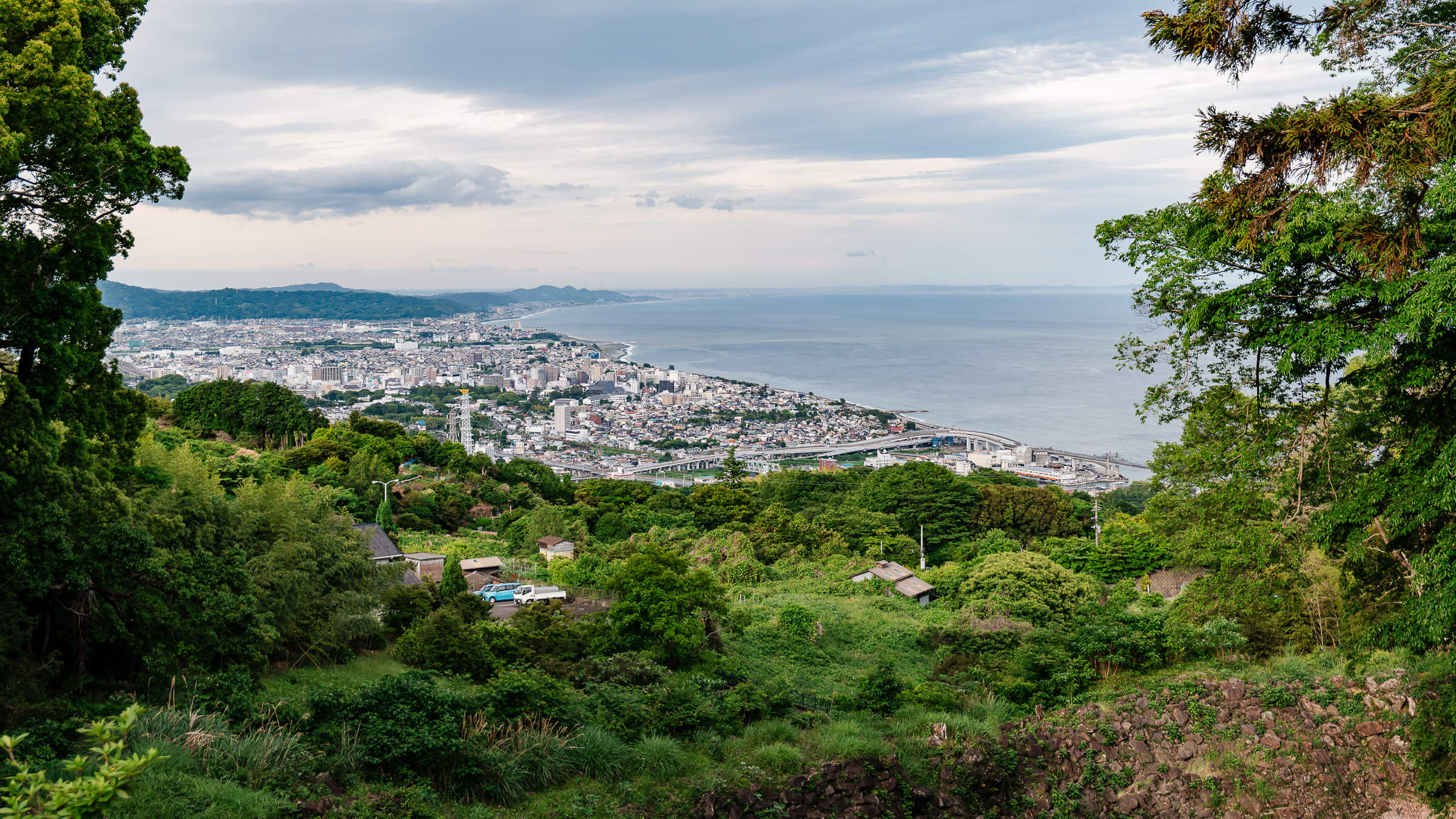
The surrounding terrain reinforced that control. Elevated positions overlooking the city, including the remains of Ishigakiyama Castle Ruins, provided strategic vantage points across the coastal plain and access routes below. From these positions, movement toward Odawara could be monitored and, if necessary, challenged before reaching the main stronghold.
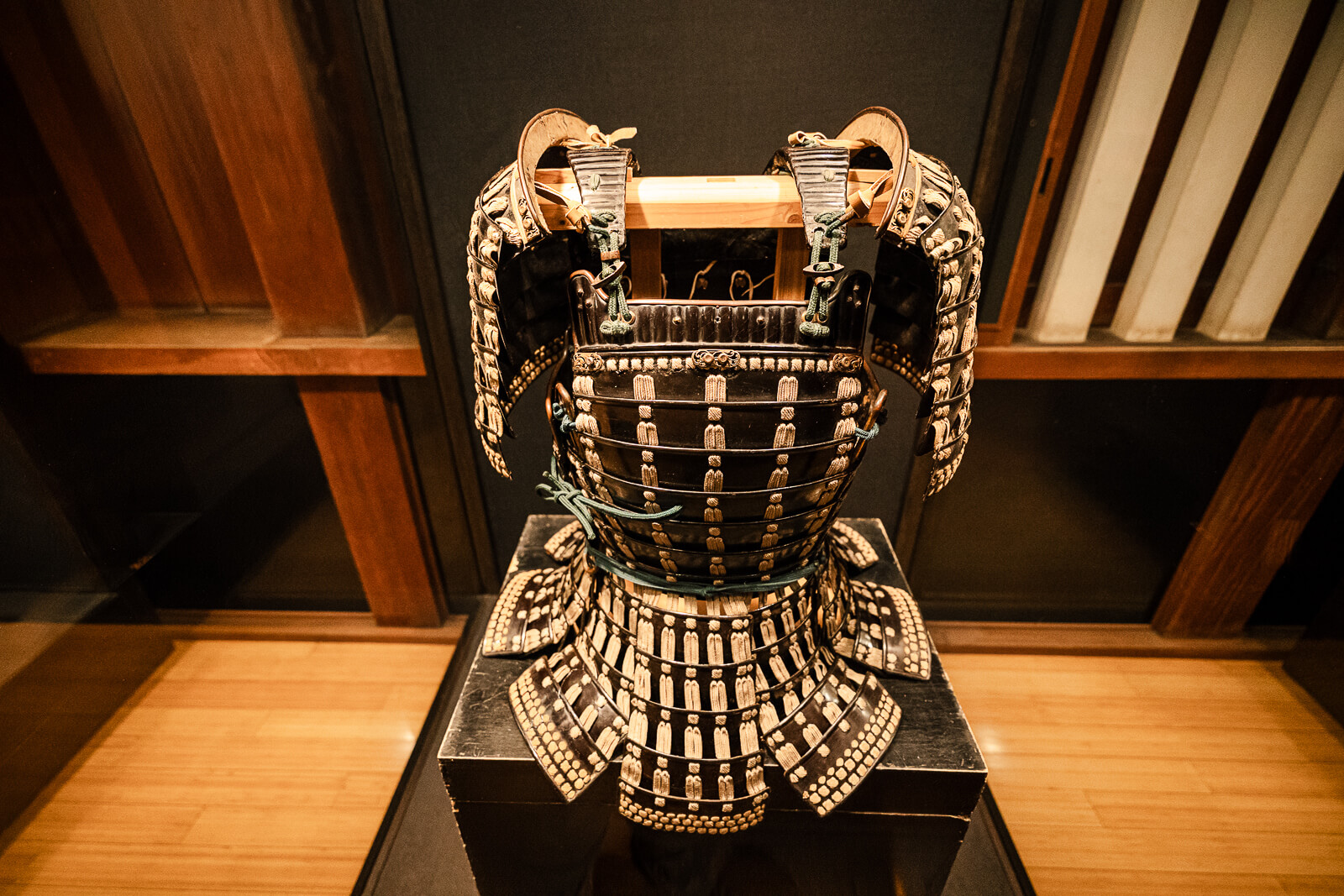
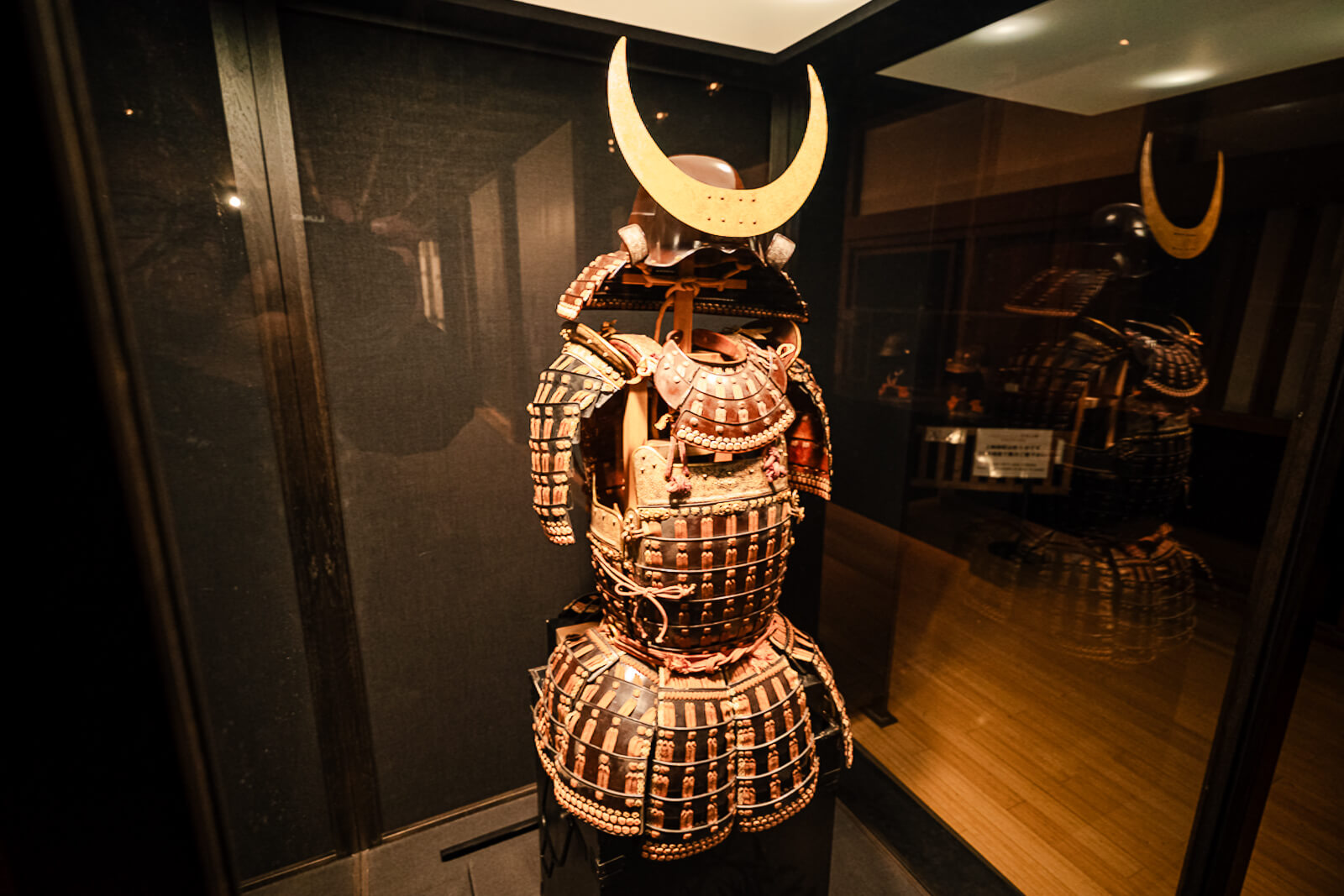
The equipment displayed in the museum reflects that role. Armor and weapons were part of a system built to maintain control over surrounding territory, where visibility, mobility, and authority all mattered at once.
That system ended in 1590 during the Siege of Odawara (1590), when forces led by Toyotomi Hideyoshi surrounded the castle and brought Hōjō rule to an end. What remains today reflects both the scale of that stronghold and the individuals who operated within it.
The Shift From Open Courtyard to Interior
The transition begins directly from the courtyard, where a short staircase leads upward from the shop level into a compact gallery. The space narrows quickly, shifting from open outdoor movement into a more contained interior environment.
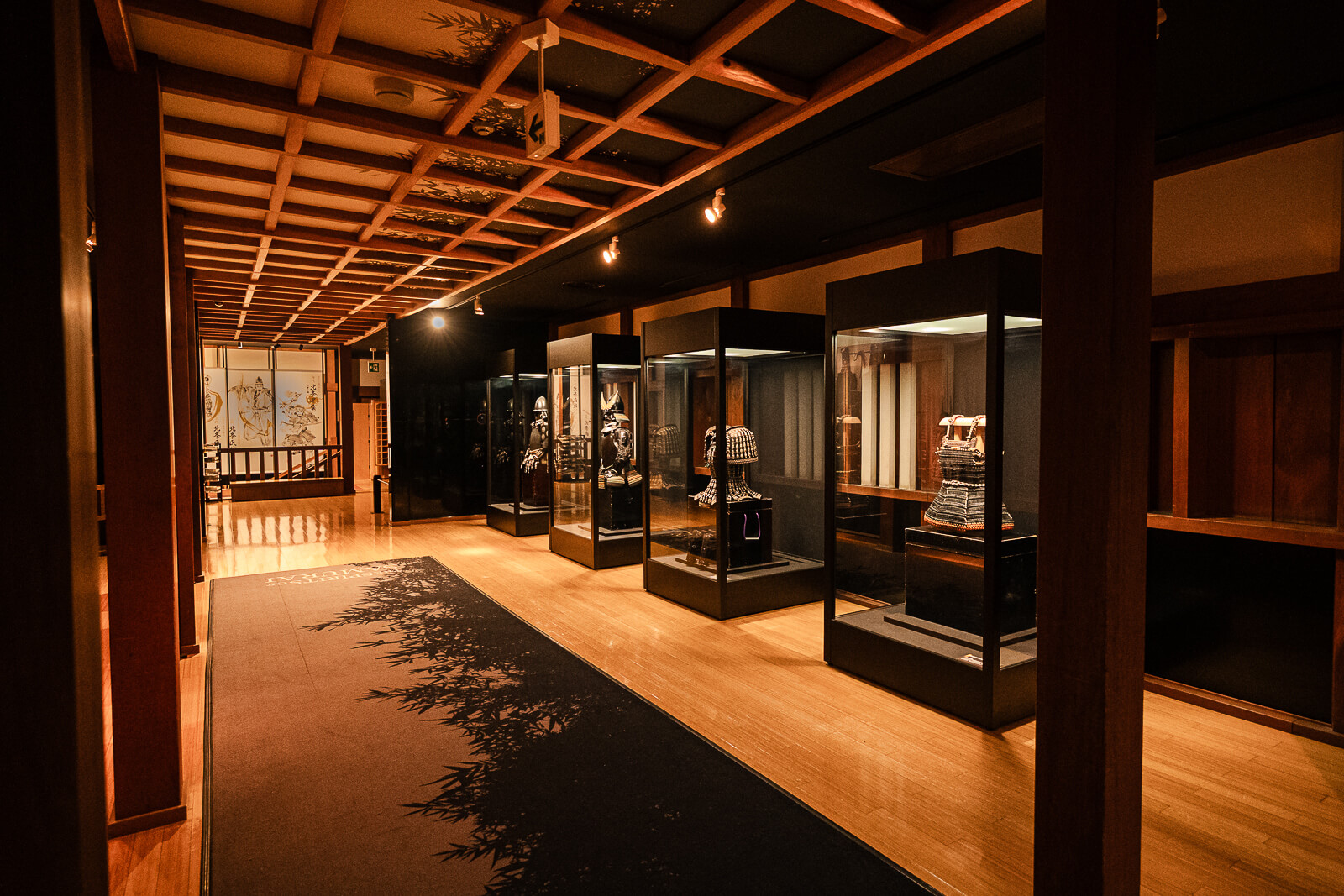
Inside, a short loop defines the experience, with displays arranged along a continuous path that returns toward the entrance. The layout is simple and contained, keeping attention on the exhibits rather than navigation.
Even when the courtyard outside is busy, the interior remains quick to move through. Most visitors pass steadily between displays, pausing briefly before continuing onward.
Armor Seen Up Close
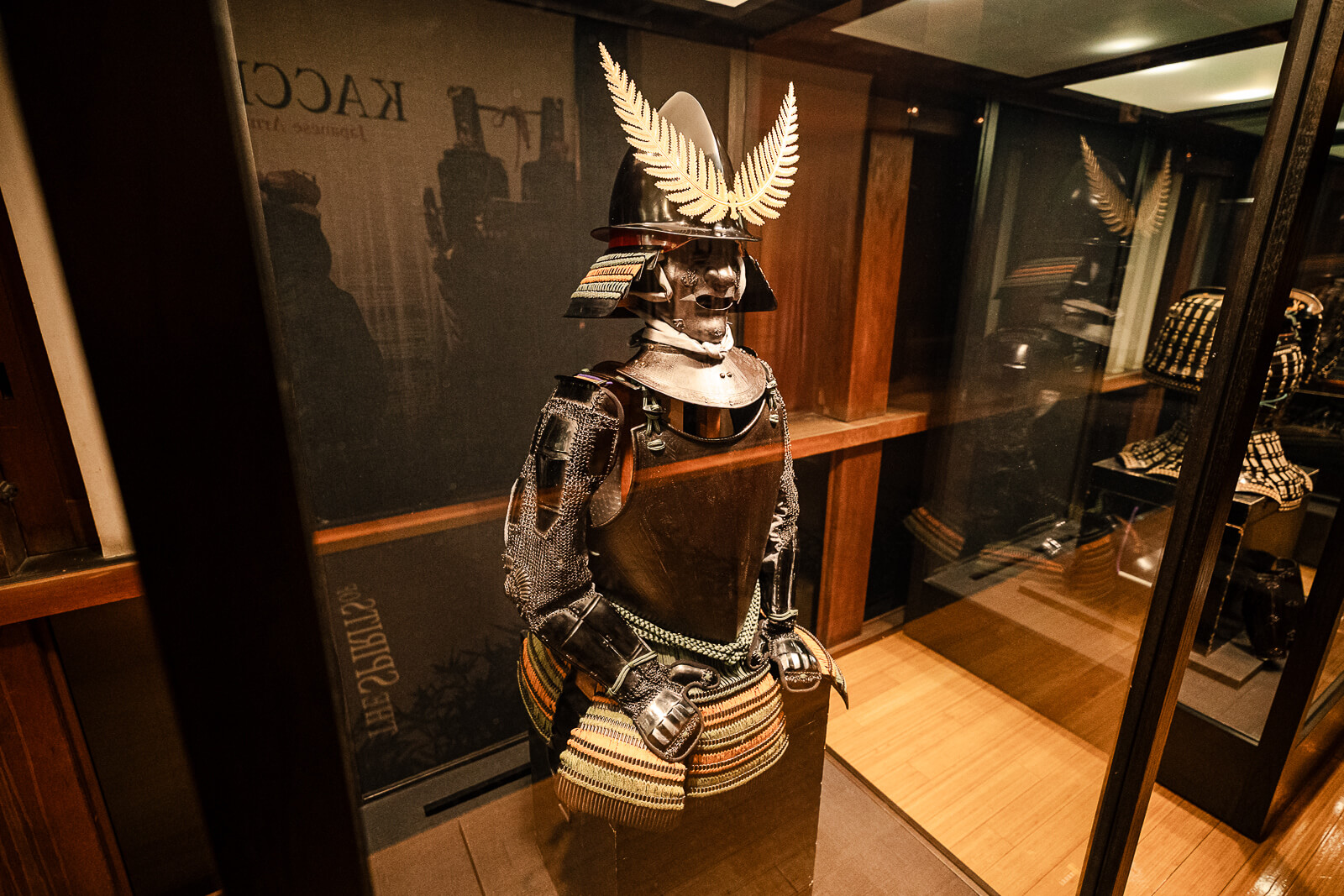
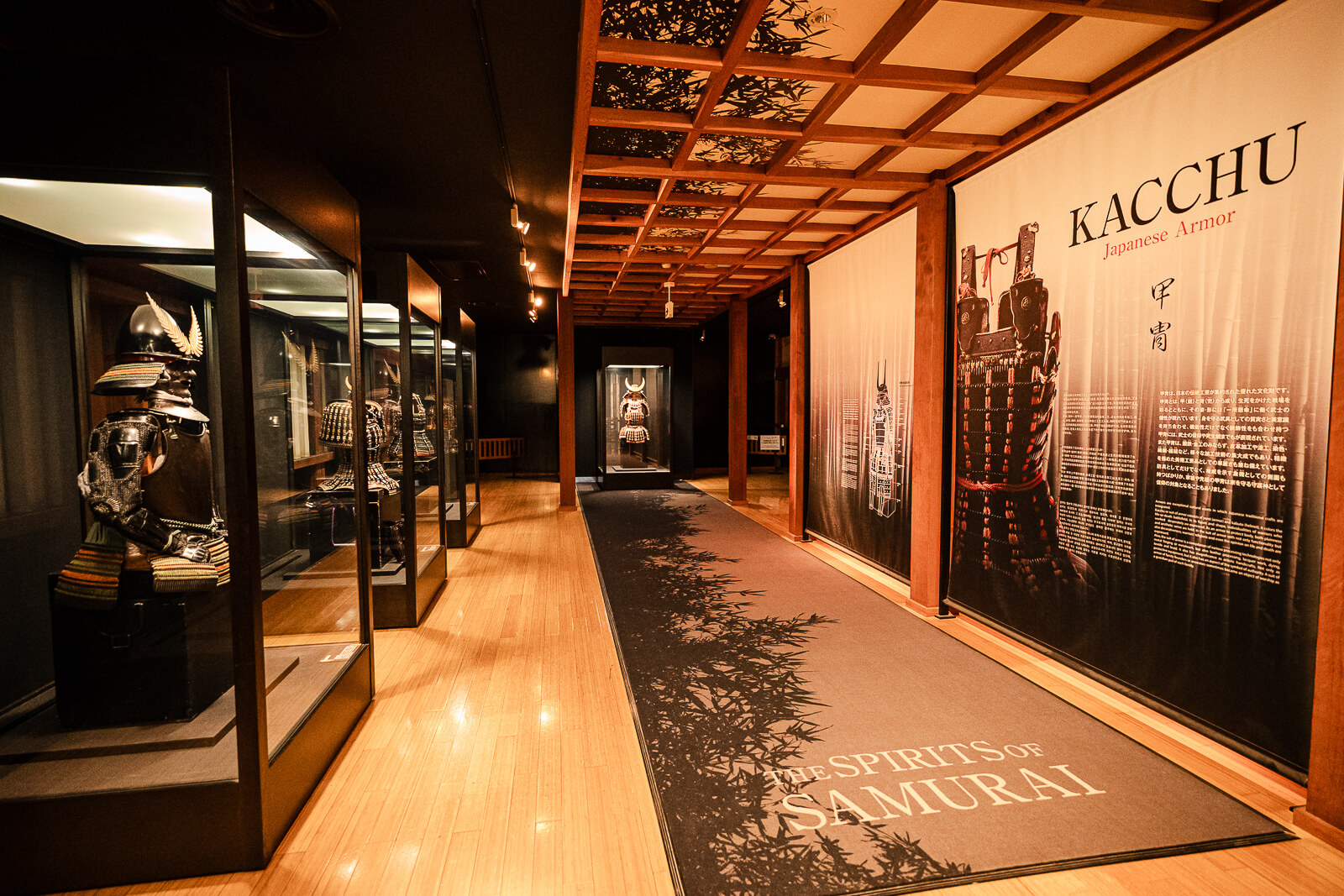
The armor is positioned at close distance, where each detail becomes immediately visible without separation from the viewer. Full sets are arranged for viewing from multiple angles, making construction easier to understand than in larger museum settings.
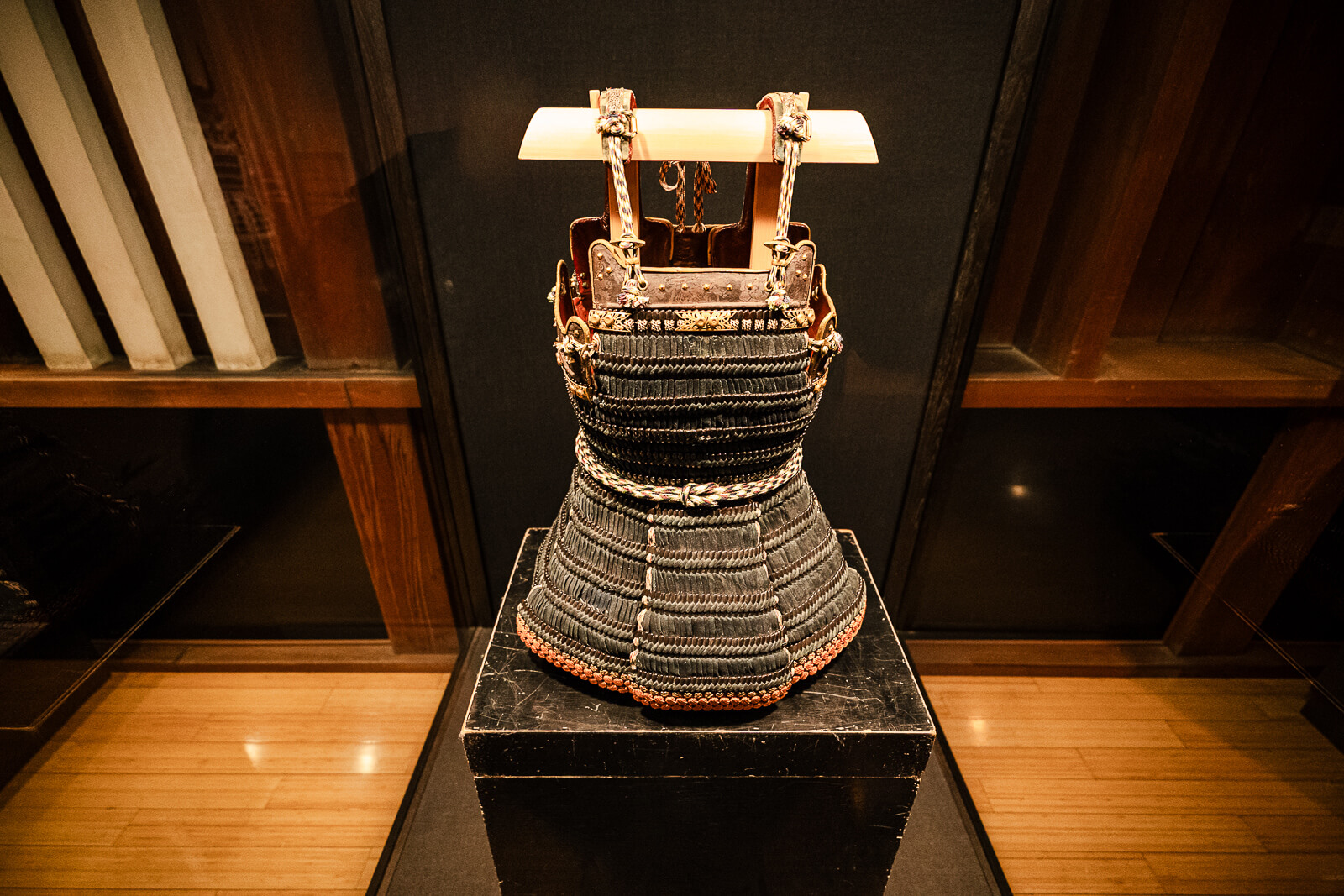
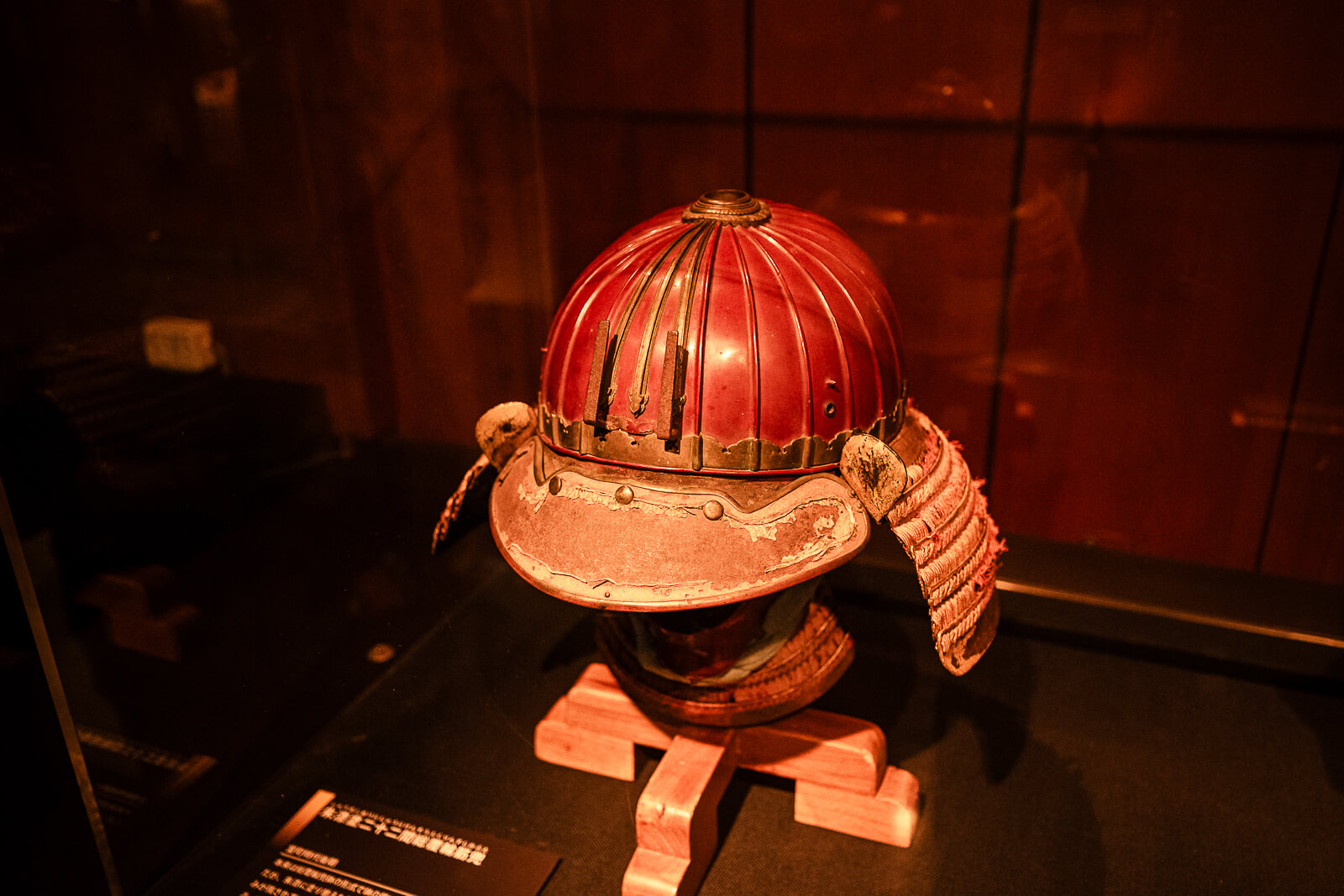
Layered plates, silk lacing, and lacquered surfaces show how protection and mobility were balanced. Helmets with prominent crests signal rank and identity, designed to be recognized across a battlefield.
Because of the room’s scale, each display is experienced directly rather than at a distance. This proximity reinforces that these were functional objects built for use rather than symbolic pieces removed from context.
Weapons From the Final Sengoku Period
The weapons displayed alongside the armor reflect a period of transition, when traditional combat methods began to shift. Blades and polearms appear alongside references to early firearms, marking the late Sengoku period as a time of change rather than stability.
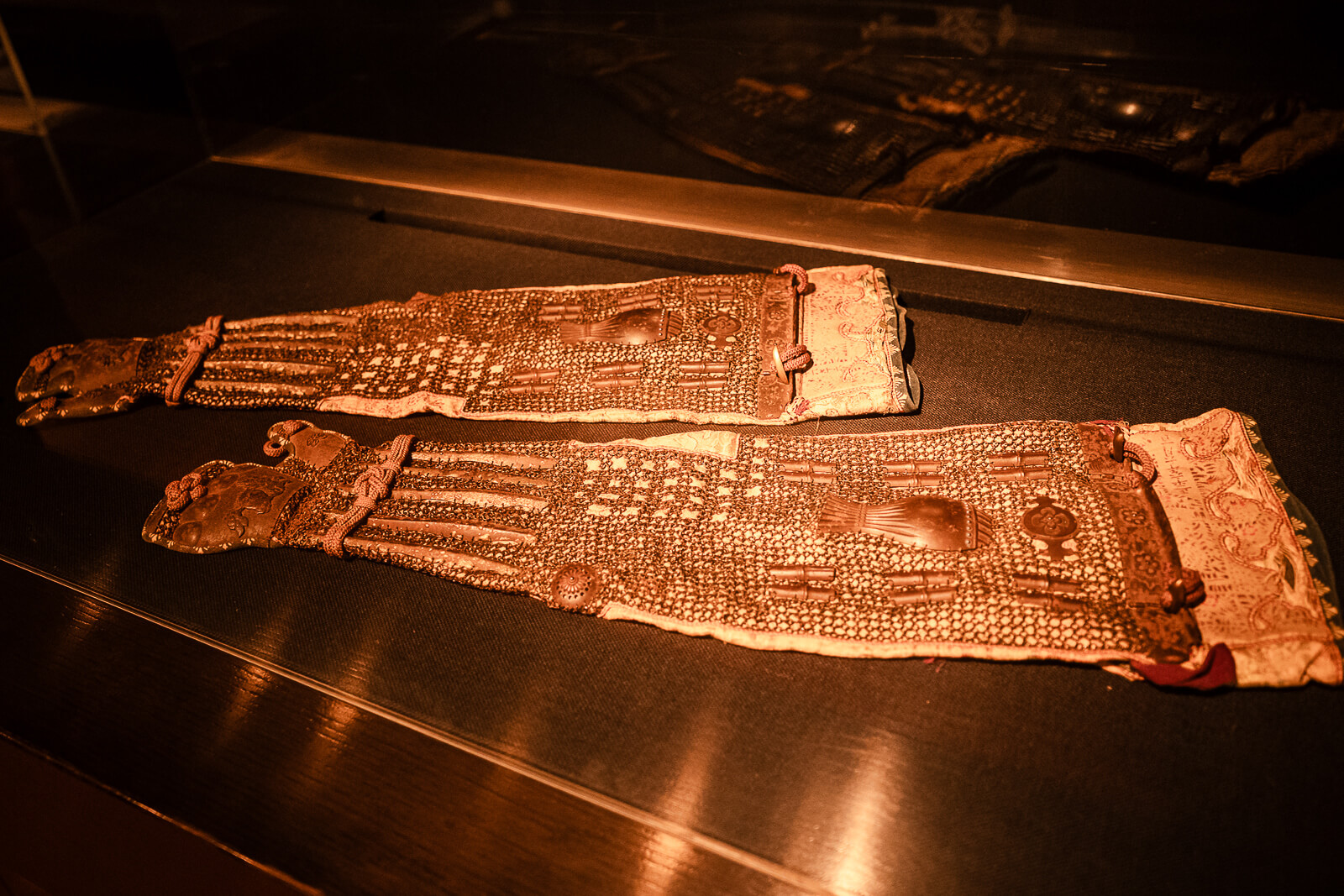
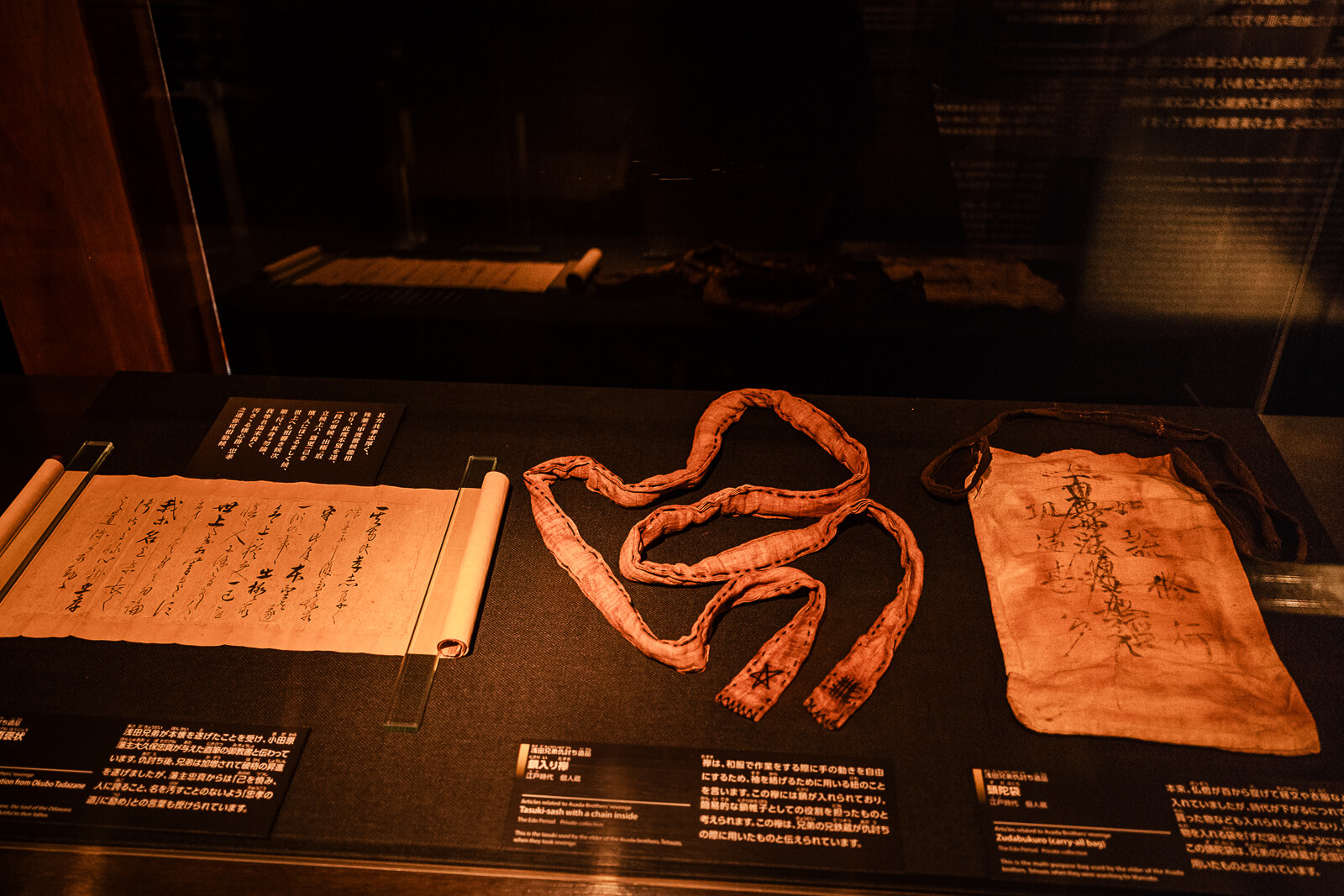
The exhibits are limited in number, but they connect directly to Odawara’s role as a defensive and administrative center. What is shown here aligns with the broader history of the castle rather than expanding beyond it.
Where This Fits in the Visit
The museum fits naturally into the flow of the castle grounds, working best as a short pause rather than a separate destination. Its position in the courtyard places it along the path most visitors already follow.
Movement typically continues from here toward Odawara Castle Tenshukaku (Main Keep), where the scale of the site expands and the focus shifts to larger historical narratives. Seeing the museum beforehand provides context that carries into that experience.
Because the visit is brief and requires minimal effort, it adds clarity without extending the overall time spent at the castle.
How the Castle Grounds Extend Beyond the Courtyard
The courtyard connects directly to the surrounding areas of Odawara, allowing movement to continue without interruption once the main castle visit is complete. Paths extend outward toward the edges of Odawara Castle Park, where the atmosphere shifts away from the central open space.
Within the castle grounds, different parts of the complex offer contrasting experiences. While the Samurai Museum focuses on historical objects and context, the Odawara Castle Ninja Museum introduces a more interactive environment centered around ninja culture and hands-on exhibits. The two spaces sit within the same general area but reflect different ways of engaging with the castle’s history.
Just outside the castle grounds, Hotoku Ninomiya Shrine sits beneath tall trees, creating a transition into a more enclosed environment. From there, routes naturally lead back toward Odawara Station or further through the city.
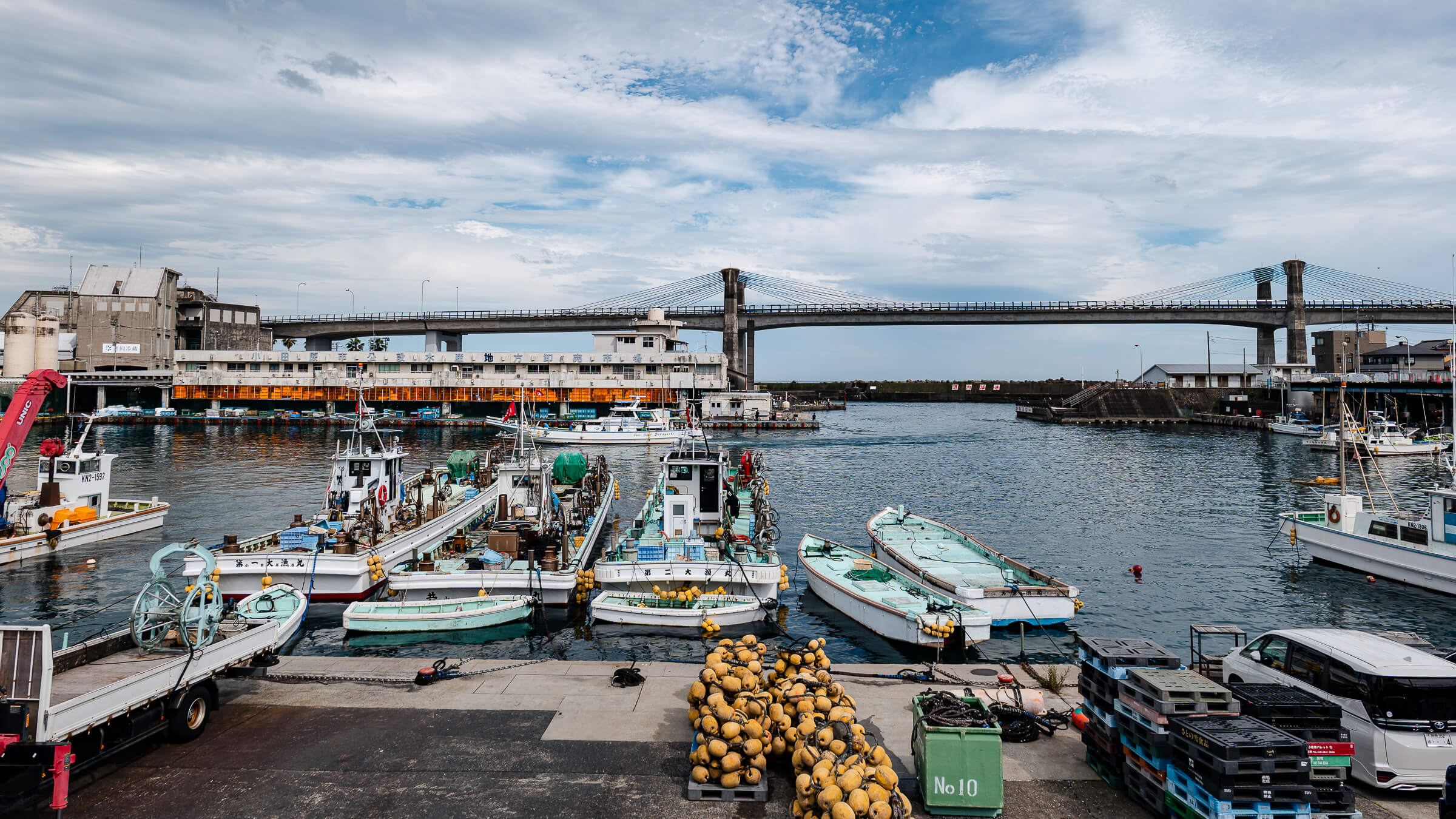
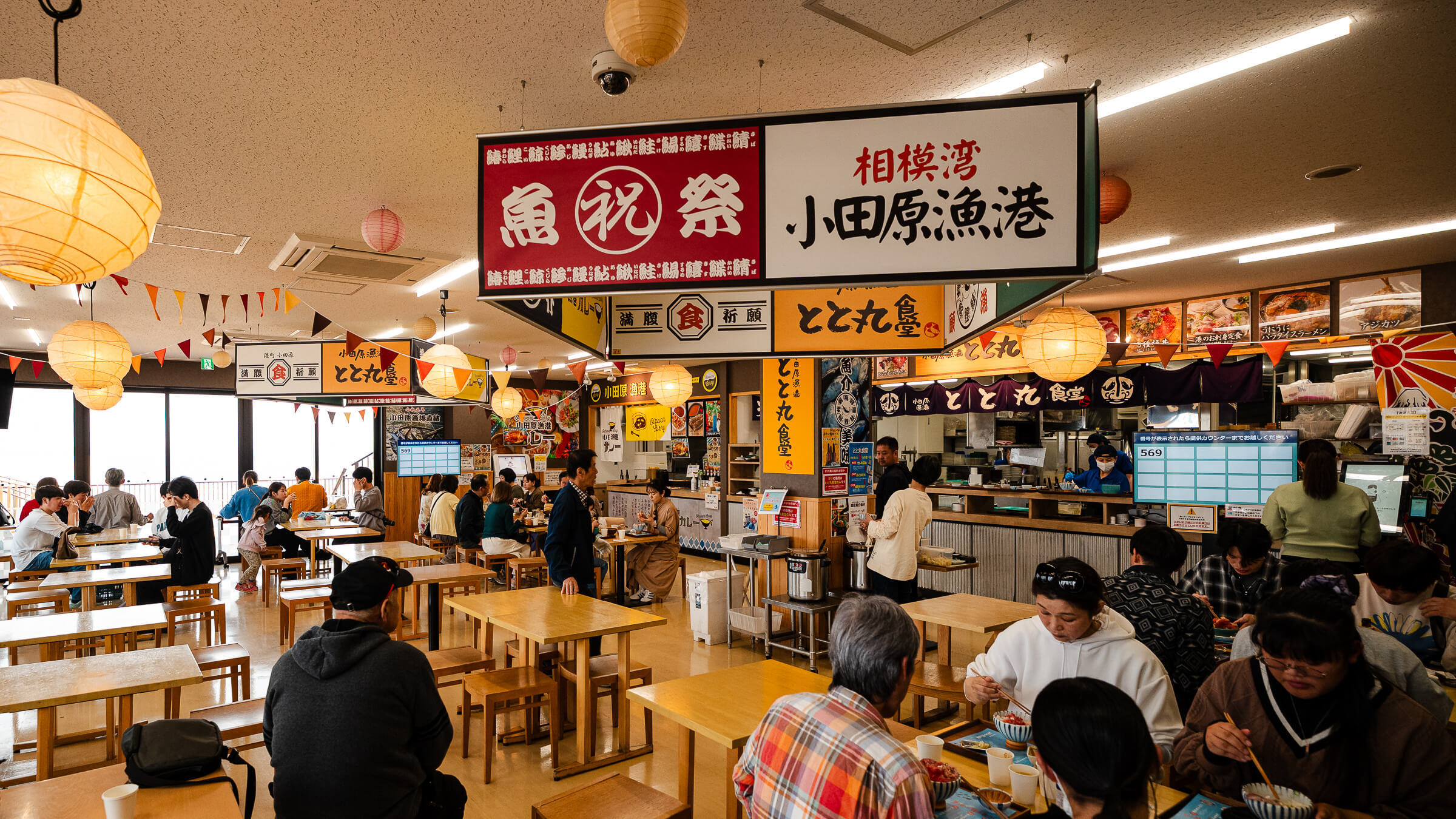
Beyond this immediate area, the city opens toward the coast, where Odawara’s fishing harbor and seafood districts introduce a different side of the destination. The shift from castle grounds to working waterfront reflects how the city continues beyond its historical center, linking inland routes with the Pacific.
Getting There
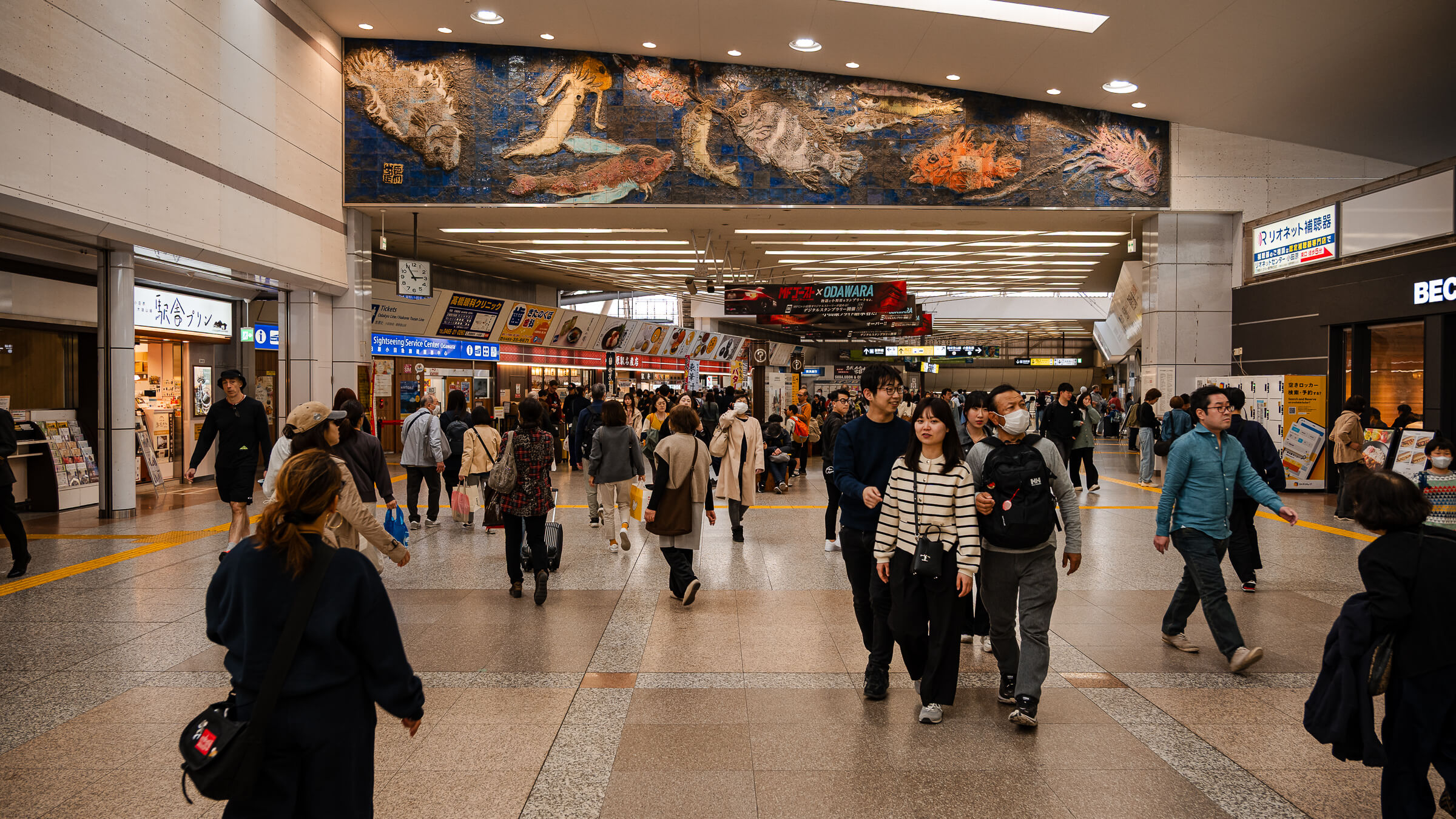
The castle grounds are about a 10-minute walk from Odawara Station, a major stop along the Tokaido Line and Shinkansen routes connecting Tokyo with destinations further west. The approach is direct, with the castle becoming visible as you move closer from the station area.
From the station’s east exit, the route leads toward the park entrance and into the main courtyard. The Samurai Museum is located above the souvenir shop along this path, positioned before the ascent to the main keep.
Hours and Fees
Hours
9:00 AM – 5:00 PM
(last entry around 4:30 PM)
Admission
Approximately ¥200
Tickets are purchased at the shop before heading upstairs.