A Small Port That Opens Up as You Walk Toward the Water
Odawara Fishing Port (Hayakawa) sits one stop from Odawara Station at Hayakawa, within Kanagawa Prefecture along the coastal stretch between the city center and routes leading toward Hakone and Atami. From the station, most movement centers around Odawara Castle, but the route outward toward the port quickly shifts away from structured grounds into something shaped by function and proximity to the water. That transition happens within minutes, even before the coastline comes fully into view.
On a map, the area reads as compact and easily covered in a short amount of time. In practice, it unfolds in segments, and each segment holds its own space rather than blending into the next. That separation changes the pace of the visit without requiring distance.
What appears to be a short extension from the castle or station becomes a sequence once movement begins. By the time the harbor comes into view, the experience feels layered rather than singular. This is not a major destination on its own, but it becomes a strong addition when the day naturally moves from the castle toward the coast.
Why This Port Sits at the River Mouth
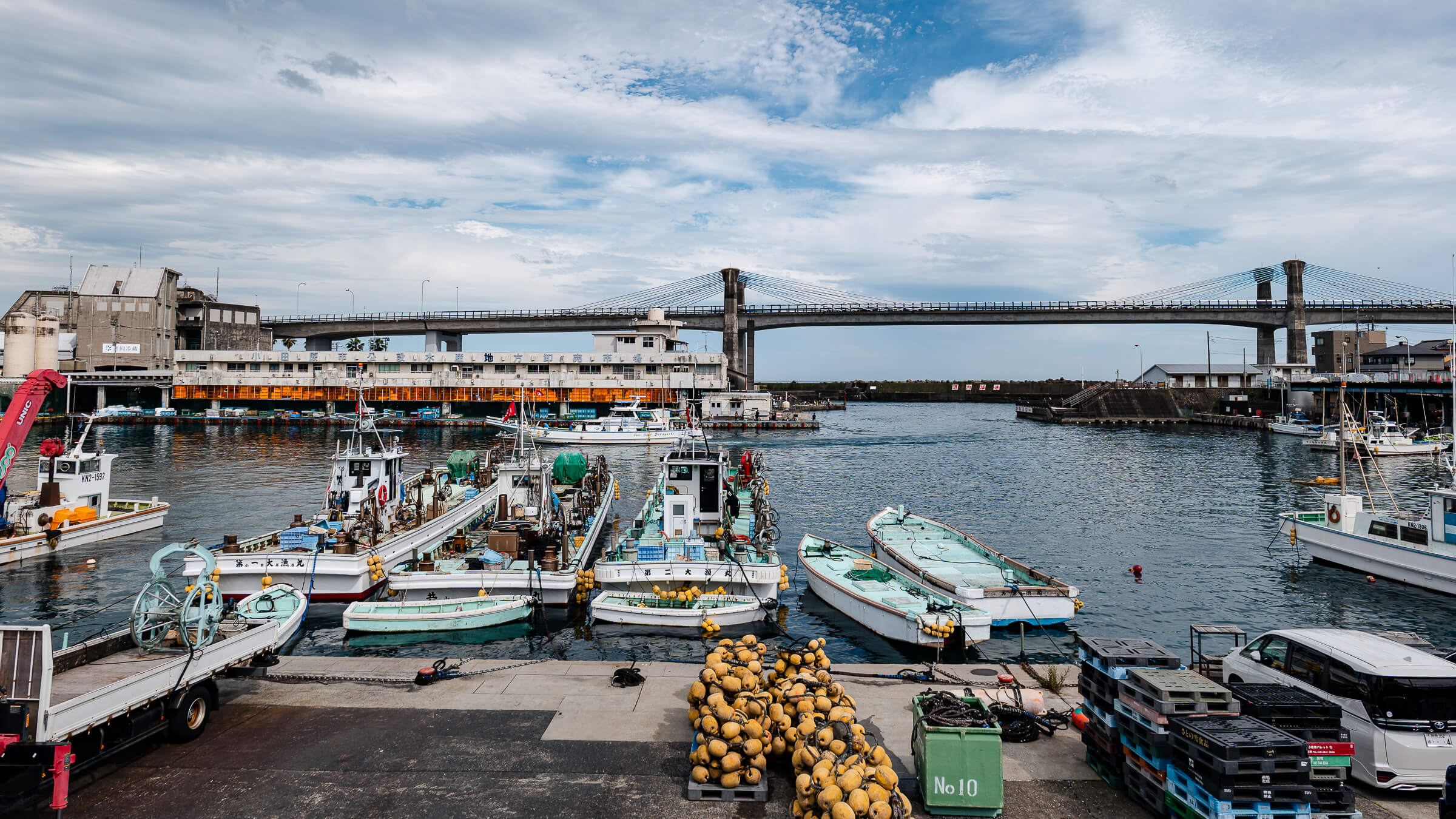
Odawara Fishing Port (Hayakawa) sits where the Hayakawa River meets Sagami Bay, a position that has supported fishing activity for generations. River access allows movement inland toward Odawara, while the open bay connects directly to coastal waters stretching toward Atami and further along the shoreline. The location reflects function first, not design.
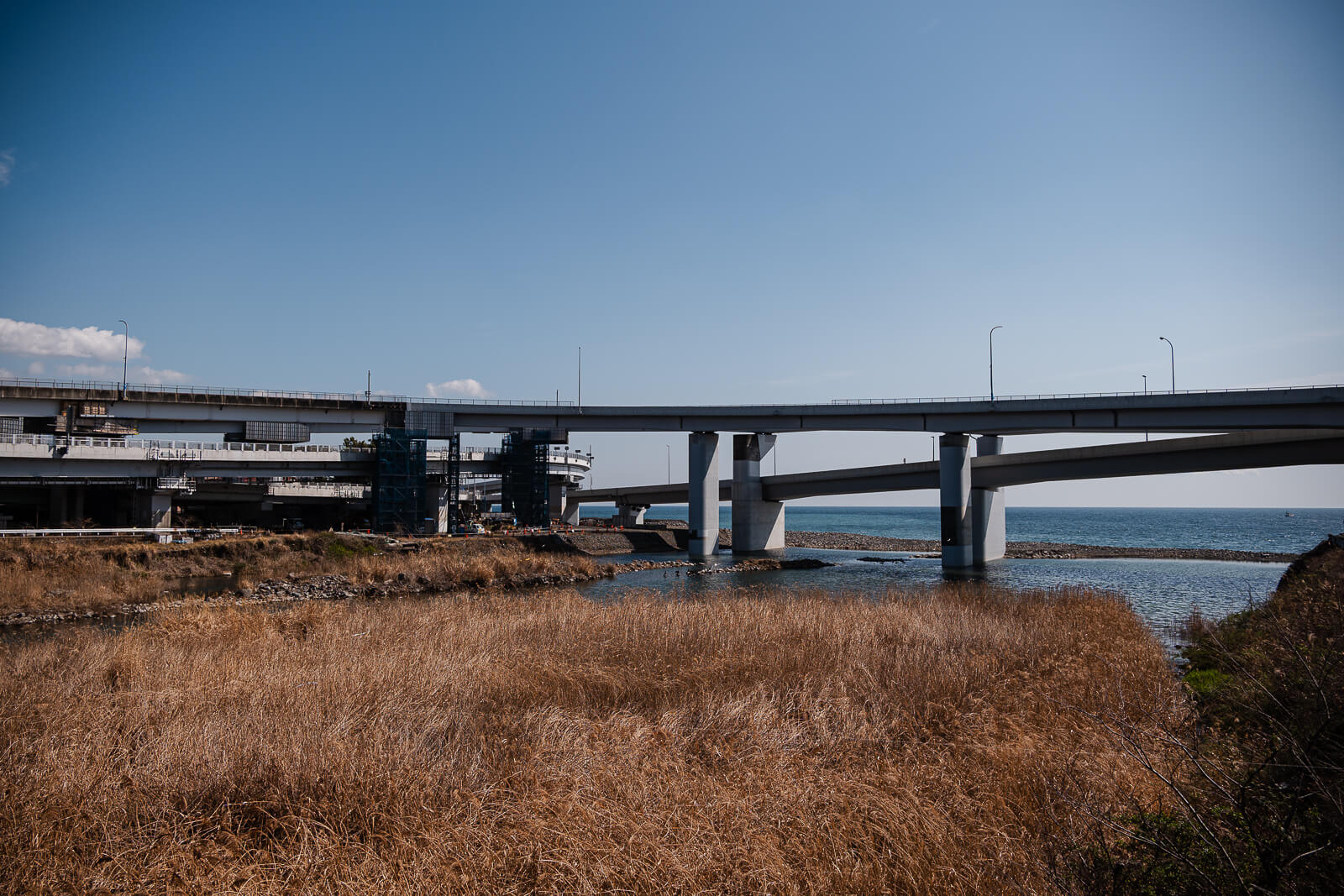
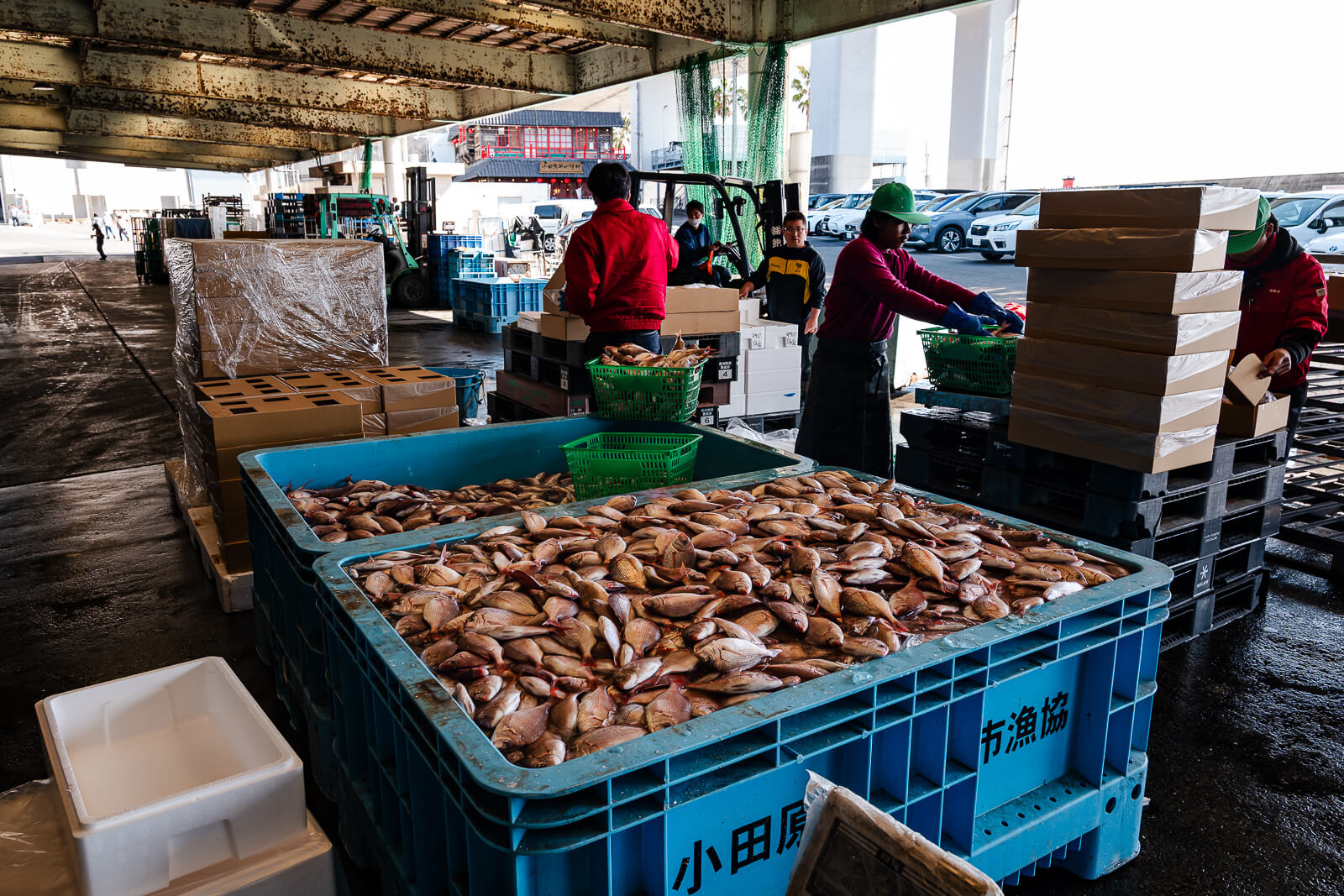
That function continues without interruption. Boats remain tied along the harbor, equipment stays in place, and the surrounding streets support the same flow of goods moving from water to table. What exists here today is not a preserved version of the past, but a continuation of it.
Standing in the area, the layout begins to make sense in practical terms. The proximity between river, port, and food streets is not accidental, and it has not been reorganized for visitors. That continuity is what gives the area its coherence.
From Station Streets to the Harbor Edge
The area does not present itself all at once. It becomes clear through movement, with each section appearing in sequence rather than competing for attention. Most visits take about 45 minutes to an hour with a meal, involve minimal effort, and are straightforward to reach by train, though arrival timing—especially around lunch—can shape how smoothly the stop unfolds.
Following the River Toward the Coast
Near Hayakawa Bridge, the river widens as it approaches the sea. This stretch sits between residential space and working waterfront, and the transition happens without a clear boundary. The shift is gradual enough that it is often only noticeable in hindsight.
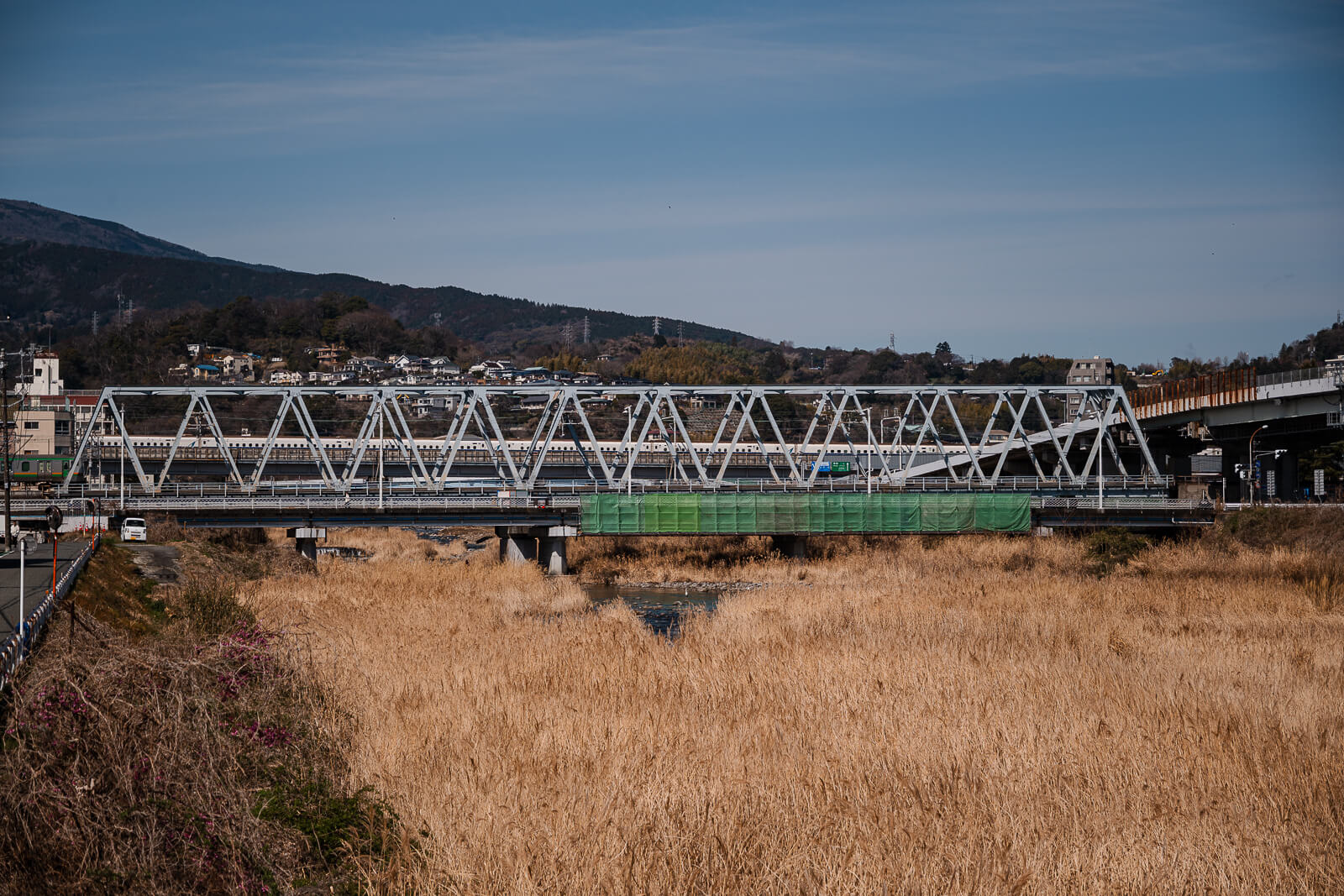
Looking inland, the direction leads back toward Odawara Castle and the station area, while the path forward opens toward the harbor. Buildings shift from residential to storage and handling, reflecting the movement tied to the port. That directional clarity helps orient the visit without needing signage.
Stepping Into the Seafood Streets
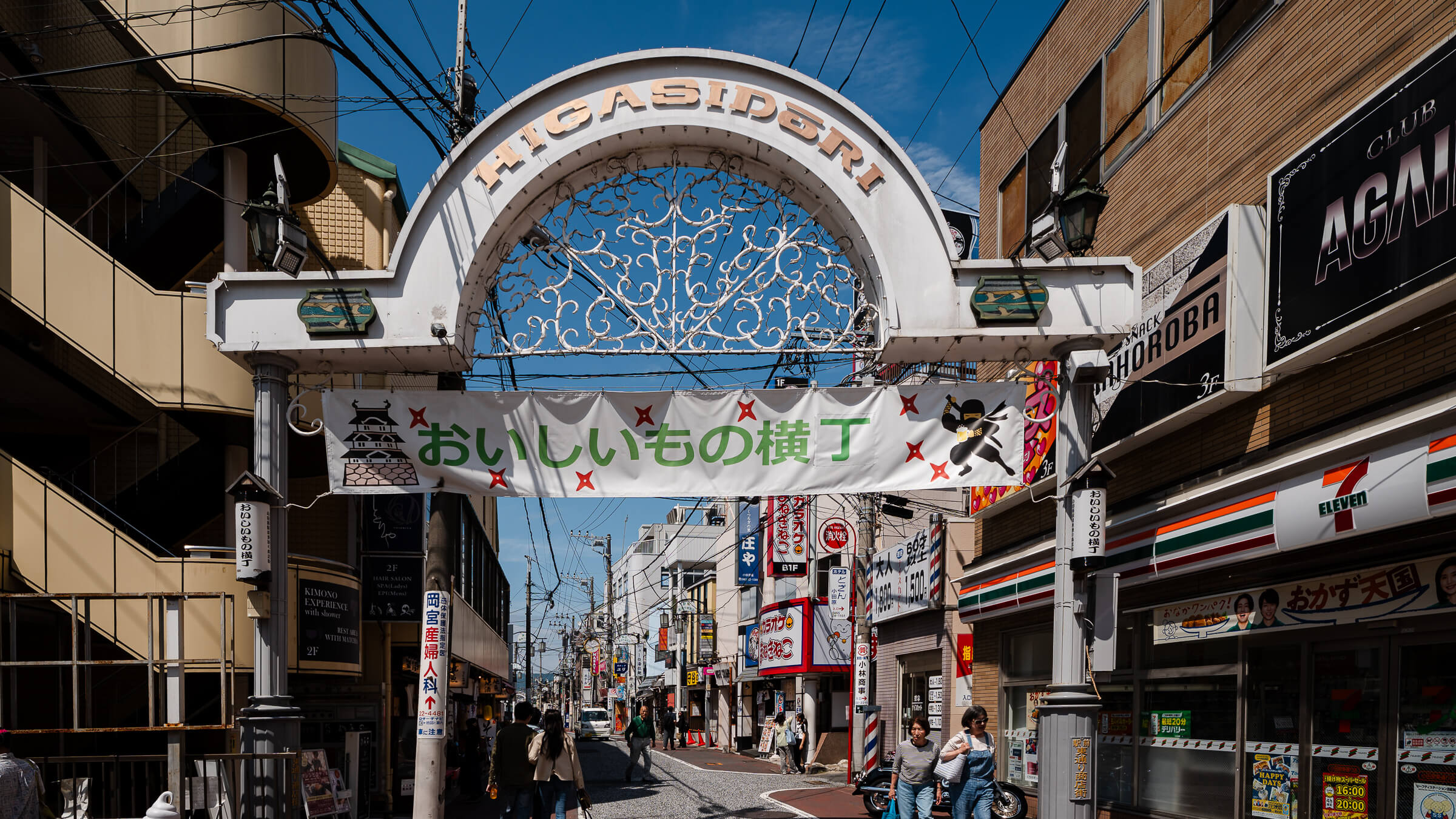
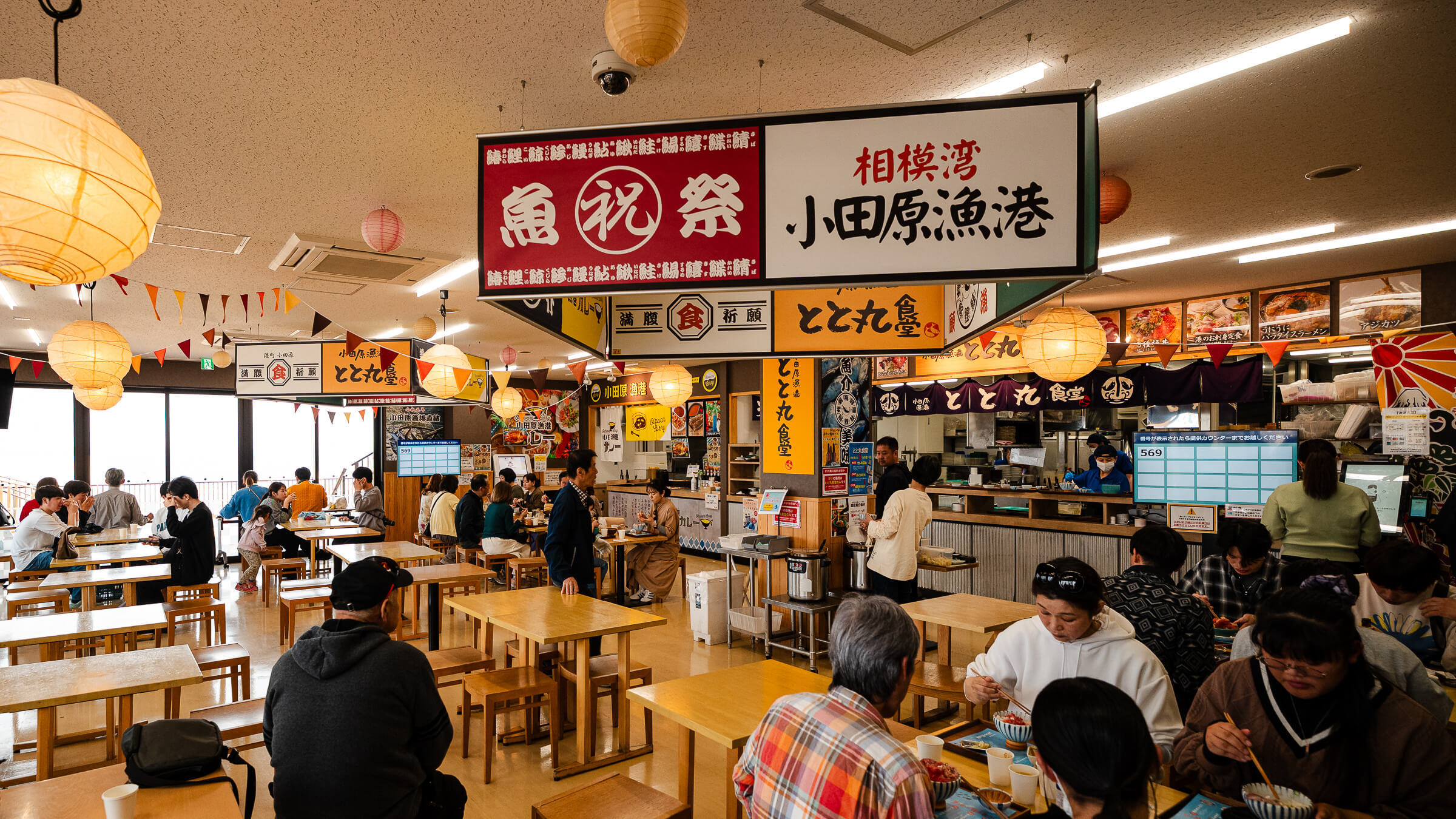
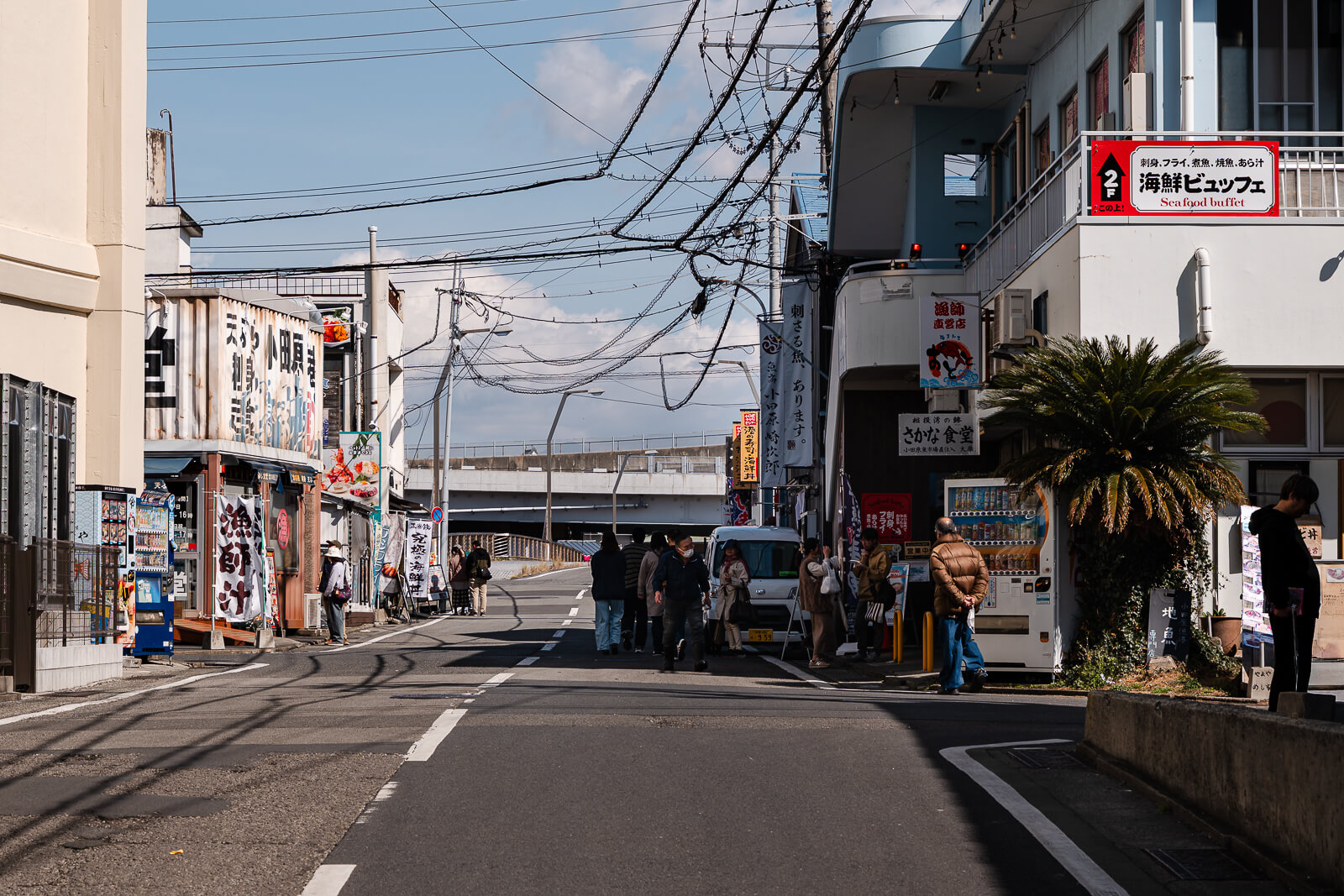
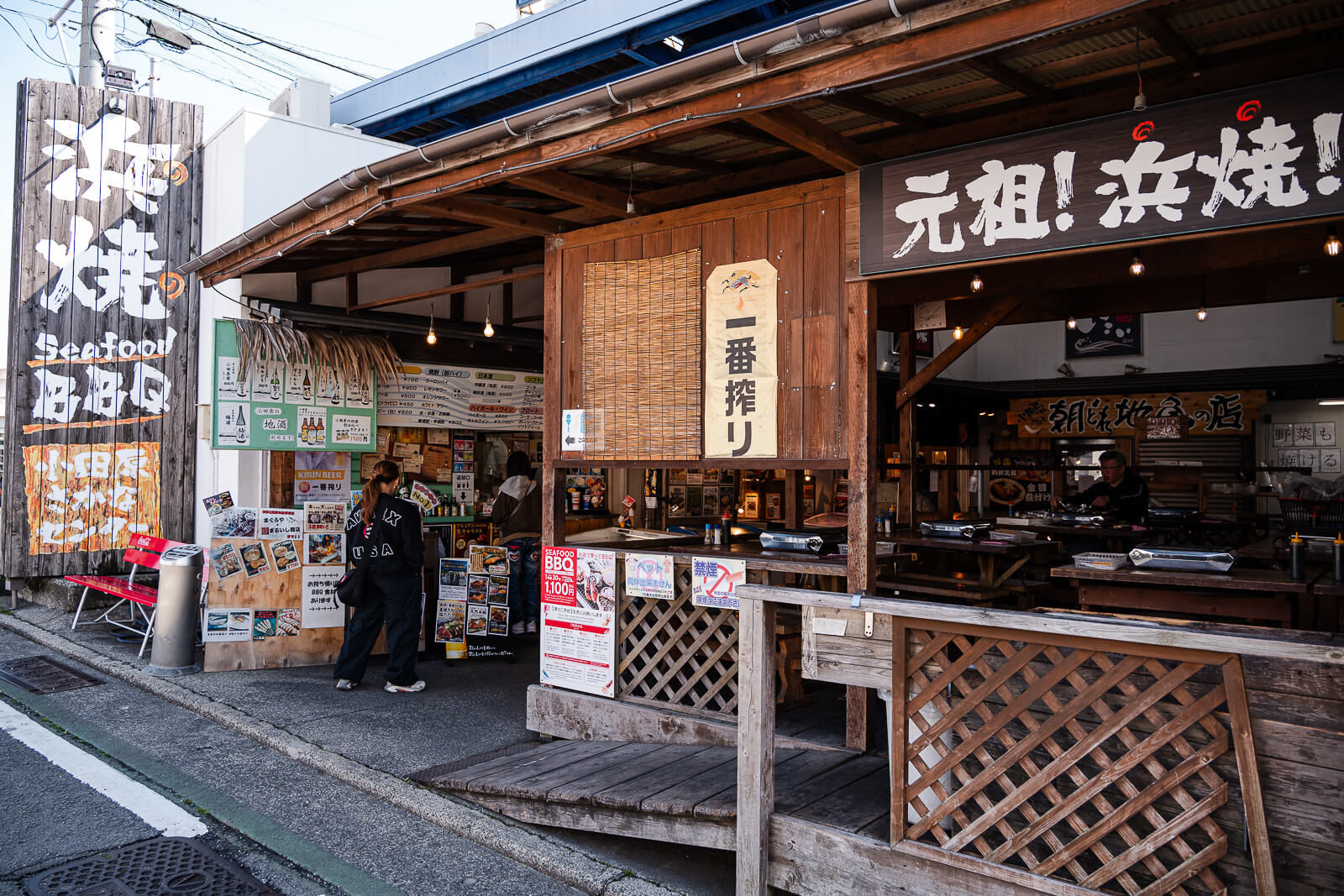
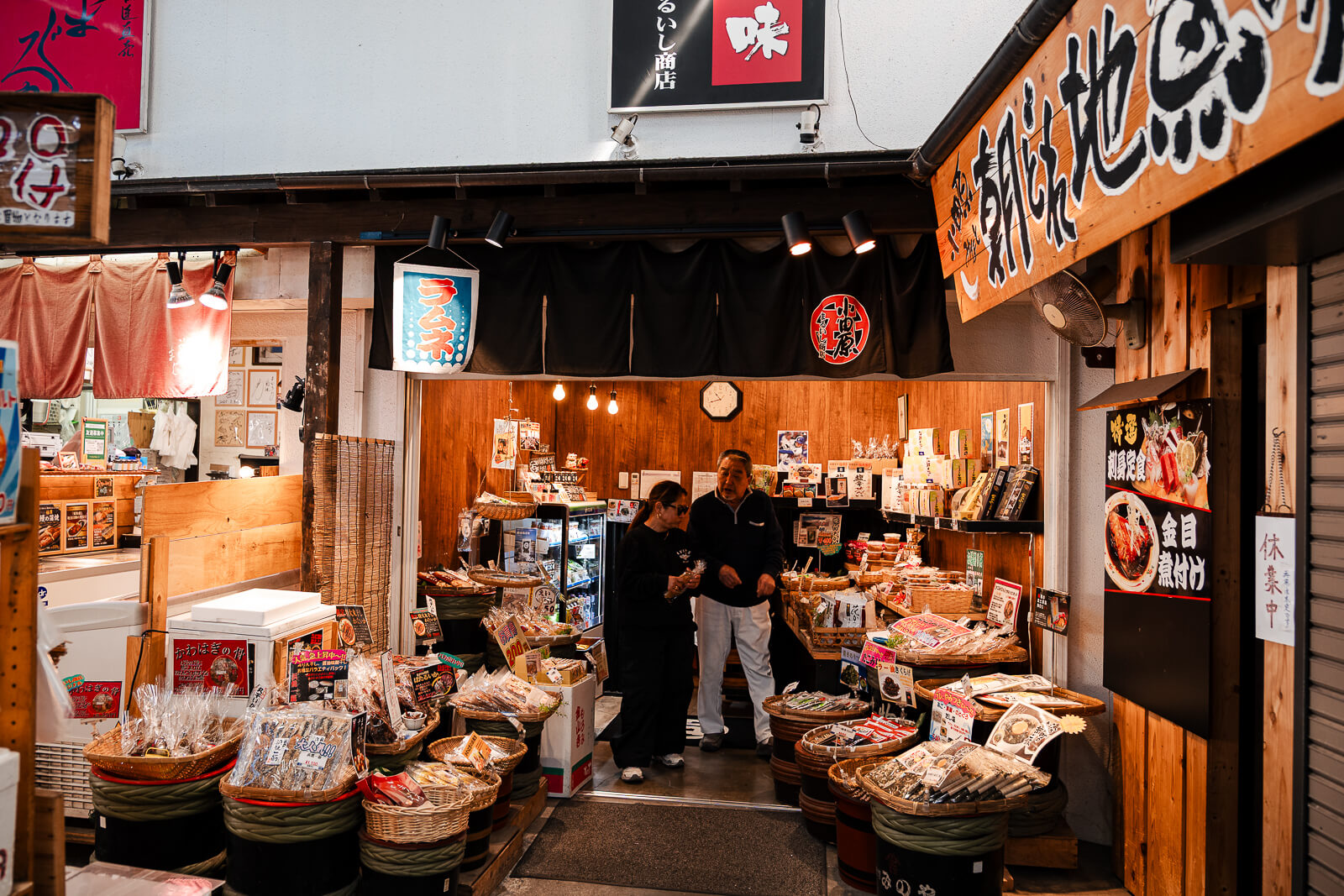
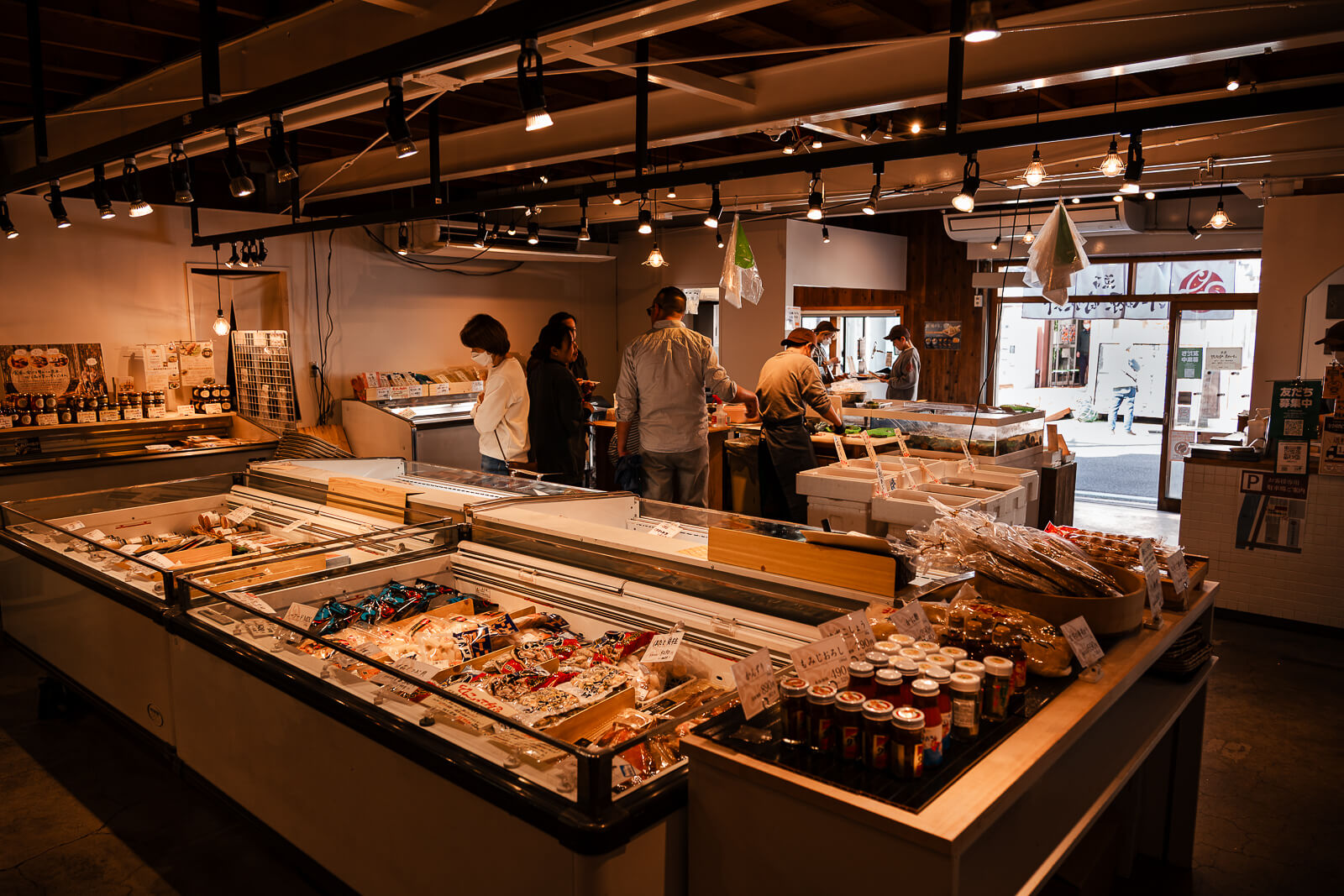
The shift becomes immediate as the streets narrow and the buildings pull closer together. The area tightens into a cluster where restaurants and small shops sit side by side, concentrating activity into a smaller footprint. This is where most visitors pause, especially those moving outward from the castle or station.
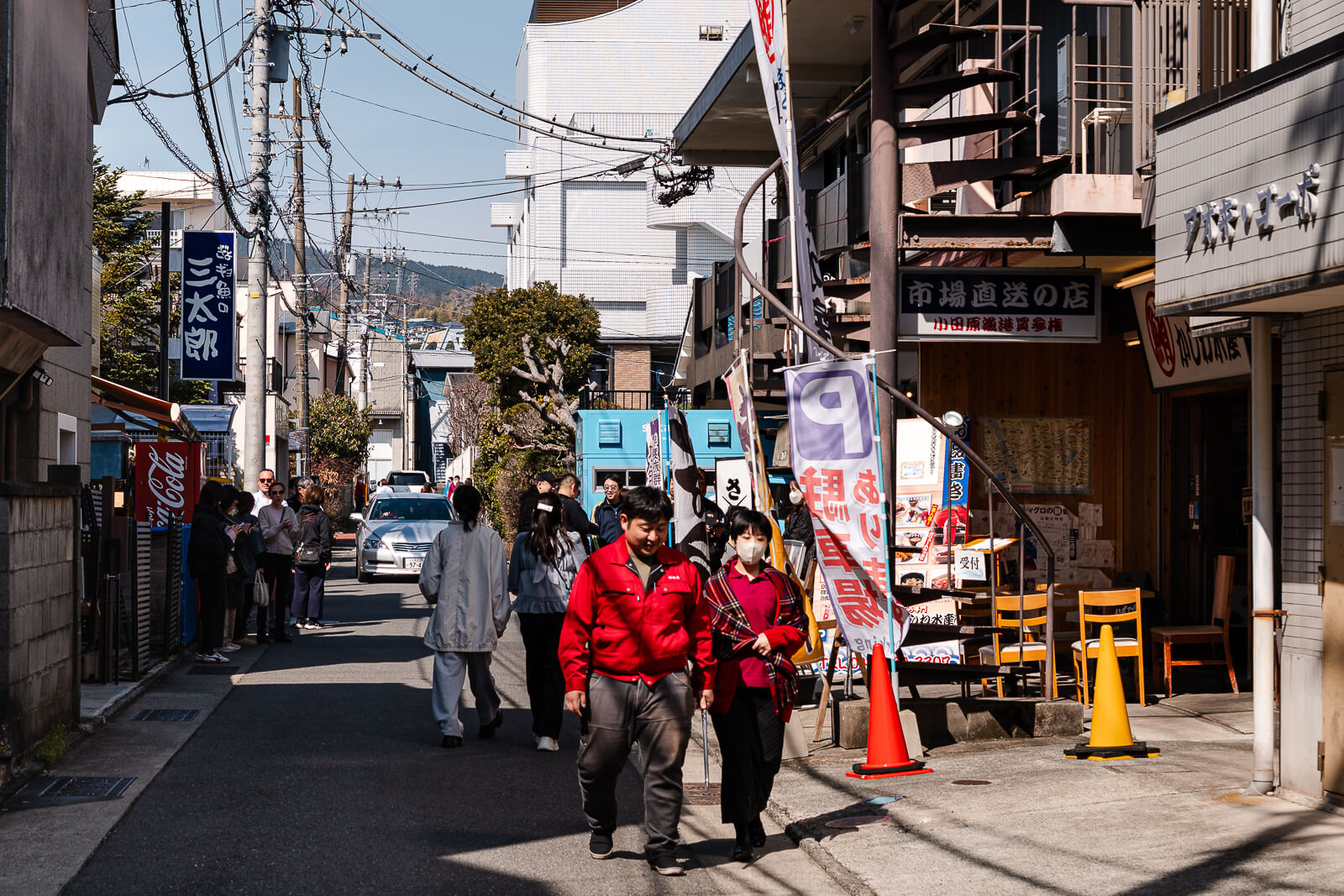
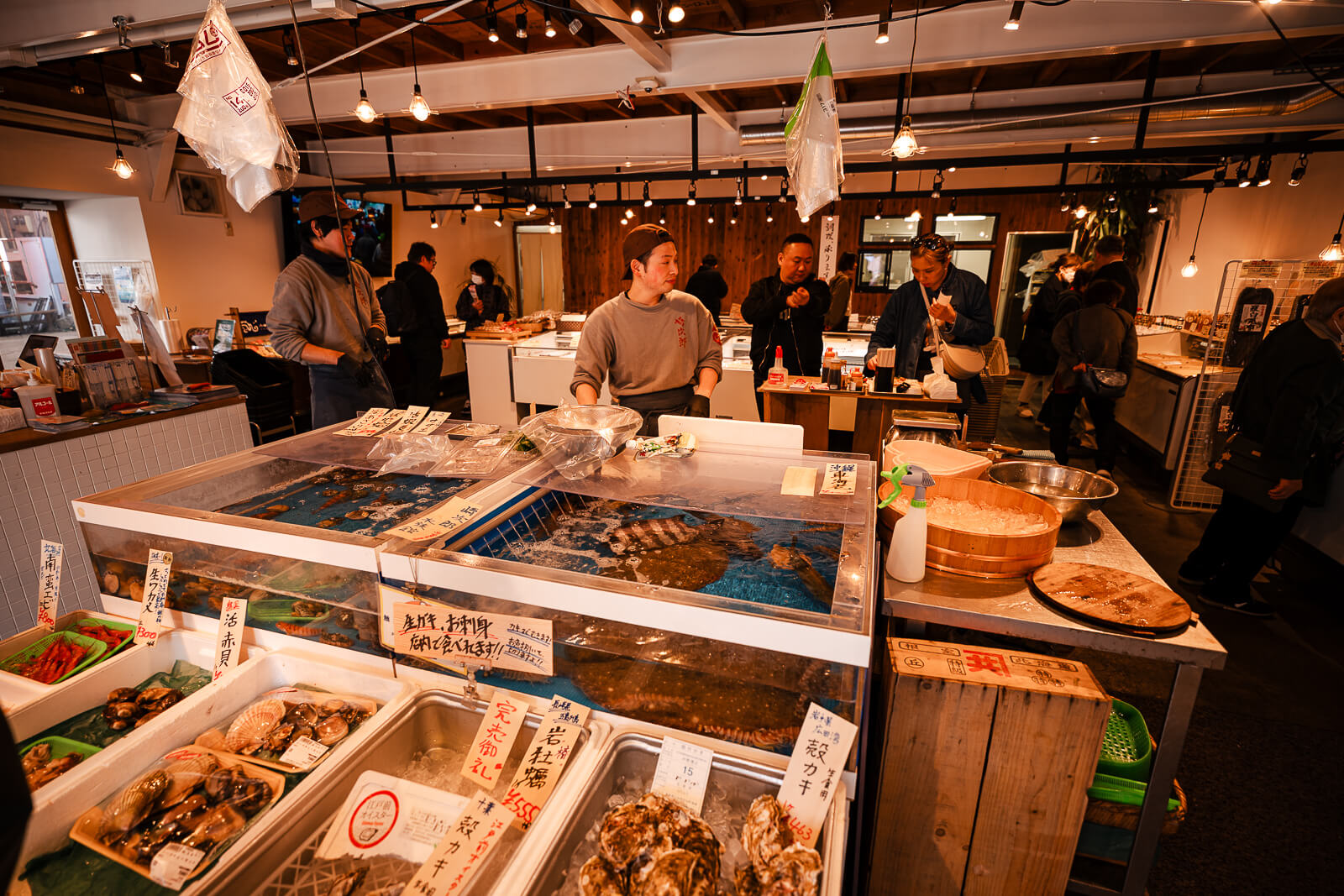
At places like Ryoshi-meshi Shokudo and Seafood Grill Aburiya, displays often communicate more than menus. What is available reflects what has come in, and the turnover in front of each storefront signals where people are committing. The experience is shaped by availability rather than choice.
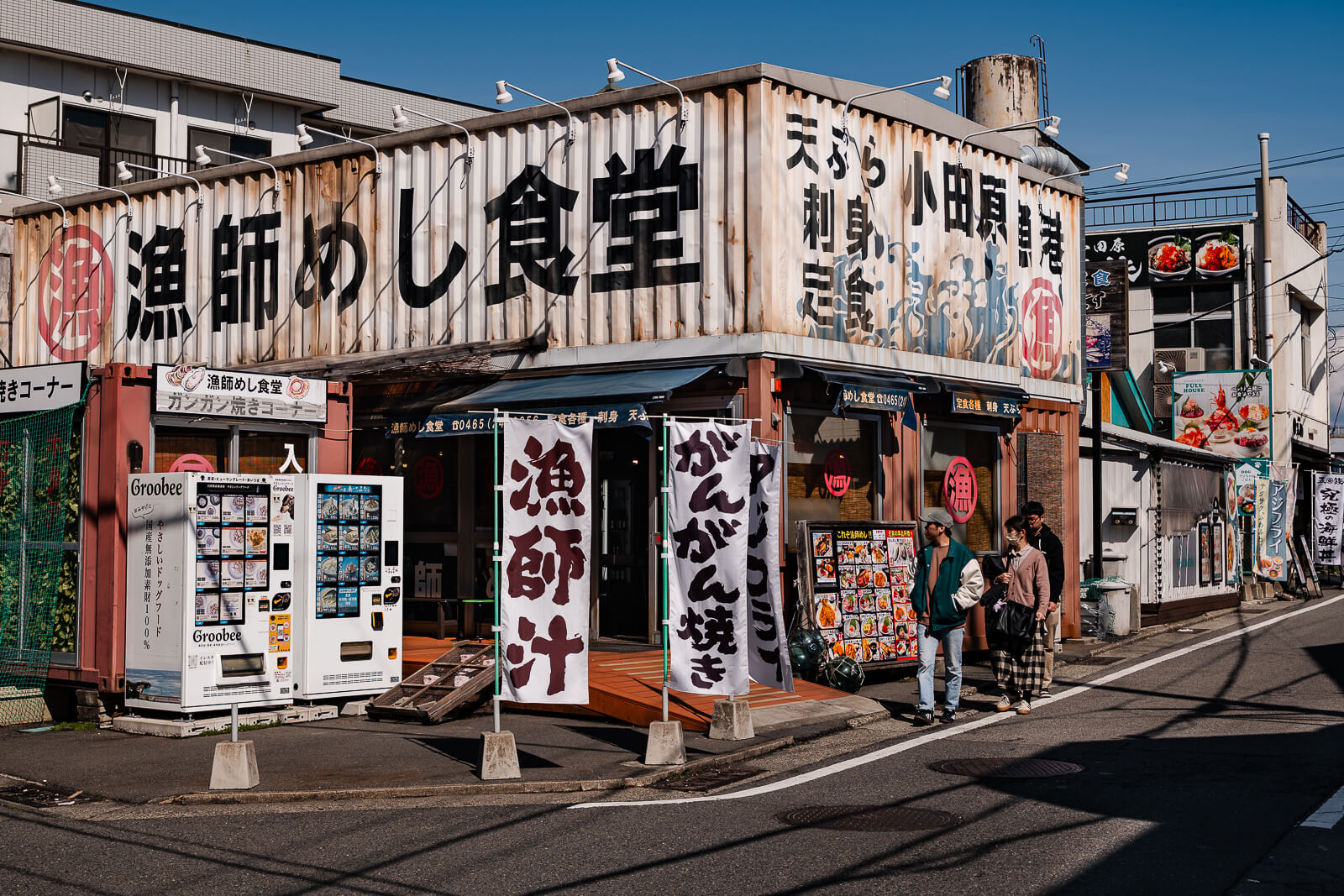
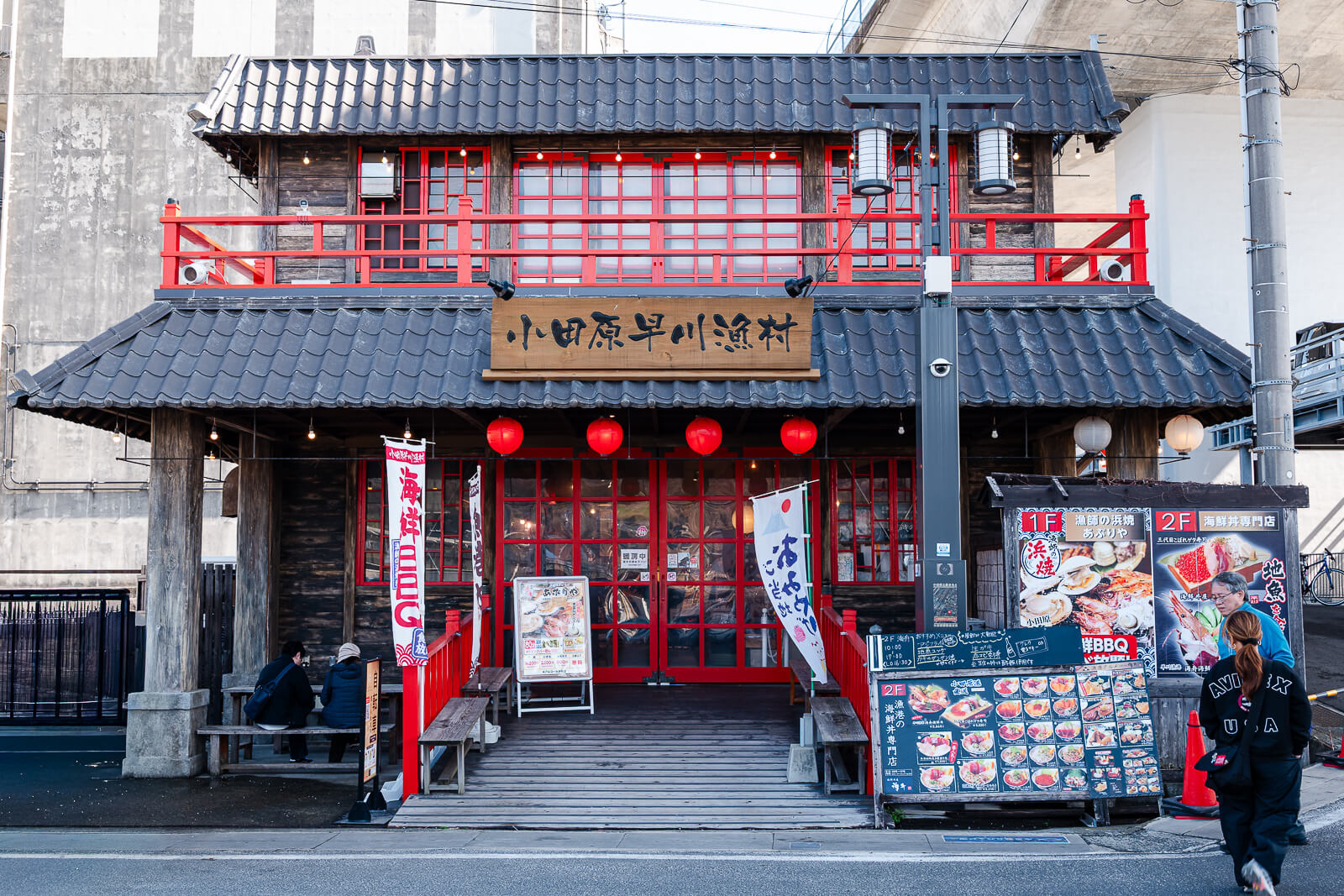
Around lunchtime, this section becomes the main point of friction. Movement slows as people commit to lines, and hesitation can mean losing position at the more popular places. Sign-up sheets near entrances often determine order, and noticing them early reduces how long the stop takes.
Reaching the Open Harbor
Beyond the compressed food streets, the space opens again toward Sagami Bay. The harbor edge introduces distance, with longer sightlines and fewer visual barriers between you and the water. The shift from compression to openness changes how the area is experienced.
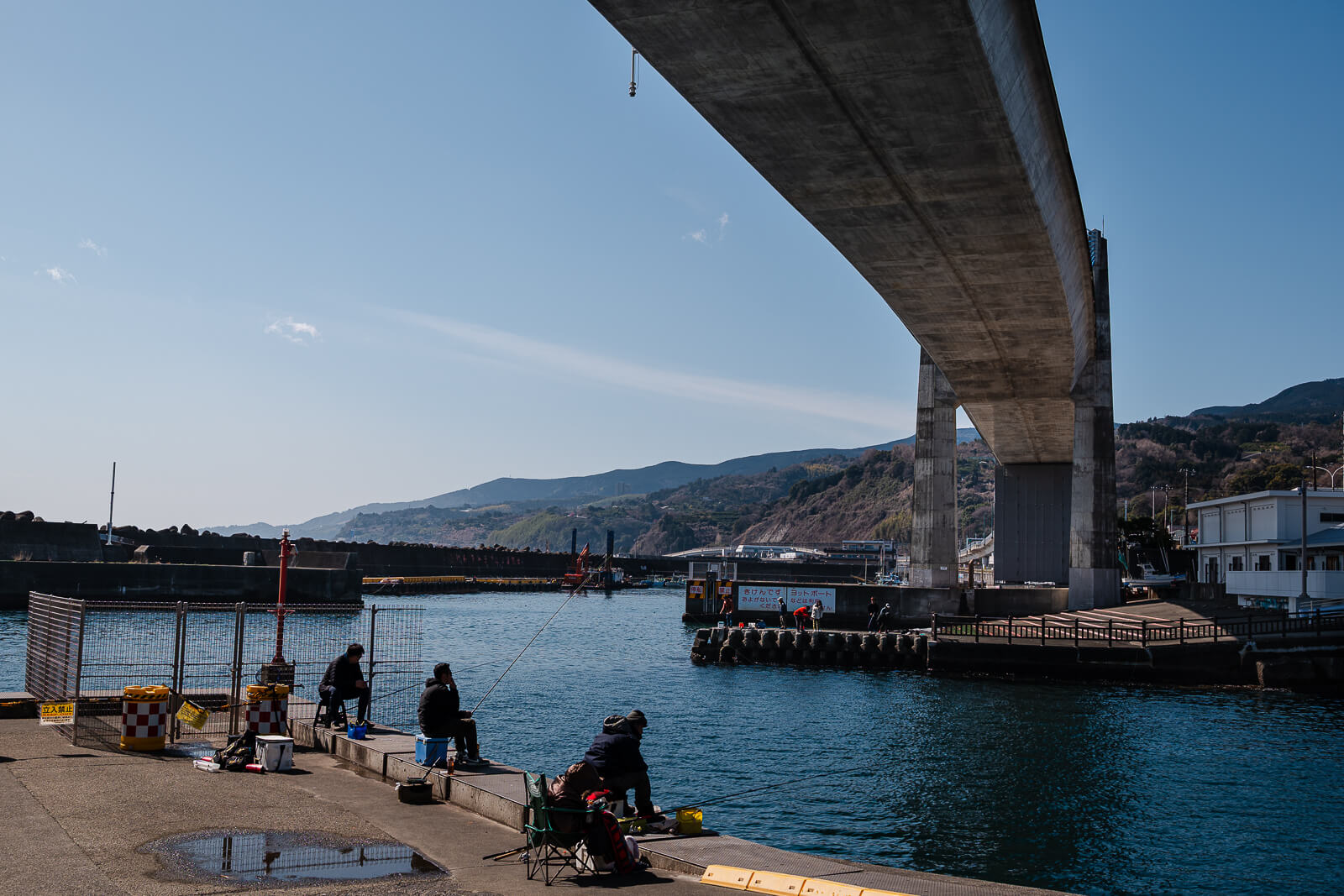
From this edge, boats sit just off the breakwater, and the coastline extends west toward smaller fishing areas and stops like TOTOCO Odawara, where harbor-facing views continue. Looking back inland, the city gives way to rising terrain that eventually leads toward routes connecting into Hakone. The layout reflects ongoing use rather than interpretation.
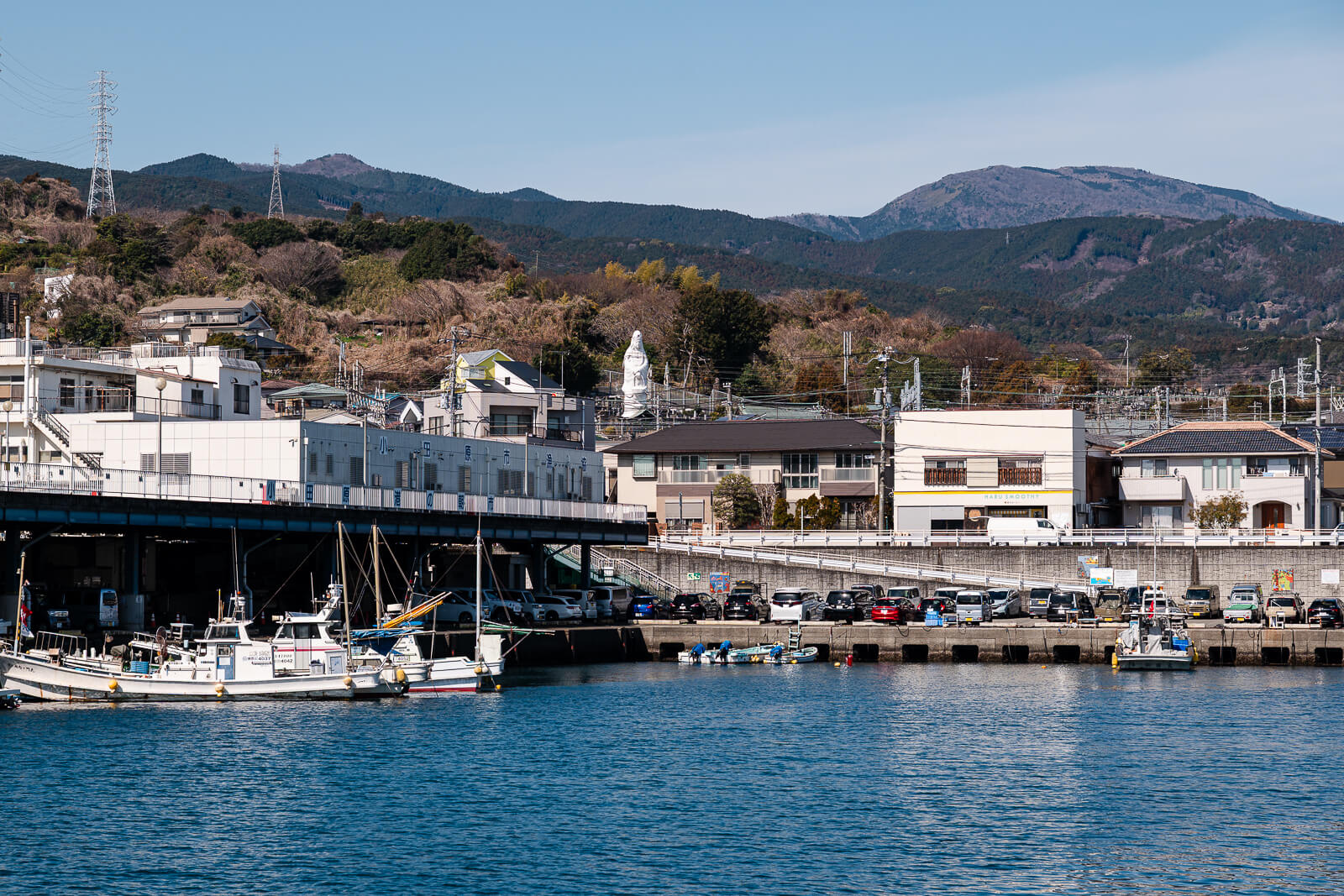
At this point, movement naturally slows without needing direction. With fewer decisions to make, attention shifts outward toward the harbor itself. The visit resolves through understanding how the space works rather than through a defined endpoint.
Why This Area Feels Different From Central Odawara
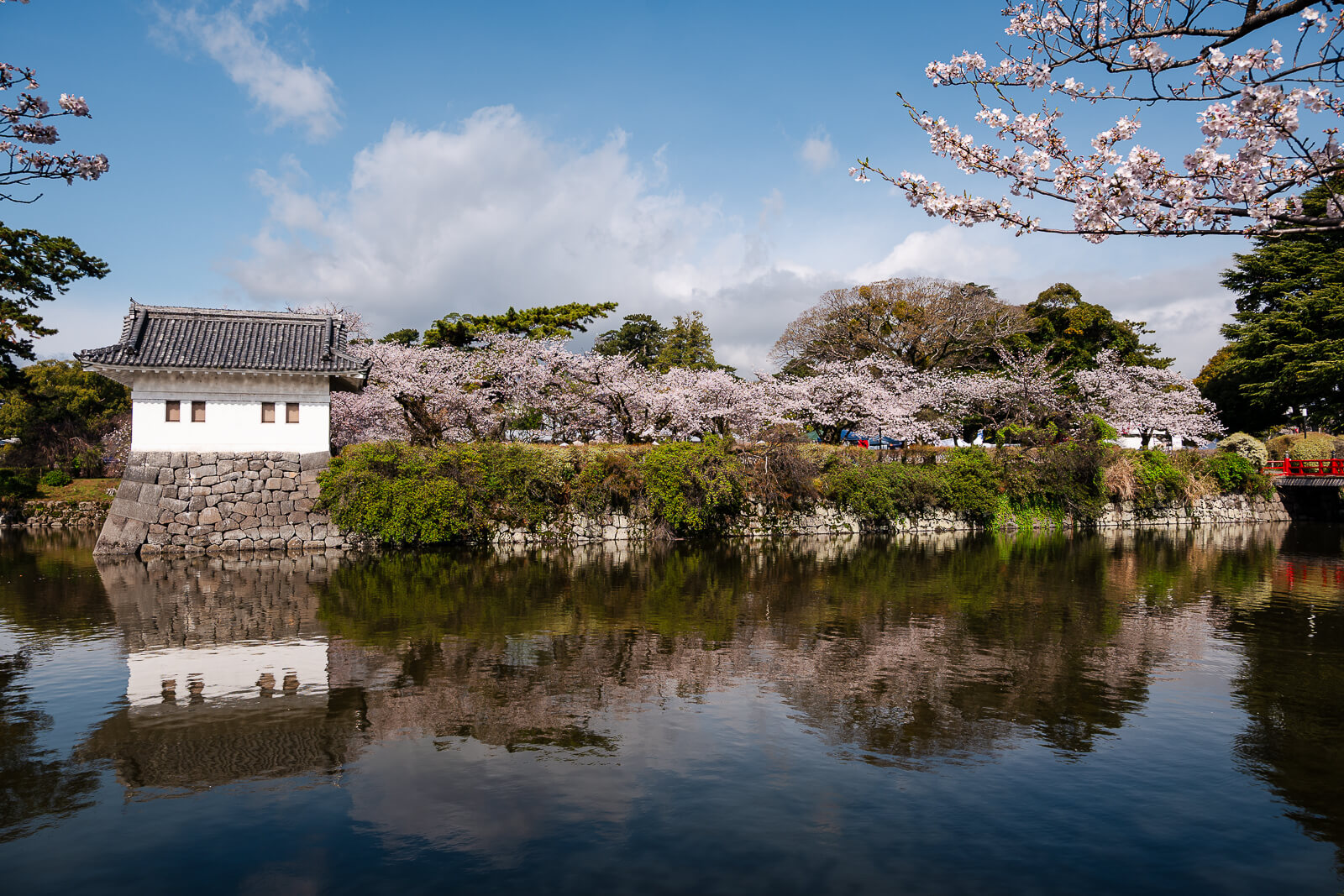
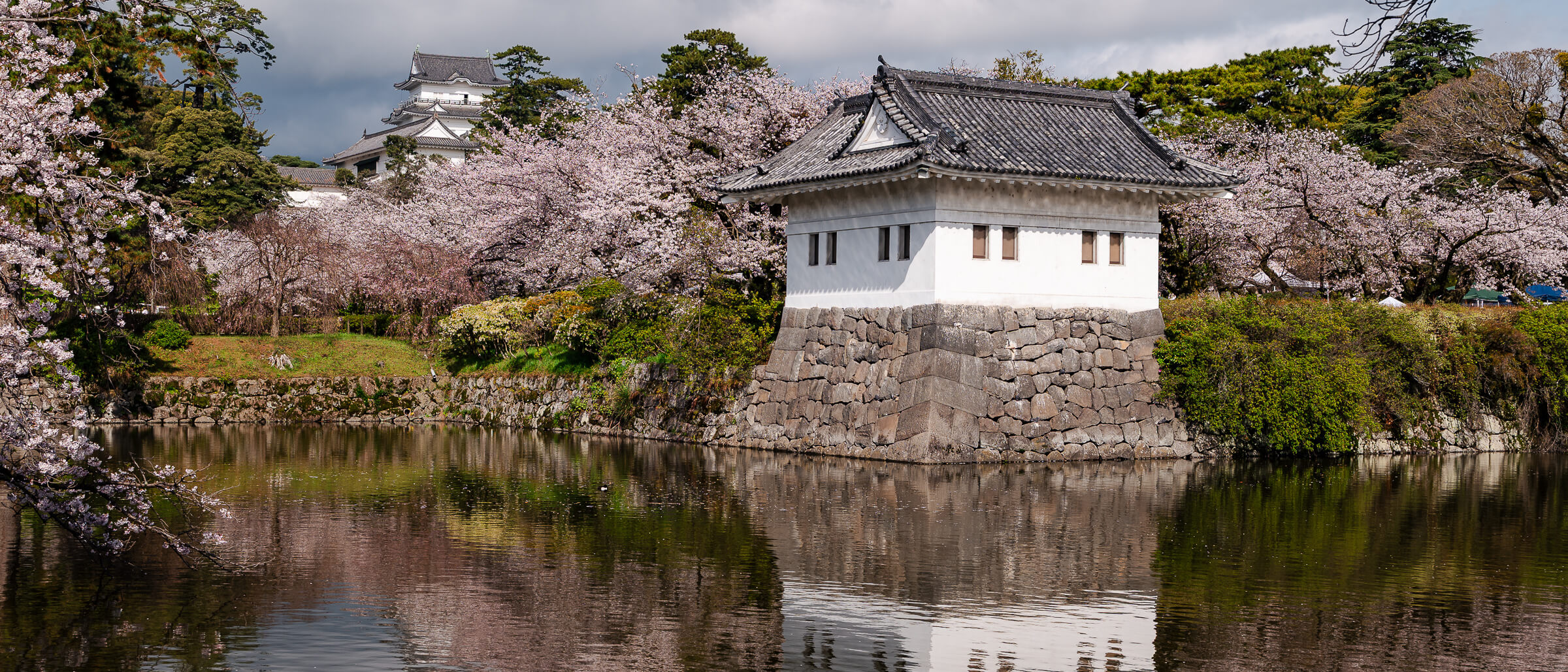
Central Odawara, particularly around Odawara Castle, follows a structured layout where movement is guided and expectations are clear. Paths connect in predictable ways, and each section builds toward a defined experience. That structure removes uncertainty, but it also defines how the visit unfolds.
Hayakawa operates without that framework. There is no central point organizing the experience, and no sequence that needs to be completed. The area functions independently of visitors, which changes how it is experienced.
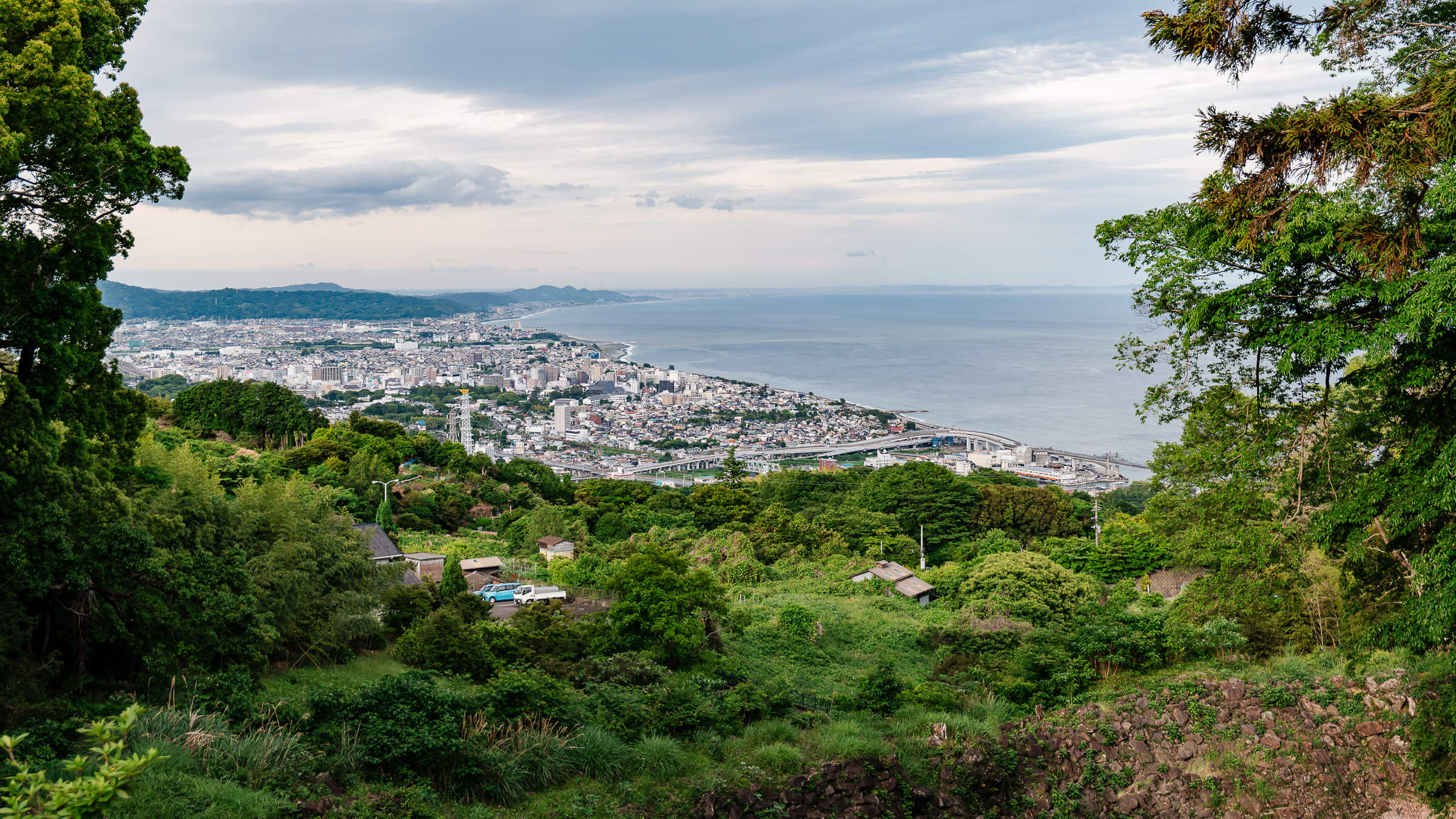
That difference becomes more noticeable after time spent at the castle or elevated viewpoints like Ishigakiyama Castle Ruins. The shift is not about scale, but about how space is used and how movement is shaped. It expands the range of what Odawara offers without requiring additional effort.
What Brings People Here in the First Place
Hayakawa is rarely the starting point of a visit. It becomes part of the day as movement extends outward from Odawara Station toward the coast. That position makes it easy to include after visiting the castle or before continuing toward surrounding areas.
The primary draw is the direct connection between the harbor and what is being served. The proximity removes layers between source and experience, making the exchange more visible and immediate. That clarity is what most visitors respond to.
For travelers focused on inland routes toward Hakone, this stop may not fit naturally into the route. For those continuing along the coastline toward Atami, it becomes a natural extension. That distinction helps clarify when it makes sense to include.
Choosing a Place to Eat Without Overthinking It
The concentration of restaurants within a small area removes the need for advance planning. What matters more is how the area behaves at the time of arrival. Movement in and out of storefronts and visible queues signal where decisions are being made.
Around midday, competition for seating becomes the main constraint. Waiting is common, especially at the more established spots, and short windows open as groups cycle through. Sign-up sheets placed near entrances often determine order, and noticing them early helps avoid unnecessary delays.
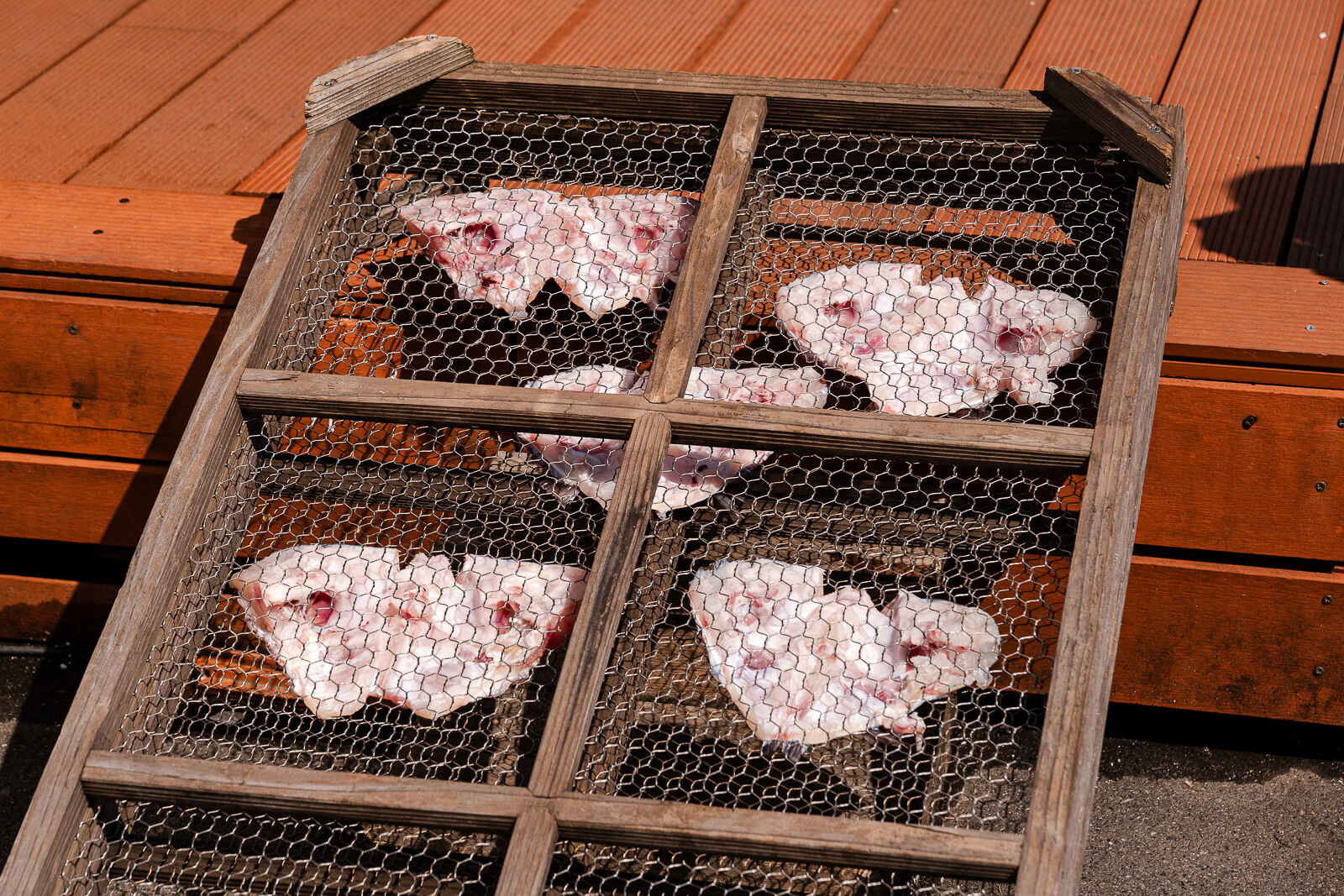
The experience is shaped less by finding a specific place and more by responding to what is available. Decisions happen quickly, and committing early tends to reduce overall wait time. That rhythm is consistent across the entire cluster.
Where This Fits Around Odawara
From Odawara Station, most visits begin at Odawara Castle before extending outward. Hayakawa sits just beyond that core, forming a natural continuation toward the coastline rather than a separate destination. The transition from castle to port happens quickly, but the shift in environment is clear.
This coastal stretch connects with stops like TOTOCO Odawara and continues toward smaller harbor areas further west, while inland routes rise toward Hakone. From higher ground at Ishigakiyama Castle Ruins, the same coastline can be seen stretching between harbor and mountains, tying the area together visually.
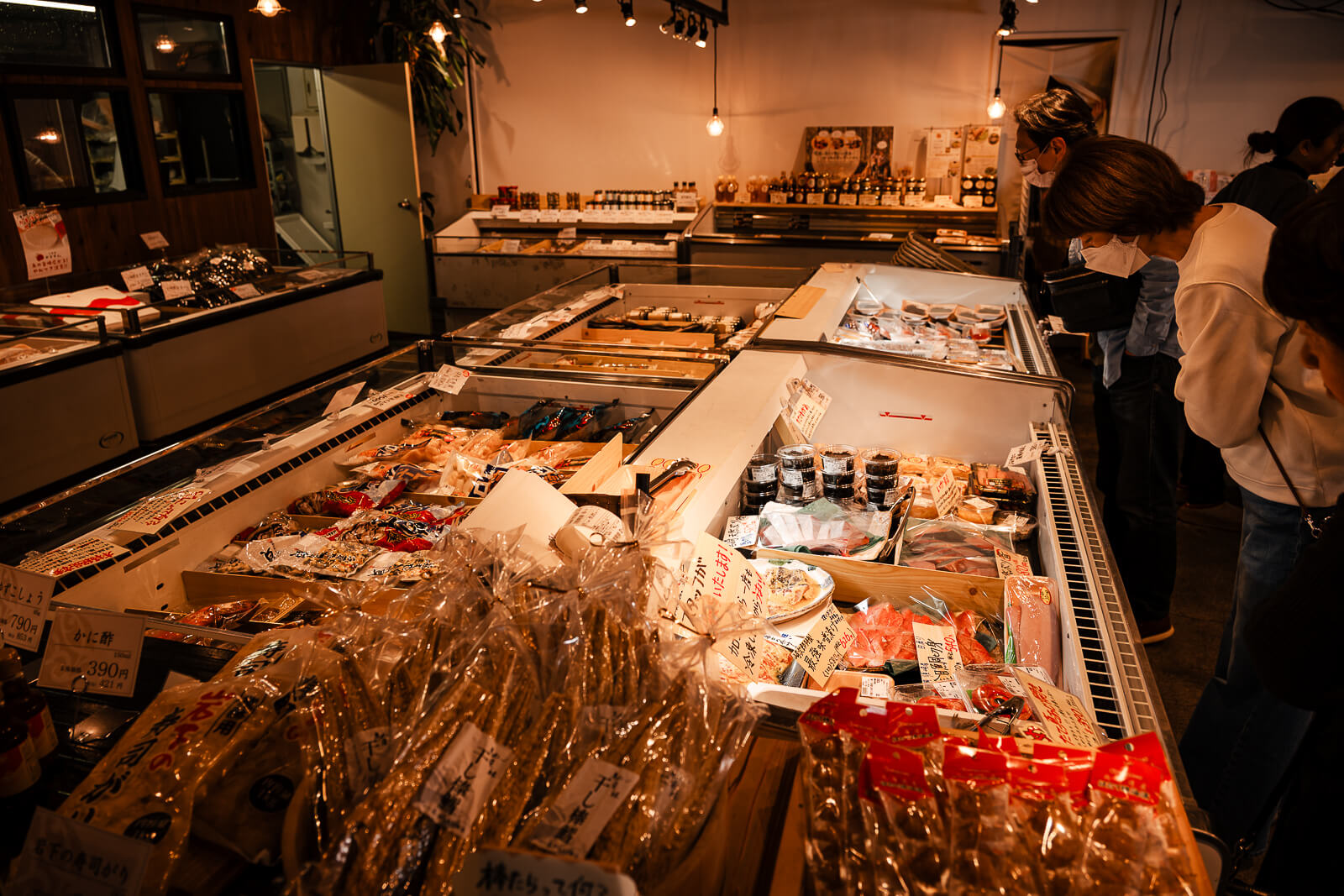
Because of that positioning, Hayakawa works best as a connector rather than a destination to plan around. It links structured sightseeing with open coastal movement and the transition toward mountain routes. That role is what gives it lasting value within the Odawara cluster.
Getting There
Hayakawa Station on the JR Tokaido Line sits one stop from Odawara Station, with a short ride that requires little coordination. The transition from train to port happens quickly, and the surrounding streets shift noticeably within minutes of arrival. The area is close enough to feel immediate without needing navigation adjustments.
From Odawara Castle, returning to the station and continuing by train is the most direct approach. Walking is possible, but the additional distance does not significantly change the experience. The train maintains a clean transition between the two areas.
Once outside the station, movement toward the river leads naturally into the port area. The sequence—station, river, food streets, harbor—unfolds without needing direction. That clarity reduces friction at every stage of arrival.
Hours and Access
The port area remains open as part of an active working harbor, with no defined entry points or restricted access for general movement. This allows the visit to happen at any time, though the experience changes depending on activity levels. The space continues to operate regardless of visitor presence.
Restaurants and shops follow their own schedules, with most activity centered between late morning and early afternoon. Outside of that window, options become limited as kitchens close and foot traffic decreases. The difference is noticeable rather than subtle.
Arriving during peak hours increases access to food but also introduces waiting and competition for seating. Earlier or later arrivals reduce friction but limit availability. The trade-off is clear and consistent, allowing the visit to be adjusted based on priority.