A Historic Bathhouse Along the Lakefront
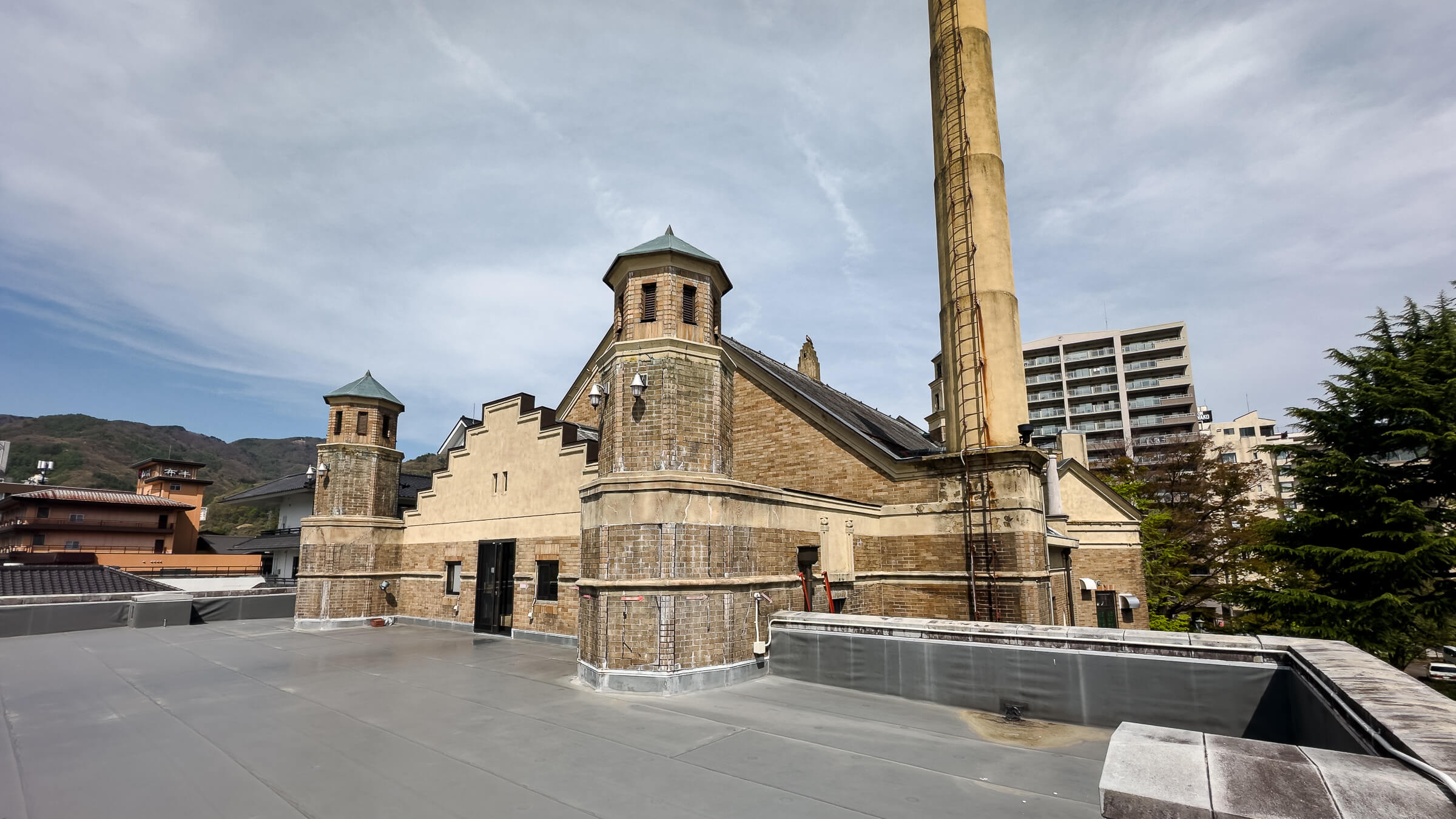
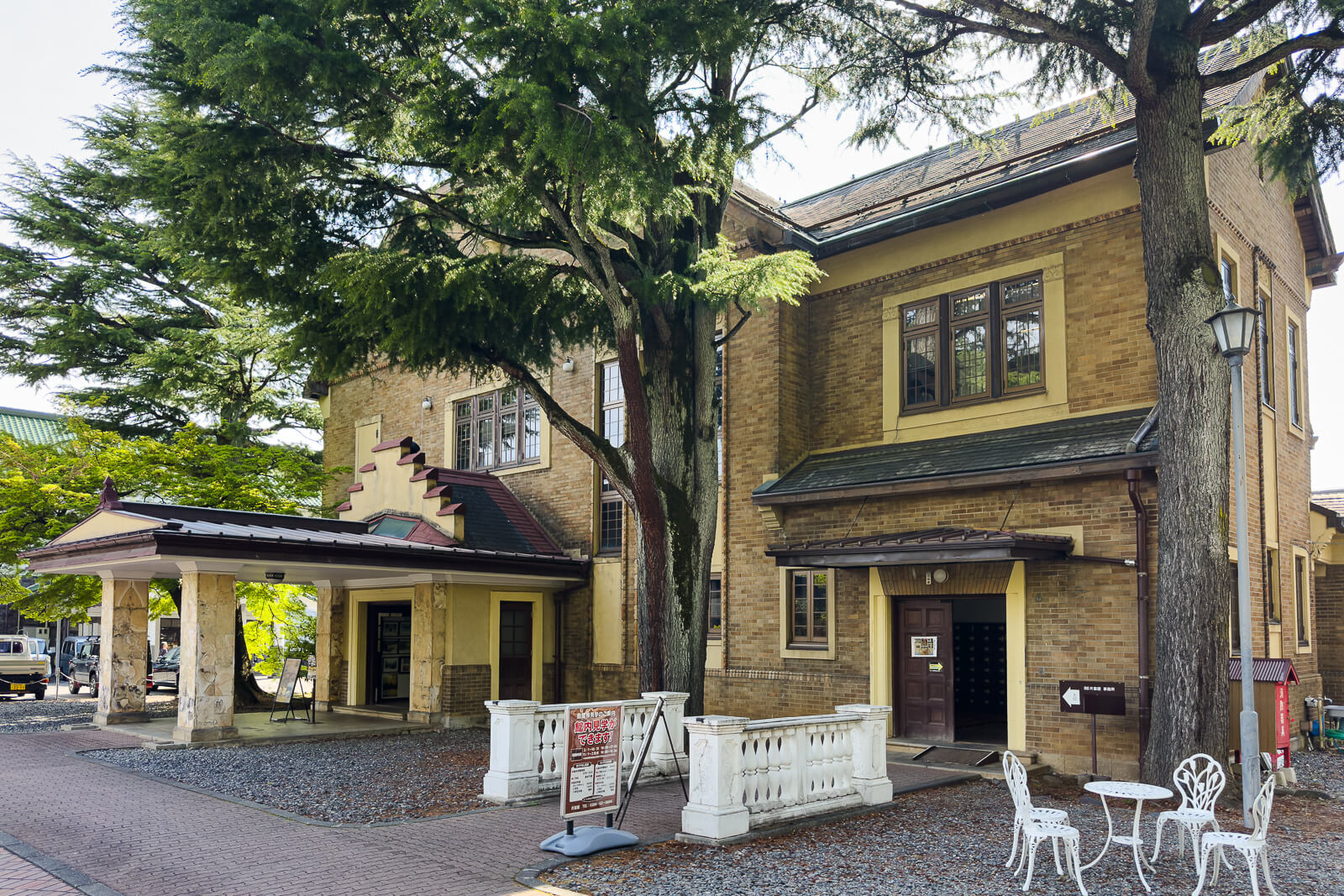
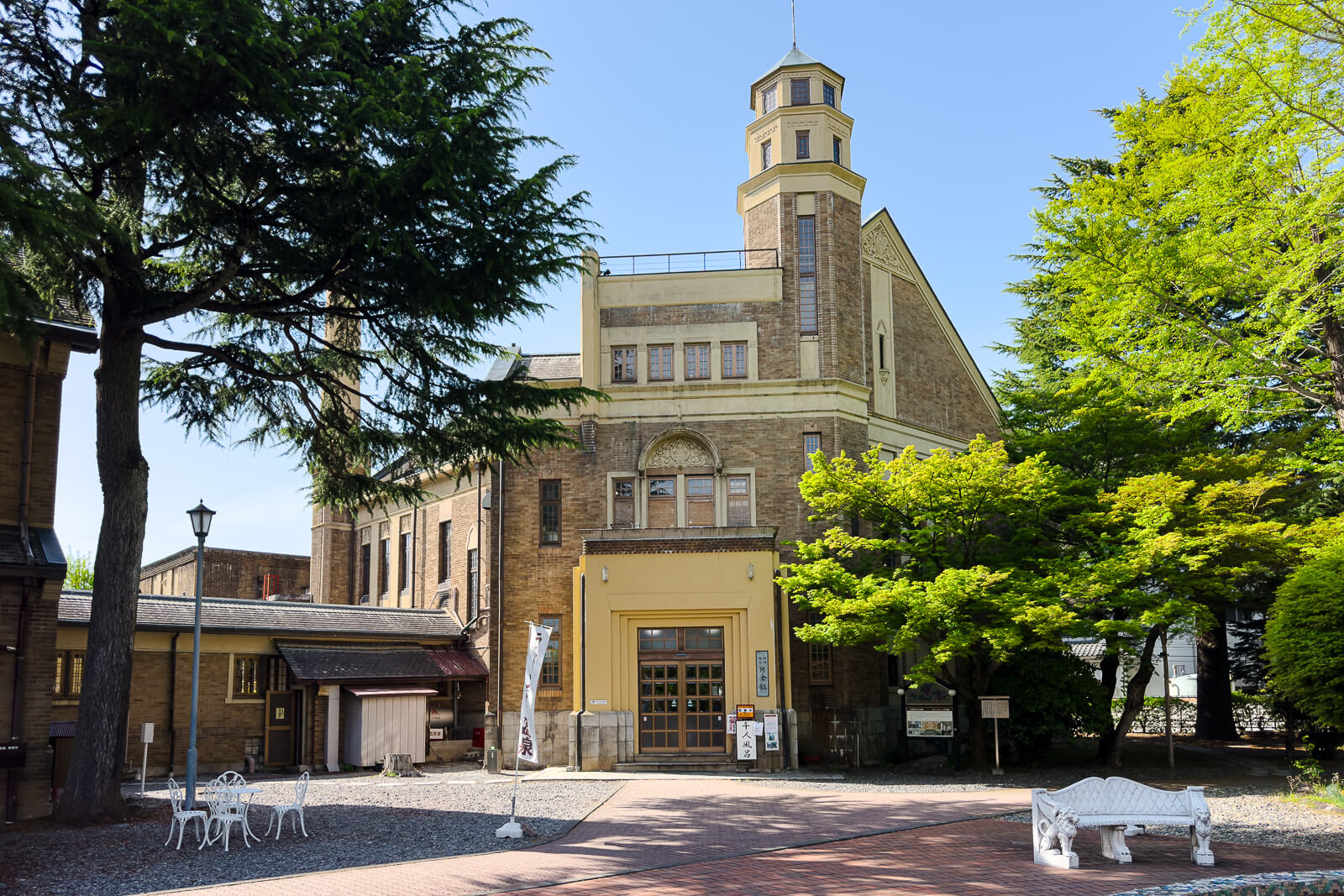
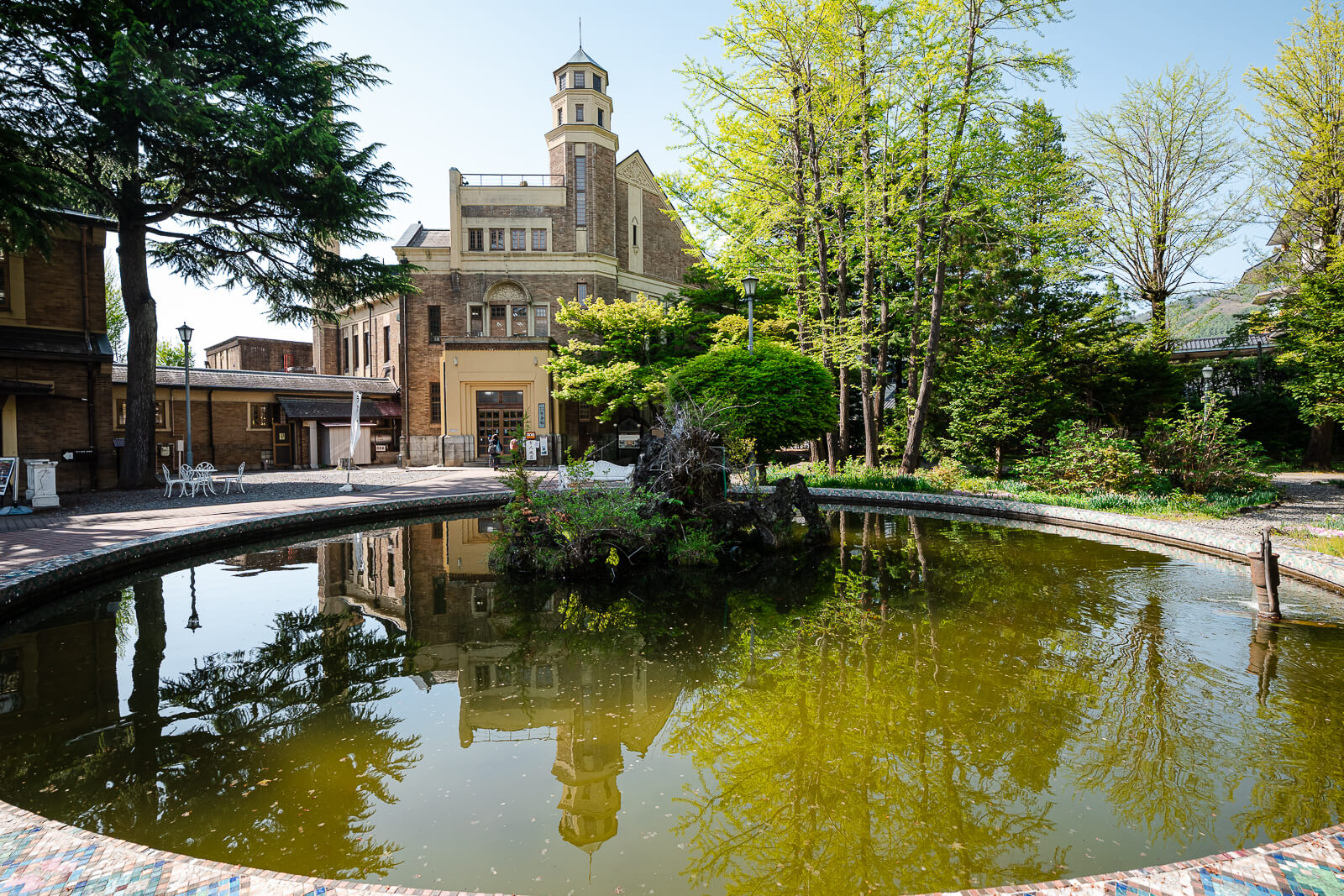
Katakurakan stands along the eastern shoreline of Lake Suwa in Suwa City, within the older lakeside district of Kamisuwa Onsen near JR Kamisuwa Station. The building is a historic public bathhouse with a stone exterior, tall windows, and a broad structure that separates it from the smaller inns and bath facilities around the waterfront. Its position beside the lake ties the bathhouse directly to the shoreline district.
Most visits take between 45 minutes and 90 minutes, depending on whether the stop stays focused on the bath or extends into the upper floors and rooftop areas. Effort level is low, access is straightforward, and the surrounding waterfront can extend the visit beyond the building. Katakurakan works best as a compact public bath stop, a post-walk break after time along the lake, or a practical anchor while exploring Kamisuwa. For the full lakeside planning context, the Lake Suwa Guide explains how Kamisuwa, nearby museums, waterfront parks, hotels, and viewpoints fit together.
The main draw is the deep communal bath, but the building itself shapes much of the experience. The exterior suggests an older civic building before the bath area comes into view, and the upper floors add more than a place to sit after soaking. By the time the rooftop opens toward the lake, Katakurakan feels less like a single bath and more like one piece of the Kamisuwa waterfront.
Why a Building Like This Still Stands Beside the Lake
Katakurakan opened in 1928 during the rapid expansion of the silk industry around Lake Suwa. The Katakura family, whose manufacturing operations became one of the major economic forces in the basin, established the bathhouse as part of a welfare initiative connected to workers and community life in the growing lakeside town. That industrial background helps explain why the building carries more weight than a typical day-use bathhouse.
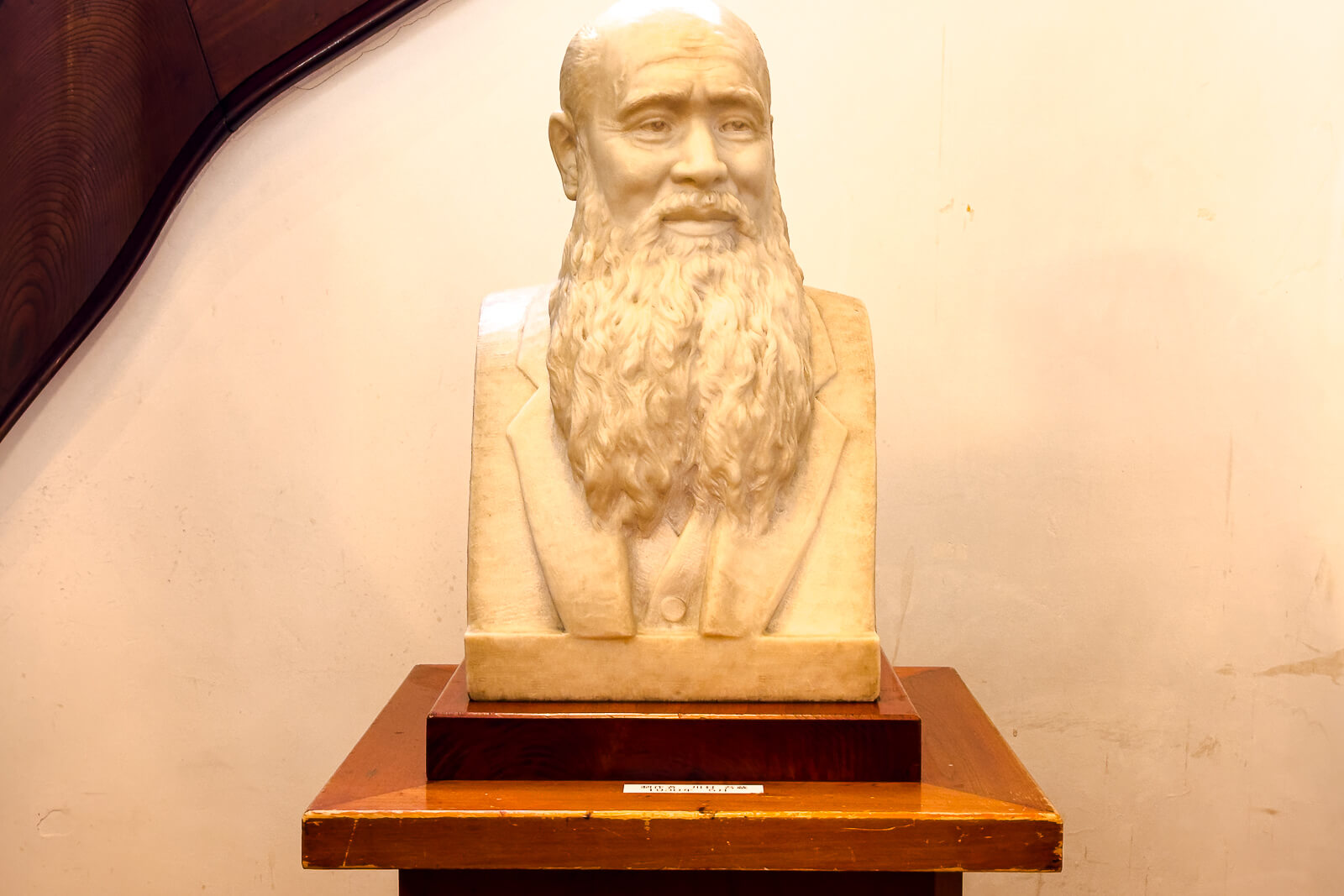
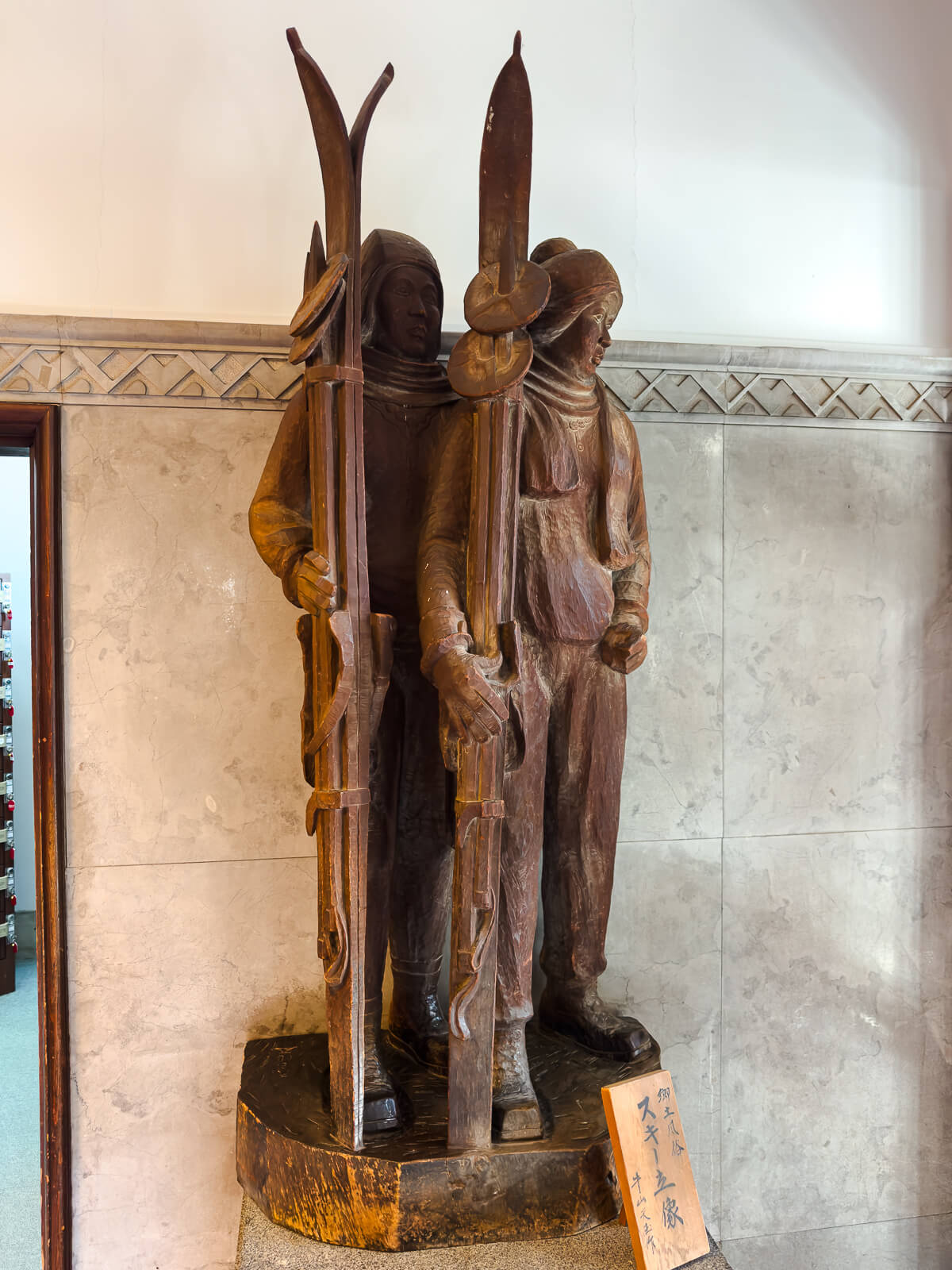
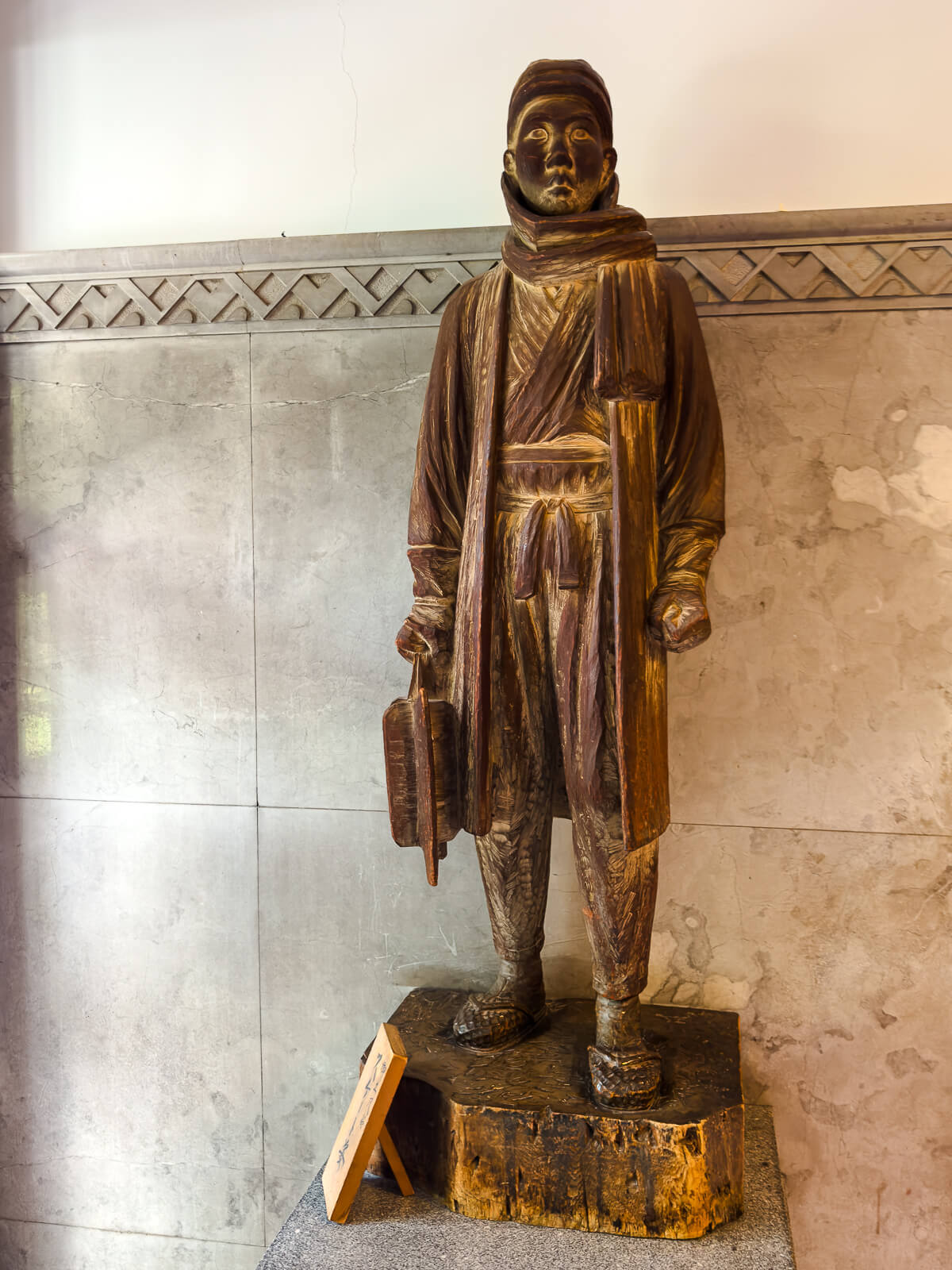
The oversized communal bath, high ceilings, stone construction, and large gathering spaces reflect a period when public buildings carried civic importance, not just practical use. The scale suggests a facility intended to serve large numbers of people moving through the lakeside district each day. The building still holds that public character, even as the surrounding area has shifted toward tourism, hotels, and lakefront walking.
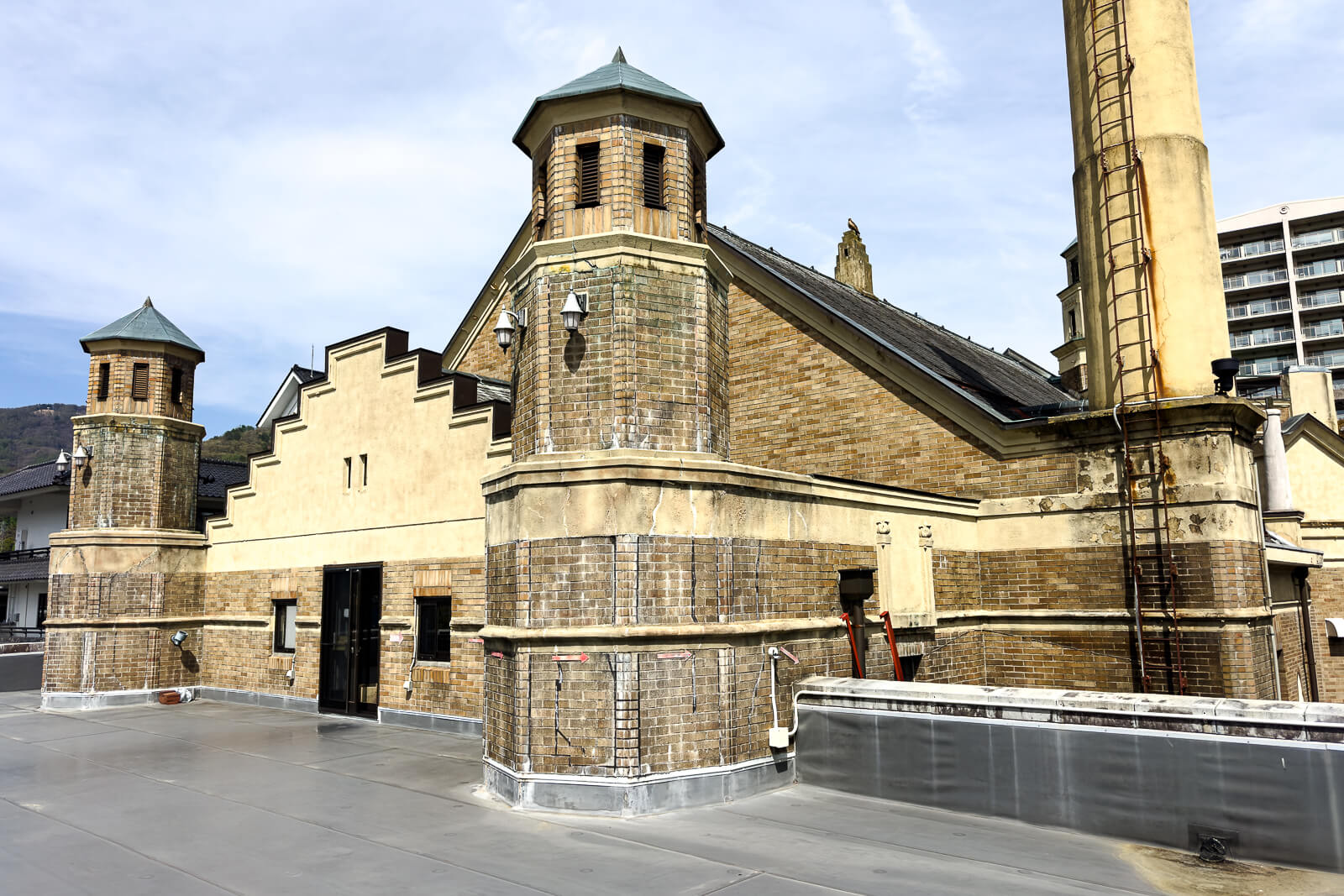
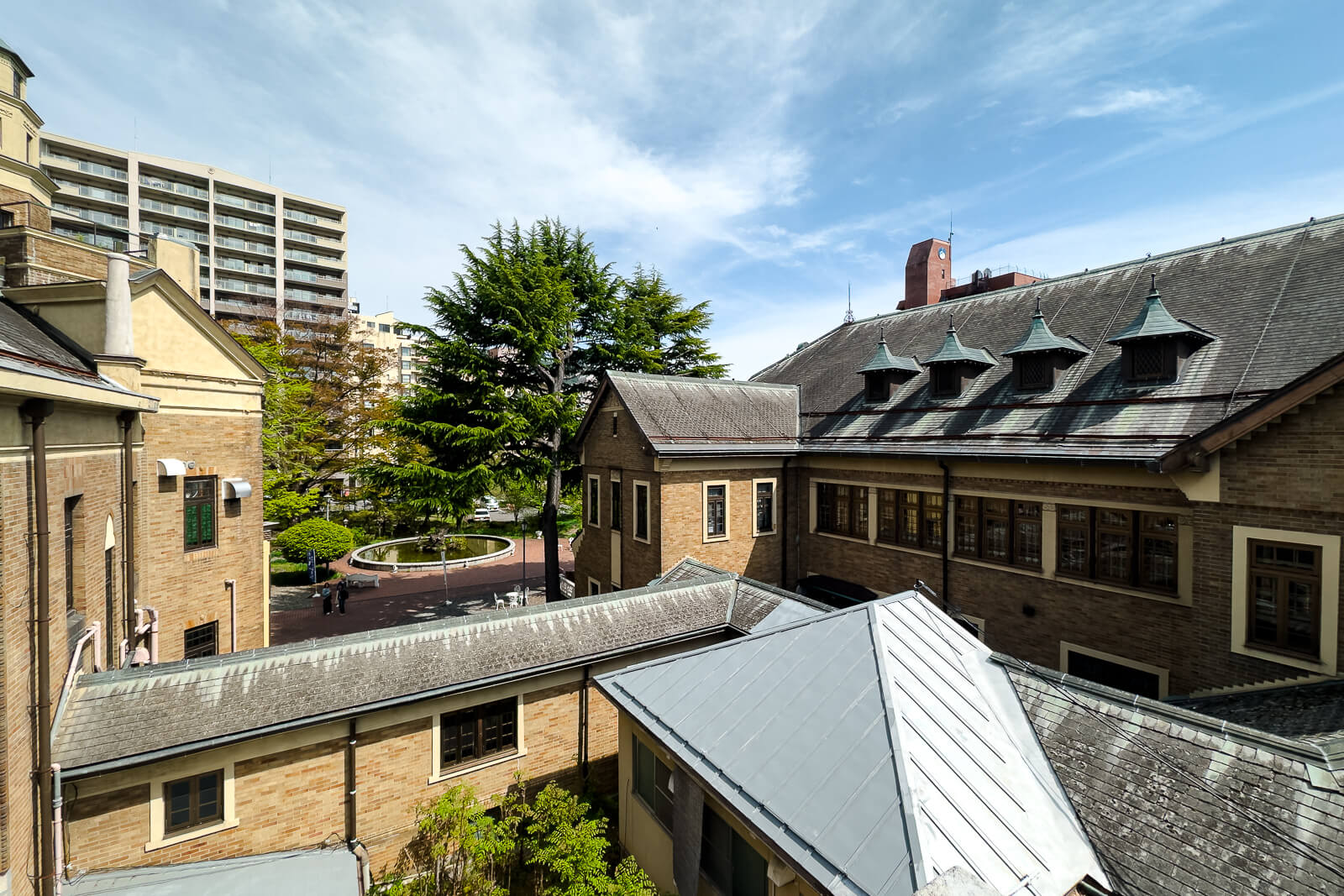
The shoreline also mattered. Positioned close to transportation routes, the waterfront, and the center of town, Katakurakan became part of ordinary movement around the basin. Outside the building, the relationship between the bathhouse, waterfront roads, and older Kamisuwa Onsen district remains clear.
Inside the Bathhouse, the Scale Becomes Clear
Beyond the entrance, the lakefront gives way to an interior where much of the older architectural character remains visible. The building does not feel heavily modernized, and the experience builds through room scale, floor changes, and preserved details. The bathhouse keeps the feel of a working public facility with historic weight, not a polished resort lounge.
The main bath area occupies the ground floor and centers around the large “Sennin-buro,” often translated as the thousand-person bath. The bath reaches roughly 1.1 meters in depth, creating a more immersive standing bath experience than the shallower pools common at many newer facilities. The water sits higher against the body, changing how balance and movement work inside the bath.
Dark stones line the floor beneath the water. Movement across the surface changes the pressure beneath the feet, while the uneven texture gives the bath a heavier physical character than smoother modern bathing facilities. This is one of Katakurakan’s most memorable details because it changes the experience through the body, not through decoration.
Standing in the Thousand-Person Bath
The Sennin-buro gives Katakurakan a different rhythm from many public baths in Japan. The depth encourages standing and measured movement across the bath floor, with the dark stones pressing into the feet beneath the water. The body sits lower into the space, and the room appears larger because the bath holds more vertical depth than expected.
The stone floor also makes the bath more tactile. It works almost like a built-in foot massage during short movements across the water, especially after walking the lakeside or moving between nearby sights around Kamisuwa. For travelers comparing this with a modern hotel bath or polished day-use onsen, this is the detail that makes Katakurakan easier to remember.
The bath does not rely on elaborate scenery or decorative features to stand out. Its difference comes from depth, scale, stone, and the age of the room around it. That physical combination gives the bathhouse a clear identity within the wider Kamisuwa Onsen area.
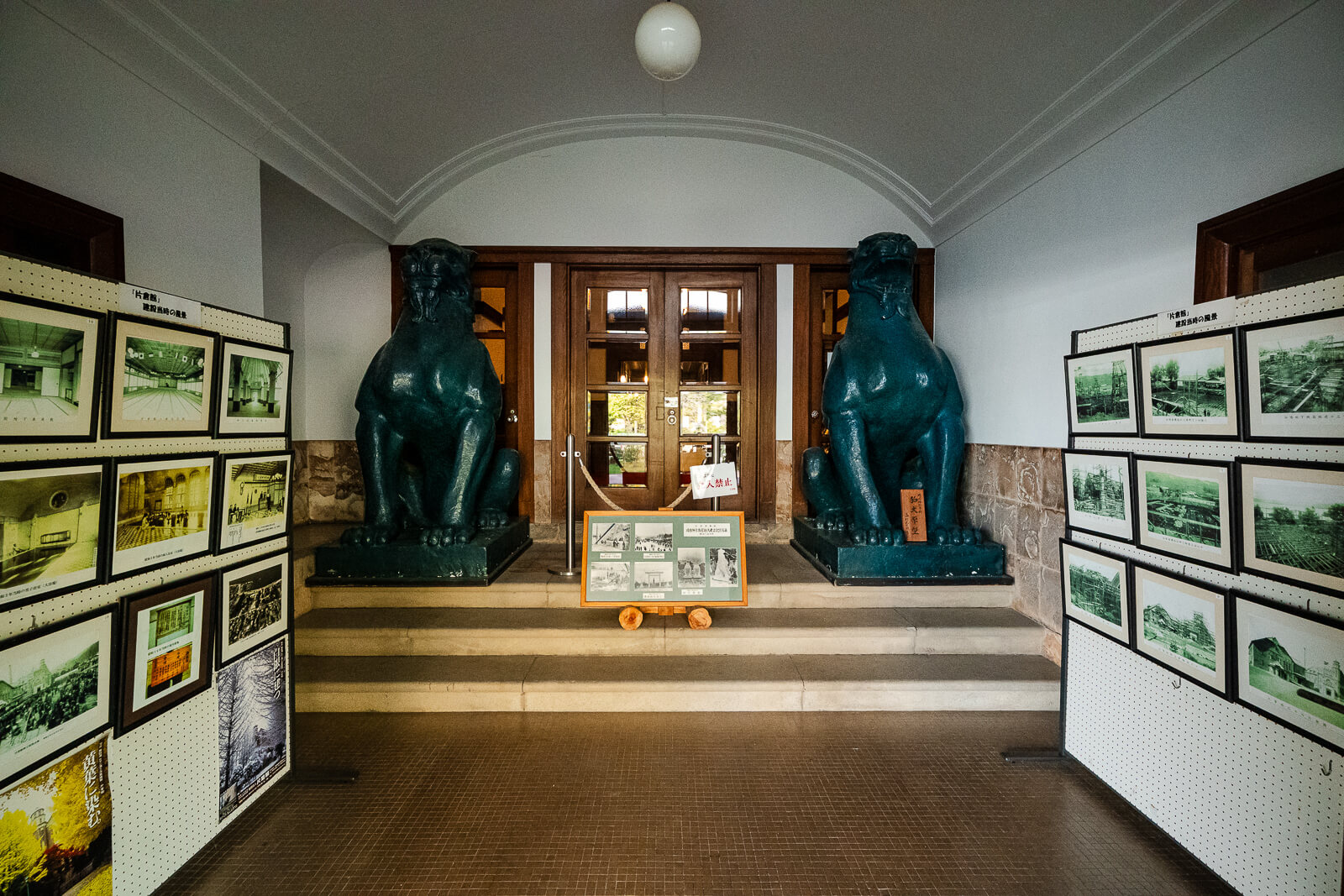
Resting Upstairs and Looking Back Over the Lake
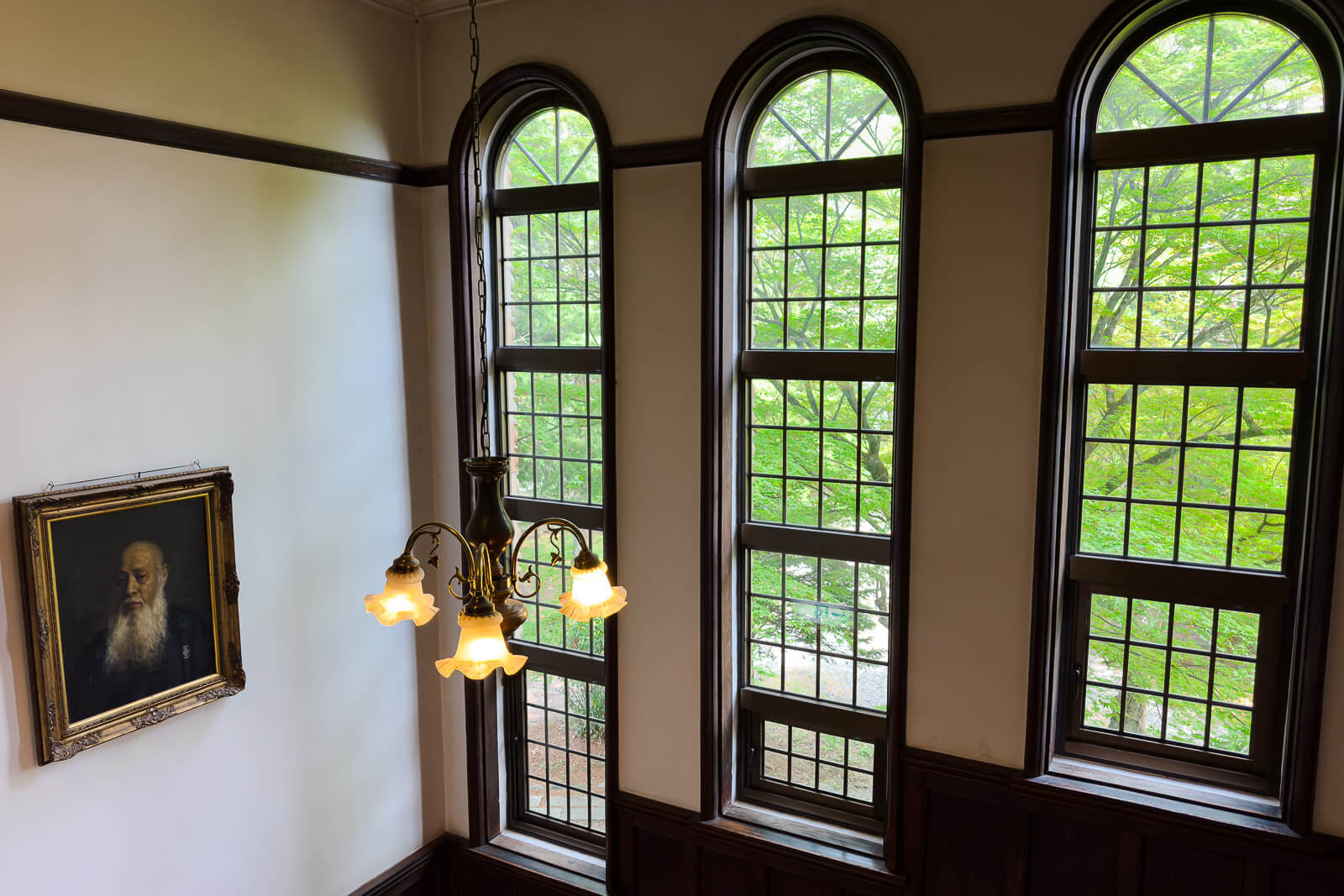
The upper floors continue the older public bathhouse character. A simple rest hall and dining area provide space to sit after bathing, and a small menu centered around uncomplicated meals like ramen extends the visit without turning the building into a polished lounge. The space is functional, which fits the building better than a more heavily styled relaxation area would.
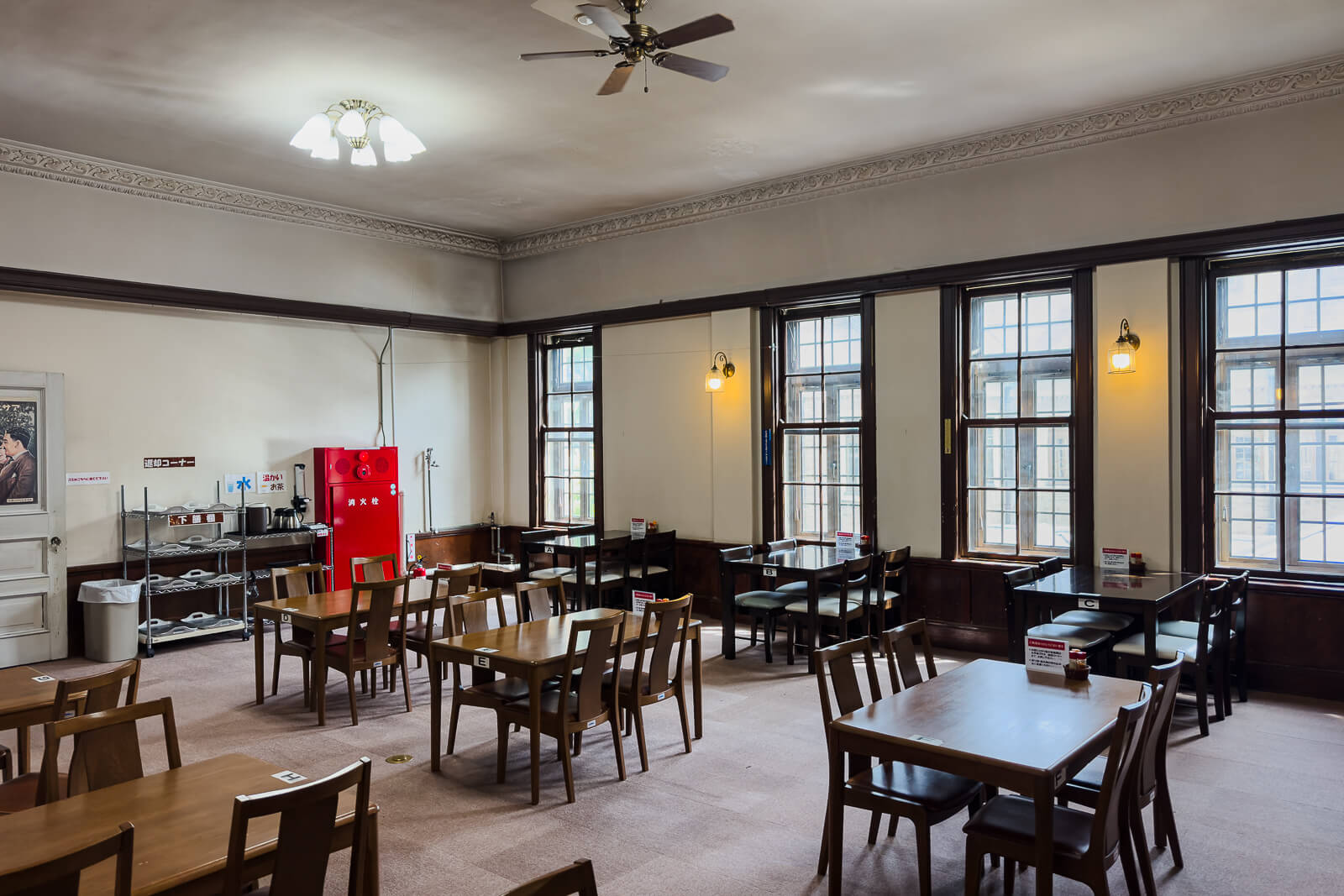
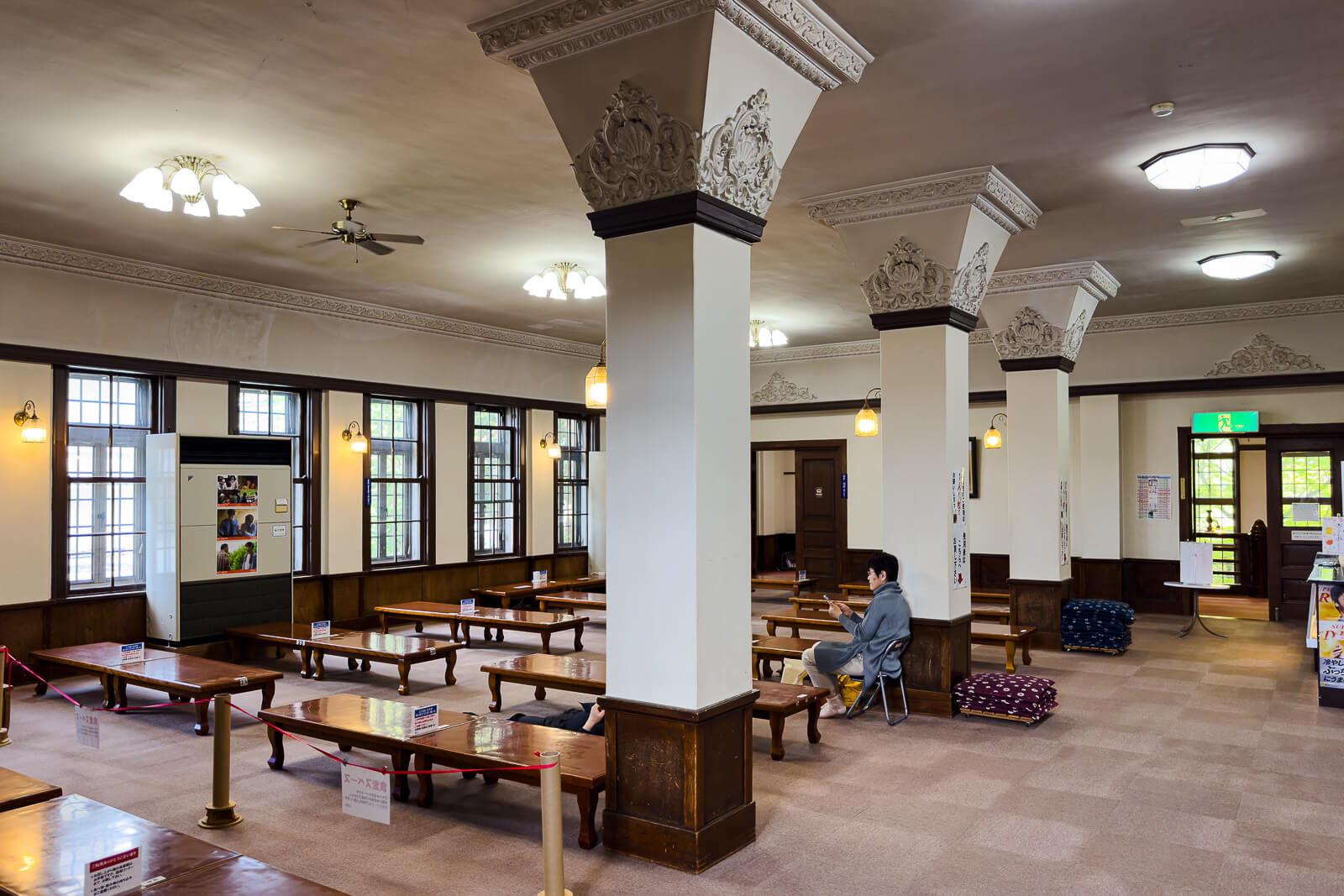
This upper level also helps the visit feel more complete. The bath remains the main feature, but the rest area gives the building a second pace after the ground-floor bathing space. For a short stop, this may be little more than a place to cool down; for a longer visit, it turns Katakurakan into a fuller public bathhouse experience.
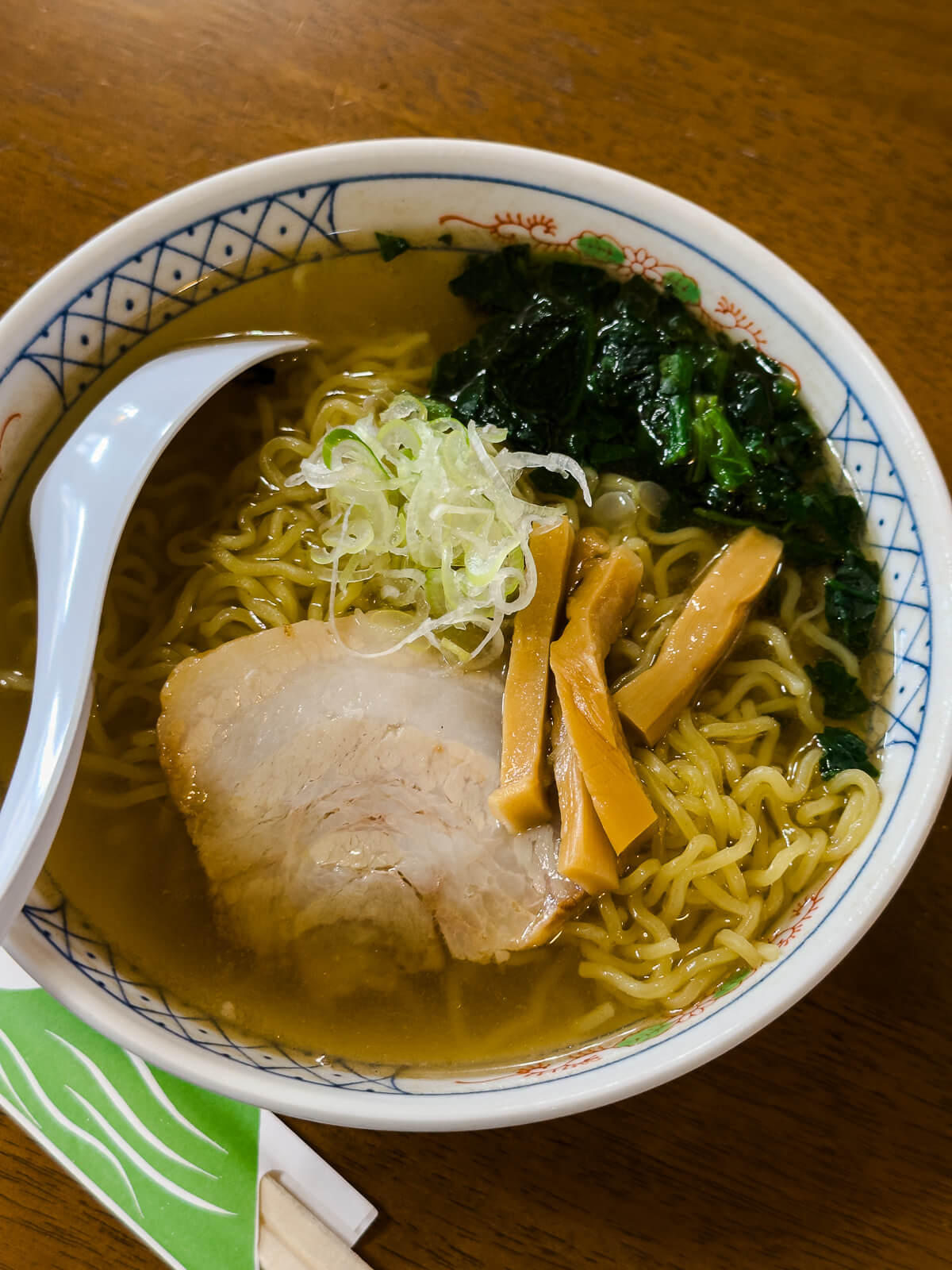
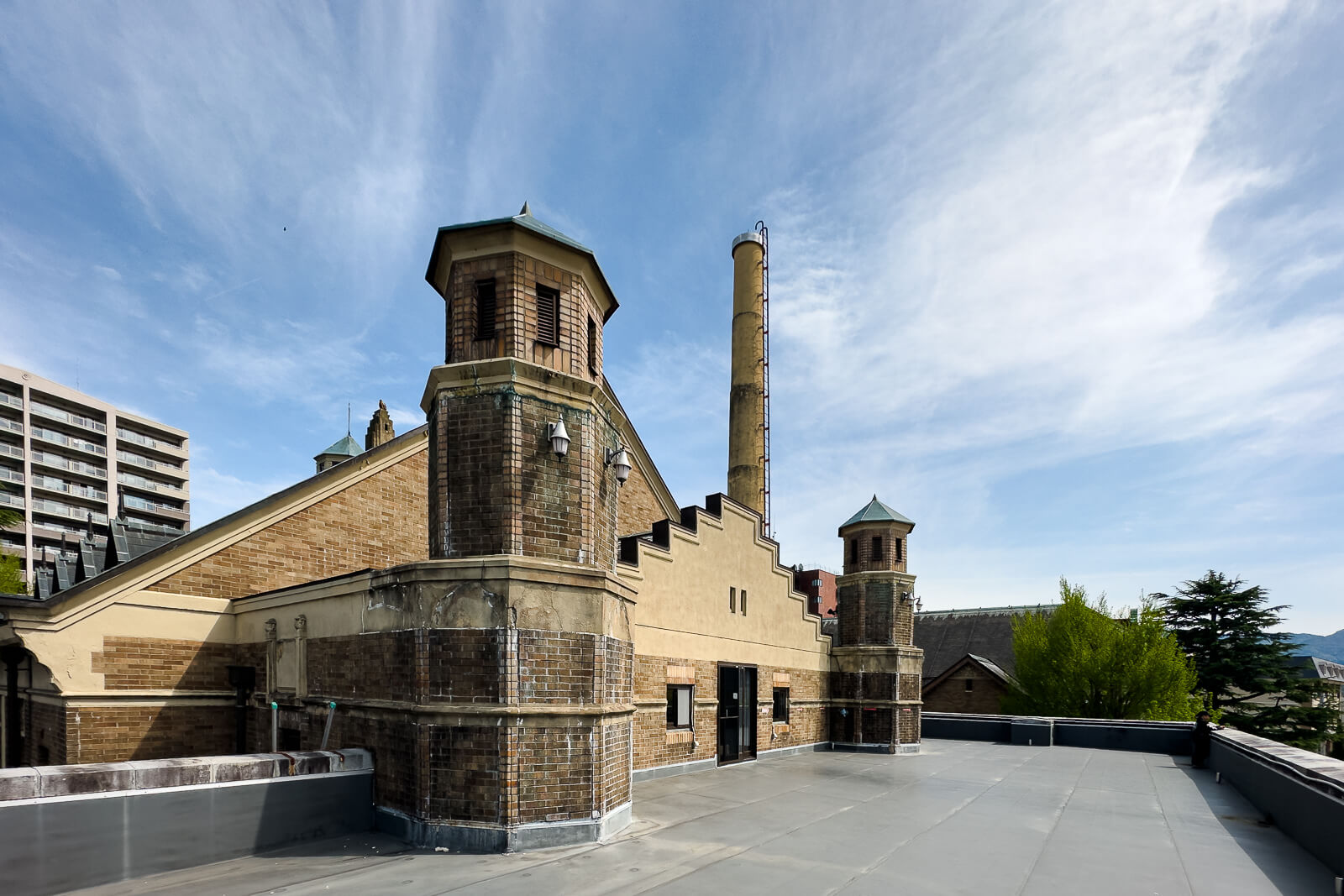
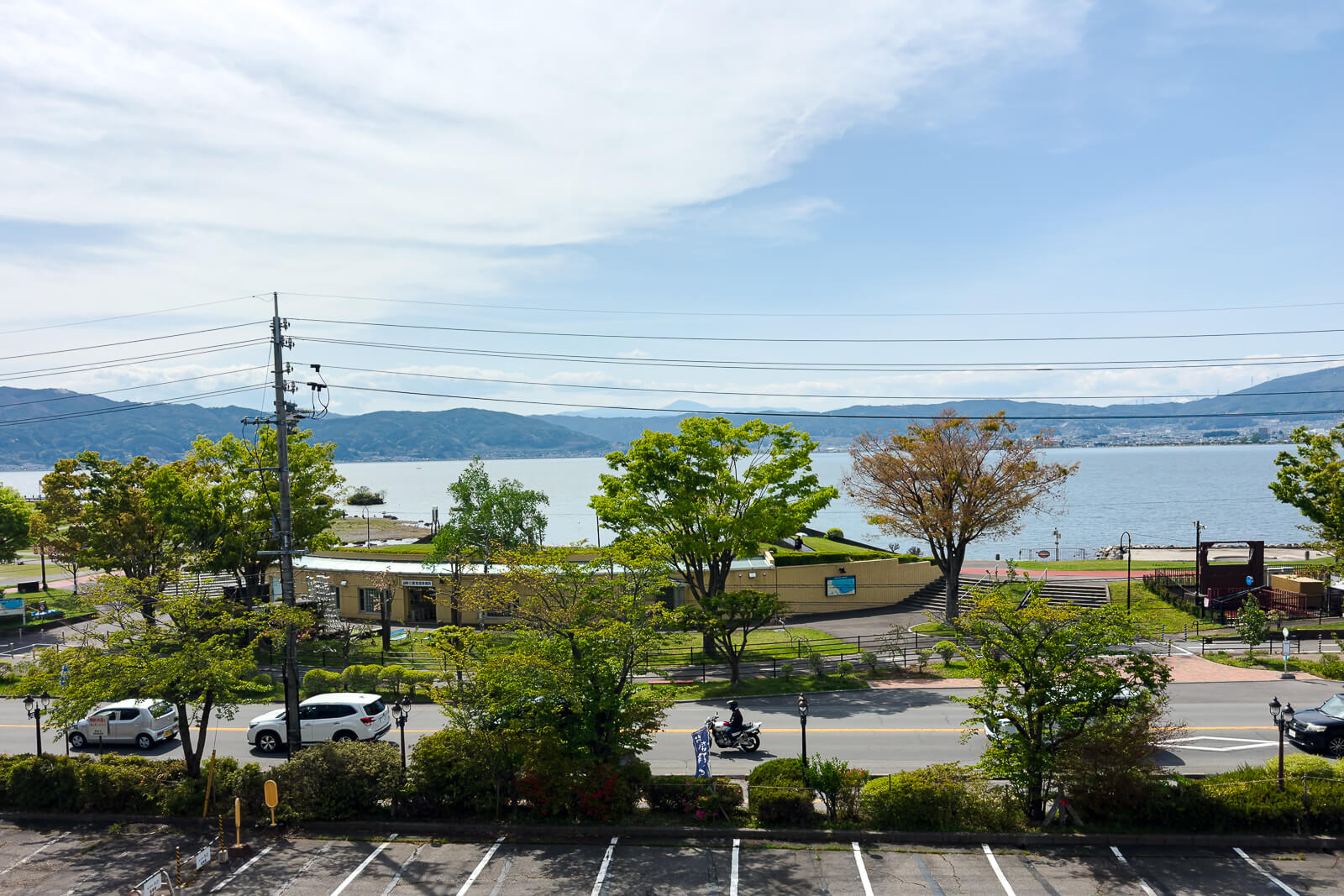
Farther above, the rooftop opens toward Lake Suwa and the surrounding shoreline roads. From there, the bathhouse exterior sits in direct view of the waterfront, and the wider basin shows how tightly the lake, roads, and lakeside districts connect. The rooftop also gives the exterior architecture more context, since parts of the building that are easy to miss from street level become visible from above.
The Waterfront Continues Beyond the Bathhouse
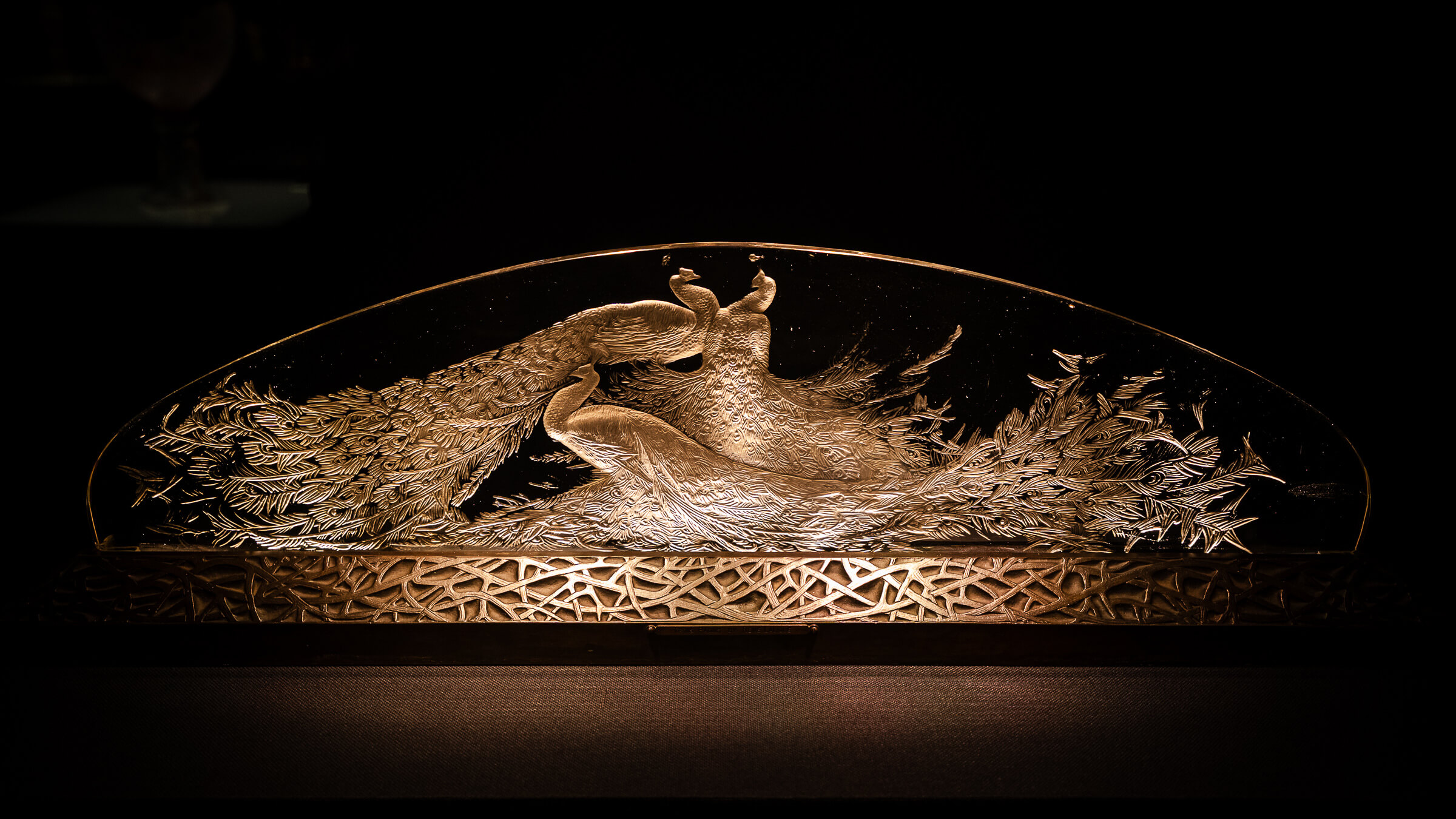
Outside Katakurakan, the shoreline reconnects with the wider Kamisuwa Onsen district. Roads and walking paths continue along Lake Suwa, where the area shifts between lakeside parks, older bathhouses, small hotels, museums such as Kitazawa Museum of Art, and open waterfront views across the basin. The bathhouse sits inside that sequence instead of apart from it.
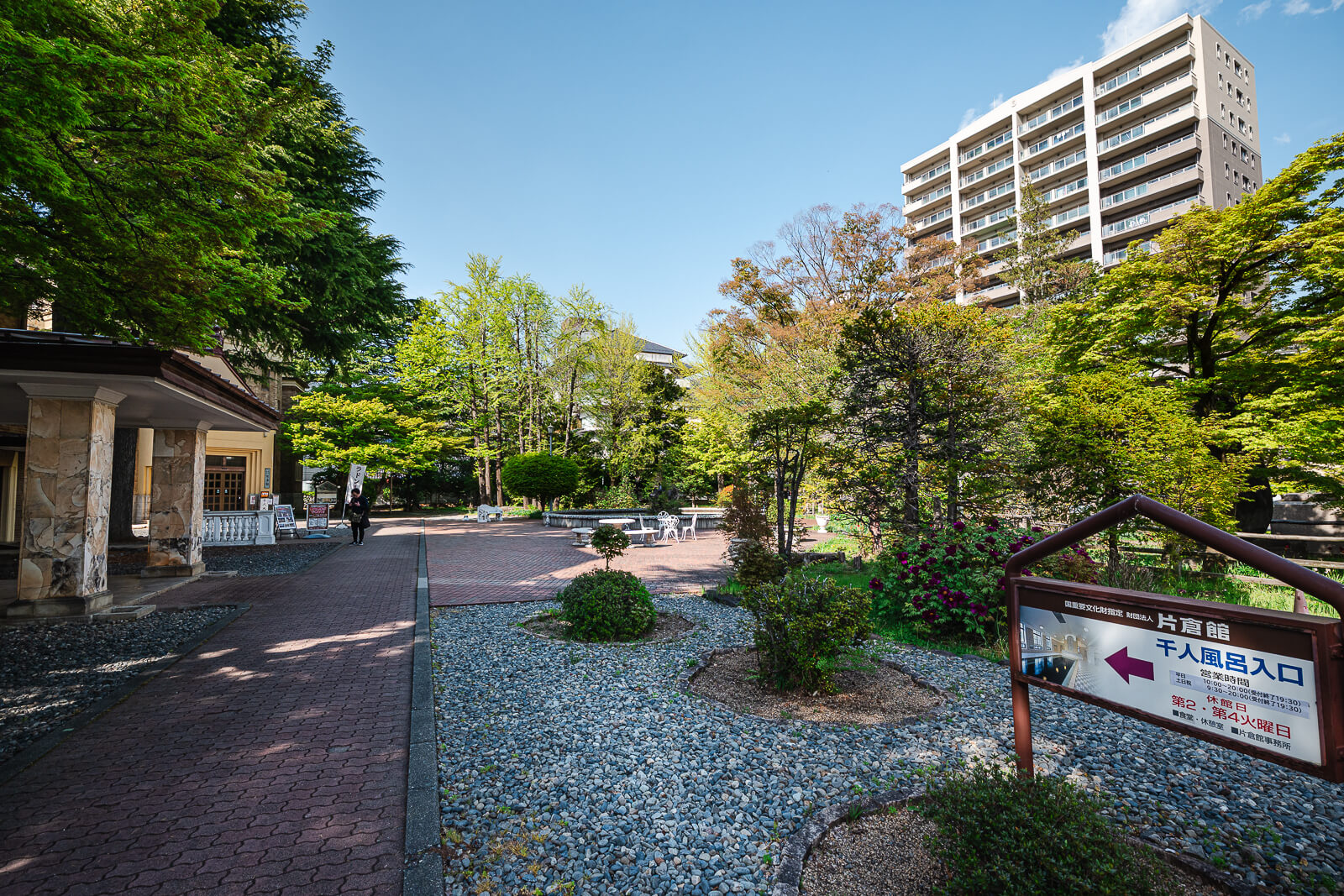
North of the bathhouse, the waterfront opens toward Sekicho Park and the former Lake Suwa Geyser Center area. Seasonal changes reshape the shoreline throughout the year, with migratory birds, winter reflections, swan boats, mountain visibility, and lakeside flowers changing how the waterfront reads from visit to visit. The terrain stays easy, so the lakefront works well before or after the bath without adding much physical demand.
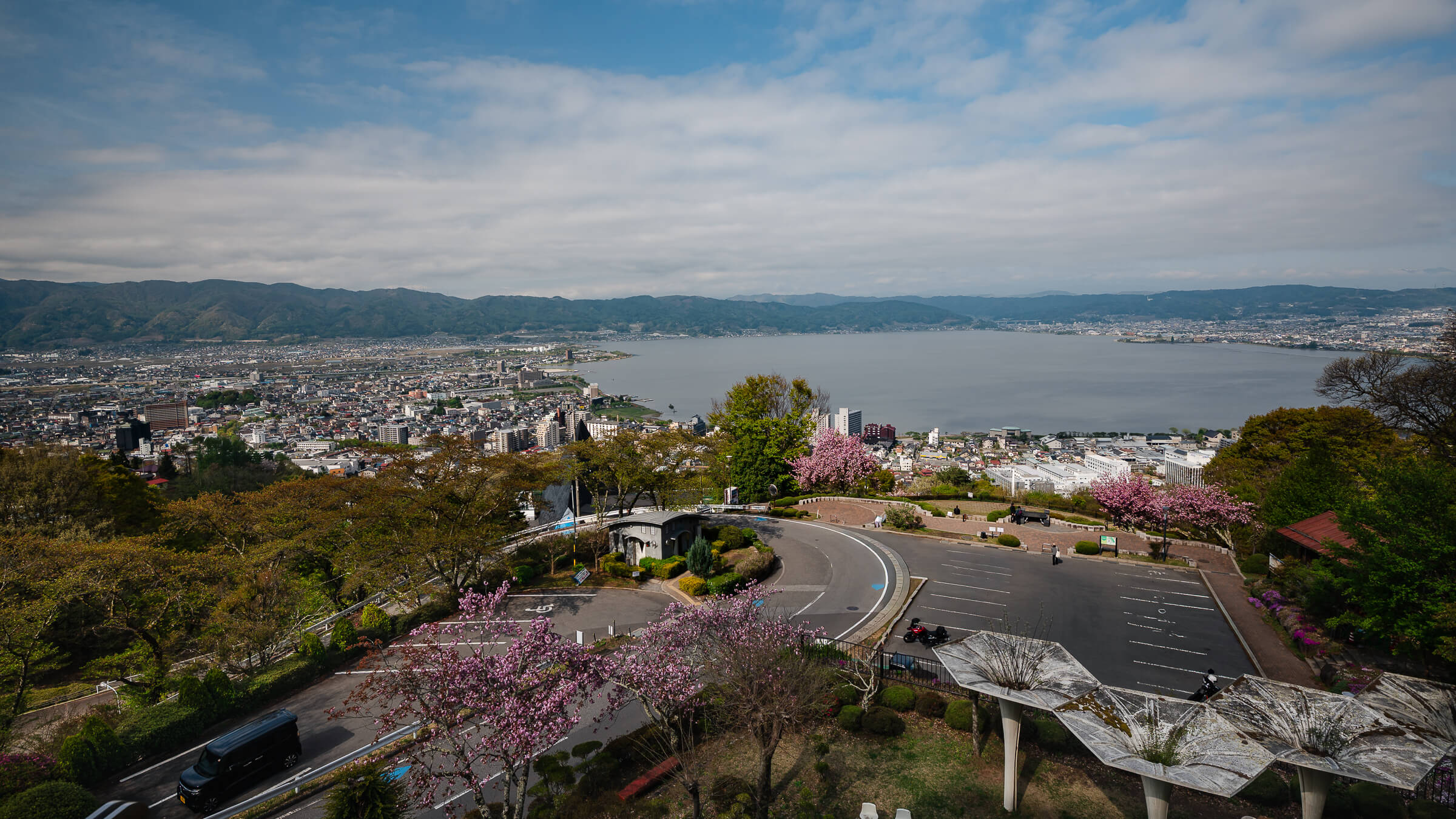
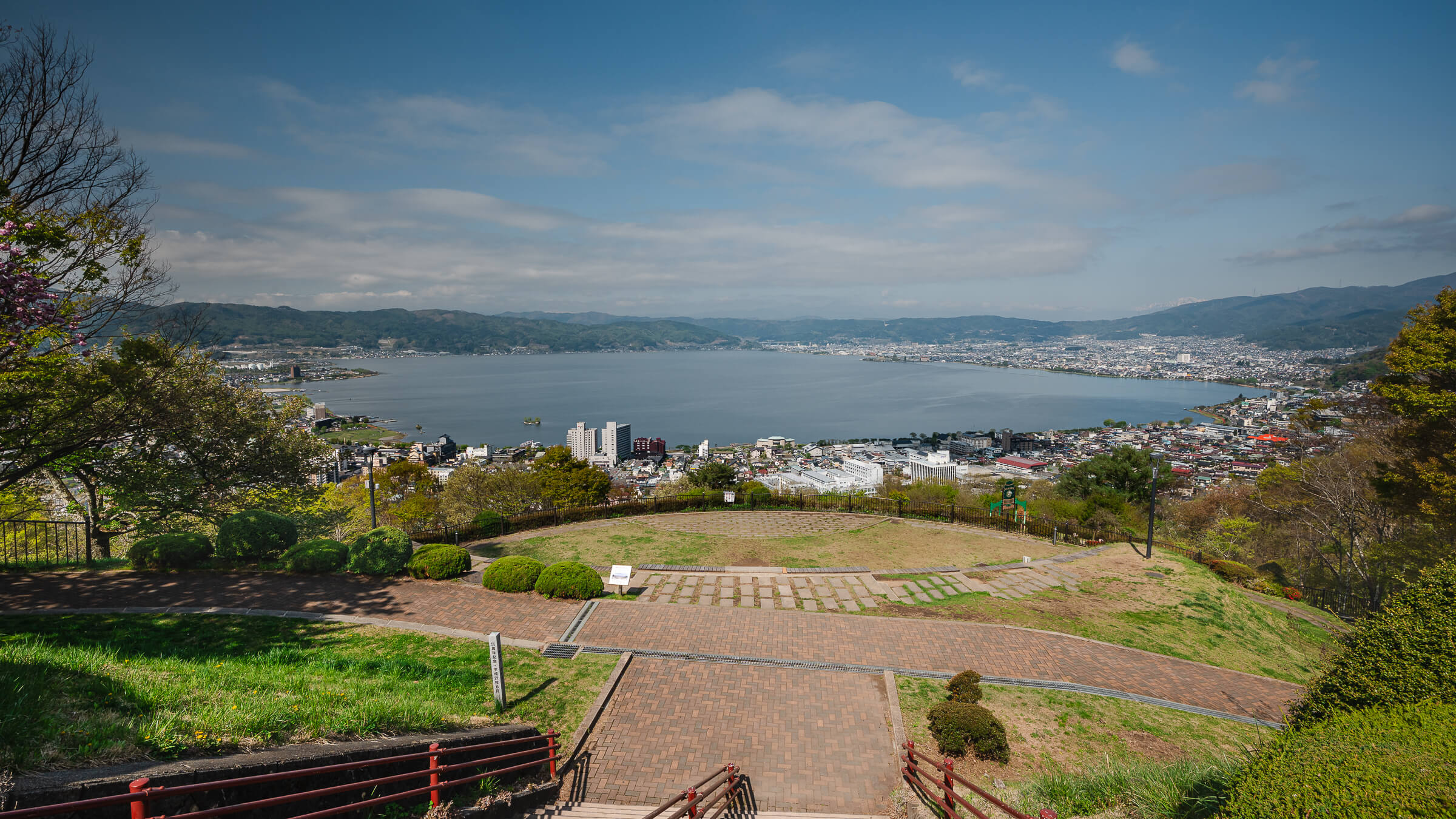
Above the basin, roads climb toward upper observatory areas overlooking the lake. Farther south, the shoreline reconnects toward Takashima Castle, whose reconstructed keep rises above the western side of Lake Suwa and adds another historic landmark to the waterfront sequence. These nearby anchors help explain why Katakurakan works as part of Kamisuwa’s lakeside district, not only as a stand-alone bathhouse.
How This Fits Around Lake Suwa
Katakurakan sits within one of the easiest parts of Lake Suwa to understand on foot. Around Kamisuwa Onsen, the station area, waterfront, parks, museums, and onsen streets remain closely connected. That compact layout makes the bathhouse useful as a short public bath stop, a break during lakefront walking, or a starting point for understanding the Kamisuwa side of the basin before continuing toward lakeside attractions or viewpoints such as Tateishi Park, where the wider geography of Lake Suwa becomes easier to visualize from above.
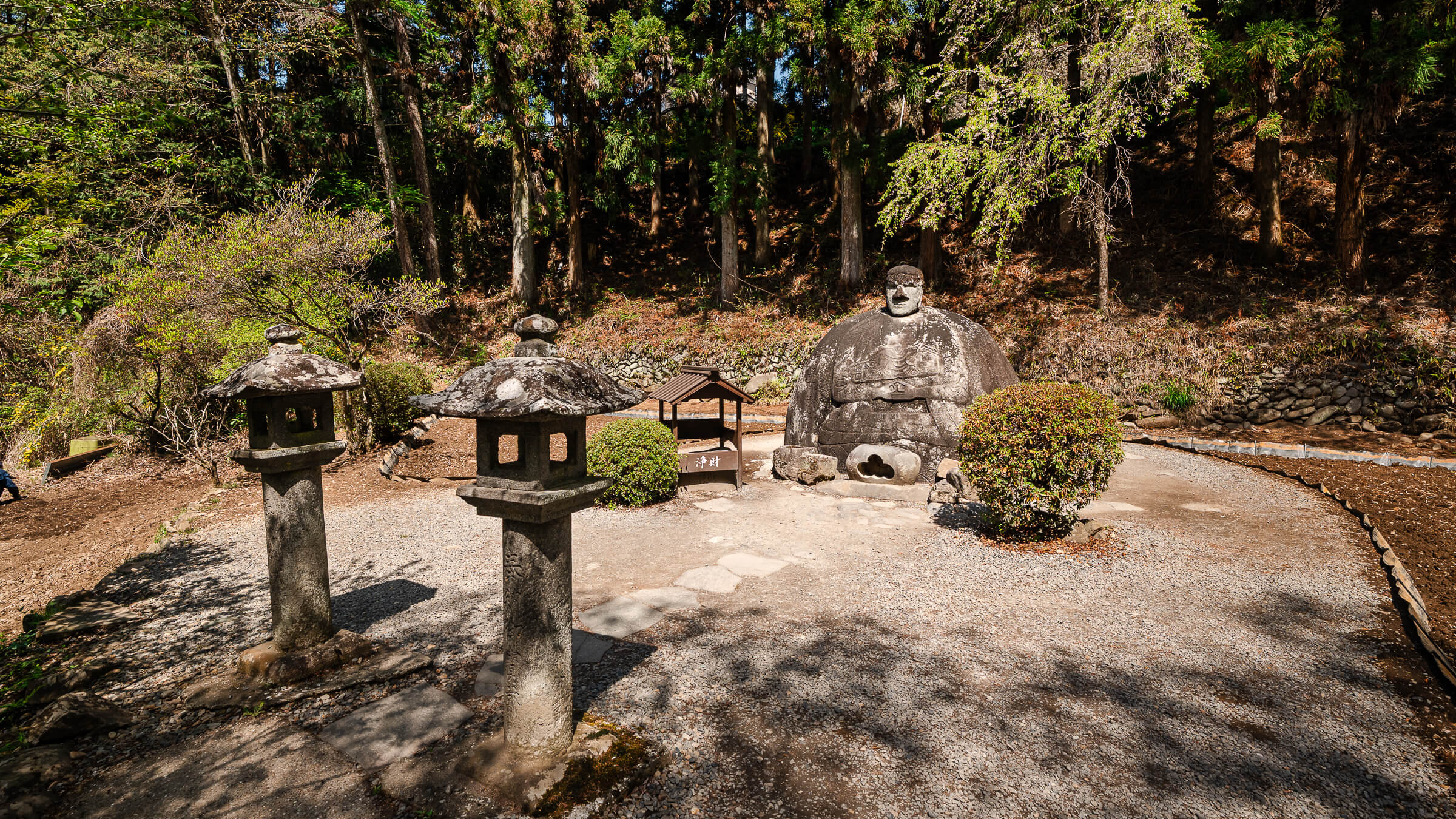
Across the basin, the Suwa Taisha shrine system extends toward Suwa Taisha Kamisha Honmiya, Maemiya, Harumiya, and Akimiya. Those shrines tie the lake to surrounding forests, roads, and long-running regional traditions. In nearby Shimosuwa, the Onbashira-kan Yoisa Museum explains the sacred pillars associated with the Onbashira Festival.
East of the basin, roads continue toward Chino and the Yatsugatake Highlands. The northern and western edges of Lake Suwa lead toward more shoreline districts and mountain scenery across central Nagano Prefecture. For the wider regional view, the Suwa Area Guide connects Katakurakan and the Kamisuwa lakefront with Suwa Taisha, Shimosuwa, Chino, Tateishi Park, and the highland routes beyond the basin.
Getting There
Katakurakan is about a 10-minute walk from JR Kamisuwa Station along the eastern shoreline of Lake Suwa. The route is mostly flat and leads directly into the waterfront district. Access is simple enough that the bathhouse can fit into a short Kamisuwa stop without requiring a full day around the lake.
From Tokyo, Kamisuwa Station is accessible by limited express services on the JR Chuo Main Line through central Nagano Prefecture. The journey places travelers directly in the lakeside town instead of requiring a complicated last-mile transfer. Once in Kamisuwa, the bathhouse sits close enough to the station for an easy walk.
By car, the bathhouse sits within the lakeside district of Suwa City, with parking available near the building and surrounding waterfront. Driving makes it easier to combine Katakurakan with places farther around the basin, including the Suwa Taisha shrines, Takashima Castle, and areas toward Chino. For the bathhouse itself, the main access advantage is flexibility rather than necessity.
Hours & Fees
Bath Hours:
10:00 AM – 8:00 PM
Last admission: 7:30 PM
Dining Hall:
11:00 AM – 3:00 PM
Closed:
2nd and 4th Tuesdays of each month
Bath Admission:
Adults: ¥750
Children: ¥450
Building Tour:
Adults: ¥600
Elementary school students: ¥300
Children below elementary school age: Free
Hours and fees may change due to maintenance or seasonal adjustments. Official confirmation is recommended before visiting.