A Station That Shapes How Western Kanagawa Unfolds
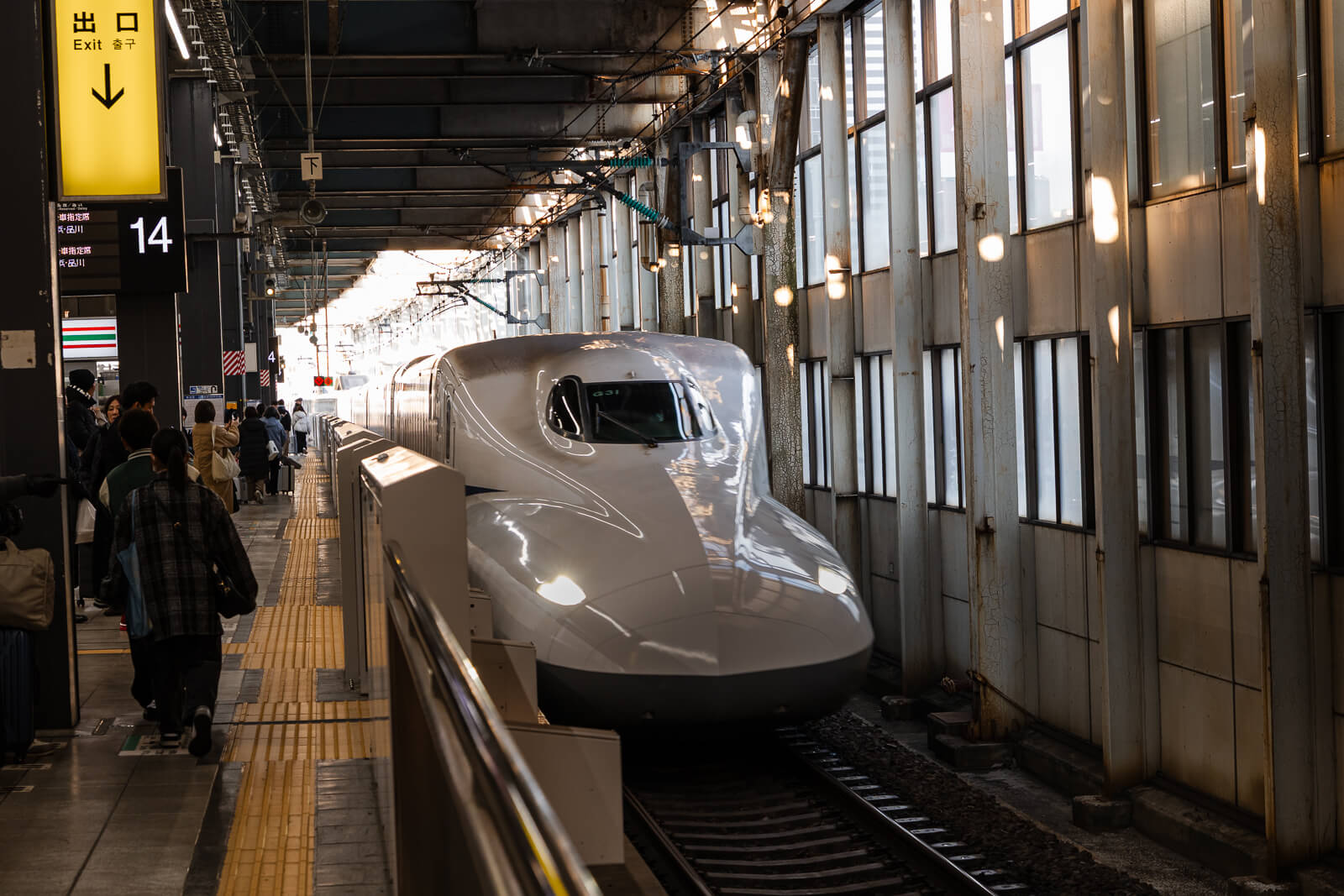
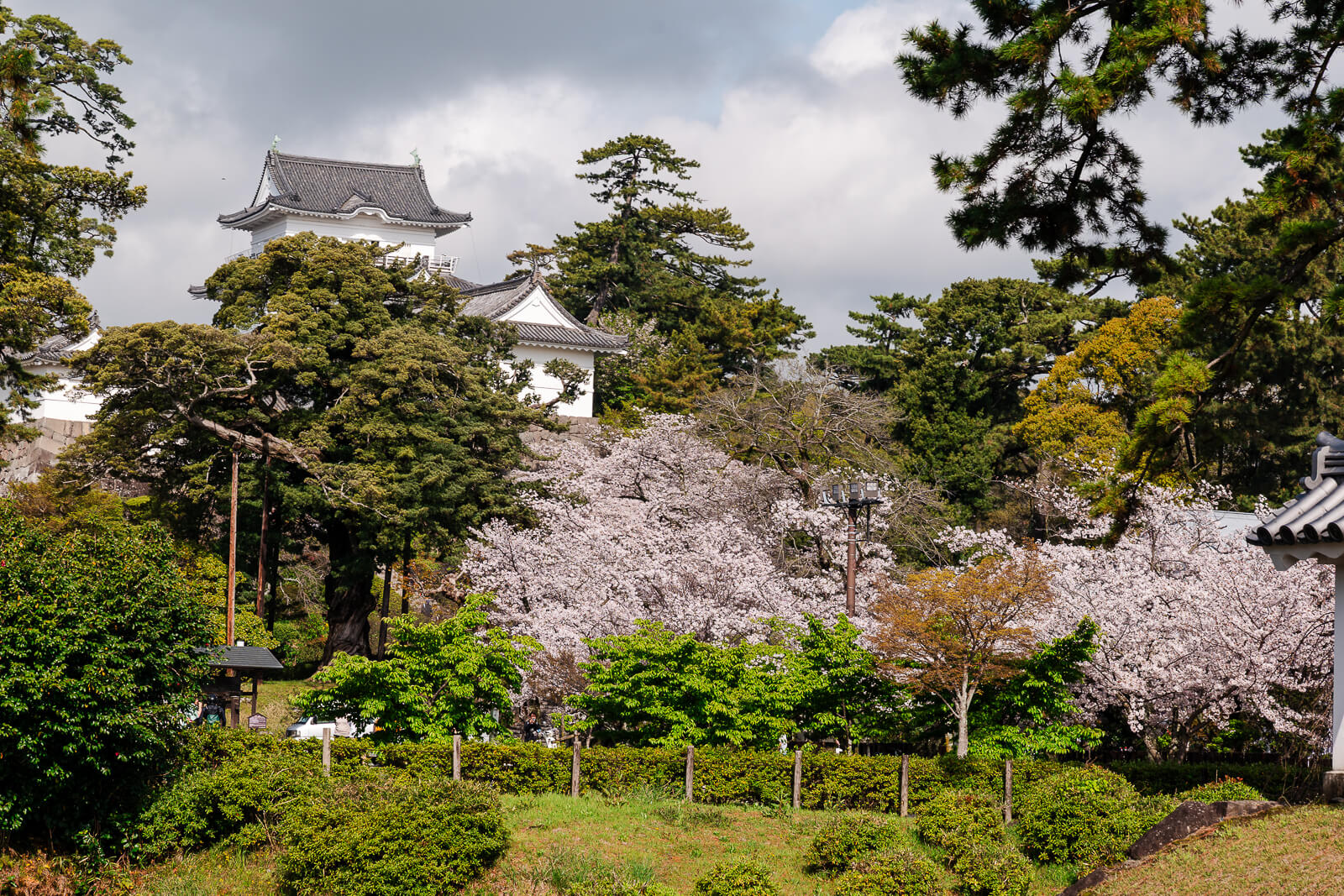
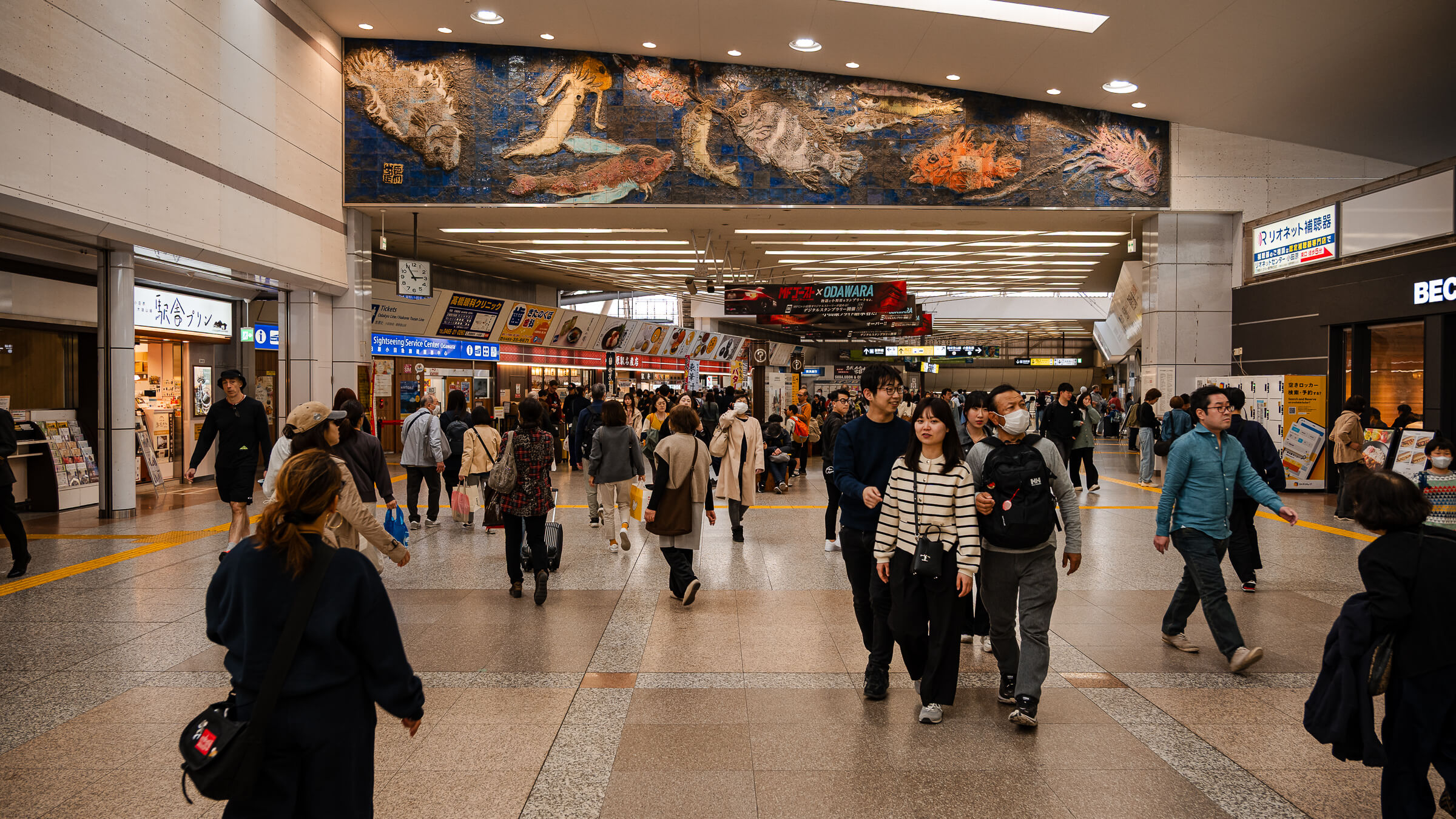
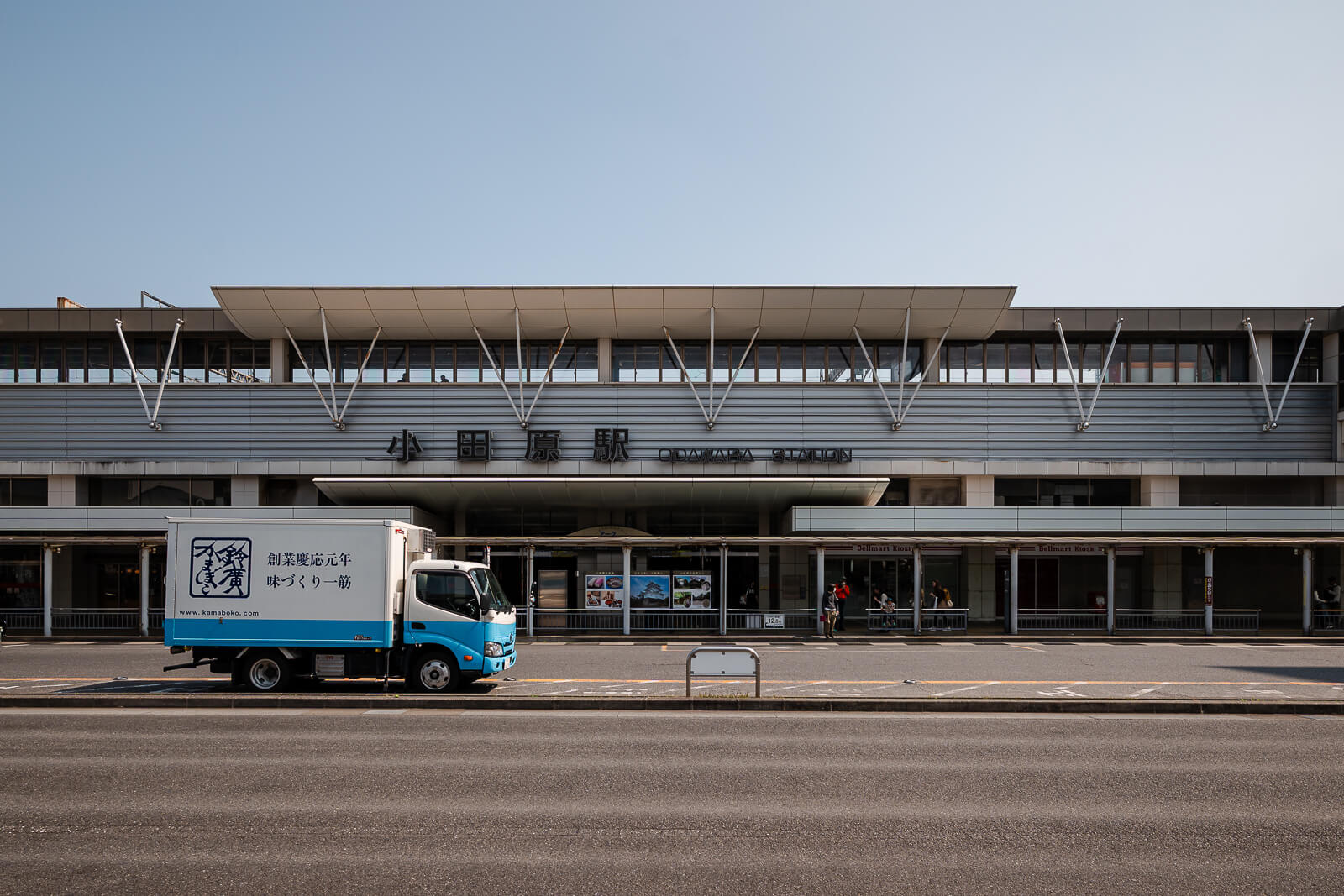
Odawara Station sits only a short walk from Odawara Castle, where castle grounds, shopping streets, museums, and regional rail lines overlap within one of western Kanagawa’s most important transportation gateways. From here, routes branch toward Hakone’s mountain systems, continue along the coastline toward Atami, or follow the Shinkansen corridor deeper into western Japan.
Many travelers experience Odawara only while moving through it. Some transfer directly into the mountains before continuing toward ryokan towns and regional railways. Others board the Shinkansen while traveling west toward Kyoto or Osaka. Many people pass through the station without spending meaningful time in the city surrounding it at all.
That movement has shaped Odawara for centuries. Long before modern rail systems existed, this area functioned as a controlled corridor between eastern and western Japan where coastal movement, mountain access, and military routes narrowed between sea and mountains. Modern transportation infrastructure still follows many of those same geographic realities today.
Even with that level of connectivity, the station area never feels dominated entirely by infrastructure. Outside the station gates, the atmosphere changes quickly. Streets open toward restaurants, shopping areas, castle pathways, and local neighborhoods without the density or constant pressure that defines larger transportation hubs closer to Tokyo.
Why So Many Routes Still Pass Through Odawara
Long before rail lines crossed the region, Odawara occupied an important position between the Kanto plain, the mountains surrounding Hakone, and the coastline stretching west toward central Japan. Travelers, merchants, officials, and military movement all passed through this area because geography naturally compressed movement into narrower routes between mountains and sea.
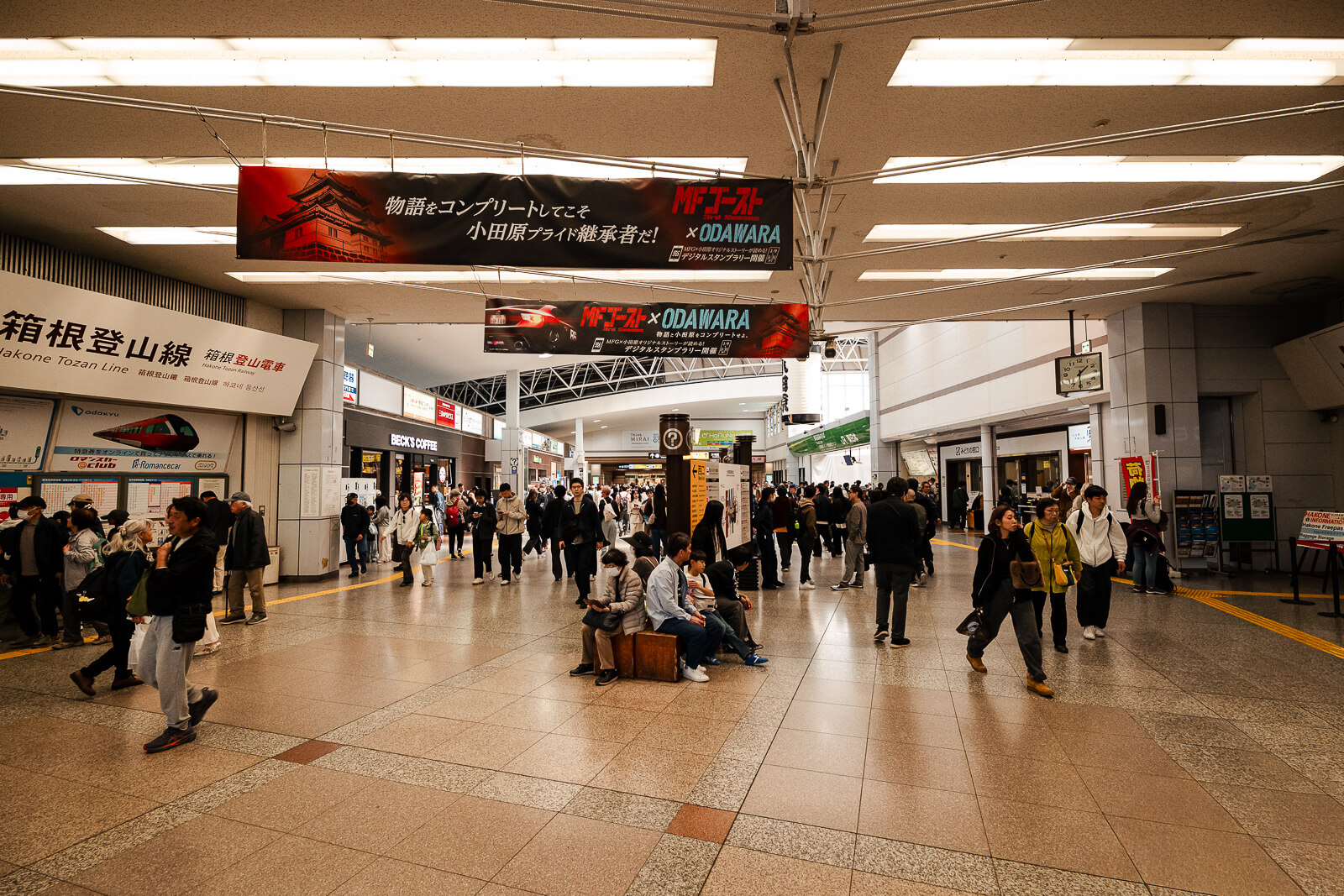
That historical role still shapes how the city functions today. Odawara Station now connects the Tokaido Shinkansen, JR Tokaido Main Line, Odakyu Railway, Hakone Tozan Railway, and several regional systems within a relatively compact footprint. From here, rail lines continue toward Tokyo, Hakone, Atami, Nagoya, Kyoto, Osaka, Kobe, and Hiroshima while remaining easier to navigate than many larger metropolitan terminals.
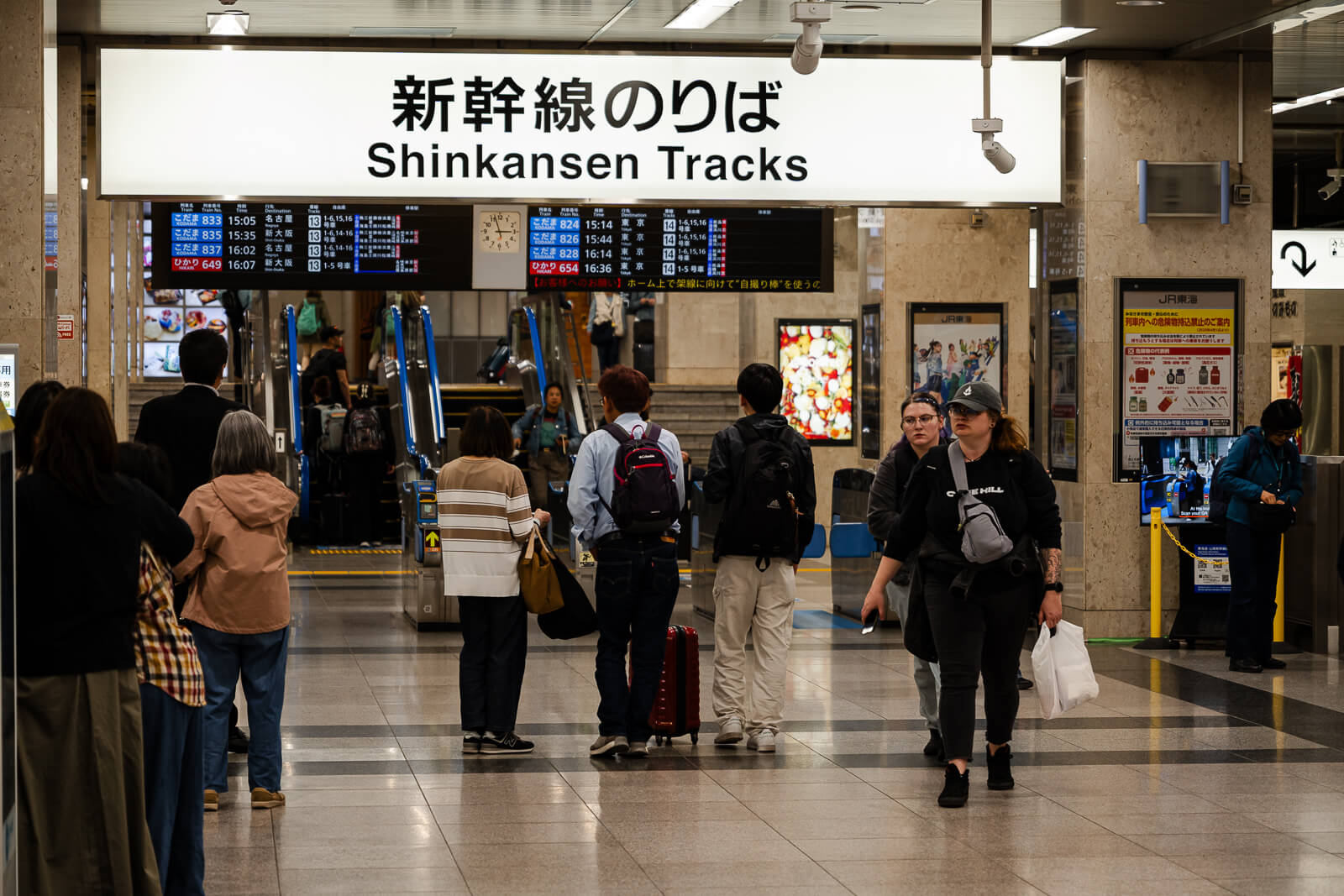
For many travelers, this becomes the point where movement through Japan begins feeling less metropolitan and more regional. Tokyo’s density starts to fall away while mountains, coastline, and smaller cities begin shaping the structure of the trip itself. That shift is one of the reasons Odawara feels noticeably different from many other transfer stations along the Shinkansen corridor.
The station also works particularly well for travelers trying to reduce friction while moving between destinations. Transfers remain manageable, signage is clear, and the city surrounding the station stays compact enough that movement rarely feels overwhelming once outside the platforms.
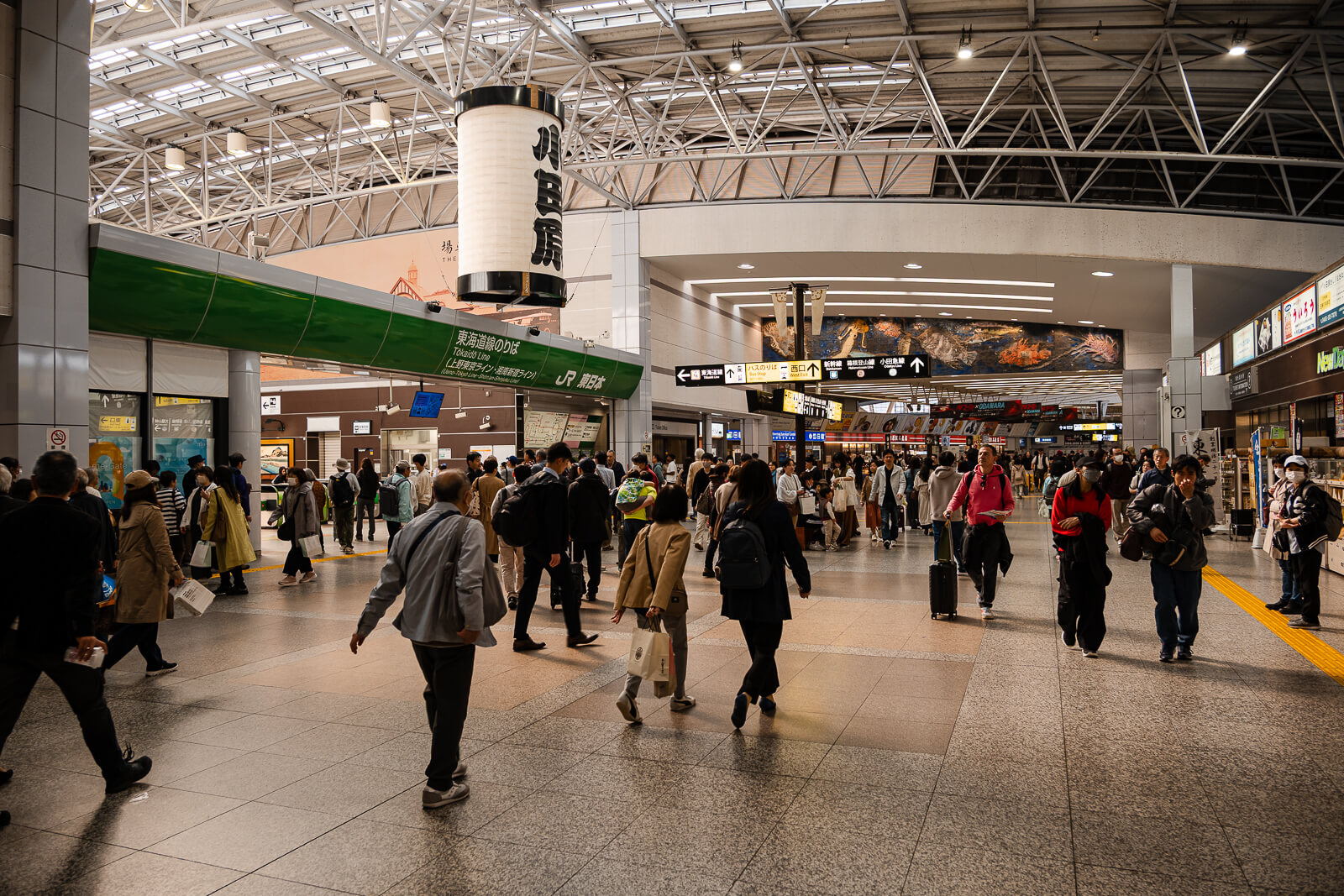
Preparing for the Mountains Before the Pace Changes
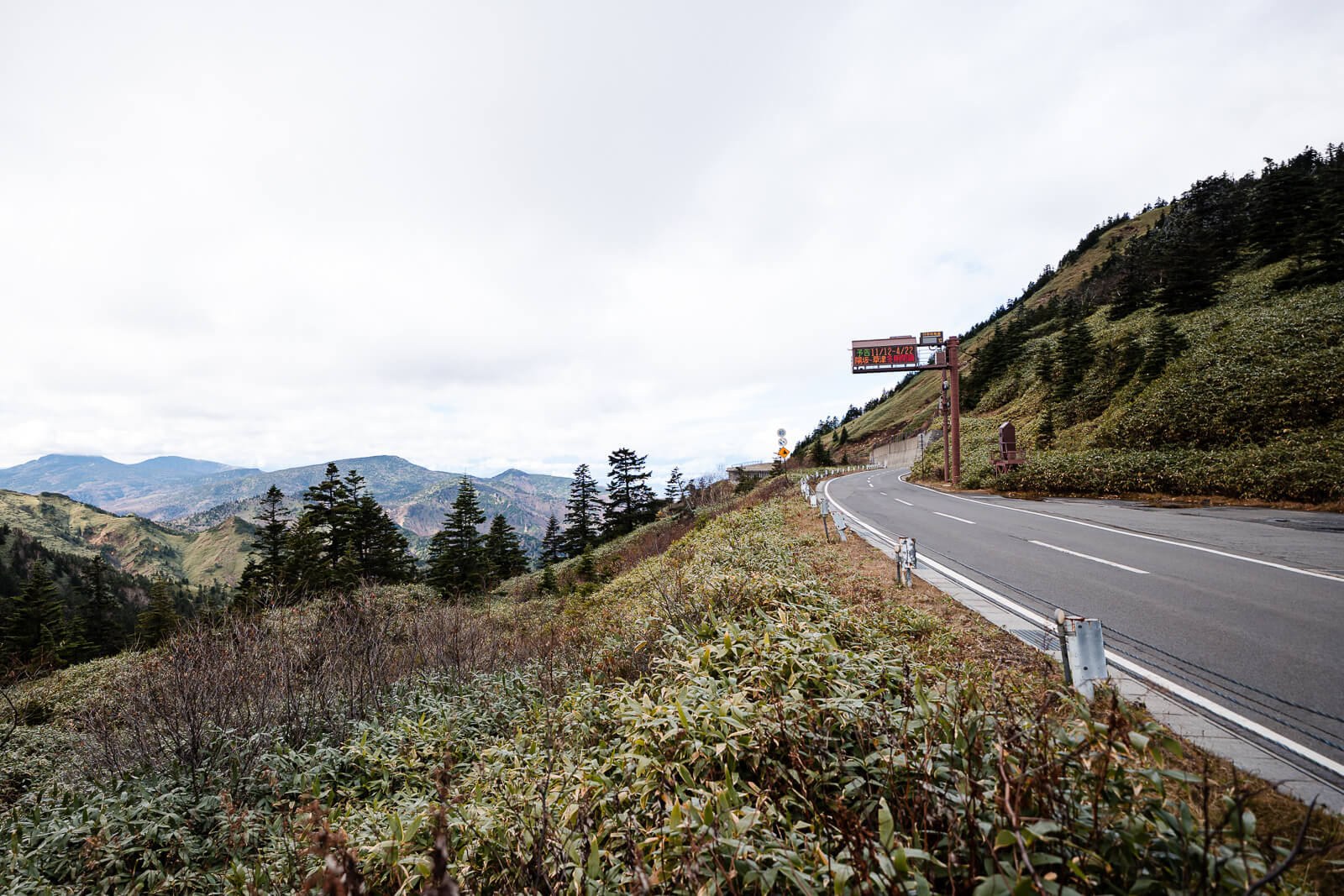
For travelers continuing toward the mountain region, Odawara often becomes the final straightforward transportation environment before routes begin branching outward into mountain railways, buses, ropeways, and winding roads deeper into the landscape.
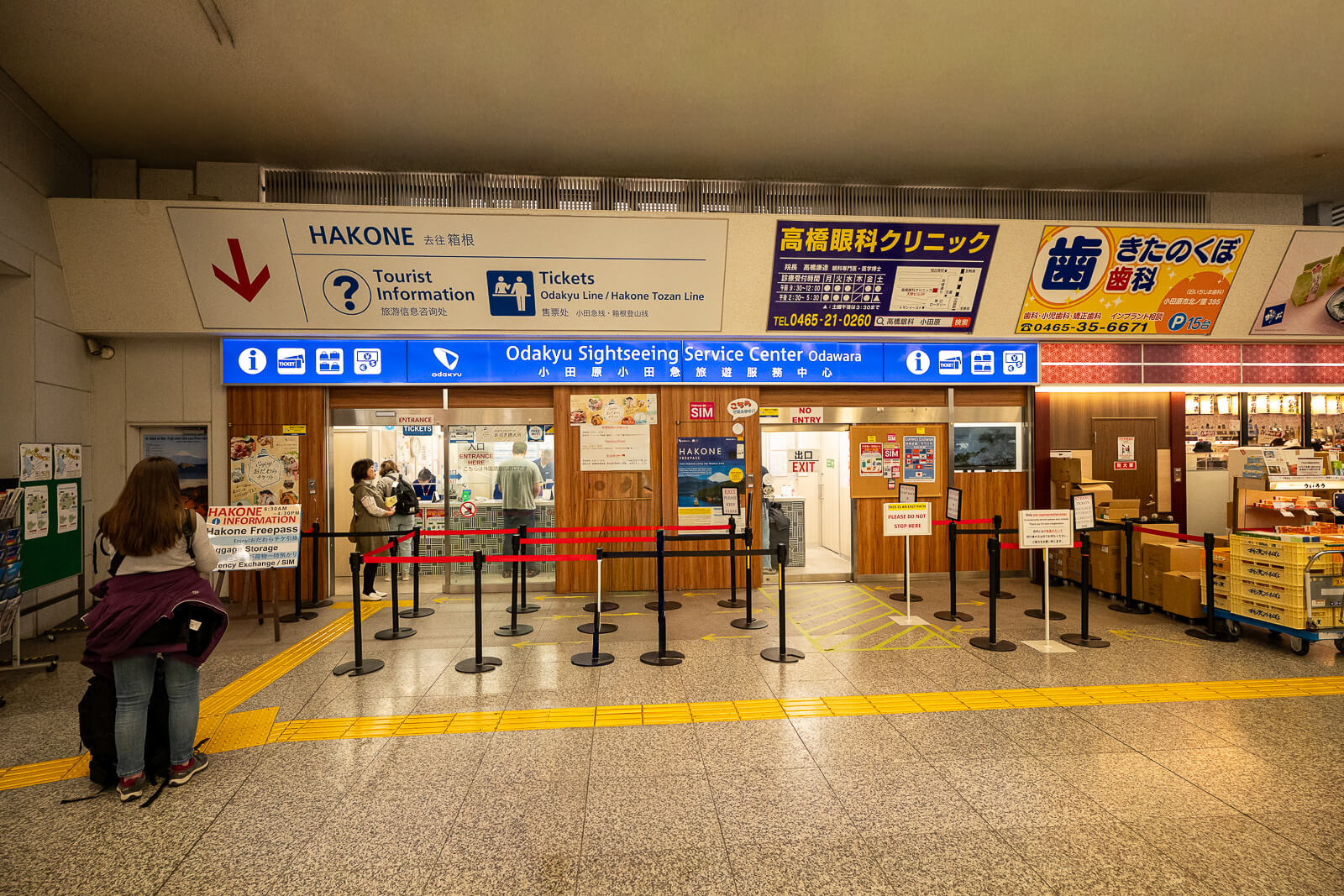
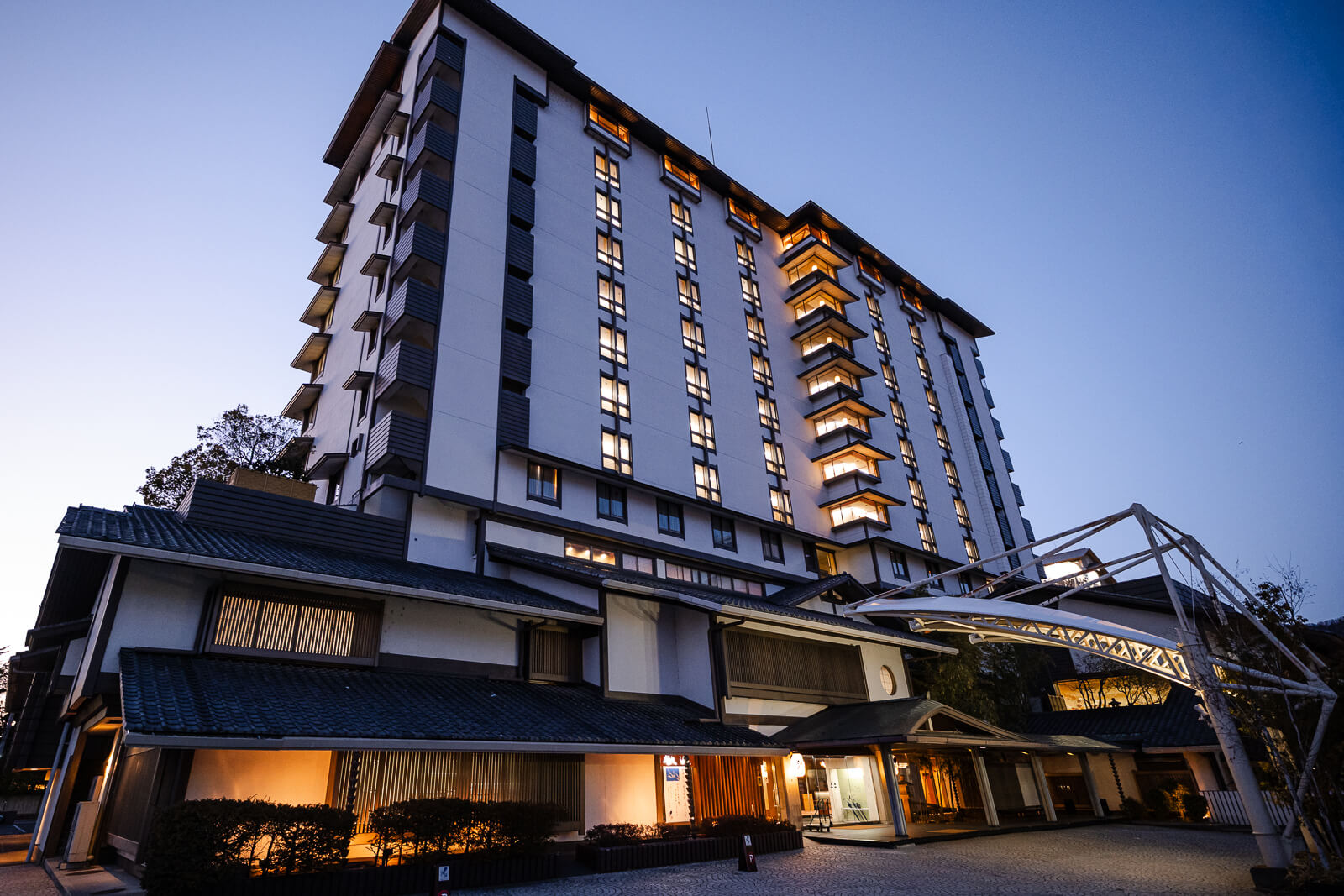
That shift changes how people move through the station area. Restaurants near the station remain busy with travelers stopping before later ryokan check-ins farther into the mountains. Convenience stores, cafes, luggage lockers, and small shopping areas become part of the transition between long-distance rail movement and slower regional travel beyond the city.
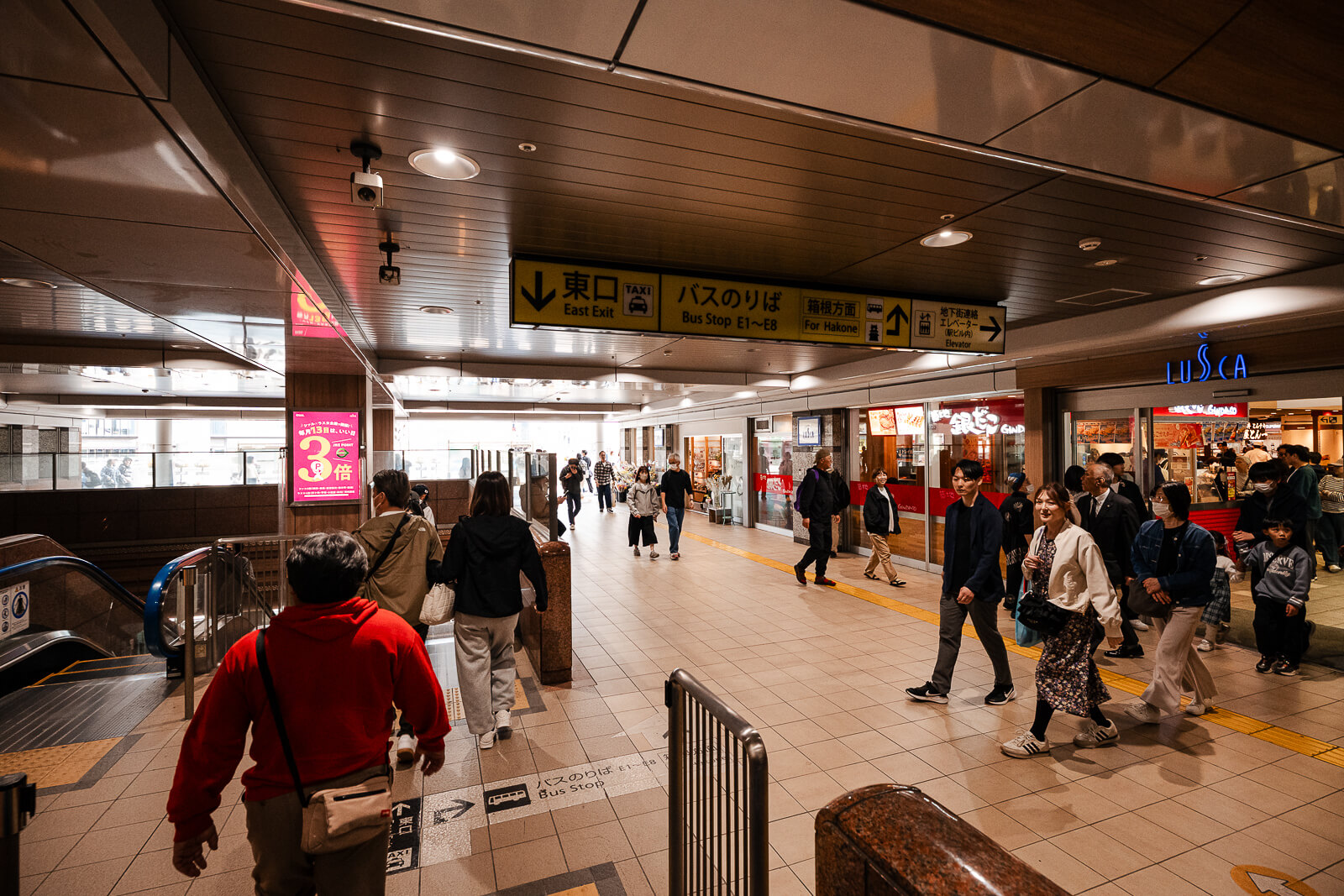
Rental car companies operating near both sides of the station also change the rhythm of movement considerably. Odawara works as one of the more practical pickup points for travelers exploring Hakone, the Izu Peninsula, or the coastline farther south because the city sits directly between major rail access and open regional road networks.
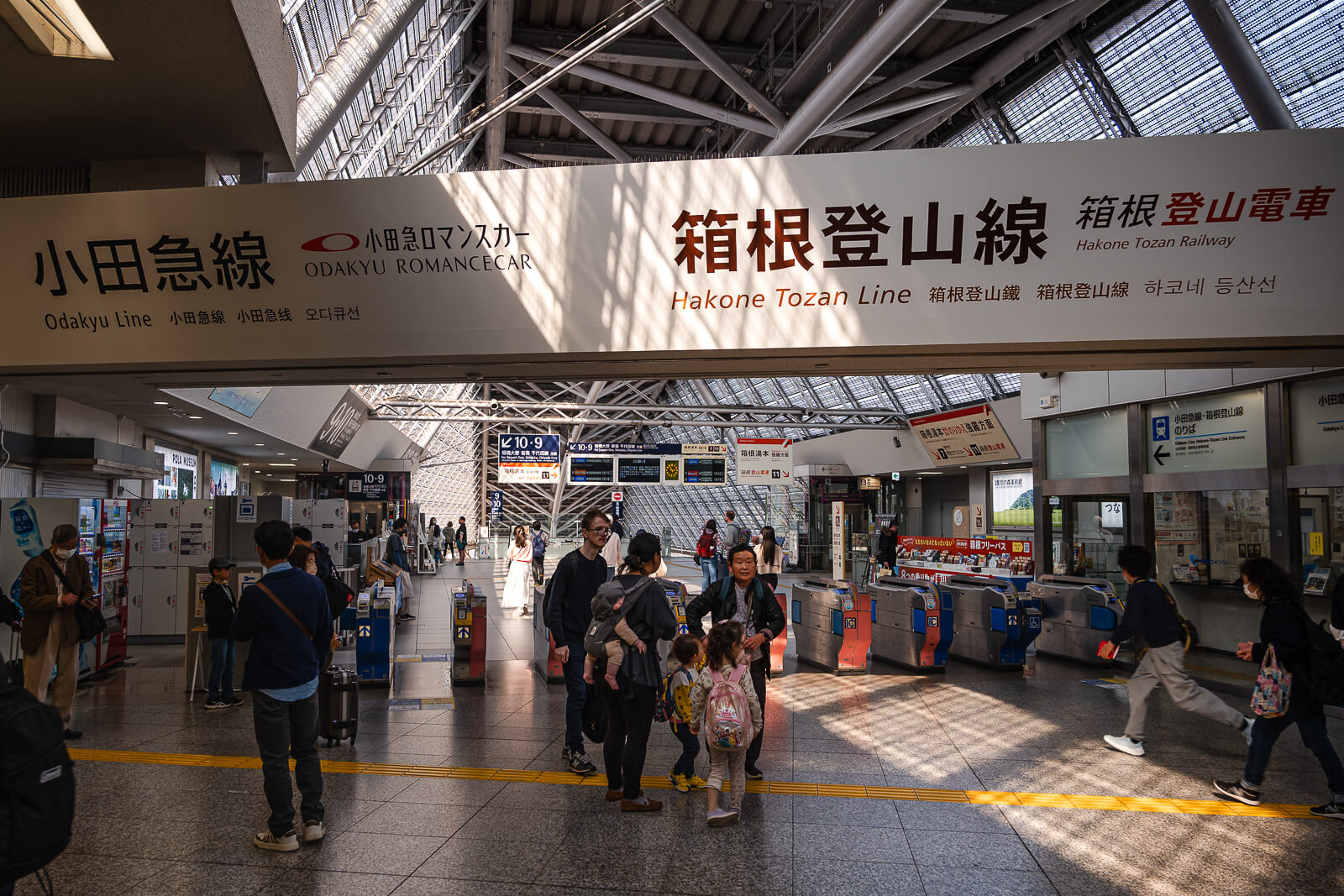
Some travelers continue immediately into the mountains while others spend several hours around the station district and castle area before moving on. Others use Odawara as an overnight base because the station allows relatively smooth movement between mountains, coastline, and western rail routes without repeatedly returning to Tokyo during the trip.
That flexibility is part of what makes the city function as more than a simple transfer point.
Stepping Beyond the Station Toward Odawara Castle
The eastern side of the station changes the atmosphere almost immediately. Beyond the station area, the city begins shifting away from transportation infrastructure and back toward the rhythm of an older castle town layered beneath modern movement corridors.
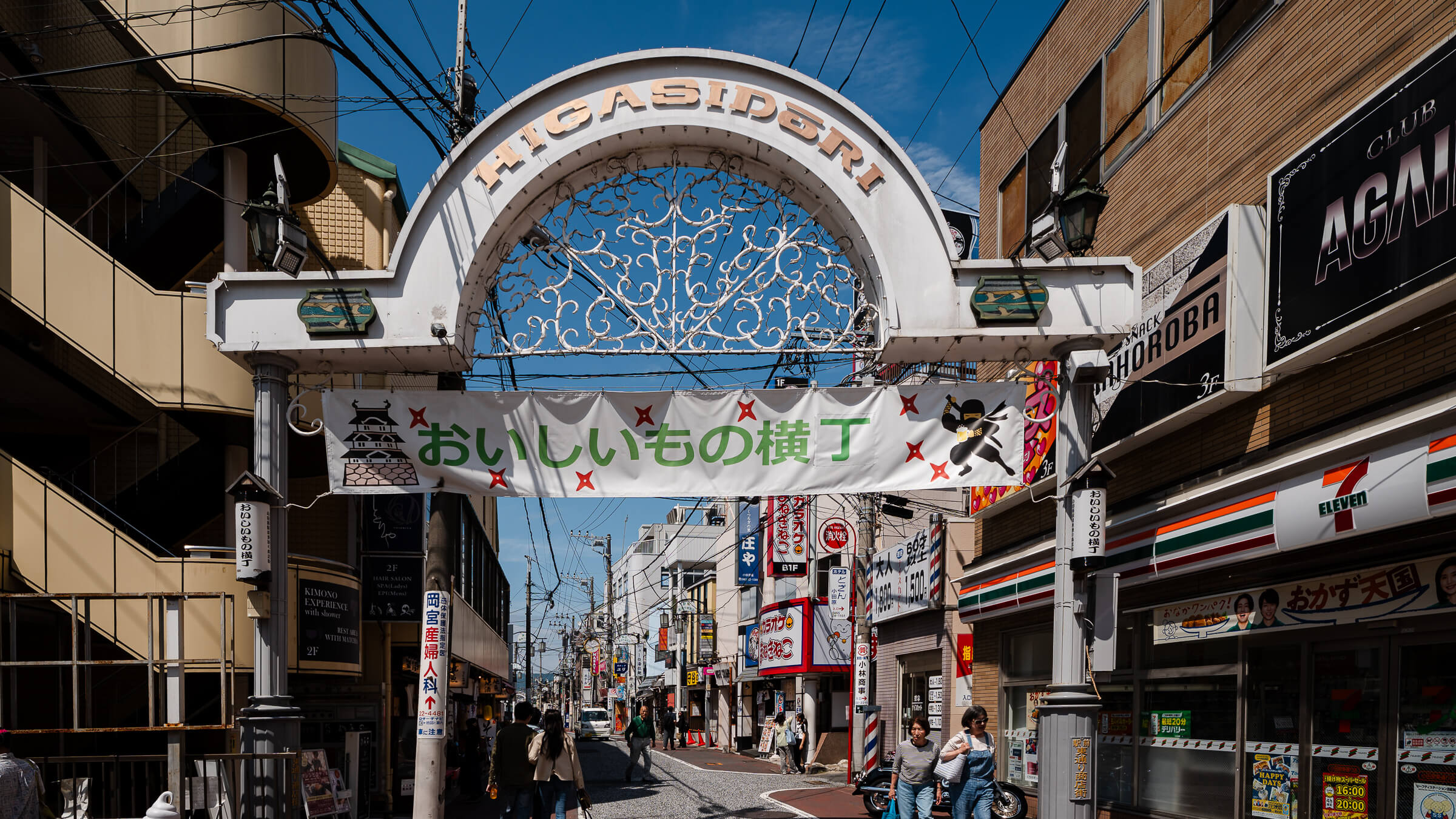
The streets leading toward the castle narrow slightly as storefronts, restaurants, cafes, and local businesses begin replacing the heavier station environment behind them. Some sections feel contemporary while others retain traces of the city’s older identity as both a transportation checkpoint and defensive stronghold along one of Japan’s most important historical travel routes.
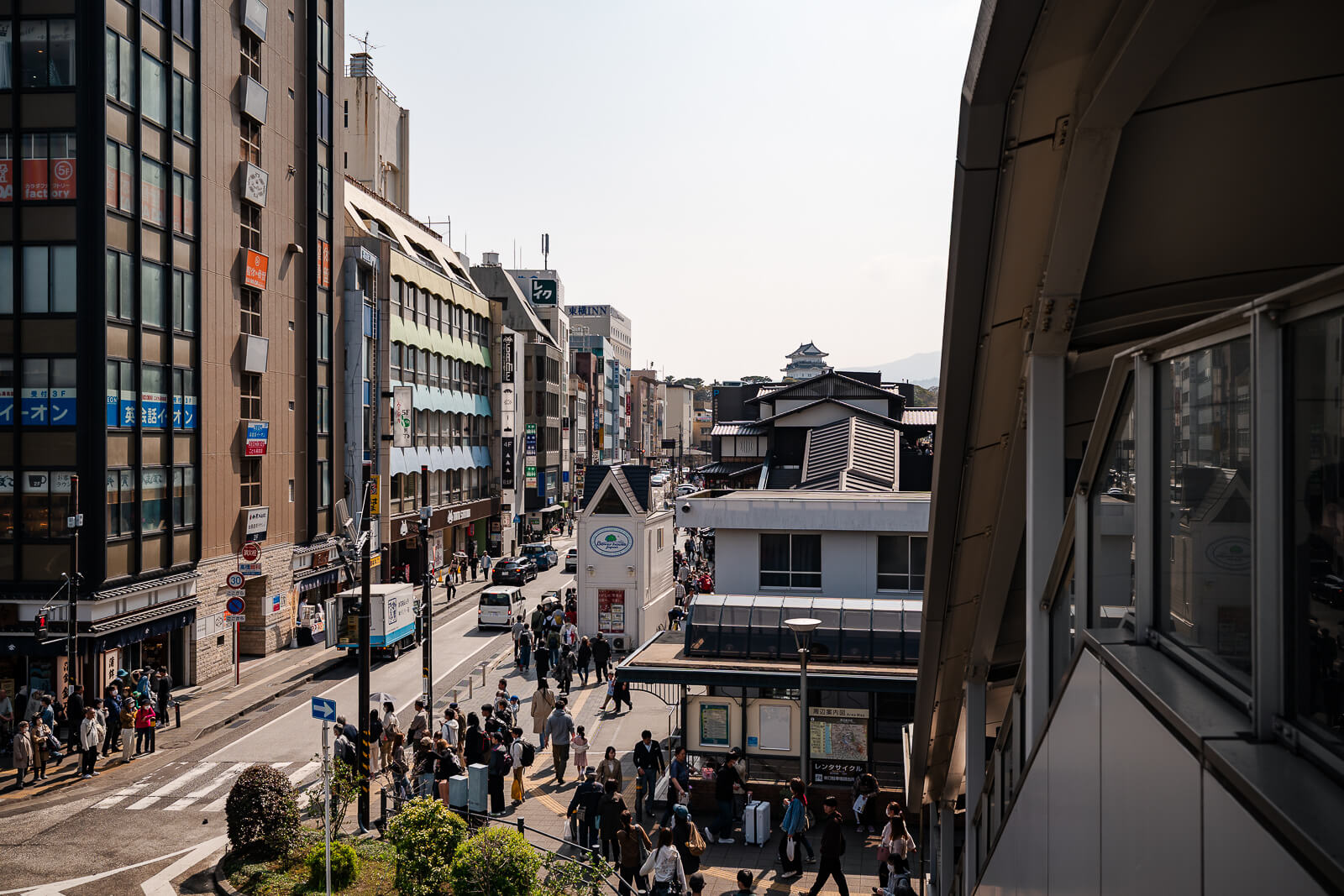
What stands out most is how naturally the district functions. Office workers move through the same streets as travelers heading toward the castle grounds. Small restaurants operate beside visitor-oriented shops without the area feeling staged entirely around tourism. The station district remains active, but the pace becomes noticeably more manageable than larger urban transportation centers elsewhere in the region.
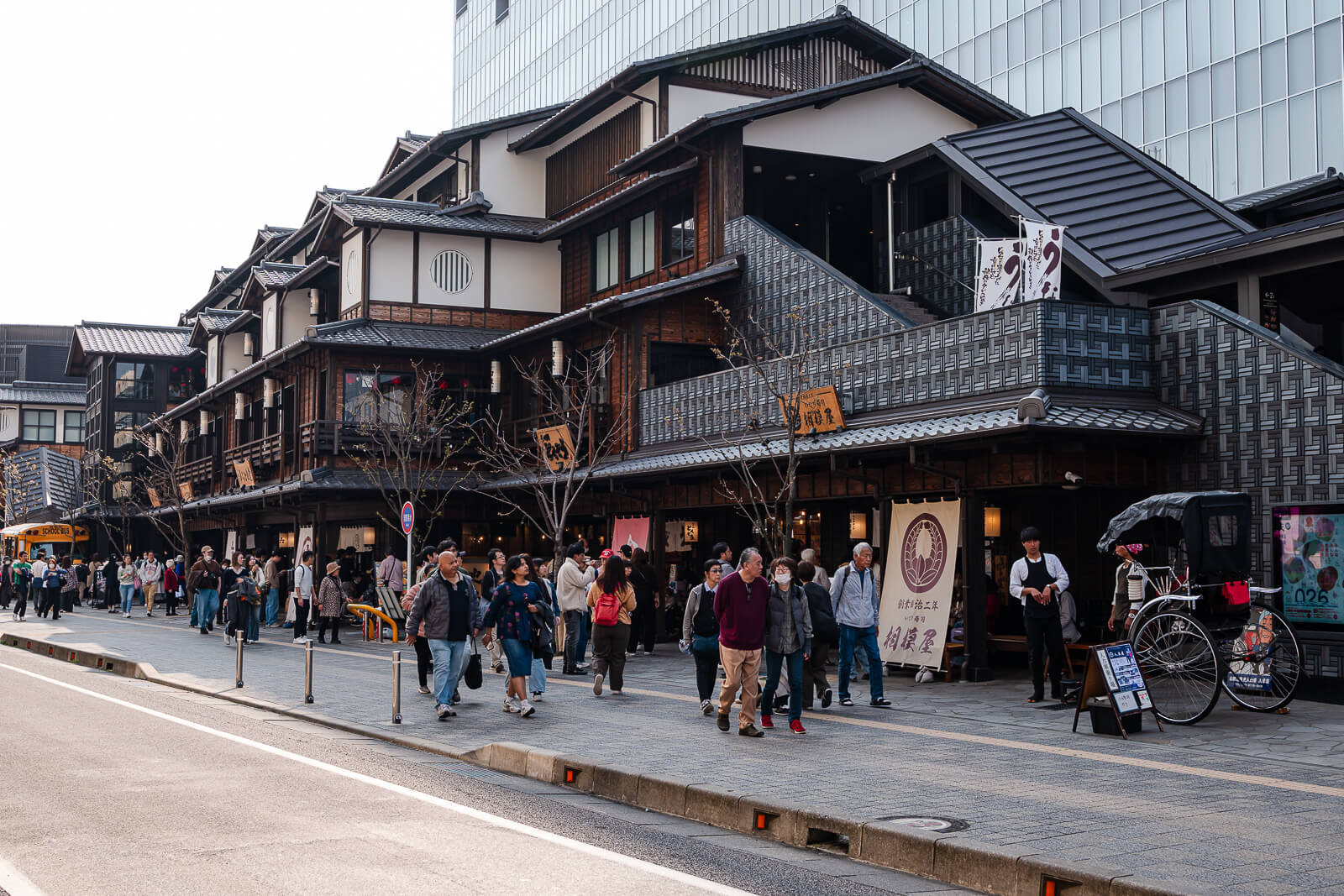
That balance gives central Odawara a more grounded atmosphere than many heavily commercialized station districts elsewhere in Japan.
Walking Through the Castle Area Without Leaving the City Behind
One of the strongest aspects of Odawara is how naturally movement unfolds on foot once outside the station area. The route toward Odawara Castle never feels disconnected from the city surrounding it. Instead, station infrastructure gradually gives way to shopping streets, side alleys, restaurants, cafes, and eventually the historical spaces surrounding the castle grounds.
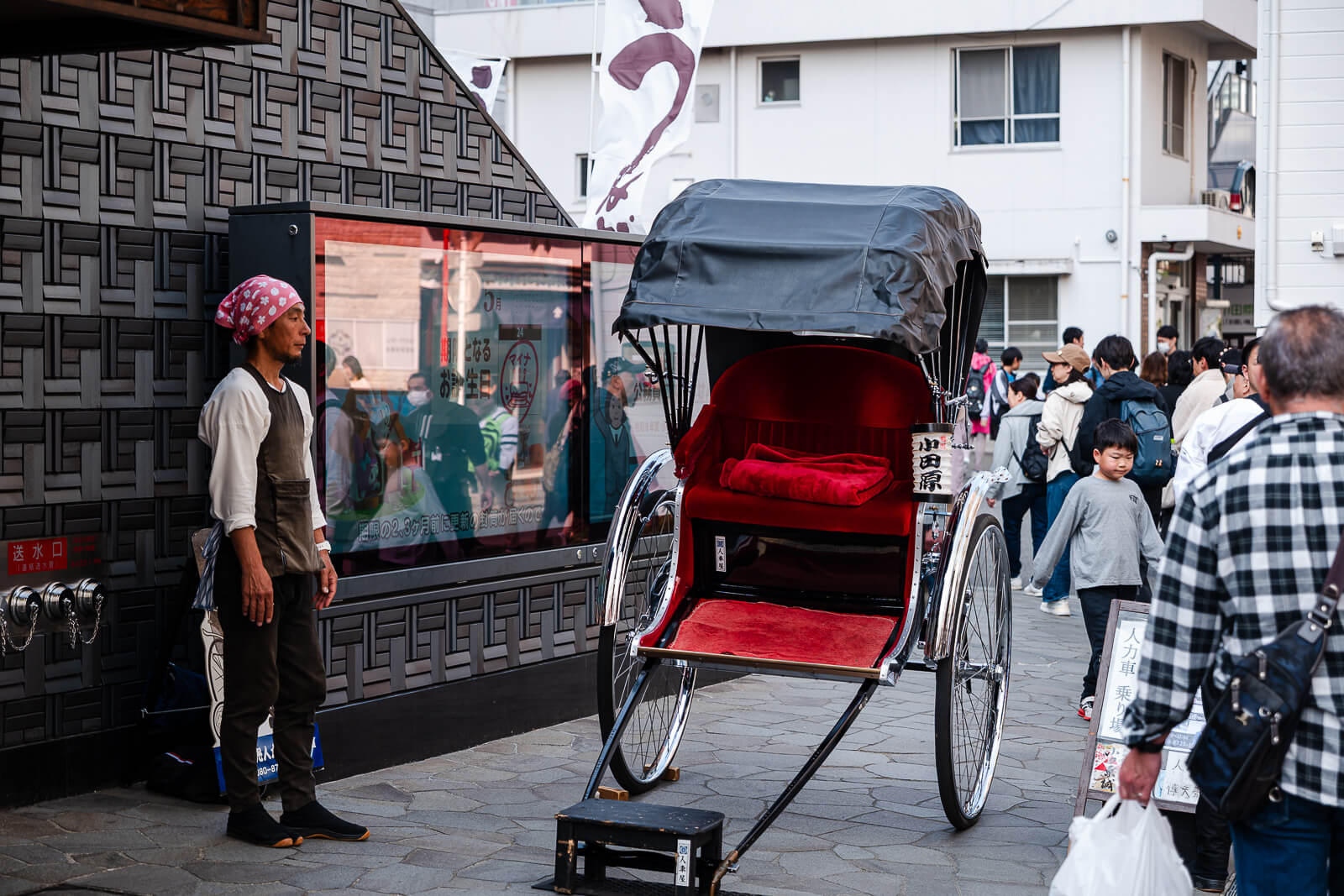
Because of that, the walk itself becomes part of the visit rather than simply transportation between attractions. Most visitors spend between one and three hours moving through the station district and castle area depending on whether the visit includes museums, food stops, or slower exploration around the grounds.

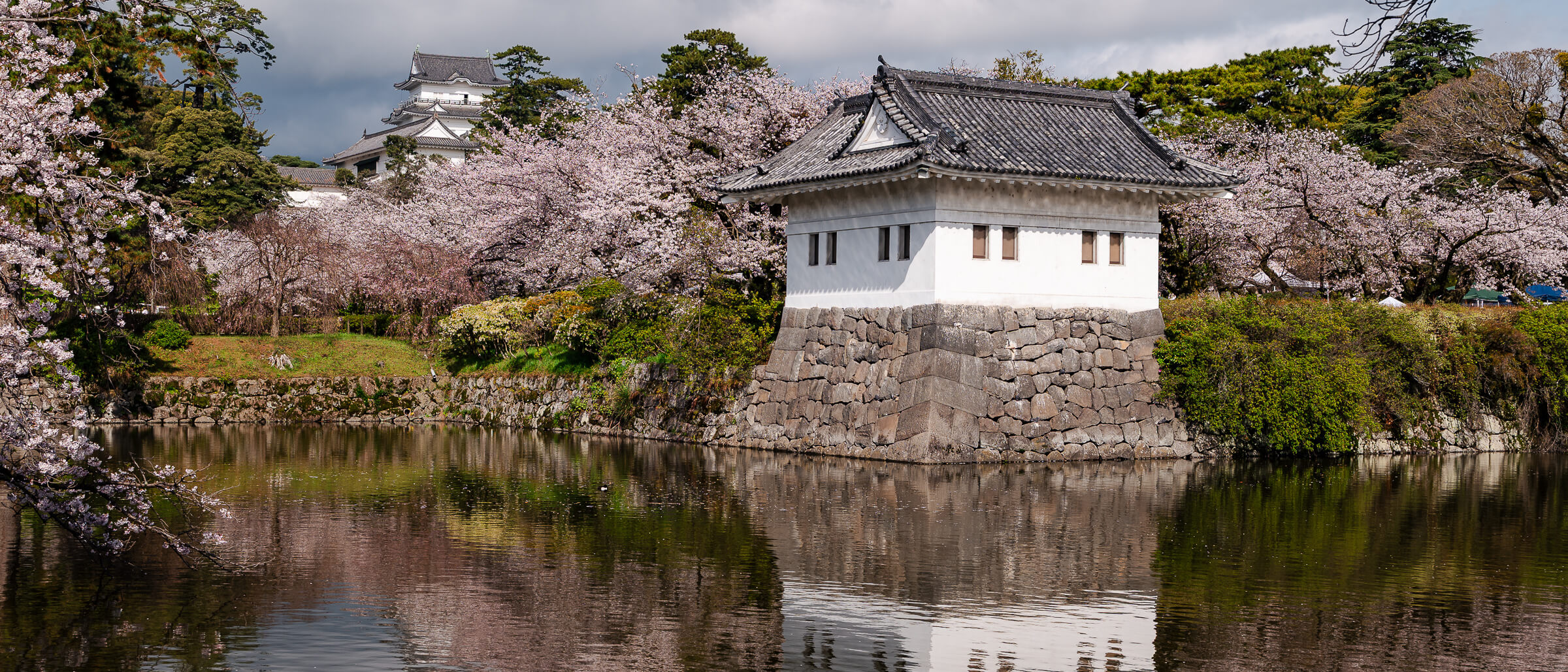
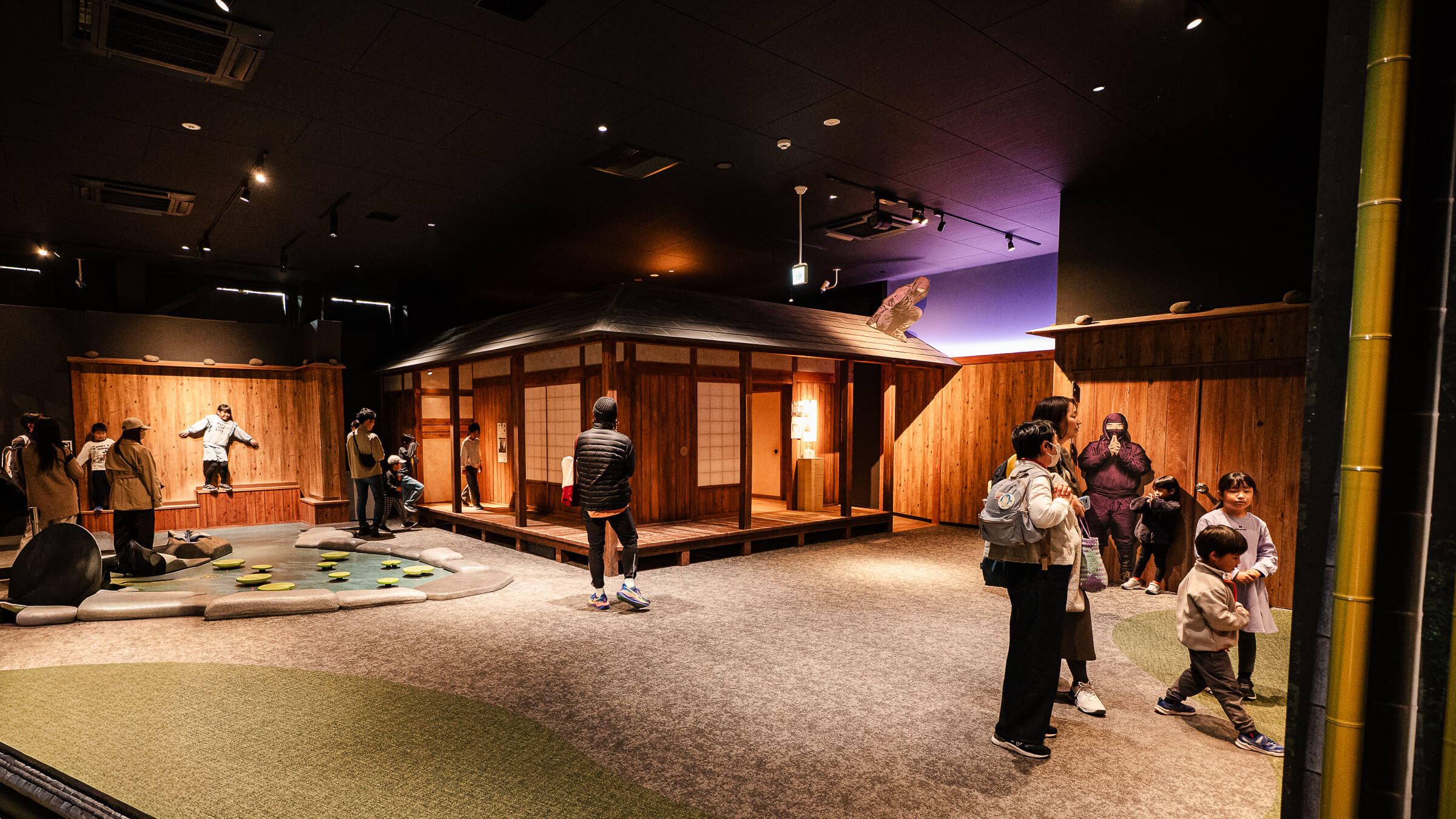
Several smaller attractions surrounding the castle also fit naturally into the movement through the area. Hotoku Ninomiya Shrine sits within the broader castle district and often becomes part of the same walk through the grounds. Nearby, the Odawara Castle Ninja Museum and Samurai Museum at Odawara Castle extend the visit further without requiring additional transportation.
The effort level remains relatively light because central Odawara is compact and mostly flat around the station and castle district. Crowd levels vary depending on weekends, holidays, and seasonal tourism movement toward Hakone, though the surrounding streets generally disperse foot traffic better than more compressed sightseeing districts elsewhere in the region.
Where the Station District Connects to the Rest of the Region
Near the station, Minaka Odawara adds another layer to the surrounding district through restaurants, shopping areas, local products, and public gathering spaces designed around historical architectural influences.
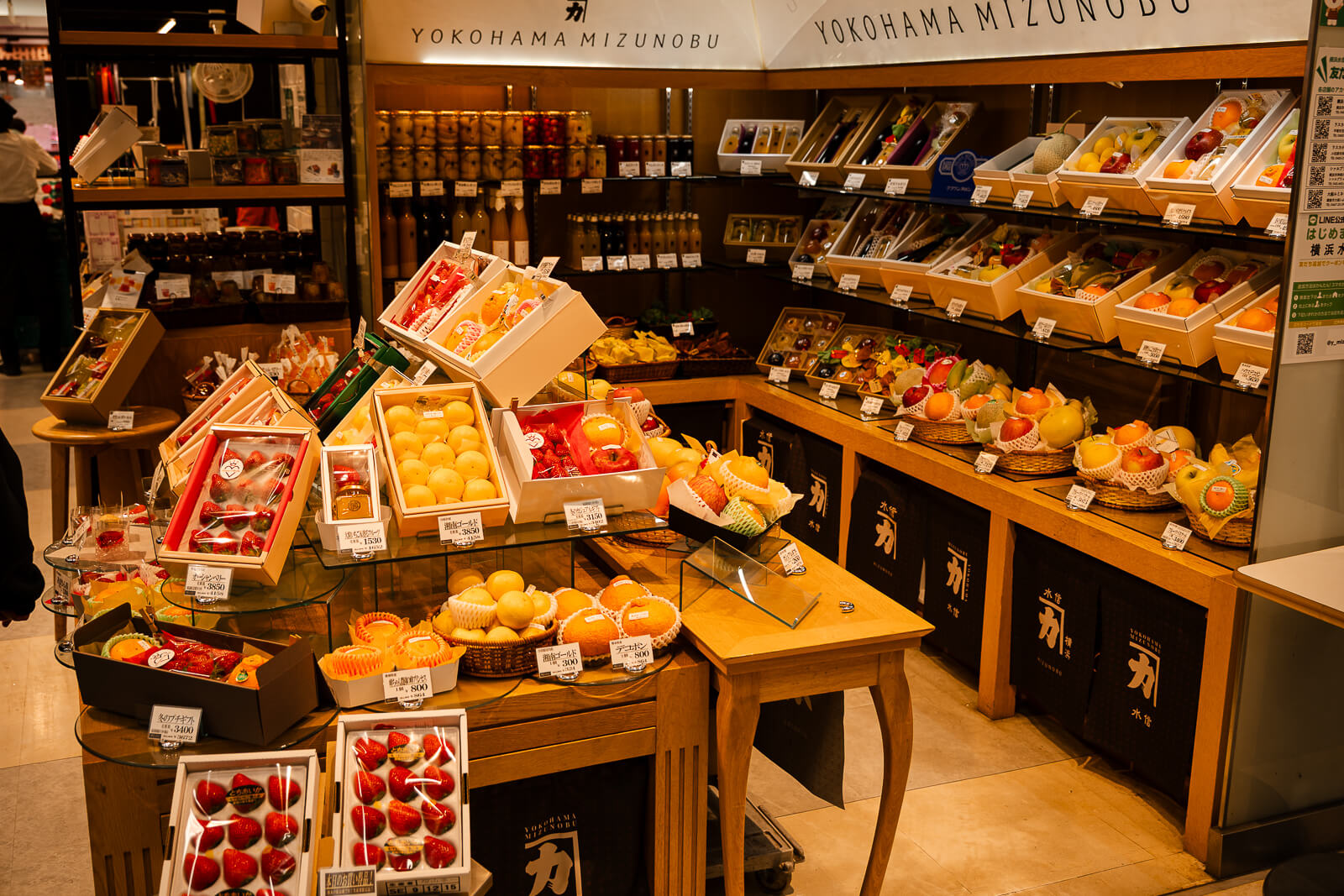
Rather than feeling isolated from the rest of the city, the complex helps soften the transition between rail infrastructure and the slower pace of the castle district beyond it. Travelers move naturally between station platforms, shopping streets, restaurants, and pedestrian routes without the environment feeling fragmented into separate zones.

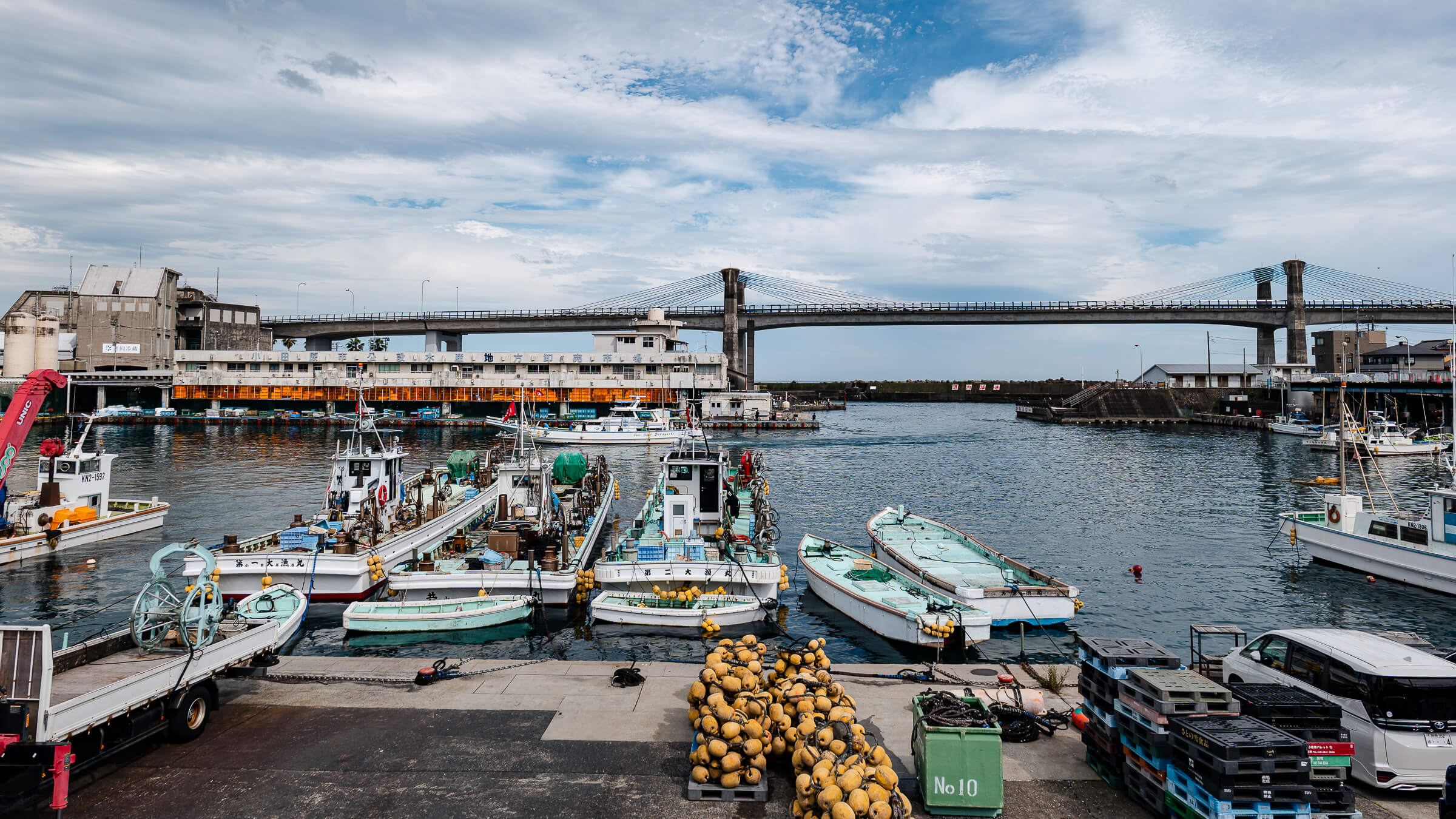
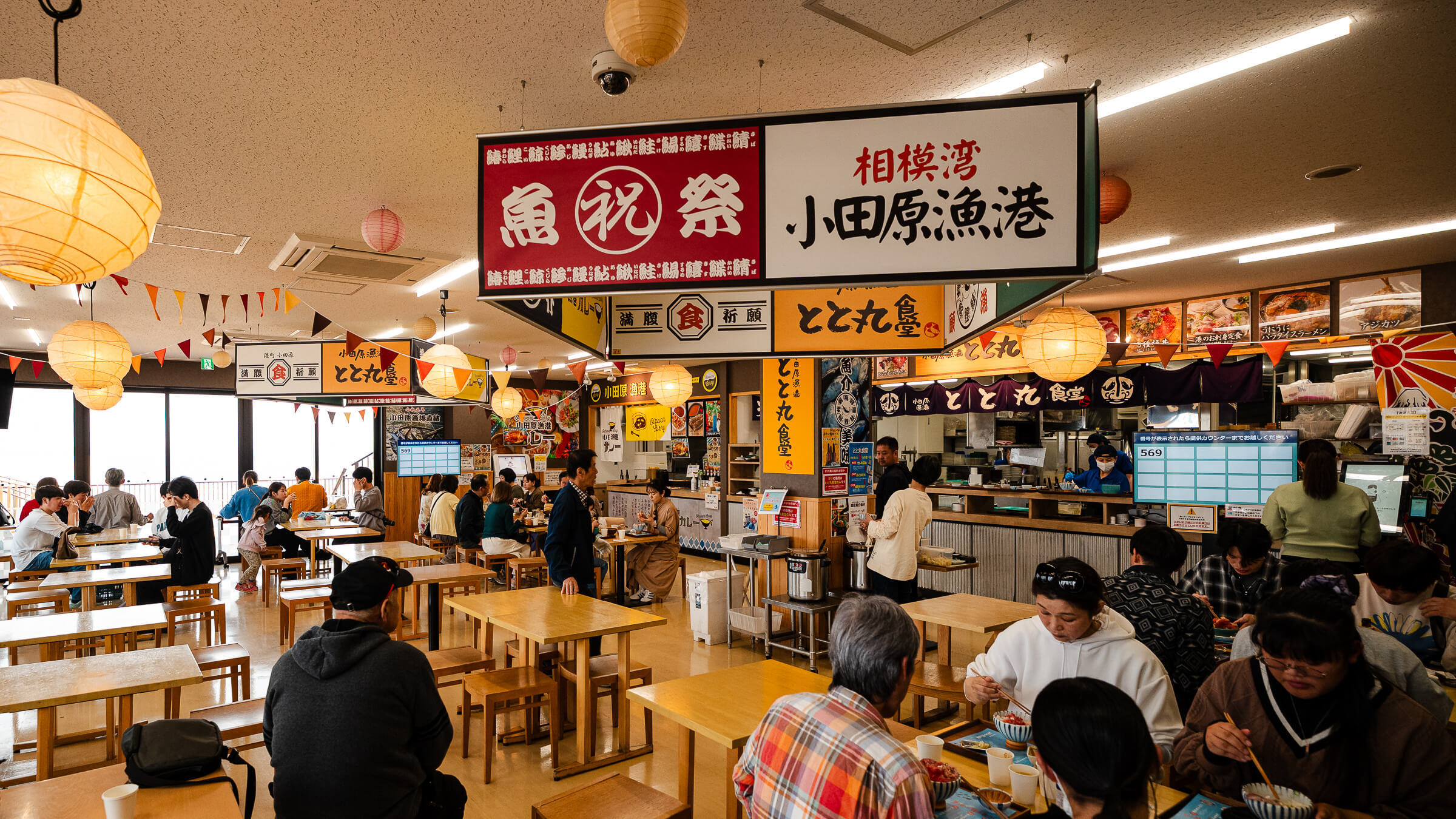
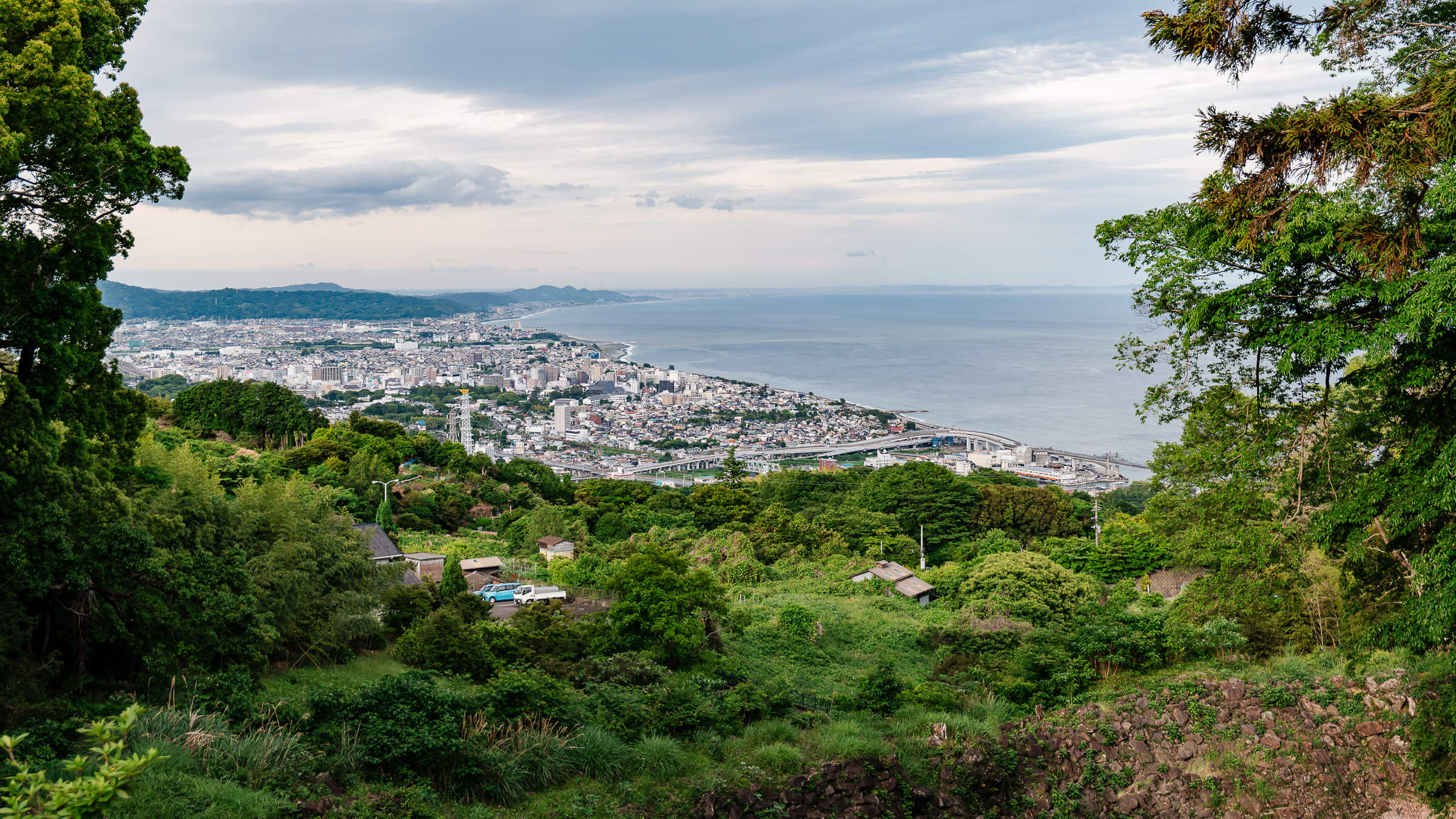
Movement outward from Odawara also remains unusually flexible. Odawara Fishing Port and TOTOCO Odawara continue the flow toward the coastline, while Ishigakiyama Castle Ruins shifts the perspective back above the city from the surrounding hills.

Farther beyond the city, Daiyuzan Saijo-ji Temple extends movement deeper into the mountains of western Kanagawa through forested temple grounds that feel increasingly separated from the rail corridor surrounding the station.
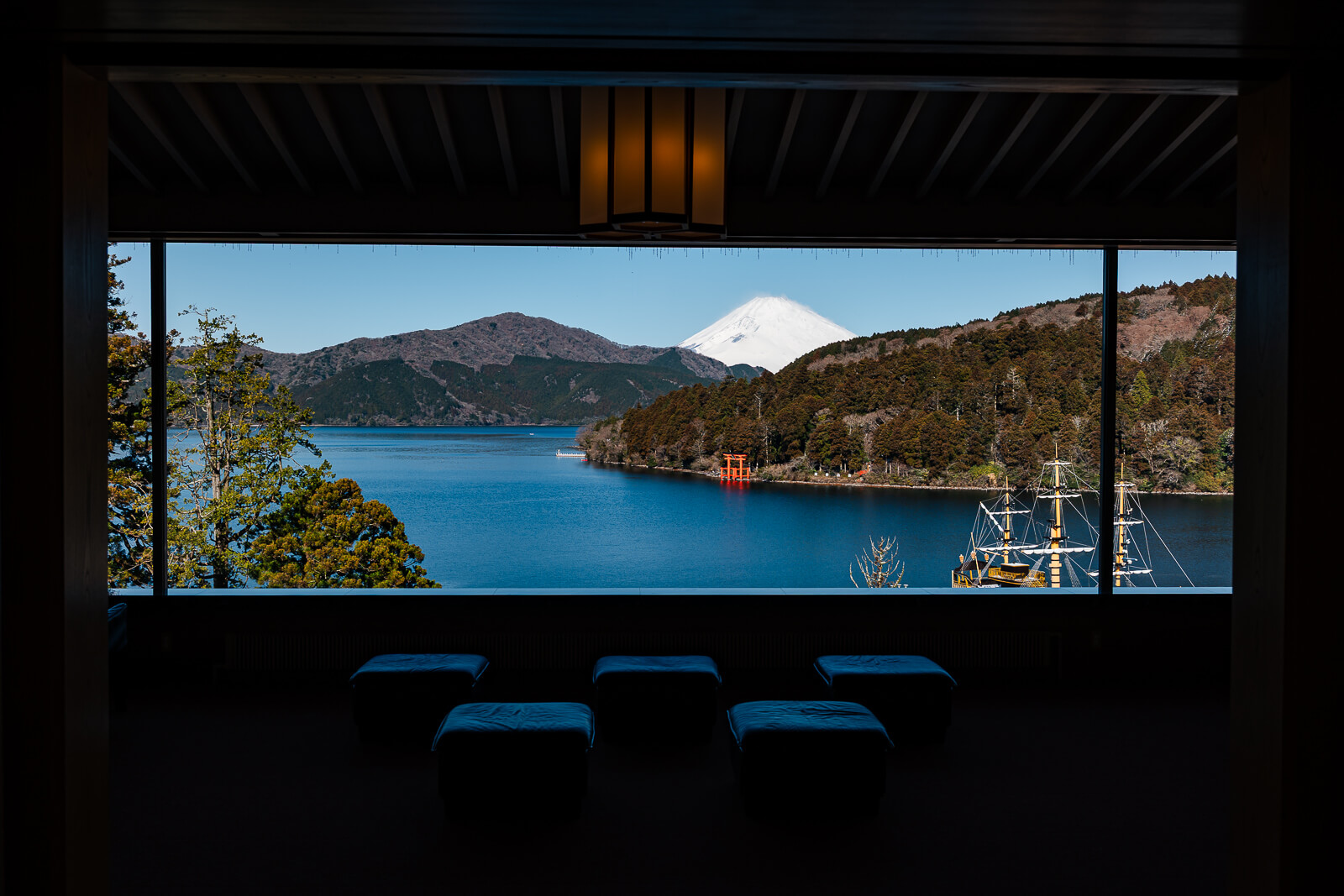
Instead of functioning purely as a transfer station, Odawara becomes part of the rhythm of movement itself. The city slows the pace enough for travelers to regroup while still keeping mountains, coastline, and major transportation routes within relatively easy reach.
How Odawara Fits Between Hakone and Atami
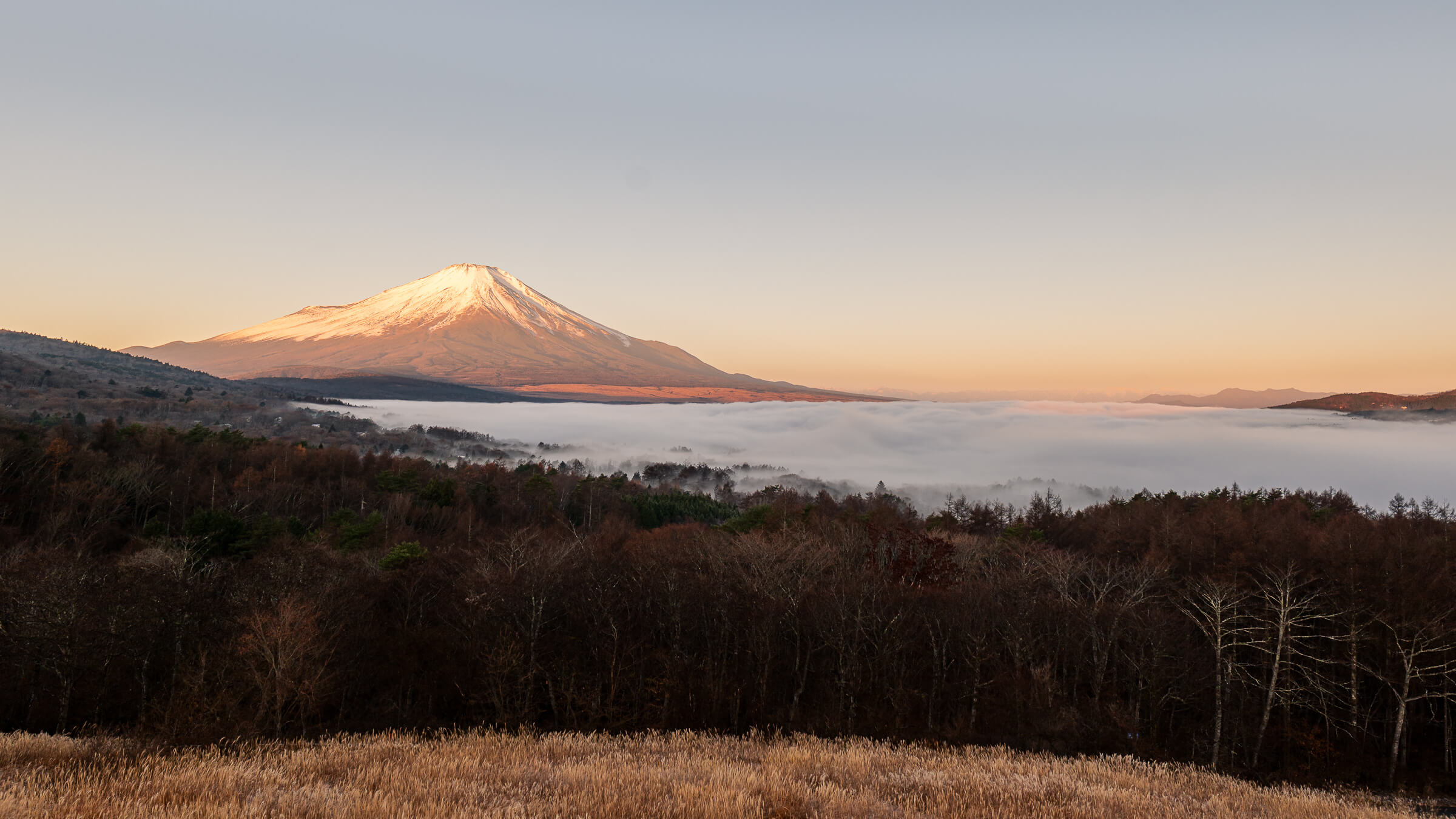
For many travelers, Odawara naturally becomes the transition point between mountain travel and coastal movement. Routes north-west lead toward ropeways, volcanic valleys, lakes, and ryokan towns, while the rail corridor south-west continues toward the waterfront atmosphere of Atami.
That geography changes how the city fits into larger trips across the region. Some travelers spend the morning around Odawara Castle before continuing into the mountains later in the day. Others move through the station after leaving Hakone and continue toward the coast for a slower overnight pace beside the sea.
Because the station connects these routes so efficiently, Odawara often becomes the point where the structure of the trip itself begins to change. Dense metropolitan movement gives way to mountains, coastline, smaller cities, and a slower regional rhythm that continues farther west through the rest of Japan.
Why Odawara Often Works Better as a Base Than Expected
Many travelers experience Odawara only as a transfer point before continuing elsewhere. In practice, the city often works far better as a travel base than people initially expect because it sits comfortably between mountain access, coastal movement, and long-distance rail connectivity while remaining manageable on foot.
From Odawara, travelers can move easily between Hakone, Atami, coastal Kanagawa, western Shizuoka, and major cities farther west through the Shinkansen network. At the same time, the city itself remains compact enough that transportation rarely dominates the experience once outside the station.
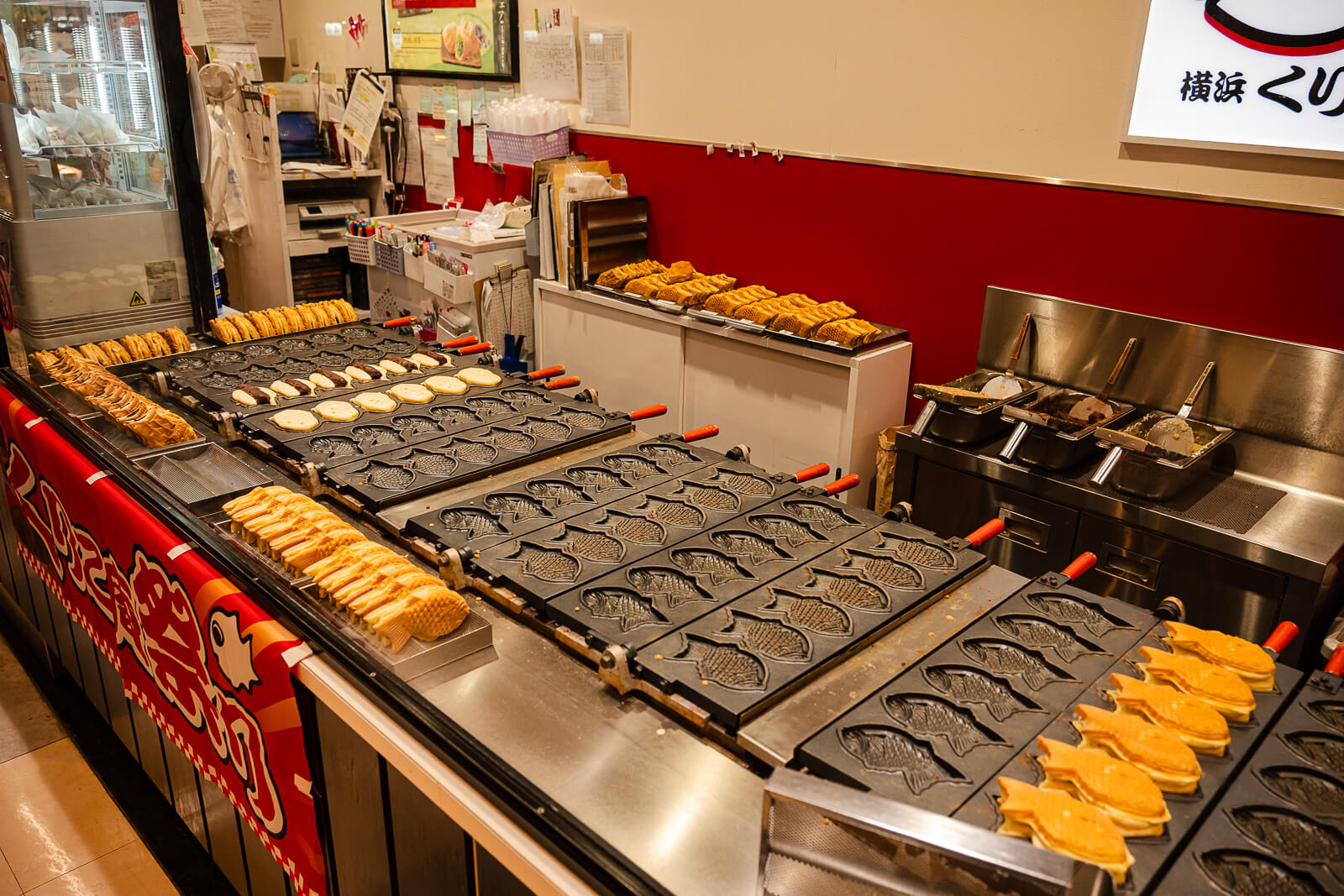
That combination reduces friction throughout the trip. Castle districts, museums, shopping streets, restaurants, and transportation connections all remain relatively close together while the surrounding rail network keeps much larger regions within practical reach. Instead of functioning purely as a transfer station, Odawara becomes a place where the rhythm of travel can briefly reset before movement begins again.
Getting There
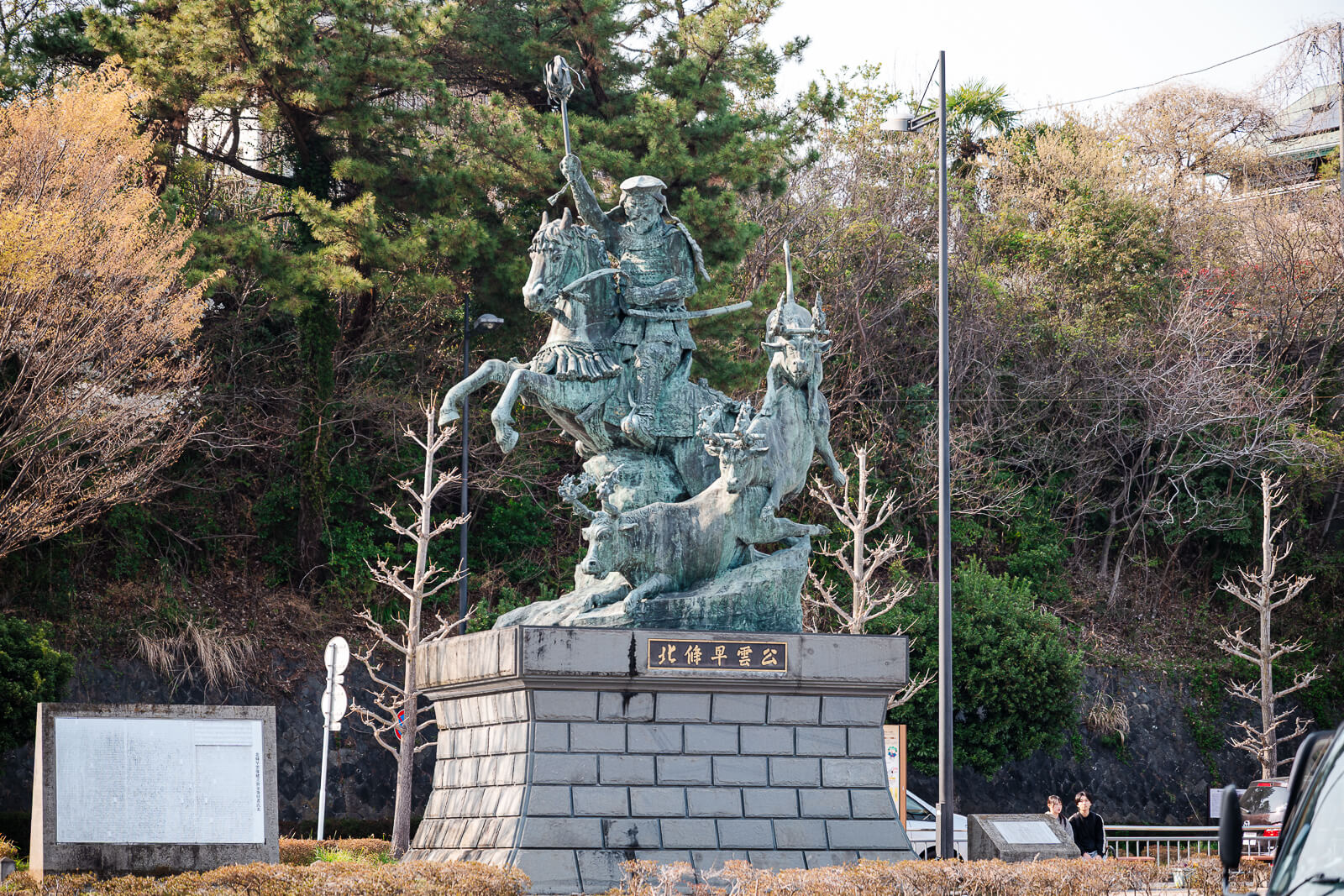
Odawara Station is located in western Kanagawa along the Tokaido transportation corridor connecting Tokyo with central and western Japan.
The station is served by the Tokaido Shinkansen, JR Tokaido Main Line, Odakyu Railway, Hakone Tozan Railway, and several regional transportation systems. From Tokyo, Odawara can be reached comfortably by Shinkansen, JR Tokaido Line, or the Odakyu Romancecar from Shinjuku.
Most central Odawara attractions, including the castle district and surrounding shopping streets, remain walkable directly from the station area.