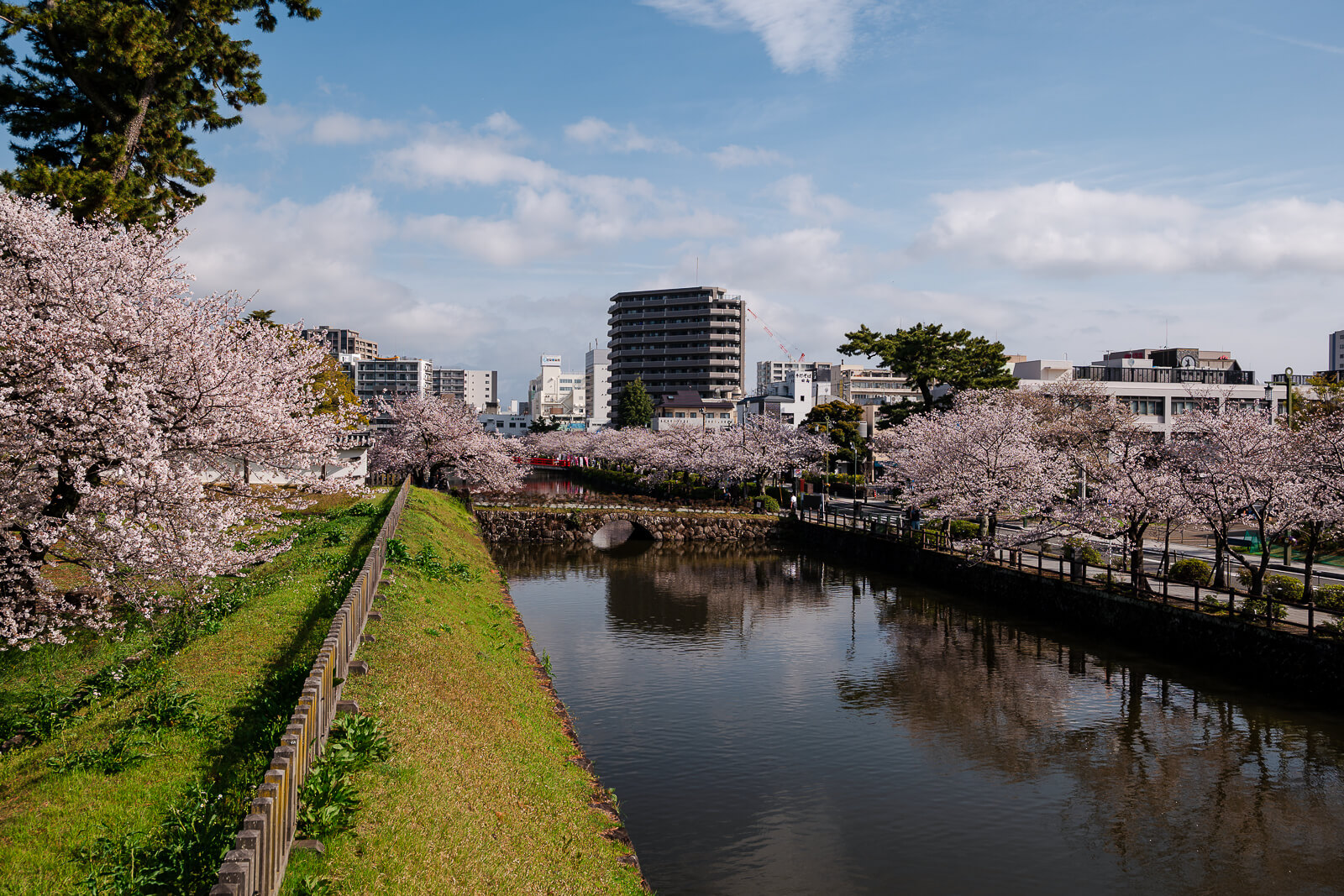
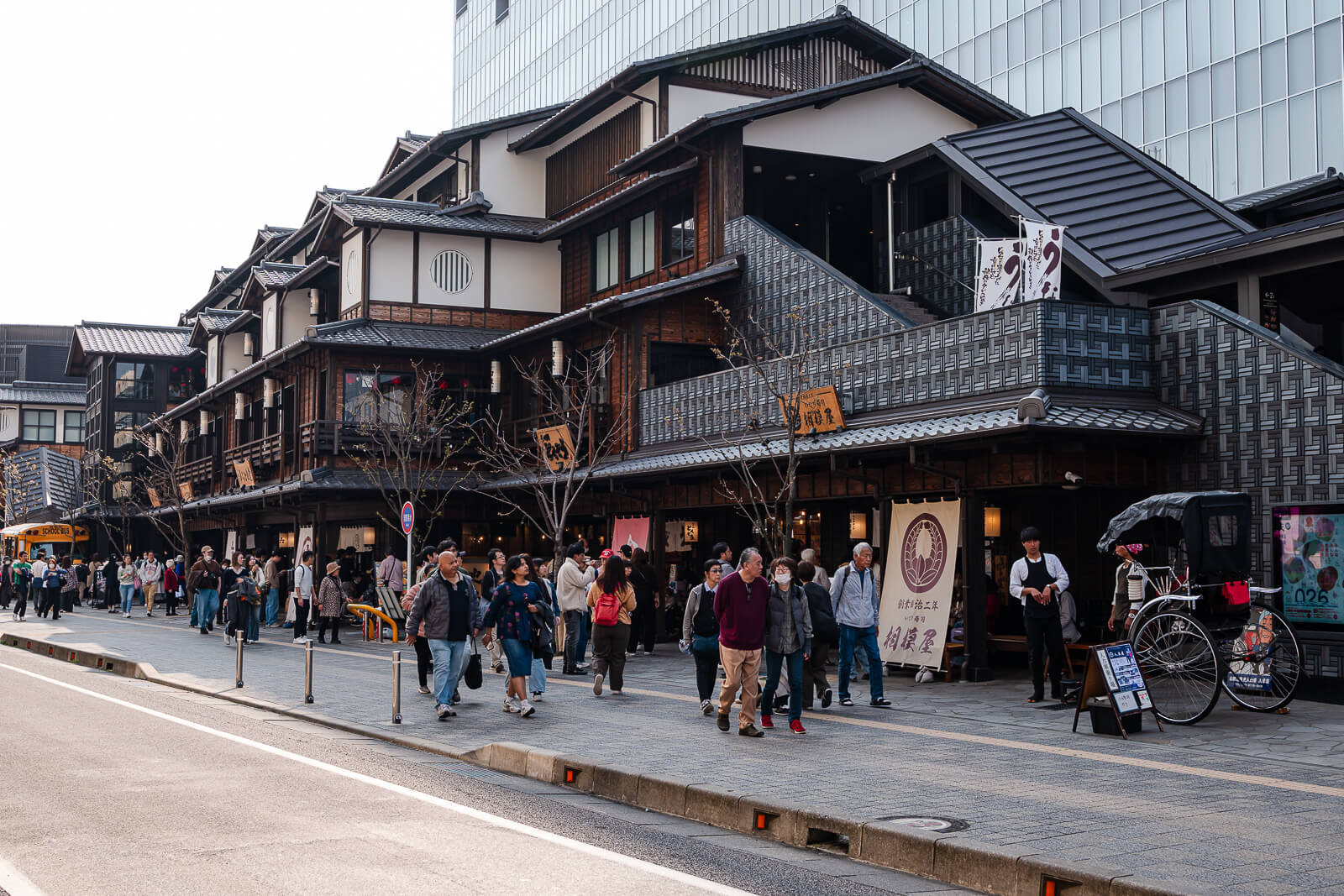
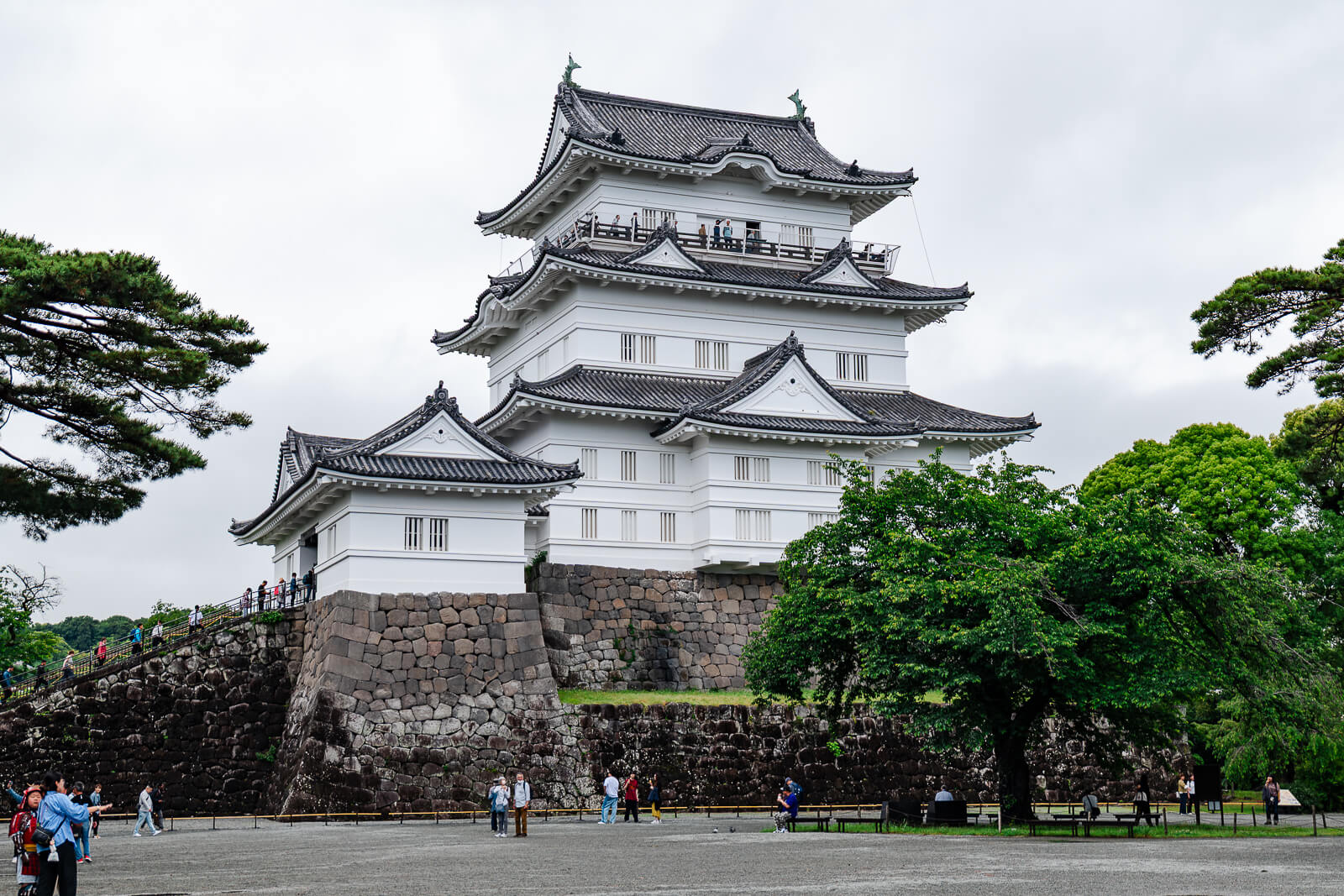
Odawara sits in western Kanagawa between the coast, Hakone, and the mountain corridors leading deeper into central Japan. Most visitors first encounter the city through Odawara Station & Castle District, where Shinkansen lines, local rail networks, and routes into Hakone converge within walking distance of Odawara Castle.
The city combines castle history, seafood culture, and regional transit in a layout that remains surprisingly compact once you arrive. Areas around Odawara Castle, the station district, and the Odawara Fishing Port can be explored independently or combined into a full day that balances transit convenience, coastal access, and castle history within a walkable area.
Unlike destinations built around a single attraction, Odawara functions as both a place to explore and a practical base for moving outward toward Atami, Hakone, or the western coast of Kanagawa. That flexibility makes the city work well for travelers arriving by rail, while still rewarding slower exploration beyond the station area.
Odawara works well as a focused castle-and-seafood stop, but with more time, it can also anchor an easy route toward Hakone, Atami, and the western Kanagawa coast.
Arriving & Moving Through Odawara
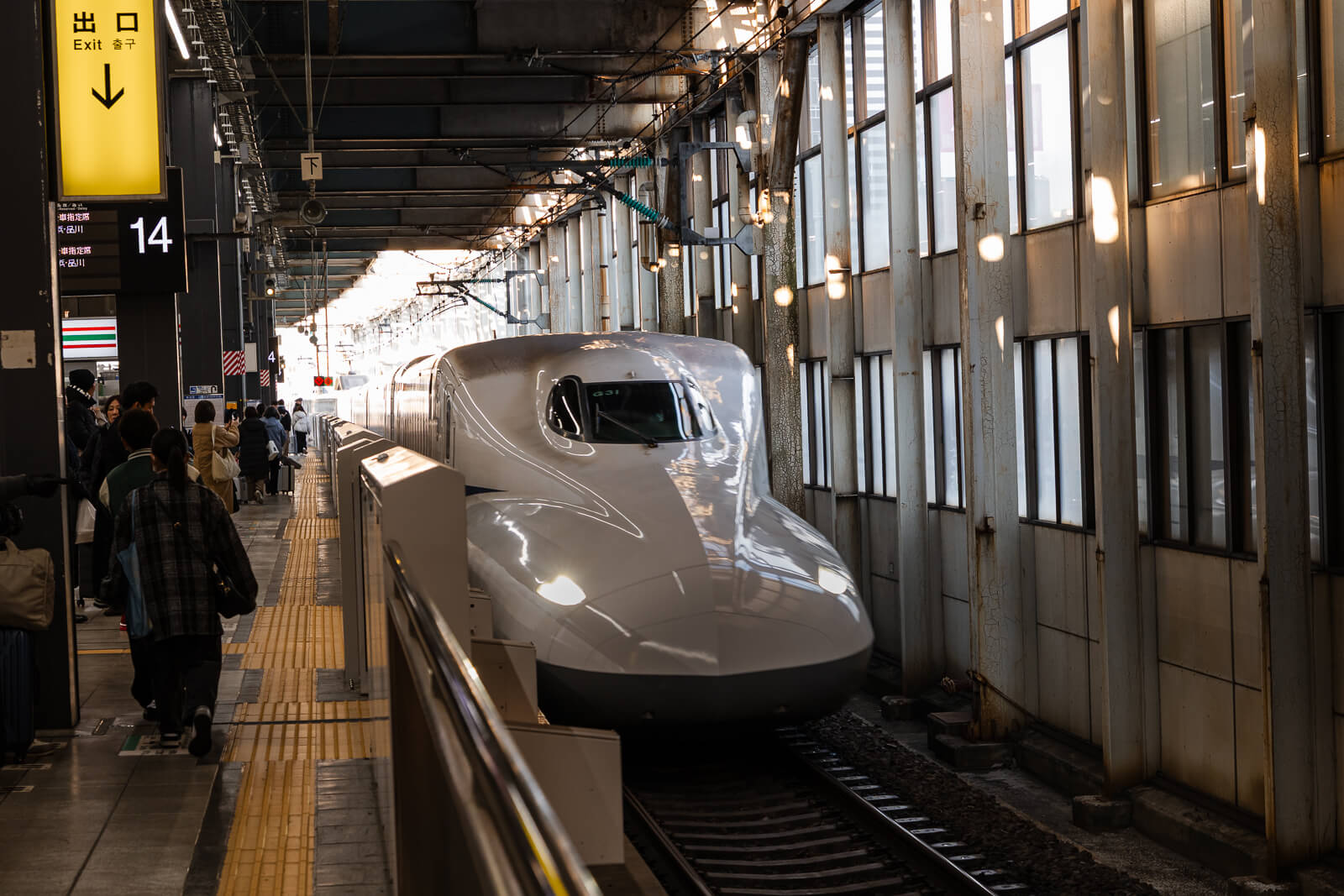
Odawara begins as a transit city for many travelers, but the area surrounding Odawara Station quickly reveals a more layered layout once you move beyond the platforms. The station sits within walking distance of the castle district, shopping streets, and local rail lines leading toward Hakone and the western coast of Kanagawa.
Unlike larger station districts in Yokohama or Tokyo, Odawara remains compact enough to explore on foot without losing geographic clarity. That makes the city easier to understand quickly, especially for travelers balancing a castle visit, seafood stop, or onward movement into Hakone within the same day.
Odawara works well for travelers balancing Hakone access, castle sightseeing, seafood stops, and onward rail travel without changing hotels repeatedly.
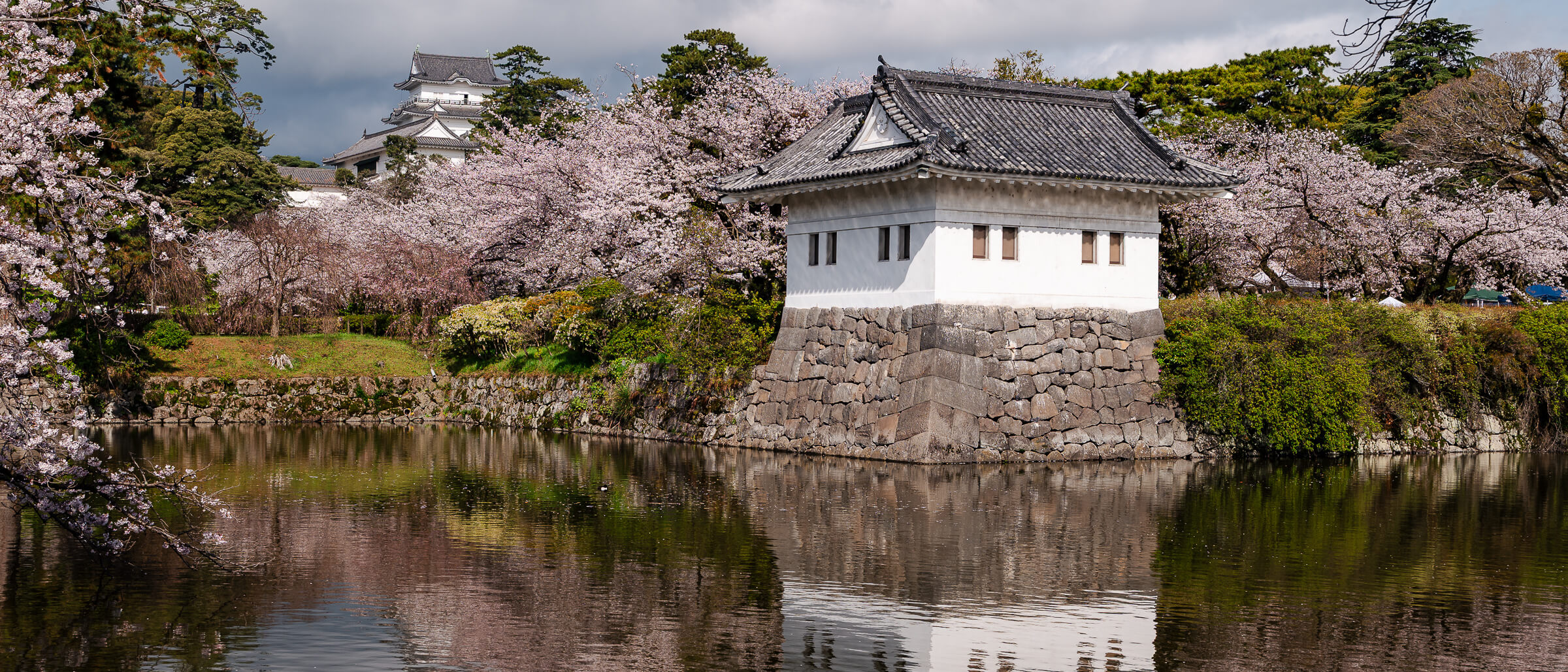
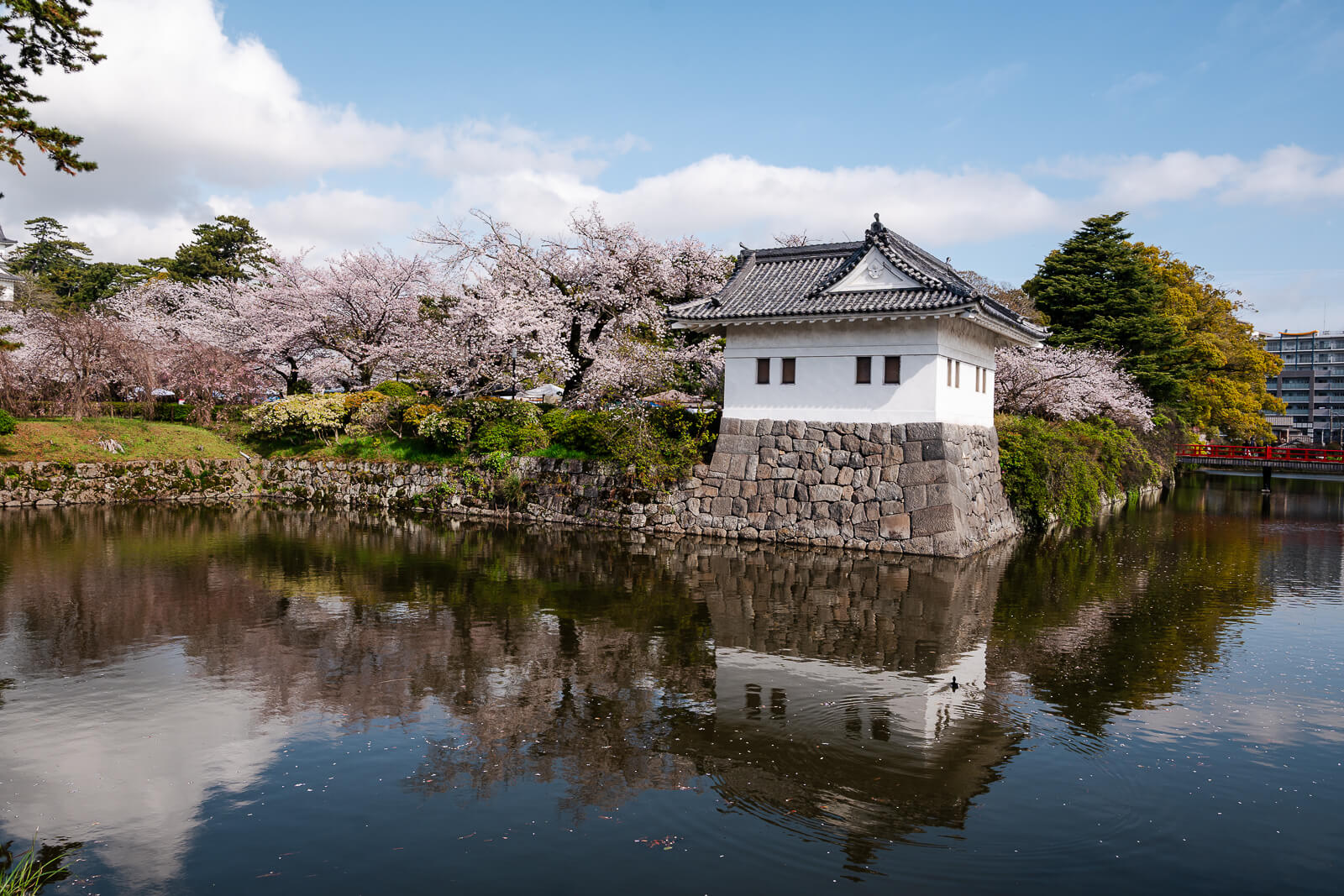
The area surrounding Odawara Castle forms the historical center of the city and remains one of the easiest castle districts in Japan to explore on foot. Castle gates, museums, shrine grounds, and walking paths sit close together, so the district feels like one connected historical area instead of a set of isolated stops.
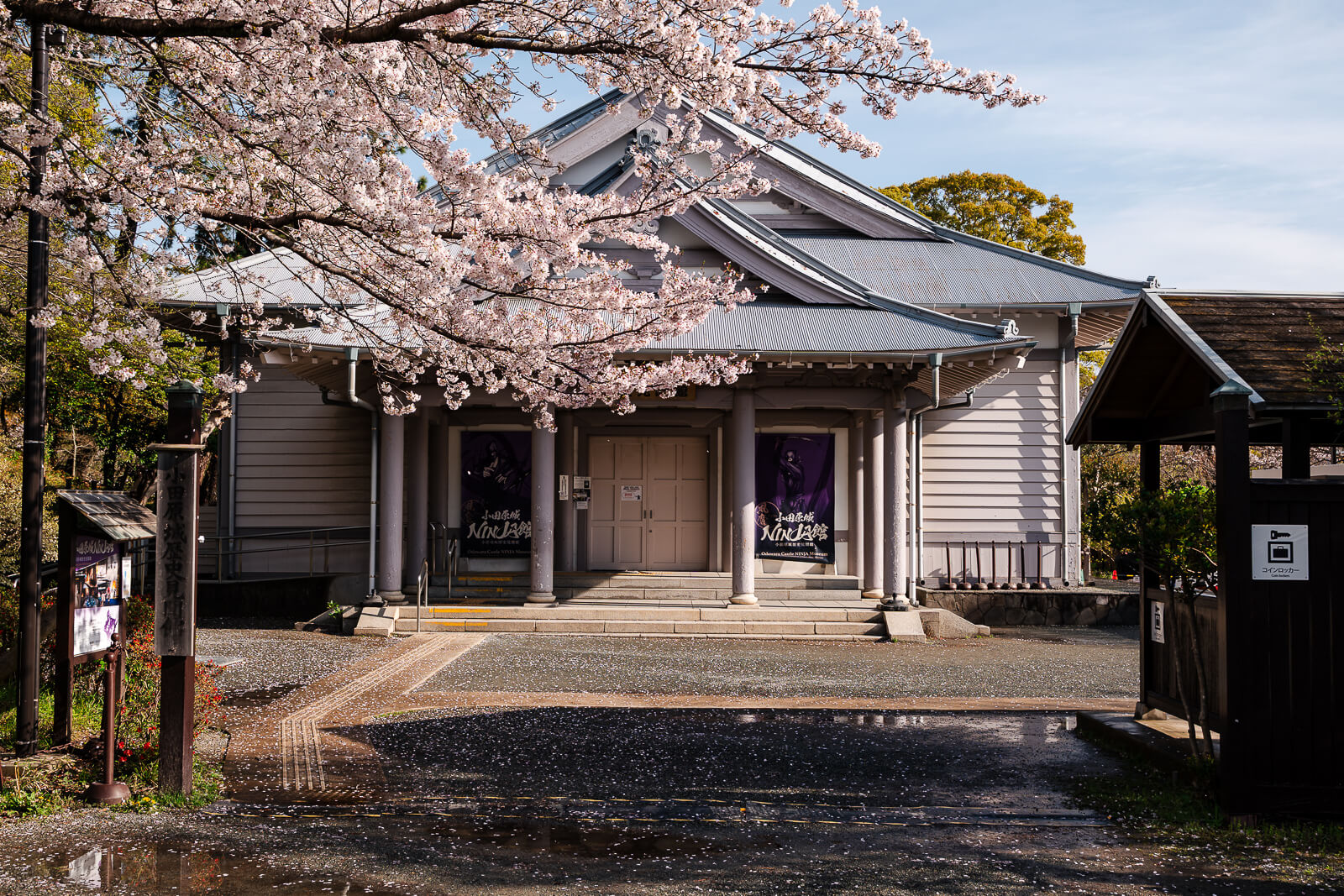
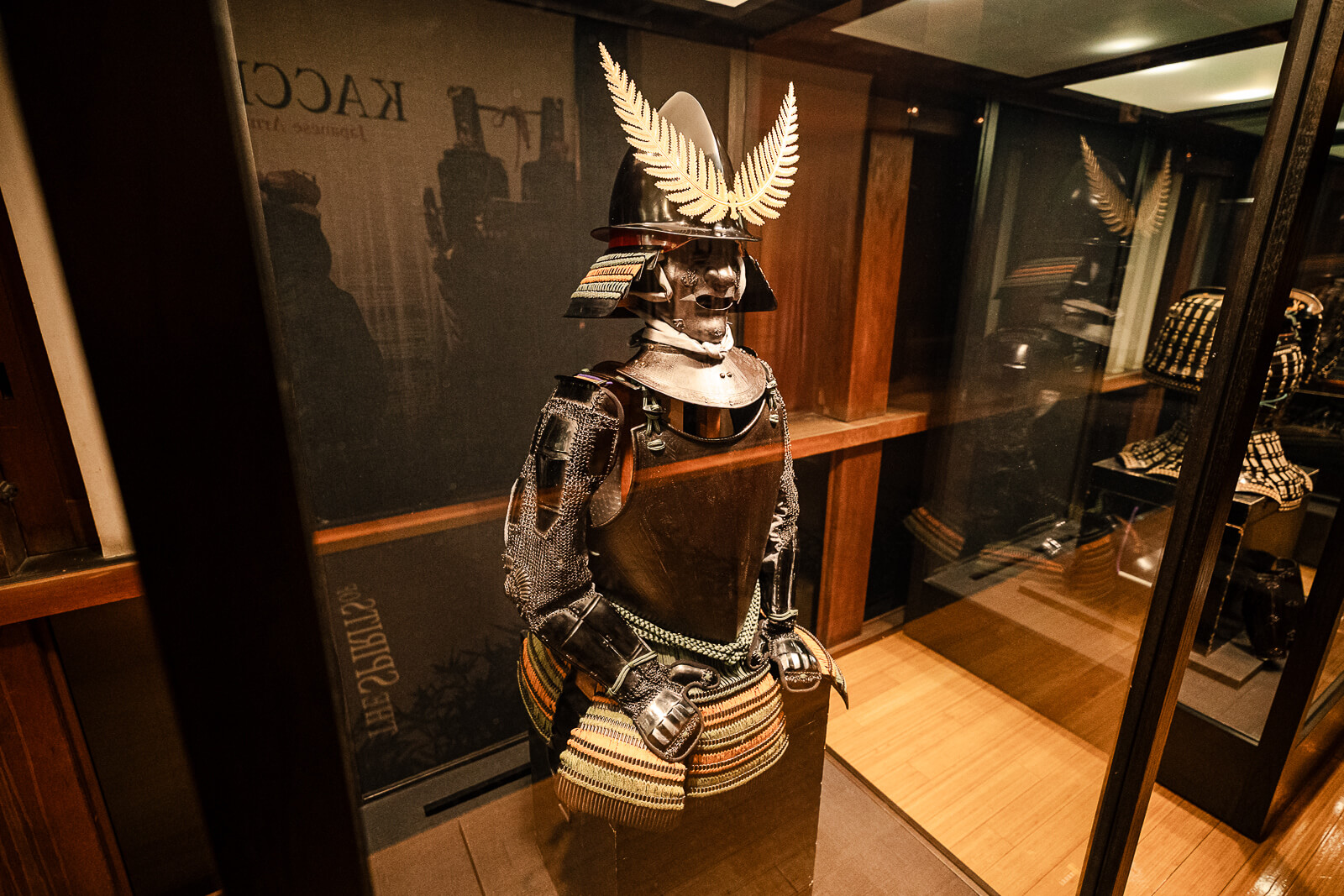
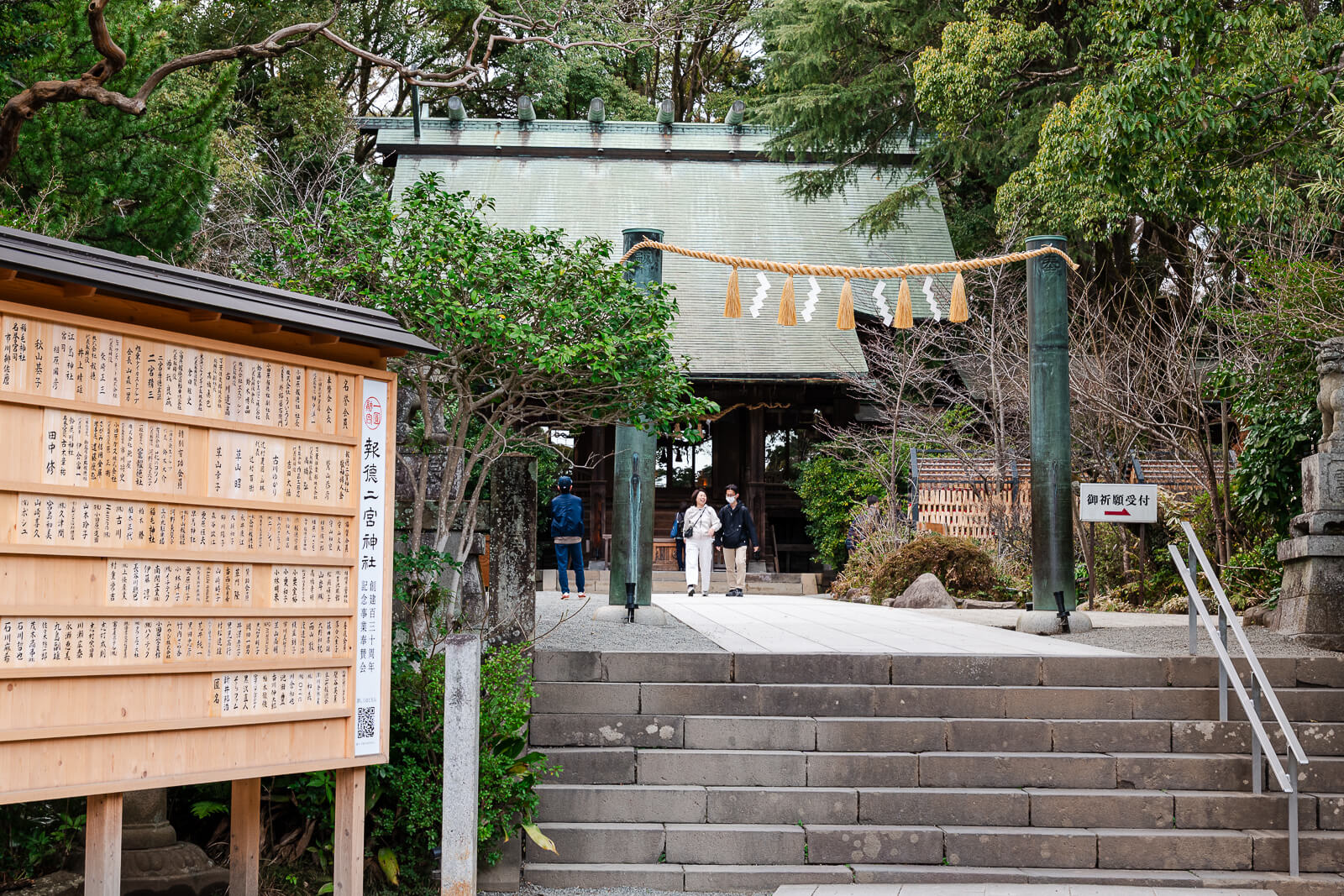
Smaller locations like the Samurai Museum and Ninja Museum work best as extensions of the castle grounds themselves, while Hotoku Ninomiya Shrine adds a quieter layer beside the surrounding historical structures. Together, the district explains how Odawara developed as both a defensive stronghold and an important gateway between eastern and western Japan.
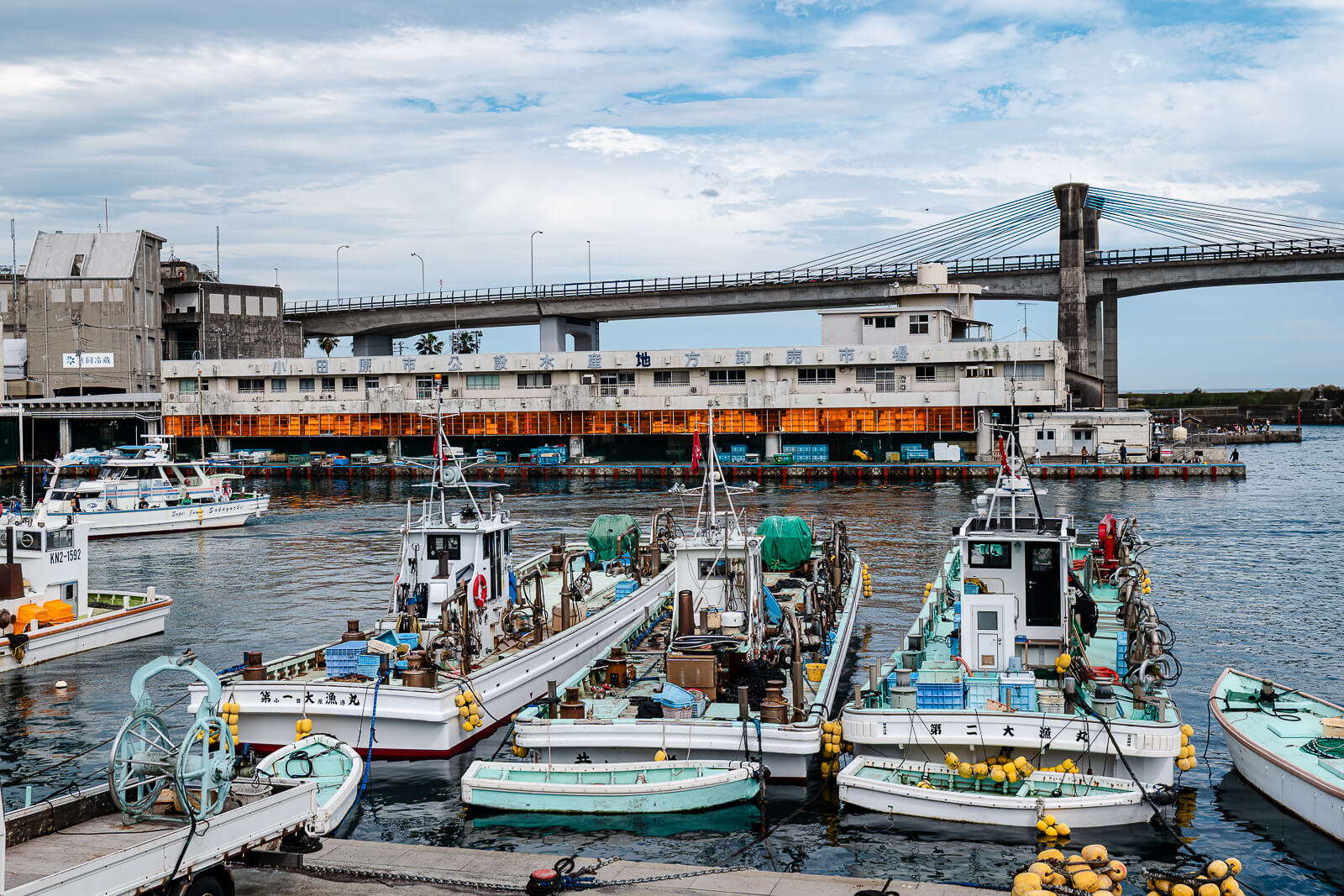
The atmosphere changes noticeably once you move toward Hayakawa and the fishing port south of the castle district. Seafood markets, harbor restaurants, and coastal roads replace the denser station layout, creating a slower rhythm shaped more by working waterfront activity than rail movement.
Areas around the Odawara Fishing Port and TOTOCO Odawara work well as either standalone stops or extensions of a broader day exploring the city. The short distance between the castle, station district, and harbor is part of what makes Odawara unusually flexible compared to larger coastal cities.
See working fishing boats, fresh seafood markets, and the coastal side of Odawara beyond the castle and station district.
The Hills Above Odawara
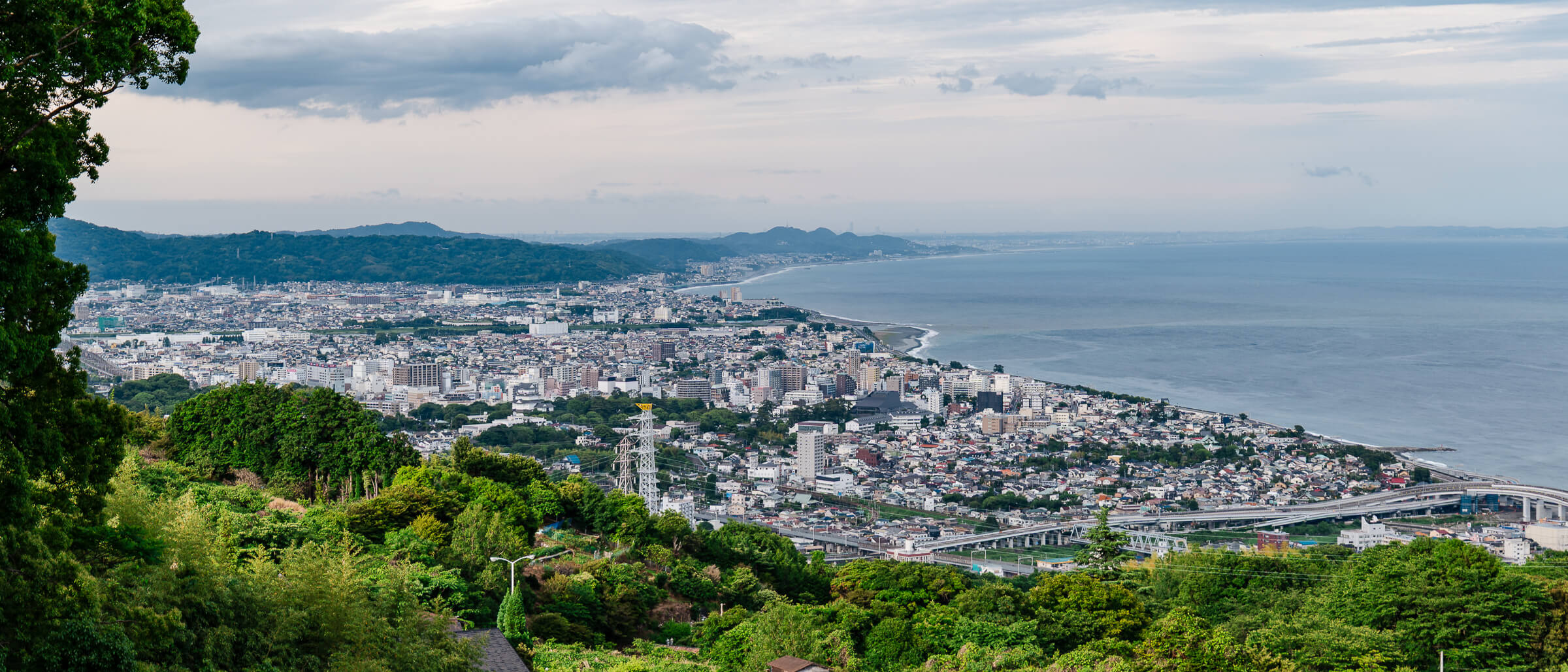
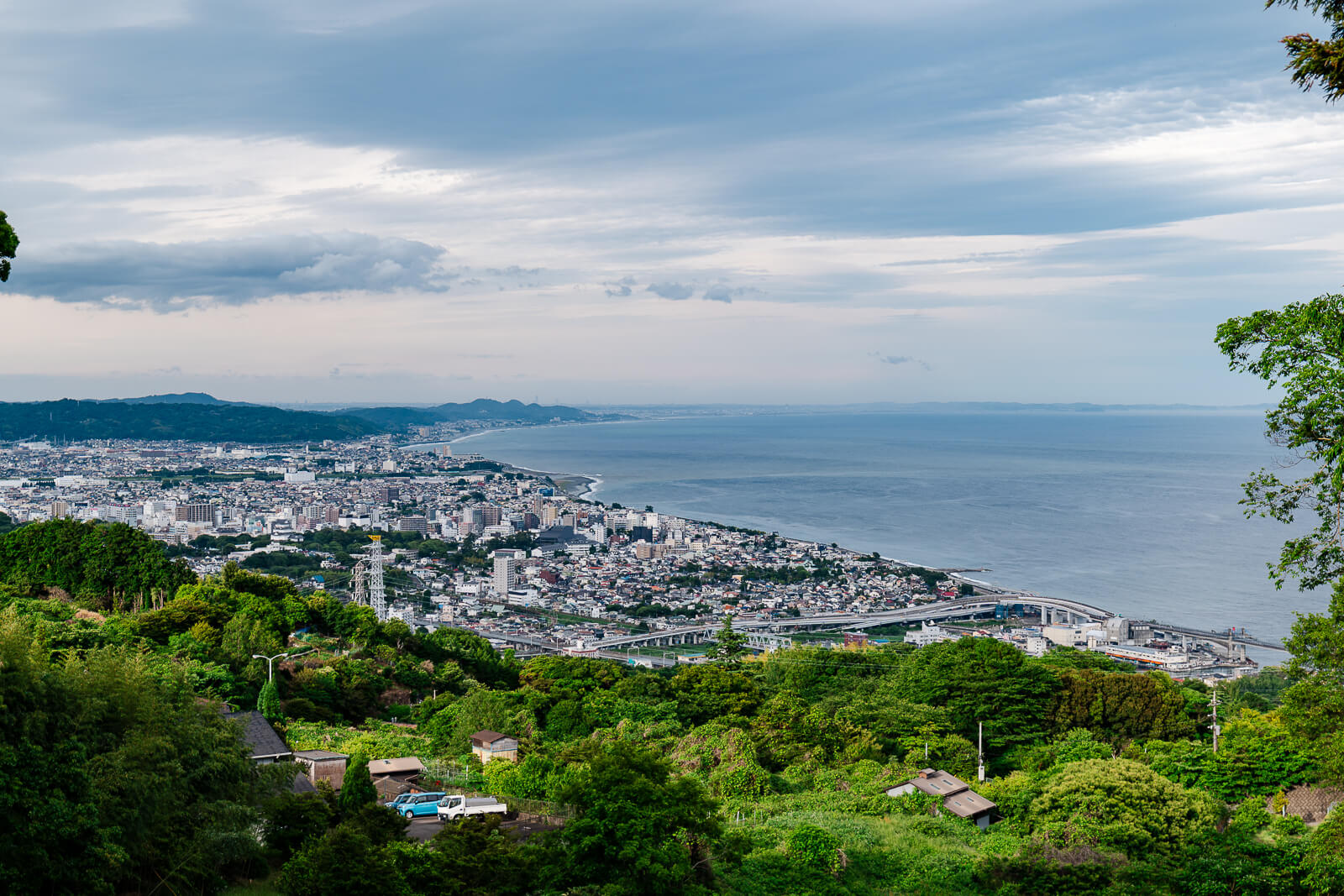
Odawara becomes easier to understand once viewed from the hills above the city. Elevated locations like Ishigakiyama Castle Ruins reveal how the coastline, castle district, station area, and surrounding mountains connect within a relatively compressed geographic corridor.
The overlook also helps explain why Odawara historically developed as both a defensive position and a transportation gateway. From above, the relationship between Hakone, Sagami Bay, and the movement routes passing through the region becomes much more visible.