Why Lake Suwa Surprises Many Visitors
Lake Suwa is the largest lake in Nagano Prefecture and serves as the geographic and cultural center of the Suwa region. Surrounded by historic shrine complexes, hot spring towns, museums, scenic viewpoints, and mountain landscapes, the lake forms the centerpiece of a destination that offers far more than its shoreline alone might suggest.
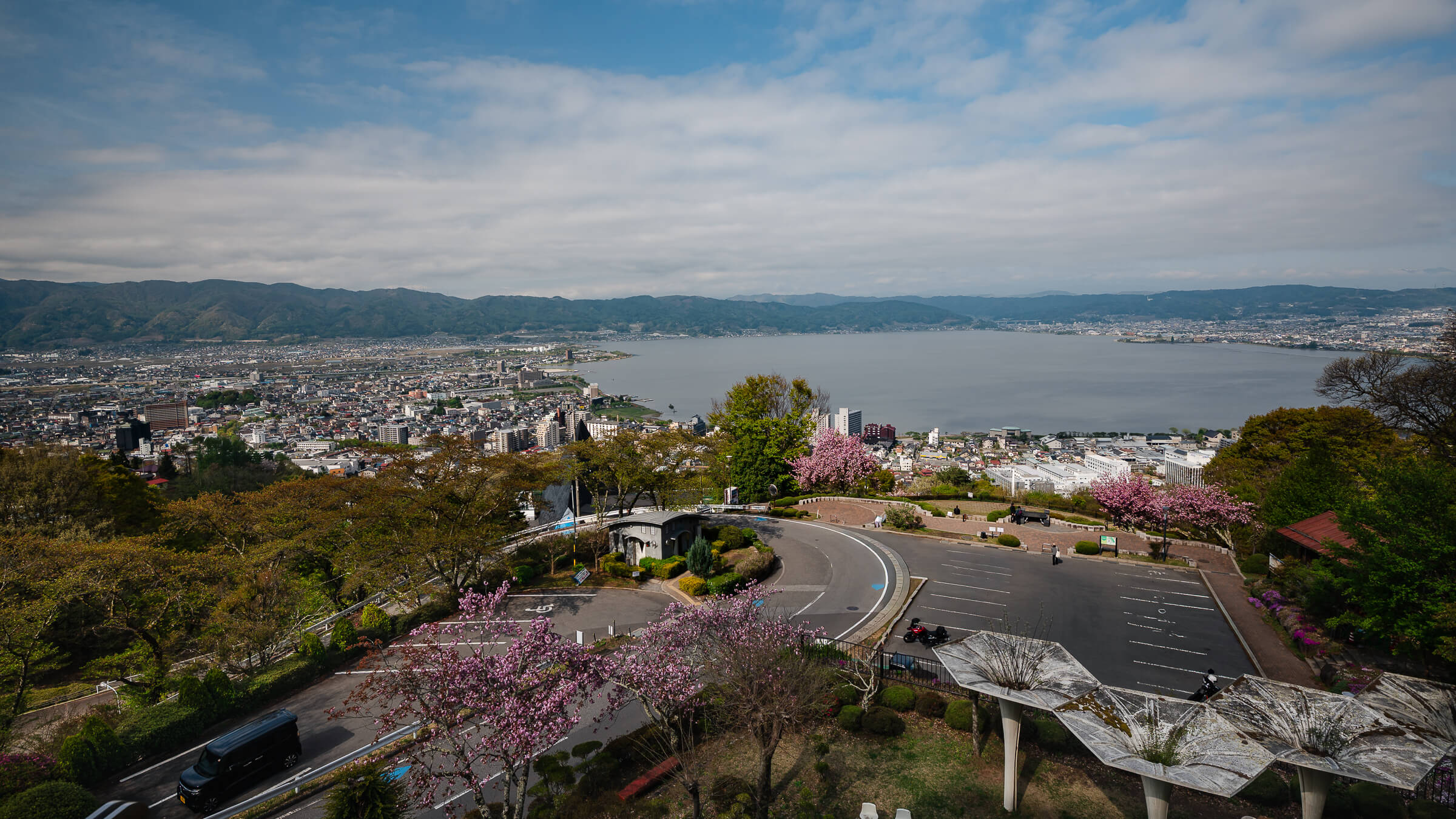
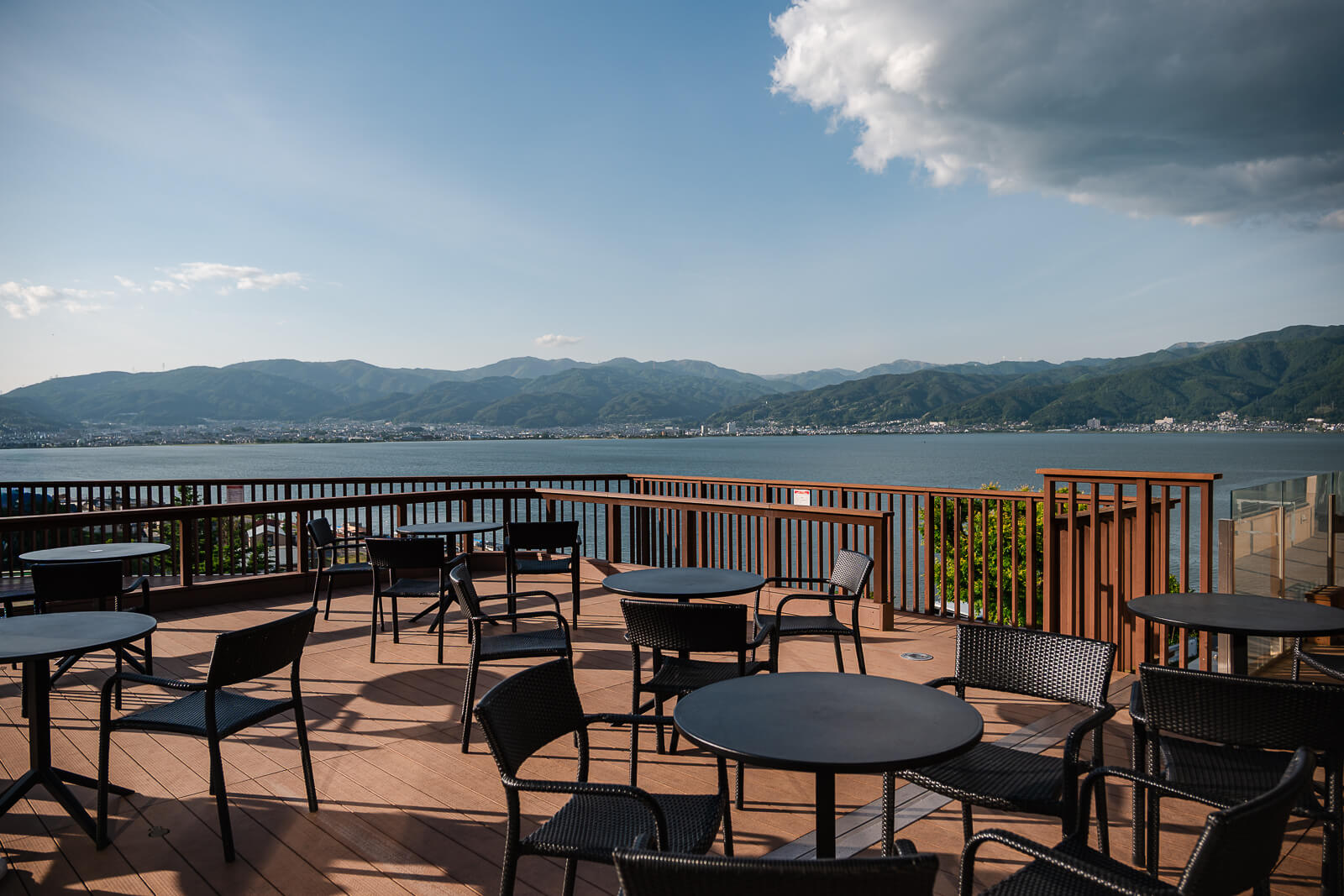
Many travelers first encounter Lake Suwa while moving between Matsumoto, Yamanashi, Nagano City, and the Japanese Alps. Others arrive after seeing the area from above at Suwako Service Area or while passing through Kamisuwa Station. Although the lake itself immediately draws attention, the broader region unfolds across several communities that each contribute something different to the overall experience.
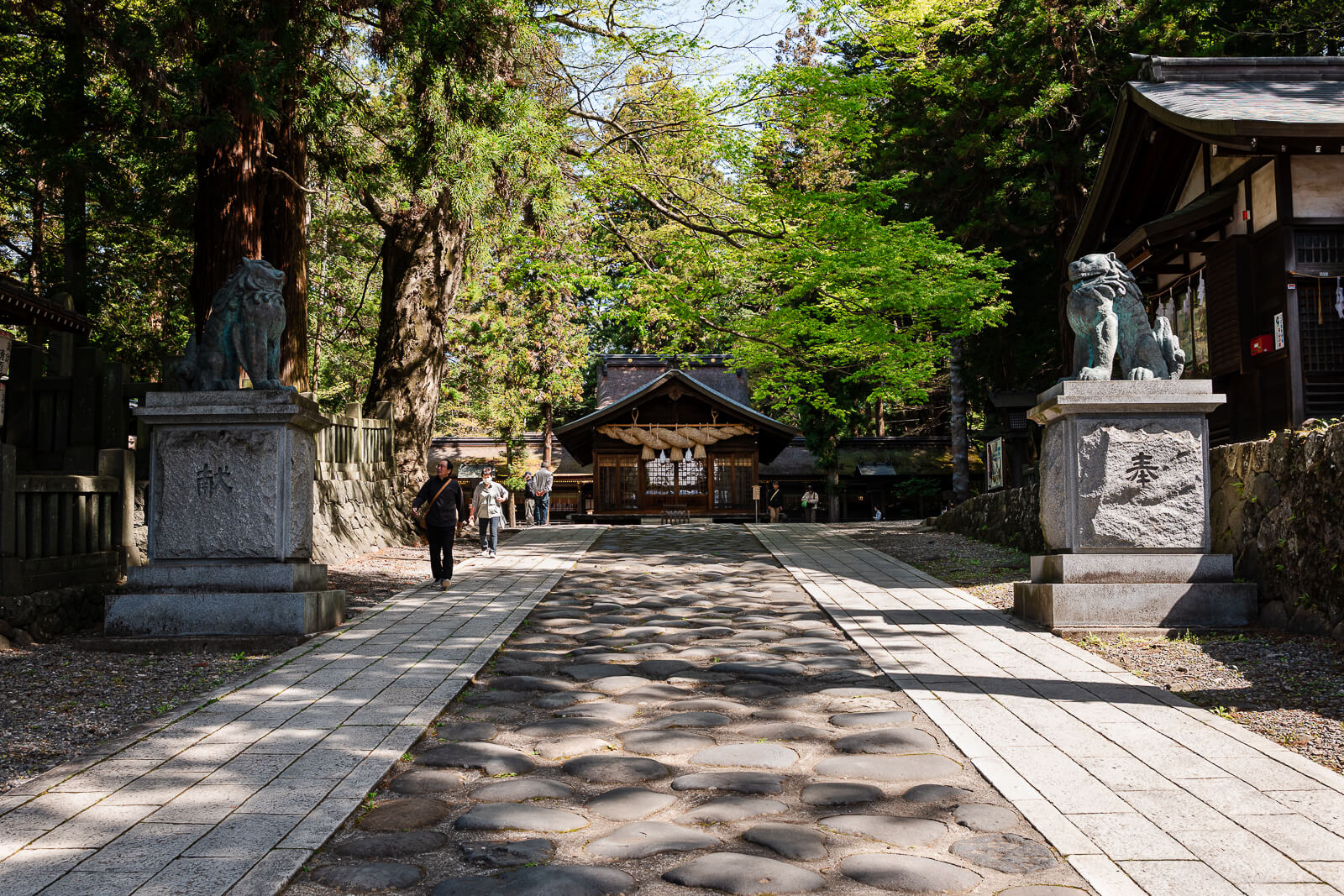
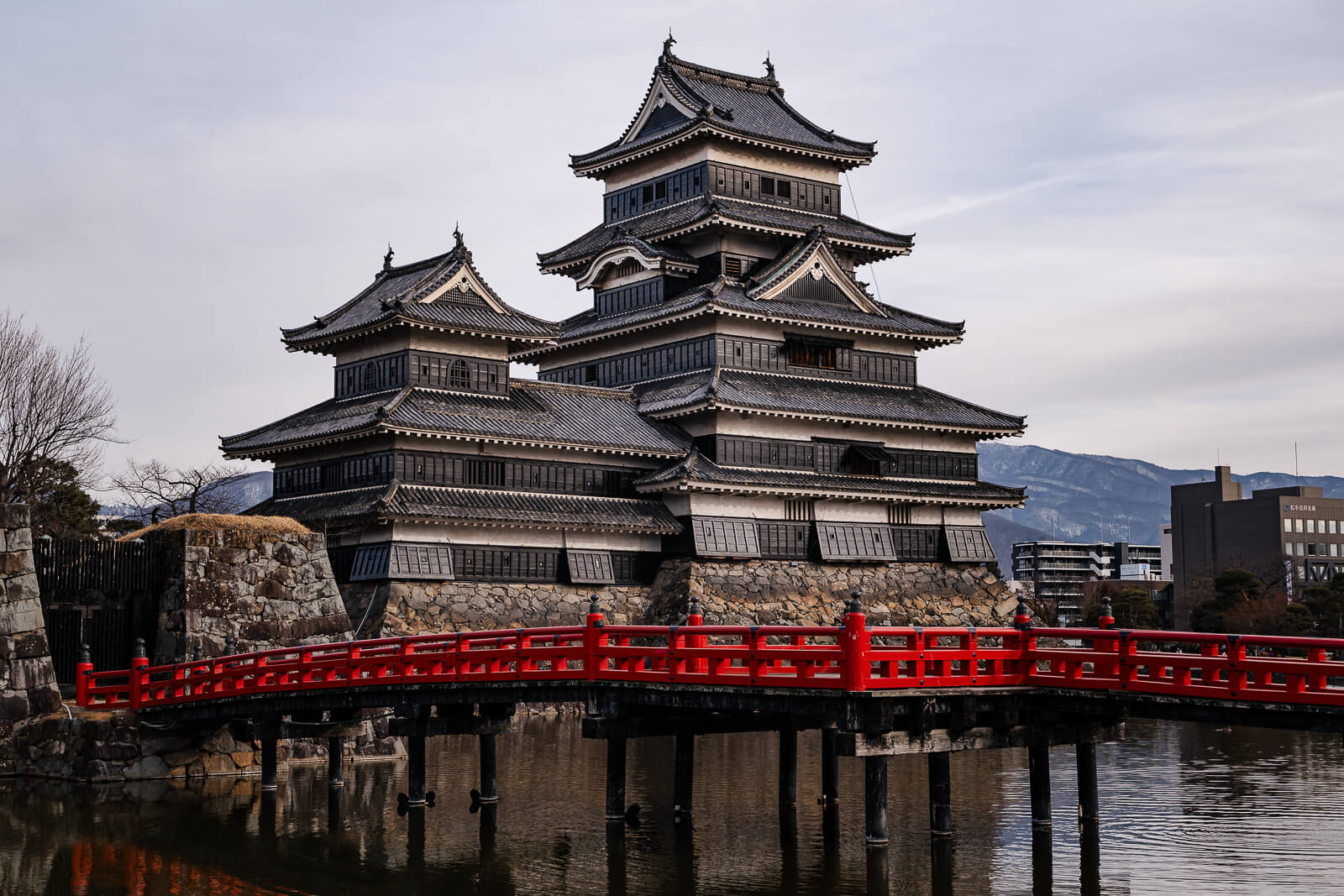
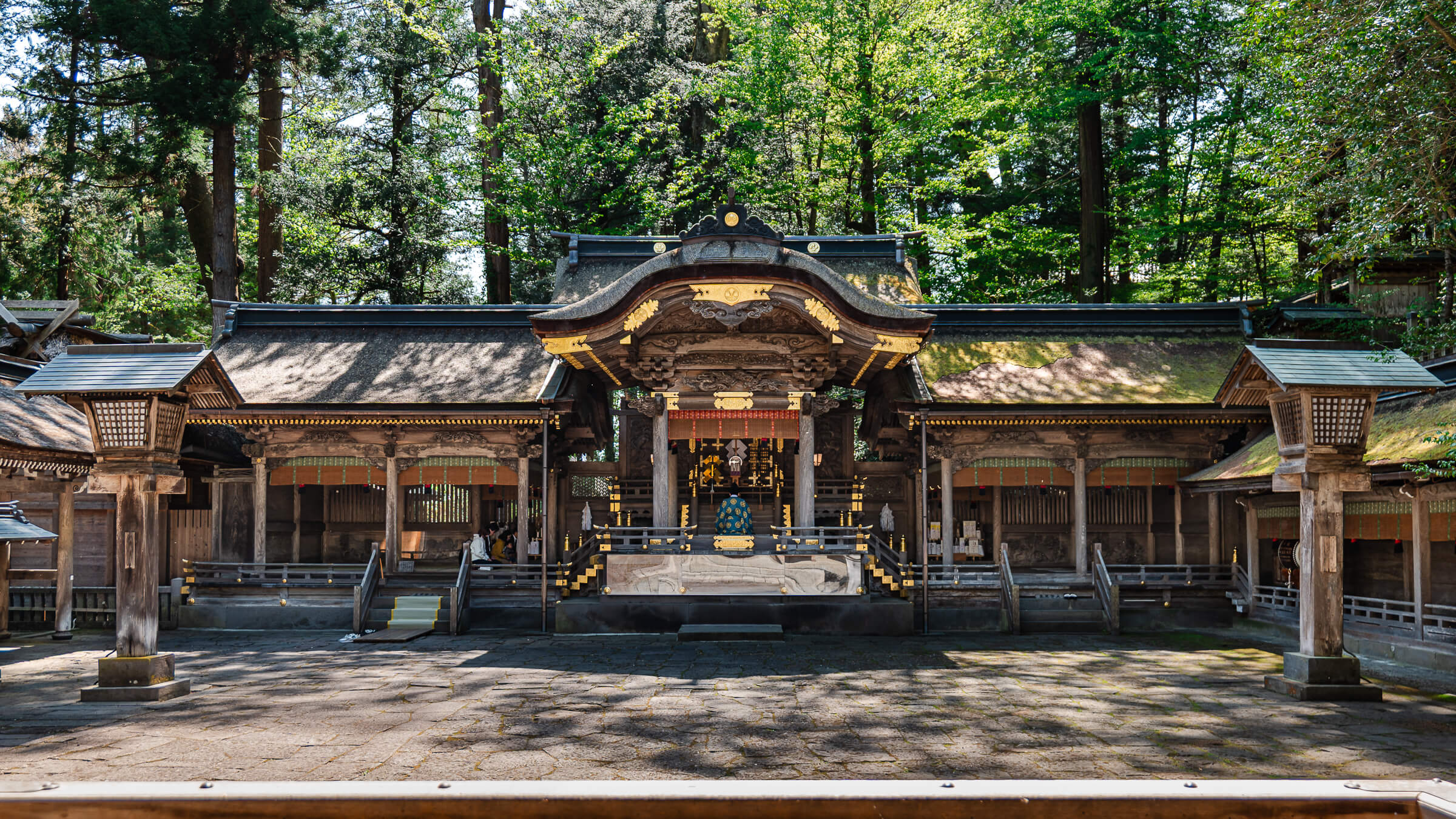
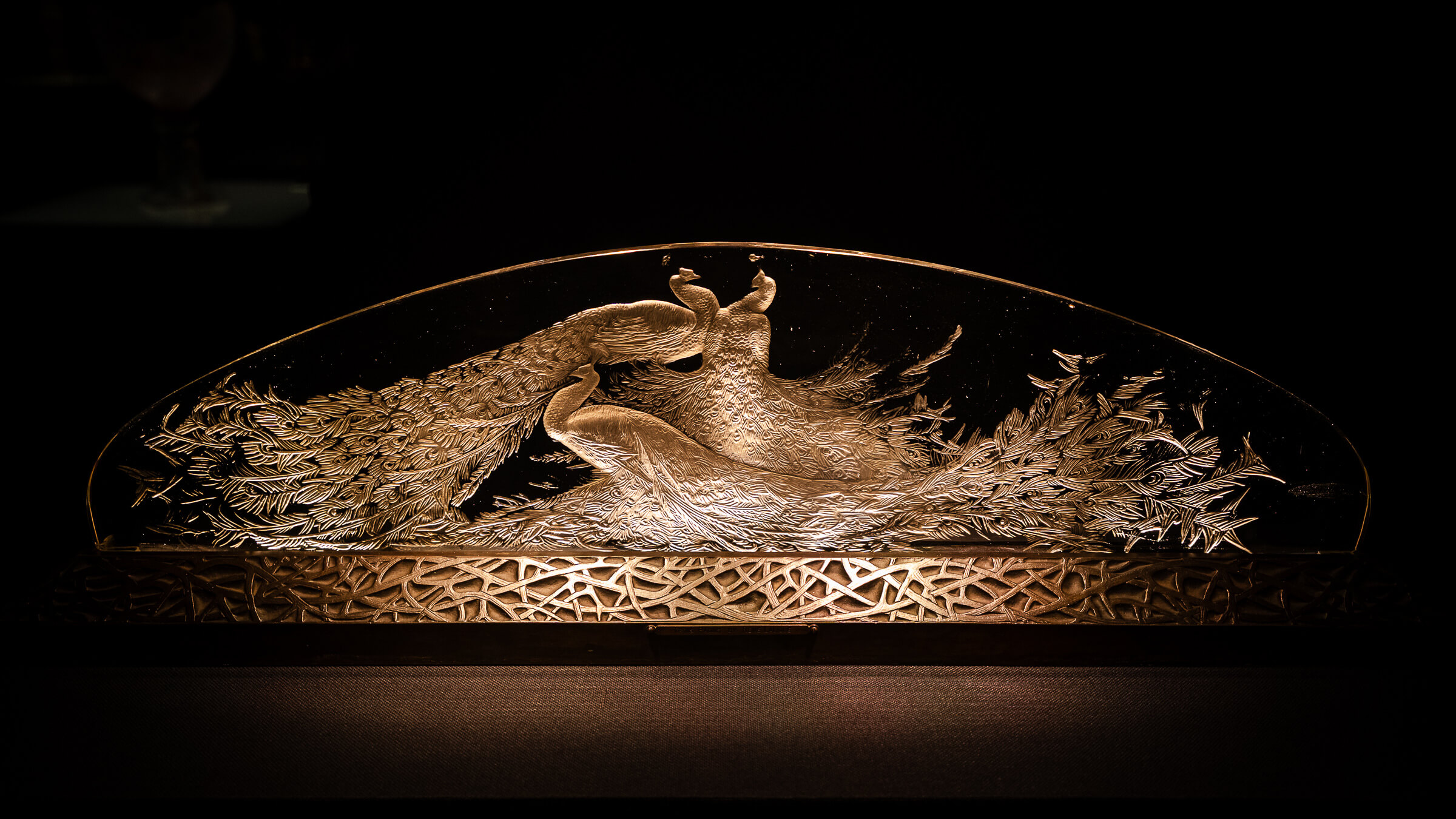
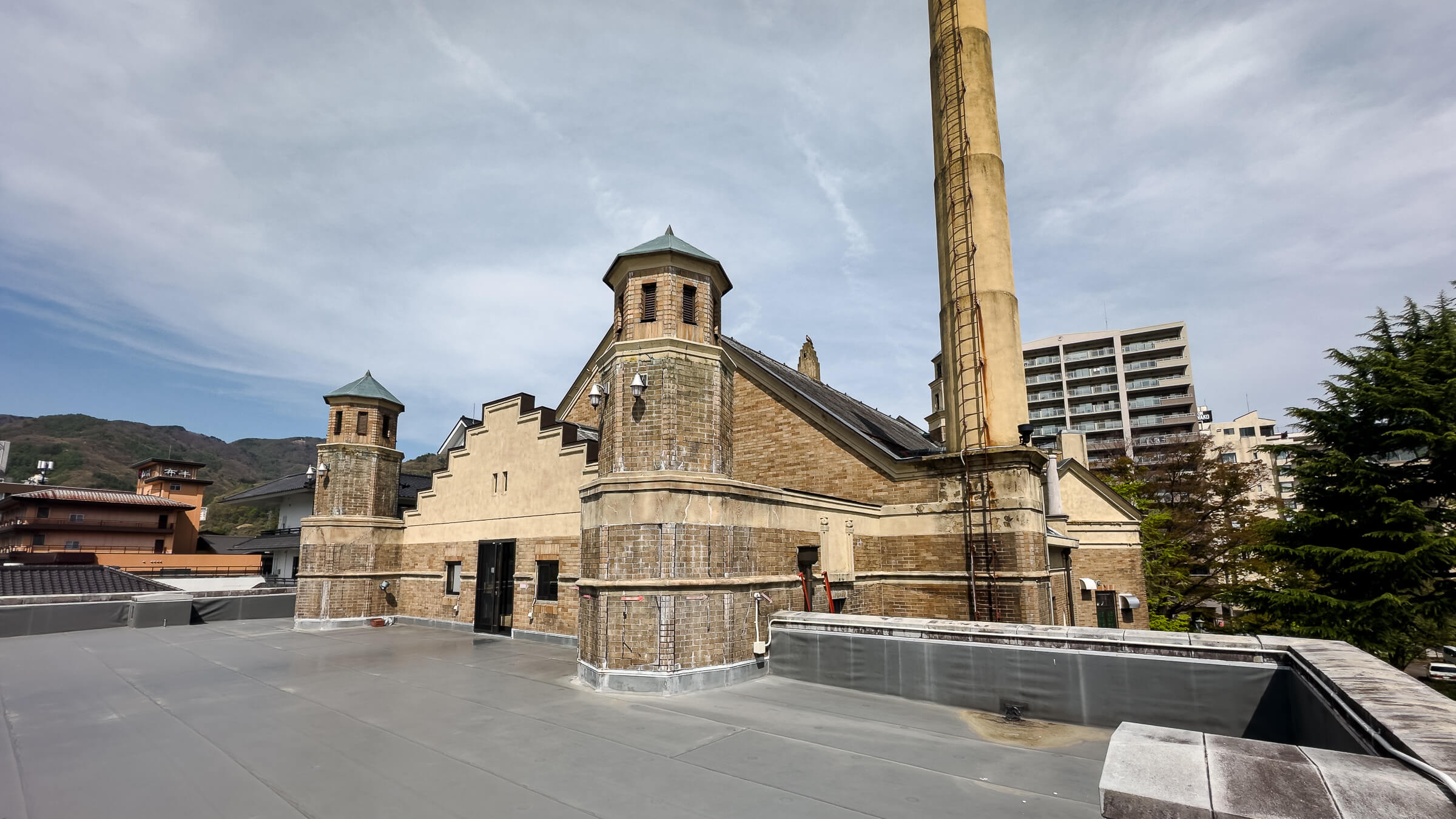
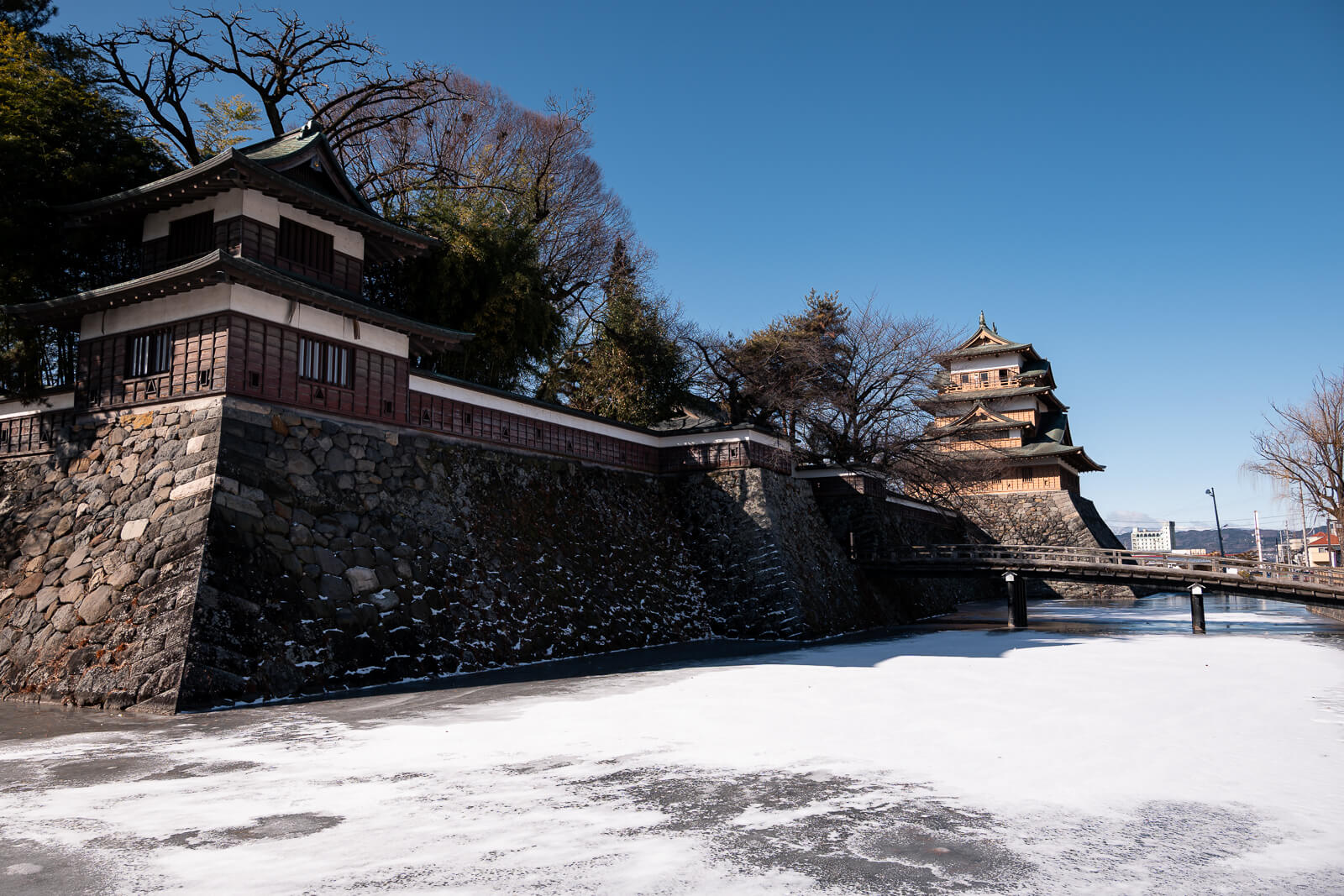
Historic sites such as Takashima Castle sit near the waterfront, while attractions including Katakurakan, the Kitazawa Museum of Art, and the Lake Suwa Geyser Center and Footbath provide different perspectives on the area’s history and culture. Beyond the shoreline, the Suwa Taisha shrine network extends across the basin, connecting Kamisuwa, Shimosuwa, and Chino through one of Japan’s oldest religious traditions.
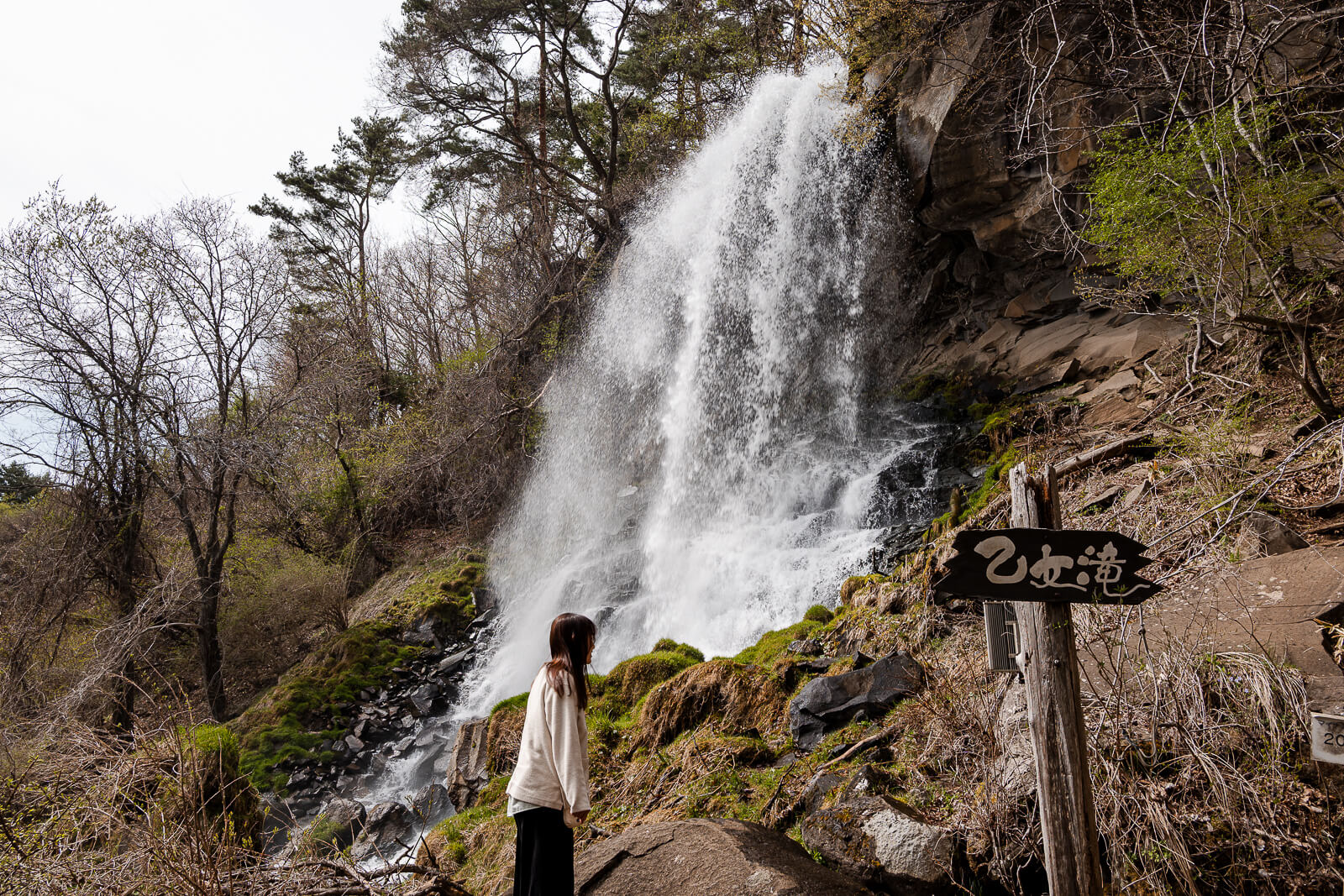
The landscape also changes surprisingly quickly once visitors move away from the water. Elevated viewpoints such as Tateishi Park, forest destinations including Mishaka-ike Pond, and waterfalls such as Otome Falls and Oshidori Kakushi Falls reveal a different side of the region that many travelers never expect to find so close to the lake.
As a result, Lake Suwa works best when viewed not as a single attraction but as a destination made up of several interconnected experiences. For travelers interested in history, shrine culture, hot springs, lakeside scenery, and access to the surrounding highlands, the region offers enough variety to comfortably fill a full day and often rewards an overnight stay.
Is Lake Suwa Worth Visiting?
Lake Suwa is worth visiting for travelers interested in experiencing a side of Japan that blends history, shrine culture, hot springs, and natural scenery within a relatively compact region. While the destination does not attract the same level of international attention as places such as Hakone or the Fuji Five Lakes, it offers a broader variety of experiences than many visitors initially expect. The combination of lakeside attractions, historic districts, museums, viewpoints, and surrounding mountain landscapes creates a destination that rewards exploration beyond a quick stop.
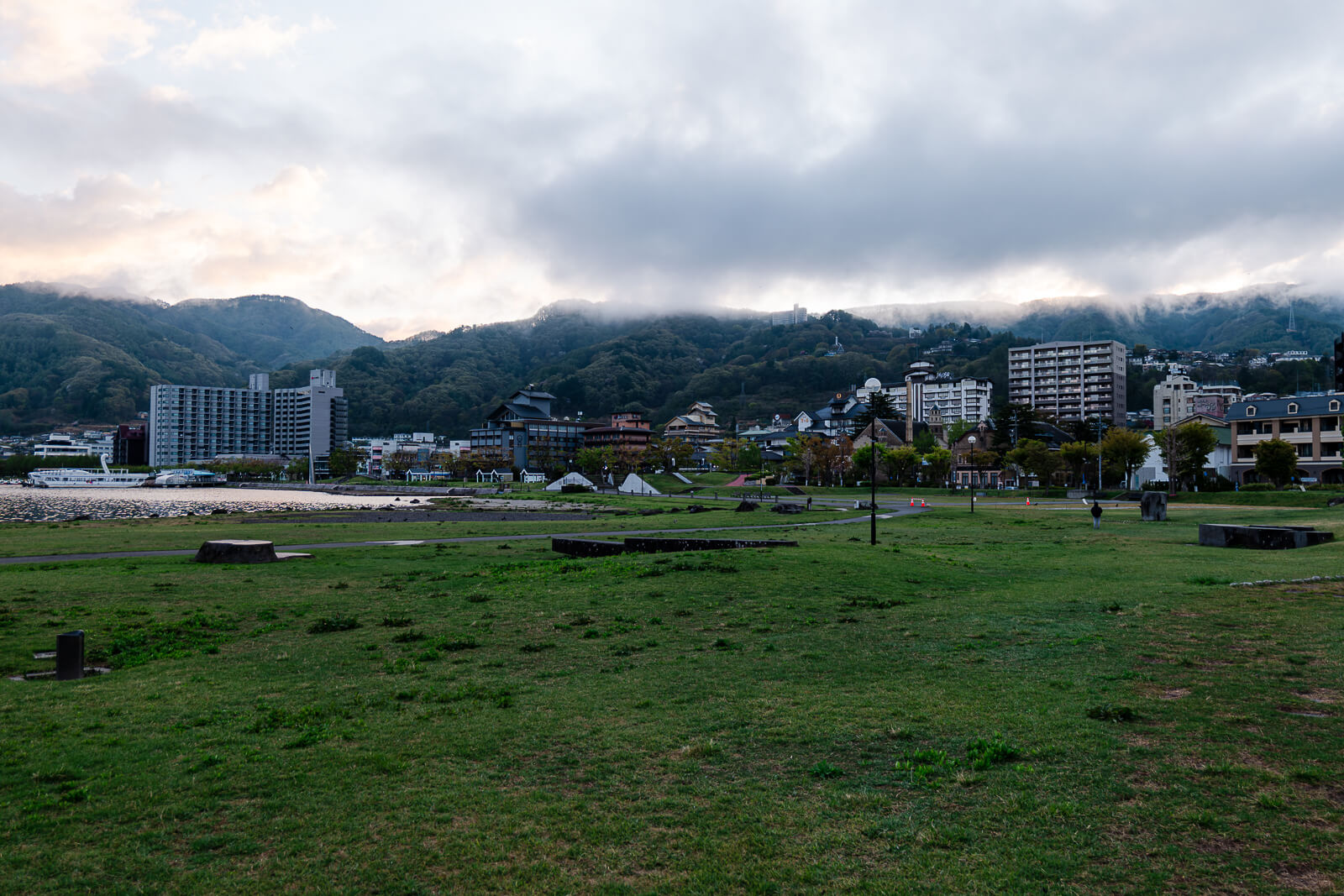
For first-time visitors to Japan, Lake Suwa often works best as part of a larger journey through central Nagano rather than as a primary destination. Travelers moving between Matsumoto, Yamanashi, Nagano City, or the Japanese Alps will find it easy to incorporate into a broader itinerary. The lake provides a different perspective from many of Japan’s better-known tourist areas, with a stronger regional identity and fewer crowds than some of the country’s most heavily visited destinations.
Repeat visitors to Japan often discover that Lake Suwa offers more depth than expected. The Suwa Taisha shrine network alone provides enough cultural significance to justify a dedicated visit, while attractions such as Takashima Castle, Katakurakan, the Kitazawa Museum of Art, and Tateishi Park add additional layers to the experience. Beyond the shoreline, destinations around Chino introduce forest landscapes, waterfalls, and scenic drives that feel distinctly different from the lakefront itself.
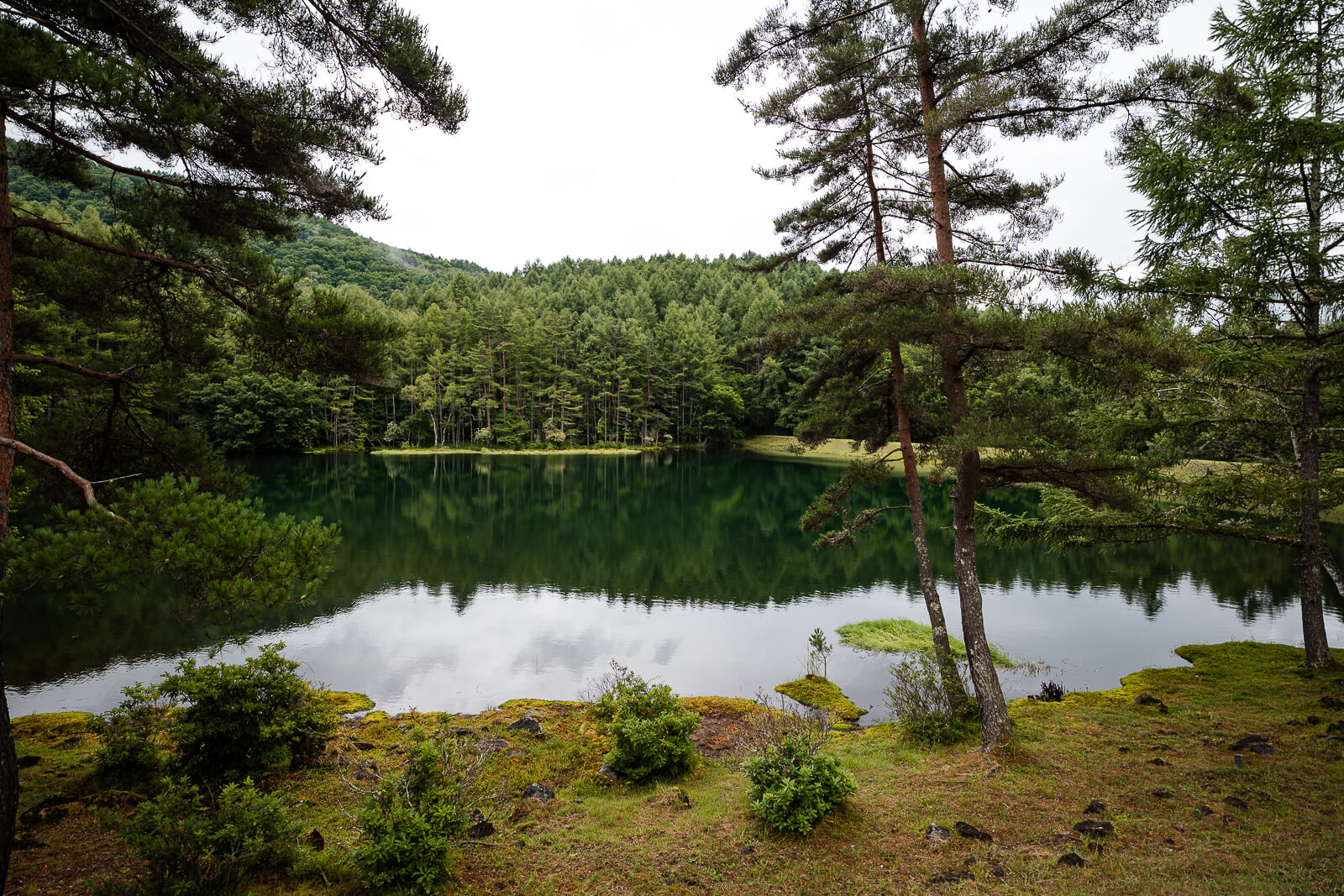
Perhaps the greatest strength of Lake Suwa is its flexibility. Some visitors focus primarily on the waterfront and onsen district, while others spend their time exploring the shrines, museums, viewpoints, or nearby natural attractions. Rather than depending on a single landmark, the region supports several different styles of travel, allowing visitors to shape the experience around their own interests and available time.
How Much Time Do You Need?
The amount of time needed at Lake Suwa depends less on the size of the lake itself and more on how many layers of the region visitors want to experience. While the shoreline attractions can be explored within a few hours, the wider surroundings include shrine districts, museums, viewpoints, and nearby natural attractions that gradually expand the scope of the visit. As a result, the experience changes noticeably depending on whether the destination is approached as a short stop, a full day, or an overnight stay.
Half Day
A half-day visit naturally focuses on the Kamisuwa waterfront and a small number of nearby attractions. Most travelers gravitate toward sites such as Takashima Castle, Katakurakan, and portions of the lakeside promenade, creating an experience centered on the lake itself rather than the broader region. The visit feels straightforward, with most movement concentrated along the western shoreline.
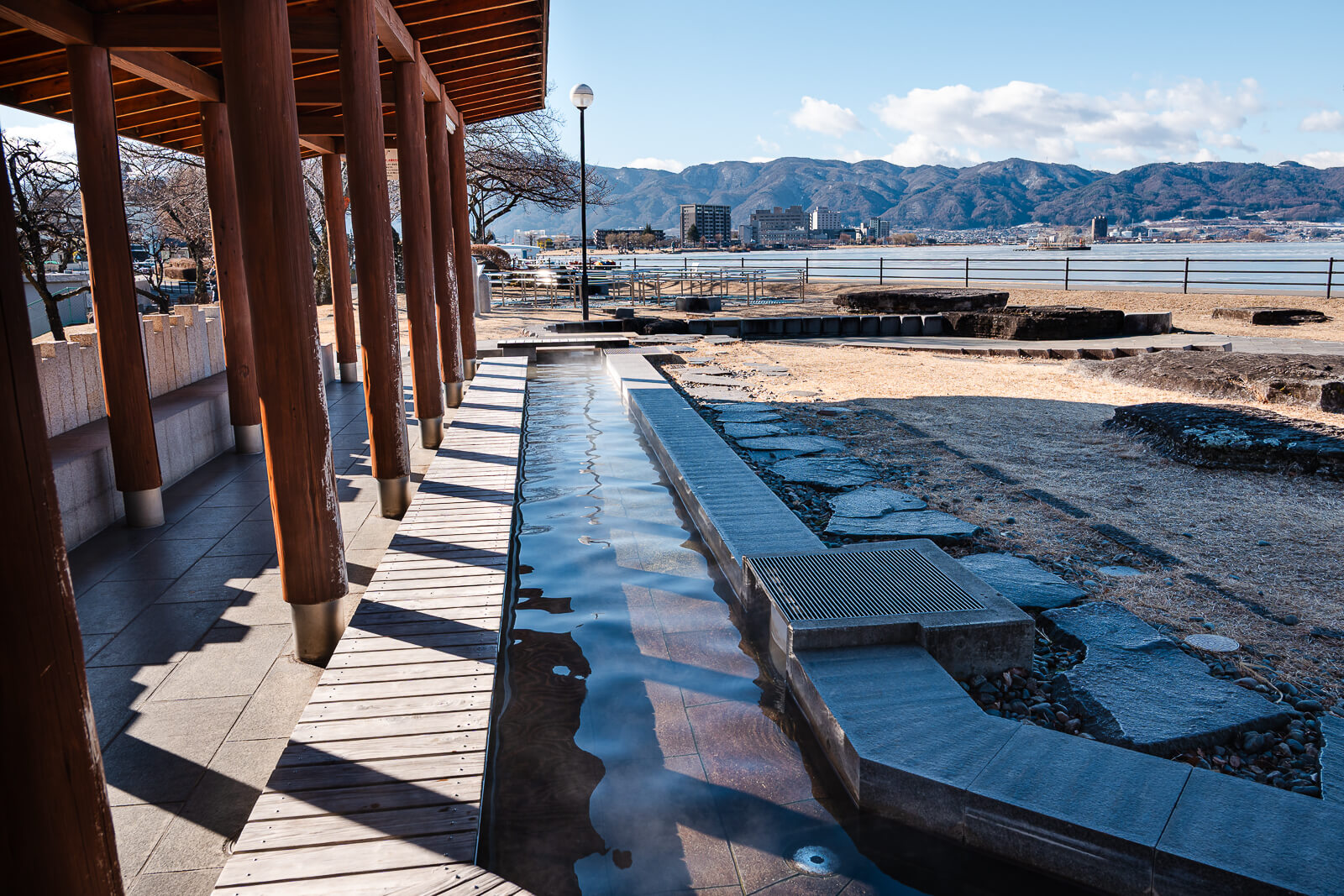
This timeframe provides a useful introduction to Lake Suwa, particularly for travelers already passing through central Nagano. However, many of the elements that give the destination its character remain outside the available time. The shrine network, elevated viewpoints, museums, and attractions around Chino typically require additional flexibility to experience comfortably.
Full Day
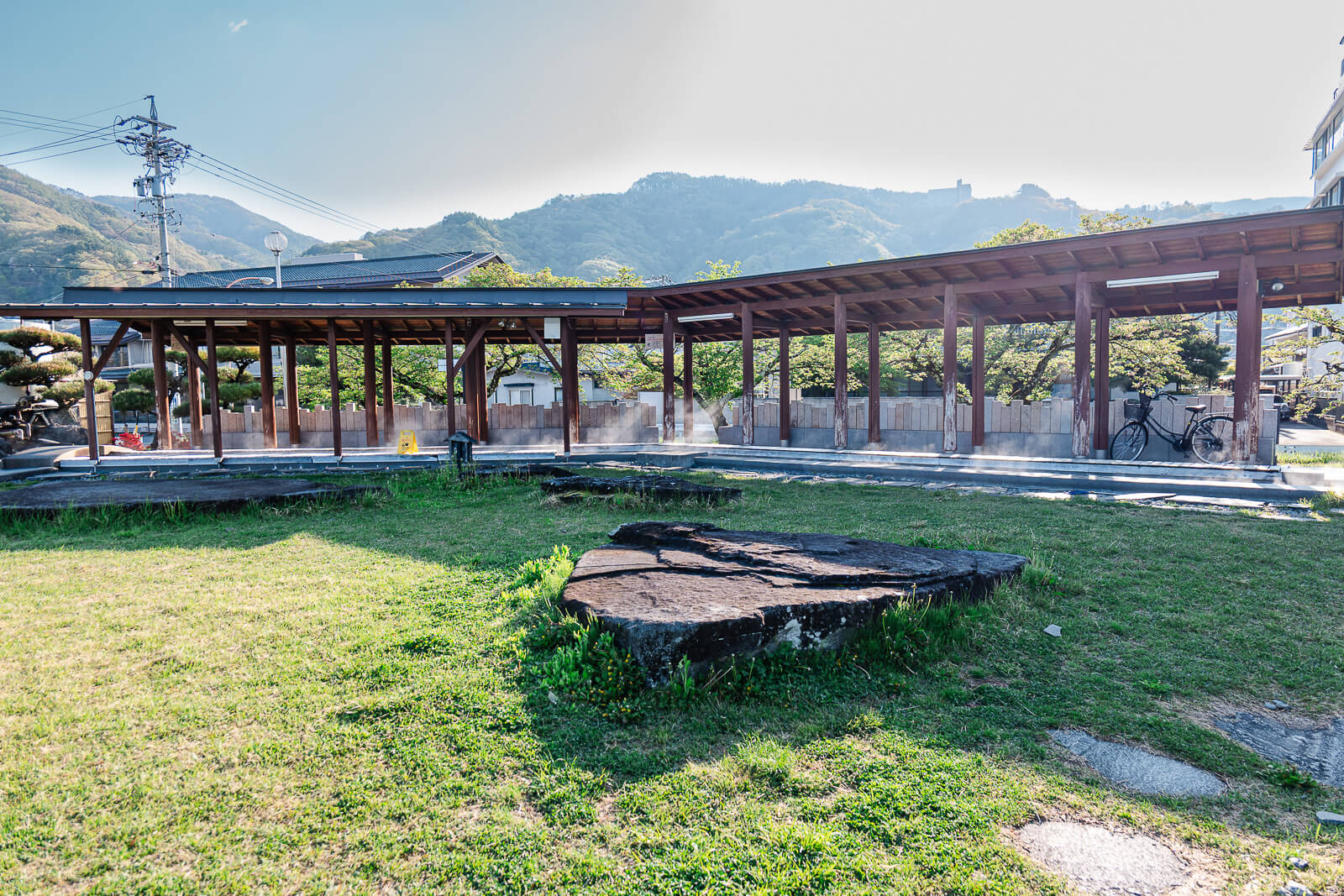
A full day allows the area to begin revealing its different sides. In addition to the waterfront, visitors can incorporate attractions such as the Kitazawa Museum of Art, the Lake Suwa Geyser Center and Footbath, and one or two of the Suwa Taisha shrines located around the lake. The additional time makes it easier to understand how the surrounding communities connect together rather than viewing each attraction as an isolated stop.
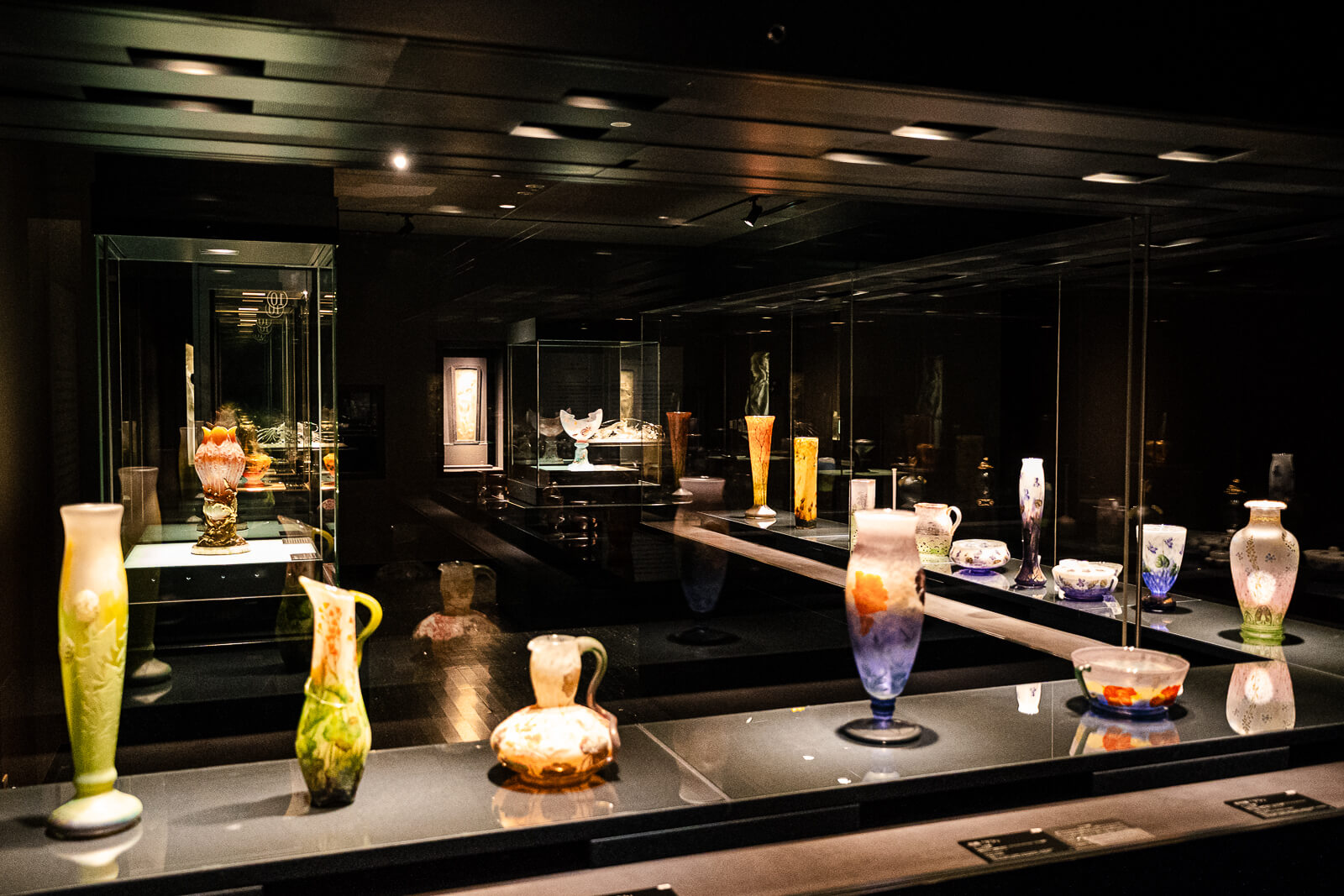
The pace also becomes more flexible. Instead of moving directly from one landmark to the next, visitors have opportunities to spend more time along the shoreline, explore different neighborhoods, or pause at viewpoints overlooking the broader area. By the end of the day, Lake Suwa begins to feel less like a collection of attractions and more like a destination shaped by several interconnected experiences.
Two Days
An overnight stay creates enough flexibility for the region to unfold more naturally. The four shrines of the Suwa Taisha network become easier to include, while destinations such as Tateishi Park, Mishaka-ike Pond, Otome Falls, and Oshidori Kakushi Falls fit more comfortably into the visit. Time spent in Kamisuwa Onsen also becomes part of the experience rather than something squeezed between attractions.
The additional time changes the relationship between coverage and depth. Instead of focusing on what can be reached within a limited schedule, visitors gain more freedom to follow different interests around the lake. Some spend additional time exploring shrine districts and historical sites, while others gravitate toward viewpoints, museums, or the natural attractions surrounding Chino.
For many travelers, this is where Lake Suwa feels most complete. The destination remains compact enough to explore efficiently, yet diverse enough that an overnight stay allows the different parts of the region to connect together in a way that is difficult to appreciate during a shorter visit.
Why Lake Suwa Feels Bigger Than It First Appears
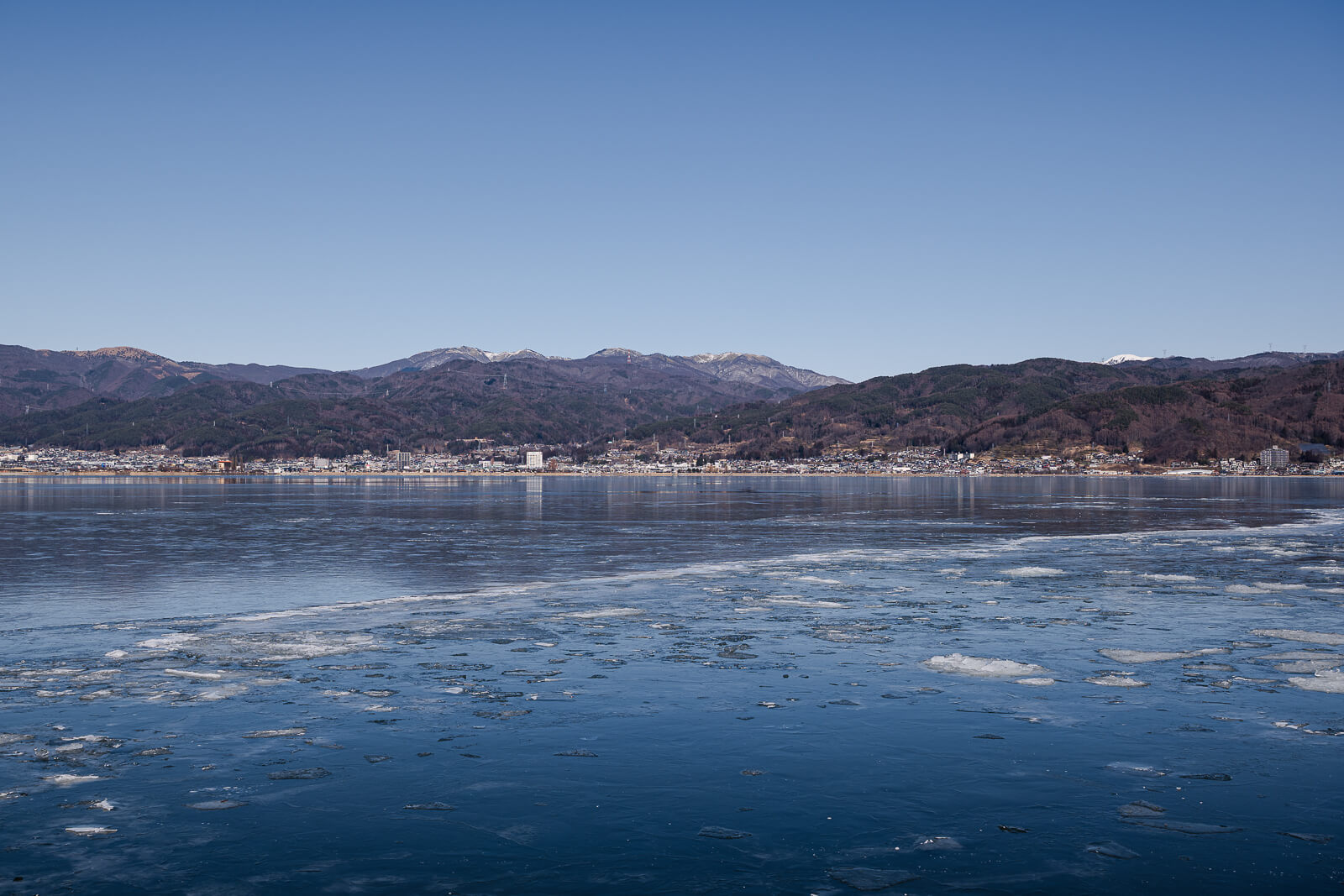
At first glance, Lake Suwa appears to be a straightforward lakeside destination. Travelers see the water, notice the waterfront attractions, and often assume the experience revolves primarily around the shoreline. While the lake is unquestionably the centerpiece of the region, it represents only one layer of a destination that extends well beyond the water itself.
Part of this comes from geography. The Suwa Basin is not a single town built around a lake but a collection of communities that occupy different positions around the shoreline and surrounding foothills. Kamisuwa, Shimosuwa, Okaya, and Chino each contribute something different to the overall experience, creating a destination that feels larger and more varied than many visitors initially expect.
The region’s attractions are also distributed across multiple layers rather than concentrated in one location. Historic sites such as Takashima Castle and Katakurakan sit near the waterfront, while the Suwa Taisha shrine network extends across the area through separate communities. Museums, parks, viewpoints, and onsen districts occupy their own places within the landscape, encouraging visitors to move beyond a single sightseeing area.
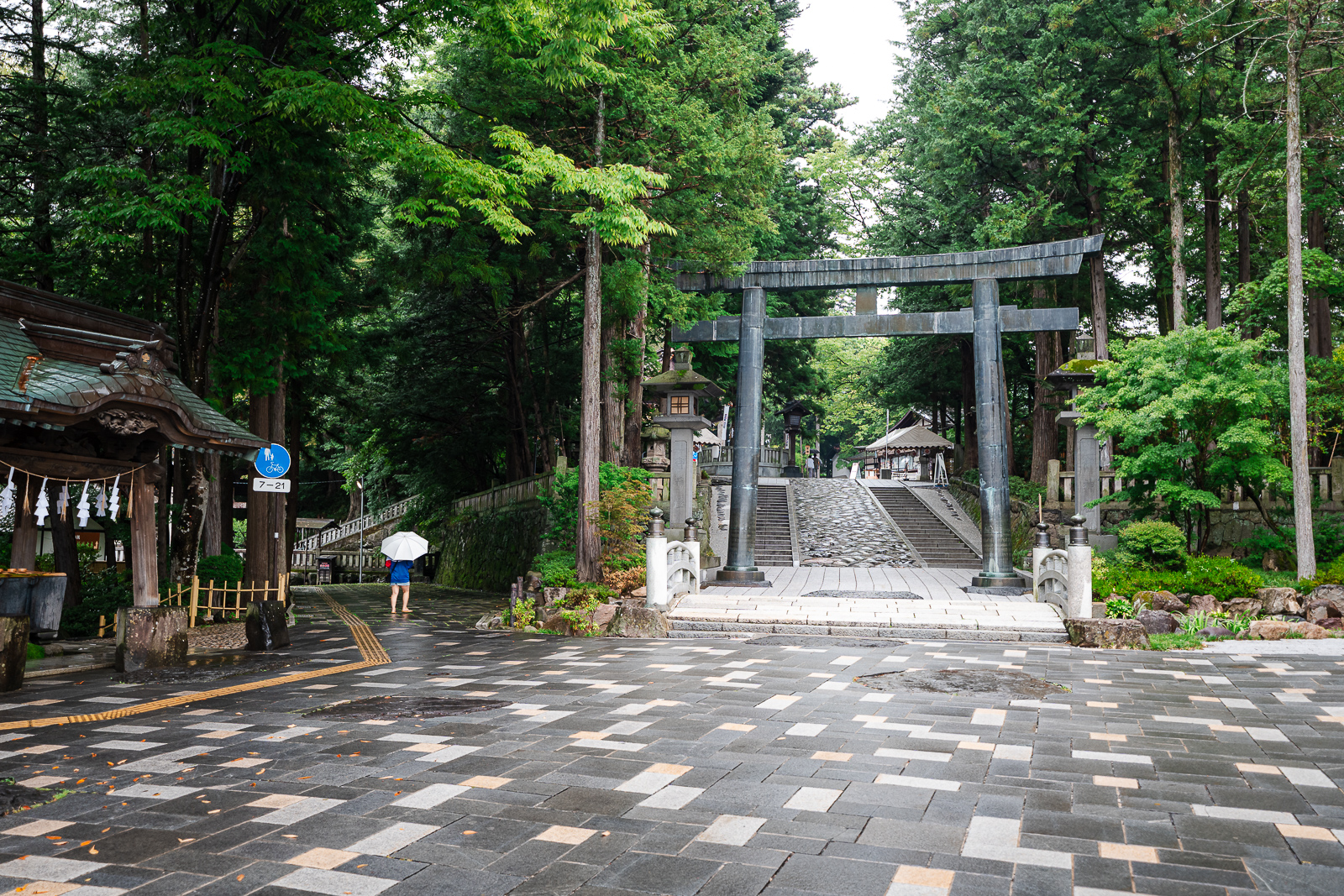
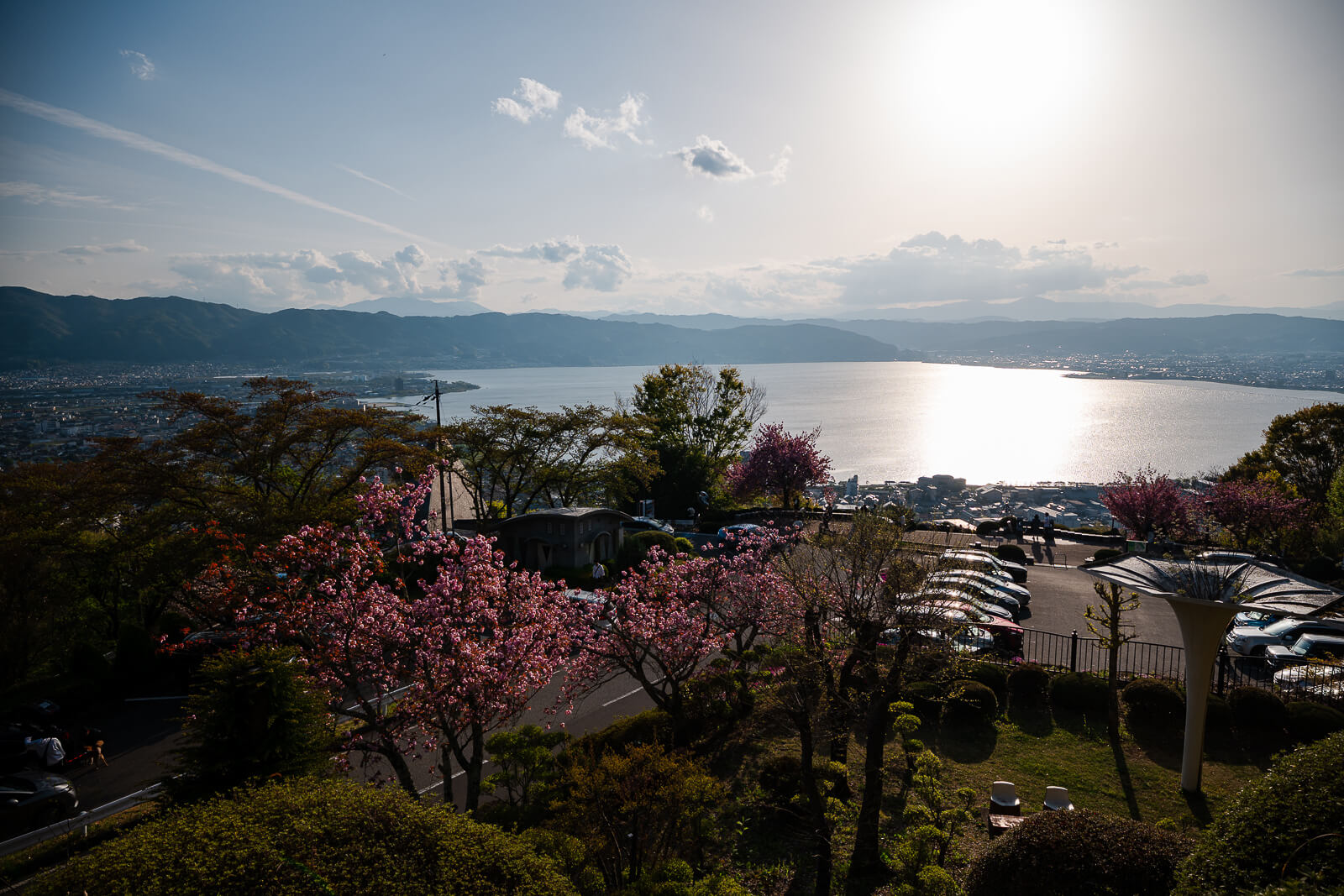
The experience expands further once the surrounding mountains begin to enter the picture. Viewpoints such as Tateishi Park reveal the full scale of the surrounding area, while destinations around Chino introduce forests, waterfalls, and highland scenery that feel distinctly different from the lakefront. In some cases, travelers can move from a lakeside promenade to a forest pond or mountain waterfall within the same day.
This variety is one of the reasons Lake Suwa rewards additional time. A short visit may focus primarily on the waterfront, while a longer stay gradually reveals how the different parts of the region connect together. Understanding those connections begins with understanding the communities that surround the lake, each of which contributes its own character to the broader Lake Suwa experience.
The Four Sides of the Lake Suwa Region
One of the reasons Lake Suwa feels larger than many visitors expect is that the destination is spread across several communities rather than centered on a single town. While the lake serves as the region’s focal point, the experiences surrounding it are distributed around different parts of the basin. Understanding how these areas connect helps explain why some travelers spend only a few hours here while others comfortably fill an entire day or overnight stay.
The communities surrounding the lake developed in different ways over time, creating distinct areas that contribute their own character to the overall destination. Some visitors spend most of their time along the waterfront, while others focus on the shrine districts, scenic viewpoints, or natural attractions beyond the shoreline. Together, these areas create a destination that offers far more variety than the lake alone might suggest.
Kamisuwa and the Waterfront
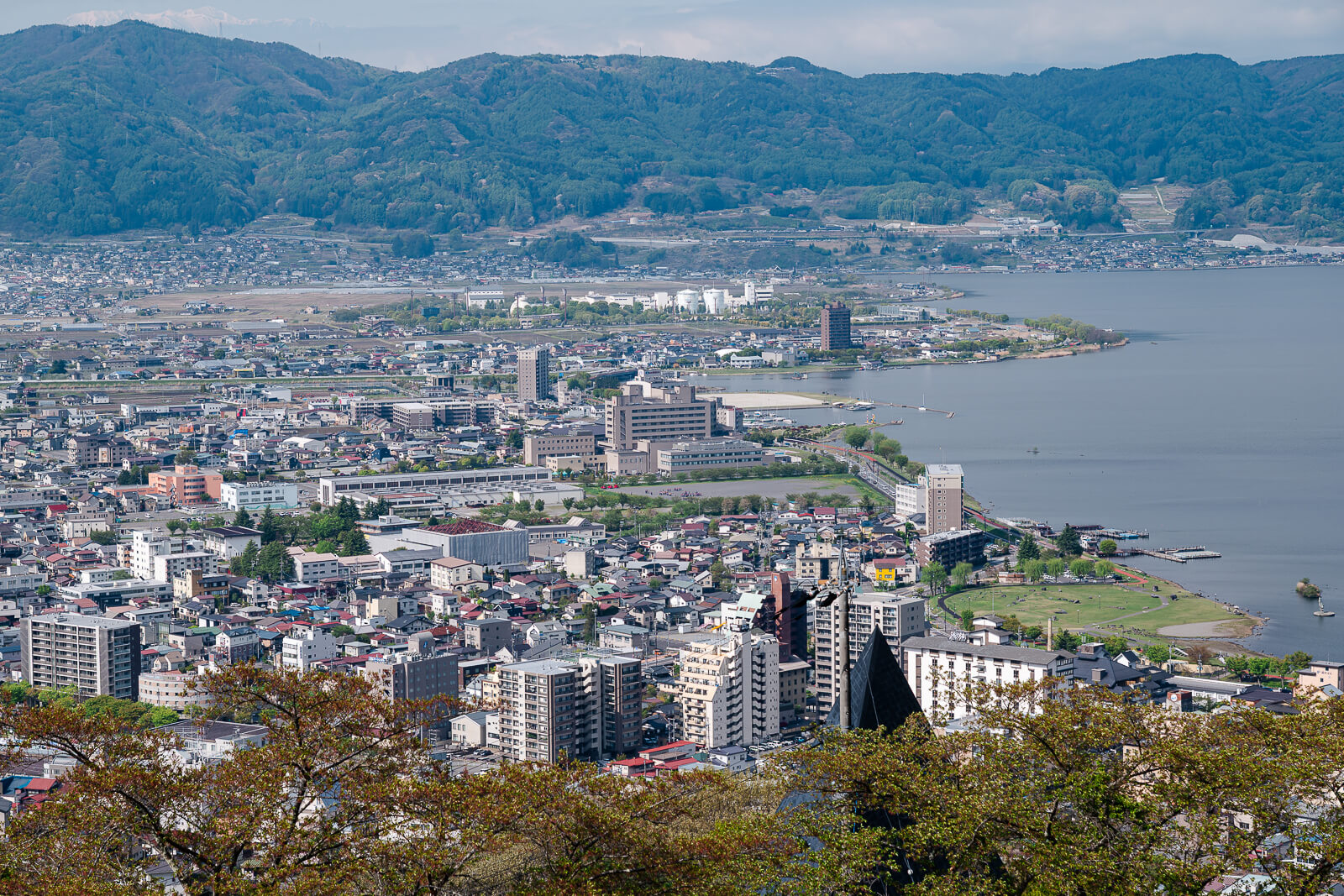
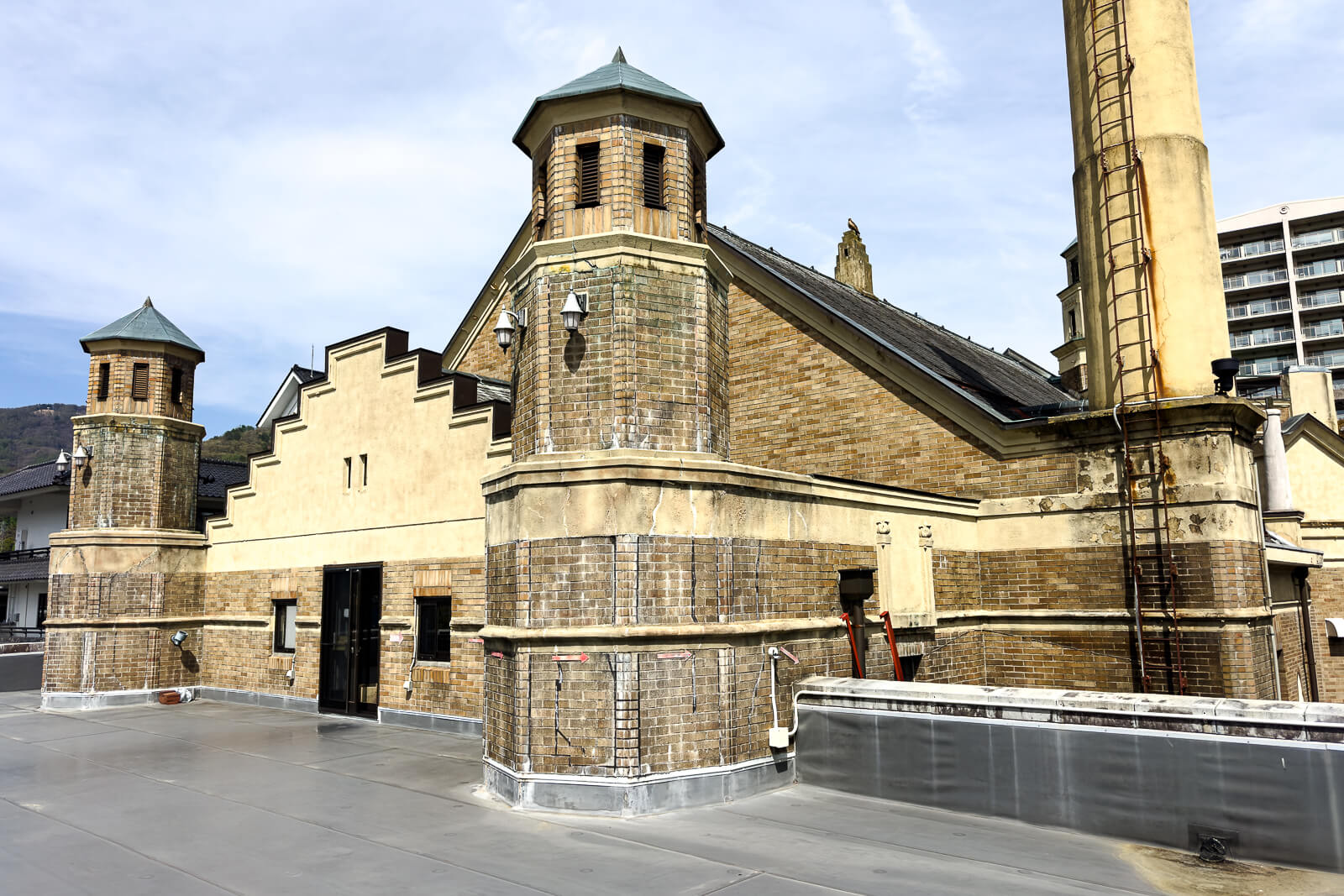
Kamisuwa functions as the primary tourism center around Lake Suwa and serves as the area most visitors encounter first. The waterfront combines lakeside promenades, parks, museums, footbaths, hotels, and onsen accommodations, creating an environment where many attractions can be explored within a relatively compact area. This section of the lake is home to landmarks such as Sekicho Park, Takashima Castle, Katakurakan, the Kitazawa Museum of Art, and the Lake Suwa Geyser Center and Footbath.
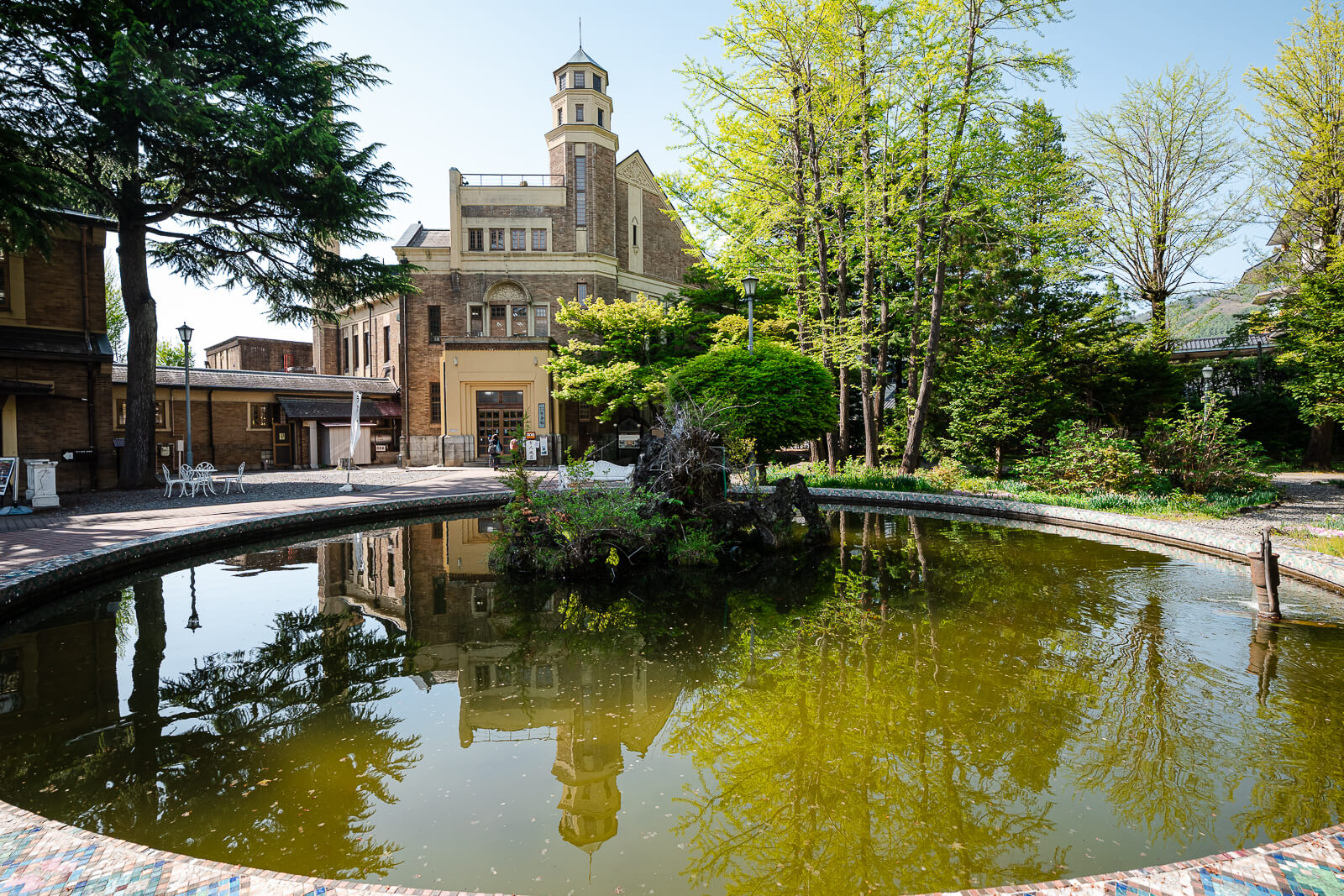
Because so many attractions sit close together, Kamisuwa often forms the foundation of a first visit. Visitors frequently encounter the waterfront early, whether arriving from Kamisuwa Station, checking into a lakeside hotel, or simply exploring the shoreline on foot. The combination of lakeside scenery, walkable attractions, and easy access makes it the most convenient place to experience the lake itself and often serves as the starting point for exploring the wider region.
Shimosuwa and the Shrine Districts
Moving toward the southern side of the basin, the atmosphere begins to change. Shimosuwa is best known for its connection to the Suwa Taisha shrine network, particularly Shimosha Akimiya and Shimosha Harumiya, two of the four principal shrines that define the region’s religious heritage. Historic streets, traditional architecture, and long-standing cultural traditions give this part of Lake Suwa a distinctly different character from the waterfront districts around Kamisuwa.
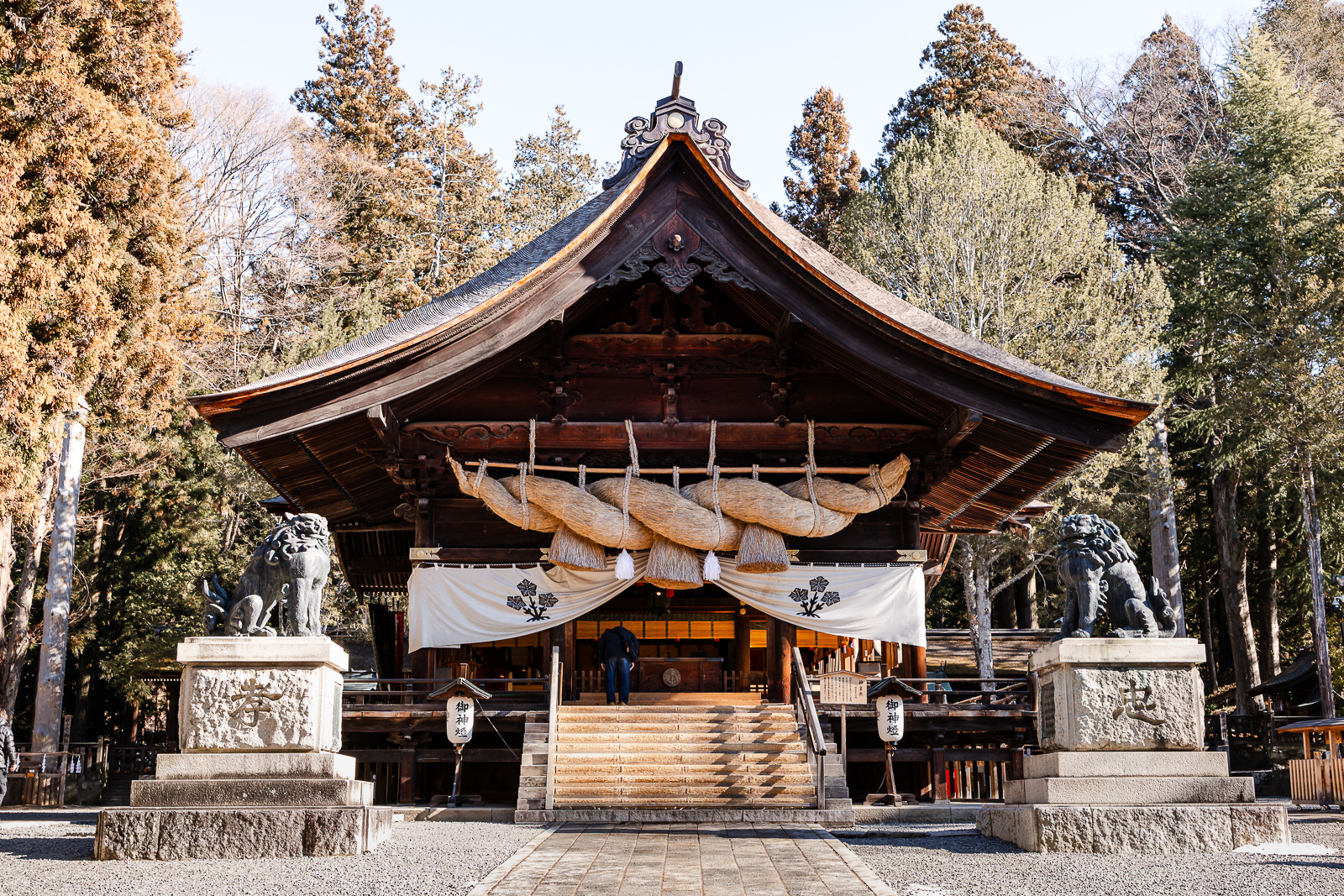
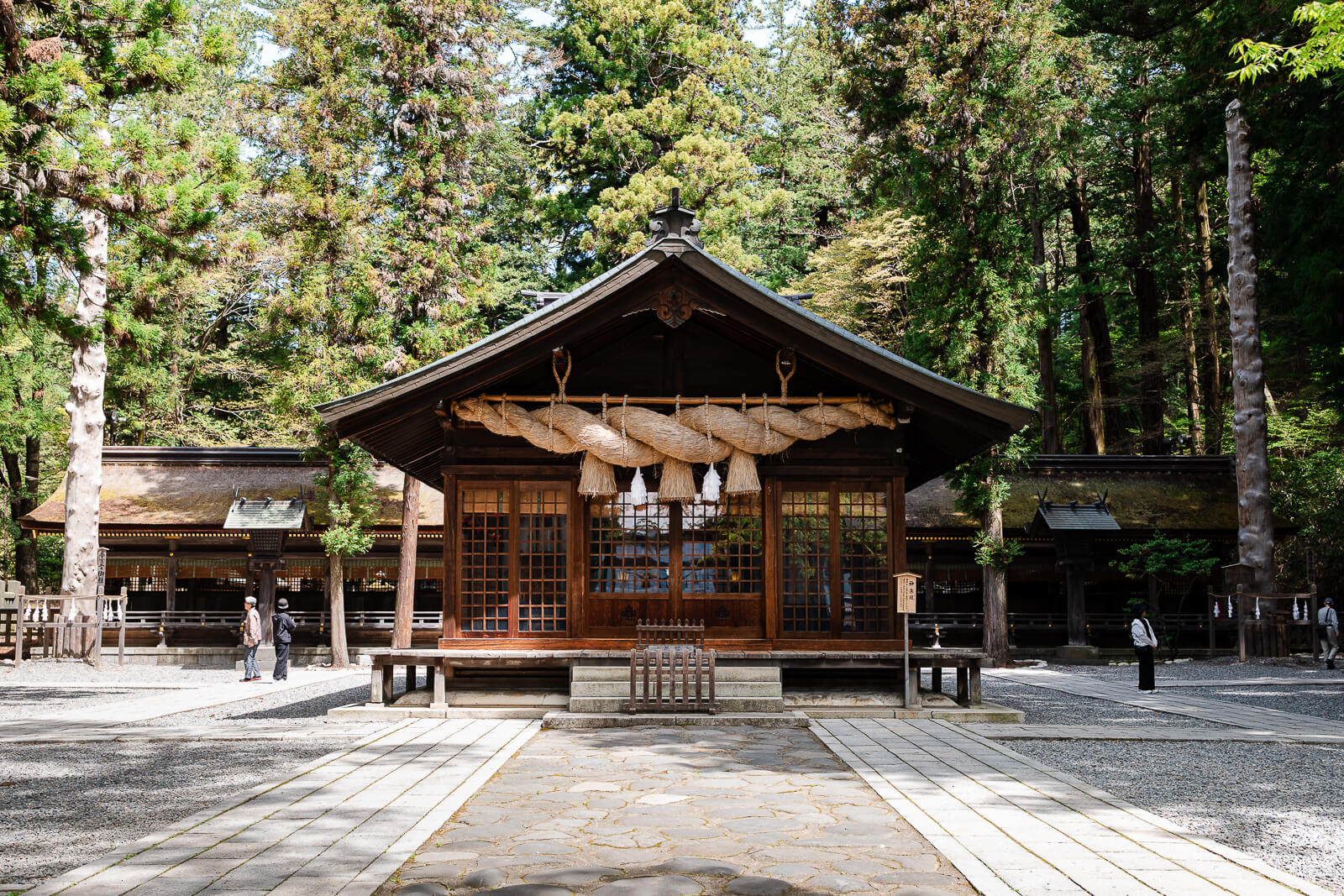
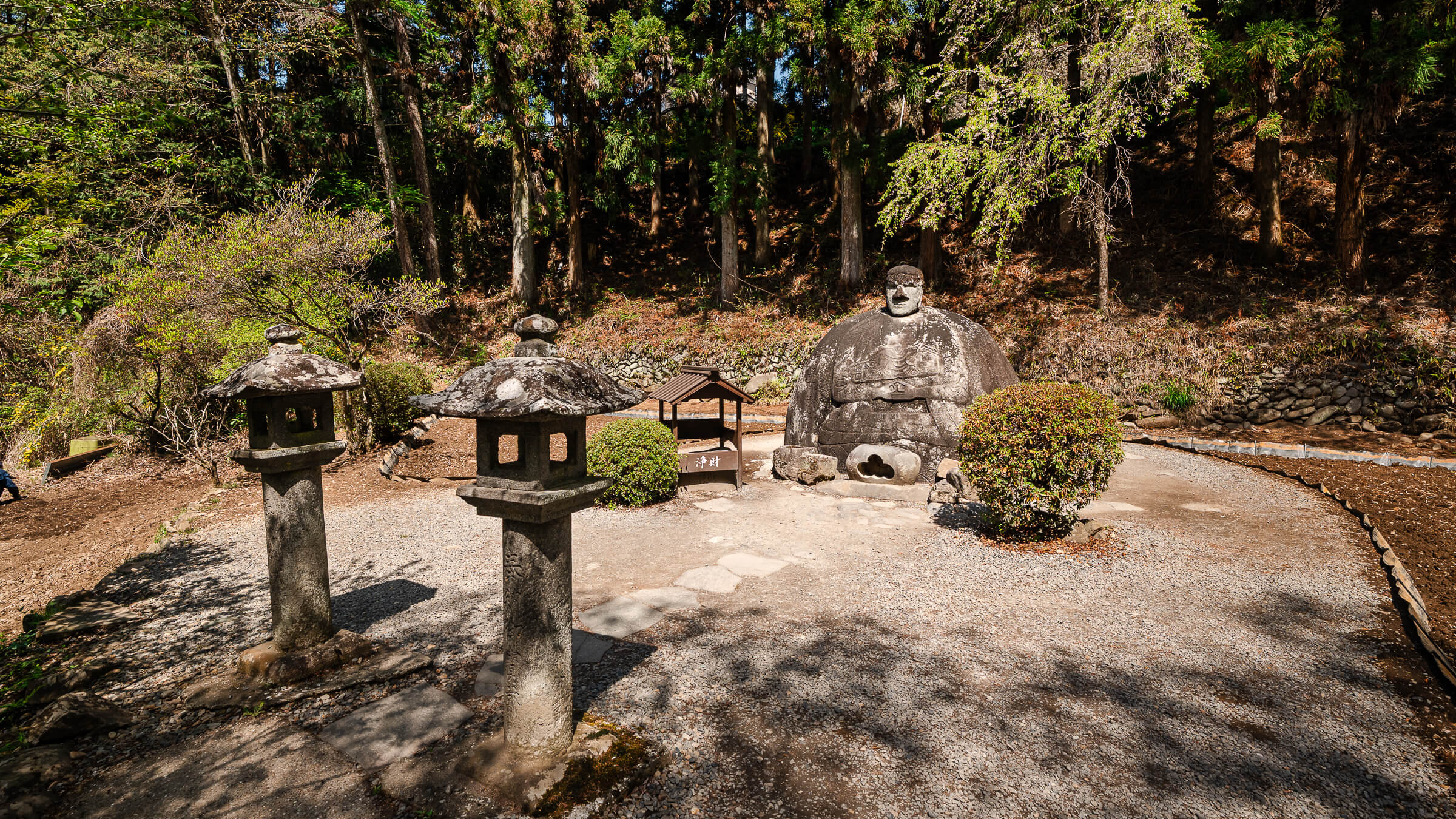
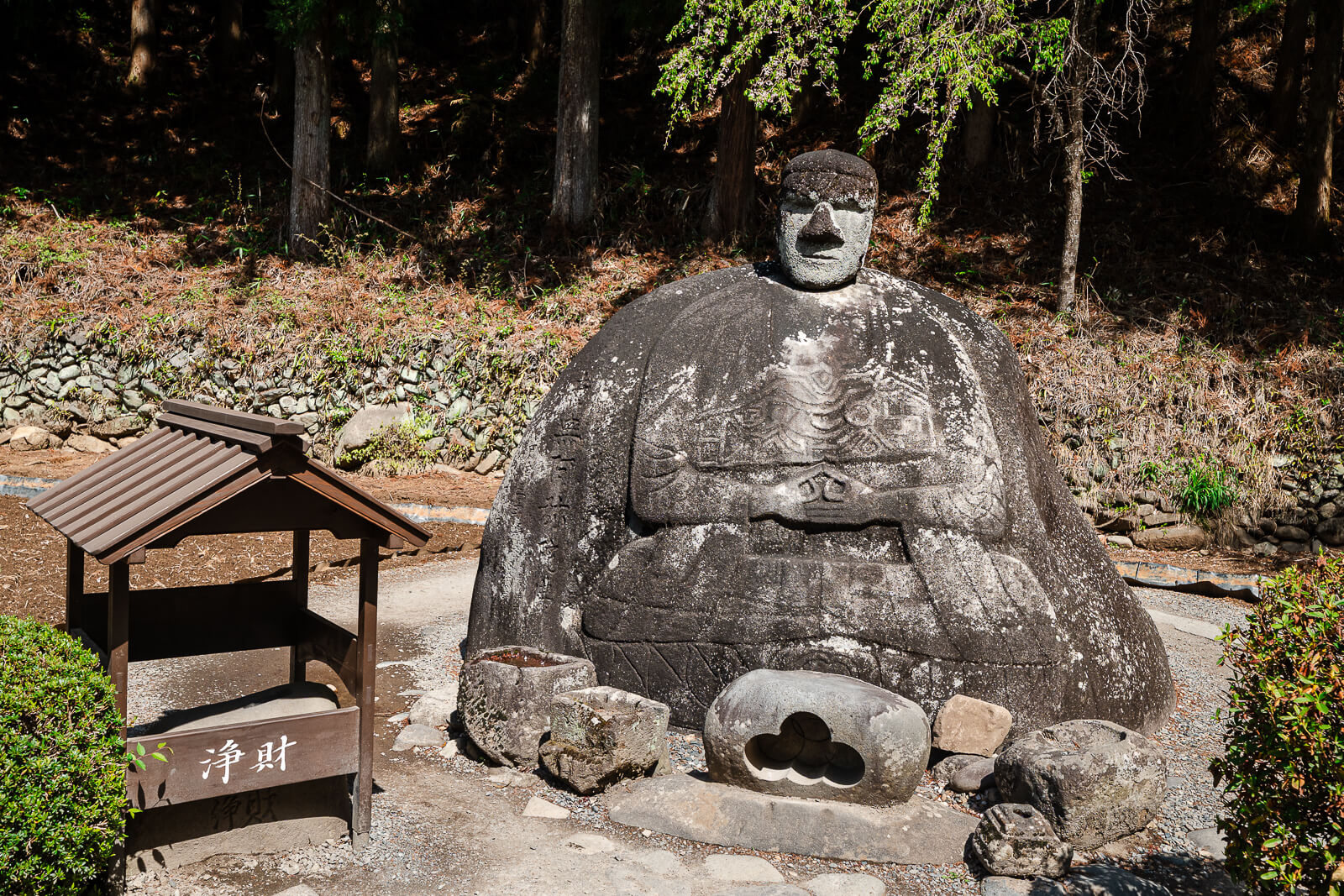
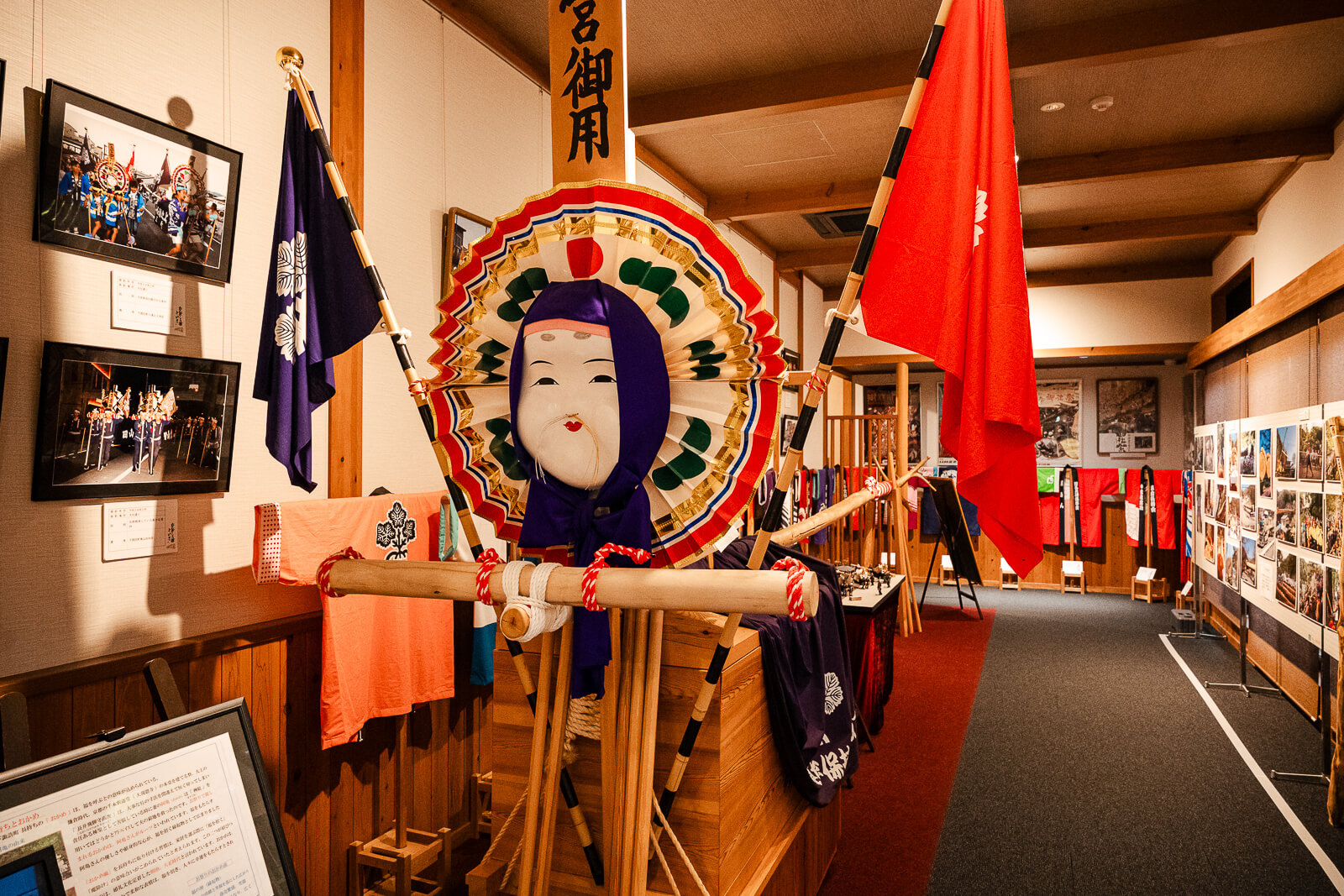
The town also plays an important role in understanding the region’s identity beyond sightseeing. Attractions such as Onbashira-kan Yoisa help explain the traditions behind the famous Onbashira Festival, while sites such as the Manji Stone Buddha add additional historical depth. Together, these places reveal a side of the Suwa region that extends well beyond the lake itself.
Okaya and the Northern Basin
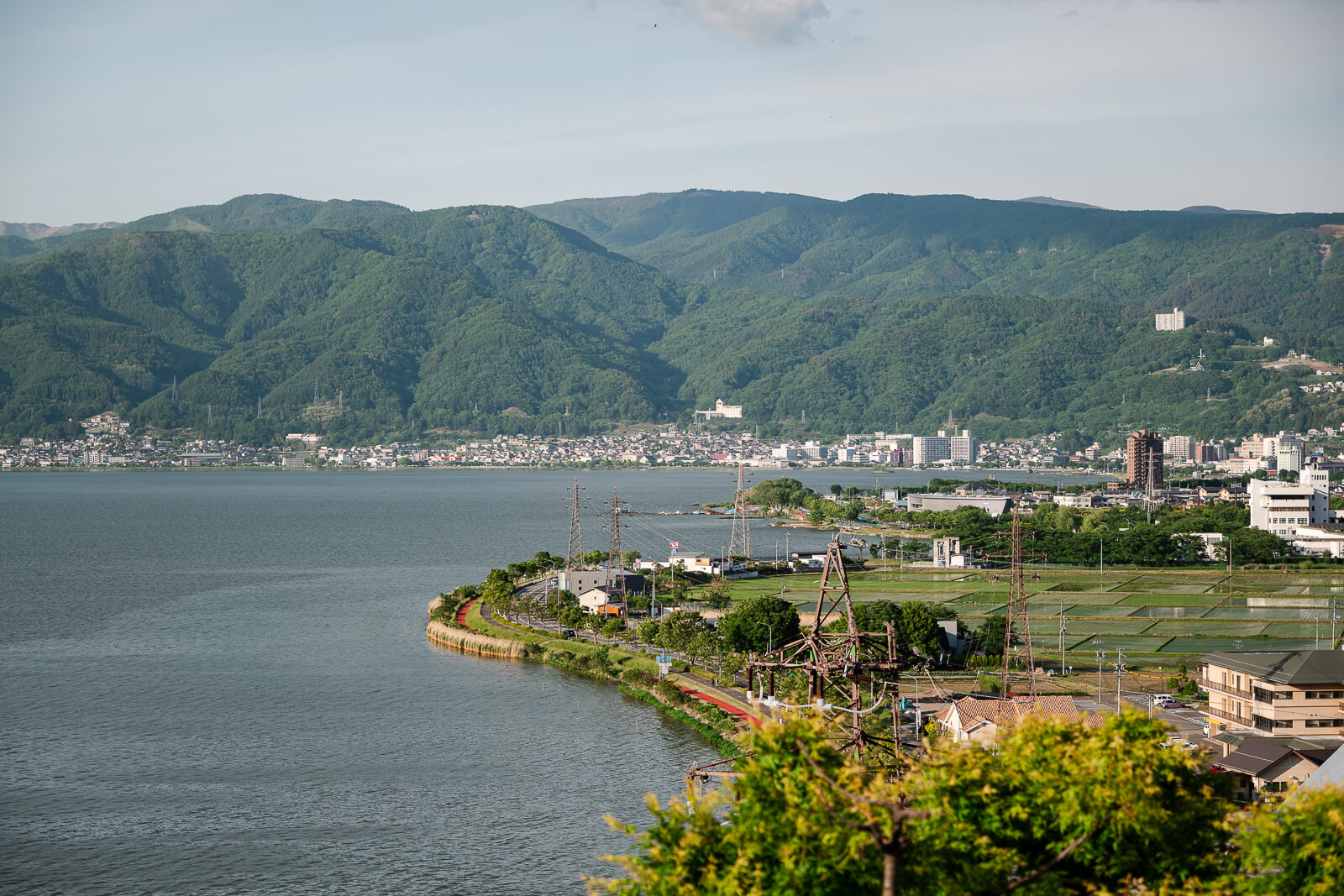
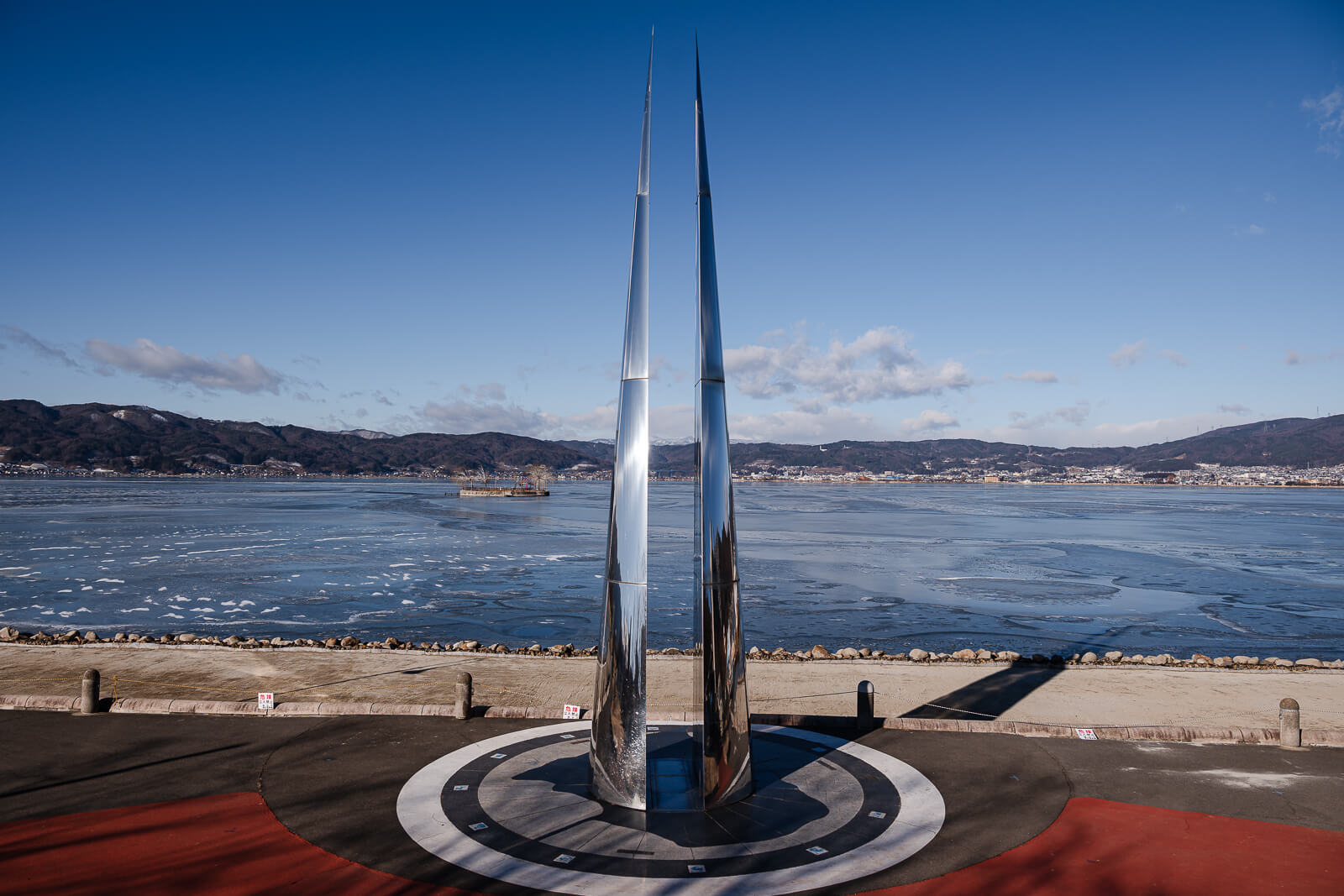
The northern side of Lake Suwa provides a different perspective on the region. While fewer visitors base themselves here, the area helps reveal the overall scale of the lake and its surrounding landscape. Looking south across the water, the relationship between the lake, surrounding communities, and mountain backdrop becomes easier to appreciate.
Many travelers first encounter this side of the lakefront while driving through central Nagano. The nearby Suwako Service Area has become a memorable introduction for countless visitors, offering elevated views across the lake before they ever reach the shoreline. For those arriving by car, it often serves as a first glimpse of the destination they are about to explore.
Chino and the Mountain Gateway
East of the lake, the landscape begins transitioning toward forests, foothills, and higher elevations. Chino serves as the gateway to a different side of the region, where natural attractions gradually replace the urban character found around much of the shoreline. The shift becomes noticeable as roads climb away from the lake area toward ponds, waterfalls, and mountain scenery.
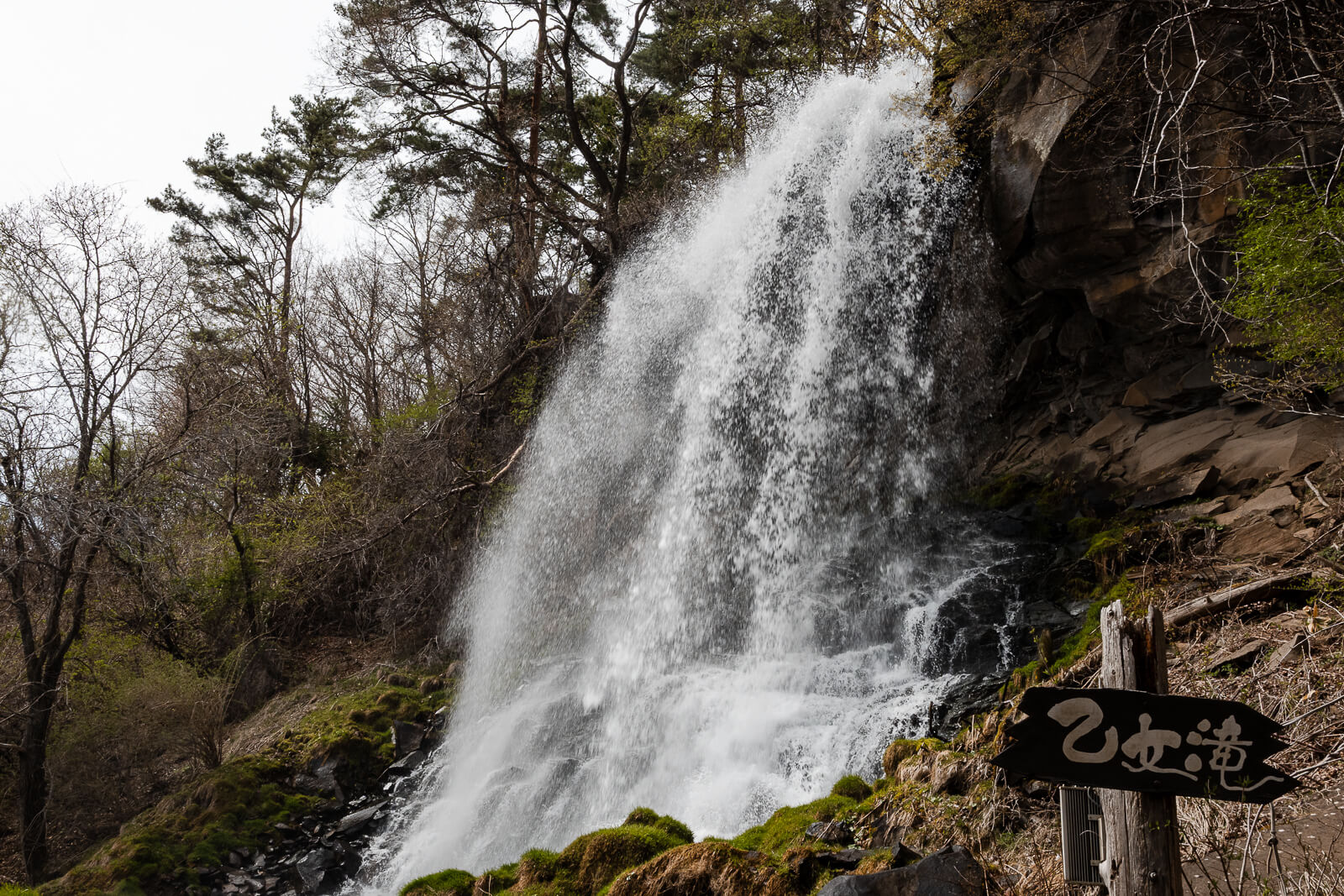
Destinations such as Mishaka-ike Pond, Otome Falls, and Oshidori Kakushi Falls demonstrate how quickly the environment changes beyond the lake. Forest roads, changing elevations, and increasingly expansive views create a noticeably different experience from the waterfront areas surrounding Lake Suwa.
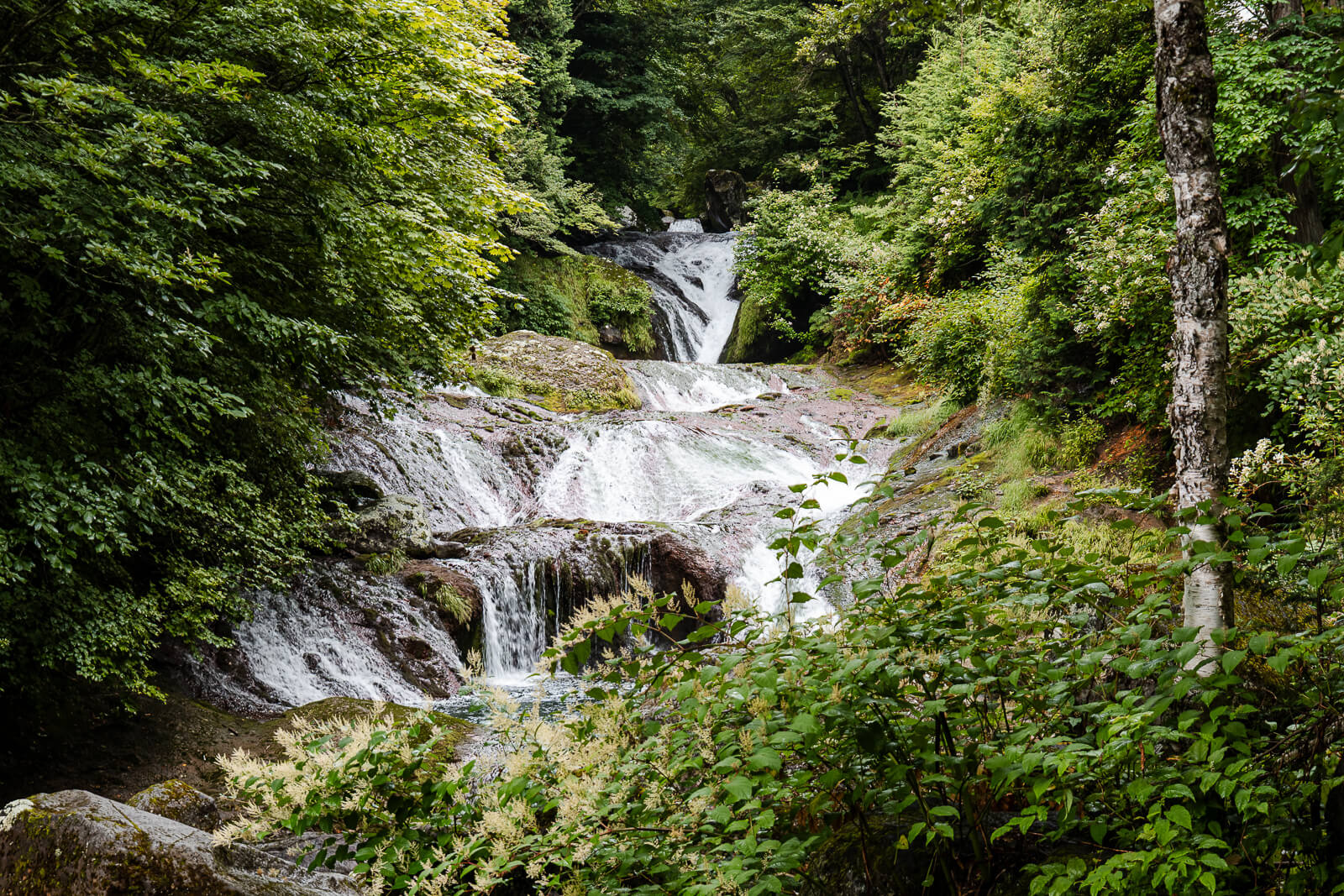
For many visitors, Chino also marks the beginning of routes leading deeper into the surrounding highlands. While the lake remains the centerpiece of the region, the roads beyond Chino gradually connect to areas known for mountain scenery, outdoor recreation, and elevated viewpoints. Even without venturing far beyond the lake area, this side of the region helps illustrate how Lake Suwa connects naturally to the broader landscapes of central Nagano.
Understanding these four areas helps explain why Lake Suwa cannot be reduced to a single attraction or sightseeing stop. Each contributes a different layer to the region, and together they create a destination that offers considerably more variety than the shoreline alone might suggest.
How Most Visitors Experience the Lake Suwa Region
After understanding how the region is organized, the next question becomes how most travelers actually spend their time. While every visit is different, the experiences around Lake Suwa tend to fall into several distinct categories. Some visitors remain close to the waterfront, while others focus on the shrine network, scenic viewpoints, or natural attractions beyond the shoreline.
The variety available within a relatively compact area is one of the region’s greatest strengths. Rather than depending on a single landmark, Lake Suwa offers several different ways to explore the destination. Together, these experiences help explain why some visitors stop briefly while others continue discovering new corners of the region over multiple visits.
The Lakefront Experience
For many travelers, the waterfront forms the center of a Lake Suwa visit. Attractions such as Sekicho Park, Takashima Castle, Katakurakan, the Kitazawa Museum of Art, and the Lake Suwa Geyser Center and Footbath all sit within the broader lakeside area, making it possible to combine history, culture, and scenery without extensive travel between locations. Walking paths, shoreline parks, and lakeside promenades help connect these attractions while providing continuous views across the water.
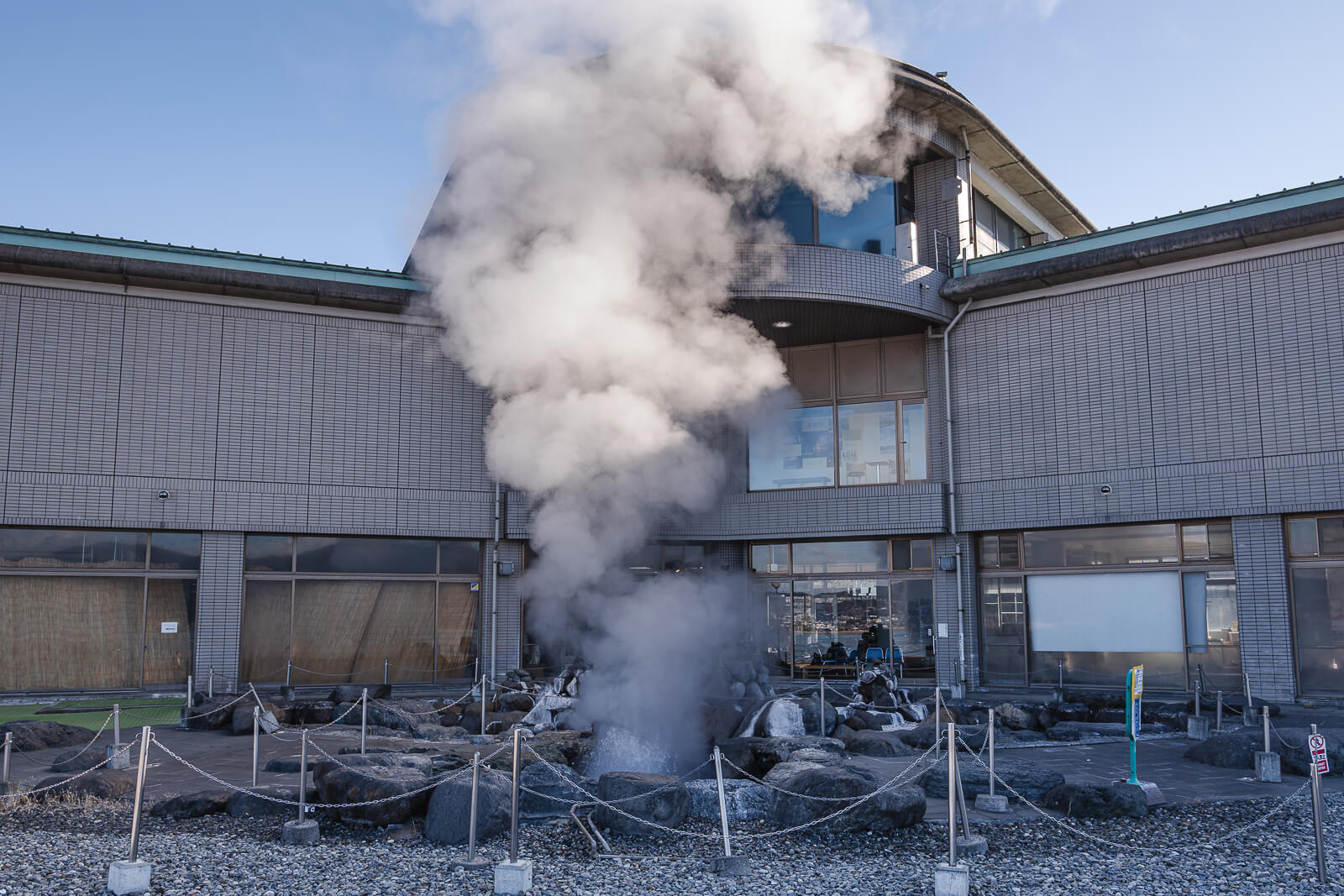
The waterfront also serves as the heart of Kamisuwa’s tourism district. Hotels, onsen accommodations, restaurants, museums, and public spaces are concentrated around the shoreline, allowing visitors to move easily between different experiences throughout the day. As a result, many travelers naturally spend a significant portion of their visit exploring this part of the region.
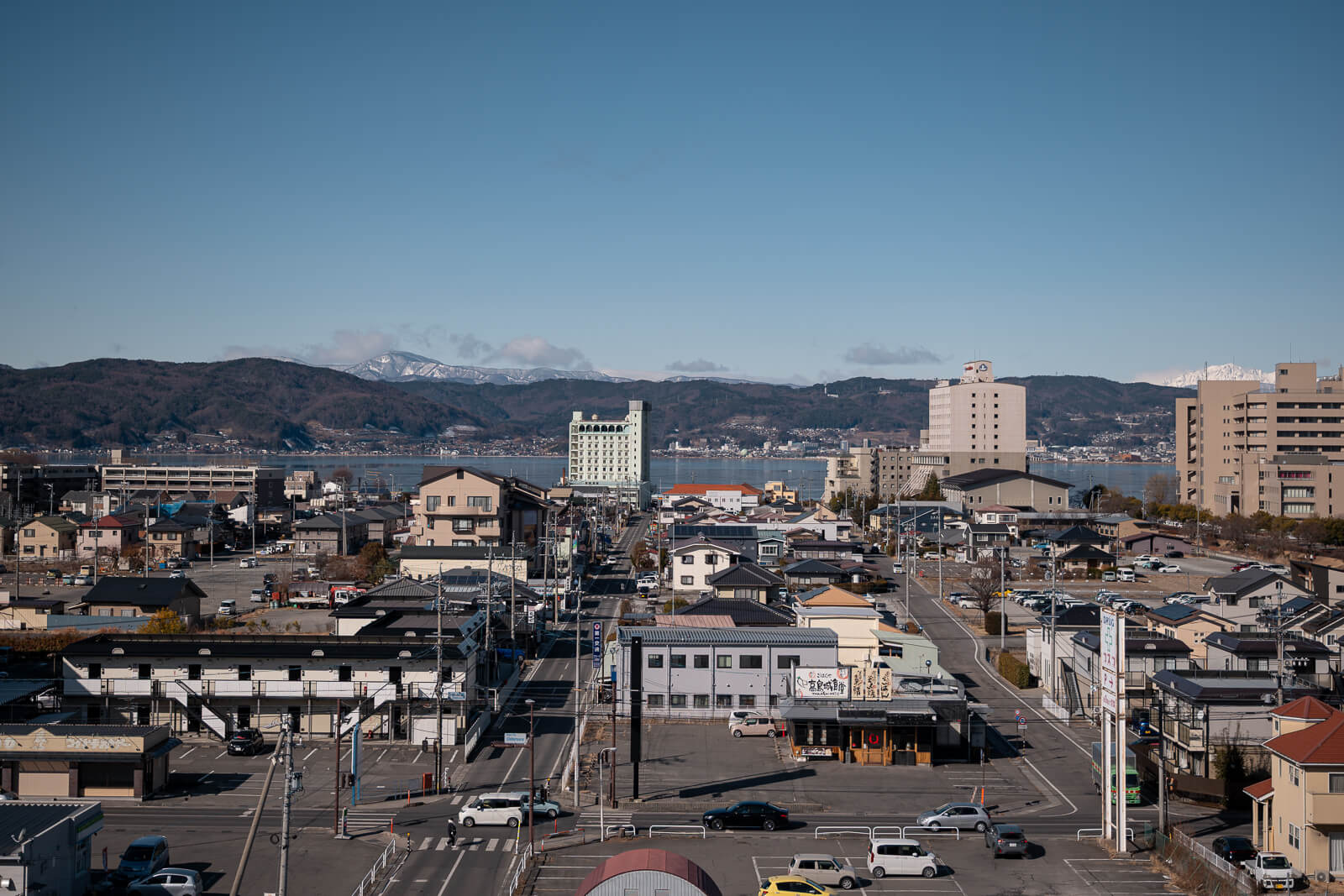
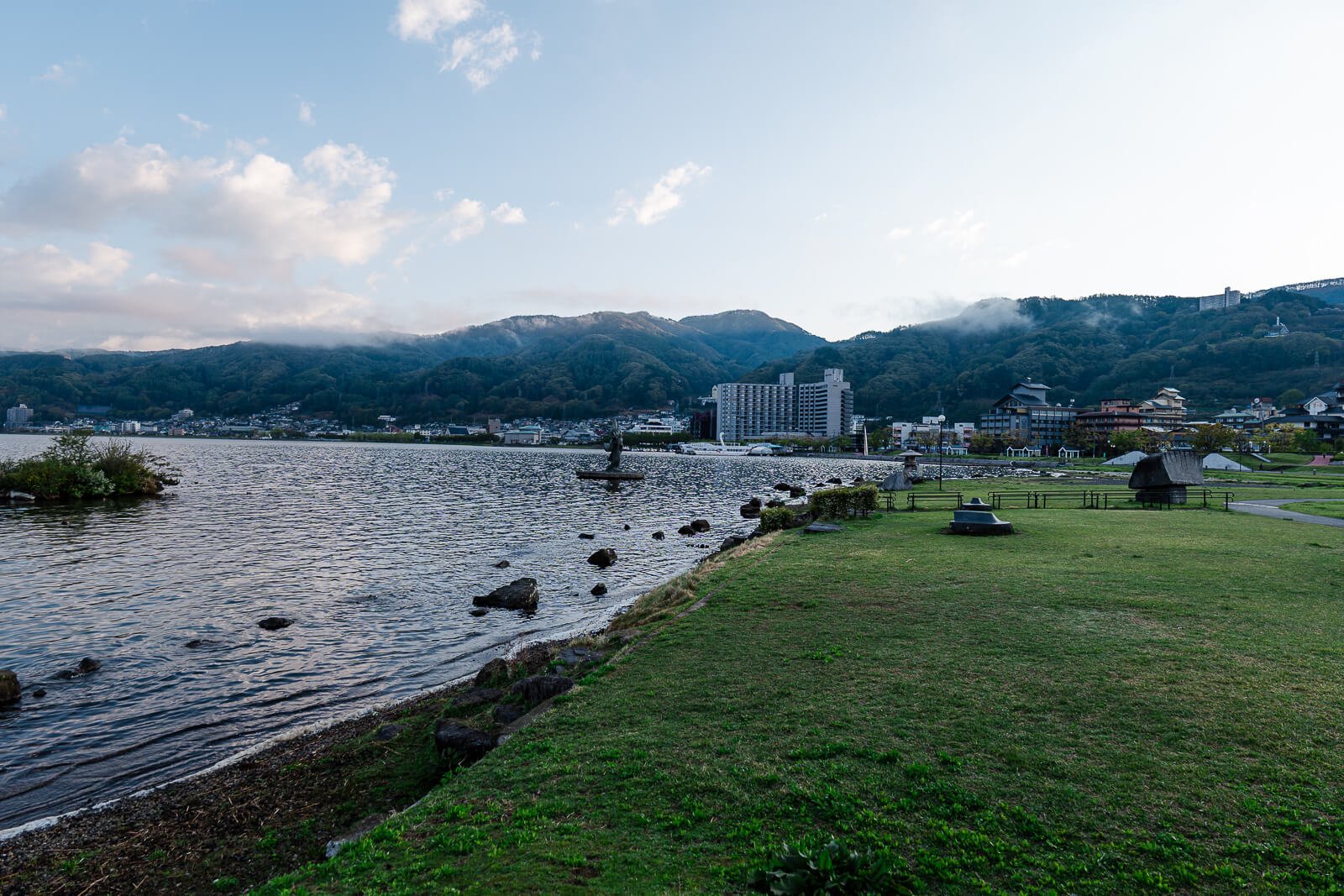
The atmosphere changes noticeably as the day progresses. Morning light often highlights the surrounding mountains, while evenings bring reflections across the lake and activity around the onsen district. This combination of accessibility, scenery, and variety helps explain why the waterfront remains one of the most popular parts of the Lake Suwa region.
The Shrine Side of Lake Suwa
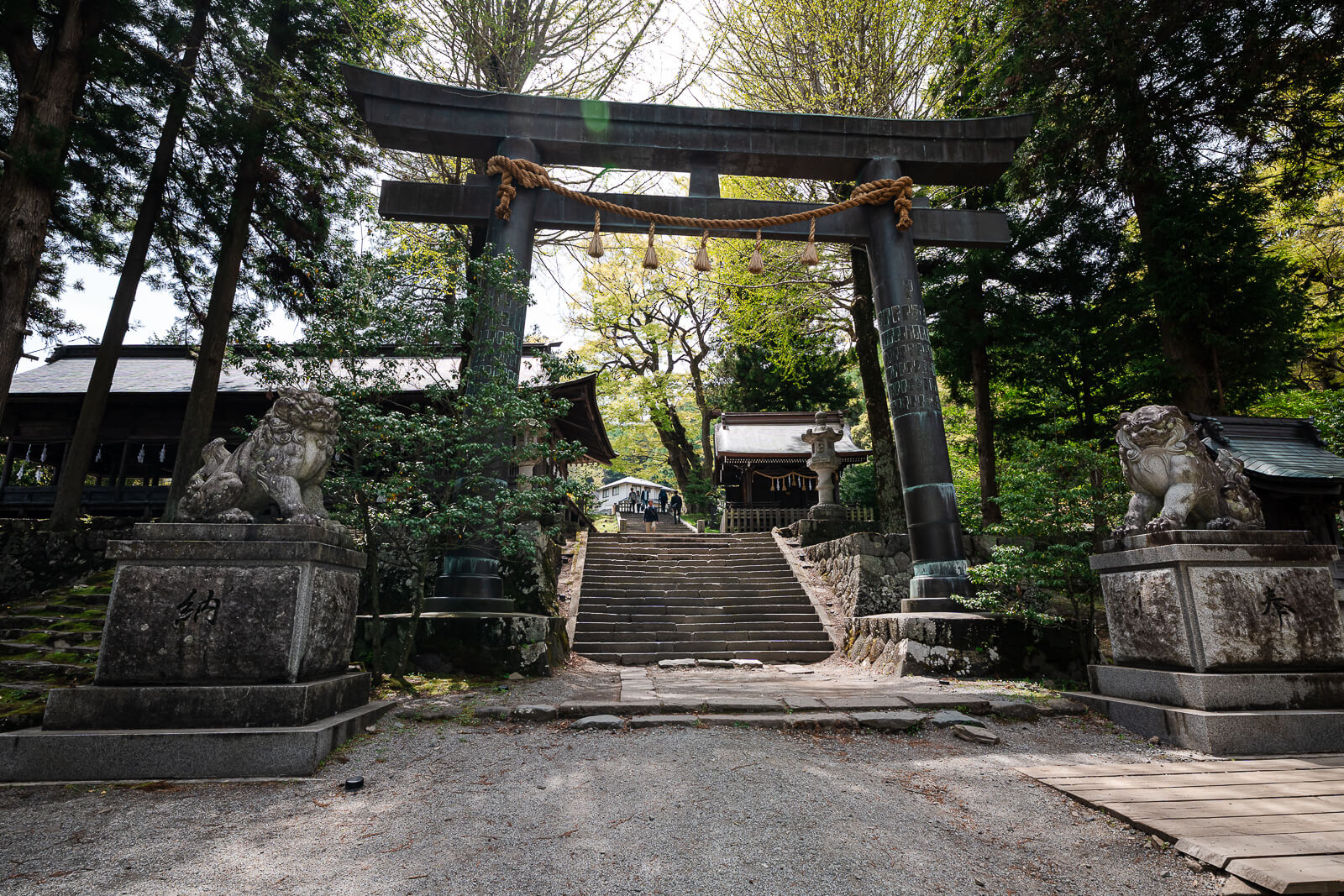
Away from the shoreline, the region’s historical identity becomes more visible through the Suwa Taisha shrine network. The four principal shrines—Kamisha Honmiya, Kamisha Maemiya, Shimosha Akimiya, and Shimosha Harumiya—are distributed around the basin rather than concentrated in a single location. Visiting them introduces travelers to different communities while gradually revealing the cultural foundations of the region.
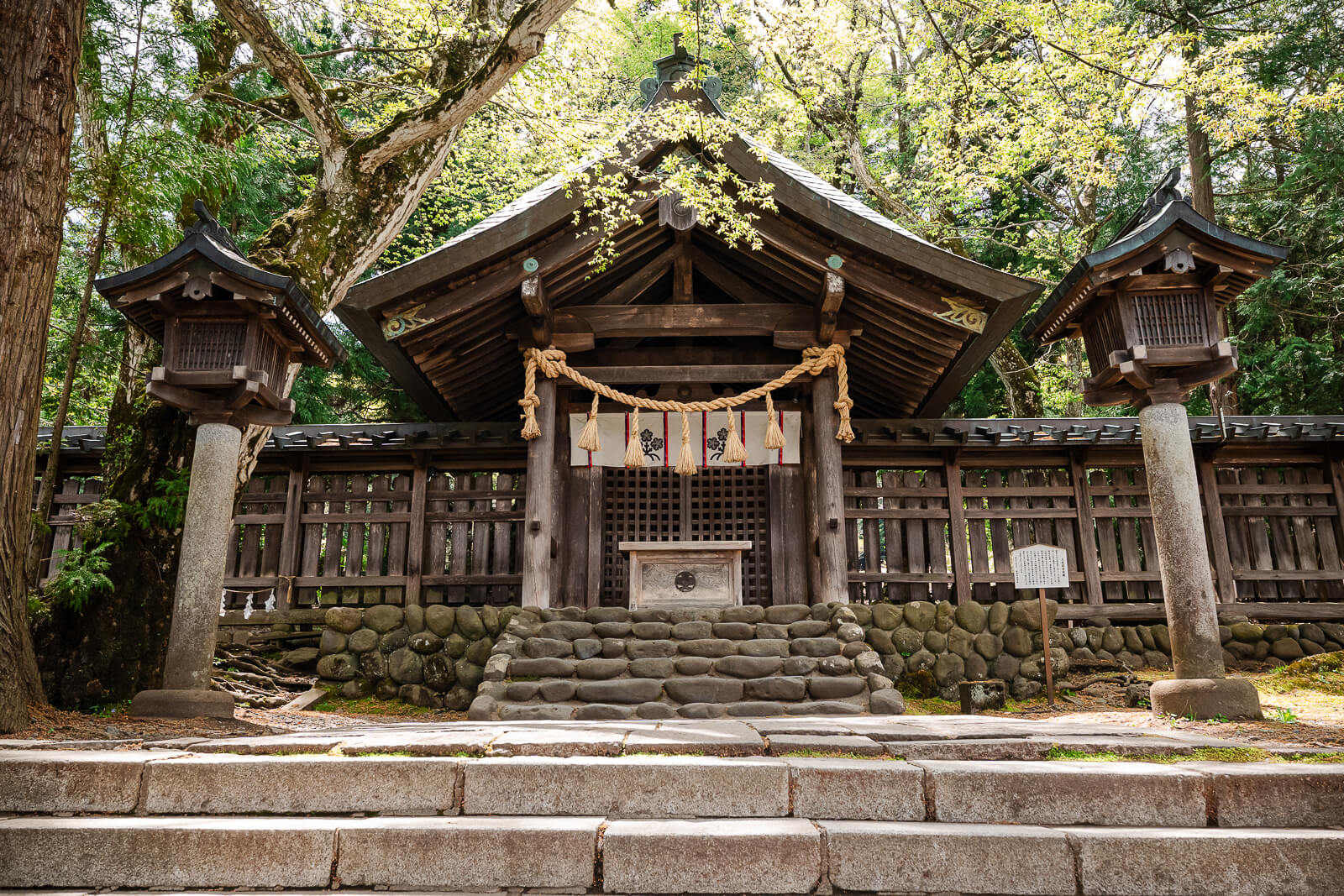
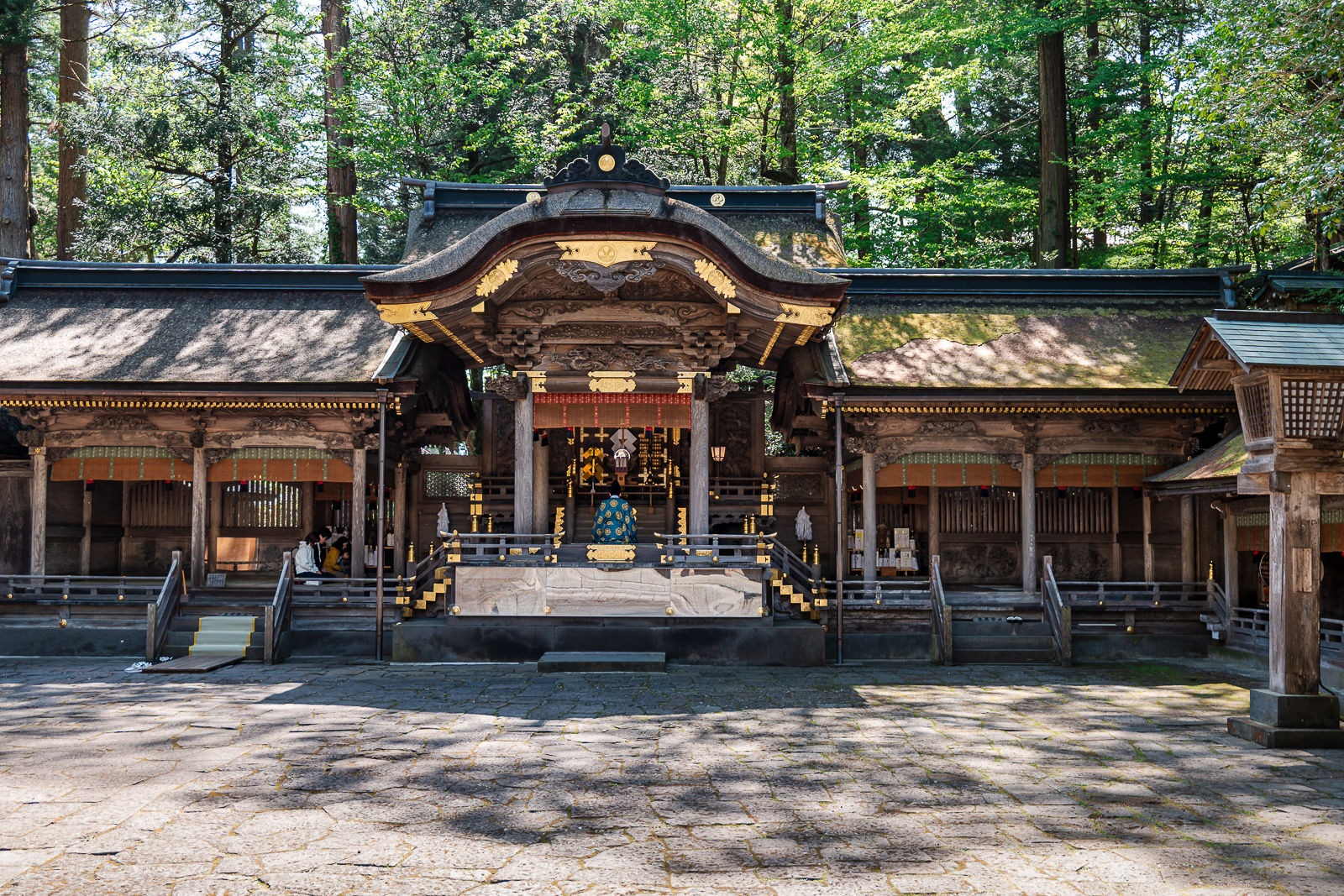
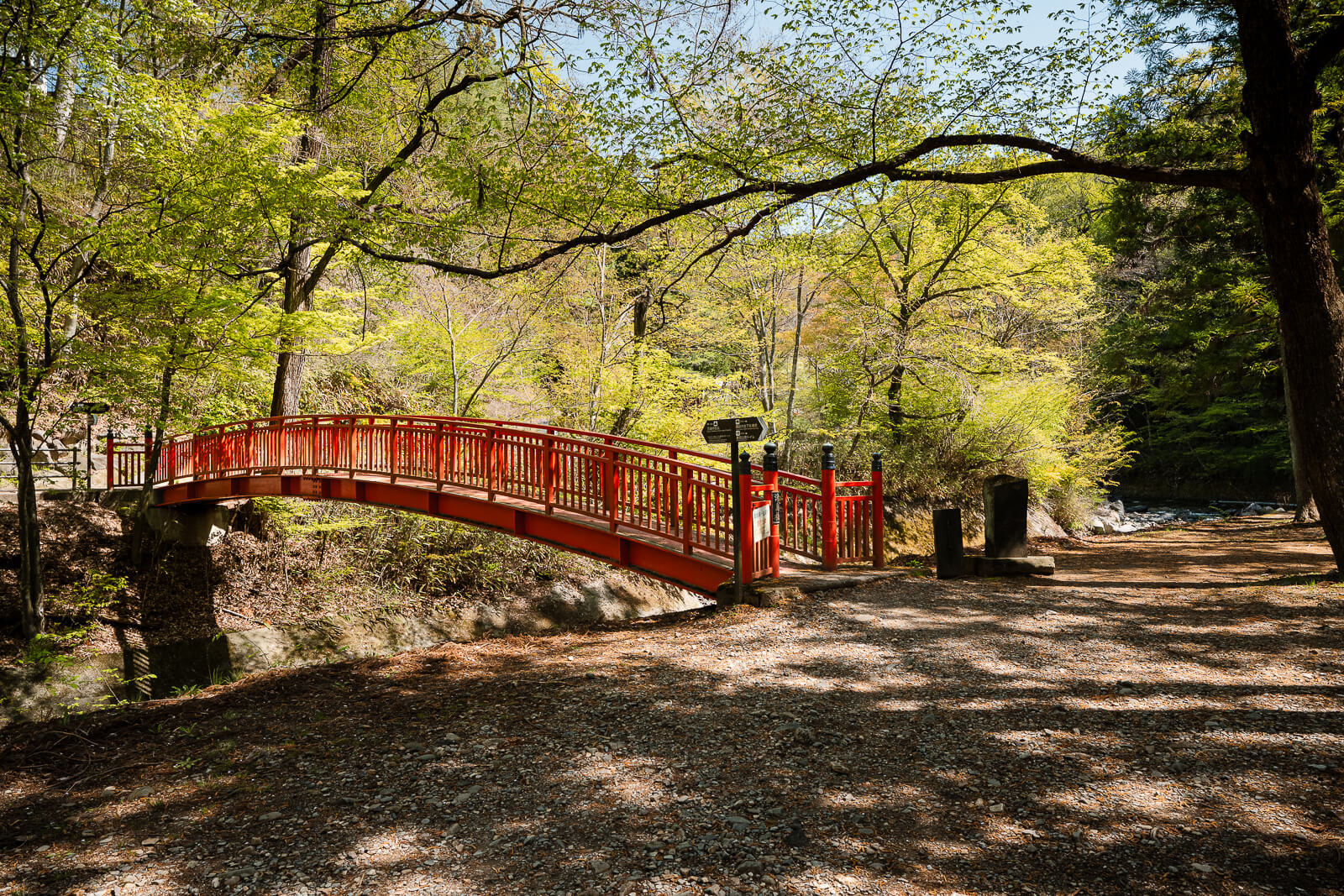
Additional sites such as Onbashira-kan Yoisa and the Manji Stone Buddha help expand this experience further. Together, these locations provide a deeper understanding of the traditions that continue to shape the Suwa region today. For many visitors, the shrine network becomes one of the most memorable aspects of the entire destination.
Seeing the Basin From Above
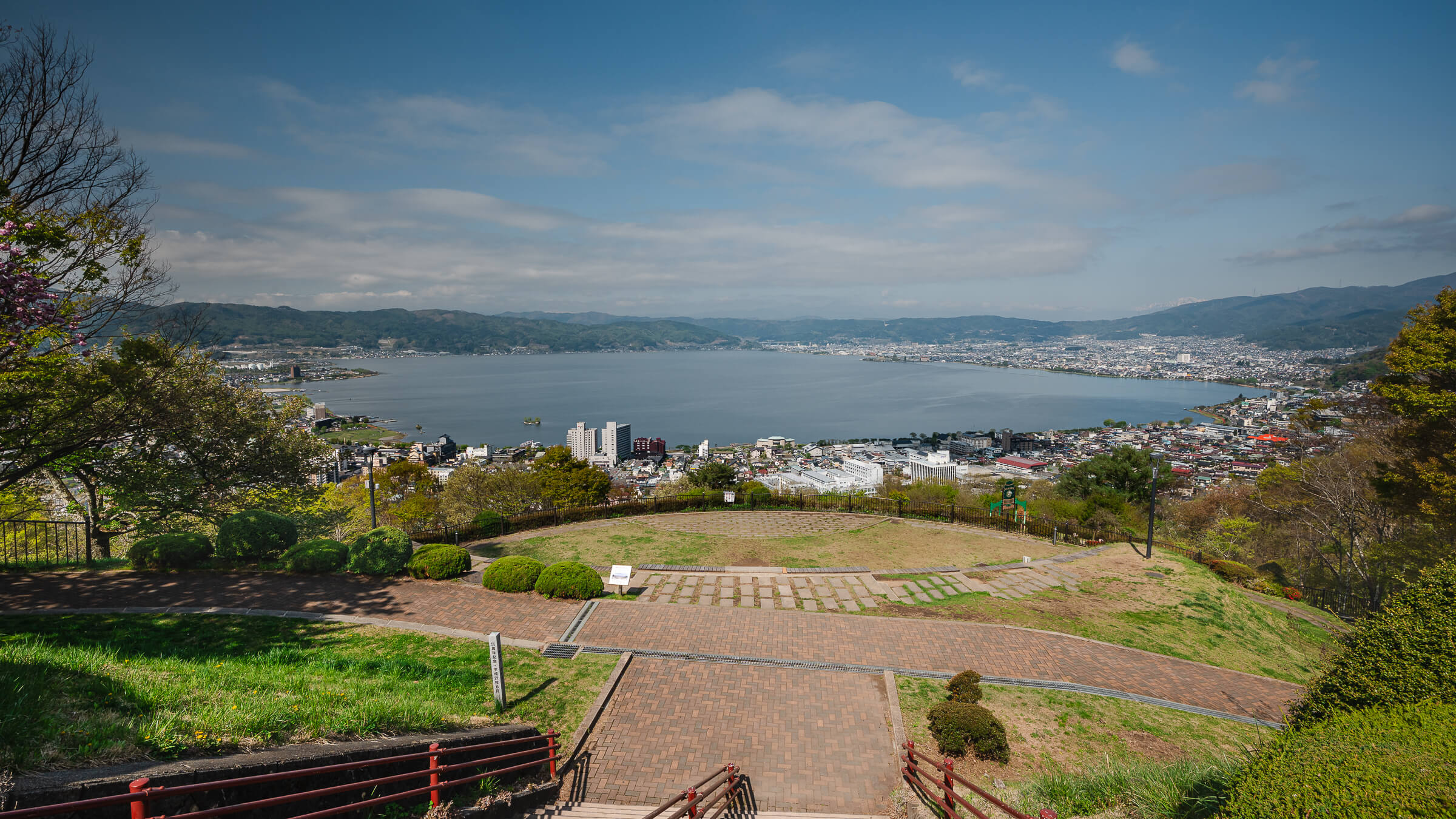
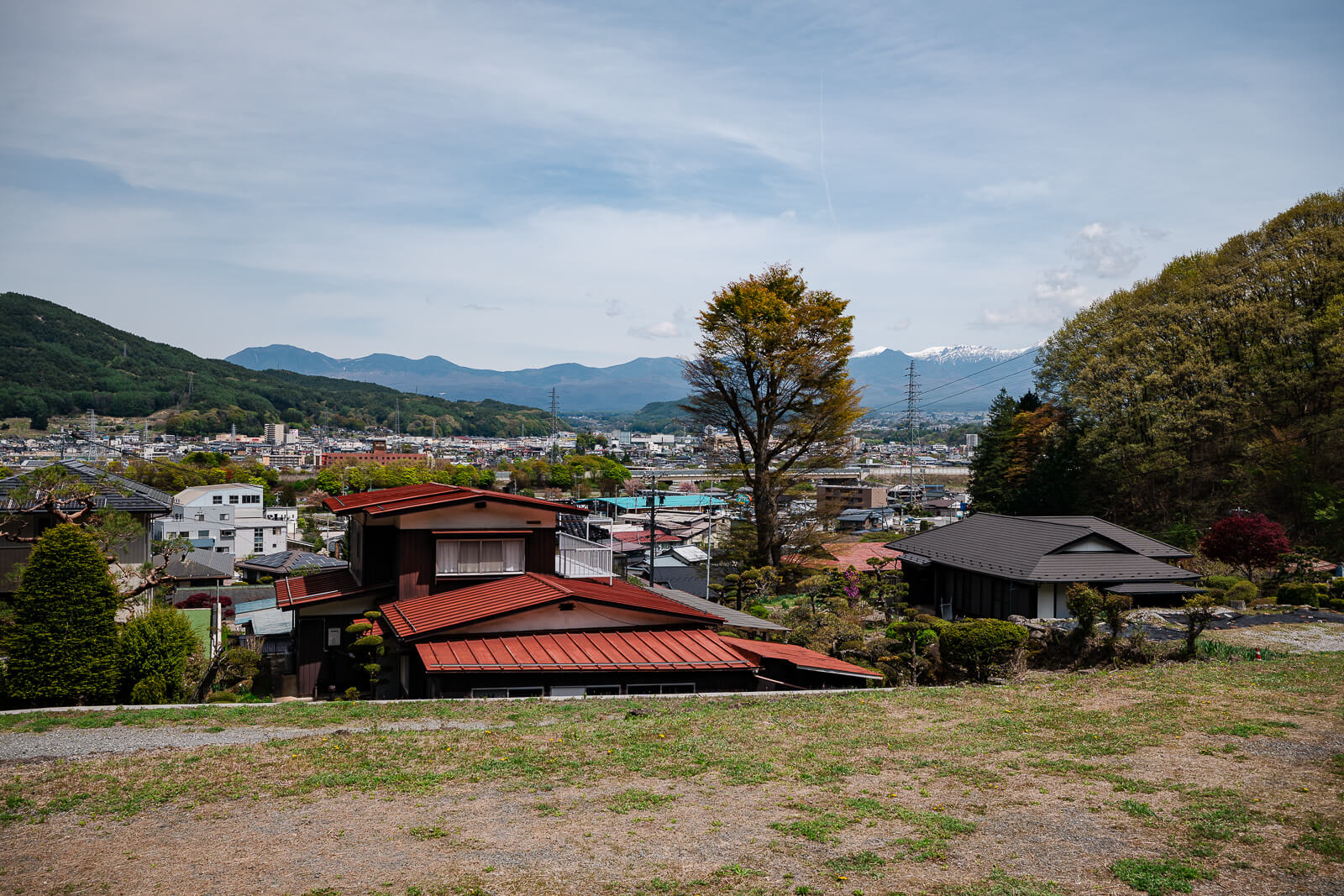
While the lake is impressive from the shoreline, the scale of the region becomes easier to appreciate from higher elevations. Looking down across the surrounding communities reveals how the lake, surrounding towns, and mountain ranges fit together. The perspective often changes how visitors understand the destination, particularly after spending time around the waterfront.
Locations such as Tateishi Park provide some of the most recognizable views in the region, while the overlook at Suwako Service Area frequently serves as a first introduction for travelers arriving by car. These elevated viewpoints help transform Lake Suwa from a collection of attractions into a clearly defined landscape.
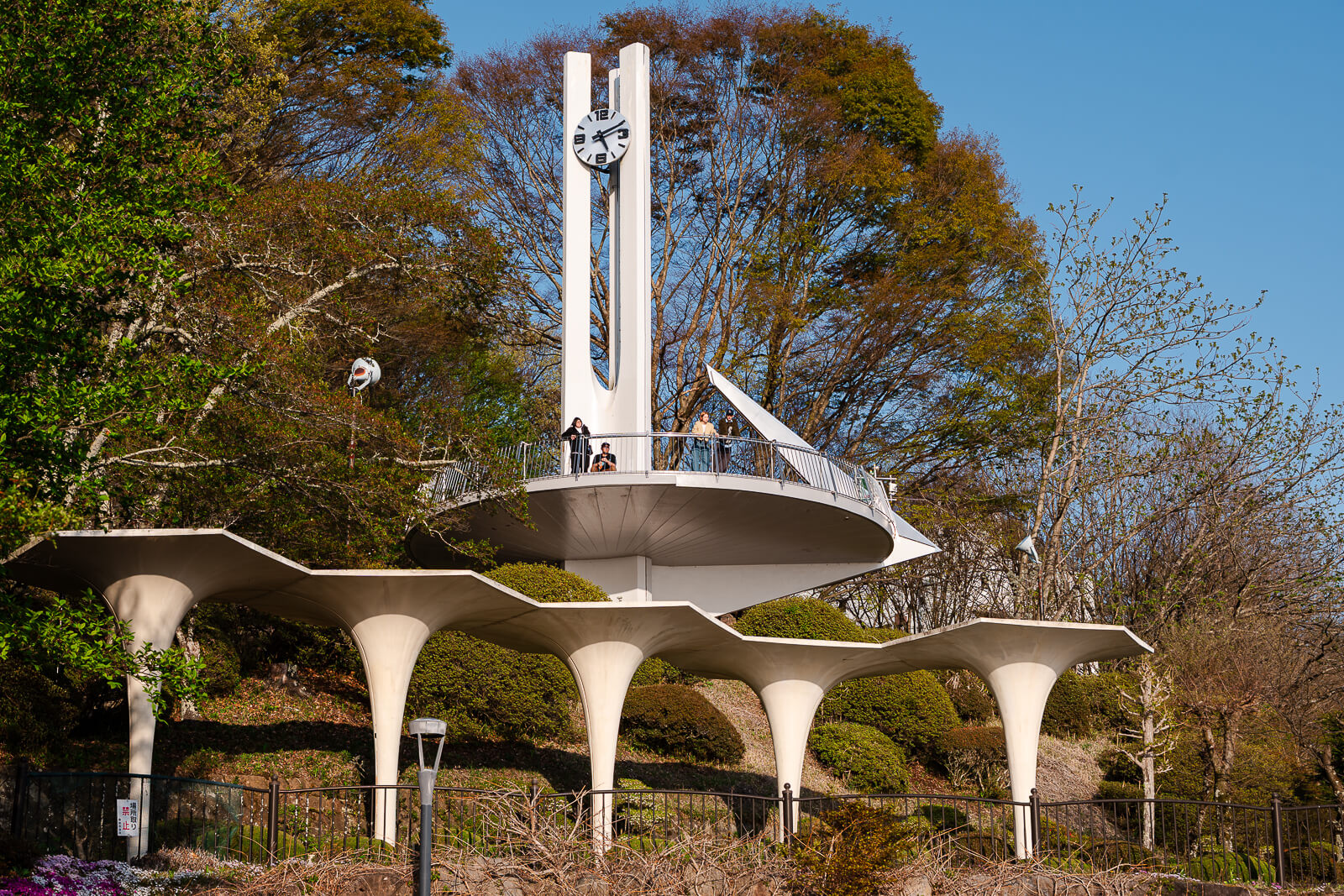
Beyond the Shoreline
The experience changes again as visitors move east toward Chino and the surrounding foothills. Forest ponds, waterfalls, and mountain scenery begin replacing the urban character found around much of the lake. The transition occurs surprisingly quickly, creating a sense of variety that many travelers do not expect from a destination centered on a lake.
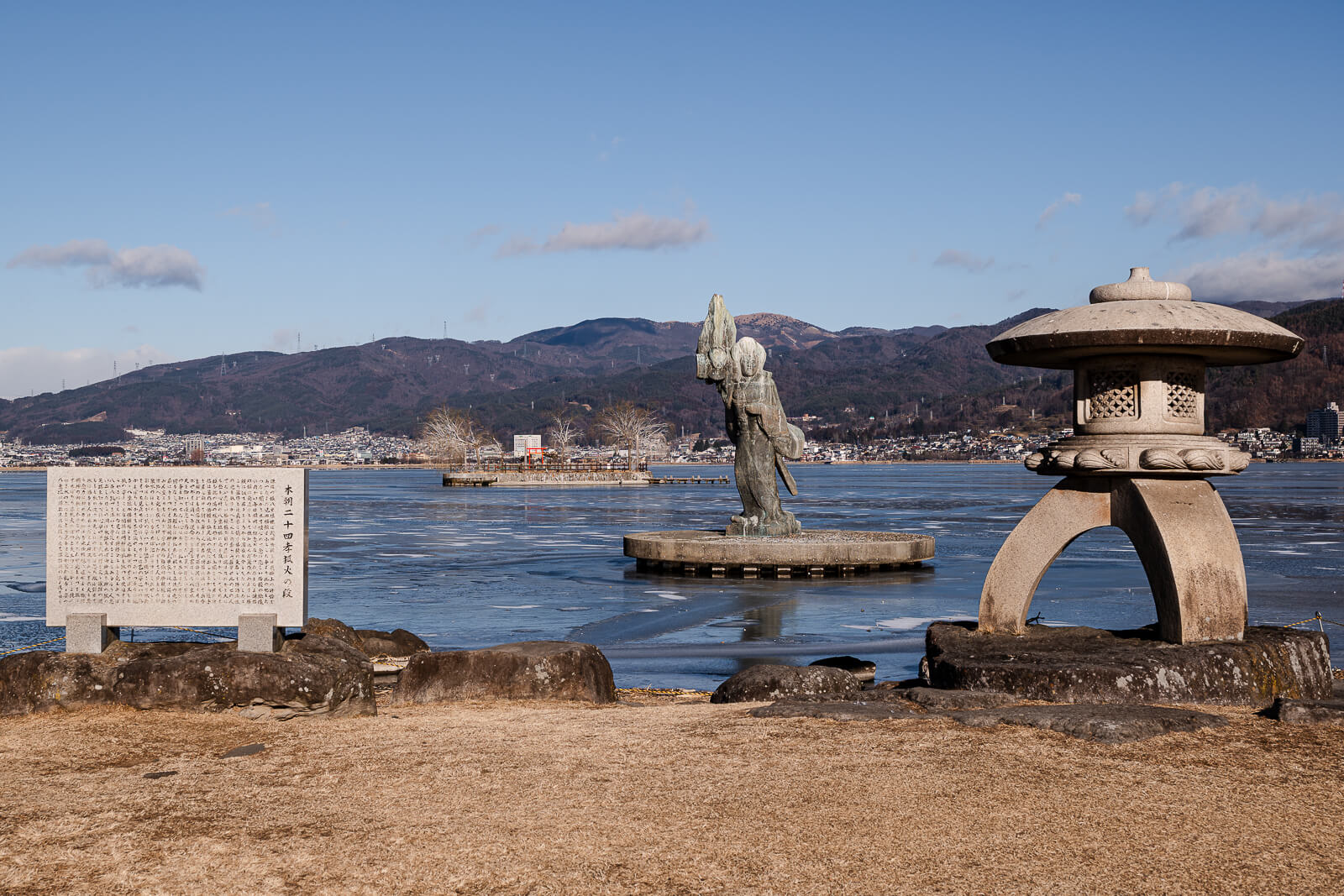
Attractions such as Mishaka-ike Pond, Otome Falls, and Oshidori Kakushi Falls reveal this different side of the region. Together, they demonstrate how Lake Suwa functions not only as a lakeside destination but also as a gateway to the natural landscapes that surround the region.
Where to Stay Around Lake Suwa
Once travelers decide to spend more than a few hours around Lake Suwa, the question shifts from what to see to where to stay. While accommodations can be found throughout the general area, the overall experience changes depending on where visitors choose to base themselves. Some locations prioritize convenience and walkability, while others function better as gateways to surrounding mountain areas.
Kamisuwa: The Center of Gravity
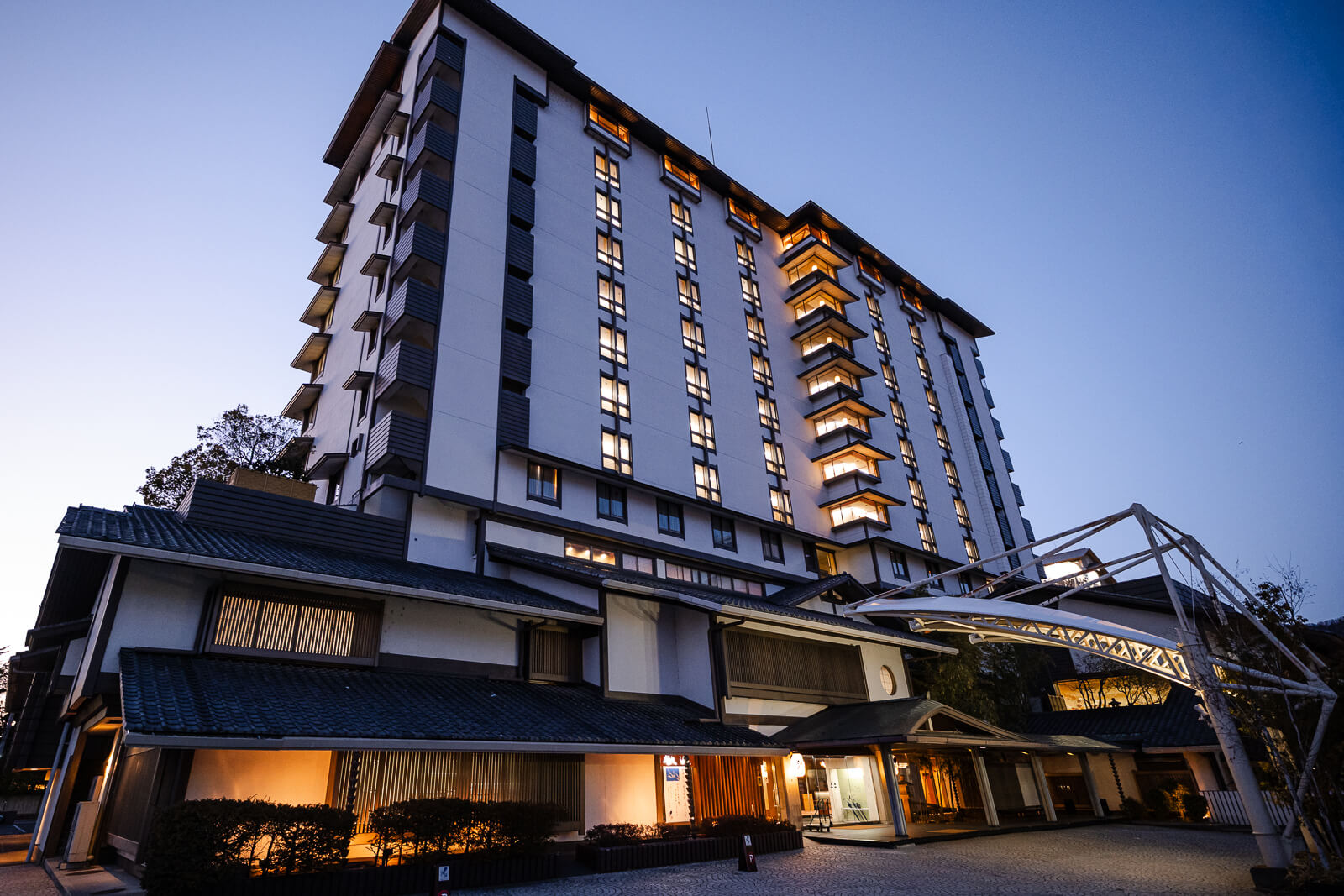
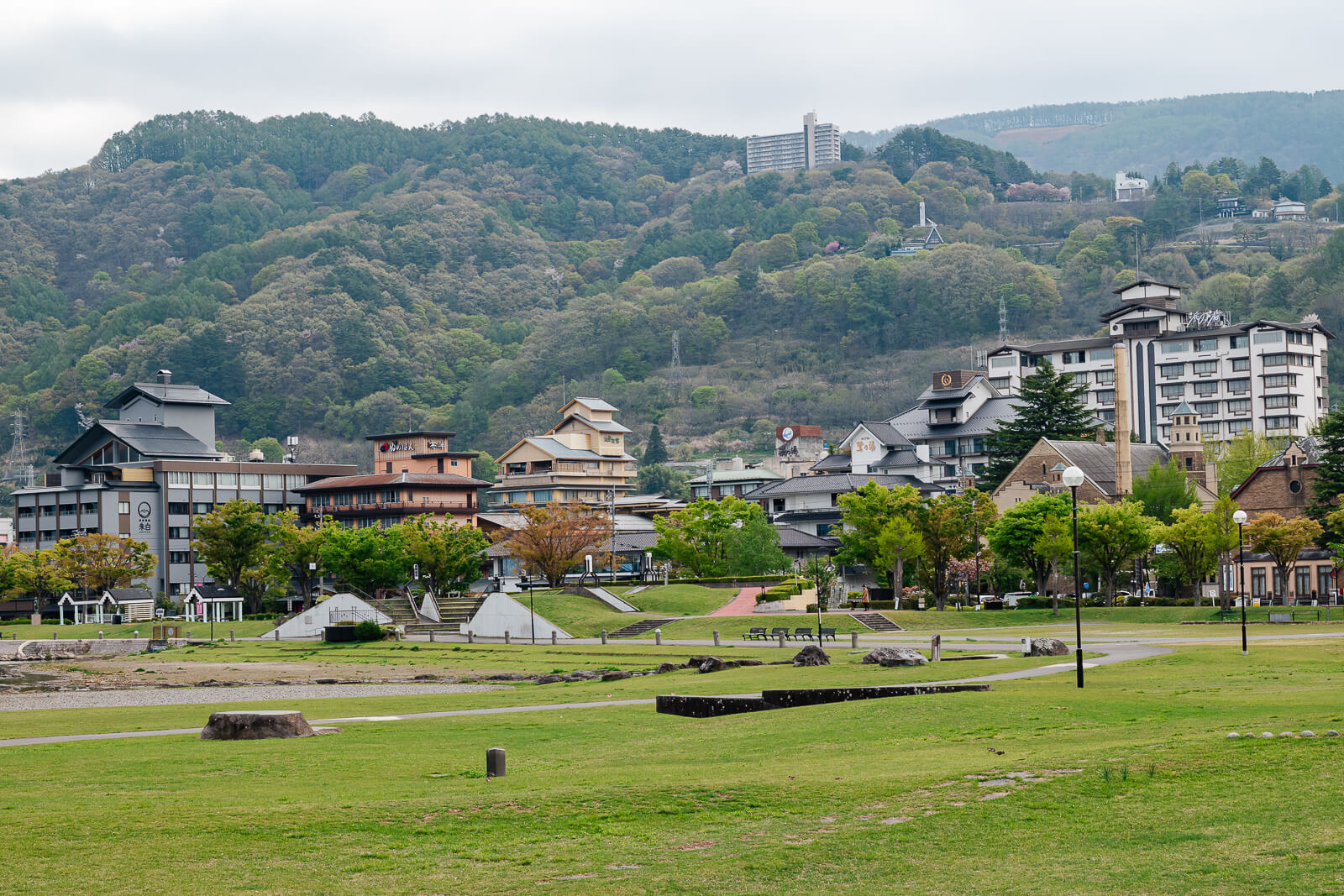
For many visitors, Kamisuwa naturally becomes the preferred base for exploring the region. The area combines onsen accommodations, lakeside scenery, restaurants, museums, and several of Lake Suwa’s best-known attractions within a relatively compact area. Rather than returning to a car after every stop, travelers can often move between parts of the waterfront on foot while remaining close to their accommodations.
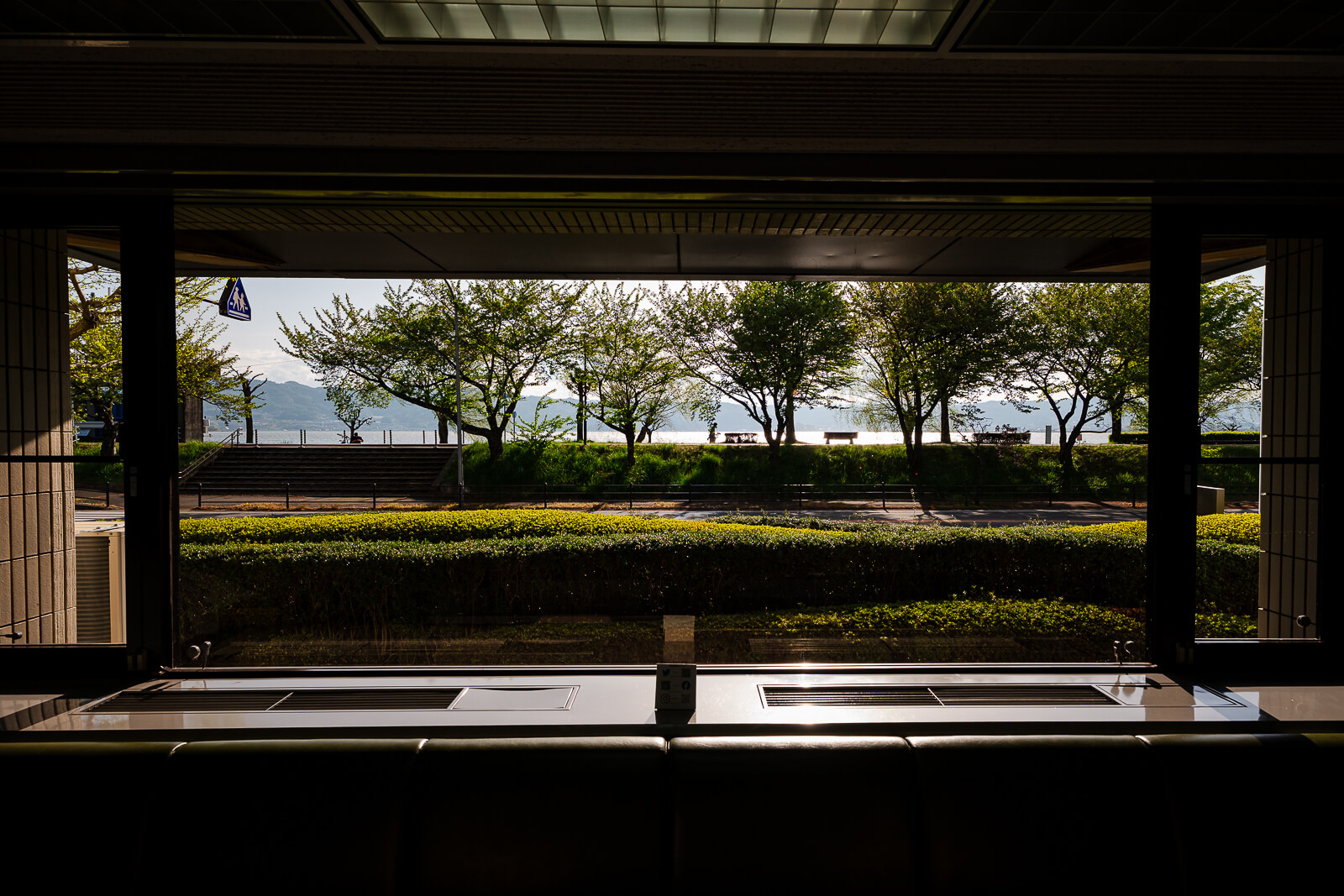
Many of the region’s most recognizable attractions sit within or near Kamisuwa. Takashima Castle, Katakurakan, the Kitazawa Museum of Art, Sekicho Park, and the Lake Suwa Geyser Center and Footbath all contribute to a concentration of attractions that is difficult to match elsewhere around Lake Suwa. The lakeside setting also allows visitors to experience changing views throughout the day without traveling far from their hotel or ryokan.
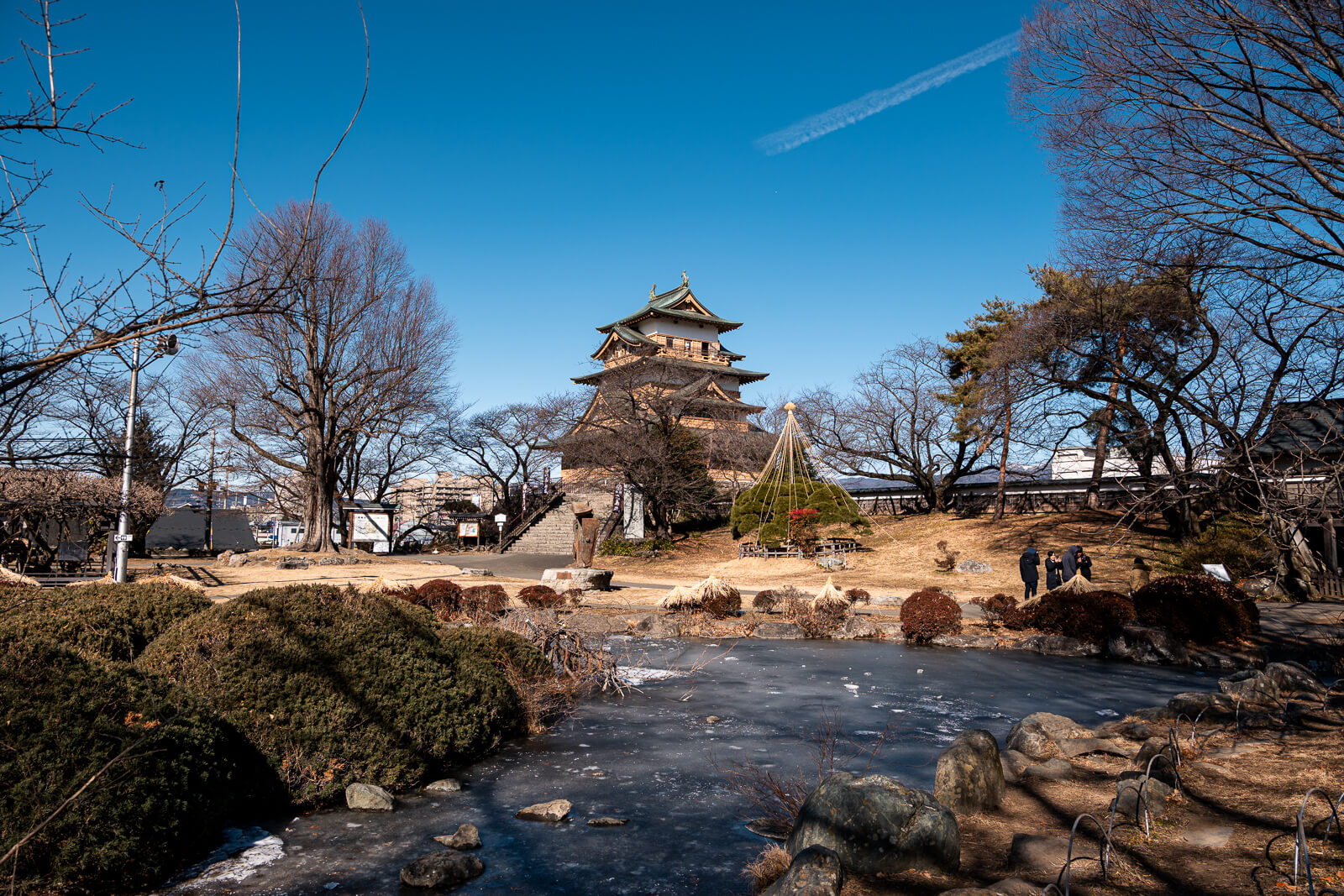
The area’s strongest advantage may be how naturally sightseeing and overnight stays connect together. After a day exploring the waterfront or visiting the surrounding shrines, travelers can return to lakeside accommodations, enjoy an onsen, and continue experiencing the destination without needing to relocate. This combination of convenience, atmosphere, and access has helped make Kamisuwa the primary lodging area for many visitors to Lake Suwa.
Chino and the Highlands
For travelers arriving by car or planning to spend significant time exploring beyond the shoreline, Chino offers a different approach. Accommodations here place visitors closer to attractions such as Mishaka-ike Pond, Otome Falls, and Oshidori Kakushi Falls, while also providing easier access to the surrounding highlands and mountain roads.
The tradeoff is that the lake becomes less central to the overall experience. Rather than walking to waterfront attractions, visitors typically rely on driving between destinations. For those focusing on nature, scenic drives, or future exploration beyond the Lake Suwa region, this may be a worthwhile exchange.
Most first-time visitors naturally gravitate toward Kamisuwa, while Chino tends to appeal more to travelers treating Lake Suwa as part of a broader exploration of central Nagano. Both approaches work, but they create noticeably different experiences around the region.
Does a Day Trip Feel Rushed?
Lake Suwa can certainly be visited as a day trip, and many travelers do exactly that while moving between other destinations in central Japan. The lake’s compact waterfront, convenient rail access, and concentration of attractions make it possible to experience several highlights within a single day. Visitors can explore portions of the shoreline, visit a museum or two, and still leave with a solid introduction to the region.
The experience begins to change, however, once travelers look beyond the waterfront. The four shrines of the Suwa Taisha network are distributed around different parts of the basin, while attractions such as Tateishi Park, Mishaka-ike Pond, Otome Falls, and Oshidori Kakushi Falls sit beyond the immediate lakeshore area. Although these destinations can be combined into a single day with careful planning, the schedule often becomes more focused on movement between locations than on the destinations themselves.
An overnight stay creates additional flexibility without requiring a major time commitment. Instead of trying to fit the lake, shrines, viewpoints, museums, and natural attractions into a single day, visitors gain the freedom to explore the region more naturally. The lakefront can be experienced during different times of day, onsen accommodation becomes part of the visit, and the surrounding communities begin to feel connected rather than separate.
The difference is not necessarily about seeing more attractions. Instead, it is about having enough time to understand how the different parts of the region fit together. A day trip introduces Lake Suwa effectively, while an overnight stay often provides a more complete picture of why the basin has remained an important destination for centuries.
For travelers already passing through the area, a day trip can be rewarding and worthwhile. Those specifically choosing Lake Suwa as a destination, however, often discover that one night provides enough time for the lake, shrines, viewpoints, and surrounding landscapes to connect into a more complete experience.
Getting to Lake Suwa
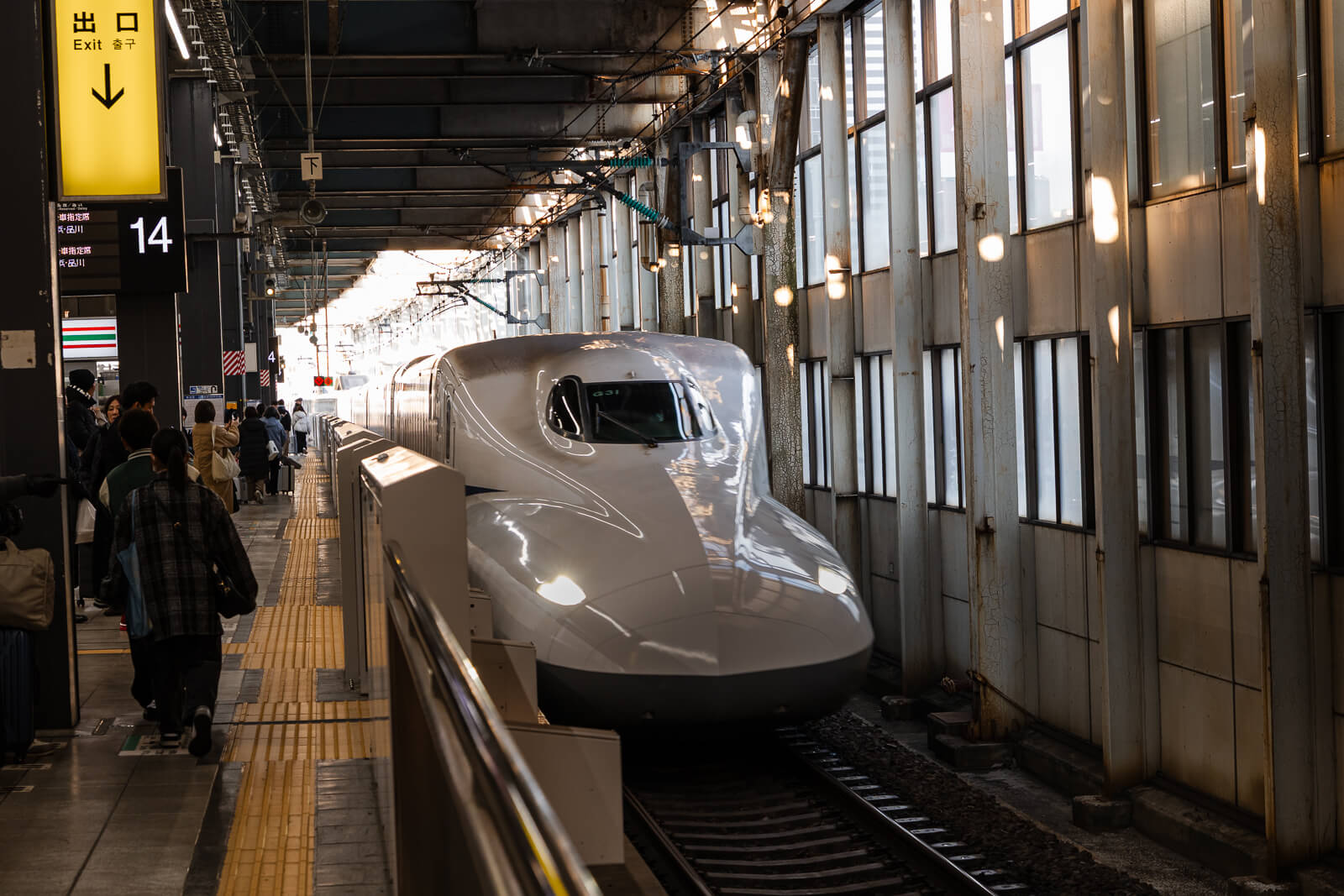
For rail travelers, Kamisuwa Station serves as the primary gateway to the lakefront area. Located on the JR Chūō Main Line, the station provides direct access to the Kamisuwa waterfront and places visitors within reach of many of the region’s most visited attractions. Shimosuwa Station offers convenient access to the southern side of the lakefront, particularly for travelers interested in the Suwa Taisha shrine network and the historic districts surrounding Shimosuwa.
Drivers benefit from the flexibility to explore different parts of the region and the surrounding highlands. Lake Suwa sits directly along the Chūō Expressway, making it an easy stop for travelers moving between the Tokyo region and central Nagano. Many visitors receive their first view of the destination from Suwako Service Area, where elevated viewpoints overlook the lake and surrounding mountains before the descent into the basin.
A car becomes increasingly useful when exploring beyond the waterfront. Attractions around Chino, including Mishaka-ike Pond, Otome Falls, and Oshidori Kakushi Falls, are easier to combine into a single itinerary with personal transportation. Viewpoints such as Tateishi Park are also more convenient to reach by car, particularly for visitors hoping to explore multiple parts of the region in a single day.
While public transportation can comfortably support a visit focused on the lakefront and shrine districts, driving expands the range of experiences available around the region. Both approaches work well, with the choice largely depending on how much of the surrounding region visitors intend to explore.
Why Many Visitors Stay Longer Than Planned
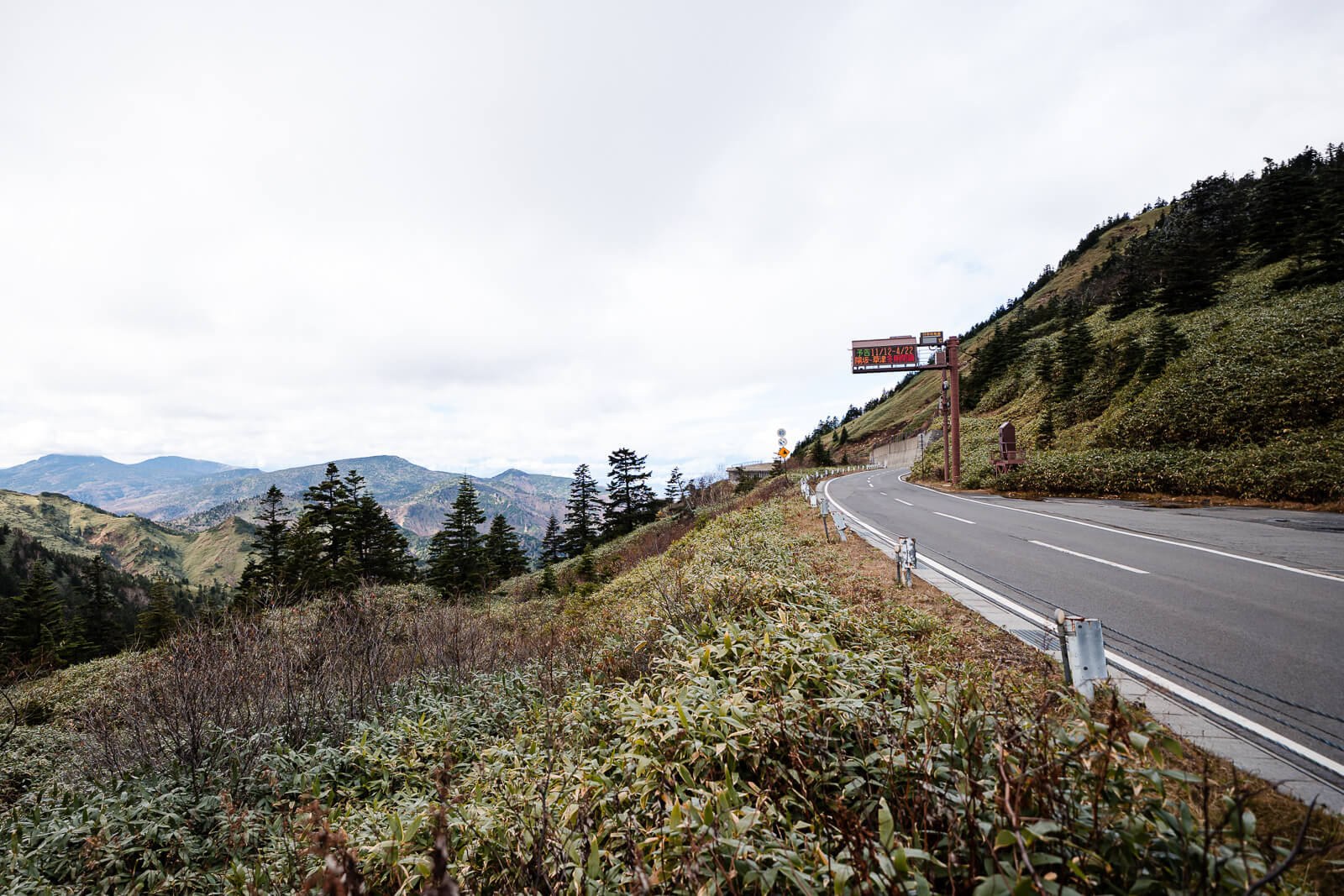
At first glance, Lake Suwa appears to be a destination that can be experienced quickly. The lake itself is easy to reach, many of the waterfront attractions sit close together, and the region does not initially appear as large as some of Japan’s better-known tourist areas. As a result, many travelers arrive expecting a short stop before continuing elsewhere in central Nagano.
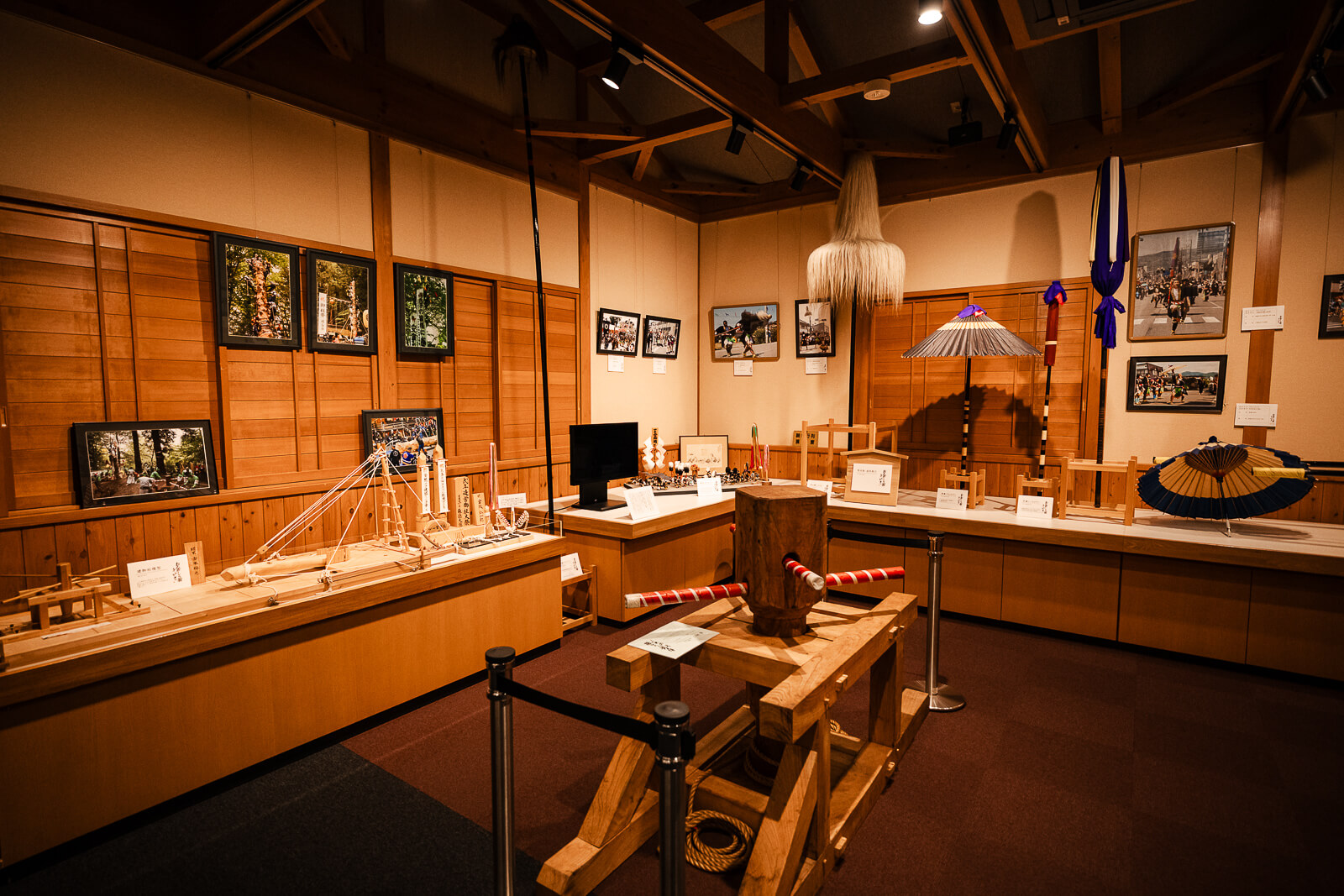
The experience often changes once the different parts of the region begin to reveal themselves. What starts as a visit to the waterfront may expand to include the Suwa Taisha shrine network, viewpoints overlooking the basin, museums, historic districts, and natural attractions beyond the shoreline. The region gradually shifts from a single destination into a collection of interconnected experiences.
Another reason is the variety available within a relatively compact area. Visitors interested in history, photography, hot springs, shrine culture, scenic drives, or natural landscapes can often find something that aligns with their interests without traveling far from the lake. The ability to move between these different experiences helps create a destination that feels larger than its map initially suggests.
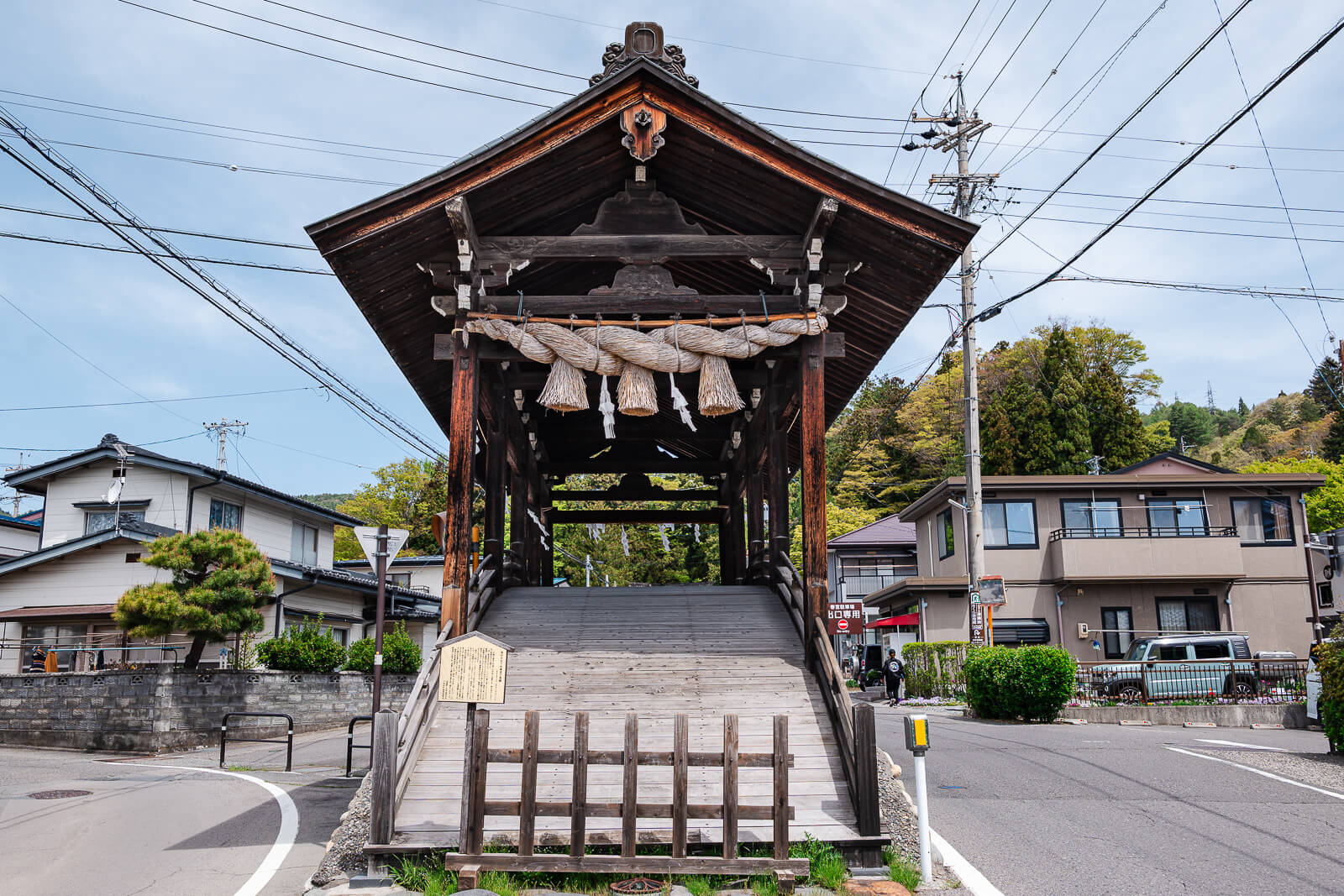
Lake Suwa does not need to be experienced in a single way. Some travelers focus almost entirely on the waterfront, while others spend their time exploring the shrines, viewpoints, and surrounding highlands. The flexibility of the region is part of its appeal, allowing visitors to shape the experience around their own interests and available time.
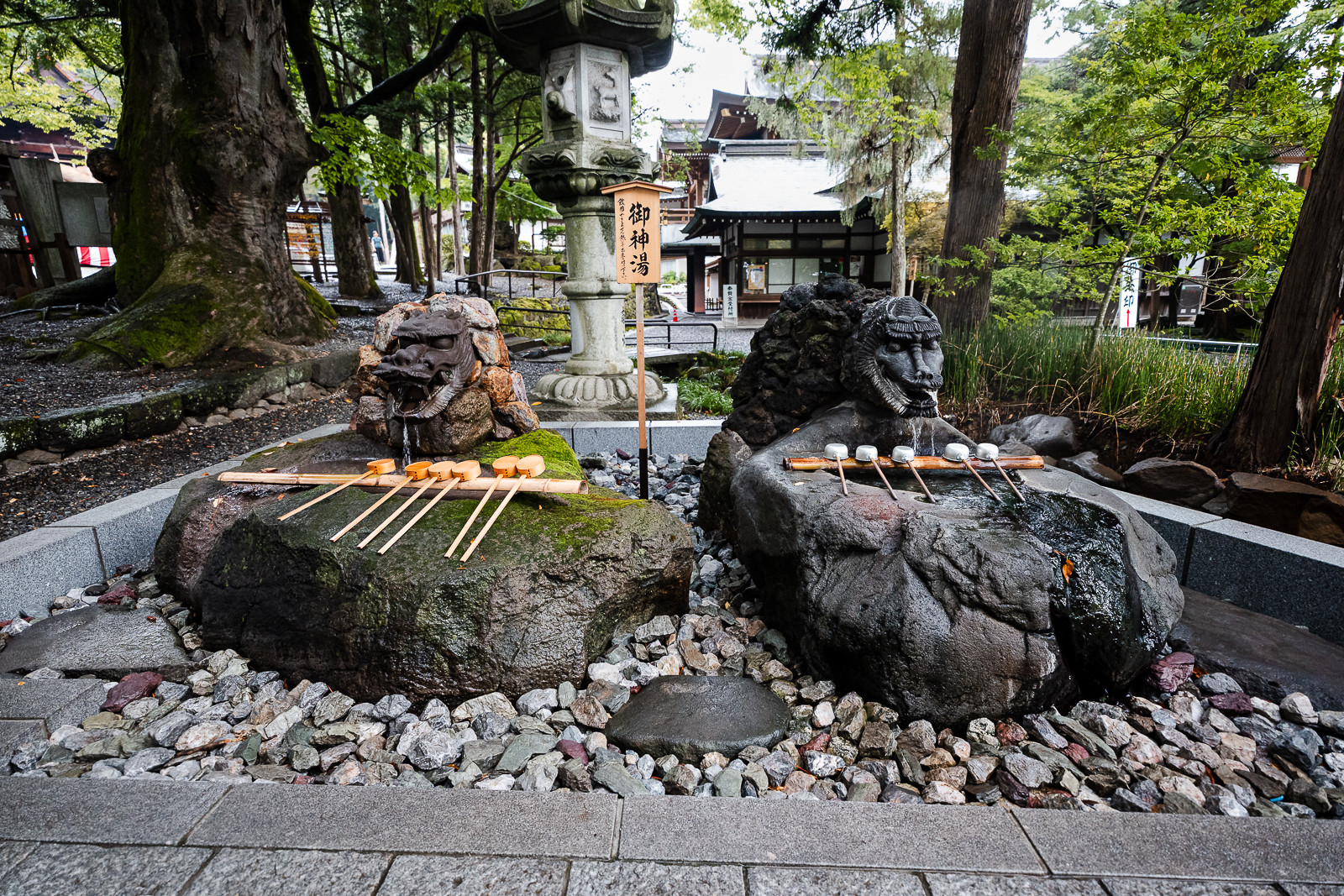
Perhaps that is what defines Lake Suwa best. It is not simply a lake, a shrine destination, or an onsen town. Instead, it is a region where multiple experiences come together around Lake Suwa, creating a destination that often leaves visitors with more to explore than they originally expected.