Choosing the Right Suwa Taisha Shrine
This Suwa Taisha shrine guide explains how one of Japan’s oldest shrine systems is divided across four separate locations in Nagano Prefecture. The shrines sit between Chino and Shimosuwa on opposite sides of the Lake Suwa basin, with each location contributing a different part of the wider shrine tradition. Choosing how many shrines to visit therefore affects transportation, timing, and how much of the surrounding region can fit into the same trip.
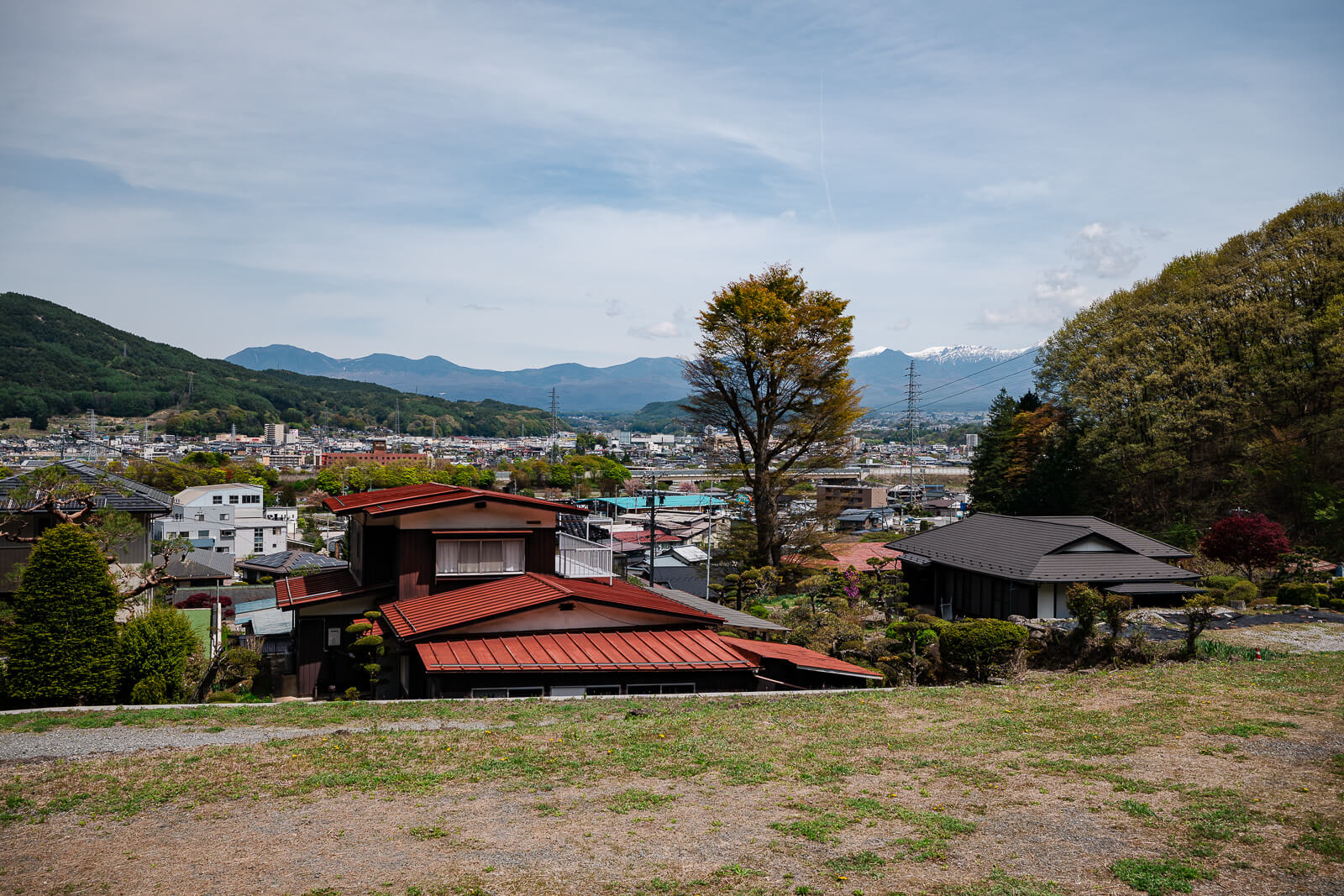
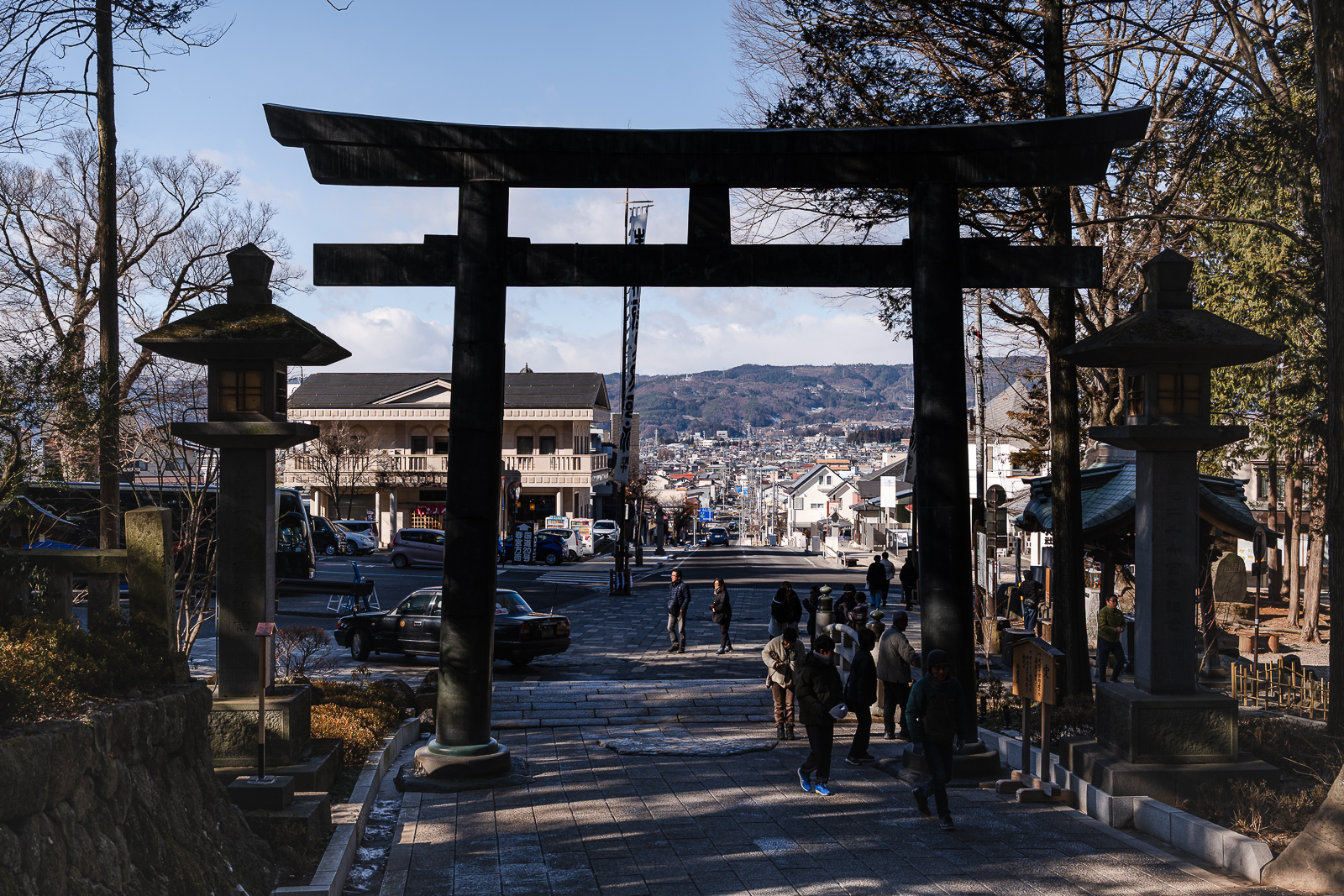
The central decision is whether to prioritize one strong introduction, visit two shrines for a broader comparison, or dedicate a full day to completing the entire shrine system. Travelers without a car will usually benefit from keeping their route focused on one side of the lake, while visitors with a rental car can move more easily between the Upper and Lower Shrines. The wider Lake Suwa destination guide can then help connect the shrine visit with nearby museums, lakeside attractions, viewpoints, and hot springs.
Our Recommendation
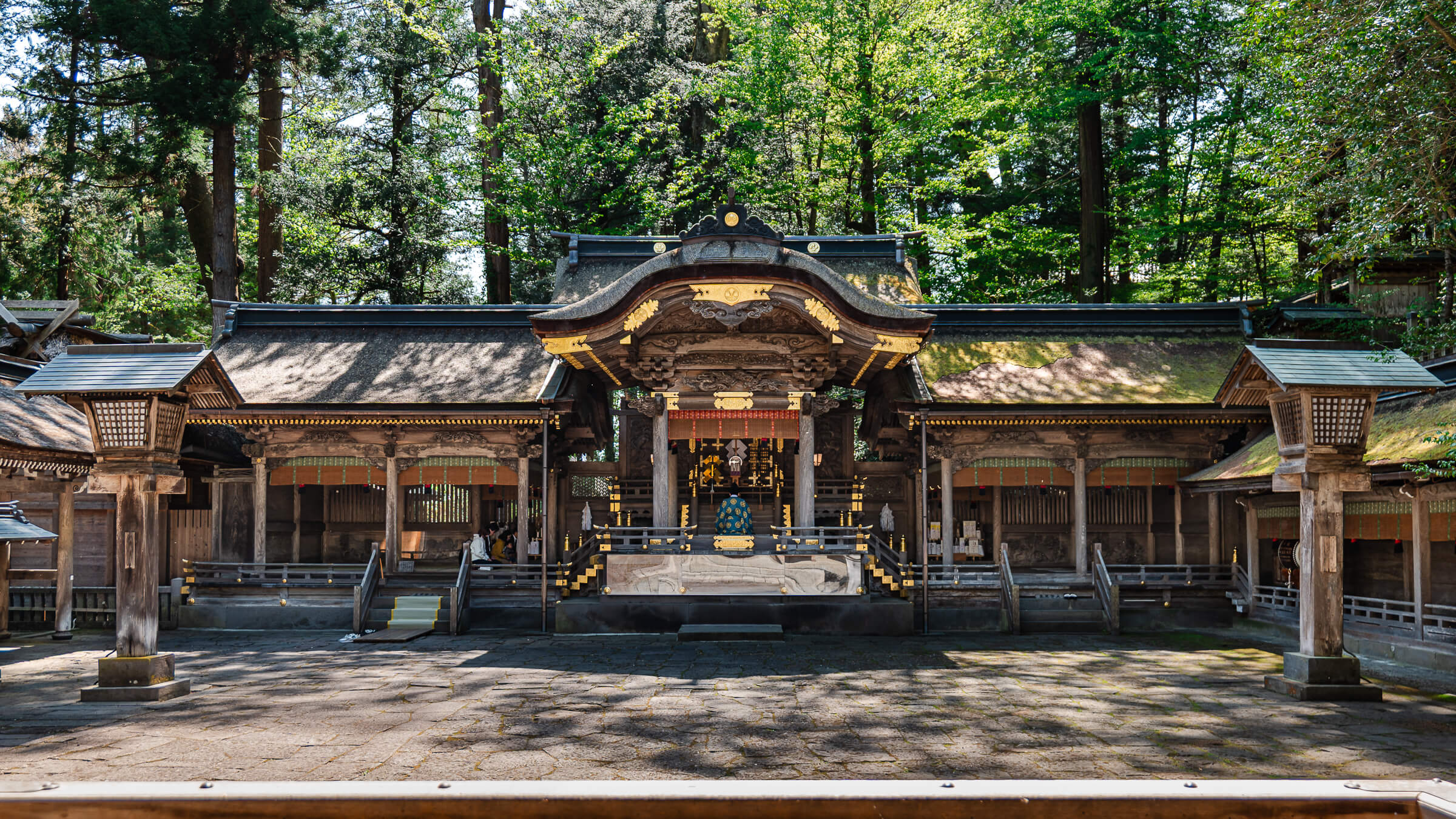
For most first-time visitors, Kamisha Honmiya is the strongest single-shrine choice. Its historical importance, substantial grounds, and architectural detail provide the most complete introduction to Suwa Taisha without requiring a full-day regional route. Visitors with only a limited amount of time should prioritize Honmiya rather than dividing the visit between several smaller stops.
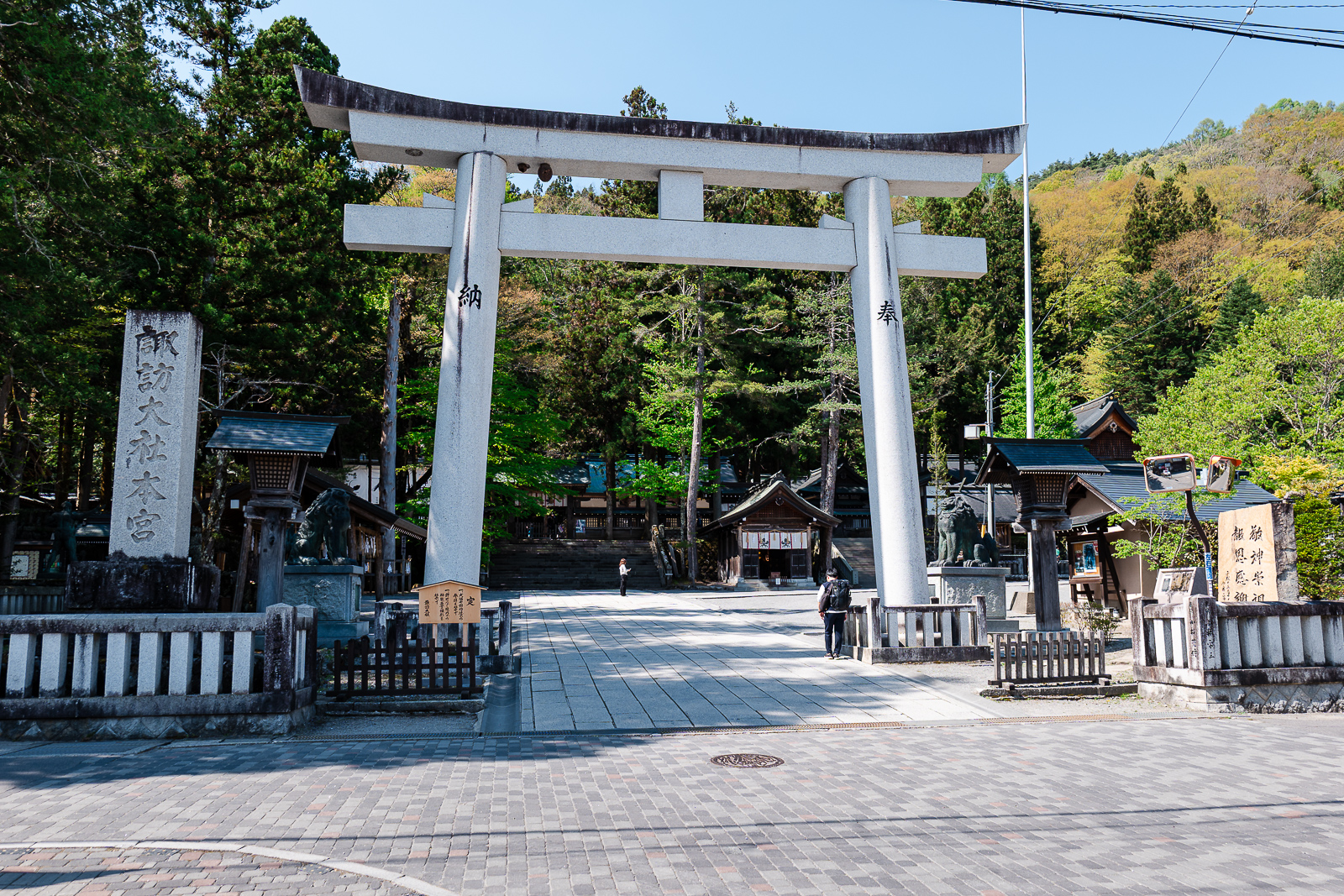
Travelers with half a day should consider visiting two shrines. Kamisha Honmiya and Shimosha Akimiya provide the broadest comparison between the Upper and Lower Shrine traditions, although this pairing is easiest with a car. Honmiya and Kamisha Maemiya form a more efficient pairing near Chino, while Akimiya and Shimosha Harumiya are the most practical combination for travelers based in Shimosuwa.
Visiting all four shrines is worthwhile when Suwa Taisha is one of the main reasons for traveling to the region, when collecting all four goshuin is important, or when the shrine circuit is being combined with a wider Lake Suwa itinerary. A rental car makes the complete circuit considerably easier, while an overnight stay creates enough time to include additional regional attractions without overloading the day. For most travelers, however, one well-chosen shrine or one carefully planned pair will provide the best balance of experience and travel time.
Decision Snapshot
Compare the strongest shrine plans by available time, starting point, and transportation.
It provides the strongest standalone introduction without requiring a cross-lake route.
This pairing shows both the Upper and Lower Shrine traditions, but it works best with a car.
Use Honmiya + Maemiya from Chino or Akimiya + Harumiya from Shimosuwa.
Allow a full day, use a rental car when possible, and consider an overnight stay for wider sightseeing.
Understanding the Four Suwa Taisha Shrines
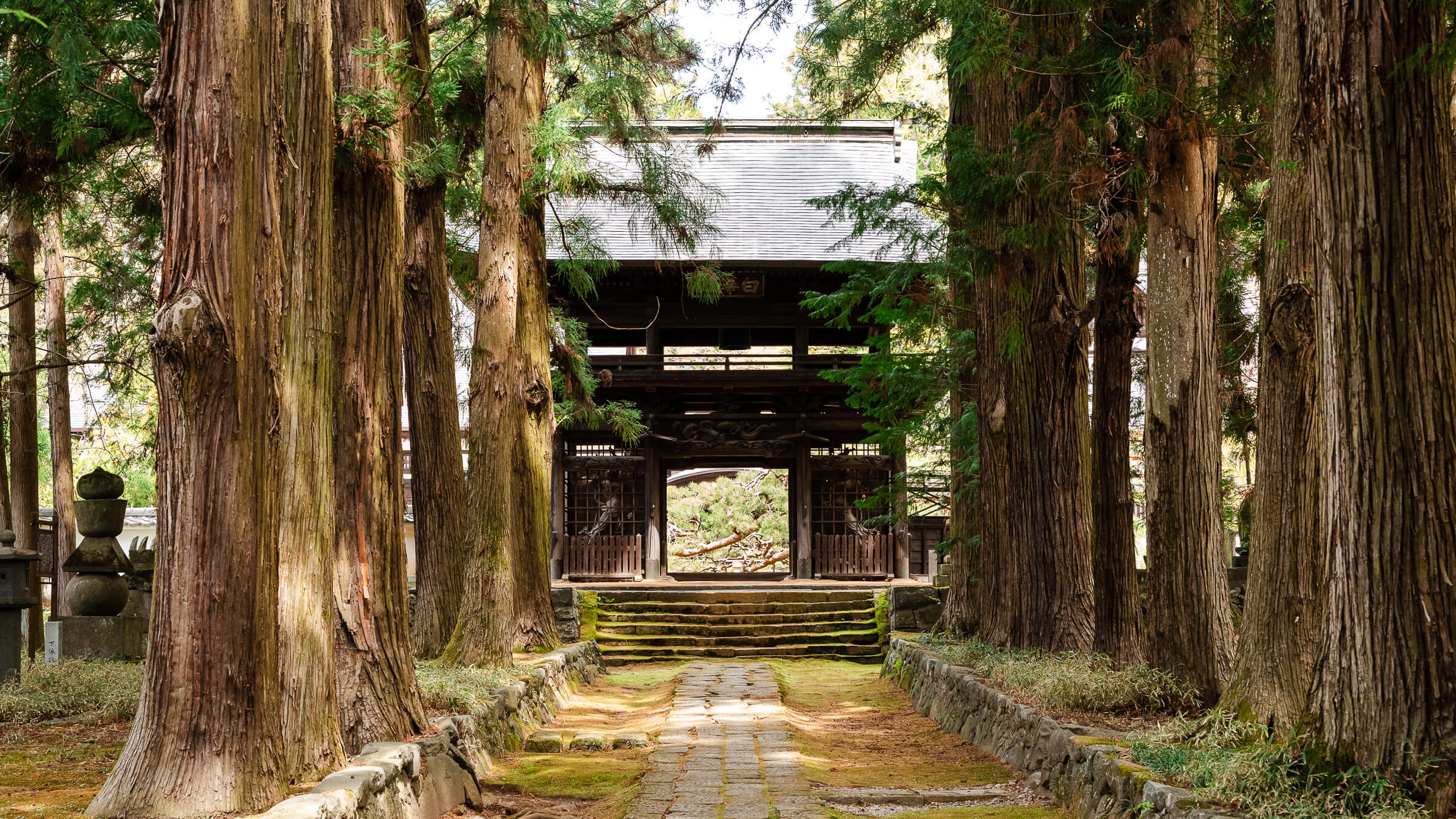
Suwa Taisha is a single shrine system divided across four separate locations. The shrines are organized into the Upper Shrine, known as Kamisha, and the Lower Shrine, known as Shimosha. These two groups sit on different sides of the Lake Suwa basin, so the route between them involves regional travel rather than a continuous shrine walk.
The Upper Shrine consists of Kamisha Honmiya and Kamisha Maemiya near Chino. Honmiya provides the most substantial single visit, while Maemiya adds important historical context and works naturally as part of the same-area pairing. The Lower Shrine consists of Shimosha Akimiya and Shimosha Harumiya in Shimosuwa, where the two shrines can be connected with the town’s historic streets and nearby cultural sites.
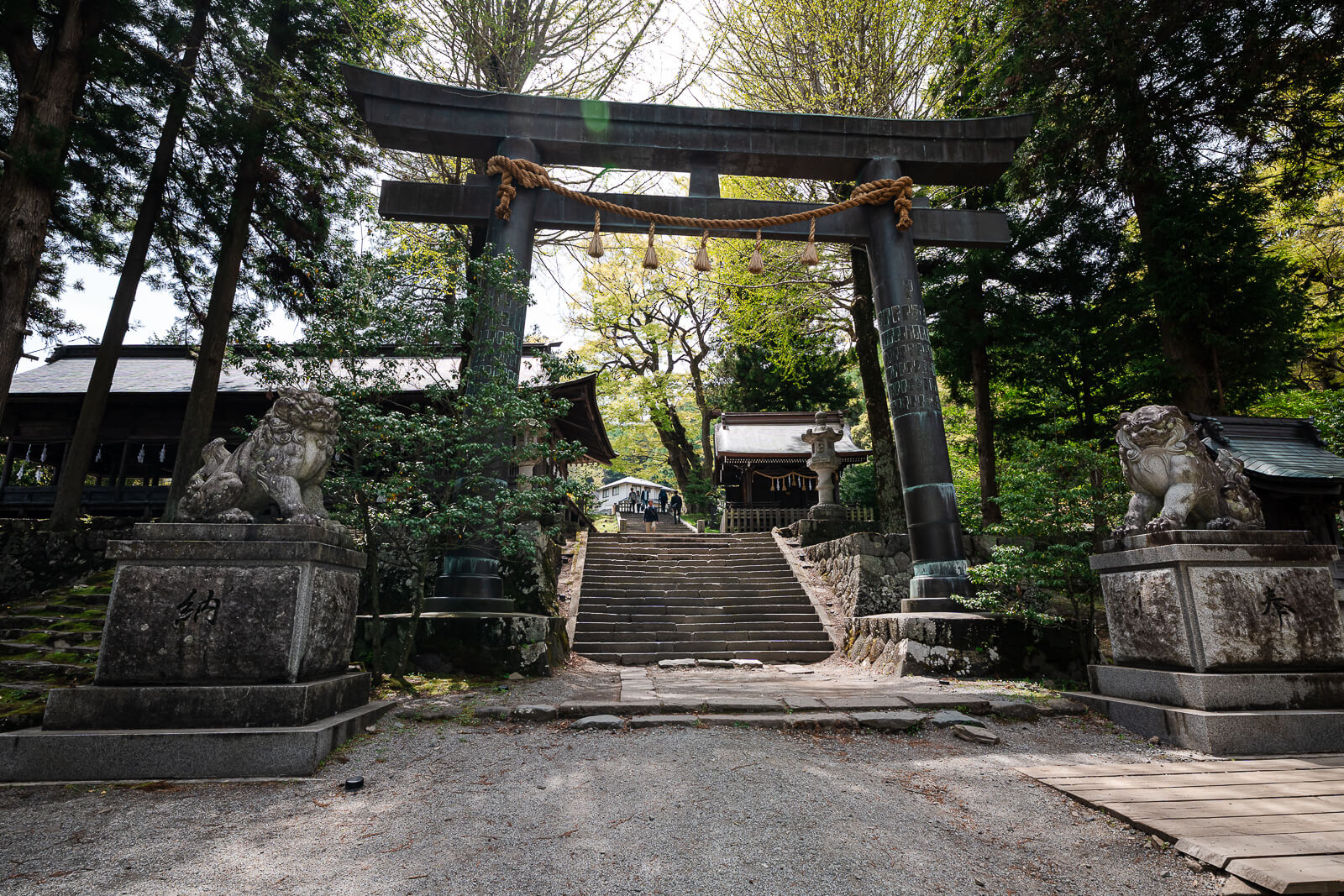
The geographic division is important because the four shrines should not be treated as four stops within one compact attraction. Honmiya and Maemiya form the most efficient Upper Shrine route, while Akimiya and Harumiya create the most practical Lower Shrine route. Combining one Upper Shrine with one Lower Shrine offers a broader comparison, but it requires more travel between areas.
The four shrines also do not provide interchangeable versions of the same experience. Honmiya carries the strongest weight as a standalone destination, Maemiya adds context to the Upper Shrine story, Akimiya provides the strongest Lower Shrine introduction, and Harumiya becomes more valuable when combined with the wider Shimosuwa route. Understanding those differences makes it easier to choose one shrine, build a two-shrine pairing, or decide whether the complete circuit justifies the additional time.
Which Suwa Taisha Shrine Is Best
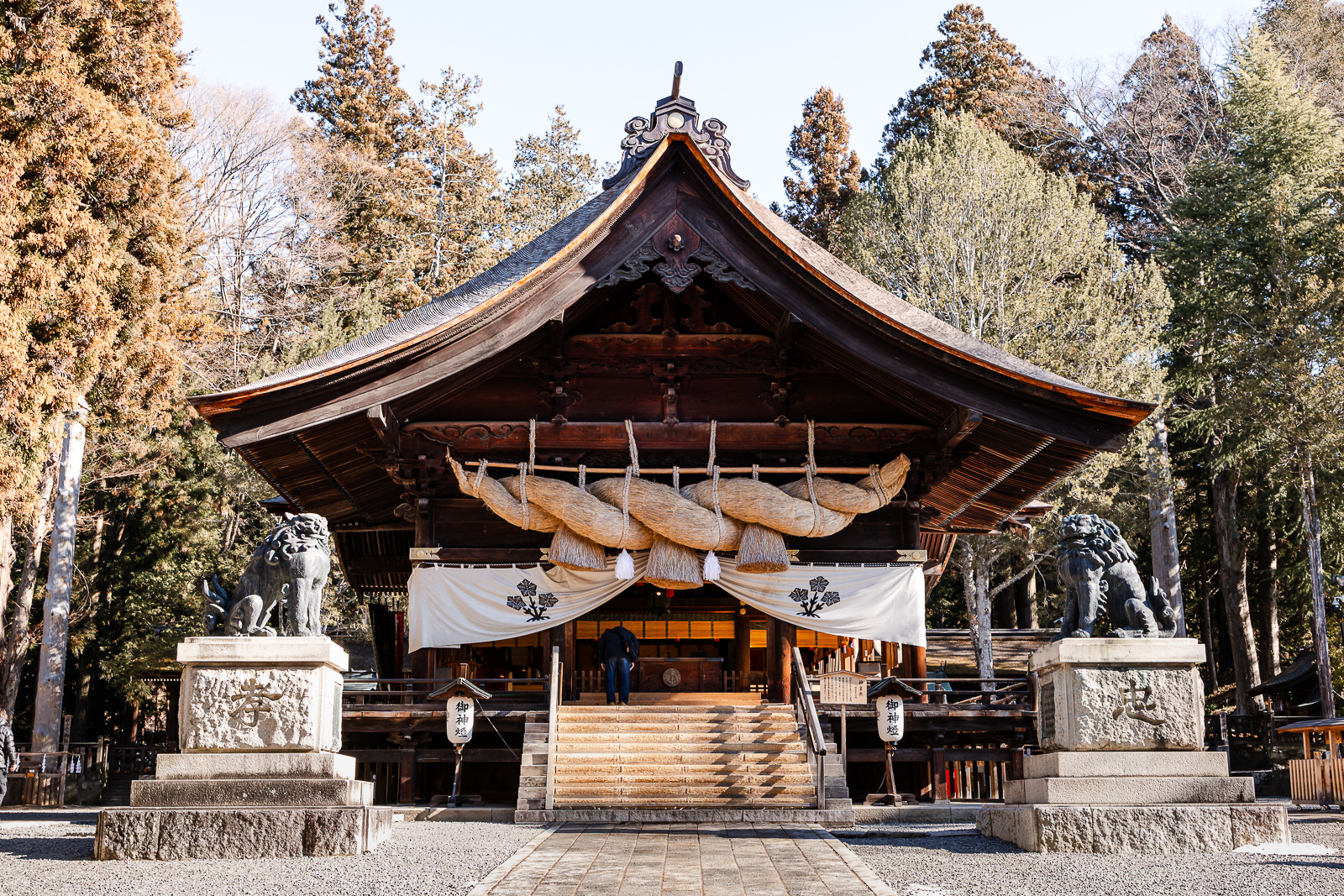
The strongest choice depends on whether the visit is intended to provide one complete introduction, compare different parts of the shrine system, or fit efficiently into a wider Lake Suwa route. The four shrines carry different levels of value as standalone destinations, and the most rewarding combination is not always the easiest one to organize. Transportation should therefore be considered alongside historical interest and available time.
If Only One Shrine Fits the Schedule
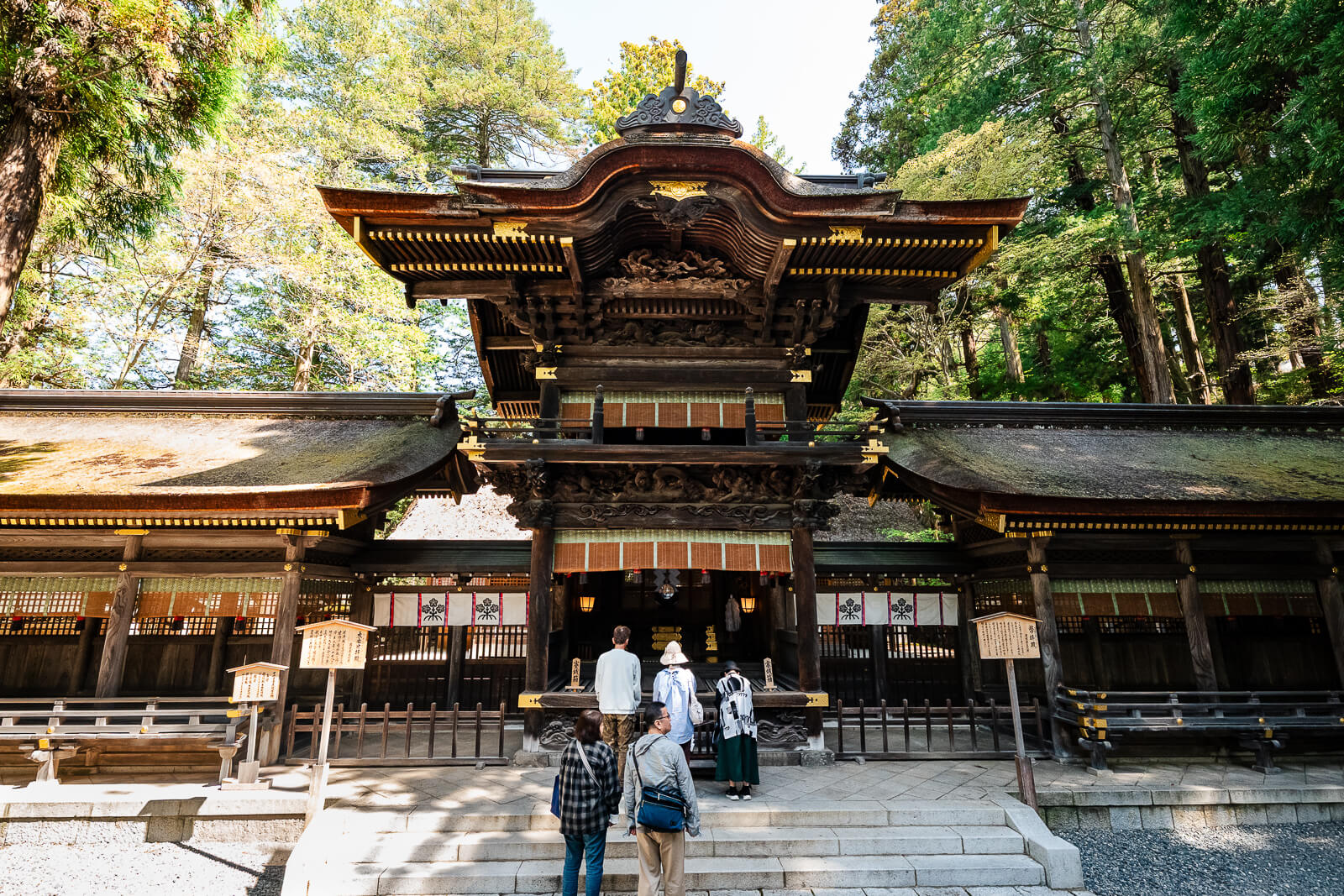
Kamisha Honmiya is the strongest single choice for most first-time visitors. It provides the most substantial introduction to Suwa Taisha and carries enough architectural, historical, and ceremonial importance to stand on its own. Choosing Honmiya also avoids dividing limited time between smaller shrine visits and the transportation required to connect them.
Shimosha Akimiya is the strongest alternative for travelers already based in Shimosuwa or approaching from the northern side of Lake Suwa. Its location makes it easier to combine with the historic town area, nearby cultural attractions, and the Lower Shrine route. It should not automatically replace Honmiya as the primary recommendation, but it can be the more practical choice when the wider itinerary is centered on Shimosuwa.
If Two Shrines Fit the Schedule
Kamisha Honmiya and Shimosha Akimiya provide the broadest comparison because they introduce both the Upper and Lower Shrine traditions. This pairing gives the clearest sense that Suwa Taisha is a regional shrine system rather than one attraction repeated across several locations. It is the strongest two-shrine choice for travelers using a car, but it requires more cross-lake travel than either same-area pairing.
Kamisha Honmiya and Kamisha Maemiya form the most efficient Upper Shrine combination. Honmiya supplies the stronger standalone visit, while Maemiya adds historical context and helps explain how the Upper Shrine developed across connected sacred locations. This pairing works especially well for travelers beginning near Chino who want more depth without crossing the Lake Suwa basin.
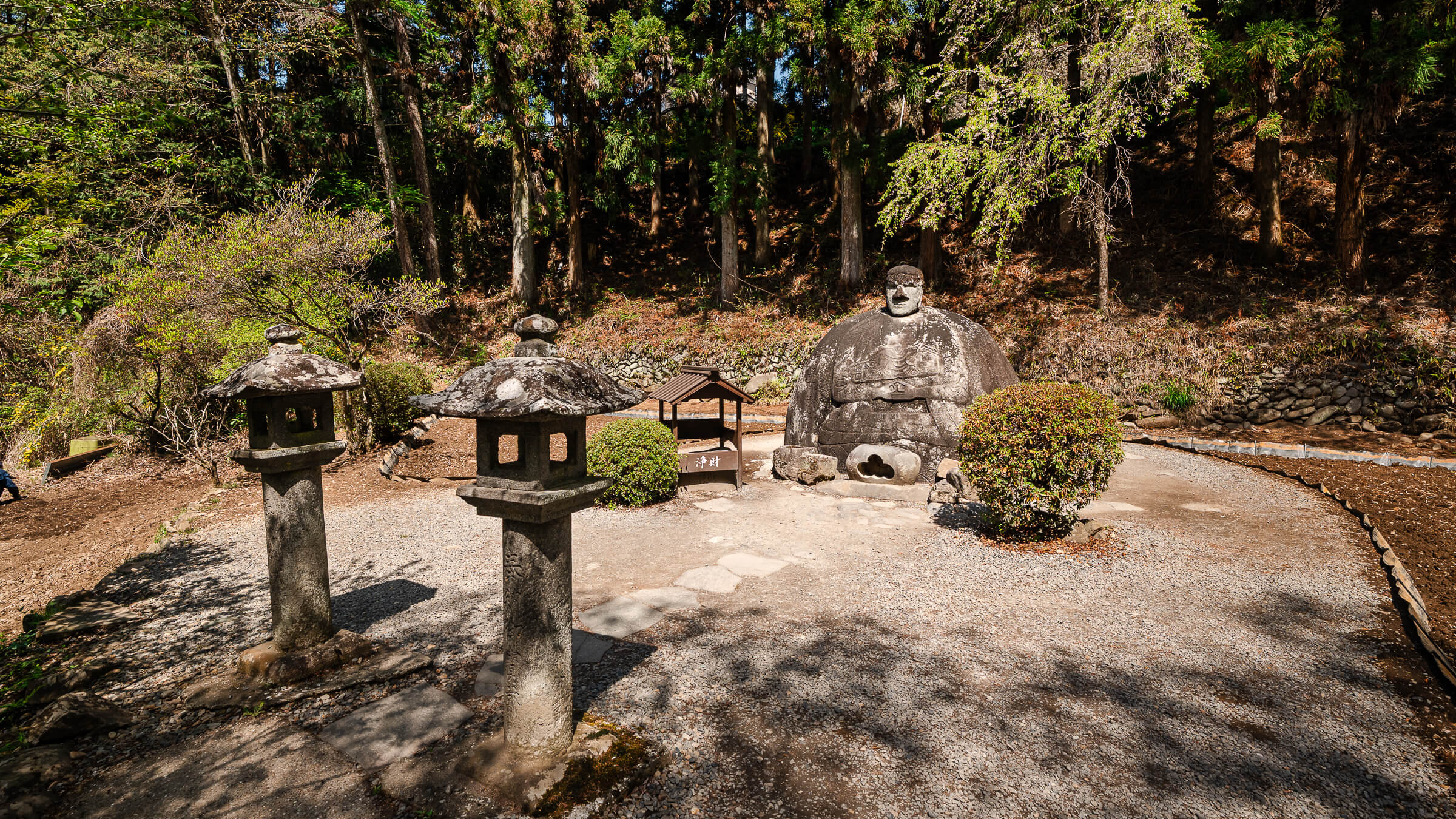
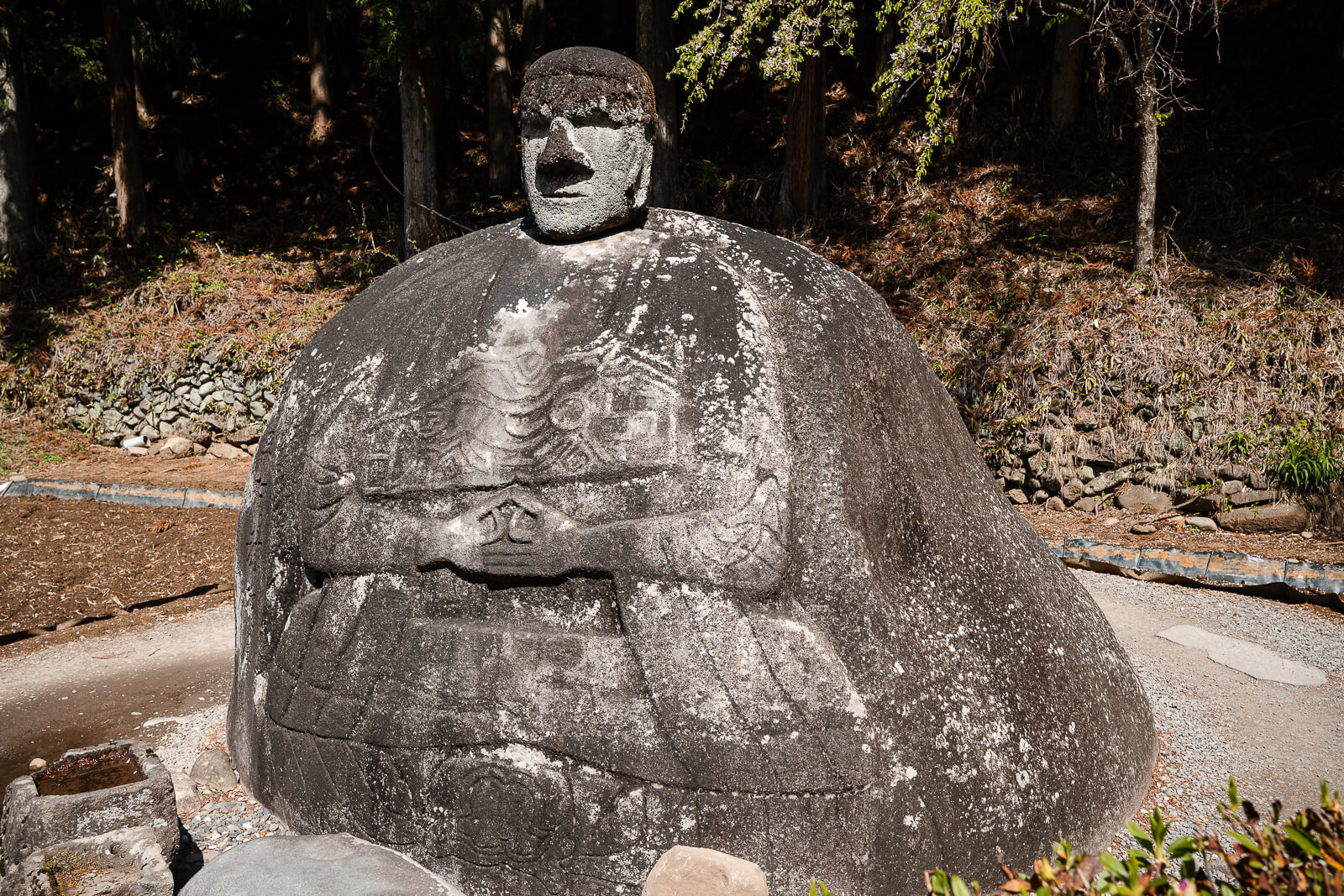
Shimosha Akimiya and Shimosha Harumiya are the most practical Lower Shrine combination. The two shrines fit naturally into a wider Shimosuwa route and can be connected with nearby historic streets, cultural sites, and the Manji Stone Buddha. This pairing is particularly useful for travelers without a rental car or for those already staying on the northern side of the lake.
For most travelers with half a day, two shrines provide the best balance between understanding the wider shrine system and preserving time for the surrounding Lake Suwa region. Honmiya and Akimiya deliver the strongest contrast, while the two same-area pairings reduce transportation and make the day easier to manage. The choice should therefore be based on whether variety or route efficiency carries greater importance.
Should the Full Four-Shrine Circuit Be the Goal
Visiting all four Suwa Taisha shrines is worthwhile when the shrine system is one of the main reasons for traveling to the Lake Suwa region. The complete circuit shows how the Upper and Lower Shrines relate to one another, adds context that cannot be gained from a single location, and gives greater purpose to the travel between Chino and Shimosuwa. It also makes sense for visitors collecting goshuin from each shrine or approaching Suwa Taisha as a central historical and cultural experience rather than one stop within a broader sightseeing day.
The full circuit is not necessary for every visitor. Honmiya provides a strong standalone introduction, while one carefully selected pair is enough to demonstrate that Suwa Taisha extends beyond a single shrine complex. Travelers with limited time will usually gain more from visiting one or two shrines properly than from moving quickly through all four while leaving little room for the surrounding region.
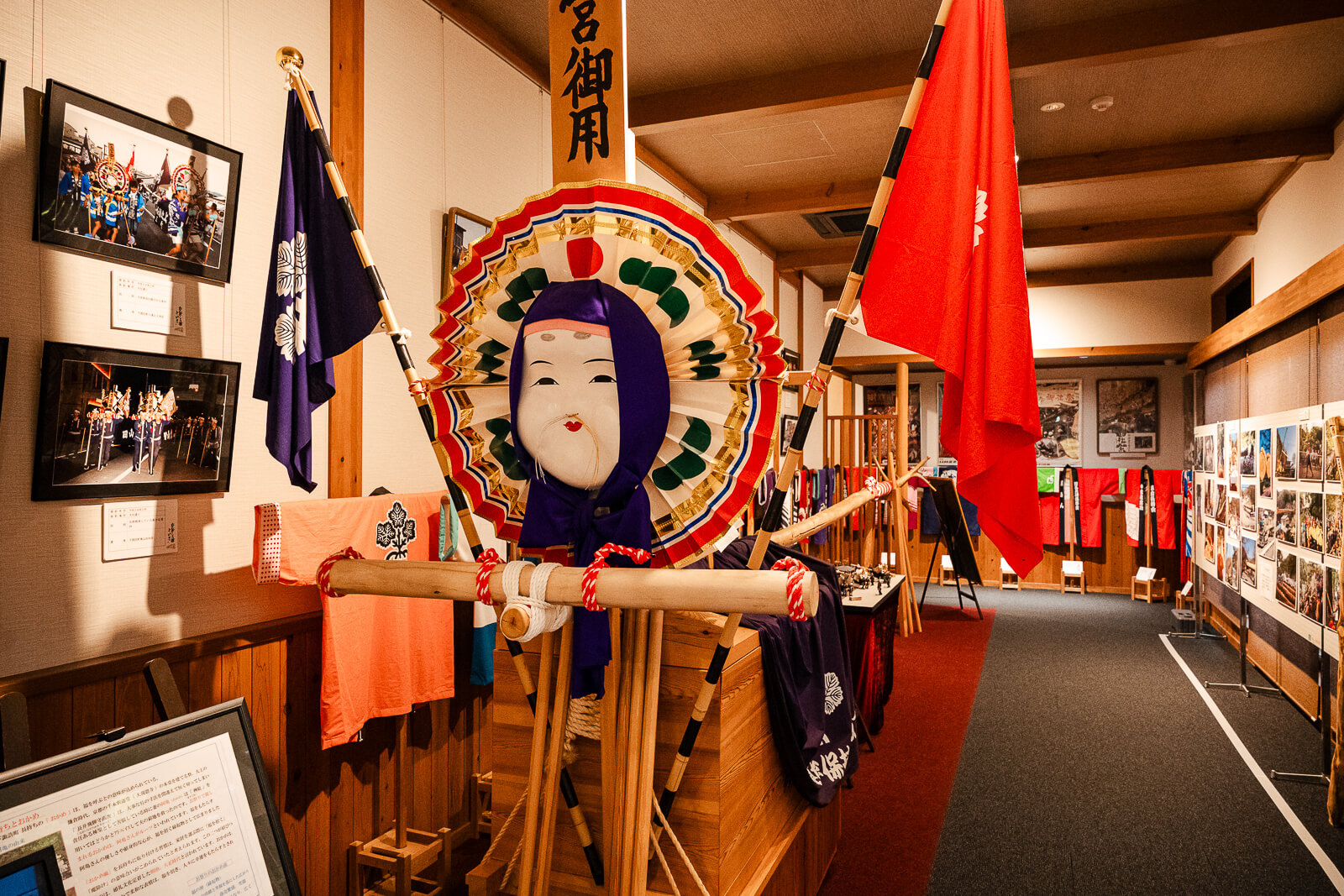
Completing all four should therefore be treated as a full regional route. The shrine visits themselves are only part of the day, with additional time needed for cross-lake travel, parking, lunch, goshuin requests, and movement between each entrance and worship area. Adding museums, viewpoints, hot springs, or lakeside stops makes the day more rewarding, but also increases the value of an early start or an overnight stay.
Should a Rental Car Be Part of the Plan
A rental car is not required for every Suwa Taisha visit. Travelers focusing on one shrine or a same-area pair can organize a successful route using trains, buses, taxis, walking, or a combination of local transportation. Akimiya and Harumiya are the most natural Lower Shrine pairing for visitors based in Shimosuwa, while Honmiya and Maemiya can be approached together from the Chino side of the basin.
The transportation decision changes when all four shrines are included. Moving between the Upper and Lower Shrine areas becomes substantially easier by car, and the route is no longer dependent on coordinating several local connections. A car also creates more flexibility for meal stops, seasonal conditions, goshuin timing, and nearby attractions that sit outside the most convenient rail corridors.
For travelers arriving by train, Chino Station is a practical place to begin the route and collect a rental car. From there, the Upper Shrines can be visited before continuing across the Lake Suwa basin toward Harumiya and Akimiya. Keeping each shrine pair together reduces unnecessary backtracking and preserves more of the day for the actual visits.
A rental car reduces cross-lake travel friction and leaves more time for shrine visits, viewpoints, museums, and lakeside stops.
Compare Rental Cars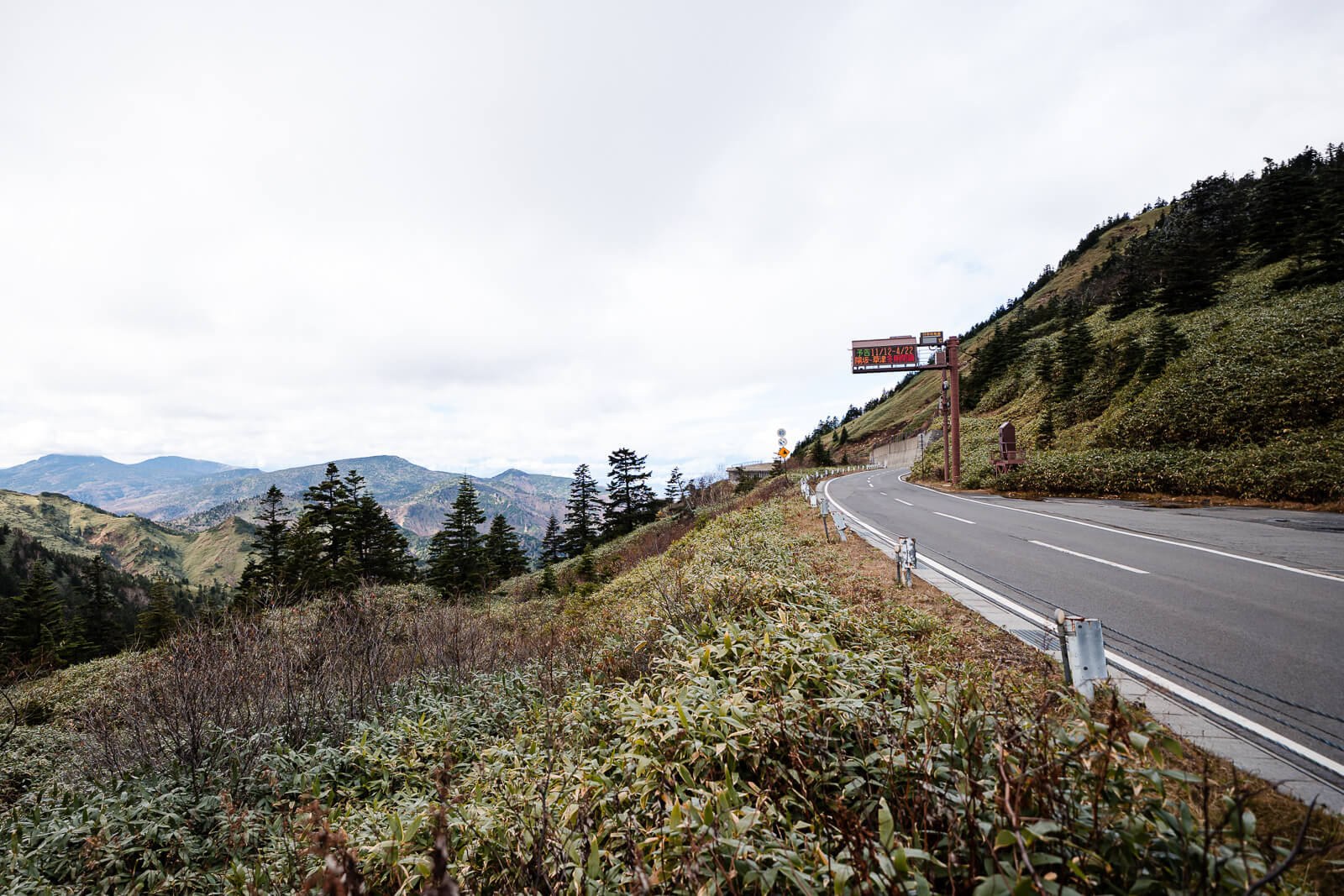
Japan Unfolded may earn a commission from qualifying bookings made through links on this page, at no additional cost to you.
A car becomes especially valuable when the shrine circuit is being combined with Tateishi Park, museums around the lake, mountain areas near Chino, or destinations beyond the main stations. In that situation, the rental is supporting the wider Lake Suwa itinerary rather than being justified by the shrines alone.
Travelers who prefer not to drive should narrow the route instead of attempting to reproduce the same four-shrine plan through public transportation. One strong shrine or one geographically efficient pair will usually create a better experience than spending a large part of the day transferring between opposite sides of the basin.
When an Overnight Stay Adds Real Value
An overnight stay is not necessary for a focused visit to one shrine or a same-area pair. Honmiya and Maemiya can form part of a Chino-based day, while Akimiya and Harumiya fit naturally into a Shimosuwa route. Travelers concentrating on one side of the Lake Suwa basin can therefore complete a meaningful Suwa Taisha visit without adding accommodation solely for the shrine experience.
Staying overnight becomes more valuable when all four shrines are included or when Suwa Taisha forms part of a wider Lake Suwa itinerary. Attempting the complete circuit alongside lunch, goshuin stops, museums, hot springs, lakeside areas, or viewpoints can make the schedule increasingly difficult to manage. Dividing the Upper and Lower Shrine areas across two days creates more room for the surrounding region and reduces the pressure to move quickly between locations.
A practical plan is to arrive near Chino, visit Maemiya and Honmiya, and spend the evening around Lake Suwa. The following morning can then begin in Shimosuwa with Harumiya and Akimiya before continuing through the historic town area or toward the next destination. This sequence keeps each shrine pair together while preventing unnecessary travel back across the basin.
Compare hotels and ryokan that make it easier to divide the Upper and Lower Shrines across two days.
Compare Lake Suwa Hotels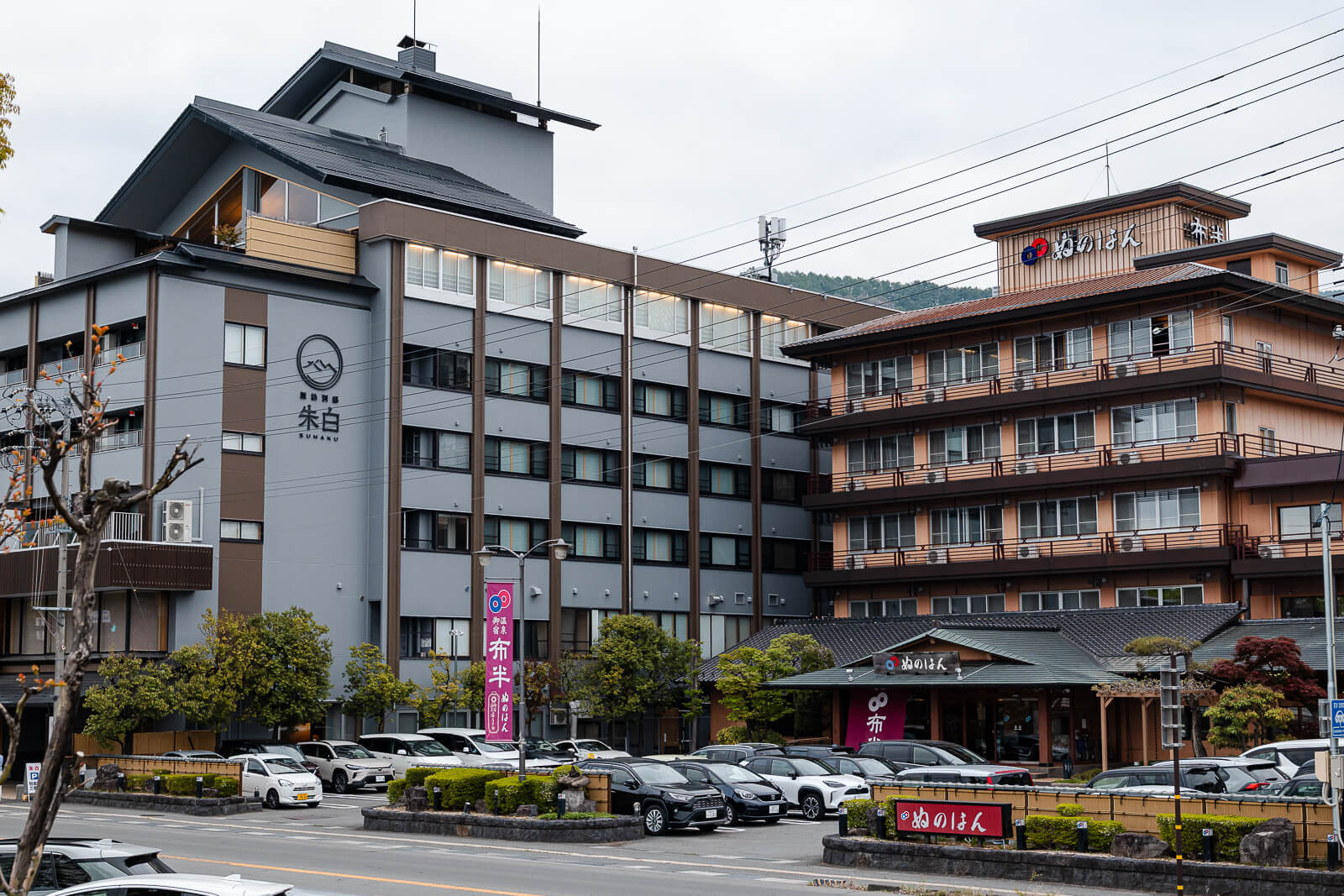
Lake Suwa can also serve as a useful overnight stop within a longer central Japan journey. The area connects naturally with Matsumoto, the Kiso Valley, Yatsugatake, and other parts of Nagano Prefecture, allowing the hotel stay to support a wider route rather than existing only for Suwa Taisha. Travelers passing through the region may therefore gain more from treating the shrine circuit as part of a two-day destination visit instead of a standalone day trip.
Planning the Route Around the Lake Suwa Basin
The most efficient order depends on the arrival point and transportation method. Travelers collecting a rental car near Chino Station can begin with Maemiya and Honmiya before continuing toward the Lower Shrine area. Harumiya can then be visited before Akimiya, creating a route that moves through the shrine groups without repeatedly crossing the lake.
Travelers using public transportation should organize the day around station access and geographic efficiency. Akimiya and Harumiya form the most practical pair from Shimosuwa, while Honmiya and Maemiya are better approached together from the Chino side using a bus, taxi, bicycle, or a combination of local transportation. Trying to connect all four without a car is possible, but the additional transfers can consume time that would otherwise support the shrine visits and nearby attractions.
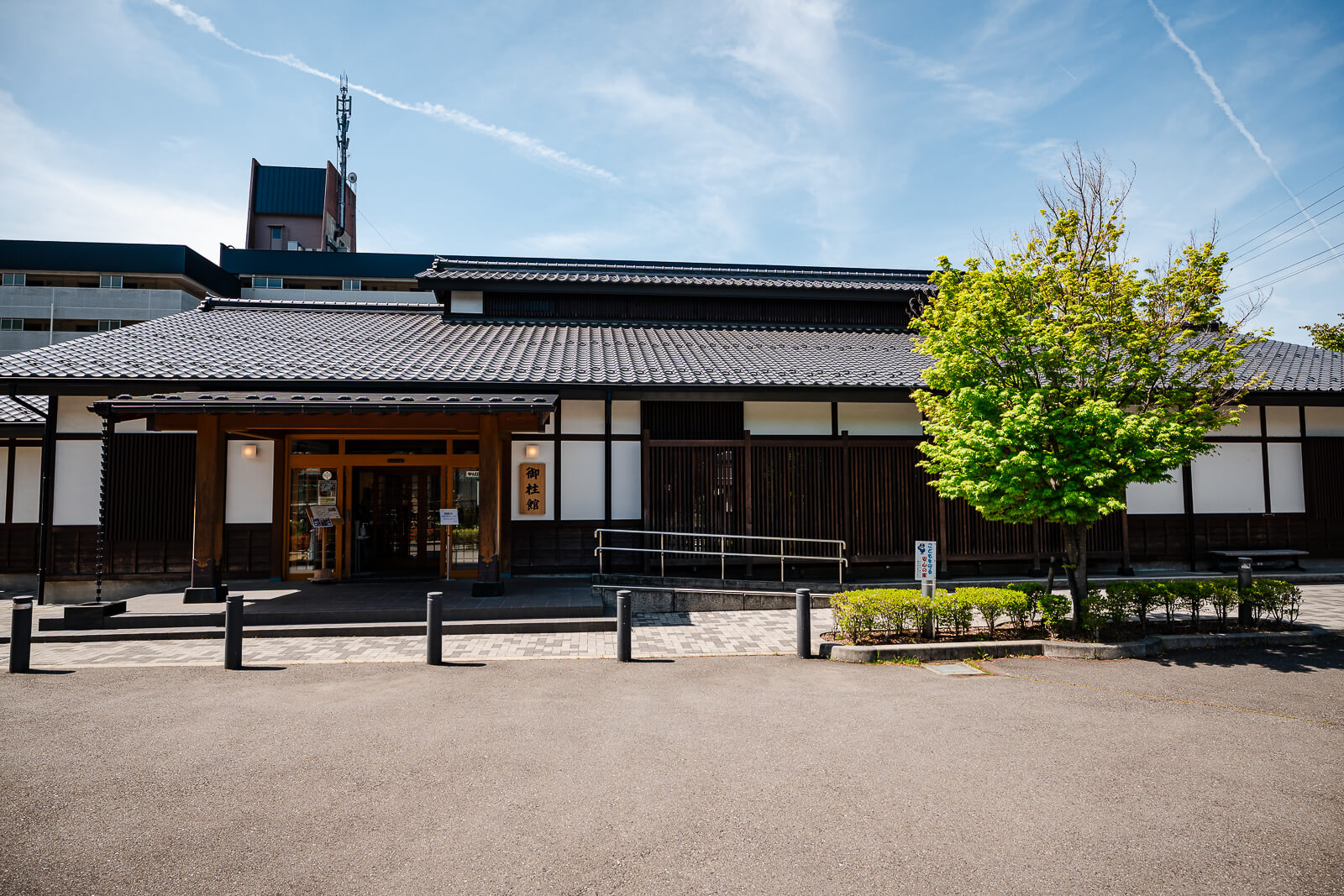
The shrine areas become more valuable when connected with the places surrounding them. The Lower Shrine route can include Onbashira-kan Yoisa, the Manji Stone Buddha, Jiunji Temple, and Shimosuwa’s historic streets. The Upper Shrine area can become part of a wider Chino route before continuing toward Lake Suwa’s museums, lakeside attractions, or mountain destinations.
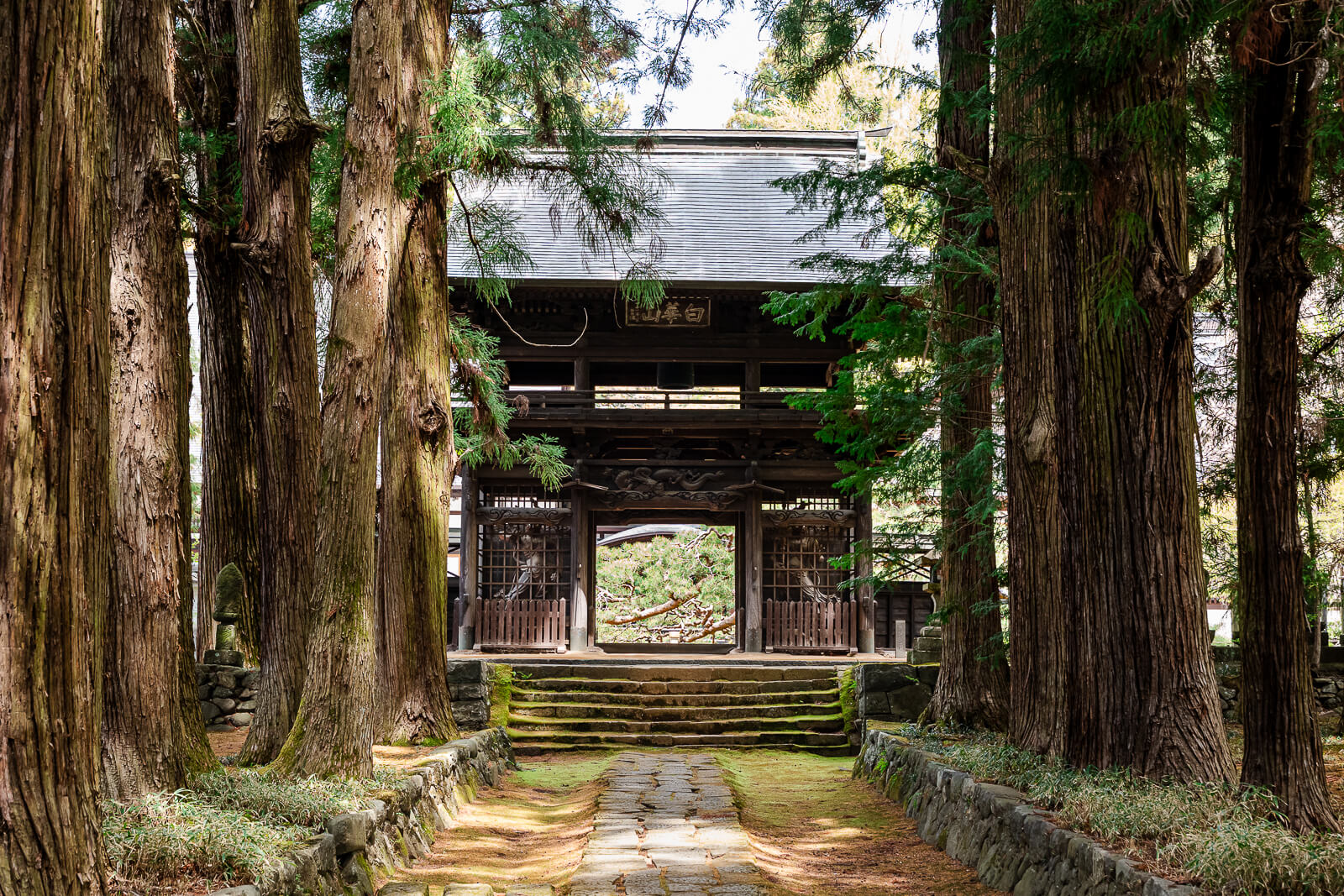
For a complete regional visit, the strongest approach is to keep the shrine pairs together and select additional stops from the same side of the basin. This preserves the relationship between Suwa Taisha and the surrounding landscape without turning the day into a sequence of road crossings and transportation connections.
How Each Shrine Fits the Wider Visit
Each Suwa Taisha shrine contributes something different, but those differences matter most when they are connected to the route surrounding them. The strongest choice is therefore not always the shrine with the greatest historical importance. Arrival point, transportation, nearby attractions, and the amount of time available can make a different shrine or pairing more practical.
Kamisha Honmiya
Kamisha Honmiya remains the priority for a first visit because it provides the most complete standalone introduction to Suwa Taisha. Its grounds, architectural detail, and ceremonial importance give the visit enough substance to work independently. It is the strongest choice when only one shrine fits the schedule and the most important stop within an Upper Shrine pairing.
Kamisha Maemiya
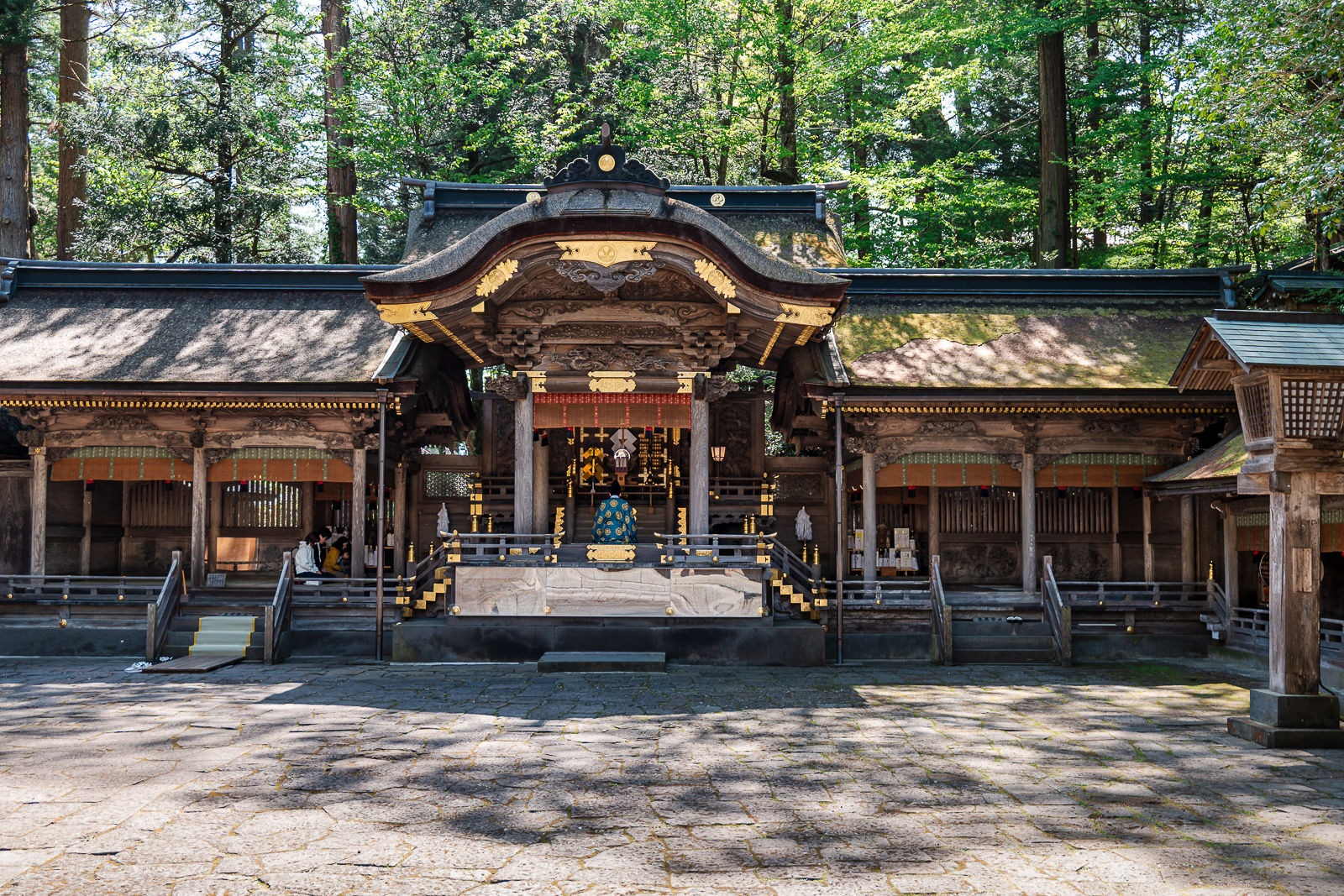
Kamisha Maemiya adds the most value when visited with Honmiya. Its smaller scale and historical role deepen the Upper Shrine story without requiring travel across the Lake Suwa basin. It is best treated as a meaningful extension of a Chino-area route instead of a replacement for Honmiya.
Shimosha Akimiya
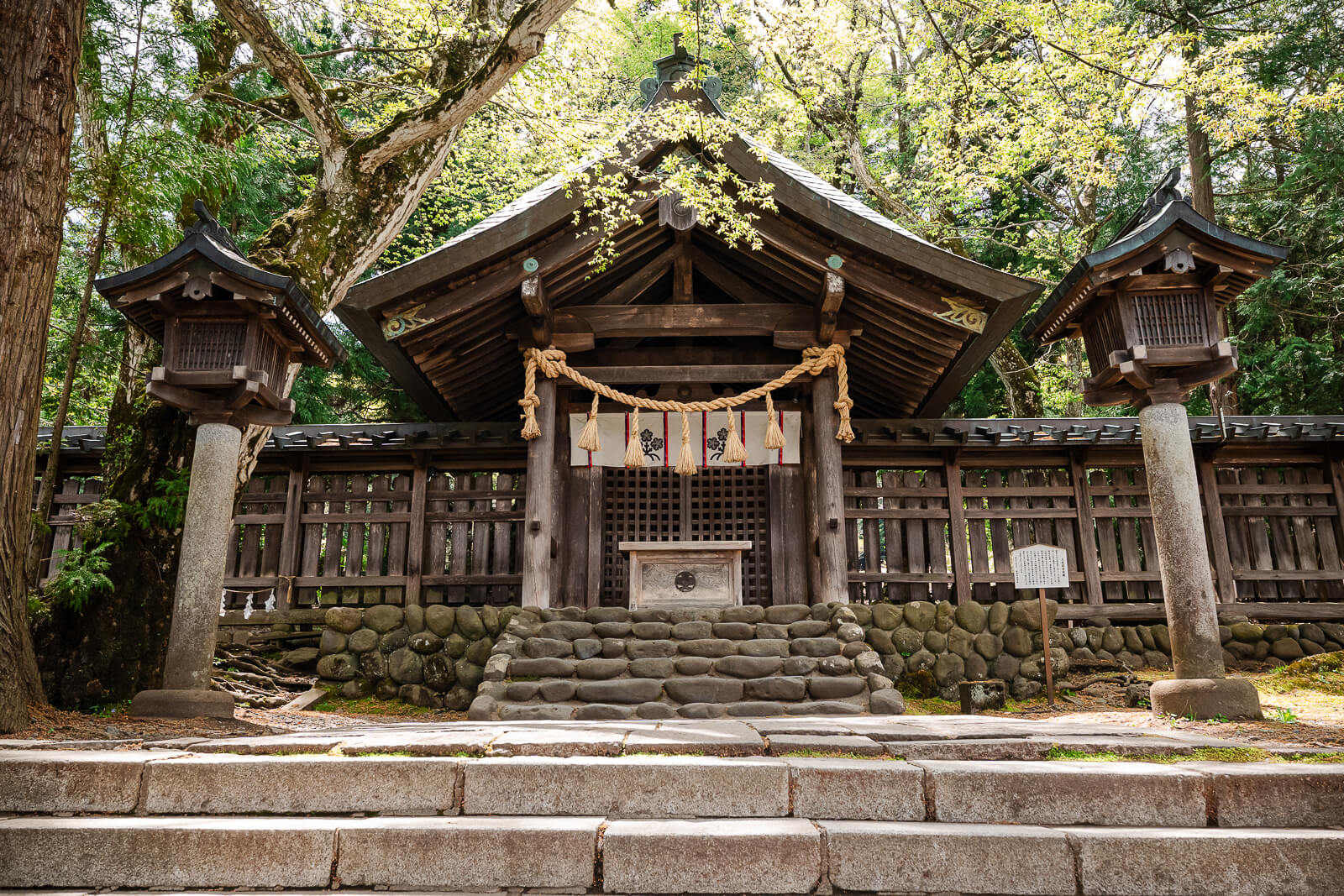
Shimosha Akimiya is the strongest Lower Shrine choice and the most practical primary shrine for a visit centered on Shimosuwa. Its location allows the shrine to connect naturally with the town’s historic streets and cultural attractions. It also serves as the most substantial stop within the Akimiya–Harumiya pairing.
Shimosha Harumiya
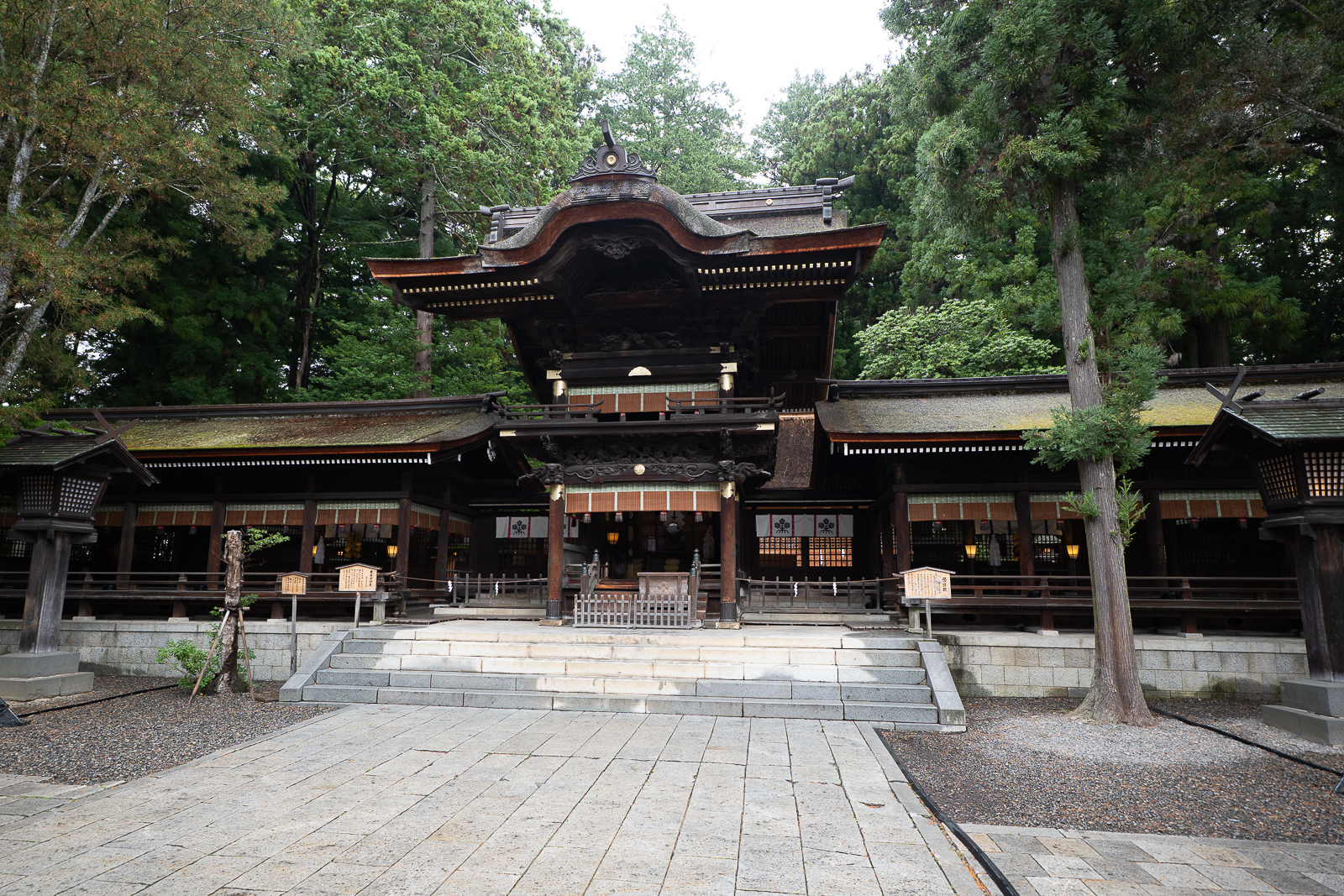
Shimosha Harumiya becomes more valuable as part of the wider Lower Shrine route. Its proximity to the Manji Stone Buddha and other Shimosuwa sites gives the journey beyond Akimiya a clear purpose. It is less likely to be the only Suwa Taisha shrine selected, but it completes the Lower Shrine pairing effectively.
Extending the Visit Beyond Suwa Taisha
Travelers completing the Lower Shrine route can continue through Shimosuwa’s historic area and connect the shrine tradition with Onbashira-related sites. The Upper Shrine route can remain centered near Chino or continue toward attractions on the southeastern side of the basin. Keeping additional stops within the same area prevents the day from becoming dominated by travel between opposite sides of Lake Suwa.
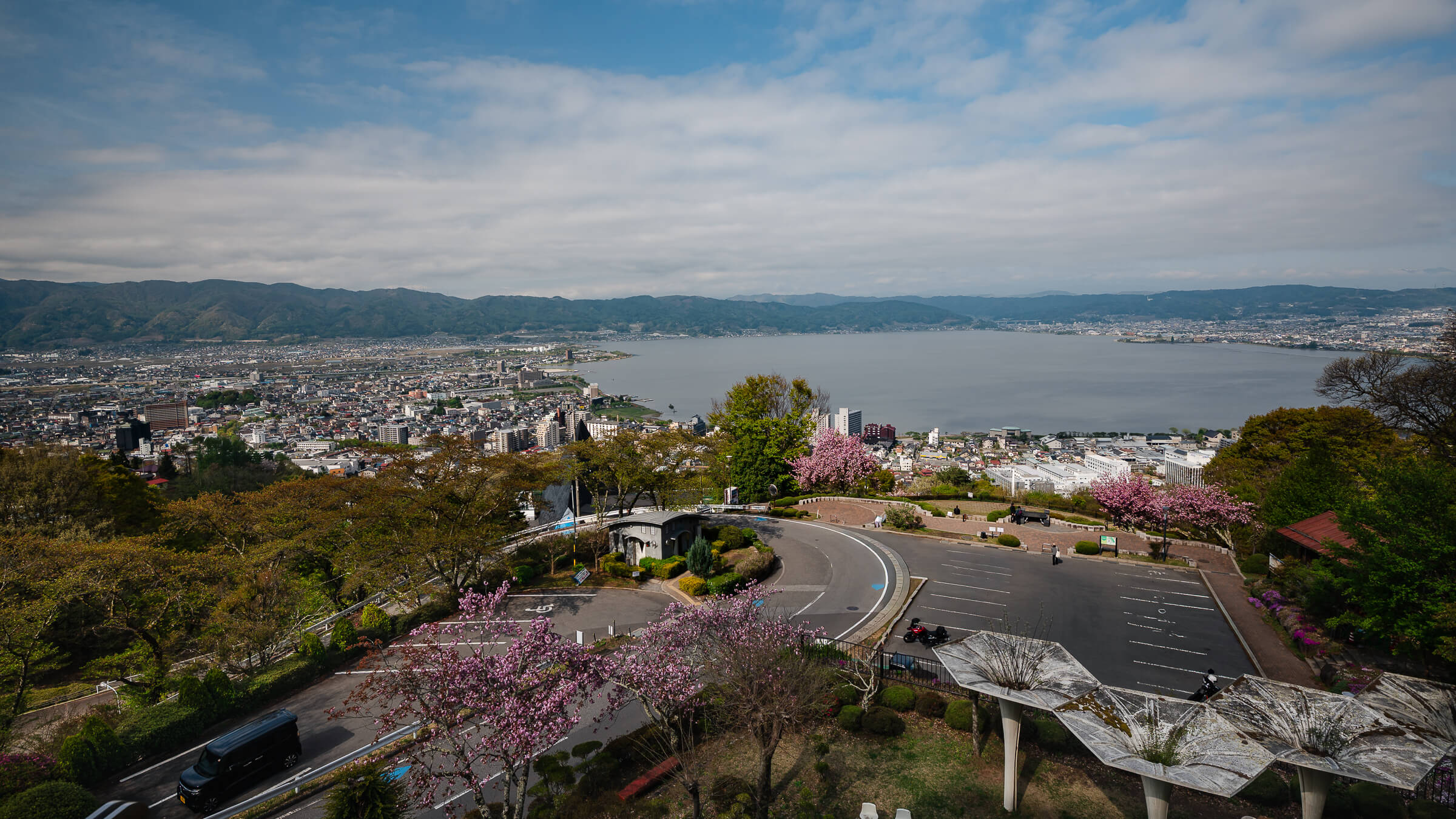
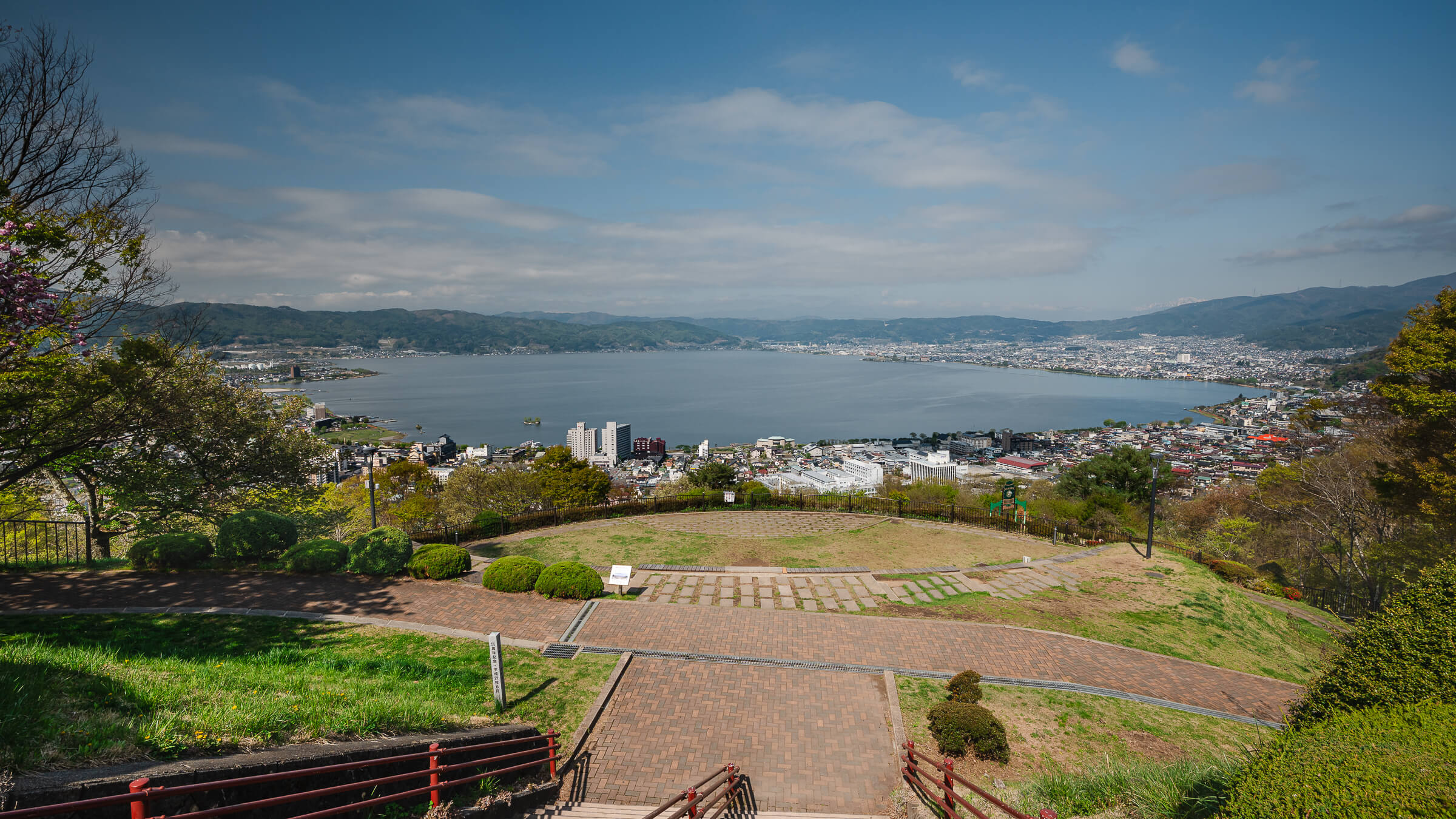
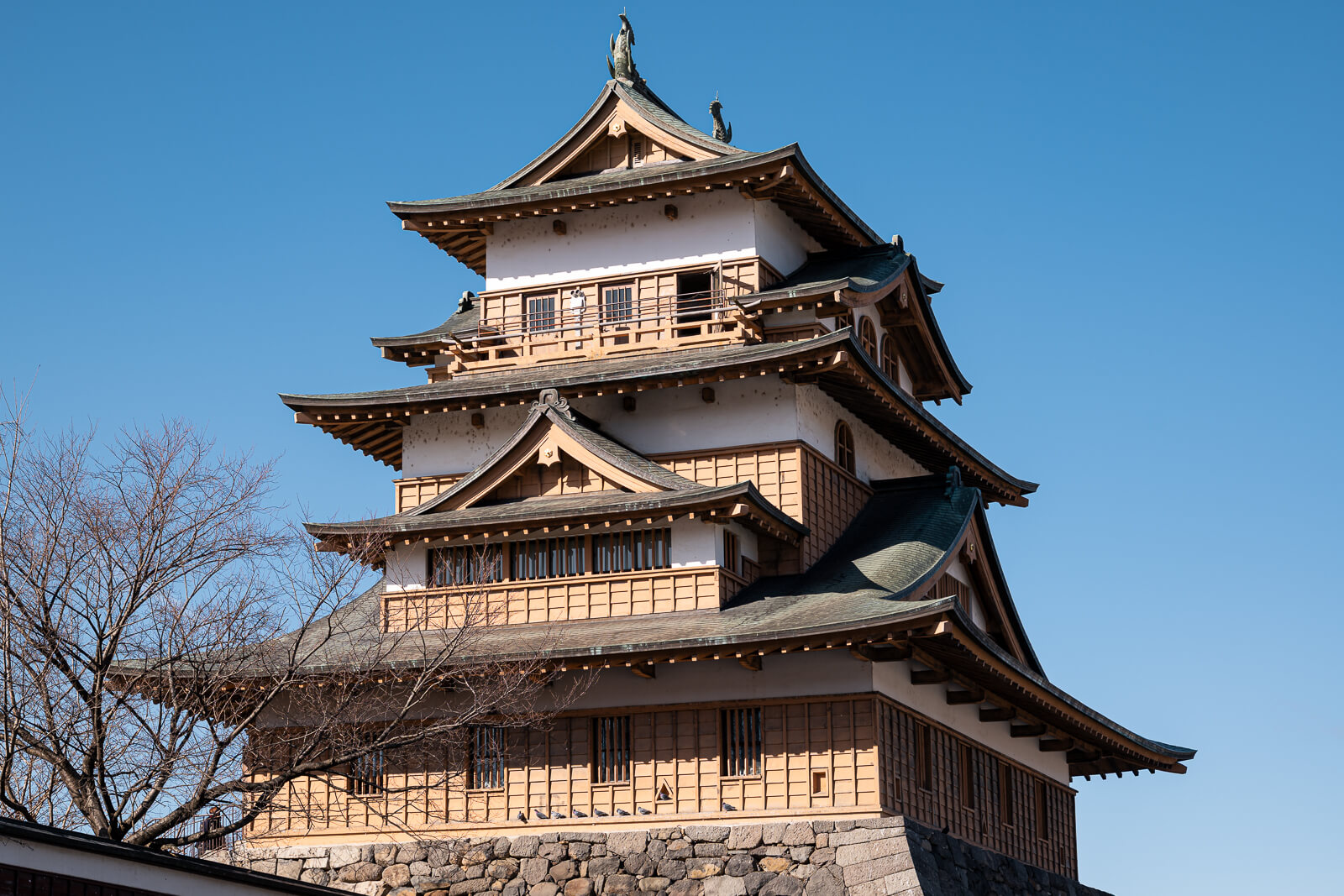
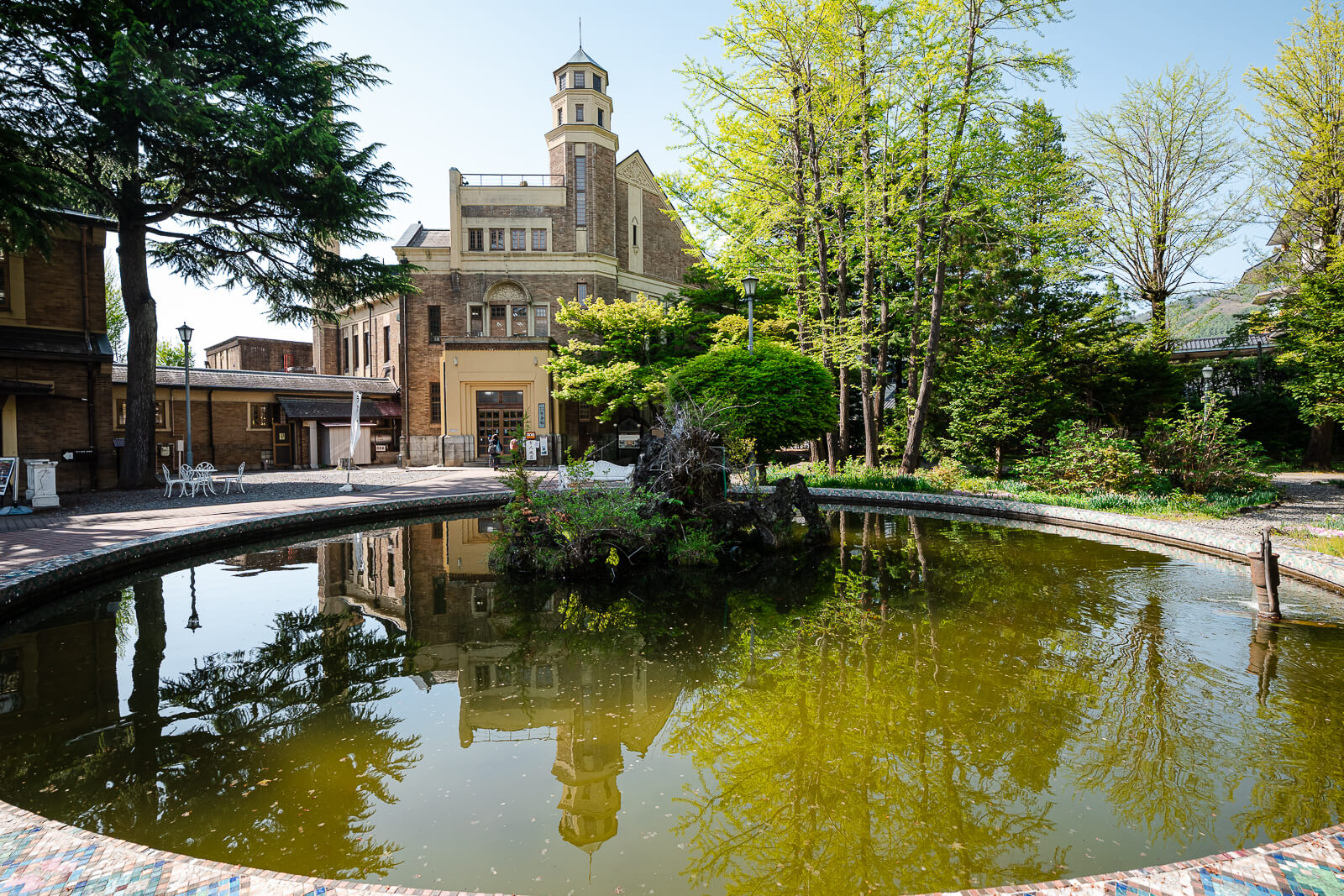
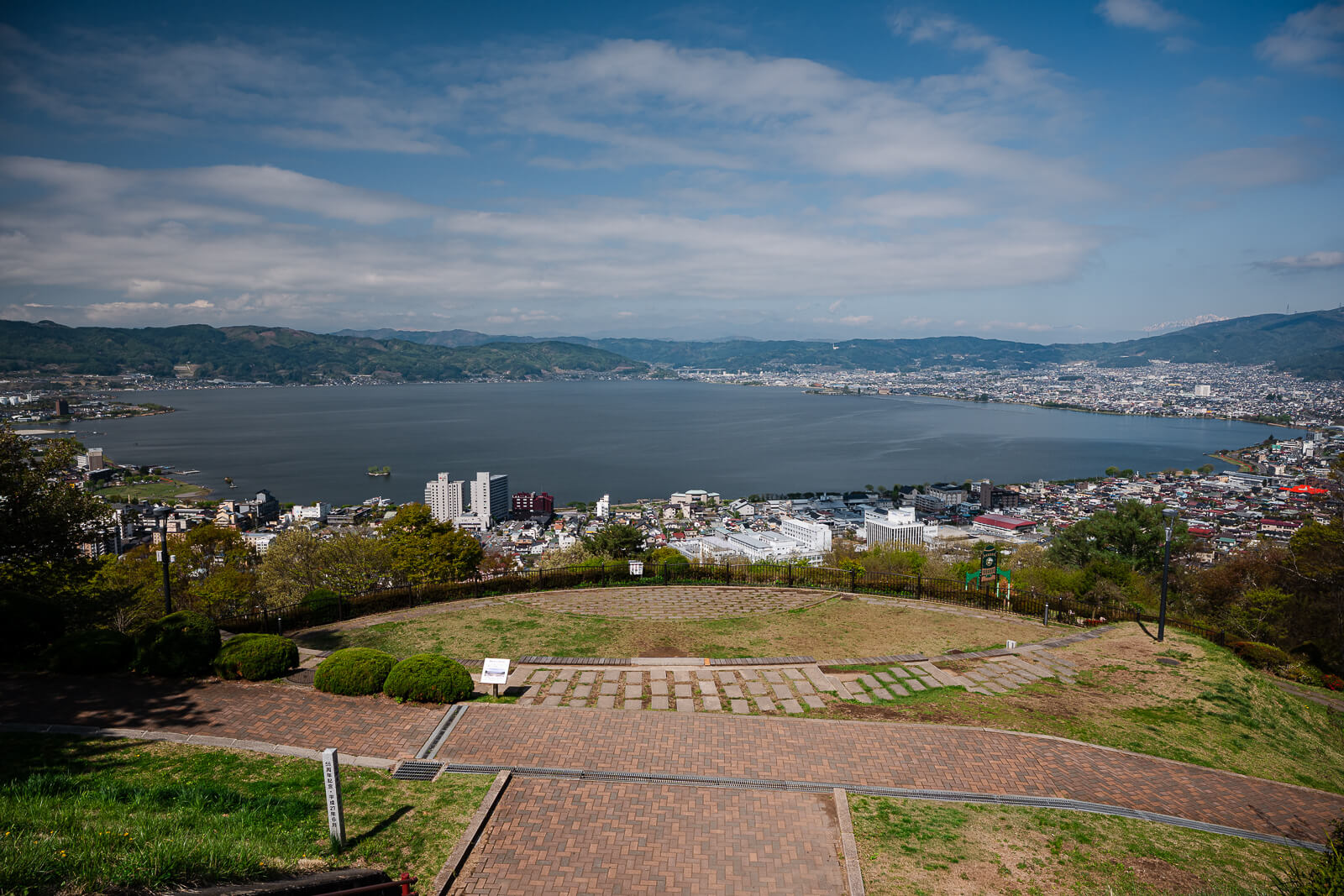
An overnight itinerary creates more flexibility to explore the wider region. Takashima Castle and Katakurakan fit naturally into a Kamisuwa-centered stay, while Tateishi Park provides a broader view across the lake and the surrounding basin. These attractions add more value when they are selected according to the direction of travel instead of added as isolated stops.
Which Suwa Taisha Visit Plan Makes the Most Sense
For most first-time visitors, Kamisha Honmiya is the strongest single-shrine choice. It provides the clearest introduction to Suwa Taisha and does not require the visitor to build an entire regional route around the shrine system.
Travelers with half a day should select two shrines. Honmiya and Akimiya provide the strongest comparison between the Upper and Lower Shrines, but the pairing is most practical with a car. Honmiya and Maemiya are the better choice for an efficient Chino-area route, while Akimiya and Harumiya make the most sense for a Shimosuwa-centered visit.
The complete four-shrine circuit should be reserved for travelers who consider Suwa Taisha a primary reason for visiting the region, want to collect all four goshuin, or are already planning a full day around Lake Suwa. A rental car makes the circuit easier to manage, and an overnight stay creates room for the surrounding attractions without forcing the shrine visits into a tight schedule.
One carefully selected shrine is enough for a focused introduction, and two shrines provide the best balance for most travelers. Visiting all four is not a requirement for understanding Suwa Taisha, but it becomes a worthwhile regional experience when the additional time and transportation are planned deliberately. Continue planning the wider region with the Suwa Area Guide, including shrine routes, lakeside attractions, museums, hot springs, and viewpoints.
Hours and Fees
The shrine grounds do not close and can be visited at any time. Staffed reception hours are 9:00–16:30 at Kamisha Maemiya, 8:30–17:00 at Kamisha Honmiya, 8:30–16:30 at Shimosha Harumiya, and 8:30–17:00 at Shimosha Akimiya.
Free admission to all four shrine grounds. The treasure halls at Honmiya and Akimiya cost ¥500 for adults and ¥300 for children, or ¥800 for adults and ¥500 for children with a combined ticket.
Shrine grounds remain accessible outside staffed hours, but goshuin, amulets, prayers, and treasure halls follow separate reception times. Hours may change during festivals, holidays, and the New Year period.
Confirm current visitor information with the official source above before your trip.
Plan the Lake Suwa Route
Complete the route with lodging, transportation, and mobile access that fit the number of shrines you plan to visit.
Compare Rental Cars Near Chino
A rental car makes the four-shrine circuit easier and adds flexibility for viewpoints, museums, and regional stops around Lake Suwa.
Compare Rental Cars Compare Hotels and Ryokan Around Lake Suwa
Compare stays that make it easier to divide the Upper and Lower Shrines across two days.
Compare Hotels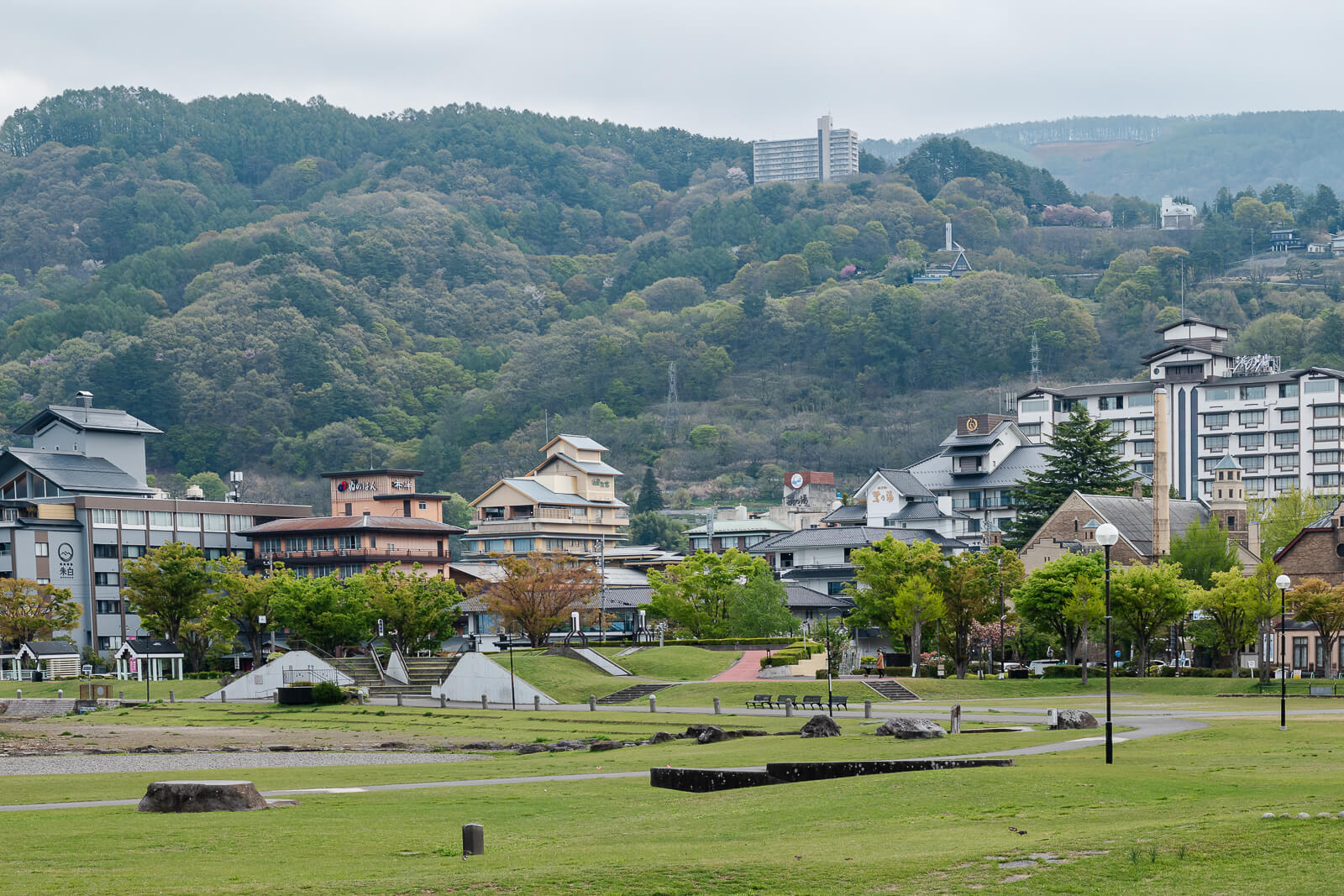
Browse Tours Across Nagano
Compare guided experiences and day trips around Matsumoto, the Japanese Alps, and other destinations that connect naturally with Lake Suwa.
Browse Nagano Tours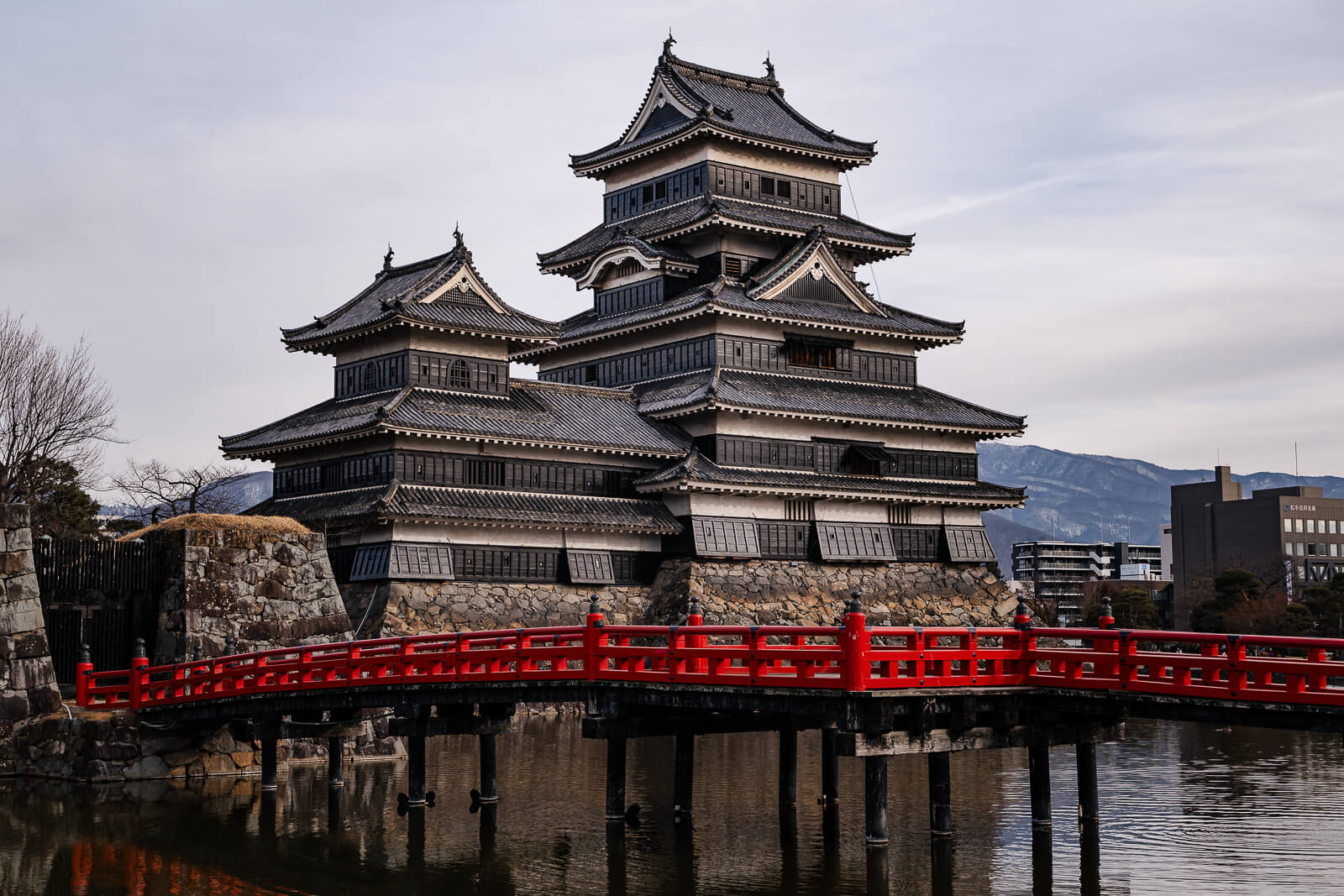
Keep Maps and Transit Available
Mobile data supports shrine navigation, local transit checks, restaurant searches, and route changes across the Lake Suwa basin.
Compare eSIM Options