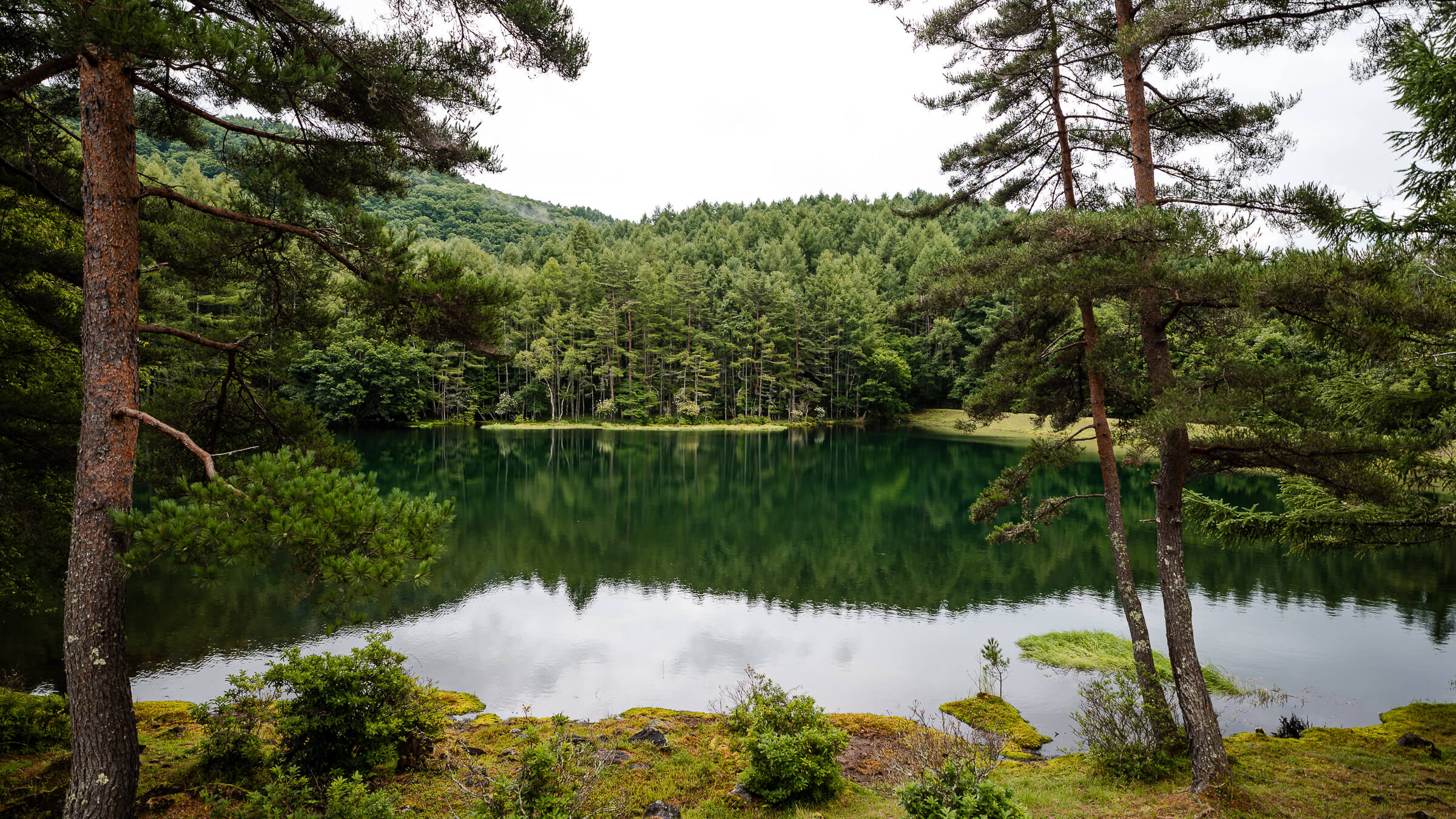
A Small Forest Pond Above the Suwa Basin
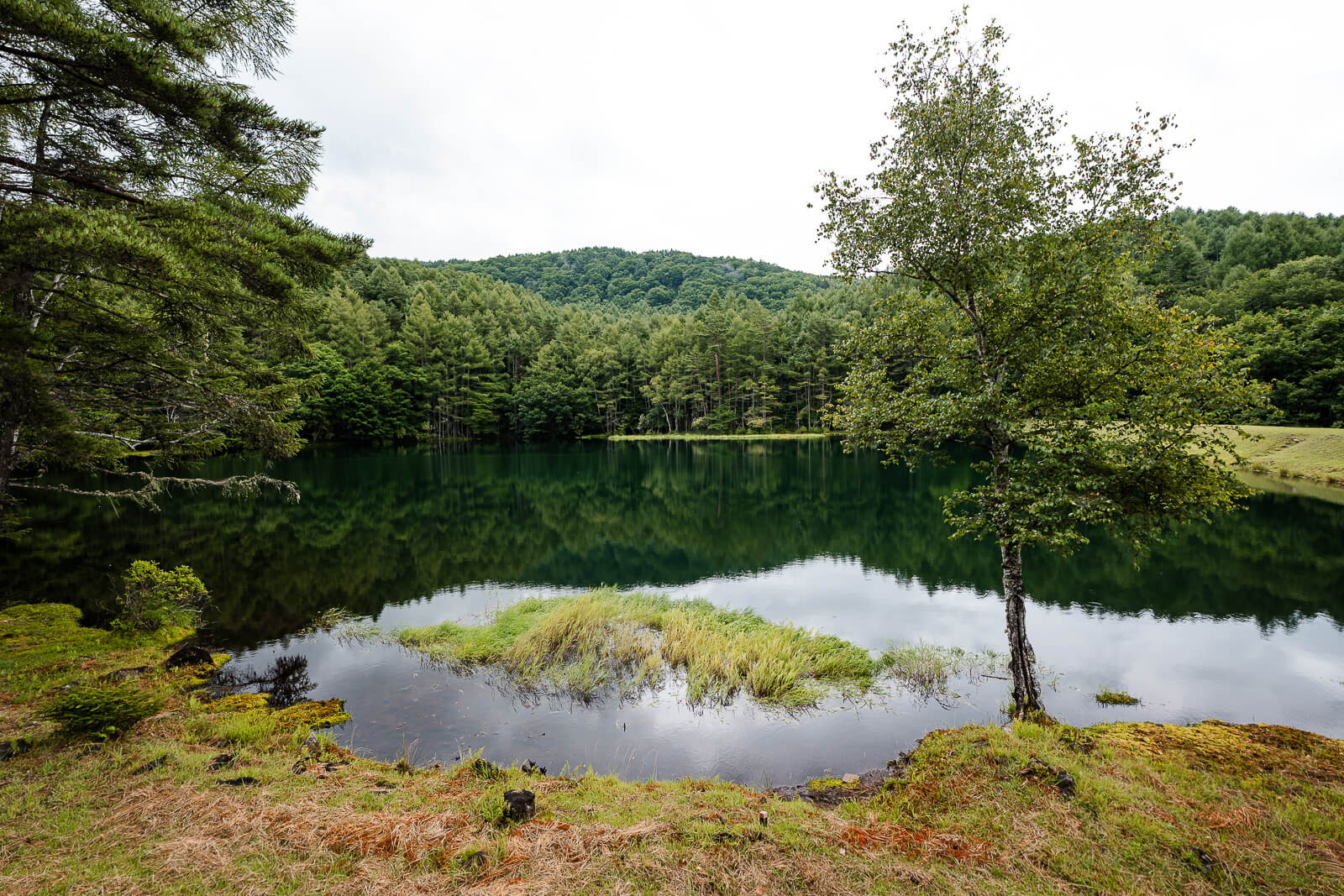
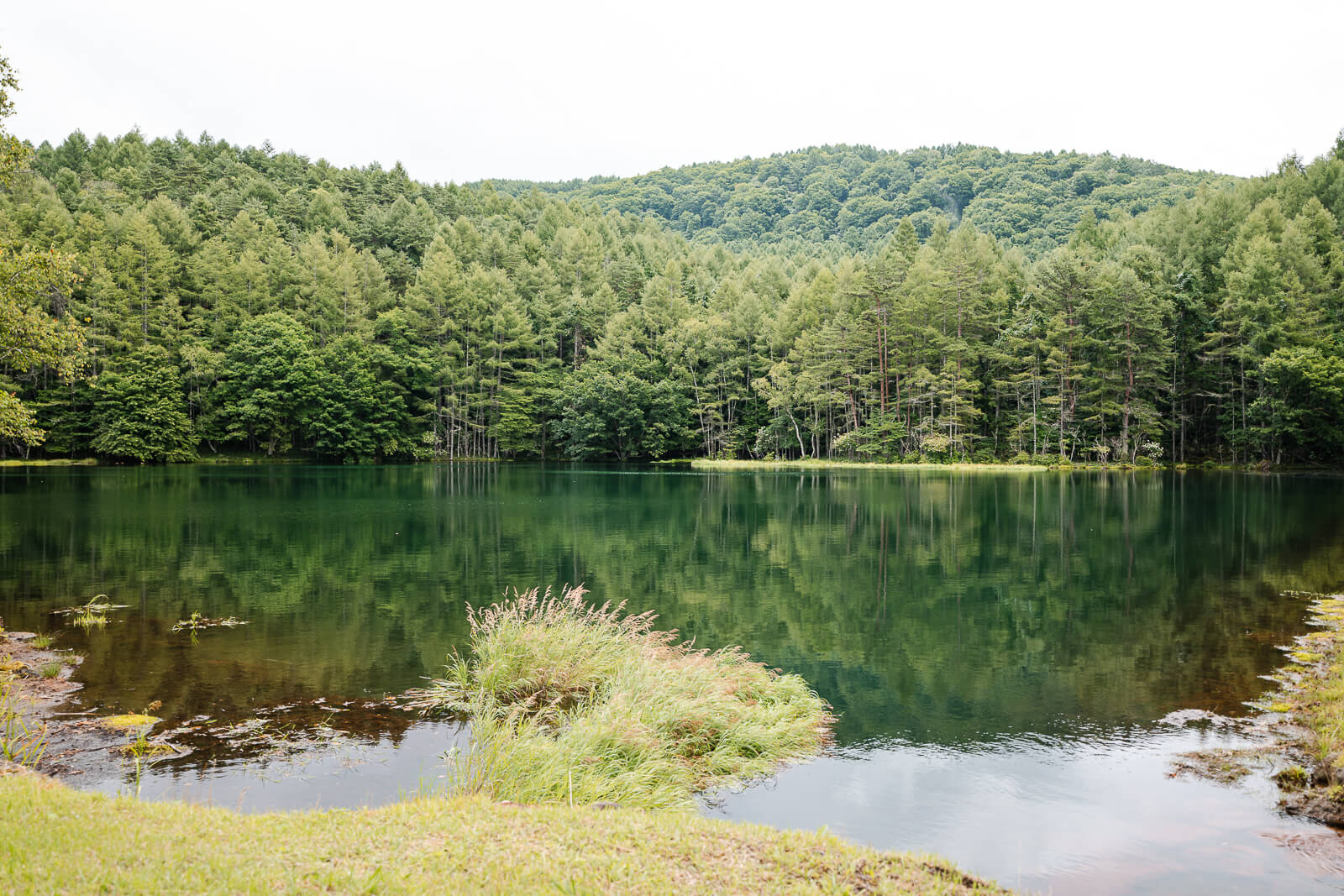
Mishaka-ike is a small forest pond in the Tateshina Highlands east of Chino in Nagano Prefecture. The site sits above the Suwa basin, where the land rises quickly from the shores of Lake Suwa into wooded highland terrain. Visitors come primarily to see the reflections created by the surrounding forest when the water surface is still.
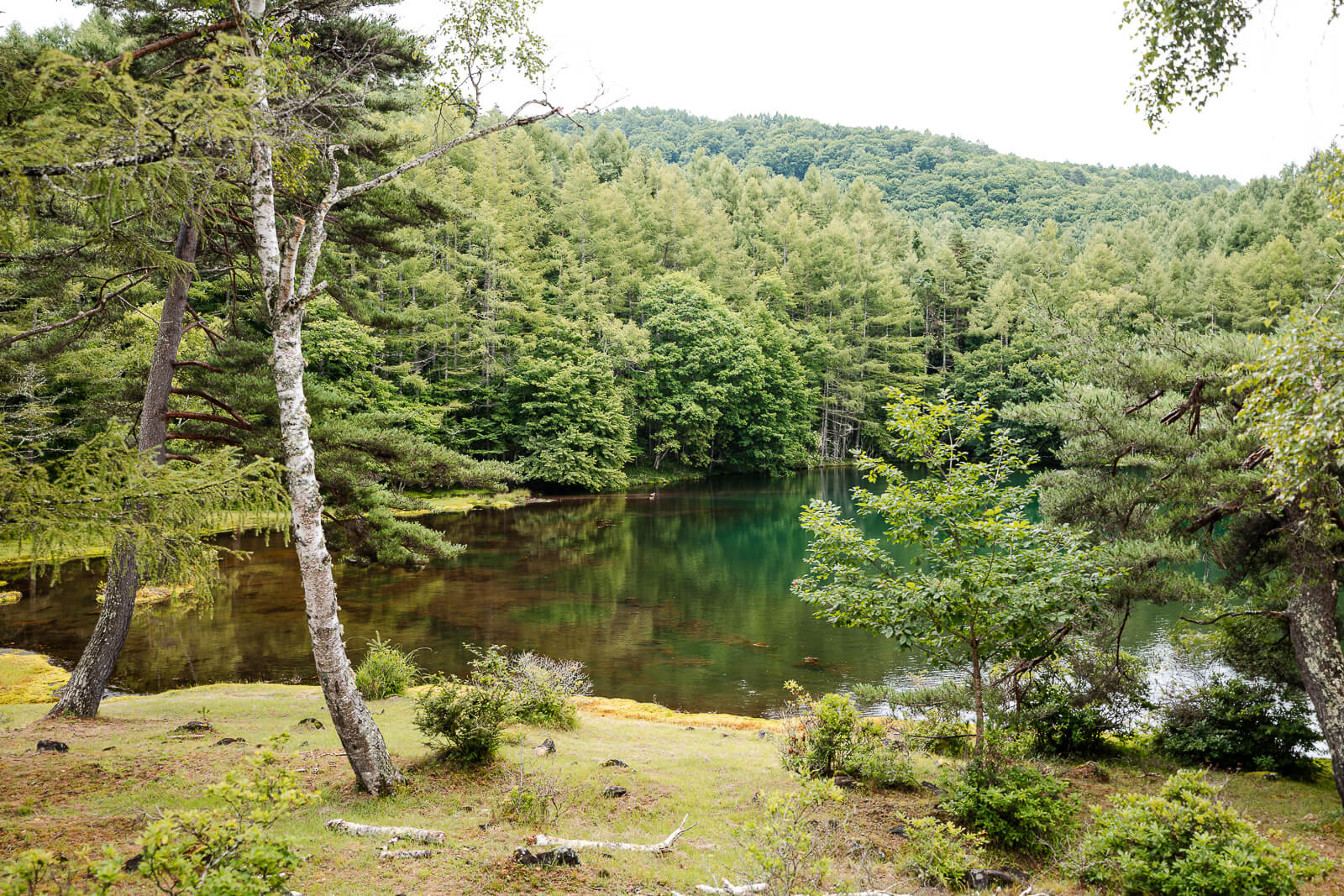
The visit itself is brief and observational. The pond sits directly beside a mountain road, and the water becomes visible almost immediately after arriving. Most people spend fifteen to thirty minutes walking short sections of shoreline and watching how the reflections shift depending on light and wind.
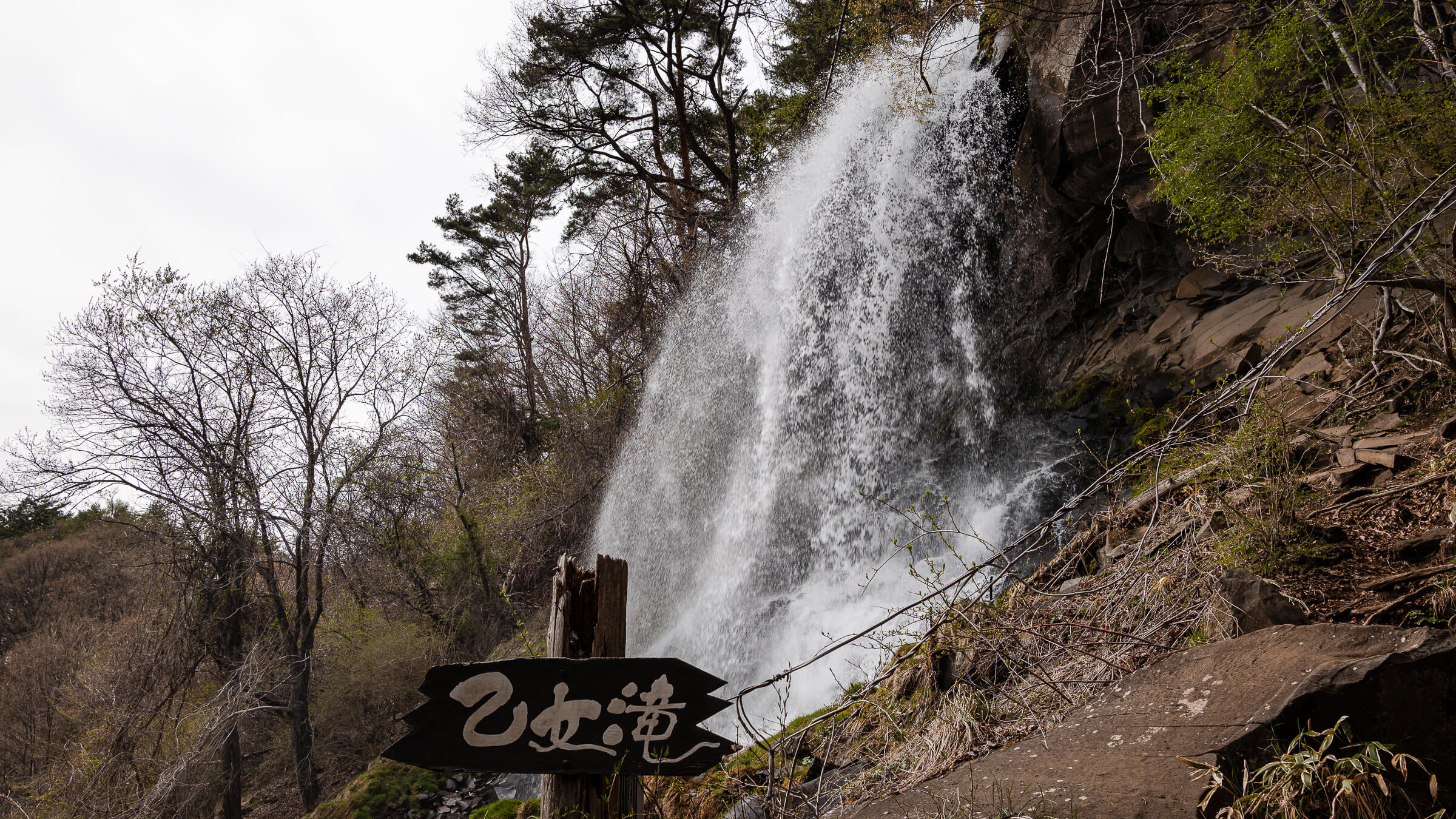
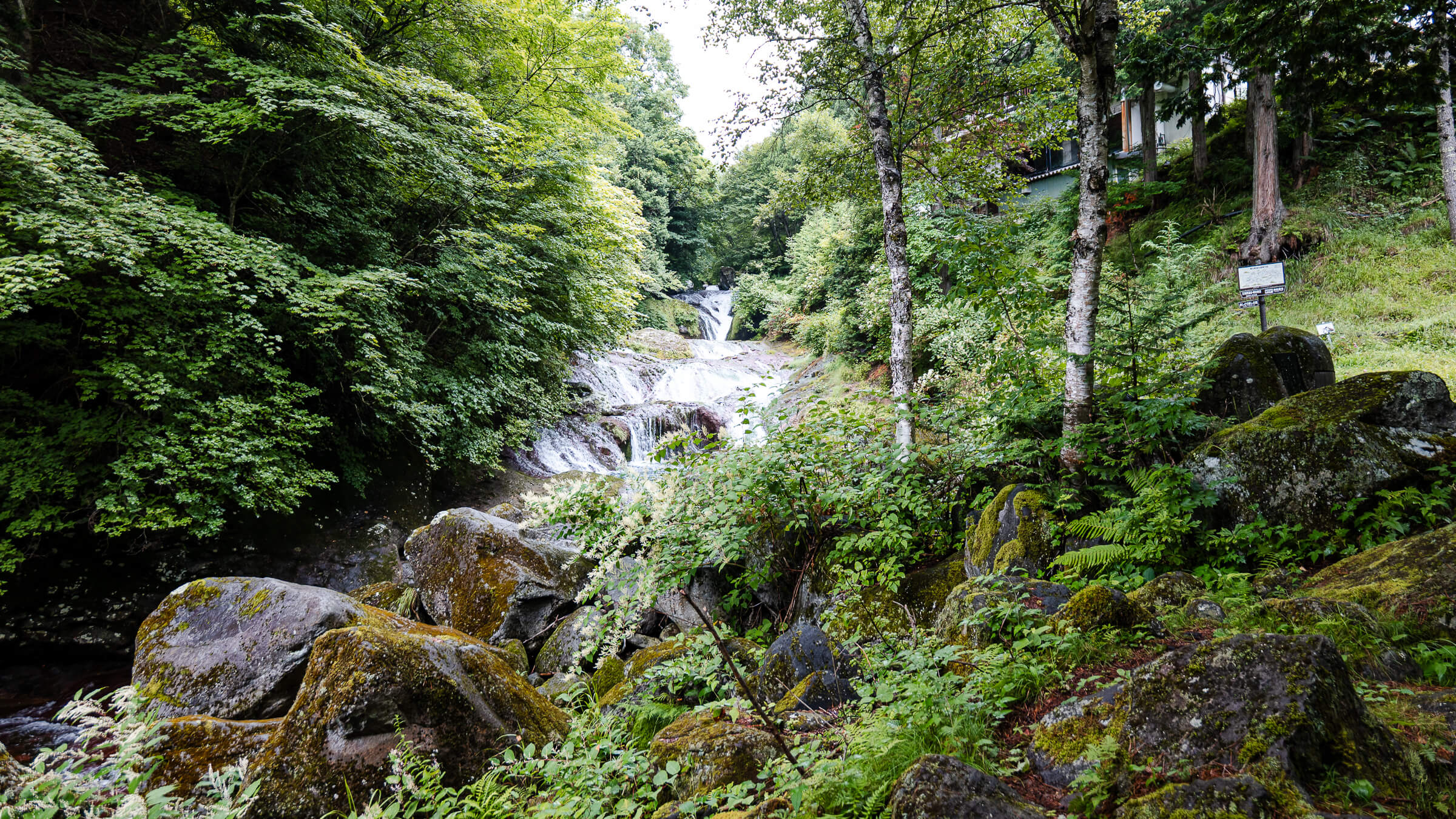
For travelers already exploring the highlands above Lake Suwa, Mishaka-ike pairs naturally with nearby water-focused stops such as Otome Falls and Oshidori Kakushi Falls, where short walks, forest paths, waterfalls, and river scenery continue through the same mountain landscape. For the broader lakeside planning context, the Lake Suwa Guide explains how the shoreline, viewpoints, overnight bases, and Chino-side day trips fit together around the basin.
Why This Pond Became Known Beyond the Region
Mishaka-ike gained national attention through the work of landscape painter Kaii Higashiyama. His painting of the pond captured the layered reflections of trees across the water’s surface and introduced the location to a much wider audience.
What makes the scene distinctive is the way the forest meets the pond. Trees grow directly along the edge of the water, allowing their reflections to fill most of the surface rather than leaving open sky above the shoreline.
That natural arrangement continues to shape the way visitors experience the pond today. The composition seen in photographs and paintings is not created by a designed viewpoint but by the proximity of forest and water.
Seeing the Water Almost Immediately
Arriving at Mishaka-ike requires very little walking.
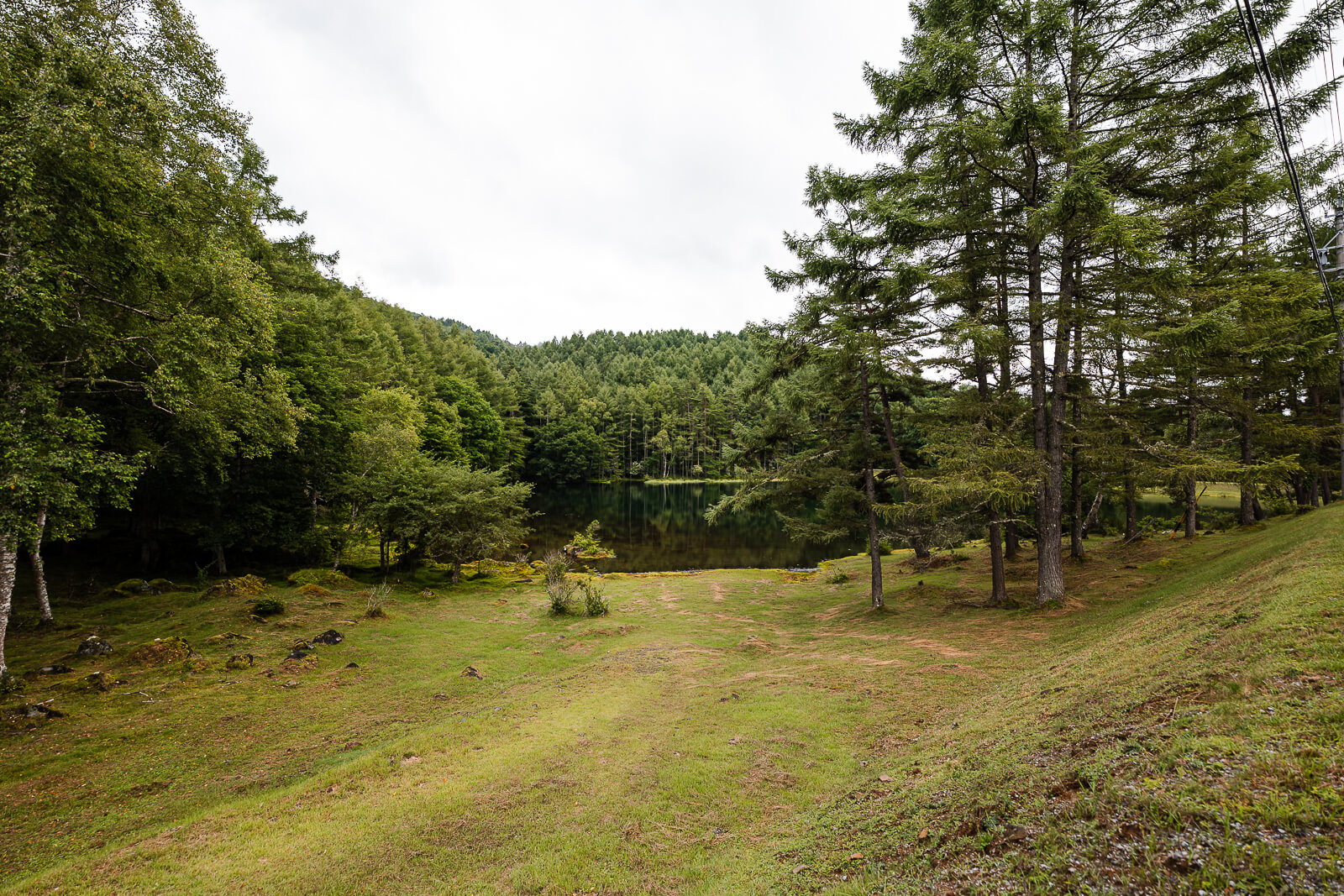
Two small roadside parking areas sit beside the pond, allowing visitors to stop and step directly toward the shoreline. The water becomes visible within moments of leaving the car.
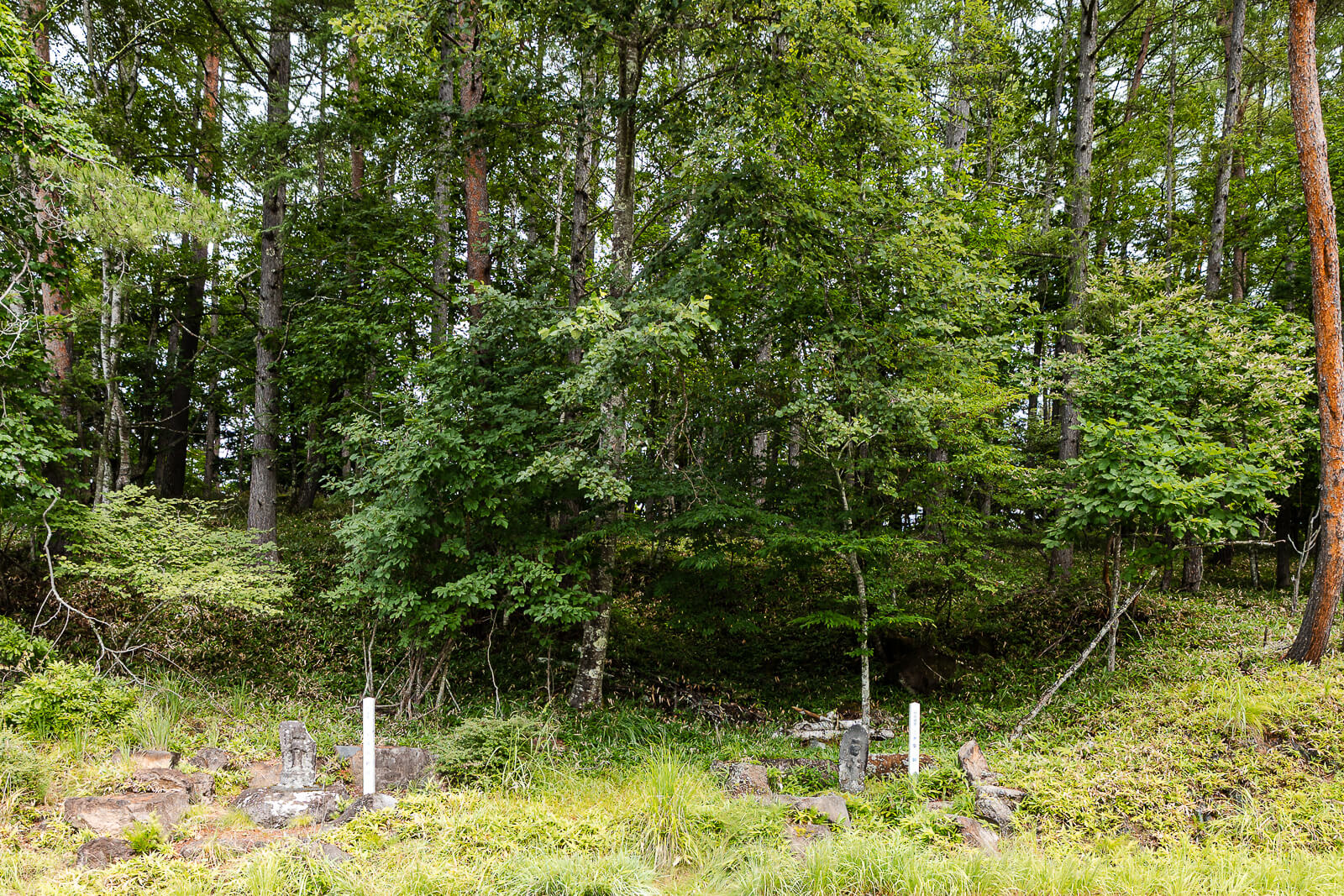
Unlike many scenic lakes in Japan, there are no boardwalks or formal paths around the pond. The shoreline remains largely natural, with dirt ground and scattered stones along sections of the edge.
Because the site is compact, the visit begins almost immediately after arriving.
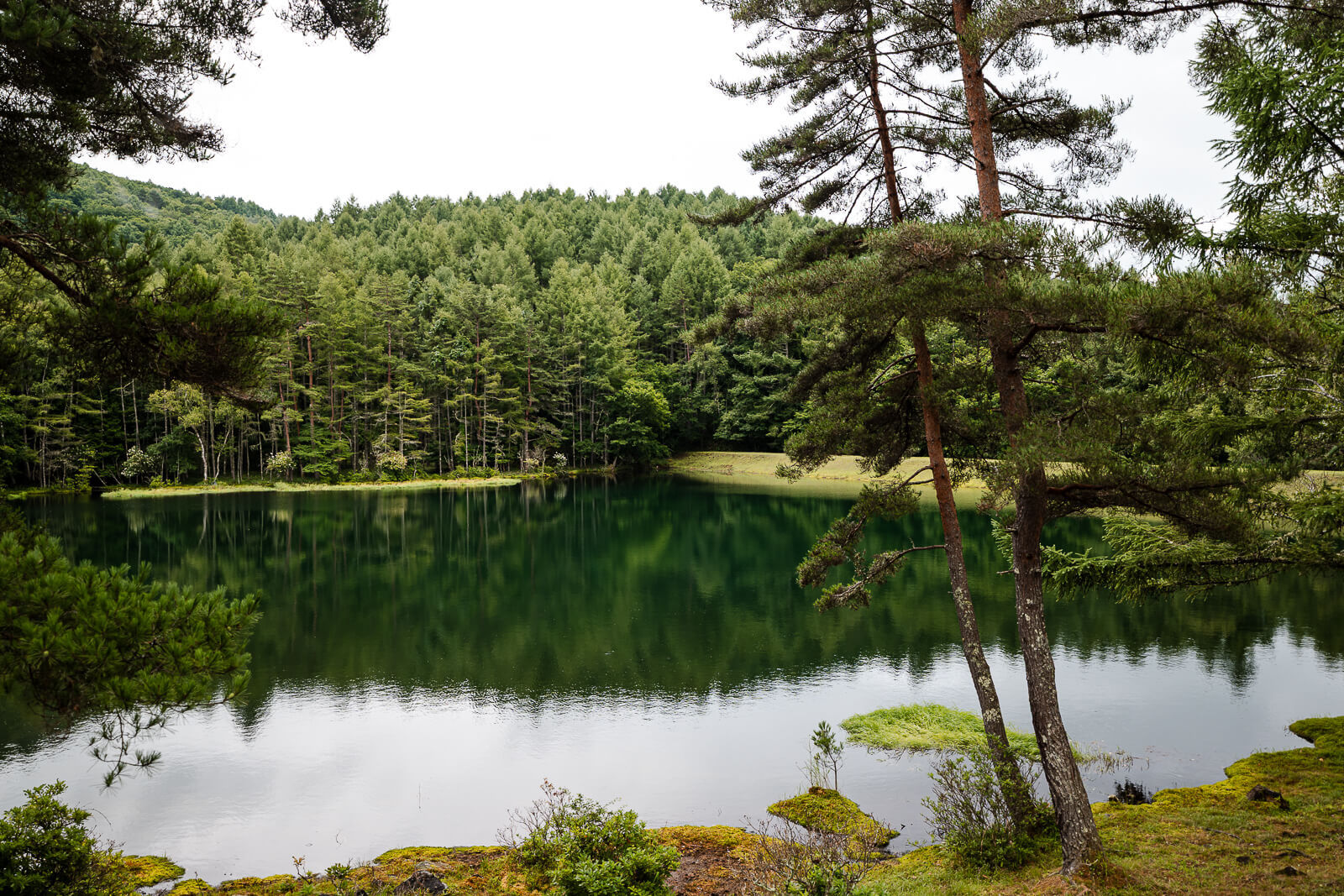
Walking Short Sections of Shoreline
Visitors usually move slowly along small sections of shoreline where the ground allows access.
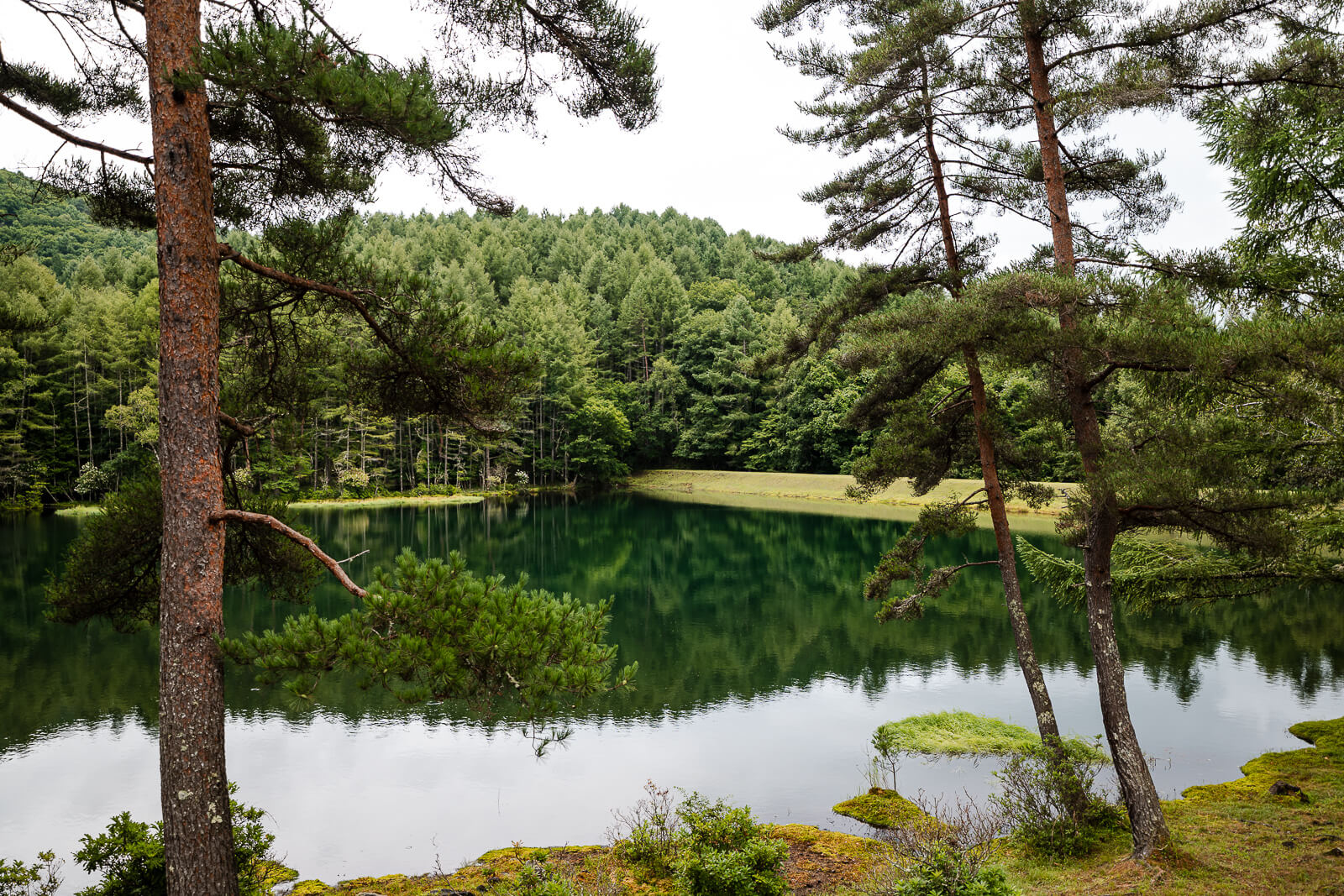
From some angles the water reflects only the surrounding forest, creating dense patterns of trees across the surface. In other places the sky enters the reflection and brightens the scene.
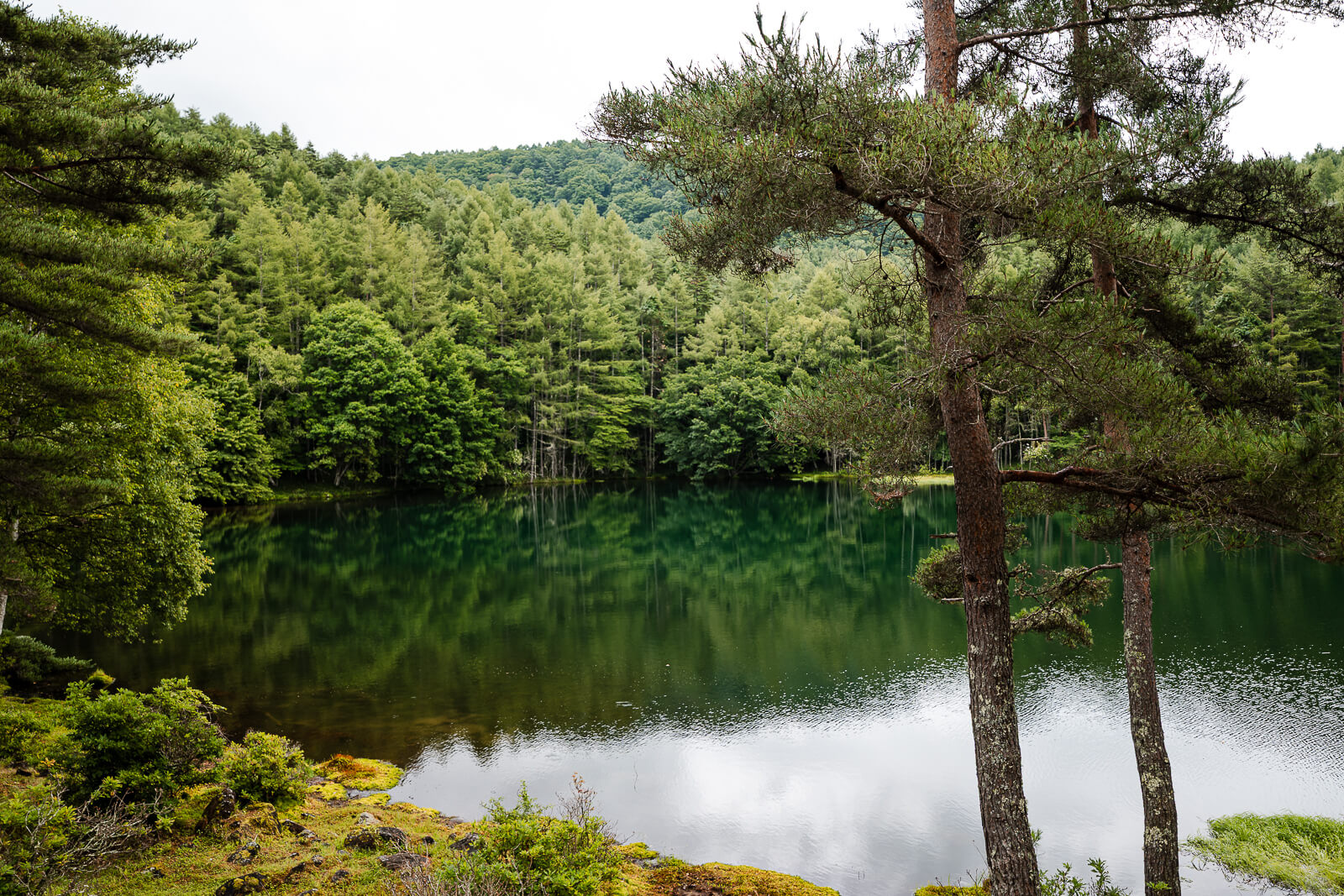
Because the pond is small, movement through the site happens gradually rather than across long distances. Most people pause in a few locations, observe the reflections, and then return toward the parking areas.
The effort required is minimal, and the entire visit remains within a short distance of the road.
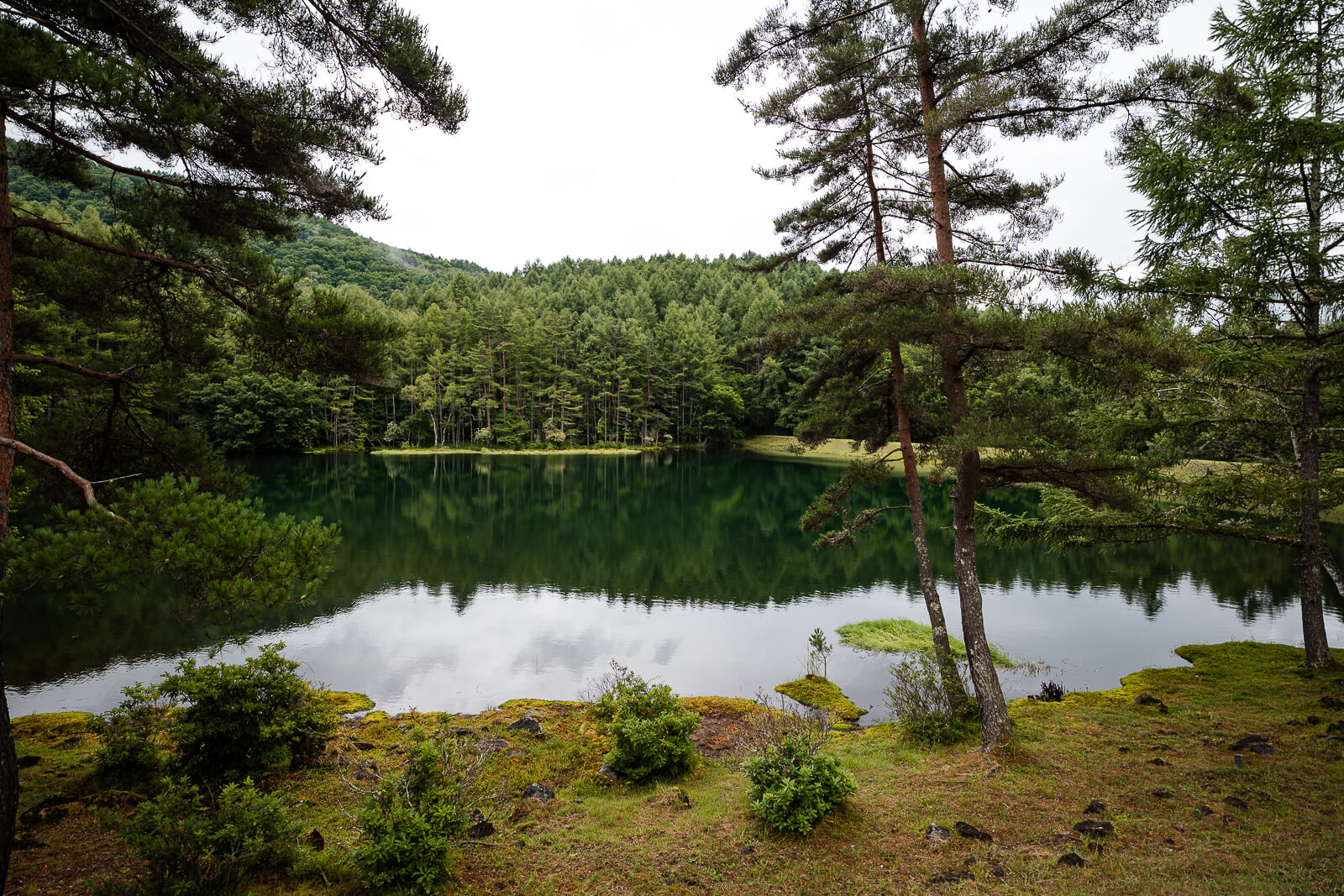
How Light and Wind Change the Scene
The appearance of Mishaka-ike depends heavily on conditions at the moment you arrive.
When the water surface is still, the surrounding forest can appear almost symmetrical in reflection. Even light wind breaks that effect, turning the surface into shifting patterns instead of a mirror image.
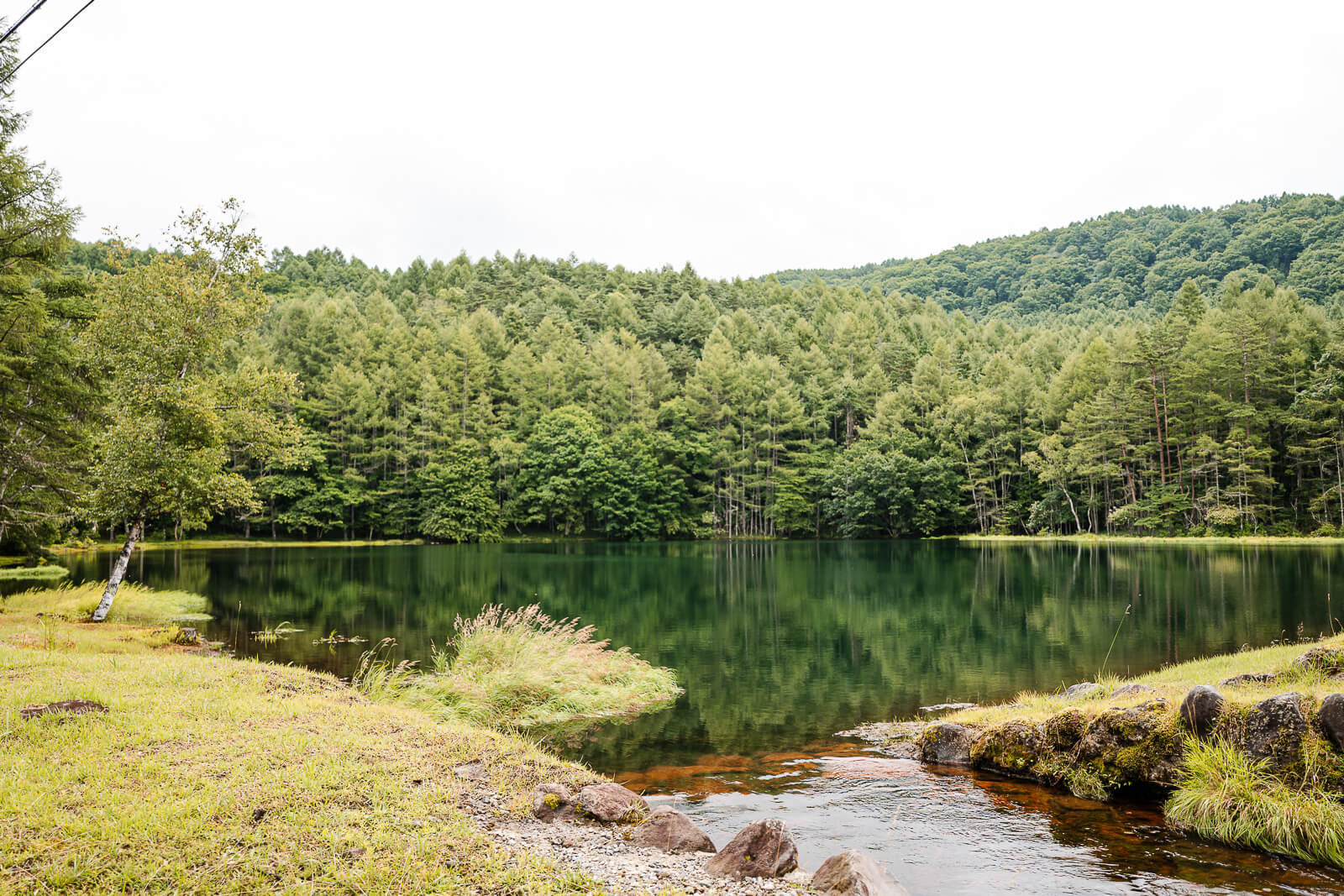
Cloud cover often reduces glare and allows deeper color to appear in the water. During summer the reflections are dominated by green forest tones, while early autumn introduces darker shades as the surrounding trees begin to change.
Because the pond is enclosed by forest, weather conditions often shape the scene more than the time of day.
How This Stop Fits Into the Lake Suwa Area
Mishaka-ike usually works best as a short stop within a broader route through the Suwa and Tateshina region. Travelers exploring the highlands often combine the pond with nearby forest locations such as Oshidori Kakushi Falls or Yokoya Gorge, where rivers and waterfalls introduce more movement into the same mountain landscape. This makes the pond useful as an opening stop, a scenic pause, or a quieter contrast before continuing deeper into the Chino highlands.
From there, many visitors continue toward Lake Suwa, where the terrain opens into a wide basin surrounded by mountains. Along the lakeshore, Takashima Castle overlooks the water and reflects the region’s historic role as both a defensive position and a transportation corridor. Moving between these locations creates a natural route that shifts from forest highlands to lakeside towns within a relatively short distance.
For the wider regional view, the Suwa Area Guide connects Mishaka-ike with Lake Suwa, Chino, Suwa Taisha, Tateishi Park, and the highland routes beyond the basin. This helps place the pond within the larger Suwa Area instead of treating it as an isolated roadside stop. It also makes the route easier to understand for travelers deciding whether to base themselves near the lake or drive into the Tateshina side of Nagano.
Getting There
Mishaka-ike sits in the Tateshina Highlands east of Chino.
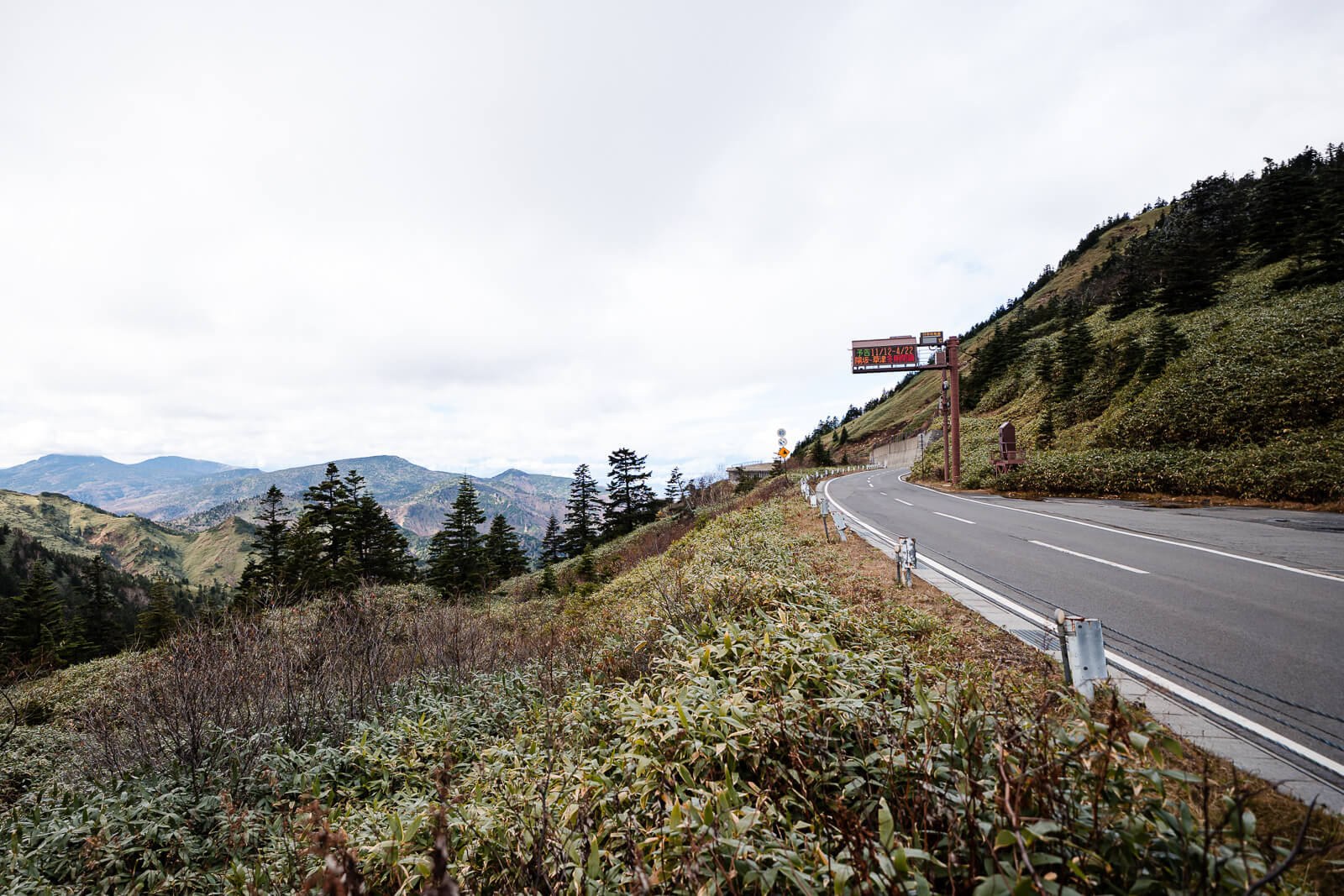
The road approaching the pond winds through forested mountain terrain before reaching the water. Because the shoreline lies directly beside the road, there is no final hiking approach once you arrive.
Two small roadside parking areas serve the pond. One sits beside the shoreline, while another nearby lot provides access to trails leading toward nearby waterfalls. Both are within a short walk of the water.
Most visitors reach the site by car while exploring the highlands above the Suwa basin. From the Lake Suwa area, the drive usually takes about thirty to forty minutes depending on route and seasonal road conditions.
Hours & Fees
Mishaka-ike is a natural landscape rather than a managed attraction.
Hours: Open at all times
Admission: Free
Closures: No regular closures
Parking is available in two small roadside lots beside the pond.
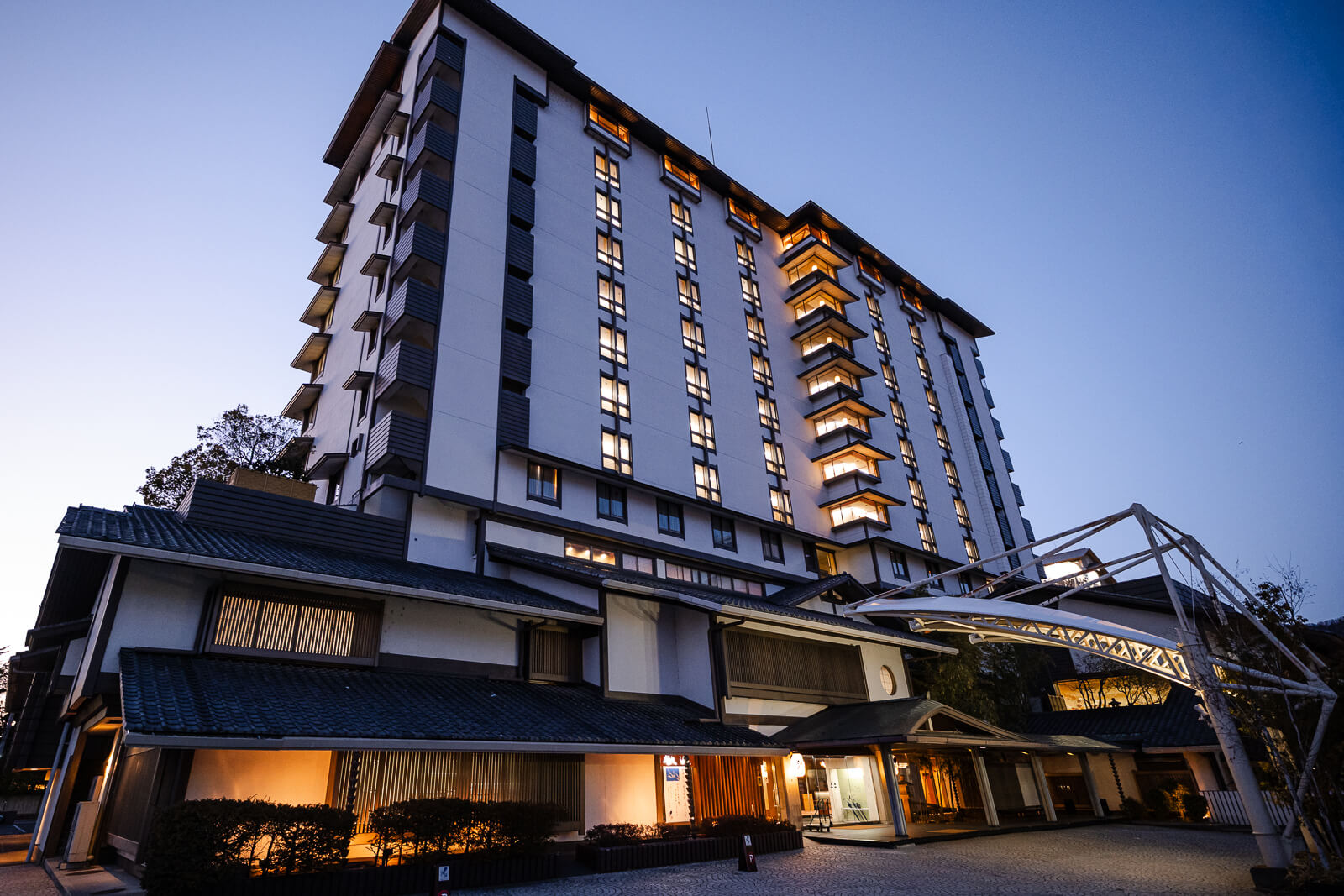
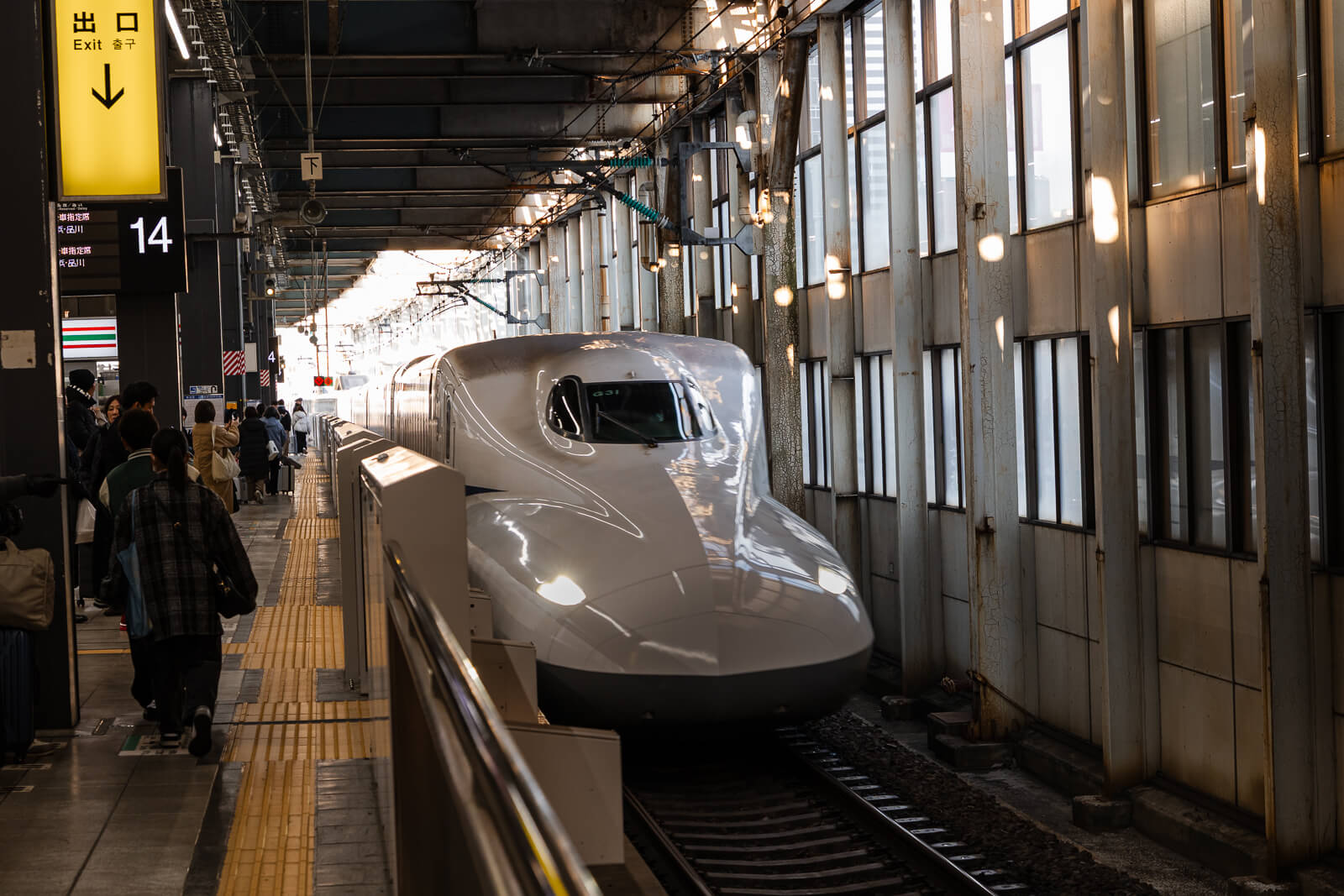
Because Mishaka-ike sits in the forested highlands above the Suwa basin and is usually visited as part of a wider route through the Tateshina area, most travelers coordinate where they stay, how they reach the region, and how they move between stops before heading into the mountains.