A Historic Stop Between Kita-Kamakura’s Famous Temples
Kita-Kamakura is best known for its historic Zen temples, but only two minutes from Kita-Kamakura Station is one of the district’s most overlooked cultural attractions. The Kitakamakura Old Folk House Museum (北鎌倉古民家ミュージアム) combines beautifully restored traditional buildings, rotating art exhibitions, seasonal gardens, and a small gift shop into a compact experience that fits naturally into almost any visit. For travelers looking to add something different to a temple-focused day, it offers one of the easiest and most rewarding cultural stops in northern Kamakura.
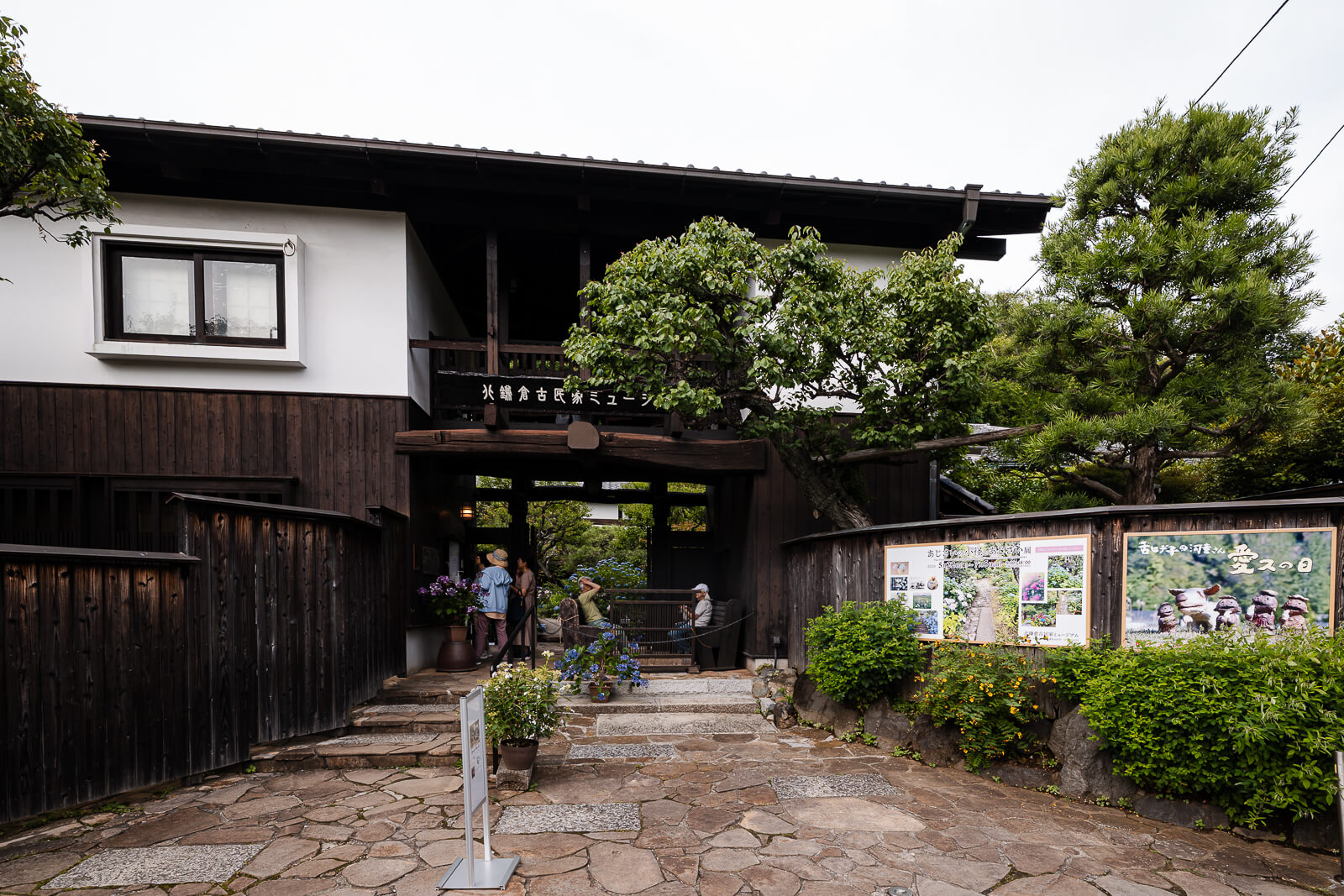
Located in Kamakura City in Kanagawa Prefecture, approximately one hour south of Tokyo, the museum is often passed by as visitors continue toward the area’s famous temples. Those who step inside discover preserved architecture, decorative arts, and thoughtfully curated exhibitions that reveal another side of Kita-Kamakura’s cultural heritage. Rather than competing with nearby temples, the museum complements them by offering an experience centered on craftsmanship, design, and historic preservation.
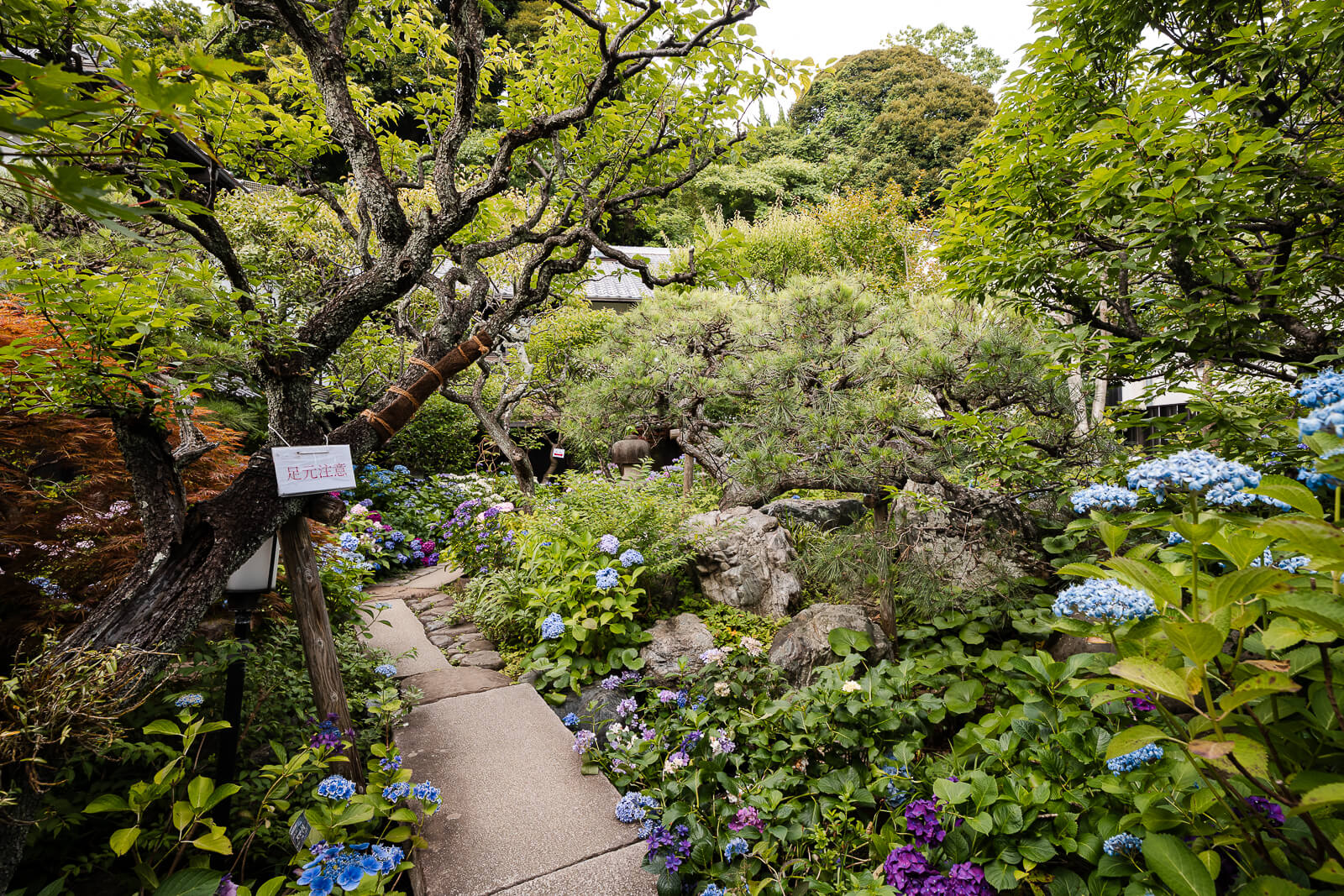
Visitors typically spend between 30 and 45 minutes exploring the museum, making it easy to include before or after nearby attractions. During June, blooming hydrangeas and seasonal plant sales provide another reason to stop, while the restored buildings and changing exhibitions make the museum worth visiting throughout the rest of the year. Its convenient location and manageable size allow visitors to enrich their day without significantly changing their itinerary.
Why Visit Kitakamakura Old Folk House Museum
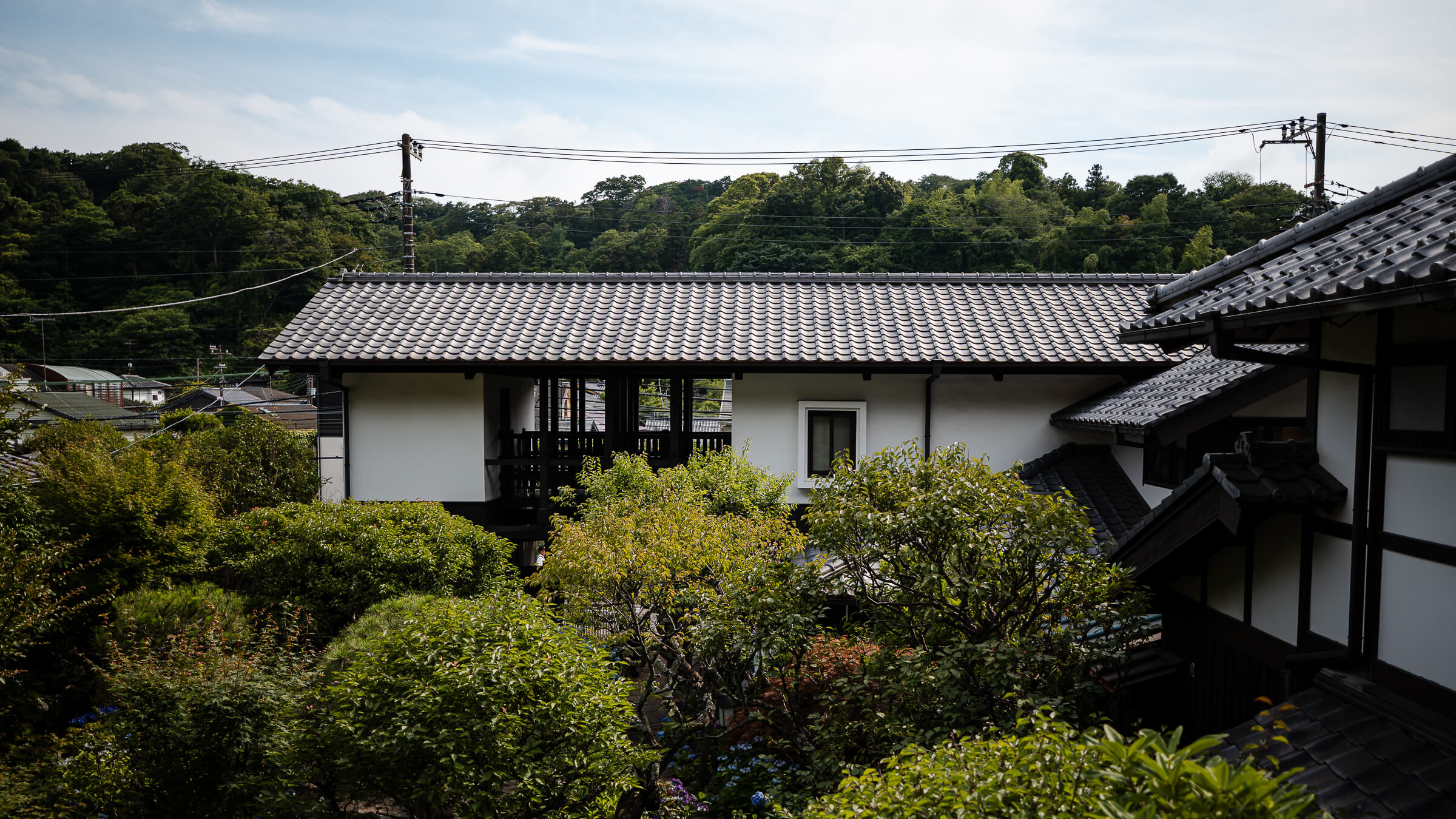
The museum preserves three traditional buildings that were carefully relocated and restored using historic construction methods. Inside, visitors can admire exposed timber beams, zelkova pillars, handcrafted joinery, stained glass, antique furnishings, and architectural details that demonstrate the remarkable craftsmanship of an earlier era. The buildings themselves are every bit as important as the exhibitions they contain, creating an experience that feels far more immersive than a conventional gallery or museum.
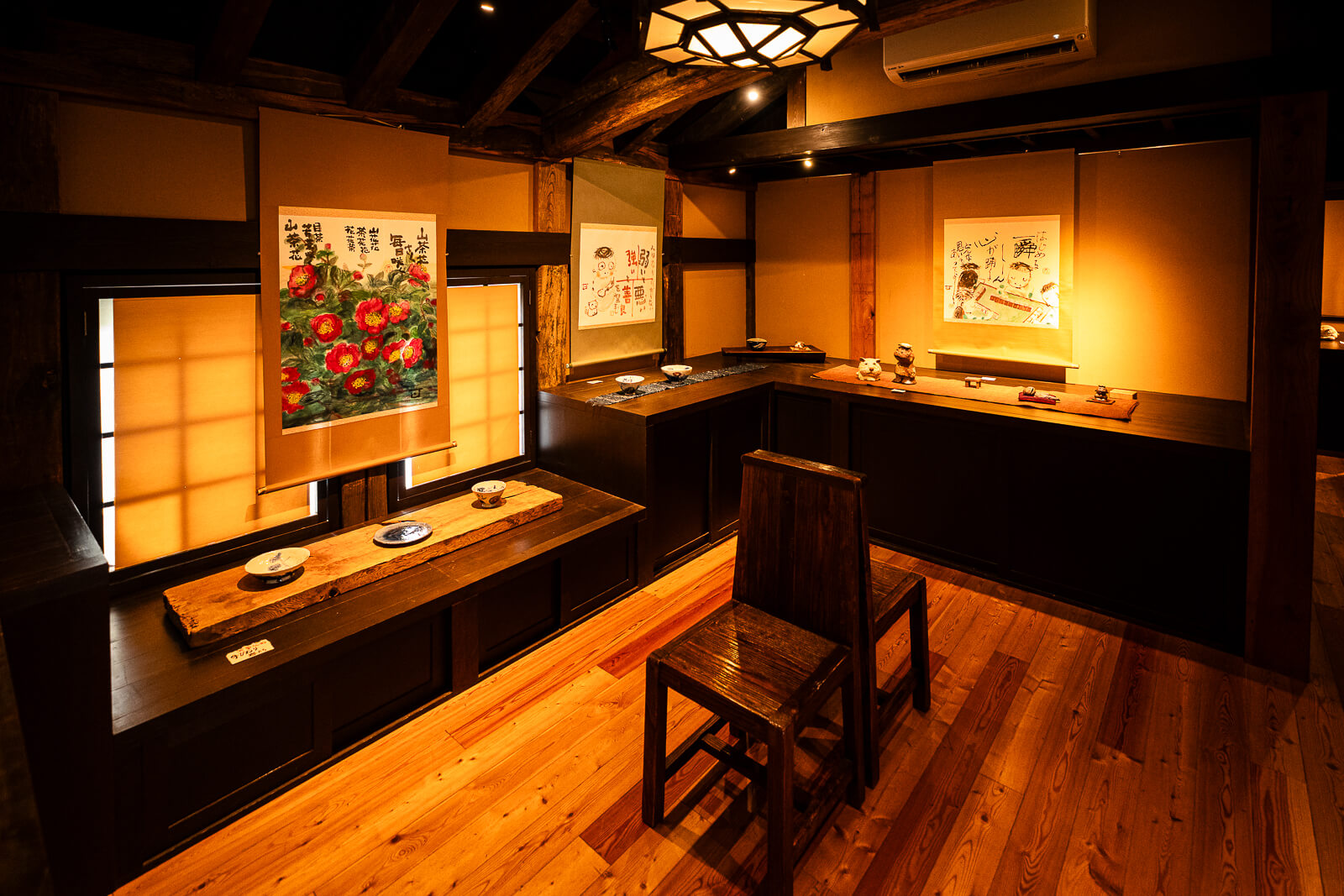
For travelers already exploring Kita-Kamakura, the museum also provides a welcome change of pace between temple visits. After spending time at religious sites, visitors can browse rotating art exhibitions, discover artwork that may be available for purchase, stroll through the seasonal garden, and stop by the gift shop before continuing their walk. Because the visit requires very little additional time, it is one of the easiest cultural attractions to include without disrupting the natural rhythm of the day.
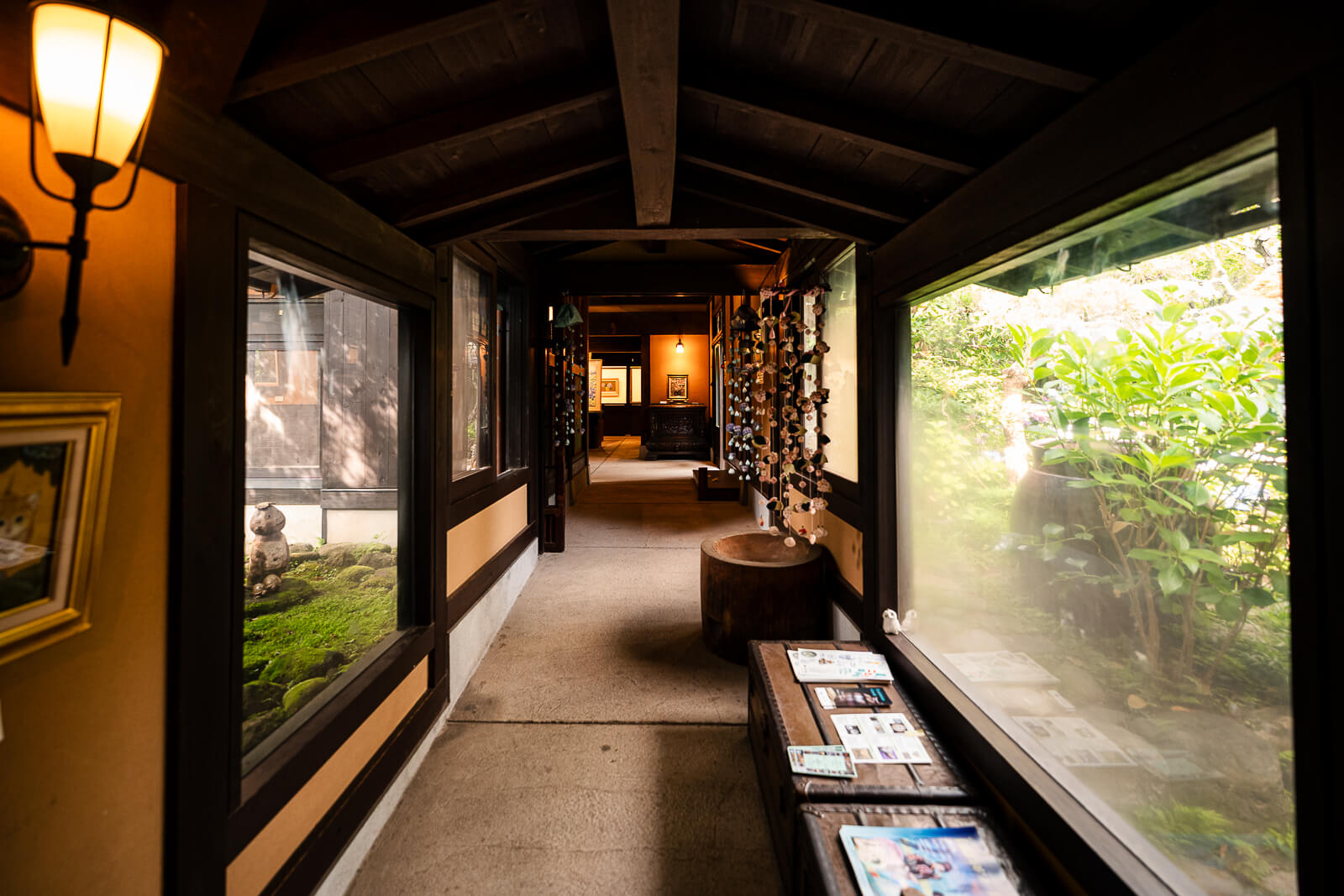
Its location is another advantage. Whether you begin your morning near Engaku-ji, stop after visiting Meigetsu-in, or continue south toward Kenchō-ji, the museum fits naturally into the district’s most popular walking route. Visitors wondering whether the Kitakamakura Old Folk House Museum is worth visiting will often find that its combination of preserved architecture, rotating exhibitions, seasonal gardens, and convenient location makes it an easy addition to any Kita-Kamakura itinerary.
Historic Architecture and Restored Interiors
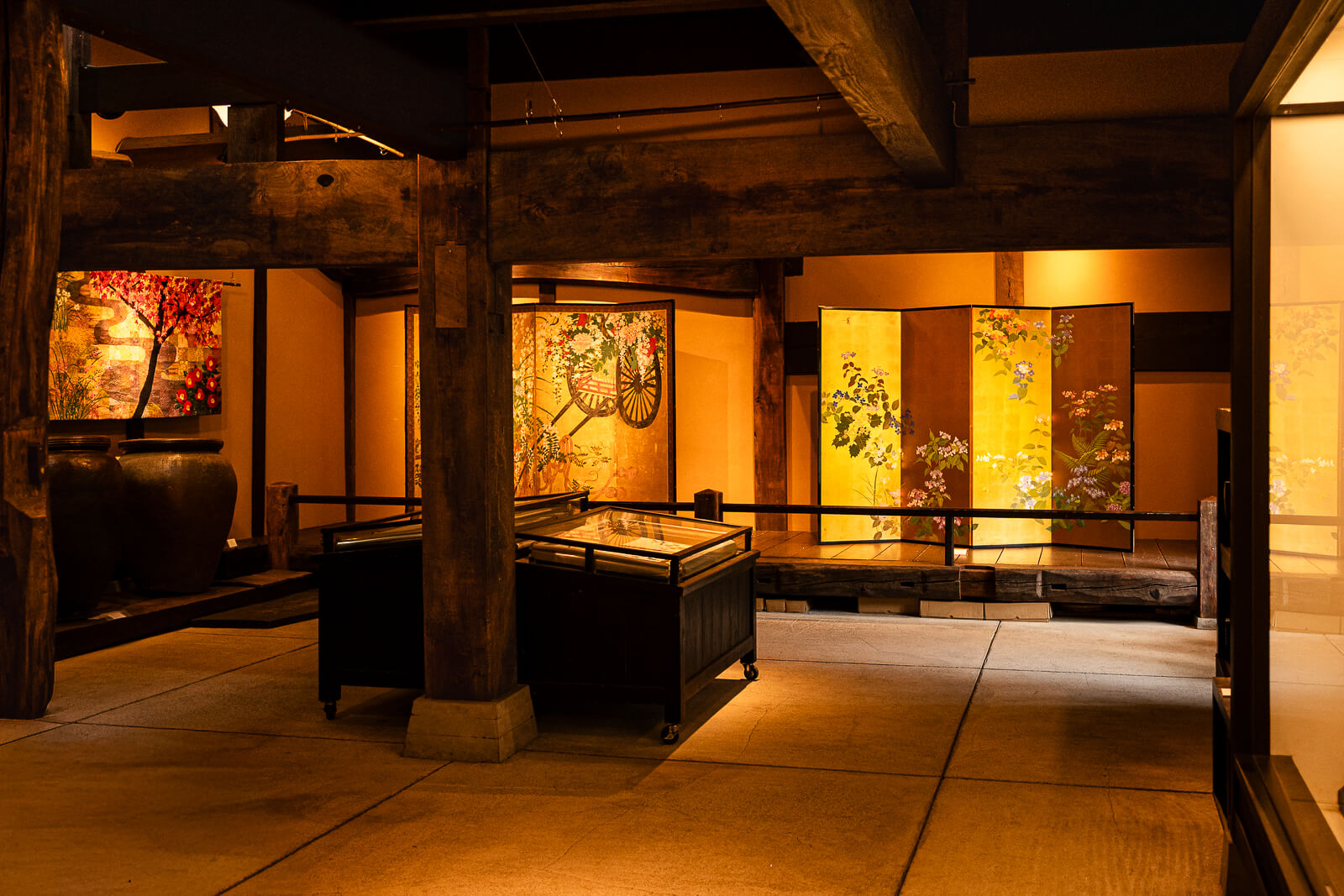
The museum’s defining feature is its collection of three carefully preserved traditional buildings that form the heart of the property. Relocated from their original locations and restored over more than a decade, the structures date from the late Edo and early Meiji periods and showcase construction techniques that have become increasingly difficult to experience firsthand. Rather than simply displaying historical objects, the museum invites visitors to step inside the architecture itself and appreciate how these spaces were originally built and used.
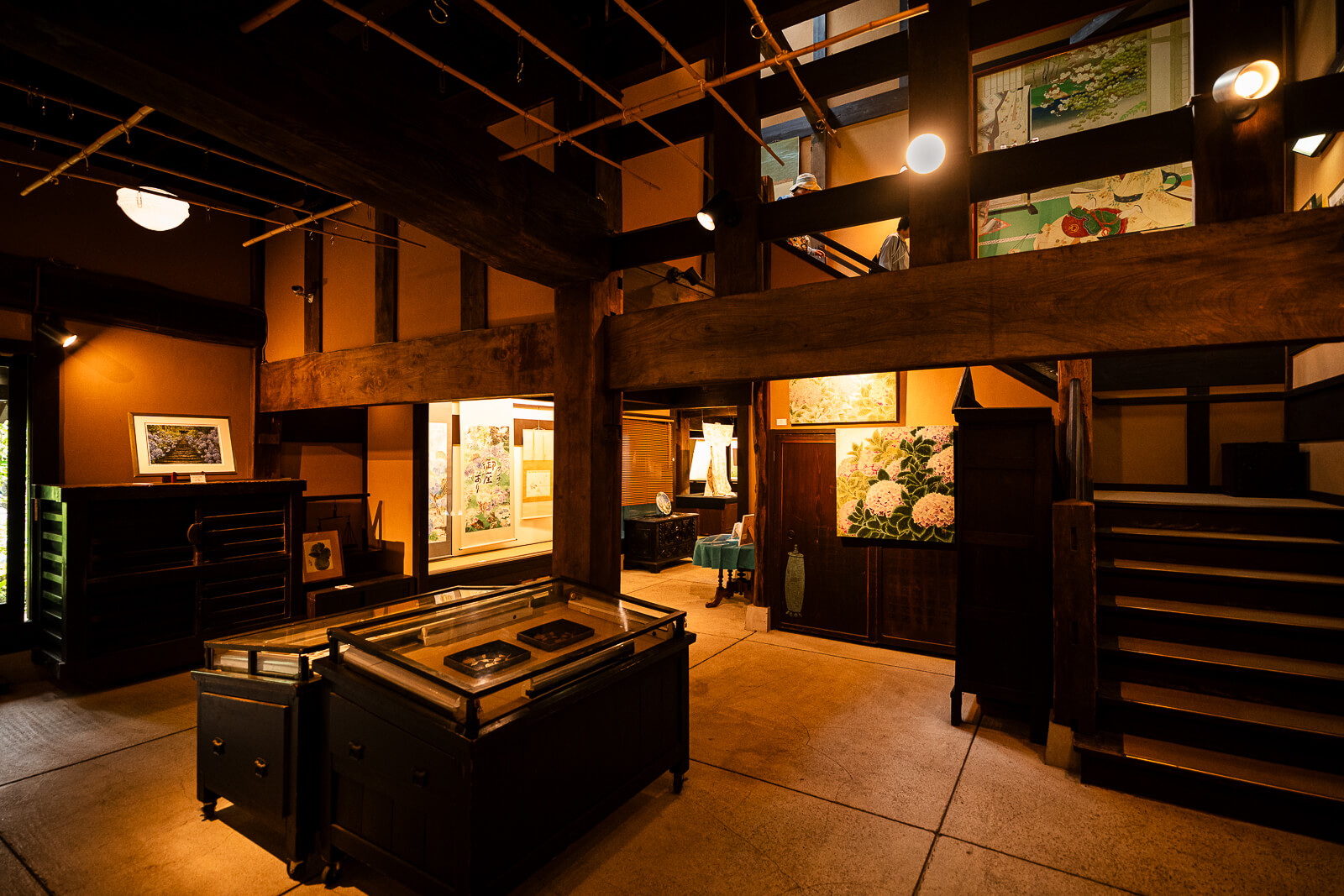
Throughout the buildings, exposed zelkova pillars, massive timber beams, traditional joinery, and handcrafted wooden details demonstrate the remarkable skill of Japan’s carpenters long before modern construction methods became common. Looking upward reveals intricate roof framing and structural connections that are easily overlooked during a quick visit, while each room highlights the beauty of traditional materials and craftsmanship. Visitors interested in architecture often find themselves spending as much time studying the buildings as they do viewing the exhibitions.
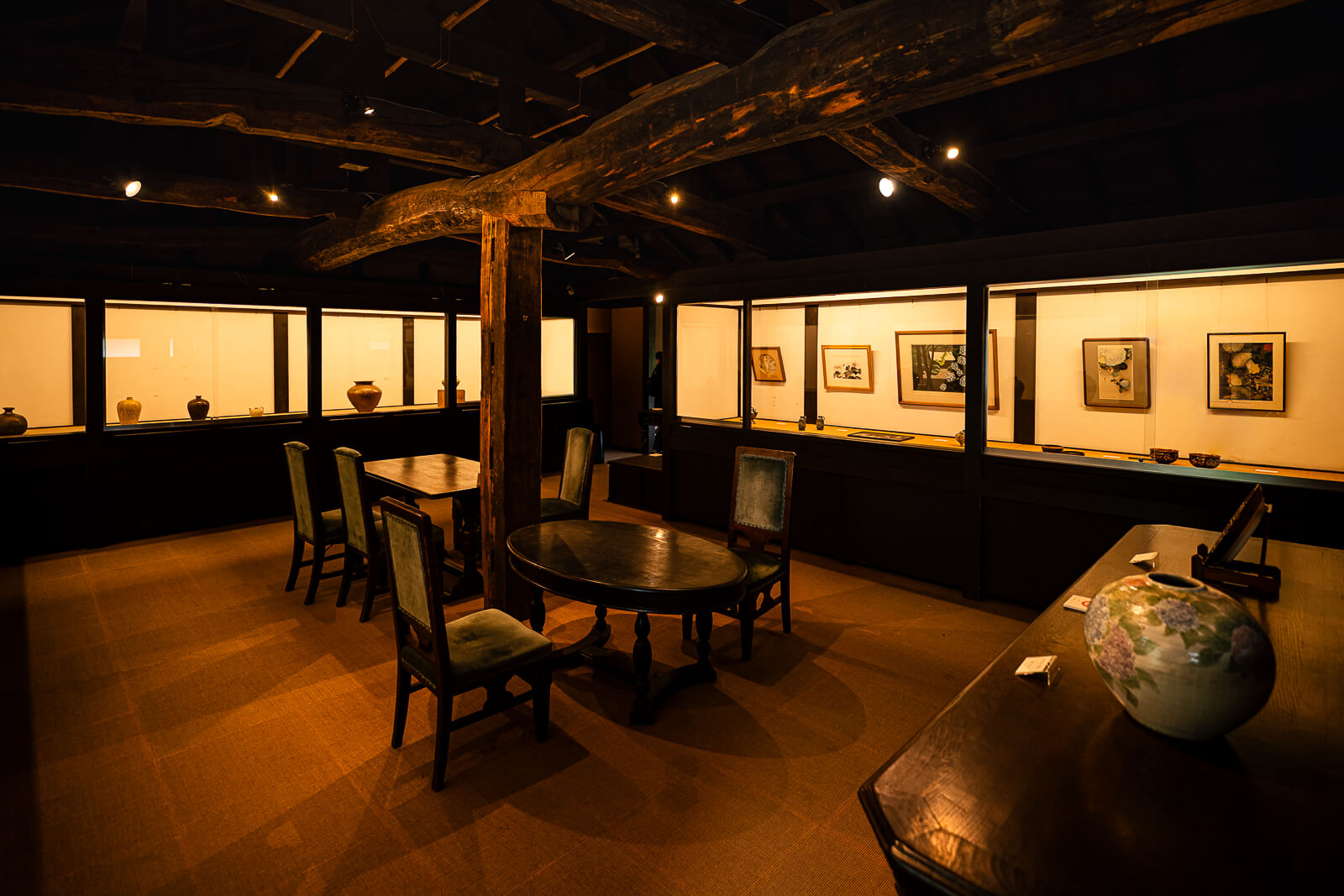
The interiors also reveal an unexpected blend of Japanese and Western influences. Antique furniture, decorative lighting, stained glass, and carefully selected furnishings sit comfortably within the traditional wooden rooms without overwhelming their original character. The result feels less like walking through a conventional museum and more like exploring a beautifully preserved historic residence that continues to evolve through changing exhibitions.
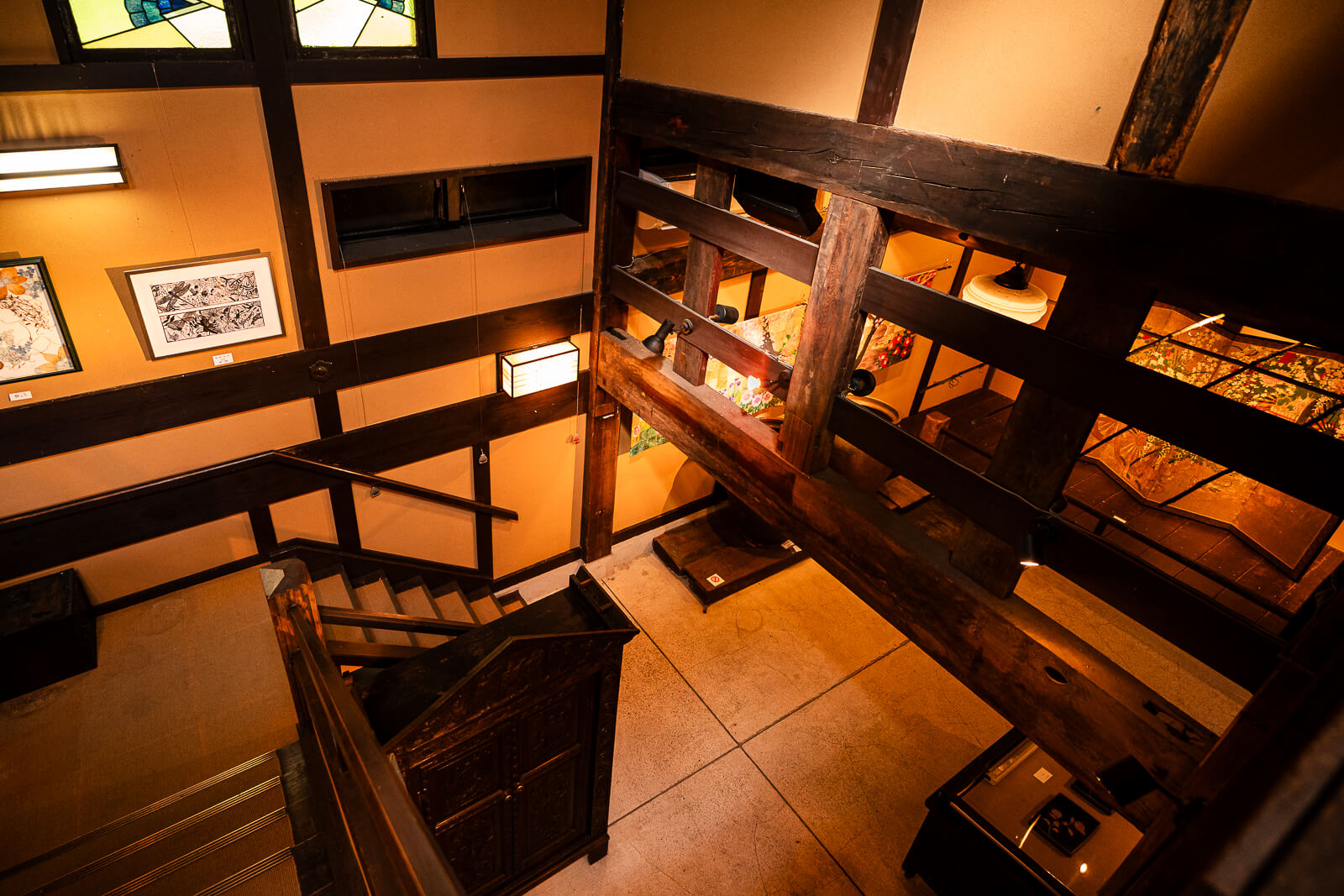
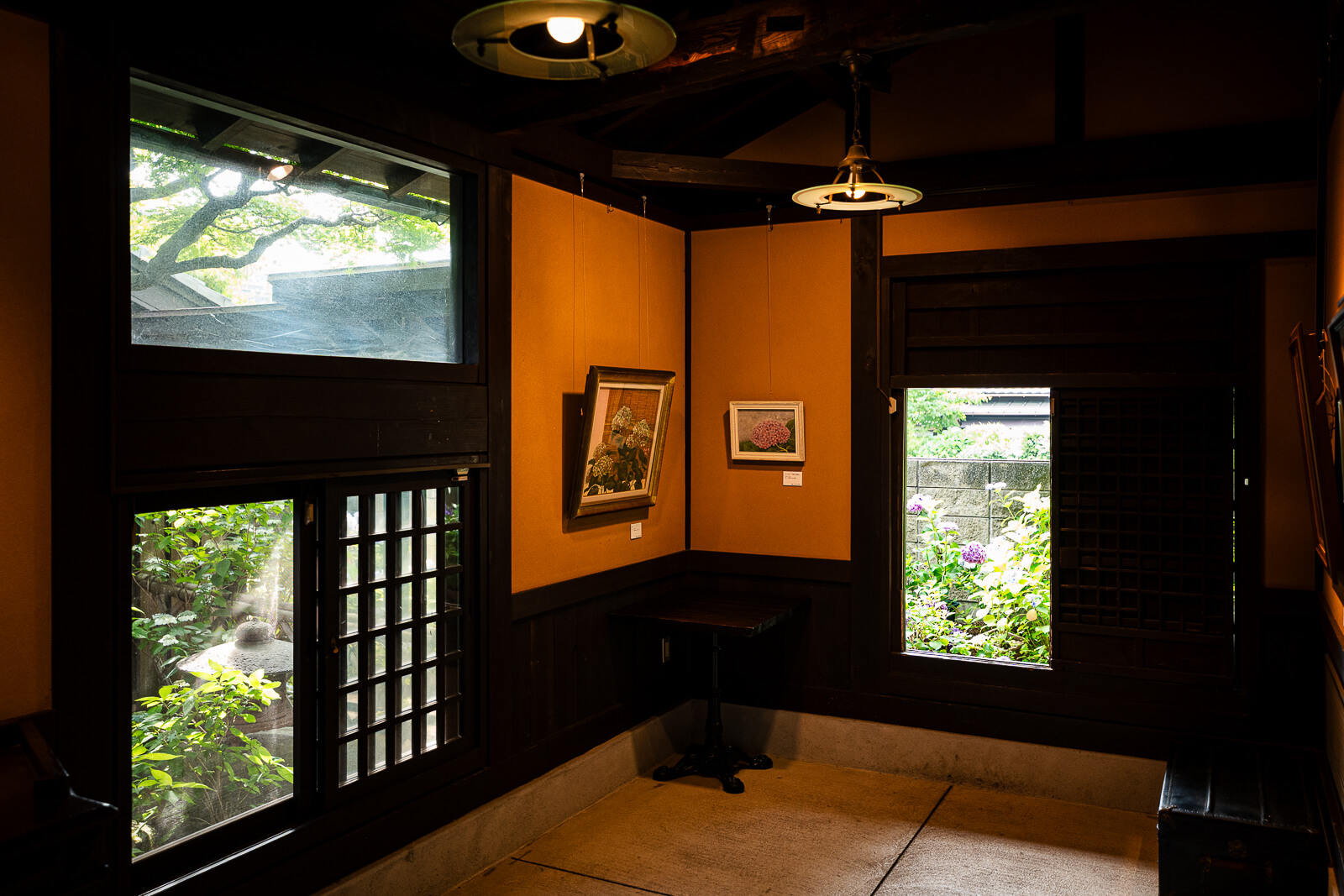
Natural light filtering through windows and paper screens creates a different atmosphere in every room, making the museum particularly rewarding for photographers. The combination of exposed timber, decorative interiors, and thoughtfully arranged displays provides countless opportunities to capture architectural details that are difficult to find elsewhere in Kamakura. Even visitors with little interest in historic buildings often come away with a greater appreciation for the craftsmanship preserved throughout the complex.
Rotating Art Exhibitions and Cultural Collections
Unlike many preserved historic buildings that remain largely unchanged throughout the year, the Kitakamakura Old Folk House Museum regularly hosts rotating exhibitions that encourage repeat visits. Depending on the season, visitors may encounter paintings, ceramics, photography, traditional crafts, woodblock prints, decorative arts, or special cultural displays presented within the restored buildings. Each exhibition brings something new while allowing the architecture itself to remain the constant centerpiece of the experience.
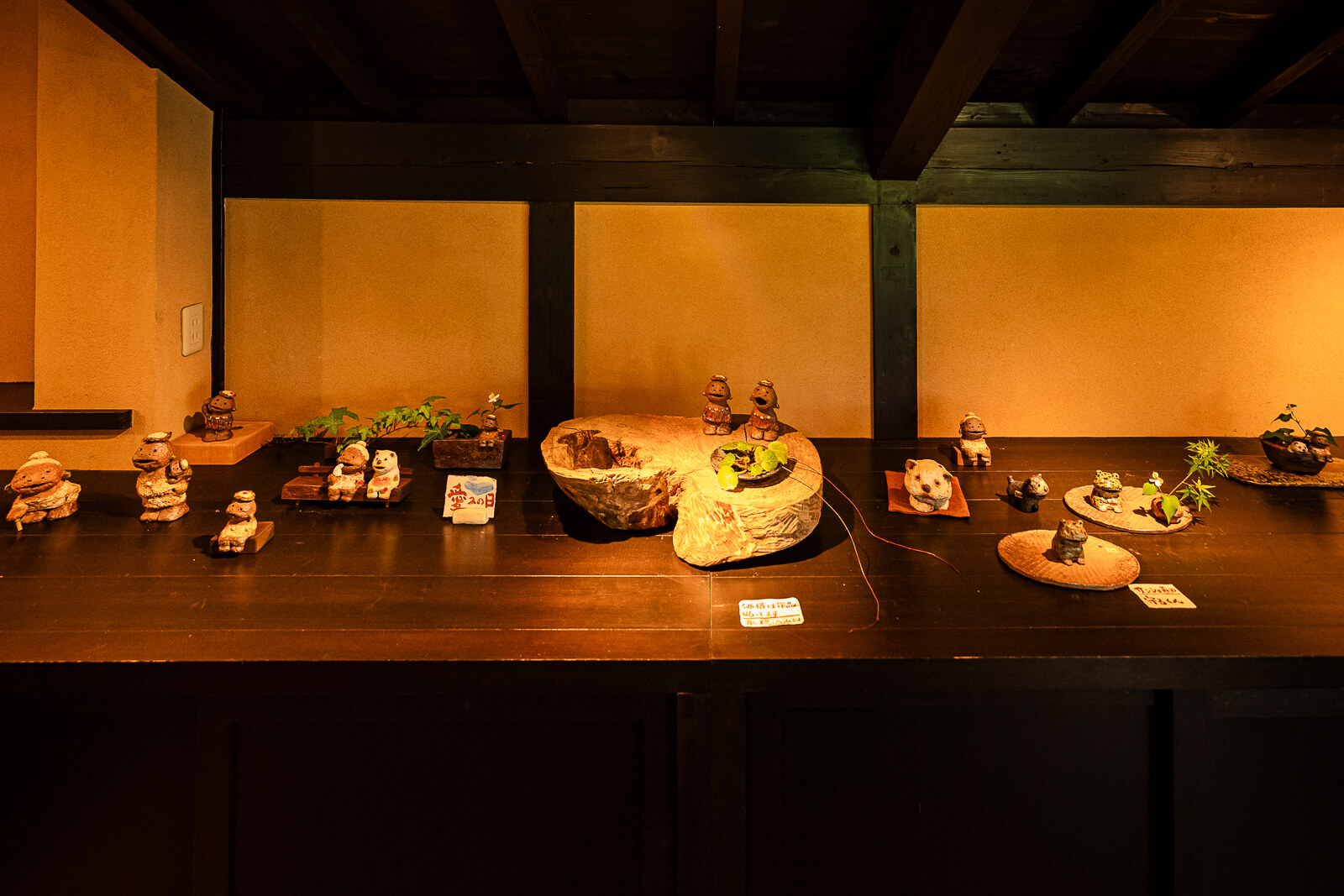
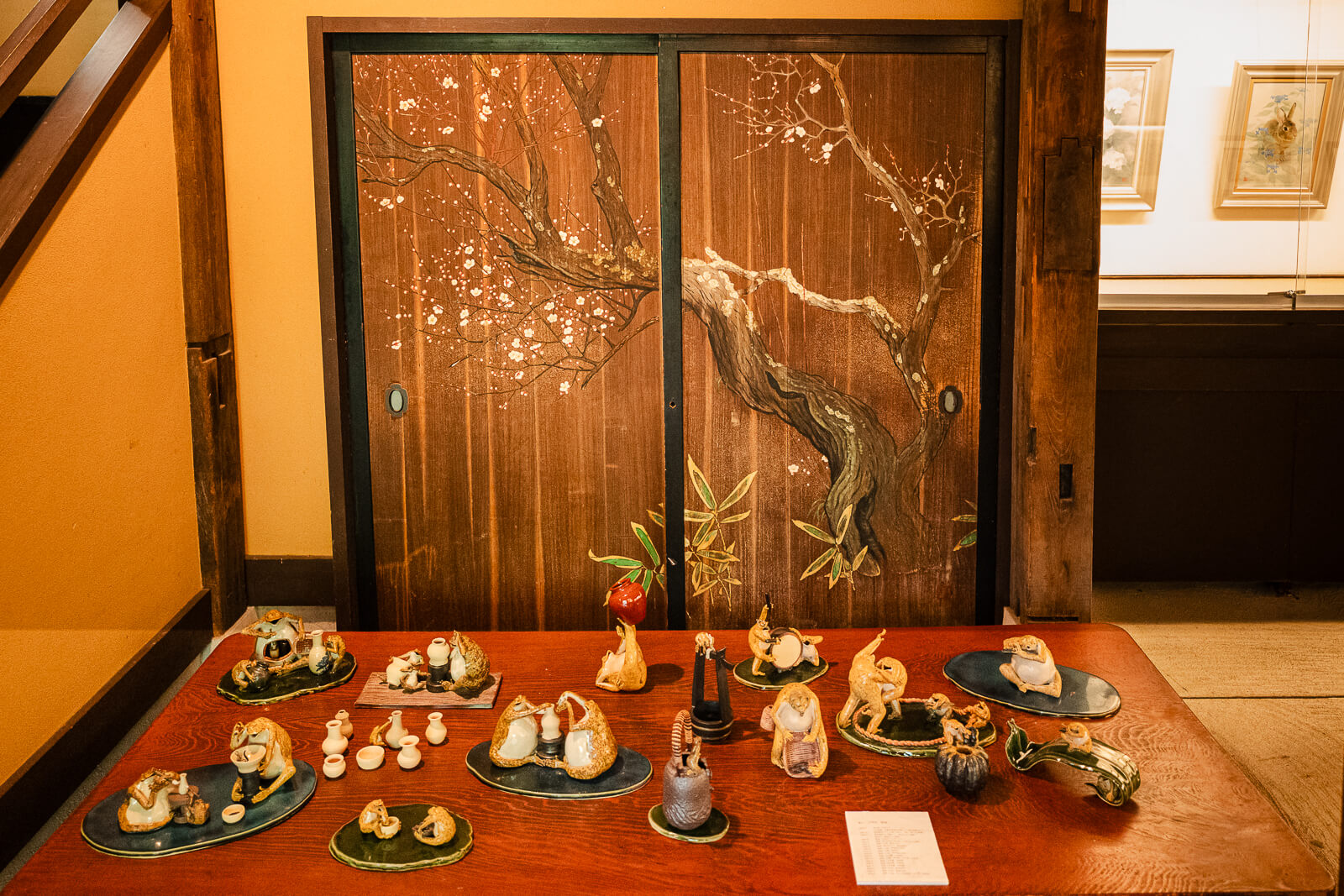
Some exhibitions also feature artwork available for purchase, creating an atmosphere that feels part museum and part gallery. Visitors interested in Japanese art often spend additional time browsing the collections, speaking with staff, or considering pieces before continuing through the remaining rooms. This connection between preserved architecture and contemporary artistic expression gives every visit a slightly different character.
The museum’s compact layout allows visitors to appreciate both the architecture and the exhibitions without feeling rushed or overwhelmed. Each room naturally flows into the next, encouraging visitors to pause, look closely, and notice details that might otherwise be missed. It is this balance of heritage architecture, changing exhibitions, and carefully curated presentation that gives the Kitakamakura Old Folk House Museum its distinctive place among Kita-Kamakura’s cultural attractions.
Seasonal Hydrangeas and Garden Highlights
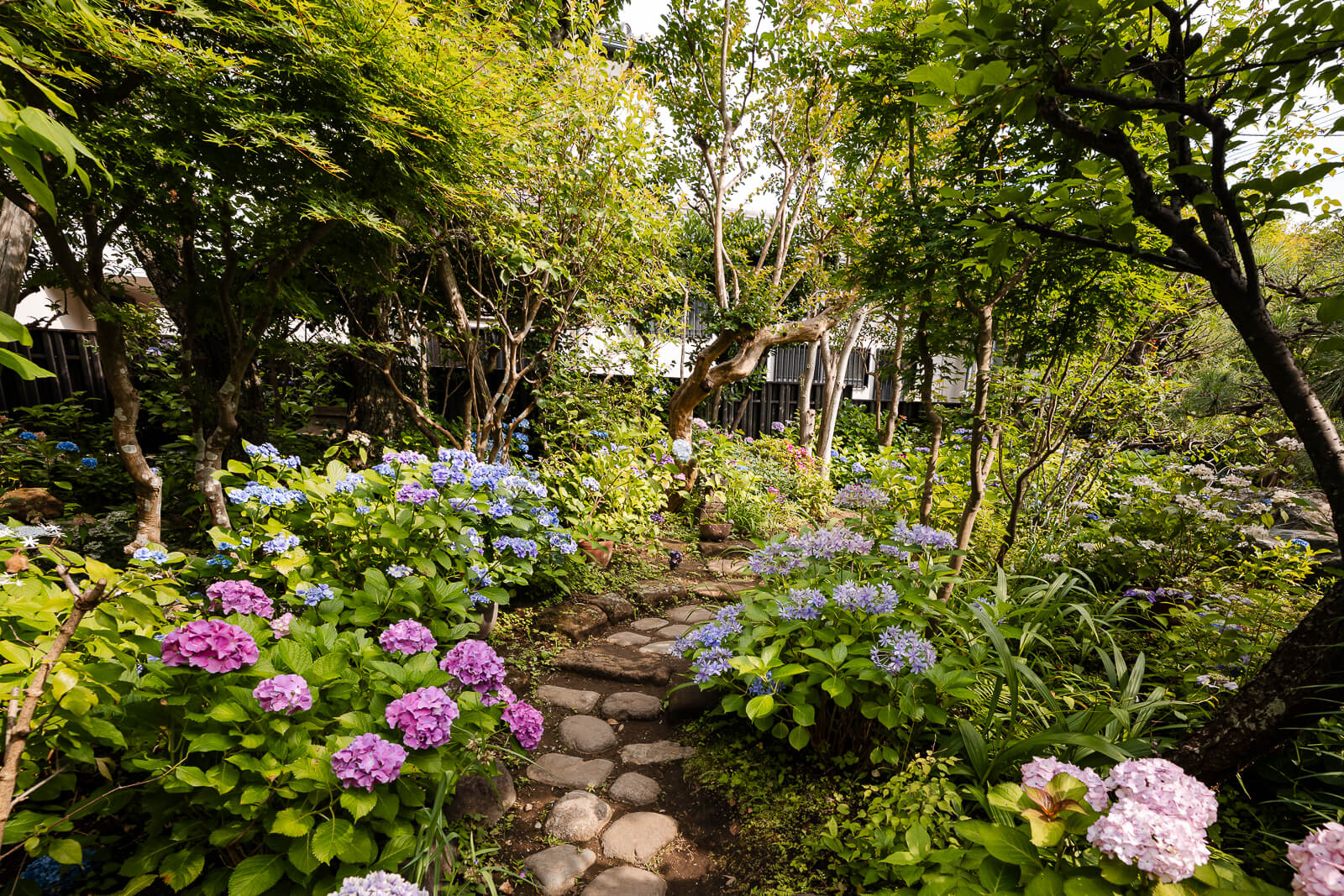
Hydrangea season is one of the most enjoyable times to visit the Kitakamakura Old Folk House Museum. While Meigetsu-in is widely recognized as Kita-Kamakura’s signature hydrangea destination, the museum offers a very different experience by showcasing dozens of individual cultivars instead of large hillside displays. Visitors interested in the remarkable diversity of hydrangeas often find themselves spending more time in the garden than they originally planned.
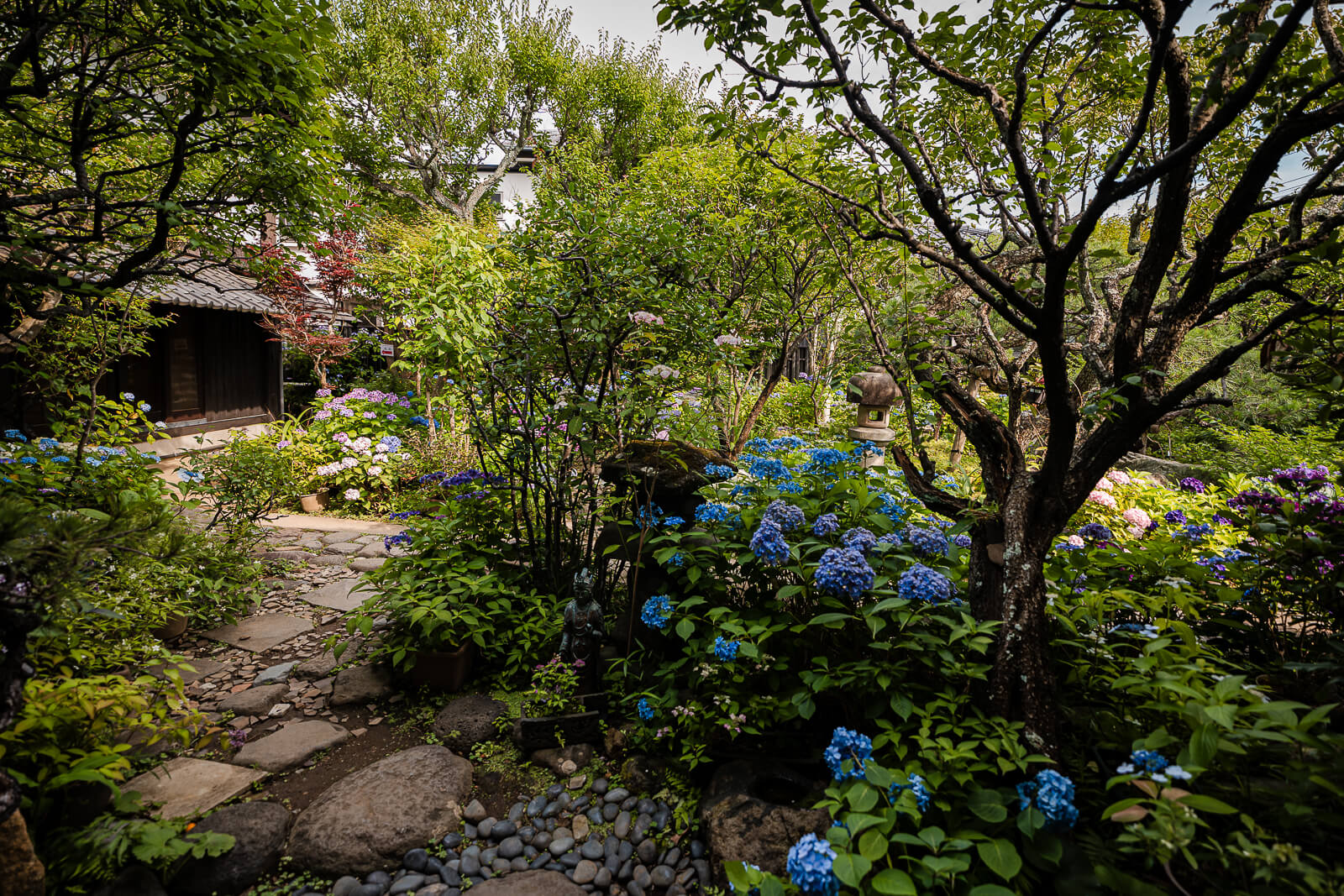
Rather than following a single path surrounded by flowers, visitors can wander among carefully arranged potted displays and garden beds where individual varieties are easy to compare. Differences in bloom shape, color, leaf structure, and growth habit become much more noticeable because each plant is given room to stand on its own. Many of the cultivars are clearly labeled, making the garden especially rewarding for visitors who want to learn more about the different varieties rather than simply admire the flowers.
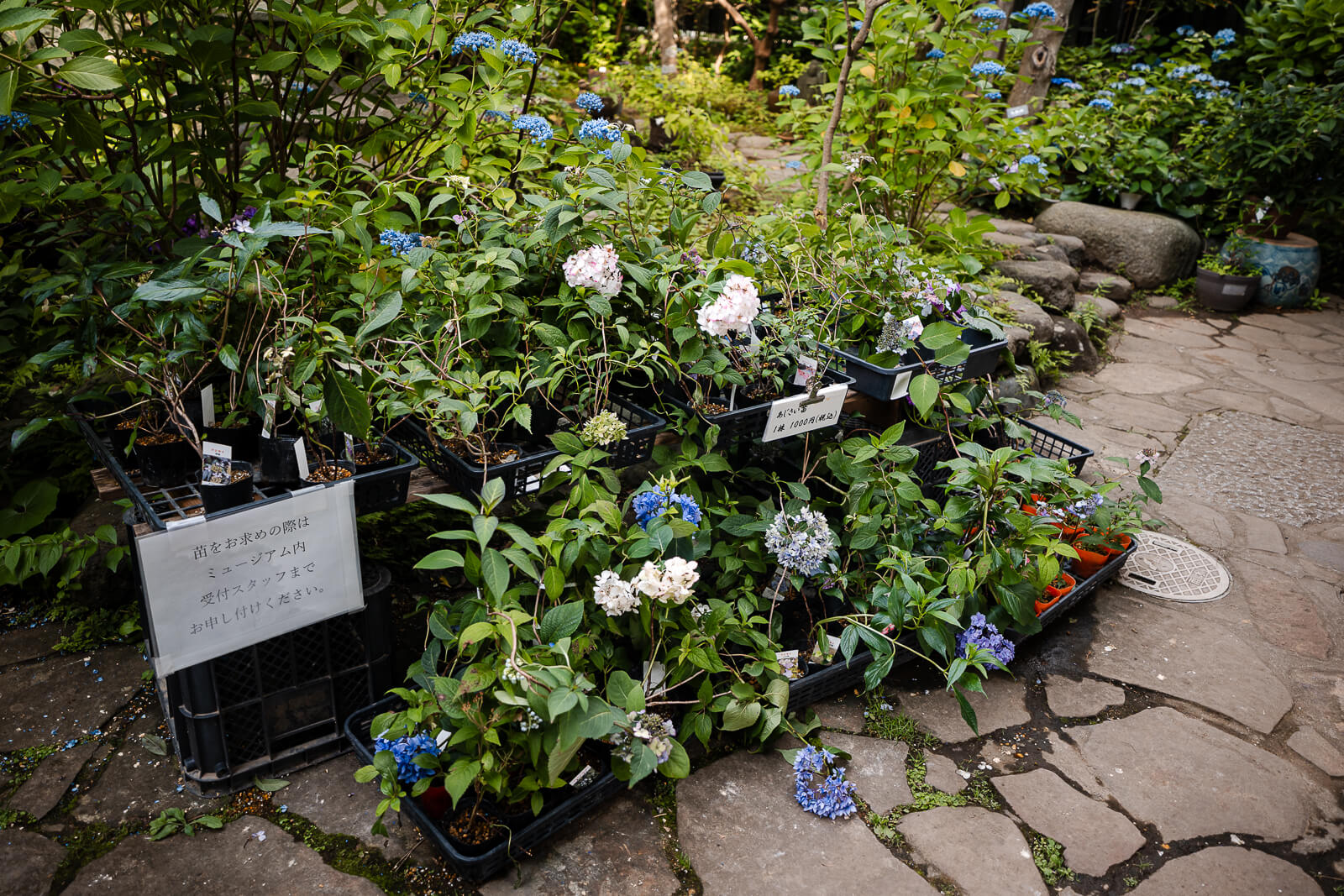
One of the museum’s most distinctive seasonal traditions is its hydrangea plant sales. During the blooming season, visitors can browse potted hydrangeas and discover unusual named cultivars that are difficult to find elsewhere. Even international visitors who cannot take plants home often enjoy comparing the different varieties and photographing blooms that are rarely seen outside Japan.
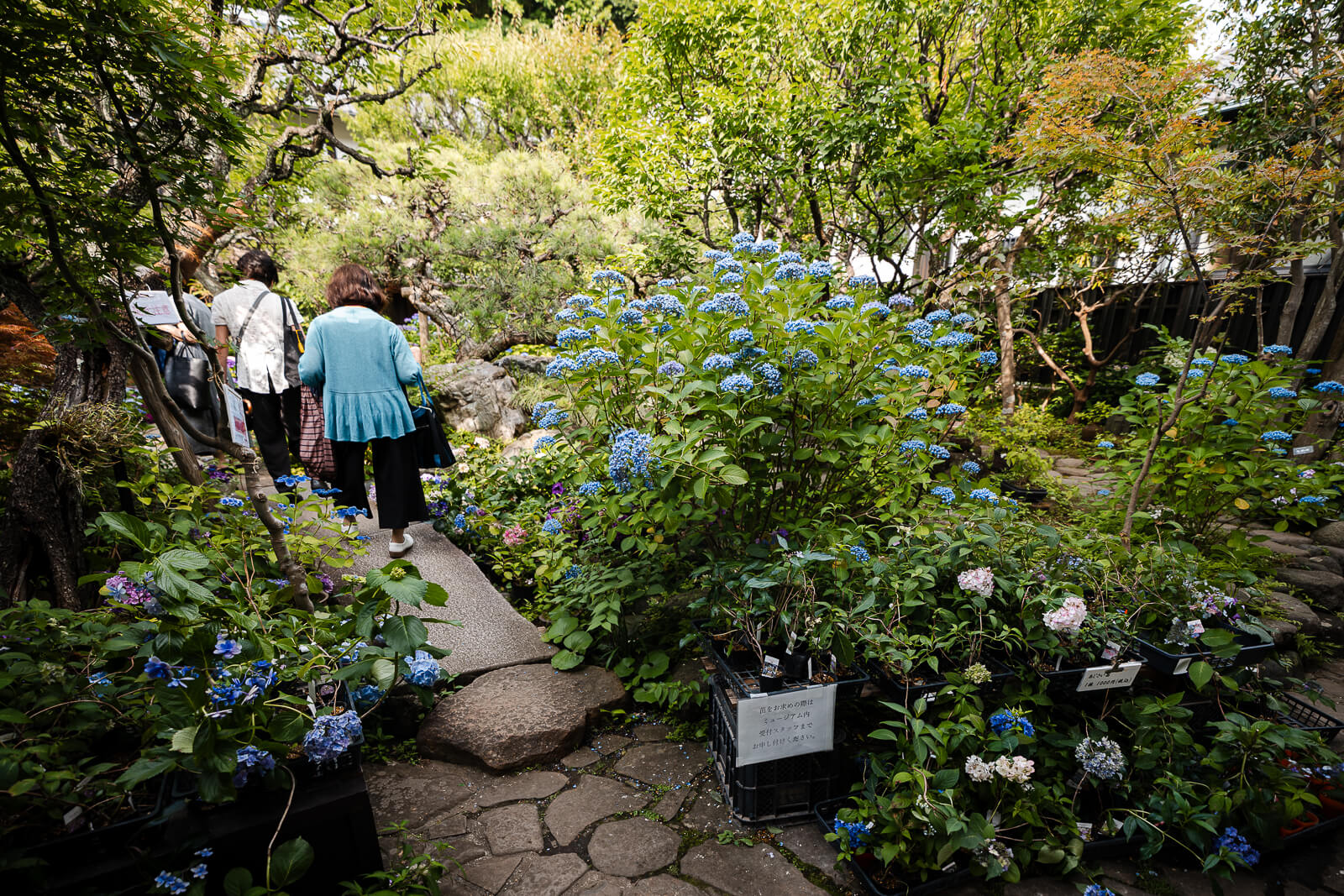
Although June brings the museum’s largest seasonal crowds, the hydrangeas represent only one part of the overall experience. The preserved buildings, changing exhibitions, and intimate garden remain enjoyable long after the flowers have faded, giving visitors a reason to return during different times of the year. Rather than being only a seasonal attraction, the museum combines year-round cultural interest with one of Kita-Kamakura’s most enjoyable smaller hydrangea displays.
Gift Shop and Visitor Experience
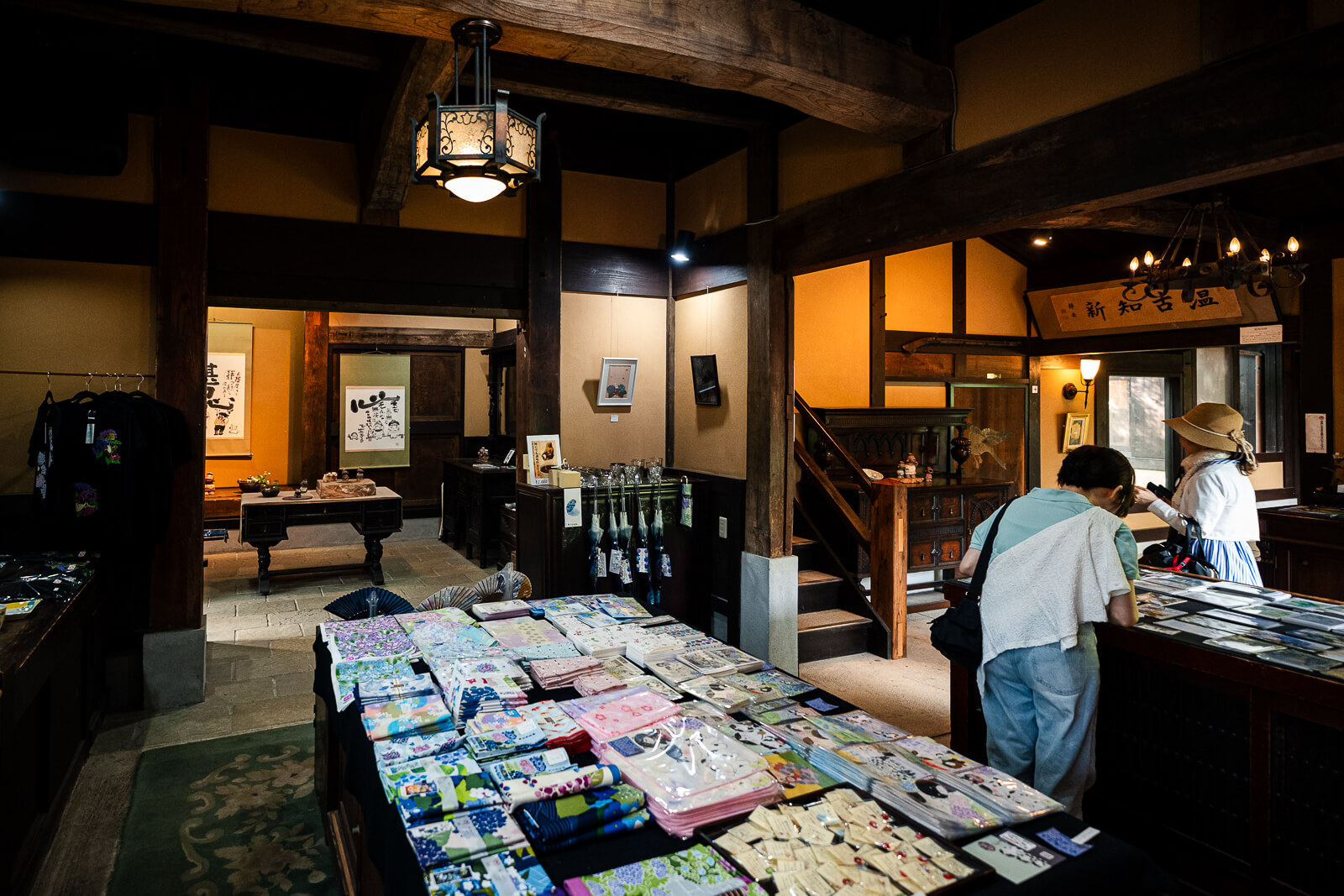
Before leaving, many visitors spend a few minutes exploring the museum’s compact gift shop near the exit. Books, postcards, handcrafted goods, exhibition-related merchandise, and seasonal souvenirs provide an opportunity to take home something connected to the museum or its current displays. Depending on the exhibition, artwork displayed inside the galleries may also be available for purchase, creating another connection between the museum and the artists whose work is being featured.
The museum’s relaxed atmosphere is another reason it leaves such a positive impression. Unlike some of Kamakura’s busiest attractions, visitors can move comfortably from room to room, pause to appreciate architectural details, and enjoy the exhibitions without feeling rushed by large crowds. This slower pace encourages visitors to notice the craftsmanship of the buildings themselves while taking time to appreciate the artwork and seasonal displays.
For travelers looking beyond Kita-Kamakura’s best-known temples, the museum provides a rewarding cultural experience that feels both authentic and approachable. Its manageable size, thoughtful presentation, and combination of architecture, gardens, and art create a memorable stop that comfortably fits into almost any itinerary. Many visitors arrive expecting a quick look and leave having discovered one of the district’s most distinctive cultural attractions.
How Much Time You Need
Most visitors spend between 30 and 45 minutes exploring the Kitakamakura Old Folk House Museum. That provides enough time to walk through each restored building, enjoy the current exhibitions, explore the seasonal garden, browse the gift shop, and appreciate the architectural details that make the museum unique. Visitors with a particular interest in traditional architecture, photography, decorative arts, or hydrangeas often choose to stay closer to an hour.
One of the museum’s greatest strengths is that it requires very little additional time while adding a completely different experience to a day of temple sightseeing. Instead of committing half a day to another major attraction, visitors can comfortably include the museum between nearby stops without feeling rushed or needing to reorganize their plans. This flexibility makes it one of the easiest cultural attractions to add to a Kita-Kamakura itinerary.
Rainy weather can make the museum an even more appealing destination. Much of the experience takes place inside the restored buildings, allowing visitors to continue exploring exhibitions and traditional architecture while remaining sheltered from the weather. During the rainy season, the combination of indoor galleries and blooming hydrangeas creates one of the museum’s most enjoyable experiences.
How It Fits Into a Kita-Kamakura Walking Route
The museum’s location is one of its greatest advantages. Sitting just two minutes from Kita-Kamakura Station, it fits naturally into the district’s most popular sightseeing route without requiring additional transportation or lengthy detours. Whether you visit at the beginning of the day or later between temple visits, the museum provides a rewarding change of pace while adding less than an hour to your itinerary.
Because the museum does not open until 10:00 AM, many visitors begin their morning at Engaku-ji, one of the first major attractions to open in the area, before returning to visit the museum when the doors open. From there, the route continues naturally past Tōkei-ji and Jōchi-ji before arriving at Meigetsu-in, allowing visitors to experience several of Kita-Kamakura’s cultural highlights without backtracking. This simple adjustment makes excellent use of the morning while keeping the day’s sightseeing flowing smoothly.
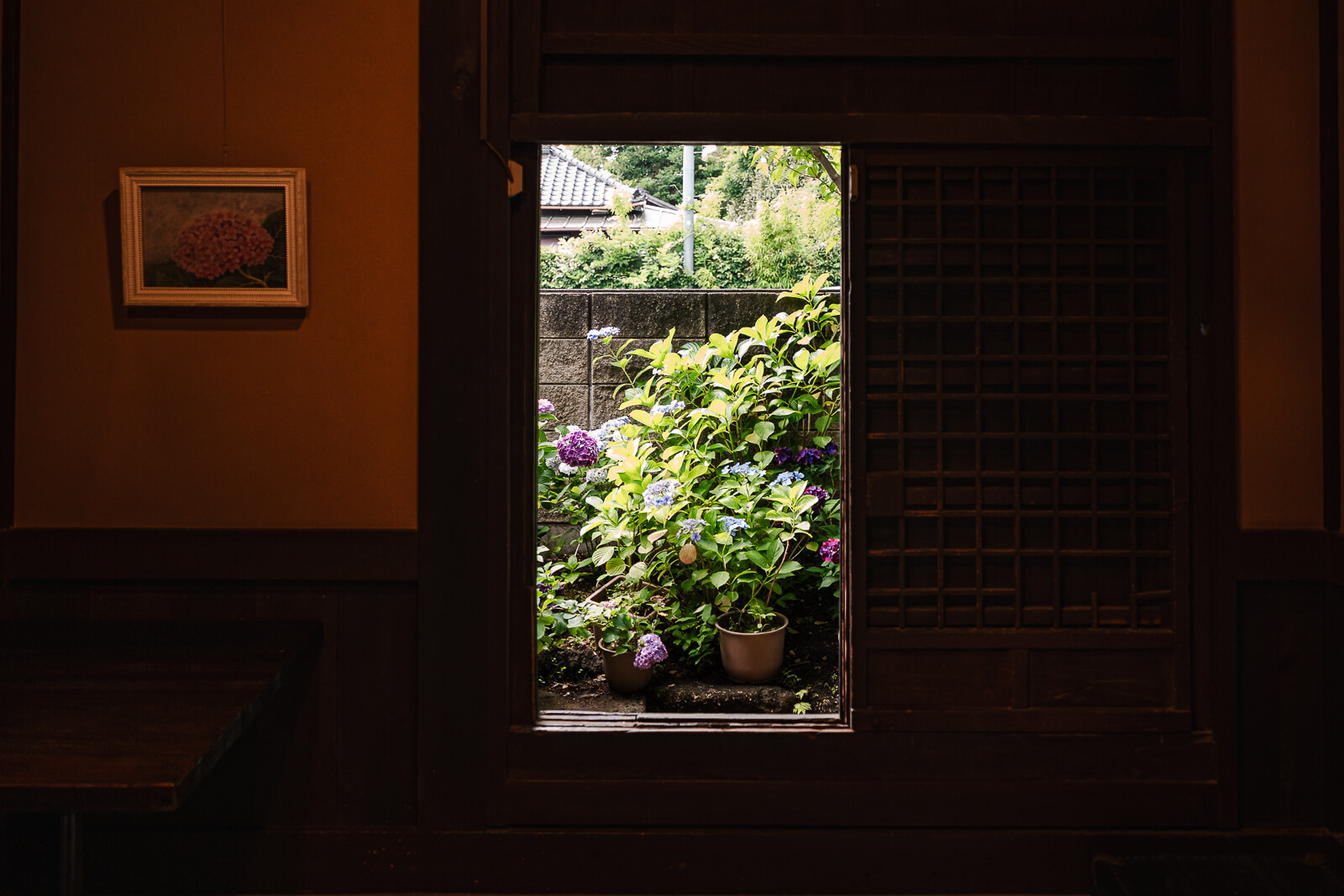
Visitors with additional time can continue south from Meigetsu-in to Kenchō-ji, eventually following the historic route toward Tsurugaoka Hachimangū, Komachi-dori, and Kamakura Station. Along this walk, the museum provides a welcome contrast to the surrounding temples by introducing preserved residential architecture, rotating exhibitions, seasonal gardens, and decorative arts into the day’s itinerary. The result is a more varied and rewarding exploration of Kamakura’s cultural heritage.
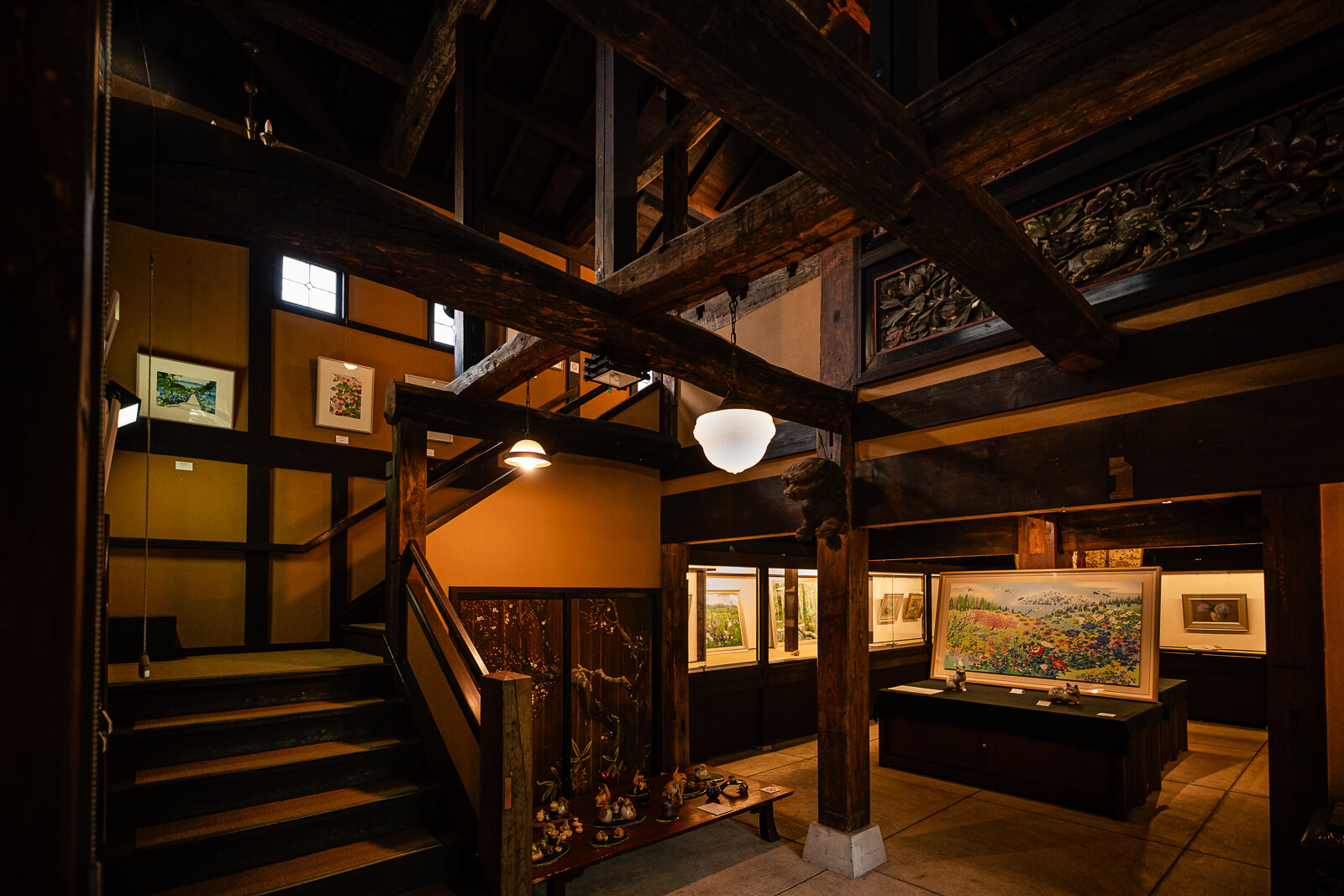
Many visitors walk directly past the museum without realizing what lies beyond the entrance. From the street, the property appears modest compared with the impressive temple gates nearby, making it easy to overlook during a busy sightseeing day. Those who decide to step inside often discover one of Kita-Kamakura’s most enjoyable smaller attractions and leave wondering why more people don’t make the short detour.
Getting There
The Kitakamakura Old Folk House Museum is located approximately a two-minute walk from Kita-Kamakura Station on the JR Yokosuka Line. Positioned along the main road through the district, it is easy to include before or after visiting the surrounding temples without requiring additional transportation. Visitors arriving from Tokyo, Yokohama, or Kamakura Station can comfortably reach the museum as part of a day trip to Kanagawa Prefecture.
Because the museum opens at 10:00 AM, it pairs particularly well with an early visit to Engaku-ji, which opens earlier in the morning. Another popular option is to visit after Meigetsu-in before continuing south toward Kenchō-ji, Tsurugaoka Hachimangū, and Kamakura Station. Its convenient location makes it one of the most flexible attractions to incorporate into a walking itinerary through Kita-Kamakura.
Hours and Fees
10:00 AM – 4:30 PM (Hours may vary depending on special exhibitions.)
Adults: ¥600
Junior & Senior High School Students: ¥400
Elementary School Students: ¥300
Confirm current visitor information with the official source above before your trip.
Plan Your Visit — Kita-Kamakura Access and Booking Options
Compare Hotels Near Kamakura Station
A <a href="https://japanunfolded.com/kita-kamakura-one-day-itinerary/" data-wpil-monitor-id="12">Kamakura base leaves more time for Kita-Kamakura’s</a> museums, temples, and the walk toward the city center.
Compare Kamakura Hotels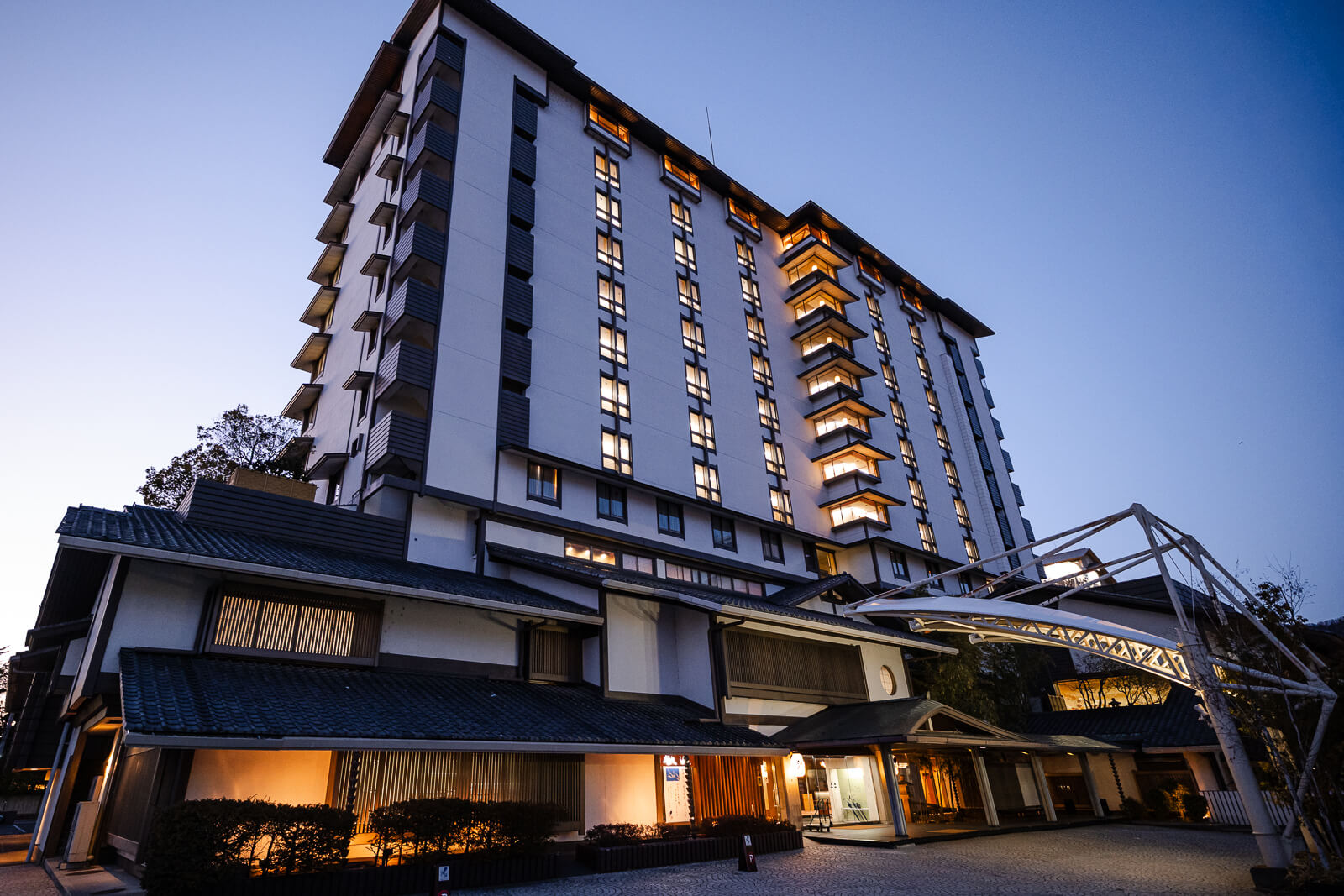
Reach Kita-Kamakura by Train
Rail options help coordinate the morning around the museum’s 10:00 opening and nearby temples that open earlier.
Check Rail Options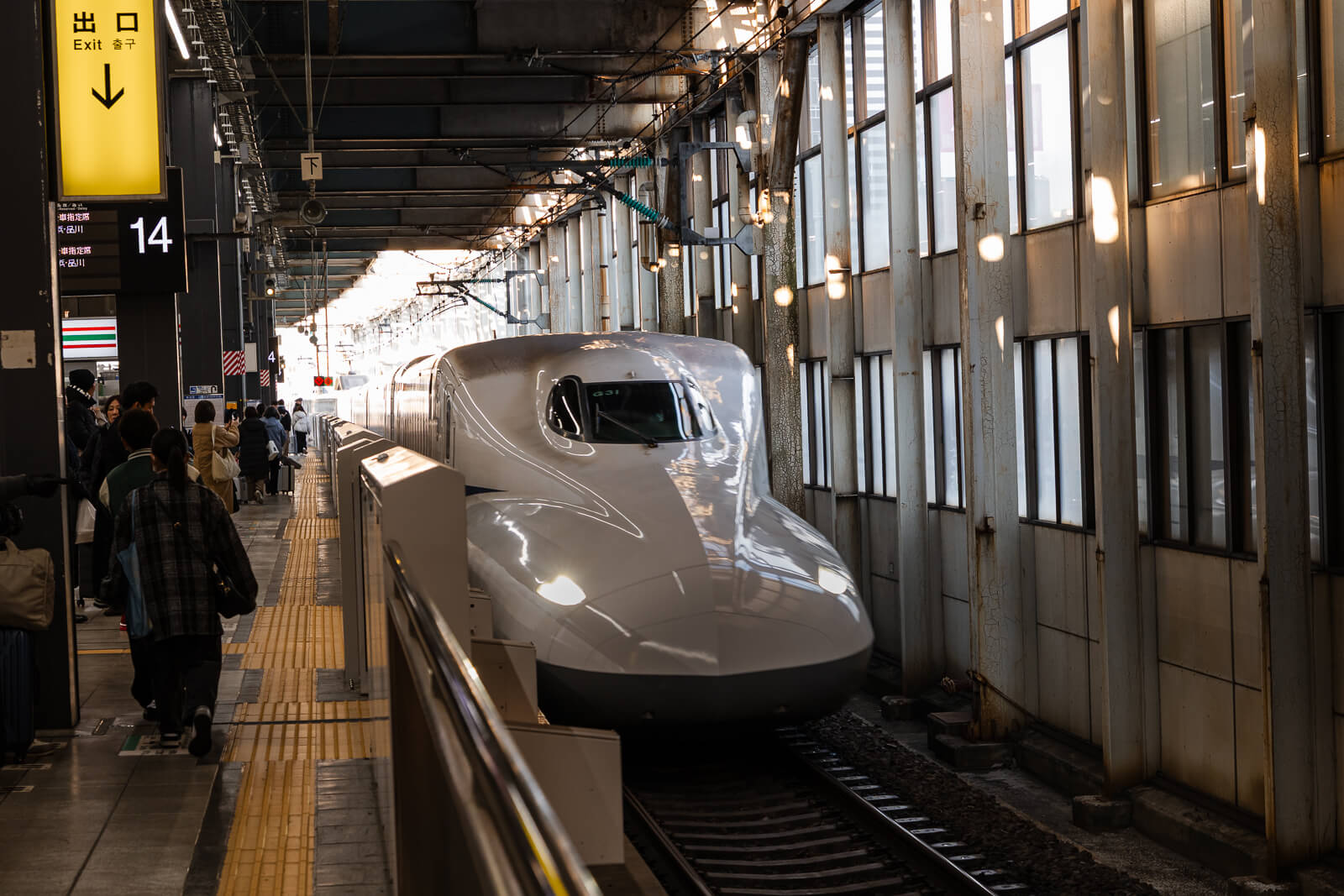
Navigate the Kita-Kamakura Walking Route
Mobile data keeps maps, temple hours, and route information available while continuing toward Kenchō-ji and central Kamakura.
Compare eSIM Options
See Kamakura’s Major Sights in One Day
Compare guided routes covering the Great Buddha, Tsurugaoka Hachimangū, Enoshima, and other major Kamakura stops.
Browse Kamakura Tours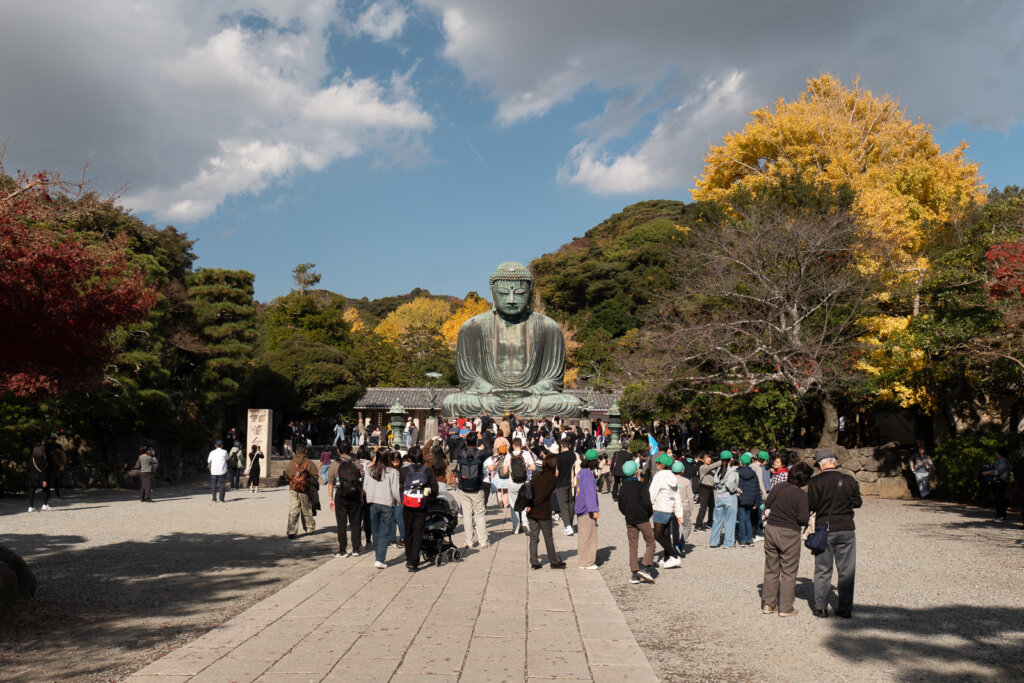
Reader note: Japan Unfolded may earn a commission from some links at no extra cost to you.