A Zen Temple Stop in Shimosuwa’s Shrine District
Jiunji Temple sits in Shimosuwa, slightly northeast of Suwa Taisha Shimosha Harumiya and the Manji Stone Buddha. It is a Buddhist temple rather than a shrine, but its location places it inside one of the most useful walking areas on the eastern side of Lake Suwa.
The temple works especially well as a short addition for travelers already visiting Harumiya, Onbashira-kan Yoisa, or the Manji Stone Buddha. From Harumiya, Jiunji is about eight minutes away on foot, or roughly 450 meters, making it easy to include before continuing toward Suwa Taisha Shimosha Akimiya, Shimosuwa Onsen, or the older streets closer to Shimosuwa Station.
That route position gives the stop real planning value. Jiunji is not part of Suwa Taisha, but it helps show that Shimosuwa’s historic landscape developed through both shrine and temple traditions. For travelers moving through the area on foot, the temple adds a Zen Buddhist layer to a route otherwise shaped by Suwa Taisha, Onbashira culture, and the old post-town setting.
A Buddhist Temple With Deeper Regional Links
Jiunji Temple belongs to the Rinzai Zen tradition and has a deeper history than its compact visitor footprint first suggests. Local tourism sources trace its founding to 1300, when Kanazashi Mitsusada, a figure connected to the Suwa Shimosha priestly lineage, invited Issan Ichinei from Kenchō-ji in Kamakura to establish the temple in Shimosuwa.
That origin creates an important distinction. Jiunji sits near Harumiya, but it should not be understood as part of Suwa Taisha itself. Harumiya and Akimiya represent the Shimosha side of Suwa Taisha, while Jiunji reflects a Buddhist and Zen lineage connected to Kamakura’s temple world.
For readers familiar with Kita-Kamakura, this gives Jiunji a wider historical context. Kenchō-ji was one of Kamakura’s most important Zen temples, and the link through Issan Ichinei connects this small Shimosuwa temple to the broader religious networks that shaped medieval Japan. The stop is compact, but its history reaches beyond Lake Suwa.
The temple is also associated with Takeda Shingen. Local accounts say Shingen supported the temple through his connection with Tenge Genchō, a priest who served there during the Sengoku period. The Takeda diamond crest remains part of the temple’s visual identity, giving visitors another historical layer to notice on the grounds.
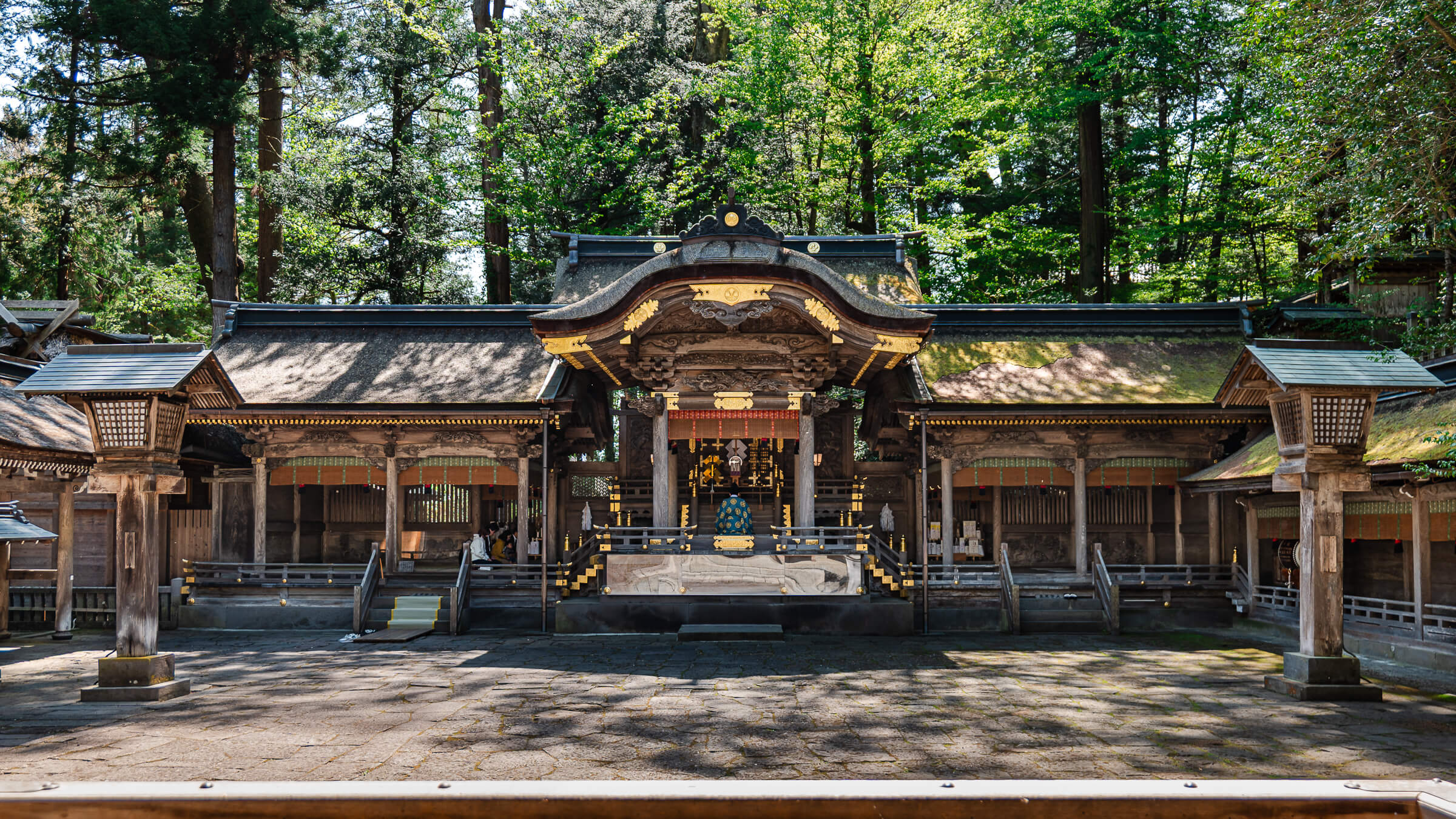
Jiunji was founded in 1300 and later rebuilt with support associated with Takeda Shingen. Today, the visit centers on the cedar approach, mossy stone path, temple buildings, weeping cherry tree, and two garden areas. Those details give the temple enough visual and historical depth to support a short stop between Harumiya and Akimiya.
The Cedar Approach and Temple Gate
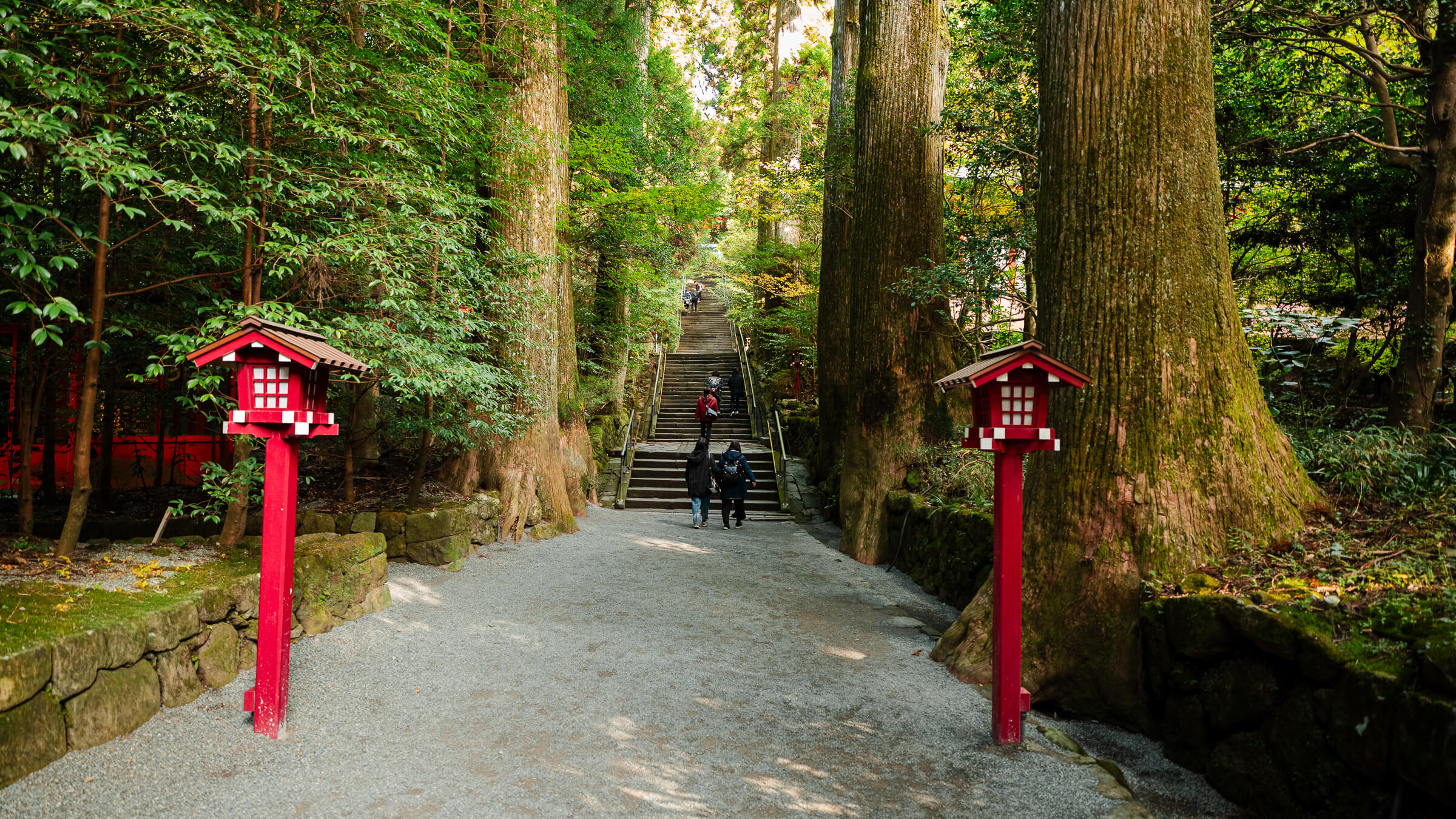
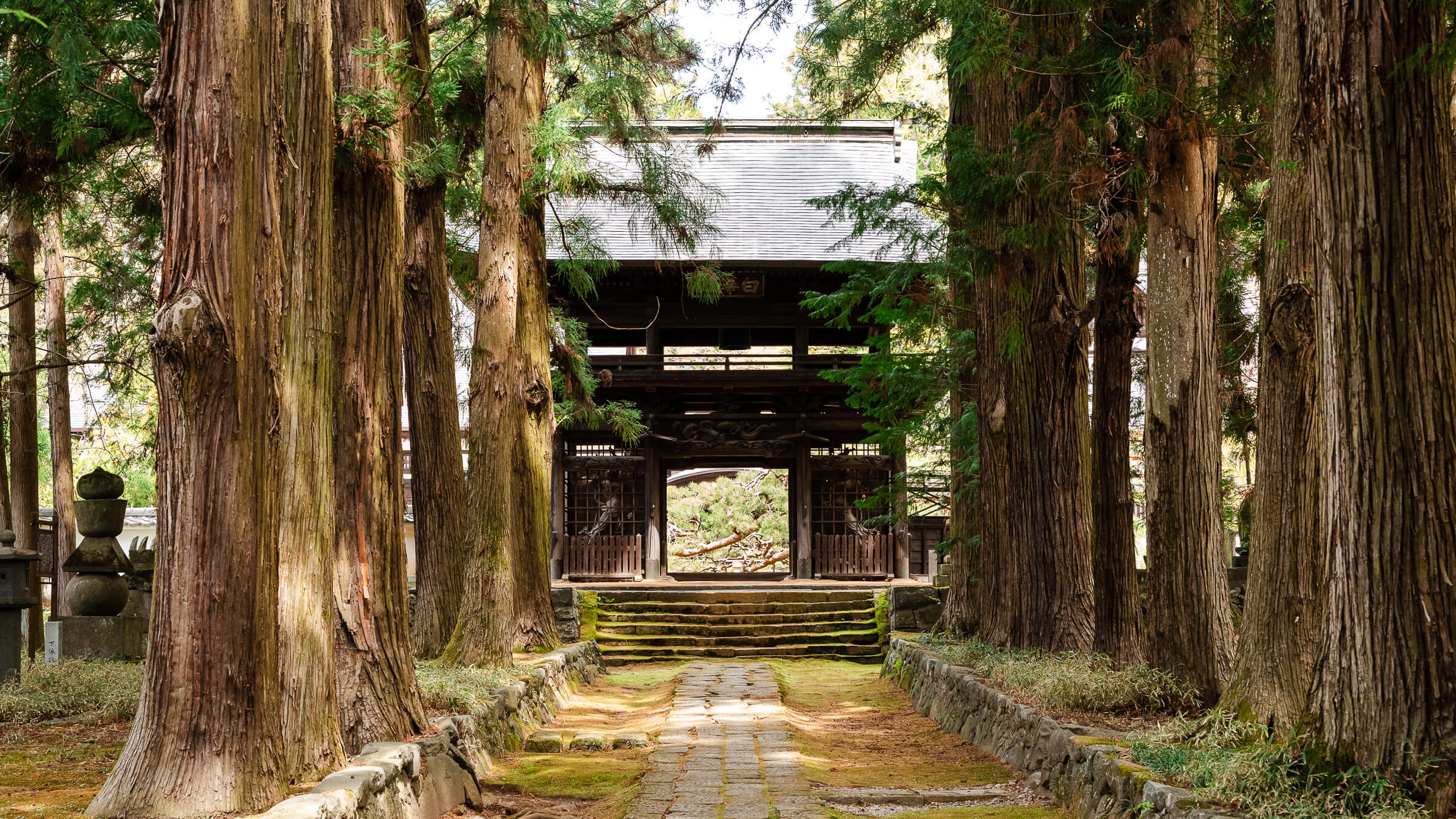
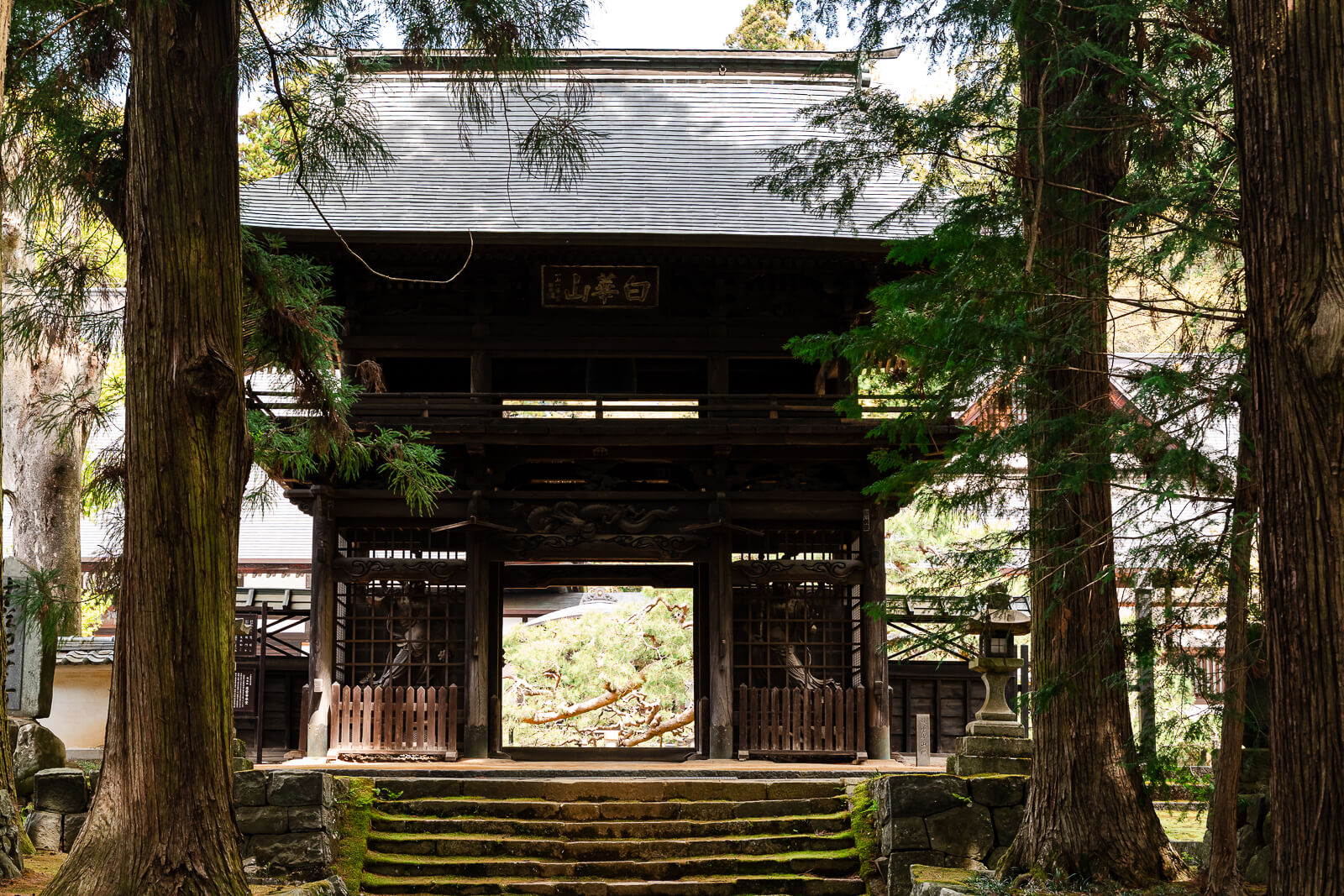
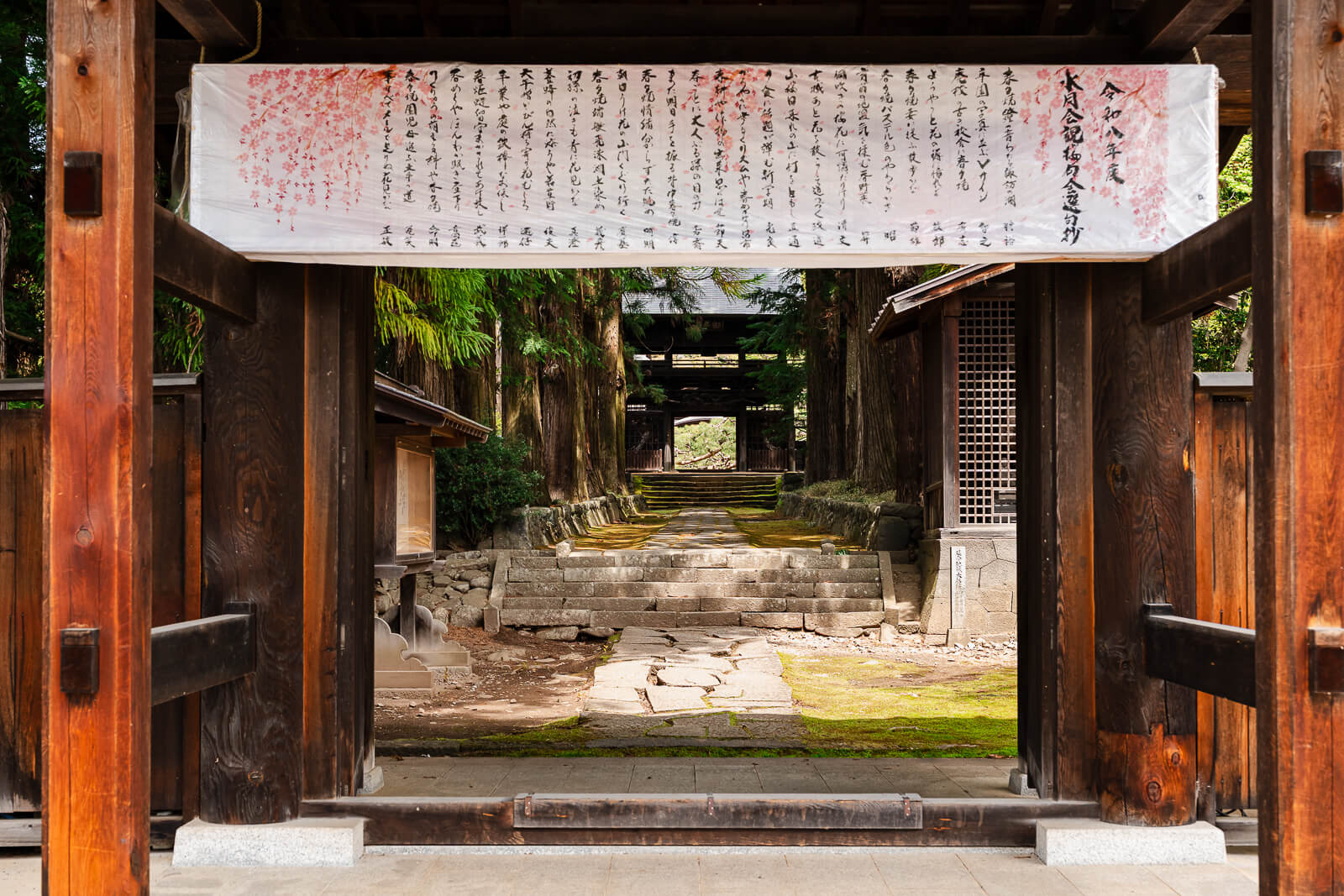
The most memorable part of arriving at Jiunji is the approach through tall cedar trees. The path narrows as it moves toward the temple gate, with stone edges, moss, and filtered light giving the entrance a different character from the broader shrine grounds around Harumiya.
This first approach matters because it changes the character of the visit immediately. Harumiya opens around a shrine precinct and sacred trees, while Jiunji pulls visitors into a more enclosed temple setting. The shift is clear enough that the stop feels distinct, even though it sits only a short walk from the Harumiya and Manji Stone Buddha area.
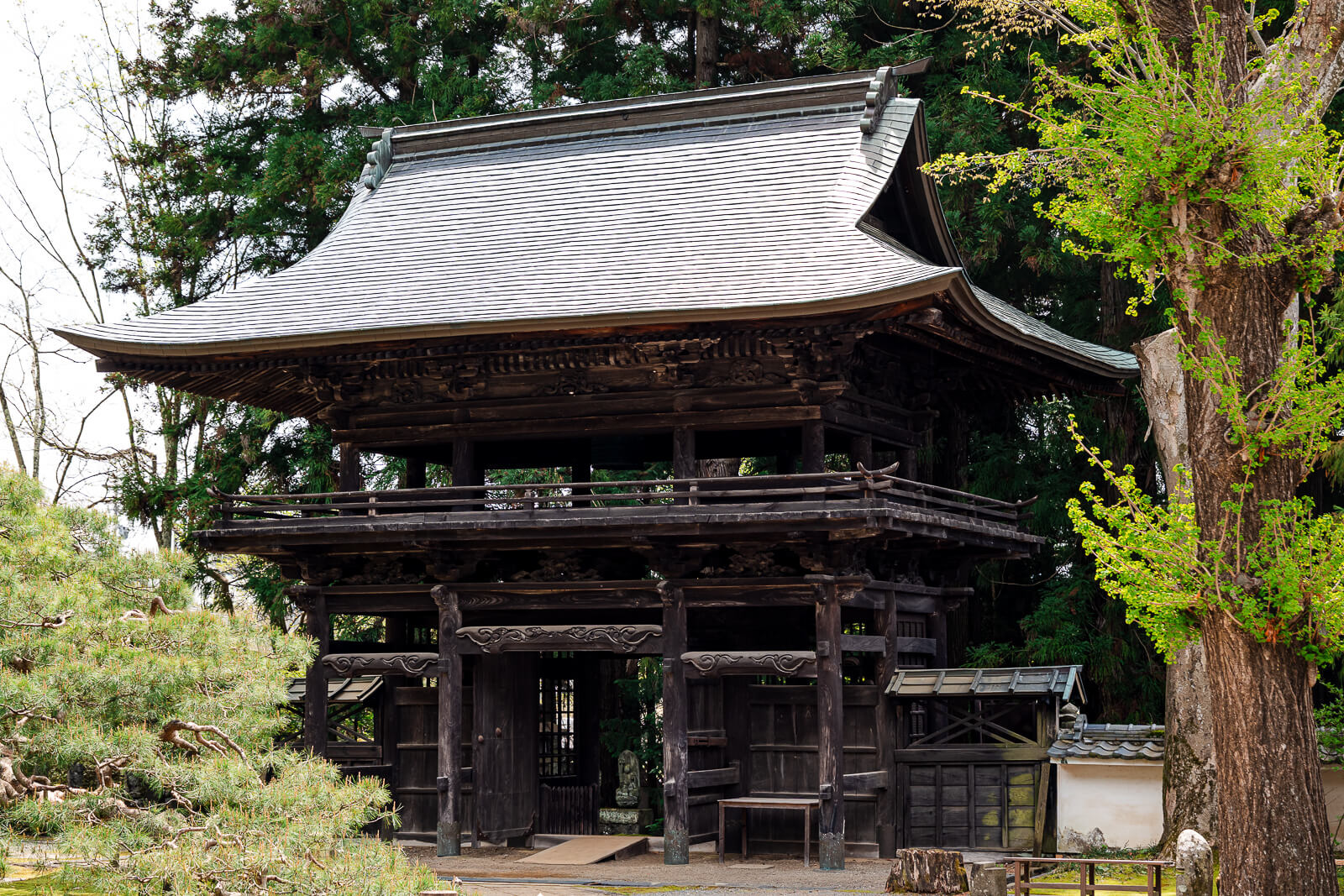
The gate also gives the temple its strongest first visual identity. For travelers walking from Harumiya, this is where Jiunji begins to feel like a separate site rather than just another marker on the map. The cedar-lined entrance is likely the strongest hero image for the article because it explains the visit before the reader reaches the buildings.
Temple Buildings, Garden Views, and Stone Features
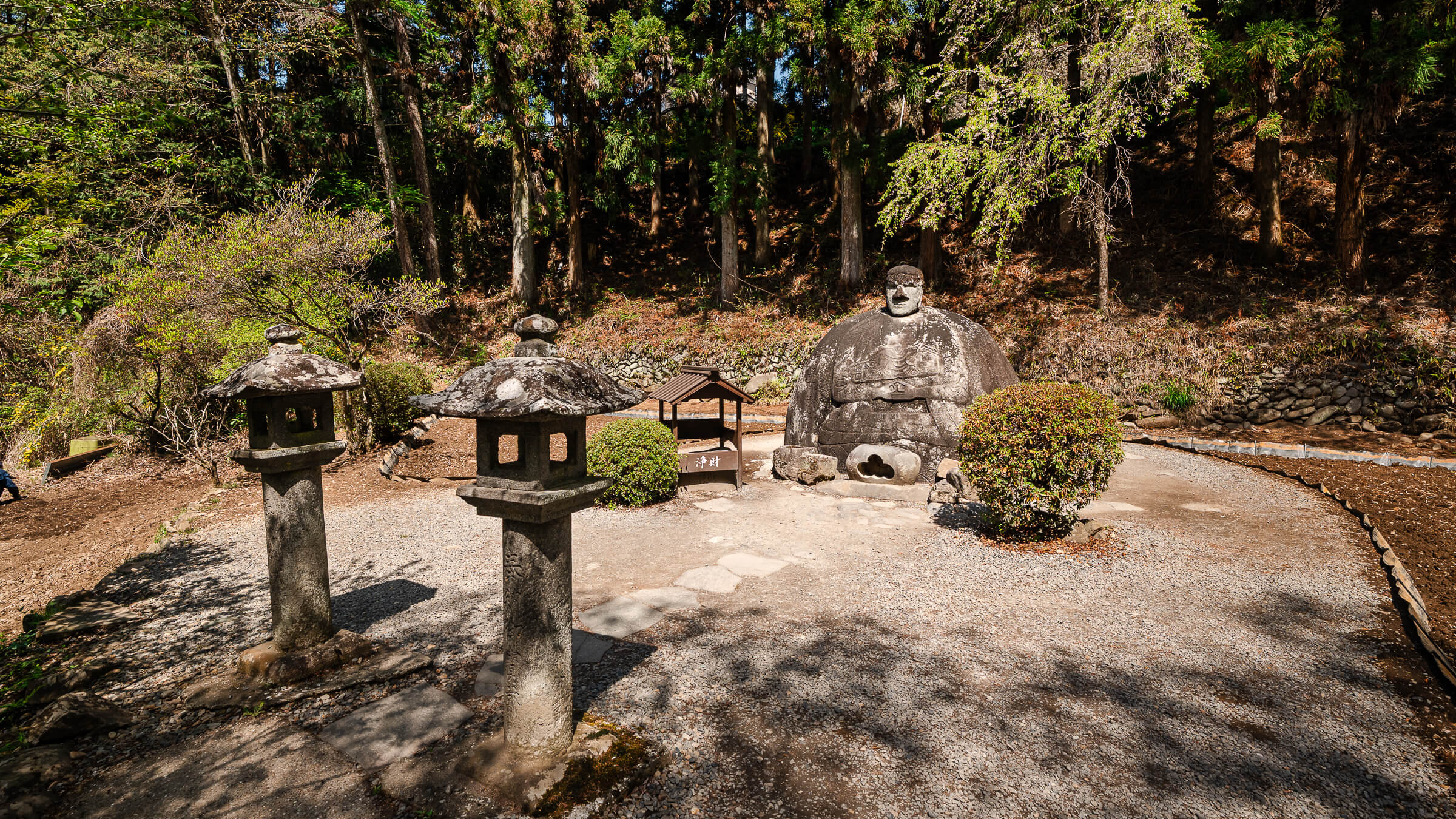
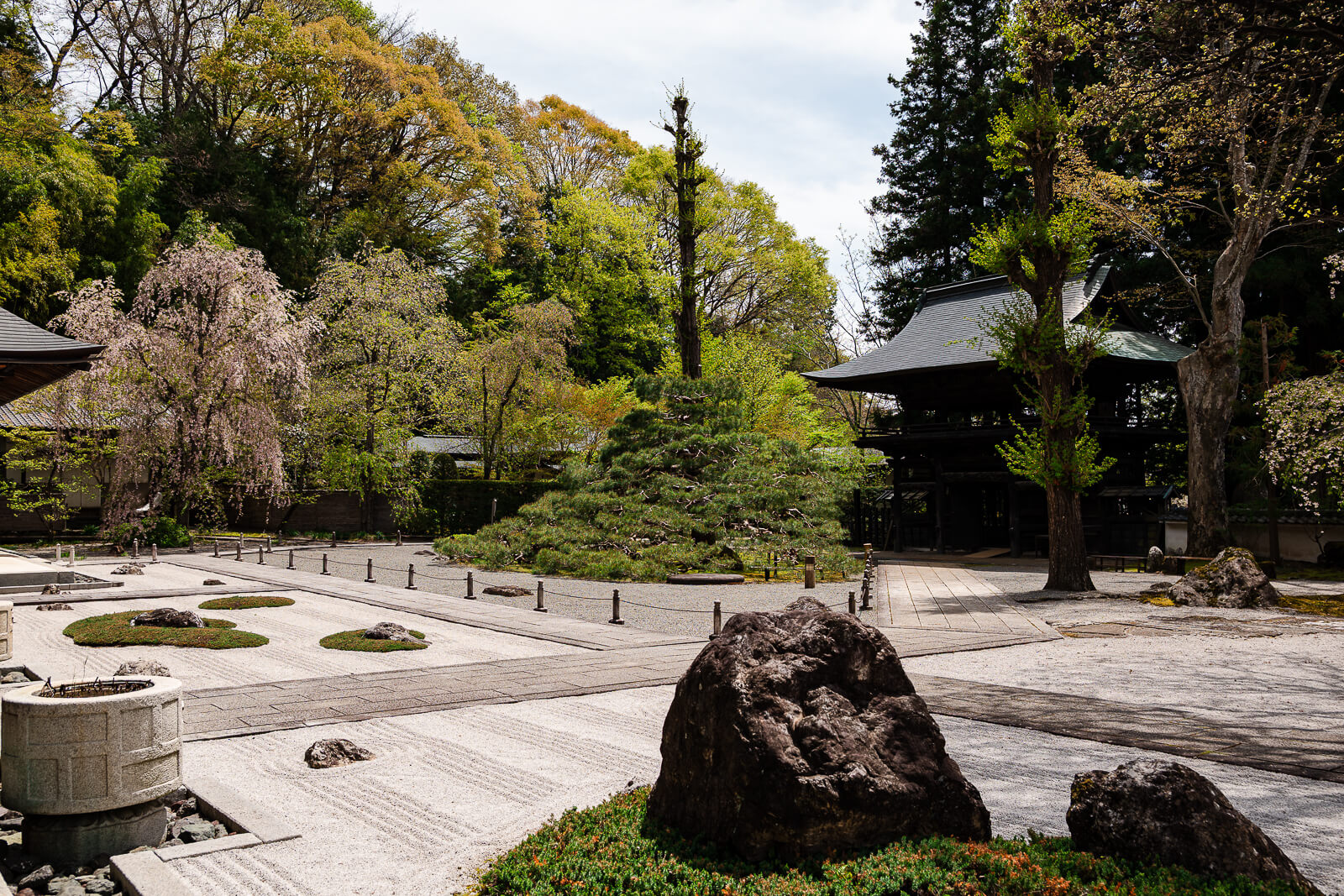
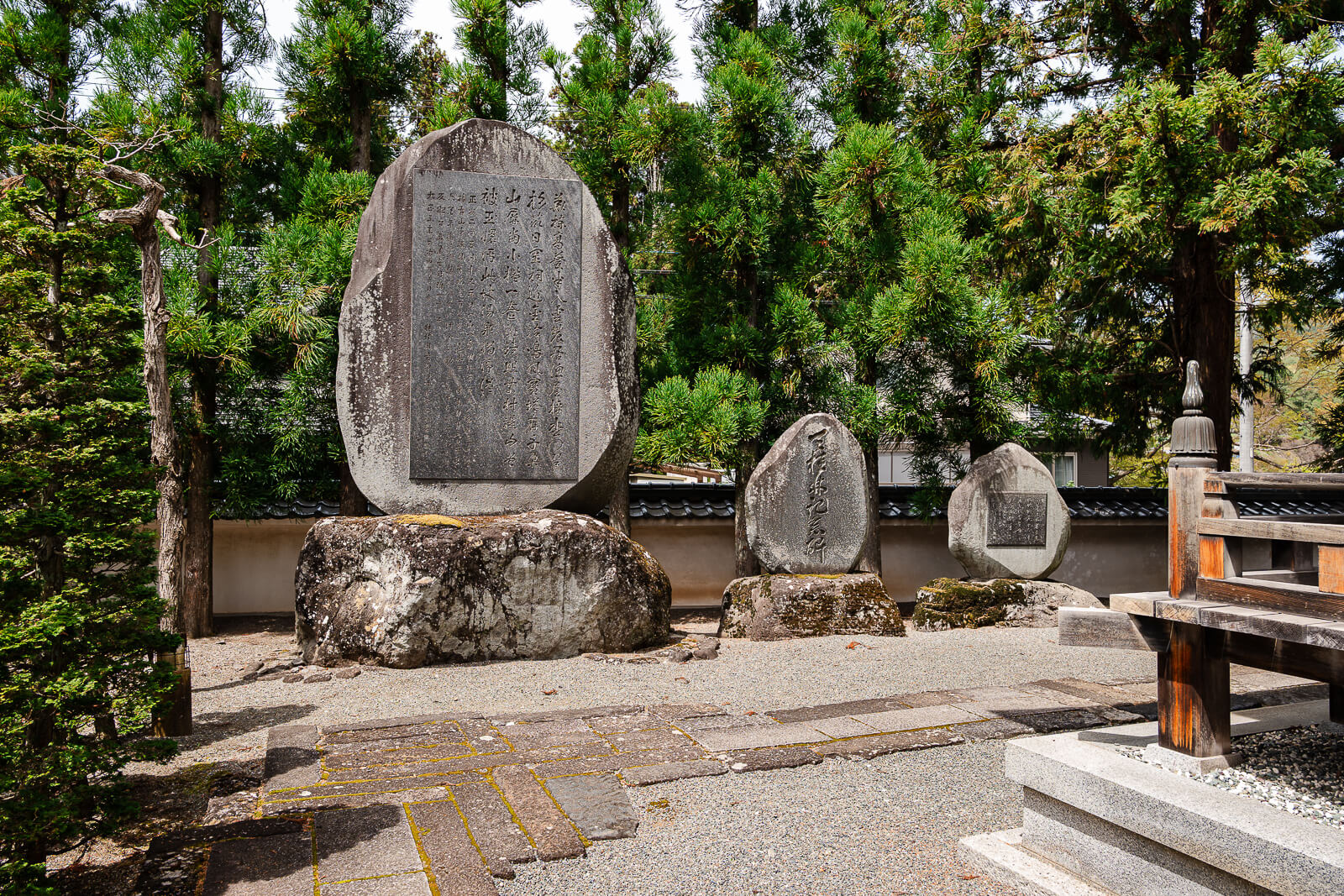
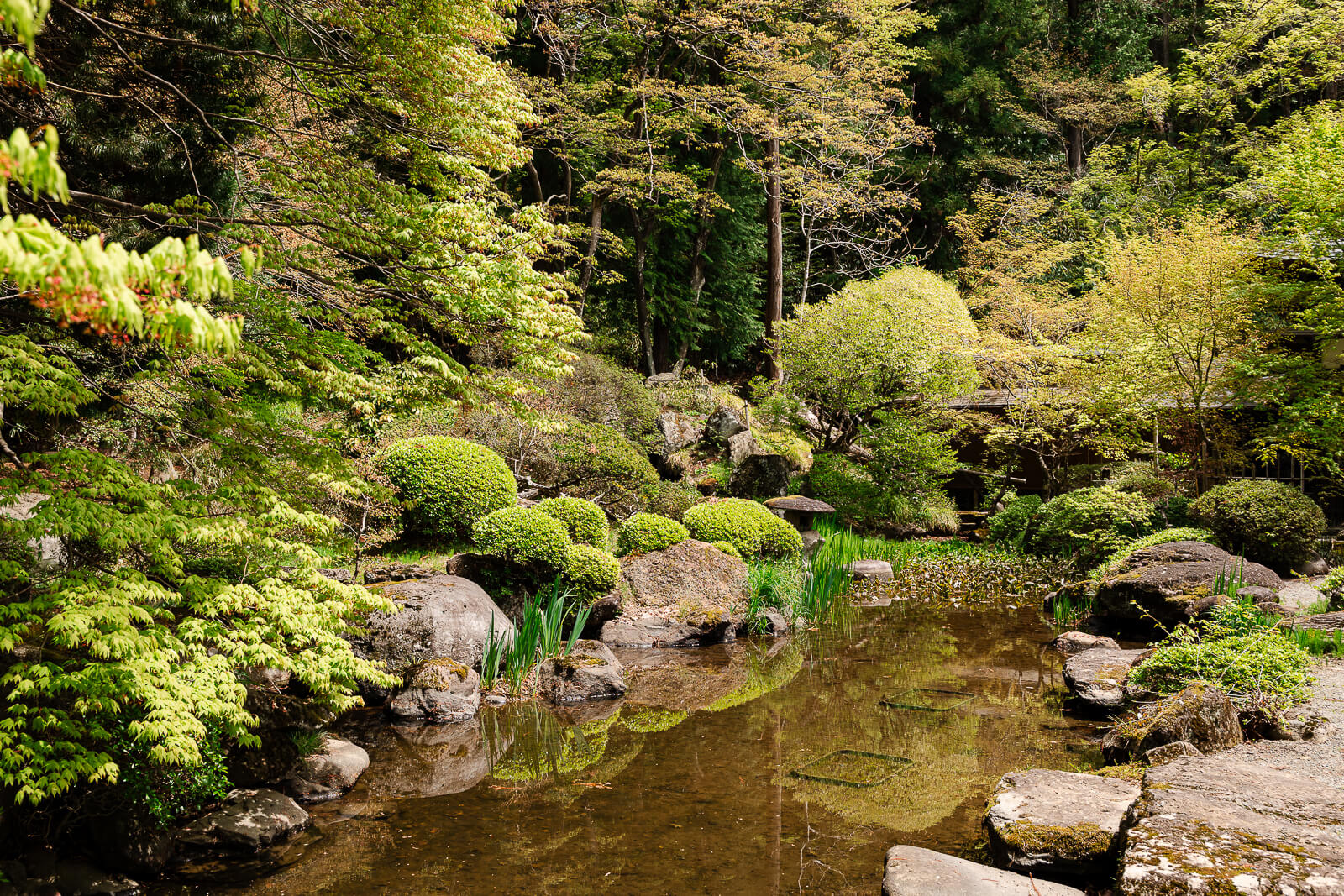
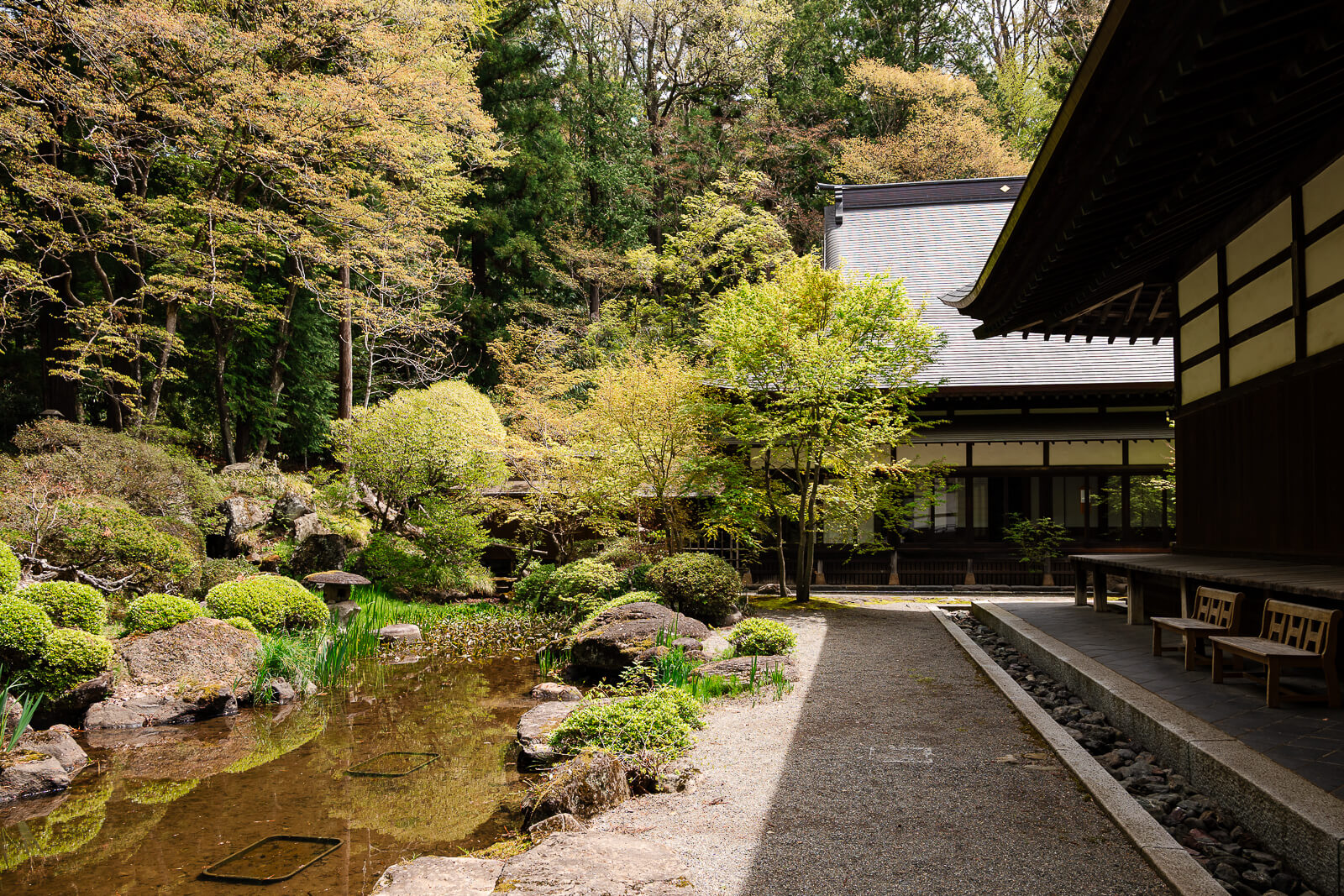
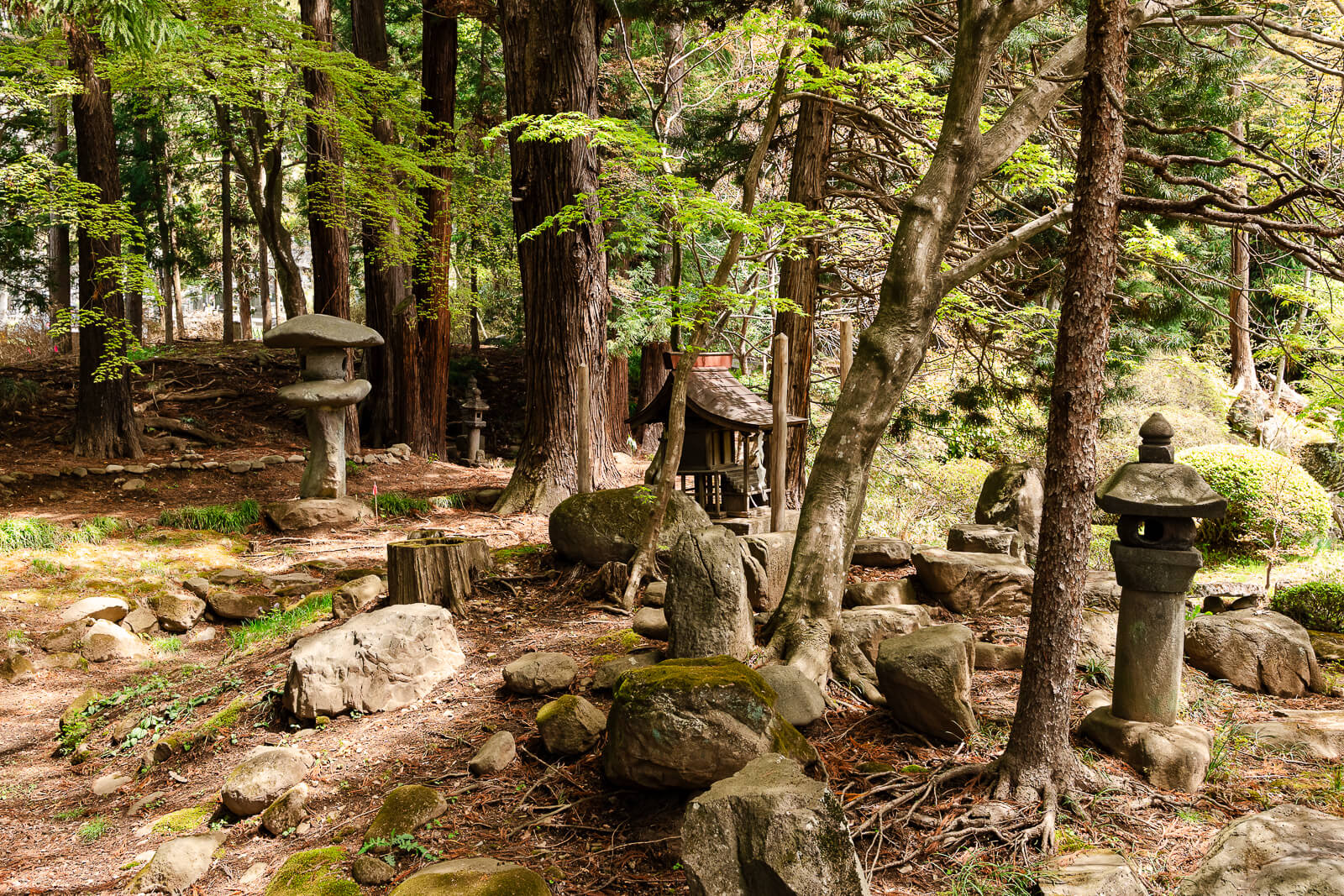
Beyond the gate, the grounds open around the temple buildings, garden areas, stone markers, and older features arranged across the site. The visit does not require a long time, but there is enough variety to make Jiunji more than a pass-by stop.
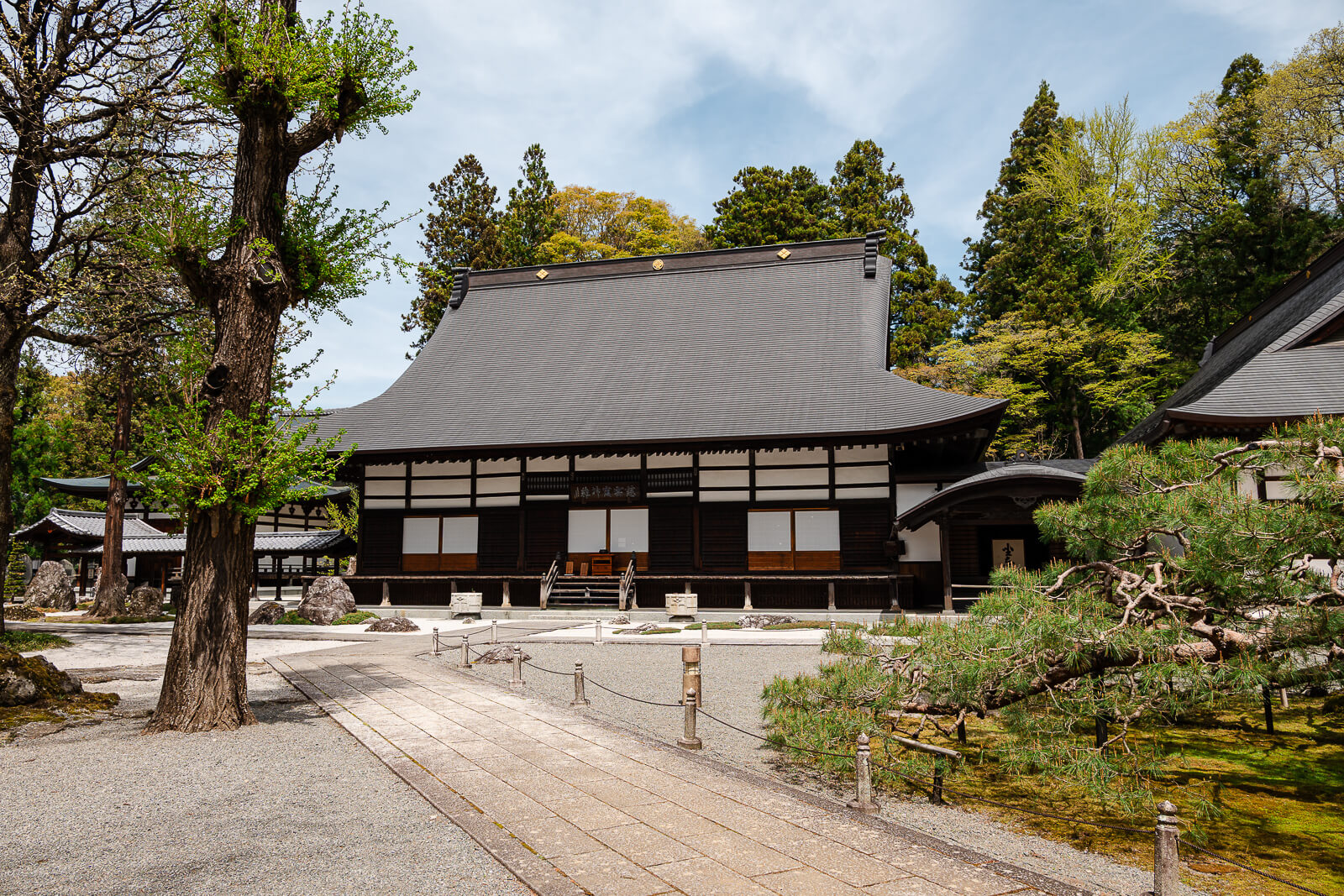
The main buildings reflect the temple’s later history. Local sources describe the current structures as largely dating from the late Edo period, with a large main hall and details associated with Rinzai Zen temple architecture. The exterior does not overwhelm the grounds, which makes the relationship between the buildings, stones, trees, and garden space part of the experience.
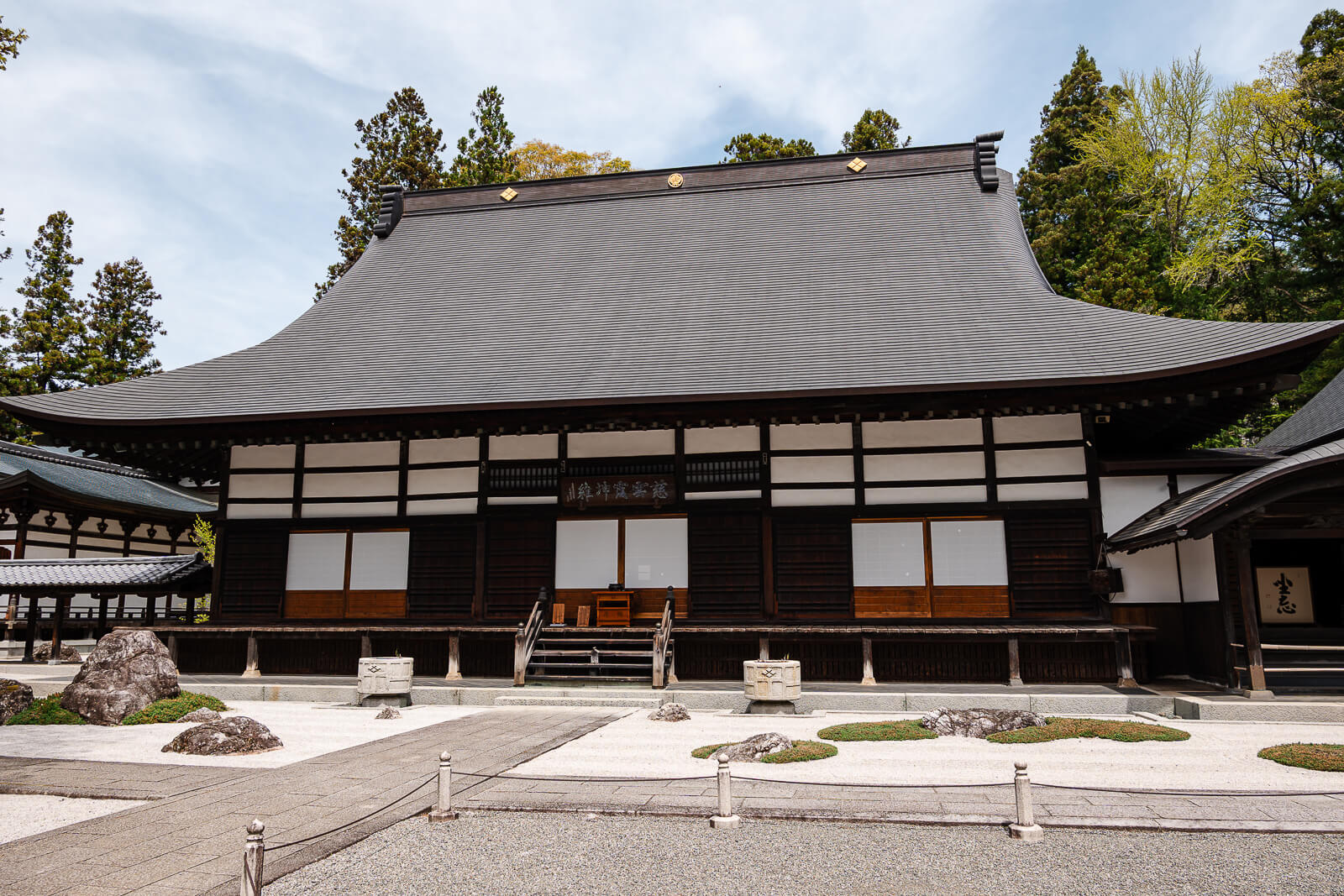
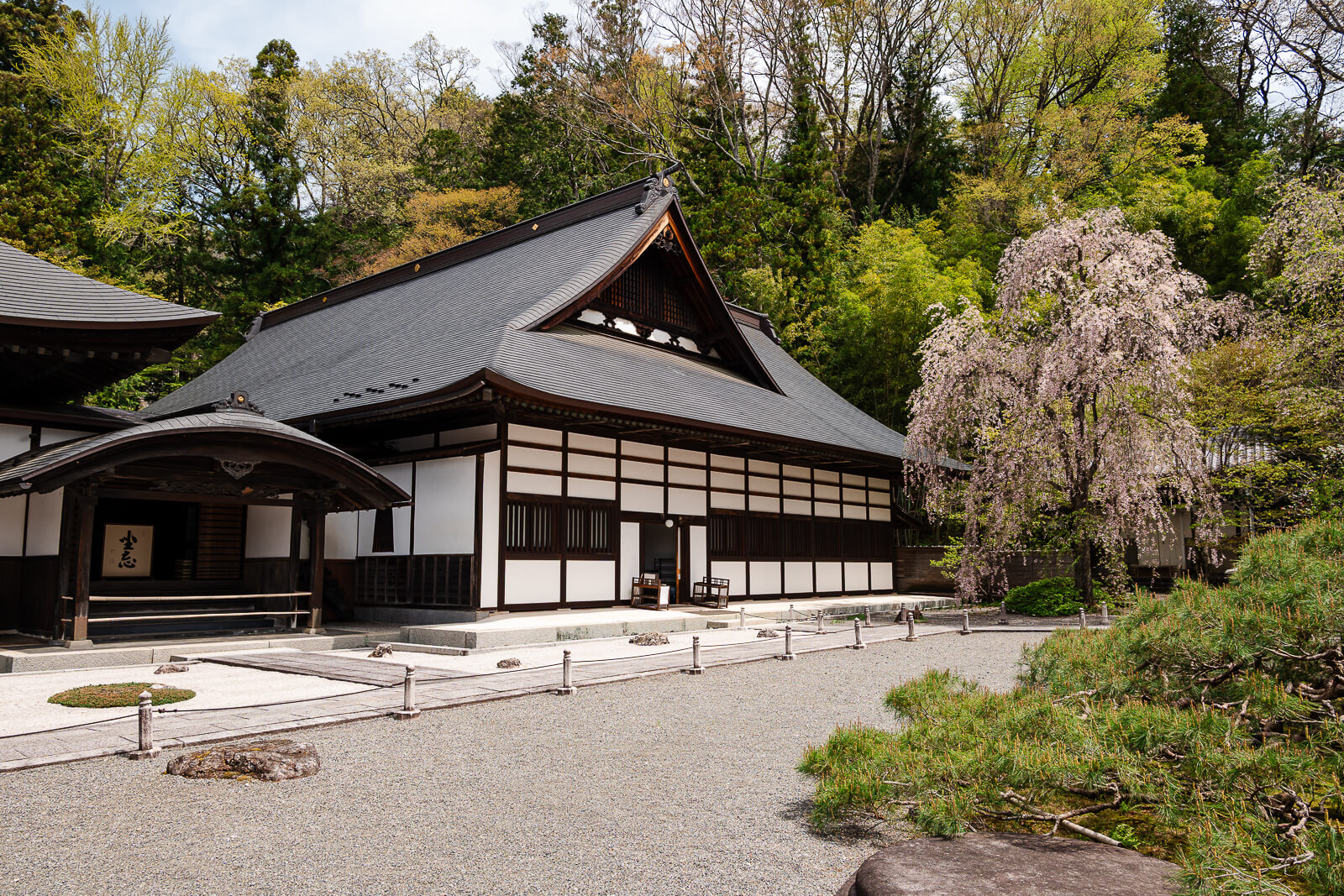
The garden areas are especially important for understanding the stop. Jiunji is known locally for its temple garden, including a pond-style garden and Zen-influenced stone arrangements. The grounds give travelers a different visual rhythm from the shrine, museum, and stone Buddha stops nearby.
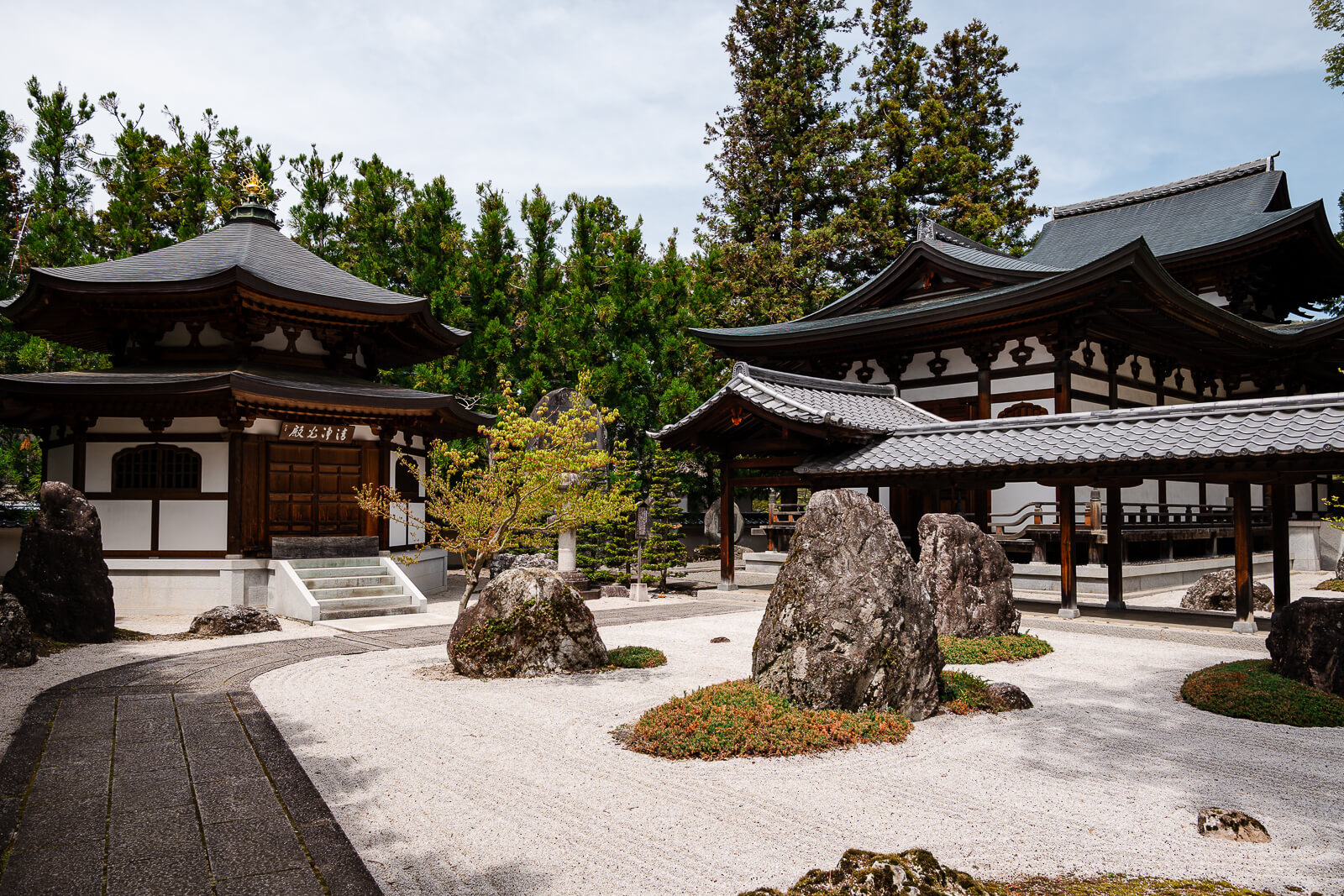
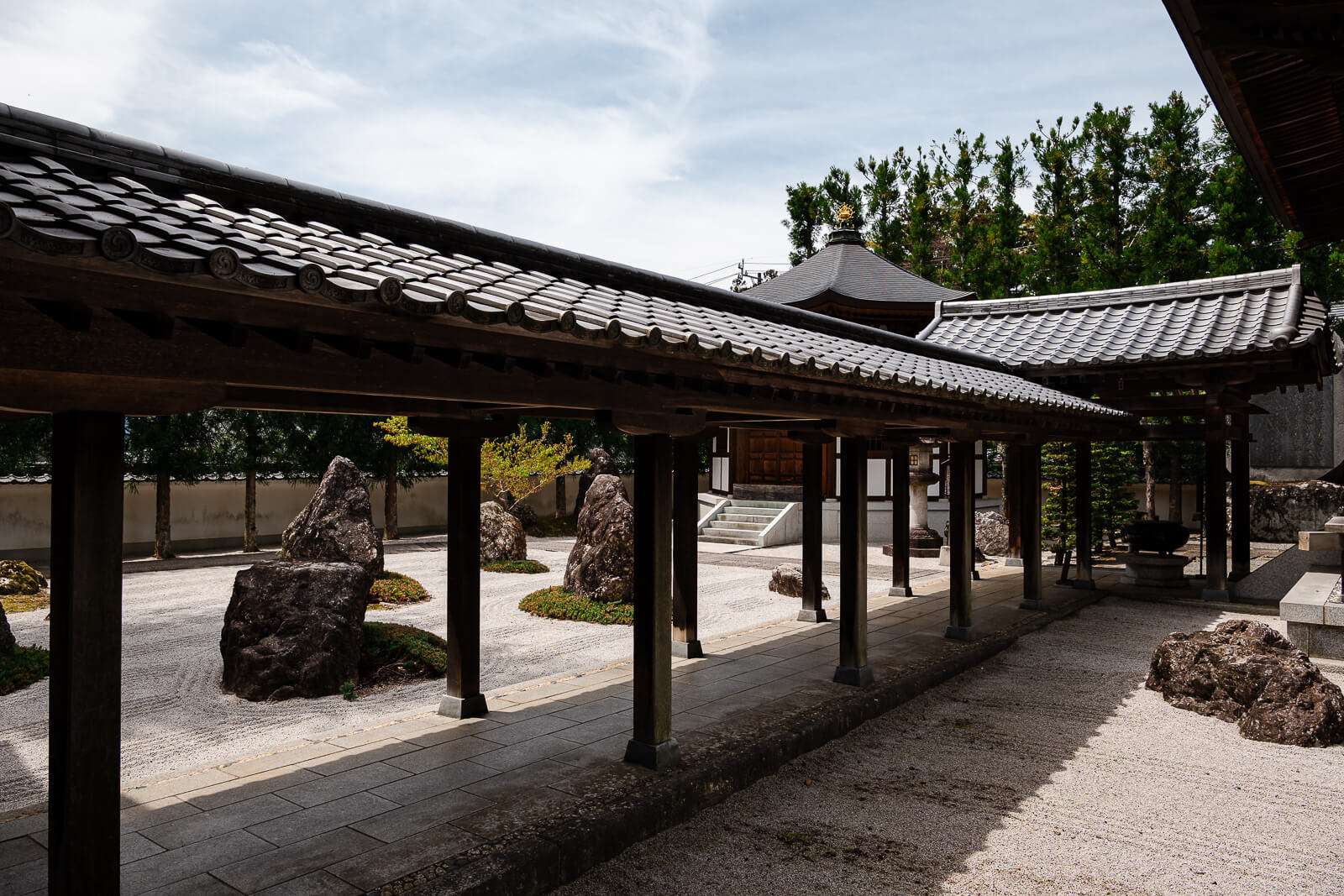
Most visits take about twenty to thirty minutes. Travelers who spend more time with the cedar approach, garden details, stone figures, and building features can extend the stop naturally, especially when Jiunji is included as part of a broader Shimosuwa walk.
The Kamakura Connection
Jiunji’s Kamakura connection gives the temple more historical weight than its size first suggests. The founding story links Shimosuwa to Kenchō-ji, one of the major Zen temples of Kamakura, through Issan Ichinei and Kanazashi Mitsusada.
This matters because it gives the temple a role beyond local geography. Harumiya and Akimiya explain the shrine side of Shimosuwa, while Jiunji points toward the Buddhist networks that connected regional temple sites with major religious centers such as Kamakura.
For a Lake Suwa route, that connection helps widen the reader’s understanding of Shimosuwa. The town was not shaped only by Suwa Taisha and the Onbashira tradition. It also held Buddhist institutions with ties reaching into the Kamakura Zen world, giving the area a layered religious history that becomes visible when Jiunji is included in the walk.
How Jiunji Fits Into a Shimosuwa Walking Route
Jiunji’s strongest planning value comes from its position between the Harumiya side of Shimosuwa and the broader route toward Akimiya. From Suwa Taisha Shimosha Harumiya, the temple is about eight minutes away on foot, or roughly 450 meters, making it a nearby addition rather than a major detour.
From Jiunji, the walk toward Suwa Taisha Shimosha Akimiya continues for about seventeen minutes, or roughly 1.3 kilometers. Travelers starting from Shimosuwa Station can use these stops to form a larger walking route through town, linking Akimiya, Shimosuwa Onsen, Jiunji, Harumiya, Manji Stone Buddha, and Onbashira-kan Yoisa.
This route works well as a broad circle through Shimosuwa. It connects the station area, the Akimiya side of town, the temple hillside, the Harumiya shrine area, and the Manji Stone Buddha cluster before returning toward the lower town. The result is a fuller Shimosuwa walk rather than two separate shrine visits.
Jiunji is not part of Suwa Taisha, but it helps connect the area physically and historically. The route shows Shimosuwa as a layered townscape shaped by shrine sites, Buddhist temple history, Onbashira culture, hot springs, and the old Nakasendo corridor.
The route also creates useful internal planning connections. Suwa Taisha Shimosha Harumiya, Manji Stone Buddha, and Onbashira-kan Yoisa explain the immediate Shimosuwa cluster, while Suwa Taisha Shimosha Akimiya extends the walk toward the town center. For broader planning, the Suwa Area Guide connects this stop to the wider regional cluster, while the Lake Suwa Guide explains how Shimosuwa fits within the lake basin. The Kenchō-ji guide also provides useful background for the Kamakura Zen connection behind Jiunji’s founding history.
How Much Time to Spend
Jiunji works best as a short temple stop. Most travelers can understand the main approach, gate, buildings, garden areas, and stone features in about twenty to thirty minutes.
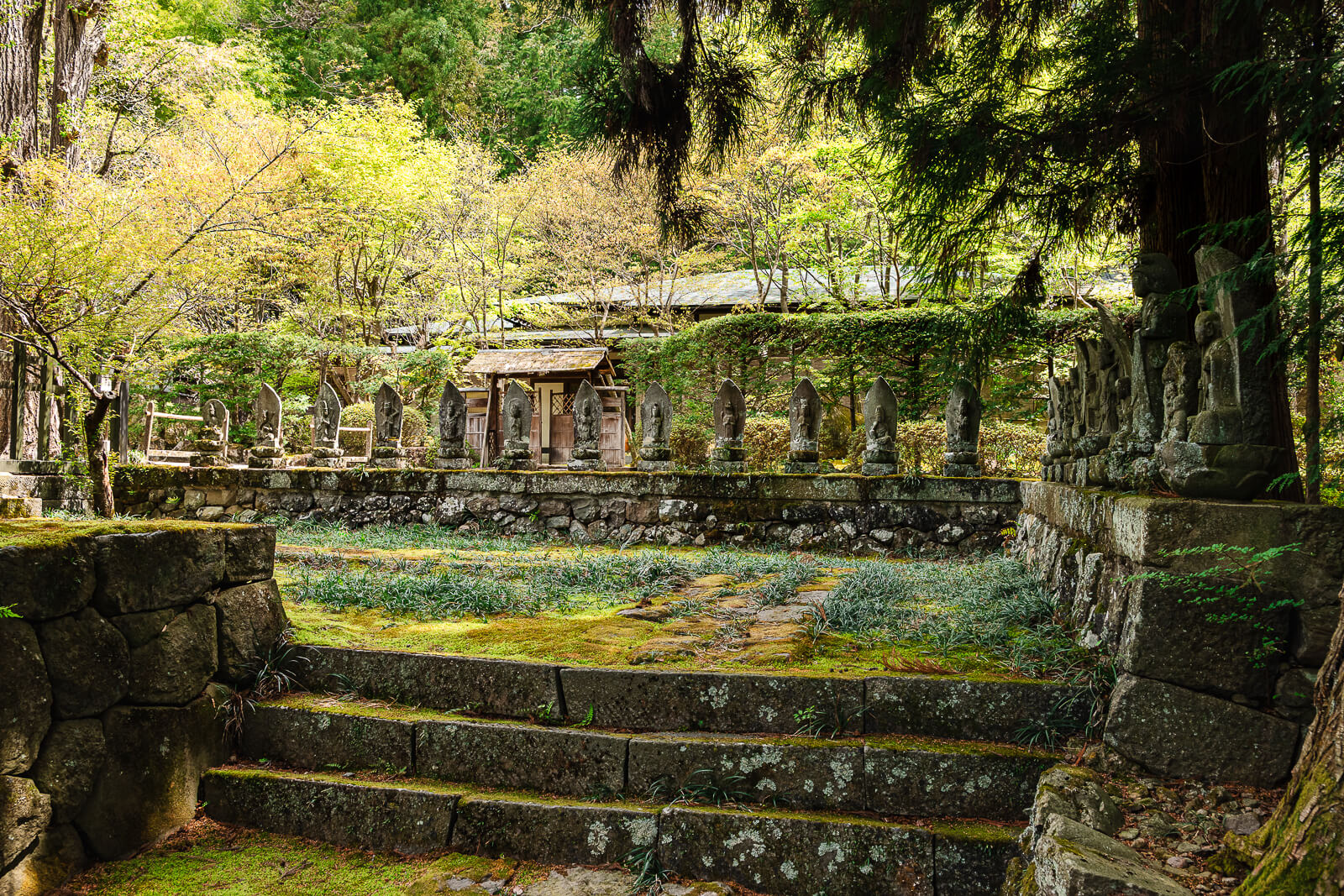
The visit takes longer for travelers photographing the cedar approach, reading signs, or paying closer attention to the temple garden. It also works well as a pause during a broader Shimosuwa walk, since the temple sits away from the busiest shrine precincts but still belongs to the same town route.
The stop does not need to carry an entire Shimosuwa visit. Its value comes from how naturally it fits beside Harumiya, Manji Stone Buddha, Onbashira-kan Yoisa, and Akimiya. Jiunji adds depth to the route without requiring a major change in direction.
Getting There
Jiunji Temple is located in Shimosuwa, northeast of the Harumiya and Manji Stone Buddha area. From Suwa Taisha Shimosha Harumiya, the temple is about eight minutes away on foot, or roughly 450 meters.
By train, take the JR Chuo Line to Shimosuwa Station. From the station, Jiunji Temple is about fifteen to twenty minutes away on foot, depending on the route and walking pace. Travelers arriving by train can combine the temple with Suwa Taisha Shimosha Akimiya, Shimosuwa Onsen, Harumiya, Manji Stone Buddha, and Onbashira-kan Yoisa as part of a longer walking route across Shimosuwa.
By car, Jiunji has on-site parking for approximately fifty vehicles. Driving makes it easier to combine multiple Lake Suwa stops in one day, including Harumiya, Manji Stone Buddha, Onbashira-kan Yoisa, Akimiya, and nearby lakeside areas.
Hours and Fees
Hours: Open daily from 8:30 AM to 5:00 PM.
Admission: Free to explore the grounds. Donations are welcome.