Where the Shrine Region Begins to Feel Different
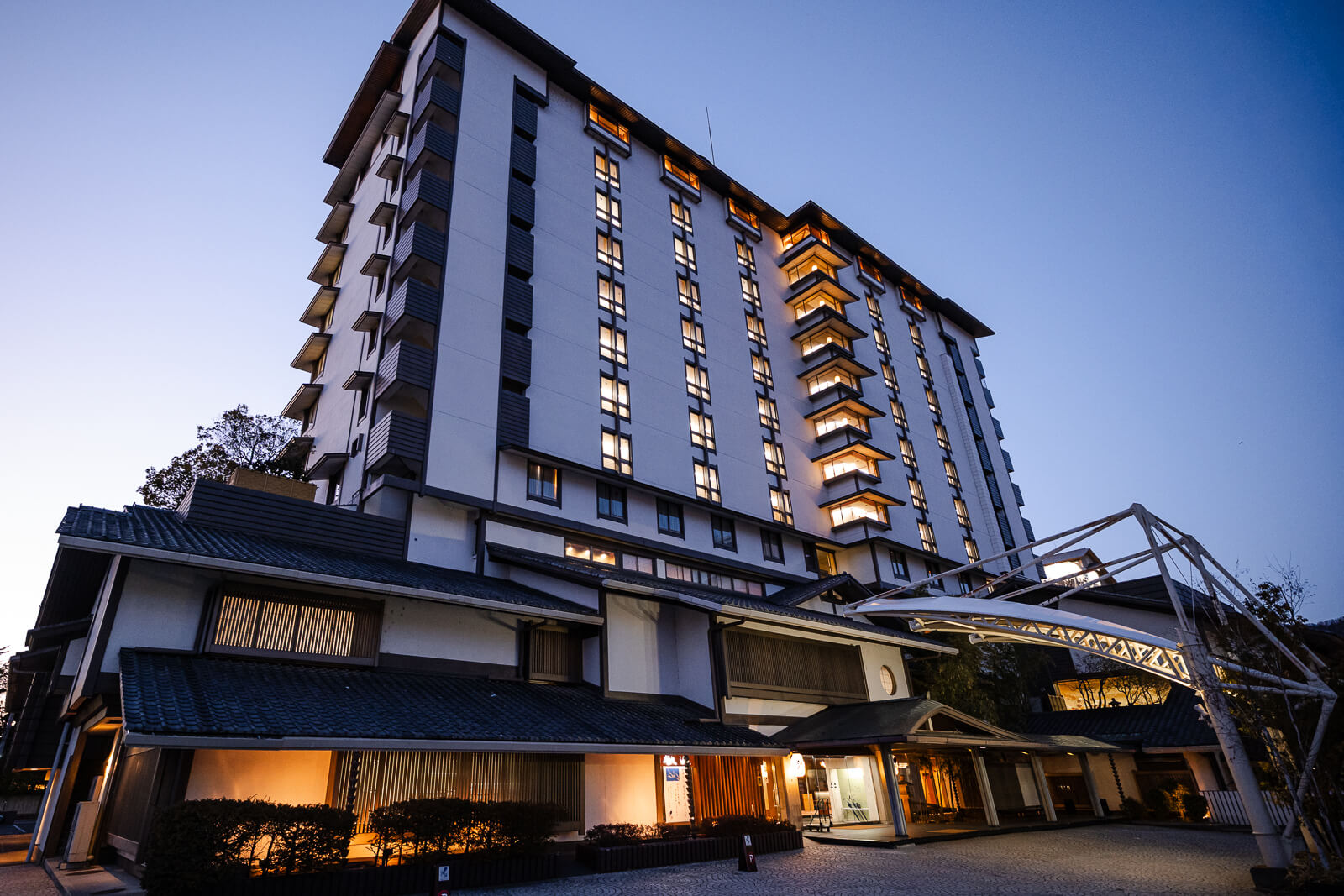
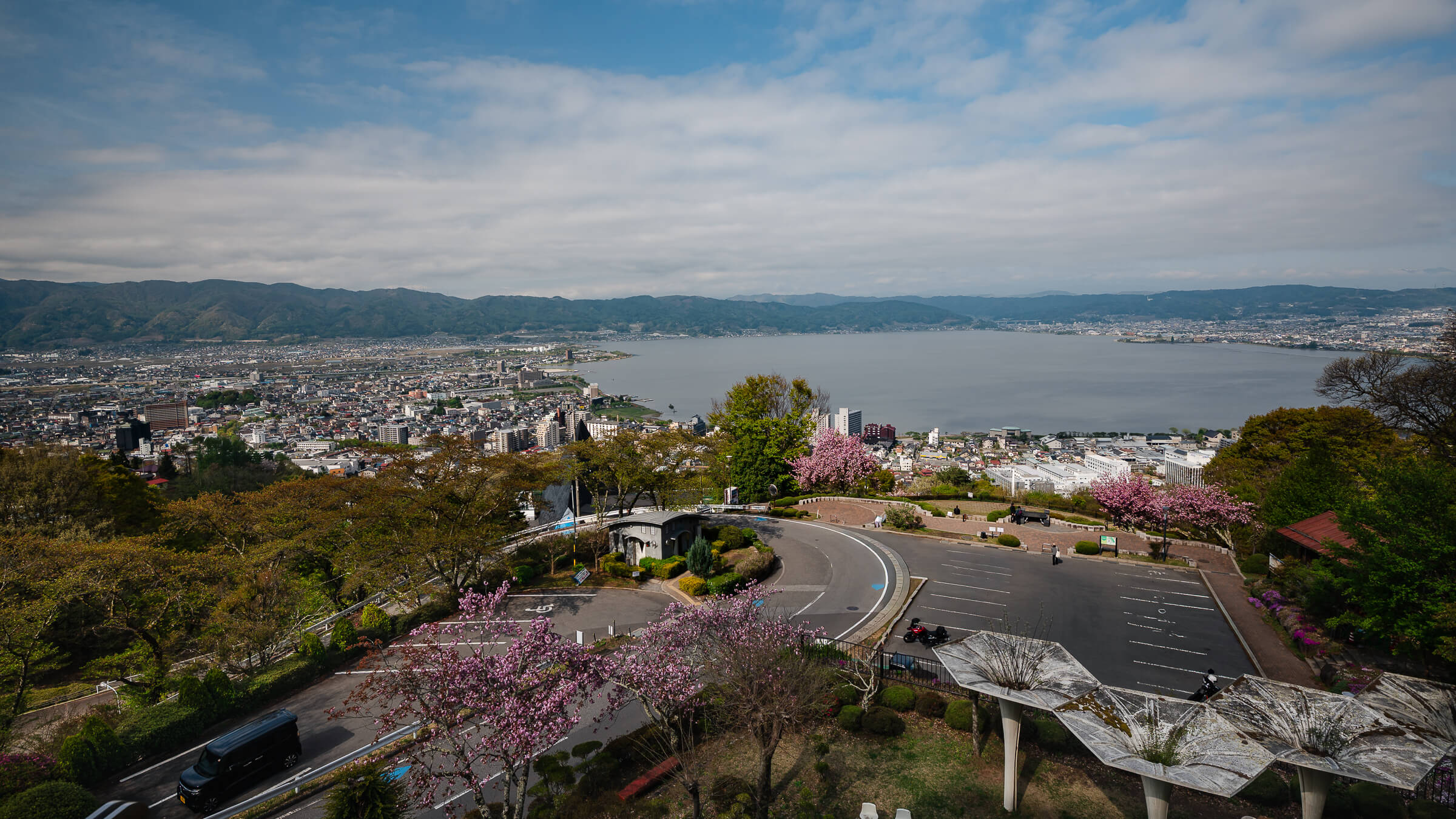
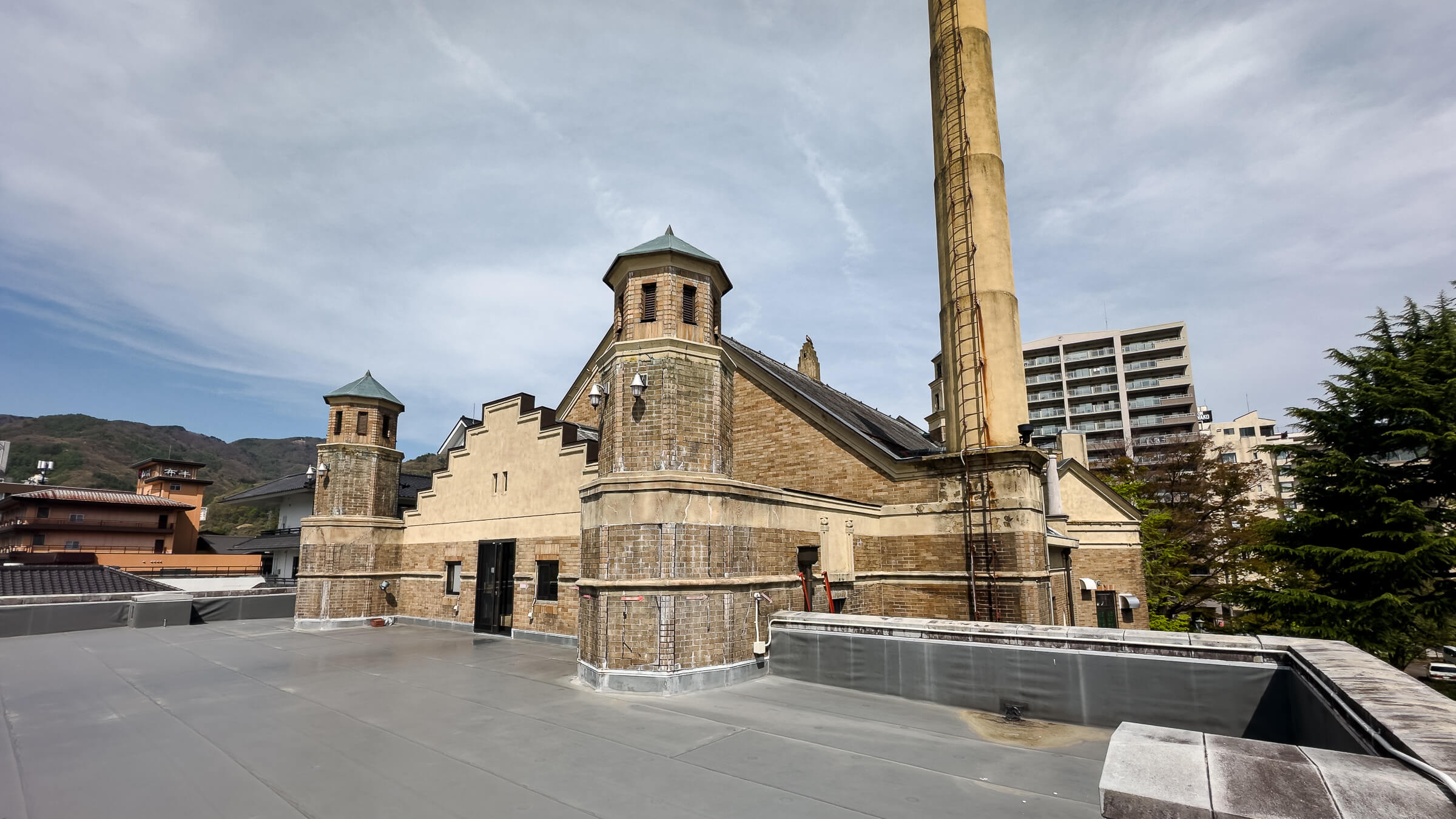
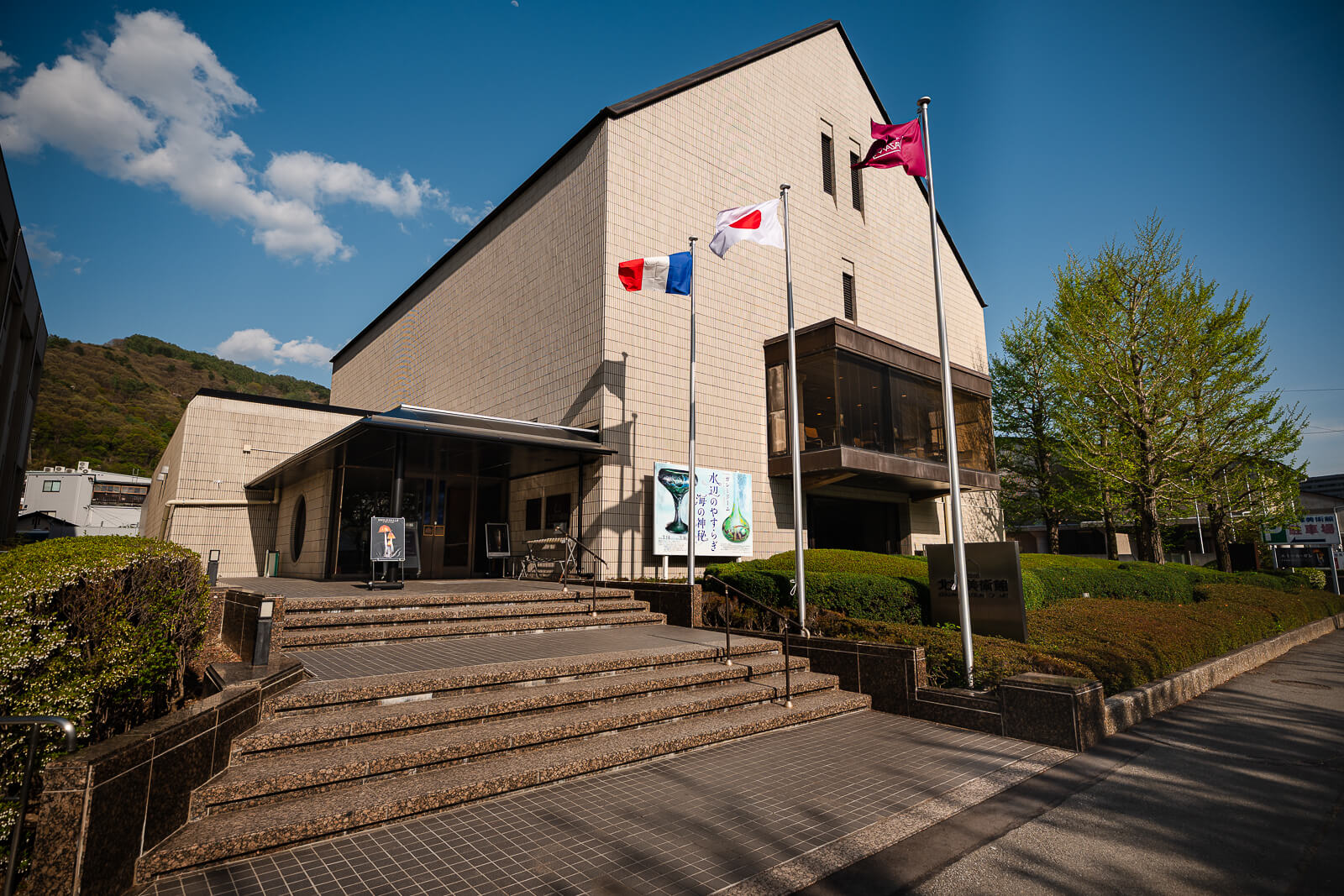
Along the eastern shoreline of Lake Suwa in Suwa City, Kitazawa Museum of Art stands near the waterfront district of Kamisuwa Onsen, close to Katakurakan, the lakeside promenade, and the urban shoreline surrounding Kamisuwa Station. This section of Nagano Prefecture feels noticeably different from the shrine roads and wooded approaches elsewhere around the Suwa basin. Around Kamisuwa, hotels, footbaths, museums, walking paths, and onsen-town streets gather tightly along the water.
The museum is known for decorative glasswork connected to Émile Gallé and European Art Nouveau design. Most travelers spend between 45 minutes and 90 minutes inside depending on exhibition interest and pacing through the galleries. The scale stays manageable even during a broader day around the lake.
Routes through Kamisuwa often combine the museum with Takashima Castle, nearby lakefront walking areas, or the historic bathhouse district surrounding Katakurakan. The stop fits most naturally into a shoreline day, especially when weather, timing, or pacing makes an indoor cultural break useful. For the full lakeside planning context, the Lake Suwa Guide explains how Kamisuwa, Takashima Castle, Katakurakan, lakefront walks, and nearby stays fit together. Shrine-focused or mountain-focused routes around Shimosuwa, Chino, or the Yatsugatake foothills may not need the museum unless the day already bends back toward the lakefront.
Why European Glass Art Ended Up Beside Lake Suwa
Kamisuwa developed differently from the quieter shrine districts around Shimosuwa and the elevated roads extending toward Chino and the Yatsugatake foothills. Rail access, lakeside inns, tourism traffic, and open shoreline gradually concentrated commercial activity along the water itself. That lakefront pattern still shapes how the district feels today.
Kitazawa Museum of Art belongs to that lakeside layer of the basin. The collection centers on decorative glass and European design from the late nineteenth and early twentieth centuries, placing international craft culture beside a region more commonly associated with shrines, forests, and mountain routes. The contrast is visible in the surrounding streets as much as inside the building.
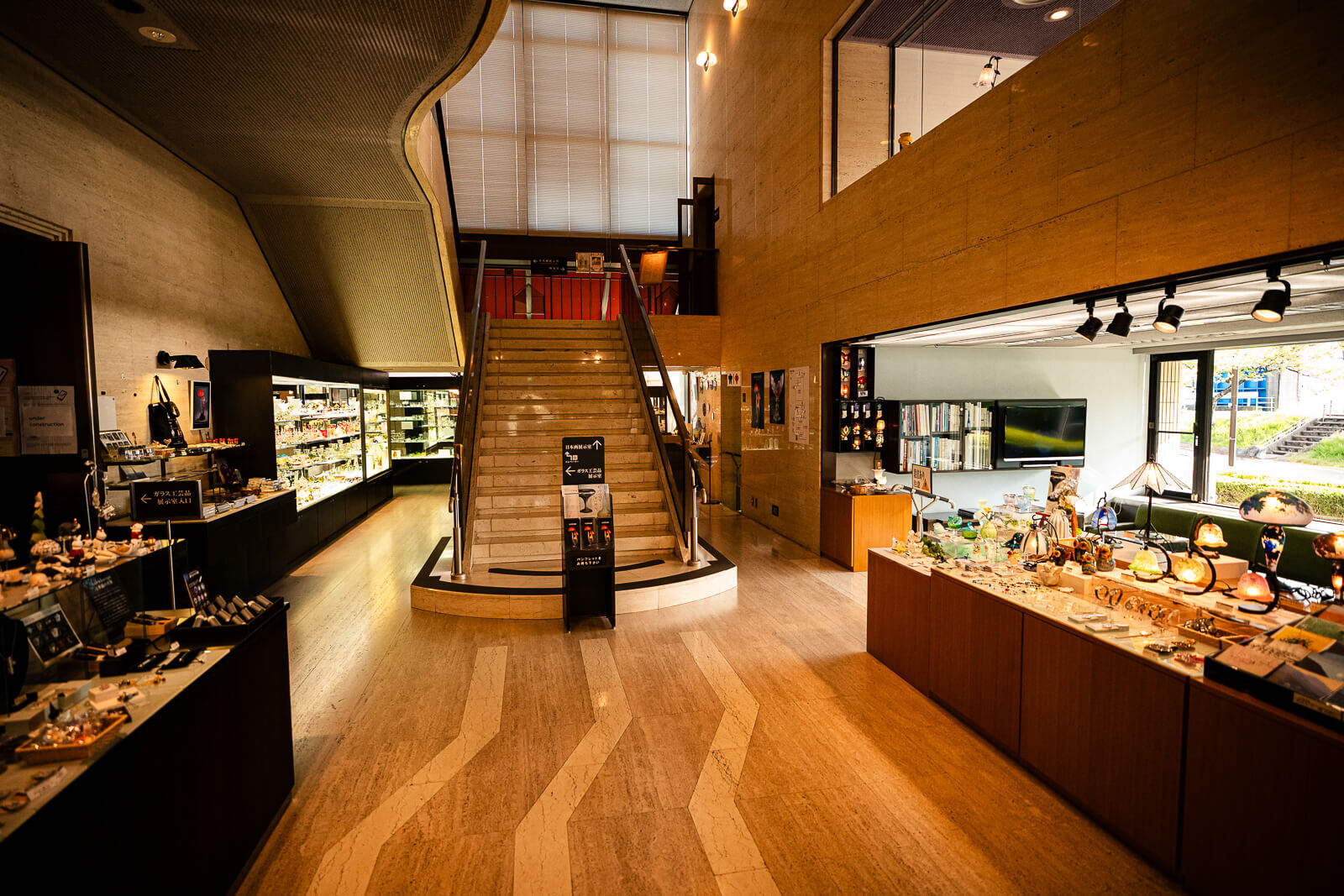
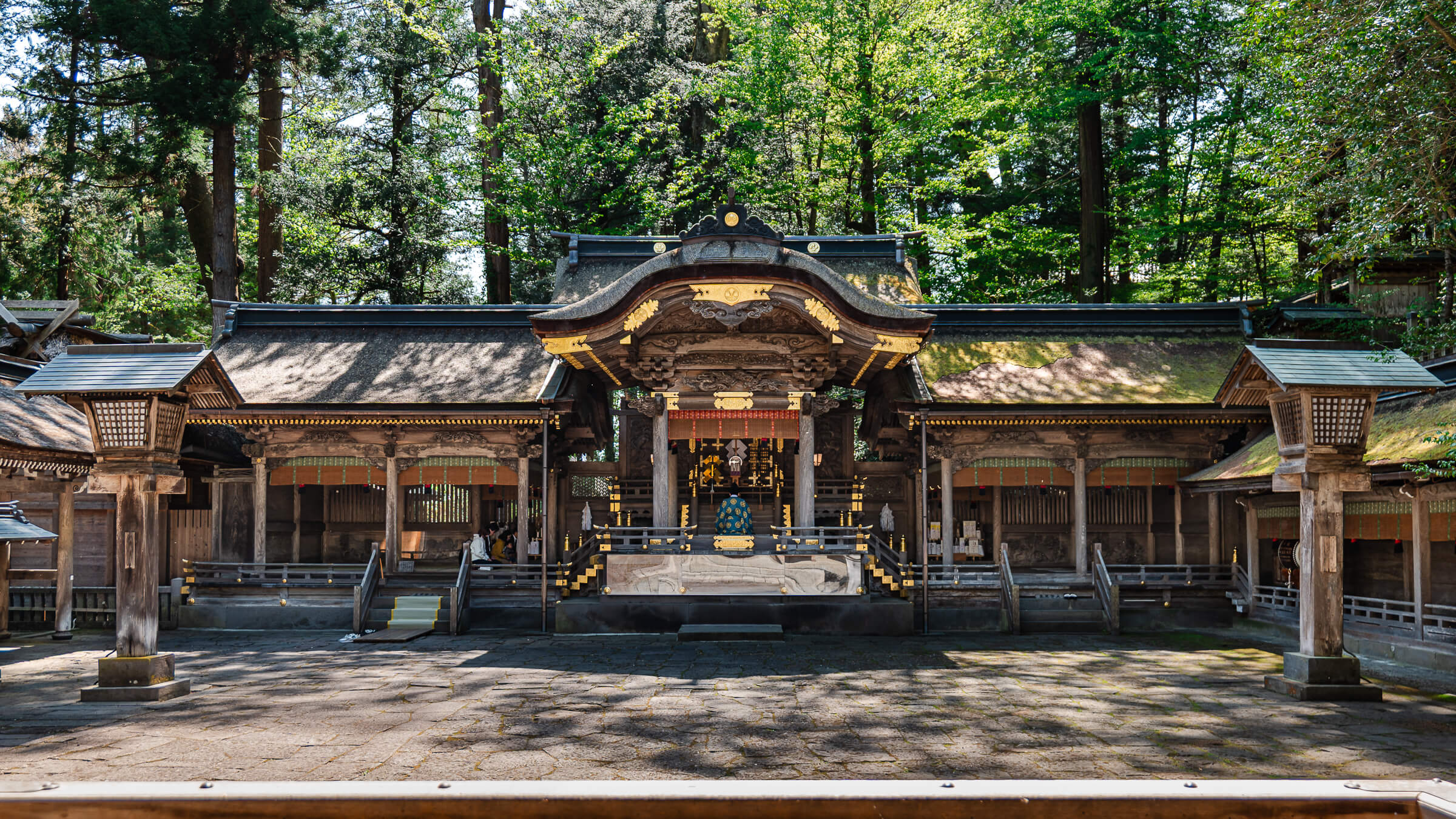
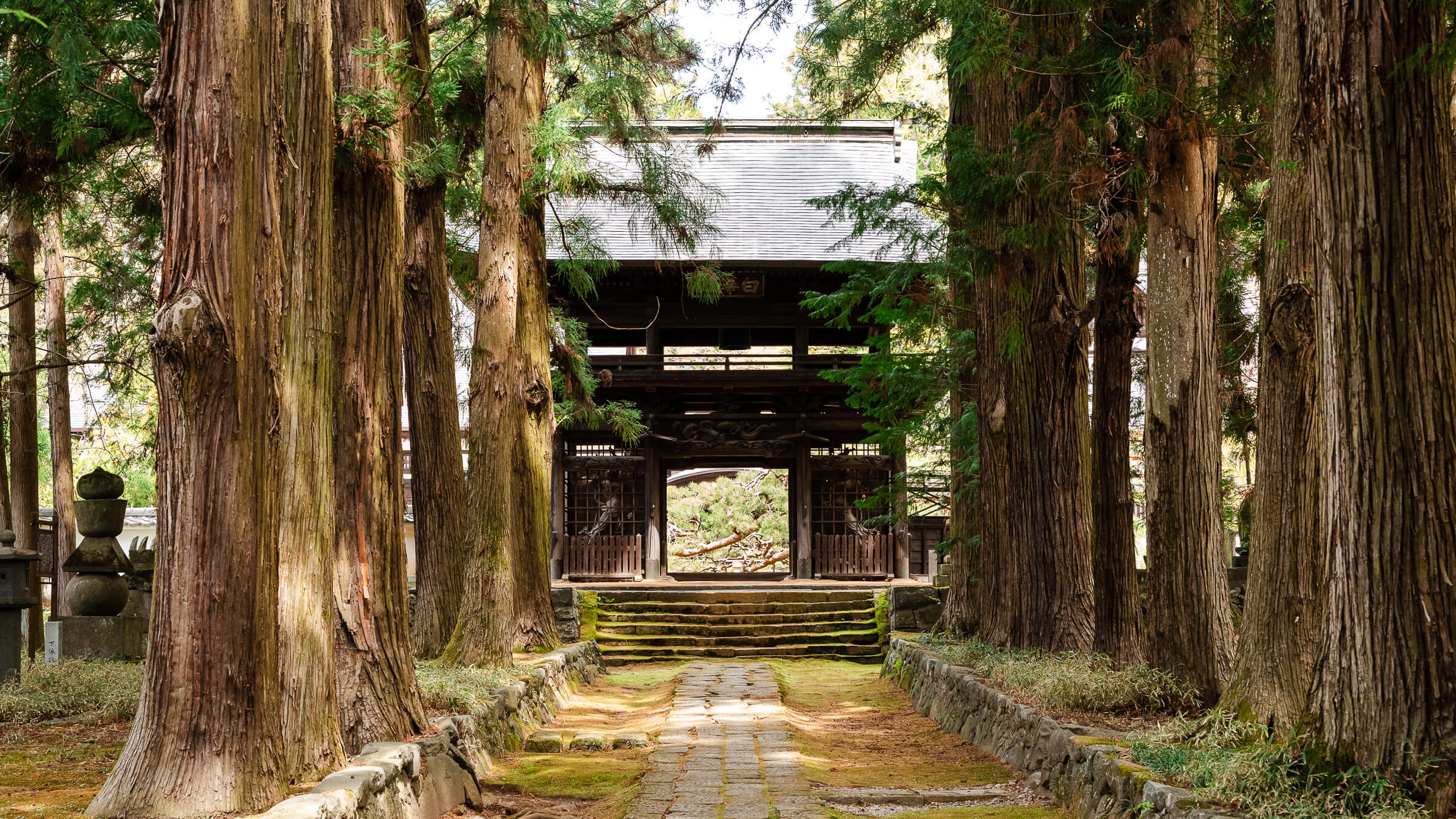
Roads near Suwa Taisha Kamisha Maemiya and Suwa Taisha Shimosha Harumiya remain narrower and more wooded. Around Kamisuwa, the basin opens outward toward promenades, hotels, museums, and the shoreline itself. The museum sits inside that shift, giving the lakefront a cultural stop that feels tied to display, craft, and interior detail.
Inside the Museum, Light Becomes the Structure of the Visit
Beyond the entrance, the open waterfront outside gives way to enclosed gallery spaces shaped by reflection, shadow, and controlled lighting. The museum is not especially large, which keeps the visit contained. Individual pieces hold most of the attention instead of long exhibit corridors or dense room sequencing.
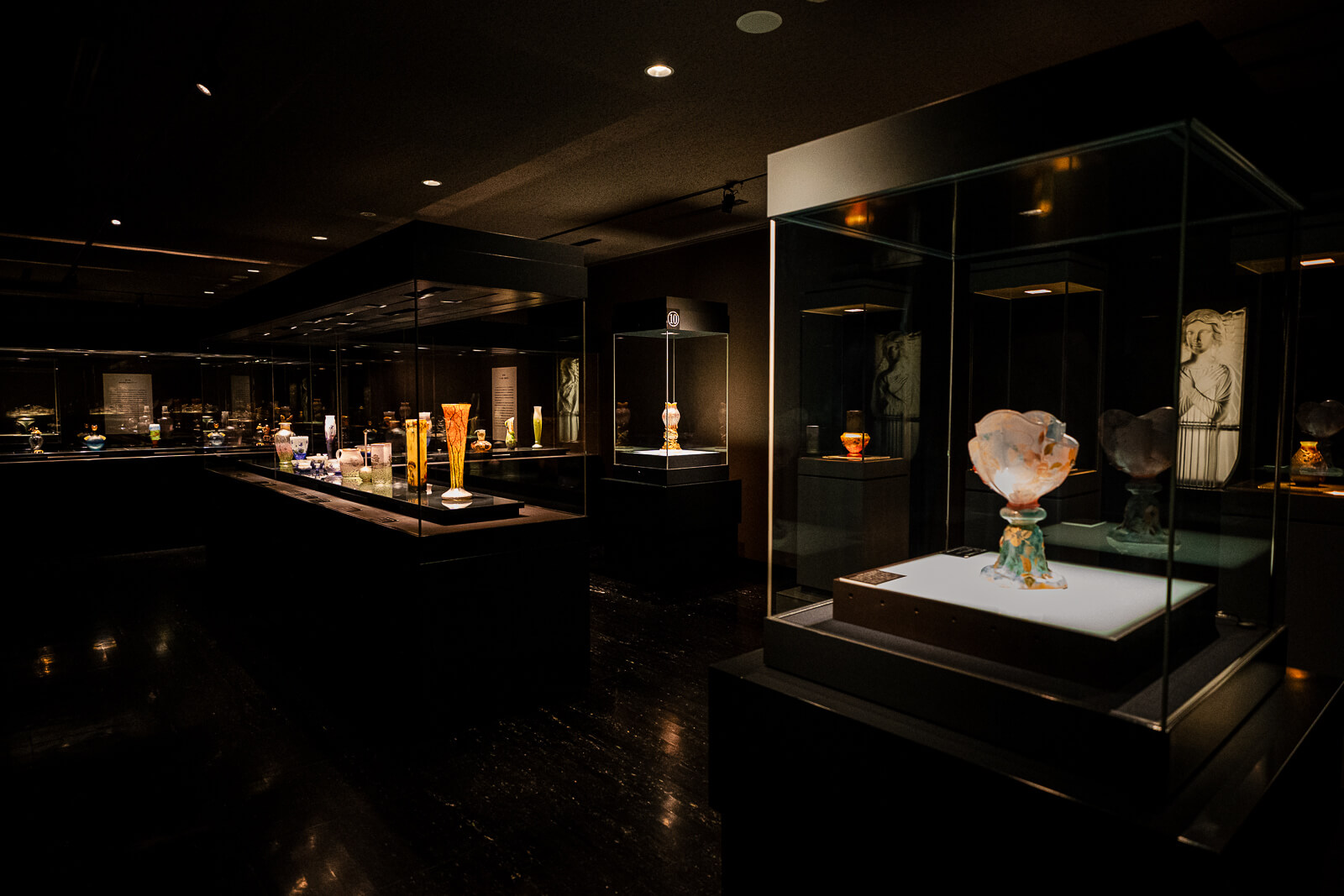
Glass surfaces change depending on viewing angle and surrounding light. Layered colors, reflections, and surface textures become more noticeable in brighter rooms facing the lake side of the building, where daylight shifts throughout the afternoon. Some displays appear clearer from a distance, while others resolve more fully at close range.
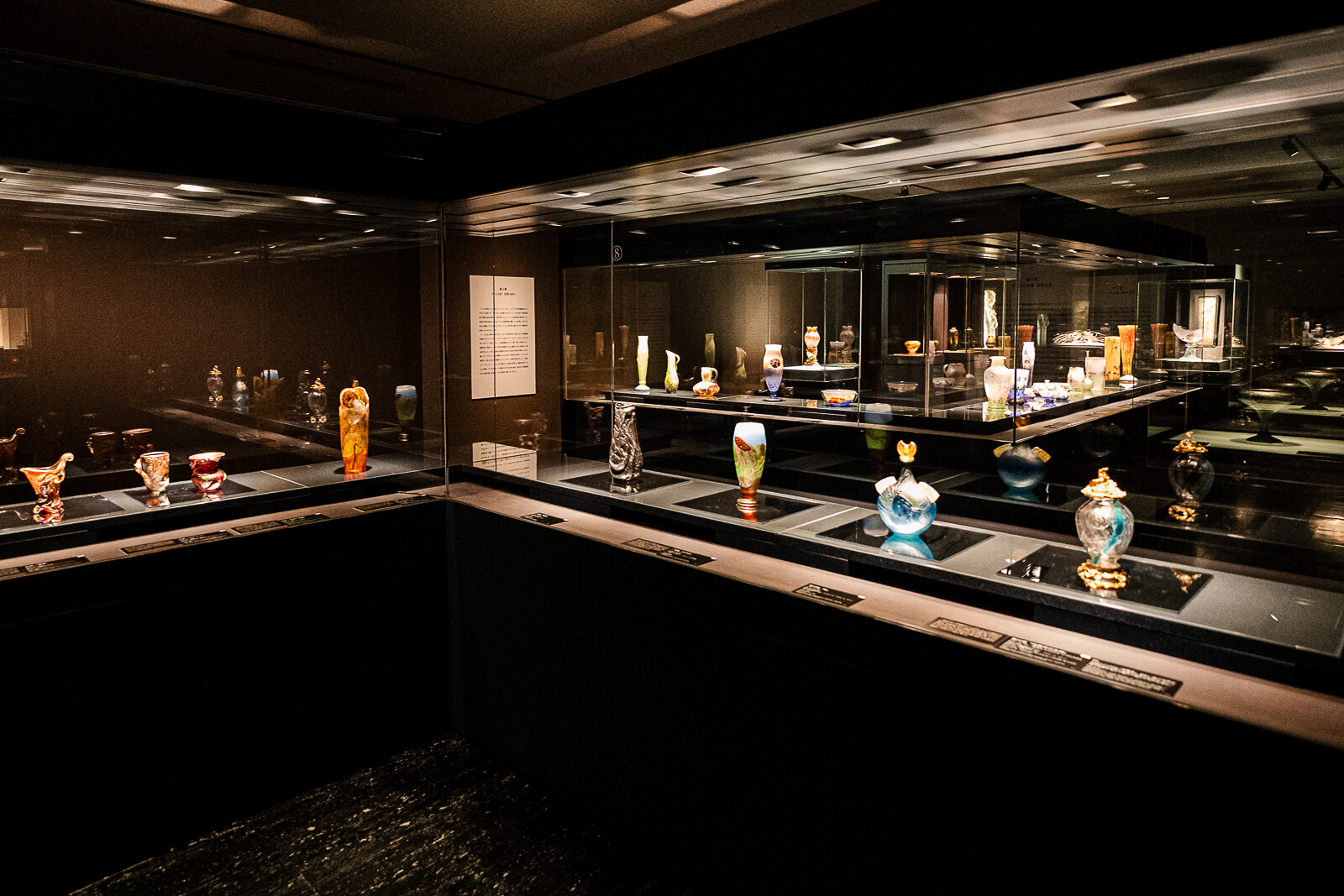
The galleries remain easy to move through even during busier periods. Rain, winter weather, or stronger wind along the shoreline outside often make the museum one of the more practical indoor stops around Kamisuwa. Travelers continuing around the lake afterward usually return directly to the waterfront district without losing the larger rhythm of the day.
What the Collection Shows Up Close
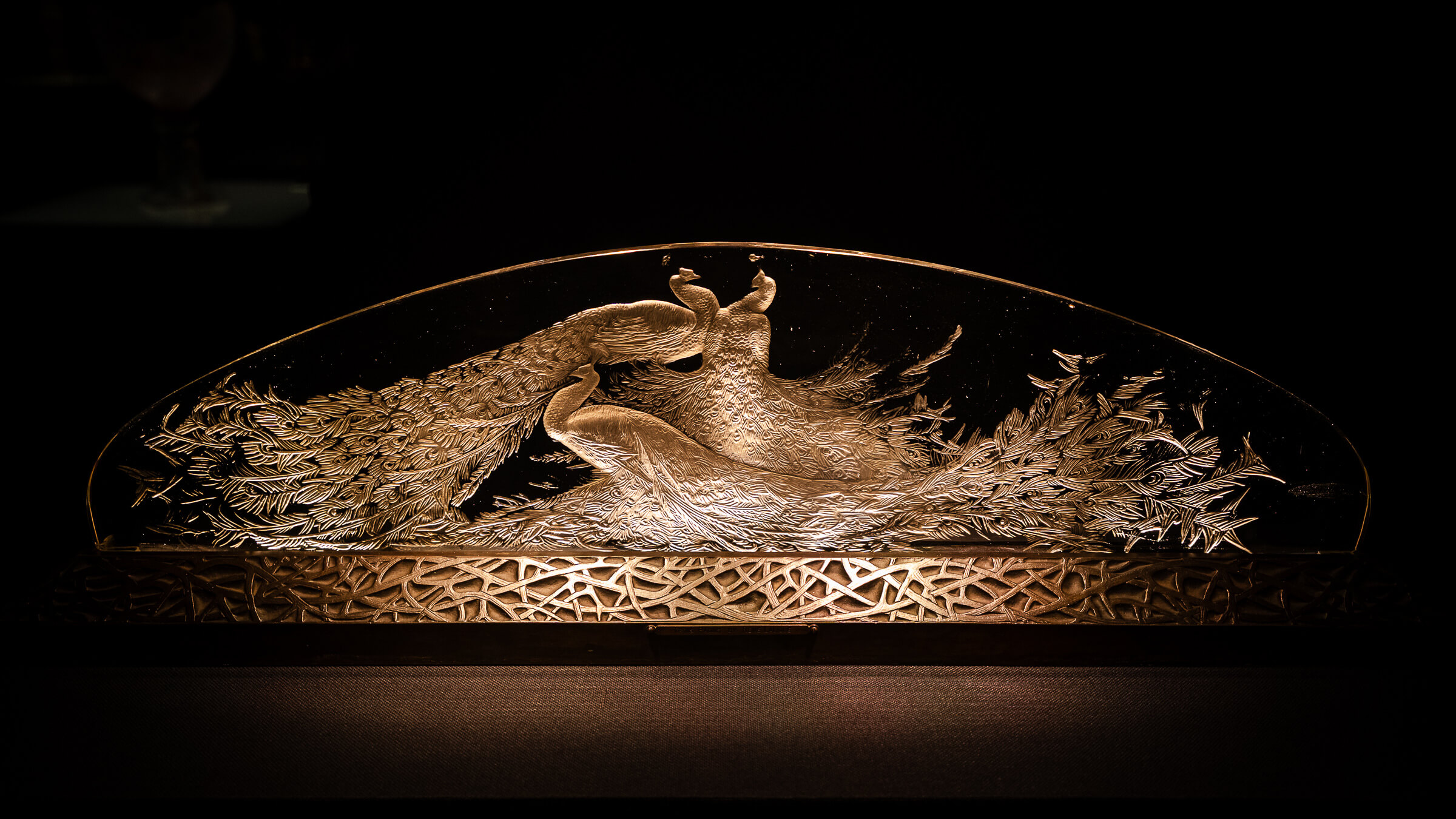
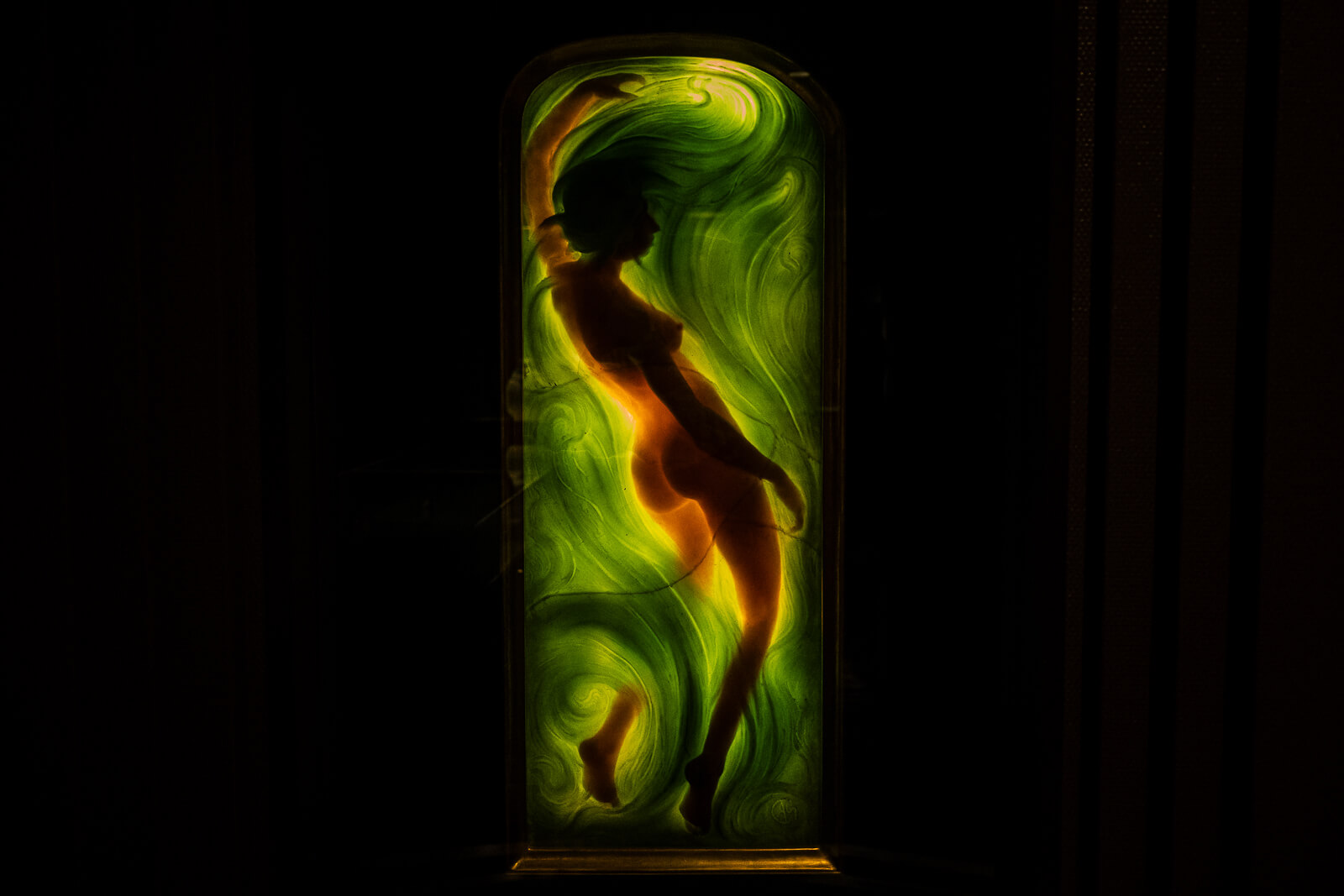
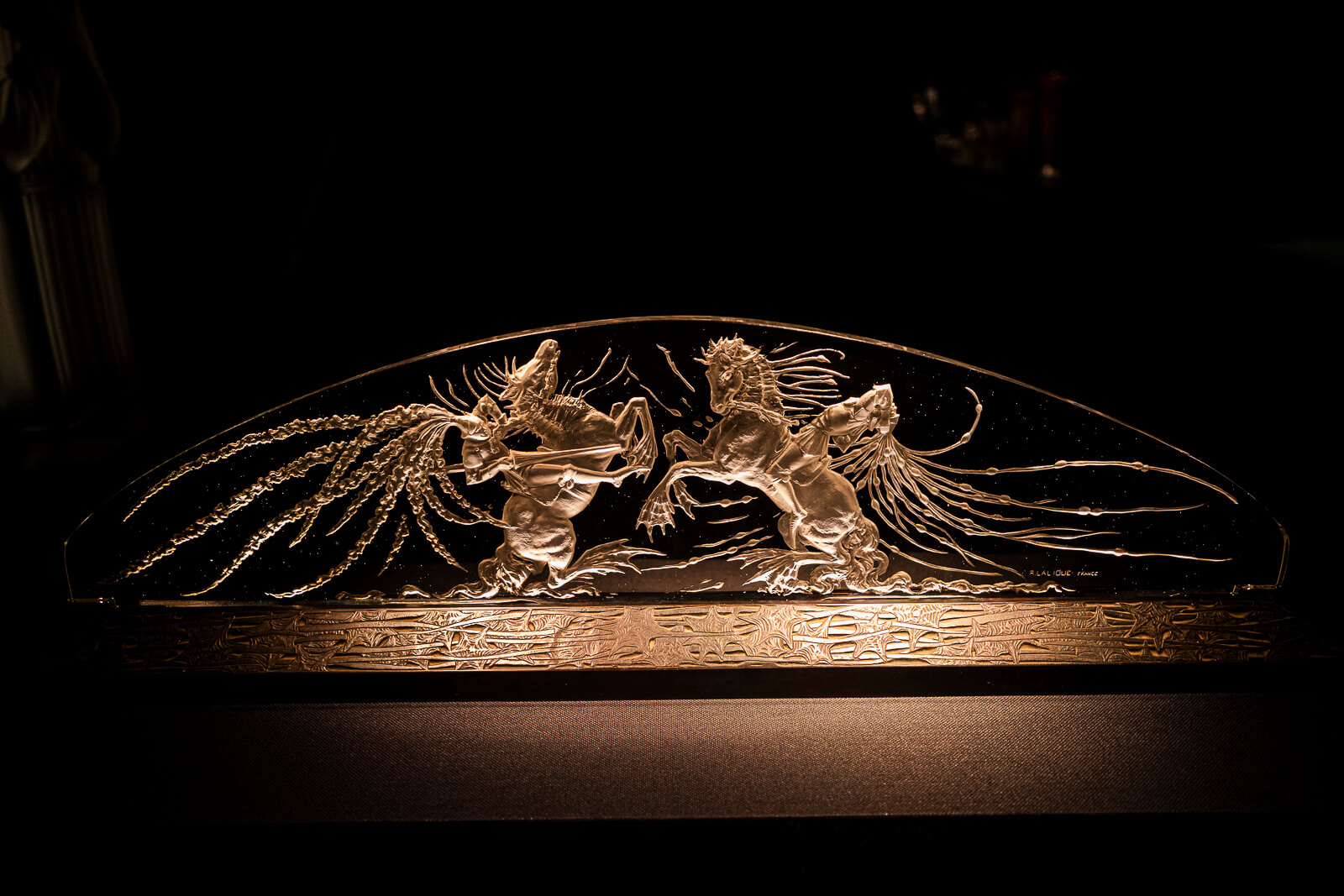
The museum’s larger gallery spaces establish the atmosphere, but many of the most memorable pieces appear in smaller display cases throughout the collection. Vases, lamps, engraved panels, bowls, and decorative objects reveal the level of craftsmanship that helped define the Art Nouveau movement.
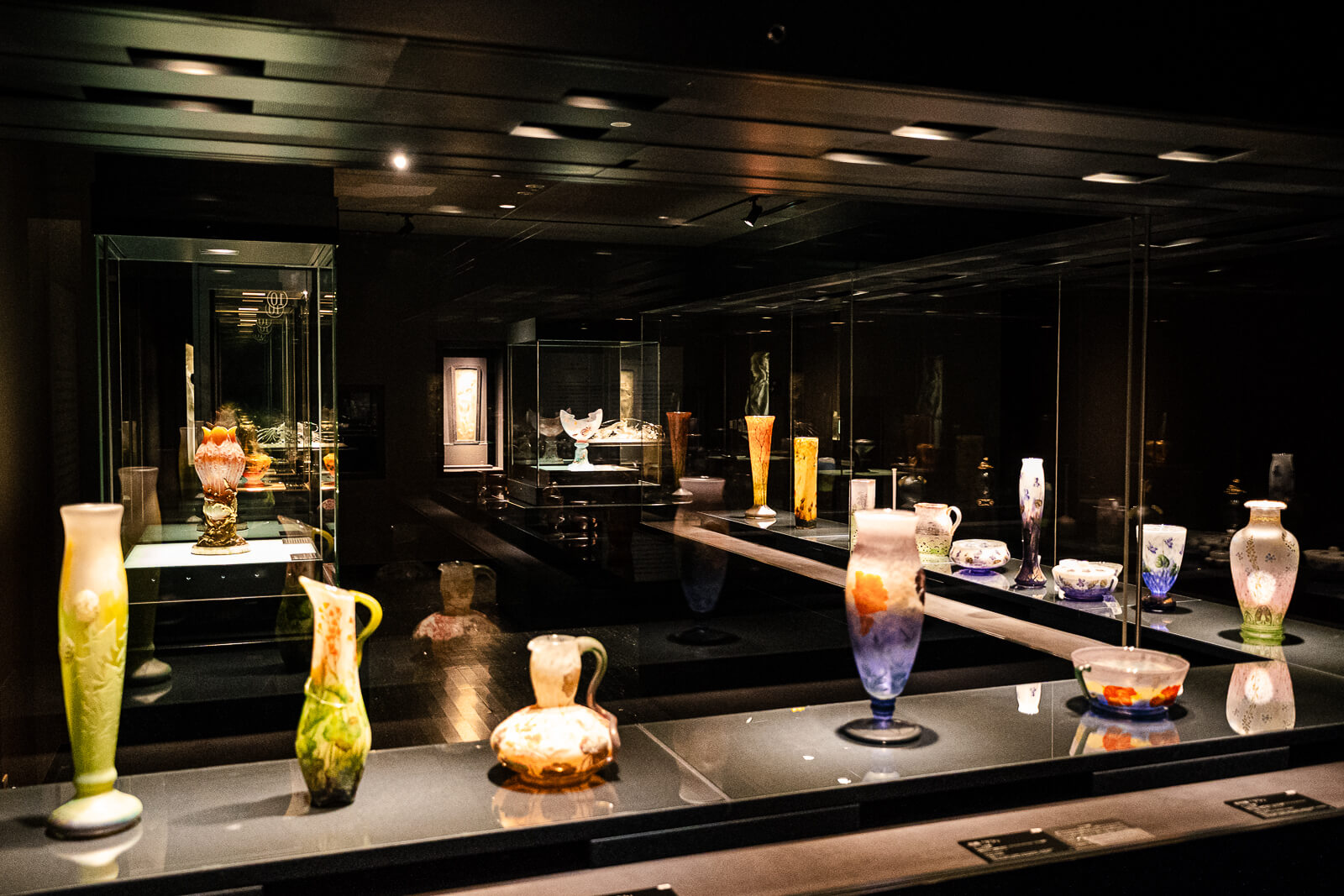
Many pieces combine layered color, carved surfaces, natural forms, and intricate detail. Floral motifs, insects, animals, and flowing organic lines appear repeatedly throughout the galleries, creating visual continuity even as individual works differ in scale and technique.
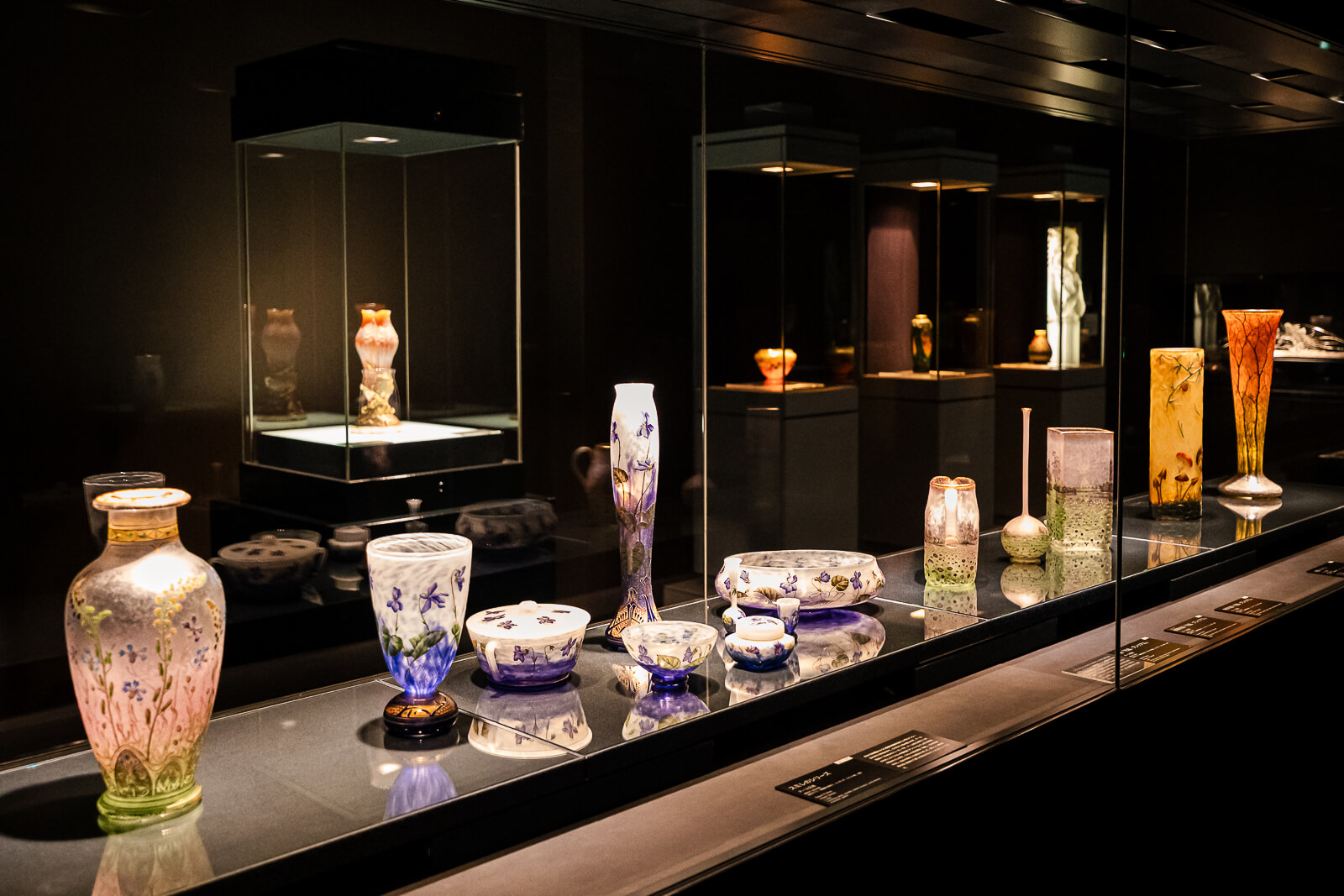
Viewing the collection at both room scale and object scale helps reveal what makes the museum distinctive. The galleries provide context, while the individual works showcase the technical and artistic qualities that made artists such as Émile Gallé internationally recognized.
The Galleries Taper Gradually Into the Gift Shop
Near the end of the museum, the transition into the gift shop happens gradually. Smaller glass pieces, exhibition goods, decorative items, and art-focused merchandise continue the same visual language established throughout the galleries. The shop feels connected to the collection rather than detached from the museum.
Some travelers move through quickly before returning toward the shoreline outside. Others spend additional time examining smaller pieces connected directly to the collection itself. This makes the final part of the visit flexible without changing the overall time commitment.
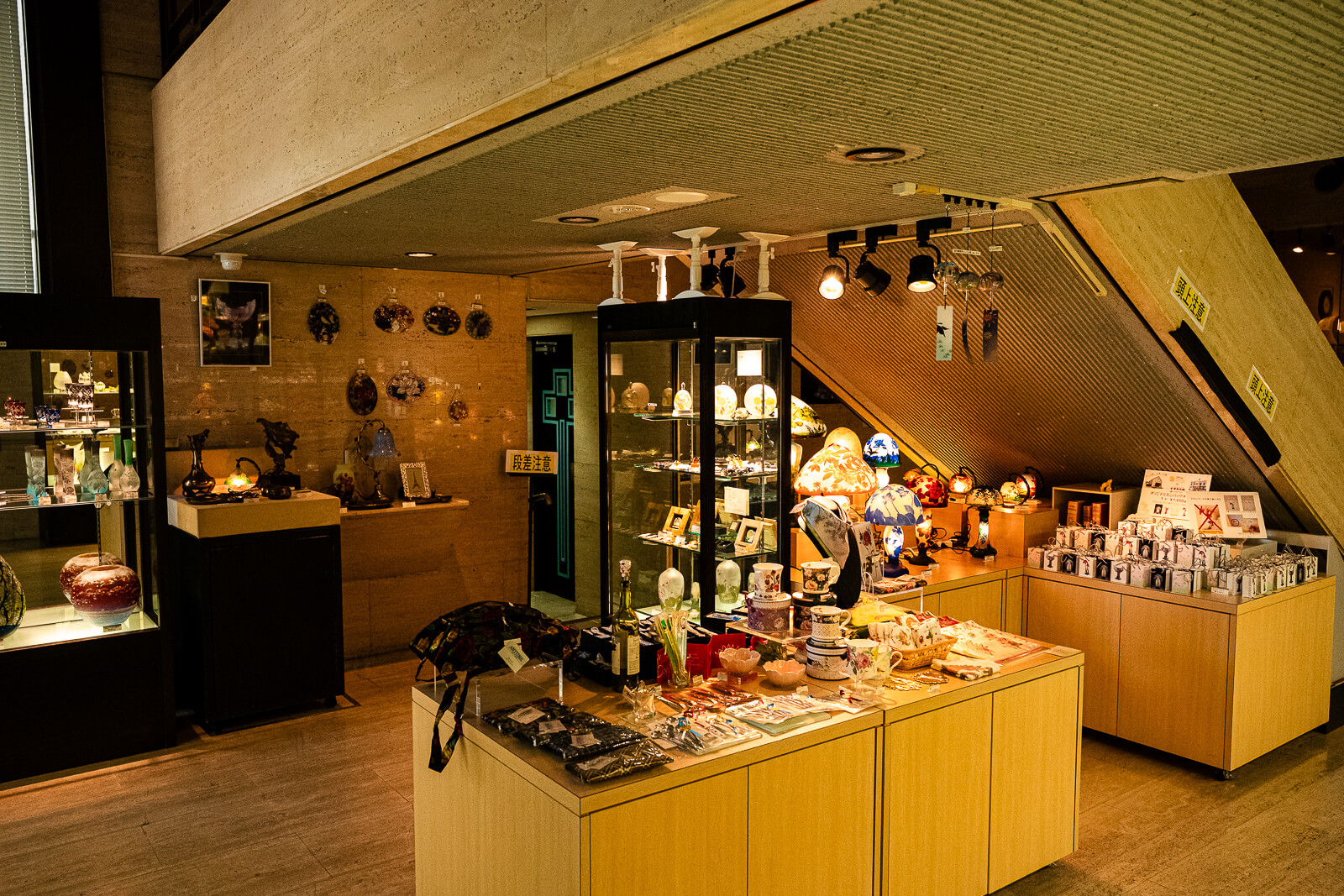
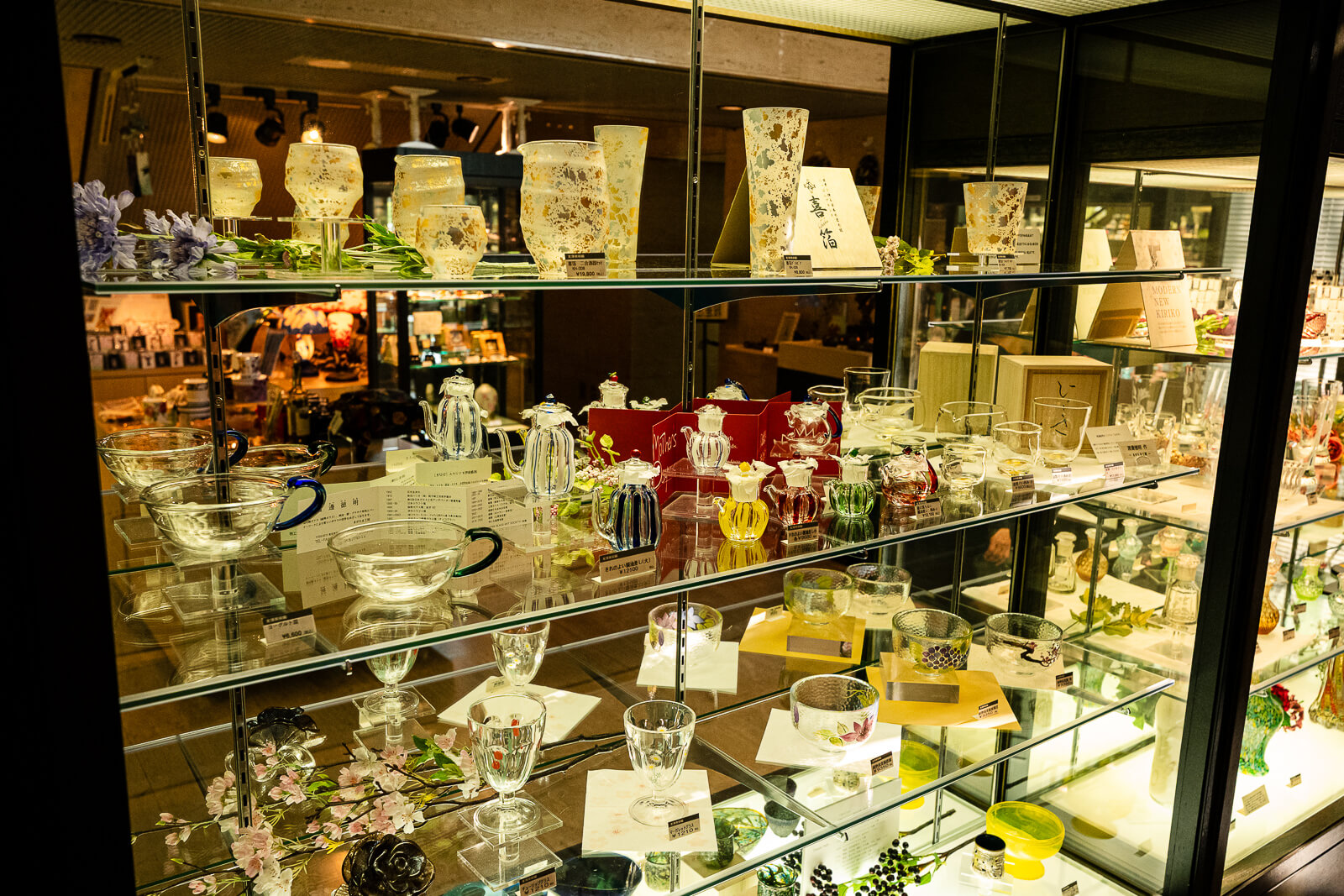
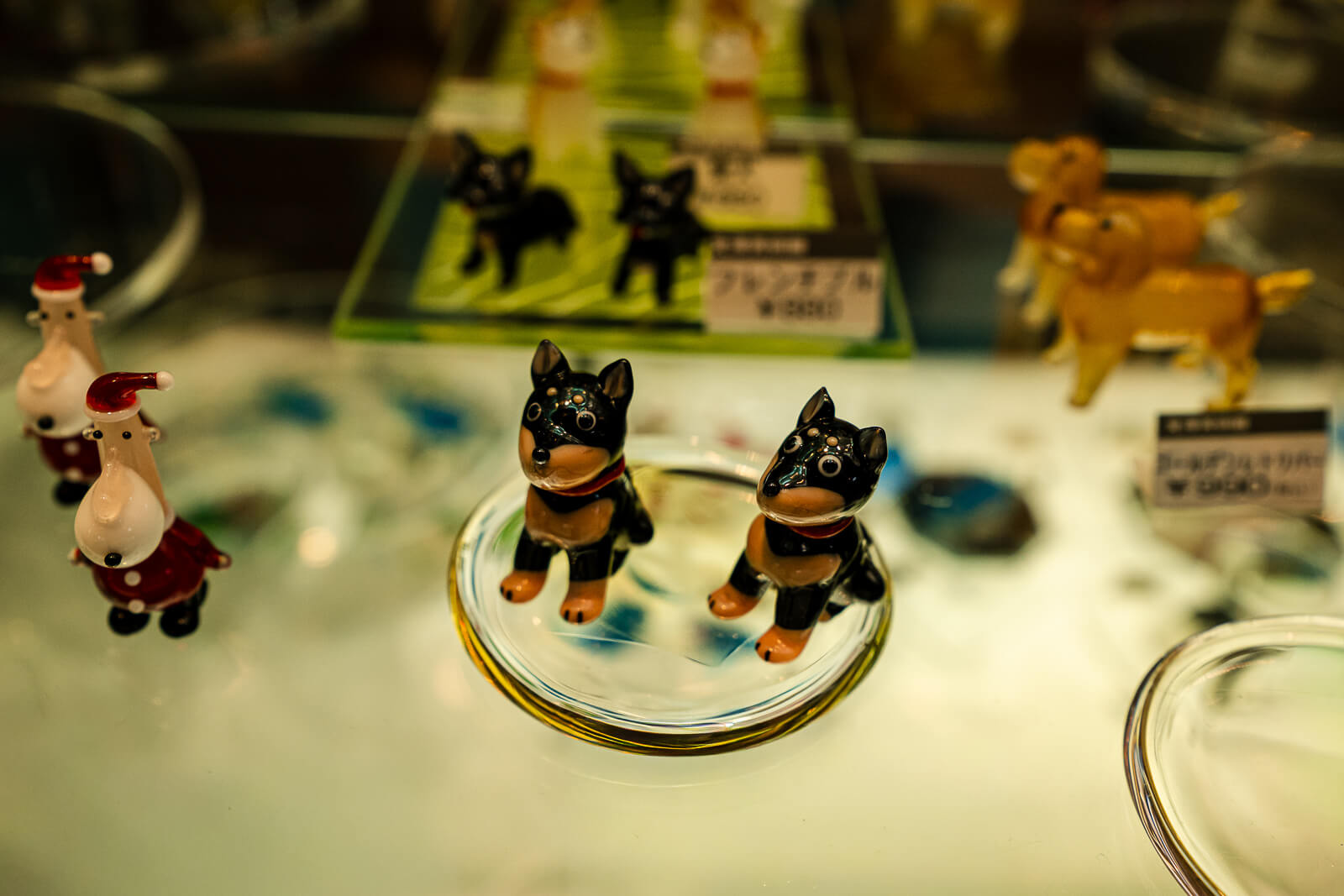
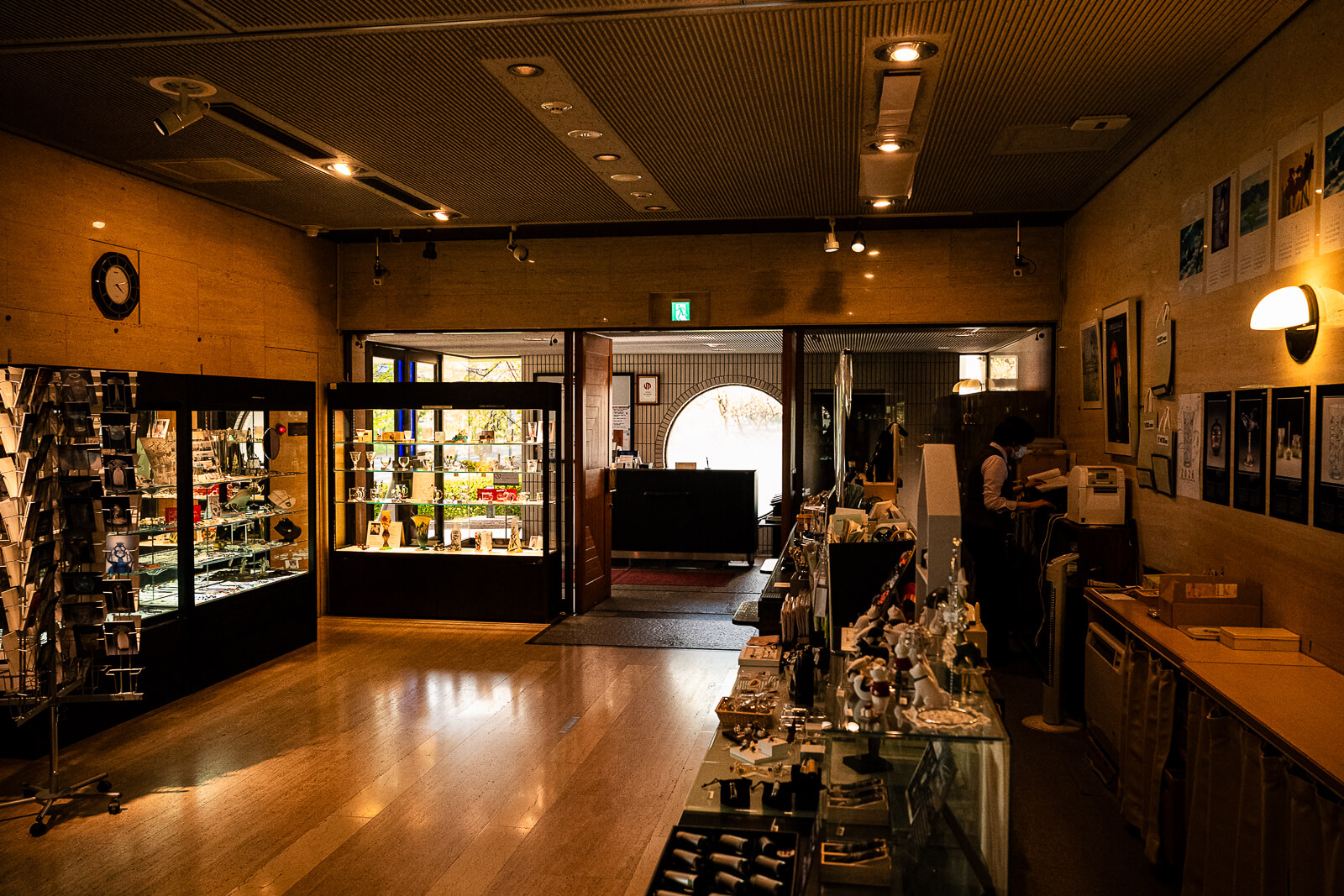
Because the shop stays visually tied to the exhibits, the museum does not end abruptly at the final gallery wall. The pacing slows near the end of the building, then releases back toward the lakefront. That gradual ending helps the stop remain compact while still feeling complete.
Walking the Waterfront After Leaving the Museum
Outside the museum, the Kamisuwa waterfront continues in several directions at once. Cafes, footbaths, lake views, historic buildings, and walking paths remain close enough together that movement through the district rarely feels interrupted. The lakefront setting gives the museum more value than it would have as an isolated indoor attraction.
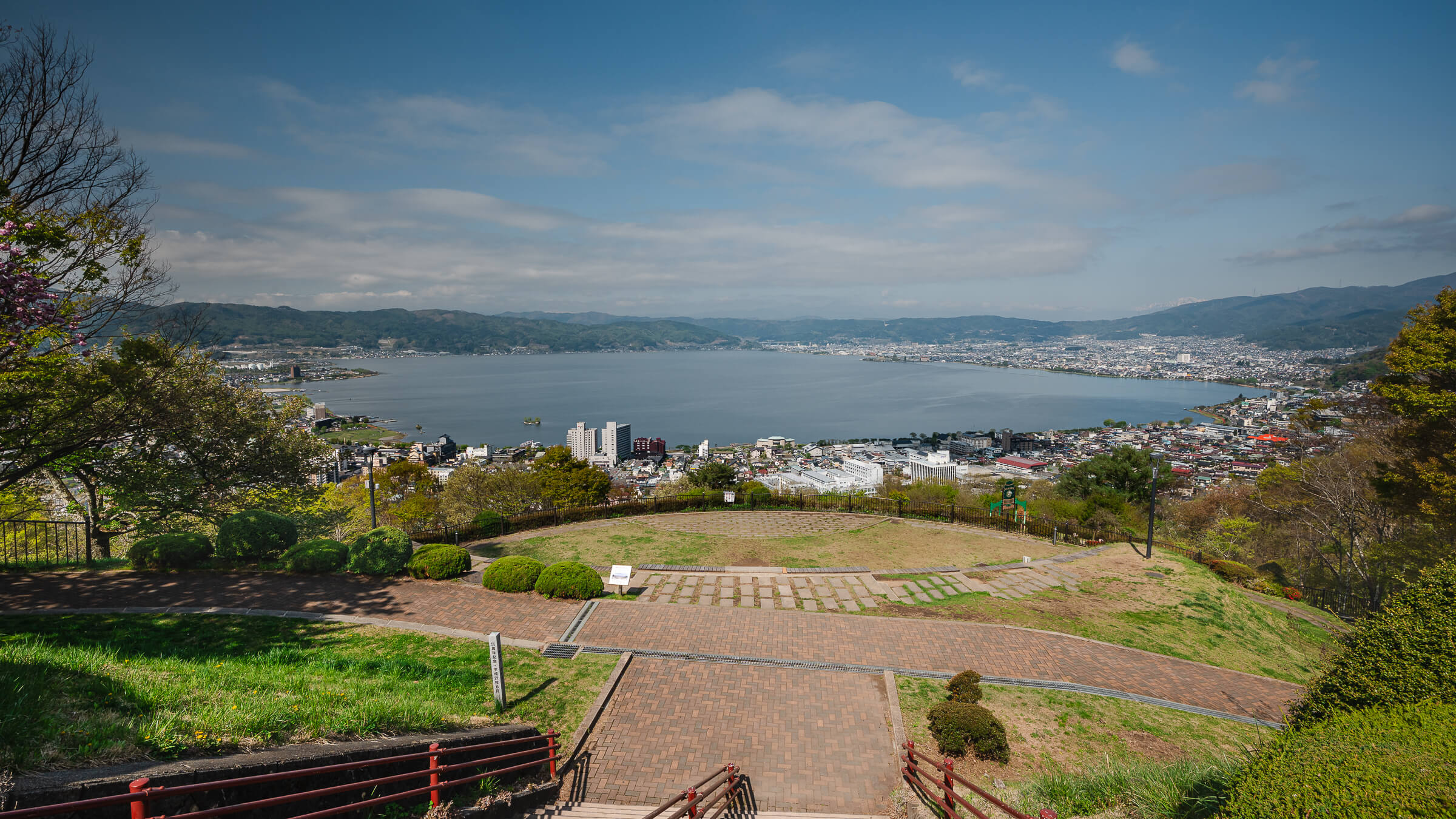
The shoreline extends naturally toward Takashima Castle, the lakeside promenade, and the footbath areas near the water. Above the city, Tateishi Park looks back across the basin, while roads leaving the shoreline reconnect with shrine districts and mountain approaches around the wider Suwa region. These nearby anchors help the museum sit inside a real route rather than a disconnected stop.
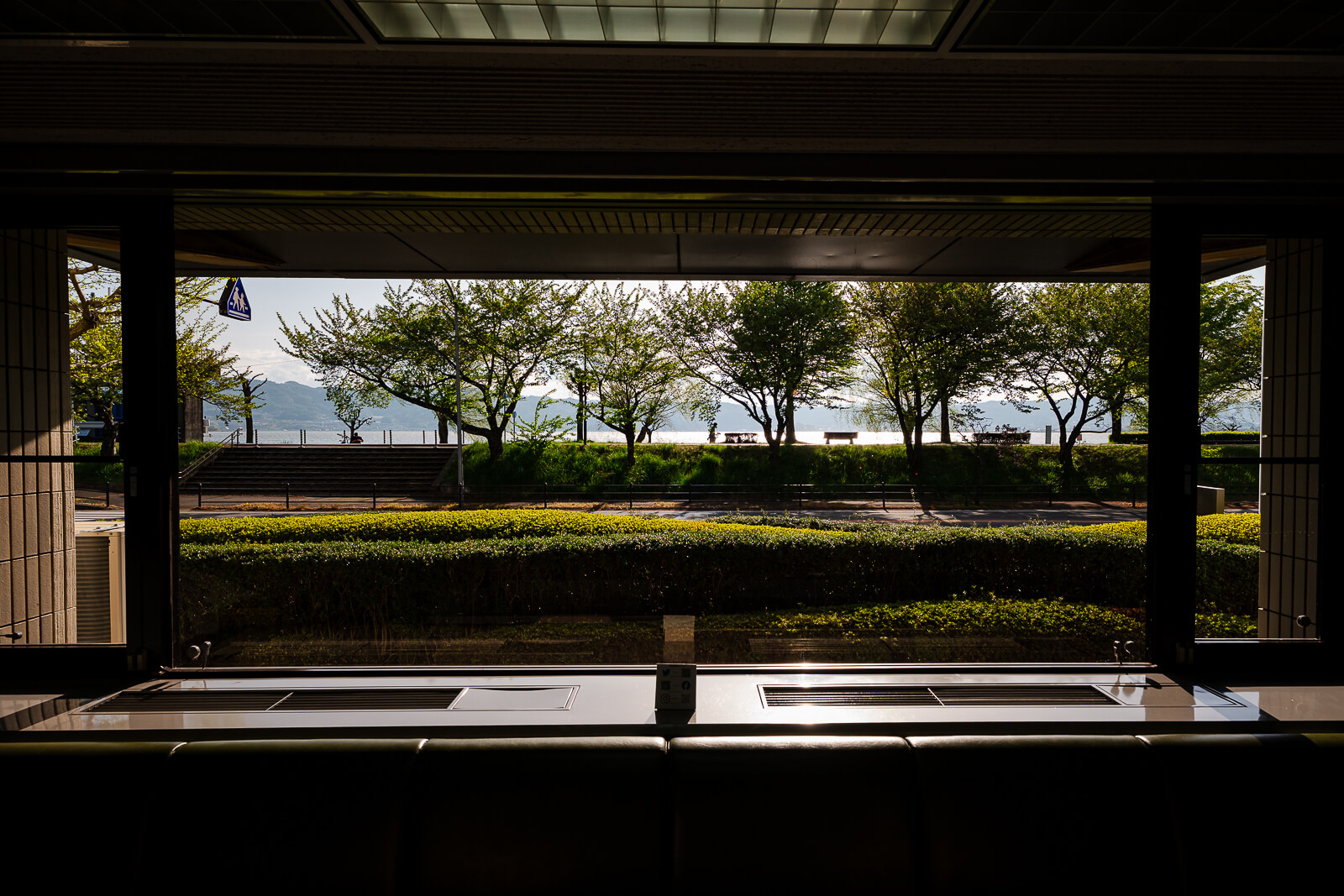
Crowds remain lighter than in larger urban museums, though weekends and poor weather can increase activity along the waterfront. Most movement through the district continues outdoors, with the museum working as one shorter stop inside the larger shoreline flow. That makes the stop easier to justify when the day already includes Kamisuwa.
How This Fits Into a Larger Lake Suwa Route
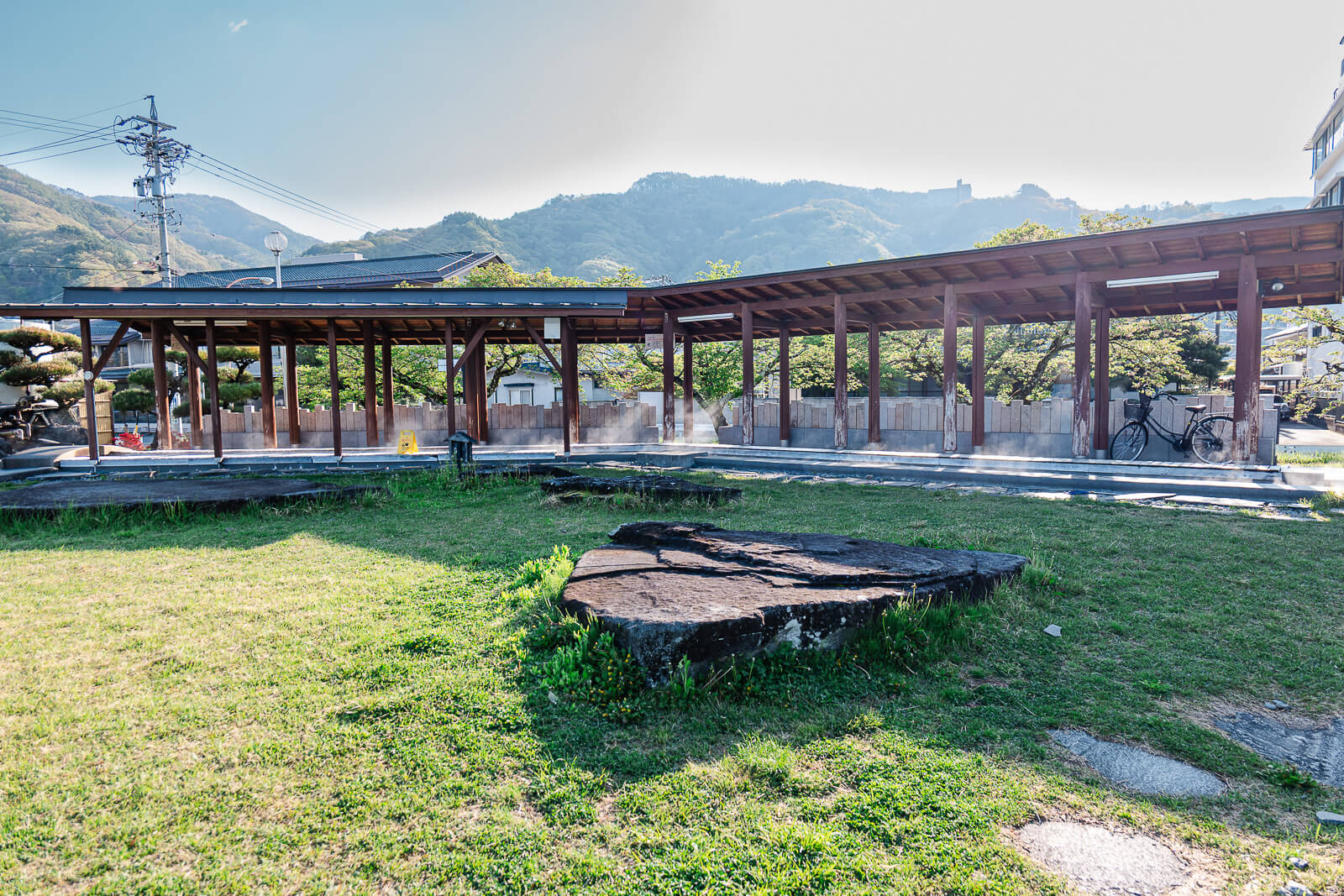
Travelers moving west along the Kamisuwa shoreline eventually reach the Lake Suwa Geyser Center and nearby Lake Suwa Lakeside Footbath, where geothermal activity and hot spring culture become part of the waterfront experience. Continuing farther along the shore leads to Sekicho Park, where the lakefront opens into a broader recreational area beside Lake Suwa. Beyond the shoreline district, the reconstructed keep of Takashima Castle rises above the western side of the basin near central Suwa City. Together, these stops help frame the museum as part of the urban lakefront layer covered in the Lake Suwa Guide.
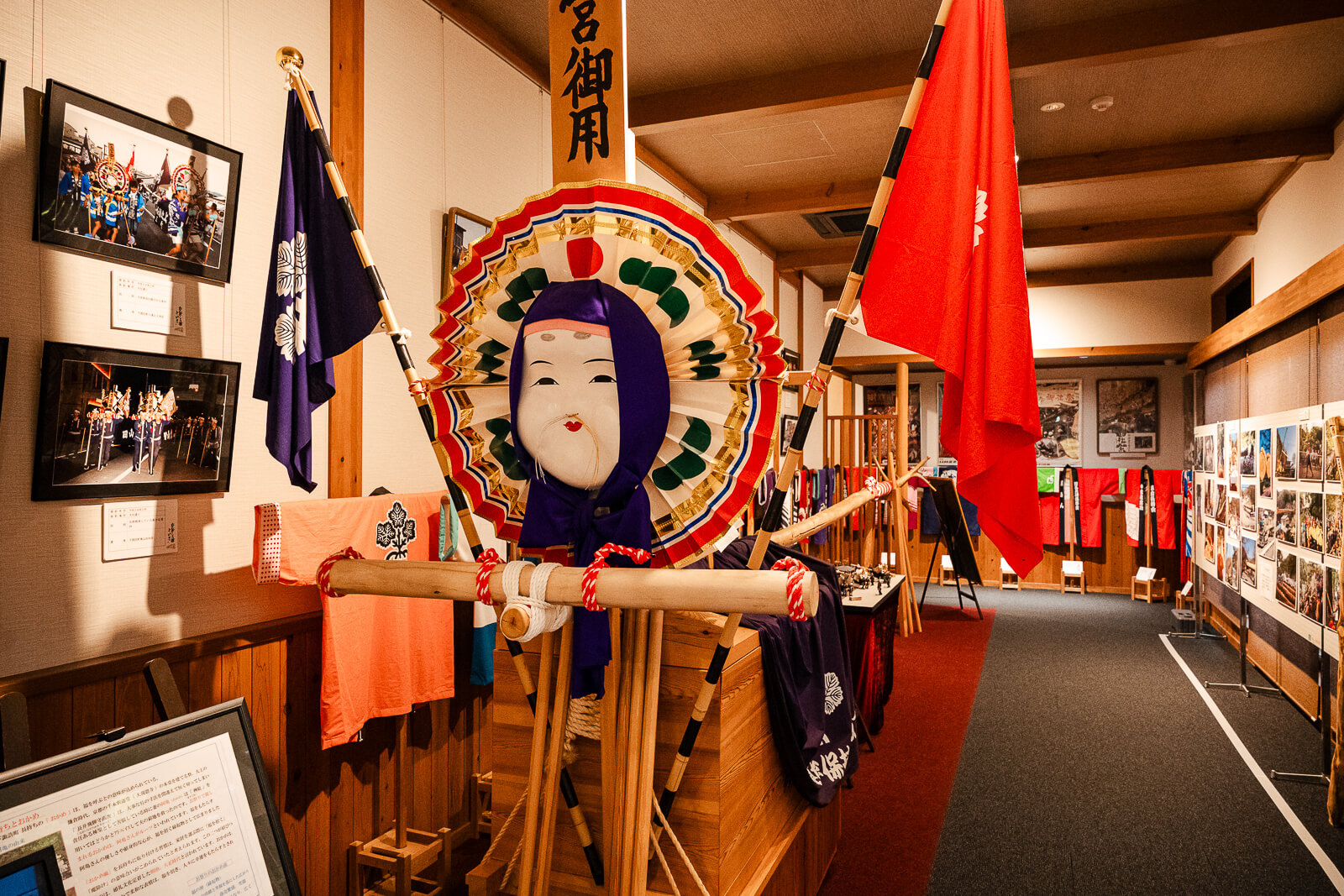
Across the wider basin, the historic shrine complexes of Suwa Taisha Kamisha Maemiya, Suwa Taisha Kamisha Honmiya, Suwa Taisha Shimosha Harumiya, and Suwa Taisha Shimosha Akimiya continue shaping movement around the region. Travelers interested in local culture can also visit Onbashira-kan Yoisa in Shimosuwa, where exhibits explain the history and traditions of the famous Onbashira Festival. While very different from the European glass collections displayed at Kitazawa Museum of Art, both attractions highlight forms of craftsmanship and artistic expression that have influenced the Suwa area. These connections help place the museum within a broader cultural landscape rather than as a standalone attraction.
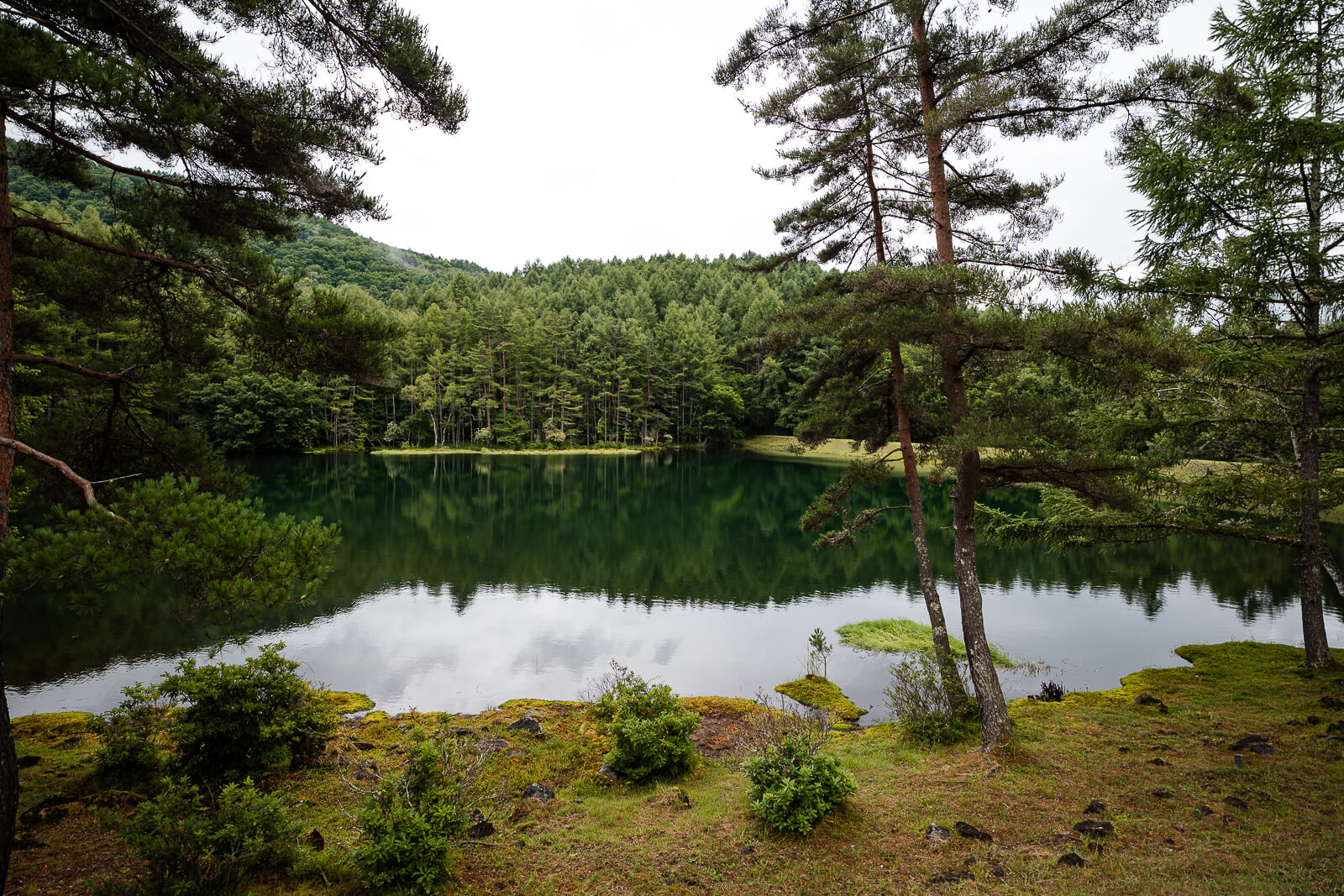
Eastern roads reconnect with Chino, Mishaka-ike Pond, the Yatsugatake Foothills, and the elevated approaches toward Kirigamine Highlands. Kamisuwa occupies a different layer of the basin, centered more closely around the shoreline, museums, hot spring facilities, and lakeside movement. For the wider regional view, the Suwa Area Guide connects the Kamisuwa lakefront with Suwa Taisha, Shimosuwa, Chino, Tateishi Park, and the highland routes beyond the basin.
Getting There
Kitazawa Museum of Art stands along the eastern shoreline of Lake Suwa in the Kamisuwa area of Suwa City. From Kamisuwa Station, the surrounding district opens gradually toward Kamisuwa Onsen, the lakeside hotels, and the waterfront walking areas.
For travelers arriving from Tokyo by train, Kamisuwa Station remains the main rail anchor for this side of the basin. Drivers approaching Lake Suwa generally descend from the expressway into the urban shoreline districts surrounding Kamisuwa and Shimosuwa.
The main friction point is route planning, not access difficulty. The museum makes the most sense when folded into a broader shoreline route instead of approached as an isolated destination.
Hours & Fees
Hours, closures, admission fees, and exhibition schedules can change seasonally. Confirm the latest details with the official museum source before visiting.