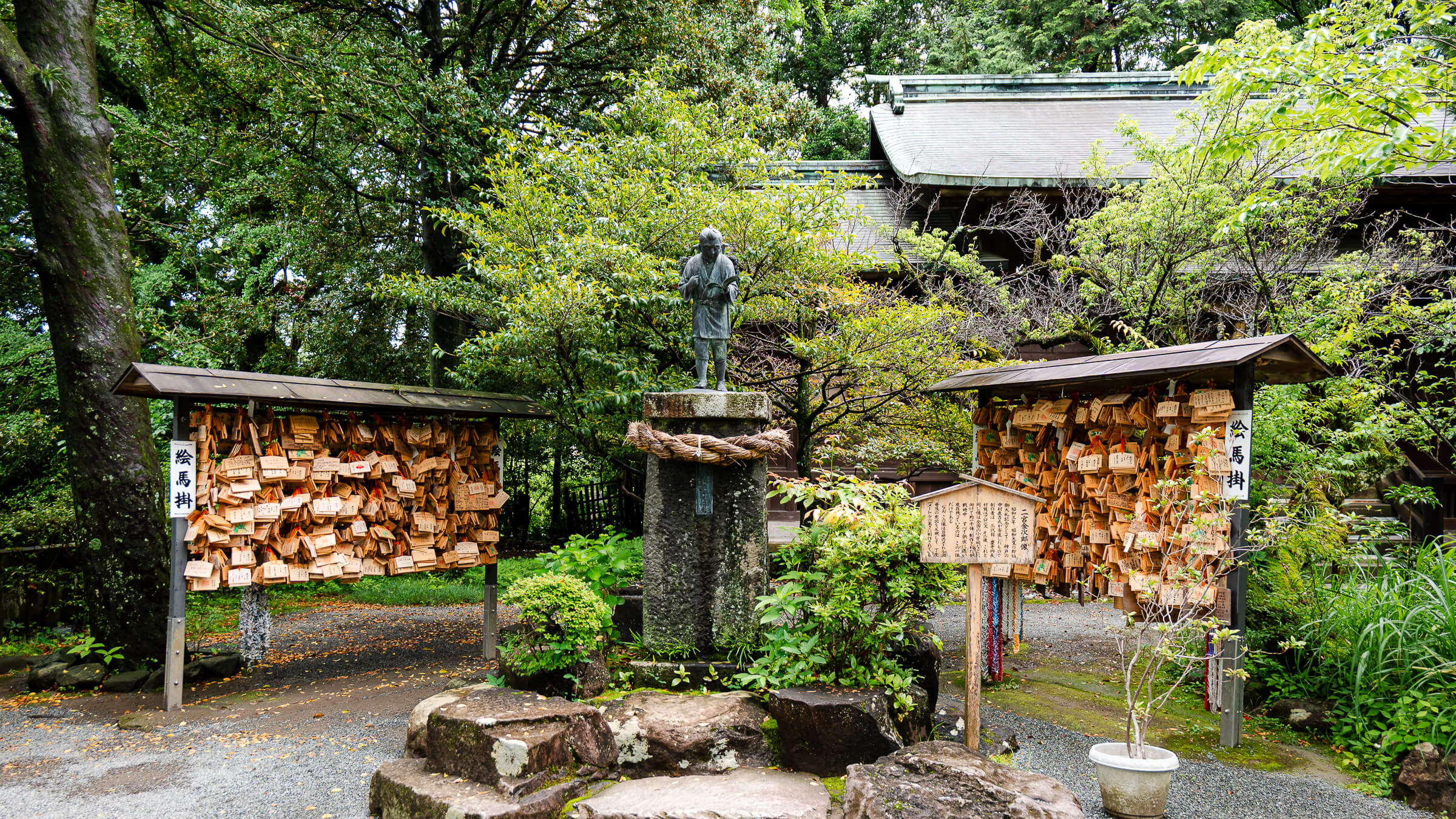
Best included after the castle keep, not on the way up
Hotoku Ninomiya Shrine sits within the Odawara Castle grounds just below the main stair approach to the keep. It occupies level ground in the lower section of the site. The shrine is located in Odawara, a coastal city in Kanagawa Prefecture, positioned between Tokyo, Hakone, and Atami along one of the region’s main travel corridors.
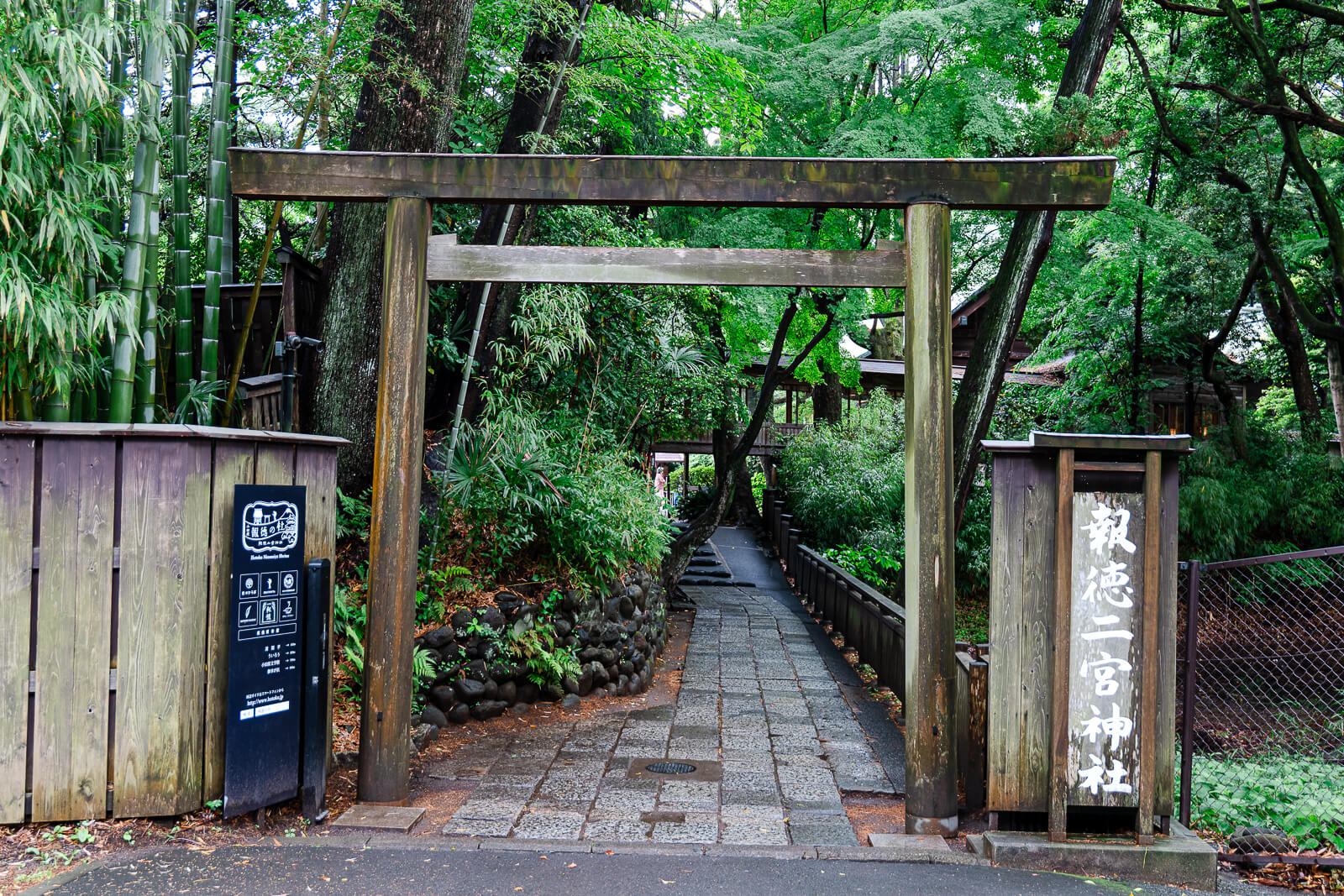
The shrine is best included after visiting the castle keep and observation deck rather than before. Most visitors move directly toward the stairs, complete the main castle visit, and then shift their attention toward leaving the grounds. At that point, the shrine can appear secondary, even though it sits only a few minutes away.
Including it at this stage does not extend the visit in a meaningful way, but it adds a layer that connects the lower grounds with the rest of the castle complex. It turns what is often a straightforward in-and-out route into a more complete walk through the area.
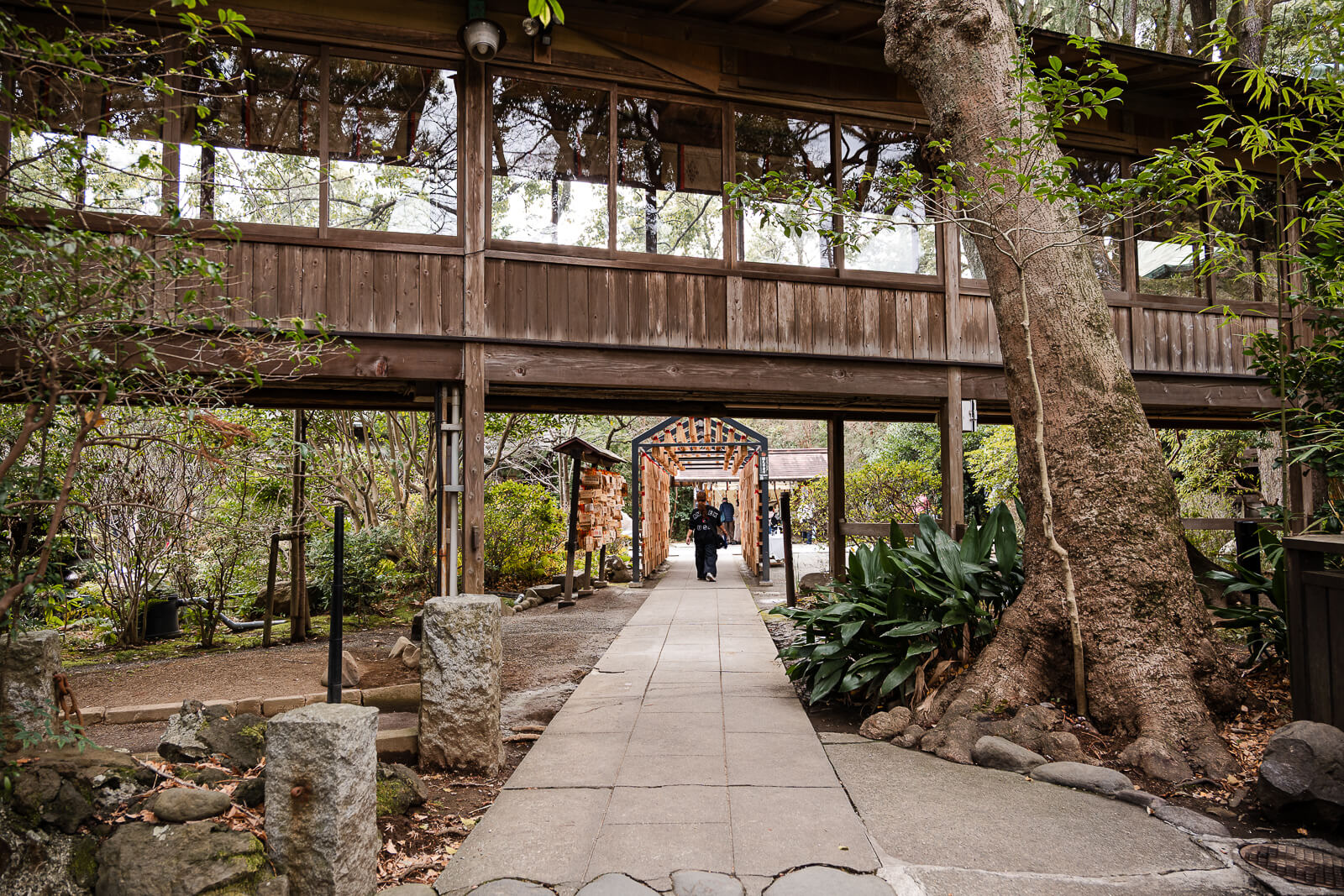
A later addition that reflects Odawara beyond the castle era
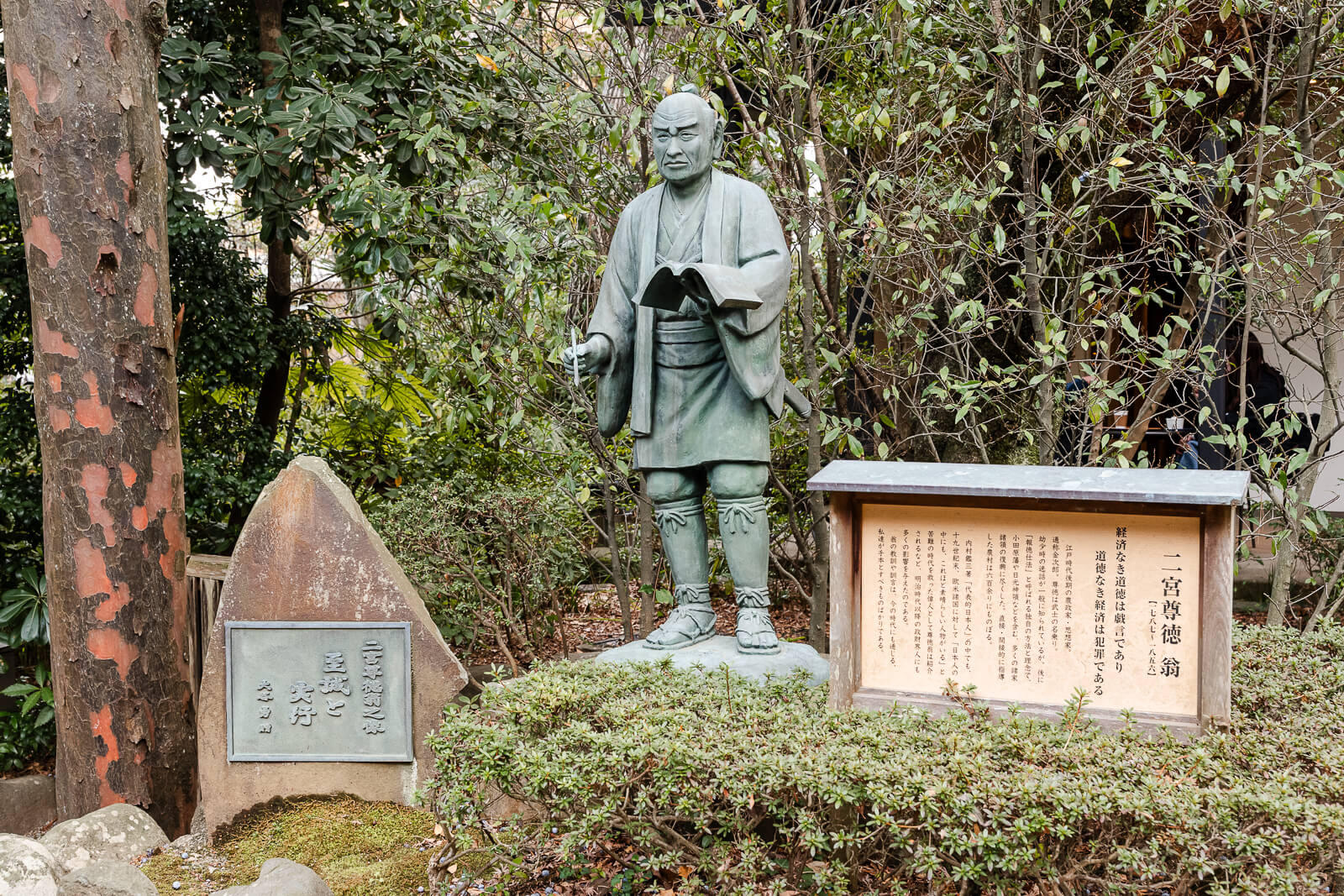
Hotoku Ninomiya Shrine is dedicated to Ninomiya Sontoku, who was born in the Odawara area in 1787 and became known for rebuilding agricultural communities through systems of shared labor and financial discipline. His work focused on long-term stability rather than immediate gain, and his ideas continue to be referenced in discussions of rural development and economic recovery.
The shrine was established in 1894, long after Odawara Castle had lost its defensive role. By that time, the grounds had already transitioned from a controlled military space into a public one, and the shrine reflects that shift. Instead of reinforcing the authority of the castle, it represents a later phase in which the region’s identity was tied to organization, recovery, and everyday life beyond the castle walls.
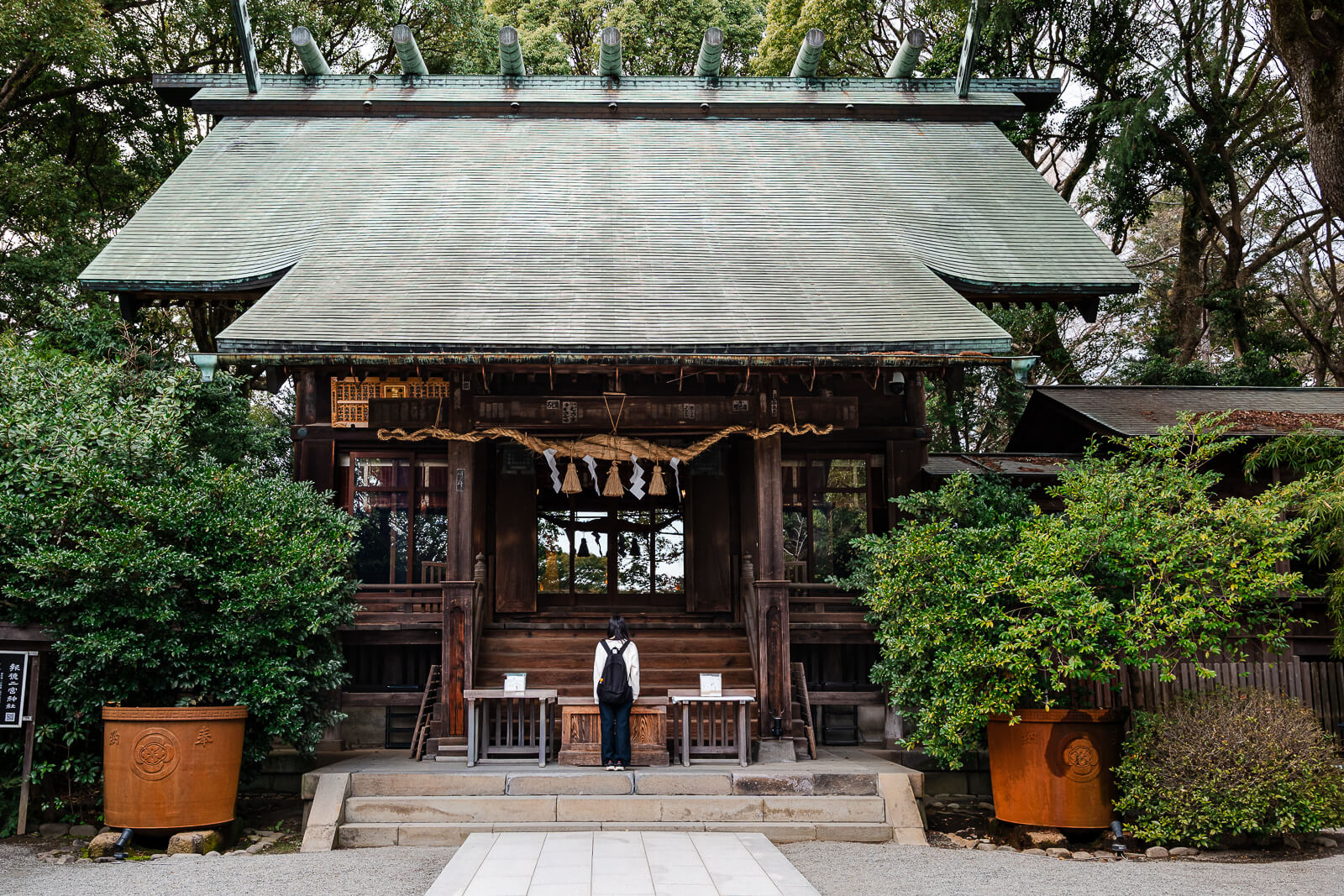
Noticed briefly, then left behind as the visit moves on
The shrine tends to register at a very specific moment in the visit, but not in a way that naturally pulls people in. As visitors approach the base of the castle stairs, signage indicates its presence, and many people notice it briefly before continuing toward the keep without turning.
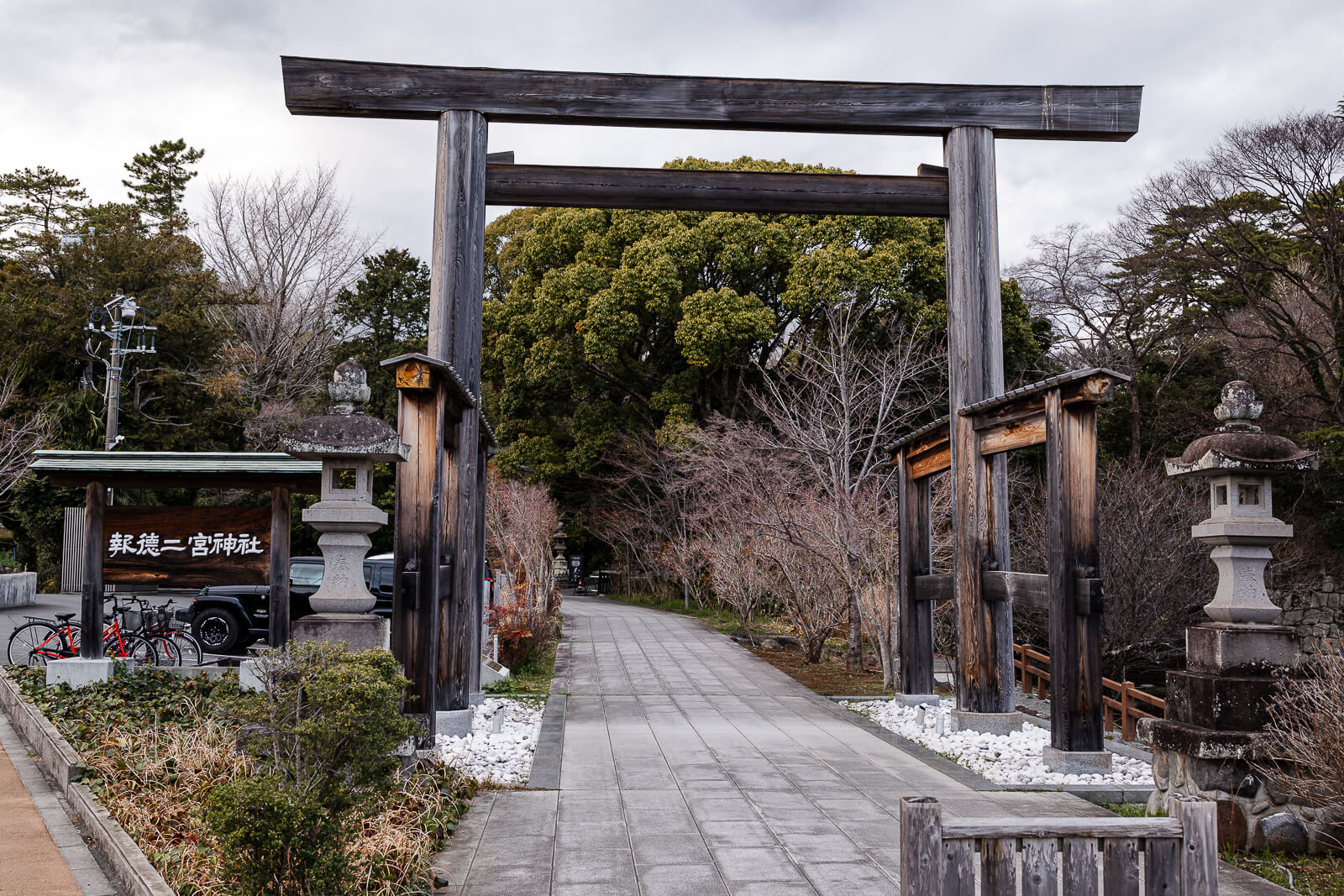
After visiting the castle and returning to the same point, the opportunity appears again but often goes unused. At that stage, attention shifts toward the courtyard activity or the route back toward the station, and the shrine—just a few minutes away—no longer feels like part of the visit. Because this decision point passes quickly, the likelihood of returning to it drops even though the distance remains minimal.
Entering from the castle side reveals the shrine in reverse
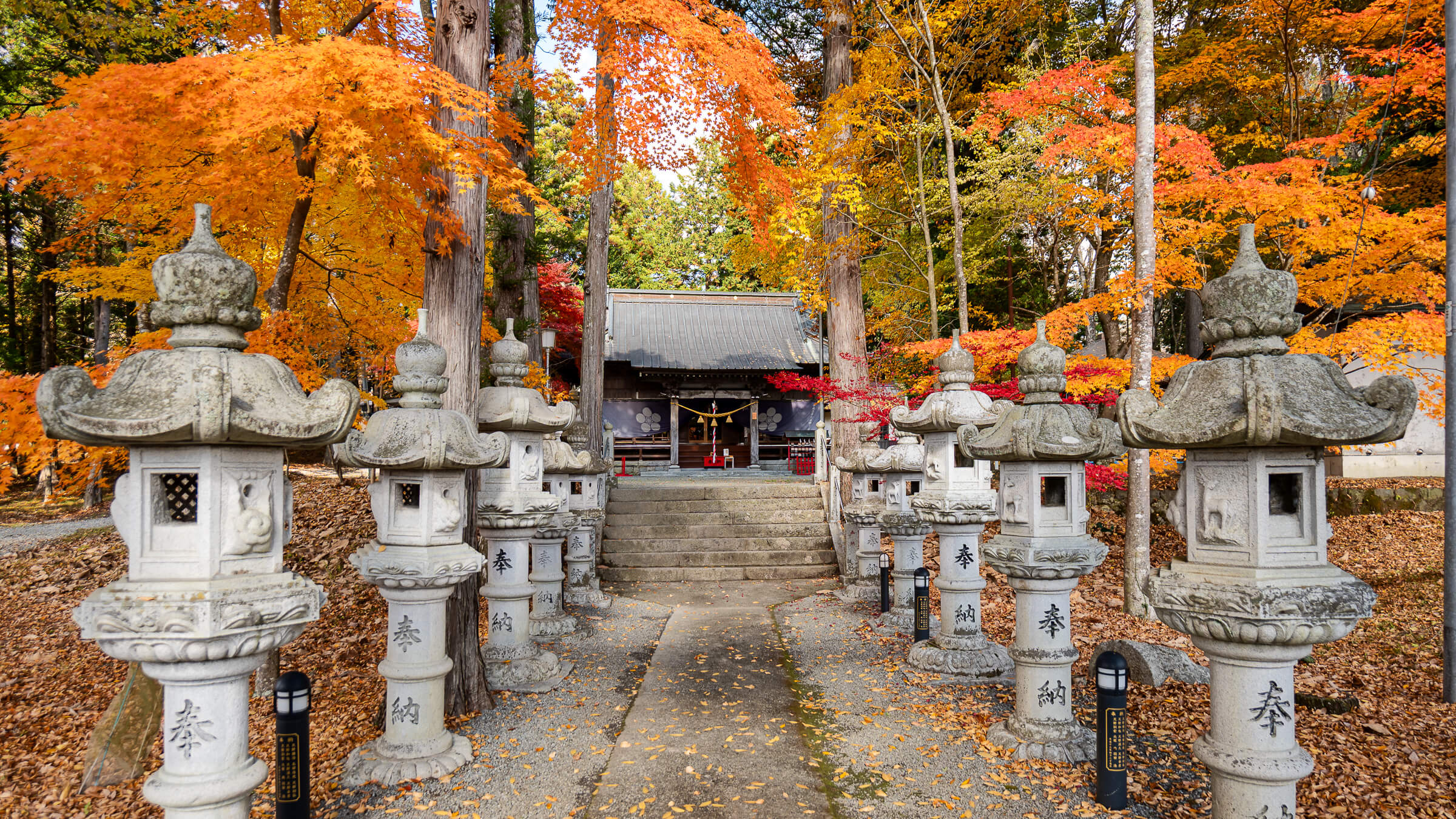
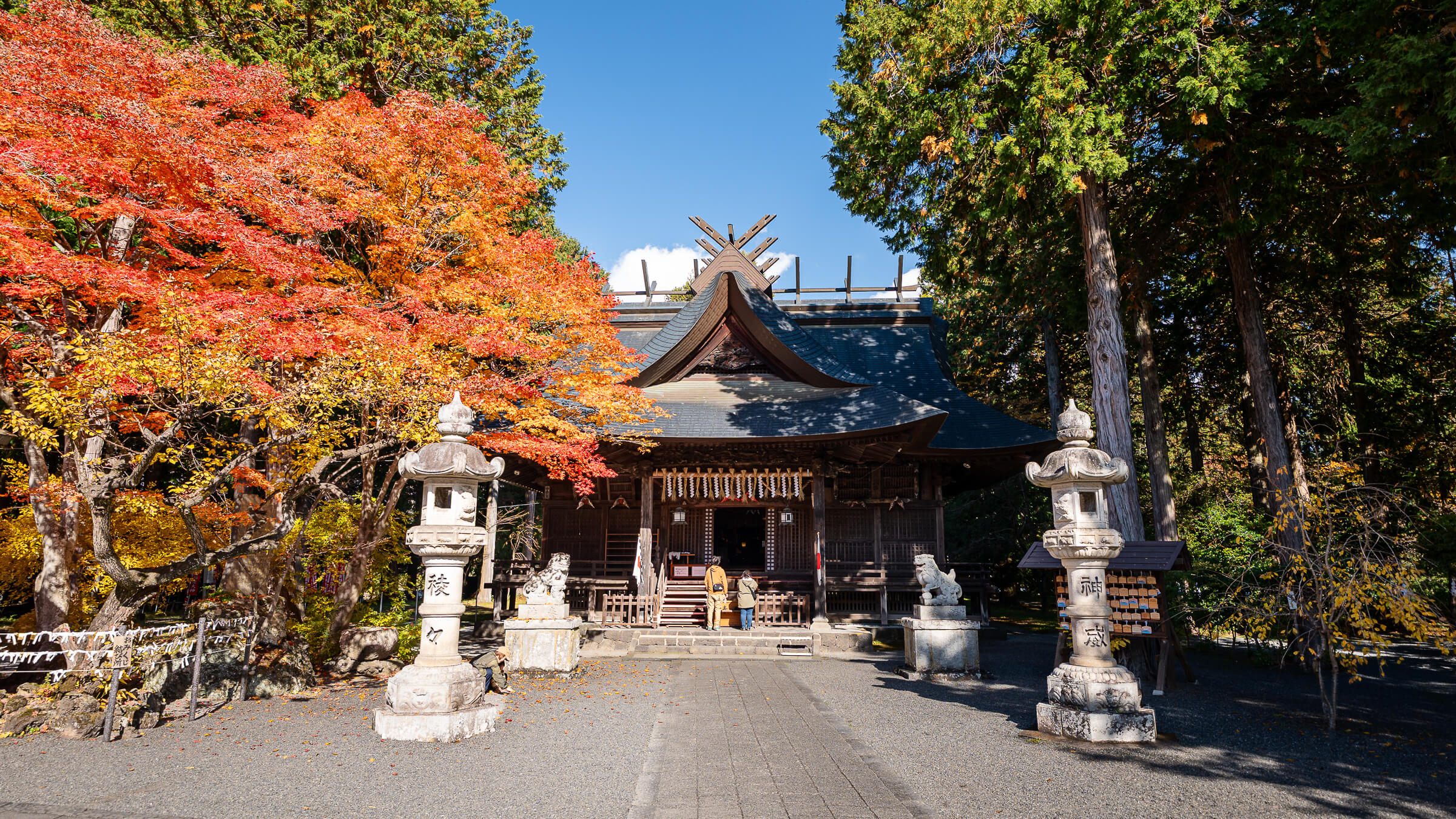
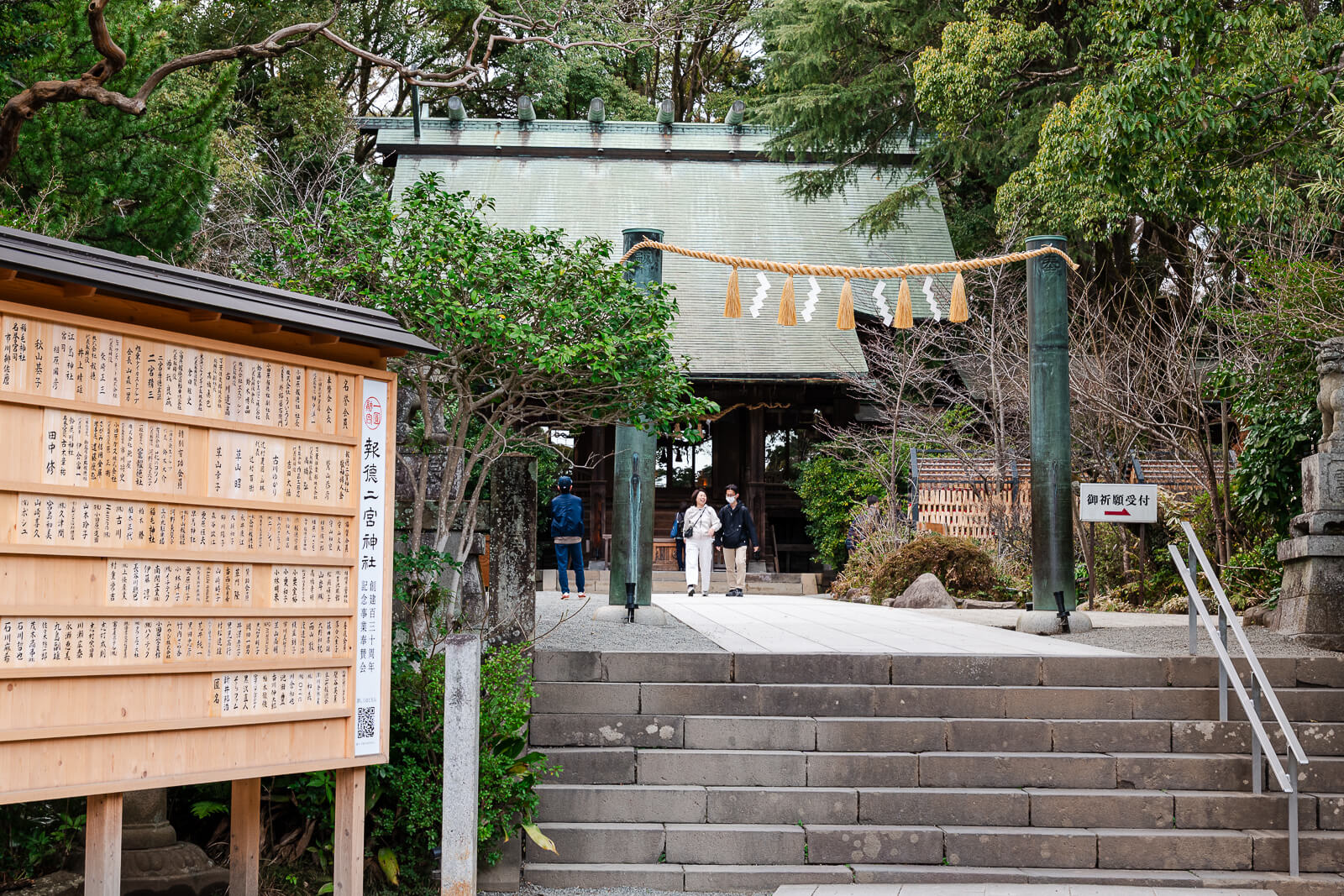
Approaching the shrine from the castle steps changes the order in which it is experienced. Instead of entering through the torii gate, visitors arriving from the castle side encounter the main hall area first, with the grounds opening outward from there.
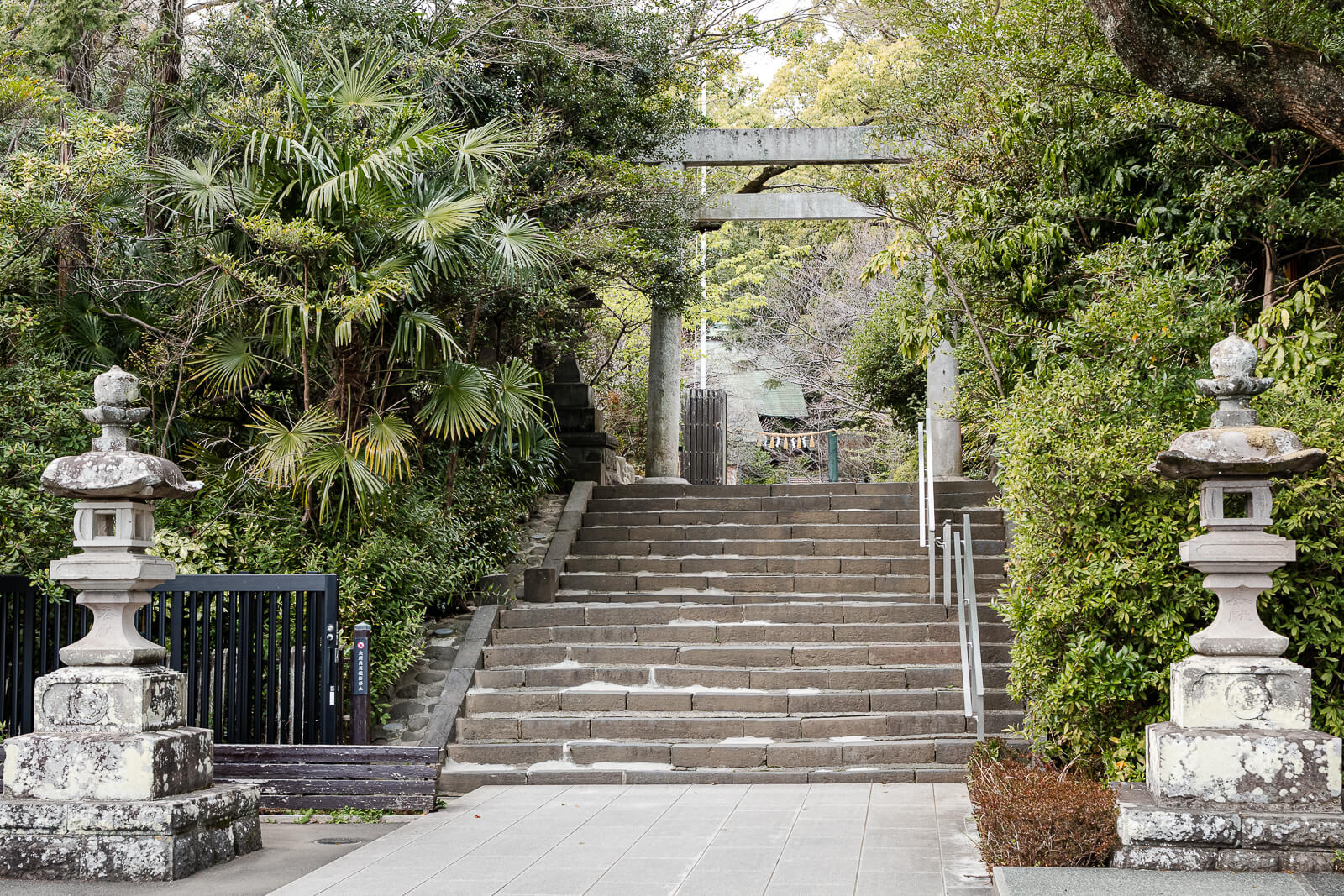
Walking through the shrine in this direction leads back toward the torii gate, where the space transitions toward the outer edge of the castle grounds. From there, the route continues toward the wisteria garden and the large moat area, naturally extending the visit beyond the central courtyard.
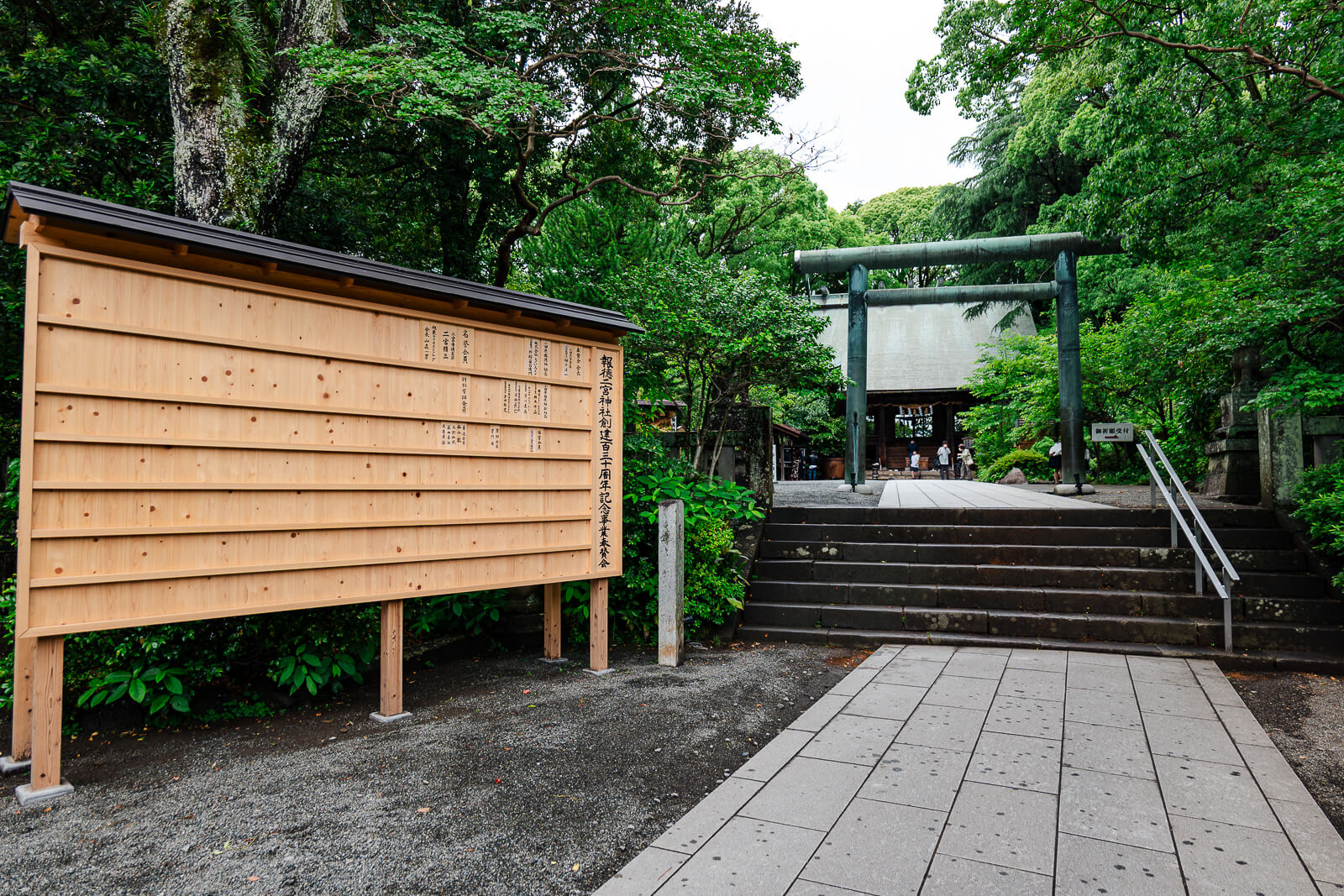
This reverse sequence makes the shrine feel less like an entrance and more like a connector between the castle and the outer grounds.
A short, open space that changes the feel of the visit
The shrine grounds are open and easy to move through, without a defined path or endpoint, which creates an immediate contrast with the structured movement of the castle above. The space expands gradually, allowing visitors to move freely rather than following a fixed route.
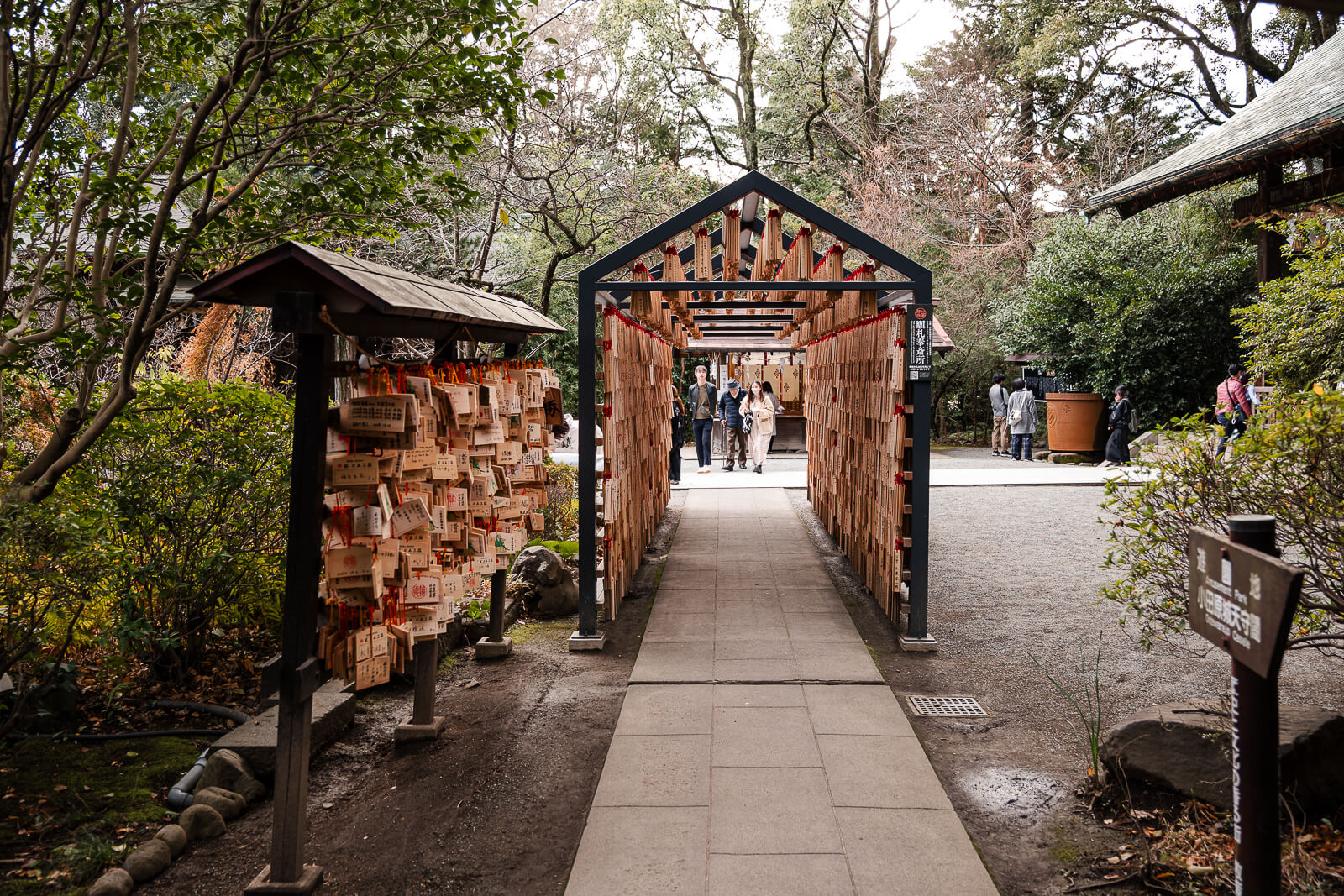
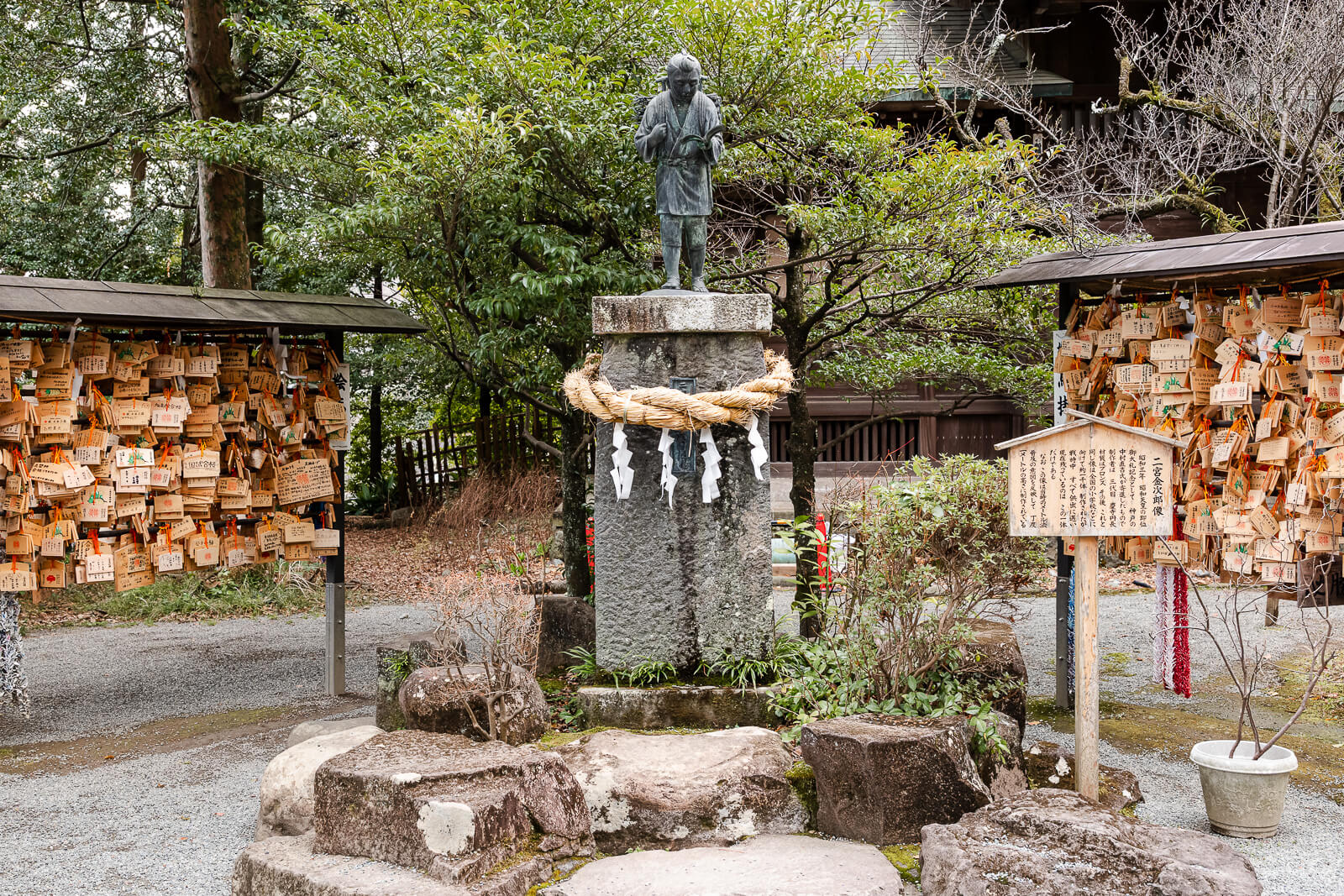
Near the main hall, the statue of Ninomiya as a young boy reading while carrying firewood draws attention. The figure is widely recognized across Japan, but here it is tied directly to the place where his work began, giving it a more grounded context. The layout allows the visit to remain brief while still offering enough to notice if time is taken.
A short detour that connects more of the castle grounds
Including the shrine changes how the surrounding space connects, even though it sits just outside the main route. From this lower section, paths extend outward toward the Minamihori moat and surrounding areas, one of several preserved defensive features that still define the outer edge of the castle grounds.
Movement through the park often centers on the castle keep, while nearby stops such as the Odawara Castle Ninja Museum and the Odawara Castle Samurai Museum sit along that same central route. The shrine sits just outside this line, creating a natural split between the main attractions and the outer grounds that only come into view when the route extends beyond the courtyard.
Including the shrine does not add distance in a meaningful way, but it shifts how the layout is experienced. It becomes easier to move between the inner and outer areas of Odawara Castle Park without retracing steps, which gives a more complete sense of how the grounds are structured.
A different angle back toward the castle that most people don’t see
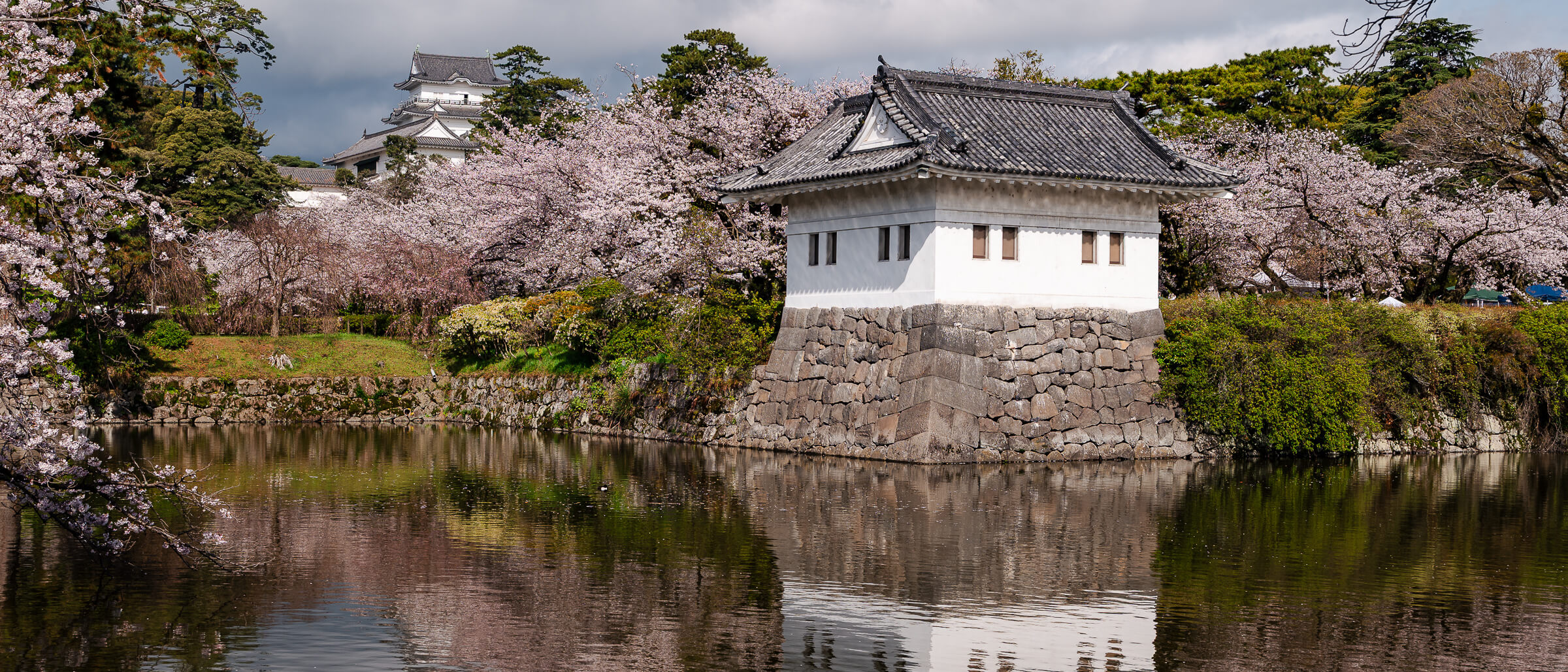
Moving toward the shrine also changes the perspective of the space in a subtle but noticeable way. From the lower grounds, the angle back toward Odawara Castle shifts, placing the structure in the background rather than as the destination.
This change reframes how the castle is seen, especially after having just visited it. While the shift is brief, it adds a layer to the experience that is not part of the main route and is easy to miss without moving into this part of the grounds.
Getting There
Hotoku Ninomiya Shrine is located within Odawara Castle Park, just a short walk from the base of the castle stairs. From Odawara Station, the walk takes approximately 10 to 15 minutes along a straightforward route through the park.
From the base of the stairs, the shrine is only a few minutes away, but it is most naturally included after visiting the castle rather than before. No additional planning is required, but it depends on recognizing that it is part of the same visit.
Hours and Fees
Grounds: Open daily
Shrine office: Typically 9:00 – 16:30
Admission: Free