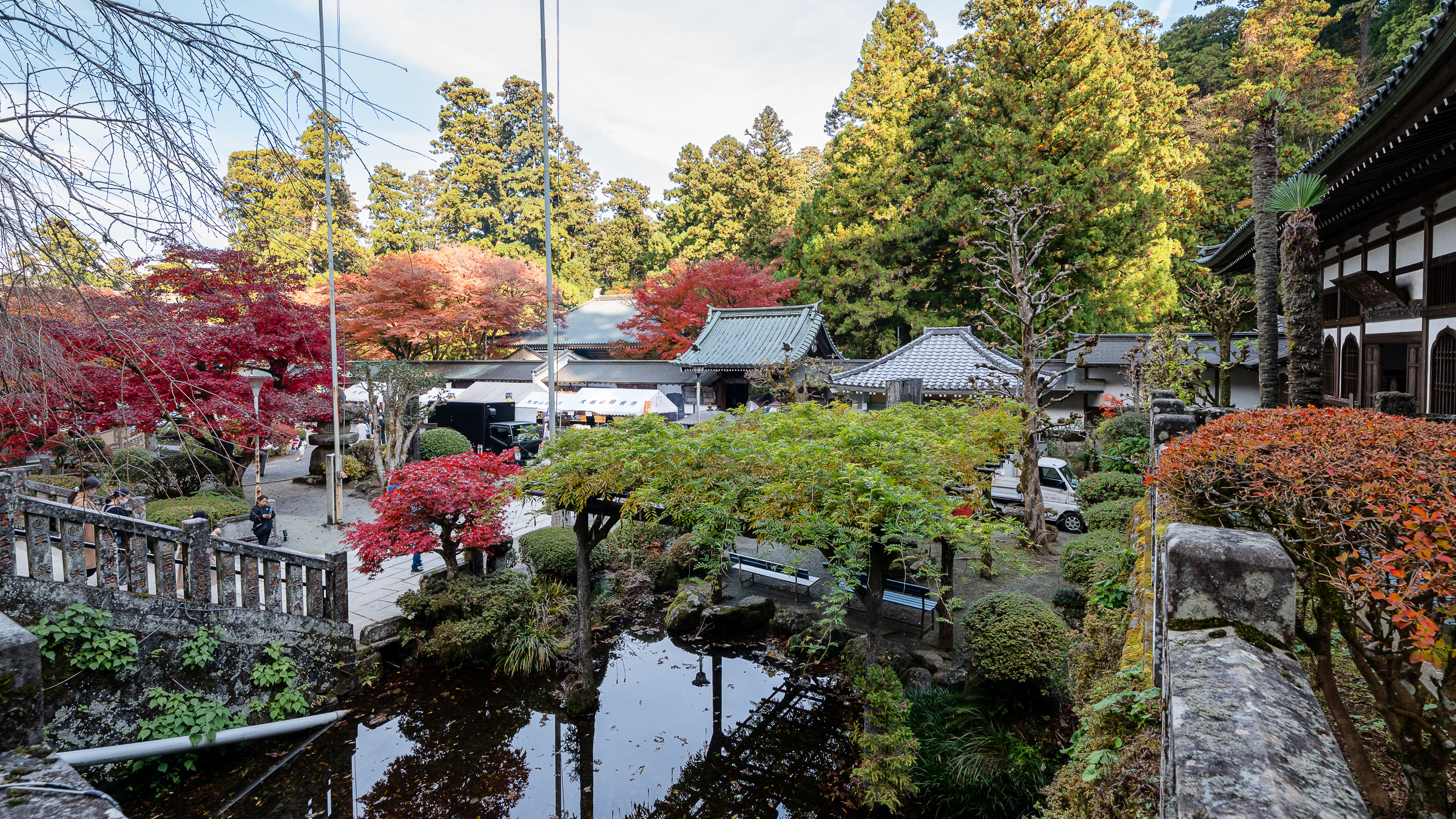
Daiyuzan Saijoji rises through cedar forest in Minamiashigara, in western Kanagawa. Courtyards, halls, stone stairways, and wooded paths spread across the hillside, giving visitors plenty to explore. Set aside half a day from Odawara, including travel and time to explore; there is plenty to see below the uppermost hall if you decide to skip the final climb.
The temple also makes a rewarding addition to a Hakone-area trip, particularly in autumn, when red and orange maples stand against the evergreen cedars. The temple is outside Hakone, so leave enough time for the journey if you plan to visit both areas. The halls, cedar forest, and stairways give visitors interested in architecture and photography plenty of reasons to make the trip.
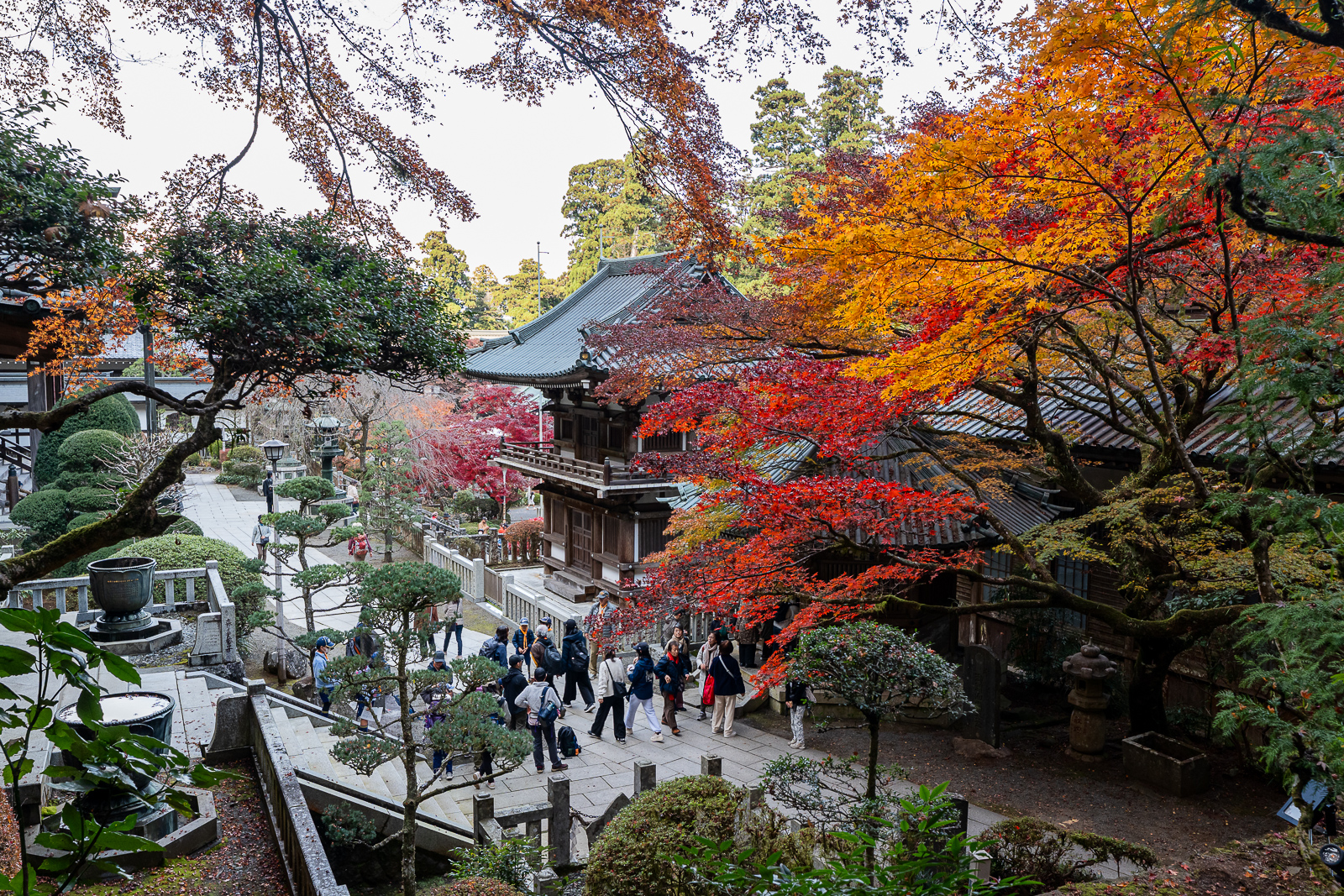
A forest temple built across several levels
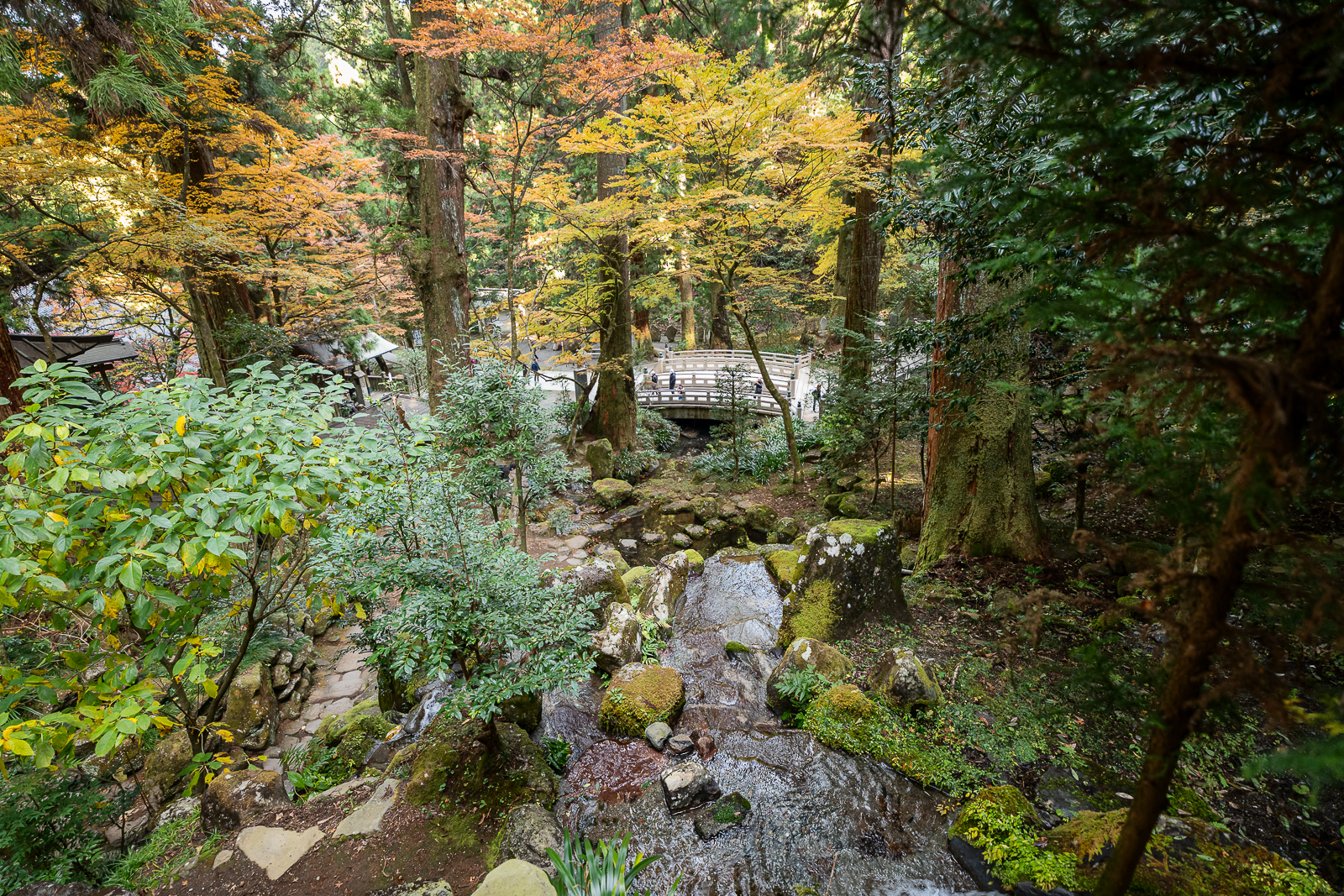
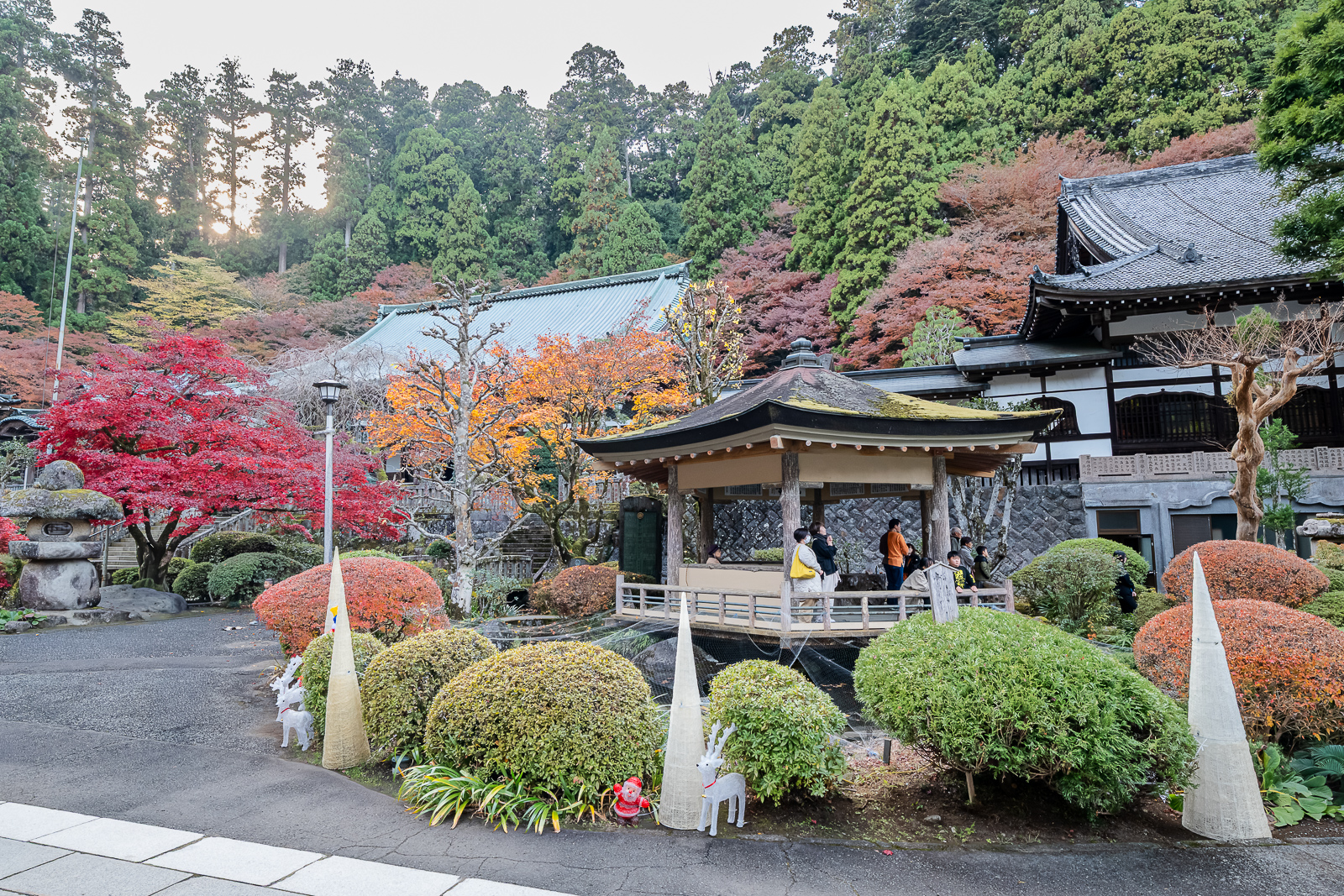
The first impression is one of space. The broad courtyard offers views of the main buildings, with tall trees rising around its edges and above the roofs. Paths lead from the courtyard into the trees and toward other buildings, keeping the forest close throughout the visit.
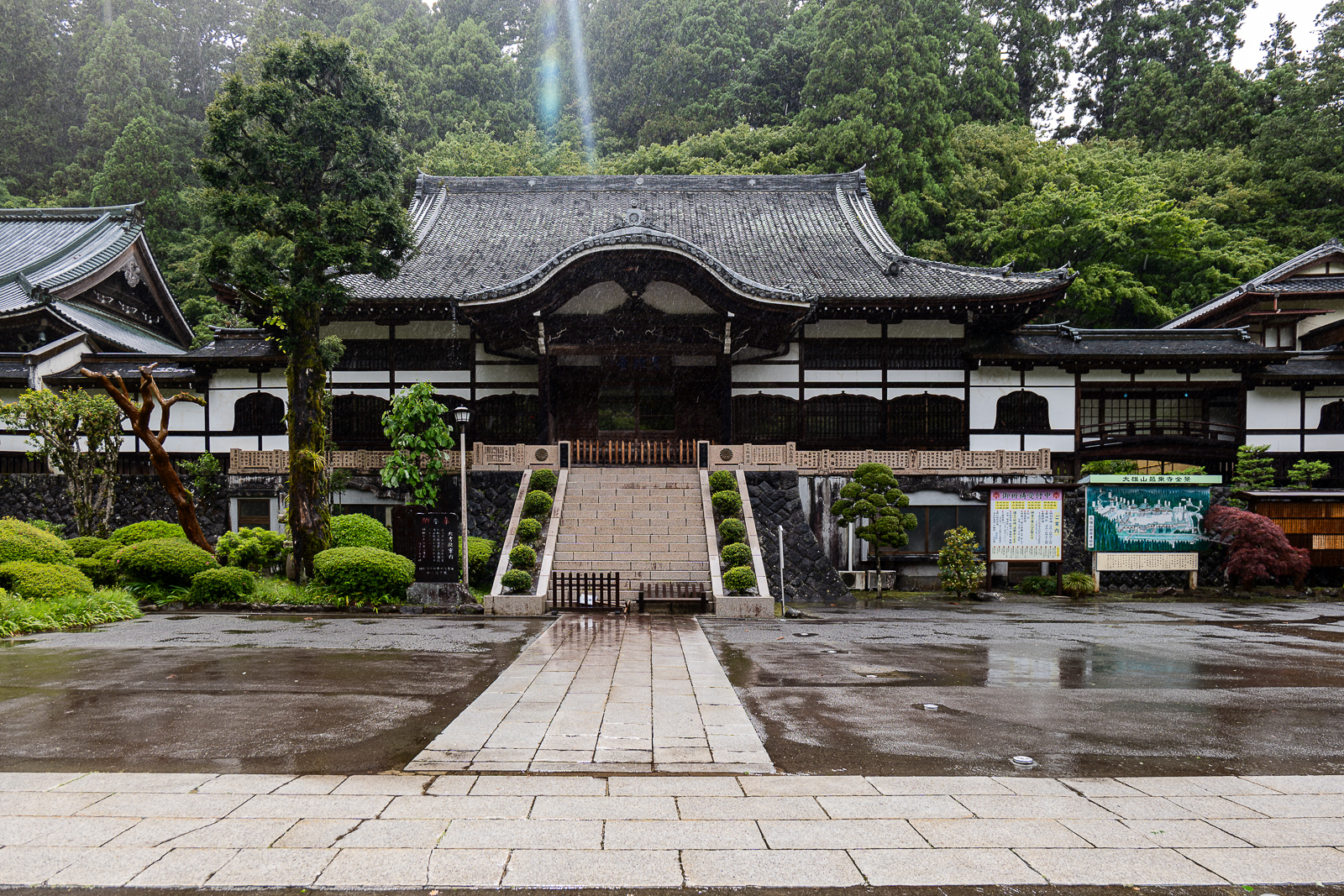
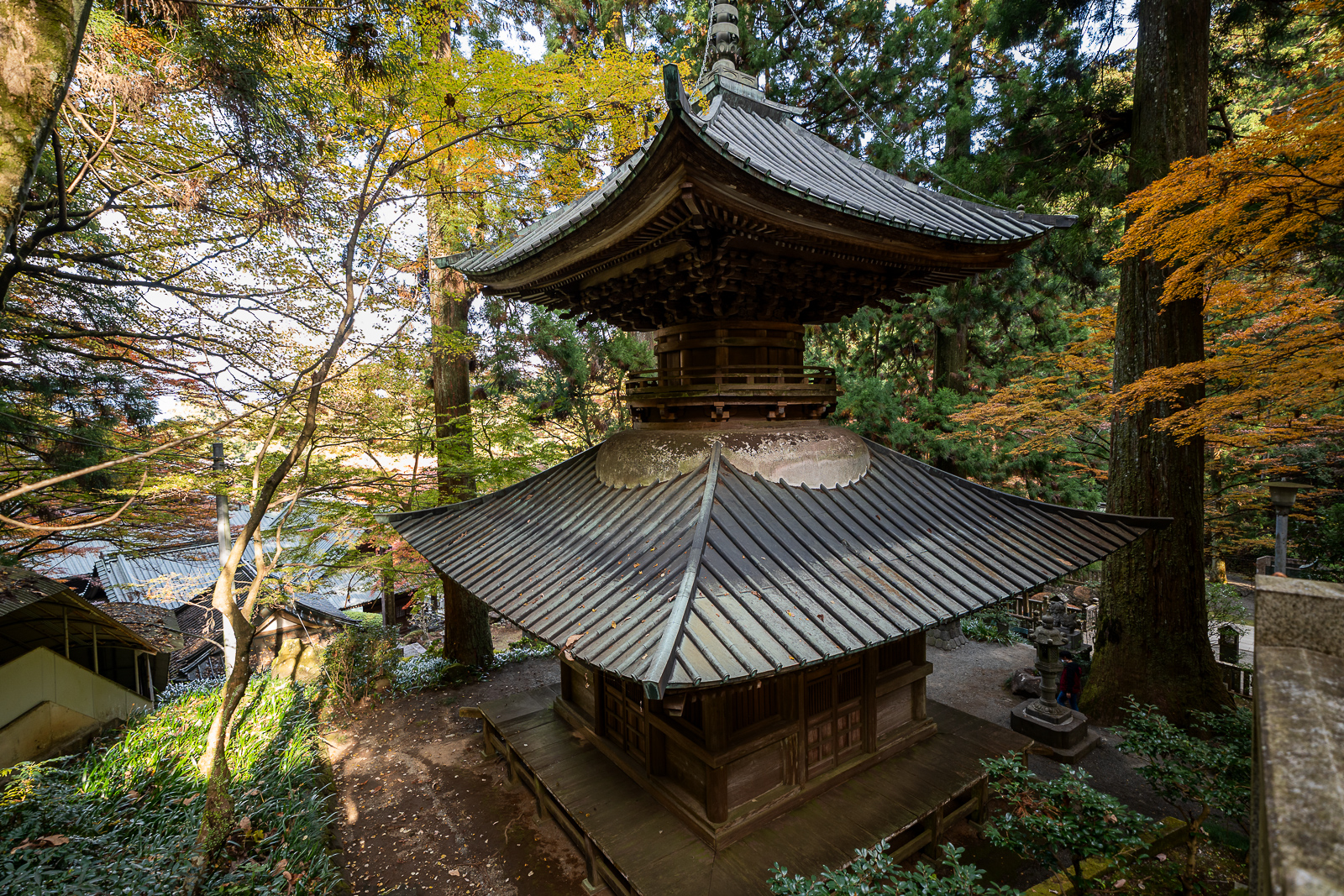
The buildings give you reasons to stop as you explore. A short walk brings another hall or landing into view; farther up are a bell tower, a purification basin, and stairs leading to more of the complex. There is a lot of ground to cover, but the halls and smaller details invite a closer look along the way.
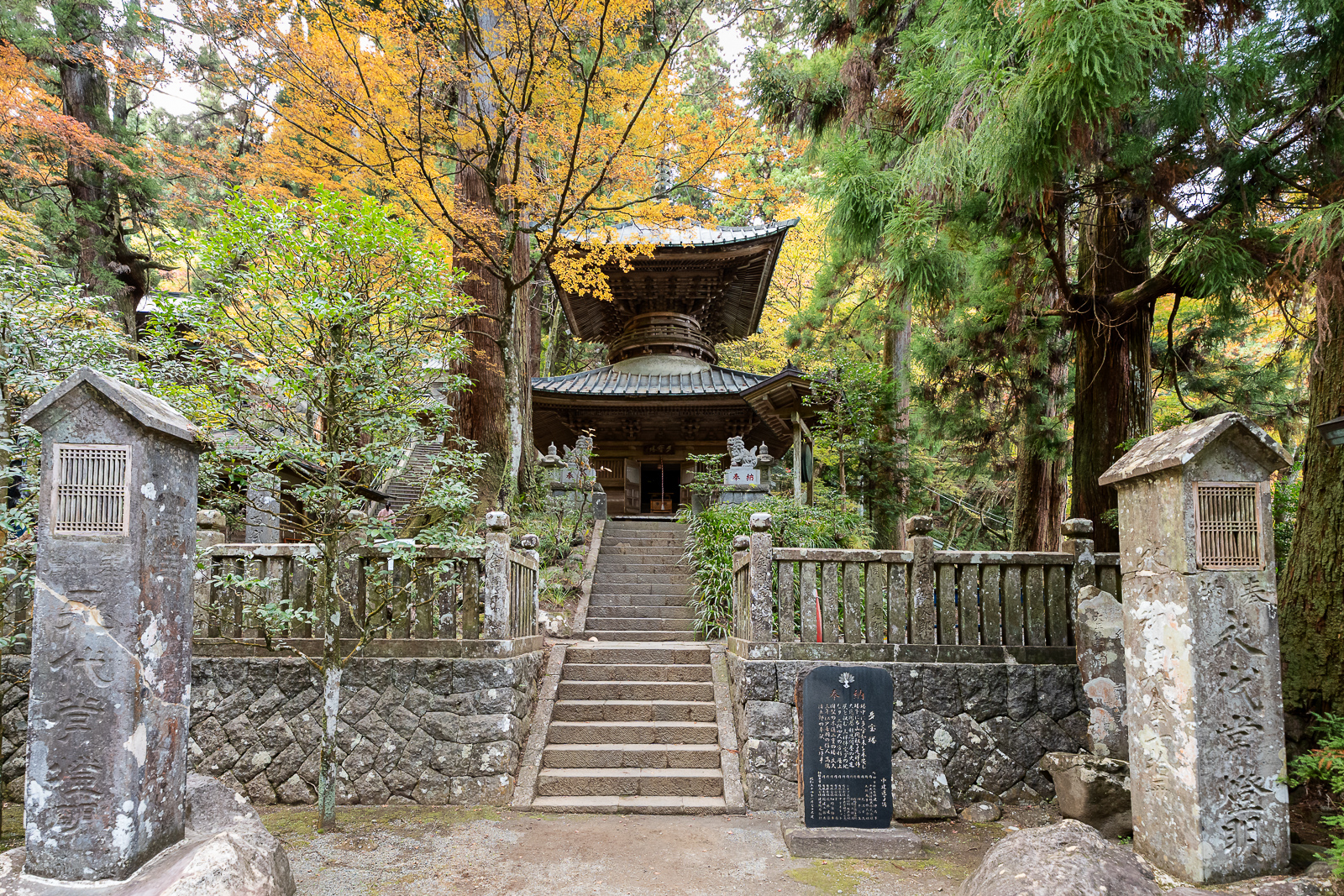
Plan on around two hours to explore and take photographs, without expecting to see every building or climb every stairway. Leave more time if you want to reach the uppermost hall, follow a hiking trail, or enjoy a festival. A visit to the main grounds can fill a half-day outing from Odawara; adding a hike into the surrounding hills needs a longer plan.
Saijoji and the guardian Doryo
Founded in 1394 by Ryoan Emyo, Saijoji is a Soto Zen temple with an active religious life. People still come here to worship, and the halls remain places of religious practice. Visitors share the site with worshippers, and access to individual buildings or ceremonies should follow the instructions displayed there.
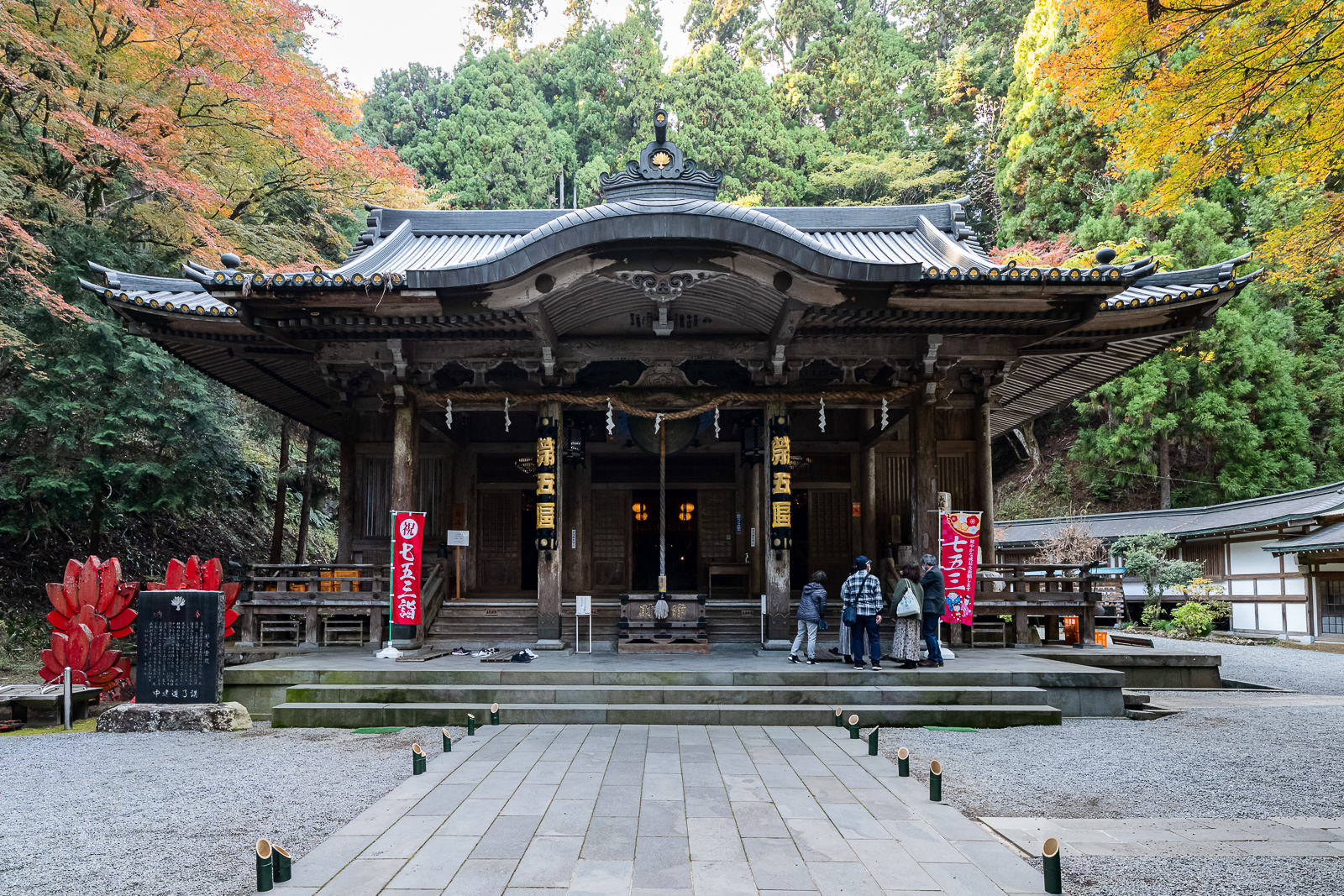
Doryo-son, the name used for the temple bus stop, refers to the guardian honored here. In the temple's account, Doryo assisted the founder and became a tengu guardian after the founder's death. The tengu figures and offerings around the grounds reflect this belief in Doryo as the temple's protector.
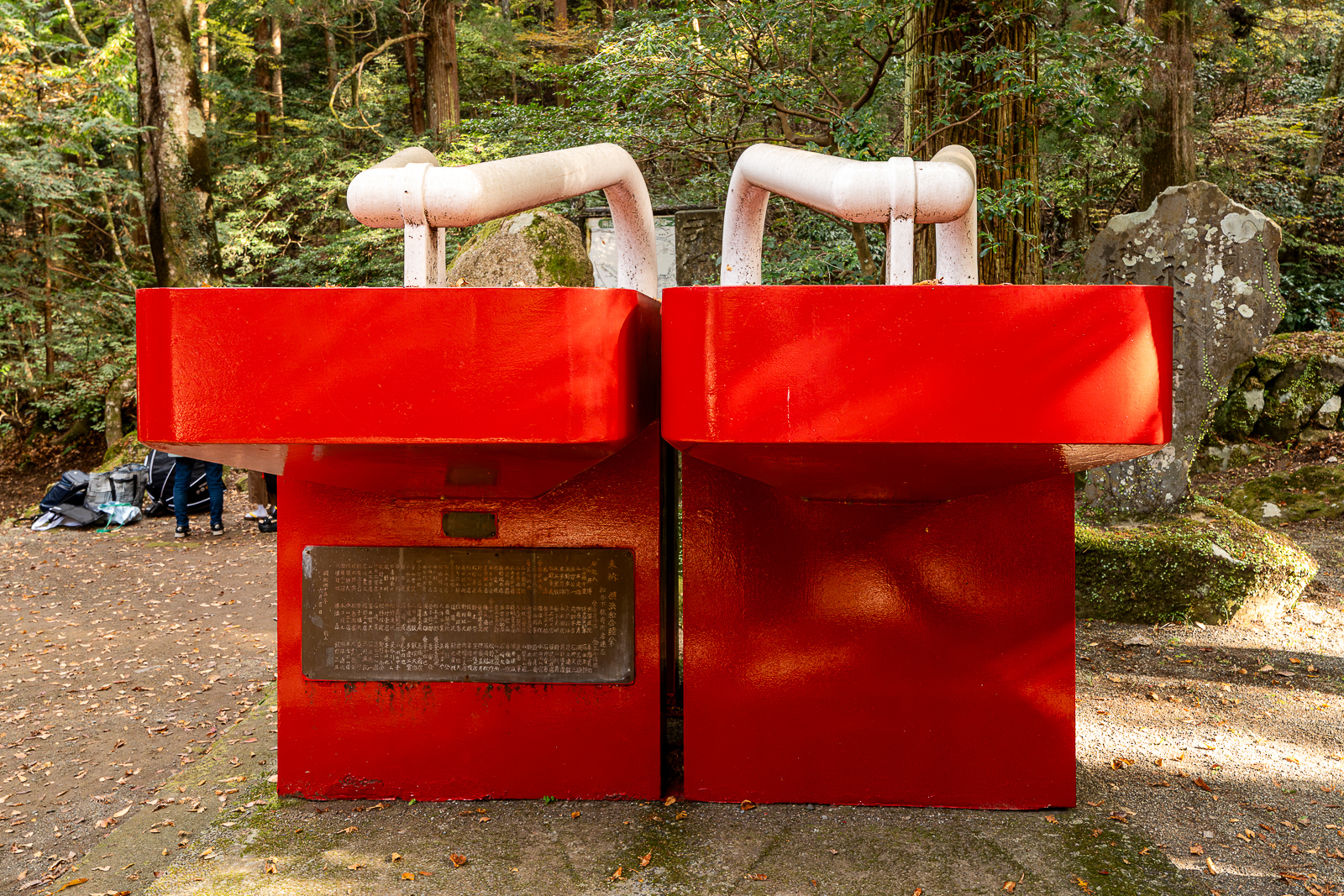
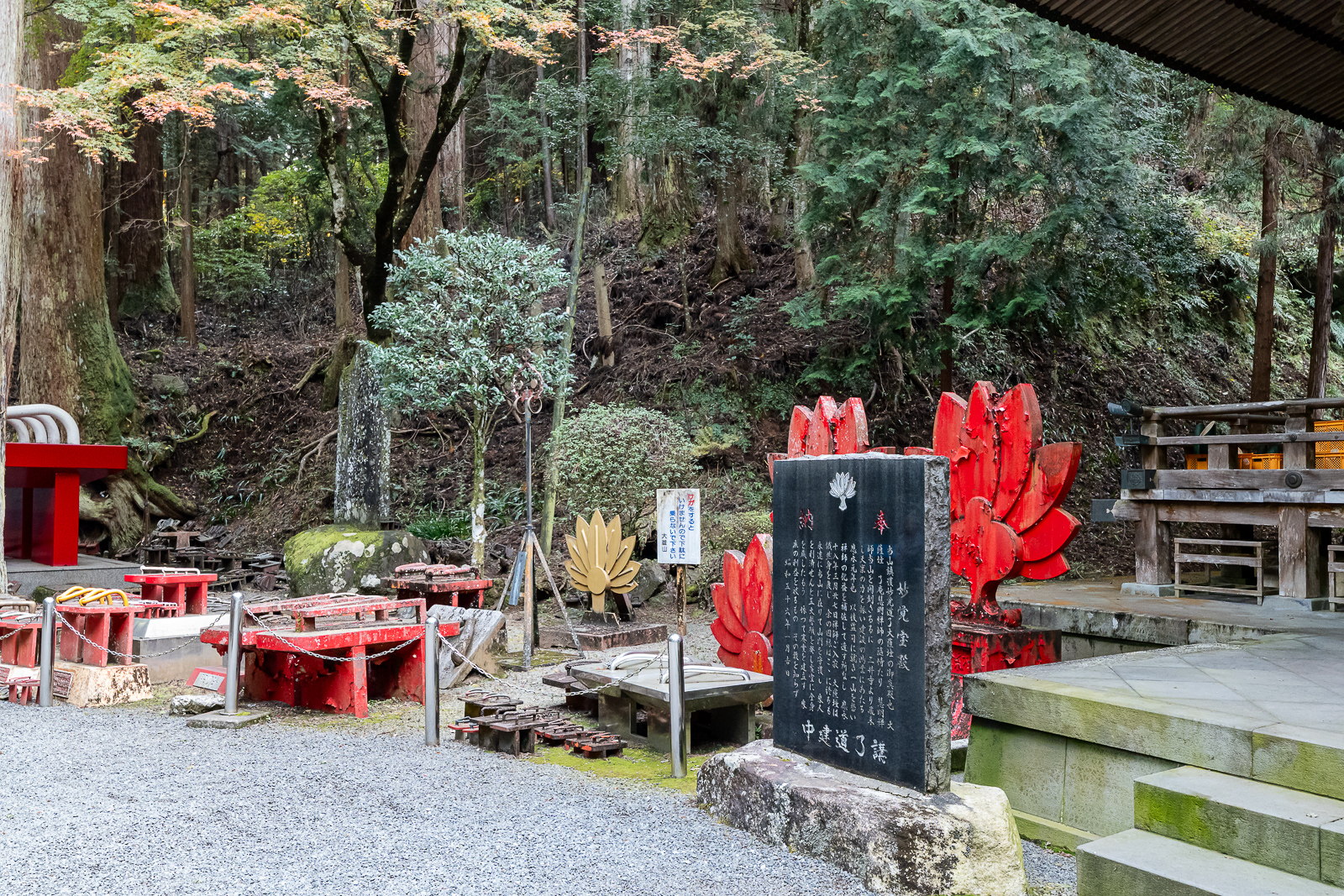
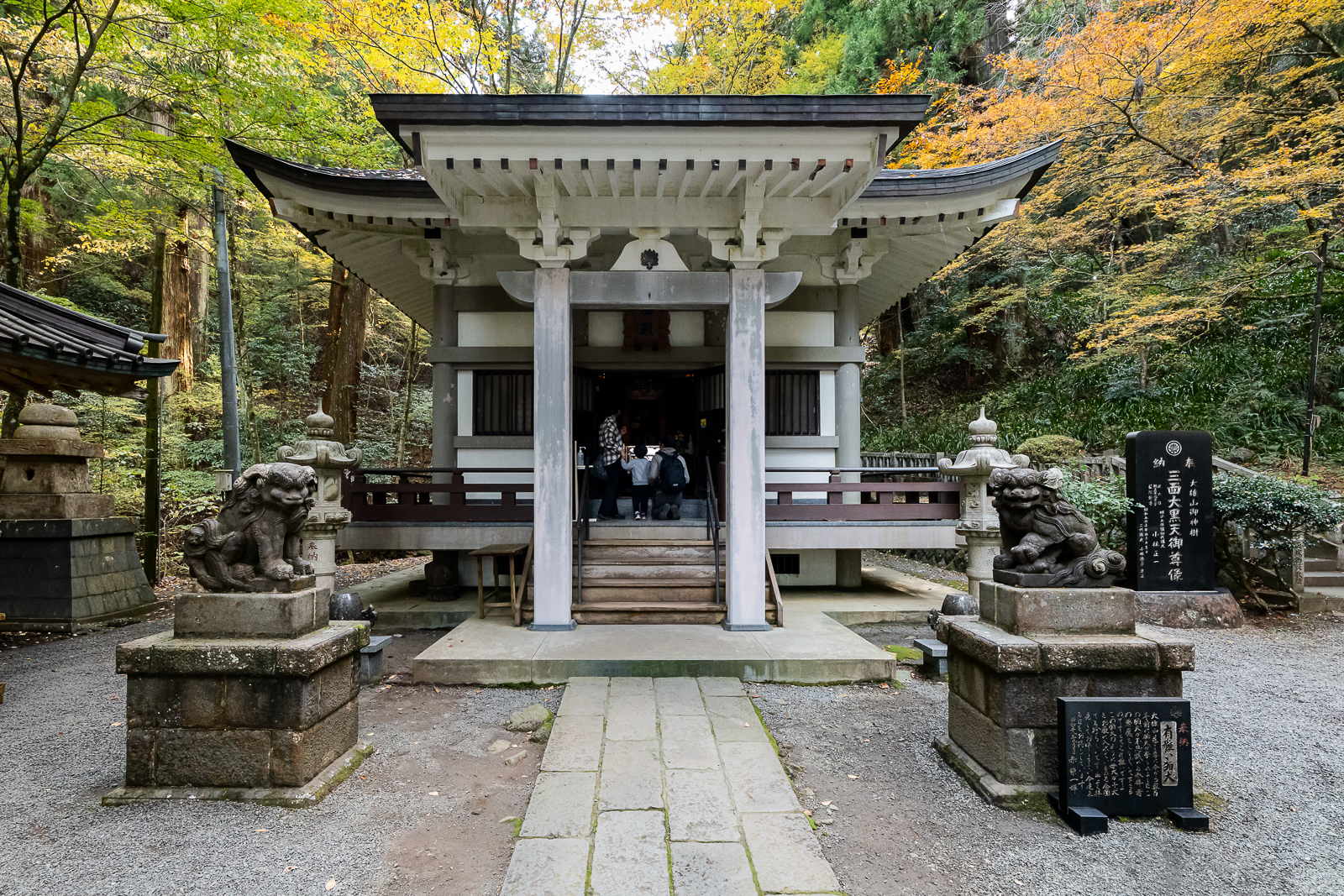
The enormous taka-geta, or tall clogs, beside Goshinden are among the most distinctive details to look for. Associated with the tengu guardian, their exaggerated scale makes a striking contrast with the surrounding architecture and stonework. This is the hall reached by the steep stairway below the final ascent to Okunoin, so seeing the giant footwear does not require completing the climb to the uppermost hall.
Two approaches to the main courtyard
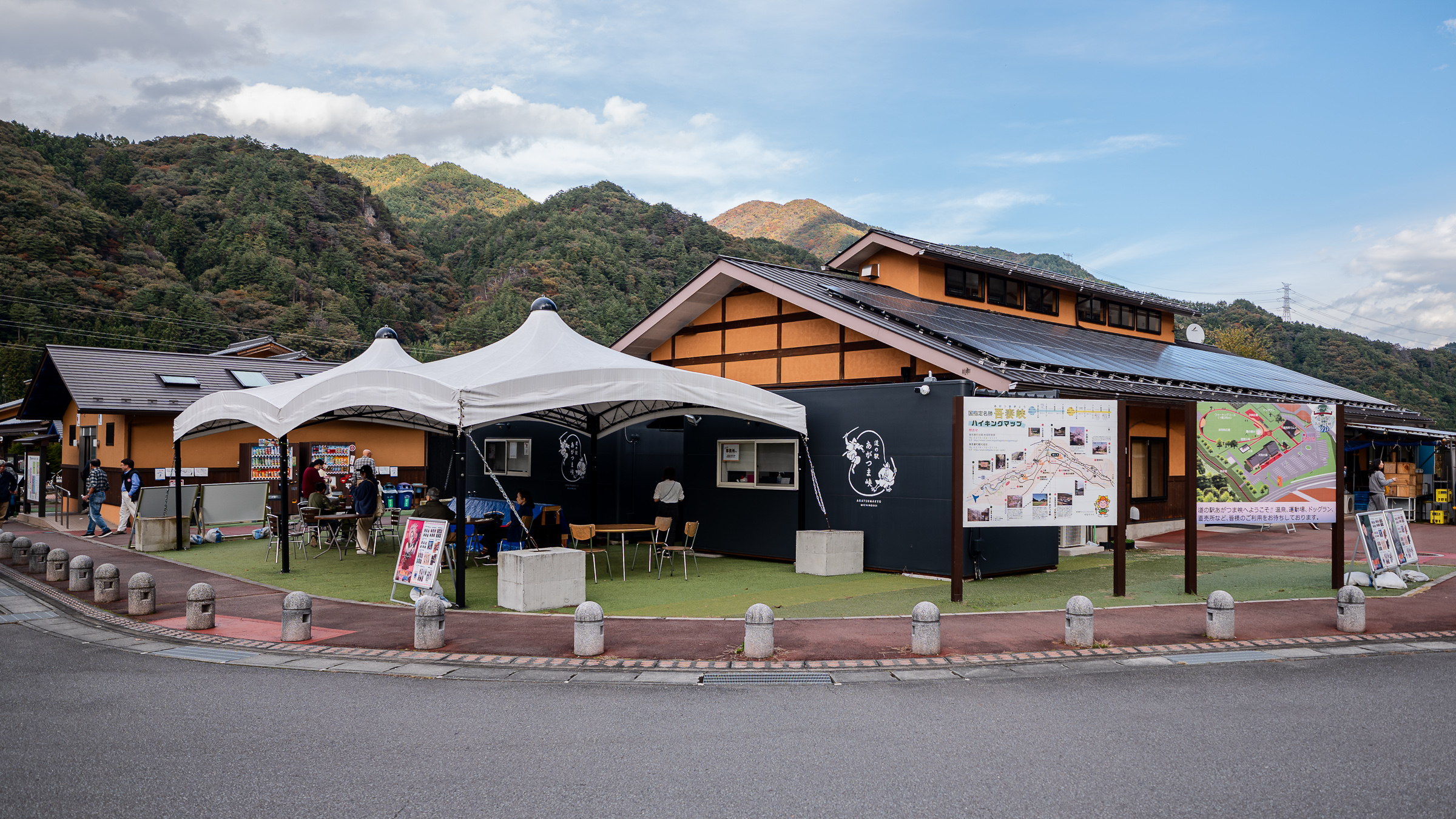
The bus drops visitors near the omiyage, or souvenir, shops below the main courtyard. There is parking in this lower area as well, and the walking approach leads toward the stairs into the main courtyard. This route takes you through the lower grounds, where red and orange maples add plenty of color in autumn.
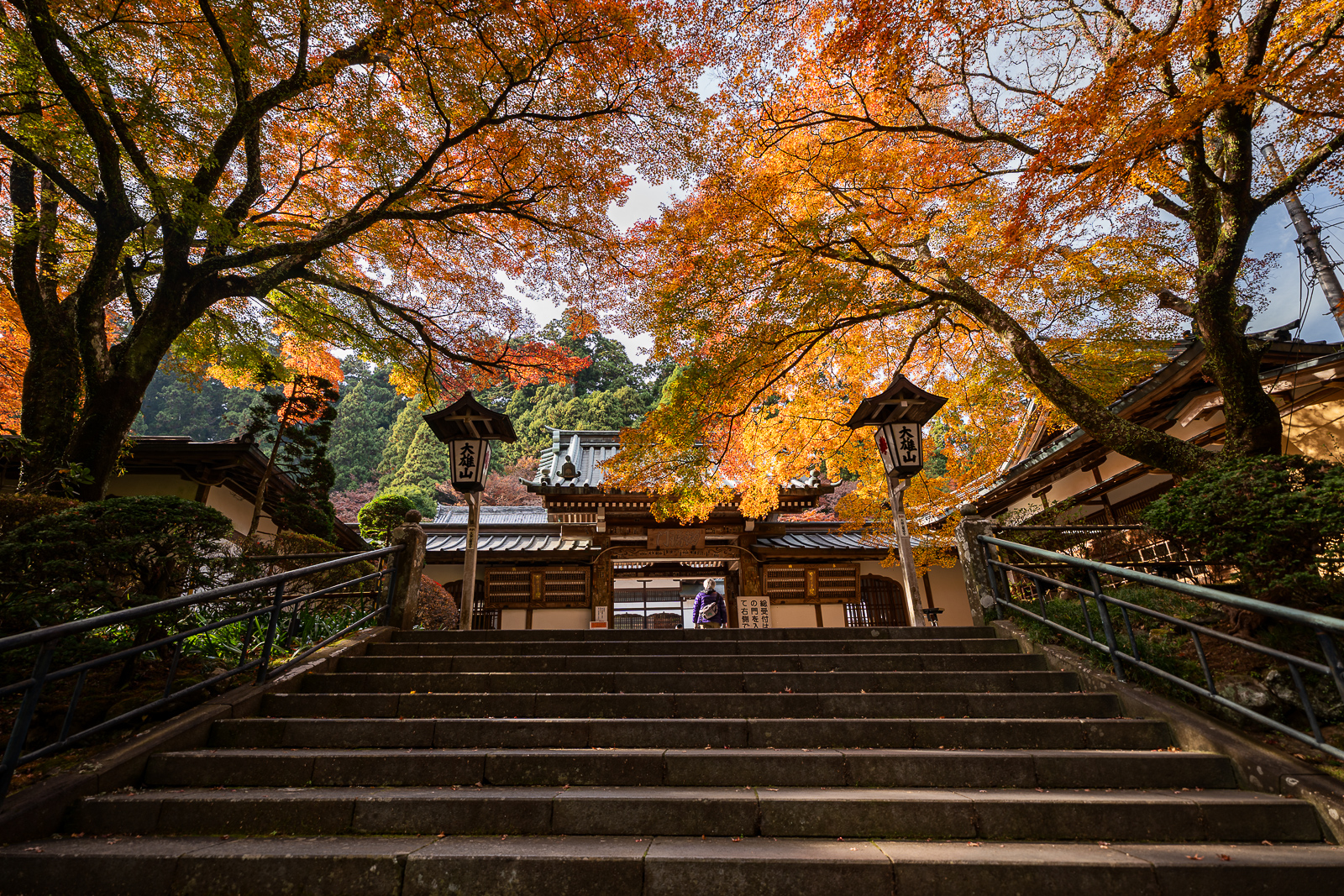
Farther up the road, a larger parking area gives access to the courtyard beside the administrative building, where goshuin are received. From this parking area, you enter beside the administrative building without taking the approach from the shops below. The lower grounds are still worth exploring, especially when the maples are in color.
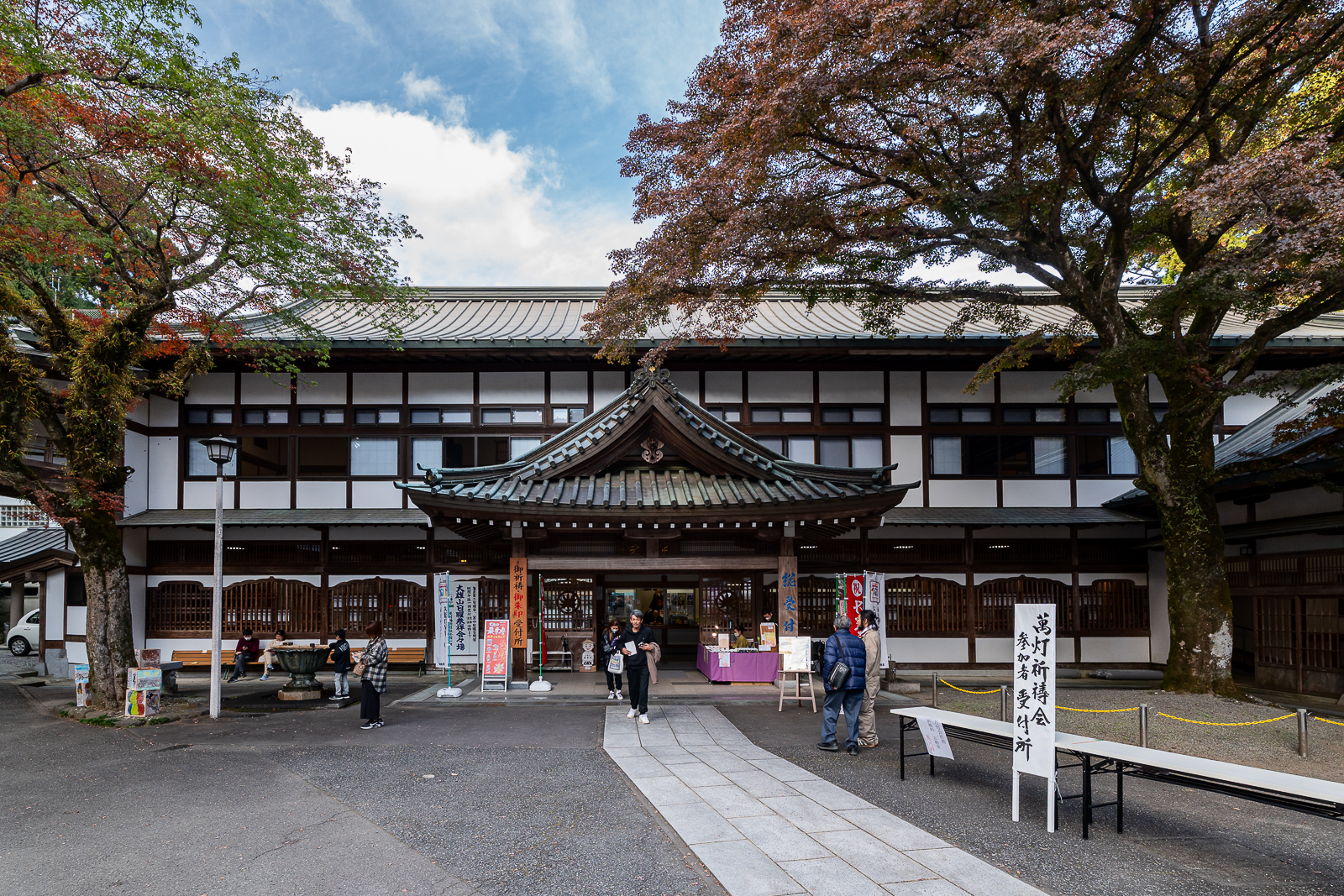
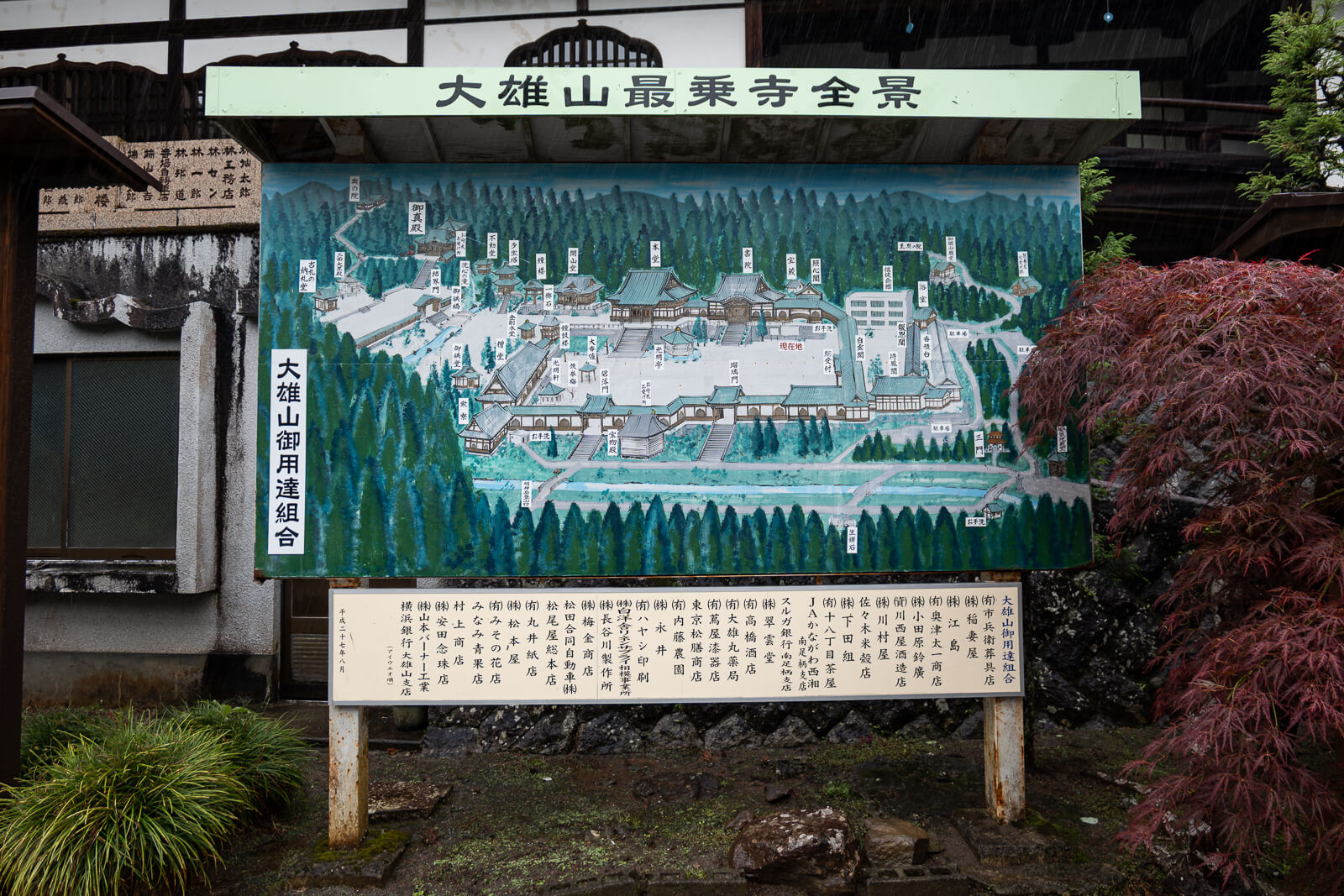
From the courtyard toward the upper halls
Begin by getting a sense of the courtyard and the routes leaving it. The main hall was rebuilt in 1954 to a design by Ito Chuta, a reminder that the temple's foundation date is not the age of every building visible today. Trees frame the routes out of the courtyard, and the views change as you climb, bringing the temple roofs and forested slopes into different parts of the scene.
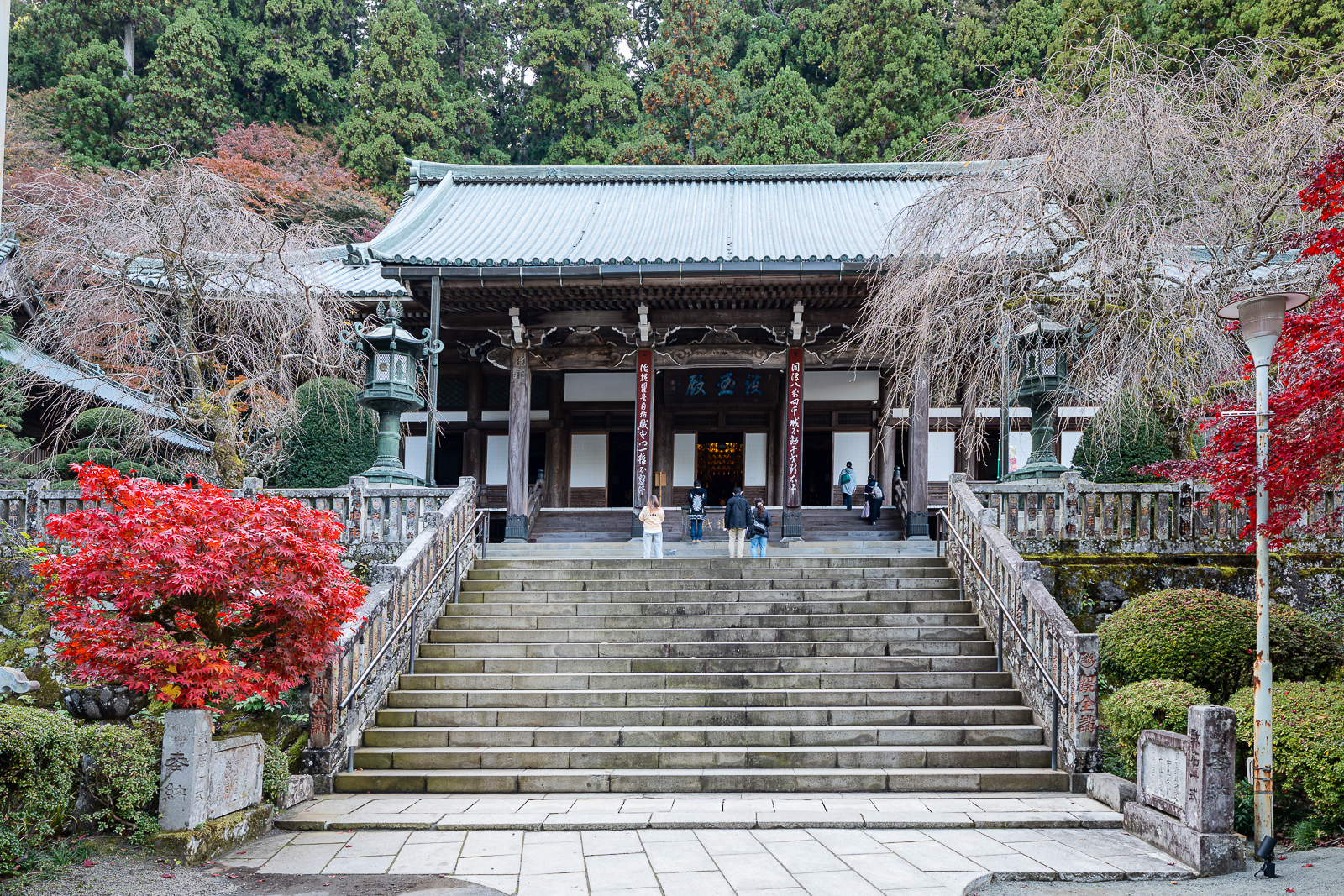
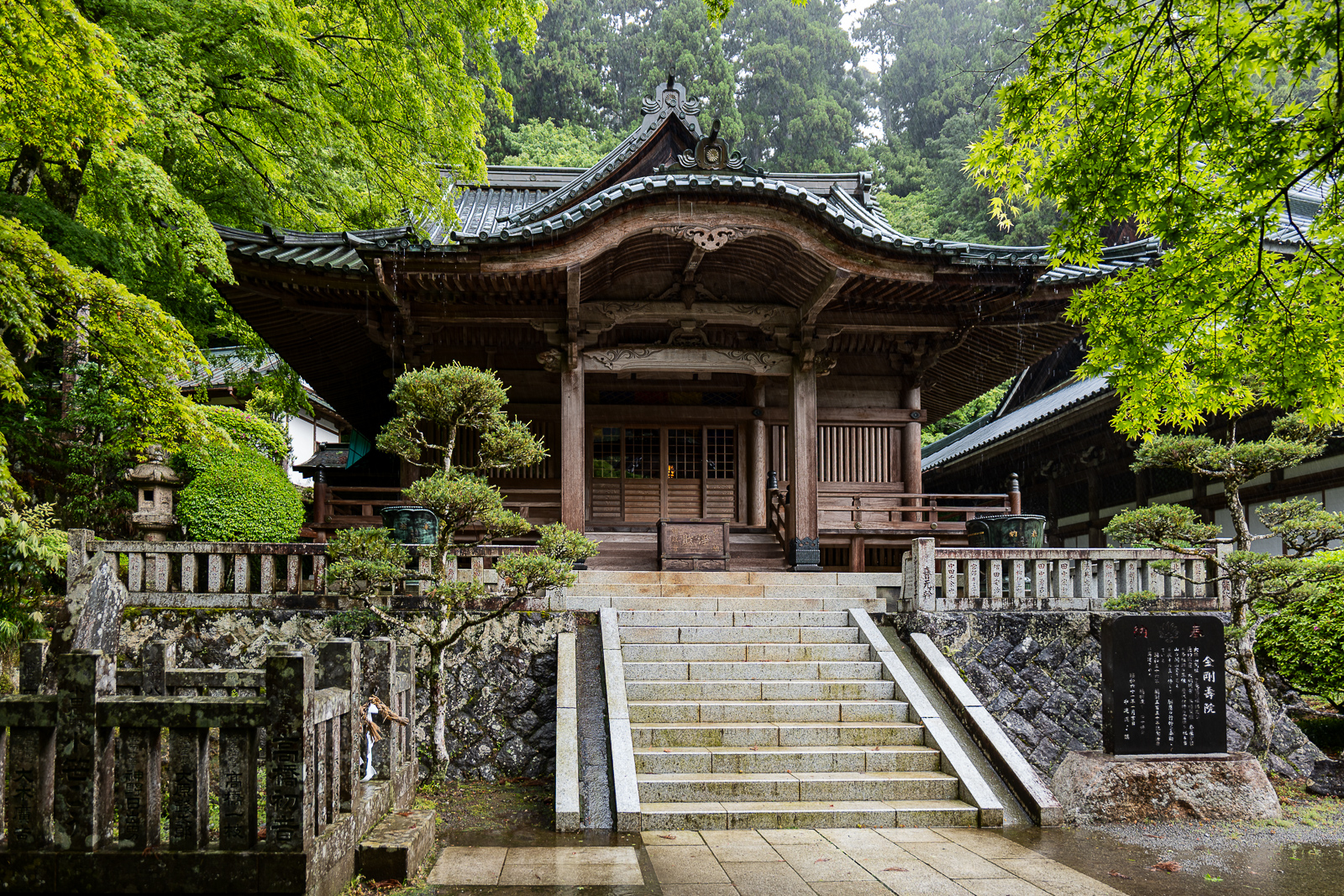
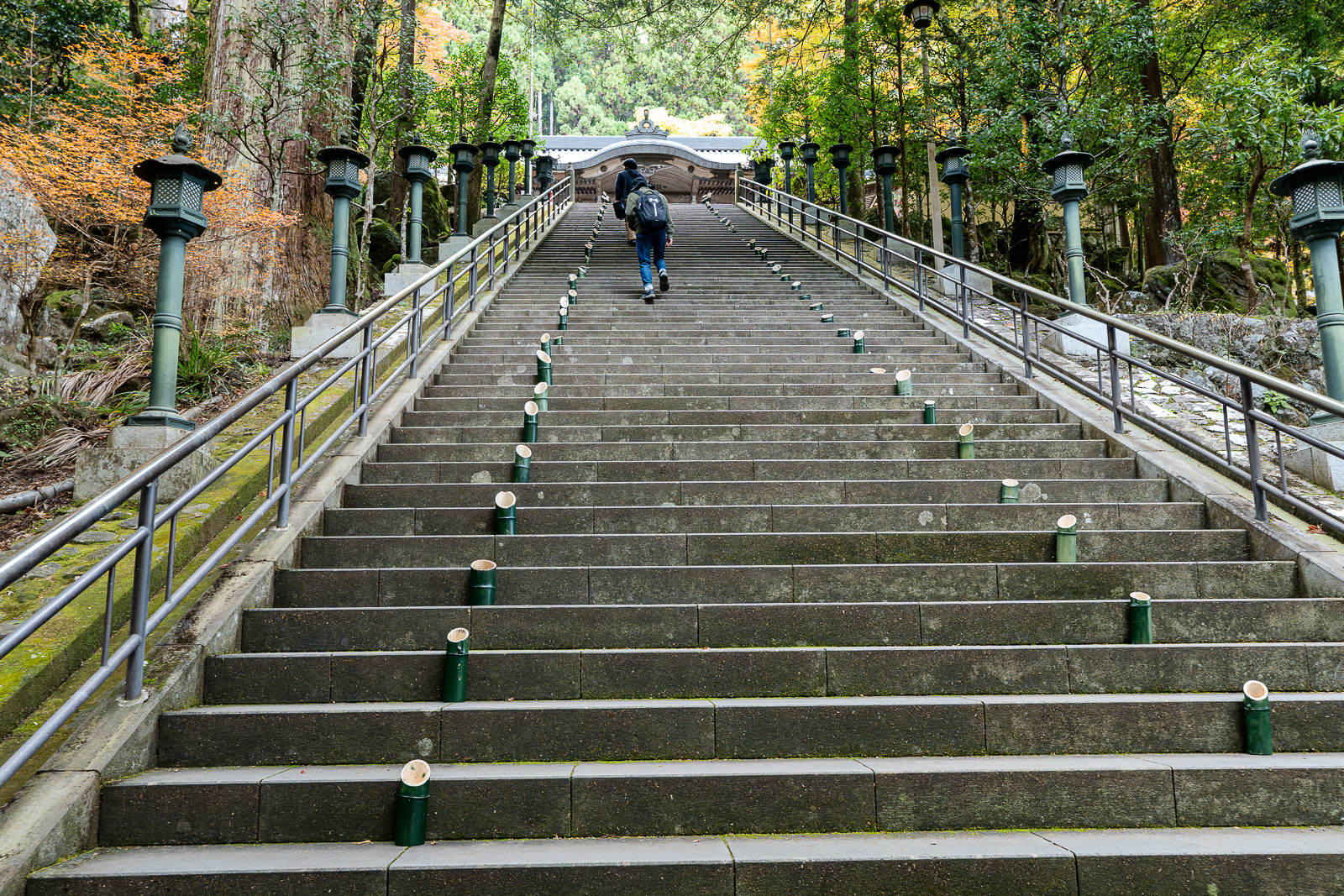
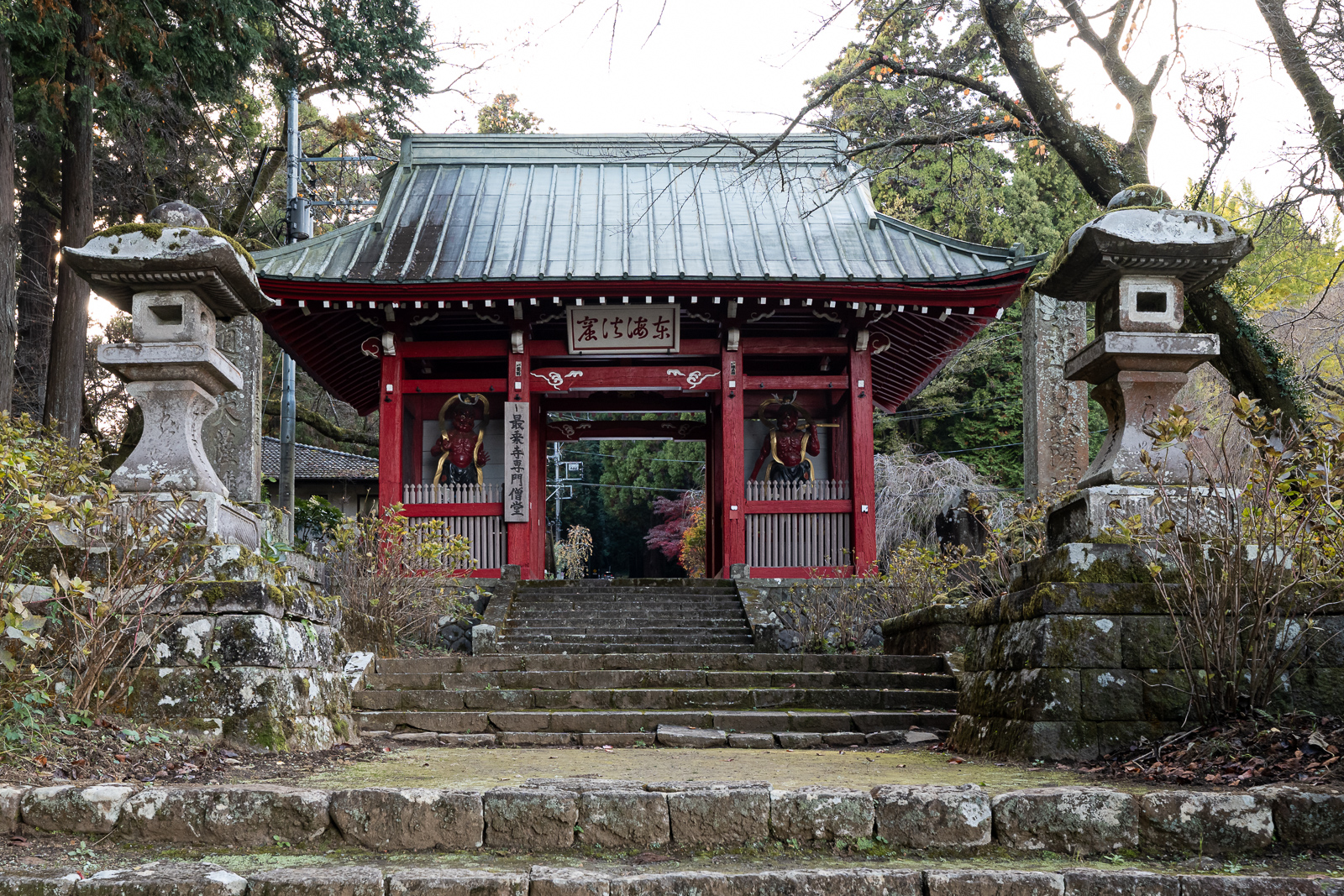
As the route rises, the stairways become a more noticeable part of the visit. Goshinden, the hall associated with Doryo, is reached by 77 steps beyond Kekkai-mon, and the large geta stand beside it. Landings and buildings divide the ascent into sections, but that does not make the whole complex step-free; choose how far to continue according to the conditions and the members of your group, keeping the return descent in mind as well.
The climb to Okunoin is a separate choice
Okunoin, the uppermost hall, is reached by a long stone staircase of more than 350 steps. This is a significant additional climb, separate from wandering through the lower courtyard and the halls below. Leave time for the climb and descent, especially if you need to catch a bus back.
There is plenty to enjoy without climbing to Okunoin. The lower halls, forest paths, and guardian figures offer enough variety to spend a couple of hours exploring and taking photographs. If you want to reach Okunoin too, set aside extra time for its long staircase.
Autumn color among the cedars
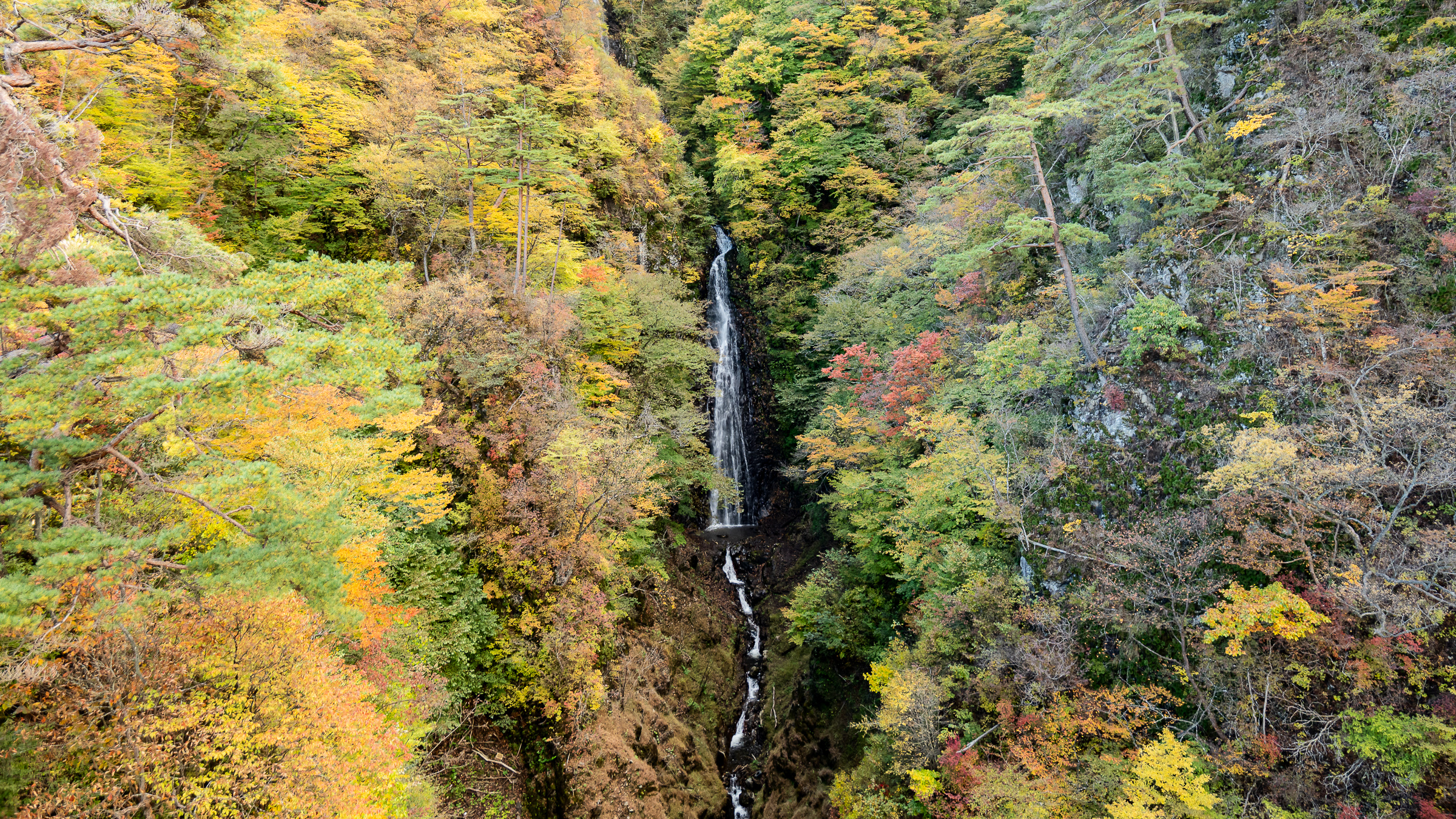
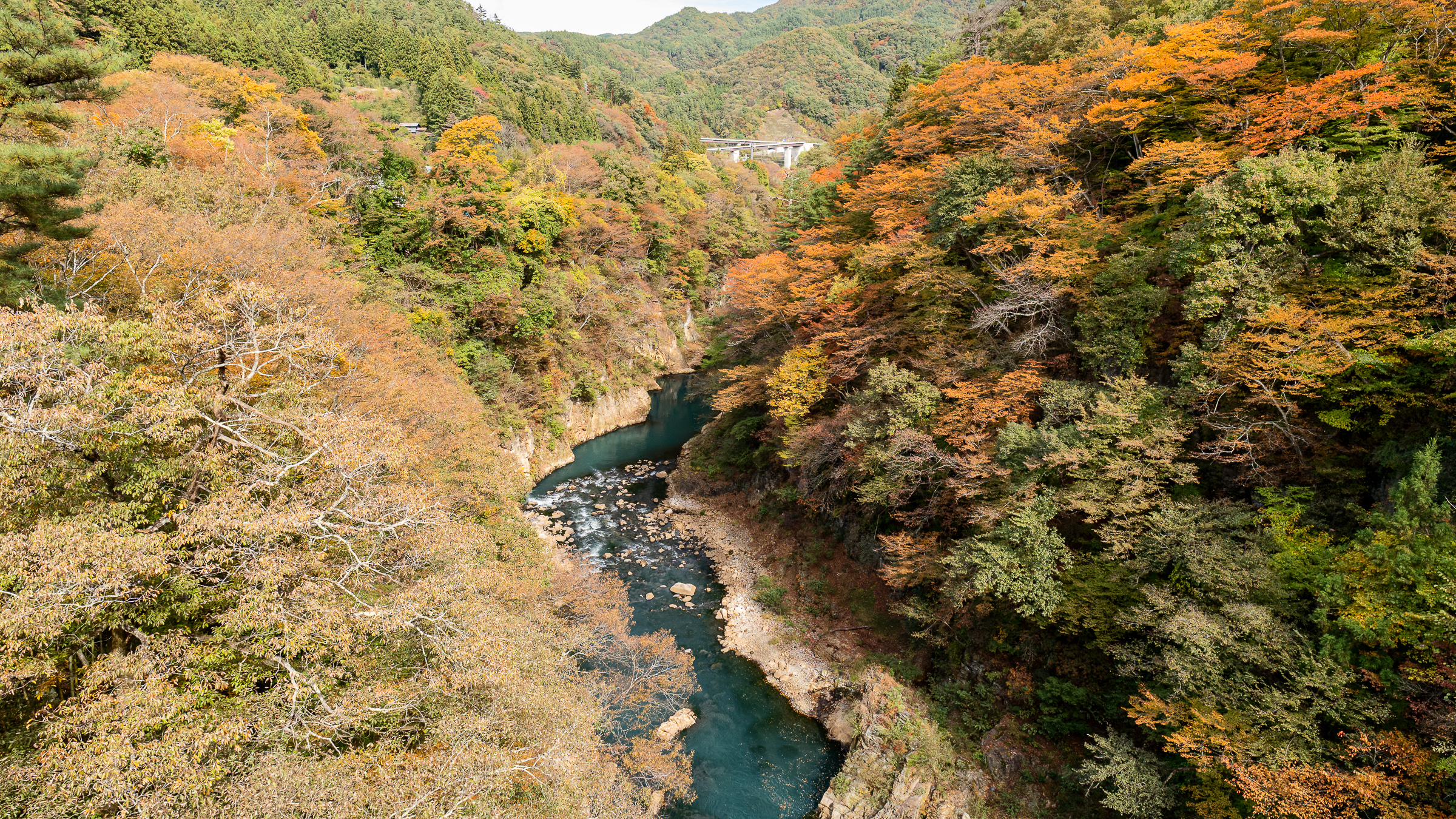
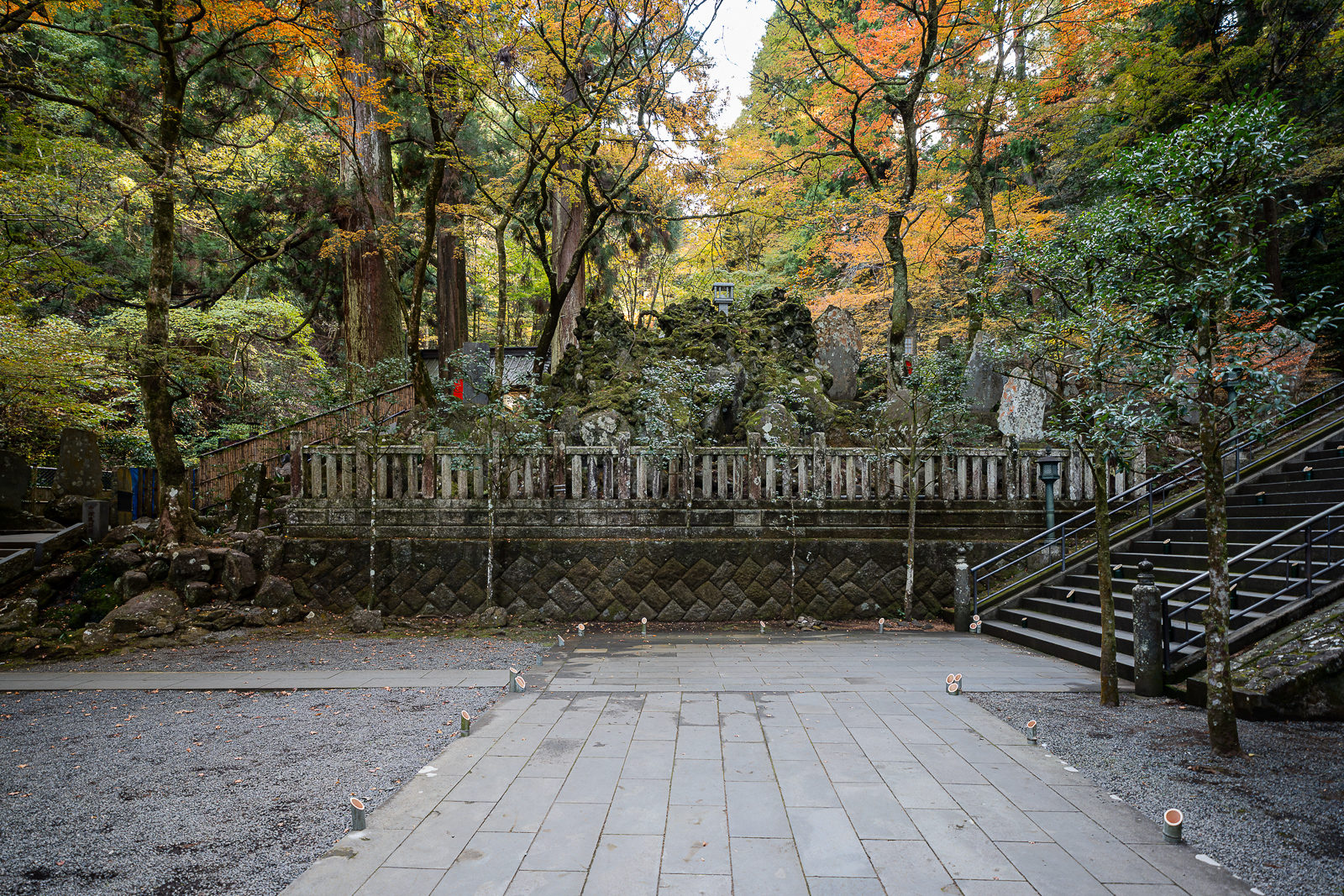
At peak autumn color, red and orange maples fill views around the main courtyard and continue along the ascent toward Goshinden. The evergreen cedars form a dark backdrop to the leaves, with temple roofs and stone steps adding detail to the view. There are photographs to take all along the walk, from the open courtyard to the wooded stairways above it.
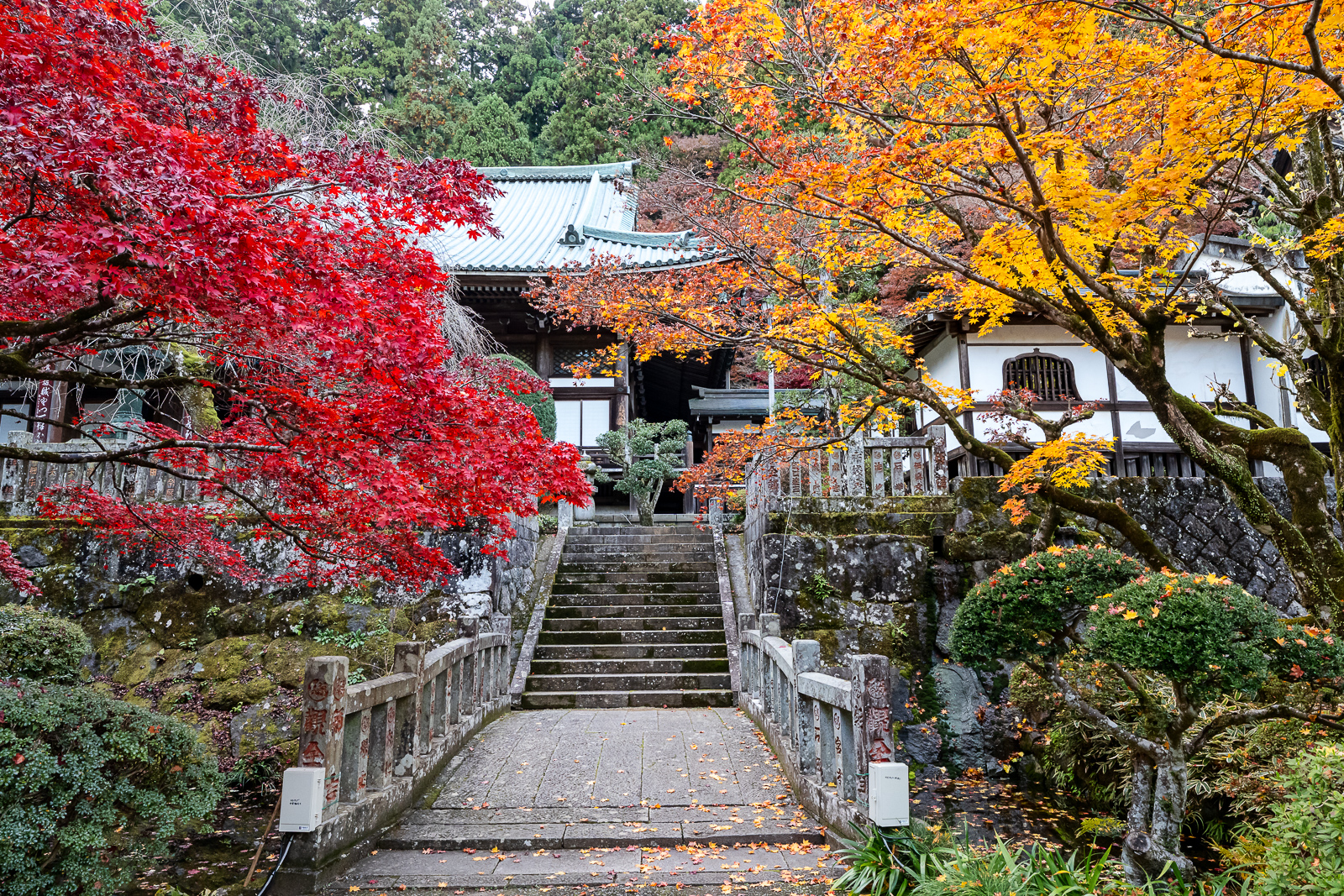
The grounds below the main courtyard deserve time as well. Their red and orange maples extend the autumn visit beyond the central buildings, particularly along the lower approach from the shop and bus-stop area. Visitors arriving at the upper parking area can include these grounds before leaving rather than limiting the visit to the courtyard and the climb above it.
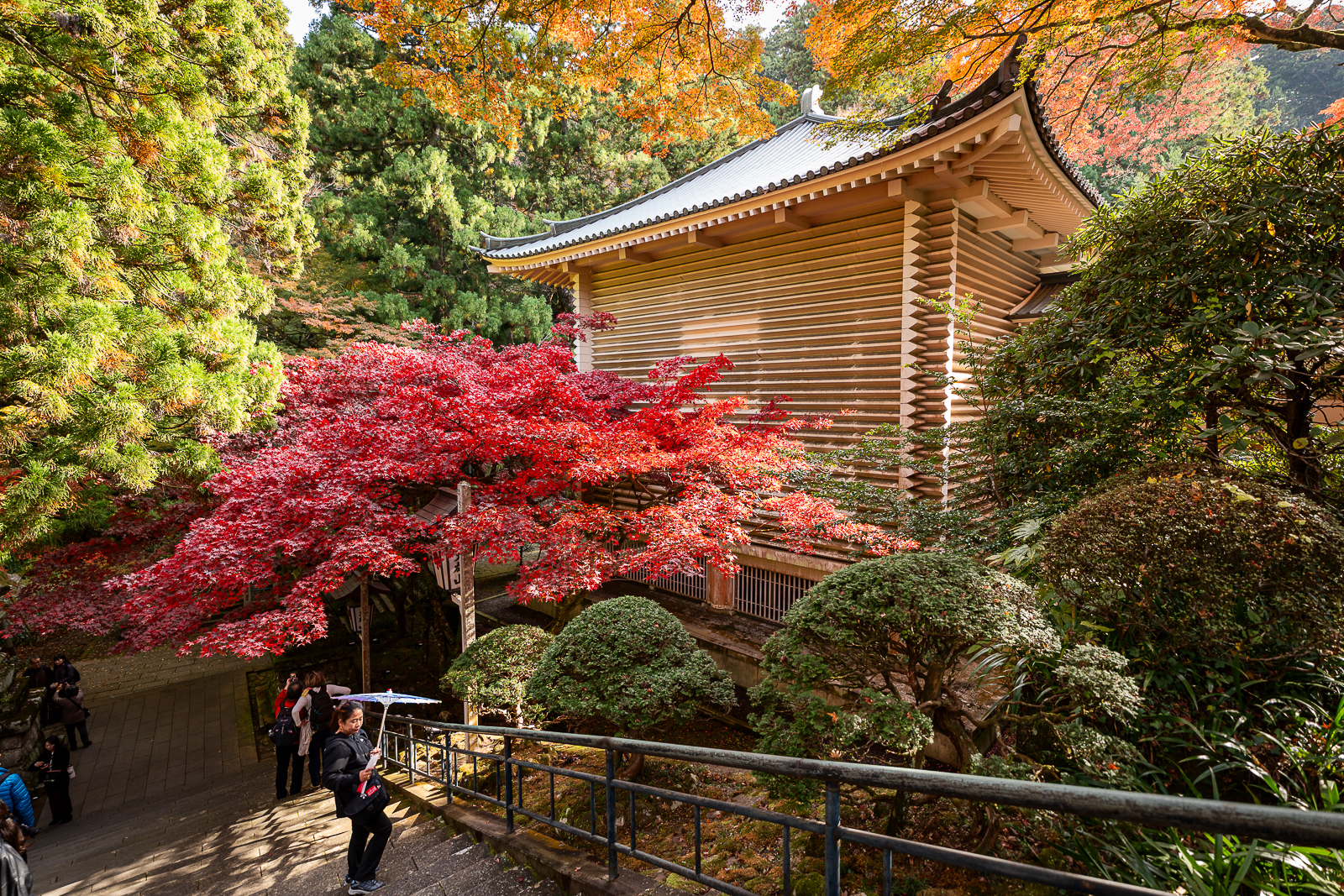
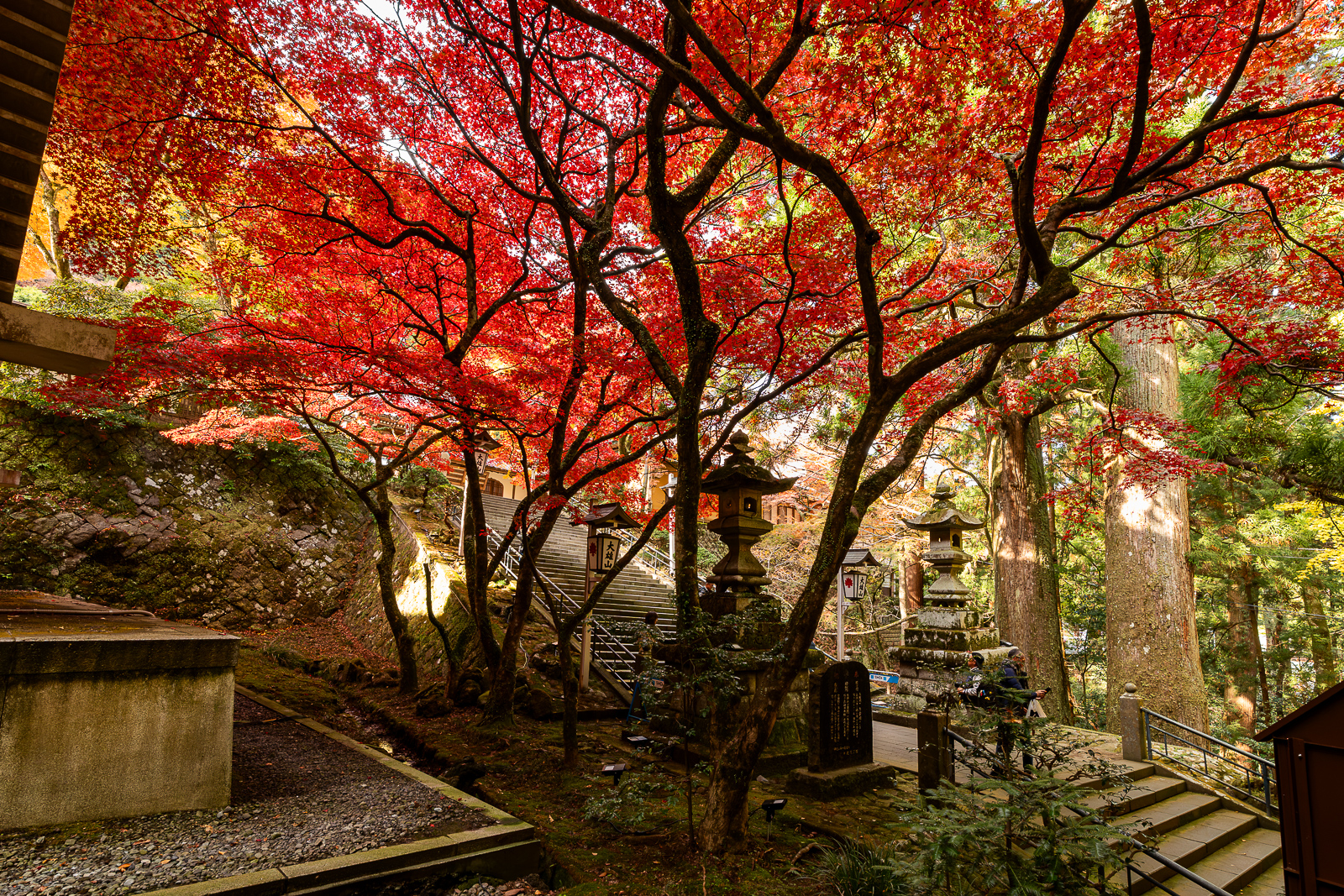
The bell tower is another highlight in autumn. Red and orange maples surround the area, bringing bright color to views of the tower. It is worth stopping here for views of the building among the trees as well as closer photographs of the leaves.
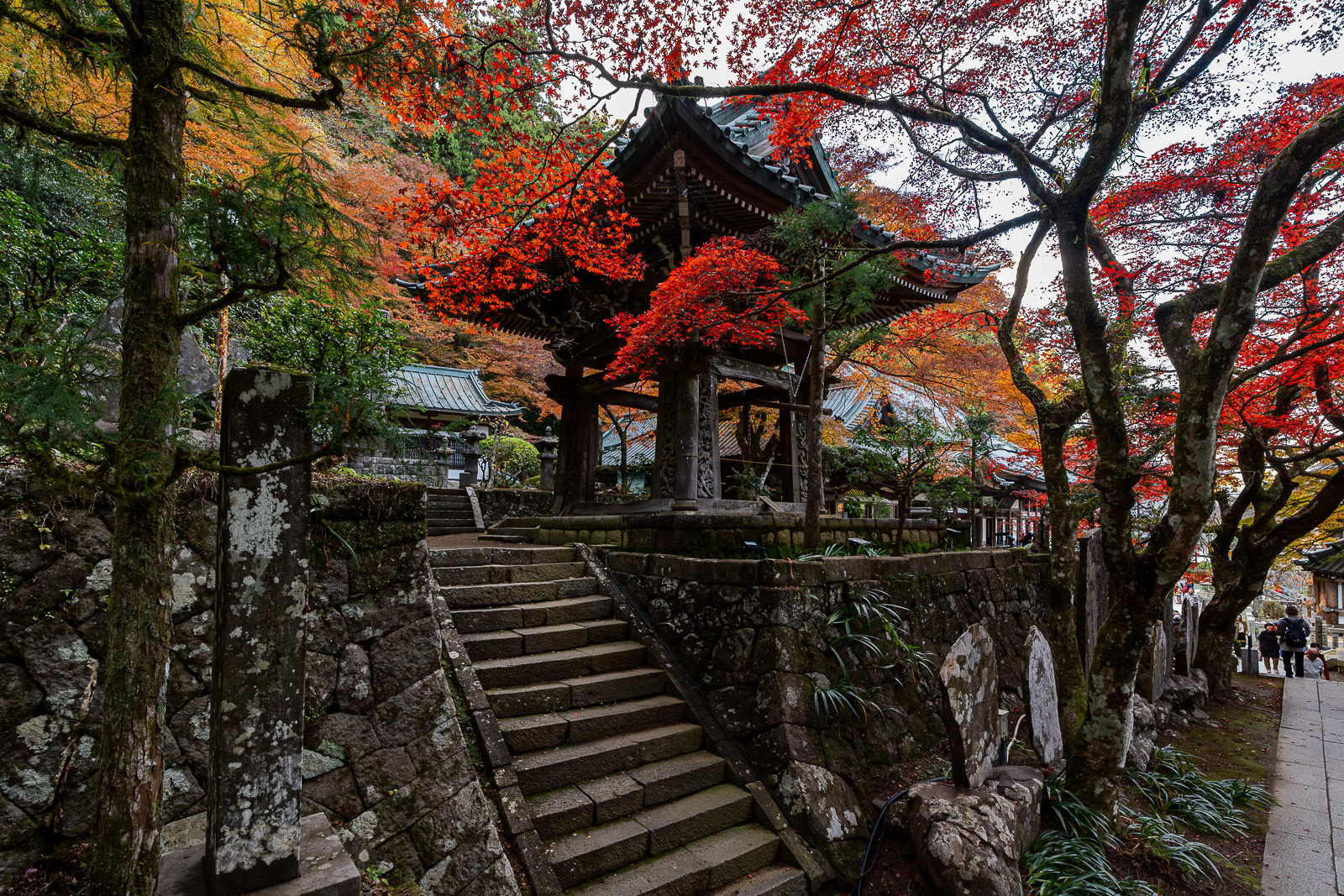
Late November is usually a good time to look for autumn color, though the timing varies each year. The temple highlights the large maple in front of Ruri-mon and the stone approach connecting Kaisando, the belfry, and Kekkai-mon as places to appreciate the season. Check local reports closer to your visit rather than treating a festival date or an older photograph as proof of peak color.
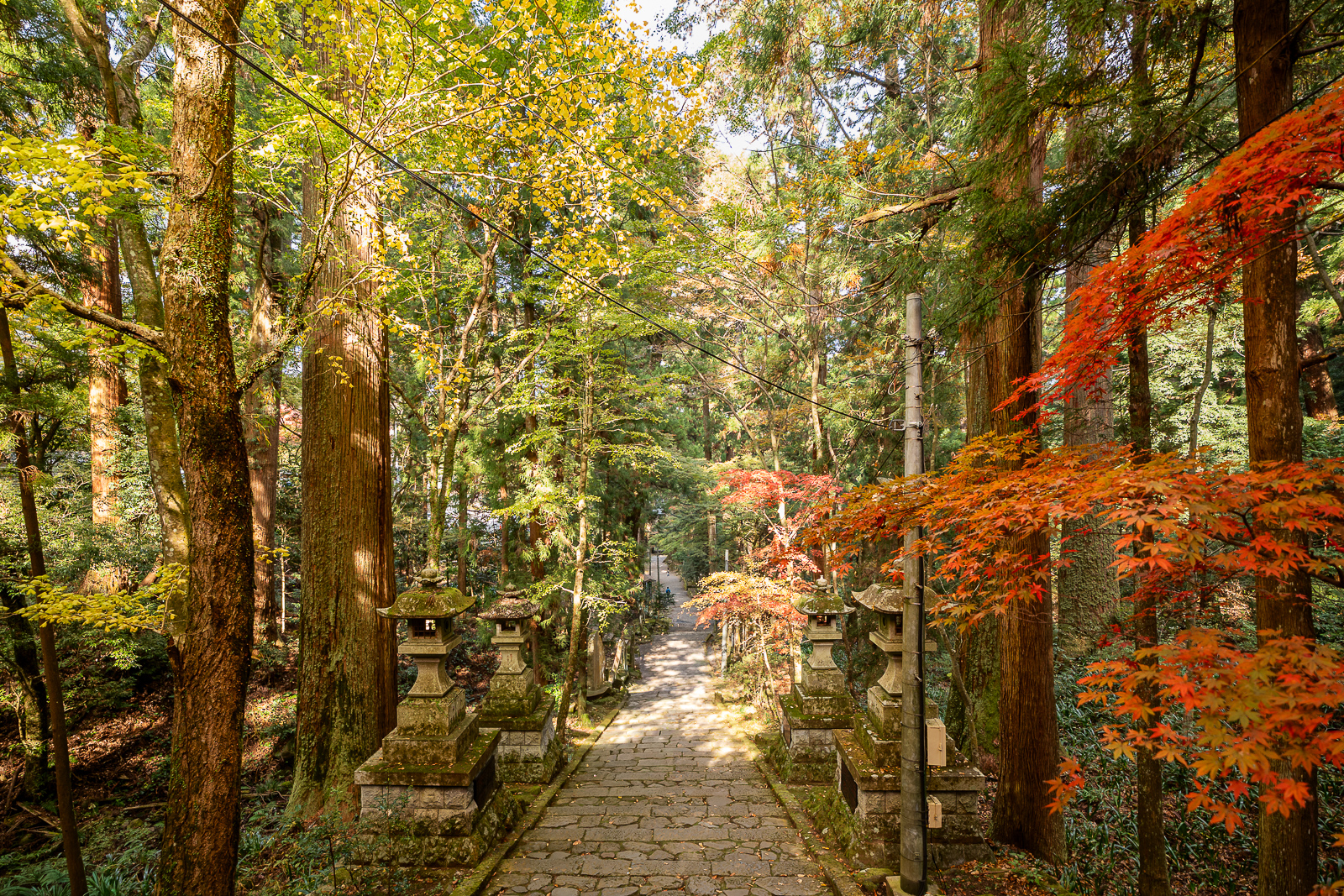
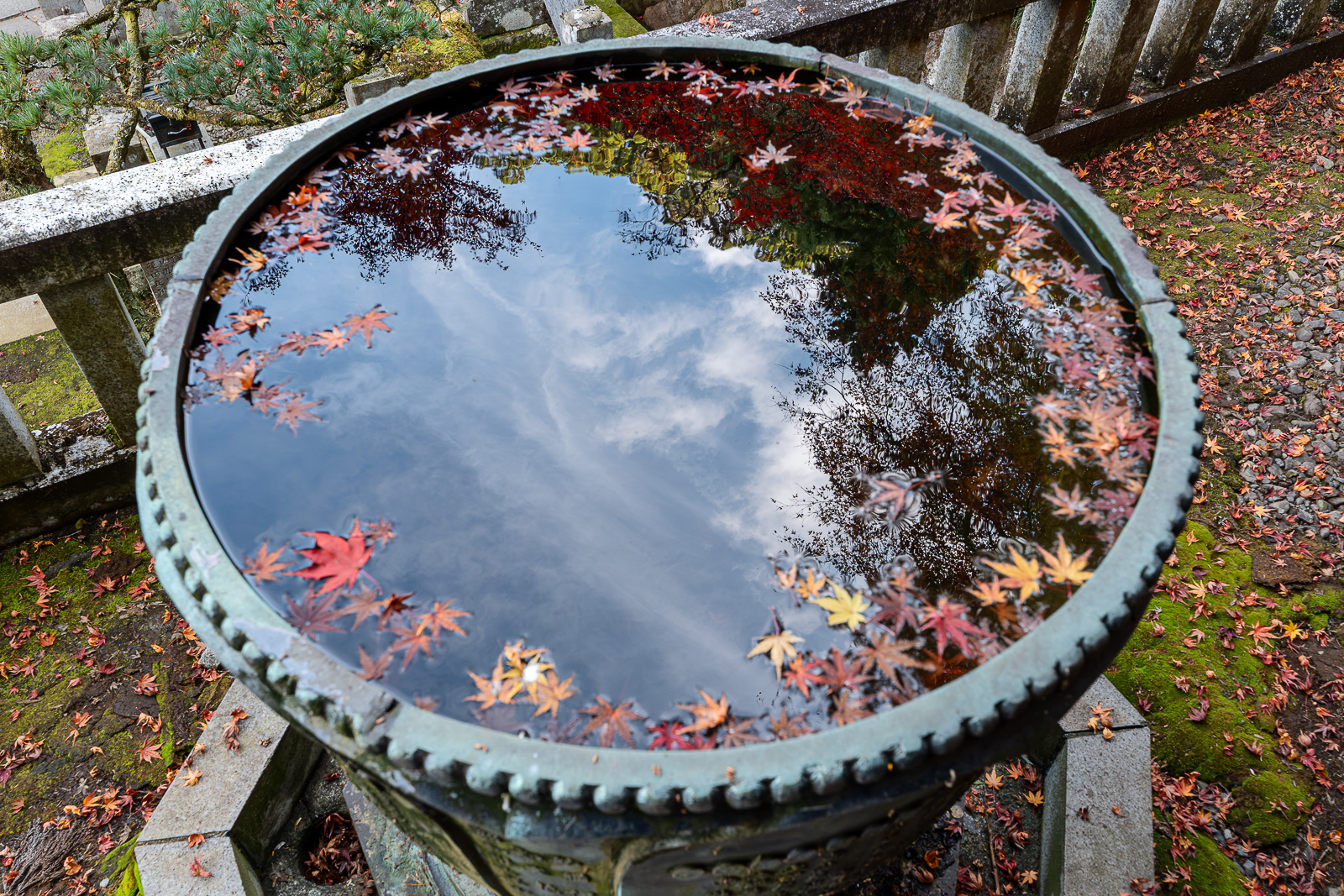
For a wider seasonal trip, the Hakone autumn foliage guide places Daiyuzan alongside other possible stops and helps with choosing where to spend the day. Keep the temple's separate location in mind when combining it with Hakone. Trying to include several distant foliage areas can leave less time for the very places that prompted the trip.
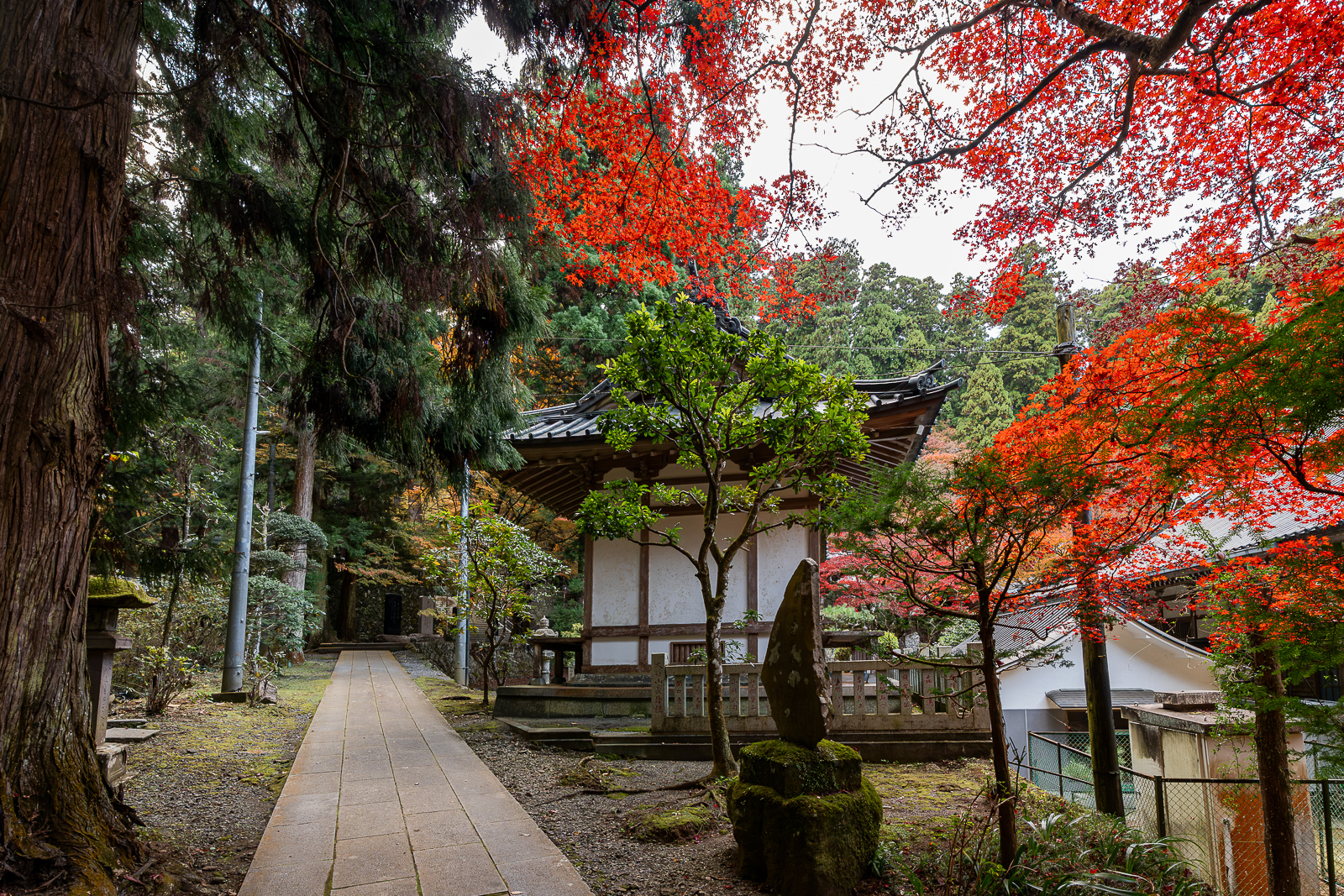
Autumn events can add a livelier dimension to the visit. A previous festival visit included schoolchildren singing, food vendors, and local farmers selling rice and other produce. The program changes from year to year, so check the organizer's latest announcement for dates, evening events, and any changes to transport or parking.
Green seasons and photography throughout the year
Late spring brings lush greenery around the halls and paths, while the trees provide shade in many parts of a summer visit. The halls, gates, and stairways remain worth exploring as the scenery changes around them. A visit outside autumn can therefore concentrate on the size of the courtyards, the arrangement of the buildings, and the contrast between open areas and wooded passages.
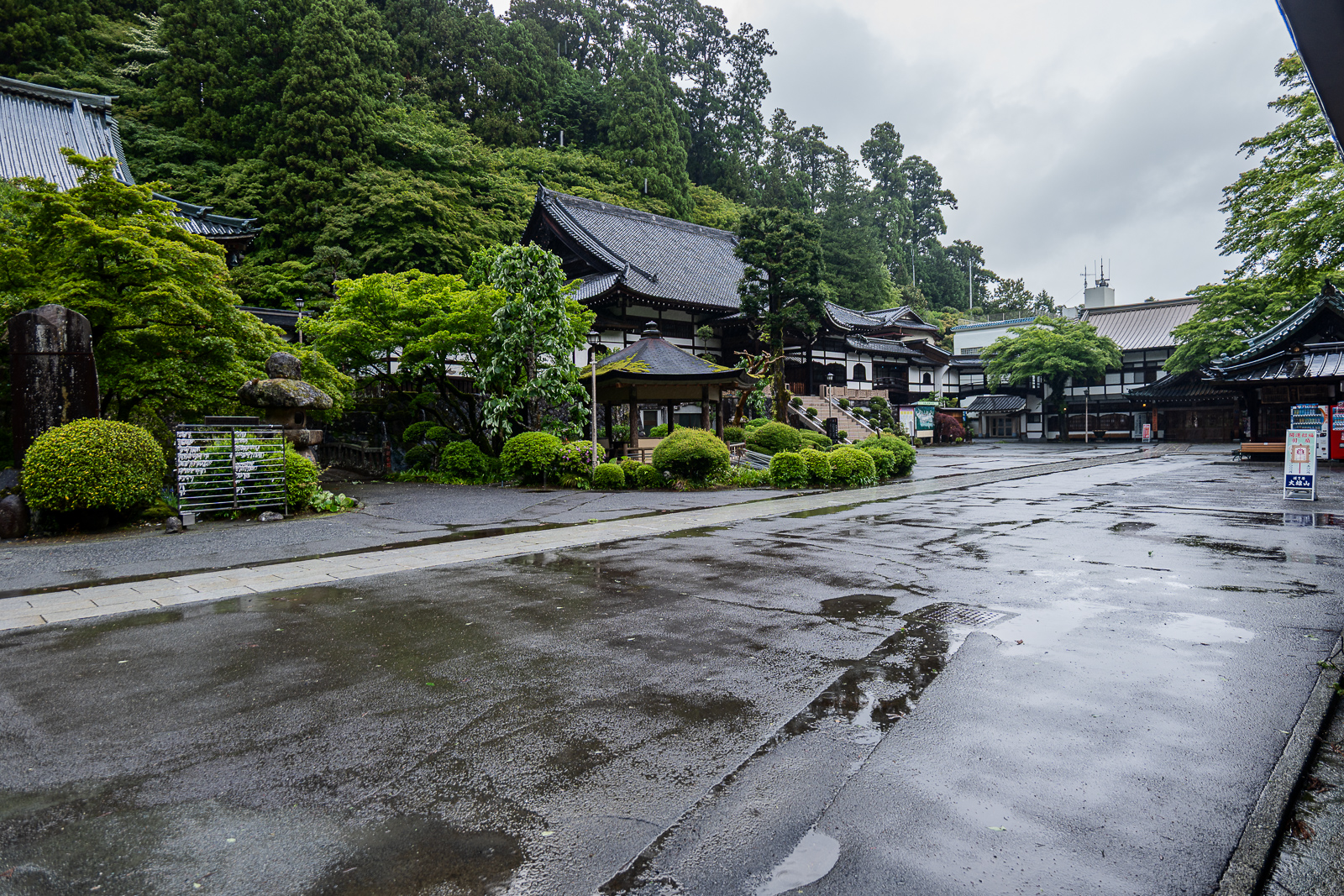
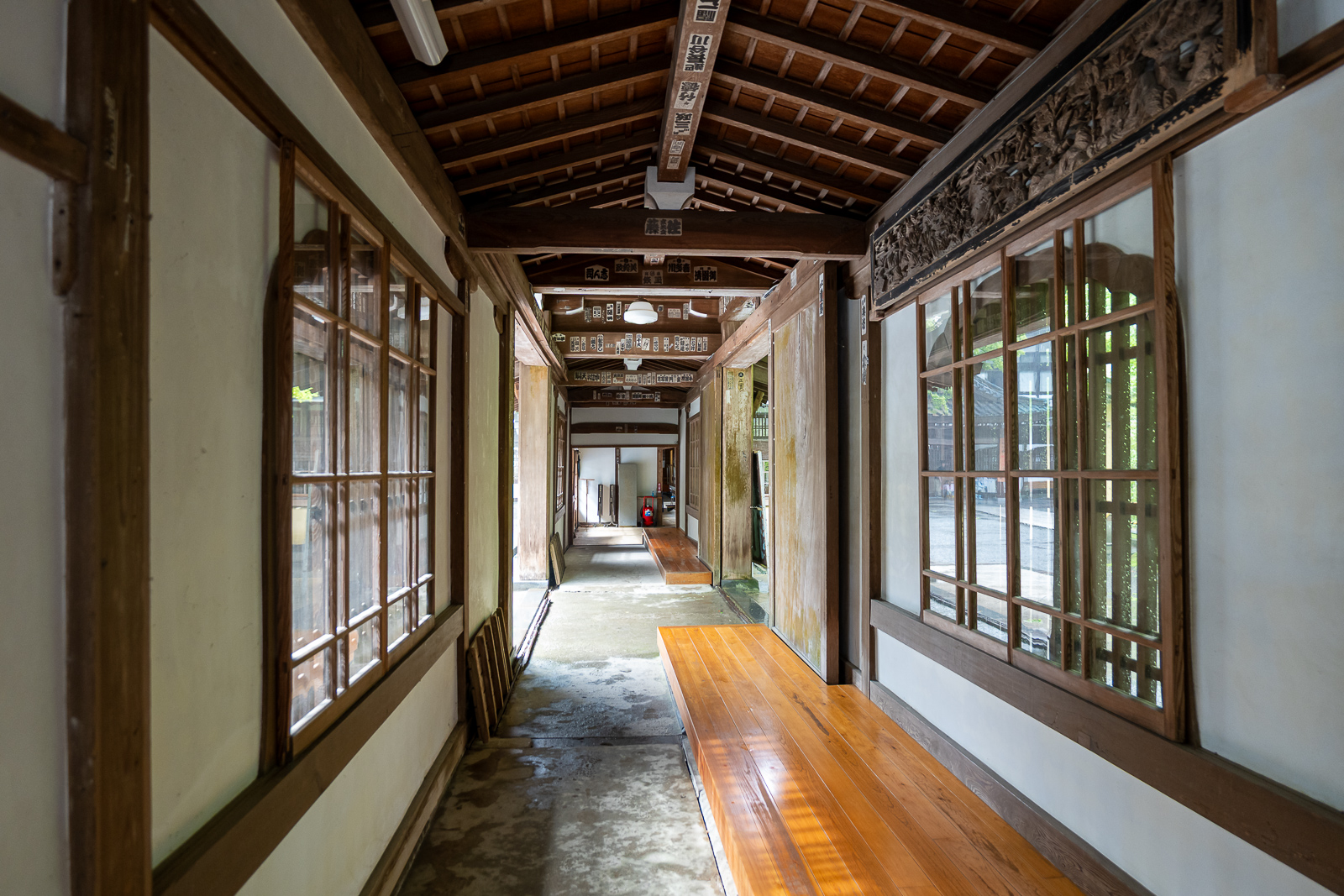
Photograph the buildings in their surroundings as well as the smaller details. A wide frame can establish a hall within the forest, while a closer composition can isolate a gate, a stairway, or a detail connected with the guardian tradition. Keep stairways clear for people passing and follow any photography restrictions around the places of worship.
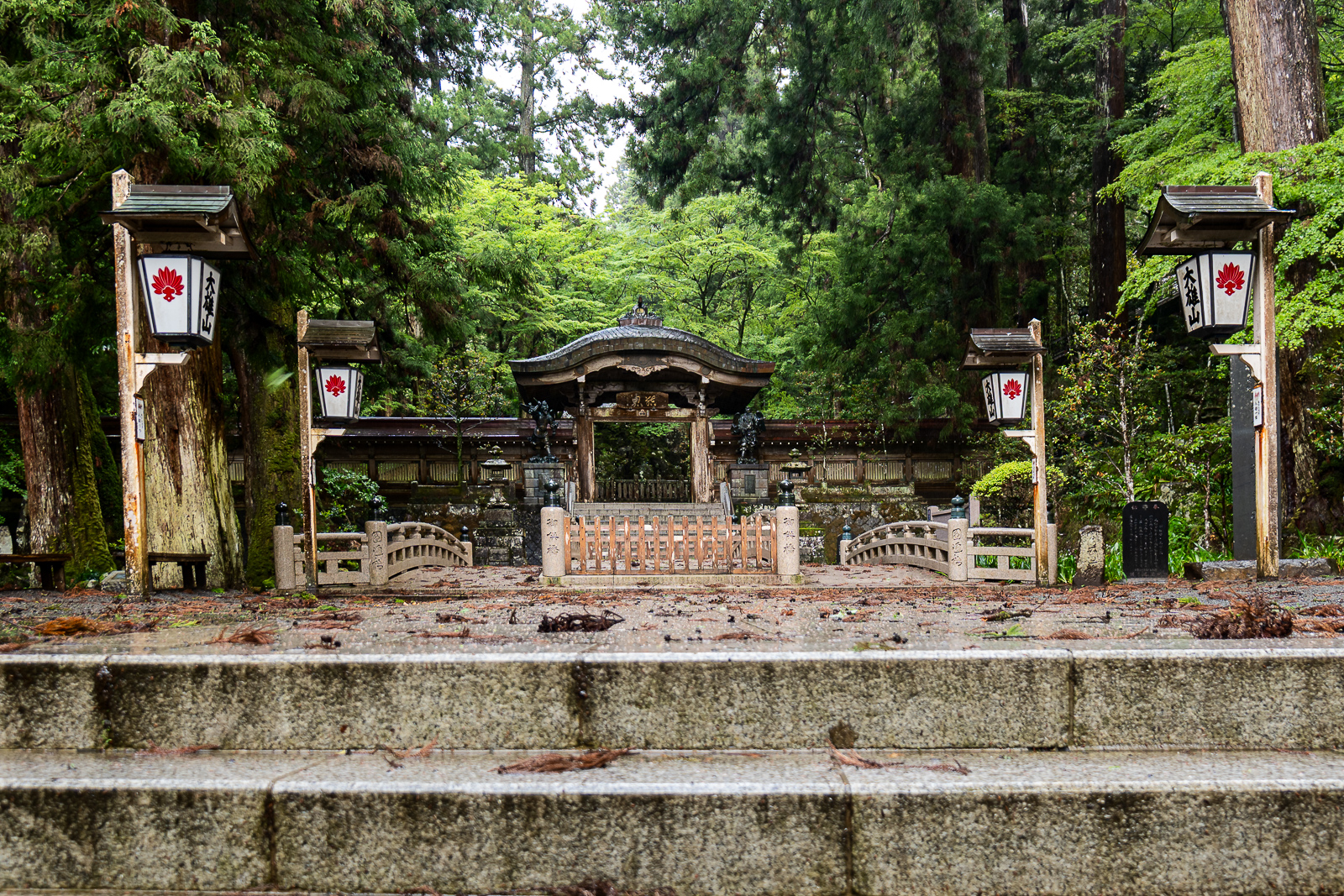
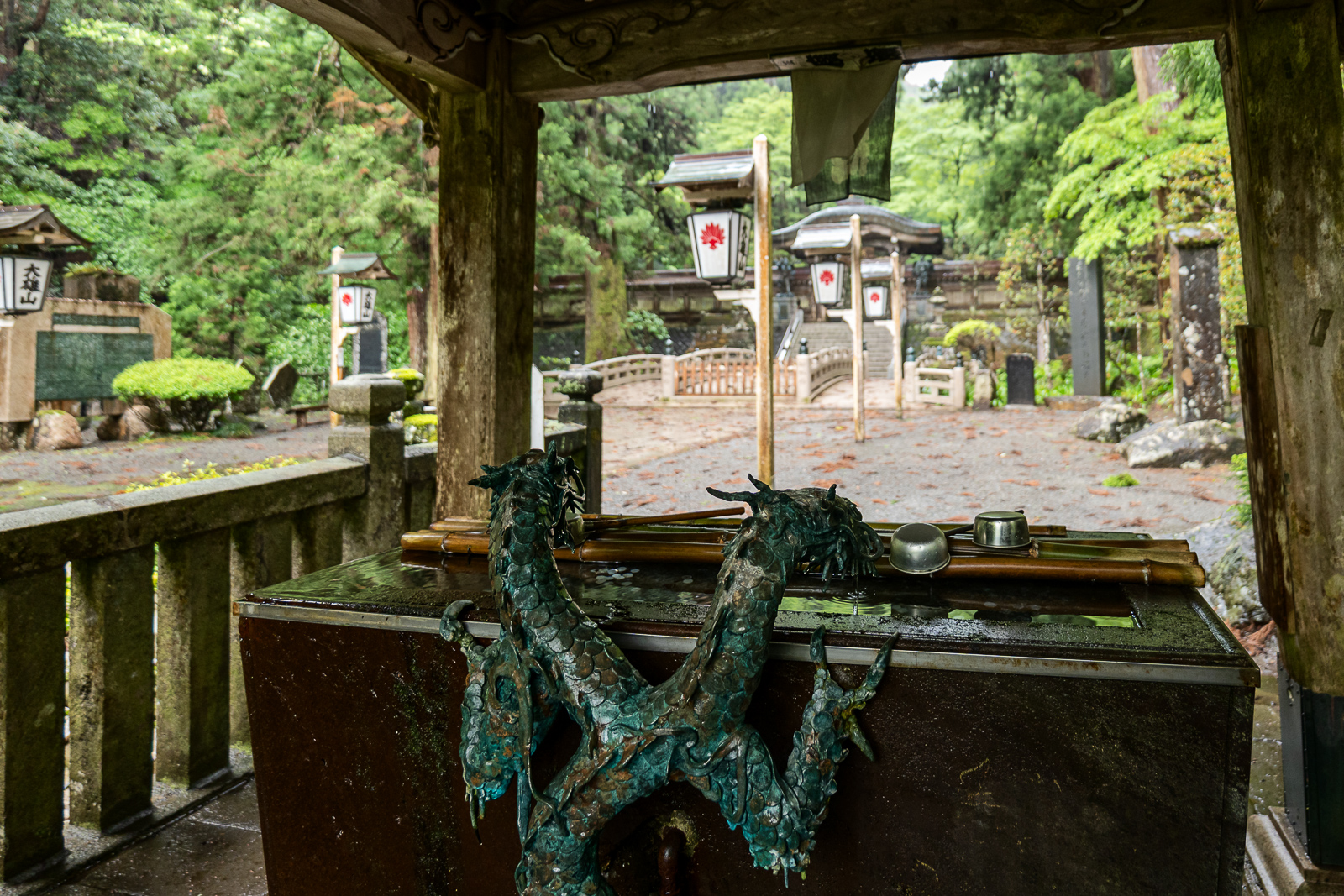
Light changes between the open courtyard and shaded paths, especially where bright leaves or pale stone appear beside dark timber. Check that the brightest leaves retain their color in your photographs, and watch your footing when looking up through the trees. Comfortable footwear is useful throughout the visit, particularly on stone steps in wet weather.
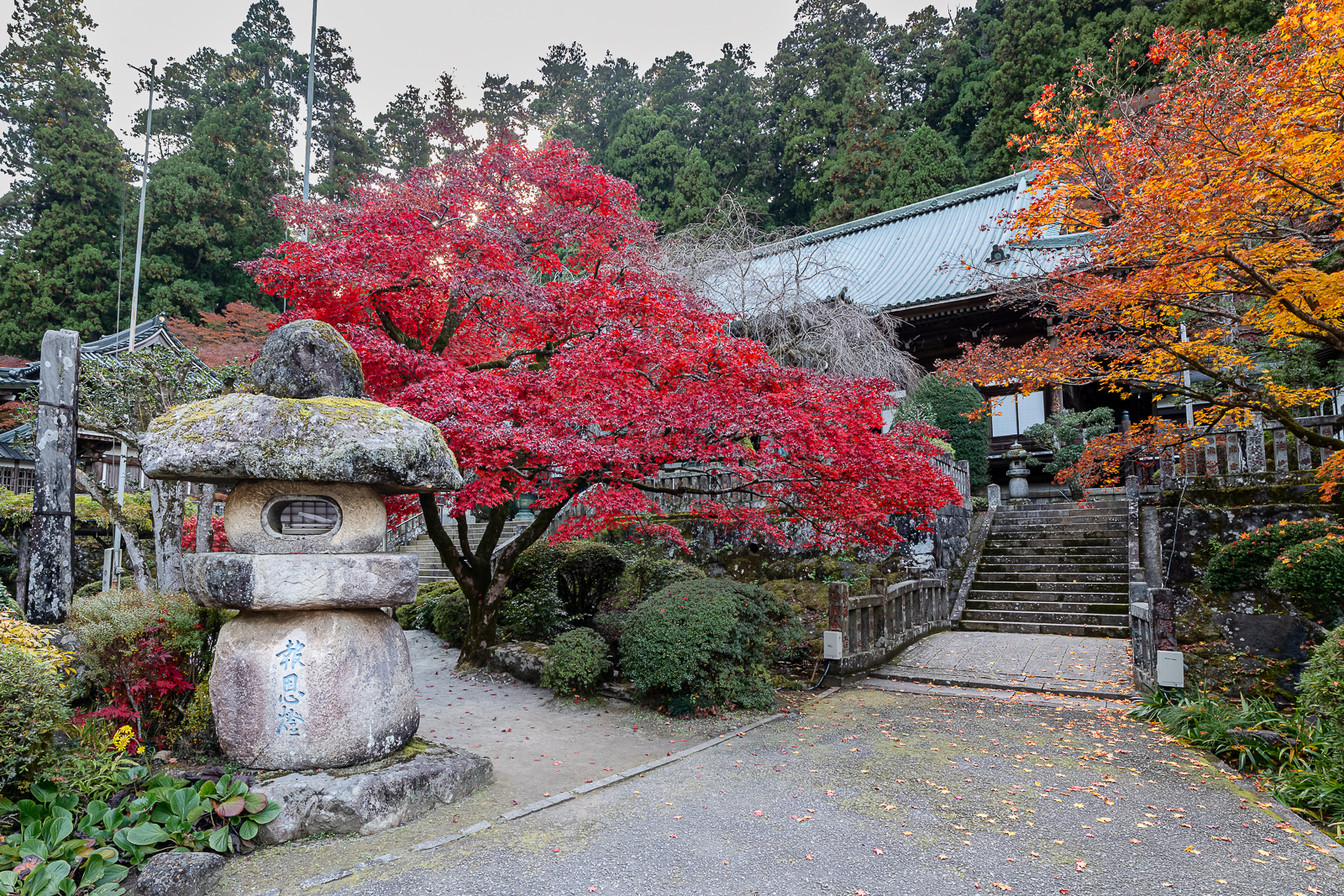
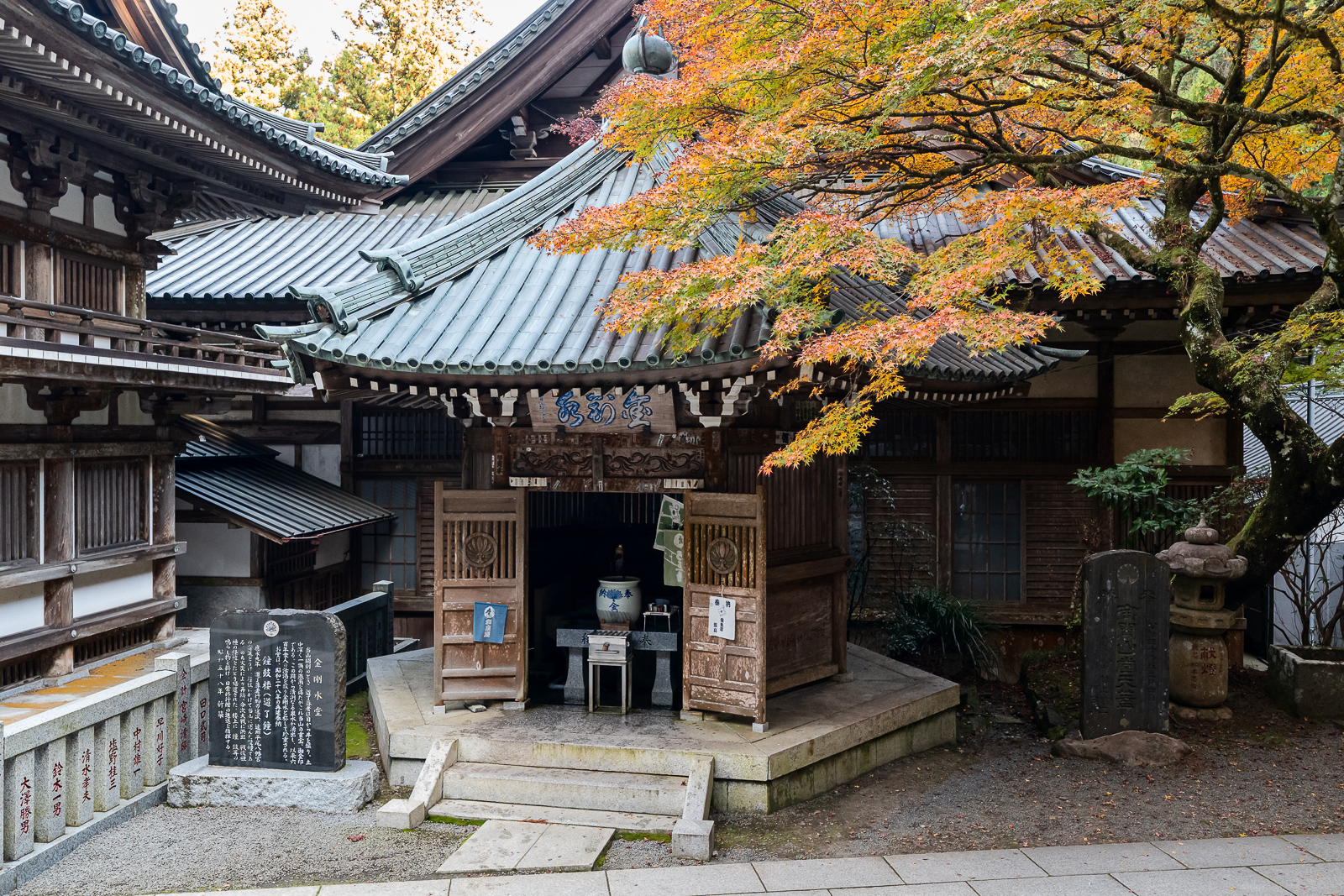
Goshuin and walks beyond the main grounds
Visitors can also receive a goshuin, a temple seal written in a special collection book called a goshuincho. Previous visits found goshuincho available near the administrative office and handwritten goshuin offered on site. Ask at the office when you arrive and leave time to collect it before heading back.
The souvenir shops are near the bus stop below the main courtyard. They are a convenient place to browse when using the lower approach. Opening arrangements vary by business, so avoid relying on a particular shop for food or supplies without checking it first.
Paths from the temple lead toward the surrounding hills, allowing a temple visit to become part of a longer walking day. If you want to go hiking, check the route, wear suitable footwear, and leave enough daylight to return. A path leaving the courtyard should not be assumed to be a short circuit that will bring you back to the same point.
Pairing Daiyuzan with Odawara or Hakone
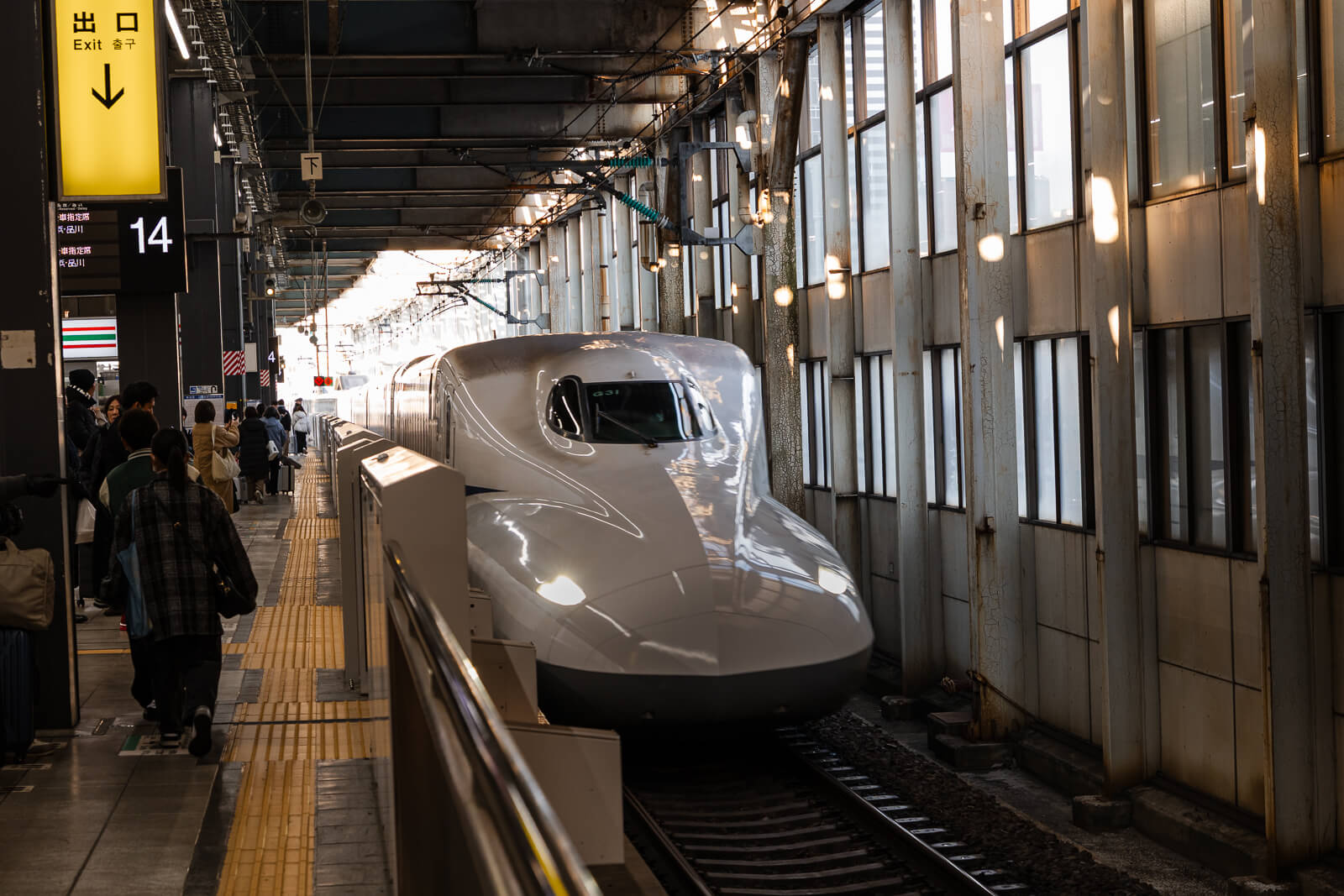
Odawara is easy to combine with the temple because the Daiyuzan railway starts there. Returning to the city gives access to onward rail connections and a different setting around the station and castle district. The Odawara Station guide helps with the transport hub, while the shopping streets guide offers ideas for extending the day on foot.
If you are continuing to Hakone, check the journey time before deciding what else to visit that day. Choose one area or an overnight base, and check the actual journey from the temple before adding museums, lakeside stops, or another temple. In autumn, Choanji Temple in Sengokuhara is another option for autumn color, with rakan statues among its grounds; allow time to travel between the two temples.
An overnight stay in Hakone can make sense when the following day is devoted to the mountains, while Odawara suits travelers organizing the trip around rail connections. A rental car collected in Odawara can give more flexibility for a wider regional journey. For a visit focused on Saijoji itself, however, the train-and-bus route remains a practical option and avoids making car hire an automatic extra expense.
Getting There
Getting to Daiyuzan
From Odawara, take the Daiyuzan Line to Daiyuzan Station, then a bus to Doryoson. Daiyuzan Saijoji is in Minamiashigara, outside Hakone; allow time for the bus connection and the walk into the temple grounds.
- Train and bus from Odawara
Odawara Station → Daiyuzan Station → Doryoson bus stop → temple grounds
Train about 21 minutes; bus about 10 minutes, plus waiting and walking. · The bus arrives by the lower souvenir shops. Walk uphill from here toward the stairs leading to the main courtyard. · Check the return bus timetable before heading farther up the temple grounds.
- Driving and parking
Odawara → Daiyuzan Saijoji Temple → lower or upper temple parking
Allow extra time on busy autumn weekends and festival days. · Lower parking is by the shops; the larger upper lot enters the courtyard beside the administration and goshuin office. · The upper lot provides the shorter approach to the main courtyard. There are still steep stairs to the upper halls; this is not a step-free route through the whole complex.
Before you set out: Check return bus times and leave enough daylight for the stairs and forest paths. Parking arrangements can change during special events.
Hours & Fees
Visitor information
Admission to Daiyuzan Saijoji is free. Reception and amulet sales have their own hours; these are not opening and closing times for the entire temple grounds.
- Hours
- General reception: 6:00–16:00. Amulet sales: 9:00–16:00. Visit in daylight and check the official site before travelling for a particular service or event.
- Admission
-
Temple admission is free. The temple lists free parking for about 250 ordinary vehicles. Offerings, purchases and individual services are separate.
Plan Your Visit
Choose transport and a place to stay around the temple visit, or extend the trip into Odawara and Hakone. Daiyuzan Saijoji itself is free to visit.
Stay around Odawara
Use Odawara as a base for the Daiyuzan Line and the return from the temple. Compare the location and check-in arrangements before choosing a stay around the station.
Compare Odawara stays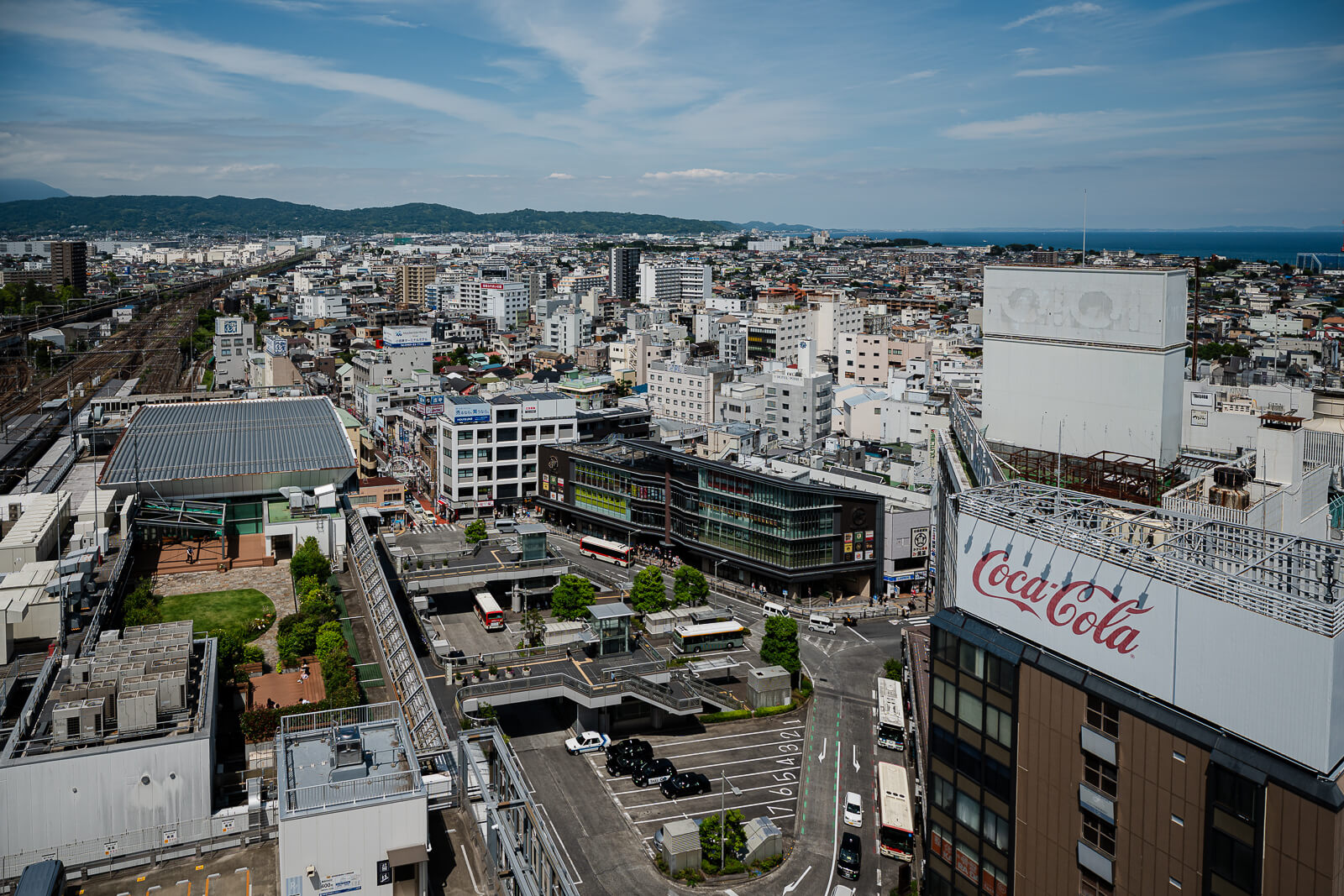
Collect a car in Odawara
A car can suit a wider trip linking the temple with other stops in western Kanagawa. Check the actual pickup branch, collection hours and return arrangements before booking.
Compare Odawara rental cars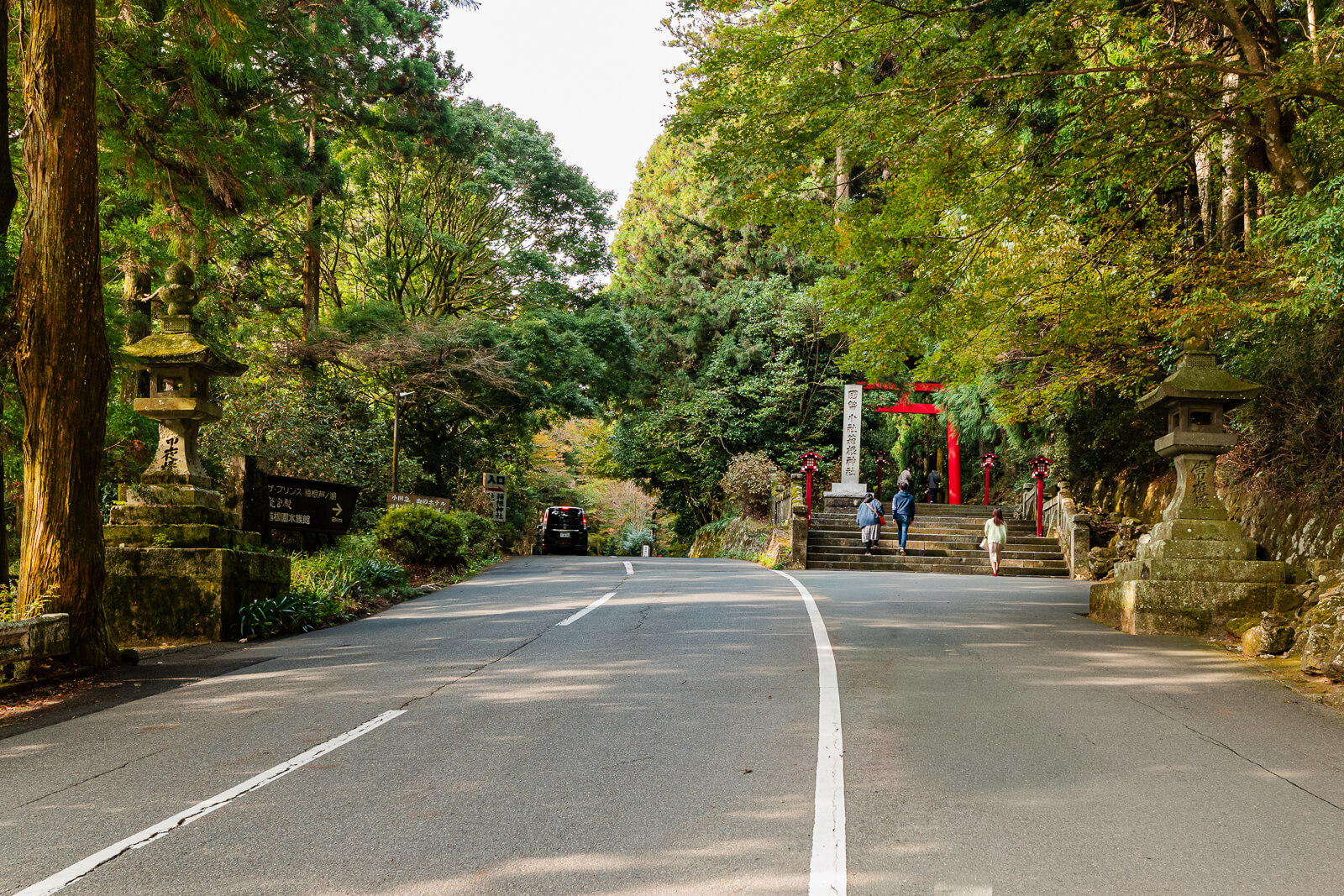
Explore Hakone on another day
If the temple is part of a longer stay, compare guided experiences for the Hakone portion of the trip. Check the meeting point and itinerary before booking; these tours may not visit Daiyuzan Saijoji.
Explore Hakone experiences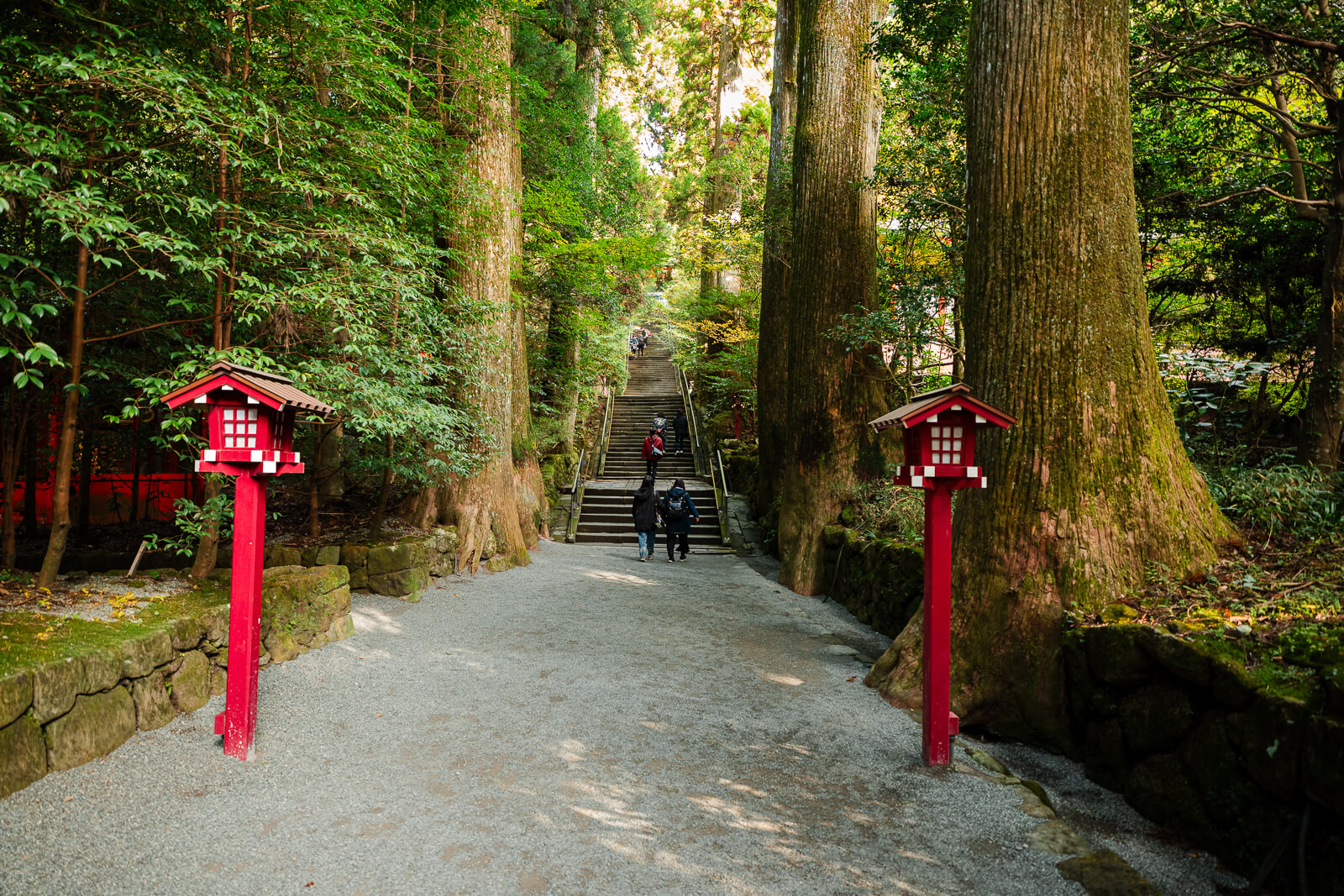
Plan your onward Hakone transport
A separate Hakone sightseeing day may benefit from a regional transport pass. Compare the routes and inclusions with your itinerary; the Daiyuzan Line and temple bus are separate.
Check Hakone pass options
Keep route information within reach
Mobile data can help with maps, bus information and onward travel planning. Check that the Japan eSIM supports your phone and the plan suits the length of your stay before buying.
Compare Japan eSIM plans
Travel from Tokyo to Odawara
Compare Tokyo-to-Odawara Shinkansen tickets for the first part of your temple journey. The onward Daiyuzan Line and bus are separate; check the train, seat and ticket conditions before booking.
Check Tokyo–Odawara trains