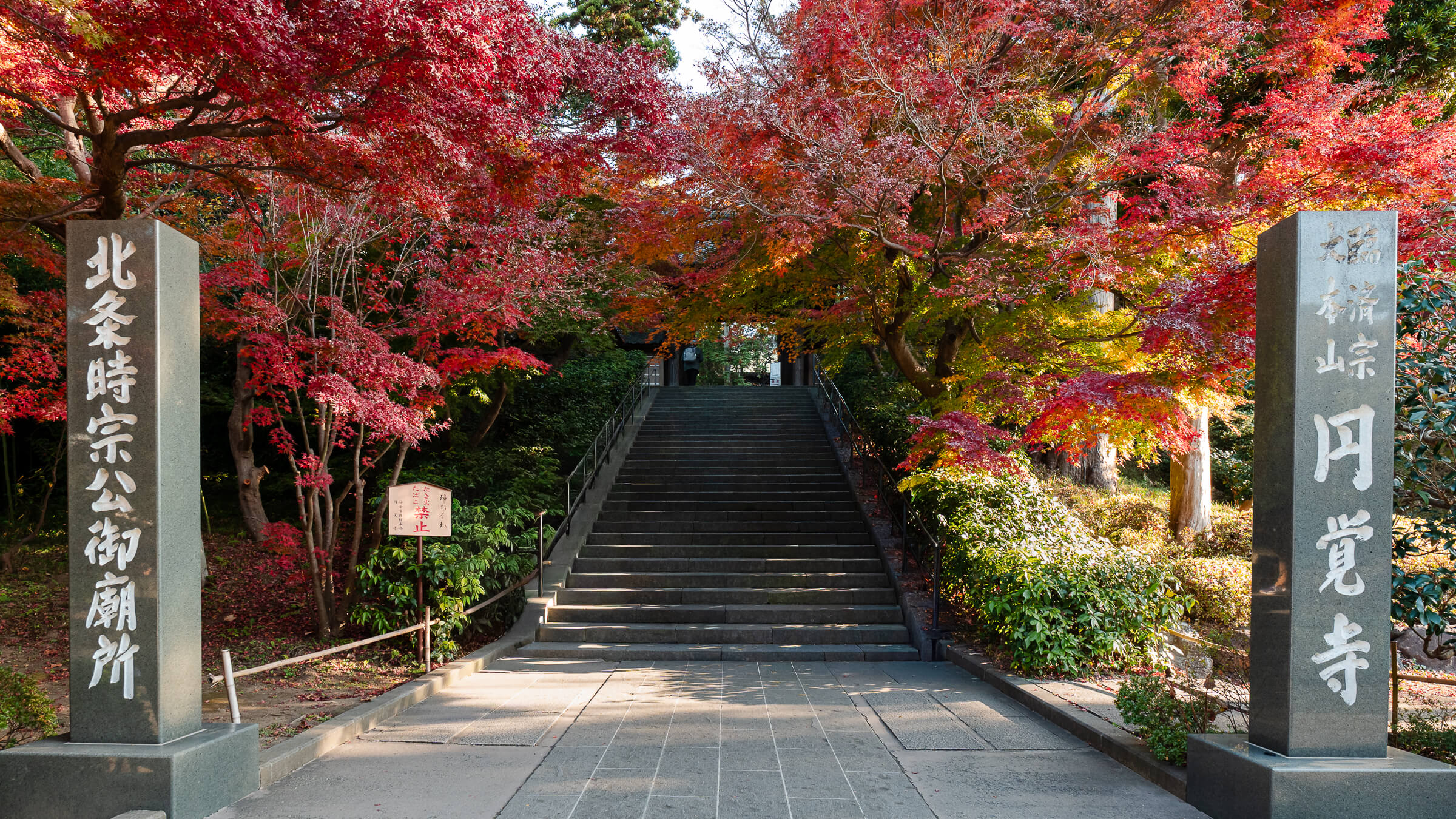
Kita-Kamakura One-Day Itinerary: Walk to Central Kamakura
Follow a practical one-day route from Kita-Kamakura Station through the temple district and onward to central Kamakura, with the stops already sequenced.

Kita-Kamakura is the northern temple district of Kamakura, with major Zen temples clustered around Kita-Kamakura Station and hiking routes leading into the surrounding hills. It works well for travelers choosing between a focused temple visit, a longer walking day, or a trail-based route before continuing into central Kamakura.
The district sits in northern Kamakura, Kanagawa Prefecture, with Engaku-ji beside the station and Kencho-ji farther south toward central Kamakura. From here, temple visits can continue naturally into the city or connect with the Ten-en and Daibutsu hiking routes.
Allow half a day for two or three temples; use a full day if adding central Kamakura or one of the longer hiking routes.
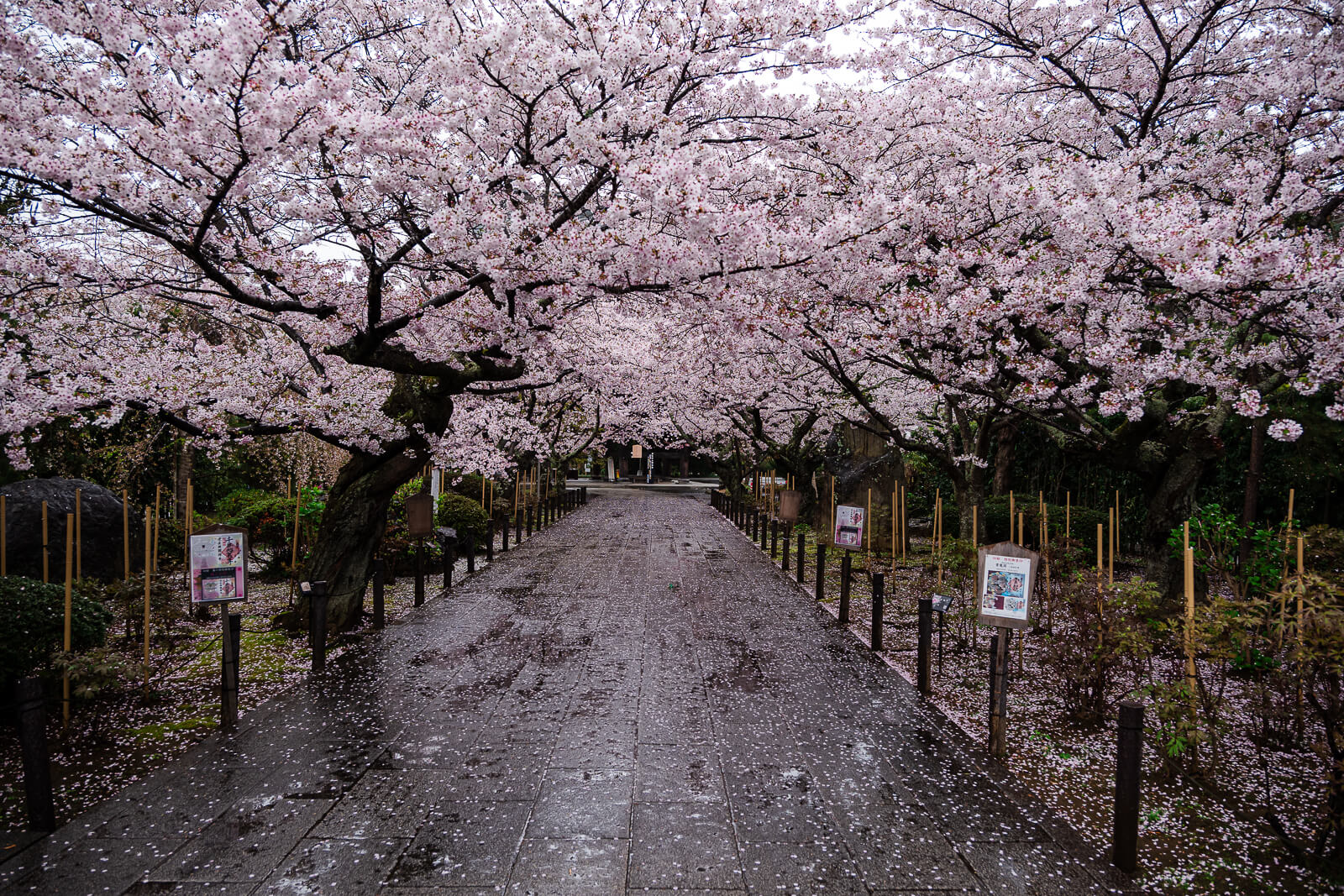
Start with the one-day itinerary if you want a practical way to connect Kita-Kamakura’s major sights with the walk toward central Kamakura. It provides the clearest implementation path before you decide which temples or hiking routes deserve more time.
Kita-Kamakura’s strongest sights are concentrated around a series of historic temples and wooded approaches near the station. Start with the major Zen complexes, then use the smaller stops to shape the visit around season, walking time and personal interest.
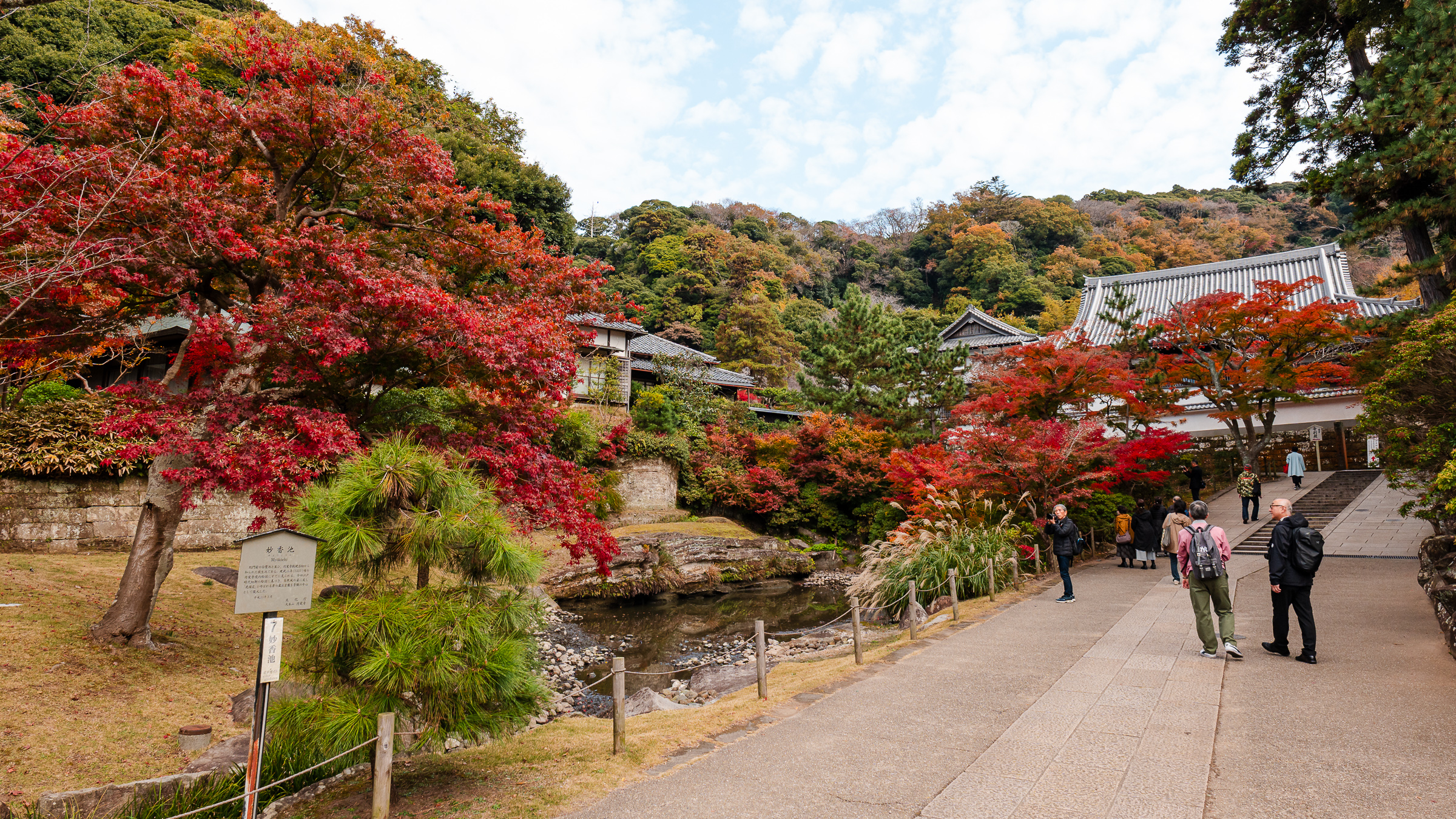
Beside Kita-Kamakura Station, Engaku-ji combines a large Zen precinct, pond areas and valley paths; allow about 60–75 minutes for a focused visit.
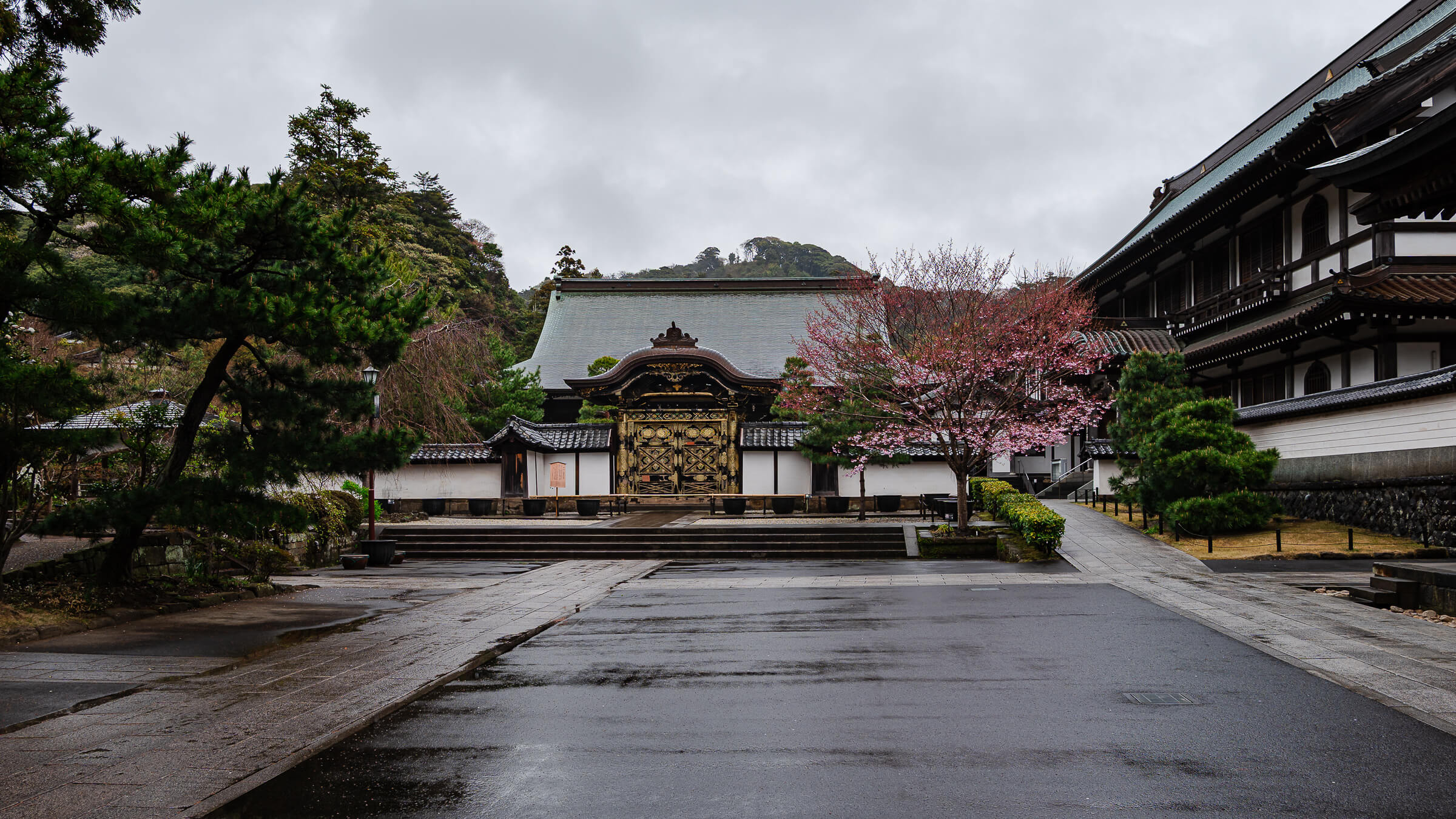
Kencho-ji is Kita-Kamakura’s largest Zen complex, with major halls, gardens and hillside viewpoints plus direct access to the Ten-en Hiking Course.
Beyond Engaku-ji and Kencho-ji, Kita-Kamakura has smaller temples and cultural stops that add seasonal scenery, history, wooded settings and variety to a walking day. Use these guides to decide which additional stops fit your interests, route and available time.
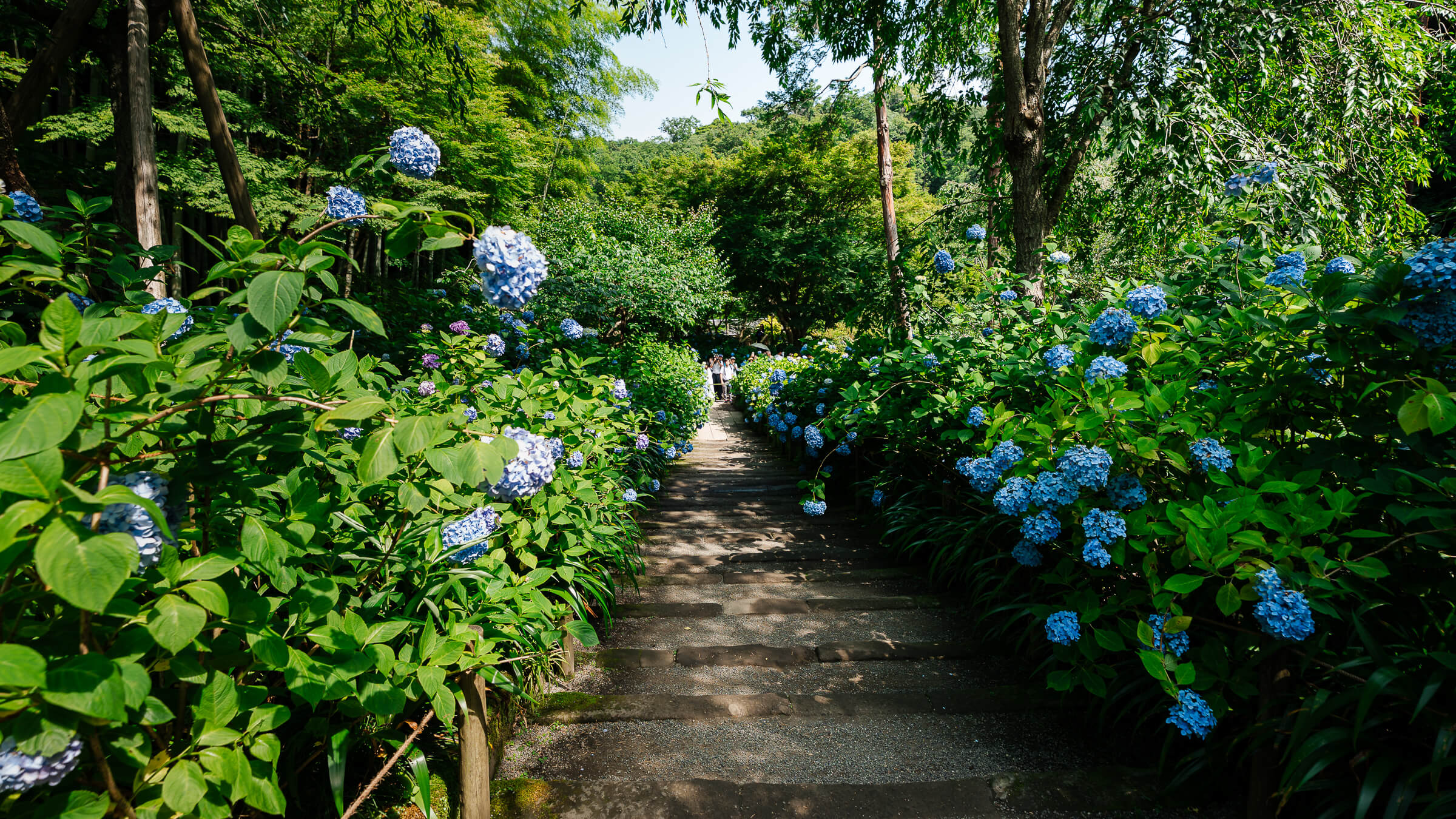
Meigetsu-in is known for hydrangeas and its circular Window of Enlightenment; allow about 45–60 minutes, longer during peak flower periods.
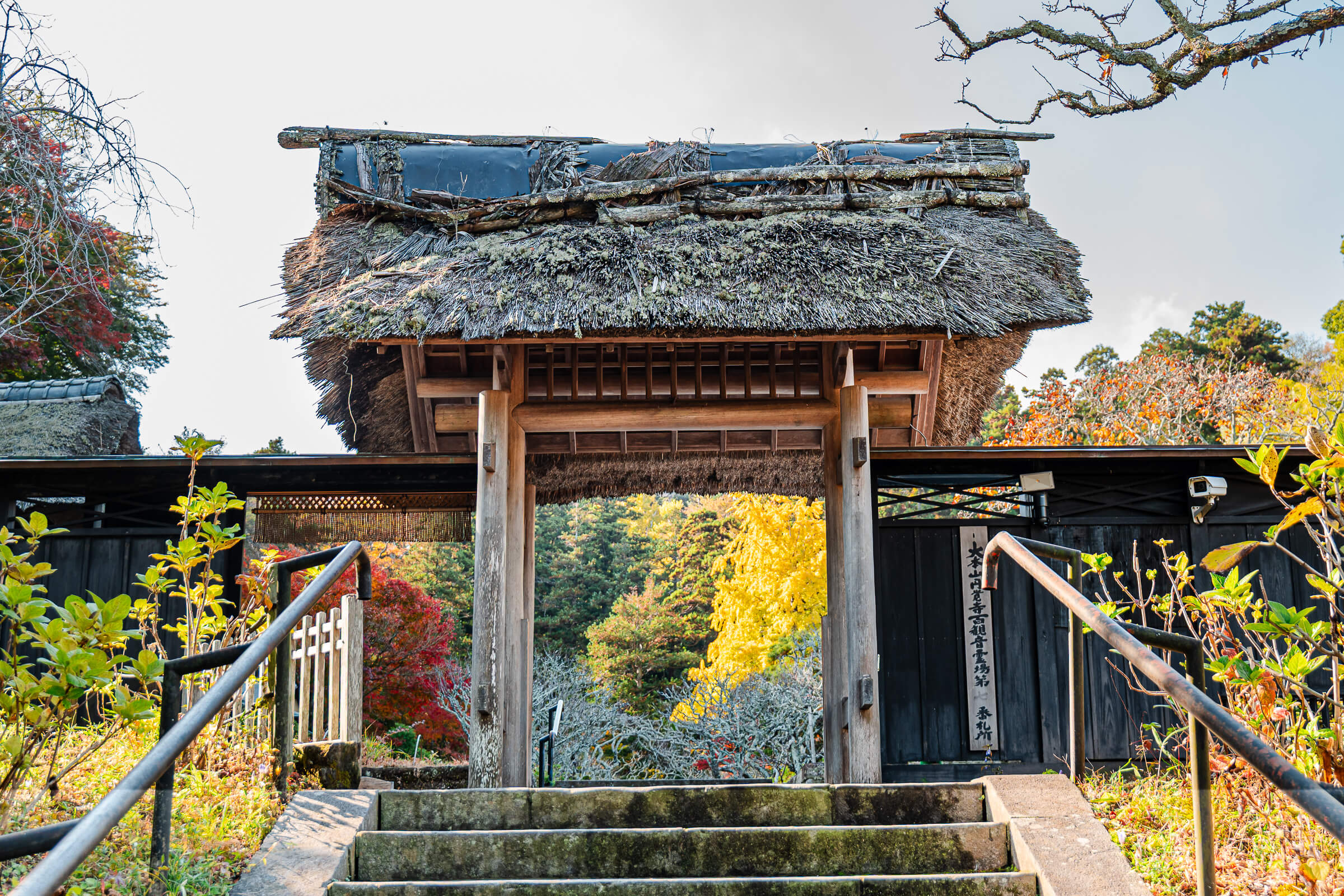
Tokei-ji’s history as a refuge for women distinguishes this compact temple; allow about 25–40 minutes between Kita-Kamakura’s larger stops.
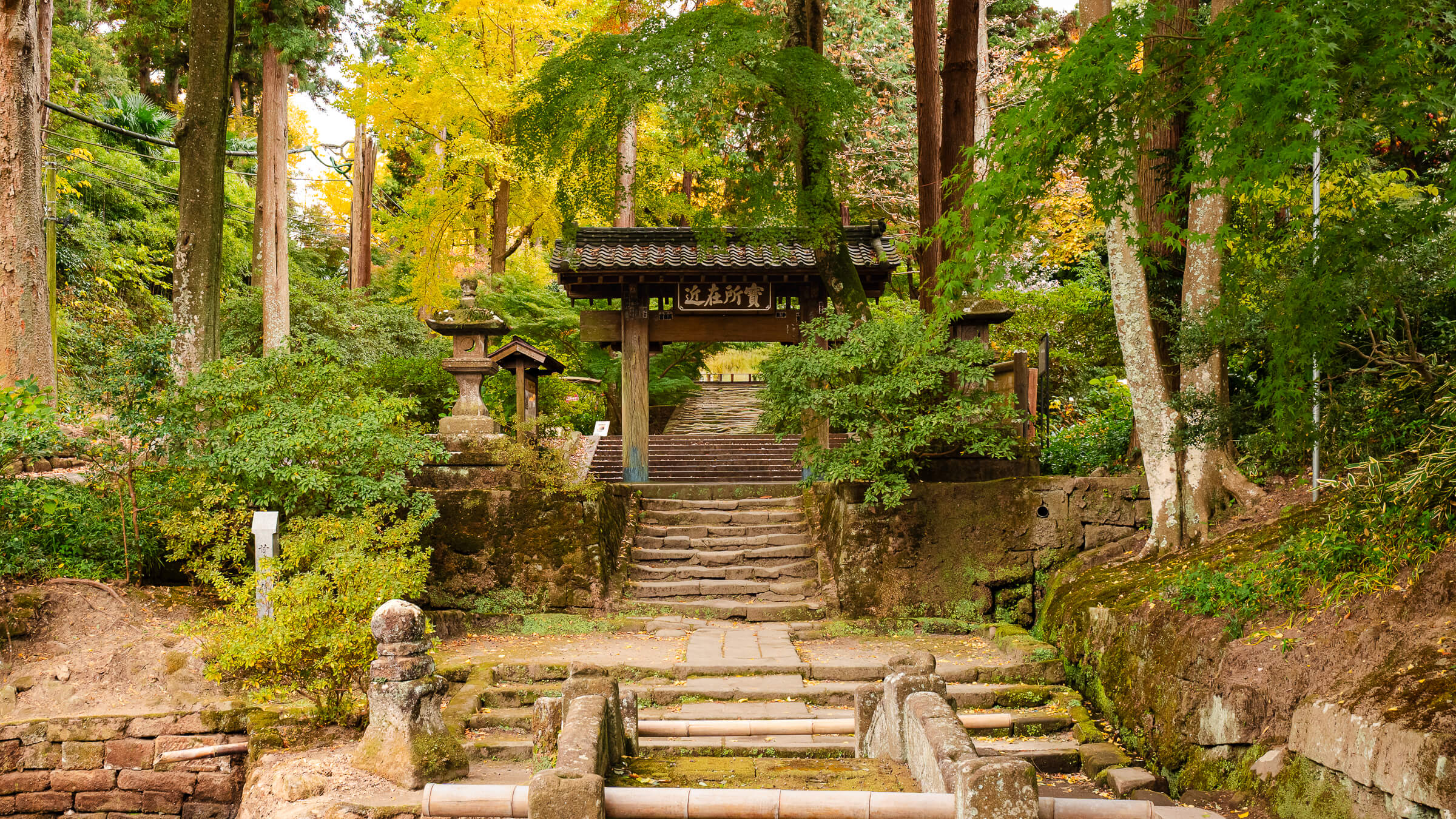
Jōchi-ji offers a compact 30–40 minute wooded loop with a bell-tower gate and Hotei statue, fitting easily between larger temple visits.
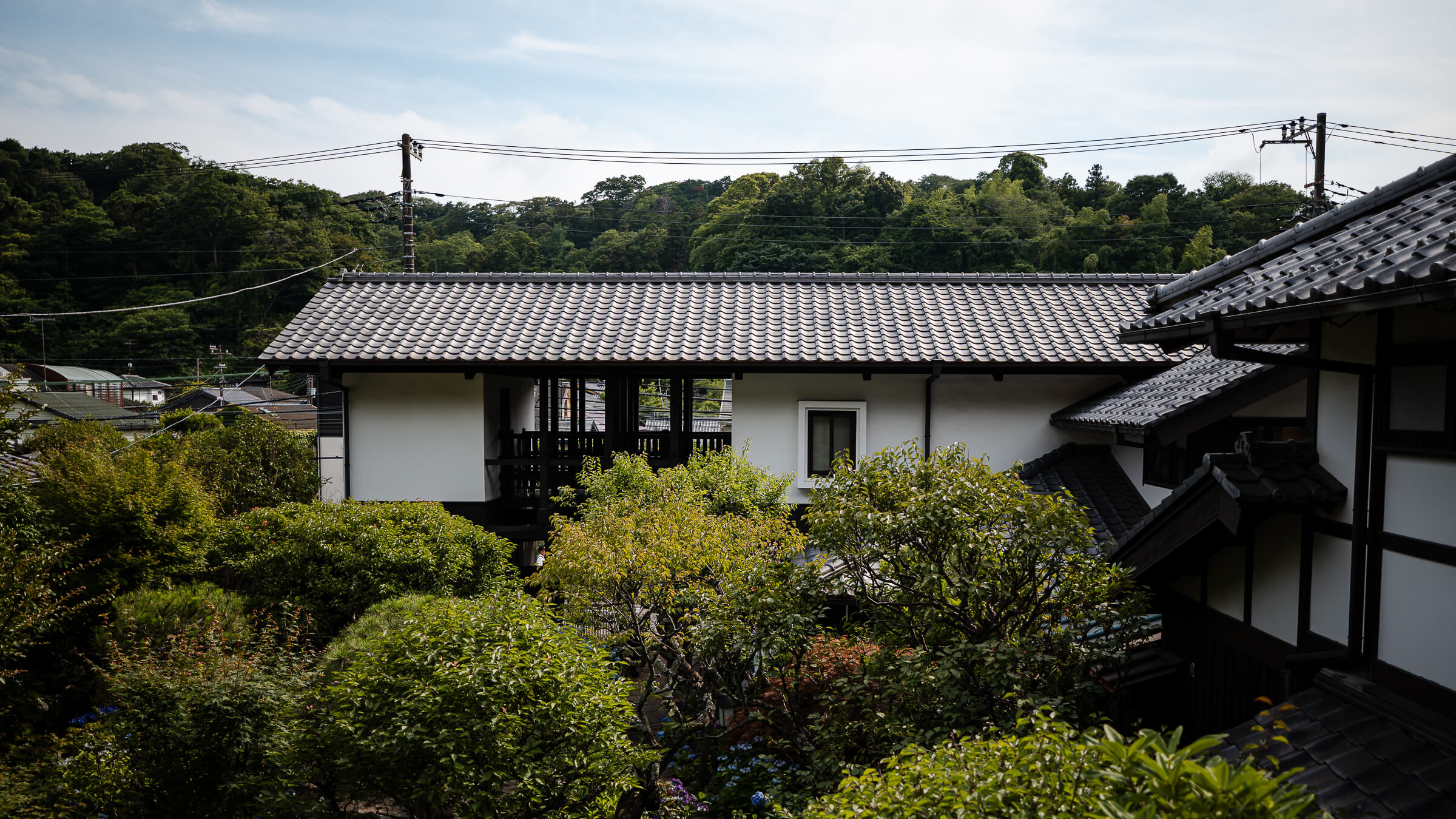
Add the Old Folk House Museum when you want a cultural stop beyond temples and a closer look at Kita-Kamakura’s traditional architecture.
Kita-Kamakura connects directly with several of Kamakura’s hillside walking routes. Use these guides to plan the Ten-en and Daibutsu hiking courses, understand where Kuzuharaoka Shrine fits along the way, and choose a route that matches your time and walking plans.
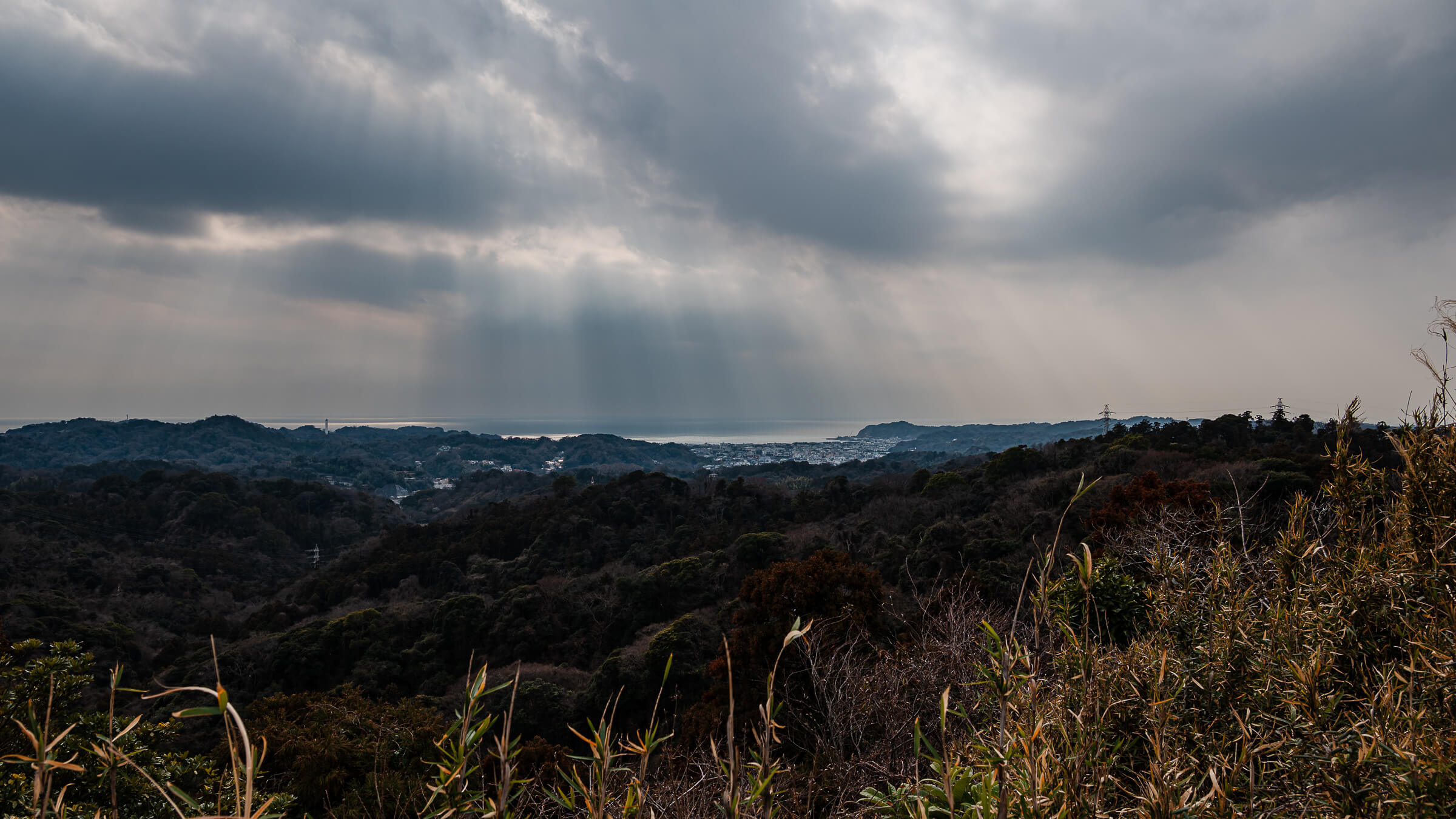
The Ten-en course follows Kamakura’s wooded ridge from Kenchō-ji toward Zuisen-ji, linking temple grounds, viewpoints and a longer hillside walk.
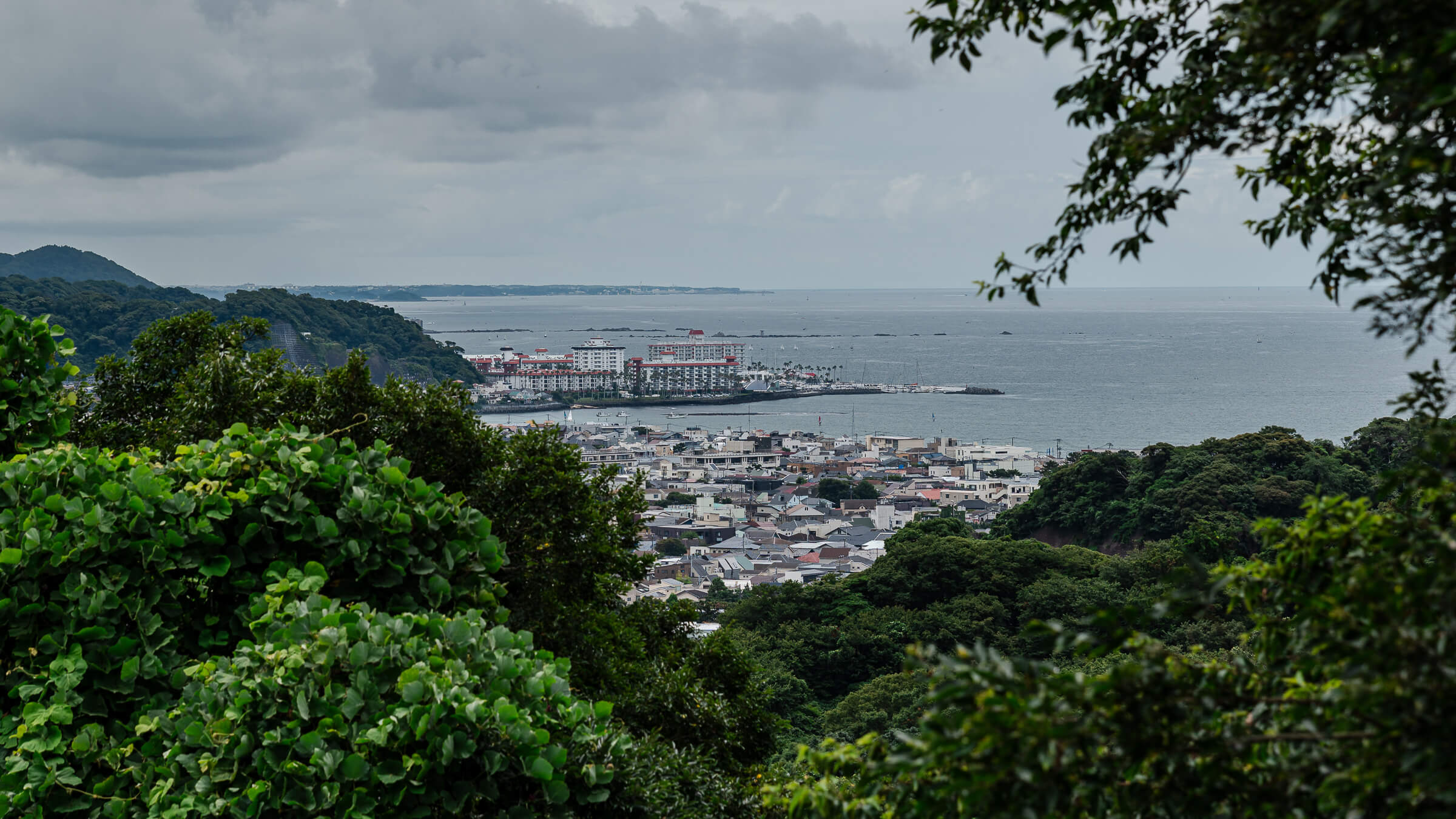
The Daibutsu course crosses Kamakura’s western hills toward Hase over dirt, roots, stone steps and short climbs.
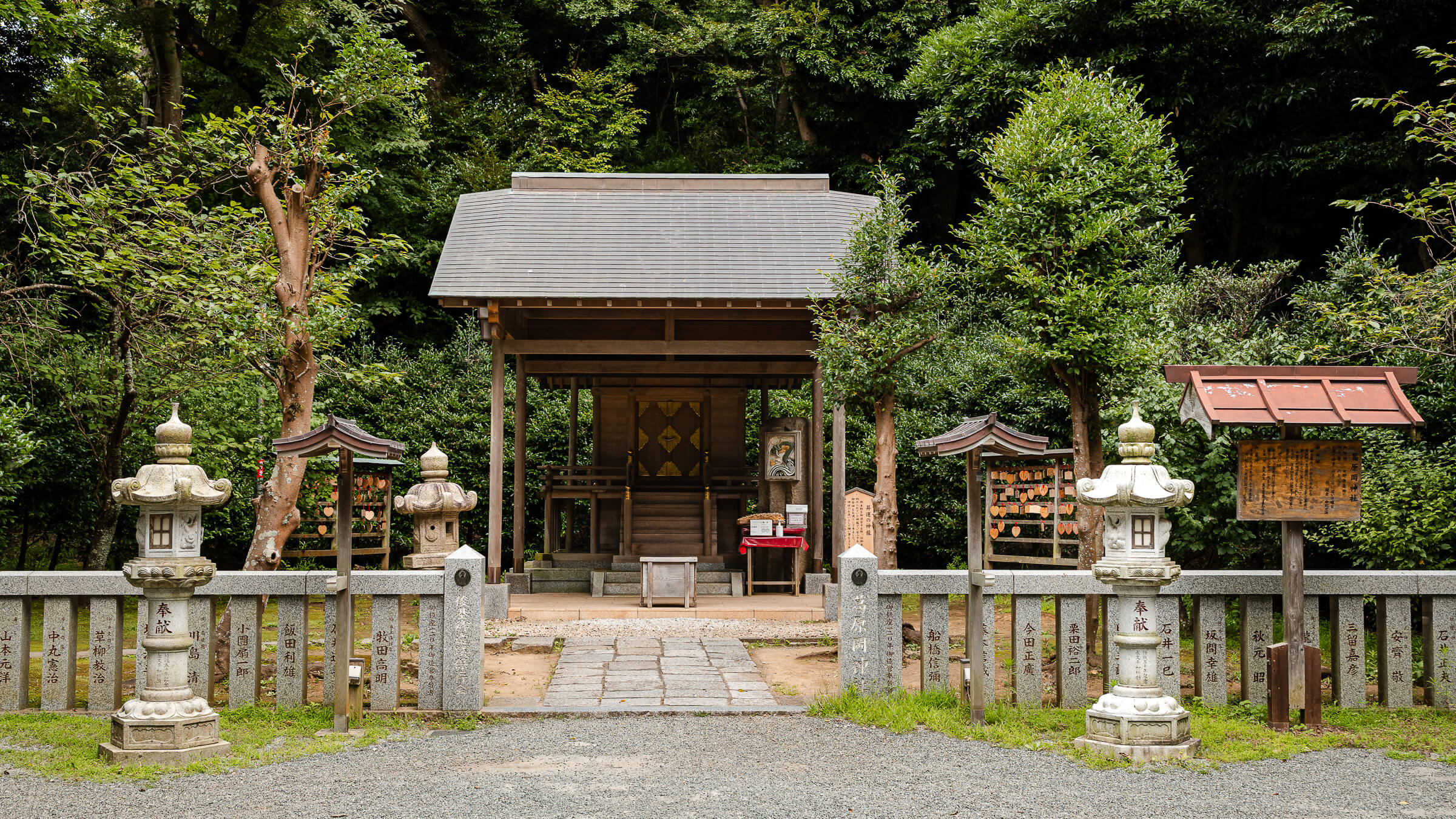
Kuzuharaoka Shrine is a useful ridge stop before the Daibutsu trail, with restrooms and vending machines before the route continues toward Hase.