Why Lake Suwa Surprises Many Visitors
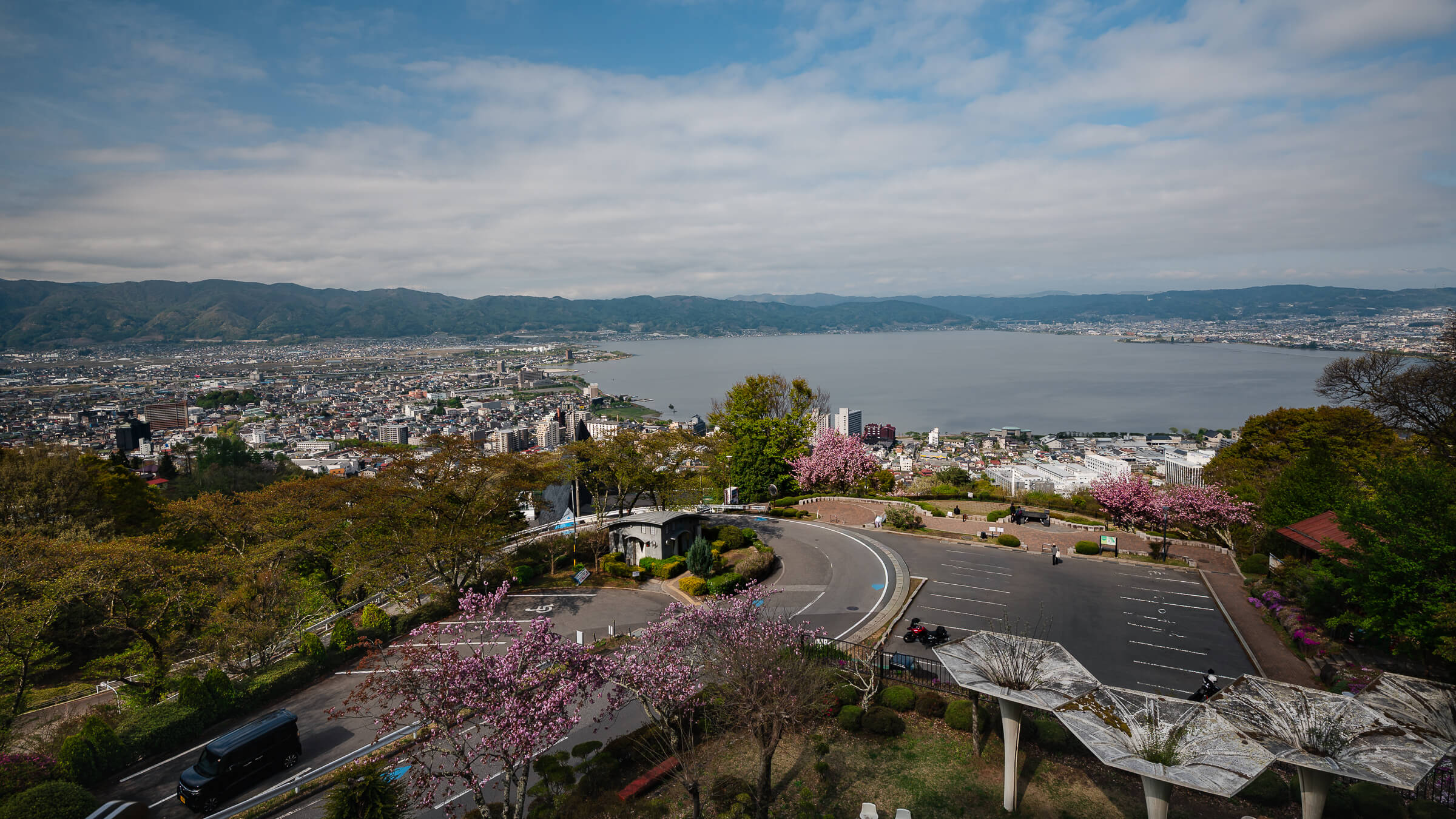
Lake Suwa is the largest lake in Nagano Prefecture and serves as the geographic and cultural center of the Suwa region. Surrounded by historic shrine complexes, hot spring towns, museums, scenic viewpoints, and mountain landscapes, the lake forms the centerpiece of a destination that offers far more than its shoreline alone might suggest.
Many travelers first encounter Lake Suwa while moving between Matsumoto, Yamanashi, Nagano City, and the Japanese Alps. Others arrive after seeing the area from above at Suwako Service Area or while passing through Kamisuwa Station. Although the lake itself immediately draws attention, the broader region unfolds across several communities that each contribute something different to the overall experience.
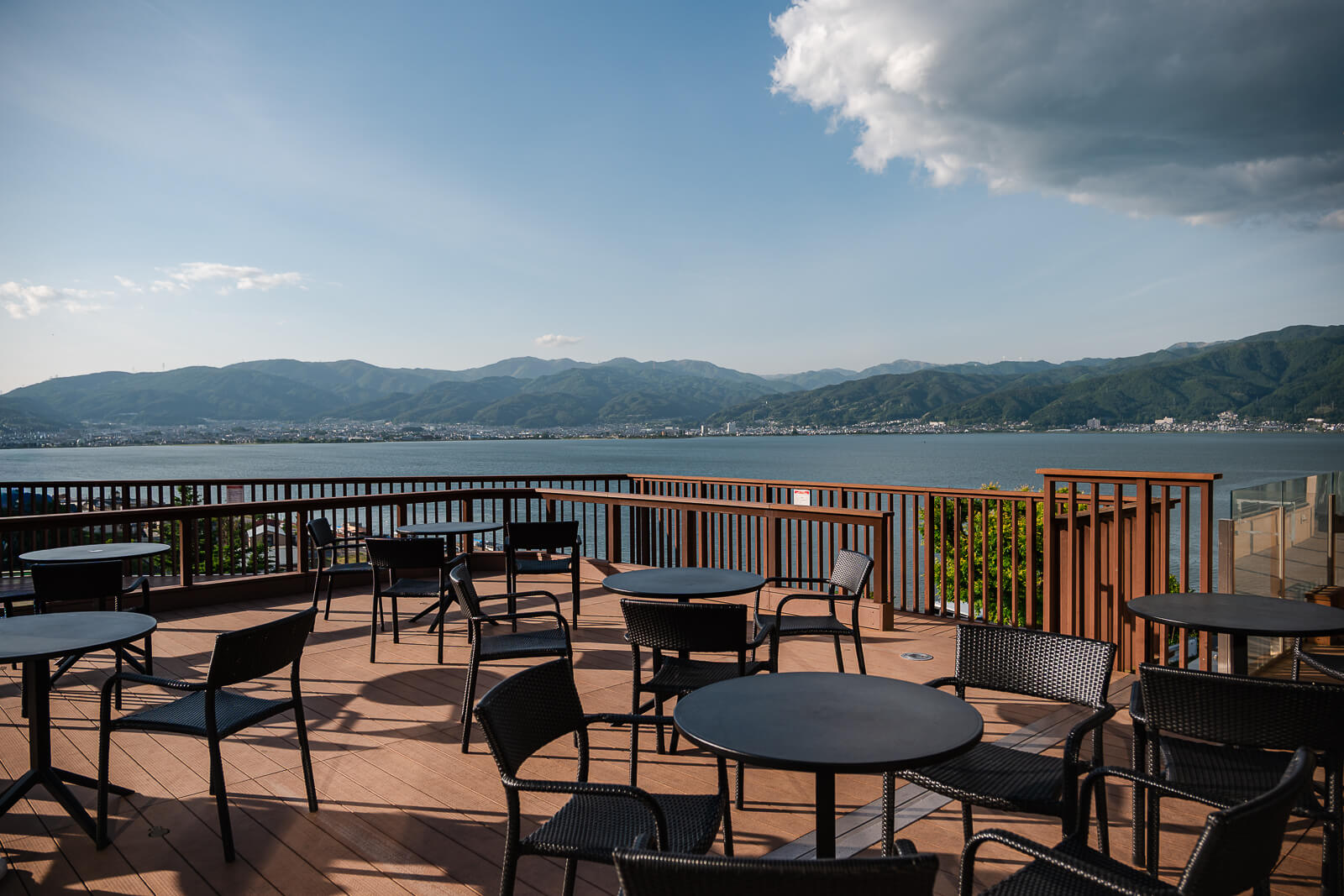
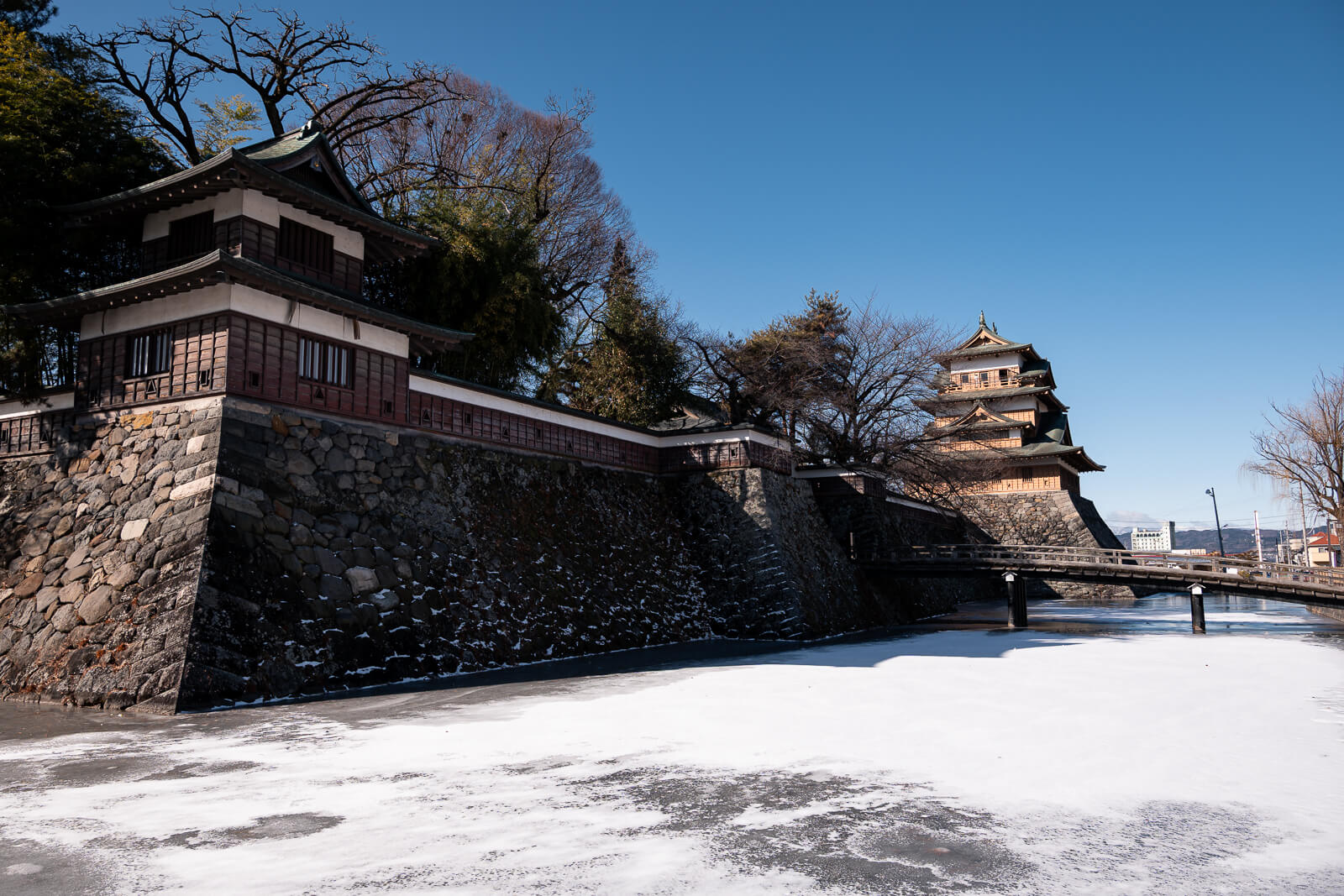
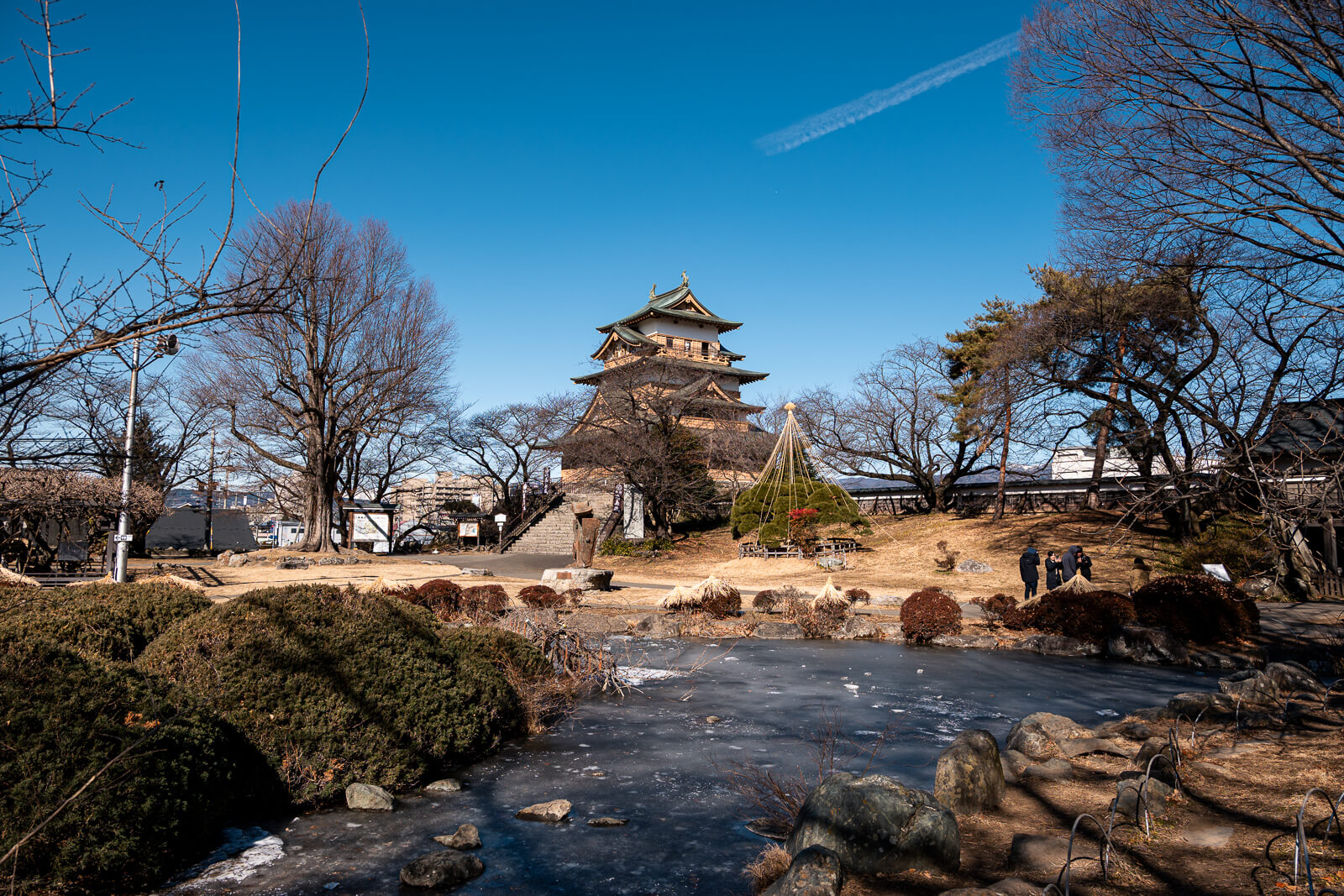
Historic sites such as Takashima Castle sit near the waterfront, while attractions including Katakurakan, the Kitazawa Museum of Art, and the Lake Suwa Geyser Center and Footbath provide different perspectives on the area’s history and culture. Beyond the shoreline, the Suwa Taisha shrine network extends across the basin, connecting Kamisuwa, Shimosuwa, and Chino through one of Japan’s oldest religious traditions.
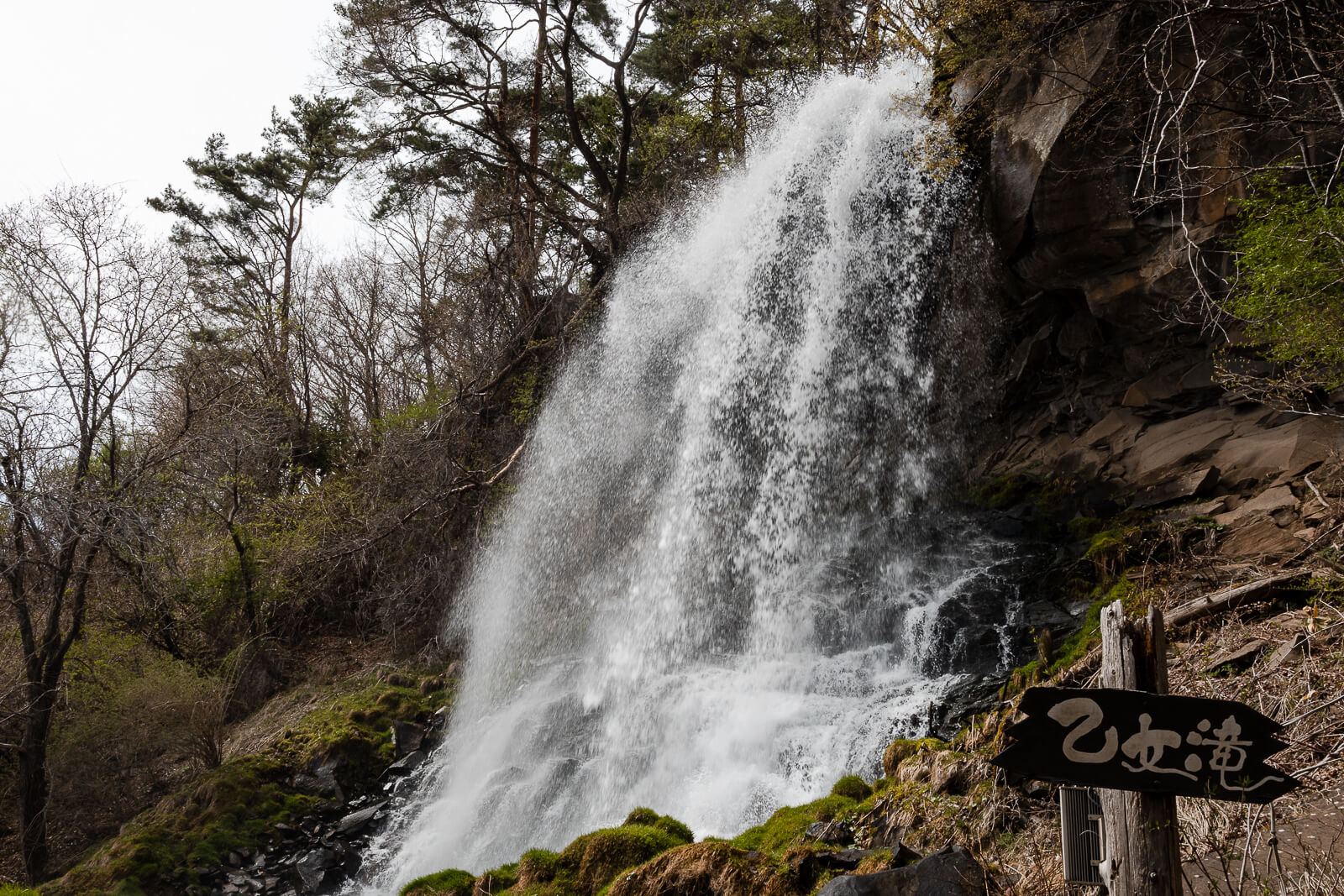
The landscape also changes surprisingly quickly once visitors move away from the water. Elevated viewpoints such as Tateishi Park, forest destinations including Mishaka-ike Pond, and waterfalls such as Otome Falls and Oshidori Kakushi Falls reveal a different side of the region that many travelers never expect to find so close to the lake.
Lake Suwa is therefore best approached as a region. The lakefront makes a useful starting point, while the shrine districts and Chino highlands give the visit quite different directions. Choosing which of those interests you most is more useful than trying to include every attraction around the basin.
Is Lake Suwa Worth Visiting?
Lake Suwa is worth considering if your interests combine hot springs, shrine culture, museums and lakeside scenery. It offers a different kind of visit from a destination organized around one headline attraction: you can spend time in the waterfront district, follow the shrine network or make an excursion into the surrounding highlands.
For a first trip to Japan, consider Lake Suwa in the context of your wider route through central Nagano or Yamanashi. Check the actual connections before adding it between other destinations: being in the same region does not make every detour convenient. It is a stronger choice when you want time for an onsen stay, shrine visits or the surrounding landscape than when your schedule allows only a brief transfer.
Repeat visitors to Japan often discover that Lake Suwa offers more depth than expected. The Suwa Taisha shrine network alone provides enough cultural significance to justify a dedicated visit, while attractions such as Takashima Castle, Katakurakan, the Kitazawa Museum of Art, and Tateishi Park add additional layers to the experience. Beyond the shoreline, destinations around Chino introduce forest landscapes, waterfalls, and scenic drives that feel distinctly different from the lakefront itself.
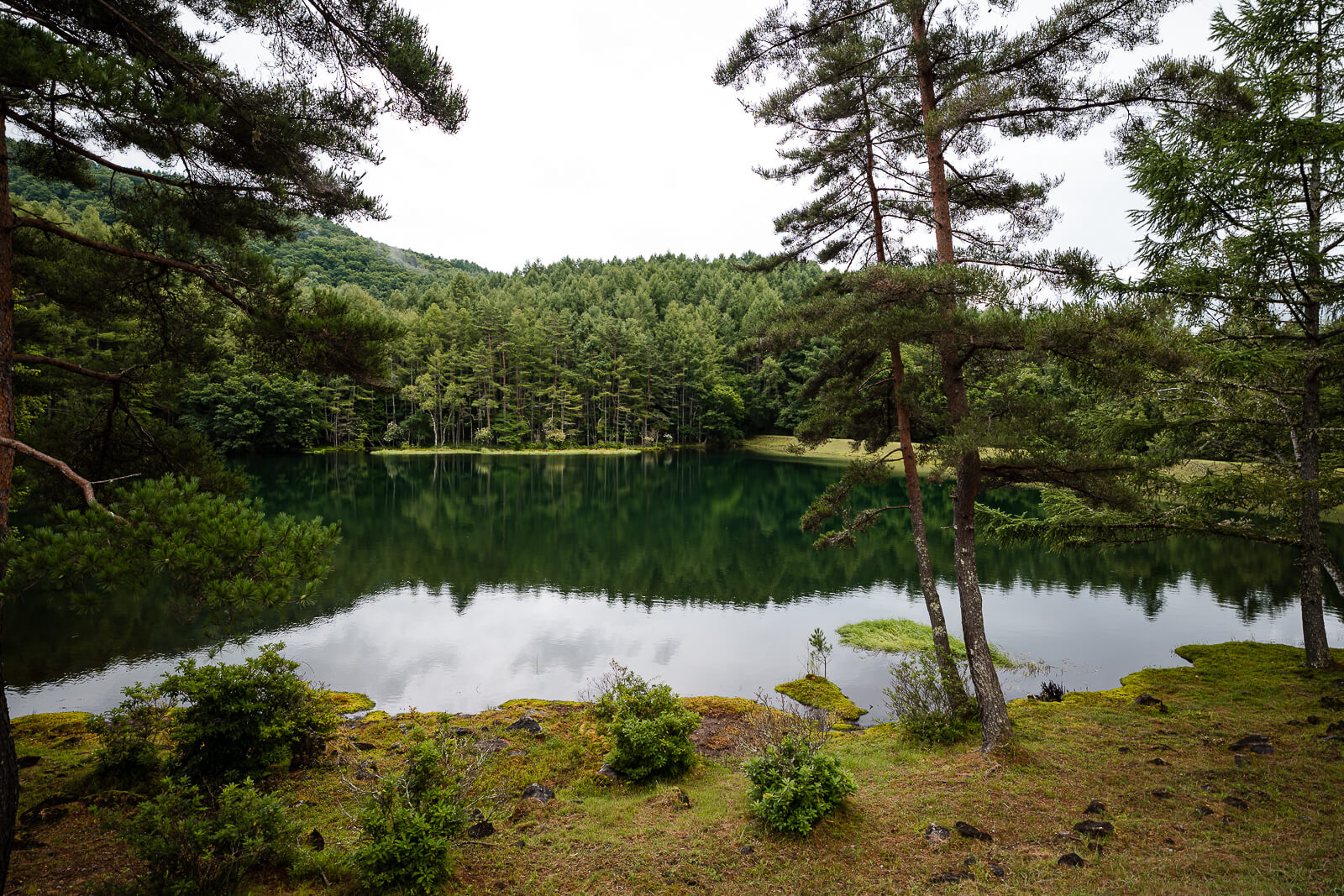
A waterfront visit and a highland excursion ask different things of your day. Choose the former for a more concentrated introduction, and add the shrines or mountain sights when they match your interests and transport. That distinction helps keep Lake Suwa enjoyable without turning its variety into a list of obligations.
How Much Time Do You Need?
Start with the part of the region you want to see, then match the time to it. A half day suits a selection of Kamisuwa waterfront stops; a full day gives you more choice within the basin; an overnight stay leaves room for a separate shrine or highland outing. These are planning approaches, not a promise that every place mentioned below fits into each timeframe.
Half Day
A half-day visit naturally focuses on the Kamisuwa waterfront and a small number of nearby attractions. Most travelers gravitate toward sites such as Takashima Castle, Katakurakan, and portions of the lakeside promenade, creating an experience centered on the lake itself rather than the broader region. The visit feels straightforward, with most movement concentrated along the eastern lakefront.
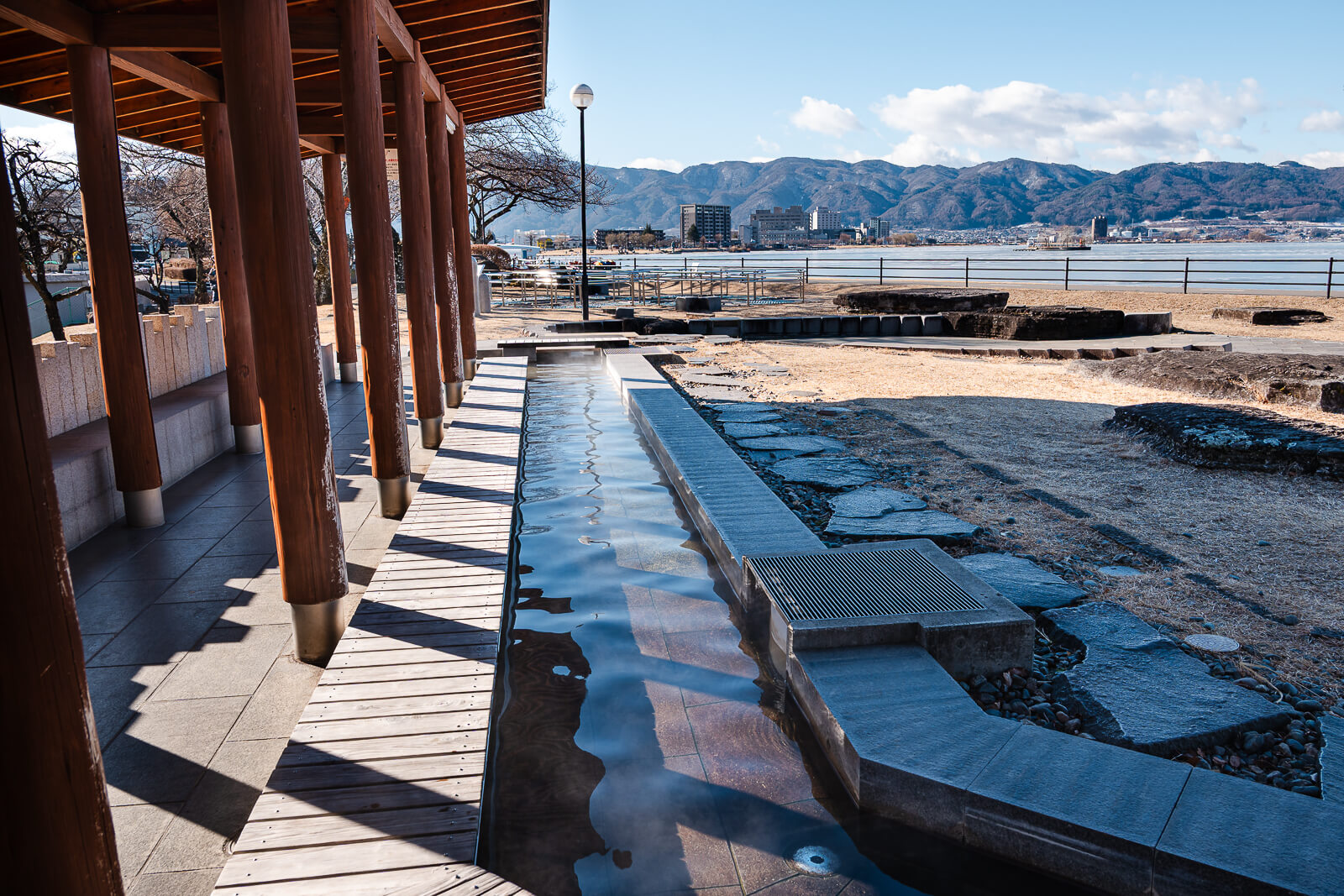
Keep a half-day visit local rather than adding a distant stop simply because it appears close on a regional map. Choose the attraction that matters most to you, then leave time for the lakeside walk or bath around it. The four-shrine network and Chino highlands deserve their own transport allowance and are not part of this short waterfront introduction.
Full Day
A full day allows the area to begin revealing its different sides. In addition to the waterfront, visitors can incorporate attractions such as the Kitazawa Museum of Art, the Lake Suwa Geyser Center and Footbath, and one or two of the Suwa Taisha shrines located around the lake. The additional time makes it easier to understand how the surrounding communities connect together rather than viewing each attraction as an isolated stop.
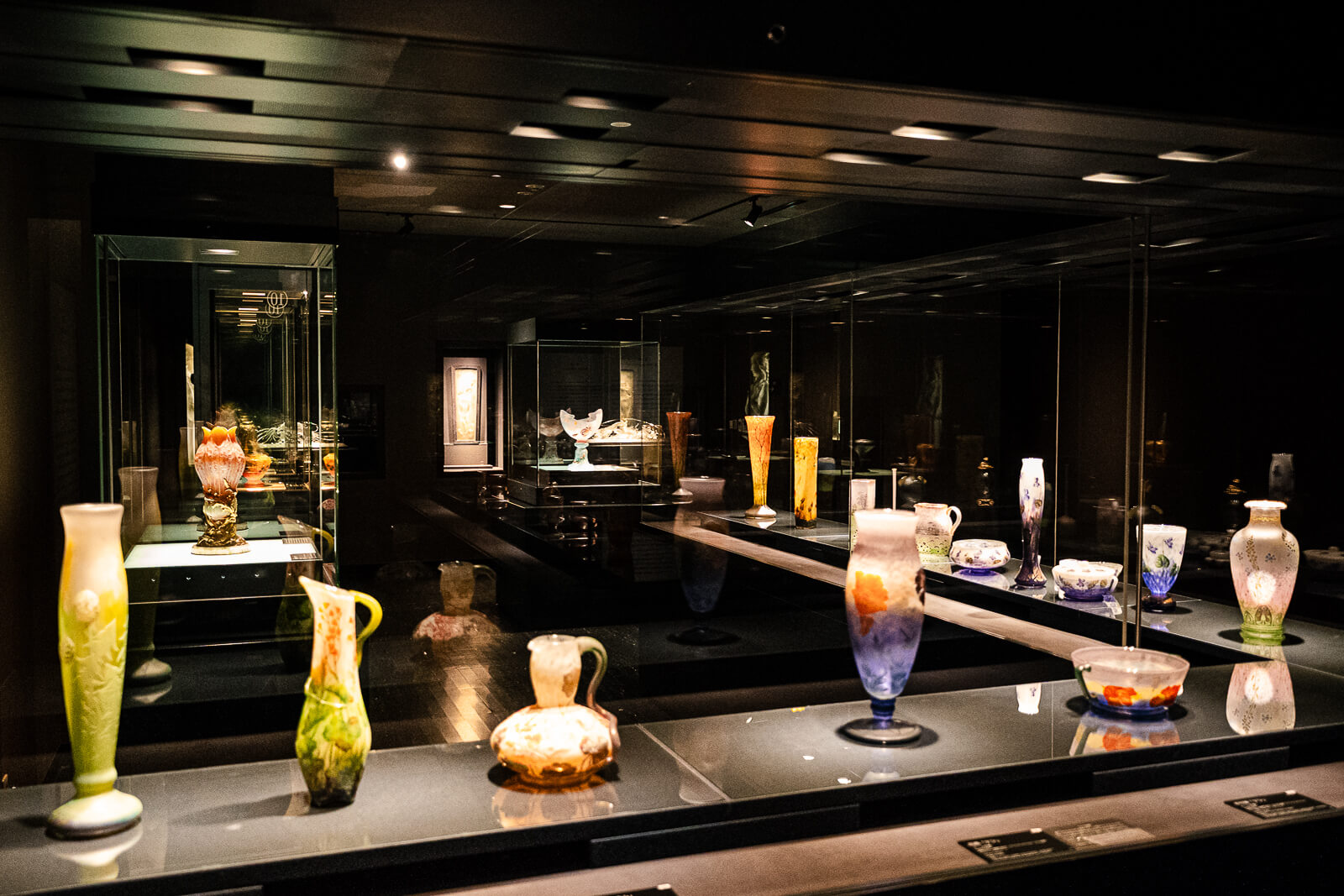
The important choice is which extra area to add. A shrine-focused afternoon and a viewpoint excursion create different routes, especially without a car. Check the opening days of your chosen indoor stops and the onward connection before settling the order, leaving space for lunch and the lakeside itself rather than filling every hour with movement.
Two Days
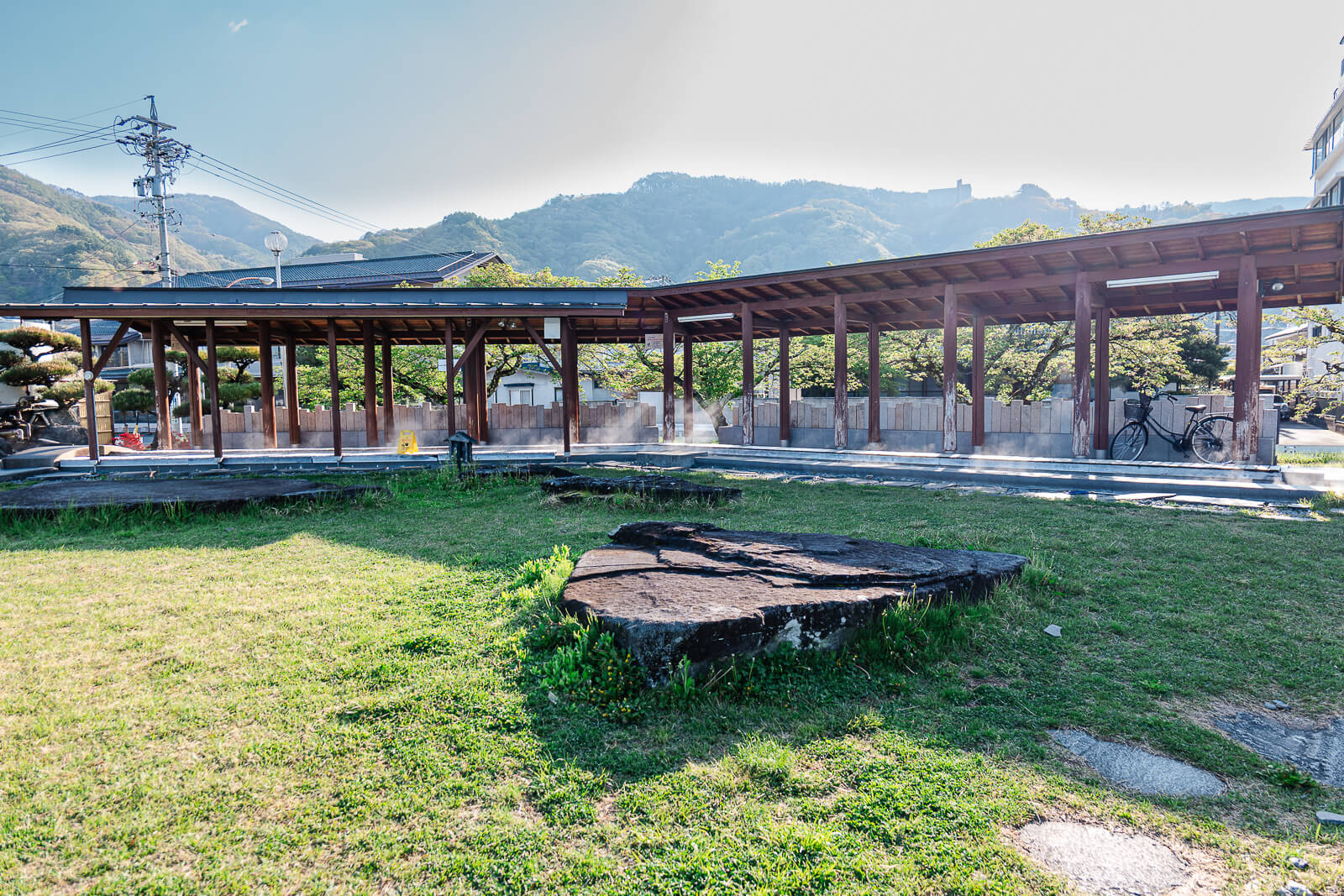
An overnight stay creates enough flexibility for the region to unfold more naturally. Choose whether to spend more time with the four shrines of the Suwa Taisha network or make a separate highland outing. Destinations such as Tateishi Park, Mishaka-ike Pond, Otome Falls, and Oshidori Kakushi Falls can form part of that wider plan, rather than a list to complete in full. Time spent in Kamisuwa Onsen also becomes part of the experience rather than something squeezed between attractions.
One practical approach is to keep one day around the lake and reserve the other for a chosen interest. That might be more of the shrine network, or a Chino excursion, rather than both by default. The time available for the sights depends on travel mode, opening days and how long you want to spend at each stop.
An overnight stay also makes the accommodation part of the trip. Instead of returning immediately to a train or a long drive, you can keep the evening close to your base. Choose that extra night for the experience you want, rather than treating it as a way to fit every marker on the map.
CHOOSE YOUR BASE
Which side of Lake Suwa should you stay on?
Kamisuwa is our first choice for lakefront evenings. Consider Shimosuwa if historic streets, onsen inns and the Shimosha shrines lead your plans.
For lakefront evenings
Kamisuwa
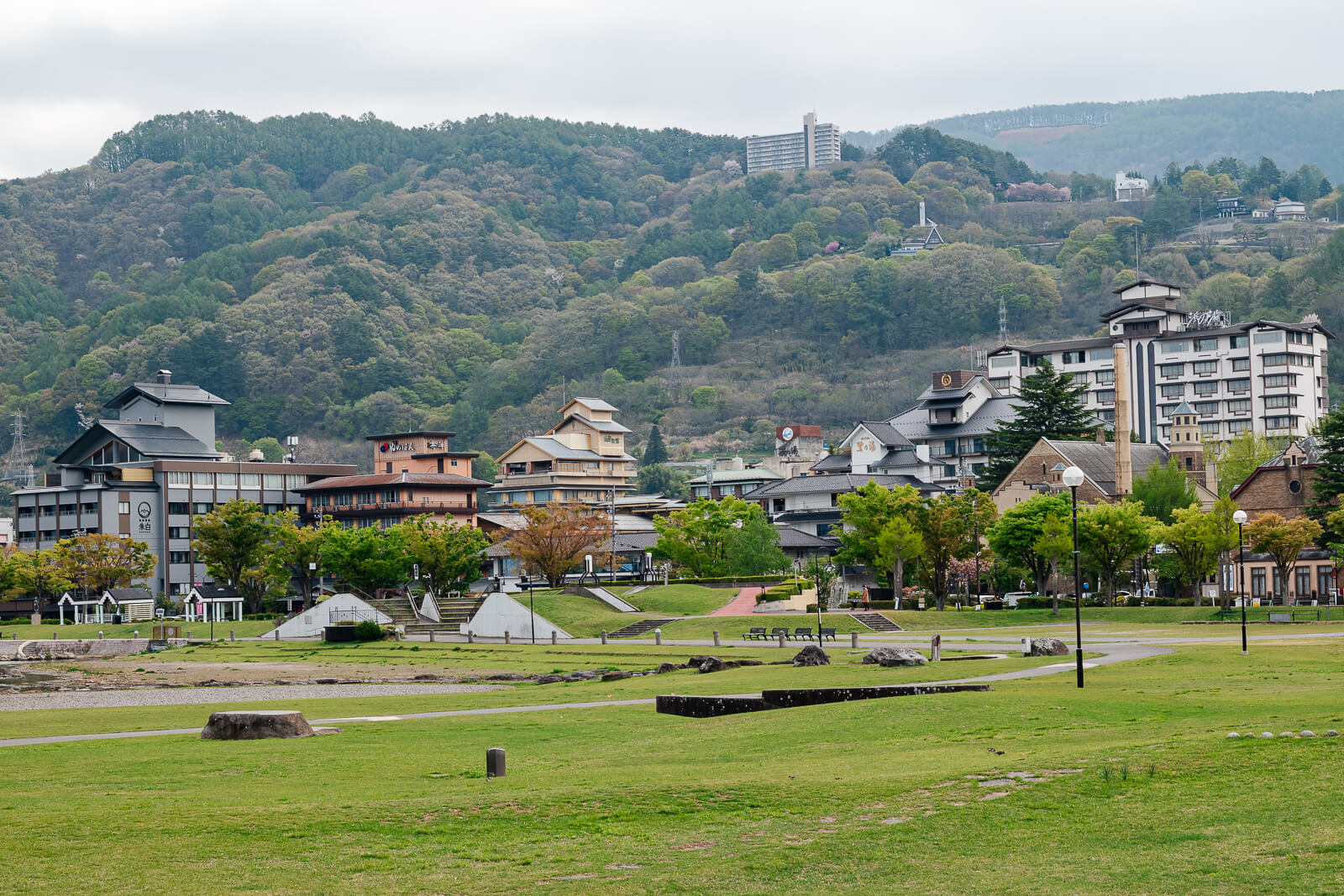
Keep onsen, restaurants, museums and evening walks close to your hotel. Highland sights still need a separate onward journey.
For historic streets and onsen stays
Shimosuwa
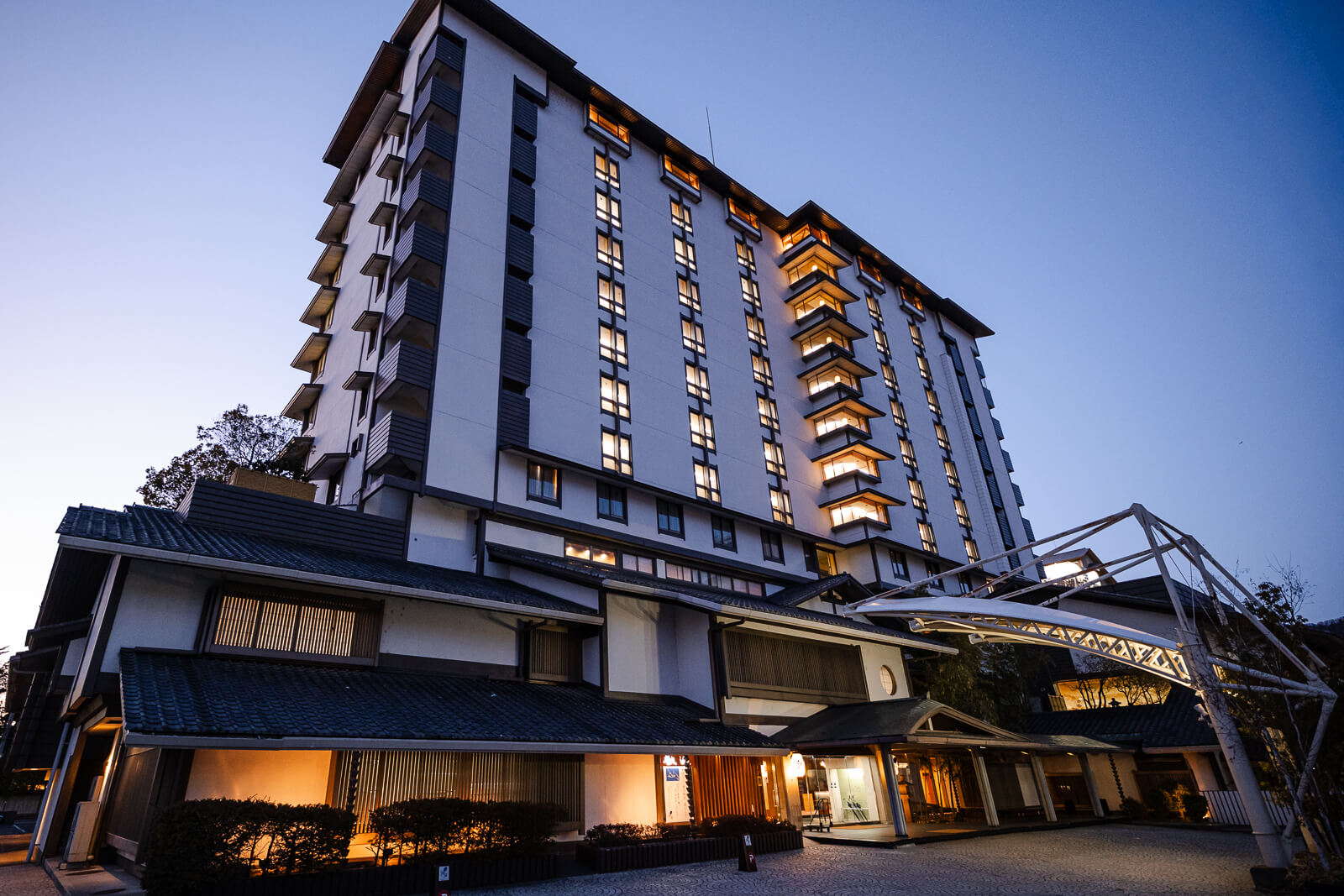
Choose Shimosuwa for its historic post-town streets, onsen inns and Suwa Taisha Shimosha shrines. Check the exact location: many inns are inland, and Kamisuwa lakefront sights require an onward journey.
Why Lake Suwa Feels Bigger Than It First Appears
The useful distinction is between a lakeside cluster and a regional trip. Several Kamisuwa attractions are close enough to form one outing, but the shrine pairs occupy different parts of the basin and the Chino sights extend into the highlands. Looking at all of them on one map can hide the changes in distance, terrain and transport between them.
Part of this comes from geography. The Suwa Basin is not a single town built around a lake but a collection of communities that occupy different positions around the shoreline and surrounding foothills. Kamisuwa, Shimosuwa, Okaya, and Chino each contribute something different to the overall experience, creating a destination that feels larger and more varied than many visitors initially expect.
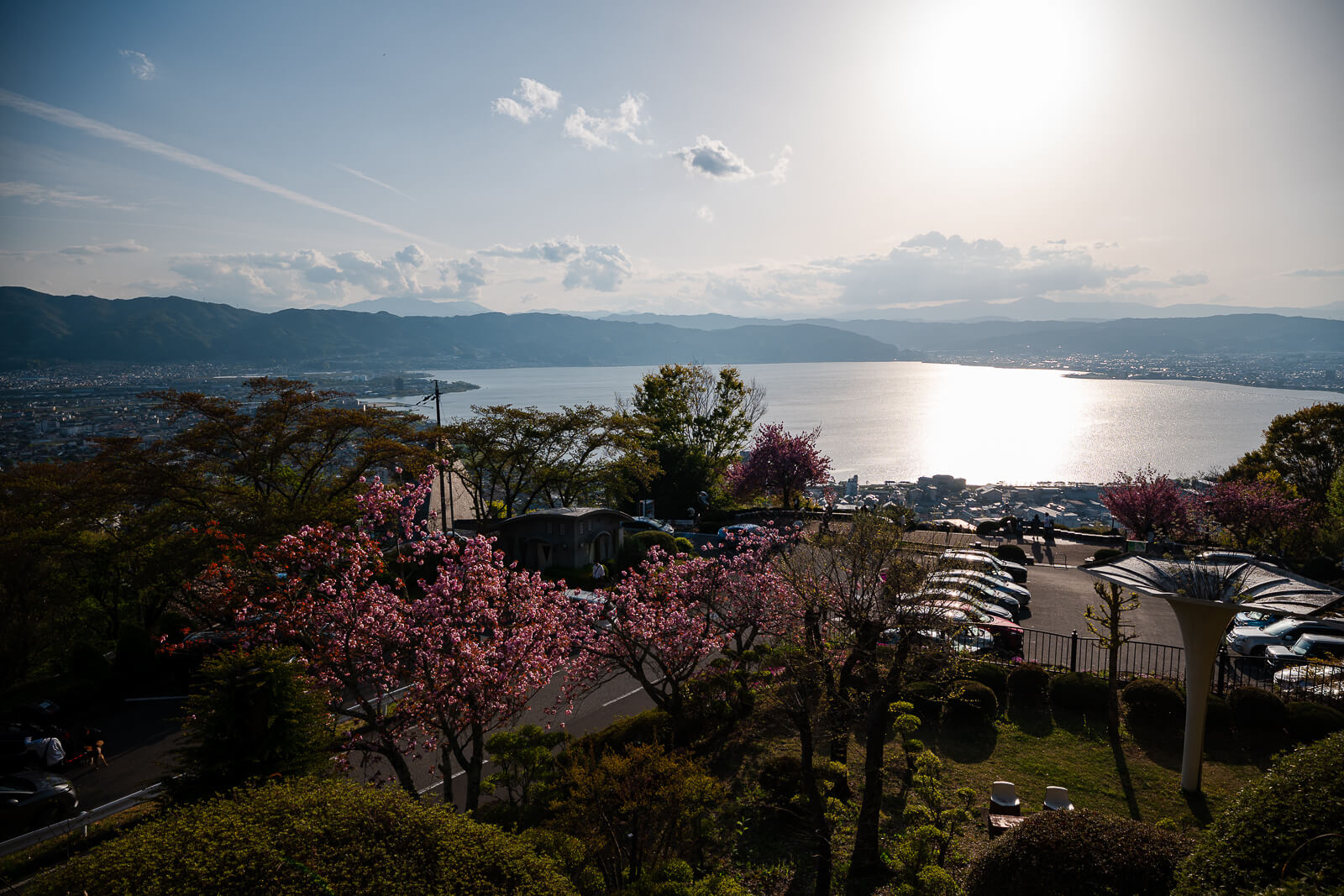
The region’s attractions are also distributed across multiple layers rather than concentrated in one location. Historic sites such as Takashima Castle and Katakurakan sit near the waterfront, while the Suwa Taisha shrine network extends across the area through separate communities. Museums, parks, viewpoints, and onsen districts occupy their own places within the landscape, encouraging visitors to move beyond a single sightseeing area.
The experience expands further once the surrounding mountains begin to enter the picture. Viewpoints such as Tateishi Park reveal the full scale of the surrounding area, while destinations around Chino introduce forests, waterfalls, and highland scenery that feel distinctly different from the lakefront. In some cases, travelers can move from a lakeside promenade to a forest pond or mountain waterfall within the same day.
Read the area map as a set of possible clusters. A lakefront day can stand on its own; the northern shrines, southern shrines and highland excursions are choices to add. The following areas explain those differences before the guide turns to the kinds of experience they offer.
The Four Sides of the Lake Suwa Region
The names around Lake Suwa matter when choosing a station or a place to stay. Kamisuwa, Shimosuwa and Okaya relate to different parts of the lake, while Chino extends toward the highlands. The same regional label on an accommodation listing can cover very different starting points for your day.
Use these areas to orient the visit, rather than dividing the lake into four equal sightseeing quarters. Some stops form a compact walking outing; others involve a separate journey from the waterfront.
Kamisuwa and the Waterfront
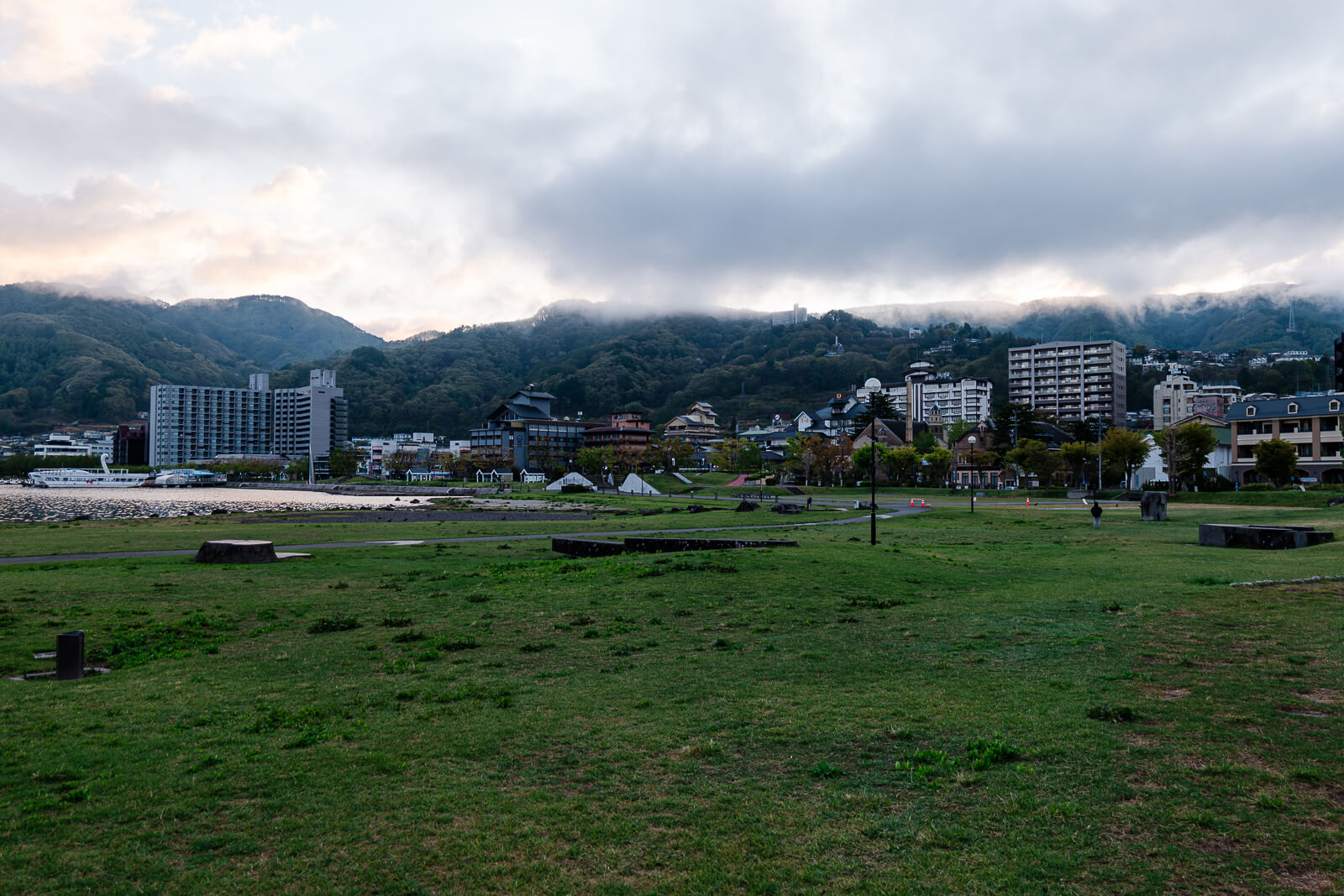
Kamisuwa functions as the primary tourism center around Lake Suwa and serves as the area most visitors encounter first. The waterfront combines lakeside promenades, parks, museums, footbaths, hotels, and onsen accommodations, creating an environment where many attractions can be explored within a relatively compact area. This section of the lake is home to landmarks such as Sekicho Park, Takashima Castle, Katakurakan, the Kitazawa Museum of Art, and the Lake Suwa Geyser Center and Footbath.
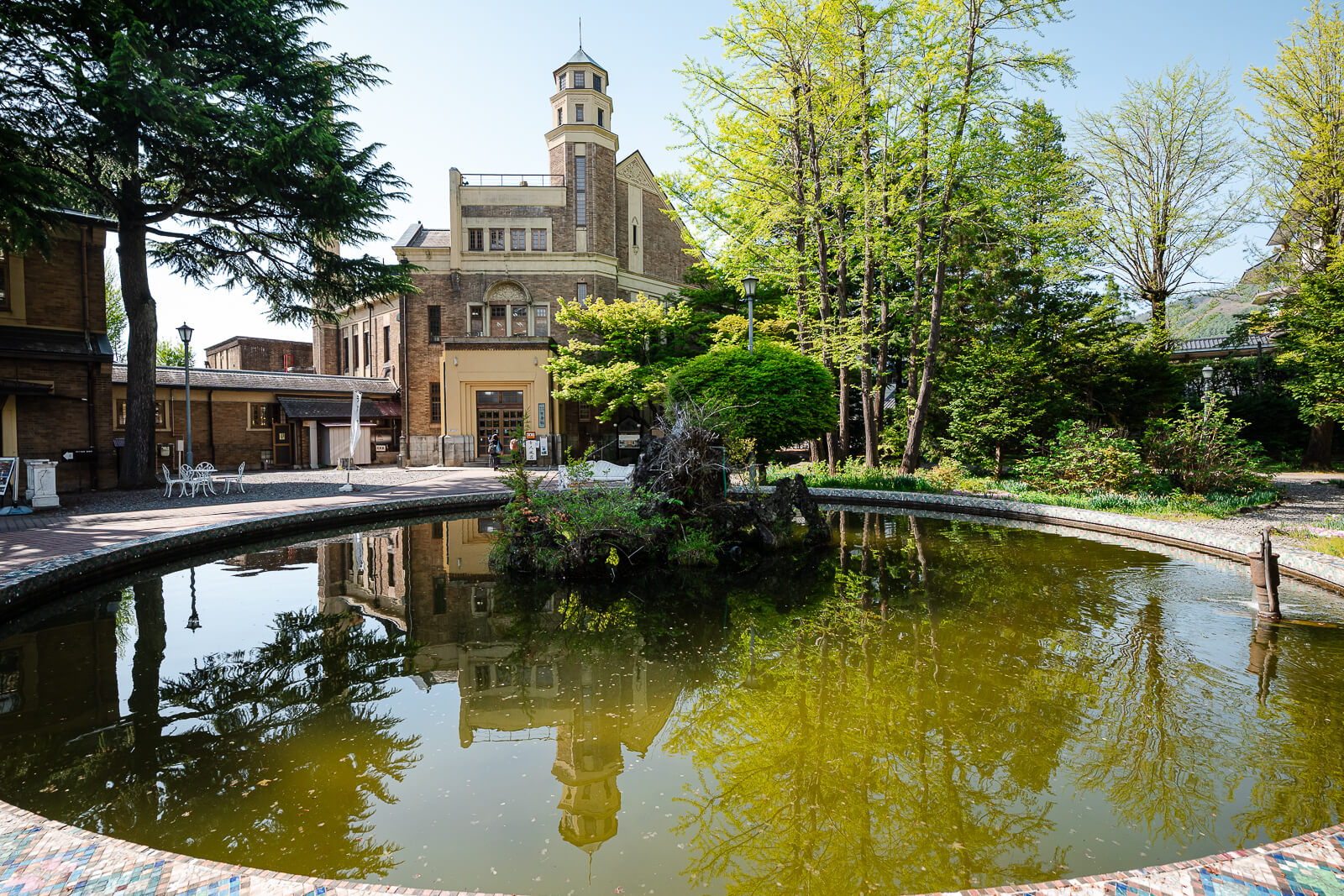
Because so many attractions sit close together, Kamisuwa often forms the foundation of a first visit. Visitors frequently encounter the waterfront early, whether arriving from Kamisuwa Station, checking into a lakeside hotel, or simply exploring the shoreline on foot. The combination of lakeside scenery, walkable attractions, and easy access makes it the most convenient place to experience the lake itself and often serves as the starting point for exploring the wider region.
Shimosuwa and the Shrine Districts
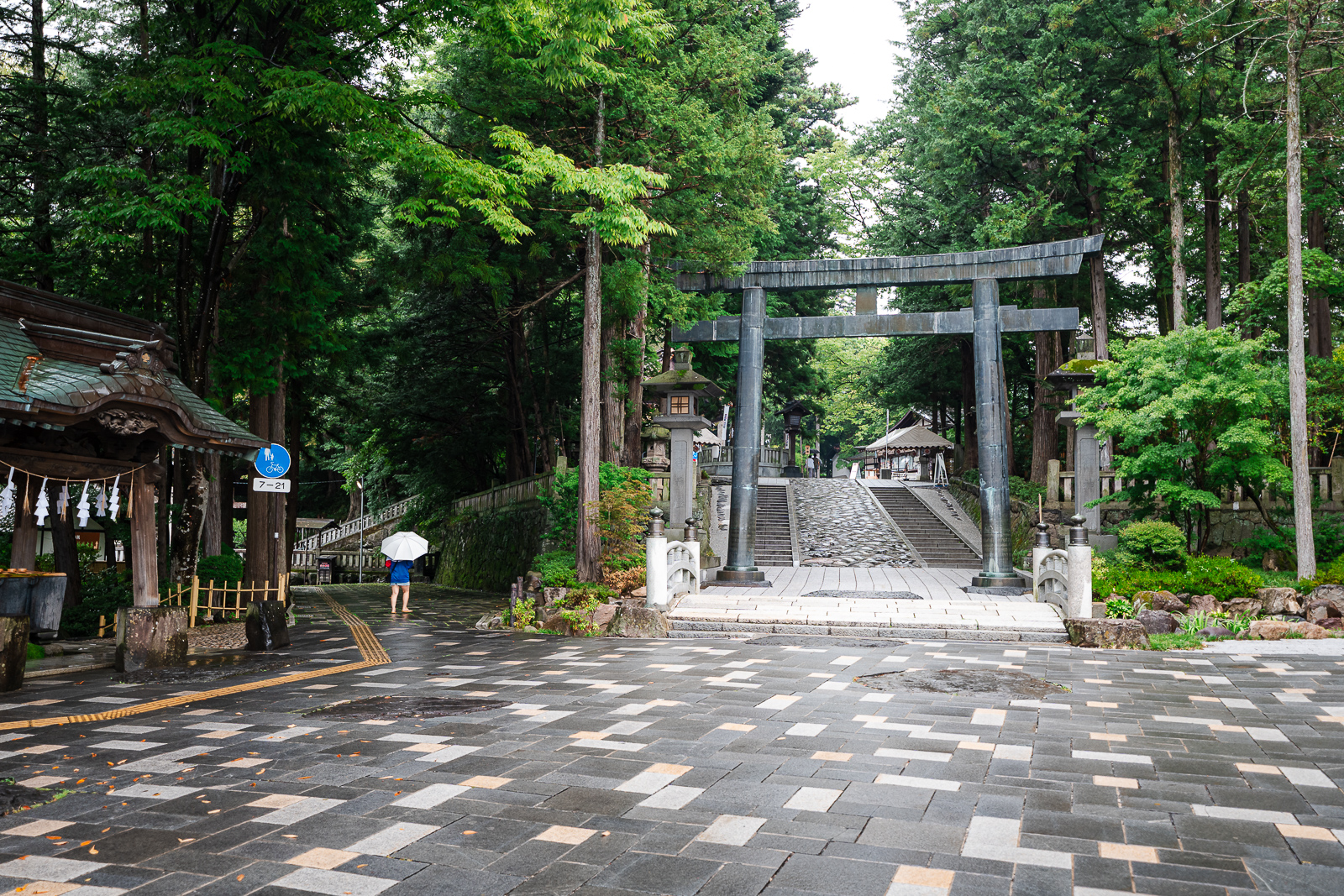
Moving toward the northern side of Lake Suwa, the atmosphere begins to change. Shimosuwa is best known for its connection to the Suwa Taisha shrine network, particularly Shimosha Akimiya and Shimosha Harumiya, two of the four principal shrines that define the region’s religious heritage. Historic streets, traditional architecture, and long-standing cultural traditions give this part of Lake Suwa a distinctly different character from the waterfront districts around Kamisuwa.
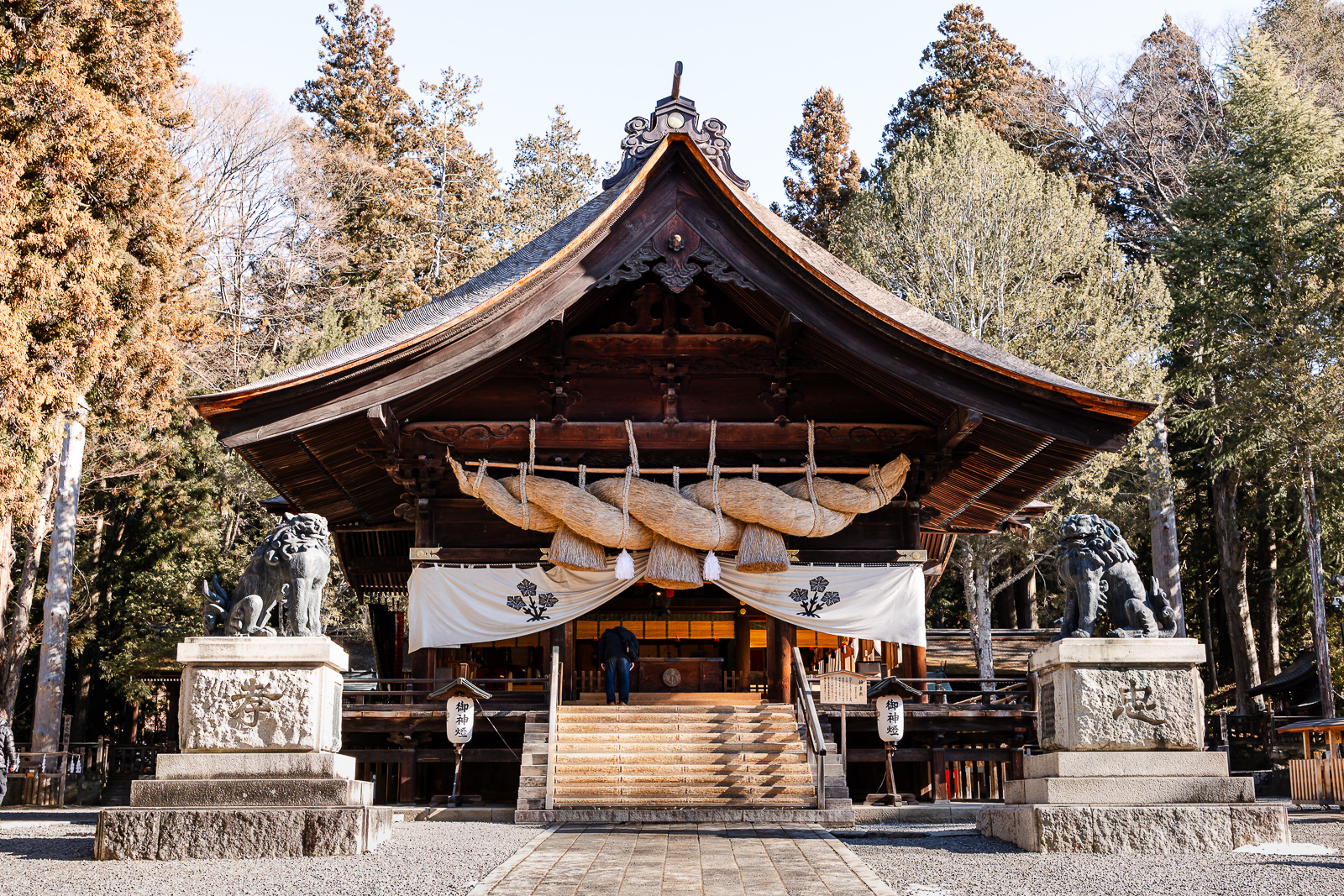
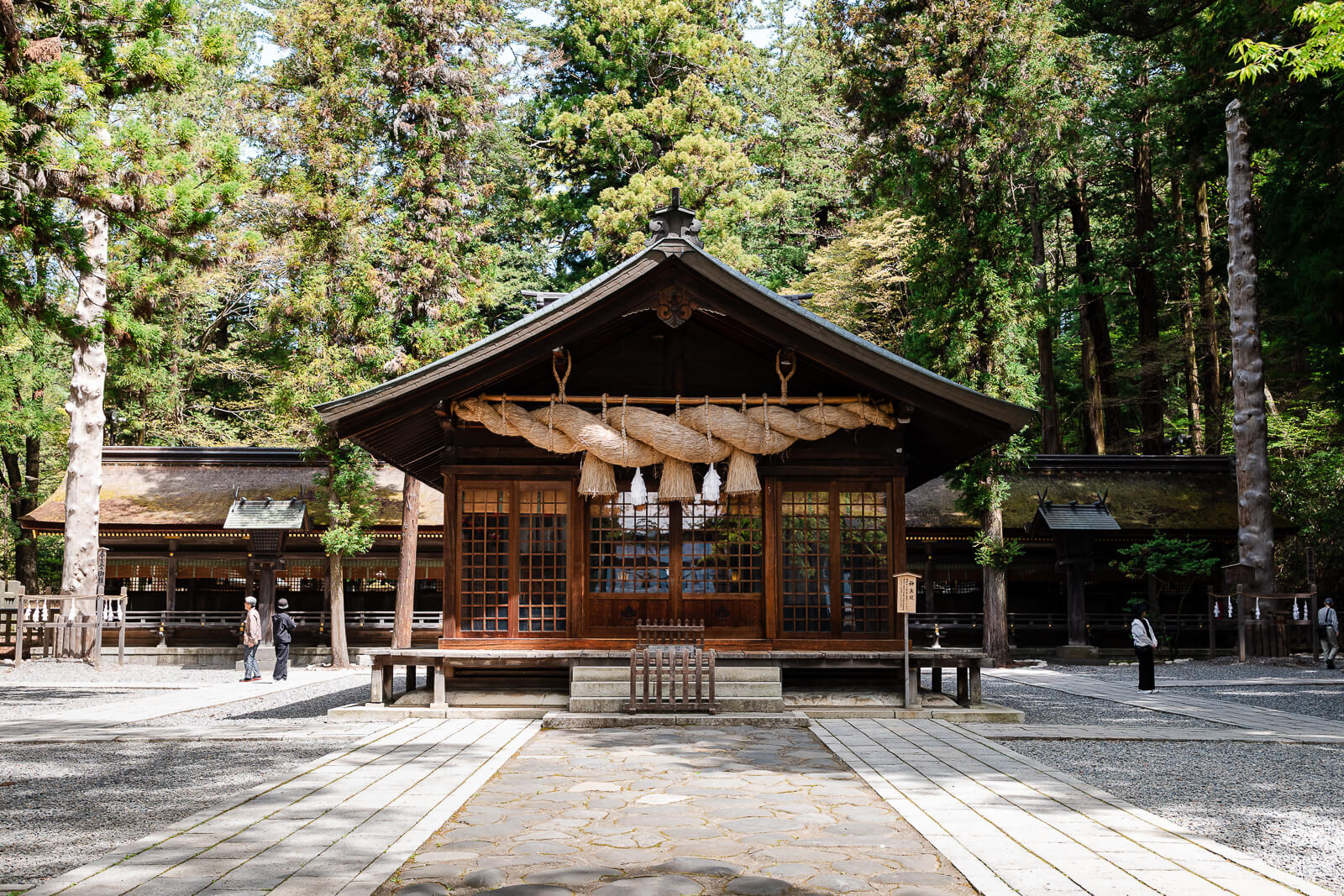
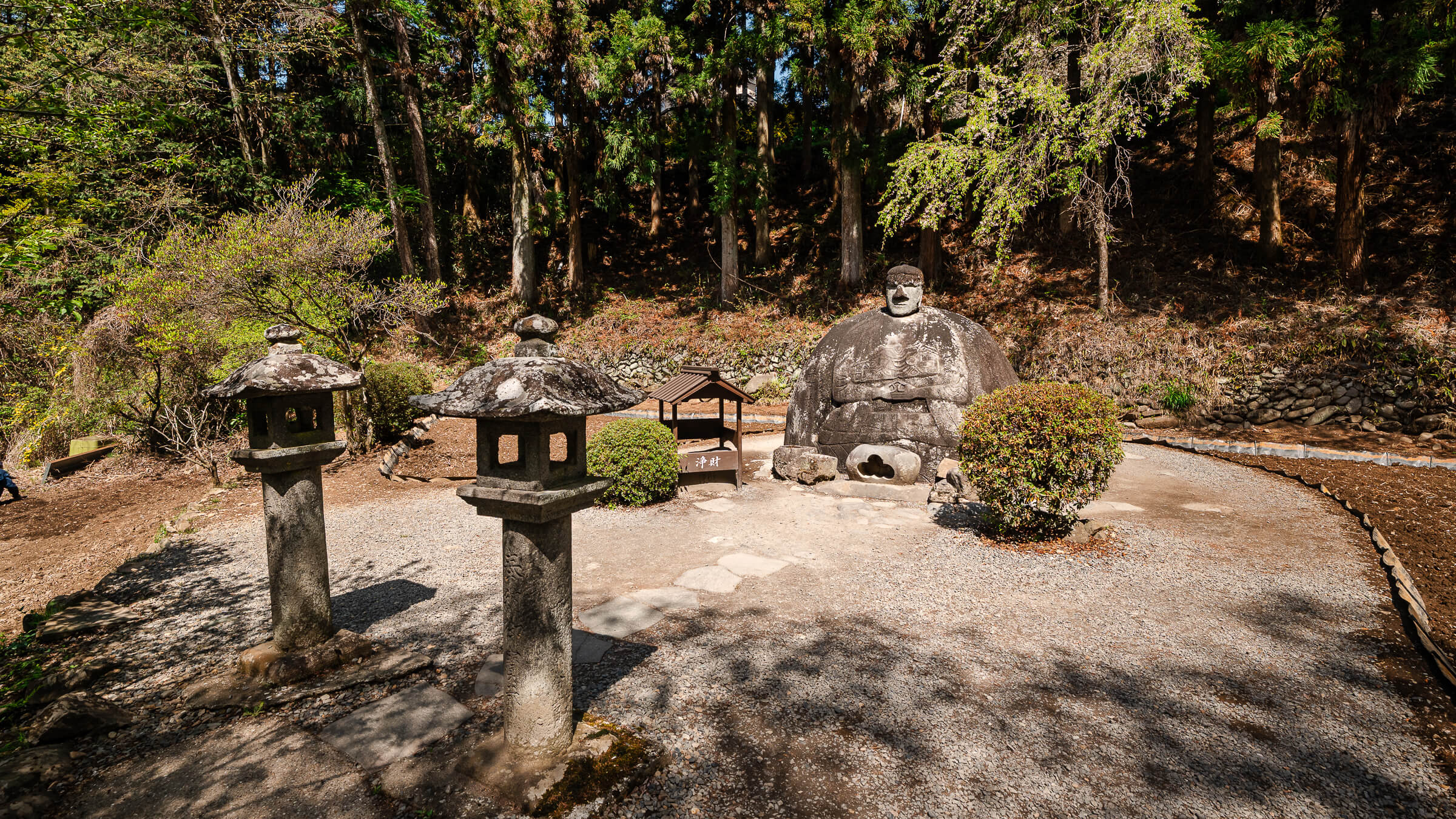
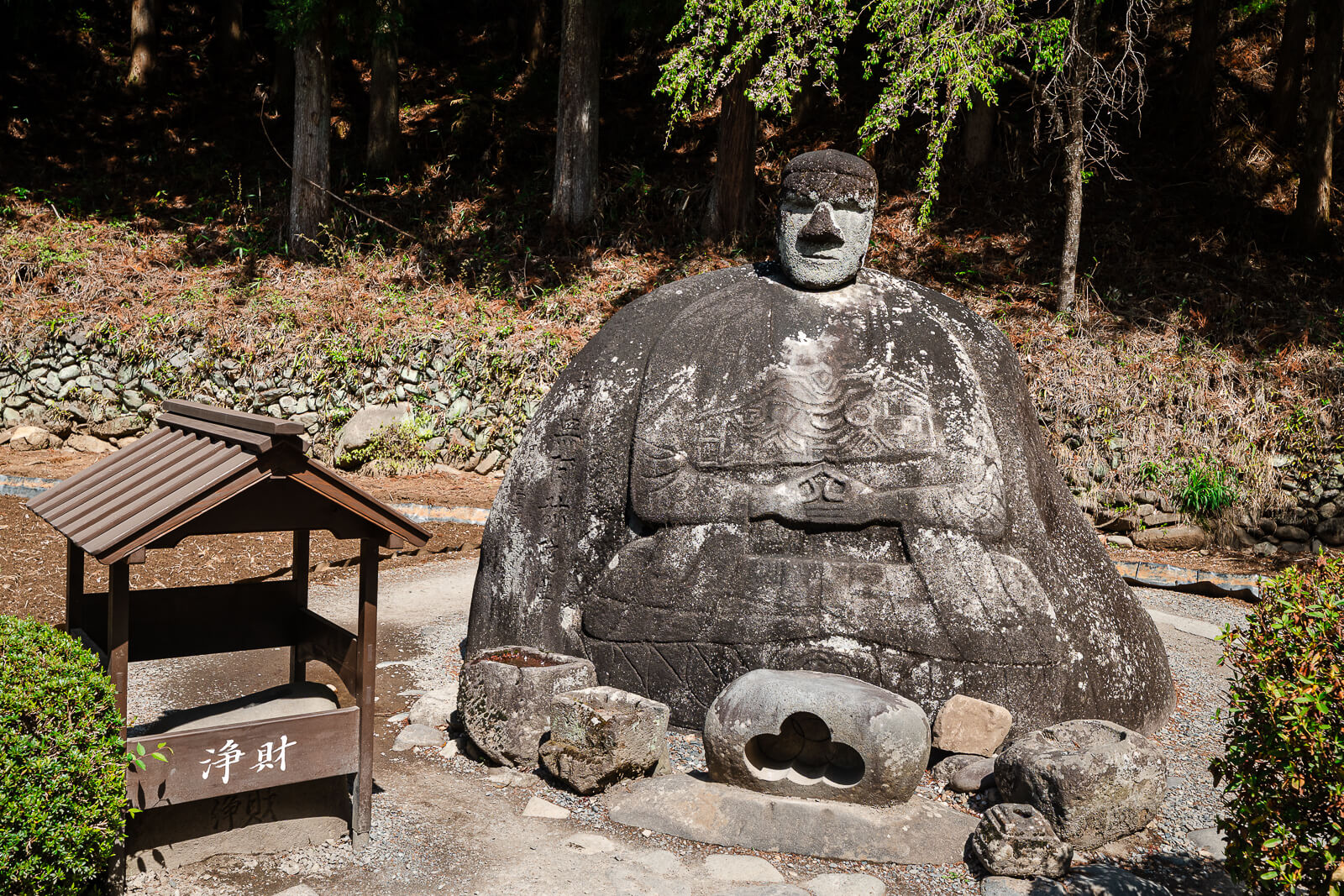
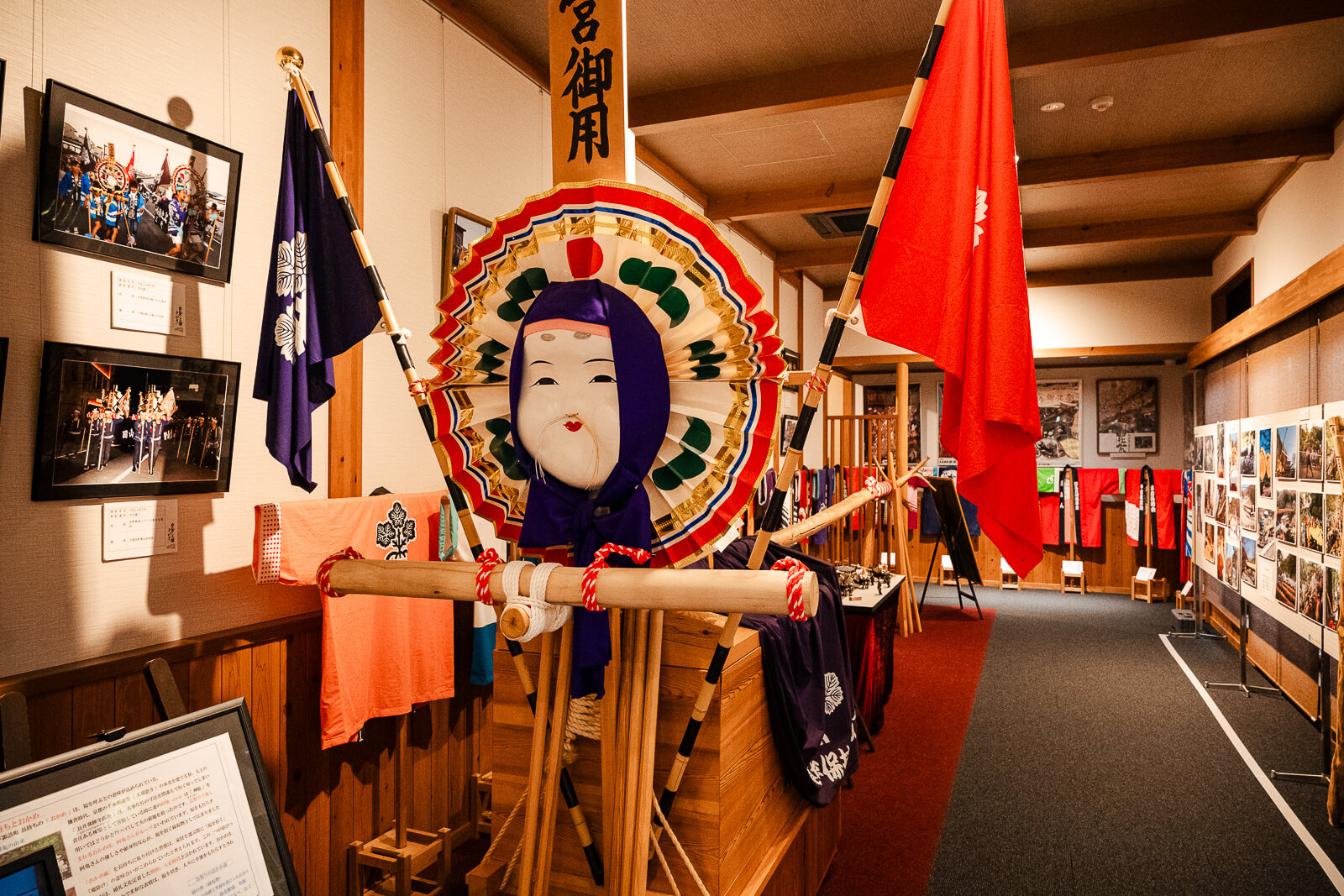
The town also plays an important role in understanding the region’s identity beyond sightseeing. Attractions such as Onbashira-kan Yoisa help explain the traditions behind the famous Onbashira Festival, while sites such as the Manji Stone Buddha add additional historical depth. Together, these places reveal a side of the Suwa region that extends well beyond the lake itself.
Okaya and the Western Lakefront
Okaya belongs to the western and northwestern side of the lake. It offers another starting point for understanding the basin, separate from Kamisuwa’s eastern waterfront and the Shimosuwa shrine district. Check the position of your intended stop against the lake and the station rather than treating the shore as one interchangeable arrival point.
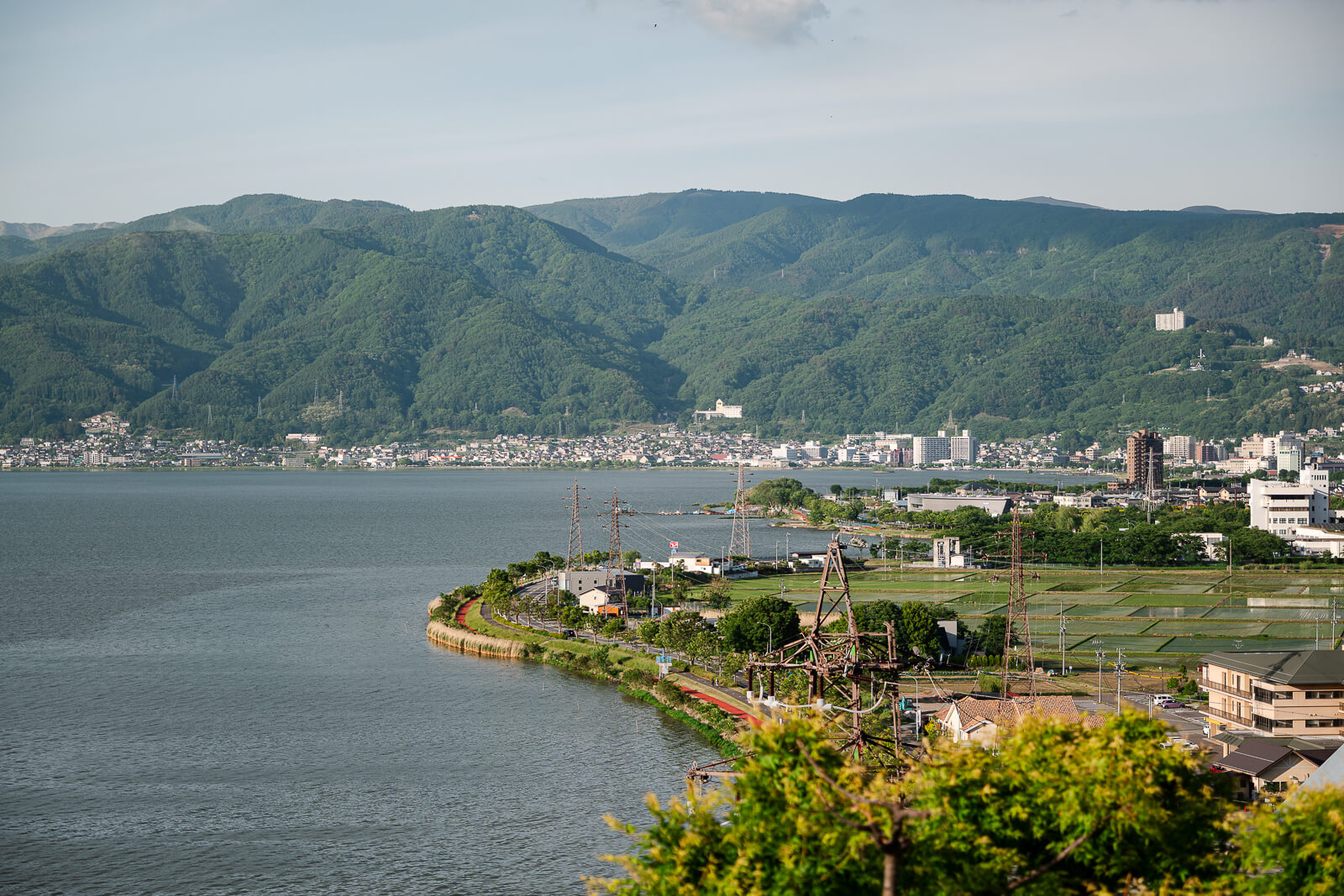
A view from the expressway is a different experience from reaching the lakeside. Suwako Service Area introduces the scale of the basin from above, but it should not be confused with a northern-shore attraction or used as a walking gateway to the stops in this guide.
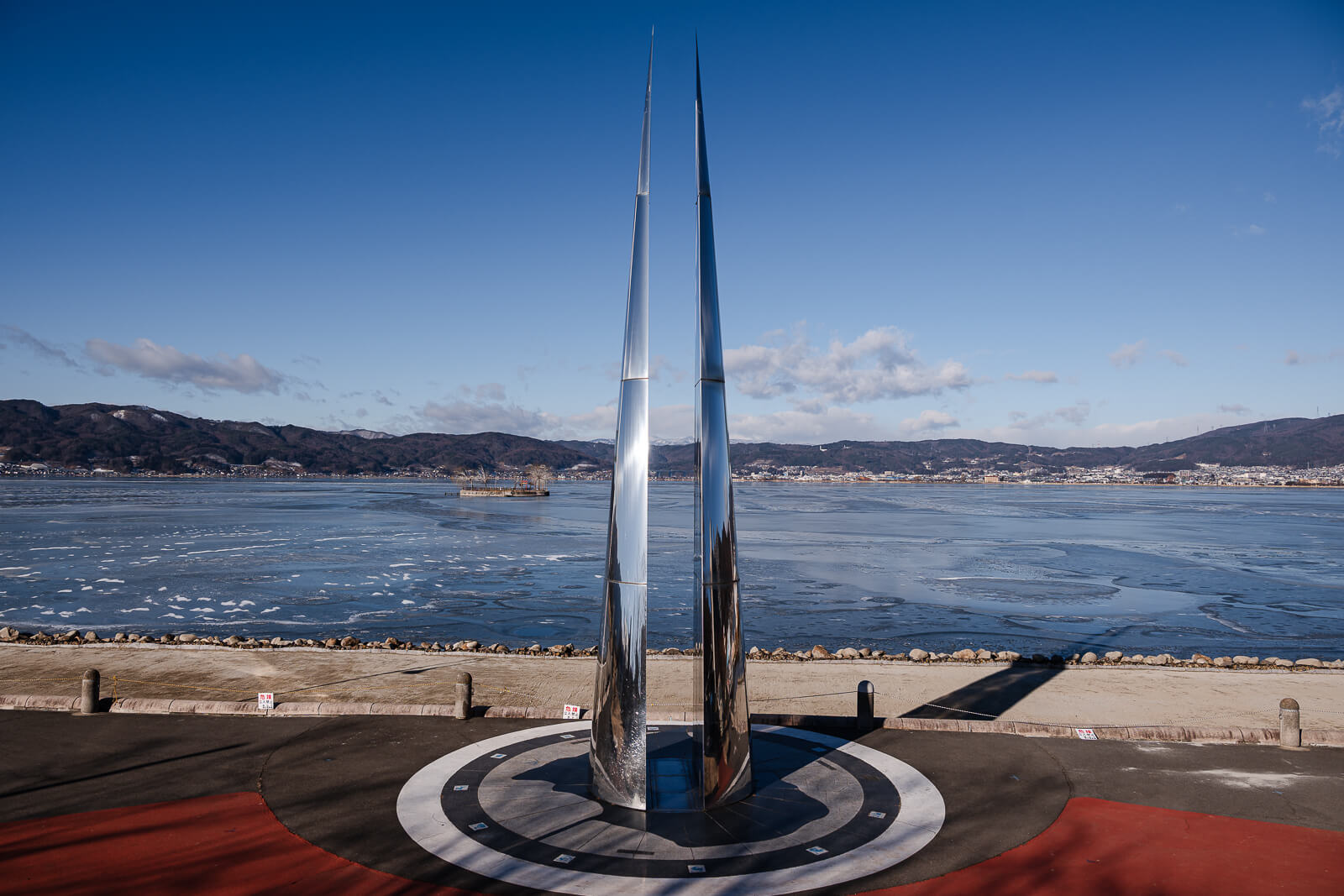
Chino and the Mountain Gateway
East of the lake, the landscape begins transitioning toward forests, foothills, and higher elevations. Chino serves as the gateway to a different side of the region, where natural attractions gradually replace the urban character found around much of the shoreline. The shift becomes noticeable as roads climb away from the lake area toward ponds, waterfalls, and mountain scenery.
Destinations such as Mishaka-ike Pond, Otome Falls, and Oshidori Kakushi Falls demonstrate how quickly the environment changes beyond the lake. Forest roads, changing elevations, and increasingly expansive views create a noticeably different experience from the waterfront areas surrounding Lake Suwa.
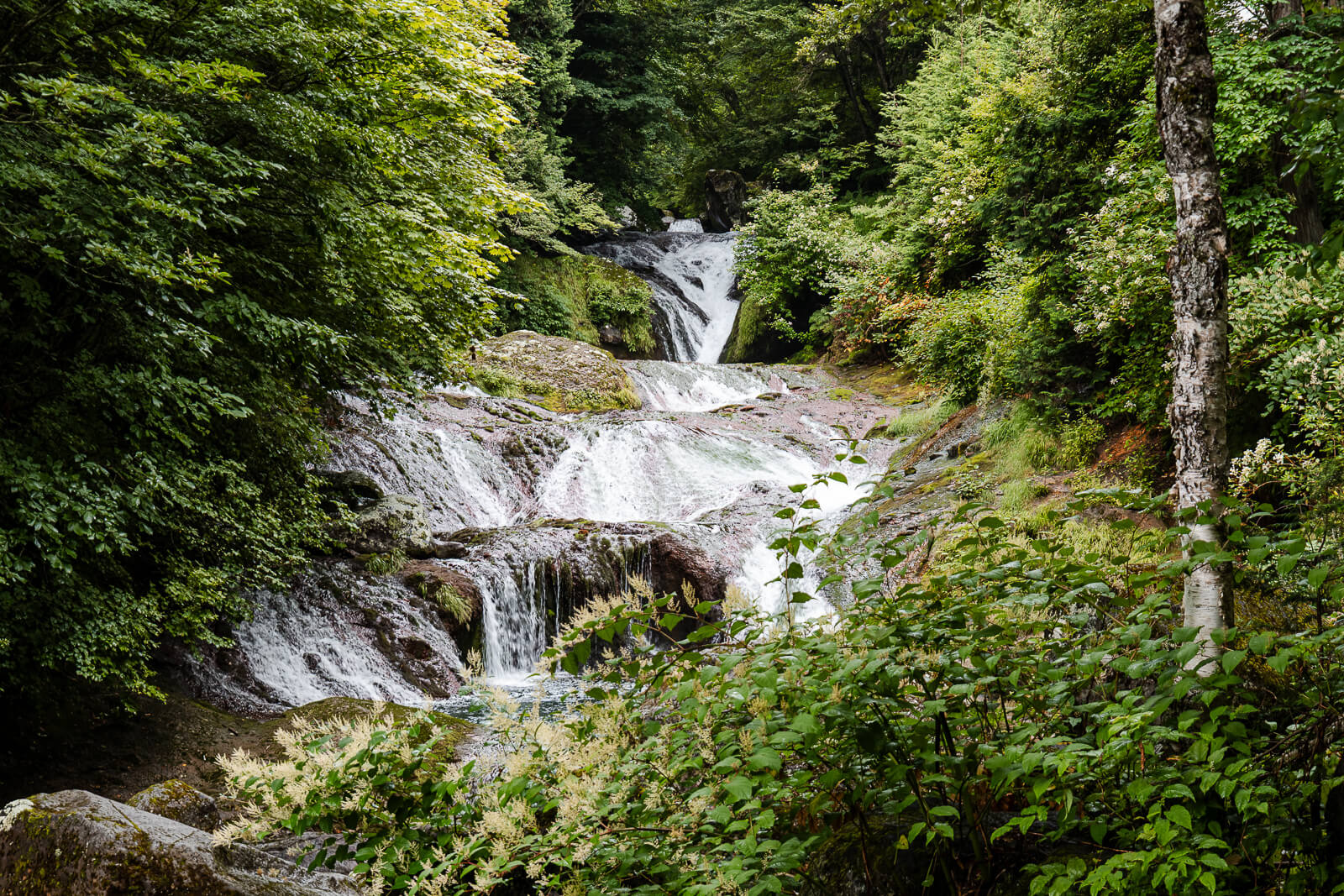
The distinction between Chino’s station area and its highland accommodation is especially important. A hotel described as being in Chino is not necessarily beside the pond or a waterfall, and the station is a gateway rather than the end of the journey. Check the final road or bus connection for each destination before combining them.
With those areas in mind, the next step is to choose the experience you want: a lakefront outing, shrine visits, an elevated view or a separate journey into the highlands.
Ways to Explore the Lake Suwa Region
There are several ways to build a visit around Lake Suwa. The lakefront, shrine network, viewpoints and highland excursions each have their own appeal, and they do not all require the same amount of travel. Choose one as the centre of the day and add another only when the route and time work.
The sections below describe those experiences in more detail, including the difference between an easy lakeside stop and an outing that needs more planning.
The Lakefront Experience
For many travelers, the waterfront forms the center of a Lake Suwa visit. Attractions such as Sekicho Park, Takashima Castle, Katakurakan, the Kitazawa Museum of Art, and the Lake Suwa Geyser Center and Footbath all sit within the broader lakeside area, making it possible to combine history, culture, and scenery without extensive travel between locations. Walking paths, shoreline parks, and lakeside promenades help connect these attractions while providing continuous views across the water.
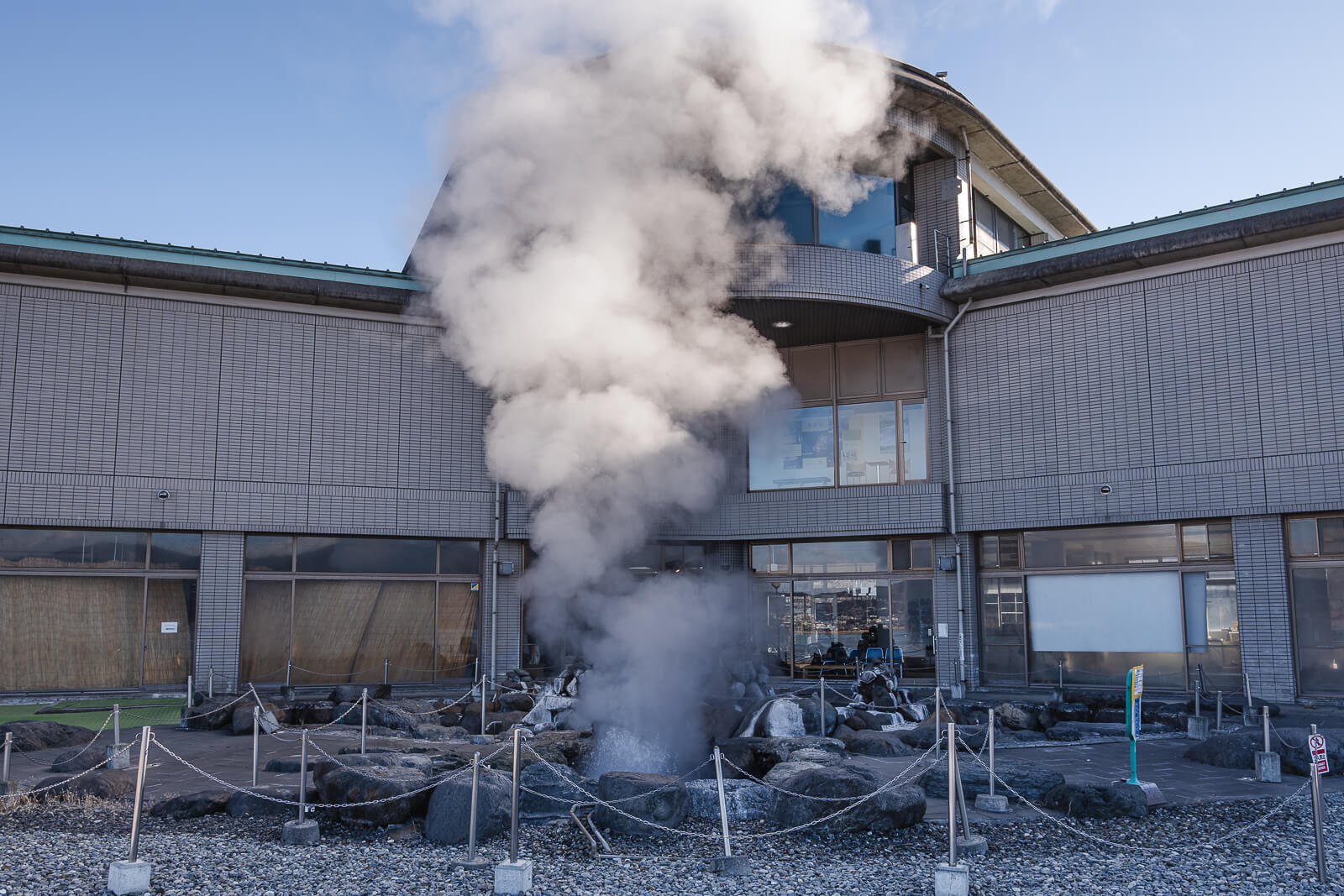
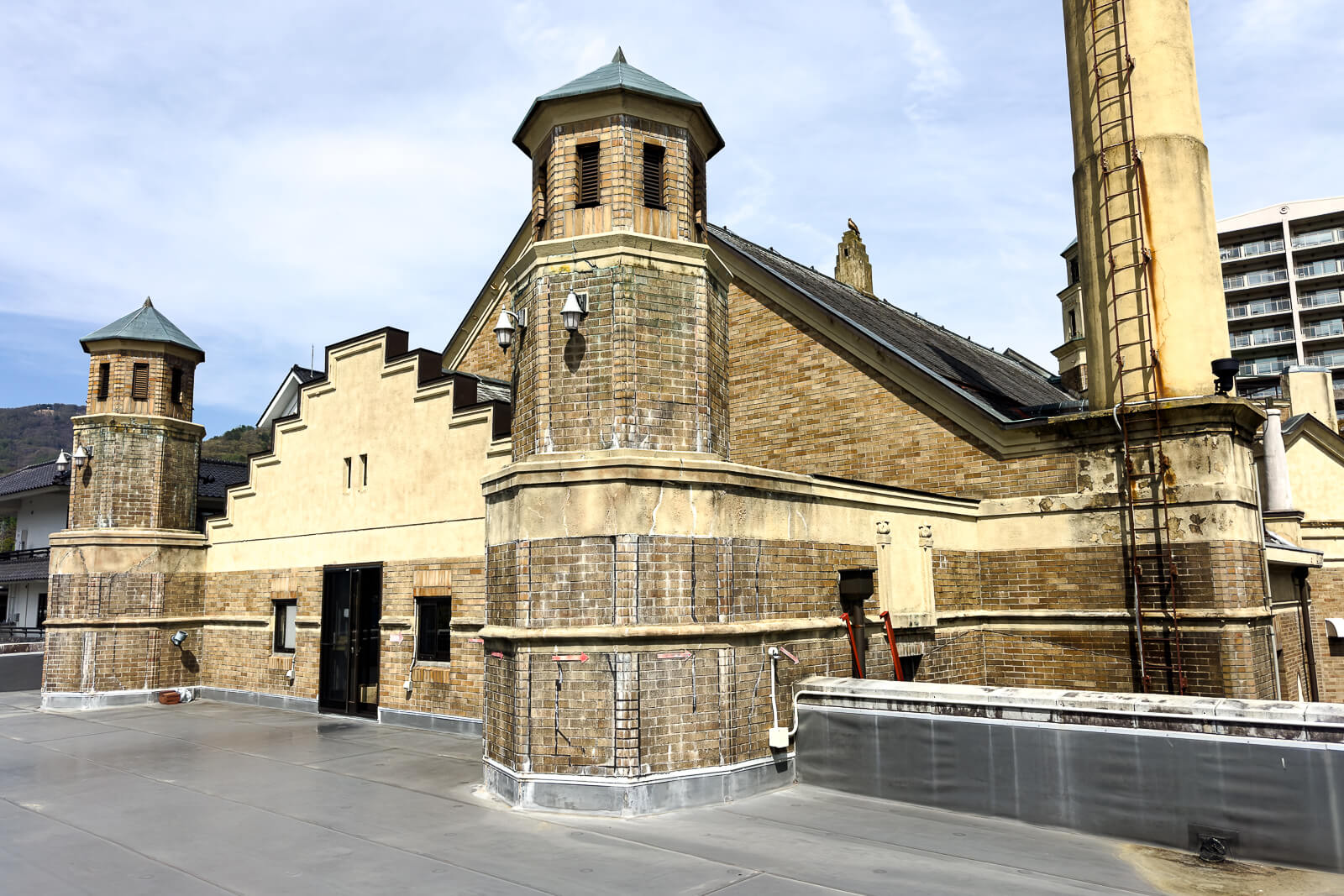
On our latest visit, we went inside the Lake Suwa Geyser Center as well as spending time outside. The upstairs exhibition we visited did not allow photography. Separately, the indoor viewing area and the displays about fireworks made the building worth exploring beyond the footbath. The city identifies the second floor as a film and television location exhibition and the third floor as an observation room with fireworks photographs, materials and models.
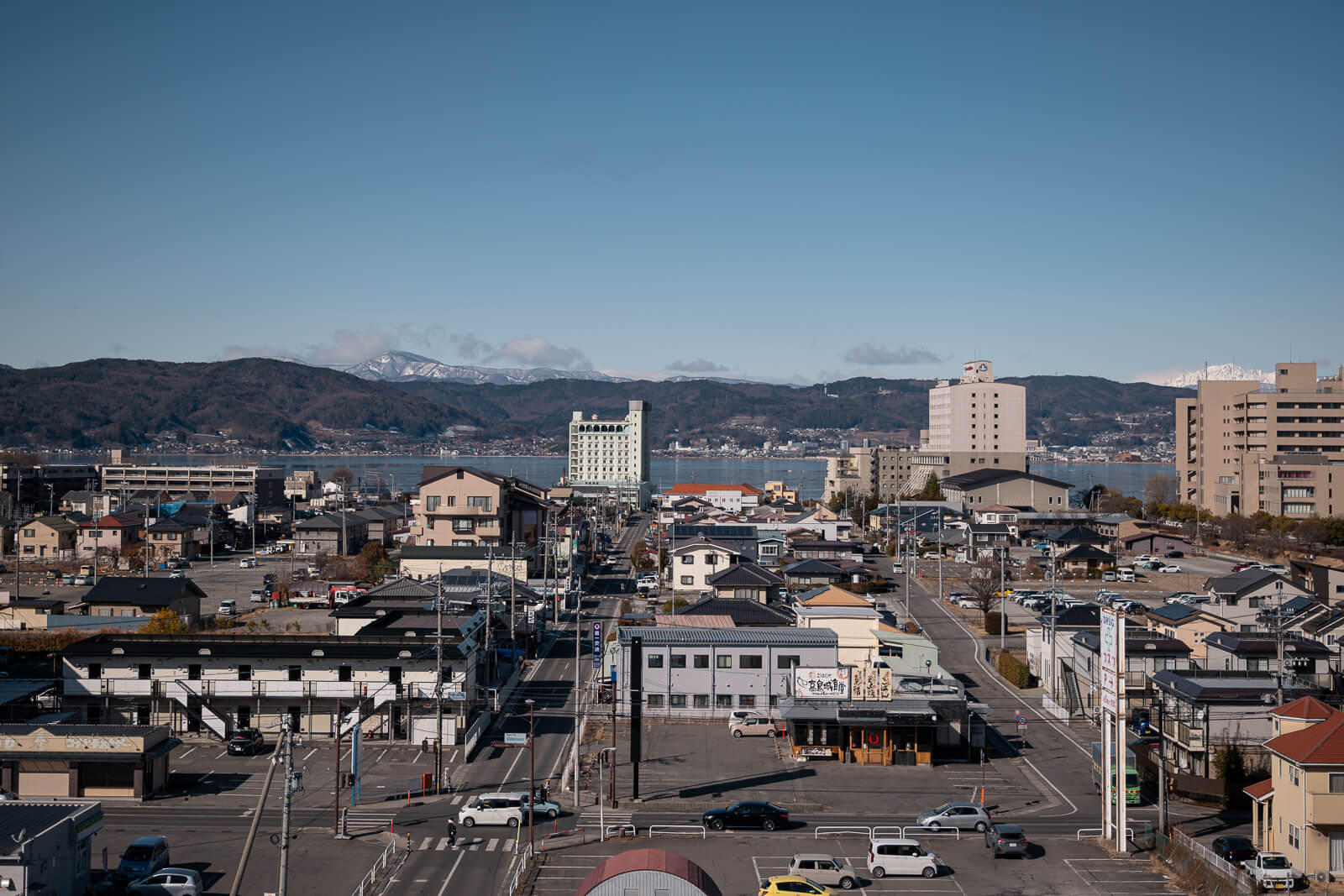
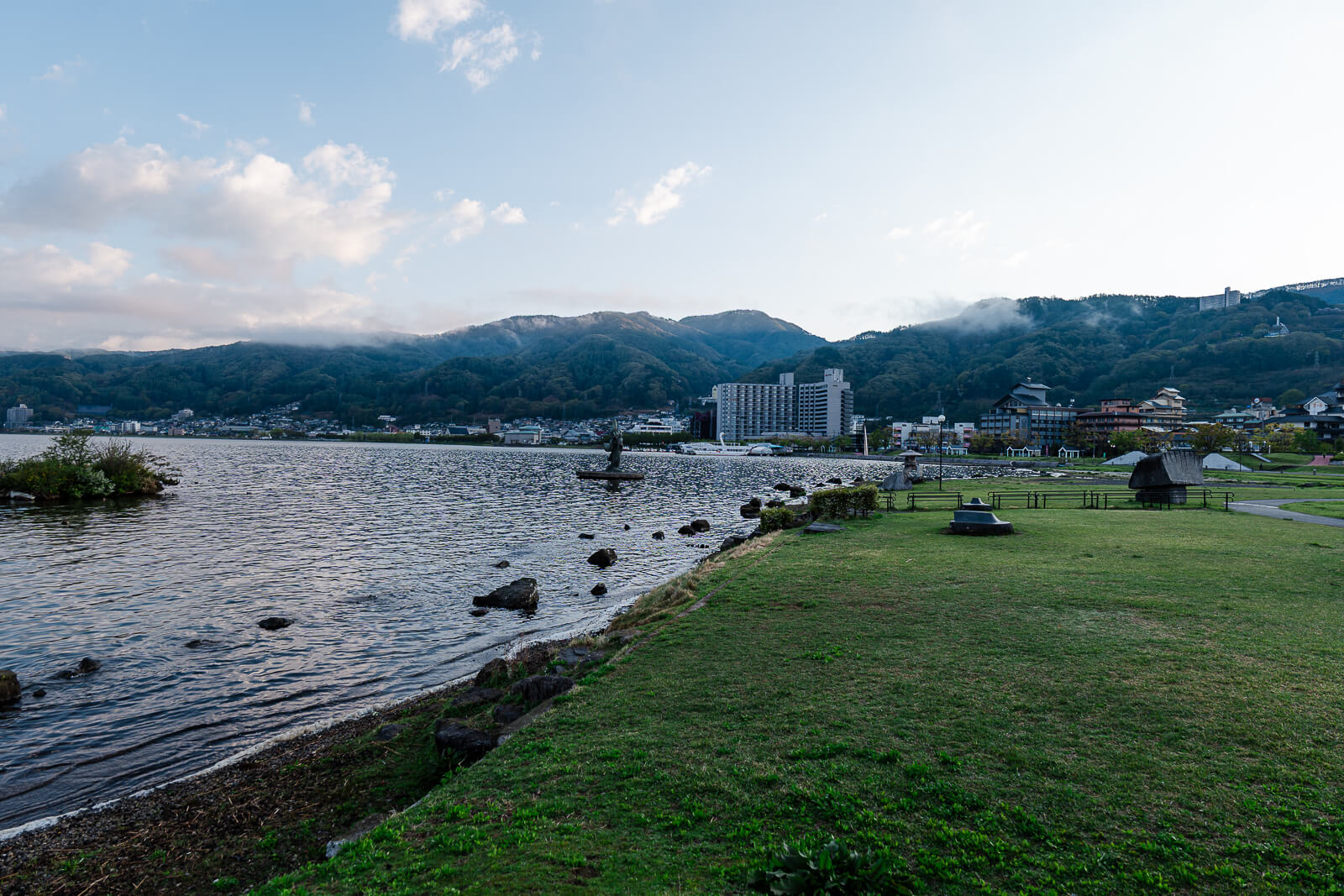
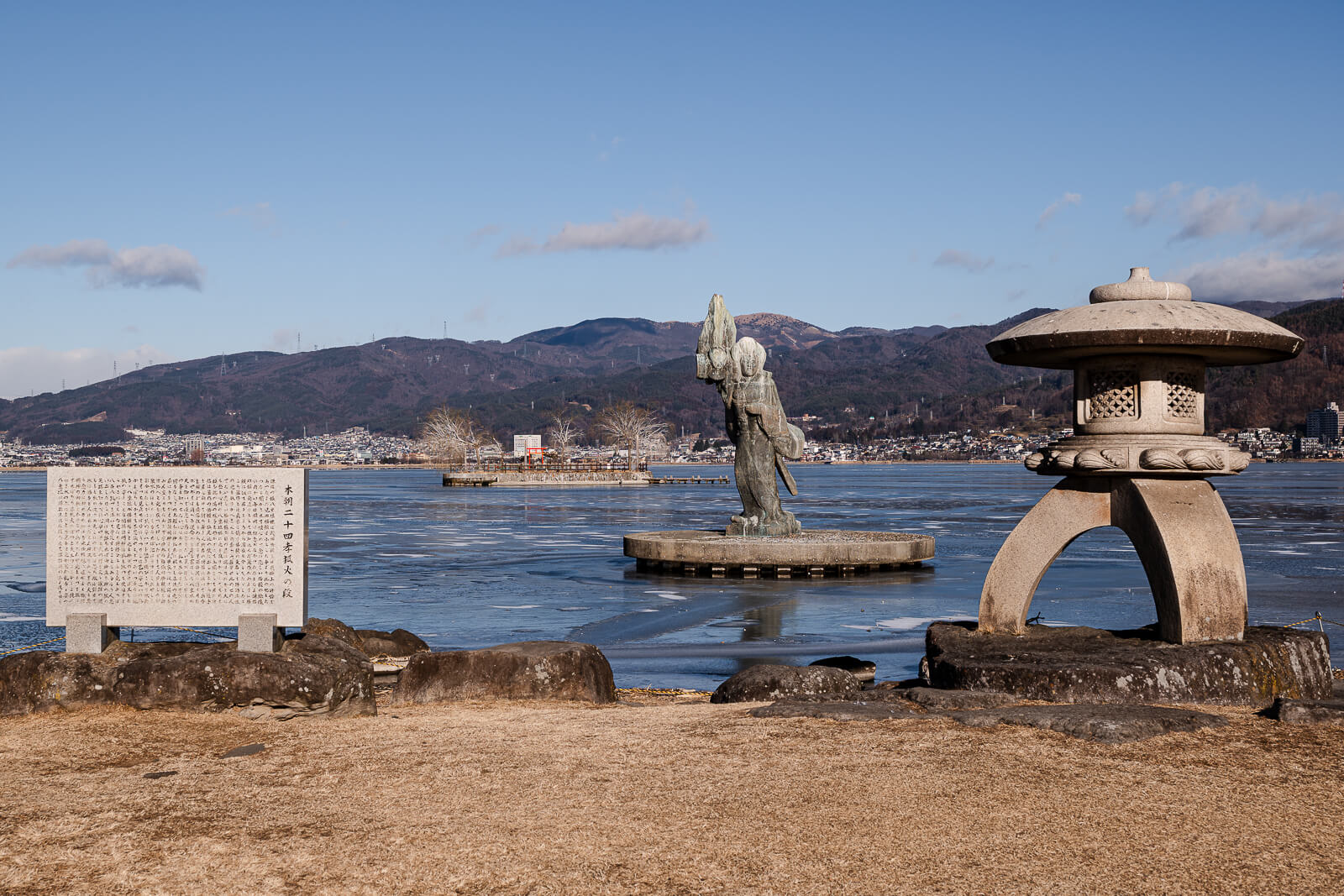
The atmosphere changes noticeably as the day progresses. Morning light often highlights the surrounding mountains, while evenings bring reflections across the lake and activity around the onsen district. This combination of accessibility, scenery, and variety helps explain why the waterfront remains one of the most popular parts of the Lake Suwa region.
The Shrine Side of Lake Suwa
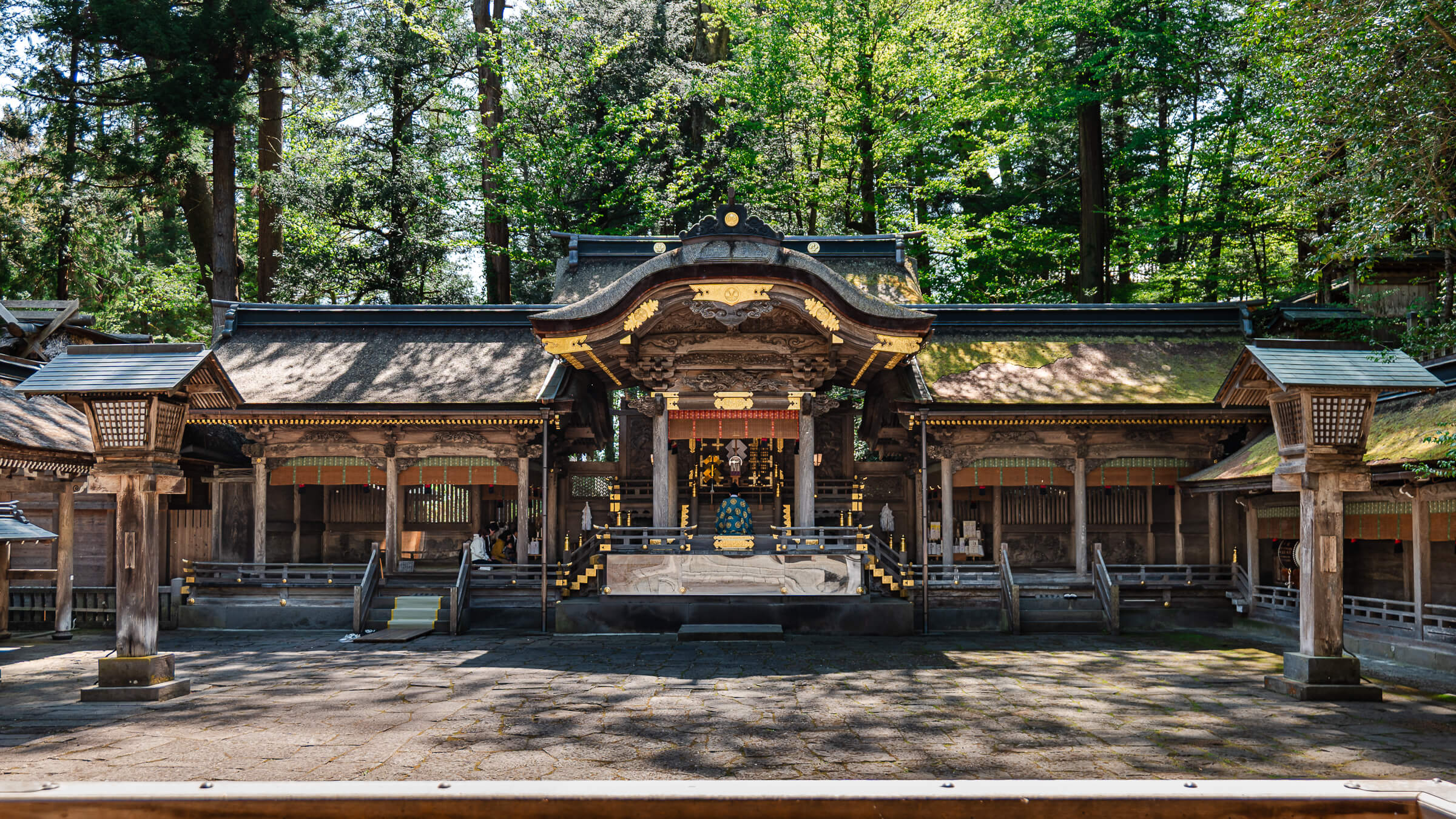
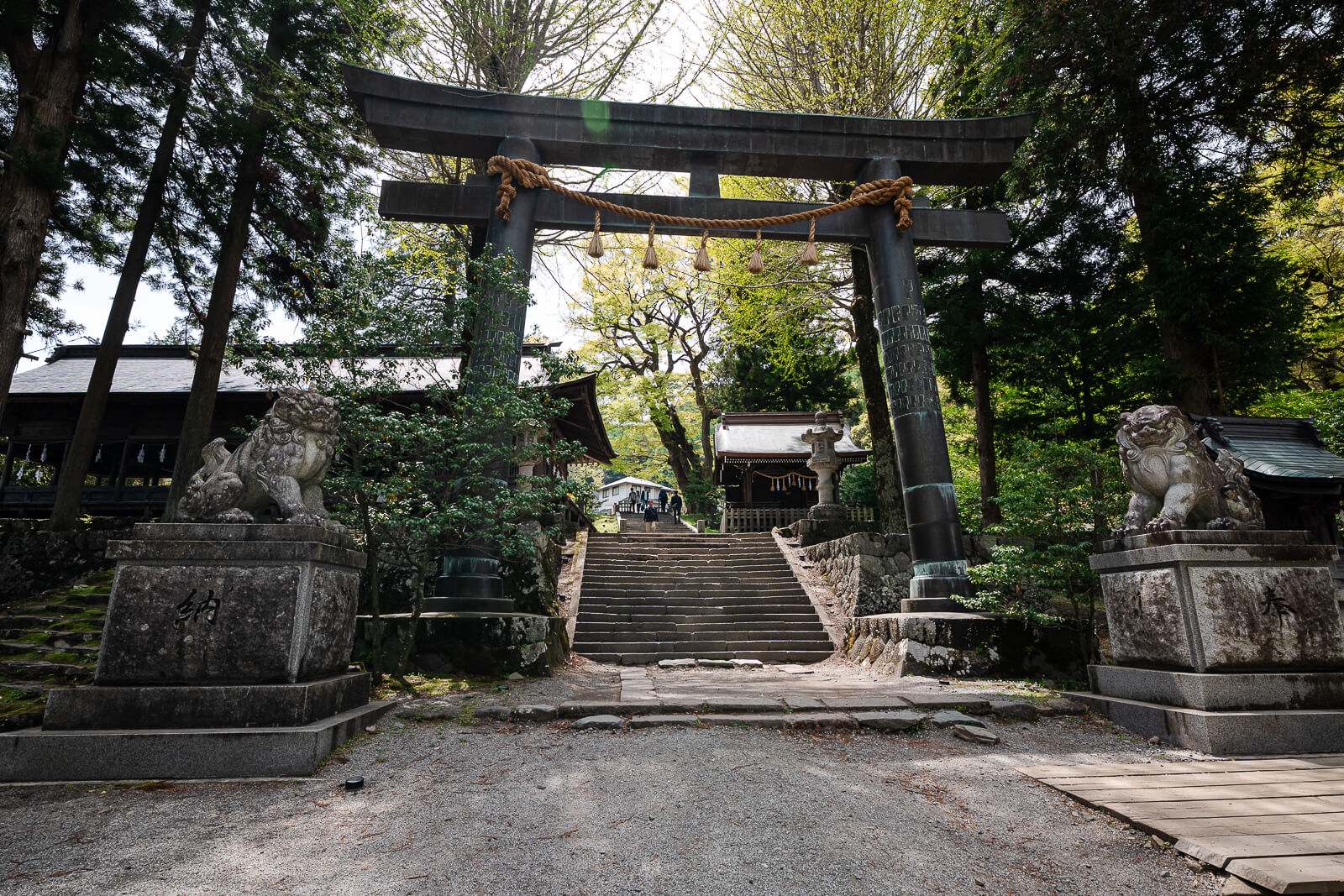
Away from the shoreline, the region’s historical identity becomes more visible through the Suwa Taisha shrine network. The four principal shrines—Kamisha Honmiya, Kamisha Maemiya, Shimosha Akimiya, and Shimosha Harumiya—are distributed around the basin rather than concentrated in a single location. Visiting them introduces travelers to different communities while gradually revealing the cultural foundations of the region.
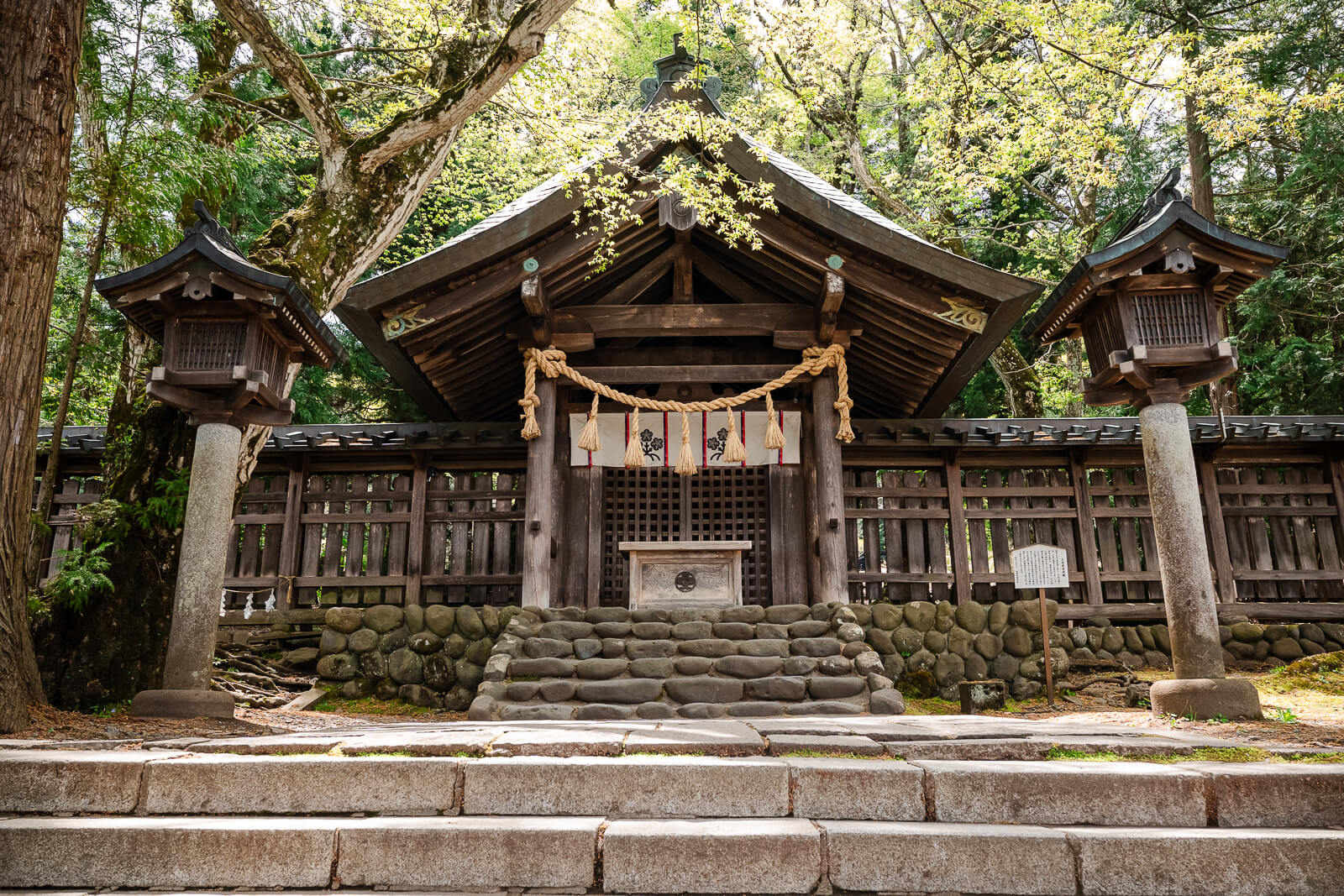
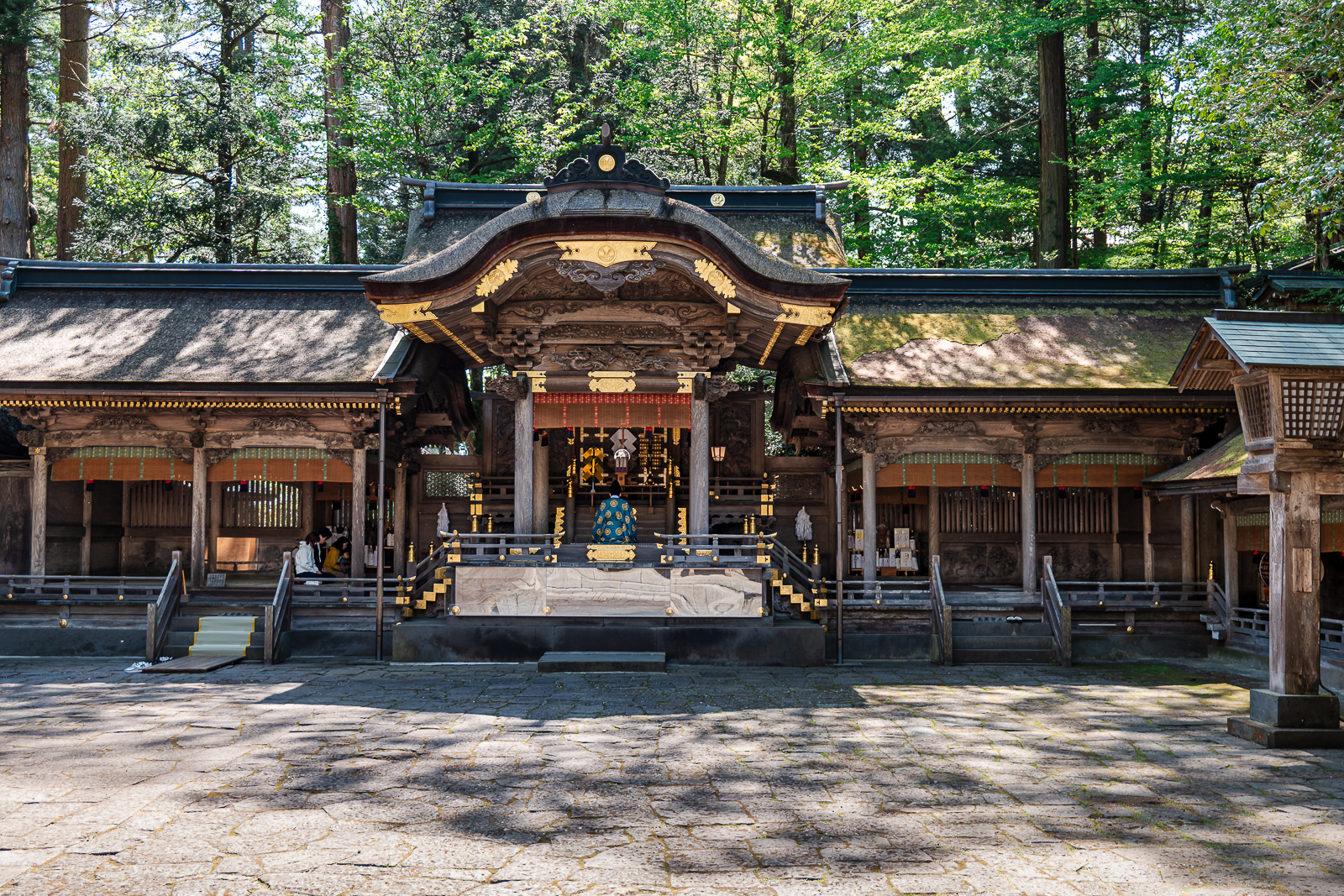
Additional sites such as Onbashira-kan Yoisa and the Manji Stone Buddha help expand this experience further. Together, these locations provide a deeper understanding of the traditions that continue to shape the Suwa region today. For many visitors, the shrine network becomes one of the most memorable aspects of the entire destination.
Seeing the Basin From Above
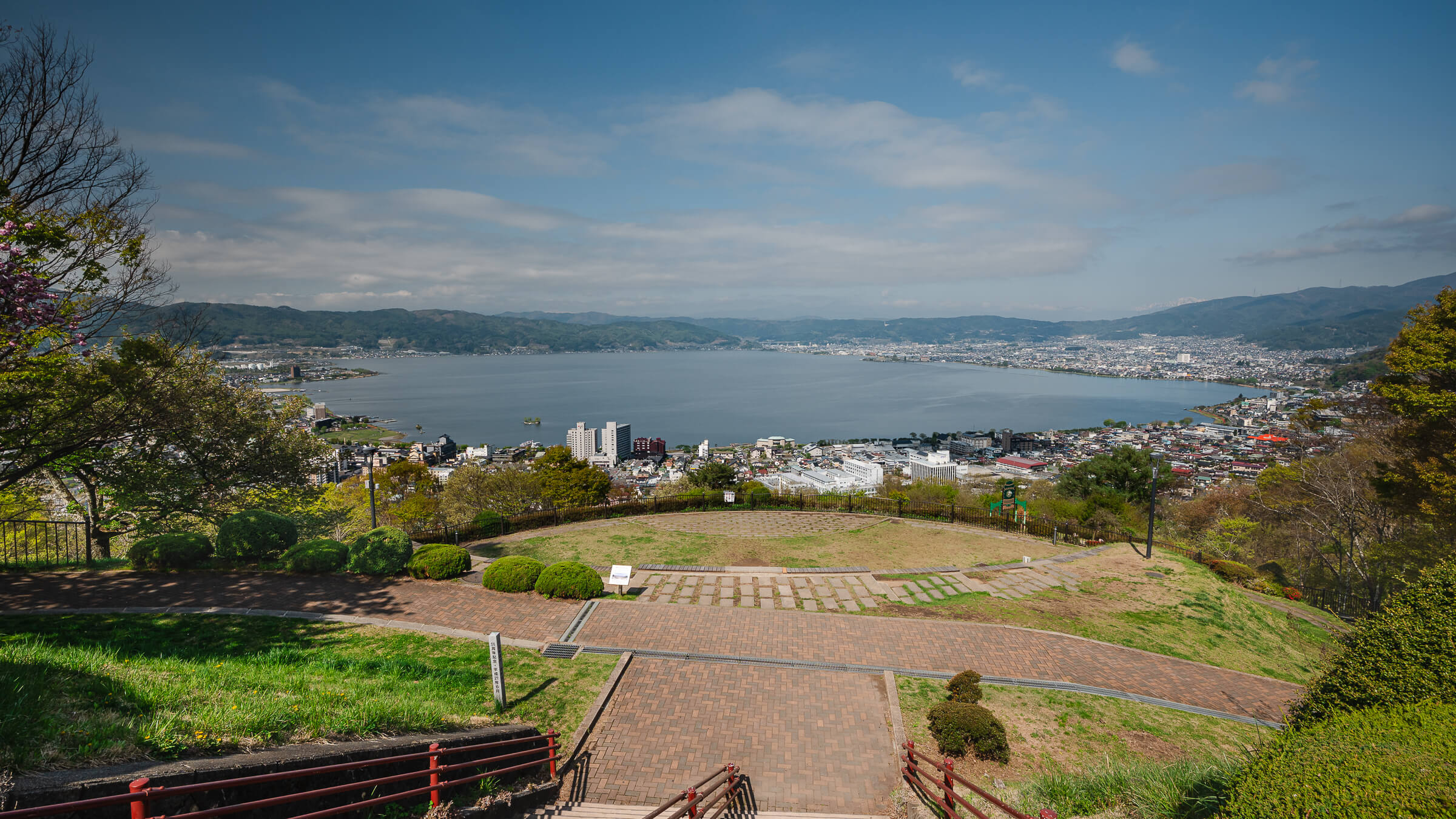
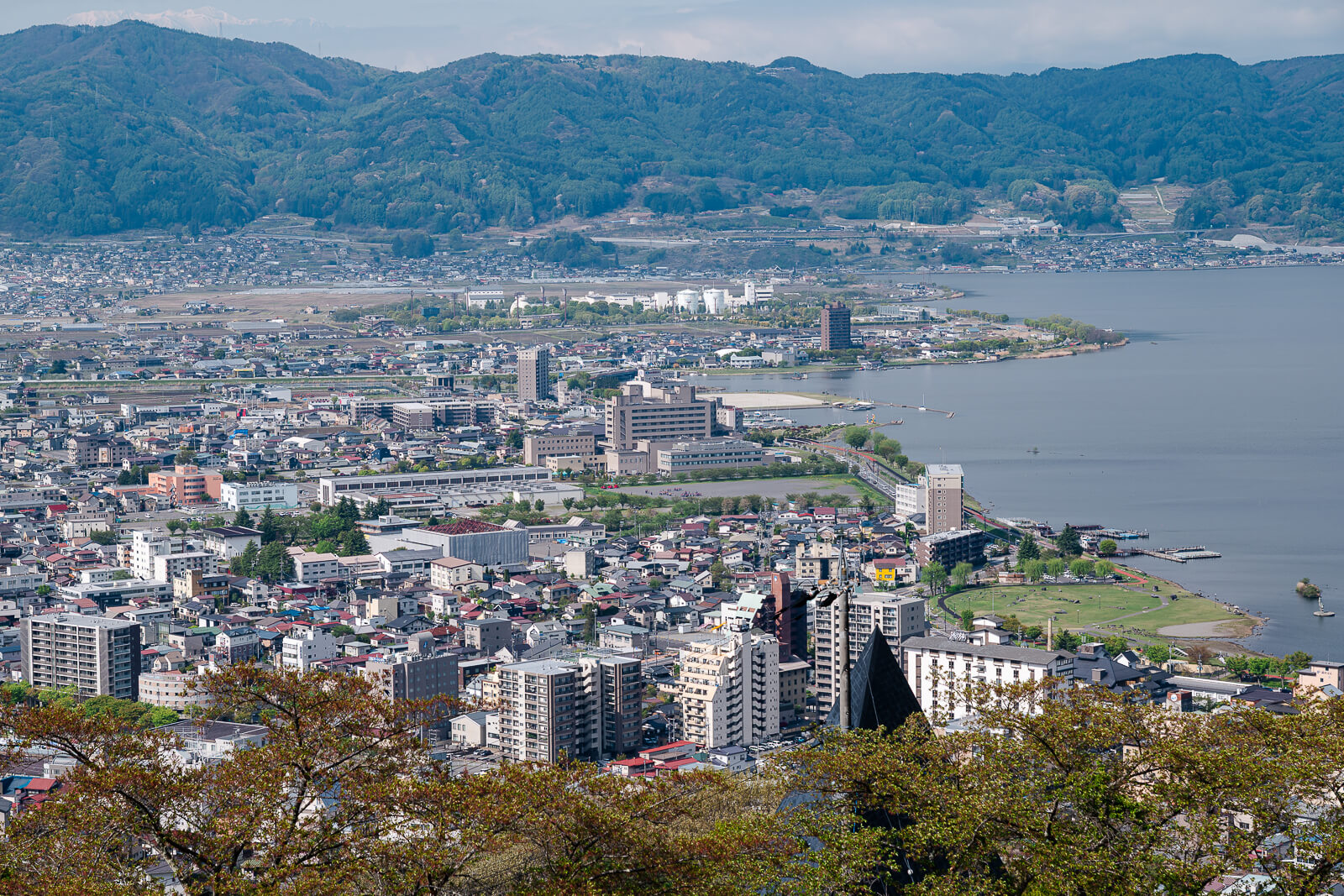
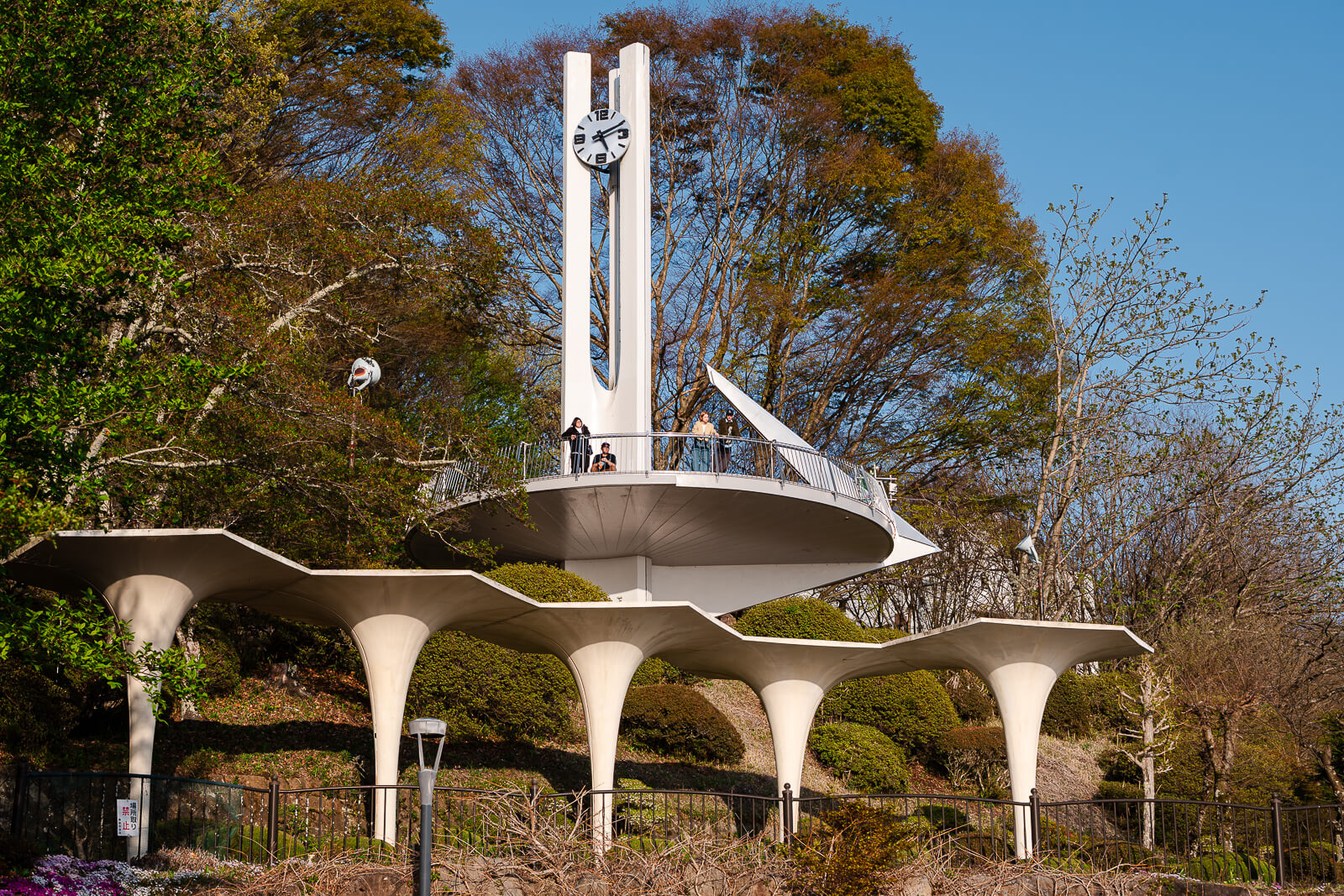
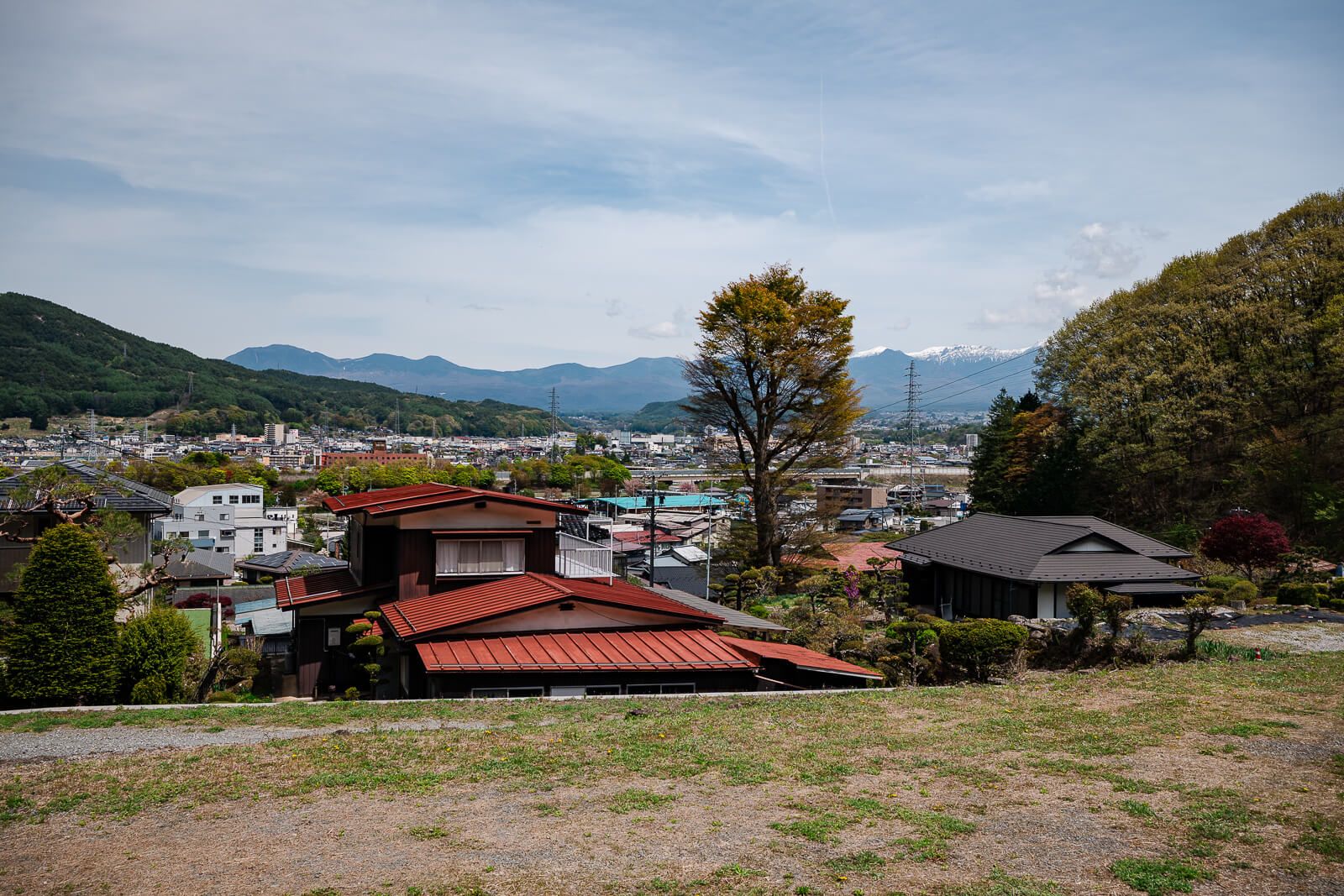
While the lake is impressive from the shoreline, the scale of the region becomes easier to appreciate from higher elevations. Looking down across the surrounding communities reveals how the lake, surrounding towns, and mountain ranges fit together. The perspective often changes how visitors understand the destination, particularly after spending time around the waterfront.
Locations such as Tateishi Park provide some of the most recognizable views in the region, while the overlook at Suwako Service Area frequently serves as a first introduction for travelers arriving by car. These elevated viewpoints help transform Lake Suwa from a collection of attractions into a clearly defined landscape.
Beyond the Shoreline
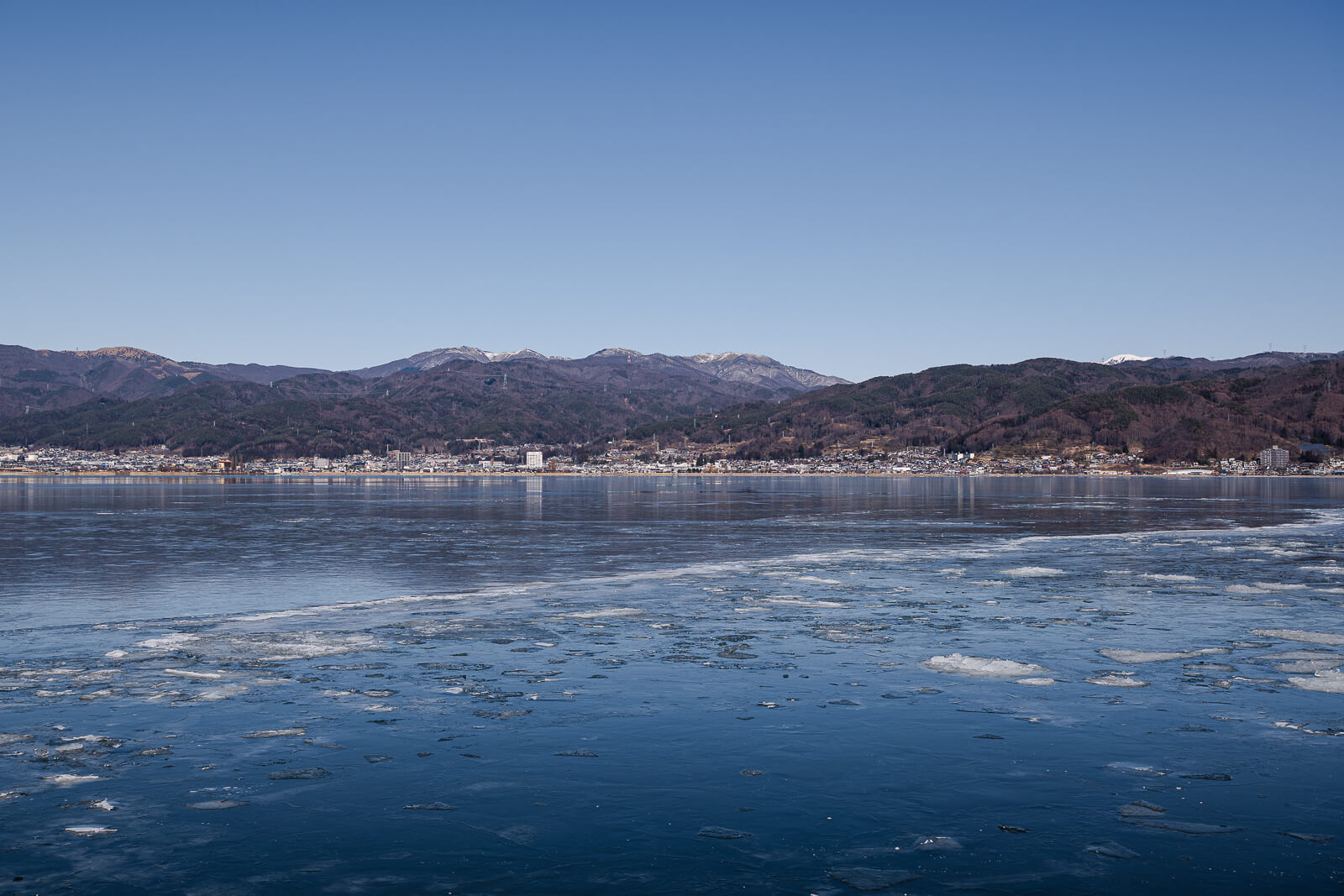
Beyond the lakefront, the type of outing changes. Mishaka-ike is a viewing stop, while a waterfall visit or a walk through Yokoya Gorge can involve mountain paths. Treat them as separate activities with their own access requirements, rather than assuming that a nearby position on the map makes every connection an easy walk.
Mishaka-ike Pond cannot be walked around, and Chino’s official tourism guidance notes that its bus does not run every day. The gorge connection toward Oshidori Kakushi Falls includes slippery sections. Check the return service and walking conditions before choosing this excursion, particularly in winter when the town and highlands can present different conditions.
Where to Stay Around Lake Suwa
Once travelers decide to spend more than a few hours around Lake Suwa, the question shifts from what to see to where to stay. While accommodations can be found throughout the general area, the overall experience changes depending on where visitors choose to base themselves. Some locations prioritize convenience and walkability, while others function better as gateways to surrounding mountain areas.
Kamisuwa: The Center of Gravity
For many visitors, Kamisuwa naturally becomes the preferred base for exploring the region. The area combines onsen accommodations, lakeside scenery, restaurants, museums, and several of Lake Suwa’s best-known attractions within a relatively compact area. Rather than returning to a car after every stop, travelers can often move between parts of the waterfront on foot while remaining close to their accommodations.
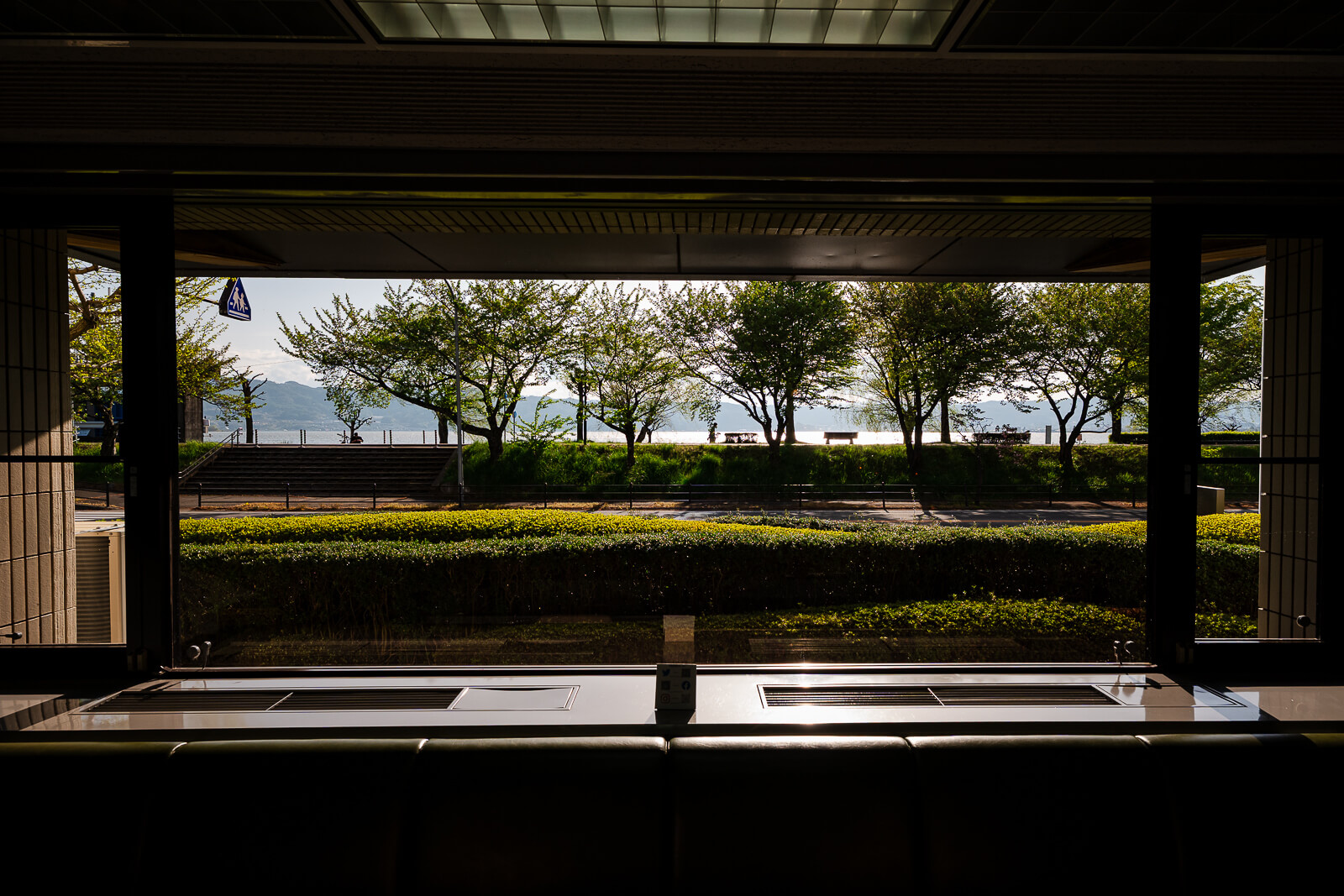
Many of the region’s most recognizable attractions sit within or near Kamisuwa. Takashima Castle, Katakurakan, the Kitazawa Museum of Art, Sekicho Park, and the Lake Suwa Geyser Center and Footbath all contribute to a concentration of attractions that is difficult to match elsewhere around Lake Suwa. The lakeside setting also allows visitors to experience changing views throughout the day without traveling far from their hotel or ryokan.
The area’s strongest advantage may be how naturally sightseeing and overnight stays connect together. After a day exploring the waterfront or visiting the surrounding shrines, travelers can return to lakeside accommodations, enjoy an onsen, and continue experiencing the destination without needing to relocate. This combination of convenience, atmosphere, and access has helped make Kamisuwa the primary lodging area for many visitors to Lake Suwa.
Chino and the Highlands
For travelers arriving by car or planning to spend significant time exploring beyond the shoreline, Chino offers a different approach. Depending on their exact location, highland accommodations may put visitors closer to attractions such as Mishaka-ike Pond, Otome Falls, and Oshidori Kakushi Falls, while also providing easier access to the surrounding highlands and mountain roads.
The tradeoff is that the lake becomes less central to the overall experience. Rather than walking to waterfront attractions, visitors typically rely on driving between destinations. For those focusing on nature, scenic drives, or future exploration beyond the Lake Suwa region, this may be a worthwhile exchange.
For a lake-centred stay, start by comparing Kamisuwa locations. For a highland-centred stay, compare the actual position of the accommodation with your chosen Chino stops. The better base is the one that supports your route, including the evening and the following morning, rather than simply the one carrying the right town name.
Does a Day Trip Feel Rushed?
A day trip does not have to feel rushed if you keep its scope clear. A Kamisuwa lakefront visit with selected indoor stops is a different undertaking from a day covering shrines on both sides of the basin and a highland excursion. Choose the day you want before deciding which places to include.
Trying to combine all four Suwa Taisha shrines, Tateishi Park and the Chino nature sights into the same day risks making travel the main activity. Keep a short list of priorities and treat the rest as alternatives. With public transport, the available onward and return connections matter as much as the time you spend inside each attraction.
An overnight stay helps when you want the onsen accommodation itself to be part of the visit, or when you want two distinct outings without returning immediately to your onward journey. It does not remove the need to check opening days, travel time or the conditions around the highlands.
For a day trip, decide what you are comfortable leaving for another visit. For an overnight trip, decide how the second day changes the experience. Those two questions are more useful than using the number of attractions as the measure of a successful stay.
A focused day can provide a rewarding introduction. Add a night when it serves your interests and route, not because you feel the entire basin must be covered before you leave.
Making the Most of Your Lake Suwa Visit
Lake Suwa works well when you give the visit a clear centre. The waterfront, shrine districts and highlands each support a different kind of day, and the detail within those places is more interesting than simply moving between them.
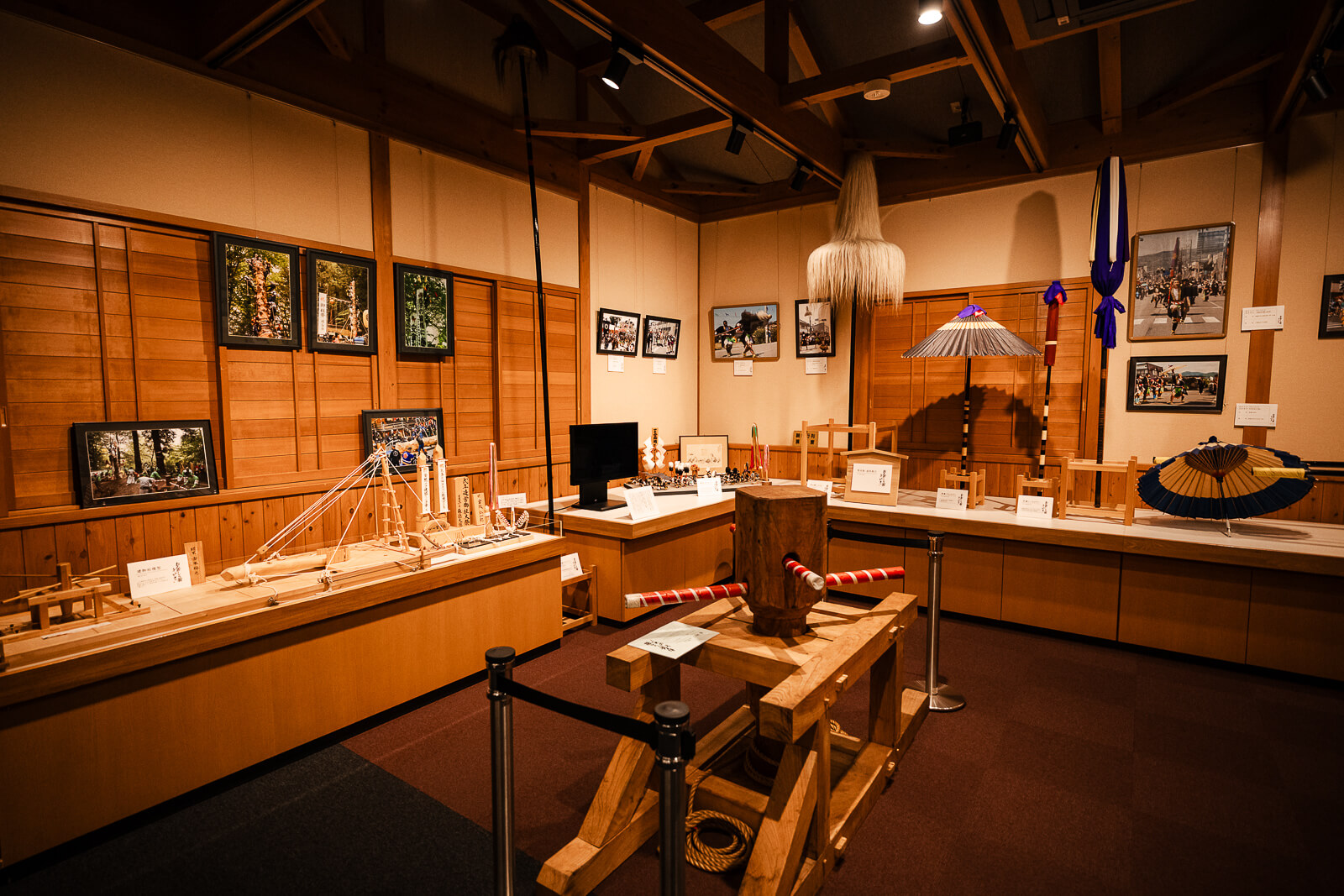
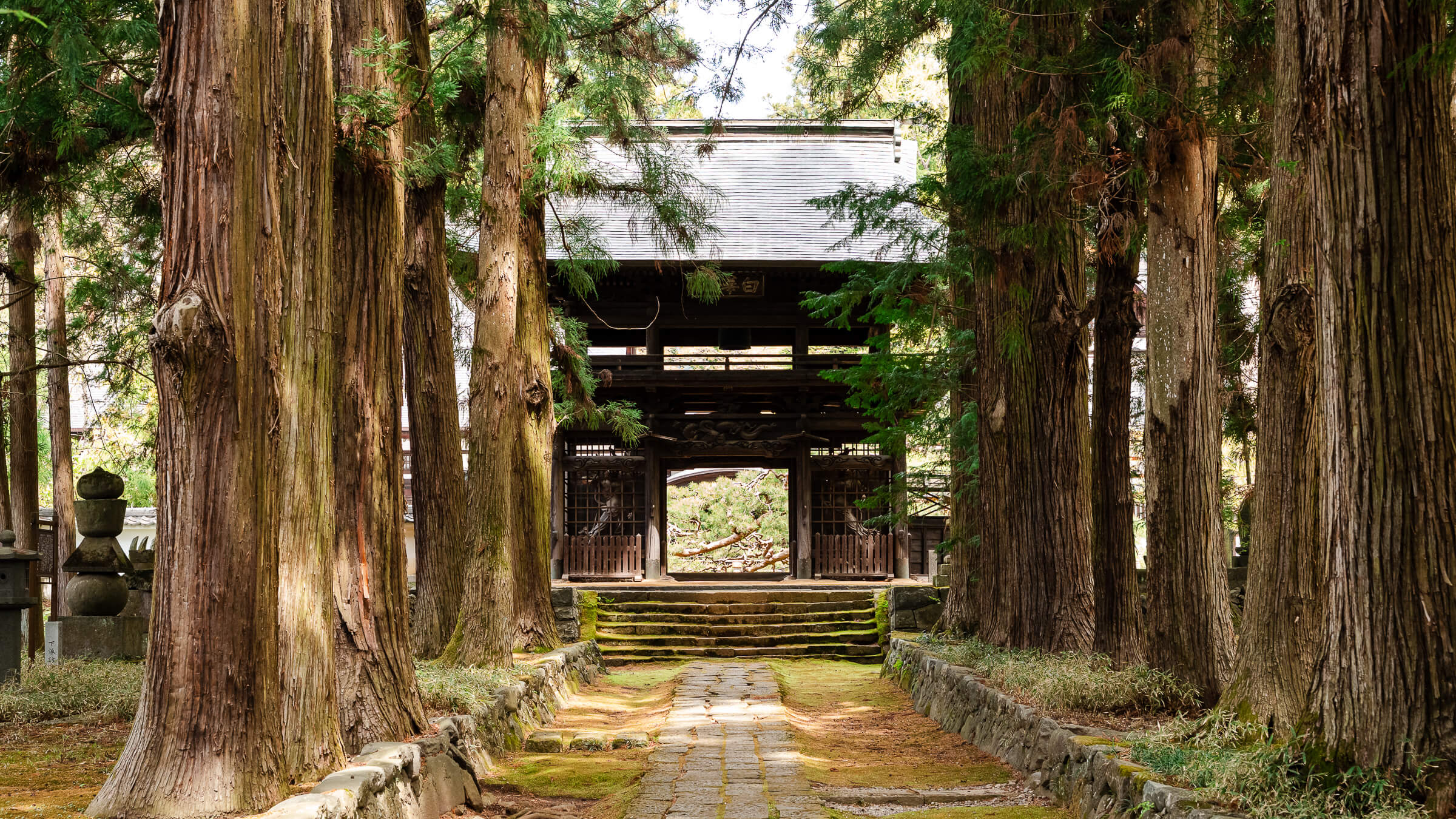
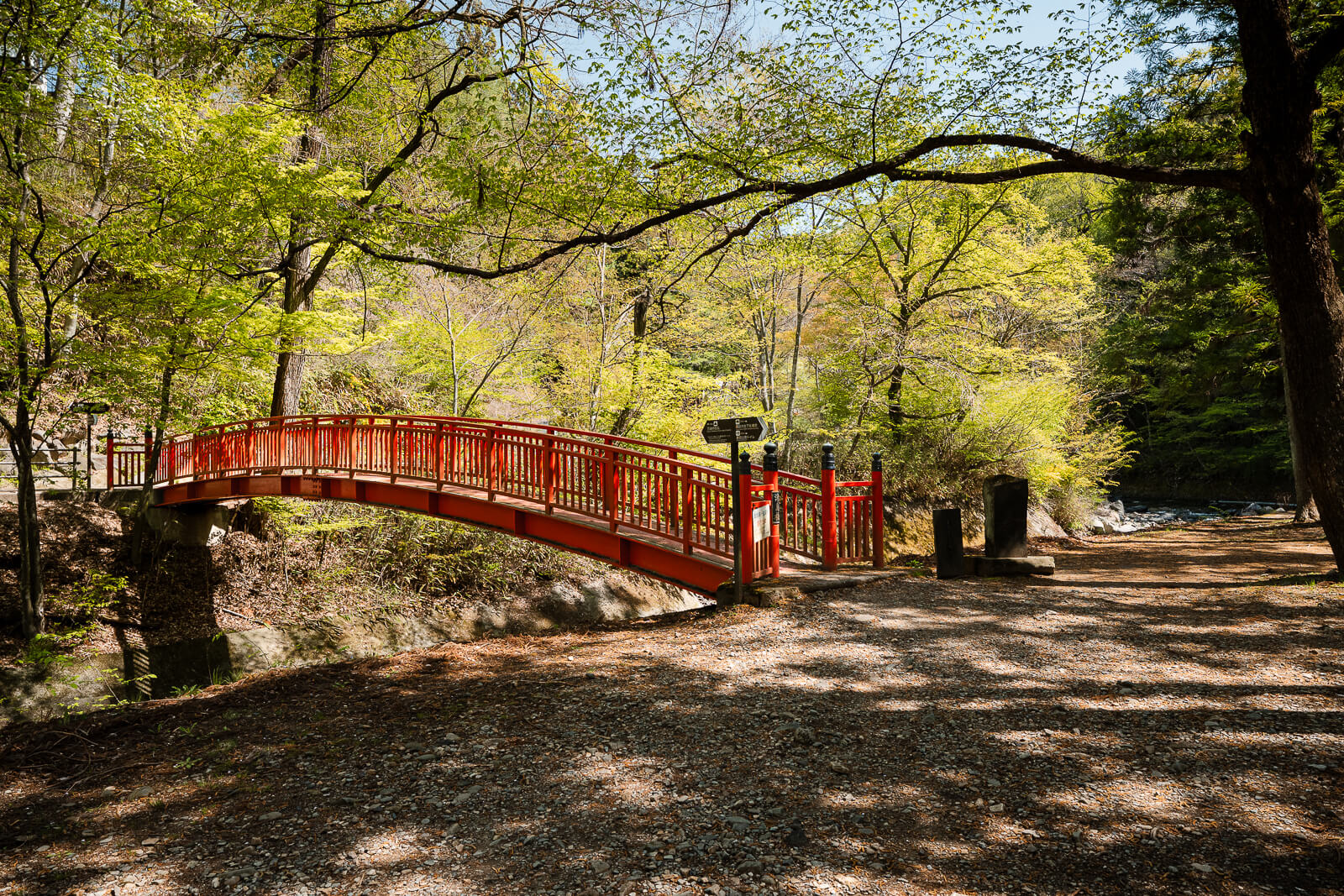
The museum displays and shrine approaches add context to the landscape: an exhibit can explain a tradition you have encountered outside, while a bridge or quiet path changes the pace between major stops. Keep time for those smaller details alongside the larger landmarks.
Our latest visit inside the Geyser Center is one example of the detail a quick waterfront stop can miss. There is value in allowing room to look inside a place you might otherwise pass, while respecting restrictions such as the no-photography rule in the exhibition we visited.
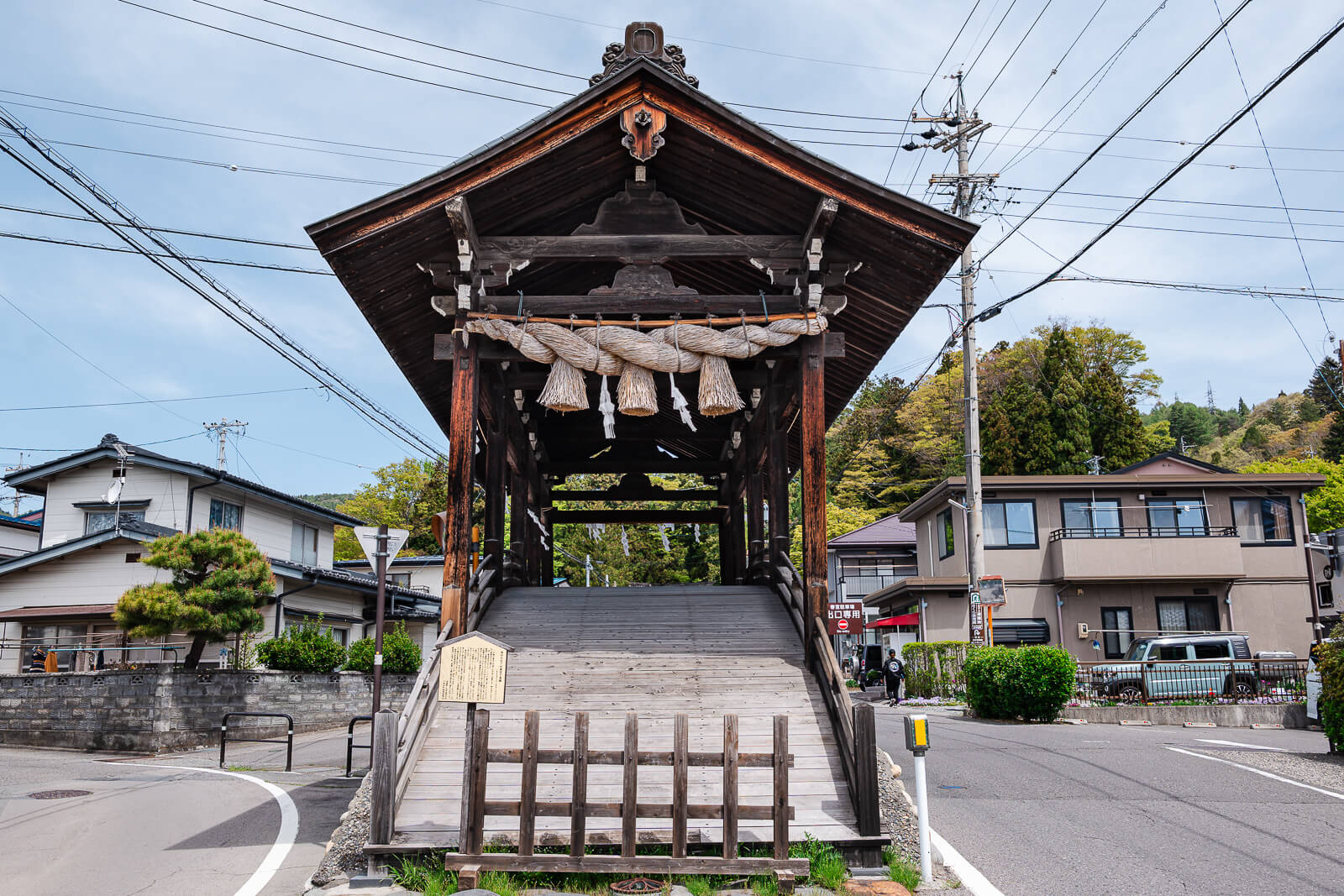
That does not mean every visit needs to be longer. It means choosing a few places that fit together and leaving enough time to experience them. A shrine-focused outing and an onsen stay can both be worthwhile without including the mountain sights.
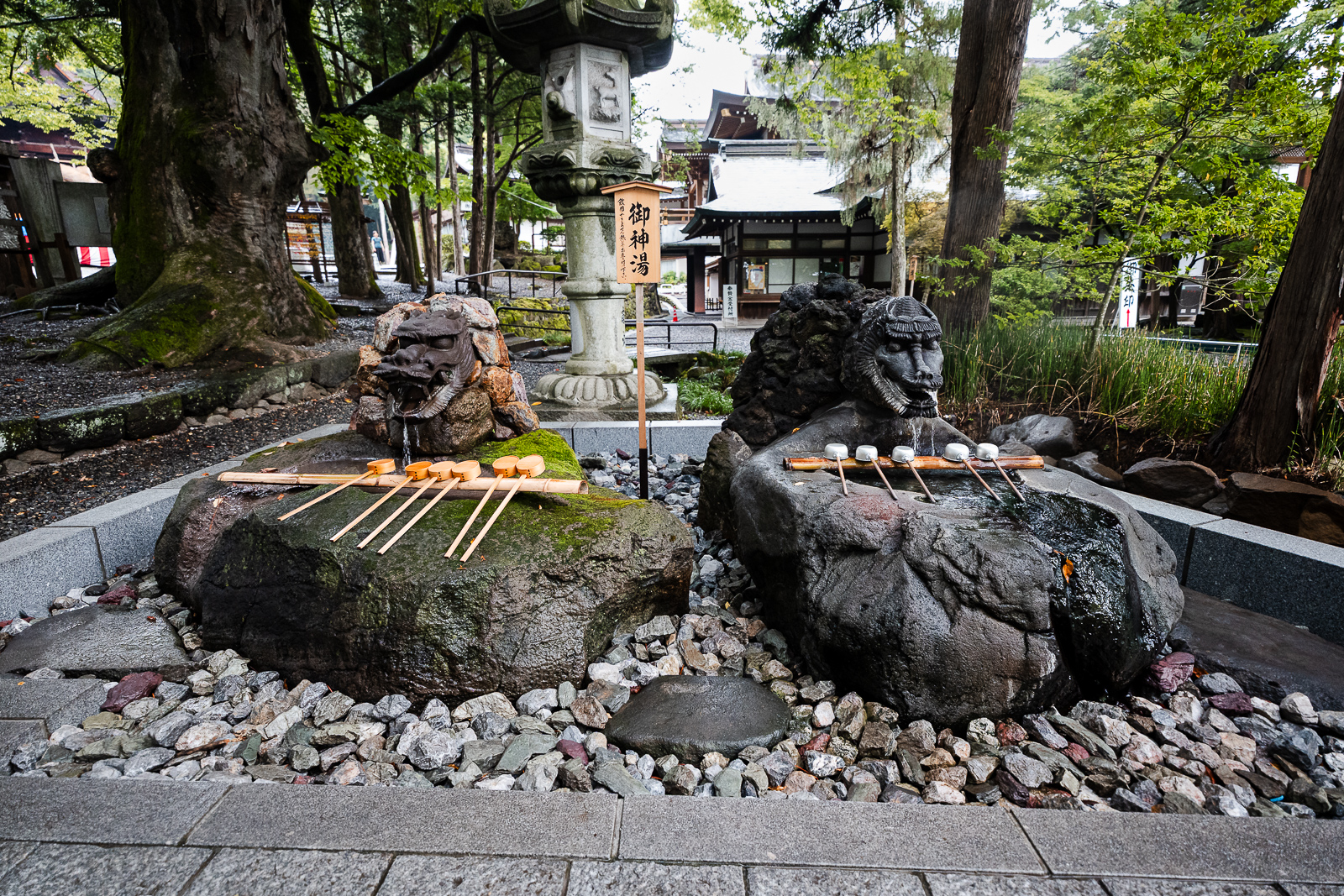
The lake gives the region a common setting, but your interests should shape the route. Use the practical information below to choose an arrival point, check your stops and make arrangements for the version of Lake Suwa you want to explore.
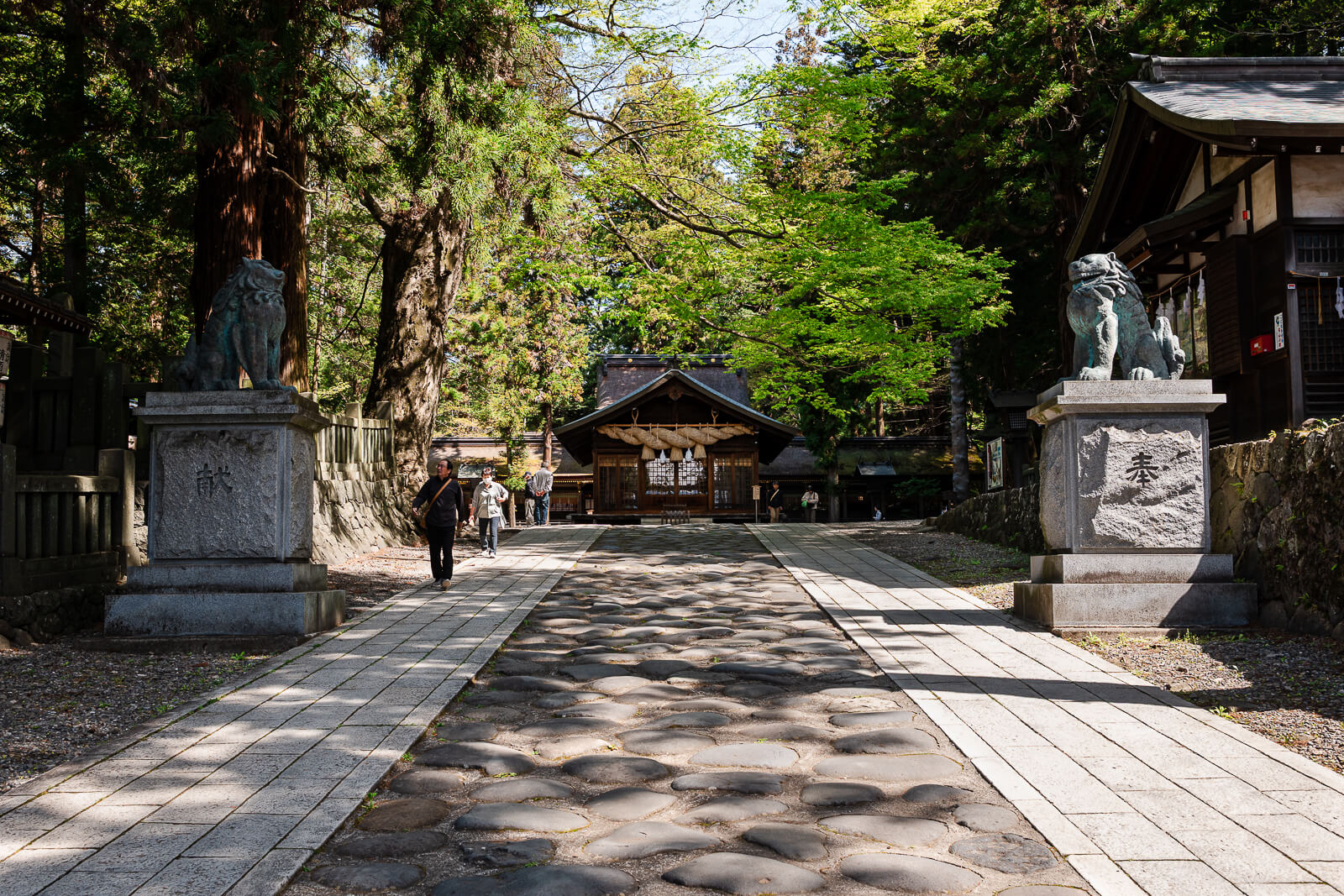
Getting to and Around Lake Suwa
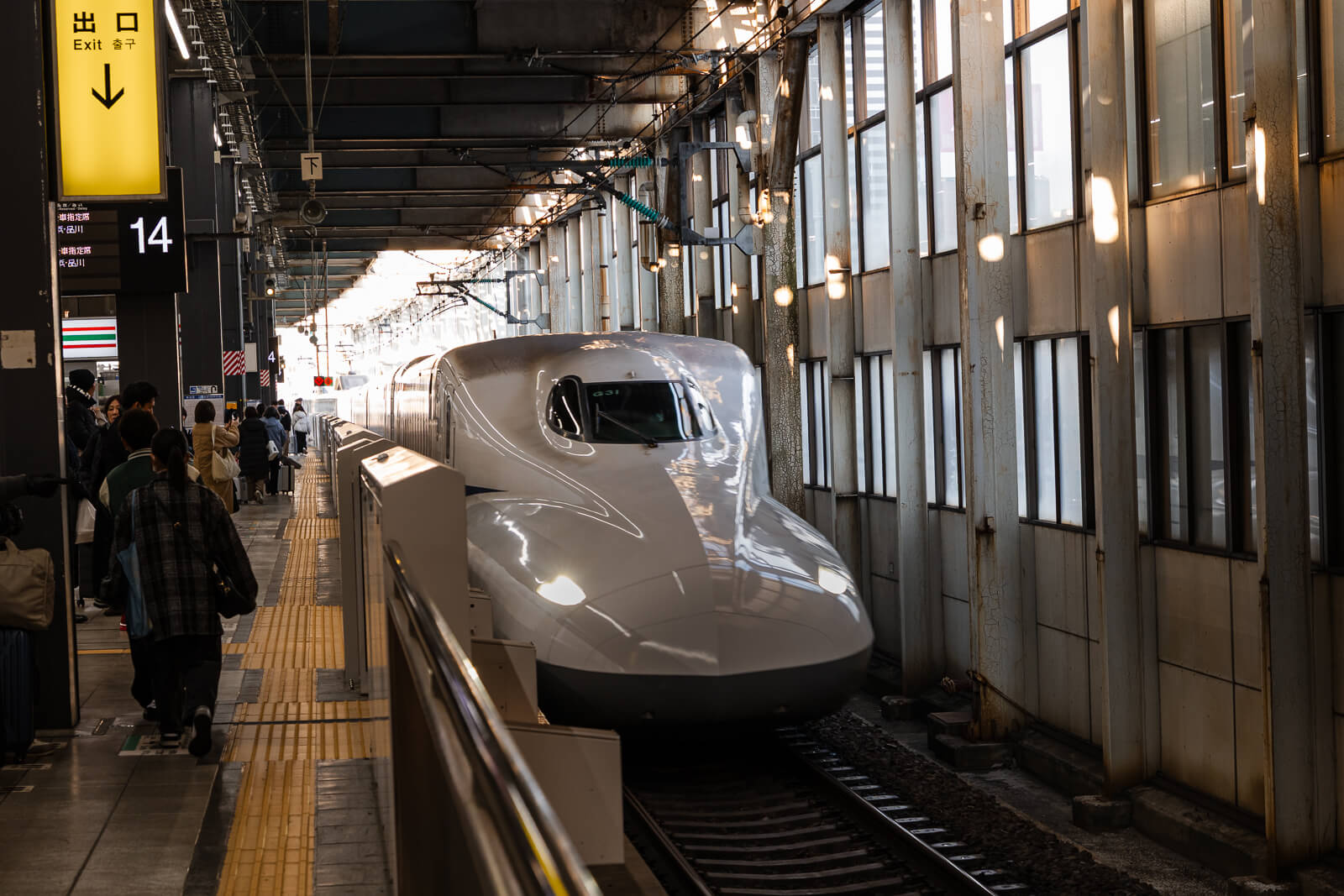
For rail travelers, Kamisuwa Station serves as the primary gateway to the lakefront area. Located on the JR Chūō Main Line, the station provides direct access to the Kamisuwa waterfront and places visitors within reach of many of the region’s most visited attractions. Shimosuwa Station offers convenient access to the northern shrine district, particularly for travelers interested in the Suwa Taisha shrine network and the historic districts surrounding Shimosuwa.
Drivers benefit from the flexibility to explore different parts of the region and the surrounding highlands. Lake Suwa sits directly along the Chūō Expressway, making it an easy stop for travelers moving between the Tokyo region and central Nagano. Many visitors receive their first view of the destination from Suwako Service Area, where elevated viewpoints overlook the lake and surrounding mountains before the descent into the basin.
A car becomes increasingly useful when exploring beyond the waterfront. Attractions around Chino, including Mishaka-ike Pond, Otome Falls, and Oshidori Kakushi Falls, are easier to combine into a single itinerary with personal transportation. Viewpoints such as Tateishi Park are also more convenient to reach by car, particularly for visitors hoping to explore multiple parts of the region in a single day.
While public transportation can comfortably support a visit focused on the lakefront and shrine districts, driving expands the range of experiences available around the region. Both approaches work well, with the choice largely depending on how much of the surrounding region visitors intend to explore.
Compare cars for Chino, Tateishi Park and the highlands. Check pickup, return and seasonal driving requirements before booking.
Compare Rental Cars
Choosing your station and onward route
Suwa Tourism lists the Limited Express Azusa journey from Shinjuku to Kamisuwa at approximately two and a half hours. Check the current timetable for your departure. Shimosuwa Tourism lists Akimiya at approximately a 10-minute walk from Shimosuwa Station and Harumiya at approximately a 20-minute walk; allow additional time for the visits and movement between them.
For Mishaka-ike and the highlands, check the bus from Chino Station and its return journey before committing to a car-free excursion. The service to the pond does not run every day. Separate transport time from the walking involved at each stop.
Lake Suwa and the surrounding area
This regional map helps orient the lakefront communities and Chino. It is not a suggested one-day route. Check the location, transport and seasonal access of each attraction you choose.
Hours & Fees Around Lake Suwa
Lake Suwa is a region rather than a single attraction, so the places in this guide do not share one opening schedule or admission ticket. Museums, baths, boat services and parking facilities have their own arrangements. Check the individual guide or official venue information for each stop, including closing days and last admission.
For highland excursions, check access conditions as well as opening hours. A lakeside walk, an indoor exhibition and a winter gorge outing need different planning; neither an open road nor a map marker guarantees access to every part of a site.
Plan Your Lake Suwa Visit
Choose the booking options that fit your route, overnight base and wider Japan trip.
Stay Near Kamisuwa
Kamisuwa hotels keep the lakefront, onsen, museums, restaurants, and evening walks close before the next day’s route
Check hotel availability Explore by Car
Compare a car for a wider route through the basin and Chino highlands. Check pickup, return and seasonal driving requirements for your plans.
Compare rental cars
Explore Regional Tours
Compare regional tours and check their actual itinerary, meeting point and transport arrangements before fitting one around a Lake Suwa stay.
Explore regional tours
Stay Connected
Mobile data can help with maps and travel information. Check device compatibility and the package’s coverage before purchasing.
Compare connectivity options
Arrive by Rail
This offer is for the Whole Japan Rail Pass. Compare its cost and eligibility with individual tickets for your complete trip; a Lake Suwa visit alone is not a reason to buy a nationwide pass.
Check Whole Japan Rail Pass details