What to See Inside Enoshima’s Hilltop Garden
Enoshima Samuel Cocking Garden is on Enoshima Island in Fujisawa, Kanagawa, with planted walks and coastal viewpoints around the Sea Candle. Beneath the modern garden lie the brick remains of Samuel Cocking’s ambitious Meiji-period greenhouse. A glass-floored exhibition building looks down onto the old structure, while a lower visitor passage brings its walls and vaulted brickwork much closer.
The garden is worth visiting in its own right, particularly for visitors interested in plants, the island’s history or a break after the shrine ascent. It is also the route to the Sea Candle, but entering the grounds does not mean committing to the tower. Daytime garden access is free under the current arrangements, with a charge applying to departures at or after 5 p.m. during nighttime events; the tower has separate paid access.
That distinction is easy to miss at the entrance, where gates and ticket facilities can make the whole area look like a single paid attraction. A brief garden visit can include the viewpoint and remains without a tower ascent. A longer stop can add a cafe and more time among the planted areas, provided the rest of the island day leaves room for it.
Entering the Garden and Finding the First Coastal Views
The garden entrance lies around the summit reached after the third Escar section. Outside, the island route continues toward other viewpoints and the farther shrines; inside, the garden creates a more contained walk among its facilities and planting. It is useful to decide whether to spend time here before simply following the tower visible above it.
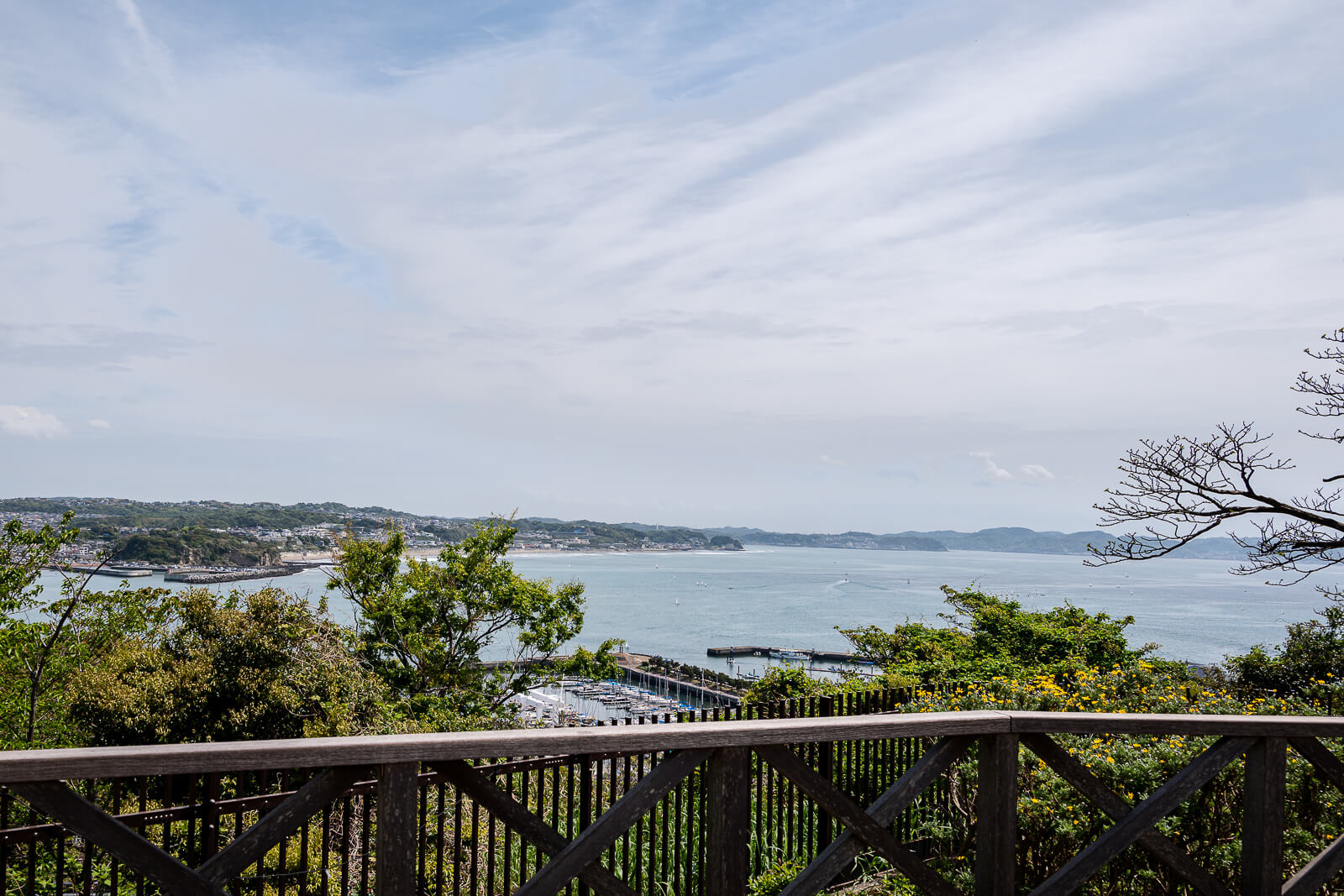
A viewpoint near the entrance provides a worthwhile first pause. The outlook connects the garden with the sea and the mainland beyond the bridge, giving a different impression from the closer architecture of Hetsumiya and Nakatsumiya below. From the Miami Beach Square side of the garden, clear conditions also reveal Kamakura’s coastline toward Shichirigahama and Inamuragasaki.
This is also where the pace of the visit can change. Looking at the remains and taking a drink becomes a different commitment from passing through on the way to the tower elevator. For visitors continuing to Chigogafuchi and Iwaya, the useful question is how much of the afternoon to spend at the summit before the longer walk to the coast.
Samuel Cocking’s Greenhouse and the Garden’s Meiji-Period History
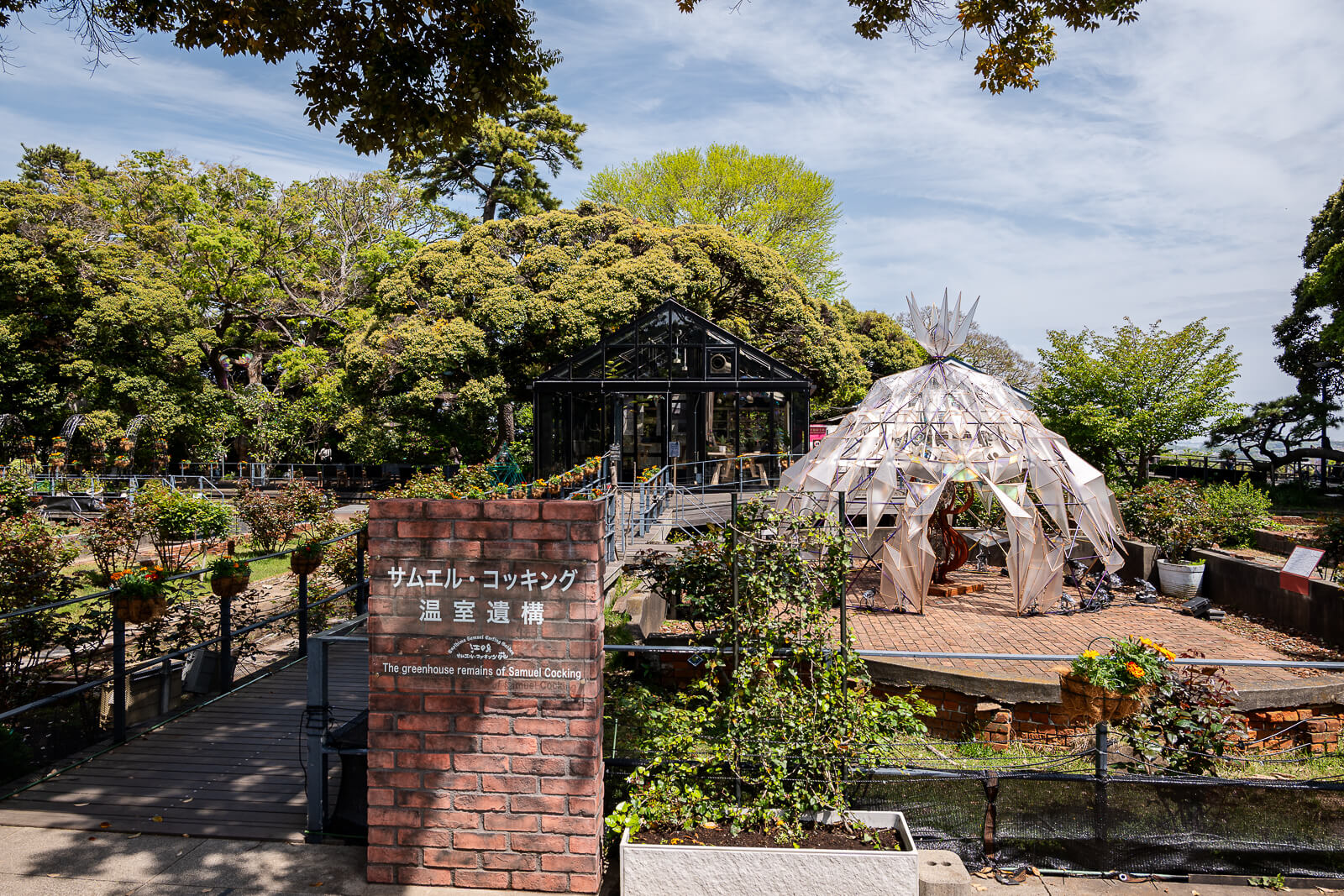
The garden takes its name from Samuel Cocking, the British merchant who developed it during the Meiji period. His greenhouse used brick foundations, coal-fired steam heating and a system for collecting and reusing rainwater. These are traces of a working horticultural project, with the growing conditions created by engineering as well as the island’s setting.
The remains were rediscovered during redevelopment in 2002. What survives now helps explain an earlier use of the hilltop without suggesting that the modern exhibition building is the original greenhouse. The garden’s history becomes more tangible when the visible brickwork is understood alongside the systems that once supported the plants.
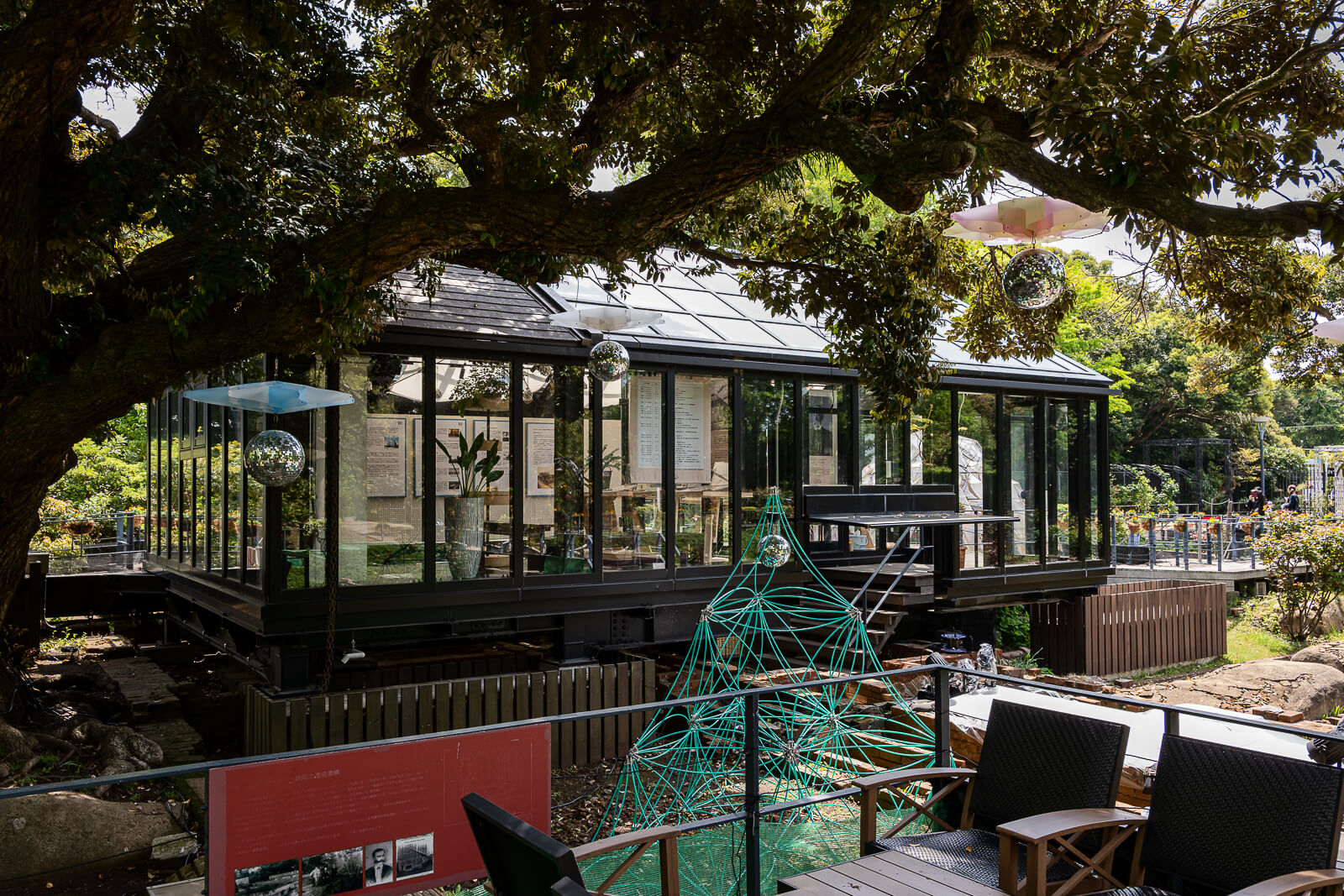
This is the part of the visit that distinguishes the garden from a convenient outdoor space surrounding an observation tower. The old foundations have depth, structure and a former function, and the exhibition helps make those relationships understandable. Allow time to look down into them and then, where the visitor route is open, see them from the lower level.
The Glass Exhibition Hall and Lower Greenhouse Remains
The exhibition building’s glass design allows part of the greenhouse remains to be viewed from above. Displays and video introduce Cocking and the history of the site, giving names and background to the structure below. Beginning here makes the later close view more interesting than encountering unidentified brickwork without an explanation.
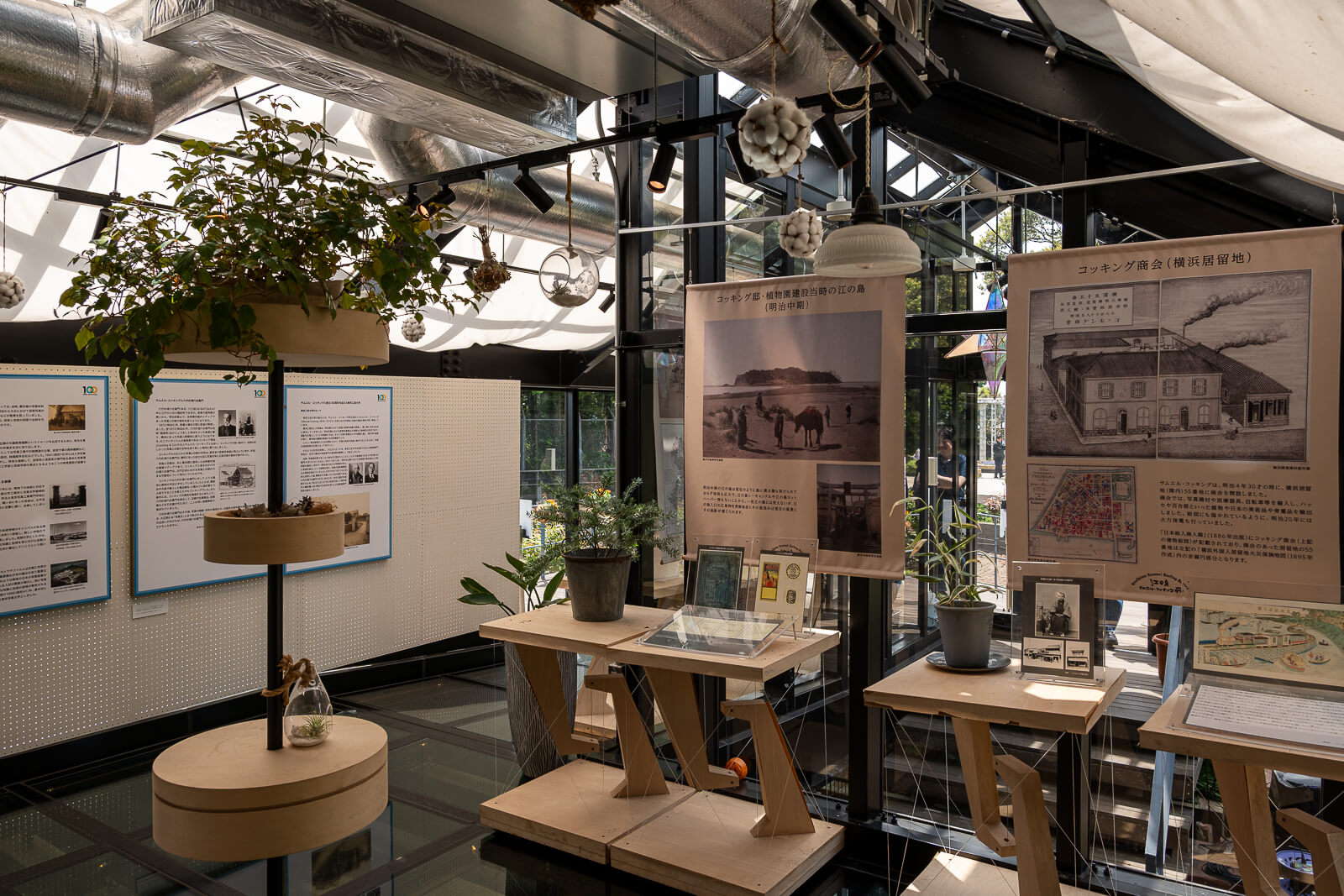
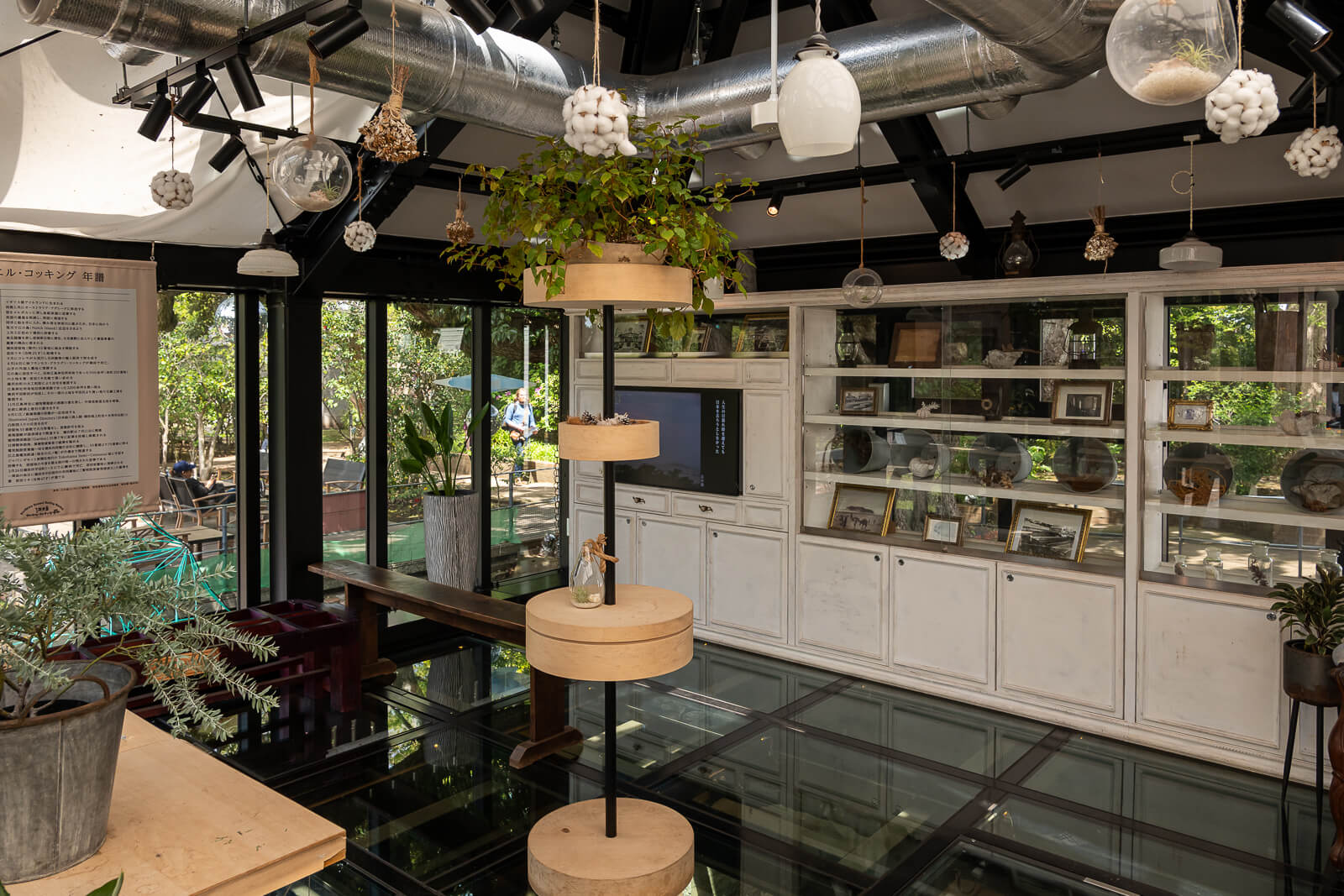
The lower visitor route brings the brick walls and foundations closer, with the sky open above part of the remains. In the brick-vaulted passage, openings admit daylight and steps lead back toward the garden, making the change in level part of the visit.
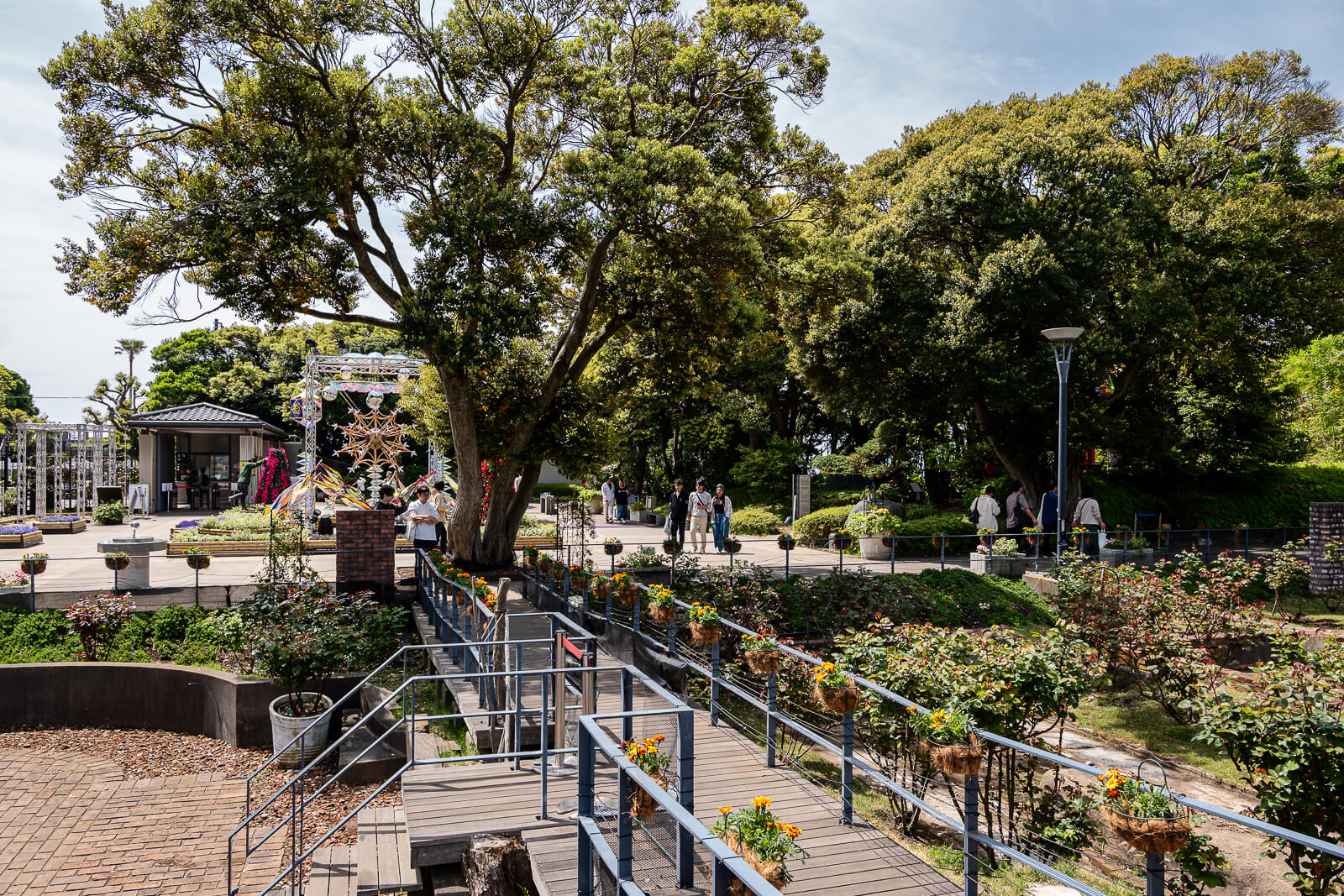
Looking from both levels helps explain how the remains sit beneath the present-day garden. The upper view gives the arrangement, while the lower passage makes the depth easier to appreciate. These two perspectives are worth seeking before continuing through the planted grounds toward the tower.
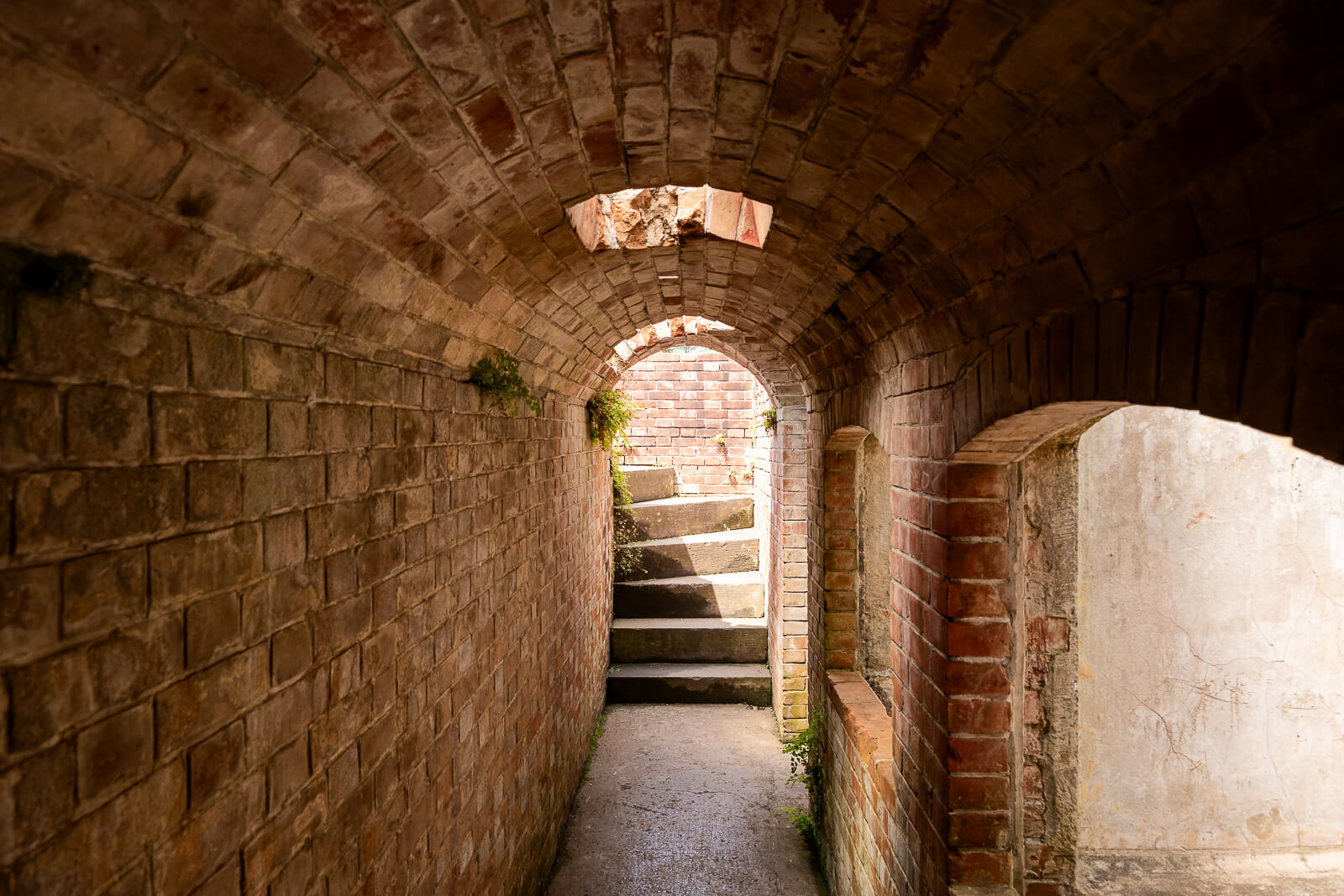
The greenhouse remains and exhibition hall are open from 9 a.m. to 5 p.m., even when the garden stays open later. Visit the historical displays during that daytime window if they are a priority. An evening illumination can extend time in the grounds, but it does not extend the exhibition’s opening hours.
Garden Walks, Coastal Viewpoints and Cafes
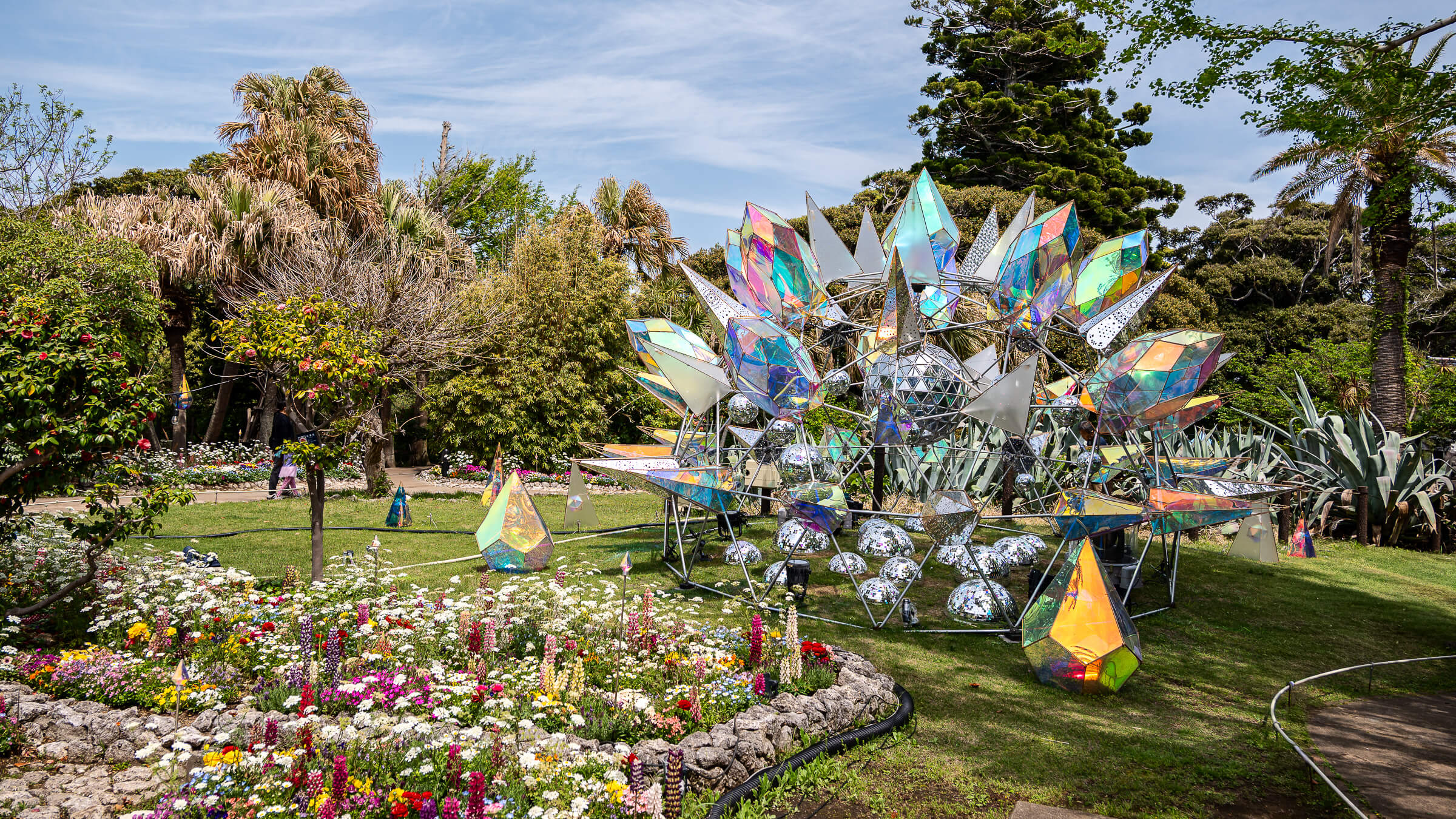
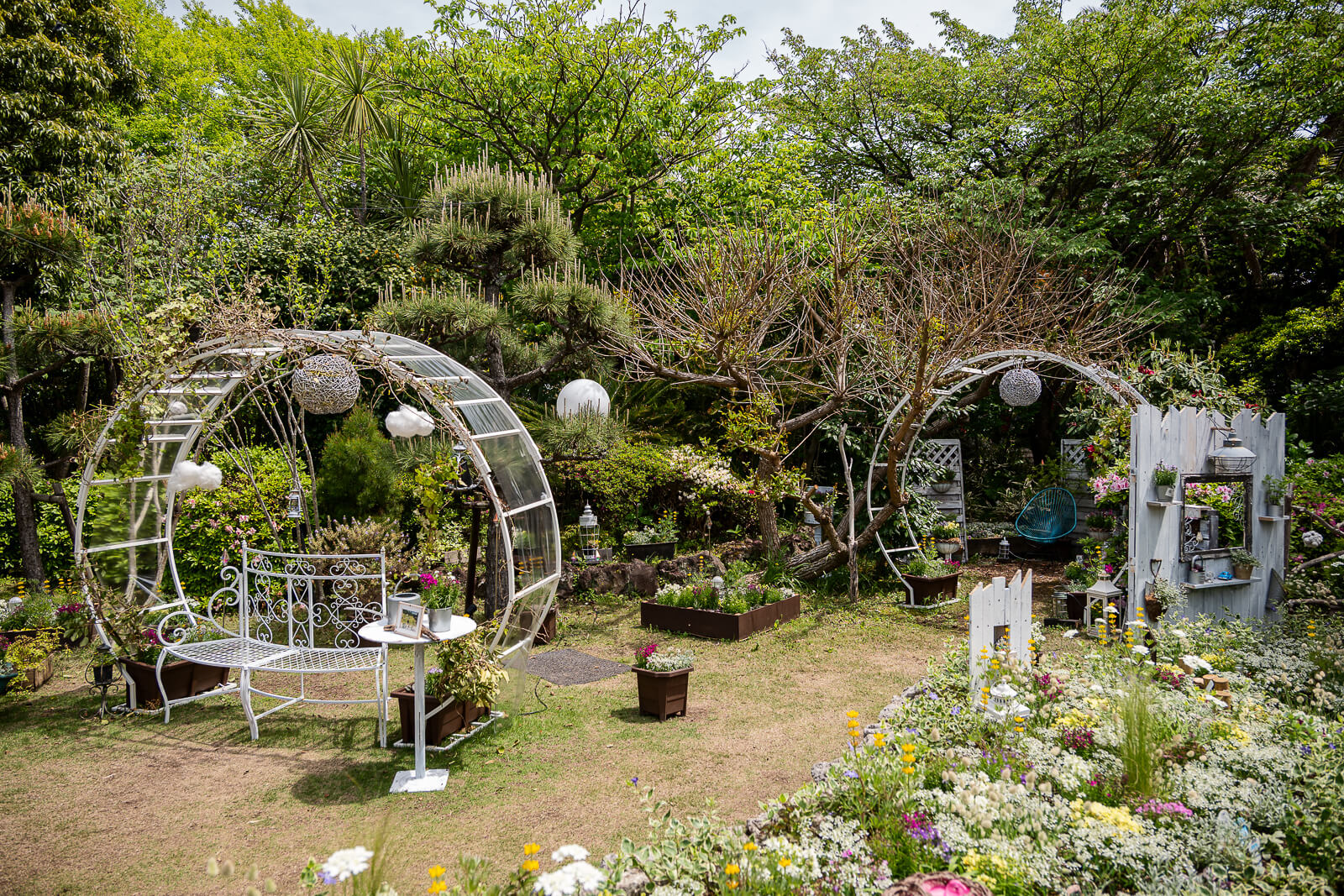
After the remains, continue through the garden instead of making the tower entrance the only destination. Planted areas, open spaces and sculptures provide smaller changes of subject along the walk. What is flowering varies through the year, so a visit is shaped by the planting and conditions present at the time.
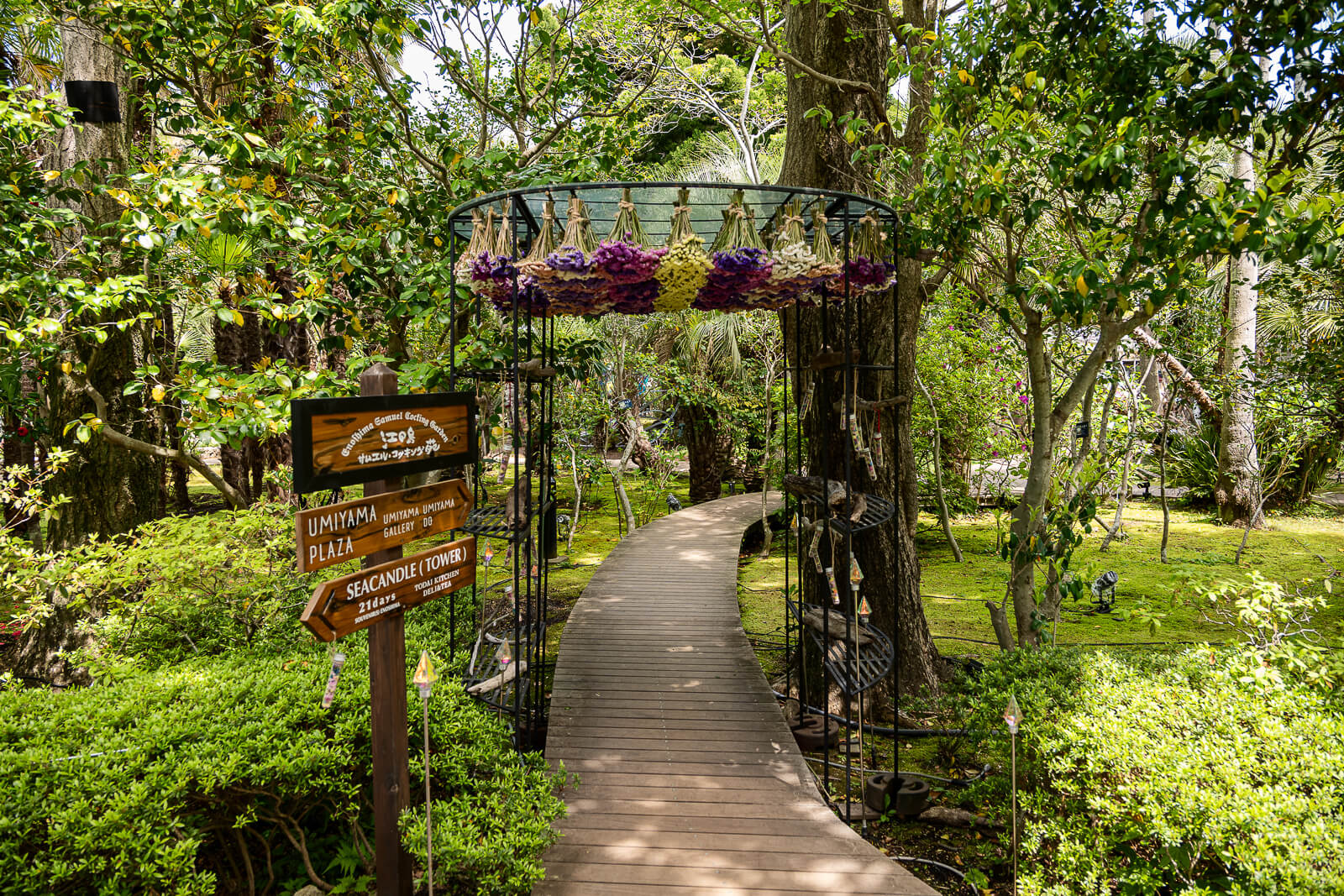
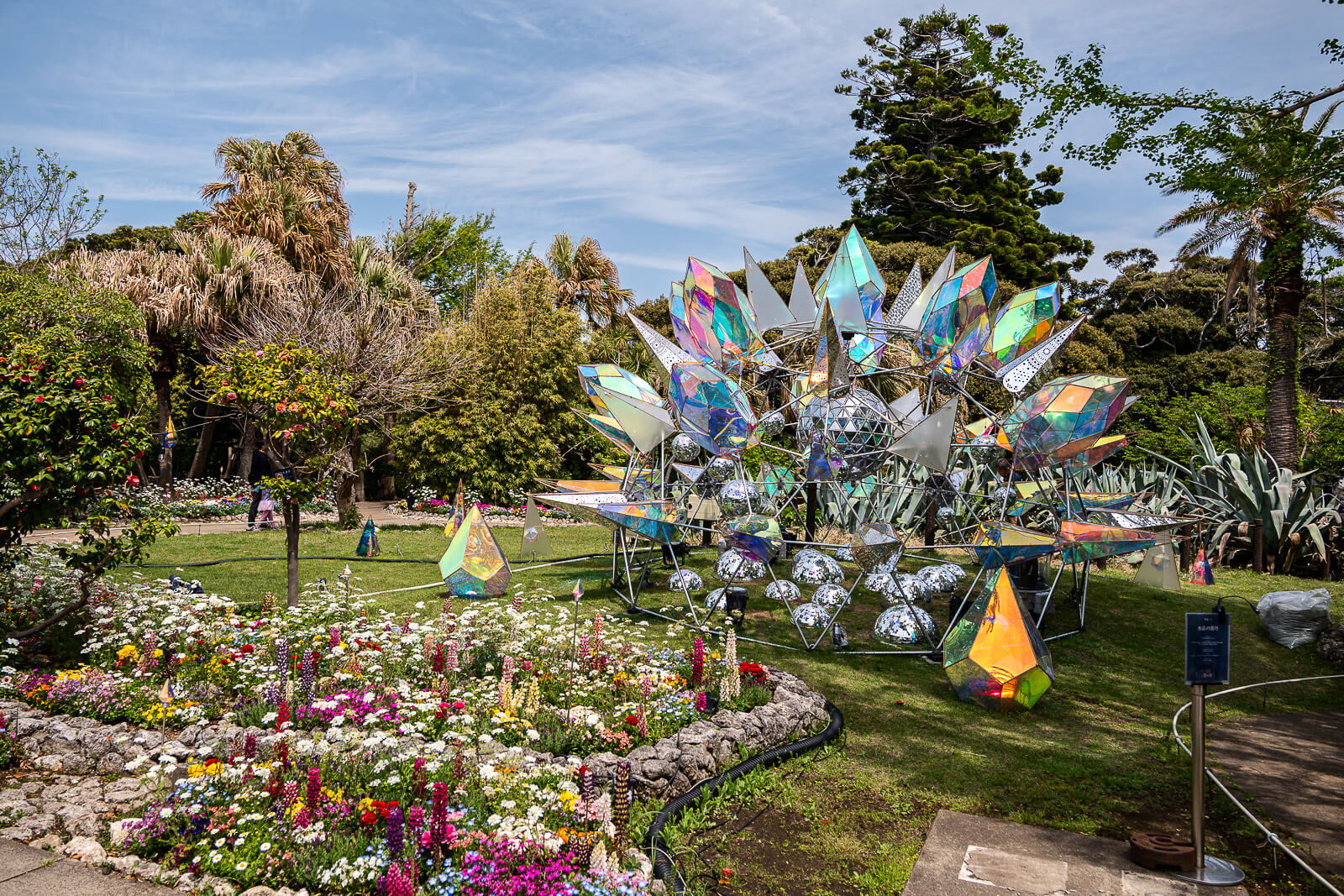
The coastal position is part of the garden’s appeal. A view from the grounds keeps the surrounding planting and nearby facilities in the experience, unlike the much higher panorama from the Sea Candle. Visitors who want a summit outlook without another ascent can give those garden viewpoints their attention and decide separately whether the tower adds enough.
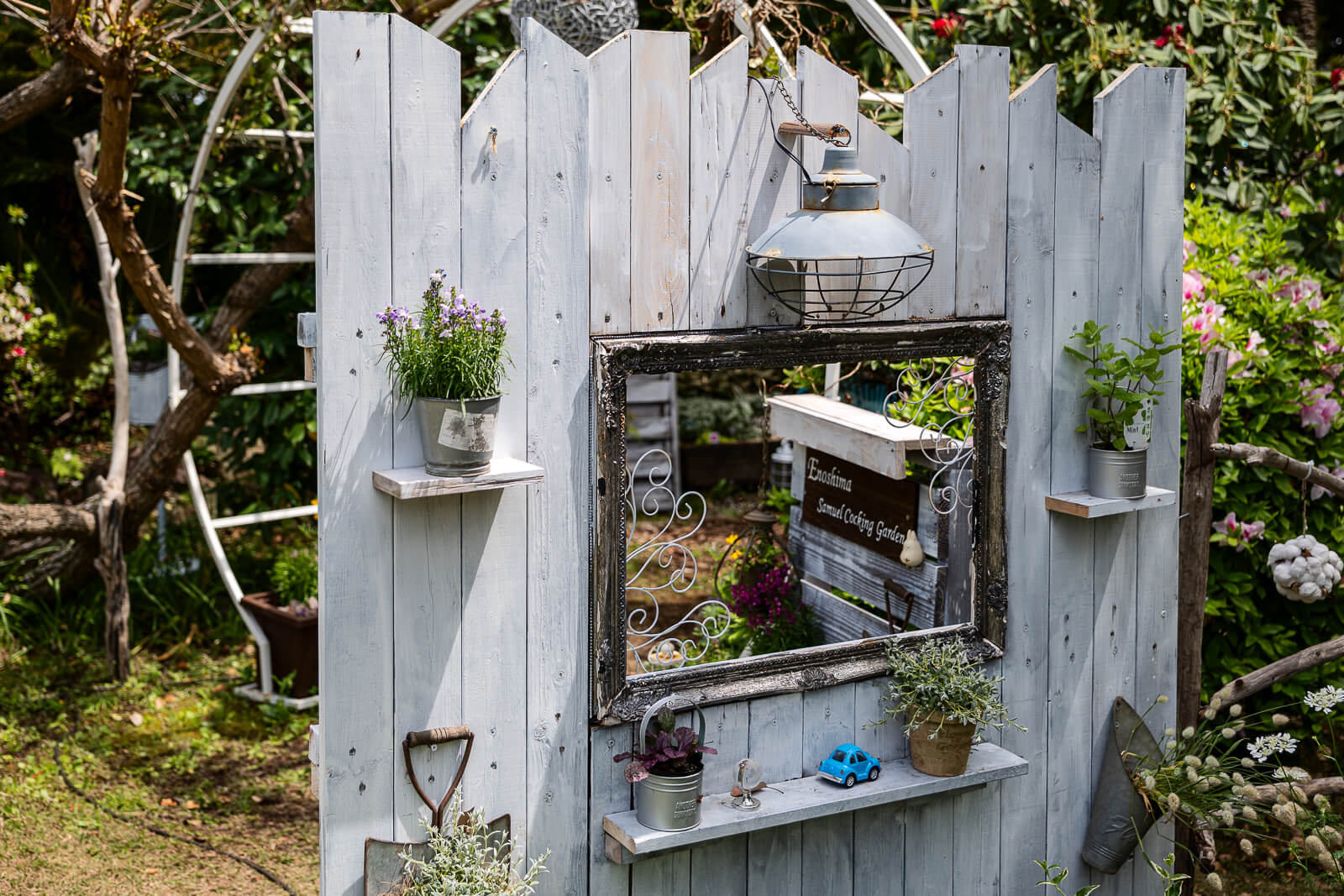
A cafe stop can work well after the climb, with a drink or snack extending the visit when seating is available. LONCAFE is one option inside the garden, known for French toast and a sea-view terrace near Miami Beach Square. The cafe has its own menu and waiting arrangements, so check those before deciding that a garden break will also serve as lunch.
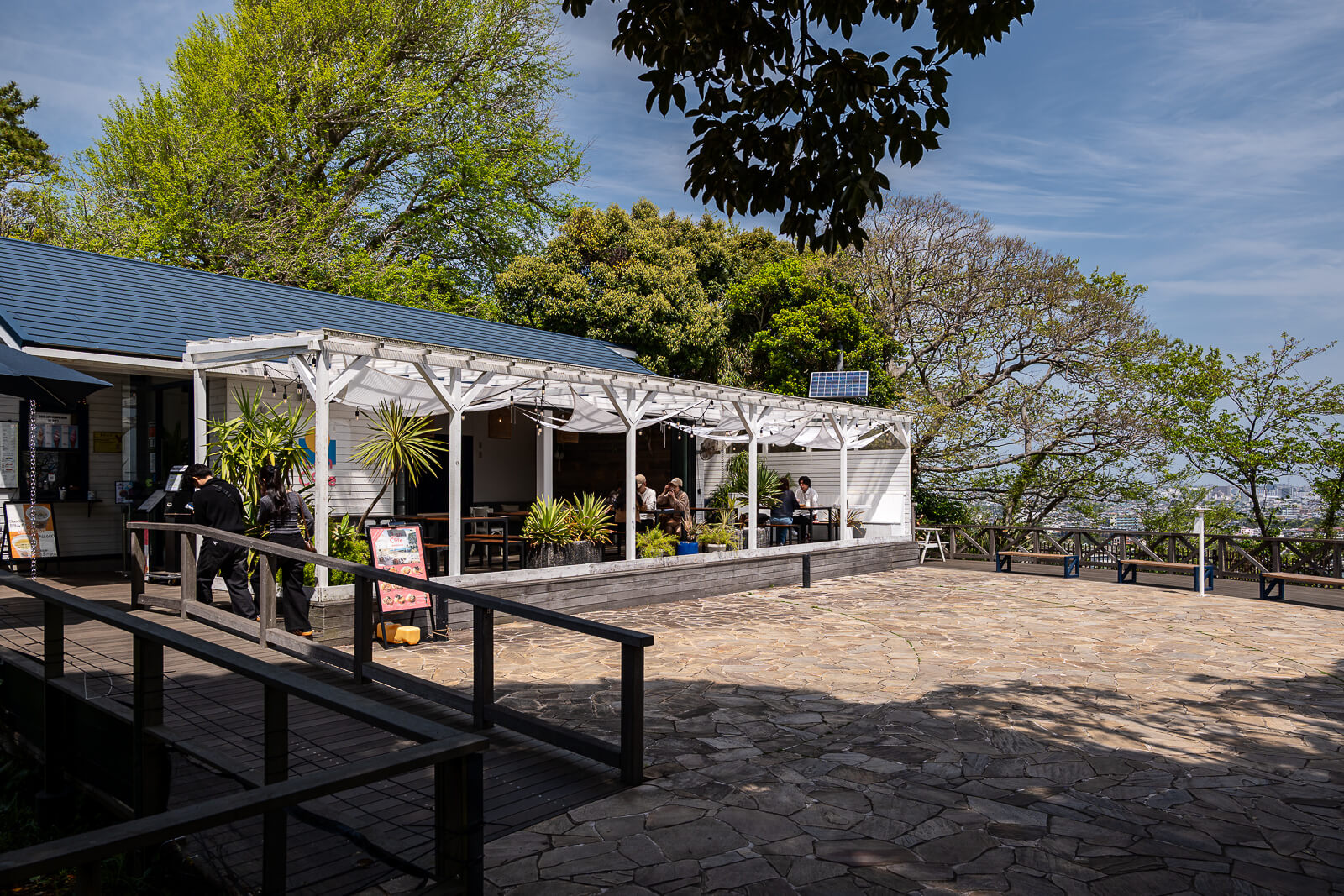
Check the café’s waiting arrangements before building lunch around a stop here. A table and a sit-down break can take longer than a quick drink, particularly when the café is busy. If Iwaya is still ahead, keep the caves’ last admission and the return route in mind.
Free Daytime Garden Entry and Nighttime Event Admission
Under the current rules, the garden is free between 9 a.m. and 5 p.m., and free throughout opening hours when no nighttime event is taking place. During nighttime events, departing at or after 5 p.m. requires the applicable garden admission or ticket coverage, even when entry was earlier. The relevant condition is therefore more than the time of arrival at the gate.
Seasonal evening programs can make the same grounds a different visit, with lighting added to the garden setting. Check the program for the intended date before assuming that an illumination shown in a photograph is operating. Events, the exhibition hall and the Sea Candle each have their own practical implications, so an evening garden visit should not simply inherit a daytime plan unchanged.
The tower remains separate from the garden entry rule. An Escar ride, a garden visit and a Sea Candle ascent are three distinct parts of the summit experience, even when a package combines them. Compare the ticket’s actual inclusions with the places intended for the day; the gate alone is not evidence that every visitor needs the same purchase.
Continuing to the Sea Candle or Across Enoshima
The garden can provide a complete summit stop through its viewpoints, planting, remains and a cafe break. The Sea Candle adds an elevated panorama and a further admission and queue, which makes it a separate choice based on visibility and interest. There is no need to treat the garden as unfinished simply because the tower is left for another visit.
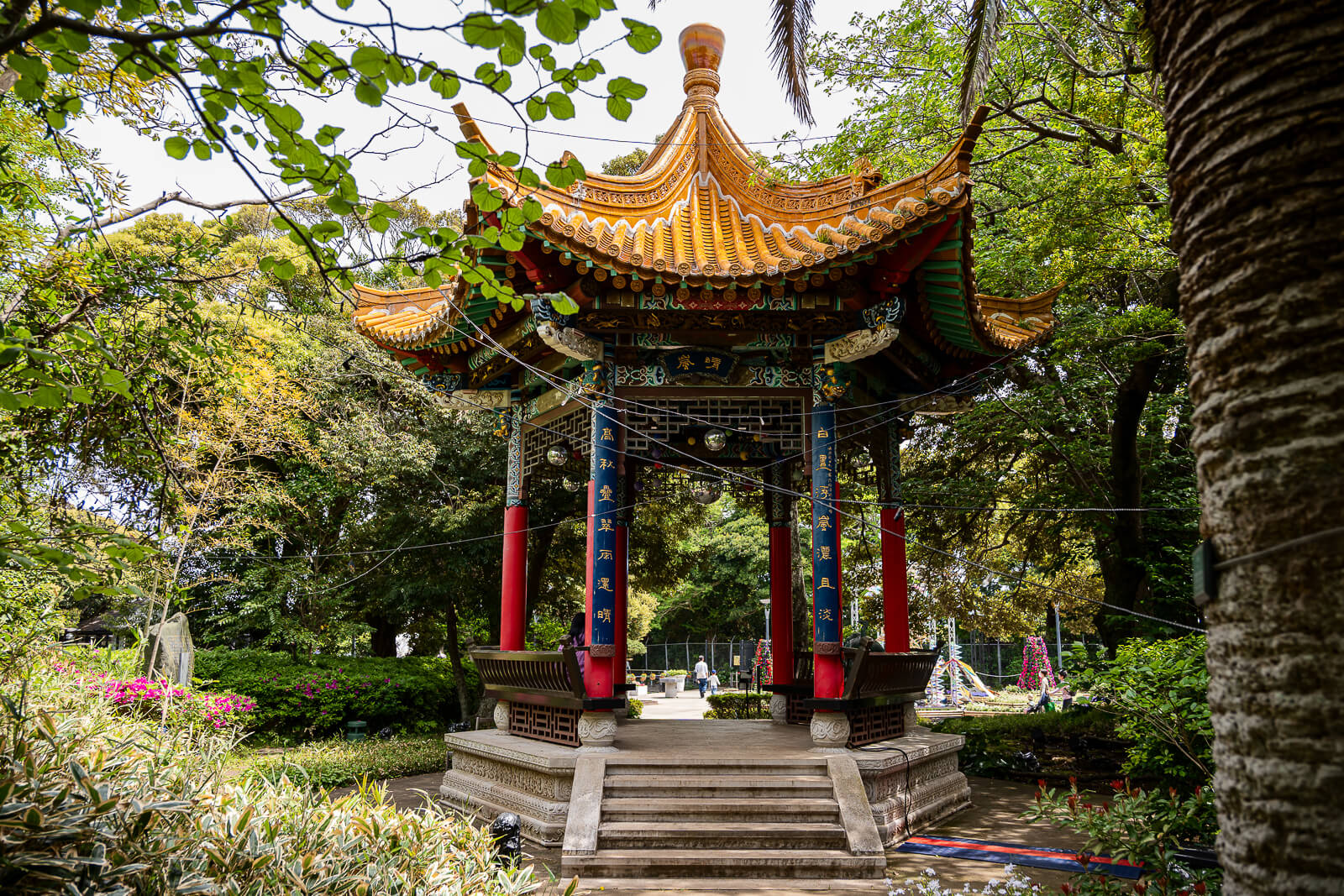
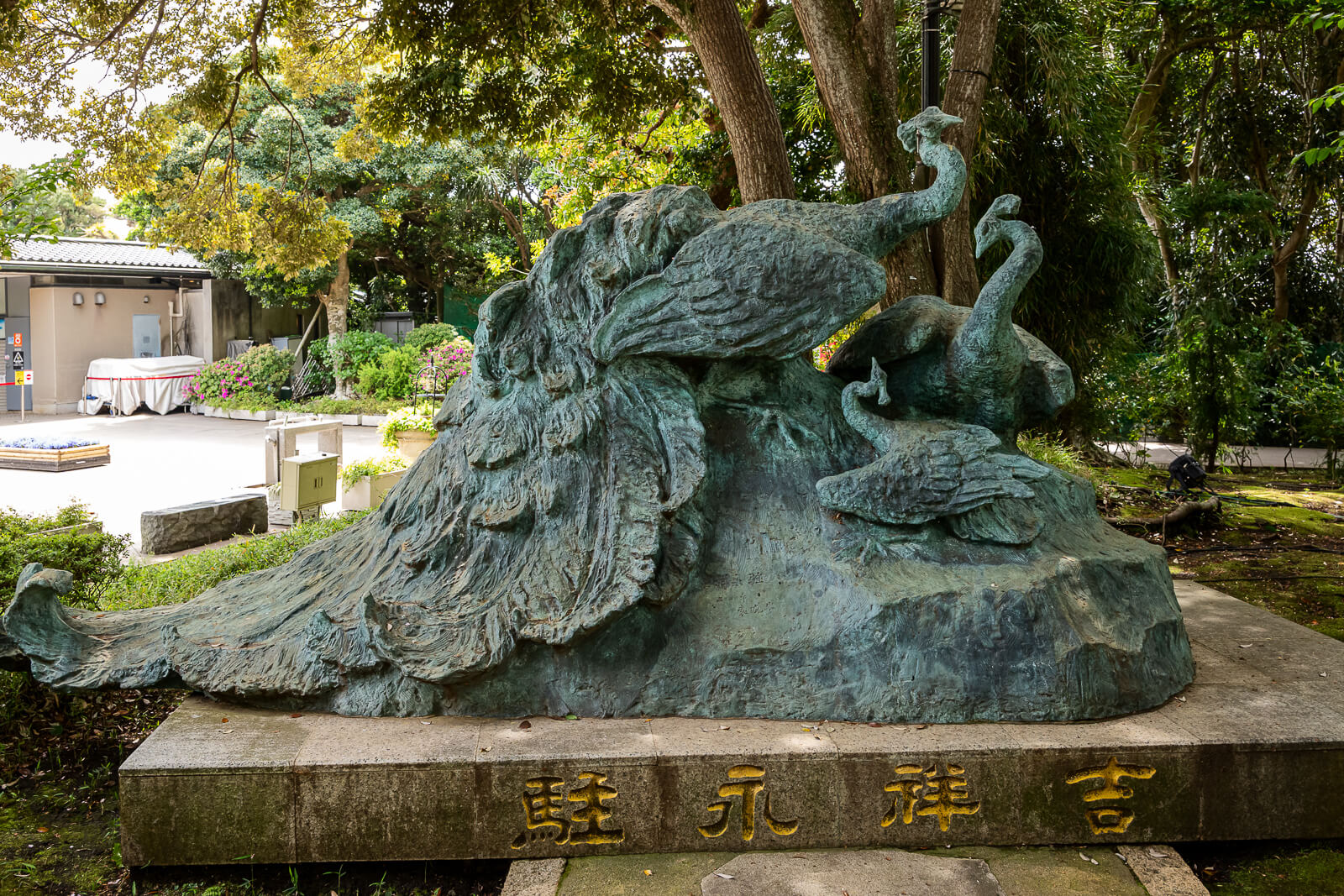
Leaving the garden brings the visitor back to the island route, with Enoshima Daishi beyond the summit and Okutsumiya farther along. Continuing to Chigogafuchi and Iwaya adds slopes and stairs after the garden visit. Preserve enough time for that change of setting if the day is intended to include both the summit and far-side coast.
To continue the coastal theme beyond Enoshima, Hase-dera in Kamakura offers hillside temple gardens and a view across Sagami Bay. If your trip falls in autumn, the Kamakura autumn guide helps you choose which temple district to explore.
For a history-focused stop, the exhibition and lower remains deserve the clearest part of the available daytime visit. For a longer garden break, the views and cafe can take more space in the afternoon. Either choice gives Samuel Cocking Garden its own purpose within Enoshima, beyond being the entrance to the observation tower.
Getting There
For the train journey and mainland approach before the walk to the summit garden, use the guide to getting to Enoshima.
Access and Arrival
Continue past the lower shrine levels by the uphill walking route or the three Escar sections. The garden and tower have different admission arrangements.
- Across Enoshima Island
Island entrance → shrine levels → summit → Samuel Cocking Garden
Follow the signed island route and local access instructions. · Allow for slopes, stairs and the walking return.
Hours and Fees
Visitor information
The garden can be visited independently of the tower, with different daytime and event-night charging.
- Hours
- Normally 09:00–20:00; last entry 19:30. Greenhouse remains / exhibition building: 09:00–17:00. Events may extend opening; individual cafes and shops have separate hours.
- Admission
-
09:00–17:00 garden access: free. On event days, departing at or after 17:00 requires garden admission: adult ¥500 / elementary-school child ¥250, or suitable ticket coverage. Non-event days: free during opening hours. Sea Candle admission is separate.
Optional combined admission
Enoshima Island All-Access Pass
Optional for a wider island-and-aquarium day. Includes Escar, Sea Candle, Iwaya and the aquarium. Choose + Night for event-evening garden entry. Rail, Bentenmaru and Hoanden are separate; check date and package conditions.
Compare Enoshima All-Access Passes
Plan Your Visit
Choose the stay, transport and experiences that fit the wider coastal trip.
Compare Fujisawa and Enoshima Stays
Stay near the coast for an unhurried island visit. Compare Fujisawa and Enoshima accommodation by location, price and cancellation terms.
Compare Fujisawa Stays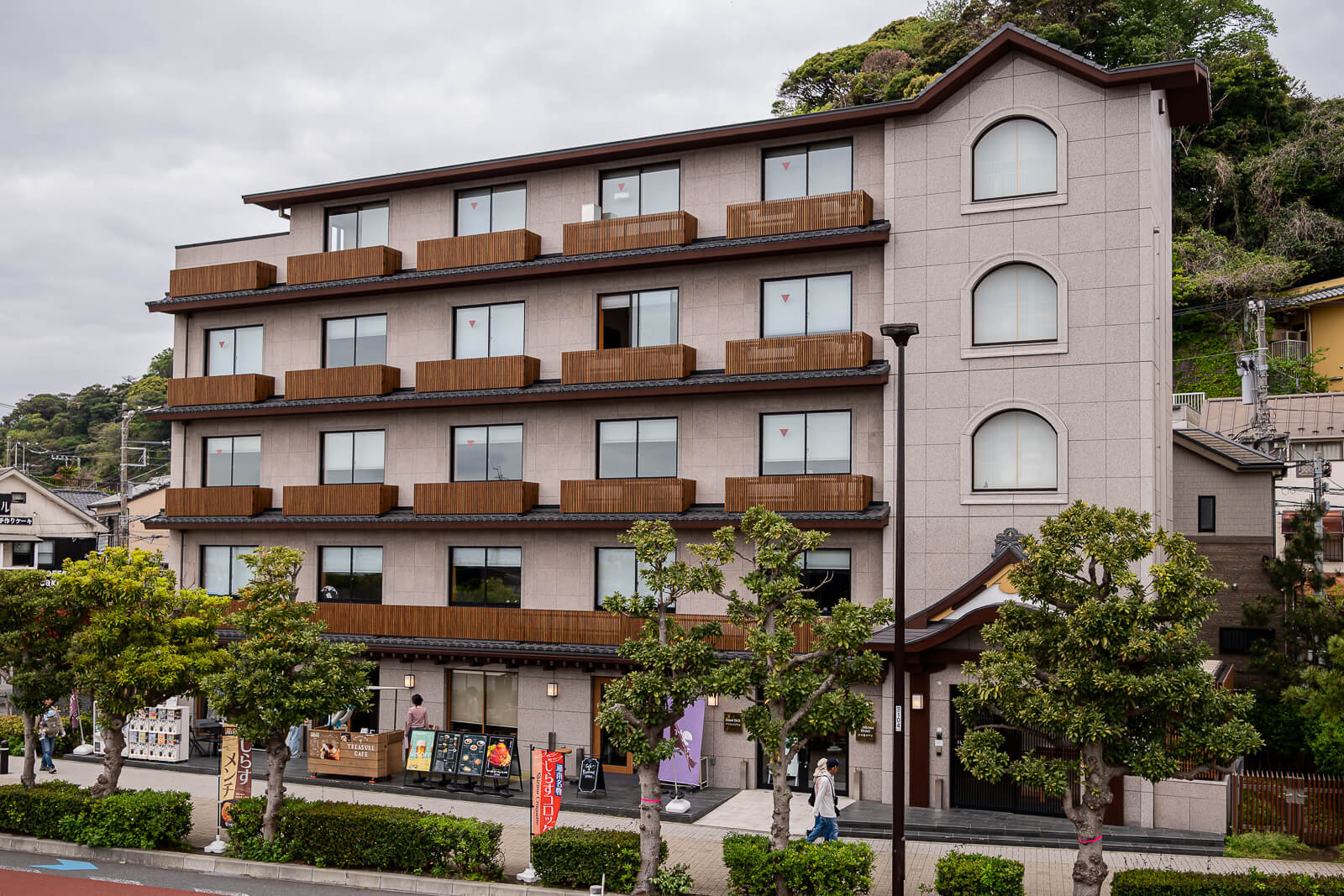
Compare Tokyo Car Rental Options
Extend your trip beyond the railway corridor with a rental car from Tokyo. Compare pickup locations and rates for the wider journey.
Compare Tokyo Car Rentals
Browse Guided Kamakura Day Trips
Explore Kamakura with a guided day trip. Compare routes and included stops to find one that also visits Enoshima if that is part of your plan.
Browse Kamakura Tours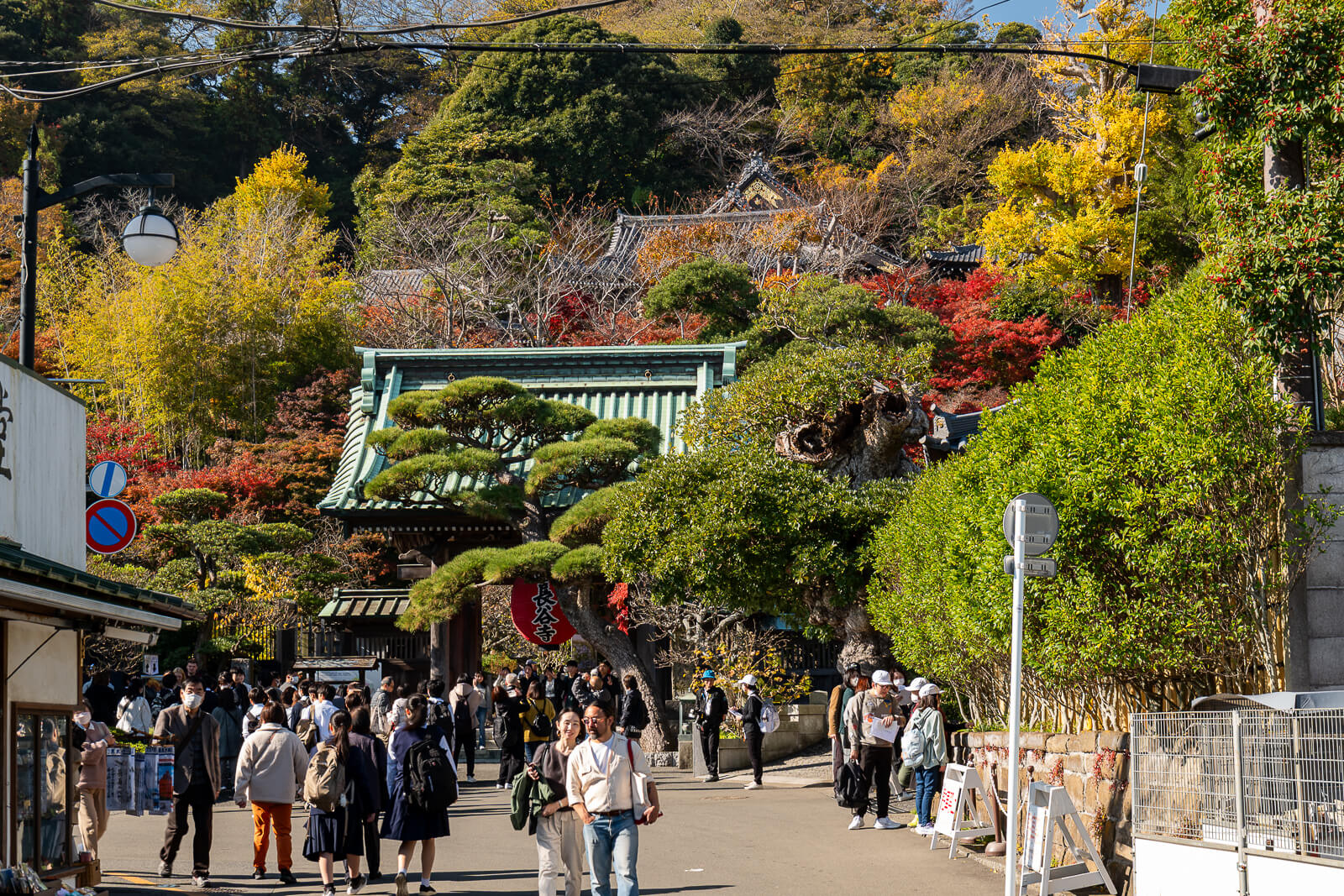
Explore Enoshima Aquarium Tickets
Add jellyfish galleries and Sagami Bay marine life to your coastal day. View aquarium admission options for your travel date.
View Aquarium Tickets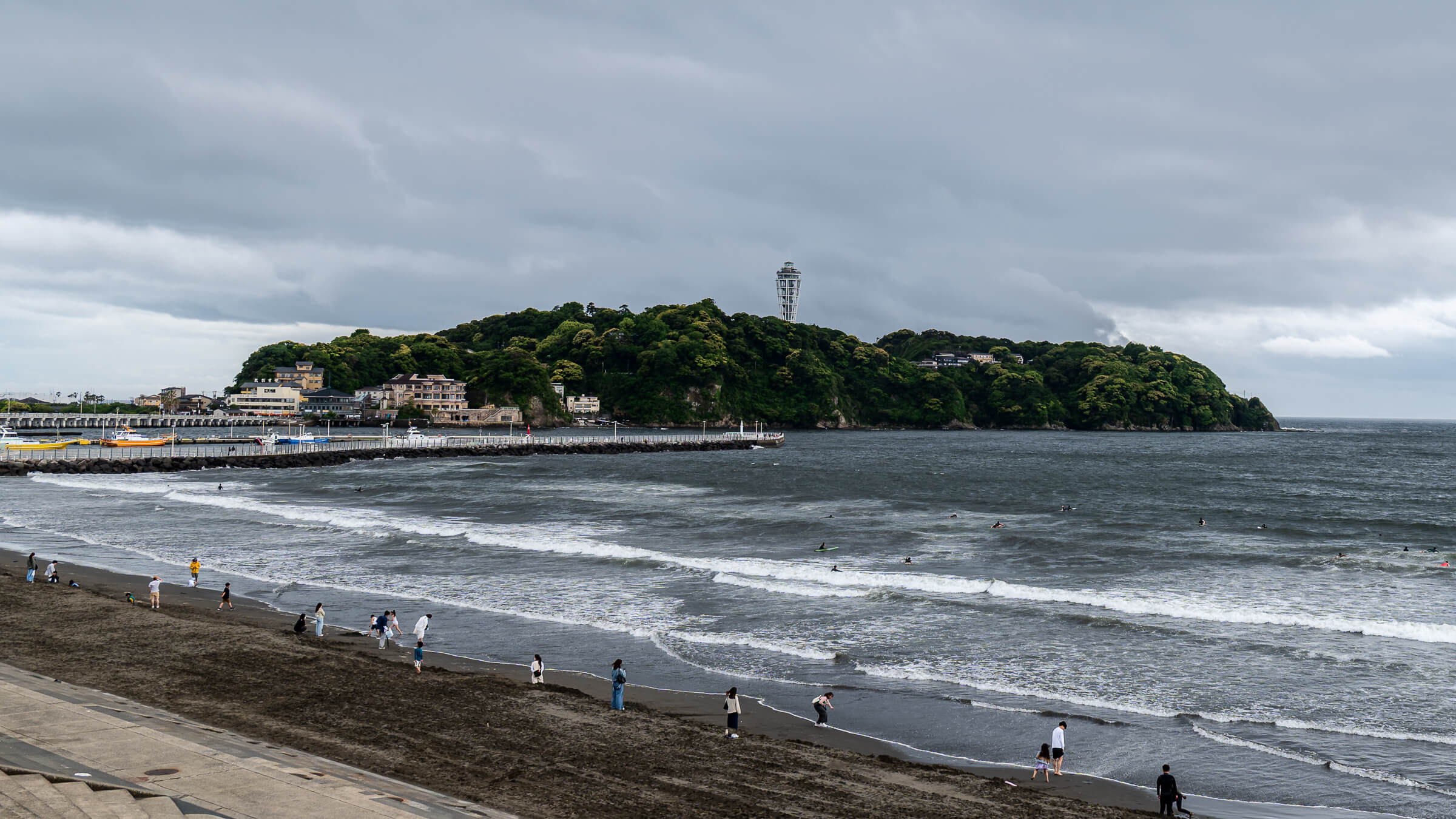
Compare Japan Data Plans
Keep maps, translation and train information handy with a Japan data plan. Compare allowances for your trip and check device compatibility.
Compare Japan eSIMs
Consider the Shonan Monorail
Ride the suspended monorail from Ofuna to Shonan-Enoshima. View ticket options for this scenic arrival and any repeat rides.
View Monorail Tickets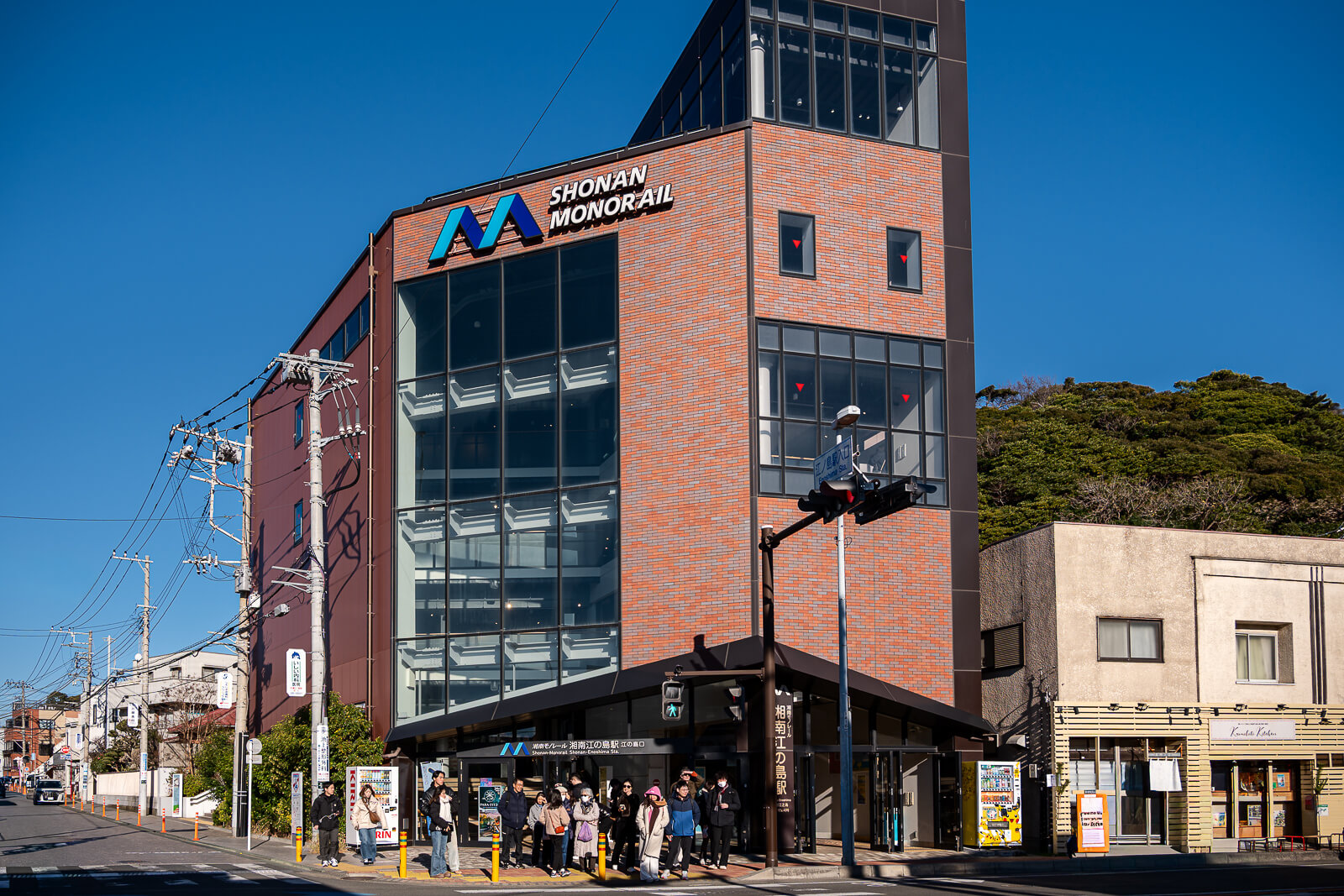
Japan Unfolded may earn a commission through links in this guide, at no additional cost to you.