Should You Go Up the Tower?
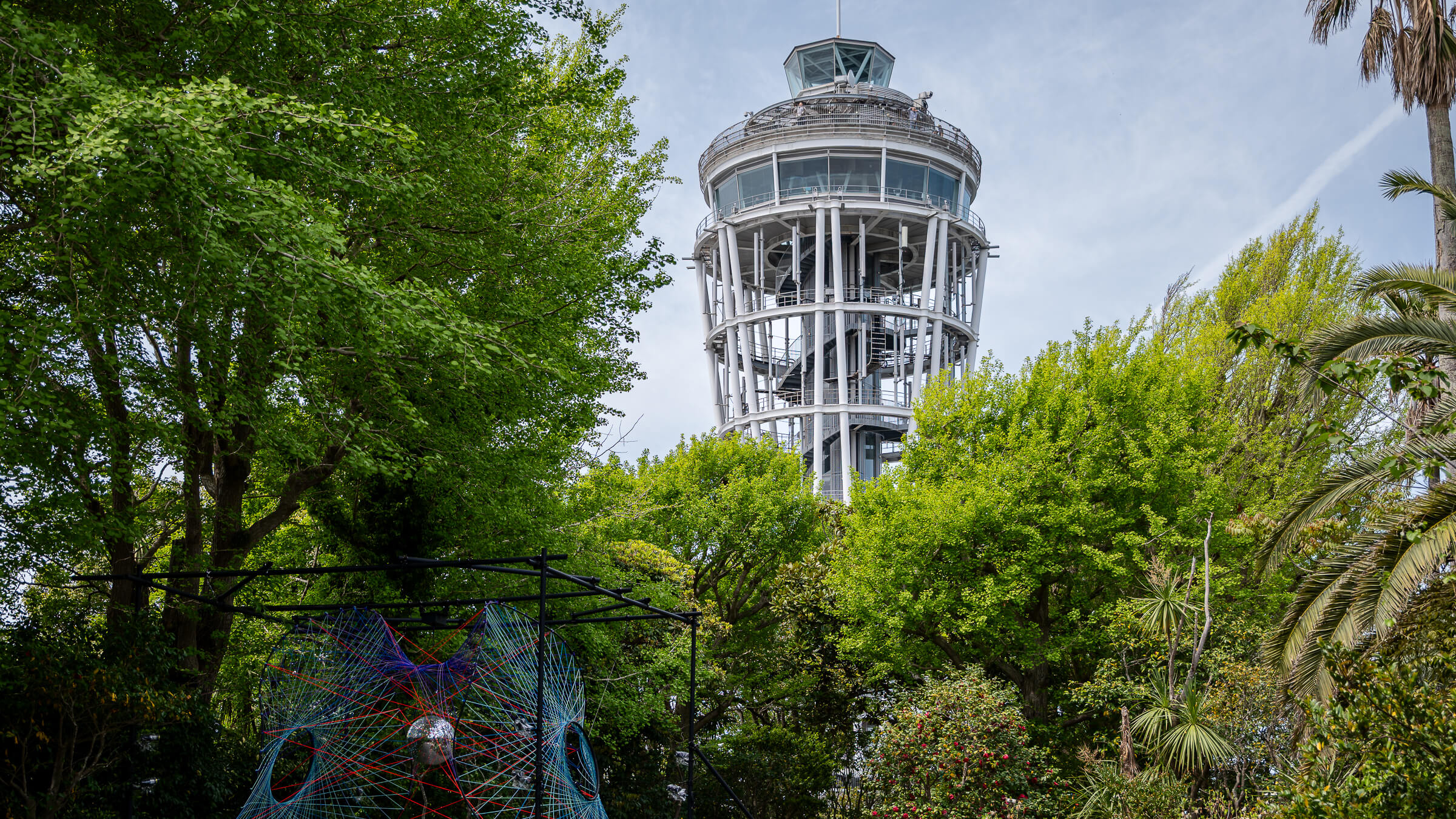
The Enoshima Sea Candle is the observation tower inside Samuel Cocking Garden, with a glass-enclosed viewing floor and an open-air deck above it. The climb adds a panorama of the Shonan coast, mainland and surrounding sea to an island visit. For photographers, the distinction between the two decks matters: the upper outdoor area gives a view without the reflections created by the enclosed floor’s windows.
The tower is most rewarding when an elevated coastal view is one of the day’s priorities. It provides a different perspective from the garden and shrine paths, bringing the bridge, arrival area and shoreline into one wider picture. Clear conditions can extend that view toward distant peninsulas and Mount Fuji, but visibility is a condition of the experience, not something included with the ticket.
Reaching the summit does not require an immediate commitment to go up. The garden offers its own viewpoints and greenhouse remains, while the tower adds admission, a boarding queue and time on the observation floors. Look at the weather and the current wait before deciding how much of the visit to spend here, especially if the far-side coast and Iwaya caves are still ahead.
Sea Candle Admission, Garden Entry and the Escar
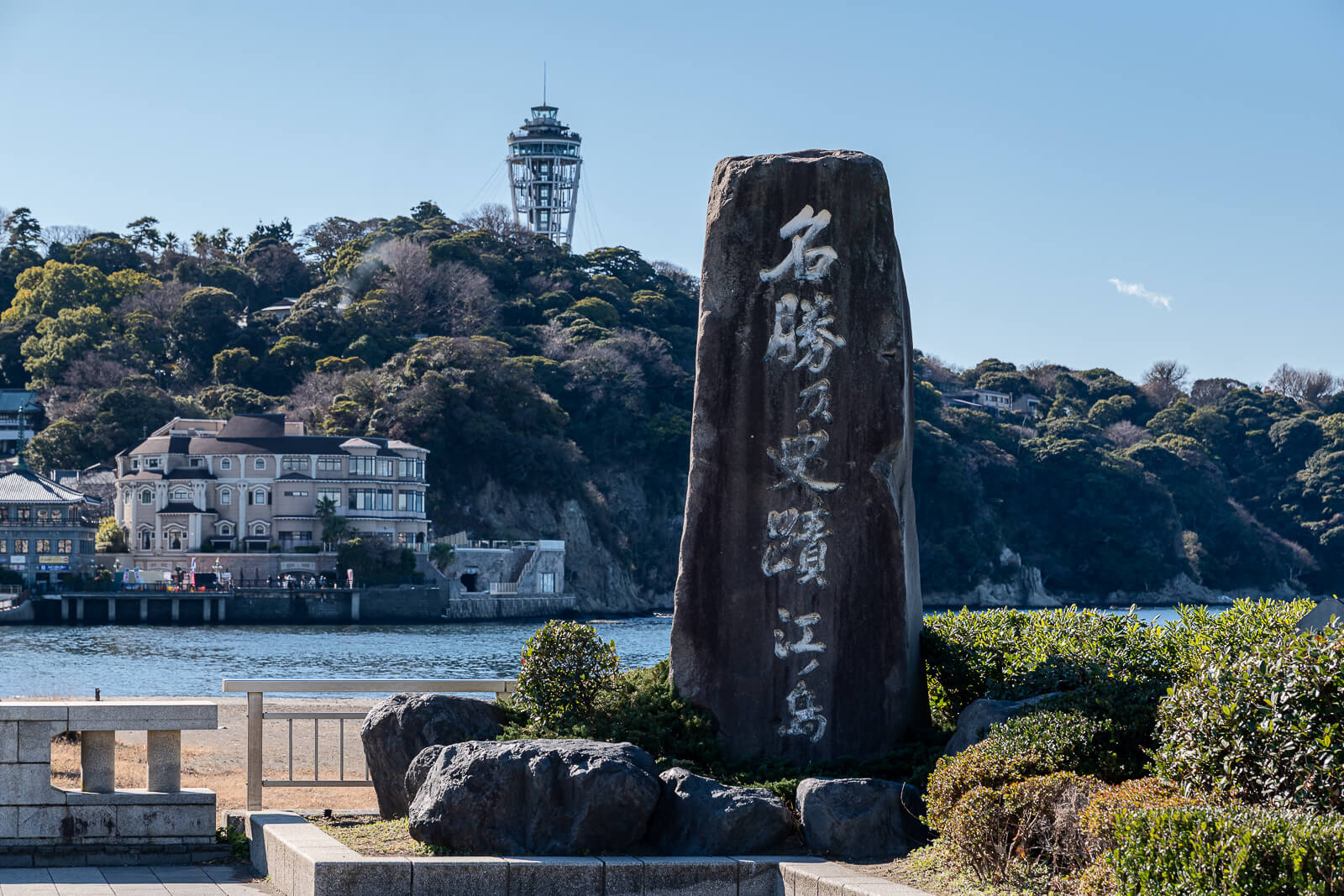
Three different facilities are involved in the ascent to the tower: the island’s Escar, Samuel Cocking Garden and the Sea Candle itself. The Escar helps with the uphill journey to the summit, the garden surrounds the tower, and the tower elevator serves the observation floors. A ticket or package should be checked against those actual facilities instead of treating every gate as part of one admission.
The garden is free during the day under the current rules and free throughout non-event days. Nighttime events can introduce a garden charge for departures at or after 5 p.m., while the tower requires its own admission or applicable package coverage. Someone interested mainly in the garden can therefore enter for a daytime look without making the Sea Candle the purpose of the stop.
Visitors who already know they want the tower can compare the relevant package at the lower Escar entrance with separate purchases. Others can reach the summit and decide on the tower there. Check the exact product’s facilities and evening coverage; an appealing pass name does not establish that it includes every shrine interior, the boat or the mainland aquarium.
The Escar does not remove all walking. Its three uphill sections have paths and shrine stops between them, and the route beyond the summit still leads over slopes and stairs toward the coast. Saving effort on the first climb can be useful, but the tower and later island return remain separate parts of the day.
The Elevator and Glass-Enclosed Observation Floor
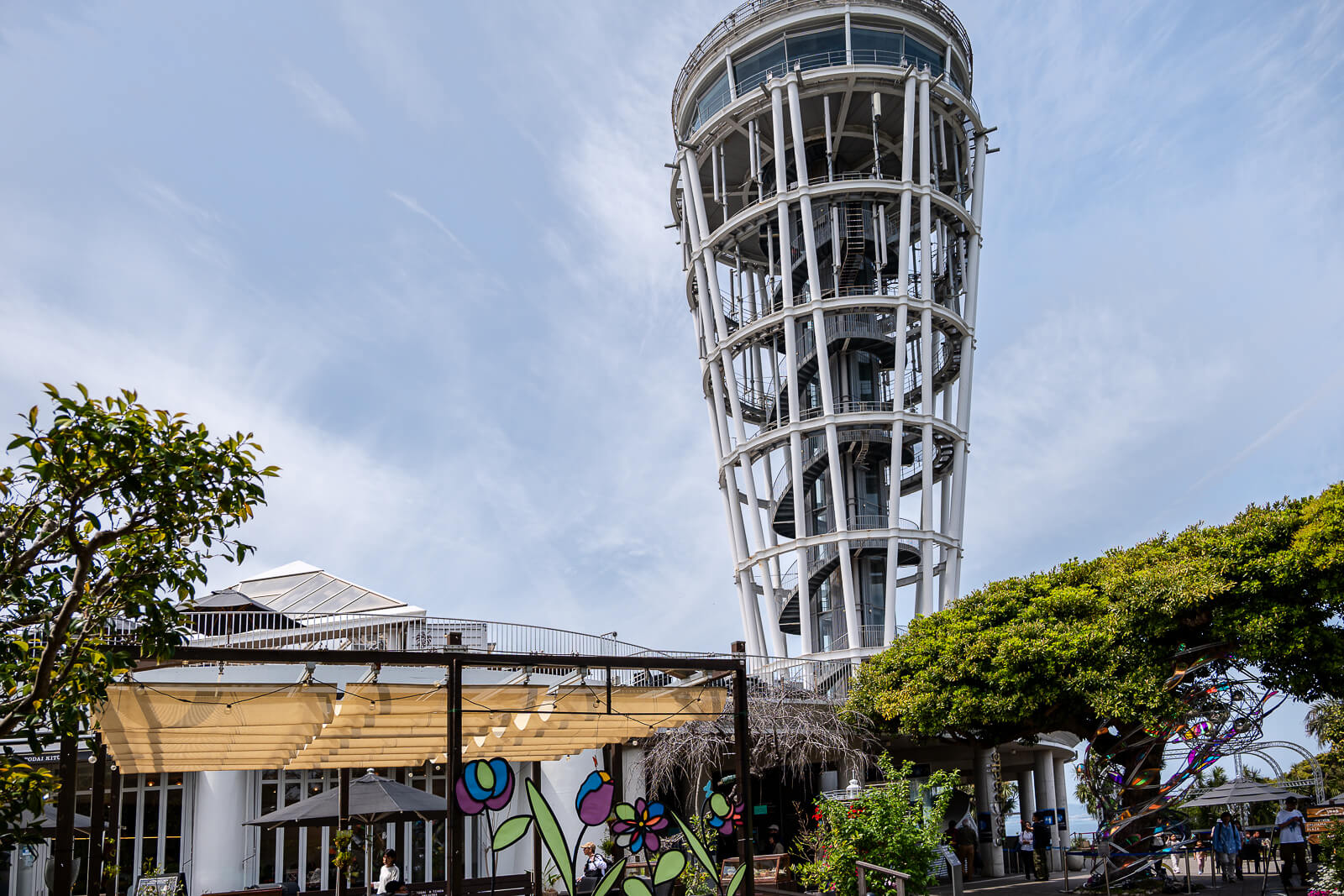
The boarding queue is the first practical part of the Sea Candle visit. A short look at it before committing helps distinguish an available tower stop from one that would use most of a tightly planned summit visit. No fixed waiting time describes every day, so allow for the line actually present instead of counting only the elevator ride.
The elevator arrives at the enclosed observation floor, where the view continues around the tower. This is a useful place to begin by looking in more than one direction: the bridge and mainland explain the arrival, while the other sides open toward the coastline and sea. Walking around the floor provides a more complete sense of the setting than stopping at the first clear window.
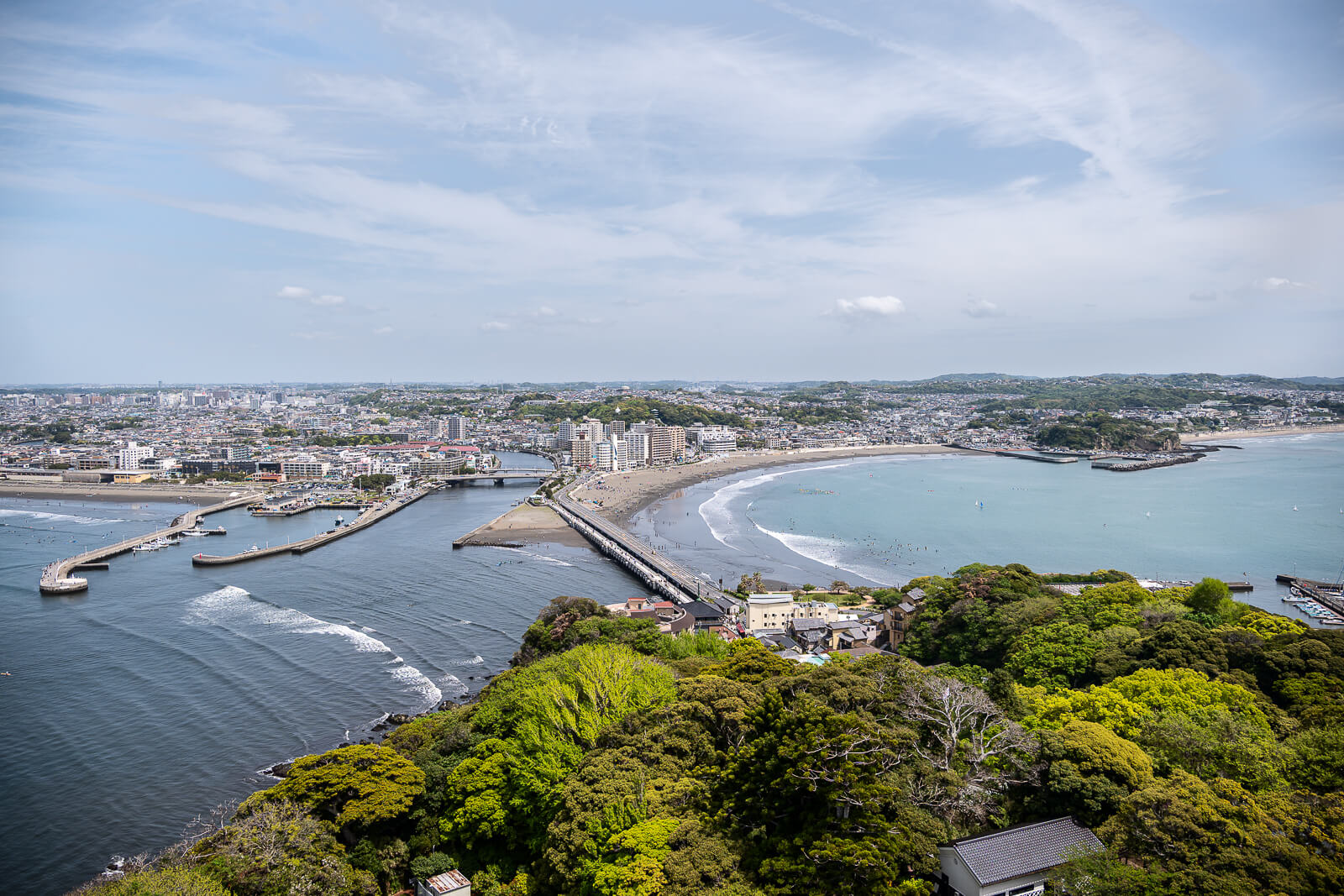
The windows make the view available from inside the structure, but they also become part of a photograph. Reflections and the position of the light can interfere with a frame, particularly when photographing across the room or at an angle. Visitors who want the open-air photograph have another stage above them, reached from the enclosed level by stairs.
The Outdoor Deck, Shonan Coast and Mount Fuji Views
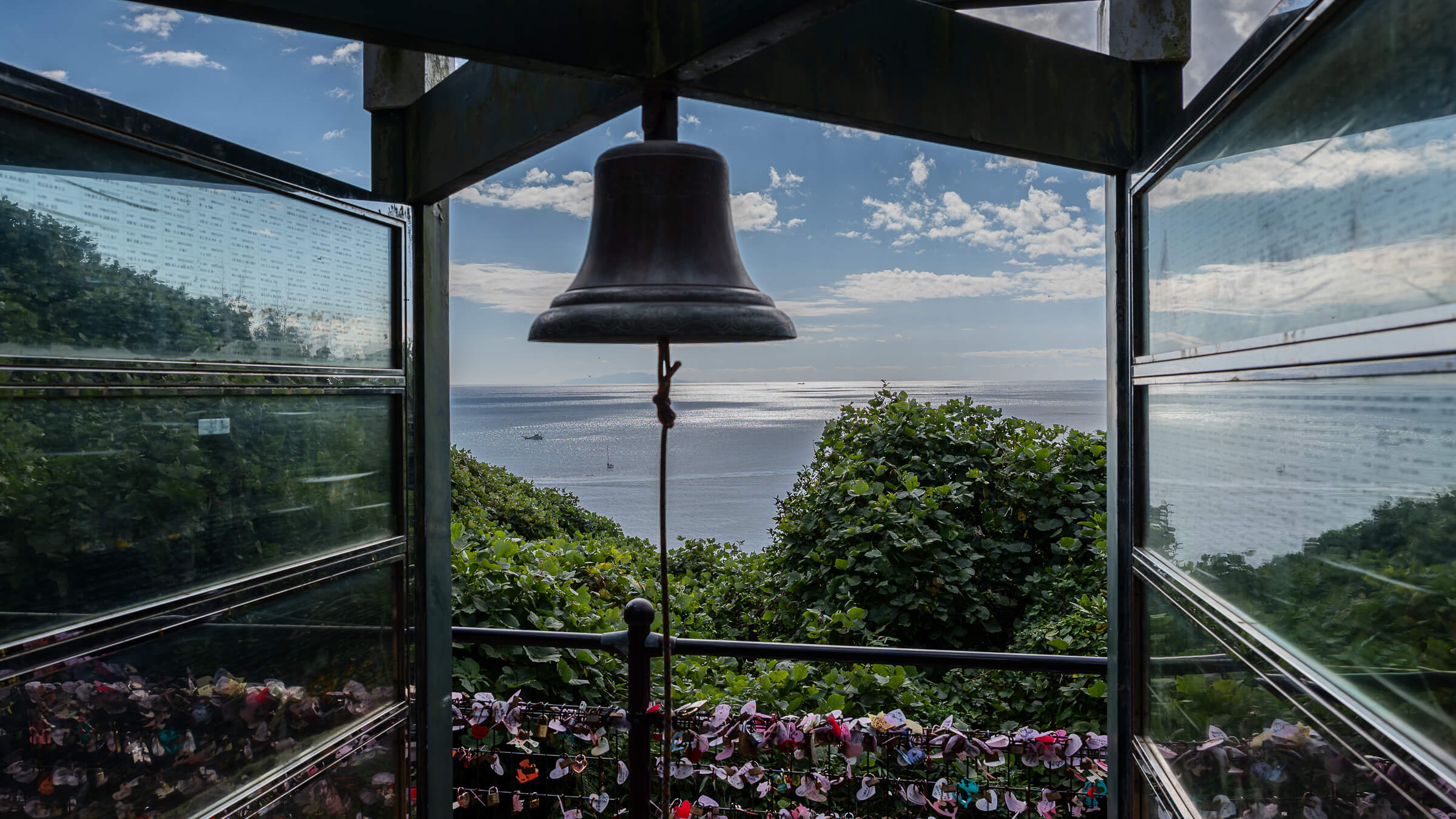
The upper deck changes the visit from a windowed panorama to an open view. With no glass between the camera and coast, it avoids the reflections that can complicate photographs on the enclosed floor. That is the clearest reason to include the upper level when photography is central to the visit and the deck is open.
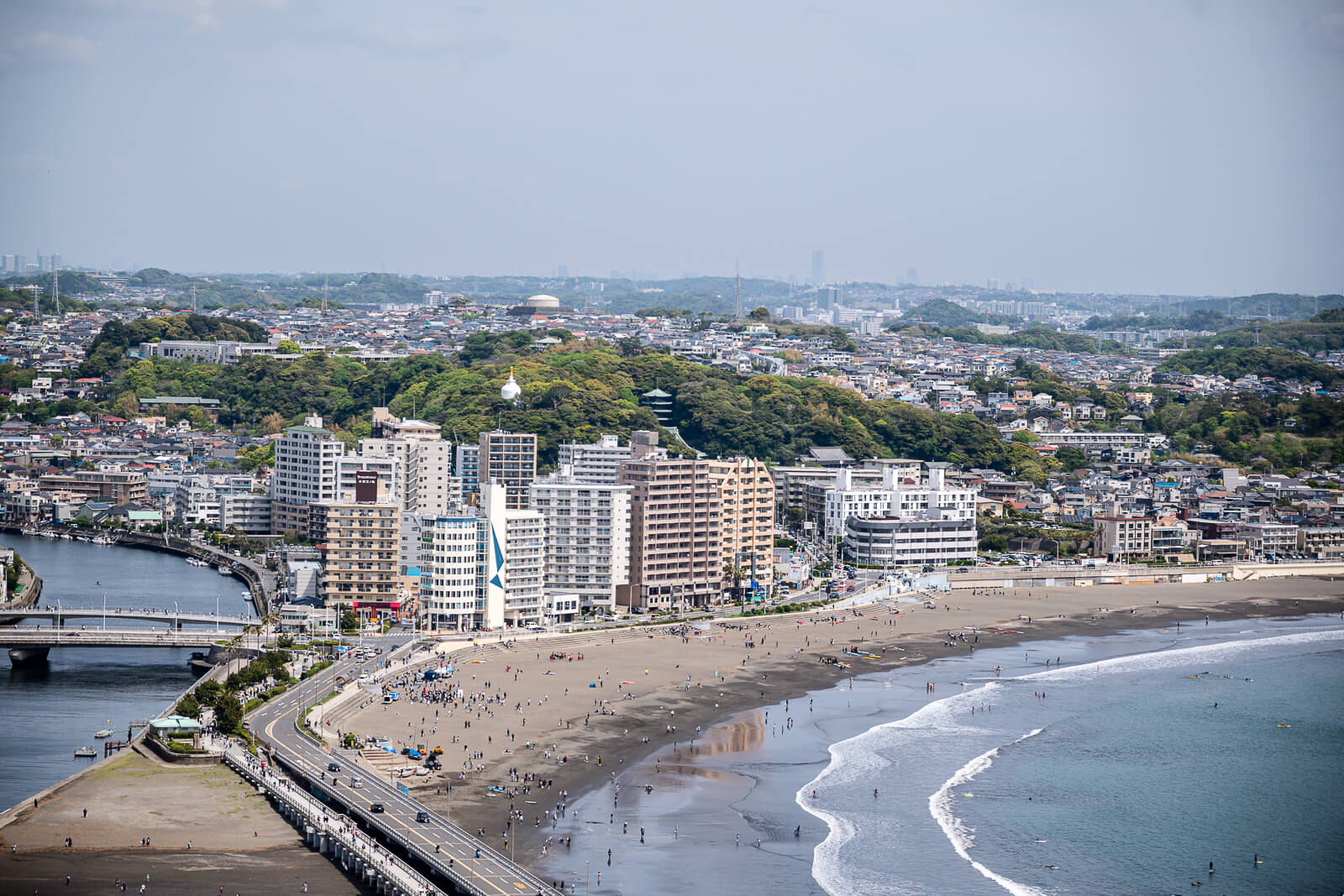
Look toward the mainland first to place the bridge and the streets used on arrival. Turning around the tower changes the relationship between land and water, with the island’s coastal setting becoming easier to understand from above. The full circuit is part of the appeal: several smaller views combine into a panorama that a single photograph cannot describe completely.
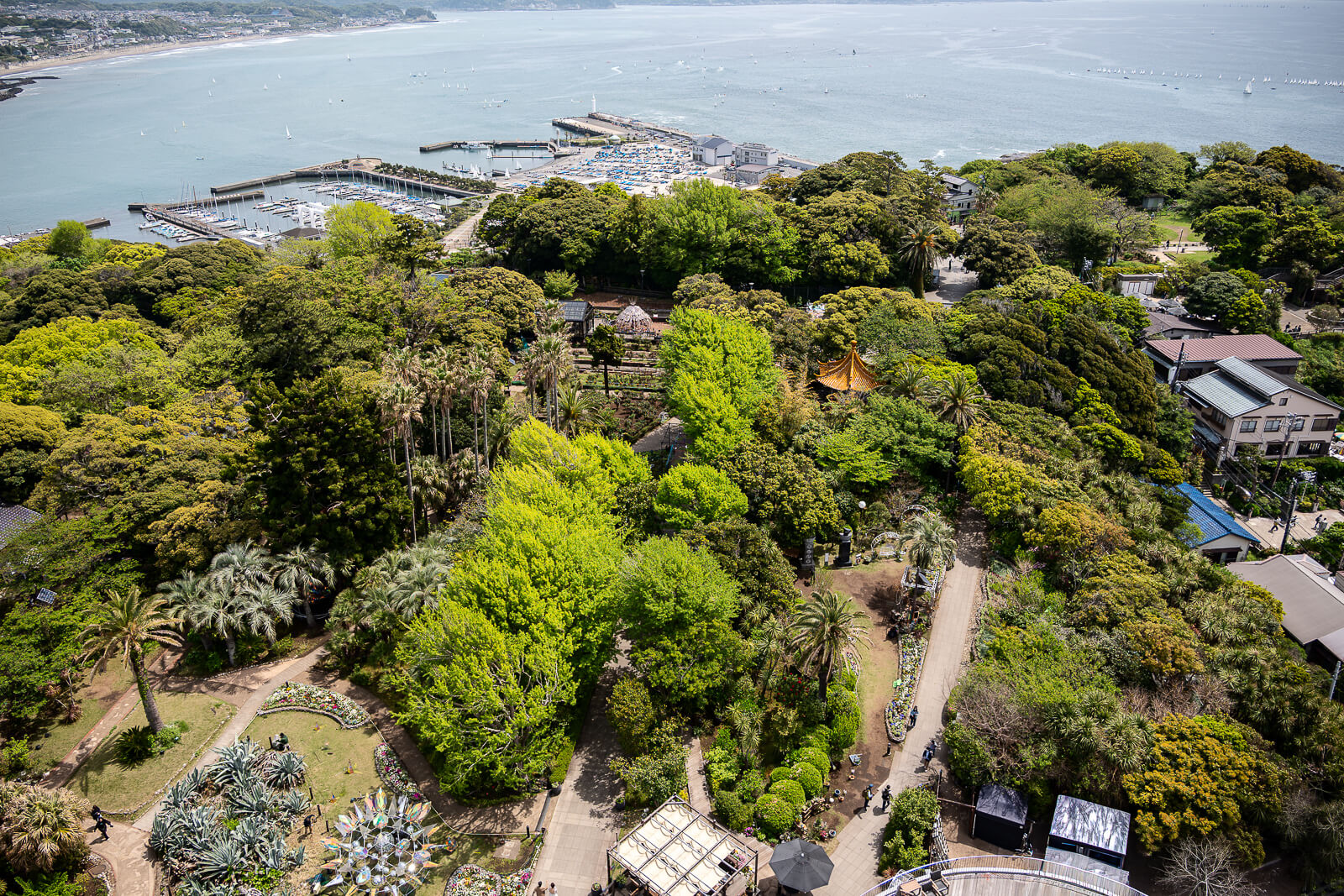
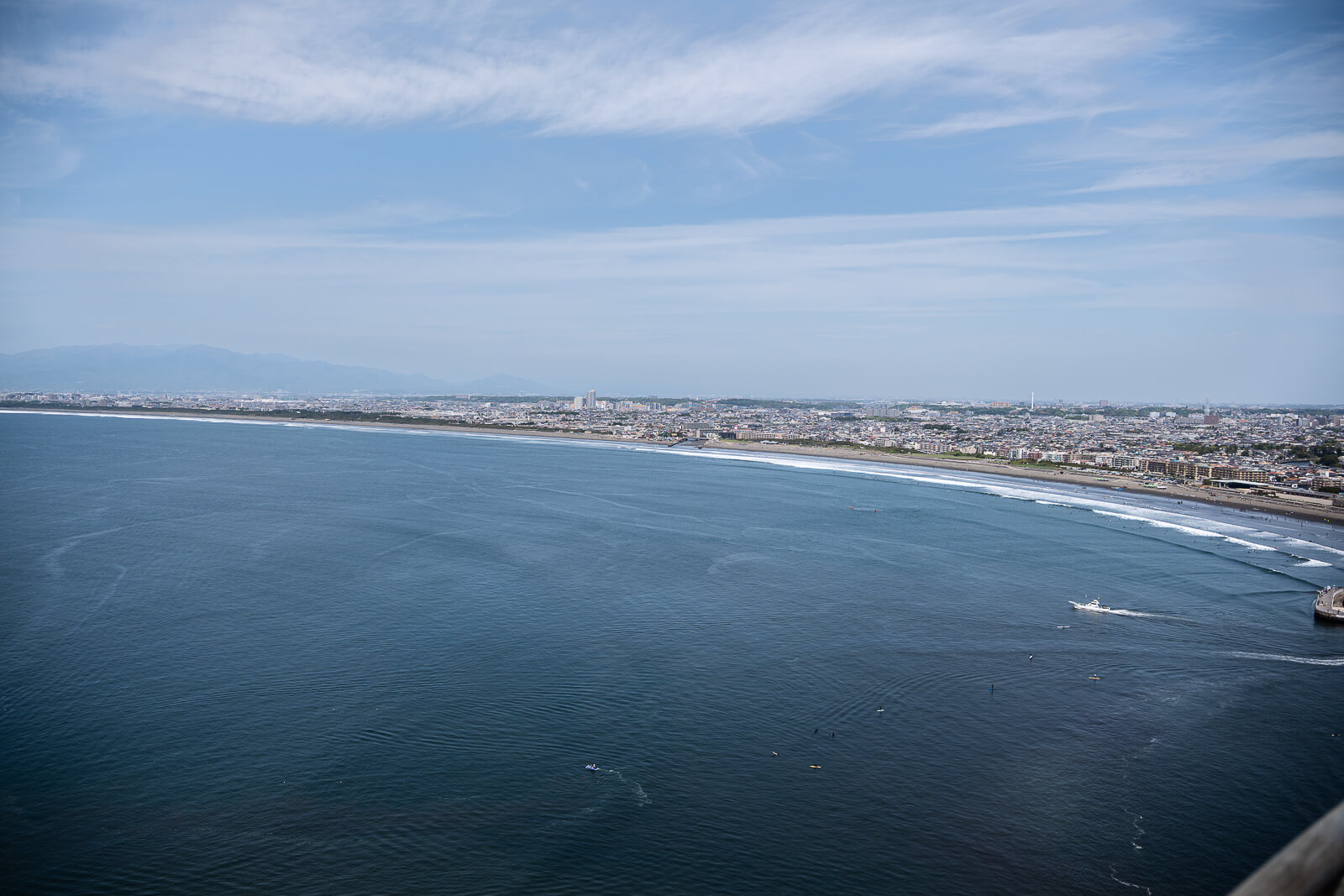
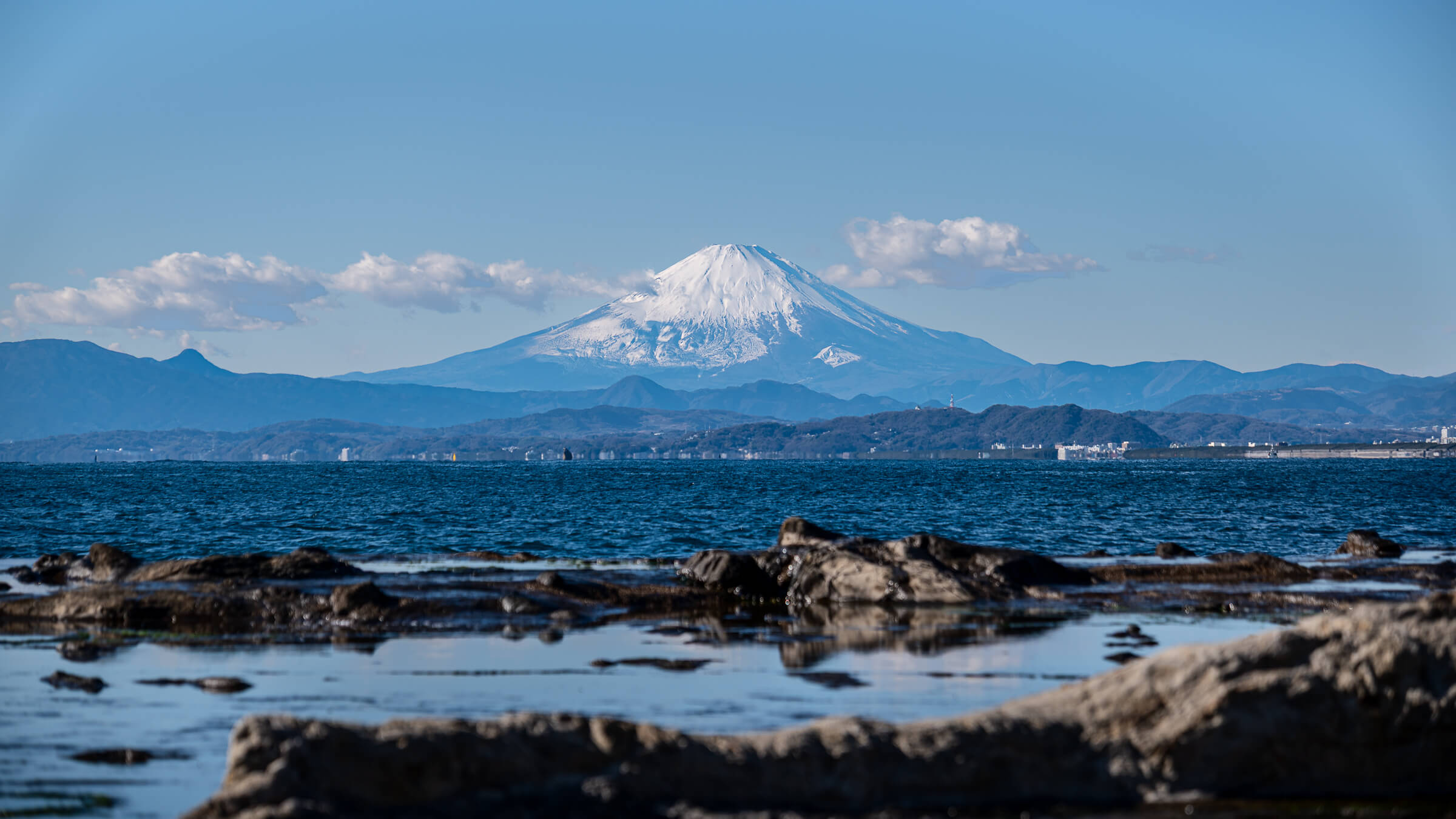
The operator describes a 360-degree view that can reach the Miura and Izu peninsulas when conditions allow. Mount Fuji is another possible highlight, with its visibility depending on the weather and the clarity of the air. Haze can shorten the distant view without removing the nearer interest of the shoreline and island below.
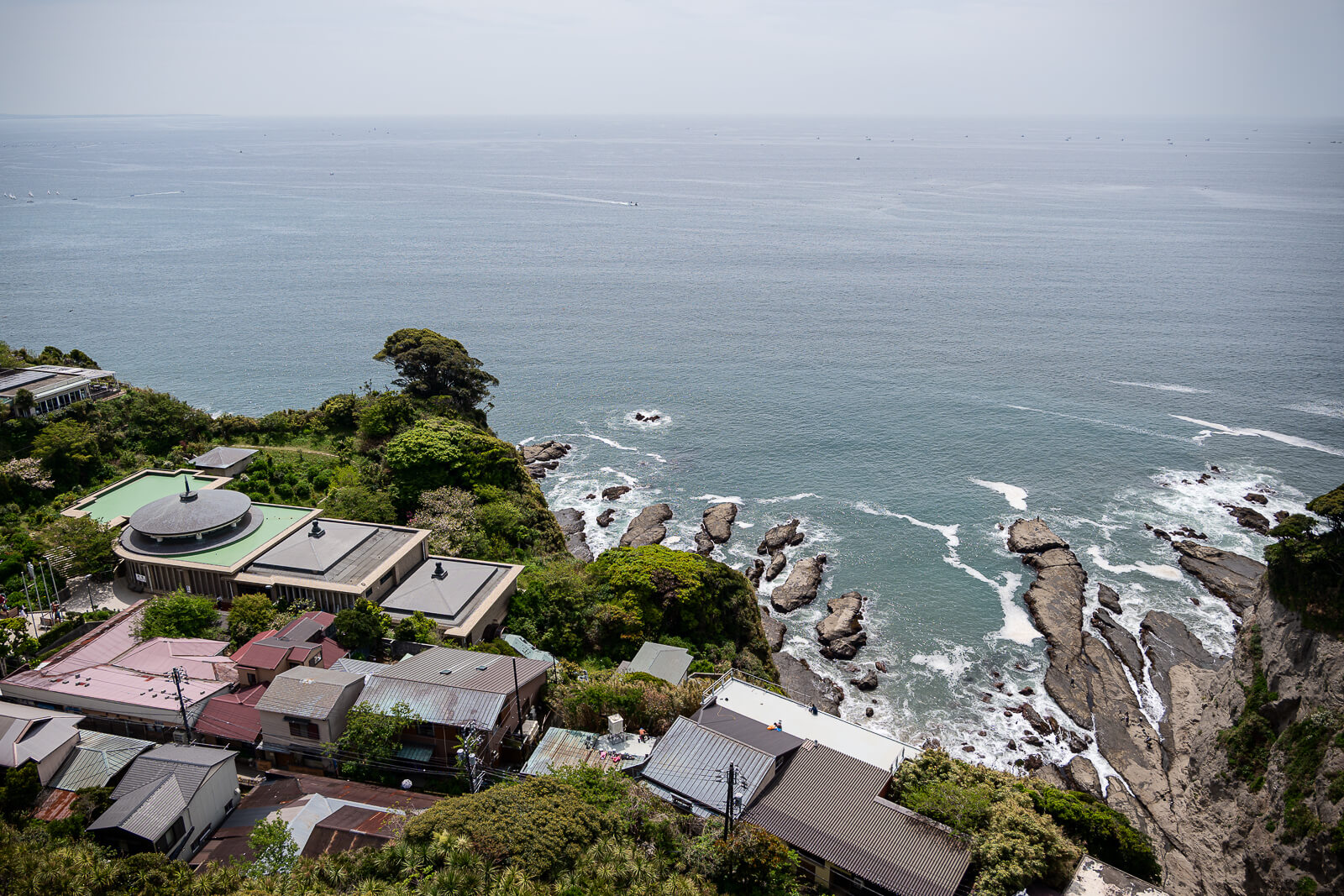
Check access to the outdoor deck on the day if that open view is the main reason for buying the ticket. The enclosed floor and upper deck are different parts of the experience, so a plan built around the latter needs that distinction. A garden-level outlook remains an alternative for visitors who prefer to spend the remaining time on the island’s paths and coast.
Taking the Sea Candle Stairs Down When Open
The exterior staircase can add another photographic perspective during the descent. As it wraps around the structure, the angle changes on the island below, including cliffs and paths that are less obvious from a fixed position on the observation decks. It is an optional continuation of the viewing experience, not just another way to reach the same floor.
The changing height gives the island a different scale from the high panorama. Closer features become more prominent, and a path that looked small from the top can be recognized as part of the route still ahead. These views reward attention to the island itself after the wider look along the coast.
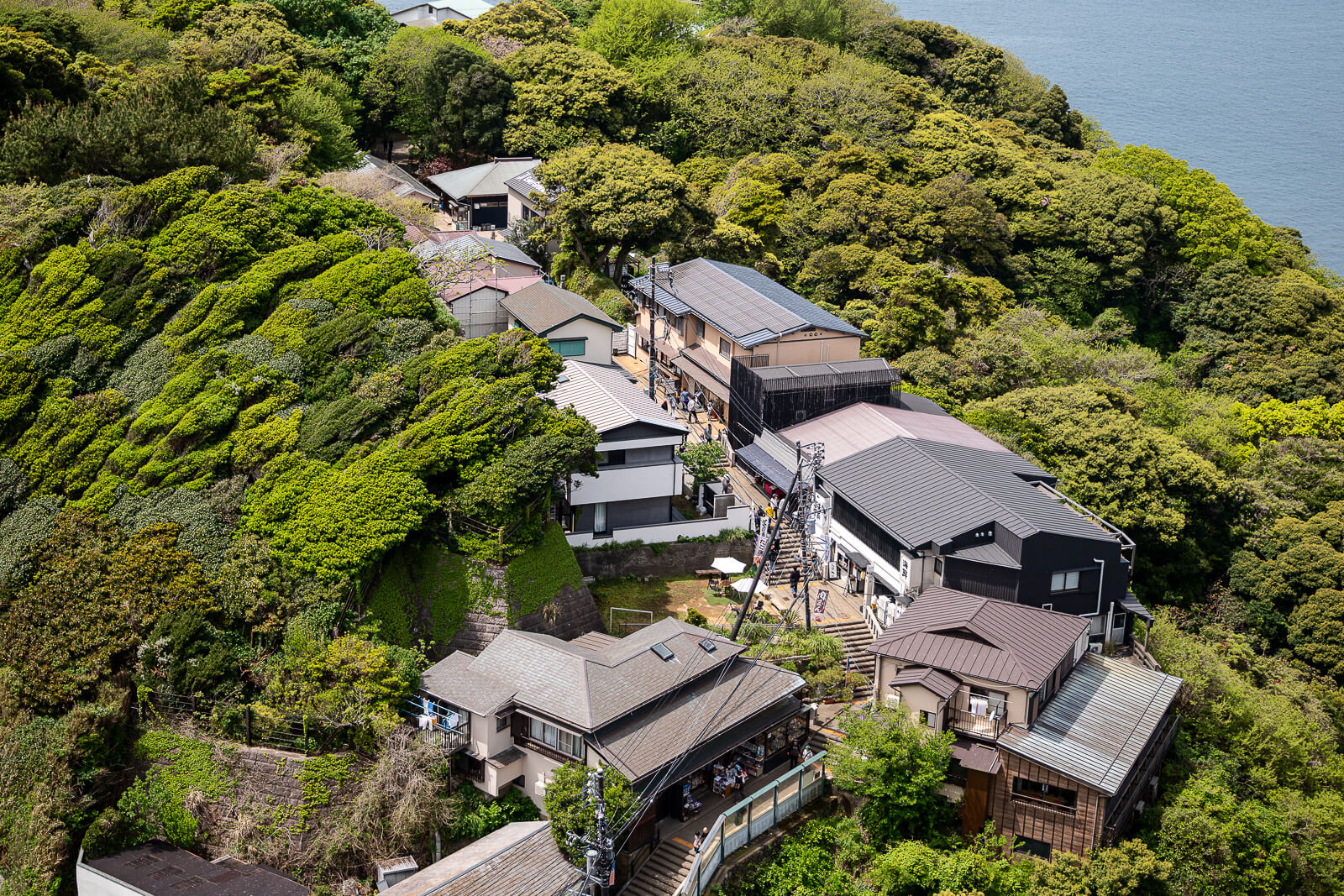
Use the staircase only when it is open for visitors and staff permit the route. The elevator is the straightforward descent for anyone who does not want the additional steps, and staircase use should not be assumed as a guaranteed part of admission. Preserve enough energy for the wider island walk if Okutsumiya, Chigogafuchi and the caves are still to come.
The Sea Candle’s Lighthouse History and Coastal Setting
The present tower opened in 2003, replacing the earlier observation lighthouse, and the Sea Candle name was selected in 2010. Its glass-enclosed observation floor stands about 101.6 metres above sea level, with the outdoor deck above it. The height comes from both the tower and its position on the island’s summit.
That setting explains why the panorama is so different from a view at the water’s edge. The structure lifts the visitor above the garden and the island paths, bringing the mainland coast into a larger relationship with the surrounding sea. It also gives Enoshima’s modern observation tower a different role from the shrine halls and historic greenhouse remains encountered during the same walk.
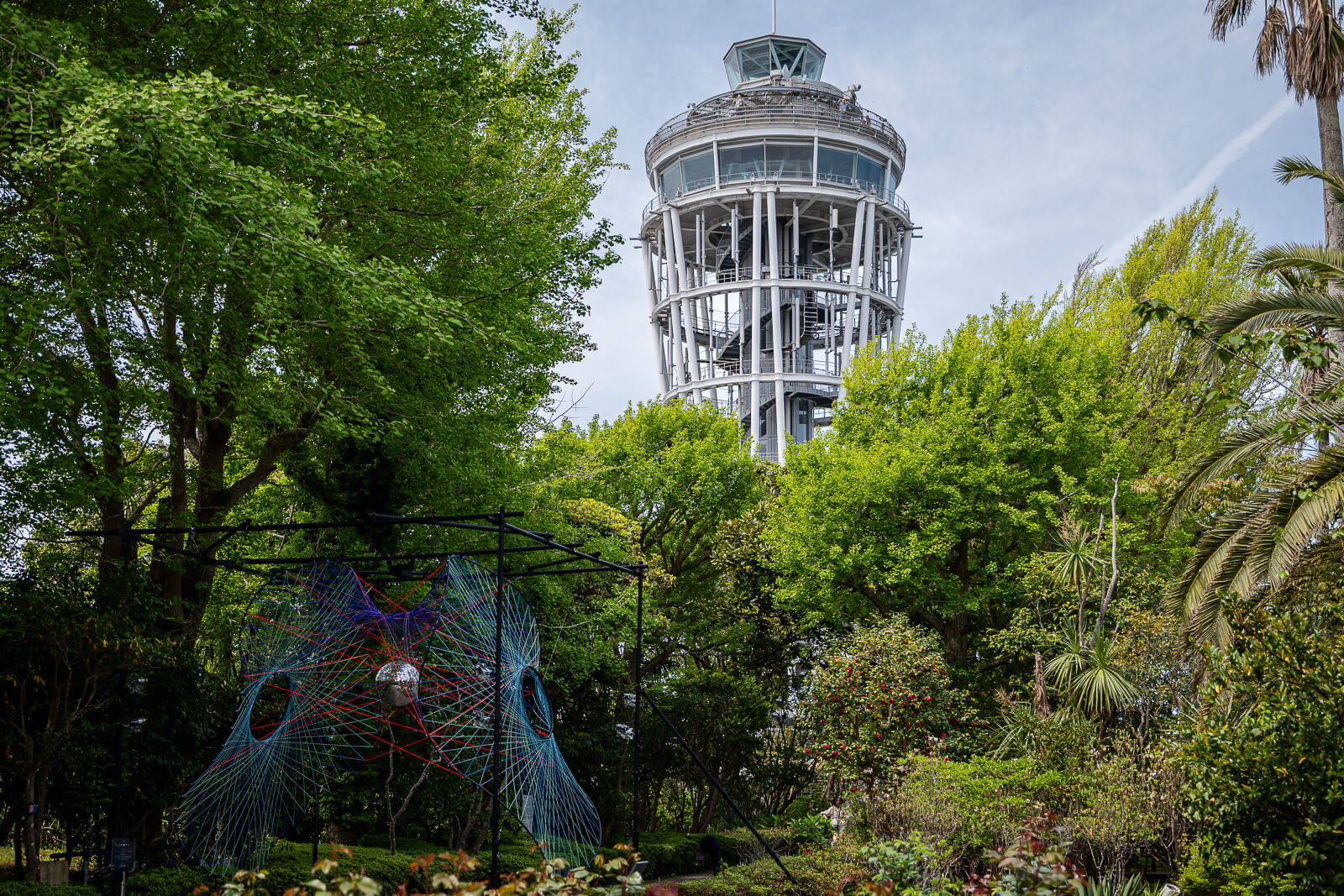
For someone interested mainly in the island’s cultural sites, the tower can remain an optional addition. For someone who wants to understand the shape of the coast or make an open-air panoramic photograph, it can be the main summit experience. The strongest choice follows those interests together with the visibility and time available.
The Tower’s Base Terrace and the Onward Island Walk
Reader note: The Sunset Terrace is closed for renovation, with completion planned for the end of November 2026. Its terrace shop is also suspended, and the elevator does not stop at the terrace floor during the work. The tower and garden remain open. Check the operator’s renovation notice before planning a terrace break; the photographs below show the earlier layout.
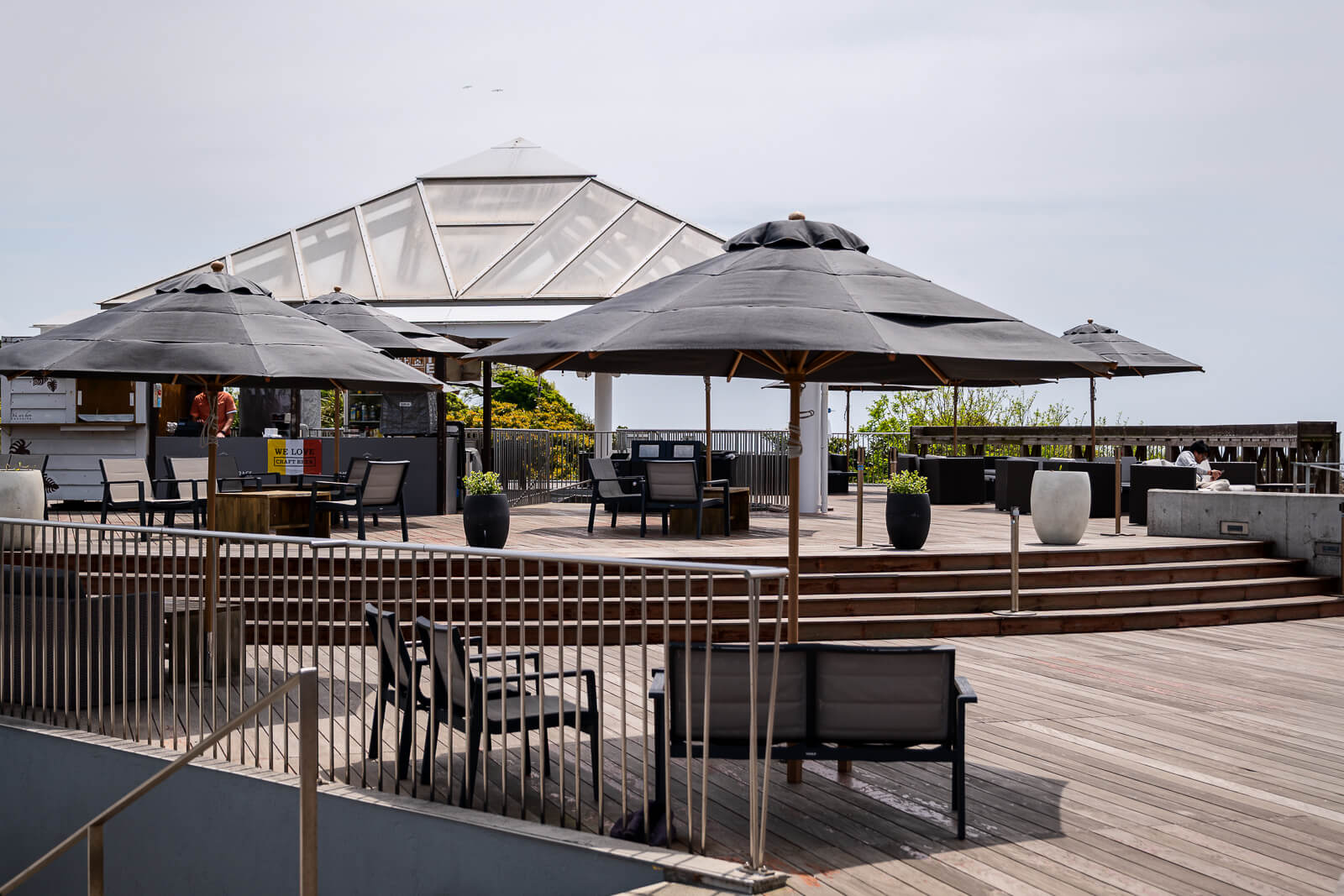
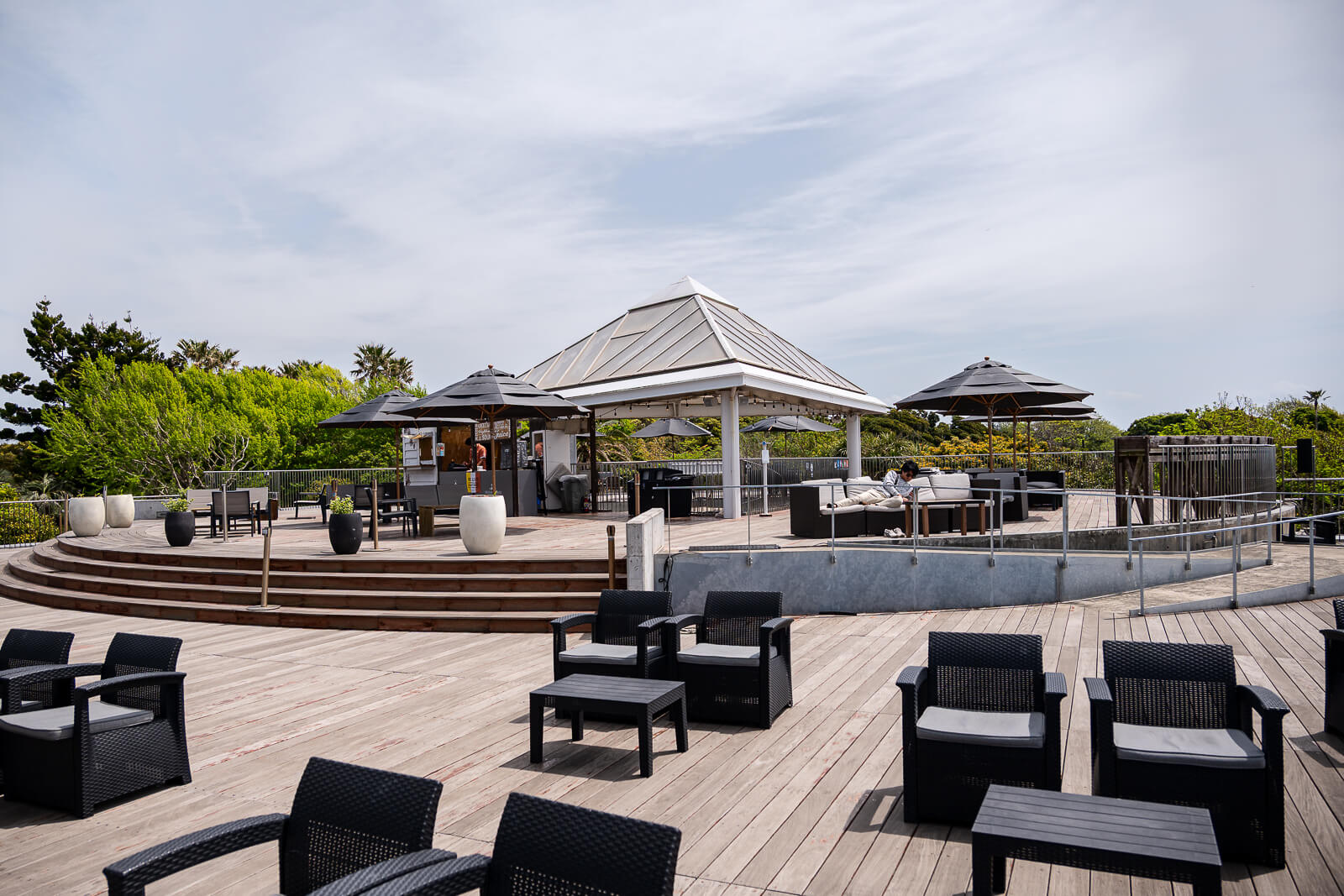
Outside the closed terrace, any available refreshments can be useful before the next part of the island walk. Do not rely on the photographed terrace seating during the renovation.
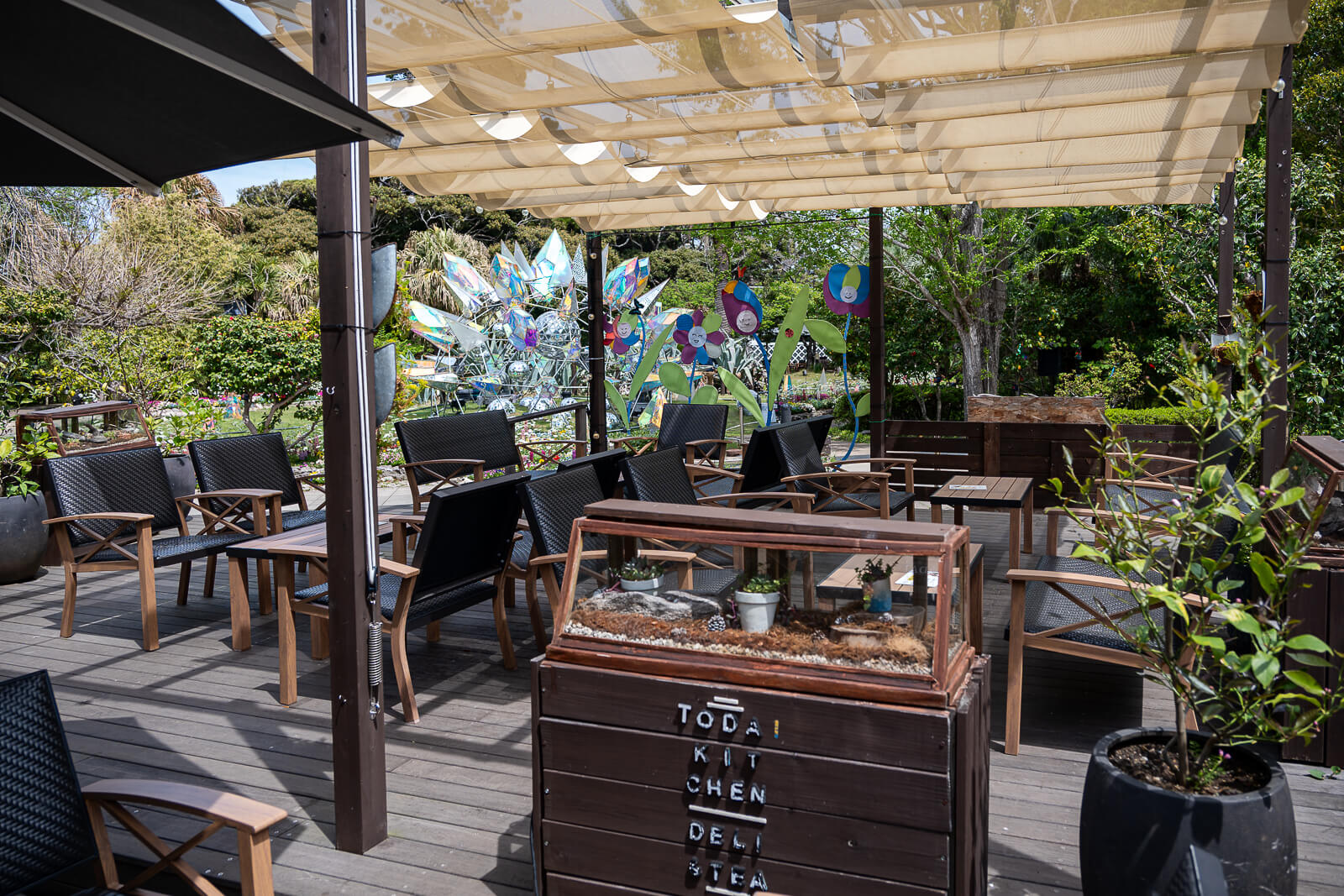
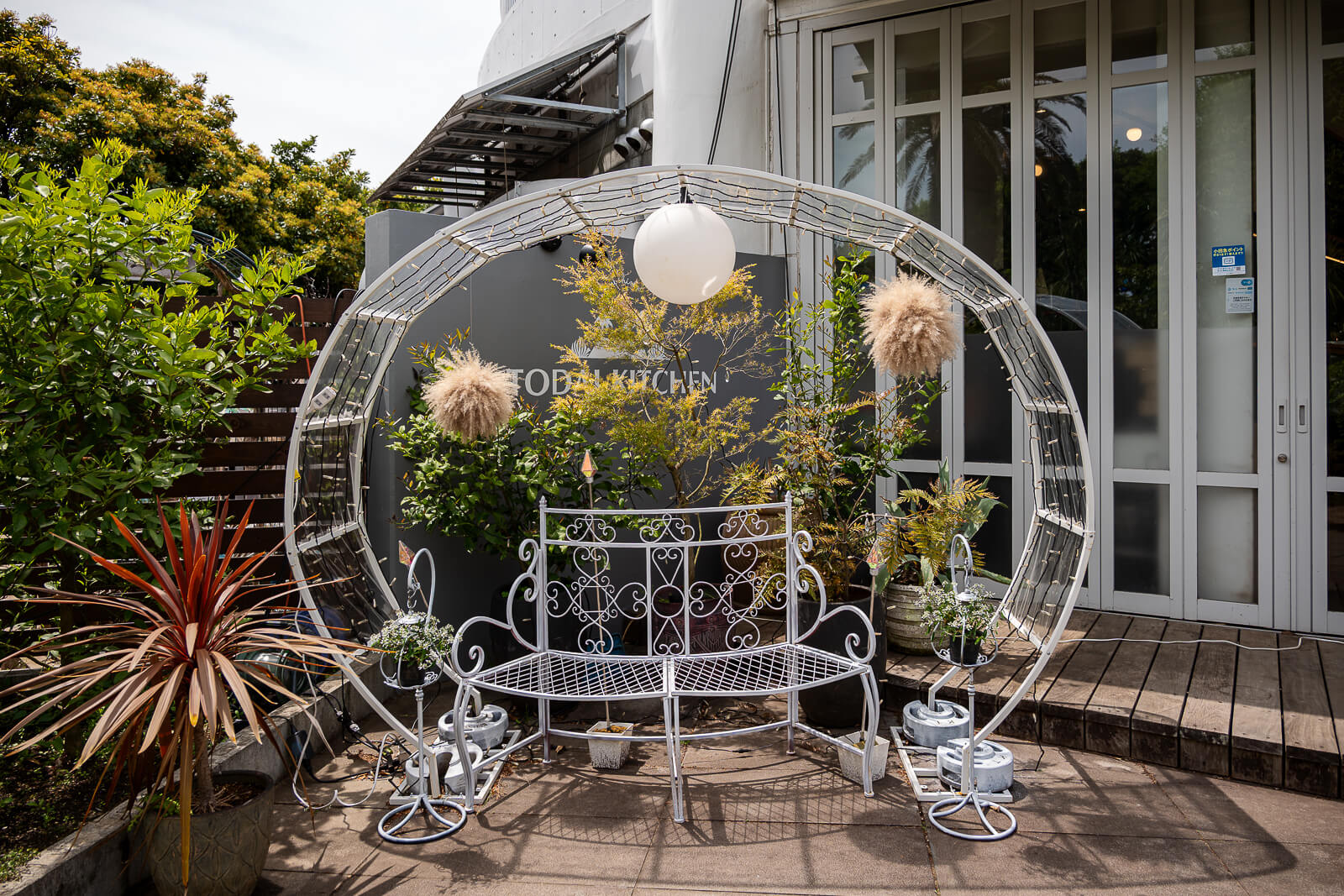
When facilities are open, a break at the tower’s base can extend the stop considerably, especially if browsing, food and photographs follow the ascent. Decide whether that time is best spent at the summit or left for the change of setting farther across the island. The temple, the last shrine precinct and the rocky shore offer different experiences from another elevated view.
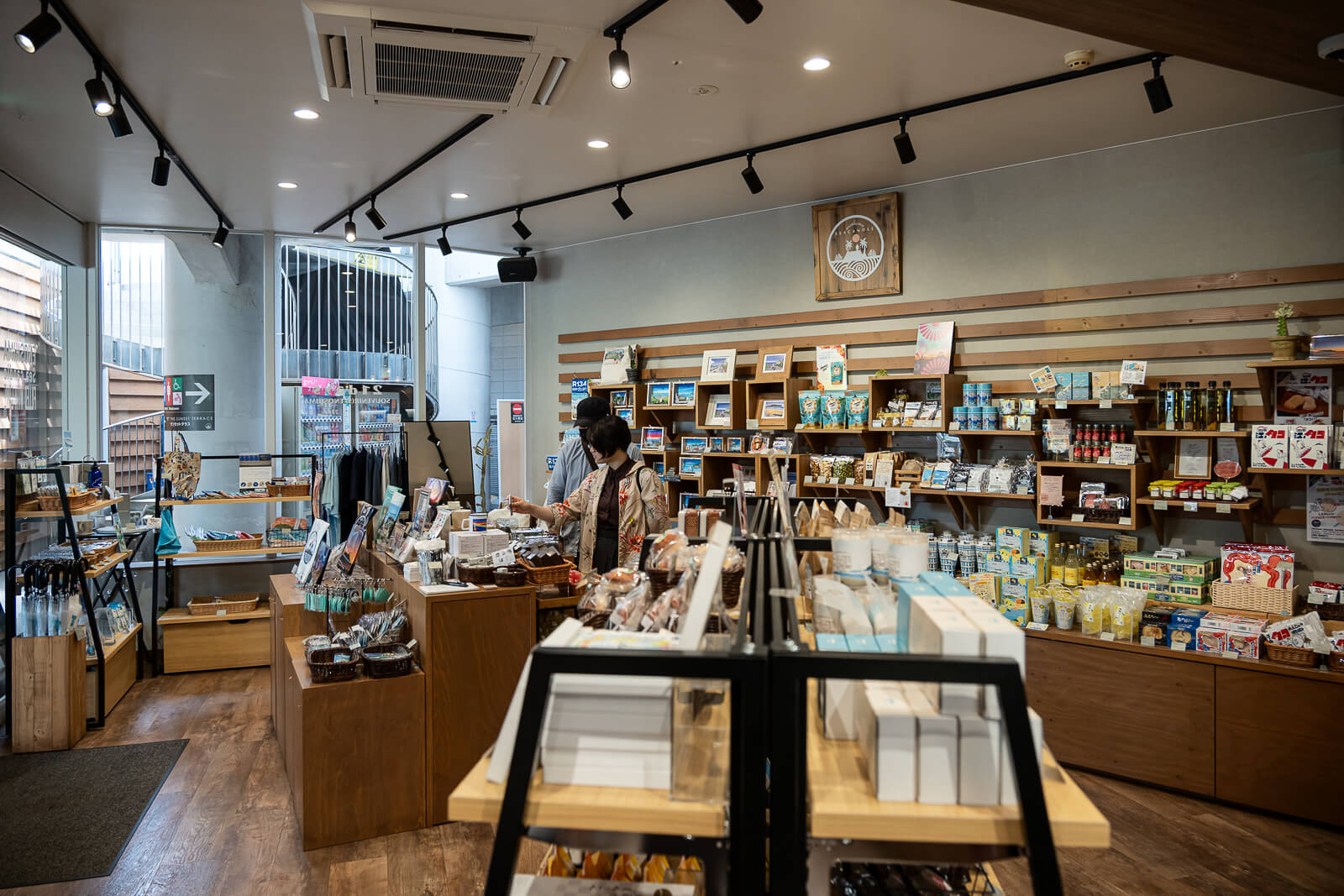
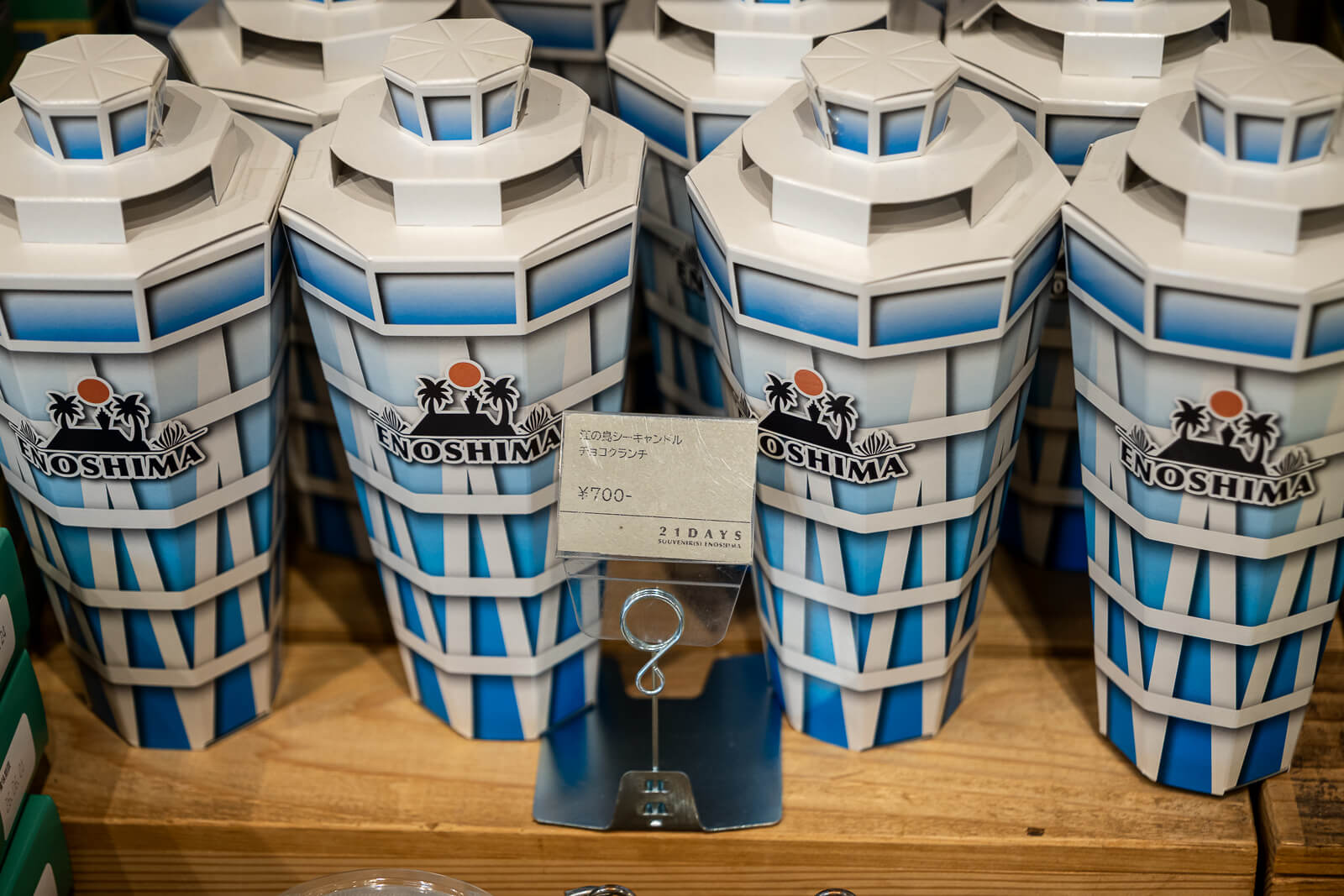
After the tower, leave through the garden for the route toward Enoshima Daishi and Okutsumiya, or continue exploring the garden itself. The greenhouse remains and planted walks do not become redundant after the panorama, since they show the site at a much closer scale. A satisfying summit visit can include both, with the order shaped by opening hours, weather and the time still needed for the coast.
Getting There
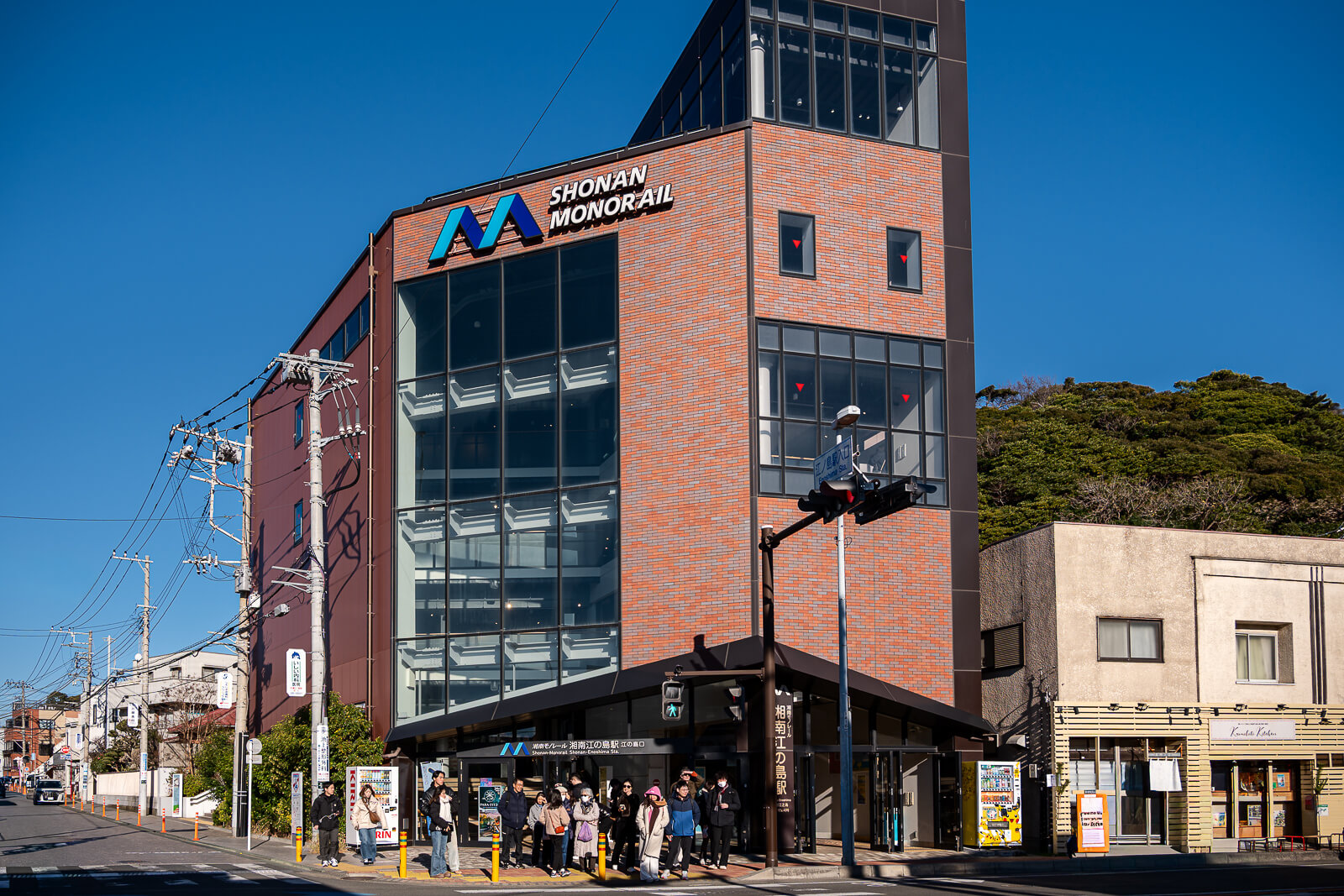
Compare Odakyu, Enoden and the monorail before the island climb in the guide to getting to Enoshima.
Reach the Enoshima Sea Candle inside Samuel Cocking Garden at the island’s summit. From Katase-Enoshima, Enoshima or Shonan-Enoshima station, cross the bridge to the island and follow Nakamise Street toward Enoshima Shrine. Continue uphill on foot or use the three paid, uphill-only Escar sections, then enter the garden for the tower.
Allow for slopes, stairs and the walking return; the Escar does not provide a downhill ride. Tower admission is separate from garden access unless your selected package includes both.
Official access information → · Directions to the Sea Candle →
Hours and Fees
Visitor information
The Sea Candle is a separately ticketed observation tower inside Samuel Cocking Garden.
- Hours
- Normally 09:00–20:00; last entry 19:30. Events may extend opening. Outdoor-deck and exterior-stair access depend on conditions and operating arrangements.
- Admission
-
Sea Candle: adult ¥800 / elementary-school child ¥400. Garden event-night admission and Escar are separate unless the selected package includes them. Do not assume a tower-only ticket covers every island attraction.
Optional combined admission
Enoshima Island All-Access Pass
Optional for a wider island-and-aquarium day. Includes Escar, Sea Candle, Iwaya and the aquarium. Choose + Night for event-evening garden entry. Rail, Bentenmaru and Hoanden are separate; check date and package conditions.
Compare Enoshima All-Access Passes
Plan Your Visit
Choose the stay, transport and experiences that fit the wider coastal trip.
Compare Fujisawa and Enoshima Stays
Stay near the coast for an unhurried island visit. Compare Fujisawa and Enoshima accommodation by location, price and cancellation terms.
Compare Fujisawa Stays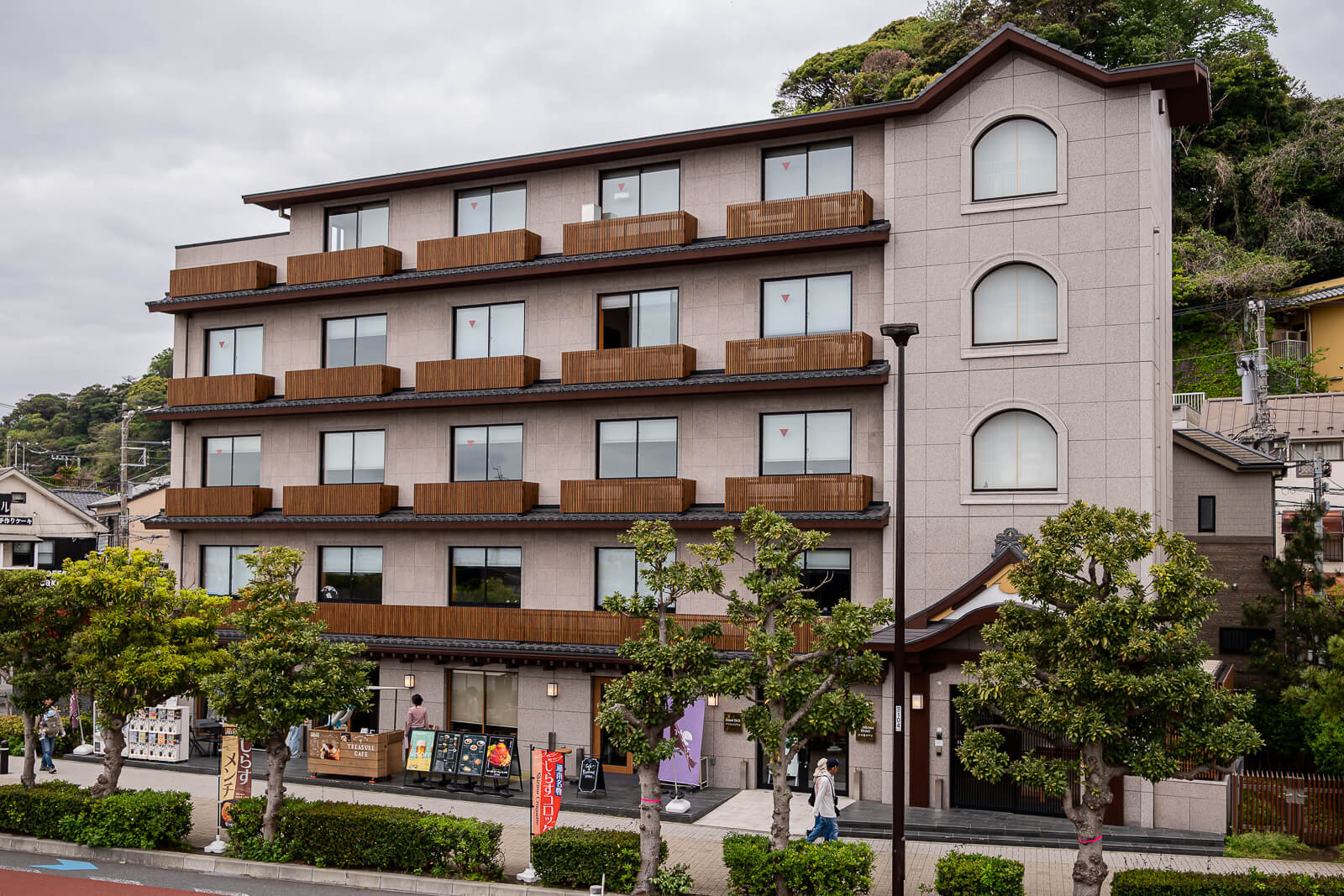
Compare Tokyo Car Rental Options
Extend your trip beyond the railway corridor with a rental car from Tokyo. Compare pickup locations and rates for the wider journey.
Compare Tokyo Car Rentals
Browse Guided Kamakura Day Trips
Explore Kamakura with a guided day trip. Compare routes and included stops to find one that also visits Enoshima if that is part of your plan.
Browse Kamakura Tours
Explore Enoshima Aquarium Tickets
Add jellyfish galleries and Sagami Bay marine life to your coastal day. View aquarium admission options for your travel date.
View Aquarium Tickets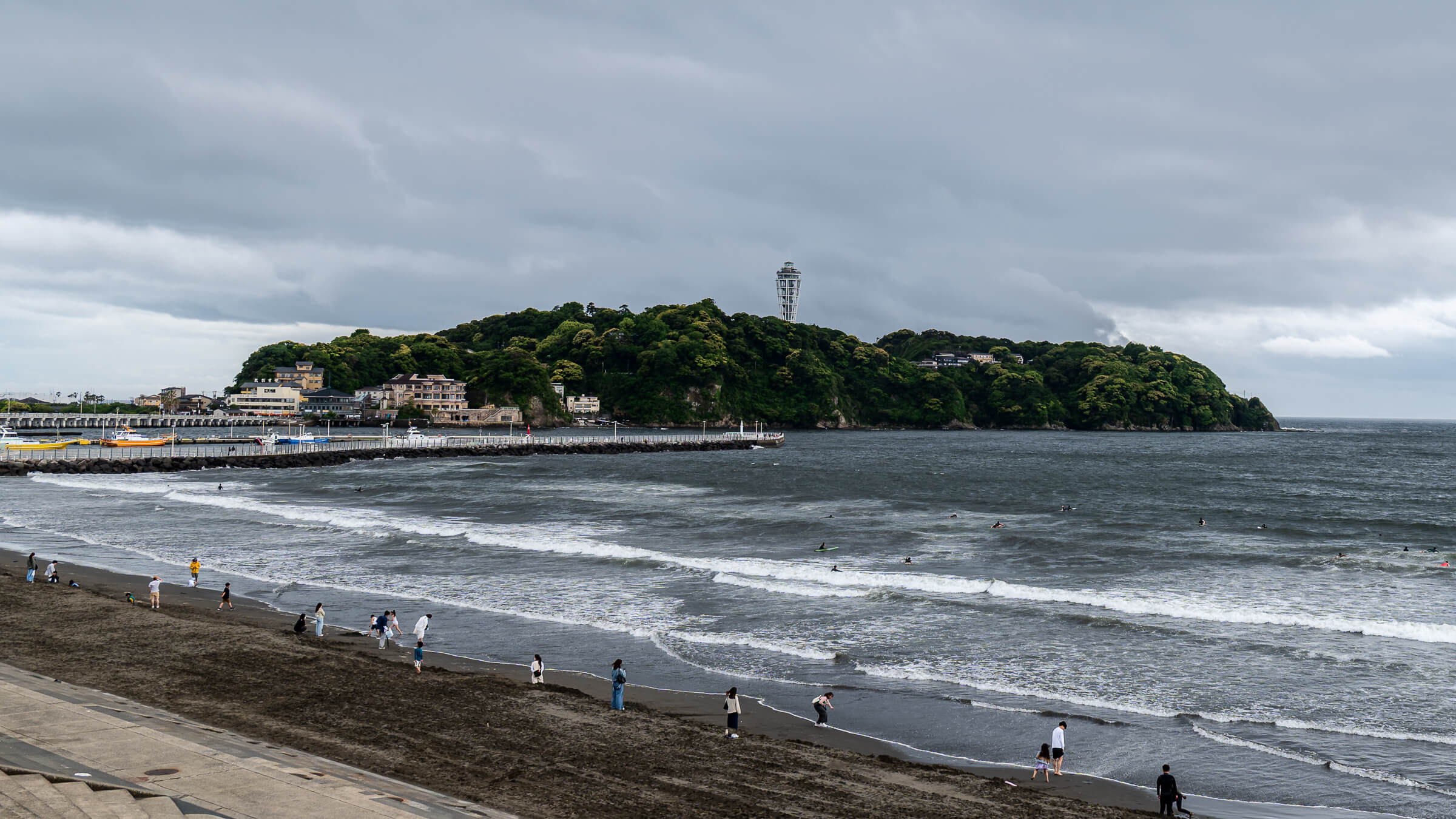
Compare Japan Data Plans
Keep maps, translation and train information handy with a Japan data plan. Compare allowances for your trip and check device compatibility.
Compare Japan eSIMs
Consider the Shonan Monorail
Ride the suspended monorail from Ofuna to Shonan-Enoshima. View ticket options for this scenic arrival and any repeat rides.
View Monorail Tickets