What to Expect Inside the Sea Caves
Enoshima Iwaya is a pair of sea caves on the island’s far side, reached by a coastal walkway beside Chigogafuchi. The contrast is immediate: open water and cliff views give way to cool, damp air, low passages and stone devotional figures. Candle lanterns in part of the route add to the atmosphere without making this an entirely unlit cave exploration.
The caves are a worthwhile priority for visitors interested in Enoshima’s religious history as well as its landscape. The interior visit can be relatively brief, but reaching it is a much larger commitment than the time spent underground. The main island walk crosses higher ground before descending to the coast, and the return needs its own allowance.
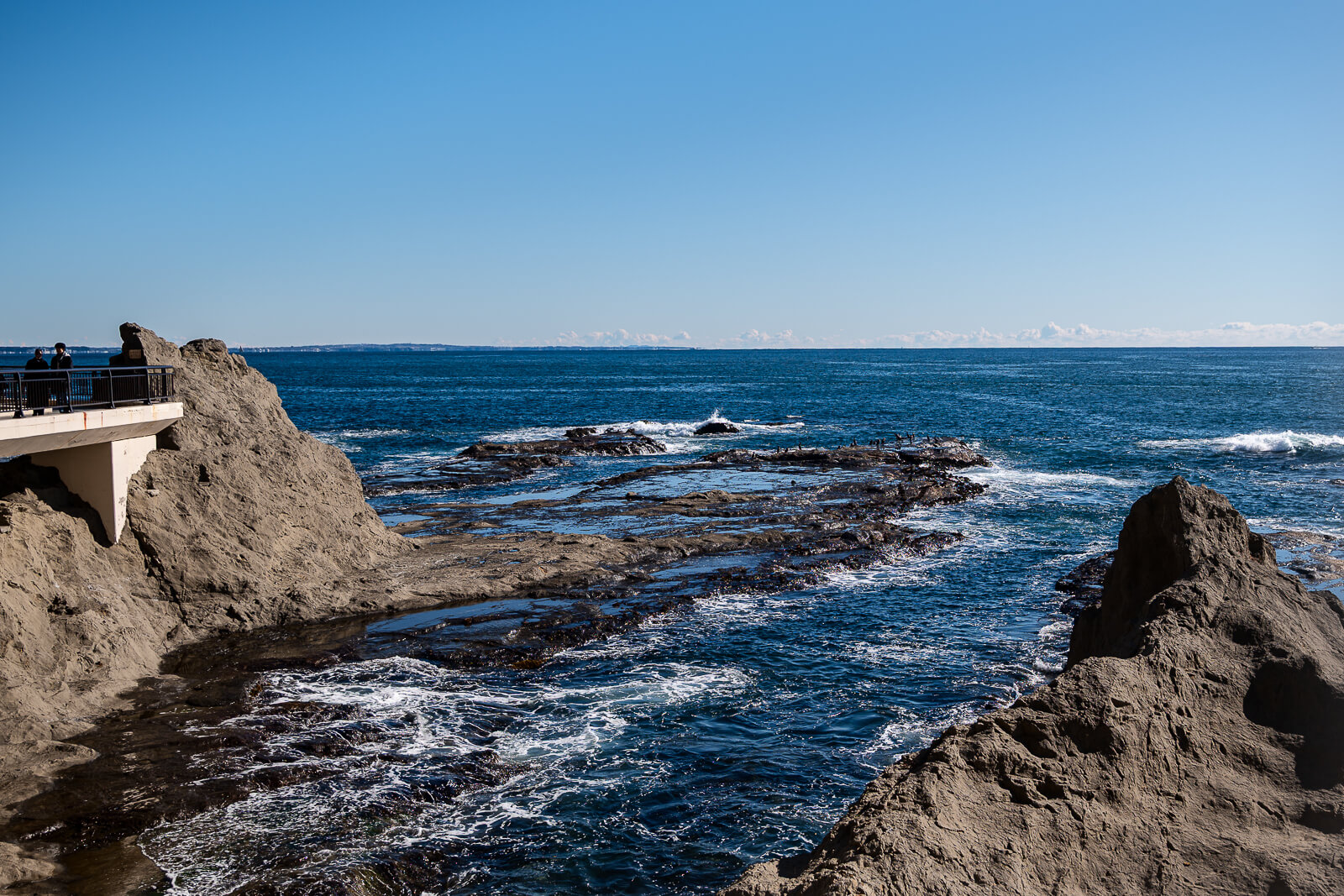
The Enoshima island guide covers the earlier shrine levels and summit along the route to the caves; the Sea Candle observation tower is a separate stop above the coast. Beside the cave approach, Chigogafuchi’s rocky shore offers an open-air contrast to the tunnels. Keeping that larger route in mind helps prevent a short cave visit from being mistaken for a quick excursion from the mainland station.
The Iwaya Coastal Walkway and Cave Entrance
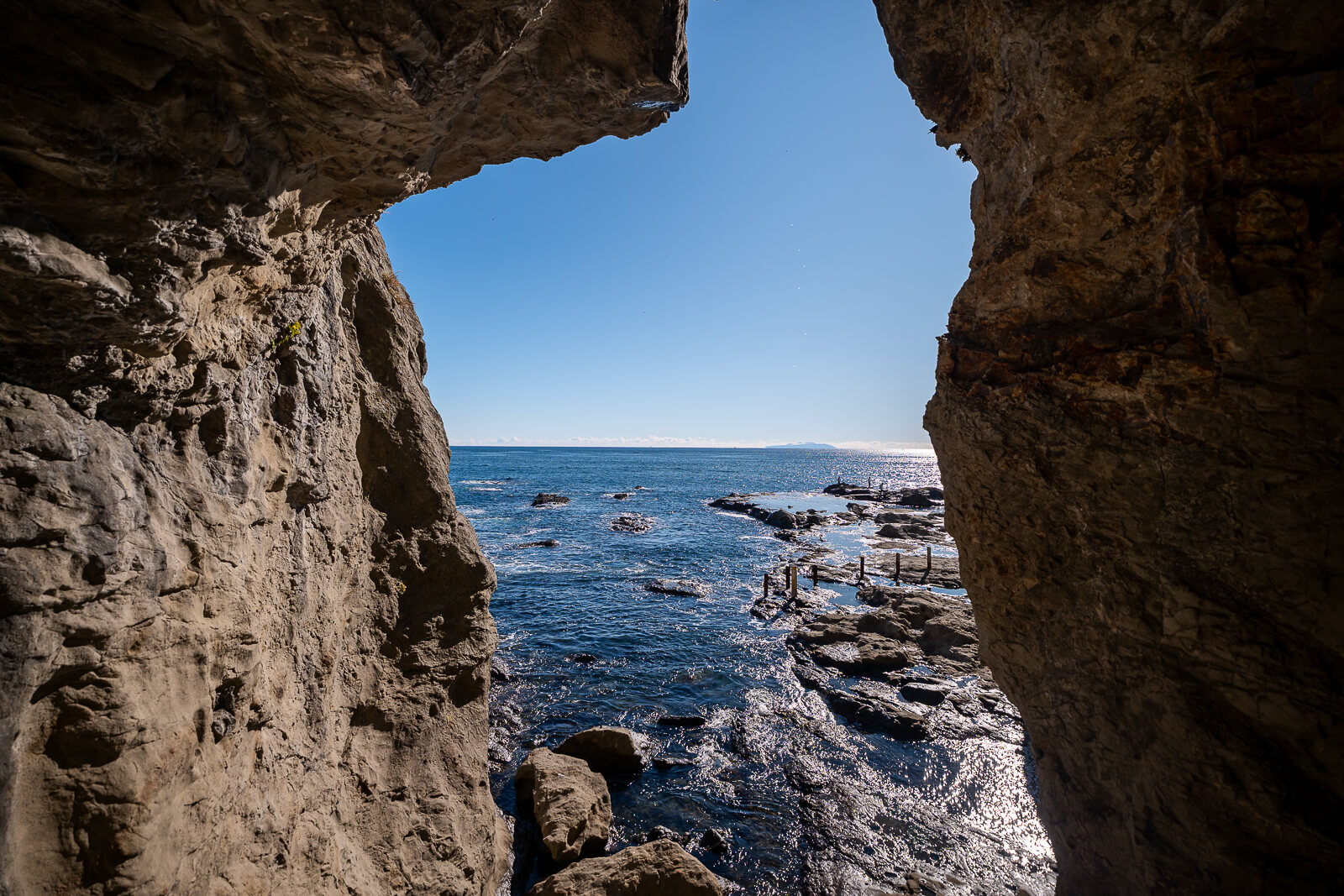
The bridge-like walkway approaching Iwaya is part of the attraction, rather than a stretch to hurry across before admission. It carries the route beside the water, with views of the rocky shore and cliffs. Coming from the narrower island paths above, this open approach gives the cave visit a strong sense of arrival.
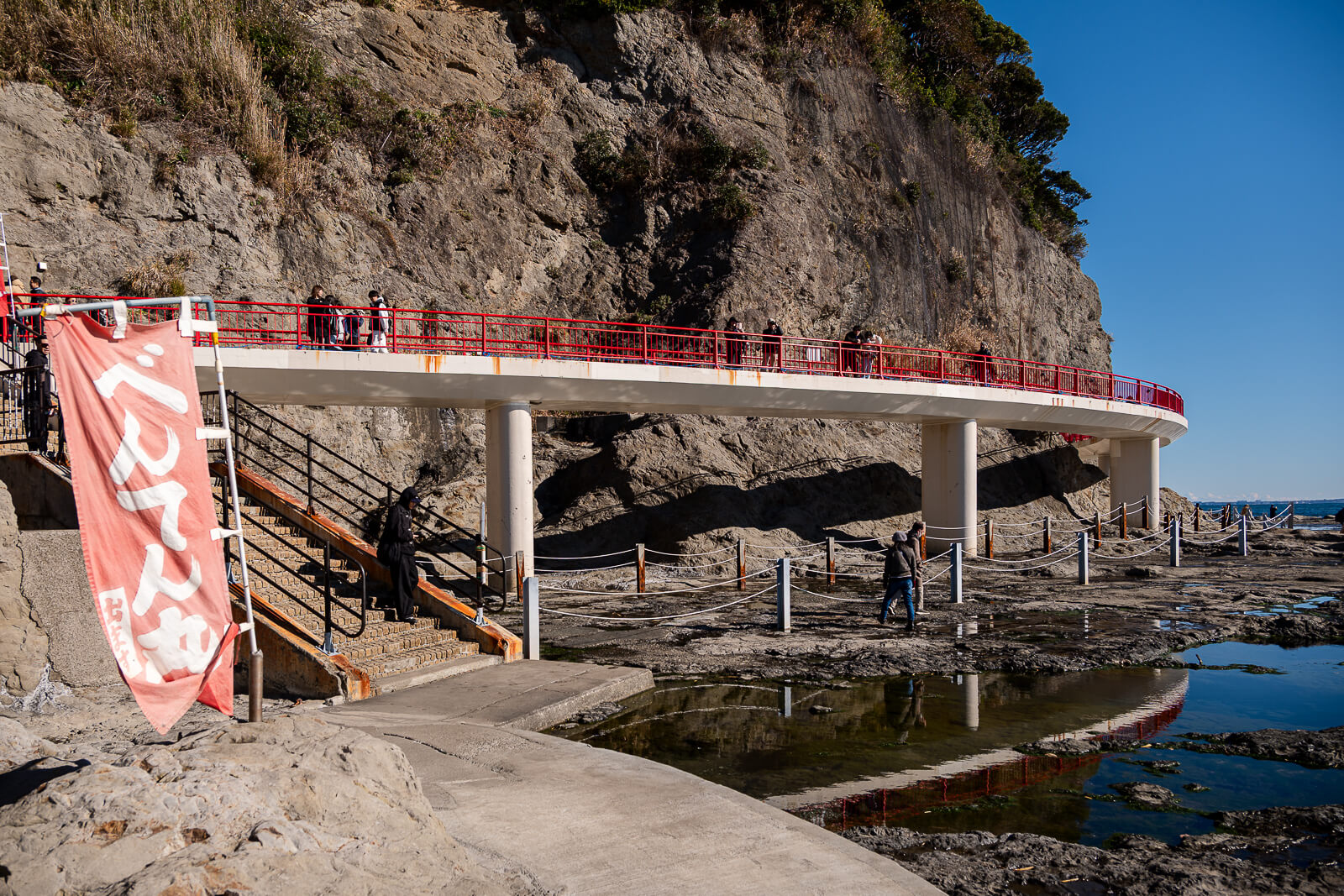
The walkway is different from the long bridge between the mainland and Enoshima. By this point, the island crossing, ascent and far-side descent have already taken place. That geographical distinction matters when comparing a map distance with the effort involved in the visit.
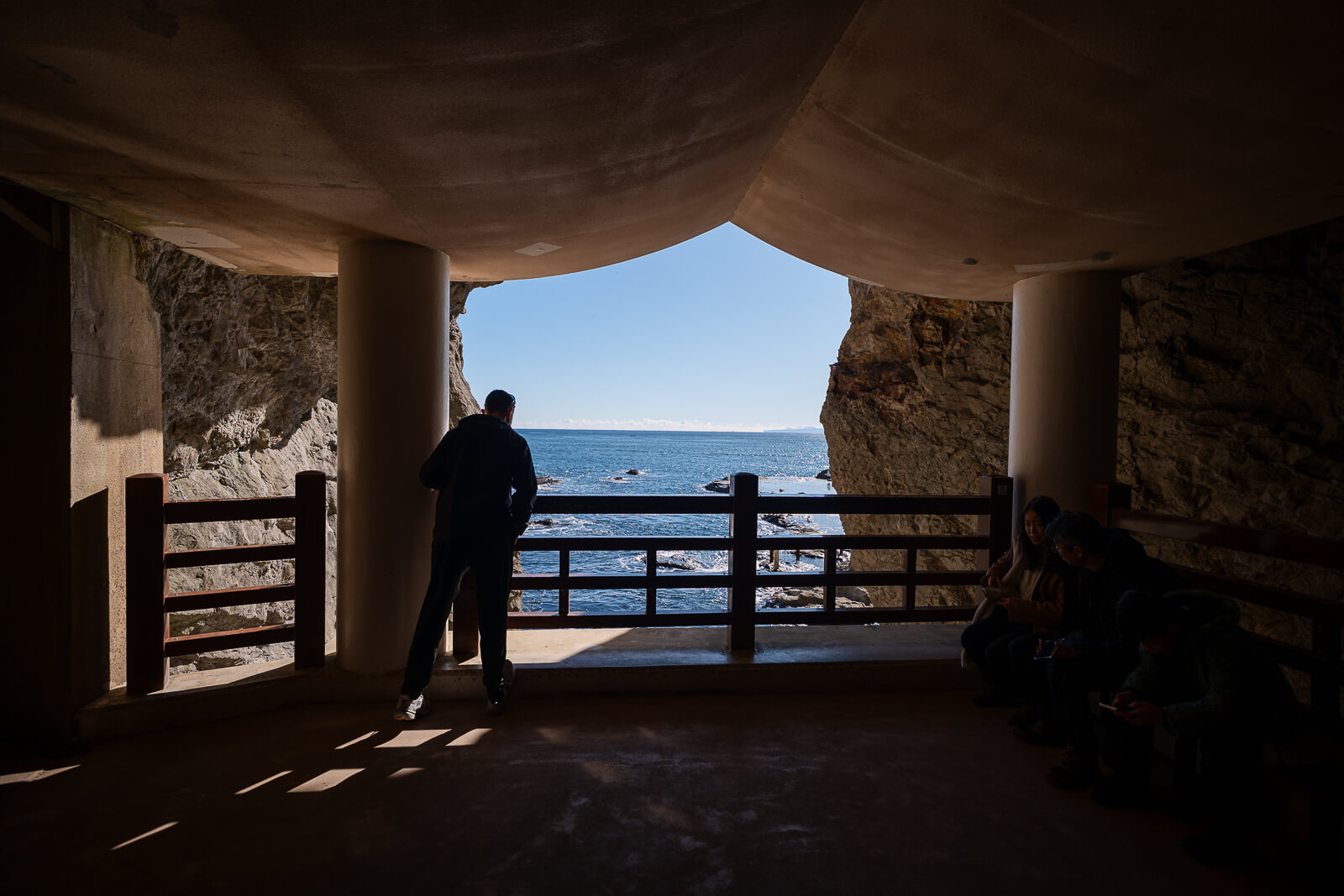
At the entrance, the outing changes from an open coastal walk to a separately ticketed interior route. Check the day’s available areas and remaining admission time before buying entry, especially late in the afternoon. Leave time to enjoy the shore again afterwards if that is part of the plan, rather than assigning every remaining minute to the caves.
First Iwaya and Second Iwaya: Worship and Dragon Traditions
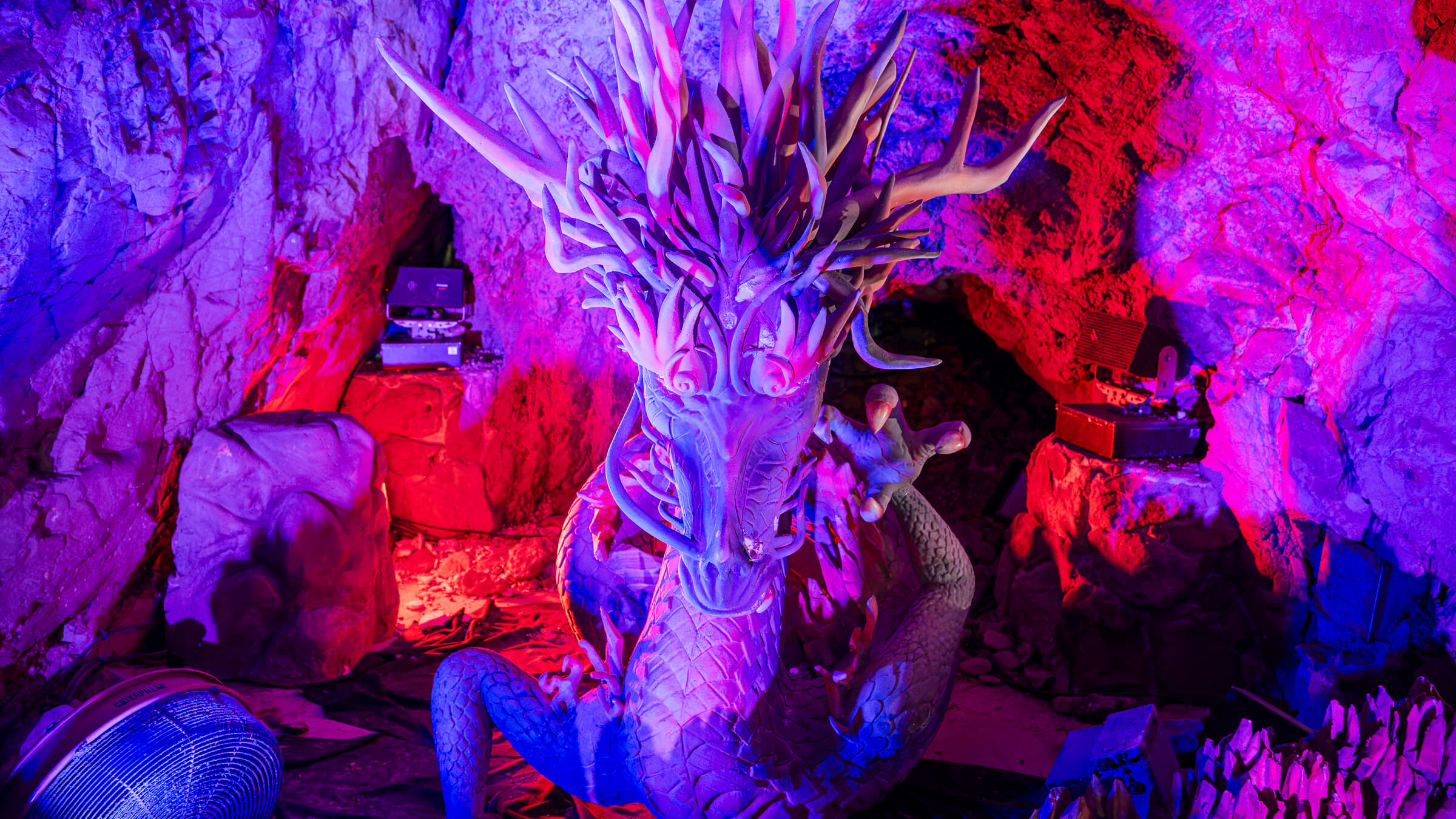
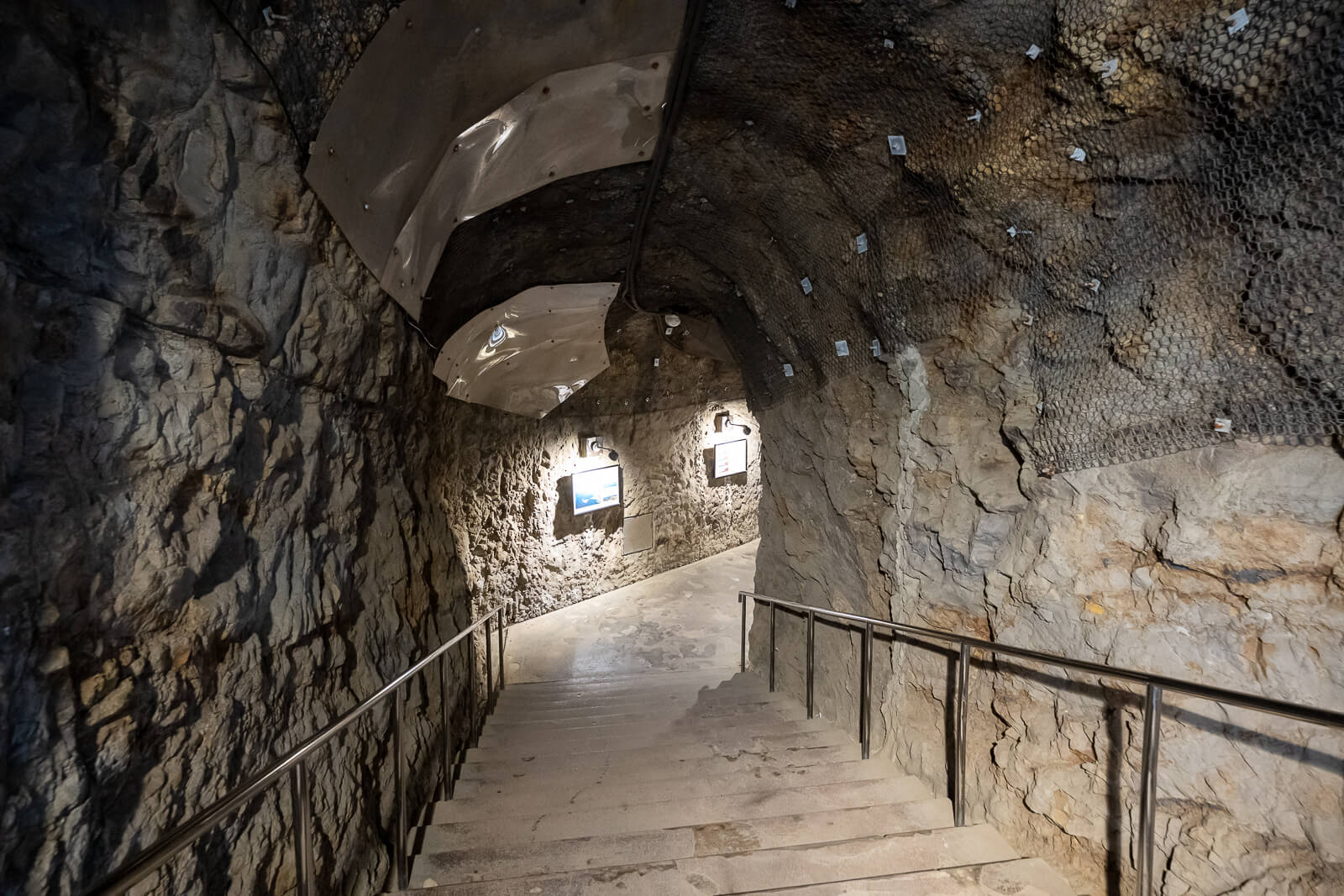
Iwaya comprises two cave sections, with the first listed at about 152 metres and the second at about 56 metres. The first is associated with the origins of worship on Enoshima, while the second is linked with the island’s dragon traditions. Those different associations give the visit a progression beyond simply walking into two dark spaces.
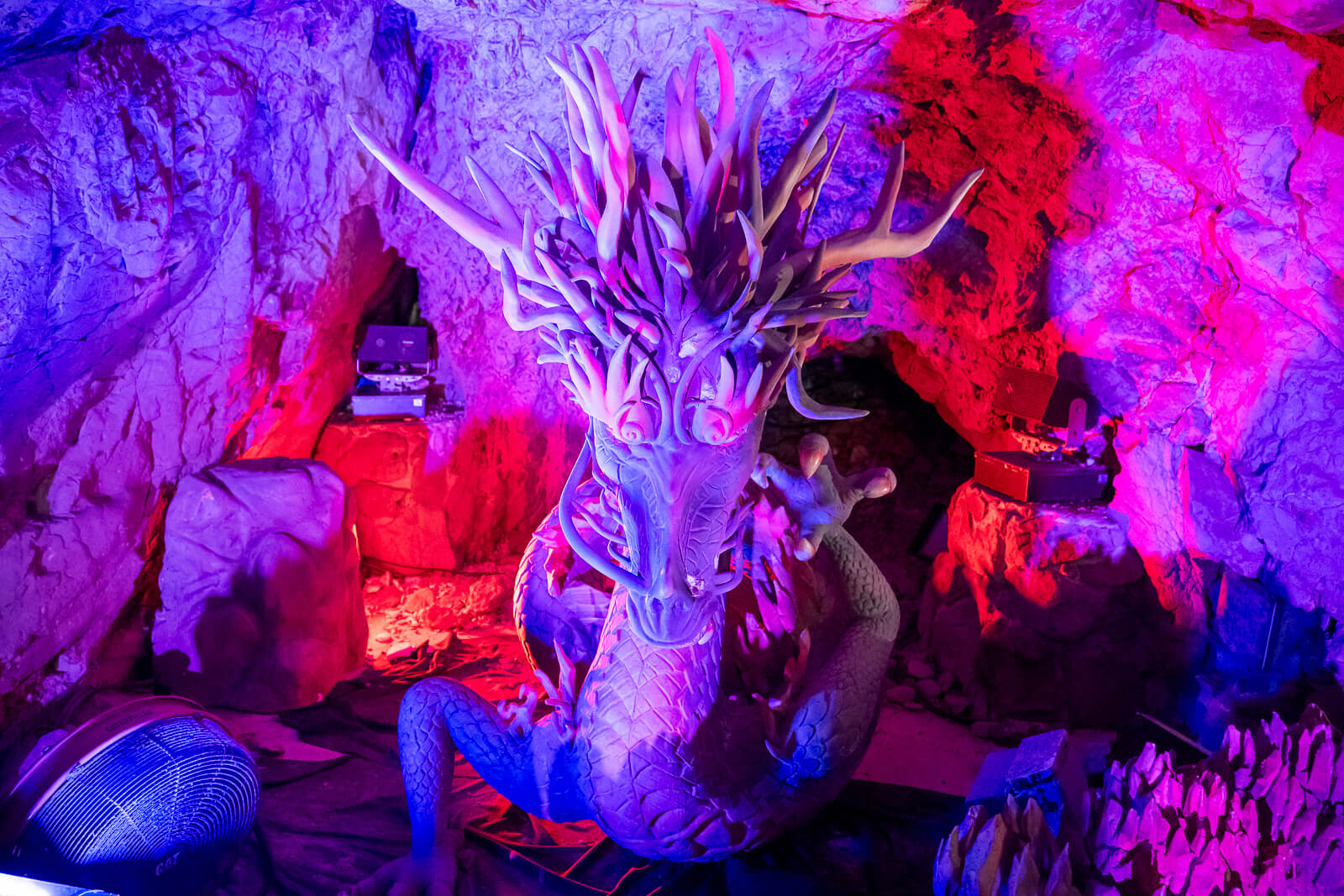
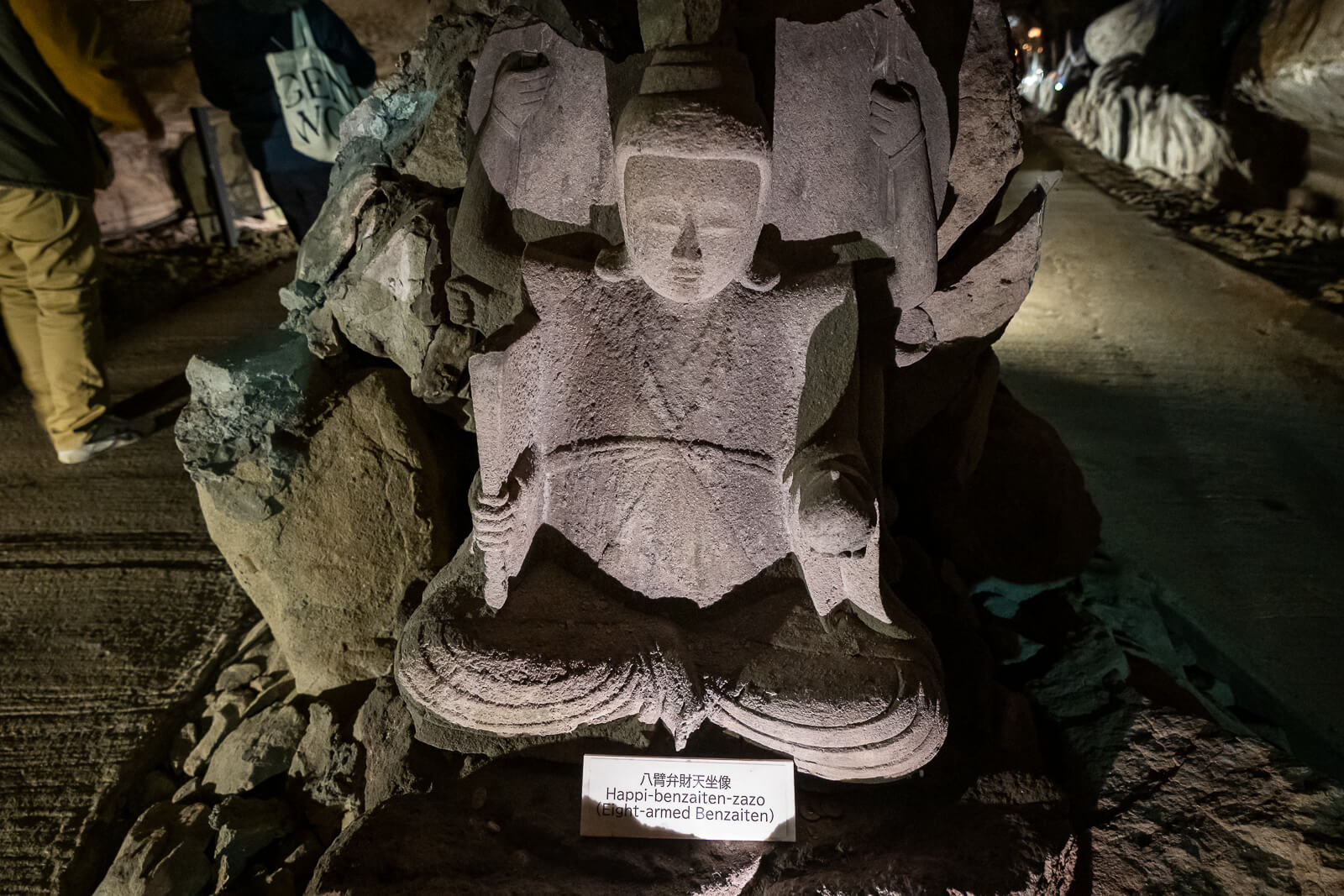
The interiors contain stone figures and smaller devotional recesses as well as natural rock. Take time to notice where those objects sit within the passages, because they explain how a sea cave became a place of religious attention. Where explanations are provided, reading them adds more to the experience than moving directly to the farthest accessible point.
Follow the visitor route and any instructions for the sections open on the day. A compact route can still involve low ceilings and pauses where other people are passing. It is better understood as a managed visitor attraction with confined parts than as an unrestricted cave in which to choose your own path.
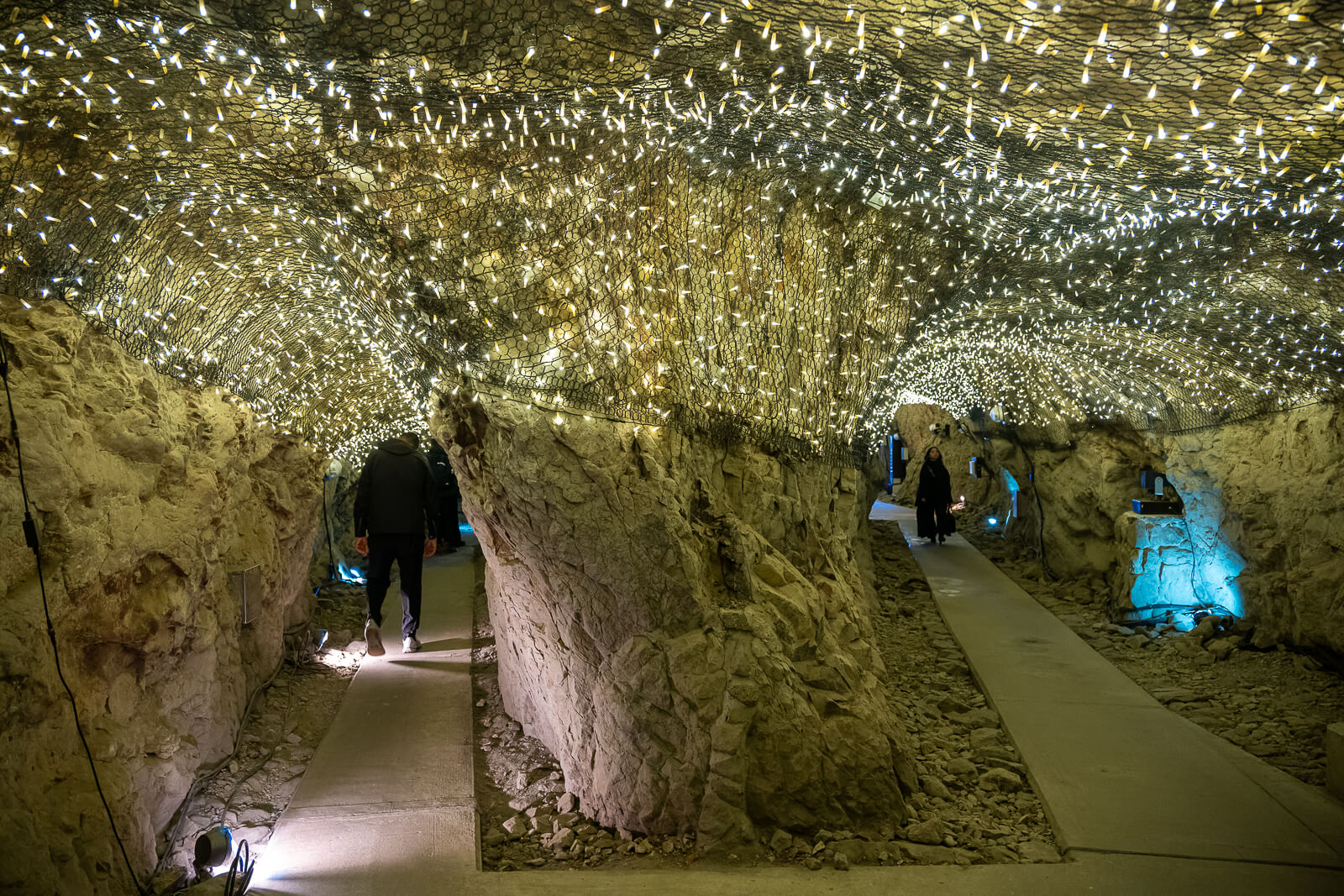
Candle Lanterns, Low Ceilings and the Cave Atmosphere
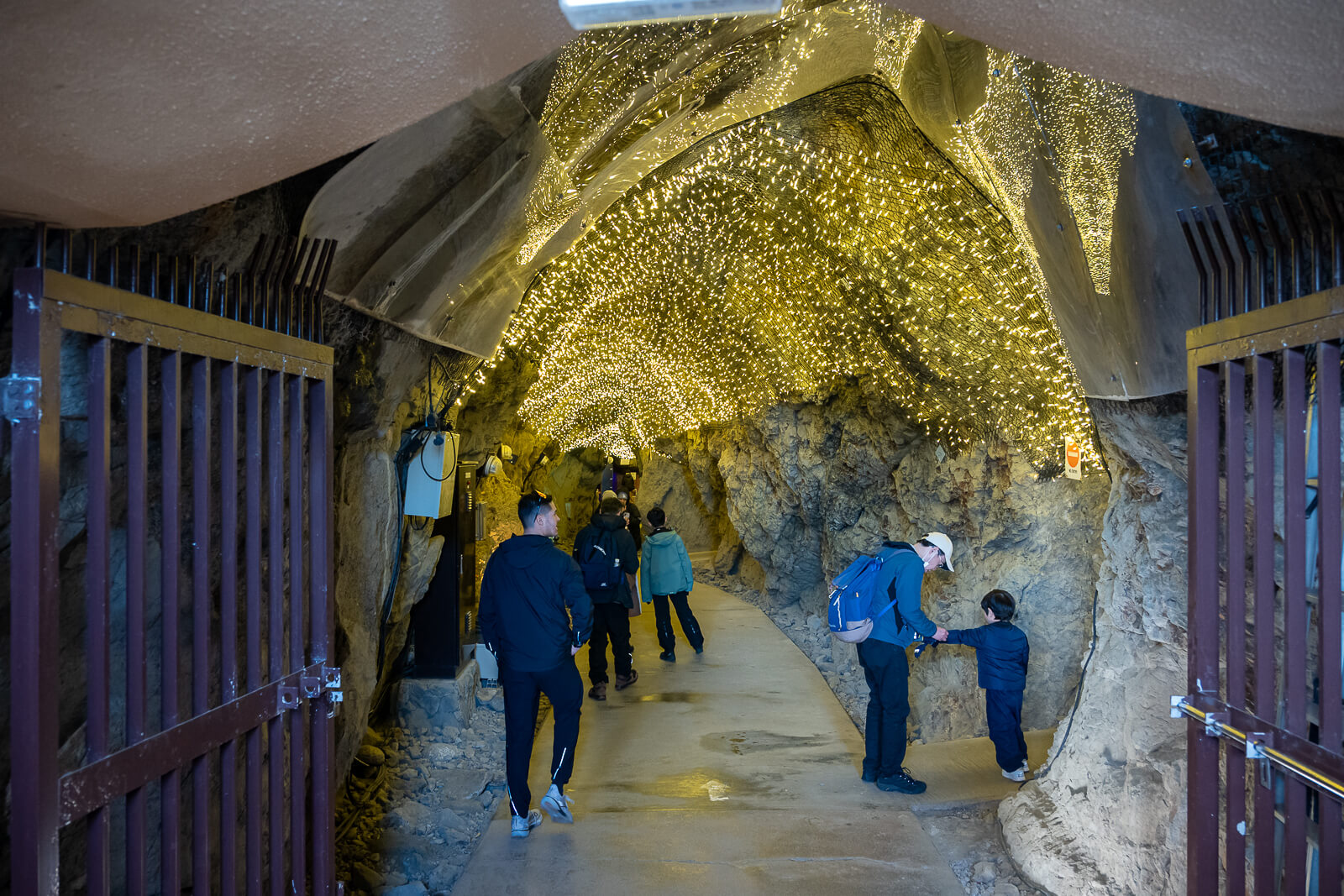
Staff hand out candle lanterns in the part of the route where they are used. The small light gives the walk a different rhythm from looking at exhibits in an ordinary indoor attraction, even though lighting is also provided in the tunnels. Follow the handling and return instructions given at the time, since the lantern arrangement is one part of the visit rather than equipment for exploring beyond it.
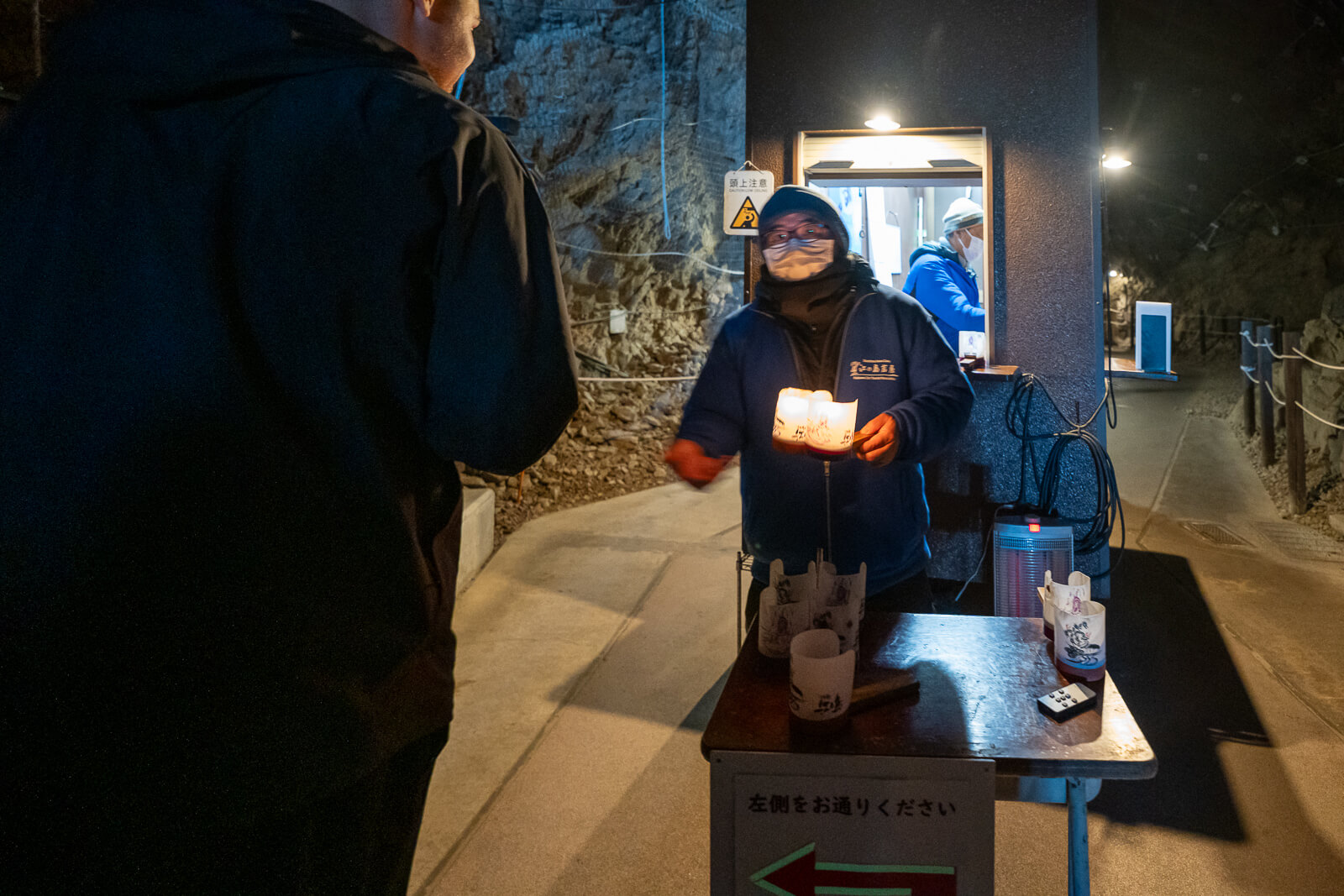
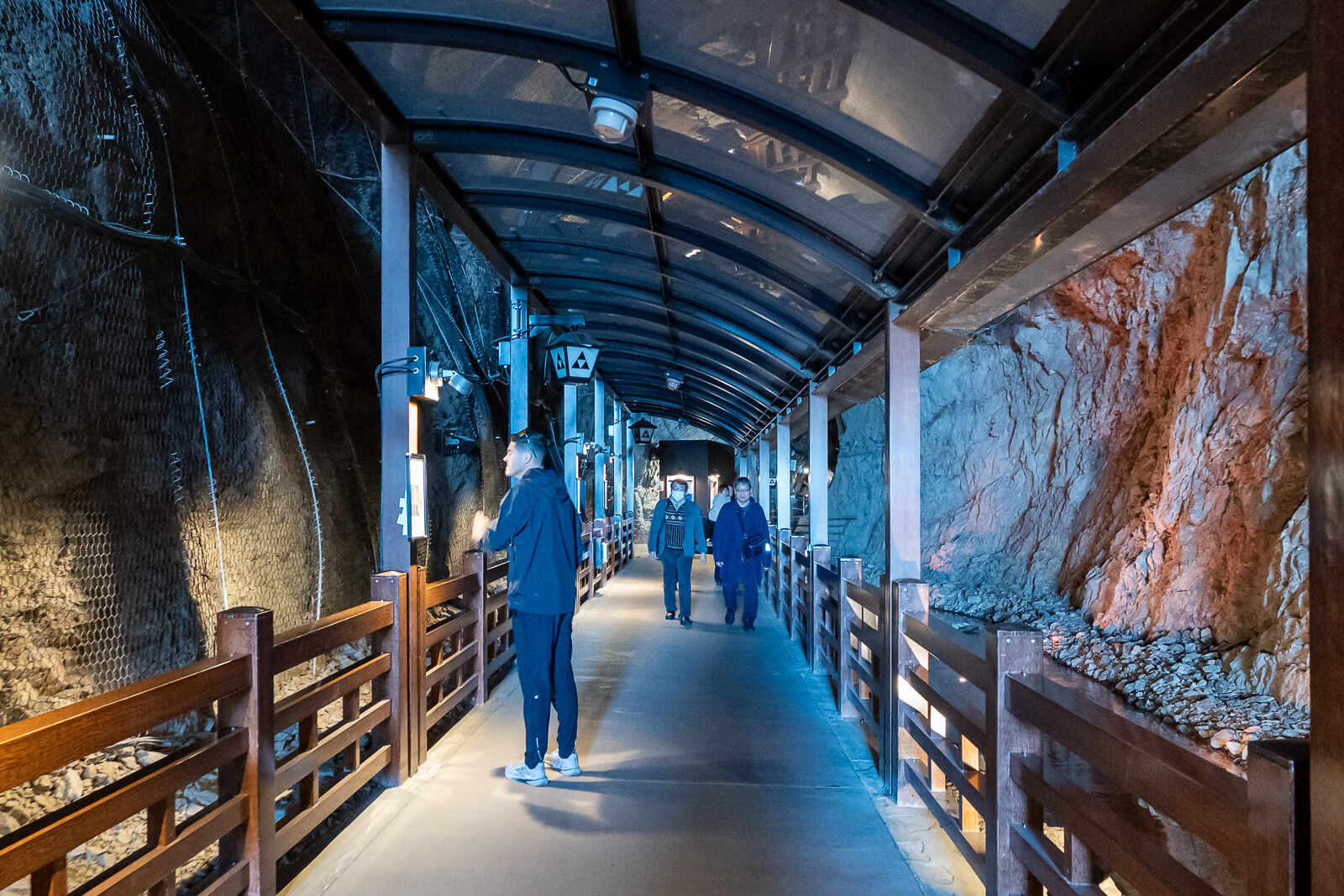
The cool, damp interior offers a noticeable change after the exposed coast. Some passages are low enough to require bending or crouching, particularly for taller visitors. Move at a pace that allows for the ceiling and footing while leaving room for others at narrow points.
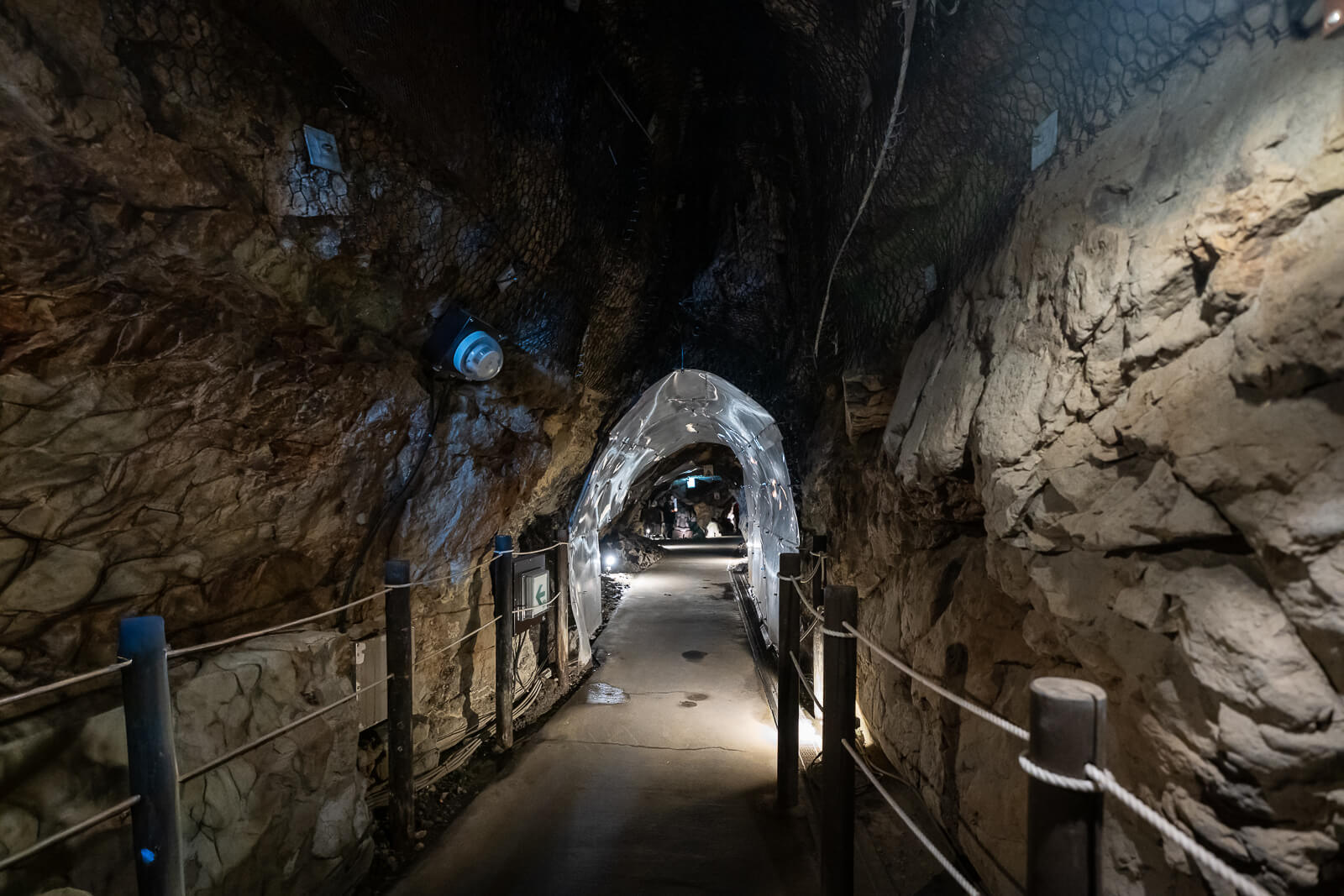
The figures and offering places deserve the same attention as the candle itself. They bring the island’s devotional history into a small, enclosed setting, quite different from the open shrine precincts above. A little time looking at those details gives the interior visit more substance than a quick walk through for the novelty of the light.
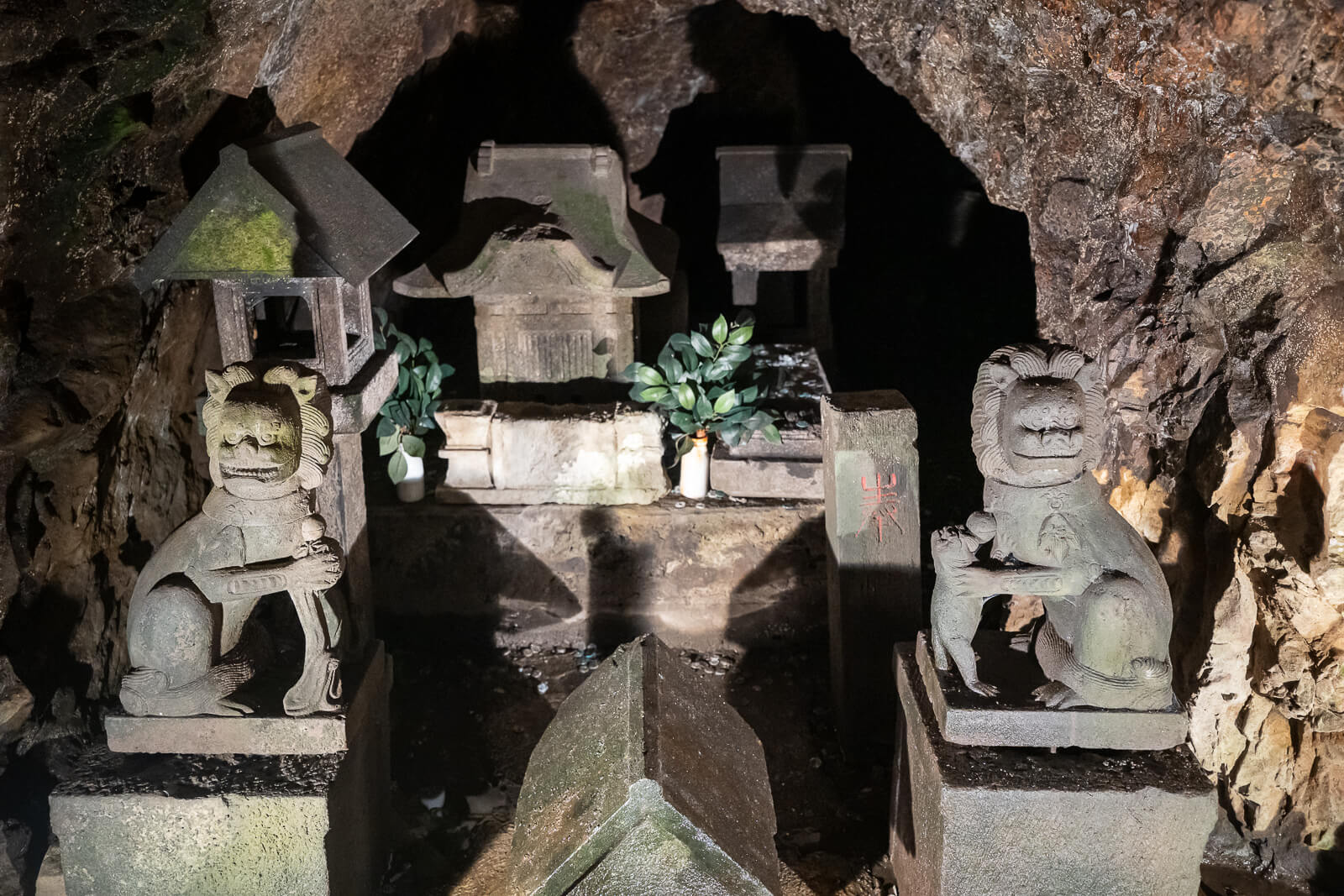
Iwaya’s Place in Enoshima’s Religious History
Traditions associate Iwaya with Buddhist practitioners including Kobo Daishi and Nichiren. Fujisawa’s account also connects Minamoto no Yoritomo with prayers here in 1182. These are site traditions and historical associations attached to the caves, distinct from the action of the sea that formed the rock passages.
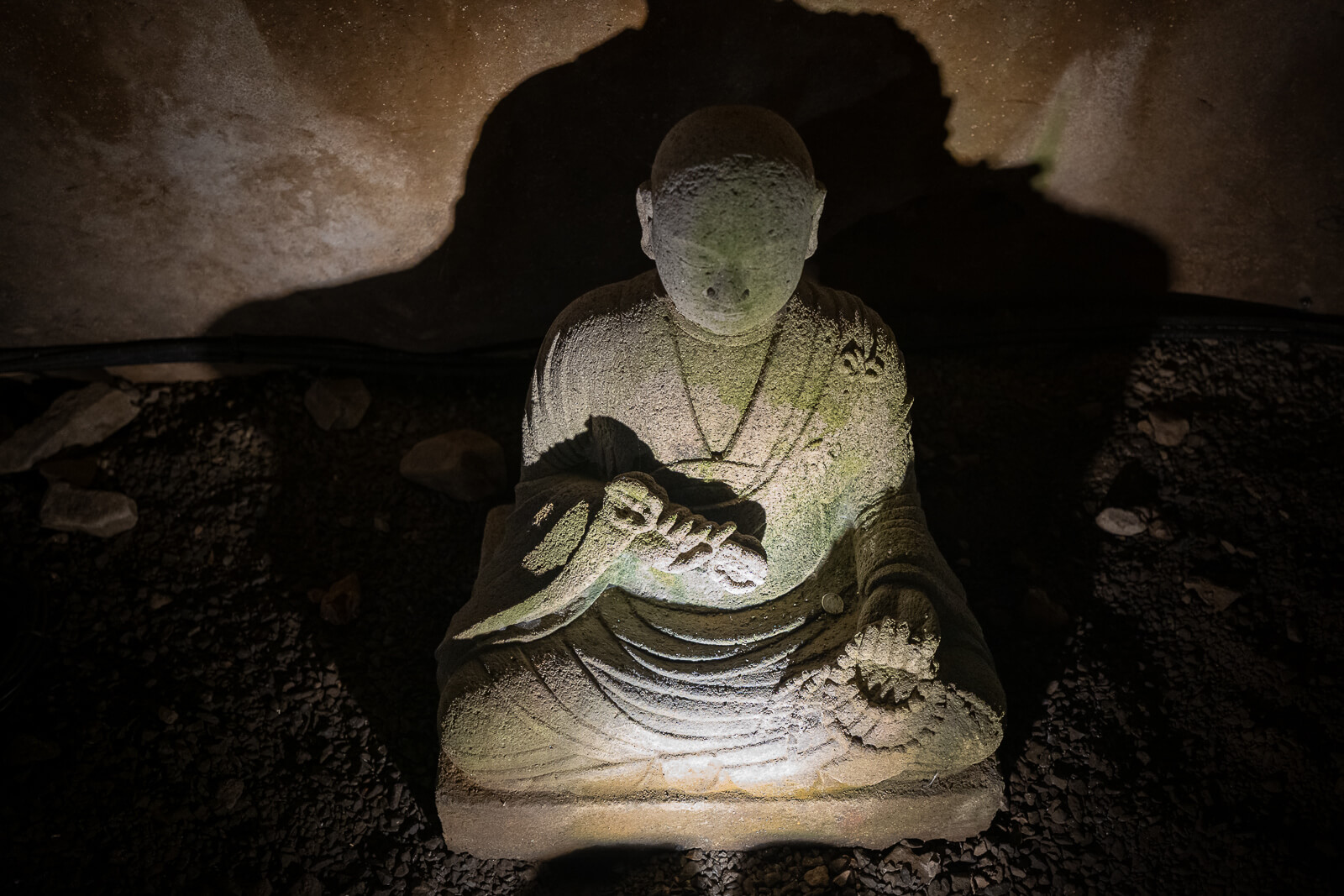
One passage is said in local lore to connect with a cave at Mount Fuji. That story does not establish a physical visitor route to the mountain. The distinction matters because Iwaya’s interest lies in the relationship between the visible cave, its devotional objects and the meanings gathered around it over time.
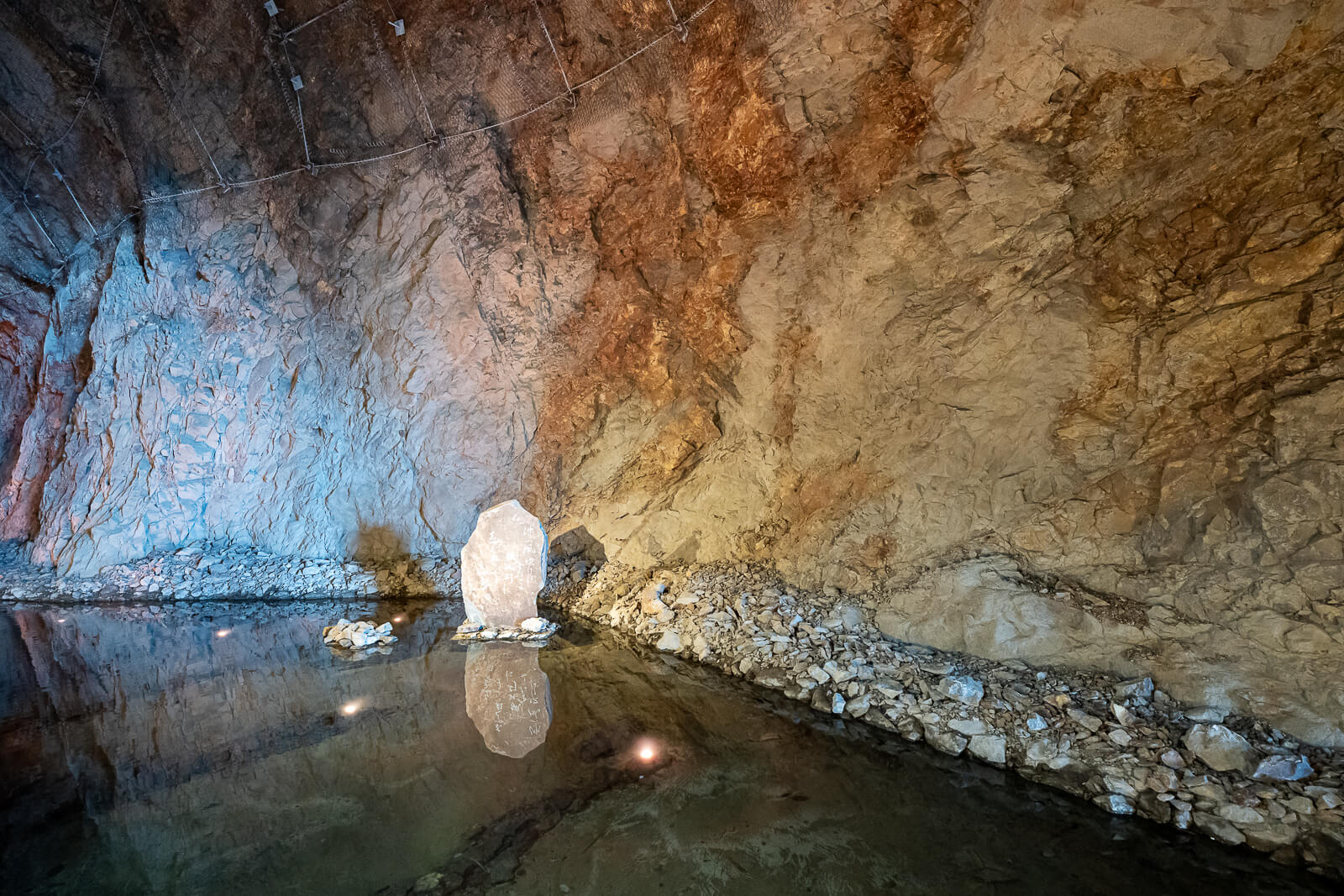
After seeing Hetsumiya, Nakatsumiya or Okutsumiya, the caves add another layer to the island’s sacred landscape. Worship is encountered here beside the sea and inside the rock, rather than only in halls along the ridge. That contrast helps explain why Iwaya can feel like a meaningful end to the outward island walk.
Allowing Time for Iwaya, the Shore and the Return Journey
A steady walk through the interiors can feel short, but it should not set the allowance for the whole visit. Admission, the coastal walkway, explanations, photographs and time at Chigogafuchi are separate parts of the outing. Visitors who enjoy devotional details or the shore will naturally use more time than someone moving directly through the route.
Opening hours vary with the season, and coastal conditions can affect access. Keep the current admission details in view before letting summit cafes or a tower queue consume the useful cave window. The Hours and Fees section below holds the practical ticket information, including the combined-pass option for a day that genuinely uses its included attractions.
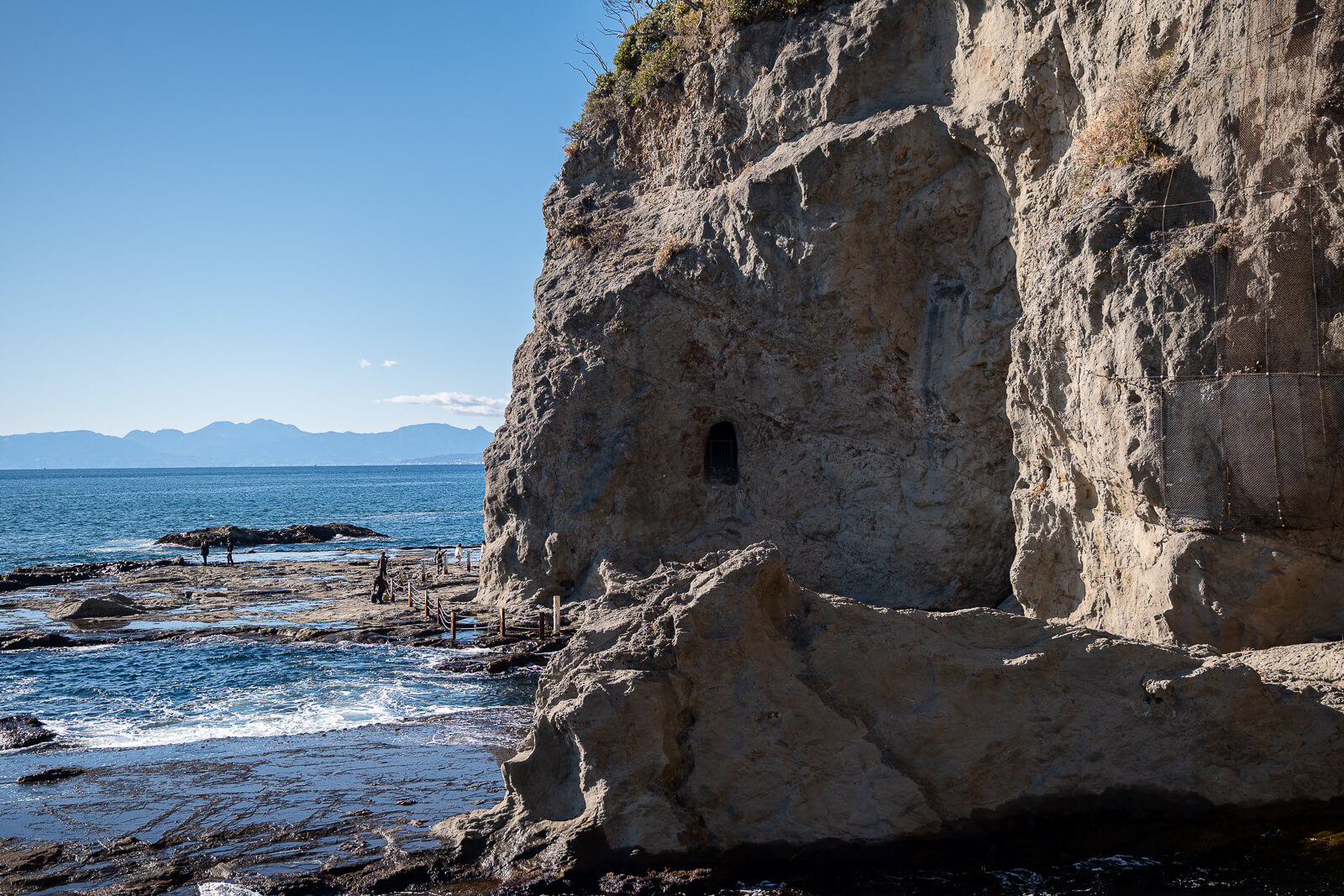
After the caves, Chigogafuchi provides a broad outdoor pause before departure. Bentenmaru may offer a return toward the bridge when it is operating, but its limited window and weather dependence make the walking return the necessary fallback. Leave enough time and energy to climb back across the island if the boat is unavailable.
Getting There
Plan the rail journey and mainland approach before the island walk to Iwaya with the guide to getting to Enoshima.
Access and Arrival
Descend to Chigogafuchi and follow the coastal walkway to the cave entrance. Include the walking return unless boat operation is confirmed.
- Across Enoshima Island
Farther shrine area → Chigogafuchi → coastal walkway → Iwaya
Follow the signed island route and local access instructions. · Allow for slopes, stairs and the walking return.
Low passages and a return climb: Some cave passages require bending or crouching. The return across the island involves climbing unless the boat is available.
Hours and Fees
Visitor information
Iwaya is separately admitted and reached by the coastal walkway beyond Chigogafuchi.
- Hours
- Normally 09:00–17:00, varying seasonally. Check the day's opening and entry arrangements before walking to the far side; weather can affect access.
- Admission
-
Junior-high age and above: ¥500. Elementary-school children: ¥200. Optional Bentenmaru return is separate; its service does not necessarily run until cave closing.
Optional combined admission
Enoshima Island All-Access Pass
Optional for a wider island-and-aquarium day. Includes Escar, Sea Candle, Iwaya and the aquarium. Choose + Night for event-evening garden entry. Rail, Bentenmaru and Hoanden are separate; check date and package conditions.
Compare Enoshima All-Access Passes
Plan Your Visit
Choose the stay, transport and experiences that fit the wider coastal trip.
Compare Fujisawa and Enoshima Stays
Stay near the Shonan coast for more time on Enoshima and in Kamakura. Compare Fujisawa locations, station connections and cancellation options.
Compare Fujisawa Stays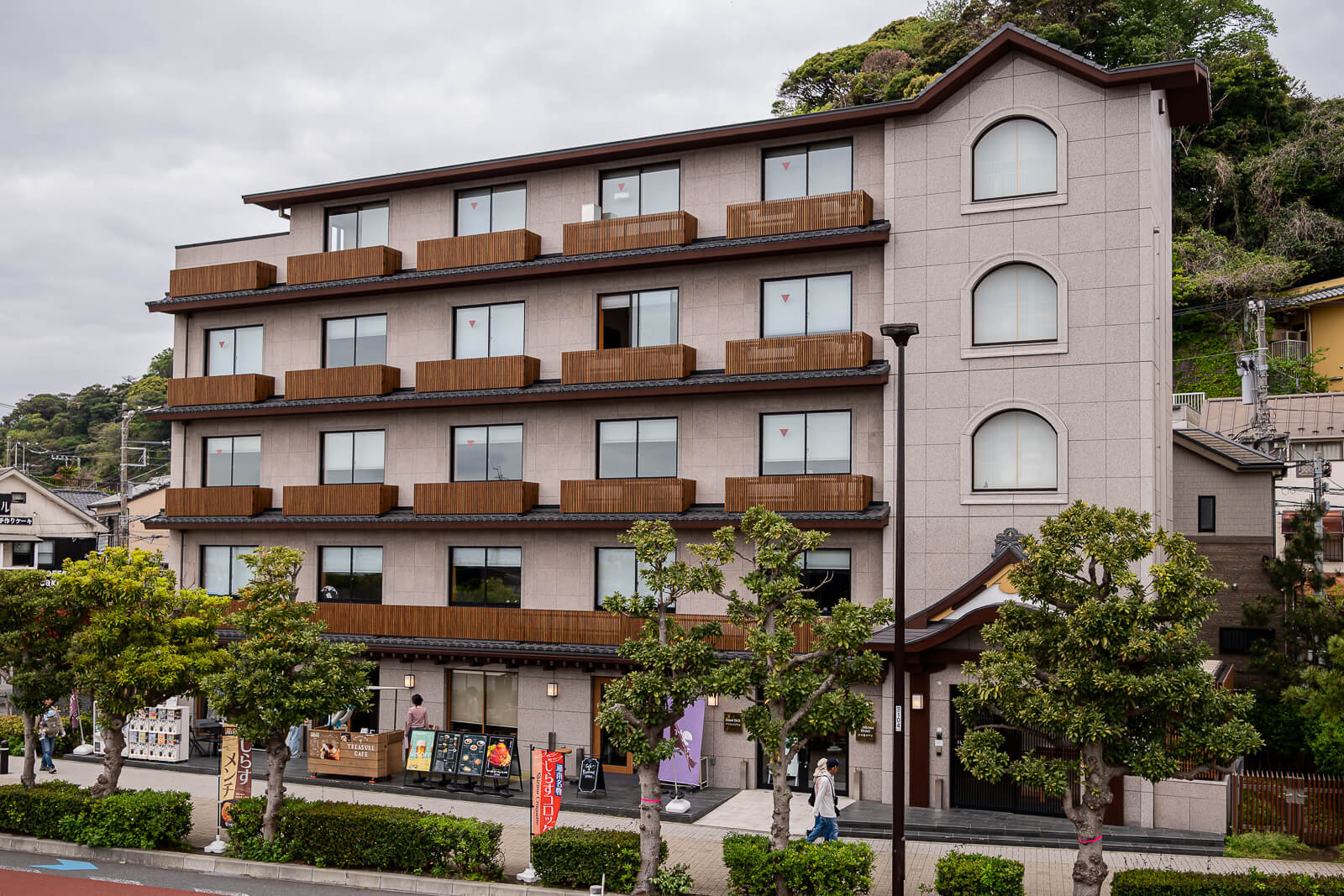
Compare Tokyo Car Rental Options
Rail and walking suit Enoshima itself. Consider a rental car when the wider trip includes places beyond the local railway corridor.
Compare Tokyo Car Rentals
Browse Guided Kamakura Day Trips
Explore Kamakura with a guide and compare routes, included stops and free time. Choose an itinerary that explicitly includes Enoshima if you want both destinations.
Browse Kamakura Tours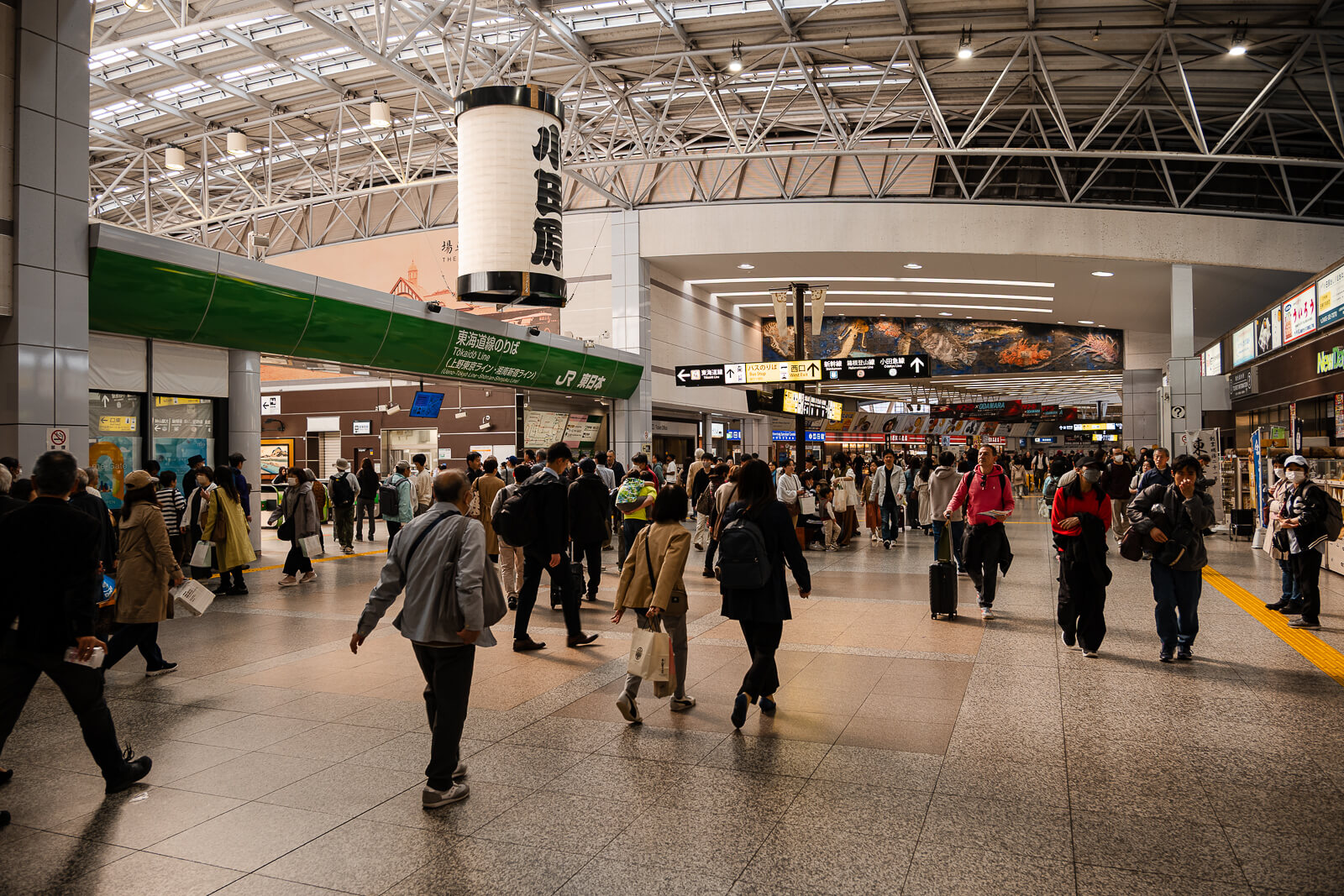
Explore Enoshima Aquarium Tickets
Add jellyfish galleries and Sagami Bay marine life to your coastal day. View aquarium admission options for your travel date.
View Aquarium Tickets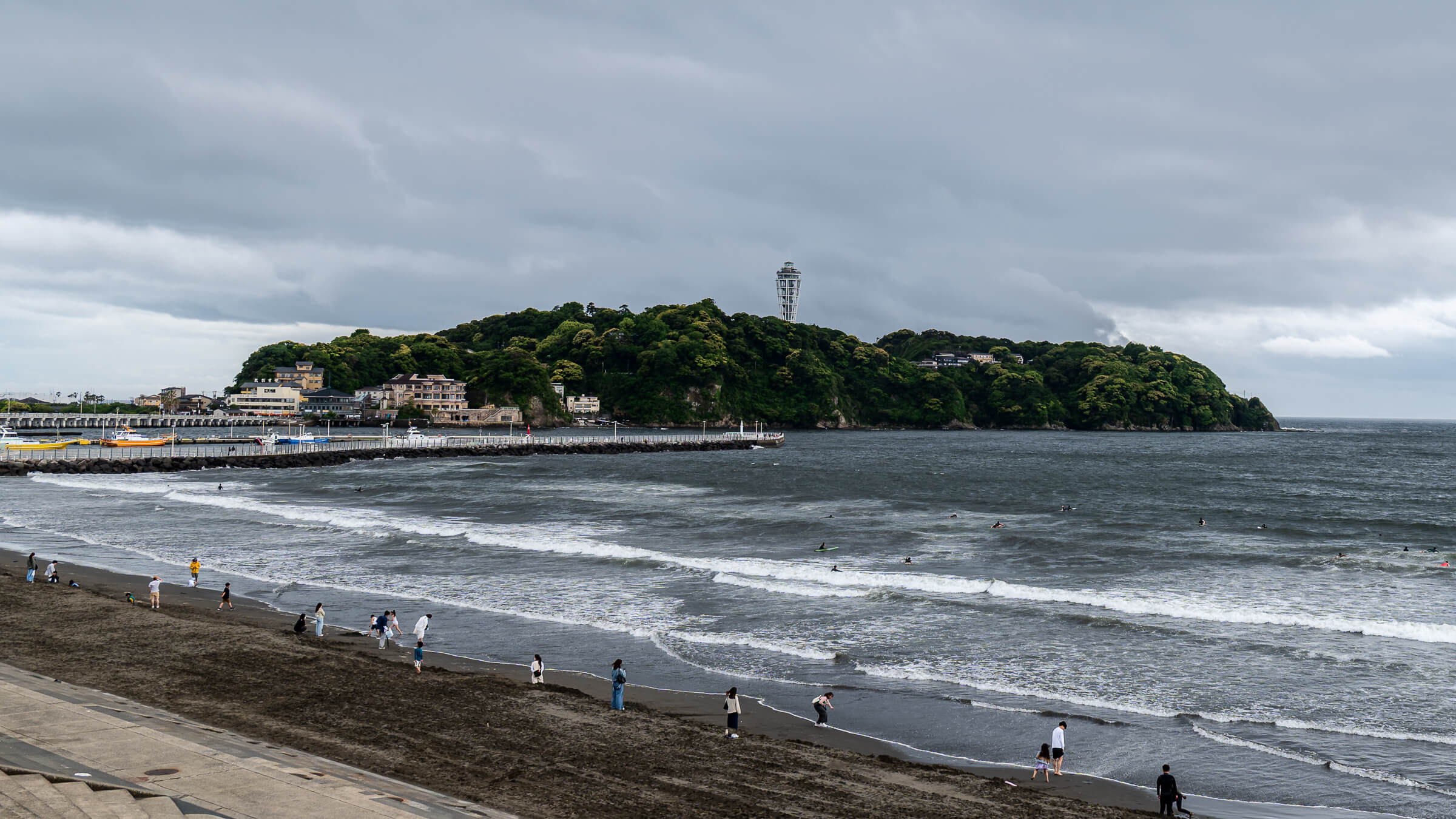
Compare Japan Data Plans
Check phone compatibility, coverage and data allowance for navigation, translation and railway updates while travelling along the coast.
Compare Japan eSIMs
Ride the Shonan Monorail
Arrive through Ofuna on the suspended monorail. Compare ticket options and validity for this route; other railway lines require separate tickets.
View Monorail Tickets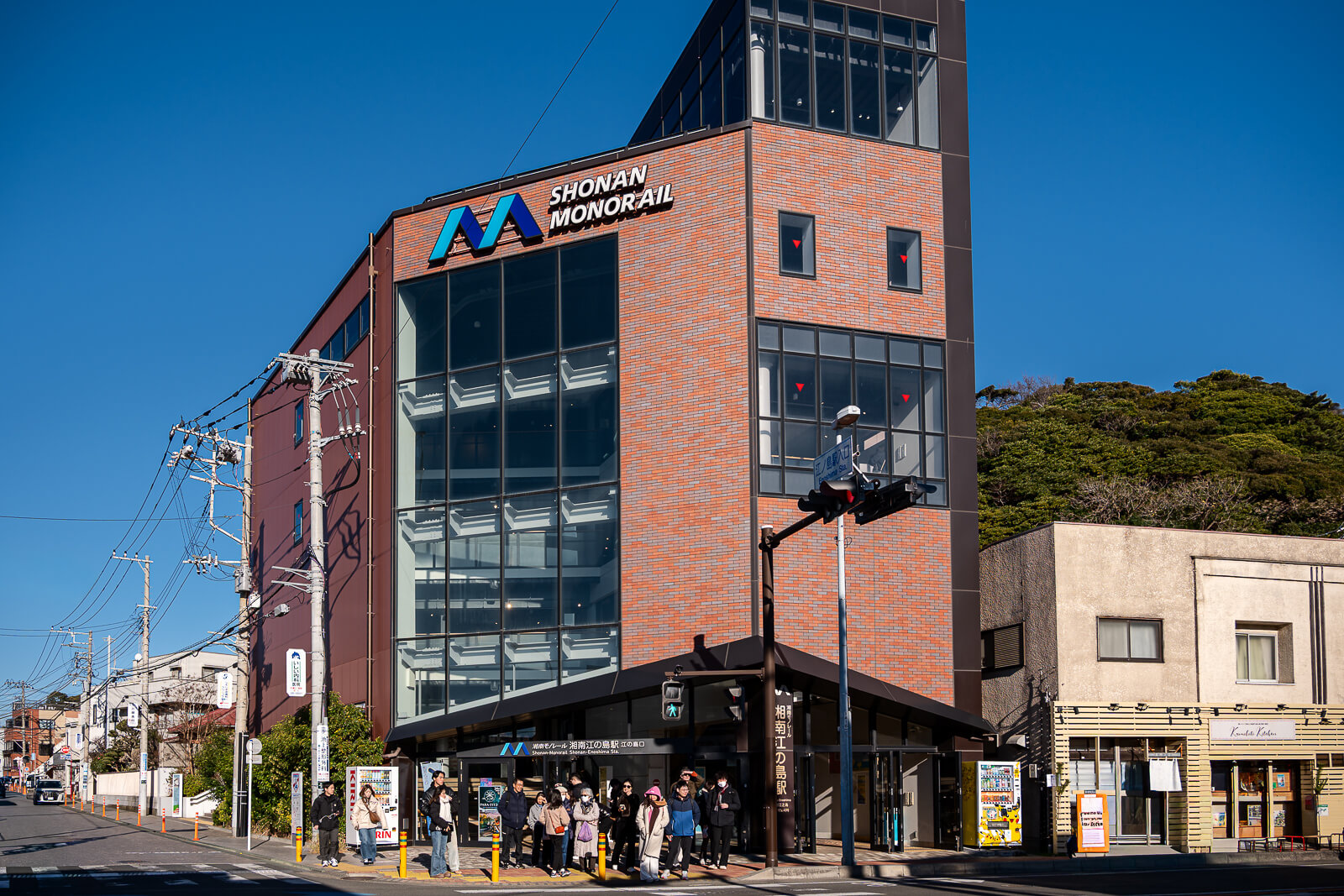
Japan Unfolded may earn a commission through links in this guide, at no additional cost to you.