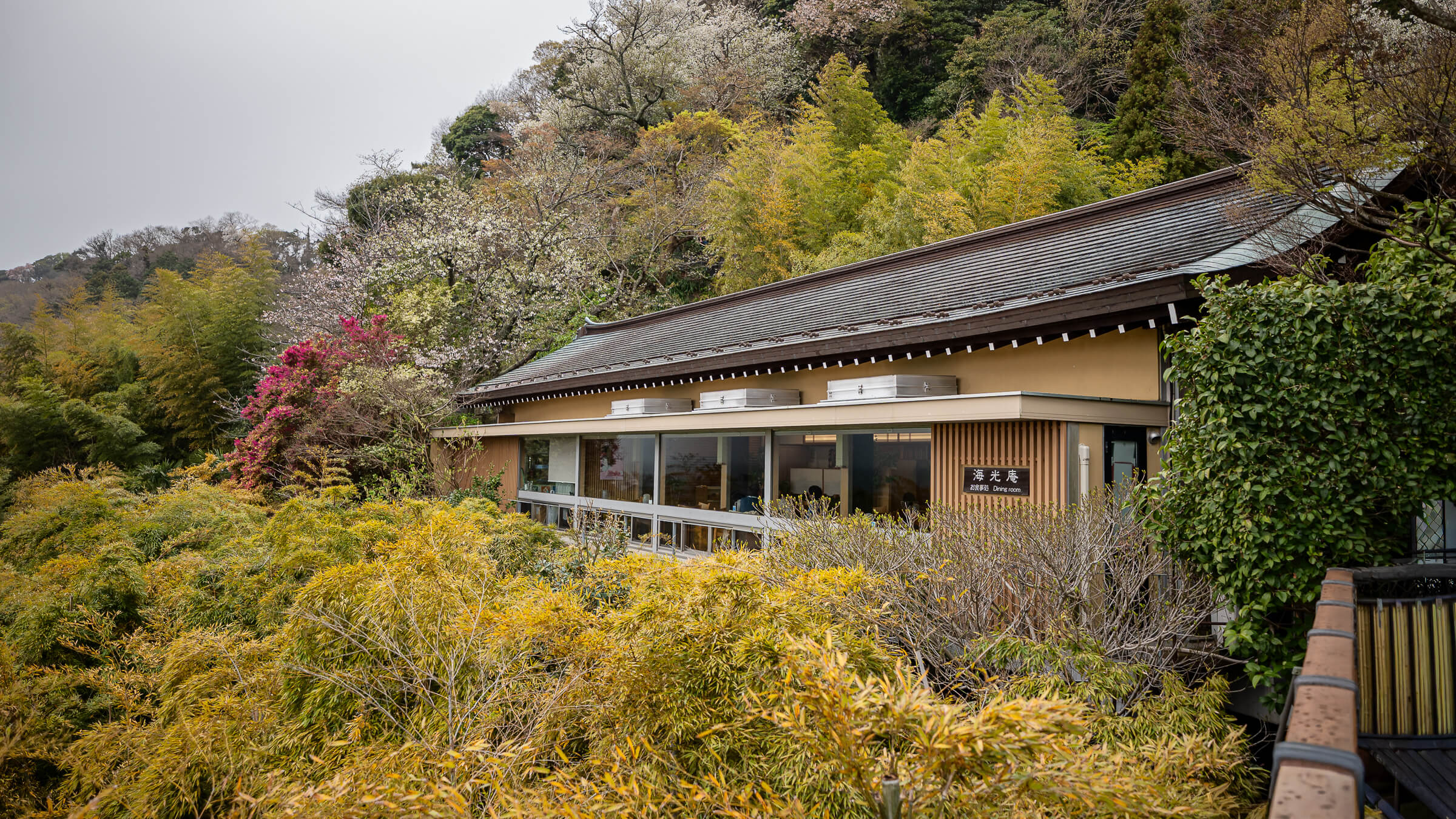
A Place to Rest and Eat Inside Hase-dera
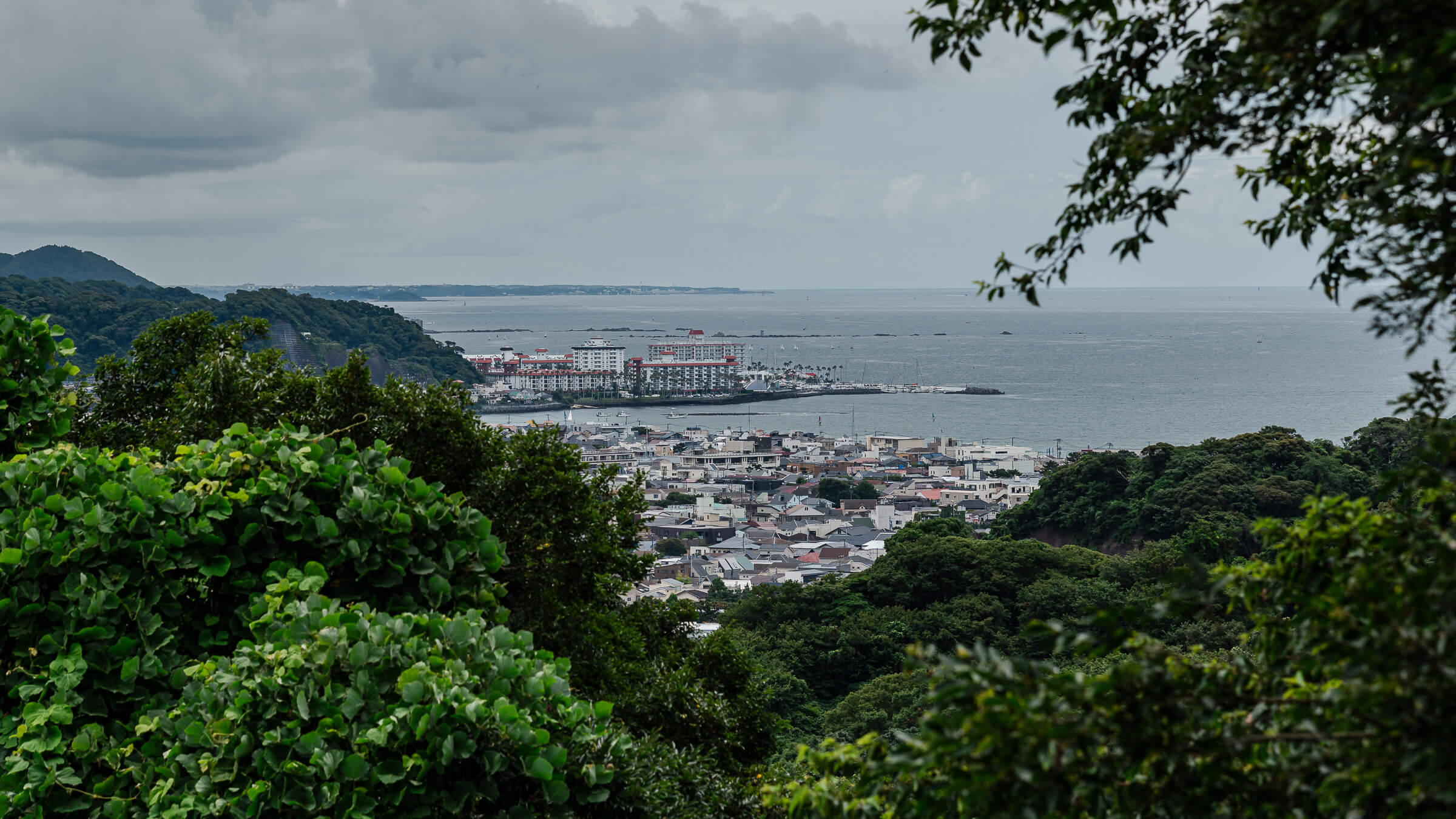
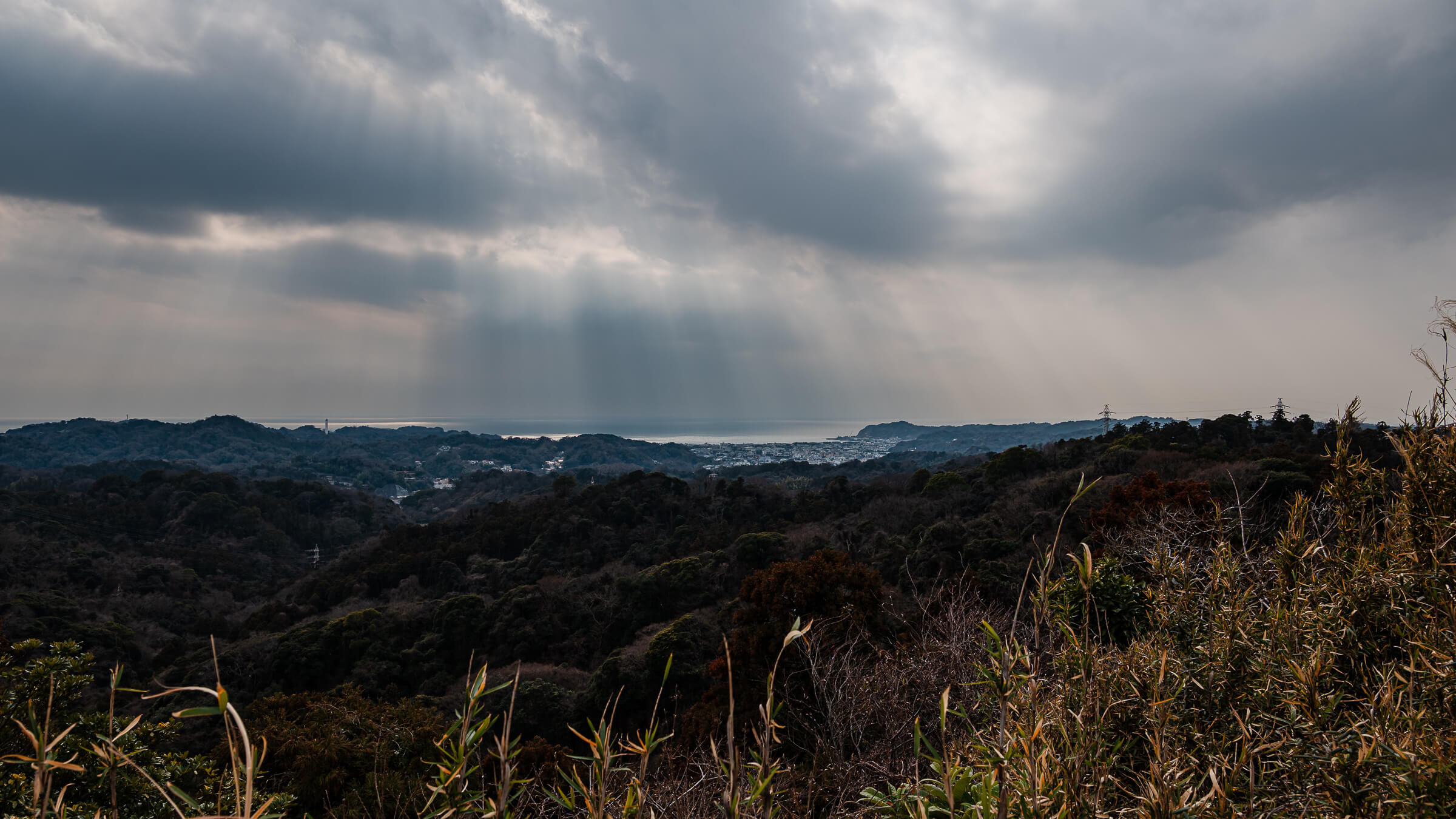
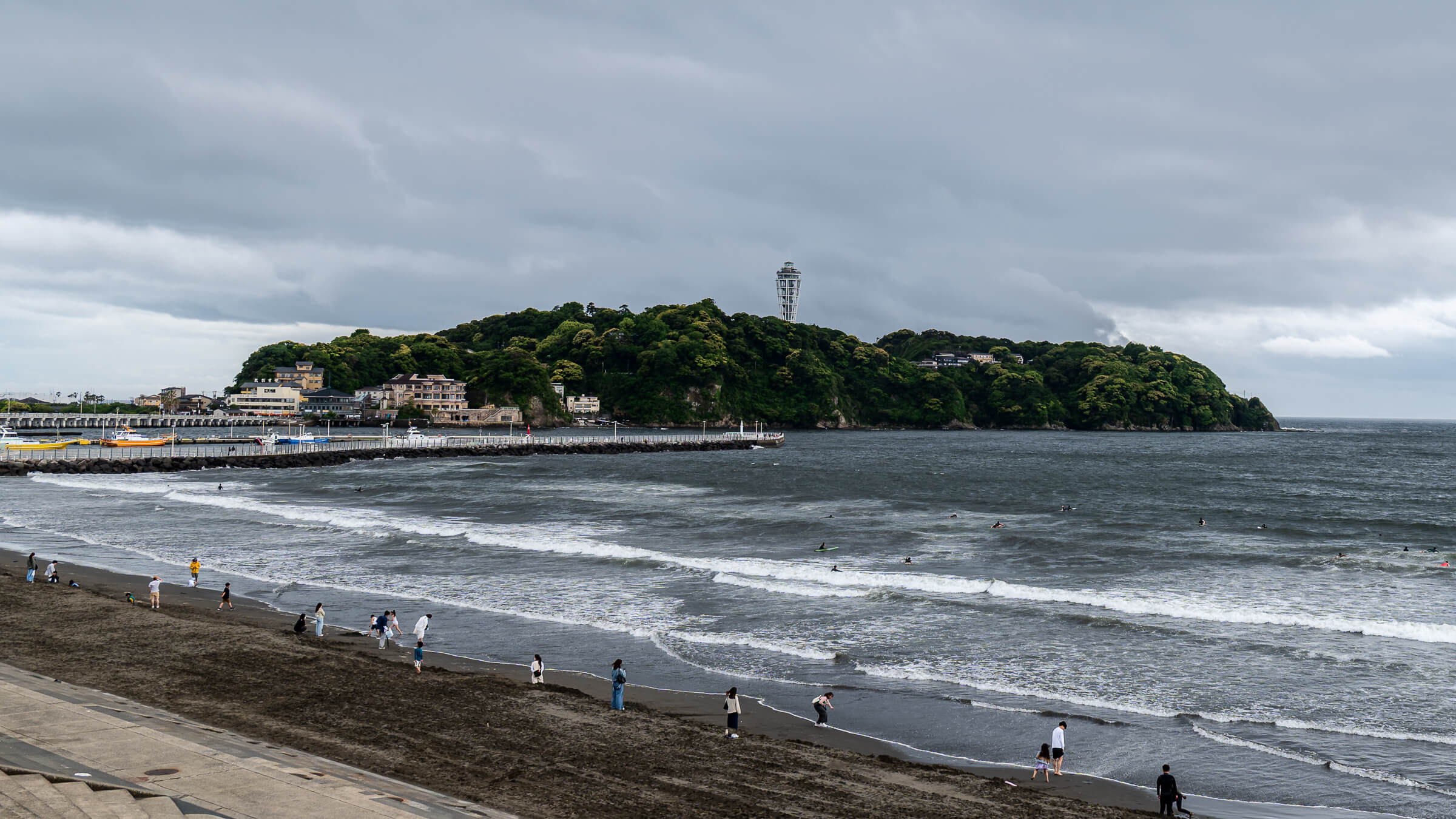
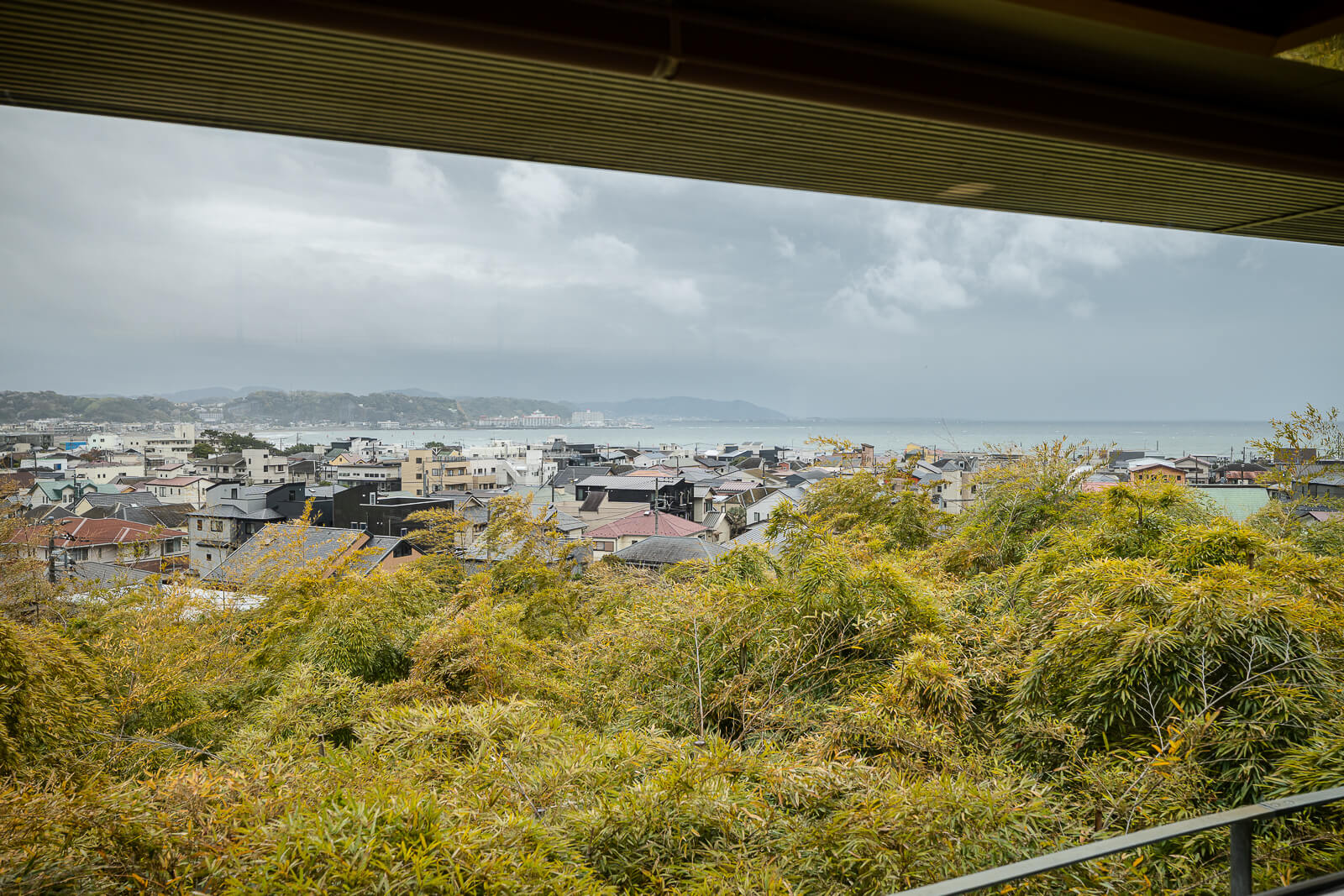
Kaikōan offers something especially useful during a Hase-dera visit in Kamakura, Kanagawa Prefecture: a place to sit down, rest and have a bite to eat before leaving the temple. Set in the upper grounds, the hillside café and restaurant looks across trees and the rooftops of Hase toward Yuigahama and Sagami Bay. The coastal view makes the break attractive, while the location keeps it convenient to the halls, museum and gardens already around it.
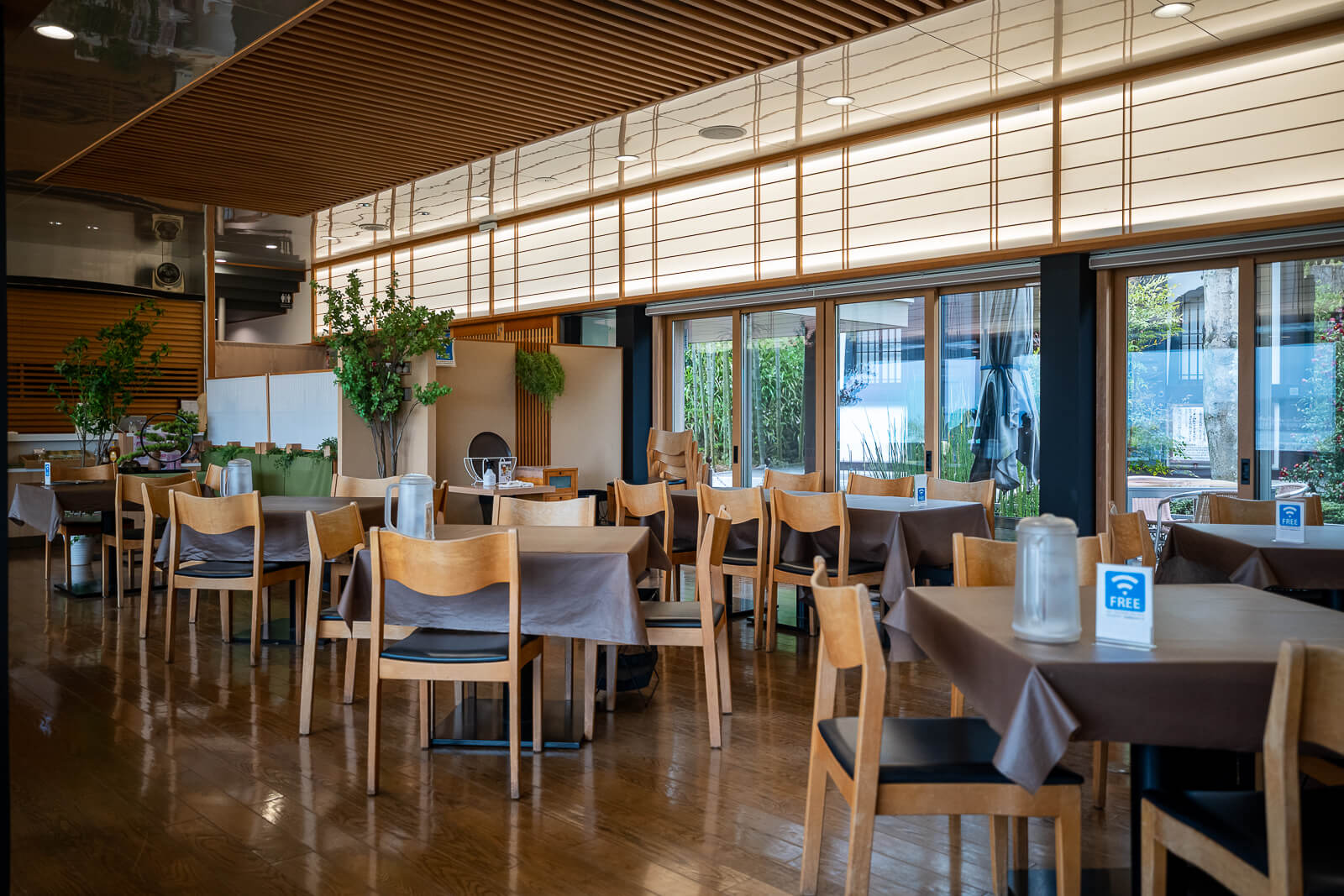
That convenience matters around lunchtime, when finding a meal on the streets below can take more effort as Hase gets busy. Eating within the grounds means the search for lunch does not have to become another part of the outing. The menu covers meals, snacks, sweets and drinks, so the stop can suit either a full appetite or a shorter rest with something small.
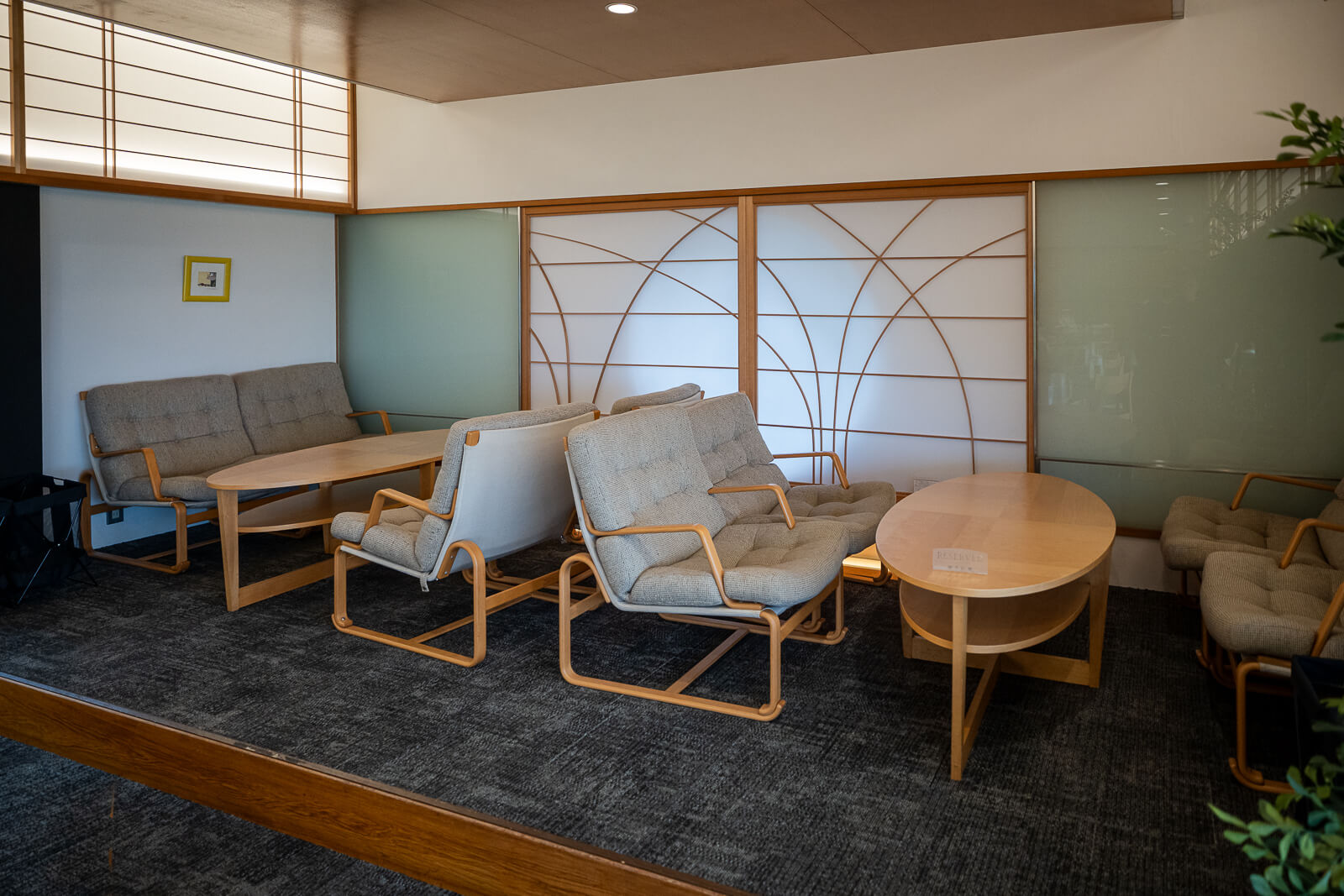
Broad windows run along the dining room, with wooden tables, chairs and exposed ceiling details carrying the hillside setting indoors. From beside the glass, the view passes over the trees to the town and the water beyond. The sea remains part of the experience even under cloud, when the horizon takes on a softer color.
A Busy Temple Can Still Leave Room for a Break
A crowded temple does not always mean a crowded restaurant. There have been busy days at Hase-dera when Kaikōan still had available tables, making it worth looking inside before assuming the streets below are the only option. The wooden dining room offers a seated pause after the climbs and paths through the grounds, with the view continuing beyond the windows.
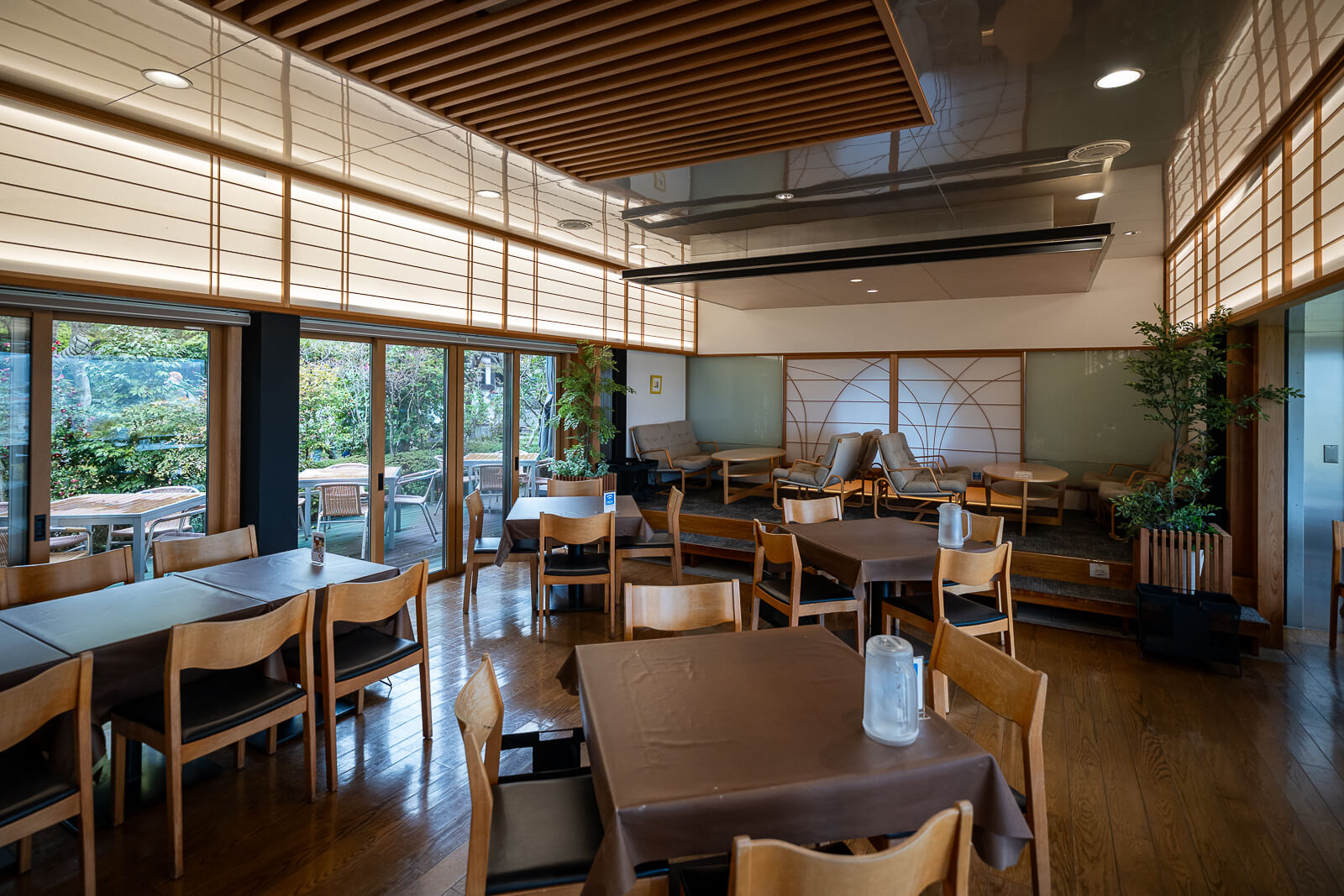
Kaikōan can be approached as a café as well as a lunch stop. A drink and a bun or sweet can be enough when the main need is to rest, while pasta, curry or noodles make it a meal. For visitors already inside Hase-dera, that flexibility is the appeal: choose the size of the break around appetite and the time available.
Temple-Style Pasta and a Bowl of Udon
The temple-style pasta gives a familiar form to one of the menu’s meat-free choices. Spaghetti arrives beneath a red, minced-style sauce, with a small green garnish against the white plate. It is a practical lunch option for visitors who want a meal within the temple before continuing through Hase.
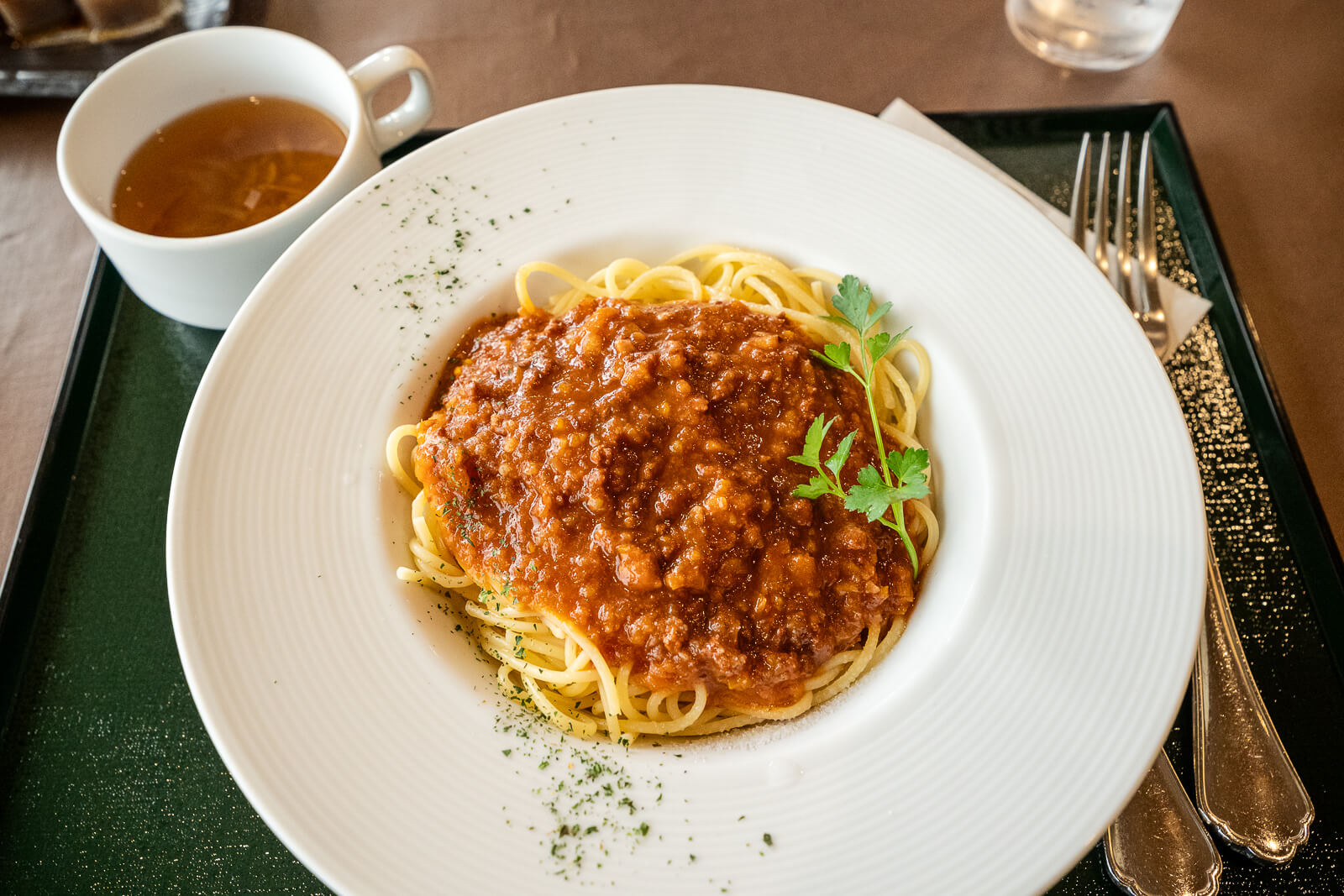
The idea behind the temple-style dishes draws on shōjin cooking, the Buddhist tradition of food prepared without meat or fish. Kaikōan applies that approach to dishes such as its temple curry and pasta. It does not make every item on the wider menu vegetarian, so those dishes should be distinguished from other choices.
Udon offers a different meal, with thick white noodles in a bowl of broth and toppings above them. The seafood-based udon belongs to a different part of the menu from the vegetarian-style pasta. That distinction matters more than assuming a restaurant inside a temple serves only one kind of food.
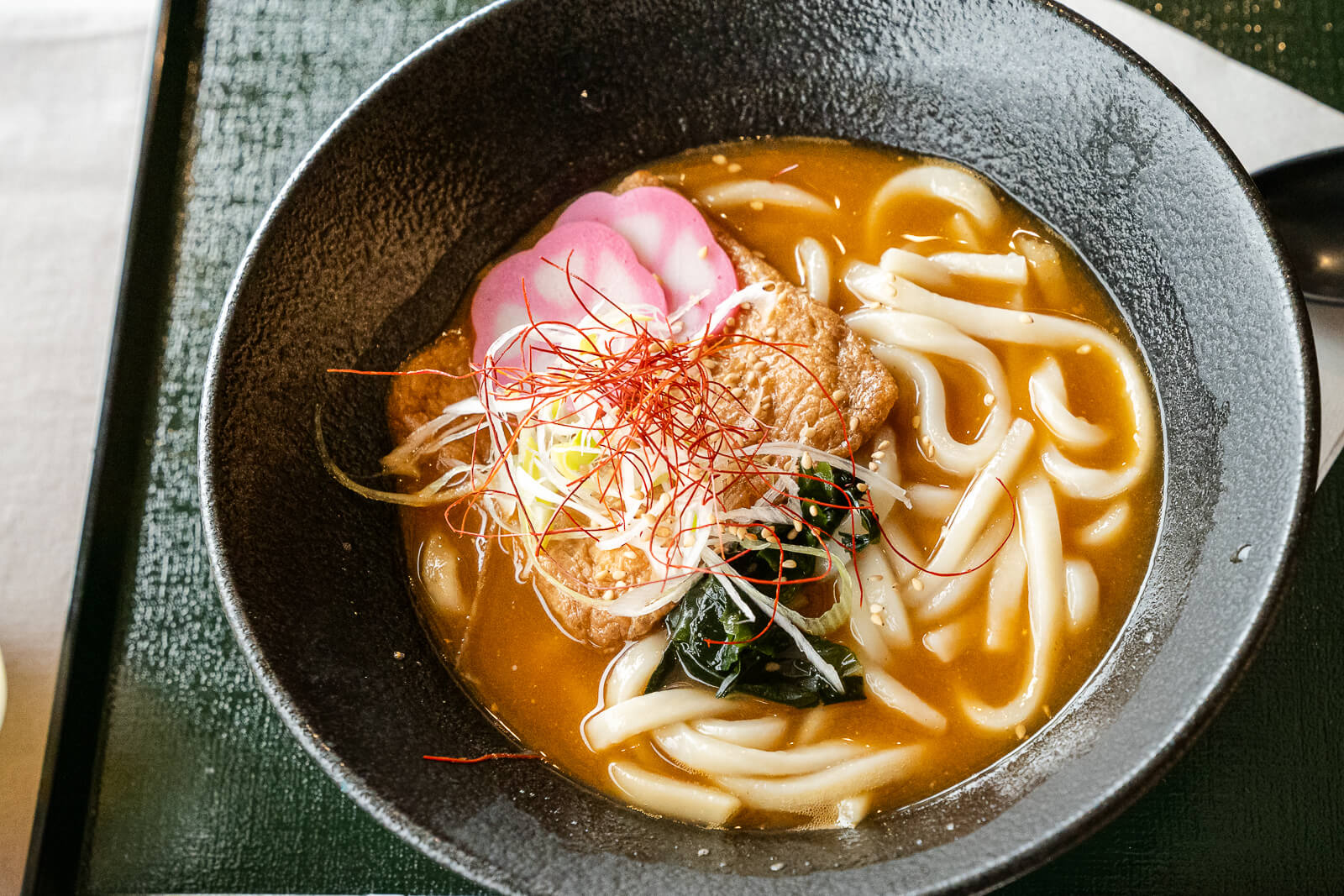
The current official menu also lists the temple’s curry and curry udon. Those provide further choices beyond the pasta and broth-based noodles. For a temple visit that already includes the gardens, main hall and sea-view terrace, the appeal is being able to include lunch without leaving the grounds.
Temple Buns and Konnyaku Skewers
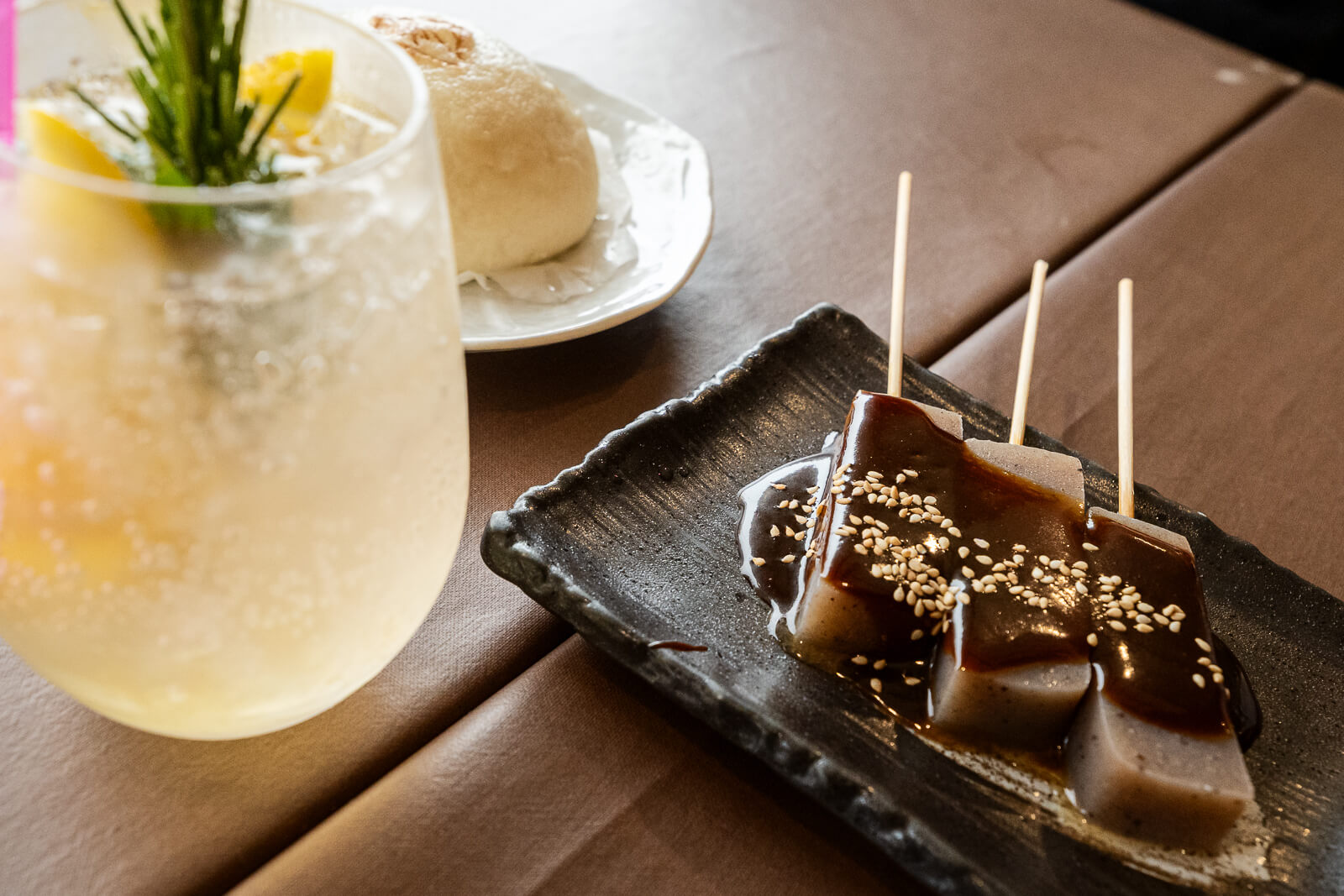
A smaller stop can center on snacks instead of a full meal. The white temple bun, or tera manjū, has a rounded top and a stamped mark, giving it a very different appearance from the open plates of noodles. The operator describes its temple bun as a shōjin-style snack made without meat or fish.
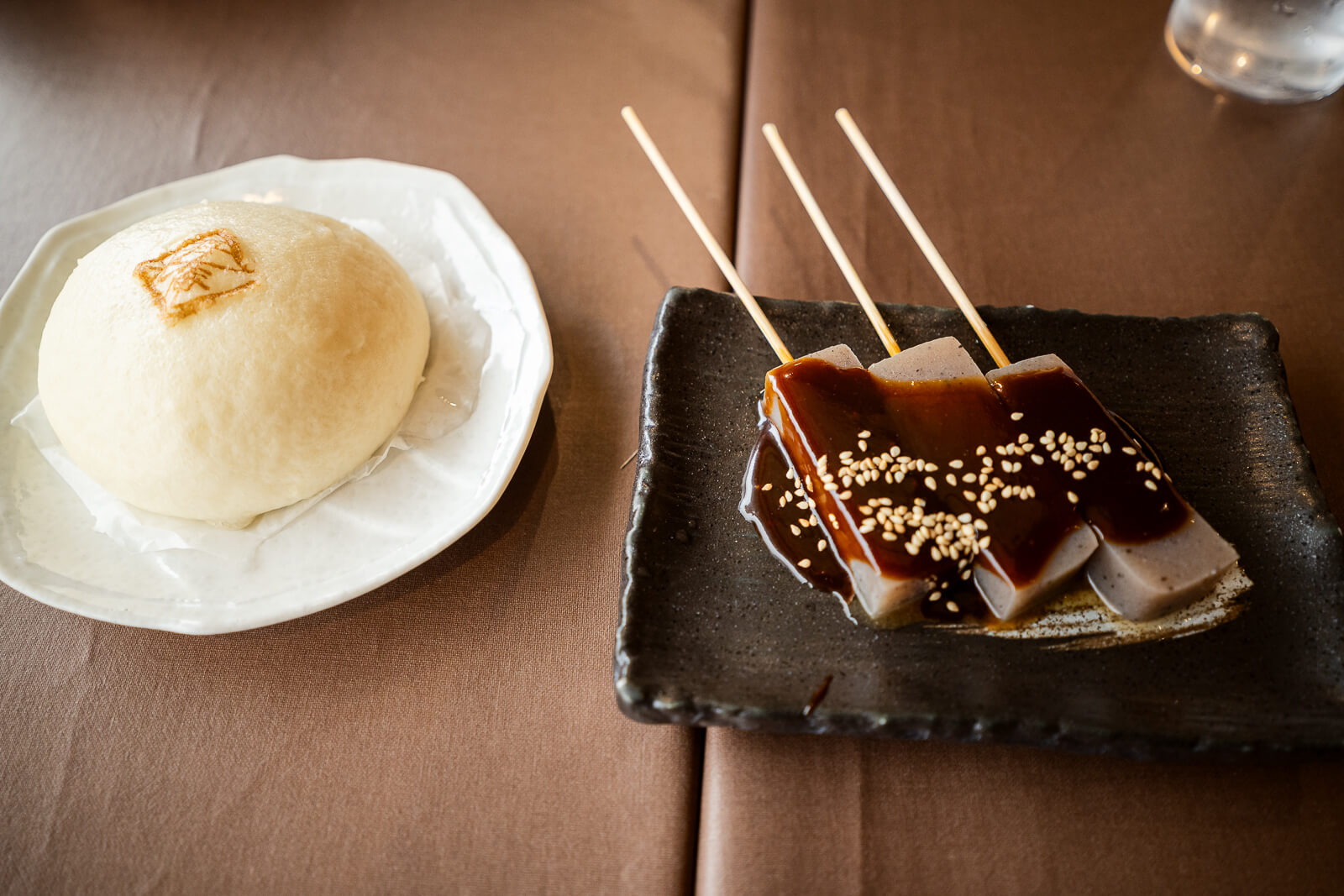
The skewered konnyaku brings another shape to the table: pale rectangular slices beneath a glossy brown topping and scattered sesame seeds. The dish matches miso dengaku, a preparation served with a miso-based sauce. Paired with the bun, it makes a compact savory selection that leaves room for the rest of the temple visit.
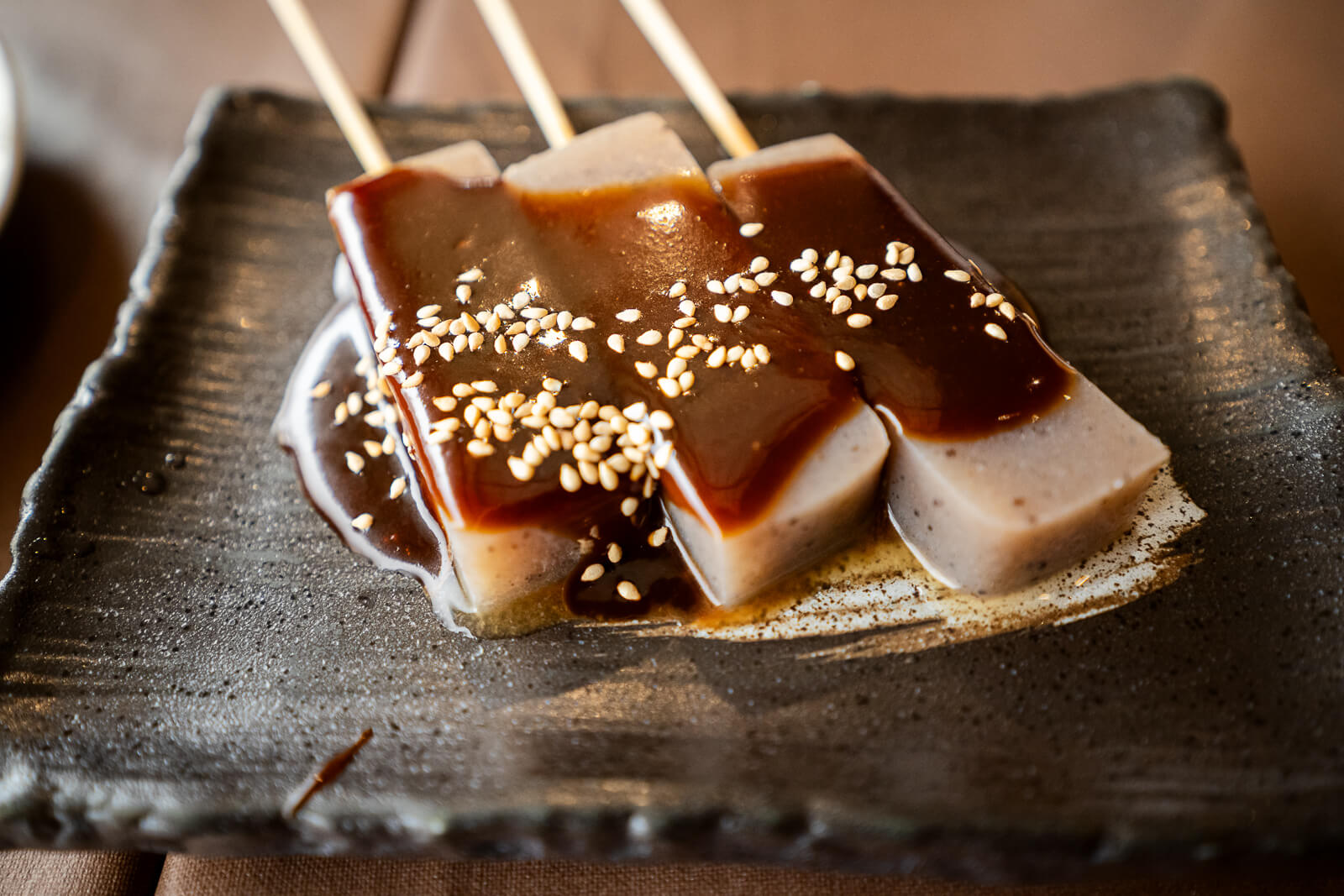
Sweets offer another reason to stop, with the official menu listing dango and shiratama zenzai as well as matcha. They suit a visit built around a drink and something small at the table. The choice between lunch and a lighter pause can therefore be made around appetite and the rest of the Hase outing.
A Drink with the Coastal View
Drinks can make Kaikōan a worthwhile stop even when lunch belongs elsewhere in the day. Matcha, homemade ginger ale and other choices appear on the official menu. Seasonal specials add variety beyond those regular listings.
A tall iced drink, garnished with greenery and citrus, adds a bright note to the table beside the bun and skewers. Its pale color and glass of ice suit the open outlook from the windows. Seasonal drinks change, so the pleasure of a café stop need not depend on finding one particular special again.
When to Include Kaikōan
The most convenient time to include Kaikōan is while visiting the upper grounds, before heading back down toward the gate. Looking in around mealtime keeps the choice simple, especially when tables are available. If there is a long wait, the advantage of an easy meal within the temple becomes smaller. For an autumn outing, the Kamakura autumn guide pairs this Hase stop with the temple gardens and nearby Great Buddha.
Kaikōan is separate from Teraya Café near the temple entrance. Choose Kaikōan for a seated meal or café stop within the upper grounds; Teraya serves a different point in the visit near the gate. The outdoor terrace also offers the coastal outlook without requiring a restaurant stop.
The Hase-dera temple guide covers the gardens, halls and paths around the restaurant. The Kannon Museum adds an indoor collection visit nearby, while Kōtoku-in and the Great Buddha extend the outing beyond the temple. For walkers arriving from the northern temples, the Daibutsu Hiking Course brings the outing into Hase. These are useful additions to choose between, leaving enough time to enjoy the parts of Hase that matter most.
Getting There
ARRIVE IN HASE
From Kamakura or Fujisawa, take the Enoden to Hase Station and walk about five minutes to Hase-dera’s gate. After entering the paid grounds, continue uphill toward the upper terrace and Kaikōan.
- Enoden Hase Station
Kamakura Station → Enoden → Hase Station → Hase-dera entrance
About 5 minutes to the temple gate; additional uphill walk inside · Climb through the paid grounds to Kaikōan near the upper coastal terrace. · Continue within Hase-dera; the station walk ends at the gate, rather than at the restaurant.
Hours & Fees
Visitor information
Kaikōan keeps its own daytime hours within Hase-dera. Food and drink are charged separately from temple admission.
- Hours
- 10:00–16:00; meal orders end at 15:00.
- Admission
-
Temple entry: Adults: ¥400. Elementary school students: ¥200. Current menu examples: Temple curry ¥1,400; temple pasta ¥1,300; curry udon ¥1,200; temple bun ¥300. Drinks and sweets: Matcha ¥700; homemade ginger ale ¥650; dango ¥400. Seasonal specials vary.
Plan Your Visit
Hase makes a convenient base for Hase-dera, the Great Buddha and time near the coast. Central Kamakura favors direct JR connections, more dining choices and onward travel to the northern temples. A café stop fits into either plan without needing to shape the entire day around it.
Choose Hase or Central Kamakura
Stay in Hase for the temple and coast, or choose central Kamakura for JR connections and a wider choice of evening dining. Compare locations across the city for the rest of the visit.
Compare Kamakura Stays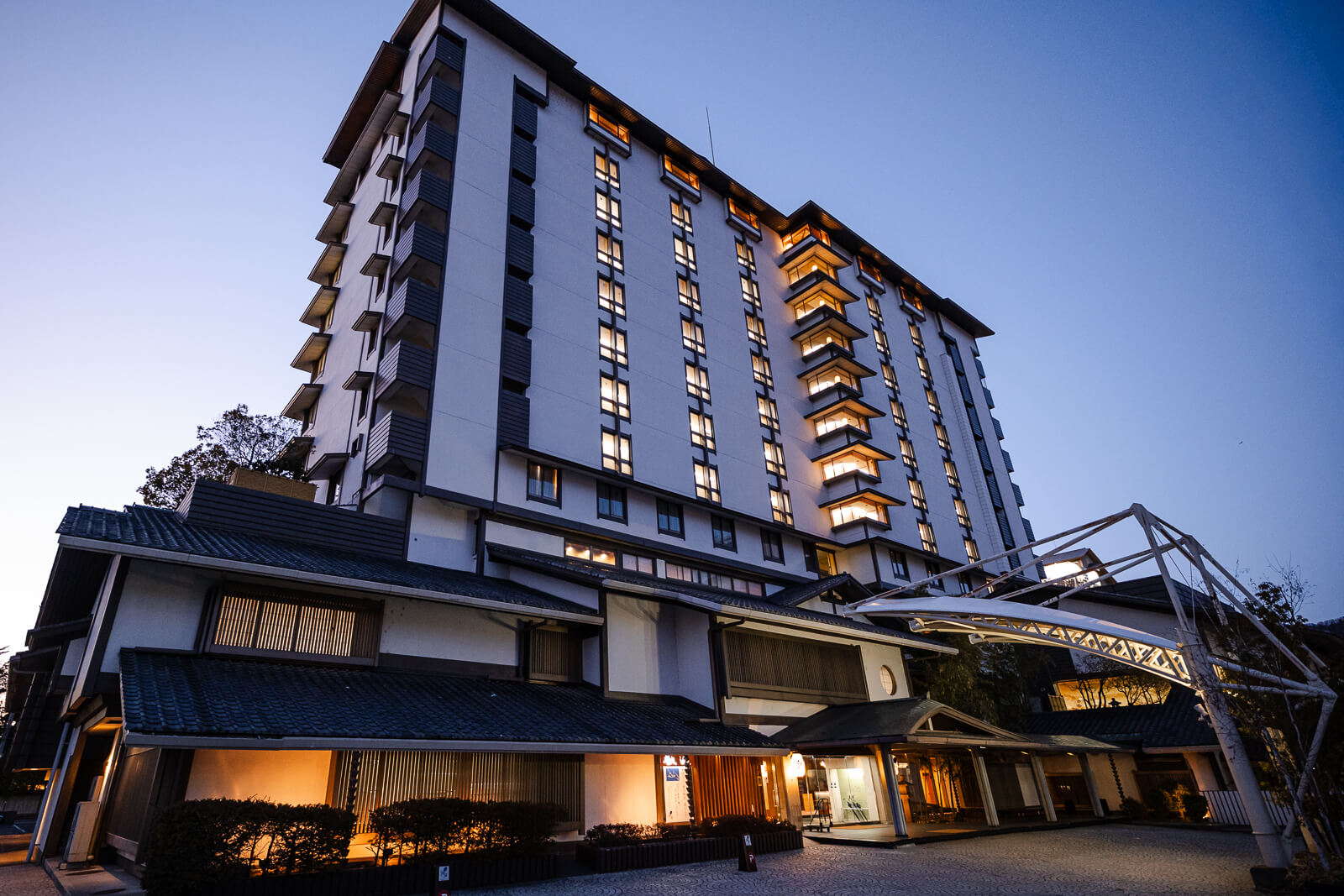
Compare Rental Cars in Tokyo
Explore Tokyo pickup options for a longer regional journey; trains and walking work well for a Kamakura temple or shrine day.
Compare Tokyo Car Rentals
Find a Guided Kamakura Day
Browse Kamakura tours for the wider outing. Compare included stops and time in Hase; the museum and restaurant are separate choices within the temple visit.
Explore Kamakura Tours
Explore Enoshima Aquarium Tickets
Add Enoshima Aquarium to a longer Shonan-coast stay. This is a separate attraction, with its own ticket; it does not provide Hase-dera or Kannon Museum admission.
View Aquarium Tickets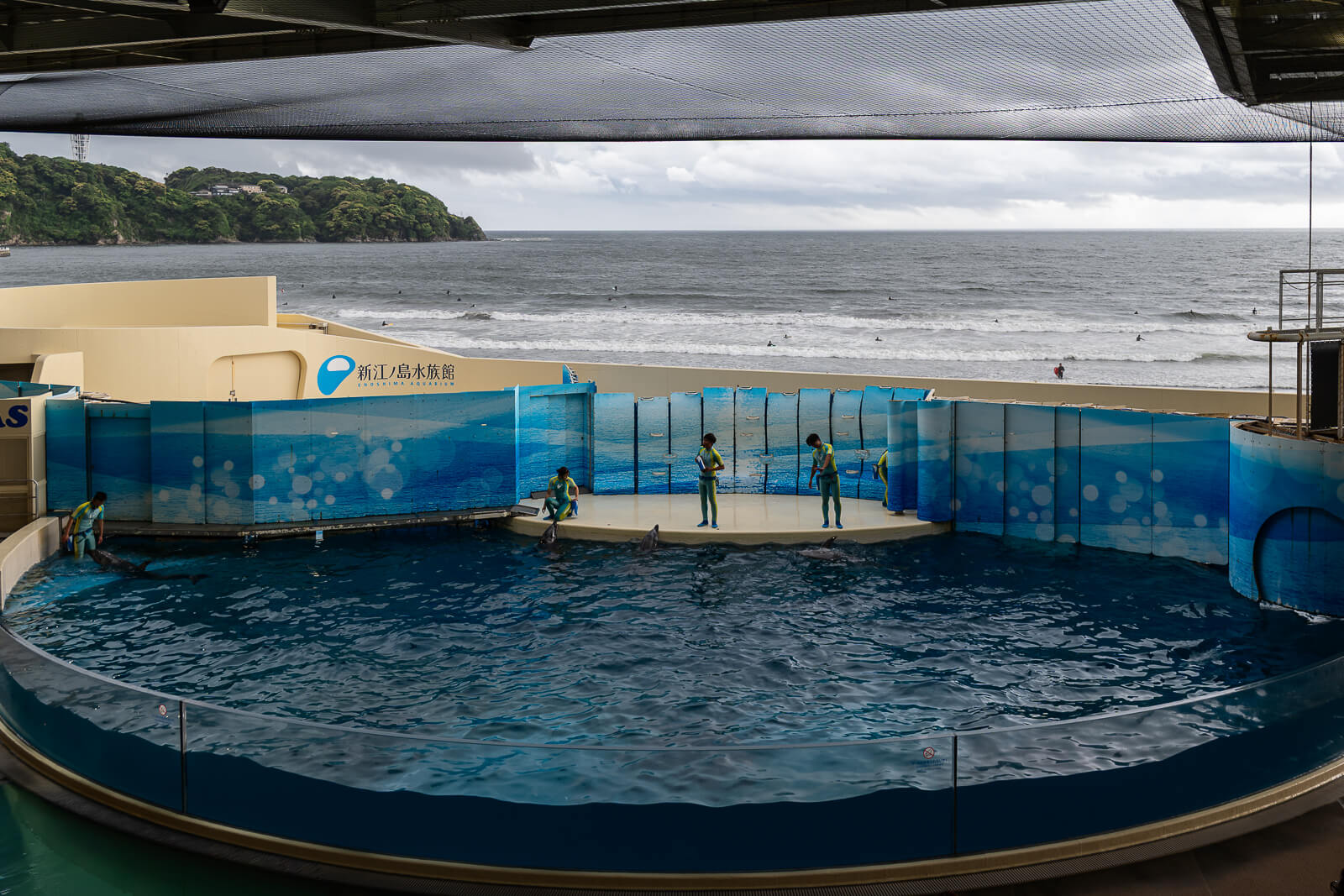
Keep Kamakura Within Easy Reach
Compare Japan eSIM plans for maps, train information and translation while moving between Kamakura’s temple districts.
Compare Japan eSIMs
Add the Shonan Monorail
Explore the Ōfuna–Enoshima monorail for a coastal extension; this separate ticket does not cover JR travel to Kita-Kamakura or Enoden trains.
View Monorail Tickets