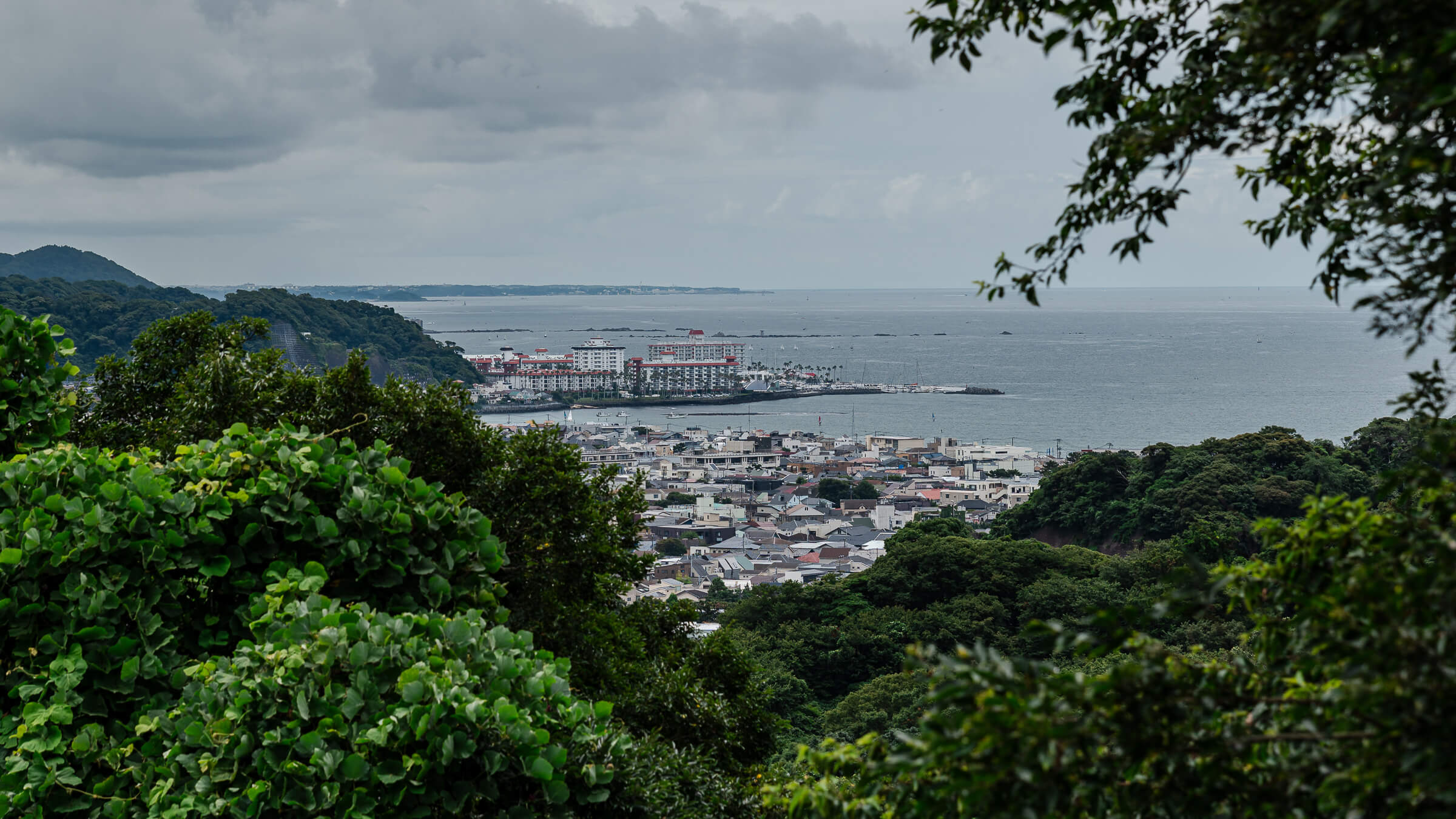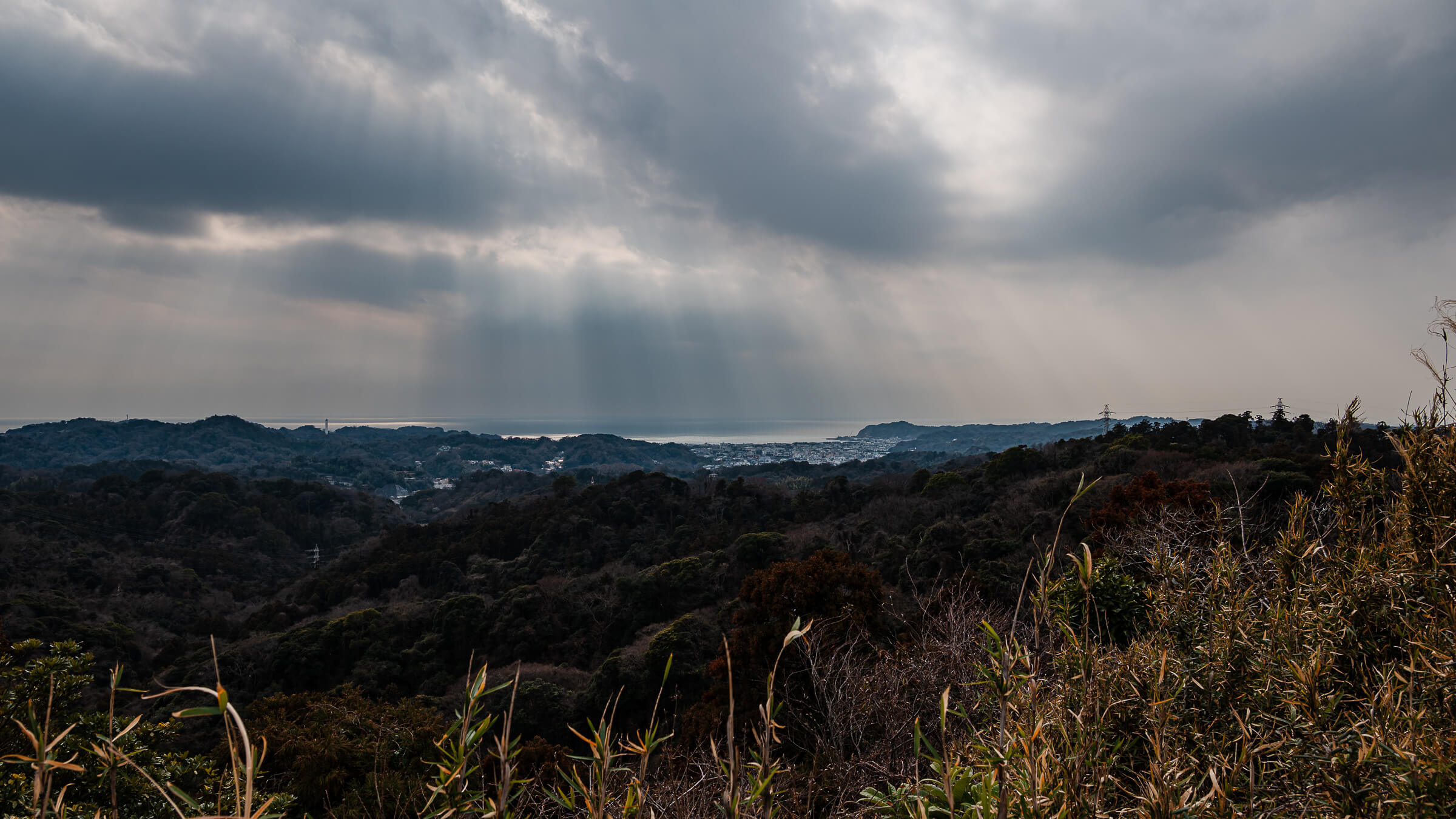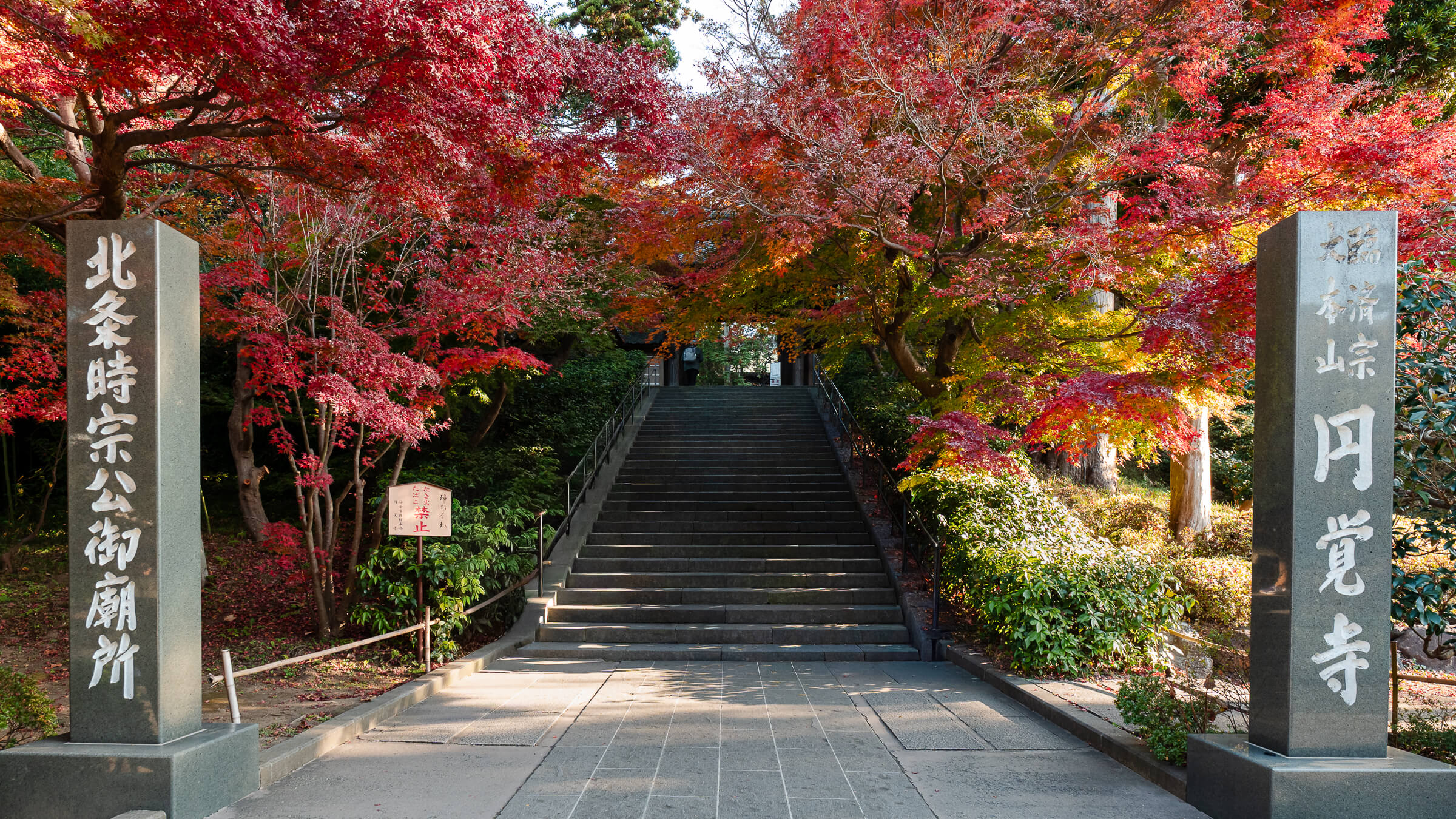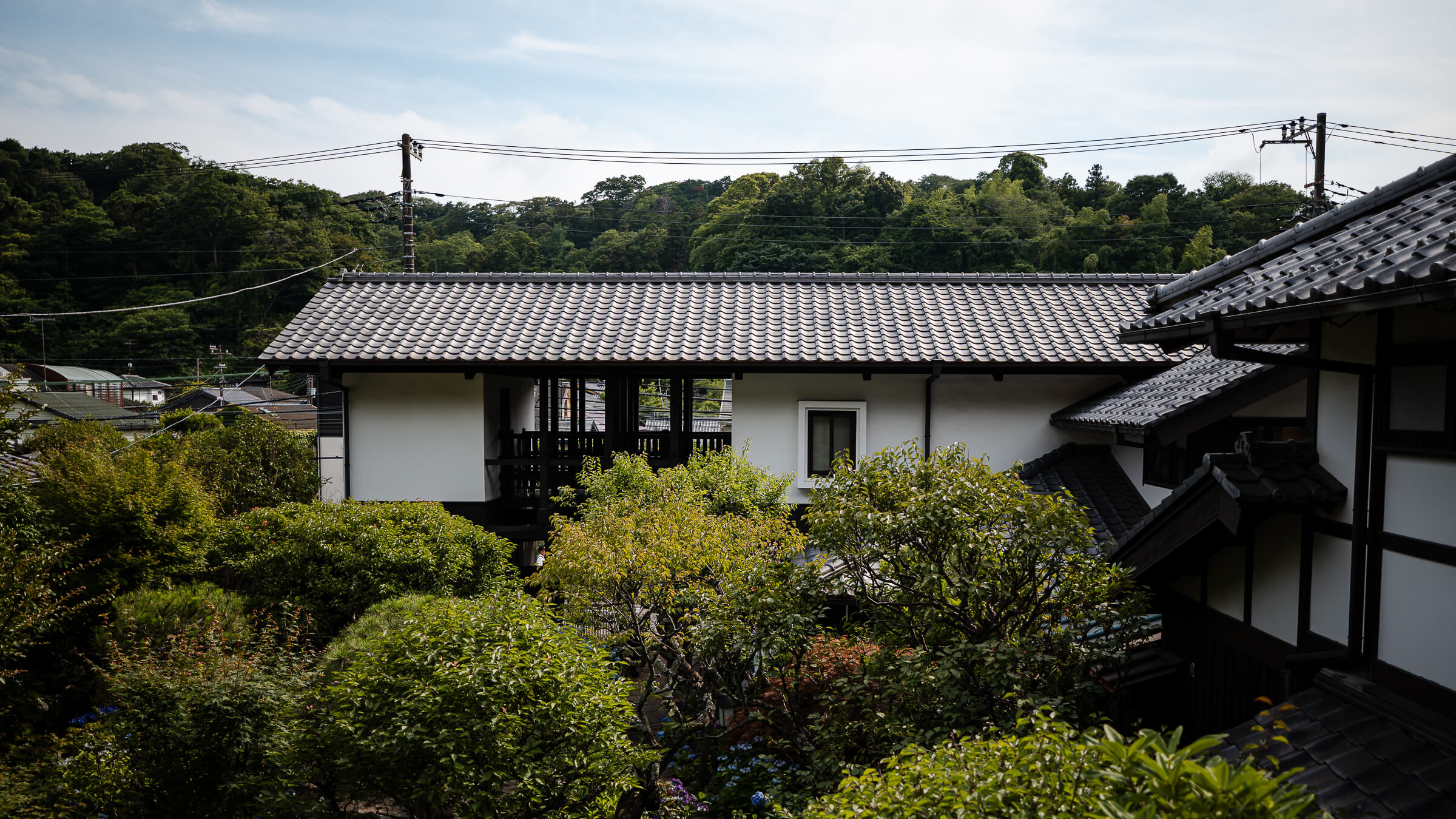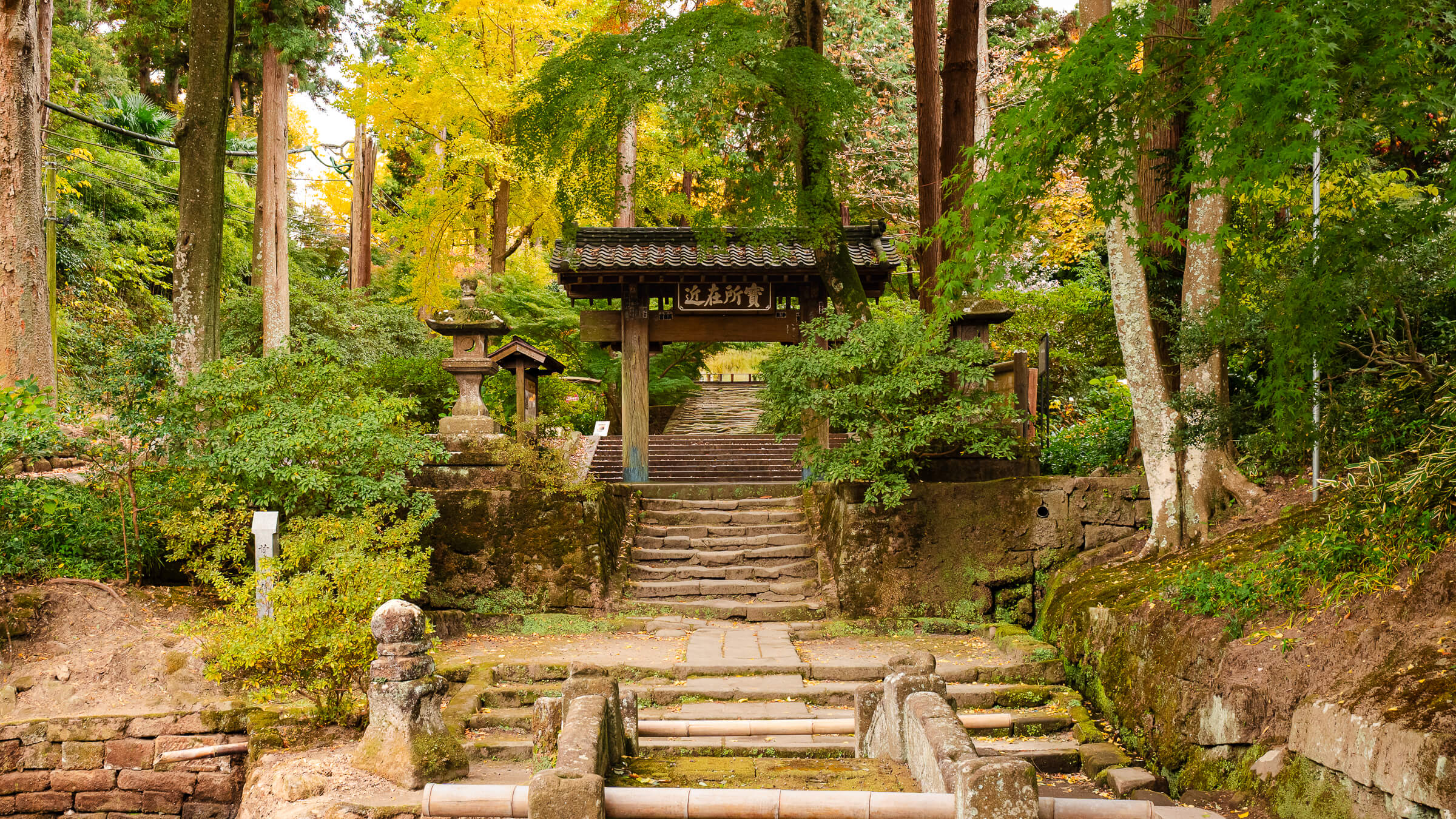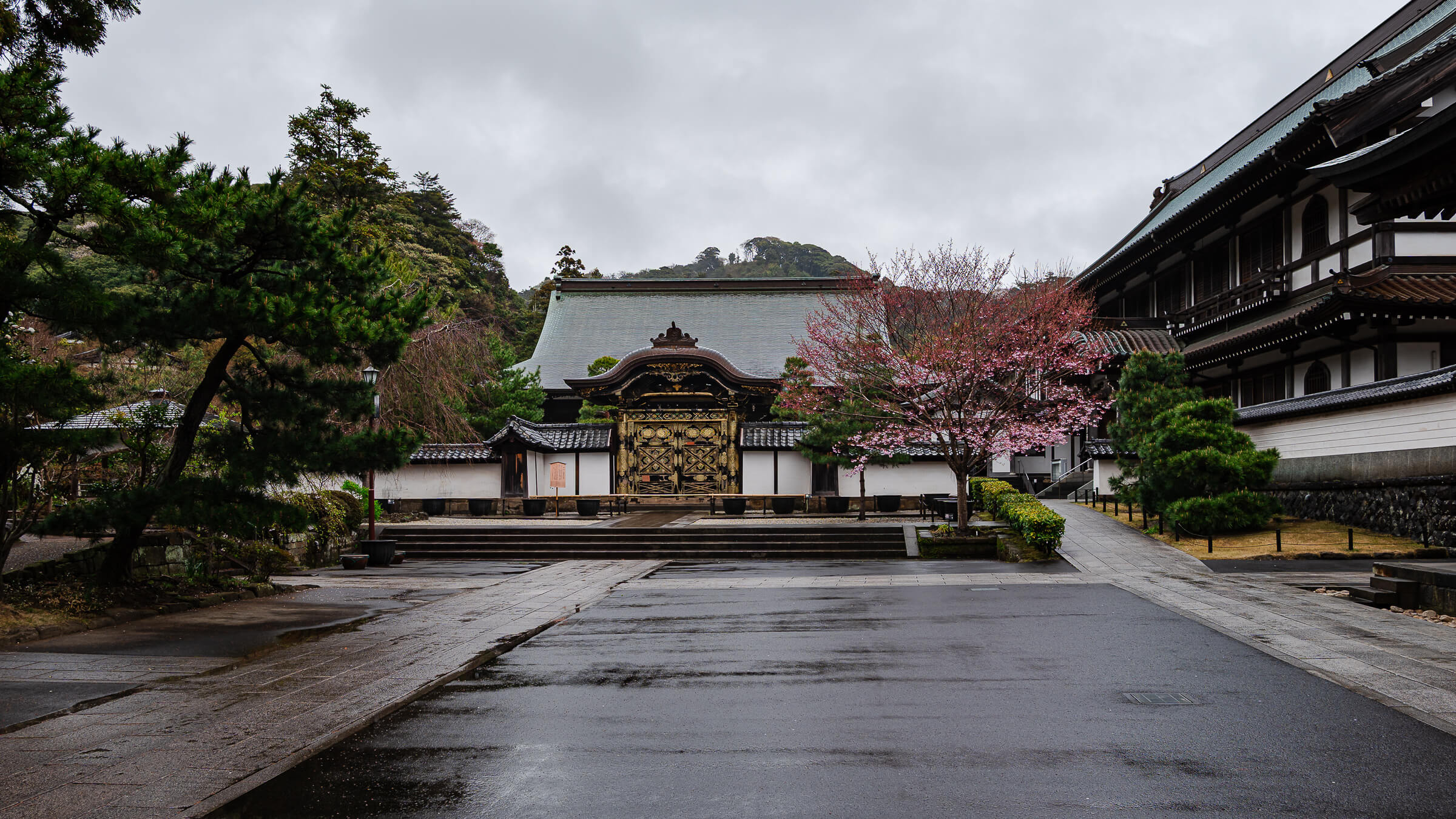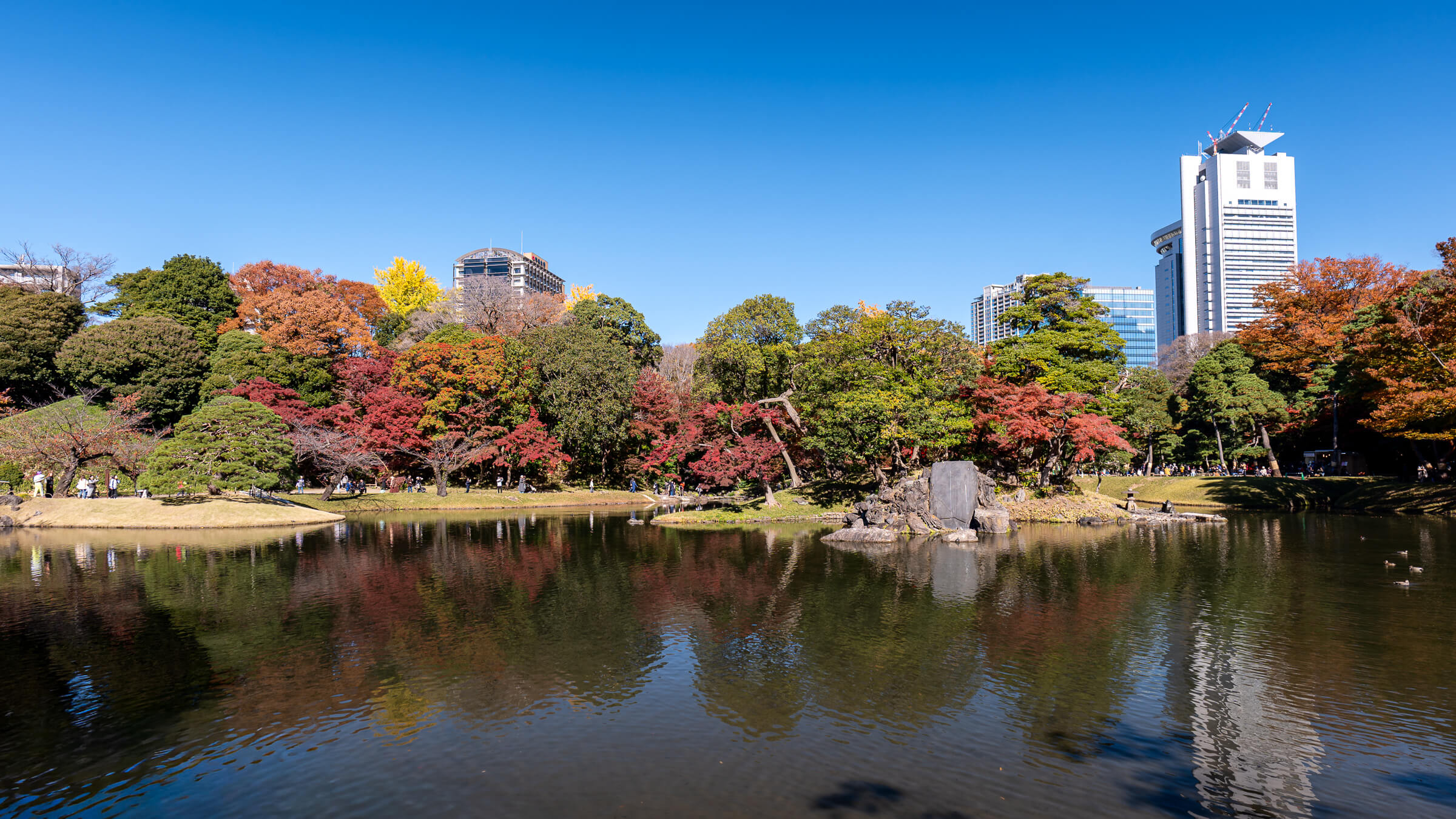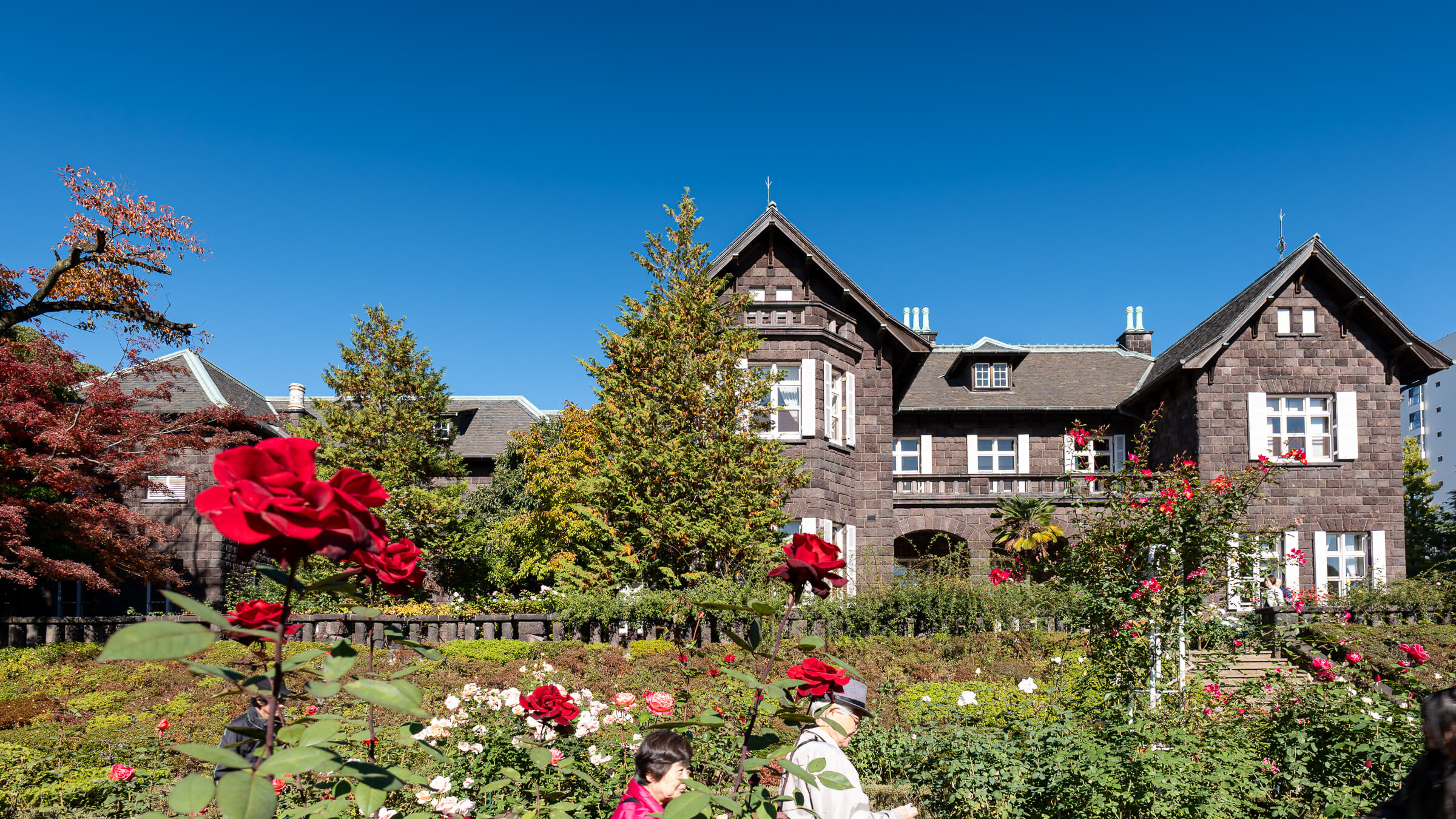
A Historical Stop Beside Genjiyama Park
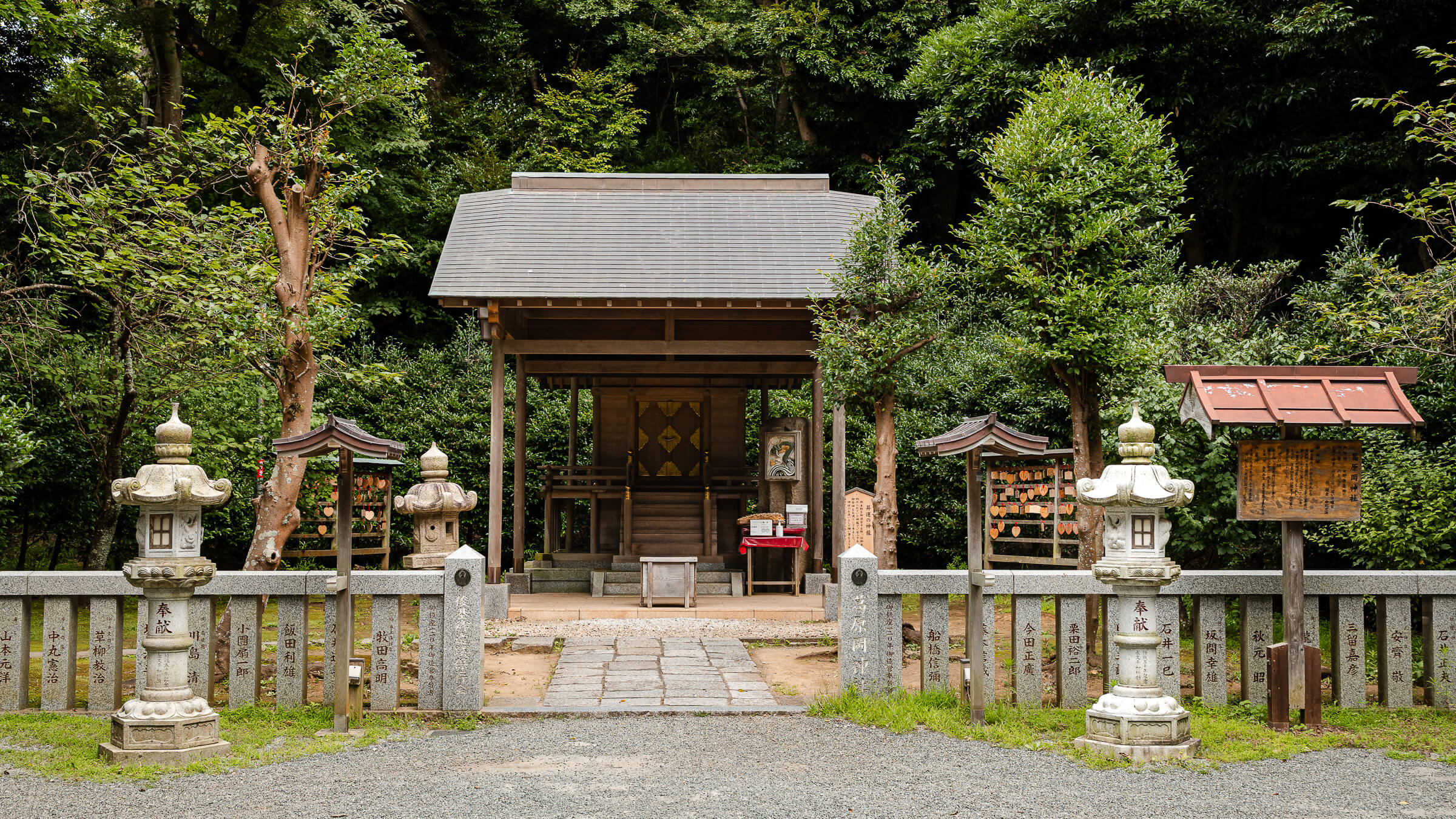
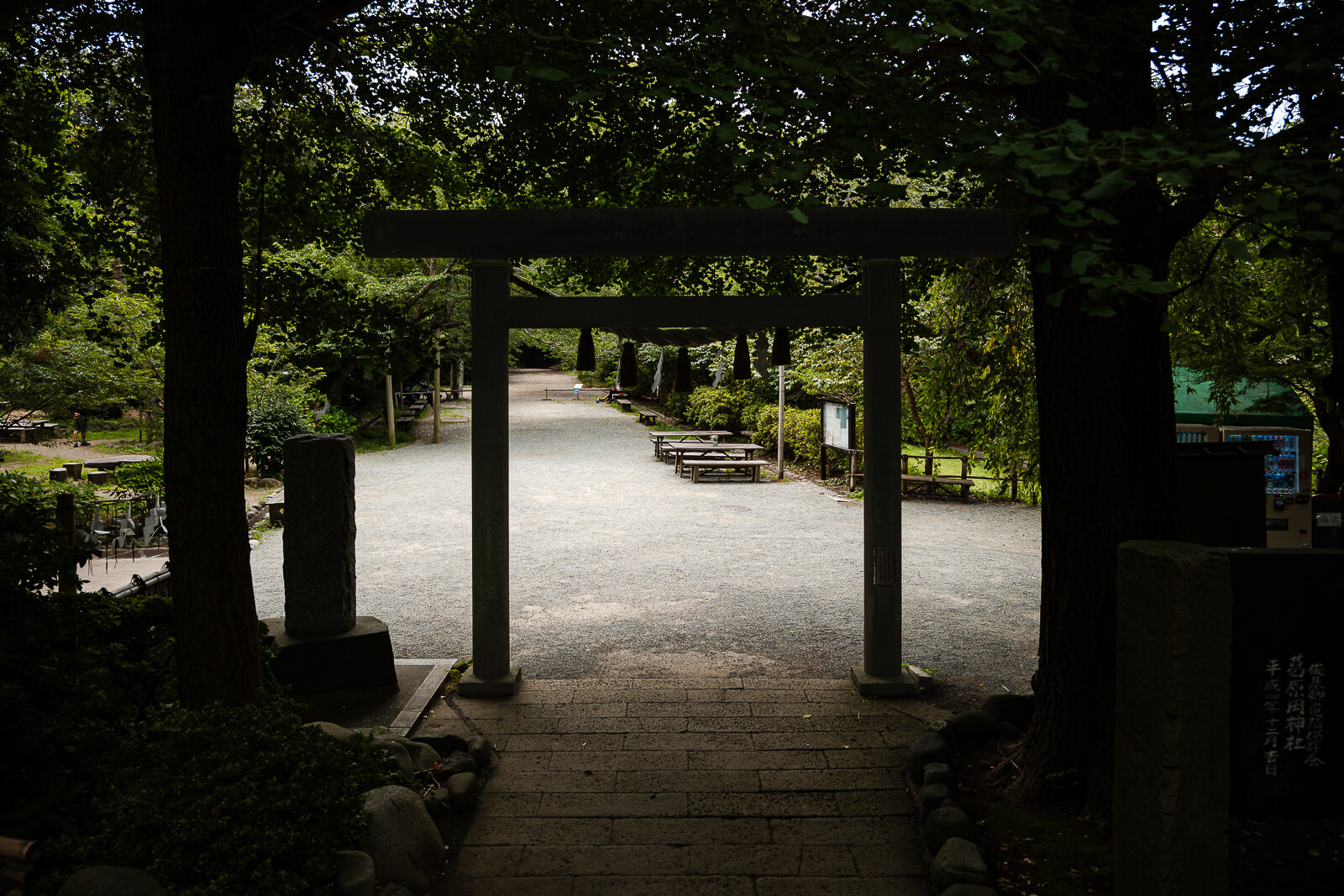
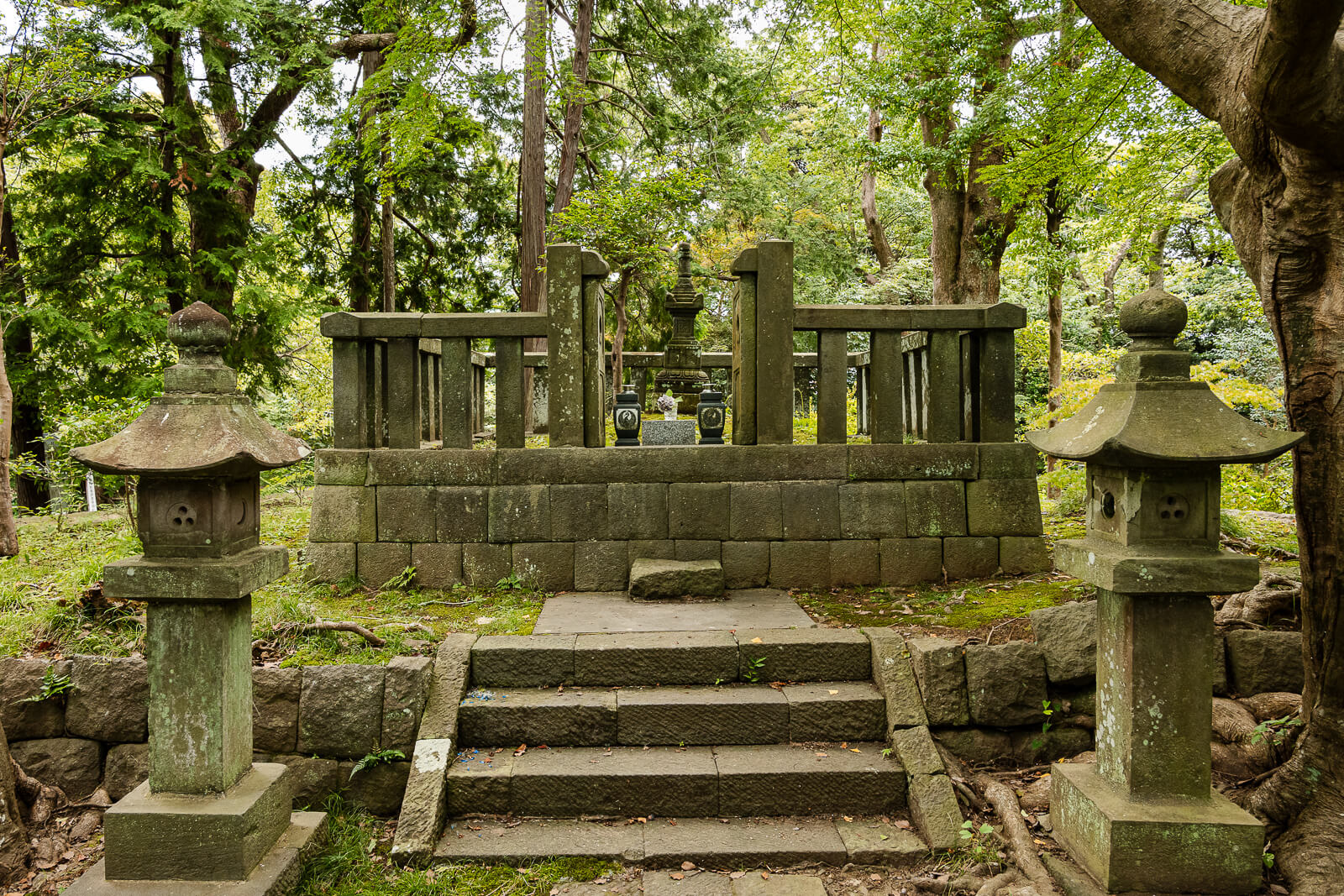
Beside Genjiyama Park in Kamakura, Kanagawa Prefecture, Kuzuharaoka Shrine is a compact historical shrine and natural stopping point along the Daibutsu Hiking Course between Kita-Kamakura and Hase. The grounds include a small worship area, a shrine office where visitors can receive goshuin, and numerous benches positioned around the site. Just south of the main shrine, Hino Toshimoto’s stone grave is designated as a National Historic Site and gives the visit significance beyond the shrine’s small scale.
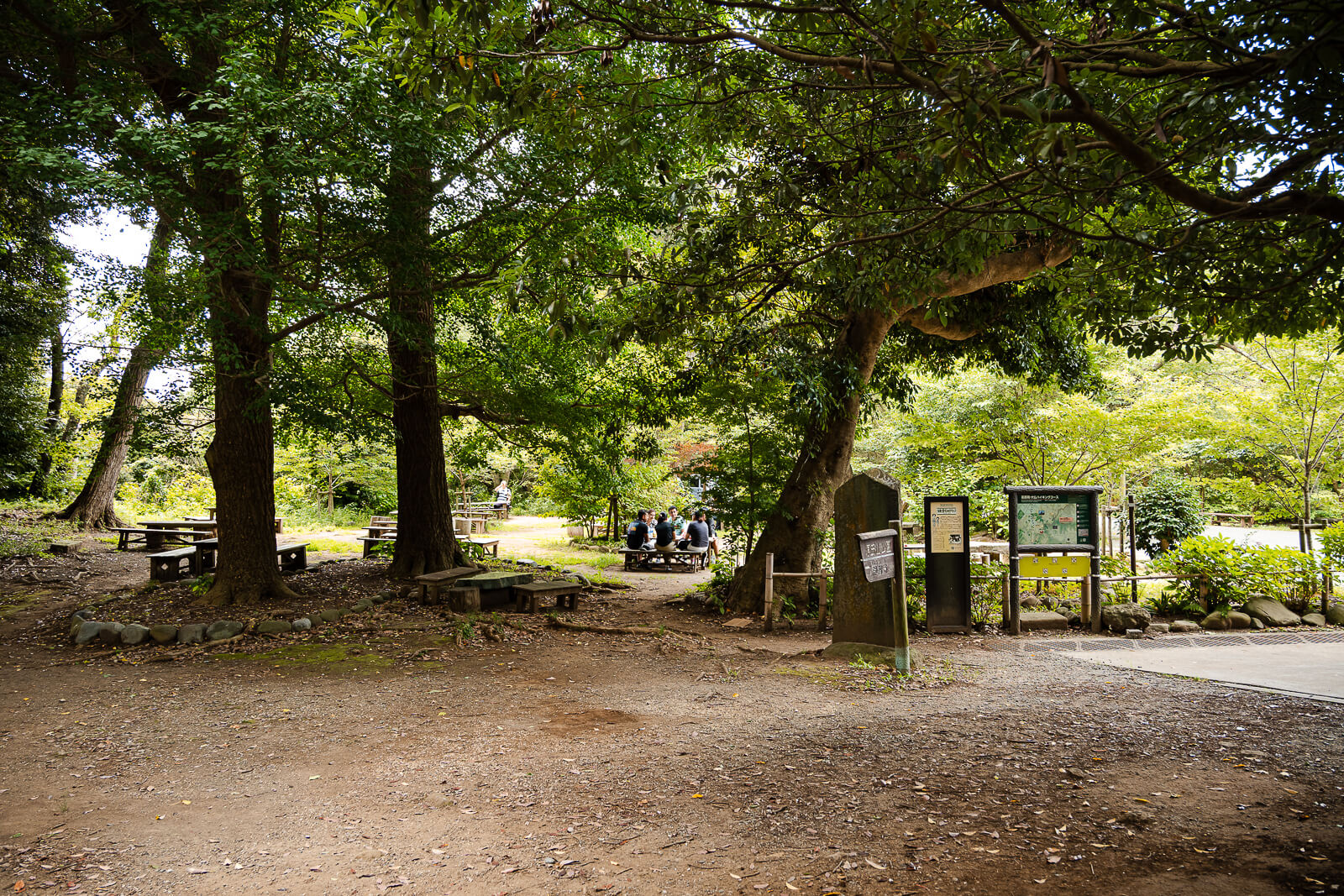
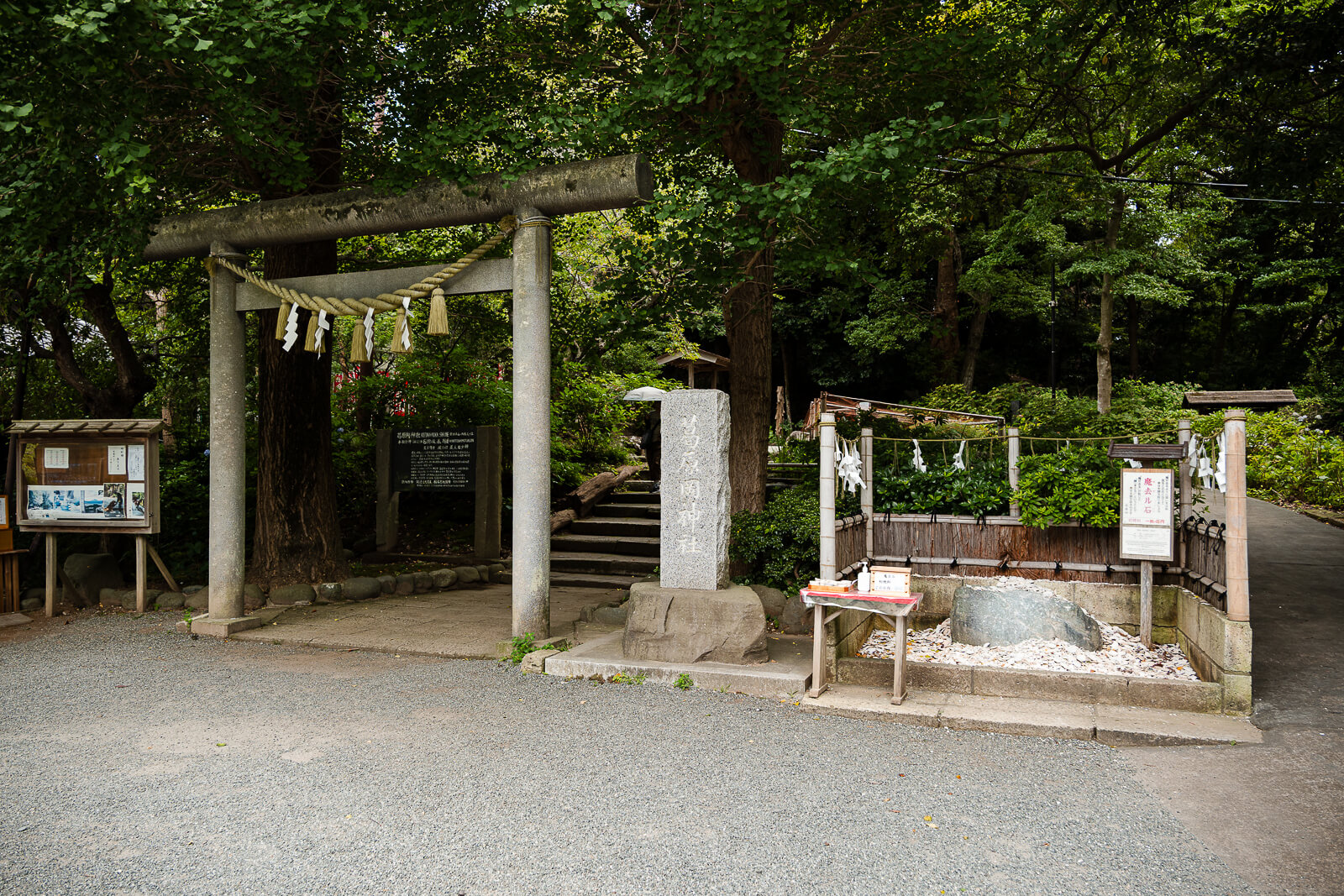
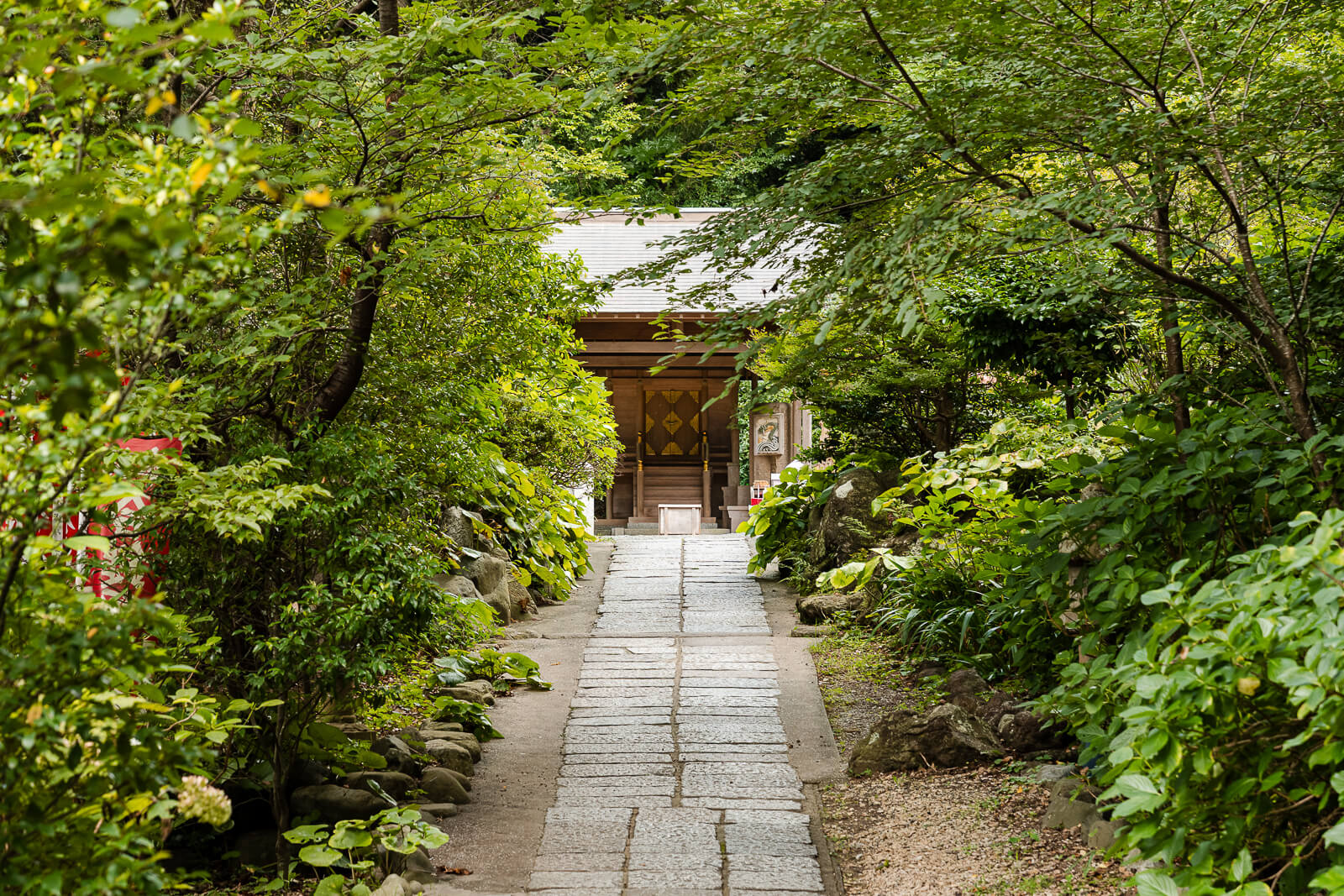
Reaching Kuzuharaoka requires more effort than exploring the shrine itself, particularly for hikers arriving over the wooded trail from Kita-Kamakura. Once visitors reach the grounds, the principal features are close together and require little additional walking. About 15–30 minutes is generally enough to worship, see the grave, receive a goshuin when the shrine office is open, and sit for a snack.
For hikers heading toward Hase, Kuzuharaoka provides a useful break before the route continues through the hills and descends toward Kōtoku-in and the Great Buddha. Visitors with additional time can explore Genjiyama Park or detour to Zeniarai Benzaiten before returning to the route. The combination of history, shrine rituals, and practical rest facilities makes Kuzuharaoka Shrine one of the most useful stops along this section of the course.
Hino Toshimoto and His Historic Grave
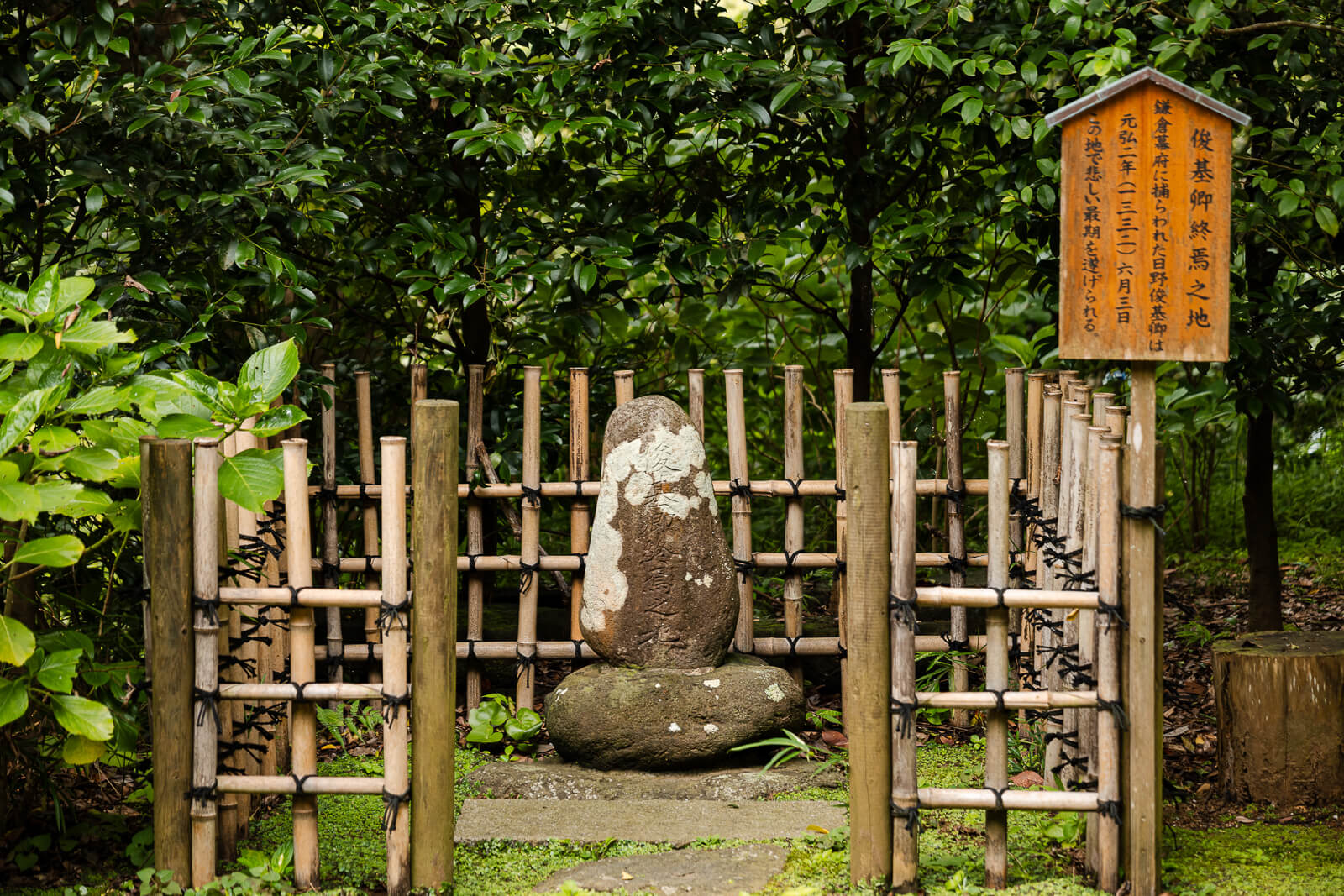
Kuzuharaoka Shrine is dedicated to Hino Toshimoto, a court noble who served Emperor Go-Daigo during the final years of the Kamakura shogunate. Toshimoto supported imperial efforts to end the military government and restore authority to the emperor. After the effort was uncovered, he was taken to Kamakura and executed at Kuzuharaoka in 1332, one year before the shogunate fell.
The present shrine was established in 1887 to honor Toshimoto near the place associated with his execution. Although the shrine is newer than many of Kamakura’s better-known religious sites, the history commemorated here reaches back to the final years of the Kamakura period. Its connection with Toshimoto and the collapse of the shogunate gives the compact grounds a distinct historical identity.
Hino Toshimoto’s stone grave stands south of the shrine within Genjiyama Park and is designated as a National Historic Site. It is one of the principal historical features of the visit and completes the connection between the shrine and the court noble enshrined there. Because the grave sits apart from the central worship area, visitors need to follow the signs beyond the main shrine grounds to find it.
What to See at Kuzuharaoka Shrine
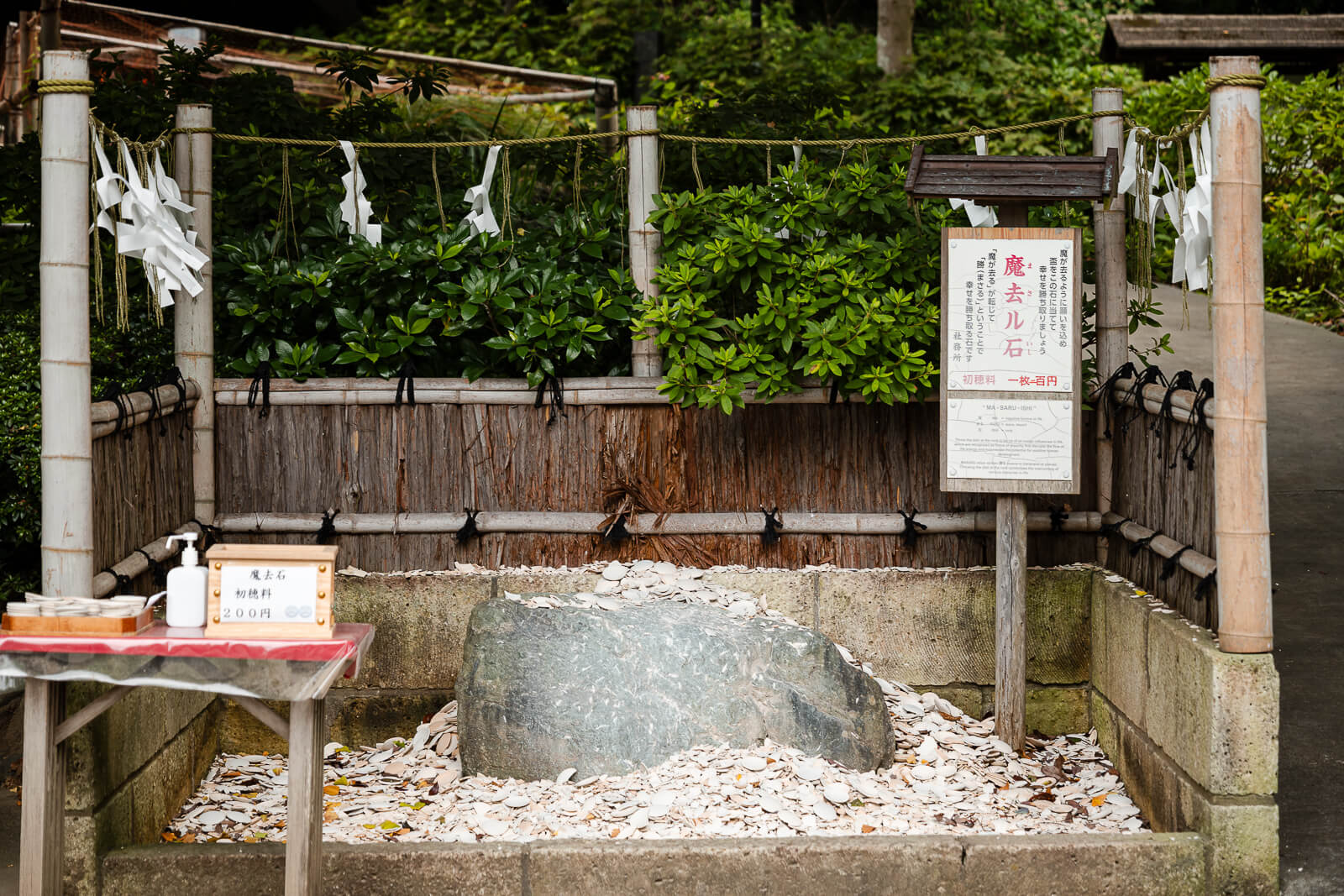
Near the entrance, the Masaru-ishi introduces one of the shrine’s most distinctive rituals. Visitors throw a small unglazed ceramic cup, known as a kawarake, against the stone while wishing for misfortune to leave. The name uses Japanese wordplay connecting the removal of evil with overcoming difficulty and moving toward better fortune.
Beyond the entrance, the compact central grounds contain the main worship area dedicated to Hino Toshimoto. The nearby shrine office offers goshuin, ema, amulets, and fortunes during its operating hours. Because the principal features stand close together, visitors can worship and look around without adding much distance to the hiking route.
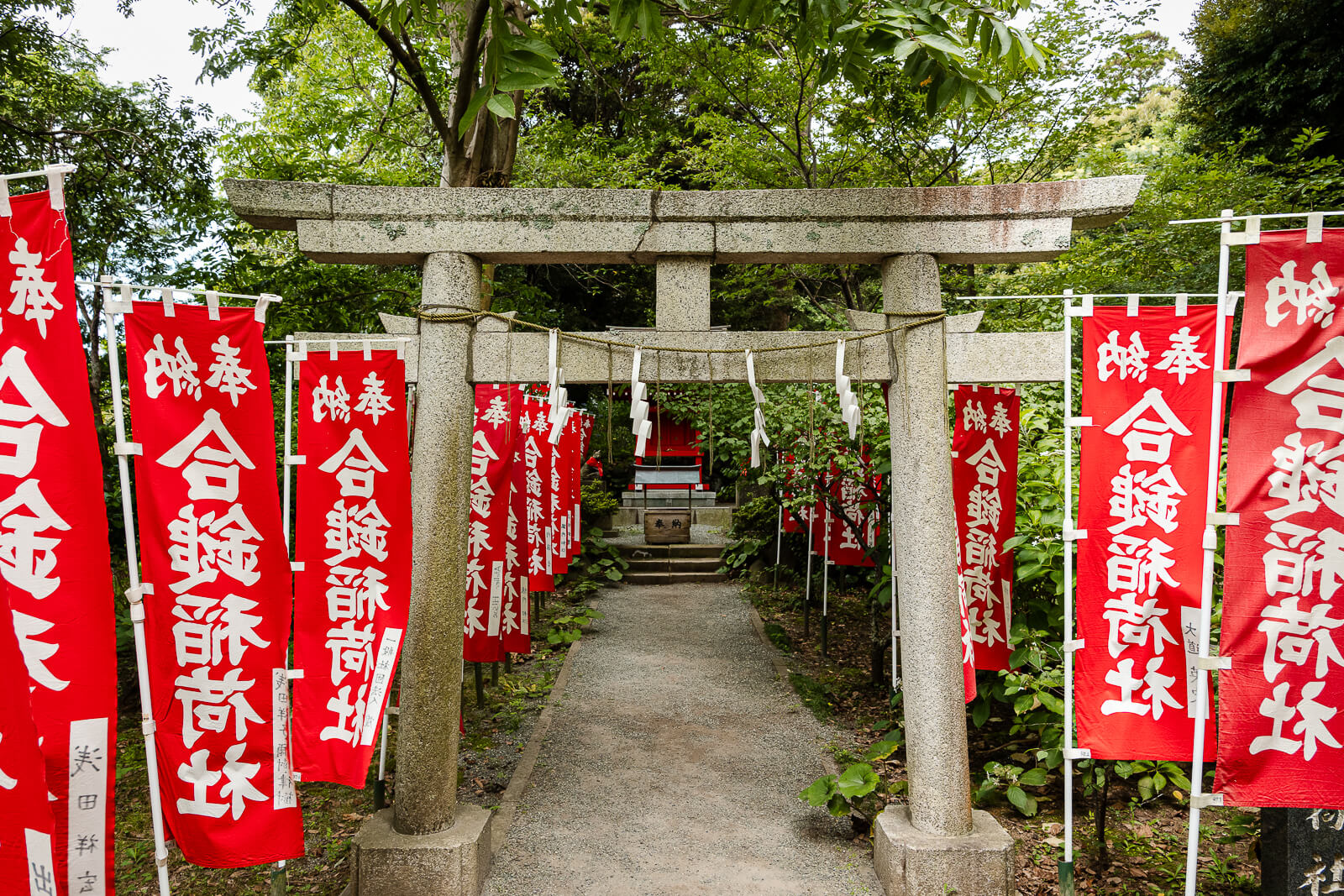
Kuzuharaoka Shrine is also known for enmusubi, or blessings associated with matchmaking and positive relationships. The Enmusubi-ishi consists of male and female sacred stones where visitors can attach a five-yen coin tied with red cord after obtaining it from the shrine office. Heart-shaped ema offer another place to leave a wish and are among the most recognizable features around the grounds.
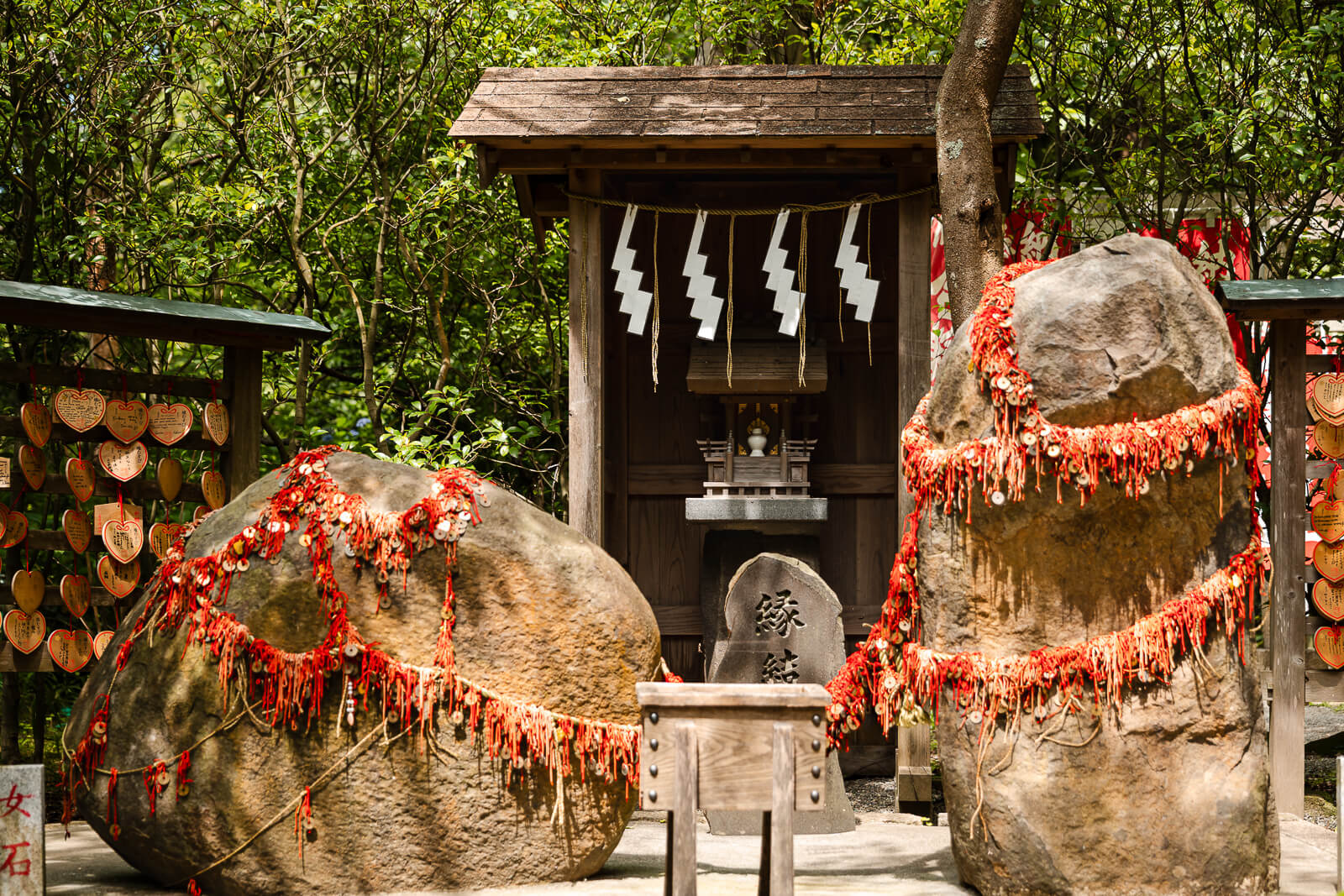
After exploring the central shrine area, visitors should follow the signs south toward Hino Toshimoto’s grave. Its separate position means it can be missed by anyone who turns back immediately after visiting the main worship area. Seeing the grave completes the physical progression through the site and connects the shrine rituals with the history explained in the preceding section.
A Practical Break Along the Trail
Kuzuharaoka Shrine is one of the most convenient places to pause while walking the Daibutsu Hiking Course. Plenty of benches around the grounds provide space to sit, have a snack, and enjoy the surrounding area before continuing toward Hase. The shrine visit, historical features, and rest facilities make the stop useful without requiring hikers to leave the main route.
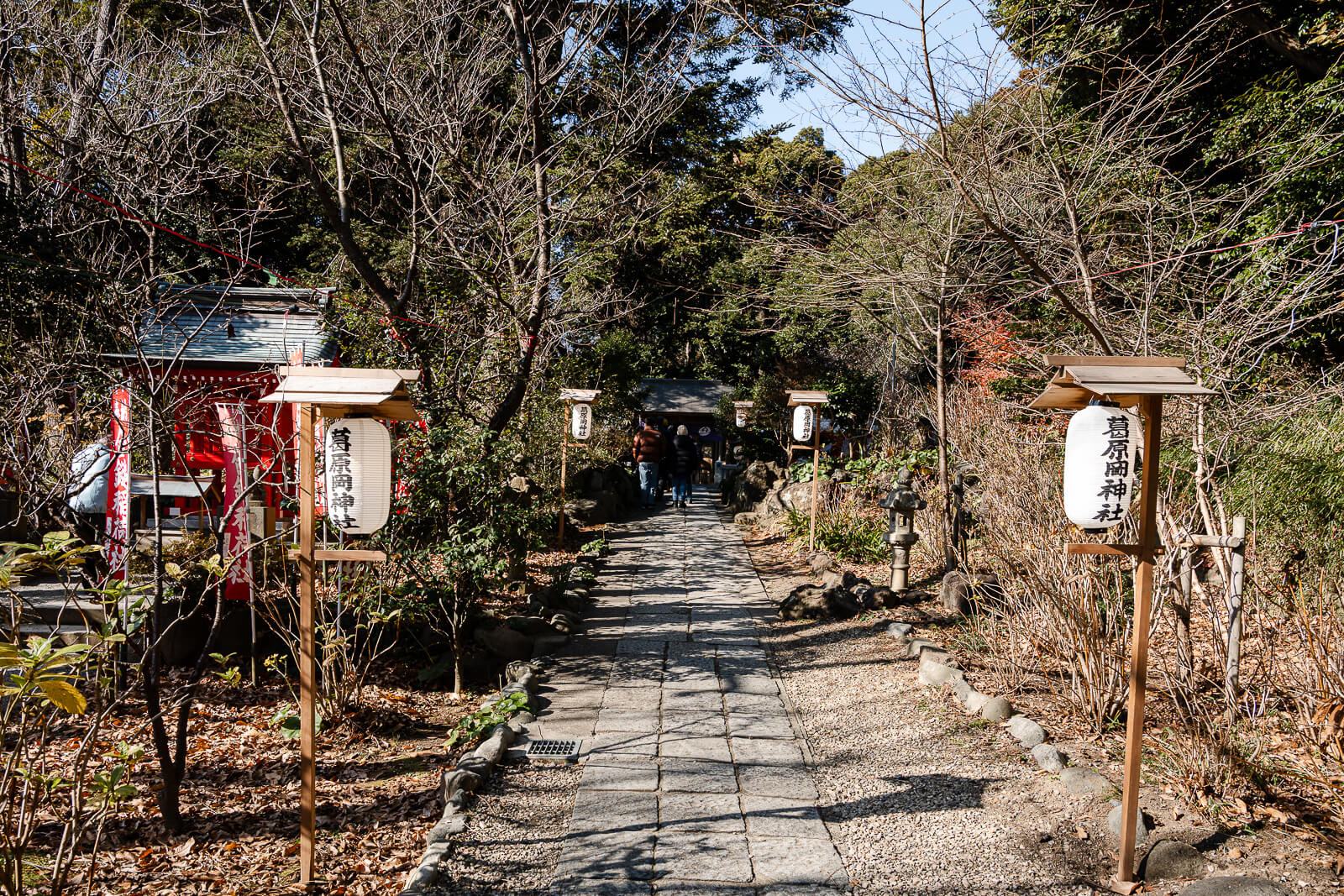
A vending machine stands beside the shrine office, where visitors can receive goshuin and obtain ema, amulets, and fortunes during operating hours. Public toilets are also available in neighboring Genjiyama Park. Hikers should still carry water and a small snack, particularly during warmer months, because facilities remain limited along the wooded sections of the course.
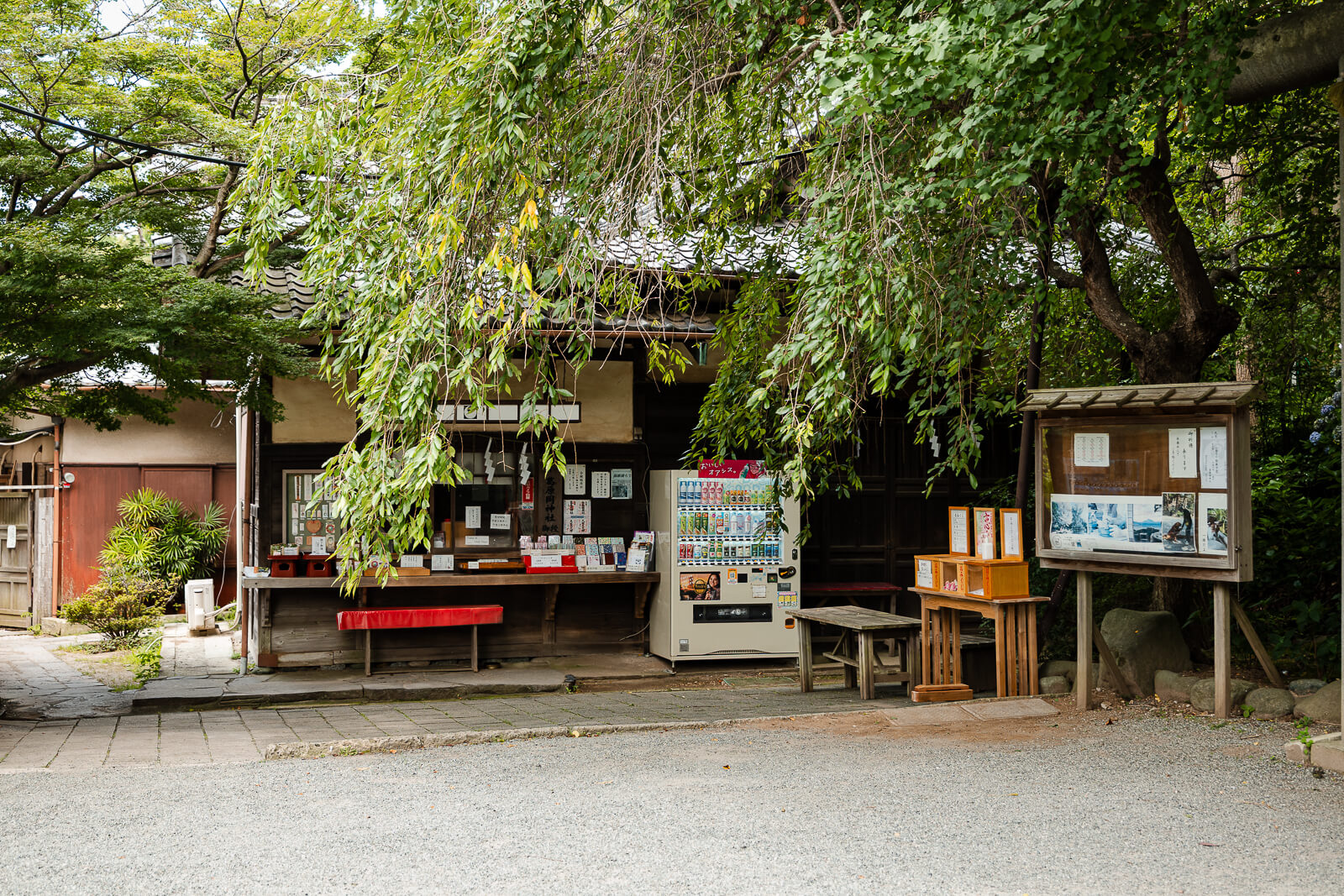
Beyond Kuzuharaoka, the course continues across natural woodland terrain with moderate climbs, downhill sections, exposed roots, rocks, and steps. The route is well maintained and marked, although the surface can become muddy or slippery after rain. Taking a short break at the shrine makes it easier to enjoy the remaining walk before the trail descends into Hase.
How Kuzuharaoka Fits into a Wider Kamakura Day
Kuzuharaoka Shrine fits naturally near the middle of a one-way Kamakura day beginning in Kita-Kamakura and finishing in Hase. After visiting Jōchi-ji, travelers can enter the Daibutsu Hiking Course, stop at Kuzuharaoka Shrine, and continue through the wooded hills toward Kōtoku-in and the Great Buddha. This creates a continuous route across western Kamakura without returning to Kita-Kamakura or passing through the city center.
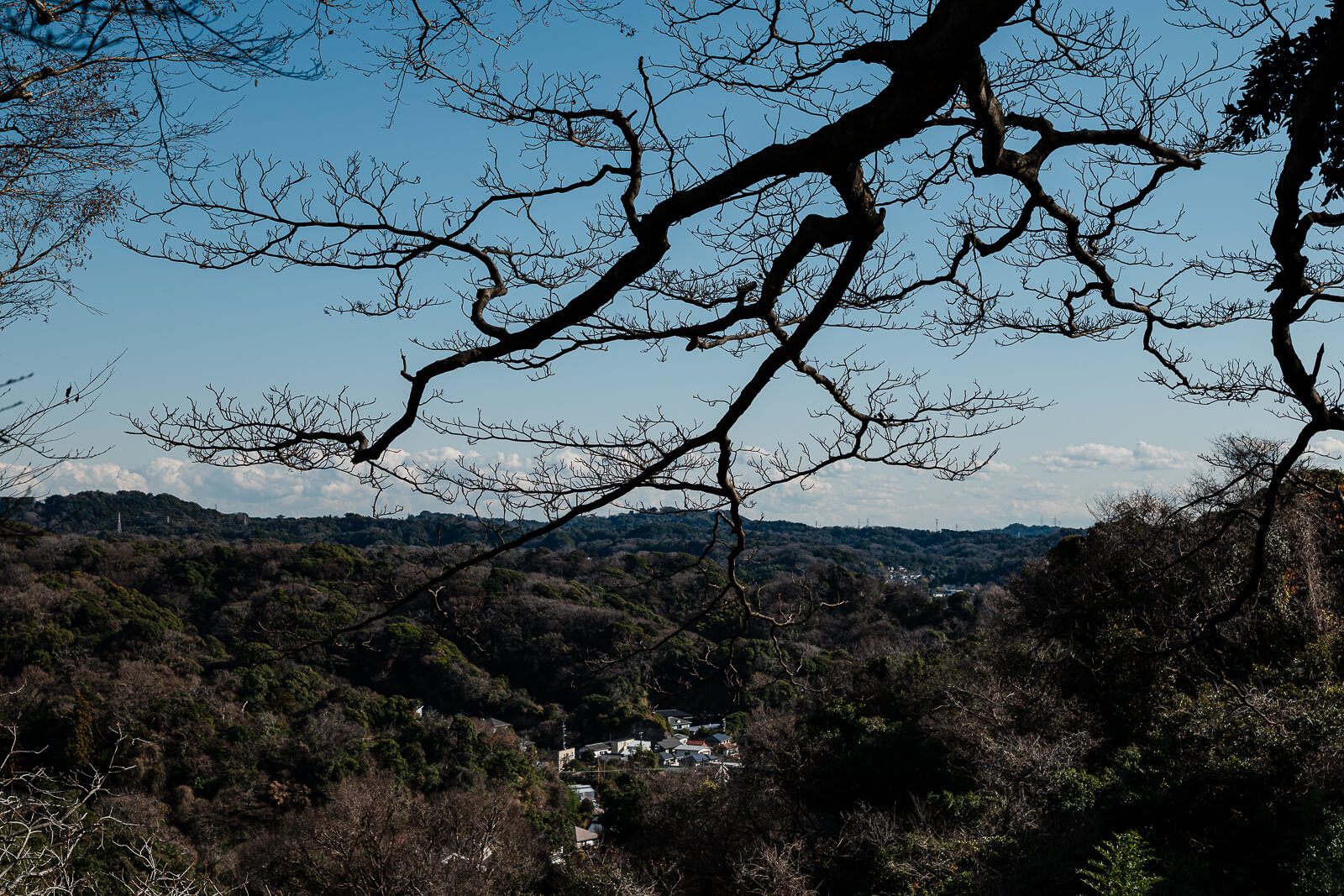
Kuzuharaoka also presents an important route choice. Visitors can explore Genjiyama Park and descend toward Zeniarai Benzaiten and Sasuke Inari Shrine, or remain on the Daibutsu Hiking Course and preserve more time for Hase. Adding the two shrine detours creates a broader western Kamakura walking route, while the direct trail works better when the Great Buddha and Hase temples are the main priorities.
After Kōtoku-in, Hase-dera is the most natural major continuation and can be reached through the Hase district. With additional time, visitors can add a smaller nearby stop such as Kōsoku-ji Temple or Goryō-jinja Shrine, or continue toward Yuigahama Beach before returning to Hase Station. Visitors hoping to cover several Hase attractions should begin the hiking route early and keep the Genjiyama detours limited so they reach the temples before final admission.
Getting There
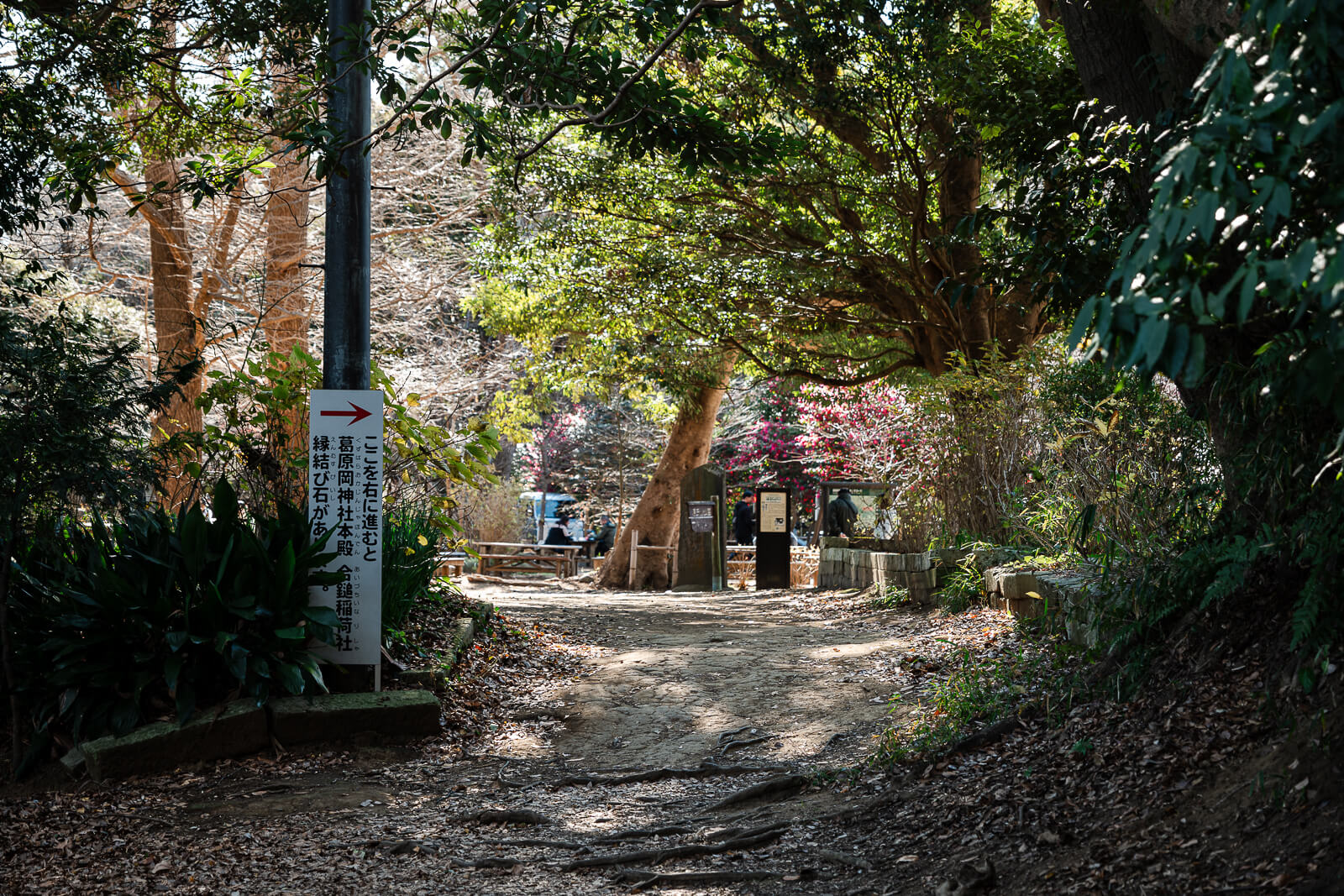
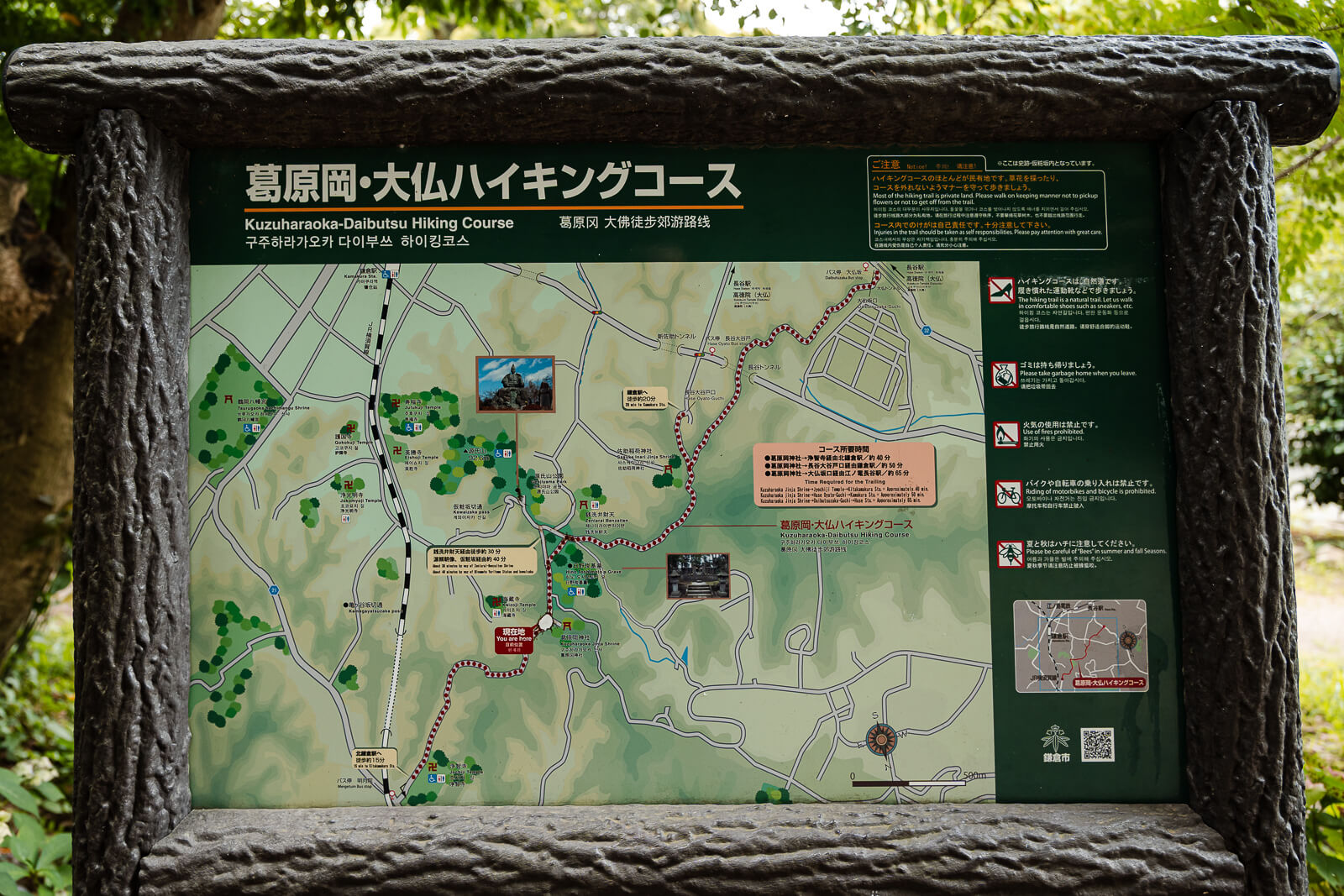
Kuzuharaoka Shrine is most naturally reached on foot as part of the Daibutsu Hiking Course. From Kita-Kamakura Station, visitors walk past Jōchi-ji before entering the wooded trail toward Kuzuharaoka. The approximately 30-minute approach includes uphill sections and natural trail surfaces, with the shrine providing the first major stopping point before the course continues toward Hase.
The alternative approach begins at the west exit of JR Kamakura Station and takes approximately 35 minutes. This route climbs through the residential hills near Zeniarai Benzaiten and Genjiyama Park, avoiding most of the hiking-trail terrain but still requiring a sustained uphill walk. There is no bus stop beside the shrine, so the final approach must be completed on foot.
Six free parking spaces are available near the shrine, although the surrounding access roads are narrow. Vehicle restrictions can apply on Saturdays, Sundays, public holidays, and Days of the Snake, or mi no hi. Walking from Kita-Kamakura or central Kamakura remains the most dependable way to reach the shrine.
Access & Arrival
Reaching Kuzuharaoka Shrine
The shrine is reached on foot through Genjiyama Park from Kita-Kamakura or central Kamakura.
Hours & Fees
Shrine office: 08:30–16:30
No fixed admission fee
Donations accepted
Confirm current visitor information with the official source above before your trip.
Plan the Rest of Your Kamakura Visit
Compare places to stay, guided experiences, and connectivity options that support a longer Kamakura visit around the hiking route.
Stay Near Kamakura’s Main Sights
Compare Kamakura hotels and ryokans for easier access to Kita-Kamakura, Hase, and the city’s wider temple districts.
Compare Stays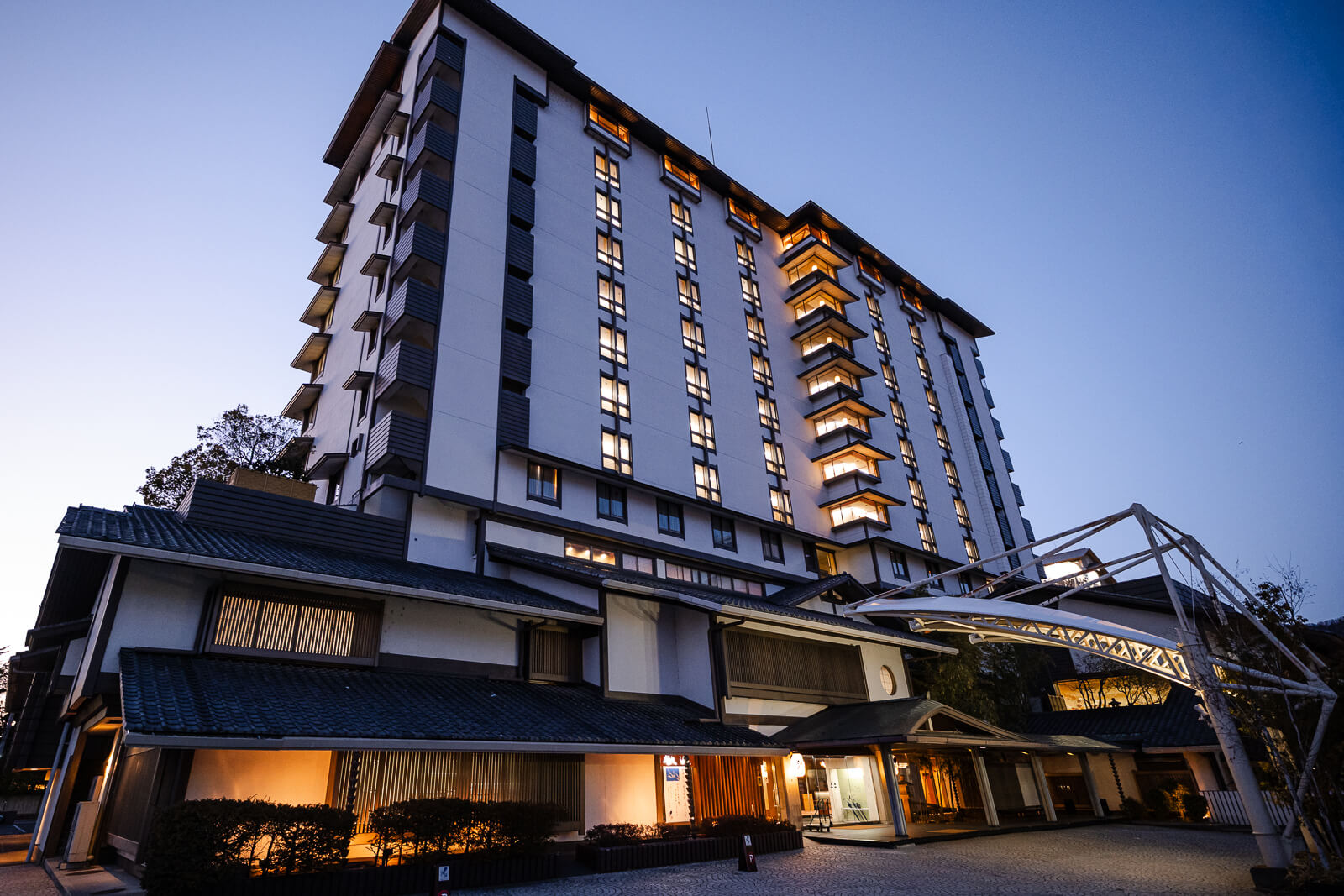
Explore Kamakura With a Local Guide
Compare <a href="https://japanunfolded.com/kita-kamakura/" data-wpil-monitor-id="26">guided Kamakura experiences connecting major temples</a>, shrines, neighborhoods, and historical sites within a single planned day.
View Tours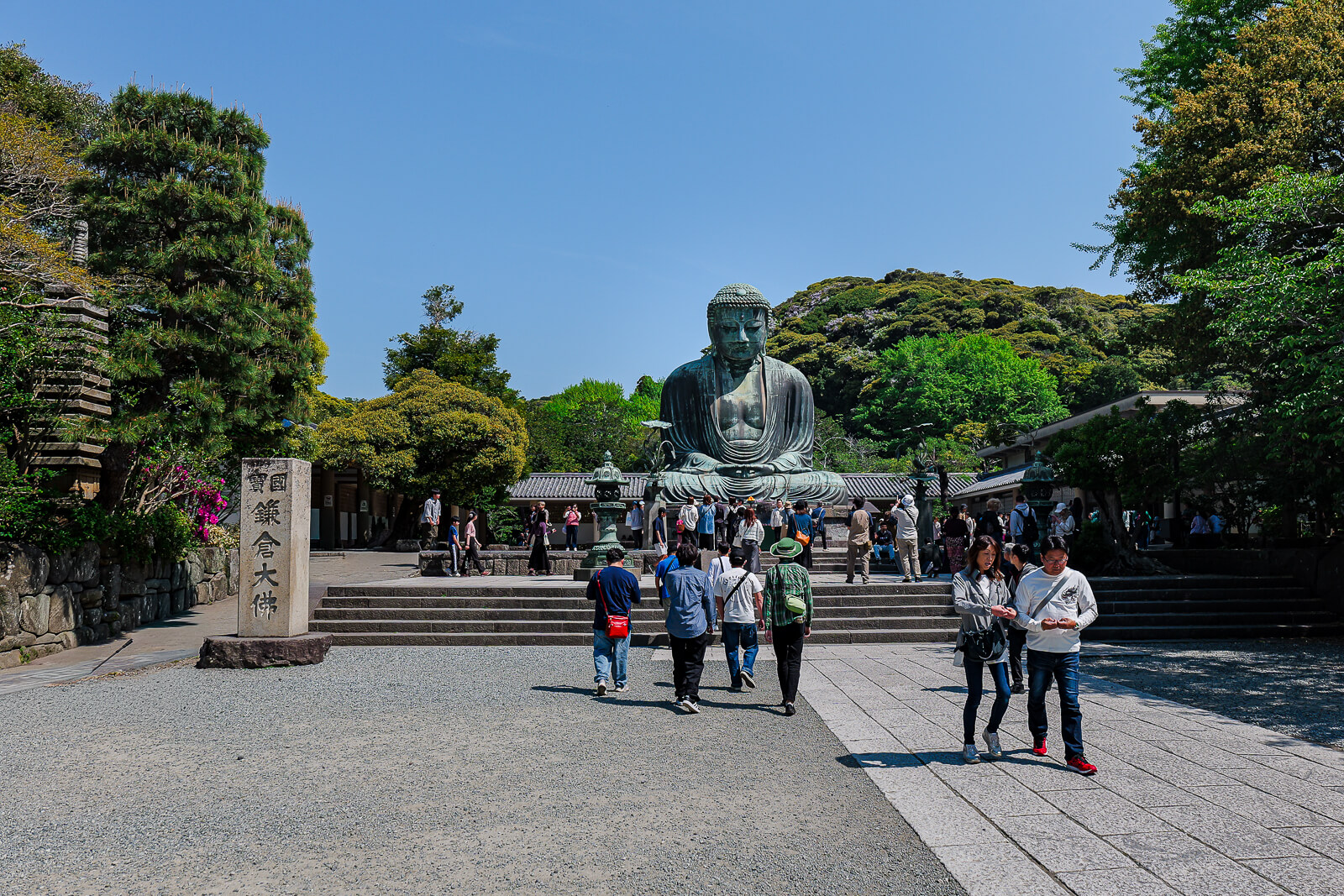
Stay Connected Across Kamakura
Set up mobile data before arrival for trail navigation, train updates, translation, and access to saved booking details.
Check eSIM Options
Reader note: Japan Unfolded may earn a commission from some links at no extra cost to you.