A Short Waterfall Stop Above Lake Suwa
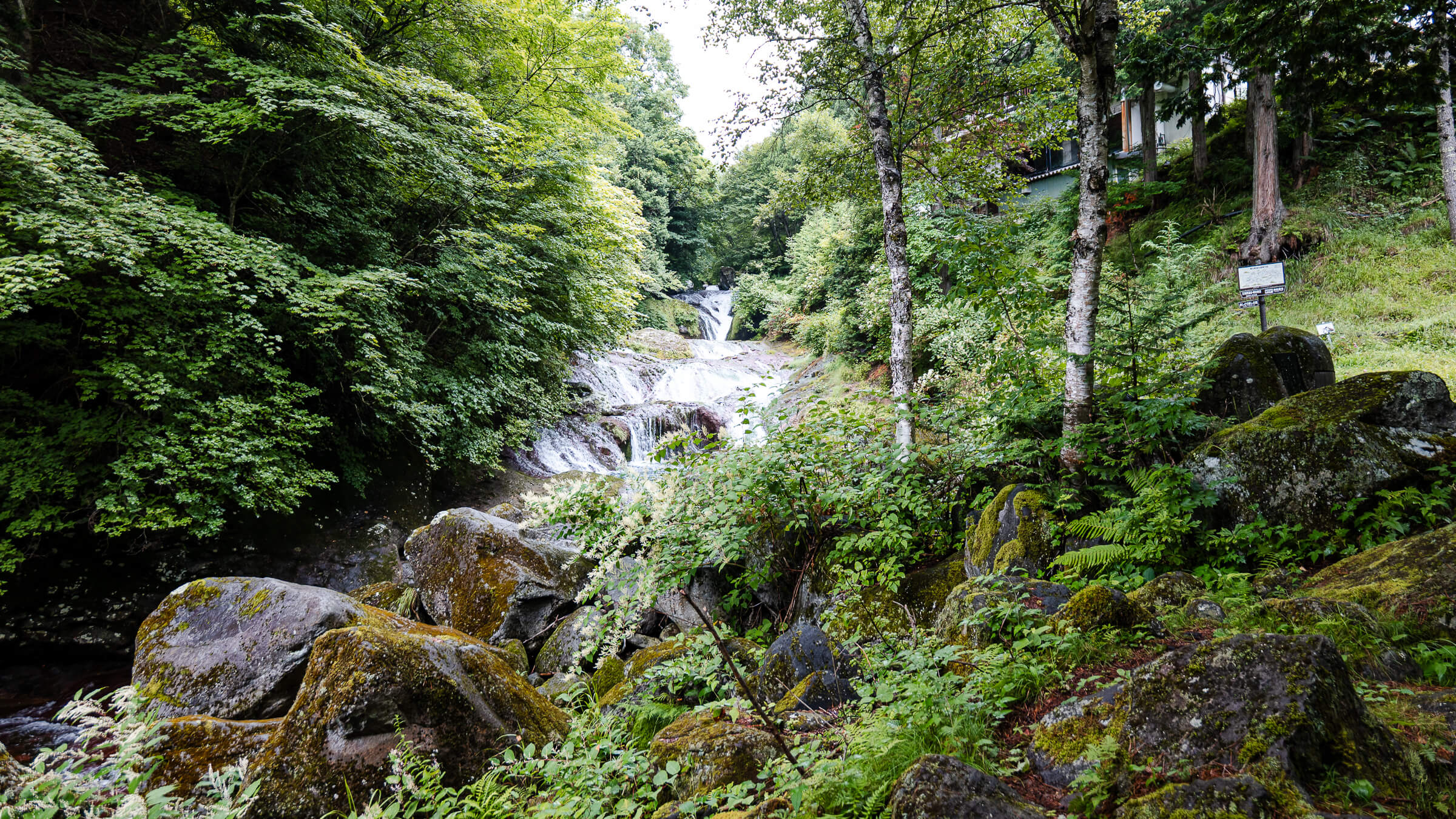
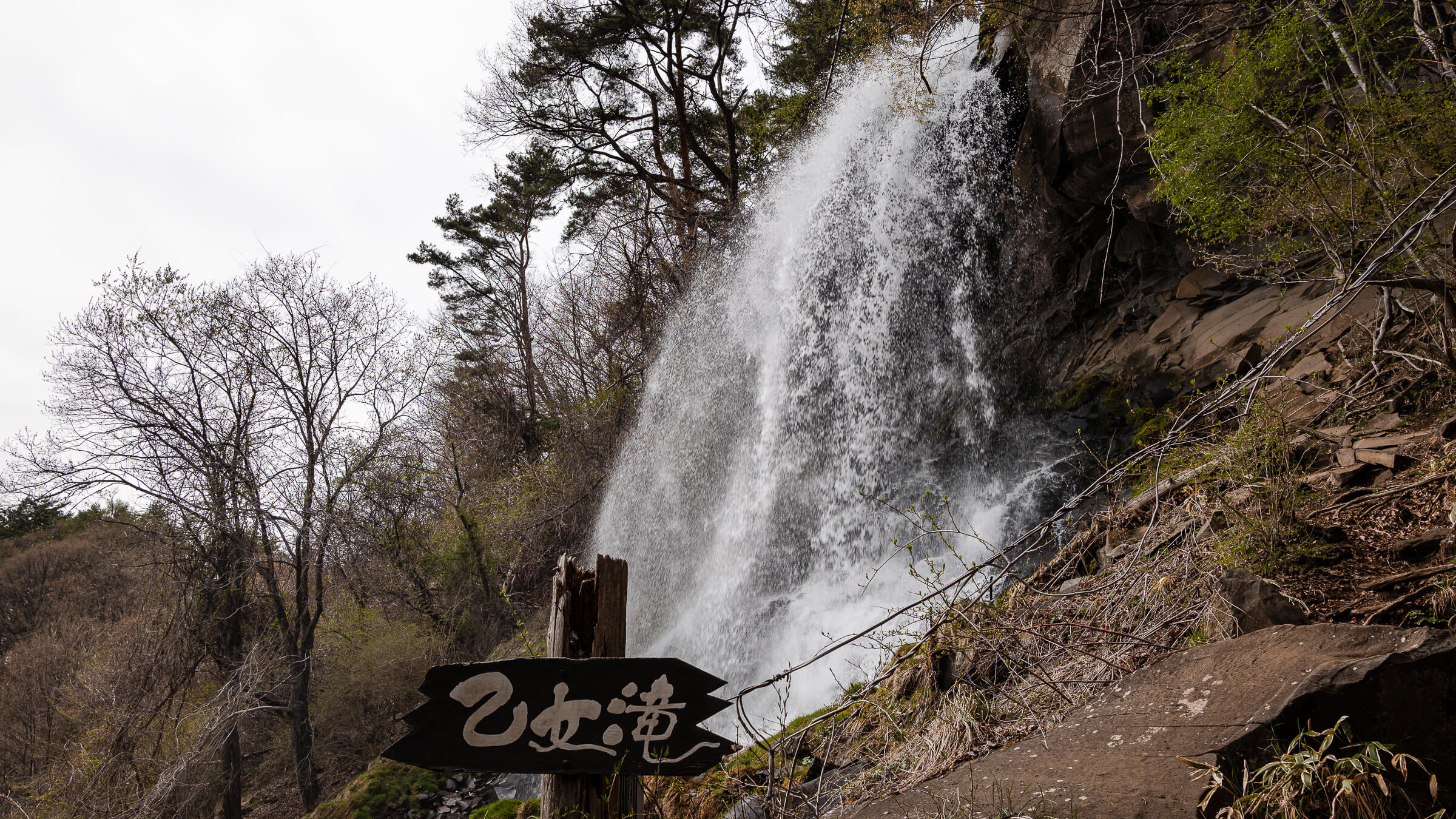
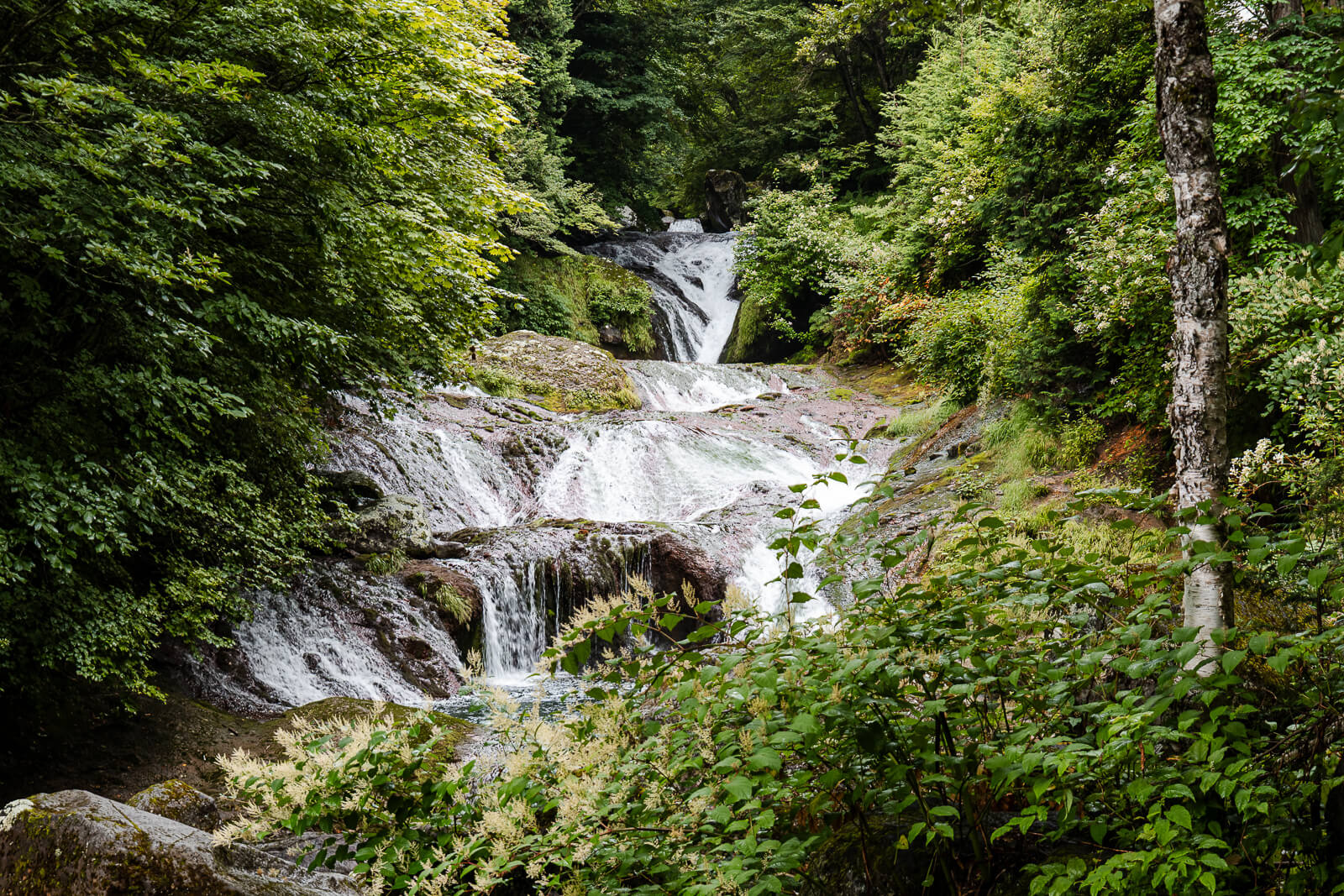
Otome Falls, known in Japanese as 乙女滝, sits near the entrance to Yokoya Gorge in Chino, Nagano Prefecture, where the Tateshina highlands begin to shift into a forested stream landscape. This short waterfall stop gives travelers a close view of falling water, rising spray, and the gorge terrain above the Lake Suwa basin. For travelers searching for a waterfall near Lake Suwa or a compact nature stop in Chino, Otome Falls fits best as part of a wider route planned around the Lake Suwa Guide.
This part of Chino looks different from the open lakeside scenery around Lake Suwa. Mountain roads replace shoreline roads, wooded slopes press closer to the route, and the sound of running water takes over near the gorge entrance. Around Otome Falls, the scale is compact and immediate, with the water close enough to dominate the space.
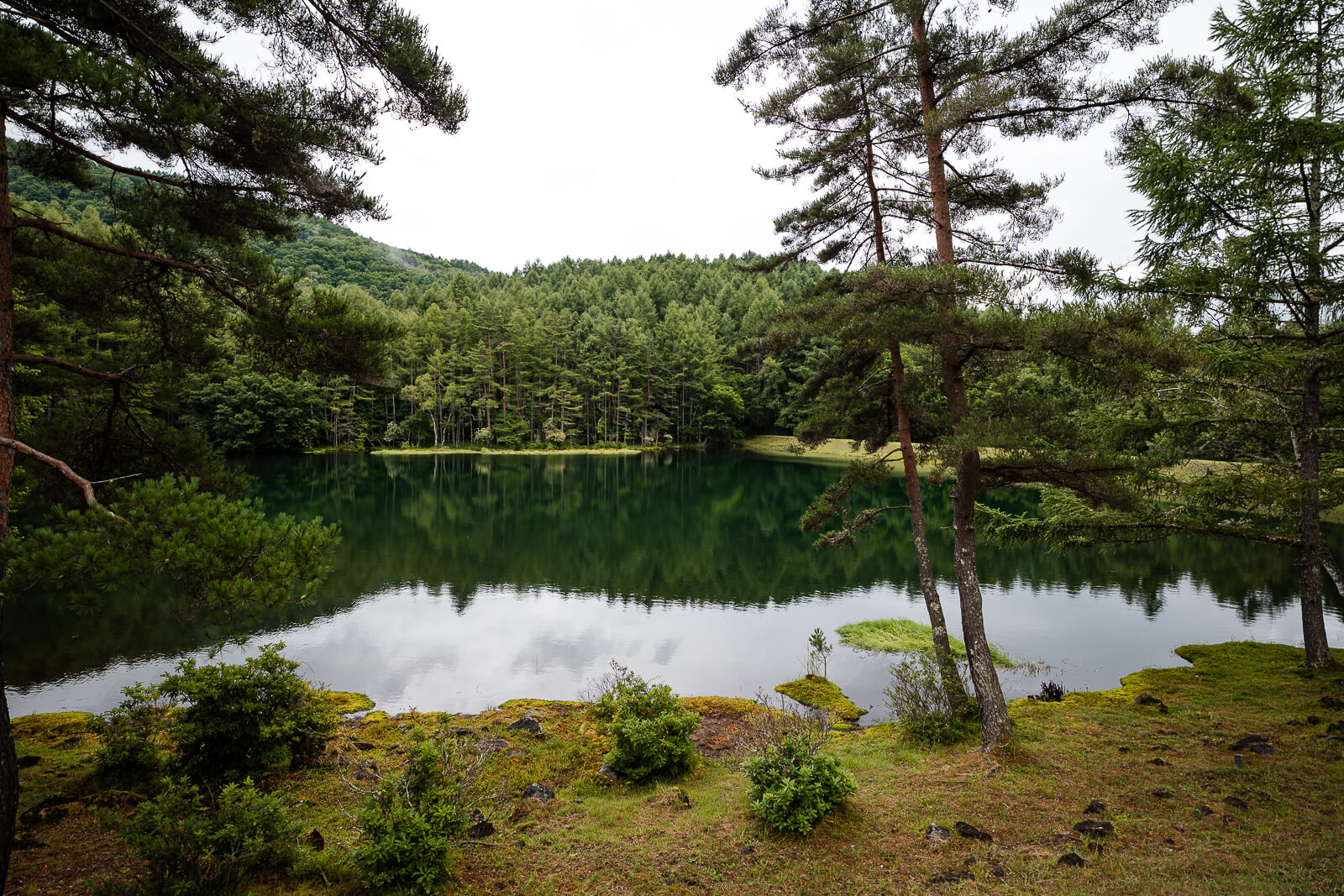
The stop fits naturally with Mishaka-ike Pond, Oshidori Kakushi Falls, and other Yatsugatake foothills scenery in the same highland area. Otome Falls usually takes limited time by itself, while the longer Yokoya Gorge route requires more walking and better footing.
Why Water Falls Here
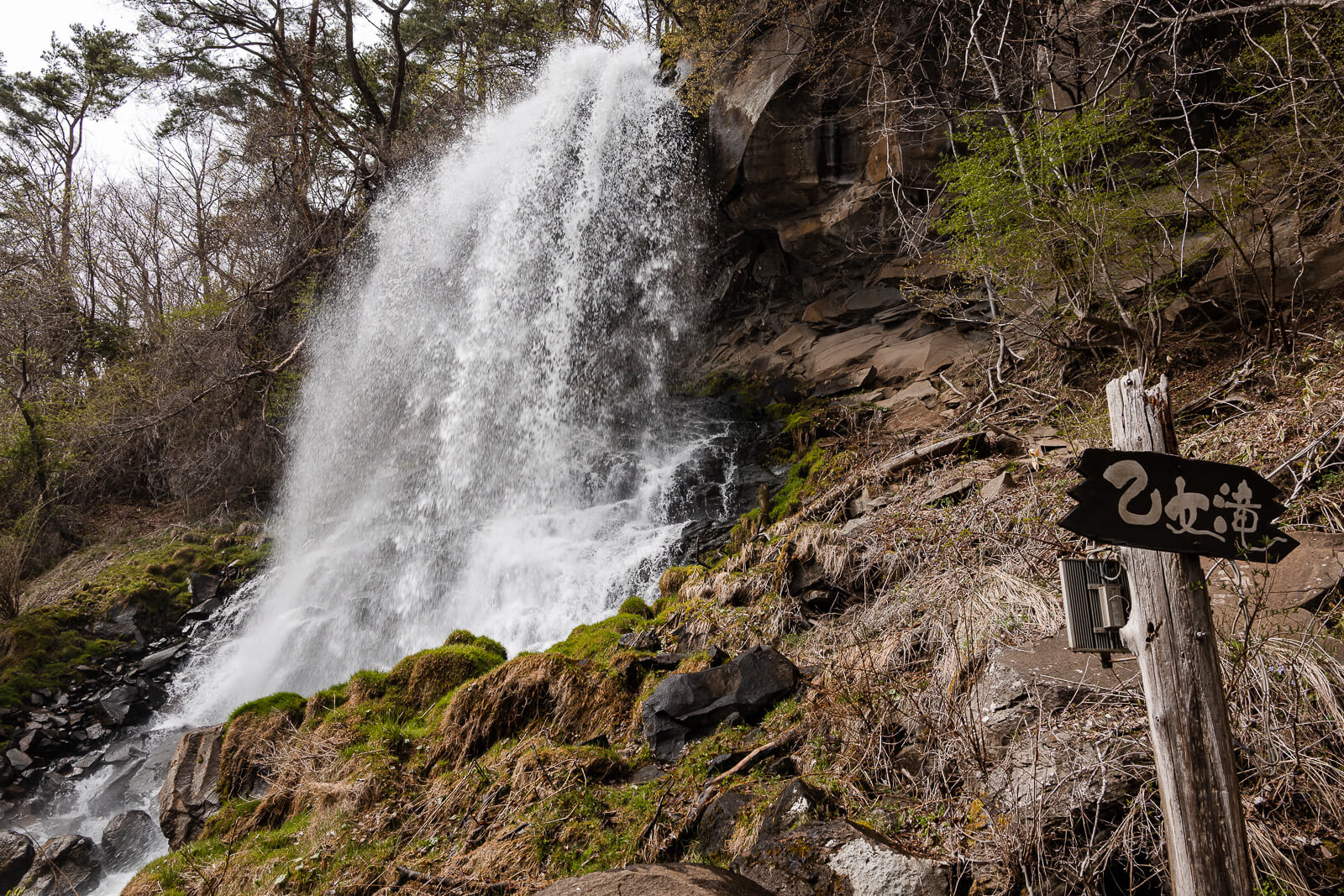
Otome Falls looks natural from the viewing area, but it is tied to the Ogawara Weir, a historic irrigation system that moved water across the Chino highlands. The waterfall belongs to a landscape shaped by mountain terrain, stream flow, and practical water management. Its position reflects both the valley’s depth and the need to move water through difficult ground.
The drop and channel make more sense with that context in mind. Water does not simply fall here as scenery; it moves through a route shaped for agricultural use below the highlands. The sound and spray register first, but the underlying story is about water crossing uneven land.
From the Gorge Entrance to the Water
The approach from the Yokoya Gorge entrance moves quickly from road access into a more enclosed stream setting. The distance is short, but the ground near the falls includes steps, damp surfaces, and uneven footing. Access is simple for a brief stop, though the final stretch feels like a waterfall path, not a paved town walkway.
The waterfall appears without a long buildup. The sound of water begins to fill the space within a short distance, and the gorge starts to separate visually from the surrounding highland roads. Most visits focused only on Otome Falls fall into the 20–40 minute range, depending on parking, photos, and surface conditions.
The effort level is generally easy, but wet stone, spray, and seasonal ice change the practical feel of the approach. Footwear matters more than the short distance suggests.
Standing Beside Otome Falls
Otome Falls is strongest from close range. Water drops through a narrow setting framed by rock, trees, and spray, creating a more immediate view than a distant overlook. The viewing area sits close enough for the force of the water to register.
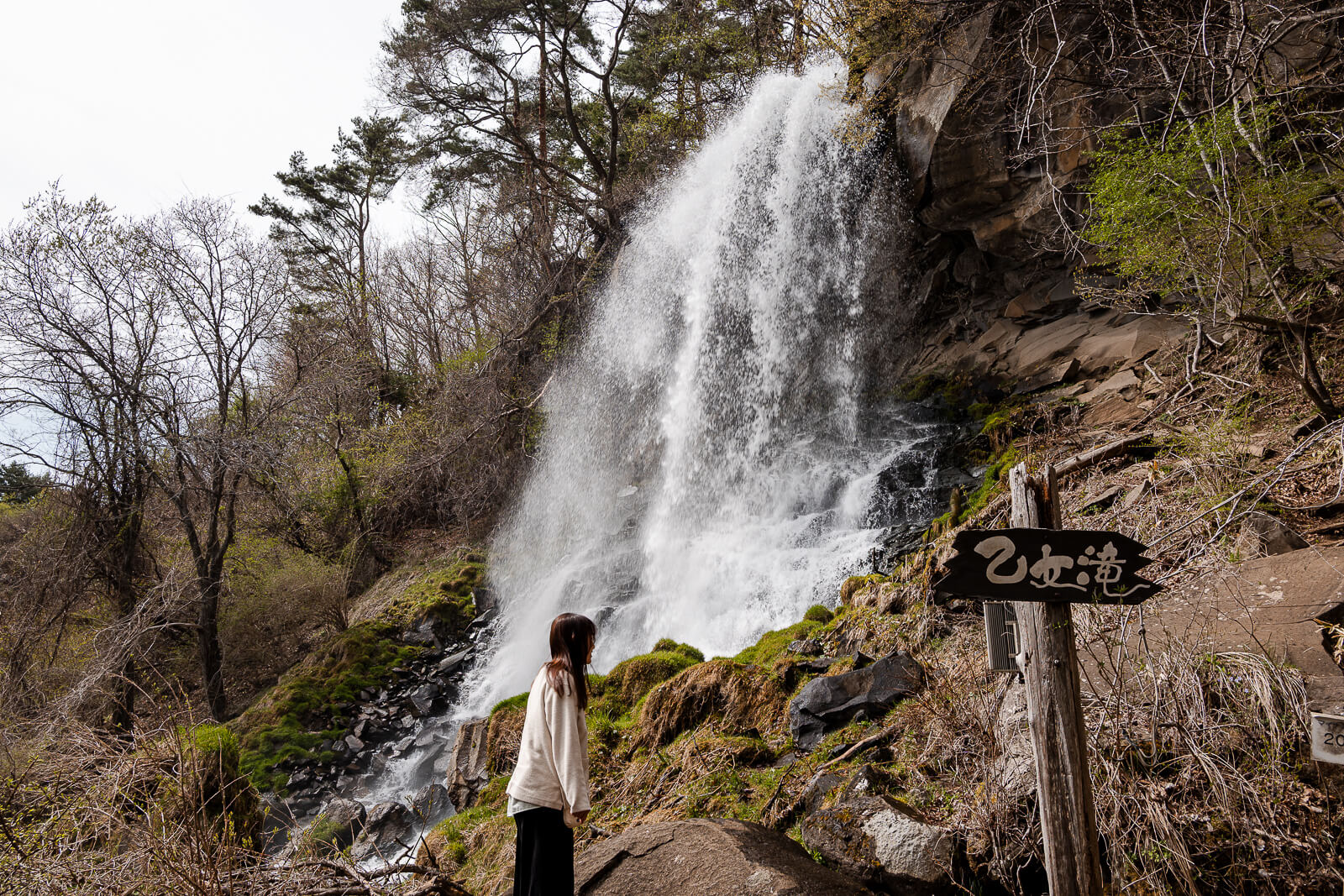
Crowd sensitivity depends on timing. Because the falls sit close to the gorge entrance, some people stop only for the waterfall before leaving, while others continue deeper into Yokoya Gorge. Autumn weekends and good-weather periods bring more movement through the area.
Where the Short Stop Turns Into Yokoya Gorge
Otome Falls stands alone as a compact waterfall stop, but the same path opens into Yokoya Gorge. Beyond the falls, the route follows the stream through a wooded ravine with additional rock features, river scenery, and waterfall points. The focus shifts from one close waterfall to a longer sequence of water, path, and terrain.
The walking commitment changes beyond the entrance area. More time is needed, and damp or uneven surfaces become more noticeable as the route continues along the gorge. In green season, leaves fill the edges of the view; in autumn, color gathers around the stream and rocks; in winter, ice can form along parts of the watercourse.
For planning, the split is clear. Otome Falls alone is a short stop. Yokoya Gorge as a fuller route belongs to travelers with time for a broader nature walk and enough flexibility to account for surface conditions.
How Otome Falls Fits Around Chino and Lake Suwa
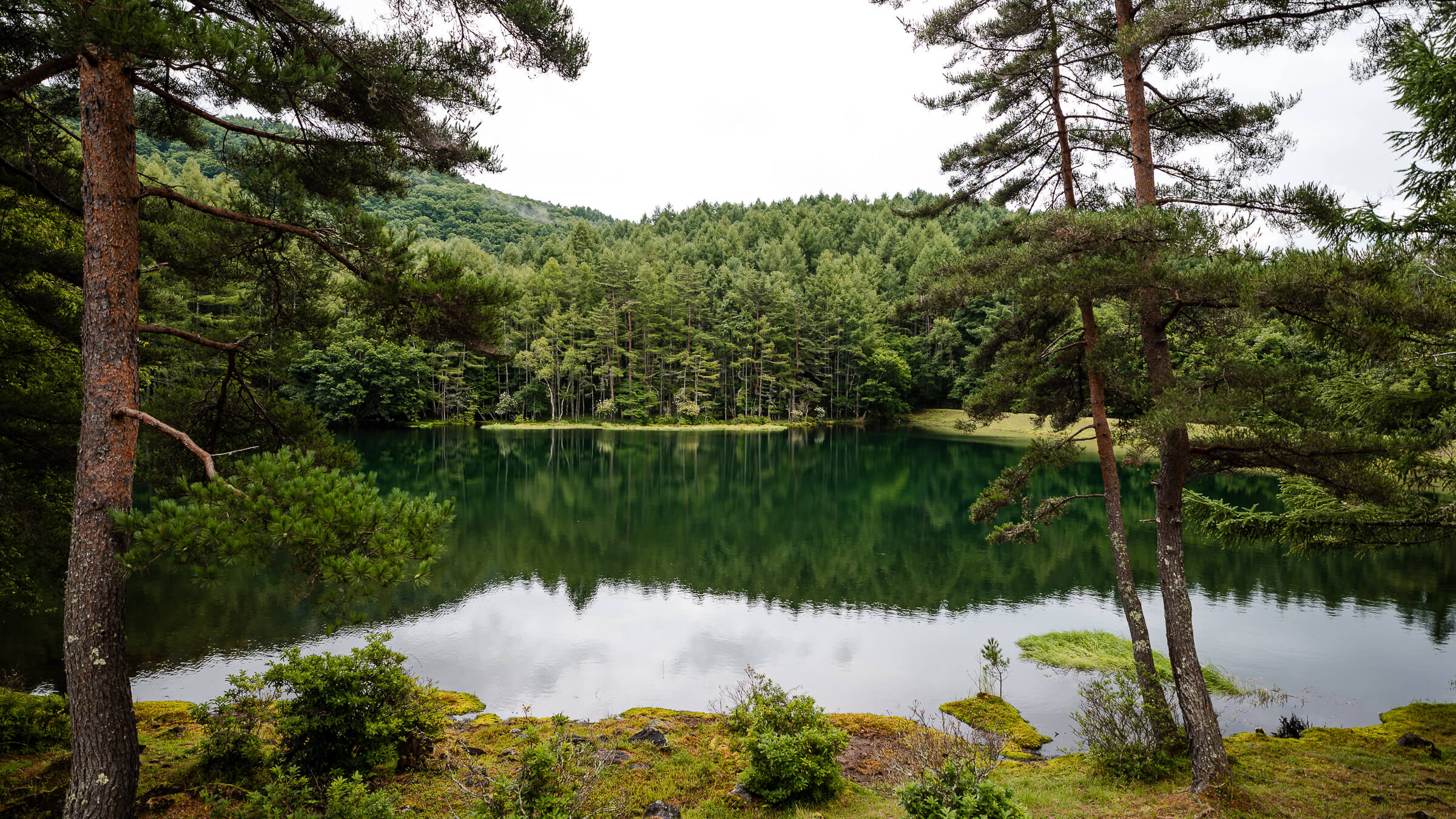
Otome Falls pairs most naturally with Yokoya Gorge because it sits near the entrance to the walking route. It also fits well with Mishaka-ike Pond, where still water and surrounding trees create a different kind of highland scene. Oshidori Kakushi Falls extends the same water-focused route deeper into the Chino highlands.
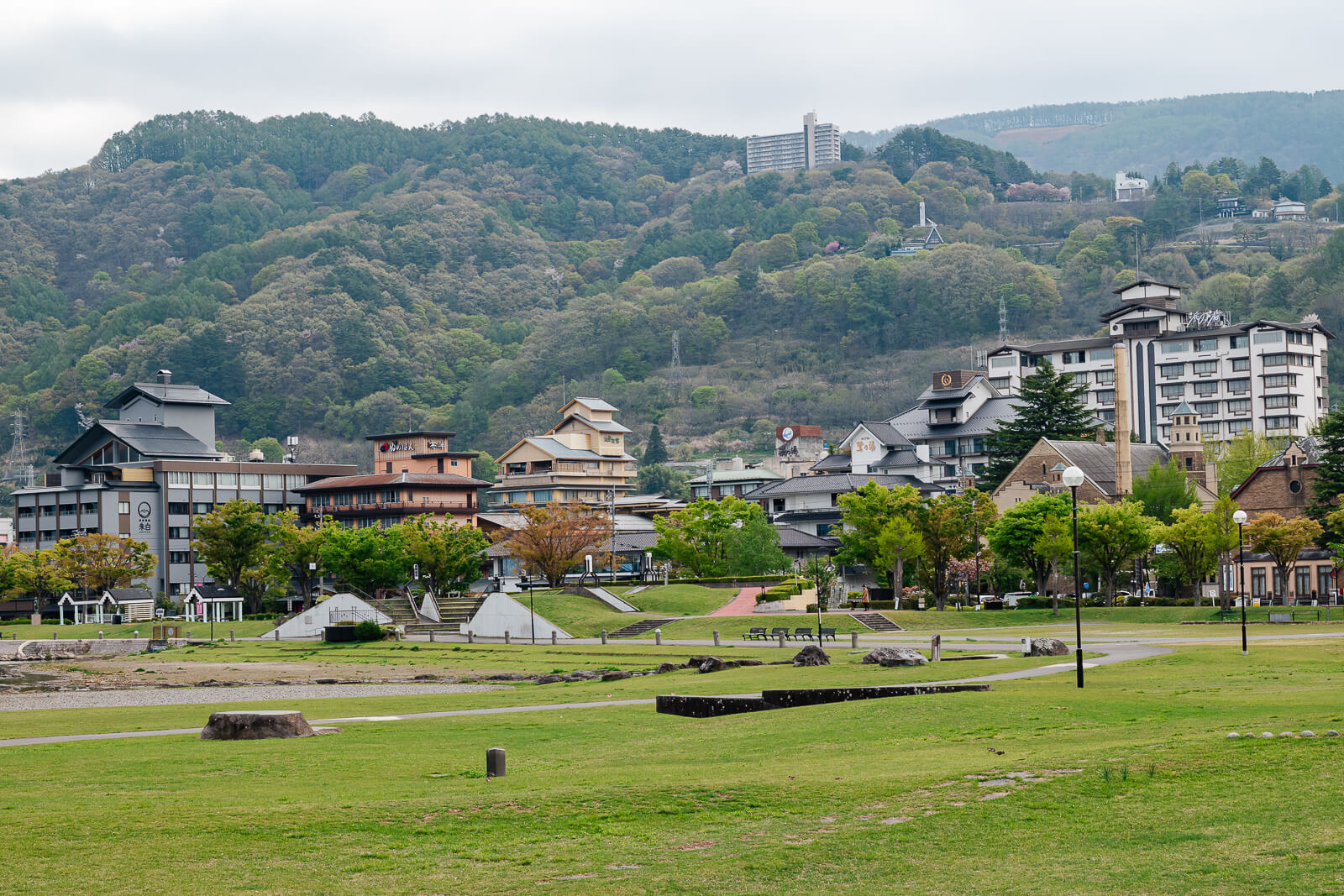
For a broader Lake Suwa route, Otome Falls creates a mountain-side counterpoint to the lake basin. A day can move from shoreline museums, castle grounds, or lake viewpoints into the wooded terrain above Chino. The Suwa Area Guide connects this highland side of the region back to Lake Suwa, Suwa Taisha, Shimosuwa, and the lakeside towns.
Getting There
Otome Falls is easiest to reach by car, especially when paired with other Chino and Tateshina sights. The surrounding attractions are spread across the highland area, and driving keeps the route more flexible than relying on limited bus timing.
Public transportation runs from JR Chino Station toward the Yokoya Gorge area, with a short walk from the gorge entrance. For Otome Falls alone, this can be manageable when schedules align. For a multi-stop route including Mishaka-ike Pond, Oshidori Kakushi Falls, or Lake Suwa viewpoints, bus timing becomes the main constraint.
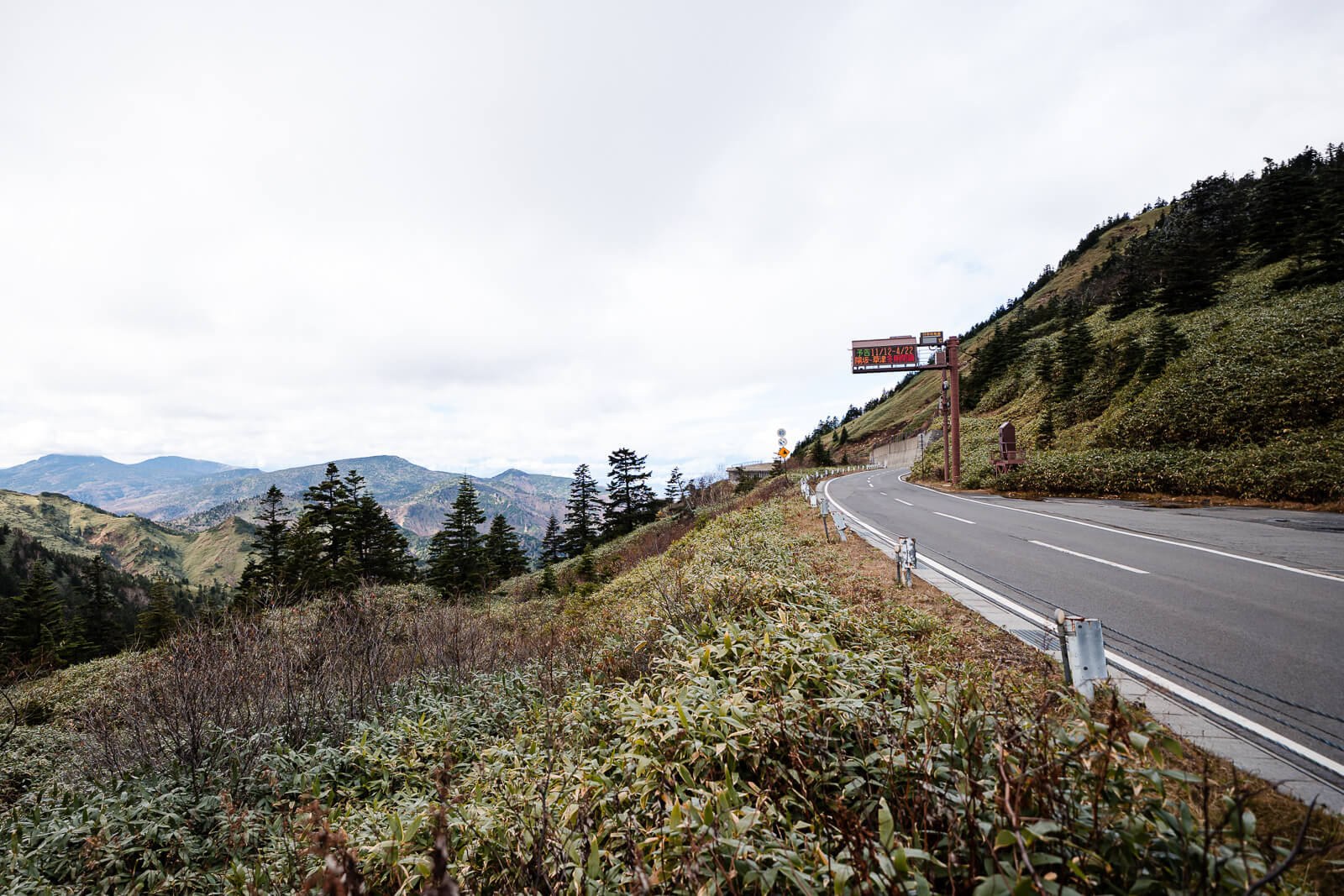
The approach from the Lake Suwa basin creates a clear geographic shift. Roads climb away from the lakeside towns and move toward the Yatsugatake foothills. The landscape becomes more wooded, narrower, and more stream-focused as the route enters the highland area.
Hours and Fees
Otome Falls is an outdoor waterfall stop, not a staffed attraction with standard opening hours. There is no regular admission fee for viewing the falls.
Access depends on outdoor conditions. Winter, heavy rain, ice, trail maintenance, or poor footing may affect how practical the visit feels, especially beyond the main waterfall area.
Daylight is the practical standard for visiting. The route includes steps, wet surfaces, and gorge-side footing, so the site is best treated as a daytime stop even though it does not operate like a museum, temple, or ticketed attraction.