Beyond the Main Hall
Ryukoji is a Buddhist temple on the mainland in Fujisawa, Kanagawa, near Enoden’s Enoshima Station and Shonan-Enoshima Monorail Station. It is a convenient cultural stop before or after an Enoshima island visit, but its strongest feature is easy to miss if the visit ends at the main hall. The rising grounds and five-storey pagoda turn a small-looking arrival into a more rewarding walk.
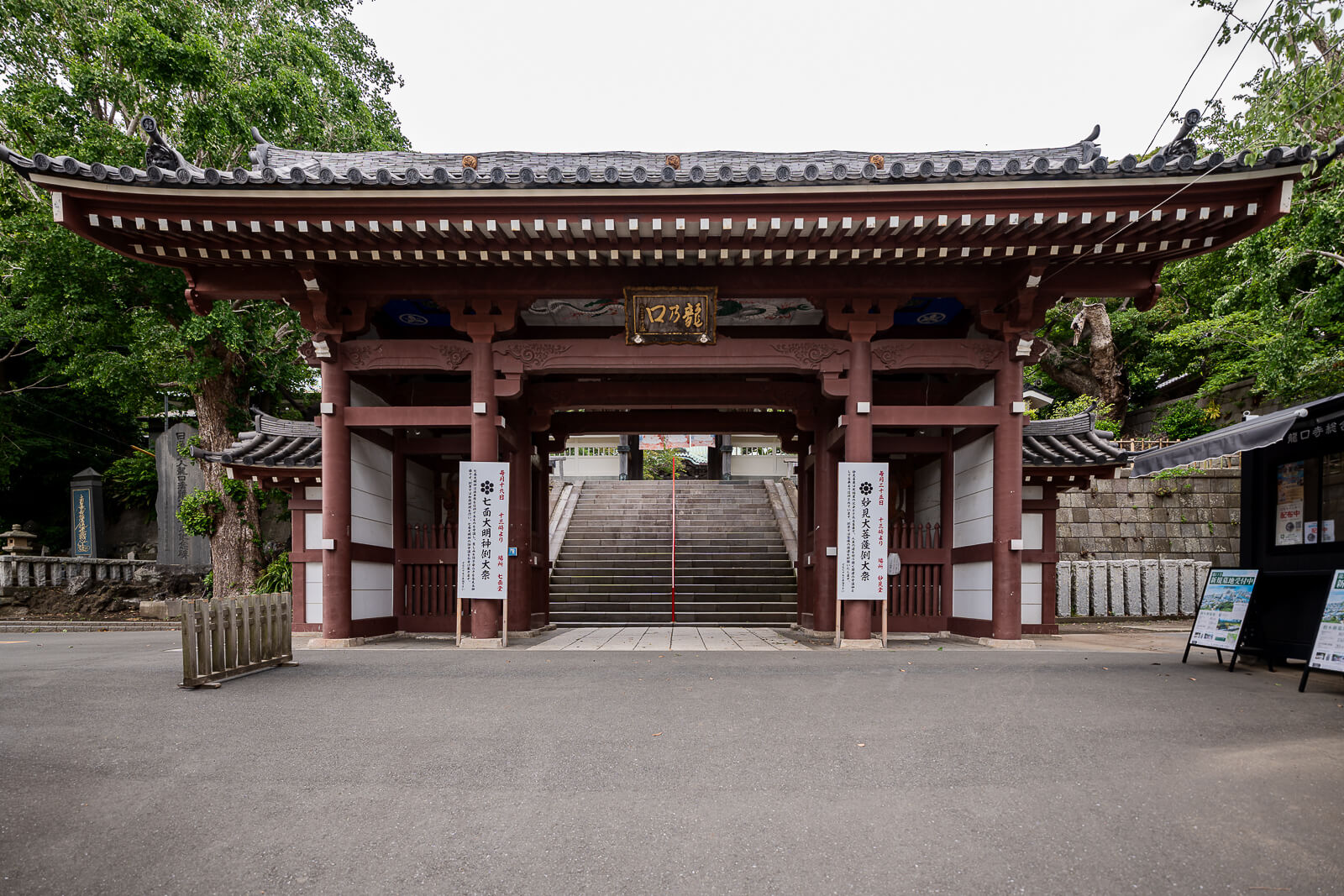
The useful way to explore is to begin in the lower temple area, then follow the open paths around the hillside rather than returning immediately to the entrance. The main hall remains a reference point as the setting changes above it. This gives the visit a sense of discovery without requiring a separate journey away from the Enoshima station area.
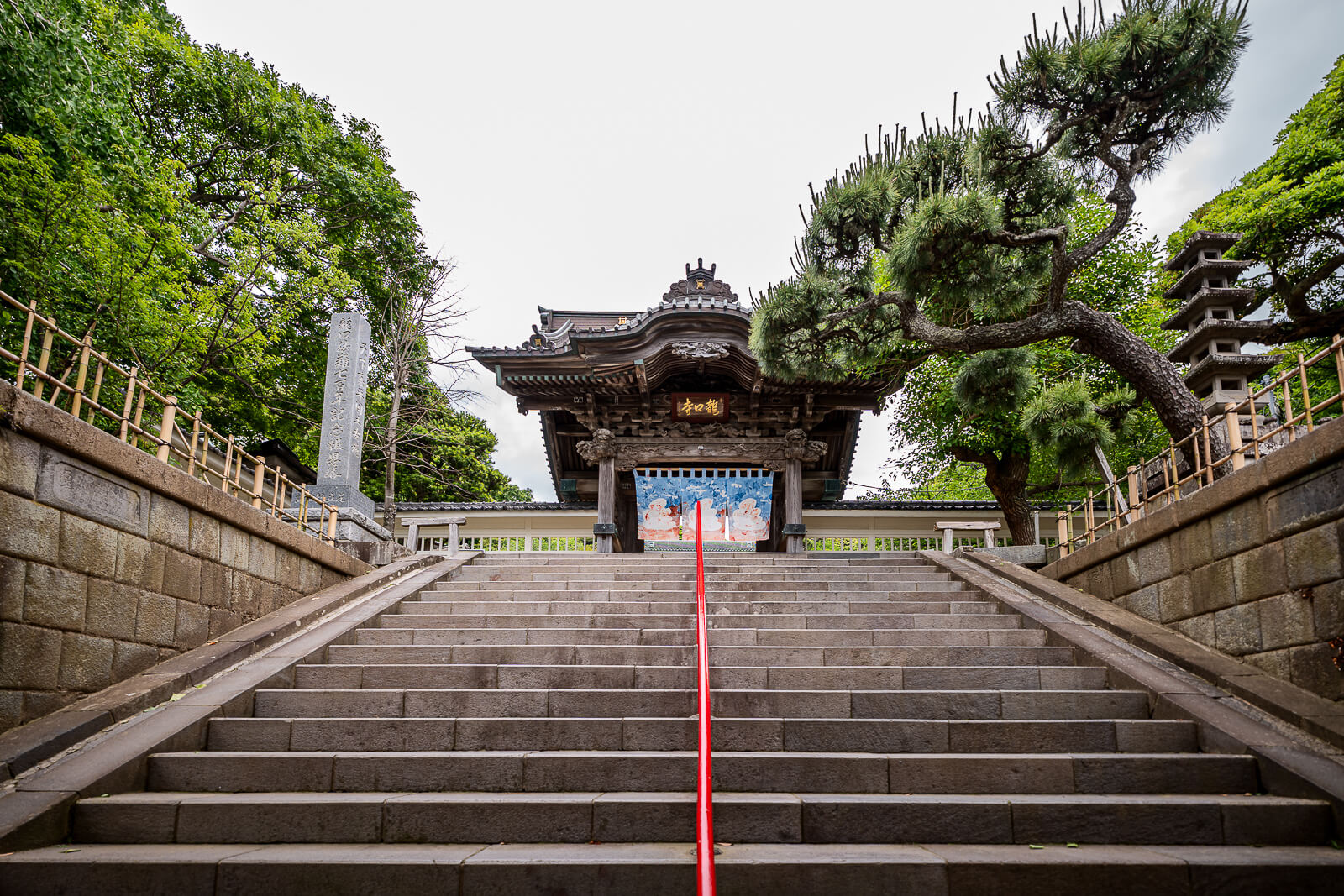
Ryukoji suits visitors interested in architecture, Nichiren’s history or a short temple walk. It also fits naturally with an Enoden journey from Kamakura. Its proximity to the railway makes the stop convenient, while the steps and upper grounds still deserve a real allowance within the day.
Nichiren and the Tatsunokuchi Persecution
Ryukoji commemorates the site associated with Nichiren’s threatened execution in 1271. The temple’s tradition recounts a brilliant light from the direction of Enoshima interrupting the event and his life being spared. A hall established here in 1337 marked the beginning of the temple.
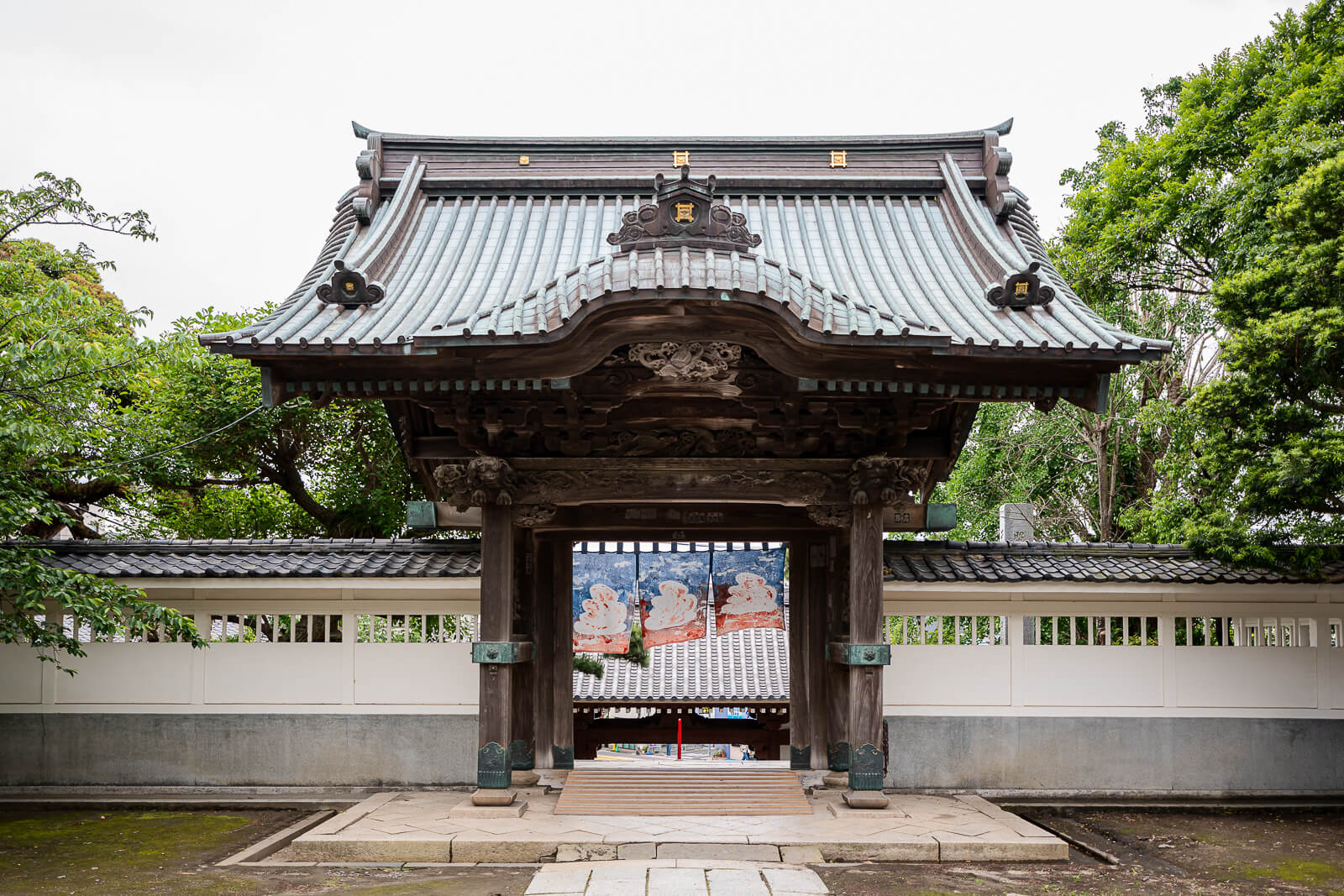
For followers of Nichiren, Ryukoji marks a defining episode in his life. The temple preserves that association in its halls, statues and memorial stones. Knowing the story gives those features a shared meaning as you move through the grounds.
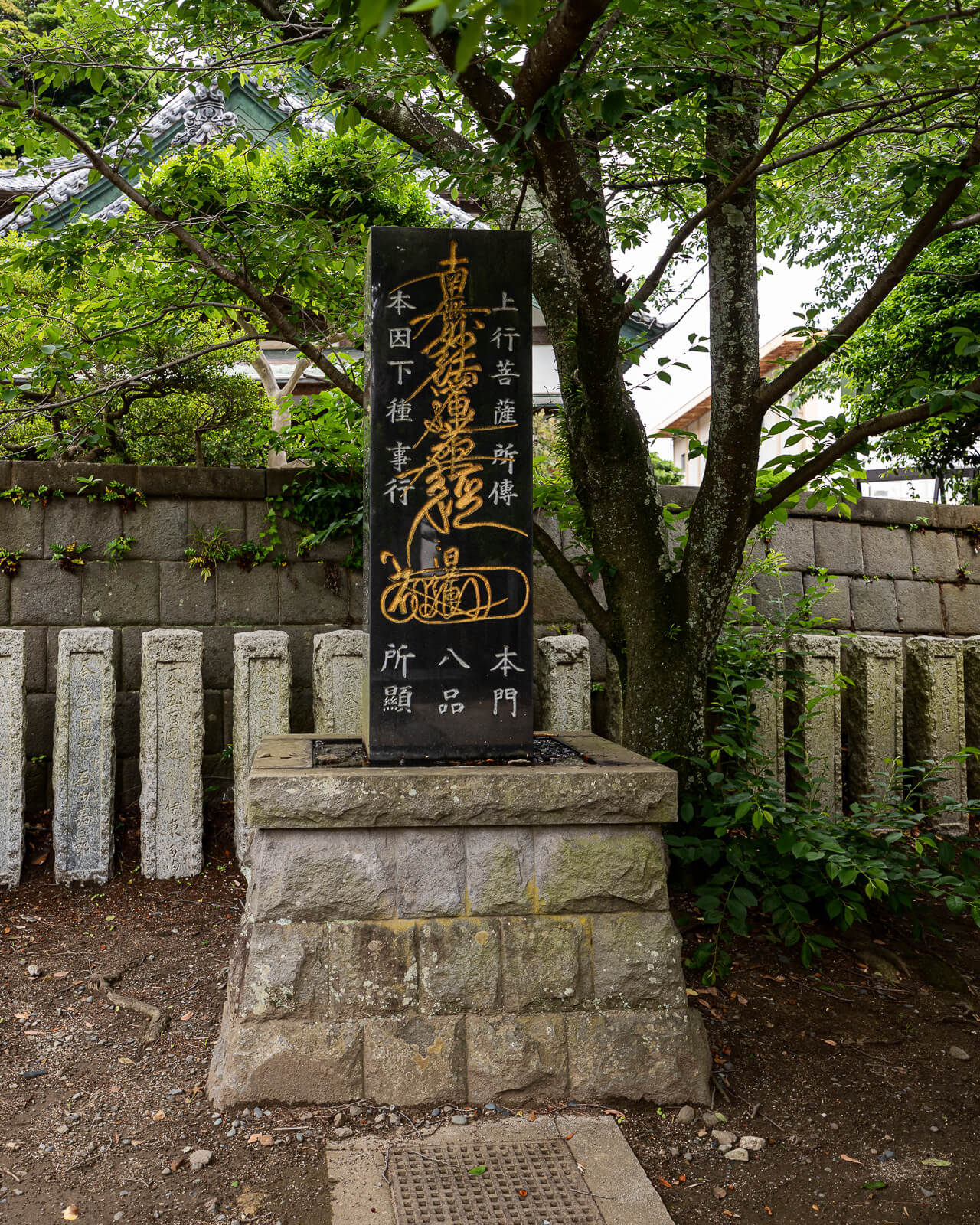
The main hall also holds the Shikikawa Stone, associated in the temple’s tradition with the execution site. Alongside the image of Nichiren, it connects the present building with the event commemorated here. The temple describes the hall as Shikikawa-do for this reason.
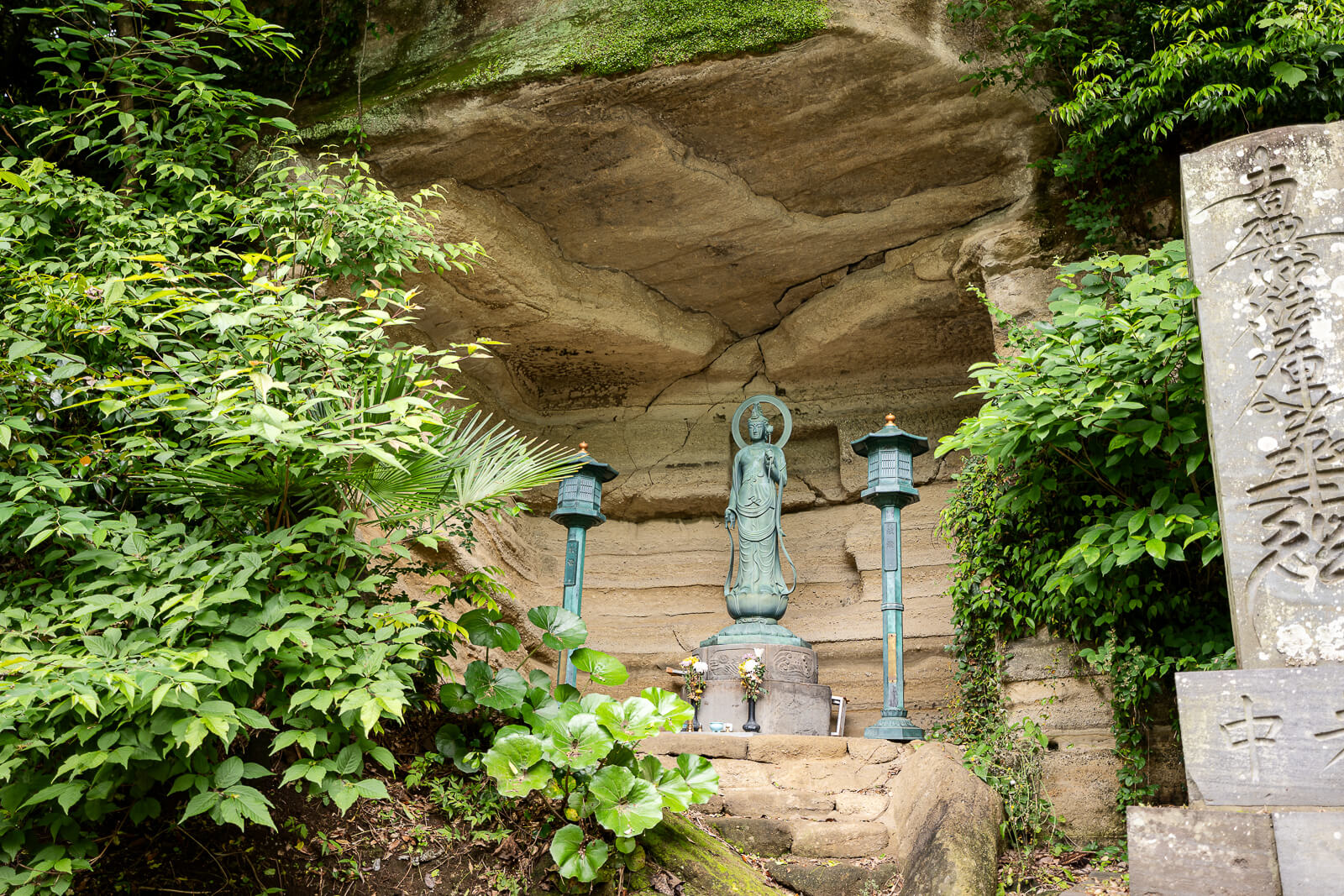
Ryukoji’s Main Hall, Gate and Lower Grounds
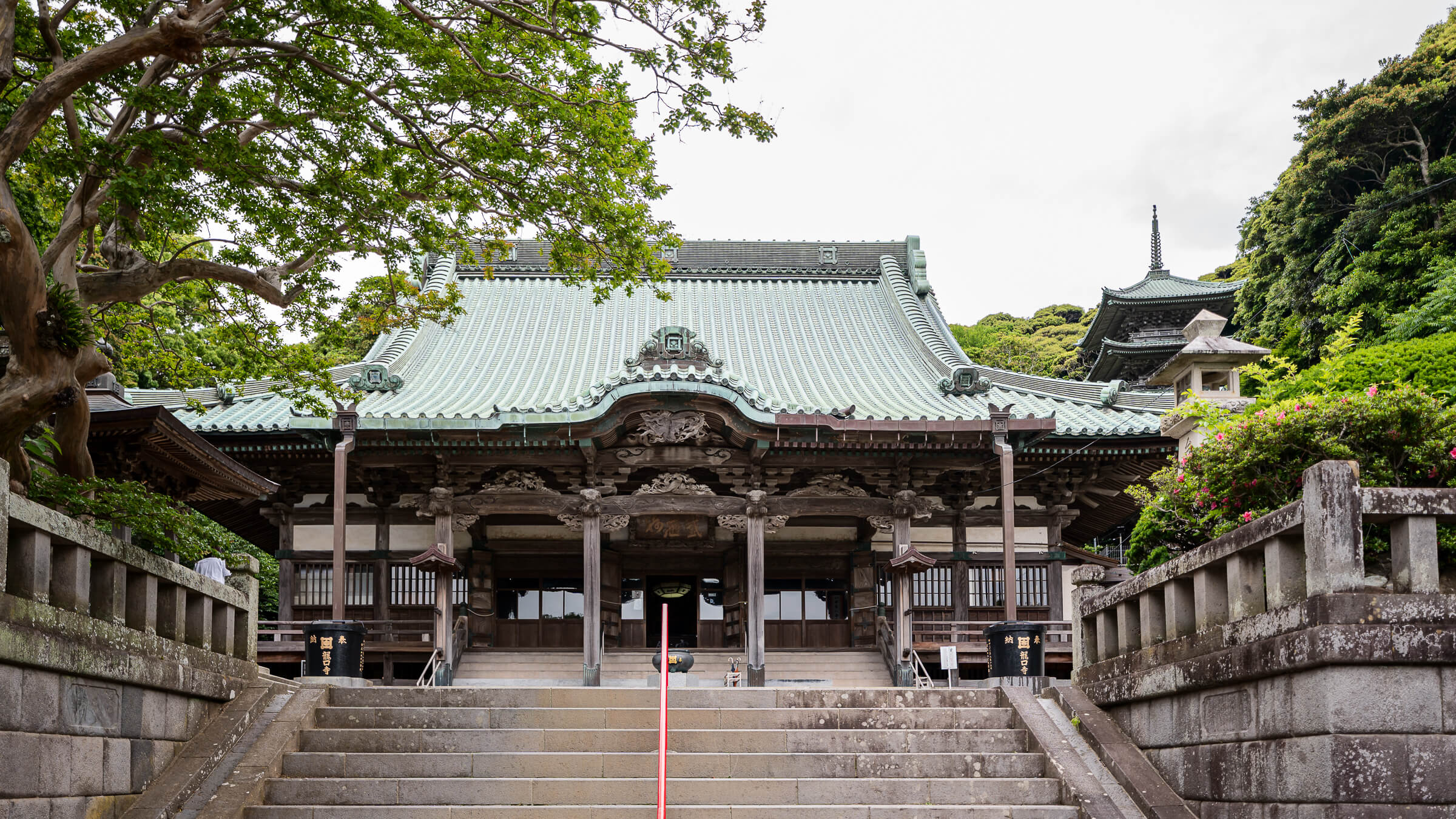
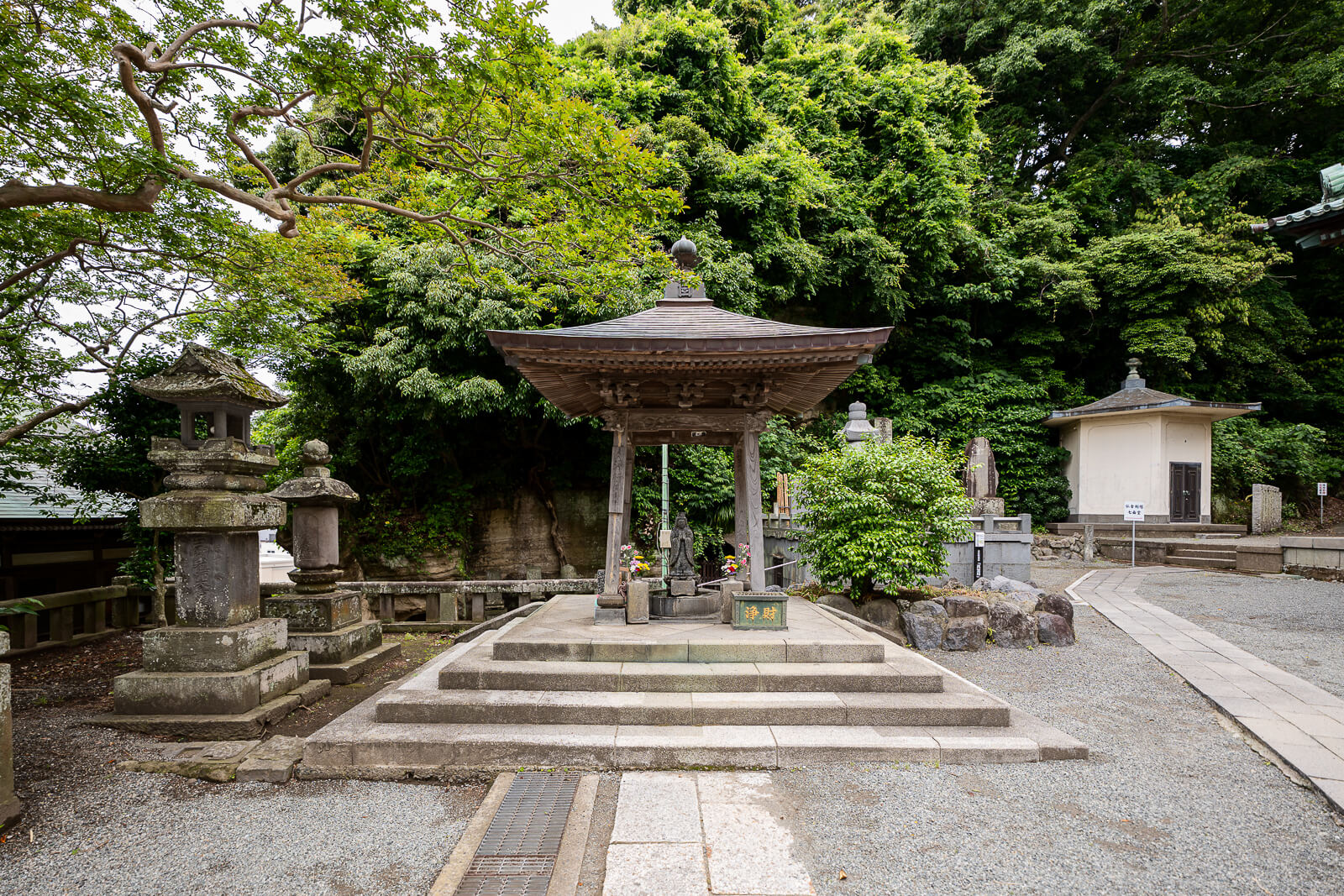
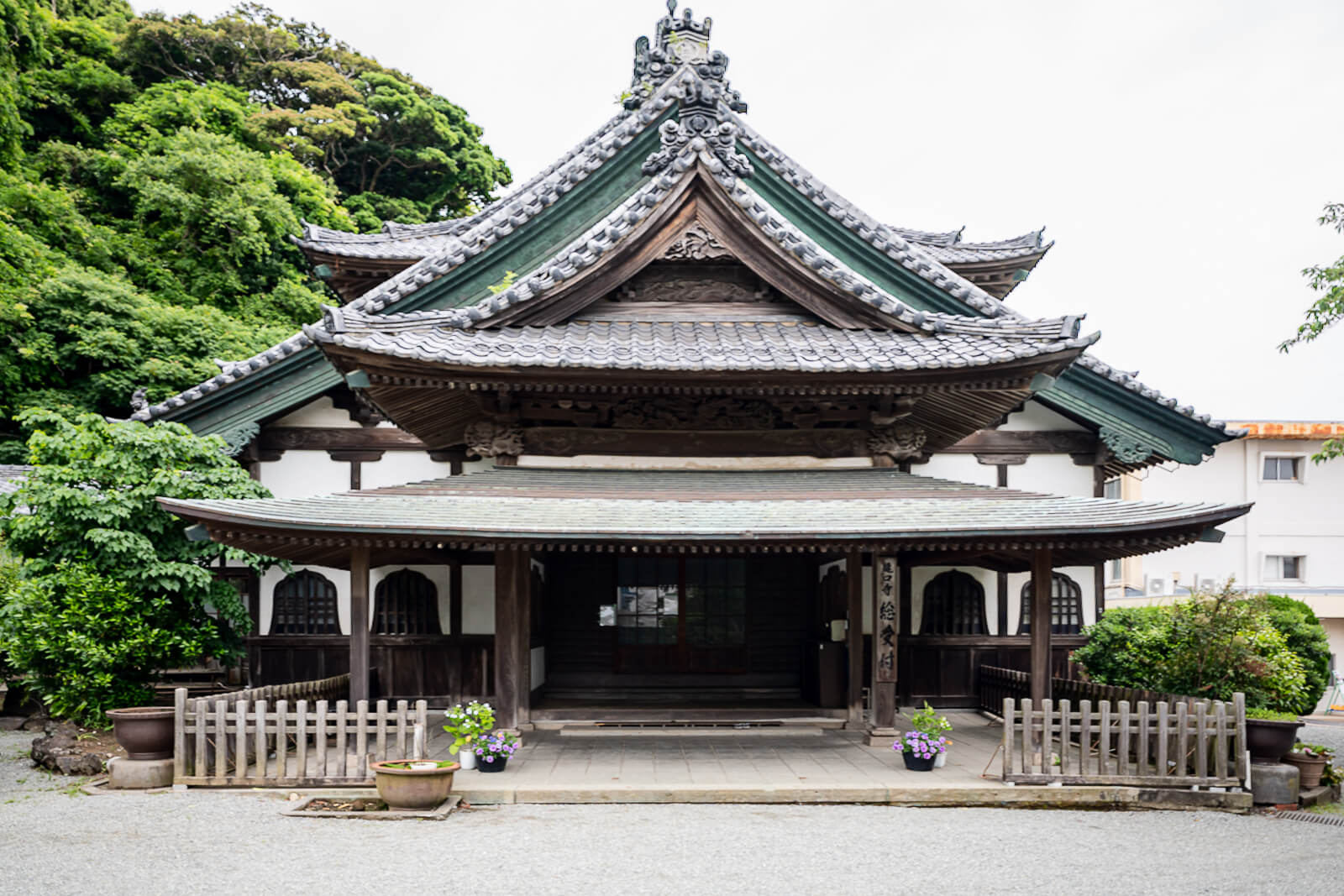
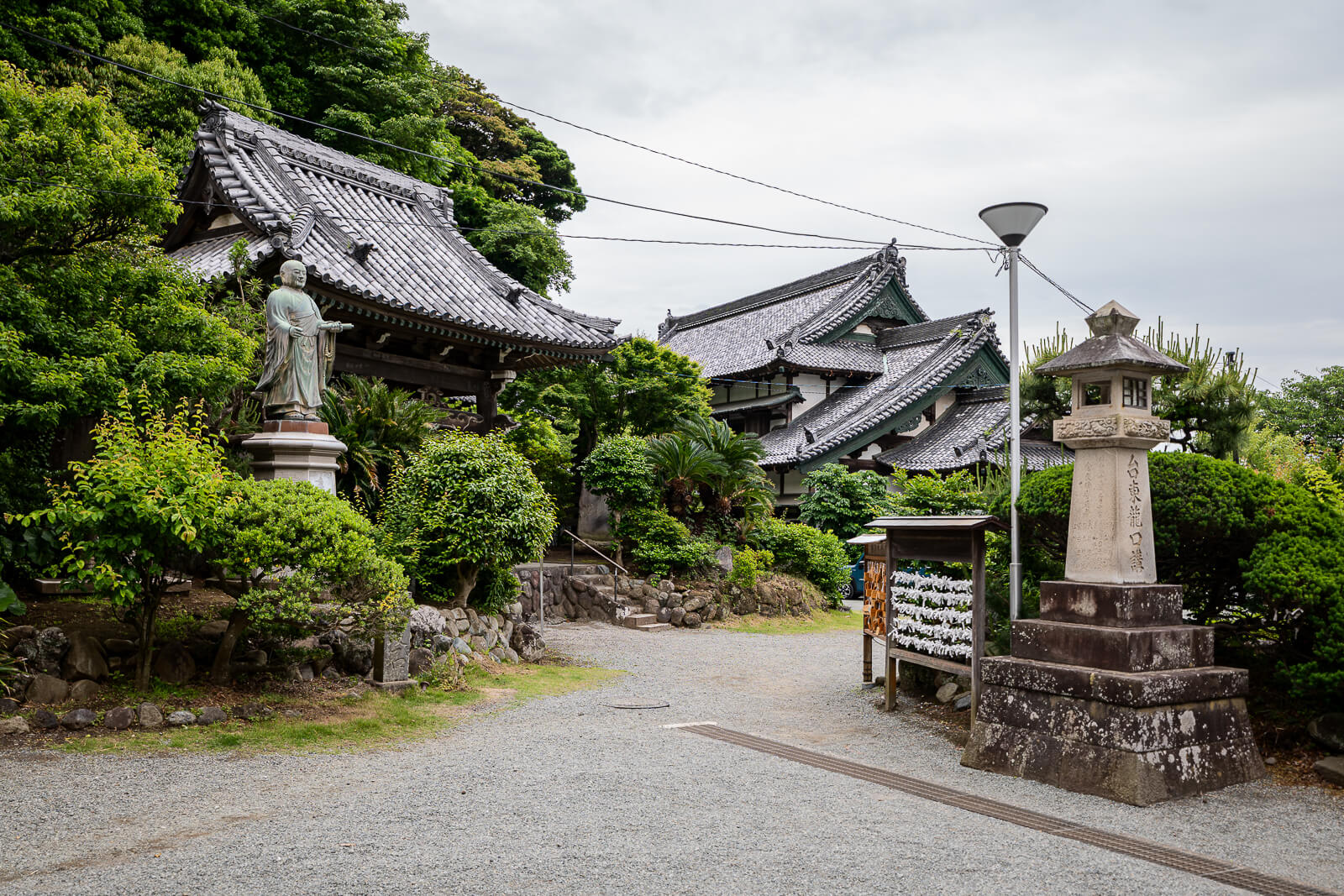
The entrance leads up steps into the main temple grounds, with the hall anchoring the space and planting, figures and other structures around it. Begin by looking across the whole arrangement before concentrating on individual details. It is easier to understand the later hillside walk once the relationship between the arrival and main hall is clear.
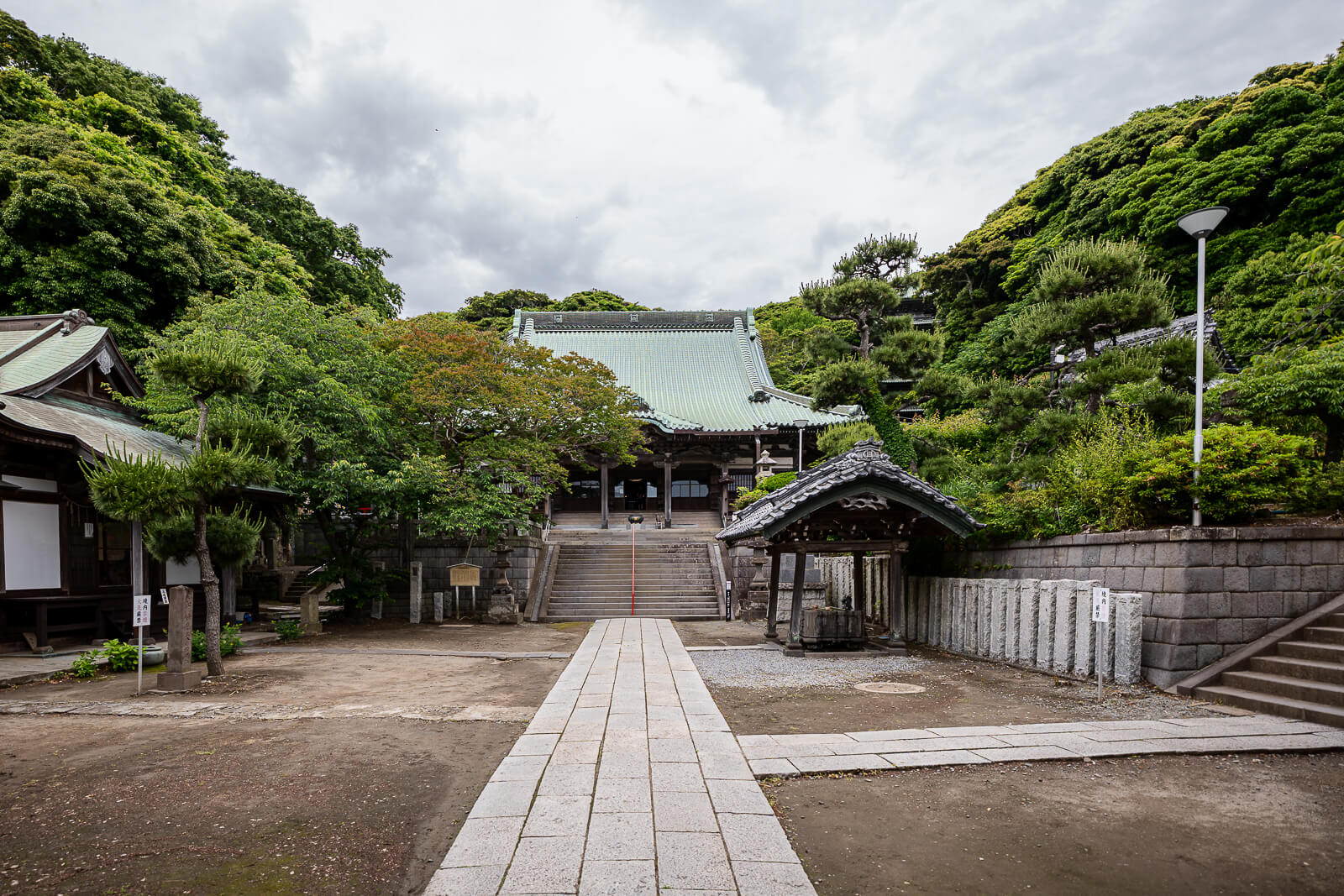
The main hall dates from 1832, while the carved wooden gate dates from 1864. Those surviving nineteenth-century structures give the lower precinct architectural interest before the pagoda walk begins. Look at the entrance framing and the hall as buildings in their own right, rather than treating them only as the approach to the upper grounds.
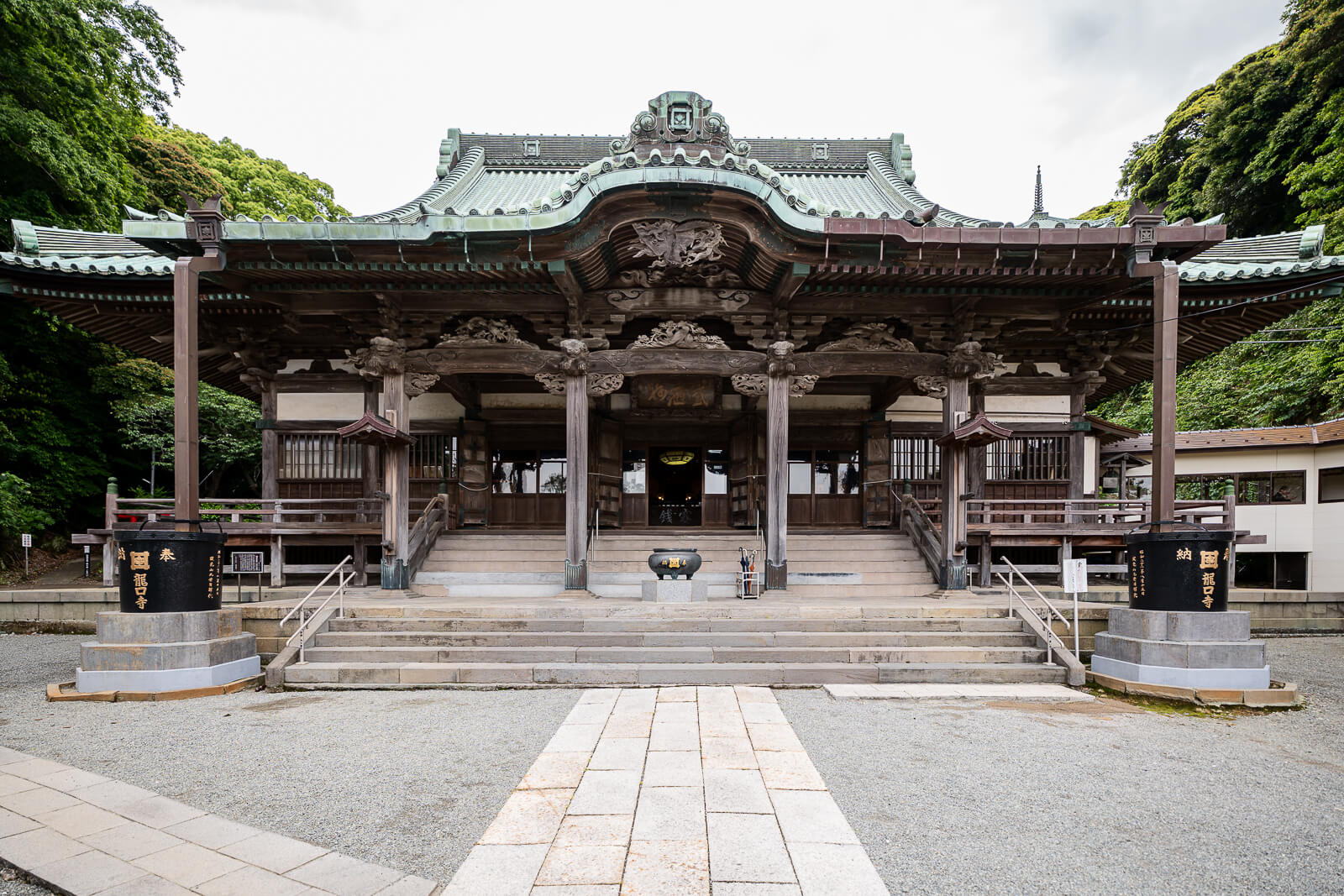
Visitors seeking goshuin can ask at reception in the main hall, following the temple’s current instructions. The entrance information point can help direct visitors to the appropriate reception. Make the request while visiting the lower grounds so it can fit naturally with the rest of the route.
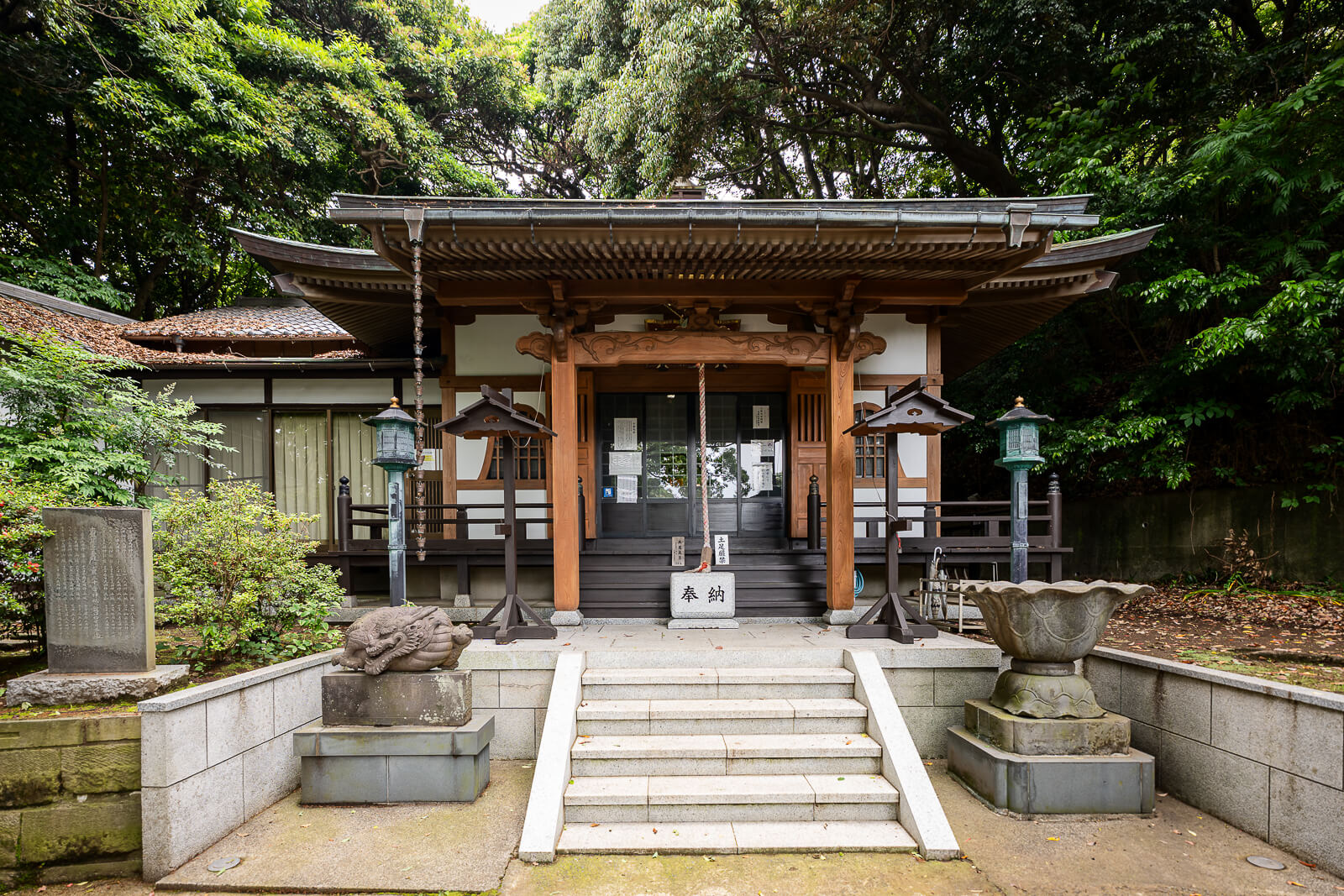
The Perimeter Walk to Ryukoji’s Five-Storey Pagoda
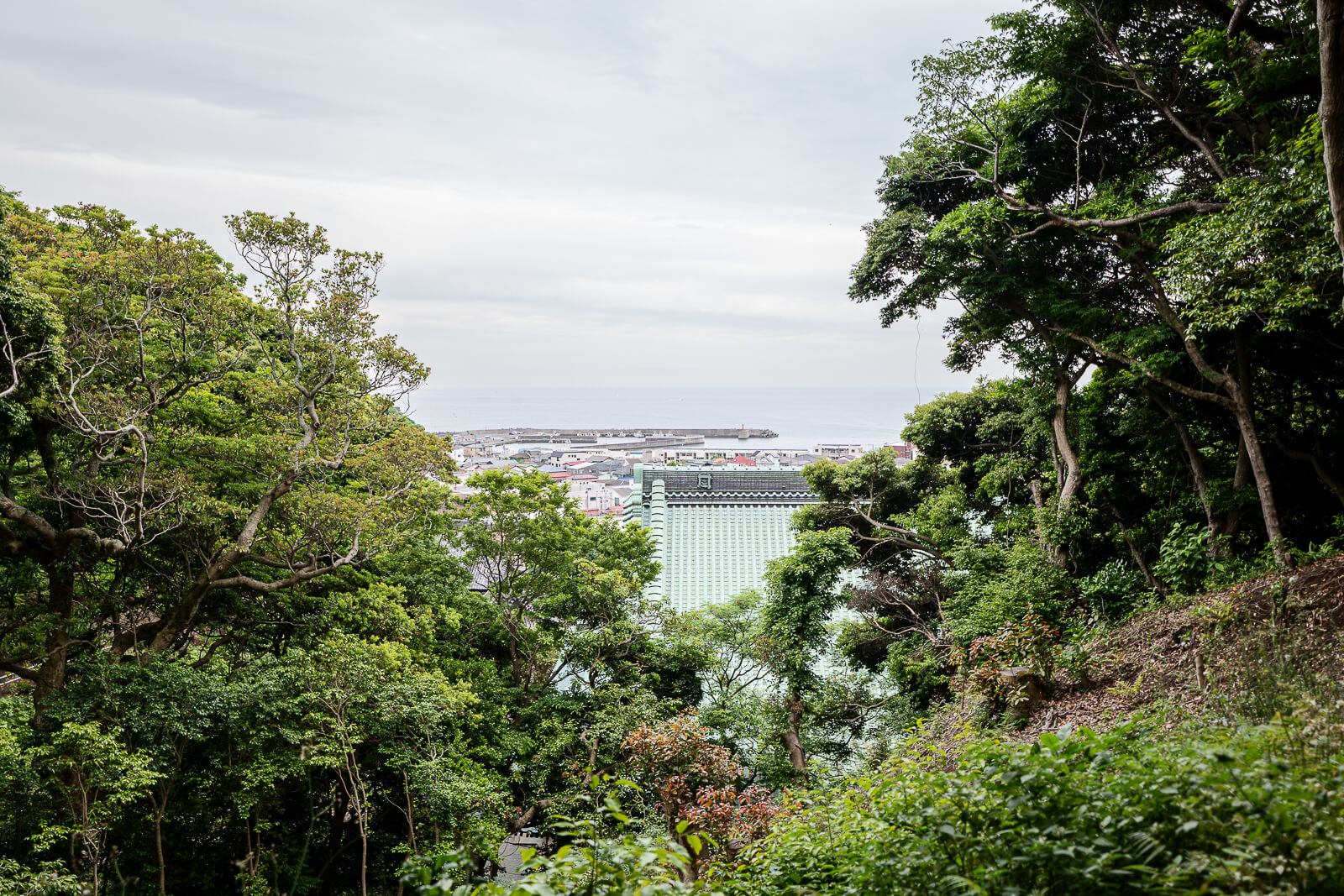
The outer paths are the part of Ryukoji most easily omitted during a quick stop. Follow the signed, open route as it rises around the main temple area, allowing the hillside rather than a straight line from the gate to shape the visit. The grounds become more varied as the lower hall gives way to the upper setting.
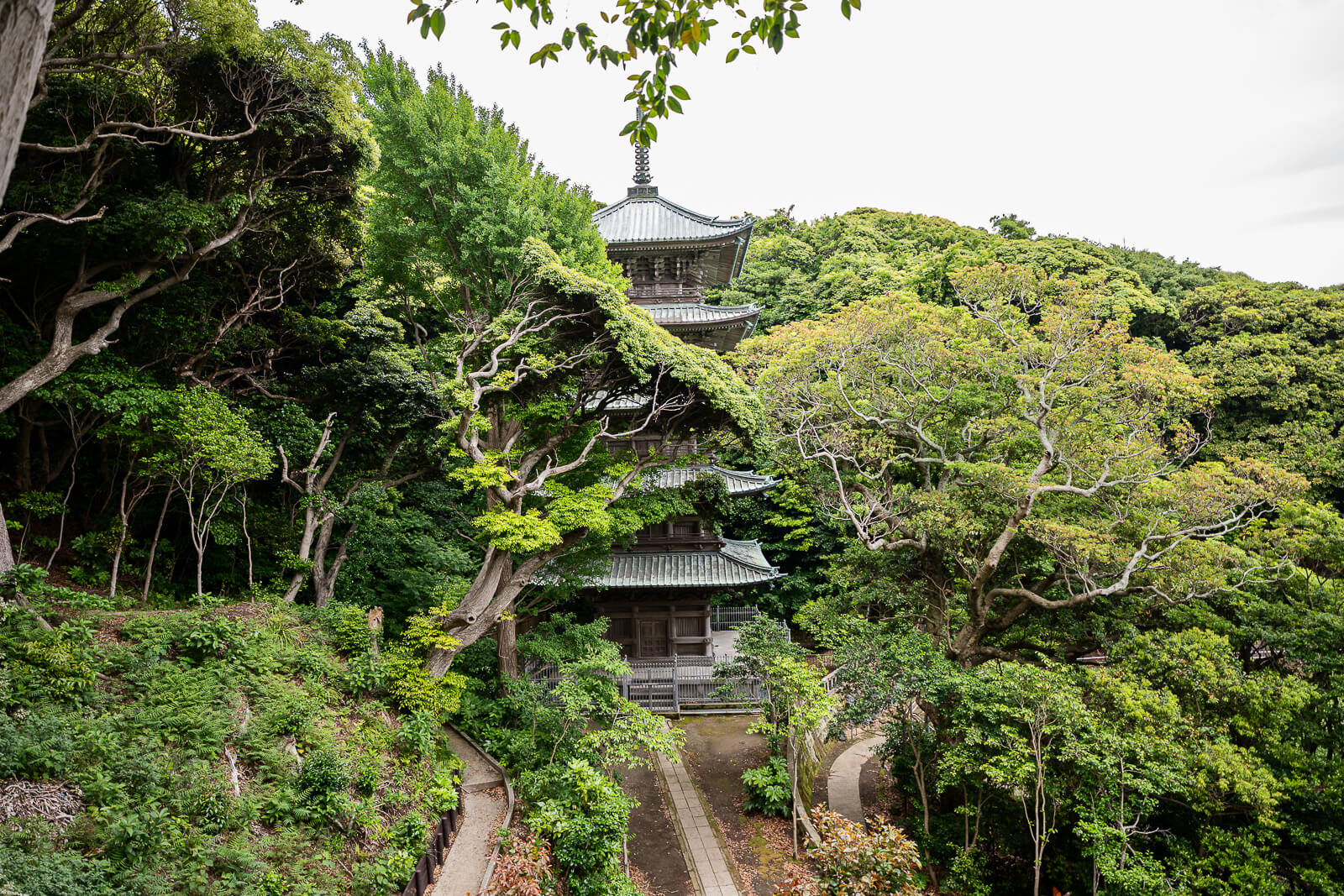
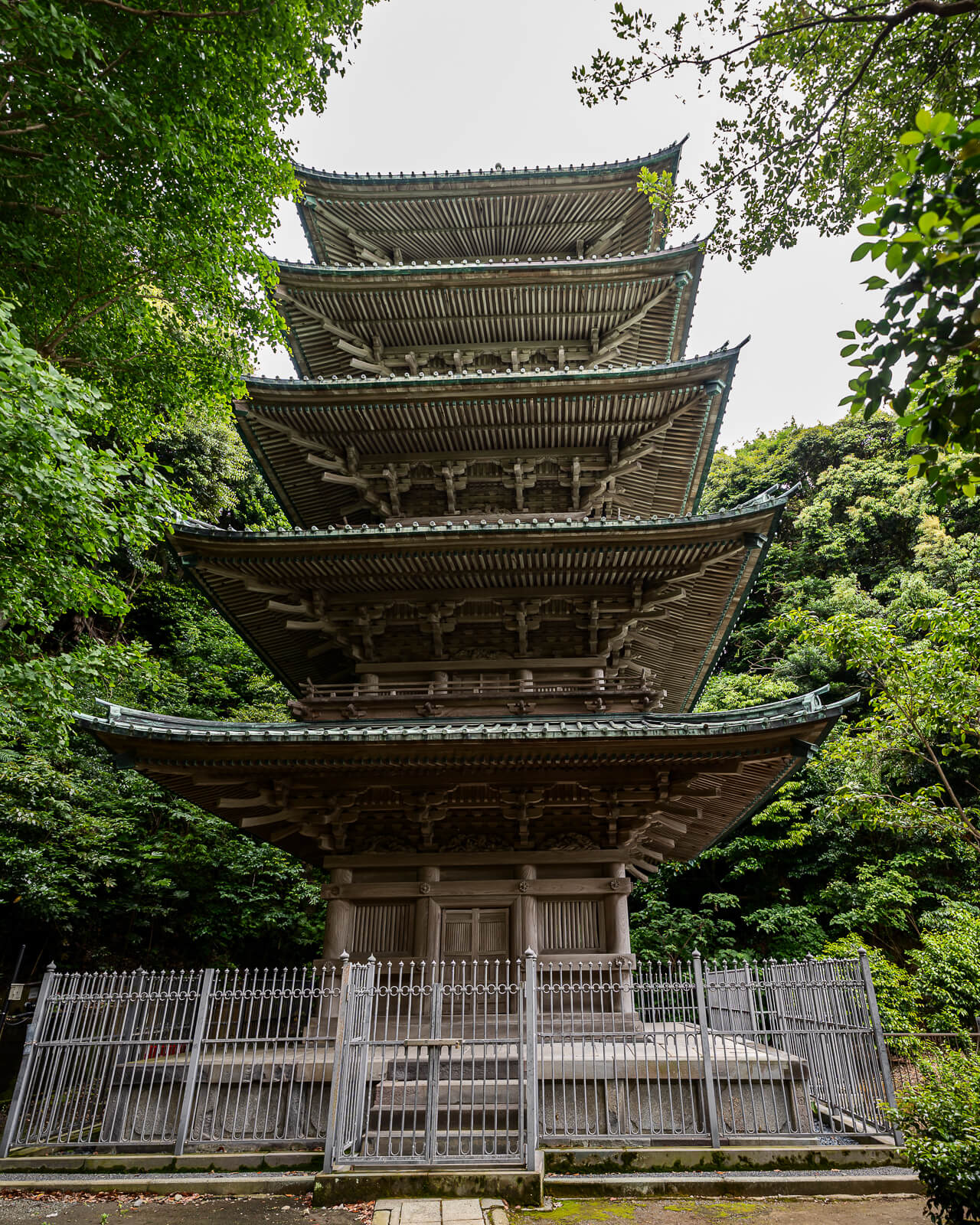
The wooden five-storey pagoda was completed in 1910. Its stacked roofs and height provide a different architectural subject from the broad main hall, making it a strong reason to continue uphill. Viewing it in its hillside setting gives the visit a clearer sense of scale than looking only at the lower precinct.
Use the temple’s signs for the current path and any branches that are open. “Walking around the perimeter” describes the broad experience, not a guaranteed circular trail with identical access at every visit. Return by the permitted route, leaving time to descend and reach the station.
How Long to Allow for the Hall and Hillside Grounds
Around twenty to thirty minutes is a useful starting allowance for a purposeful look at the temple, including the pagoda route when conditions and walking pace permit. It is an estimate rather than a promise: photographs, goshuin, a closer look at the buildings and any pause on the hillside can extend the visit. Someone only viewing the lower grounds is making a different, more limited stop.
After a long island day, the distinction matters more than the temple’s short distance from the station. The railway approach may be easy, but the upper grounds add steps and rising paths to walking already completed. If the pagoda is the main reason for visiting, leave enough energy for it rather than arriving with only a few minutes before departure.
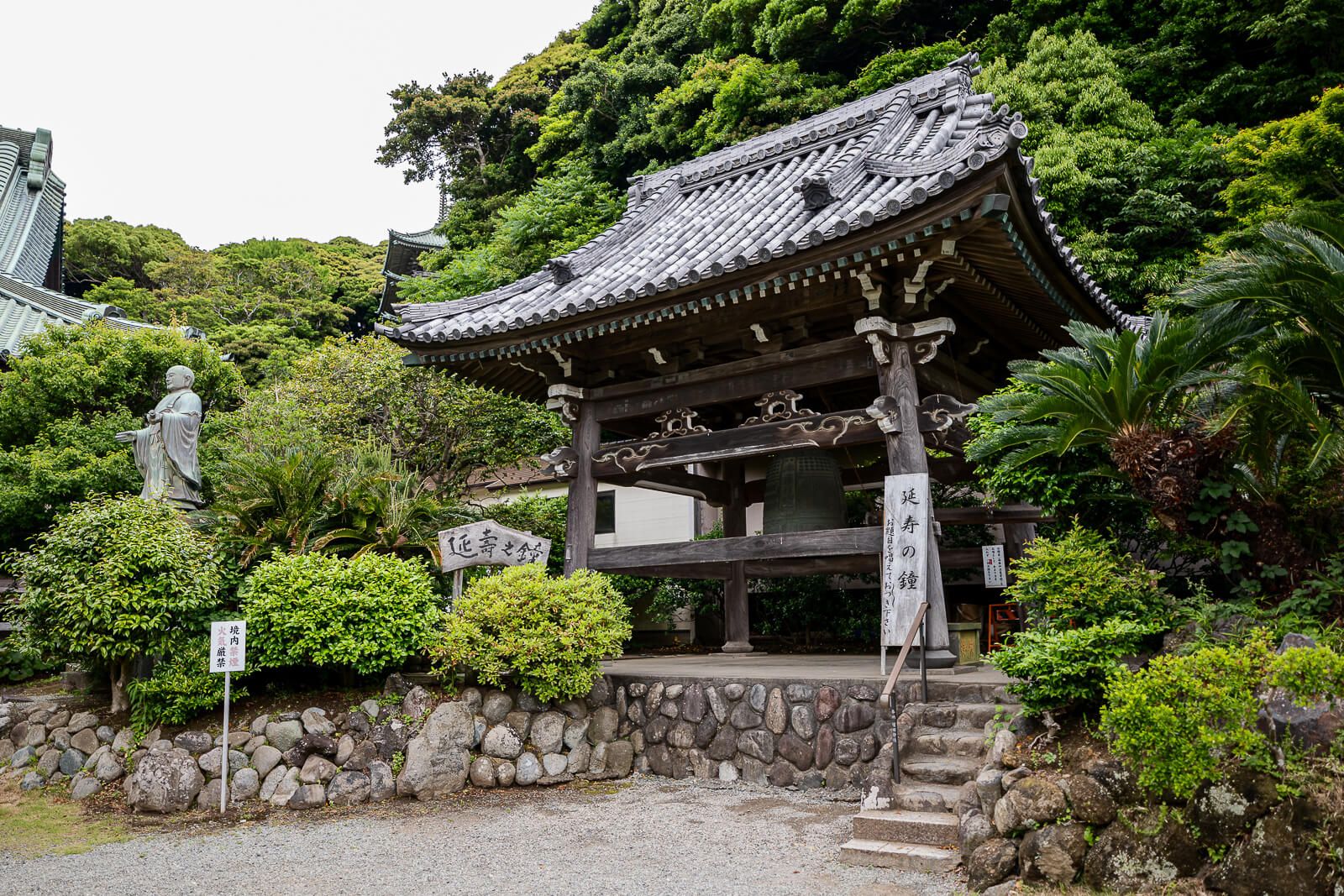
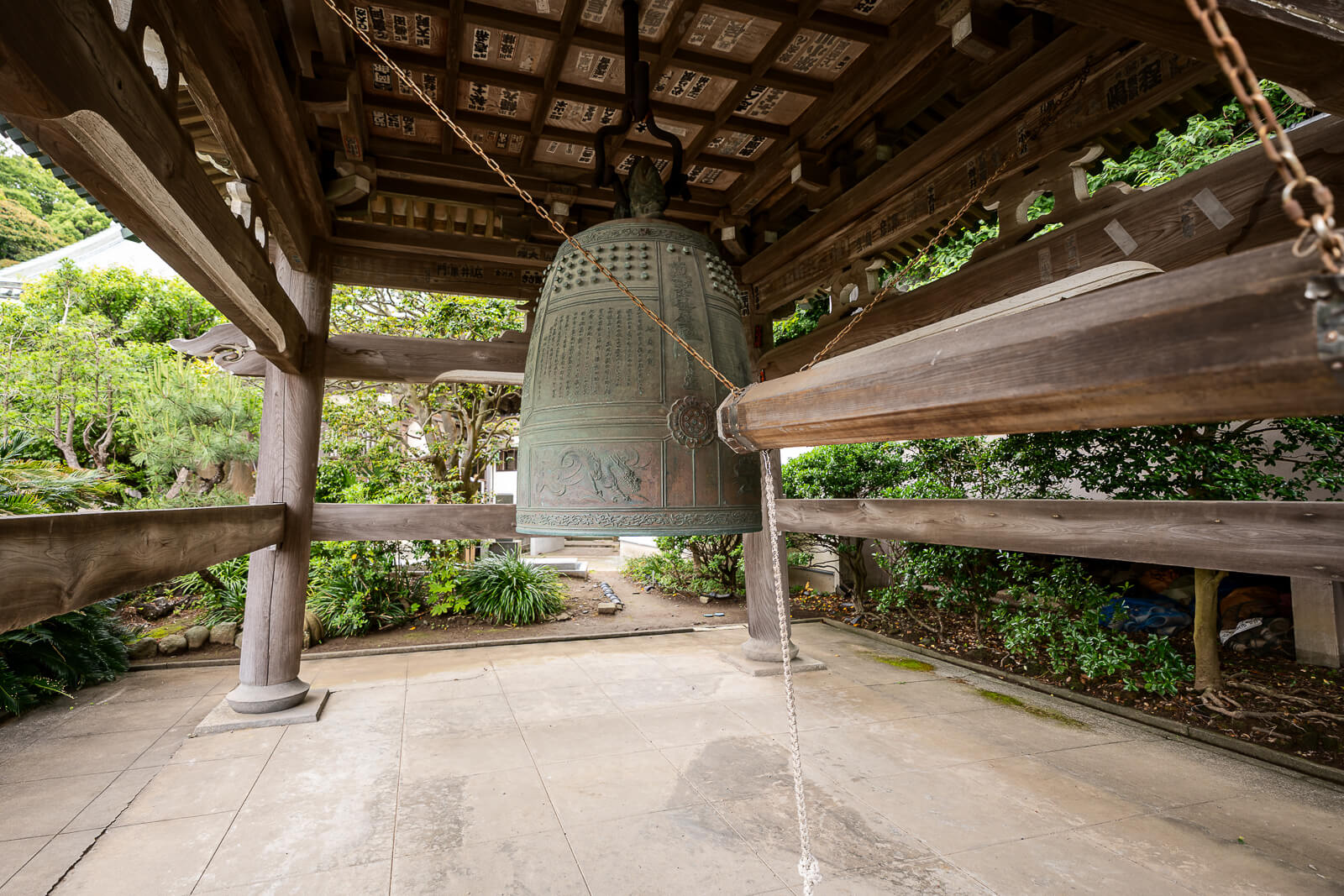
The hall, carved gate and pagoda give the walk an architectural focus throughout the year. Trees frame the buildings and the path between them. Leave time to look at the timber details as well as the wider hillside setting.
Ryukoji from Enoden Enoshima and Shonan-Enoshima Stations
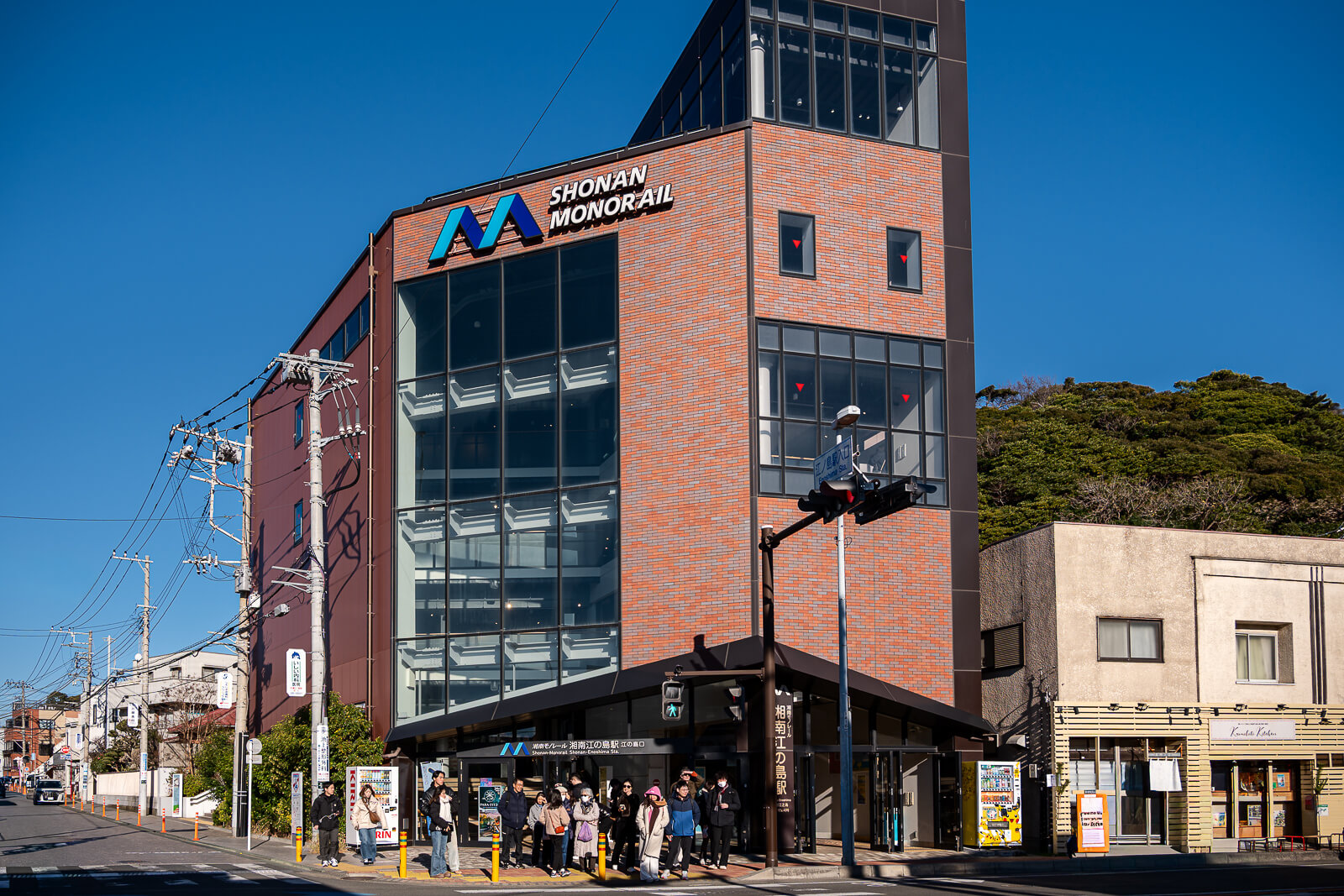
Enoden lists approximately three minutes on foot from Enoshima Station to Ryukoji. Shonan-Enoshima Monorail Station is also nearby, in the same mainland arrival area. Odakyu’s Katase-Enoshima is a separate station nearer the waterfront, so check the operator as well as the shared Enoshima name when choosing a route.
This location makes the temple particularly convenient on a journey using Enoden between Kamakura and Fujisawa. It can also fit an approach through Ofuna on the Shonan Monorail. The Enoshima station guide explains those three arrivals and the onward walk to the island.
For an island-first day, Ryukoji can become a last cultural stop near the railway. For a temple-focused visit, seeing it before the island climb can protect the time and energy needed for the pagoda. Either sequence is more useful than assuming the temple can be fitted into whatever minutes remain before the train.
Combining Ryukoji with Enoshima Island
Ryukoji and Enoshima Daishi are separate Buddhist temples in different parts of the outing. Daishi stands on the island beyond the summit attractions, while Ryukoji occupies the mainland hillside by the station area. Their settings, architecture and histories give a reason to visit both for a Buddhist-cultural interest, without treating either as interchangeable with the island’s Shinto shrine precincts.
For a general coastal day, one temple stop can be enough when the island’s summit and far shore are already priorities. Ryukoji is most rewarding when the upper grounds are a deliberate part of that choice. Protecting the short hillside walk is what turns a convenient station-side addition into a visit with its own character.
Getting There
To choose between the nearby Enoden and monorail stations or the Odakyu approach, use the guide to getting to Enoshima.
Access and Arrival
Allow approximately three minutes on foot from Enoshima Station. Shonan-Enoshima is nearby; Odakyu's Katase-Enoshima is a separate station closer to the coast.
- From Enoden Enoshima Station
Enoshima Station → Ryukoji entrance
About 3 minutes on foot · Follow the mainland street to the temple entrance; steps lead into the grounds.
Allow time beyond the main hall: The hillside pagoda involves additional walking and steps. Include it deliberately instead of treating the lower hall as the whole visit.
Hours and Fees
Visitor information
Ryukoji is a mainland temple whose hillside pagoda adds walking beyond the lower hall.
- Hours
- Temple visiting hours and reception: 09:30–16:30, according to the temple’s official FAQ. Follow posted restrictions for individual buildings and leave daylight for the hillside path.
- Admission
-
A normal grounds visit does not require a general admission ticket. Goshuin, offerings, goods and particular ceremonies or activities are separate.
Optional combined admission
Enoshima Island All-Access Pass
Optional for a wider island-and-aquarium day. Includes Escar, Sea Candle, Iwaya and the aquarium. Choose + Night for event-evening garden entry. Rail, Bentenmaru and Hoanden are separate; check date and package conditions.
Compare Enoshima All-Access Passes
Plan Your Visit
Choose the stay, transport and experiences that fit the wider coastal trip.
Compare Fujisawa and Enoshima Stays
Stay near the coast for an unhurried island visit. Compare Fujisawa and Enoshima accommodation by location, price and cancellation terms.
Compare Fujisawa Stays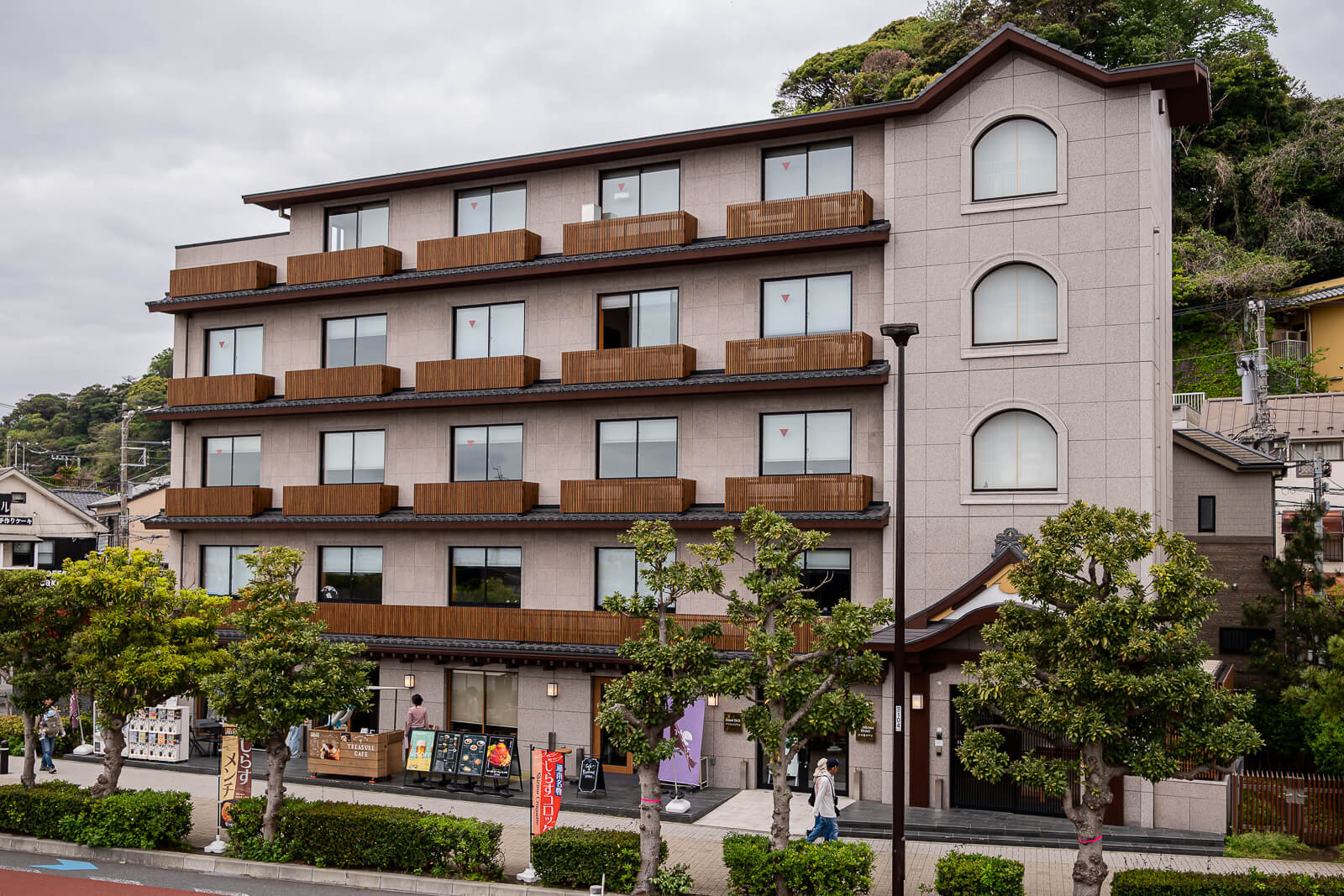
Compare Tokyo Car Rental Options
Extend your trip beyond the railway corridor with a rental car from Tokyo. Compare pickup locations and rates for the wider journey.
Compare Tokyo Car Rentals
Browse Guided Kamakura Day Trips
Explore Kamakura with a guided day trip. Compare routes and included stops to find one that also visits Enoshima if that is part of your plan.
Browse Kamakura Tours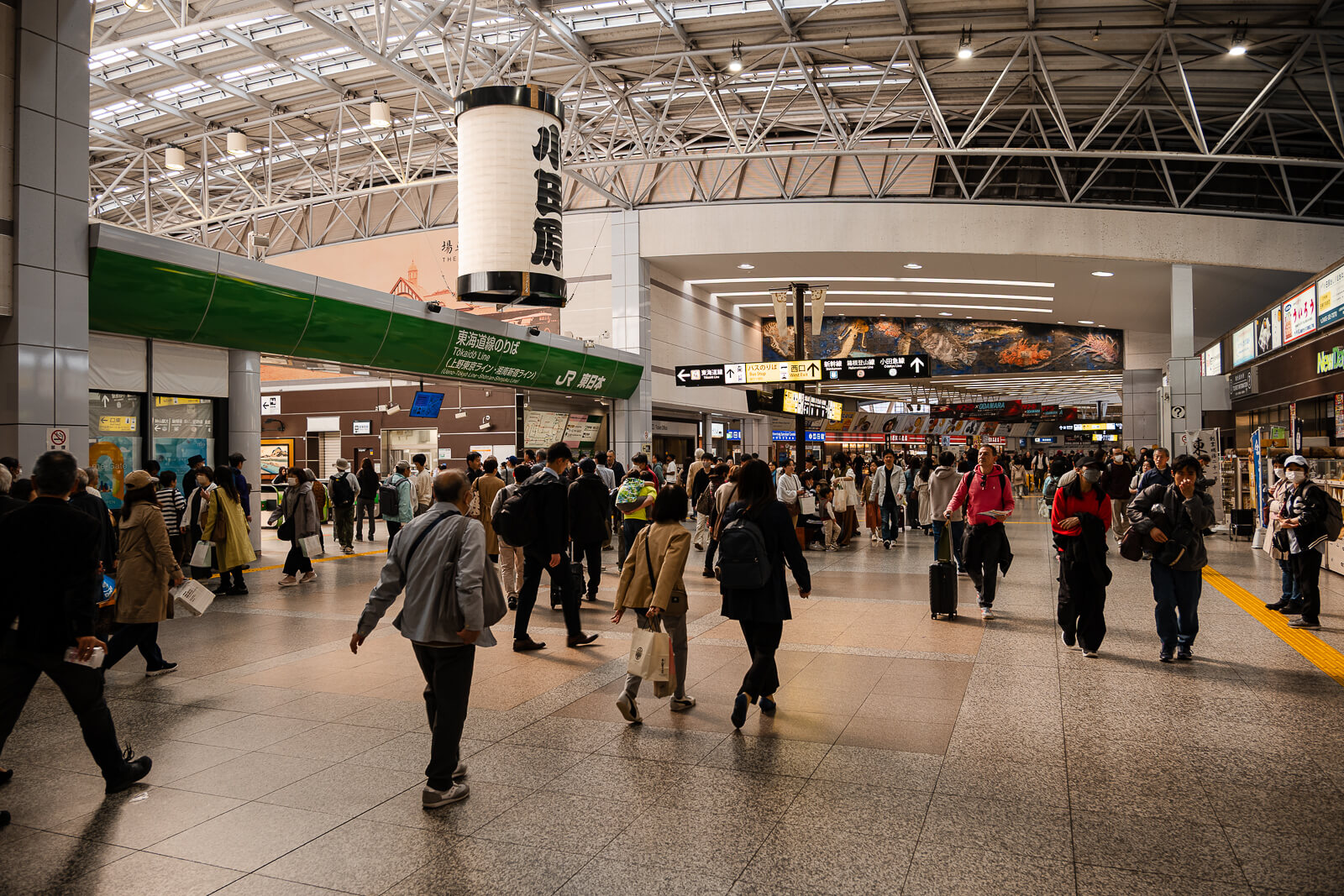
Explore Enoshima Aquarium Tickets
Add jellyfish galleries and Sagami Bay marine life to your coastal day. View aquarium admission options for your travel date.
View Aquarium Tickets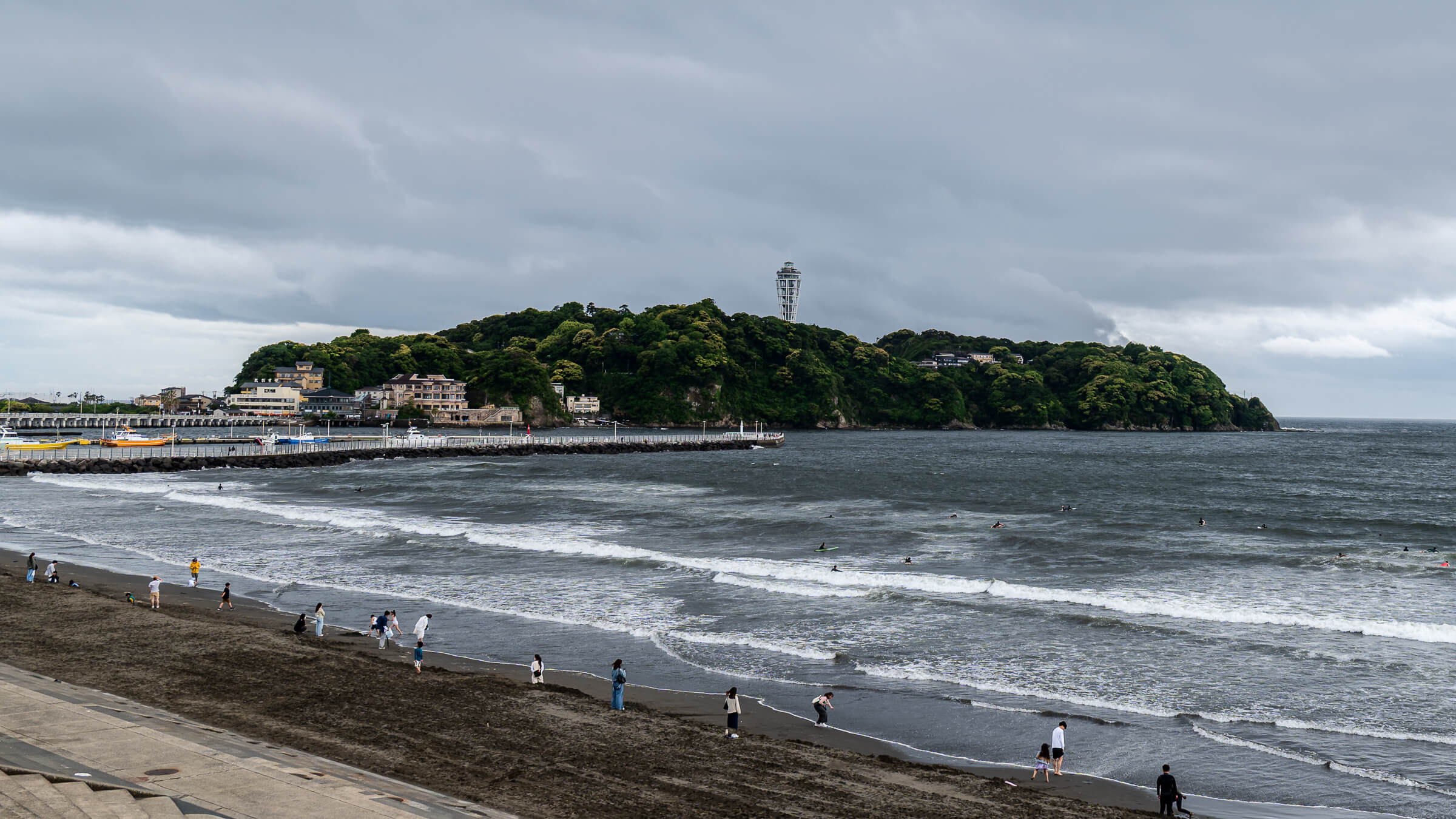
Compare Japan Data Plans
Keep maps, translation and train information handy with a Japan data plan. Compare allowances for your trip and check device compatibility.
Compare Japan eSIMs
Consider the Shonan Monorail
Ride the suspended monorail from Ofuna to Shonan-Enoshima. View ticket options for this scenic arrival and any repeat rides.
View Monorail Tickets