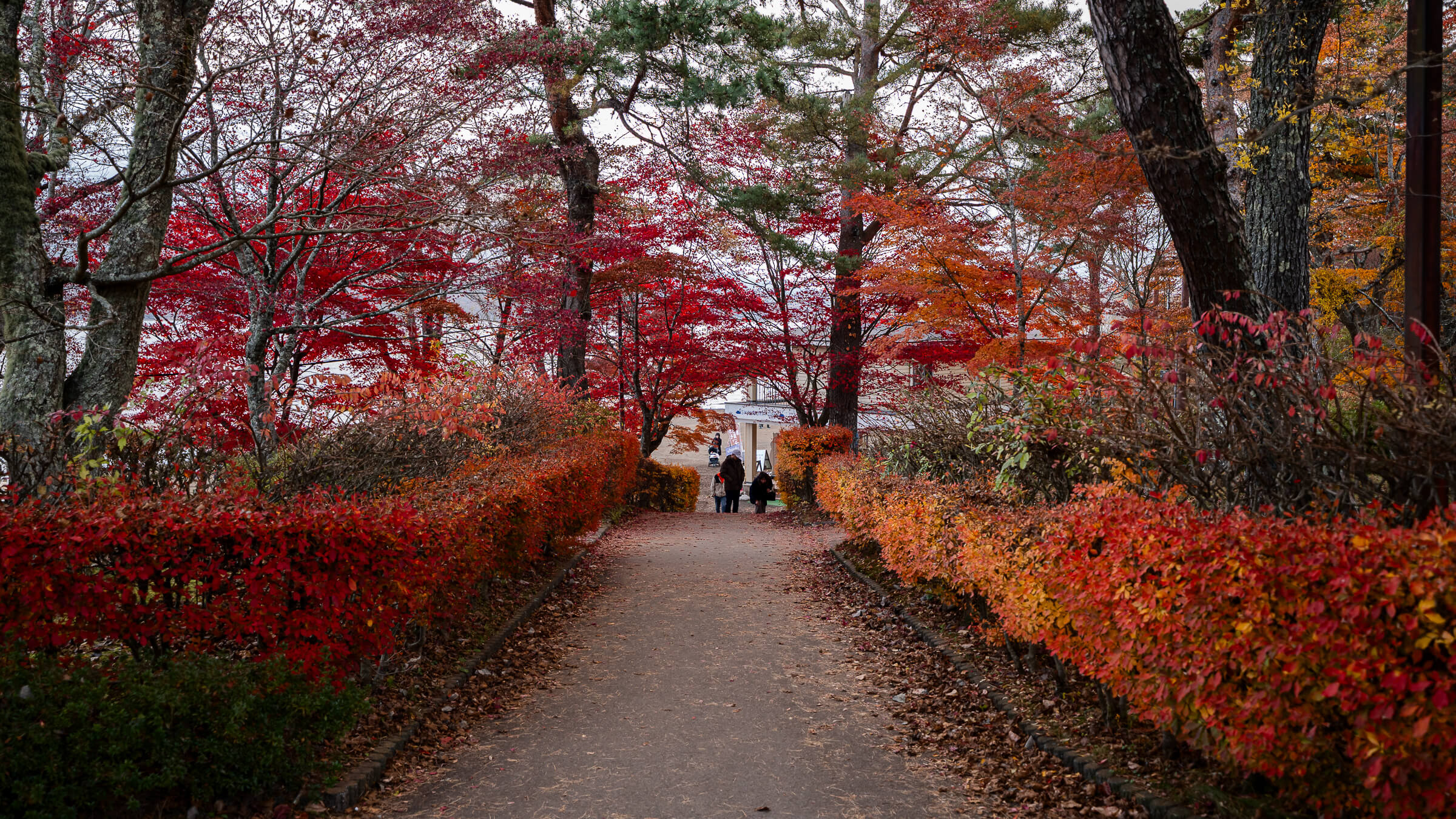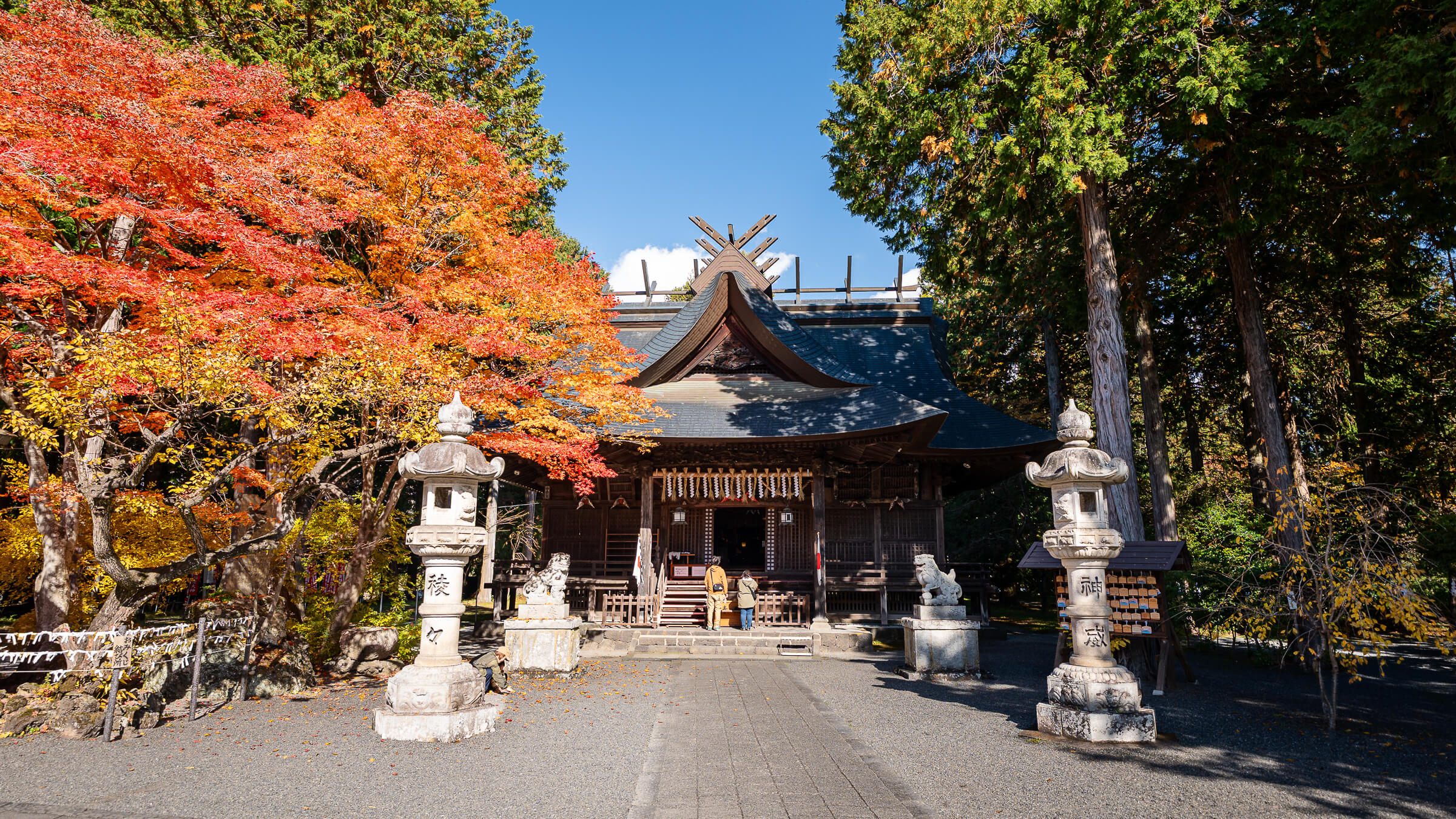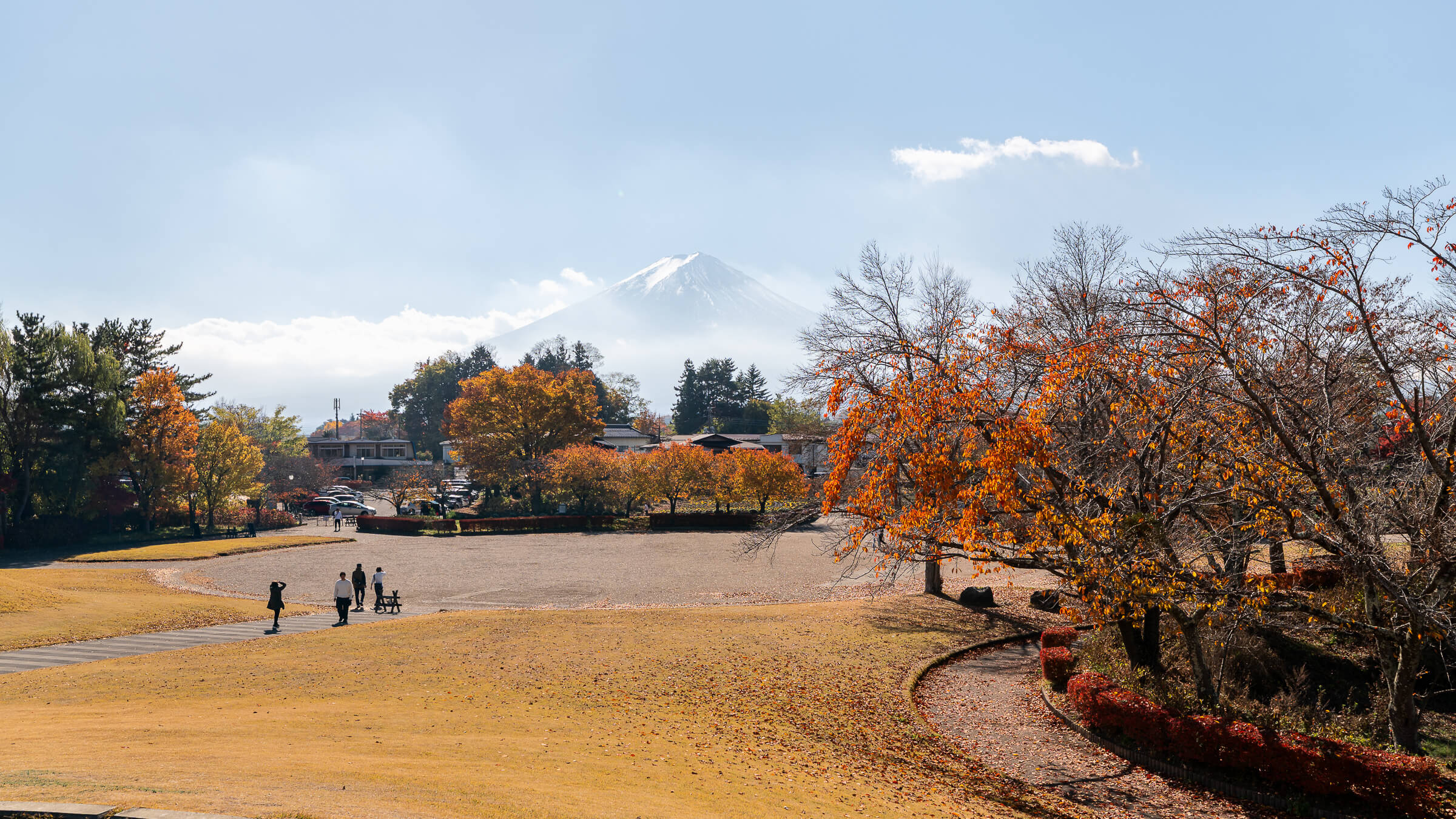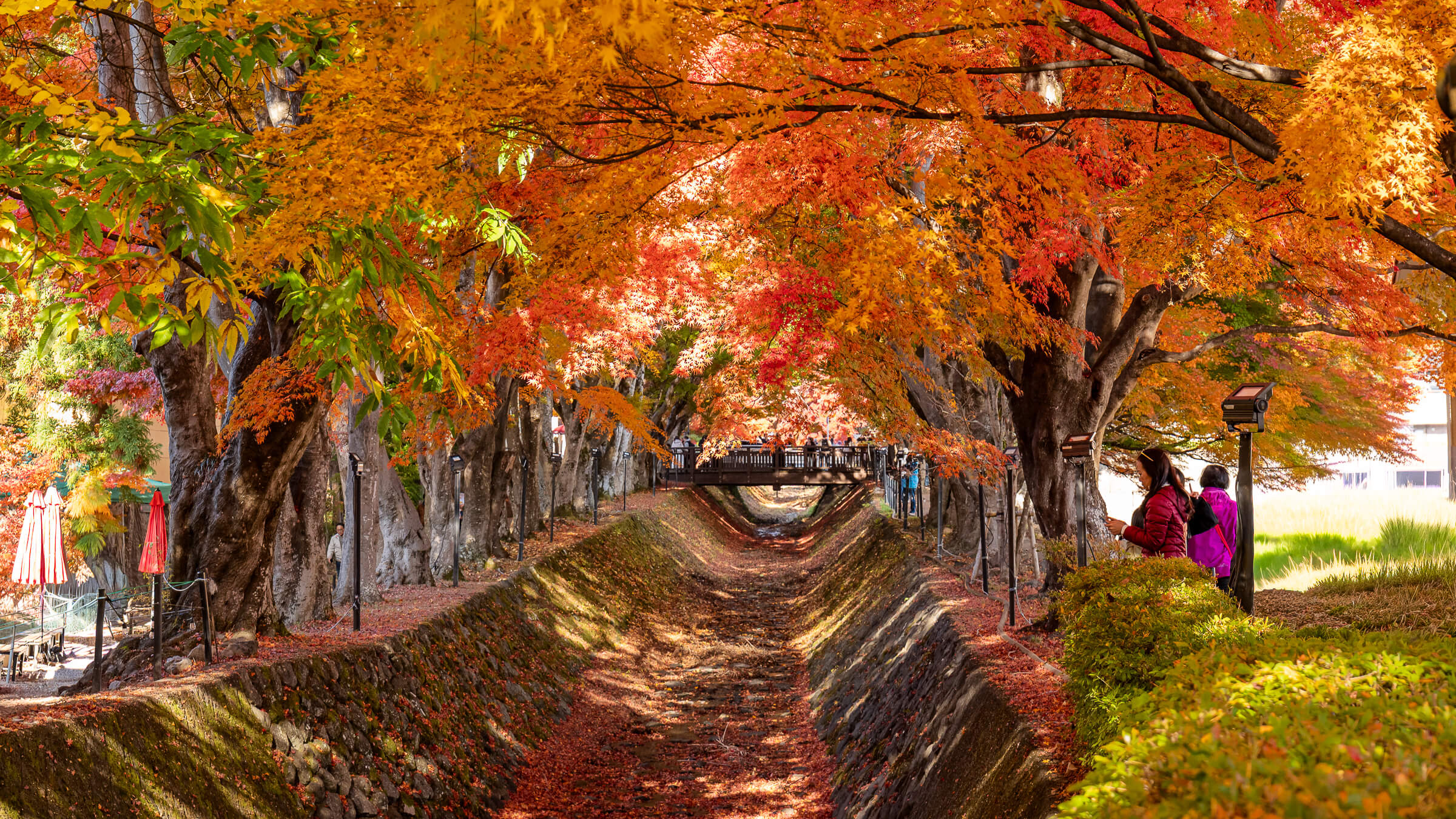
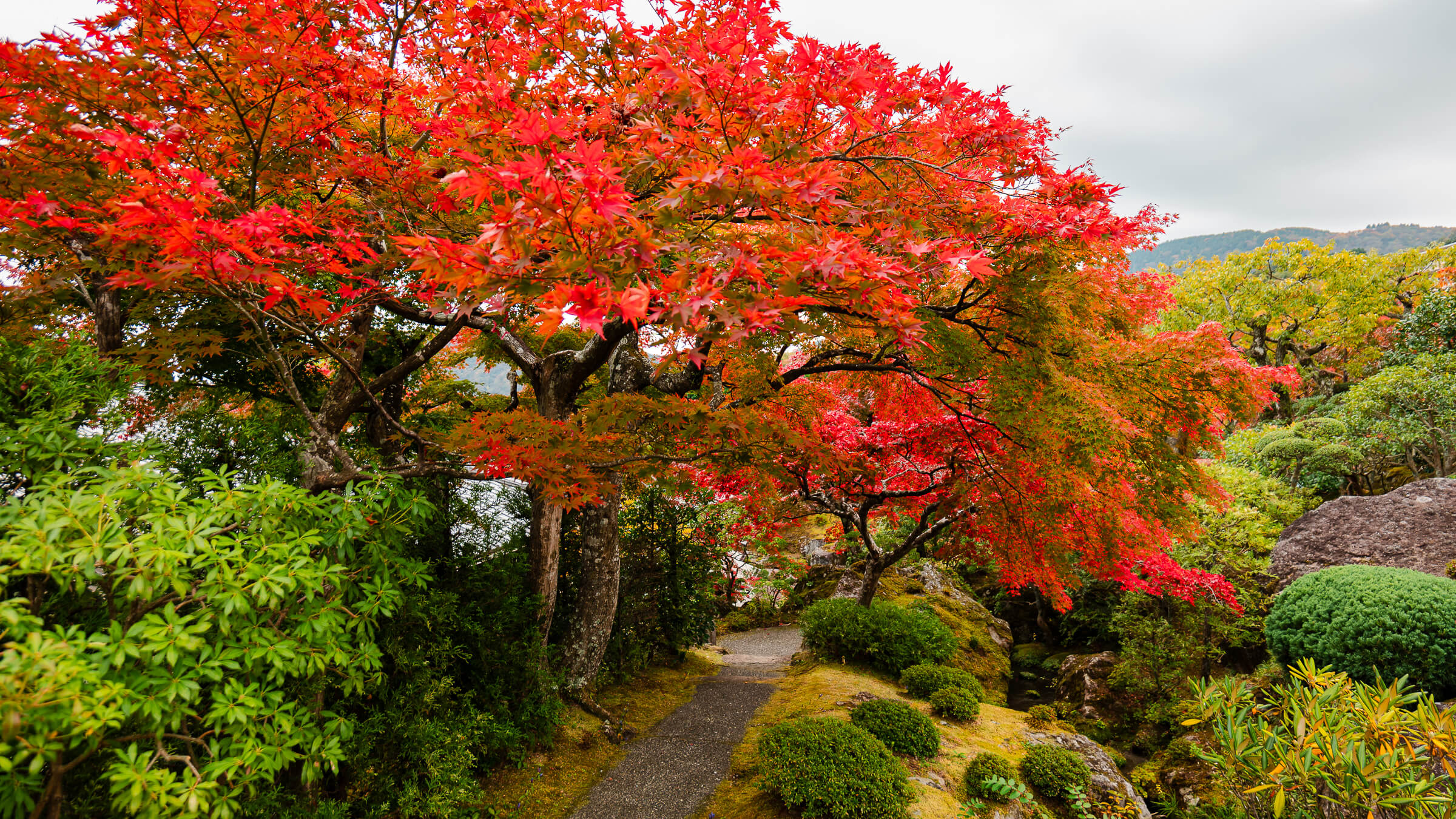
Hakone, in western Kanagawa southwest of Tokyo, usually shows autumn foliage from late October through late November, with some lower areas continuing into early December. The mountain route around Owakudani and Sounzan tends to change first, followed by Gora, Sengokuhara and Lake Ashi in early to mid-November. Hakone-Yumoto develops later, while Daiyuzan Saijoji near Odawara can extend a wider autumn trip into late November.
The strongest location depends on both the travel date and the scenery that matters most. Gora concentrates formal gardens, Sengokuhara combines temple woods, wetlands and susuki grass, and Moto-Hakone opens onto Lake Ashi and Hakone Shrine. Because these areas require different trains, buses, boats and mountain connections, the most effective plan usually pairs places that fit the same route.
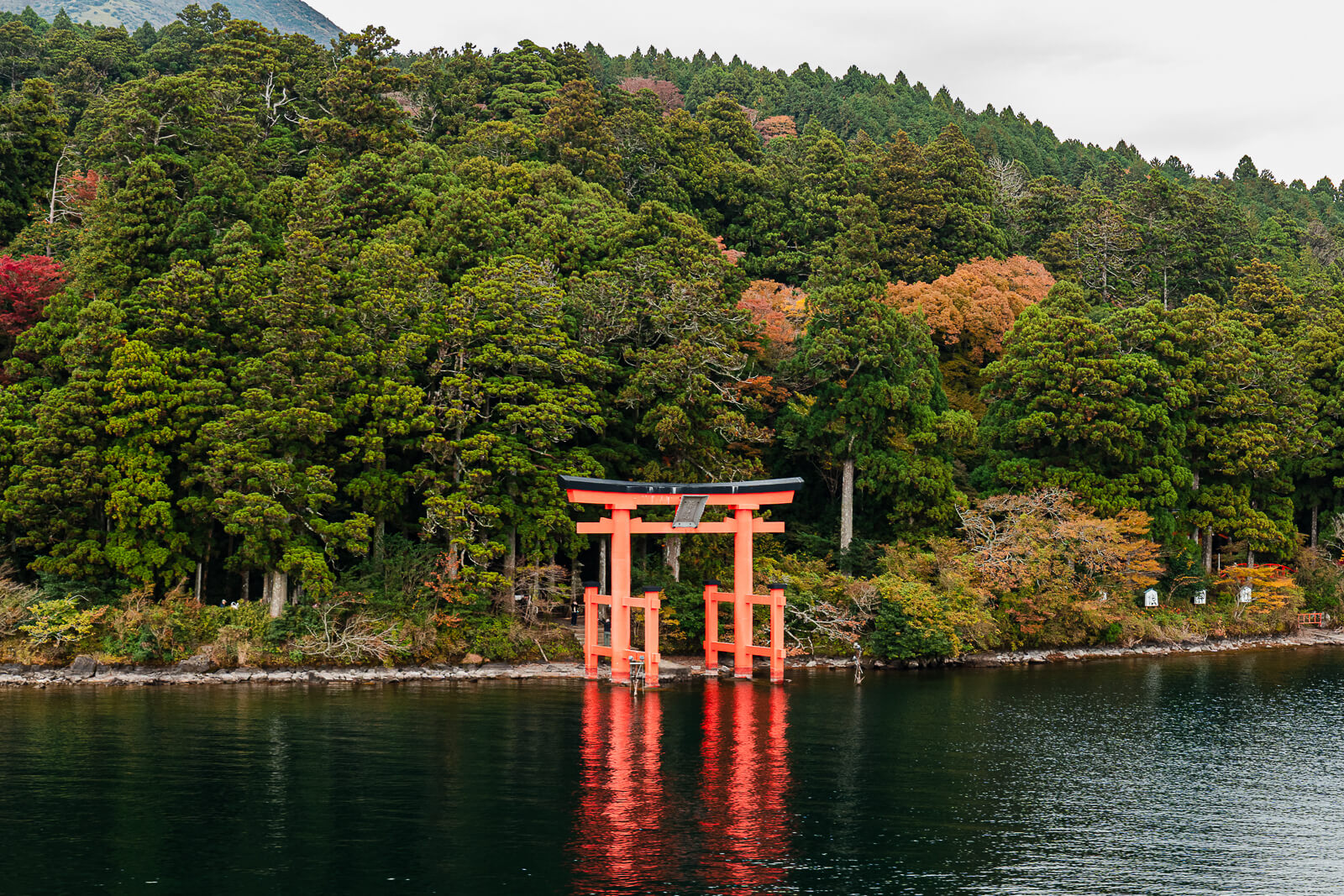
Hakone’s strongest autumn area depends on when you visit, the scenery you want, and how much of the region you plan to cover.
Owakudani and Sounzan normally change before Gora, Lake Ashi and Hakone-Yumoto.
Gora offers gardens, Sengokuhara mixes woods and grassland, while Lake Ashi opens onto wider mountain scenery.
Gora, Sengokuhara and Moto-Hakone use different transport links, so nearby pairings reduce unnecessary transfers.
More time makes it easier to combine different elevations and adjust when weather or foliage timing varies.
When Is the Best Time to See Autumn Foliage in Hakone?
The best overall time for Hakone autumn foliage is usually early to mid-November, when Gora, Sengokuhara and Lake Ashi often show color at the same time. Visitors arriving in late October should concentrate on higher points along the Hakone Ropeway, while mid- to late November increasingly favors Hakone-Yumoto and the lower valleys. The full season therefore stretches across several weeks instead of peaking everywhere on one date.
Elevation creates the progression, but the type of autumn scenery also changes the useful viewing window. Sengokuhara’s susuki grass becomes a golden landscape before some maple areas reach their strongest color, while Tenseien’s lower waterfall garden can remain relevant after the higher mountains have passed. These planning ranges show where to concentrate first:
- Late October to mid-November: Hakone Ropeway, Owakudani and Sounzan
- Early to mid-November: Gora, Choanji Temple, the Hakone Botanical Garden of Wetlands, Moto-Hakone and Lake Ashi
- October to mid-November: Sengokuhara Susuki Grass Fields, where the main attraction is golden grass instead of maple foliage
- Mid- to late November: Hakone-Yumoto and the lower river valleys
- Mid- to late November: Daiyuzan Saijoji near Odawara
- Late November to early December: Tenseien’s Tamadare and Hien waterfall garden
These are normal planning windows, not a forecast for a particular year. Warm autumn weather may delay the color, while cold spells can move it forward and wind or heavy rain can shorten the strongest display. When the timing sits between two stages, pairing nearby places at different elevations gives the day a better chance of showing more than one autumn landscape.
Gora and Upper Hakone Autumn Spots
Gora forms the main junction between Hakone-Yumoto and Hakone’s upper mountain route. The Hakone Tozan Railway terminates at Gora Station, where the cable car climbs to Sounzan and the ropeway continues across Owakudani toward Togendai on Lake Ashi. Foliage around Gora is usually strongest in early to mid-November, while the higher slopes can begin changing in late October.
Hakone Museum of Art and Shinsenkyo Garden
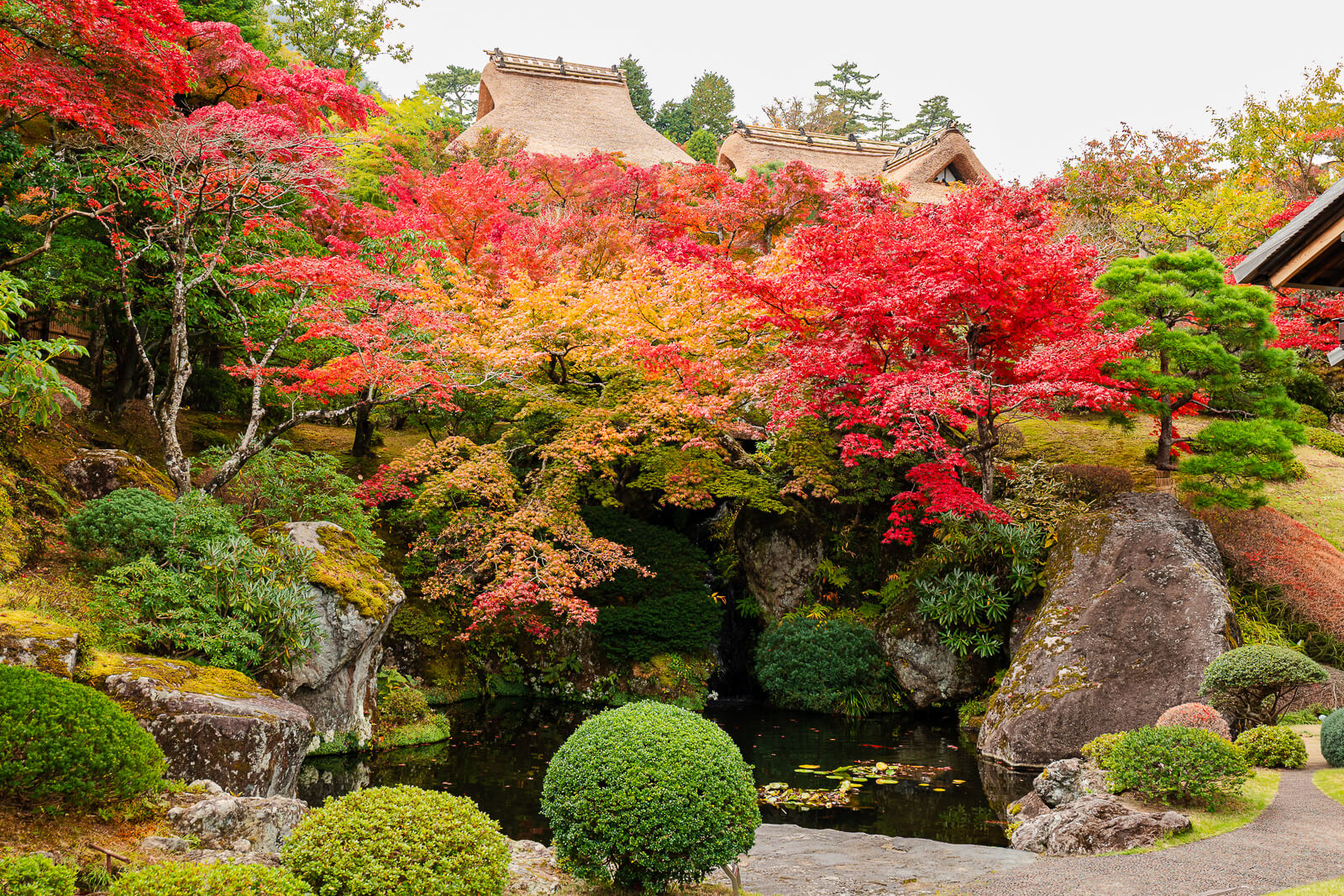
Shinsenkyo Garden at the Hakone Museum of Art is one of Gora’s strongest choices for traditional autumn scenery. Red and yellow maples rise above moss, stone paths and carefully arranged garden features, creating a close and detailed viewing experience. Early to mid-November is normally the most useful planning window, although the progression changes each year.
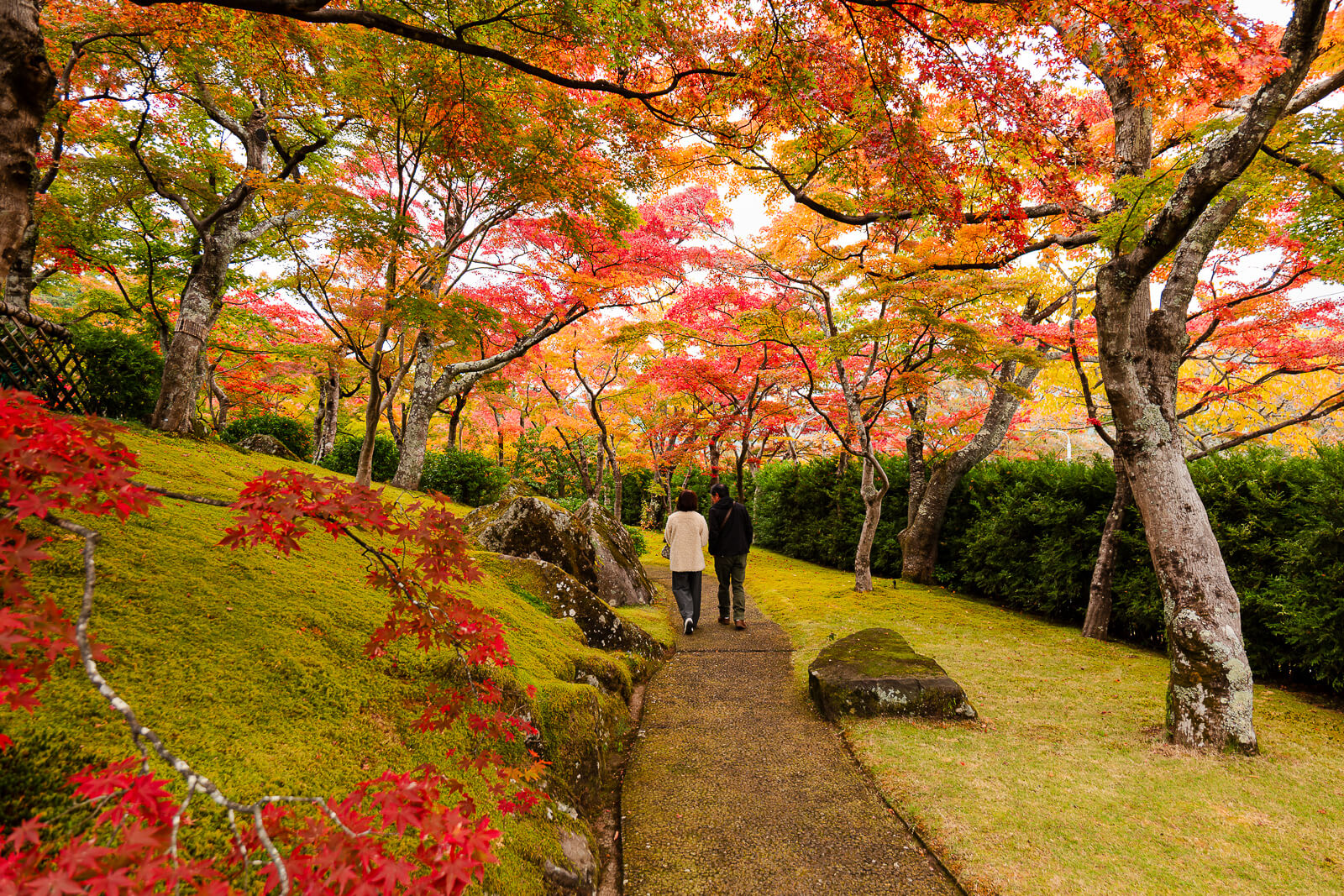
The museum is immediately beside Koen-kami Station on the Hakone Tozan Cable Car, making it easier to reach than the hillside location may suggest. Allow about 60 to 90 minutes for the garden, available exhibition spaces and photography, with additional time if stopping at the garden teahouse. Starting here and continuing downhill toward Gora Park reduces climbing and creates a natural route back toward Gora Station.
Hakone Gora Park
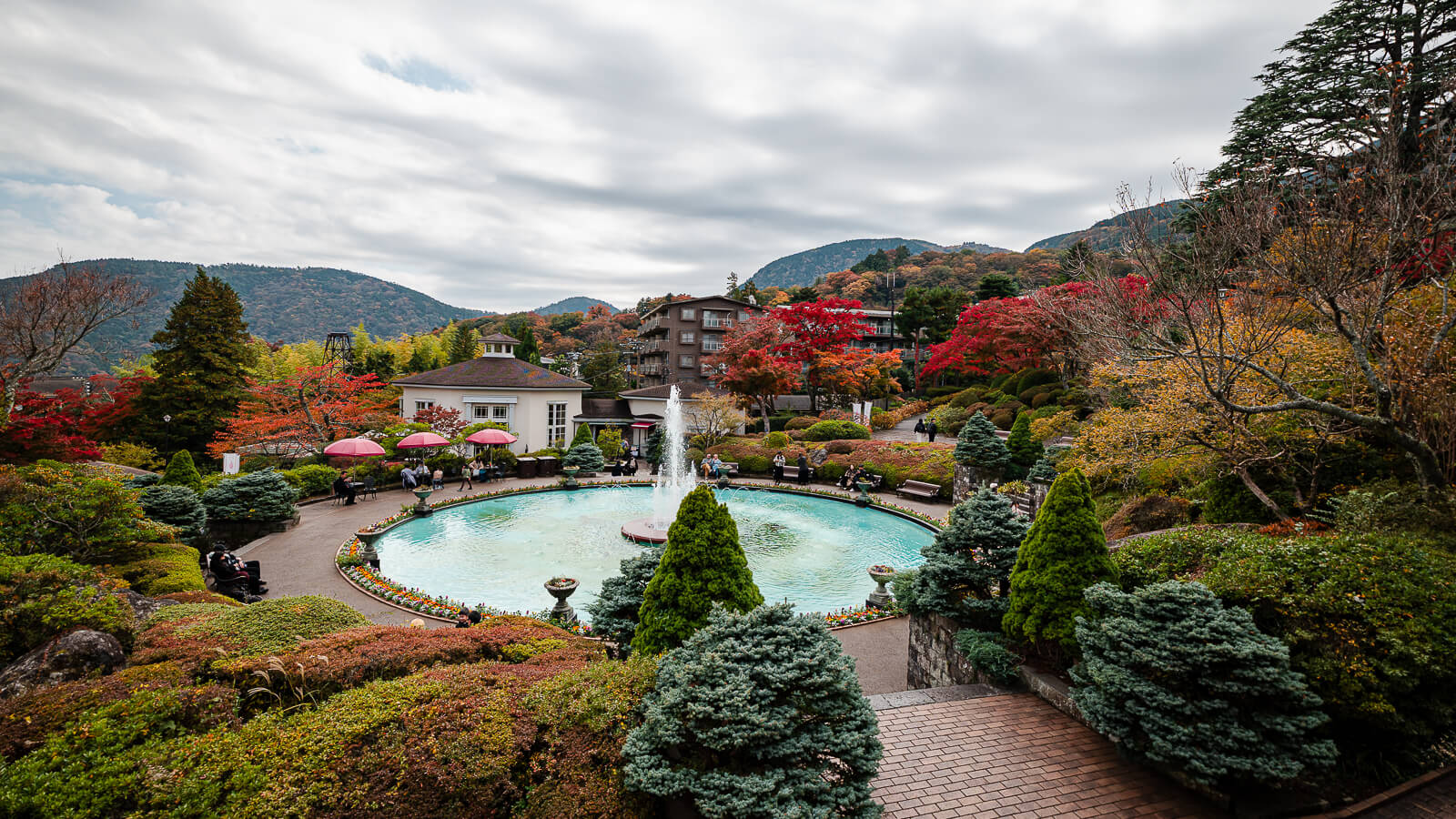
Hakone Gora Park offers a more open and structured landscape than the Japanese garden at the museum. The hillside park combines a central fountain, terraced paths, seasonal flowers and autumn foliage, with surrounding mountains visible from parts of the grounds. Its maples normally become most colorful in early to mid-November, when late roses may also remain in bloom.
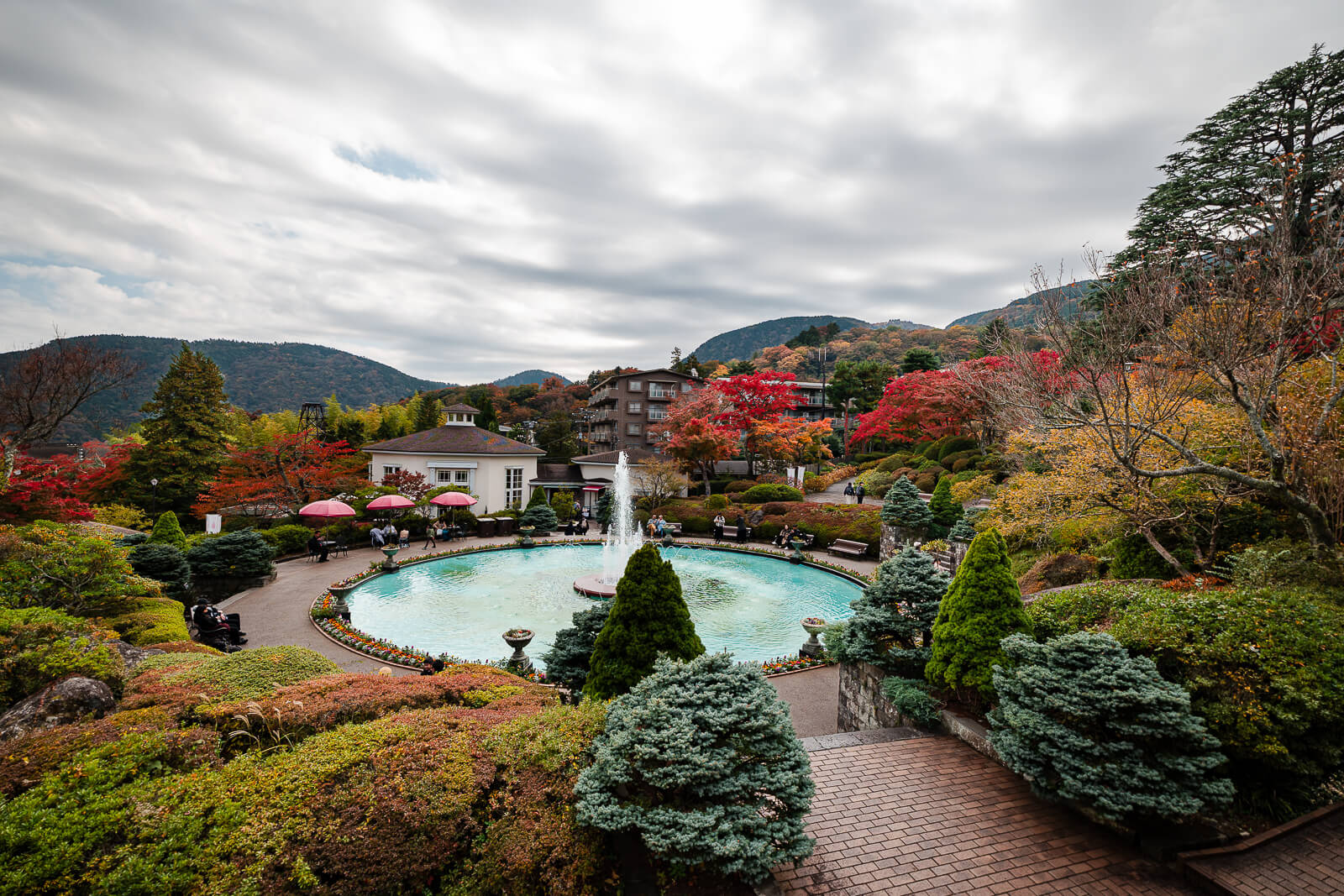
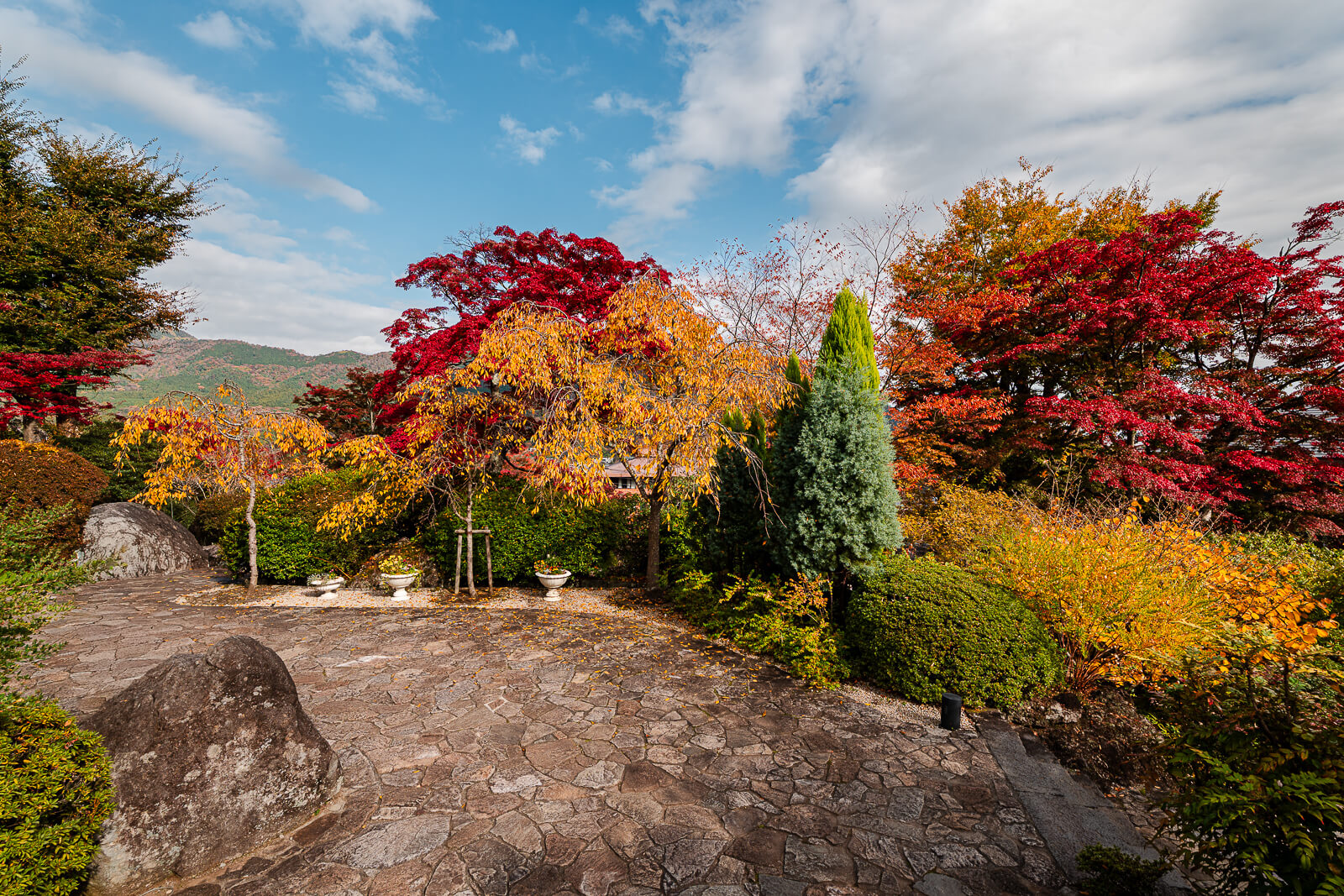
The park is about five minutes on foot from Gora Station or two minutes from Koen-shimo Station on the cable car line. Steep slopes and staircases cross the grounds, so entering from the upper Koen-kami side and walking downhill may be more comfortable. Allow about 45 to 60 minutes, or combine the park with the nearby Hakone Museum of Art for a longer Gora garden visit.
Hakone Ropeway, Owakudani and Sounzan
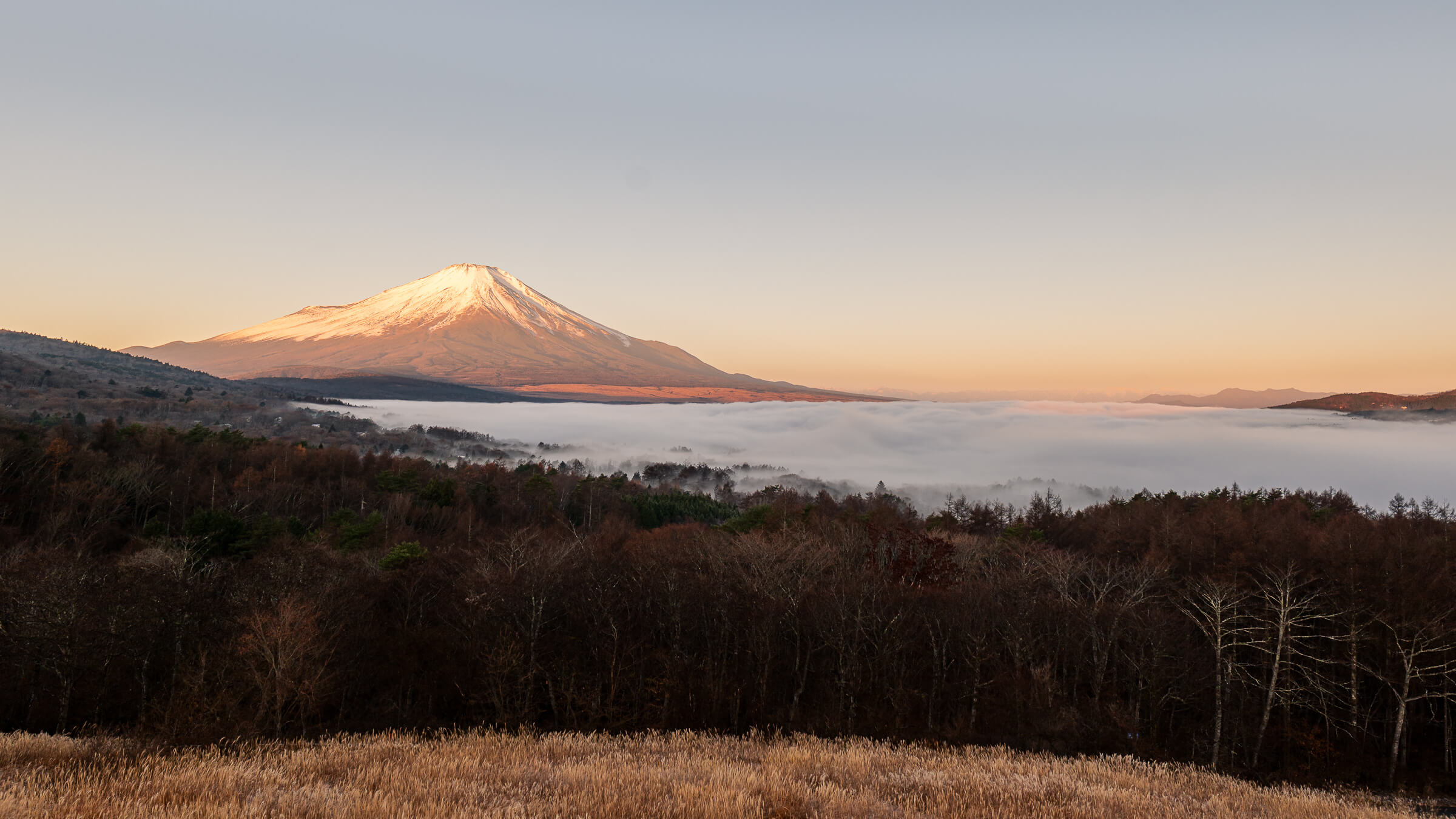
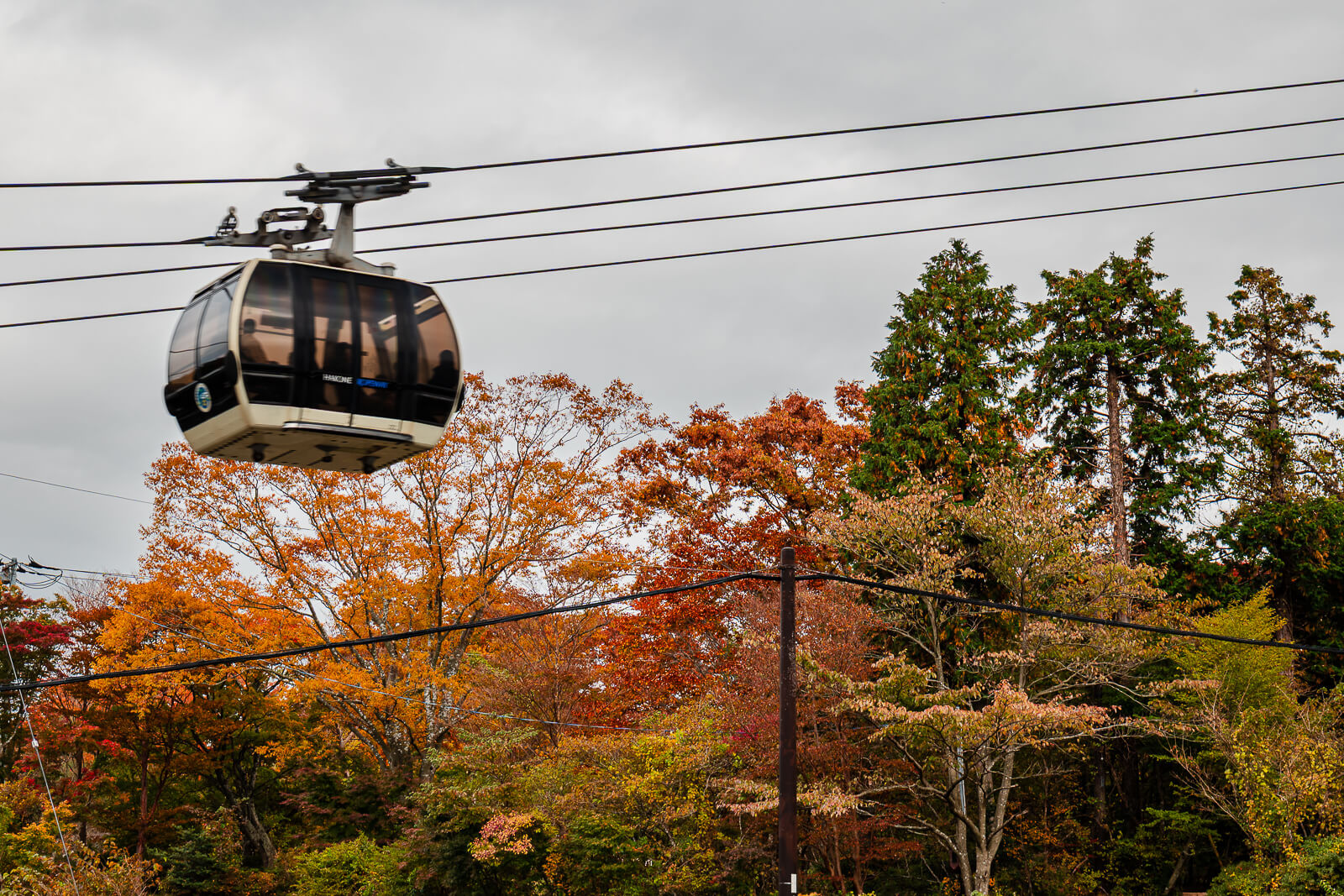
The Hakone Ropeway changes the scale of the autumn scenery from individual gardens to broad mountain slopes. Color around Owakudani and the higher sections can begin in late October and remain visible along parts of the route into mid-November. The gondolas provide elevated views of volcanic terrain, Lake Ashi and Mt. Fuji when the weather is clear.
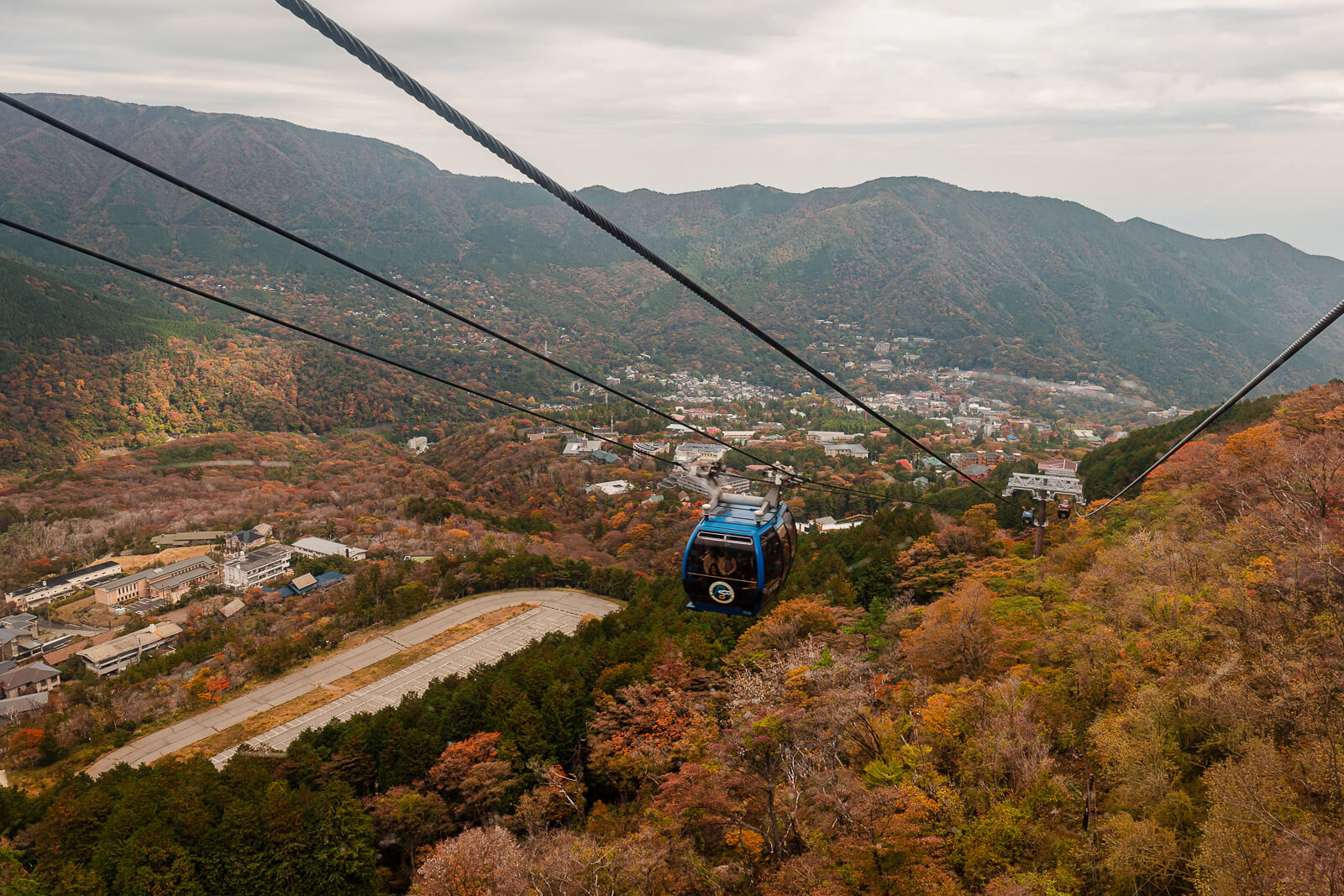
Travelers approaching from Gora take the cable car to Sounzan, while those coming from Lake Ashi board the ropeway at Togendai. Owakudani sits between the two areas and serves as both the principal sightseeing stop and a transfer point on the crossing. Allow about 60 to 90 minutes for the journey with normal boarding and transfers, or closer to two hours when stopping to explore Owakudani.
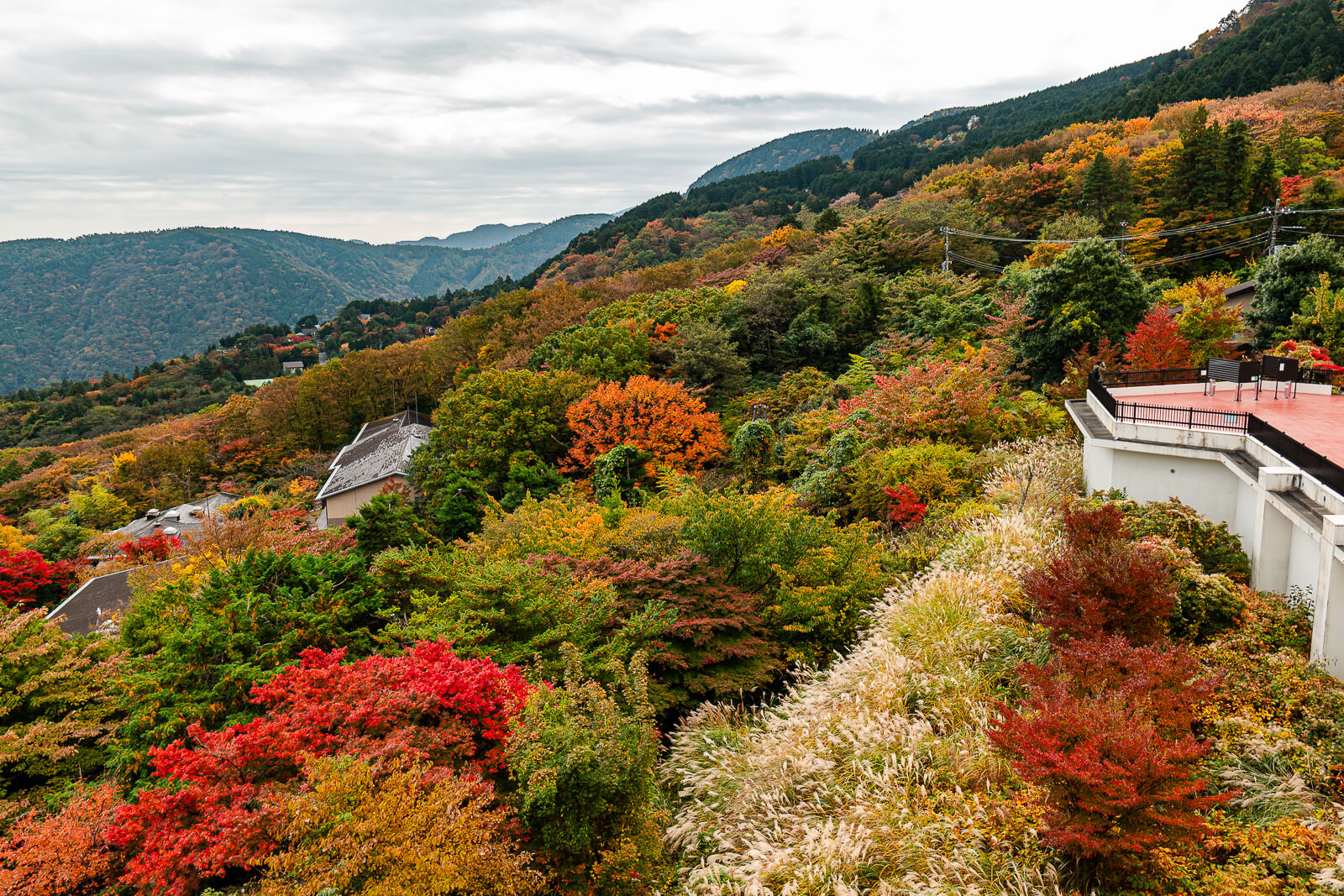
Owakudani is the main stop for volcanic terrain and steam vents, while Sounzan’s cu-mo observation terrace provides a shorter mountain view on the Gora side. Gondola reflections and crowded cabins make photography less predictable than in the gardens, so the ropeway works best as scenery within the route instead of the day’s only foliage stop. Strong winds, severe weather or maintenance can interrupt service, making an operating-status check important when using the ropeway to travel between Gora and Lake Ashi.
Sengokuhara Autumn Spots
Sengokuhara sits northwest of Gora and inland from Togendai on the northern side of Lake Ashi. Buses connect the area with Hakone-Yumoto, Gora and Togendai, but its main foliage locations sit outside the railway, cable-car and ropeway corridor. Treating Sengokuhara as a half-day cluster leaves enough time for its temple grounds, wetland paths and open grassland scenery.
Choanji Temple
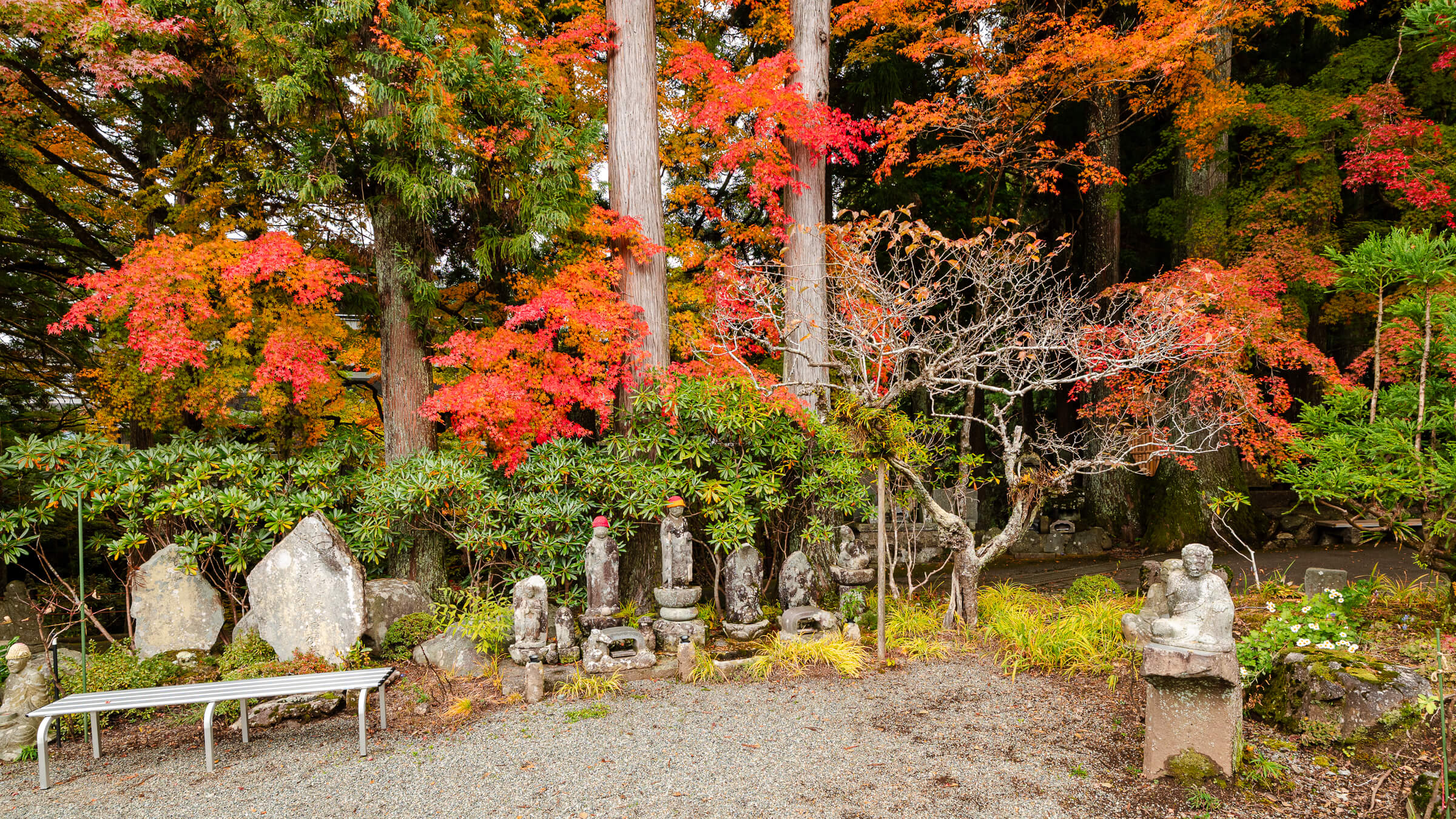
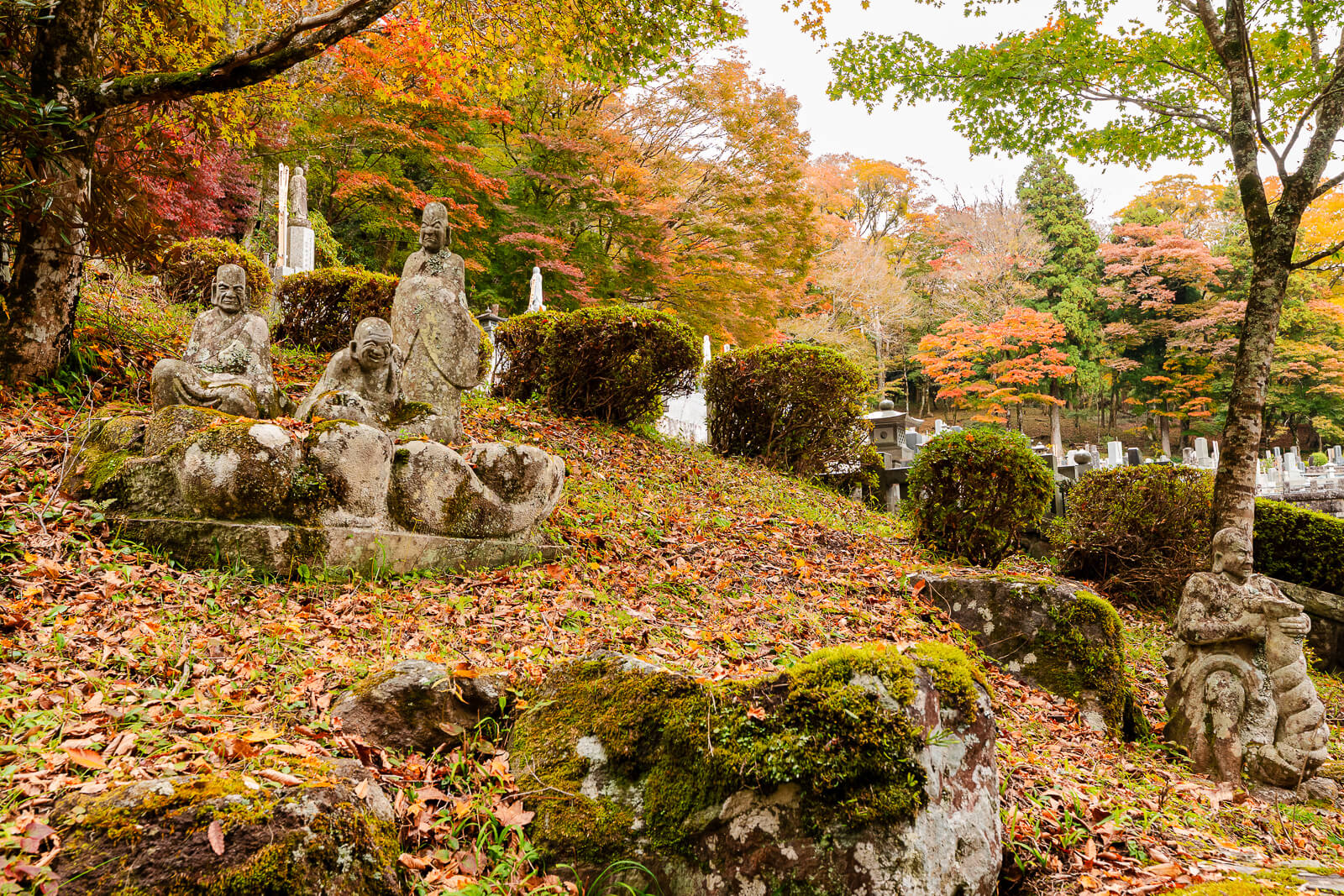
Choanji Temple combines wooded temple grounds, autumn maples and approximately 500 rakan statues placed across the hillside behind the main buildings. Early to mid-November is usually the most promising period for red, orange and yellow foliage around the statues and forest paths. Its strength is close temple atmosphere and detailed woodland photography instead of distant mountain views.
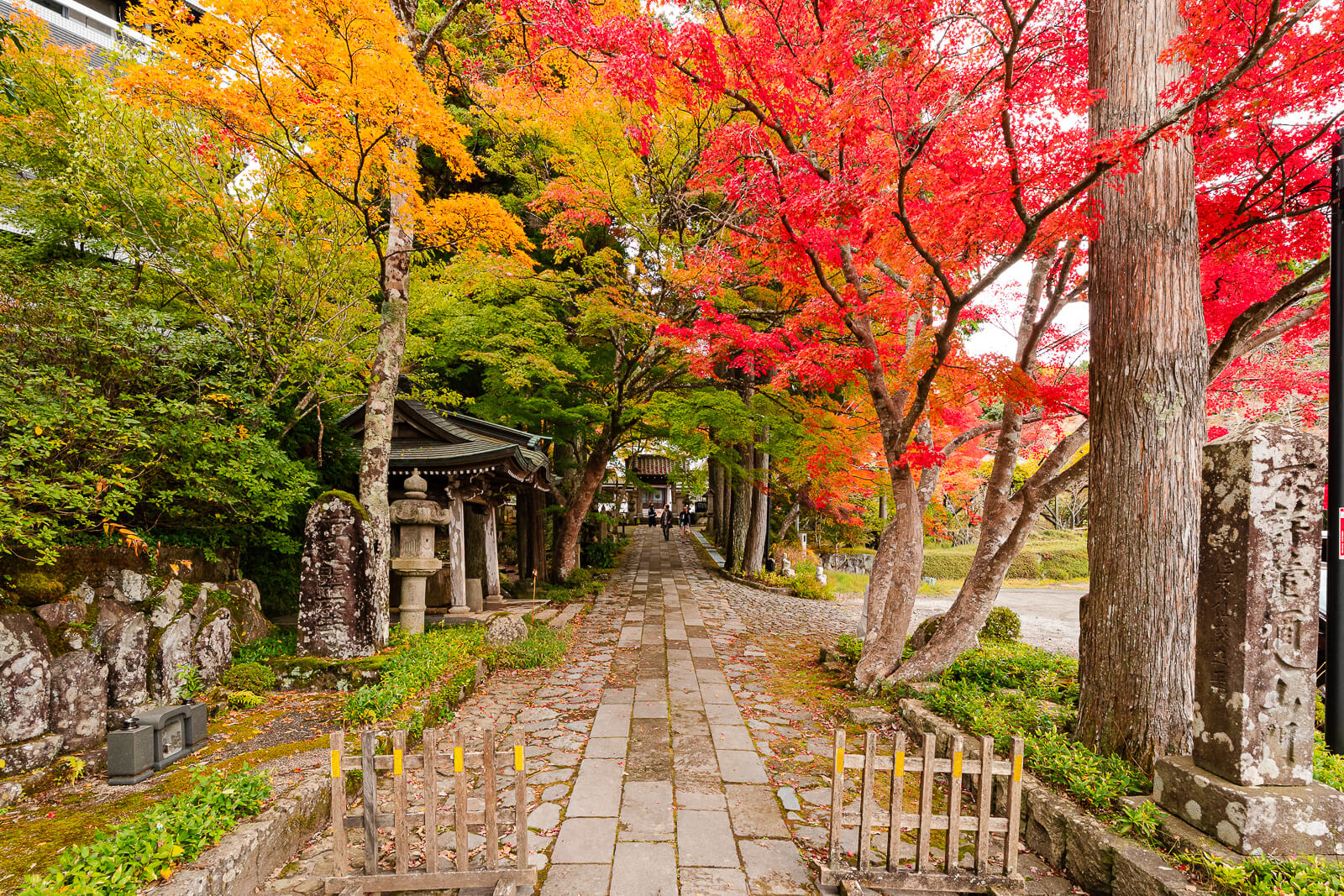
The temple is about one minute on foot from the Sengoku bus stop, making it the easiest place in this section to reach directly by public transportation. Allow about 45 to 60 minutes, with additional time for the steps, slopes and uneven paths around the statues. Choanji combines naturally with the nearby Botanical Garden of Wetlands before continuing toward the susuki fields.
Hakone Botanical Garden of Wetlands
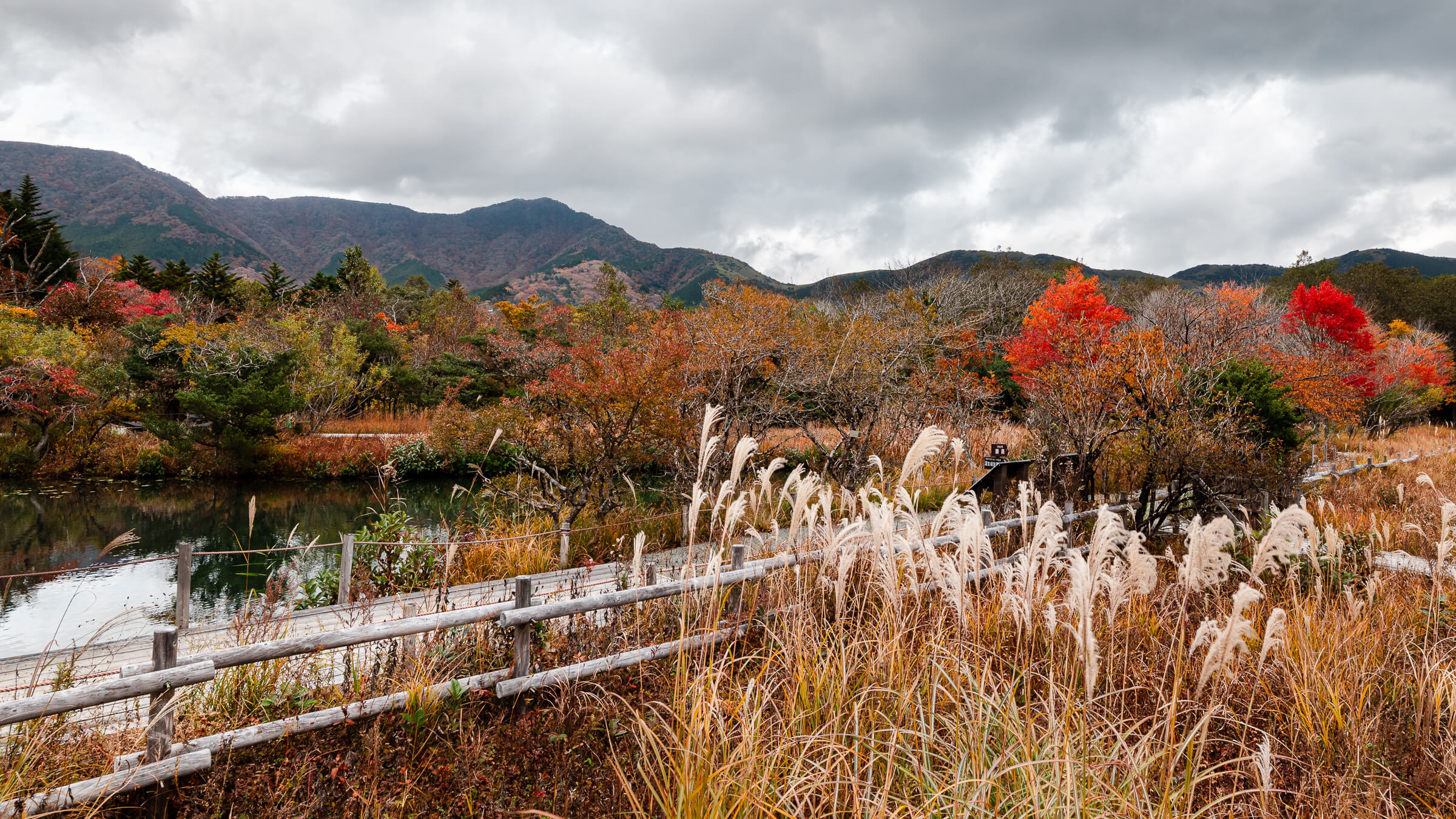
The Hakone Botanical Garden of Wetlands provides a different autumn landscape from Hakone’s formal gardens and wooded temples. Boardwalks cross ponds, marshes and open wetland areas, while maples, grasses and low vegetation create layers of red, gold and brown. Early to mid-November is usually the most useful period for combining foliage with Sengokuhara’s seasonal grassland scenery.
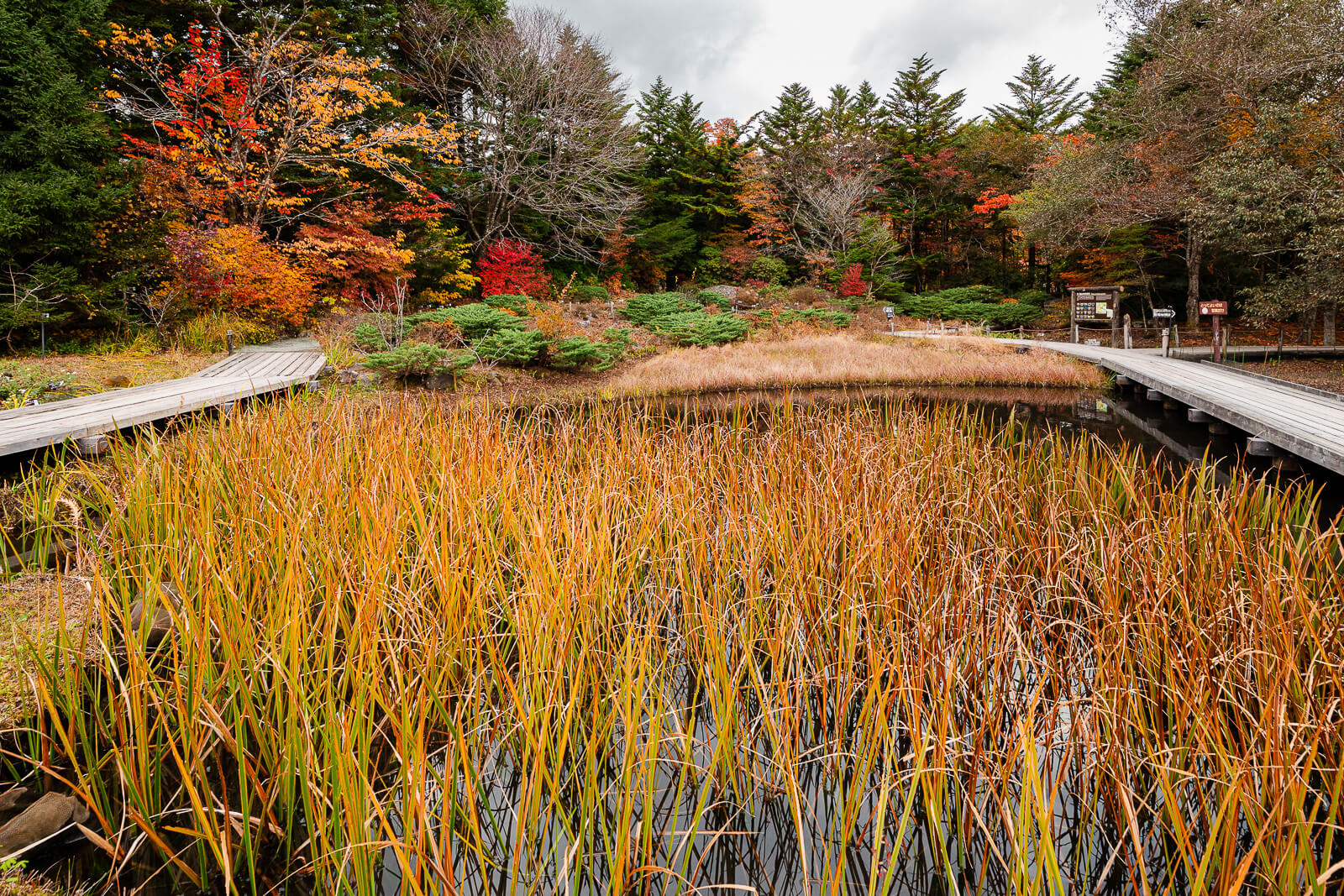
The garden is about an eight-minute walk from Sengoku Annaijo-mae bus stop and normally takes 45 to 60 minutes to explore. Most of the route is gentle, but wooden boardwalks and natural surfaces can become slippery after rain. Choanji is the most convenient companion stop, while the susuki fields provide a wider and more exposed landscape farther along the Togendai bus route.
Sengokuhara Susuki Grass Fields
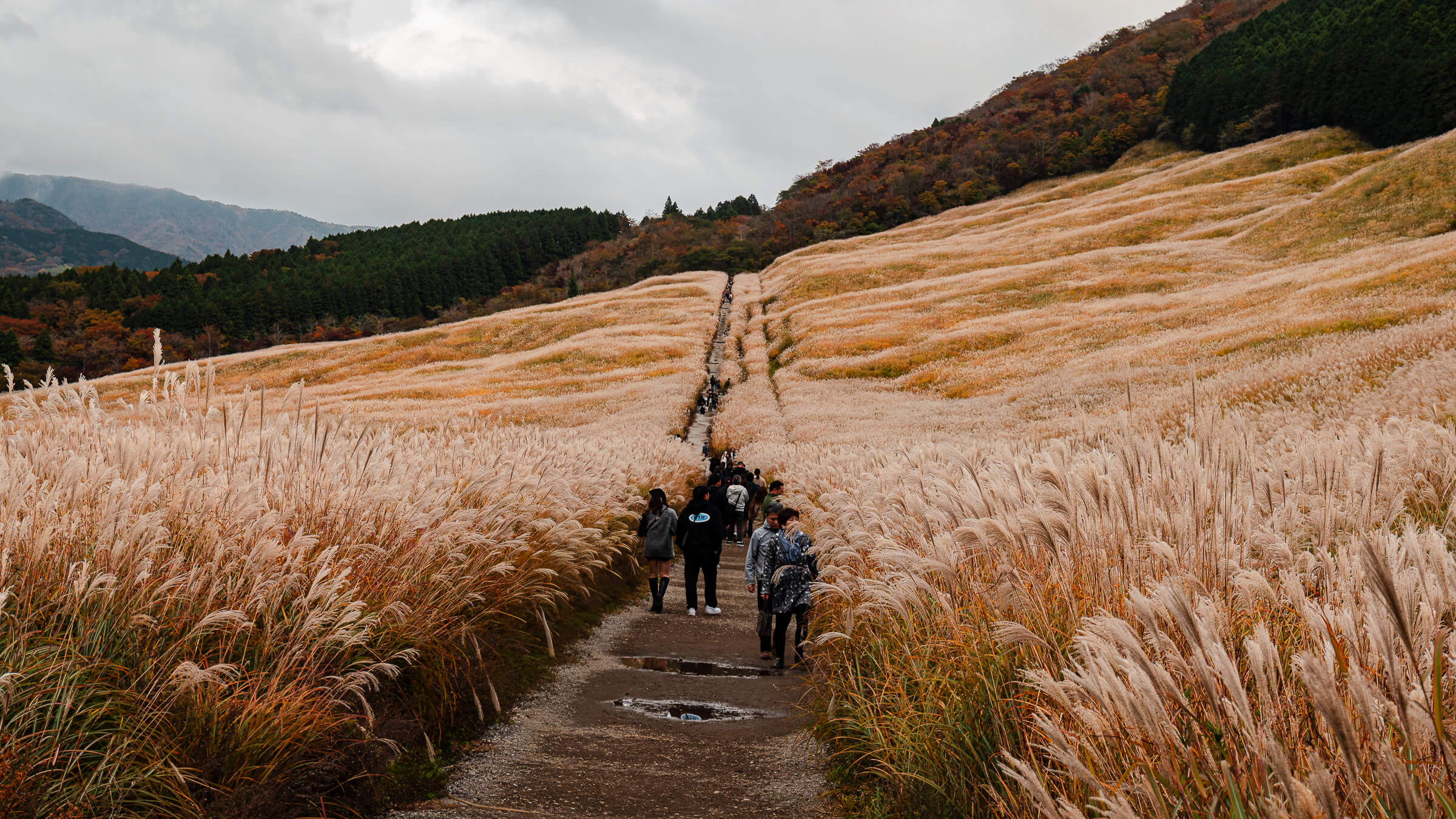
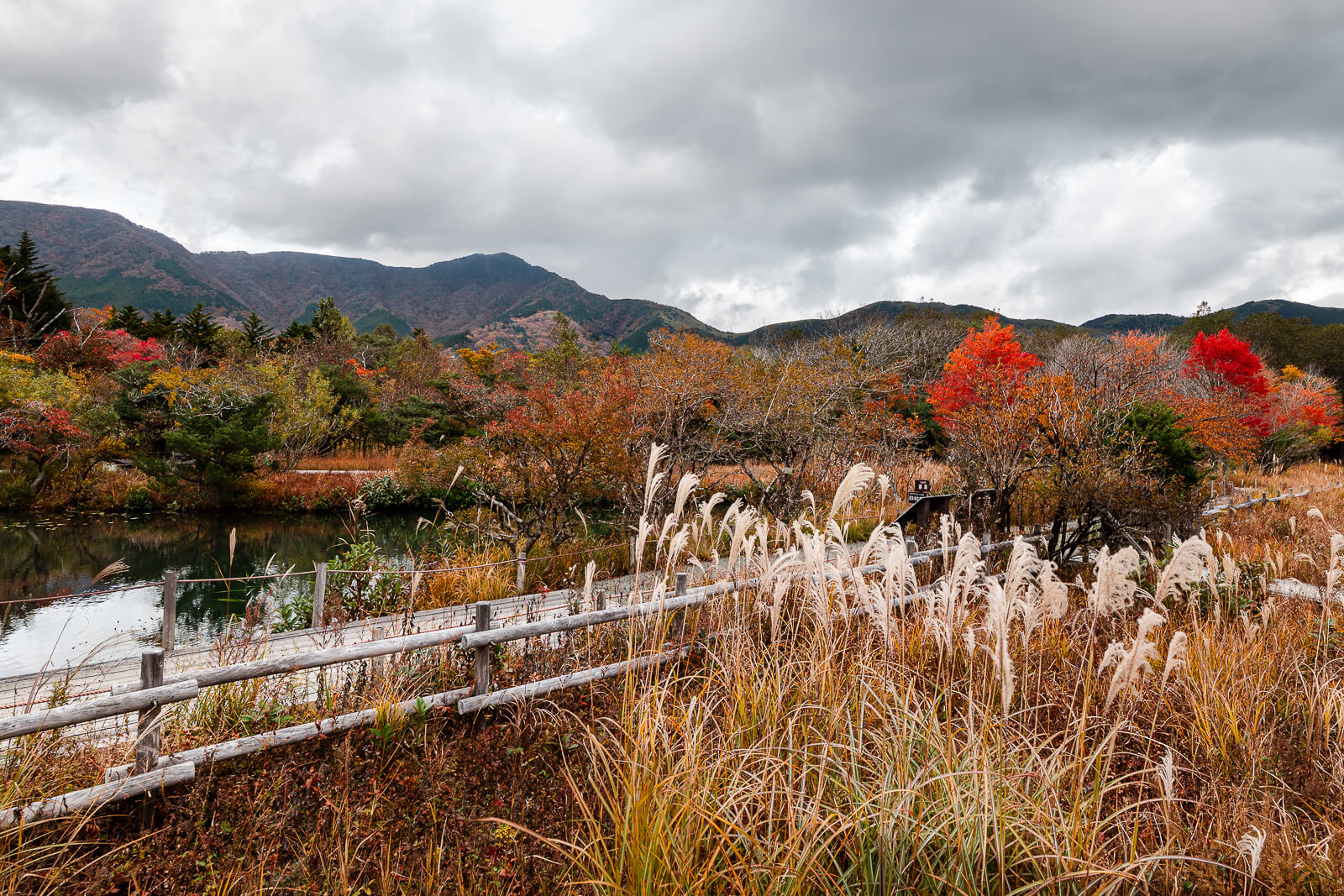
The Sengokuhara Susuki Grass Fields receive their main autumn color from tall silver grass instead of maple leaves. The field changes from green and silver to pale gold through the season, with October into early November usually providing the strongest color and attractive conditions sometimes continuing into mid-November. This is Sengokuhara’s strongest choice for open scenery, changing light and wide landscape photographs.
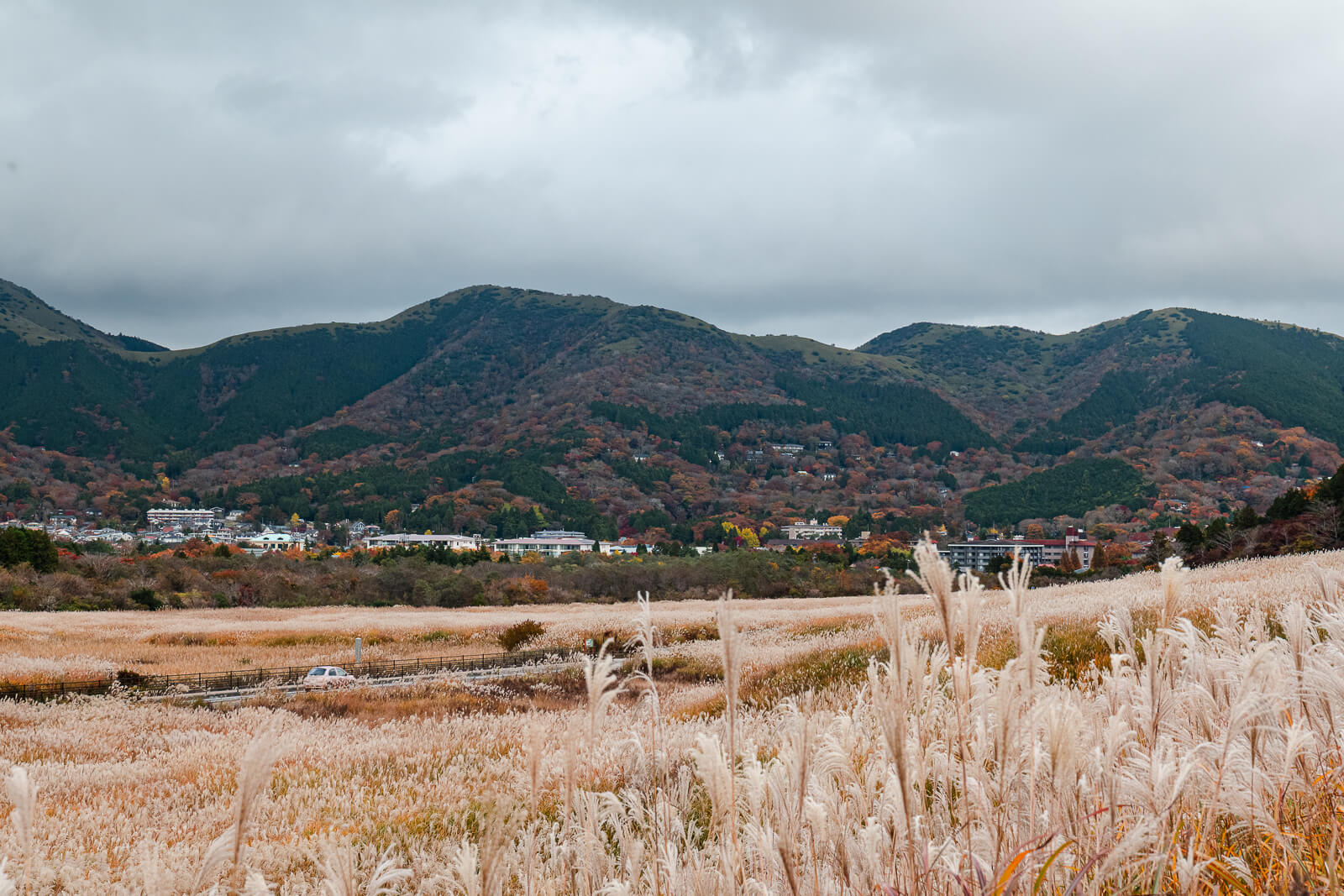
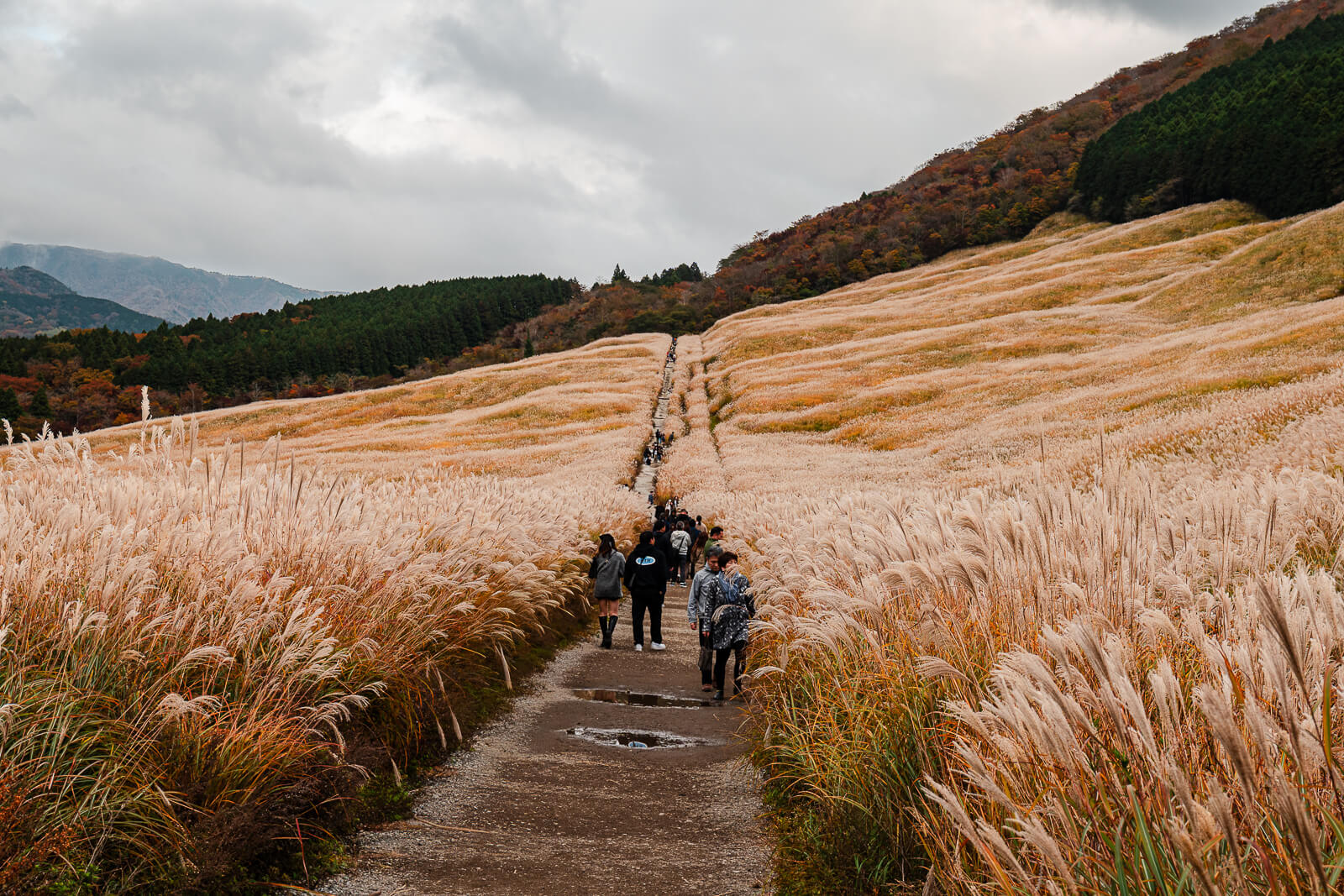
The field begins beside the Sengoku-kogen bus stop, where a single out-and-back path climbs gradually through the grass. Allow about 30 to 45 minutes, and expect an uneven surface with little protection from sun, wind or rain. Earlier visits provide more room on the narrow path, while lower afternoon light can give the grass a warmer golden appearance before continuing toward Togendai.
Lake Ashi and Moto-Hakone Autumn Spots
Lake Ashi’s most practical autumn cluster is on the southern shore around Moto-Hakone. Narukawa Art Museum rises above the port, Hakone Shrine lies east along the shoreline, and sightseeing boats travel north toward Togendai or Kojiri. Early to mid-November is normally the strongest planning period, but clouds, wind and elevation can change what is visible on the same day.
Narukawa Art Museum Viewpoint
Narukawa Art Museum provides an elevated view across Lake Ashi from the hillside immediately above Moto-Hakone. Its panorama lounge and outdoor viewpoint overlook the lake, Hakone Shrine’s torii, passing boats and the surrounding mountains, with Mt. Fuji appearing when conditions are clear. The viewpoint remains worthwhile when Mt. Fuji is hidden because the closer Hakone mountains provide the main autumn backdrop.
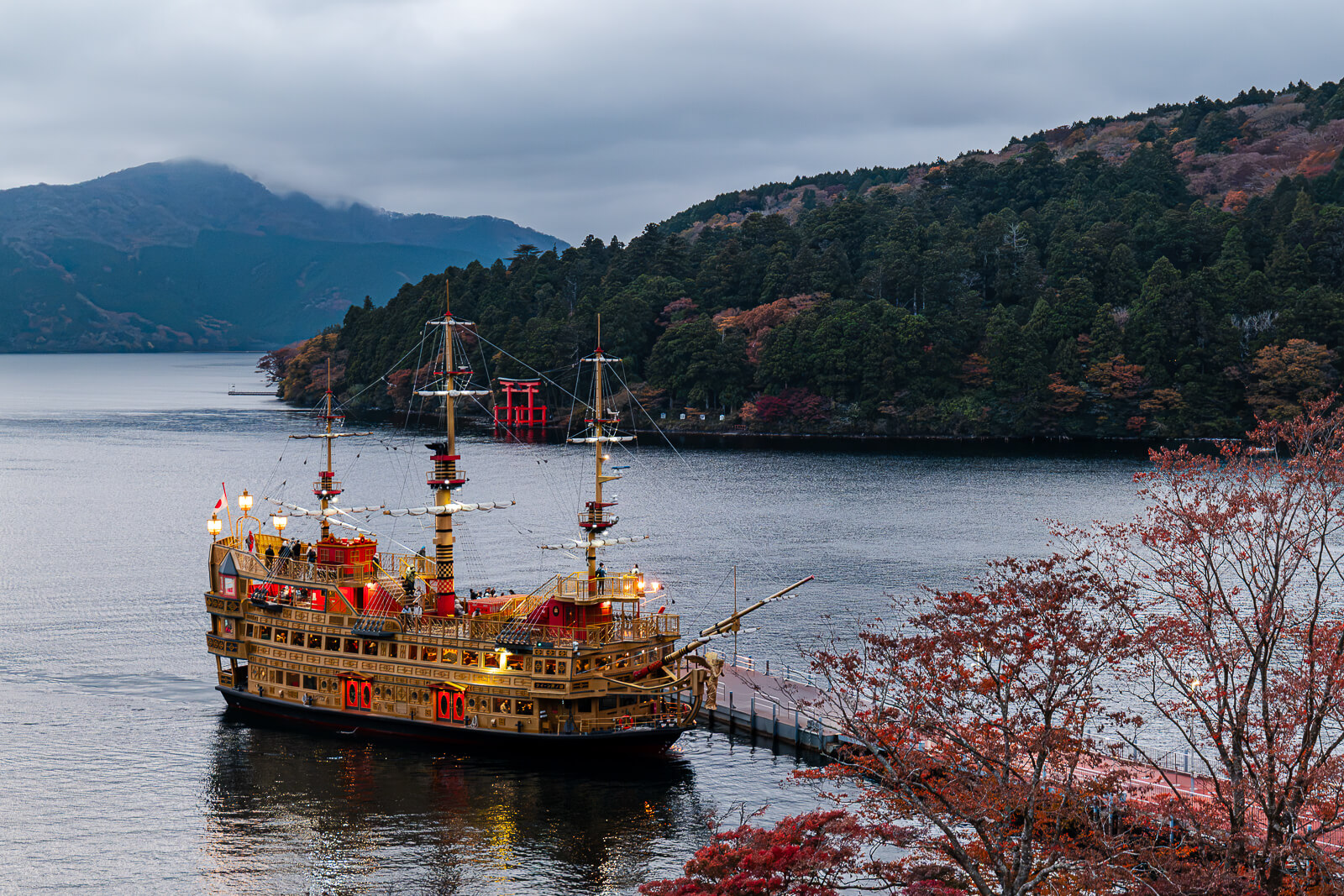
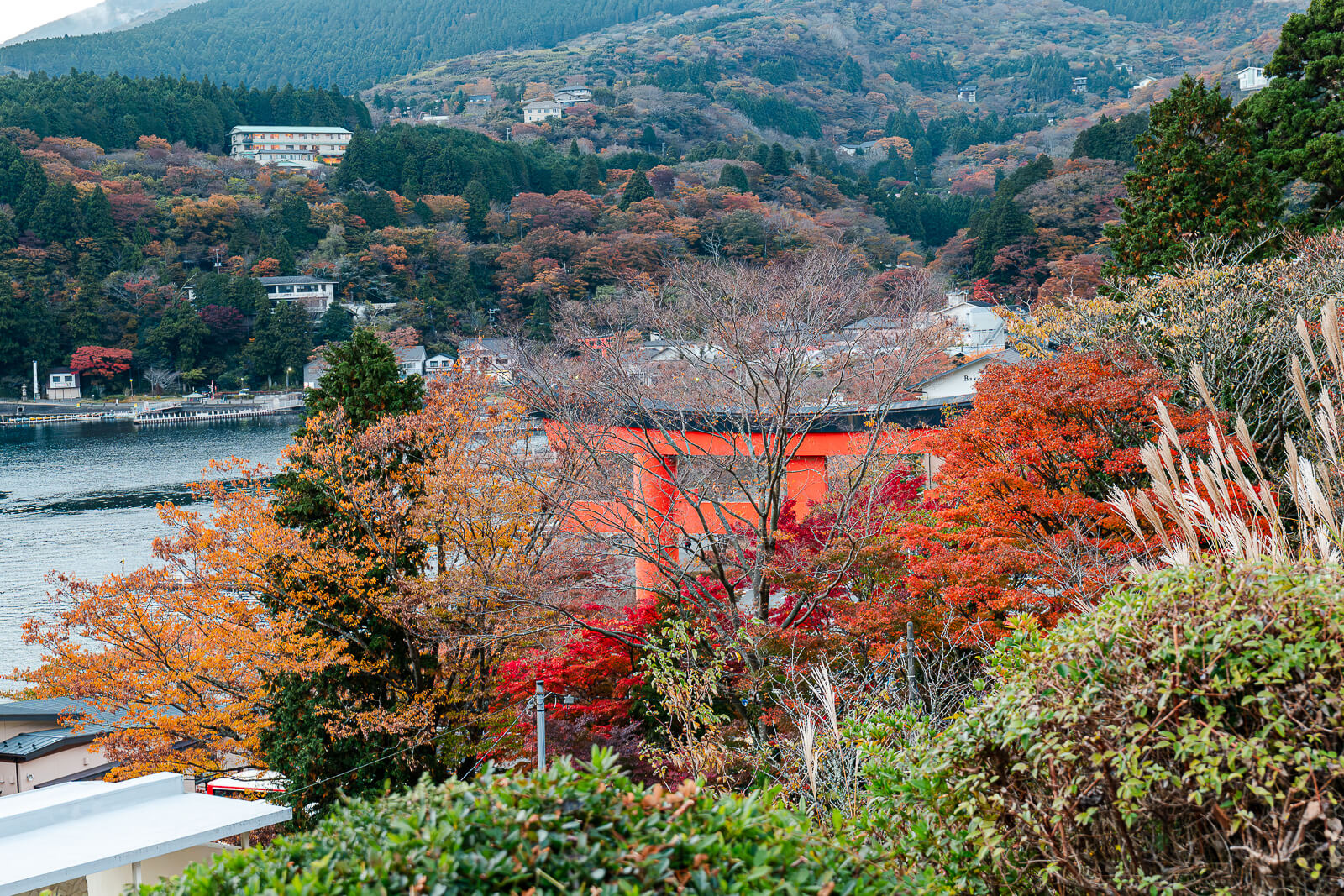
The museum is a short uphill walk from Moto-Hakone Port and requires paid admission. Allow about 45 to 75 minutes for the Japanese paintings, panorama lounge and outdoor viewpoint. Visiting the museum first also provides a clear overview of the lake’s geography before descending to the harbor and shoreline.
Moto-Hakone, Hakone Shrine and the Lake Ashi Shoreline
Moto-Hakone combines wooded shrine grounds, lakeside foliage and broad views across the water. Hakone Shrine lies east of the harbor, while the shoreline route toward the Old Tokaido Cedar Avenue, Hakone-machi and Onshi Hakone Park continues west. Choose the shrine side for forest atmosphere and recognizable landmarks, or extend west for a longer waterfront walk with more open scenery.
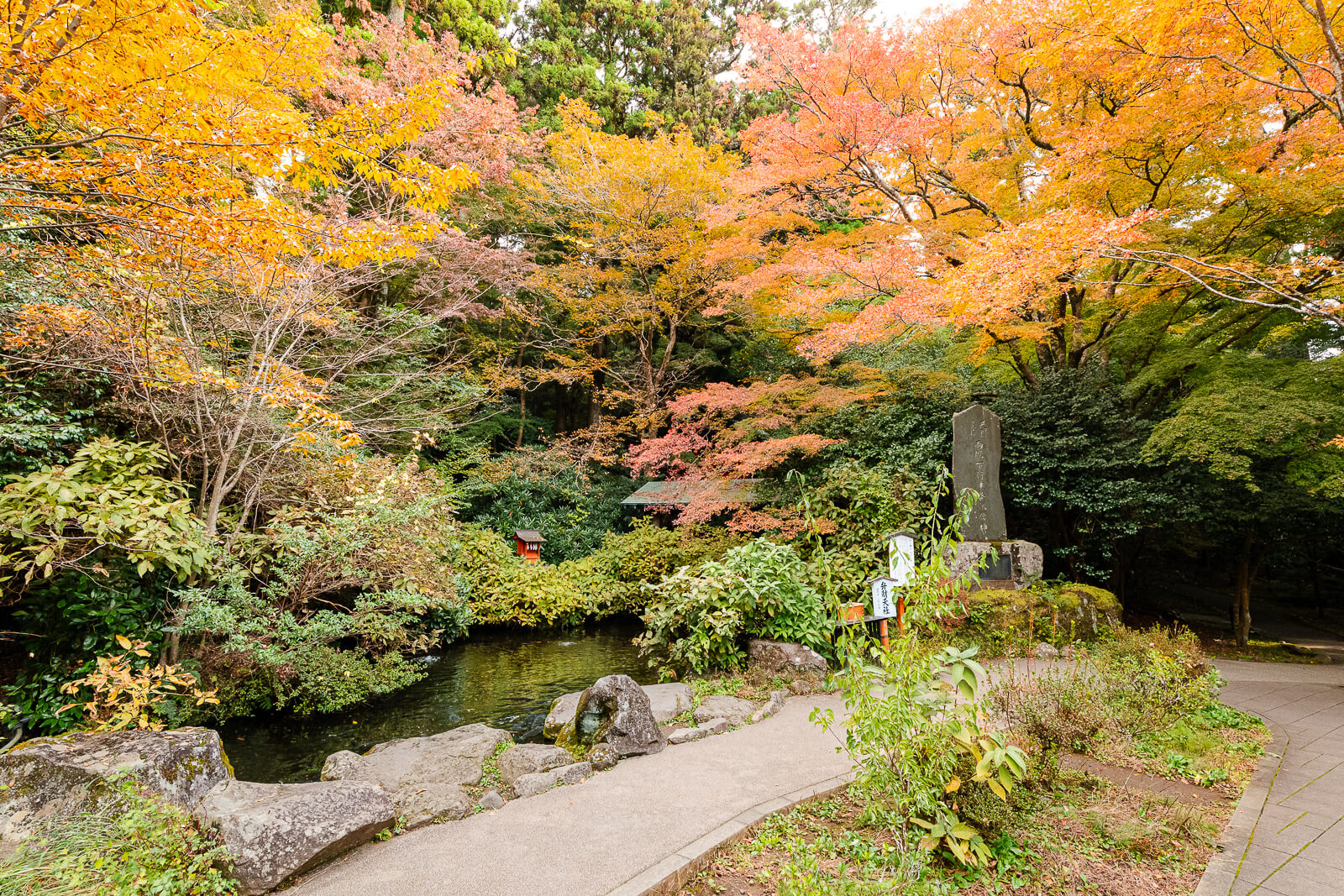
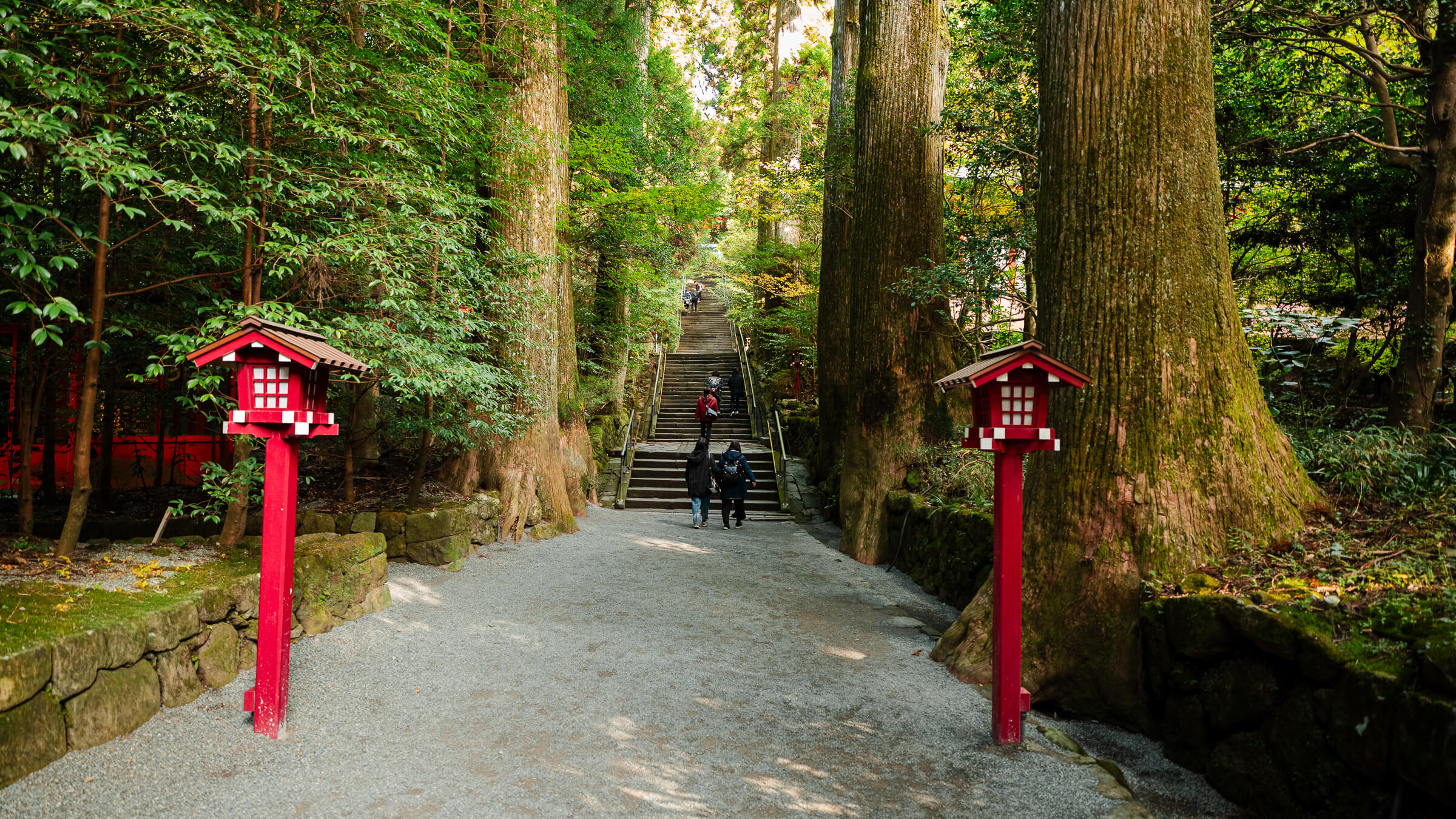
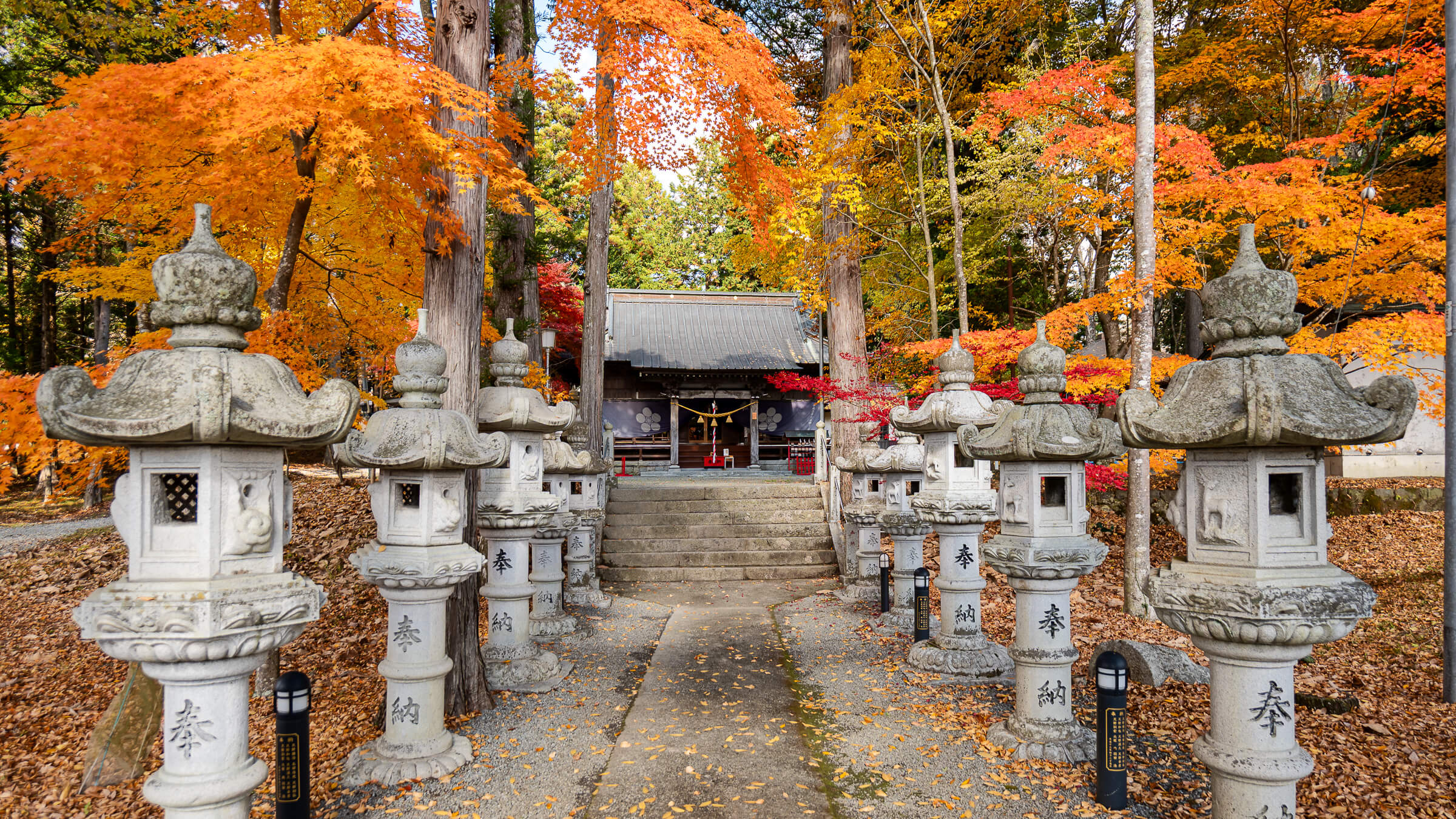
Hakone Shrine is about ten minutes on foot from Moto-Hakone Port, followed by forest paths and stone steps leading toward the main buildings. Allow around 60 to 90 minutes for the shrine grounds, lakeshore and Heiwa no Torii, with additional time if the torii photography line is long. The shrine is a separate detour from the main harbor walk, so continuing toward Hakone-machi afterward requires returning through Moto-Hakone.
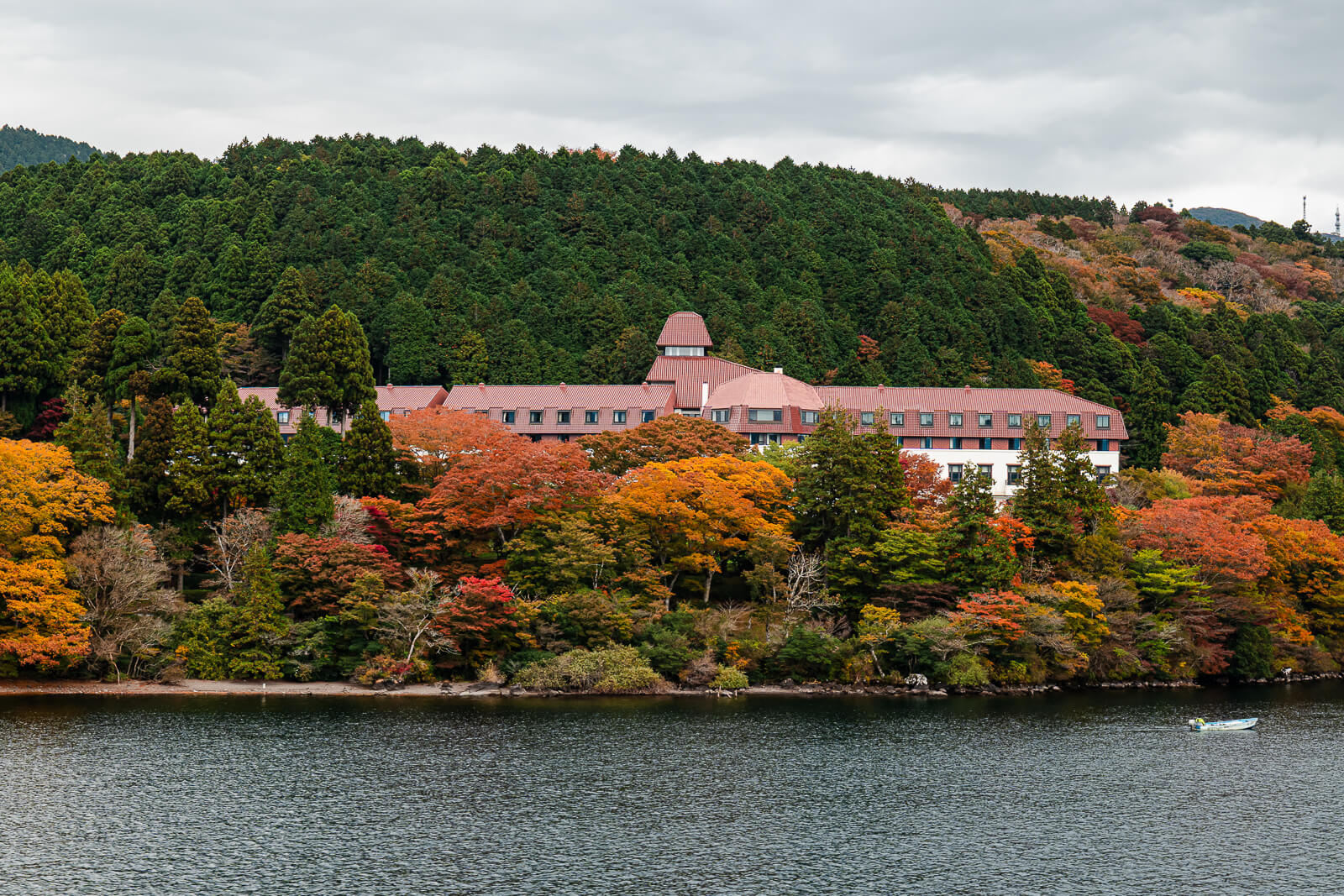
Lake Ashi remains worth visiting when Mt. Fuji is hidden because the surrounding mountains provide the primary autumn scenery. Morning often offers clearer visibility, while lower afternoon light can add stronger color and reflections across the water. Wind, fog and low cloud can change the lake quickly and may also affect sightseeing-boat operations.
Two sightseeing-boat companies use Moto-Hakone, but they connect with different northern ports. The Hakone Sightseeing Cruise travels directly to Togendai Station and the Hakone Ropeway, while Hakone Yusen services continue through Hakone-en toward Kojiri. When using a boat as transportation instead of taking a round-trip cruise, confirm the operator, boarding pier and final port before purchasing the ticket.
Hakone-Yumoto and Later Autumn Color
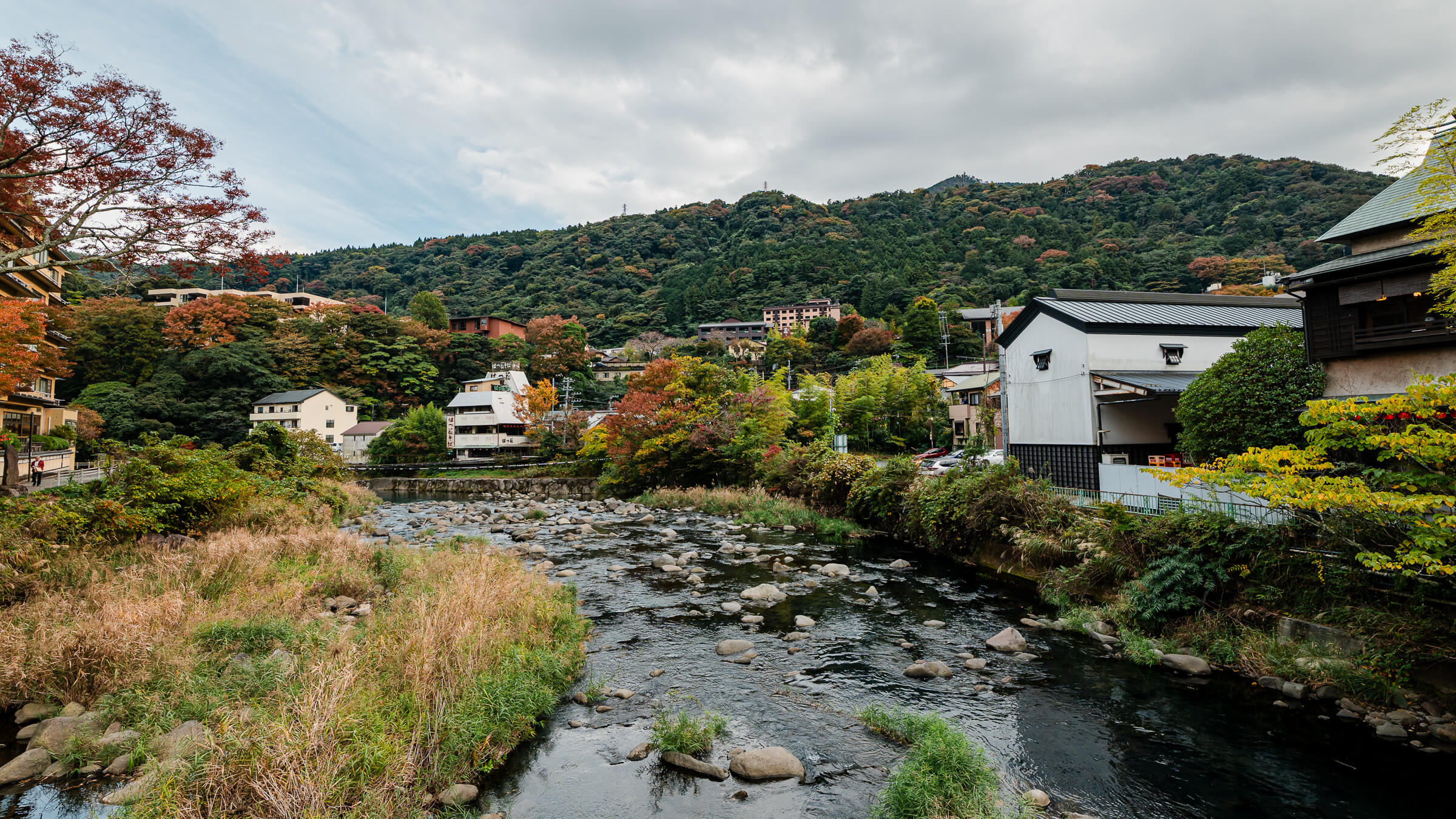
Hakone-Yumoto sits lower than Gora, Sengokuhara and the upper ropeway route, so its autumn leaves usually change later. Mid- to late November is the safest general planning period, while the foliage around Tenseien’s waterfalls can remain attractive into early December. Its station access and later timing make Hakone-Yumoto particularly useful at the beginning or end of a wider Hakone visit.
Hakone-Yumoto Riverside and Tenseien’s Waterfalls
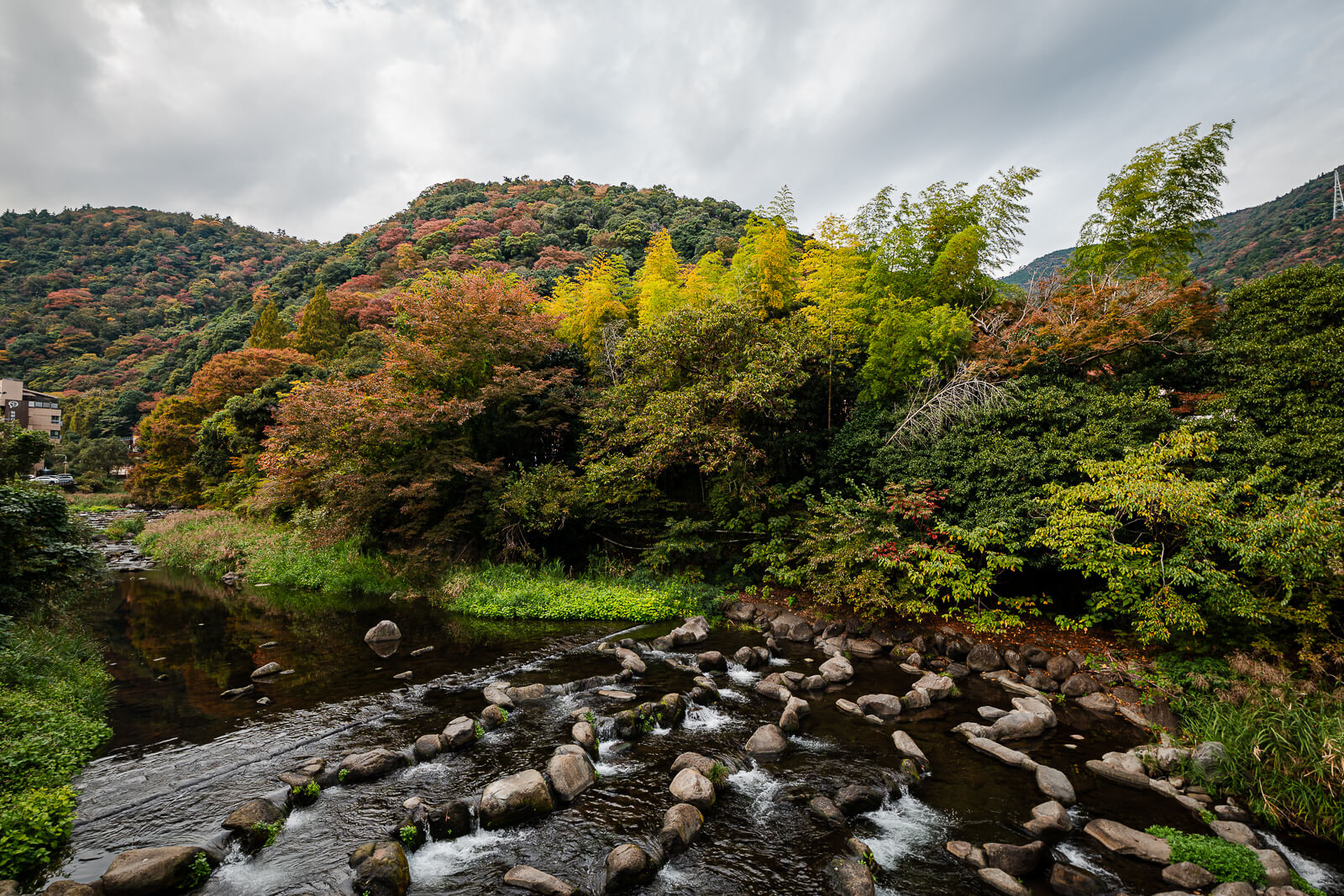
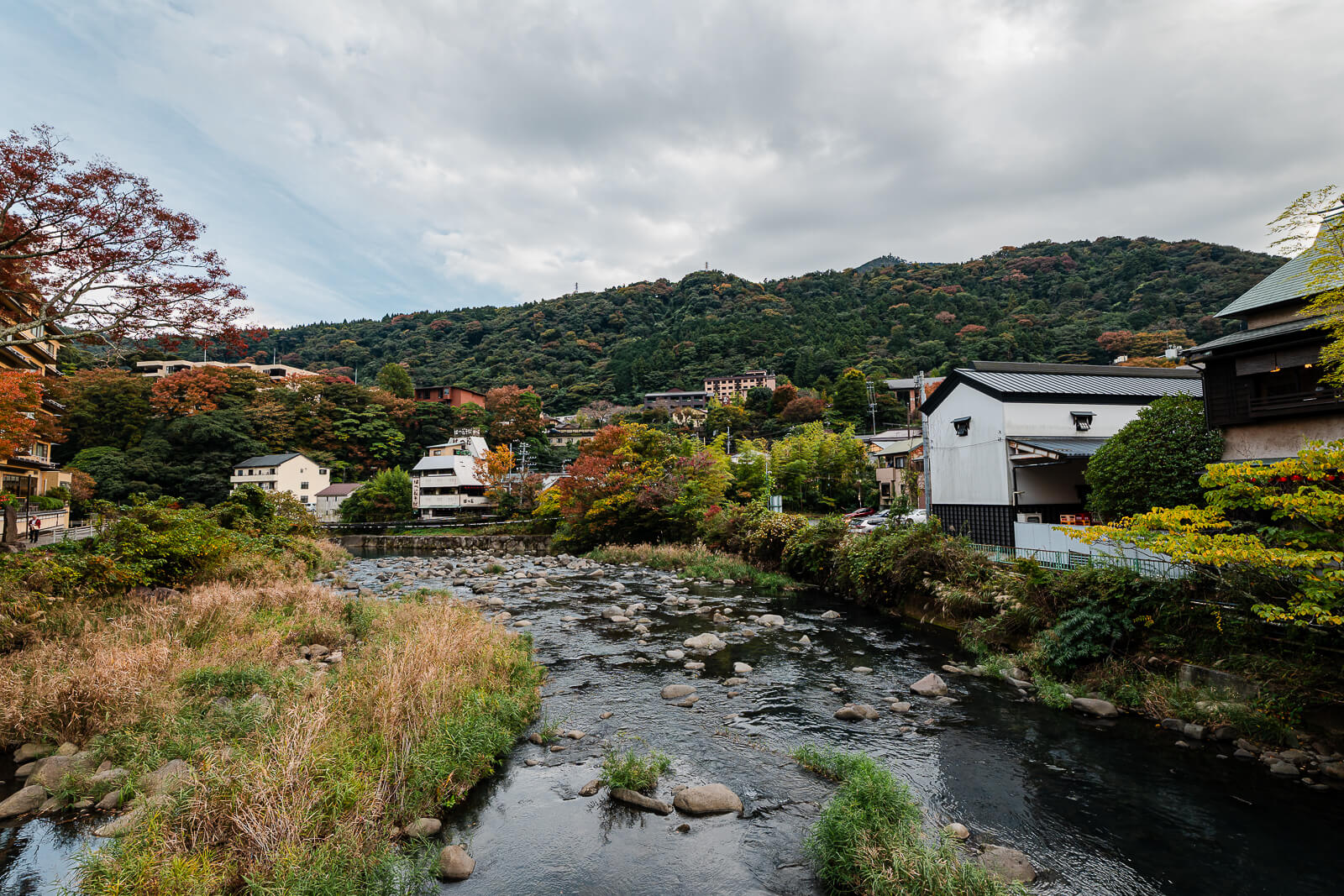
The Hayakawa and Sukumo rivers bring water, bridges and wooded mountain slopes into the center of the onsen town. Autumn color appears along the riverbanks, surrounding hills and quieter streets beyond the station shopping area. The scenery is less concentrated than in Gora’s gardens, but it can remain colorful after higher parts of Hakone have passed their strongest period.
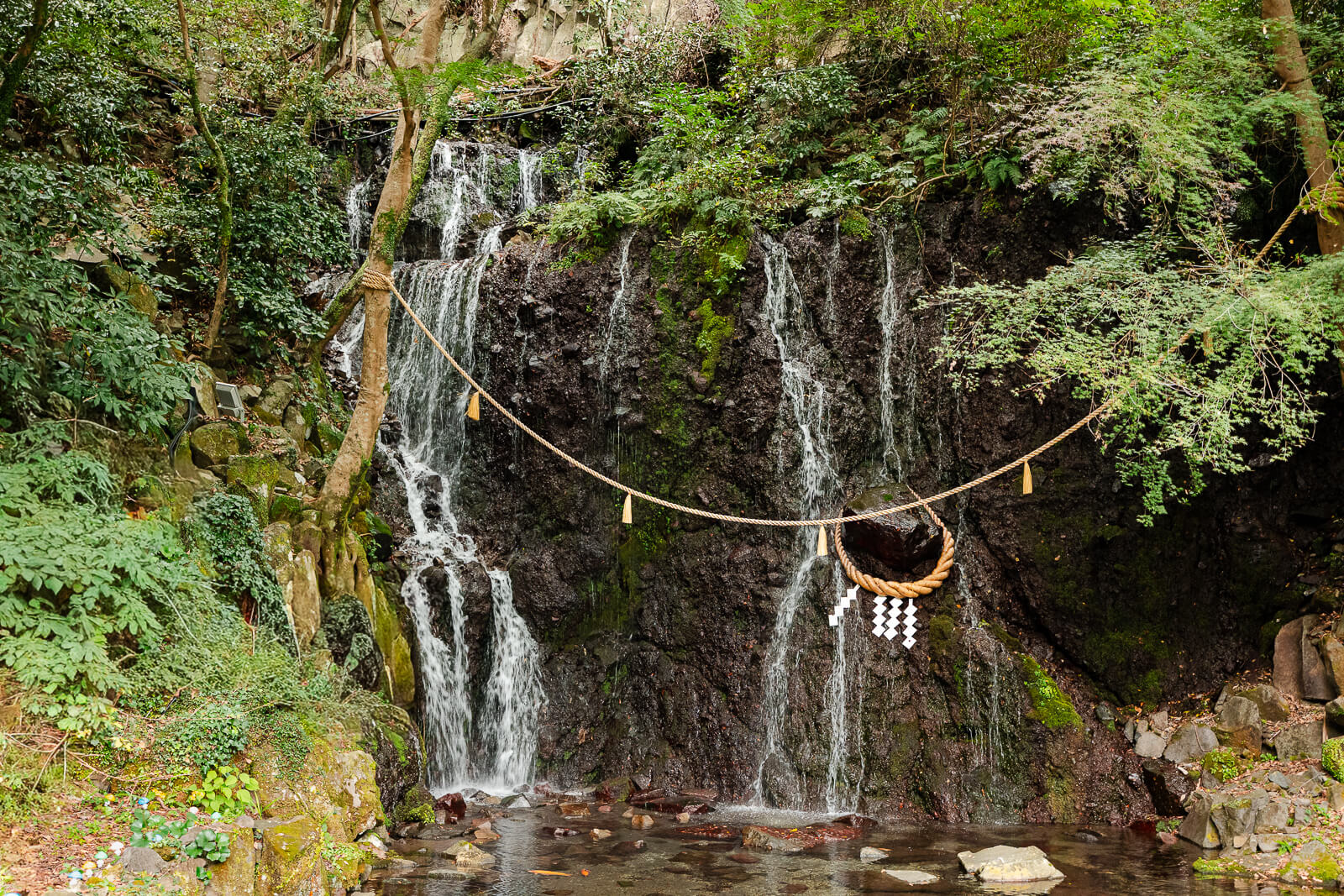
Tenseien’s garden is about a 12-minute walk from Hakone-Yumoto Station and contains Tamadare Falls and Hien Falls. The waterfalls sit among ponds, trees and damp garden paths that become especially attractive from late November into early December. A path between the two waterfalls climbs toward the small Tamadare Shrine above the garden.
Allow around 60 to 90 minutes for the riverside, waterfalls and a short walk through town. The central streets require only light walking, while the Tenseien garden includes steps and surfaces that may become slippery after rain. Hakone-Yumoto Station and the surrounding streets become busiest when afternoon buses and trains bring day-trippers back through the area.
The Hakone Tozan Railway continues from Hakone-Yumoto through forest and valley scenery toward Gora. Because the railway climbs between different elevations, foliage along the line may be at a different stage from the trees around either station. This makes Hakone-Yumoto a useful flexible addition when the day already begins or ends there, especially during the later part of the season.
A Later-Season Extension to Daiyuzan Saijoji
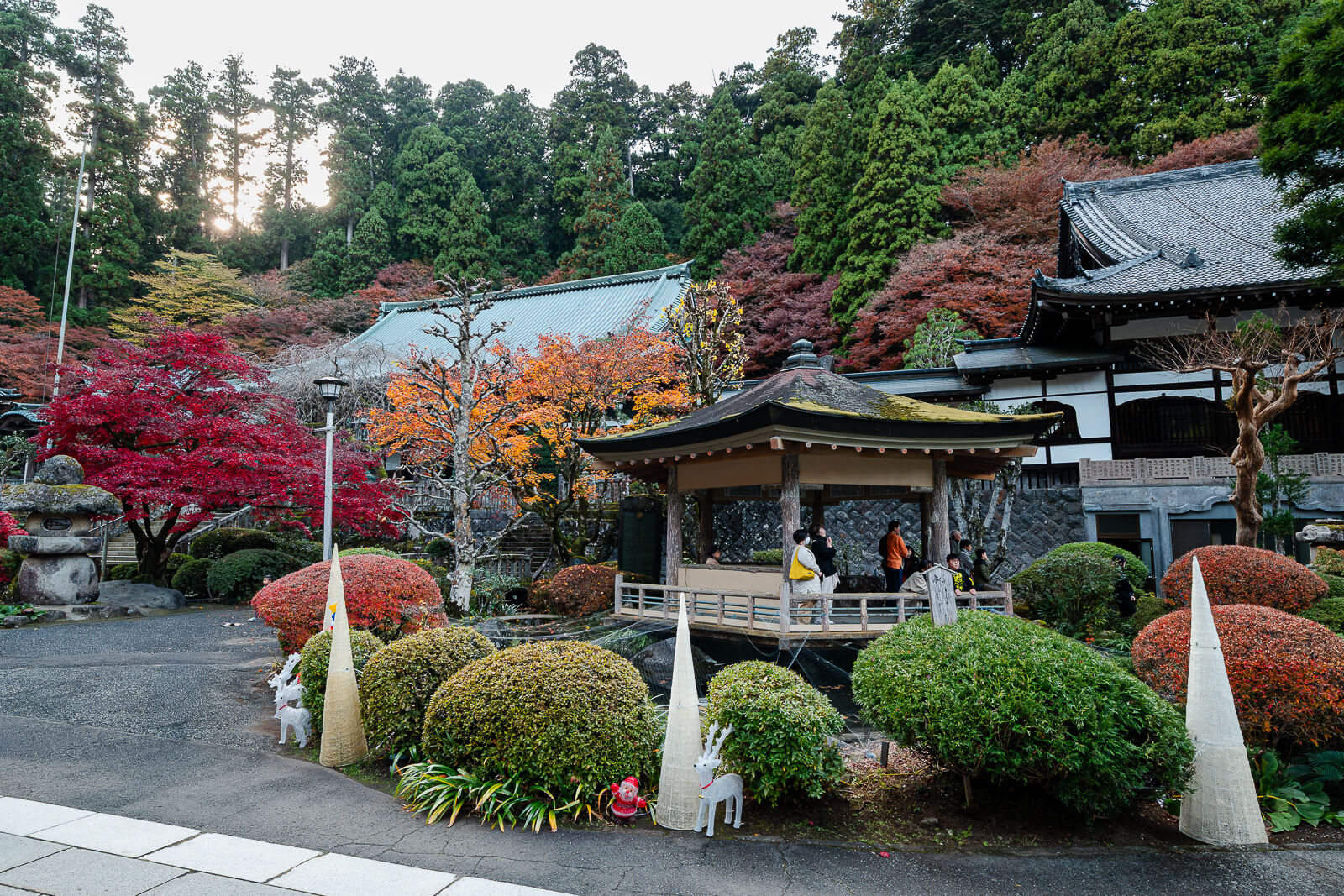
Daiyuzan Saijoji stands in Minamiashigara outside Hakone, but its location near Odawara makes it a natural extension to a late-autumn visit. Founded in 1394, the Soto Zen temple combines red maples, old cedar forest, stone stairways and buildings spread across a large mountainside complex. Mid- to late November is normally the most promising period, after the higher parts of Hakone have often passed their strongest color.
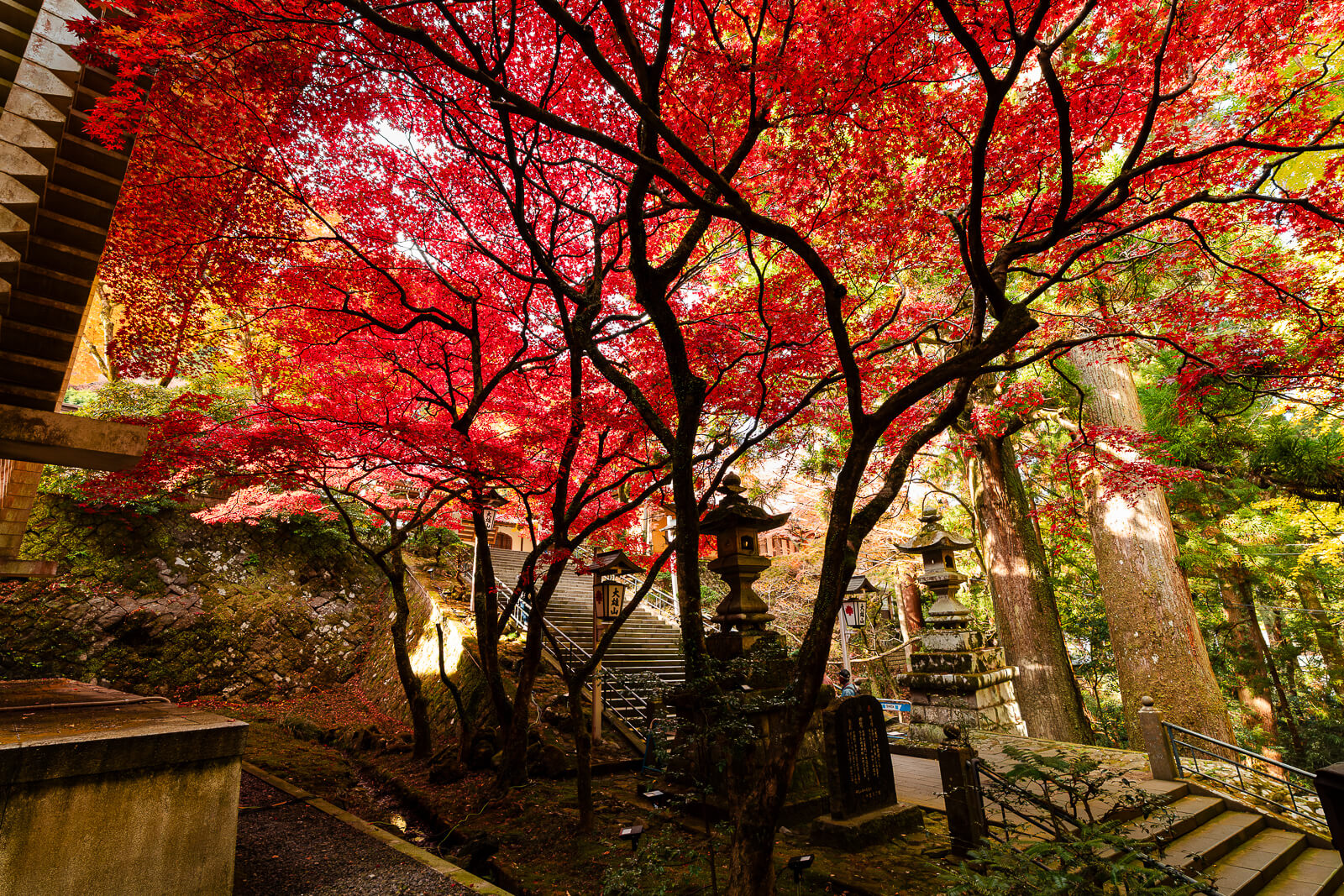
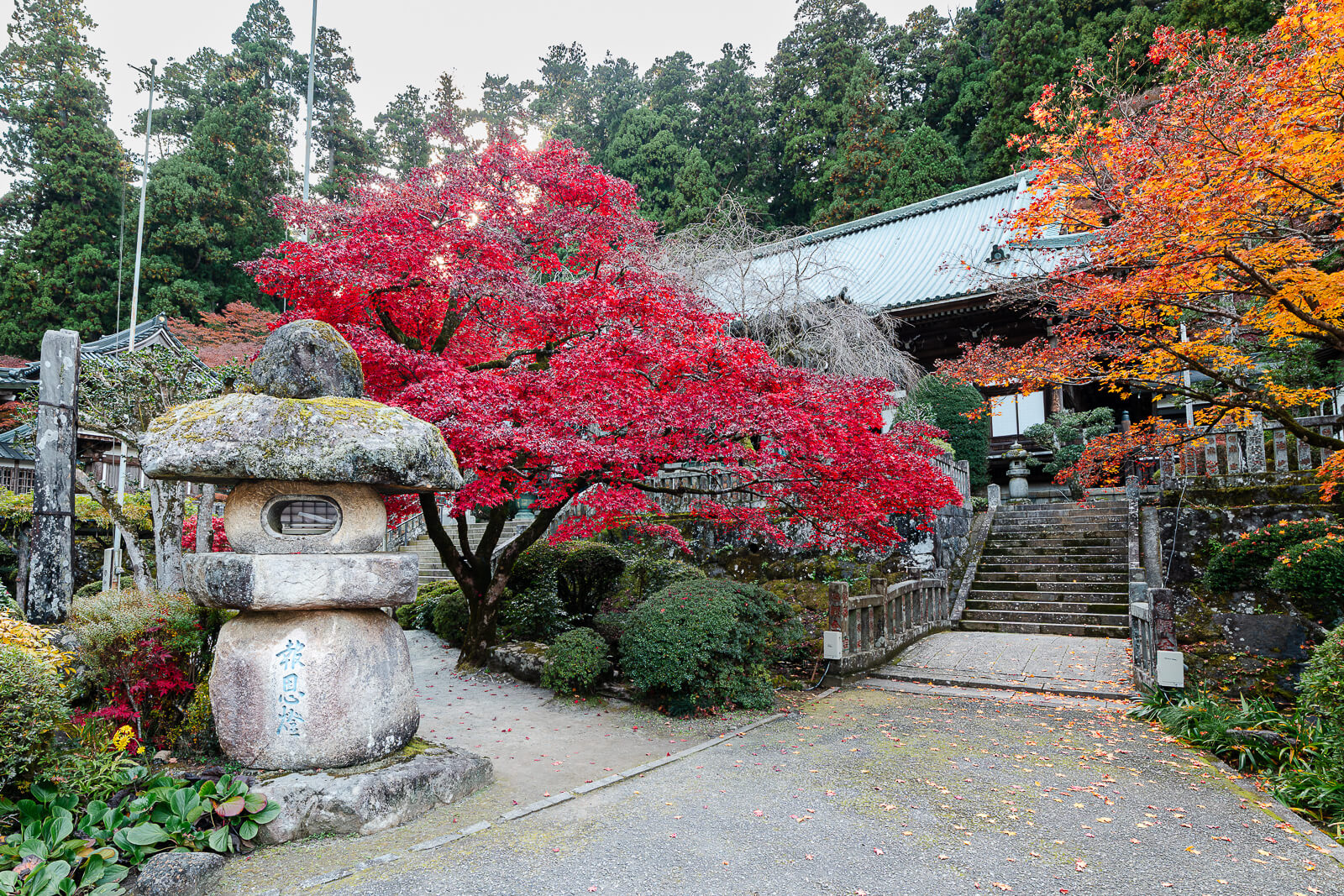
The grounds become larger and steeper as the route climbs beyond the main temple buildings. Allow at least 90 minutes, or closer to two hours for the upper structures, tengu imagery and long stairways around the Goshinden area. The uppermost section is optional, allowing visitors to turn back after the central complex without missing the main autumn scenery.
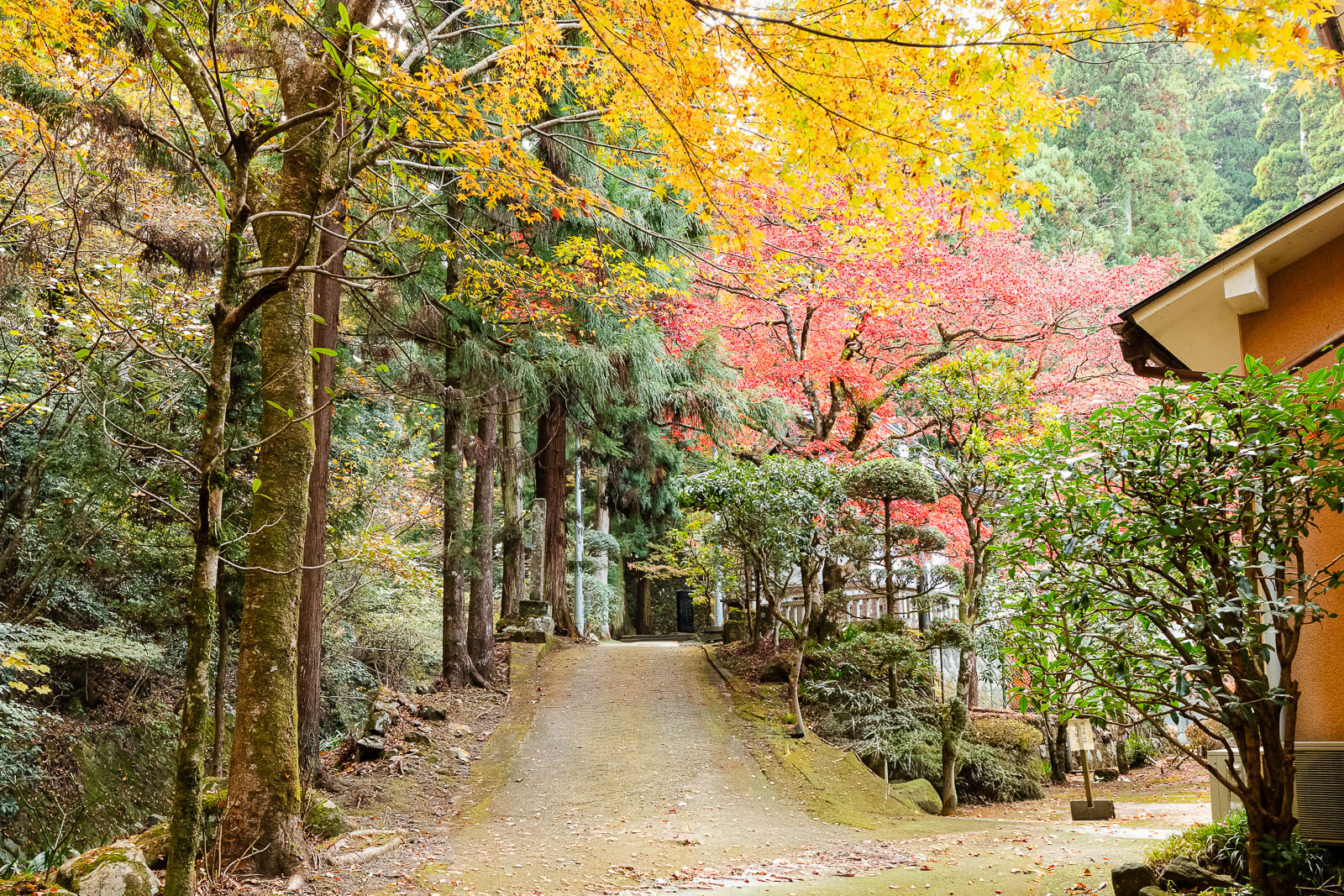
From Odawara Station, the Izuhakone Railway Daiyuzan Line reaches its terminal station in about 21 minutes. A local bus then runs from the terminal beside Daiyuzan Station to the final Doryoson stop near the temple in about 10 minutes. Driving provides more flexibility for arrival and departure, but the large grounds still require enough daylight and walking time.
Saijoji makes the most sense when the travel dates fall later than Hakone’s main mountain-foliage period or when temple scenery is the priority. Set aside a half-day instead of adding it to an already full Lake Ashi, Gora or Sengokuhara route. Odawara provides the most practical base or companion destination because both the railway and driving route approach Saijoji from that side.
How to Choose and Combine Hakone Autumn Spots
The best Hakone autumn area depends on the scenery, timing and amount of movement that fit the day. Choose the Hakone Museum of Art and Gora Park for contrasting gardens, or Choanji Temple and the Botanical Garden of Wetlands for temple woods, boardwalks and close autumn details. Lake Ashi and Narukawa Art Museum suit open views, the Hakone Ropeway adds mountain scenery during the journey, and Sengokuhara provides Hakone’s distinctive golden susuki landscape.
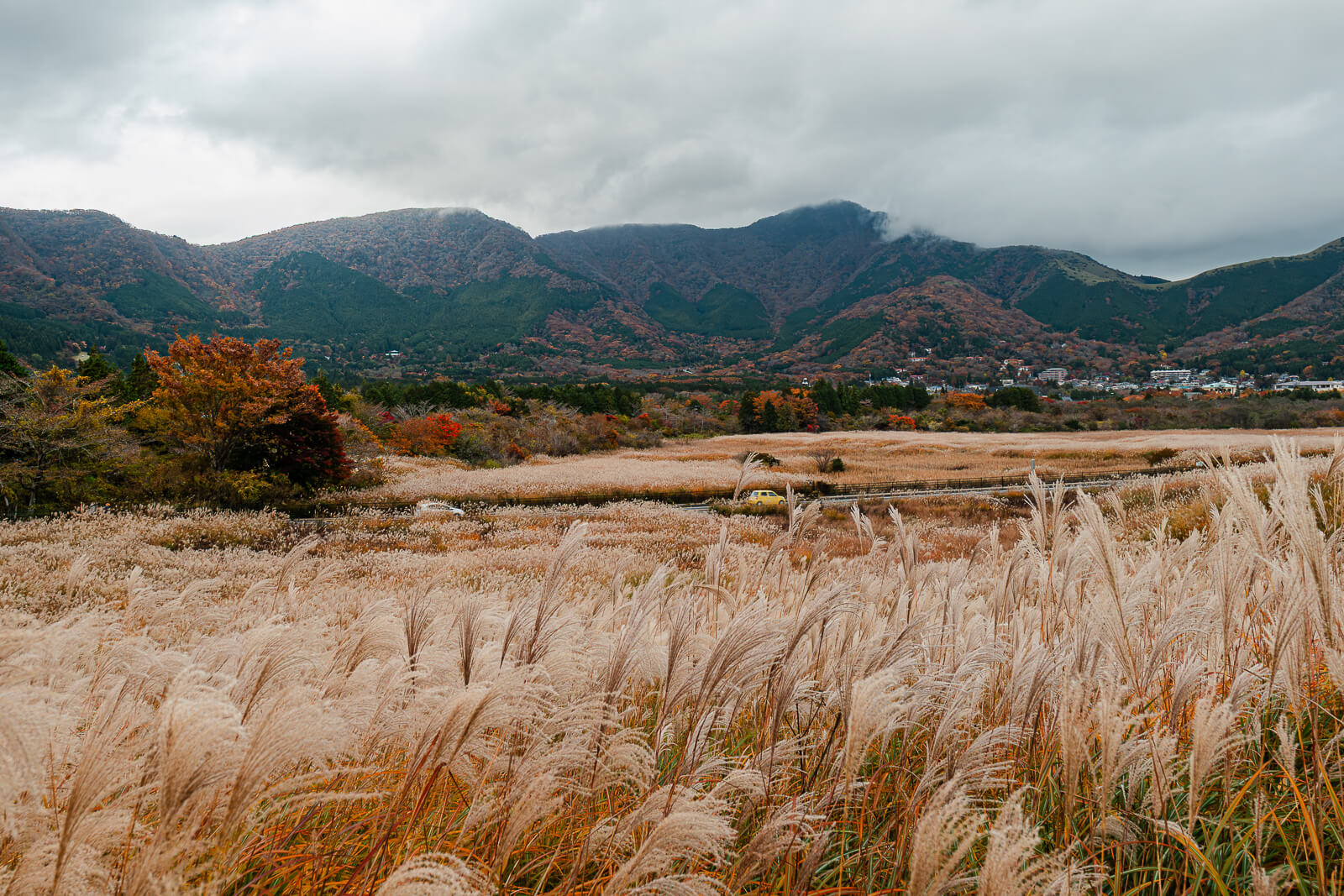
The most workable combinations stay within one area or follow Hakone’s existing transportation links. In Gora, the museum and park form an easy garden pairing, with the cable car and ropeway continuing through Sounzan and Owakudani toward Togendai and Lake Ashi. Choanji Temple, the Botanical Garden of Wetlands and the Susuki Grass Fields form a practical 2.2-kilometer Sengokuhara route requiring about 30 minutes of walking before sightseeing time is added. Hakone-Yumoto fits naturally along the arrival route, while Daiyuzan Saijoji works best as a separate half-day from Odawara.
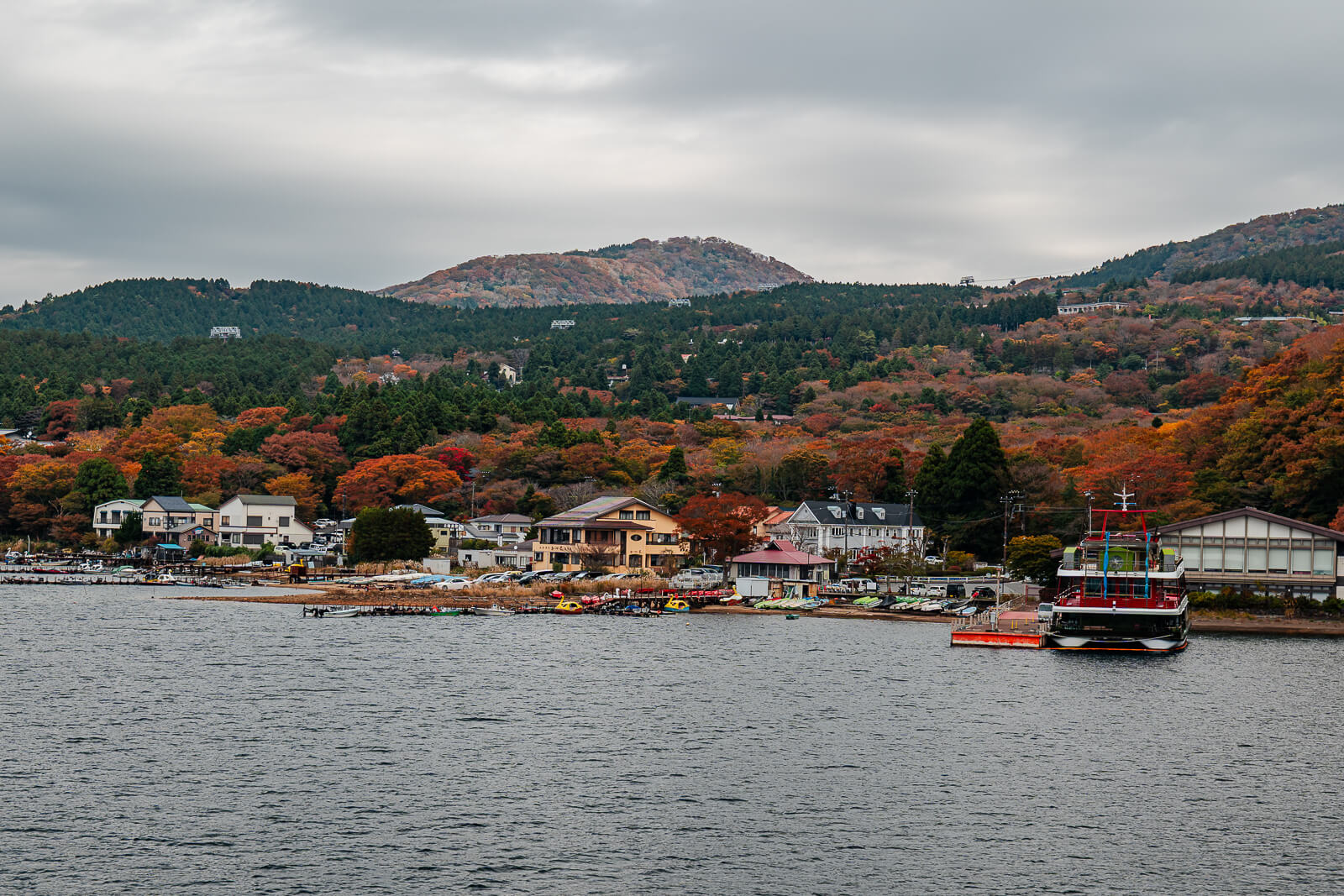
Start with the location that matters most before queues, road traffic and transportation delays build later in the day. Keep the final stop near a station, bus stop, harbor or parked car, especially when November daylight is limited. Clouds may hide Mt. Fuji, but the gardens, temples, wetlands and surrounding mountains remain worthwhile, while an overnight stay provides more flexibility when foliage or weather differs across Hakone.
How This Fits Into a Wider Hakone Visit
This guide helps identify the Hakone areas that best match the timing and scenery of an autumn visit. The complete Hakone destination guide can support the larger planning decisions, while the Hakone transportation guide explains how the trains, cable car, ropeway, buses and Lake Ashi boats connect. Travelers choosing an overnight base can continue to the Hakone accommodation guide for a closer comparison of Gora, Lake Ashi, Sengokuhara and Hakone-Yumoto.
The individual guides to Hakone Shrine, Narukawa Art Museum, Gora Park and other major locations provide deeper information about access, visitor experience and how much time to allow. A Hakone one-day itinerary can turn the most practical area combinations into a timed route. The Daiyuzan Saijoji guide and wider Odawara guide provide the next planning step for travelers adding the late-season Minamiashigara extension.
Getting There
Most travelers arriving from Tokyo reach Hakone through Odawara and continue to Hakone-Yumoto on the Hakone Tozan Line. Hakone-Yumoto is the most convenient starting point for the railway toward Gora, while buses from both Odawara and Hakone-Yumoto travel to Moto-Hakone for Lake Ashi and Hakone Shrine. Travelers beginning around Sengokuhara can also use buses toward Togendai and connect with the northern side of the lake.
Daiyuzan Saijoji follows a separate route from Odawara instead of the main Hakone sightseeing loop. The Daiyuzan Line entrance is on the second-floor East Exit side of Odawara Station toward Higashi-dori; take the train to Daiyuzan Station and continue by bus to the final Doryoson stop. Drivers approaching from Tokyo can begin around Hakone-Yumoto or Moto-Hakone, while Saijoji uses a separate approach through Minamiashigara.
Hours & Fees
Hours vary by attraction, garden, museum and transportation service. Check the individual location before visiting, particularly for seasonal operating periods and last admission times.
Admission varies by location. Several outdoor autumn areas are free to visit, while museums, gardens and transportation services may require separate admission, fares or passes.
Autumn timing, operating hours and seasonal closures can change. Check current attraction and transportation information before travel.
Confirm current visitor information with the official source above before your trip.
Plan Your Visit — Access, Transport, and Booking Options
Compare the main booking and transportation options for an autumn trip to Hakone, including places to stay, Japan rail travel, local passes, tours and mobile data.
Compare Hotels and Ryokan in Hakone
Staying overnight gives you more flexibility to match autumn foliage, weather and transportation conditions across Hakone.
Compare Hakone stays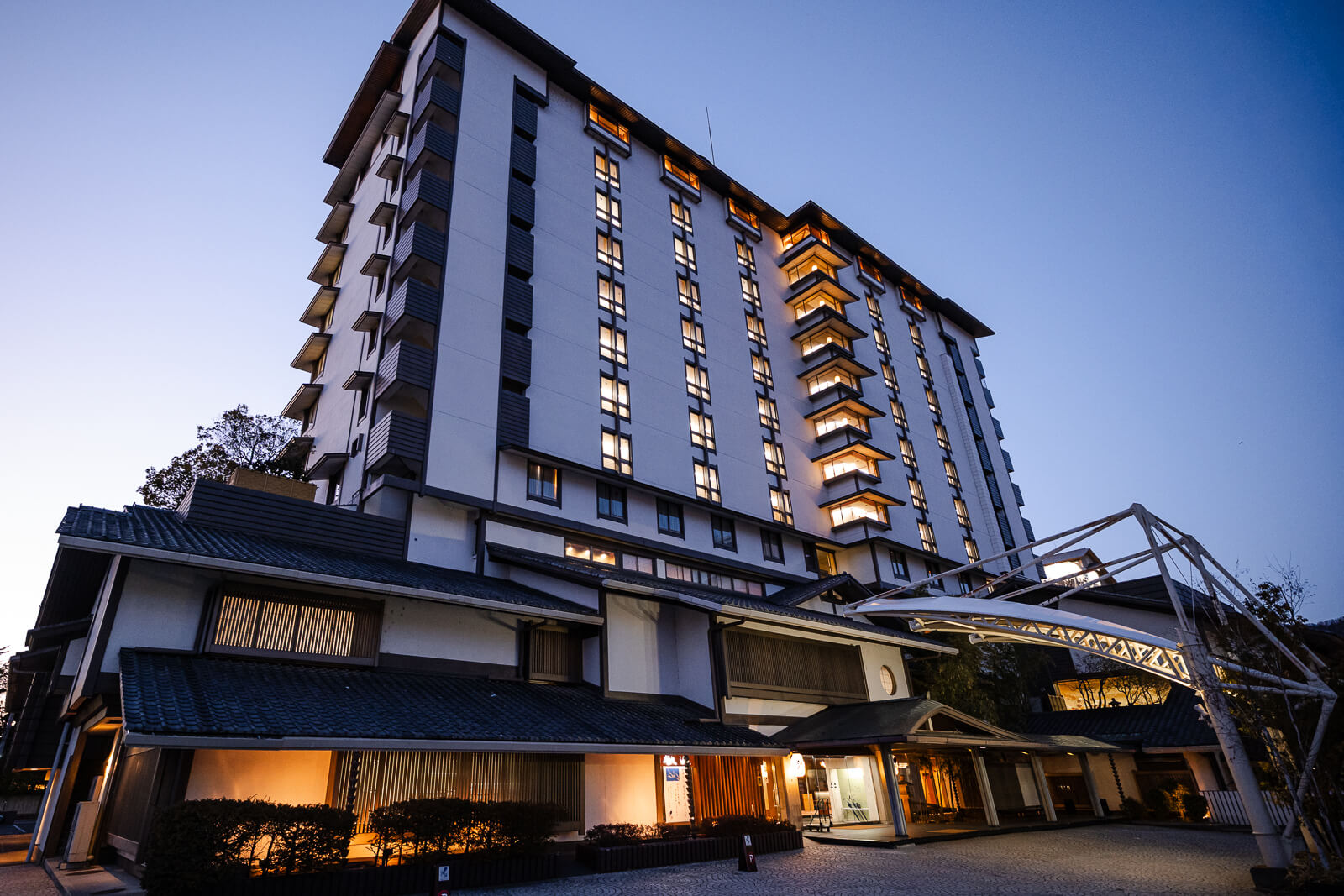
Compare JR Pass Options for Your Japan Trip
Visiting Hakone as part of a wider Japan itinerary? Compare JR Pass options against your planned long-distance rail travel.
Compare JR Pass options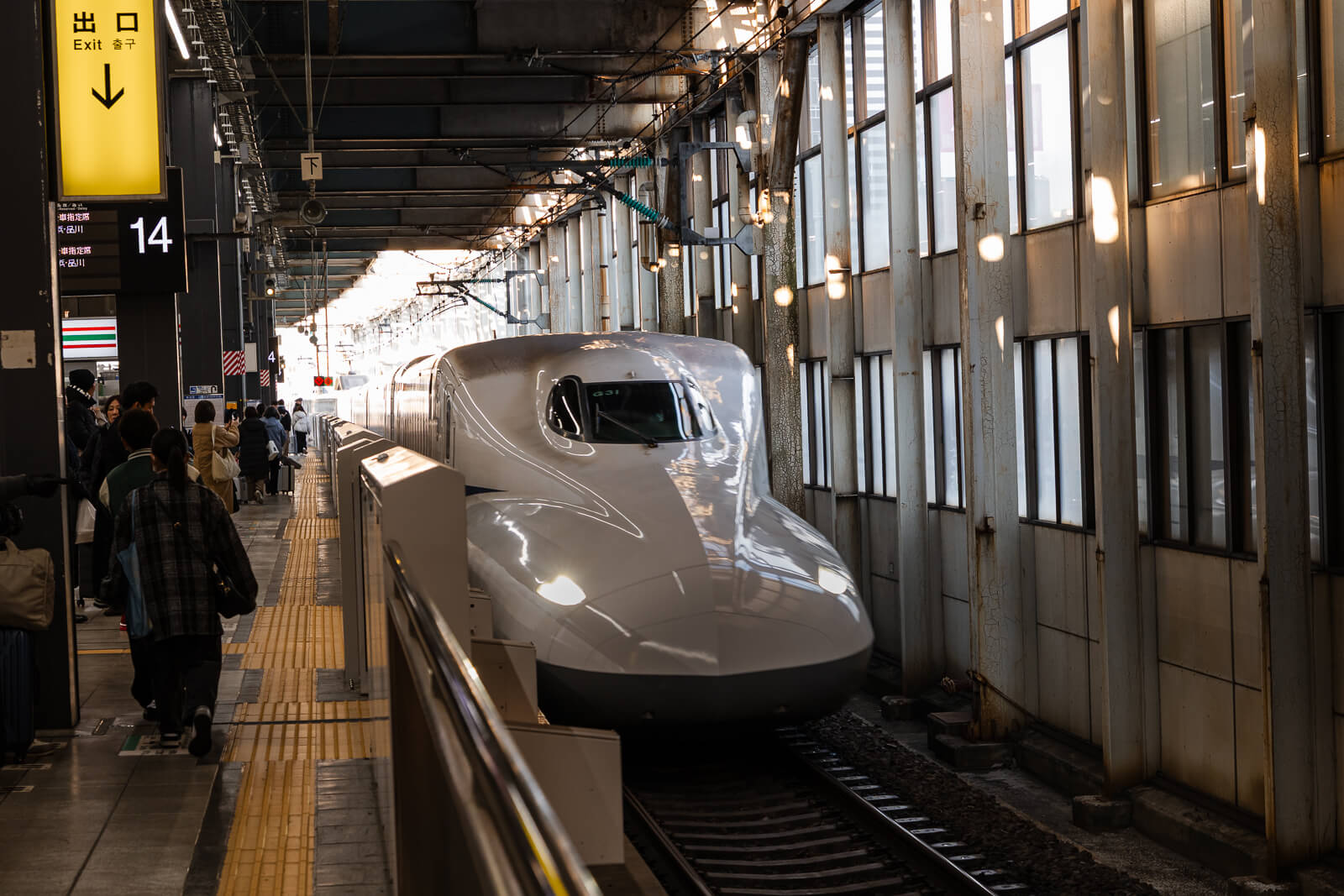
Explore Hakone Tours and Day Trips
Compare guided Hakone experiences for travelers who want transportation, major sights or itinerary planning handled together.
Explore Hakone tours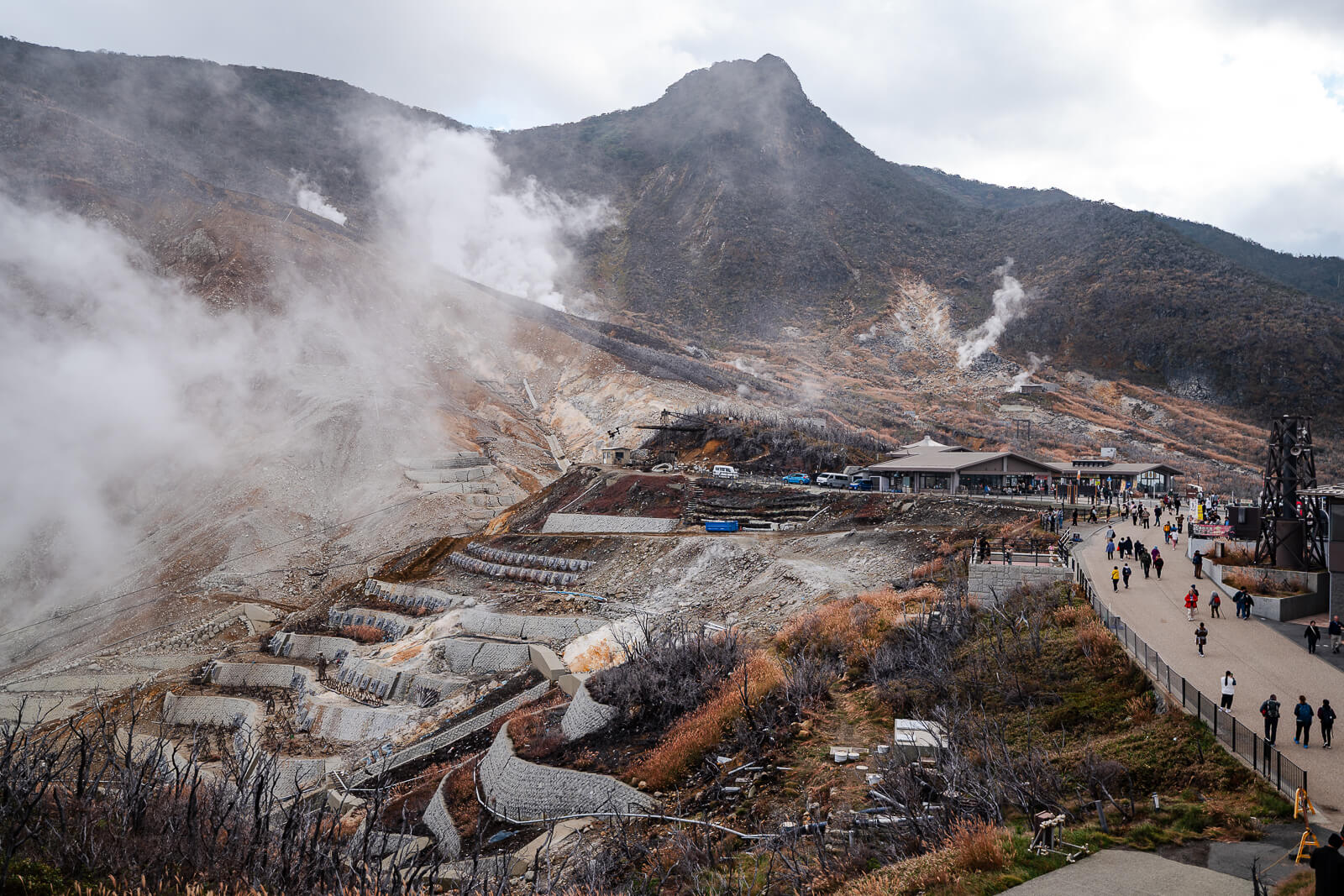
Check the Hakone Freepass
Compare the Hakone Freepass for trains, buses, cable car, ropeway and participating Lake Ashi transportation around Hakone.
Check Hakone Freepass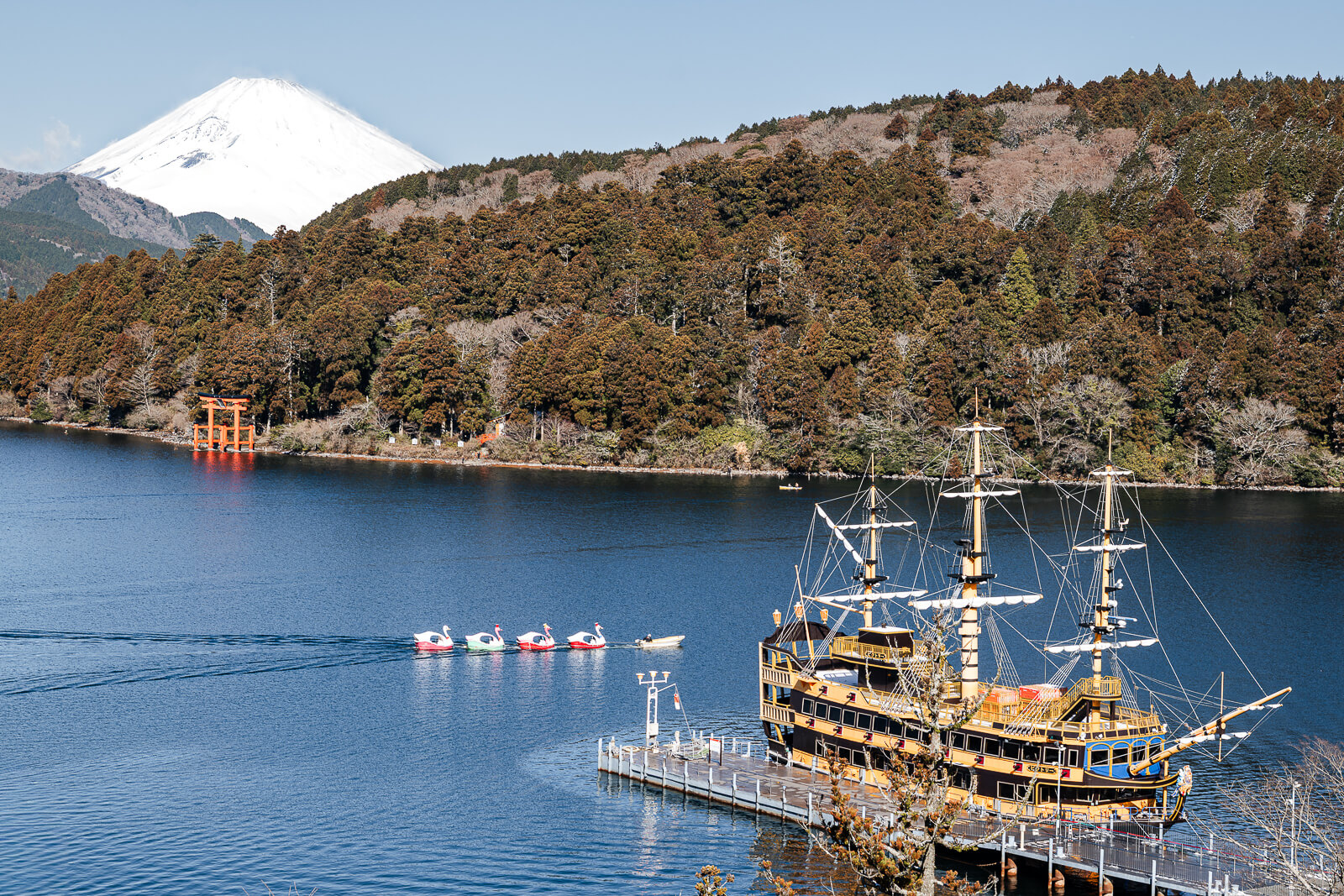
Compare eSIM Options for Japan
Mobile data makes it easier to check routes, transportation changes, foliage locations and weather while traveling around Hakone.
Compare Japan eSIMs
Reader note: Japan Unfolded may earn a commission from some links at no extra cost to you.