Exploring Hakone’s Wetland Landscape
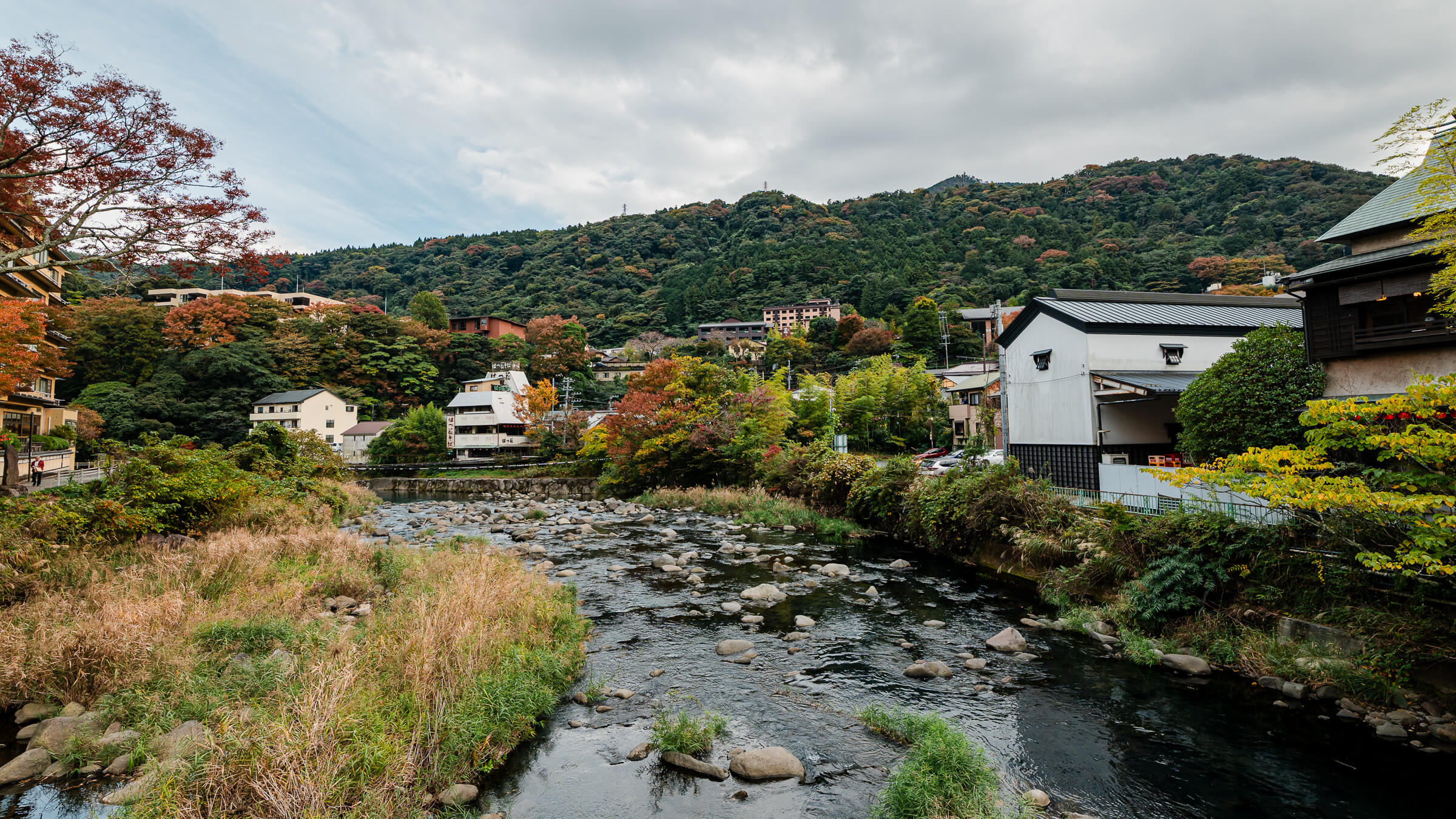
Hakone Botanical Garden of Wetlands is an outdoor botanical garden in Sengokuhara, Hakone, in western Kanagawa Prefecture, built around wetland plants and the environments that support them. A marked route moves through ponds, streams, wooded sections, open marsh and wooden boardwalks beneath the surrounding hills. The result is a compact nature-focused stop that feels very different from Hakone’s volcanic viewpoints, museums and Lake Ashi.
Rather than presenting one ornamental landscape, the garden changes as the route progresses. More formal planting near the entrance gives way to water, woodland and increasingly open wetland scenery, with the surrounding Sengokuhara hills appearing beyond the garden. That progression makes the visit feel less like a conventional landscaped garden and more like a walk through several connected environments.
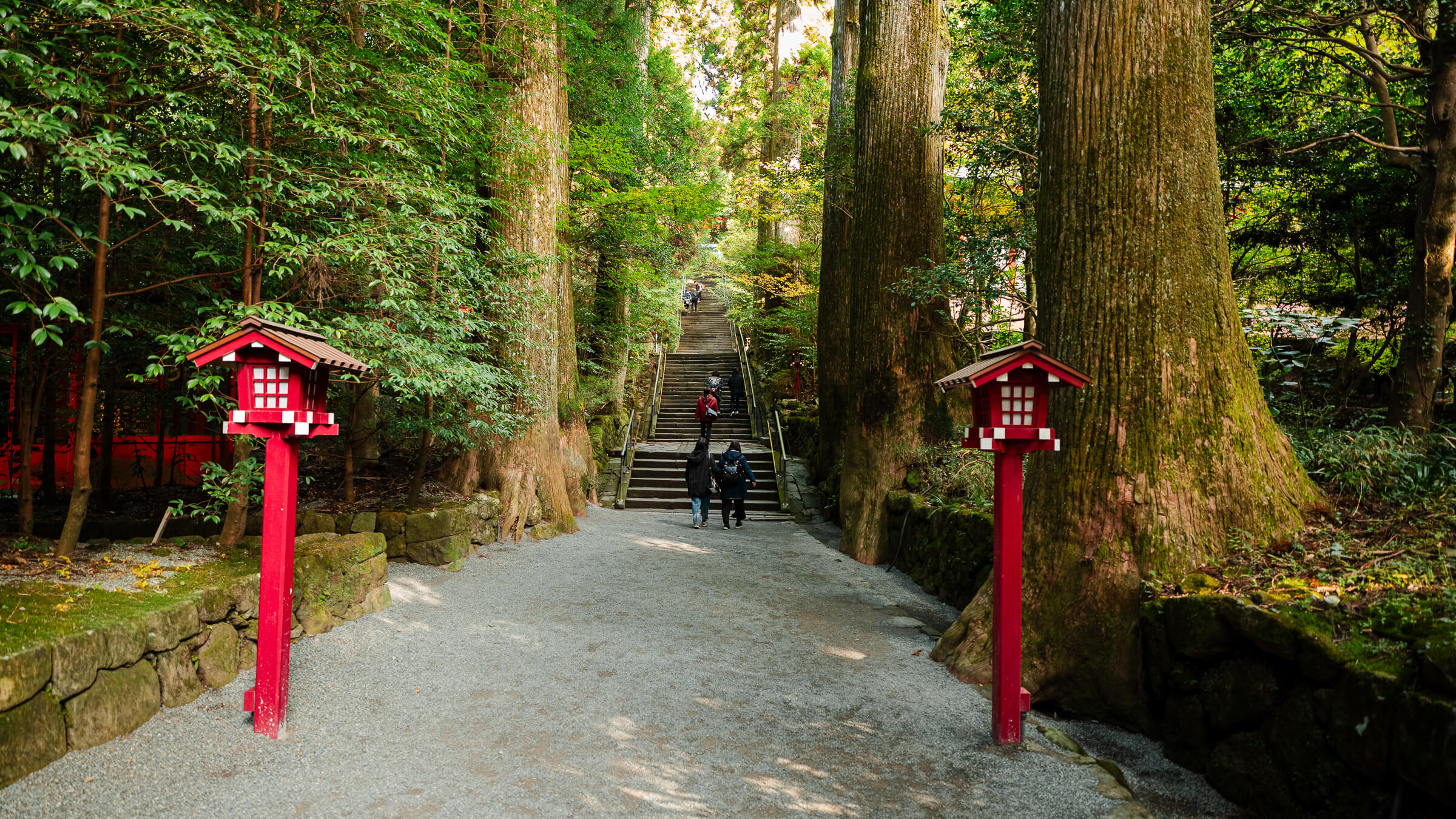
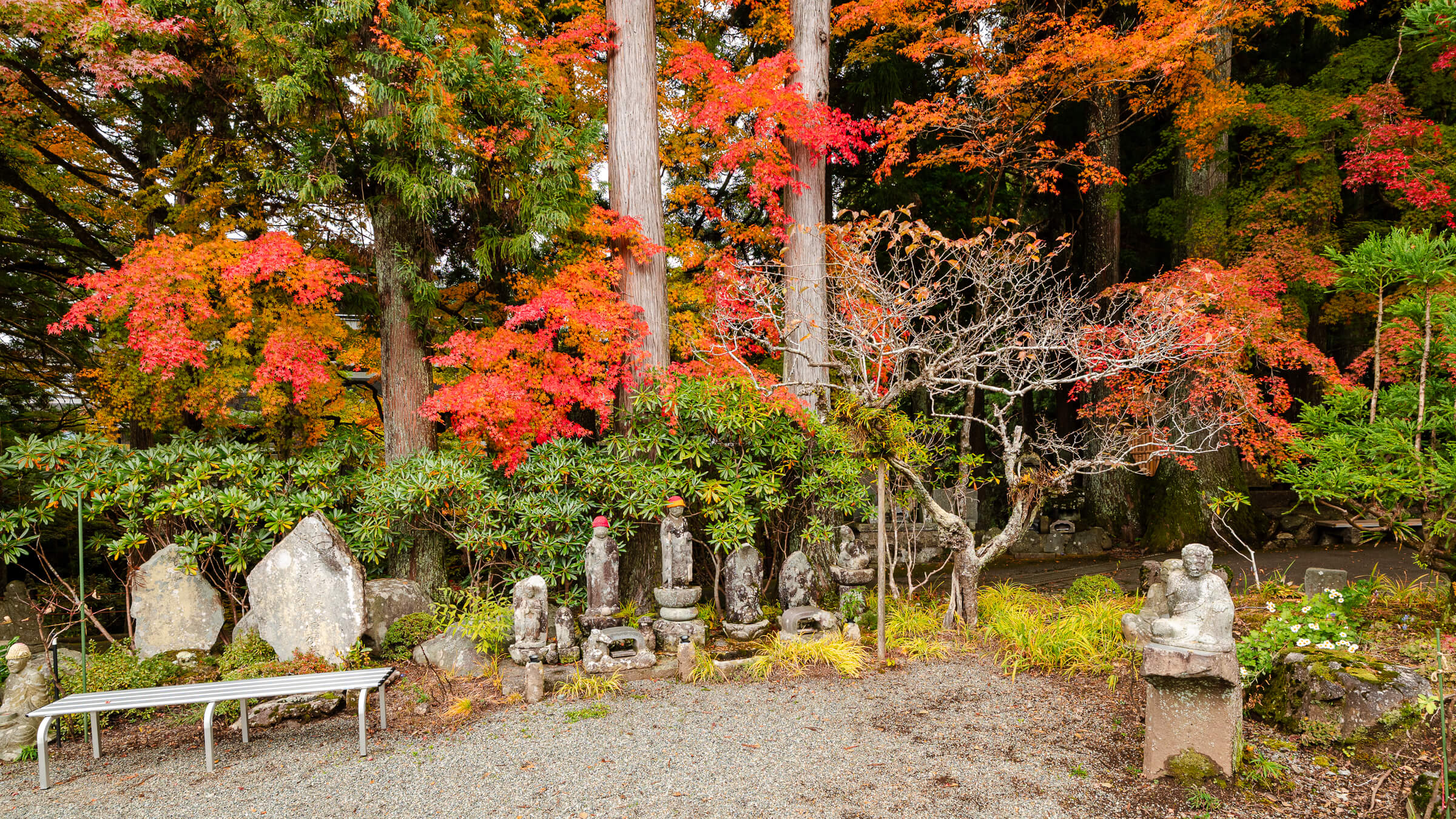
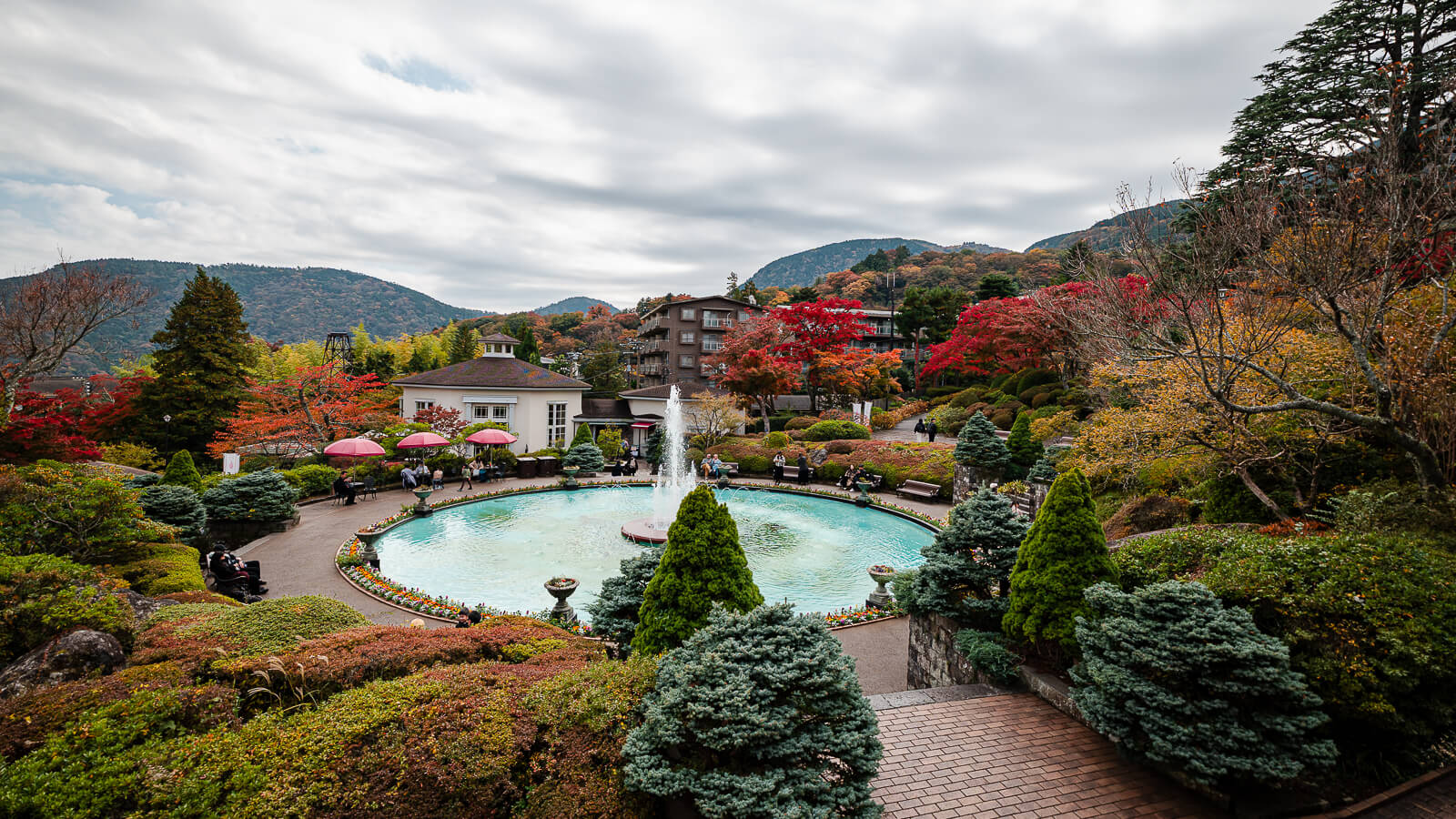
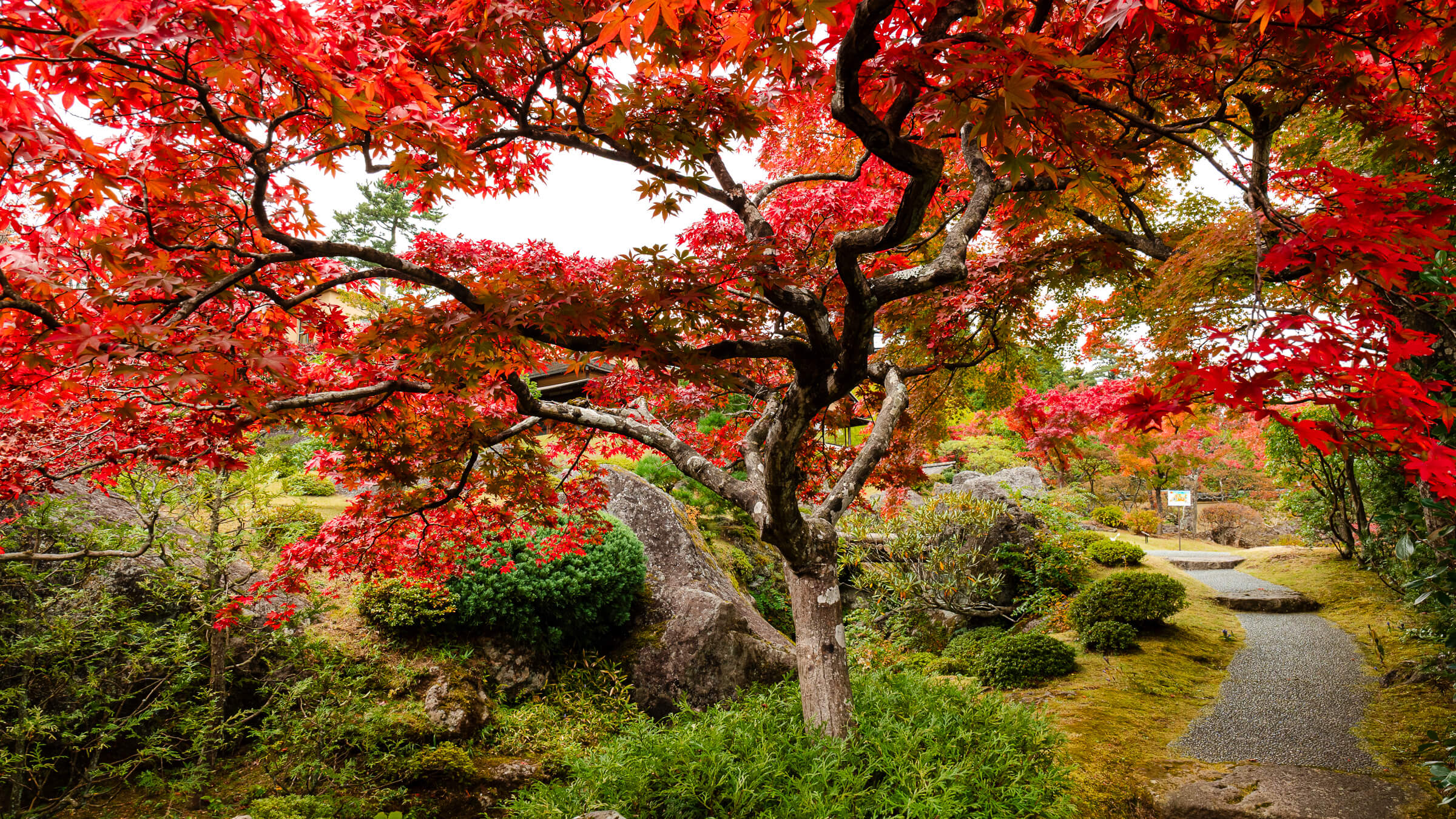
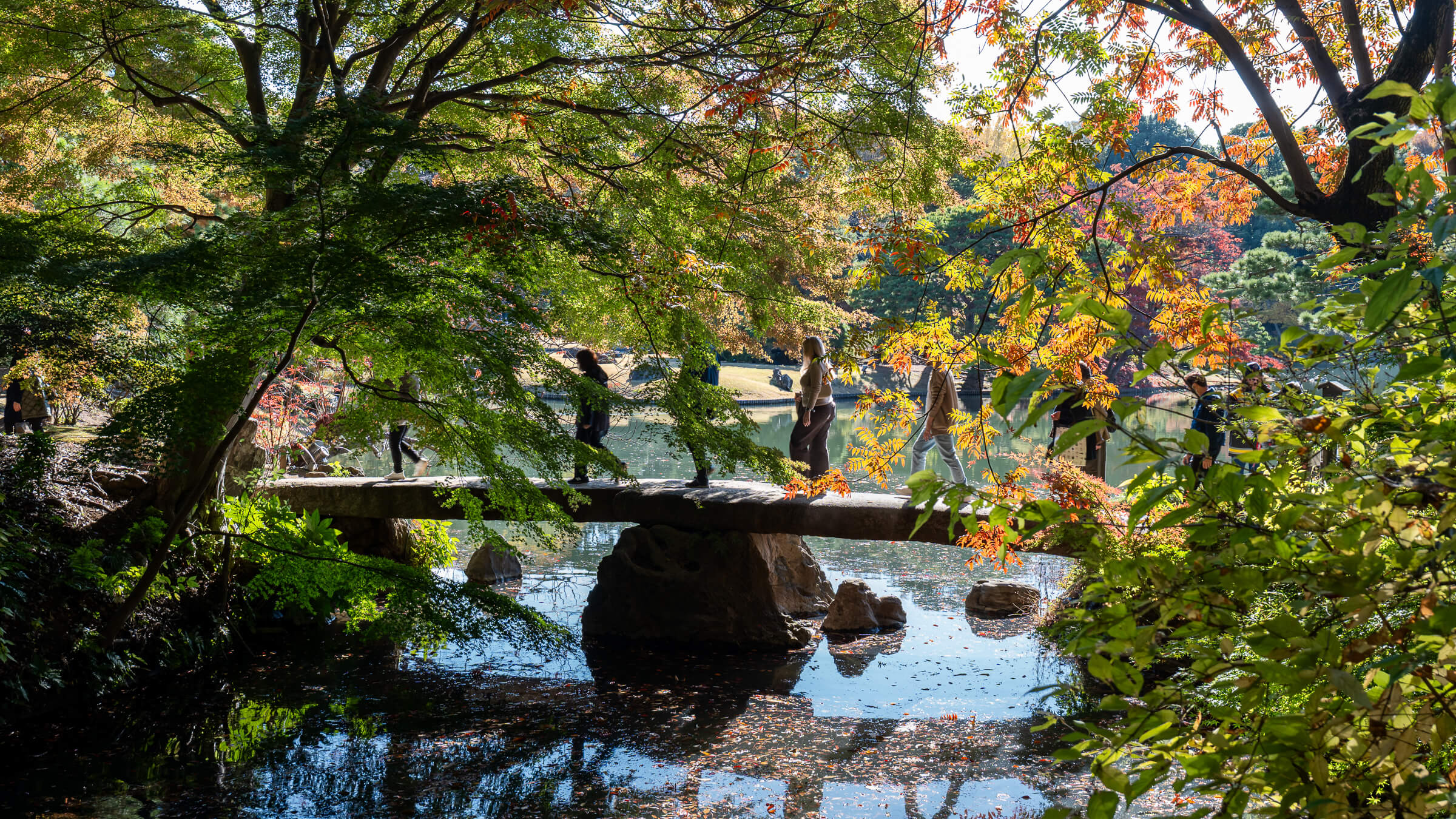
Autumn adds another layer without changing the garden’s basic identity. Red and orange foliage fills the entrance and wooded sections, while the wetter areas shift toward muted grasses, dark ponds and broader mountain views. The contrast works across the entire route instead of concentrating the season into one designated foliage viewpoint.
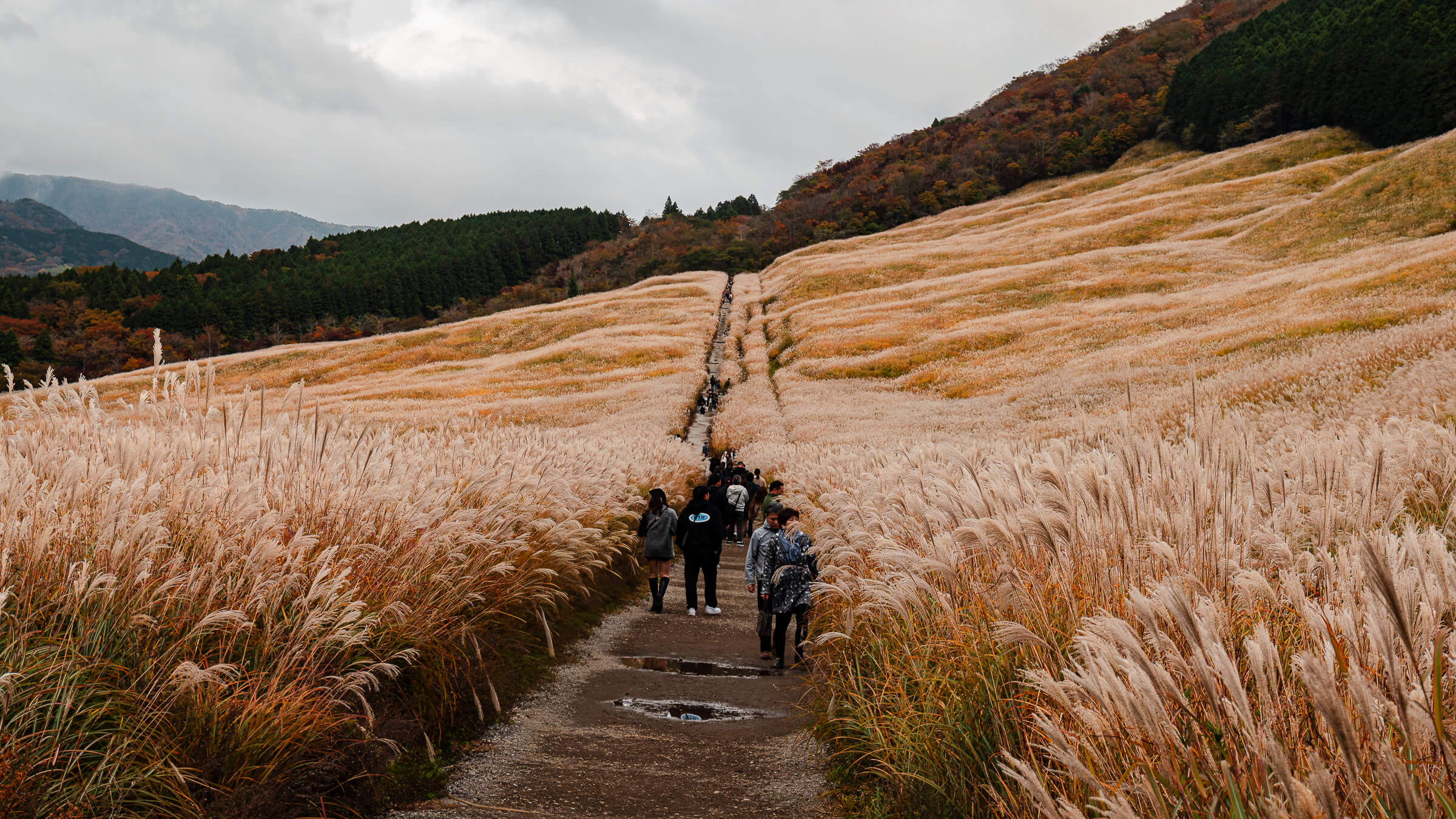
About an hour is a comfortable amount of time for the garden when allowing for photographs and short stops. That modest time commitment also makes it easy to combine with other Sengokuhara attractions rather than building the whole day around one garden. The nearby Susuki Grass Fields provide an especially strong continuation because the boardwalk-and-marsh landscape gives way to a much wider open grassland.
A Wetland Garden Rooted in Sengokuhara
Hakone Botanical Garden of Wetlands opened on May 21, 1976, as Japan’s first botanical garden created specifically around wetland plants. It was established to introduce the natural environment of the Sengokuhara wetlands and give visitors a place to become familiar with the plant communities associated with marshes, streams and other water-influenced landscapes. That purpose remains visible in the way the garden is organized today.
Before the garden was created, this flat part of Sengokuhara had been used for rice paddies. The site was reshaped with ponds, streams, hills, rockeries and several types of wetland so plants could be displayed in communities that resemble the environments where they naturally grow. The garden’s eight broad divisions extend beyond marshland to include forest, meadow and alpine planting as well.
The route itself is part of that design. It is arranged to move from lower-elevation toward alpine environments and from earlier-stage wetlands toward more developed wetland conditions, which helps explain why the scenery changes so noticeably during the walk. The structure gives the visit a clear sense of progression even for travelers who are not visiting specifically to study individual plant species.
Around 1,700 plant species are represented across the garden, including roughly 200 wetland species along with grassland, woodland and alpine plants. Those numbers matter less on the ground than the way the plants are grouped around water, forest edges, meadow and open marsh. The result is a garden that explains the landscape through movement instead of relying only on labels or a single display area.
From the Entrance Into the Wetlands
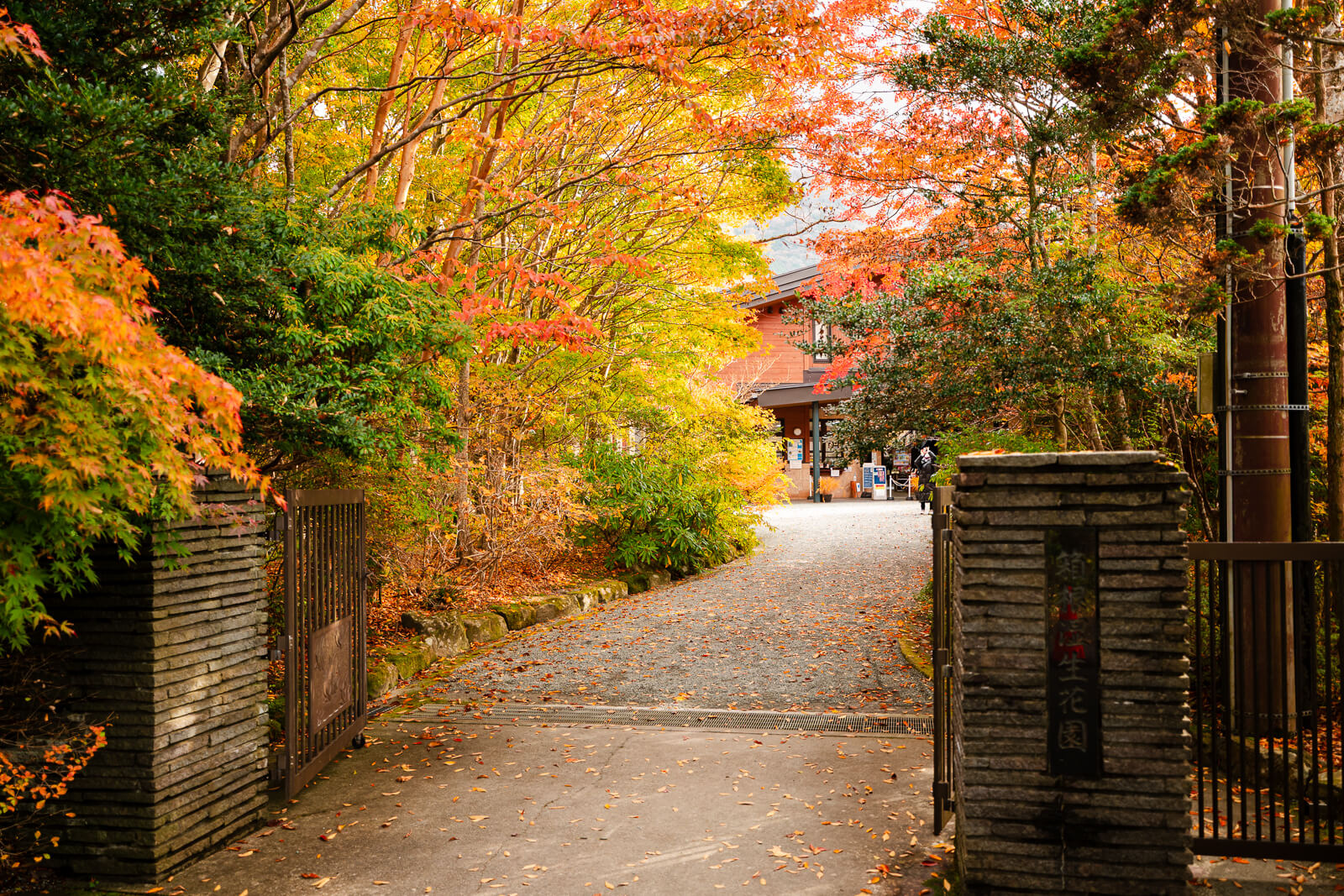
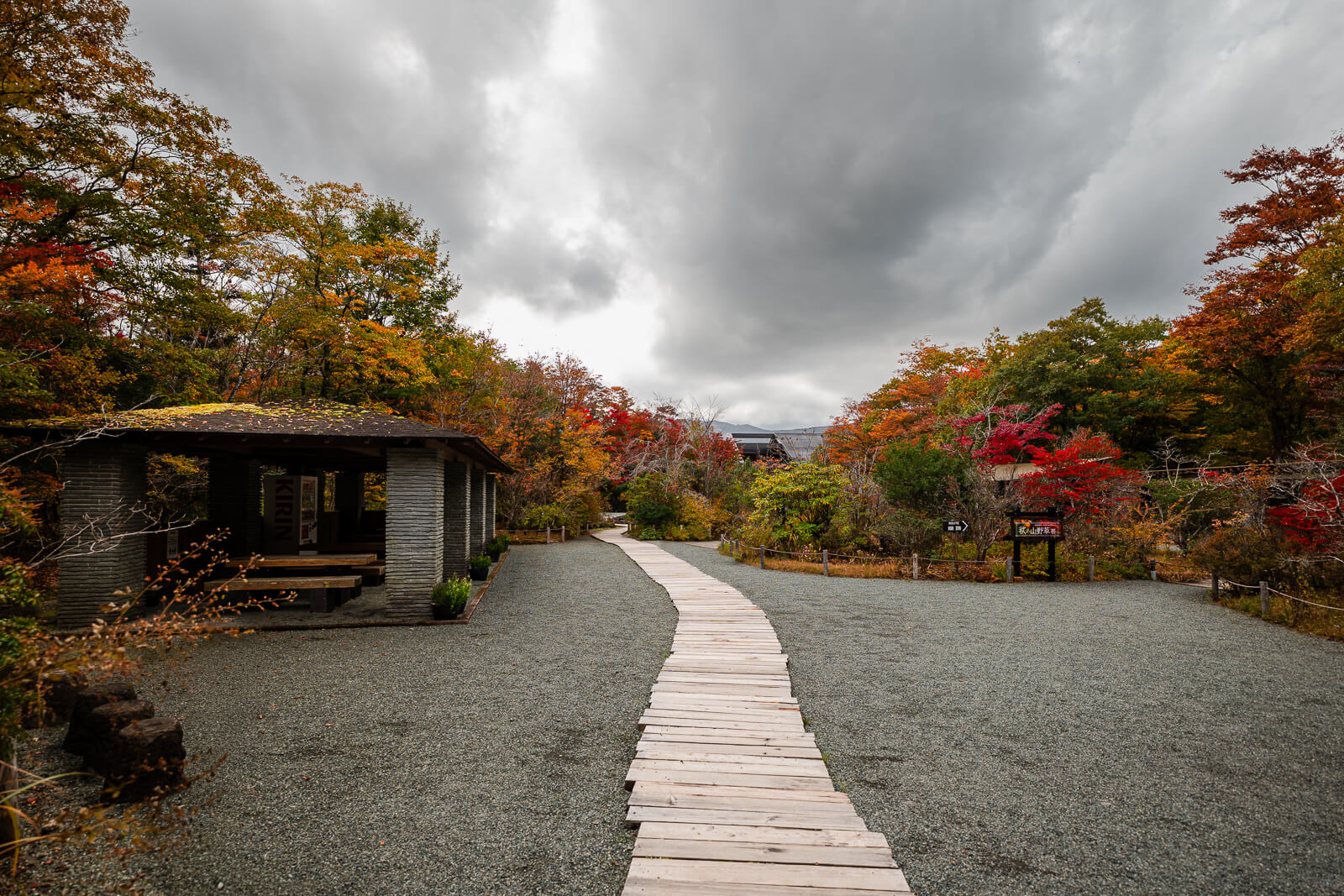
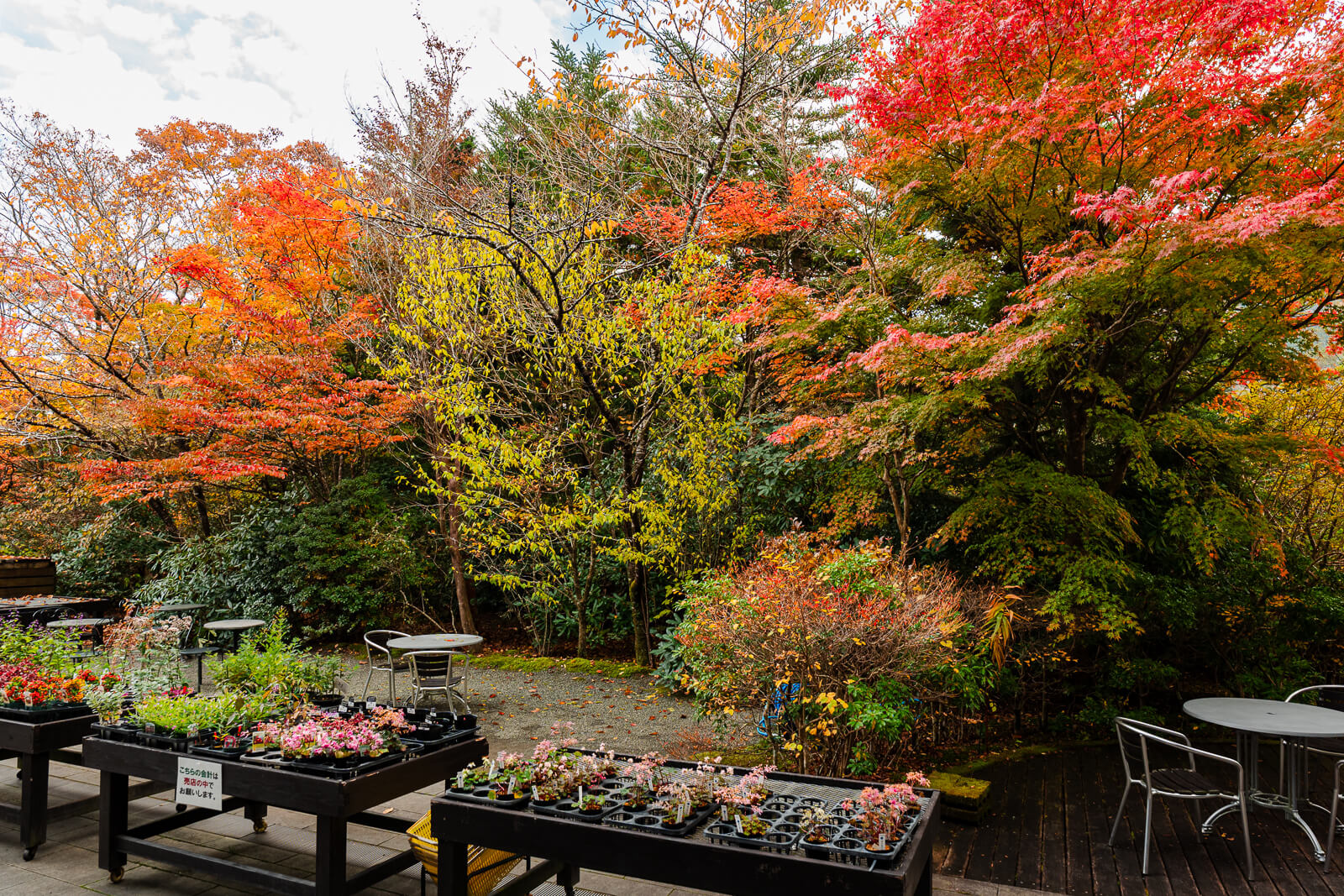
The character of the garden begins to reveal itself almost immediately after the ticket window. The entrance area is more developed than the wetlands beyond it, with landscaped planting, mature trees, seating and a broad covered space beneath a large skylight. In autumn, this first section can already be filled with strong red, orange and yellow foliage before the route reaches the wetter parts of the garden.
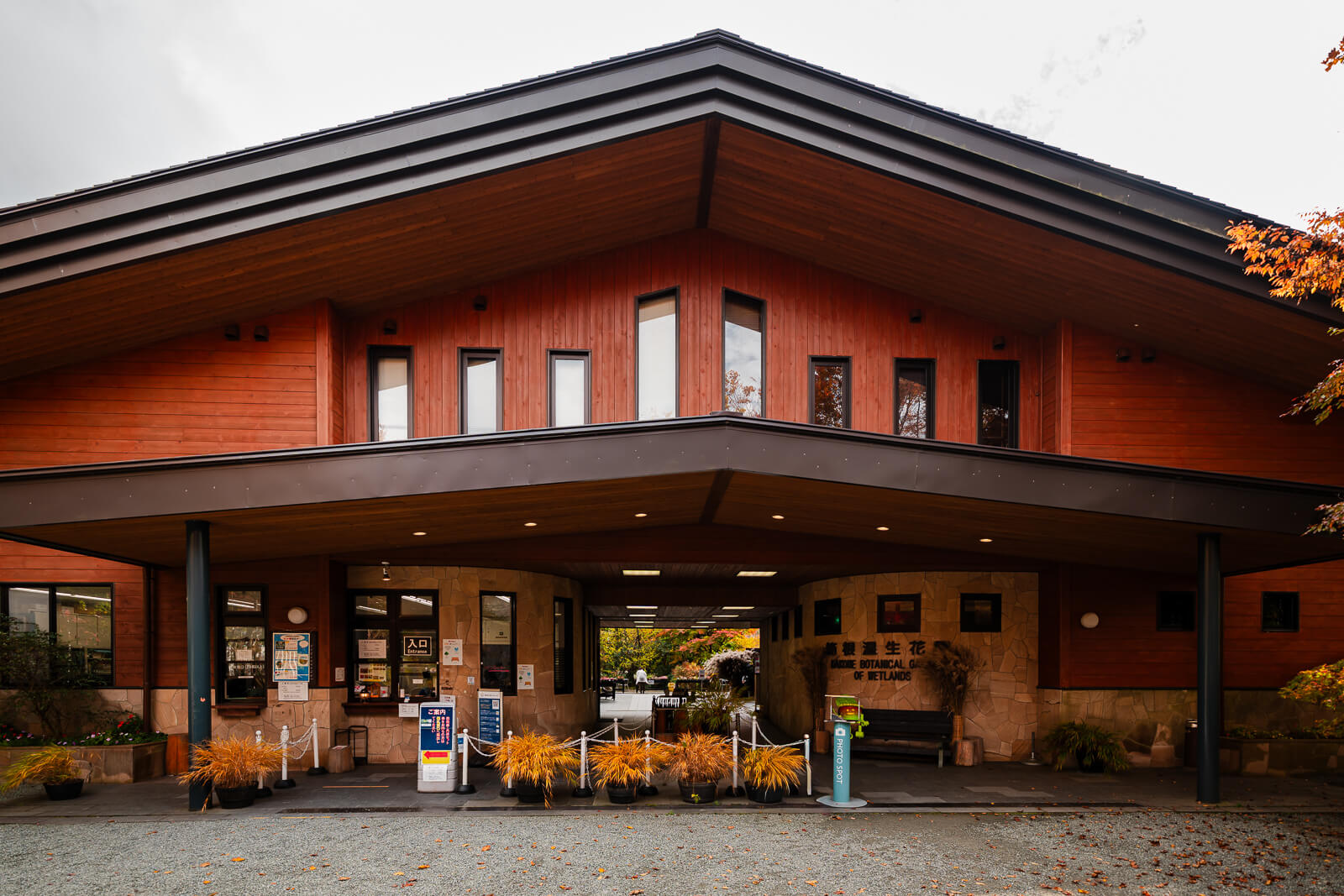
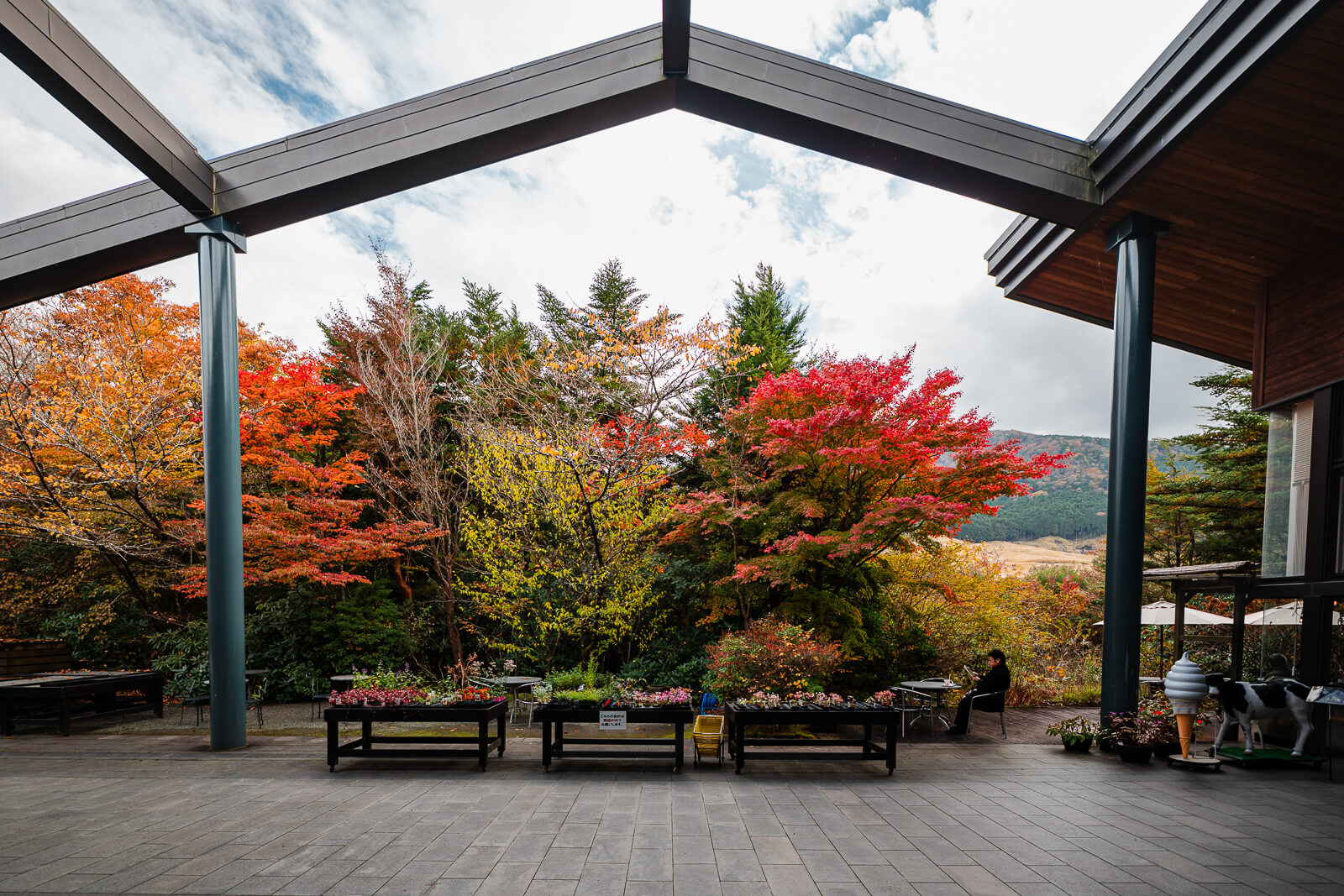
From this arrival area, the marked route begins to pull visitors away from the entrance and into a series of changing landscapes. Gravel paths and planted sections appear first, followed by ponds, narrow waterways and increasingly natural-looking vegetation. The shift is gradual enough that the garden does not feel divided into a collection of unrelated exhibits.
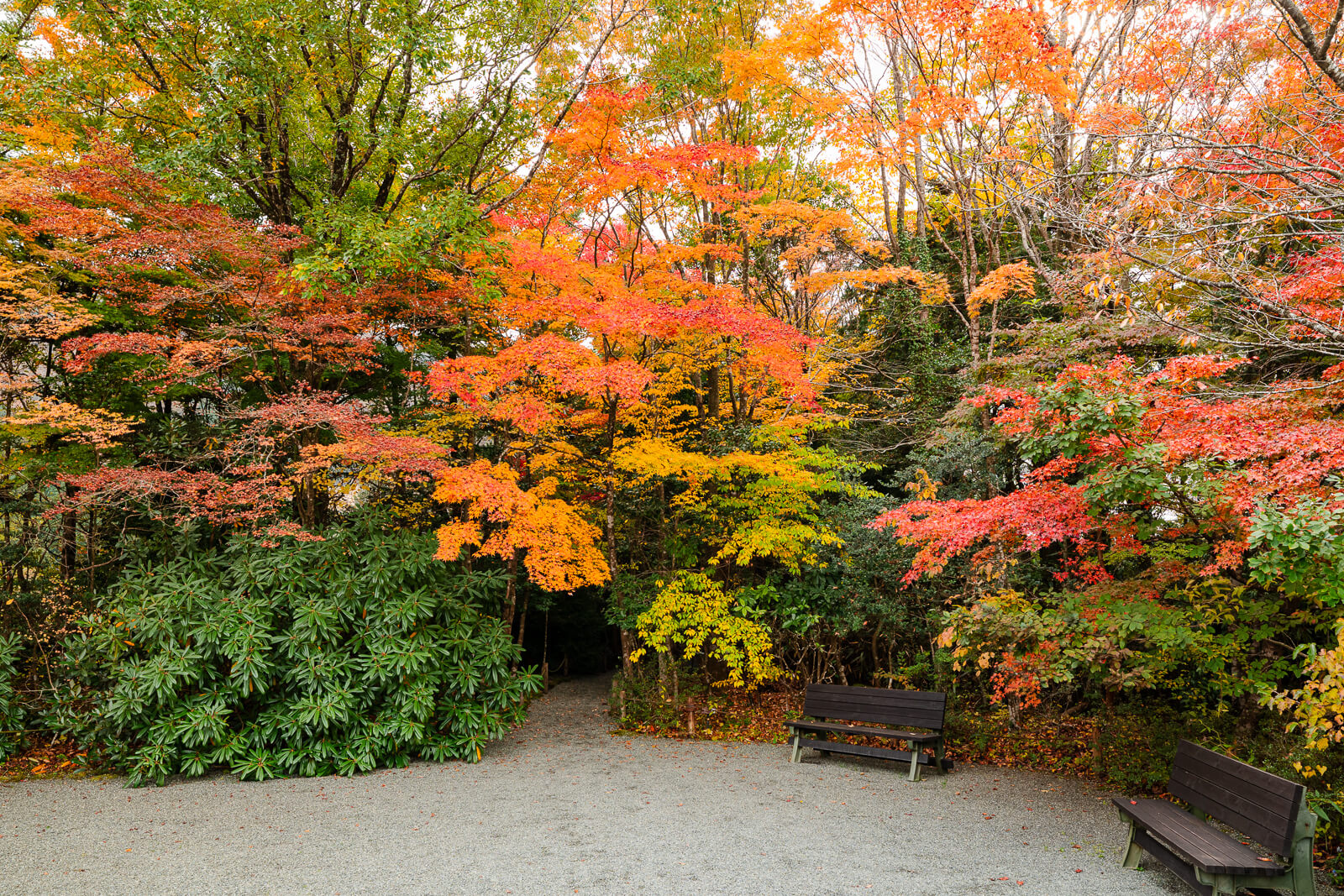
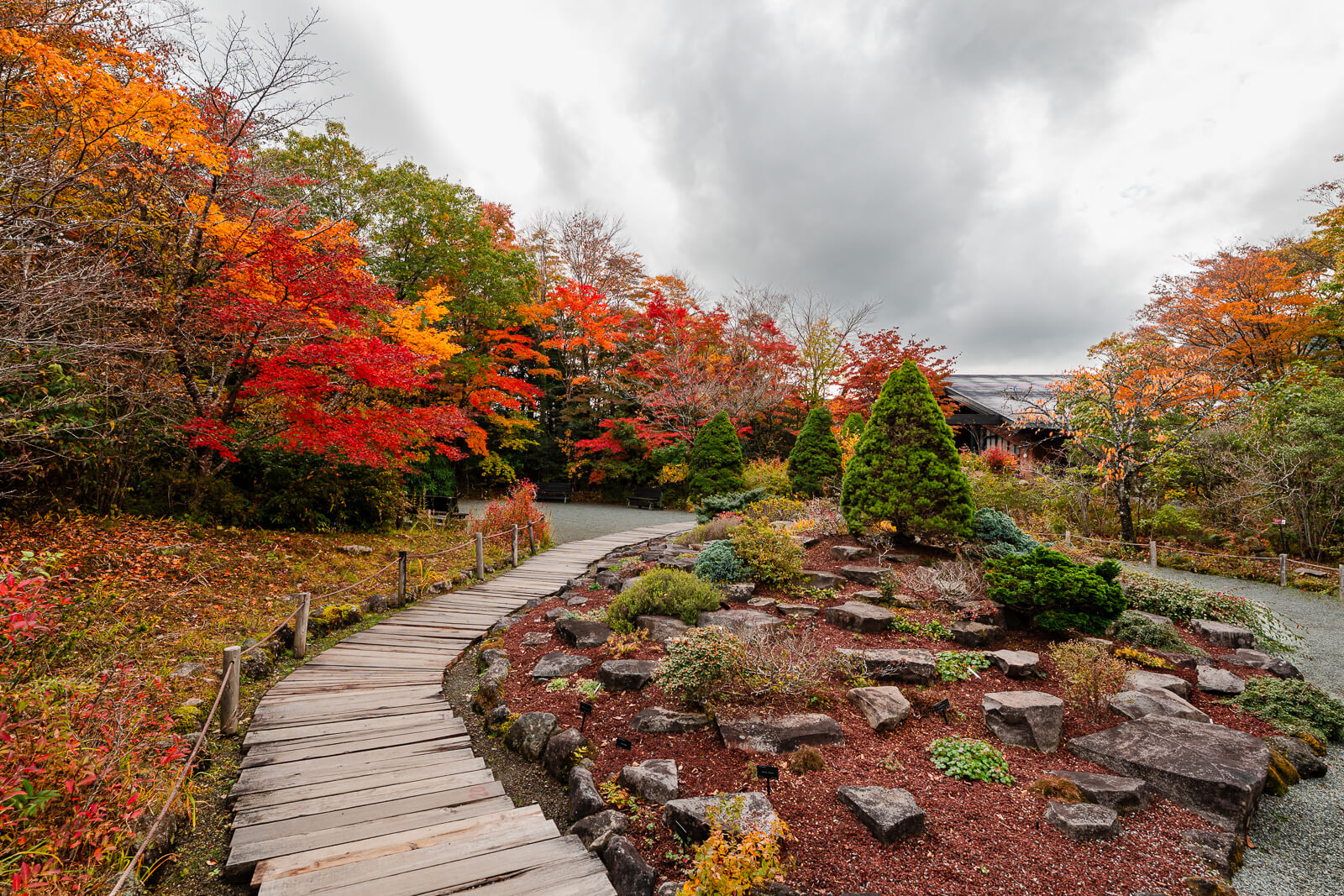
That progression becomes part of the experience. The more formal entrance provides orientation, but the surroundings become less structured as the walk continues and water becomes more prominent beside the path. The first boardwalk sections then signal the transition toward the broader wetland environments deeper inside the garden.
Boardwalks, Ponds and Open Marsh
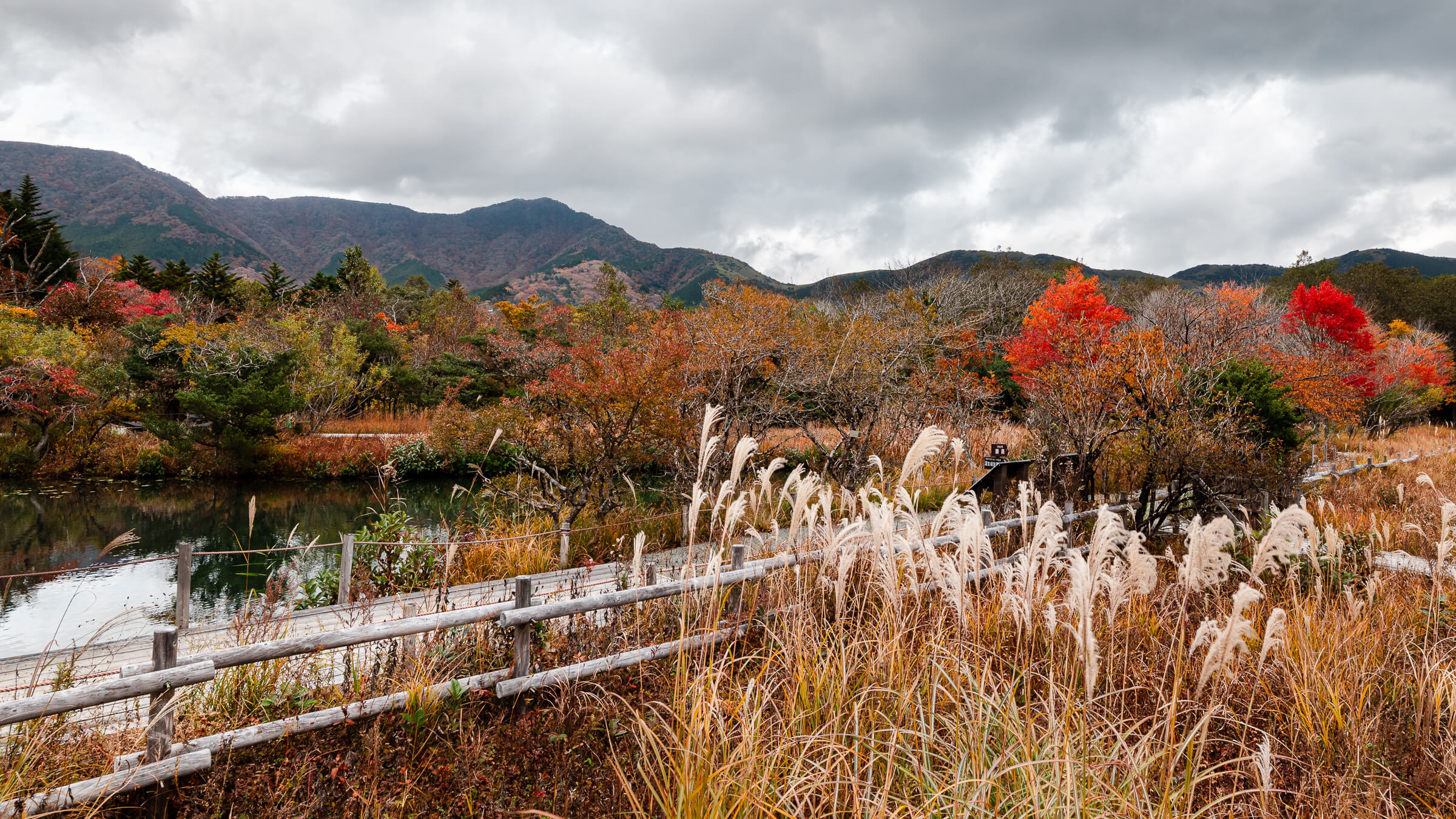
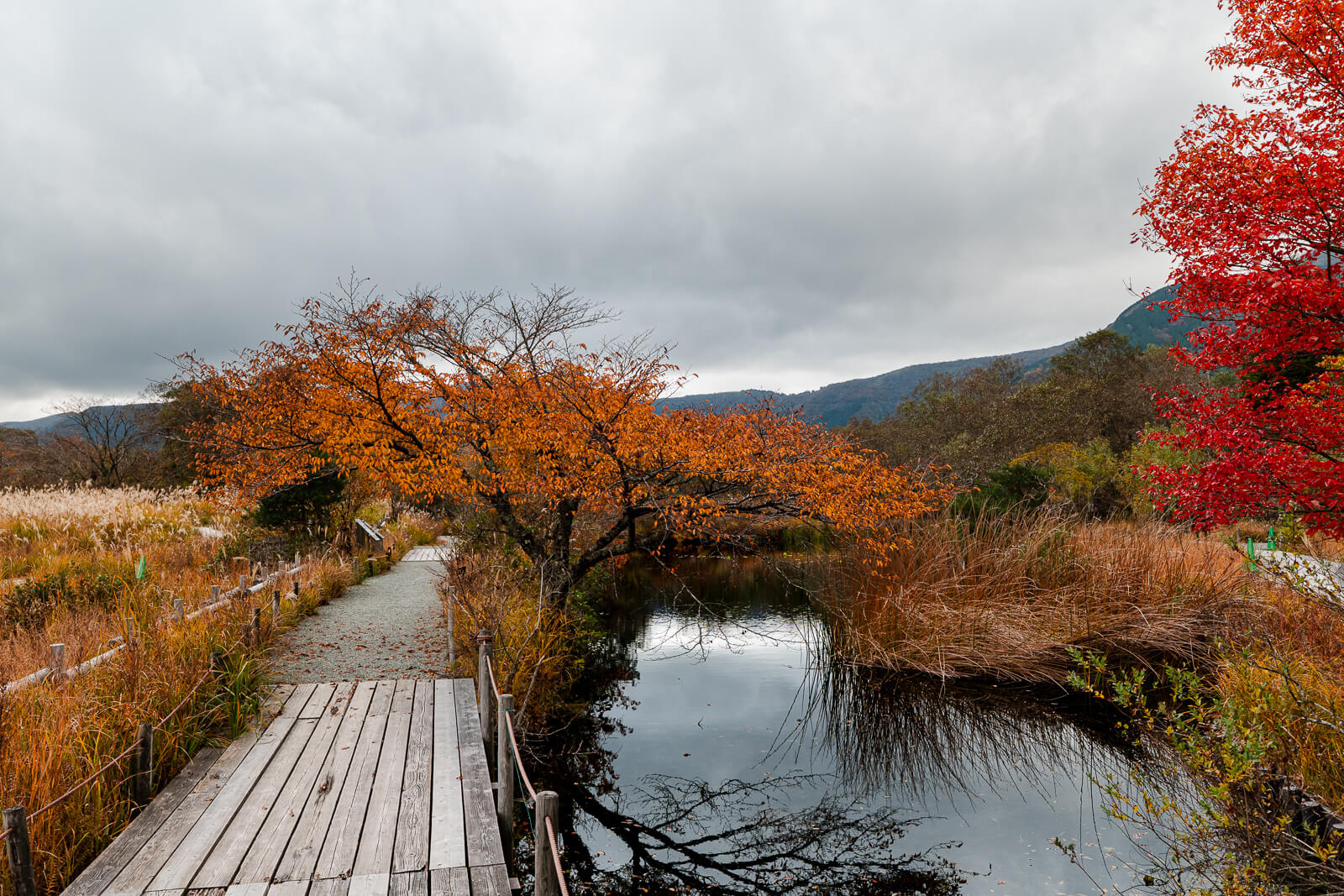
As the route moves deeper into the garden, longer wooden boardwalks cross wetter ground while ponds, narrow channels, reeds and low wetland vegetation bring water much closer to the walking route. Some stretches remain partly enclosed by trees, while others open toward wider marshland and the surrounding hills of Sengokuhara. The repeated change in scale keeps the walk visually varied even though the overall route remains compact.
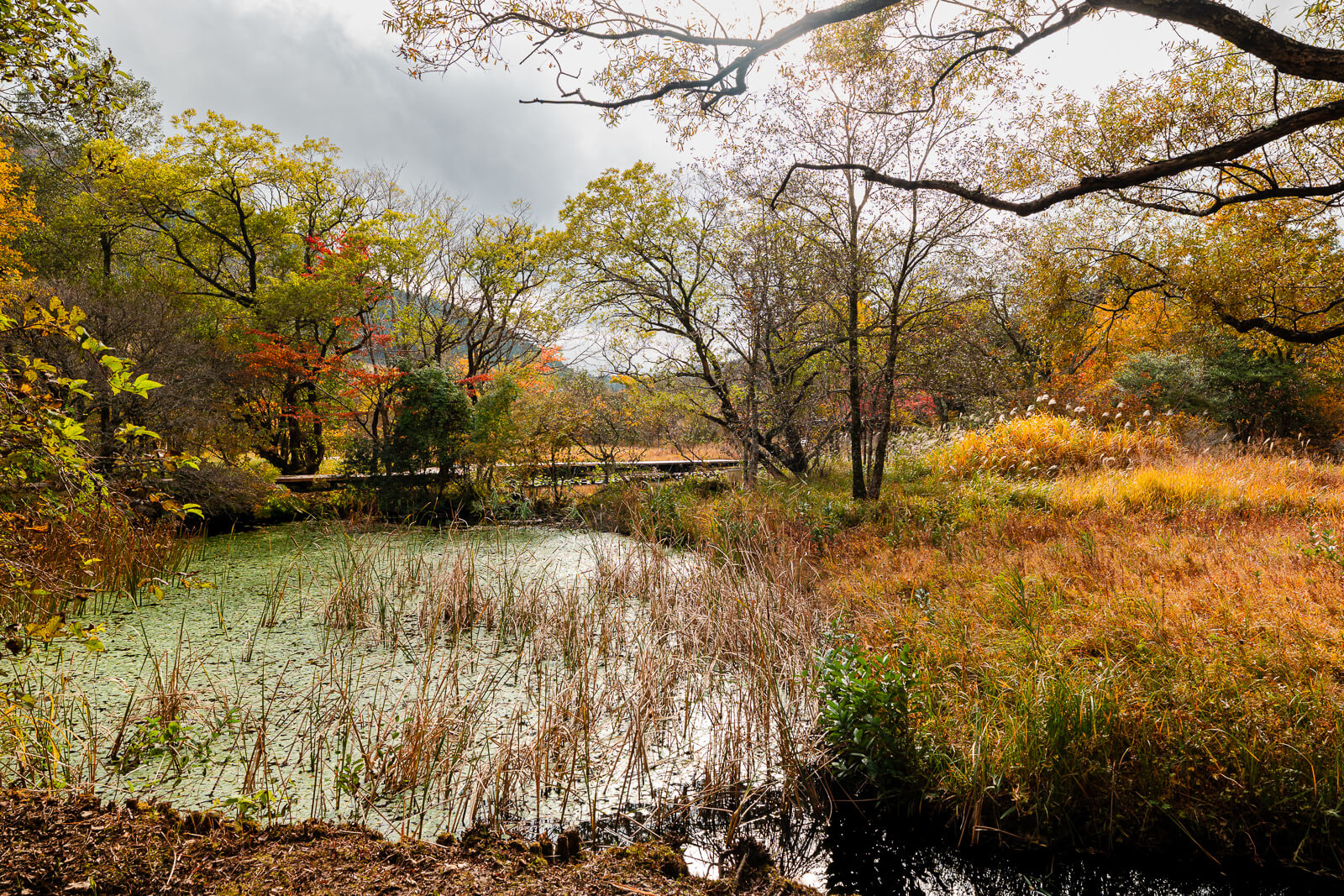
The boardwalks are the strongest visual link between the different environments. They carry the route over water and softer ground without separating visitors from the wetland itself, so grasses and ponds remain close to the path. In several sections, the boardwalk also creates long sightlines that pull the eye toward the mountains beyond the garden.
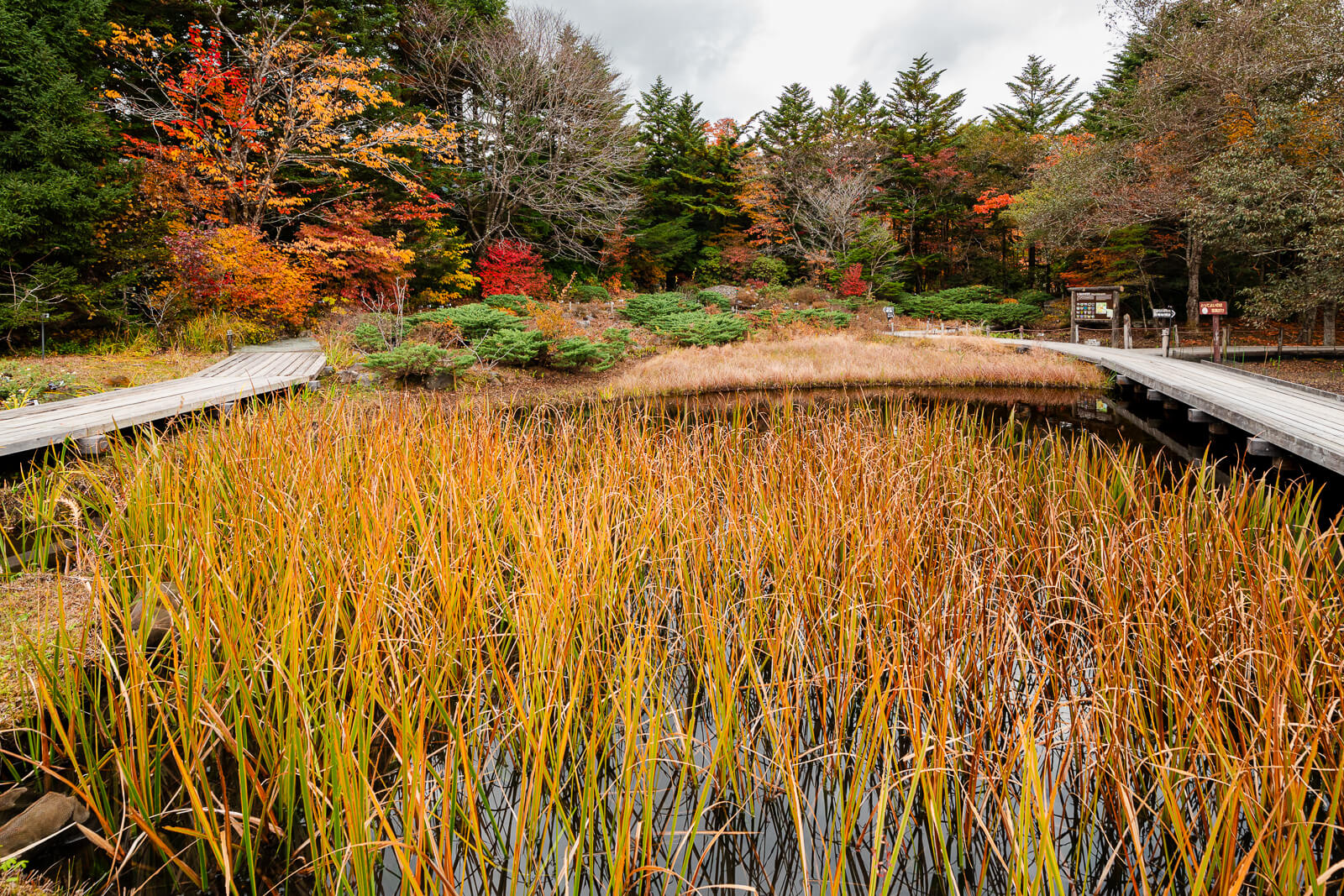
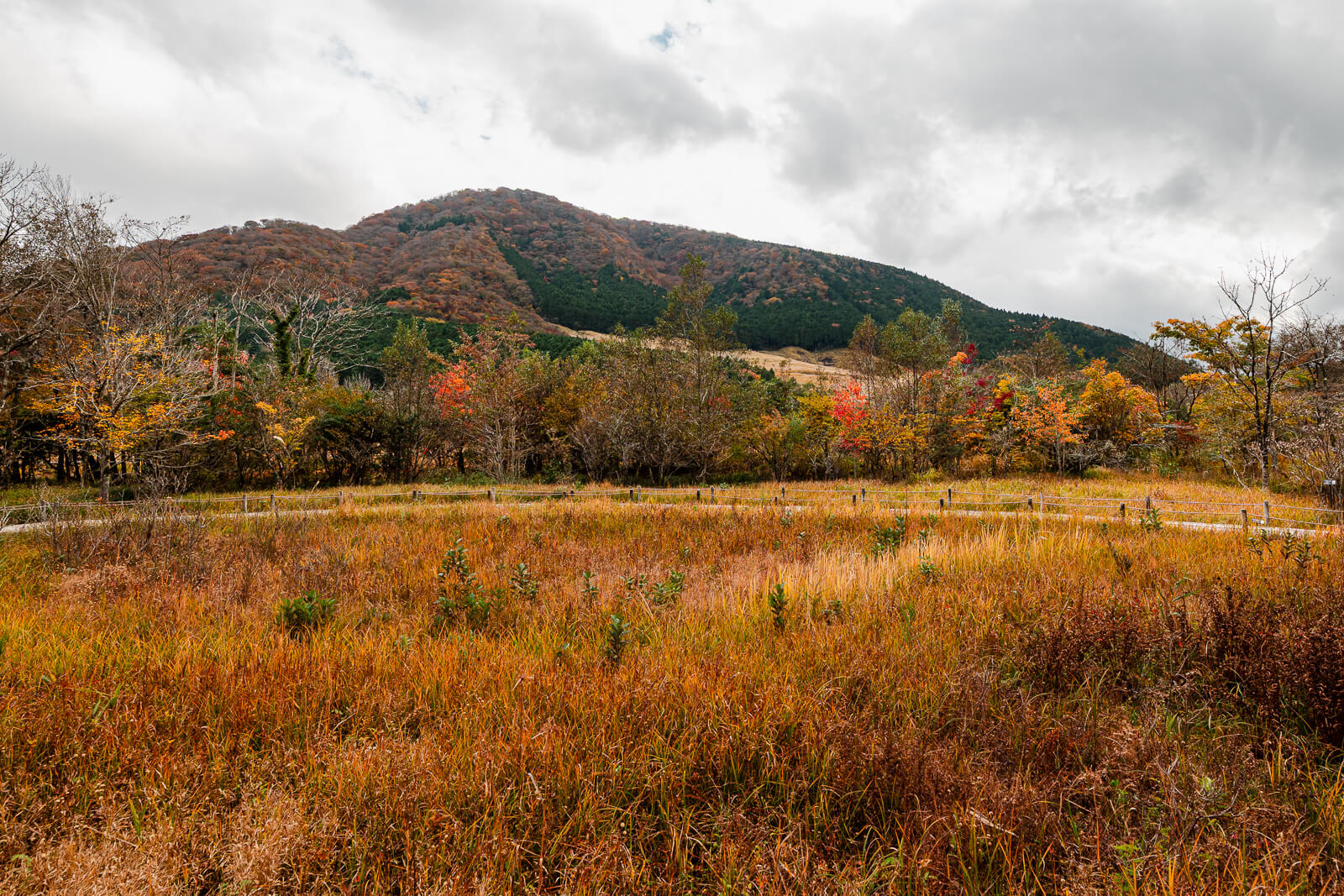
The most expansive views come where the wetlands open fully beneath the surrounding hills. Here, grasses, water and boardwalks share the frame with the wider Sengokuhara landscape, giving the garden a stronger geographic identity than a self-contained botanical display. These sections are also where the connection between the garden and the nearby grasslands becomes easiest to understand.
Fall Color Across the Wetlands
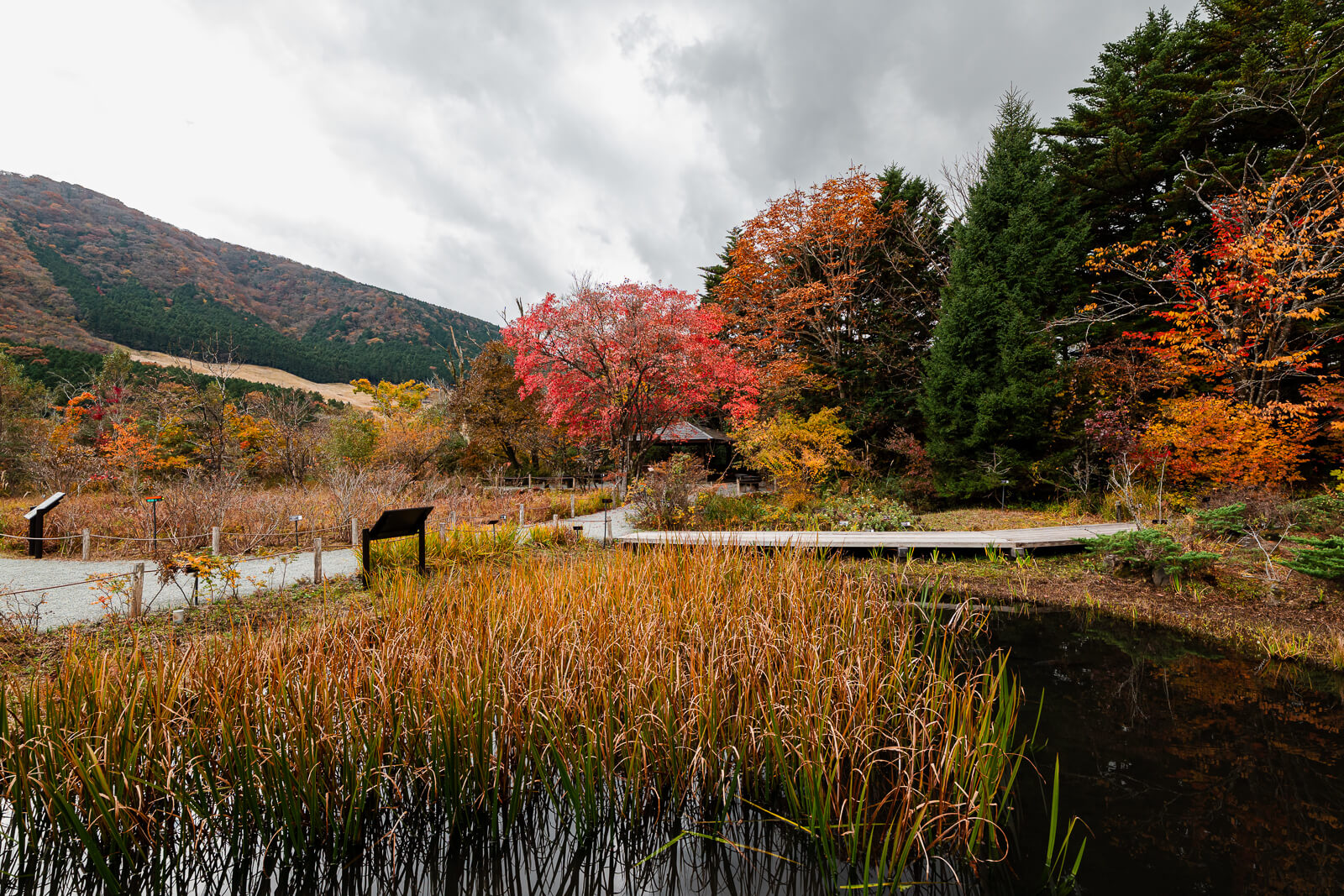
Autumn changes the garden in layers rather than at a single viewpoint. Strong red, orange and yellow foliage appears around the entrance and wooded sections, while the wetter areas introduce darker ponds, pale grasses and open marshland that give the color more contrast. That combination makes the season visually different from Hakone’s formal maple gardens or broad mountain foliage.
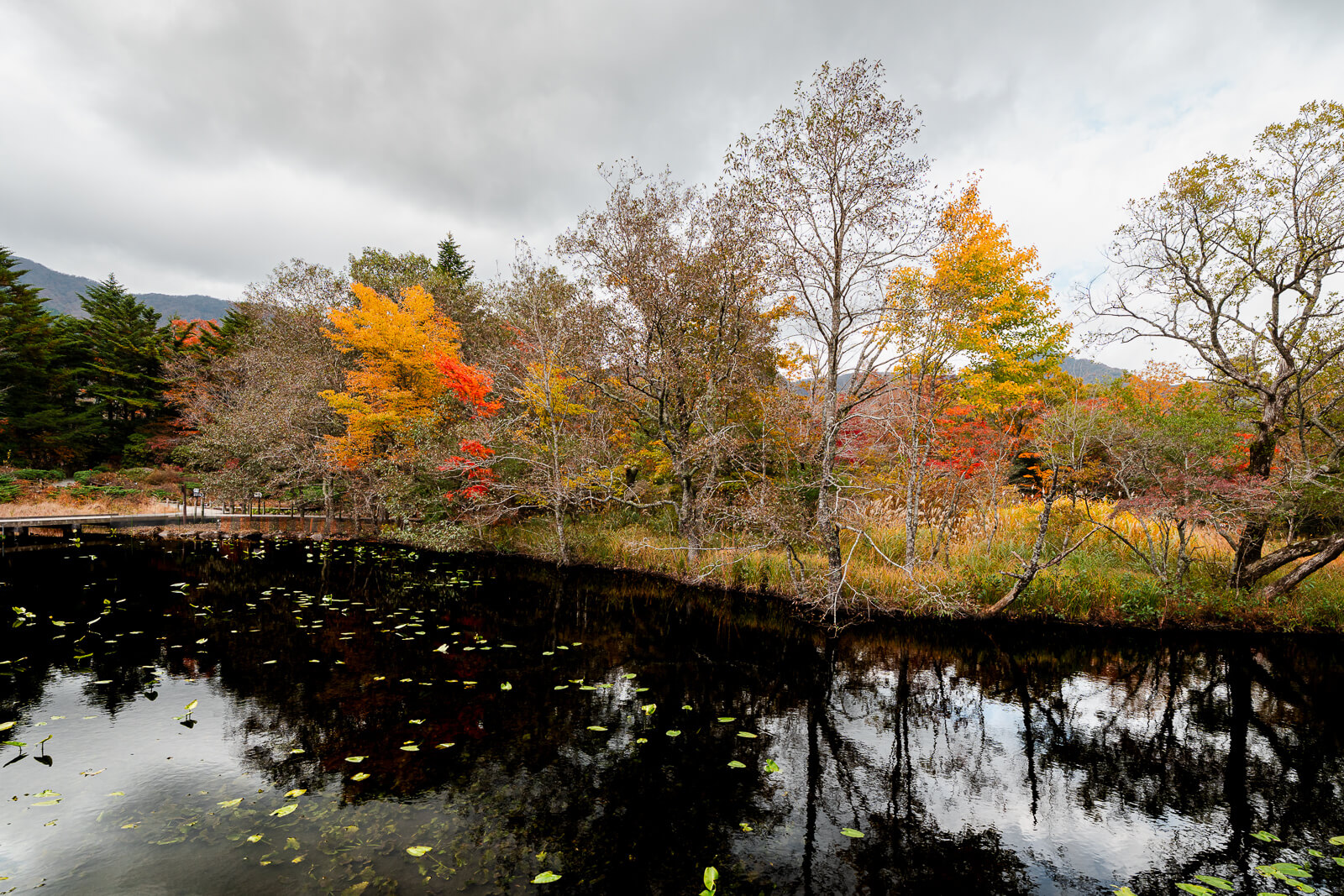
The strongest color is not limited to one cluster of trees. It reappears beside paths, ponds and boardwalks, then begins to frame wider wetland and mountain views as the route progresses. Early November is a useful general planning period, but exact color varies by year and should be checked against current conditions before a foliage-focused visit.
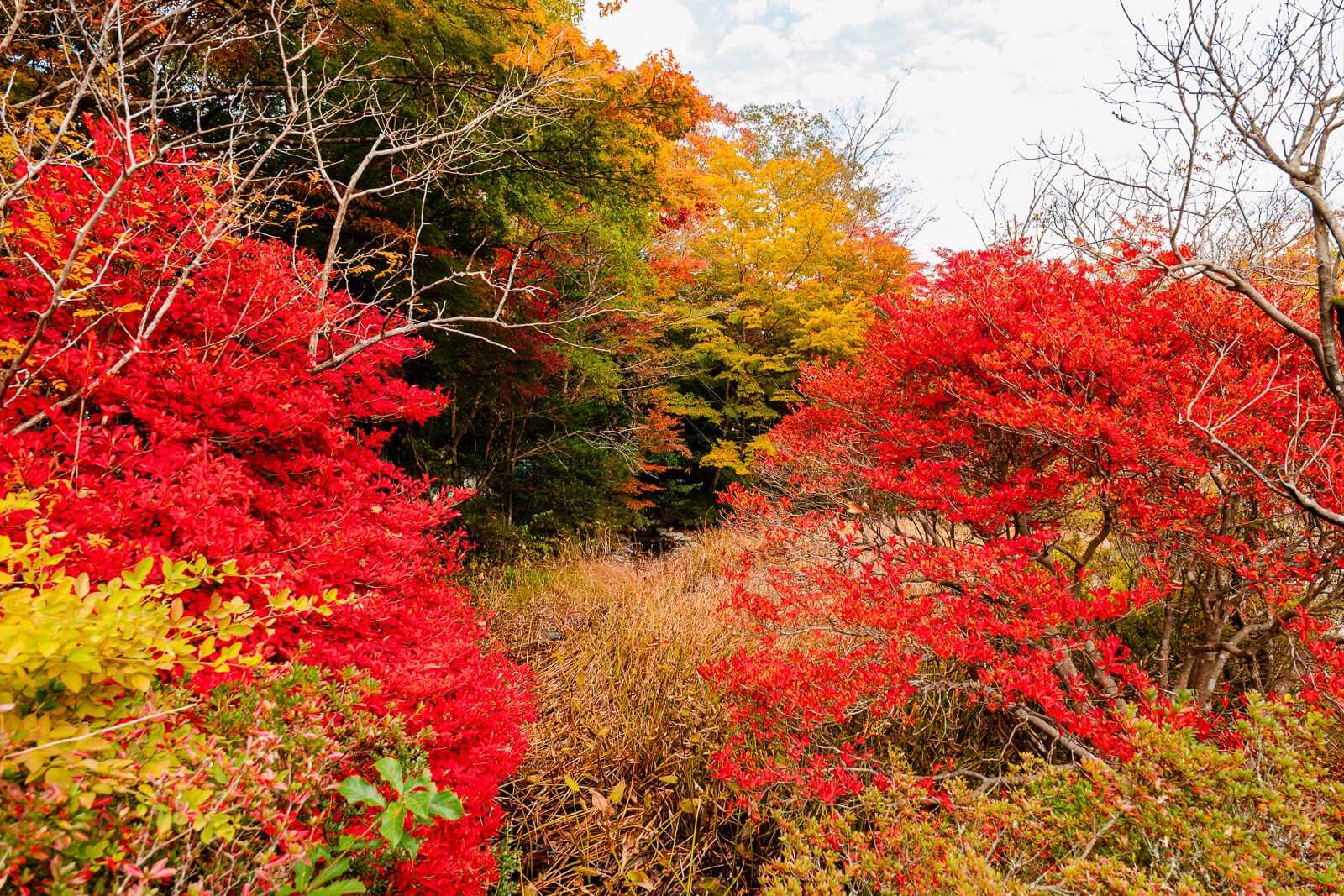
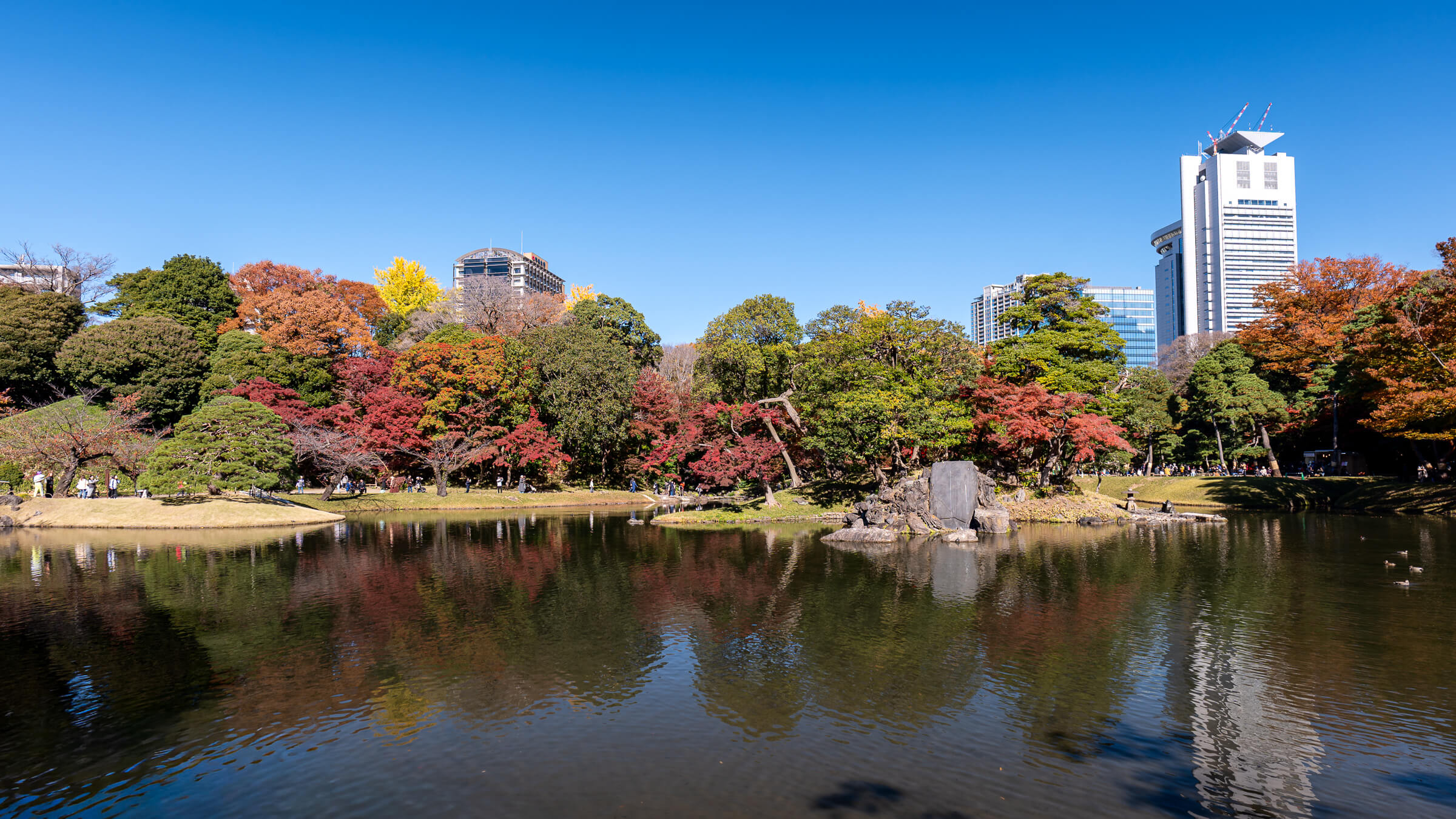
The later sections are especially effective because autumn foliage and wetland scenery begin to read as one landscape. Maples and other deciduous trees sit against muted grasses and water, while the mountains remain visible beyond the garden. This is where the botanical garden feels most closely tied to the larger autumn character of Sengokuhara.
An Easy Hour at a Relaxed Pace
Hakone Botanical Garden of Wetlands is a relatively low-effort stop that fits comfortably into a broader Hakone day. The route is clearly defined, distances are modest and the experience comes from moving steadily through changing landscapes rather than covering a long distance. Surfaces do change between gravel, garden paths and wooden boardwalks, so the walk still feels like an outdoor nature visit rather than a paved urban park.
About an hour is a comfortable amount of time when allowing for photographs, short pauses and time to look across the ponds and open wetlands. The garden’s own guidance estimates roughly 40 minutes for a relaxed circuit of the grounds plus around 20 minutes for the exhibition room, which lines up well with a one-hour planning window. Visitors focused closely on plants or photography can easily spend longer without changing the basic route.
Most of the experience is outdoors, so weather matters more than the overall distance. Boardwalks and natural surfaces can feel different after rain, while open wetland sections offer less protection from wind or changing conditions. Comfortable walking shoes and a weather check are more useful here than treating the garden like an indoor botanical attraction.
A Natural Stop Within Sengokuhara
Hakone Botanical Garden of Wetlands fits easily into a broader day in Sengokuhara because the visit is substantial enough to feel worthwhile without requiring several hours. The surrounding area also offers temples, museums, restaurants and open landscapes within a relatively concentrated part of northern Hakone. That makes the garden useful as either the natural centerpiece of a short local route or one part of a fuller mixed day.
One practical sequence is Chōanji, followed by lunch beside the garden, about an hour in the wetlands and then the Sengokuhara Susuki Grass Fields. The character of the day changes noticeably along the way: wooded temple grounds give way to ponds, marsh and boardwalks before the landscape opens again across the broad pampas grass fields. The three stops work together because they create contrast without requiring another cross-Hakone transfer.
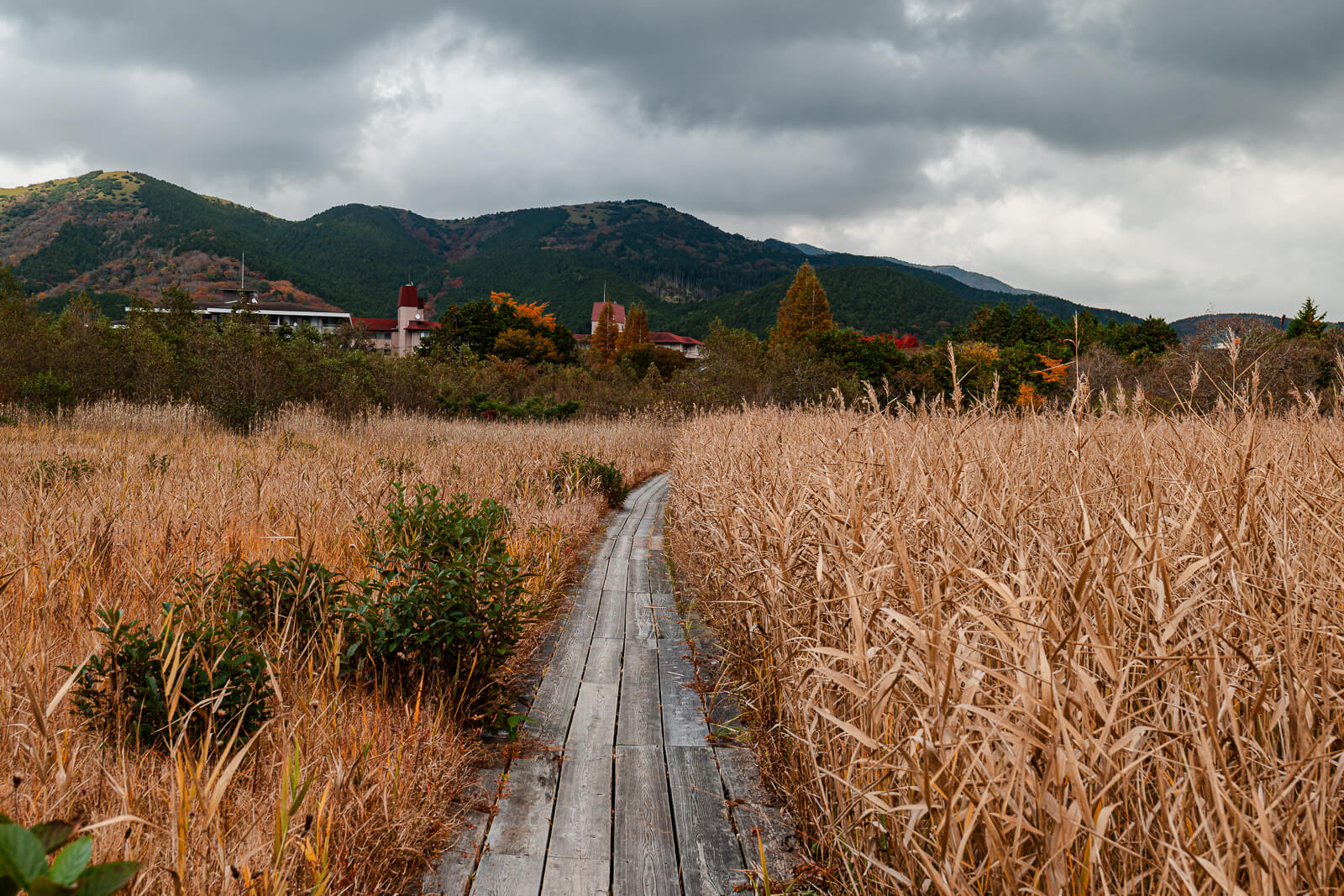
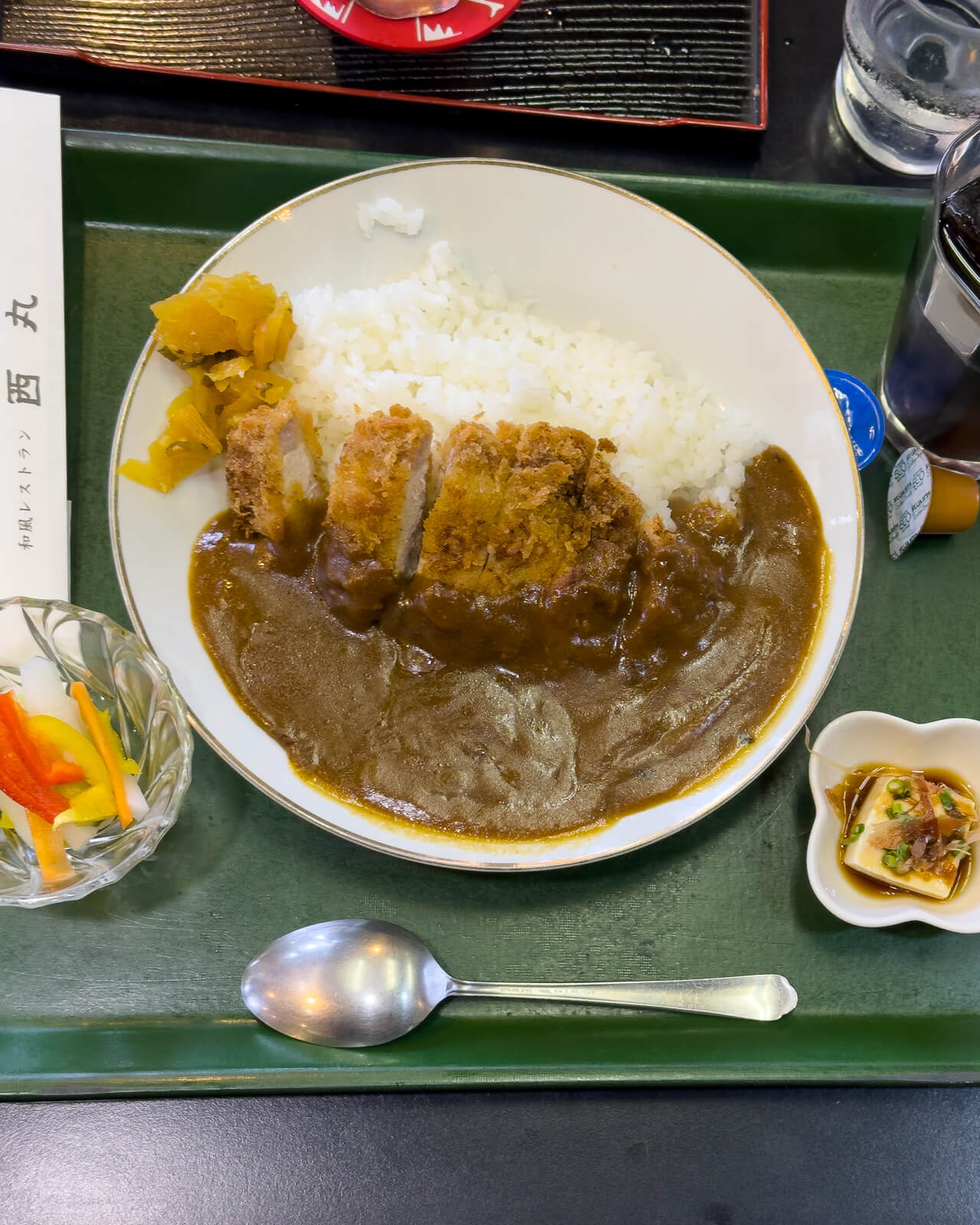
Nishimaru sits in the garden parking area and works as a convenient meal break before or after the wetlands. During this visit, katsu curry provided a straightforward late lunch before entering the garden, while nearby Shissei Chaya offers another soba-and-udon option in the same immediate area. Restaurant menus and hours can change, so they are best treated as flexible local choices rather than fixed parts of the route.
The garden can also be paired with nearby cultural attractions such as the Hakone Venetian Glass Museum or Hakone Lalique Museum when a mix of indoor and outdoor stops suits the day better. That flexibility is one of Sengokuhara’s main planning advantages, especially when weather or energy changes after lunch. The garden therefore works best as part of the area around it rather than as an isolated botanical stop disconnected from the rest of Hakone.
Getting There
Route at a Glance
Hakone Botanical Garden of Wetlands sits in Sengokuhara in northern Hakone. From Hakone-Yumoto, take route T to Sengoku Annaijo-mae and walk about eight minutes; from Gora, route S reaches Shisseikaen-mae near the entrance. Driving is useful for a wider Sengokuhara route.
- From Hakone-Yumoto
Hakone-Yumoto → Hakone Tozan Bus T route → Sengoku Annaijo-mae
About 25–30 min by bus · About 8-minute walk · Straightforward from Hakone’s main rail gateway; allow traffic buffer at busy times.
- From Gora
Gora Station → Hakone Tozan Bus S route → Shisseikaen-mae
About 30 min by bus · About 3-minute walk · Useful when pairing the garden with Gora or museums along the S route.
- By Car
Odawara / Hakone → Route 1 / 138 → Sengokuhara → garden parking
Traffic-dependent · Free parking; 90 passenger cars · Best for combining Chōanji, the wetlands, museums and Susuki Fields in one local route.
Free parking: Free on-site parking is available, with about 90 spaces across the first and second lots.
Hours & Fees
9:00 AM–5:00 PM; last admission 4:30 PM. 2026 opening season: March 14–November 30. Closed December 1–March 13.
Adults ¥700; elementary school children ¥400. Current discounts and combination tickets should be confirmed on the official site before visiting.
The garden closes for winter and the spring reopening date can change by year. Confirm the current season before planning a March visit.
Confirm current visitor information with the official source above before your trip.
Plan Your Hakone Visit
Compare the booking and transport choices that can simplify a Sengokuhara day, reduce cross-Hakone transfers, and keep nearby stops easier to combine.
Compare Places to Stay in Sengokuhara
Staying in Sengokuhara keeps the wetlands, museums and Susuki Fields closer together and reduces repeated travel across Hakone.
Compare Stays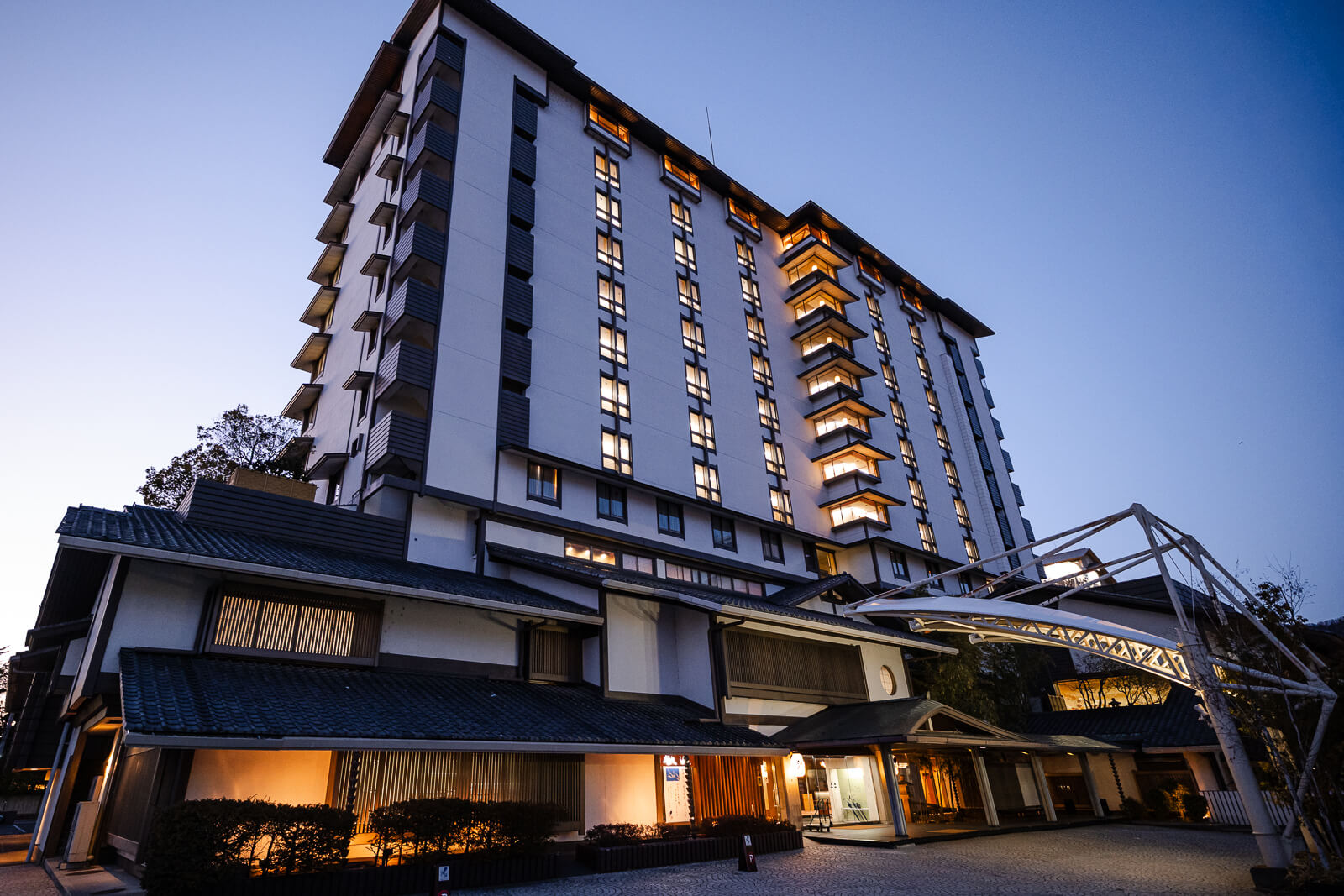
Compare Rail Options to Odawara
Compare rail options to Odawara before connecting into Hakone, especially when arriving from Tokyo or continuing from another region.
Compare Rail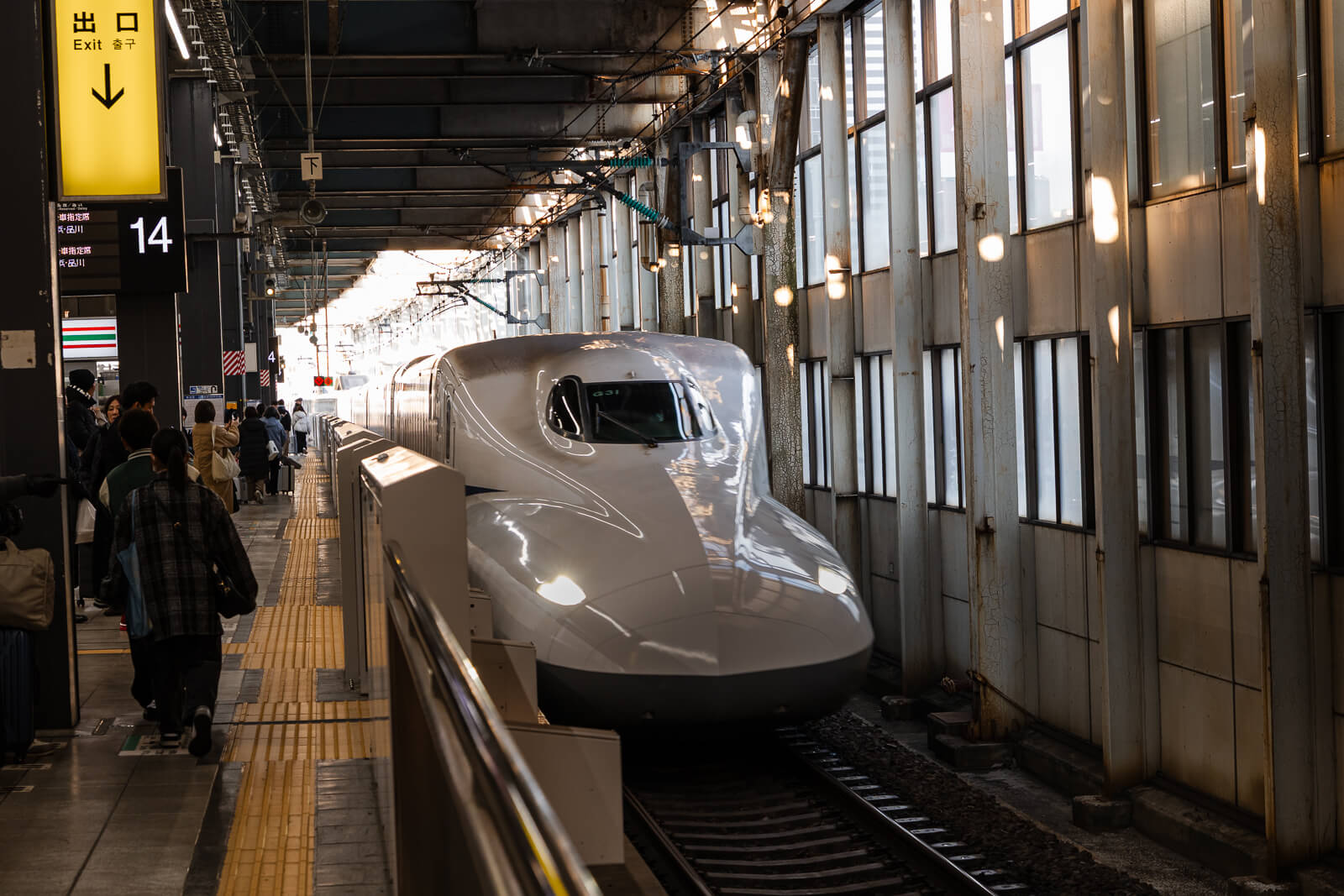
Compare Cars from Odawara
A car from Odawara adds flexibility between Sengokuhara’s dispersed attractions and makes multi-stop days easier to organize.
Compare Cars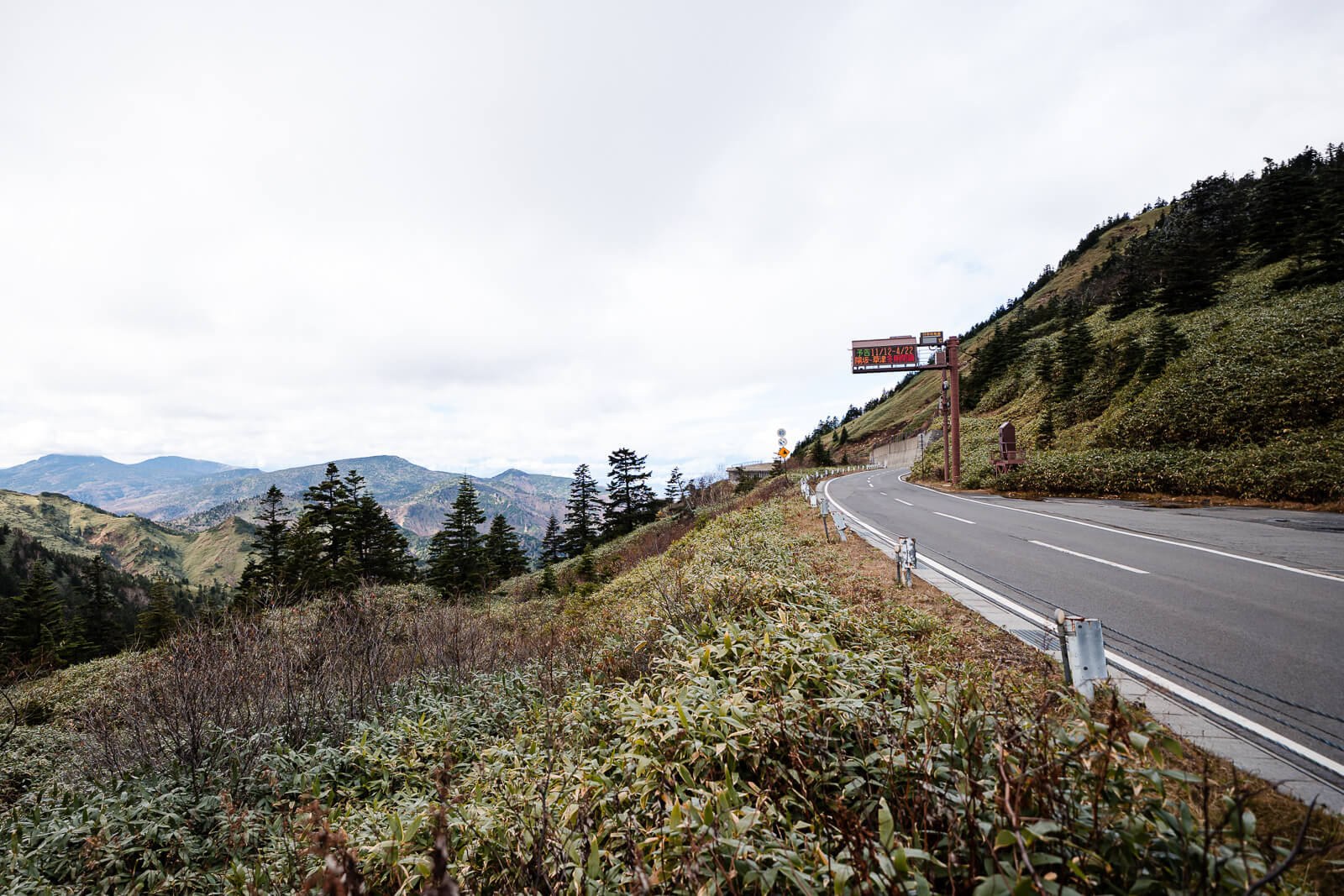
Compare Guided Hakone Tours
Guided Hakone tours can reduce transport planning when the goal is combining several major areas within one sightseeing day.
Compare Tours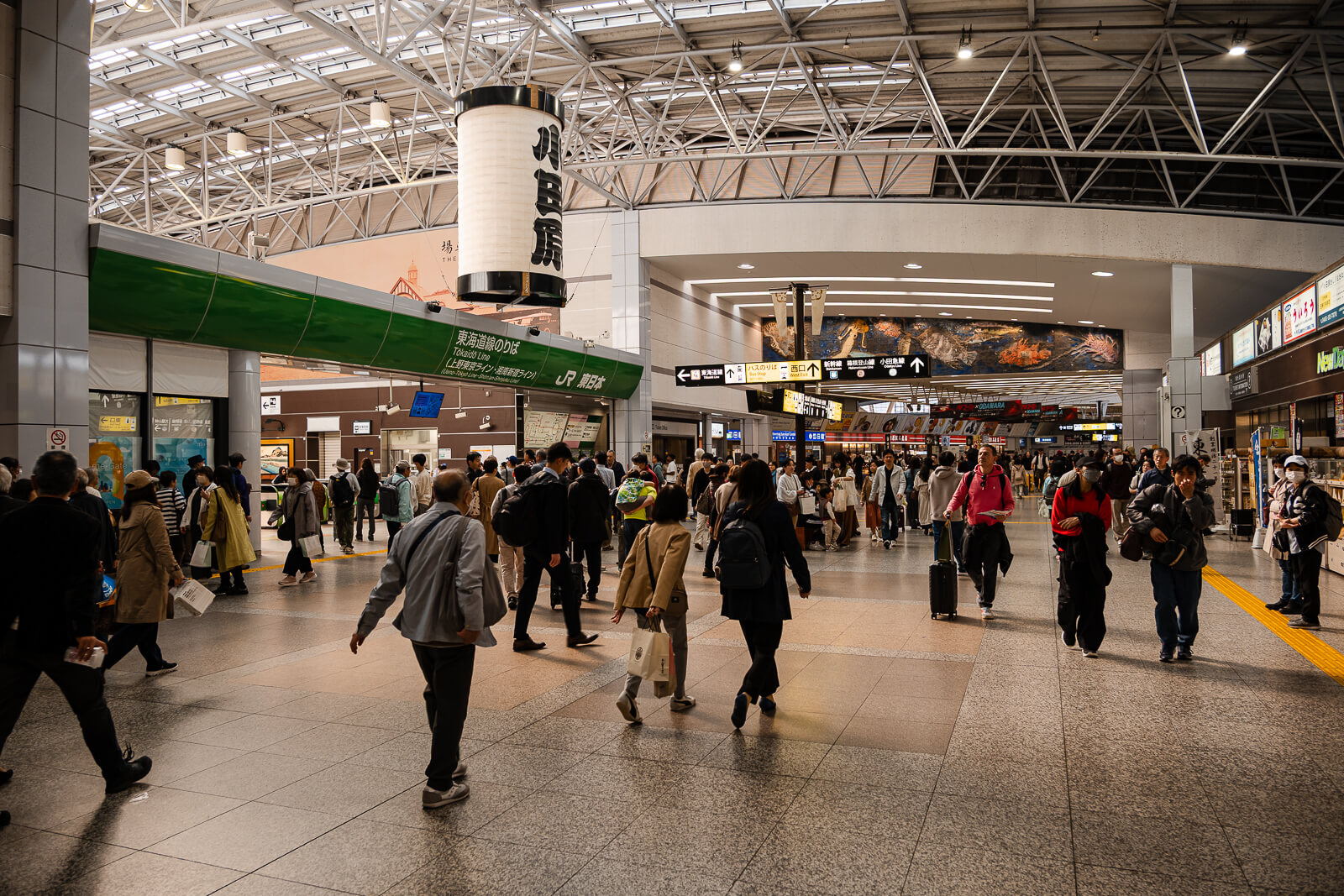
Check Hakone Transport Passes
Compare Hakone transport passes when using multiple buses, trains, cable cars or ropeways across a wider Hakone itinerary.
Check Passes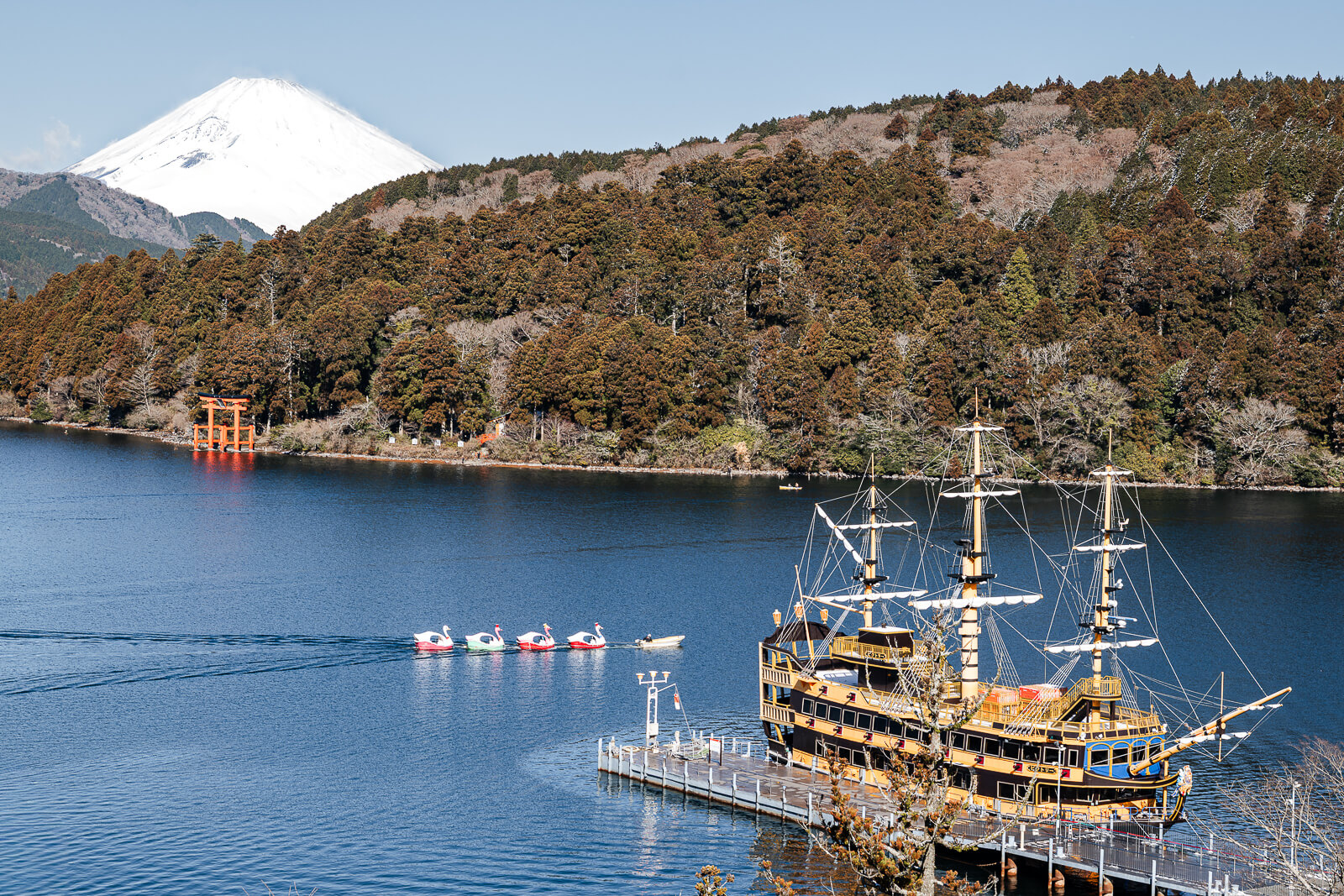
Compare Japan eSIM Options
Reliable mobile data helps with maps, bus information and last-minute route changes while moving between Hakone’s spread-out attractions.
Compare eSIMs
Reader note: Japan Unfolded may earn a commission from some links at no extra cost to you.