Why Odawara Is Harder to Place Than It First Appears
Odawara sits in western Kanagawa between Tokyo, Hakone, Atami, and the coastal routes leading toward the Izu Peninsula. At first, it looks easy to understand. The Shinkansen stops at the station, the castle district is close by, and many travelers treat the city as a convenient place to visit briefly before moving somewhere else.
That simplicity is part of Odawara’s appeal, but it can also hide the real decision. A short visit works well when the day is centered around Odawara Castle, the nearby museums, and the station area. Once the harbor, hillside ruins, seafood stops, and onward routes toward Hakone or Atami enter the plan, the visit starts needing a different kind of time.
The question is not whether Odawara needs an overnight stay to be worthwhile. It does not. A focused day trip can feel complete, but it naturally keeps the experience closer to the castle district and station area. The real decision is whether Odawara should stay compact and simple, or whether it should become the place where the trip resets before starting fresh toward Hakone, Atami, or the coast the next morning.
What Odawara Offers Before the Choice Starts
Odawara is often treated as a gateway city because it performs that role very well. The station connects Tokyo, Hakone, Atami, and western Japan with unusual ease, and that makes the city feel practical before it feels atmospheric. For travelers moving through Kanagawa or toward the coast, Odawara can seem like a place to pass through rather than a place to build time around.
That first impression is understandable, but it leaves out the parts of the city that begin to matter once the visit expands. Odawara has a compact historical core, a working harbor, a food-focused coastal side, and hillside ruins that add another layer to the city’s story. These areas are close enough to belong to the same destination, but they do not all unfold naturally from one simple walking route.
This is where the decision starts to take shape. A short visit tends to keep Odawara centered around the castle and station, which can be satisfying and easy to manage. More time allows the city to stretch toward the harbor, hillside, and onward routes, changing whether Odawara feels like a single stop, a fuller day, or a useful overnight base before Hakone or Atami.
Why Both Versions of Odawara Can Work
Odawara’s strength is that it can serve several roles without becoming difficult. It can work as a straightforward day trip from Tokyo, a castle-and-food stop before Atami, or a practical overnight base before heading into Hakone. The city does not require a complicated plan to be useful, which is one reason it fits so many different routes.
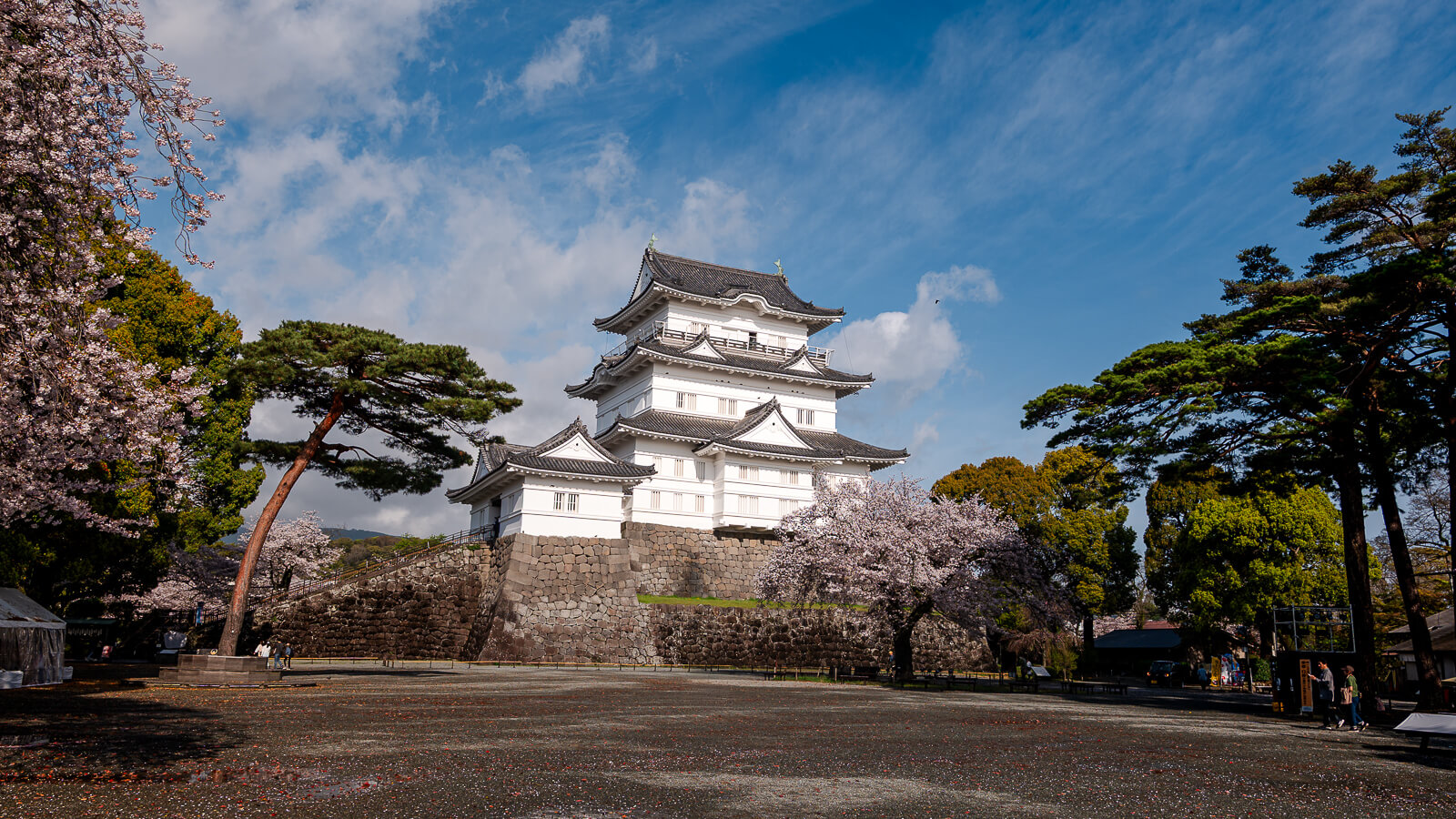
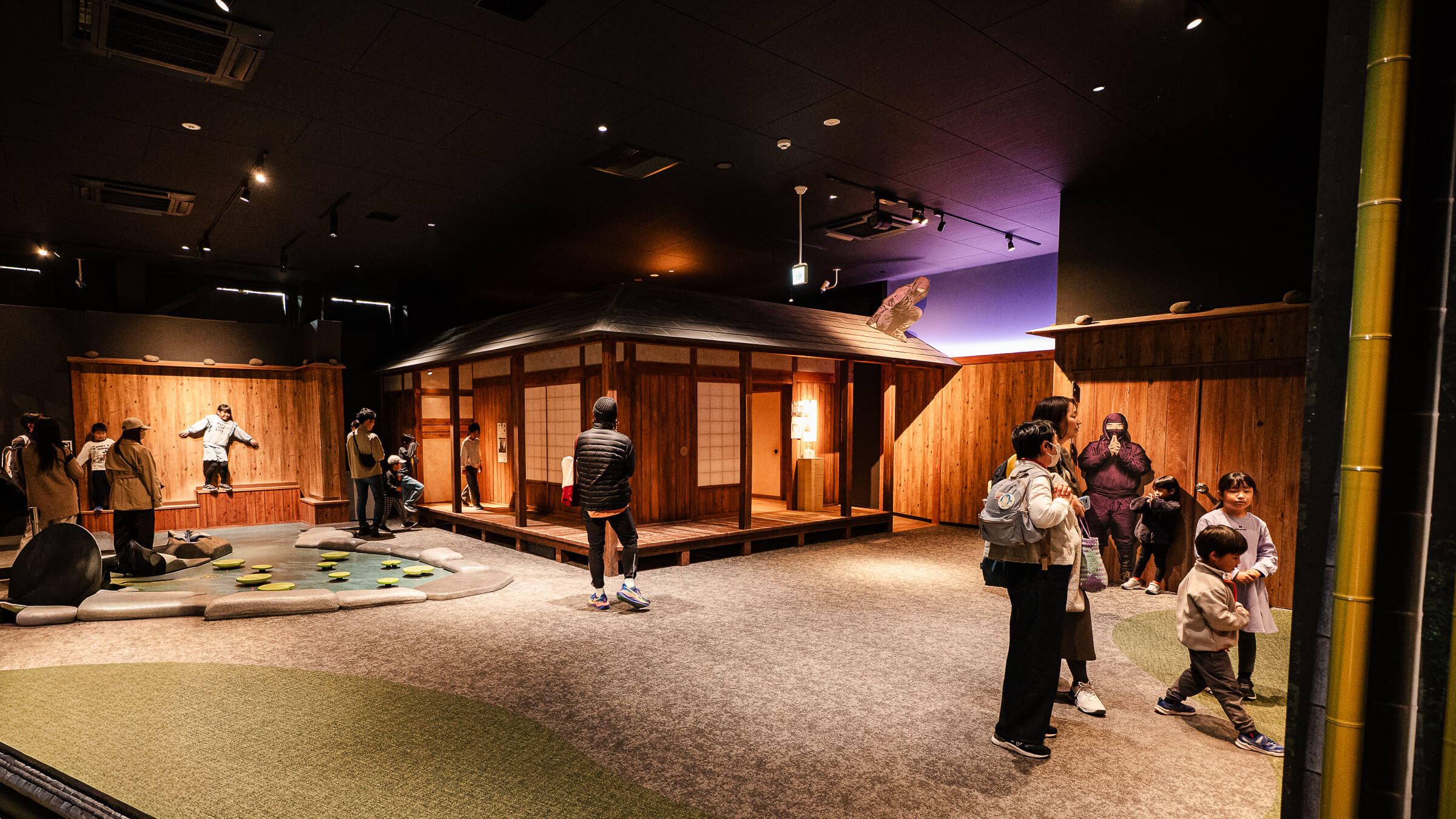
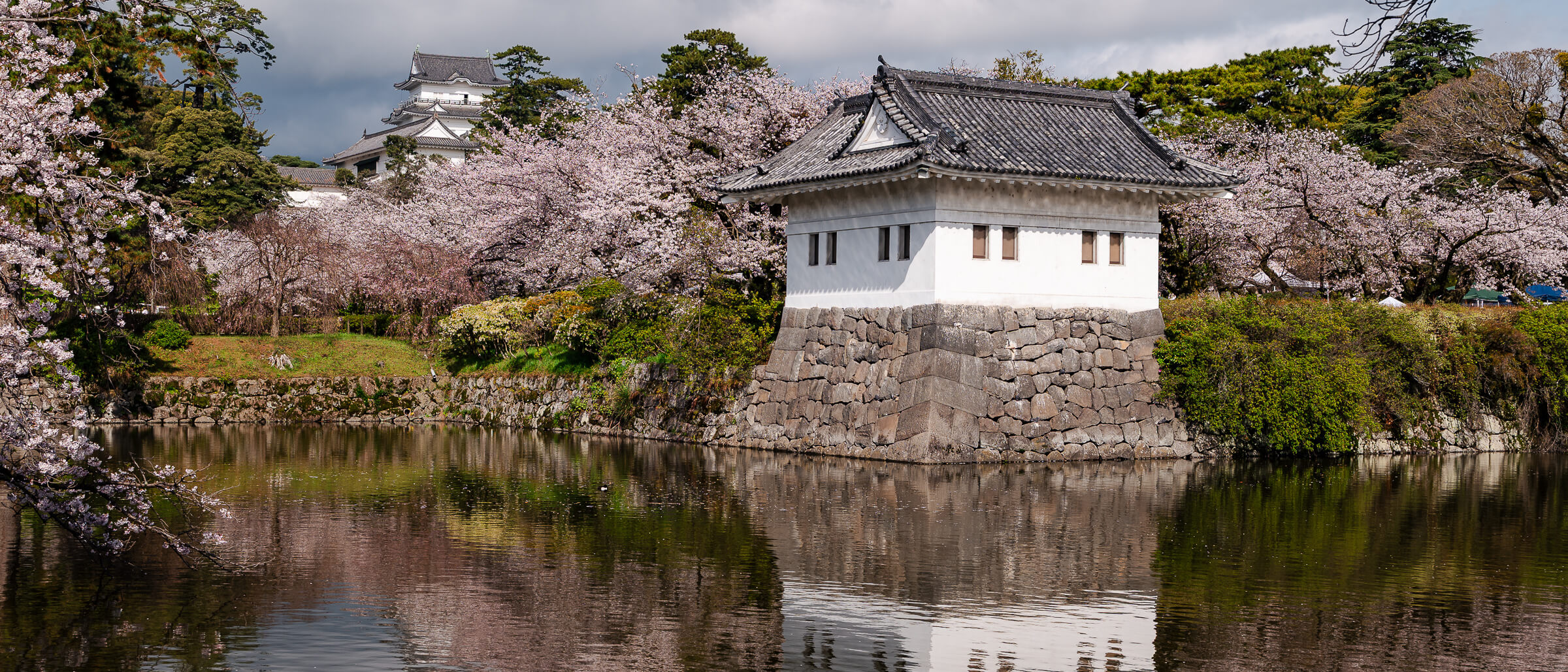
The castle district gives Odawara its clearest identity. Odawara Castle, the Odawara Samurai Museum, the Odawara Castle Ninja Museum, and Hotoku Ninomiya Shrine sit close enough together that the area naturally forms the center of most visits. This part of the city works especially well when the day needs to stay focused, walkable, and easy to manage.
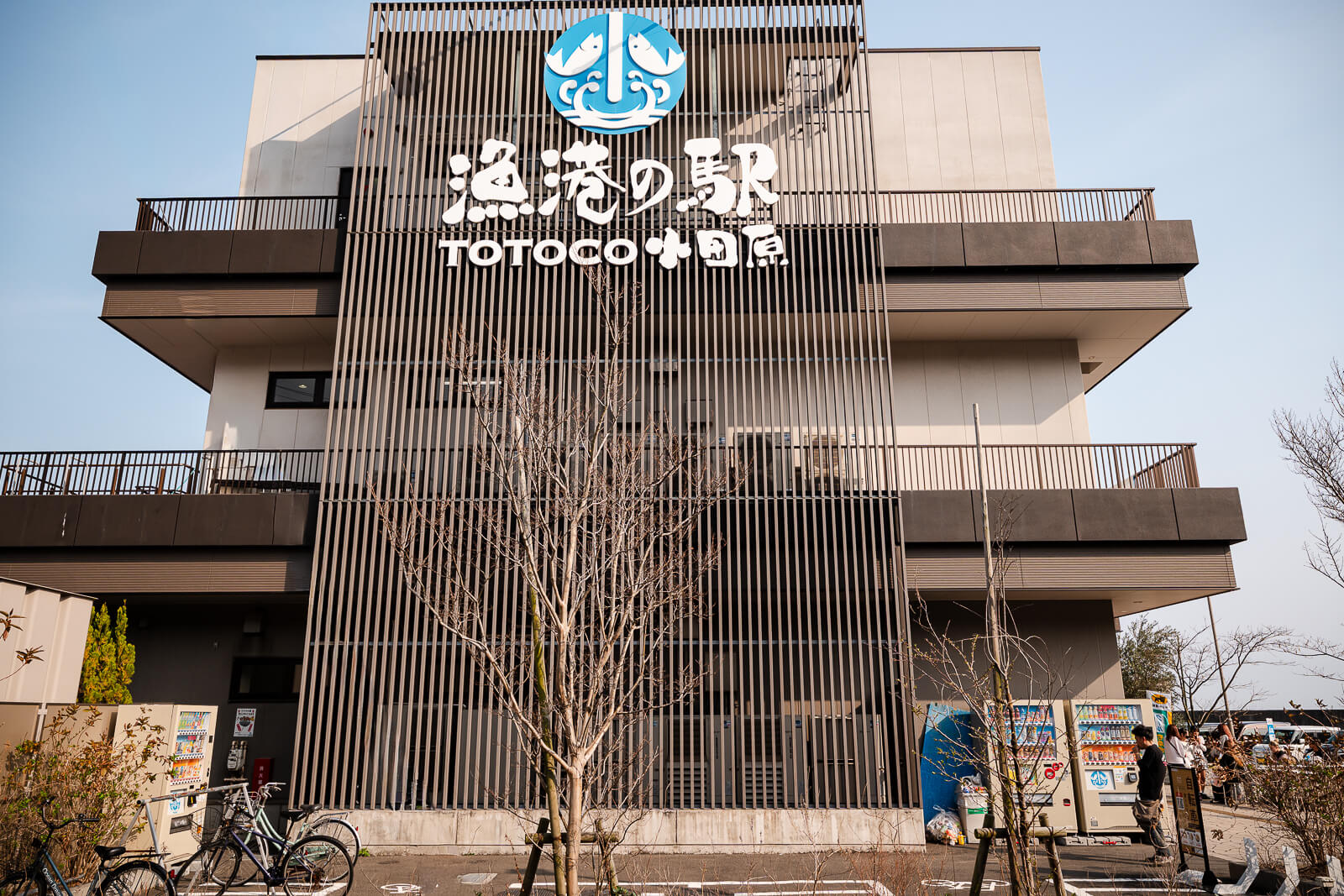
The harbor and hillside add depth, but they also ask for more time. Odawara Fishing Port and TOTOCO Odawara shift the visit toward seafood, local food culture, and a different side of the city. Ishigakiyama Castle Ruins adds a wider historical perspective, but reaching it changes the visit from a simple station-and-castle day into something more deliberate.
Where the Day Trip and Overnight Stay Start to Separate
The day trip version of Odawara usually feels clean and focused. Travelers arrive by train, move toward the castle district, spend time around the main grounds and nearby museums, then return toward the station for food, shopping, or the next rail connection. That version keeps movement simple and reduces the chance of the day becoming overbuilt.
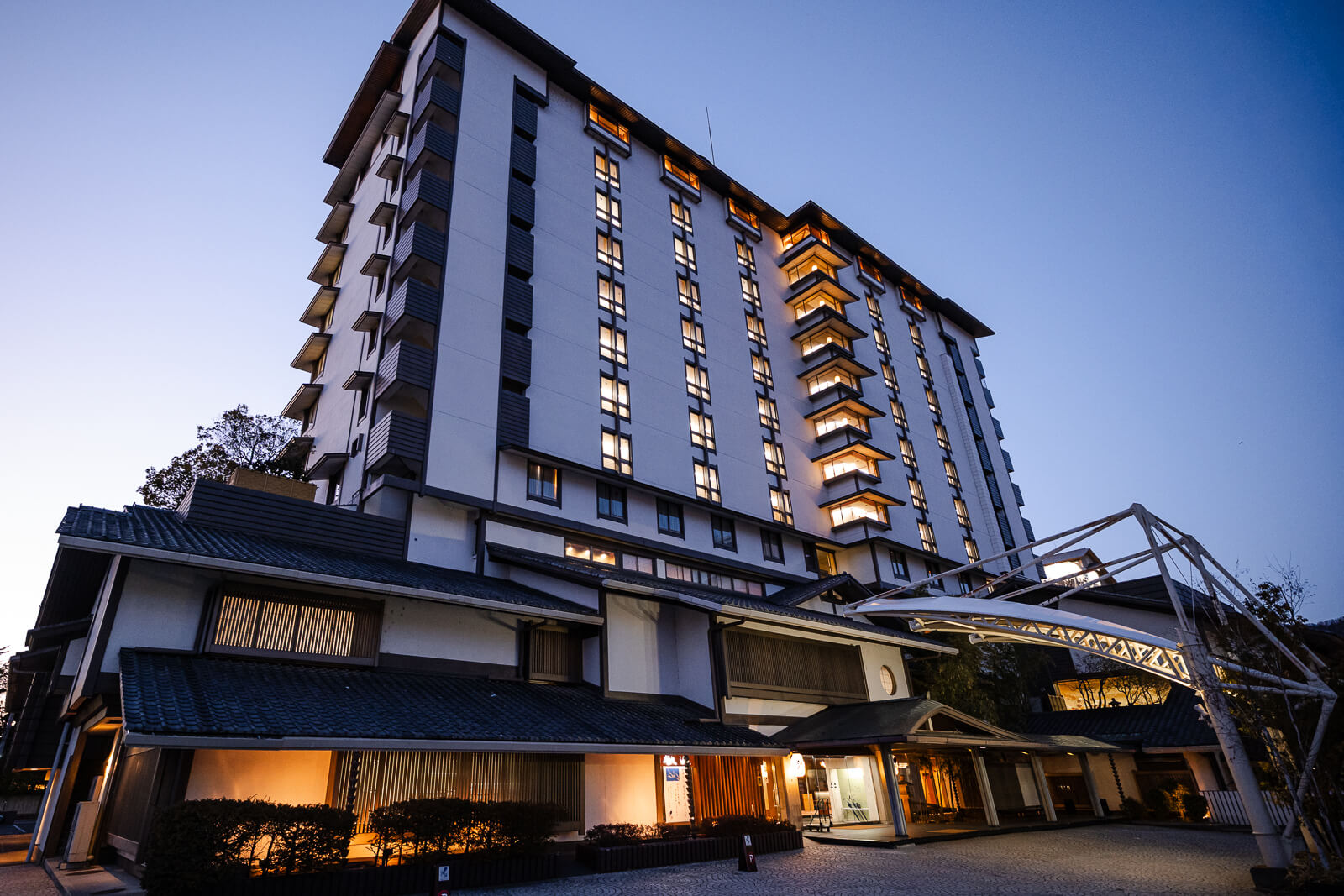
The overnight version changes the city’s role. Odawara becomes less of a stop and more of a base, especially when the next day leads toward Hakone, Atami, or the coast. The station area begins to matter more here, because rail access, dinner options, morning food, and easier departures shape how the following day begins.
This is the part travelers often do not think about until they are already tired. Spending the night in Odawara can make the next morning feel cleaner: coffee, a light breakfast, luggage sorted, and a fresh start toward Hakone or Atami instead of trying to force another move at the end of a long day. The decision is not only about where to sleep; it is about how much friction carries into the next morning.
The Castle District Gives Odawara Its Easiest Shape
Most visits to Odawara begin with the castle district because it gives the city its clearest and most manageable shape. The walk from the station toward Odawara Castle is straightforward, and the main grounds quickly shift the experience away from transit and into the historical center of the city. For a first visit, this area usually carries the strongest sense of arrival.
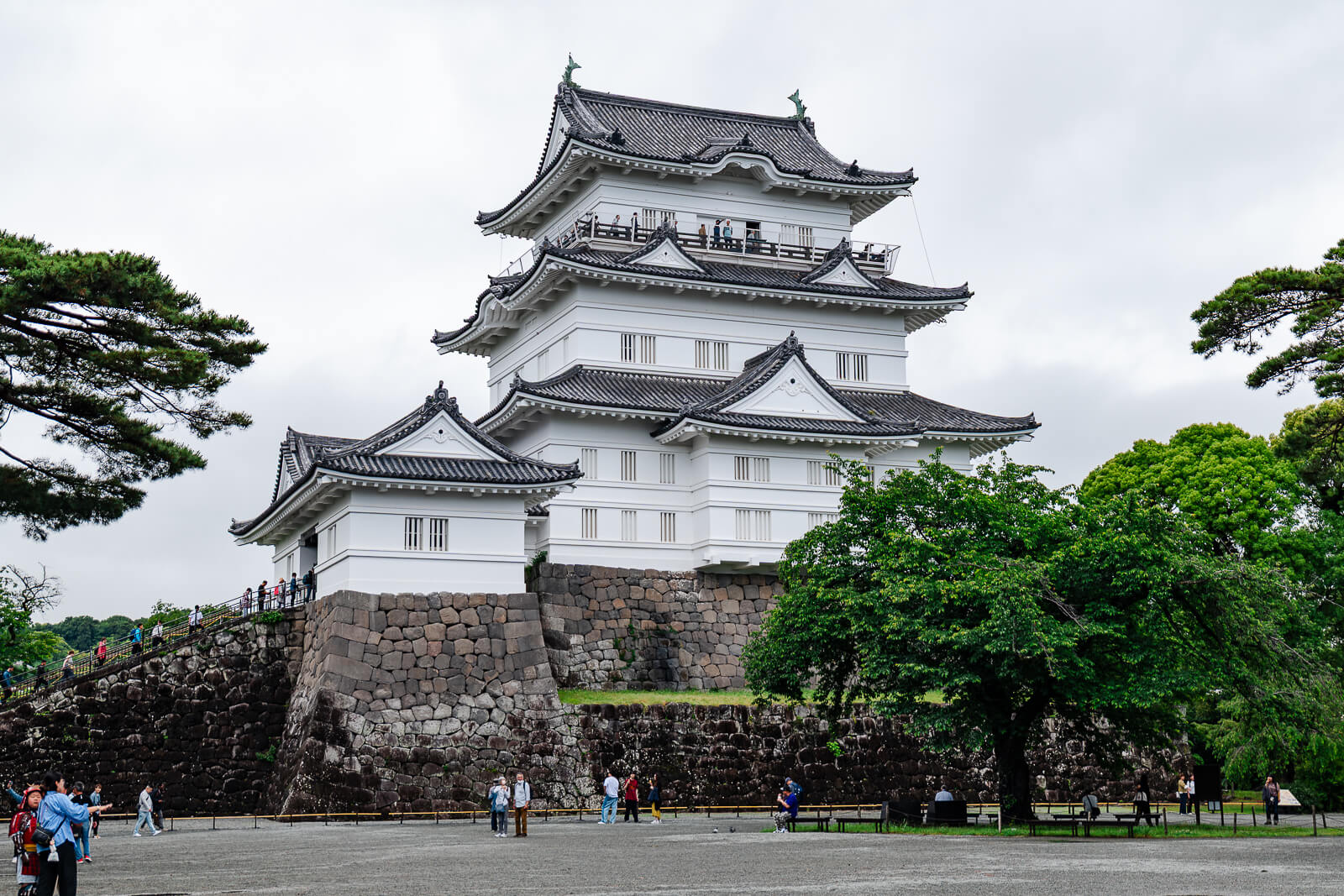
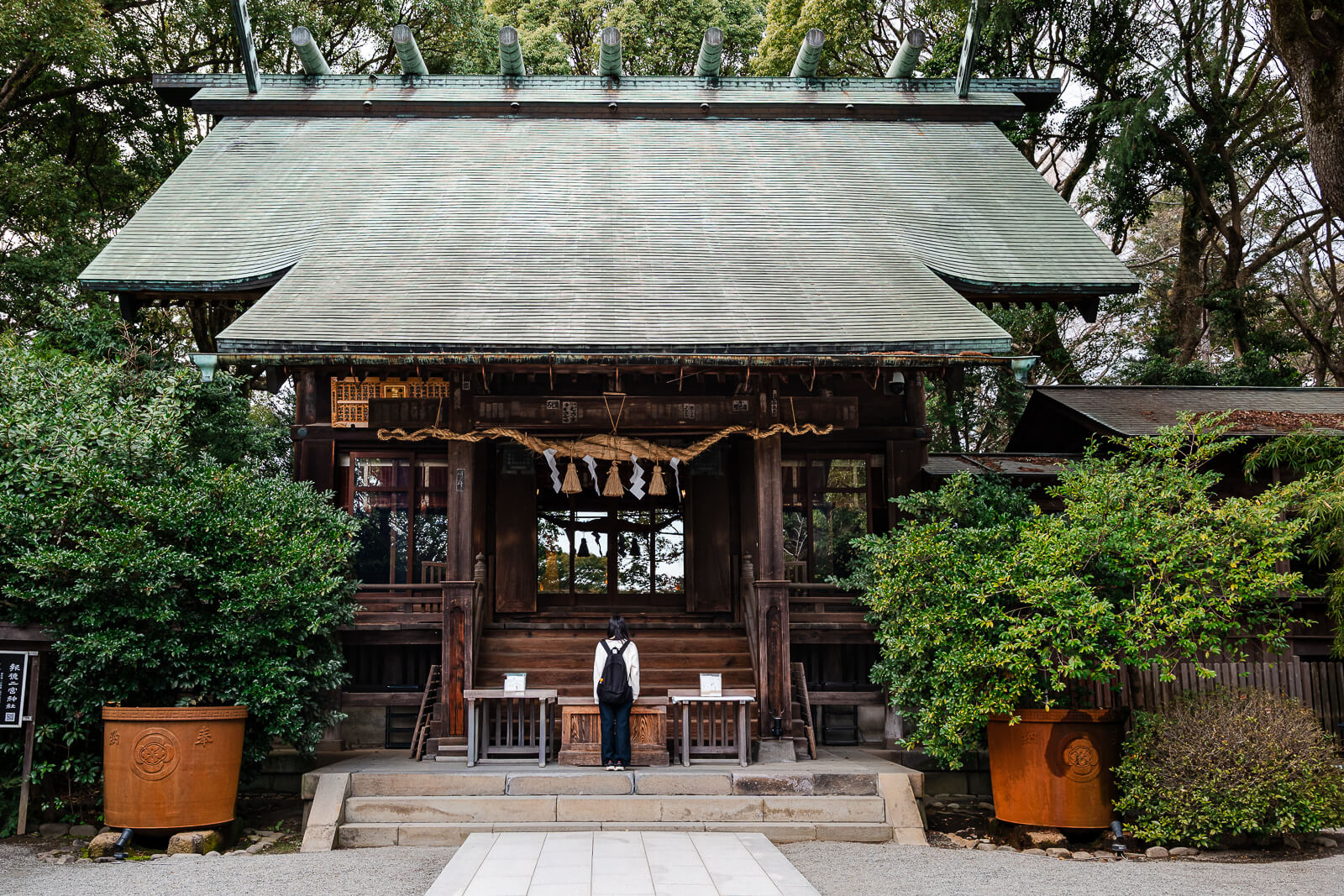
The surrounding attractions support that rhythm without scattering the day. The Odawara Samurai Museum and Odawara Castle Ninja Museum keep the visit close to the castle grounds, while Hotoku Ninomiya Shrine adds a quieter pause nearby. This makes the castle district one of the easiest parts of Odawara to include when time is limited, because the main stops stay close together.
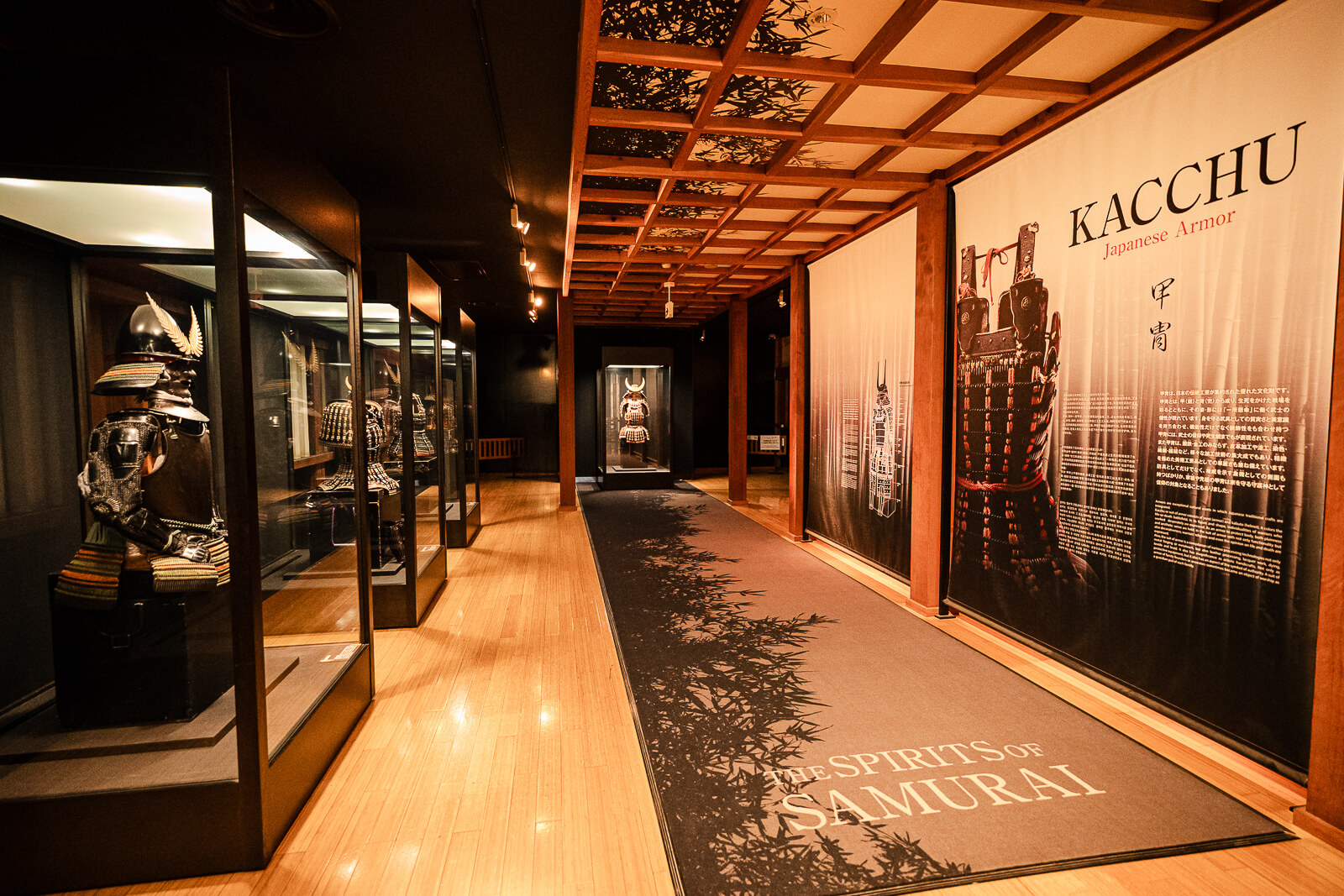
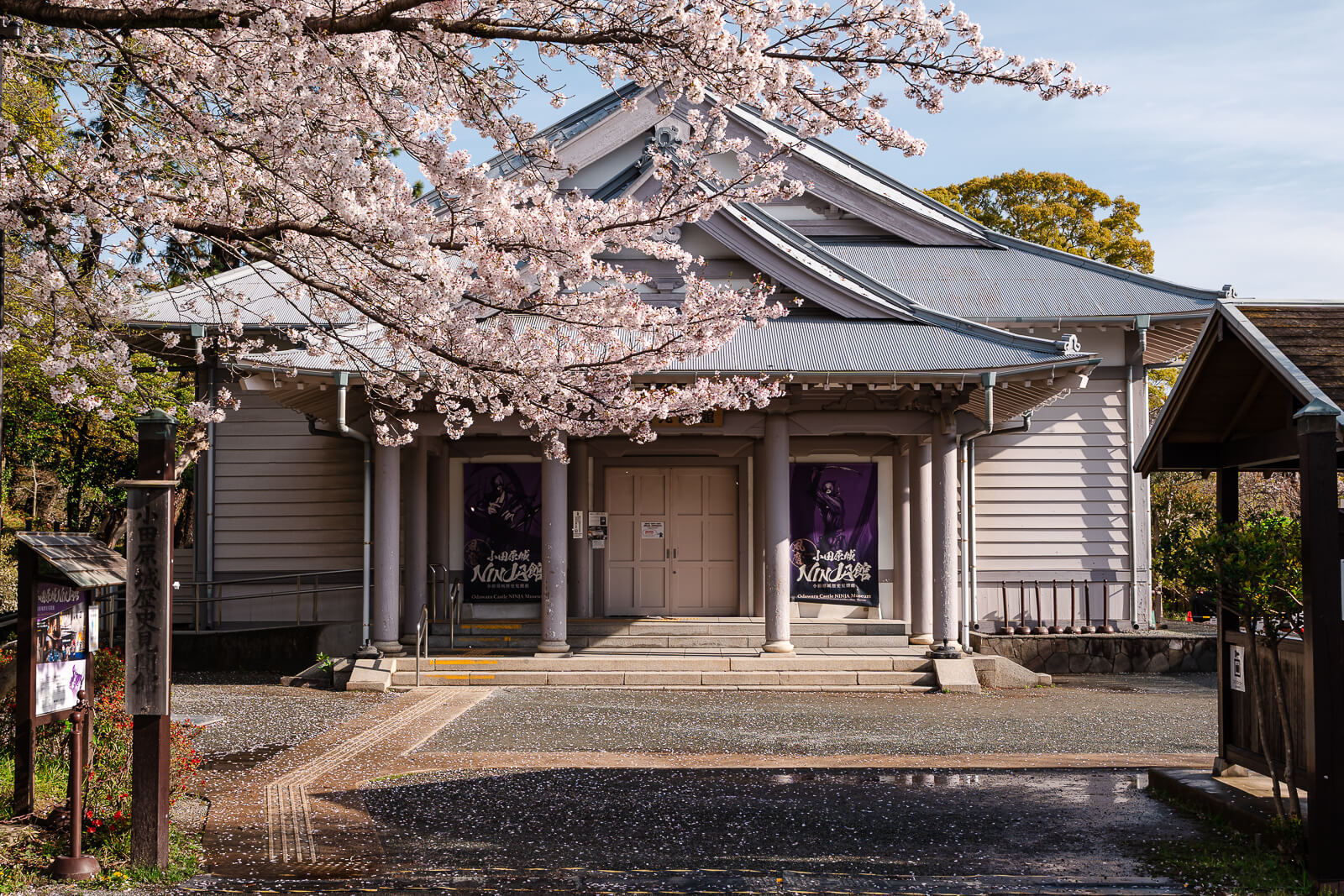
That convenience is also why a day trip can feel complete. A traveler can spend several hours in this area, return toward the station, and leave with a clear impression of Odawara. What gets missed is not necessarily obvious, because the castle district gives the visit a satisfying center on its own.
The castle district is Odawara’s easiest layer to understand, with Odawara Castle, the Samurai Museum, the Ninja Museum, and Hotoku Ninomiya Shrine close enough to explore without changing pace.
The Station Area Is What Keeps Odawara Easy to Use
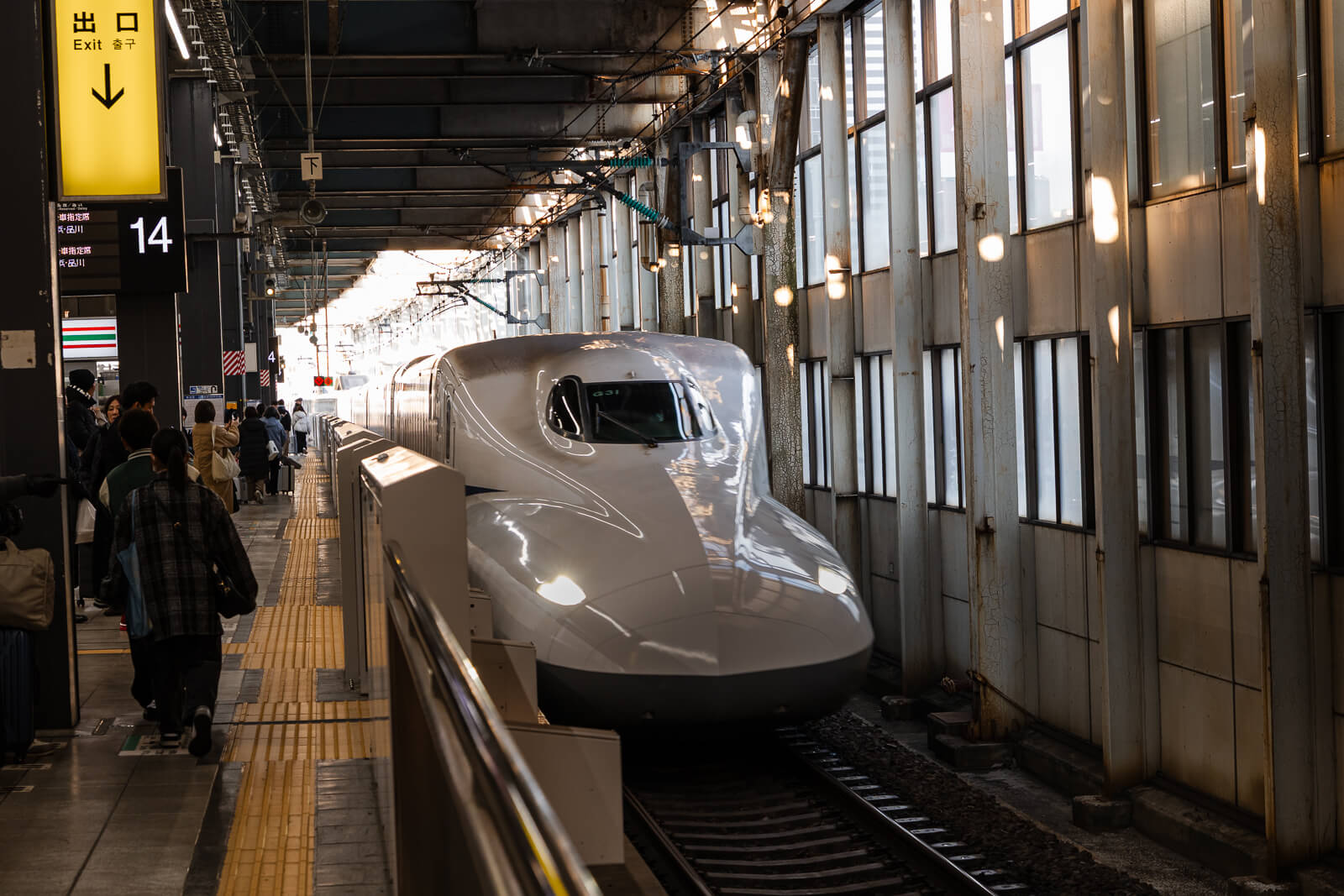
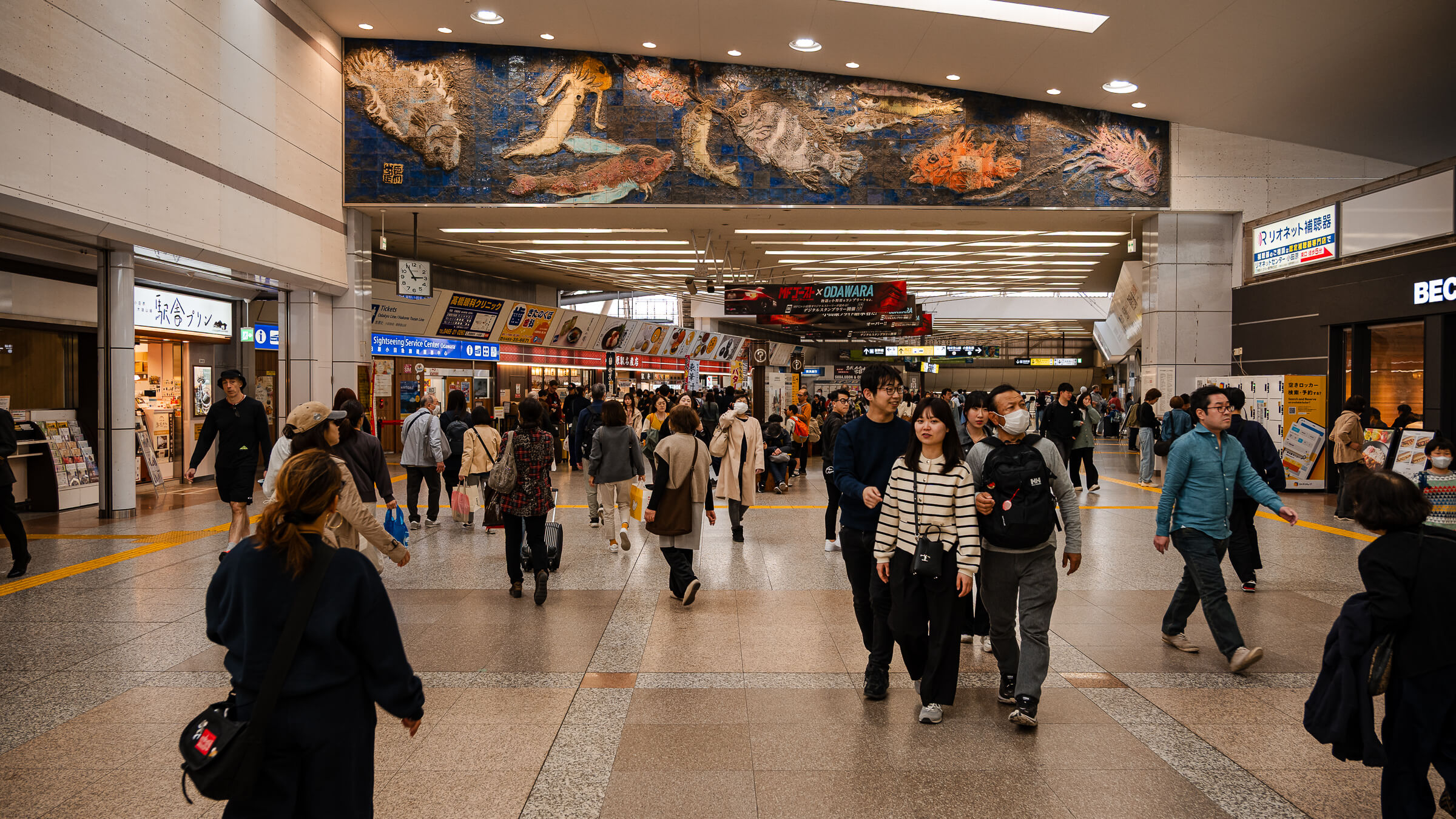
If the castle district gives Odawara its clearest shape, the Odawara station area is what keeps the visit easy to use. It is not only the arrival point for the city. It is also the hinge between Tokyo, Hakone, Atami, the Tokaido corridor, and longer routes toward Kyoto, Osaka, Hiroshima, and western Japan.
That makes the station area useful in a very practical way. Travelers carrying luggage, arriving later in the day, or planning an early start the next morning often find this part of Odawara easier to work with. Luggage storage around the station can also matter here, because leaving heavier items behind makes it easier to move toward the castle district, harbor, or nearby streets without dragging the whole trip through the city.
For a day trip, the station area helps keep Odawara compact and manageable. For an overnight stay, it starts affecting the shape of the next day as well. The closer the evening ends to the station, the easier it becomes to leave for Hakone, continue toward Atami, board the Shinkansen for Kyoto or Osaka, or keep moving west without rebuilding the day from scratch.
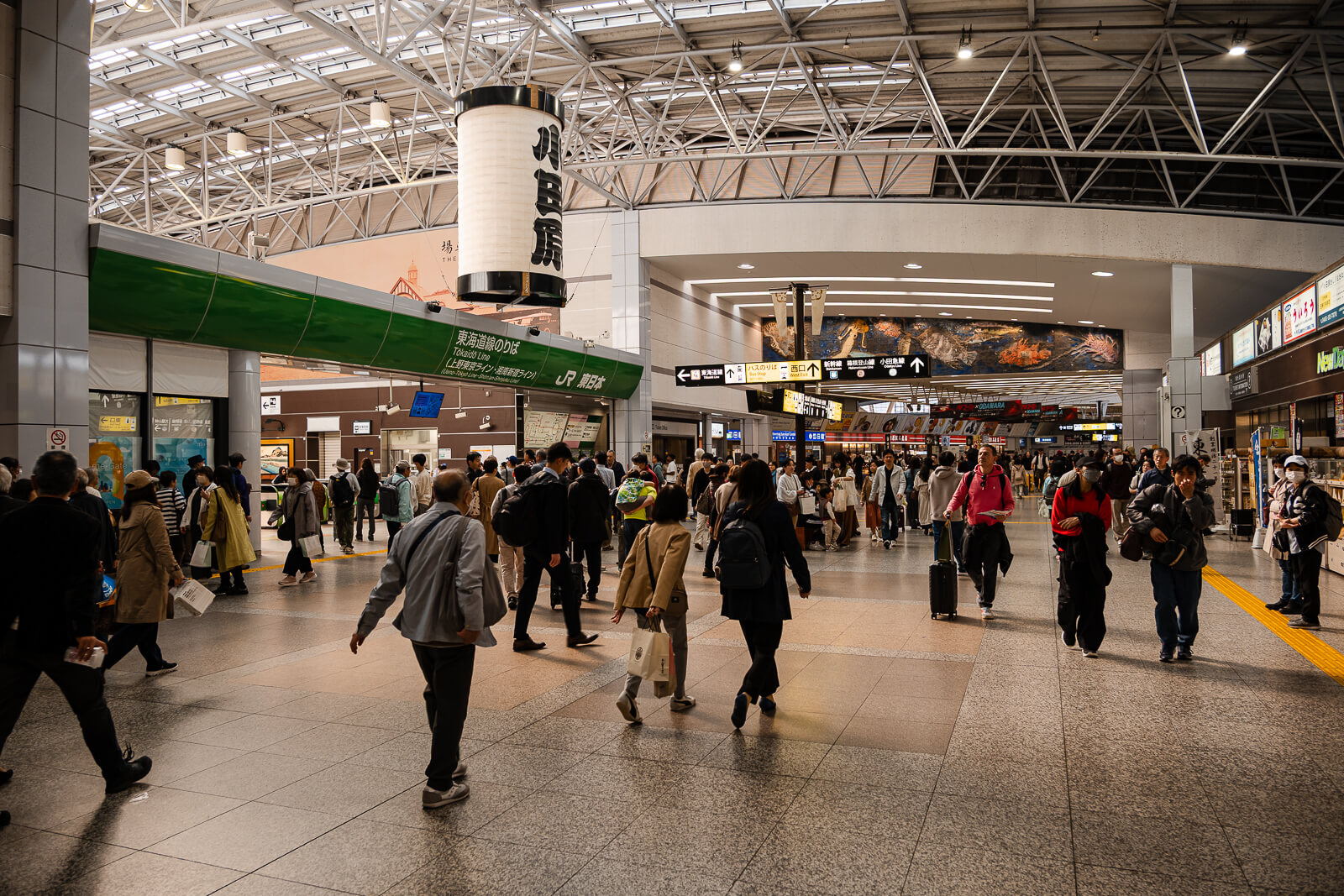
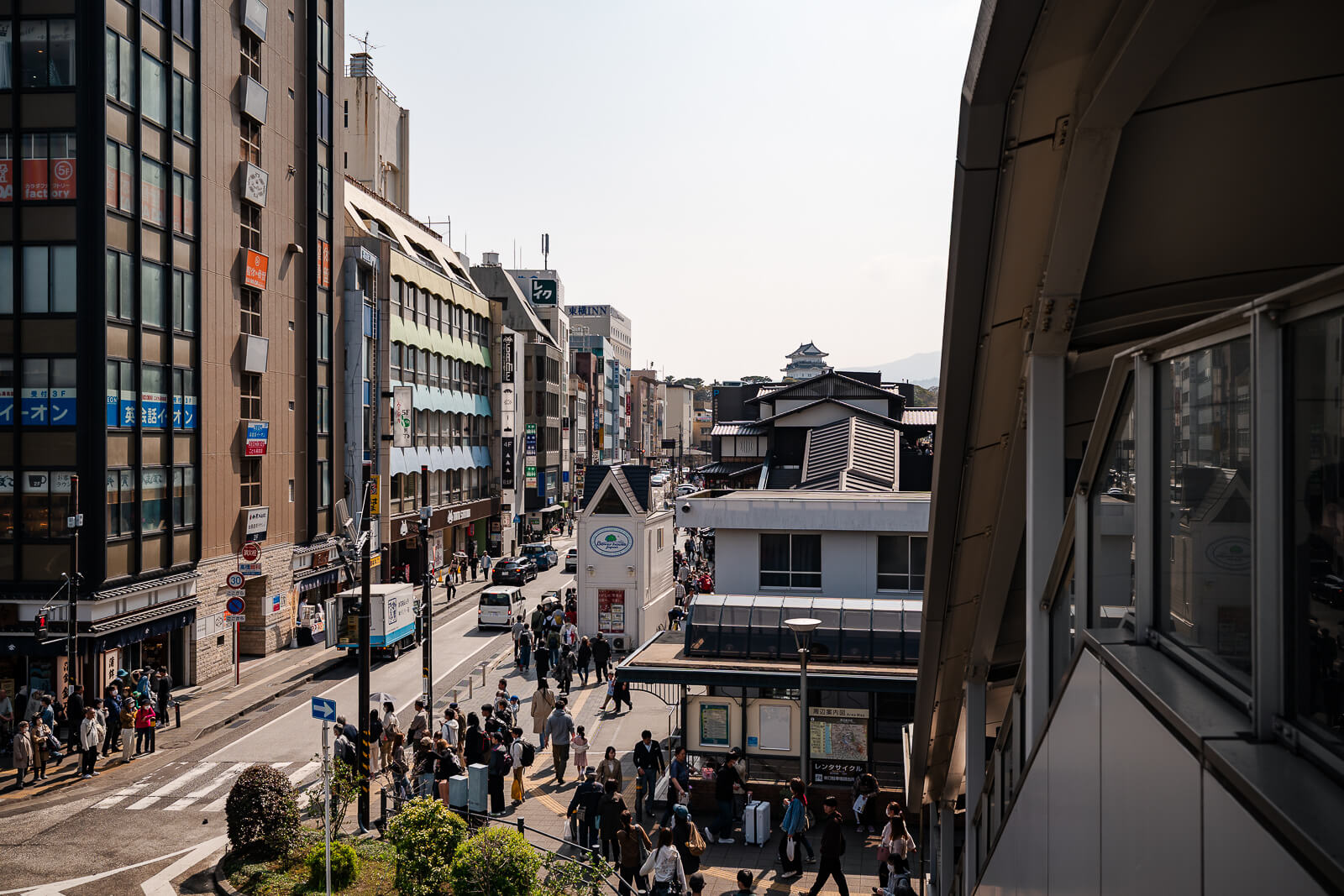
The station area is where Odawara’s movement starts to make sense, linking luggage storage, local food, the castle district, Hakone trains, Atami connections, and Shinkansen routes farther west.
The Harbor Is Where Odawara Starts to Feel Fuller
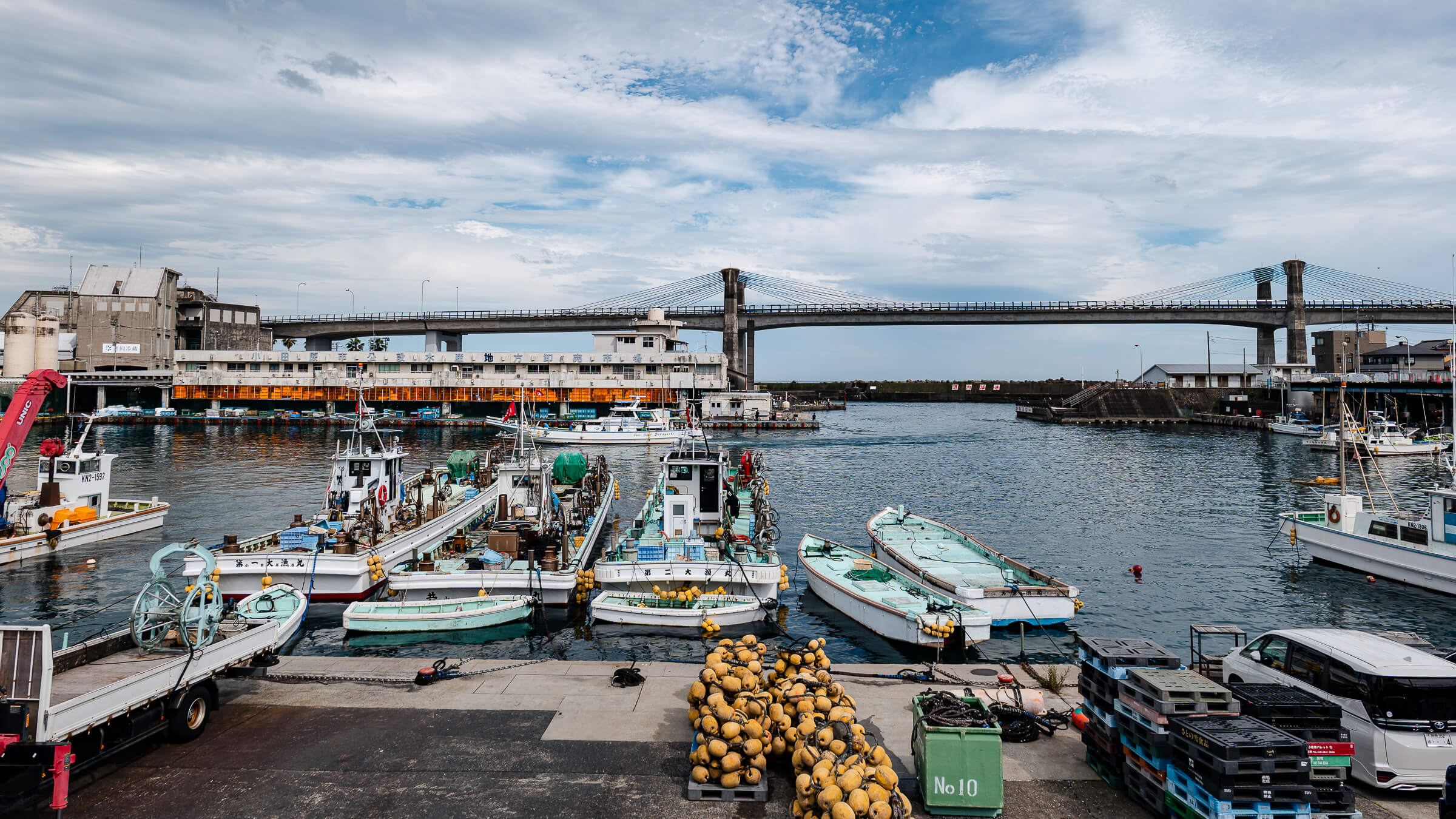
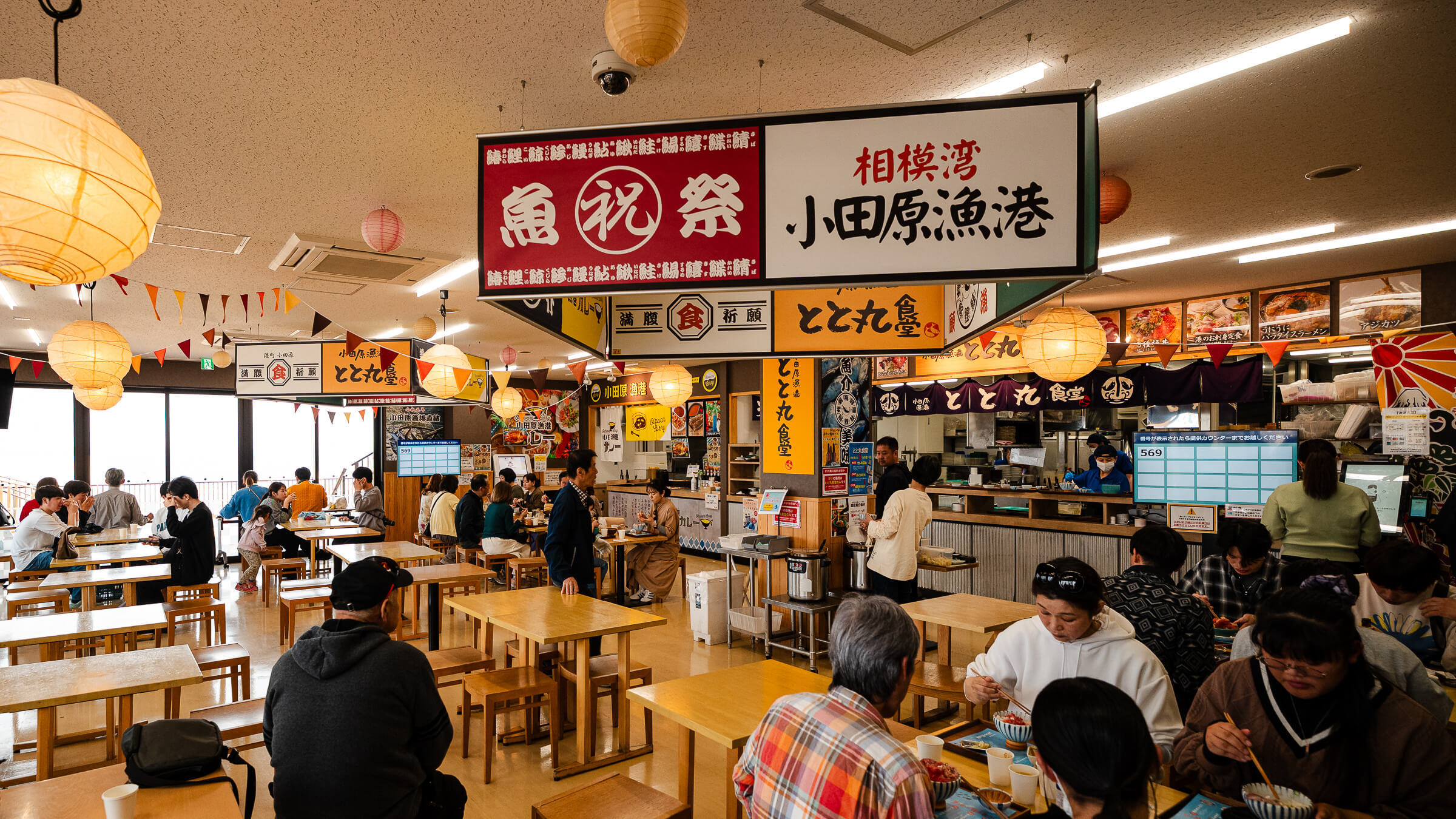
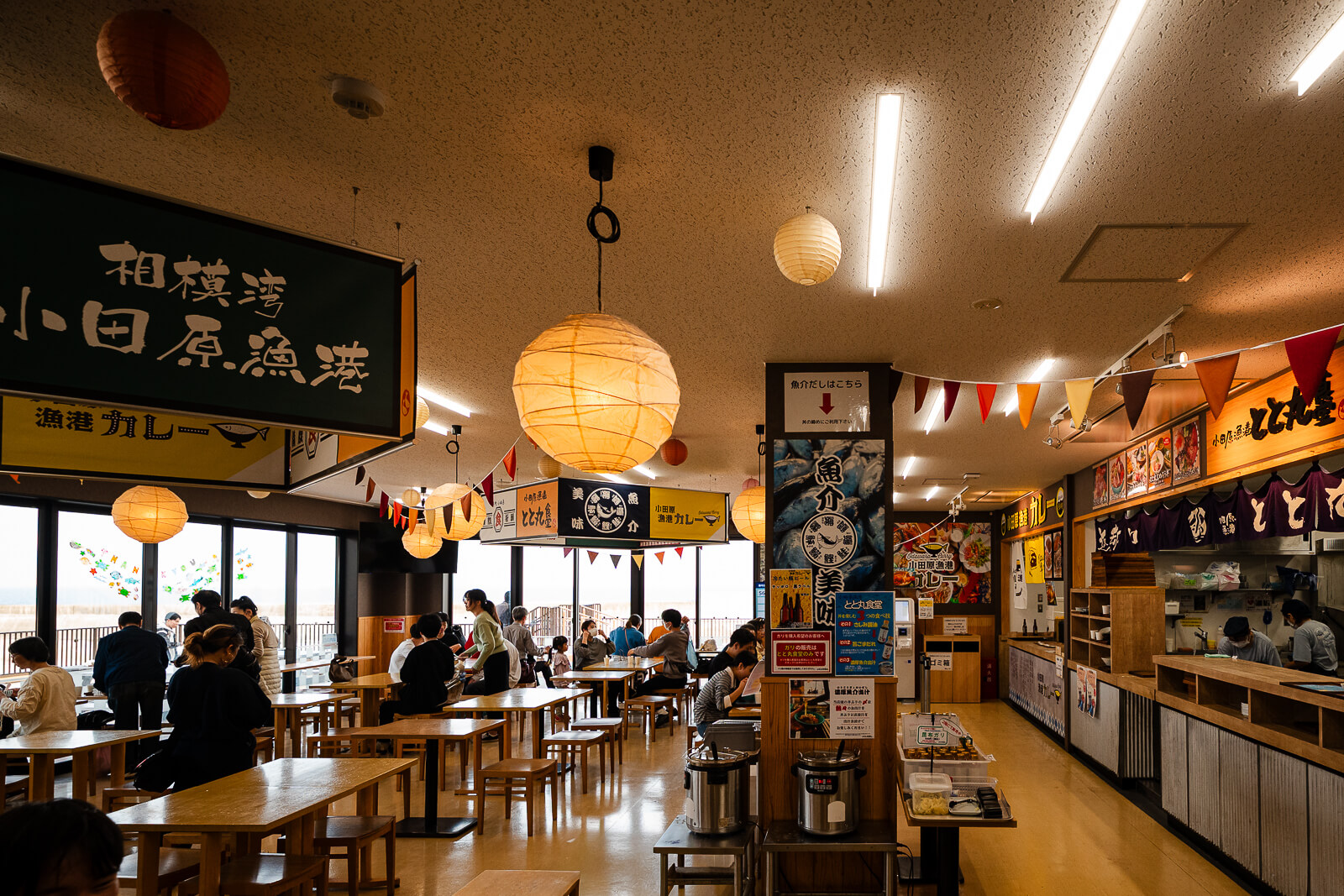
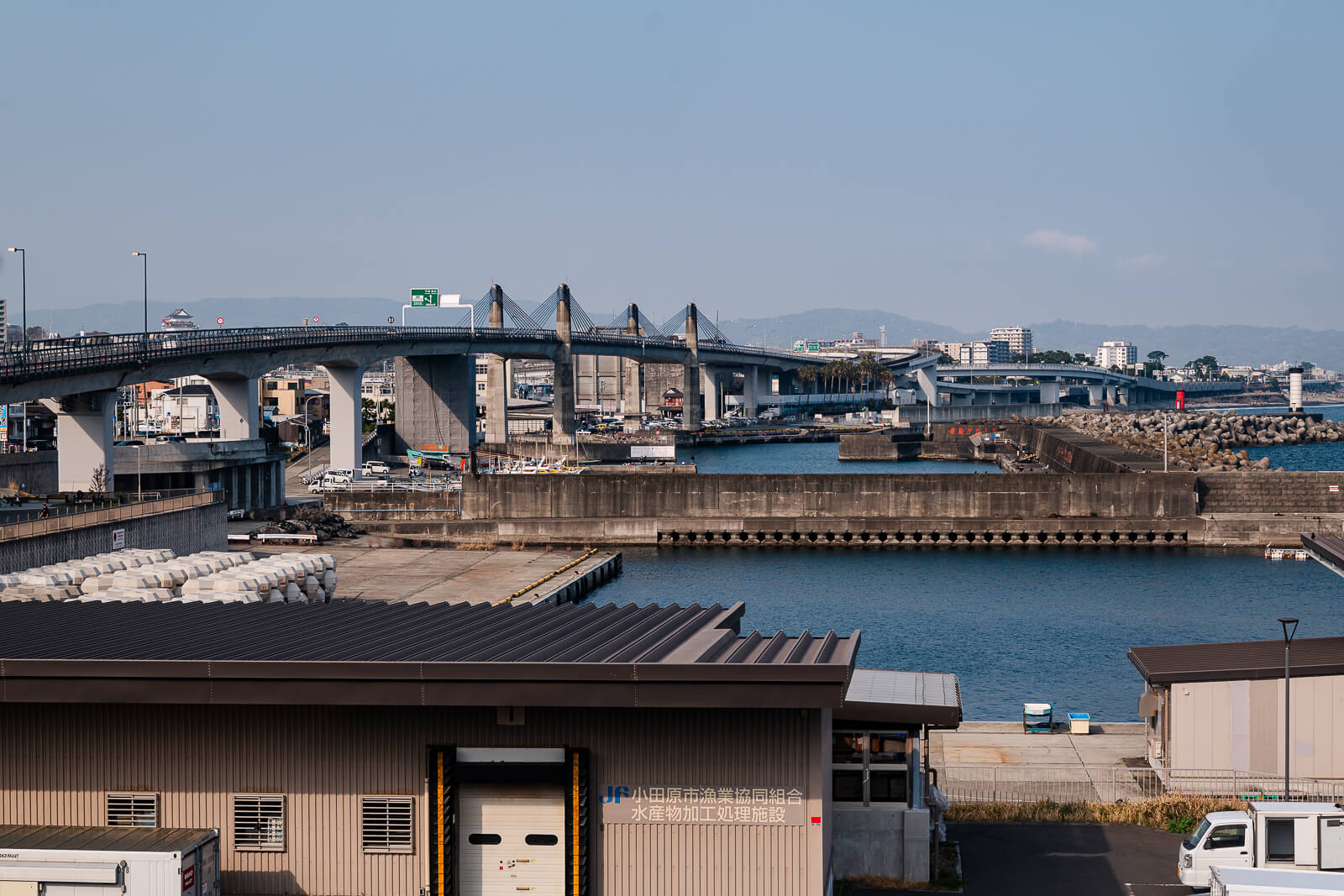
Once the visit moves toward the harbor, Odawara starts to feel less like a castle stop and more like a fuller city. Odawara Fishing Port introduces a working coastal side, while TOTOCO Odawara gives the area an easier food-focused anchor near the water. This layer changes the rhythm because it pulls the day away from the castle-and-station core.
The harbor is not difficult to include, but it does require a conscious shift. It works better when the day has enough room for lunch, seafood, or a slower afternoon rather than only a quick add-on after the castle. In a shorter visit, the harbor can feel slightly detached from the main flow because it asks the day to stretch beyond the easiest walking core.
With more time, that separation becomes less of a problem. The harbor can become the second half of the day instead of a rushed extension. This is one of the clearest points where the overnight version of Odawara begins to feel different, because the city no longer has to prove itself in only a few hours.
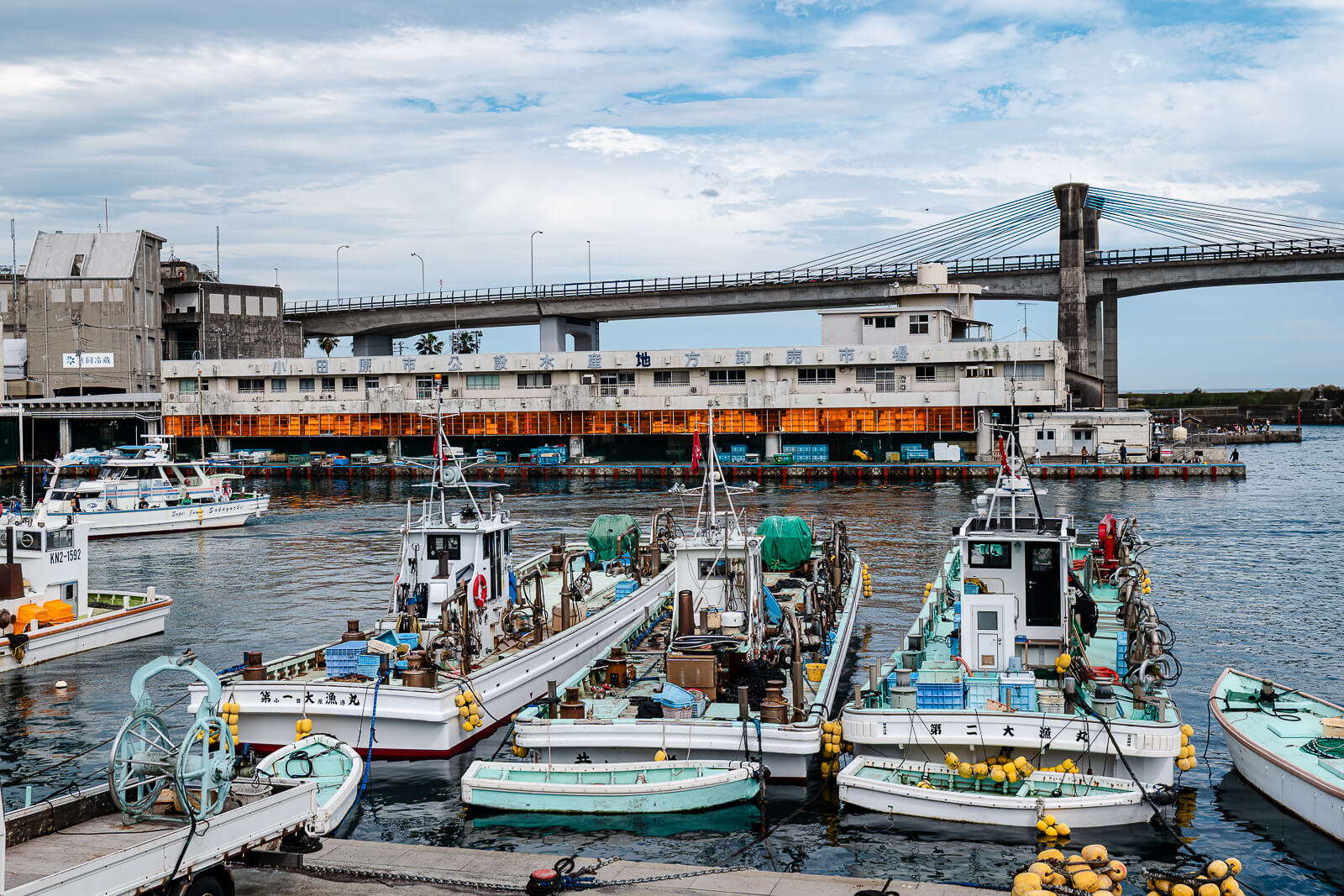
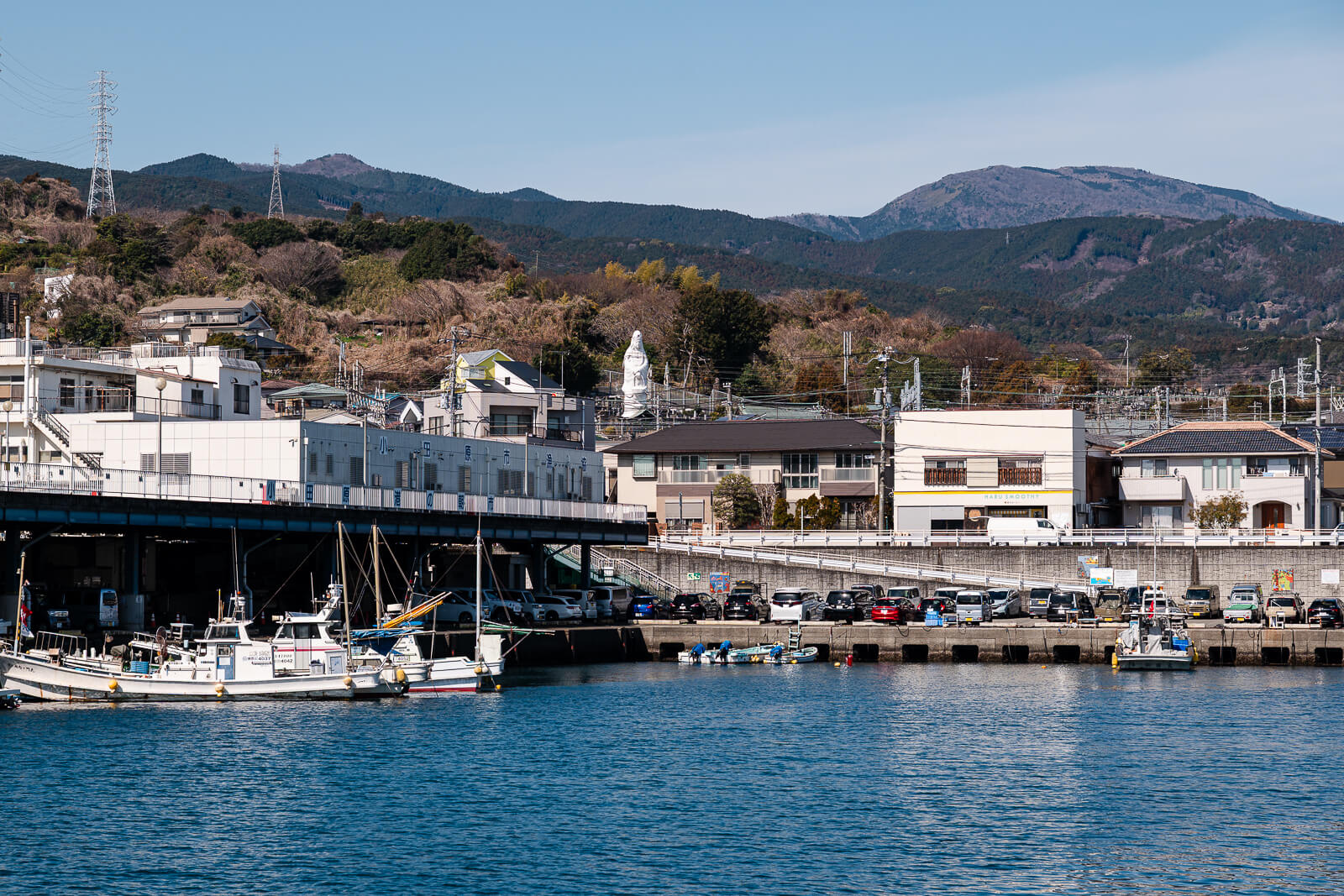
The harbor adds Odawara’s coastal and seafood layer, with Odawara Fishing Port and TOTOCO Odawara turning the city from a castle-centered stop into a fuller day.
The Hillside Ruins Change How Much Odawara Can Hold
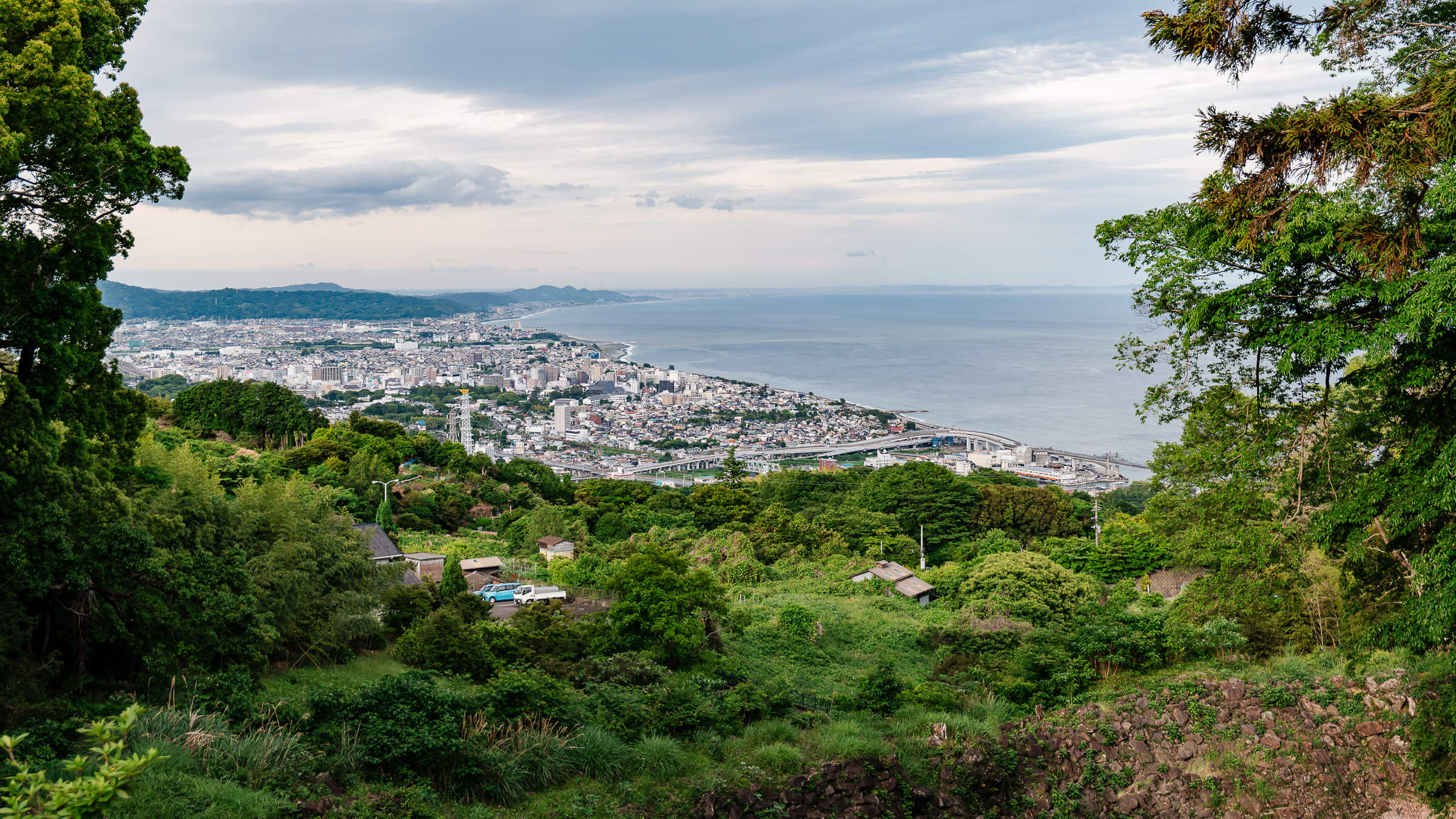
Ishigakiyama changes the Odawara decision in a different way. The castle district shows the city’s most visible historical center, but Ishigakiyama Castle Ruins adds a wider view of the area and its siege history. It gives Odawara more depth, but it also changes the effort level of the visit.
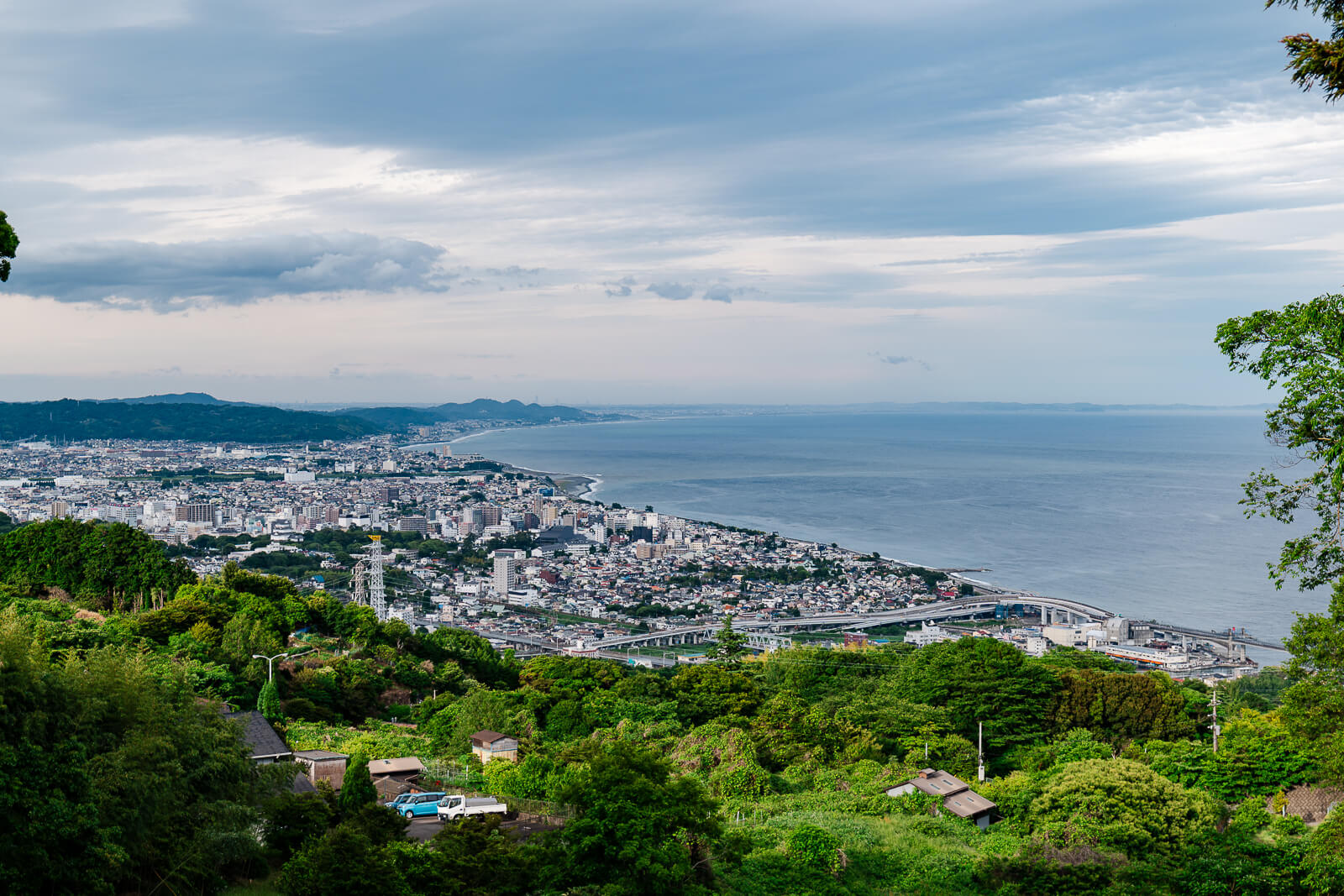
This is not the layer that naturally fits every short stop. Reaching the ruins takes more intention, and the visit feels different from walking around the station and castle district. A taxi or rental car makes the hillside much easier to include, while walking is possible but turns the stop into a more demanding part of the day.
That does not make Ishigakiyama difficult, but it does place it in a different version of Odawara. When the city is treated as a quick day trip, the hillside layer often becomes optional. When Odawara has more space in the route, the ruins help the destination feel more layered and less like a single-area visit.
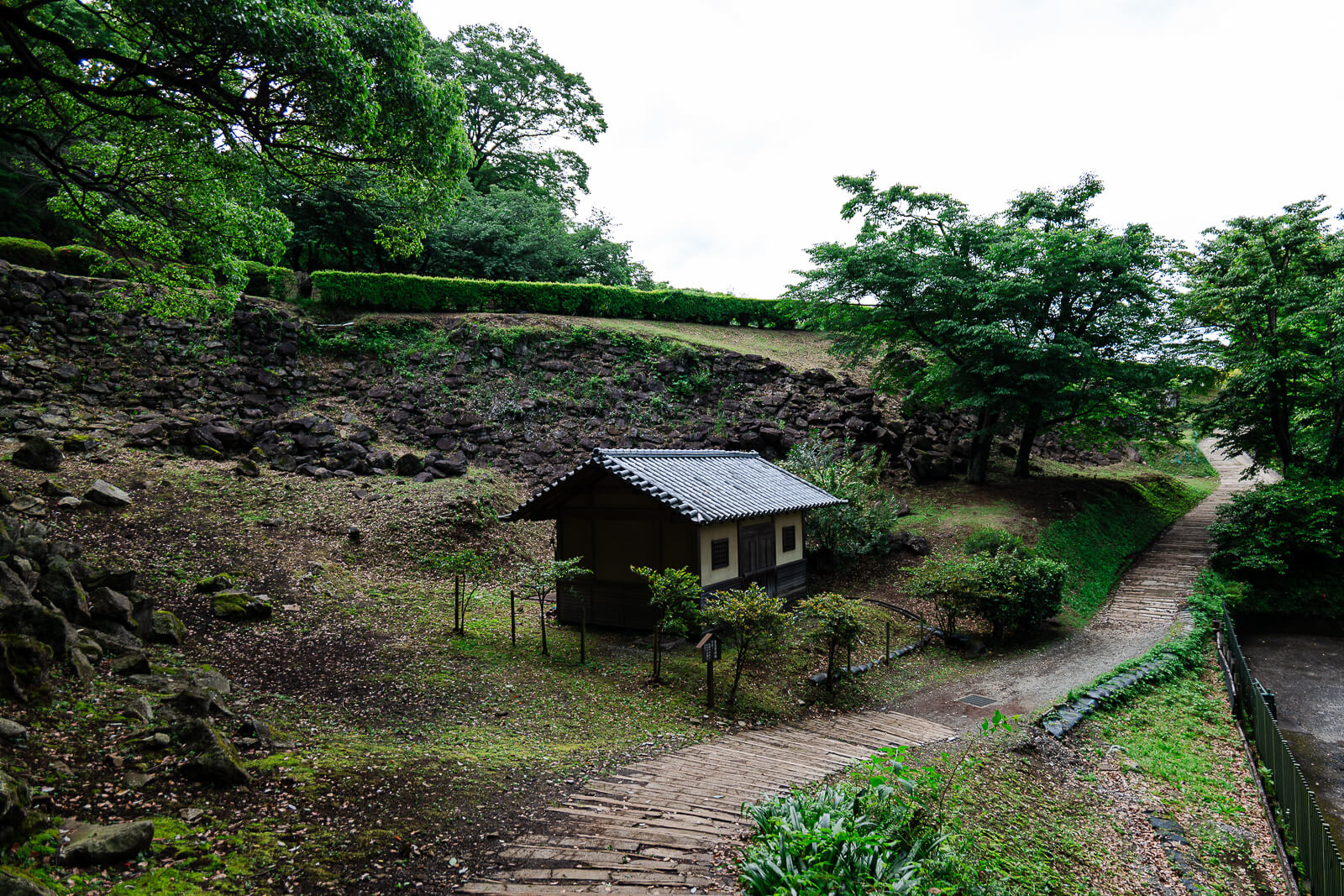
The hillside ruins are Odawara’s expansion layer, with Ishigakiyama Castle Ruins adding historical depth when the day has enough room to move beyond the castle-and-station core.
How Odawara Feels as a Day Trip
As a day trip, Odawara usually feels clearest when the visit stays focused. The castle district, nearby museums, shrine, station area, and possibly one food stop can create a satisfying route without making the day feel overloaded. This version works especially well when Odawara is a manageable stop from Tokyo or part of a larger move toward Hakone, Atami, or the coast.
The pace is usually easy to understand. Arrival, castle district, museum time, a nearby shrine pause, station-area food, and onward movement can fit together without much friction. The day has enough variety to feel worthwhile while still remaining compact and easy to manage.
The tradeoff is selectivity. A day trip can give a strong impression of Odawara, but it usually does not allow the city’s outer layers to connect fully. The harbor, hillside ruins, and slower evening atmosphere may sit outside the visit, not because they are unimportant, but because they ask for a different kind of time.
What Starts to Open Up With an Overnight Stay
Once the day no longer has to stay compact, Odawara begins to open up differently. The castle district no longer has to carry the entire visit on its own, and the harbor no longer has to compete for limited time. The city starts to work as a reset point, especially when the next morning leads toward Hakone, Atami, or the coast.
This matters most after a full day in the city. Odawara has enough to fill the day without feeling forced, especially when the castle district, station area, harbor, and hillside layers are all being considered. Ending the day near the station gives the evening a simpler shape: dinner is easier to find, transport stays close, and the next morning can begin with coffee or a light breakfast before moving on.
That difference the next morning matters more than it first appears. Because Odawara is a Shinkansen stop and major rail junction, the station area has more early-day food and dining options than many travelers expect from a gateway city. For travelers heading into Hakone, continuing toward Atami, or boarding a westbound Shinkansen, that can make Odawara feel less like a compromise and more like the practical place to unwind before starting fresh.
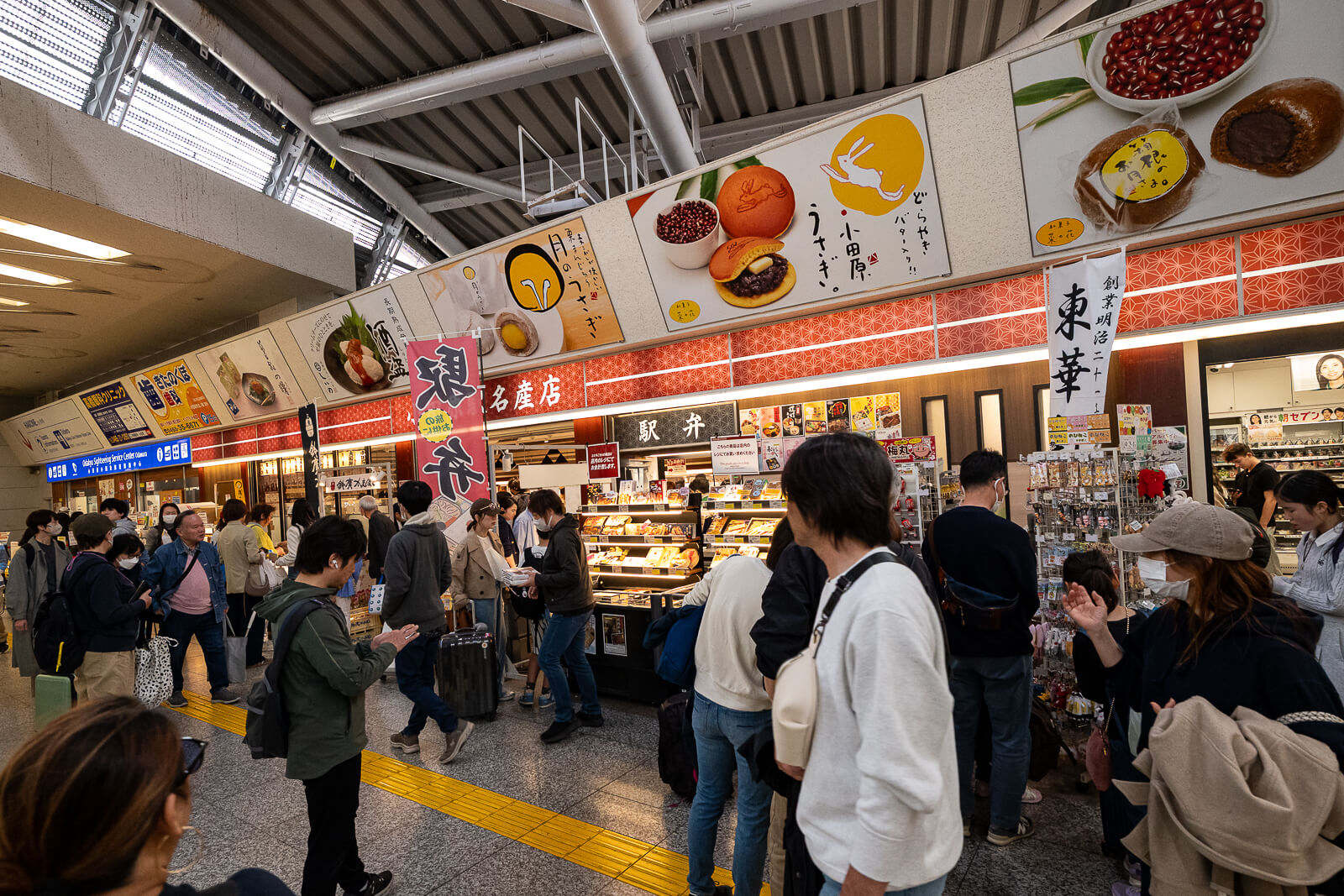
The station area is what lets Odawara work as a reset point, especially when the next morning begins with Hakone, Atami, or another move west.
How Odawara Changes Hakone and Atami
Once an overnight stay in Odawara starts to make sense, the next question is what that changes afterward. Odawara’s value often becomes clearer when looking beyond the city itself. For Hakone, it works as one of the most practical starting points because the rail connection toward Hakone-Yumoto begins here.
That can matter after a full day in Odawara. Continuing into Hakone the same night can work well when dinner is arranged with the accommodation and the arrival is planned carefully. But if the lodging sits farther from Hakone-Yumoto, the evening can become more complicated, especially with hills, buses, luggage, limited dining options, and unfamiliar roads after dark.
Odawara reduces that friction. The station area has more dining flexibility, easier breakfast options, and a simpler reset point before the next day begins. A station-area stay, such as Tenseien Odawara Station Annex, fits this role well because it keeps dinner, transport, and the next morning’s Hakone departure close together.
Atami creates a different kind of decision. Continuing there the same evening can work when the accommodation is planned and arrival is not too late. Staying in Odawara first can make the next morning’s coastal move feel cleaner, especially if the previous day already included castle walking, harbor time, or hillside movement.
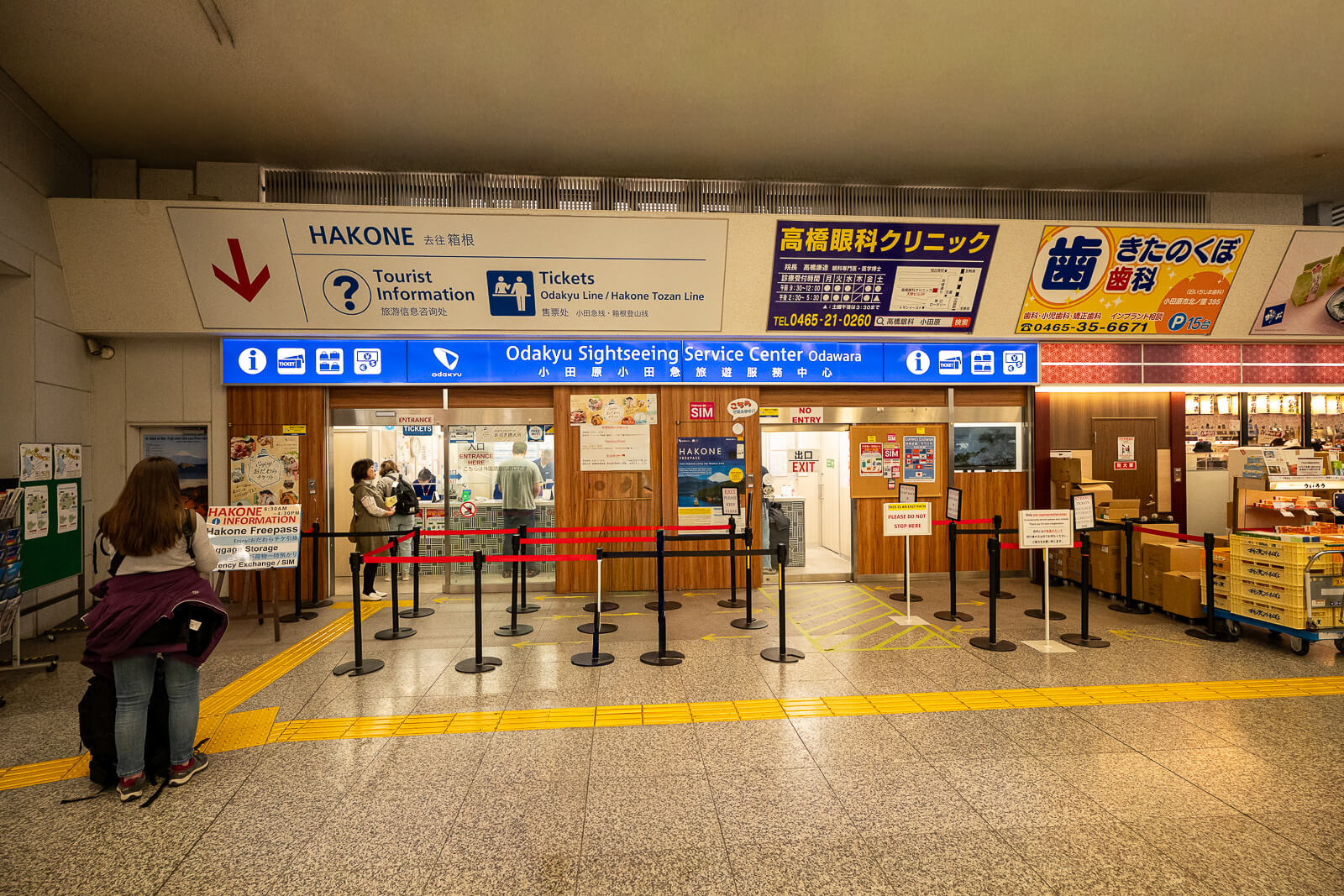
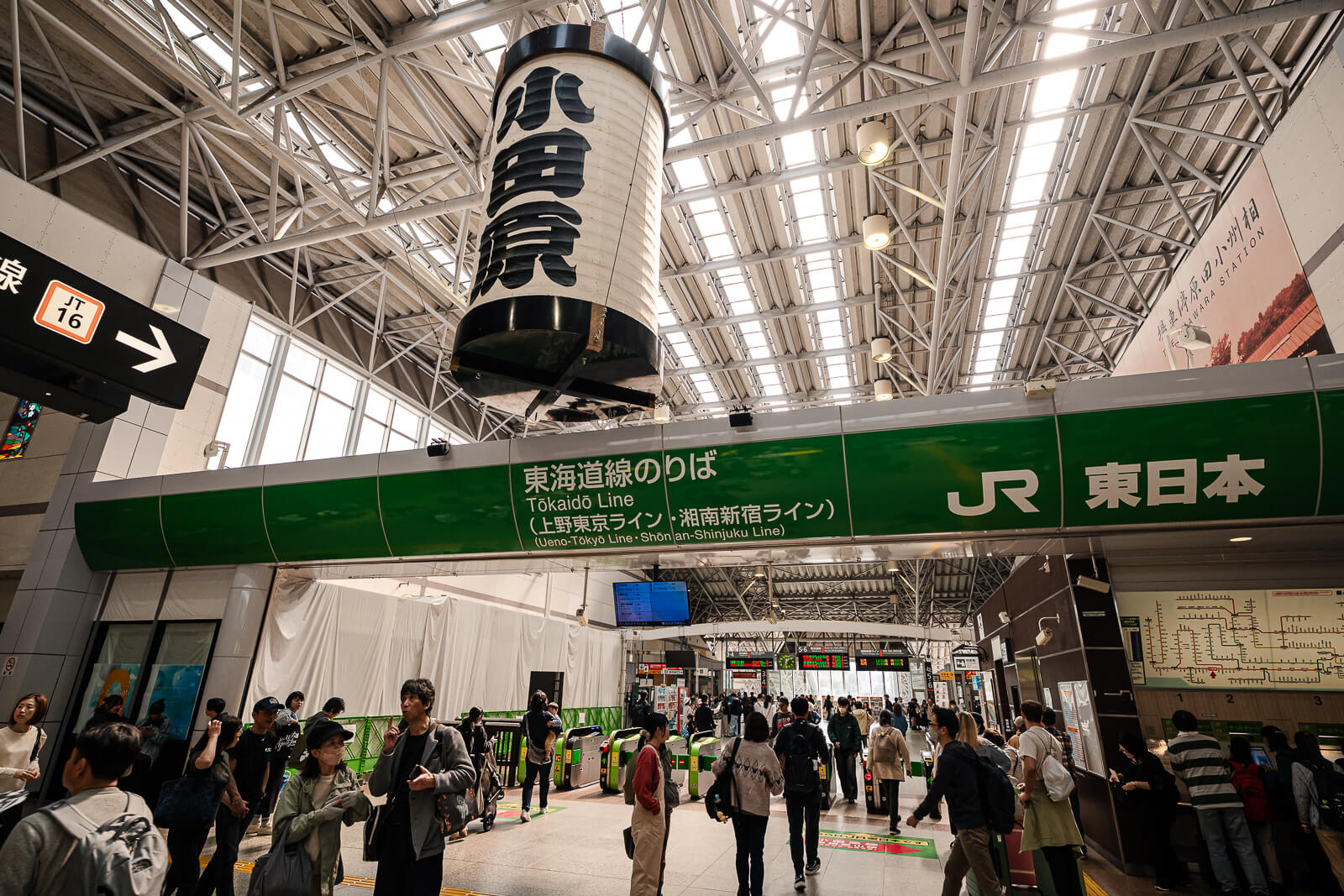
Odawara becomes easier to use when its next move is clear, whether that means an earlier start into Hakone, a cleaner handoff toward Atami, or a steadier base before continuing west.
What Fits Naturally and What Can Stay Optional
Odawara becomes easier to understand when its layers are not treated as obligations. The castle district fits most naturally because it sits close to the station and gives the city its clearest identity. The nearby museums and shrine extend that core without requiring the day to change direction.
The harbor begins to fit when the visit has room for food, seafood culture, or a slower afternoon. It is close enough to belong to the Odawara experience, but it does not unfold automatically from the castle district. When the day is short, this is often the first layer that starts to feel like a separate choice rather than part of the easiest route.
The hillside ruins belong to the expanded version of Odawara. Ishigakiyama Castle Ruins add historical depth and a broader view of the area, but they also take the visit away from the simplest station-and-castle flow. When time is limited, leaving this layer for another trip is a normal planning outcome, not a sign that Odawara was incomplete.
The Real Tradeoff Is Simplicity or Reach
The main decision is not really about whether Odawara is worth a night. It is about how much of the city the visit needs to hold. A day trip keeps Odawara focused, easy to manage, and centered around the castle district, station area, and the simplest parts of the route.
More time increases reach. It allows the harbor, hillside ruins, and onward routes to connect more naturally, while also making the next destination easier to begin. That extra reach can be useful, but it changes Odawara from a compact stop into a more active base.
Neither version is the correct one in every situation. The day trip version protects simplicity. The overnight version protects flexibility. The right fit depends on whether Odawara is serving as the main event, a gateway, or the place where the trip begins to separate toward Hakone, Atami, or the coast.
Either Version Can Still Feel Complete
Odawara does not need to be maximized to feel worthwhile. A focused visit around the castle district, nearby museums, shrine, and station area can still leave a clear impression of the city. That version works because the main historical core sits close enough to the station to feel complete without forcing every layer into the day.
An overnight stay works for a different reason. It gives Odawara more room to act as a base, especially when the harbor, hillside ruins, an early Hakone start, or a possible Atami continuation matter. Once Odawara’s role is clear, the decision becomes less about doing everything and more about whether the city should stay compact or help the next part of the trip begin more calmly.