The first impression
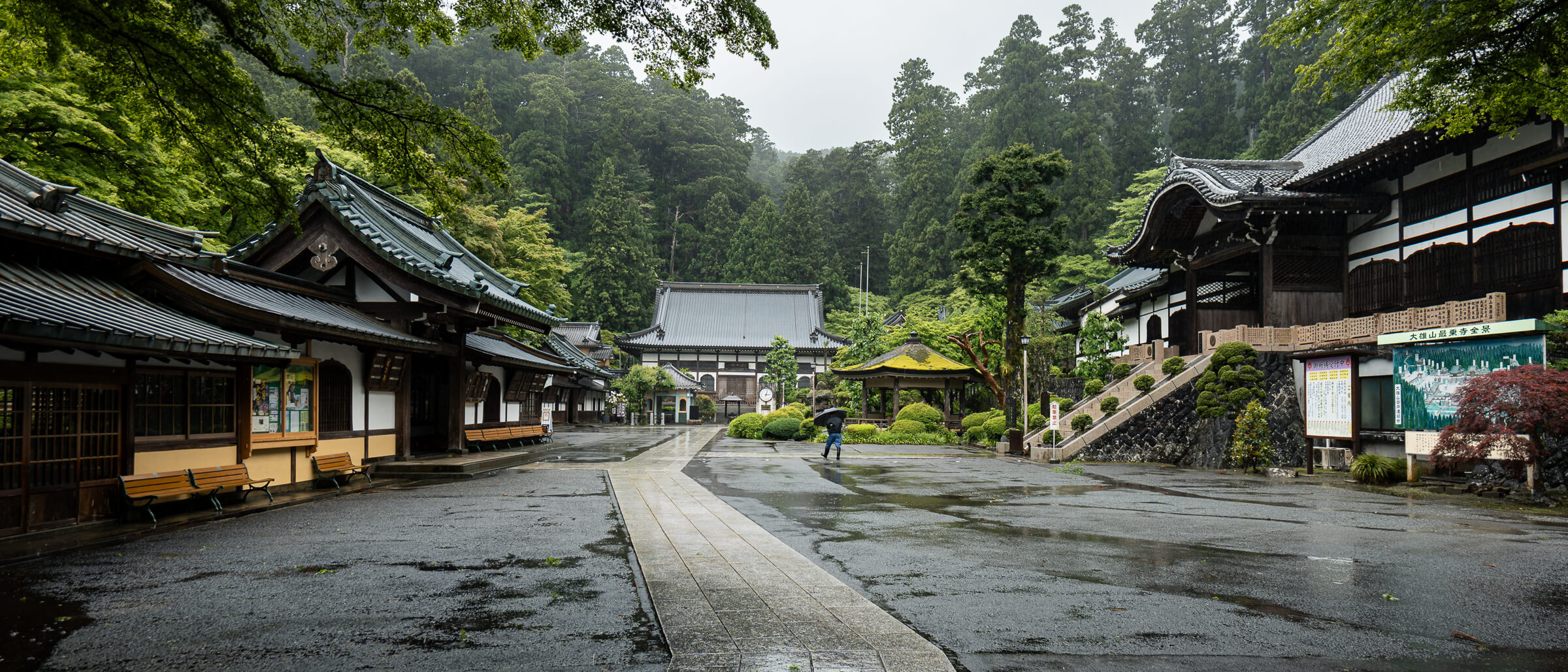
Daiyuzan Saijoji sits where western Kanagawa becomes forested and mountainous, on the outer edge of the Hakone area. Whether you arrive from the visitor approach or step outward from the main courtyard, forest is always present. Tall cedars frame sightlines in multiple directions, and the complex spreads across rising ground rather than along a single straight route.
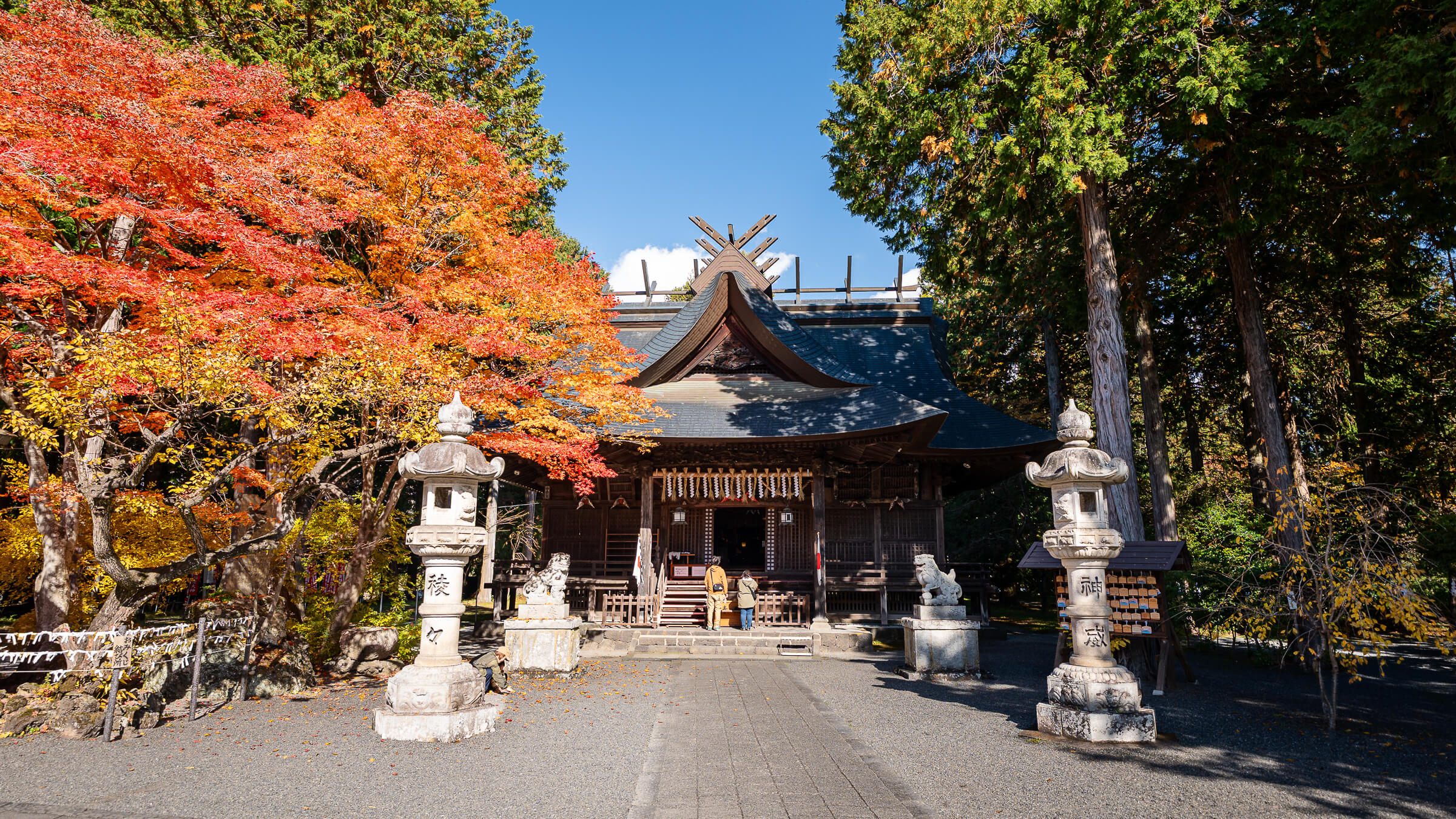
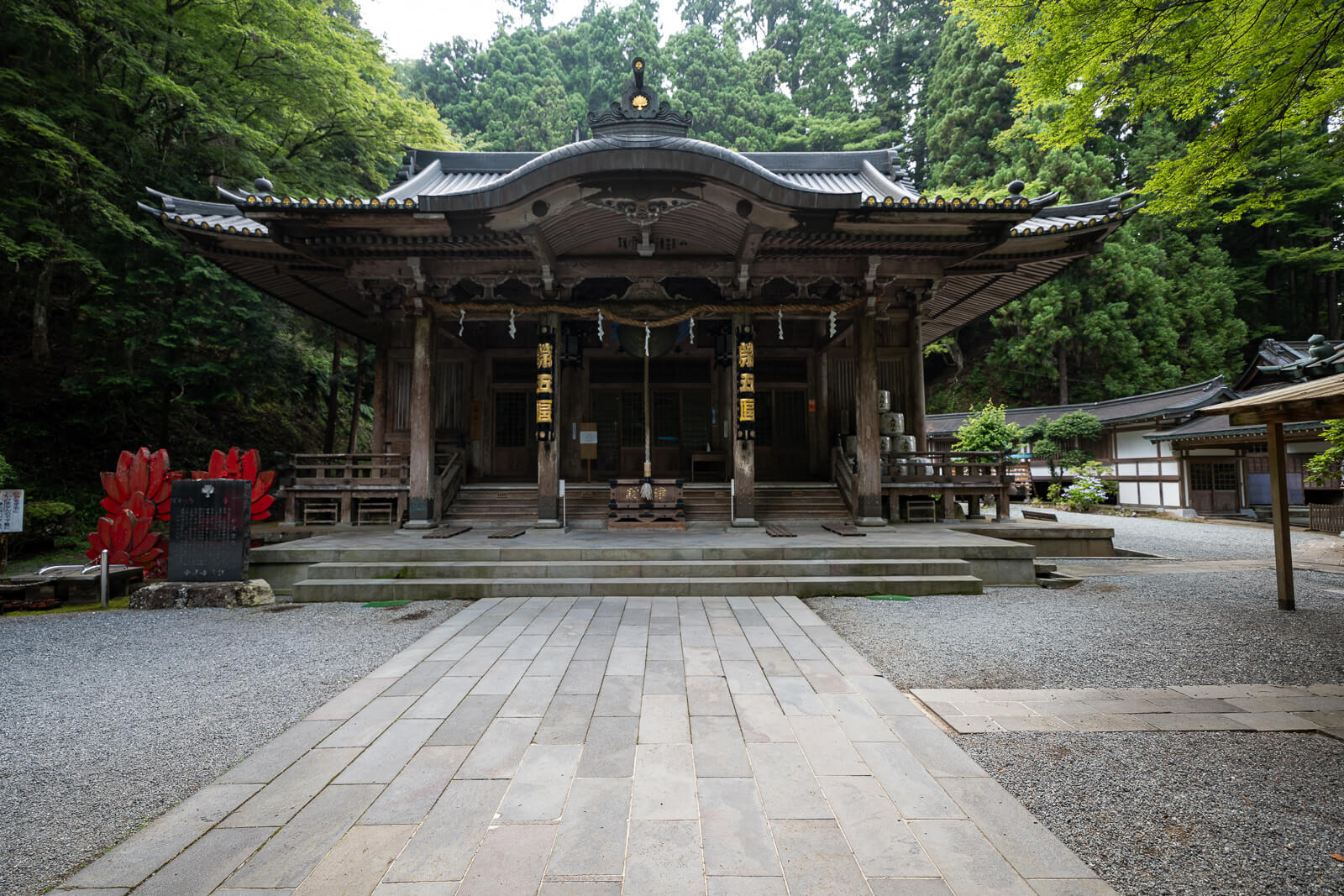
The scale is apparent early. This is a large, working temple with many halls arranged across different levels. Movement happens in segments: you advance a short distance, then stop naturally as another hall, gate, or open space comes into view. The layout itself creates rhythm.
For most travelers, this fits cleanly into a half day—not because the site is demanding, but because each section has enough presence to stand on its own.
Why people come here
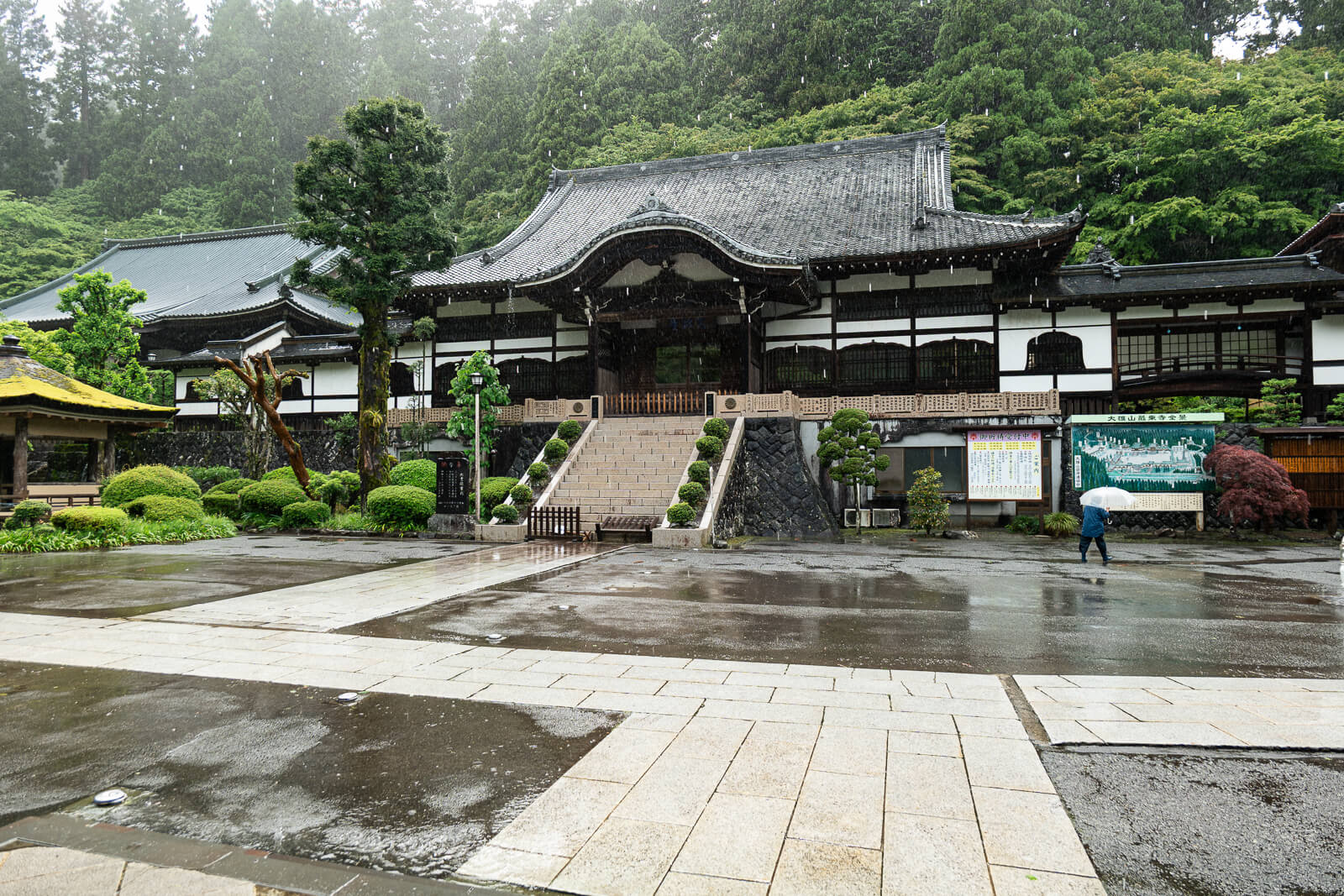
Daiyuzan Saijoji is a major branch and training temple of the Soto Zen school, founded in 1394 by Zen Master Ryoan Emyo. While the tradition’s two head temples are Soji-ji in Yokohama and Eihei-ji in Fukui Prefecture, Saijoji’s importance comes from scale, daily use, and lineage.
This is not a preserved monument arranged around a single focal point. It functions as an active religious complex, and that purpose is reflected in how the grounds are laid out—broad, layered, and complete without requiring you to see everything.
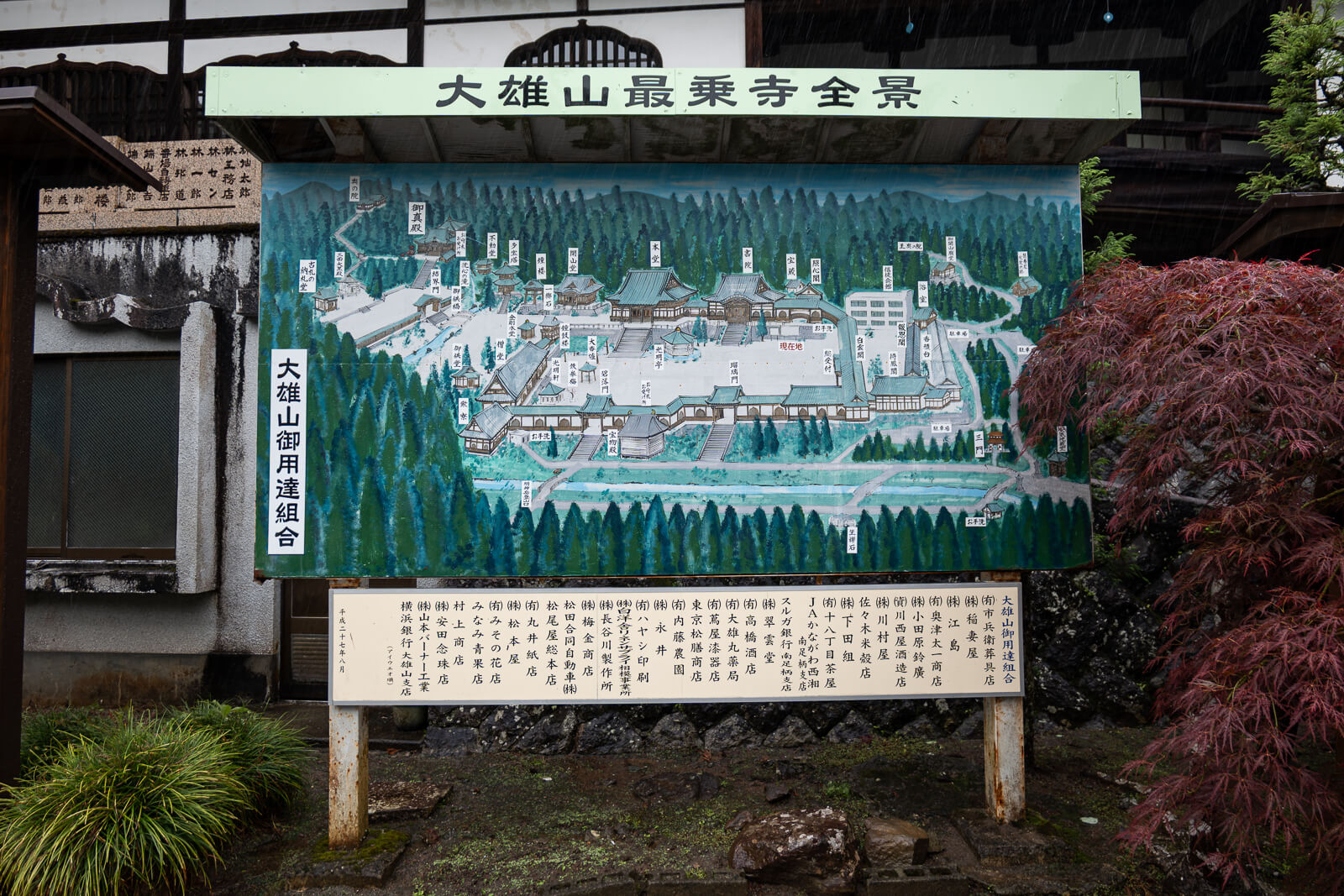
Entering the temple grounds
The approach transitions from road into forest before opening into a wide central courtyard anchored by major halls. From here, the size of the complex becomes legible. Even during busy seasons, people disperse across the space, and no single area feels compressed.
Several exits lead away from the courtyard. Some guide you toward additional halls and inner areas; others move directly toward forest paths and secondary structures. The layout encourages exploration without prescribing a single direction.
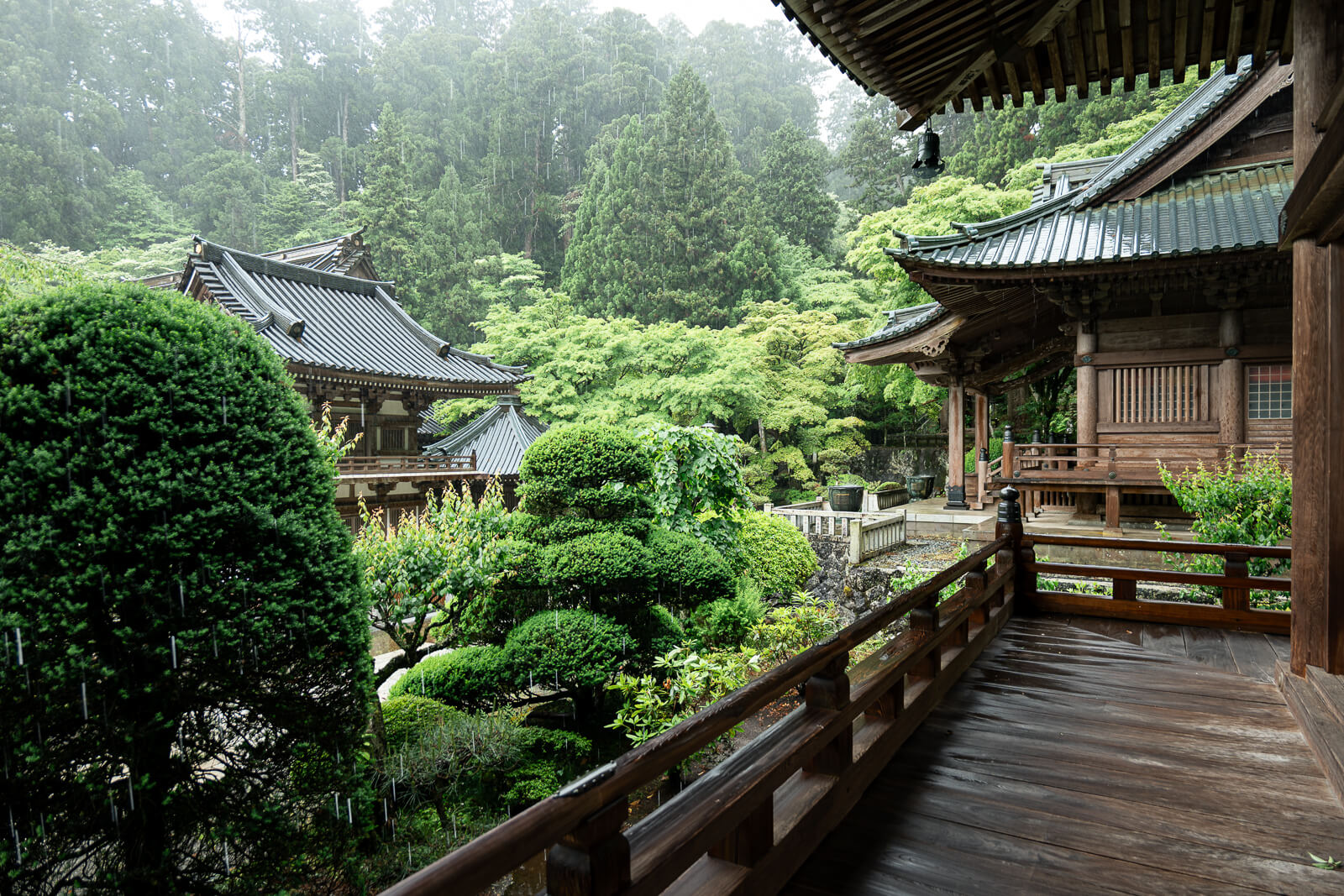
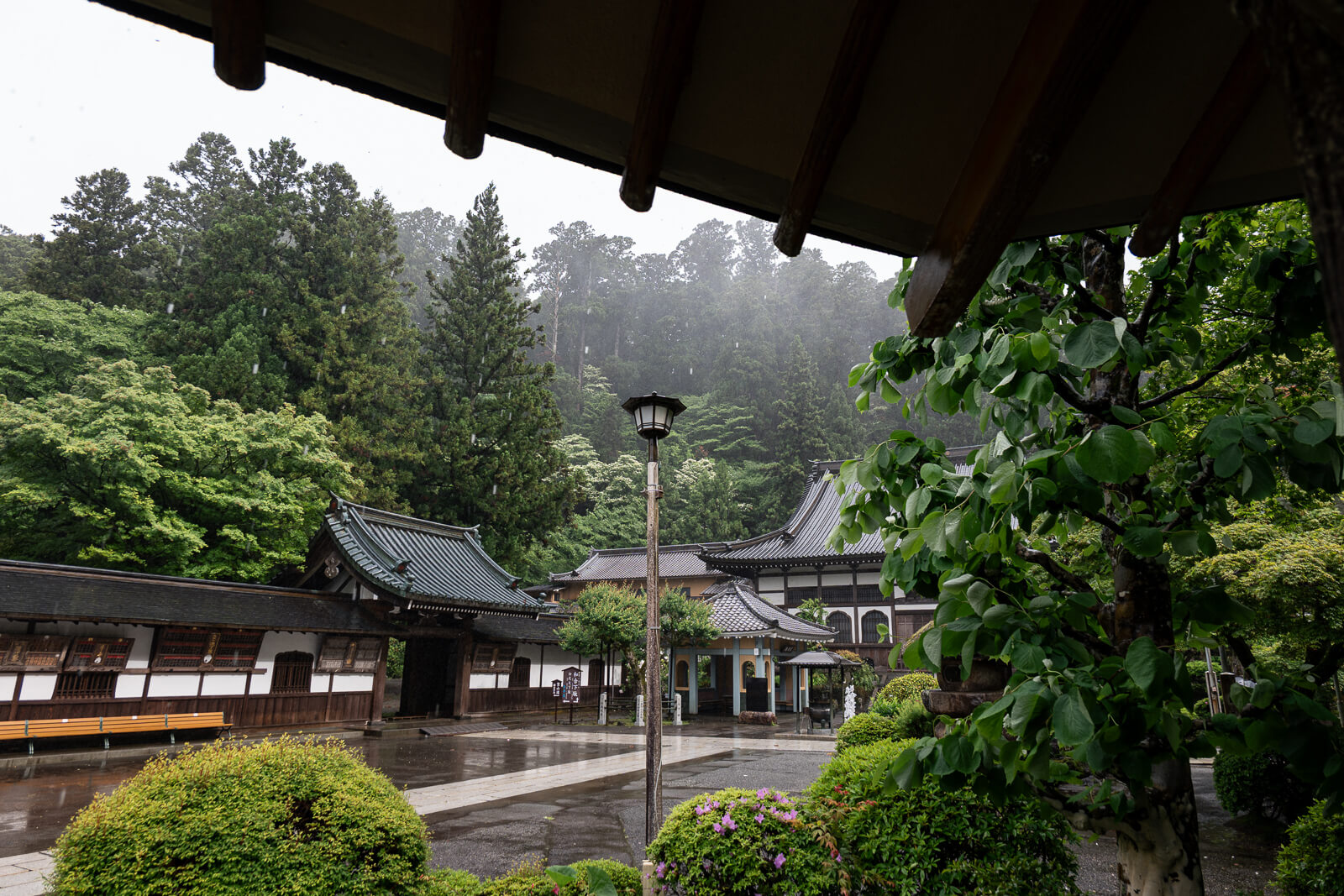
Moving through the complex
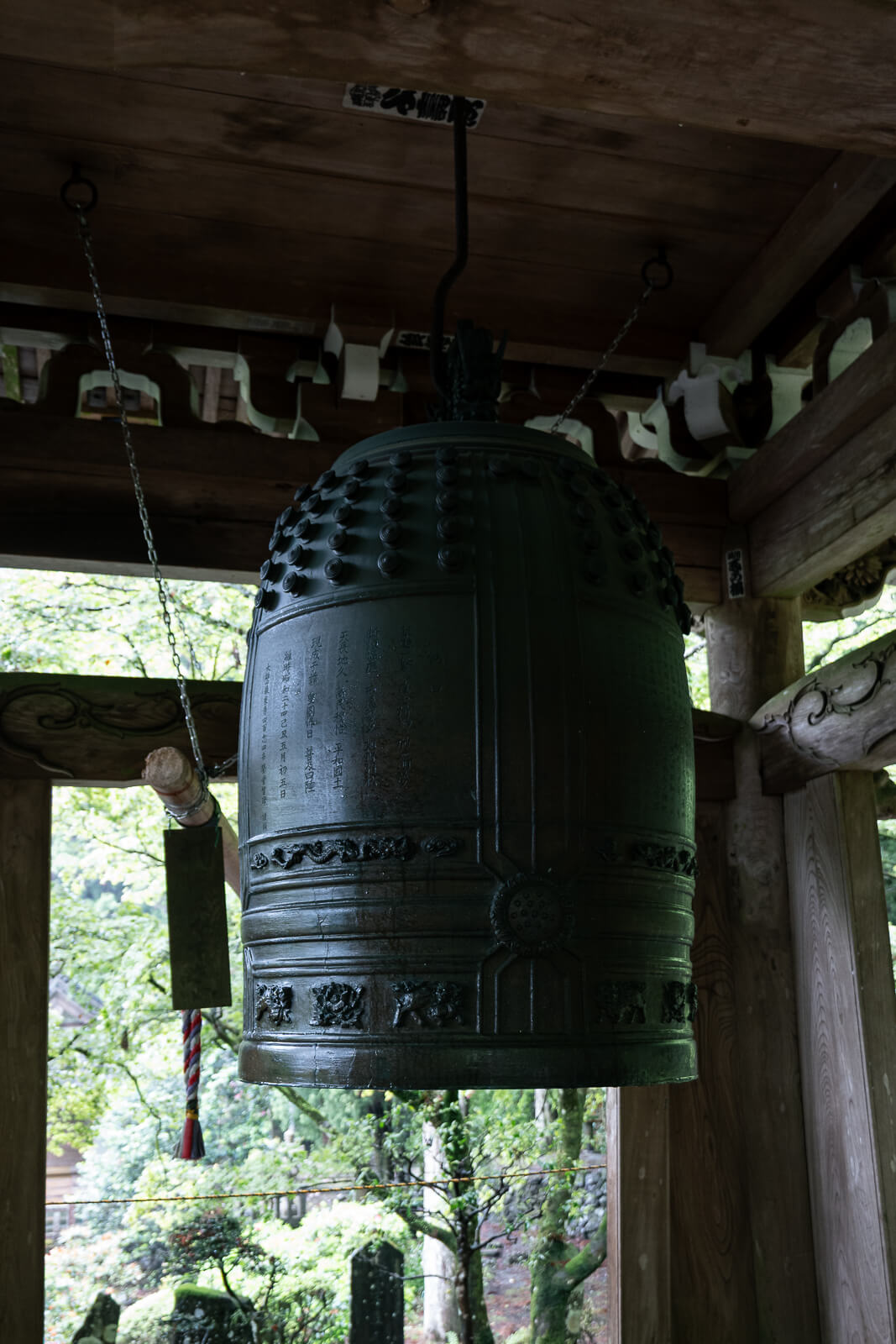
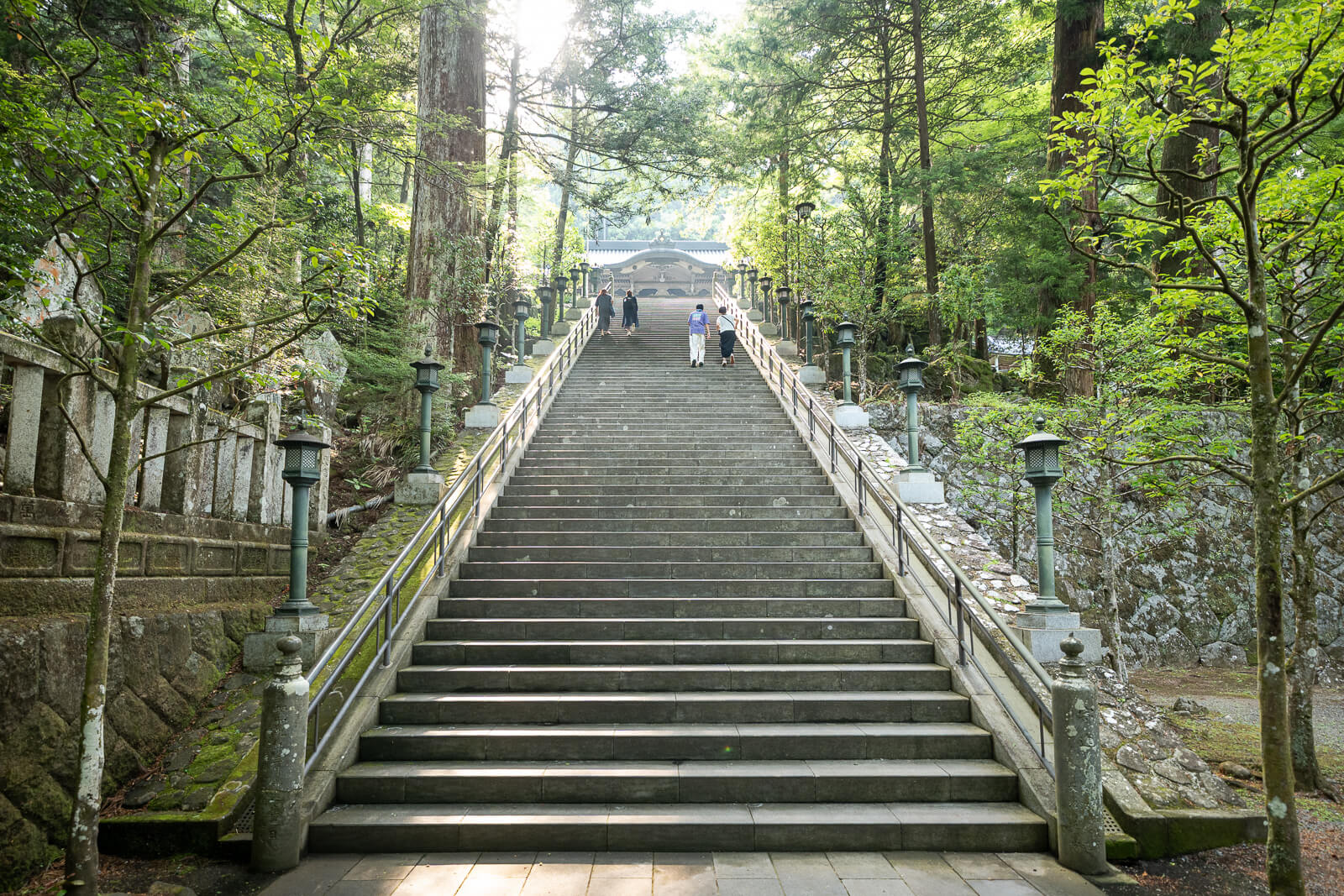
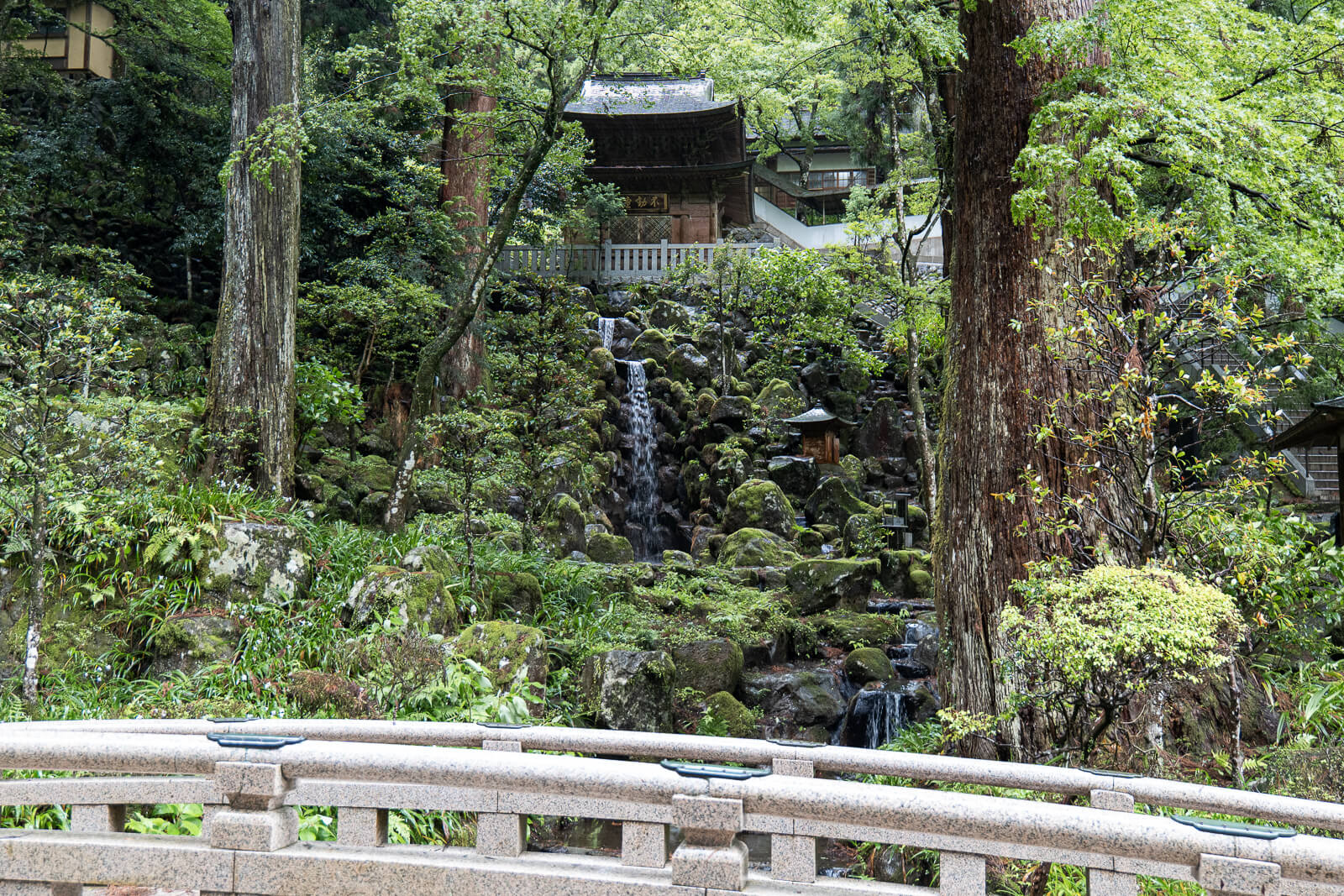
As you progress upward, stairways lengthen and elevation gradually increases, but the climb never feels abrupt. Each ascent leads to something substantial: a hall with architectural weight, a bell tower, a purification basin, or an open landing that holds your attention before the next section draws you onward.
The experience is shaped more by sequence than by distance. You move, arrive, pause, and then continue. Over time, this repetition creates a strong sense of flow without requiring constant forward motion.
A smaller hall sits at the highest point of the grounds, reached by a long stone staircase. Many visitors turn back before reaching it, and that choice feels natural rather than incomplete. The site is designed so that partial exploration still registers as a full visit.
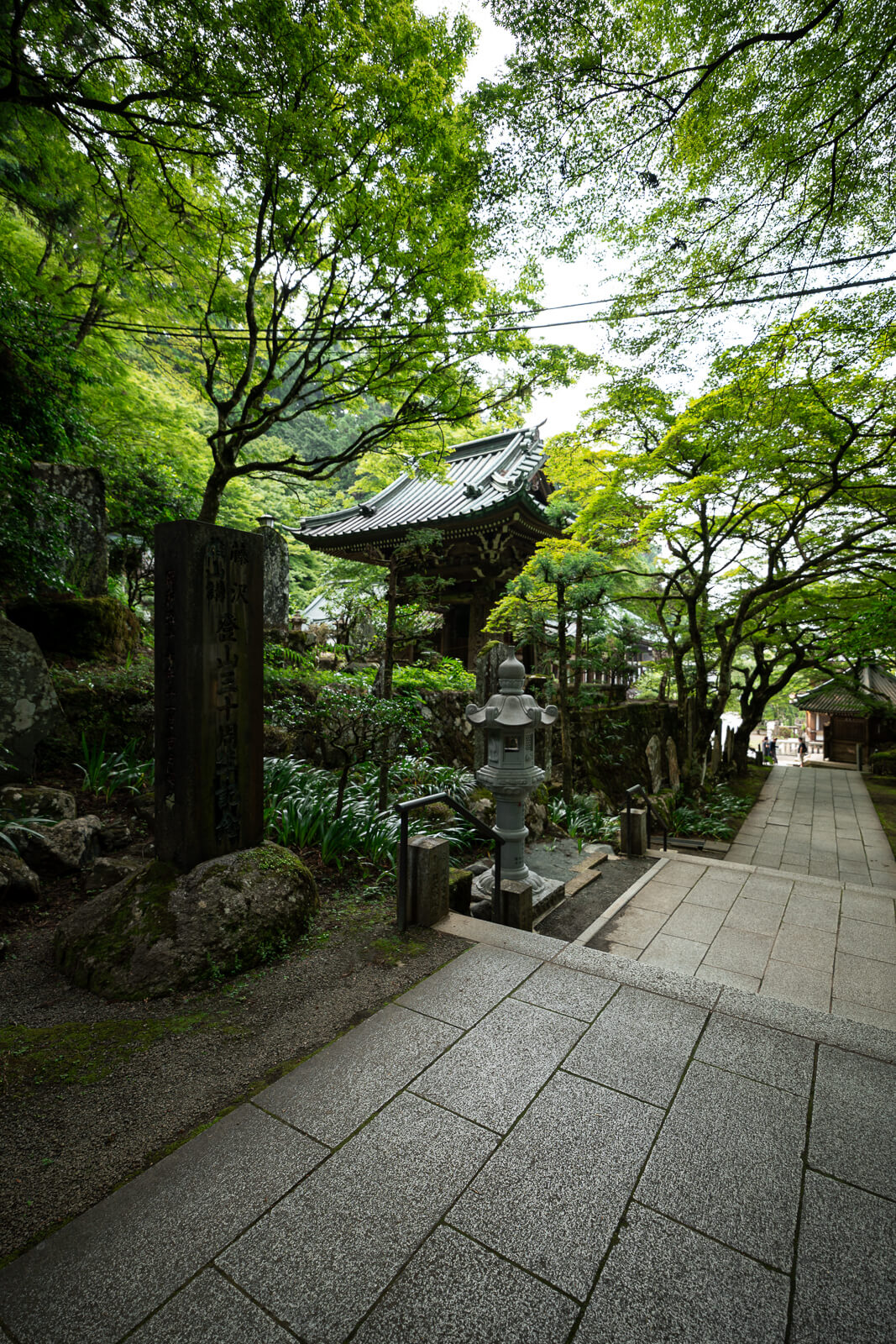
Forest access and hiking paths
While the forest frames the initial approach, it also remains accessible throughout the visit. From the main courtyard, side paths lead directly into wooded areas and toward walking and hiking routes that extend beyond the temple complex. These paths connect Saijoji to the surrounding hills, allowing the visit to expand outward without changing setting.
Because these exits are integrated into the grounds rather than separated from them, the forest feels like part of the temple experience rather than something adjacent.
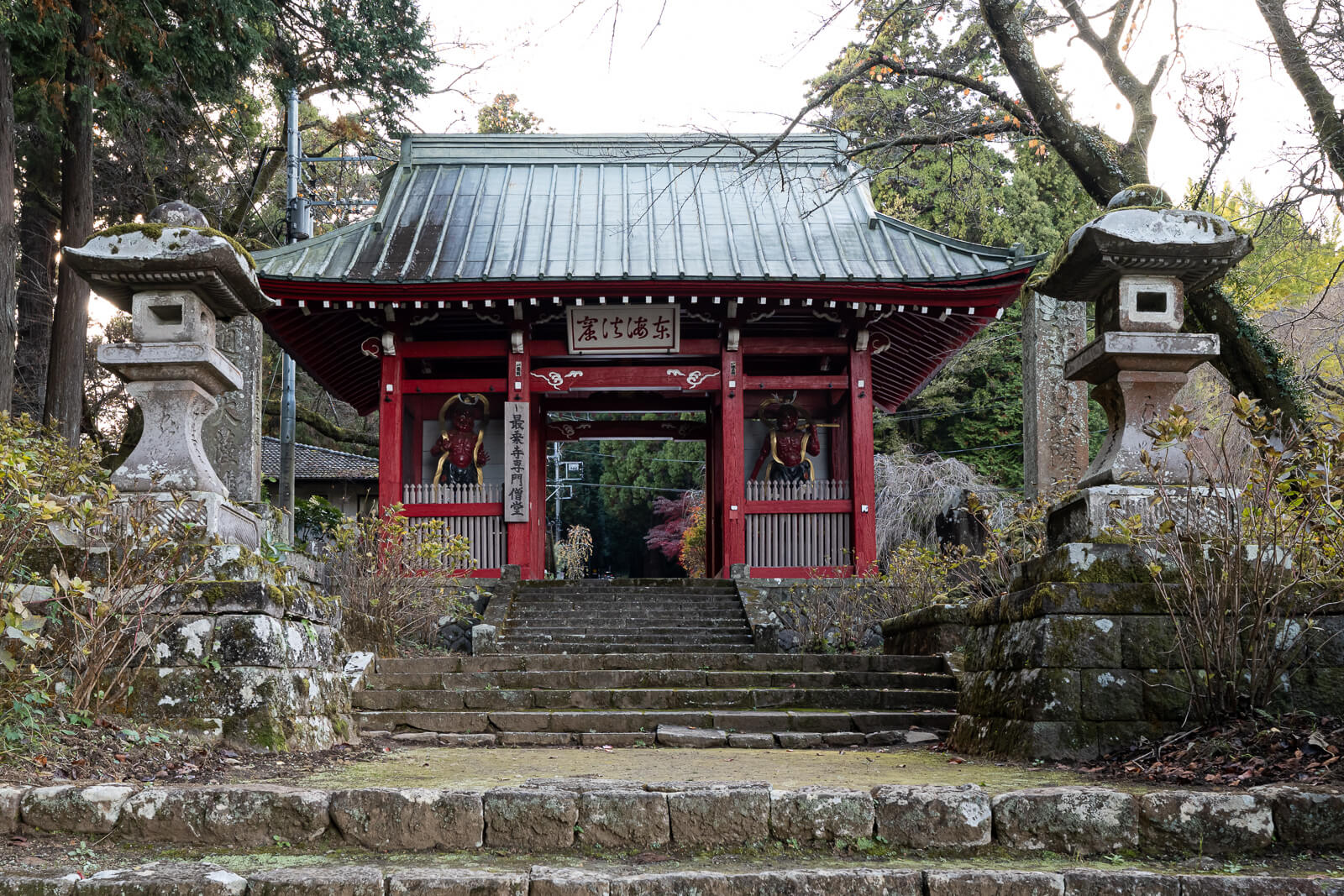
How the site changes across seasons
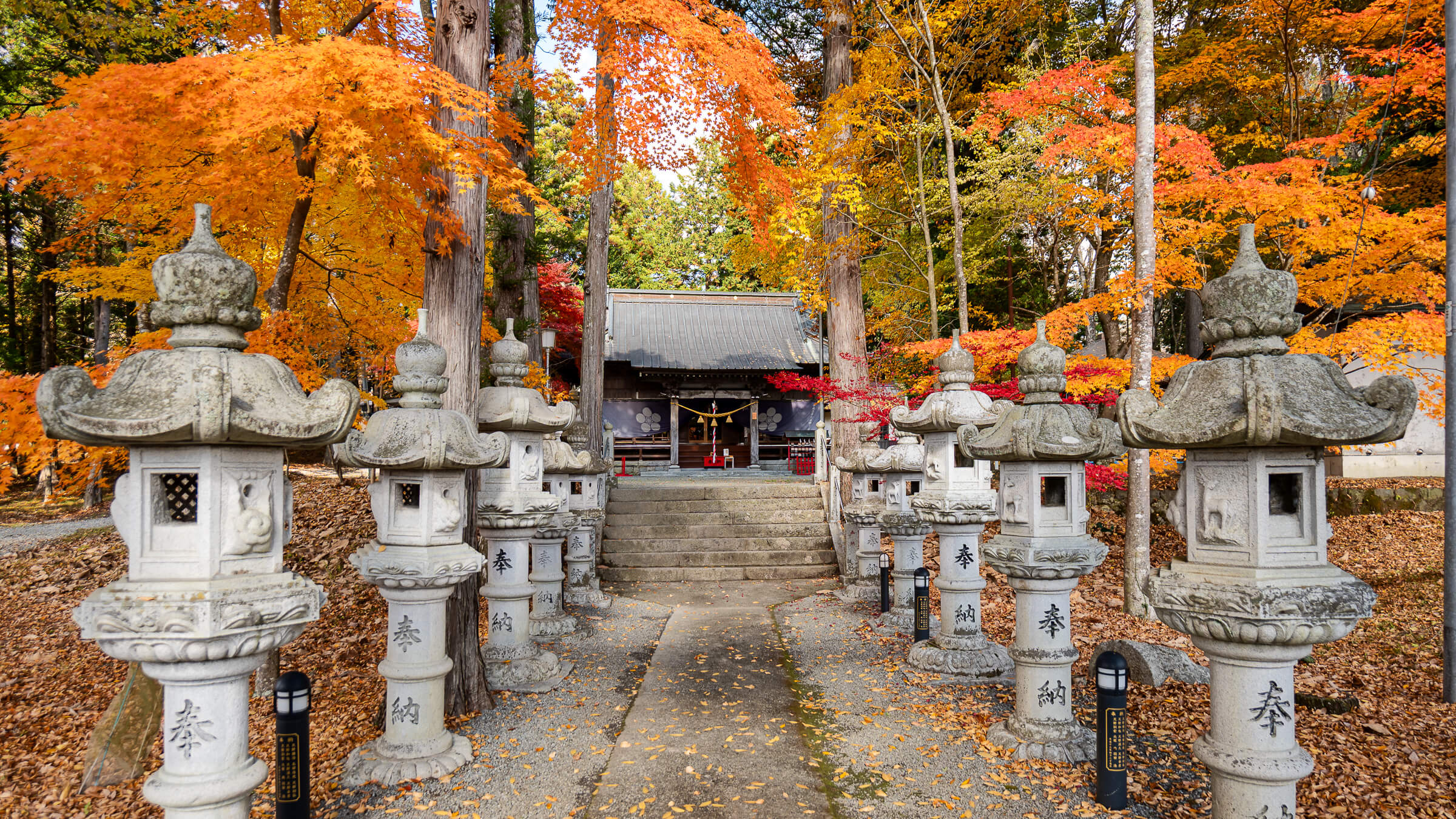
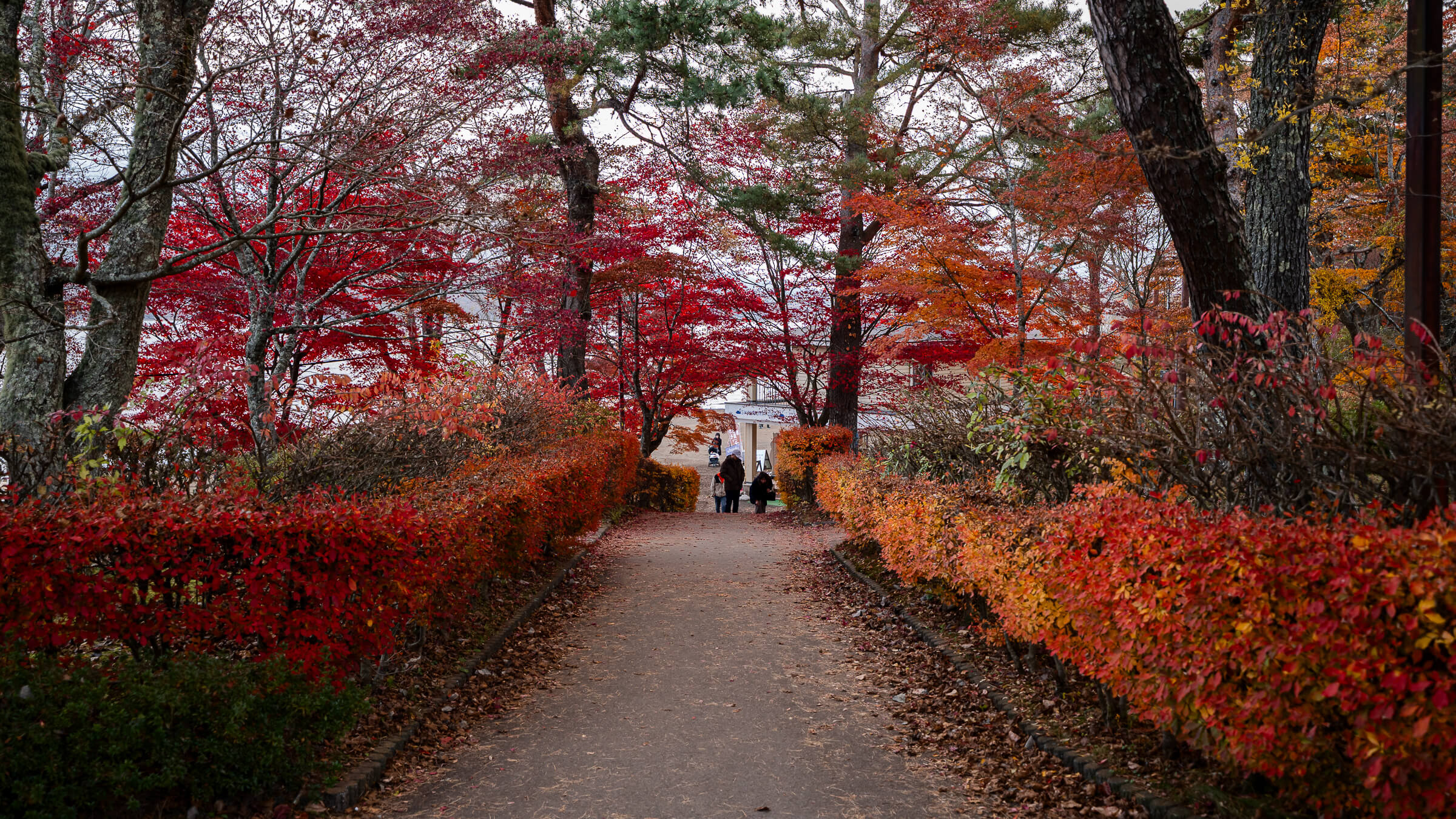
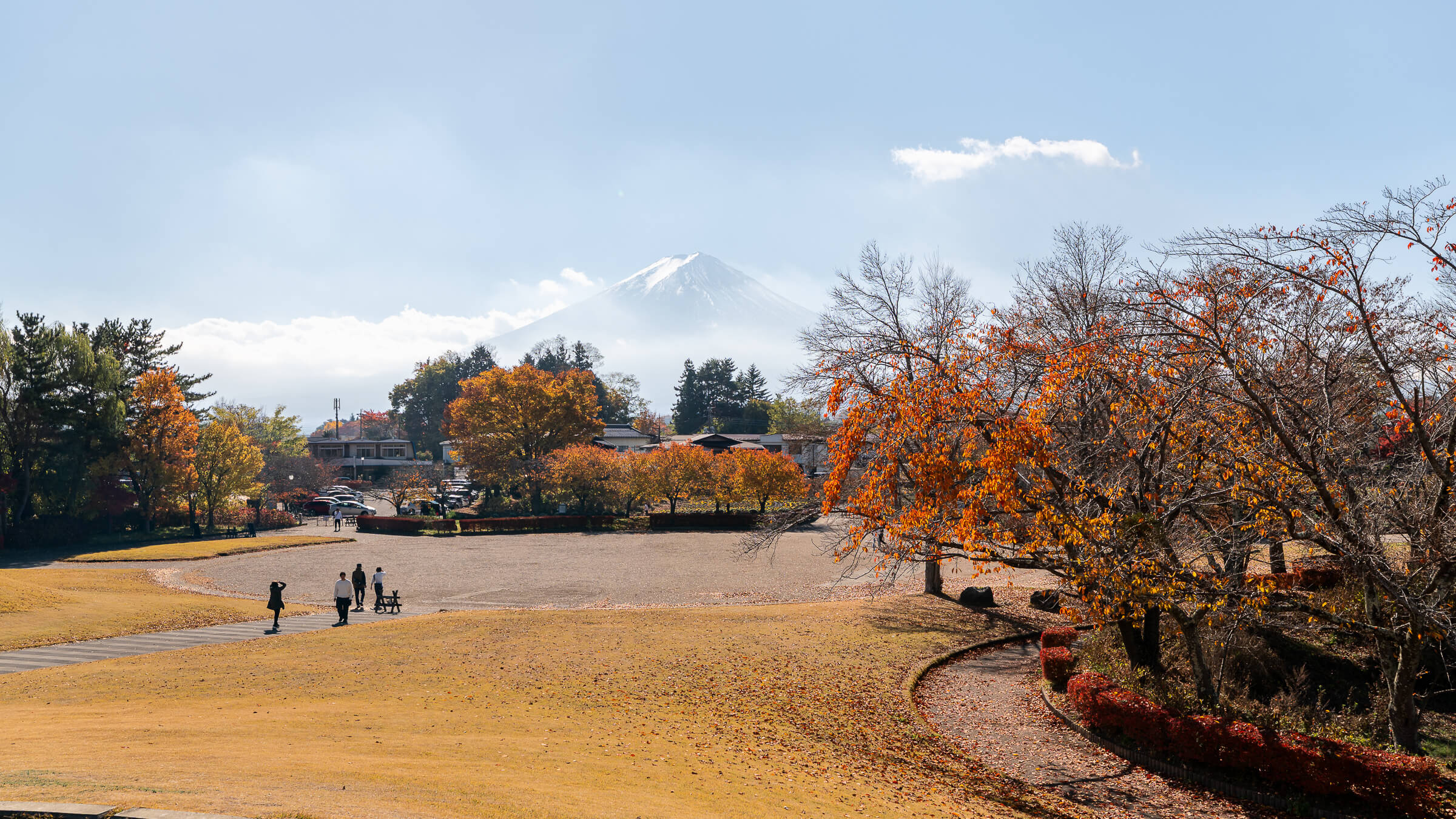
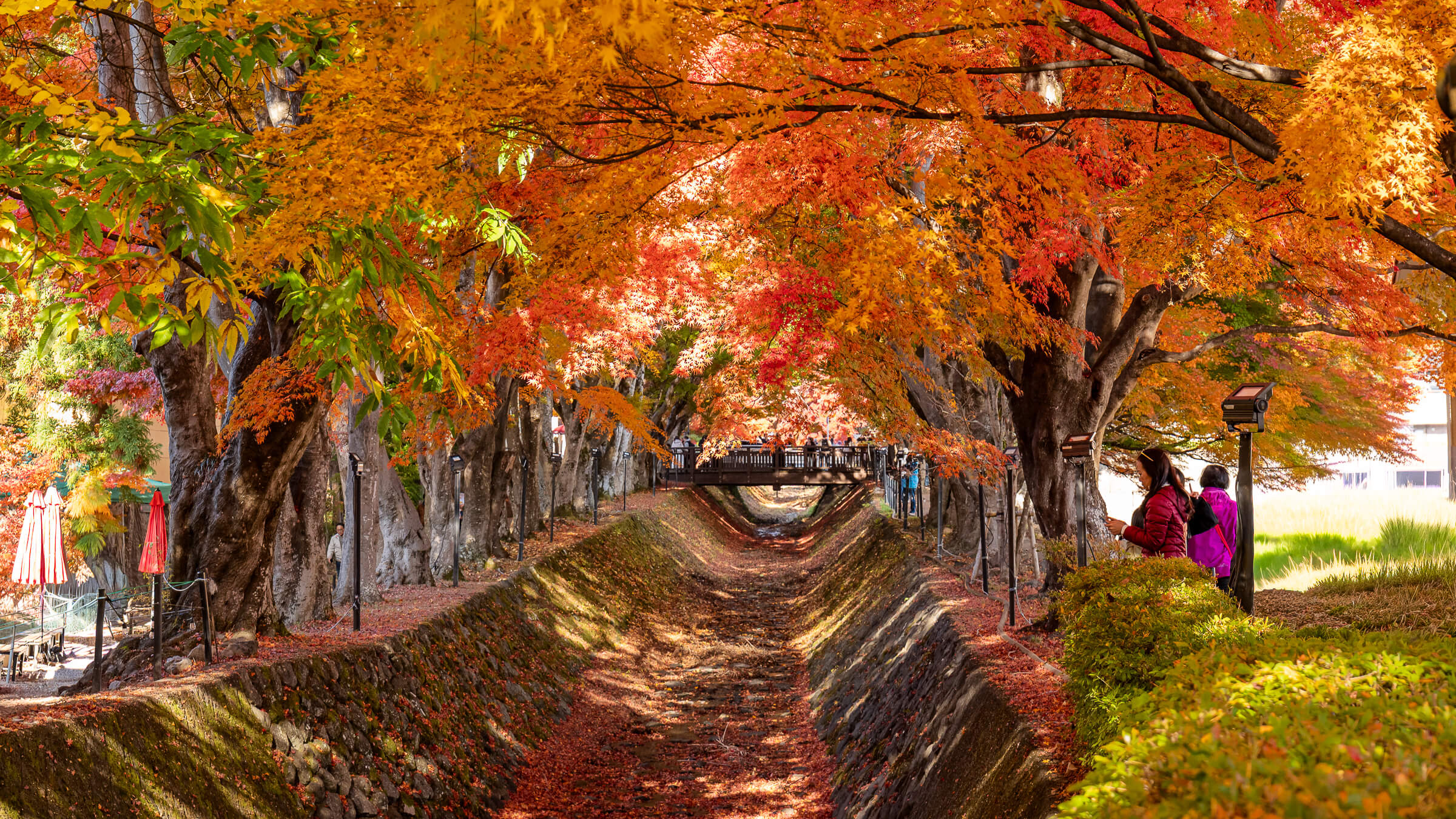
Seasonal shifts are visible and durable. Late spring and early summer bring dense green coverage, with shade across much of the route. In autumn, maples and surrounding hillsides turn deep red and orange, and the changes in elevation create varied viewpoints across the grounds.
During peak foliage, local events sometimes take place. School performances, food stalls, and small produce stands add activity and sound, but the scale of the complex absorbs this easily, keeping the atmosphere balanced rather than hectic.
Details that shape the visit
Near the administrative buildings, goshuincho are available, and hand-written goshuin can be received on site. Throughout the grounds, tengu imagery tied to the temple’s guardian legend appears naturally alongside halls and pathways, adding cultural texture without dominating the experience.
Gift shops are positioned lower down near the bus stop area, keeping the upper grounds focused on architecture, landscape, and movement rather than retail.
What pairs naturally with a visit here
Saijoji works well as a transition point rather than a destination in isolation. Many travelers pair it with Hakone, using the temple as a counterbalance to busier lakeside or museum areas. It also pairs naturally with Odawara, especially when routing back toward the coast or connecting to major rail lines.
For those who prefer to stay nearby, onsen lodging in the area can turn the visit into the anchor of an overnight stay rather than a transit stop.
Getting there
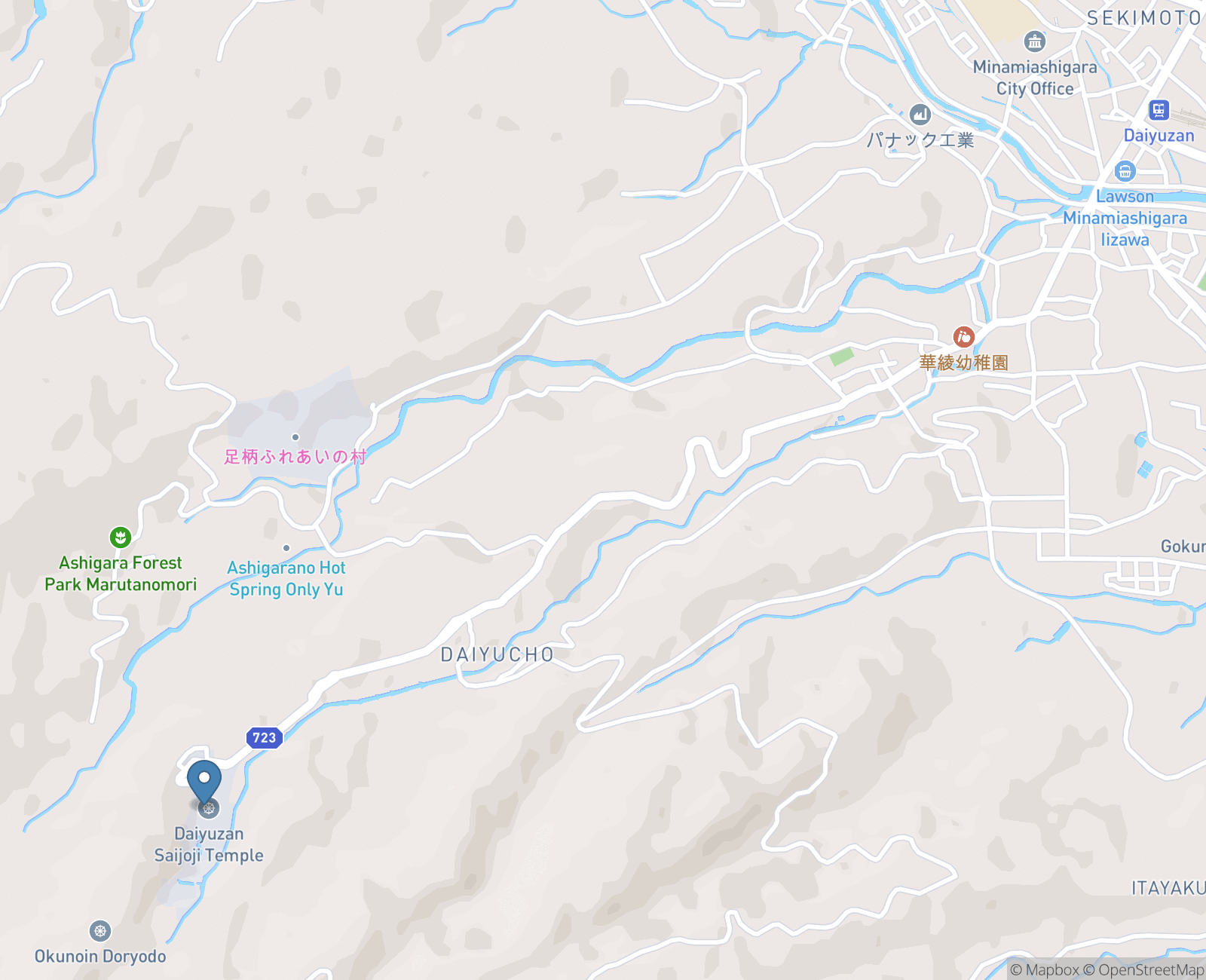
Reaching Saijoji by public transport takes time but involves no guesswork. The journey transitions from major rail lines to the Izuhakone Railway, followed by a bus or uphill walk into a forested setting. The final approach reinforces the sense of entering a distinct landscape.
Driving shortens the approach and makes it easier to combine the visit with nearby hiking or onward travel into Hakone or coastal Kanagawa, but the site remains accessible without a car for those planning a half day.
For travelers continuing beyond Saijo-ji, many choose to stay in Hakone or Odawara, or travel onward toward Atami after a half day of walking. Having a car can make the transition between mountain roads, rail hubs, and coastal areas significantly easier.
Hours & fees
Hours and admission policies change seasonally and around events. Confirm current opening times, fees, and goshuin availability on the official Daiyuzan Saijoji website before visiting.