Kanagawa Prefecture (神奈川県)
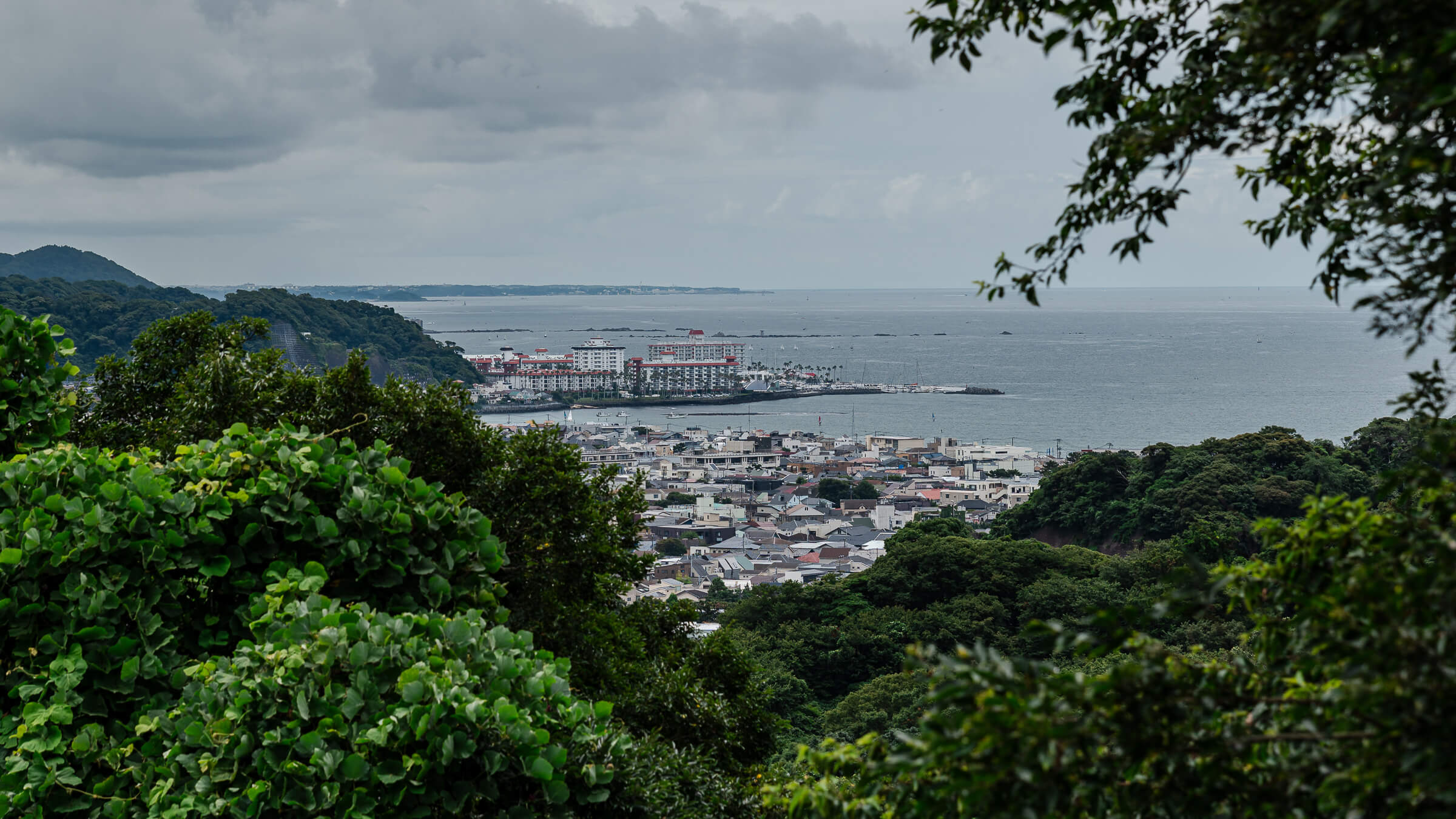
Kanagawa Prefecture sits directly south of Tokyo in the Kanto region. It forms the geographic bridge between the capital and the Fuji corridor of Shizuoka and Yamanashi. Tokyo Bay defines its eastern edge. Sagami Bay shapes the southern coastline. The Tanzawa Mountains rise across the northwest.
This compact prefecture compresses port cities, temple districts, coastal rail towns, volcanic highlands, and interior ridgelines within a short travel span. Elevation increases steadily as you move west. Rail density thins. Terrain becomes more vertical. The transition from metropolitan corridor to mountain system happens within roughly one to two hours.
Along Tokyo Bay, Yokohama and Kawasaki form a continuous urban belt connected directly to Tokyo’s rail network. Movement here is infrastructure-driven and dense.
South of this corridor, Kamakura anchors the coastal historic zone. Its core landmarks include Tsurugaoka Hachimangu, Hasedera Temple, and Kotoku-in (Daibutsu). Komachi Street runs between the station and shrine complex, forming the central pedestrian corridor. Surrounding wooded hills contain established hiking courses such as the Daibutsu Trail and Tenen Course, linking temple districts through ridgeline paths. West of Kamakura, the Shonan coast extends through Enoshima, Fujisawa, and Hiratsuka with rail lines running parallel to Sagami Bay.
Further west, Odawara operates as a structural hinge between coast and highland. From here, movement branches toward Hakone or into the Ashigara hills.
Hakone forms a contained volcanic basin organized around Lake Ashi, Owakudani, the Hakone Ropeway, and interconnected transport loops. It marks the geographic transition toward the Mount Fuji region.
North of Odawara, forested valleys lead to Daiyuzan Saijoji Temple in the Ashigara highlands. Beyond this, the Tanzawa mountain system extends across Yamakita, Hadano, and Isehara. Sustained elevation gain defines movement in this zone. Peaks such as Mount Omuro and Mount Oyama represent the prefecture’s interior vertical terrain.
Coastal travel operates rail-first. Inland areas increasingly require bus connections or car access to reach dispersed mountain routes.
Kanagawa Prefecture connects metropolitan Tokyo to coastline, basin, and mountain within one administrative boundary. Understanding how these zones shift—from bay to temple corridor to volcanic basin to ridgeline—clarifies how Kanagawa functions within broader Kanto and Fuji-region movement.
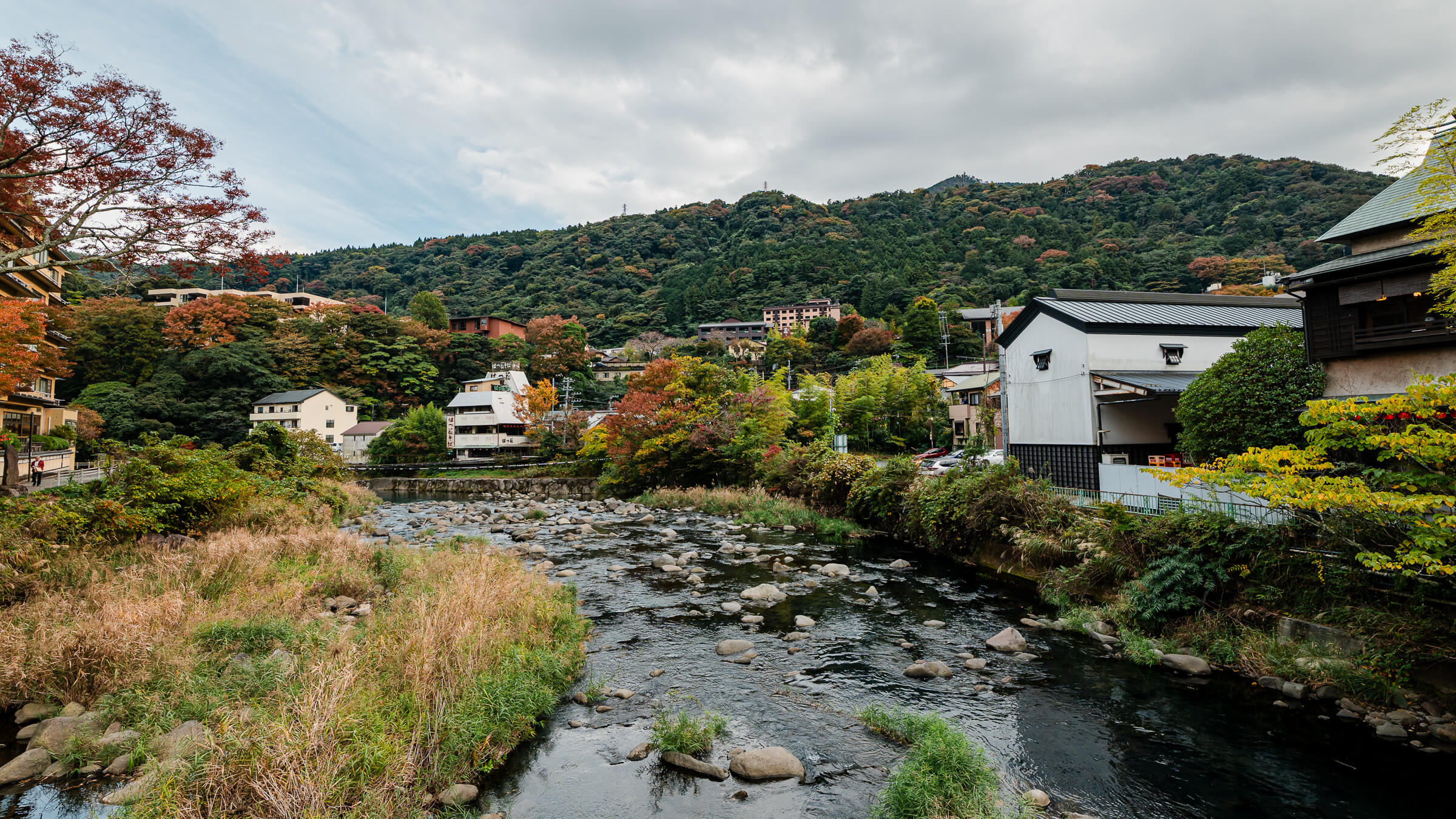
A Quiet Garden Walk Beyond Hakone-Yumoto Station Tenseien Garden is a compact garden in Hakone-Yumoto with Hien Falls, Tamadare Falls and a small hillside shrine. You can visit the grounds…
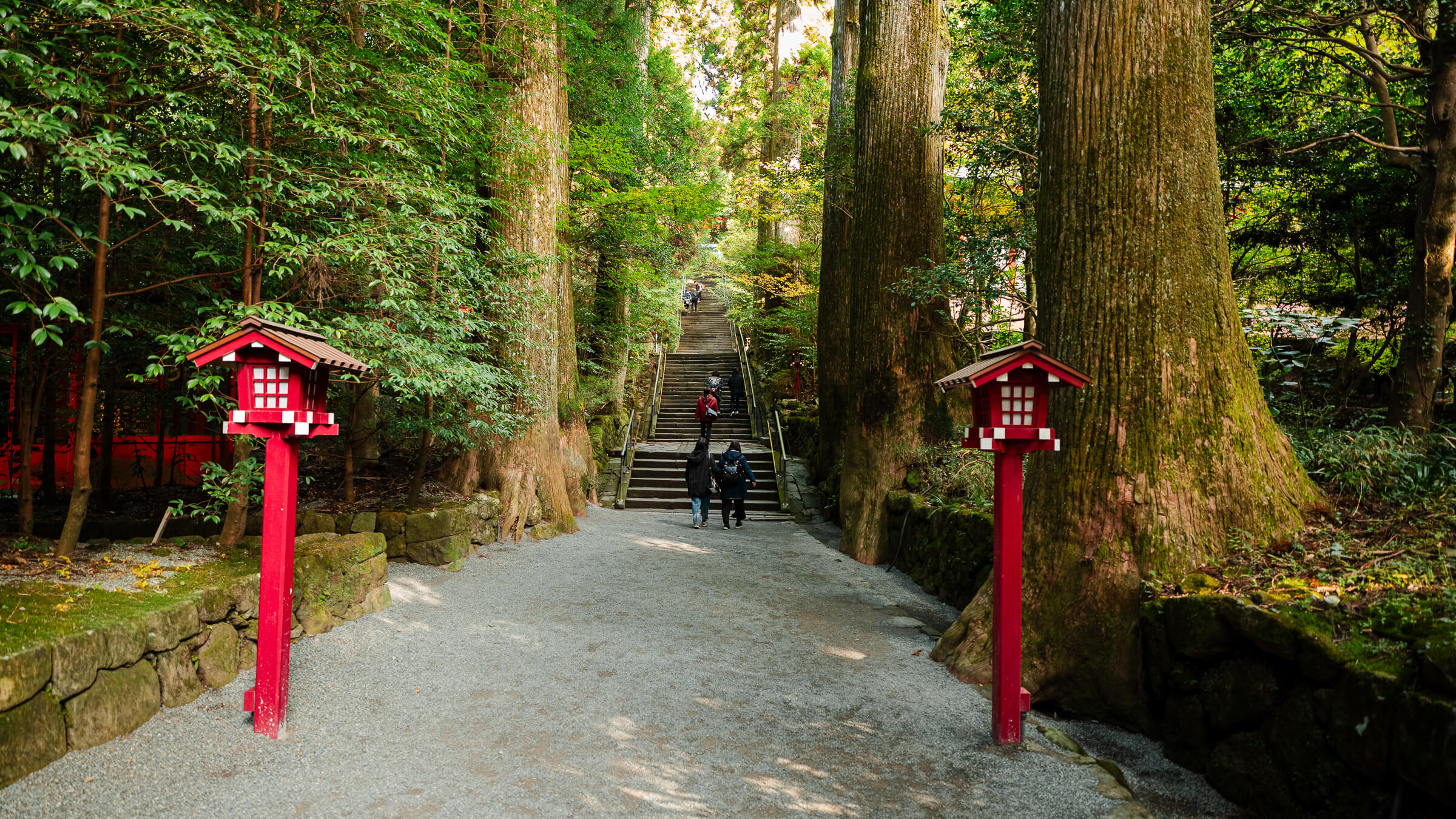
Visiting Hakone Shrine Beside Lake Ashi Hakone Shrine is a Shinto shrine in Motohakone, known for Heiwa no Torii, the red gate beside Lake Ashi. Its free grounds extend from…
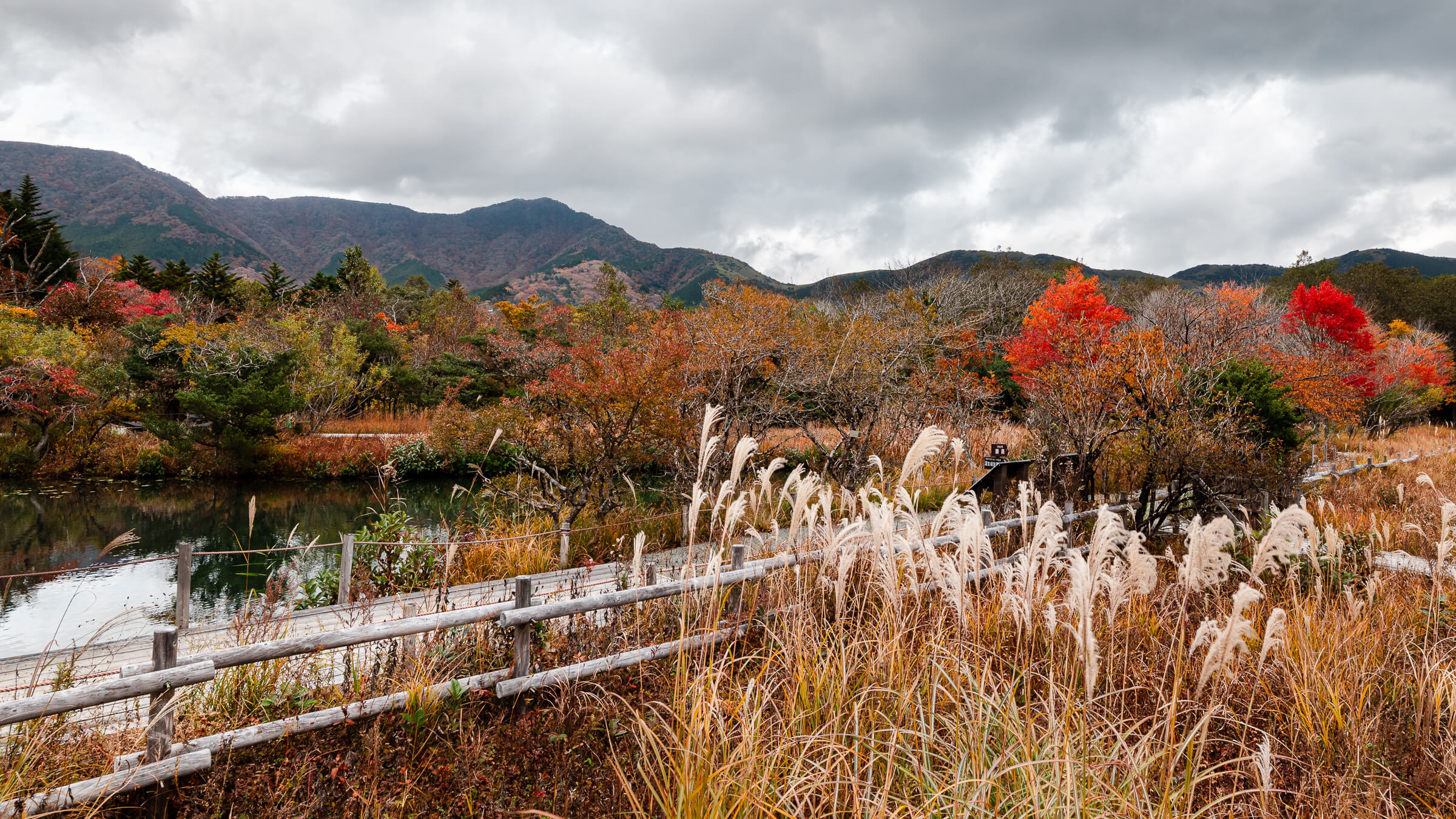
Exploring Hakone’s Wetland Landscape Hakone Botanical Garden of Wetlands is an outdoor botanical garden in Sengokuhara, Hakone, in western Kanagawa Prefecture, built around wetland plants and the environments that support…
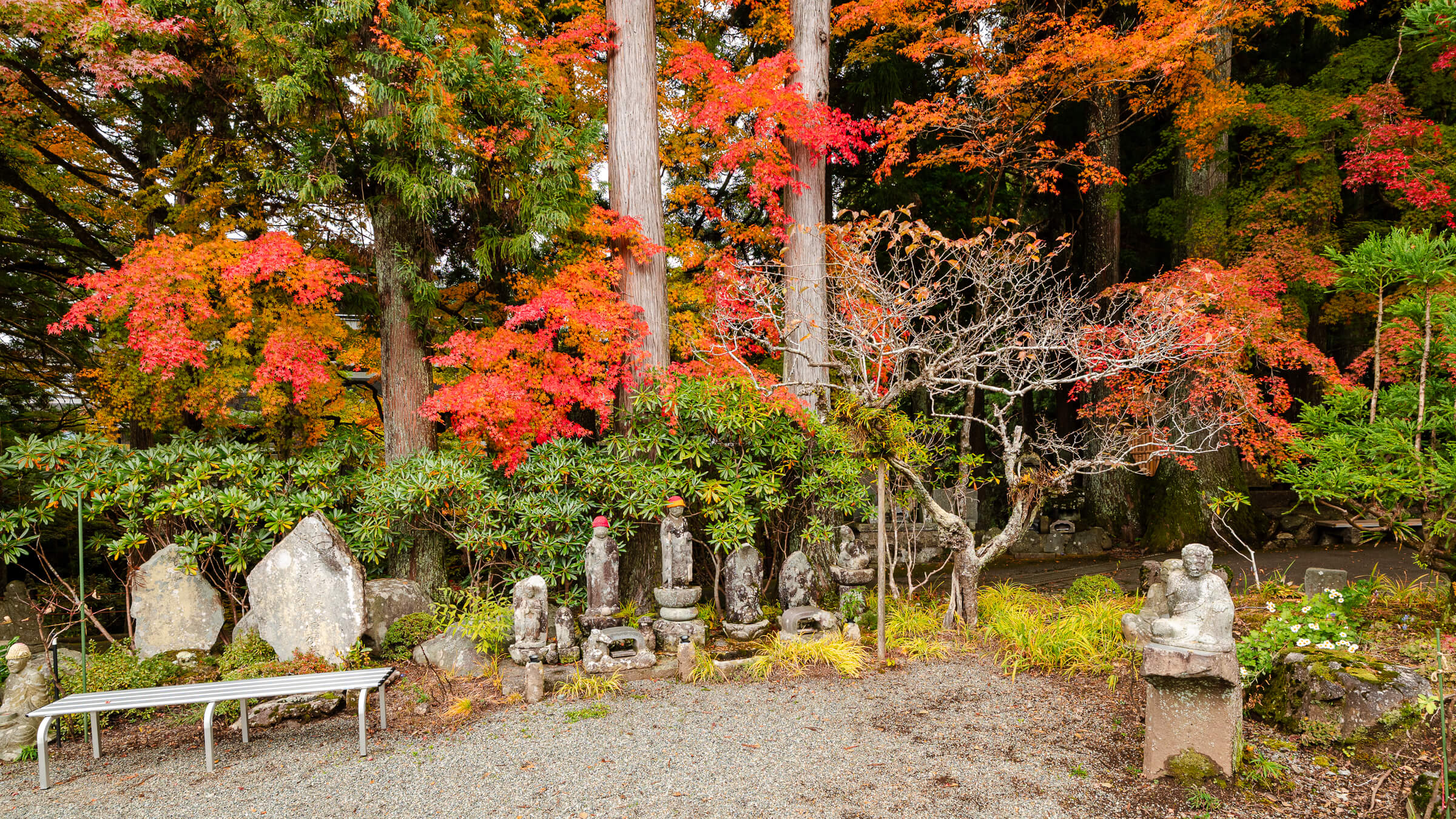
A One-Hour Temple Stop in Sengokuhara Choanji Temple, also written Chōan-ji and known in Japanese as 長安寺, is a Sōtō Zen temple in Sengokuhara, northern Hakone in Kanagawa Prefecture. The…
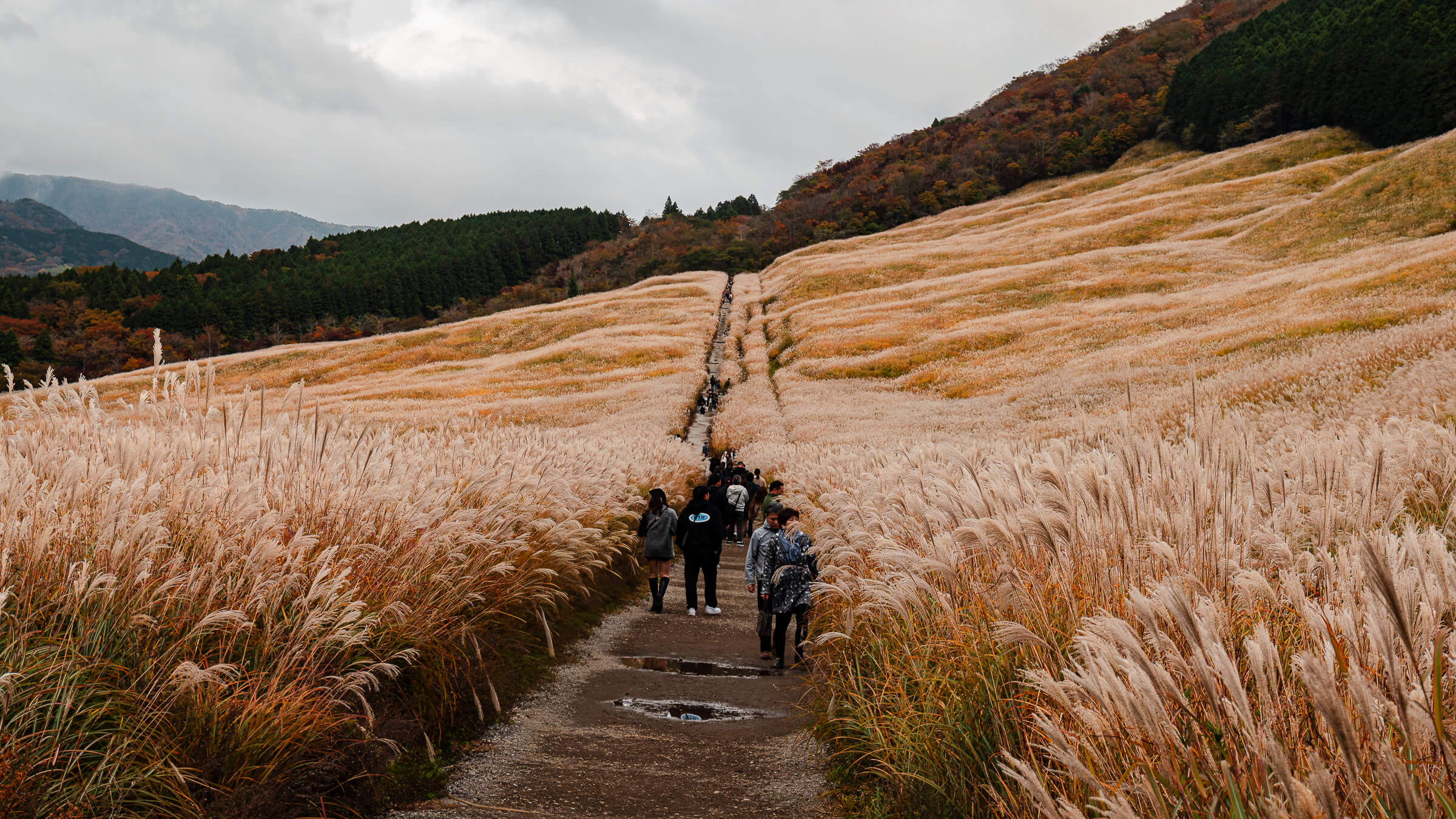
A Short Walk Through Hakone’s Open Grassland The Sengokuhara Pampas Grass Fields—also known as the Sengokuhara Susuki Grass Fields—spread across the lower slope of Mount Daigatake in northern Hakone, western…
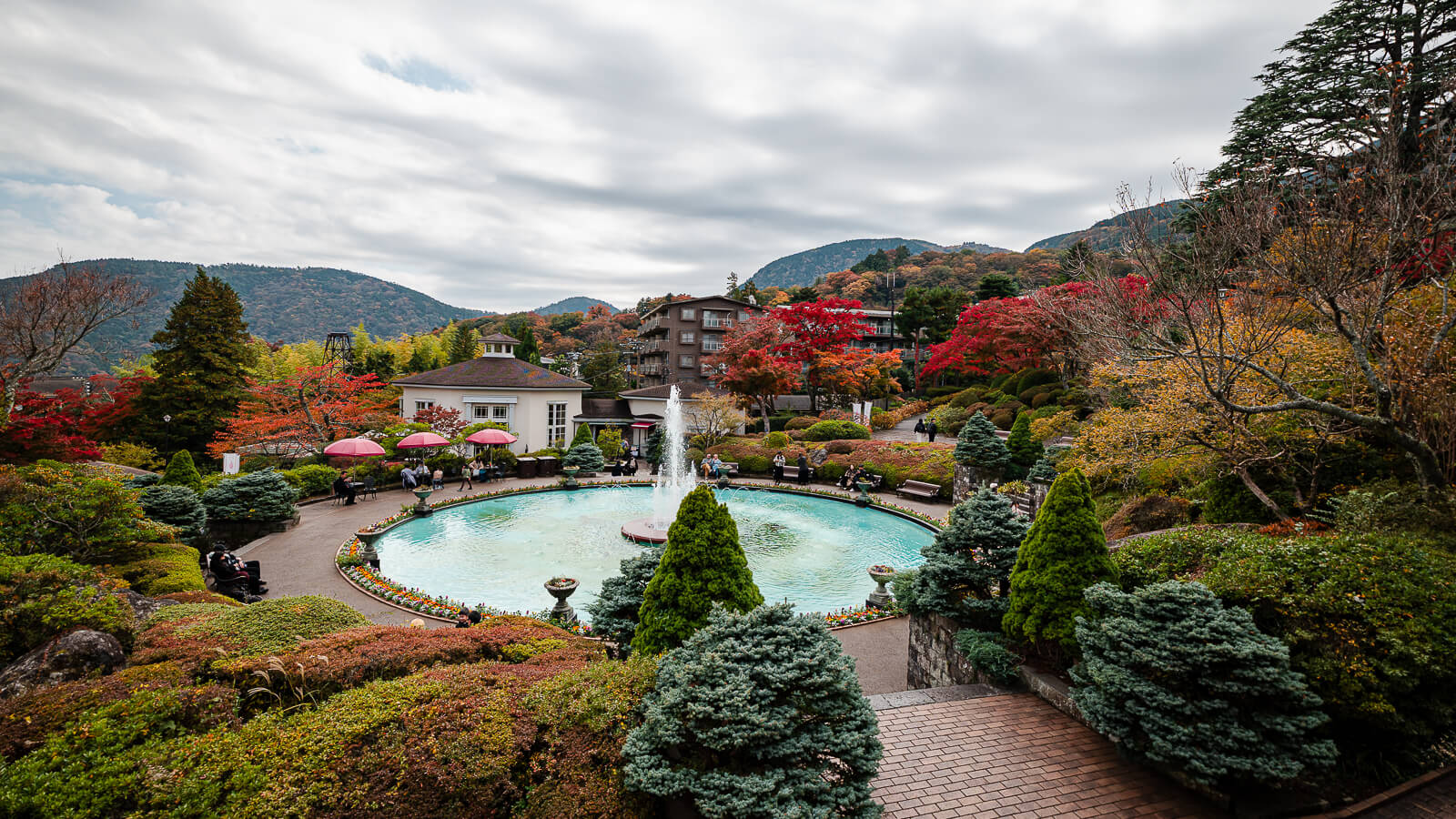
A Garden Stop That Works Best From the Upper Gate Hakone Gora Park is a terraced Western-style garden in central Hakone, western Kanagawa Prefecture. The fountain, rose beds, greenhouses, cafés,…
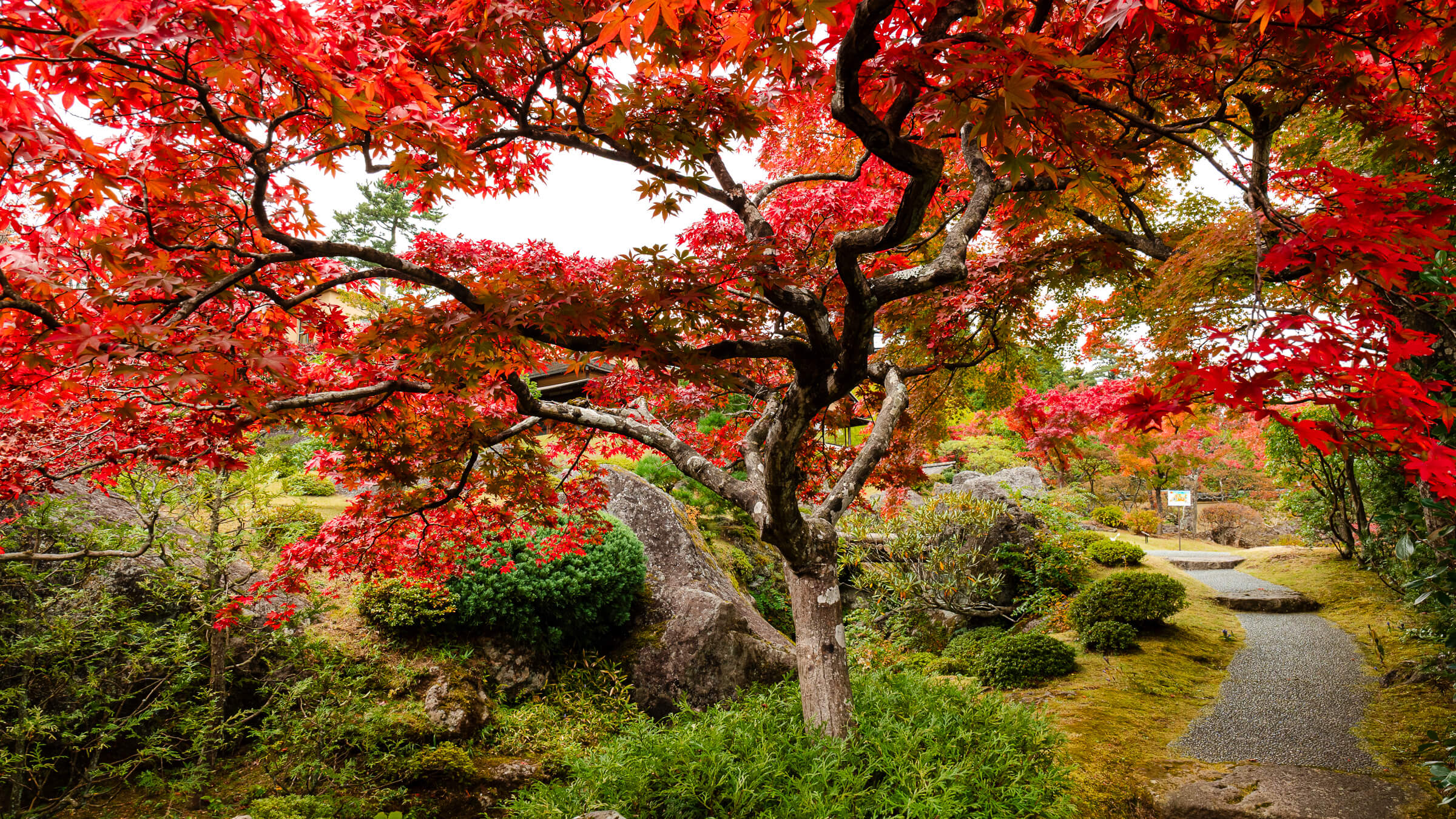
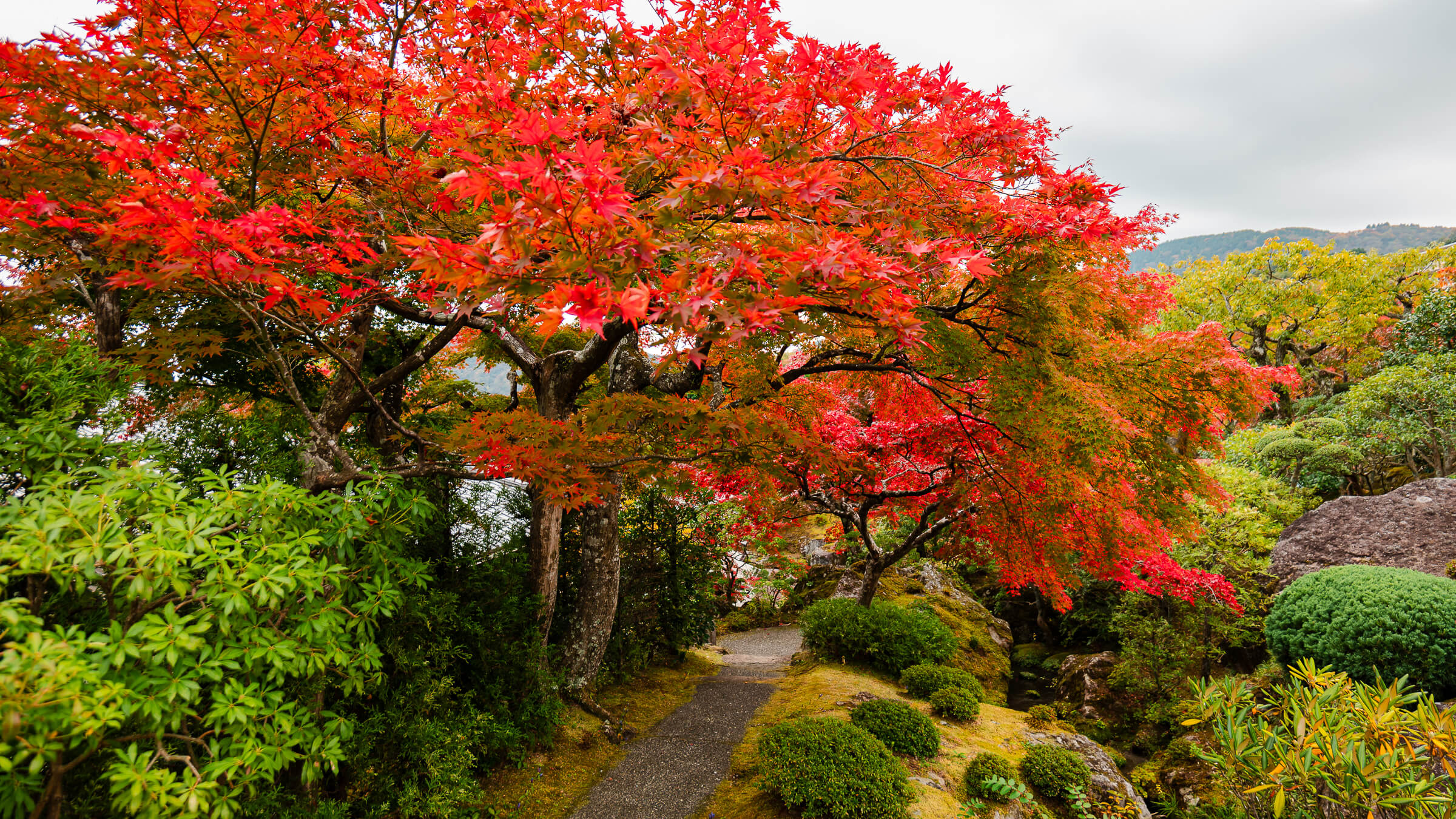
Shinsenkyo Garden is a strong choice for travelers who want autumn maples at walking-path scale, with green moss, stonework, and traditional architecture in the same view. It surrounds the Hakone…
Hakone, in western Kanagawa southwest of Tokyo, usually shows autumn foliage from late October through late November, with some lower areas continuing into early December. The mountain route around Owakudani…
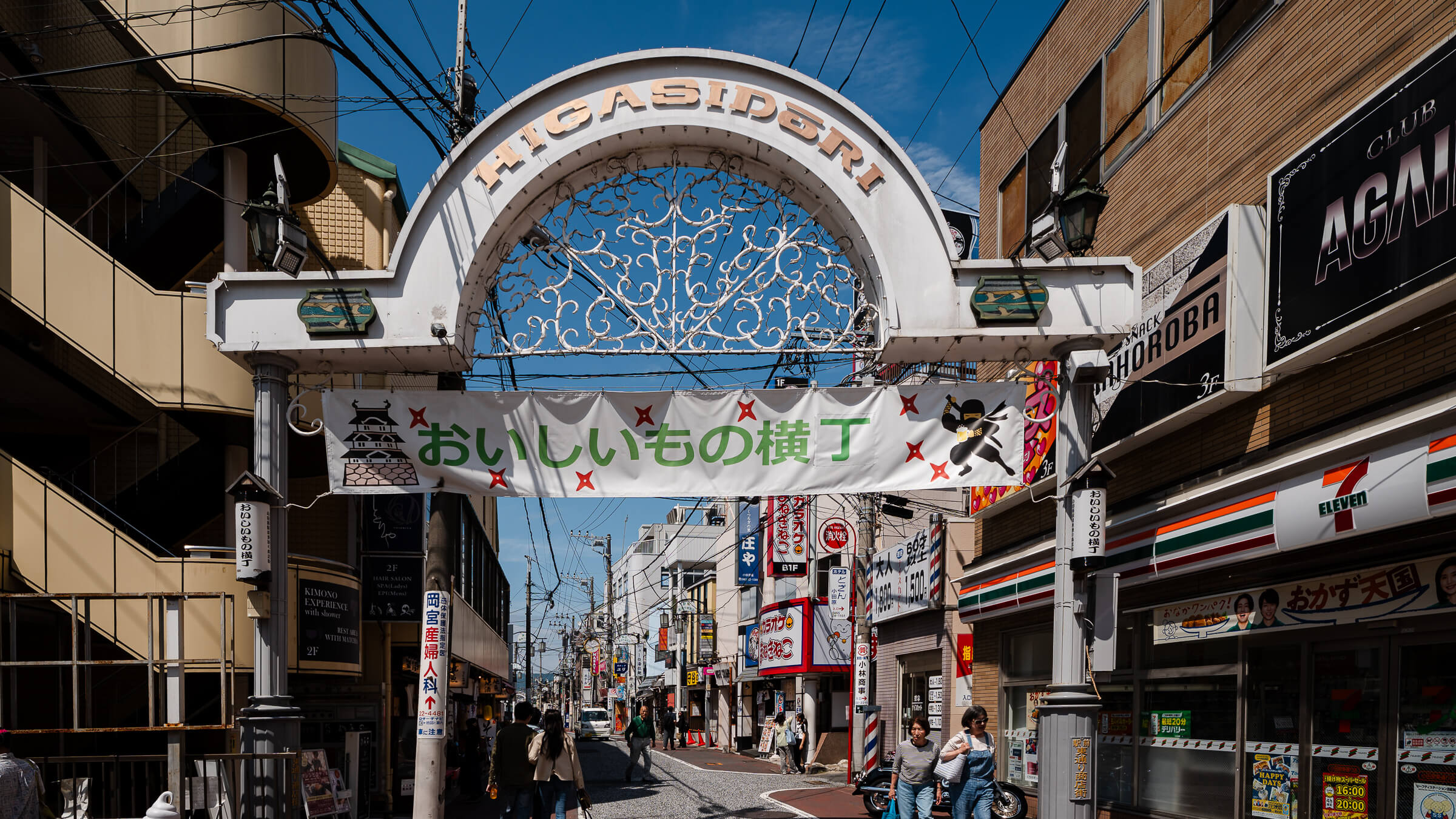
Exploring the Commercial Heart of Odawara Odawara's main shopping area extends from the east side of Odawara Station toward Odawara Castle, connecting Minaka Odawara with Higashidori, Oshiro Dori, Nishiki Street,…
A Forest Route Across Kamakura The Daibutsu Hiking Course links the temple district of Kita-Kamakura with the Great Buddha and Hase through the wooded hills that separate the two areas.…