A Short Walk Through Hakone’s Open Grassland
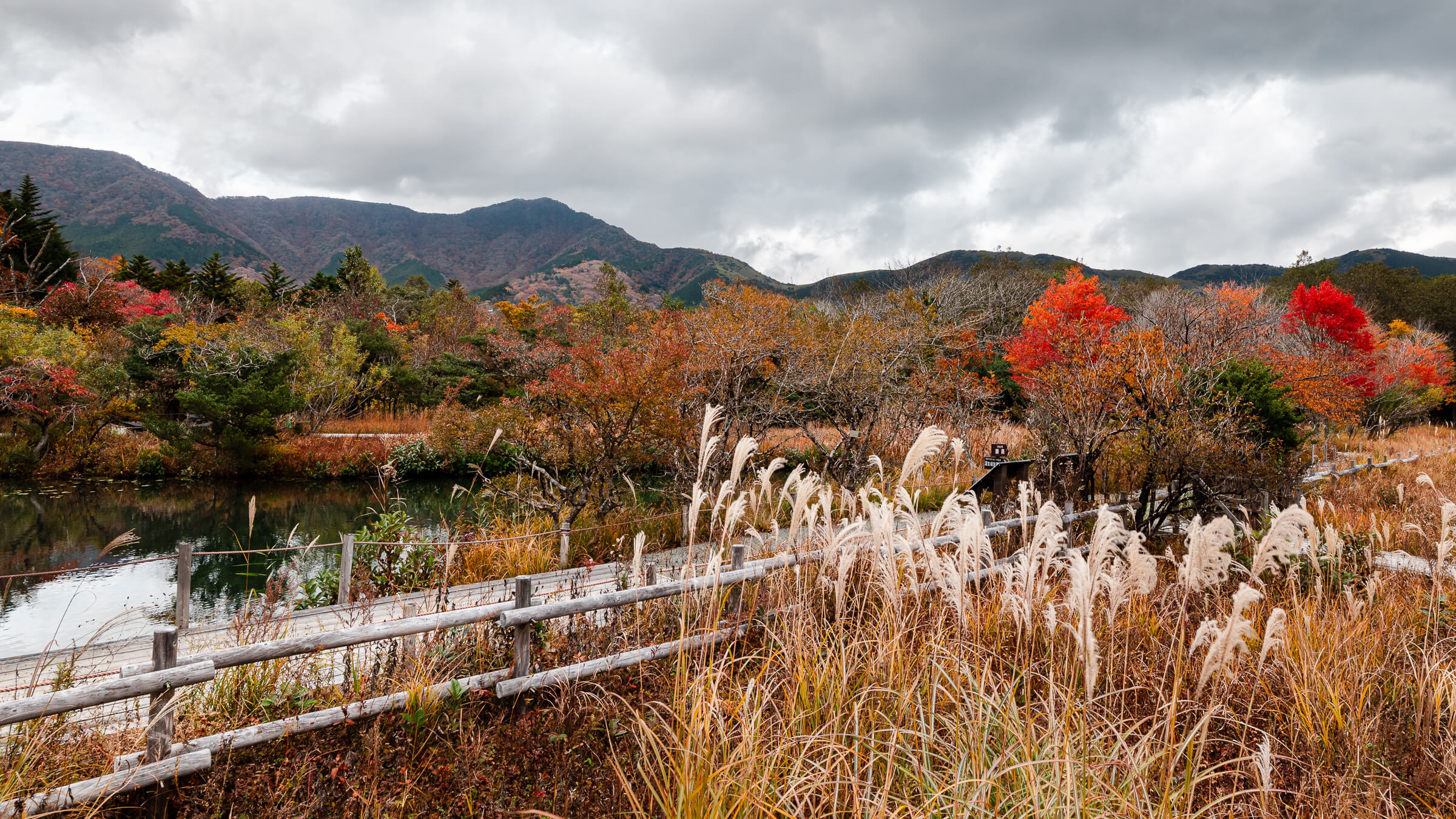
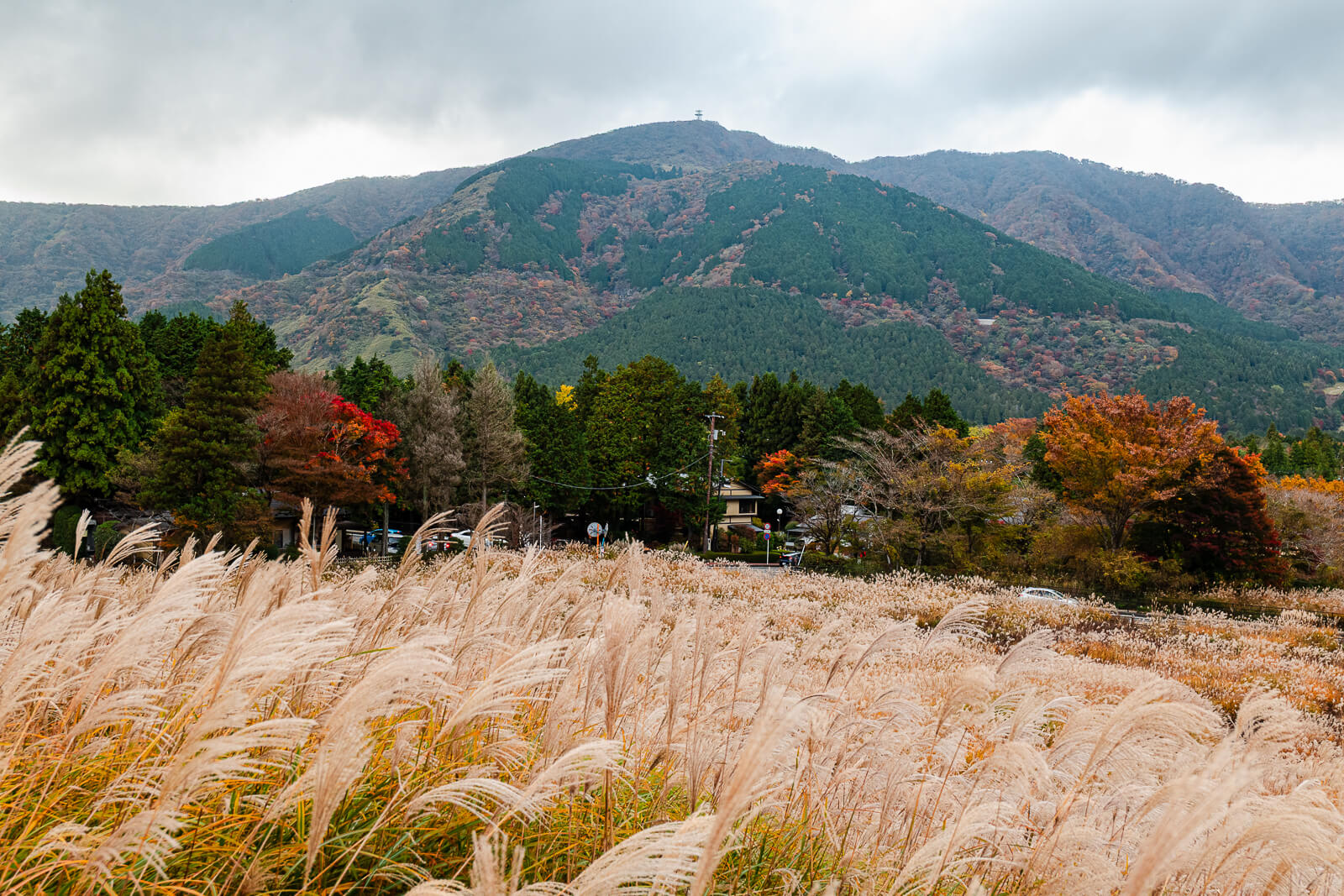
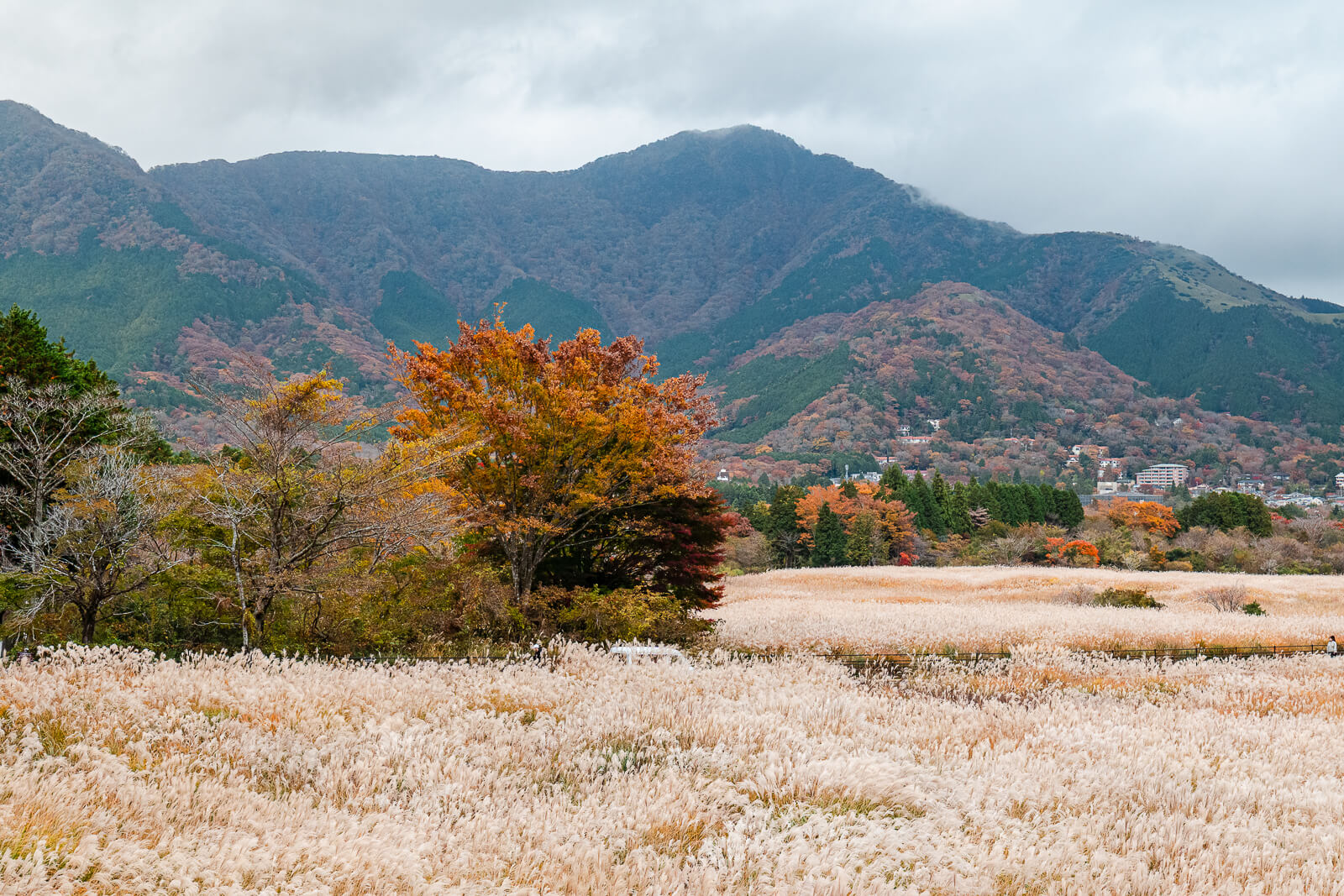
The Sengokuhara Pampas Grass Fields—also known as the Sengokuhara Susuki Grass Fields—spread across the lower slope of Mount Daigatake in northern Hakone, western Kanagawa Prefecture. A single out-and-back path climbs through tall Japanese silver grass, with the Sengokuhara basin and Hakone’s outer mountains opening behind it. The landscape feels distinctly different from Hakone’s formal gardens, temple woods, volcanic terrain, and Lake Ashi shoreline because the grassland itself is the attraction.
This is a short, seasonal stop with a low time commitment. About 20 minutes is enough to walk several hundred meters into the field, see the grass rise around the path, take photographs, and return; 30 to 40 minutes allows an easier pace or a farther turnaround. The incline is gradual, but the natural surface is uneven, so the stop suits travelers comfortable on an unpaved path.
The field has the most value for travelers already spending time in Sengokuhara, especially when paired with Chōan-ji Temple or the Hakone Botanical Garden of Wetlands. It is less compelling as a separate detour on a tightly scheduled first trip centered on Lake Ashi, Owakudani, and Gora. Its strength is contrast and flexibility: one of Hakone’s defining autumn landscapes can fit into the day without controlling it.
Why This Grassland Still Covers the Hillside
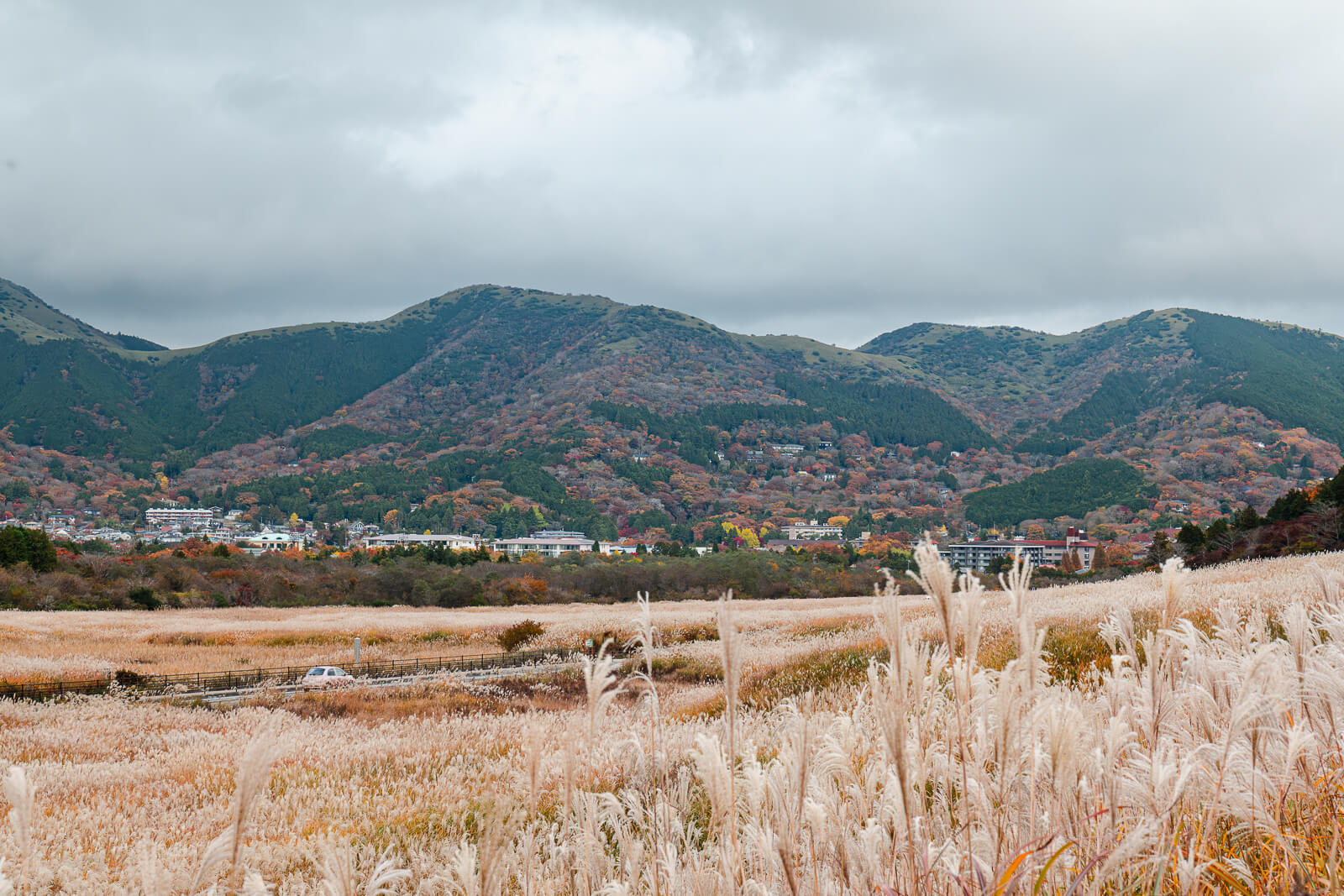
The open slope was once practical land, not simply a scenic preserve. Sengokuhara’s volcanic-ash soil and wet conditions made grain cultivation difficult, while susuki could be cut and used as kaya for traditional thatched roofs. That history explains why a grassland developed here and why the view differs so sharply from the wooded mountains around it.
The present landscape also depends on continued management. After years without burning allowed shrubs and trees to spread, controlled yamayaki was resumed in 1989; Hakone Town’s current program manages about 18 hectares on the Mount Daigatake side. Burning on a calm day in early spring suppresses woody growth, and the new grass grows through summer before producing silver and gold plumes in autumn.
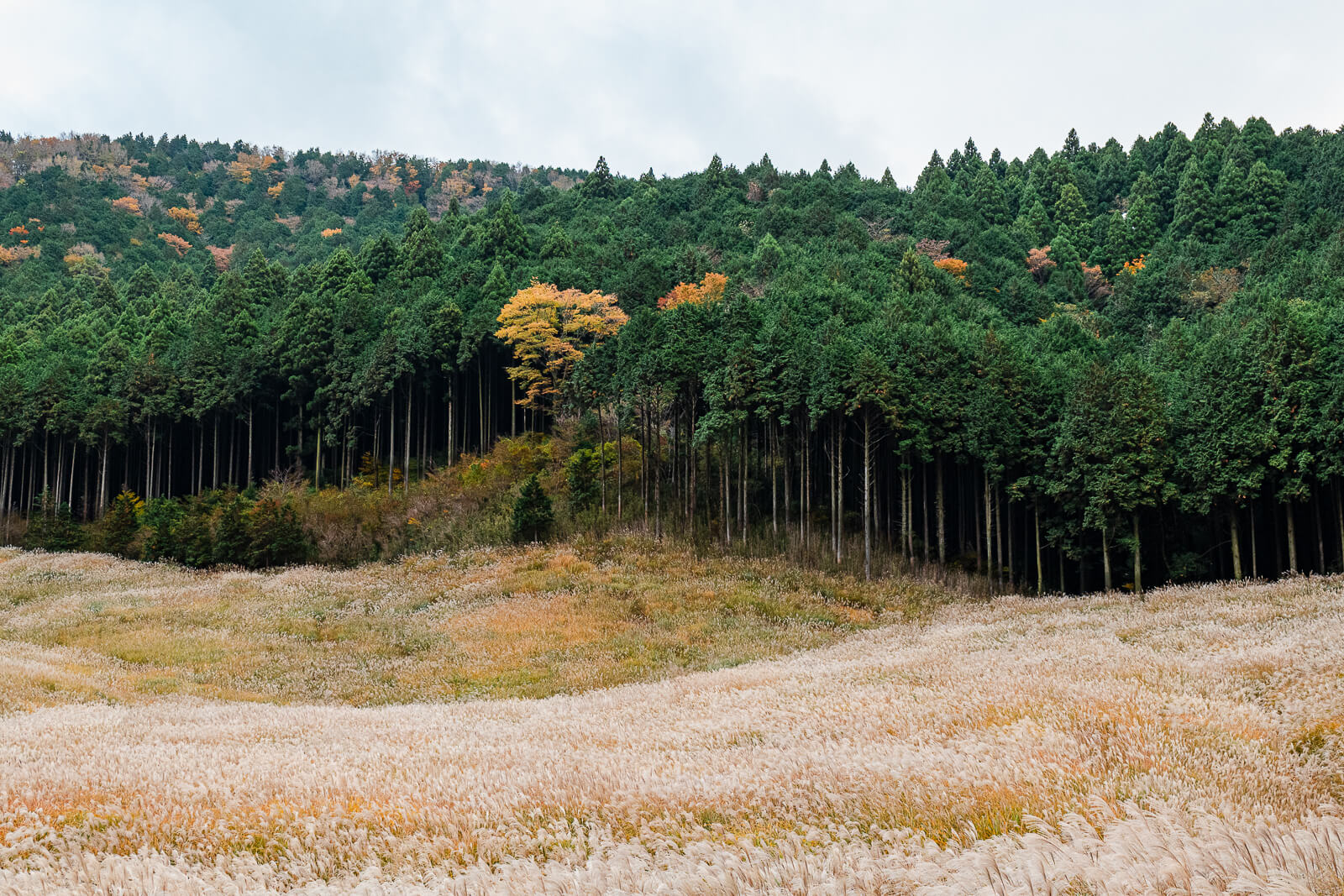
The broad, apparently natural field is therefore a maintained cultural landscape. Knowing that changes what the autumn scene represents: the open slope survives because local organizations, firefighters, and residents repeat the work each year. The walk shows both a seasonal plant community and the continuation of an older working landscape.
The Roadside View Changes Once the Path Begins
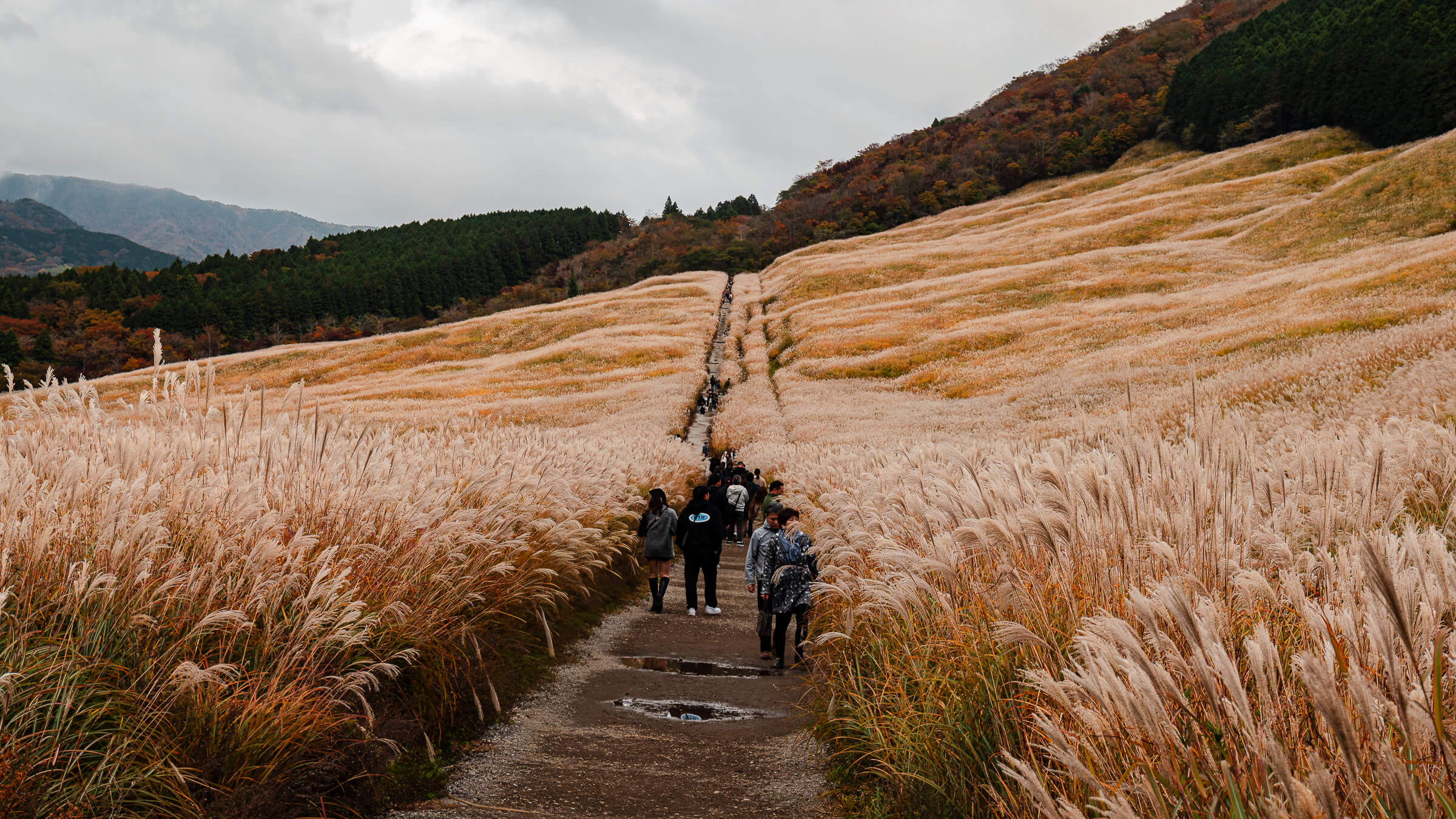
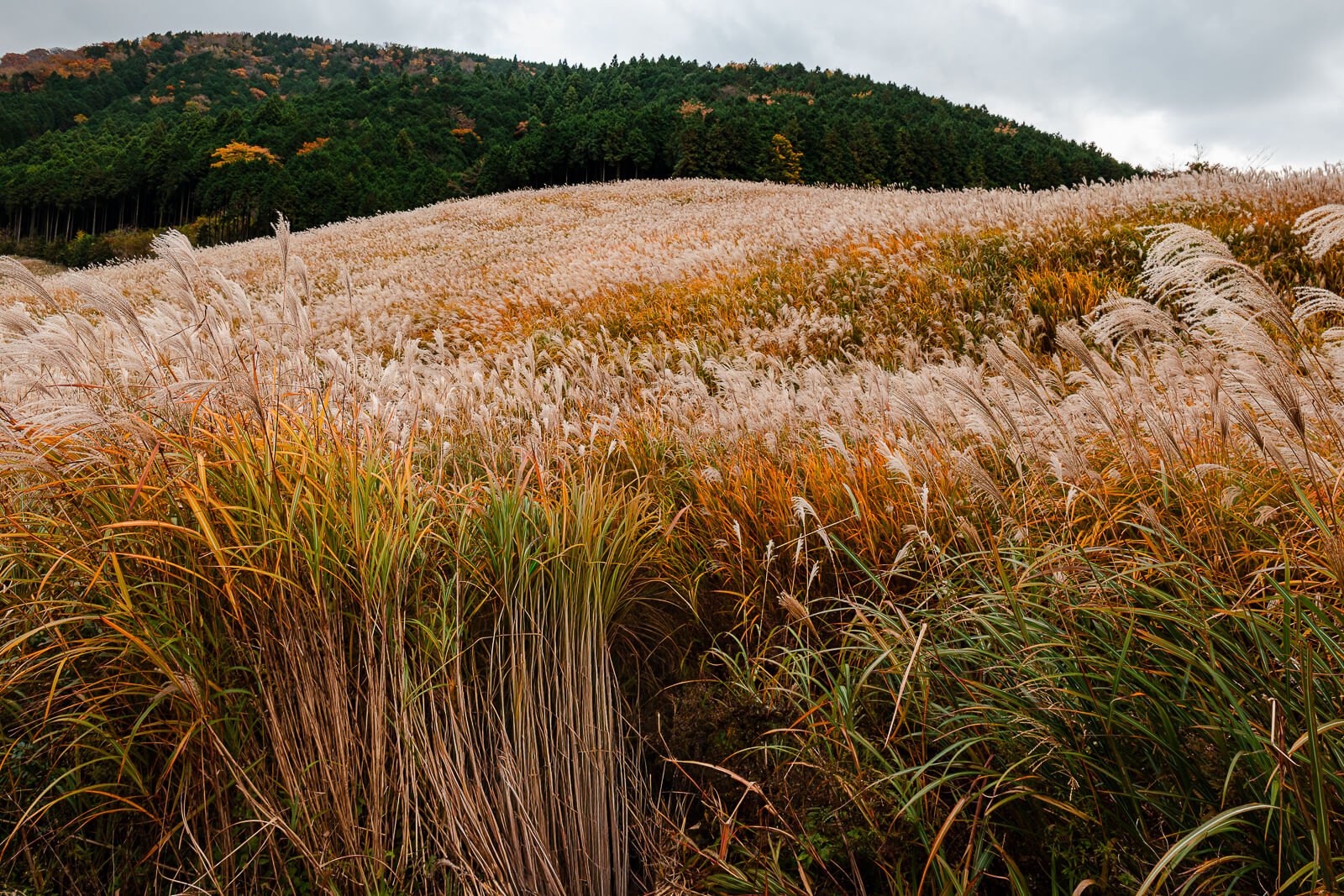
From Prefectural Route 75, the hillside appears as a broad band of pale grass, but the roadside view compresses its scale. Near the entrance, the steady movement of people makes the route easy to recognize, and the path quickly settles into a straight corridor between the stalks. Within a few minutes, the susuki reaches high enough to frame the path and partially screen the road and buildings below.
The route climbs gently and has no branching decisions. It ends higher on the slope and returns along the same path, so every visit can be shortened without missing an exit or transport connection. Several hundred meters is enough to experience the grass at close range and look back across Sengokuhara, while continuing farther increases the elevation and width of the view.
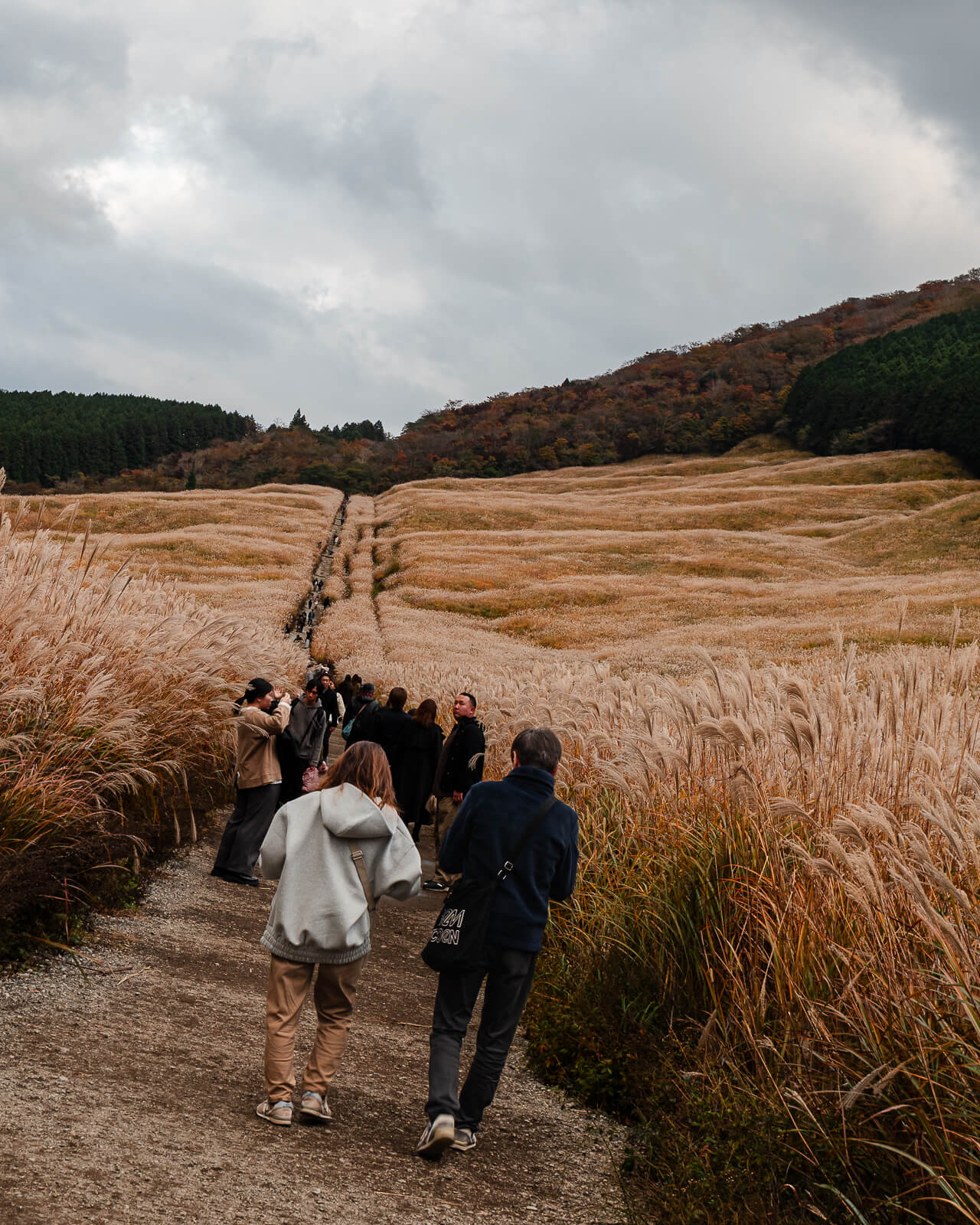
The path is narrow enough that other people remain part of the scene during the autumn season. Even on a busy November afternoon, however, the field and mountain backdrop retained their scale; passing groups changed the rhythm of the walk more than the overall view. People in photographs can also be useful here because they reveal how tall the grass grows and how far the hillside extends.
Twenty Minutes Covers the Core Experience
A 20-minute out-and-back works when the goal is to enter the grass, photograph the path, and add a distinct landscape to a larger route. Allowing 30 to 40 minutes removes pressure to turn around at the first opening and creates more time to wait for people to clear a composition. A photography-focused stop may run longer, but the attraction itself does not need half a day.
The gradual grade is manageable for many children and older travelers, yet the surface matters more than the slope. Dirt, small stones, damp ground, and narrow passing space can make footing less predictable, and the route offers no paved alternative through the field. Travelers who need a smooth, barrier-free surface can still see the hillside from the road but may not get the same enclosed view from inside the grass.
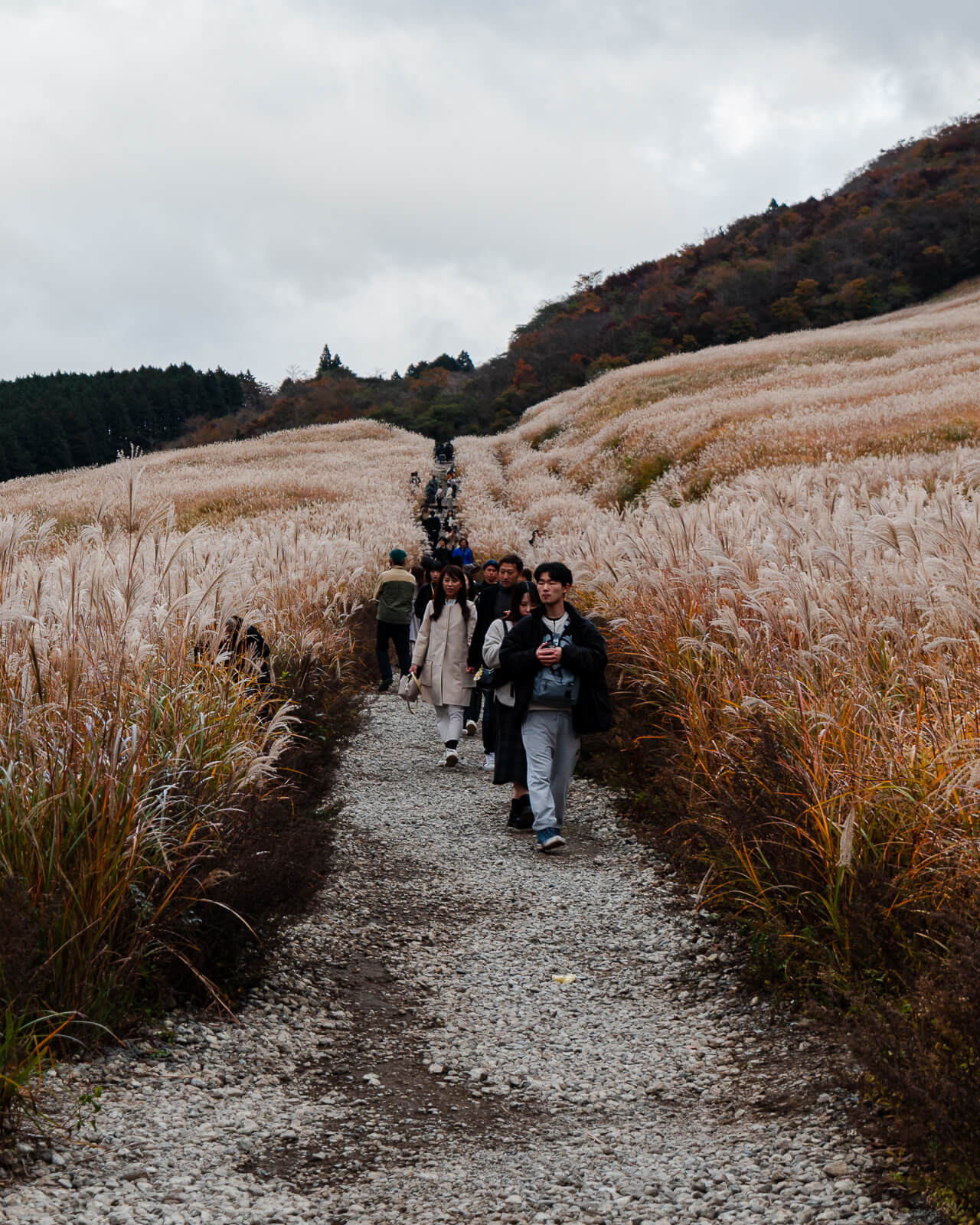
Because the walk returns the same way, the turnaround point should follow the day’s remaining time and light. There is no payoff that appears only at the final meter; the main experience develops early, once the road drops lower in view and the susuki closes around the route. That makes a partial walk a complete visit, not a compromised version of one.
Light, Cloud, and Wind Change the Field
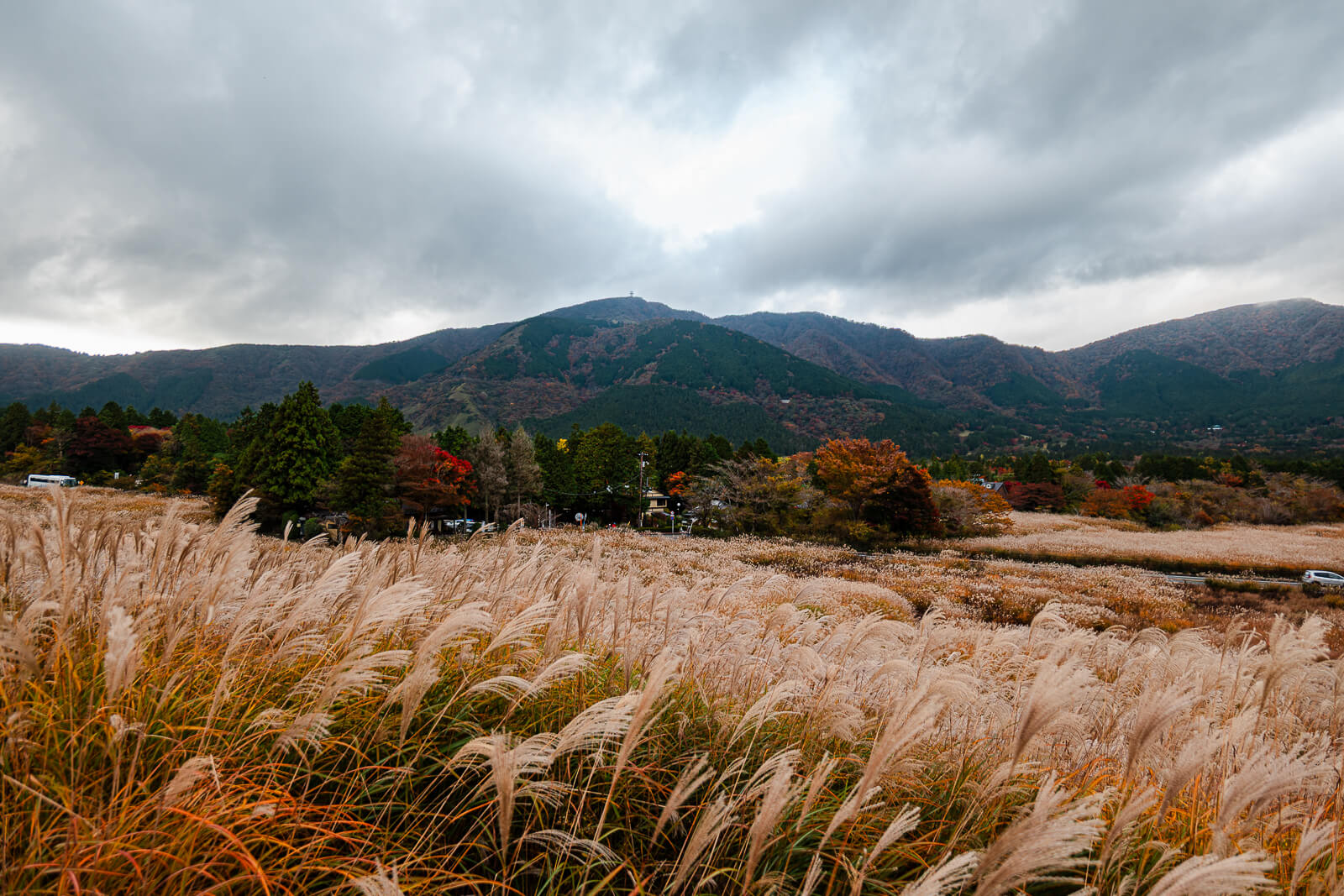
Hakone’s tourism sources describe the seasonal display from September through November, with the grass shifting from green and silver toward tan and gold as autumn advances. October into early November is a practical planning window for mature plumes, although attractive conditions often continue later and vary by year. Exact timing matters less here than understanding which stage of the grass and which wider Hakone scenery fit the trip.
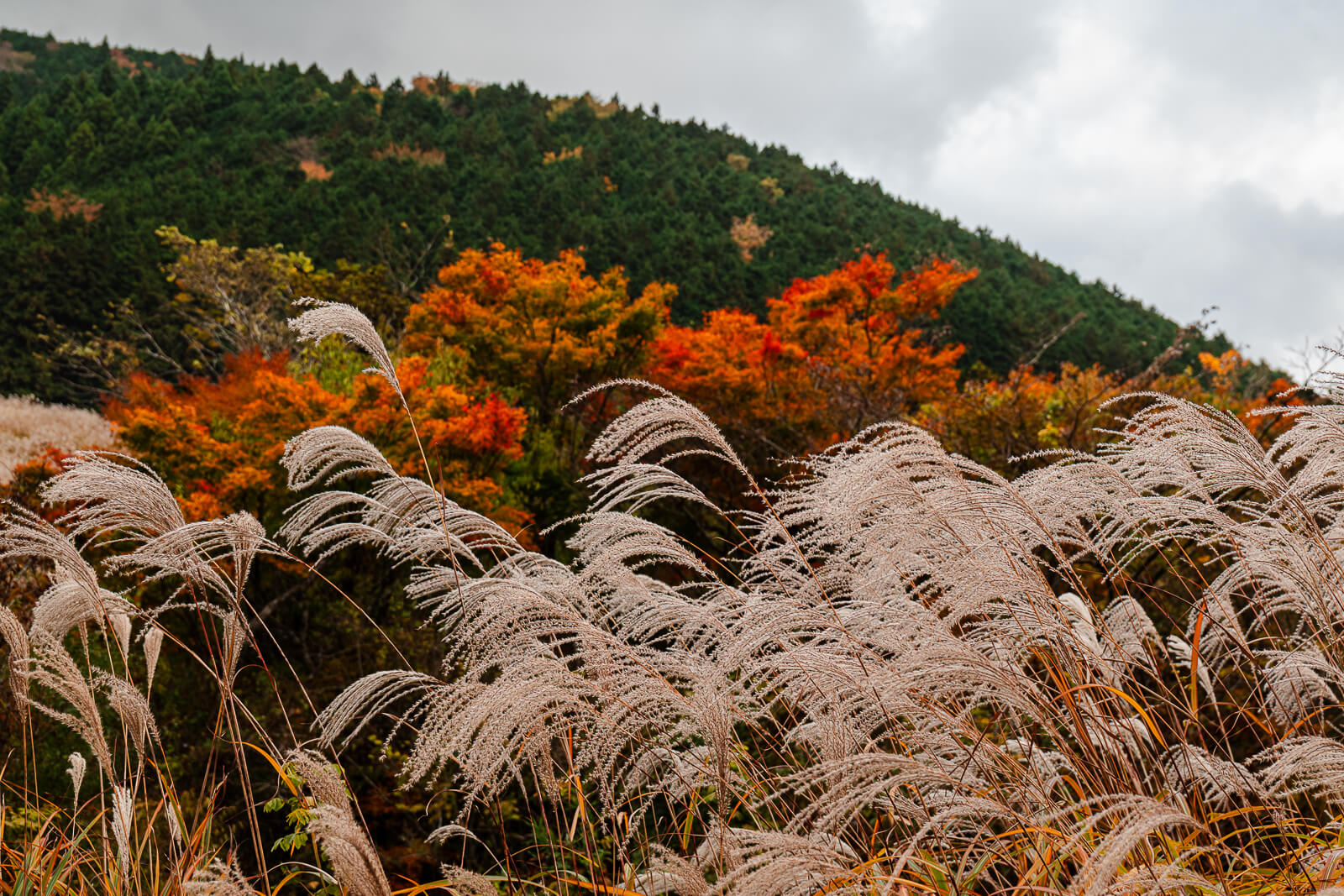
Direct sun creates the familiar luminous effect, especially when lower light passes through the seed heads, but clear weather is not required for useful photographs. Under heavy cloud, softer light holds detail across the pale grass and dark hills without blowing the brightest plumes. The scene becomes less golden, yet texture, movement, and the shape of the surrounding mountains remain visible.
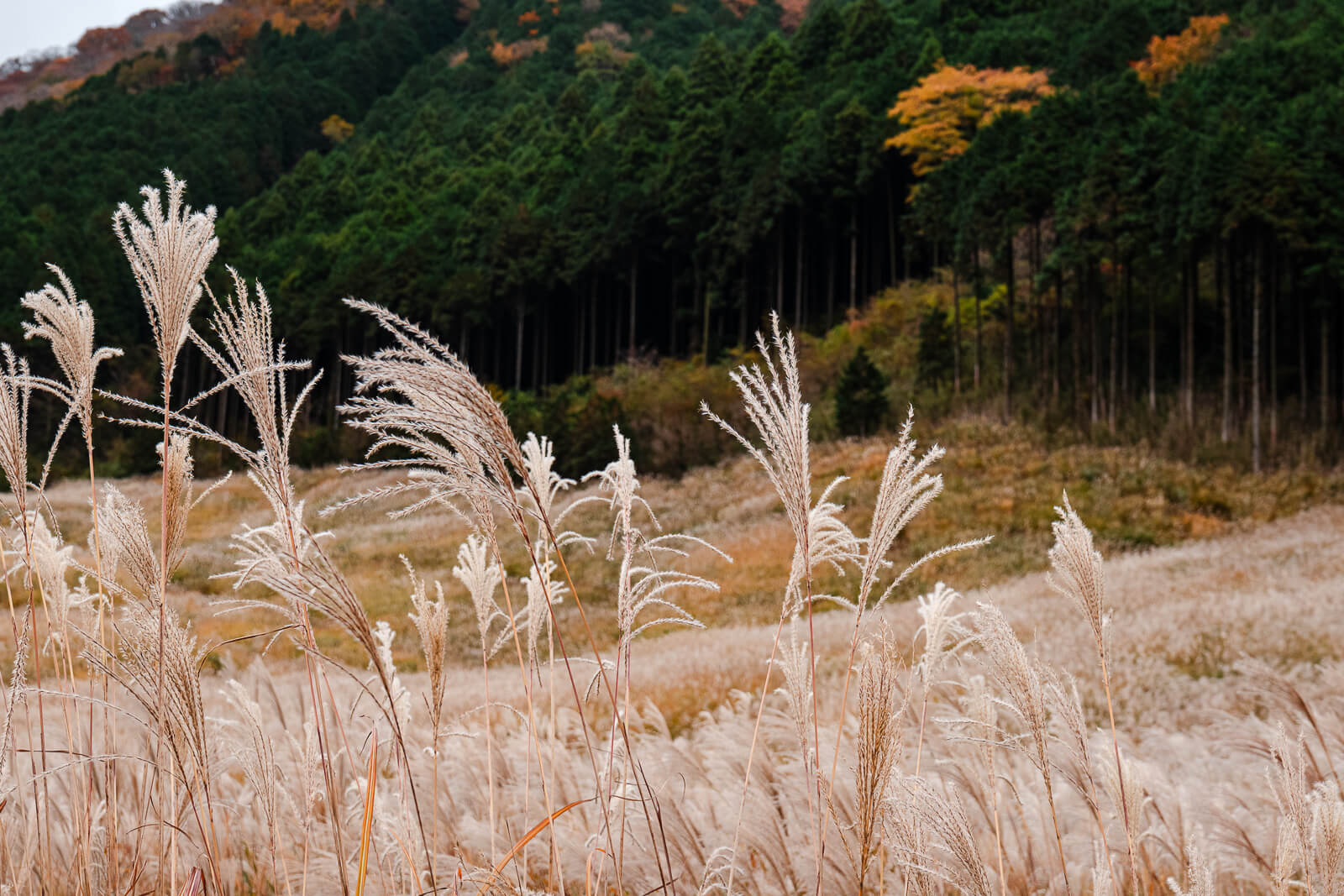
Wind makes the field feel more active as groups of stalks bend across the slope, and it can add motion to both still photographs and video. Sengokuhara sits around 700 meters above sea level, so an exposed afternoon may also feel cooler than lower Hakone. Later light can suit the grass, but early-November daylight fades quickly enough that this is better treated as a flexible final stop than a visit pushed past comfortable visibility.
A Sengokuhara Half-Day With Chōan-ji and the Wetlands
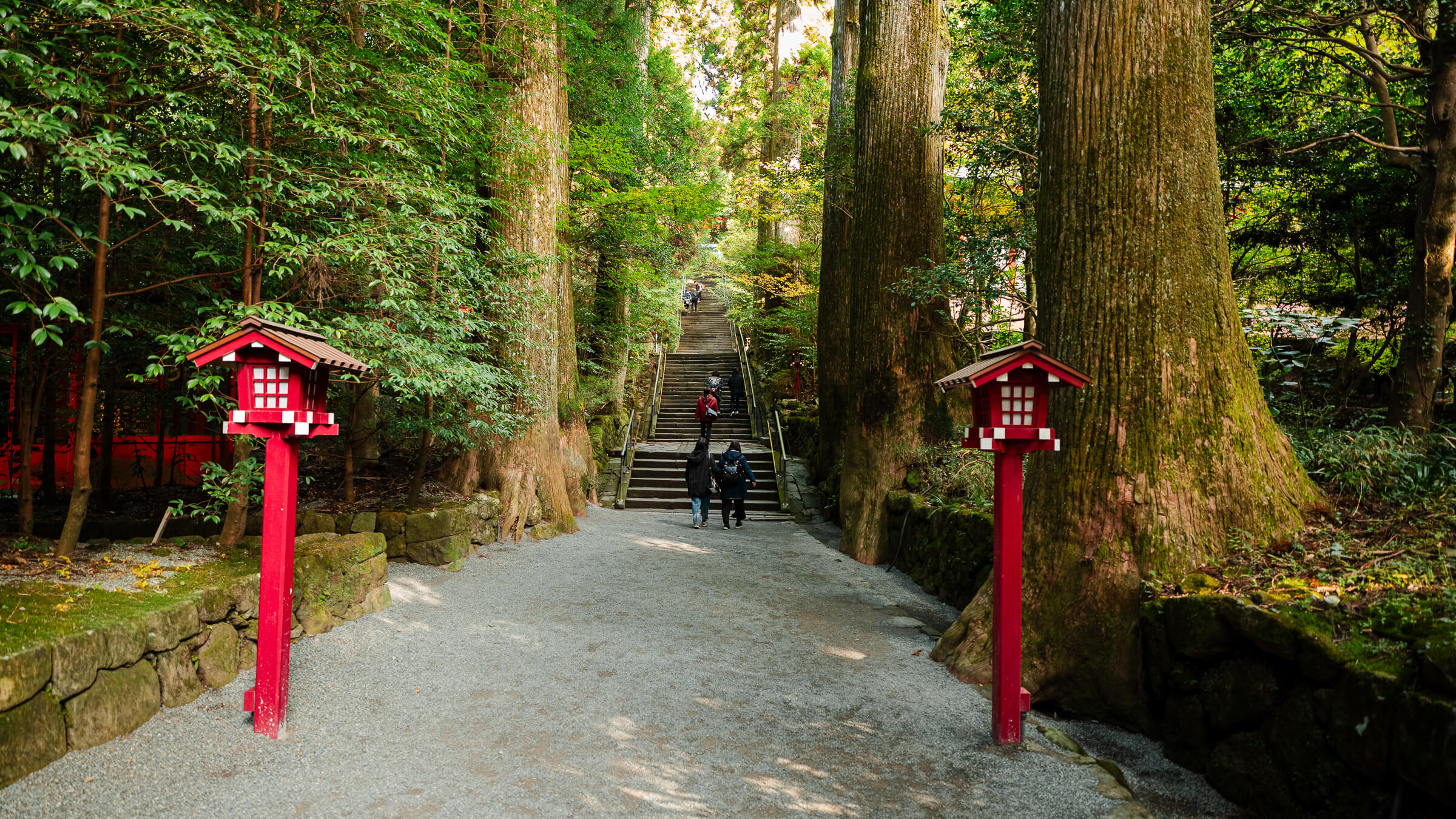
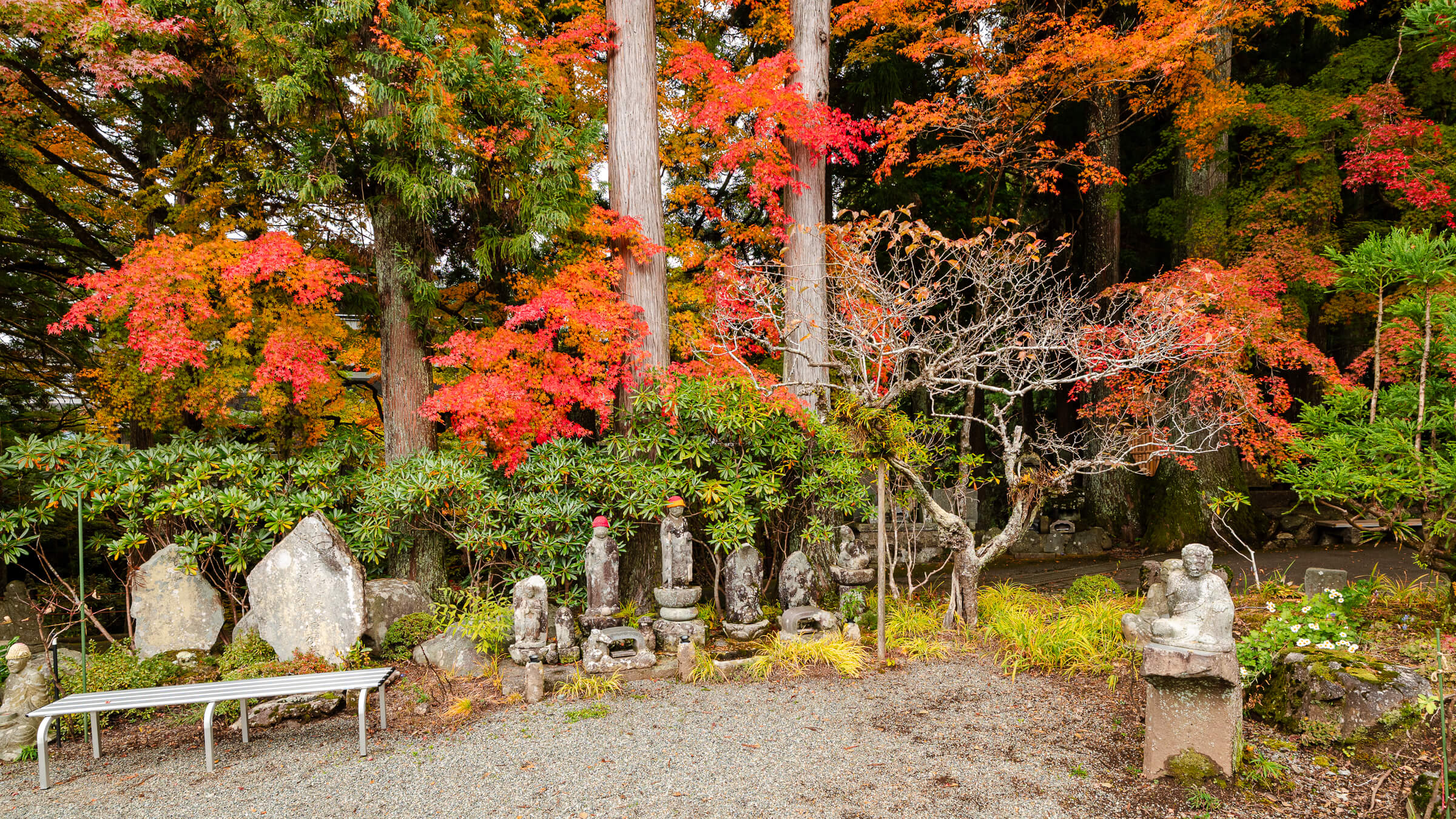
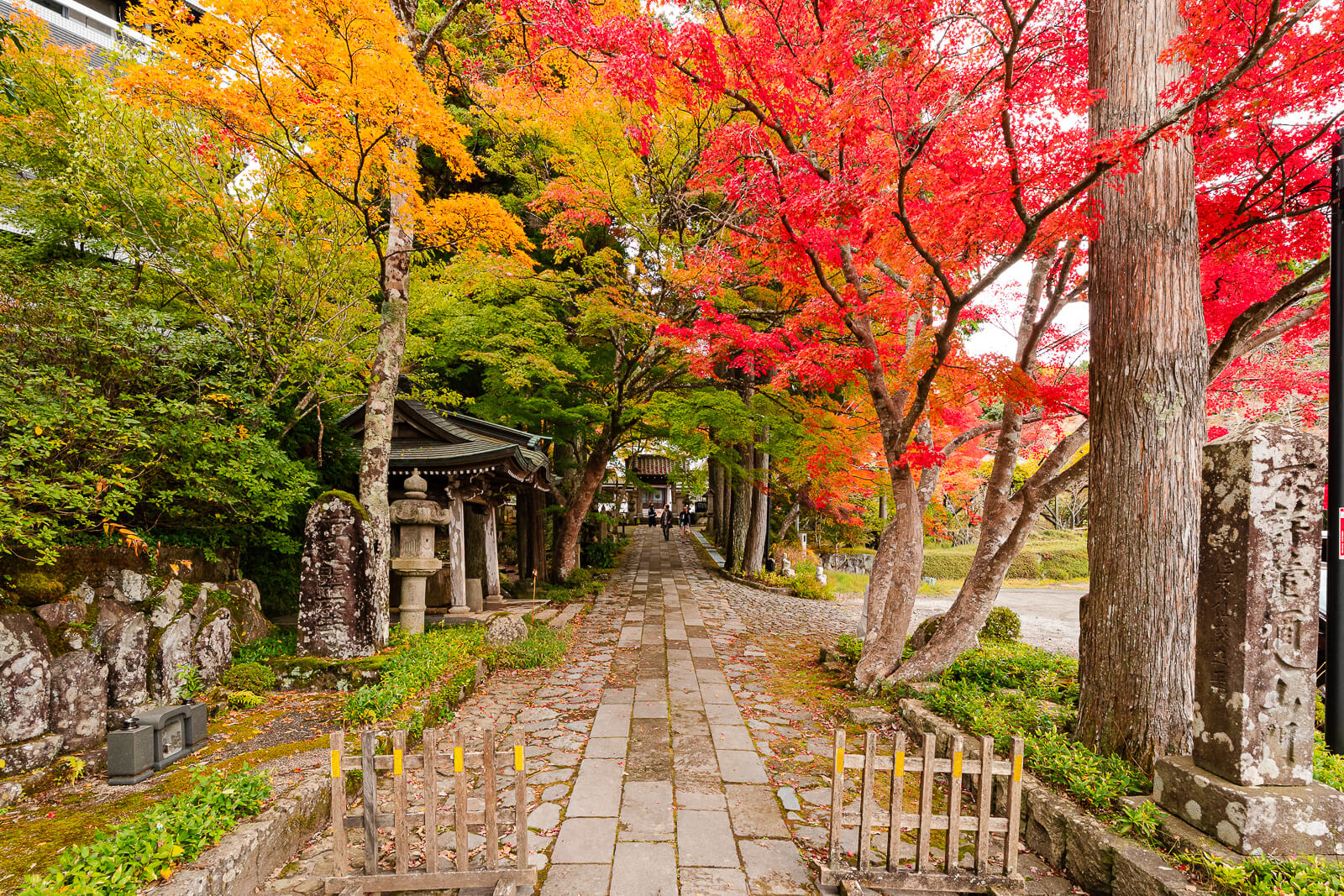
The most coherent local sequence combines Chōan-ji Temple, the Hakone Botanical Garden of Wetlands, and the Susuki Grass Fields. Chōan-ji brings wooded paths, autumn maples, and stone rakan statues; the wetlands shift to boardwalks, ponds, and lower vegetation; the grass field finishes with an open mountain slope. The three places create contrast without crossing to another part of Hakone.
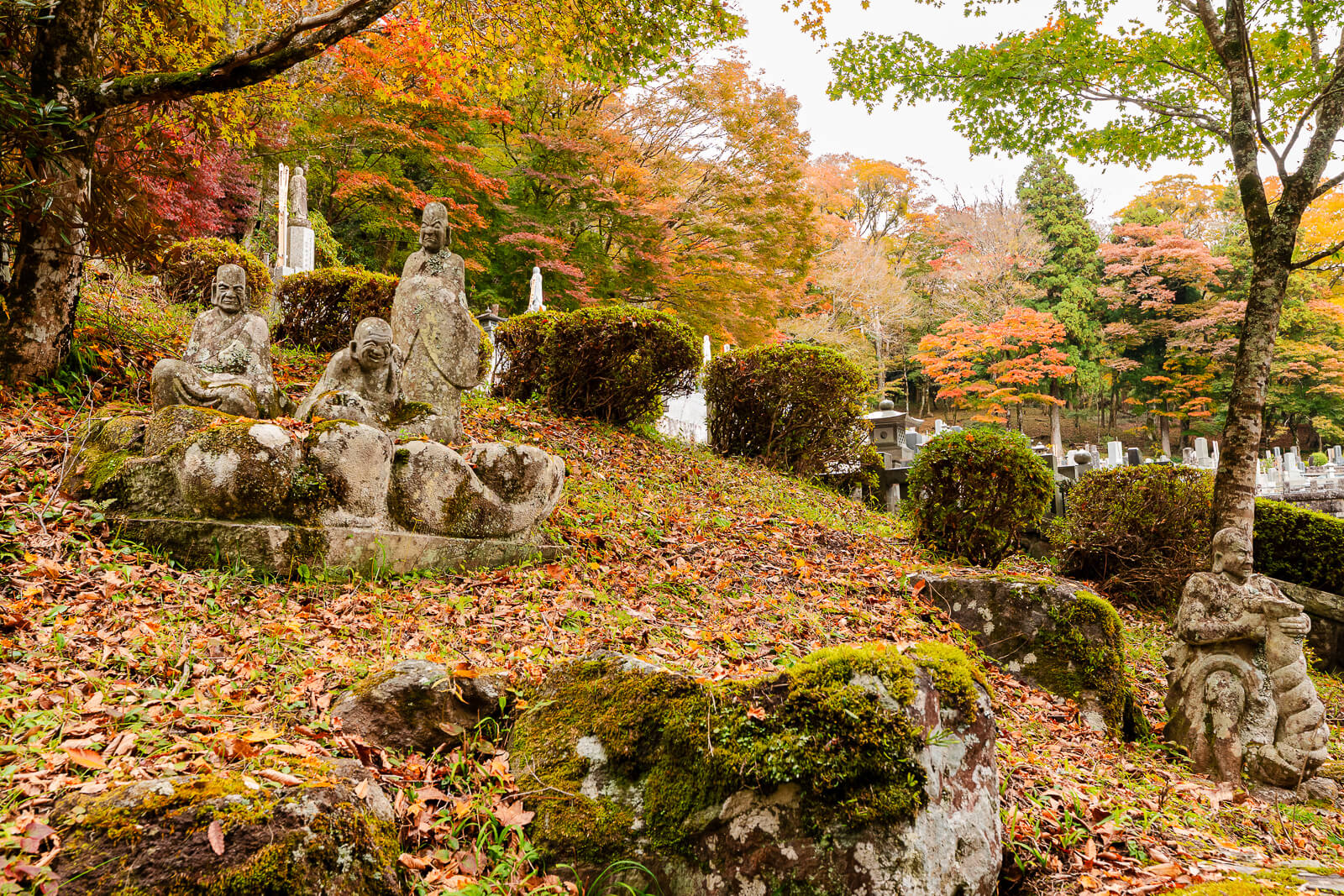
A practical order is Chōan-ji → Botanical Garden of Wetlands → Susuki Grass Fields, leaving the shortest and most adjustable visit until last. The reverse order works when the field matters most or when an early start offers lighter foot traffic. With sightseeing time and short transfers included, the cluster fits comfortably into a half day and still leaves room for lunch in Sengokuhara.
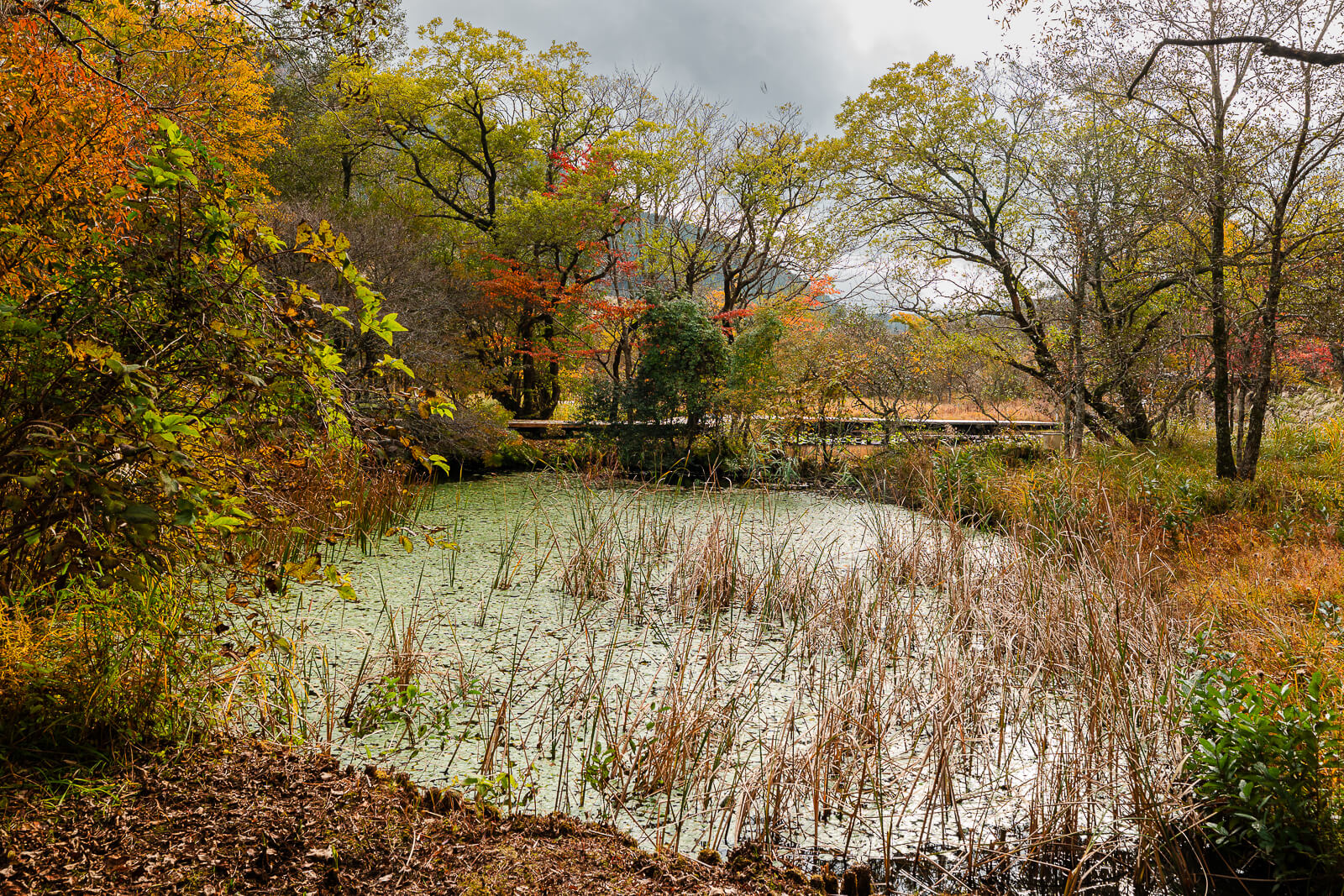
A car or taxi makes the sequence smoother, particularly when daylight or weather is uncertain, while local buses remain workable with more attention to timing. The field’s value in this route comes from being brief: if the temple or garden takes longer than expected, the final walk can shrink to 20 minutes without collapsing the plan. If the grassland is the seasonal priority, the same flexibility lets the visit expand instead.
Where the Grass Fields Fit Around Hakone
The Susuki Grass Fields suit travelers who want seasonal scenery, photography, or a distinctive northern-Hakone stop with limited effort. They are easy to justify within Sengokuhara and harder to justify as a special cross-Hakone transfer outside the autumn display. Travelers interested mainly in the principal first-visit sights can keep Lake Ashi and Owakudani ahead of the field without treating that choice as a missed experience.
For designed autumn gardens, Shinsenkyo Garden and Hakone Gora Park offer closer maple detail, architecture, and longer visits; Sengokuhara offers exposure, moving grass, and a wider landscape. The Hakone autumn foliage guide compares those areas by timing, scenery, transport, and route fit. That wider decision should come first, with this guide used once the Sengokuhara cluster belongs in the plan.
Most rail travelers enter the region through Odawara before continuing to Hakone-Yumoto and Sengokuhara. The Odawara guide is useful when the gateway city may become an arrival-day or departure-day stop instead of only a transfer. Within Hakone, the field remains an optional but worthwhile seasonal addition: include it for the grassland itself, not because every Hakone route needs another attraction.
Access & Arrival
Getting There
The fields sit beside the Sengoku-kogen bus stop in northern Hakone. Bus access is direct from Hakone-Yumoto, while a car is useful when combining the grassland with Chōan-ji, the wetlands, or other stops.
Access Options
Bus from Hakone-Yumoto
Hakone Tozan Bus Togendai Line (T route) → Sengoku-kogen (stop 252)
The official route uses the T line toward Togendai. The fields are about five minutes from the stop. Autumn road congestion can lengthen the ride, so check current timetables and allow buffer time.
Direct Bus from Shinjuku
Odakyu Hakone Highway Bus → Sengoku-kogen (stop 252)
This avoids a transfer at Odawara or Hakone-Yumoto, but journey time depends heavily on road conditions. Confirm the current timetable and seat availability before relying on it for the return.
Drive from Odawara
Odawara → Hakone-Yumoto → Miyanoshita → Route 138 → Sengokuhara
The official approach from Odawara continues through Hakone-Yumoto and Miyanoshita before turning toward Sengokuhara. Use designated or seasonal parking and confirm current arrangements before an autumn weekend.
Taxi Within Sengokuhara
Chōan-ji or the Wetlands → Susuki Grass Fields
Hours & Fees
No admission gate or posted opening hours
Recommended: Visit during daylight, when the unpaved path and mountain views are easiest to use
Seasonal display: Usually September–November
Grass fields and walking path: Free
Bus fares, parking, nearby attractions, and tours: Separate charges may apply
Susuki color and seed heads change through the season. Check Hakone Navi’s current-status page before travel, and confirm current parking and transport information during autumn weekends.
Confirm current visitor information with the official source above before your trip.
Complete Your Sengokuhara Visit
Turn a short grass-field stop into a workable Hakone day by choosing the right base and transport before autumn availability tightens.
Compare Stays Near Sengokuhara
Staying nearby makes early or late grass-field visits easier and keeps Chōan-ji, the wetlands, and northern Hakone within easy reach.
Compare Nearby Stays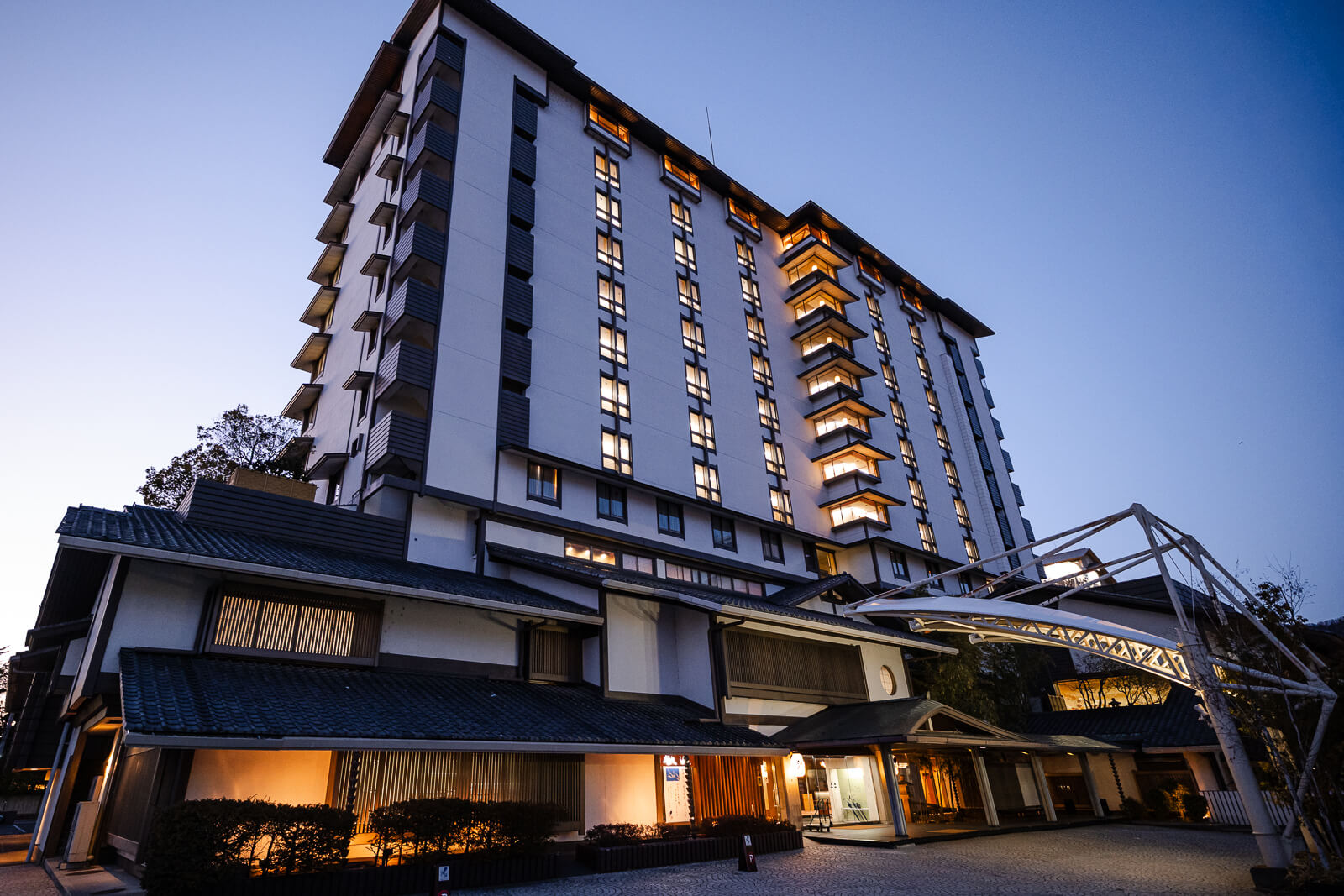
Check Whether the Hakone Freepass Fits
Compare pass coverage with your planned buses, trains, ropeway, and cruise to avoid paying separately for transport you will use.
Check Pass Options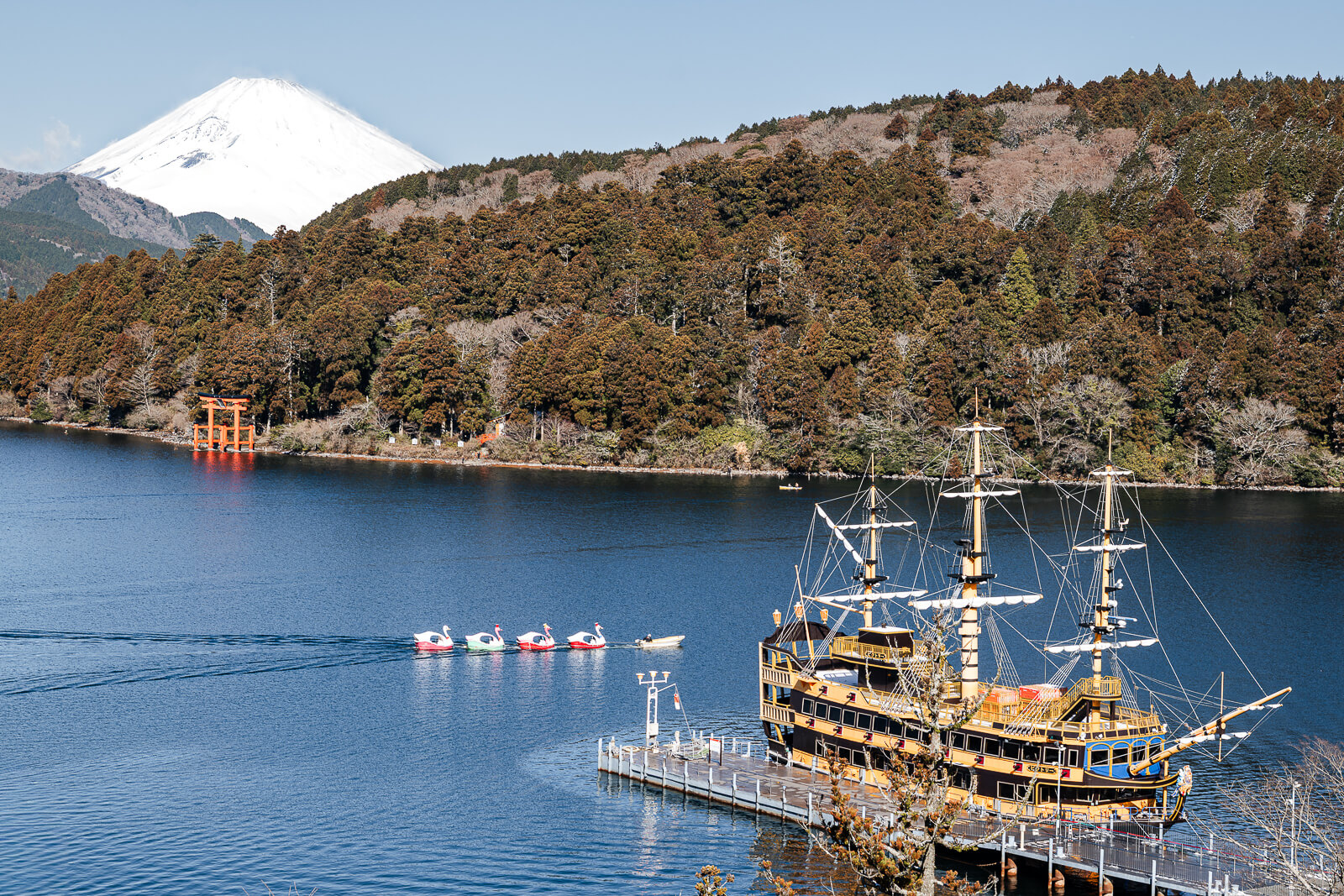
Compare Guided Hakone Day Tours
A guided day can remove transfer planning when you want Sengokuhara plus Lake Ashi, Owakudani, or other distant Hakone sights.
Compare Hakone Tours
Compare Rental Cars in Odawara
A car gives the Sengokuhara cluster more flexibility when weather, daylight, or multiple short bus transfers could disrupt your day.
Compare Rental Cars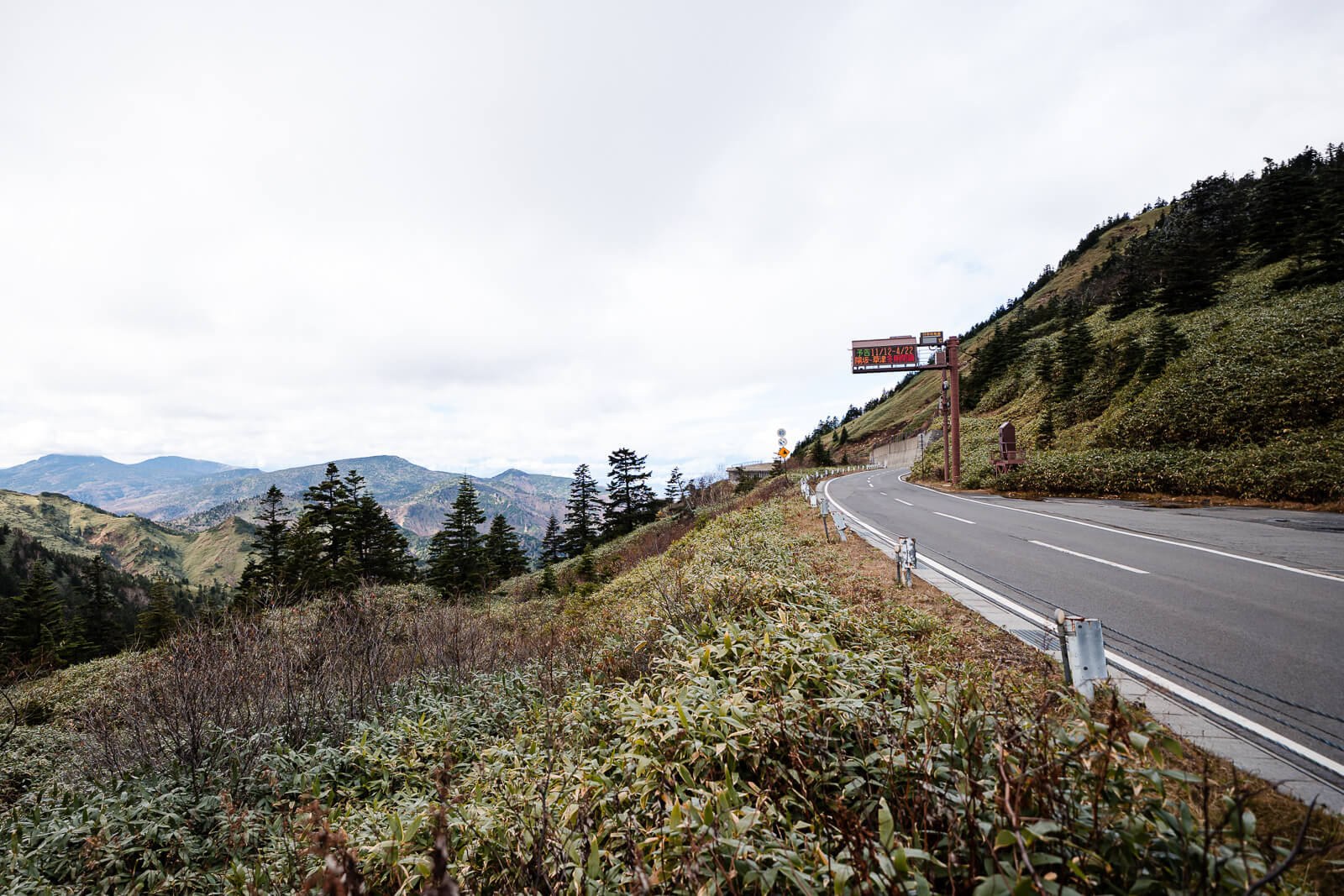
Compare Rail Options to Odawara
Check rail options before departure so your trip to Odawara fits your starting city, schedule, luggage, and wider Japan itinerary.
Compare Rail Options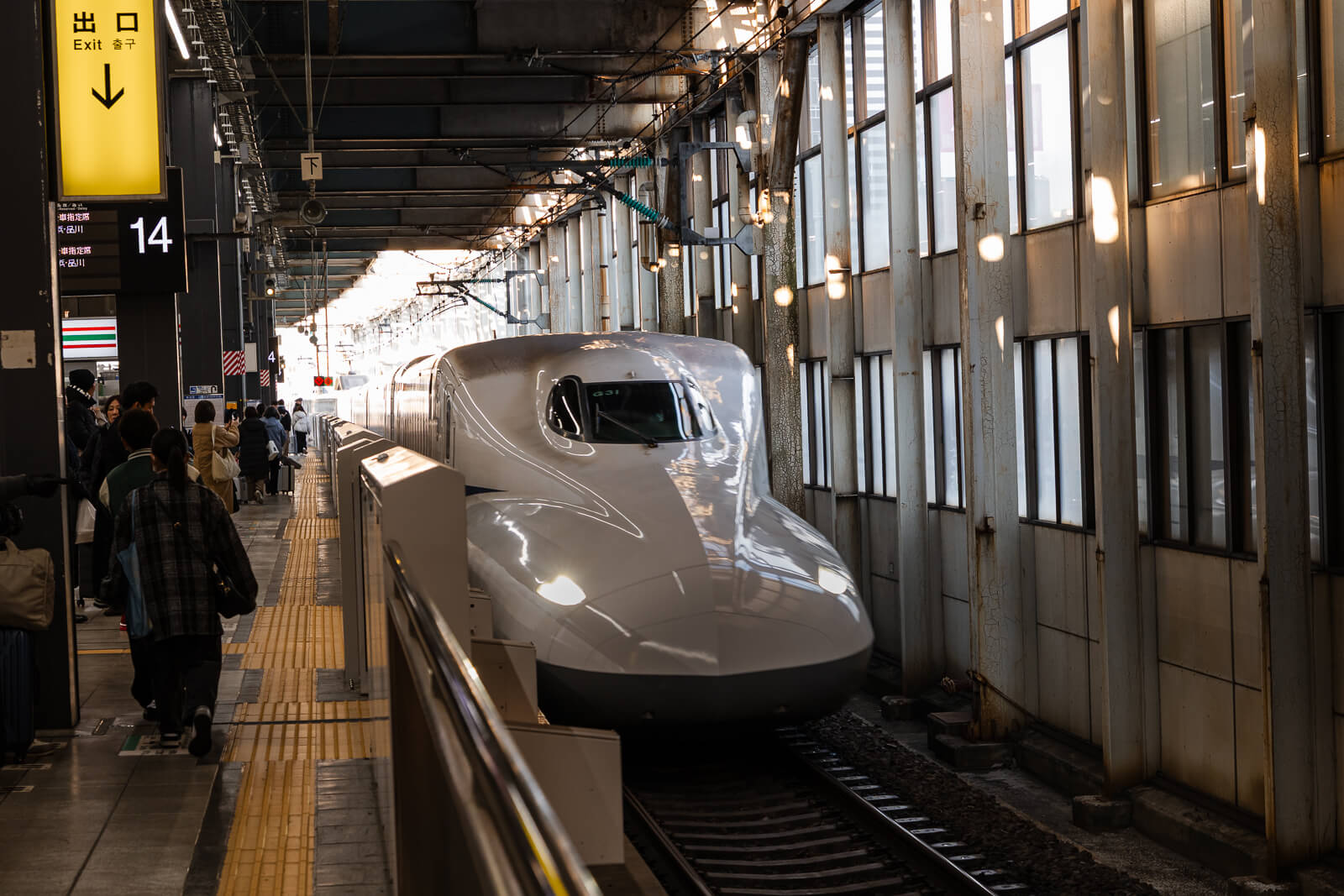
Choose Japan Mobile Data Before Arrival
Set up mobile data before arrival for live bus times, route changes, translation, and navigation across Hakone’s spread-out attractions.
Compare eSIM Plans
Reader note: Japan Unfolded may earn a commission from some links at no extra cost to you.