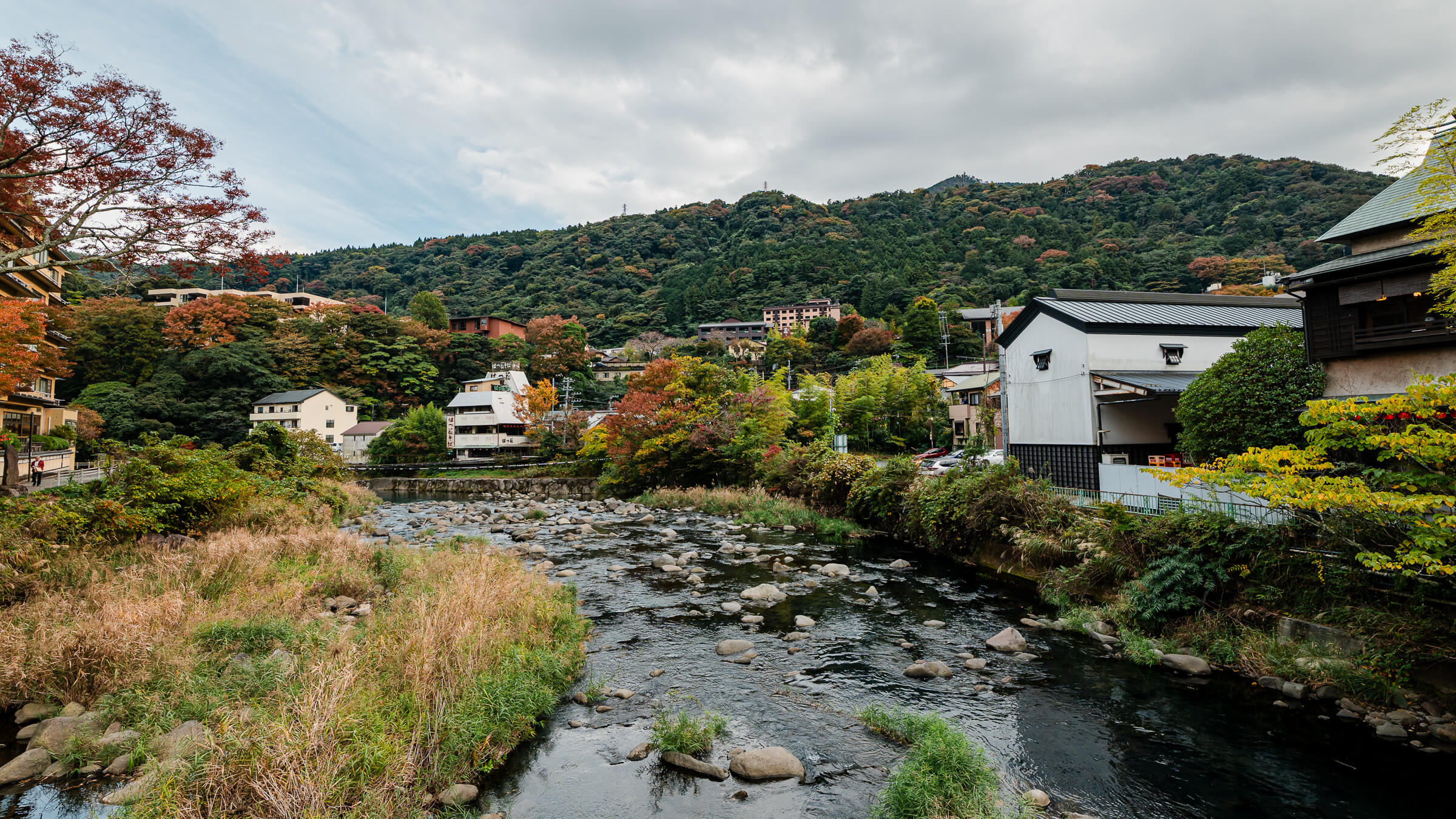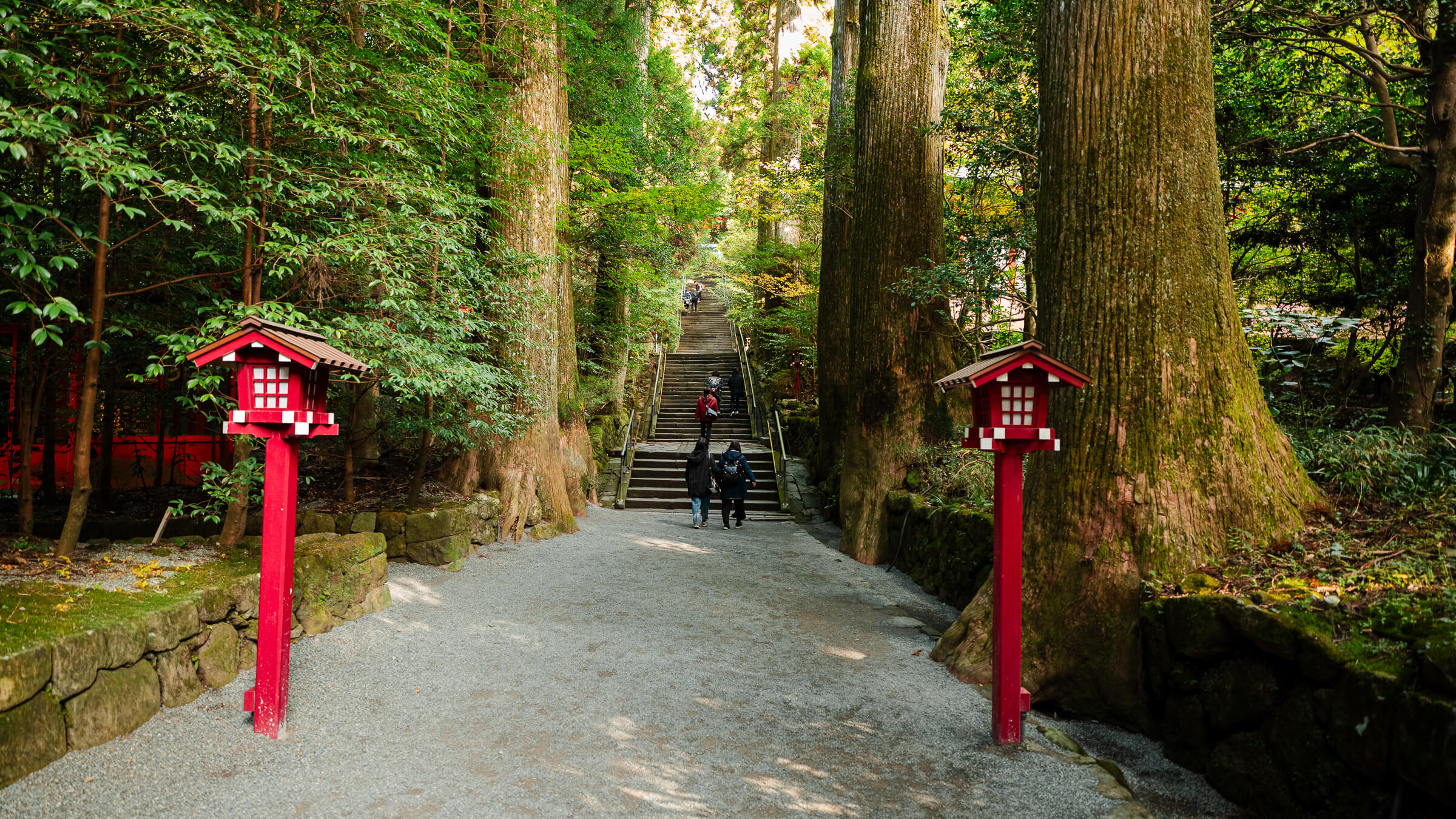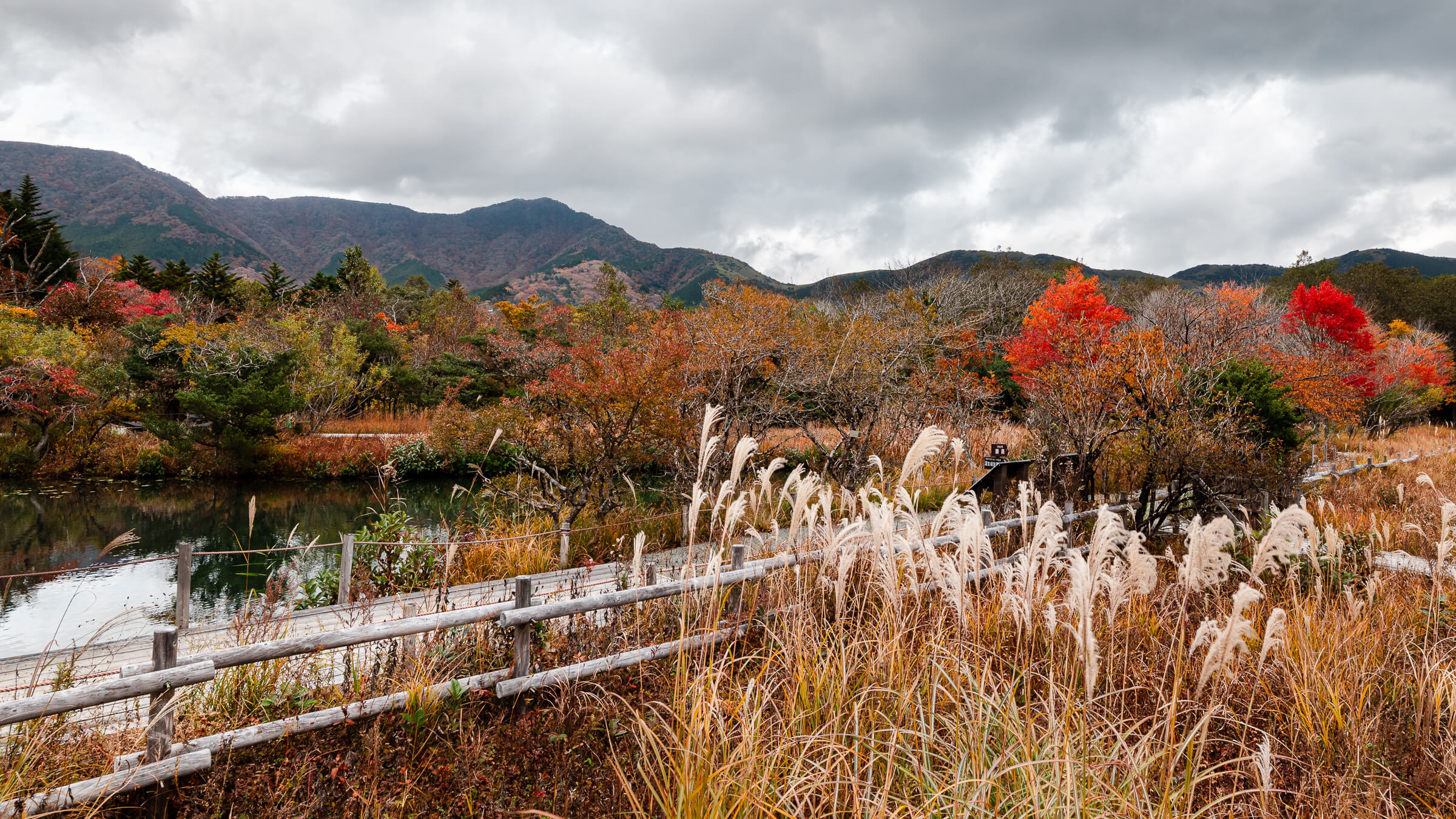
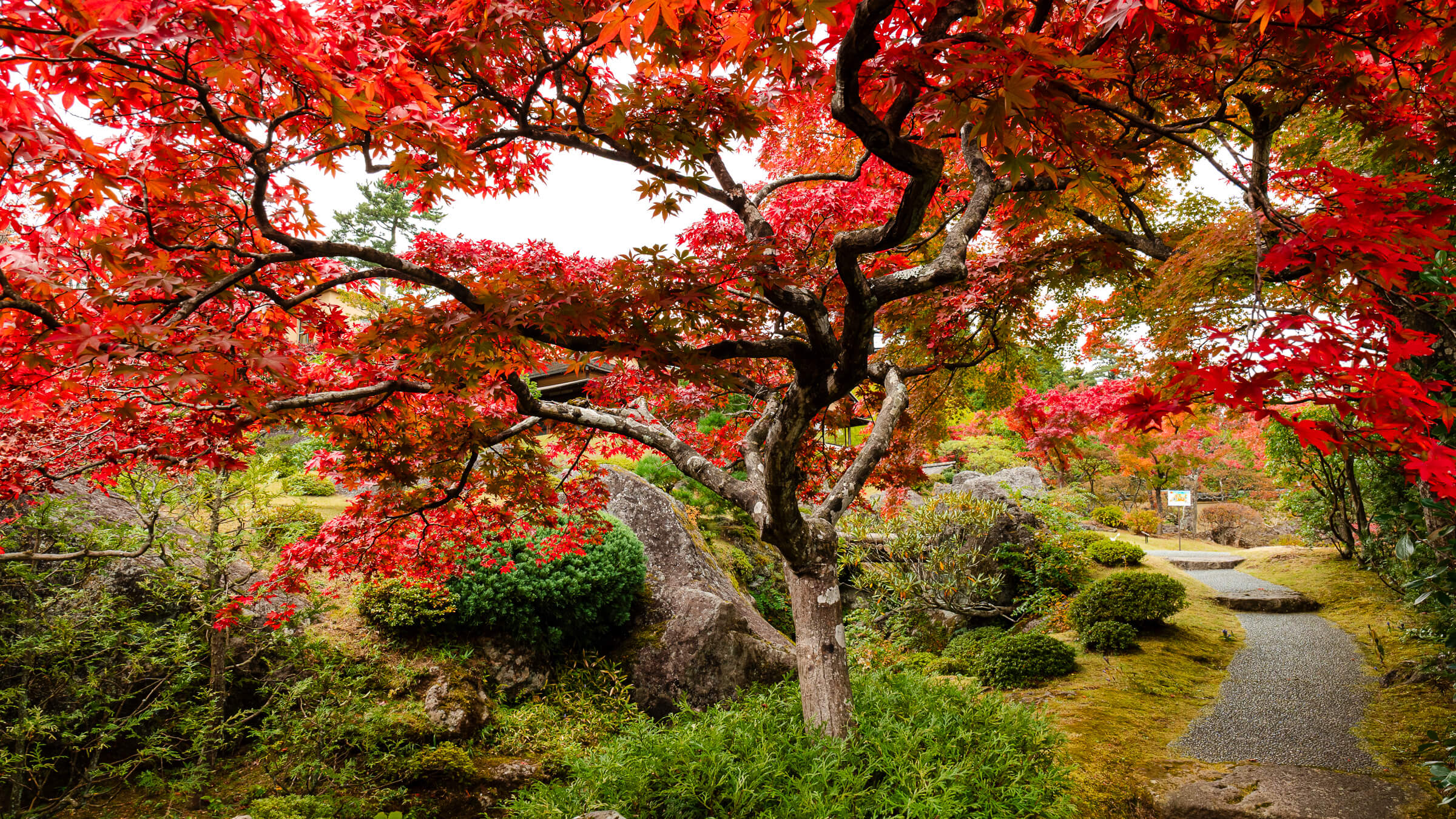
Shinsenkyo Garden is a strong choice for travelers who want autumn maples at walking-path scale, with green moss, stonework, and traditional architecture in the same view. It surrounds the Hakone Museum of Art on the hillside above Gora in Hakone, western Kanagawa Prefecture. It is especially well suited to photographers and Japanese-garden-focused visitors; travelers seeking broad mountain or lake panoramas should treat it as a different kind of Hakone stop.
The garden suits travelers who want designed autumn scenery, Japanese garden detail, and photography within a concentrated part of Gora. A garden-focused visit fits naturally into about an hour, with additional time needed for the museum galleries, tea house, or a careful photography session. Gora Park sits next door, allowing both gardens to fill a half day without another long transfer across Hakone.
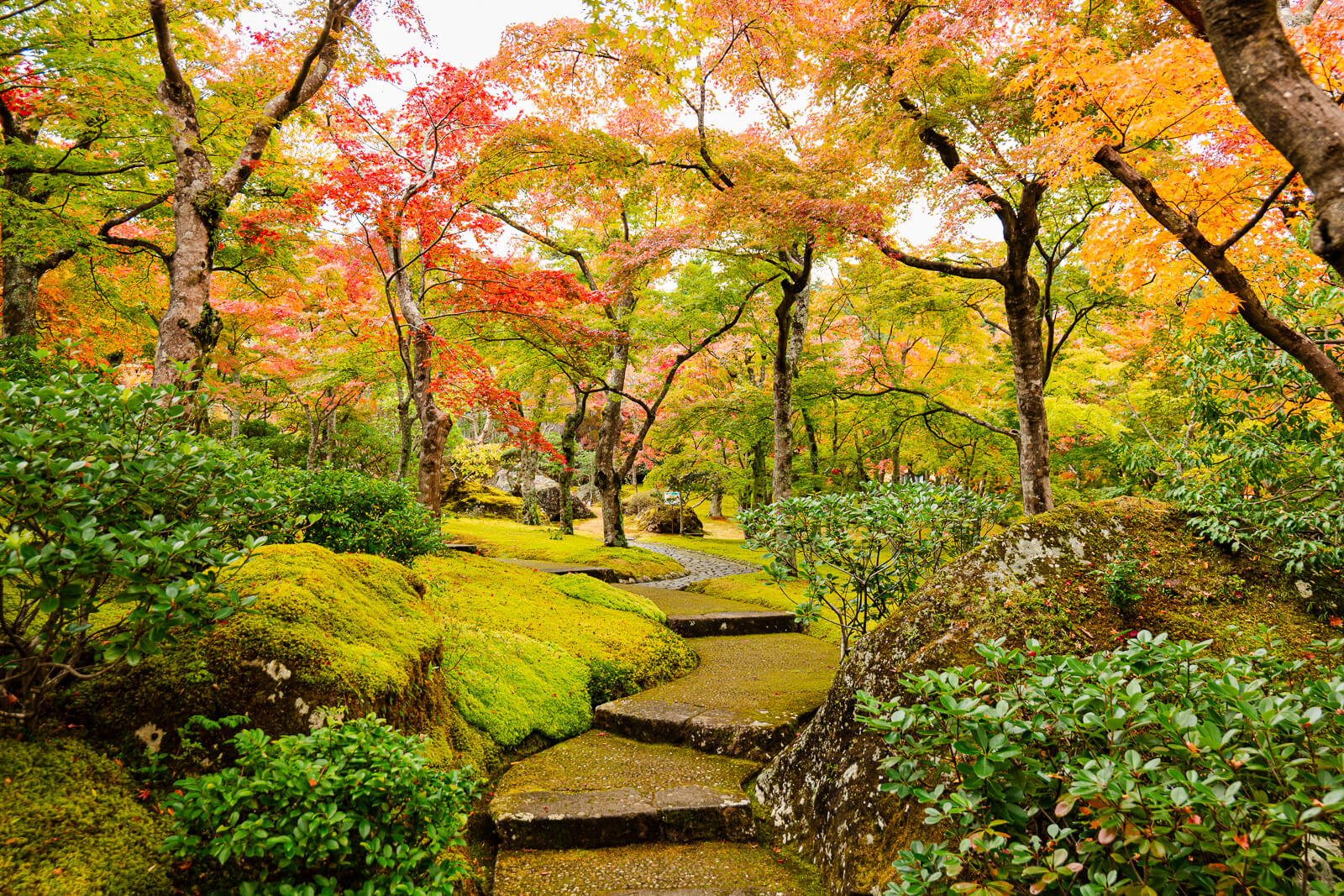
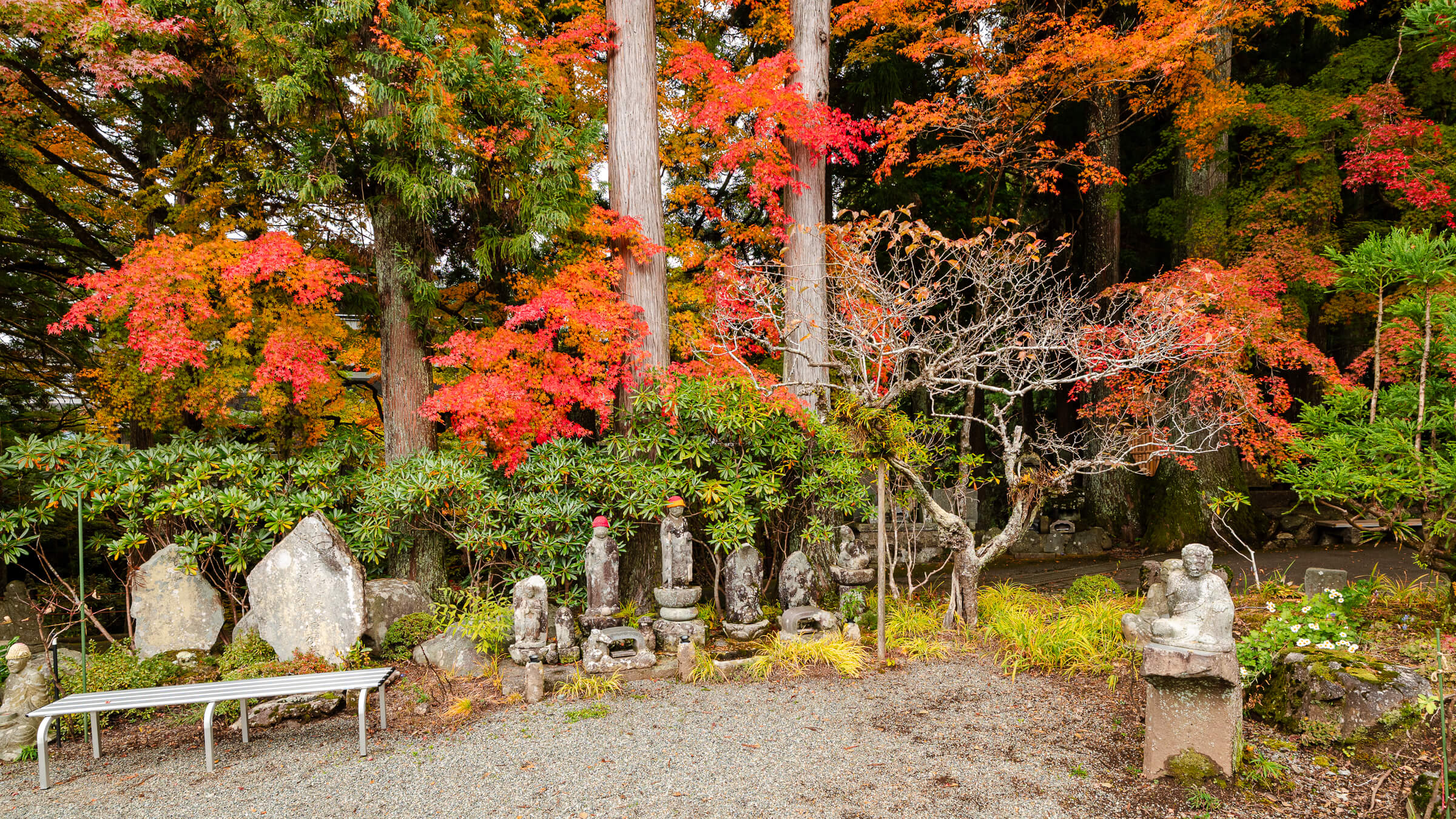
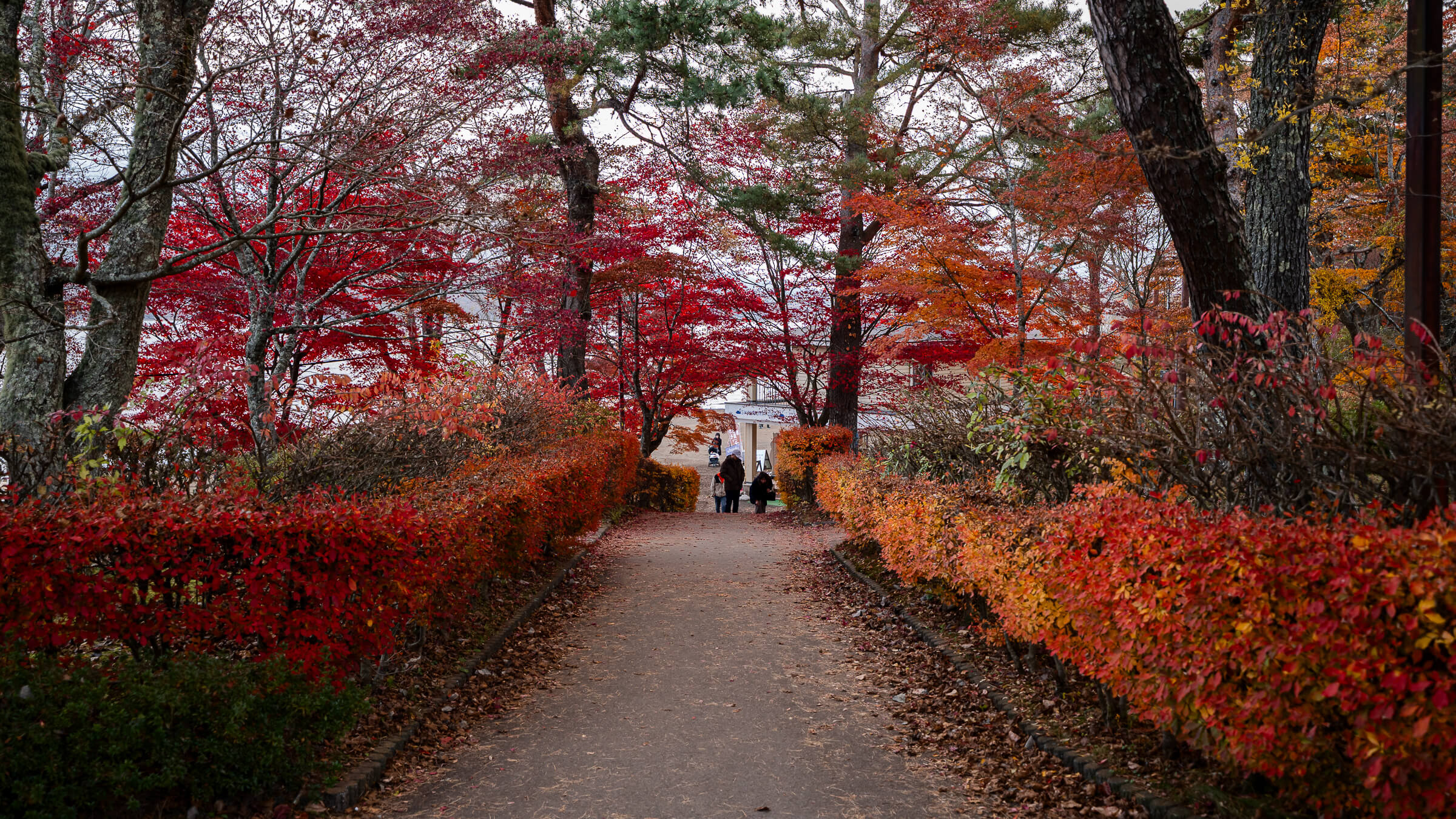
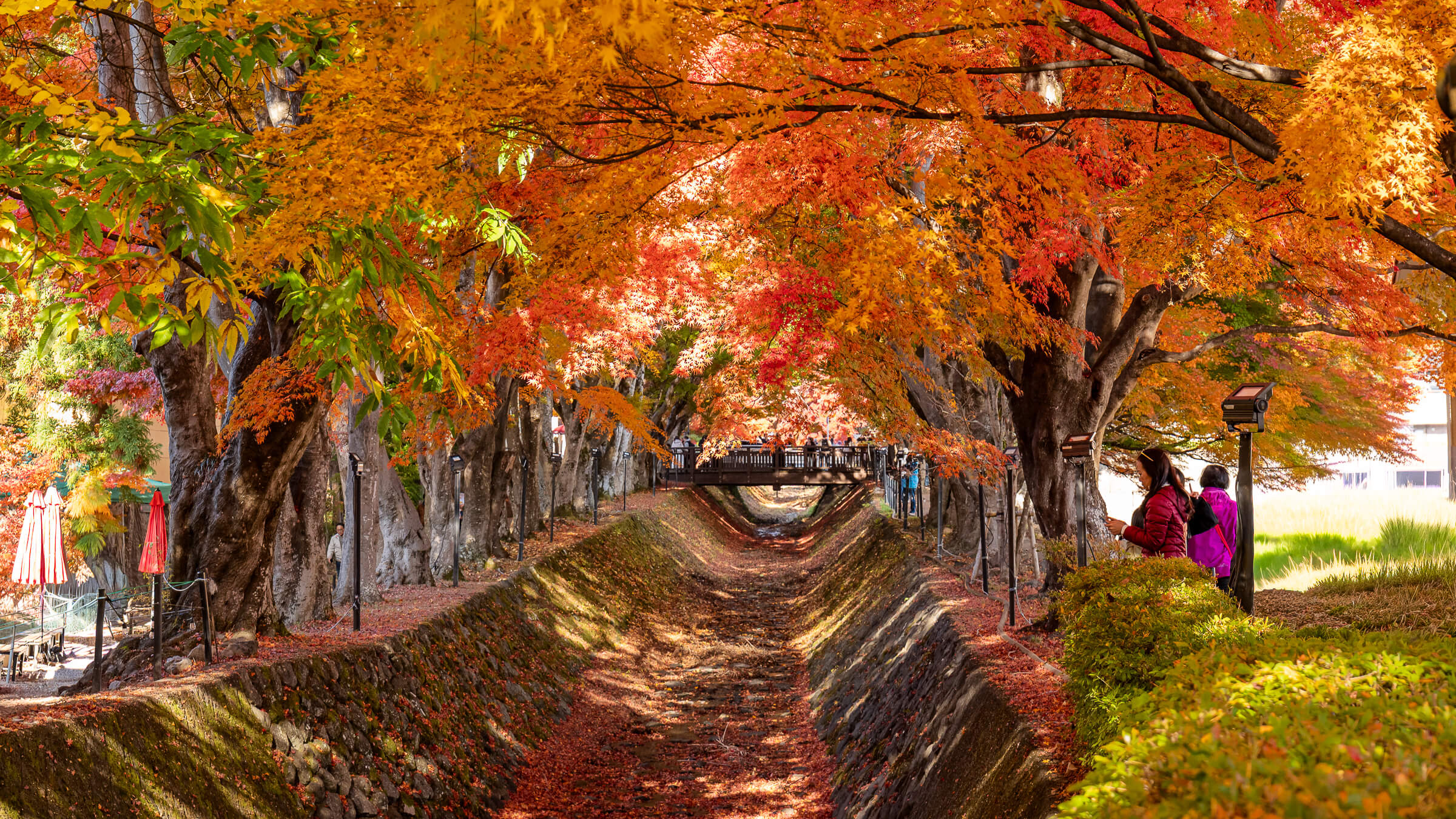
Autumn gives Shinsenkyo one of its clearest visual identities. Around 200 maples change across the museum garden, with much of the color developing through November and meeting the green moss at ground level. Travelers comparing foliage areas across the region can use the Hakone Autumn Foliage Spots: Where to Go and When guide to see how Gora differs from Lake Ashi, Sengokuhara, Hakone-Yumoto, and the higher mountain route.
How Shinsenkyo Took Shape Around the Museum
Shinsenkyo was conceived and developed by Mokichi Okada between 1944 and 1953. The work brought together landscaped gardens, cultural buildings, and the museum site during a period of major upheaval in Japan. The Hakone Museum of Art opened in 1952, near the end of that development period.
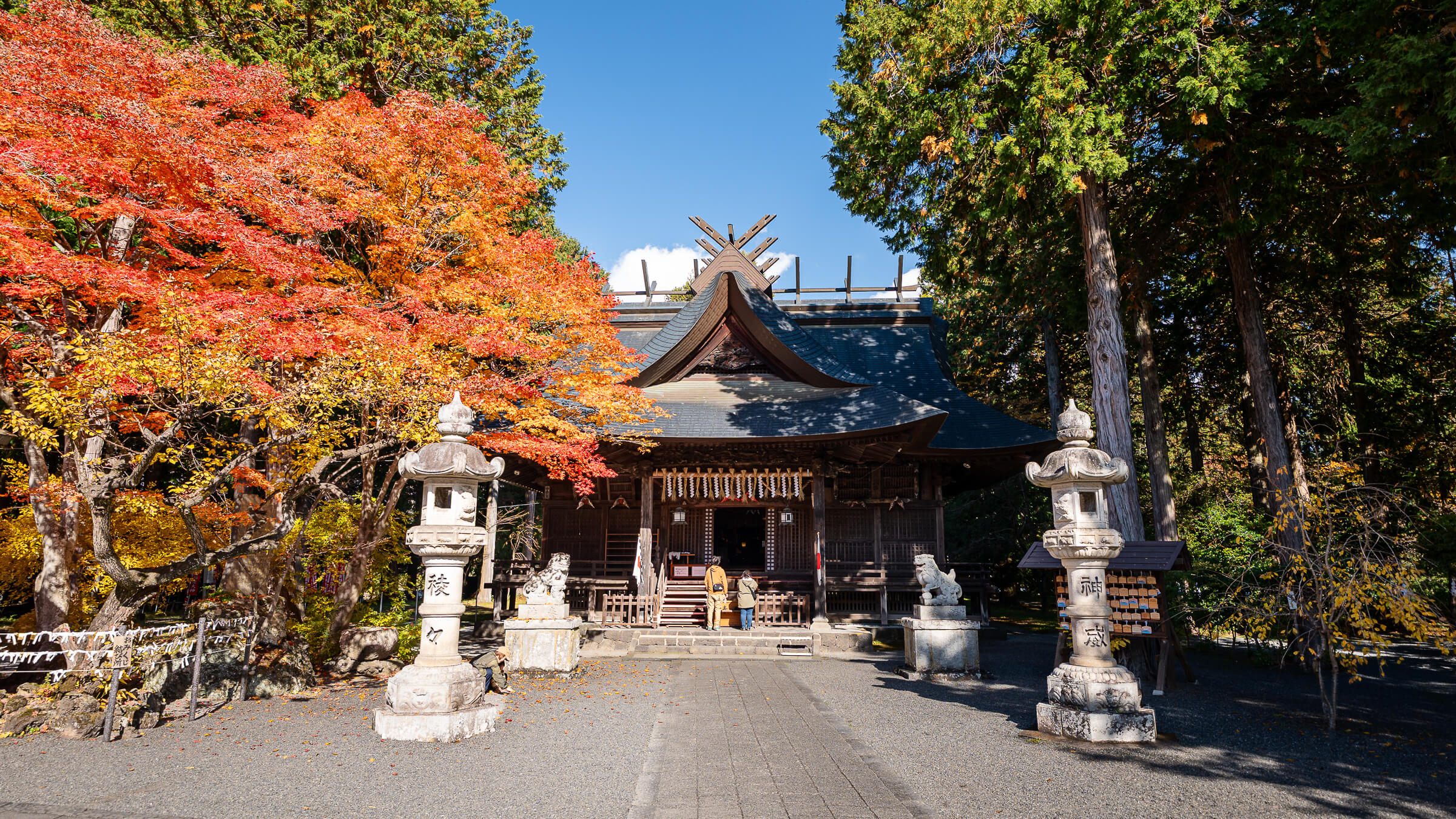
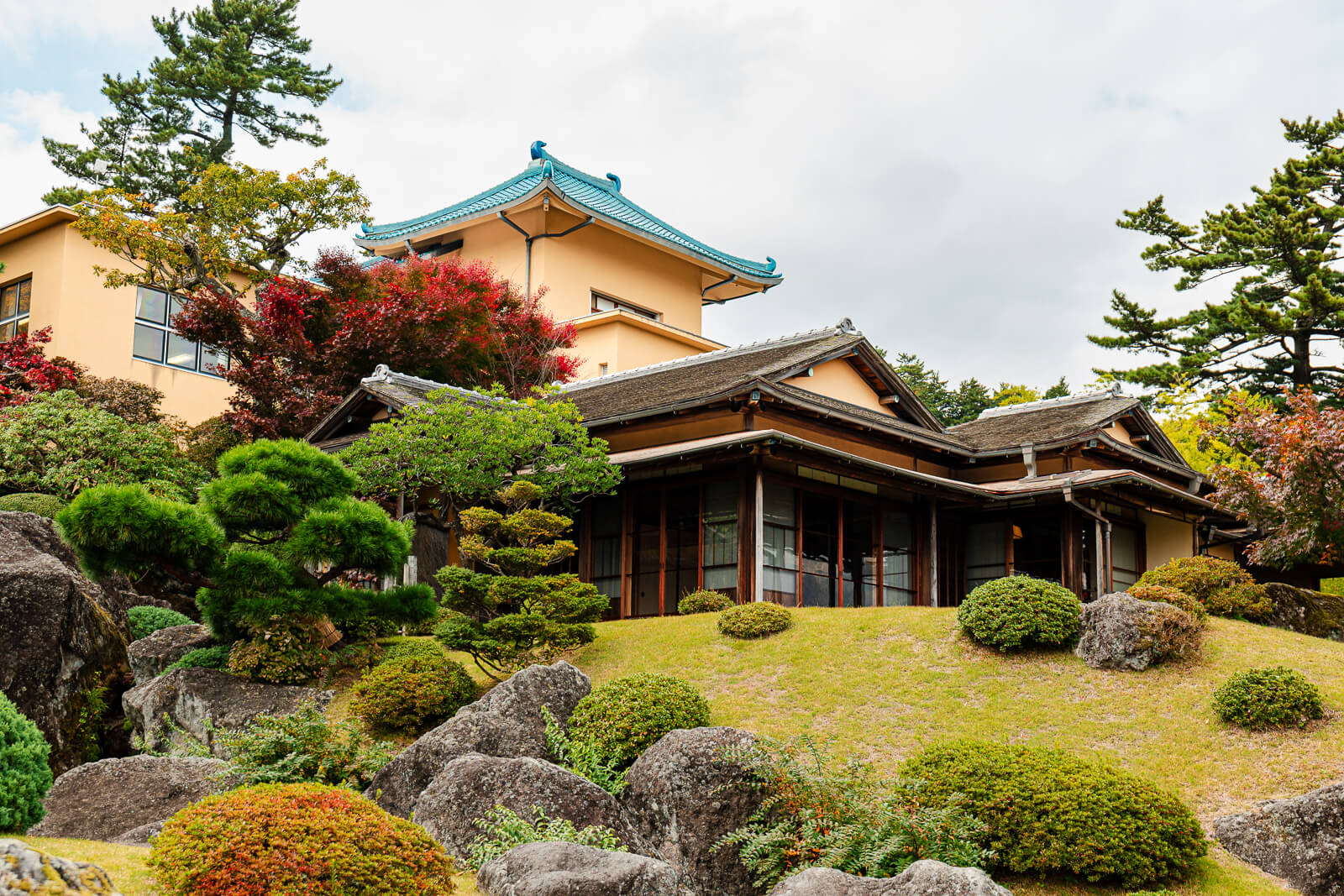
The grounds contain several distinct areas, including the moss garden, bamboo garden, Hagi-no-michi path, and the rock garden of Sekiraku-en. Historic buildings and tea spaces sit within the larger design instead of standing apart from it. Shinsenkyo was nationally designated as a Place of Scenic Beauty in March 2021.
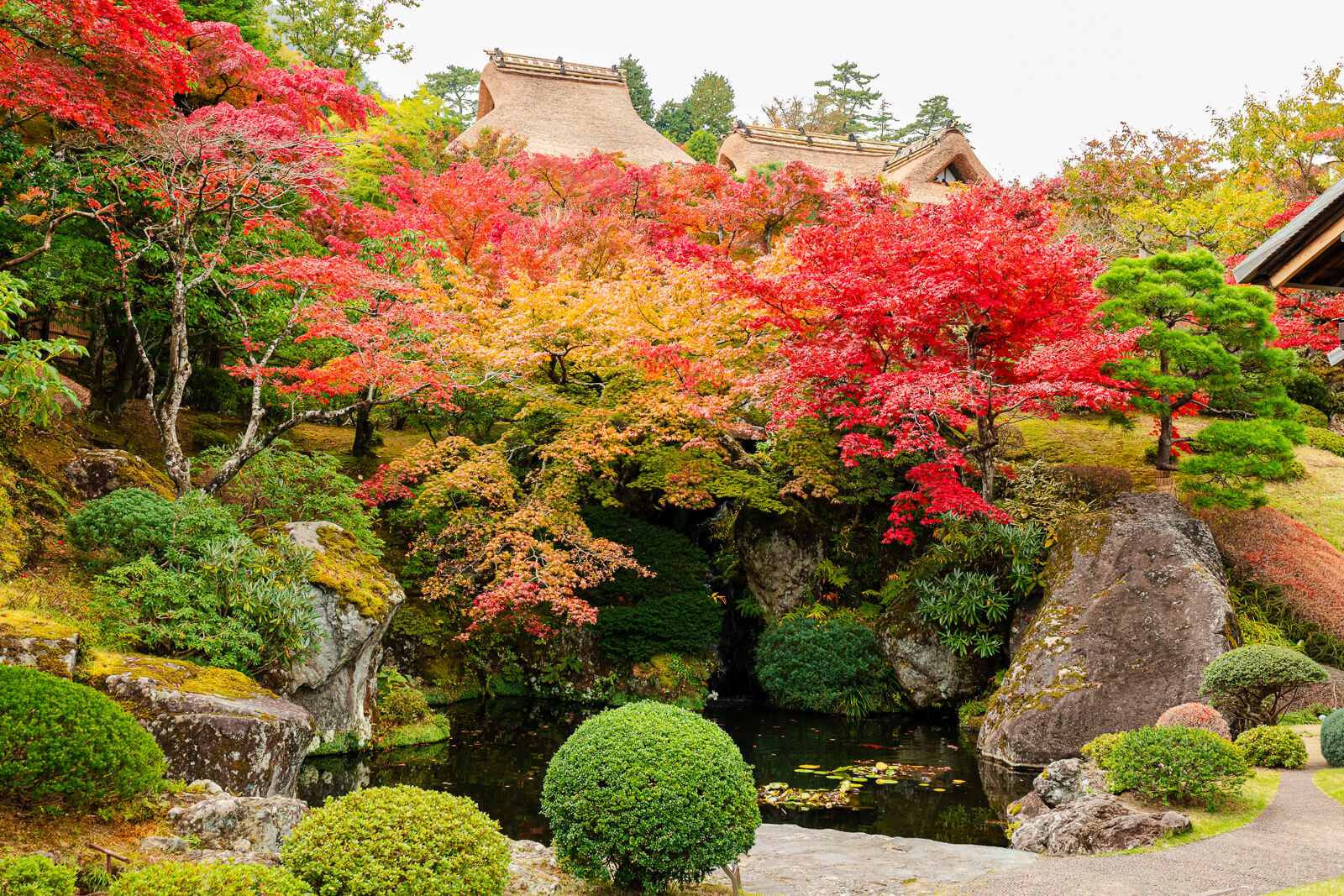
That history explains why the grounds feel more substantial than landscaping around a museum. Moss, stone, planted areas, paths, and buildings function as one composition, while the museum adds ceramics and art to the same visit. Understanding that relationship makes the garden’s smaller details easier to read as intentional parts of a larger design.
Walking Through the Moss, Maples, and Stonework
Shinsenkyo becomes more interesting as the paths reveal smaller scenes within the garden. Moss spreads beneath mature trees, while turns in the route bring stones, bamboo, rooflines, and traditional structures into new combinations. The visit does not depend on reaching one dominant viewpoint.
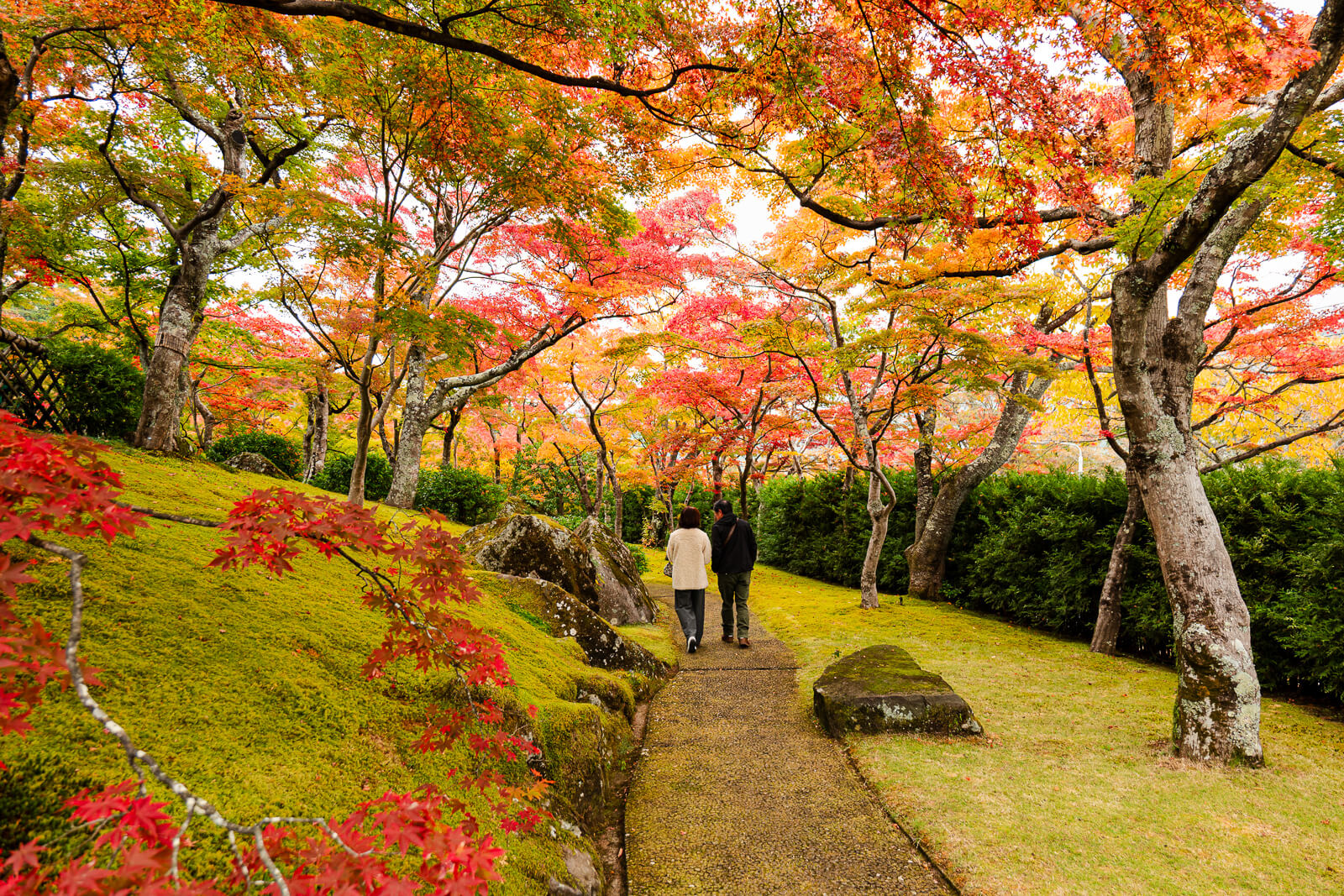
The moss garden provides the strongest visual thread. Its green surface connects the trees, stones, paths, and surrounding buildings, while the maples add color above that base in autumn. Wider scenes show the garden design, but close details often reveal the relationship between fallen leaves, rock edges, and the moss more clearly.
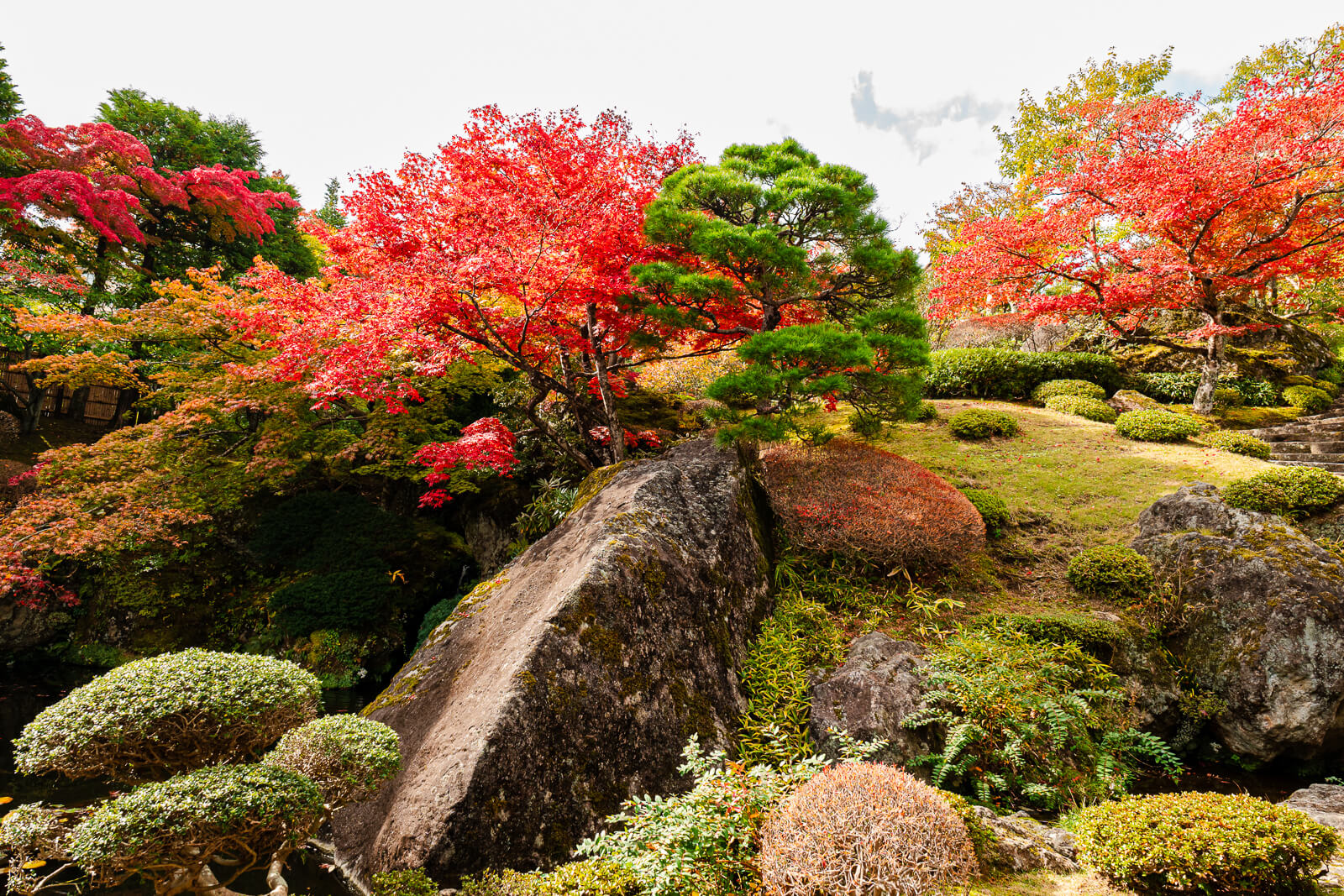
The grounds contain steps and uneven garden paths, and the museum states that the site is not fully adapted for wheelchair access. Visitors using mobility aids may need assistance, especially where the garden changes level or the main building is reached by stairs. This physical layout matters more than the short distance from Koen-kami Station suggests.
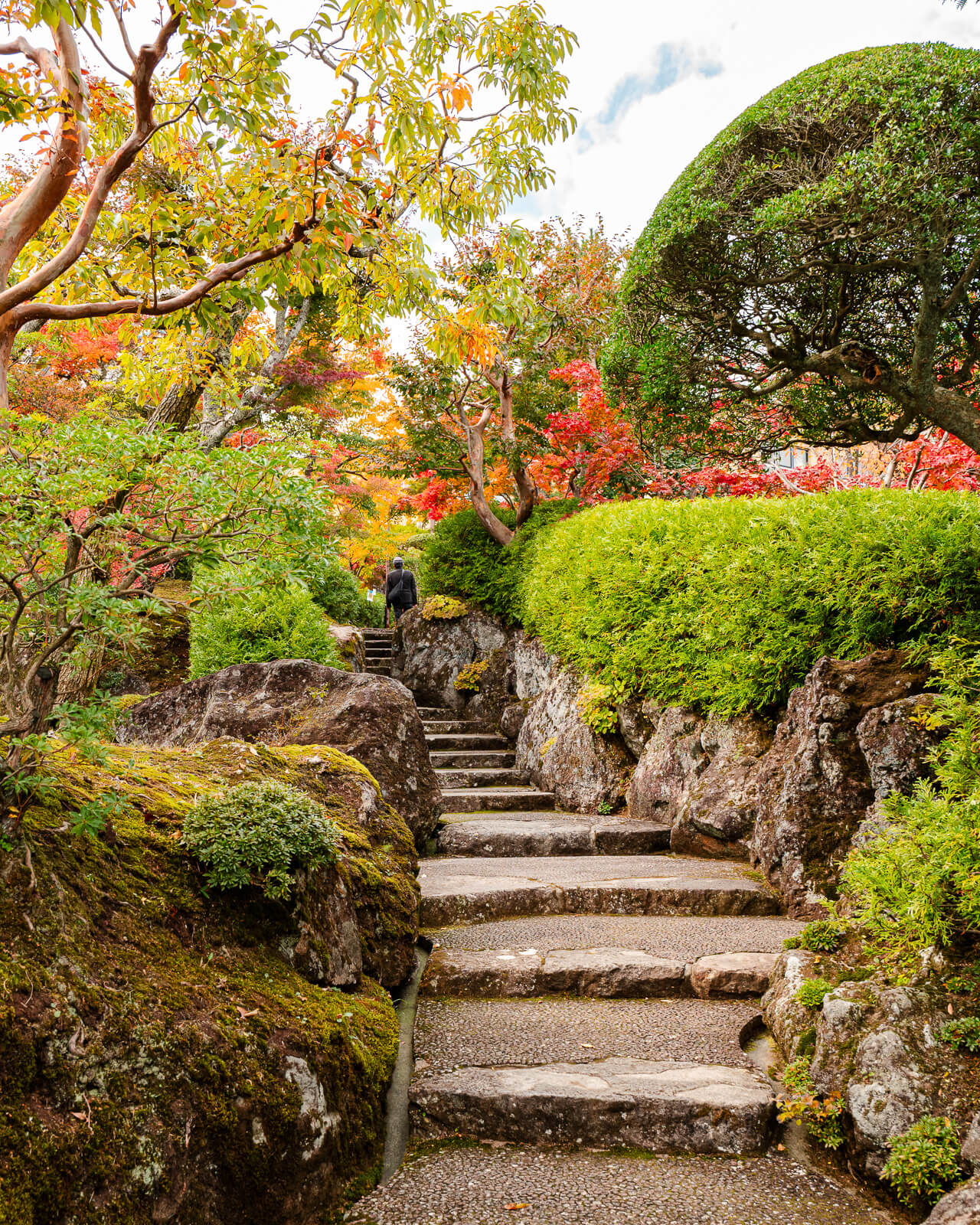
Shinsenkyo Garden in Autumn
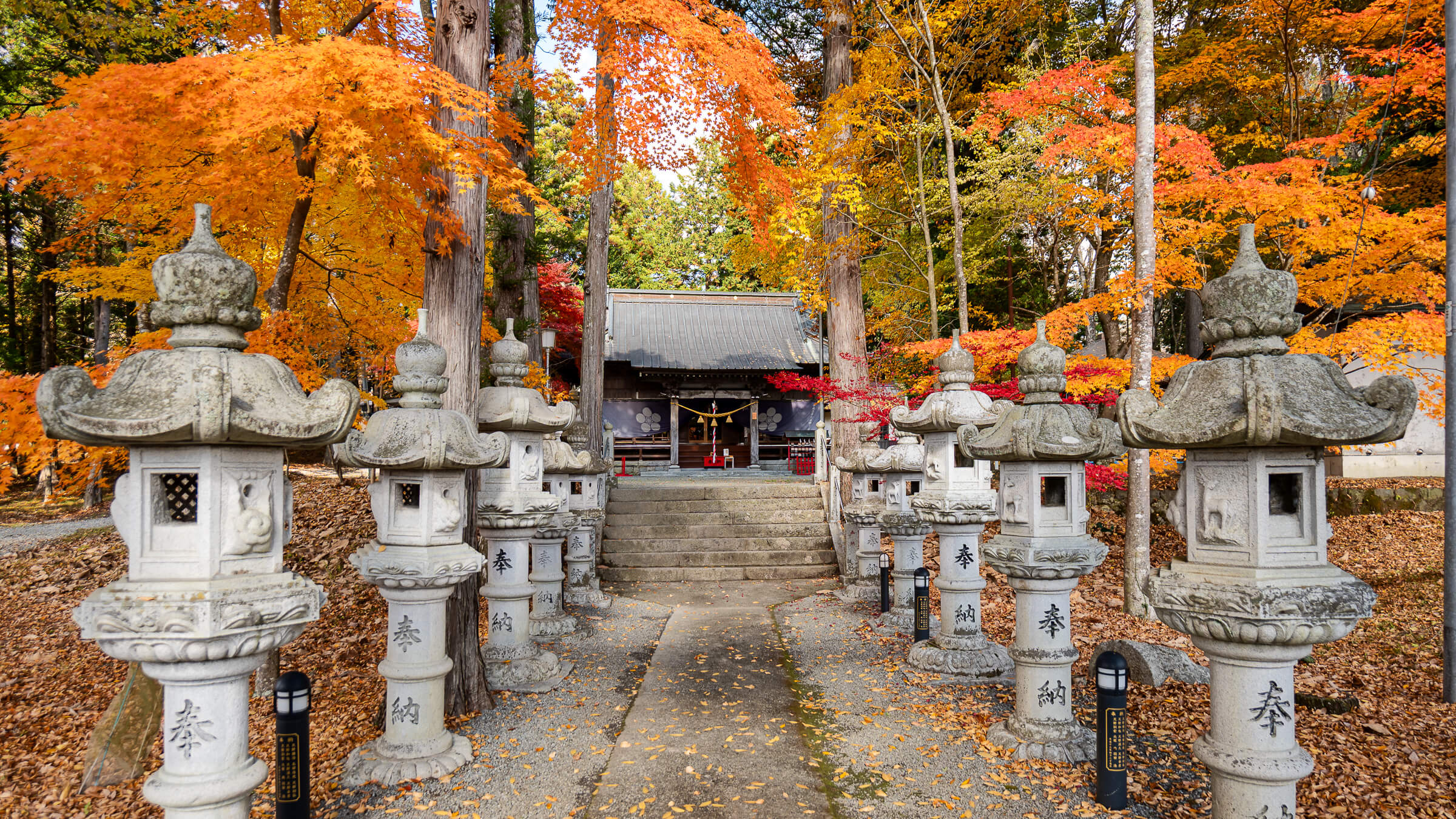
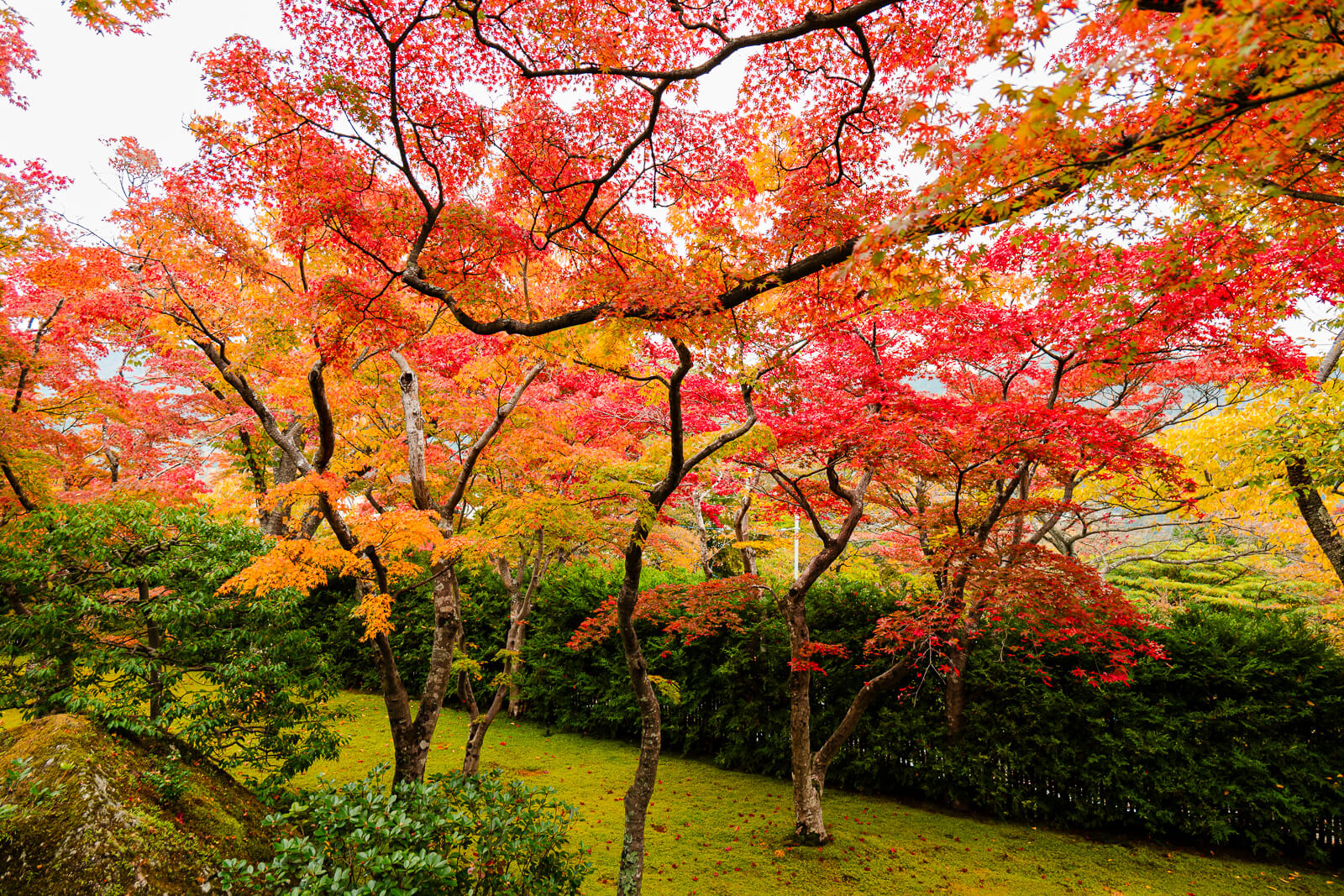
Autumn brings the strongest contrast between Shinsenkyo’s maples and the deep green moss beneath them. Red, orange, and yellow appear at different heights, so the color surrounds the paths instead of remaining on a distant hillside. Branches also frame stonework, bamboo, and traditional rooflines as the route changes direction.
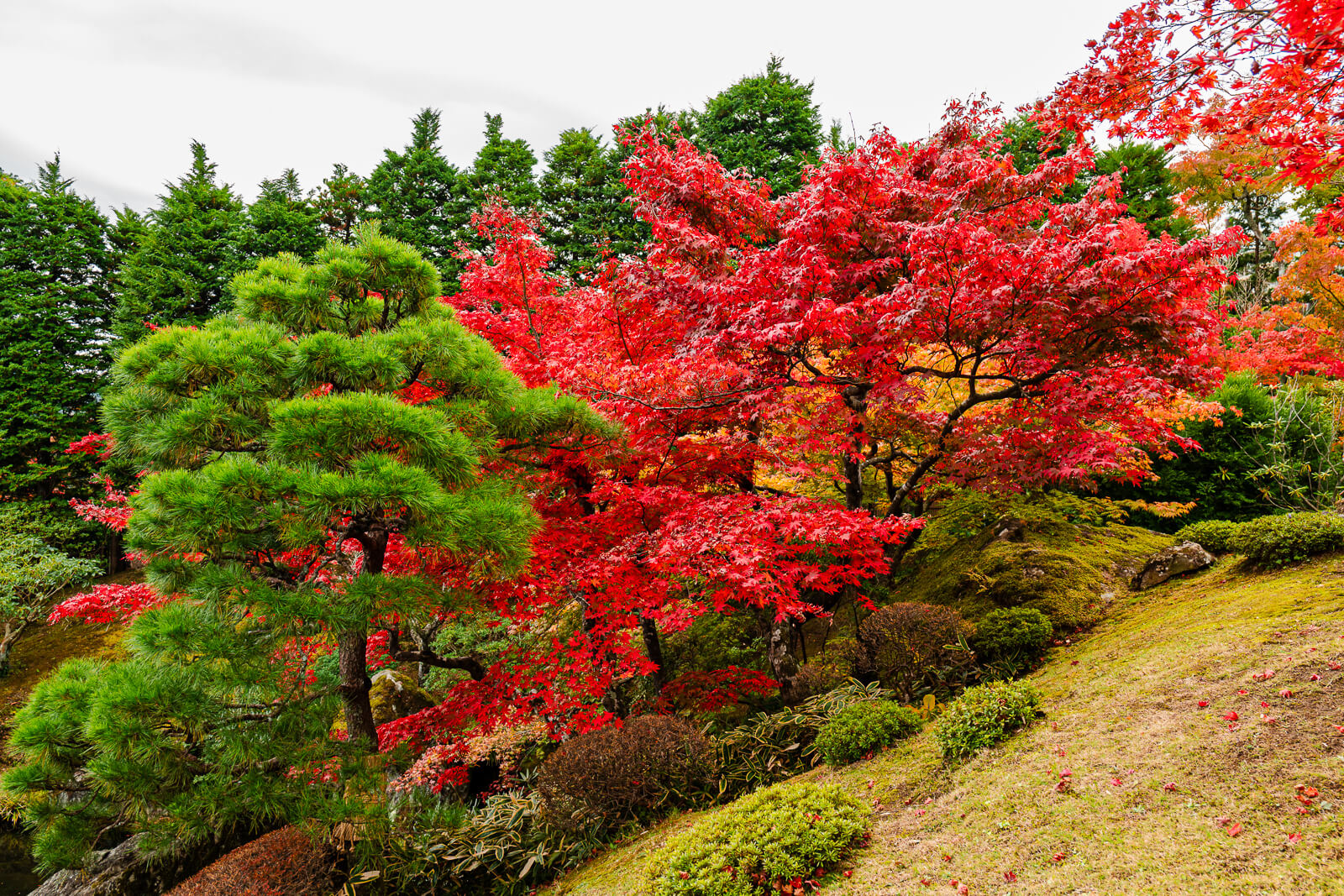
The garden rewards attention beyond the brightest red leaves. Green moss remains a major part of the scene, while fallen leaves introduce smaller patches of color across stones and path edges. These layers produce both broad garden views and tighter compositions within a limited walking area.
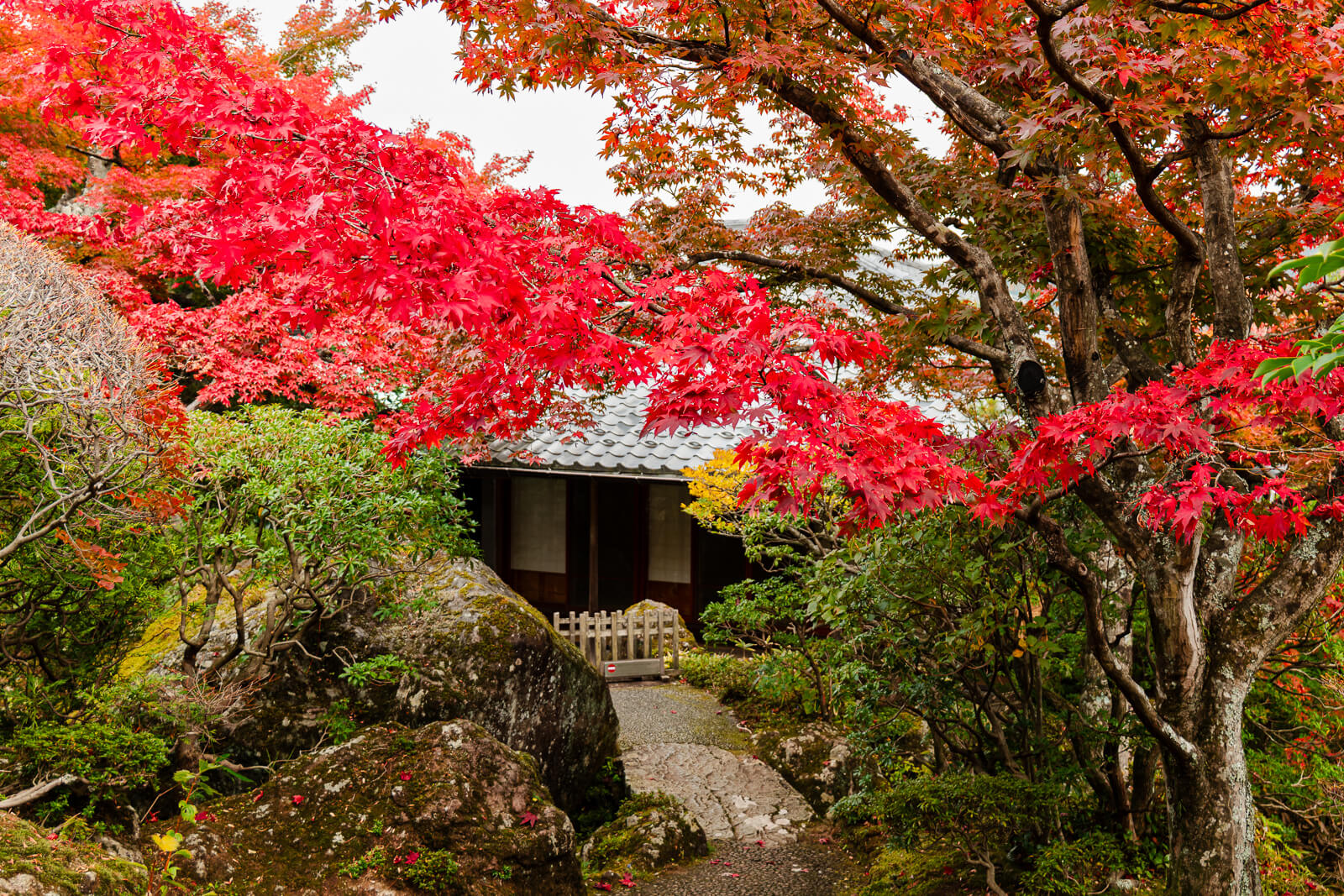
Photography works especially well at this closer scale because small changes in position alter the relationship between branches, moss, paths, and buildings. Flash, monopods, tripods, and selfie sticks are not permitted, and commercial photography requires advance permission. Keeping off the moss and lawns is also essential because the green ground cover is part of the protected garden design.
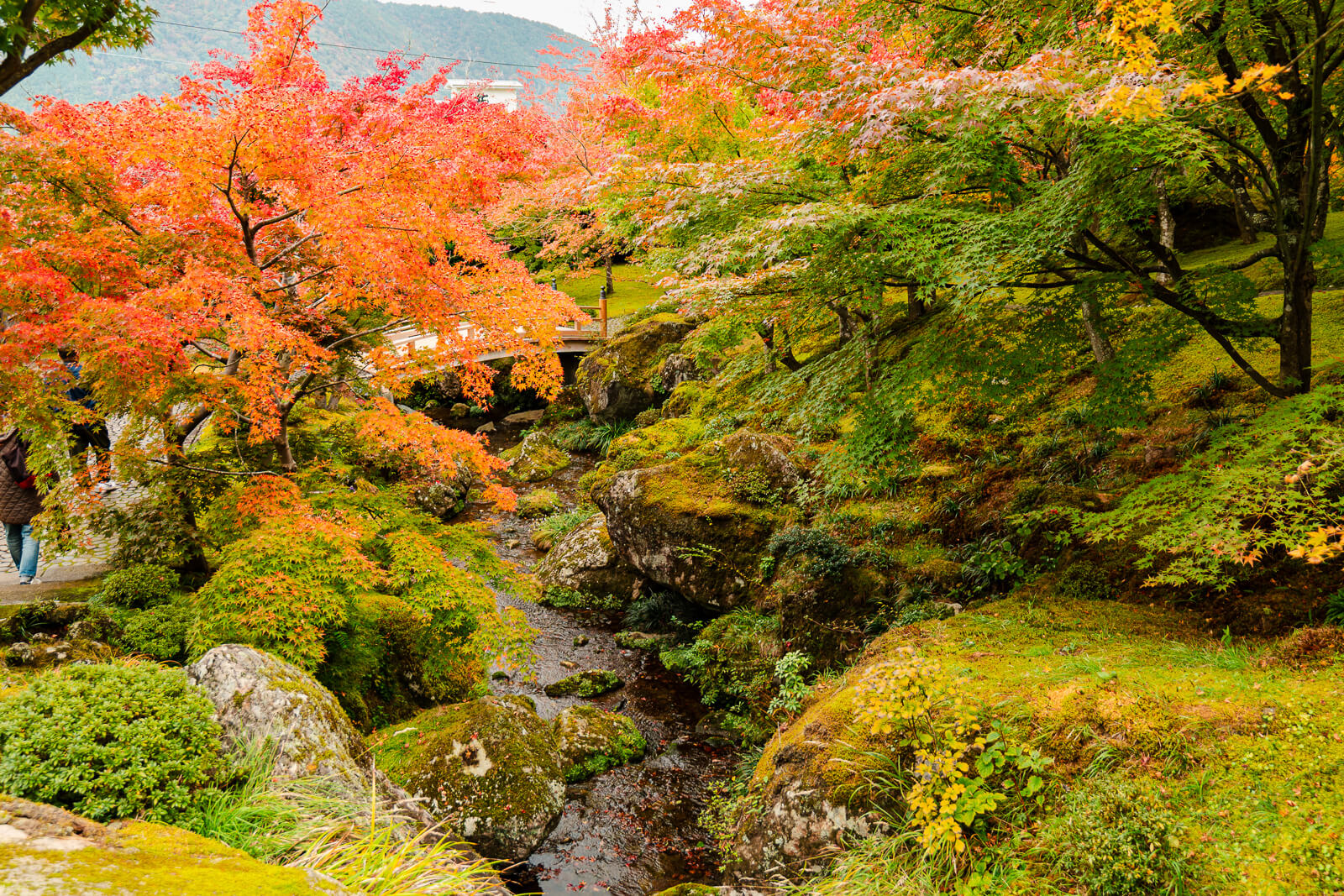
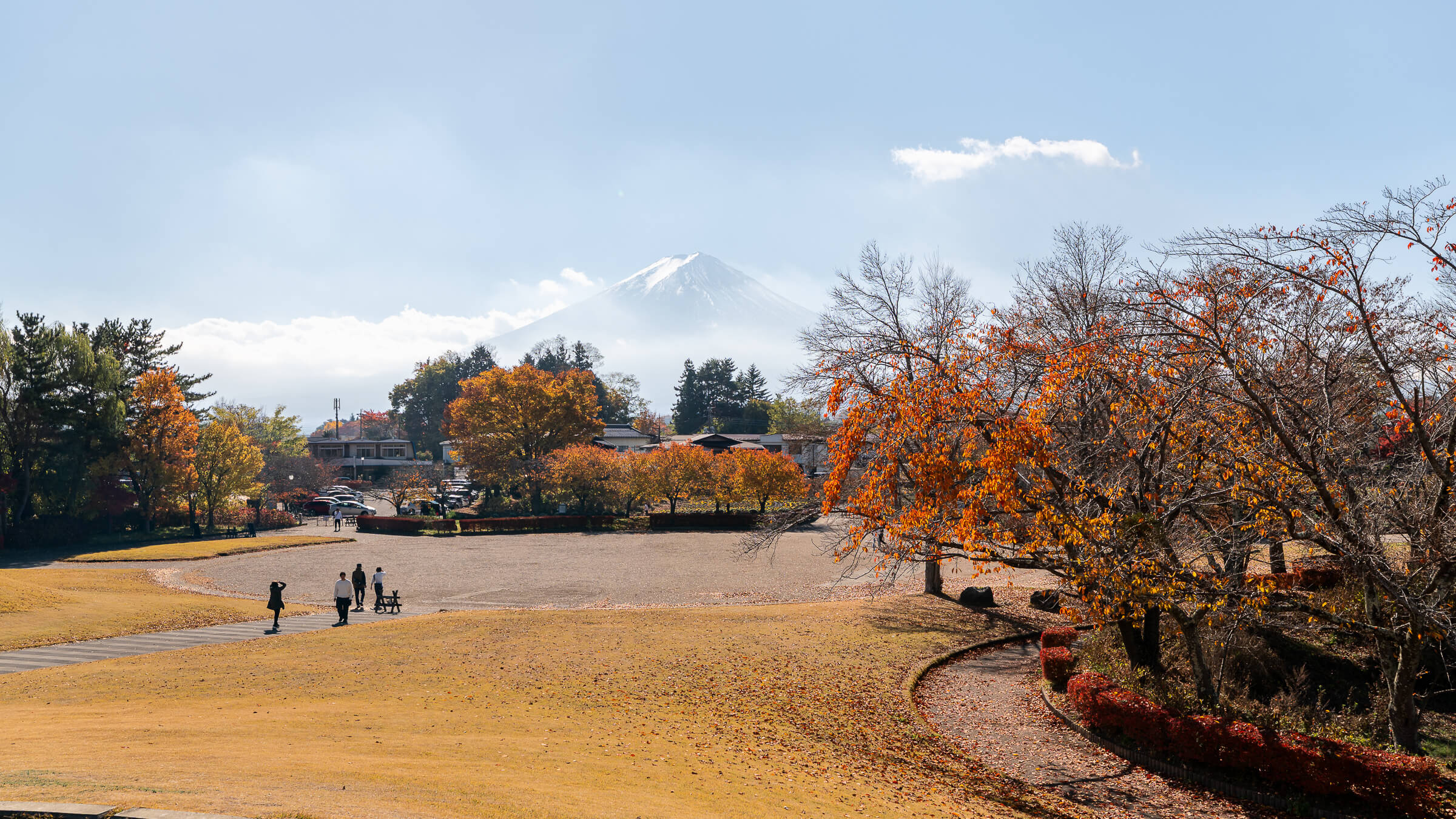
Shinsenkyo serves a different purpose from Hakone’s exposed mountain and lake viewpoints. It offers designed garden scenery and autumn detail within reach of Gora’s museums and transport corridor. The wider Hakone autumn foliage guide helps place this close garden experience against the open views and later-season areas elsewhere in the region.
Combining Shinsenkyo Garden With Gora Park
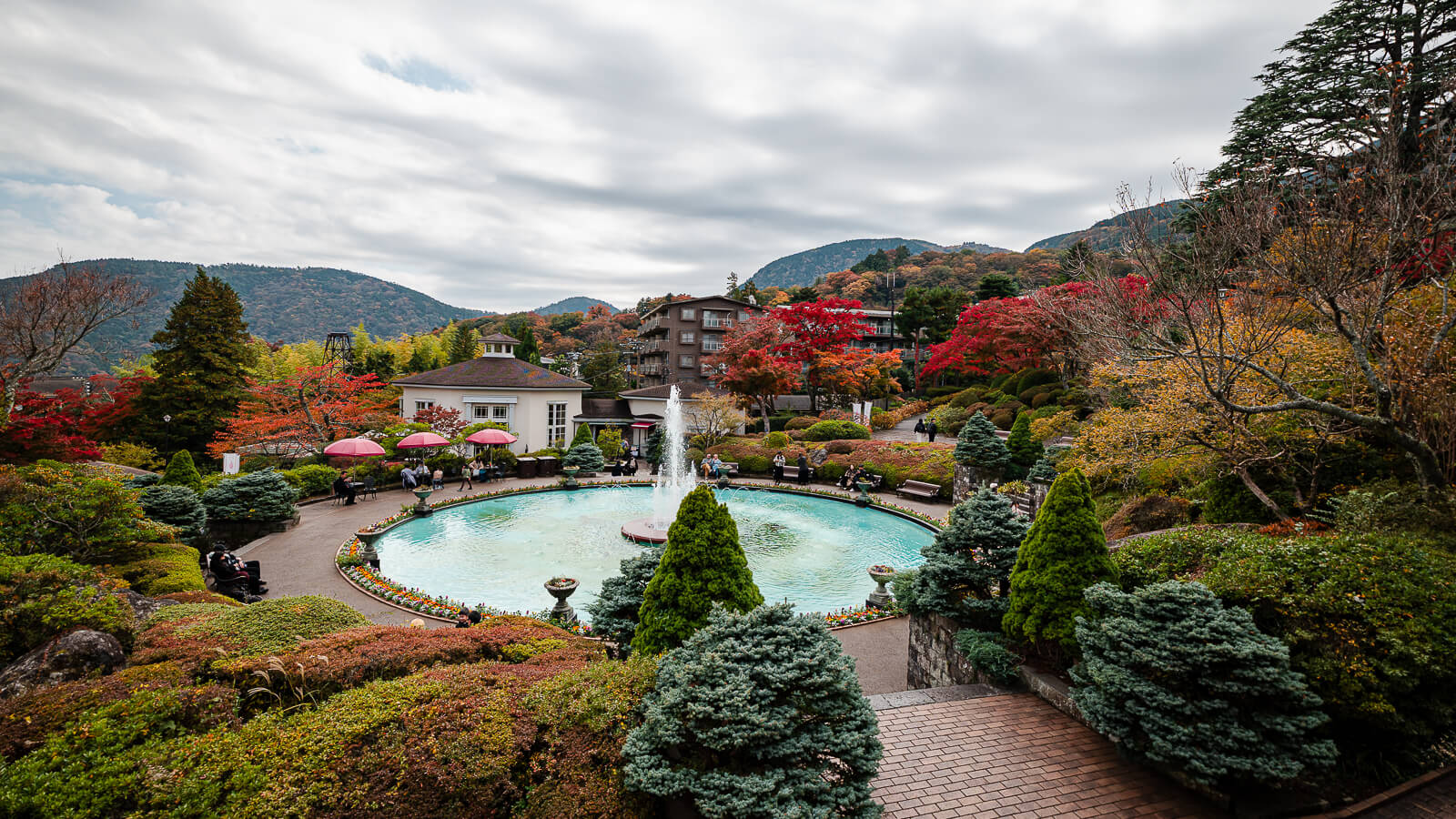
One of Shinsenkyo’s practical advantages is having Gora Park immediately next door. The two attractions can be combined without spending another part of the day crossing Hakone, making it easier to devote a half day to gardens and seasonal scenery. This pairing adds value for travelers who want more than a short museum stop in Gora.
The two gardens offer enough visual difference to justify seeing both. Shinsenkyo concentrates attention around moss, maples, stonework, and Japanese garden design, while Gora Park opens into a larger Western-style park with seasonal planting, fountains, and craft facilities. Moving between them changes the scale and character of the visit without changing the transport base.
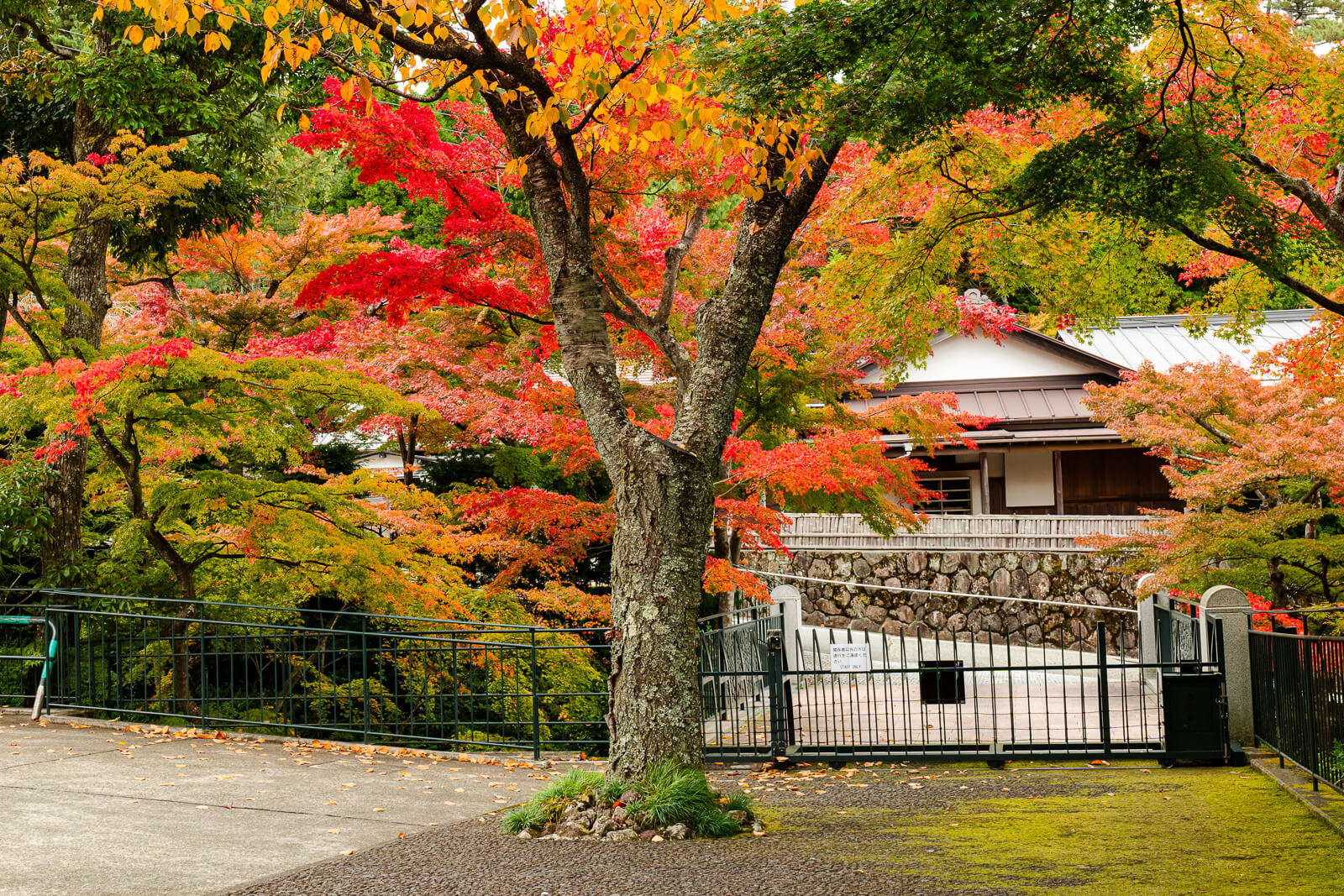
Shinsenkyo is the stronger fit when Japanese garden detail and close autumn compositions are the main priorities. Adding Gora Park broadens the visit and gives the area enough substance for a half day, especially when lunch or another Gora museum is included. The concentration of attractions is one reason Gora deserves more time than a transfer between the mountain railway and cable car.
Where Shinsenkyo Fits Into a Hakone Day
Shinsenkyo sits between Gora and Sounzan along the Hakone Tozan Cable Car route. Travelers coming uphill can visit the garden and Gora Park before continuing toward Sounzan, while those returning from the higher mountain area can use the same stop on the way down. The rest of the day does not need to be built around approaching the garden from one fixed direction.
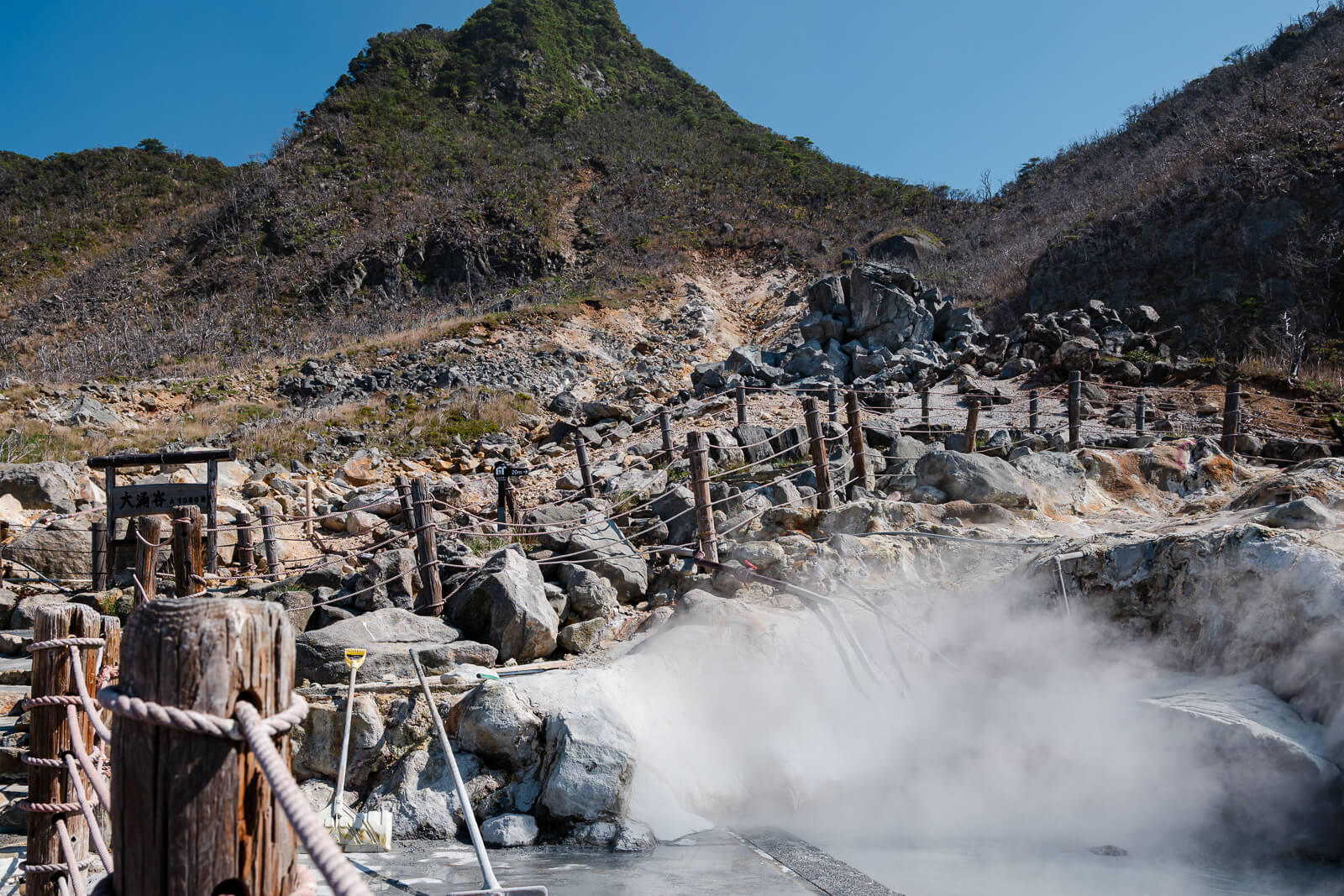
From Sounzan, the Hakone Ropeway continues toward Owakudani, where the experience shifts from enclosed gardens to an exposed volcanic valley. Travelers extending the day toward Lake Ashi can add the Hakone Komagatake Ropeway for a summit route or the Narukawa Art Museum for Nihonga and a broad lake view. These locations require more travel than the Gora Park pairing, but they show how Gora connects with the wider Hakone circuit.
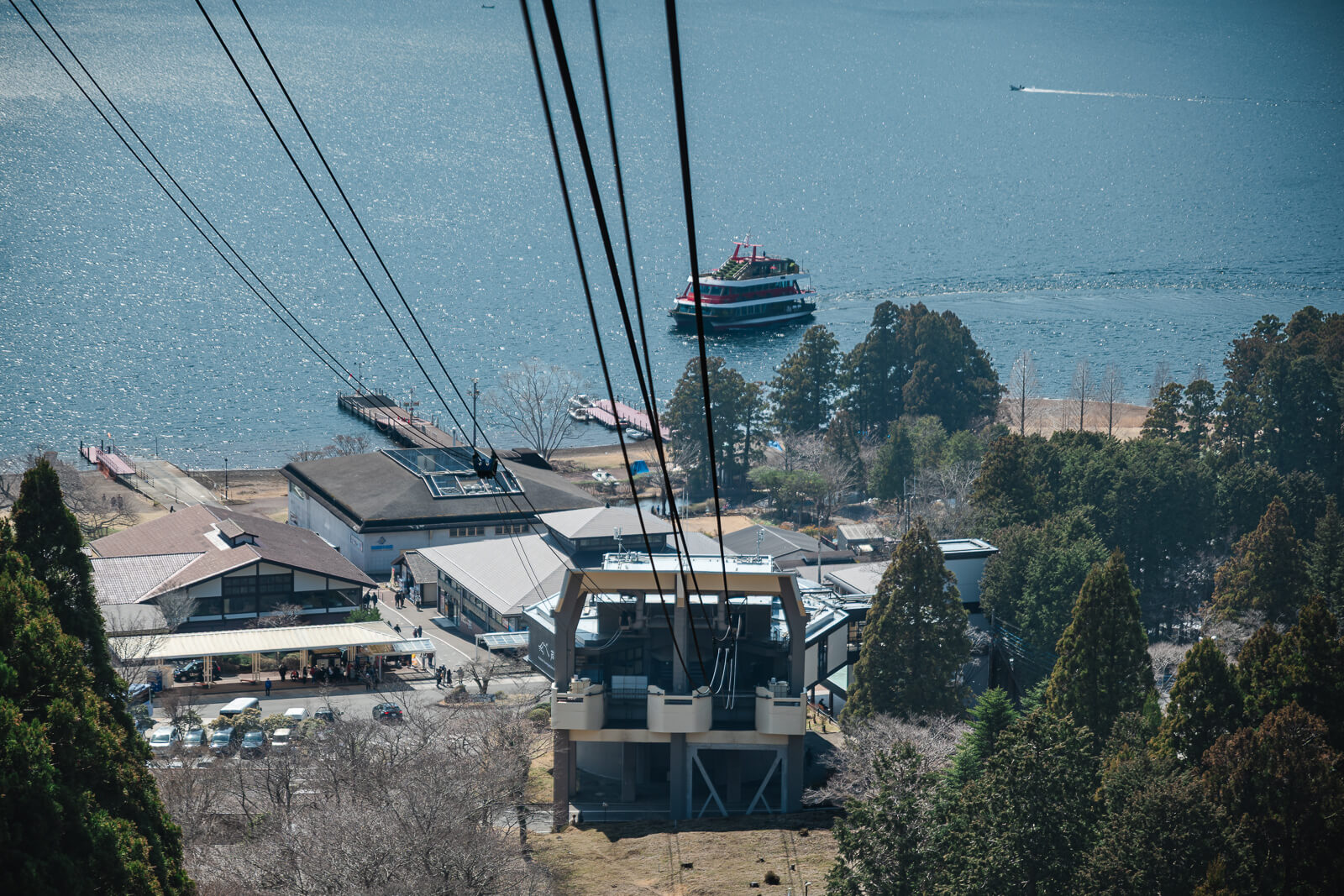
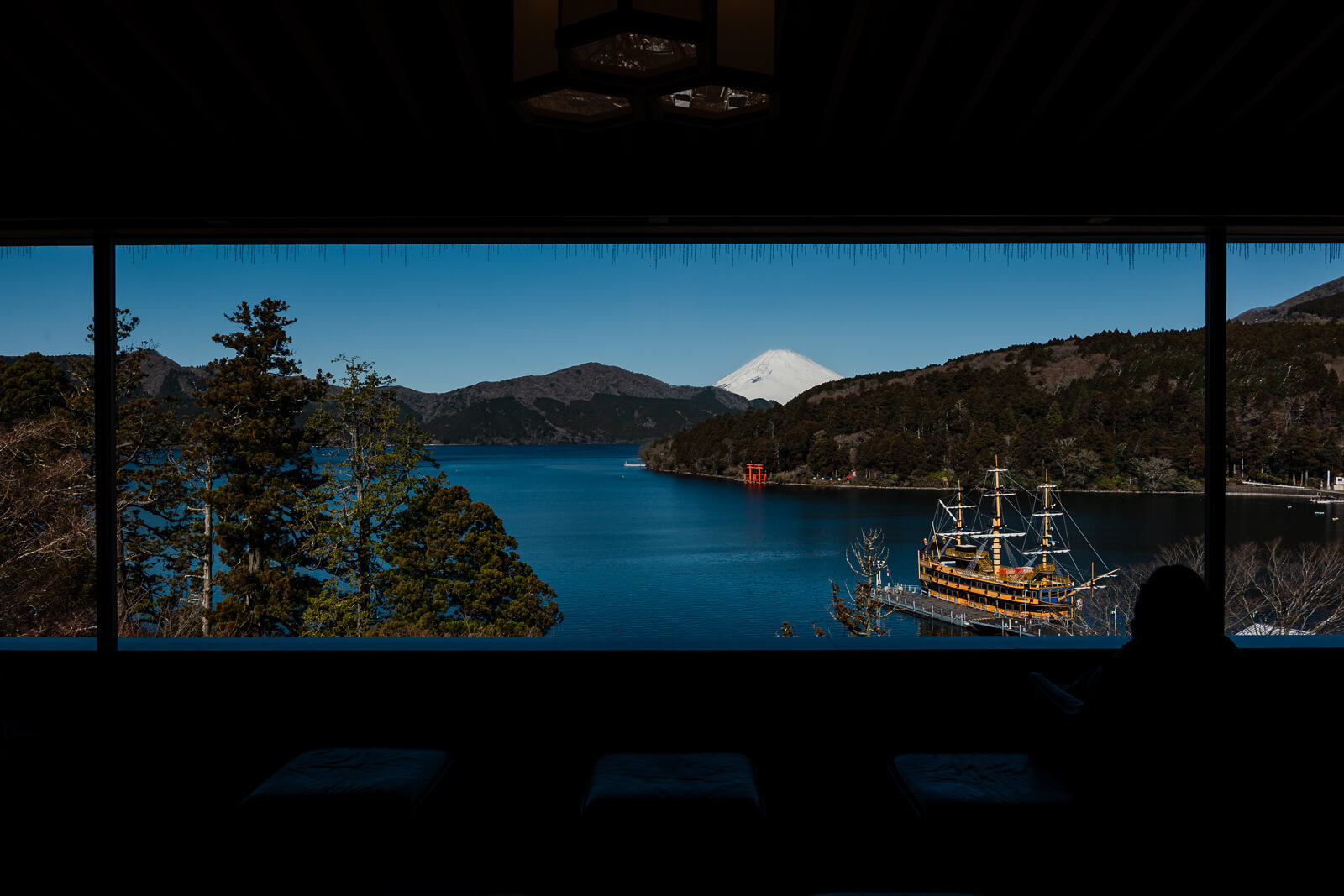
The concentration around Gora also changes the value of staying in this part of Hakone. Shinsenkyo, Gora Park, museums, the mountain railway, and the cable car place several attractions and transport links close together. A Gora base reduces the need to repeat the full climb from Hakone-Yumoto when gardens, museums, Owakudani, and the central mountain route are major priorities.
The Hakone Museum of Art Beyond the Garden
Shinsenkyo forms part of the Hakone Museum of Art grounds, so the garden and museum are closely connected even when the maples and moss are the main reason for visiting. The buildings, cultural spaces, and planted landscape occupy the same hillside. This gives the site a different character from a stand-alone public garden.
The museum collection includes ancient earthenware and Japanese ceramics spanning several historical periods. That focus adds a cultural layer to the garden visit and gives poor-weather hours more substance when the galleries are operating. Current exhibitions should be checked before deciding how much time to allow inside.
The 2026 renovation makes the operating schedule especially important. The October 30 pre-opening is expected to use a temporary exhibition room in the Annex, while the renewed Main Building galleries are scheduled for a December 23 grand reopening. Travelers visiting between those dates should not assume that the full collection or every visitor facility is available.
Getting There
Most rail journeys enter the region through Odawara Station and continue to Hakone-Yumoto. From Hakone-Yumoto, the Hakone Tozan Railway takes about 40 minutes to reach Gora, followed by a cable-car ride of about three minutes to Koen-kami Station. The museum entrance is beside the station, so the final approach is short even though the garden itself contains steps.
Travelers arriving from Owakudani and Sounzan can use the cable car downhill to Koen-kami. After the visit, continuing down to Gora provides connections toward Hakone-Yumoto, while returning uphill to Sounzan reconnects with the ropeway. Late-afternoon plans should account for the last cable-car and onward transport connections.
The museum also lists free parking with access from 9:00 to 17:00. Driving can help when the garden is part of a wider car-based Hakone route, but public transport reaches the entrance directly and avoids mountain-road traffic. Large vehicles should confirm parking arrangements with the museum in advance.
Hours & Fees
April–November: 9:30–16:30
December–March: 9:30–16:00
Last admission: 30 minutes before closing
Closed Thursdays except national holidays; additional closures may apply
Adults: ¥1,430
High school and college students: ¥660
Junior high school and younger: Free
Discounts and free admission are available for eligible visitors
The Hakone Museum of Art and Shinsenkyo Garden are closed through October 29, 2026. A pre-opening is anticipated on October 30, with the renewed Main Building galleries expected to reopen on December 23. Confirm which garden, gallery, cafe, and visitor facilities are available before traveling.
Confirm current visitor information with the official source above before your trip.
Plan Your Gora Visit
Compare stays, transport, tickets, tours, and other planning options for combining Gora with the rest of Hakone.
Compare Hotels and Ryokan in Gora
Staying near Gora reduces return travel and keeps the cable car, museums, gardens, and central mountain route close.
Compare Stays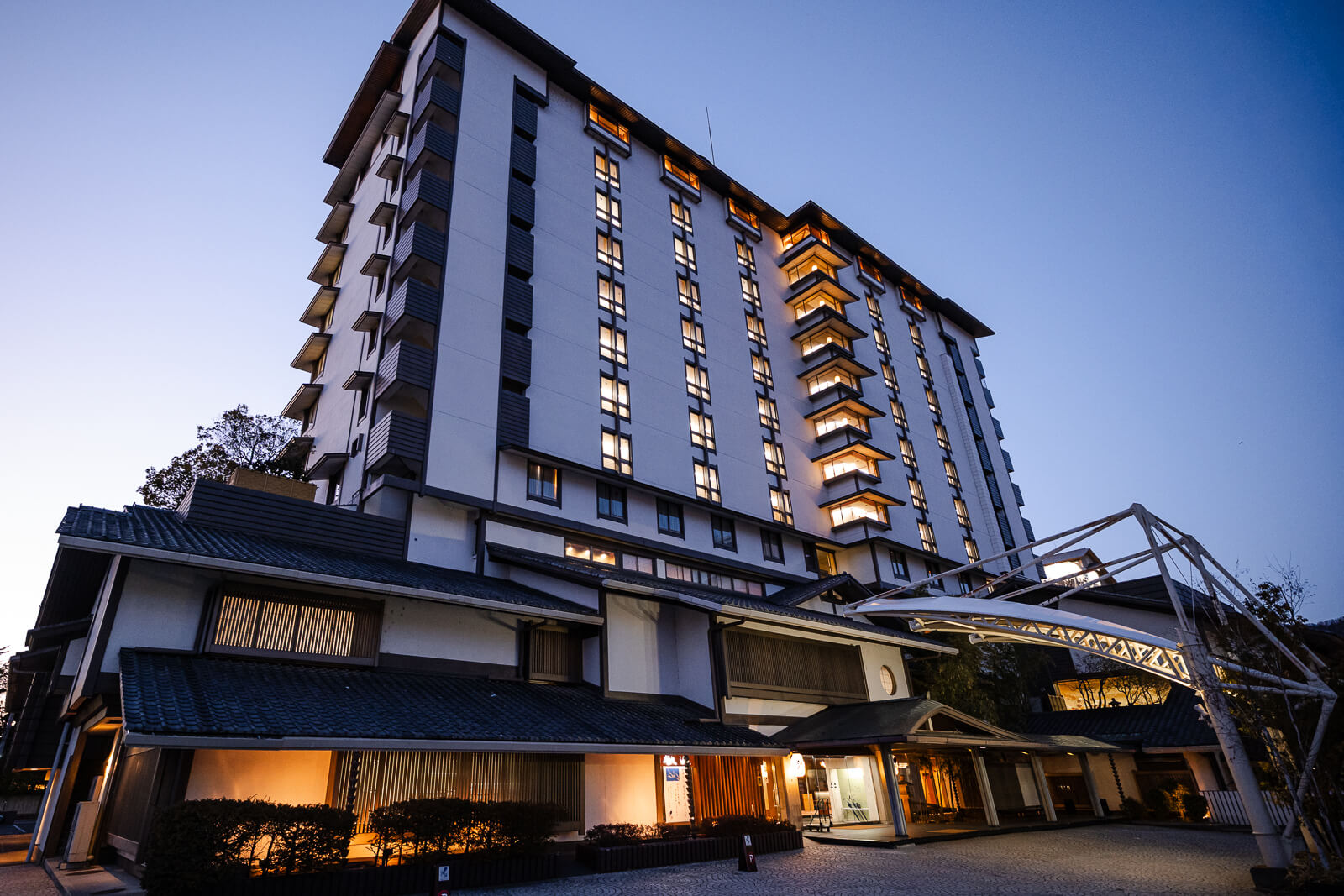
Check the Hakone Freepass
Compare pass options for the trains, cable car, ropeway, buses, and sightseeing connections used across a wider Hakone visit.
Check Pass Options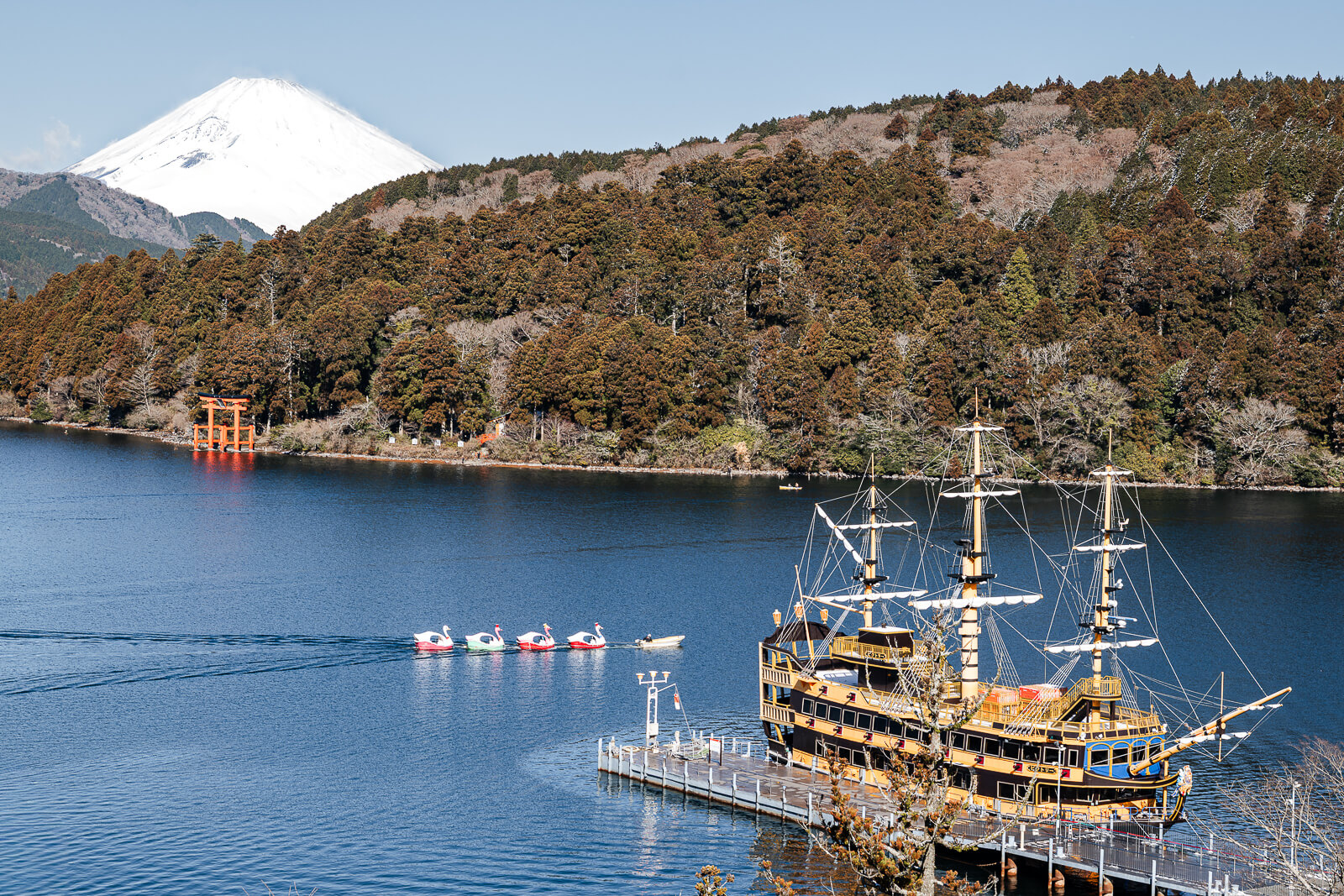
Compare Rail Options for Your Japan Trip
Compare rail options if Hakone is one stop within a longer Japan trip connecting Tokyo with other regions.
Compare Rail Options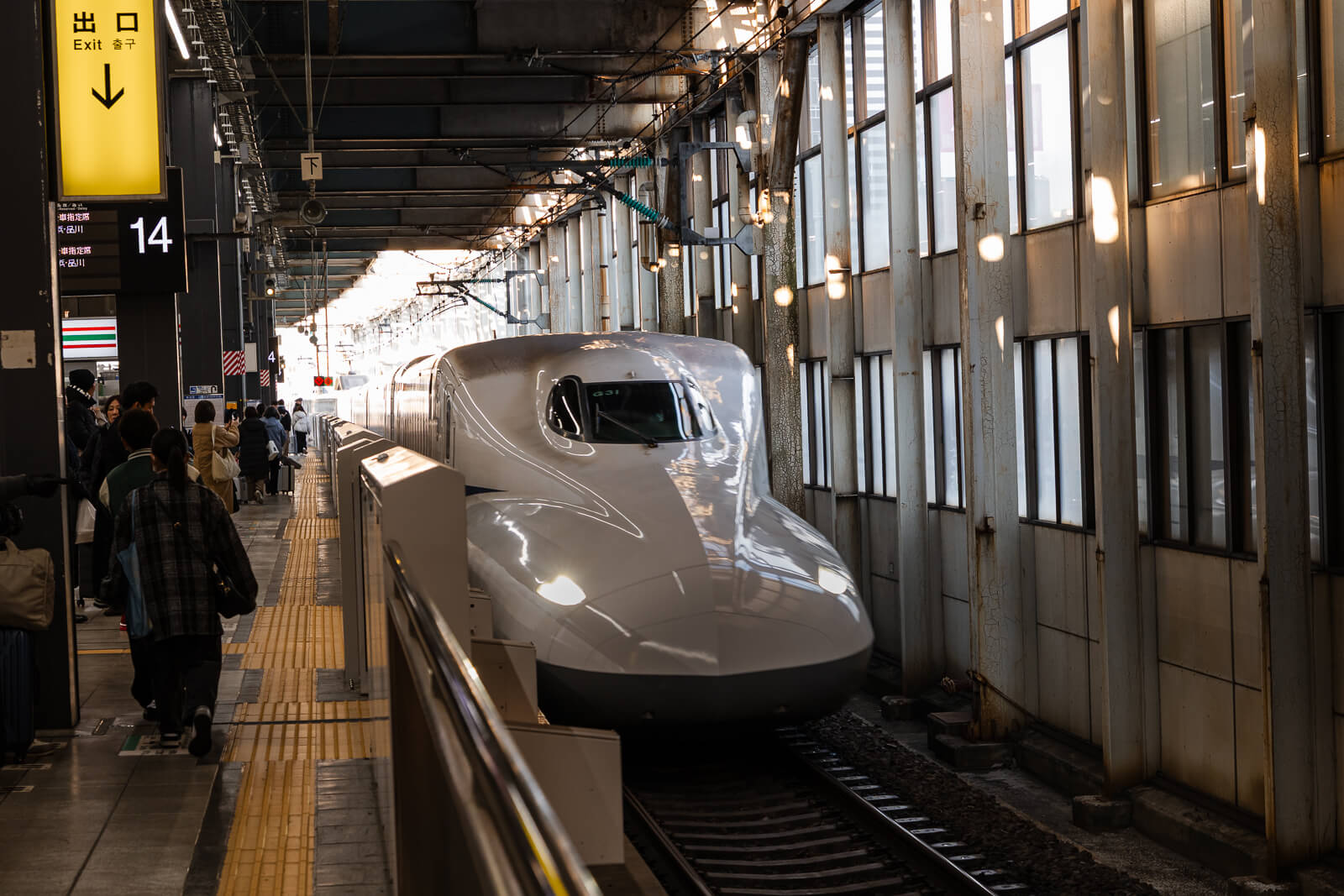
Compare Rental Cars in Odawara
Starting in Odawara can make a rental car useful for travelers combining Hakone with stops beyond the main transport loop.
Compare Rental Cars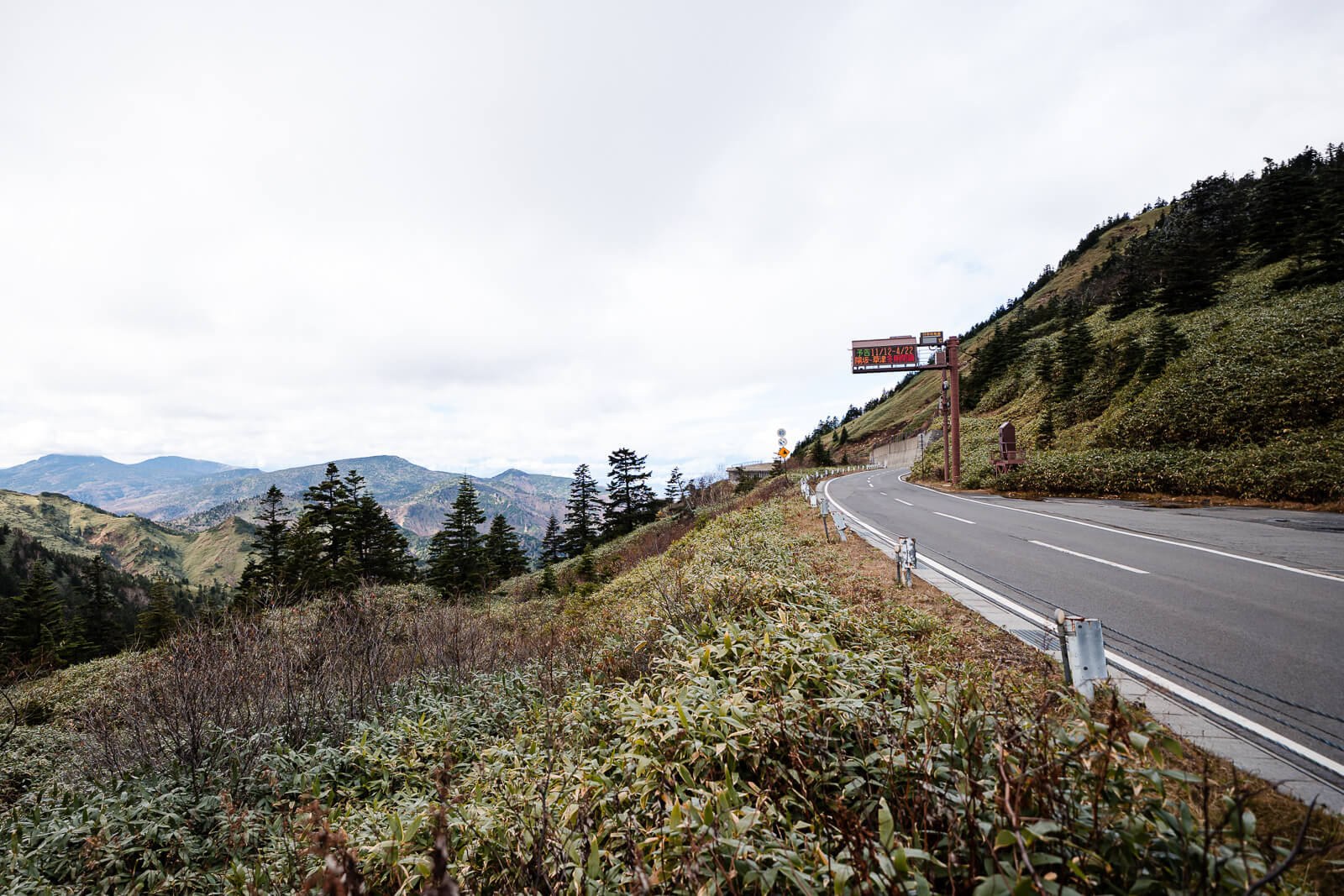
Explore Tours Around Hakone
Compare guided Hakone options if you prefer transportation and major sightseeing stops organized within a single day.
Explore Tours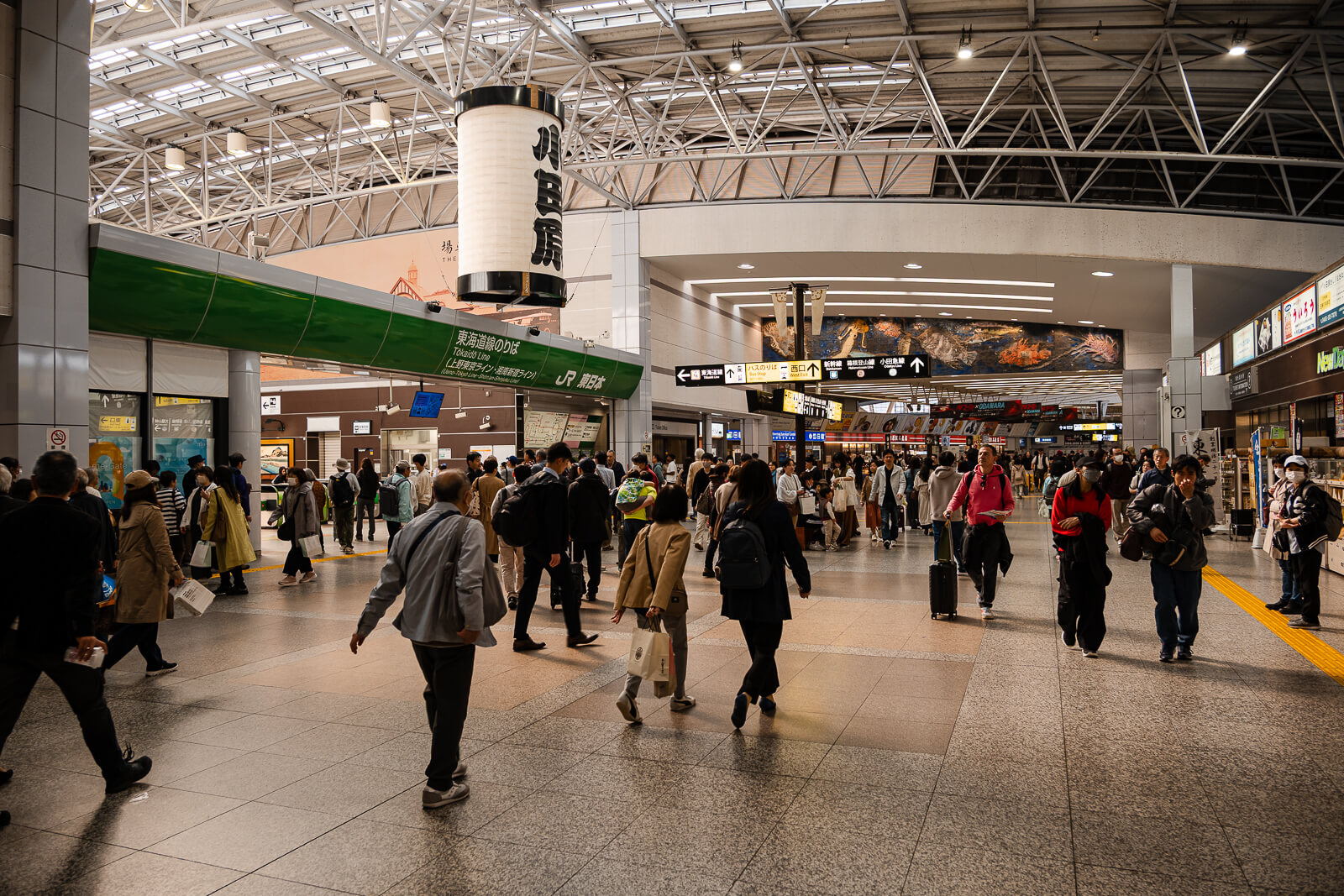
Compare eSIM Options for Japan
Mobile data helps with maps, transport updates, and route changes while traveling between Gora and other parts of Hakone.
Compare eSIM Options
Reader note: Japan Unfolded may earn a commission from some links at no extra cost to you.