One of Kamakura’s Most Unusual Temple Histories
Tokei-ji Temple (東慶寺) occupies a distinctive place among Kamakura’s many temples. Located in Kita-Kamakura near Engaku-ji and Jochi-ji, the temple combines centuries of history, seasonal flowers, cultural treasures, and a setting closely connected to the surrounding hillsides. Its story differs considerably from other temples in the city and reflects a role that extended far beyond religion alone.
While many visitors arrive expecting another Kamakura temple, Tokei-ji offers a different perspective on the city’s past. The temple’s identity is shaped not only by Buddhism and architecture but also by its connection to Japanese social history. This combination gives Tokei-ji a character that stands apart from neighboring temple sites.
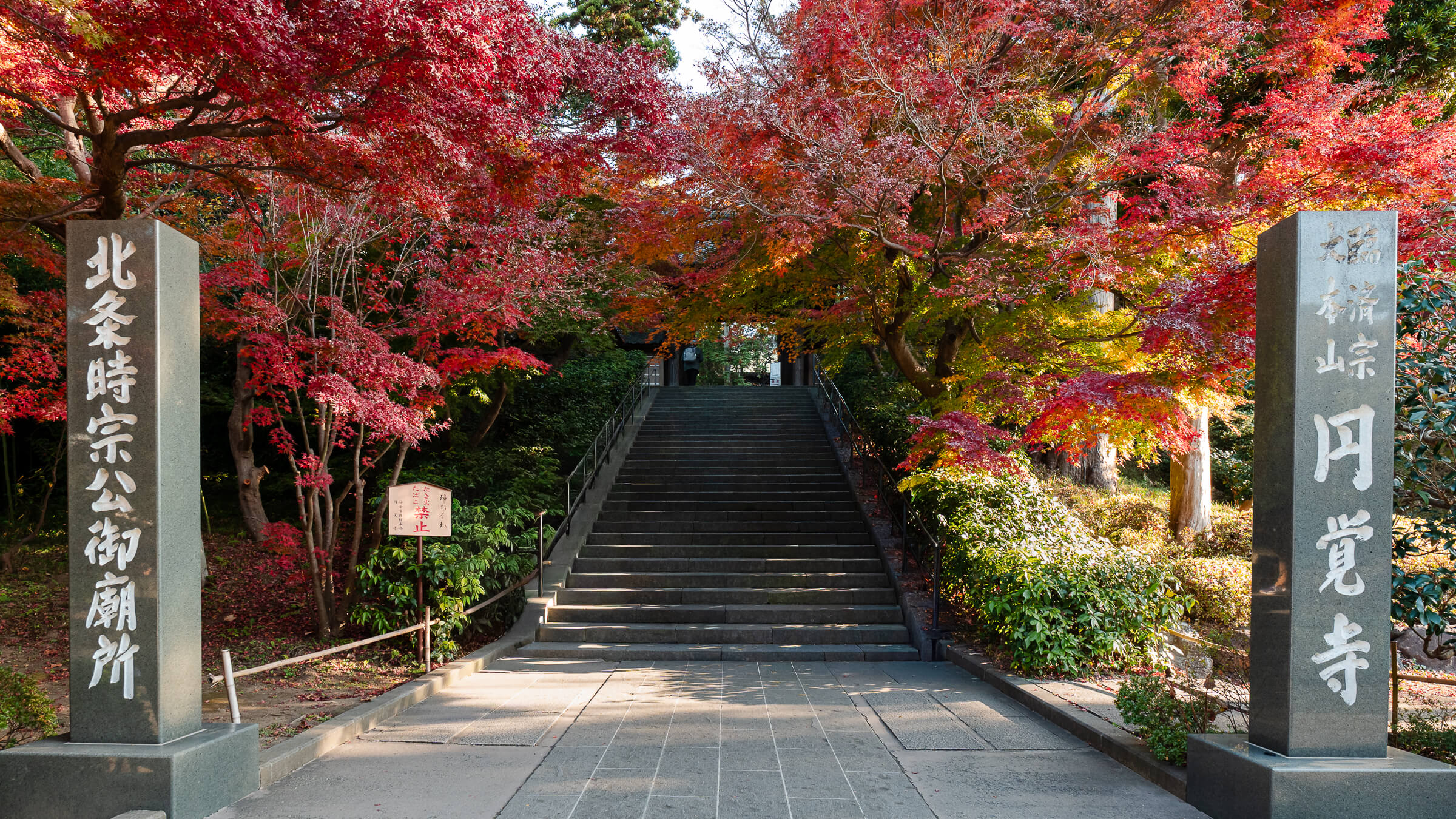
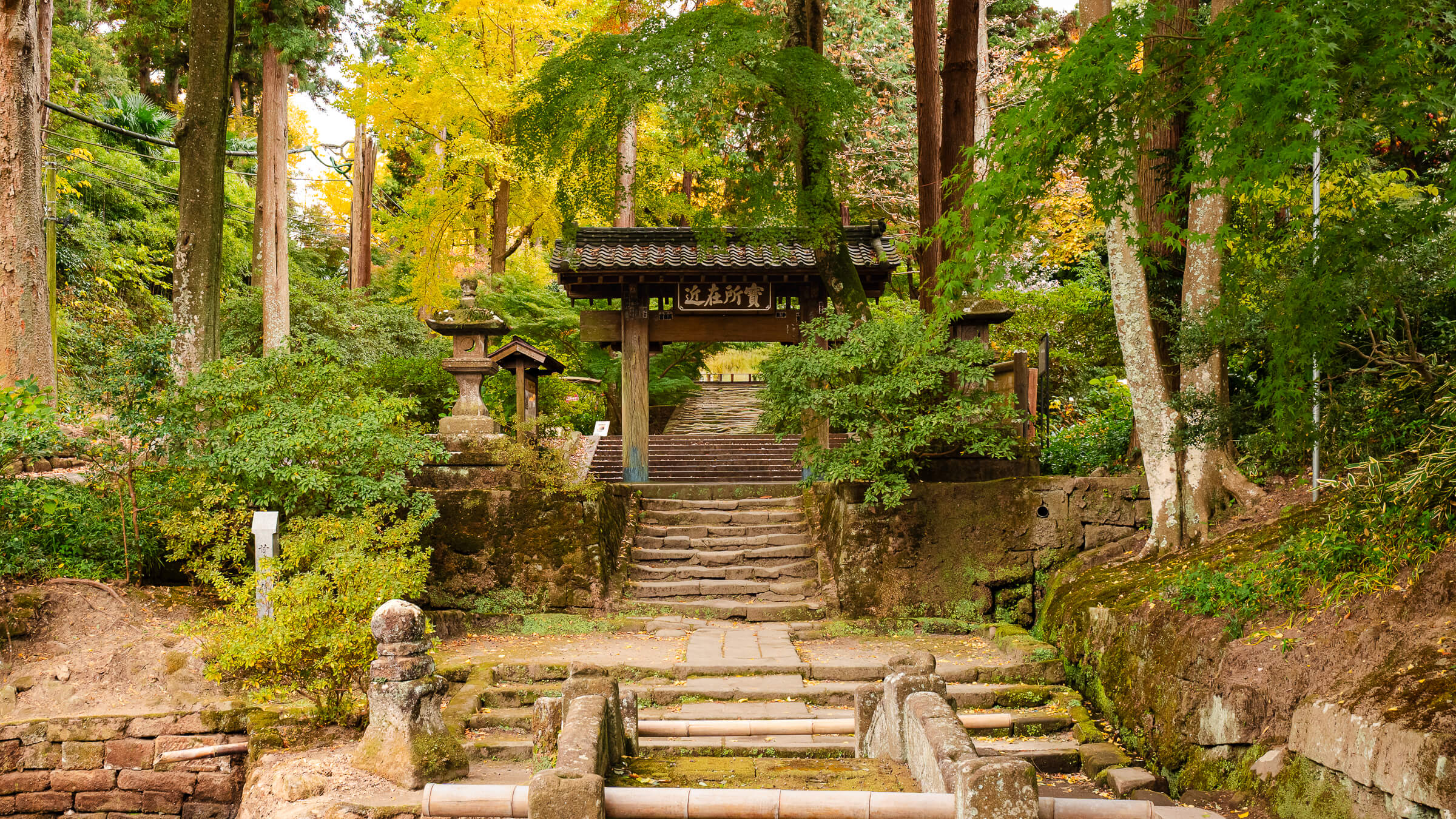
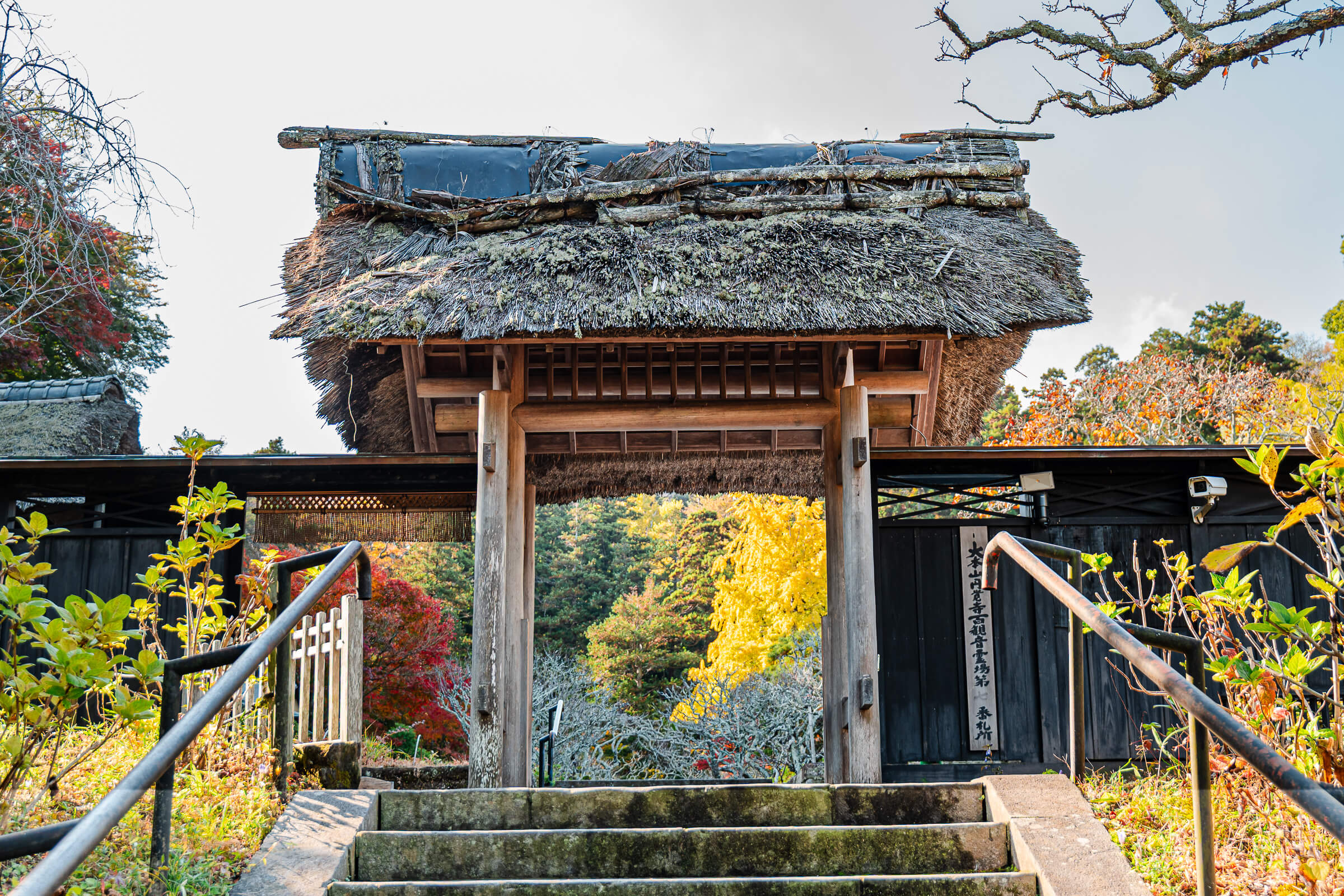
Visitors should also note that renovation work is currently underway around the Sanmon entrance area. While the temple remains open to visitors, the appearance of the approach may differ from older photographs. The temple also maintains a photography prohibition within the grounds, making it important to review current visitor guidance before arriving.
A Temple With a Unique Place in Kamakura’s History
For centuries, Tokei-ji served a role unlike that of any other temple in Kamakura. During the feudal era, it became associated with legal separation and developed a reputation as a place where women could seek a path out of difficult marriages. This role eventually became one of the defining chapters in the temple’s history.
Beyond that history, the temple offers a rewarding visit for travelers interested in gardens, seasonal flowers, and Kamakura’s cultural heritage. The grounds are compact enough to explore comfortably while still containing enough detail to justify a dedicated stop. Visitors looking for a temple that combines historical context with a pleasant walking environment will find plenty to appreciate here.
Its location also makes it easy to combine with several of Kita-Kamakura’s most popular attractions. Nearby temples, museums, and hiking routes can all be incorporated into a broader sightseeing plan. This flexibility makes Tokei-ji a natural addition to both half-day and full-day itineraries.
A Temple Founded During the Kamakura Period
Tokei-ji was founded in 1285 during the Kamakura period by Kakuzan Shido-ni, the widow of Hojo Tokimune, together with Hojo Sadatoki. Originally established as a convent, the temple became one of the most respected nunneries in Japan. Over time it gained recognition as one of the Kamakura Nun Five Mountains, reflecting its standing within Japanese Buddhism.
The temple maintained strong connections to aristocratic and imperial families throughout its history. Princess Yodo, daughter of Emperor Go-Daigo, served as the fifth abbess and helped strengthen the temple’s position. During the Edo period, the temple also became associated with Senhime’s adopted daughter, further elevating its prestige.
These connections elevated Tokei-ji beyond a regional temple and helped establish its position among Japan’s leading nunneries. The influence of those relationships continued for centuries and contributed to the temple’s enduring reputation. Even today, they remain an important part of the temple’s story.
The Legacy of the Divorce Temple
Tokei-ji became known as Kakekomi-dera and Enkiri-dera, names that reflected its unusual role in Japanese society. Women who entered the temple and completed the required period of residence could eventually obtain legal separation. Few institutions in Japan performed a similar function, making Tokei-ji an exceptional case in the country’s legal and social history.
This arrangement continued for approximately six hundred years and shaped the temple’s identity across multiple eras. The system remained in place until the Meiji Restoration brought sweeping legal reforms and changes to Japanese society. As new laws replaced older systems, the temple’s authority in these matters came to an end.
In 1871 the divorce temple system was abolished, and by 1902 Tokei-ji’s long history as a nunnery concluded. Although its role changed dramatically, this chapter remains one of the most discussed aspects of the temple’s past. It continues to distinguish Tokei-ji from other temples in Kamakura.
Revival and Modern History
The Meiji era proved challenging for many Buddhist institutions, and Tokei-ji was no exception. The anti-Buddhist movement known as Haibutsu Kishaku led to a period of decline that threatened the temple’s future. Without intervention, much of its cultural heritage could have been lost.
A turning point came in 1905 when Zen Master Shaku Soen entered the temple and began restoring the neglected grounds. His efforts revitalized Tokei-ji and established the foundation for the temple visitors see today. Because of his reputation, he attracted influential students from politics, business, philosophy, and the arts.
Among those students was Daisetz Suzuki, one of the most important figures in introducing Zen Buddhism to Western audiences. Suzuki later established the Matsugaoka Library on the mountain behind the temple, helping transform the area into a center for Zen scholarship. This connection adds another dimension to Tokei-ji beyond its earlier history.
Exploring the Temple Grounds
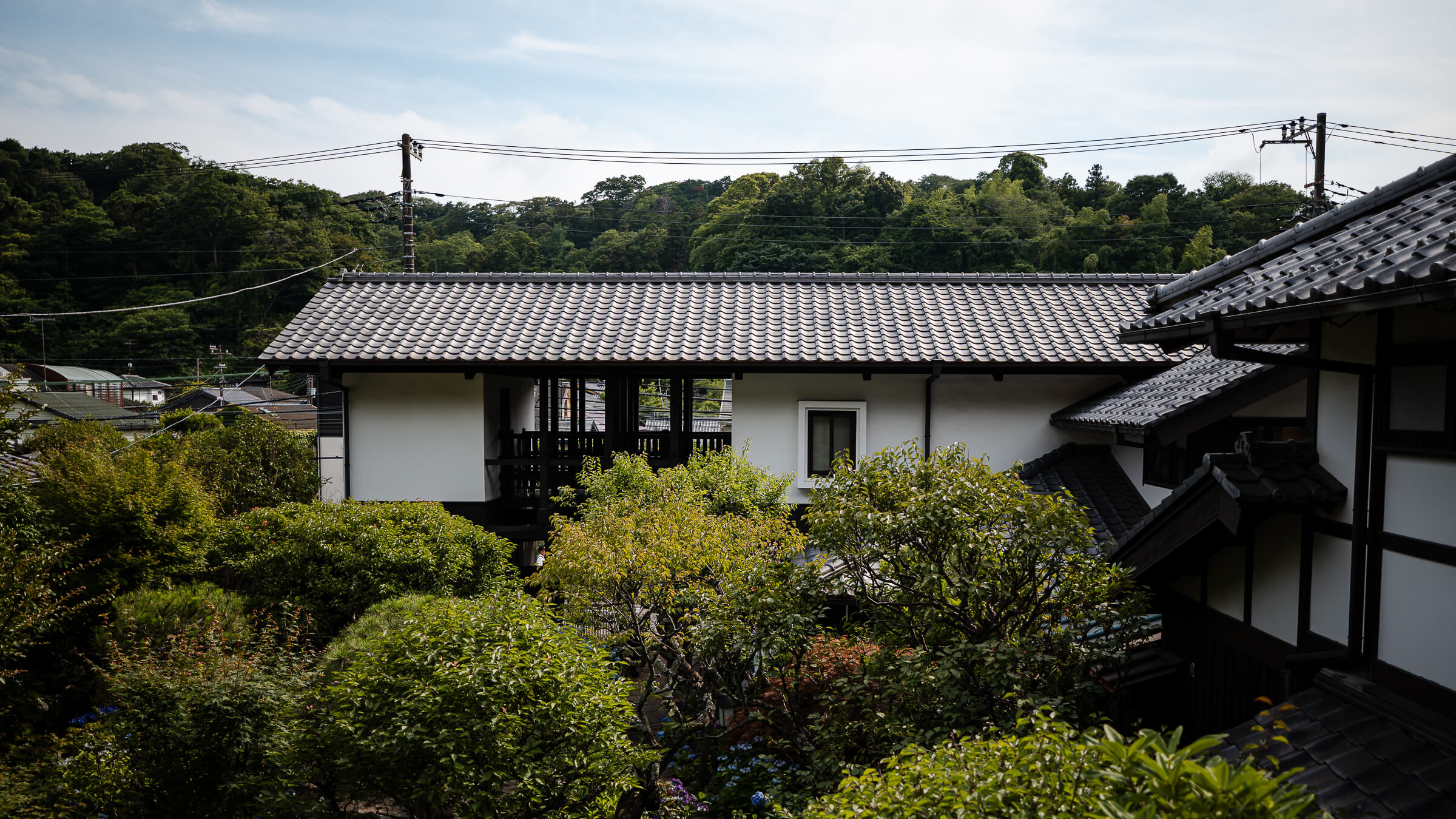
Compared with some of Kamakura’s larger temple complexes, Tokei-ji is relatively compact. Stone pathways, traditional buildings, seasonal flowers, and wooded slopes combine to create a layout that remains closely connected to the surrounding landscape of Kita-Kamakura. The grounds are easy to navigate while still offering enough variety to reward exploration.
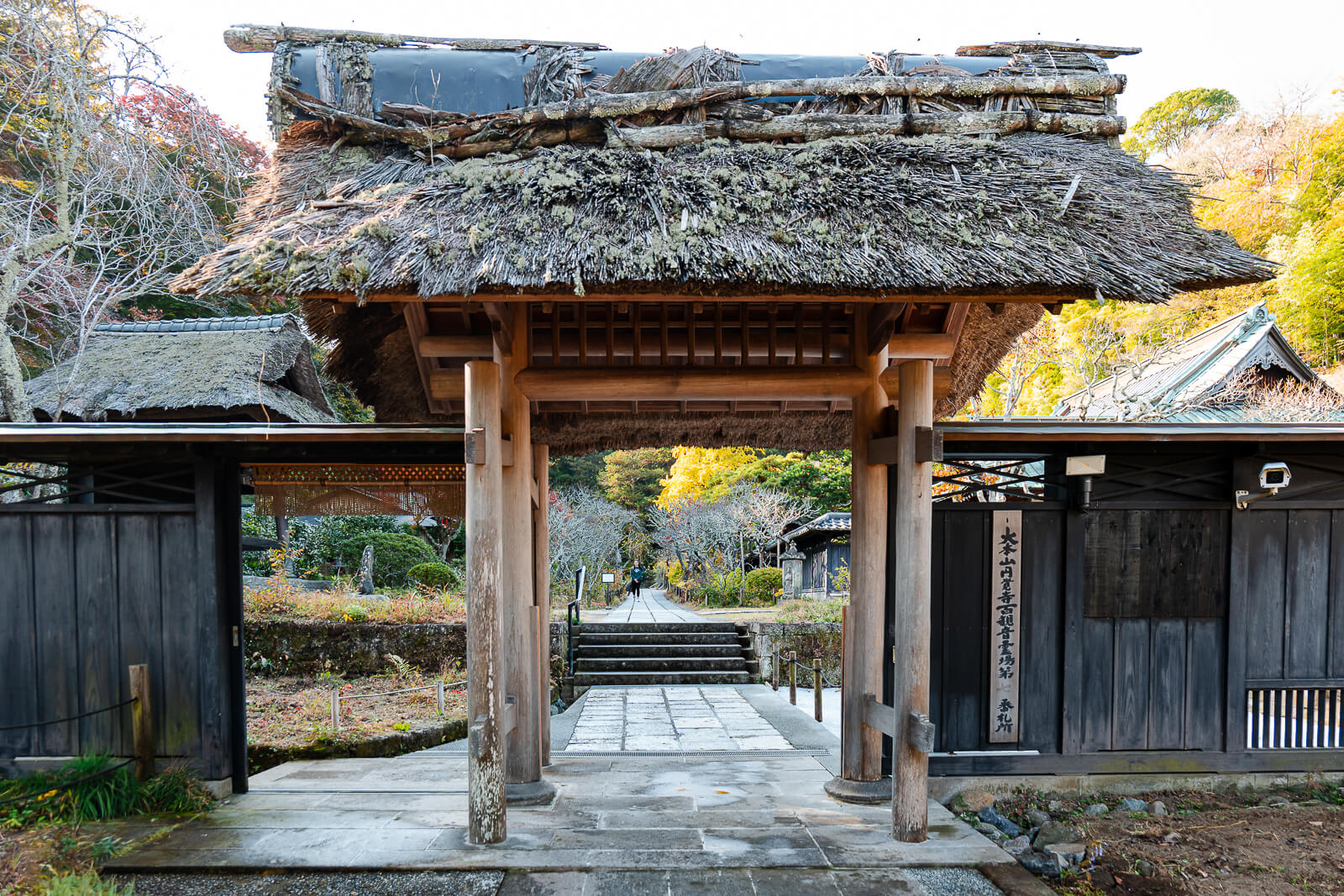
Visitors encounter a mixture of temple structures, garden spaces, and historical features distributed throughout the property. Instead of focusing attention on a single large building, the experience unfolds gradually as different areas reveal themselves along the pathways. This creates a visit that feels larger and more varied than the temple’s footprint initially suggests.
The temple’s setting contributes significantly to its appeal. Mature trees and hillside terrain help separate the grounds from the surrounding residential neighborhood while maintaining a strong connection to the natural landscape. This relationship between temple and terrain remains one of the defining characteristics of the visit.
Historical Buildings and Cultural Treasures
Several notable cultural assets can be found within the temple grounds. The Main Hall was rebuilt in 1935 following the destruction caused by the Great Kanto Earthquake of 1923 and continues to serve as the spiritual center of the temple. Its architecture reflects the temple’s continuing role within the Rinzai Zen tradition.
The bell tower houses a bronze bell cast in 1350 that has survived for nearly seven centuries. Designated as an Important Cultural Property of Kanagawa Prefecture, it represents one of the temple’s most remarkable surviving artifacts. The bell serves as a reminder of Tokei-ji’s long history.
The Matsuoka Hozo Treasure Hall provides additional insight into the temple’s past. Exhibits include religious objects, lacquerware, and other cultural materials connected to the temple’s development. Visitors interested in history will find that the museum adds valuable context to the wider visit.
Seasonal Highlights
Tokei-ji is often referred to as a flower temple, a reputation that developed after the grounds were cultivated and expanded following World War II. Seasonal flowers became an intentional part of the temple environment and continue to shape the visitor experience today. Different plants and blooms ensure that the scenery changes noticeably throughout the year.
Hydrangea season is among the most recognizable periods to visit. From late May through mid-June, colorful hydrangeas appear throughout the grounds and along many of the pathways. The flowers are integrated into the wider temple landscape instead of being concentrated in a single display area, which helps them complement the wooded hillside setting.
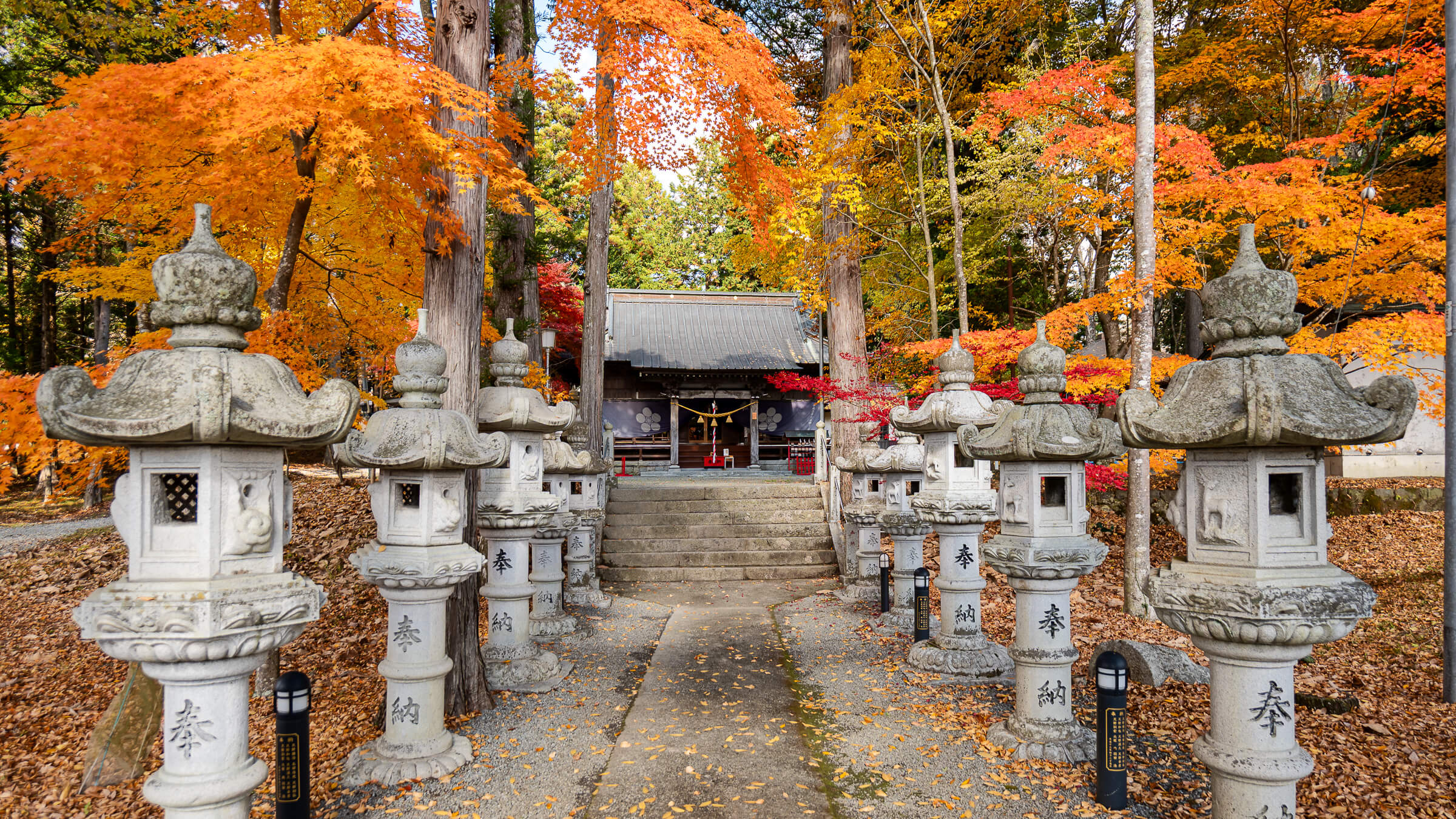
Autumn brings seasonal color to the trees surrounding the temple, while winter reveals architectural details and stone features that can be hidden during the warmer months. Spring introduces fresh greenery and seasonal blooms that signal the beginning of another growing season. As a result, Tokei-ji remains rewarding regardless of when visitors choose to arrive.
The Cemetery and Notable Figures
Behind the main temple grounds lies a cemetery containing the graves of monks, scholars, cultural figures, and former temple leaders. This area forms an important part of understanding Tokei-ji’s connections to broader developments in Japanese religion and culture. Several individuals associated with the temple played influential roles in shaping Japanese intellectual life.
The cemetery is also connected to the temple’s long history as a nunnery and later as a center of Zen scholarship. Visitors interested in the temple’s modern history often explore this area alongside learning about figures such as Daisetz Suzuki and the role Tokei-ji played in the development of Zen studies during the twentieth century. Stone monuments and memorials preserve the legacy of those who contributed to the temple’s development over the centuries.
Although many visitors focus on the main temple buildings, the cemetery provides a deeper understanding of the people connected to Tokei-ji. It complements the historical narrative presented throughout the rest of the property. For many visitors, it becomes one of the most memorable parts of the experience.
Goshuin Information
Tokei-ji offers printed goshuin sheets through the treasure museum for ¥500 each. These paper goshuin are available only when the museum is open, and visitors should note that the museum is closed on the first and third Tuesday of each month. During those closures, printed goshuin are not available.
According to the temple, this policy was adopted after the COVID-19 pandemic as part of a broader effort to emphasize the purpose of visiting the temple itself. Temple officials explain that increasing interest in goshuin collecting had led some visitors to focus solely on collecting stamps rather than participating in the religious and cultural aspects of the visit. The current system reflects the temple’s desire to preserve the meaning behind the tradition.
Visitors who wish to receive a handwritten goshuin from the chief priest may request one through advance arrangements with the temple. Same-day requests are not accepted, and approval depends on scheduling and availability. Those interested should contact the temple well in advance of their planned visit.
How Much Time You Need
Most visitors spend between 45 and 60 minutes exploring Tokei-ji. The grounds are compact enough to fit comfortably into a larger Kita-Kamakura itinerary while still offering enough historical and cultural interest to justify a dedicated stop. Visitors interested in the treasure museum, seasonal flowers, cemetery, or historical details may wish to allow additional time.
Because the grounds are relatively compact, the temple is easy to combine with several nearby destinations. Many visitors incorporate Tokei-ji into a broader half-day or full-day route through Kita-Kamakura. The manageable walking distances between attractions make the area straightforward to explore on foot.
How This Fits Into Kita-Kamakura
Tokei-ji sits within the heart of Kita-Kamakura’s temple district and can be combined easily with several major attractions. Meigetsu-in lies a short distance to the north, while Engaku-ji and Jochi-ji are both within easy walking distance. Further south, Kencho-ji continues the temple corridor toward central Kamakura. Travelers planning to connect these stops can use the Kita-Kamakura One-Day Itinerary to see how the temples and surrounding areas fit together as a practical walking route.
Tokei-ji also serves as the 32nd temple on the Kamakura 33 Kannon Pilgrimage. The temple is associated with Sho Kannon Bosatsu, one of the traditional forms of Kannon venerated throughout Japan. This connection makes Tokei-ji particularly relevant for visitors collecting pilgrimage goshuin or following the later stages of the route through Kita-Kamakura.
Visitors with additional time can also stop at the Kita-Kamakura Old Private House Museum, located near the station and easily incorporated into the same visit. Those interested in hiking can access the Daibutsu Hiking Course from the Jochi-ji area or continue south to Kencho-ji, where the Ten-en Hiking Course begins. These routes expand a temple visit into a broader day of exploration and provide a different perspective on Kamakura beyond its temple precincts.
Travelers continuing beyond Kita-Kamakura can eventually reach Tsurugaoka Hachimangu in central Kamakura. This progression connects the northern temple district with the historic heart of the city and works particularly well for visitors exploring Kamakura on foot.
Getting There
Tokei-ji is located a short walk from Kita-Kamakura Station on the JR Yokosuka Line. The temple is easy to reach from Kamakura Station, Yokohama, and Tokyo, making it a convenient addition to a day trip itinerary. Signage around the station area helps direct visitors toward the major temple sites nearby.
Visitors exploring multiple temples in Kita-Kamakura will find that walking is the most practical way to move between sites. The station, nearby temples, historical sites, and museum locations are all situated within a relatively compact area. Comfortable footwear is recommended for those continuing to additional temples or connecting with one of the area’s hiking routes.
Hours: 9:00 AM – 4:00 PM
(Treasure Museum is closed on the 1st and 3rd Tuesdays)
Admission: Free. As an active place of worship, visitors may choose to make an offering when visiting the Main Hall.
Construction Note: Renovation work is currently underway around the Sanmon and main approach area. The temple remains open during construction.
Confirm current visitor information with the official source above before your trip.