Yasukuni Shrine’s grand approach in two seasons
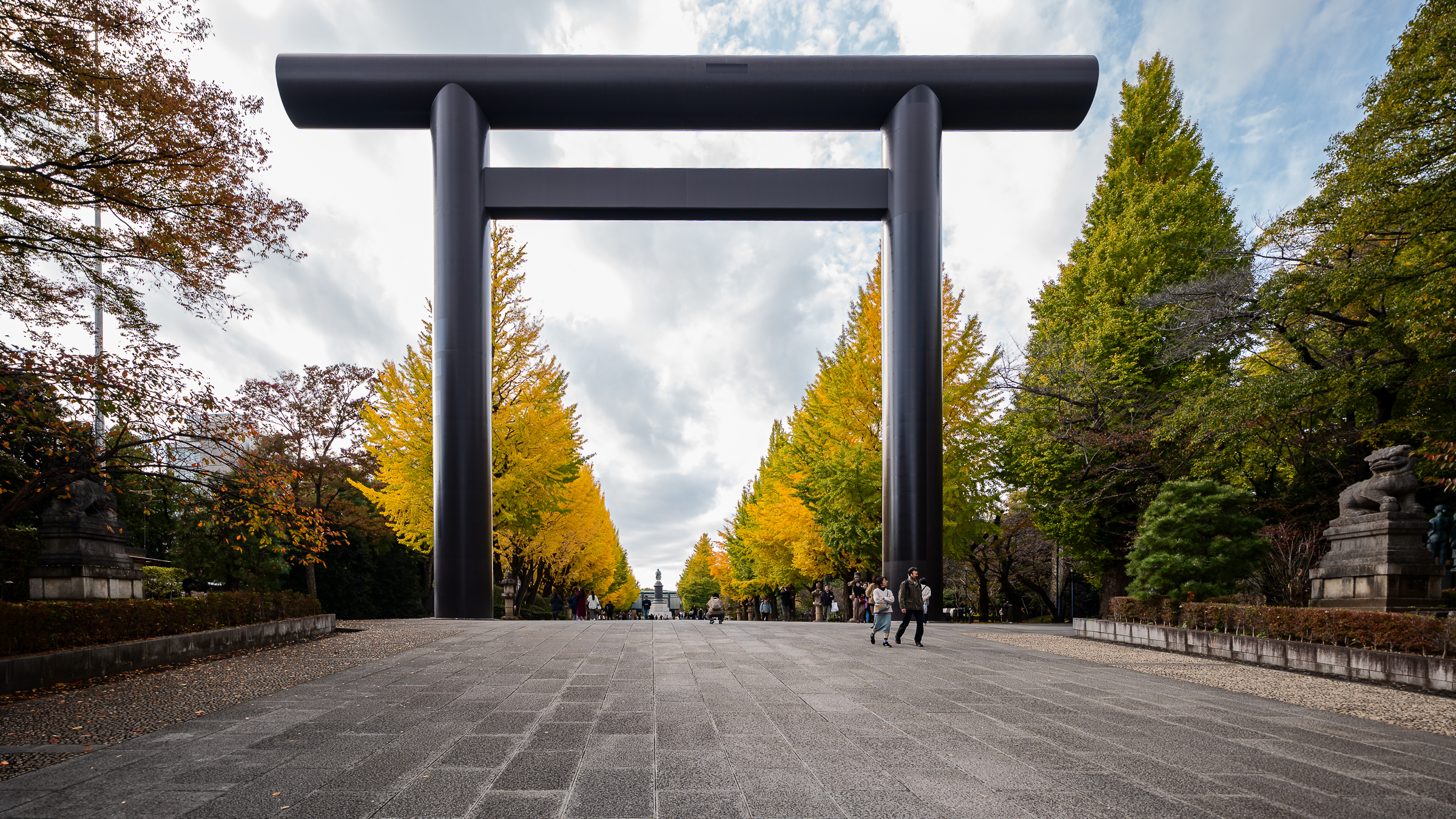
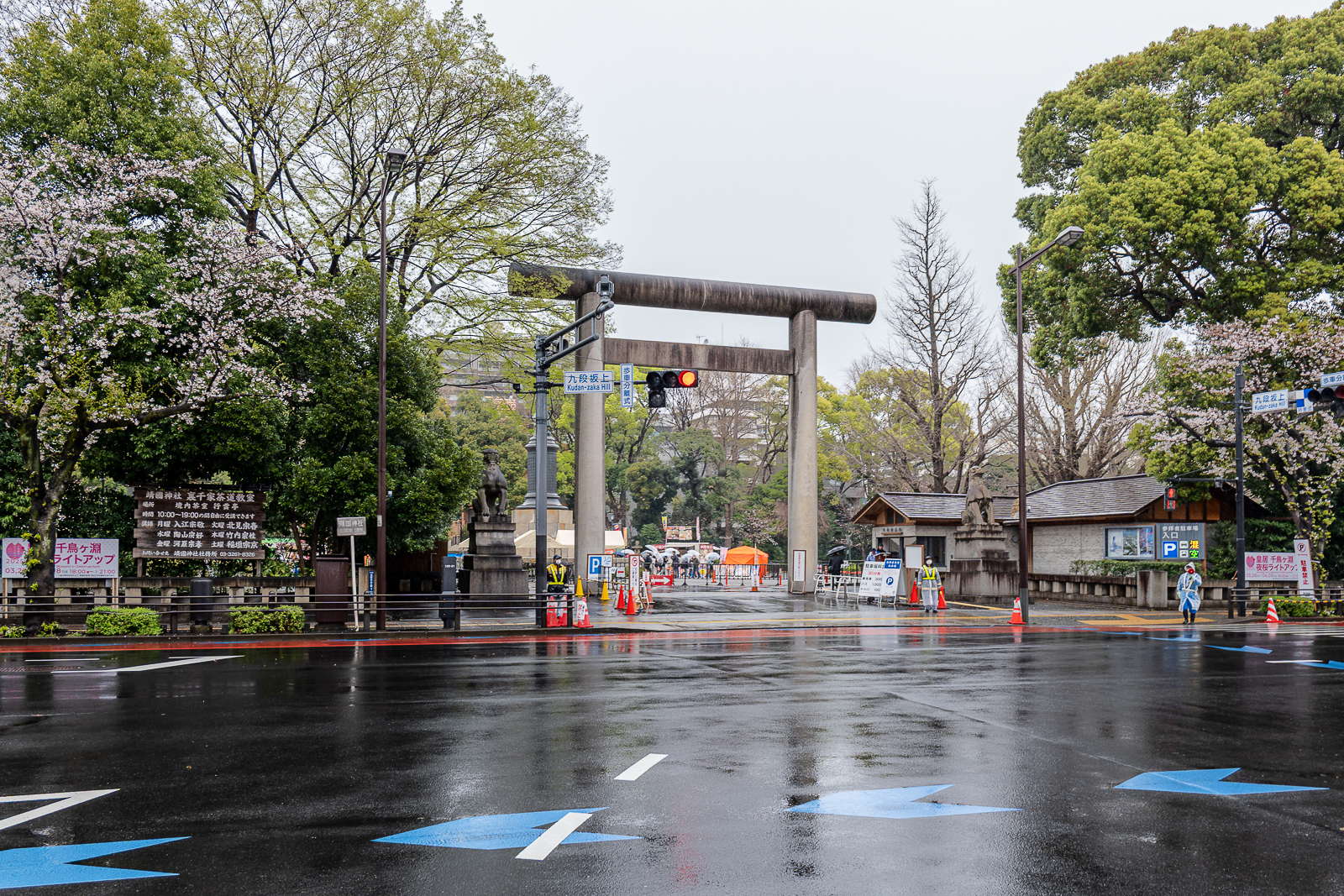
Massive torii and a broad, tree-lined approach give Yasukuni Shrine a grand entrance in central Tokyo. In autumn, tall ginkgo trees turn the avenue into the highlight of the walk; in spring, cherry blossoms draw attention toward the courtyard beside the main shrine hall. Allow about an hour to follow the approach, look around the worship area and stop at the buildings and monuments along the way.
The scale of the entrance is only the beginning. Successive gates lead toward a courtyard where curved roofs, gold fittings, guardian figures and a wooden Noh stage give plenty of details to examine. Yasukuni is also an active place of worship and remembrance, with a contested wartime legacy that deserves attention alongside its architecture and seasonal trees.
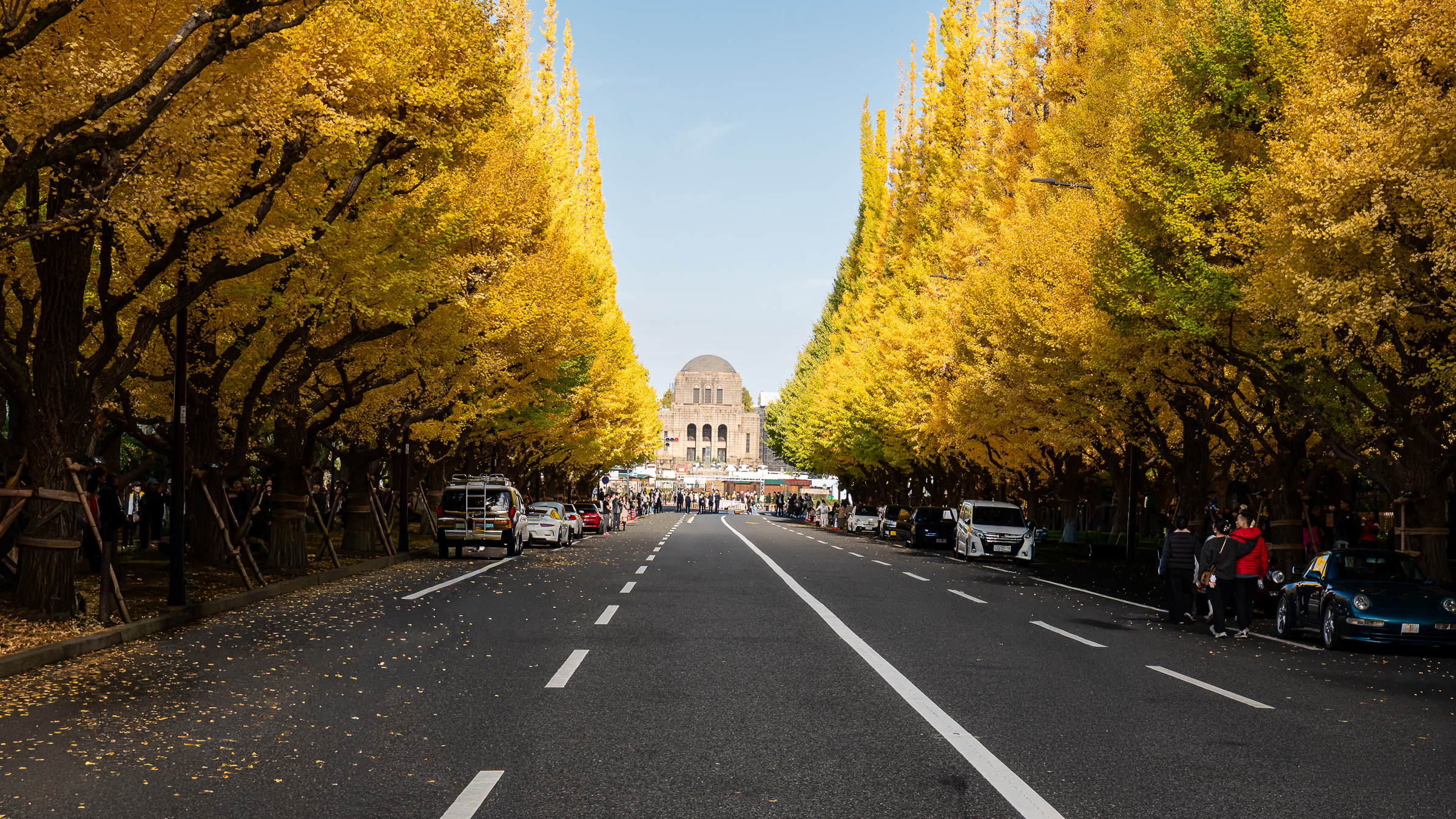
Massive ginkgo trees line the autumn approach
The ginkgo trees are the outstanding feature of an autumn walk here. Their yellow crowns rise high above the avenue, forming long rows on either side of the broad paved approach. The broad avenue leaves room to see the tall crowns against the sky, with the torii and monuments spaced along the route.
Walk along the approach and look in both directions. Toward the shrine, the avenue leads the eye through successive entrances; looking back, the outer torii frames the city beyond the trees. Stone lanterns beneath the foliage and people moving along the path give a closer sense of the trees’ size than the distant view alone.
During the autumn afternoon visit, people were around but the approach was not too crowded. There was room to stop comfortably beneath the ginkgo and take photographs without feeling pressed along by a continuous crowd. The trees held the attention throughout the walk, so this is a place to allow time for the approach itself as well as the shrine at its end.
The statue and side spaces give the avenue more to explore
The statue of Omura Masujiro stands on a tall stone pedestal along the approach. Seen among the ginkgo, it gives the wide avenue another strong landmark between the outer entrance and the shrine buildings. A view from farther back includes the surrounding trees and open ground, while a closer look brings the figure and the height of its pedestal into focus.
The scale changes again when you leave the long view down the avenue and look toward its edges. Individual trees, stone markers and monuments occupy spaces beside the principal path. These are worth noticing on the way in or back, particularly when the seasonal foliage draws the eye away from the buildings.
The spring walk included more exploration along those edges. Blossoming branches spread above monuments and smaller planted areas, giving the grounds a different character from the straight lines of the central approach. Keeping some time for the sides of the avenue makes the walk more varied without needing to turn it into a tour of every feature.
Understand the history alongside the scenery
Yasukuni began as Shokonsha in 1869 and received its present name in 1879. It commemorates people who died in service to Japan, placing the shrine within the history of the modern Japanese state and its wars. That context belongs beside the torii, memorials and worship buildings encountered during the walk.
Its role in remembrance is contested, particularly because fourteen Class-A war criminals, including wartime prime minister Hideki Tojo, were enshrined in 1978. The shrine’s significance therefore reaches beyond its seasonal scenery. Understanding that history helps place the visit in context while approaching the grounds respectfully as an active religious site.
Follow the gates toward the main shrine
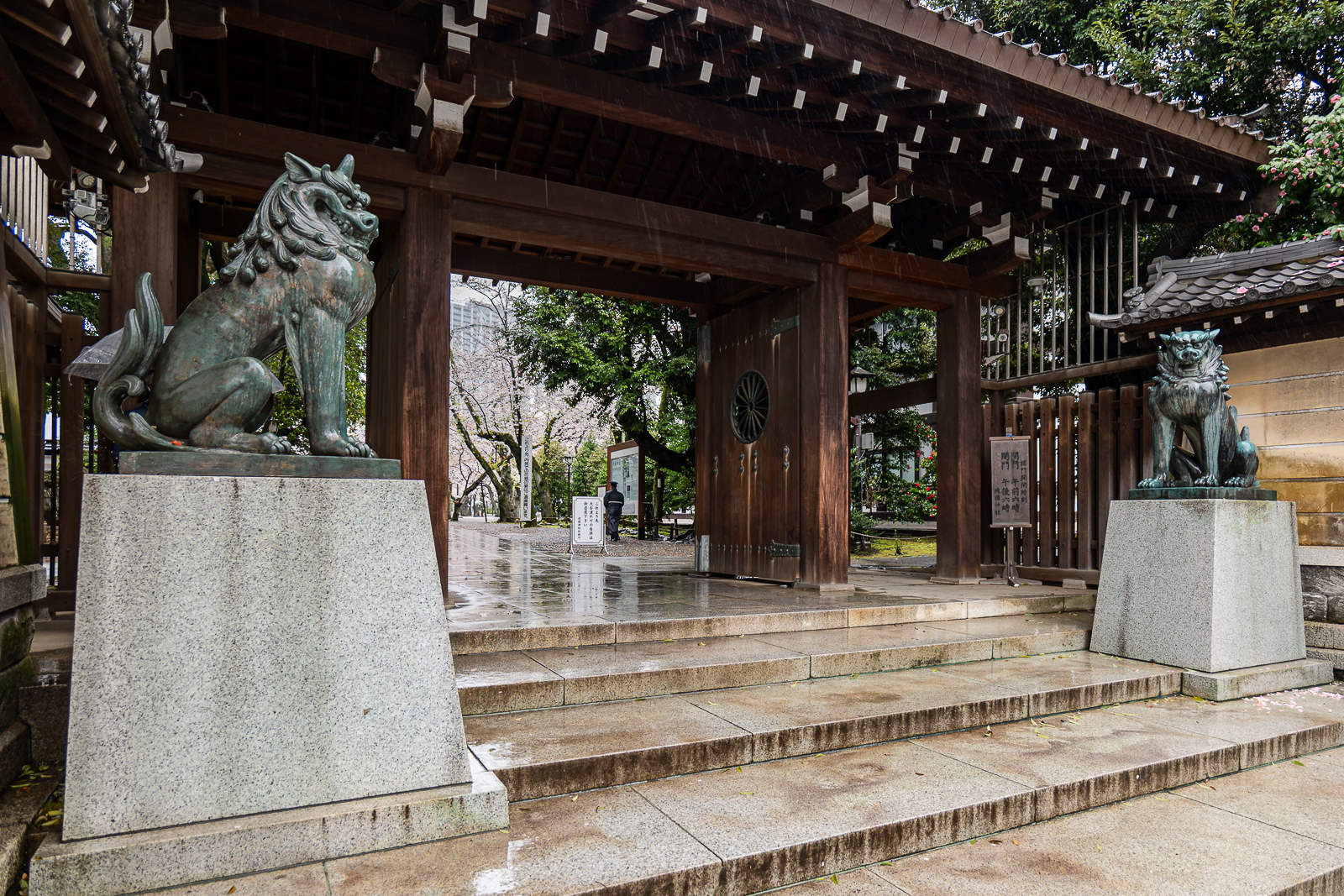
The gates divide the broad approach into a series of distinct spaces. A large torii provides an open frame, while the roofed wooden gateway forms a more enclosed threshold before the courtyard. Moving between them changes the view from trees and sky to heavy timber, a wide roof and the shrine buildings ahead.
The wooden gateway rewards a closer look from the side as well as from the approach. Its substantial posts and deep roof are quite different from the open outline of the torii. The change in materials and scale is part of what makes the walk feel grand even when the trees are not at their seasonal peak.
A view back through the gateway brings the ginkgo-lined avenue into the same frame as its wooden pillars and gold crests. It also shows how closely the courtyard and the long outer approach are connected. Pause without blocking the passage, then leave room for people continuing toward or away from the worship area.
The main shrine hall anchors the courtyard
The main worship hall is the architectural highlight at the end of the approach. Its broad roof and decorated gable rise above the entrance, with white curtains and large crests drawing attention toward the worship area. The building has a strong presence from across the courtyard, where its full width can be appreciated.
The final torii gives another perspective on the hall. Through its opening, the roof, curtains and people approaching the building form a more enclosed scene than the long avenue outside. The movement from the massive outer entrance to this closer view is one of the clearest ways to understand the arrangement of the shrine.
People come here to worship as well as to look around. Keep the route to the hall clear and follow posted instructions rather than treating the courtyard as a space reserved for photographs. The exterior views and surrounding details offer plenty to see without entering restricted areas or photographing into the sanctuary.
Look around the courtyard as well as toward the hall
Around the courtyard, smaller buildings and entrances give more to look at beyond the main hall. Roof edges overlap, smaller entrances face the open ground and trees soften the spaces between the structures. Looking across the courtyard gives a different impression from standing directly on the main approach, with several buildings sharing the scene.
Gold fittings and crests stand out against dark timber, while the rooflines give the buildings much of their shape. A closer view picks out decorated panels, doors and the points where roof edges overlap. Together with the torii and main hall, they give the shrine an architectural appeal that continues beyond the autumn and blossom seasons.
The Noh stage has a painted pine backdrop
The open wooden stage beside the courtyard is the Nogakudo, or Noh theatre. The shrine’s guide records that it was built in Shiba Park in 1881 and moved here in 1903. Its open front, timber roof structure and painted backdrop make it a distinct stop among the surrounding shrine buildings.
The tree painted across the rear wall is a pine, a traditional feature of a Noh stage. Its spreading branches occupy the plain wooden backdrop beneath the roof, creating a focal point even when the stage is empty. The shrine uses the theatre for performances during selected festivals and ceremonies.
Spring cherry blossoms fill the inner courtyard
In spring, the strongest impression comes from the old cherry trees beside the main shrine hall. Their broad branches spread pale blossoms above the courtyard, bringing the seasonal scenery much closer to the buildings than the ginkgo avenue does in autumn. The trunks and branching shapes are as much part of the view as the flowers themselves.
The courtyard gives several ways to see that relationship. From one position, blossoms spread against the shrine buildings; from another, the branches reach over visitors walking beneath them. It is worth looking up as well as across the space, since the canopy changes how the hall and surrounding structures appear.
Cherry trees also bring interest to the side areas explored on the spring visit. Flowers above monuments and green planting create smaller scenes away from the main line of the approach. These side views give the blossom walk variety before or after spending time in the inner courtyard.
The shrine is known for the cherry tree used in Tokyo’s official flowering observations. That seasonal role adds another reason people follow the blossoms here, but an announcement about the observation tree does not describe every tree across the grounds. Individual canopies and the conditions on the day still shape what there is to see.
A rainy spring walk still offered time beneath the blossoms
The spring visit took place on a cold day with rain that was not heavy. Umbrellas and wet paving were part of the scene, but the conditions still allowed the approach and courtyard to be enjoyed over about an hour. There were a fair number of people around, with crowds remaining manageable during that visit.
Rain also changed the appearance of the entrances and courtyard. Wet stone lay beneath the blossoms, and the umbrellas added another layer to views toward the gates. A waterproof outer layer and a way to protect a camera are useful when the forecast suggests similar conditions, while the amount of time outdoors can be adjusted to the weather.
Allow an hour, with room for another nearby stop
Allow about an hour for the main approach, shrine courtyard and stops to look at buildings and monuments. That was enough for the grounds walks in both autumn and spring, including time beneath the seasonal trees. Exploring the side spaces adds variety, while visits to the museum or rear garden need additional time.
The Yushukan Museum and the rear garden are separate additions to the walk described here. Neither was included in these visits, and the museum has its own ticket and last-entry arrangements. Its military-history displays need their own place in the day rather than being assumed to fit within the hour spent on the approach and courtyard.
The spring outing continued across the street through the area near Nippon Budokan and into the National Museum of Modern Art, Tokyo, also known as MOMAT. That combines the shrine’s outdoor spaces with an art museum visit in the same part of the city. Check the museum’s opening day and exhibition arrangements before building a similar plan, and leave its viewing time separate from the shrine walk.
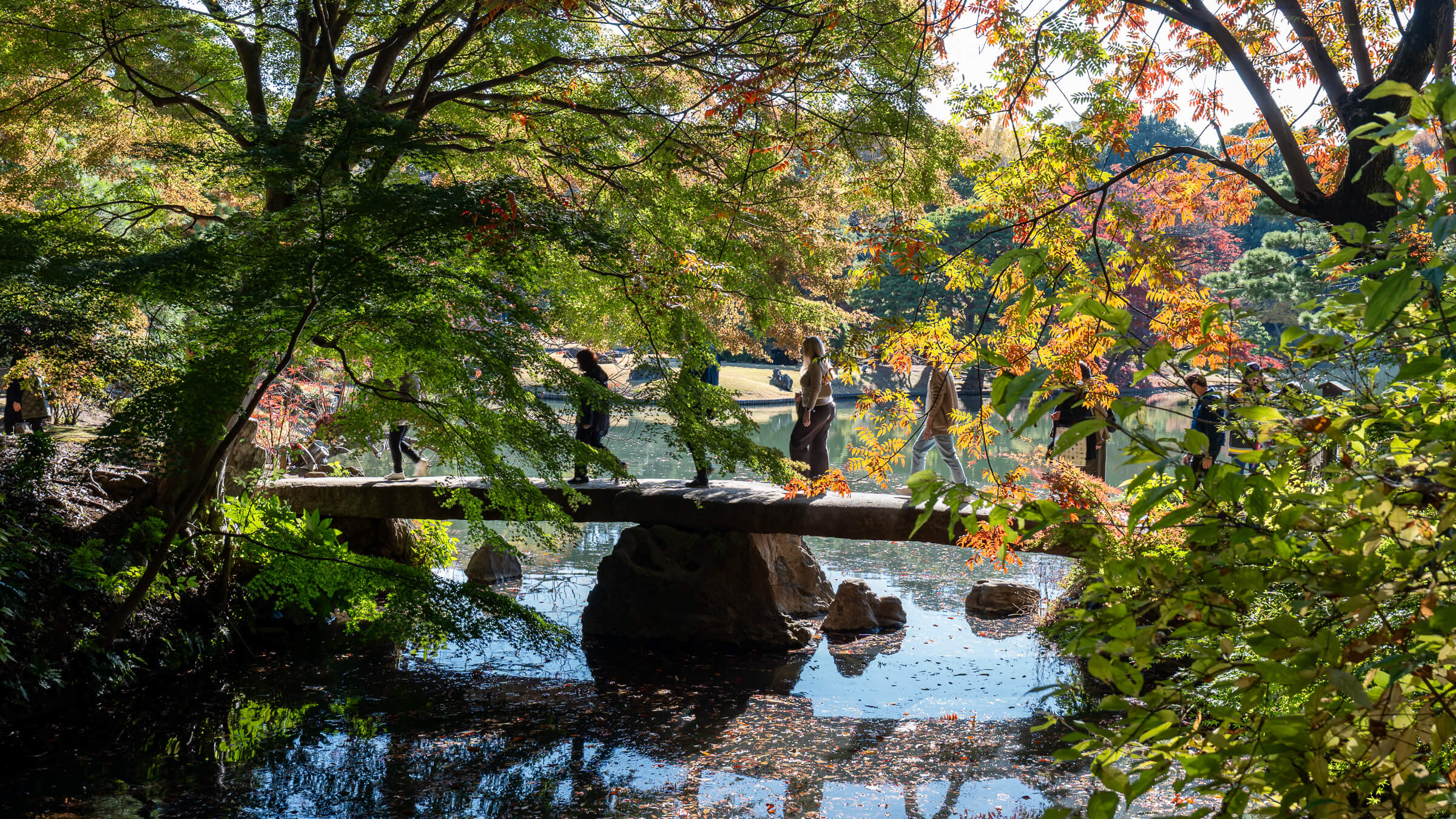
For another day focused on autumn trees, Tokyo’s autumn gardens offer ponds, garden paths and different settings for the leaves. Yasukuni’s own character comes from the relationship between its monumental approach, shrine architecture and seasonal trees. The ginkgo avenue and cherry-filled courtyard give two distinct reasons to return, while the torii, main hall and Noh stage remain part of either visit.
Getting There
Access and Arrival
Yasukuni Shrine is about five minutes on foot from Kudanshita Station Exit 1, served by the Tozai, Hanzomon and Toei Shinjuku lines. On-site visitor parking is available for a driving visit.
- Via Kudanshita
Tozai, Hanzomon or Toei Shinjuku Line → Kudanshita Exit 1 → shrine
About 5 minutes on foot · Walk toward the shrine’s outer torii, then continue along the main approach.
- Via JR Ichigaya or Iidabashi
JR Chuo-Sobu local service → Ichigaya or Iidabashi → shrine
About 10 minutes on foot · Choose the station that fits the rest of the day; Kudanshita is the shorter listed walk. · The shrine lists each JR approach at about ten minutes on foot.
On-site visitor parking: The shrine lists visitor parking from 8:00 to 22:00. Car parking is ¥300 per 30 minutes; the fee waiver is for visitors taking part in formal worship at the Main Sanctuary, not every grounds visit.
Hours and Fees
Visitor Information
Yasukuni Shrine in central Tokyo is free to enter for an ordinary grounds visit. The shrine has seasonal closing times, while the Yushukan Museum is separately ticketed with its own last-entry time.
- Hours
- Shrine: 6:00–17:00, November–February; 6:00–18:00, March–October. Yushukan Museum: 9:00–16:30; last entry 16:00. Festivals, rituals and temporary closures can alter arrangements.
- Admission
-
Shrine grounds: no ordinary admission charge. Yushukan: adults ¥1,000; university students ¥500; junior/senior high school students ¥300; elementary-school children and younger free.
Plan Your Visit
Plan the shrine walk alongside your wider Tokyo stay, with accommodation, activities and travel essentials for the rest of the trip.
Compare Hotels across Tokyo
Choose a base around the other places in your itinerary as well as this visit. Compare station connections, room details and your travel dates.
Search Tokyo Hotels
Explore Tokyo Car Hire
Browse Tokyo pickup options for a driving part of the wider trip. Check the collection point, rental conditions and requirements against your plans.
Browse Tokyo Car Hire
Browse Tokyo Garden Experiences
Explore garden-related tours and activities for another part of your Tokyo trip. Check each listing’s actual route, dates and inclusions.
Browse Garden Experiences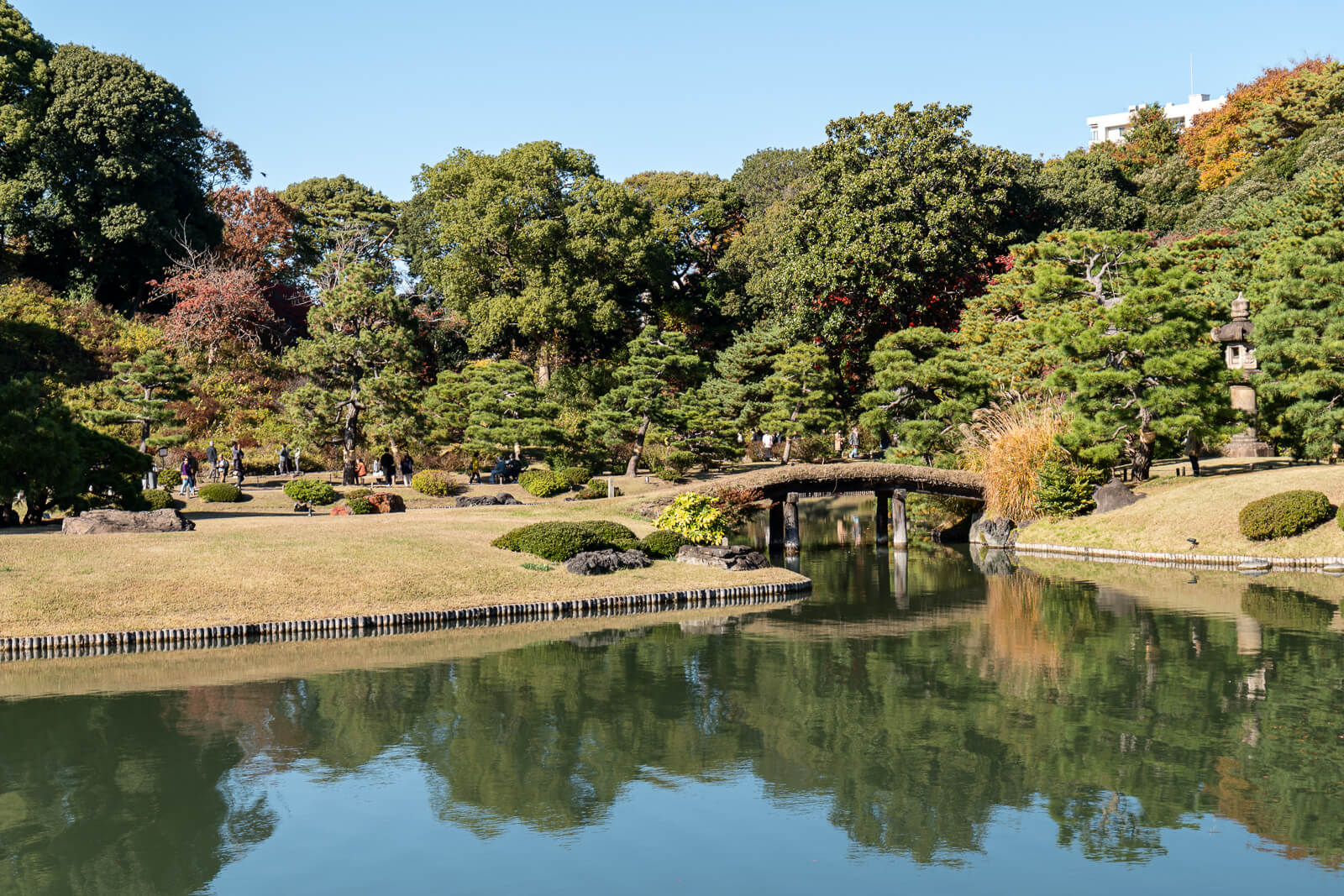
Explore Tokyo Attraction Tickets
Find museums, observation decks and other ticketed attractions for the rest of your Tokyo trip. Yasukuni’s grounds are free to enter.
Browse Tokyo Attractions
Compare Japan eSIM Plans
Keep directions and travel information close to hand during the trip. Compare data allowance, plan duration and phone compatibility before choosing an eSIM.
Compare Japan eSIMs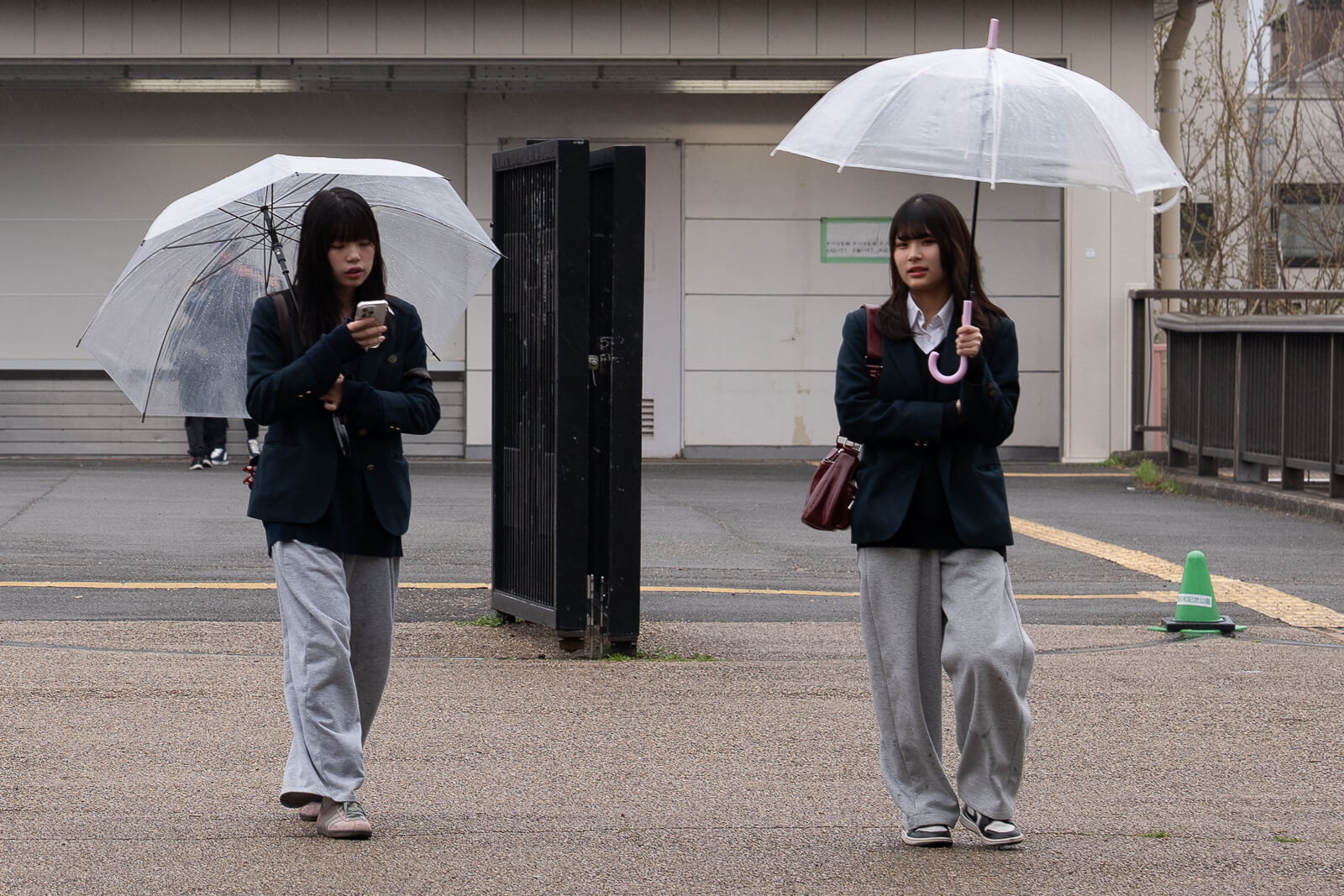
Book Train Tickets with Japan Experience
Compare routes and book tickets for longer journeys elsewhere in Japan, alongside the local Tokyo travel in your itinerary.
Find Japan Train Tickets