Start with Asukayama for the Full Range of Autumn Color
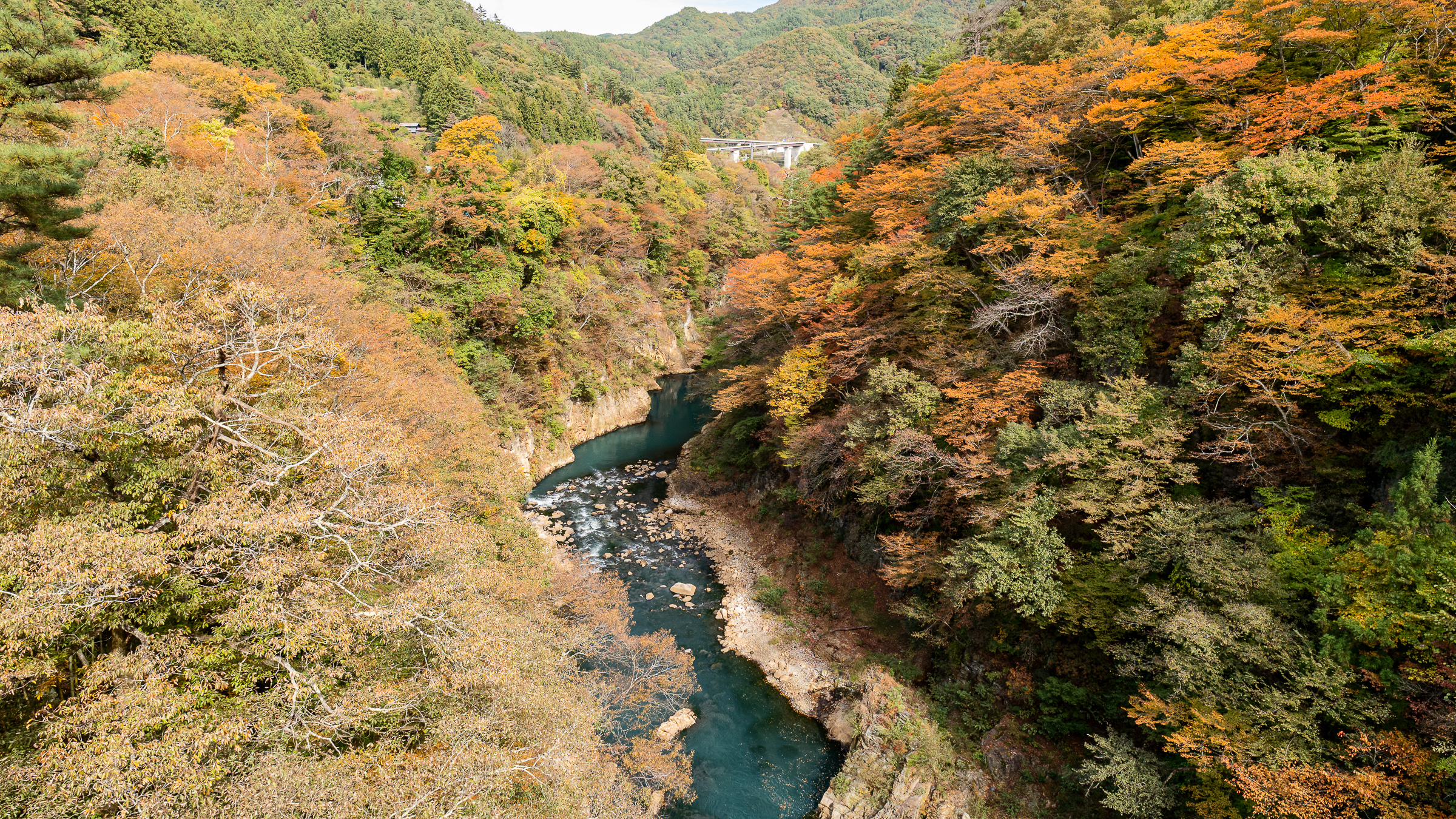
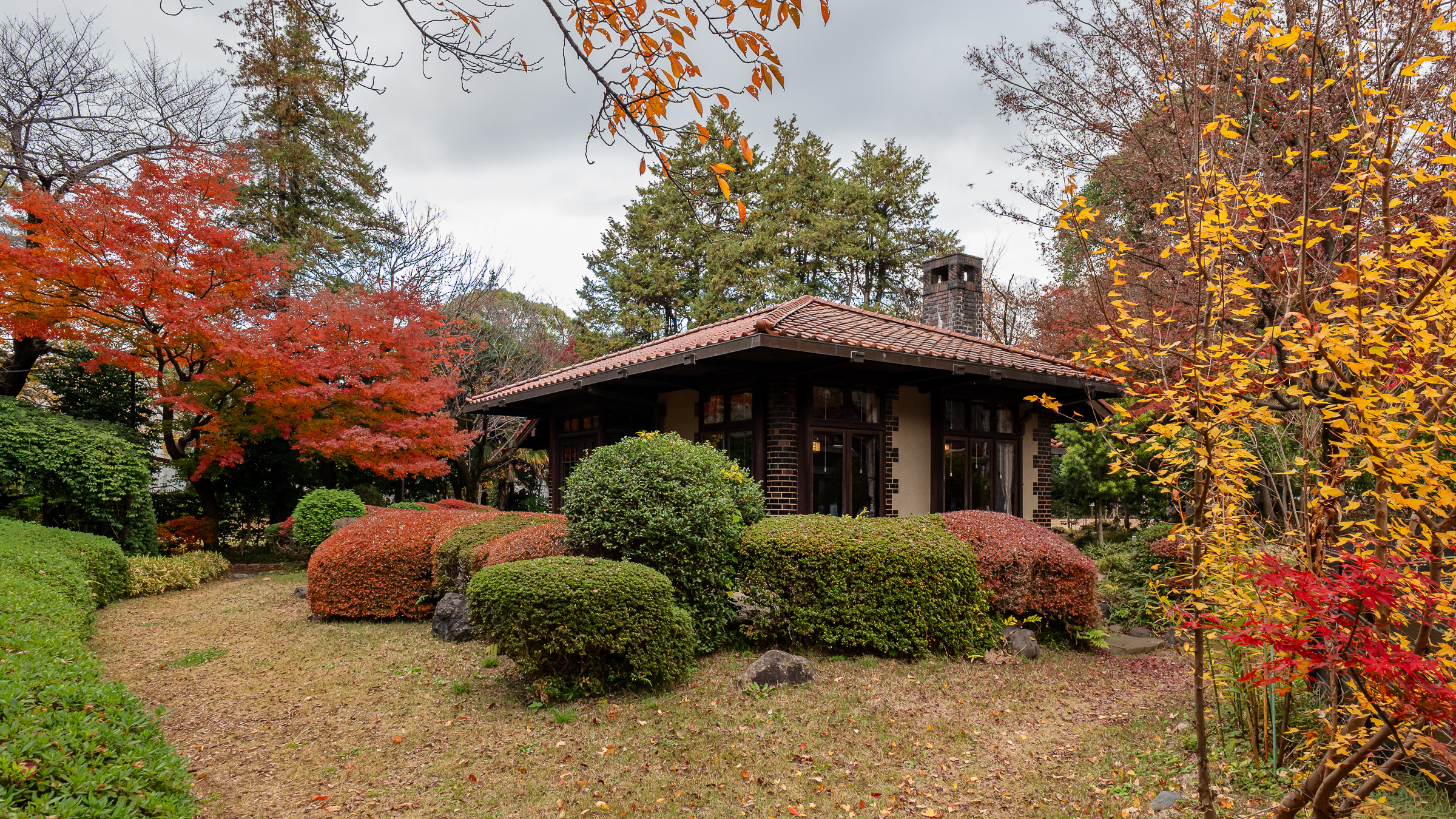
For the fullest range of autumn color among these five Tokyo walks, start with Asukayama Park. Allow around two hours for paths that lead from red and orange maples to a broad golden ginkgo and the historic buildings of Shibusawa Garden.
Choose Yasukuni Shrine for golden ginkgo and history. The trees line the broad approach to the shrine, and an hour on the grounds leaves time to cross the road to Kitanomaru Park.
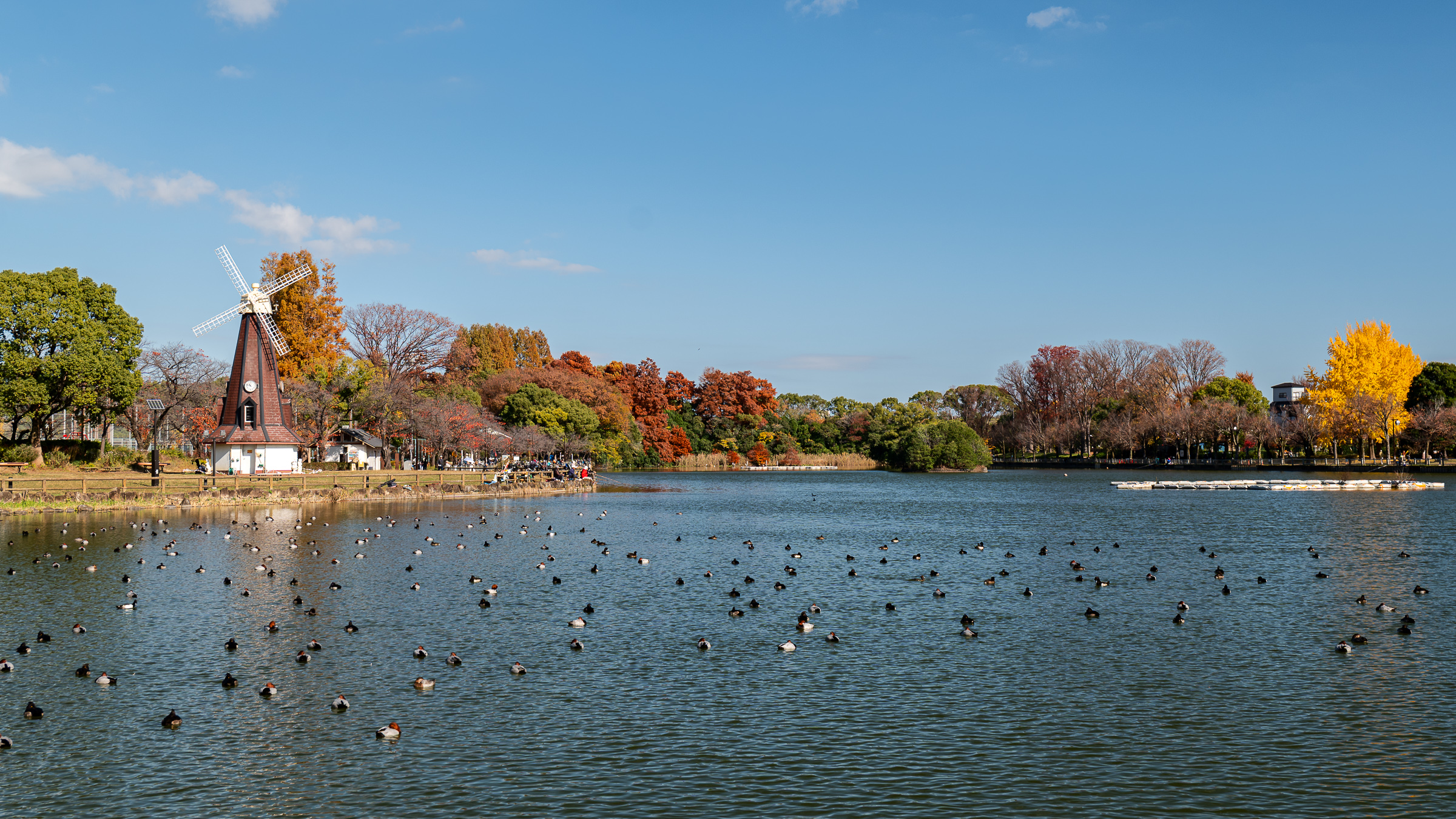
For a long golden avenue you can walk beneath, head to Gaien. At Hongo, the ginkgo frame older university buildings. At Ukima, the autumn shoreline and windmill appear again in the pond.
| Place | Standout appeal | Time outdoors |
|---|---|---|
| Asukayama Park | Mixed foliage and historic gardens | Around 2 hours |
| Yasukuni Shrine | Ginkgo, shrine history and nearby sights | About 1 hour |
| Meiji Jingu Gaien | The long golden avenue and overhead canopy | 30–60 minutes |
| Hongo Campus | Historic campus and golden ginkgo | About 1 hour |
| Ukima Park | Pond reflections and windmill views | About 1 hour |
Asukayama: Maples, Ginkgo and a Park Full of Autumn Detail
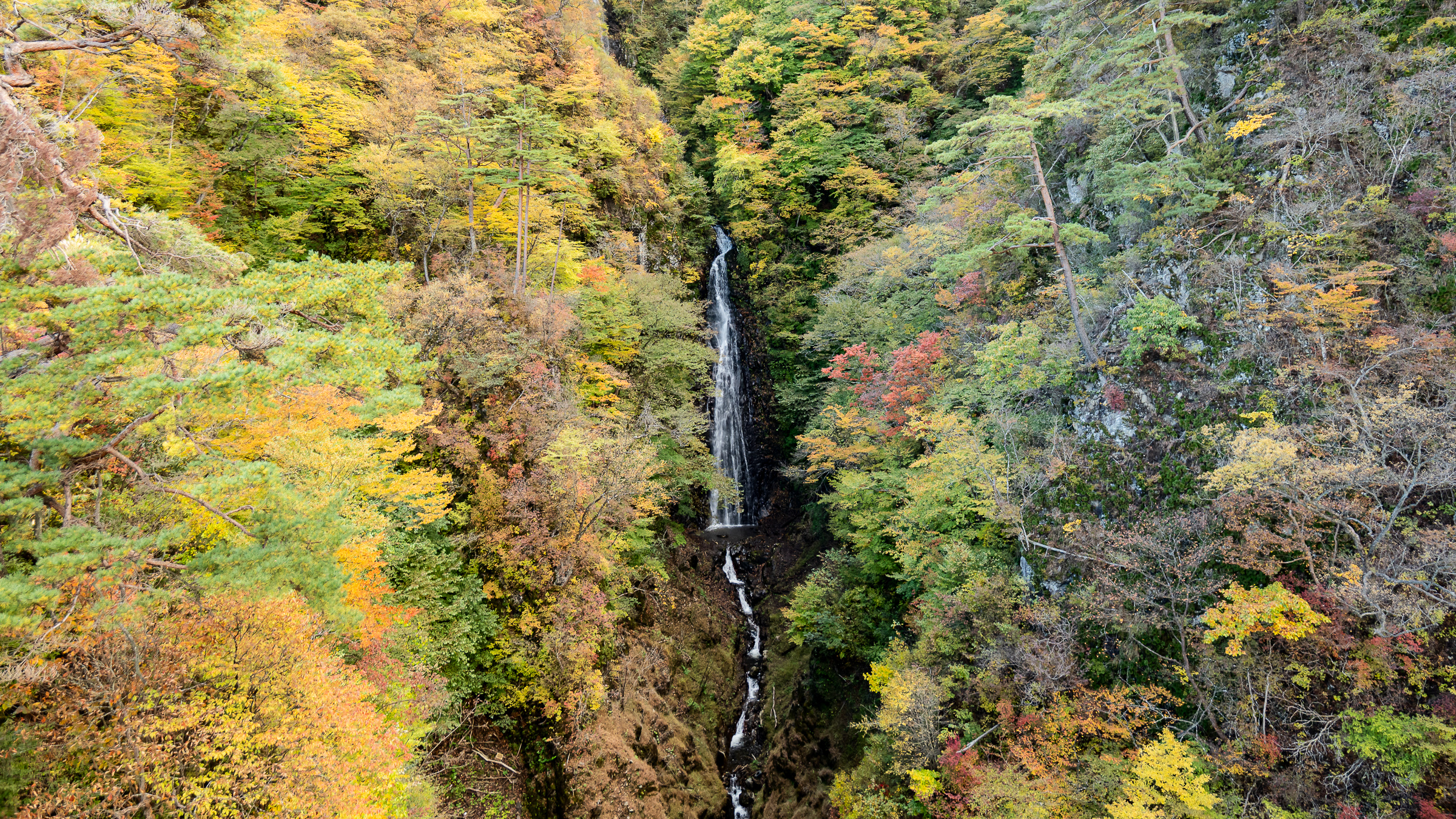
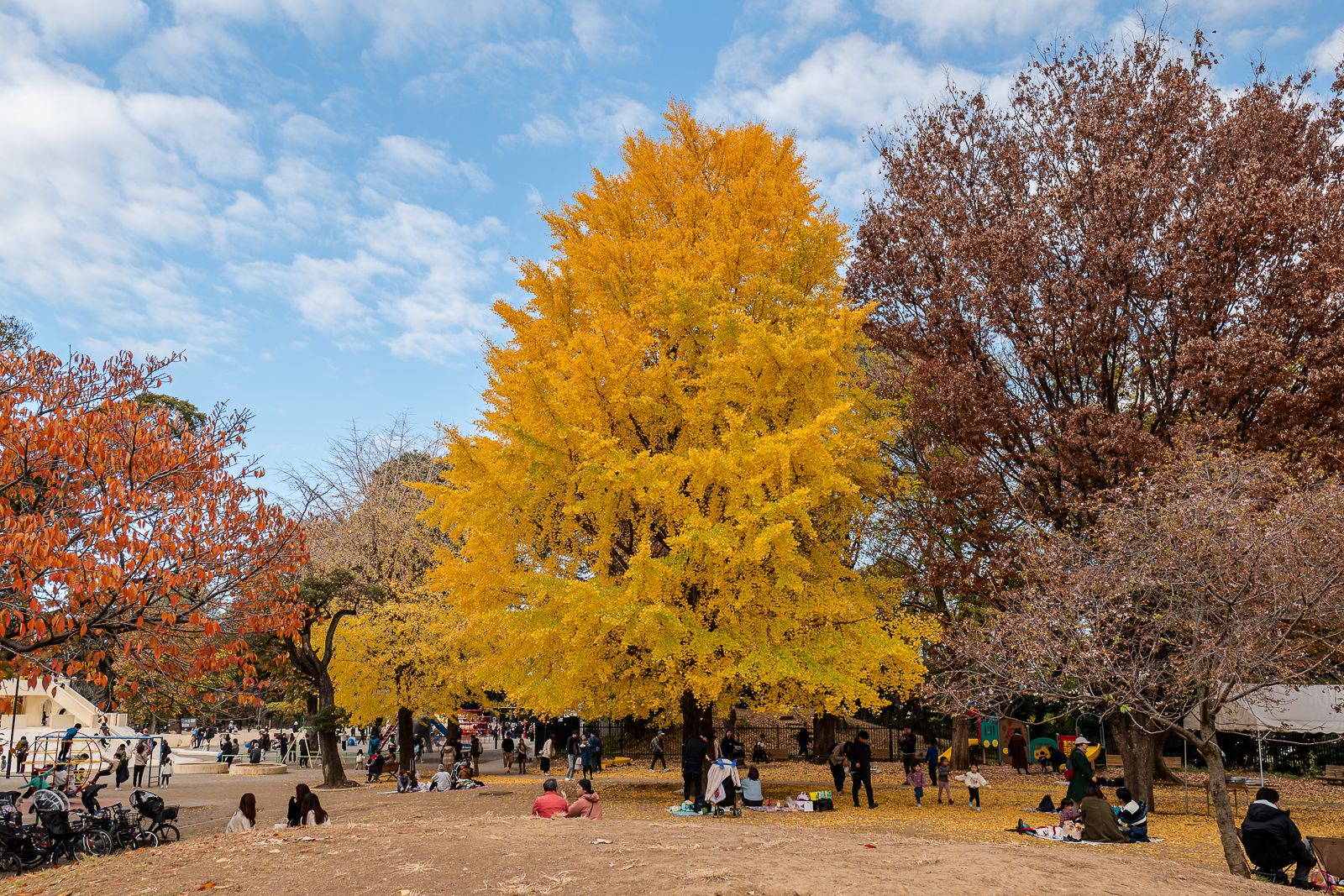
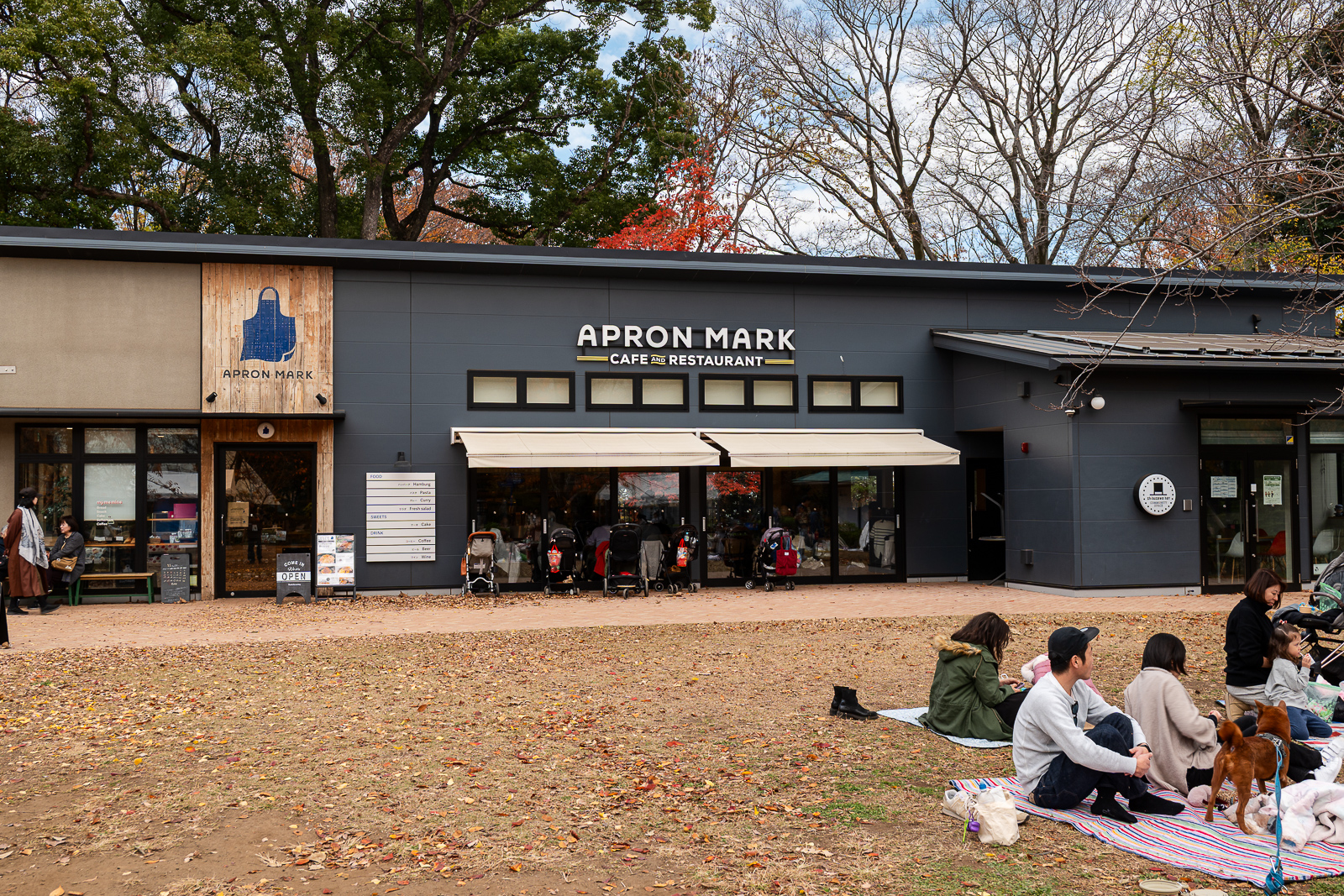
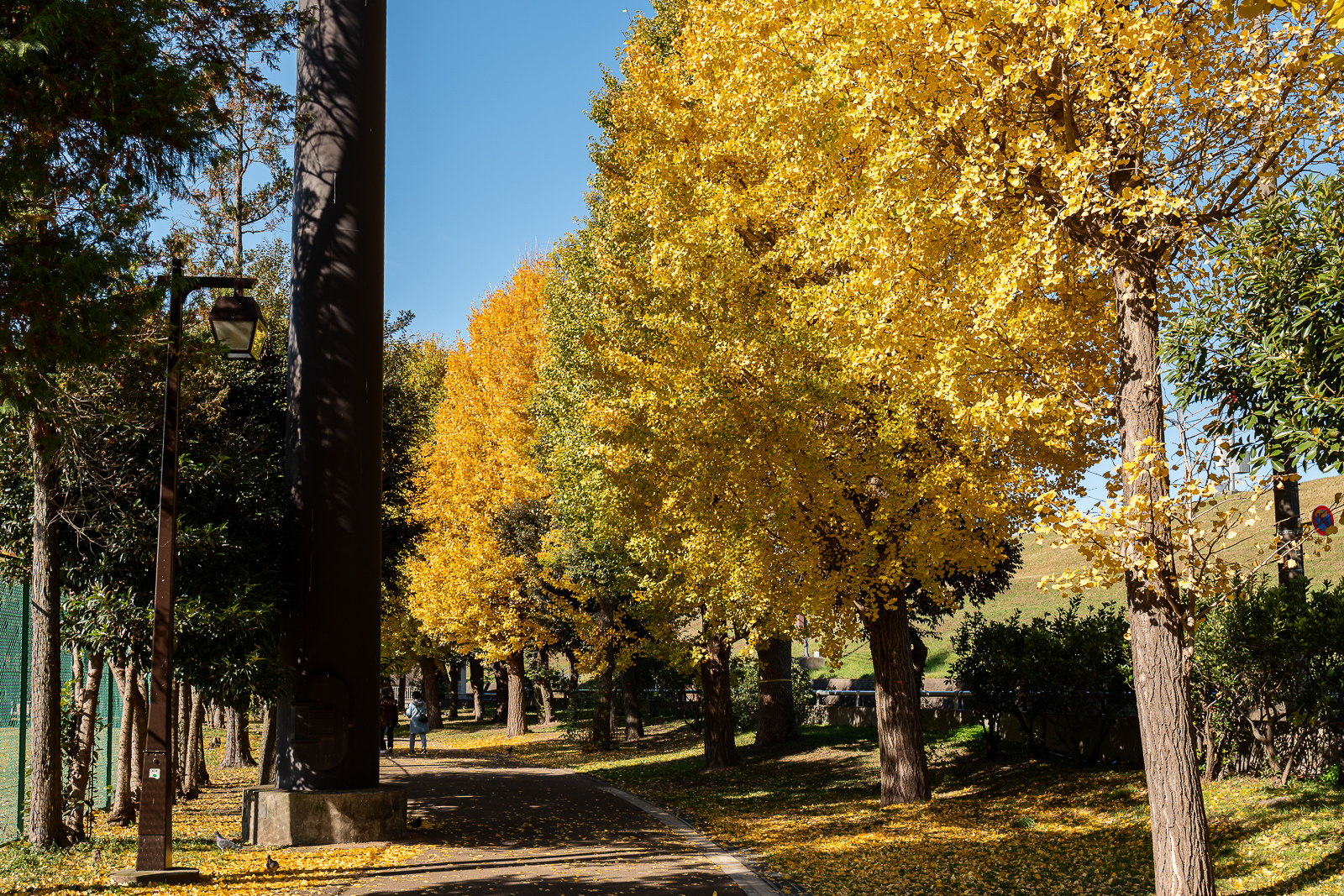
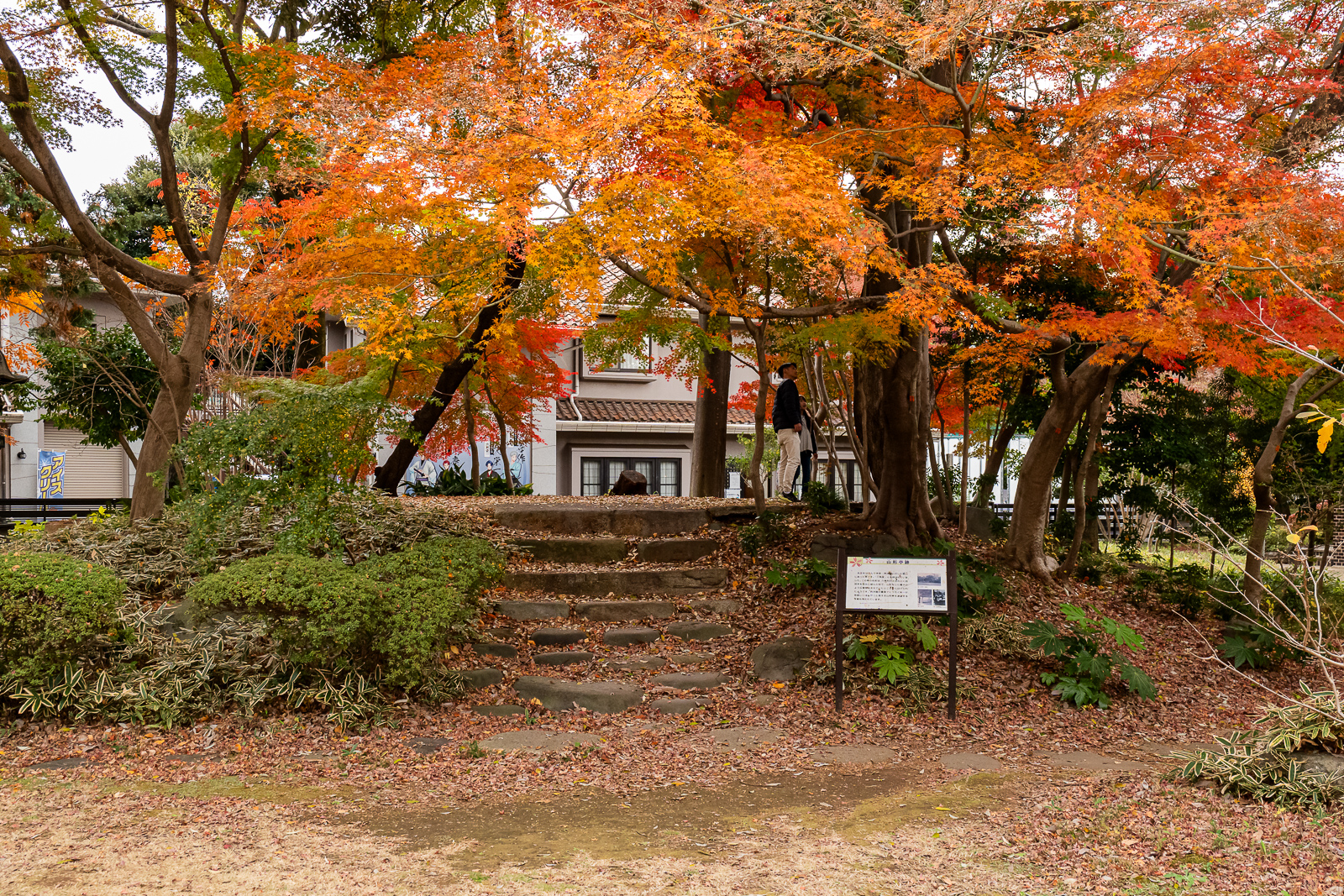
Asukayama earns the first recommendation for foliage through its range of colors and the variety of the walk. A large ginkgo near APRON MARK draws attention with its yellow crown, while the area behind the café near the Mushin-an site brings deep red, orange and yellow leaves into a different setting. Moving between those areas gives the visit a changing palette.
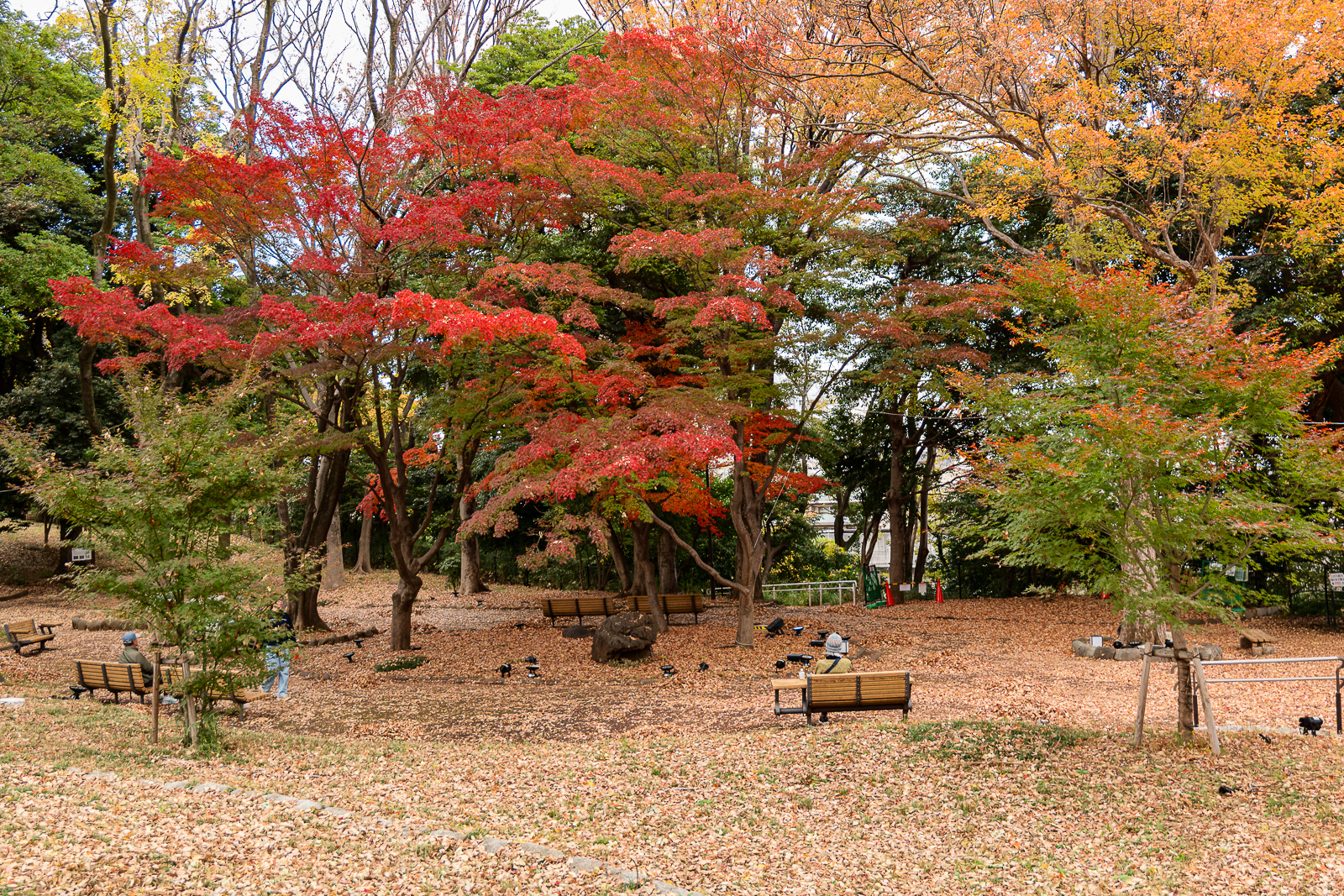
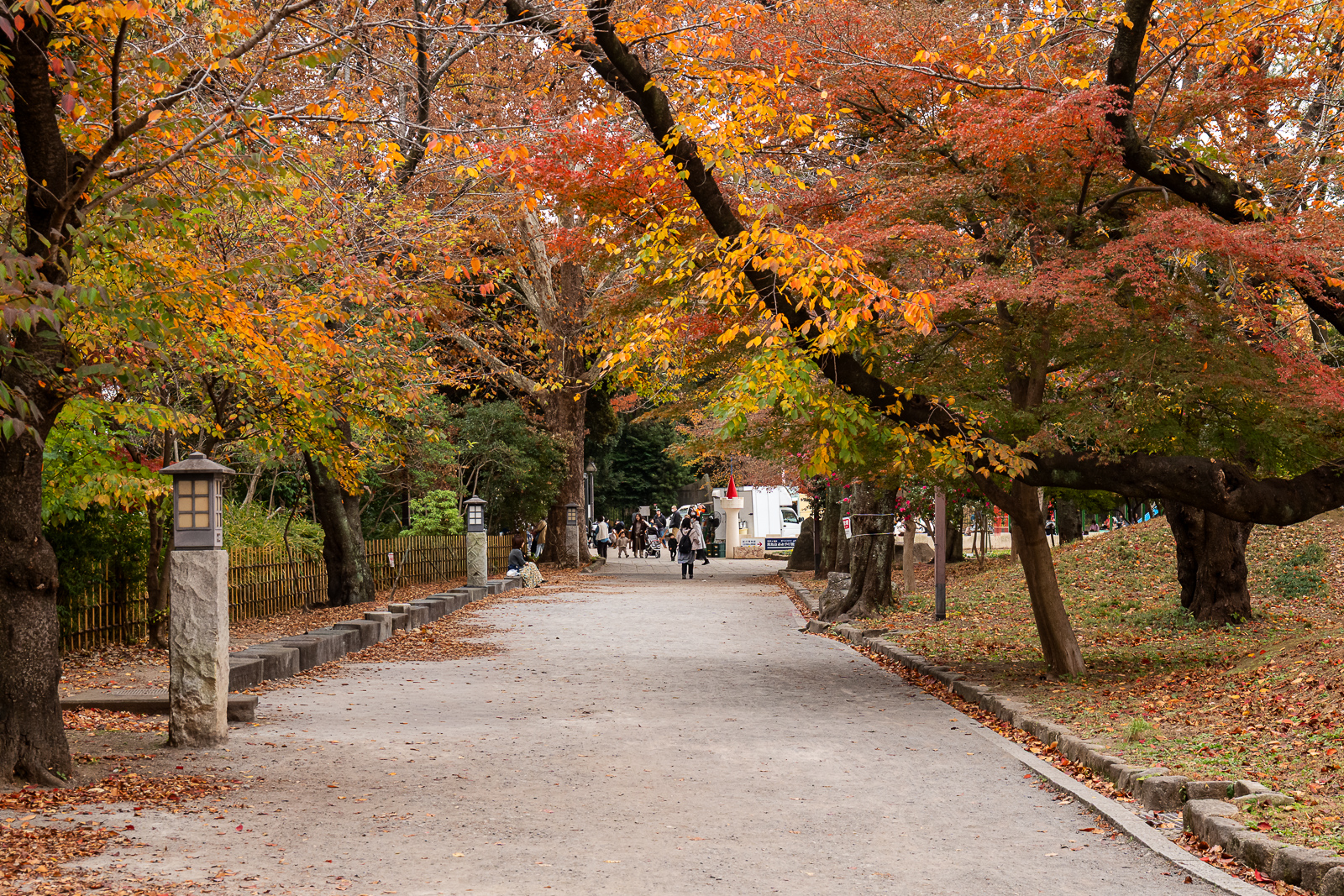
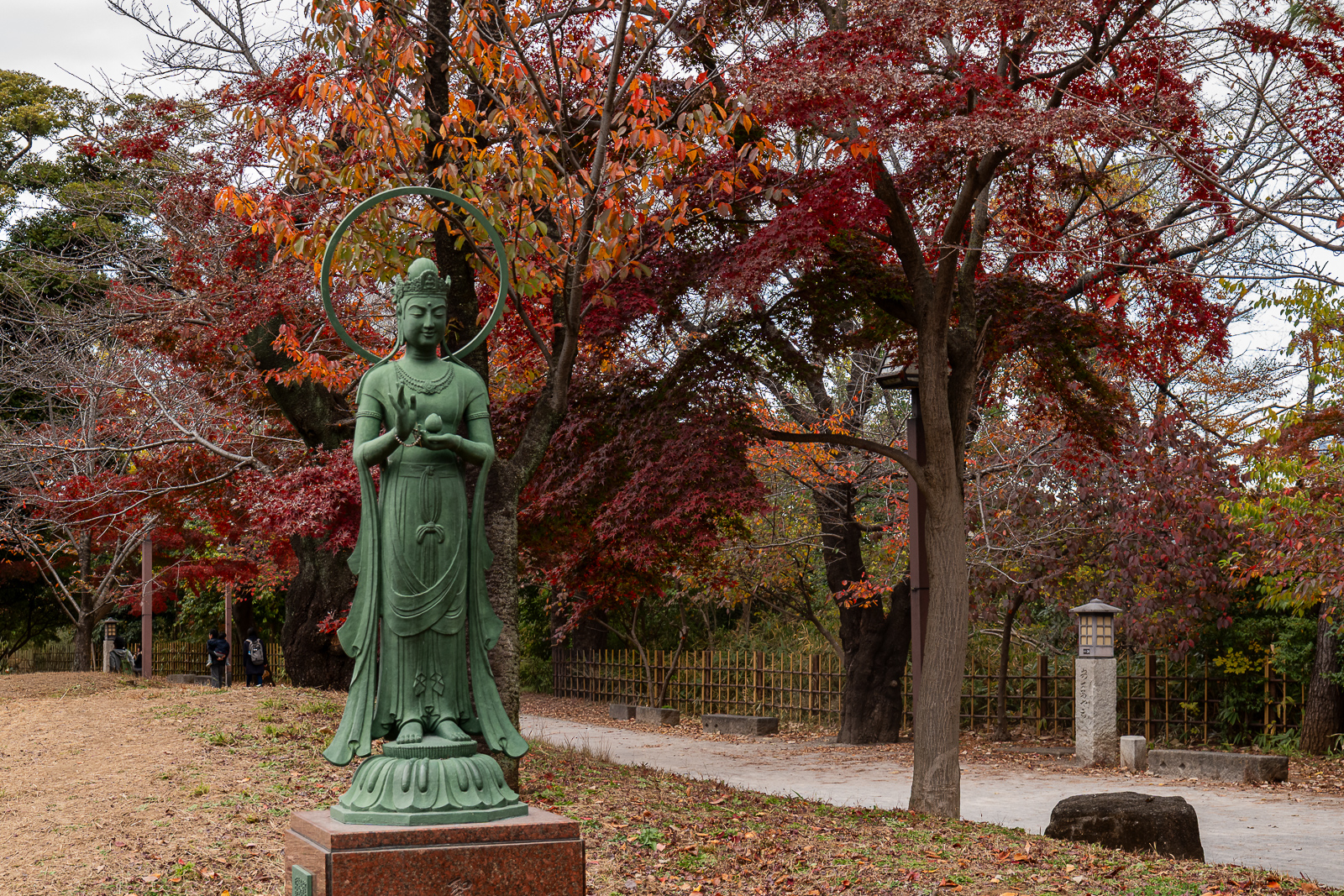
The appeal continues along paths past monuments and statues, then into the Shibusawa Garden setting with Seien Bunko and Bankoro. Historic buildings, museums and the everyday life of a family park add character around the trees. The Asukayama Park autumn guide covers the outdoor walk and the separate opening schedules for the museums and historic buildings.
Yasukuni: Golden Ginkgo, History and Central Tokyo Sights
Yasukuni’s massive ginkgo trees give its main approach an impressive autumn scale. Their golden crowns rise above a broad route leading through monumental torii and gateways toward the shrine courtyard. Stone lanterns, the statue along the approach and the changing views toward the buildings give the walk interest from beginning to end.
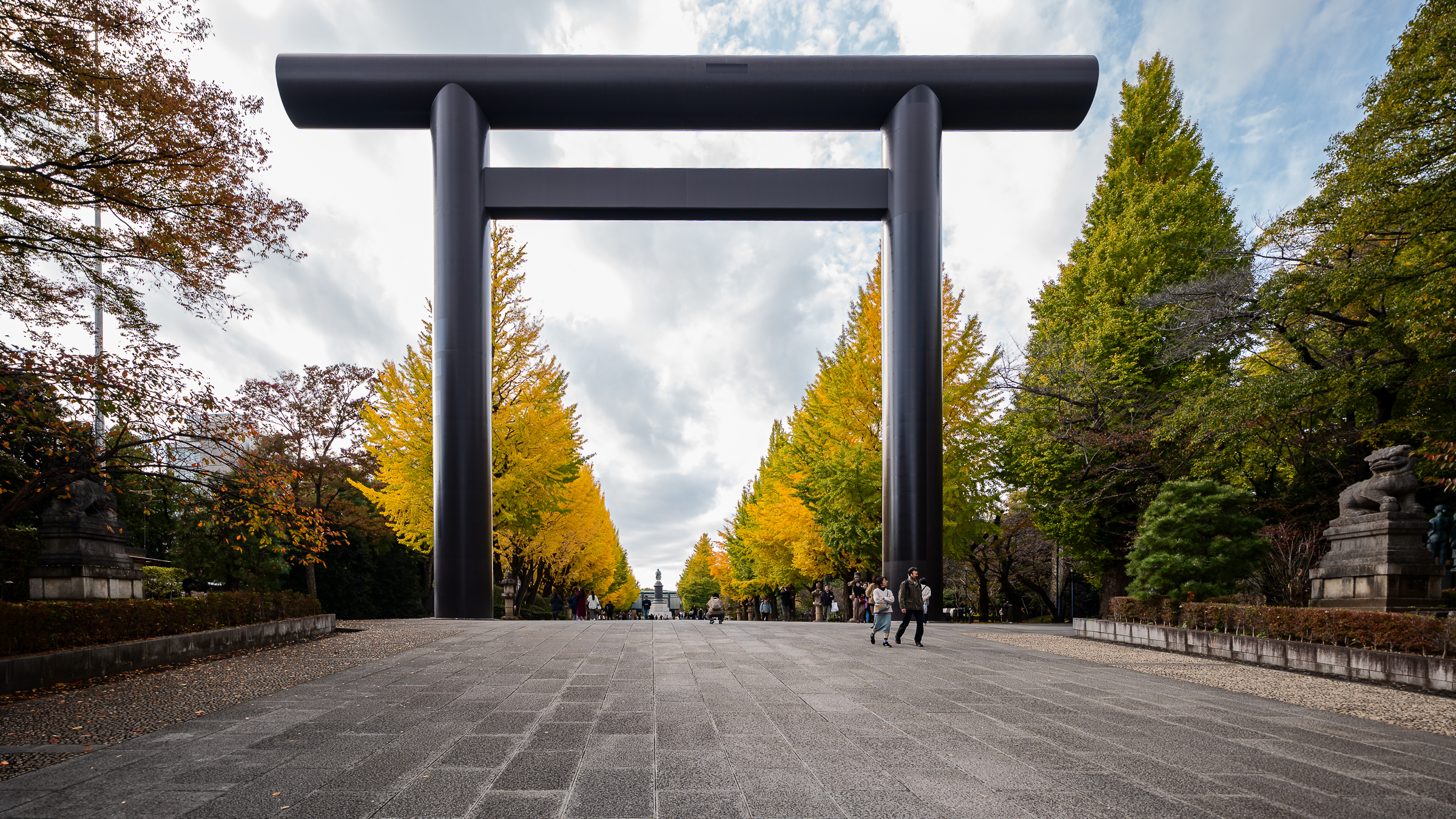
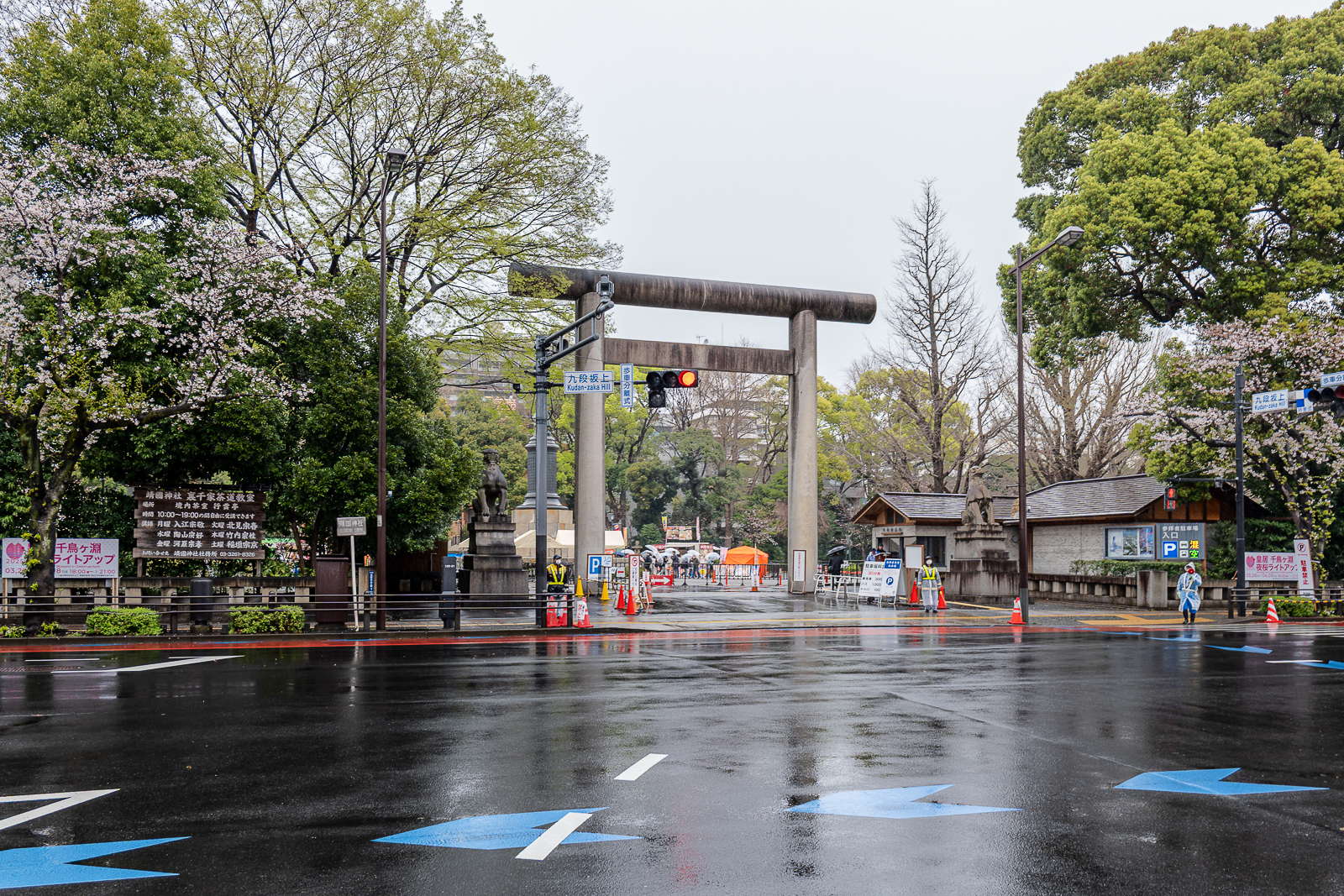
The spacious layout makes Yasukuni the first ginkgo recommendation here, with its history and religious setting adding depth to the scenery. Its commemoration of Japan’s war dead and contested modern legacy are part of understanding the place, alongside the architecture and seasonal trees. The Yasukuni Shrine guide brings those elements together and explains the grounds separately from the Yushukan Museum.
Yasukuni also gives a central Tokyo outing a useful starting point for more exploring. Across the road, the Kitanomaru and Nippon Budokan area leads toward the National Museum of Modern Art, Tokyo. Keep time for those nearby sights in addition to the hour allowed for the shrine grounds, shaping the rest of the day around the places that interest you.
Meiji Jingu Gaien: The Grand Golden Avenue
Gaien’s great attraction is the scale and alignment of the ginkgo-lined street. Pointed crowns form long rows on both sides, drawing the eye toward the domed Picture Gallery at the far end. The view along the avenue and the canopy above the pedestrian paths give two compelling ways to photograph the same trees.
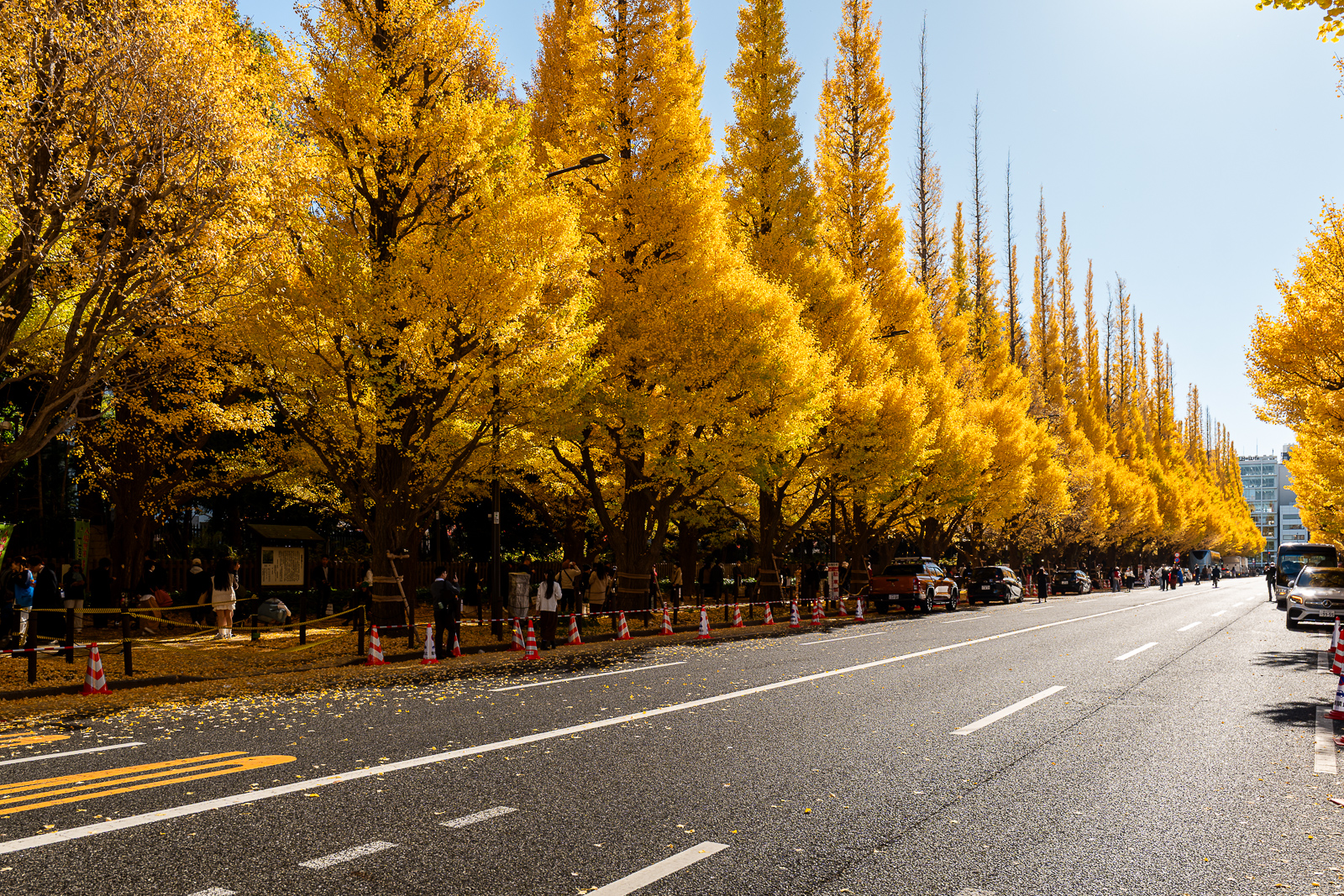
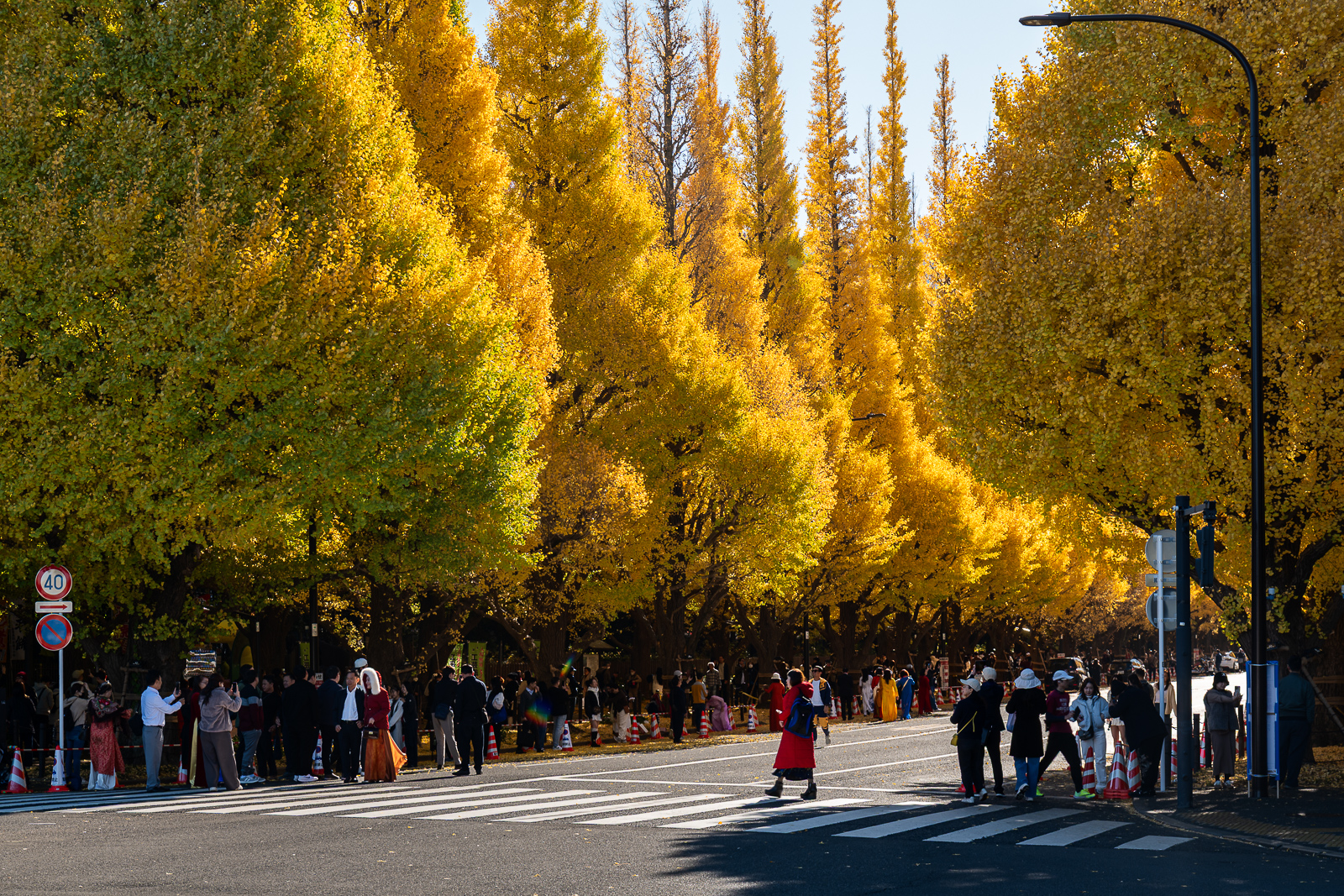
This is the choice for a walk centered on the golden avenue itself. Around 30 minutes gives a satisfying look, while an hour allows more time to walk back and forth and find different compositions beneath the branches. The Meiji Jingu Gaien ginkgo avenue guide explores those perspectives and the avenue’s place in an Aoyama day.
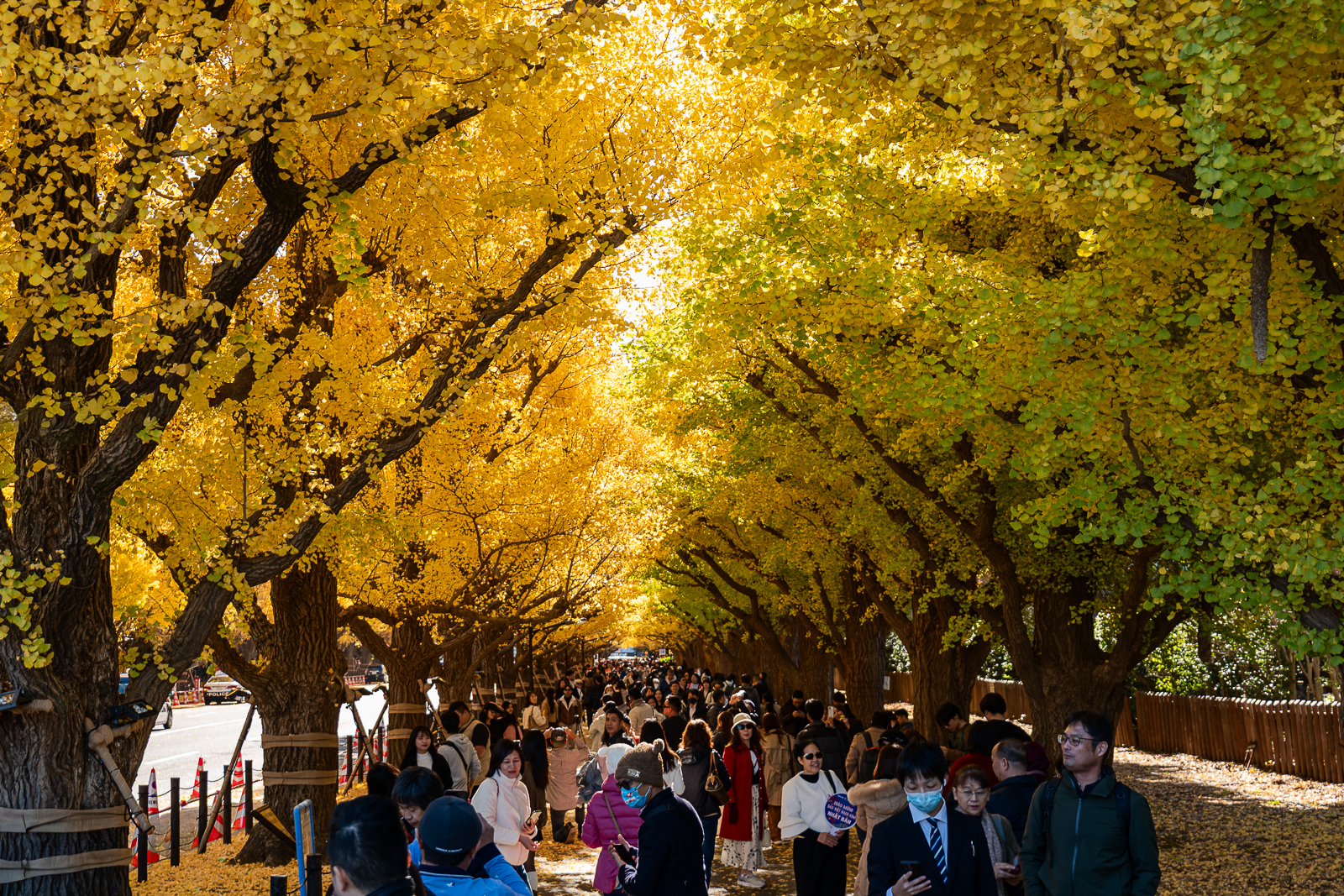
Hongo Campus: Magnificent Ginkgo and University Architecture
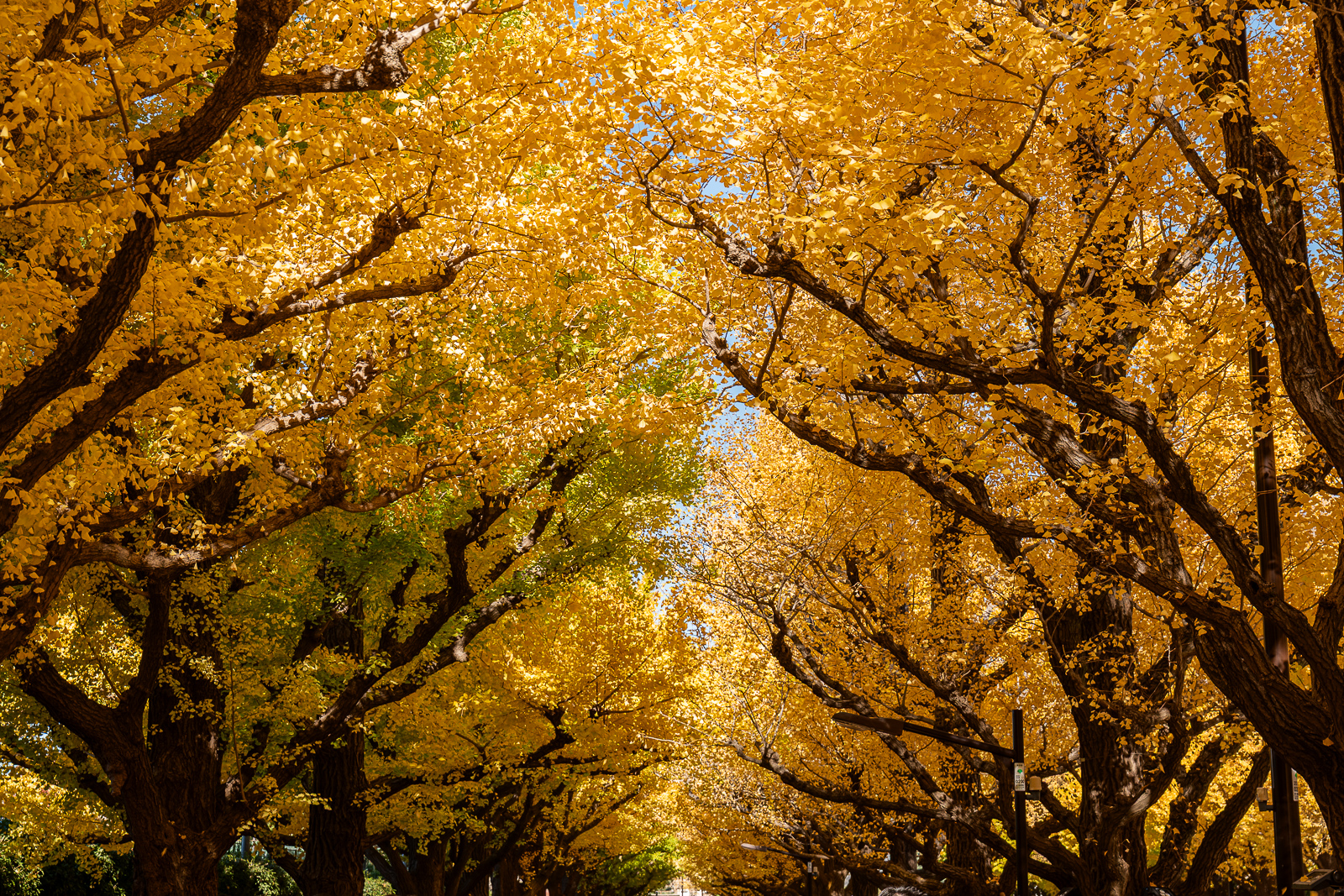
The University of Tokyo’s Hongo campus brings large ginkgo trees into a setting of older university buildings. The architecture gives the eye something substantial to follow between the trees, while the golden crowns bring autumn color into the campus spaces. Buildings and foliage share the scene, making Hongo the architectural choice in this comparison.
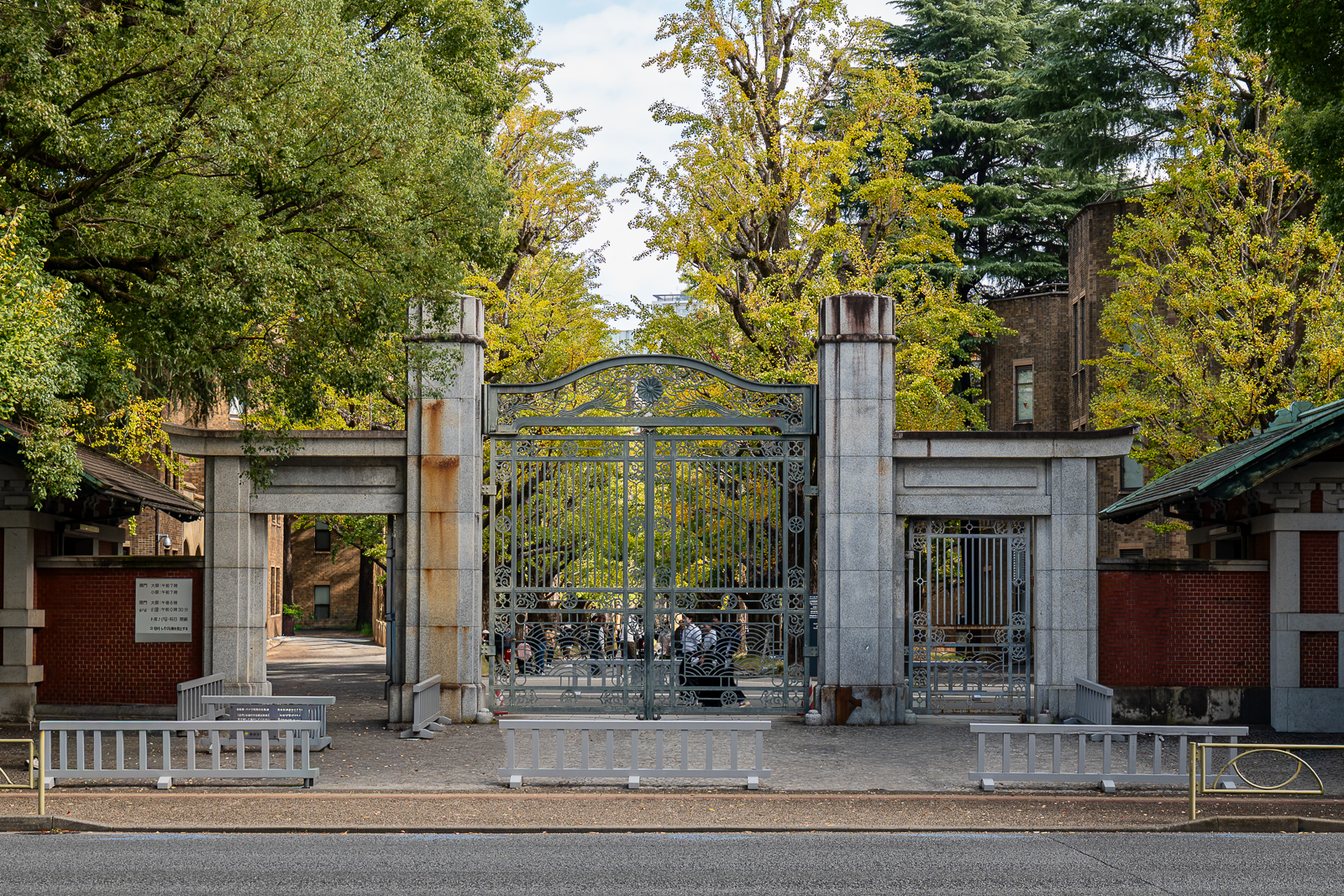
Allow about an hour for the outdoor walk. From the main gate, the tree-lined avenue leads the eye toward Yasuda Auditorium. Hongo is a working university. Check the gate information below and keep to areas open to visitors.
Ukima Park: Windmill Views and Pond Reflections
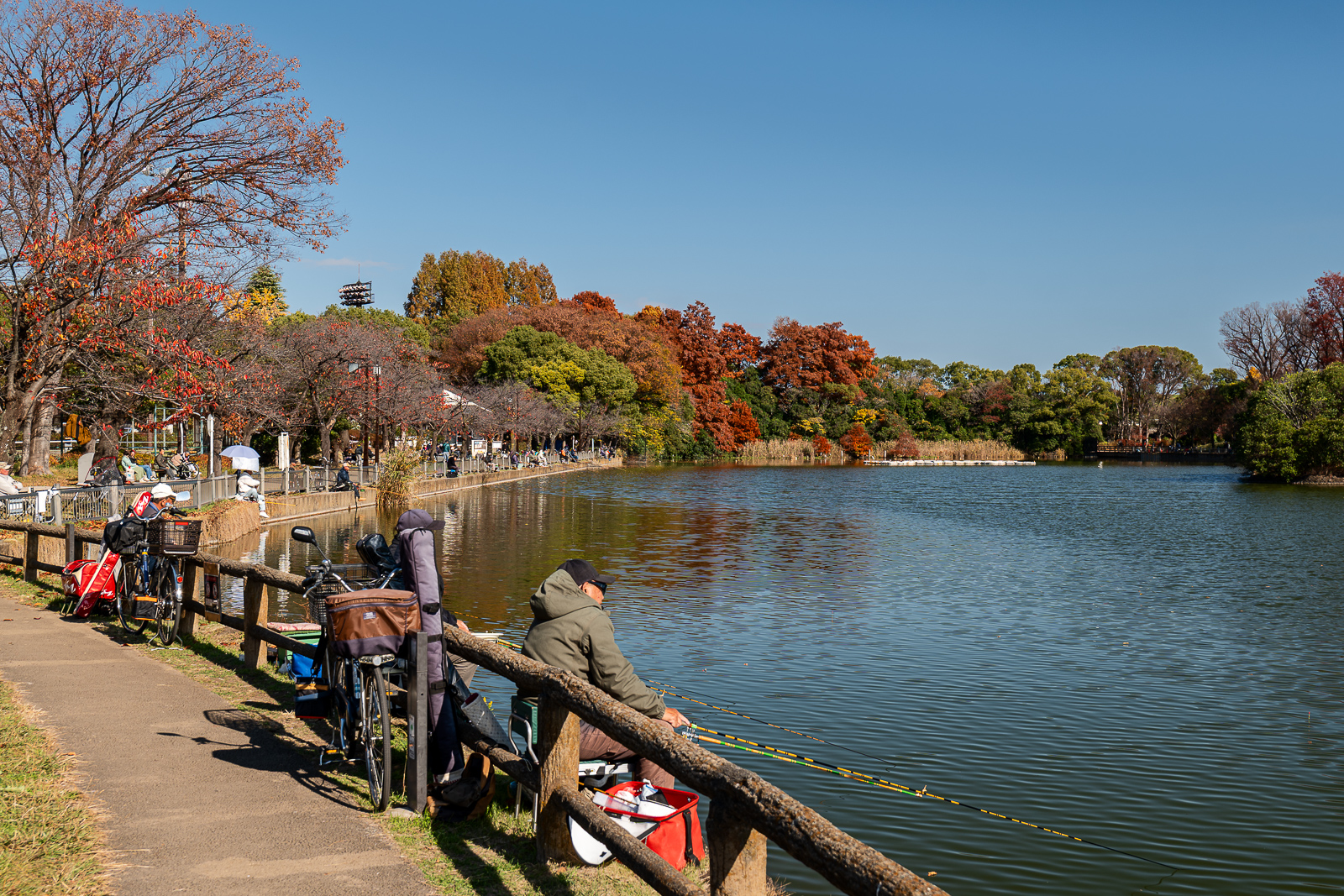
Ukima’s windmill gives the autumn scenery a distinctive focal point, with the pond opening up views across the water. Ginkgo and other autumn trees bring color to the edges, and reflections add another layer to the photographs. Anglers, families and people enjoying the park are part of its everyday waterside character.
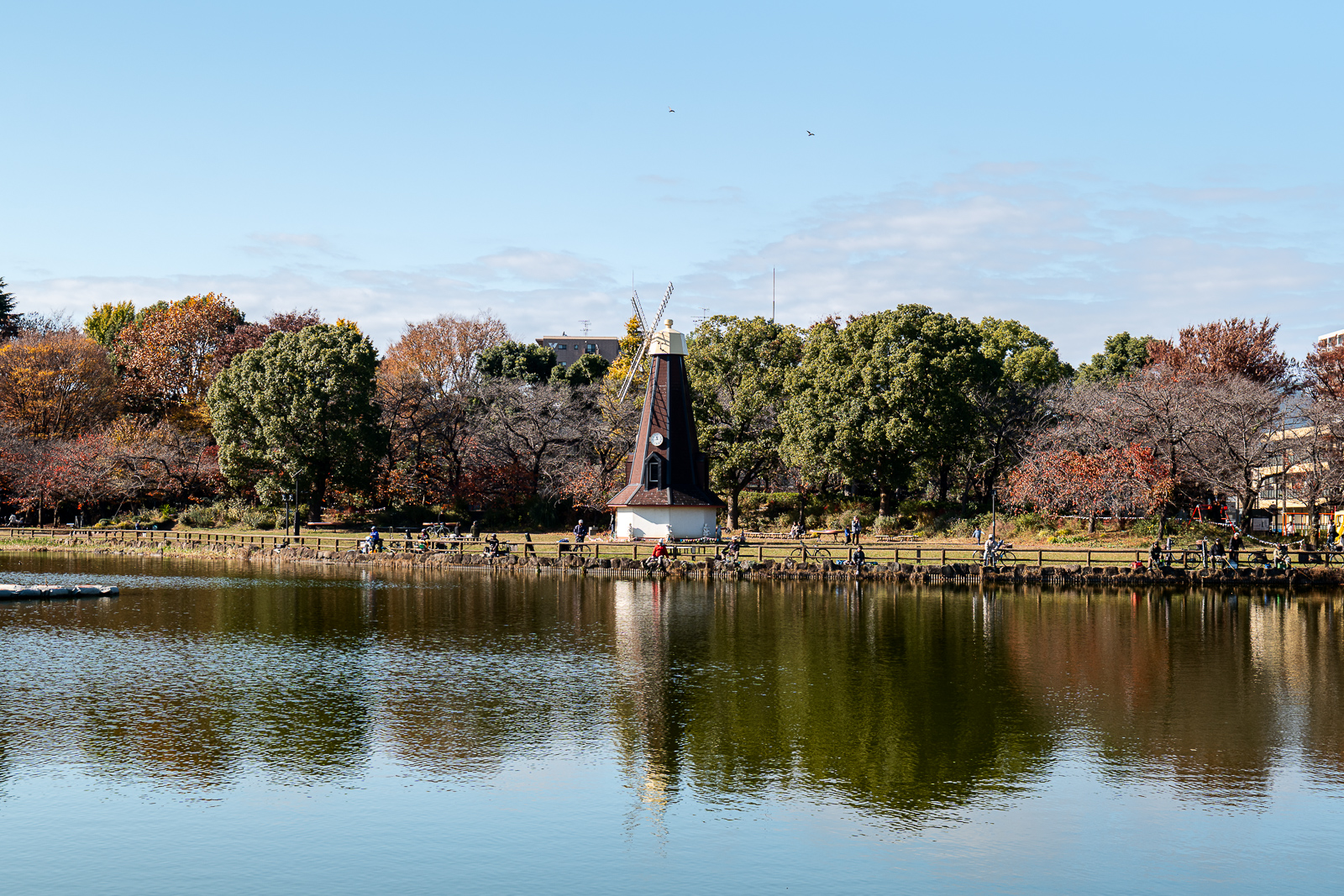
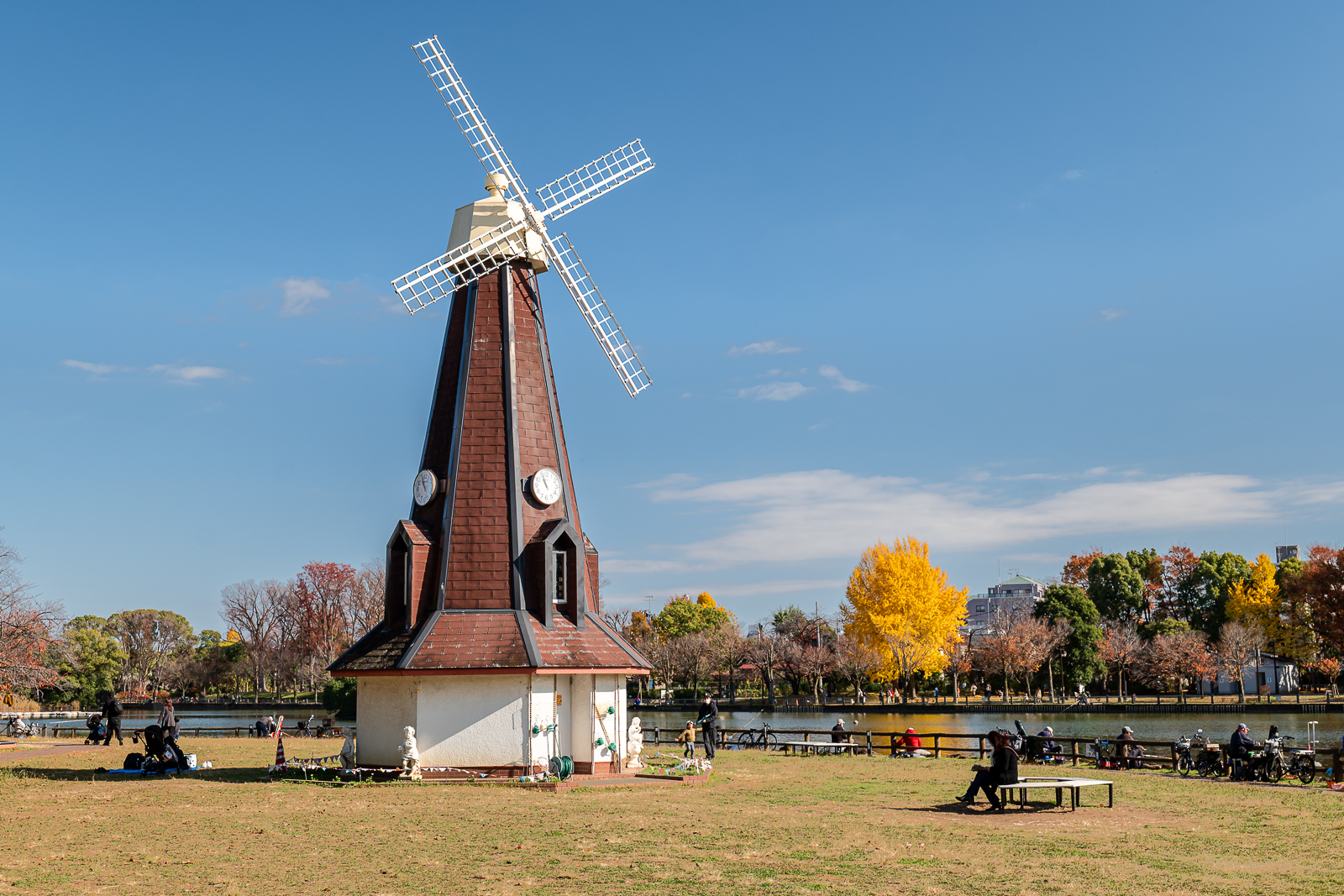
Choose Ukima for a walk that brings trees, open water and a recognizable landmark together. About an hour leaves time to enjoy the windmill area and find different viewpoints beside the pond. The Ukima Park autumn guide follows those scenes and explains the convenient station approach.
Pair Ukima and Asukayama for a Northern Tokyo Autumn Day
We visited Ukima and Asukayama on the same day. For a similar outing, spend the morning by Ukima’s pond and leave the afternoon for Asukayama’s hillside paths. Allow about an hour at Ukima and two hours at Asukayama, plus travel between the parks.
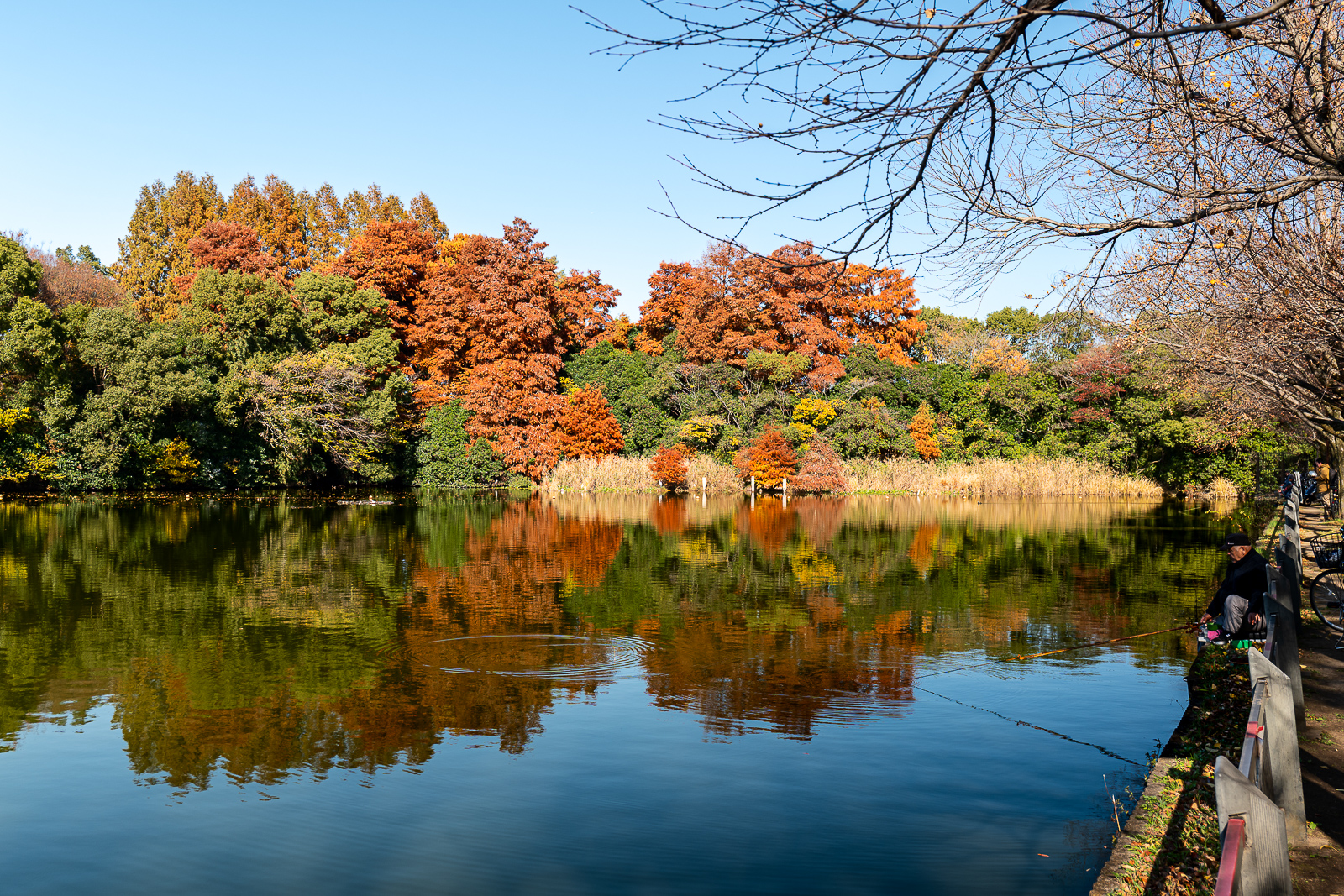
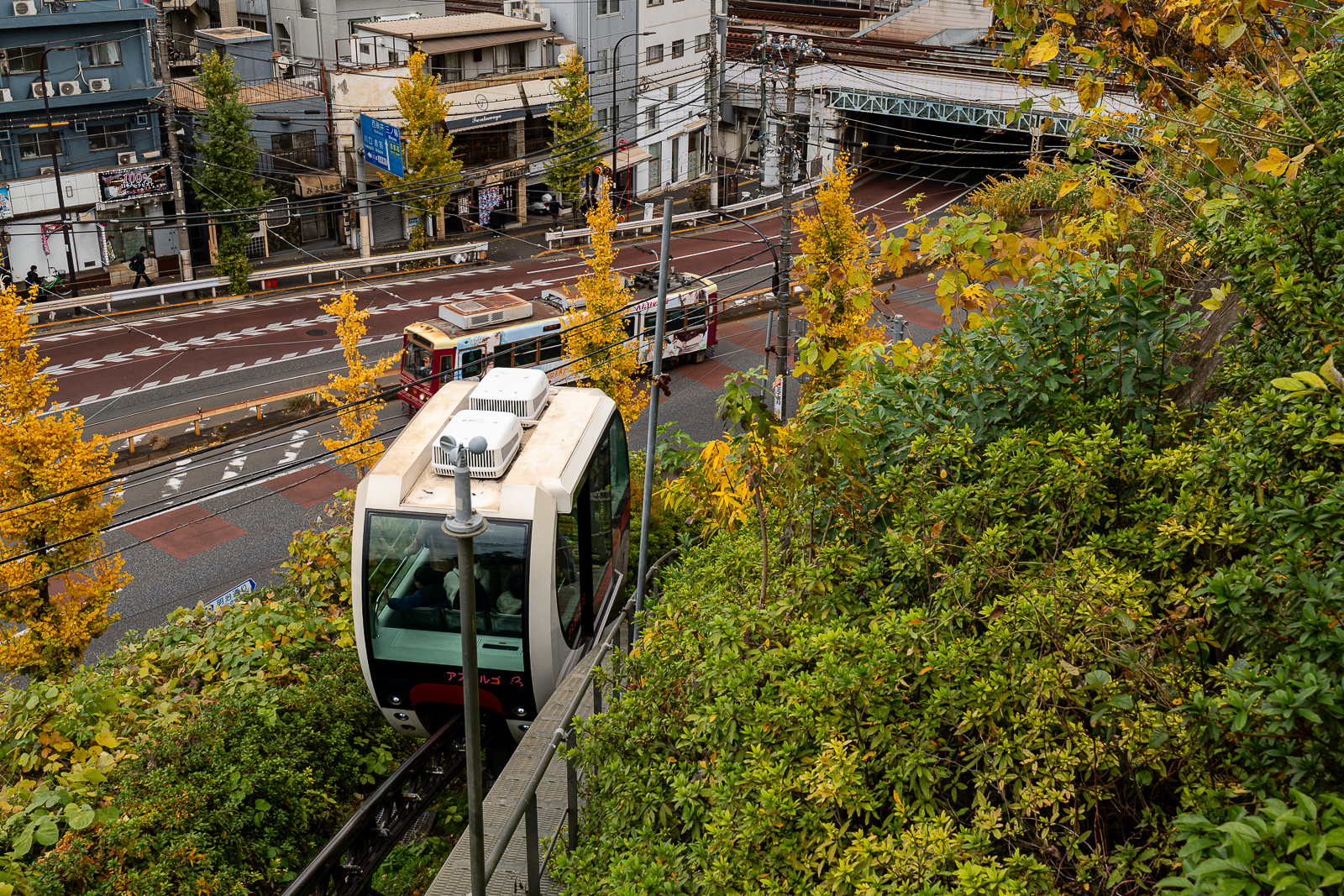
The change of scene is what makes the pairing work. At Ukima you can stand across the water and take in the whole shoreline. At Asukayama, each turn brings you closer to something different, from the maple canopy to the garden buildings.
Add Showa Kinen Park After Dark
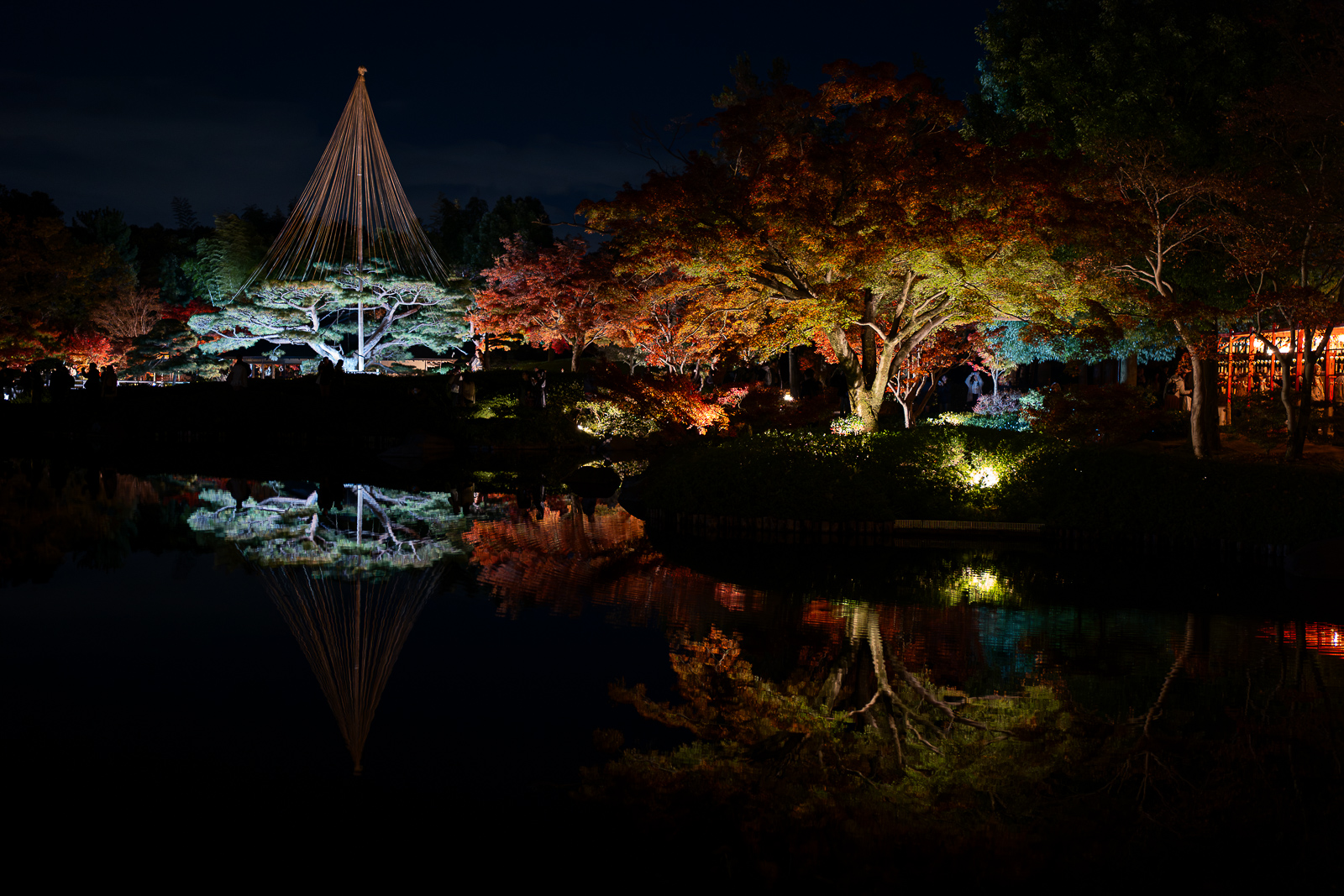
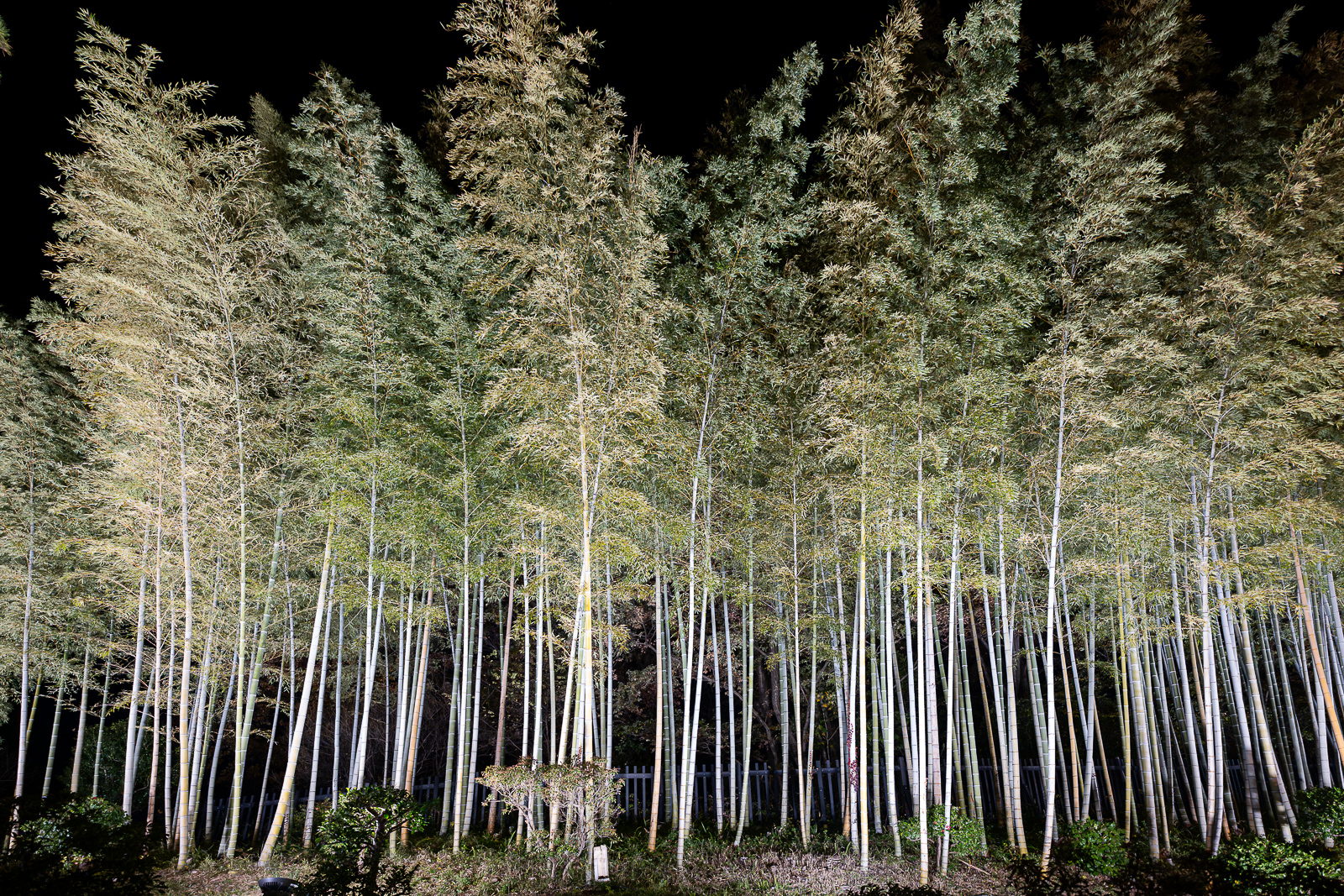
After a morning on Gaien’s ginkgo avenue, we spent the evening at Showa Kinen Park. The pond reflections and tall illuminated bamboo were the highlights. The evening visit involves a separate journey. Use the Showa Kinen Park autumn night guide to choose an entrance and check admission for the Japanese Garden after dark.
Choose the Setting That Inspires Your Autumn Day
Asukayama leads for the breadth of autumn color, while Yasukuni brings the strongest combination of ginkgo, history and nearby central Tokyo sights. Gaien’s grand avenue, Hongo’s university architecture and Ukima’s pond-and-windmill setting give the other walks their clear identities. Choose the scene that appeals most, then give that place time to unfold through its paths, viewpoints and details.
For a day focused on designed Japanese gardens, the Tokyo autumn gardens comparison explores Rikugien, Koishikawa Korakuen and Kyu-Furukawa. Their ponds, garden layouts and seasonal planting provide another way to enjoy Tokyo’s autumn scenery.
Getting There
Access and Arrival
Start with the station for your chosen walk: Aoyama-itchome for Gaien, Hongo-sanchome for Hongo, Kudanshita for Yasukuni, Ukima-Funado for Ukima, or Oji for Asukayama. Ukima and Asukayama also pair well as a morning-and-afternoon outing.
- Gaien or Hongo
Gaien: Aoyama-itchome Exit 1 → ginkgo avenue. Hongo: Hongo-sanchome → permitted campus entrance.
Gaien: enter from Aoyama-dori. Hongo: use a permitted campus gate; Akamon is closed for seismic work.
- Yasukuni Shrine
Kudanshita Exit 1 → shrine approach
About 5 minutes on foot · Allow extra time if adding the separately operated museum visit.
- Ukima or Asukayama
Ukima: JR Saikyo Line → Ukima-Funado, opposite the park. Asukayama: JR Keihin-Tohoku Line or Namboku Line → Oji.
For Asukayama, JR Oji South Exit gives direct park access; the Ascargot lift starts by Central Exit.
Gaien access: November 21–29, 2026: Vehicle restrictions affect part of the avenue from noon to 9 p.m. on weekdays and 10 a.m. to 9 p.m. on weekends and public holidays. During those hours, enter and leave Aoyama Parking from Aoyama-dori.
Hours and Fees
Visitor Information
The outdoor walks are free to enjoy. Shrine gates, university access, museums and the Asukayama lift have separate operating conditions.
- Hours
- Yasukuni grounds: 6:00–17:00 in November–February; 6:00–18:00 in March–October, subject to ceremonies and notices. Ukima and Asukayama park grounds: open daily. Asukayama’s free Ascargot lift normally runs 10:00–16:00, with weather and maintenance exceptions. Gaien: an outdoor avenue; nearby facilities operate separately. Hongo: visit permitted outdoor areas under the university’s current visitor rules; classrooms and research buildings are generally closed to visitors.
- Admission
-
The five daytime outdoor walks are free. Yushukan and the Asukayama museums charge separate admission. The Shibusawa Memorial Museum normally charges ¥500 for adults across its three buildings when open. For the optional evening at Showa Kinen Park through November 29, 2026, park admission covers the illuminated ginkgo avenue and canal. From 16:30 the Japanese Garden requires a separate viewing ticket.
Plan Your Visit
Choose a Tokyo base and travel options around the autumn outing that interests you, then leave room for the rest of your trip.
Compare Hotels across Tokyo
Choose a base around the other places in your itinerary as well as this visit. Compare station connections, room details and your travel dates.
Search Tokyo Hotels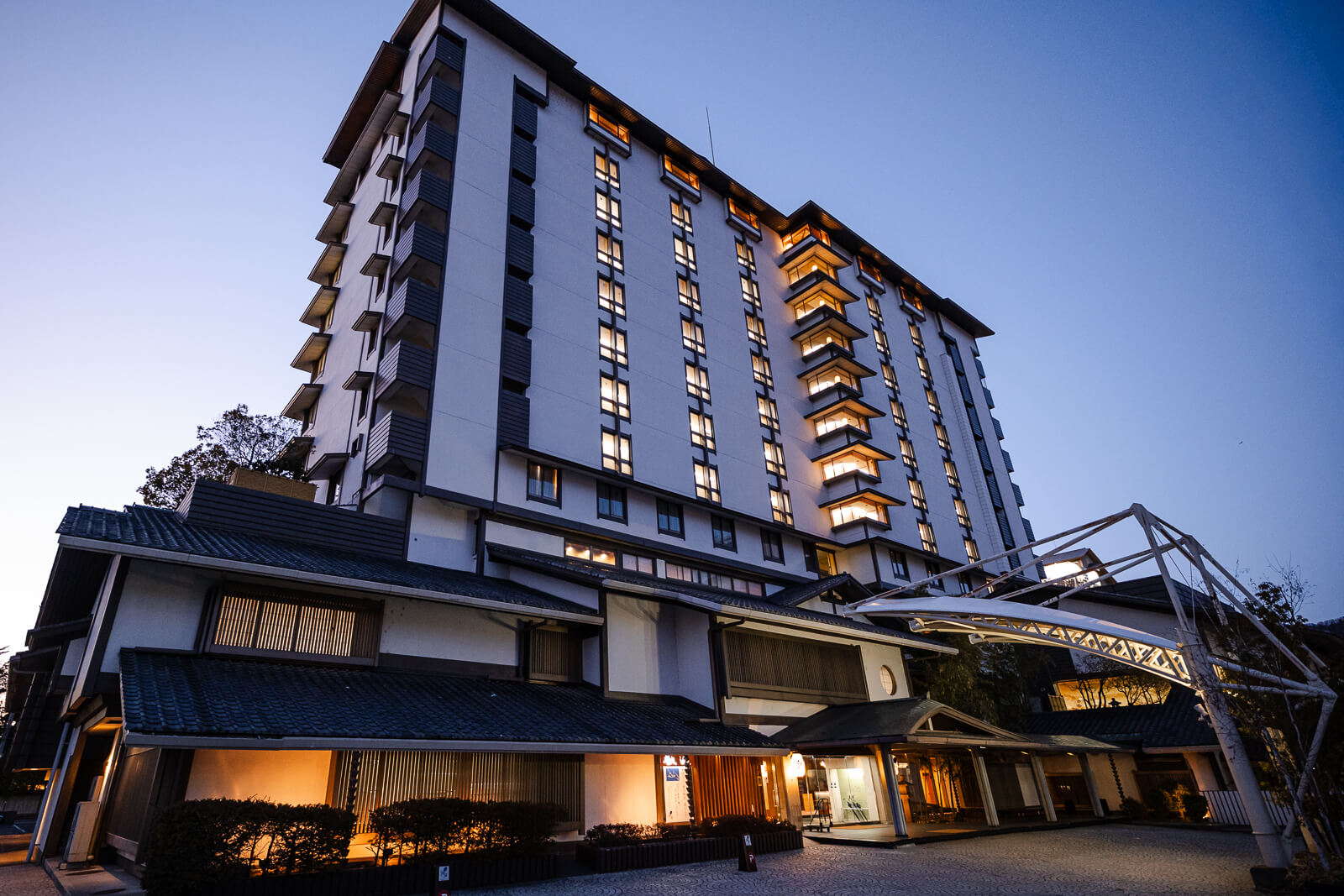
Explore Tokyo Car Hire
Browse Tokyo pickup options for a driving part of the wider trip. Check the collection point, rental conditions and requirements against your plans.
Browse Tokyo Car Hire
Browse Tokyo Garden Experiences
Explore garden-related tours and activities for another part of your Tokyo trip. Check each listing’s actual route, dates and inclusions.
Browse Garden Experiences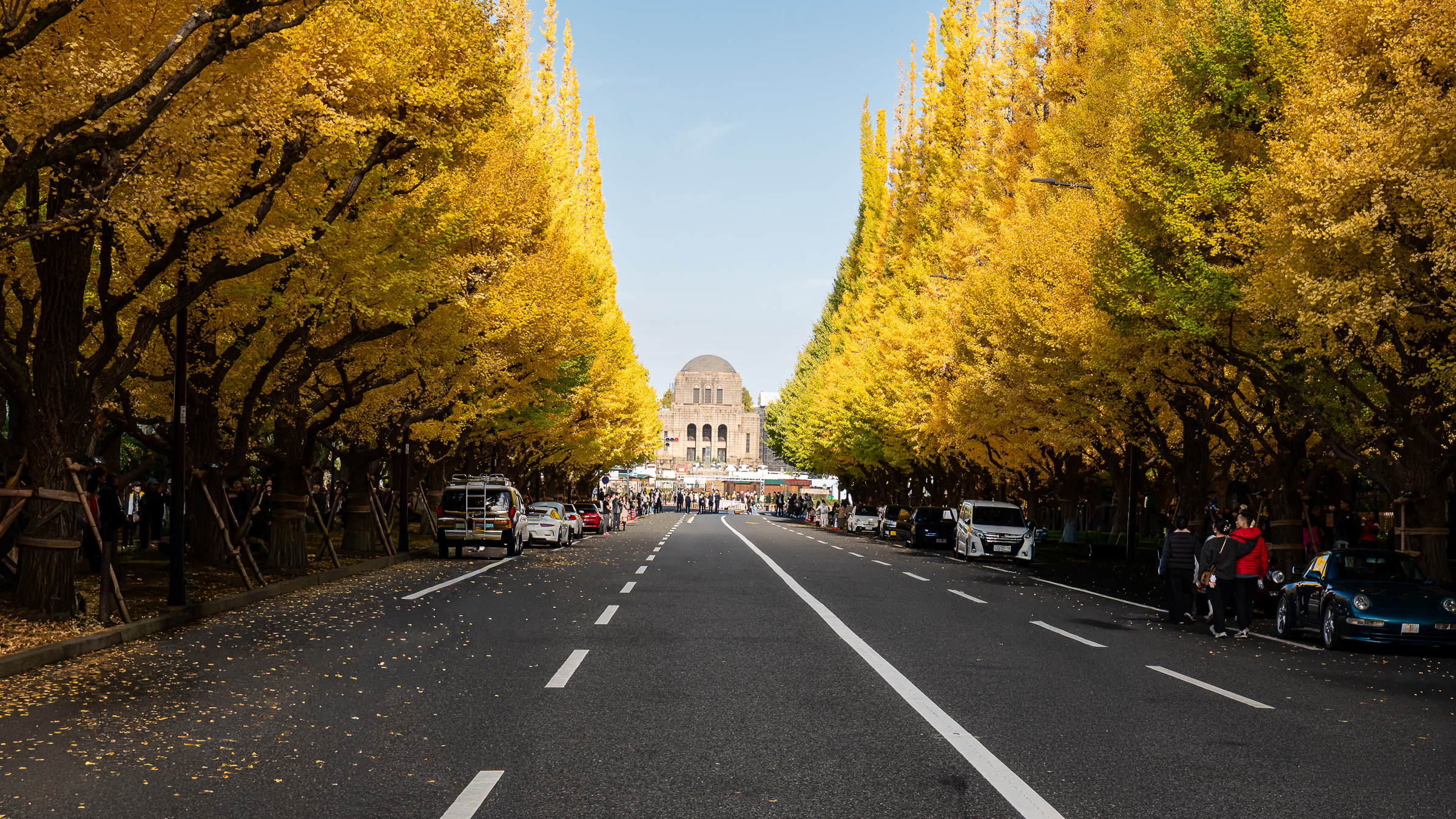
Browse Tokyo Attraction Tickets
Explore paid attractions for another part of your Tokyo stay. Check the specific venue, date and inclusions; these five outdoor walks do not need a Klook ticket.
Browse Tokyo Tickets
Compare Japan eSIM Plans
Keep directions and travel information close to hand during the trip. Compare data allowance, plan duration and phone compatibility before choosing an eSIM.
Compare Japan eSIMs
Plan Japan Train Travel
Compare train-ticket options for journeys elsewhere in Japan. Check the operator, route and ticket conditions; this service is separate from local Metro travel to these walks.
Explore Japan Train Tickets