Why the Ropeway Fits the Way Atami Is Built
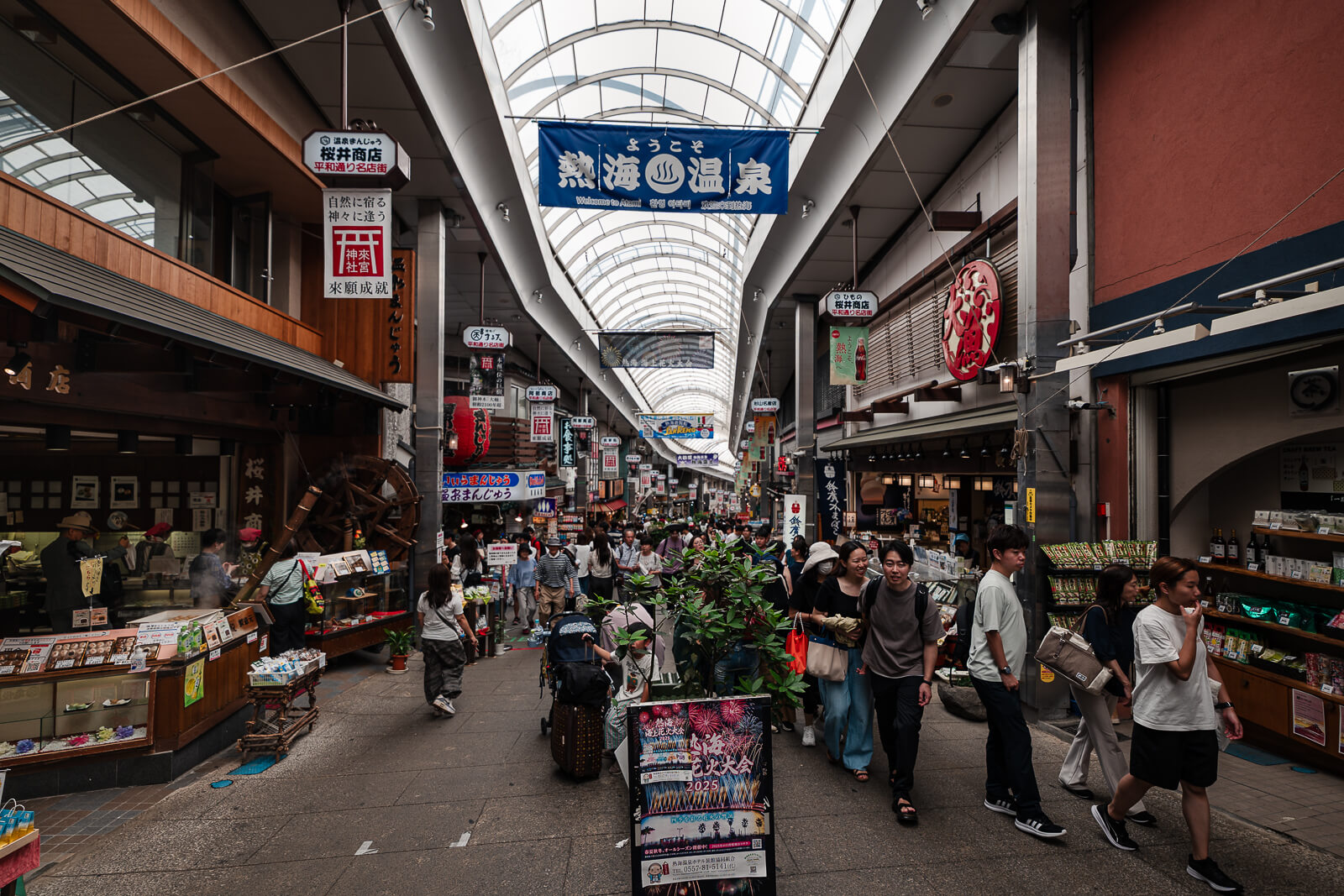
Atami is shaped by its slope. The waterfront around Atami Sun Beach remains flat and easy to explore, connecting naturally through Atami Ginza and the Itokawa Promenade into a continuous walking zone.
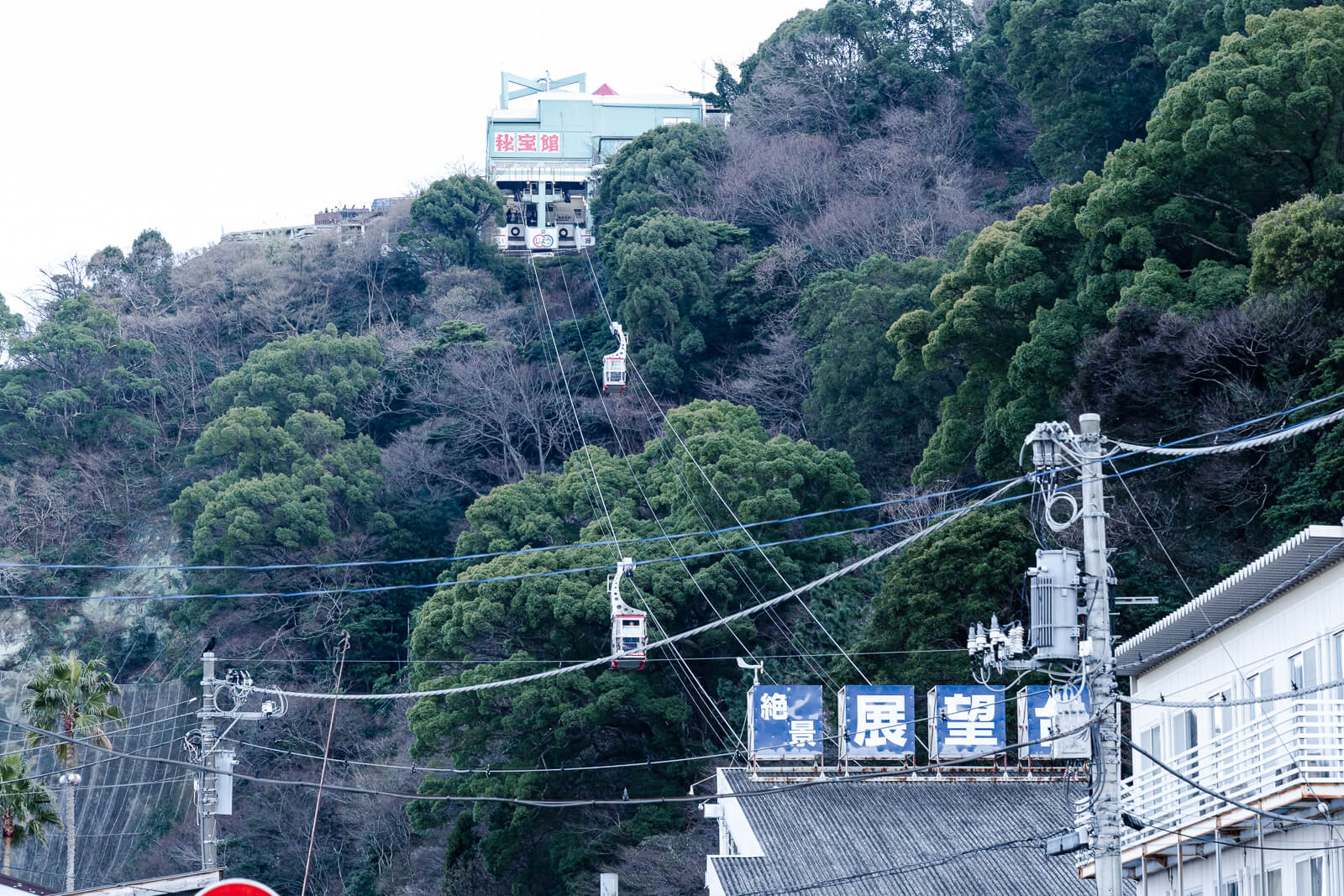
From there, the ground rises quickly toward the ridge where Atami Castle sits. The change in elevation is immediate, and while it is possible to walk between these levels, the route follows vehicle roads that climb steadily without offering a defined pedestrian experience.
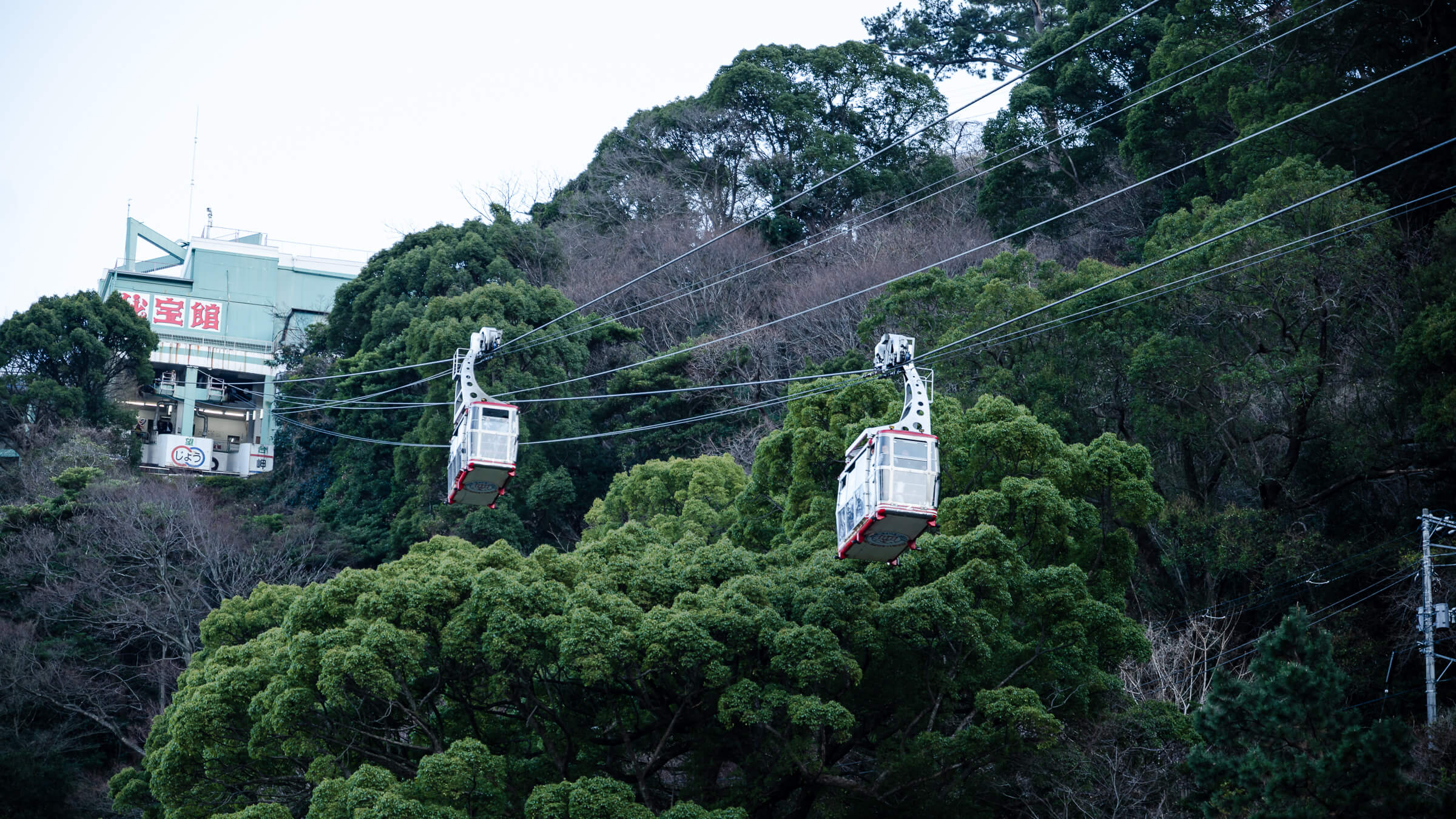
The ropeway resolves that separation directly. In a few minutes, it lifts you from the waterfront to the ridge, turning the castle area into a continuation of the same route rather than a separate destination.
If You’re Exploring on Foot
A common walking flow in Atami begins near Atami Station and gradually descends toward the coast.
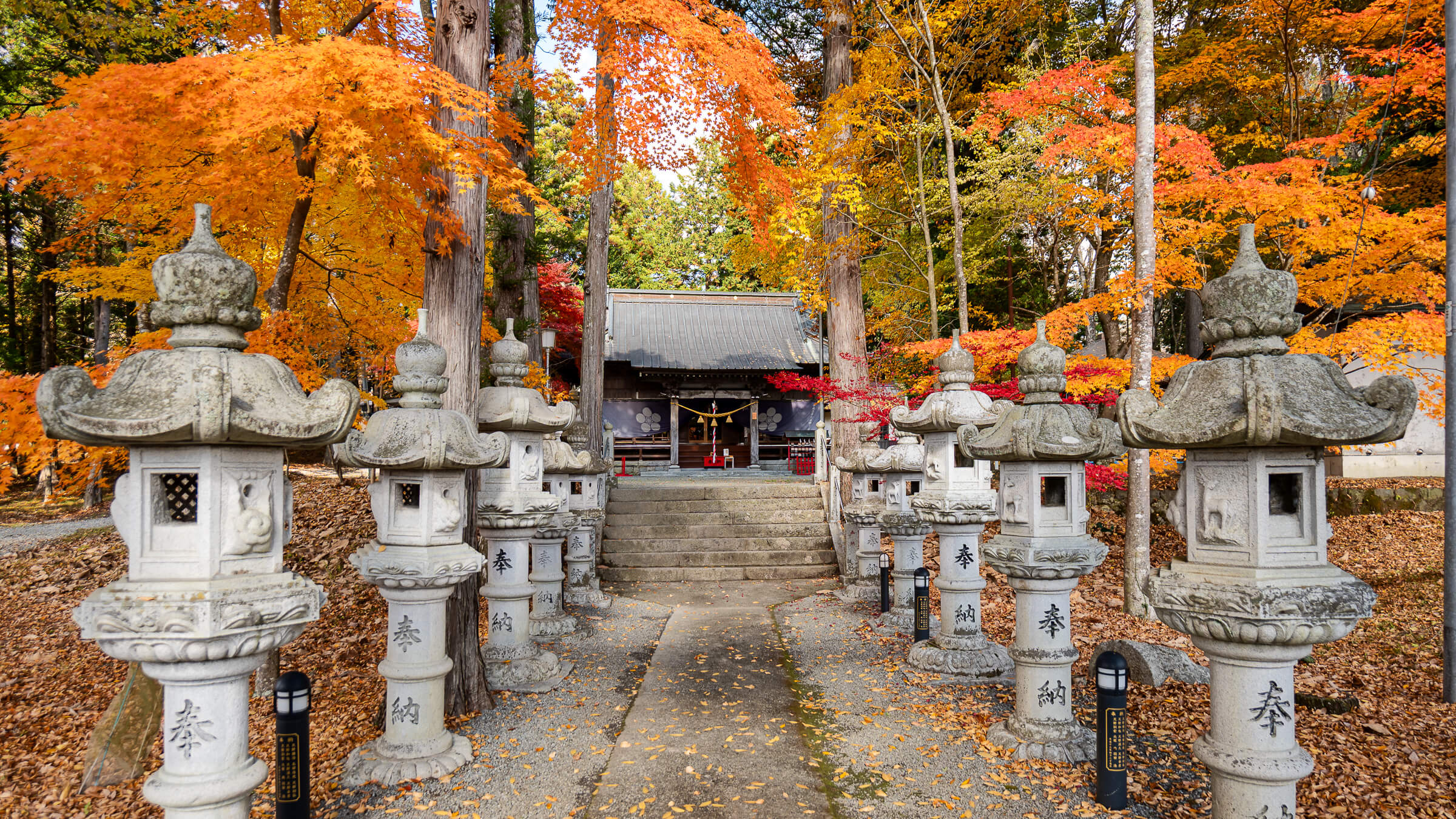
If you prefer to begin with quiet elevation, you can take the JR Ito Line one stop to Kinomiya Station and visit Kinomiya Shrine first. From there, return to Atami Station and walk downhill through town toward the waterfront.
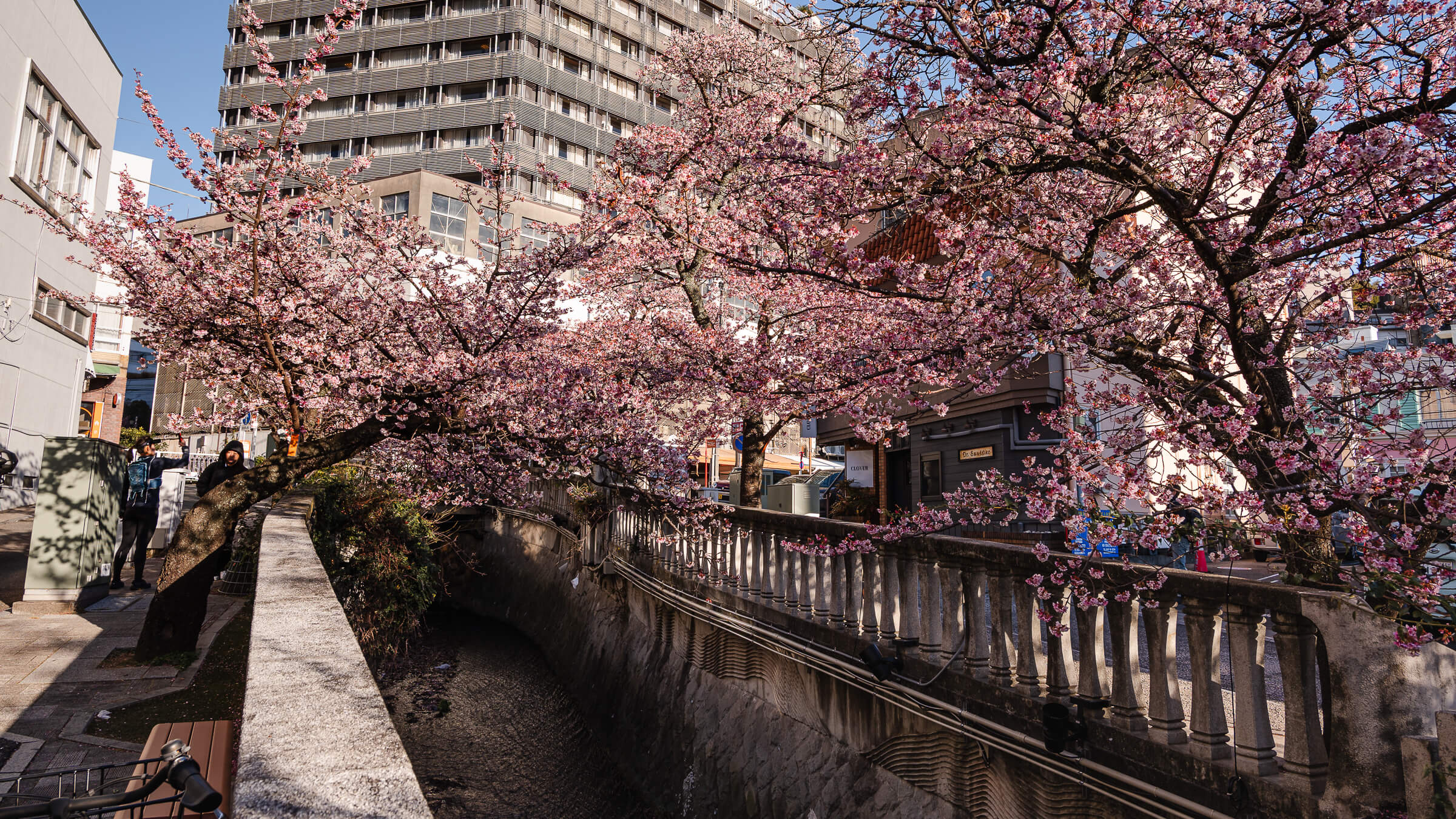
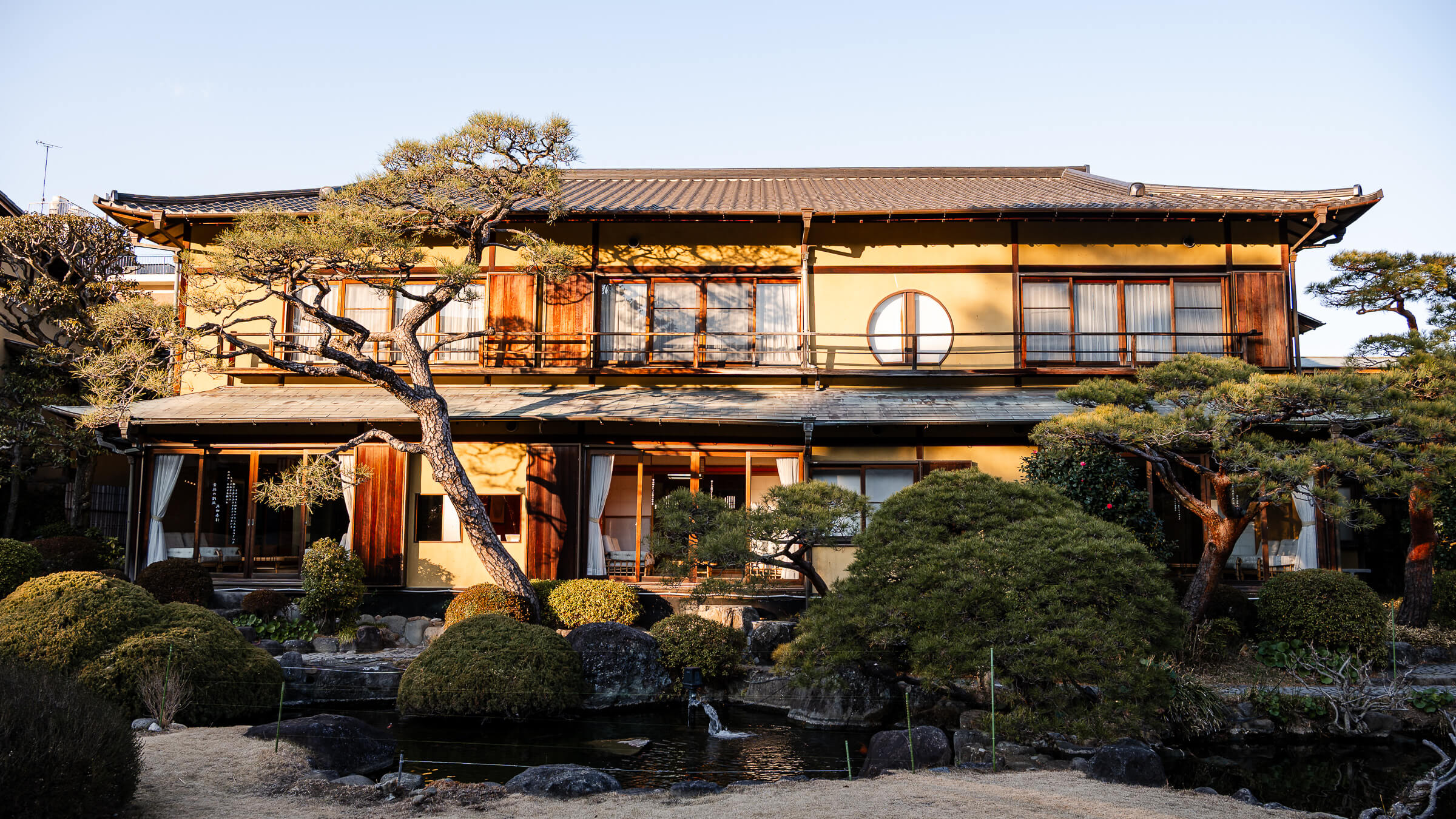
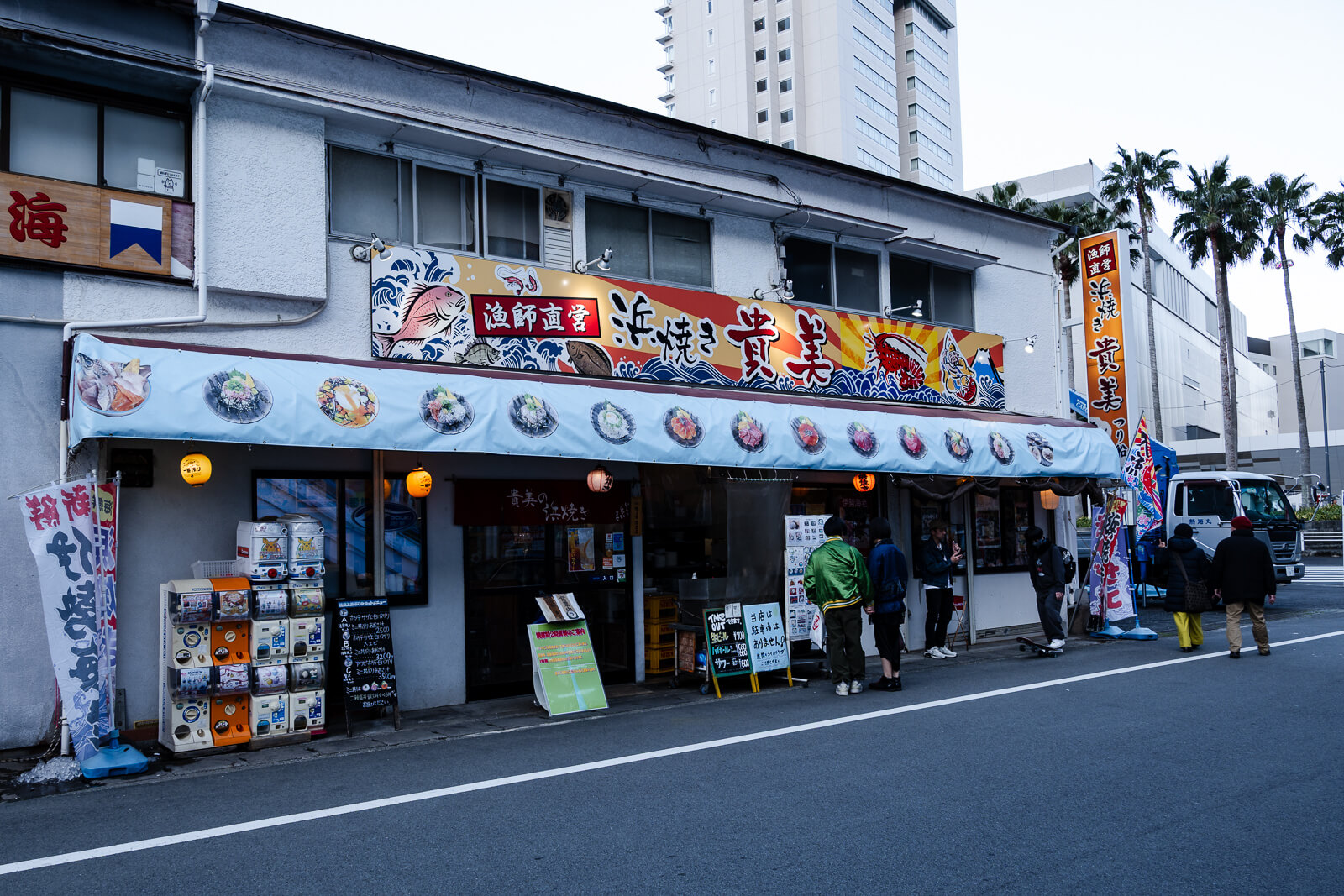
Atami Ginza and the Itokawa Promenade sit close together, forming a natural transition from shopping streets to sea. Kiunkaku is also in this zone. In cherry blossom season, the promenade becomes the more obvious choice. Outside that window, the villa grounds offer a quieter and more contained stop.
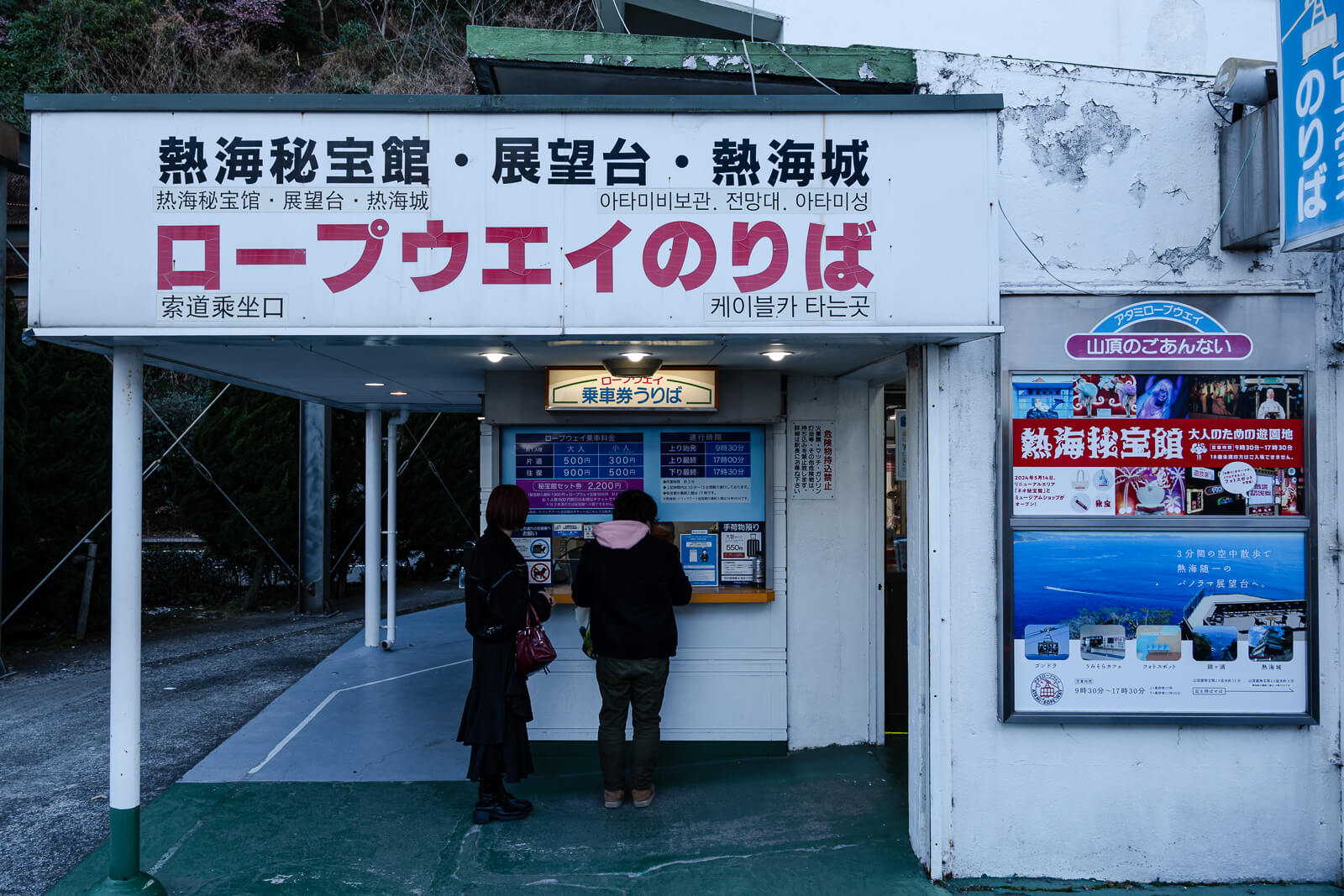
From Sun Beach or the promenade, the ropeway base is roughly a ten-minute walk along the coast. Used this way, the ropeway becomes the final elevation shift of the day rather than a detached attraction.
Whether that final climb feels like a natural part of the day or something that adds pressure often depends on how much time you’ve given the city overall. That difference becomes clearer when comparing a Atami day trip vs overnight stay.
What Changes Once You’re Above the Coast
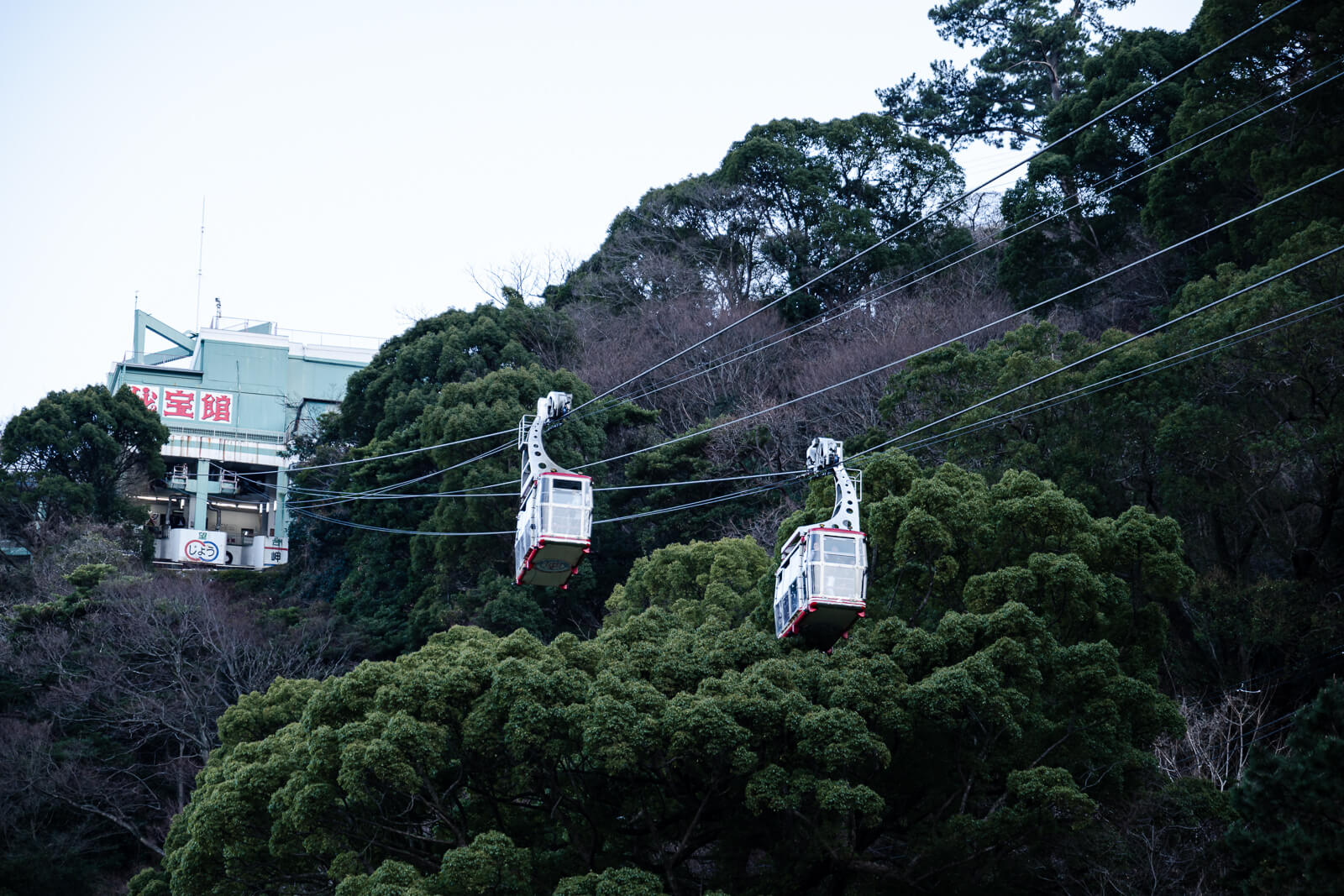
The ride is short but immediate in effect. As the cabin rises above the port, the layout of Atami becomes readable.
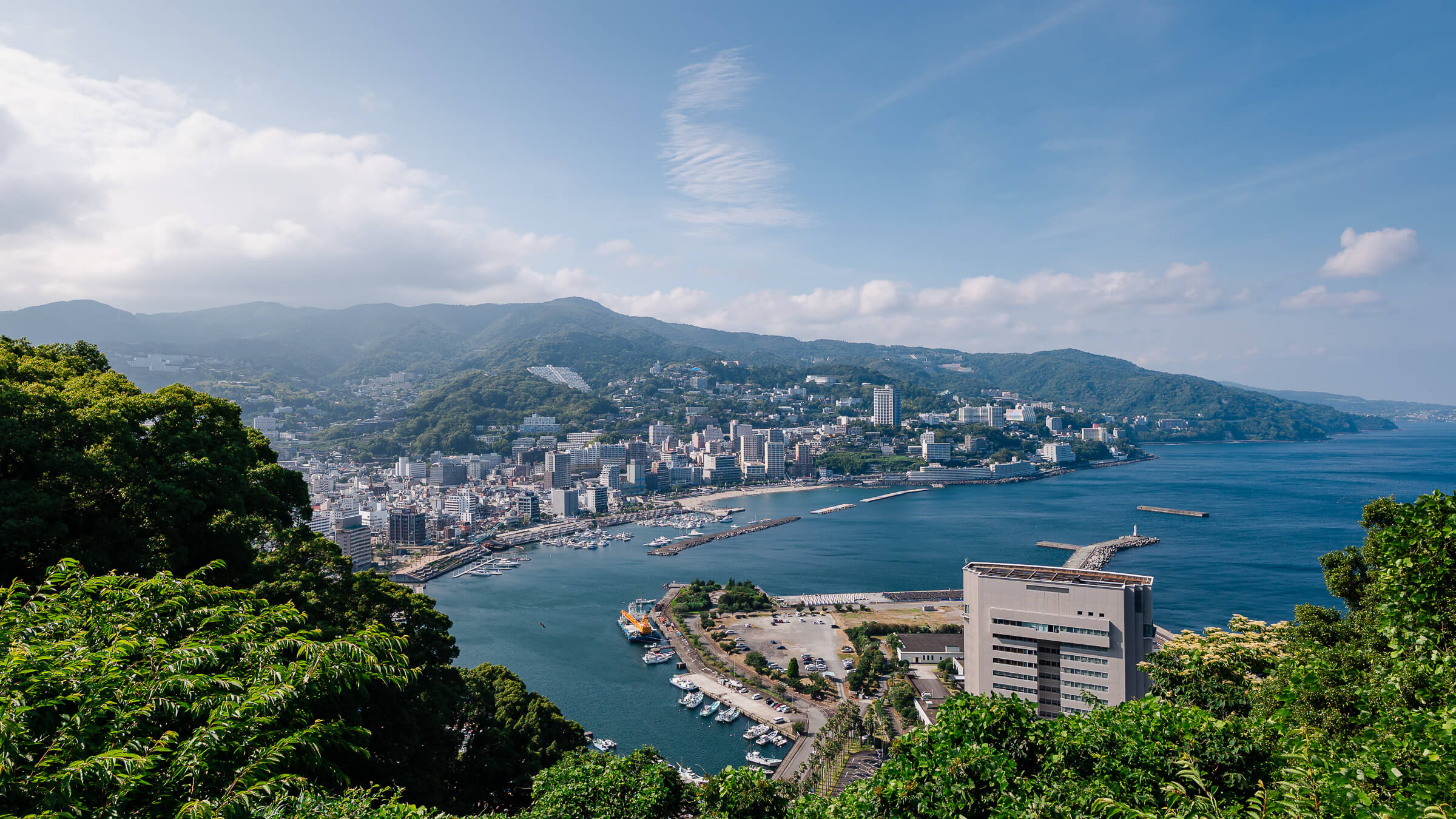
From ground level, the city can feel compressed between slope and sea. From above, the coastline forms a clear arc. The waterfront hotels align into a single band. The hillside neighborhoods stack behind them.
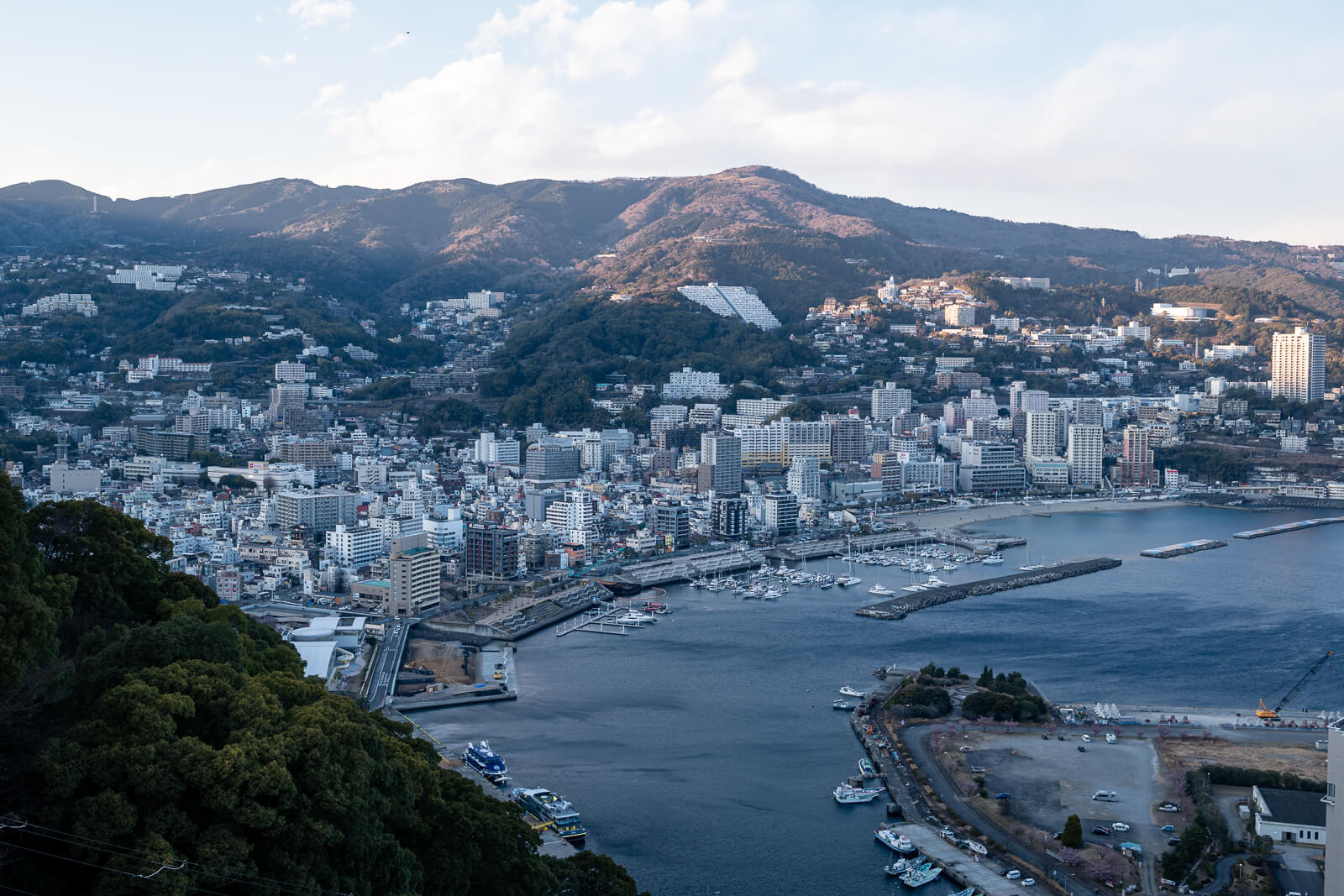
On clear days, Sagami Bay opens wide and the marina below becomes part of the composition. In hazy weather, the view softens, but the practical value of skipping the climb remains unchanged.
For most visitors arriving on foot, the ¥900 round-trip fare functions less as a sightseeing ticket and more as a time-and-energy exchange.
What You Reach at the Top
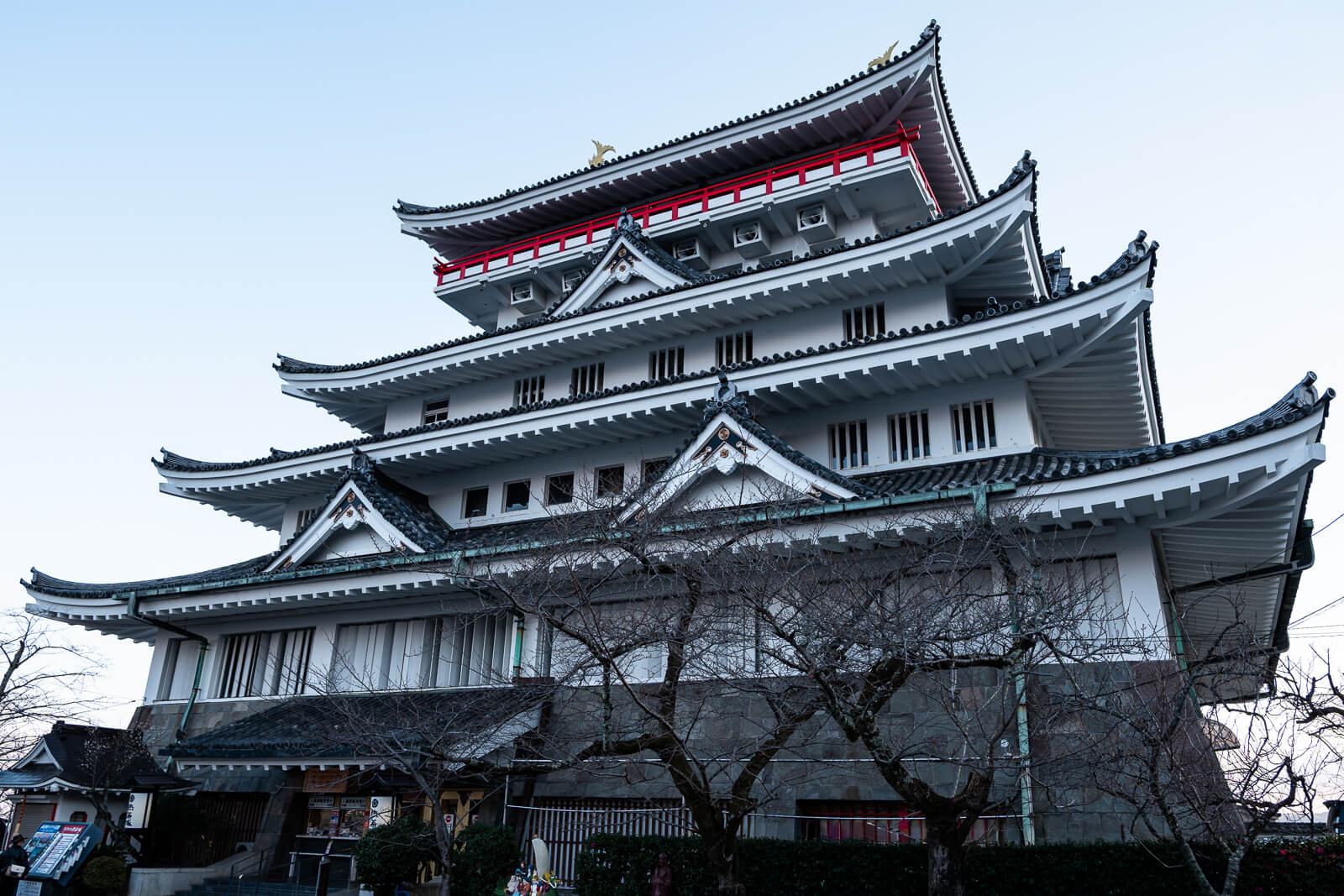
The upper station opens directly beside Atami Castle and the Atami Trick Art Museum. There is no additional climb of consequence once you disembark.
Atami Castle’s observation floors provide the most structured panoramic view in this part of town. From there, you can look back across the waterfront and trace the route you walked earlier in the day. The slope you descended becomes visible as part of a larger system rather than a series of isolated streets.
Allow about one hour if your focus is the viewpoint. Closer to two hours if you explore both the castle and the museum at an unhurried pace.
Choosing the Ropeway
If you are exploring Atami on foot and plan to visit the castle hill, the ropeway provides the most direct and physically efficient route upward.
If you are arriving by car and parking near the upper complex, the elevation has already been addressed through the road approach, and the ropeway becomes an additional option rather than a necessity.
For visitors spending most of their time along the waterfront, the ropeway simply represents a change in perspective. The coastline experience and the hilltop experience offer different views of the same town, and the ropeway is the most straightforward way to move between them.
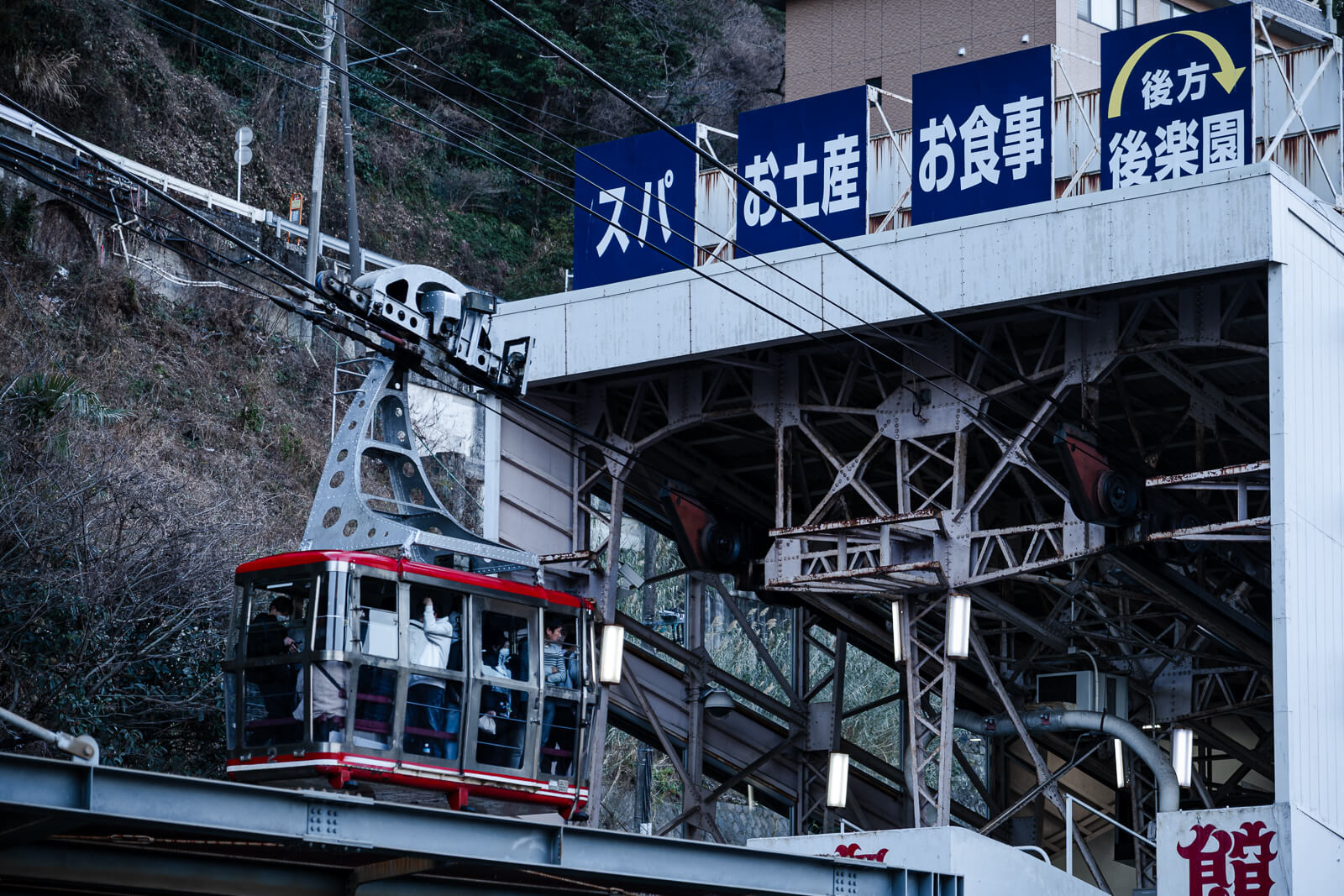
Deciding whether to include this kind of elevation shift often comes down to how the day is structured as a whole. Seeing how the hillside, waterfront, and central areas fit together is easier when comparing a Atami day trip vs overnight stay.
A Note on Atami’s Vertical Resort History
Atami developed as a resort town in the early twentieth century, with its popularity accelerating as rail access from Tokyo improved. Hotels concentrated along the coastline, where walking was easy and views of the bay were immediate. The higher slopes, however, always offered the broader perspective.
Mechanical access to elevation became part of the resort experience rather than a hardship. The ropeway reflects that logic. It belongs to an era when rising above the town was framed as leisure, not exertion.
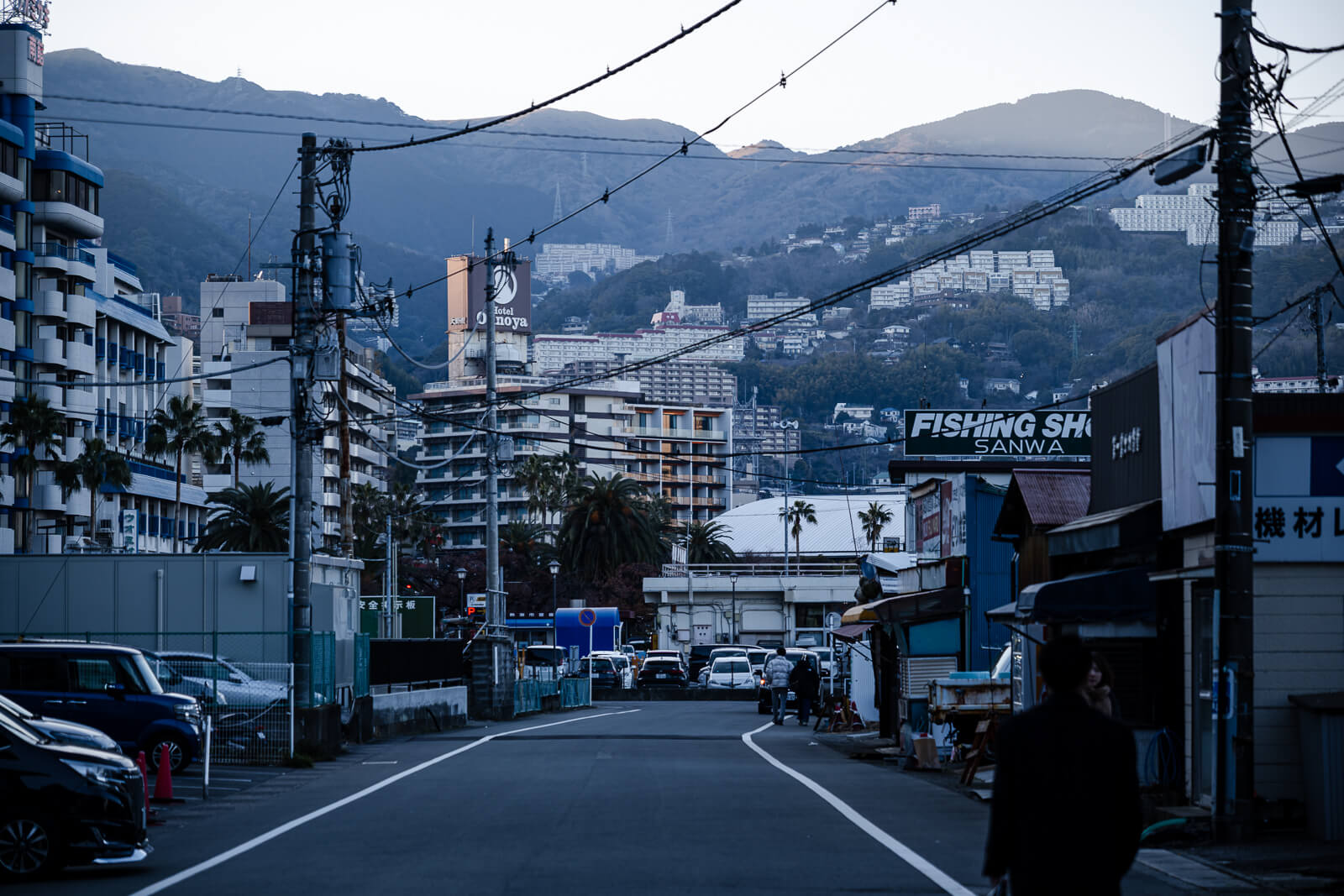
Standing at the lower station today, you are participating in the same vertical transition that defined Atami’s identity decades ago. What has changed is the skyline. What has not changed is the value of the view.
Getting There
From Atami Station, the ropeway base is approximately ten minutes by taxi. Local buses toward the port area also provide access. Most visitors encounter it naturally while exploring the waterfront rather than making a special trip solely for the ride.
If you are already near Sun Beach, Atami Ginza, Itokawa Promenade, or Kiunkaku, the lower station is within easy walking distance.
More of a transition than a destination on its own, this experience fits into a structured Atami visit that includes the castle area above.
Hours and Fees
As posted at the station, adult round-trip fare is ¥900 and children’s round-trip fare is ¥500. One-way tickets are ¥500 for adults and ¥300 for children. Operating hours vary seasonally and should be confirmed locally before visiting.