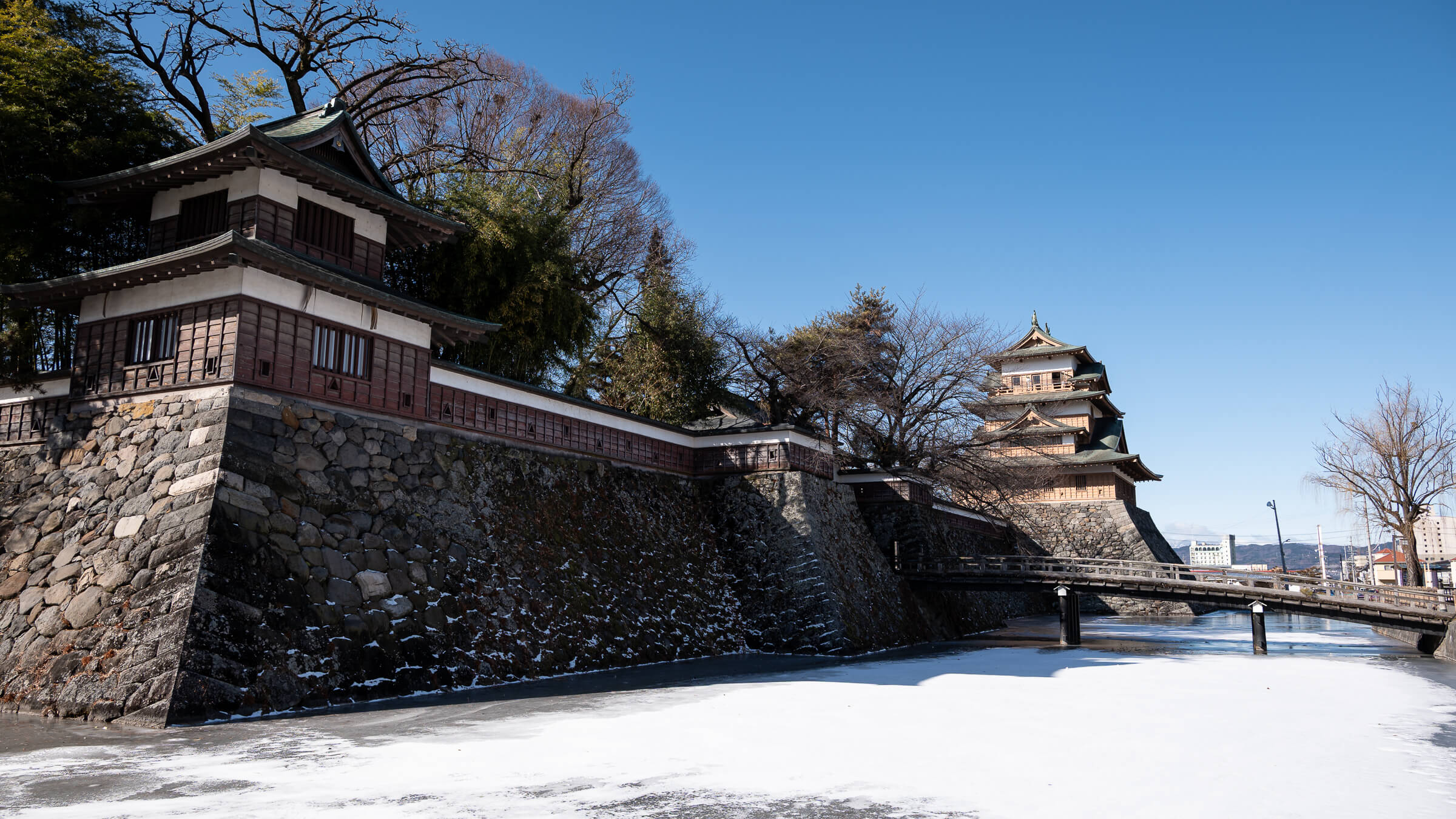
A Castle That Sits with the Lake
Takashima Castle is a compact, contained visit on the edge of Lake Suwa, best understood as a pause within a broader stay rather than a destination that fills a day. It sits low beside the water, close to town streets and lakeside paths, shaping expectations from the moment you arrive. This is not a dramatic hilltop fortress or a sprawling complex built to impress. It is a space where history feels present without being overwhelming, and it fits naturally into the shoreline route covered in the Lake Suwa Guide.
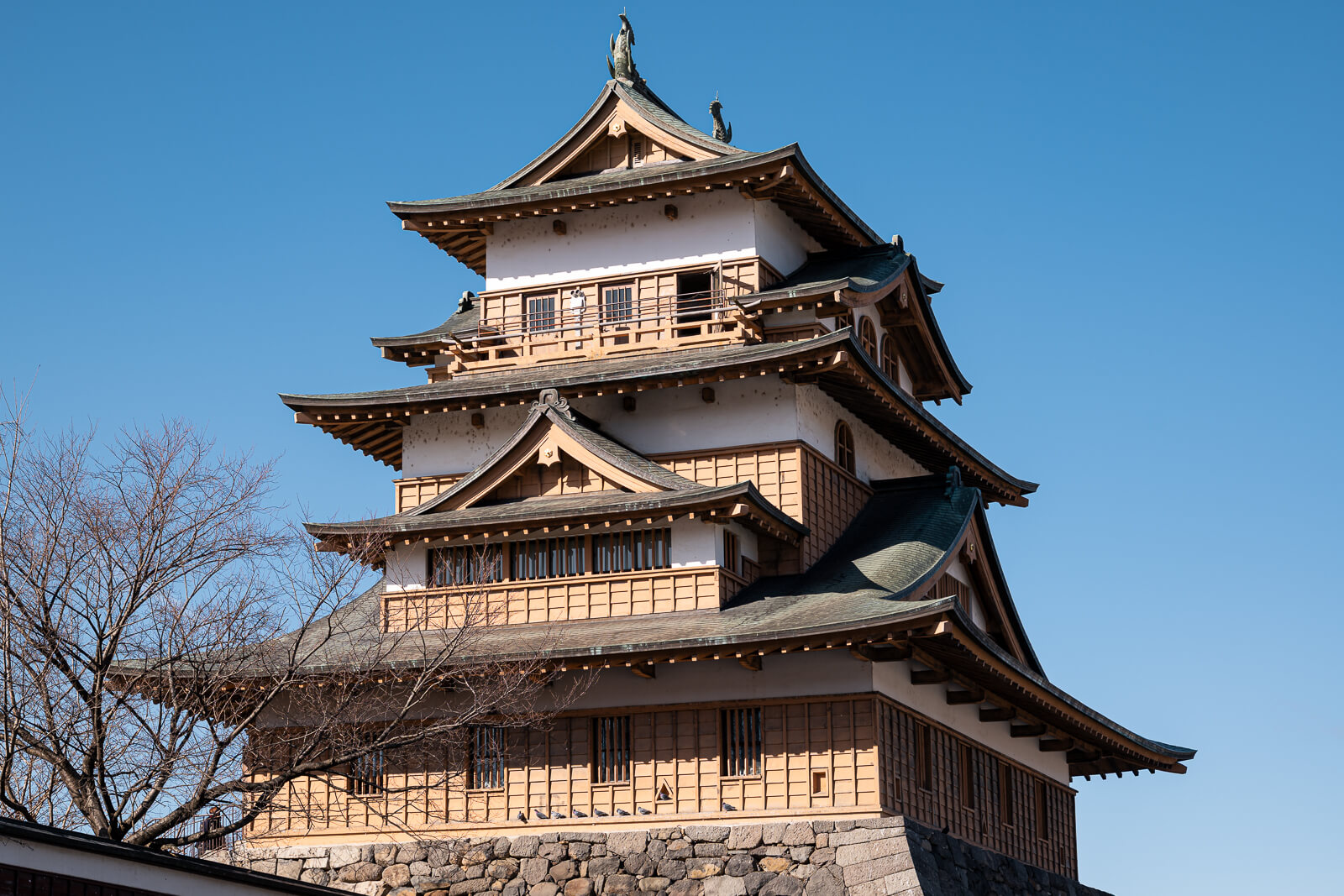
The visit unfolds simply. Most people begin with a walk along the moat and outer walls, pass through the surrounding park, and then climb through the reconstructed keep at an easy pace. The reward comes at the top, where views across the basin clarify why the castle was built here at all. If you are looking for scale or spectacle, this may feel modest. If you value orientation and historical grounding, it fits naturally into time spent around Lake Suwa.
Typical visit time for the full grounds and keep is about one hour, including time to pause at the top of the tower.
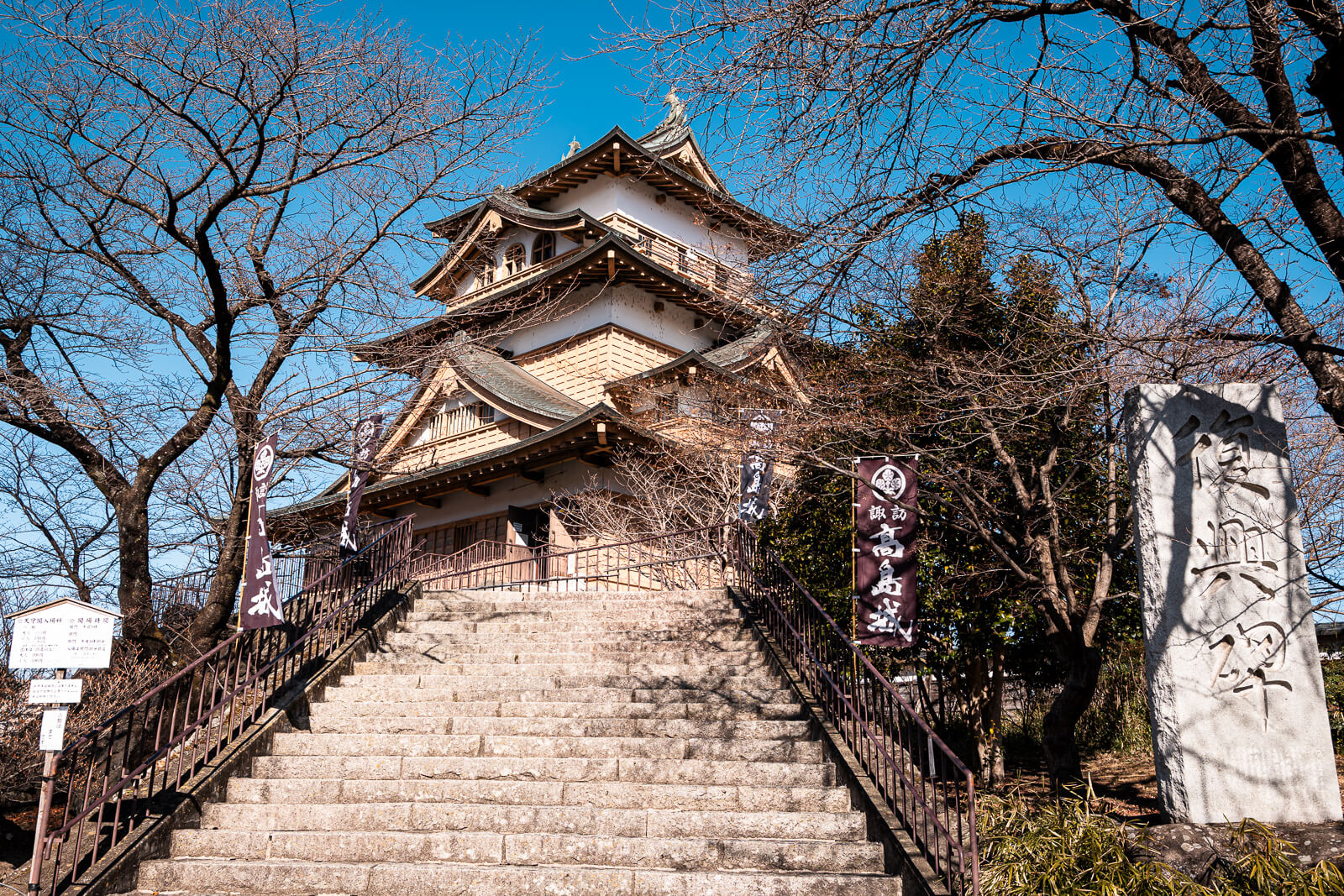
Why This Land Was Worth Defending
Takashima Castle was built in 1590, at the end of Japan’s warring period, by Hineno Takayoshi, a retainer of Toyotomi Hideyoshi. Its placement was deliberate. Rather than occupying a hilltop, the castle was positioned beside the lake to oversee movement through the Suwa basin—a natural corridor linking eastern and western Japan through central Shinano.
During the Edo period, the castle came under the authority of the Suwa clan, who governed the region for more than two centuries. By that time, Takashima’s role had shifted from defense to administration. Officials here monitored travel, trade, and taxation along the routes that passed the lake, relying on visibility and proximity rather than fortification alone.
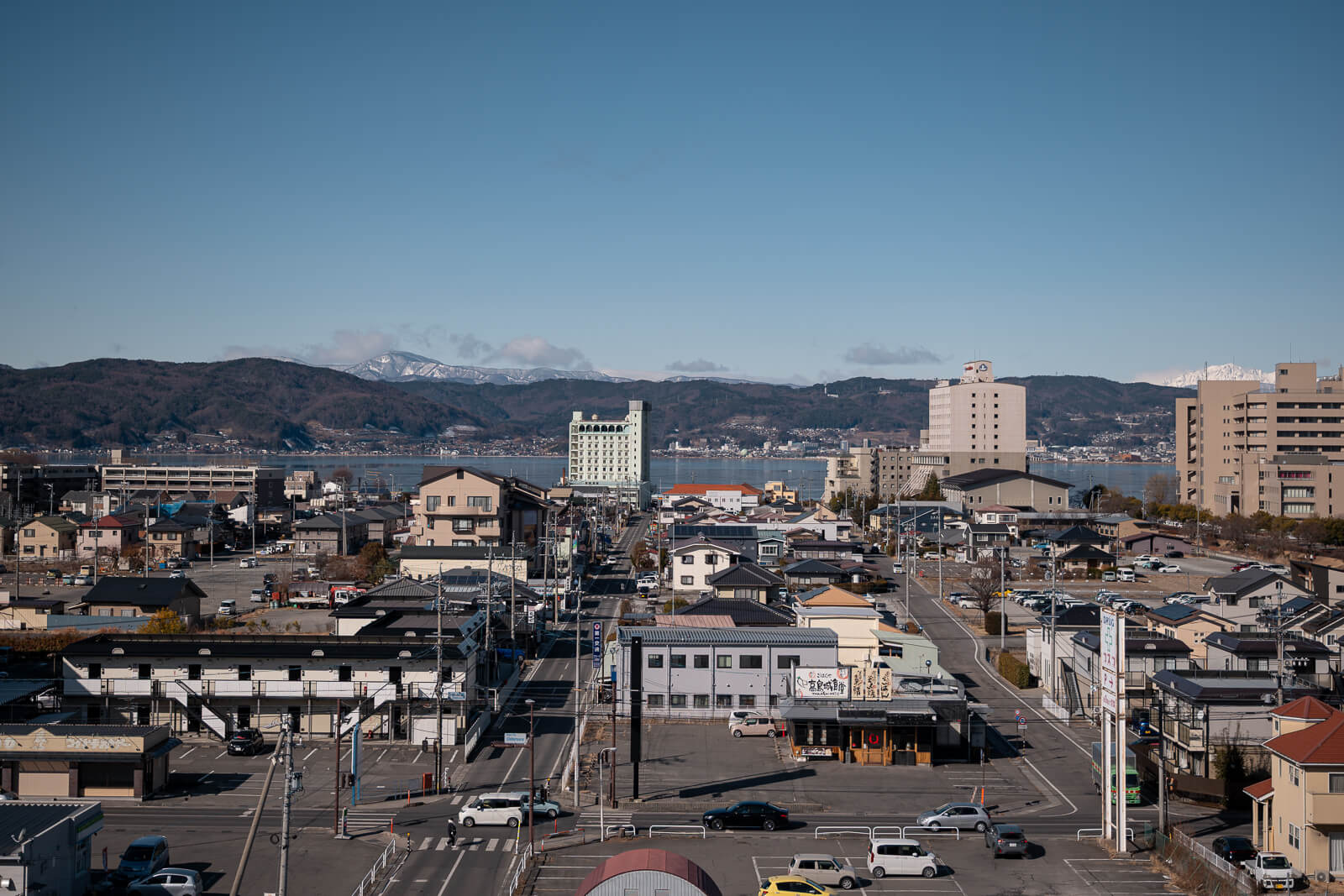
Seen in regional context, Takashima formed part of a wider network that included Matsumoto Castle to the west and Ueda Castle to the east. These sites stabilized Shinano during a long period of peace. Standing on the grounds today, it is easier to imagine officials watching the flow of people through the basin than armies preparing for siege. What remains unchanged is the relationship between land, water, and movement that still defines Suwa.
Walking the Moat and Outer Grounds
The visit begins naturally with the outer grounds. The stone moat and garden pond trace the outline of the former castle layout, even though much of the original fortification no longer stands. Paths are flat, easy to follow, and clearly organized, making the space legible at a glance.
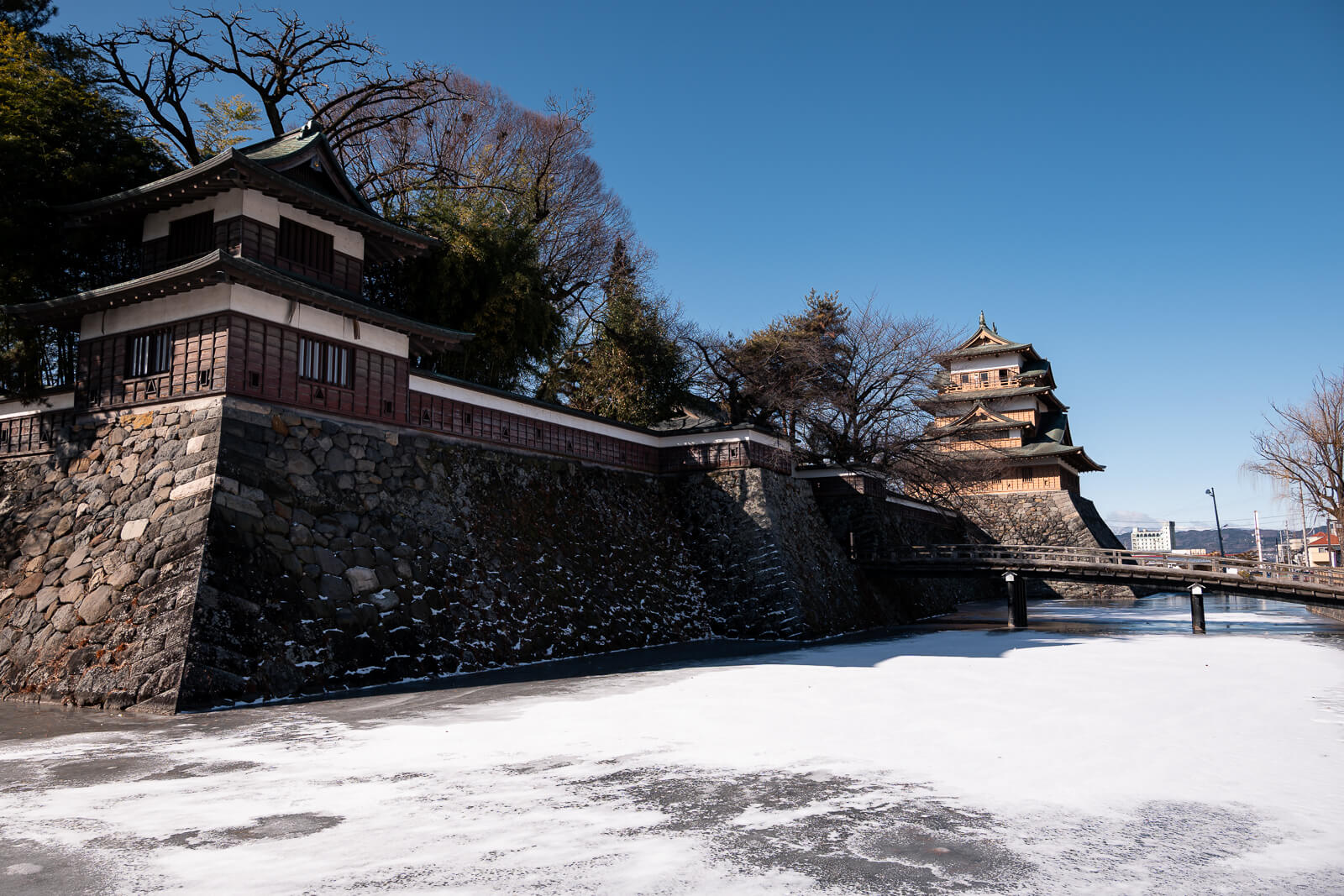
Effort is low throughout the visit, with level walking paths around the grounds and only a short climb inside the keep. This suits travelers looking for a grounding stop rather than a physical or logistical challenge. Even at busier times of year, the grounds absorb visitors without feeling crowded, allowing people to move at their own pace or continue on quickly.
Inside the Keep: What You’ll See and Why It’s There
The reconstructed keep houses a small set of historical exhibits spread across several floors. Displays focus on the castle’s role, the Suwa clan, and the surrounding region, providing enough context to understand what you are seeing without demanding extended attention.
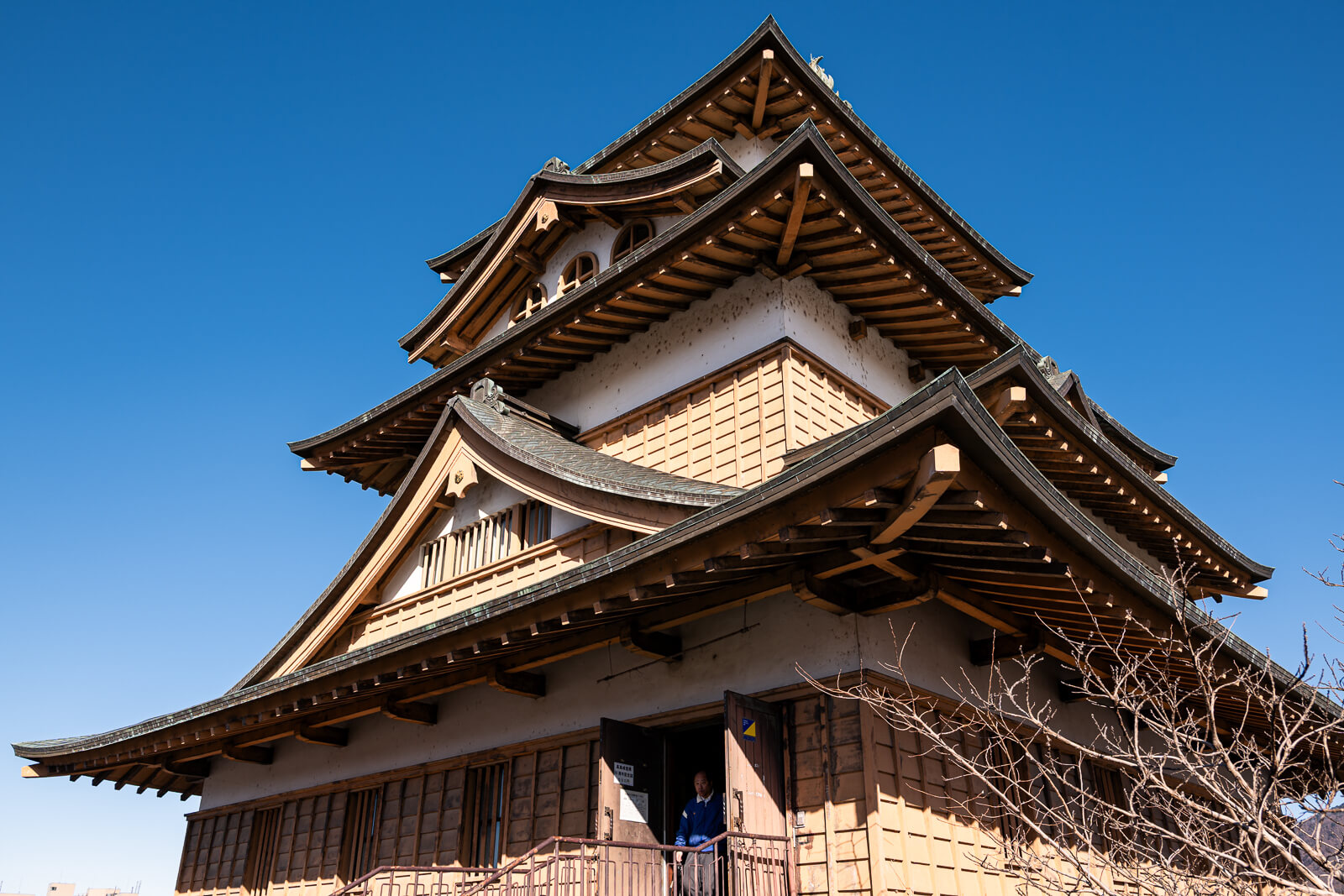
At the top floor, the experience shifts from information to orientation. Views extend across the former moat, the town, and Lake Suwa beyond. From here, the logic of the site becomes clear. The castle was never meant to dominate the landscape, only to watch it.
Some interior areas restrict photography. These sections are clearly marked, and checking signage as you move through avoids confusion. Time spent inside the keep itself is typically 30 minutes or more.
A Small Shrine, Easy to Miss
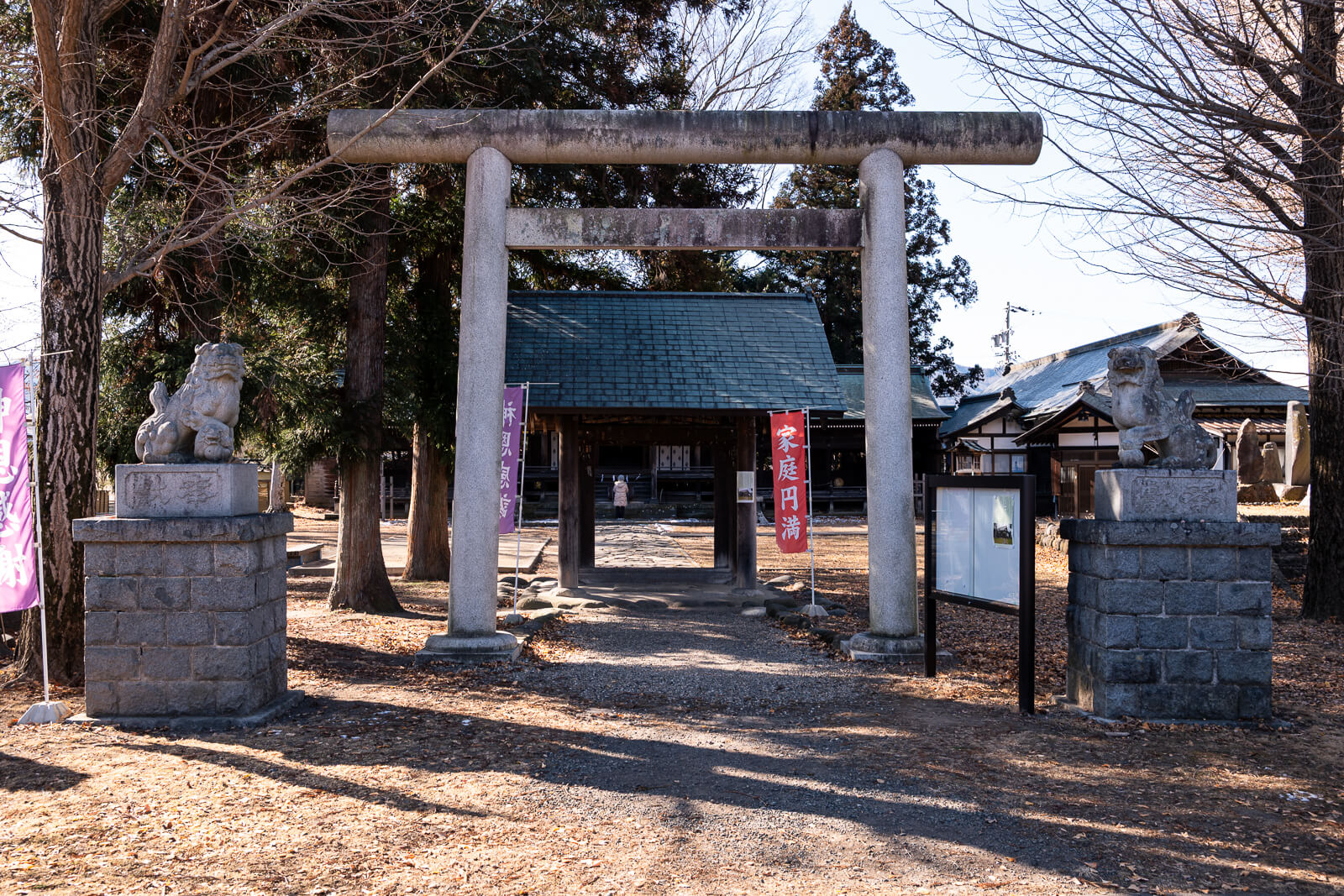
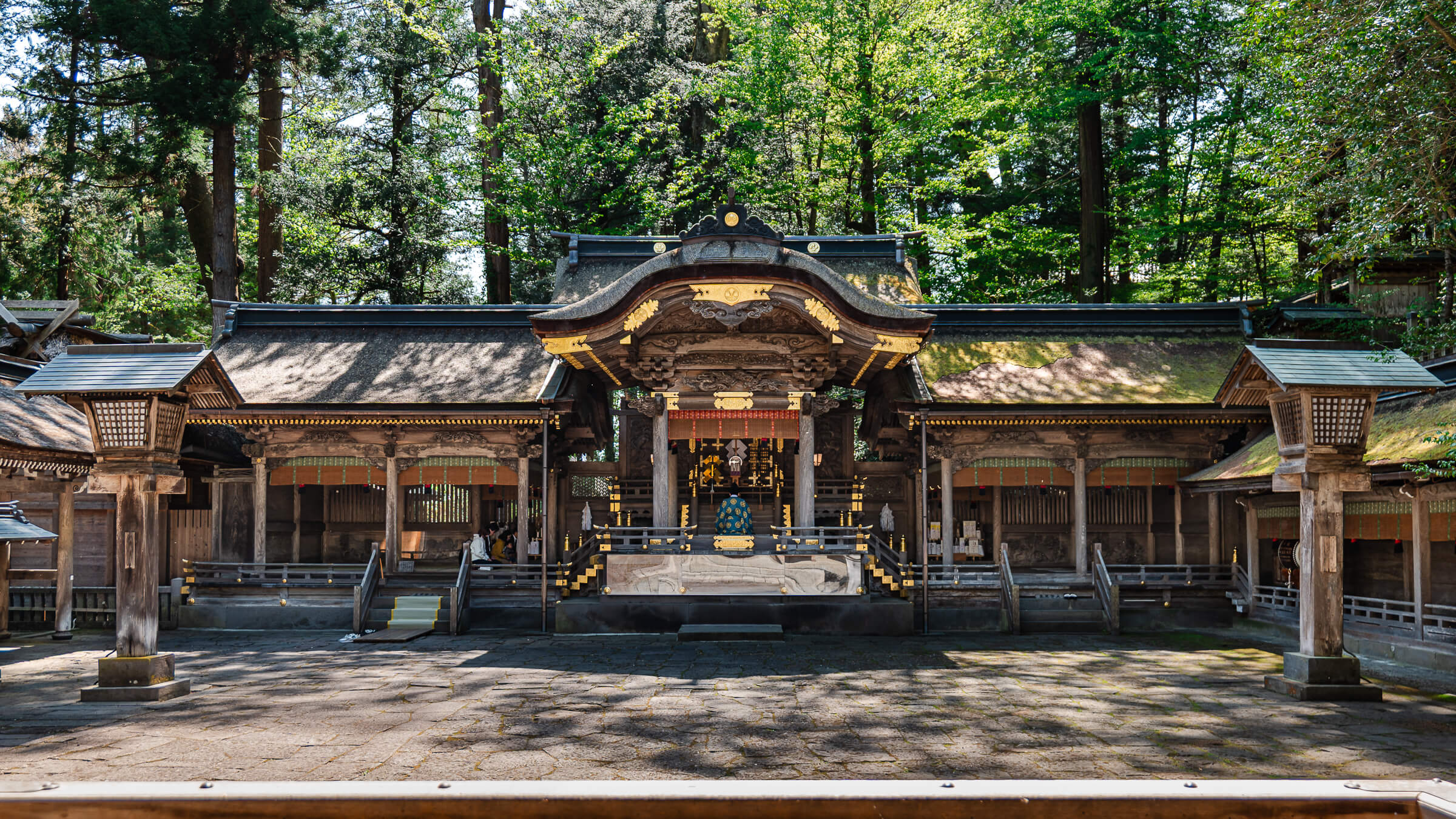
Within the castle grounds sits Takashima Shrine, a modest Shinto shrine tucked along the walking paths of Takashima Park. Many visitors pass through without noticing it at first, but once seen, it subtly reframes the space. This land was not only administrative or defensive—it also carried spiritual meaning.
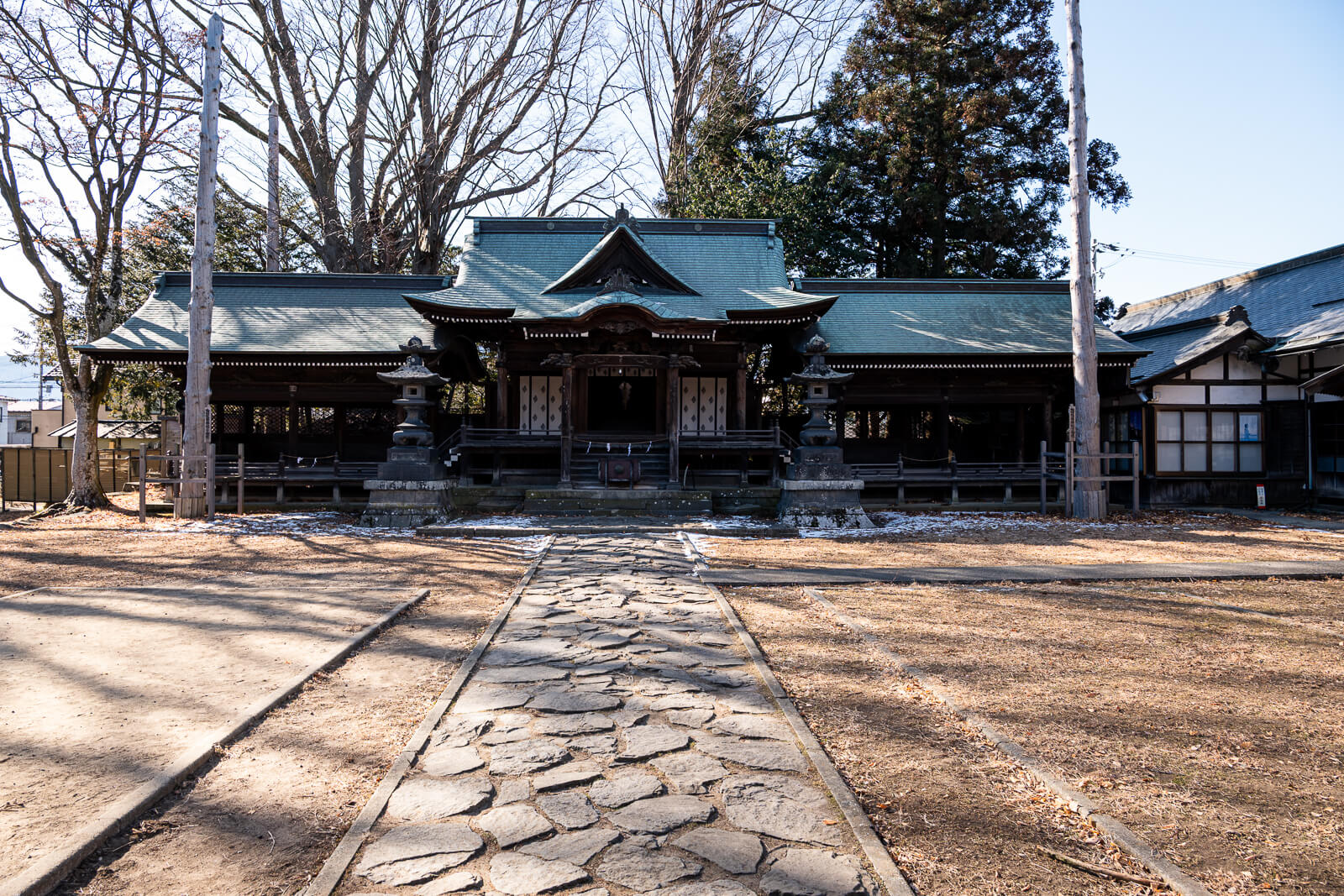
The shrine is simple and unassuming, offering a quiet pause rather than a focal destination. The wider basin is anchored by the four shrines of Suwa Taisha—Kamisha Honmiya, Kamisha Maemiya, Shimosha Akimiya, and Shimosha Harumiya—which help explain the religious and cultural history that shaped the region long before the modern cities developed around the shoreline. For visitors interested in local traditions, Onbashira-kan Yoisa in Shimosuwa provides useful context for the famous Onbashira Festival and the centuries-old customs associated with the shrine system.
How the Space Feels, Season by Season
Takashima Castle maintains a calm atmosphere throughout most of the year. In winter, the outer moat and garden pond often freeze, giving the grounds a still, muted quality that suits the site particularly well. The cold compresses sound and movement, making the visit feel even more contained.
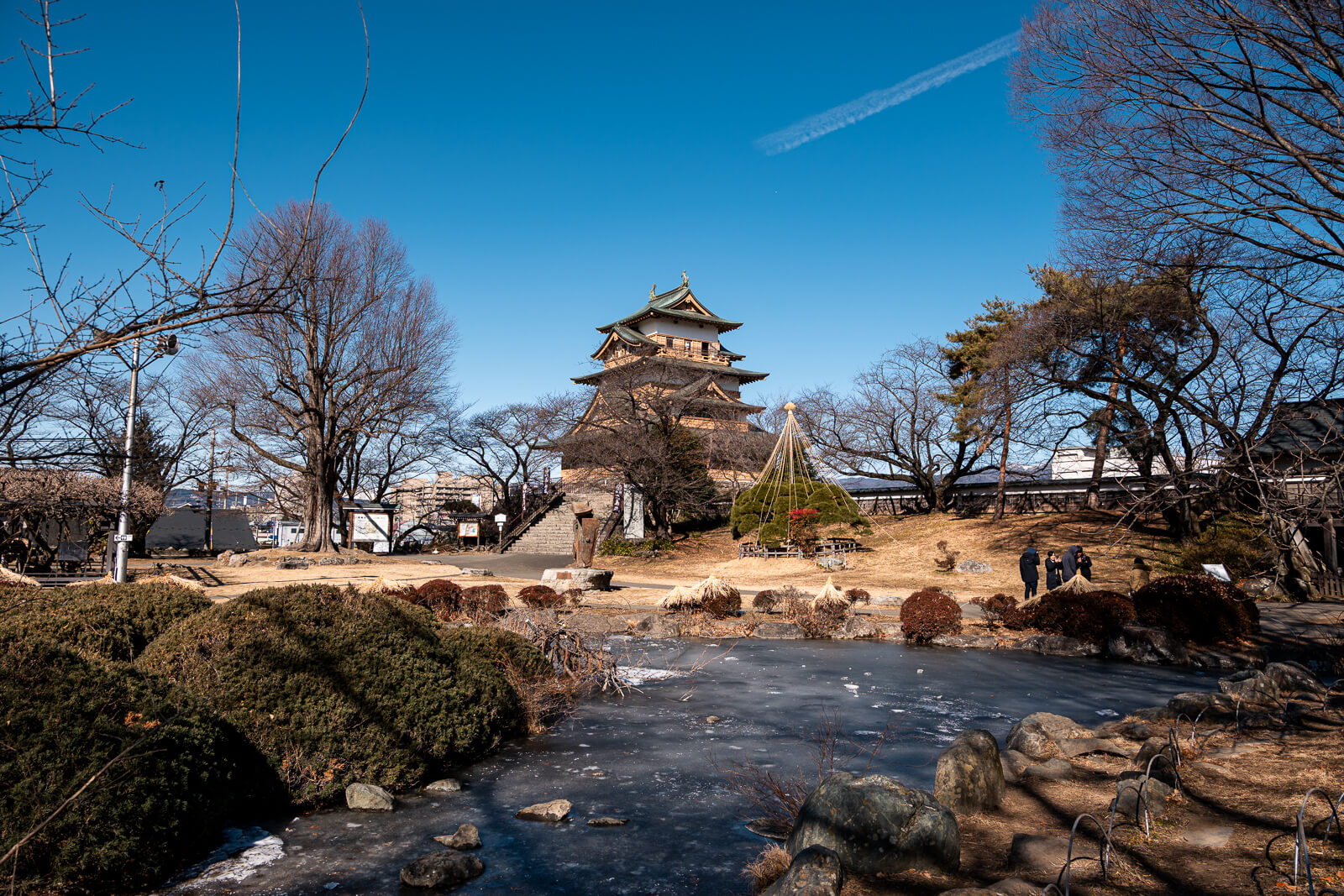
In warmer months, the park becomes greener and more open, but crowds are generally light, and even during peak periods the site rarely feels congested. The space supports both slow exploration and brief stops without pressure.
Where This Fits Around Lake Suwa
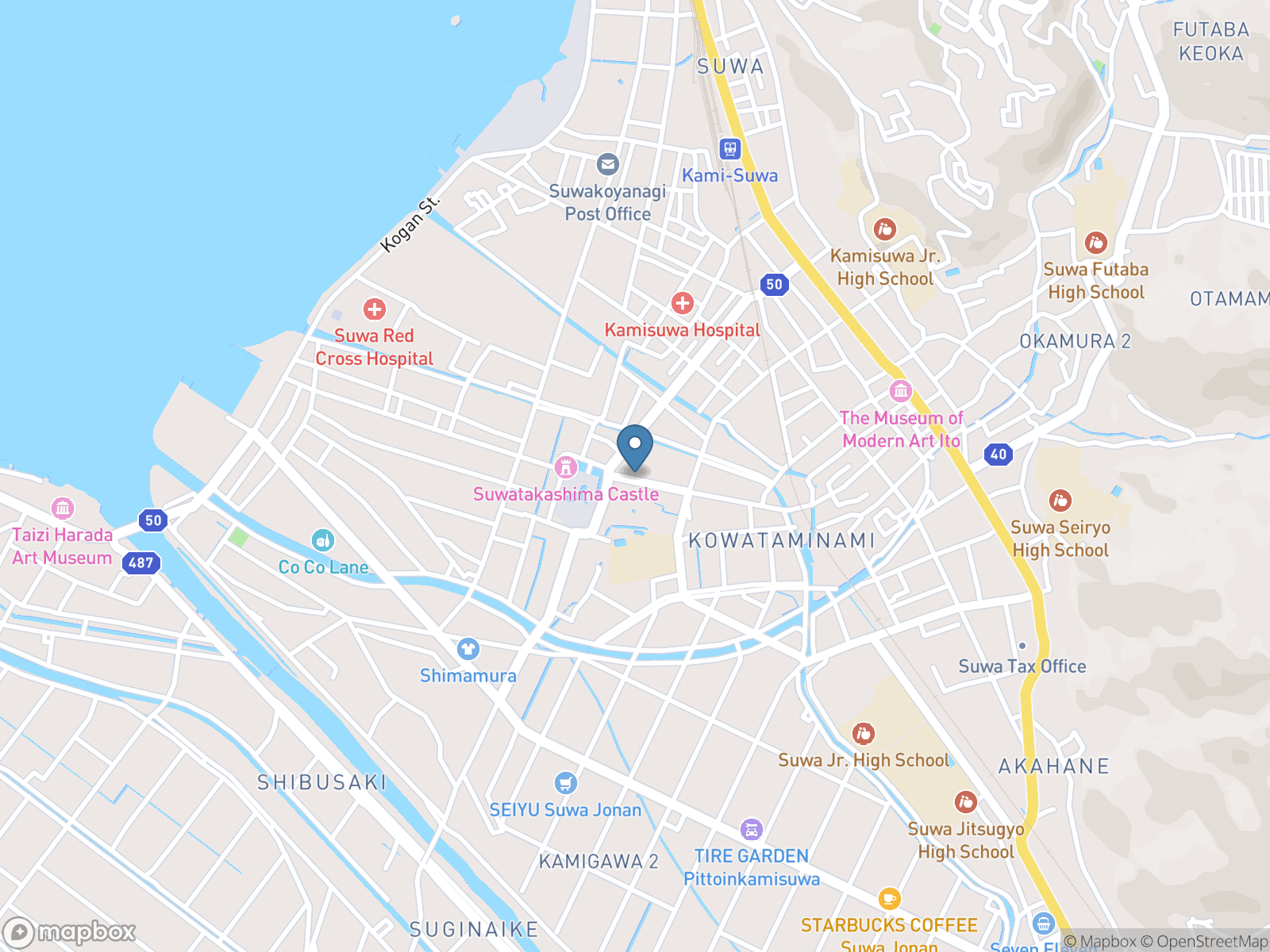
Takashima Castle sits near the western side of the Lake Suwa basin, where the shoreline begins transitioning into the ryokan district of Kamisuwa Onsen. The reconstructed keep stands only a short distance from the water, placing it within one of the most connected parts of the region. Roads, parks, hotels, and lakeside walking routes converge nearby, making the castle an easy point to incorporate into a wider exploration of Lake Suwa.
Moving east toward the shoreline brings the route past Katakurakan, the Kitazawa Museum of Art, and the lakeside areas surrounding the former Lake Suwa Geyser Center and footbath promenade. Farther along the water, Sekicho Park opens toward broader lake views and one of the basin’s most accessible stretches of shoreline. Together, these locations help explain how the lake remains tied to the area’s hot-spring culture, recreation spaces, and historic development.
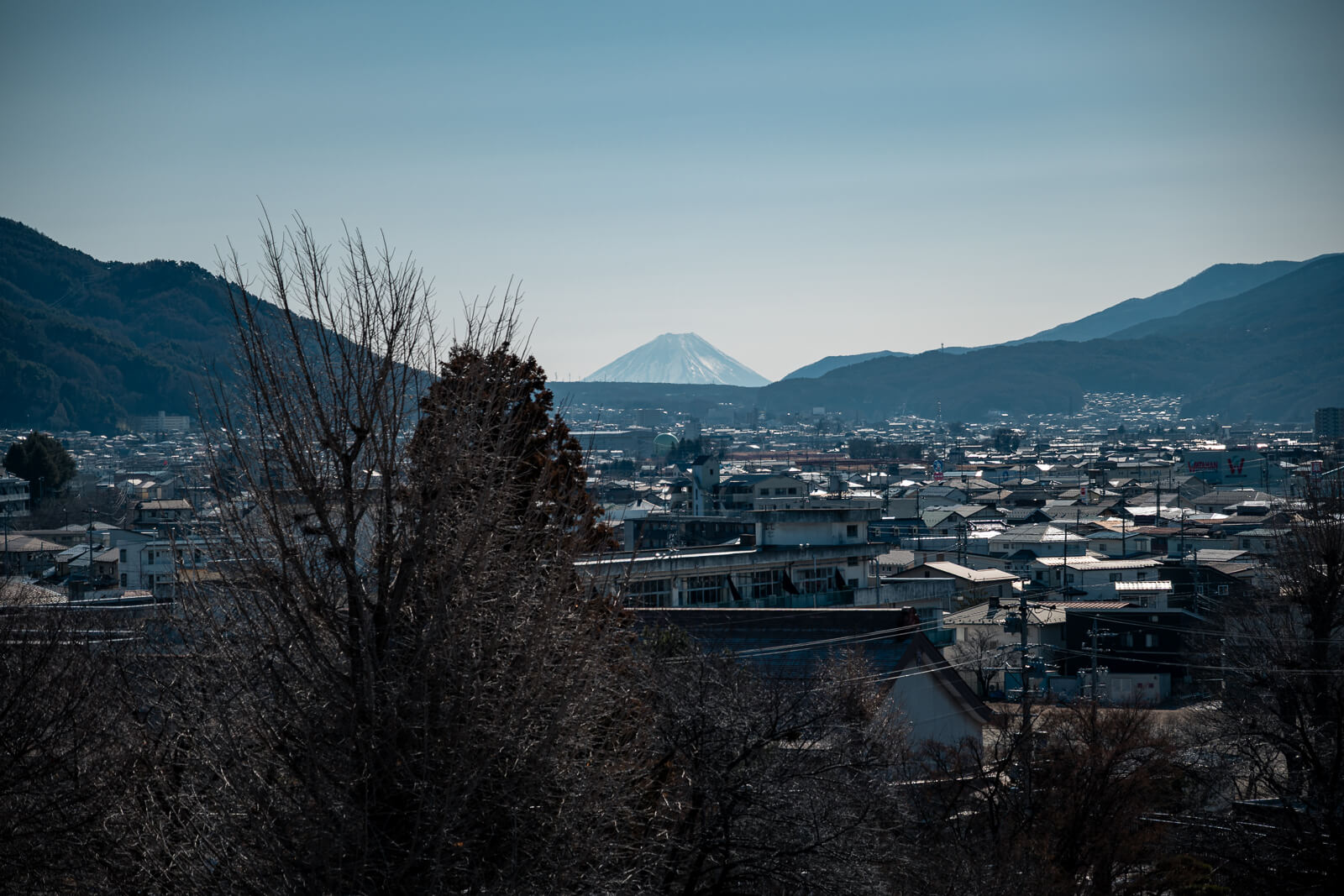
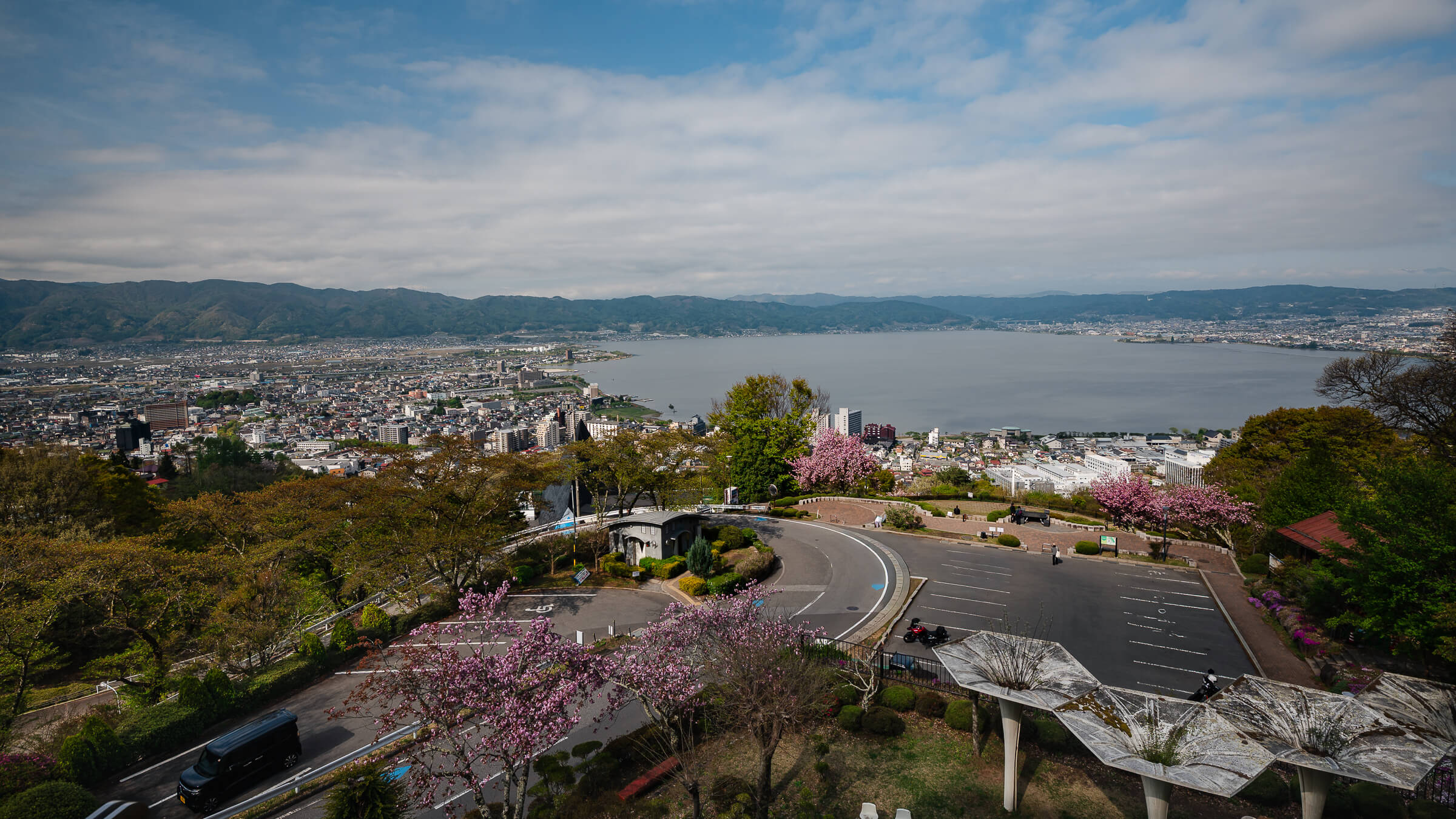
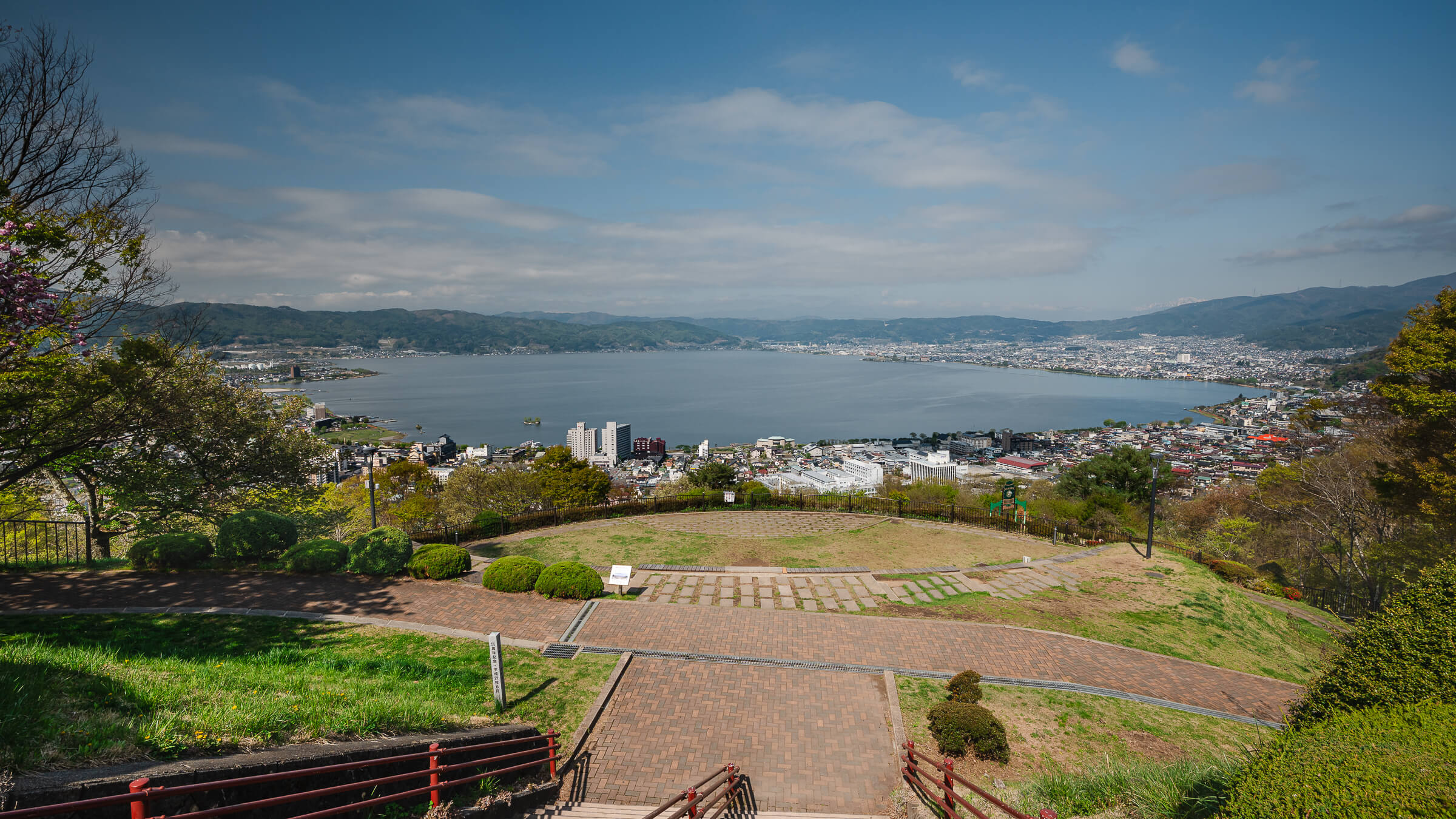
The geography becomes easier to understand from above. Rising beyond the lakeshore, Tateishi Park overlooks the basin from the hills above Suwa City and reveals how the shoreline districts, towns, rail corridors, and surrounding mountains fit together around the lake. Many of the places encountered separately at ground level become easier to place once viewed from the overlook, especially the relationship between Kamisuwa, Okaya, and Shimosuwa.
Beyond the shoreline, the influence of Suwa Taisha extends across both the lower lakeside communities and the foothills surrounding Suwa City, Shimosuwa, and Chino. The shrine network connects places on opposite sides of the basin while also linking the lake to the mountain landscapes beyond. Together, Takashima Castle, the shoreline districts, Tateishi Park, and the Suwa Taisha shrines reveal how the Lake Suwa region functions as one connected landscape instead of a collection of unrelated attractions. For the wider regional view, the Suwa Area Guide connects the castle and Kamisuwa lakefront with Shimosuwa, Chino, Suwa Taisha, and the highland routes beyond the basin.
Getting There
Lake Suwa sits in central Nagano Prefecture, roughly between Matsumoto and the Kōfu area, and Takashima Castle is located just inland from the lakeshore within Suwa City itself. Once the lake is located on a map, the castle’s position makes sense—it was built to oversee movement through the basin rather than to command elevation.
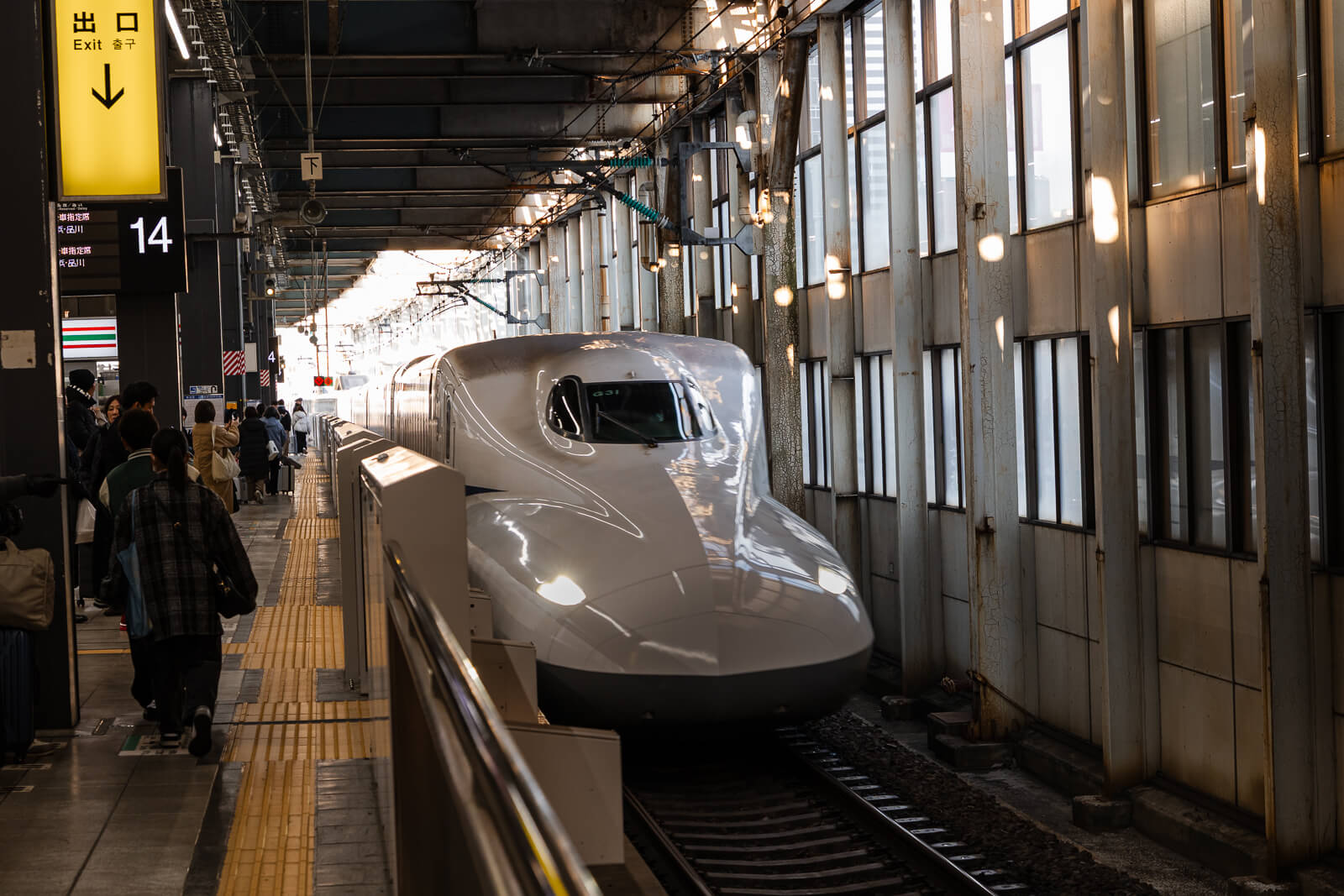
Reaching Suwa by train is straightforward. Limited express services connect the area with major hubs such as Shinjuku and Nagoya, and local trains stop at stations around the lake. From central Suwa, the castle is an easy walk or short local transfer, making access simple even without a car.
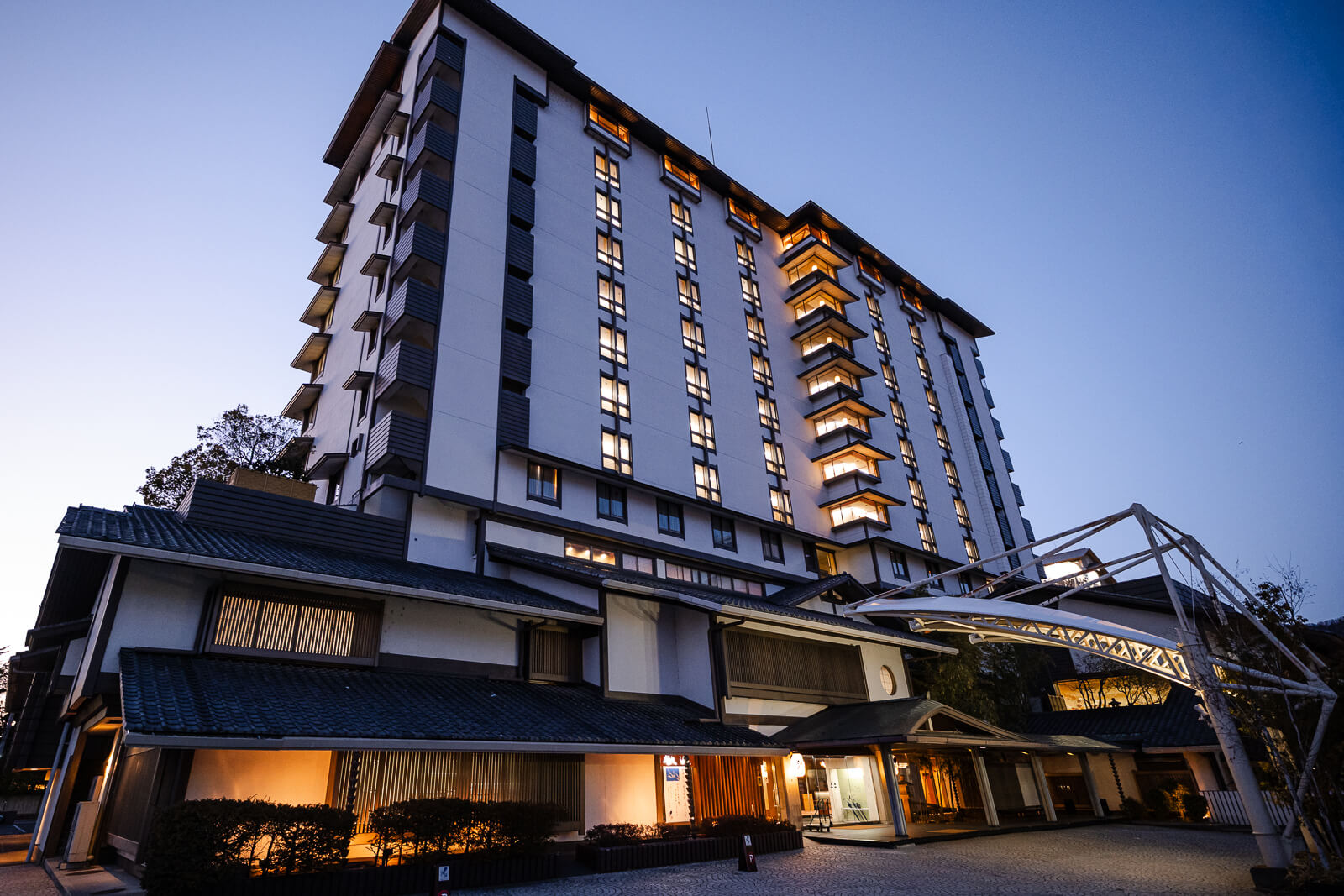
Staying overnight around Lake Suwa simplifies the visit further. The castle, lakeside paths, nearby museums, and shrine sites all sit close enough together that a single base works well without constant backtracking.
A rental car is not required, but it does meaningfully change how the area feels. With a car, it becomes easier to circle the lake, move between shrine sites, explore nearby Chino, or continue onward toward Matsumoto, Azumino, or Nagano without watching the clock.
A small parking area is available just outside the castle grounds, and access remains uncomplicated even during quieter winter months.
Hours & Fees
Admission fee
Adults: 310 yen (200 yen for groups of 20 or more)
Children: 150 yen (100 yen for groups of 20 or more)
Visitors with a disability certificate receive a reduced rate of 150 yen for adults, and free admission for children. One caregiver may enter at the same reduced rate if assistance is required.
Opening hours
9:00–17:30
From October 1 to March 31, hours shorten to 9:00–16:30
Closed
December 26–31
Second Thursday of November
Typical visit duration
Approximately 20–30 minutes inside the keep
From the castle grounds, the wider Suwa Basin begins to take shape, with the lake, surrounding towns, and shrine network all within close reach. Planning how to move between these points—especially with distances spread around the shoreline—becomes part of how the visit unfolds.