Mt. Omuro rises deep within the western side of the Tanzawa mountain range, beyond the better-known trailheads and day-hiking routes that draw visitors toward Hakone. At 1,588 meters, it is not climbed for dramatic summit views or convenience. People come here for distance, silence, and the continuity of a long mountain loop rather than a single defining landmark.
The experience favors hikers who are comfortable with sustained effort and minimal infrastructure, offering a quieter alternative to the busier routes found closer to Hakone and the eastern edge of Kanagawa.
Why West Tanzawa Feels Different
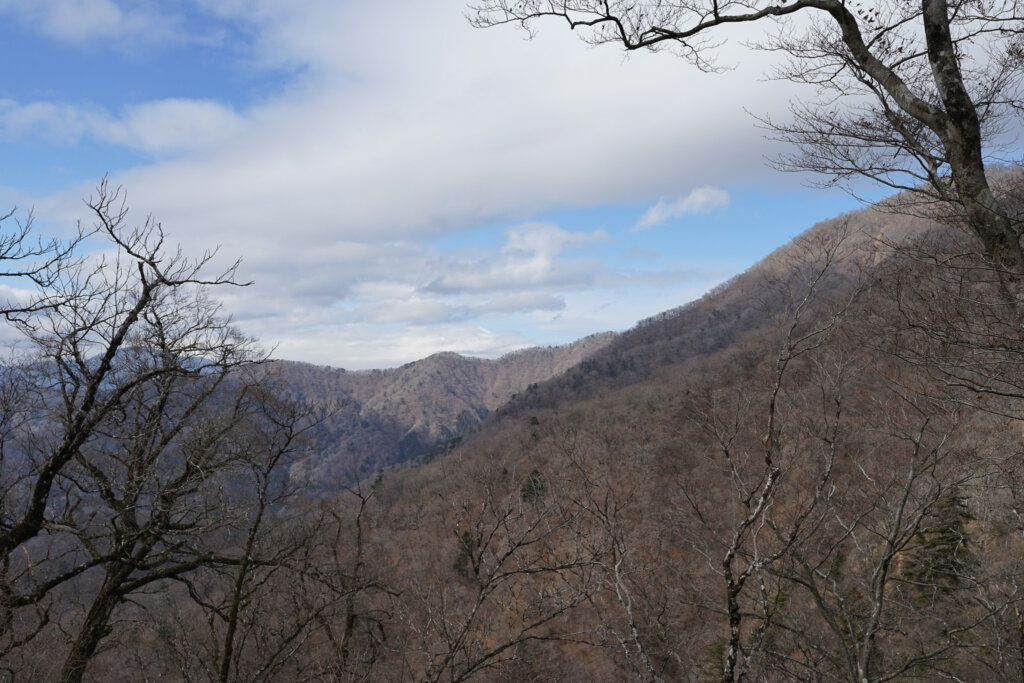
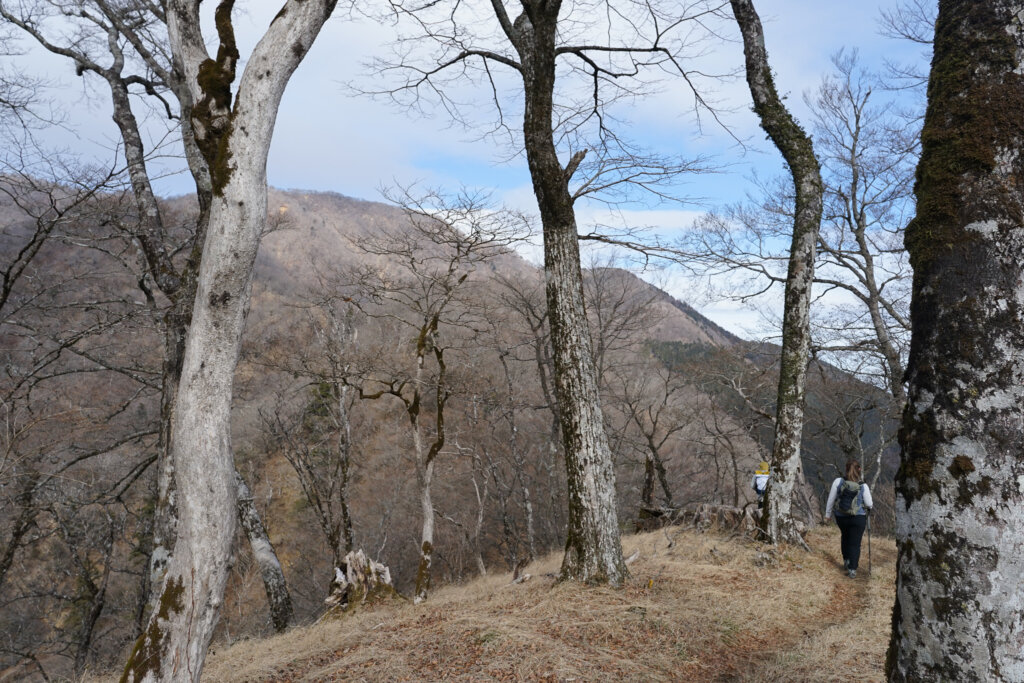
West Tanzawa is noticeably quieter than the eastern portion of the range. Trails are less trafficked, signage is more restrained, and the forest feels less shaped by constant use. Mt. Omuro reflects this character throughout the hike. There are no shortcuts, no cafés, and no clusters of hikers moving at the same pace.
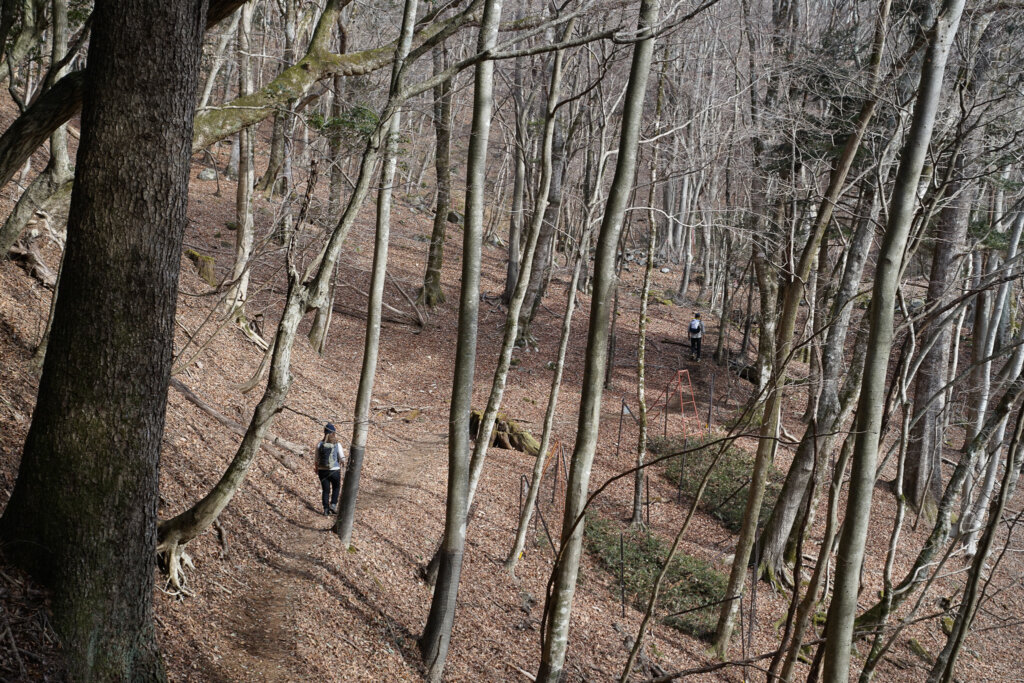
In colder months, that separation becomes more pronounced. The forest opens visually as foliage thins, sounds travel farther, and the environment feels slower and more deliberate.
How the Loop Unfolds on the Ground
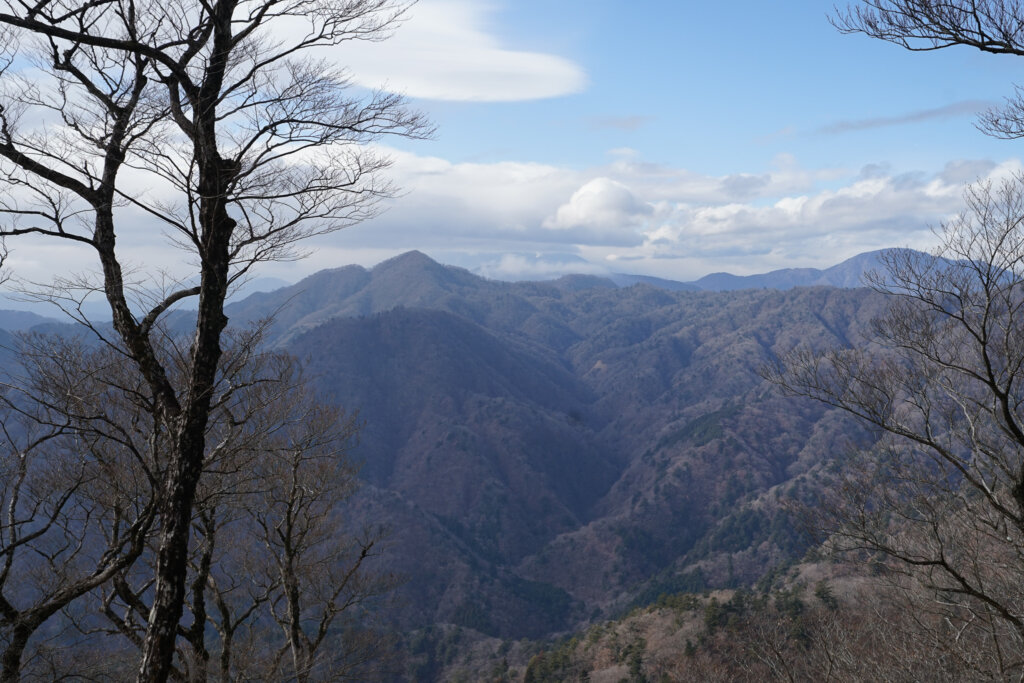
The route begins at the West Tanzawa Visitor Center and follows a steady ascent toward Inugoeji Pass before continuing on to the summit of Mt. Omuro. Rather than returning the same way, the descent follows a separate ridgeline through Kanyudo-yama, forming a wide, satisfying loop through forested terrain.
This is a full-day hike with a sustained climb and a gradual, extended descent. The effort level sits between moderate and demanding depending on seasonal conditions, particularly in winter when snow may appear near the upper ridges. The trail itself is clear and continuous, but the length of the route requires pacing and daylight awareness.
Streams and Lower Elevation Forest
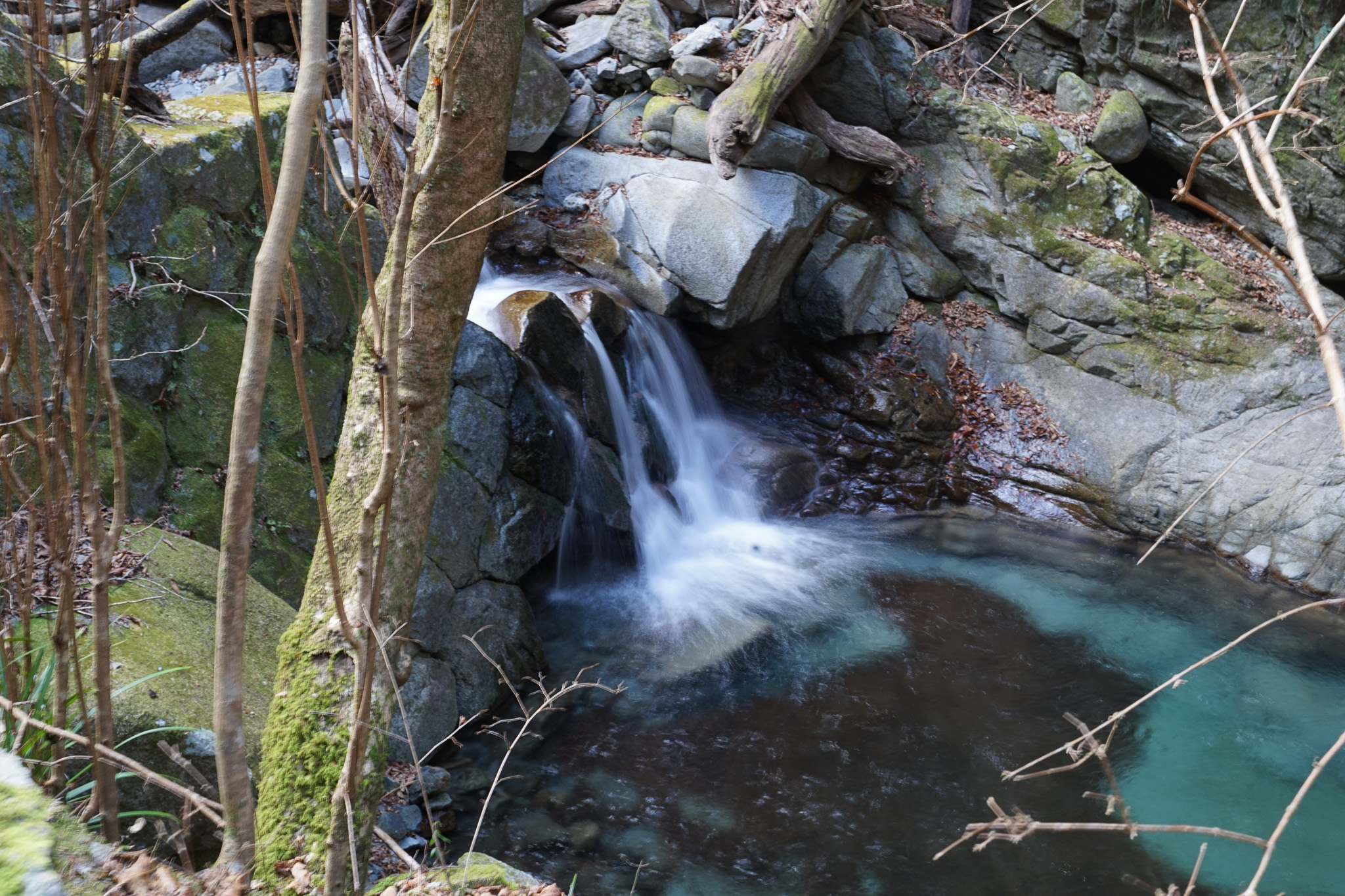
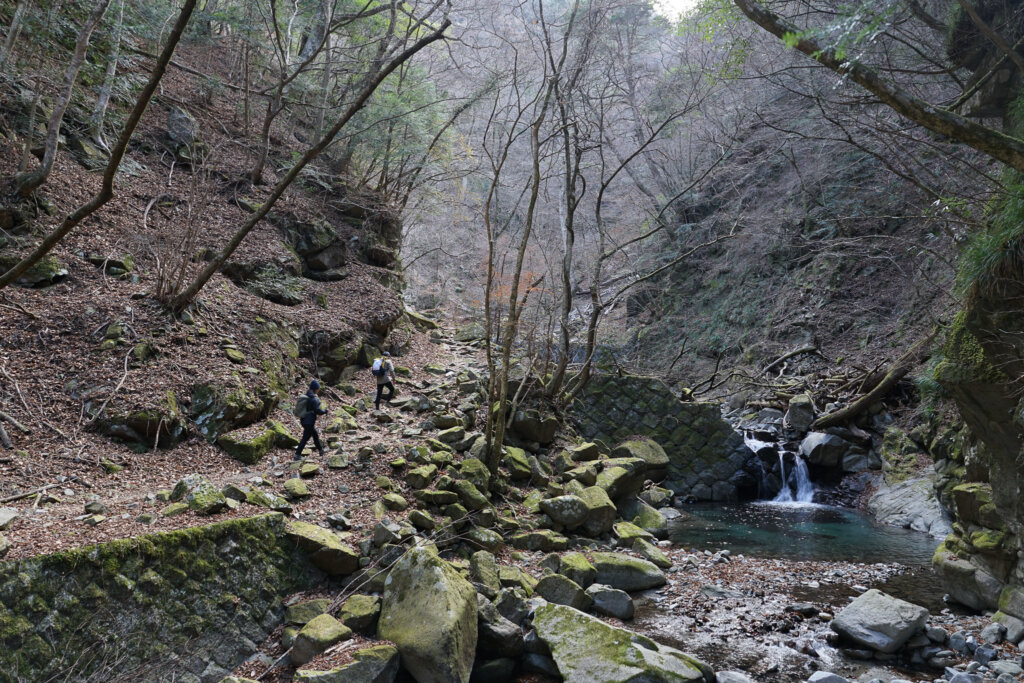
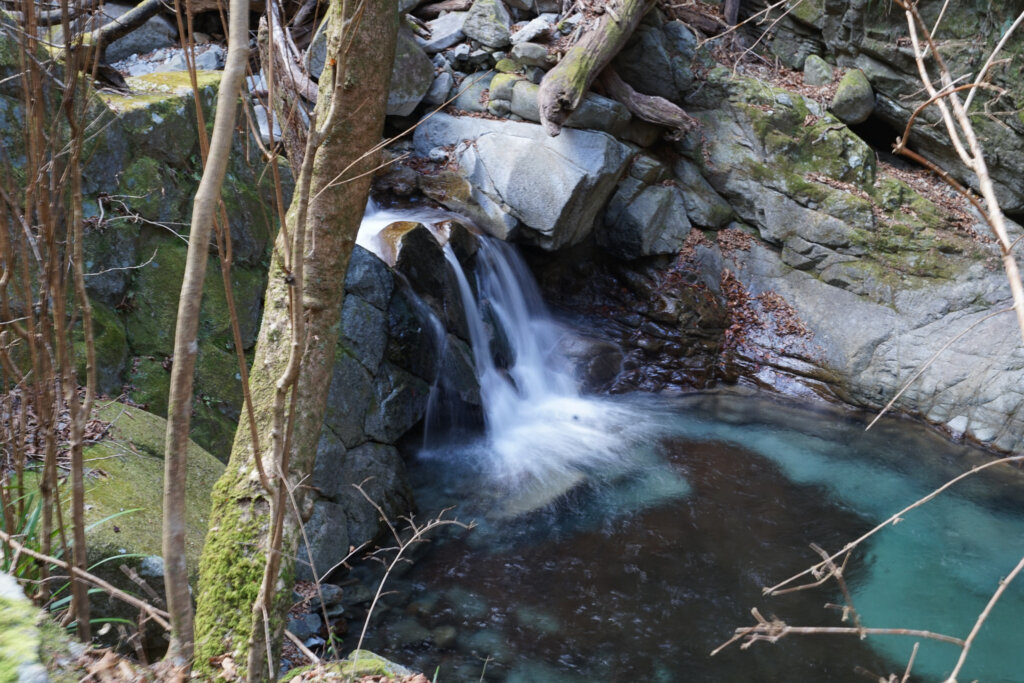
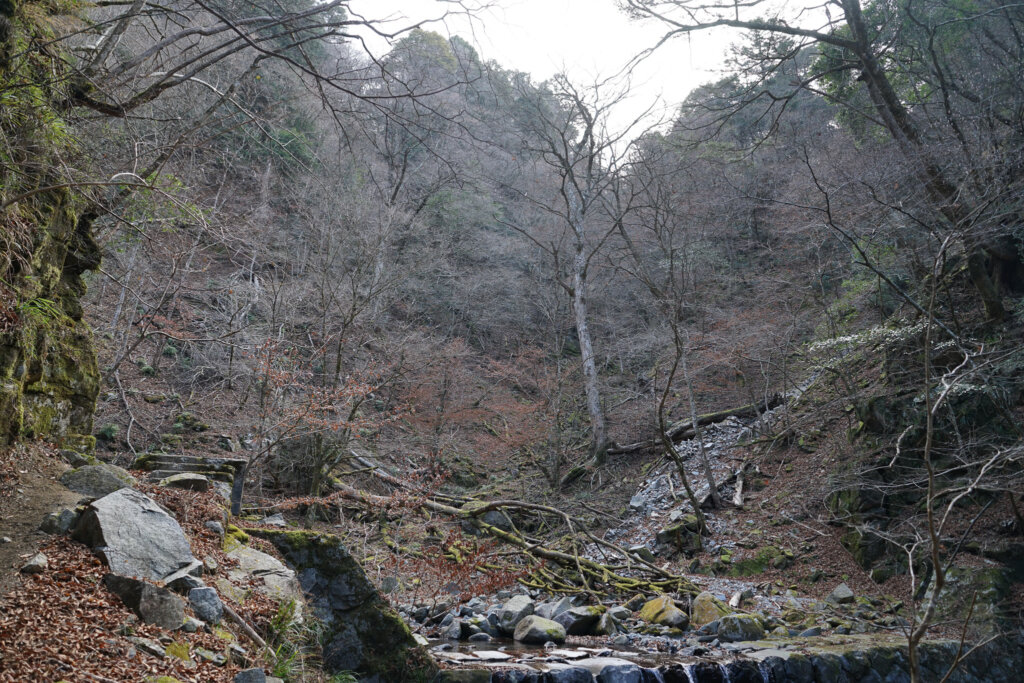
Near the trailhead, clear mountain streams run alongside sections of the path. In winter, reduced vegetation and low sediment make the water especially transparent, creating a quiet visual contrast against the darker forest floor. These lower elevations feel sheltered and calm, easing the transition into the climb before the terrain becomes more open and exposed.
Snow, Height, and Atmosphere Near the Summit
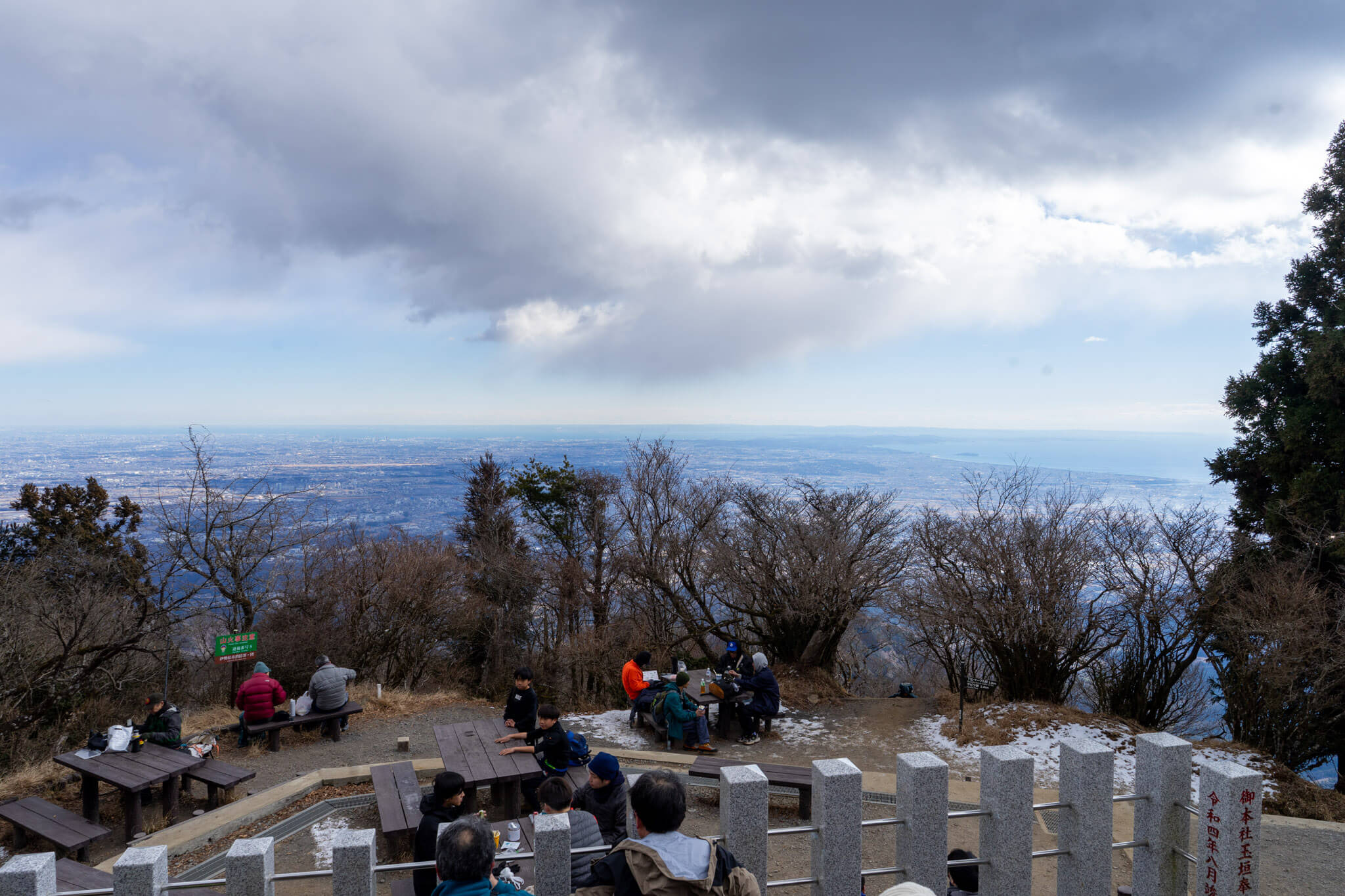
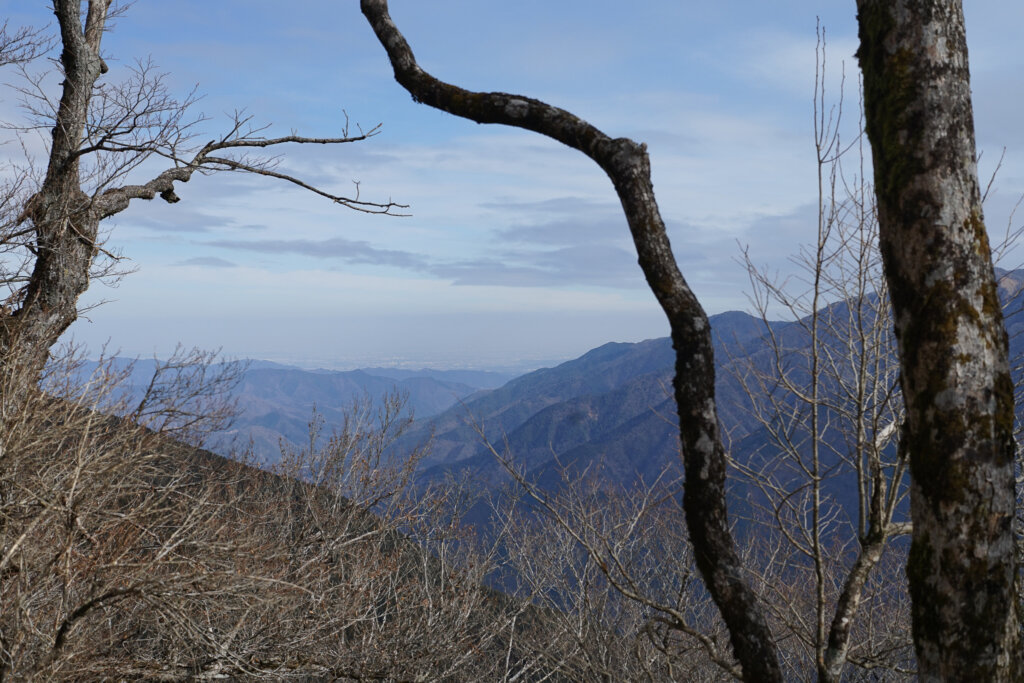
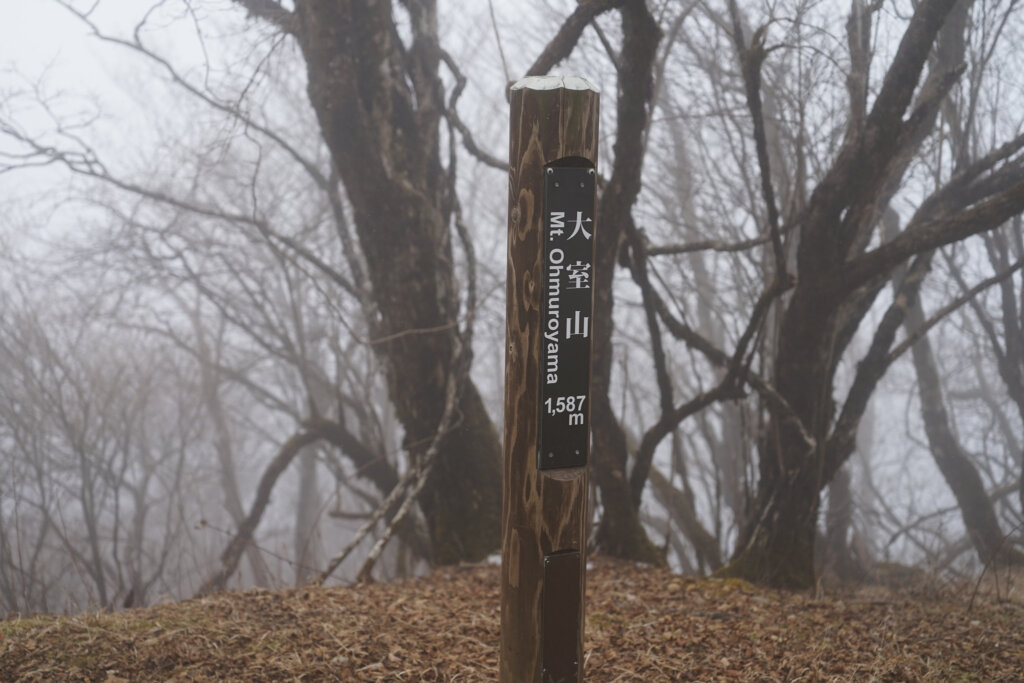
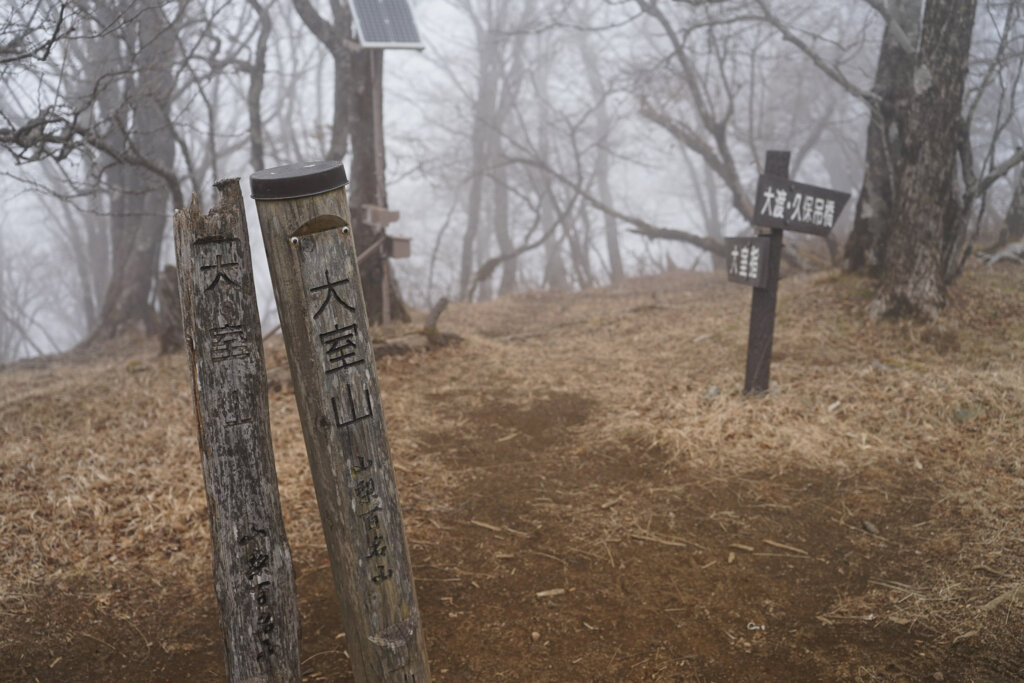
At higher elevations, Mt. Omuro often takes on a different character in colder months. Snow softens the trail, light becomes more diffuse, and the forest grows quieter. The summit itself is understated, without sweeping panoramic views, but the surrounding atmosphere changes noticeably. Cold air, muted color, and stillness replace the movement of the lower forest.
The reward here is environmental rather than visual. The sense of separation from populated areas is strong, especially when weather conditions limit visibility.
Pace, Timing, and Crowd Reality
Even on weekends, this route remains calm compared to more accessible peaks in Tanzawa. Winter further reduces foot traffic, and long stretches without seeing other hikers are common. Morning starts feel particularly quiet, while afternoons bring faster light loss and colder temperatures, reinforcing the need for steady pacing.
This hike suits travelers who are comfortable moving independently, without services or external structure shaping the day.
Getting There
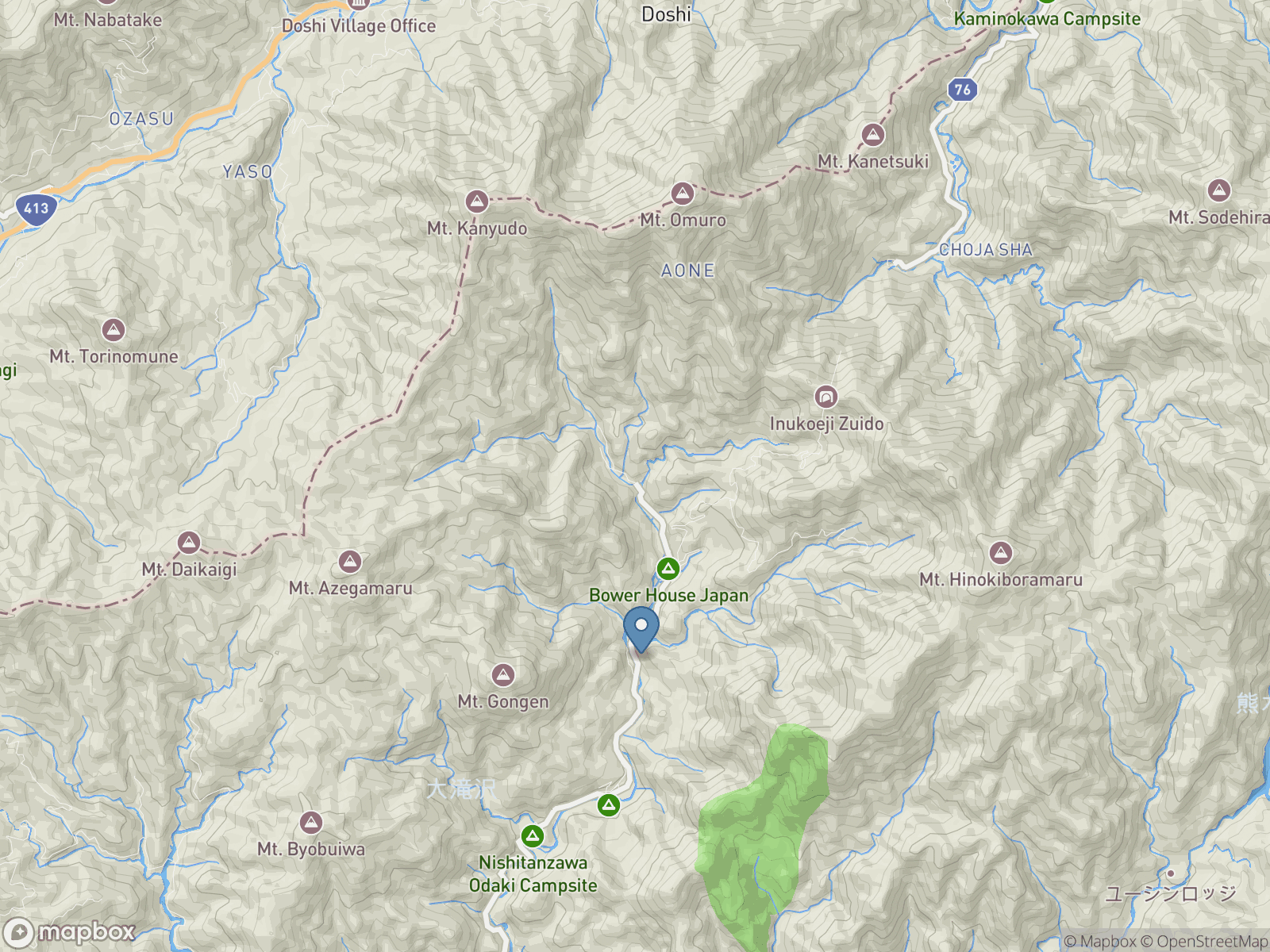
Access to Mt. Omuro centers on the West Tanzawa Visitor Center, which sits well outside major rail hubs. Reaching the trailhead typically involves a combination of train travel and local transport or driving, followed by an immediate transition into forest terrain. The remoteness is part of the appeal, but it also shapes planning, particularly around timing and daylight.
Hours and Fees
Mt. Omuro’s trails are open year-round and do not require an admission fee. The West Tanzawa Visitor Center operates on seasonal hours, which should be confirmed locally before arrival. There are no facilities or services along the route itself.
Mt. Omuro works best as a deliberate choice rather than a casual addition. For hikers seeking quiet, seasonal depth, and long stretches of uninterrupted walking, it fits naturally. For those prioritizing convenience or dramatic viewpoints, it may not.