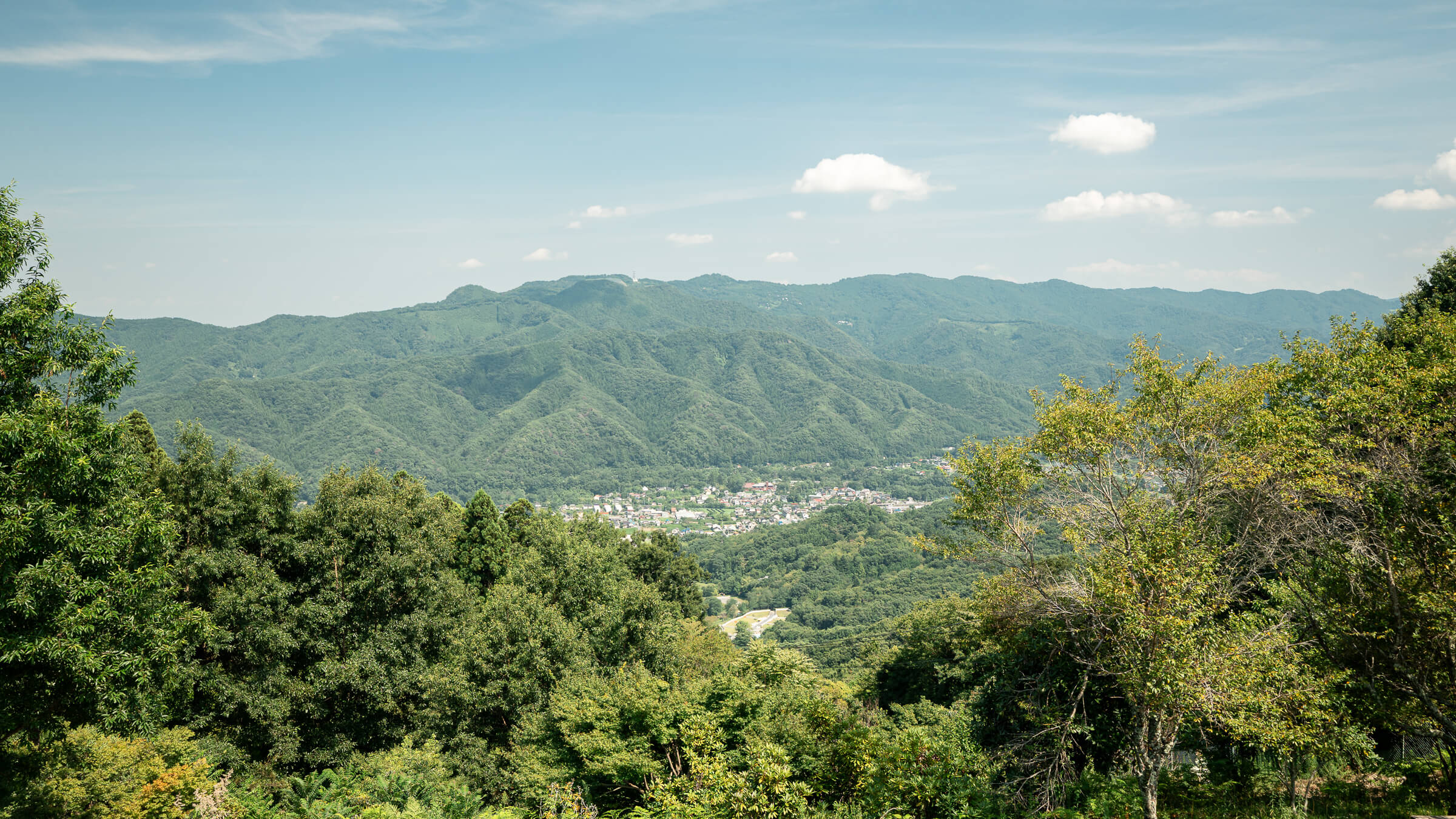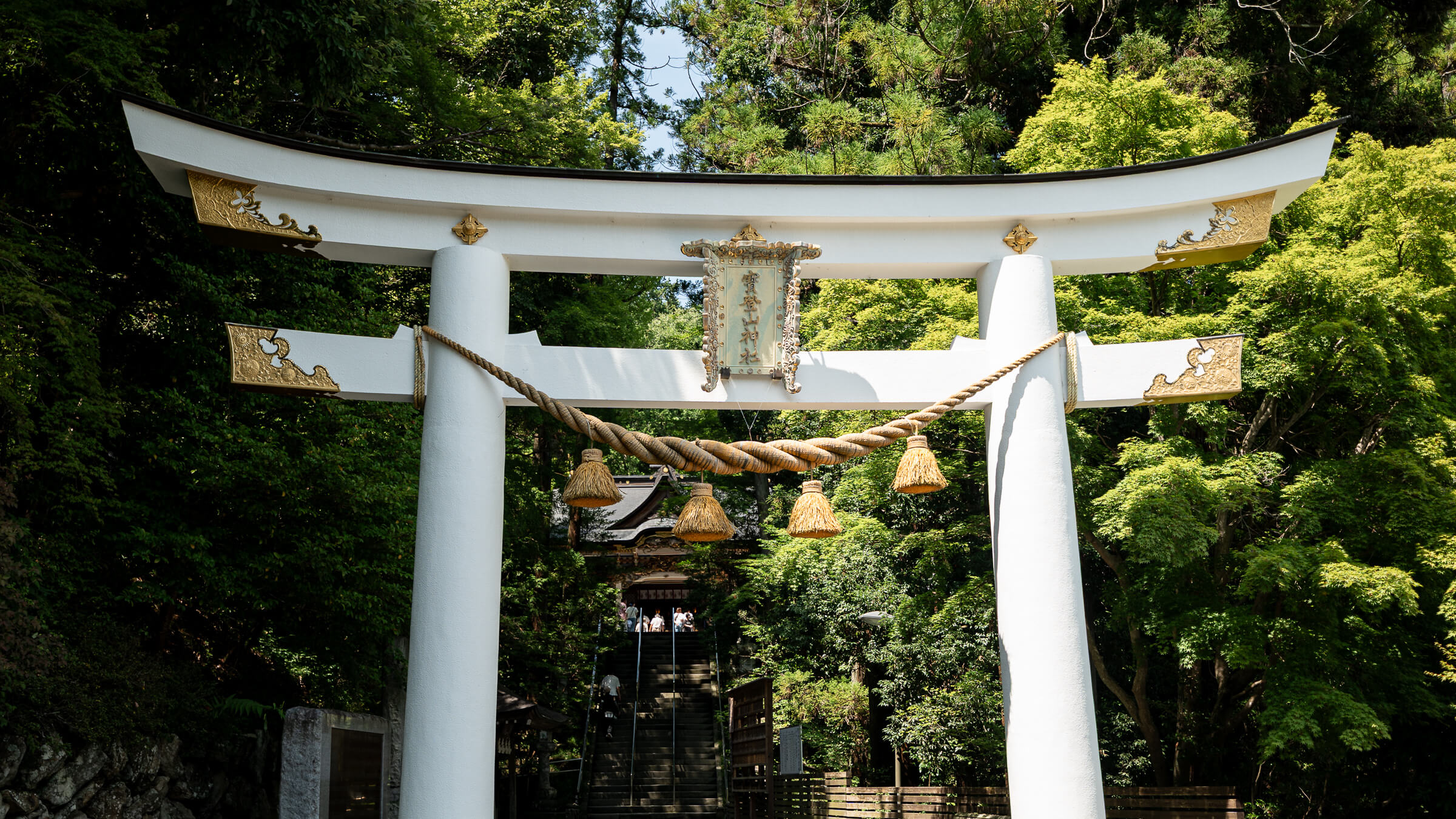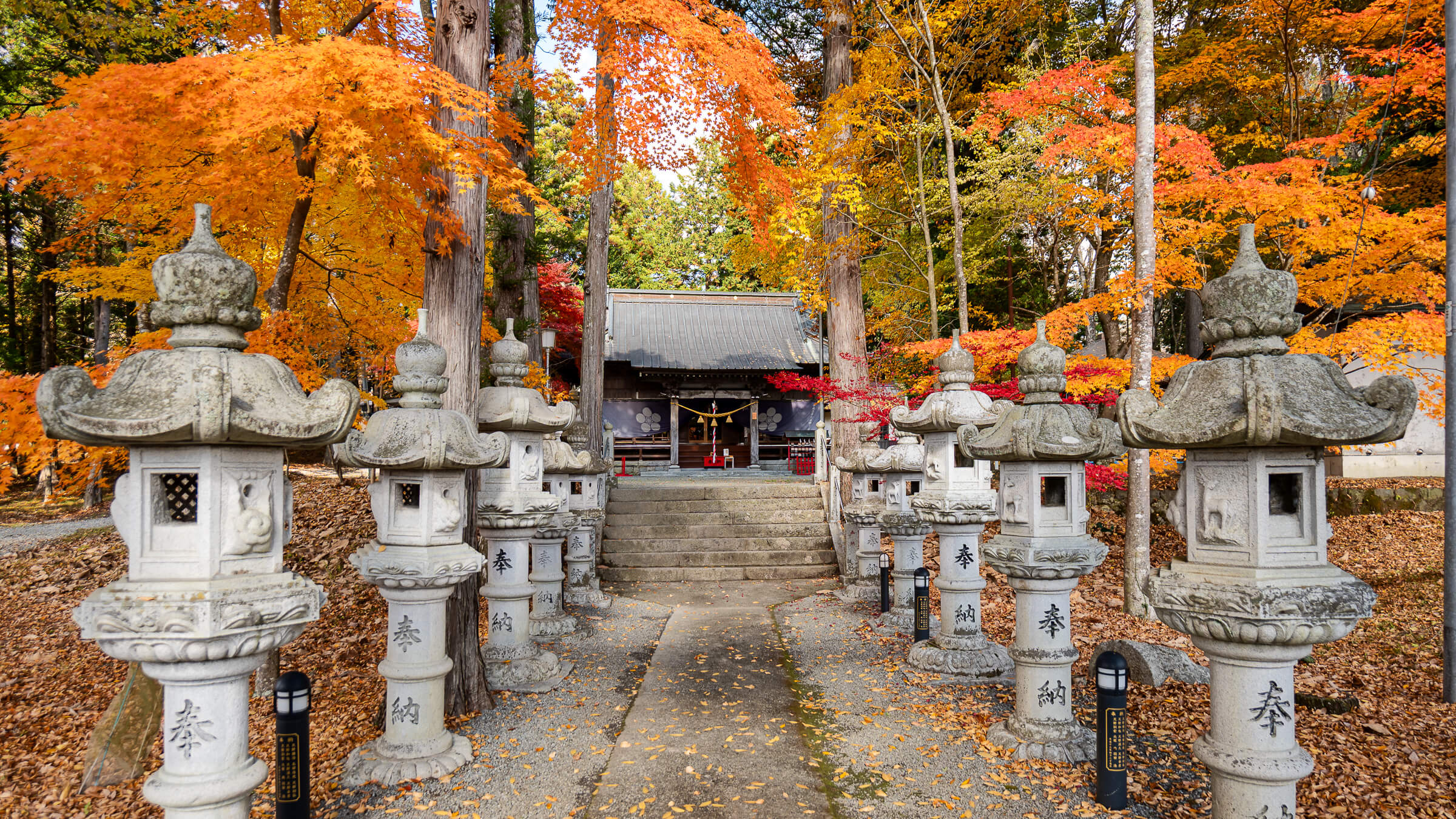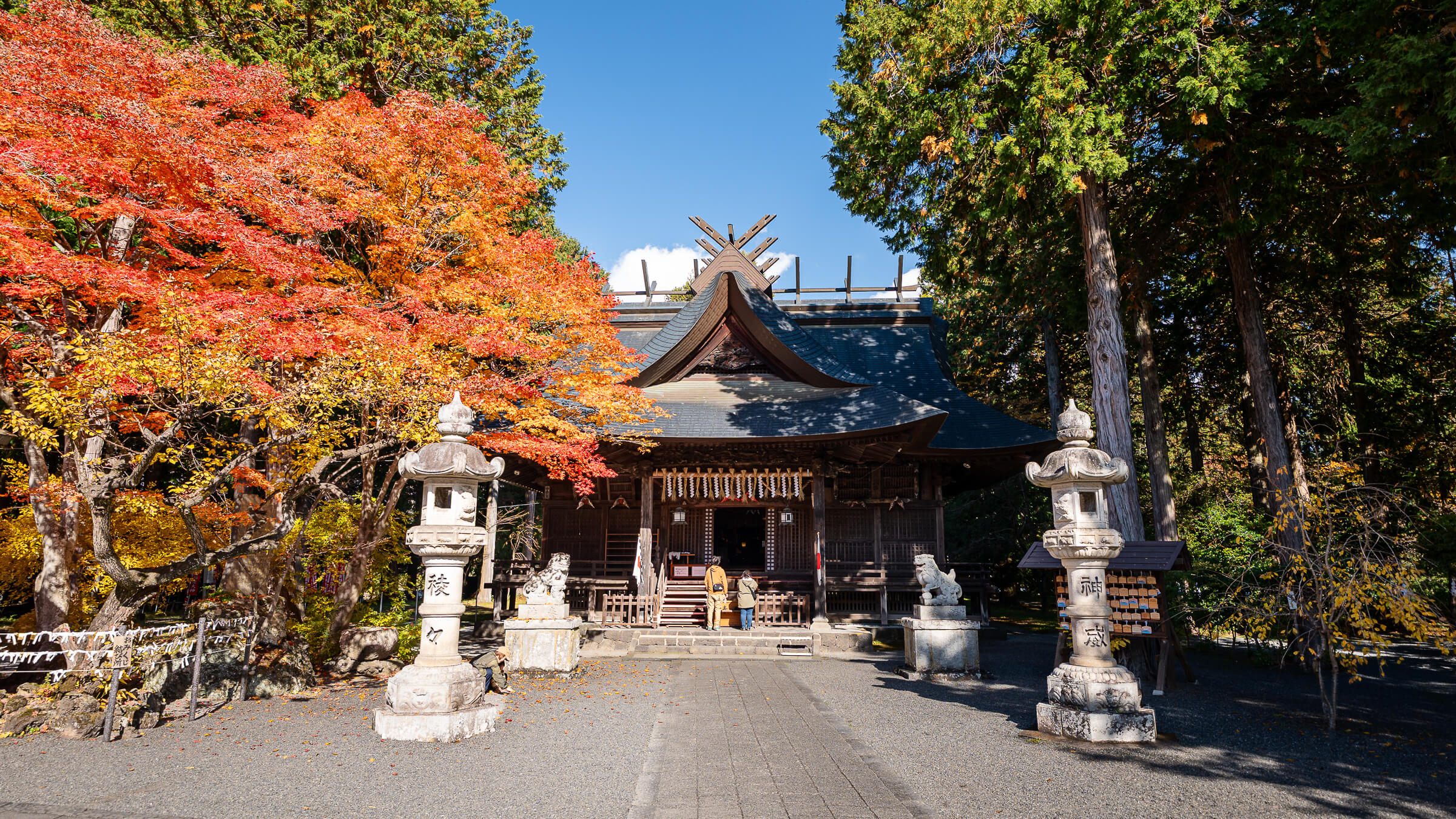
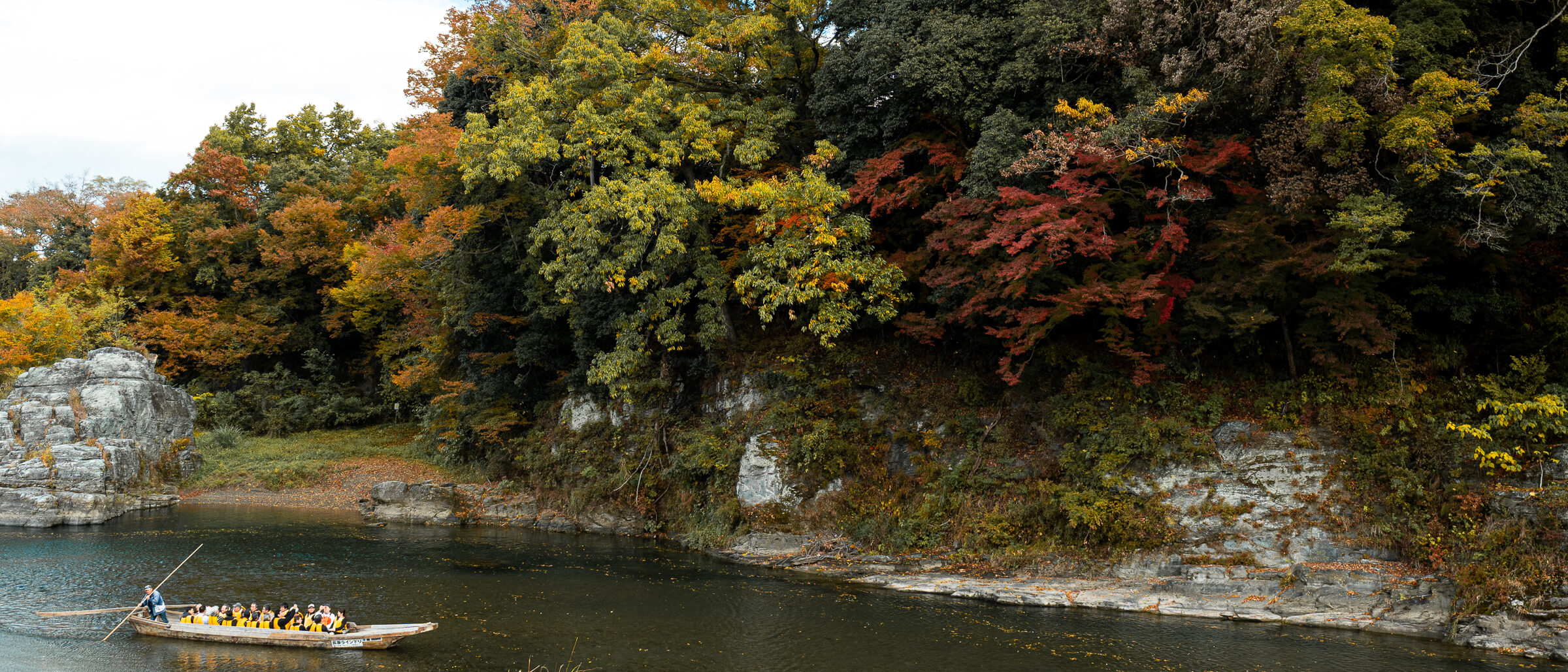
Nagatoro, in western Saitama, is one of the easiest and most rewarding nature day trips from Tokyo. The Iwadatami Rock Terraces line a calm stretch of the Arakawa River, creating a scenic riverside walk that works year-round, but becomes especially striking during autumn foliage season. Nearby, Hodosan Shrine sits at the base of Mount Hodo, making it easy to combine the river walk with a short cultural stop in the same visit.
Arriving in the morning makes a noticeable difference. Crowds are lighter, the river is calmer, and it’s easier to enjoy both the walking paths and the traditional wooden boat rides without waiting—before continuing on toward the shrine or nearby areas of Nagatoro.
What Are the Iwadatami Rock Terraces?
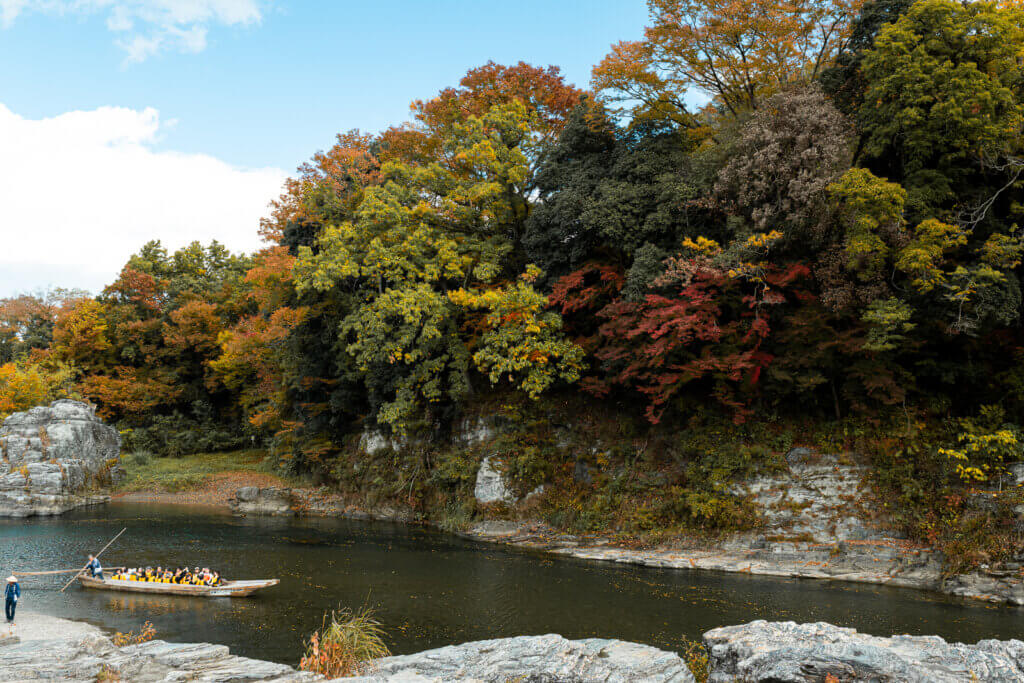
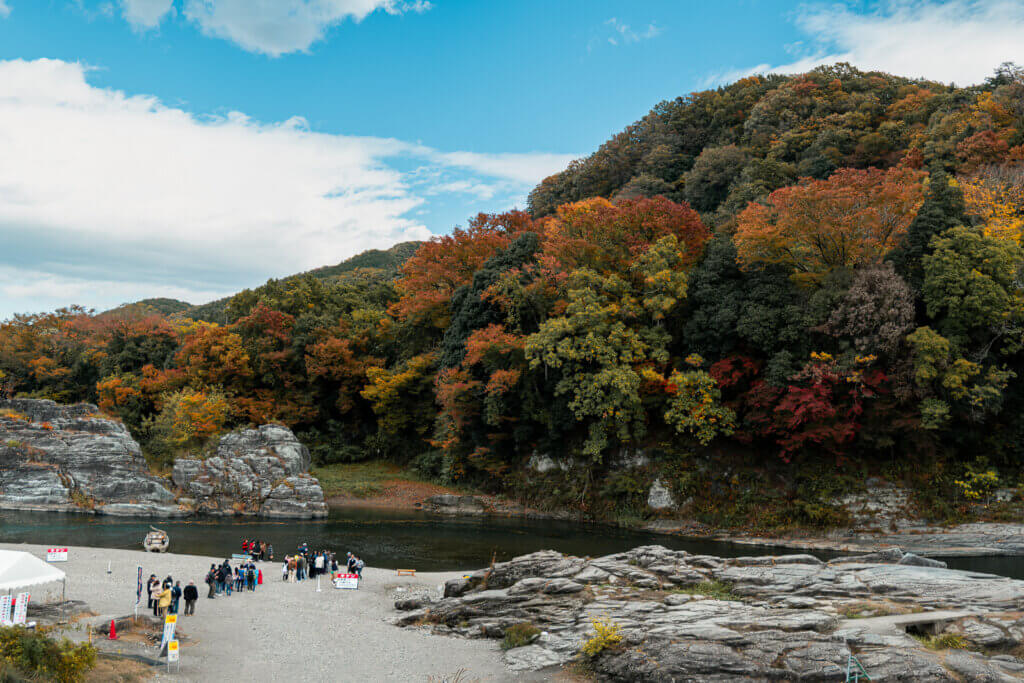
The Iwadatami Rock Terraces are natural rock formations created as the Arakawa River slowly carved through layers of stone over thousands of years. The result is a series of flat, stepped rock surfaces that run directly along the water, forming one of the most distinctive riverside landscapes in Saitama.
Unlike cliffside viewpoints or forest trails, the terraces allow visitors to walk right at river level. This makes Iwadatami especially appealing for travelers looking for easy nature walks near Tokyo that don’t require hiking experience or special gear.
The open layout also means views constantly change as boats pass through the river corridor, adding movement to what would otherwise be a quiet, scenic stretch of water.
Walking Along the Arakawa River
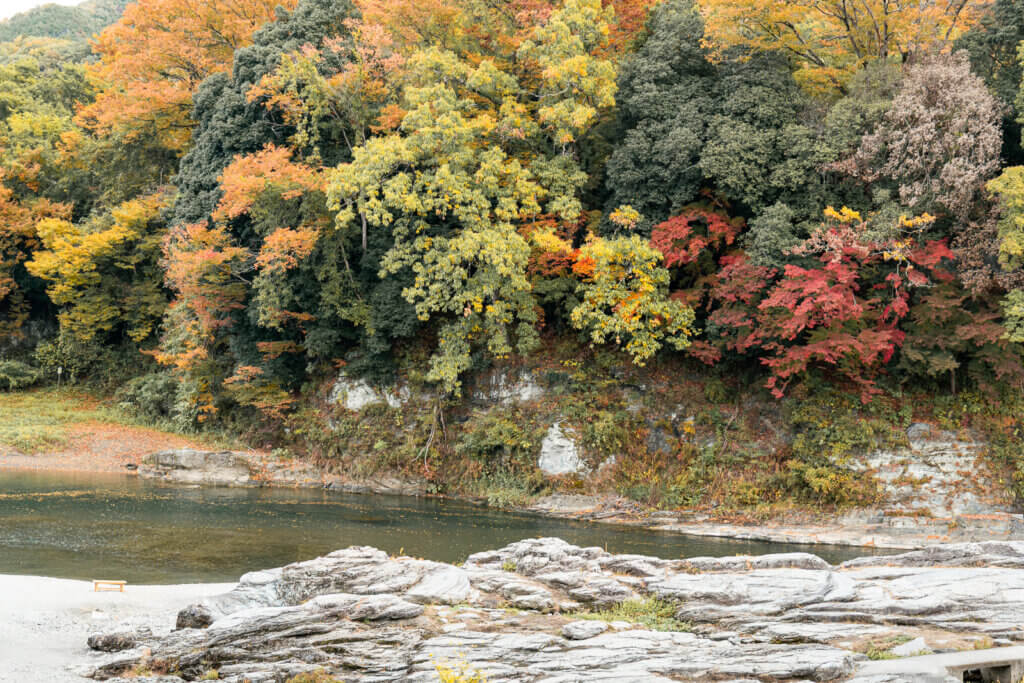
Walking the rock terraces is straightforward, but the terrain is natural and uneven in places. The rock surface is generally flat, though sections can be smooth or slightly sloped, especially closer to the water.
Comfortable walking shoes with good grip are recommended, particularly after rain. The route is not marked as a formal trail, allowing visitors to explore at their own pace while staying close to the river’s edge.
This section of the Arakawa River is calm compared to other stretches, making it one of the more relaxed riverside walks in Japan, especially for visitors combining nature with a short day trip itinerary.
The Traditional Arakawa River Boat Ride
One of Nagatoro’s defining experiences is the traditional wooden boat ride that operates along this stretch of the river. The ride is short, gentle, and focused on scenery rather than speed, offering a different perspective of the rock terraces and surrounding forest.
While the walk alone is enough to enjoy the area, the boat ride adds context and scale, especially for first-time visitors. It’s an easy addition to the visit and works well even for travelers with limited time.
During peak seasons, especially autumn weekends, planning your arrival earlier in the day makes it easier to enjoy the boat ride without long waits.
Best Time to Visit Nagatoro
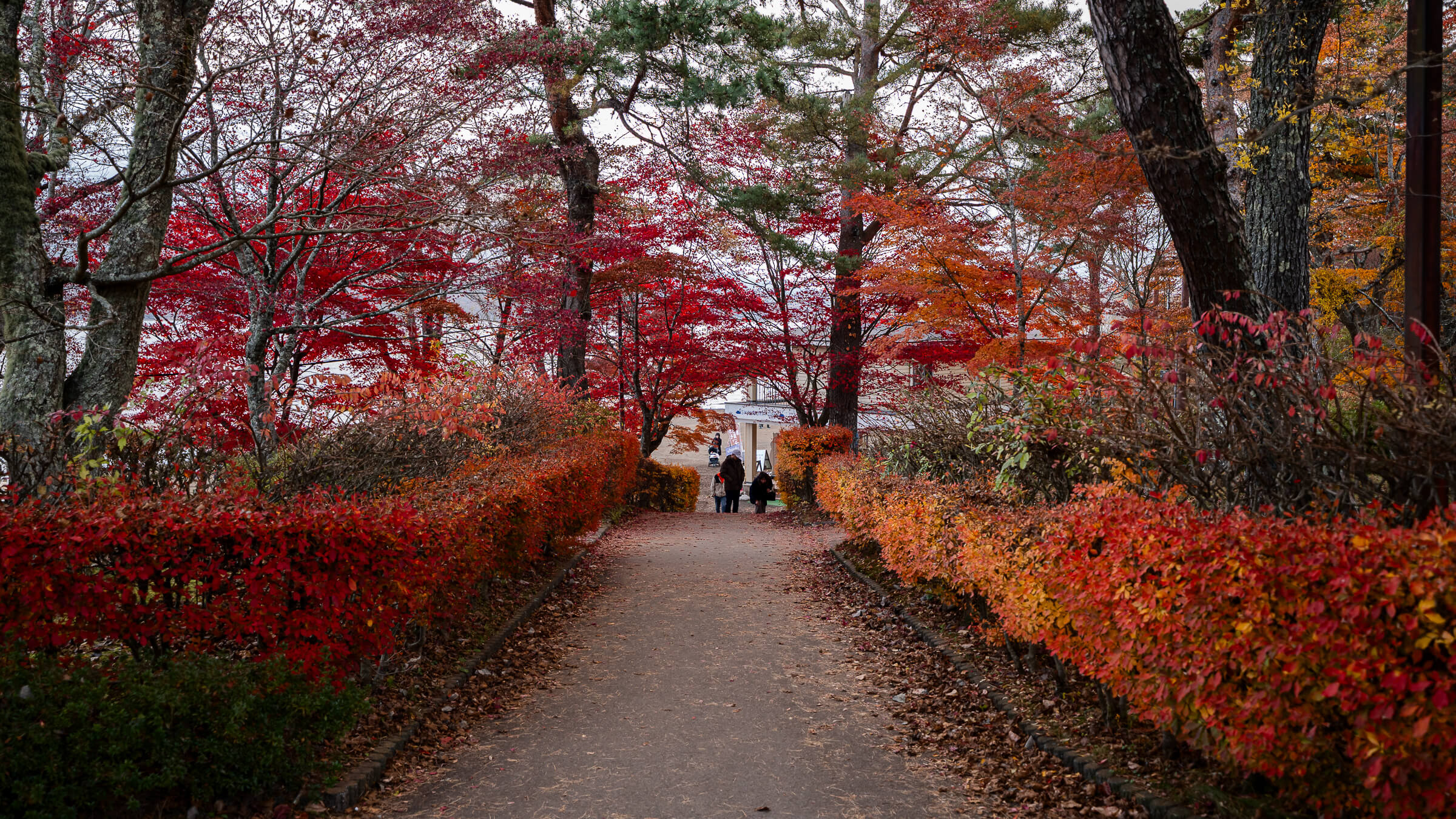
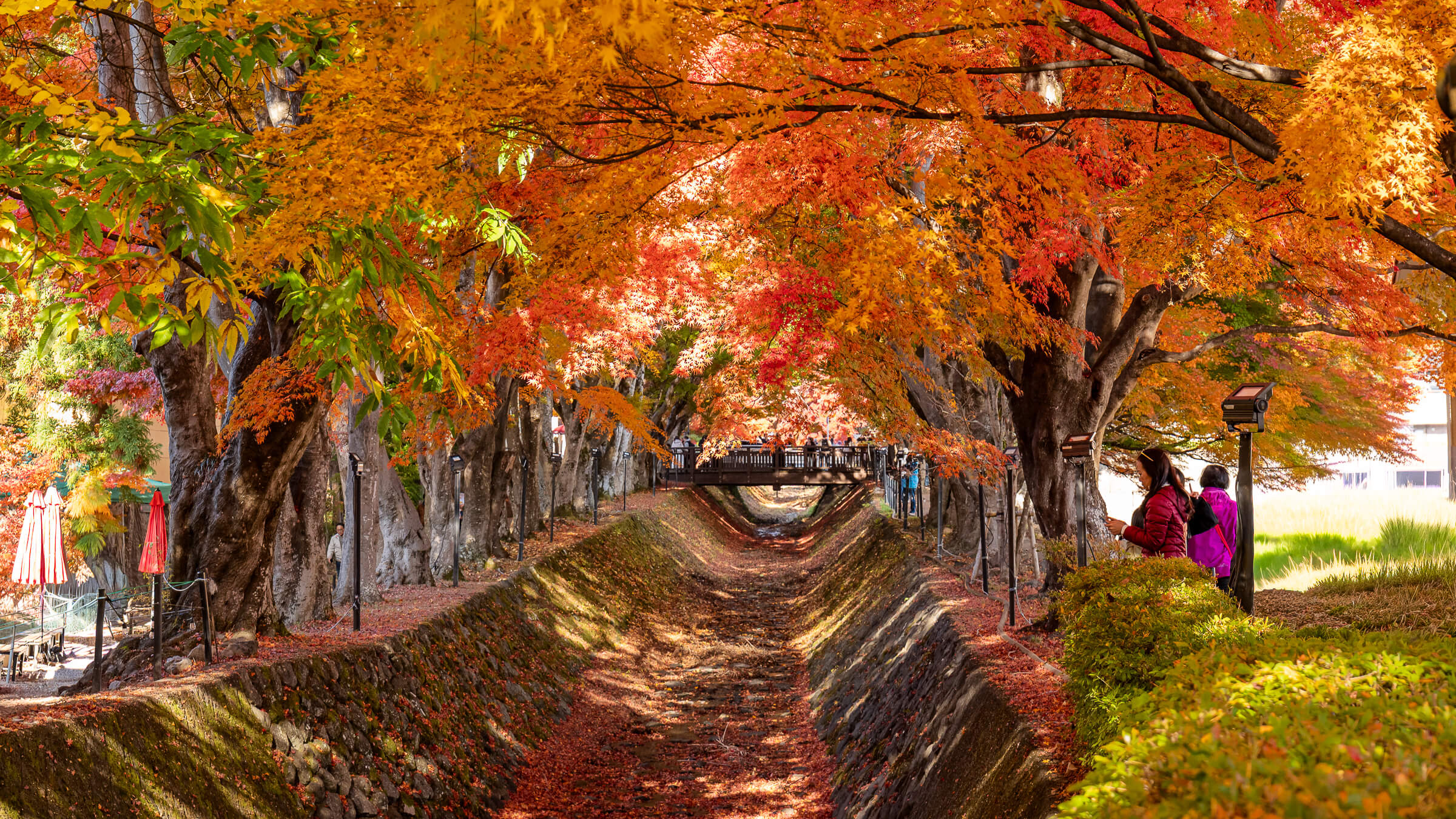
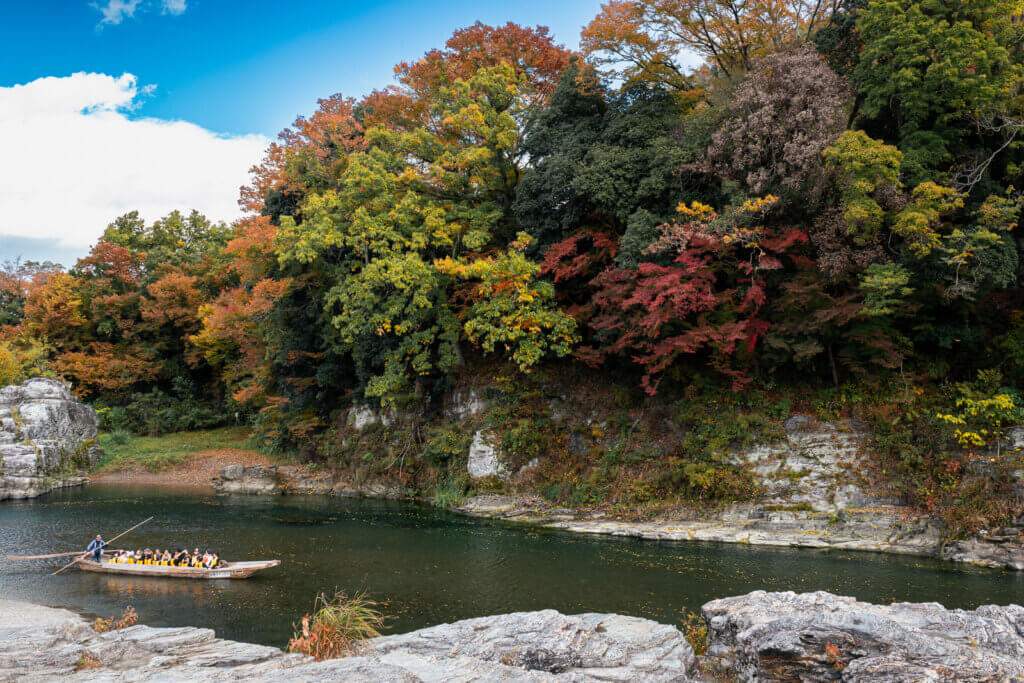
Autumn is the most popular time to visit Nagatoro, with foliage typically peaking from late October through mid-November. During this period, the contrast between colorful leaves, pale rock formations, and the river creates one of the most photogenic scenes in western Saitama.
That said, the area works well beyond autumn:
-
Spring brings fresh greenery and mild temperatures
-
Summer adds shade and active river scenery
-
Winter offers a quieter atmosphere and clear views of the rock formations
For any season, arriving before mid-morning helps avoid crowds and provides calmer conditions along the river.
How Much Time Should You Plan?
Nagatoro fits comfortably into a half-day schedule.
-
Walking the rock terraces: 45–60 minutes
-
Boat ride (optional): ~20–30 minutes
-
Total visit time: 1.5 to 2 hours
This makes it an easy addition to broader day trips from Tokyo, especially when paired with lunch or nearby attractions in the Chichibu area.
Getting There
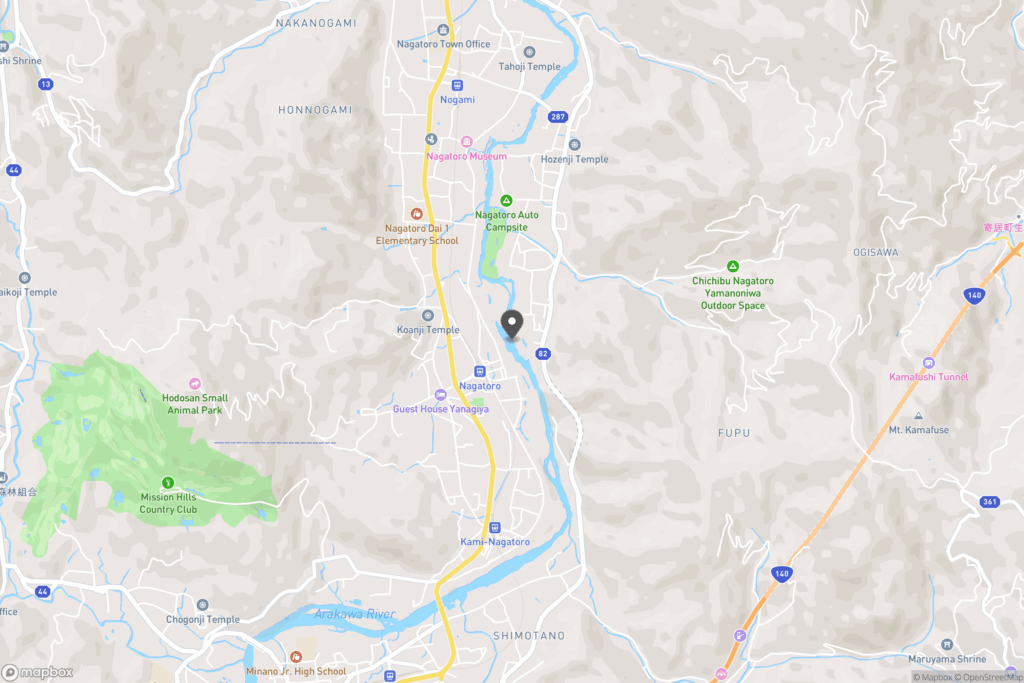
Nagatoro can be reached by both train and car, depending on your travel style.
Train access connects Nagatoro with the wider Chichibu region and onward routes toward Tokyo, making it feasible for visitors relying on public transportation. Driving offers more flexibility, particularly for those planning to explore multiple spots in the area.
During autumn weekends, transport planning becomes more important, as popular departure times can fill quickly.
Final Thoughts
The Iwadatami Rock Terraces offer a rare combination of accessibility and natural scenery. Whether you’re visiting for autumn foliage or simply looking for a relaxed riverside walk, Nagatoro delivers a rewarding experience without requiring a full day or complex planning.
It’s an ideal stop for travelers who want to step outside the city, slow down, and experience a quieter side of Japan’s natural landscape.