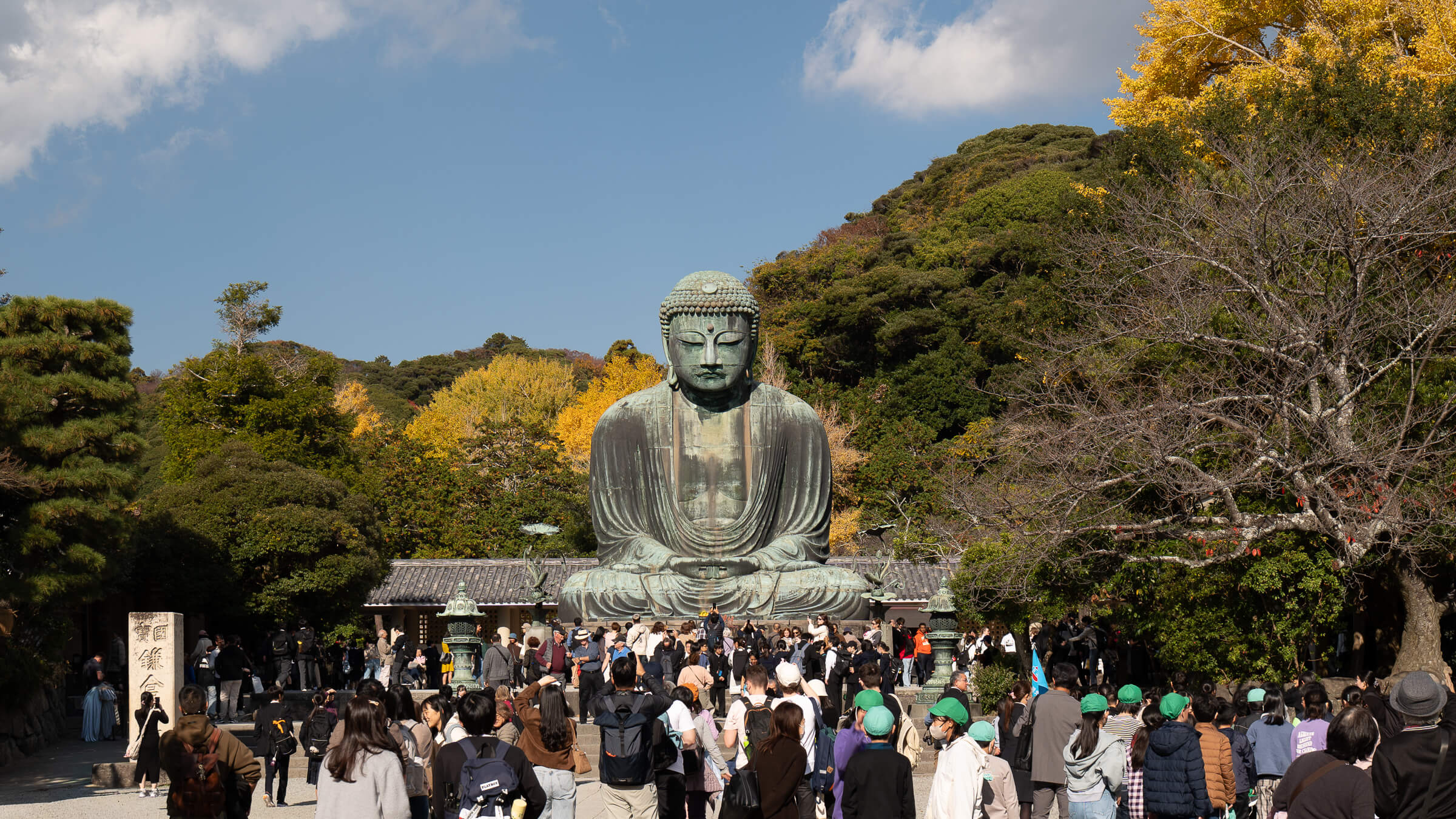
Kōtoku-in Temple and the Great Buddha
Kōtoku-in Temple (高徳院) is one of the defining landmarks of Kamakura and home to the Great Buddha (Daibutsu), one of Japan’s most recognizable Buddhist monuments. Located in the Hase district of Kanagawa Prefecture, the temple offers a compact visit centered almost entirely around this remarkable bronze statue, making it an easy addition to both half-day and full-day itineraries through Kamakura.
Unlike many of Kamakura’s larger temple complexes, Kōtoku-in is built around a single focal point rather than a series of halls, gardens, or sub-temples. Visitors pass through the entrance and encounter the Great Buddha almost immediately, allowing the experience to begin without a lengthy approach. Most people spend between 20 and 45 minutes exploring the grounds, although photographers, history enthusiasts, and visitors collecting goshuin often choose to stay longer.
Its location also makes Kōtoku-in one of the easiest attractions to combine with nearby highlights. Many visitors continue to Hase-dera, explore the Hase district’s cafés and local streets, walk toward Yuigahama Beach, or ride the Enoden Line onward to Enoshima. For travelers visiting from Tokyo or elsewhere in the Tokyo metropolitan area, the Great Buddha is often one of the defining experiences of a day trip to Kamakura.
Why Visit Kōtoku-in Temple
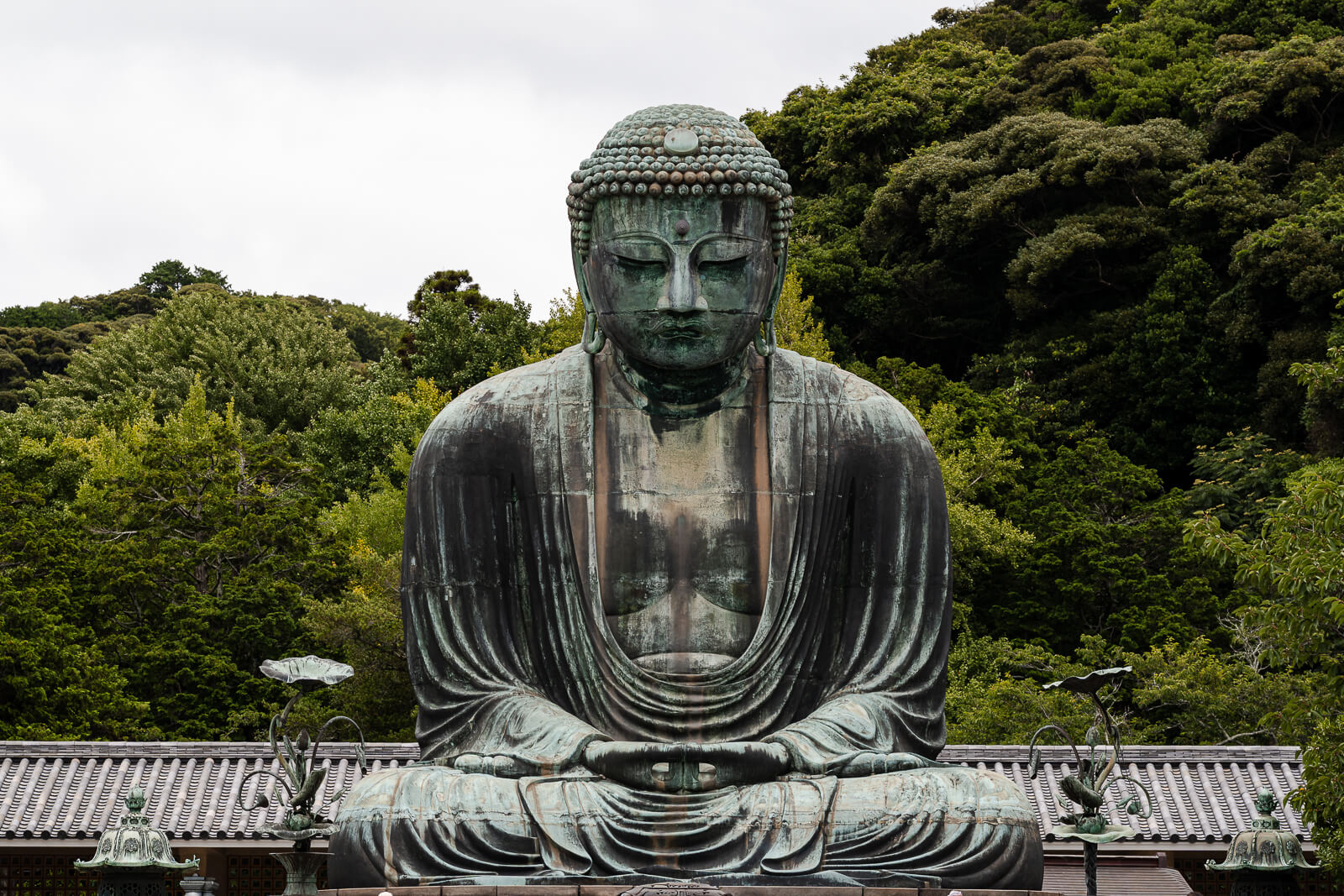
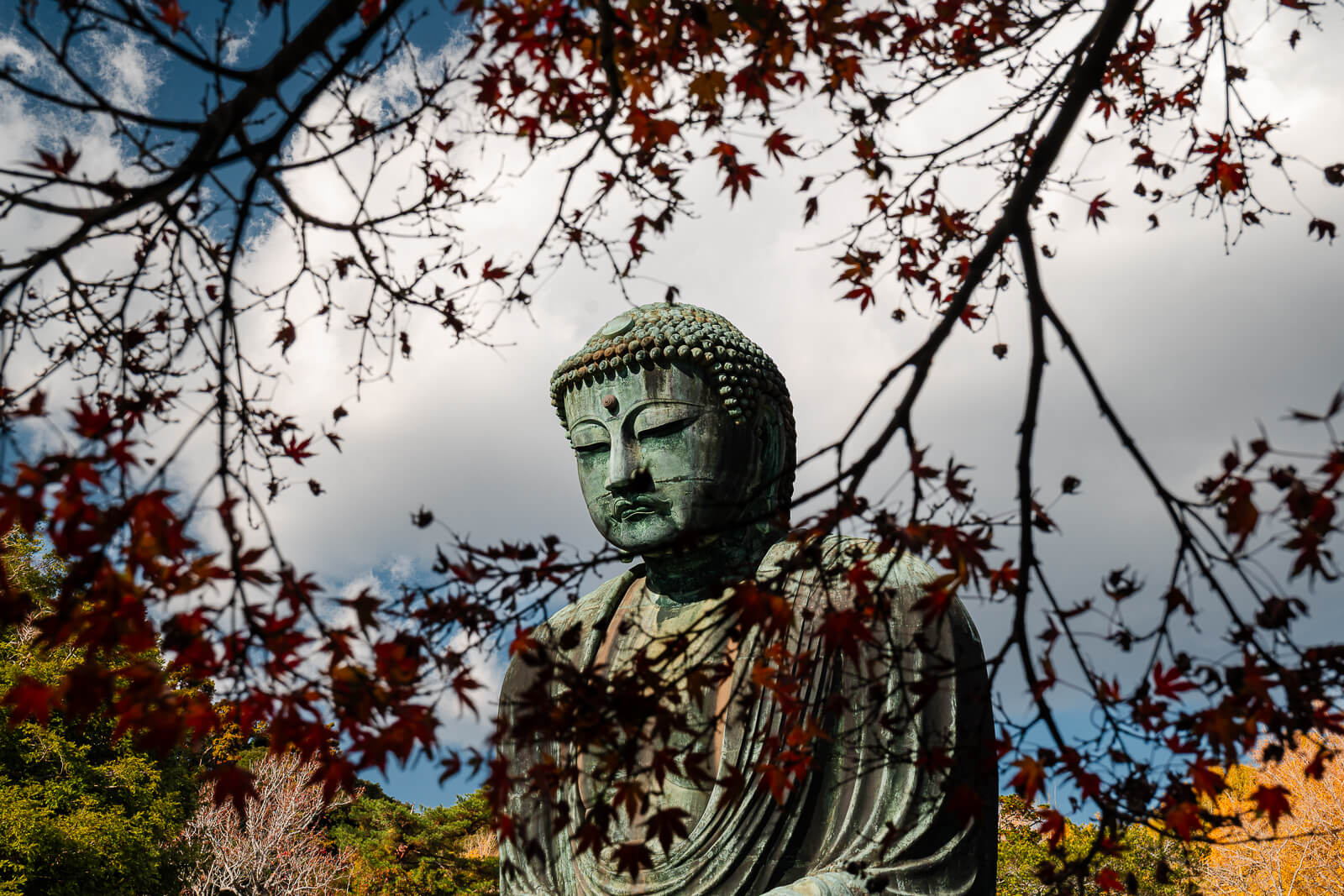
The Great Buddha is the reason almost everyone visits Kōtoku-in. Standing more than 11 meters (36 feet) tall and cast entirely in bronze, it has become one of Japan’s most recognizable religious monuments and a lasting symbol of Kamakura. While other temples impress through expansive grounds or numerous historic buildings, Kōtoku-in focuses attention on a single masterpiece that has watched over the city for more than seven centuries.
That singular focus creates a different experience from many other temples in Kamakura. There is no prescribed route through multiple buildings or extended sequence of gardens to explore. Instead, visitors are free to walk around the statue, appreciate its scale from different angles, enter its hollow interior, or simply spend time observing one of Japan’s most important cultural landmarks at their own pace.
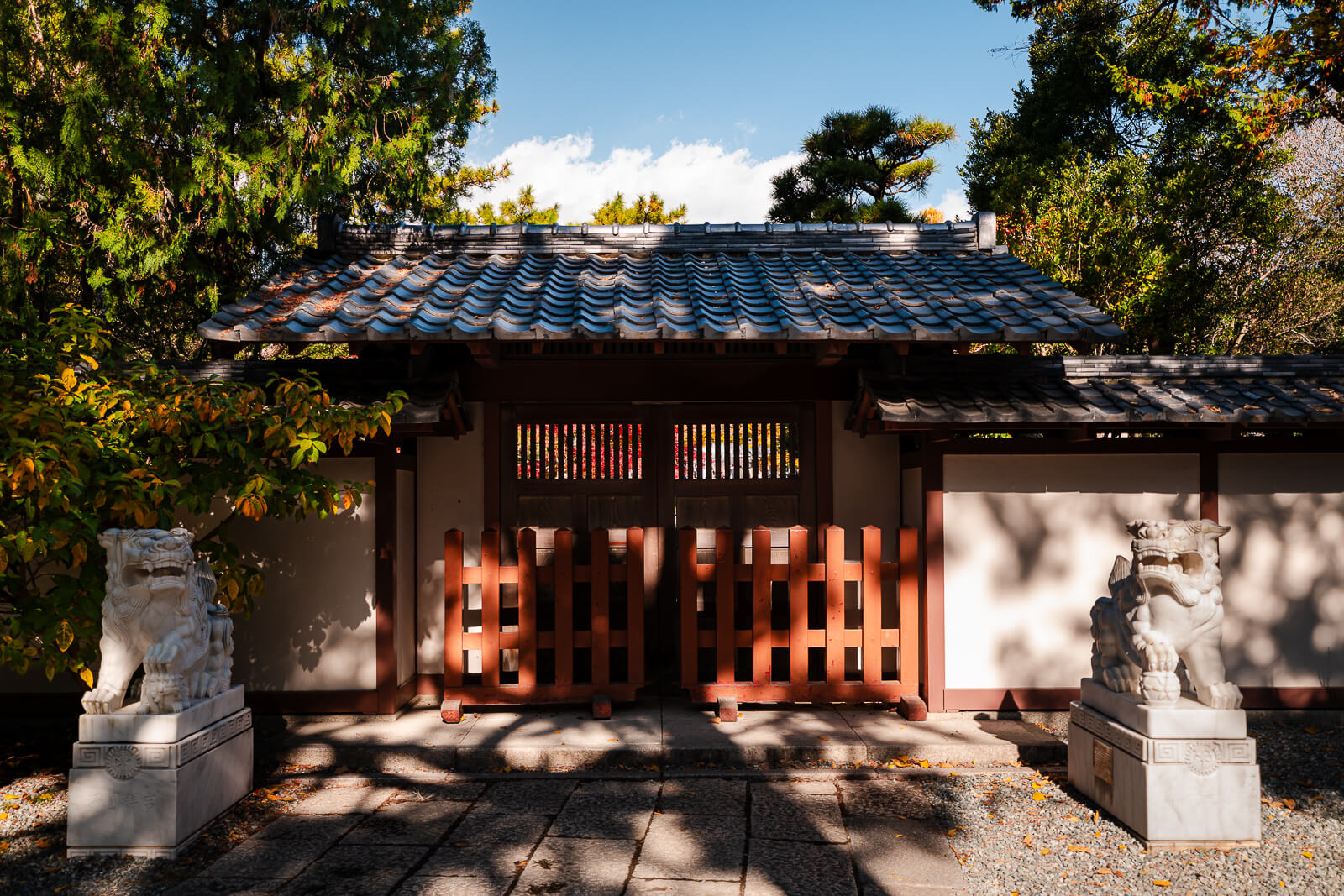
The temple also works exceptionally well within a broader Kamakura itinerary. It complements the larger grounds of Hase-dera, connects naturally with the nearby Hase neighborhood, and provides easy access to the coastline, hiking trails, and central Kamakura. Whether you have only a few hours in the city or an entire day to explore, Kōtoku-in fits comfortably into almost any itinerary.
The Story Behind the Great Buddha of Kamakura
The Great Buddha depicts Amida Nyorai, the Buddha of Infinite Light and the central figure of Pure Land Buddhism. Cast in 1252 during the Kamakura period, the statue reflects a time when Buddhist practice became increasingly accessible to ordinary people, extending beyond aristocratic and monastic communities. Today, it remains one of the finest surviving bronze Buddhist statues from the Kamakura period and continues to attract visitors from around the world.
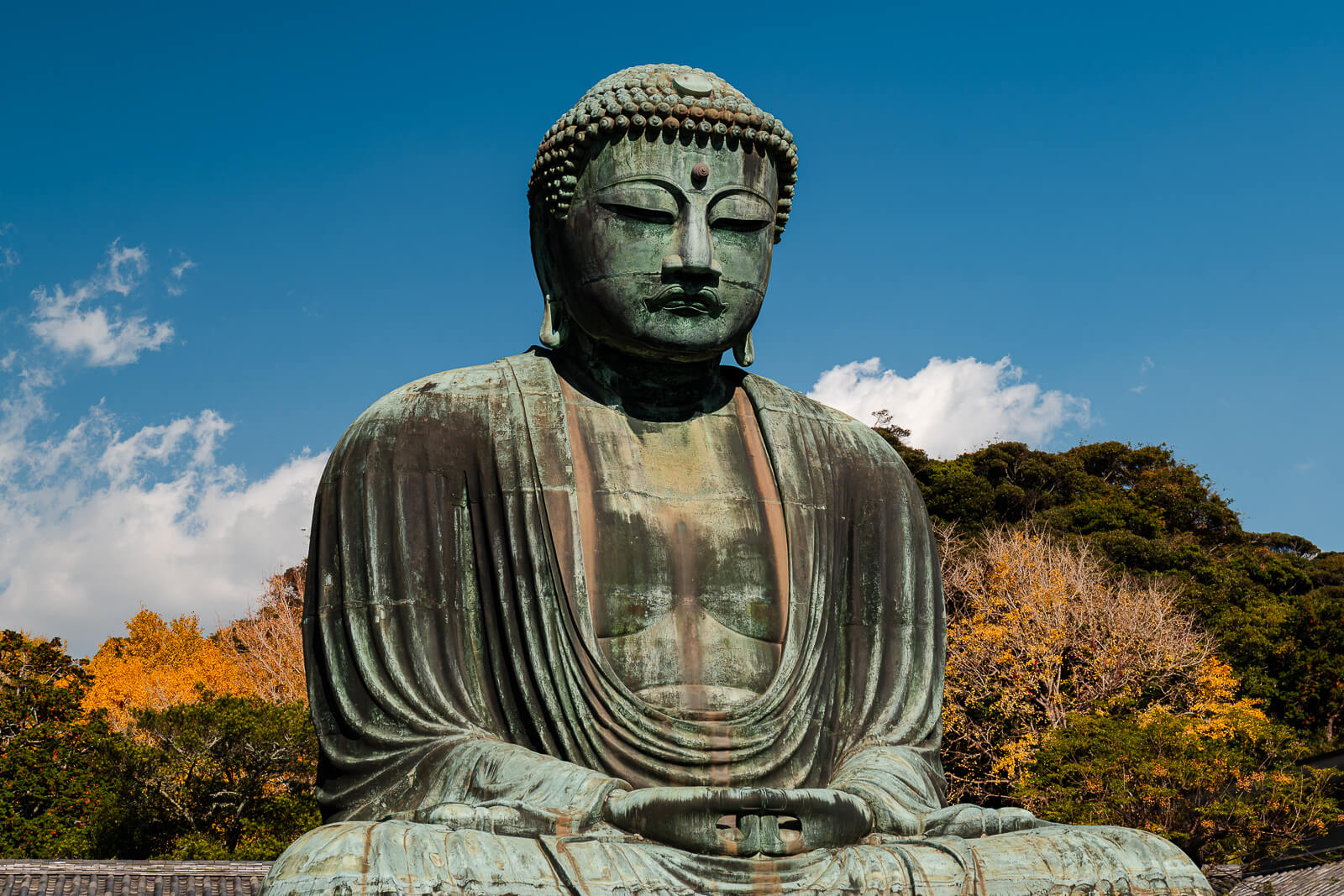
When it was completed, the statue stood inside a large wooden temple hall. Over the centuries, earthquakes, typhoons, and coastal storms repeatedly damaged or destroyed the surrounding structure. The bronze statue itself endured, eventually remaining permanently exposed to the open sky. Today, that open-air setting has become one of Kōtoku-in’s defining characteristics and distinguishes it from many of Japan’s other famous Buddhist temples.
Although the Great Buddha is one of Kamakura’s best-known landmarks, Kōtoku-in continues to serve as an active temple and place of Buddhist worship. Visitors come from across Japan and around the world not only to admire the statue’s artistic achievement, but also to experience a monument whose history reflects centuries of resilience against both natural disasters and the passage of time.
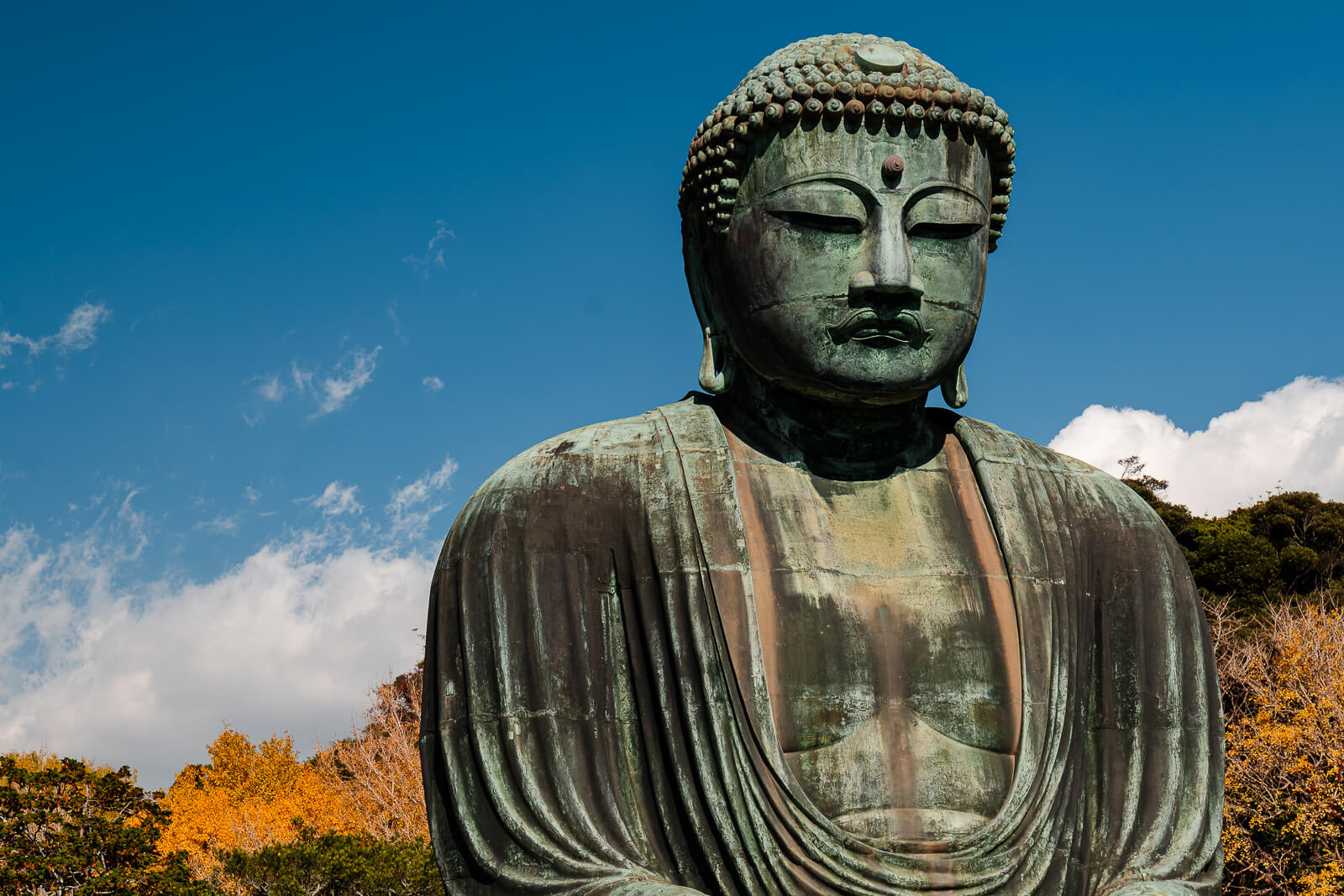
Kōtoku-in is also Temple No. 23 on the Kamakura 33 Kannon Pilgrimage, a historic pilgrimage route connecting many of Kamakura’s most significant Buddhist temples. Pilgrims visiting the temple can receive a handwritten goshuin as part of the pilgrimage, making Kōtoku-in an important stop beyond its famous Great Buddha. Even for visitors not following the full route, its place on the pilgrimage adds another layer of historical and religious significance to the temple.
Exploring the Temple Grounds
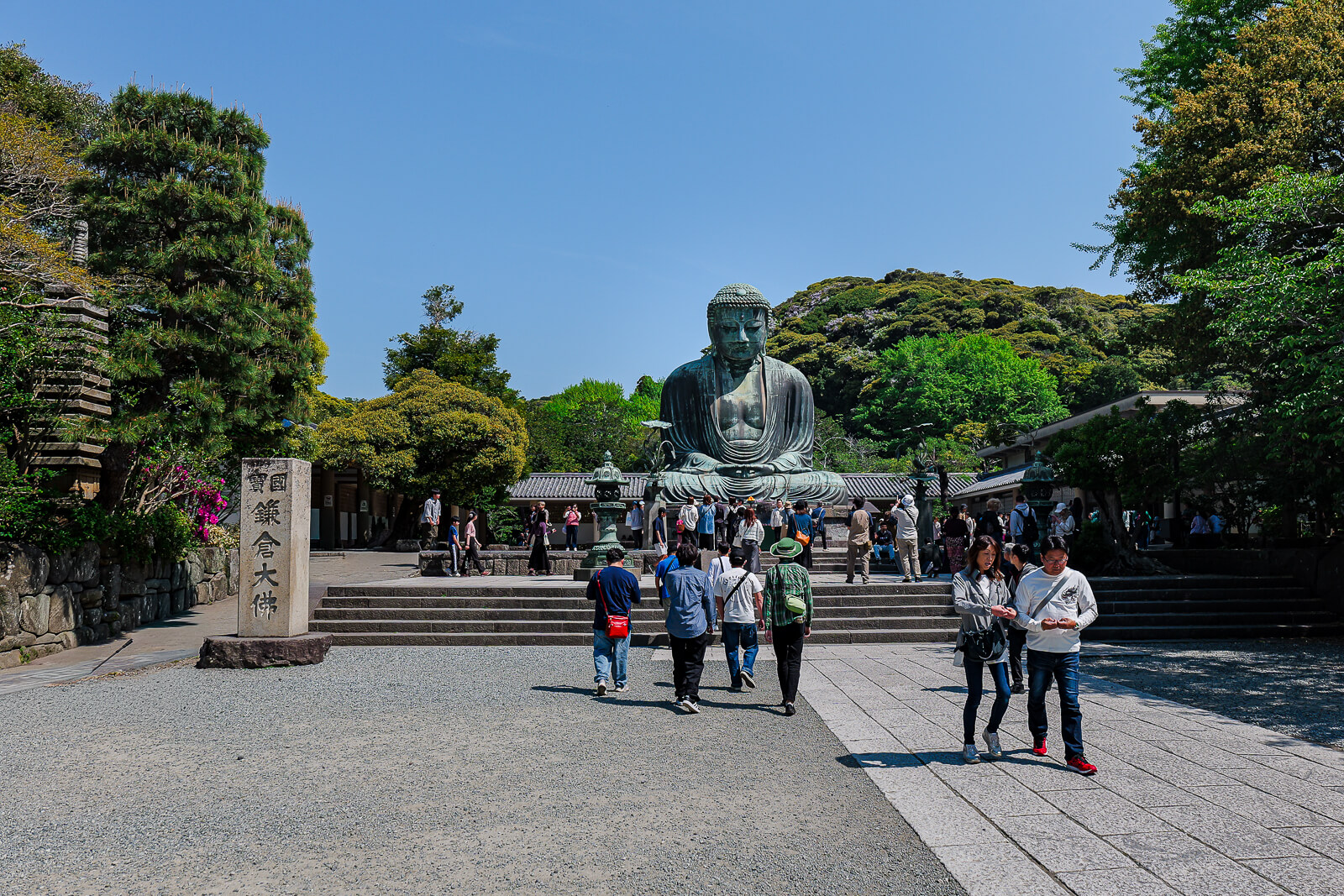
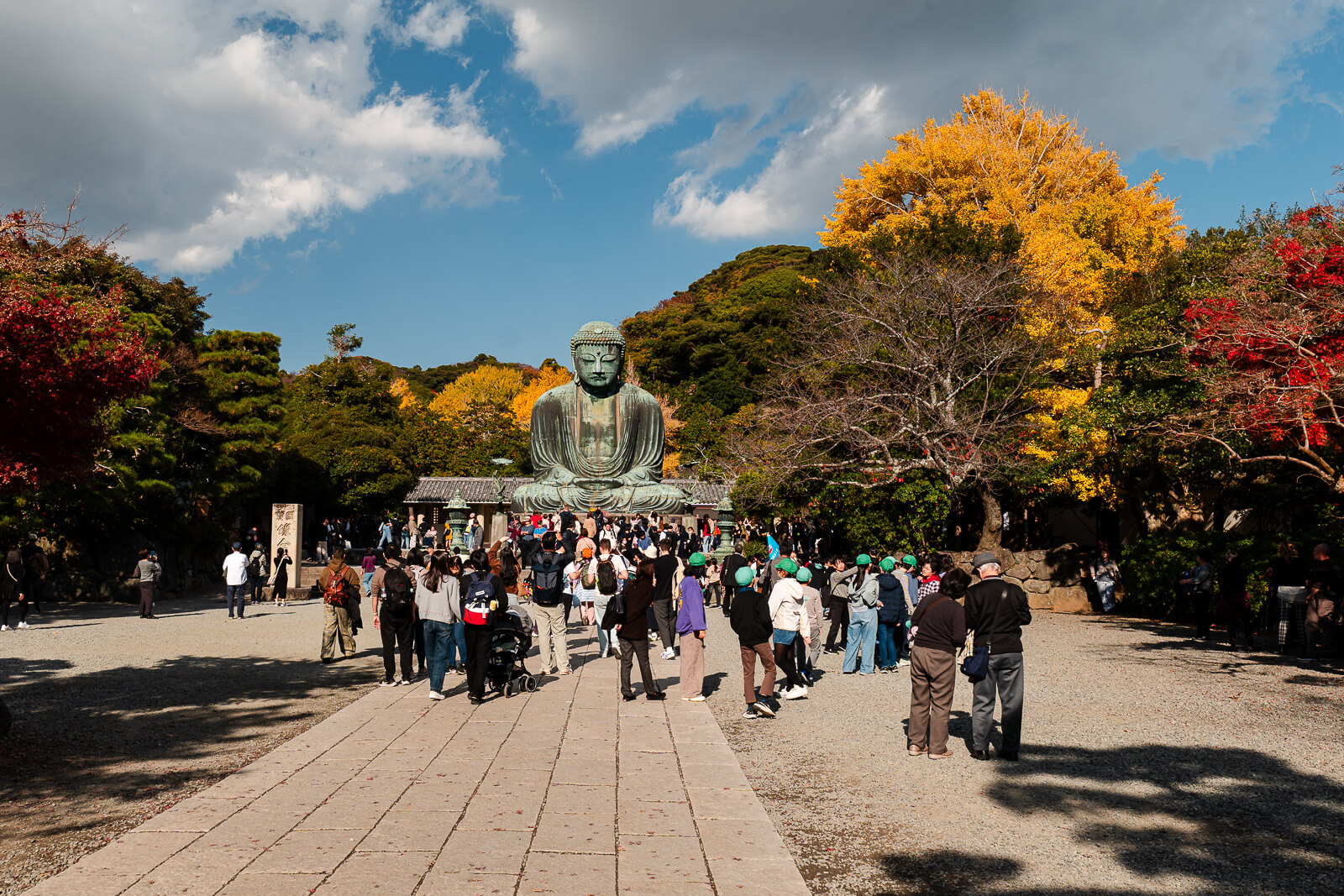
The experience at Kōtoku-in begins almost immediately after passing through the entrance gate. Unlike many temples in Kamakura that gradually unfold through multiple gates, halls, and gardens, the Great Buddha dominates the view from the very beginning. That immediate encounter establishes the focus of the visit and creates one of the most memorable first impressions in the city.
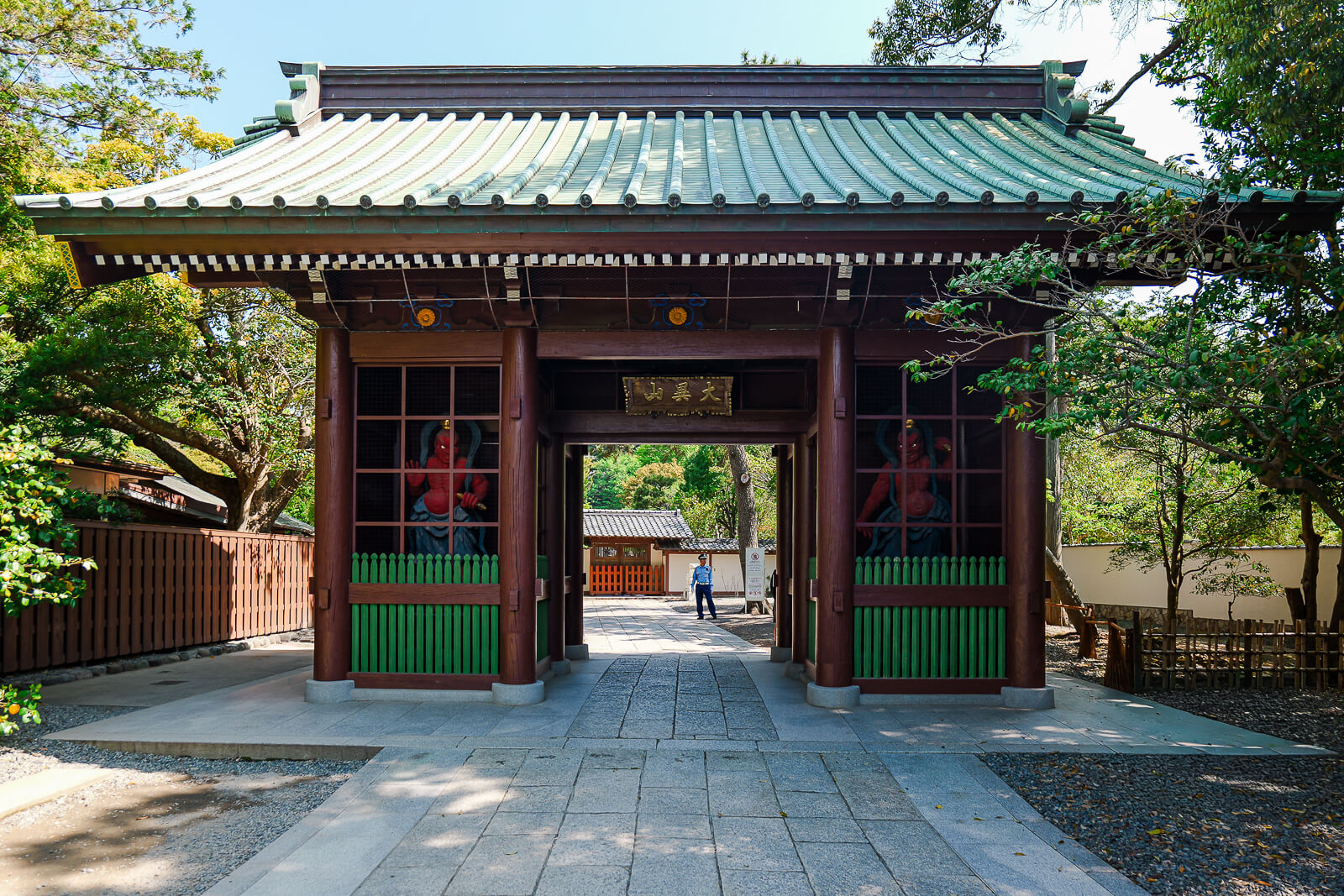
The temple grounds are compact and easy to navigate. A broad courtyard surrounds the statue, allowing visitors to move freely without following a prescribed route. This open layout makes Kōtoku-in approachable for visitors of all ages and gives everyone the freedom to experience the monument from different perspectives at their own pace.
A covered walkway lines part of the courtyard and provides seating where visitors can pause before continuing around the statue. These benches offer a comfortable place to appreciate the scale of the Great Buddha while also providing shelter from strong sun or light rain. Even during busier periods, the spacious design helps distribute visitors naturally throughout the grounds.
Appreciating the Great Buddha
Walking around the Great Buddha reveals details that are easily overlooked from the entrance. Standing beside the base emphasizes the monument’s immense scale, while closer views reveal the weathered bronze surface, carefully sculpted facial features, and the individual sections used to cast the statue more than seven centuries ago. Looking upward from the base also provides a greater appreciation for the monument’s scale than viewing it from the entrance alone.
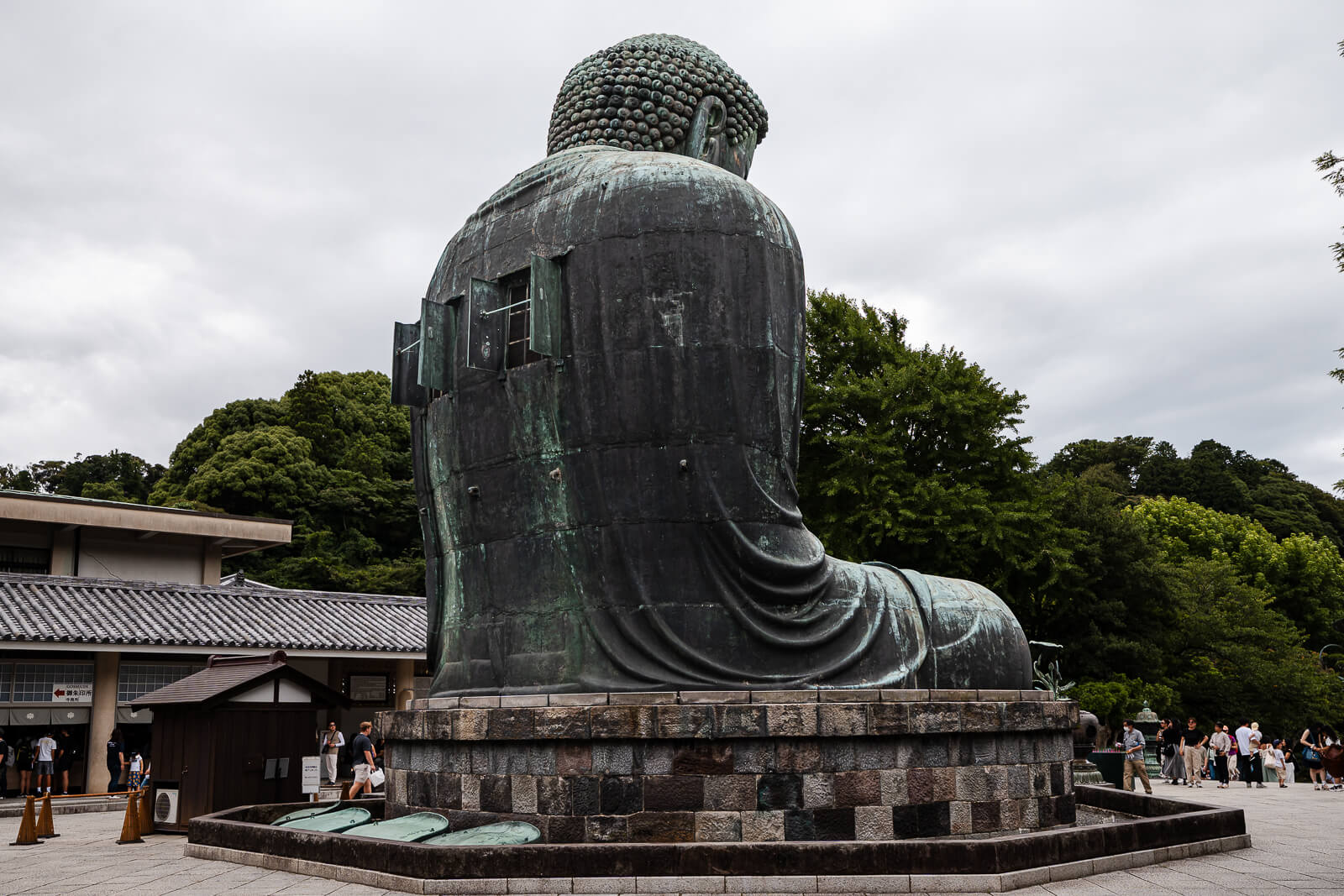
The familiar frontal view remains the most photographed angle, but each side presents a different perspective. Moving toward the rear highlights the engineering involved in constructing such a large bronze figure during the thirteenth century, while the open sky behind the statue reinforces one of Kōtoku-in’s defining characteristics. Unlike many famous Buddhist statues that remain enclosed within temple buildings, the Great Buddha has stood outdoors for centuries.
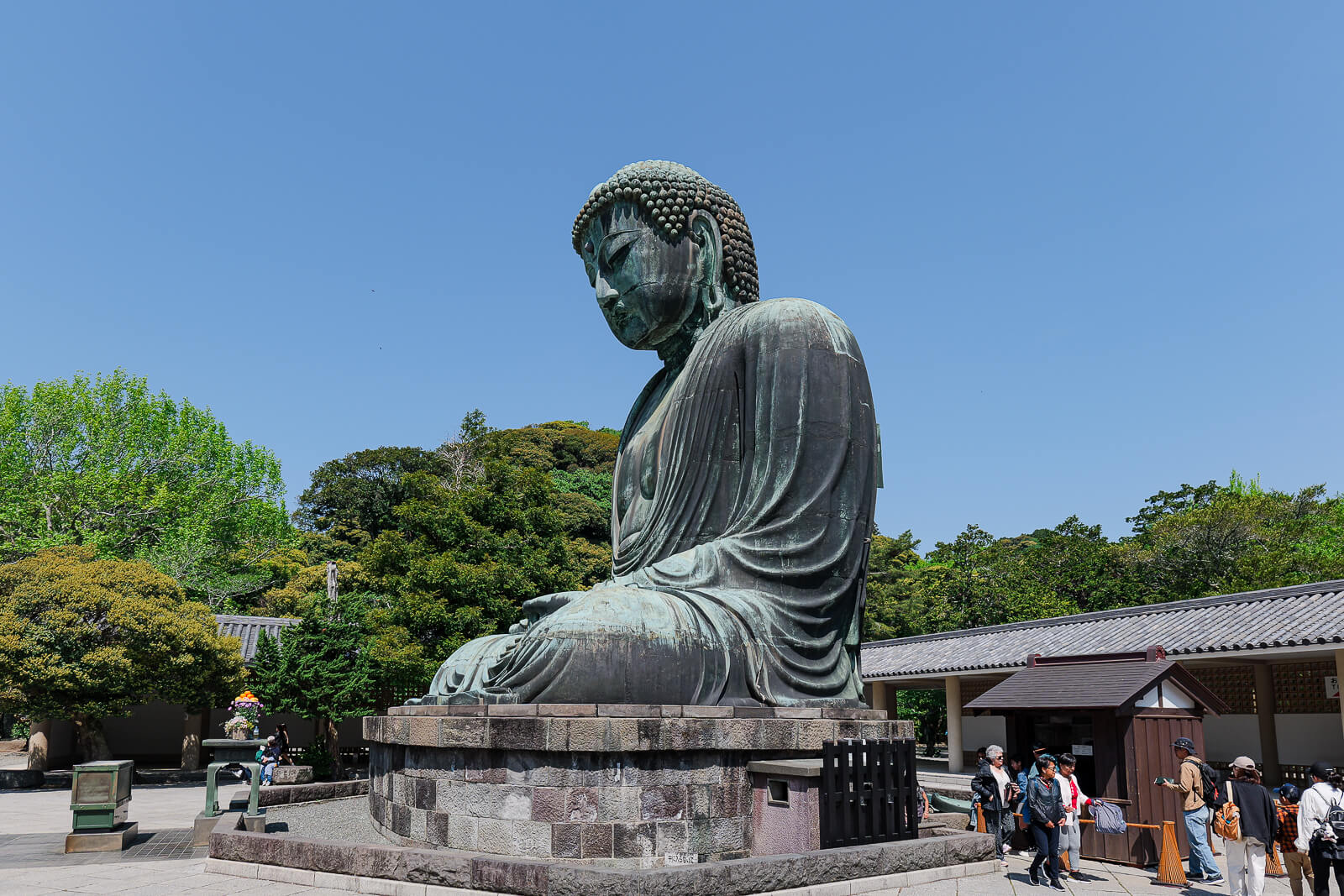
The open courtyard encourages visitors to circle the monument rather than simply viewing it from a single location. As the light changes throughout the day, the bronze surface takes on different tones and textures, rewarding those who take the time to explore beyond the initial viewpoint.
Inside the Great Buddha
One of Kōtoku-in’s most distinctive experiences is the opportunity to enter the Great Buddha itself. A small entrance at the rear of the statue leads into the hollow interior for a modest additional admission fee. Entering the interior provides a perspective that few of Japan’s famous Buddhist statues are able to offer.
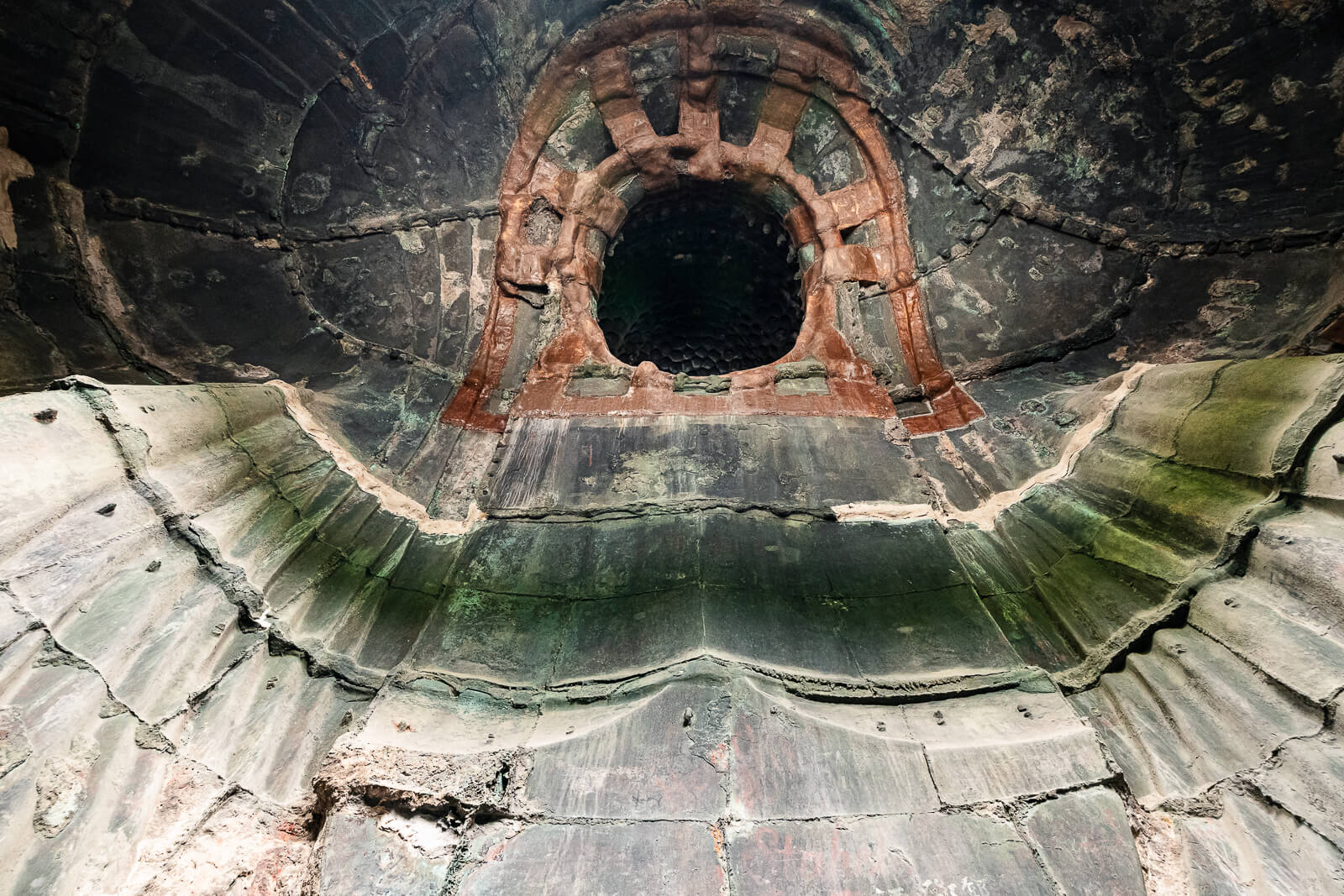
The interior is compact, but it provides a completely different appreciation of the monument. Visitors can examine the massive bronze construction from within, where the seams between the bronze sections remain clearly visible. Interpretive displays explain that the statue was cast in approximately 30 separate bronze sections before being assembled using advanced construction techniques of the Kamakura period.
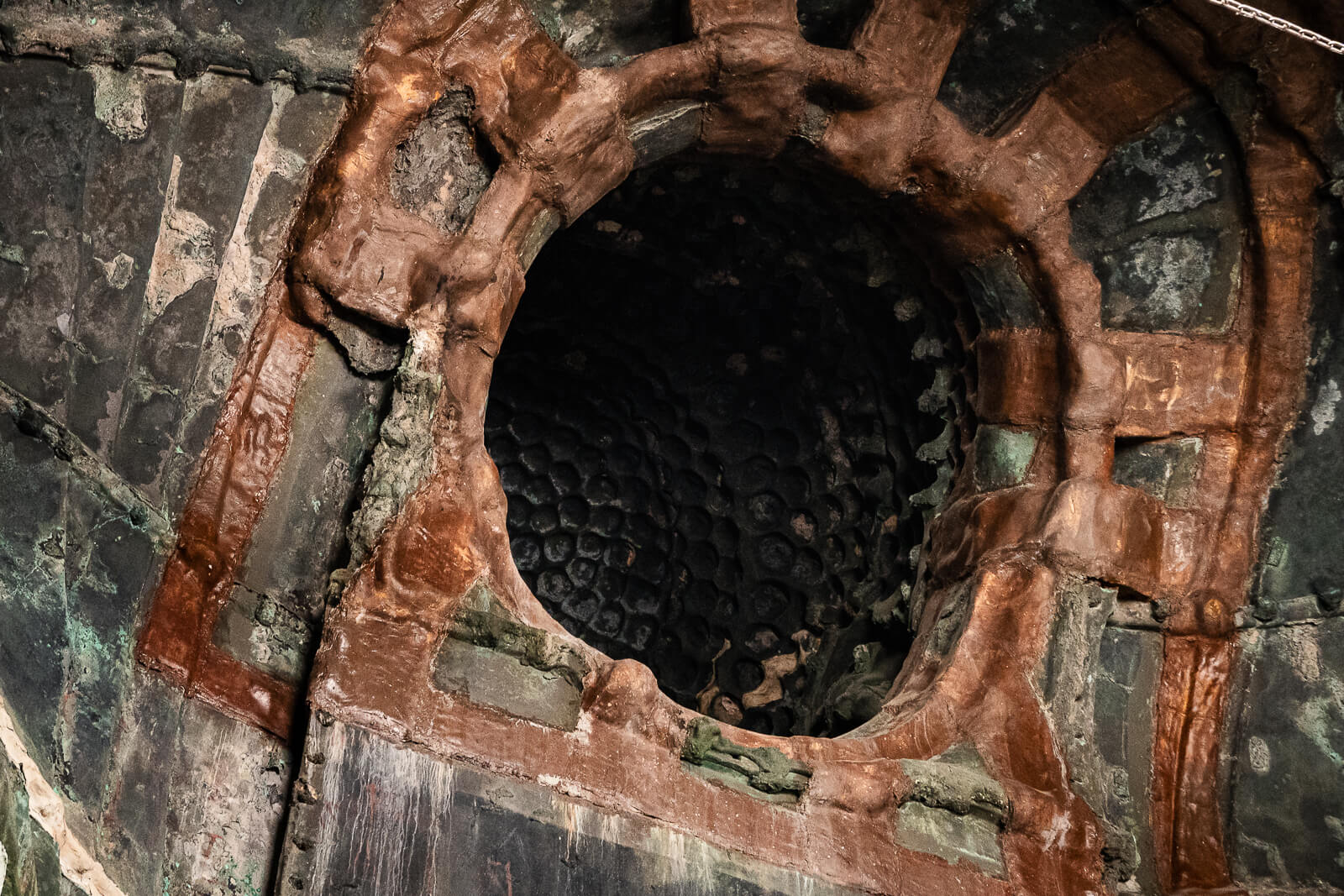
Although most people spend only a few minutes inside, the experience adds valuable context to the visit. The interior also highlights the extensive engineering and preservation work that has helped protect the Great Buddha through centuries of earthquakes, typhoons, and restoration efforts. Seeing the statue from both the exterior and interior creates a deeper understanding of its remarkable craftsmanship, resilience, and historical significance.
Goshuin, Temple Shop, and Visitor Facilities
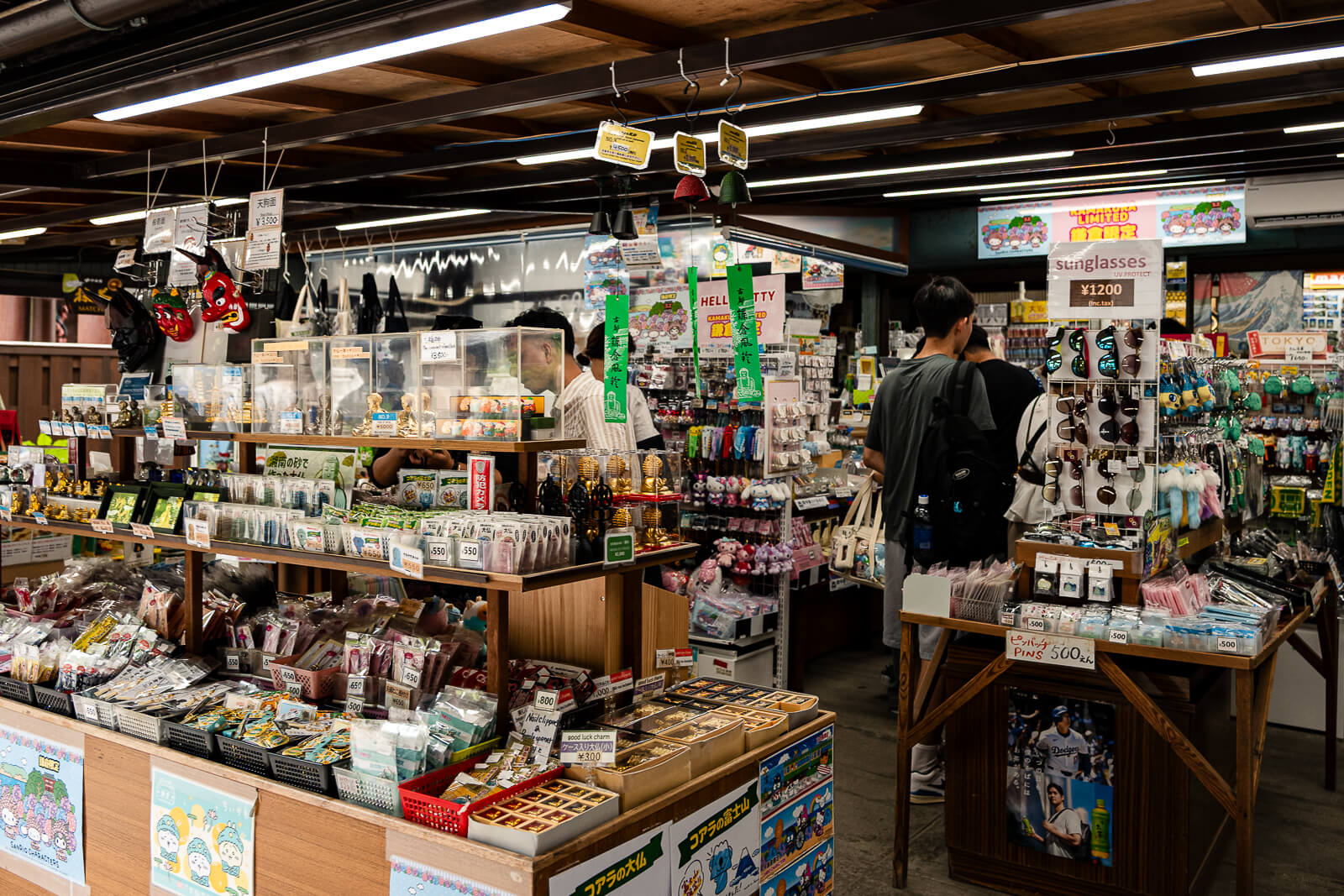
Near the main courtyard is the temple office, where visitors can receive a handwritten goshuin in a goshuinchō or purchase a paper version if they do not carry a pilgrimage book. As Temple No. 23 on the Kamakura 33 Kannon Pilgrimage, many visitors collect Kōtoku-in’s goshuin as part of completing the historic pilgrimage route through Kamakura. During weekends, holidays, and peak travel seasons, estimated waiting times are often displayed, allowing visitors to decide whether to join the queue before continuing their visit.
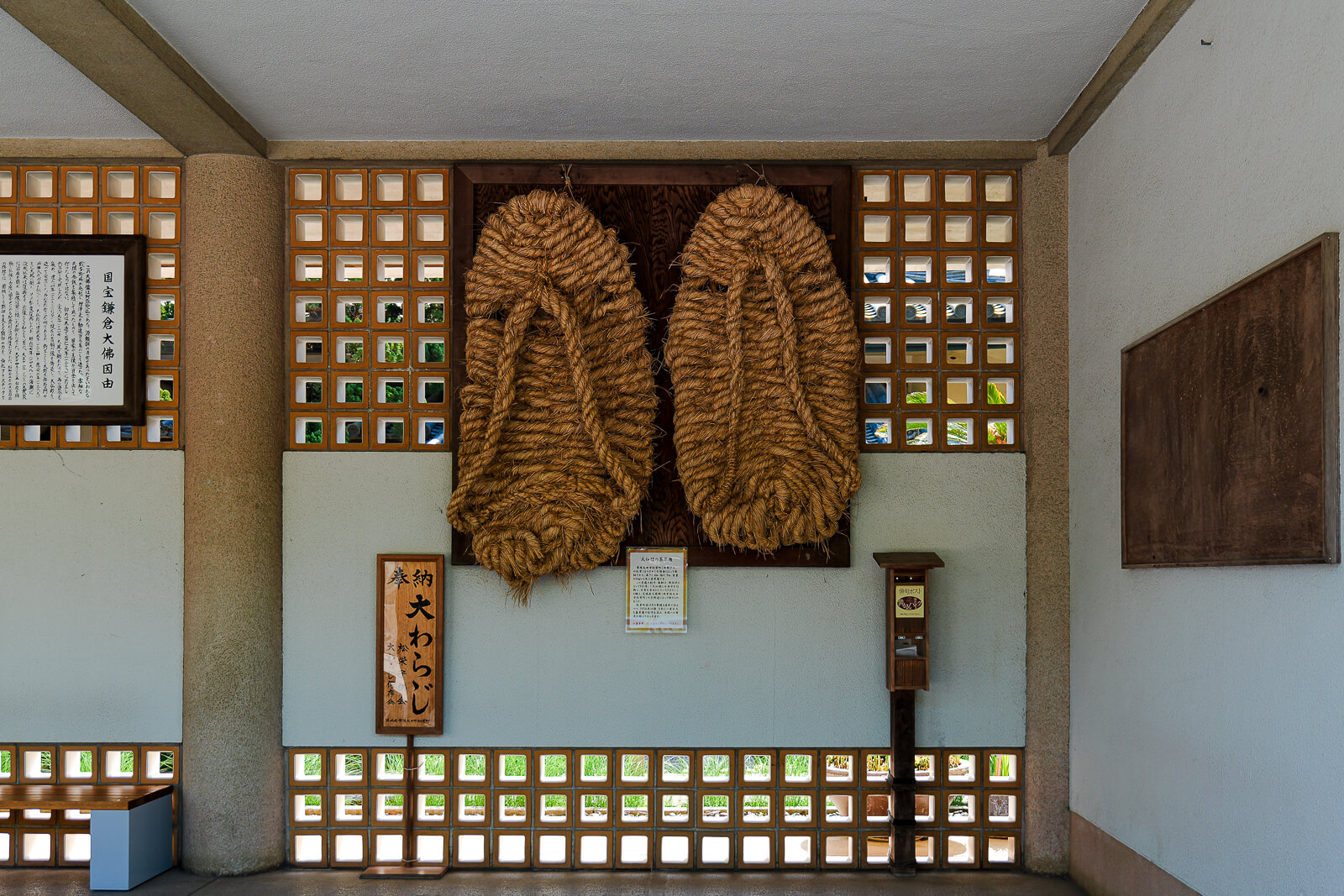
A larger souvenir shop is located closer to the exit, giving visitors an opportunity to browse before leaving the temple grounds. Restrooms, seating areas, and clearly marked pathways contribute to a straightforward visit, making Kōtoku-in one of the most accessible major attractions in the Hase district.
How Much Time Should You Allow?
Kōtoku-in is one of Kamakura’s easiest major attractions to fit into an itinerary. Visitors who wish to see the Great Buddha, walk around the grounds, and continue to their next destination can comfortably complete a visit in around 20 to 30 minutes. The compact grounds make it easy to adjust your visit based on the amount of time available.
Allowing 45 minutes provides a more relaxed experience and enough time to enter the interior of the Great Buddha, receive a goshuin, browse the temple shops, and spend additional time photographing the statue from different angles. The open layout and available seating also make it easy to slow the pace without committing to a lengthy visit.
For many travelers, Kōtoku-in is best experienced as part of a wider exploration of the Hase district. Pairing it with nearby temples, the coastline, or one of Kamakura’s walking routes creates a rewarding half-day itinerary, while adding central Kamakura or Enoshima comfortably fills an entire day.
Who Should Visit Kōtoku-in Temple
Kōtoku-in appeals to a wide range of travelers because of its compact layout, easy access, and cultural significance. It is an excellent choice for first-time visitors to Kamakura who want to experience one of the city’s most recognizable landmarks without requiring a significant time commitment. Its straightforward layout also makes it approachable for visitors who prefer shorter sightseeing stops.
The temple also works well for photographers, families, train travelers, and visitors with limited mobility. Most of the grounds are level and easy to navigate, allowing visitors to move around the Great Buddha comfortably while spending as much or as little time as their itinerary allows.
Those with additional time will find that Kōtoku-in serves as a natural starting point for exploring the wider Hase district, where larger temple complexes, coastal walks, and quieter neighborhood streets provide opportunities to continue the day at a relaxed pace.
How Kōtoku-in Fits Into a Kamakura Visit
Kōtoku-in occupies a central position within the Hase district, making it one of the easiest attractions to combine with other parts of Kamakura. Many visitors begin or end their exploration here before continuing through nearby temples, local cafés, and the surrounding neighborhood without needing additional transportation. Its central location makes it one of the easiest landmarks to incorporate into almost any Kamakura itinerary.
Only a short walk away, Hase-dera offers a much larger temple complex with hillside gardens, seasonal flowers, panoramic viewpoints, caves, and one of Kamakura’s most important collections of Buddhist statuary. Together, the two temples provide complementary experiences, with Kōtoku-in centered on a single monumental landmark and Hase-dera rewarding visitors with a broader exploration of temple architecture and gardens.
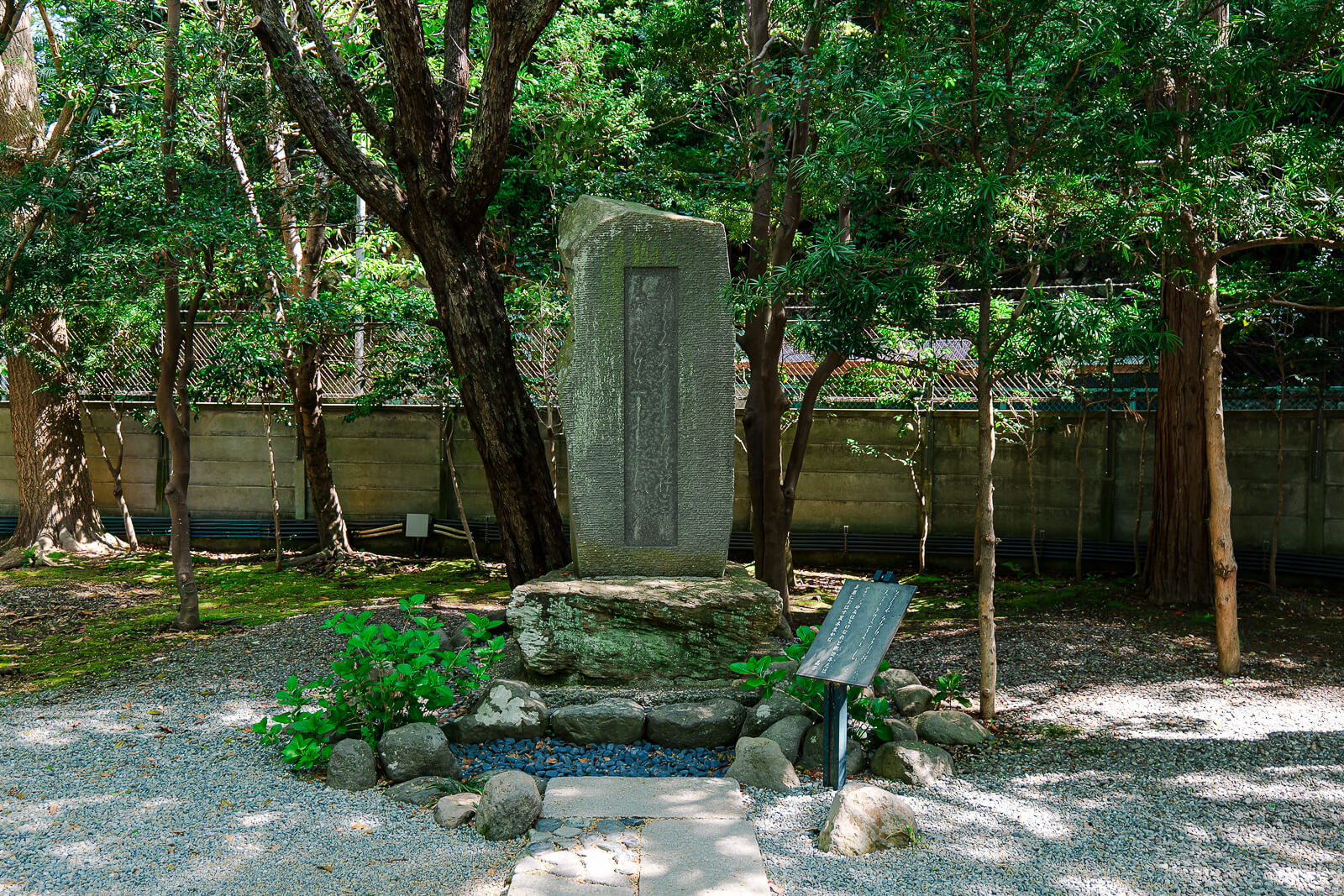
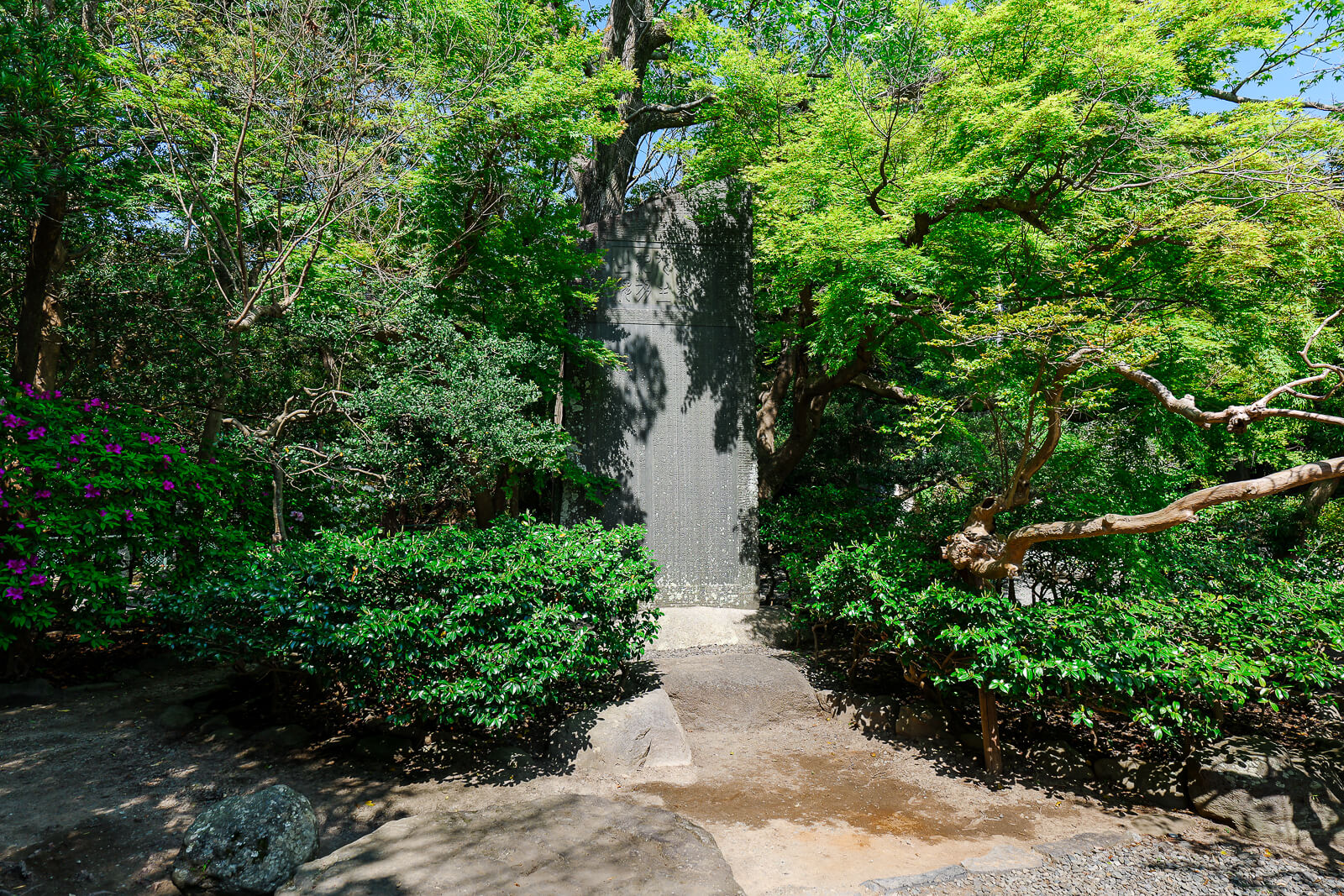
The surrounding streets also connect naturally with Goryo Shrine, Kosoku-ji, and Shugen-ji. These smaller sites add historical depth to the Hase district and are easily incorporated into a walking route between the area’s major attractions.
Visitors interested in hiking can continue to the nearby Daibutsu Hiking Course, which links the Hase area with the temple district of Kita-Kamakura. Following the trail provides access to renowned temples including Kenchō-ji, Engaku-ji, Jōchi-ji, and Meigetsu-in, creating one of the city’s most rewarding cultural walking routes.
The nearby coastline offers another way to extend the day. A short walk leads to Yuigahama Beach and Zaimokuza Beach, while continuing east brings visitors toward Tsurugaoka Hachimangū and Komachi Street. Those continuing southwest along the Enoden Line can easily include Enoshima, making Kōtoku-in part of a full day exploring the Shōnan Coast.
Whether you’re visiting Kamakura on a day trip from Tokyo or spending several days exploring Kanagawa Prefecture, Kōtoku-in’s location and modest time commitment make it one of the easiest attractions to incorporate into a flexible itinerary.
Getting There
Kōtoku-in Temple is located in the Hase district of western Kamakura, approximately a seven-minute walk from Hase Station on the Enoden Line. Most rail travelers arrive through Kamakura Station and transfer to the Enoden for the short ride to Hase. Local buses from Kamakura Station also stop near the temple at the Daibutsumae bus stop.
The temple is easily combined on foot with Hase-dera and the surrounding Hase streets. The Hase-side entrance to the Daibutsu Hiking Course is also nearby, while Yuigahama Beach can be reached by continuing south through the neighborhood. These connections allow Kōtoku-in to function as either a brief standalone stop or part of a longer walking route through western Kamakura.
Hours & Fees
Temple grounds
April–September: 8:00–17:30
October–March: 8:00–17:00
Last entry: 15 minutes before closing
Reservations are not required
Inside the Great Buddha
8:00–16:30 year-round
Last entry: 16:20
Temple shop
8:30–16:45 year-round
Goshuin
Handwritten in a goshuinchō: 9:00–15:00
Printed paper goshuin: 8:00–16:30
Interior access may be suspended or shortened during extreme heat, including afternoons when a Heatstroke Alert is issued for Kanagawa Prefecture.
Adults: ¥300
Elementary, junior high, and high school students: ¥150
Children under school age: Free
Inside the Great Buddha: Additional ¥50 per person
Kangetsudō is undergoing dismantling and restoration, with reconstruction planned for 2027. The Kannon statue associated with Kōtoku-in’s No. 23 designation on the Kamakura 33 Kannon Pilgrimage is not currently available for viewing while the hall remains under restoration.
Confirm current visitor information with the official source above before your trip.
Plan Your Kamakura Visit
Compare stays, rail options, guided experiences, and connectivity tools that can simplify a wider Kamakura and Enoshima visit.
Check Rail Options for Kamakura
Compare rail options for reaching Kamakura from Tokyo, Yokohama, or elsewhere before transferring to the Enoden for Hase.
Check Rail Options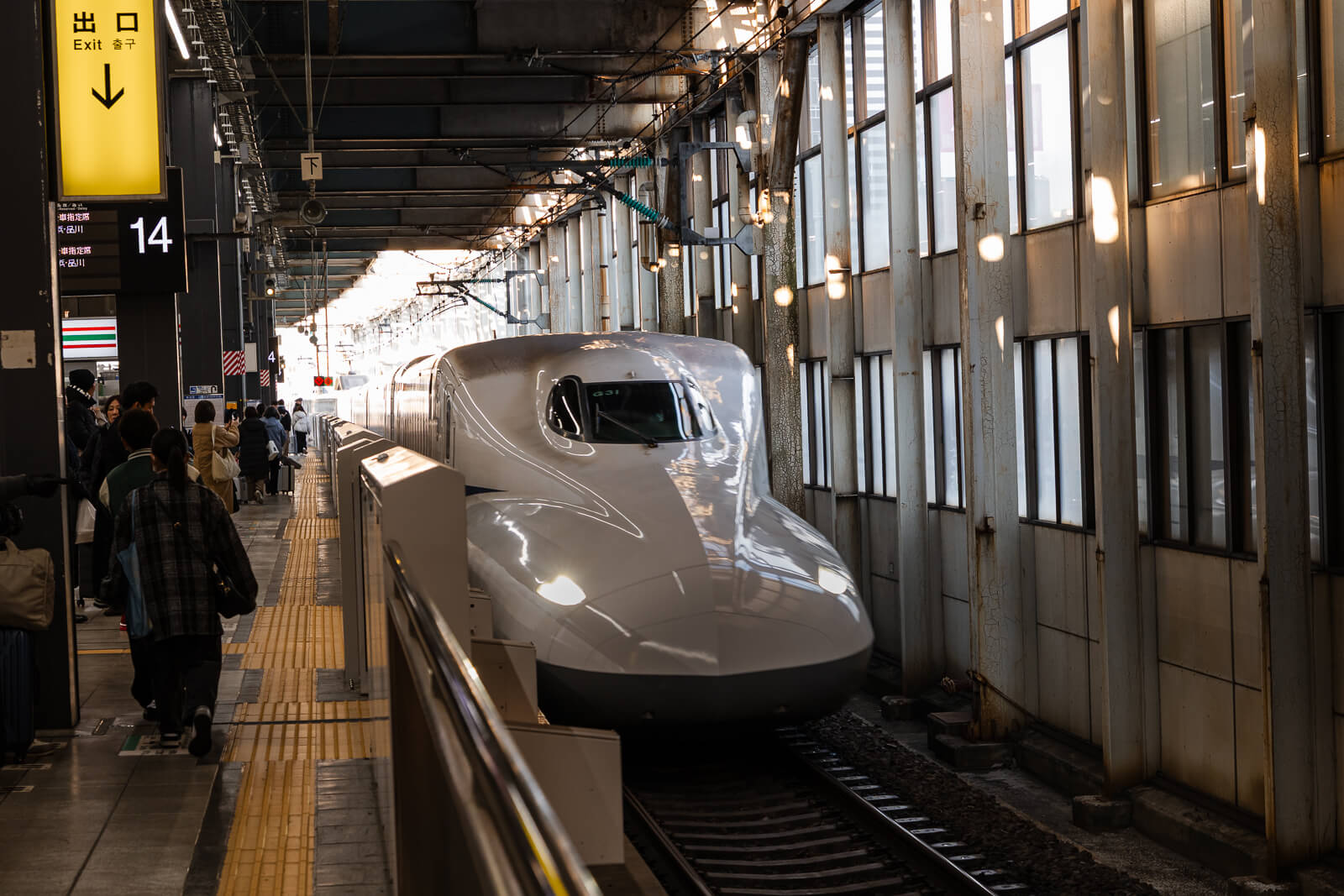
Explore Kamakura Tours and Experiences
Guided tours can combine the Great Buddha with Hase-dera, central Kamakura, or Enoshima while reducing route-planning effort.
View Tours Compare Hotels Near Kamakura and Hase
Staying nearby creates more time for Hase, central Kamakura, beaches, and an early start before day-trip crowds arrive.
Compare Stays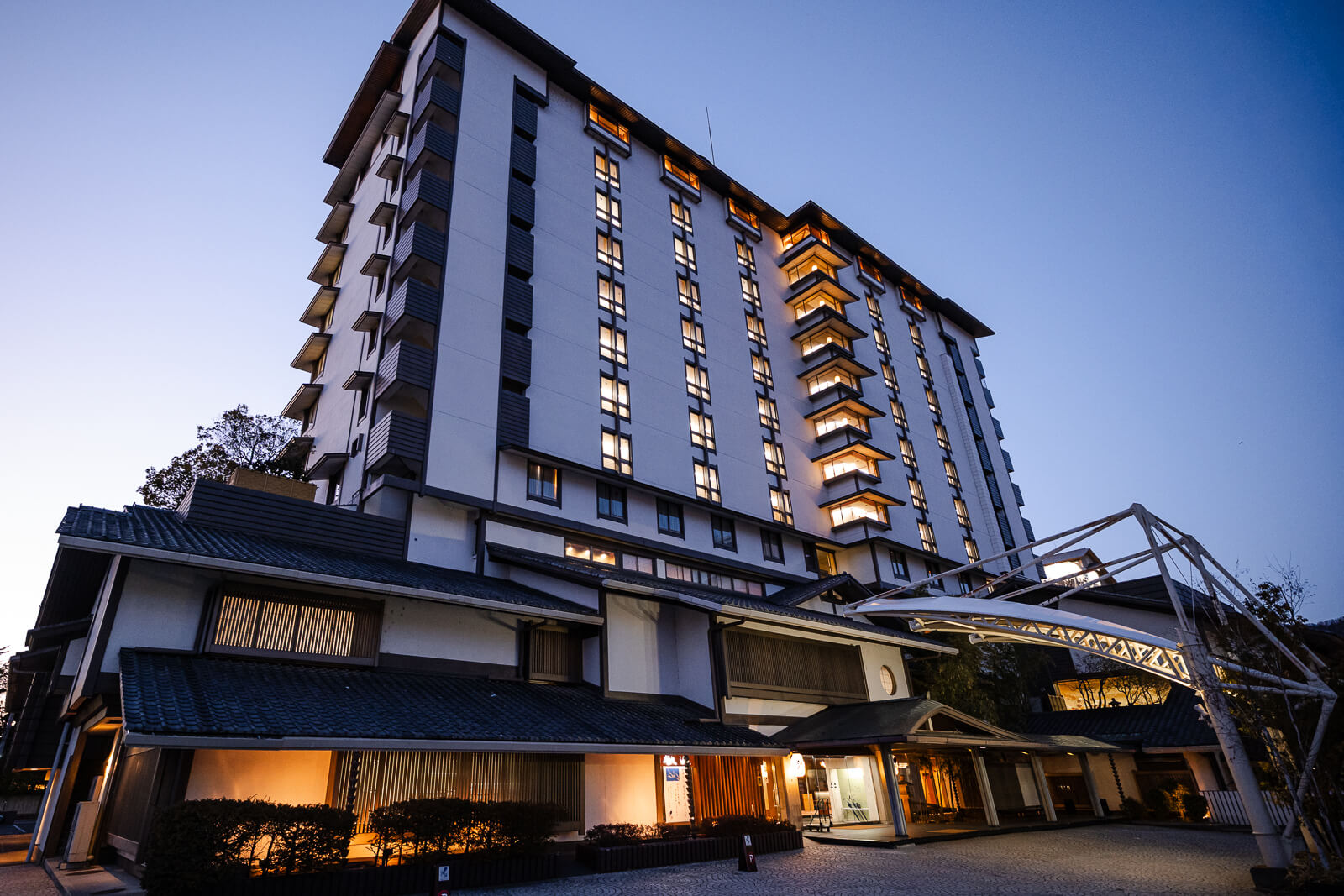
Stay Connected Around Kamakura
An eSIM keeps maps, train information, attraction details, and translation tools available throughout Kamakura and the wider Japan trip.
Check eSIM Options
Reader note: Japan Unfolded may earn a commission from some links at no extra cost to you.