Hase-dera Temple, Kamakura — Hillside Gardens and Views Over Sagami Bay
Updated April 8, 2026
Overview
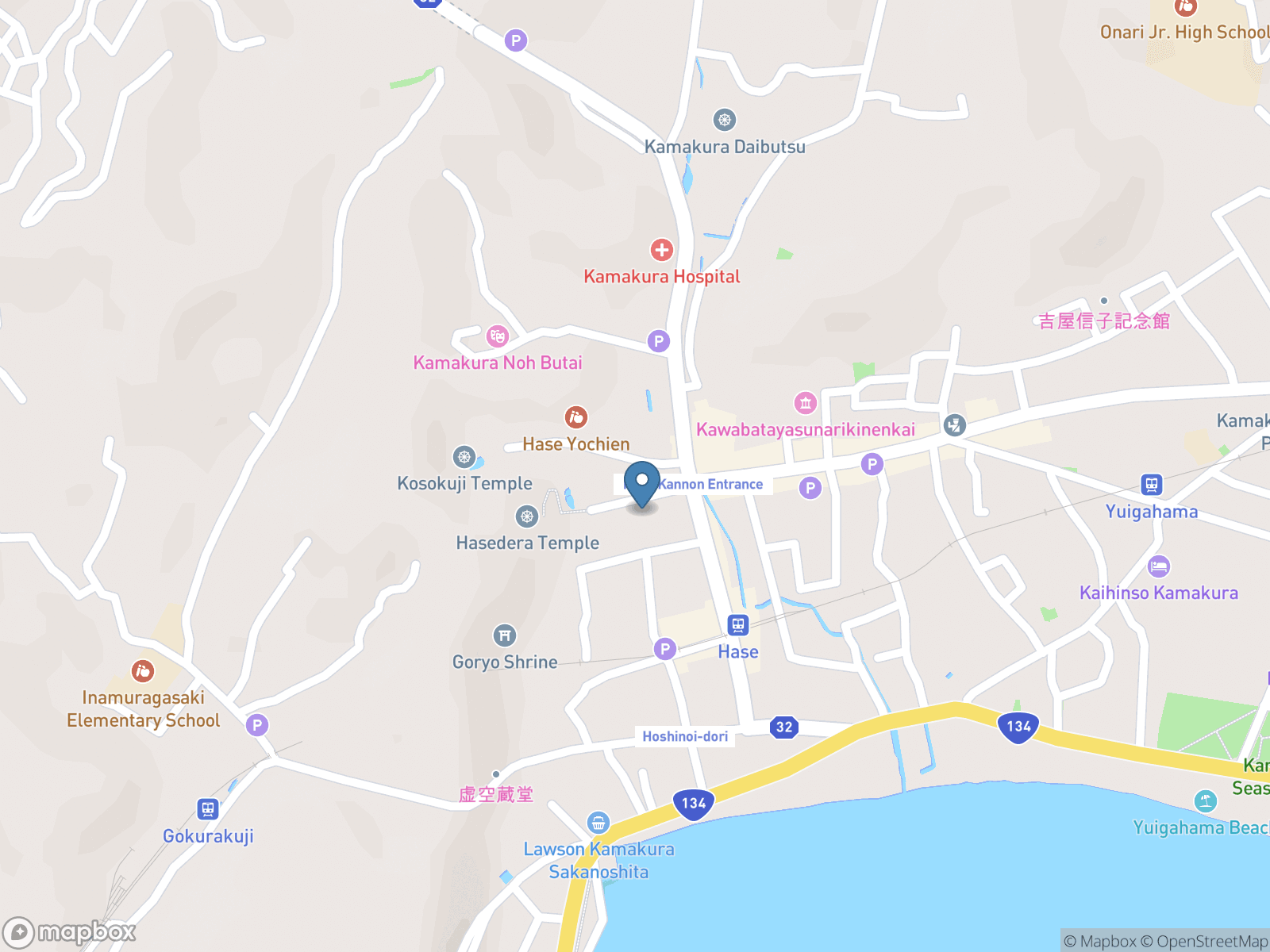
Hase-dera Temple sits on Kamakura’s western side in the Hase district, a short walk from Kōtoku-in, home of the Great Buddha. From Kamakura Station and Komachi Street, it’s about 10 minutes by Enoden train to Hase Station, followed by a five-minute walk uphill. It can easily be paired with Tsurugaoka Hachimangū, Kamakura’s central shrine, for a full-day route that connects the city center with the coast.
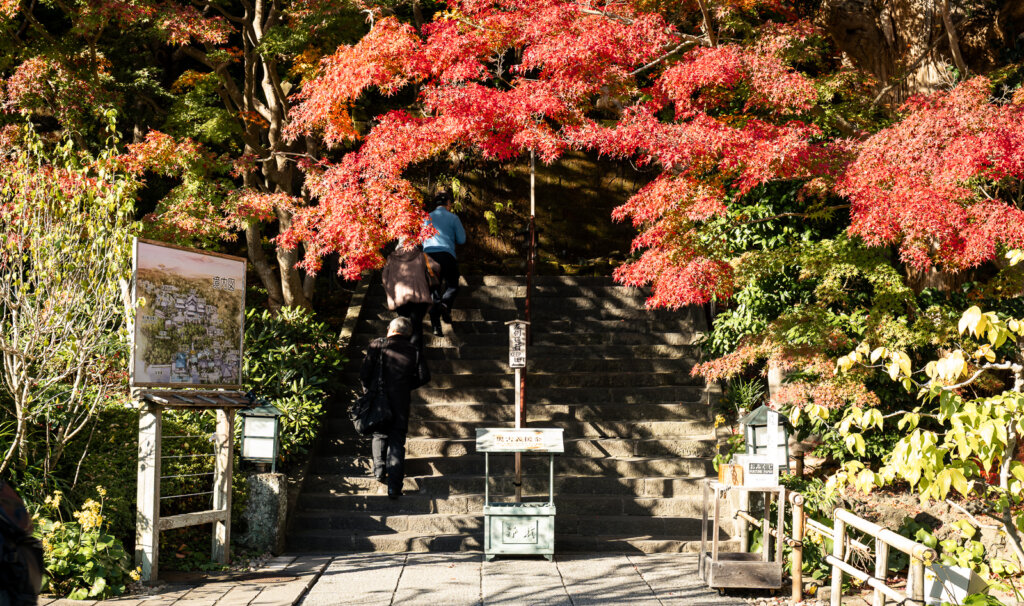
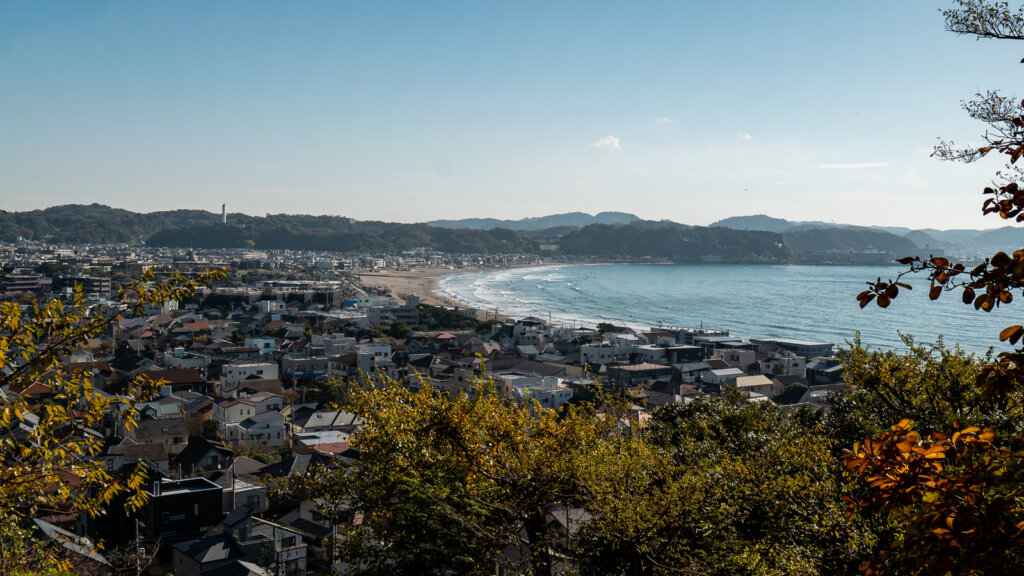
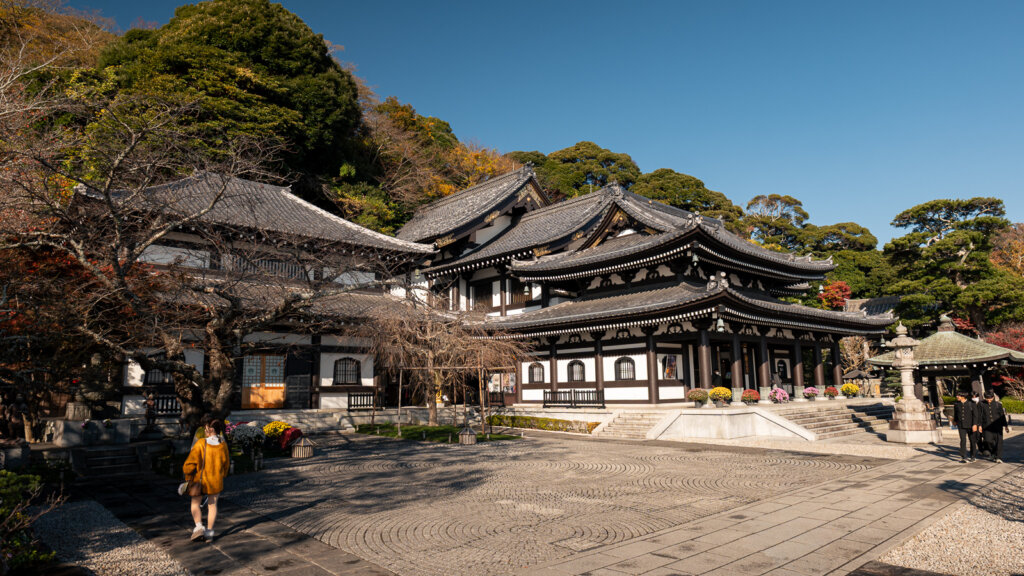
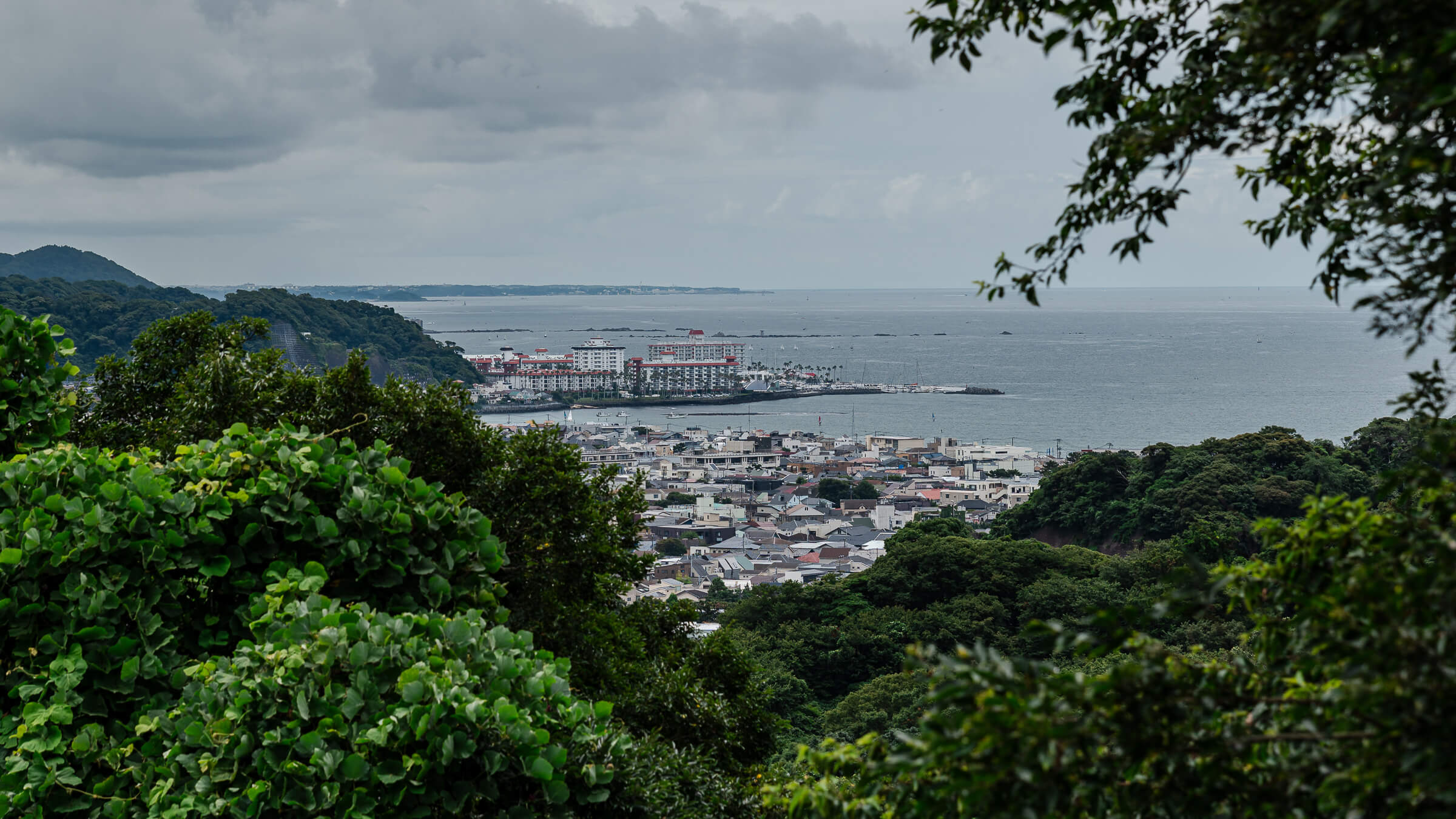
Hase-dera stands on a slope overlooking Sagami Bay. The grounds are arranged vertically, with halls, gardens, ponds, and viewing terraces connected by stone paths and steps. Visitors move gradually upward through the site, passing seasonal flowers and smaller devotional spaces before reaching the upper terraces with open views toward the coastline.
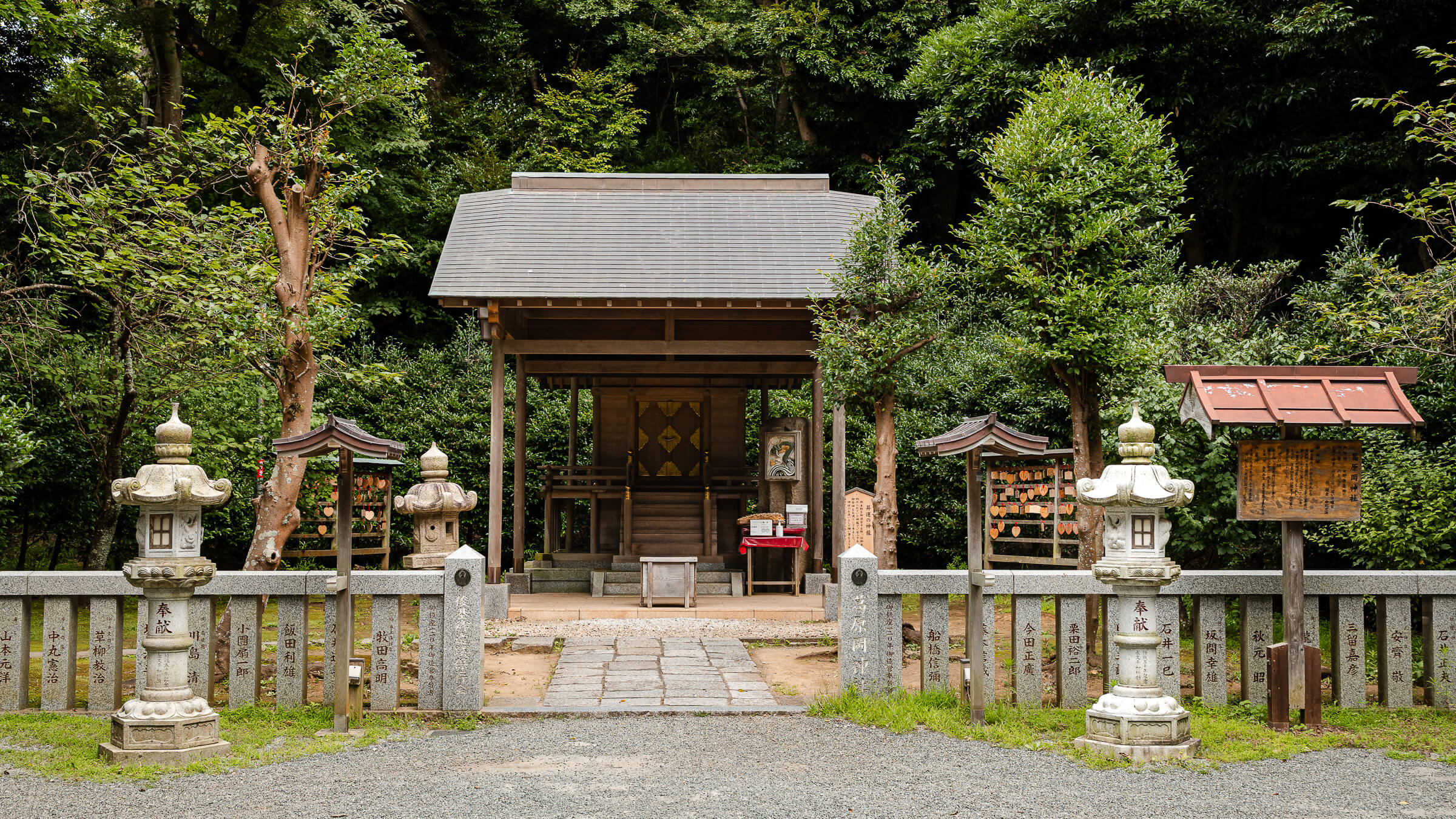
Rather than focusing on a single landmark, Hase-dera offers several experiences within one visit: the main Kannon Hall, landscaped gardens, a small cave shrine, and elevated viewpoints. Most visits take about an hour, though it can be shorter or longer depending on season and crowd levels.
Brief History & Significance
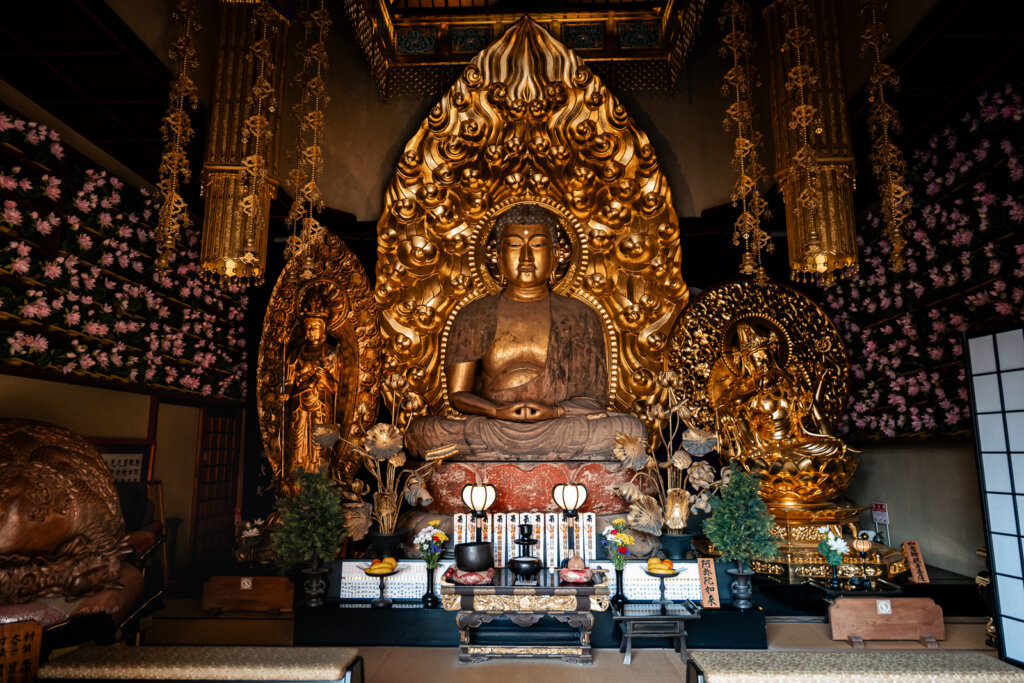
Hase-dera belongs to the Jōdo sect of Japanese Buddhism and centers on an eleven-headed statue of Kannon, the bodhisattva associated with compassion. The statue established the temple as a long-standing place of prayer connected to family well-being, health, and protection.
As devotion to the site grew, additional halls, gardens, and smaller devotional spaces were added along the hillside. Rather than concentrating activity in one structure, the temple developed as a sequence of spaces, reinforcing a gradual, processional style of visiting that remains central to the experience today.
The Approach and Lower Grounds
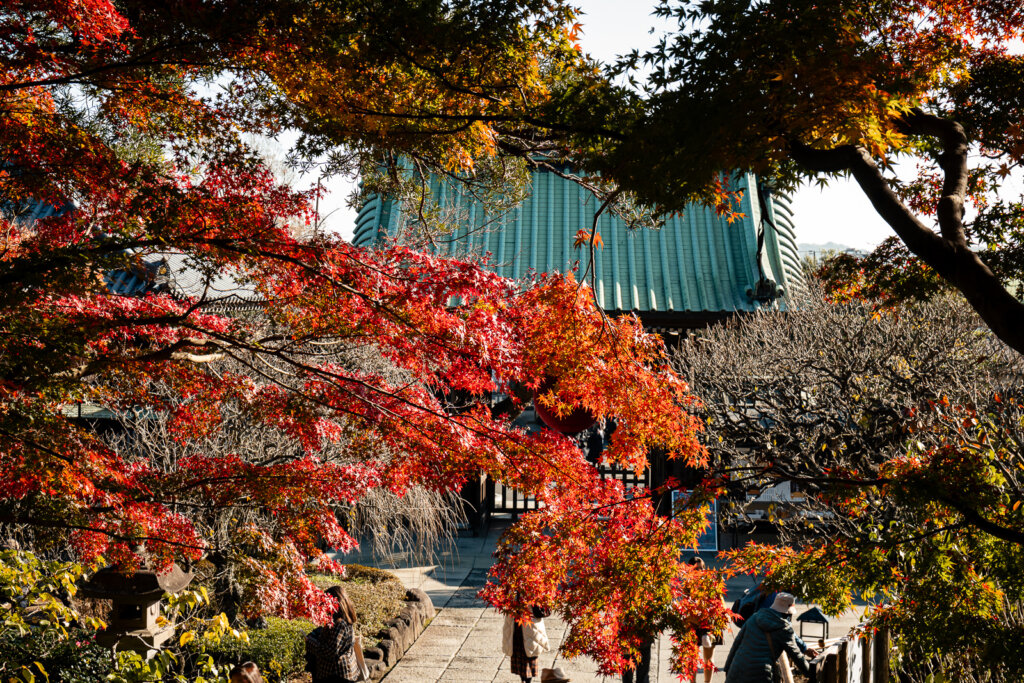
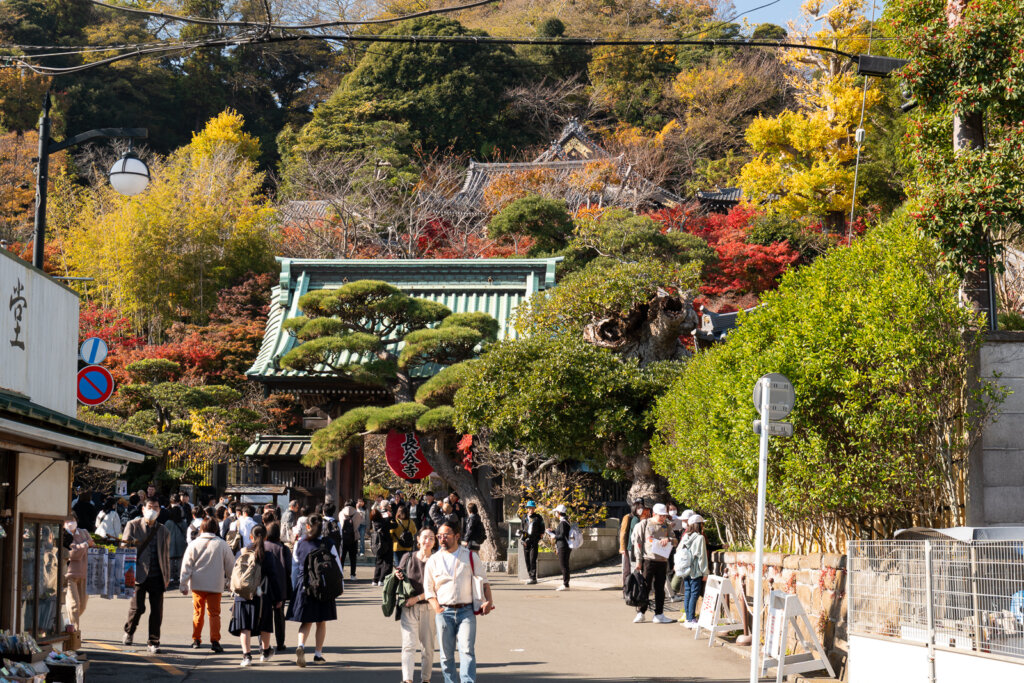
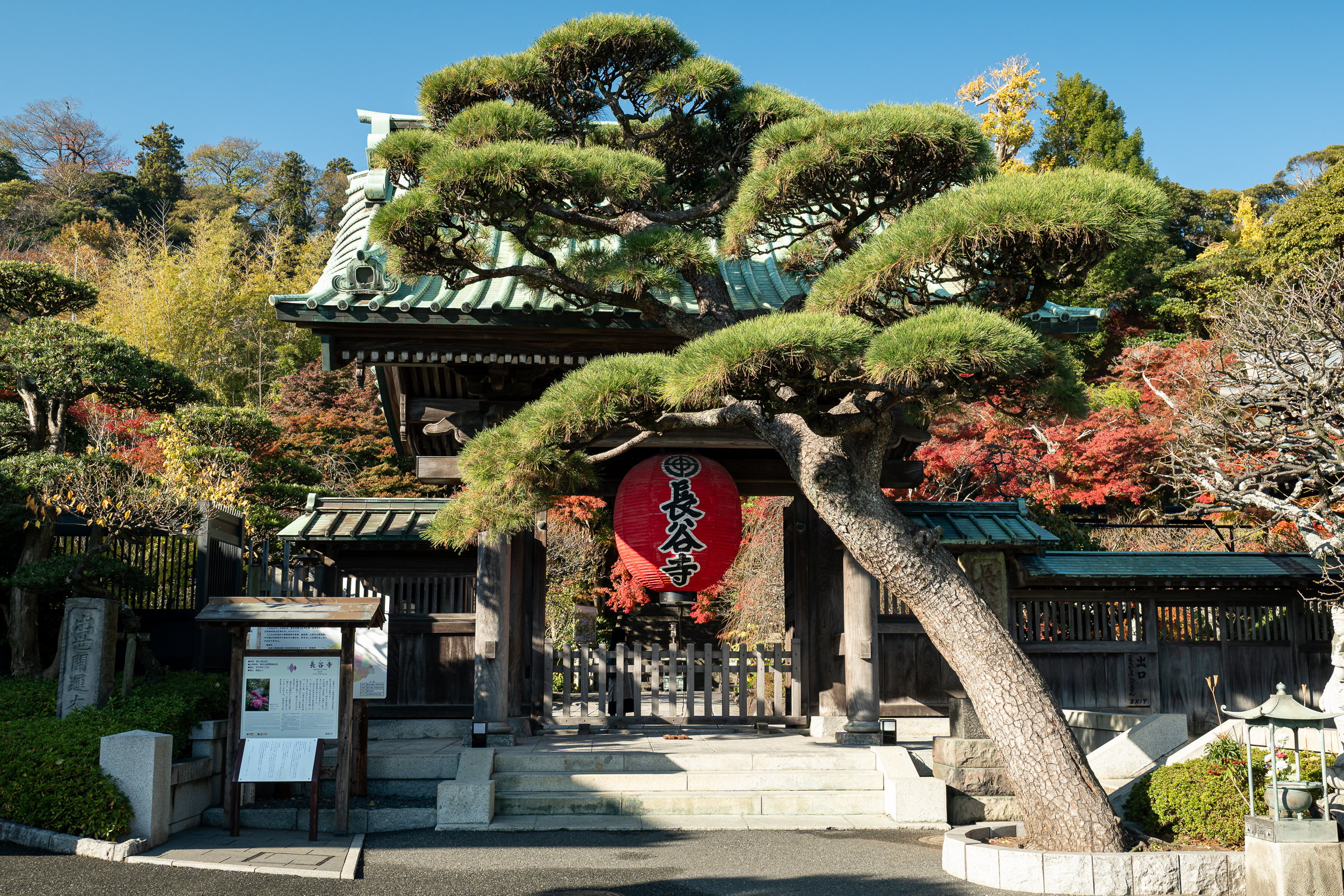
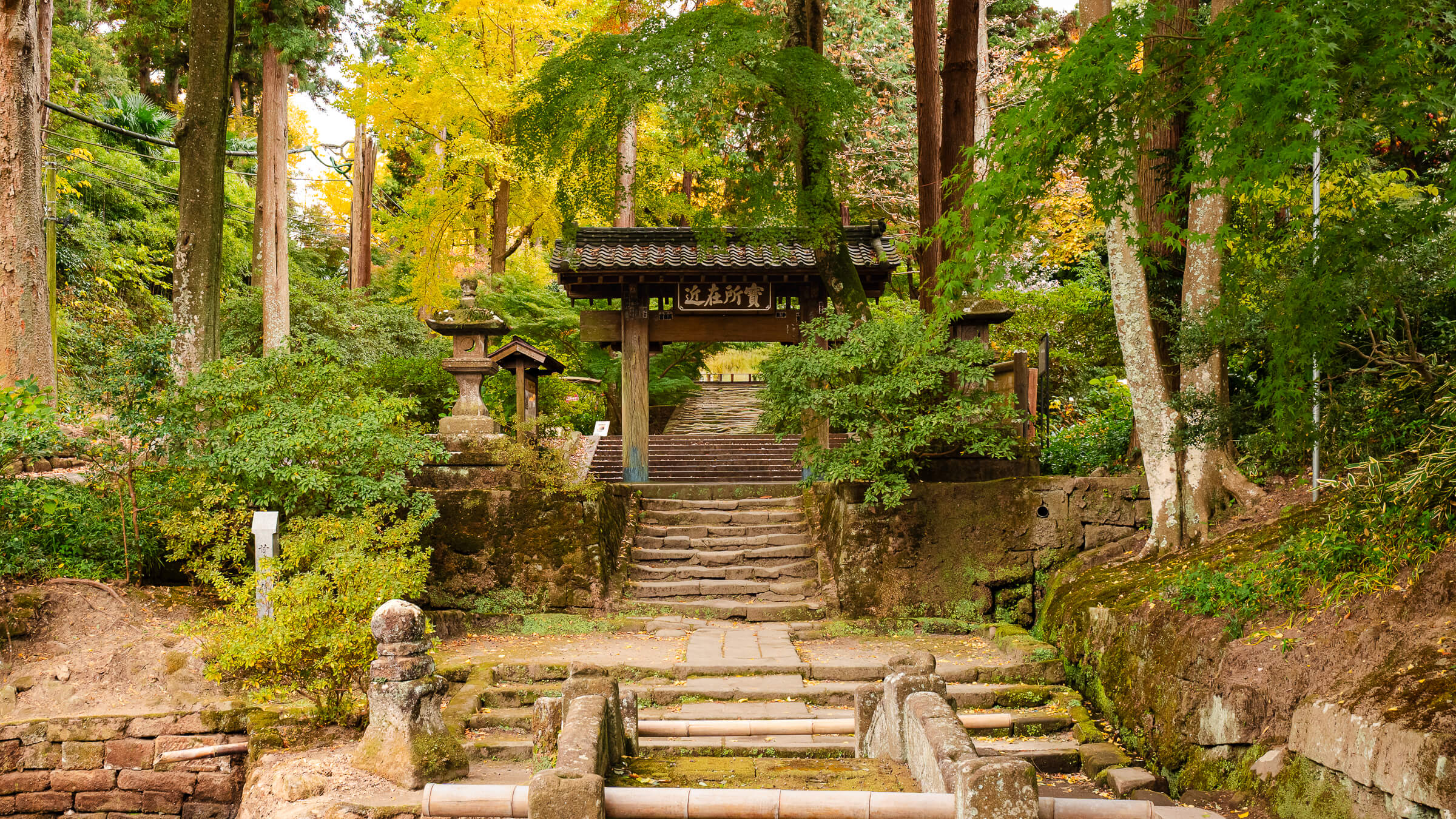
The visit begins near Hase Station, where the surrounding streets are lined with small shops and cafés. Entering through the main gate leads into a broad lower courtyard that absorbs much of the initial movement and noise. This area establishes the scale of the temple and creates a natural pause before the ascent begins.
Moving Up Through the Temple
Stone steps and gently sloped paths guide visitors upward past the main halls and garden terraces. These middle sections form the core of the visit, where religious spaces and landscaped areas are closely integrated. The route is intuitive, encouraging steady movement while allowing time to pause without feeling rushed.
Upper Terraces and Coastal Views
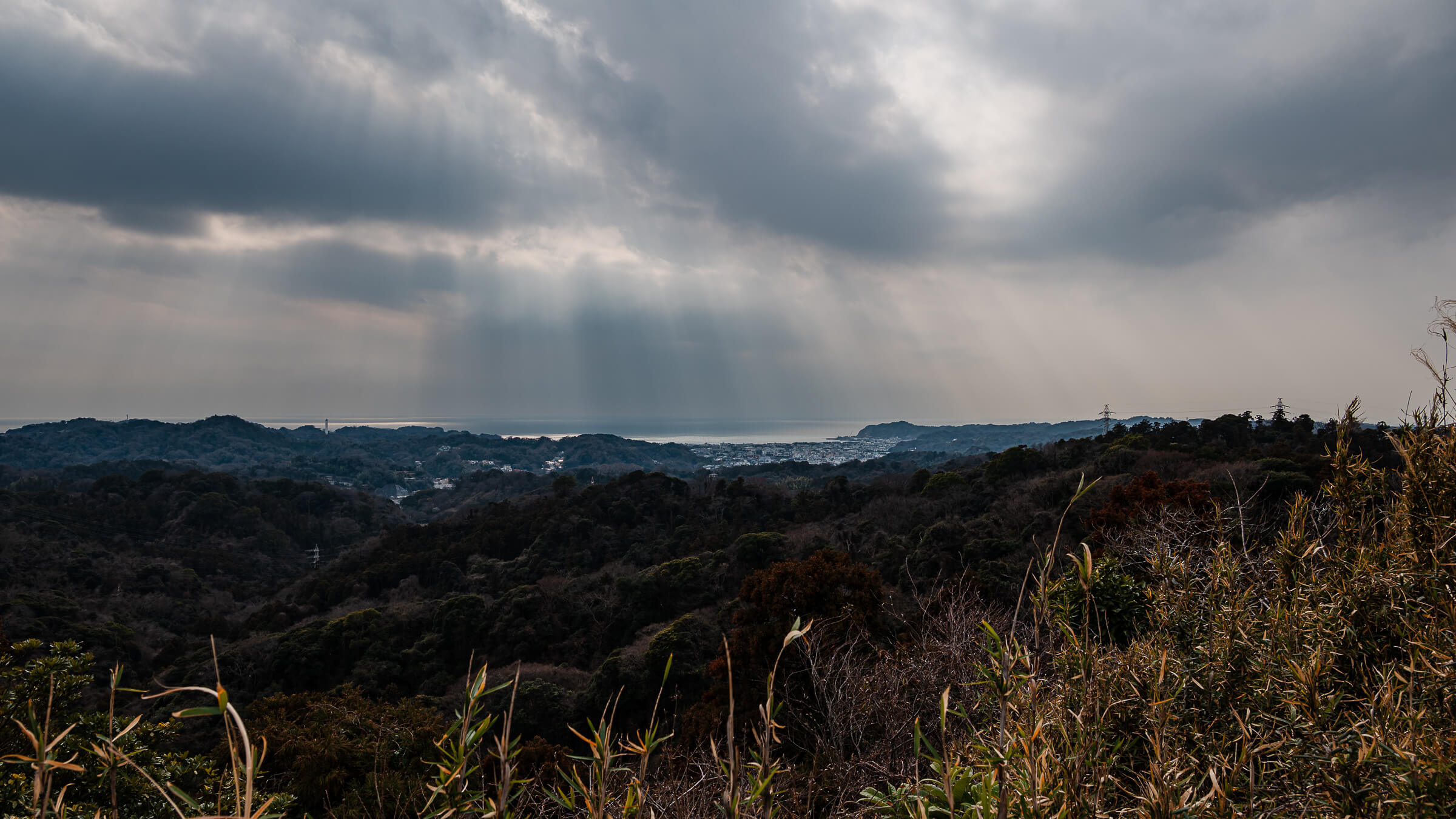
Higher sections of the grounds open toward the sea. From these terraces, the view extends along the coast toward Zushi and Hayama on clear days. The atmosphere here feels more spacious, with fewer visual barriers and a slower overall pace. This contrast between enclosed lower areas and open upper viewpoints defines much of Hase-dera’s character.
The Cave and Exit Area
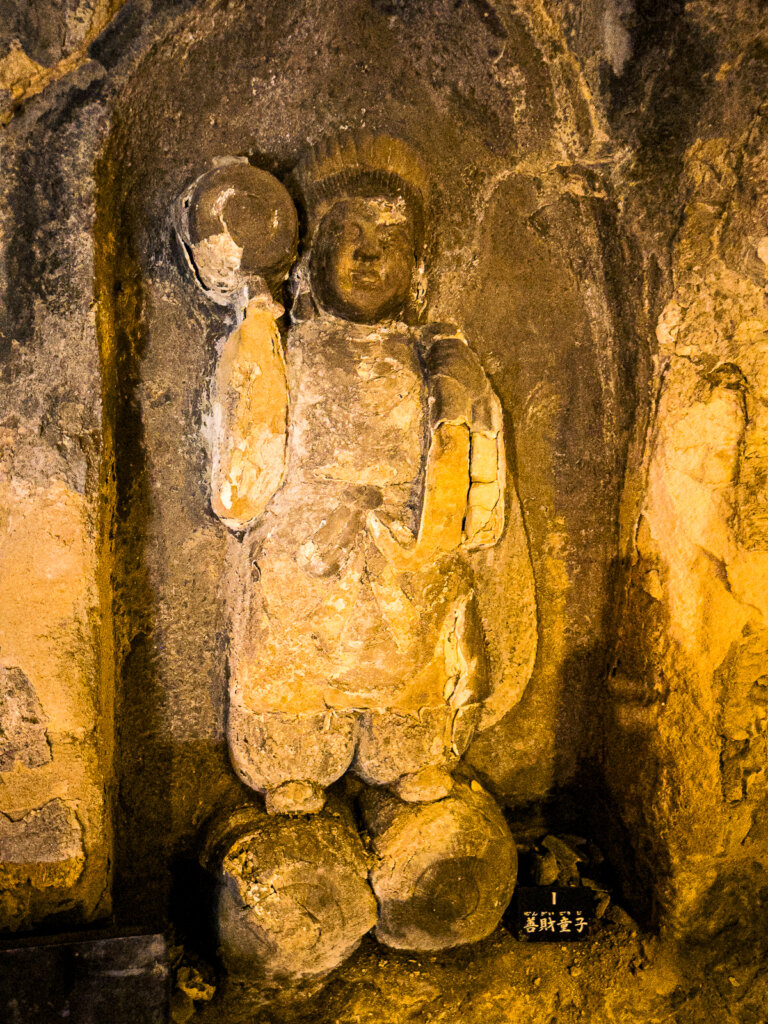
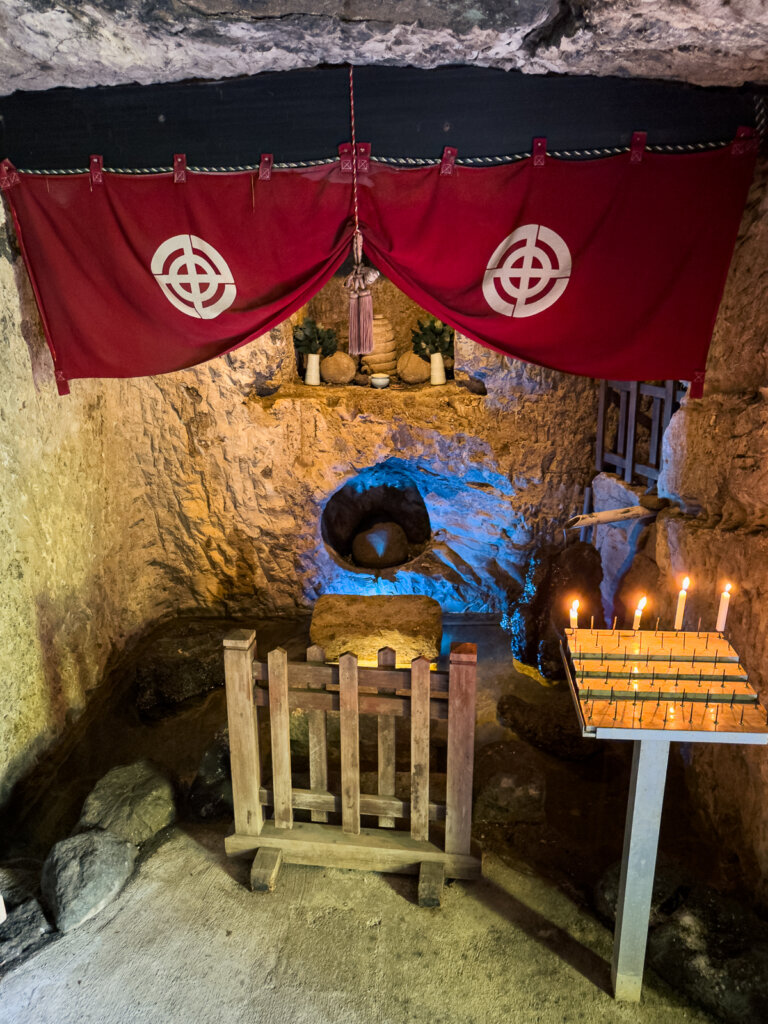
Near the end of the route, close to the pond and just before exiting the grounds, a small cave opens along the path. This enclosed space offers a quieter, more inward-focused moment after the openness of the terraces above. Its location near the exit makes it easy to overlook, but it serves as a natural closing point to the visit.
Inside the Benten Kutsu cave at Hase-dera Temple
Blue-lit section of the Benten Kutsu cave with devotional cloths
Atmosphere, Timing, and Pace
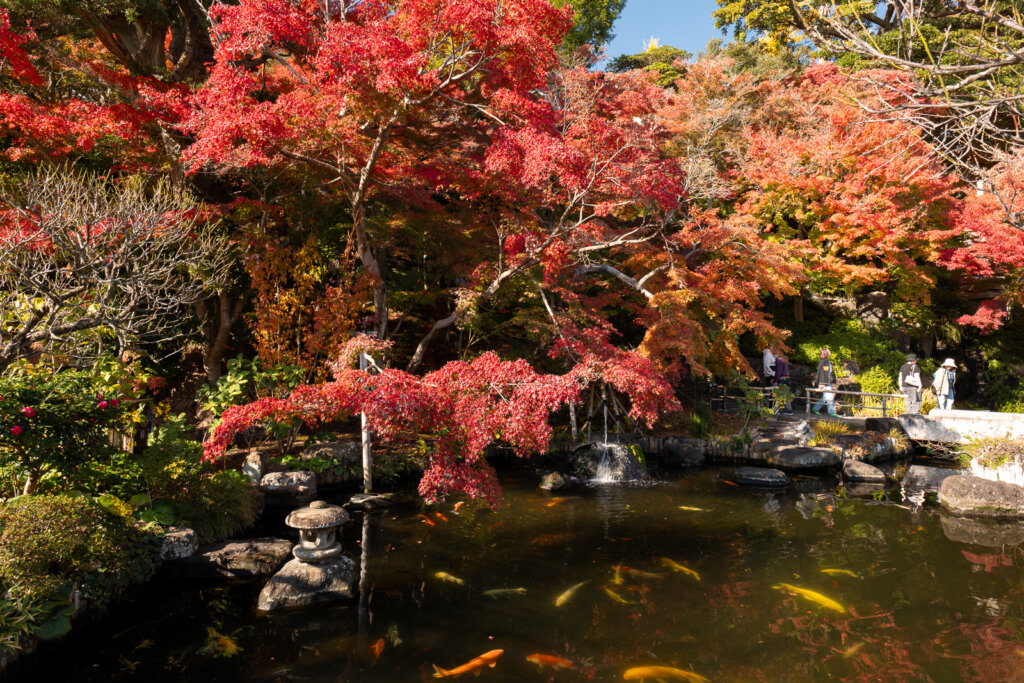
Hase-dera’s atmosphere shifts noticeably with season and time of day. During hydrangea season, movement through the gardens becomes slower and more concentrated, particularly along narrower paths. In winter and early spring, clearer skies and lighter crowds emphasize views and walking rather than floral displays. Autumn brings color without the density of summer. The overall layout supports a visit of about an hour, with flexibility to stay longer without pressure.
Nearby Places and Natural Pairings
Hase-dera sits within walking distance of Kōtoku-in, home of the Great Buddha, and the two sites are often visited together. Yuigahama Beach lies nearby and can be incorporated naturally into the same outing. The surrounding neighborhood includes smaller temples, antique shops, and local streets that encourage unstructured wandering rather than a fixed route.
Getting There
Hase-dera is commonly accessed from Hase Station on the Enoden Line, followed by a short walk through a busy but straightforward neighborhood. On crowded days, buses from Kamakura Station offer an alternative approach that can feel less compressed. For travelers arriving from the north, the Daibutsu hiking trail from Kita-Kamakura provides a quieter transition into the western side of Kamakura and connects naturally with the area.
Japan Unfolded shares firsthand experiences and original photography from our travels around Japan.
Our guides help you decide what’s worth visiting, how much time to allow and what to combine nearby—from seasonal walks and mountain views to shrines, local food and quieter stops.