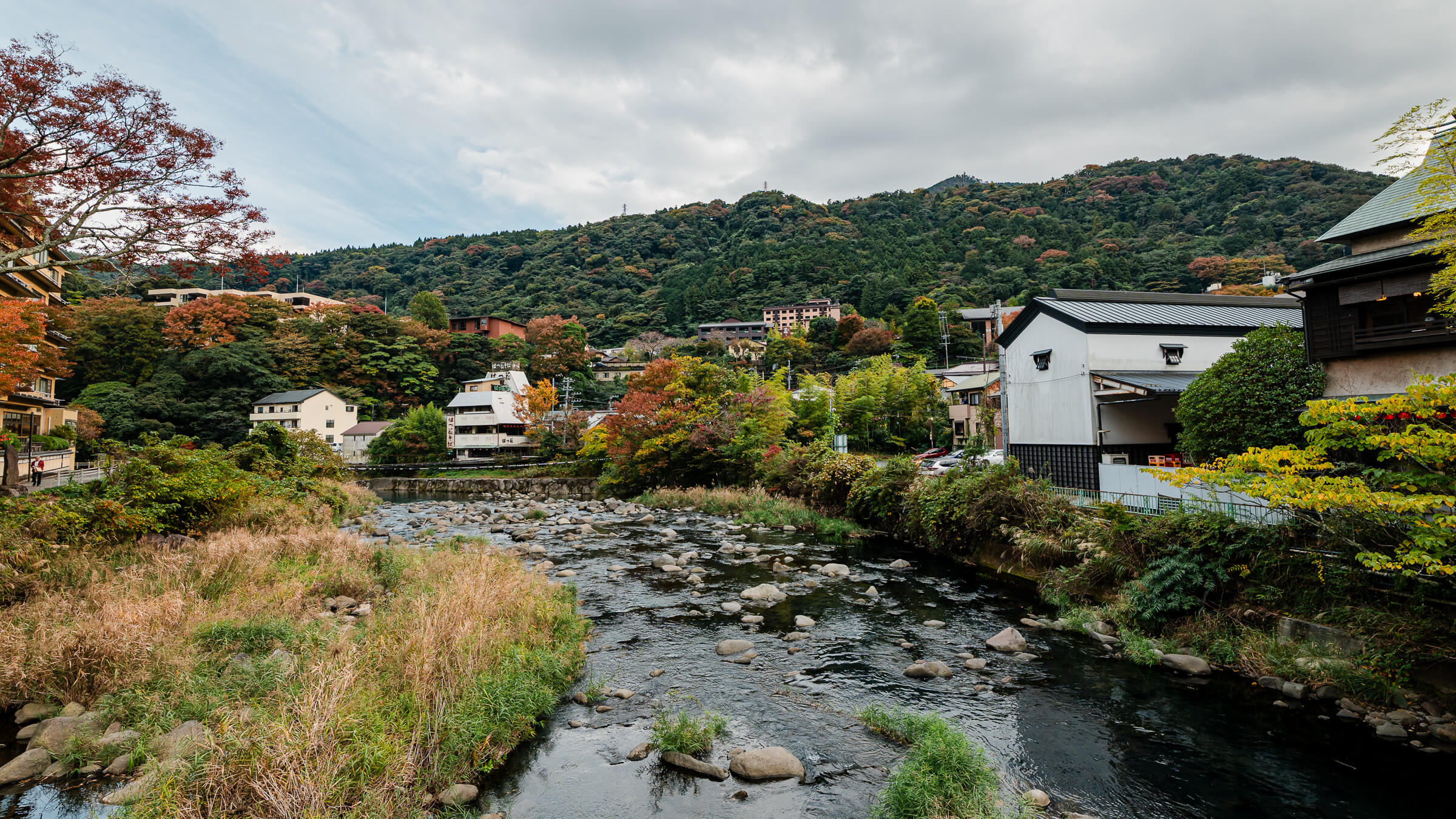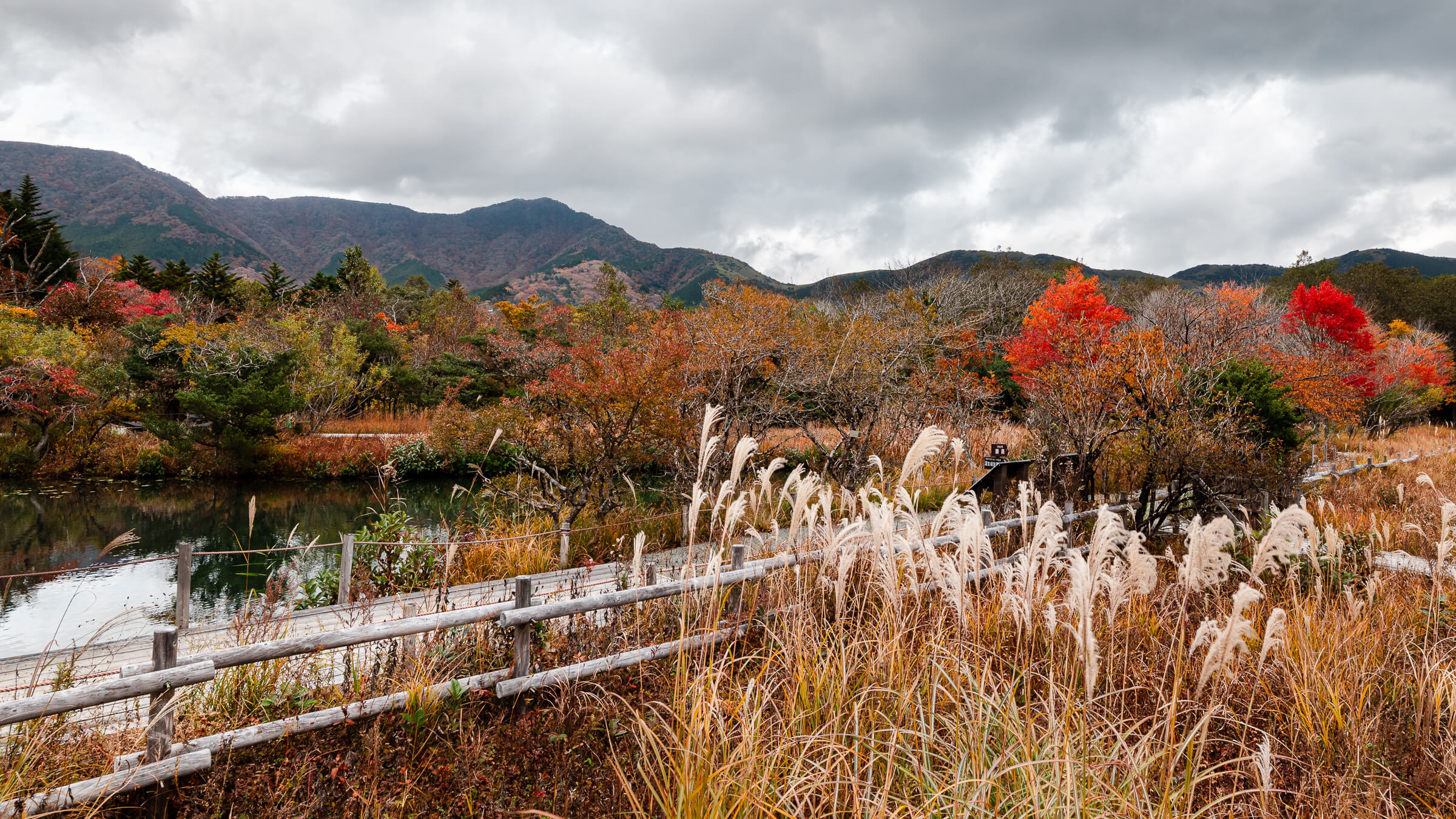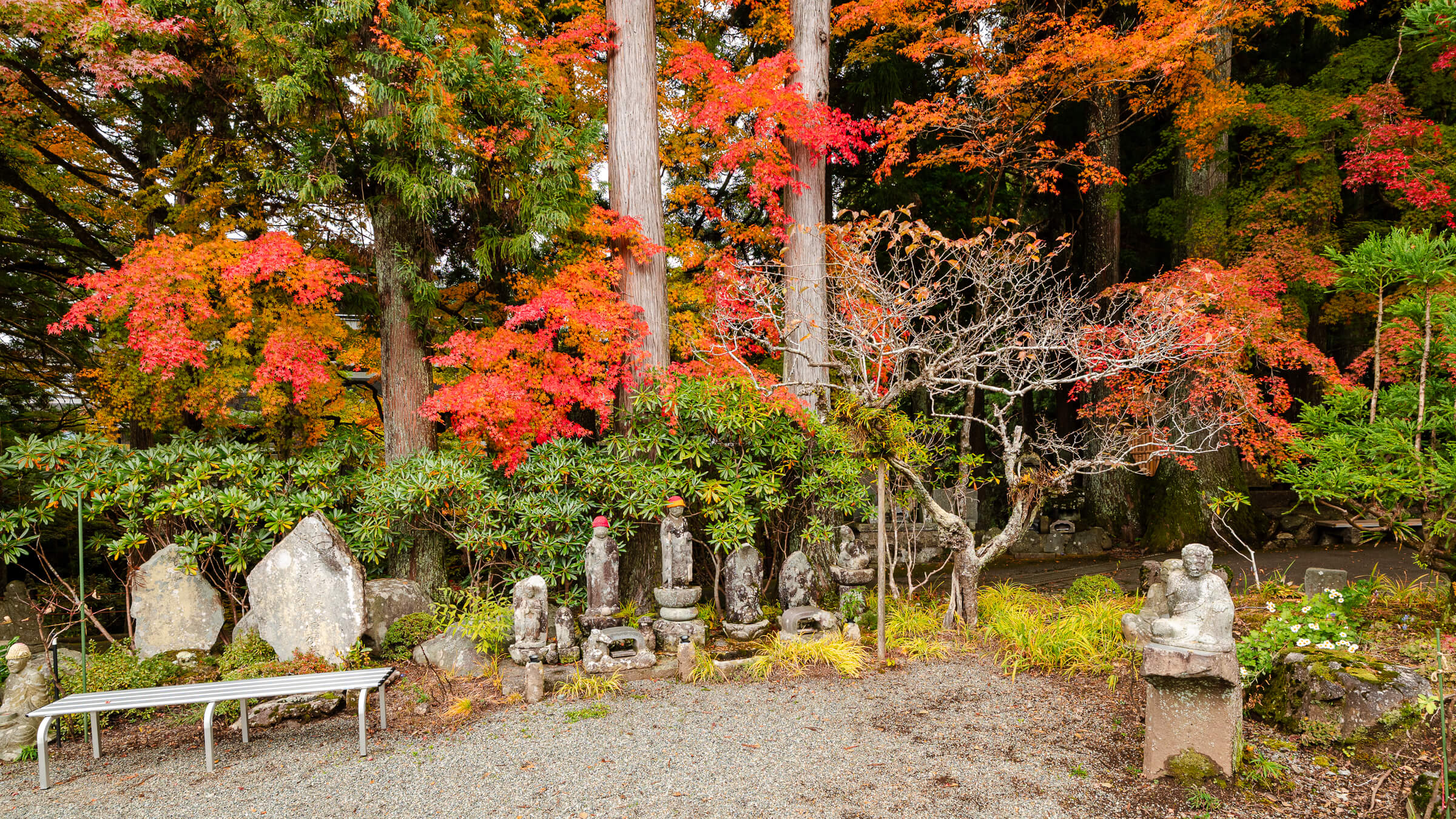
What this place is and why people come
Hakone Komagatake Ropeway is a short cable car ride that lifts visitors from the shore of Lake Ashi to the summit of Mount Komagatake. The experience centers on elevated views rather than activity, offering a quick ascent followed by open observation areas and wide sightlines across Hakone.
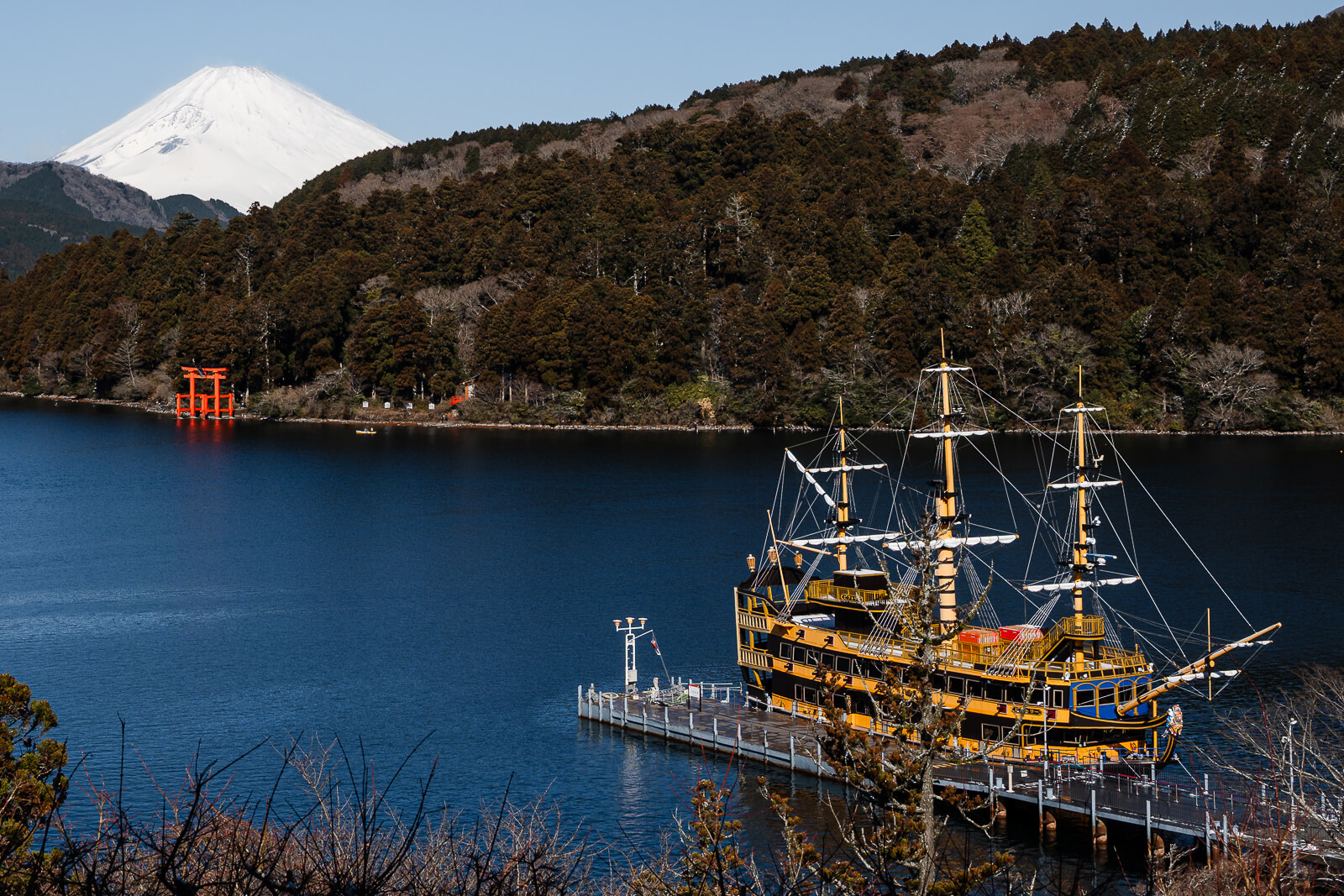
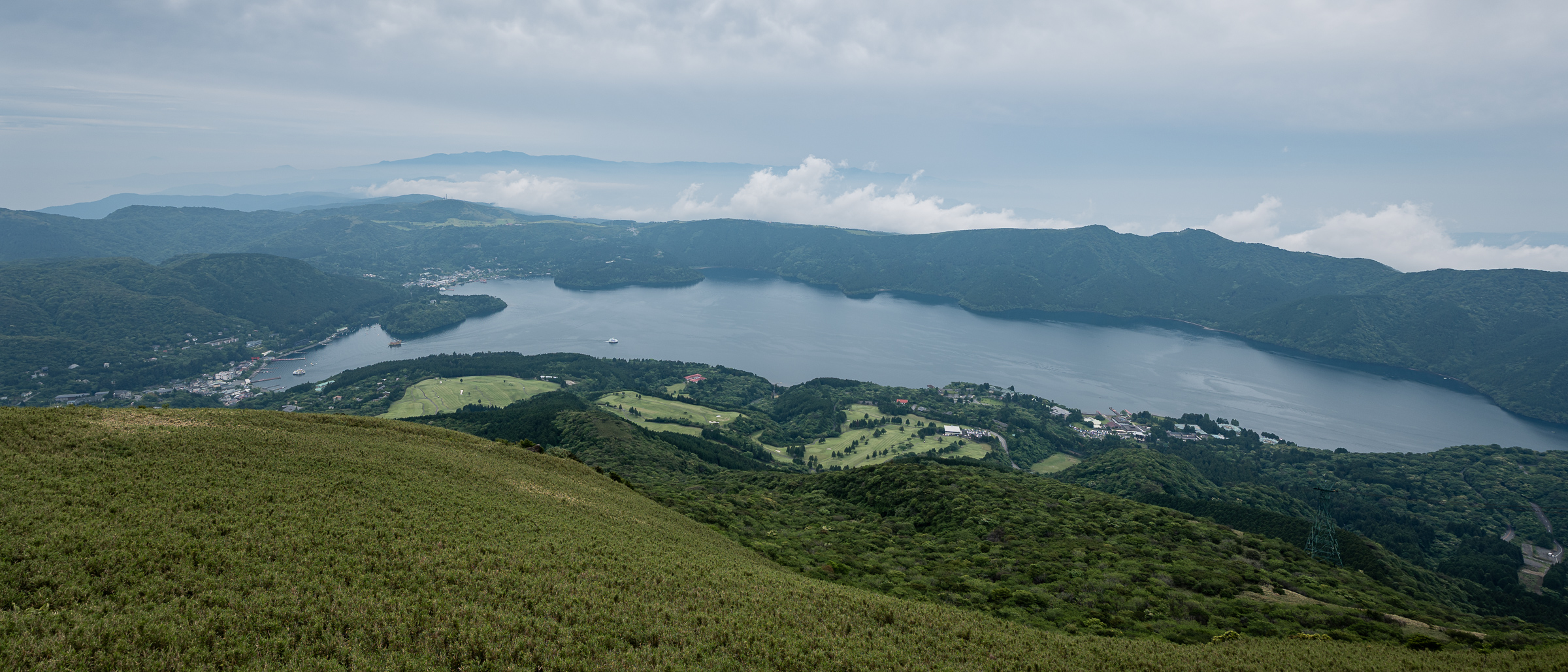
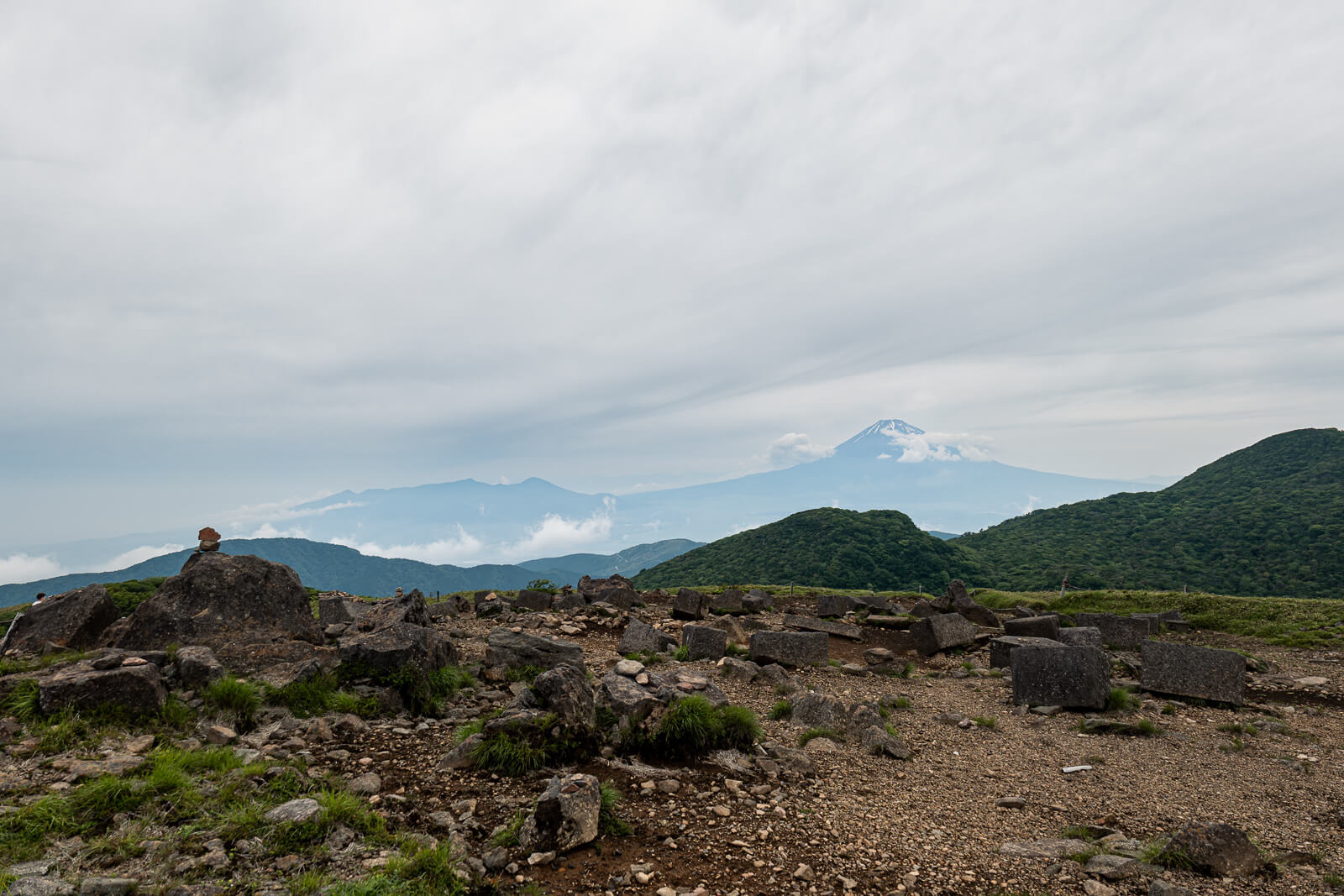
People come for perspective. From the summit, Lake Ashi spreads out below, Mount Fuji appears on clear days, and distant coastlines and bays become visible when conditions allow. The visit feels calm and contained, making it easy to add to a larger Hakone itinerary without committing significant time or energy.
This is best understood as a scenic pause rather than a destination designed to fill an entire morning or afternoon.
A brief sense of place
Mount Komagatake sits within Fuji–Hakone–Izu National Park, an area shaped by volcanic geography and long valued for its elevated viewpoints. The ropeway exists to make the summit accessible without hiking, allowing visitors to experience the mountain’s vantage point regardless of fitness level or time constraints.
The summit environment emphasizes openness and scale rather than narrative or exhibits. Meaning comes primarily from the landscape itself.
The ropeway ride and arrival at the summit
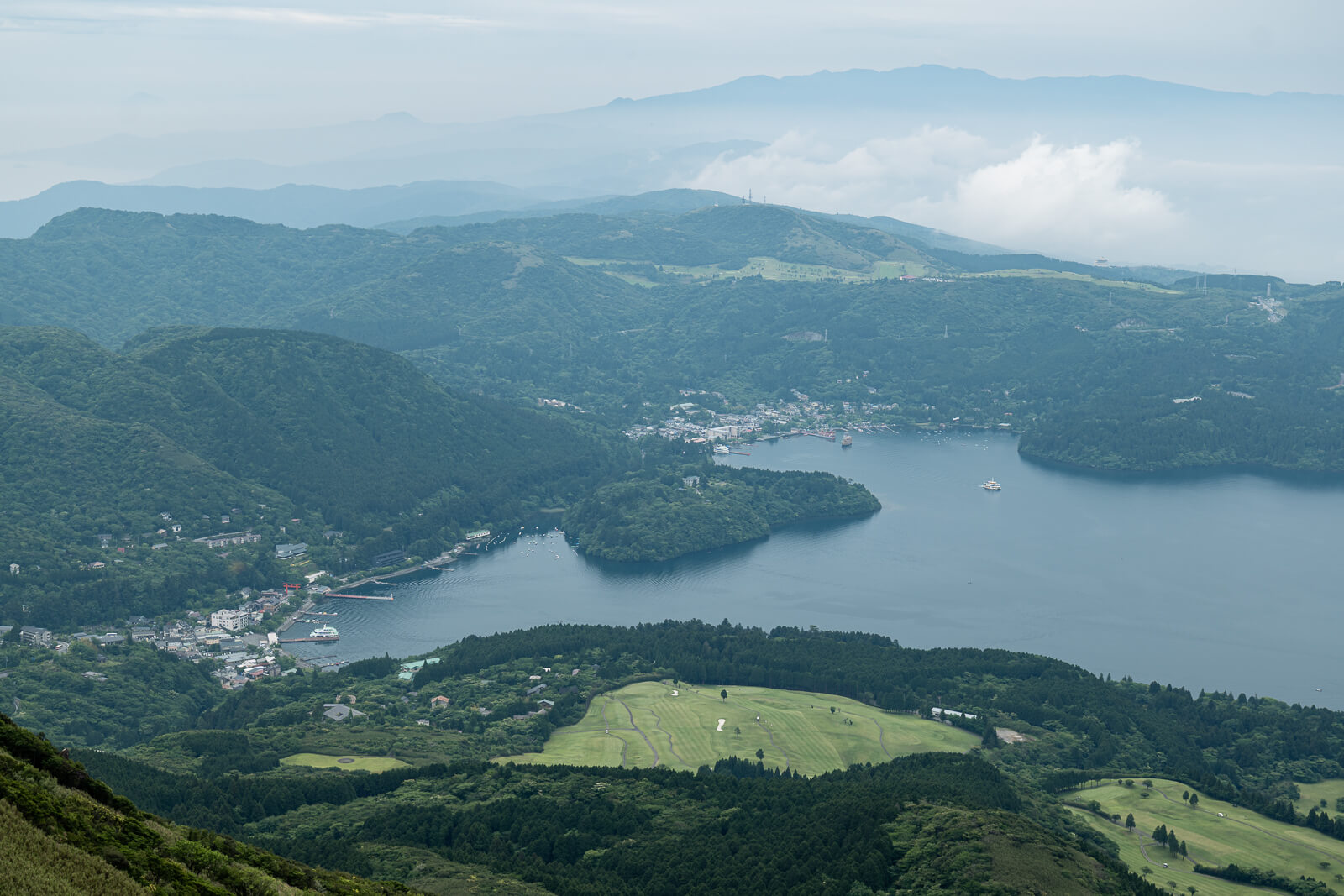
The ropeway departs from the Hakone-en area near the shore of Lake Ashi. The ride takes approximately seven minutes each way and rises steadily without sharp changes in pitch or speed. As the cabin ascends, the lake becomes the dominant visual element, with surrounding ridgelines gradually opening outward.
Arrival at the summit feels immediate rather than transitional. Visitors step directly into open space, with observation areas accessible within moments of exiting the station. Effort up to this point is minimal, and the route is wheelchair accessible.
Views and walking at the top
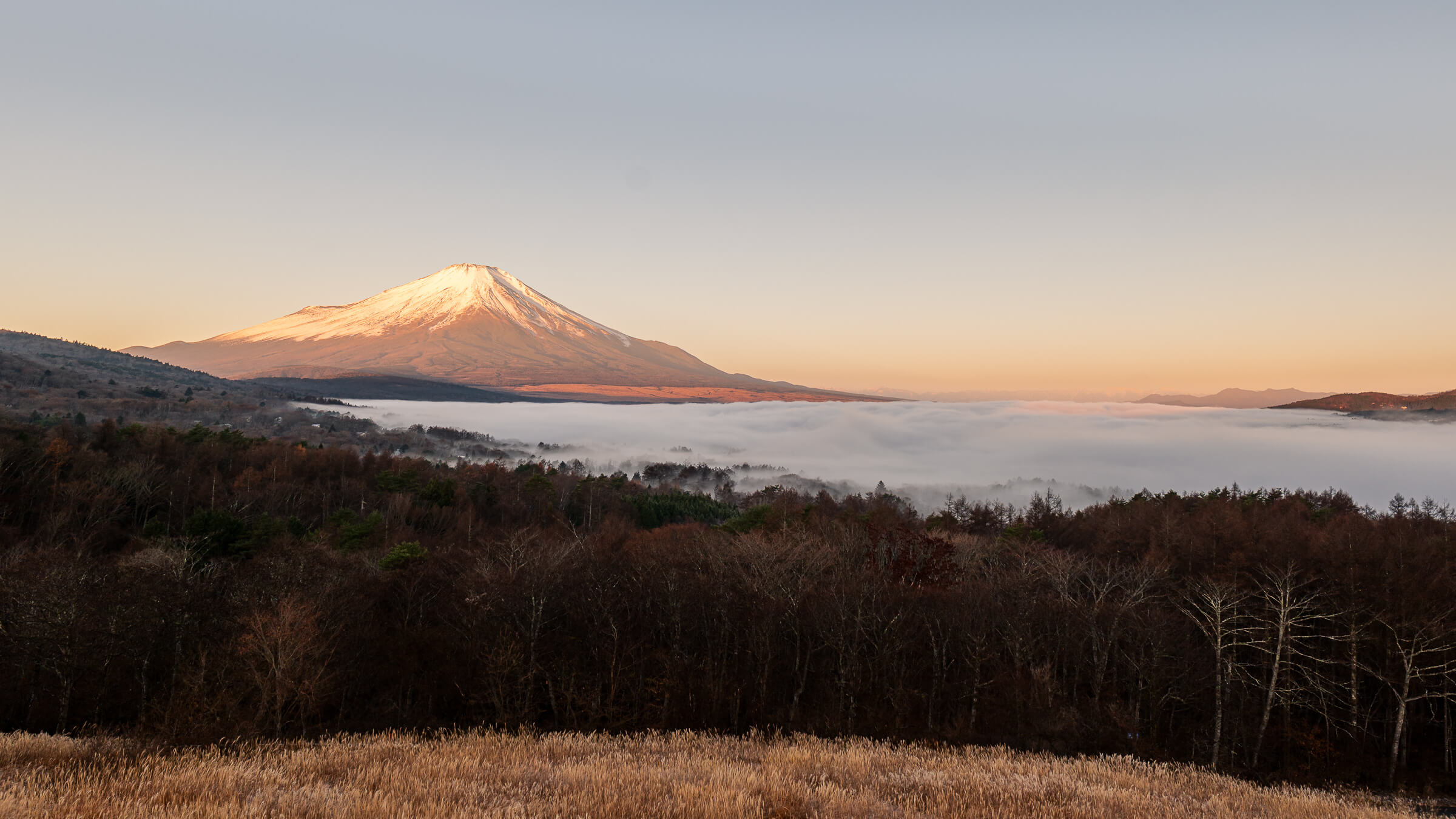
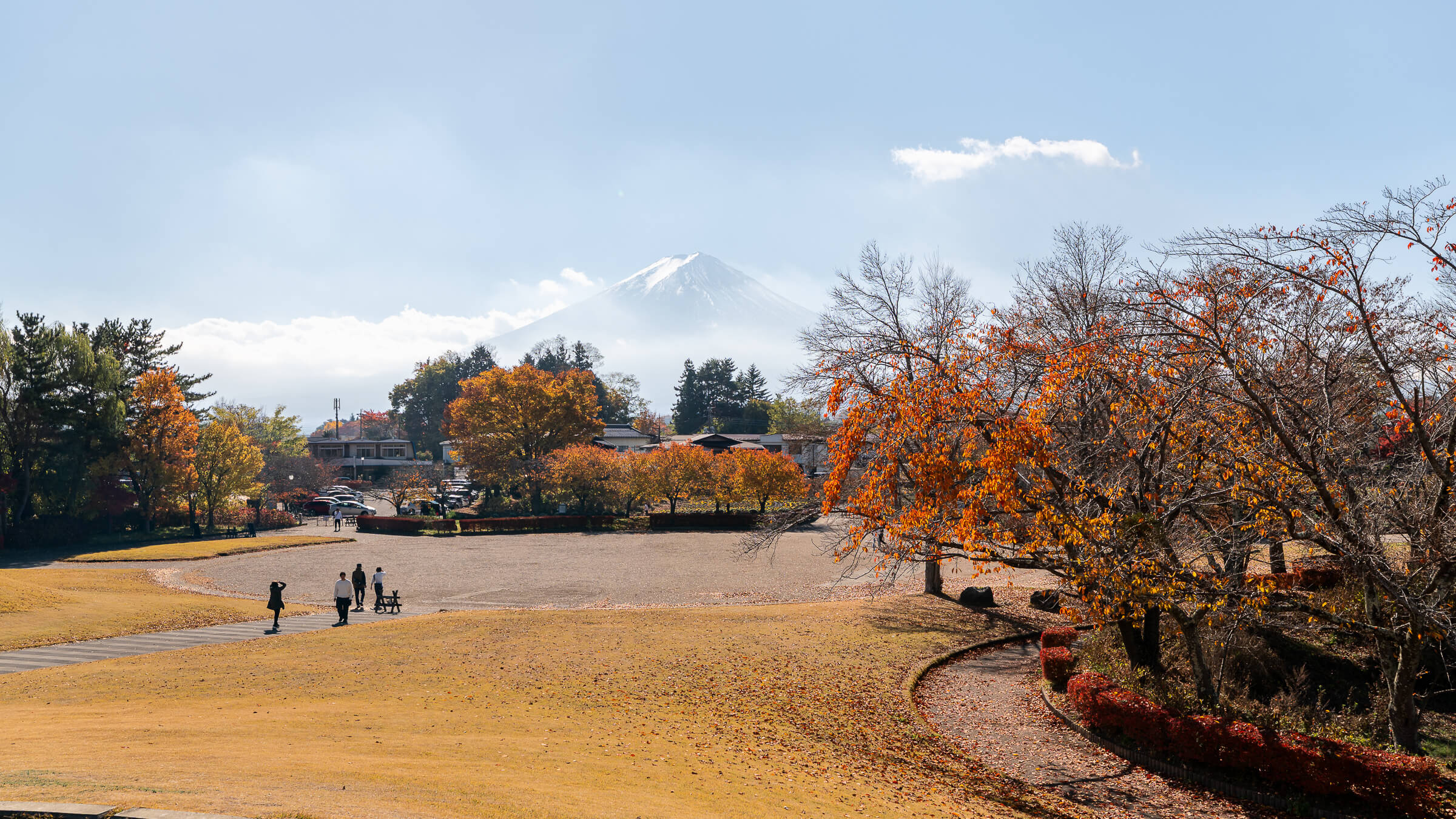
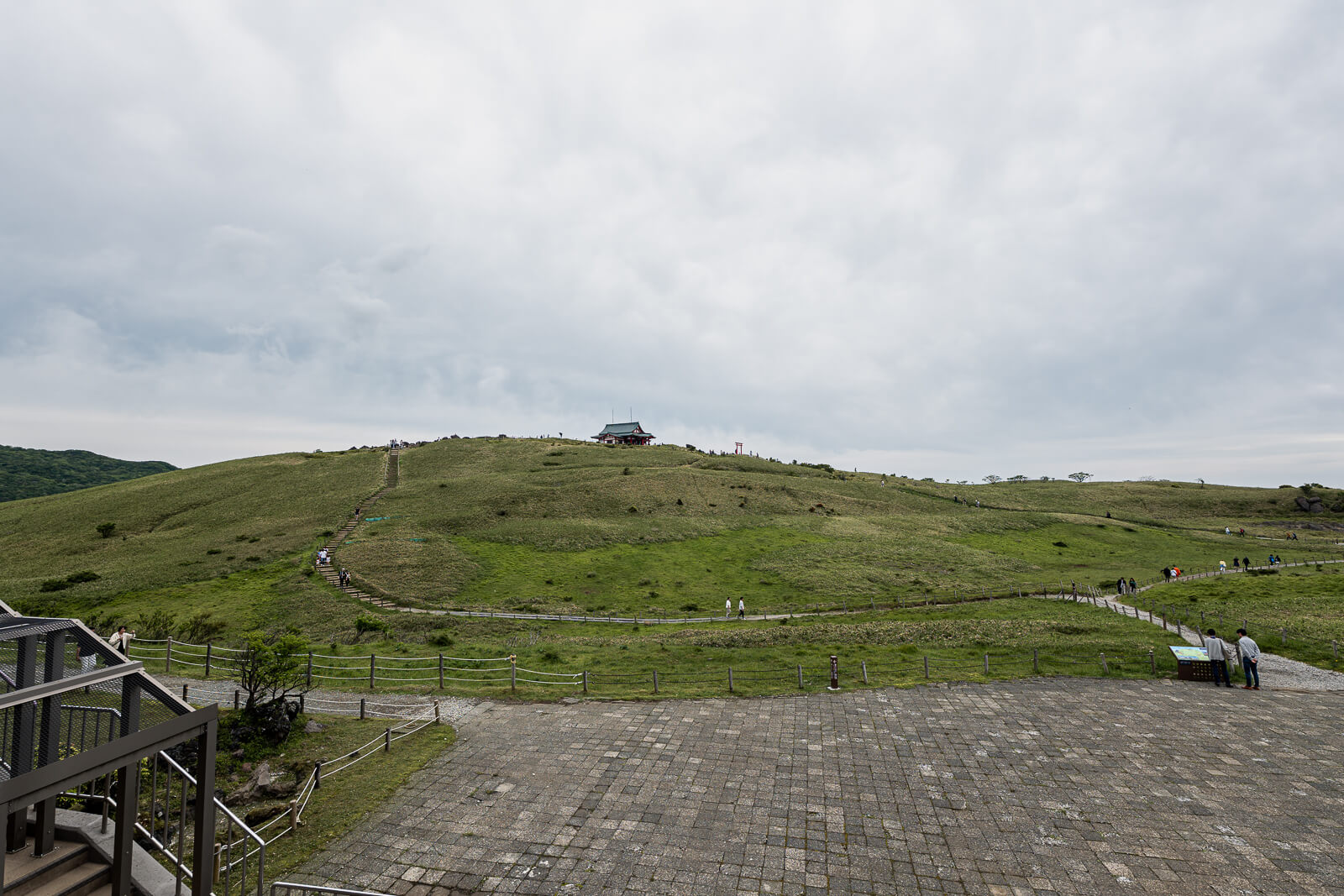
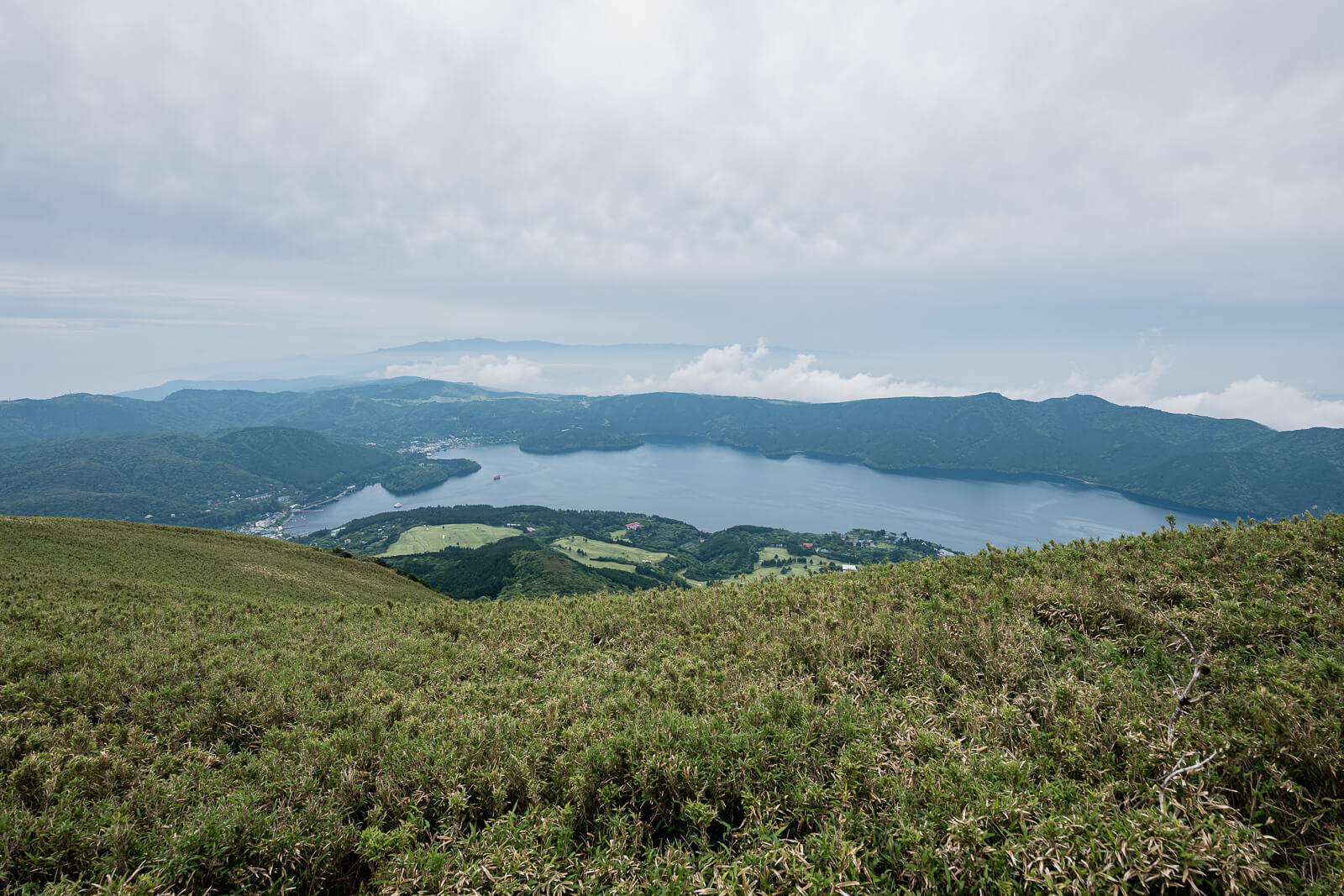
The summit area is designed for slow movement rather than structured routes. Broad observation decks provide uninterrupted views back toward Lake Ashi and outward across Hakone’s surrounding terrain. On clear days, Mount Fuji appears to the northwest, while other directions reveal Sagami Bay, Suruga Bay, and distant coastal outlines.
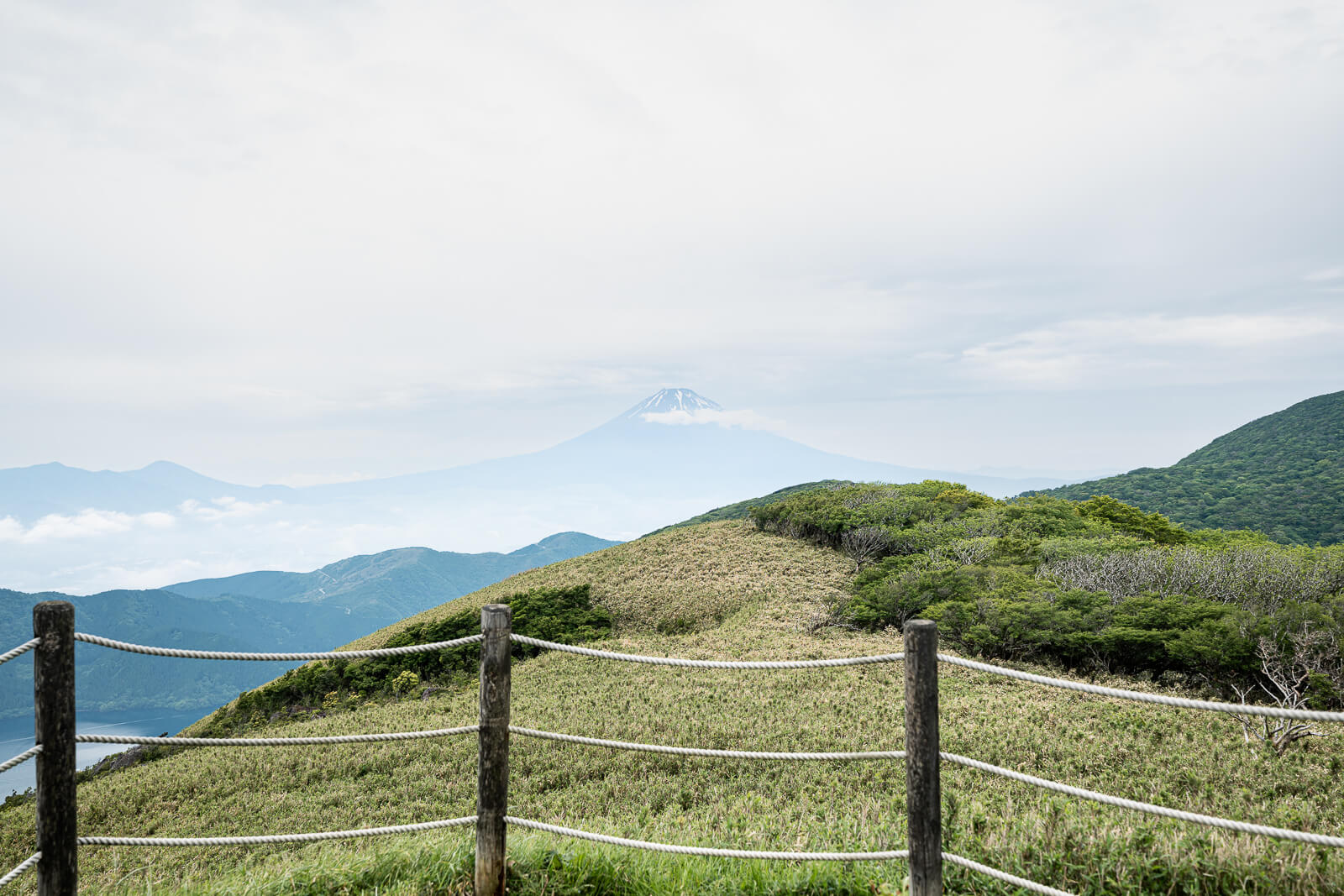
Paths around the summit allow for unhurried wandering between viewpoints. There is no single “correct” direction or sequence. Most visitors naturally spend time moving between outlooks, pausing, and watching light and weather shift.
A typical visit at the summit settles into about 45–60 minutes. Those who linger, photograph changing conditions, or explore additional paths may stay longer, but nothing here requires sustained walking or exertion.
The summit shrine and short climb to the top
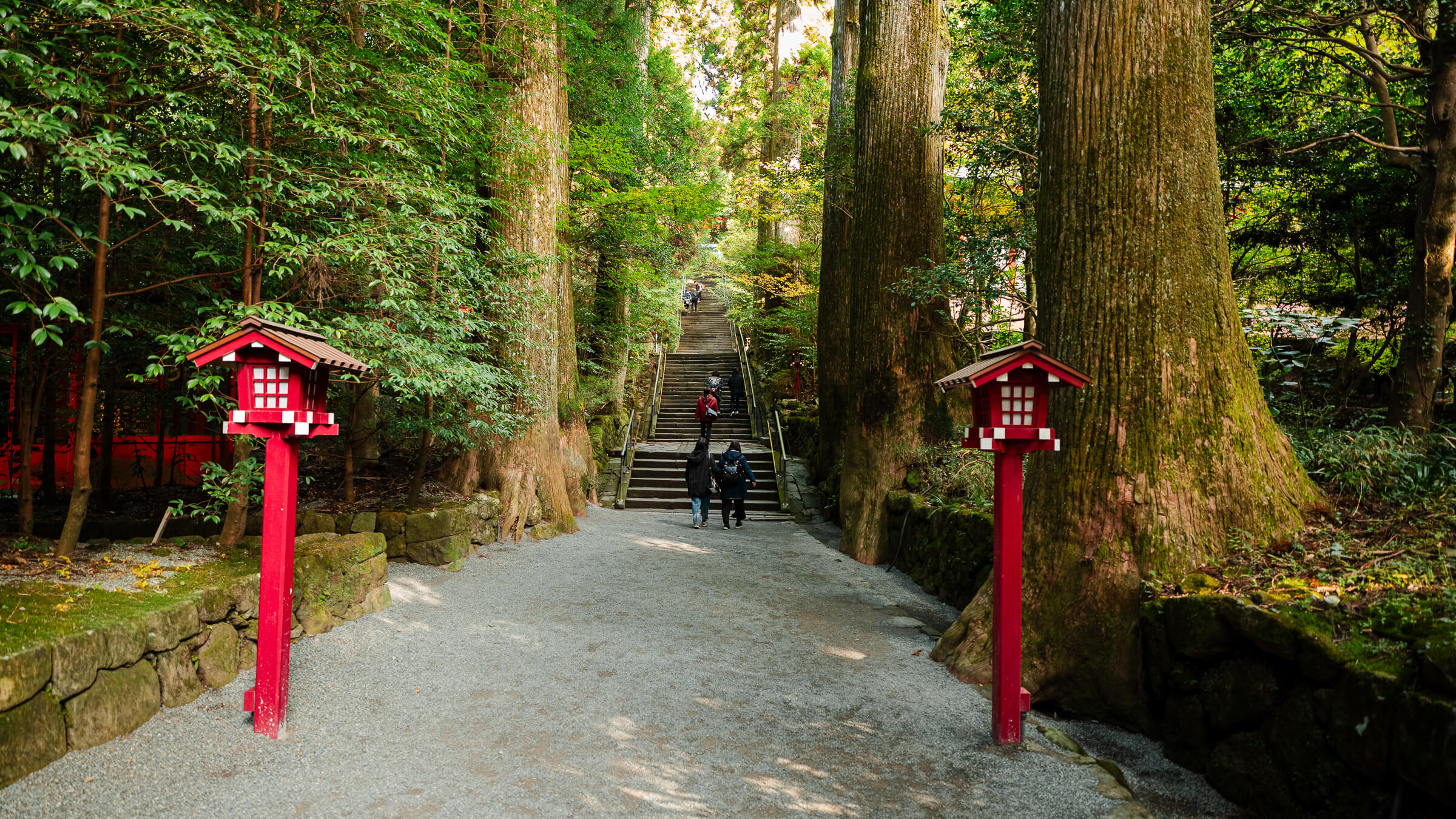
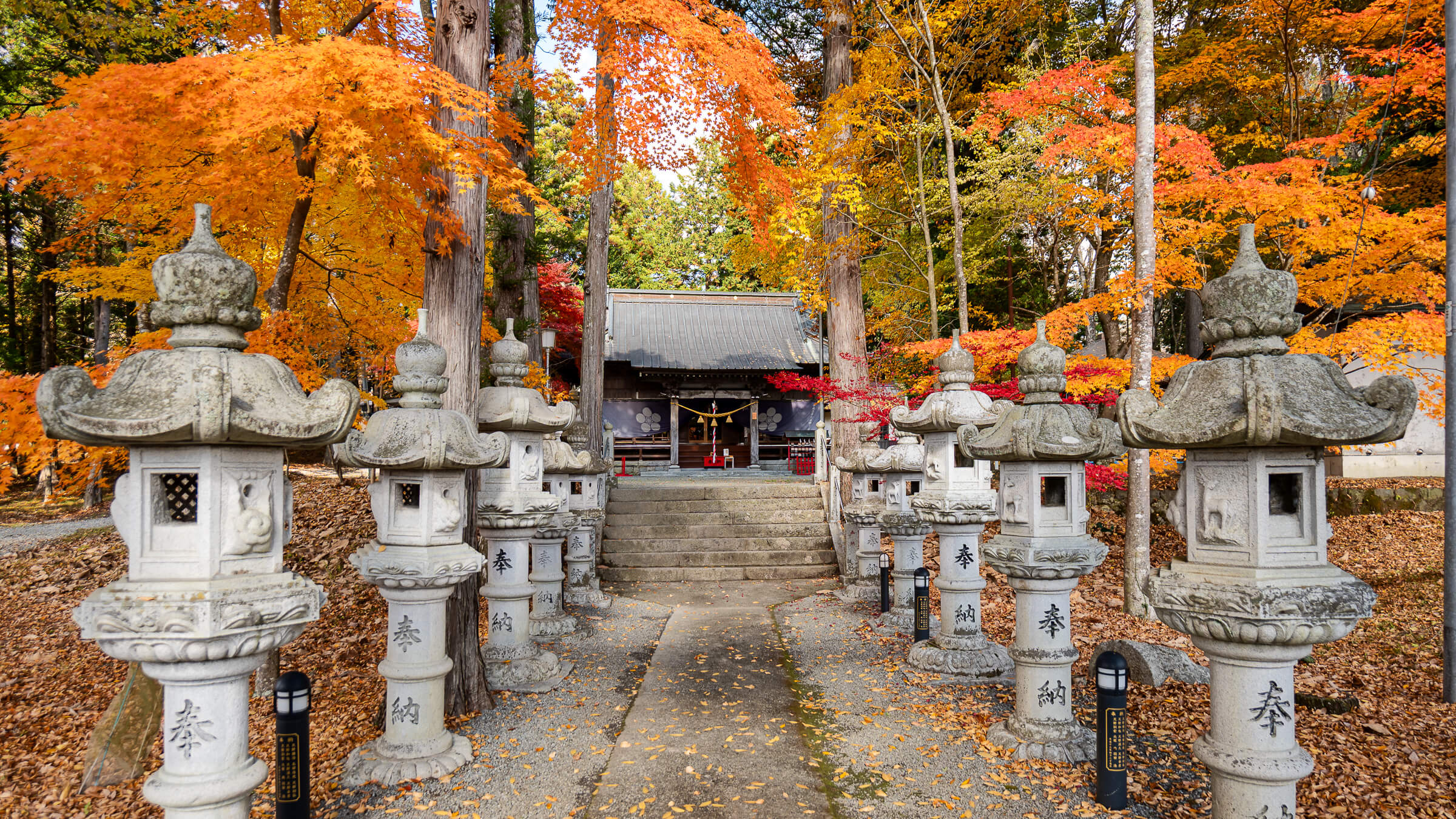
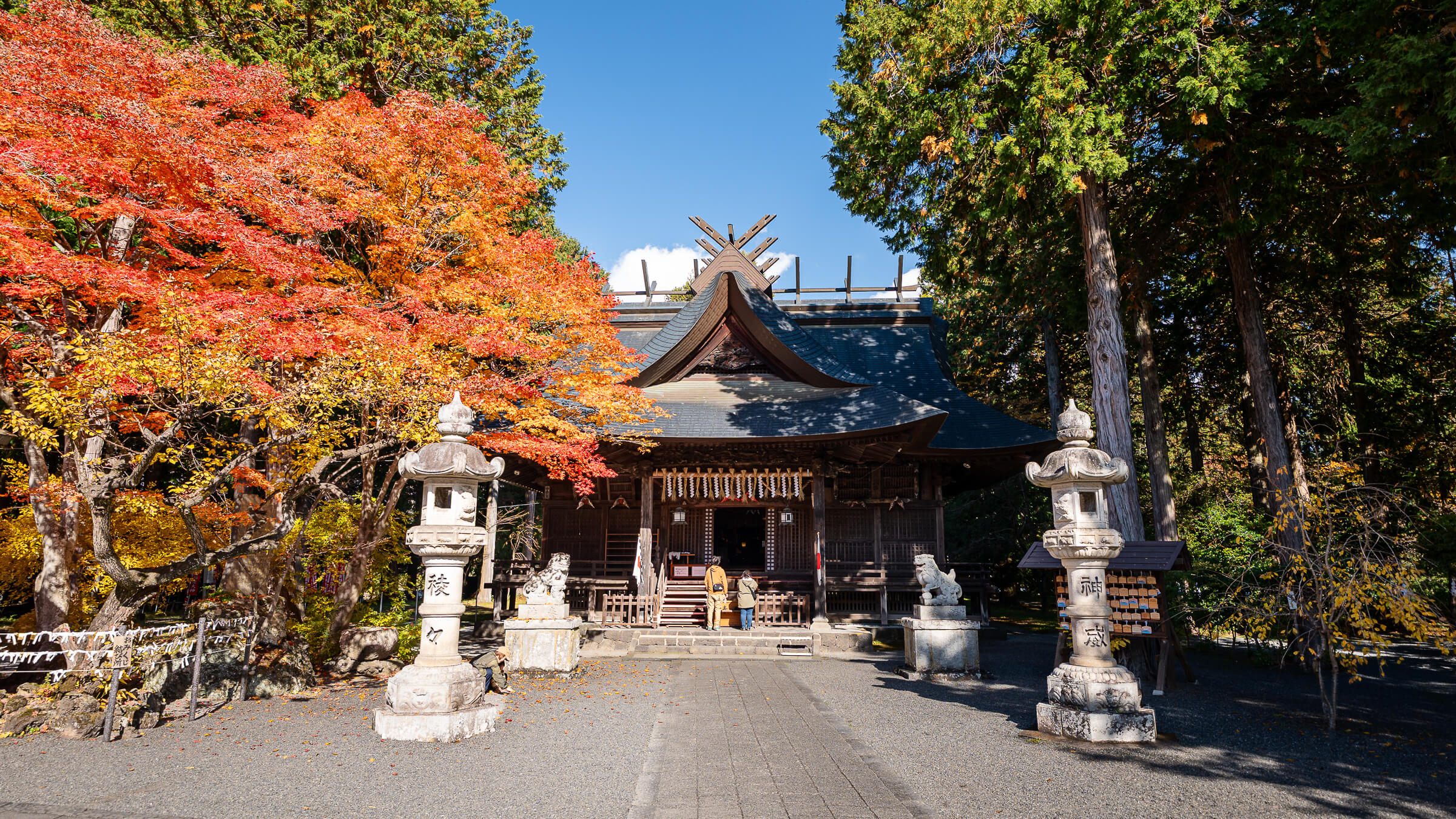
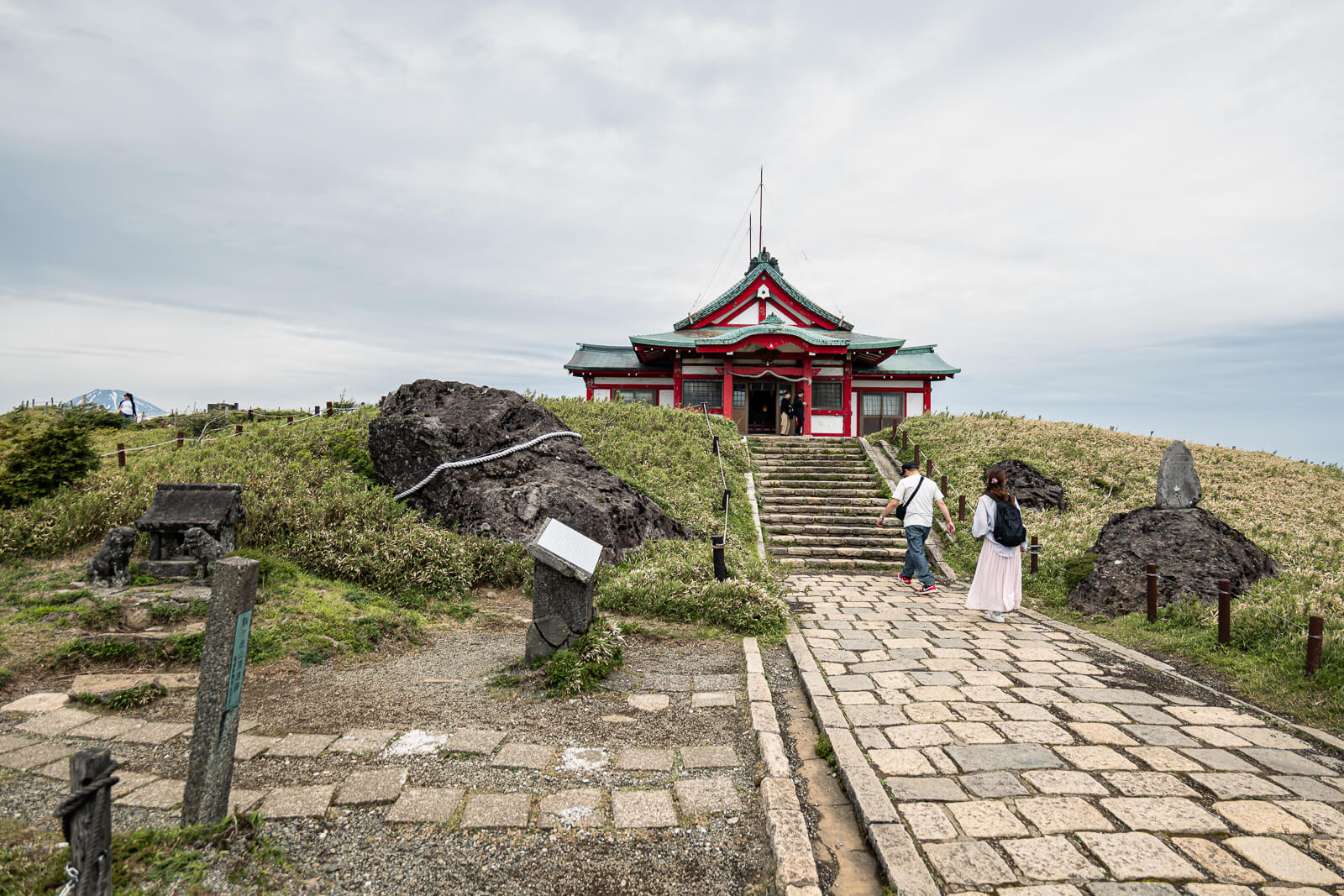
At the highest point of the summit area sits Hakone Mototsumiya Shrine, reached by a short set of stone steps that rise gently from the main walking paths. The climb is brief and straightforward, adding only a modest amount of effort and fitting naturally into how most visitors move around the summit. Reaching the shrine takes just a few minutes and does not require any special preparation or hiking experience.
The shrine visit is quiet and compact, offering a clear sense of elevation and a pause above the surrounding landscape. While the ropeway and views remain the core of the experience, the shrine feels like a natural extension of being at the top rather than a separate destination. Most visitors include it as part of their time on the summit without needing to plan for it specifically.
Atmosphere, timing, and pace
The ropeway experience is strongly visibility-dependent. Weather and clarity shape the payoff more than crowd levels. Clear mornings and stable afternoons provide the best chance for long-distance views, while haze or cloud cover may limit what can be seen without affecting the calmness of the visit.
Crowds tend to disperse naturally across observation areas rather than concentrate in a single spot. Even during busier periods, the summit rarely feels compressed or hurried.
Because operating hours are limited, this stop works best when placed intentionally rather than as a late-day afterthought.
How this fits into the Lake Ashi area
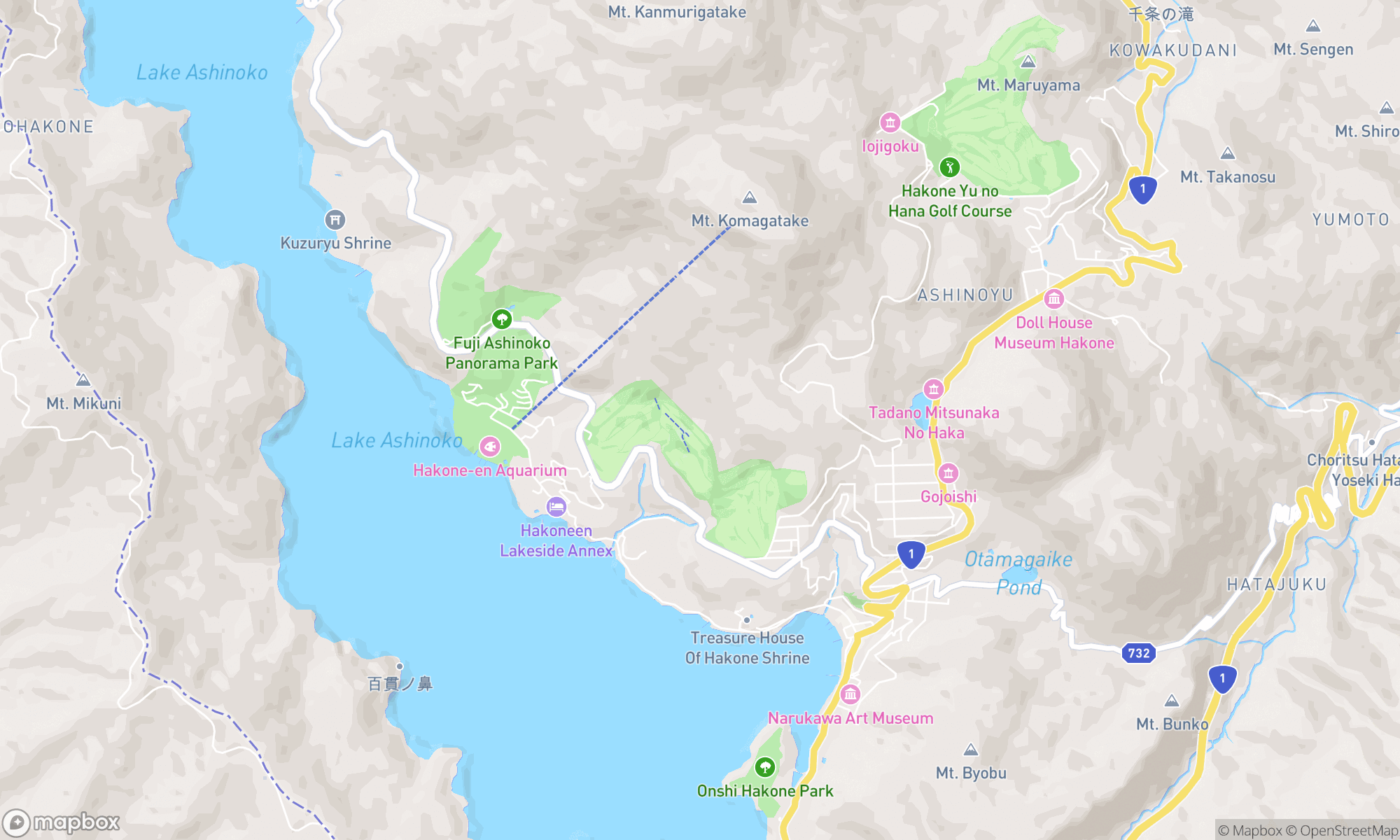
Hakone Komagatake Ropeway integrates easily with nearby attractions. The base station sits directly beside the Lake Ashi pleasure boat port, making it a natural pairing with a lake crossing. Hakone Shrine is close enough to combine without additional transit planning.
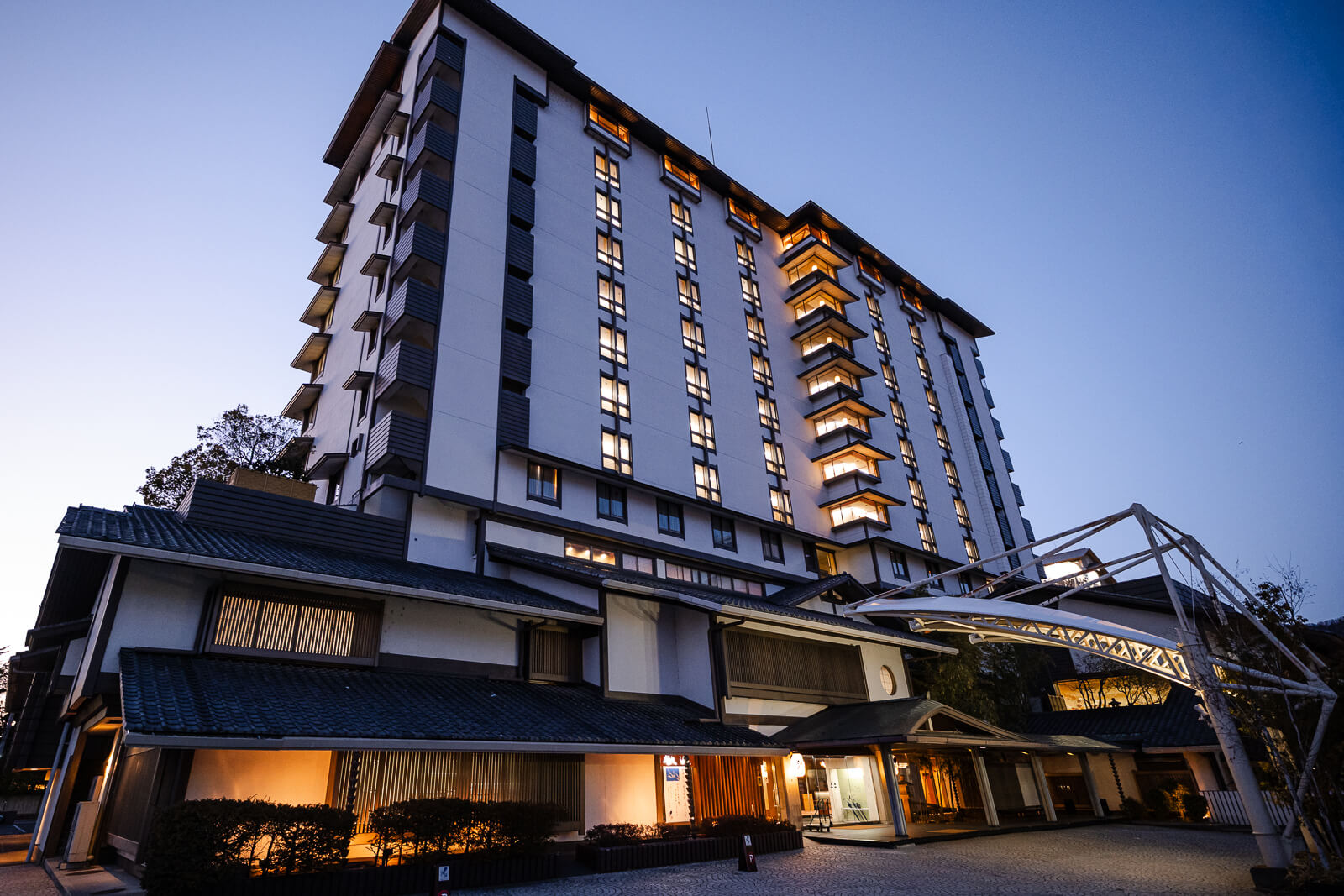
The surrounding Hakone-en area includes shops, food options, an aquarium, and a large lakeside hotel complex. Even without riding the ropeway, the area functions as a low-effort stop, which makes the ascent an easy decision for those already nearby.
Getting there
Access centers on the Hakone-en area along Lake Ashi. Travelers using regional passes typically arrive by bus or pleasure boat, while those driving benefit from a large, clearly organized parking lot adjacent to the ropeway base.
Arrival feels straightforward rather than remote. The final approach does not involve long walks or confusing transfers, reducing hesitation for travelers moving through Hakone on a tight schedule.
Hours and Fees
Operating hours
Upward rides: 9:00–16:30
Downward rides: 9:00–16:50
Ride duration
Approximately 7 minutes each way
Admission (round trip)
Adults: ¥1,800
Children (elementary school age): ¥900
Hours and details can change seasonally; confirm on the official site before visiting.